
 Texas Native
Monterrey Oak
Quercus polymorphaLocal DFW Delivery Only
Product Details
Monterrey Oak
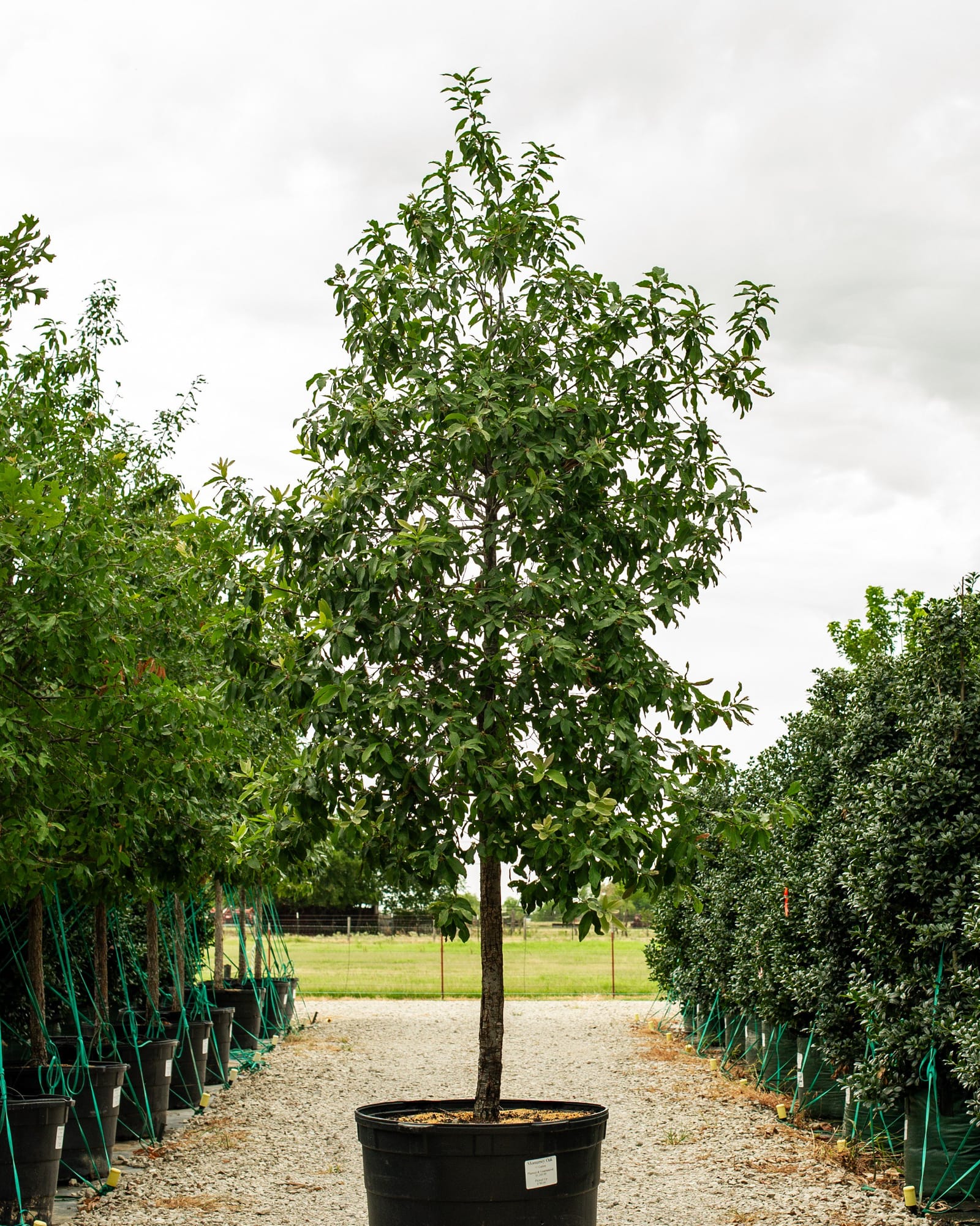
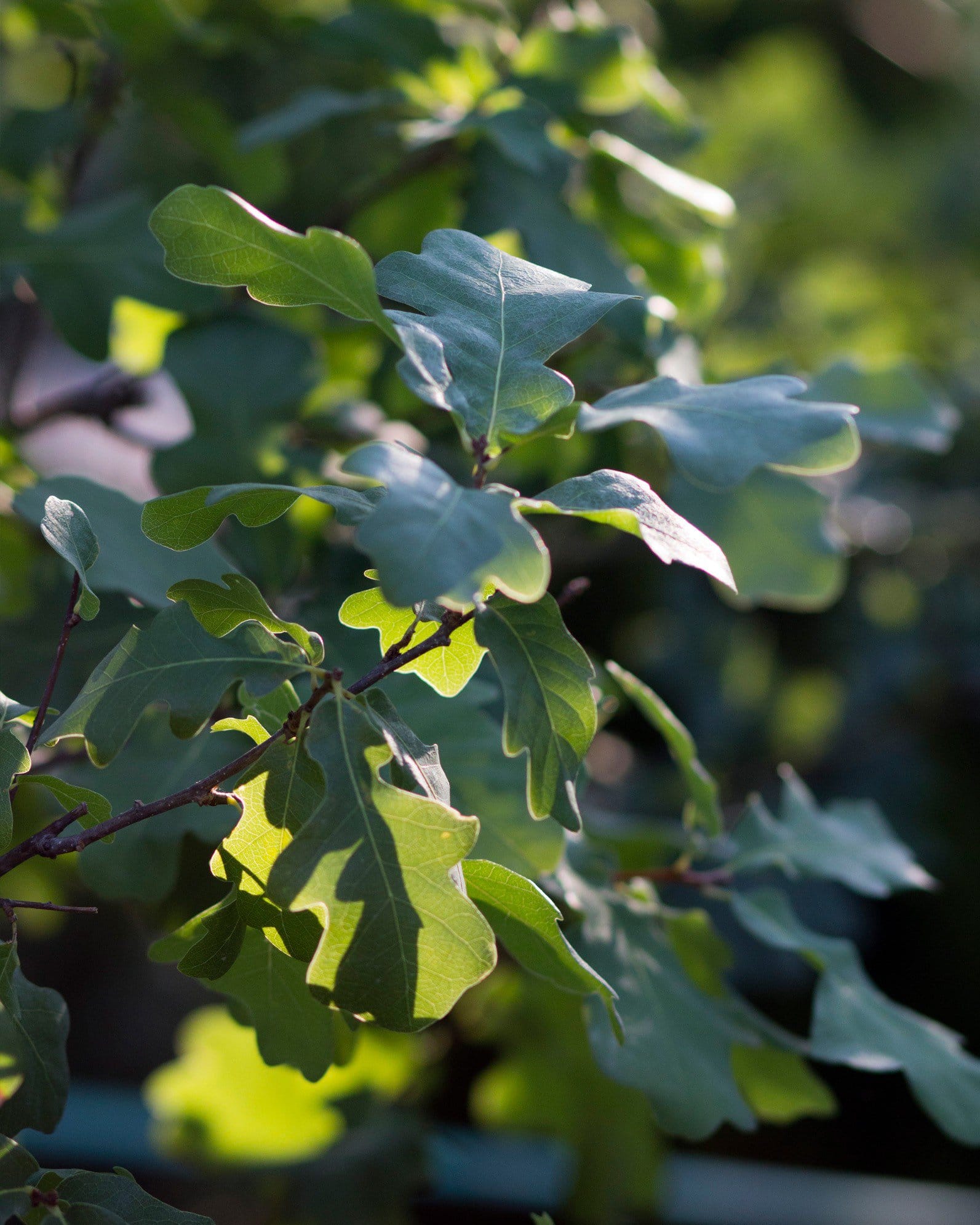
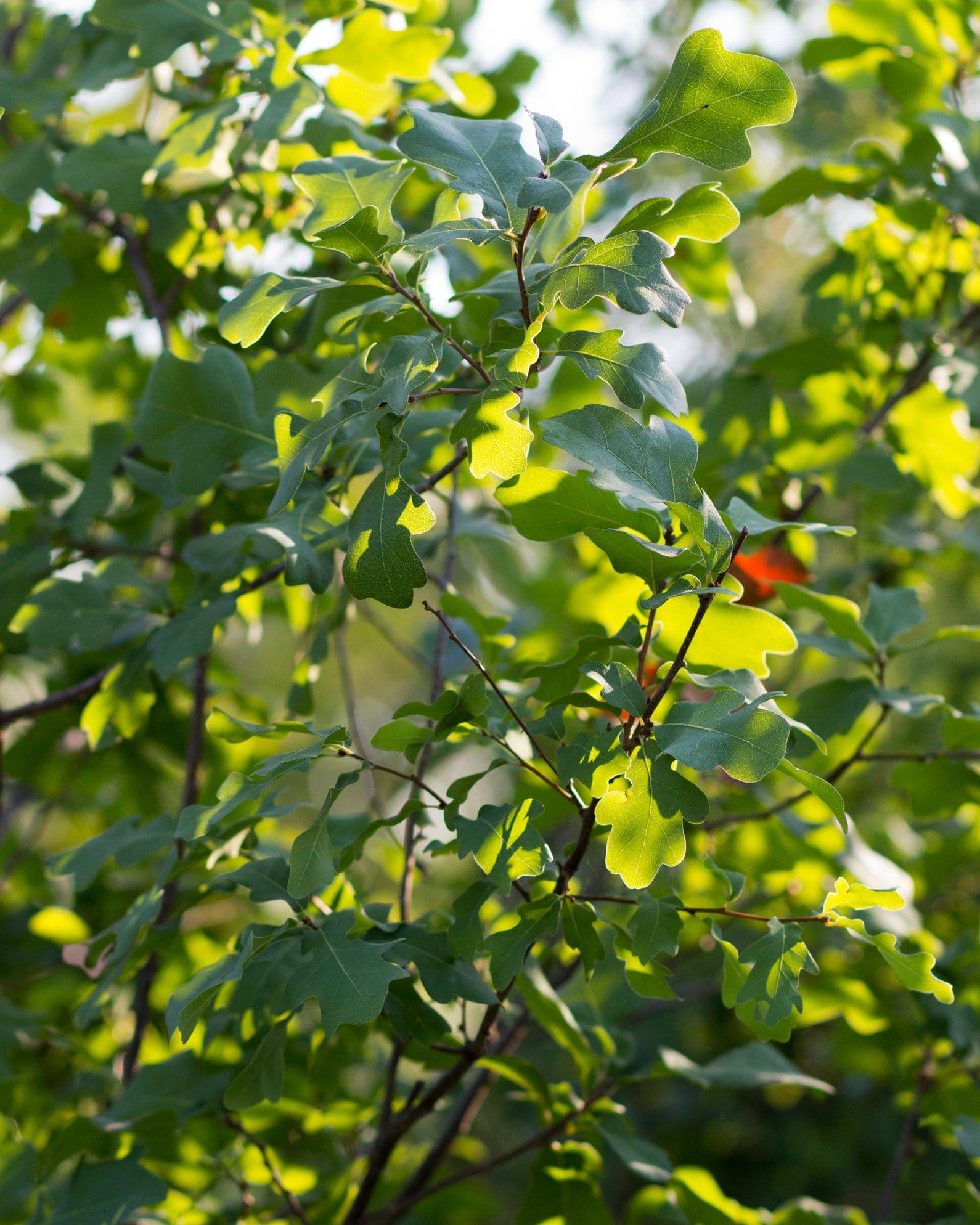
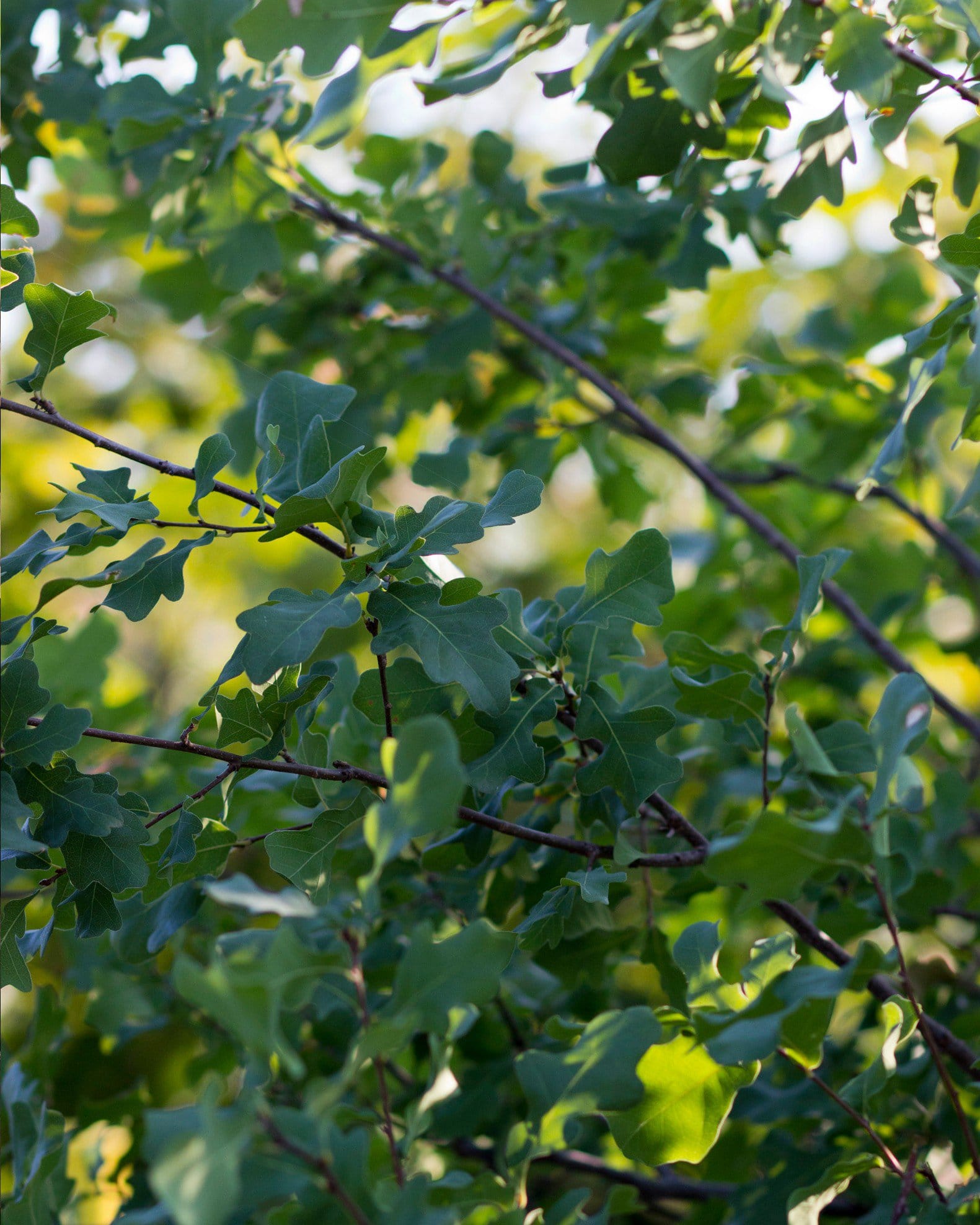
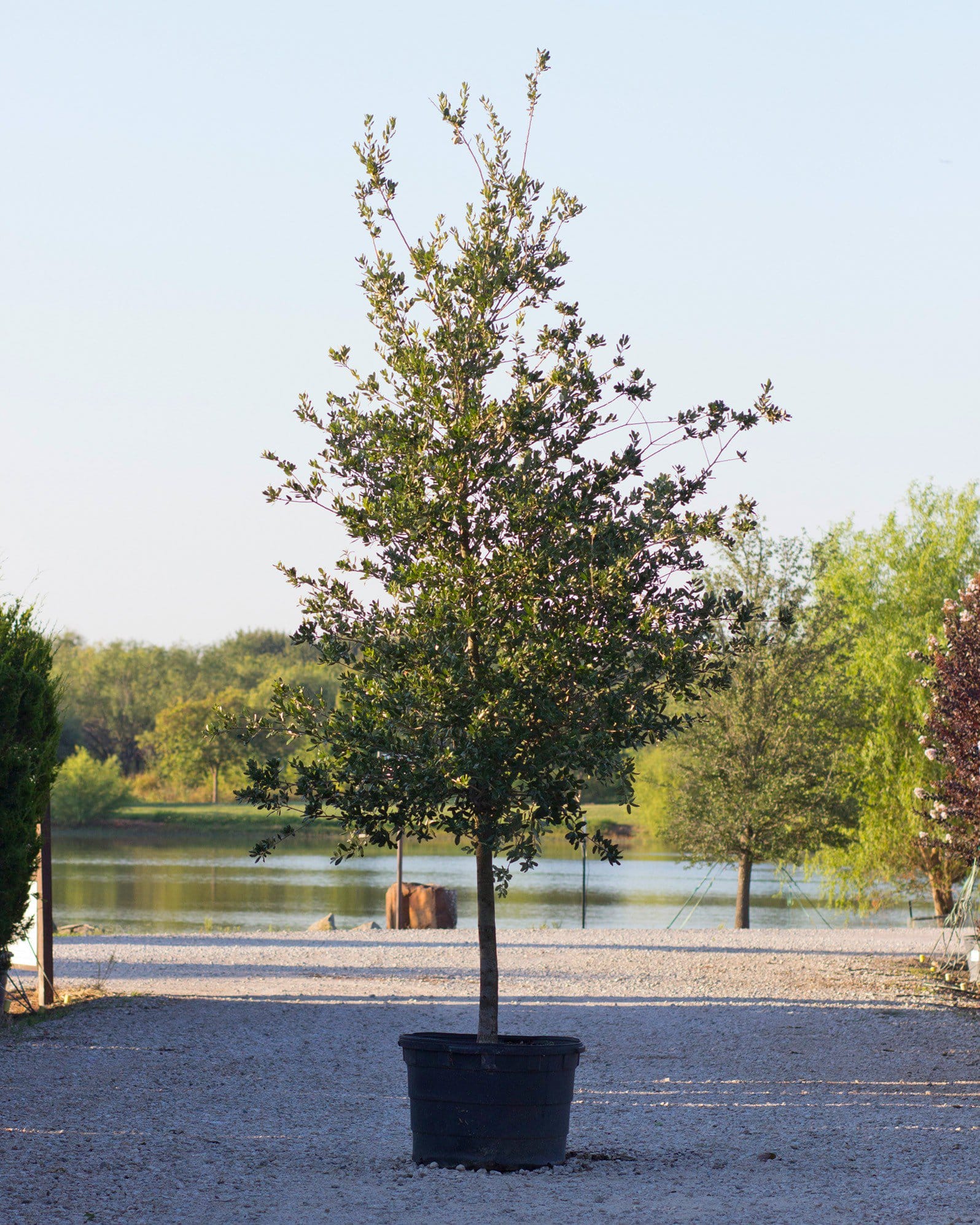
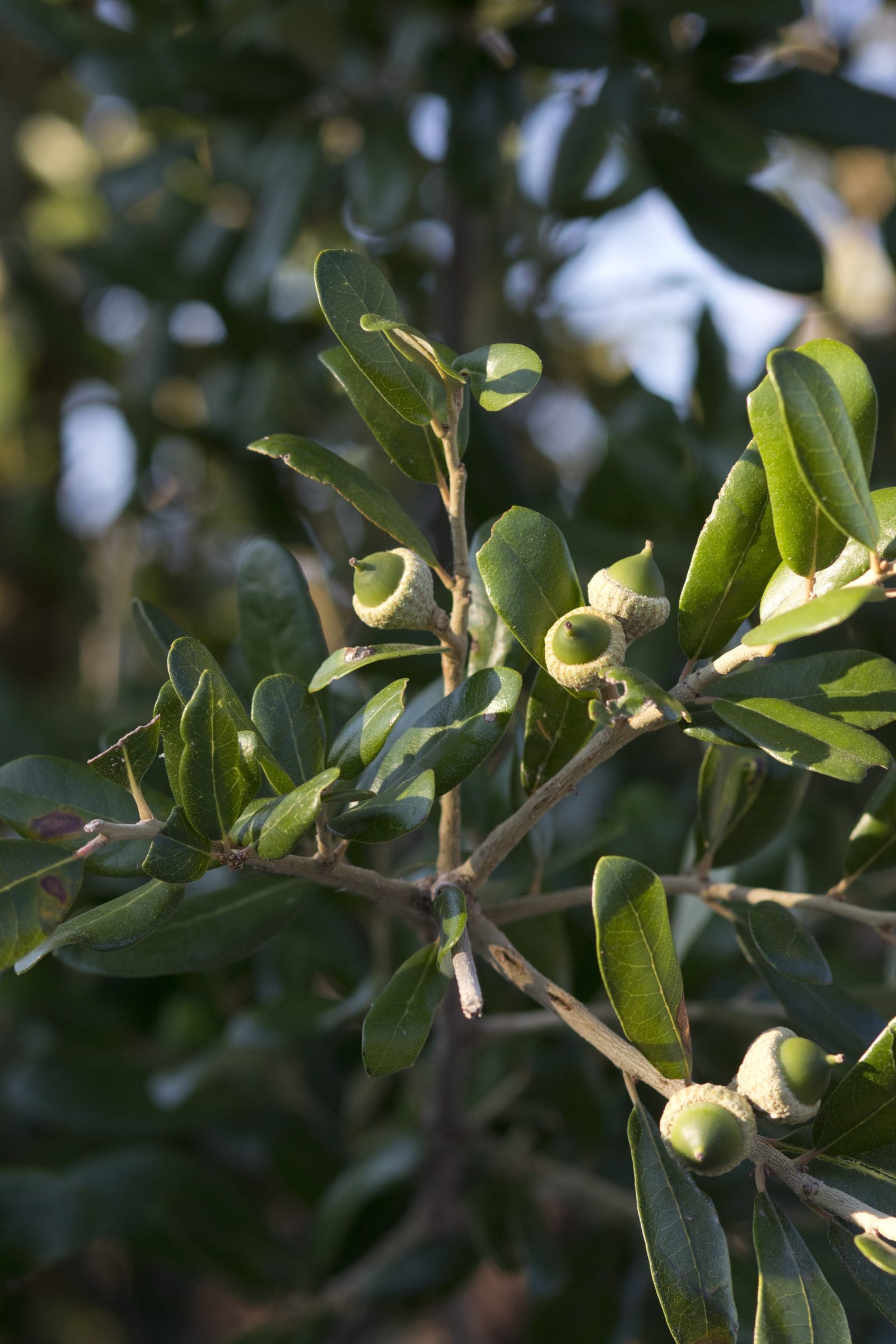
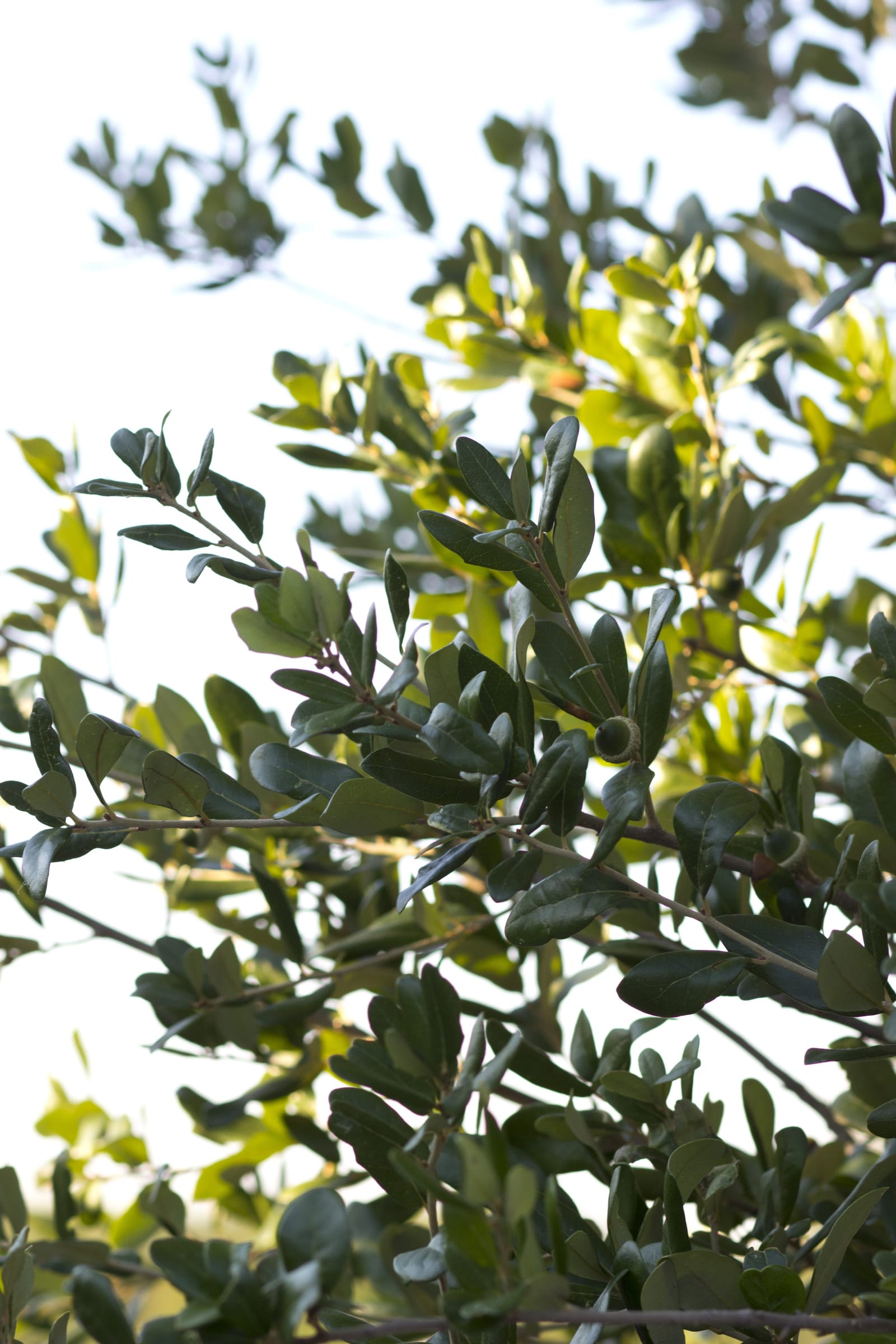
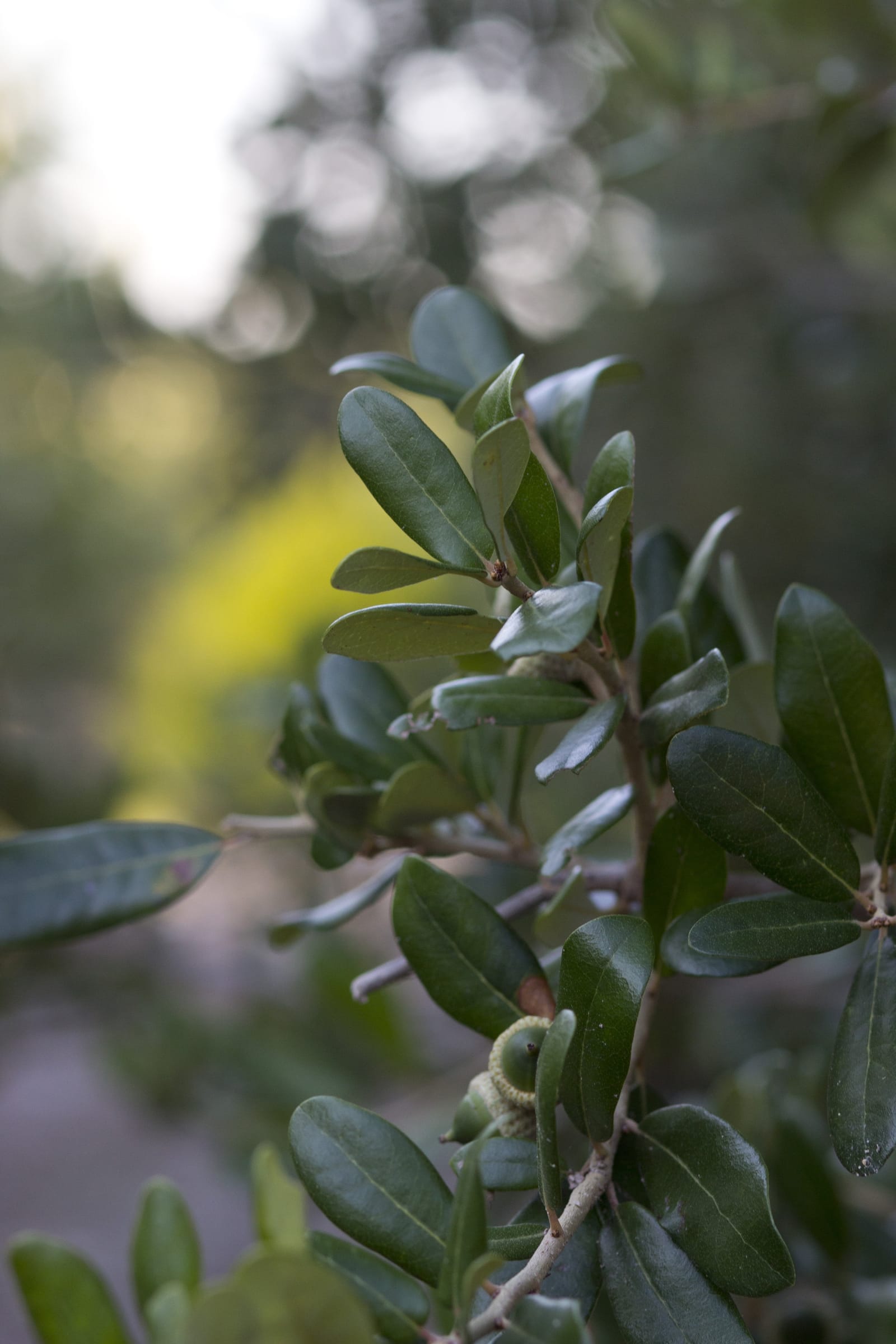
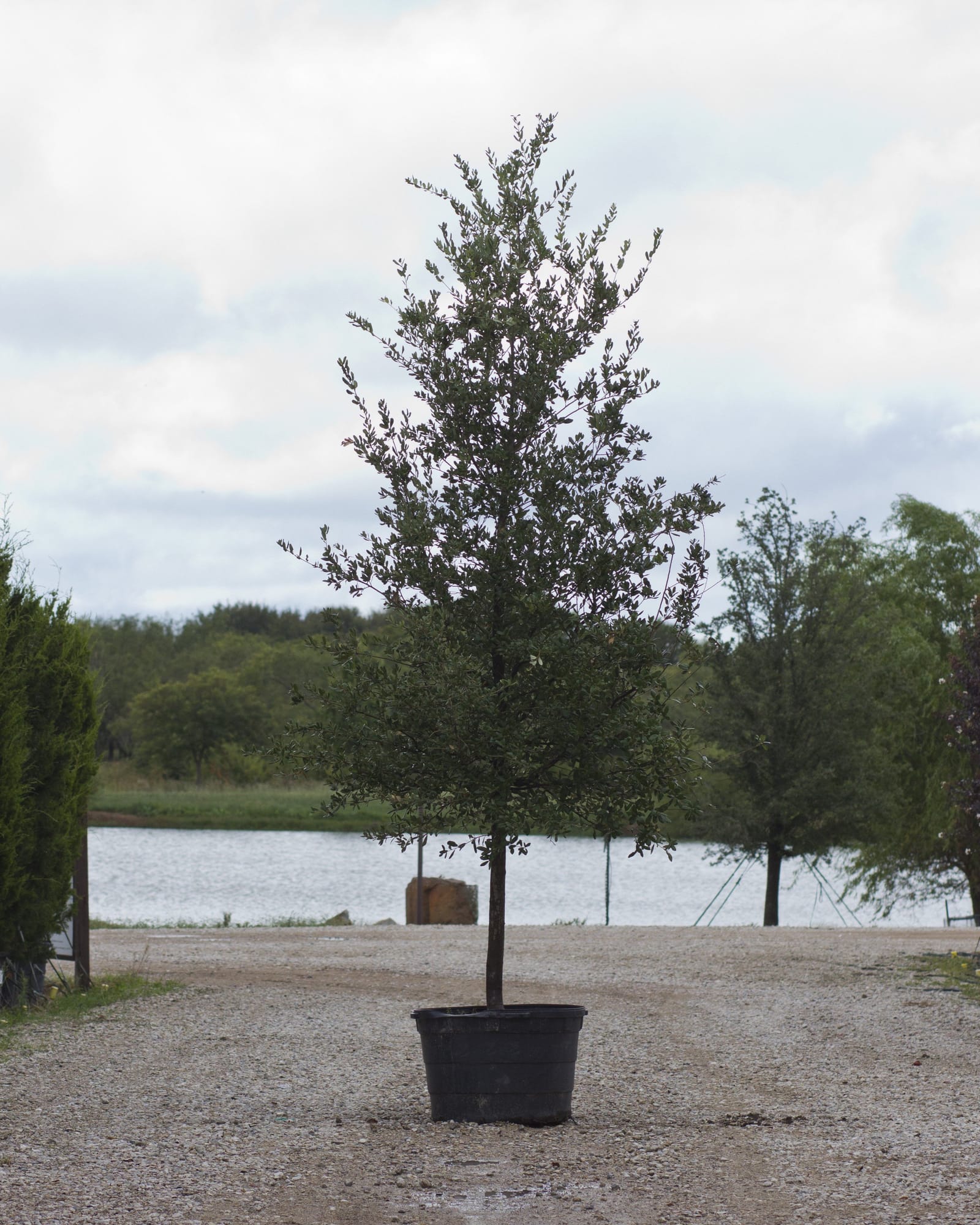
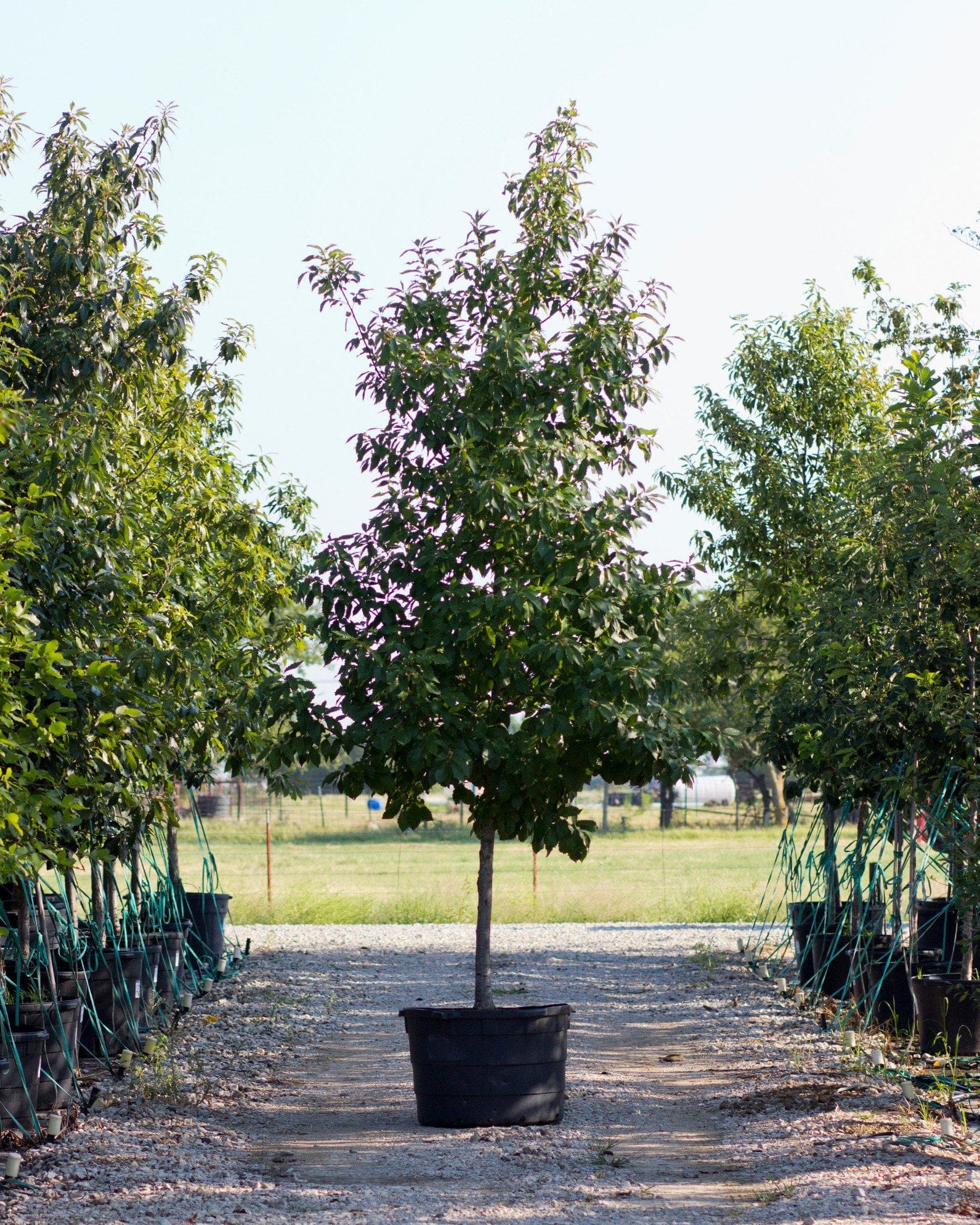
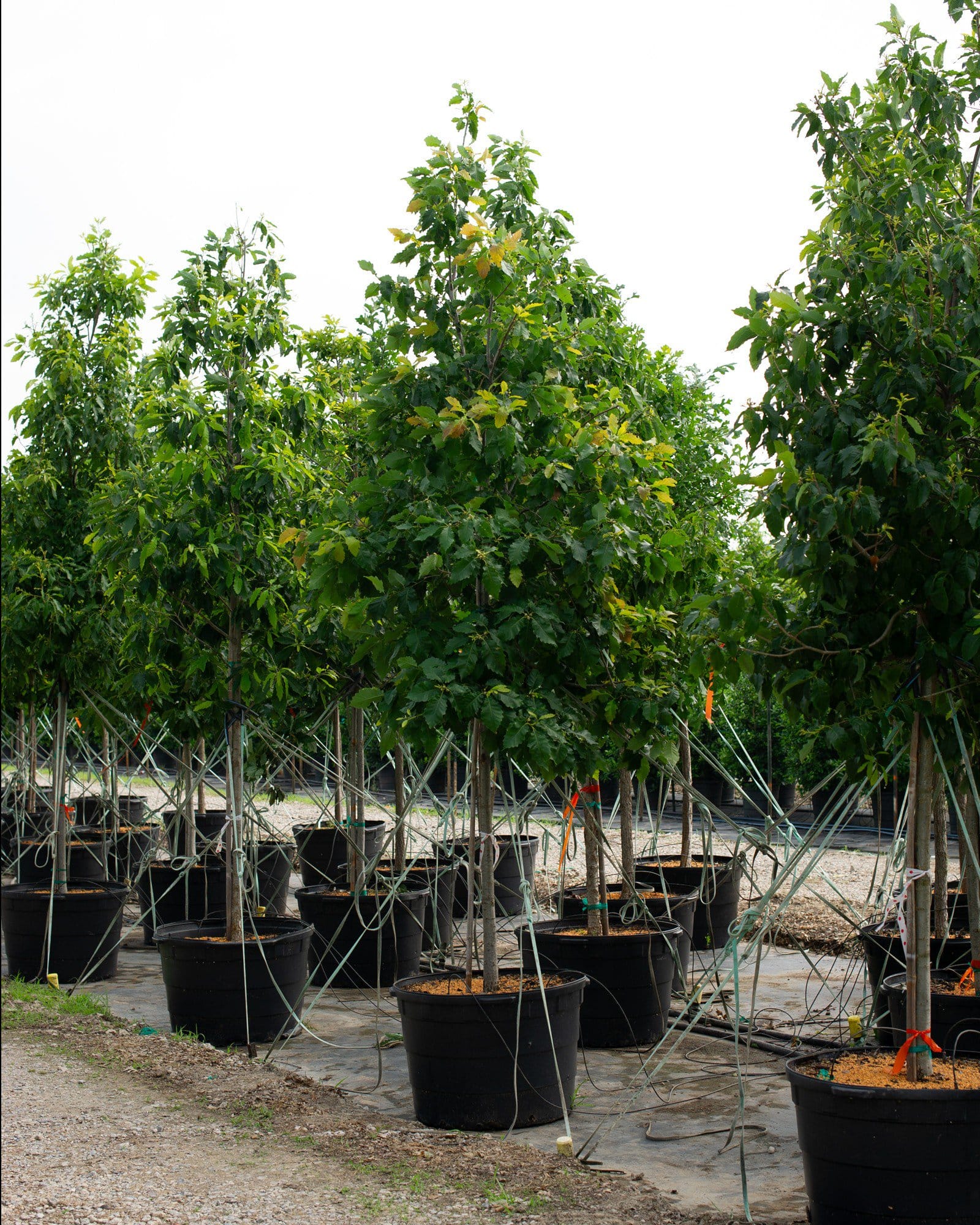
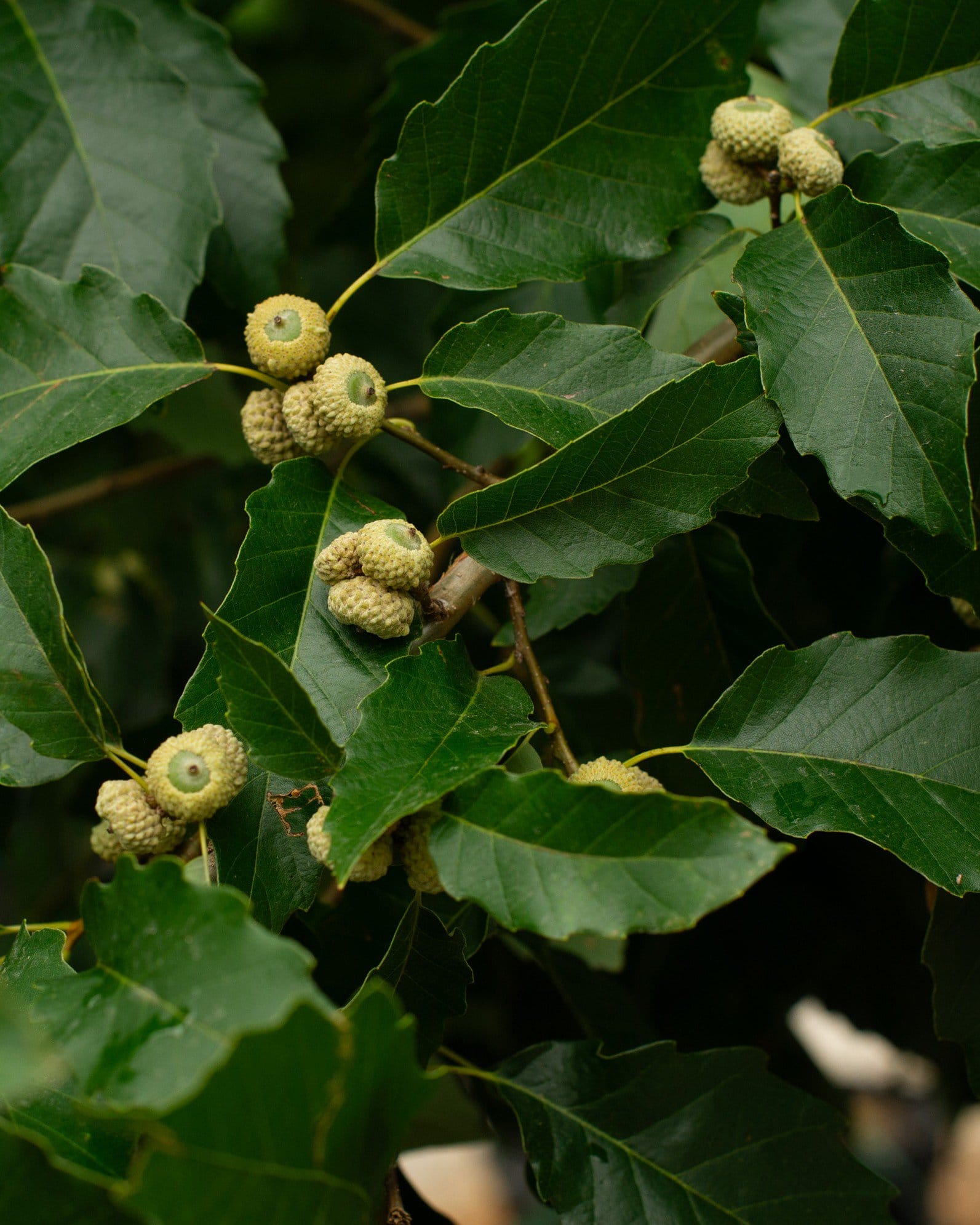
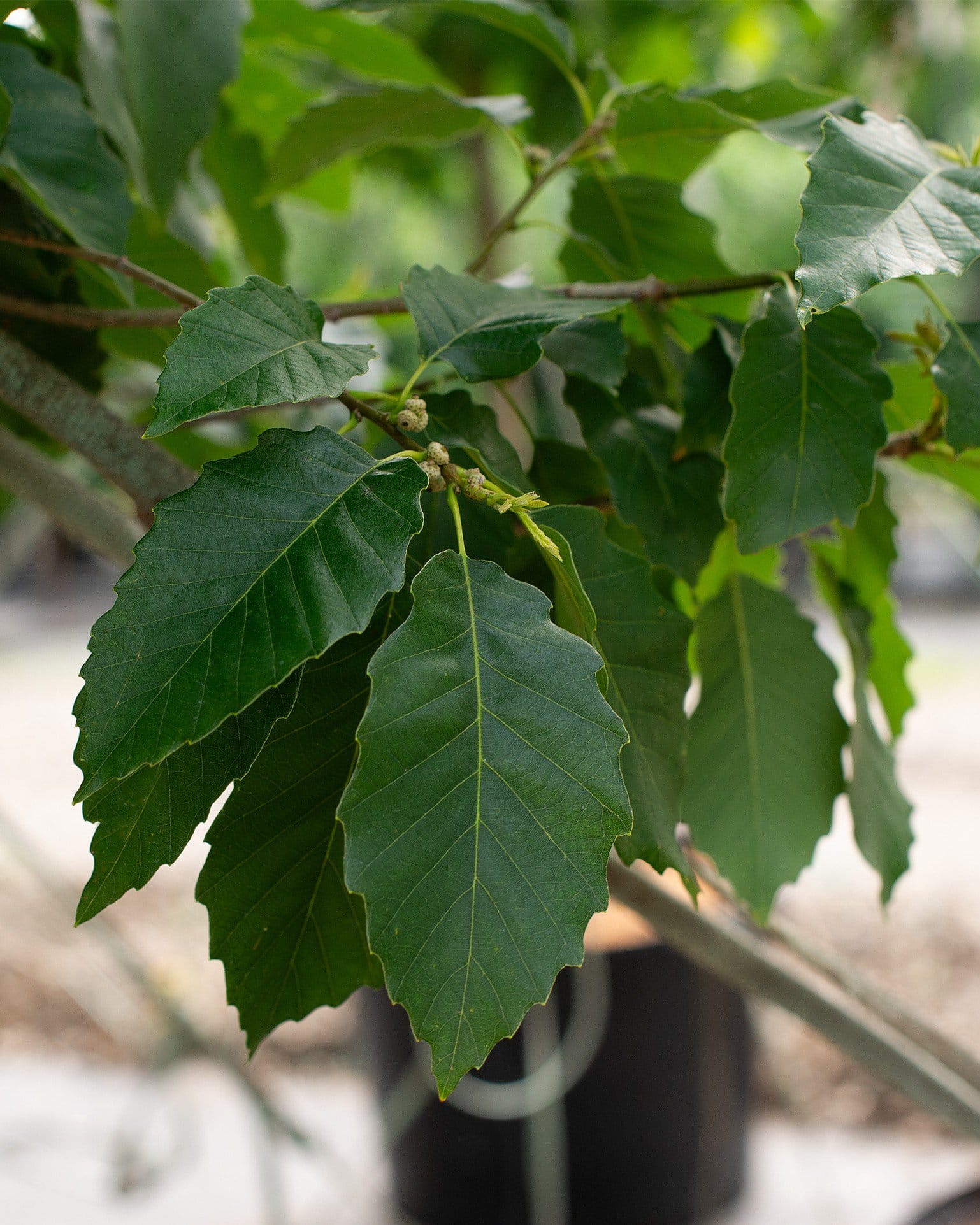
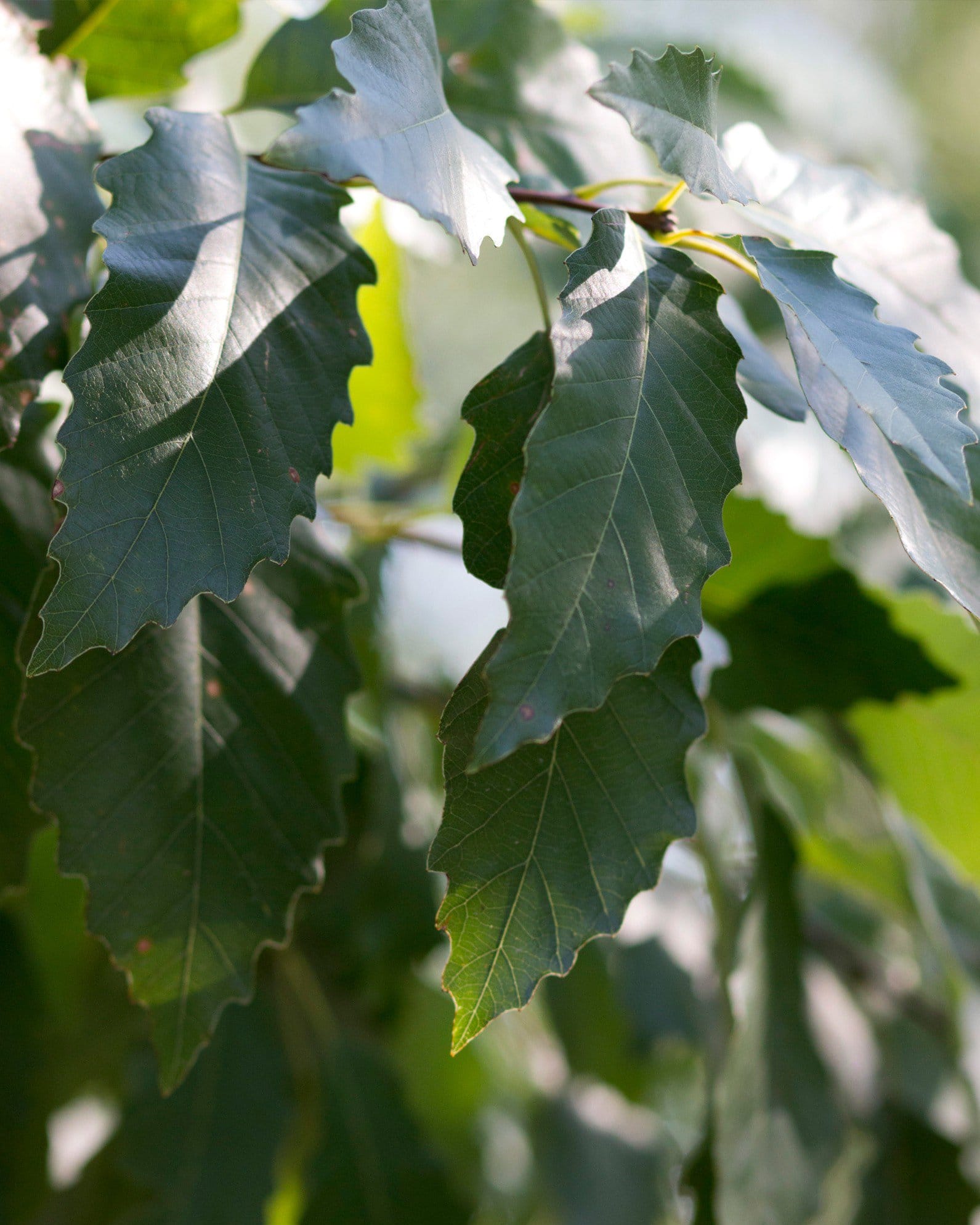
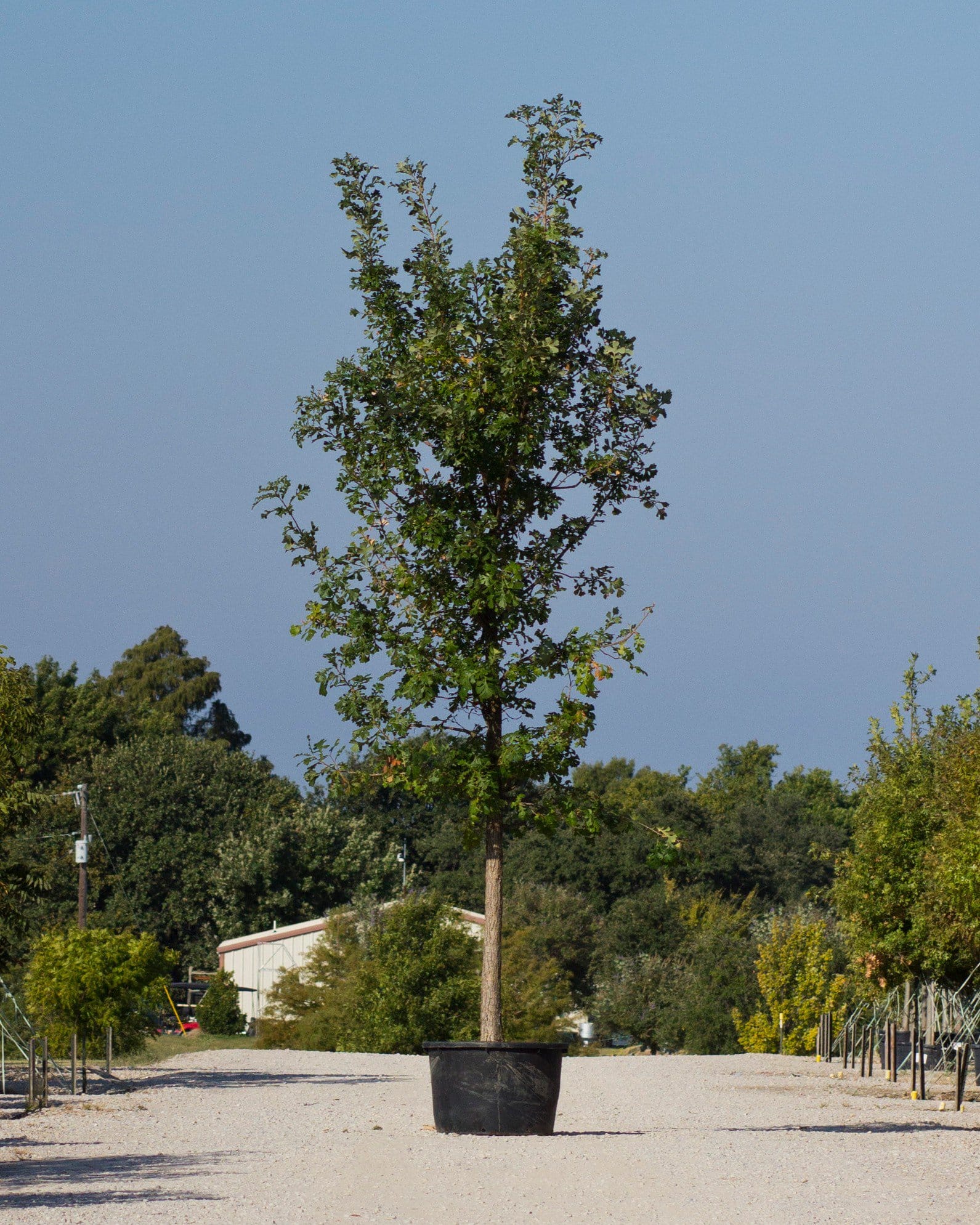
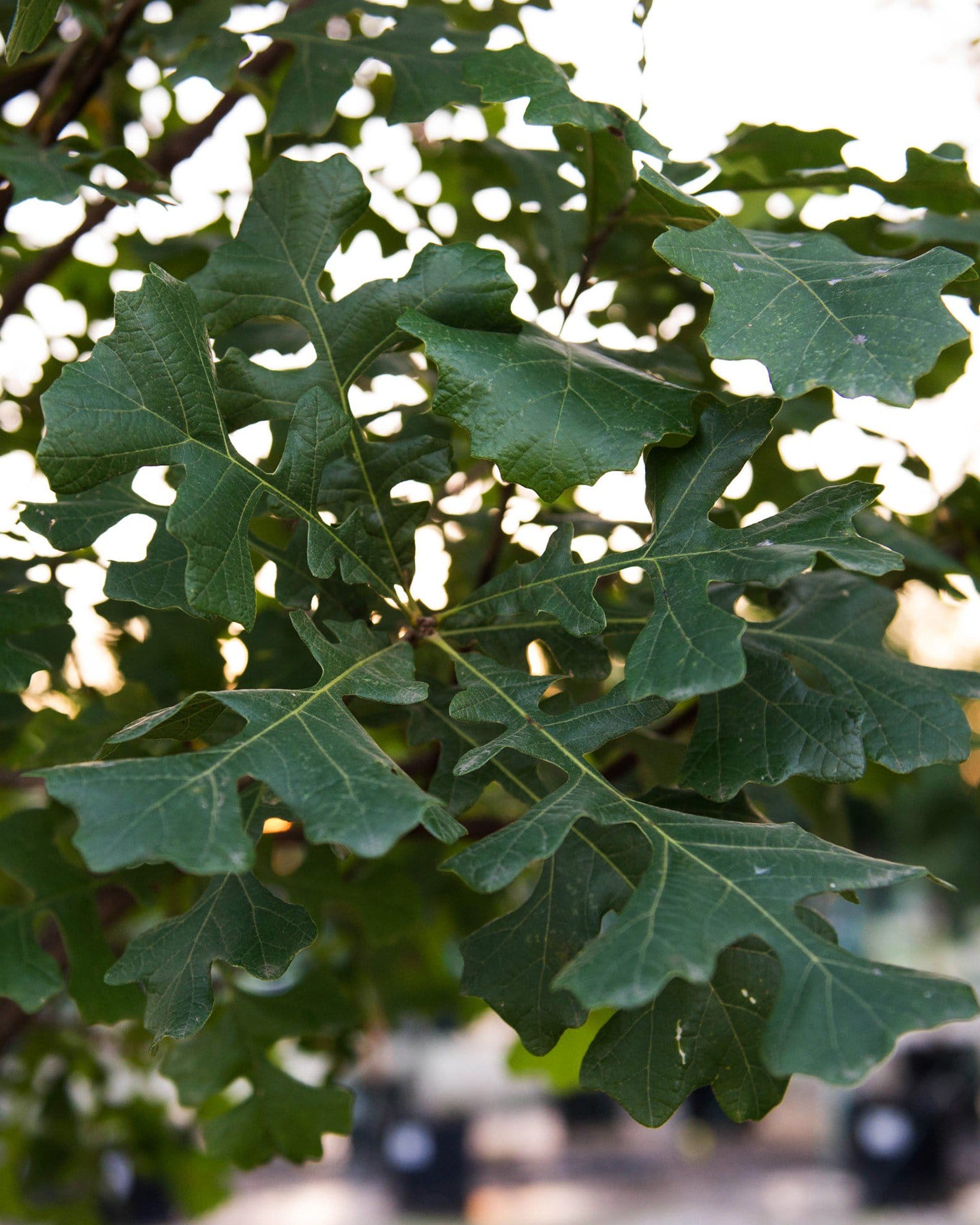
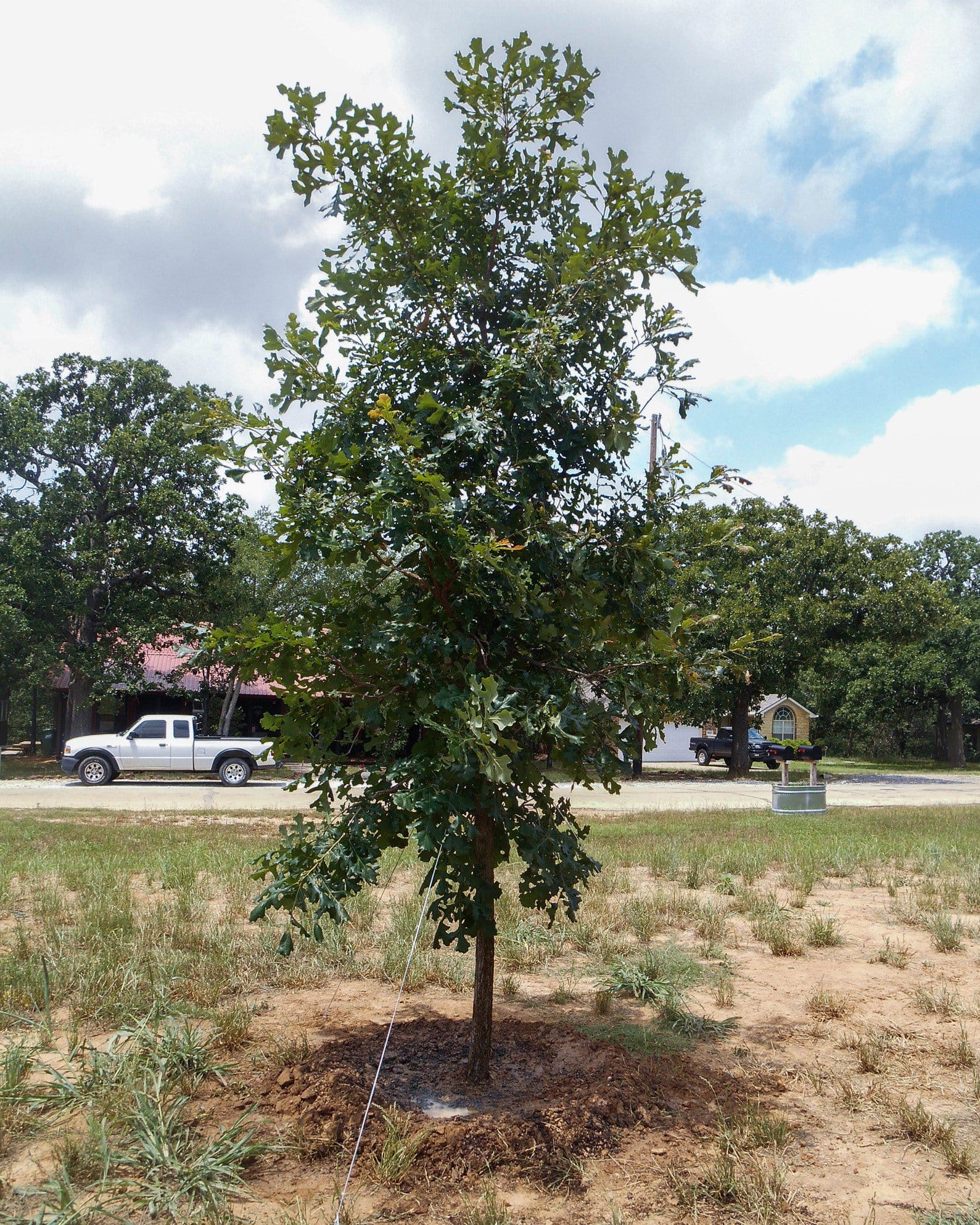
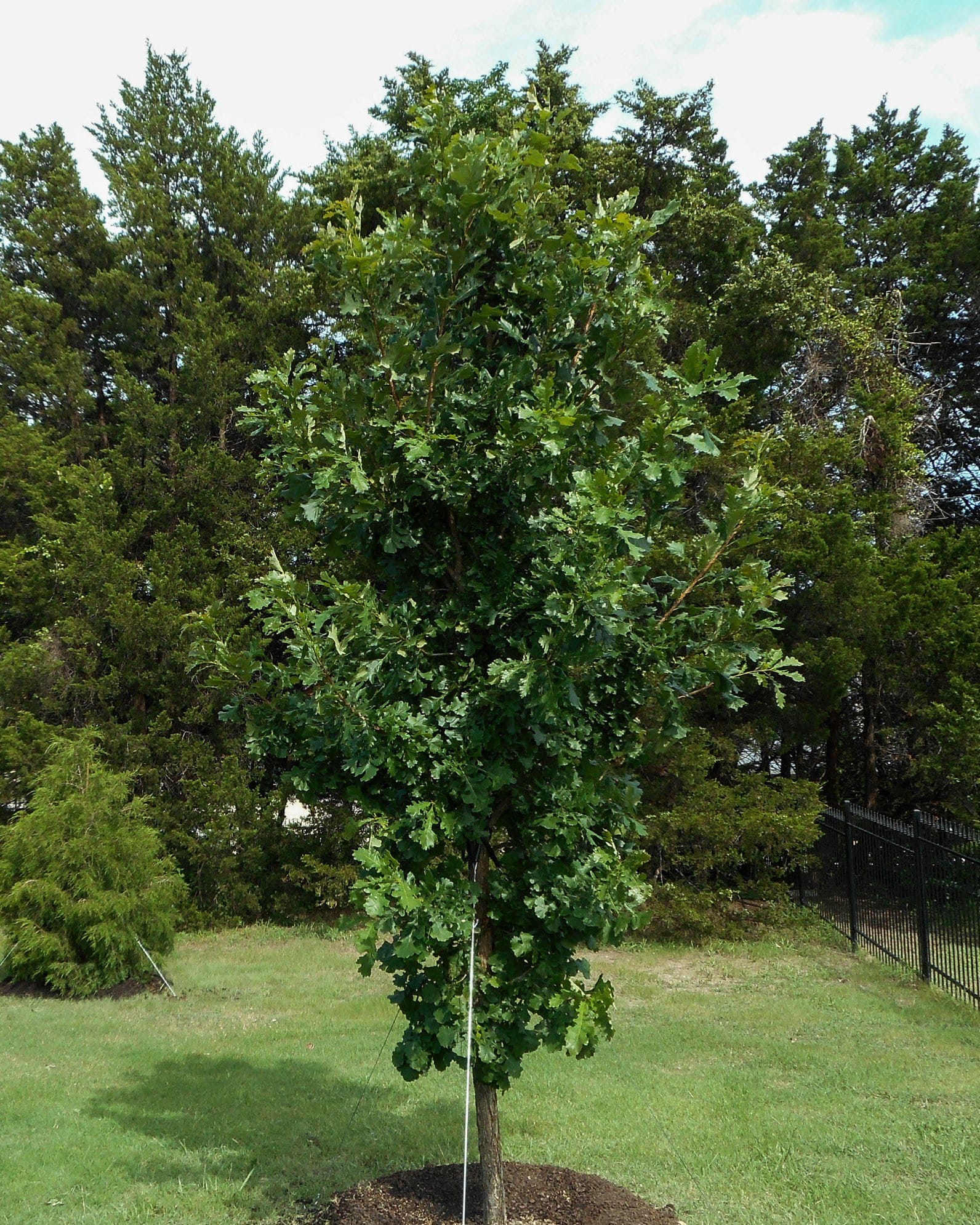
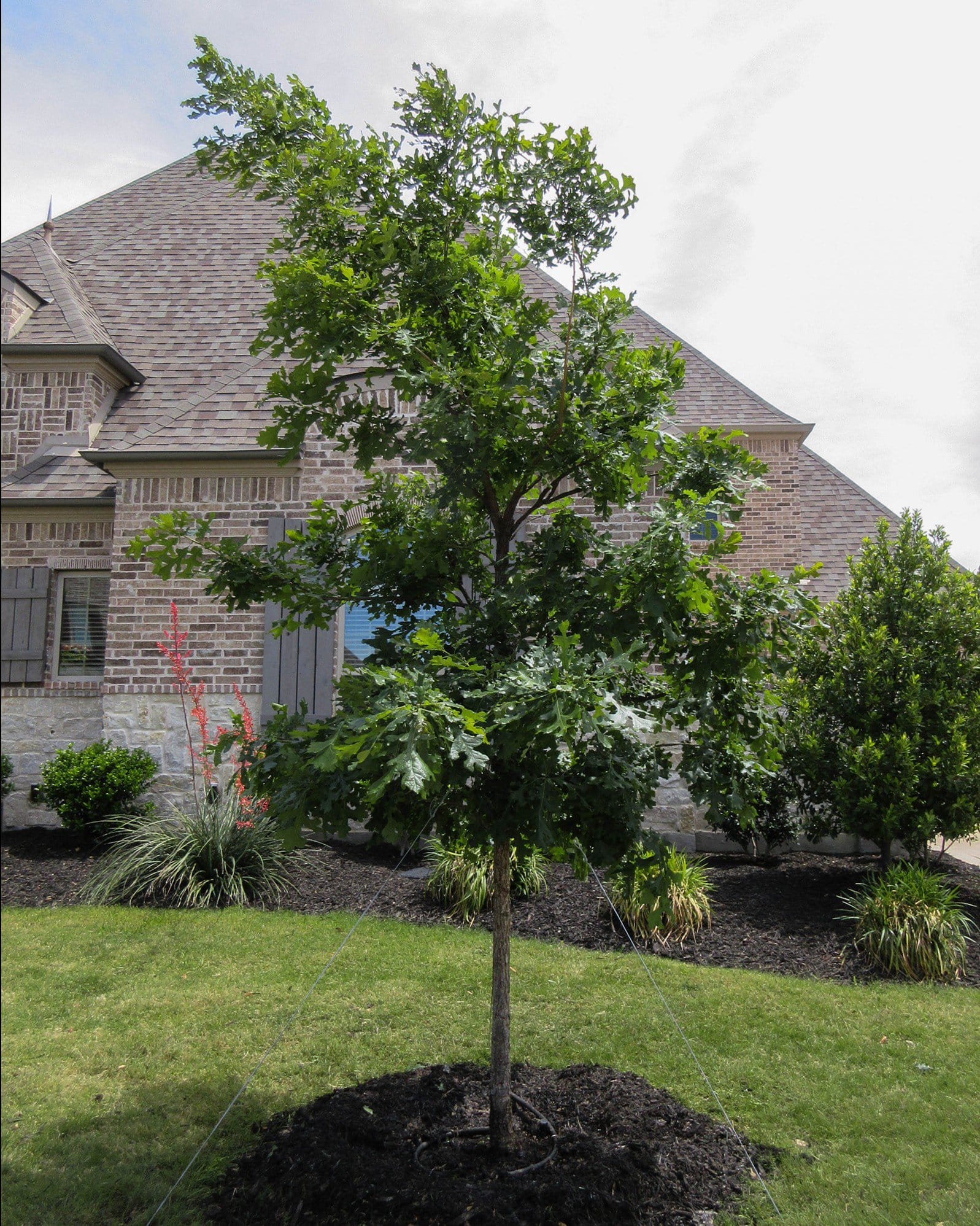
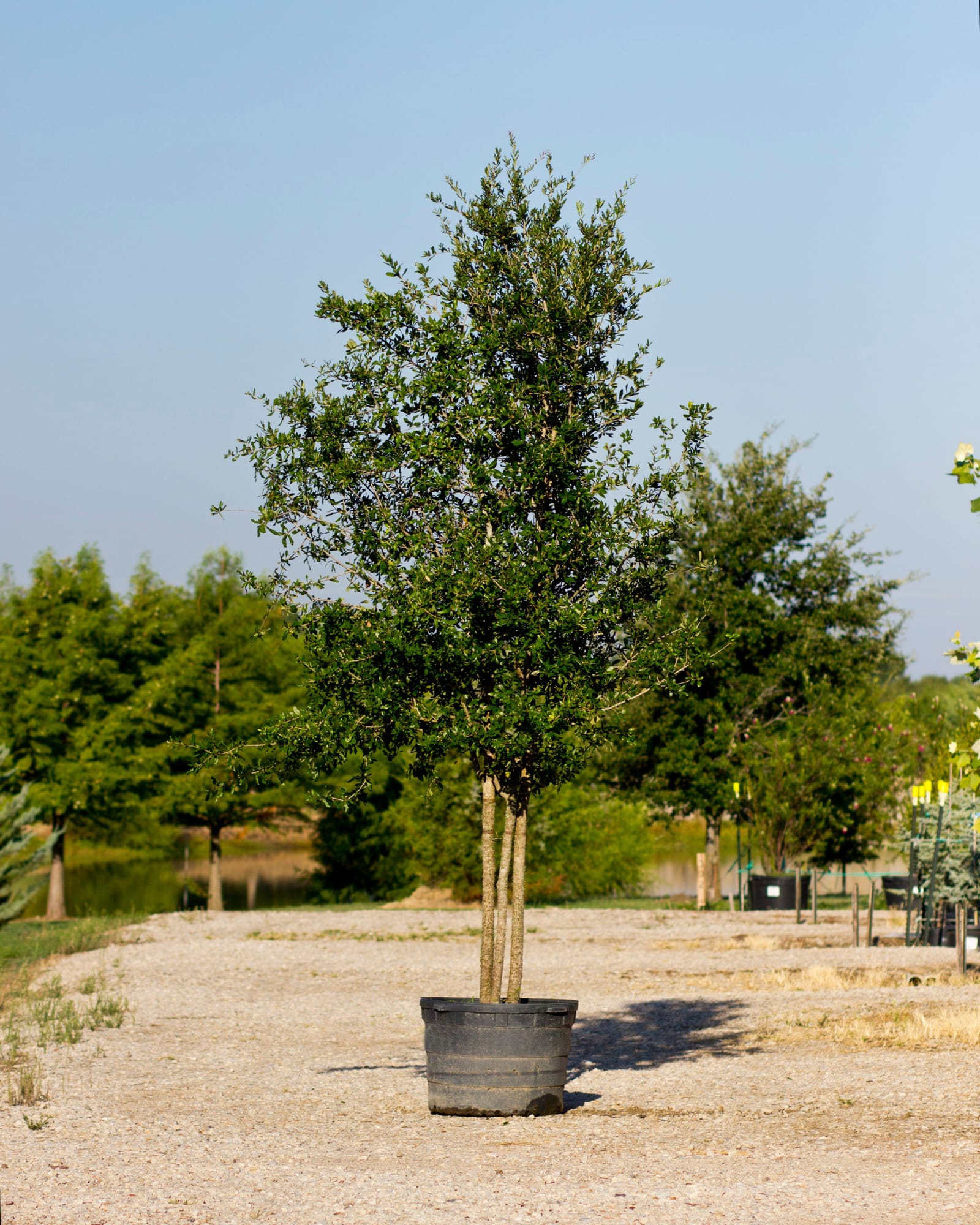
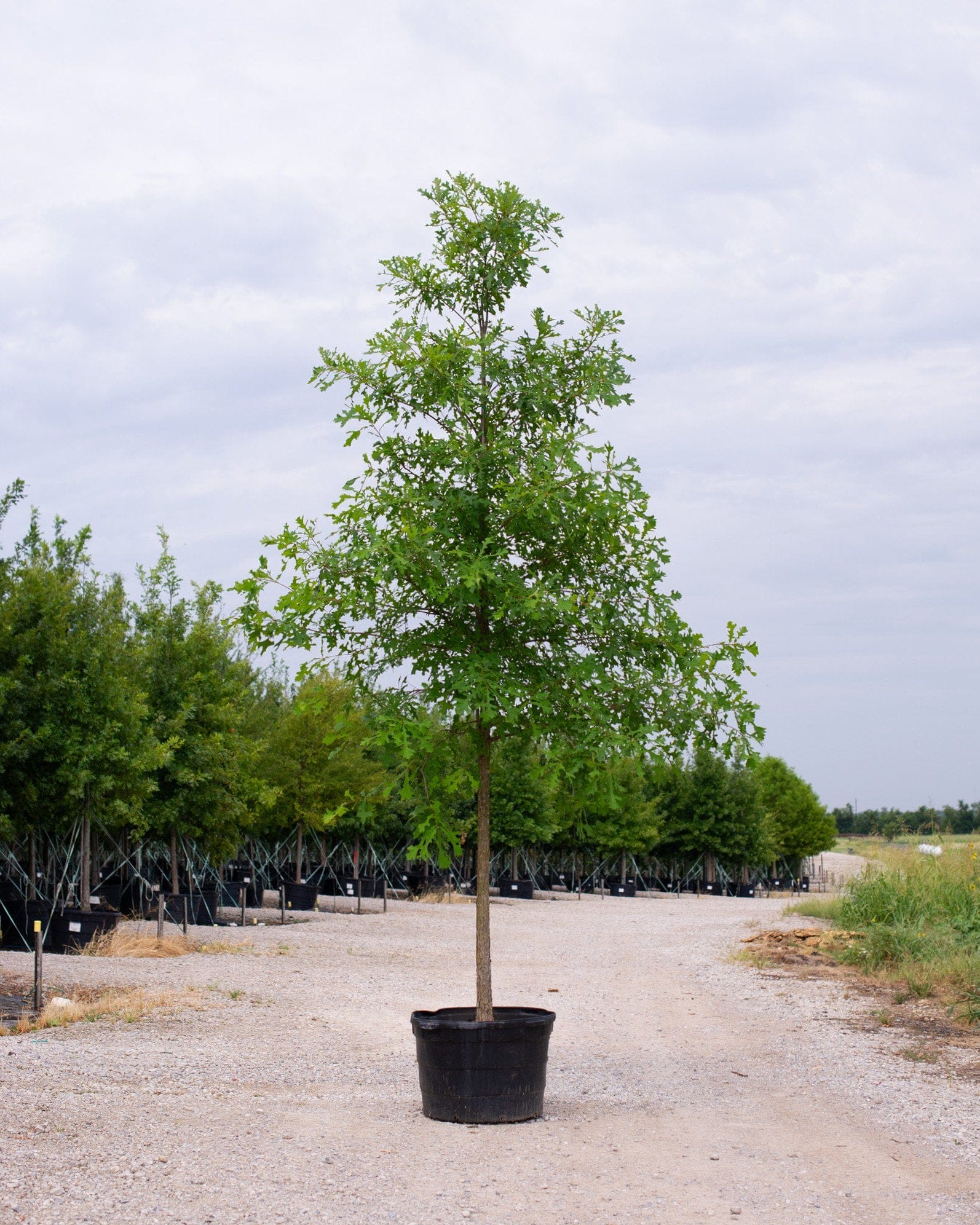
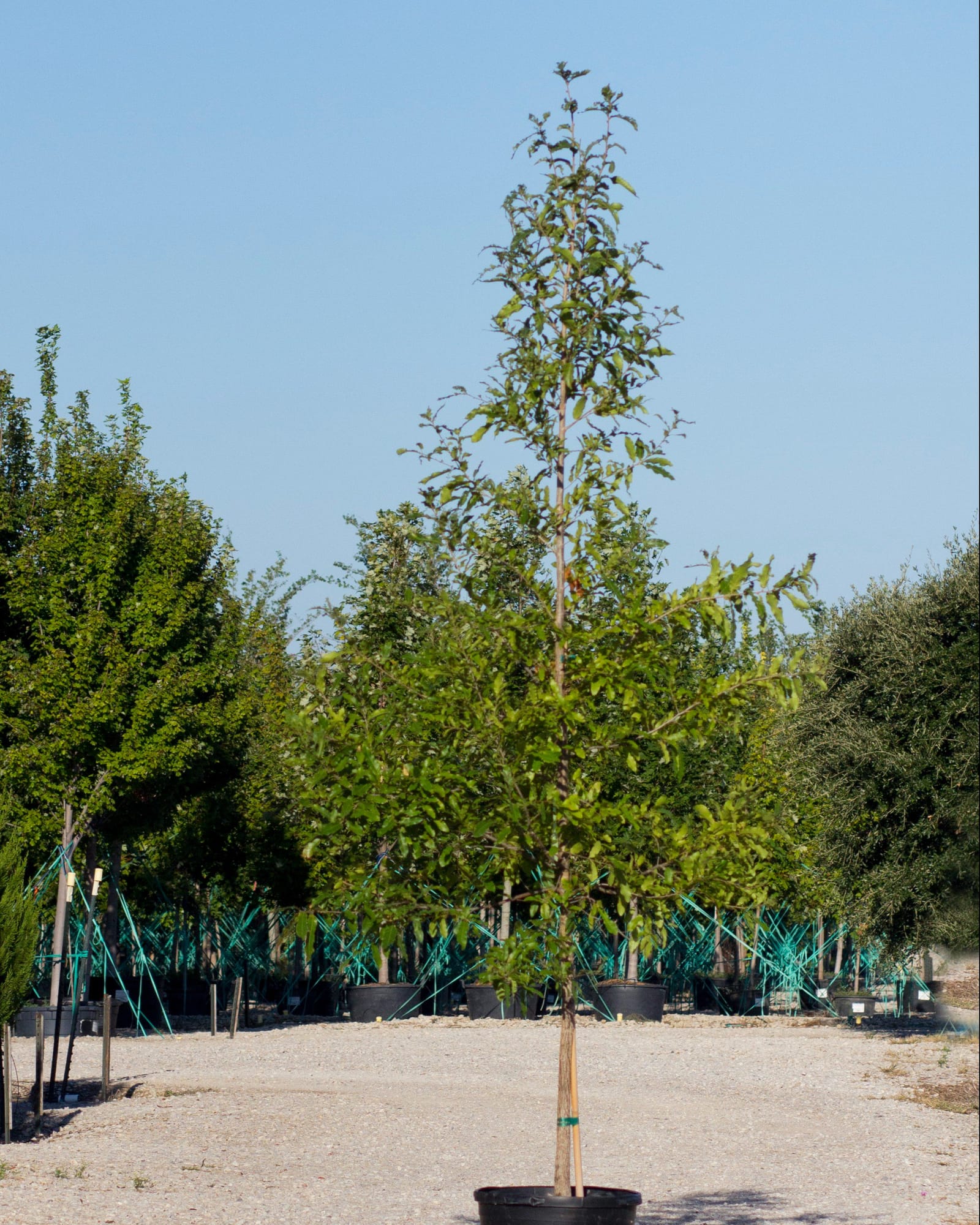
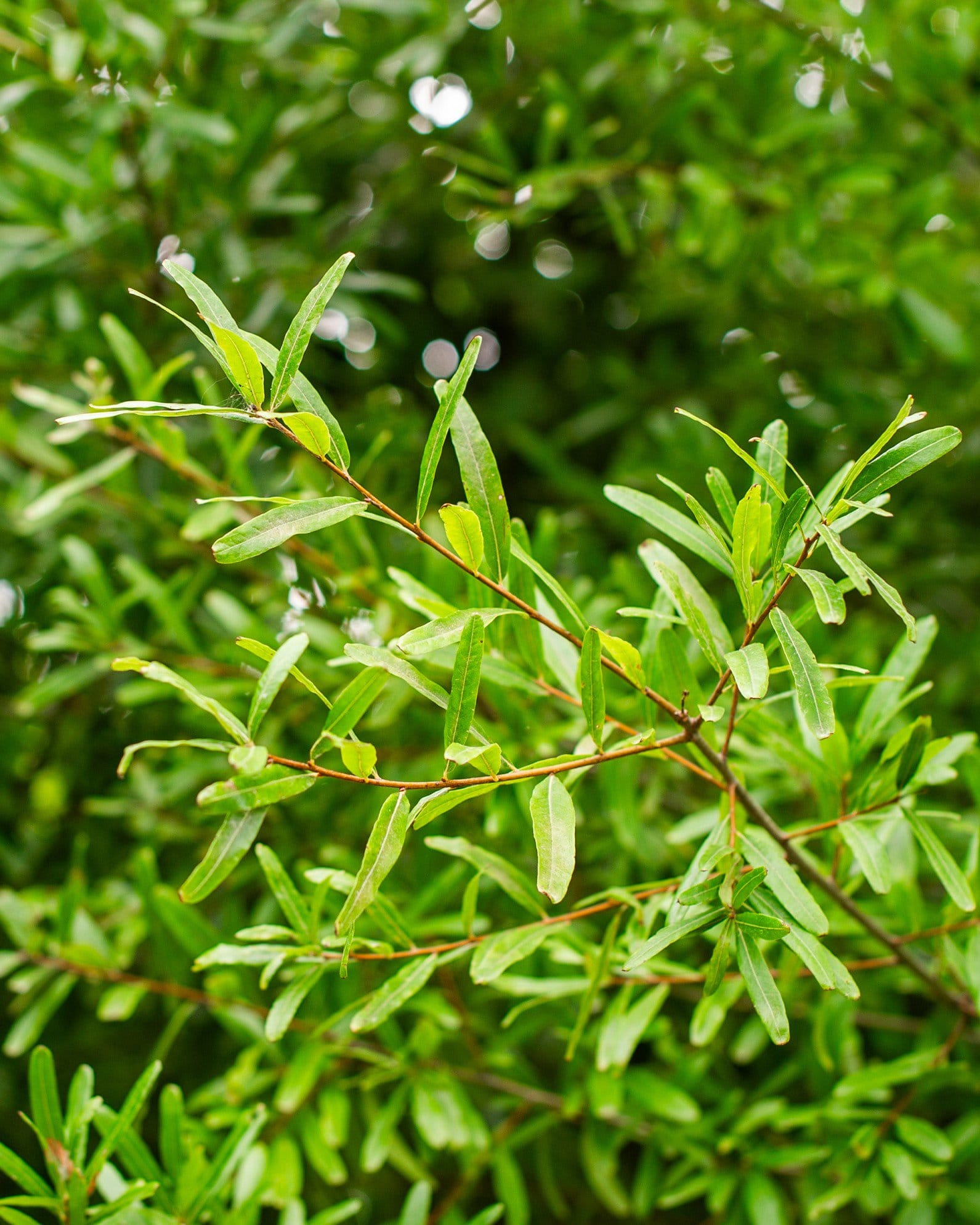
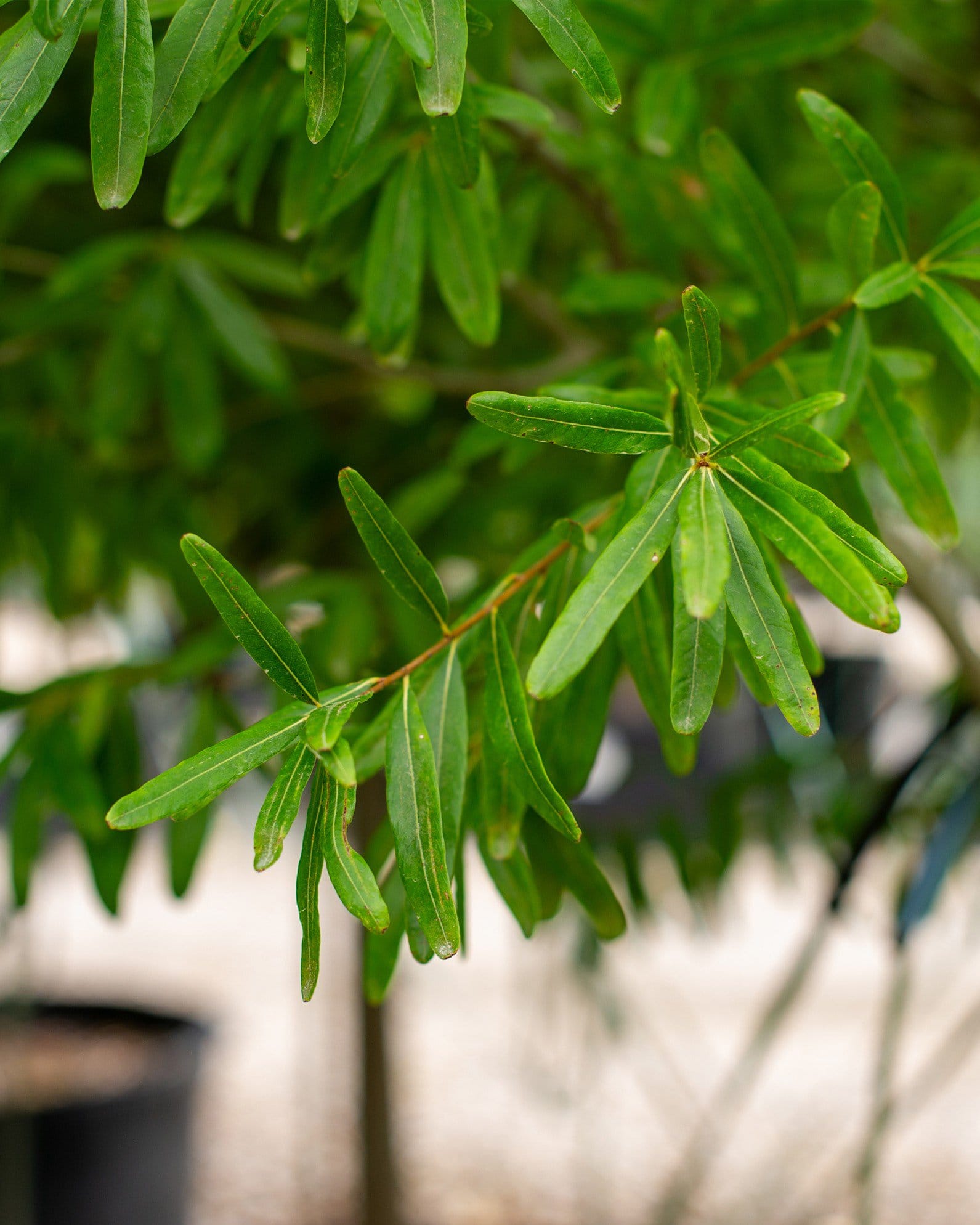
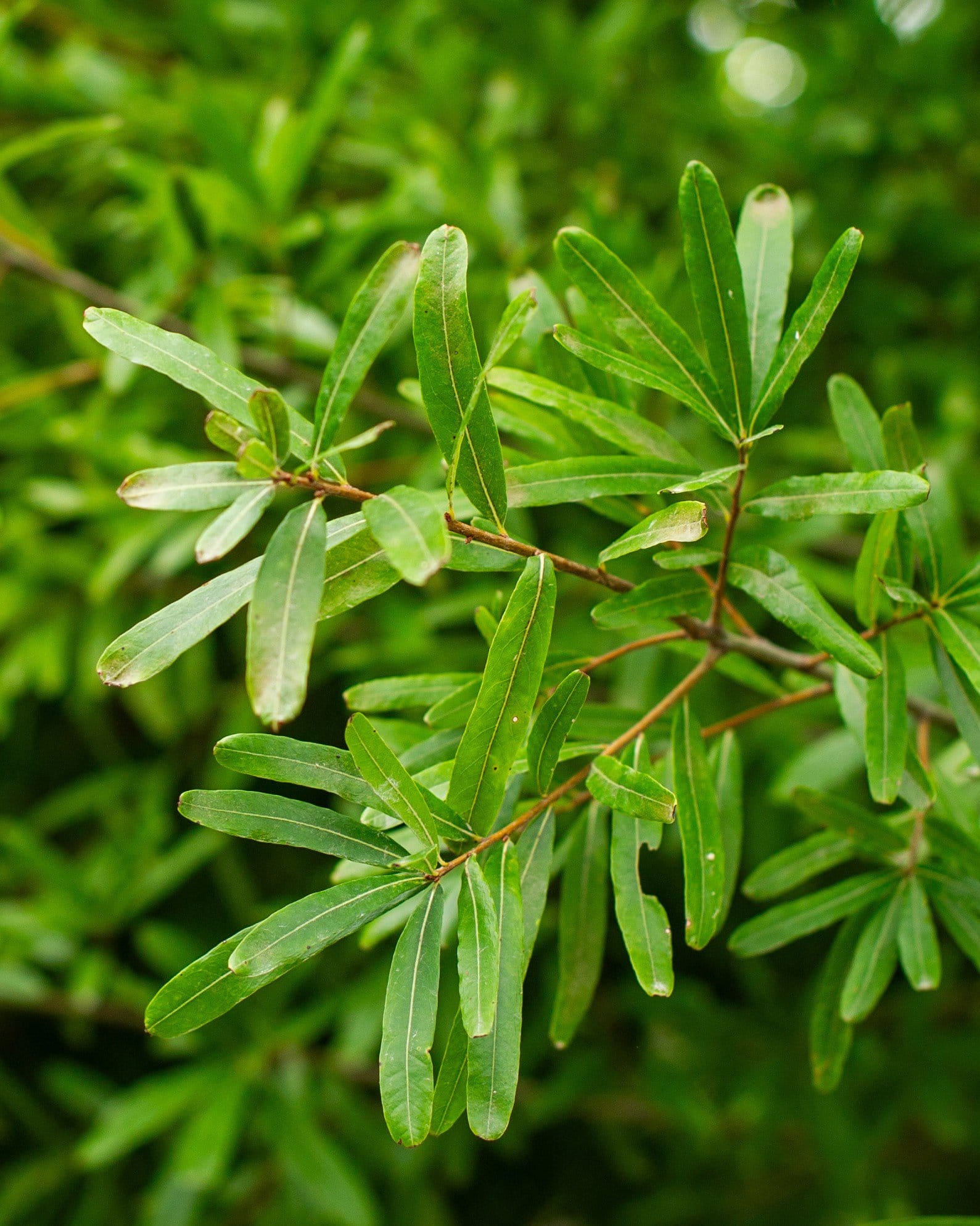
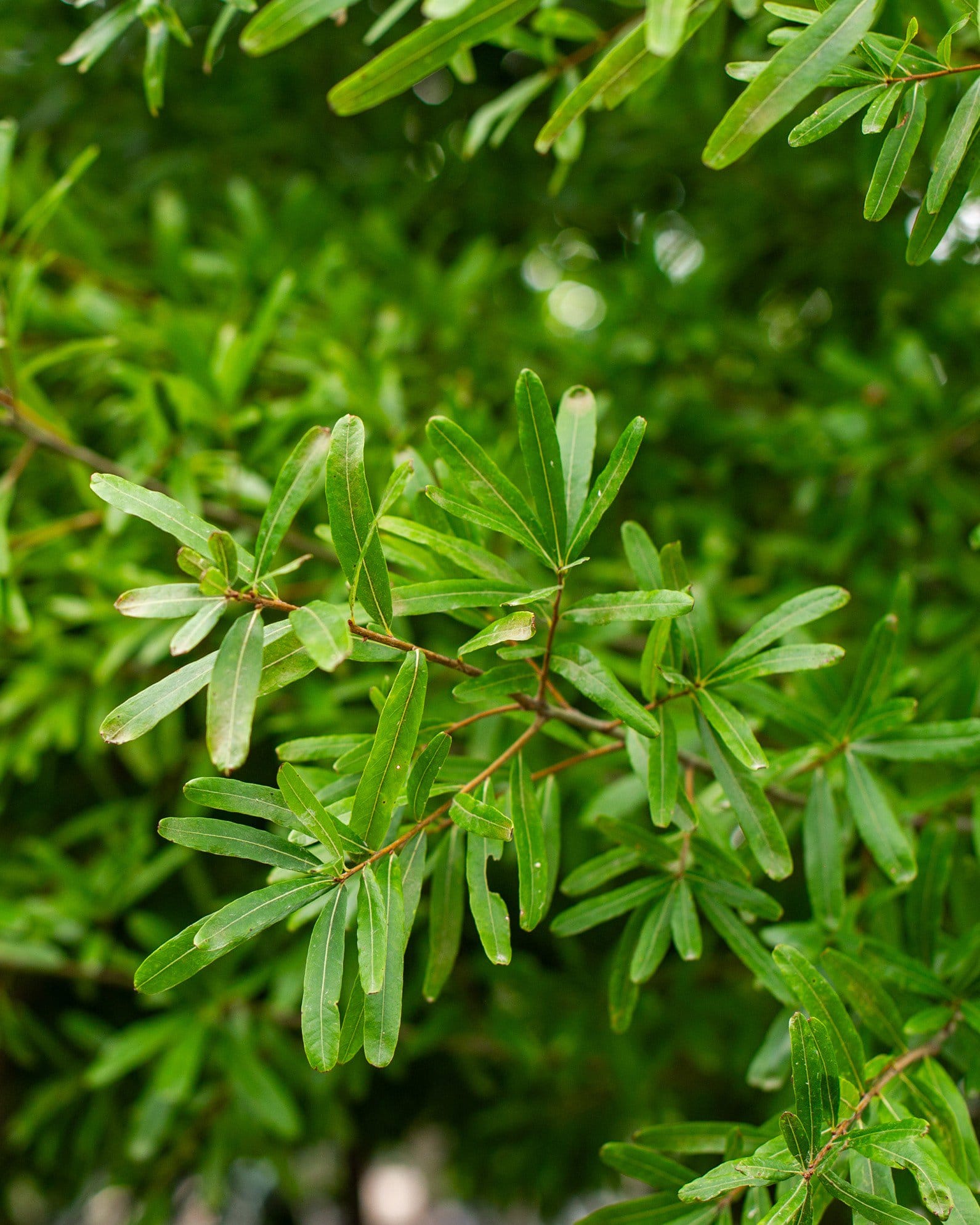
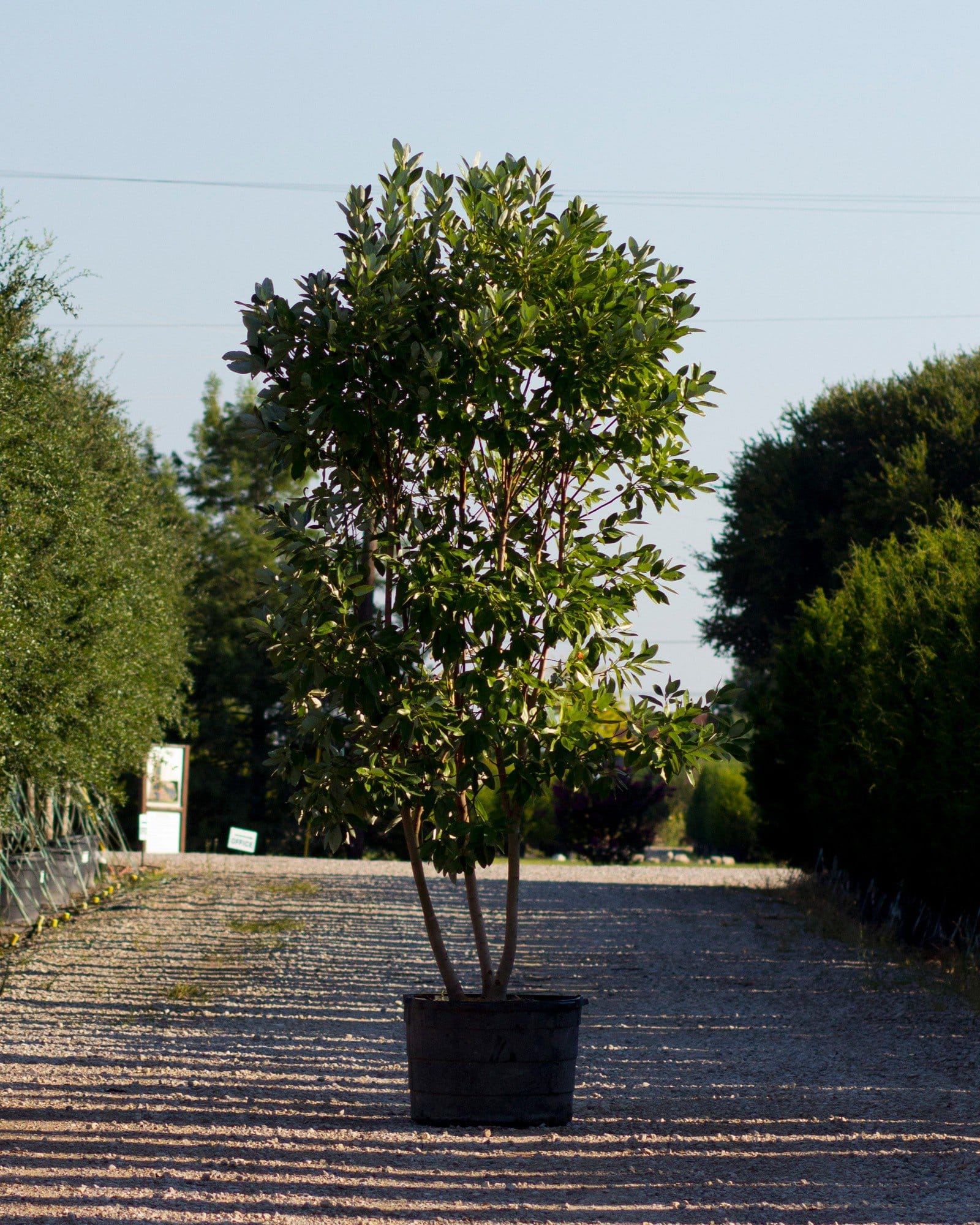
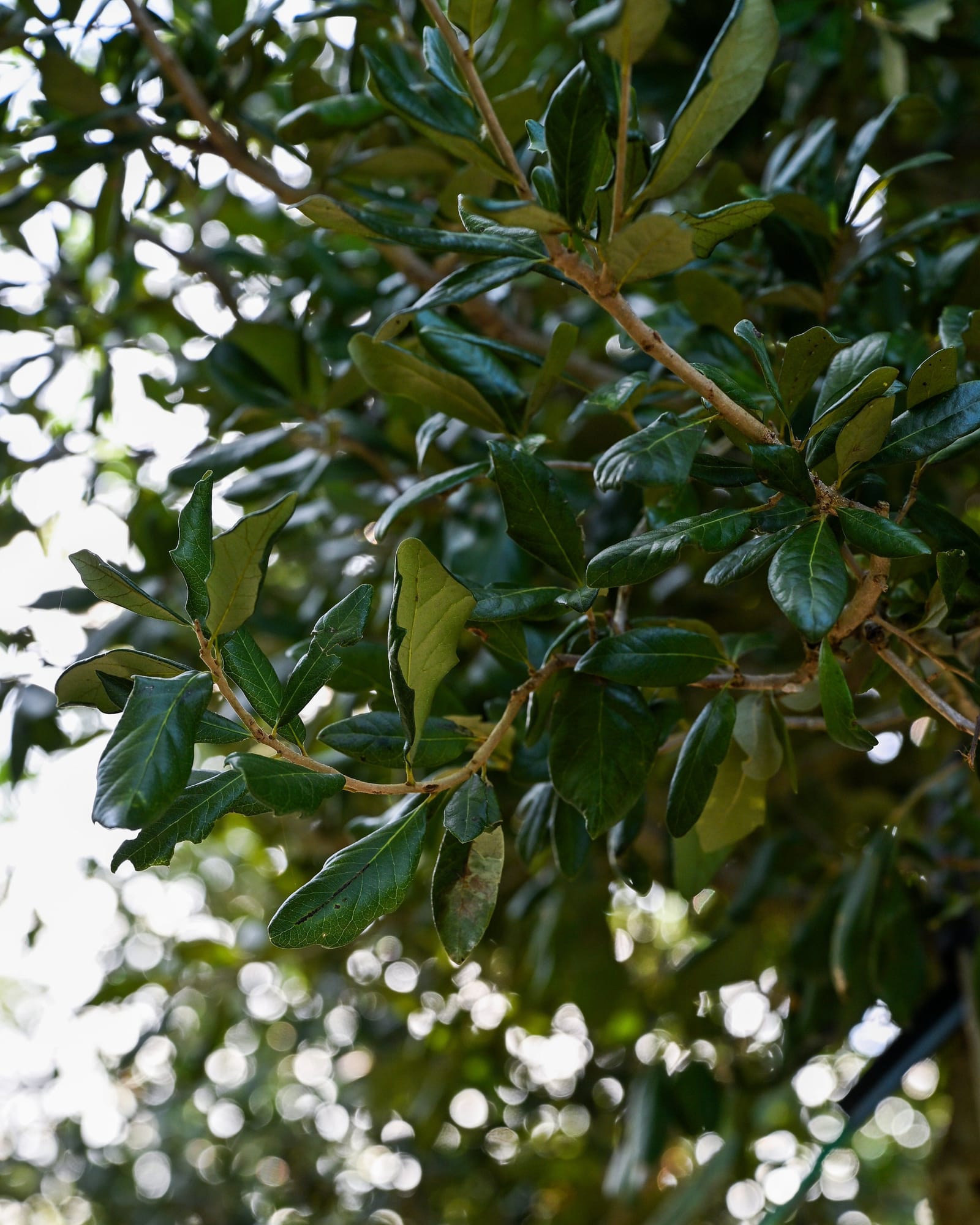
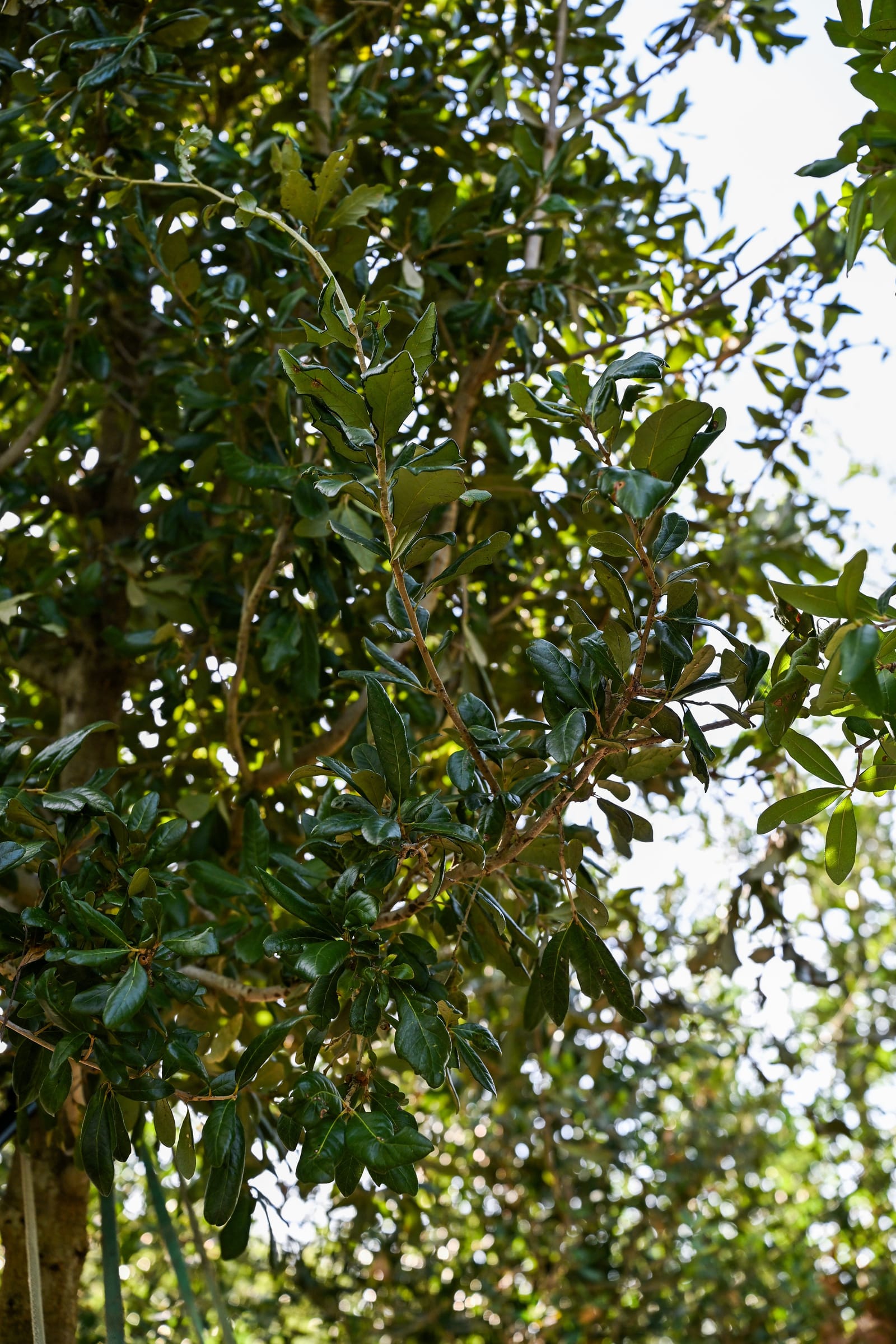
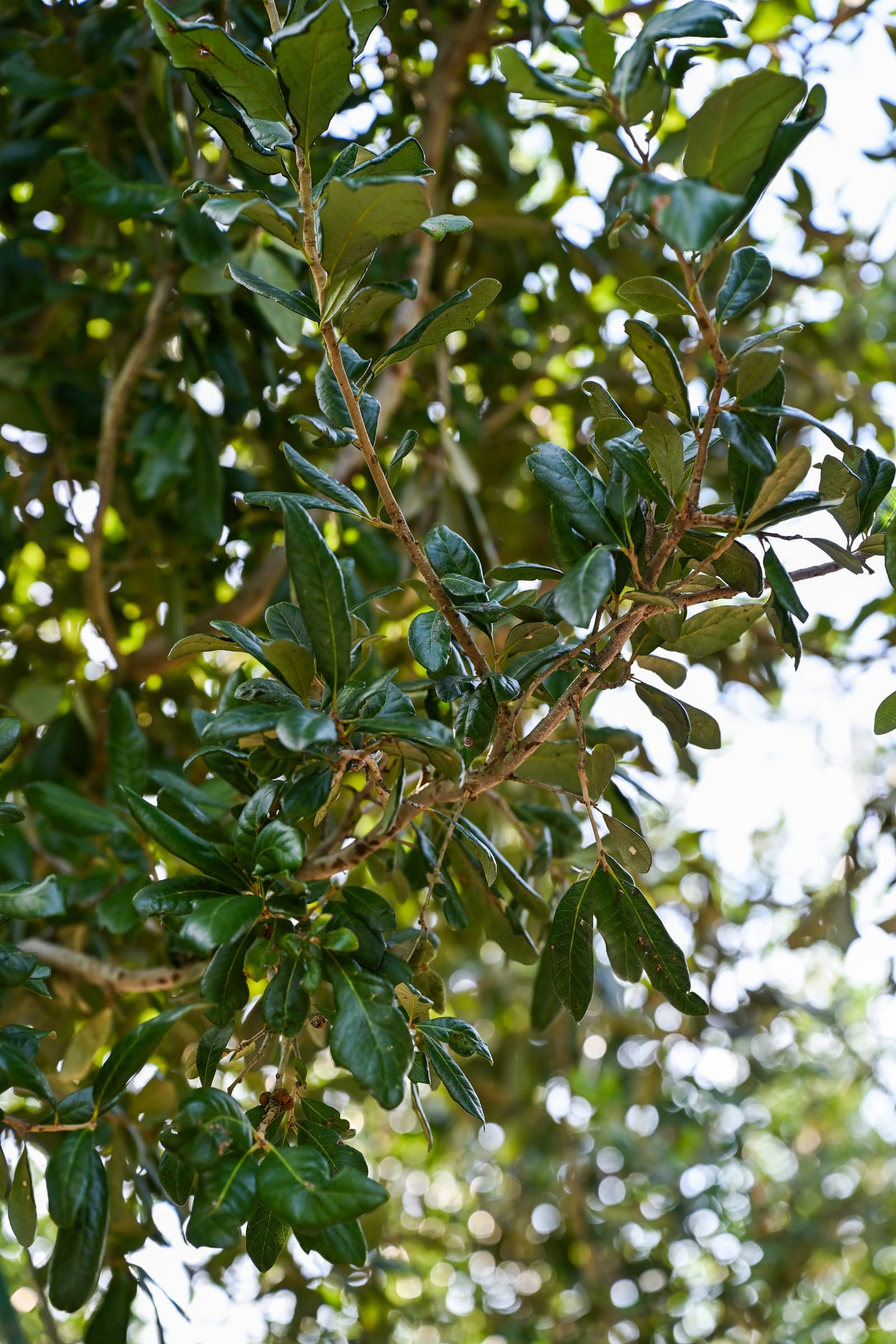
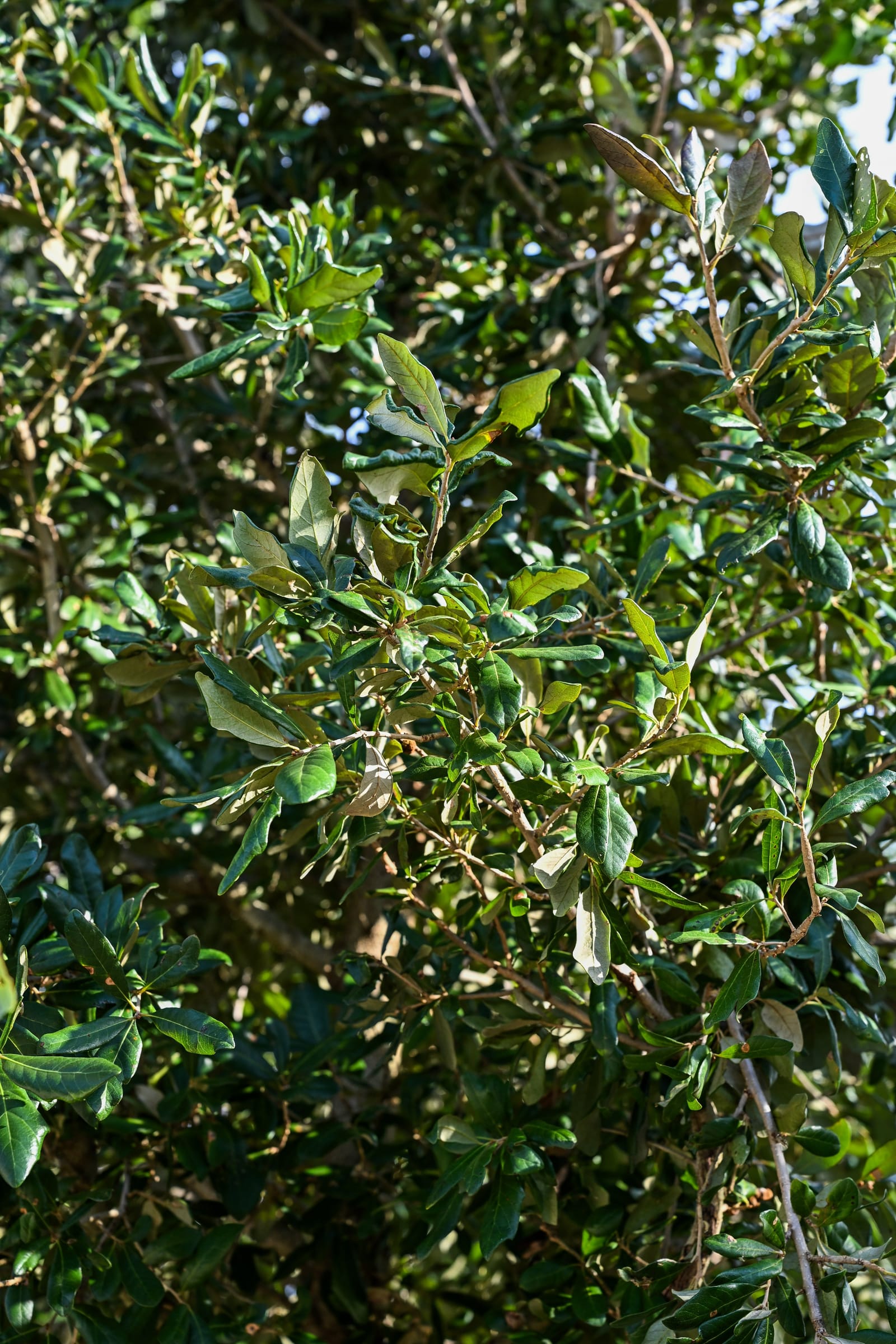
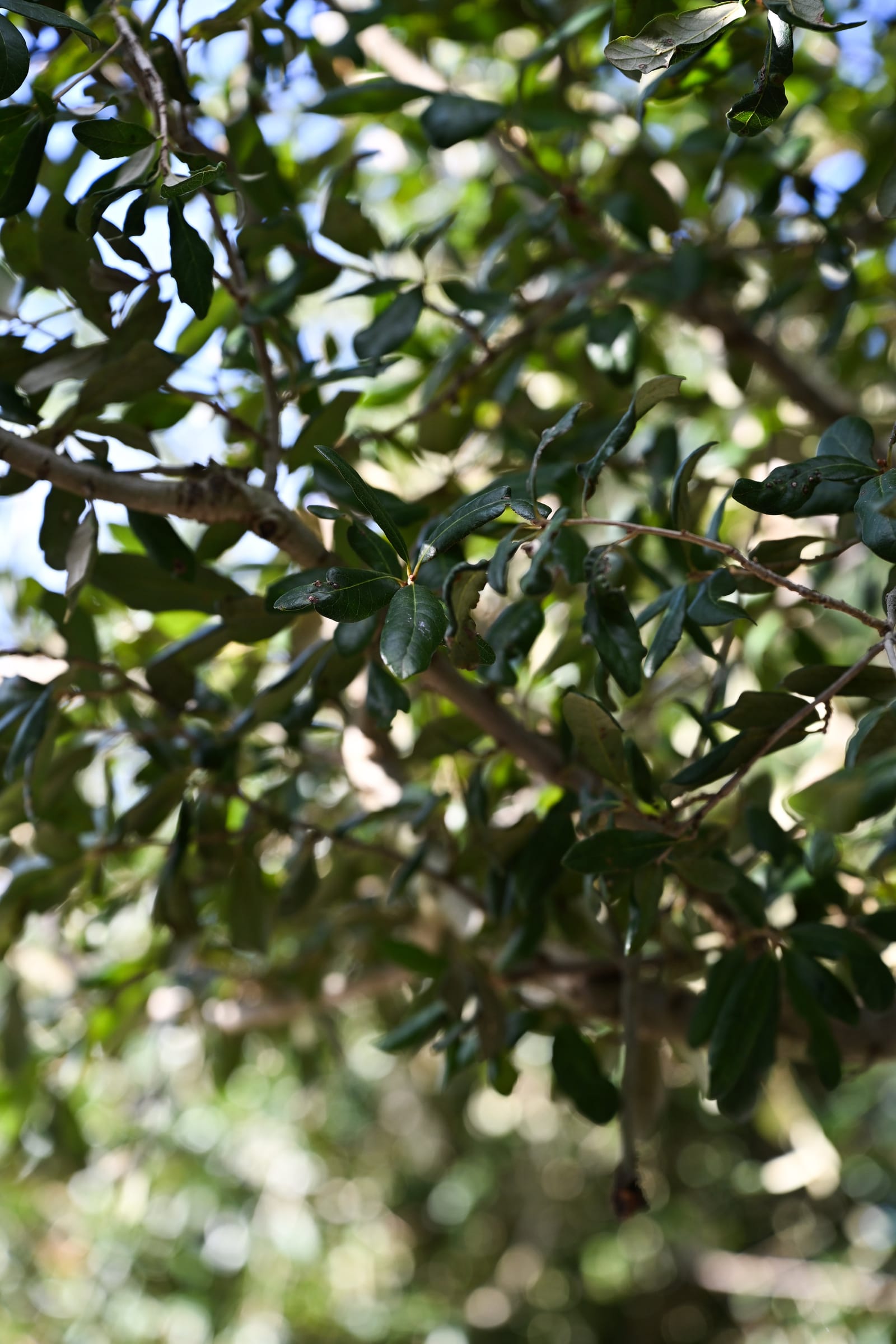
Quercus polymorphaMonterrey Oak, also known as Quercus polymorpha, is a reliable semi-evergreen tree prized for its handsome dark green leaves and uniform, rounded canopy. It matures at about 45 feet tall and spreads roughly 35 feet wide, making it an excellent choice for medium to large spaces. This oak brings seasonal interest with new leaves emerging in light green and maturing to glossy dark green through summer. Its sturdy form and adaptability make it perfect for residential yards, commercial landscapes, and streetside plantings.
- Semi-evergreen tree
- Fast growth rate with upright, rounded habit
- Rich green foliage through spring and summer
- Strong structure adds year-round landscape value
- Suitable for residential and commercial plantings
Hardy in USDA zones 7–9, Monterrey Oak thrives in full sun and well-drained soils, adapting easily to North Texas conditions. Its dependable growth and clean form make it an exceptional shade or accent tree, bringing lasting beauty and structure to your landscape.
Maintenance
With the right care during its early years, the Monterrey Oak becomes a long-lasting, low-maintenance presence in the landscape. Here’s what it needs:
- Watering: Provide deep, consistent watering during the first 2-3 years to help establish a stable root system capable of supporting its fast canopy growth. Once mature, Monterrey Oak tolerates drought extremely well and usually requires supplemental watering only during extended heat waves; avoid shallow or frequent watering.
- Pruning: Prune in late winter while the tree is dormant to remove dead, crossing, or weak branches. Early structural pruning helps guide a strong central trunk and well-spaced limbs.
- Fertilizing: Monterrey Oak thrives in a wide range of soils and generally needs little to no fertilizer once established. If growth slows or leaves appear pale, a light application of slow-release fertilizer in early spring can help maintain color and vigor; avoid heavy nitrogen.
- Mulching: Apply a broad 2-3 inch mulch ring around the base to conserve moisture, regulate soil temperature, and suppress turf competition. Keep mulch several inches away from the trunk to avoid bark decay, and extend the mulch zone outward.
- Winter Care: This tree is impressively cold-hardy and remains semi-evergreen in mild winters. Young trees may experience temporary leaf browning during exceptionally harsh freezes, but they recover quickly.
Common Issues and How to Take Care of Them
Monterrey Oak is highly resilient, but a few manageable issues can arise in challenging climates or poor soil conditions:
- Powdery Mildew: A white, powdery coating appears on leaves in shaded, humid areas. Improve air circulation and avoid wetting leaves to keep foliage healthy.
- Borers: Insects that tunnel throughout the wood, weakening it and disturbing the flow of nutrients.
- Spider Mites: Tiny pests that can cause foliage discoloration during hot, dry weather. Rinse foliage with water or use insecticidal soap if infestations persist. Encouraging beneficial insects, like ladybugs, can also help keep mite populations under control.
- Leaf Scorch: During extremely hot or dry periods, leaves may brown along the edges. Deep watering and mulching will usually prevent this and promote recovery.
- Chlorosis: Leaves turn pale yellow with darker veins, especially in high-alkaline soils. Applying chelated iron and improving soil drainage helps restore normal leaf color.
- Scale Insects: Small, bumpy insects attach to stems and leaves, causing yellowing or weakened growth. Treating with horticultural oil or insecticidal soap helps keep populations down.
- Heat Scorch: Leaf tips or edges brown and crisp during extreme summer heat or drought. Deep, infrequent watering helps the tree regulate moisture and bounce back quickly.
- Tubakia (Fungal Leaf Spot): Brown spots may appear in late spring or summer, which occurs during really rainy periods. This is nothing to be concerned about. All Oaks, Maples and Elms will get Tubakia to varying degrees and it will not hurt your tree in any way. If you were to spray for Tubakia then it wouldn’t cause the spots to go away. They will remain on the leaf until the leaves fall off and once the new set of leaves are produced they will look normal again.
Monterrey Oaks often live 80-120 years when given good growing conditions, forming a dependable and graceful long-term canopy. Their longevity makes them excellent legacy trees for both home landscapes and large properties.
They grow rapidly, frequently adding 1-2 feet per year, and reach a mature canopy shape in 20-30 years.
Its spring catkins offer pollen for bees and beneficial insects, and its acorns are enjoyed by birds, deer, and small mammals. The canopy provides shade and nesting opportunities for many species.
Due to its fast growth and substantial root system, it is not well suited for long-term container planting. Planting directly in the ground allows it to reach its full strength and beauty.
It handles heat exceptionally well, maintaining strong growth even in scorching summers. Deep watering during extreme drought ensures it stays vibrant through peak heat.
It cannot be divided, as it develops a single, cohesive root system. The best way to add more is simply planting additional young trees.
It performs beautifully in alleys, ranch rows, and grouped plantings thanks to its uniform growth and graceful form. Long rows of Monterrey Oak create impressive shade corridors and a striking landscape presence.
Companions like Cedar Elm, Mexican Plum, Red Yucca, and drought-tolerant perennials blend perfectly with its semi-evergreen habit.
It adapts very well to city conditions, tolerating compacted soil, limited moisture, and reflected heat. Its clean branching and rapid growth make it a favorite for modern landscapes.
Young trees transplant reliably with minimal fuss, especially when grown in containers. Older specimens can be moved with professional help, though planting earlier always leads to better long-term success.
Yes, the names Monterrey Oak, Mexican Oak, and Mexican White Oak are generally used interchangeably to refer to the same tree species, which is Quercus polymorpha.
Special Features
You might also like

Compare Similar Plants
Monterrey Oak This plant | ||
|---|---|---|
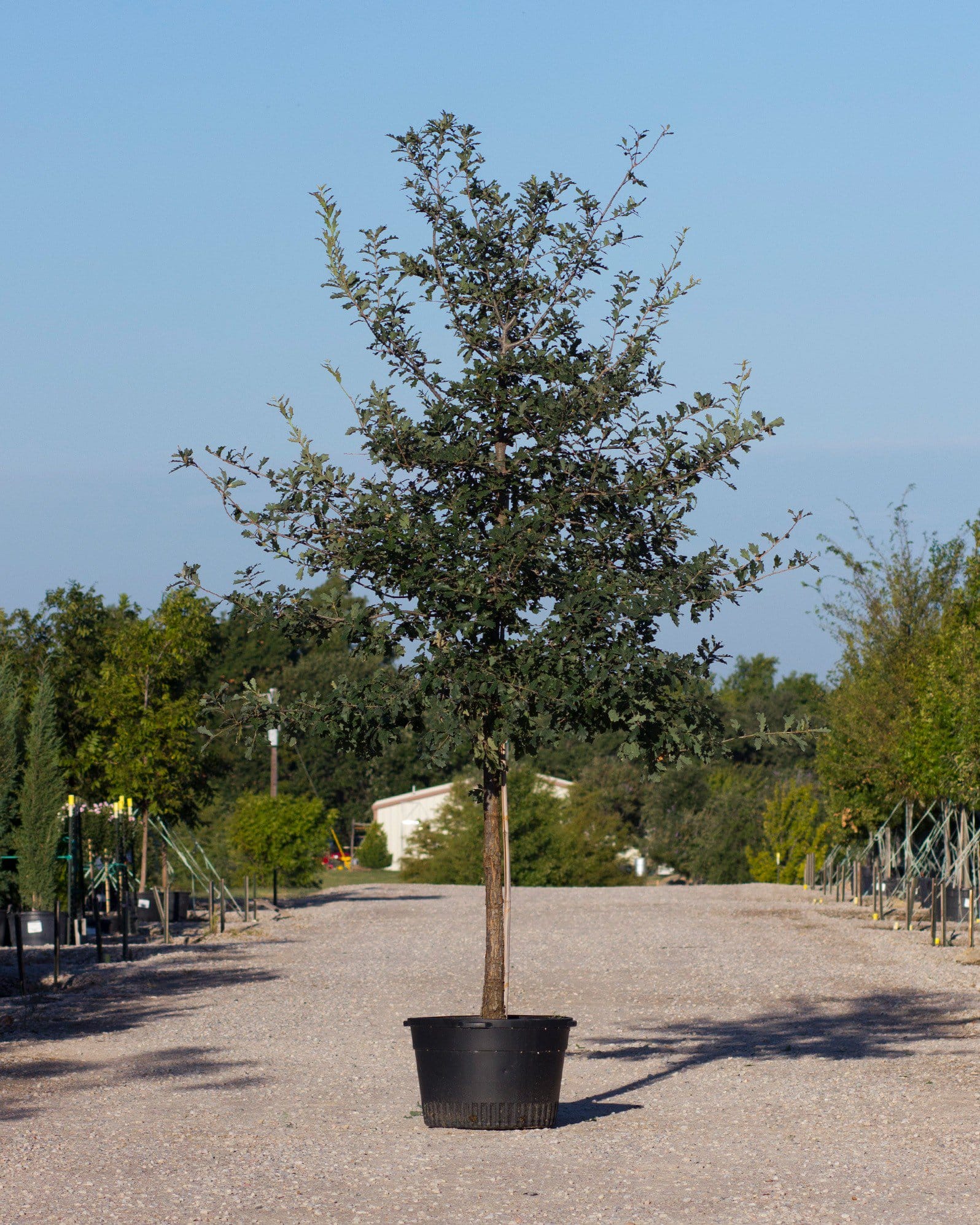
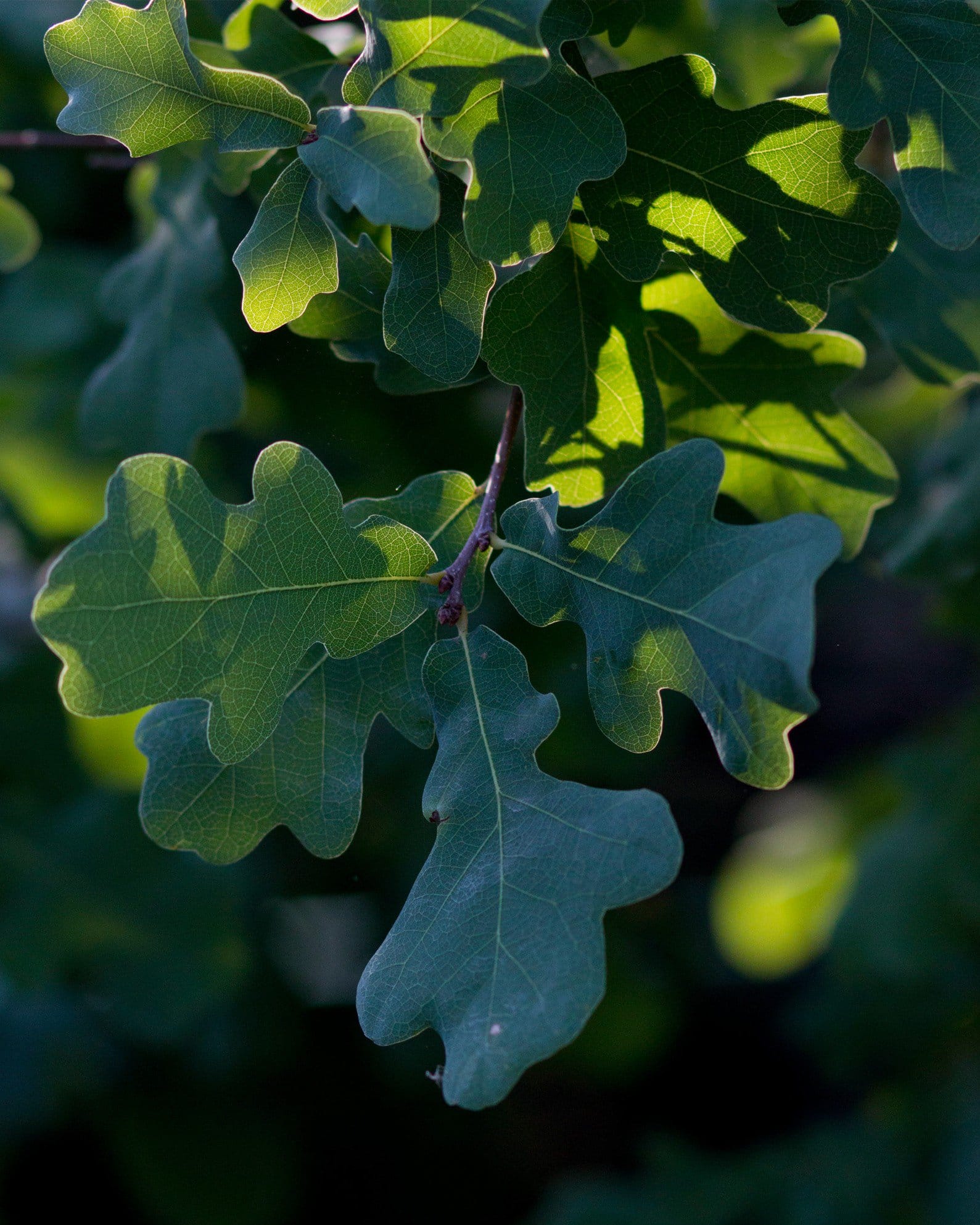
| Scientific Name | Quercus polymorpha | Quercus laceyi |
| Size at Maturity | 45' H x 35' W | 25' H x 15' W |
| Leaf Retention | Semi-Evergreen | Semi-Evergreen |
| Sizes Available | 30, 45, 65, 95 gal | 15, 30, 45, 65 gal |


Our 1-Year Planting Guarantee
We take pride in our plants and installation services. If any plants or trees installed by Treeland fail to thrive within the first year, we'll provide a replacement credit in accordance with our guarantee program.
Learn More About Our Guarantee