
 Texas Native
Overcup Oak
Quercus lyrataLocal DFW Delivery Only
Product Details
Overcup Oak
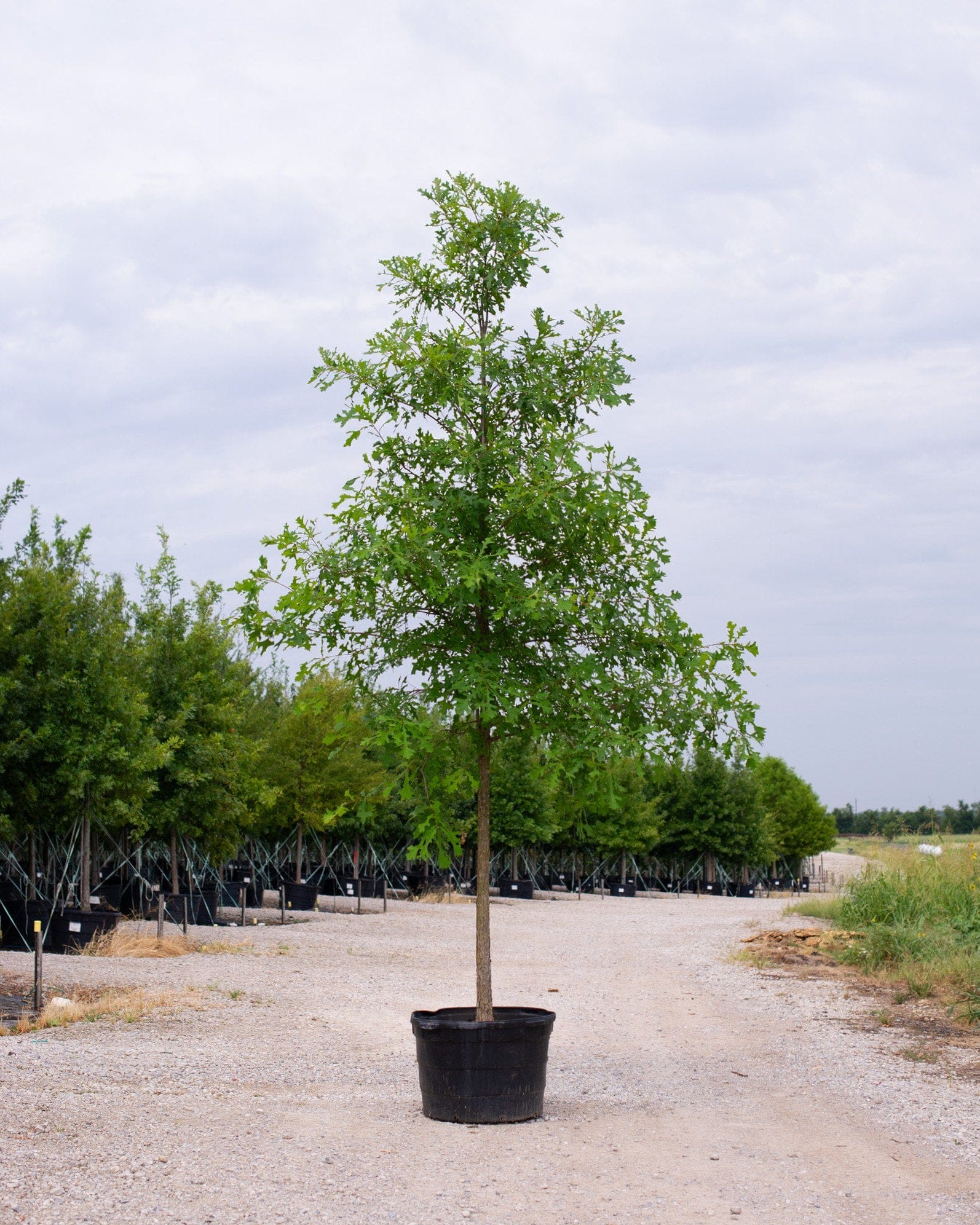
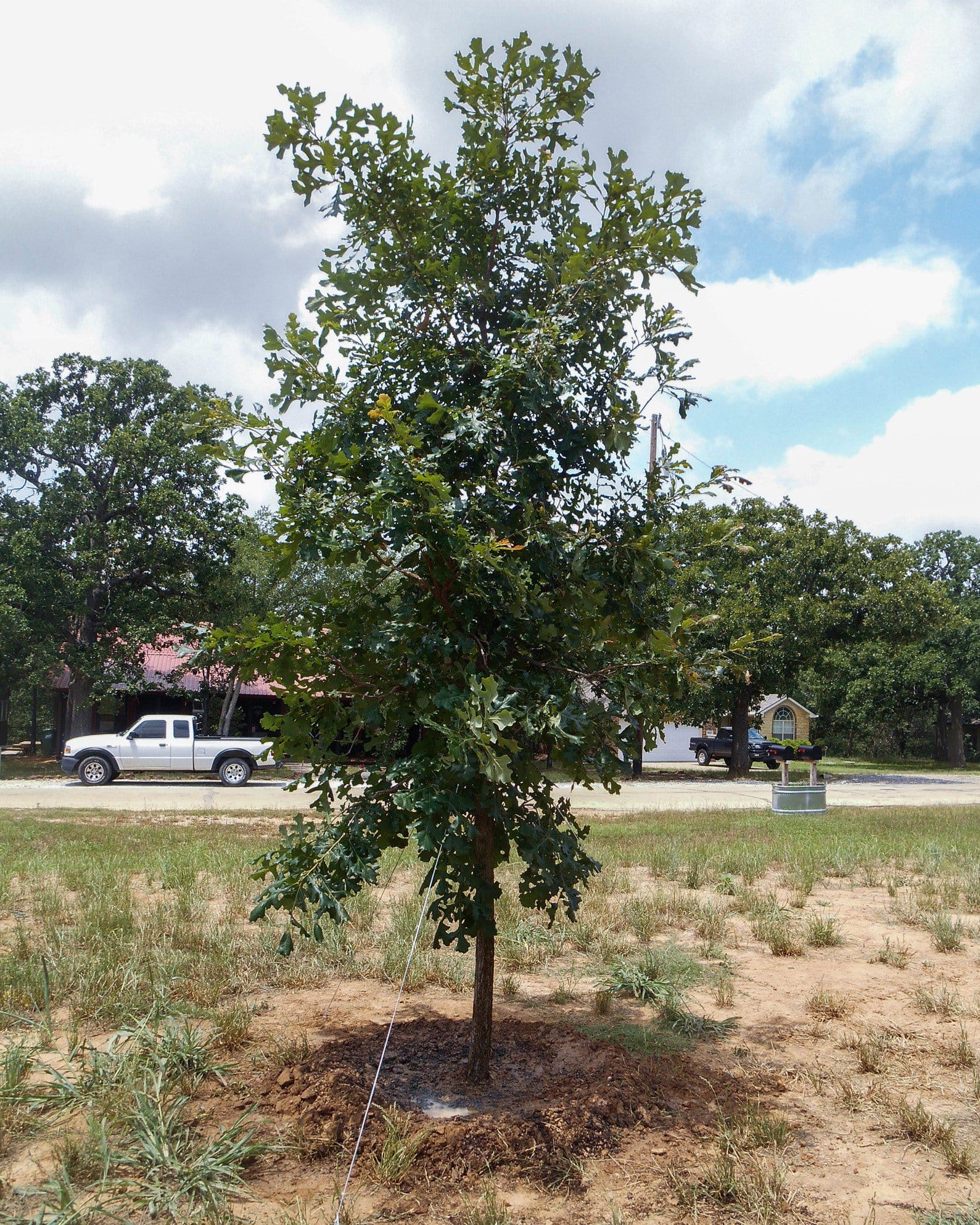
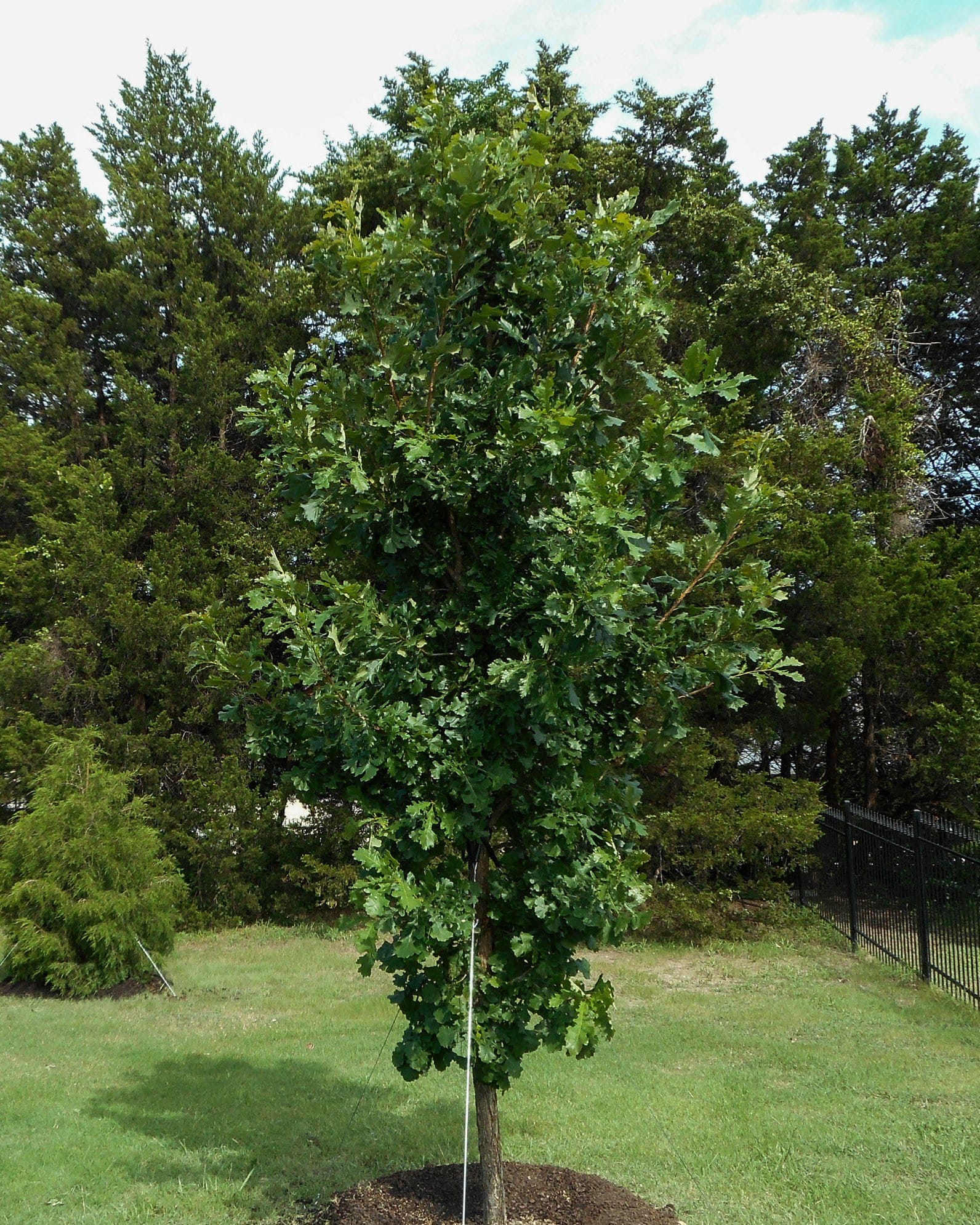
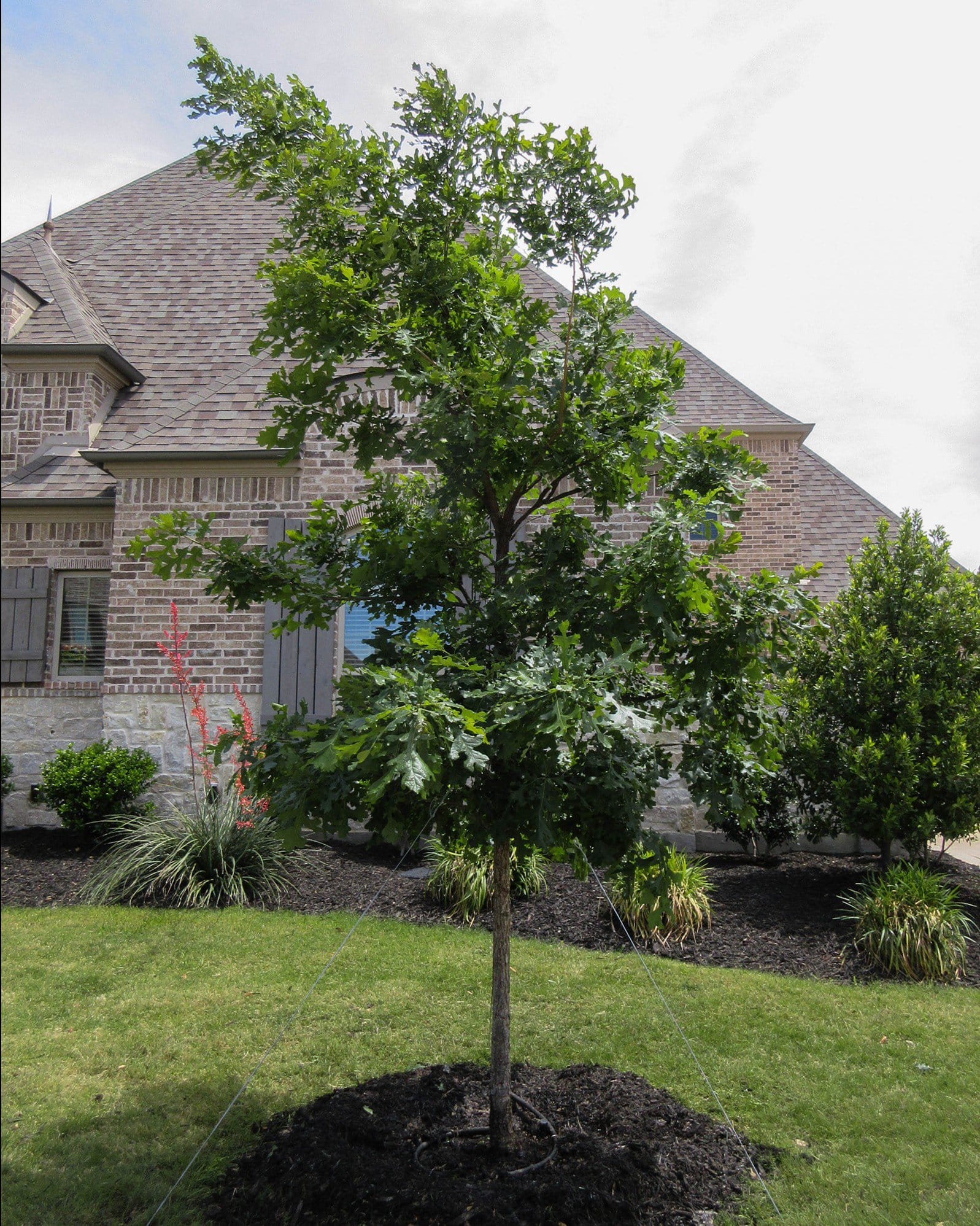
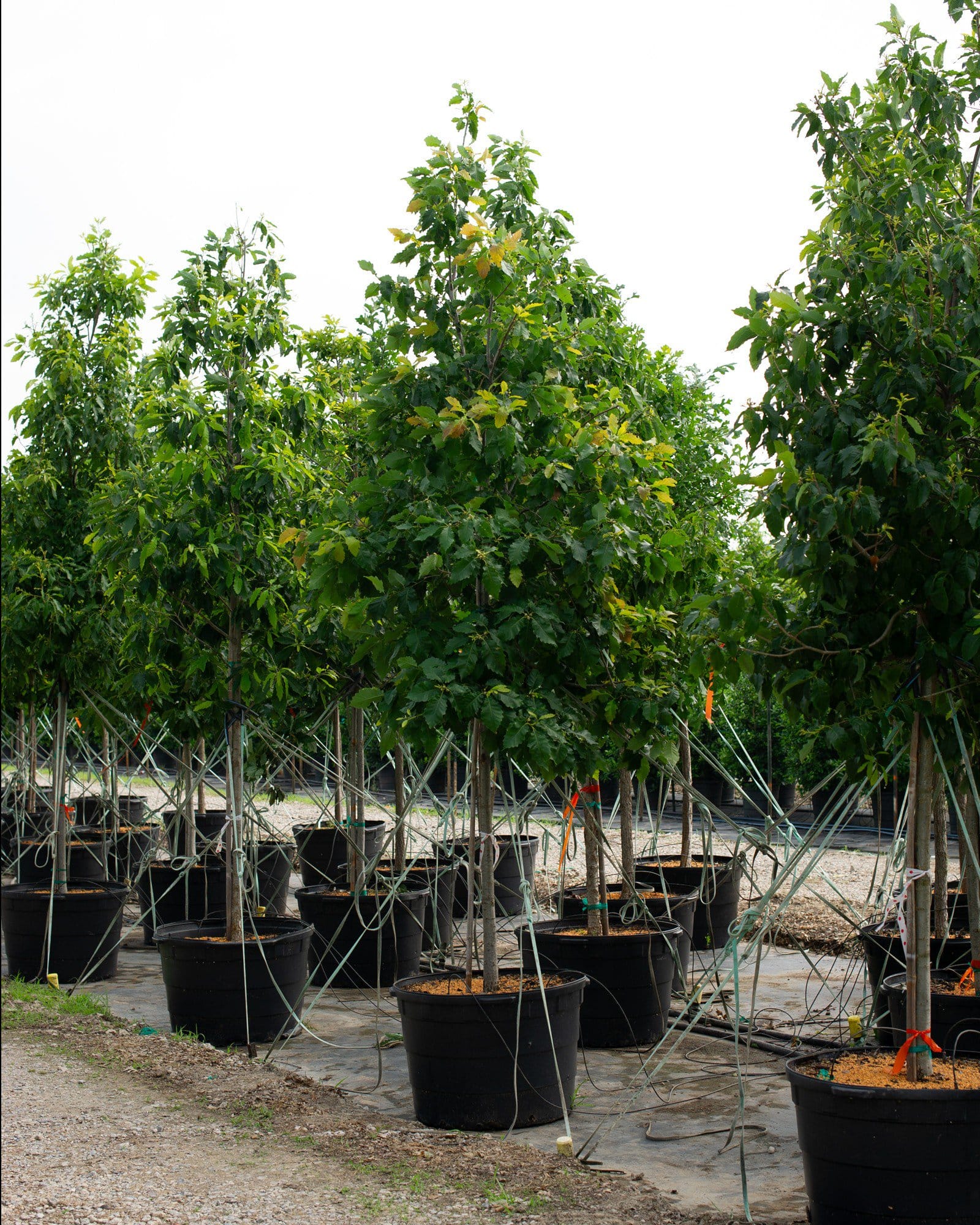
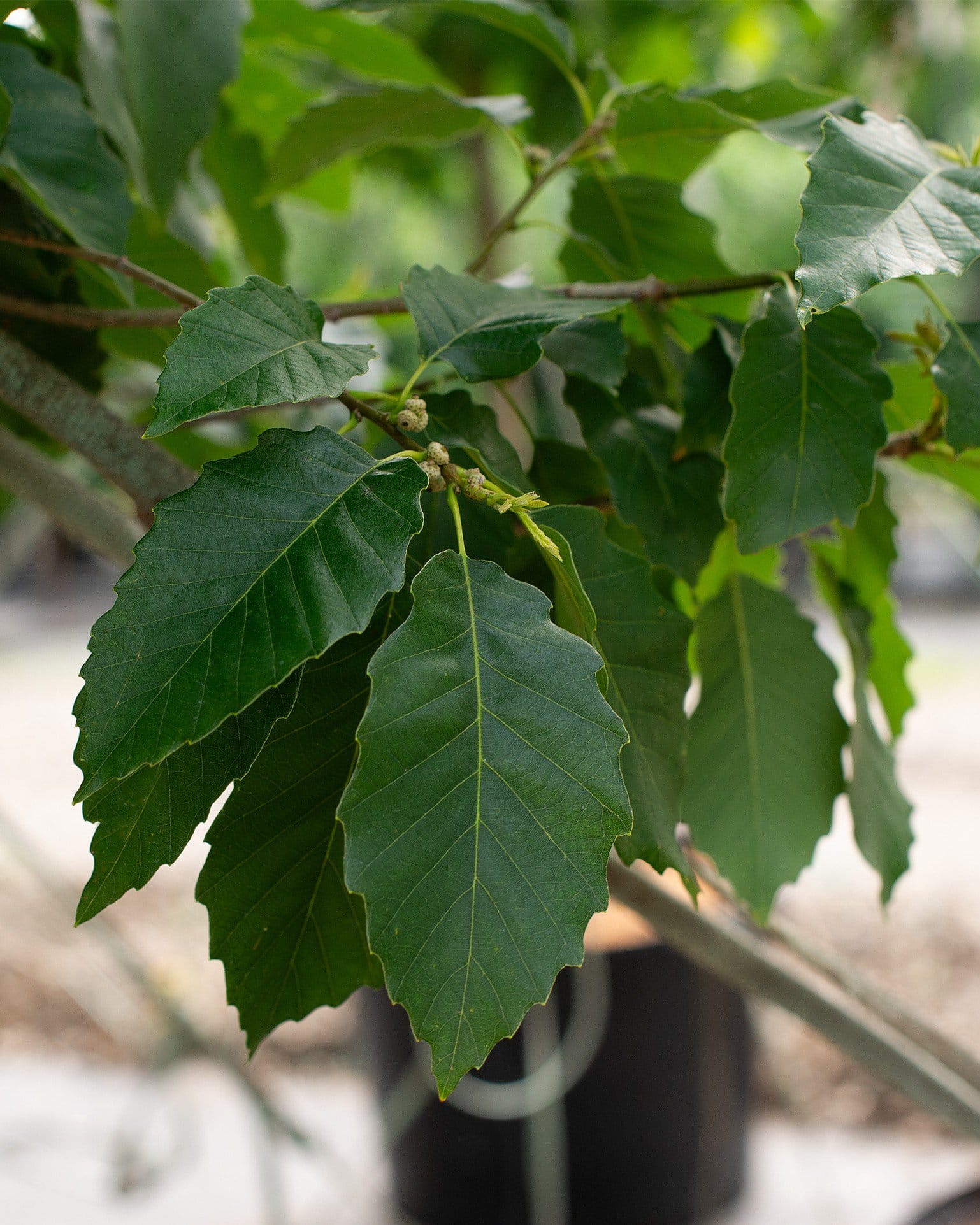
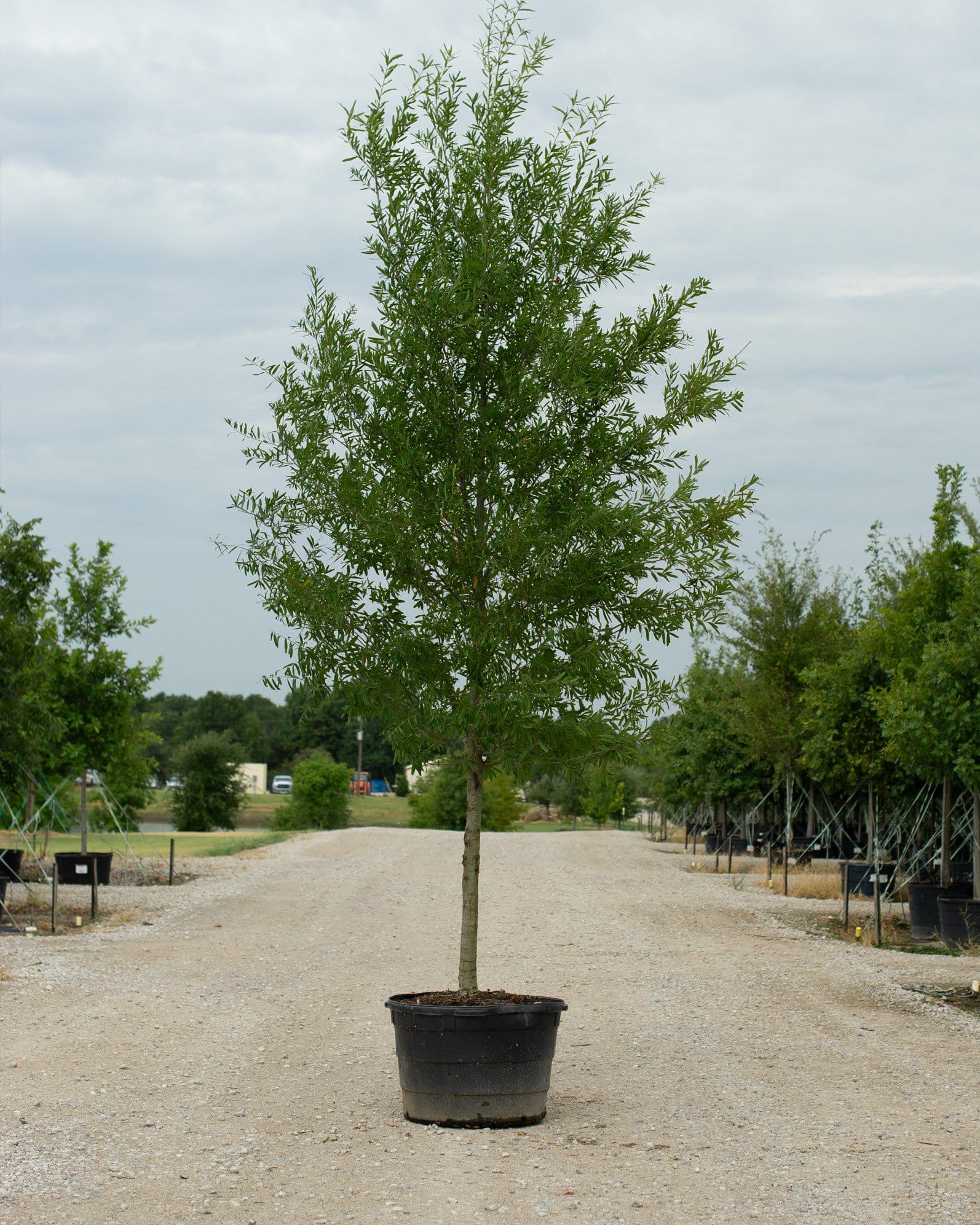
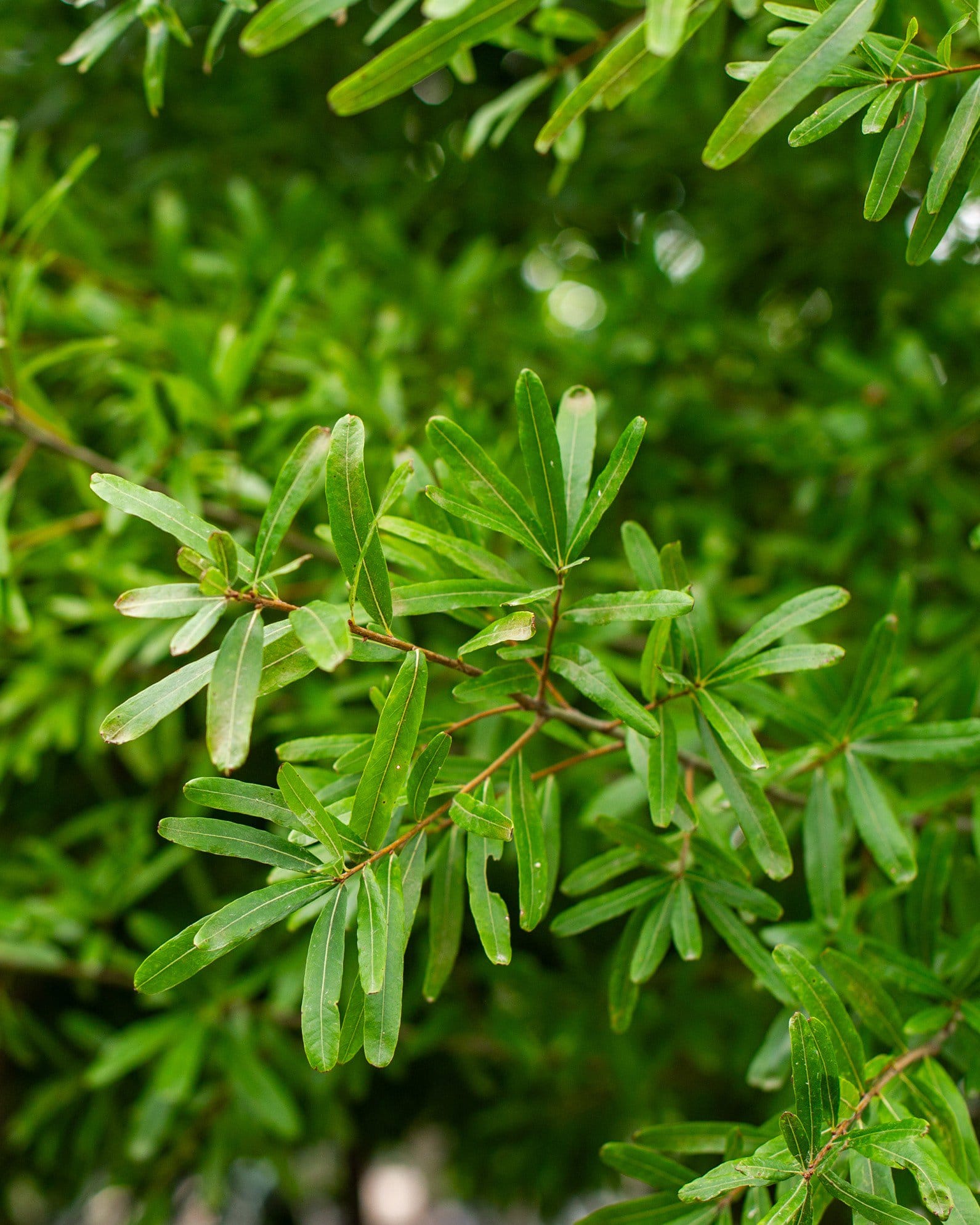
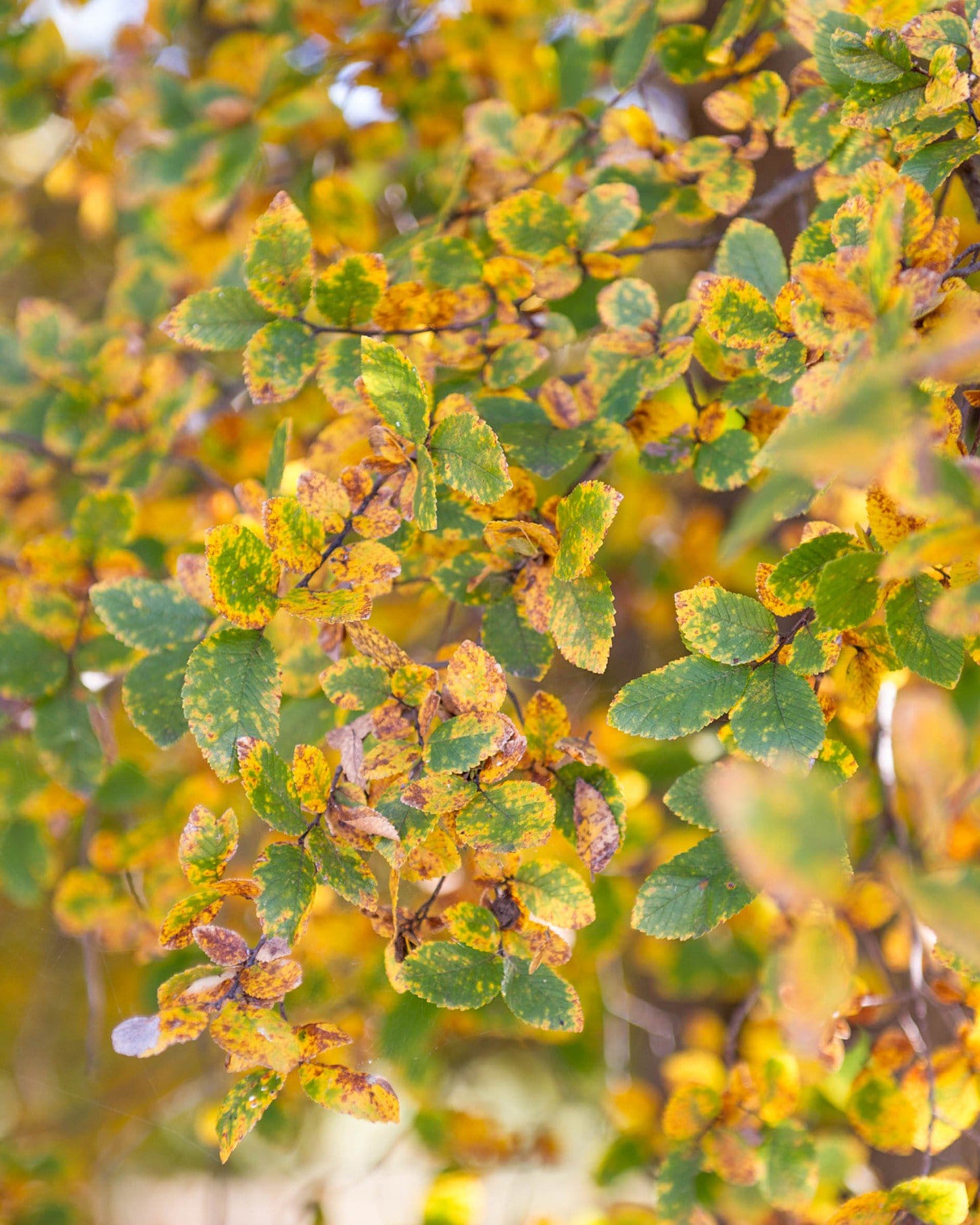
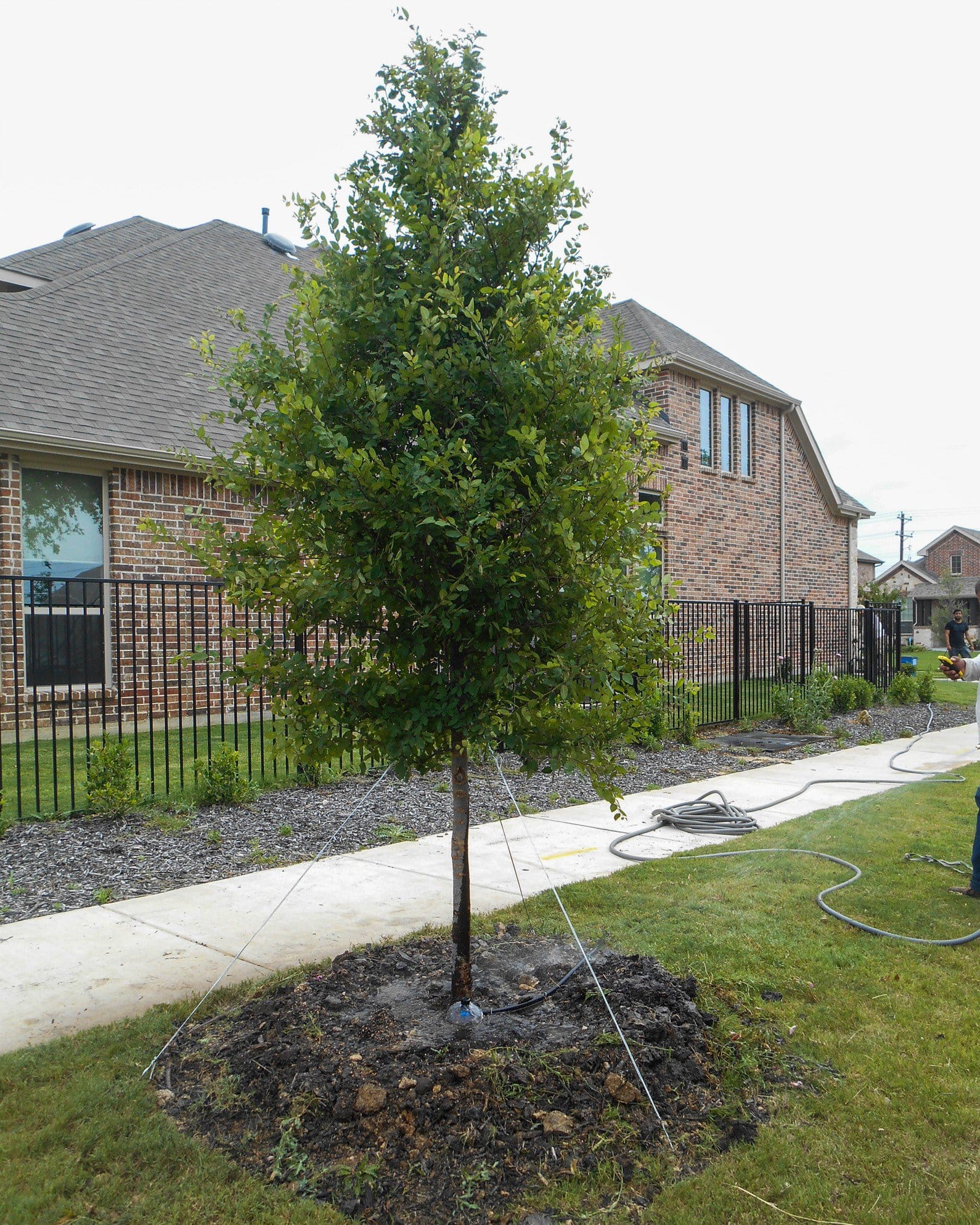
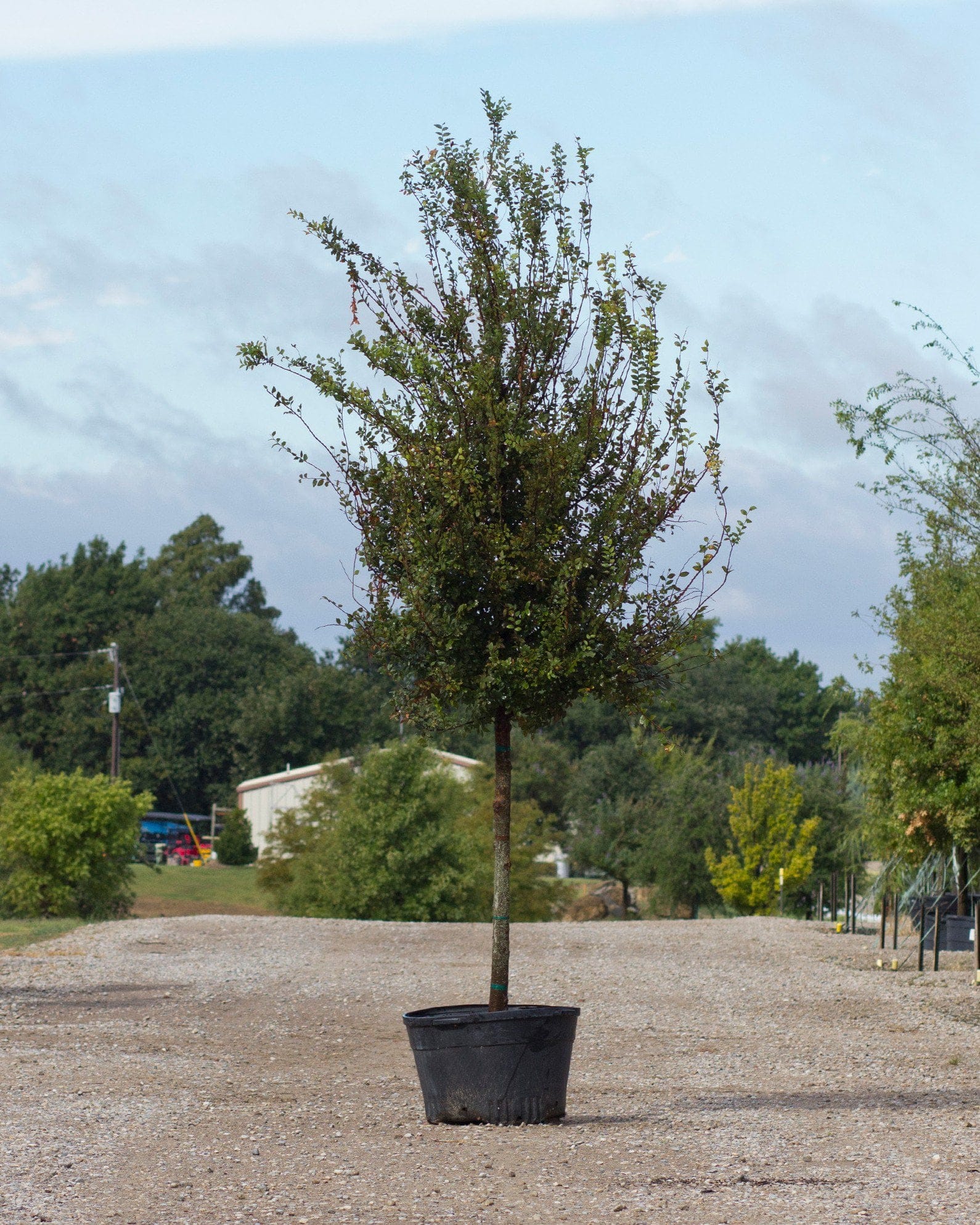
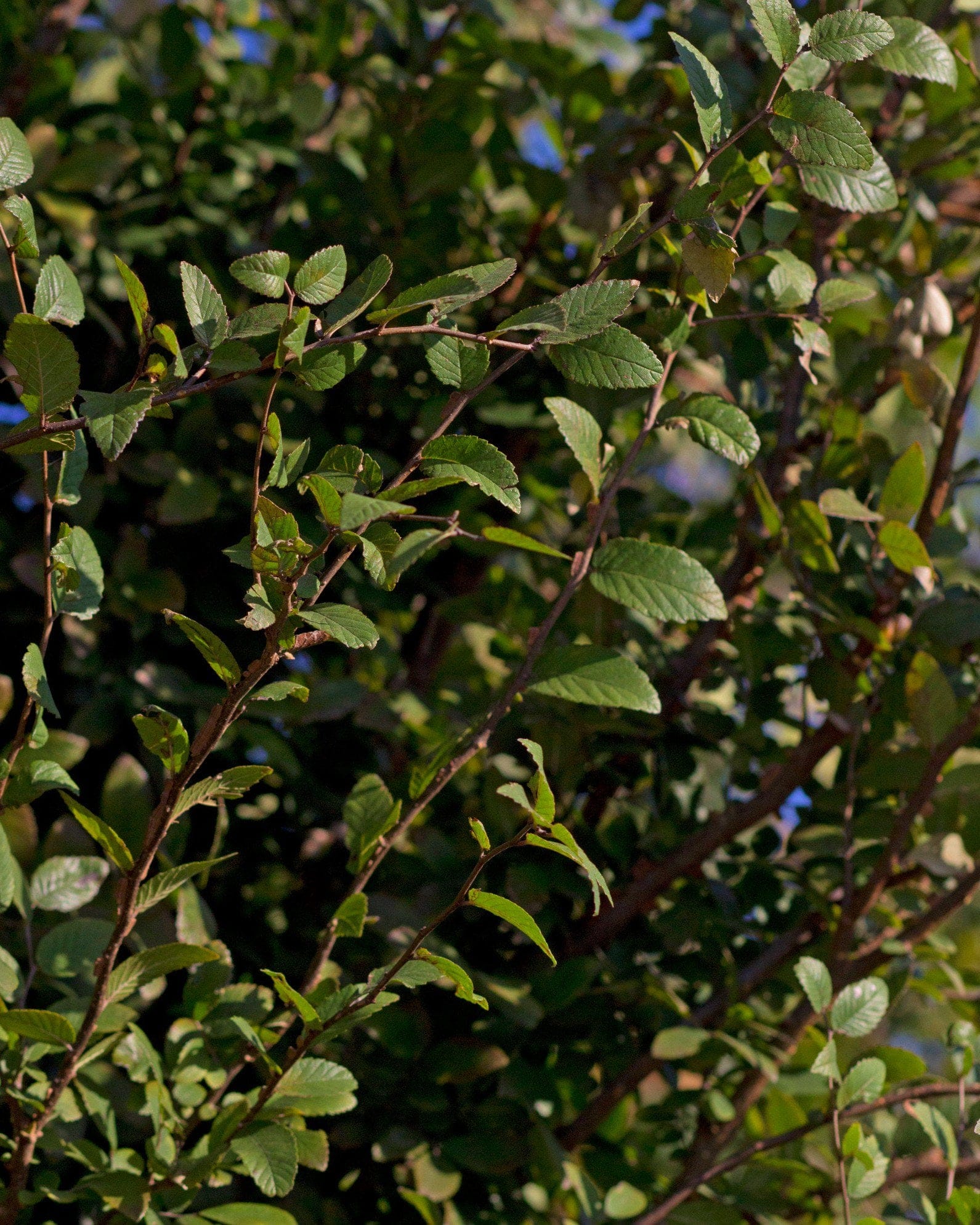
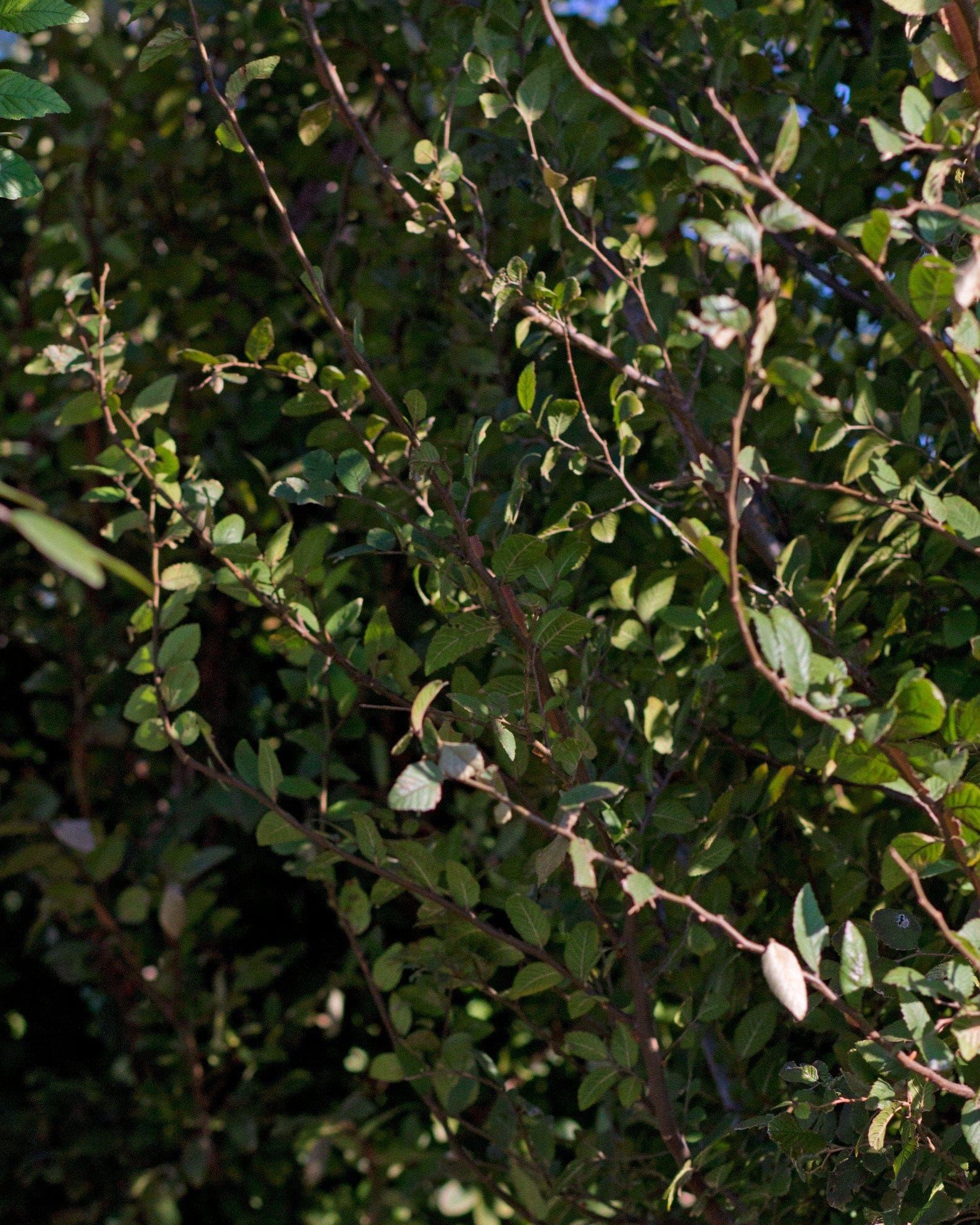
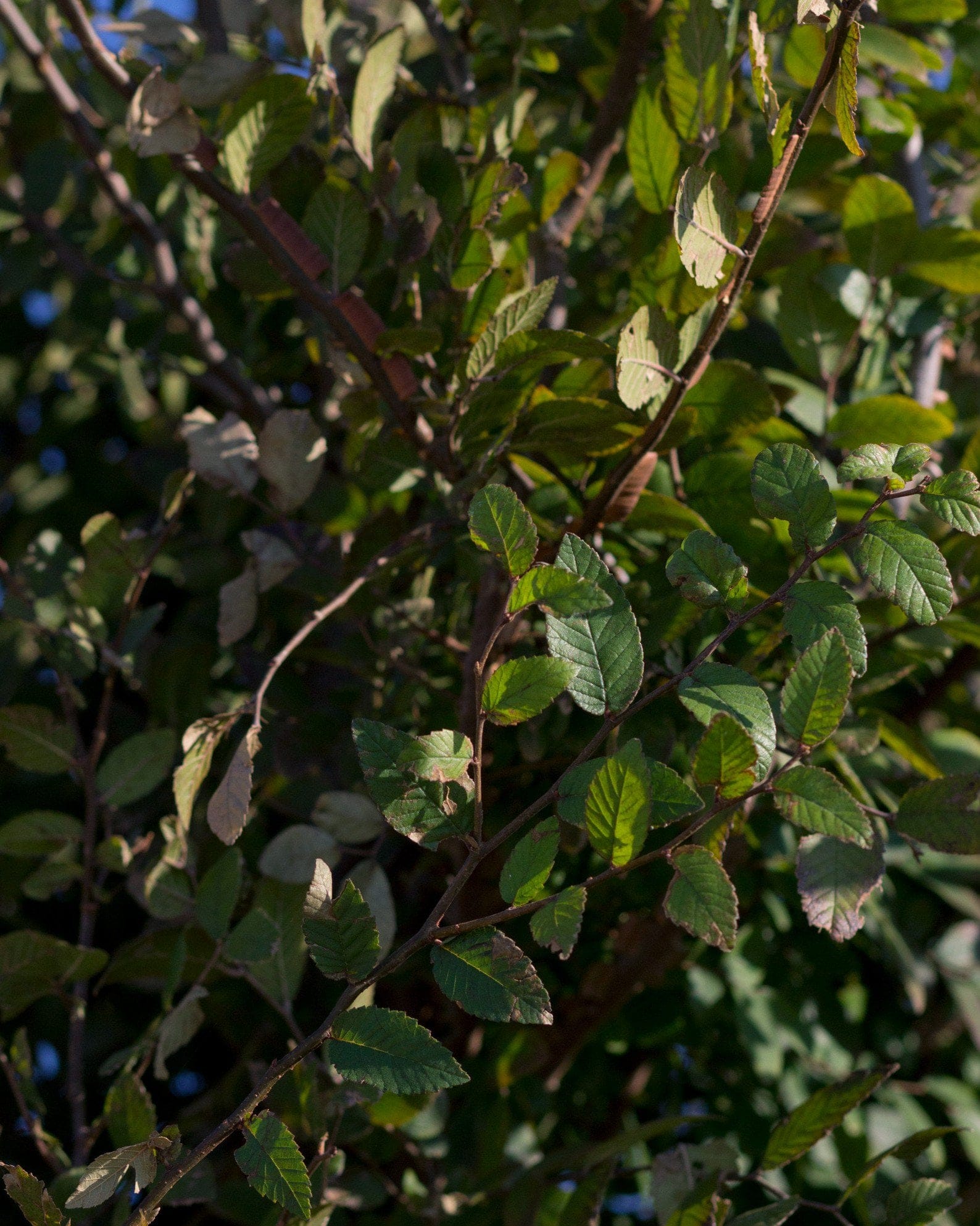
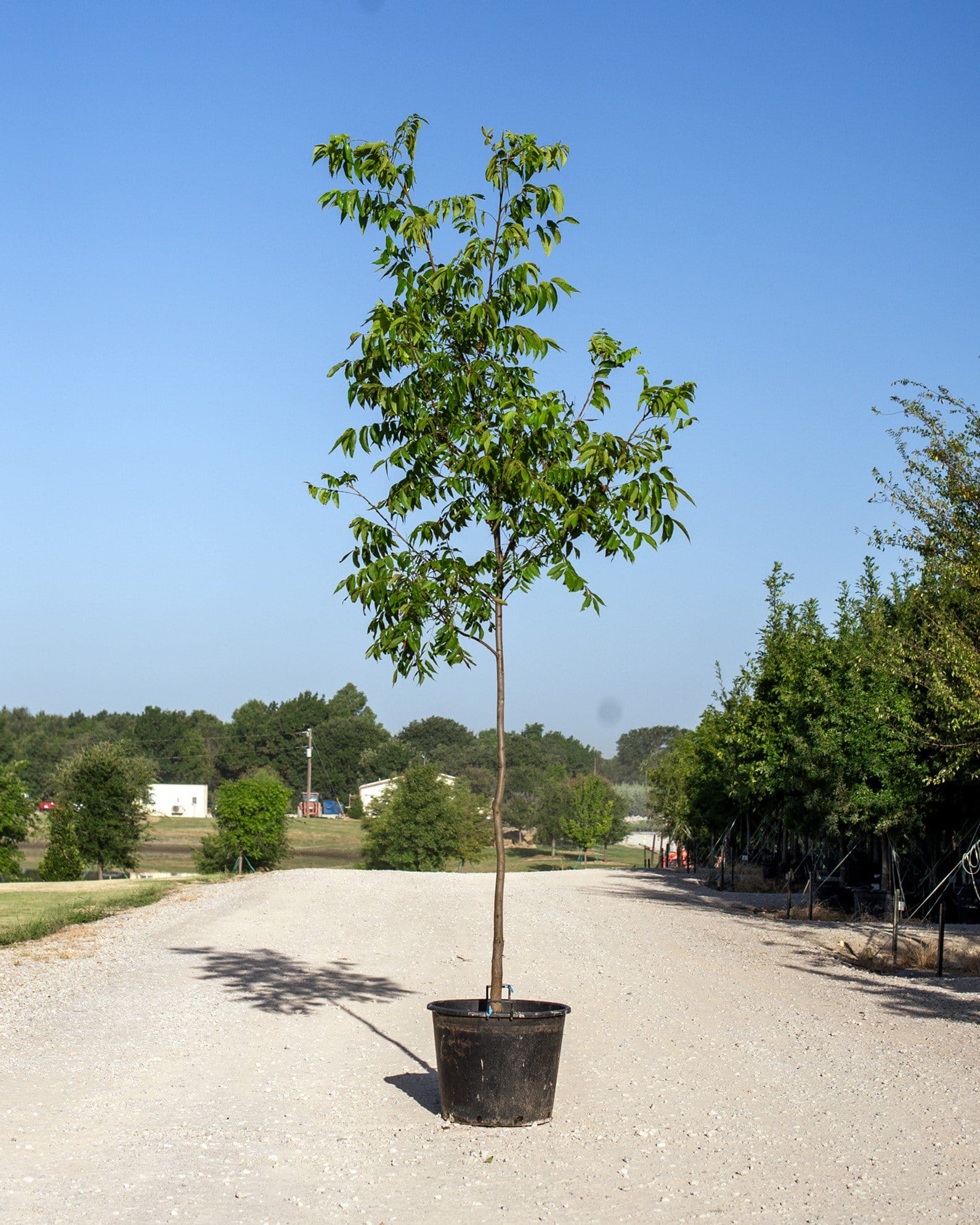
Quercus lyrataOvercup Oak is a resilient tree valued for its broad, rounded crown and durable wood. Growing up to 45 feet tall and 35 feet wide, it creates ample shade and provides visual interest. Its dense foliage turns vibrant shades of yellow and brown in fall, adding seasonal interest to your landscape. With a moderate growth rate and adaptable nature, Overcup Oak is well-suited for parks, large yards, and naturalized areas.
- Deciduous tree
- Moderate growth rate with spreading, rounded form
- Dense foliage providing excellent shade
- Fall color ranges from yellow to brown
- Great choice for a shade tree in yards and patios
Hardy in USDA zones 5–9, Overcup Oak thrives in full sun to partial shade and prefers well-drained, moist soils but can tolerate occasional flooding. It performs well in North Texas landscapes, offering durability and long-lasting beauty.
Maintenance
With steady early care, Overcup Oak becomes a long-lived, low-maintenance anchor for large and small landscapes alike. Here’s all it needs:
- Watering: Water young Overcup Oaks deeply and consistently during the first 2-3 years to help establish a stable root system capable of handling both drought and seasonal wetness. Once mature, it becomes remarkably tolerant of fluctuating moisture levels and usually needs supplemental water only during extended drought.
- Pruning: Prune in late winter while the tree is dormant to remove dead, rubbing, or weak branches. Early structural pruning helps guide a strong central framework, but mature Overcup Oaks generally need minimal pruning.
- Fertilizing: This tree naturally thrives in a wide range of soils and rarely needs fertilizer once established. If growth slows or foliage appears pale, a light spring application of slow-release, balanced fertilizer can support canopy density - but avoid heavy nitrogen.
- Mulching: Apply a 2-3 inch mulch layer around the base to maintain soil moisture, insulate surface roots, and suppress turf competition. Expand the mulch ring outward as the tree grows to cover its shallow feeder-root zone. Keep mulch several inches away from the trunk.
- Winter Care: Overcup Oak is extremely cold-hardy and handles winter conditions with ease. Young trees may benefit from a temporary trunk wrap to reduce sunscald during their first few winters.
Common Issues and How to Take Care of Them
Overcup Oak is naturally tough, though a few manageable issues can appear under stressful or excessively wet conditions:
- Powdery Mildew: A white, powdery coating appears on leaves in shaded, humid areas. Improve air circulation and avoid wetting leaves to keep foliage healthy.
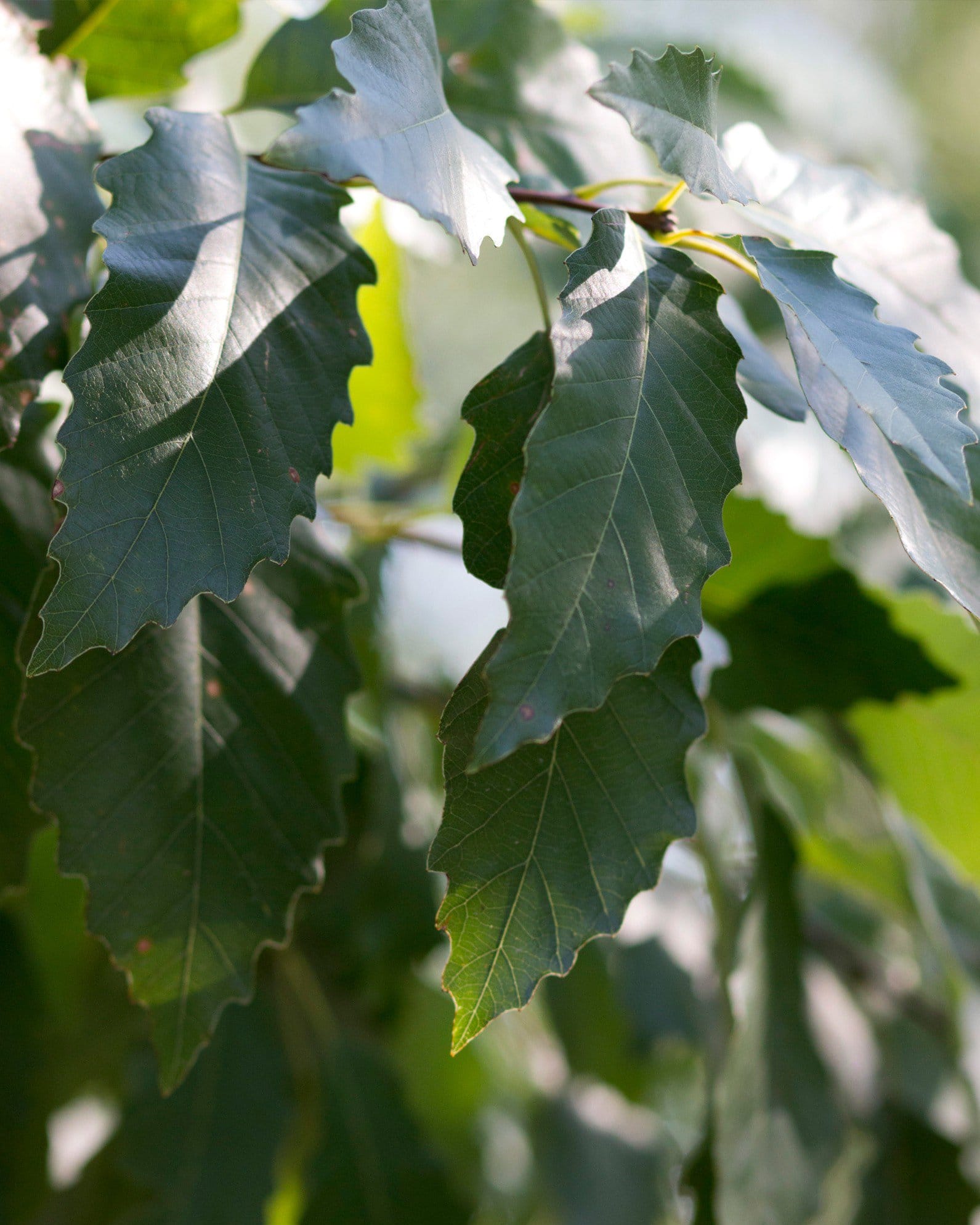
- Tubakia (Fungal Leaf Spot): Brown spots may appear in late spring or summer, which occurs during really rainy periods. This is nothing to be concerned about. All Oaks, Maples and Elms will get Tubakia to varying degrees and it will not hurt your tree in any way. If you were to spray for Tubakia then it wouldn’t cause the spots to go away. They will remain on the leaf until the leaves fall off and once the new set of leaves are produced they will look normal again.
- Spider Mites: Tiny pests that can cause foliage discoloration during hot, dry weather. Rinse foliage with water or use insecticidal soap if infestations persist. Encouraging beneficial insects, like ladybugs, can also help keep mite populations under control.
- Anthracnose: Irregular brown blotches and leaf distortion develop during cool, wet springs. Remove fallen leaves and improve airflow to reduce future outbreaks.
- Borers: Small holes in the bark and sawdust-like frass indicate borer activity. Maintain tree health with proper watering and avoid trunk injuries to reduce vulnerability.
- Scale Insects: Bumpy, waxy insects attach to stems and feed on sap, causing yellowing leaves. Apply horticultural oil or insecticidal soap to control populations.
- Oak Wilt: Leaves wilt, bronze, or drop prematurely due to a serious fungal disease. Prevent pruning during spring and early summer, sanitize tools, and contact an arborist immediately if symptoms appear.
Overcup Oaks often live 100-150 years, providing generations of shade and beauty. Their stable structure and strong disease resistance contribute to a long, dependable lifespan.
They grow at a moderate rate of 1-2 feet per year and typically reach a mature canopy form within 20-30 years. This steady pace allows them to develop excellent structure without becoming unruly.
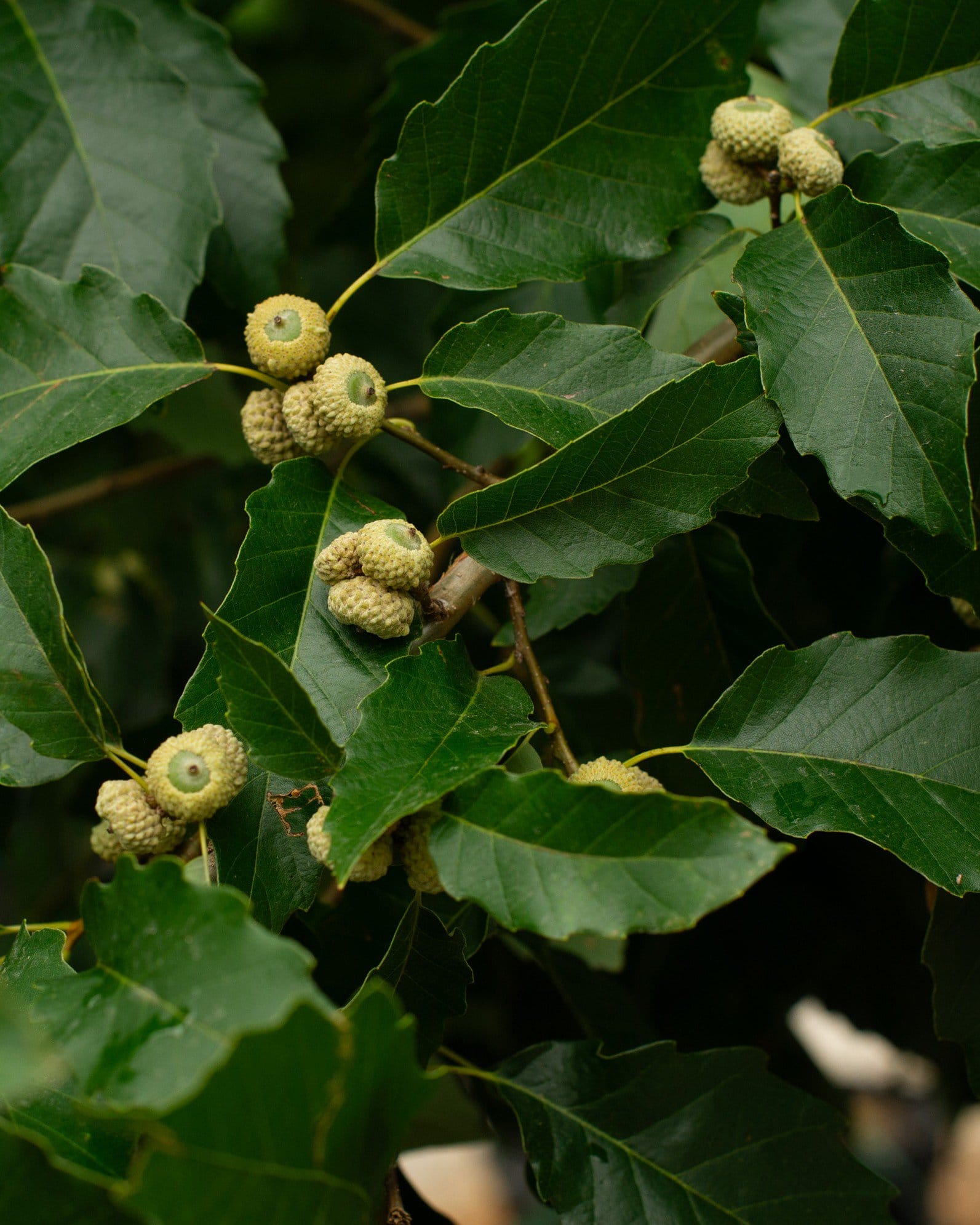
In spring, its catkins provide pollen for bees and other beneficial insects, and its acorns feed birds, deer, and small mammals. The canopy also offers valuable nesting and sheltering spaces.
Young trees may experience some browsing, but mature leaves become much less attractive to deer. A simple guard during the early years helps ensure a healthy establishment.
Due to its eventual size and deepening root system, it is not well suited for long-term container growth. Planting it in the ground allows it to develop fully and securely.
It handles heat admirably, maintaining healthy foliage even during long summer stretches. Deep watering during extreme drought helps it stay lush and vibrant through peak heat.
Overcup oak (Quercus lyrata), also called swamp post oak, swamp white oak, and water white oak, is quite tolerant of flooding and grows slowly on poorly drained flood plains and swamp lands of the Southeastern United States.
It performs beautifully in alleys, ranch rows, and large grouped plantings thanks to its symmetrical form and consistent growth. Mass plantings create a stately, cohesive look that ages gracefully.
It adapts surprisingly well to compacted soils, occasional flooding, and reflected heat common in city settings. Its strong tolerance for tough conditions makes it a smart choice for modern urban landscapes.
Young Overcup Oaks transplant well, especially when grown in containers. Older trees are more challenging to move, so planting early provides the best long-term results.
Special Features
You might also like
Bur Oak
Maturity: 60' H x 50' W
Chinquapin Oak
Maturity: 50' H x 40' W
Willow Oak
Maturity: 60' H x 50' W
Sawtooth Oak
Maturity: 45' H x 35' W
Shumard Red Oak Multi-Trunk
Maturity: 60' H x 50' W
Texas Red Oak
Maturity: 45' H x 35' W
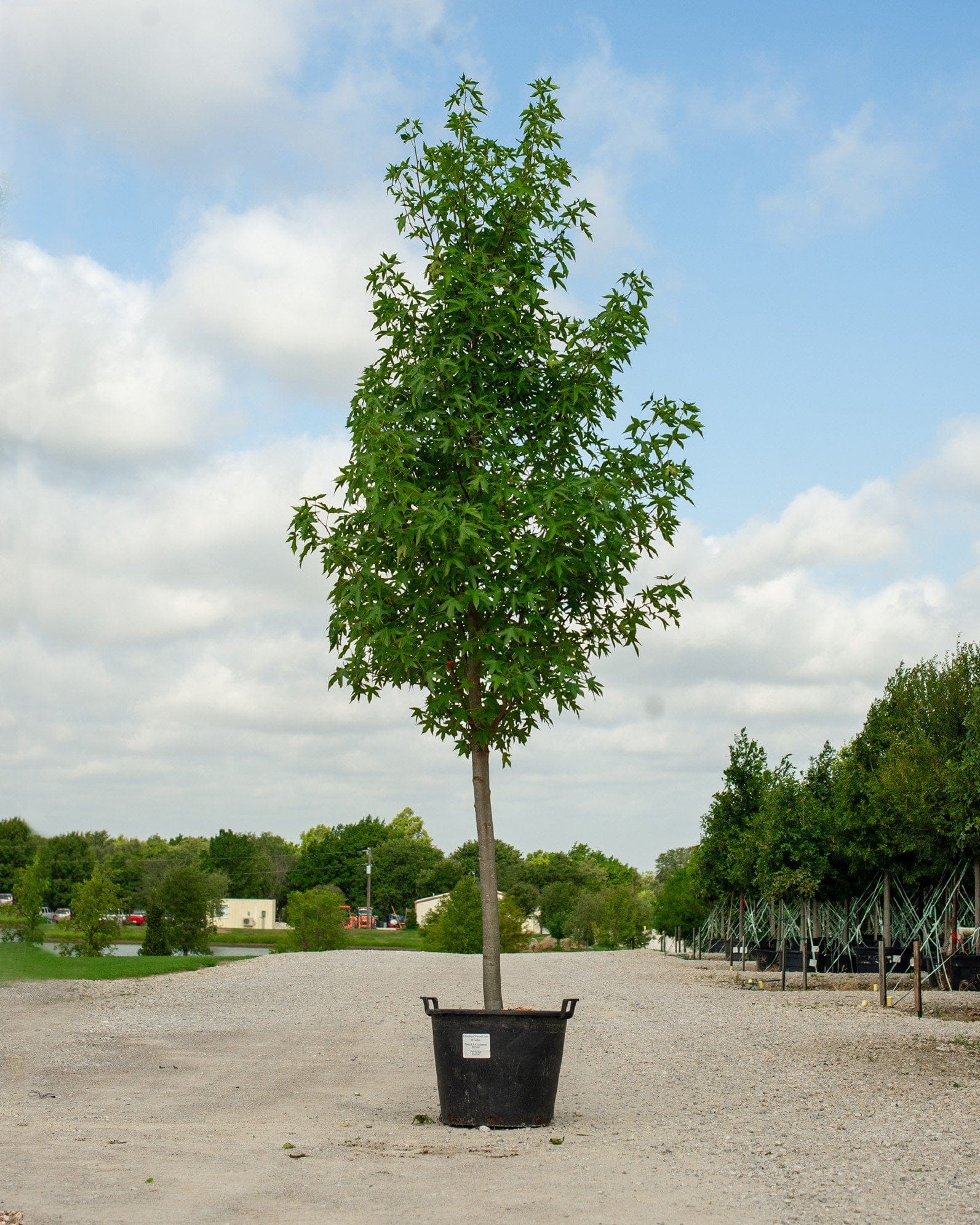
Cherokee Sweet Gum
Maturity: 45' H x 30' W
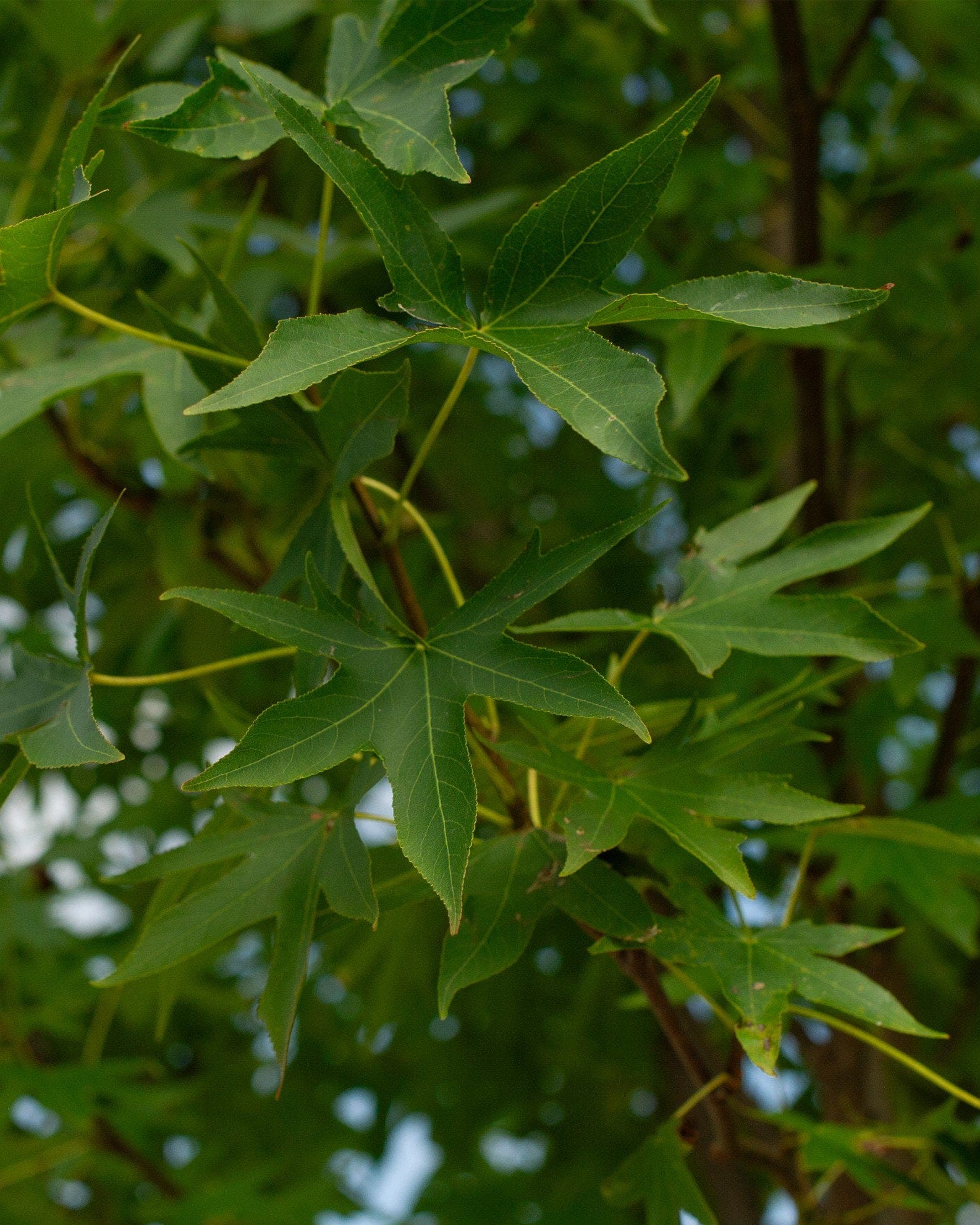
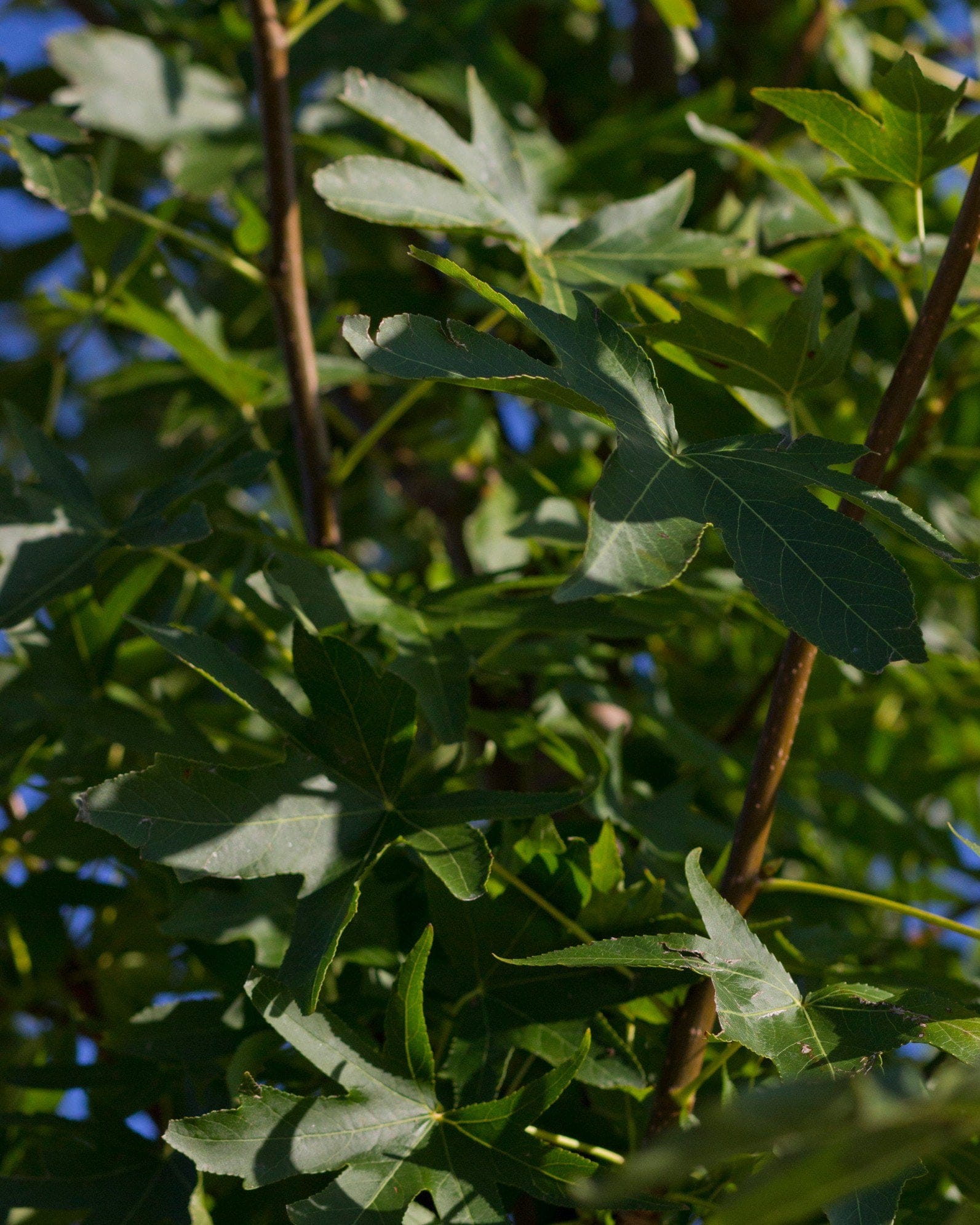
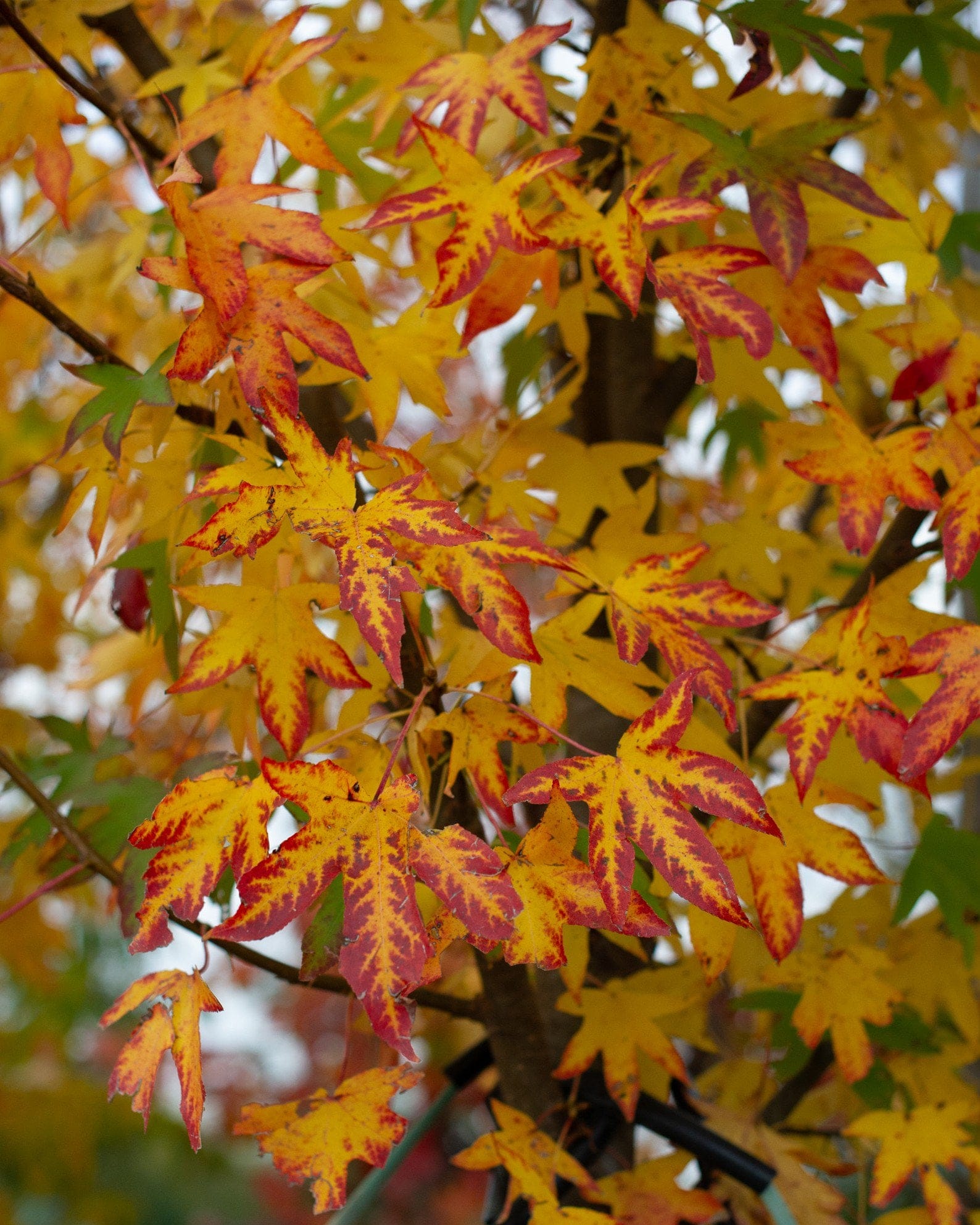
Texas Ash
Maturity: 45' H x 35' W
Autumn Flame Maple
Maturity: 45' H x 35' W
Bald Cypress
Maturity: 60' H x 40' W
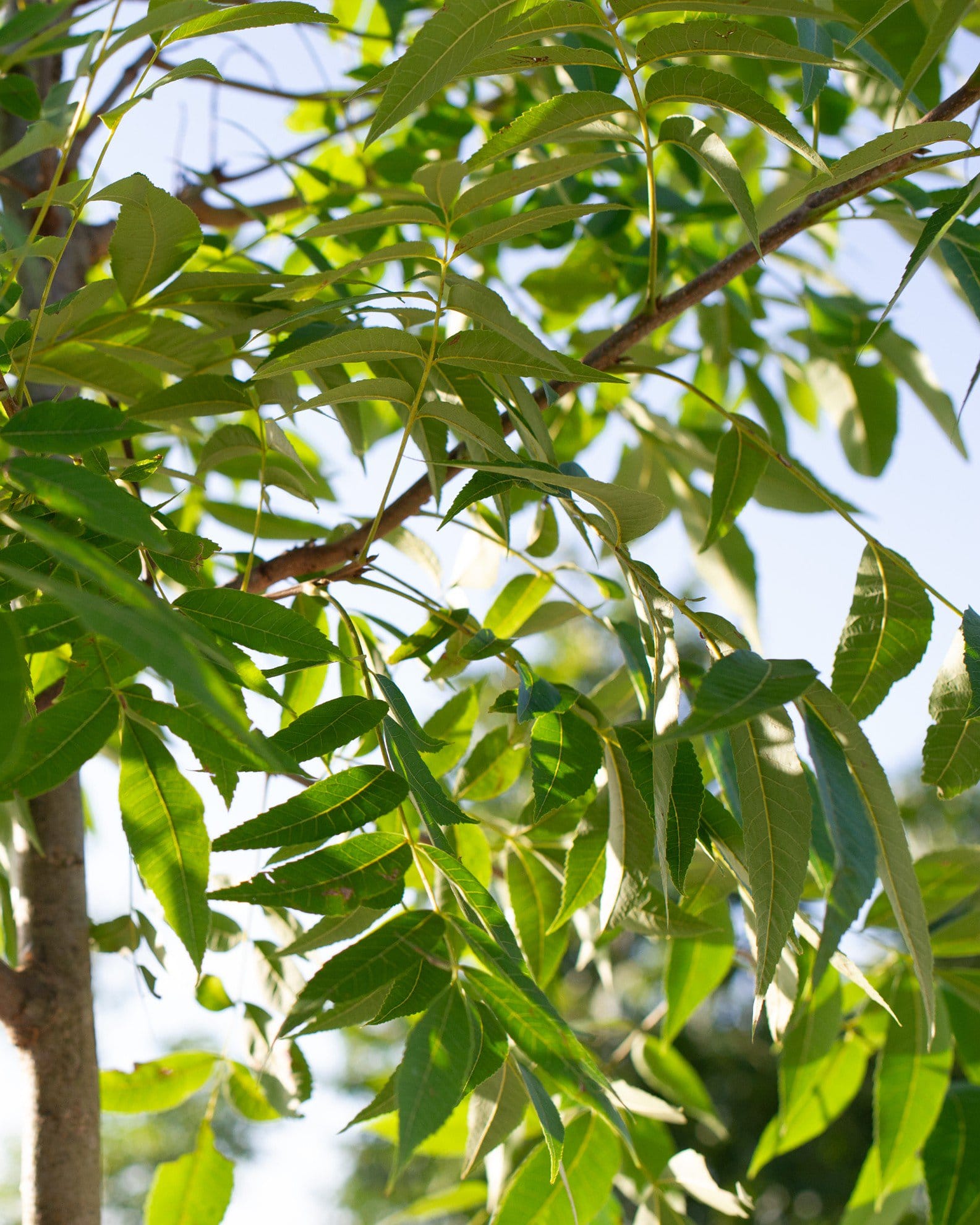
Caddo Pecan
Maturity: 60' H x 40' W
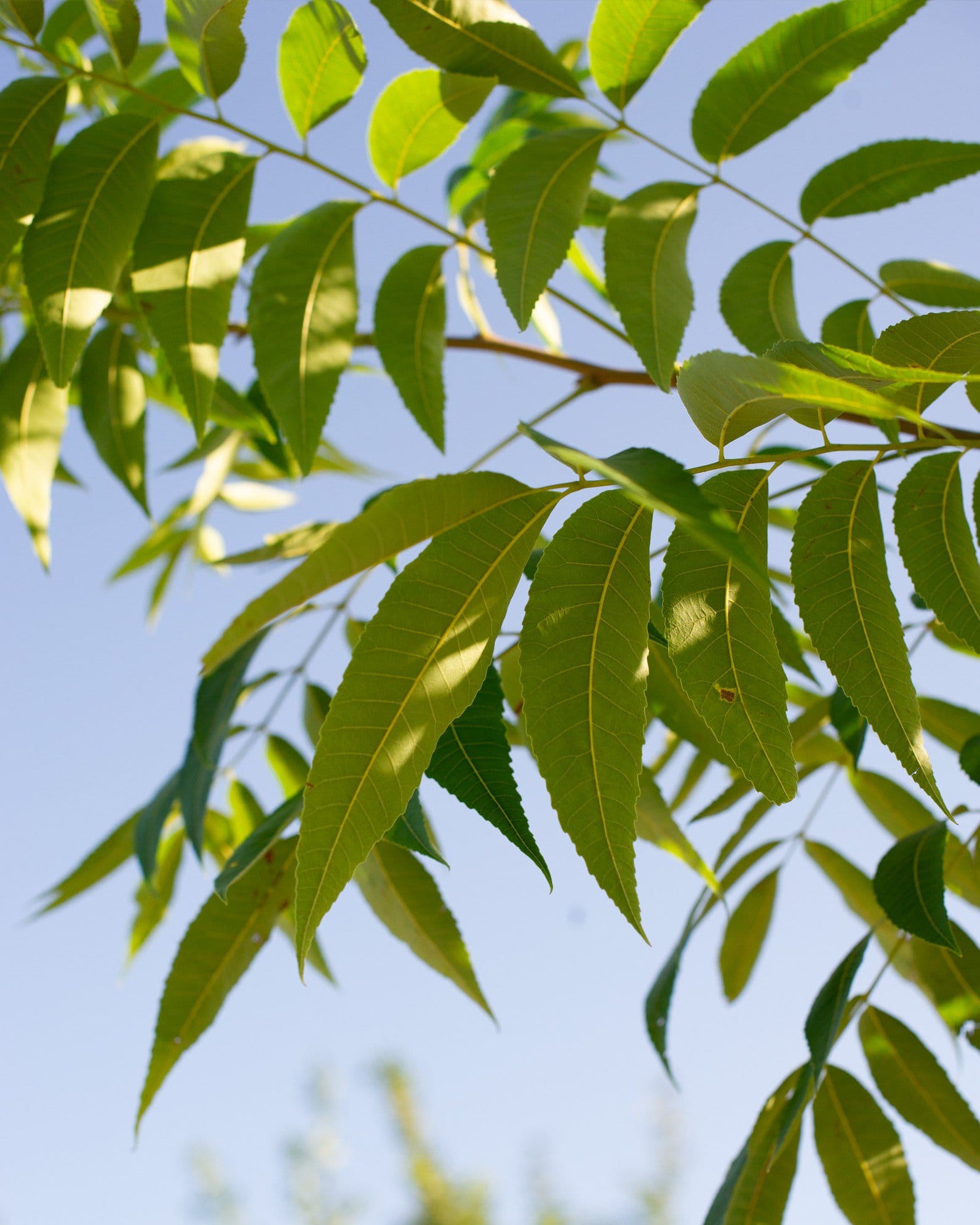
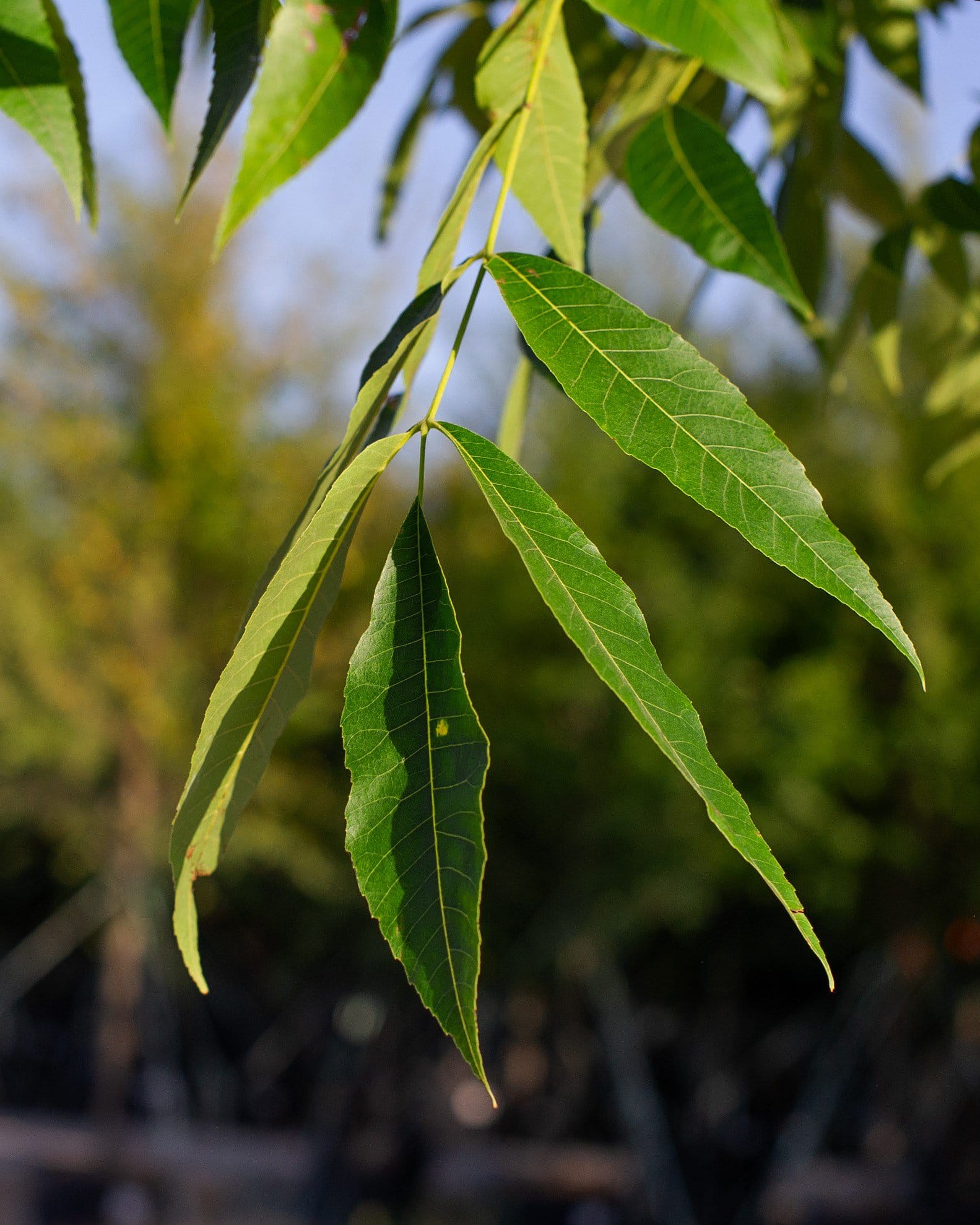
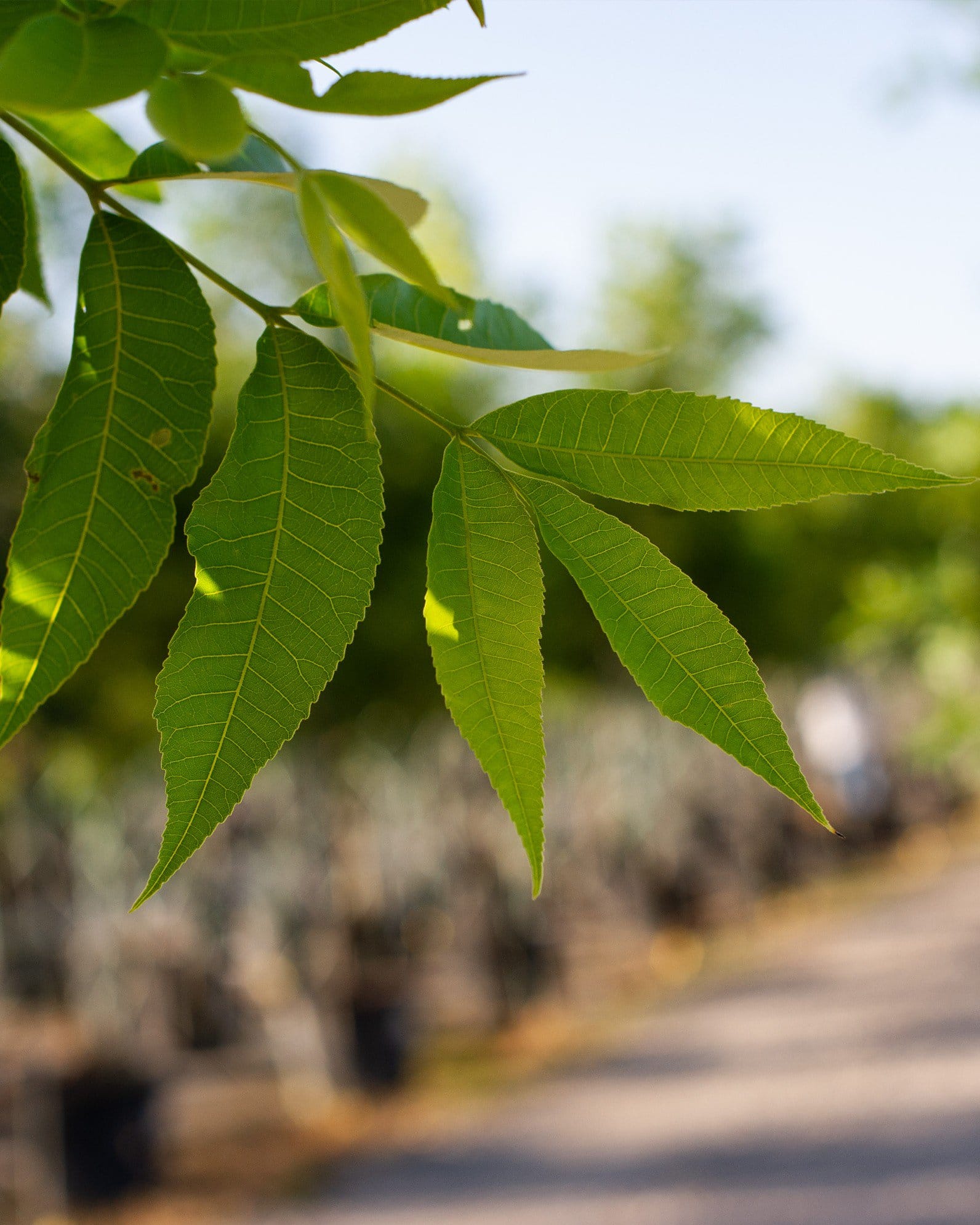
Cedar Elm
Maturity: 50' H x 35' W
Cedar Elm Pioneer
Maturity: 50' H x 30' W
Desirable Pecan
Maturity: 60' H x 40' W
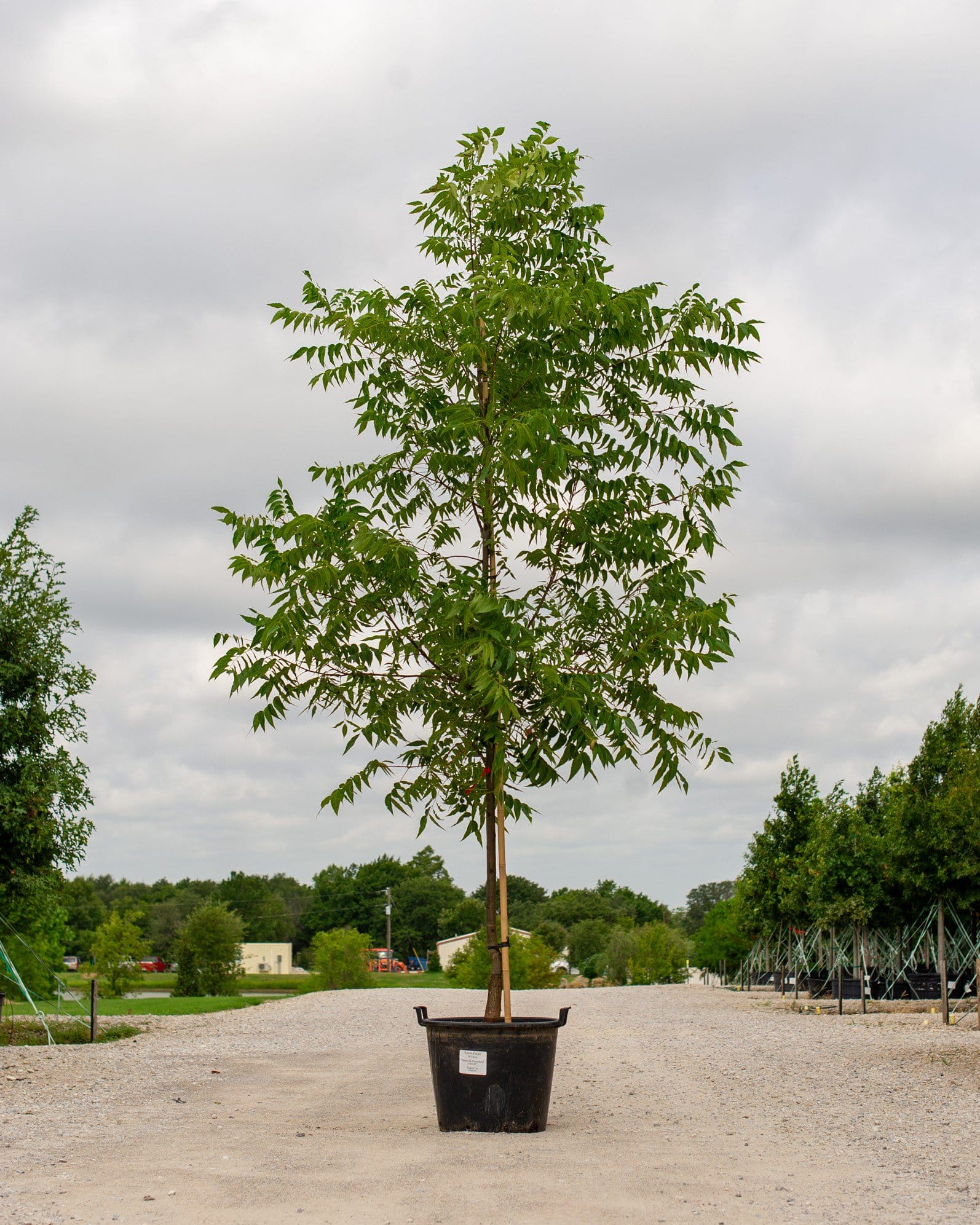
Kanza Pecan
Maturity: 60' H x 40' W
Compare Similar Plants
Overcup Oak This plant | ||
|---|---|---|
| Scientific Name | Quercus lyrata | Quercus macrocarpa |
| Size at Maturity | 45' H x 35' W | 60' H x 50' W |
| Leaf Retention | Deciduous | Deciduous |
| Fall Color | Yellow & Orange | Yellow |
| Sizes Available | 45 gal | 15, 30, 45, 65, 95 gal |


Our 1-Year Planting Guarantee
We take pride in our plants and installation services. If any plants or trees installed by Treeland fail to thrive within the first year, we'll provide a replacement credit in accordance with our guarantee program.
Learn More About Our Guarantee