
 Texas Native
Willow Oak
Quercus phellosLocal DFW Delivery Only
Product Details
Willow Oak
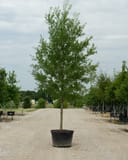
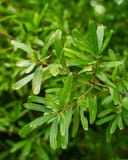
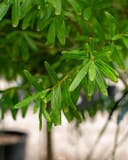
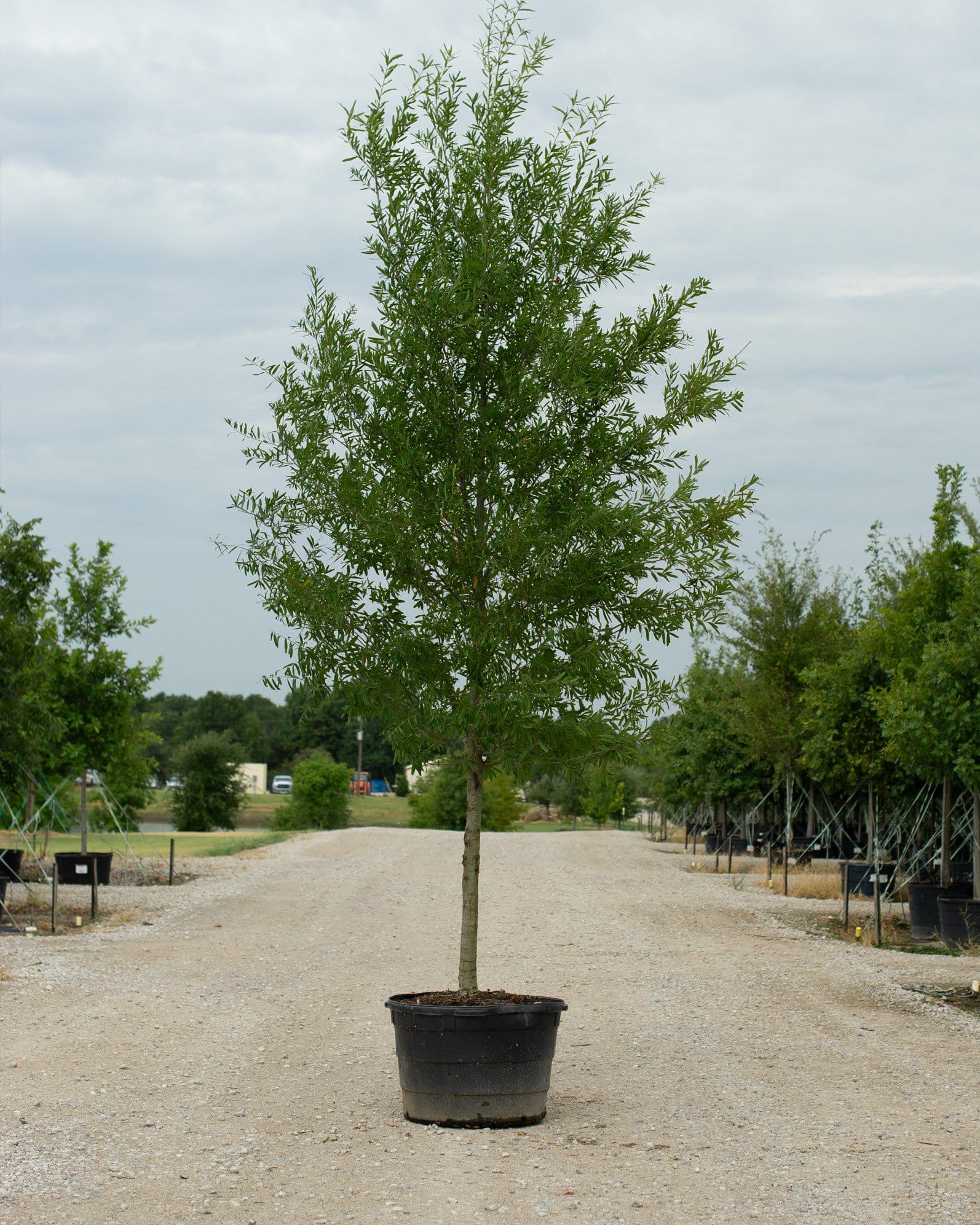
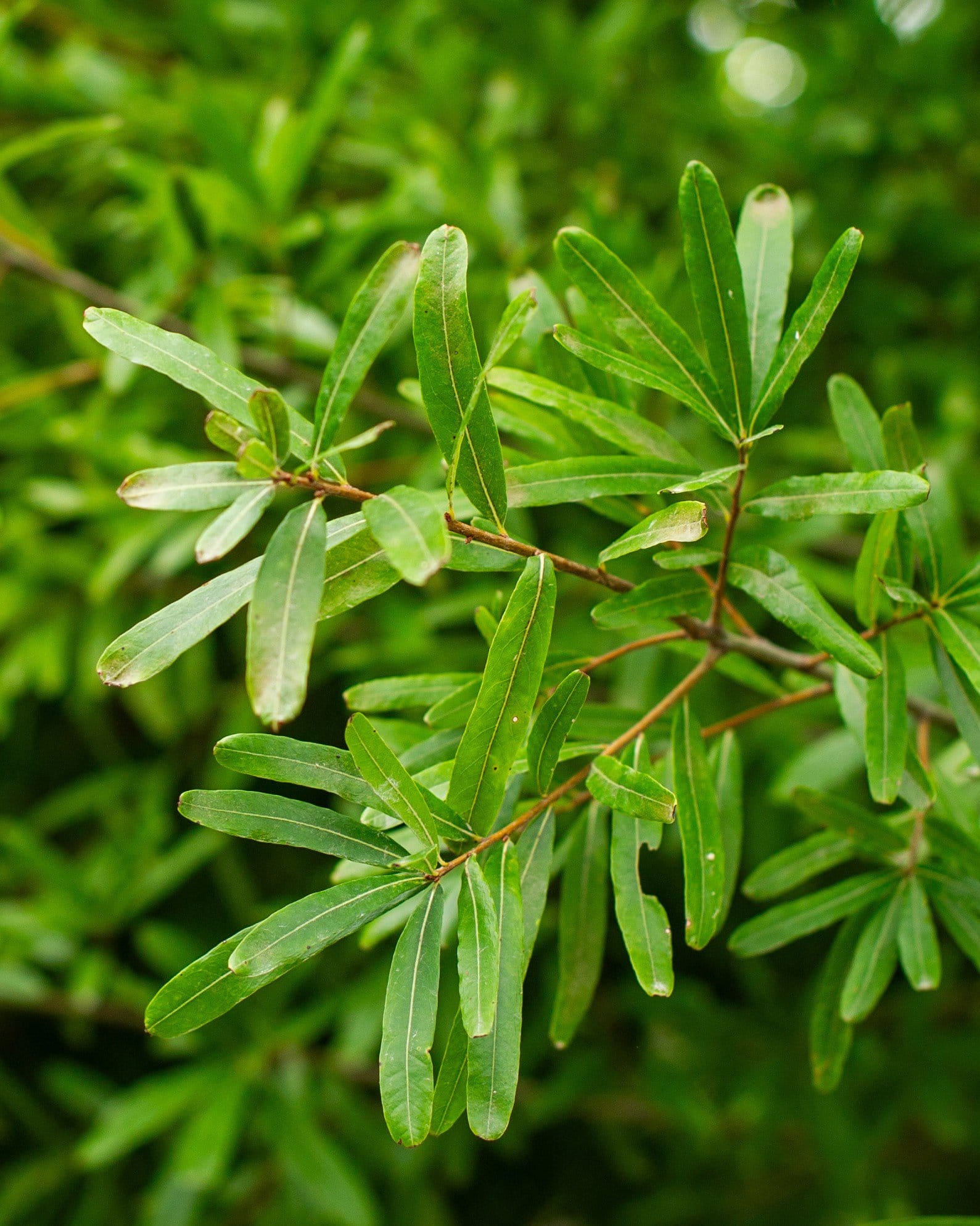
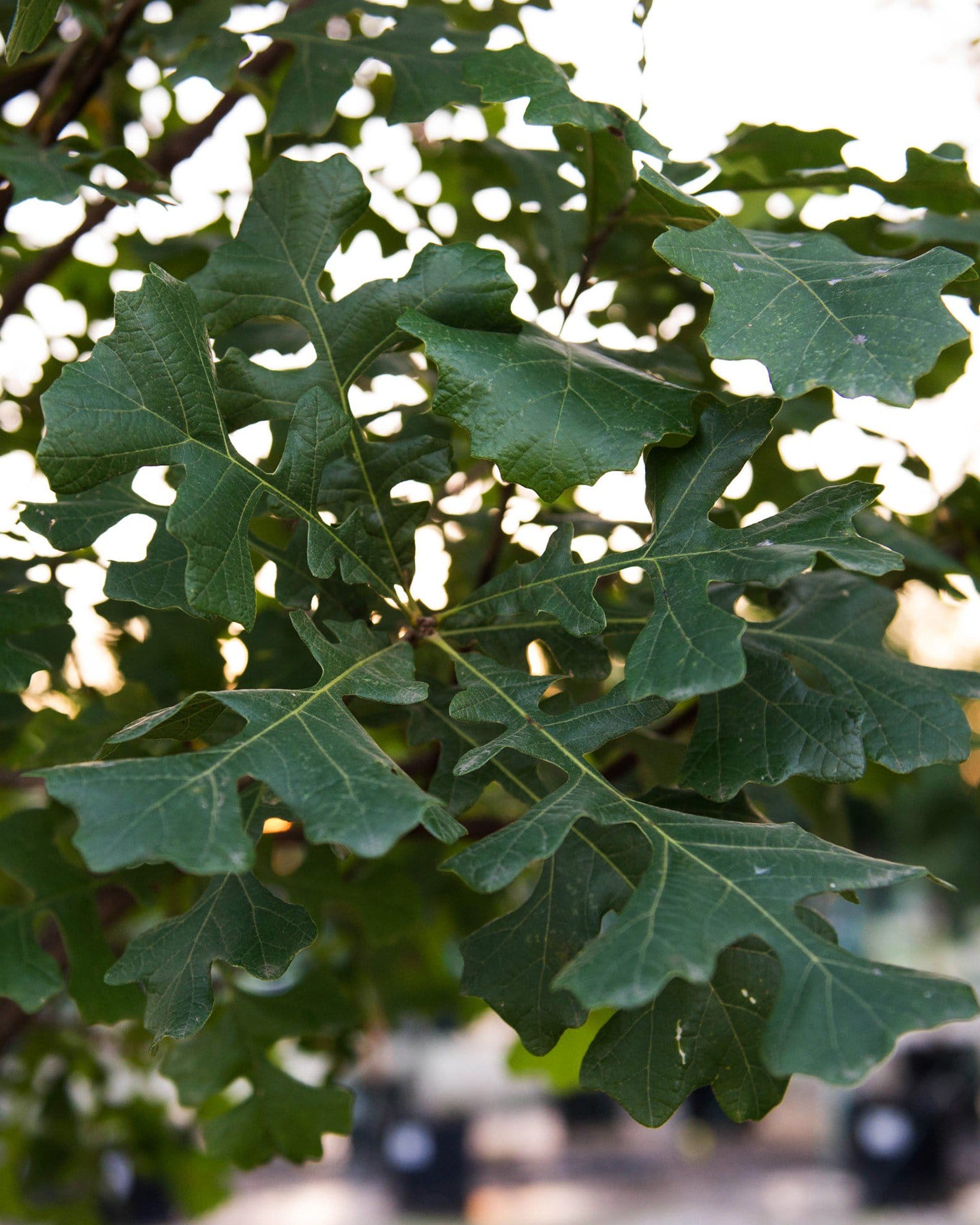
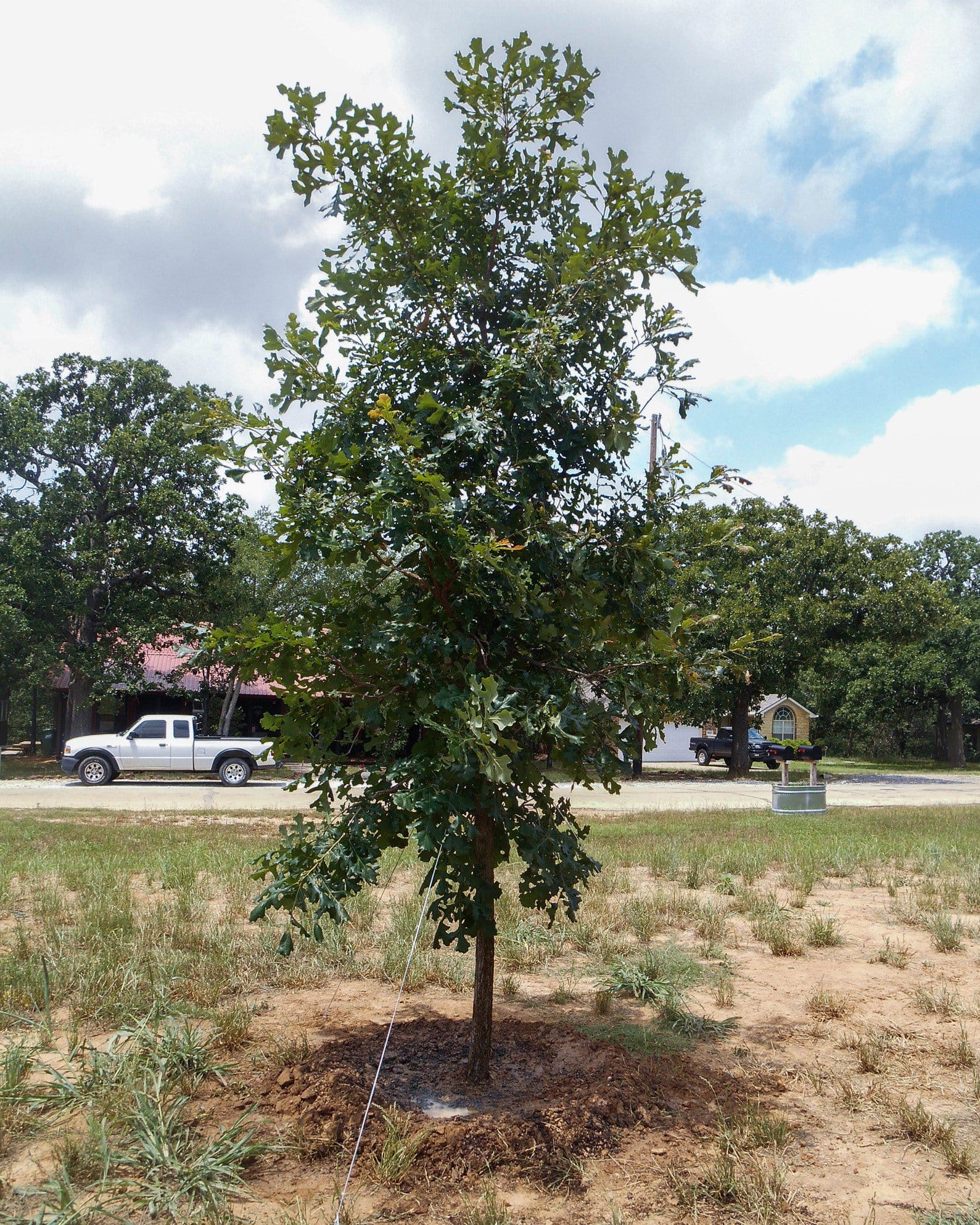
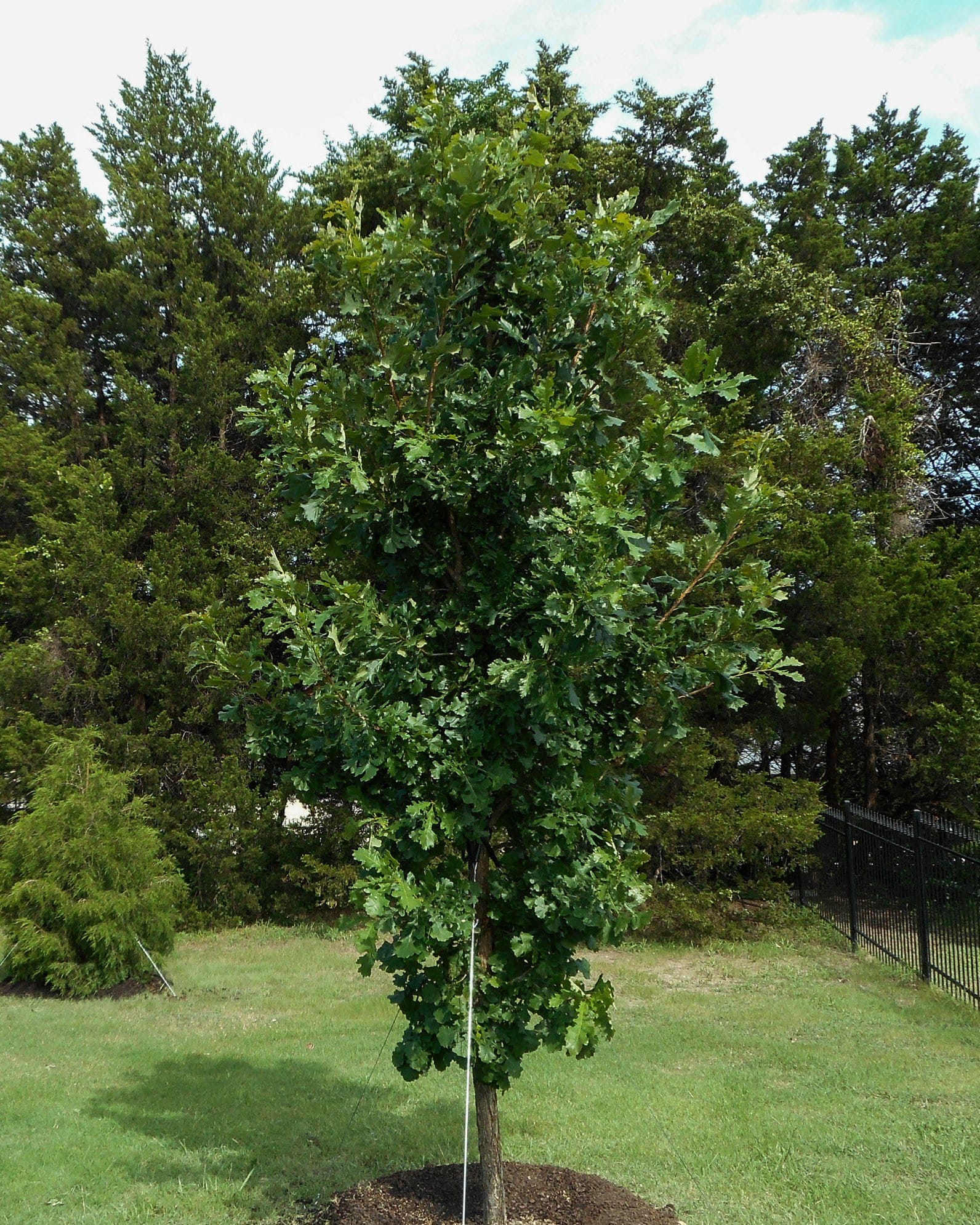
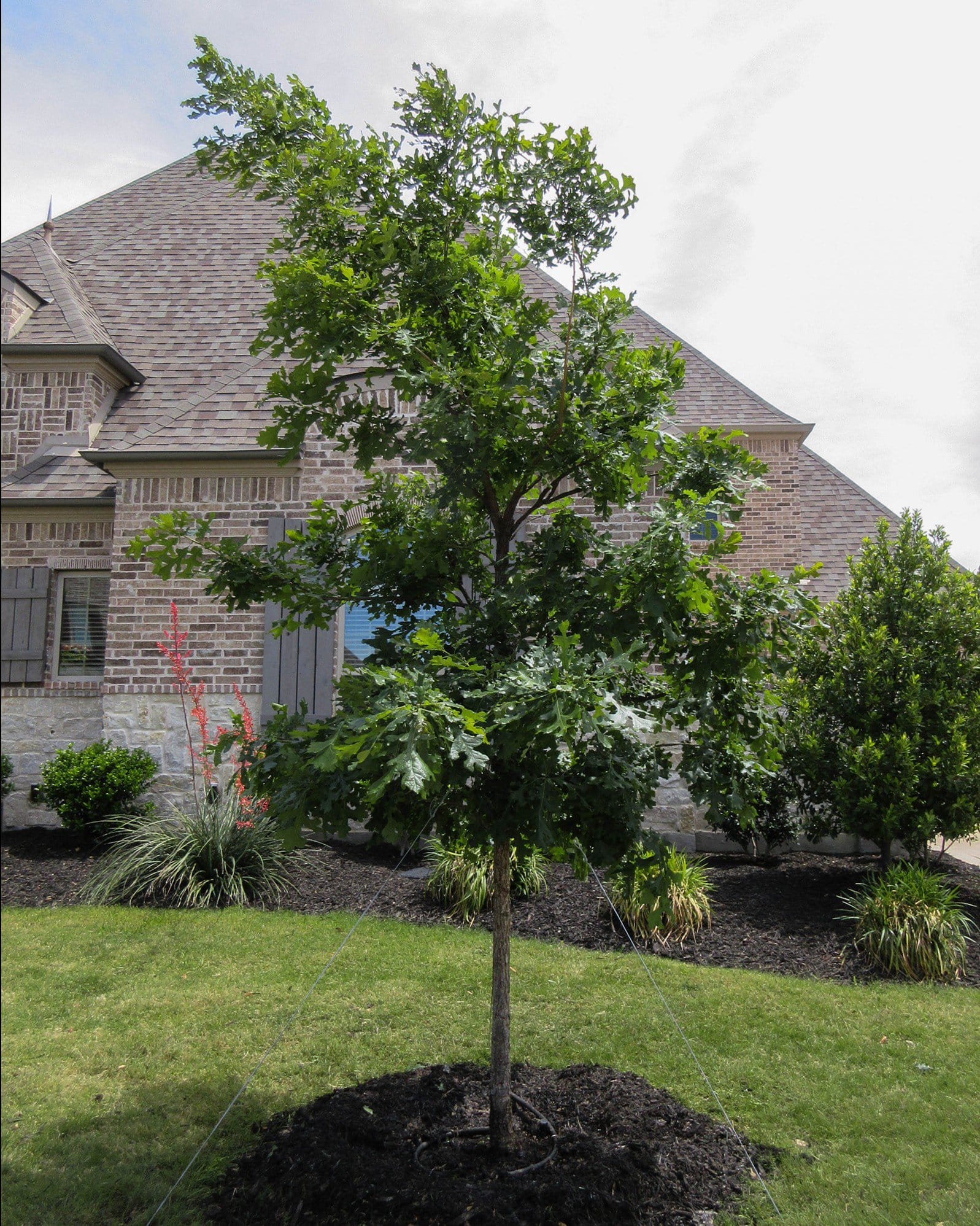
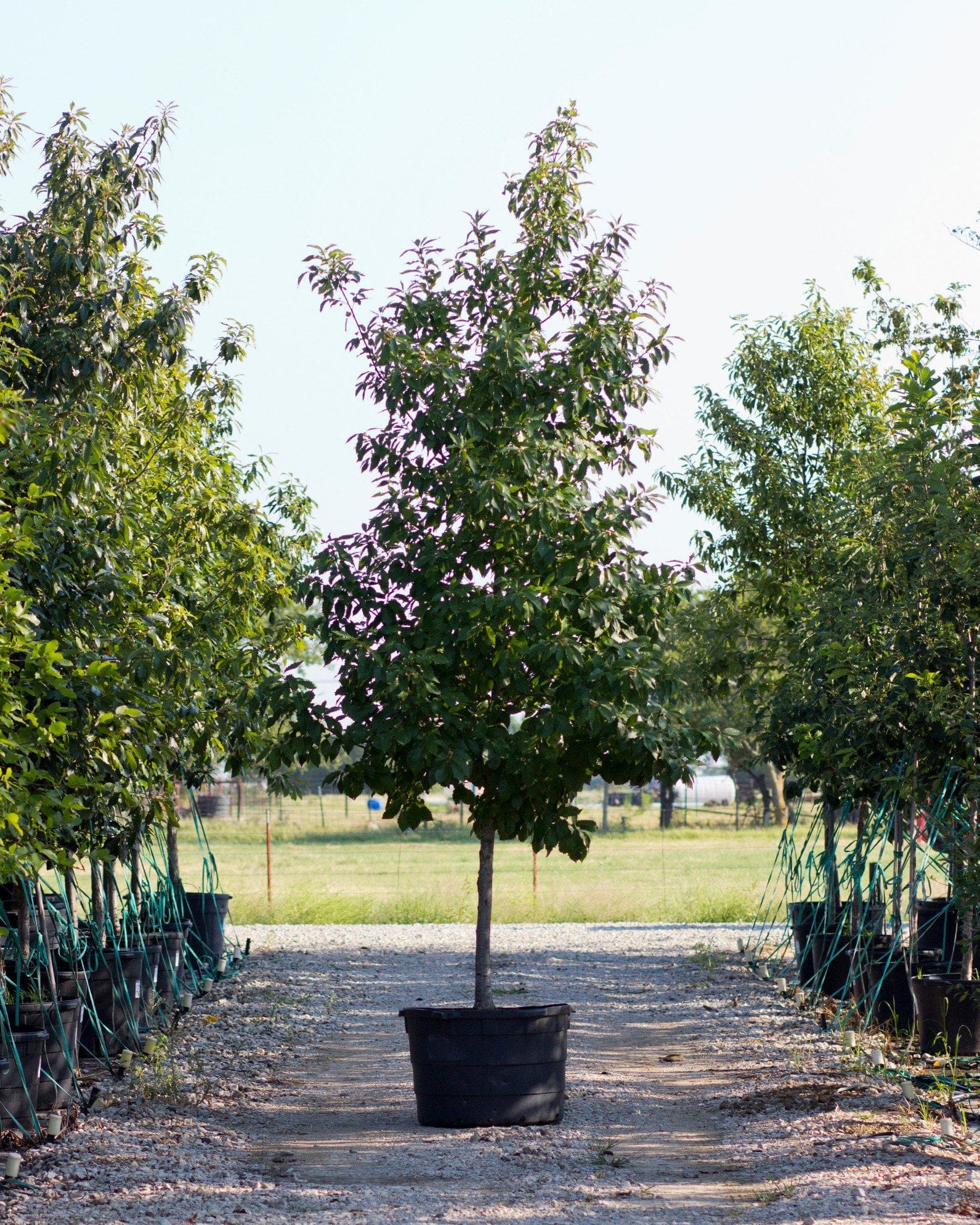
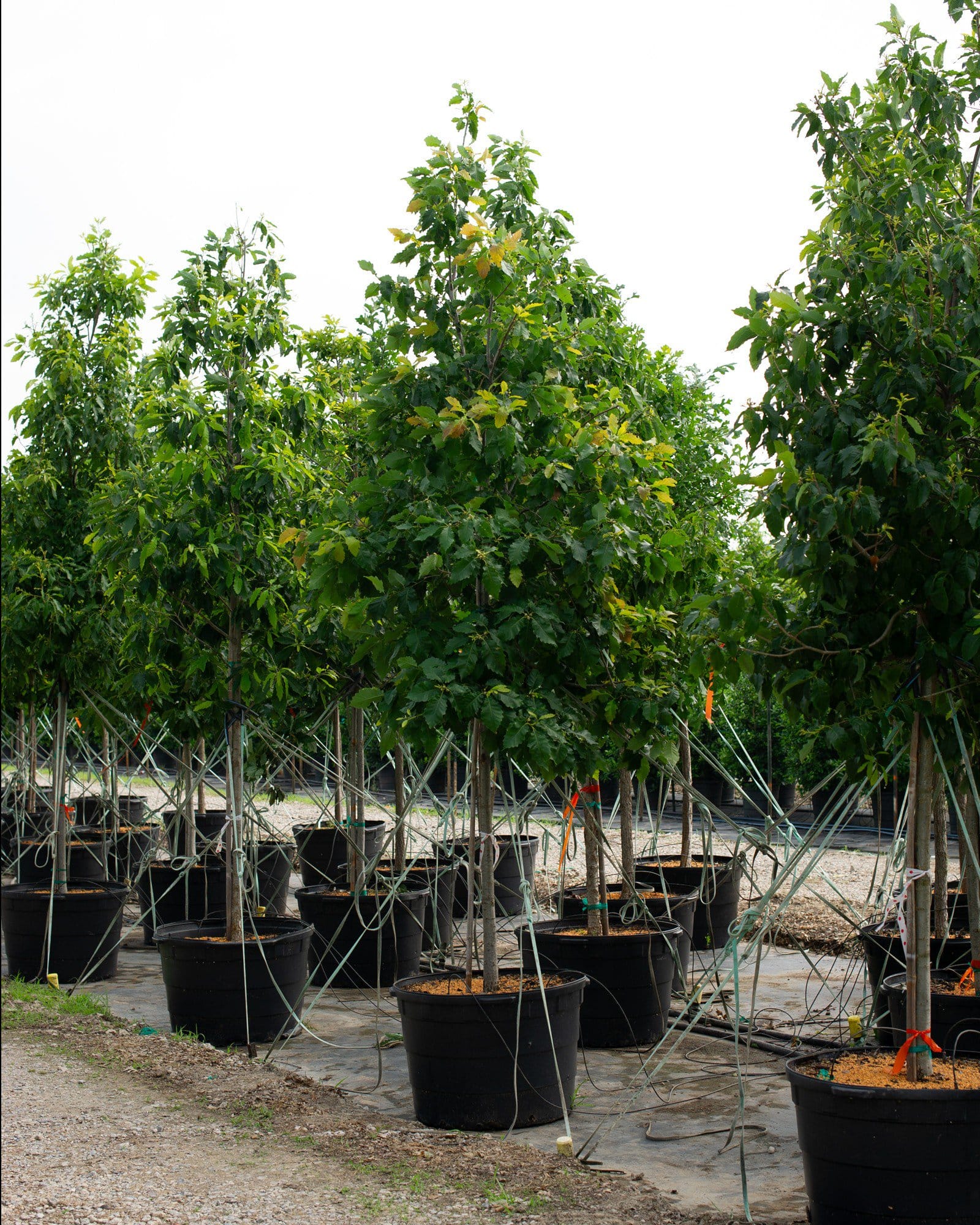
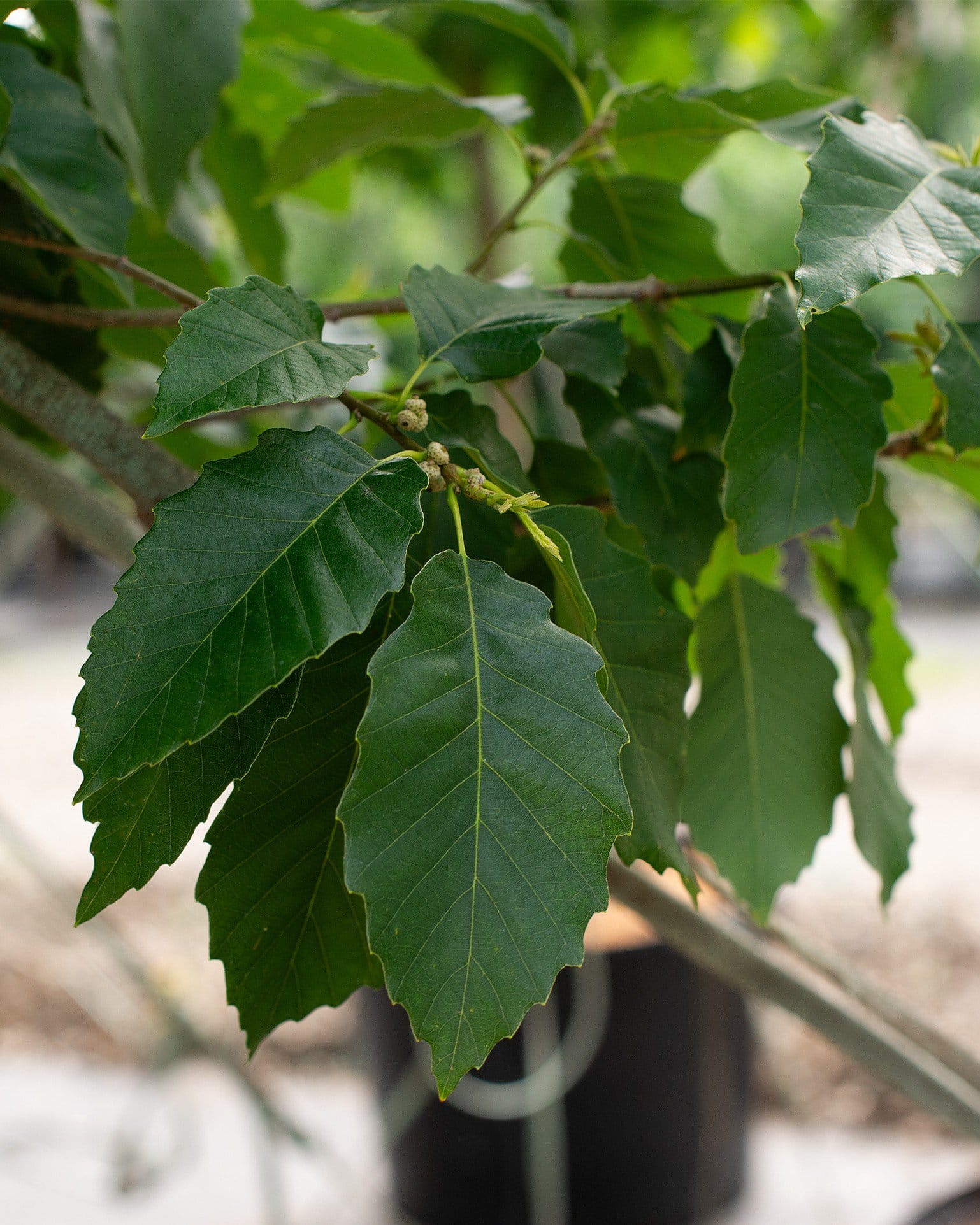
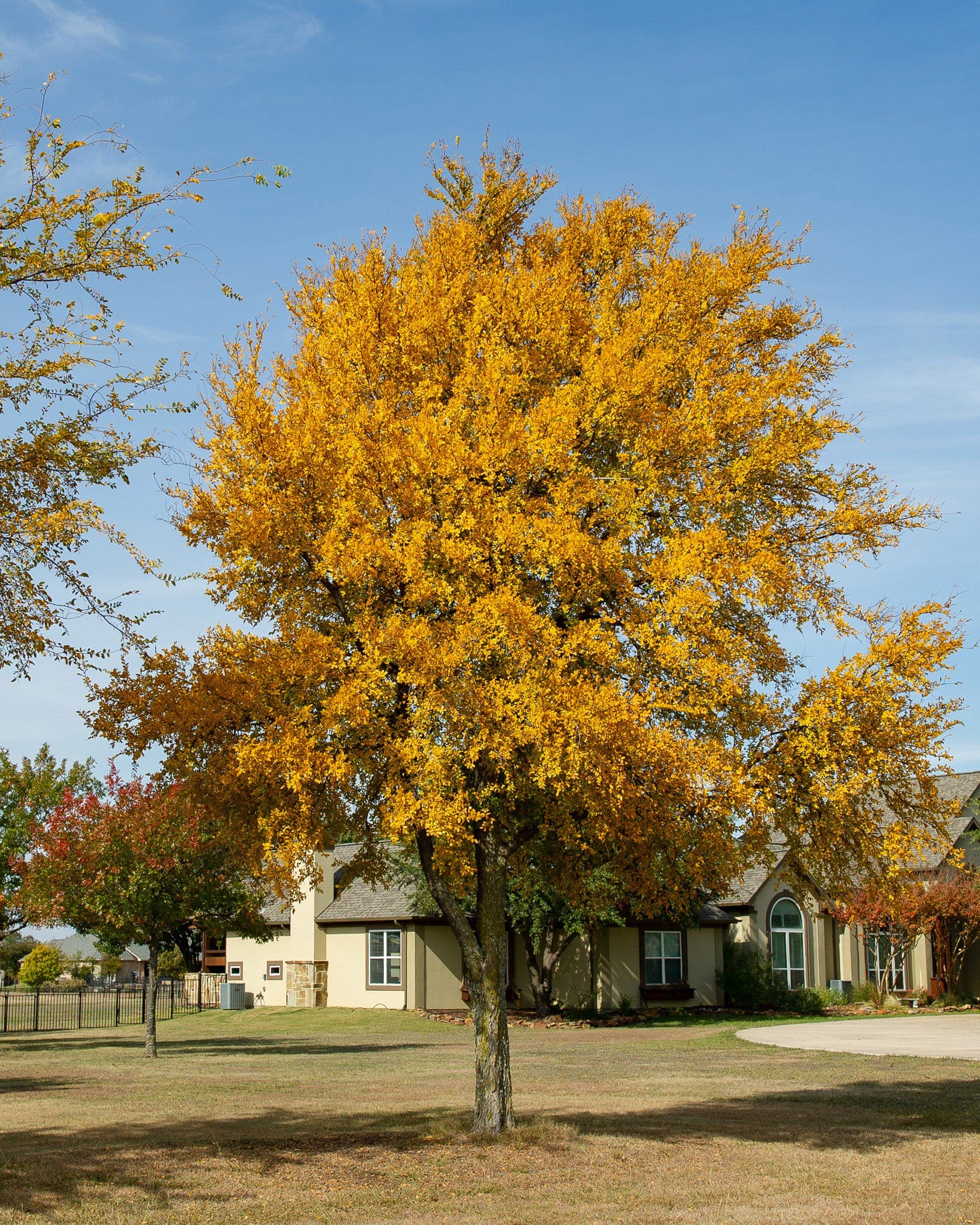
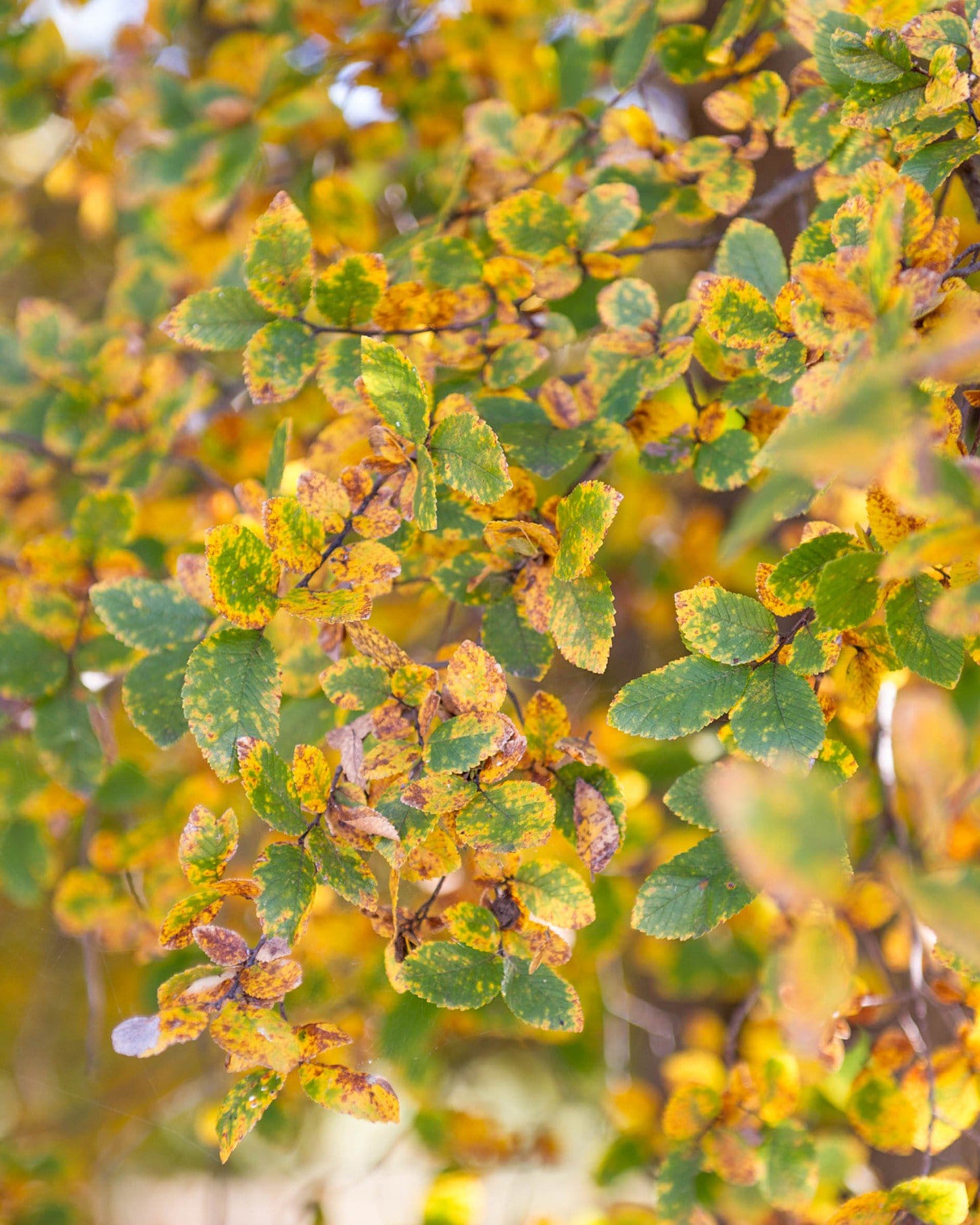
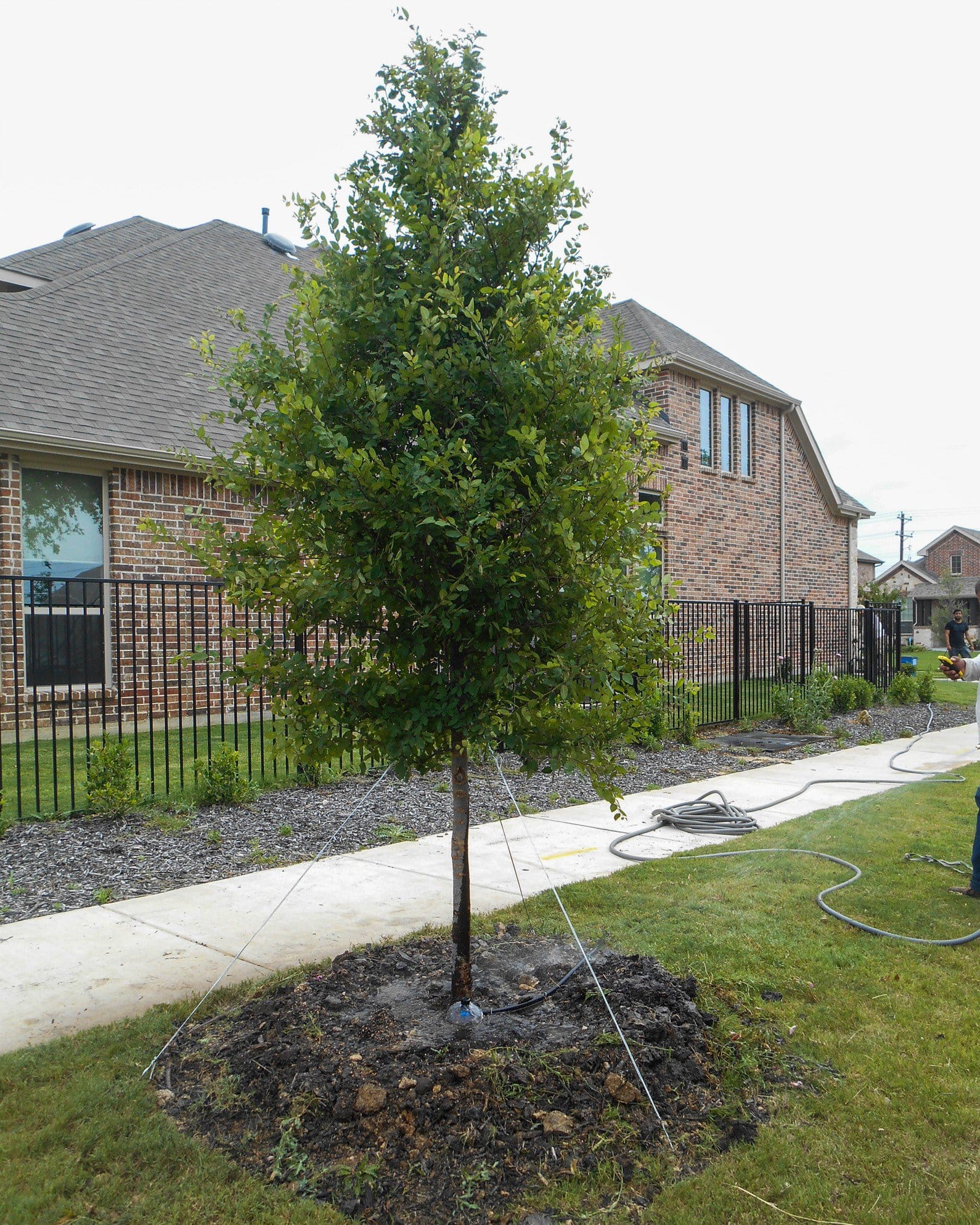
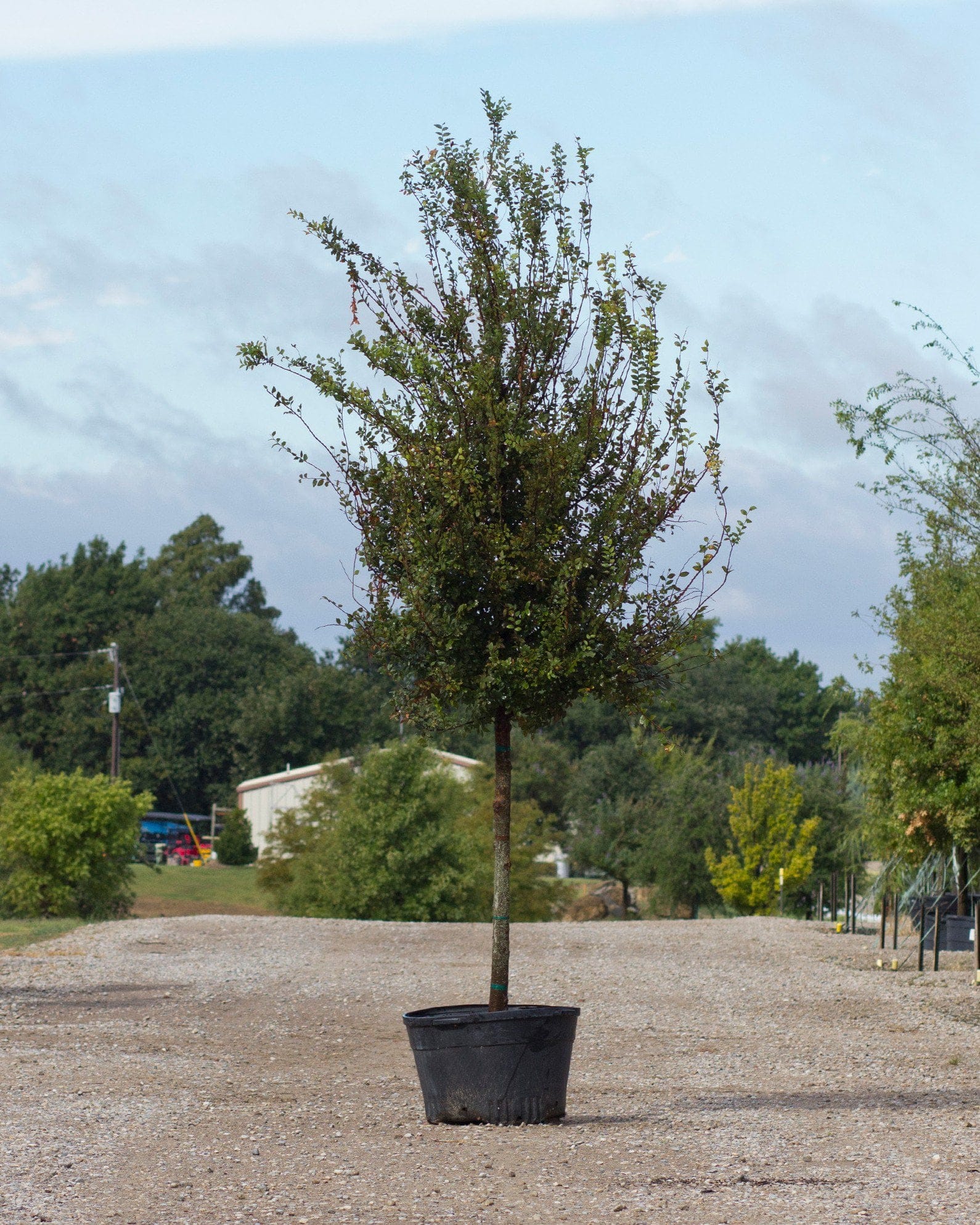
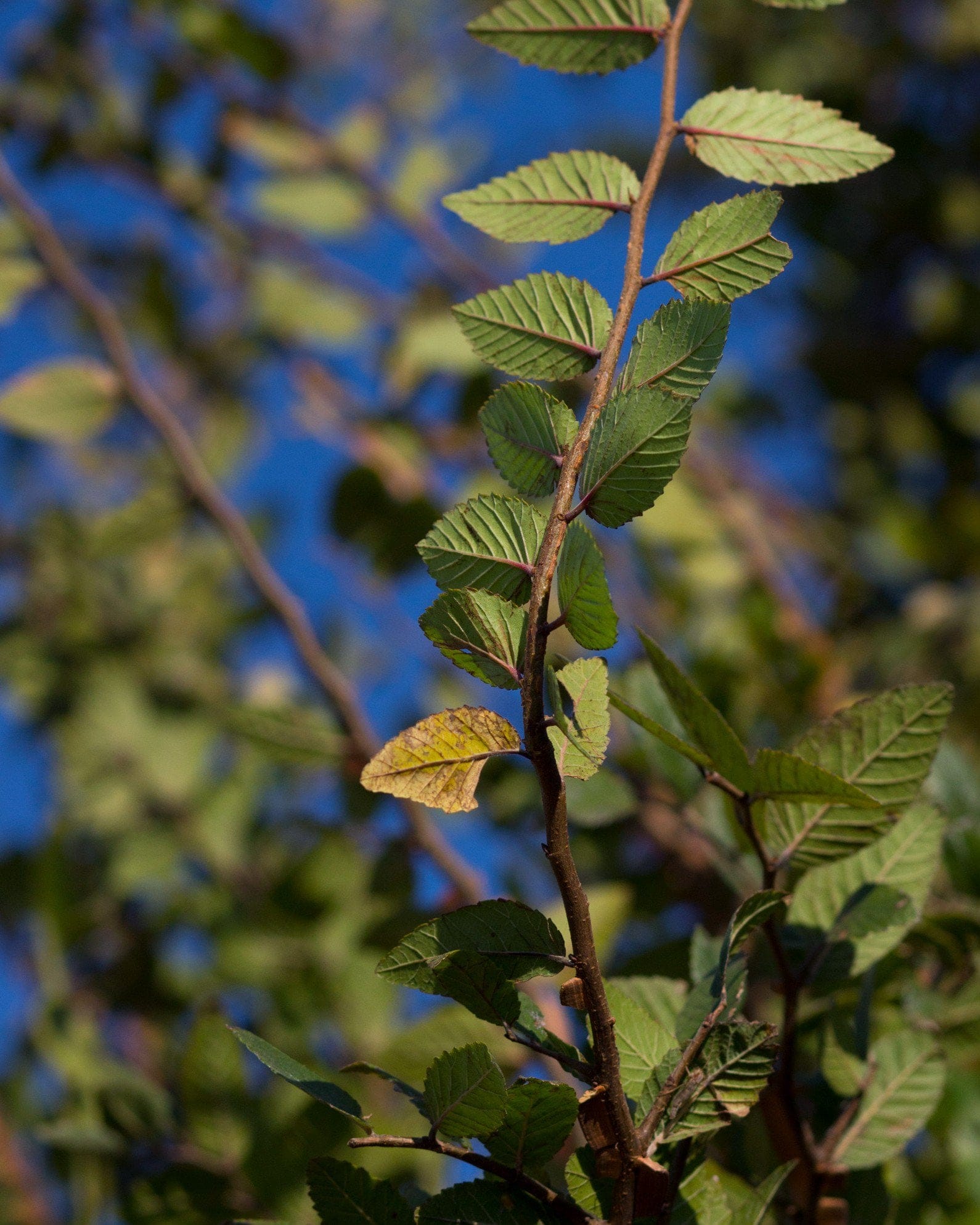
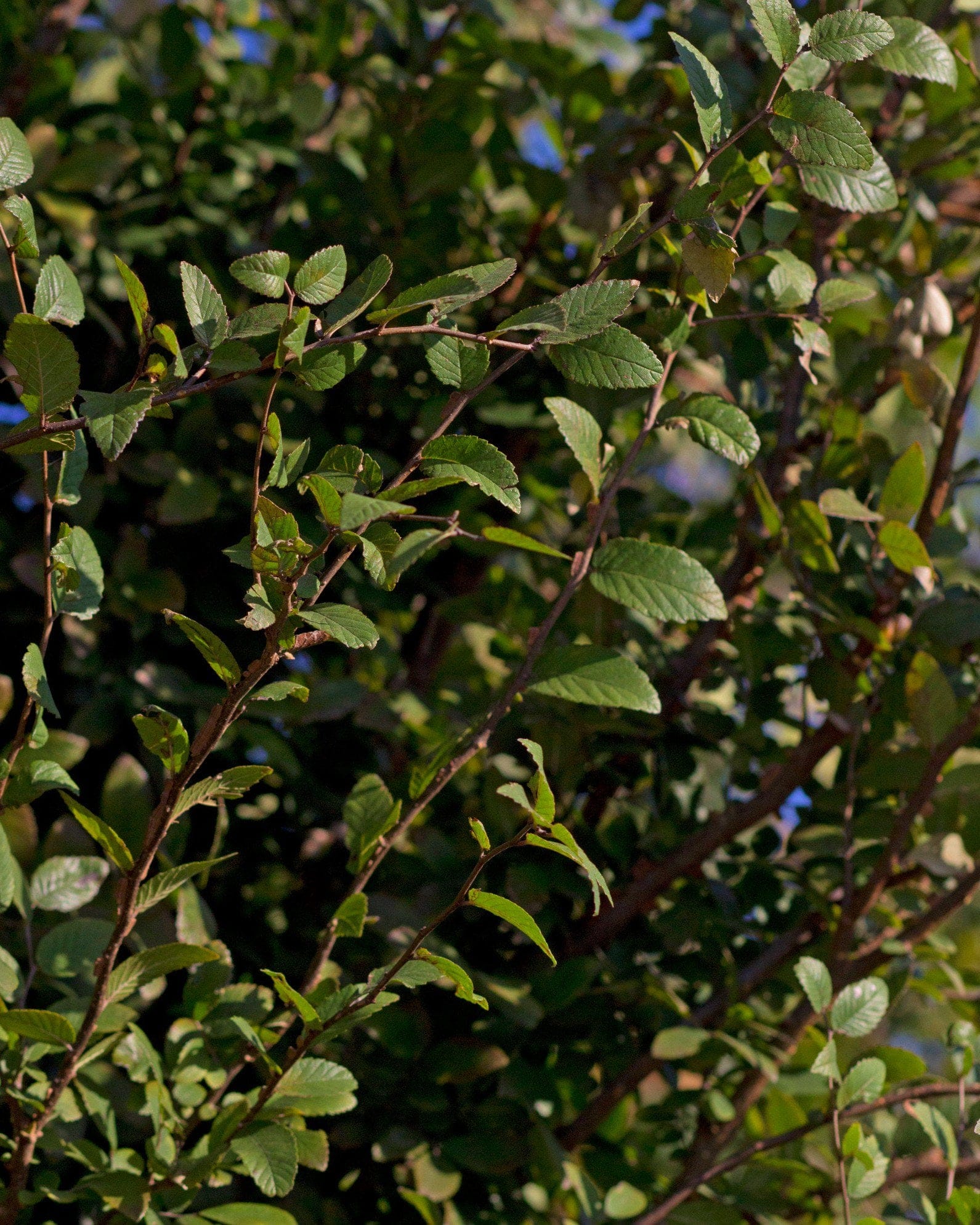
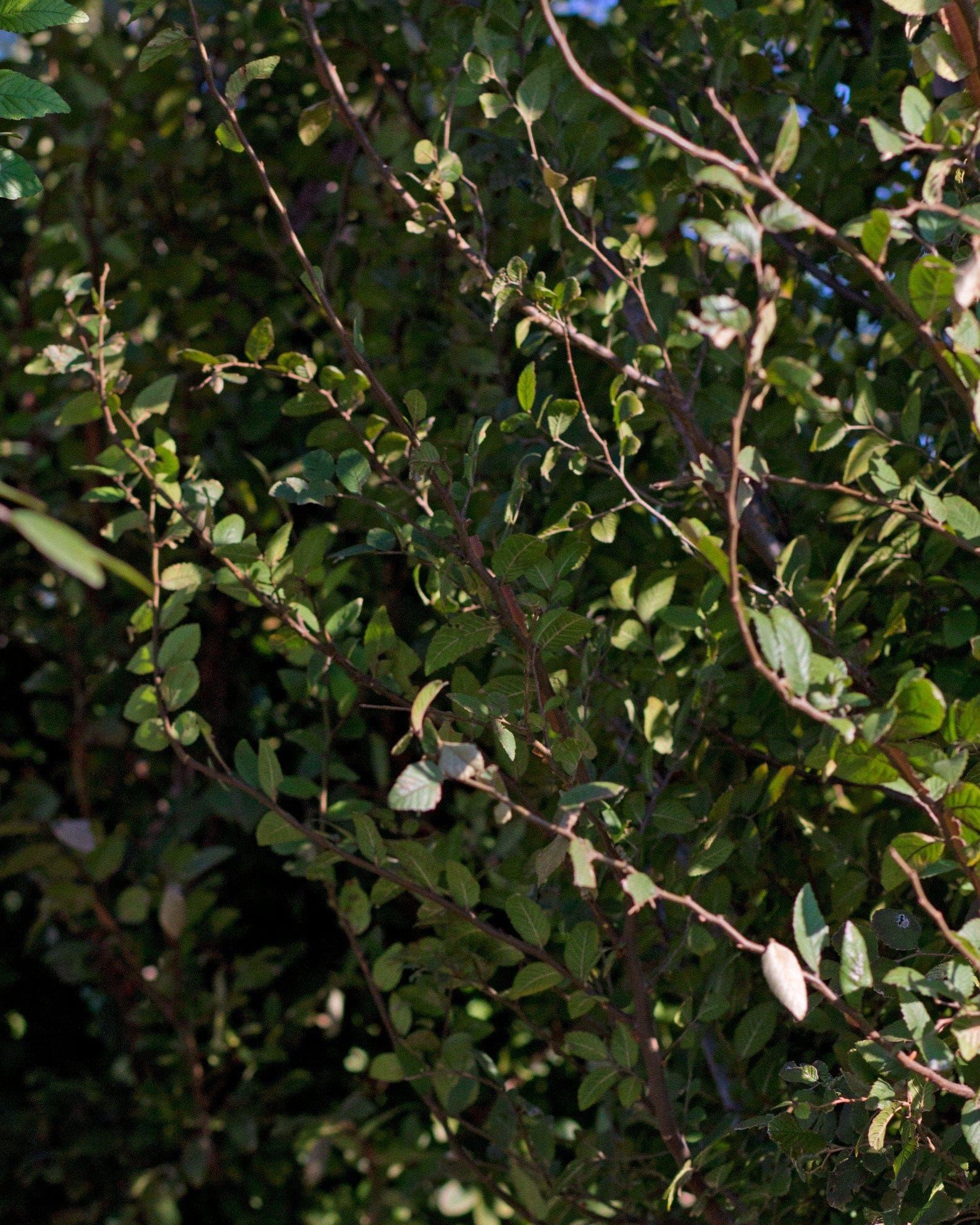
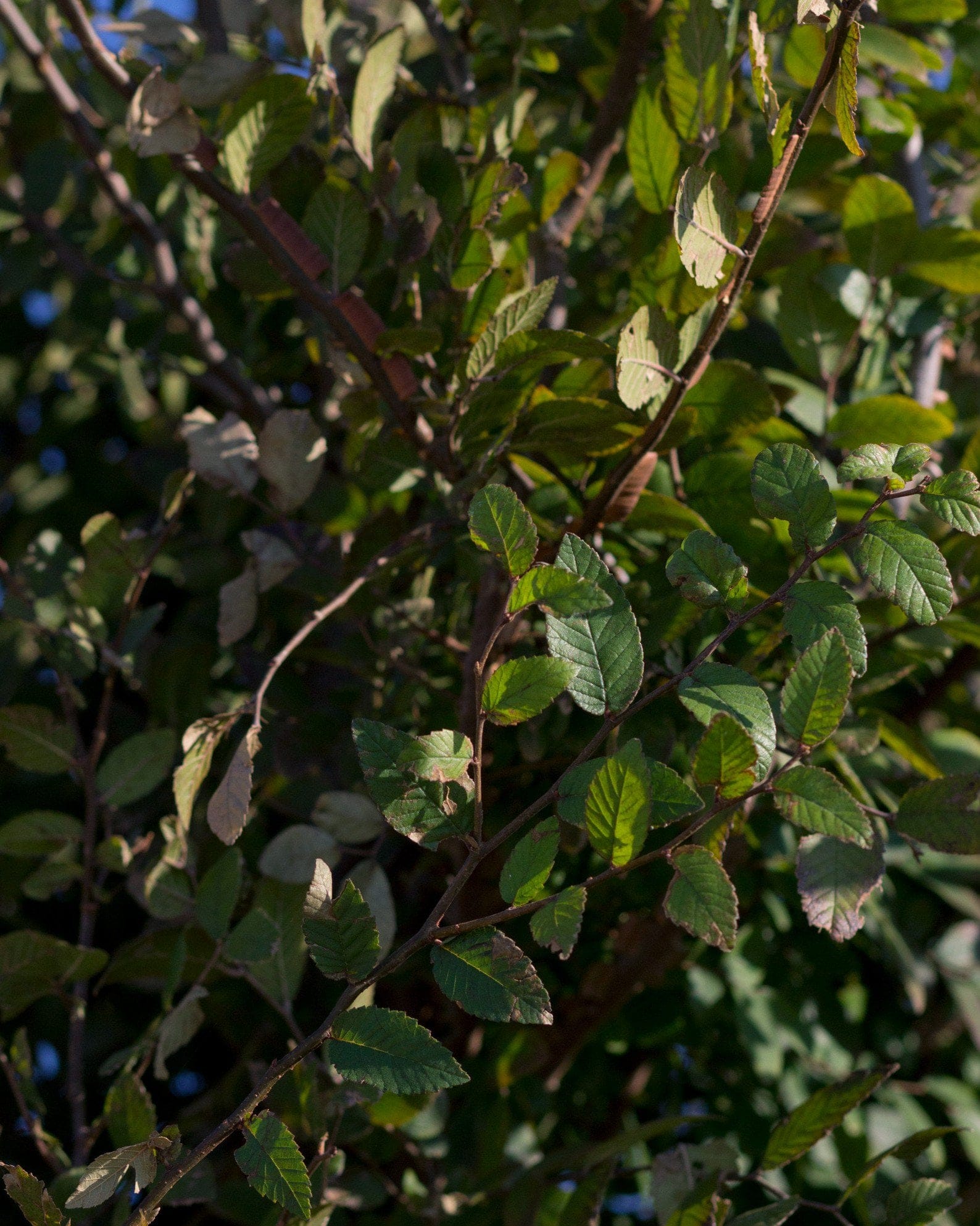
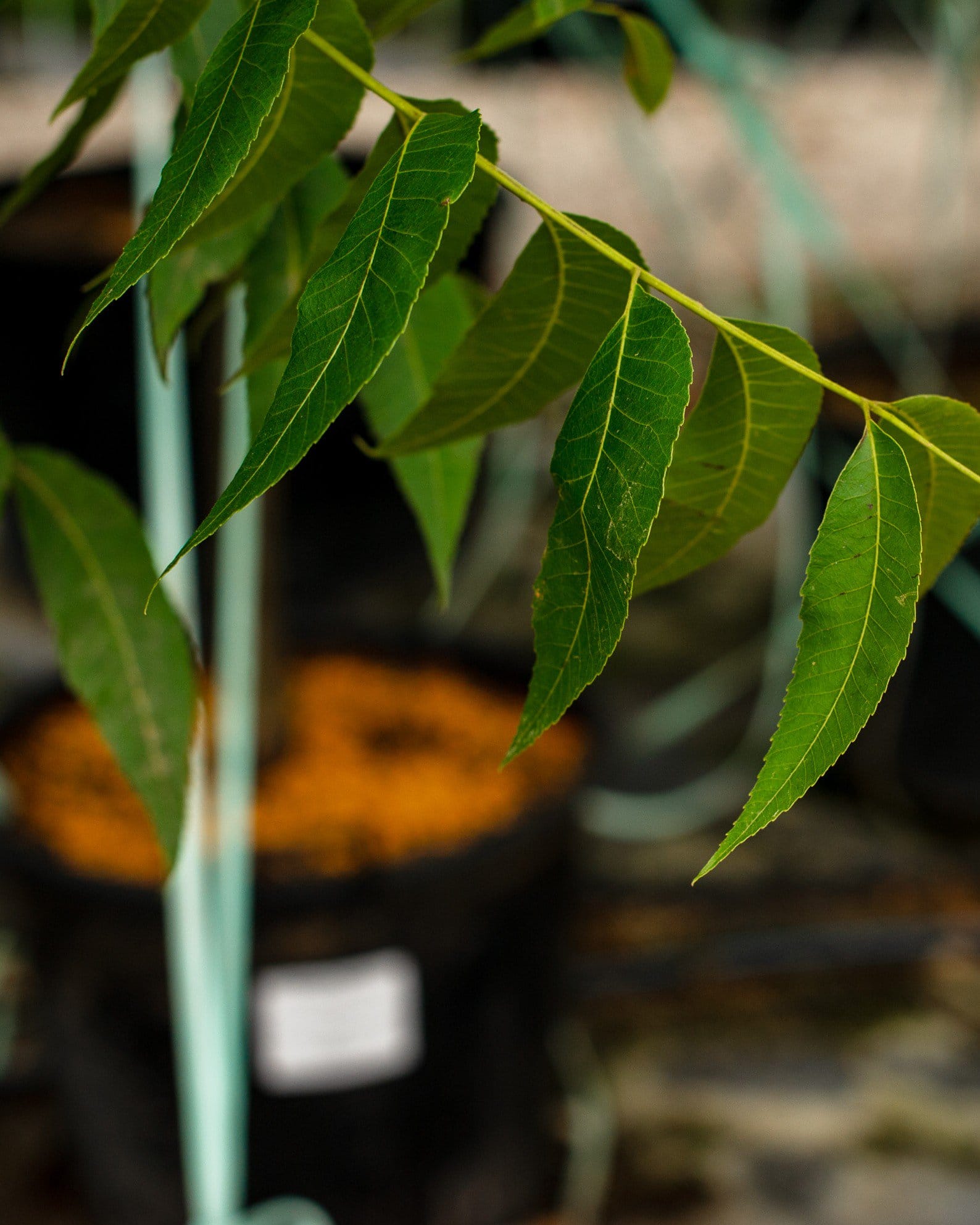
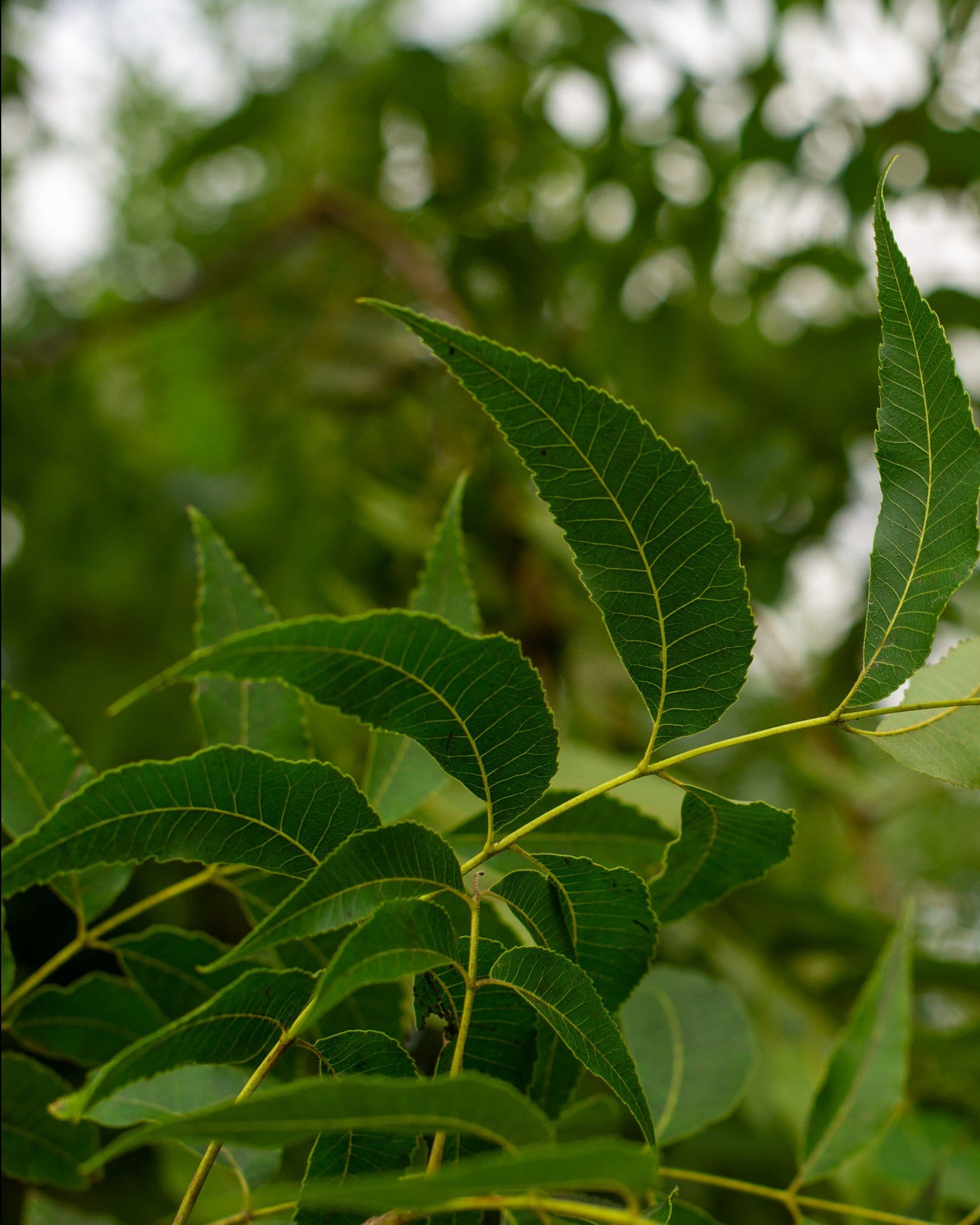
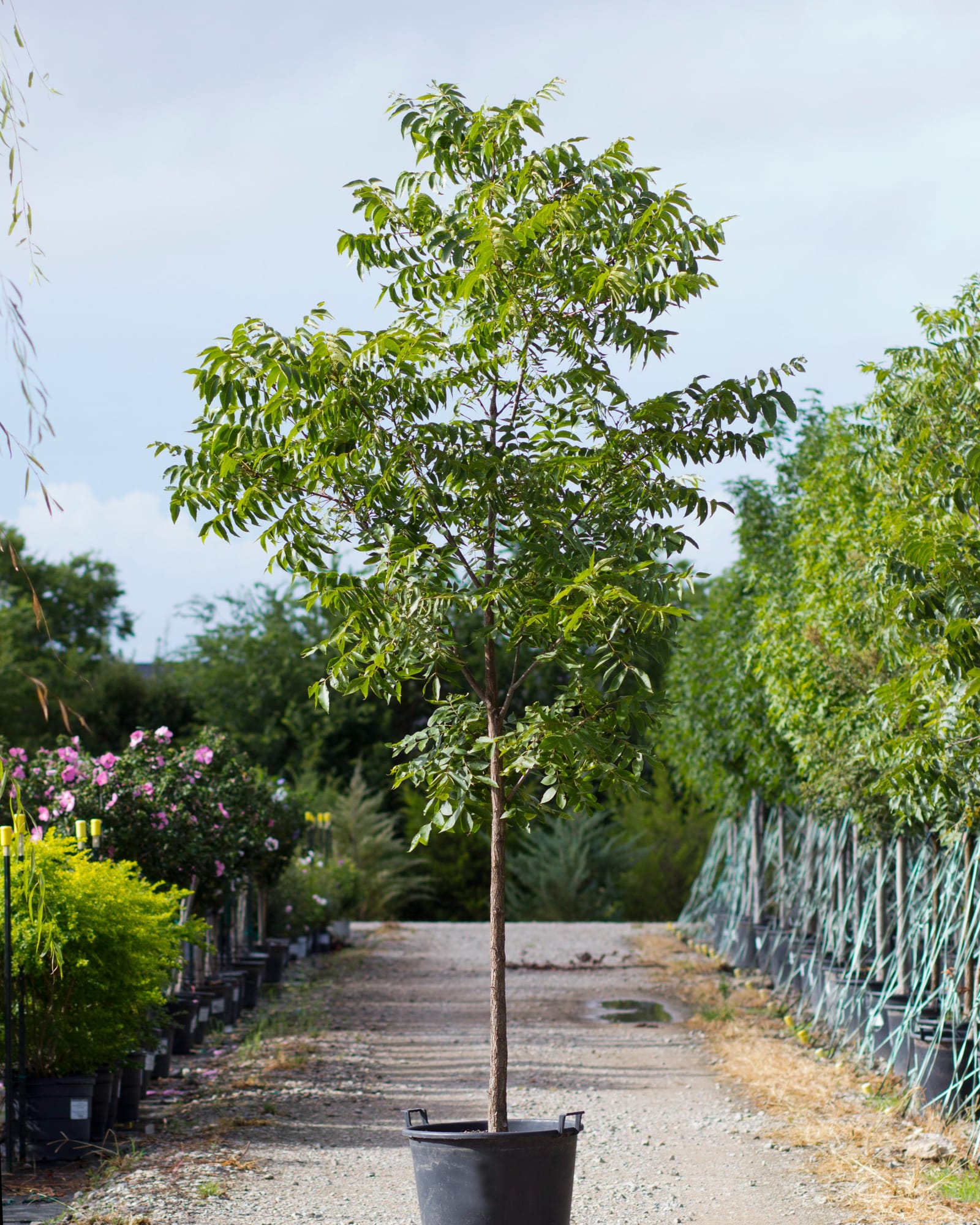
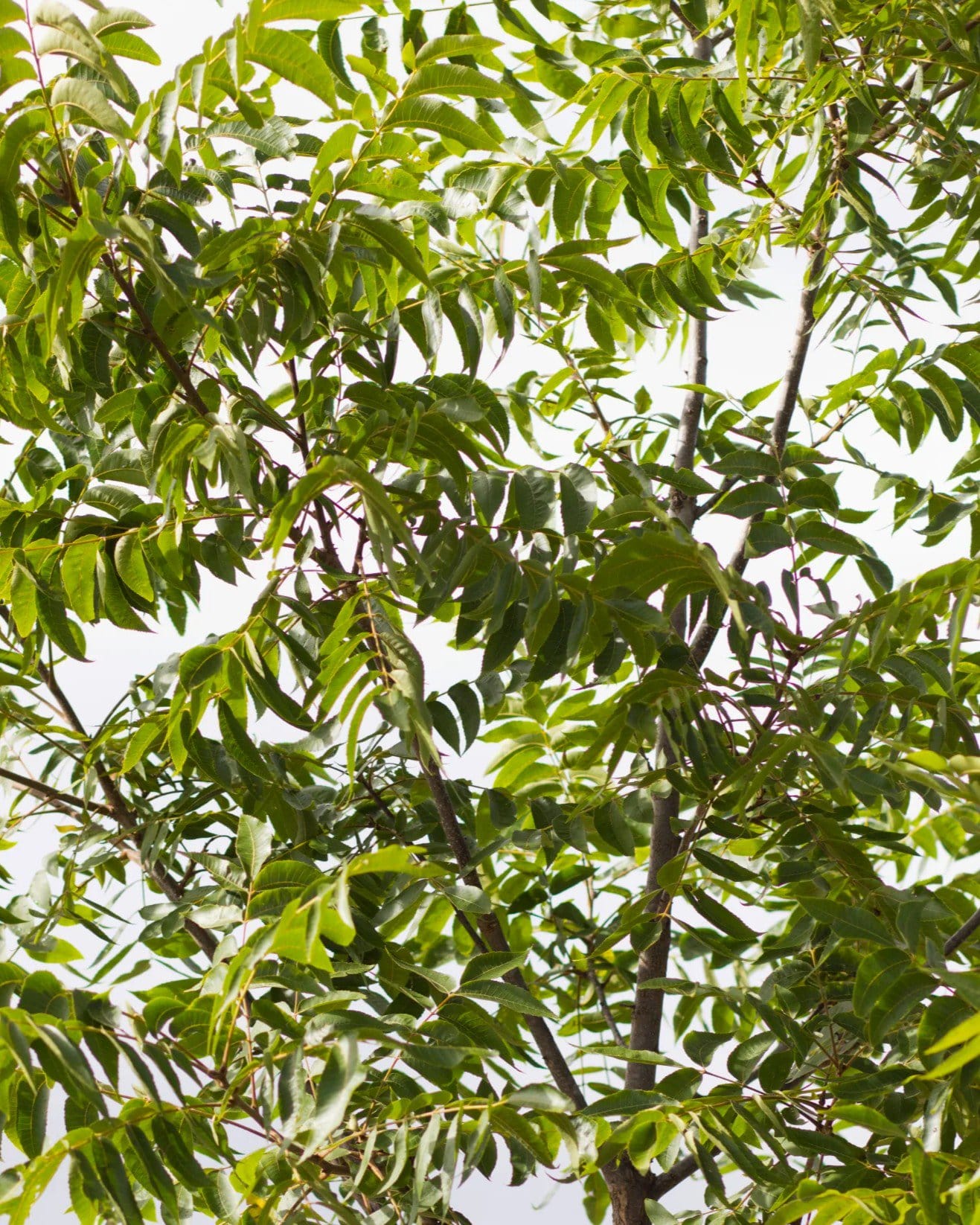
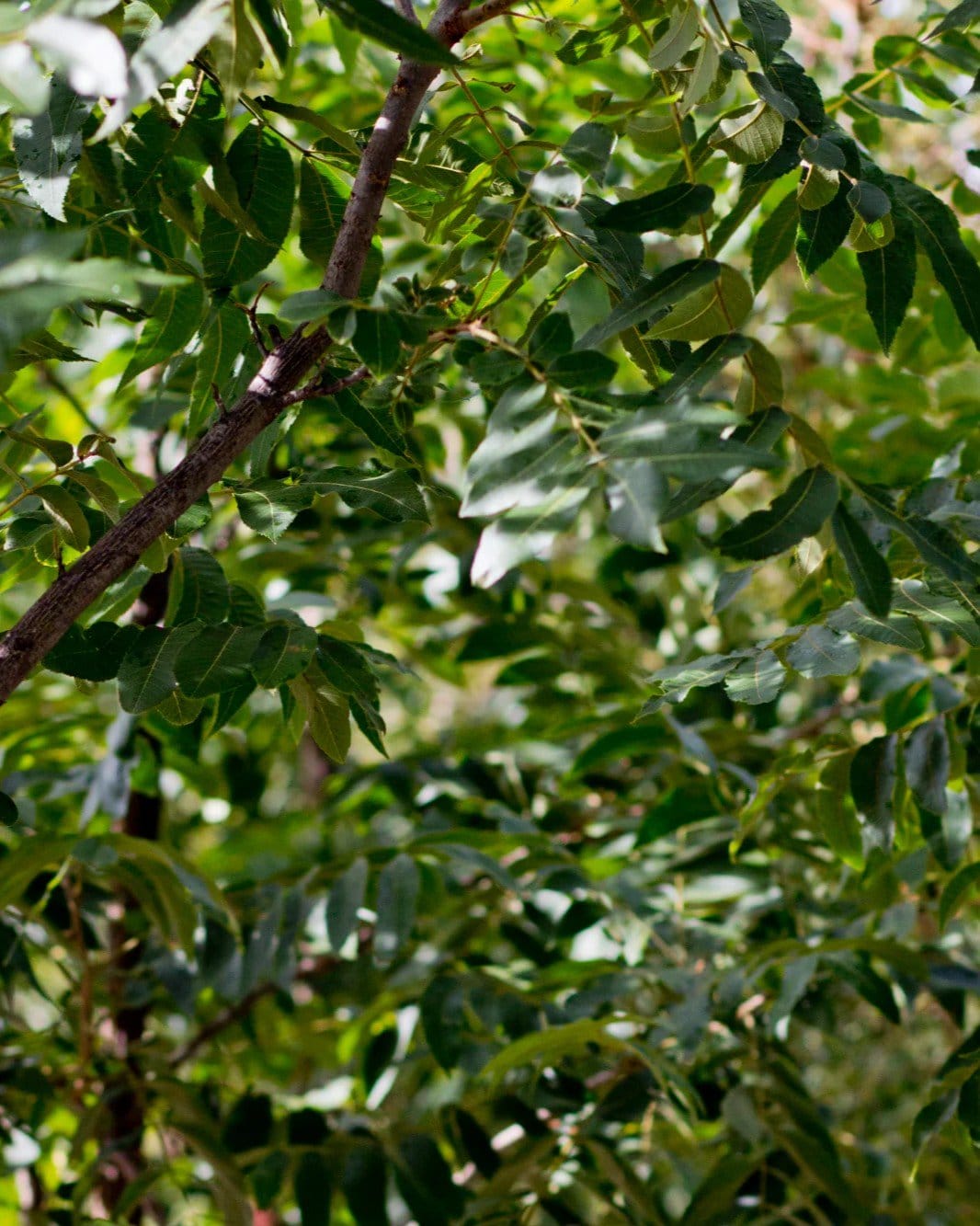
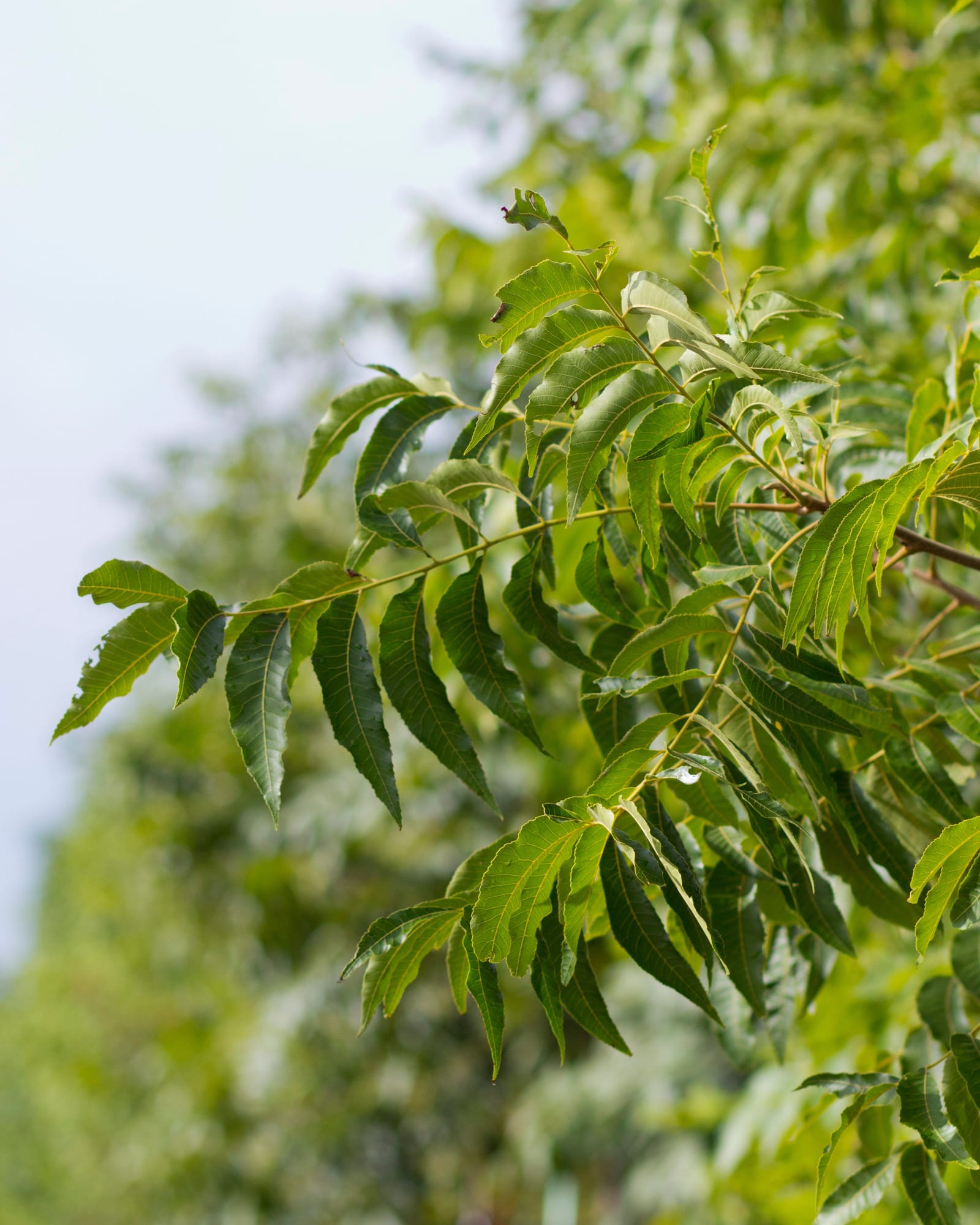
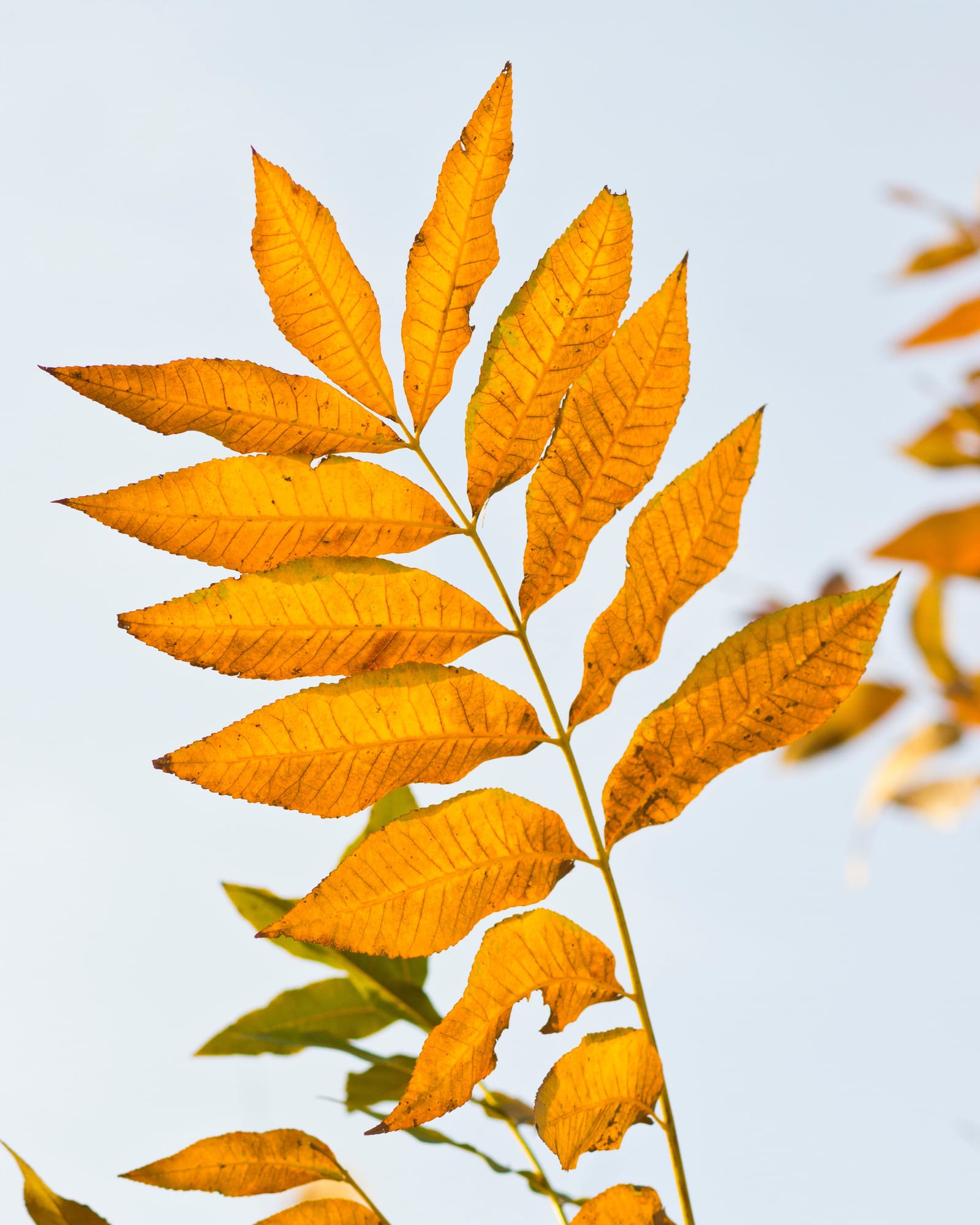
Quercus phellosWillow Oak is a tall, stately tree known for its slender, lance-shaped leaves that resemble willow foliage. At maturity, it reaches around 60 feet in height with a 50-foot-wide canopy, providing ample shade and a soft, airy texture. In autumn, its foliage transforms into brilliant yellow hues, creating a striking fall display. The tree’s fast growth and adaptable nature make it ideal for parks, large yards, and urban landscapes.
- Deciduous tree
- Fast growth rate with an upright, oval habit
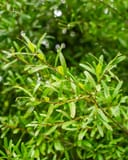
- Narrow, willow-like leaves
- Bright yellow fall foliage
- Provides excellent shade and urban adaptability
Hardy in USDA zones 7–9, Willow Oak thrives in full sun, requiring at least 6 hours of direct sunlight daily. Plant it in well-drained soils. It performs well in North Texas conditions, making it a dependable and beautiful addition to local landscapes.
Maintenance
Willow Oak is a favorite among many landscapes in Texas because of its easy going nature. It only needs the following to grow beautifully:
- Watering: Water young Willow Oaks deeply and consistently during the first 2-3 years to establish a strong, drought-tolerant root system. Once mature, the tree handles dry periods well and typically needs supplemental watering only during extended drought.
- Pruning: Prune in late winter to remove rubbing, dead, or poorly angled branches. Willow Oak naturally forms a tidy, upright canopy, but early structural pruning helps establish wide branch spacing and a strong central framework.
- Fertilizing: This species thrives in a variety of soils and often requires little fertilizer once established. If growth slows or foliage loses its vibrant green color, a light application of slow-release fertilizer in early spring can restore vigor. Avoid excessive nitrogen.
- Mulching: Apply a broad 2-3 inch layer of mulch around the base to conserve moisture, protect feeder roots, and reduce competition from turfgrass. As the tree matures, expand the mulch ring outward to cover the growing root zone, keeping mulch a few inches away from the trunk.
- Winter Care: Willow Oak is reliably cold-hardy and requires no special winter protection once mature. Young trees may exhibit slight leaf browning during severe cold snaps, but they recover quickly with spring growth.
Common Issues and How to Take Care of Them
Willow Oak is durable, though a few manageable issues can arise in stressful or extremely humid seasons:
- Anthracnose: Cool, wet springs cause irregular leaf blotches and mild early leaf drop. Removing fallen debris and improving canopy airflow helps reduce future outbreaks.
- Chlorosis: Leaves turn pale yellow with green veins in alkaline or compacted soils. Applying chelated iron and improving soil drainage helps restore healthy foliage.
- Galls: Raised bumps or leaf deformities develop from tiny mites or wasps. They are mainly cosmetic, and removing affected leaves helps reduce next year's population.
- Scale: Bumpy, waxy insects attach to stems and feed on sap, causing yellowing leaves. Apply horticultural oil or insecticidal soap to control populations.
- Tubakia (Fungal Leaf Spot): Brown spots may appear in late spring or summer, which occurs during really rainy periods. This is nothing to be concerned about. All Oaks, Maples and Elms will get Tubakia to varying degrees and it will not hurt your tree in any way. If you were to spray for Tubakia then it wouldn’t cause the spots to go away. They will remain on the leaf until the leaves fall off and once the new set of leaves are produced they will look normal again.
Willow Oaks often live 80-120 years, developing into stately landscape anchors with graceful branches and lush foliage. Their longevity makes them wonderful long-term investments for neighborhoods and large properties.
They grow quickly - often 18-24 inches per year - and typically develop a mature canopy structure in 15-25 years. Their early speed provides welcome shade while still forming a sturdy, reliable framework.
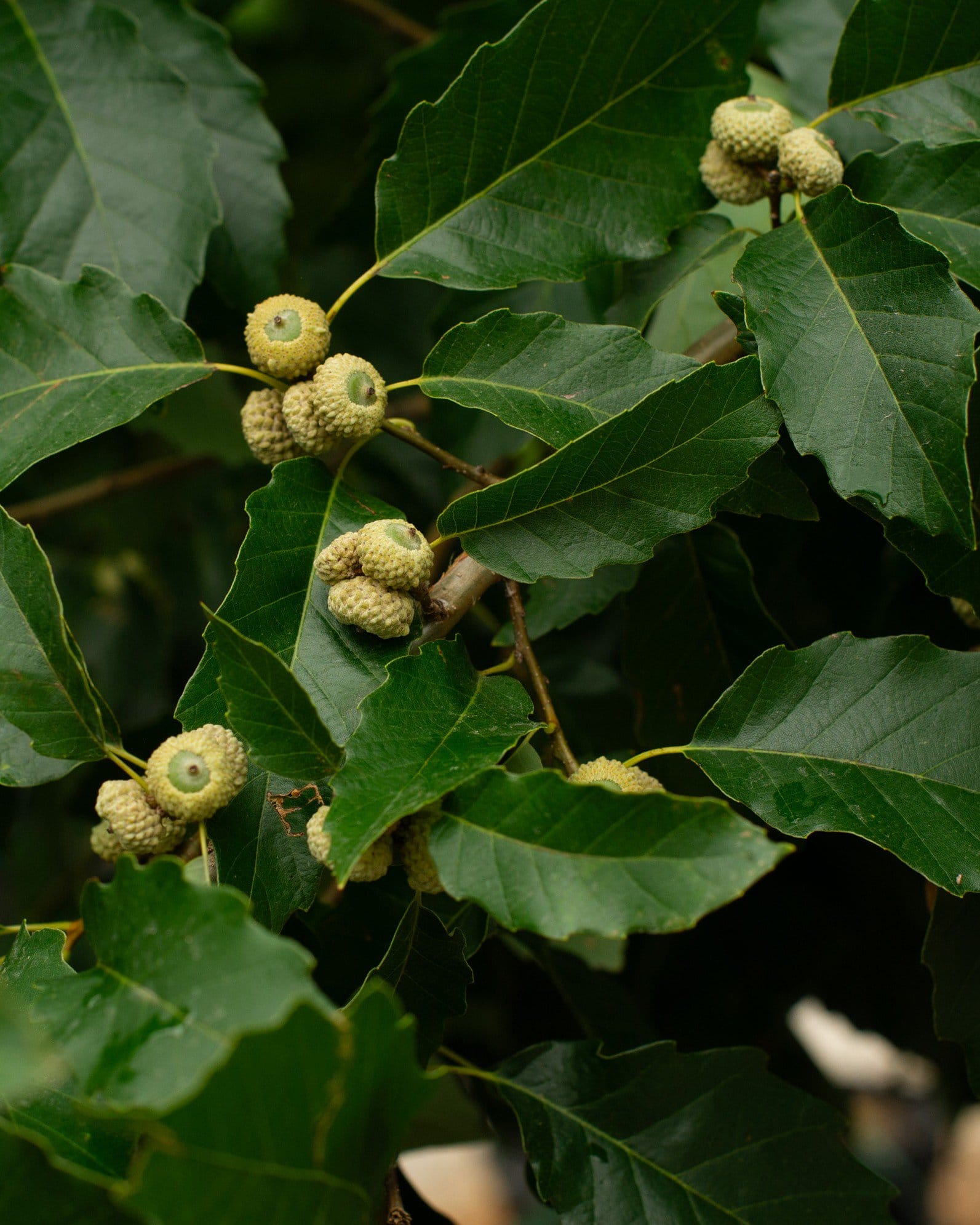
Its spring catkins provide pollen for bees and beneficial insects, while its small acorns feed birds, deer, and many small mammals. The tree’s soft canopy also offers excellent nesting and shelter for wildlife.
Young foliage may receive light browsing, but mature leaves are generally far less appealing to deer. Protecting young trunks ensures a smooth and healthy establishment period.
It is not suitable for long-term container growing due to its large size and strong root system. Planting it in the ground allows the tree to fully develop its elegant form.
It performs very well in heat, maintaining a lush canopy even during long summers. Deep watering during extreme drought supports healthy leaf retention through peak temperatures.
Yes - its uniform branching and elegant leaves make it excellent for shaded rows and park plantings. Repeated plantings create graceful, continuous canopies.
It adapts well to city conditions, tolerating compacted soil, heat, and reflected light. Its clean branching and narrow leaves make it especially well-suited for streetscapes and modern urban yards.
Young Willow Oaks transplant well, especially container-grown specimens. Older trees can be relocated with care, though planting early always yields the best long-term results.
Special Features
You might also like
Bur Oak
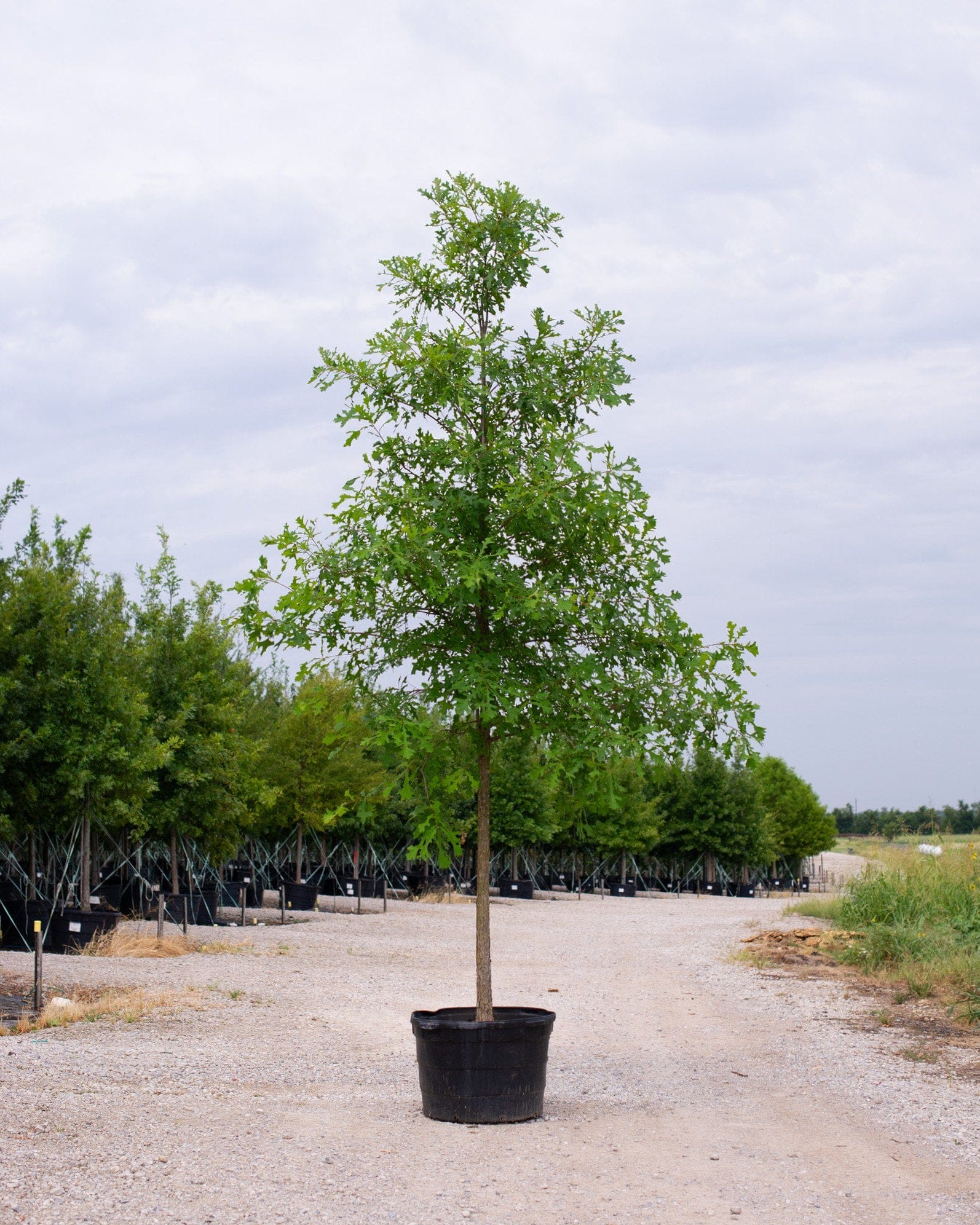
Maturity: 60' H x 50' W
Chinquapin Oak
Maturity: 50' H x 40' W
Overcup Oak
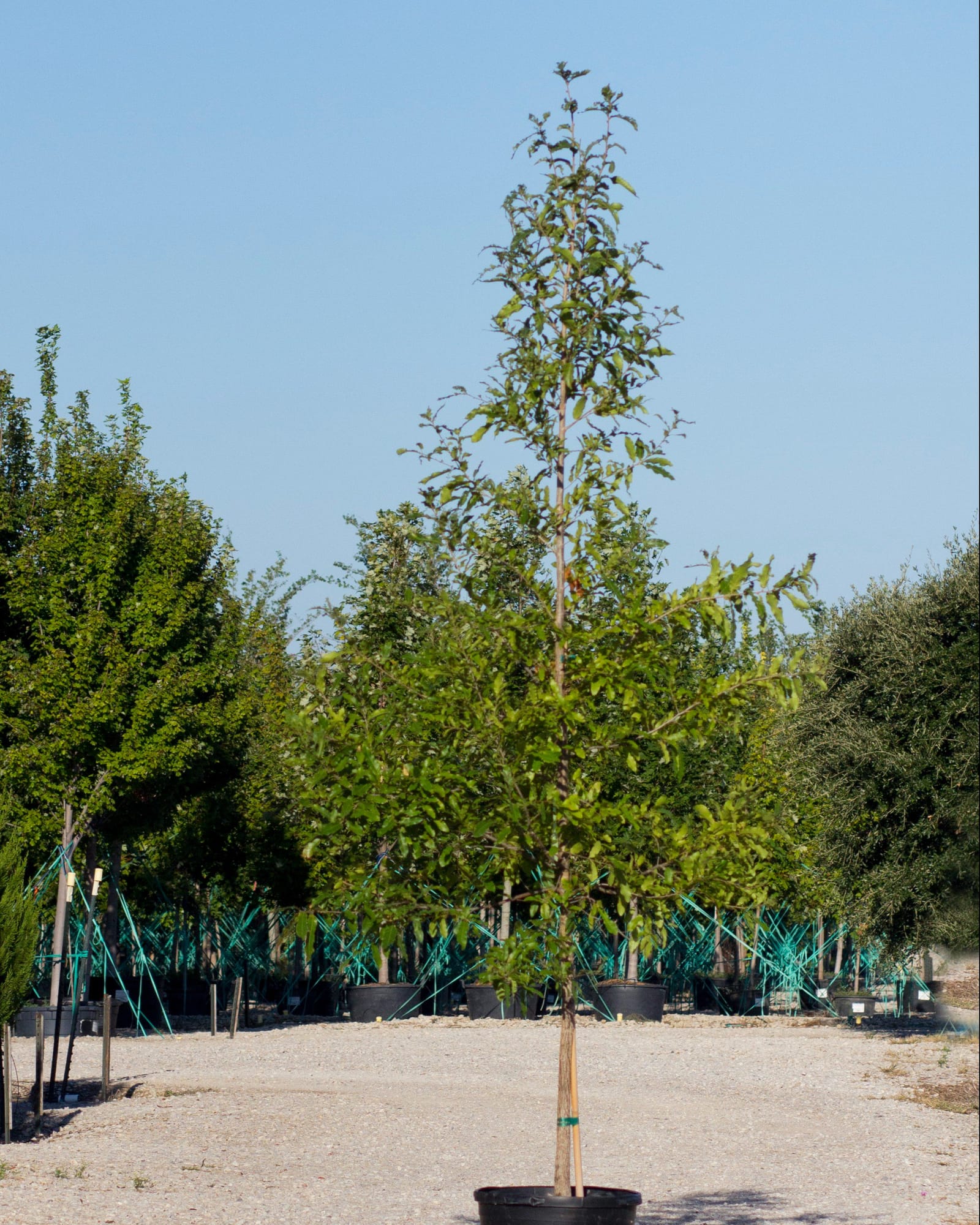
Maturity: 45' H x 35' W
Sawtooth Oak
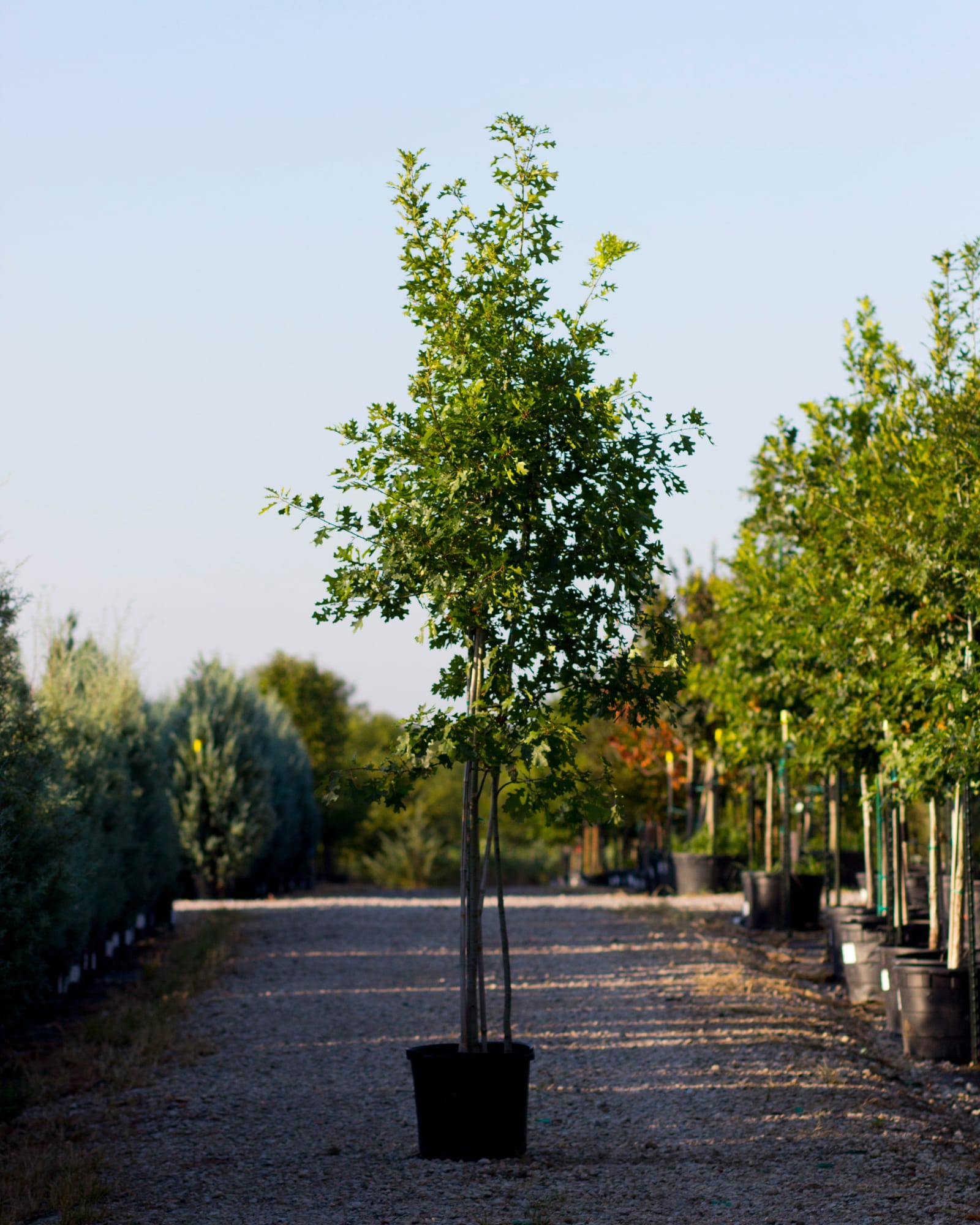
Maturity: 45' H x 35' W
Shumard Red Oak Multi-Trunk
Maturity: 60' H x 50' W
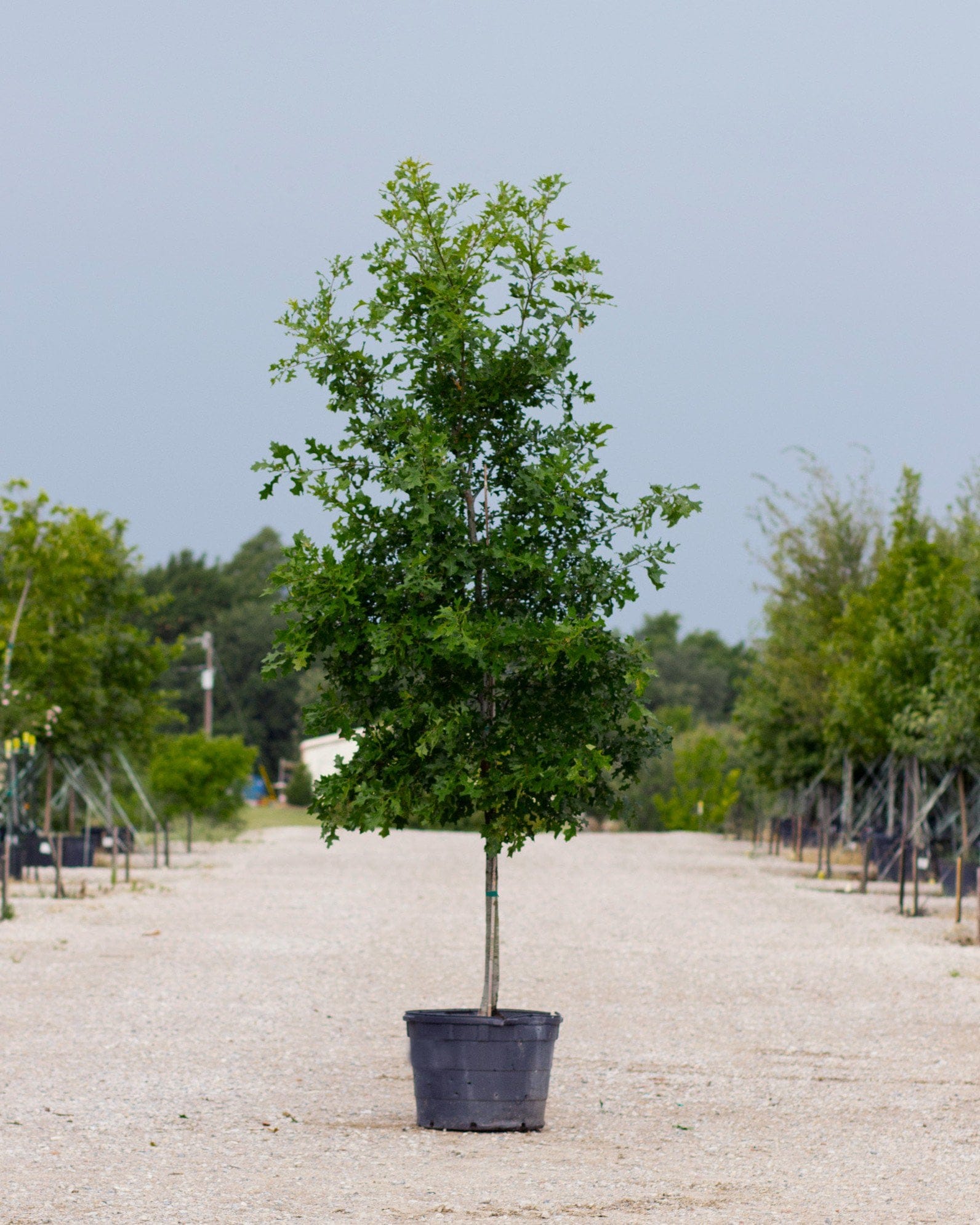
Texas Red Oak
Maturity: 45' H x 35' W
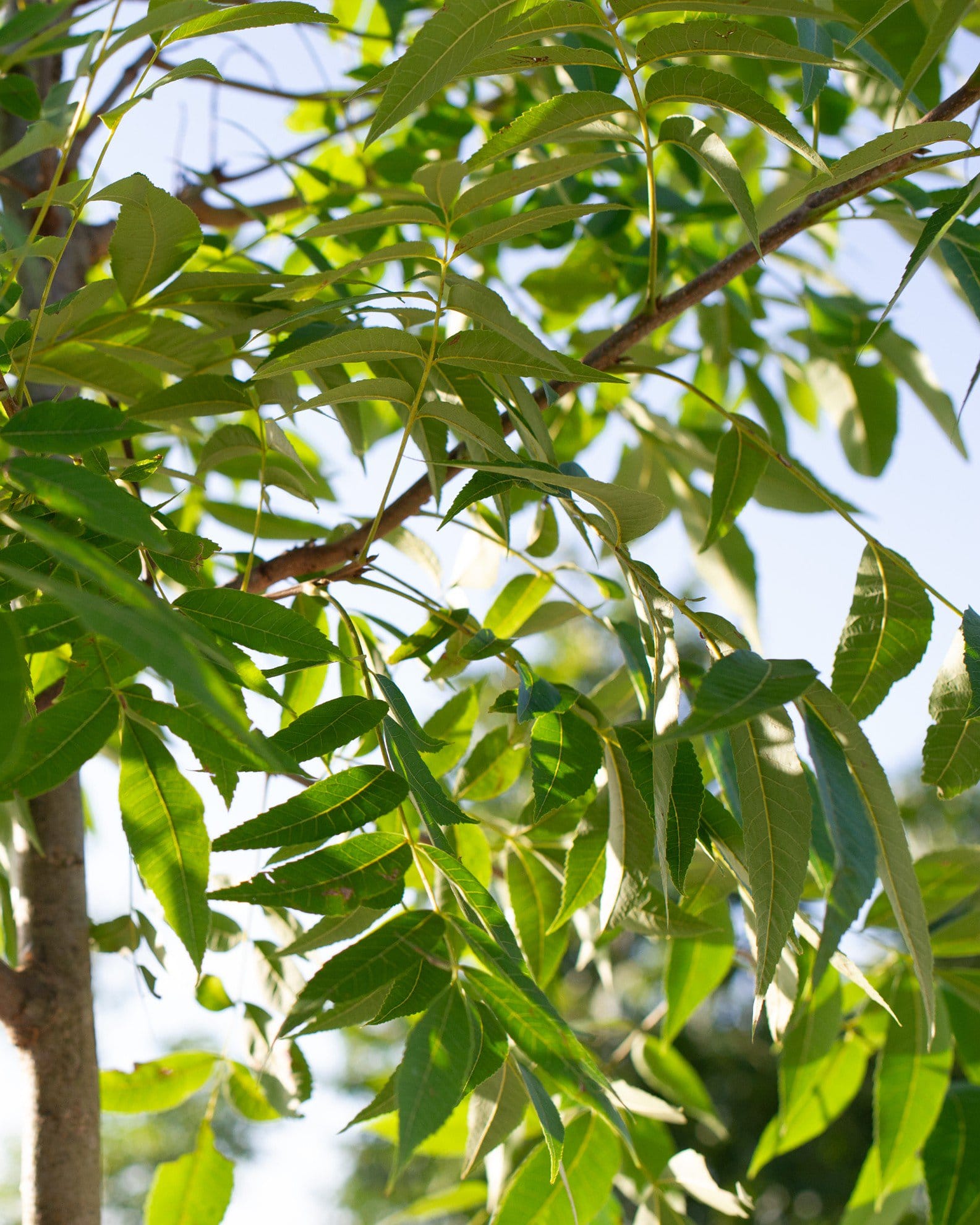
Caddo Pecan
Maturity: 60' H x 40' W
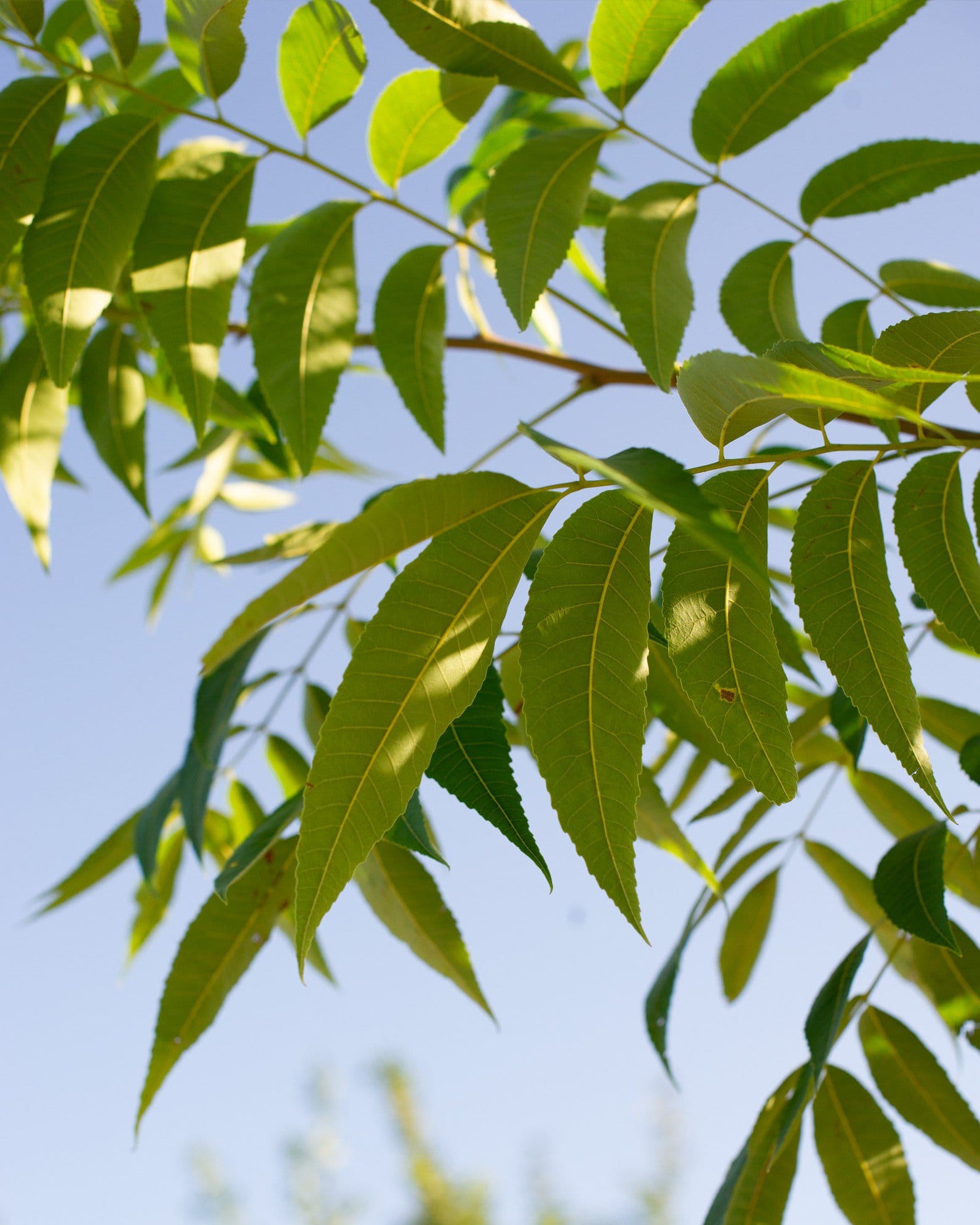
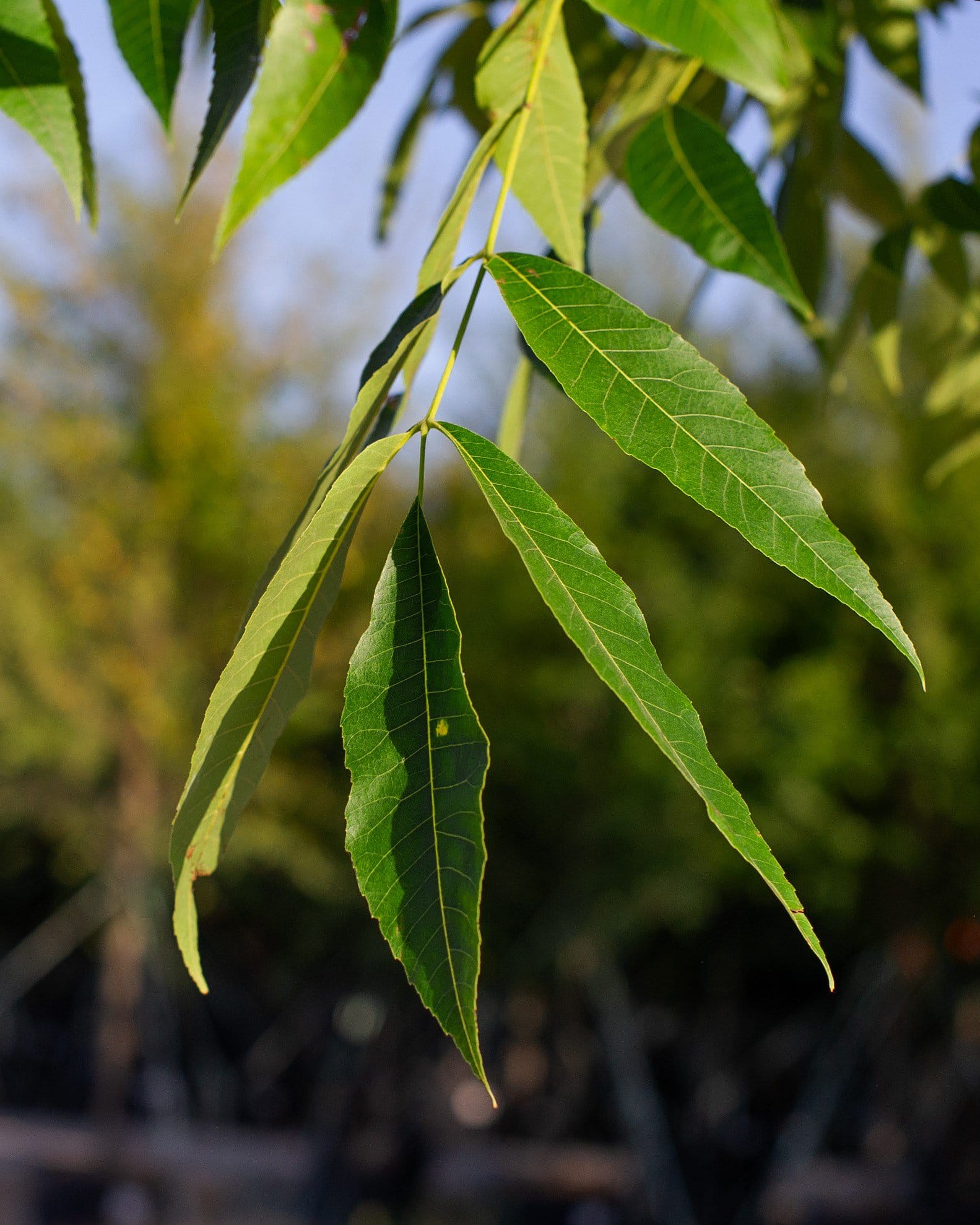
Cedar Elm
Maturity: 50' H x 35' W
Cedar Elm Pioneer
Maturity: 50' H x 30' W
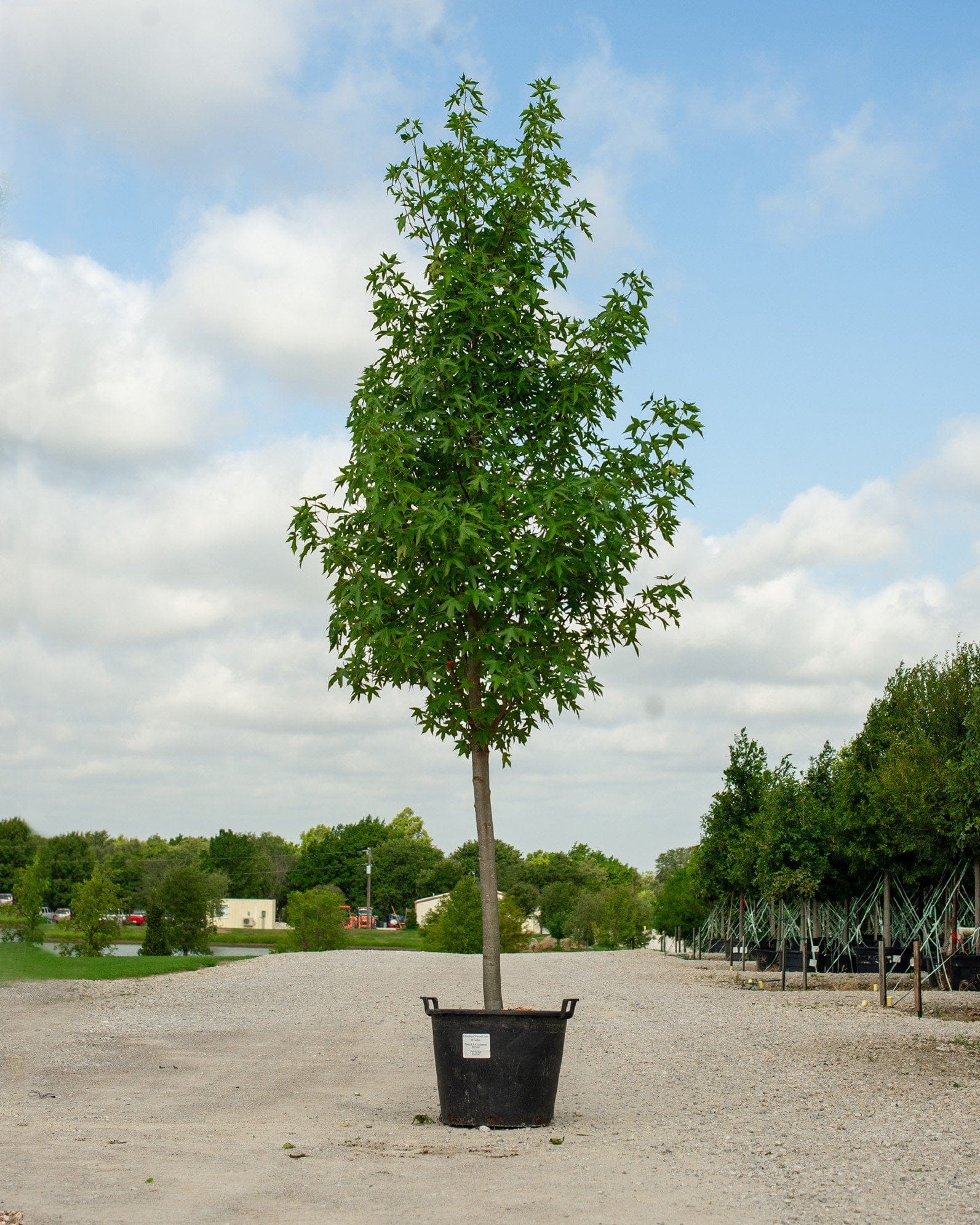
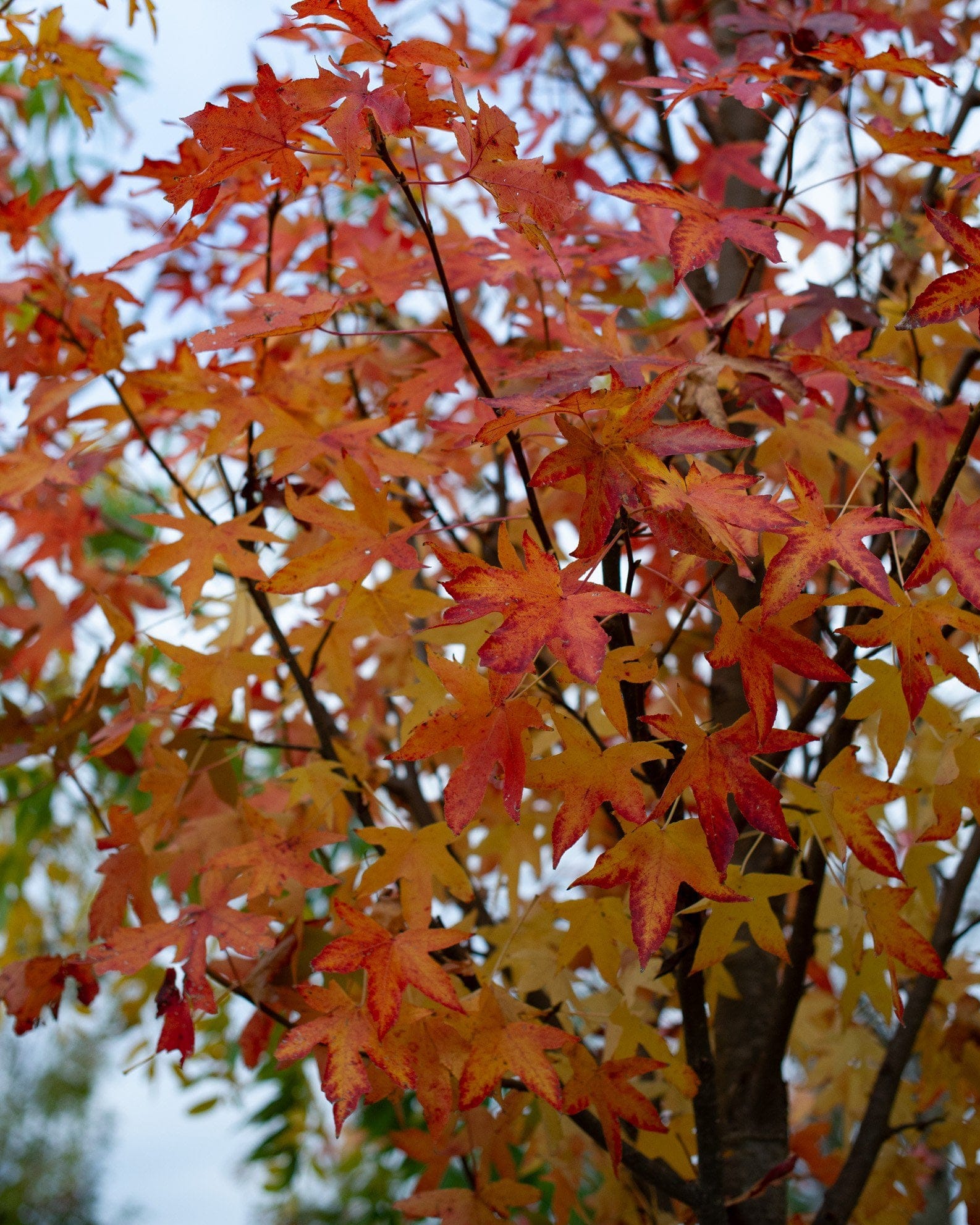
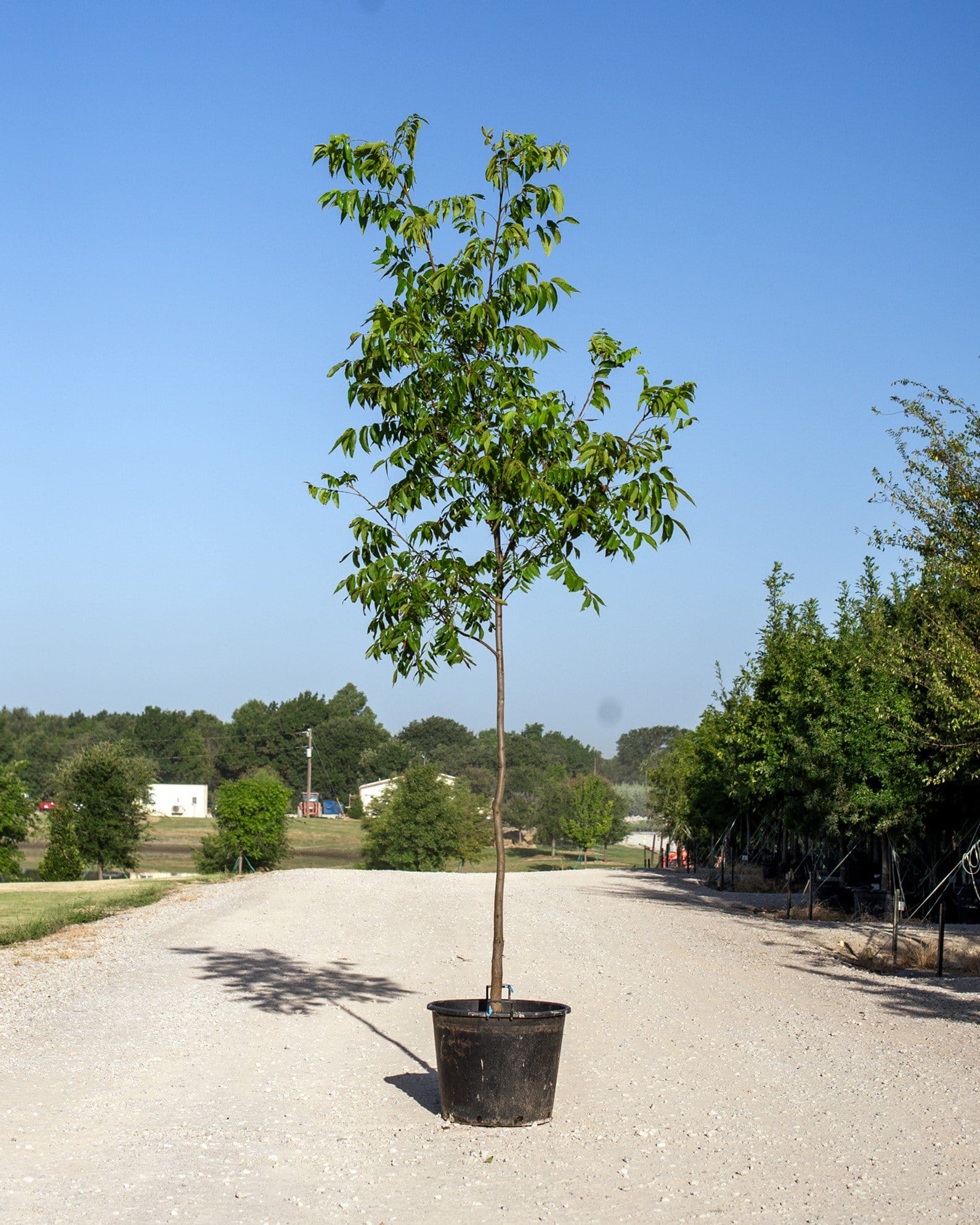
Cherokee Sweet Gum
Maturity: 45' H x 30' W
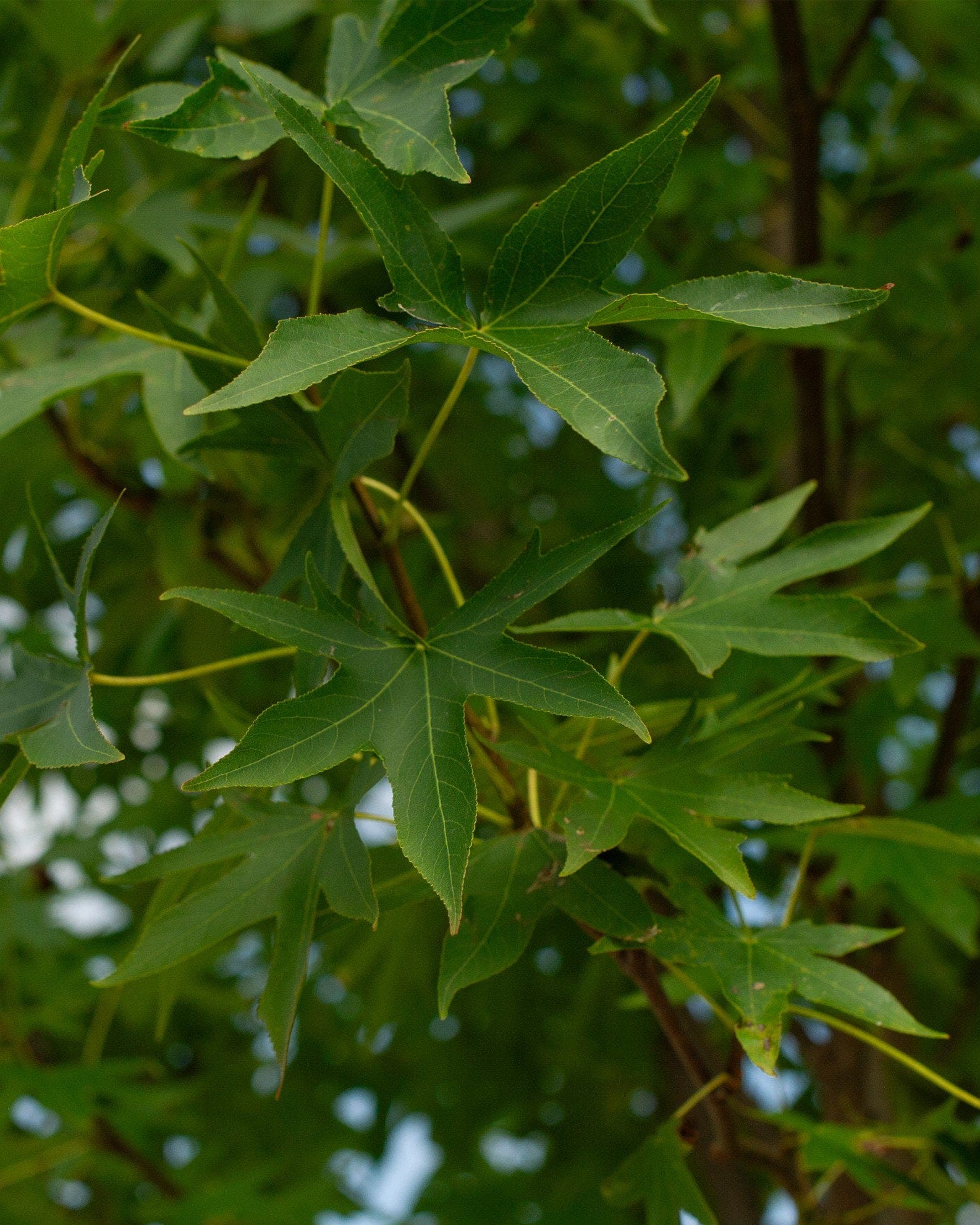
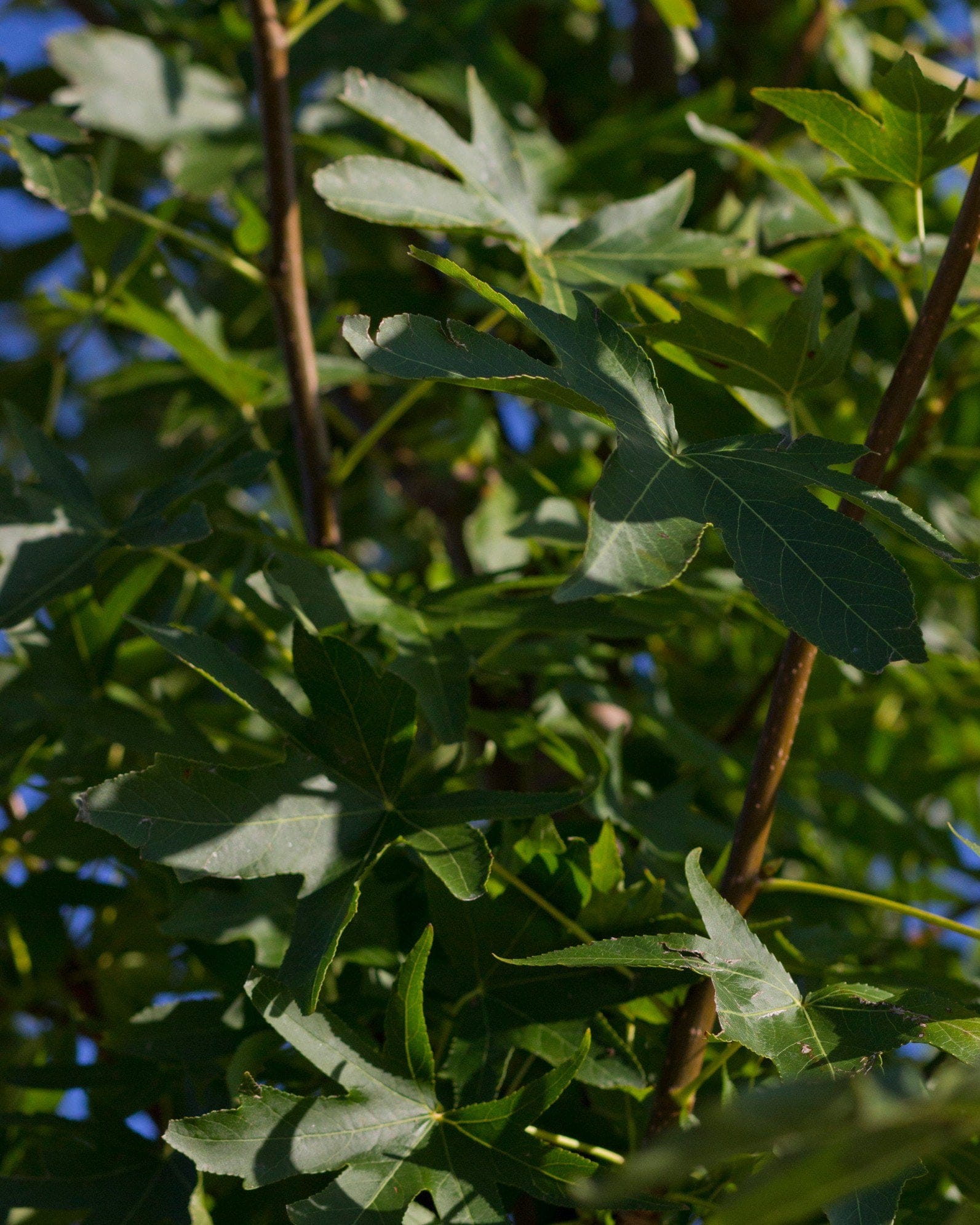
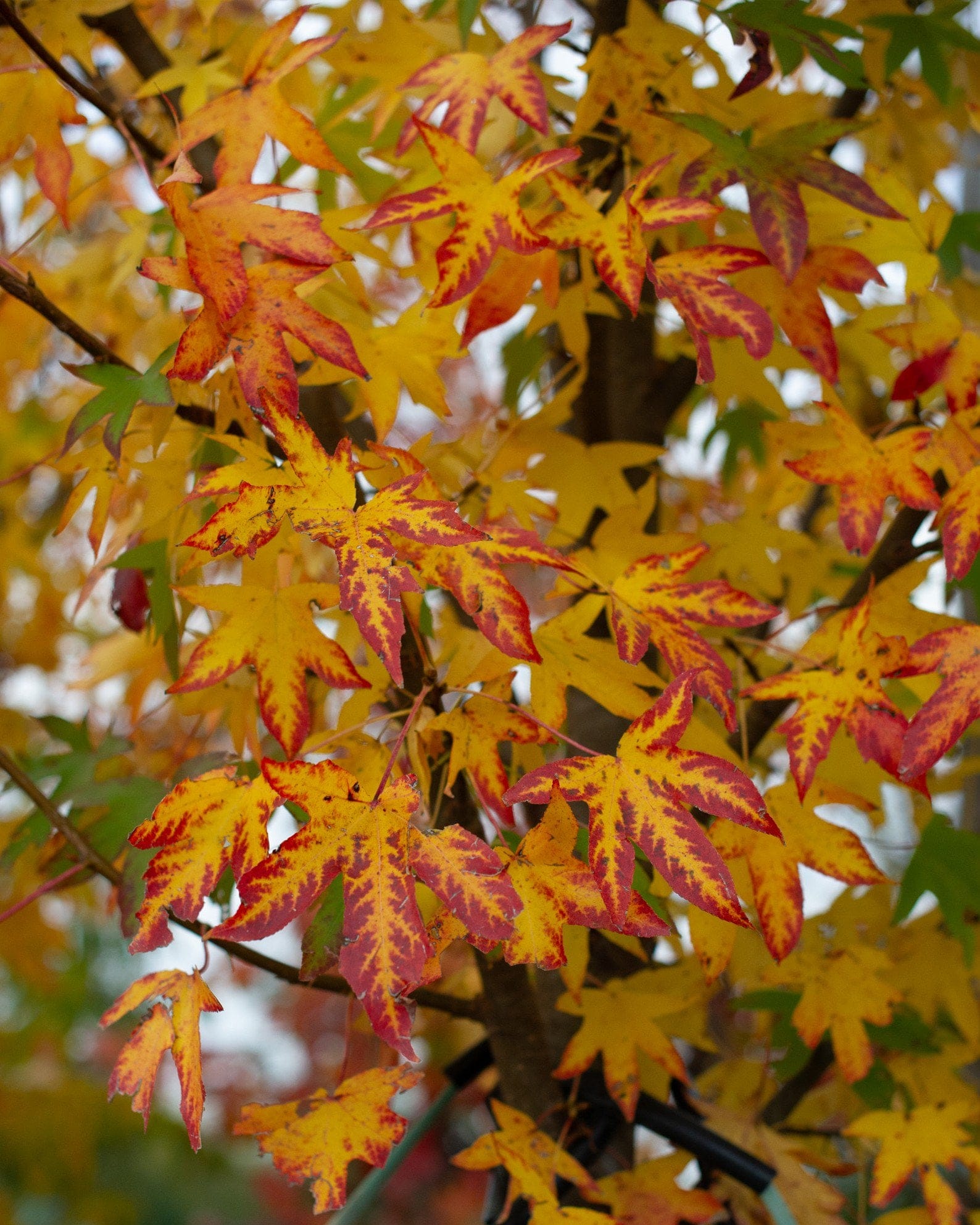
Desirable Pecan
Maturity: 60' H x 40' W
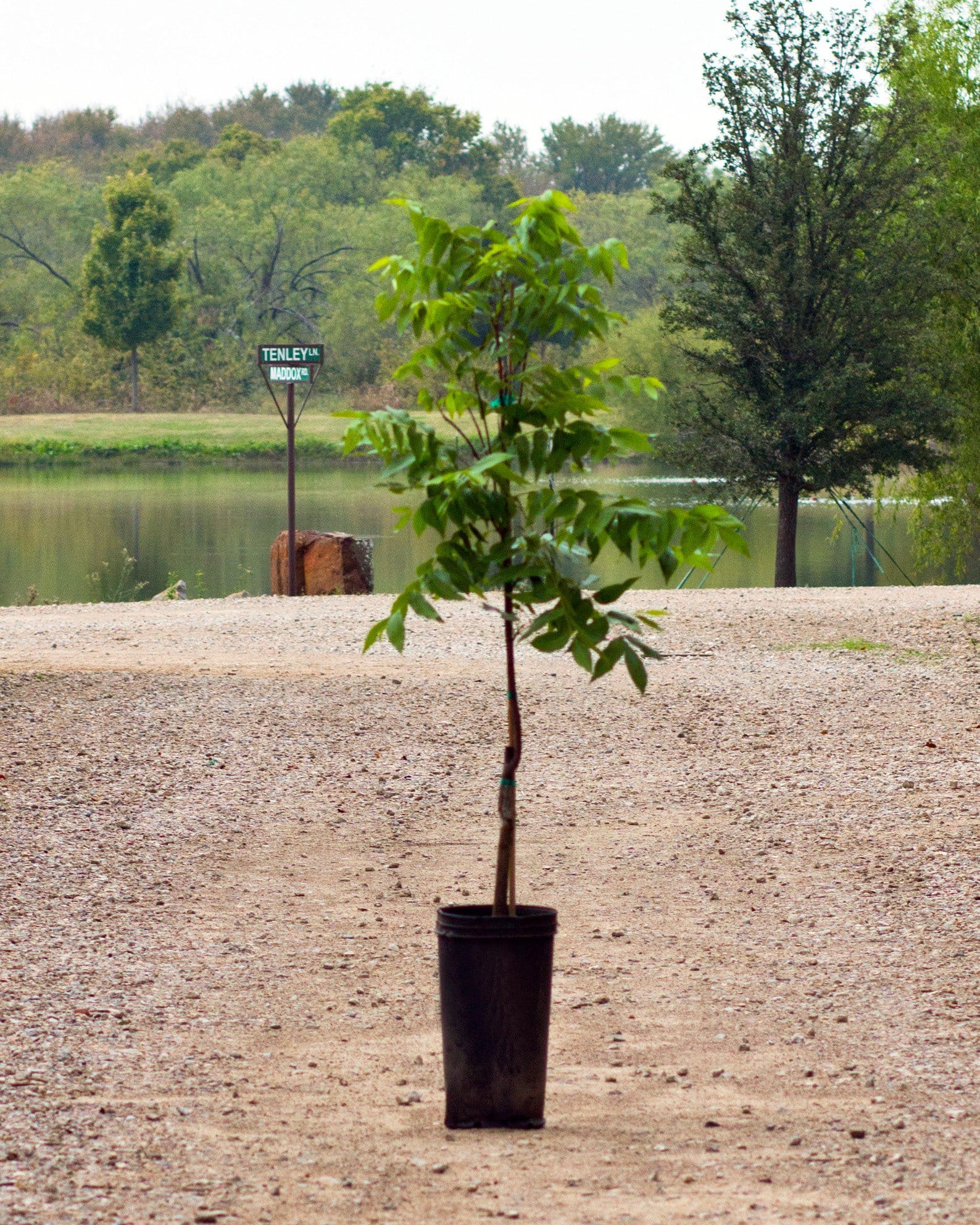
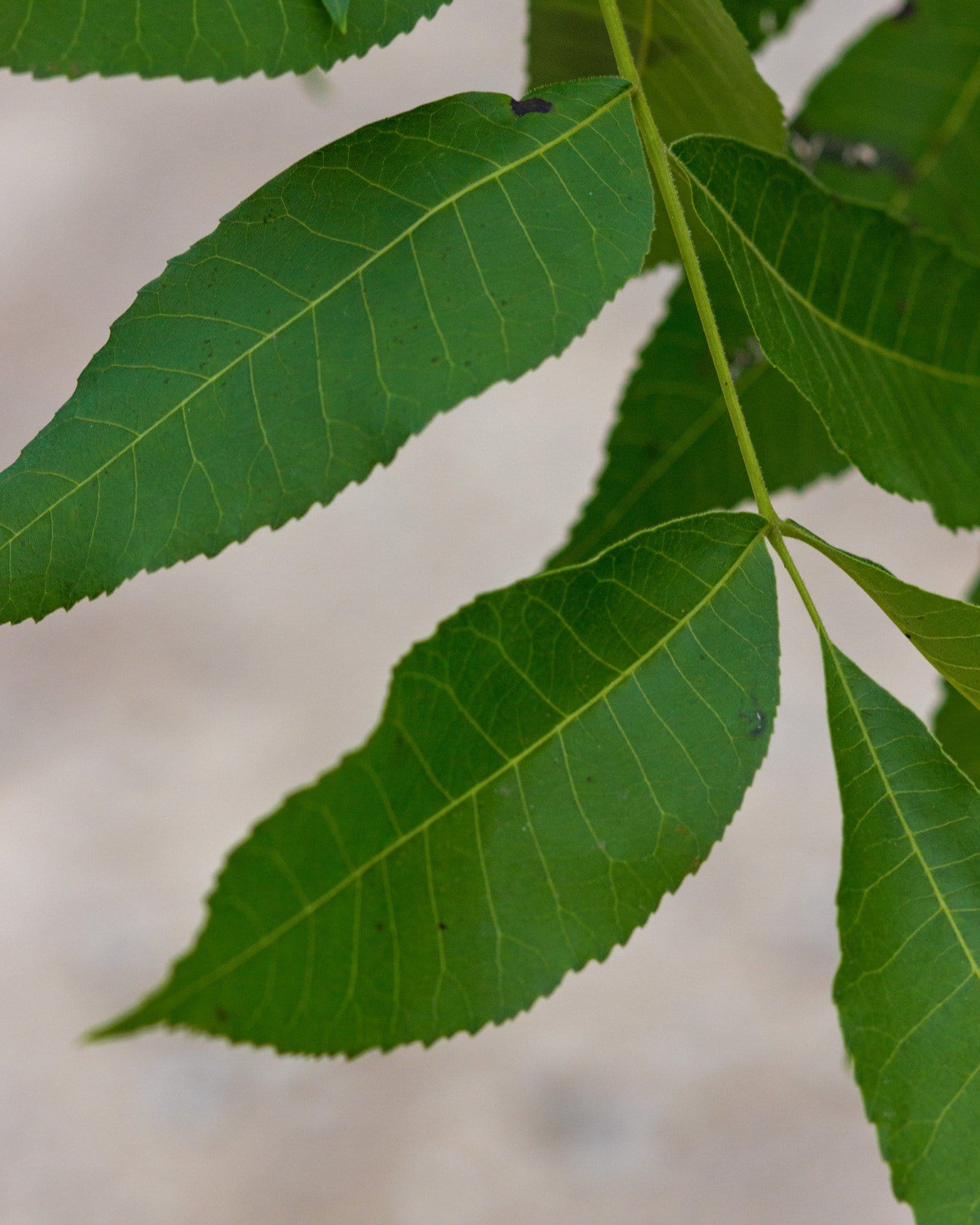
Kanza Pecan
Maturity: 60' H x 40' W
Native Pecan
Maturity: 60' H x 40' W
Pawnee Pecan
Maturity: 60' H x 40' W
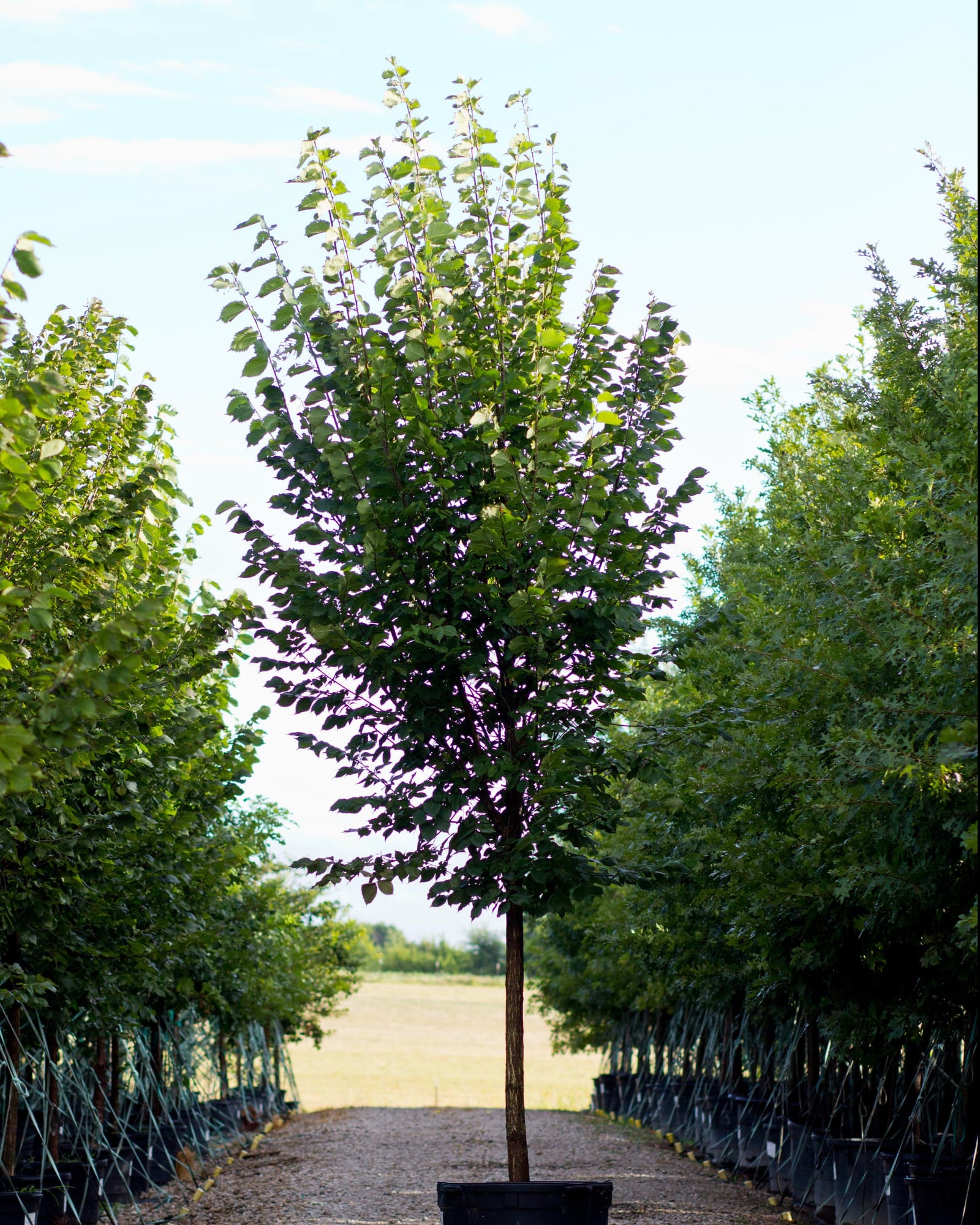
Princeton Elm
Maturity: 60' H x 40' W
Compare Similar Plants
Willow Oak This plant | ||
|---|---|---|
| Scientific Name | Quercus phellos | Quercus macrocarpa |
| Size at Maturity | 60' H x 50' W | 60' H x 50' W |
| Leaf Retention | Deciduous | Deciduous |
| Fall Color | Yellow | Yellow |
| Sizes Available | 45 gal | 15, 30, 45, 65, 95 gal |


Our 1-Year Planting Guarantee
We take pride in our plants and installation services. If any plants or trees installed by Treeland fail to thrive within the first year, we'll provide a replacement credit in accordance with our guarantee program.
Learn More About Our Guarantee