
 Texas Native
Mexican Red Oak
Quercus sp.‘San Carlos’Product Details
Mexican Red Oak
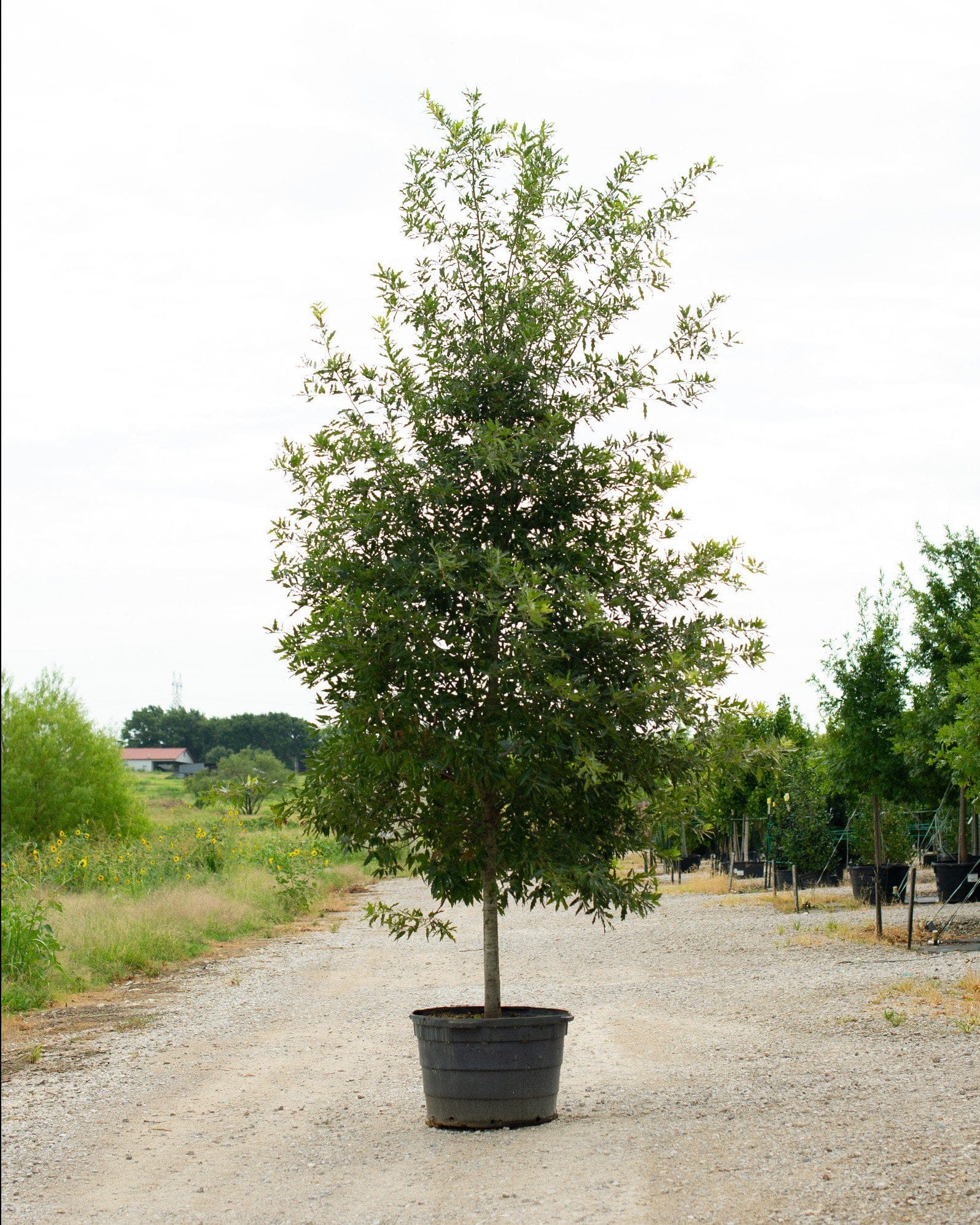
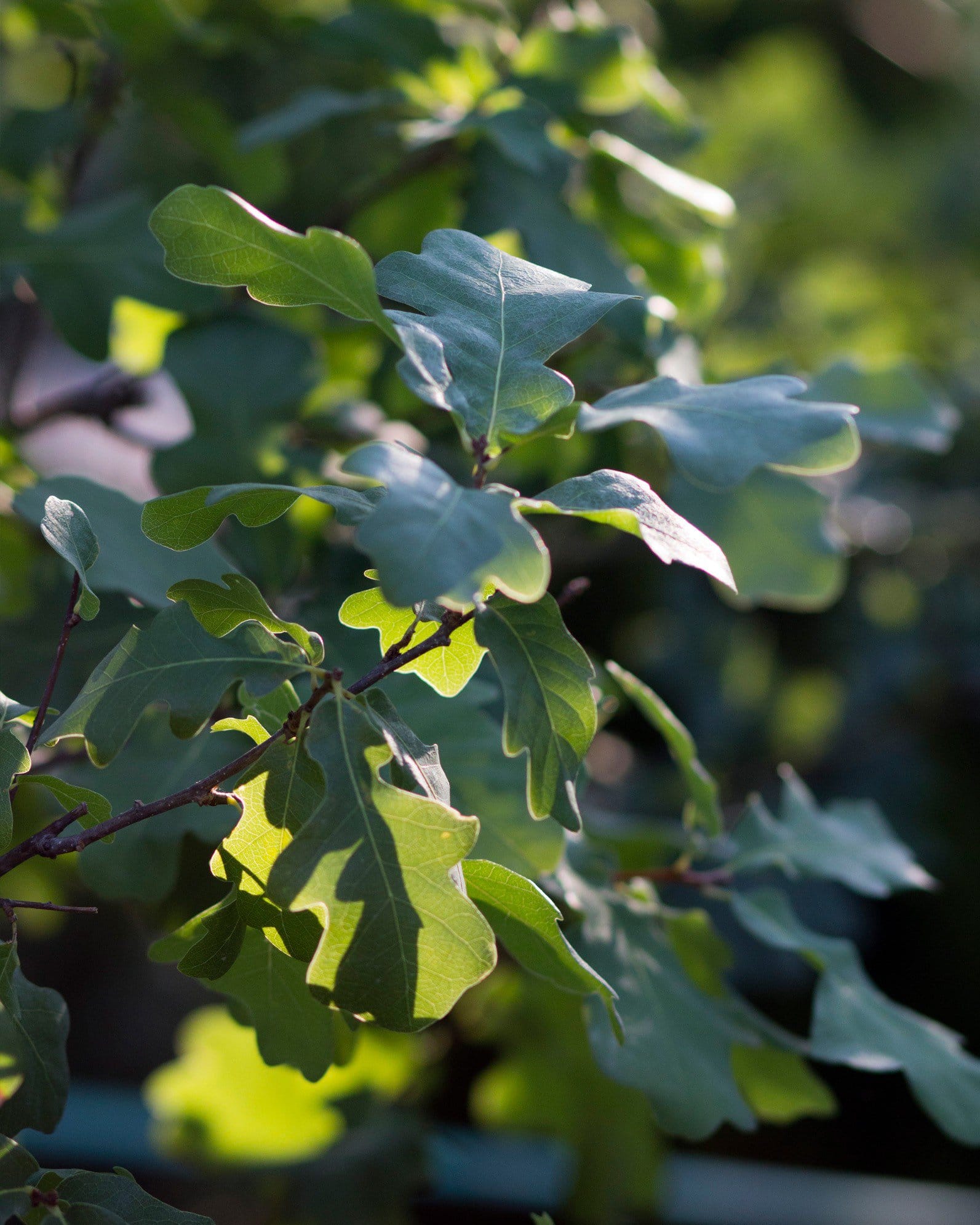
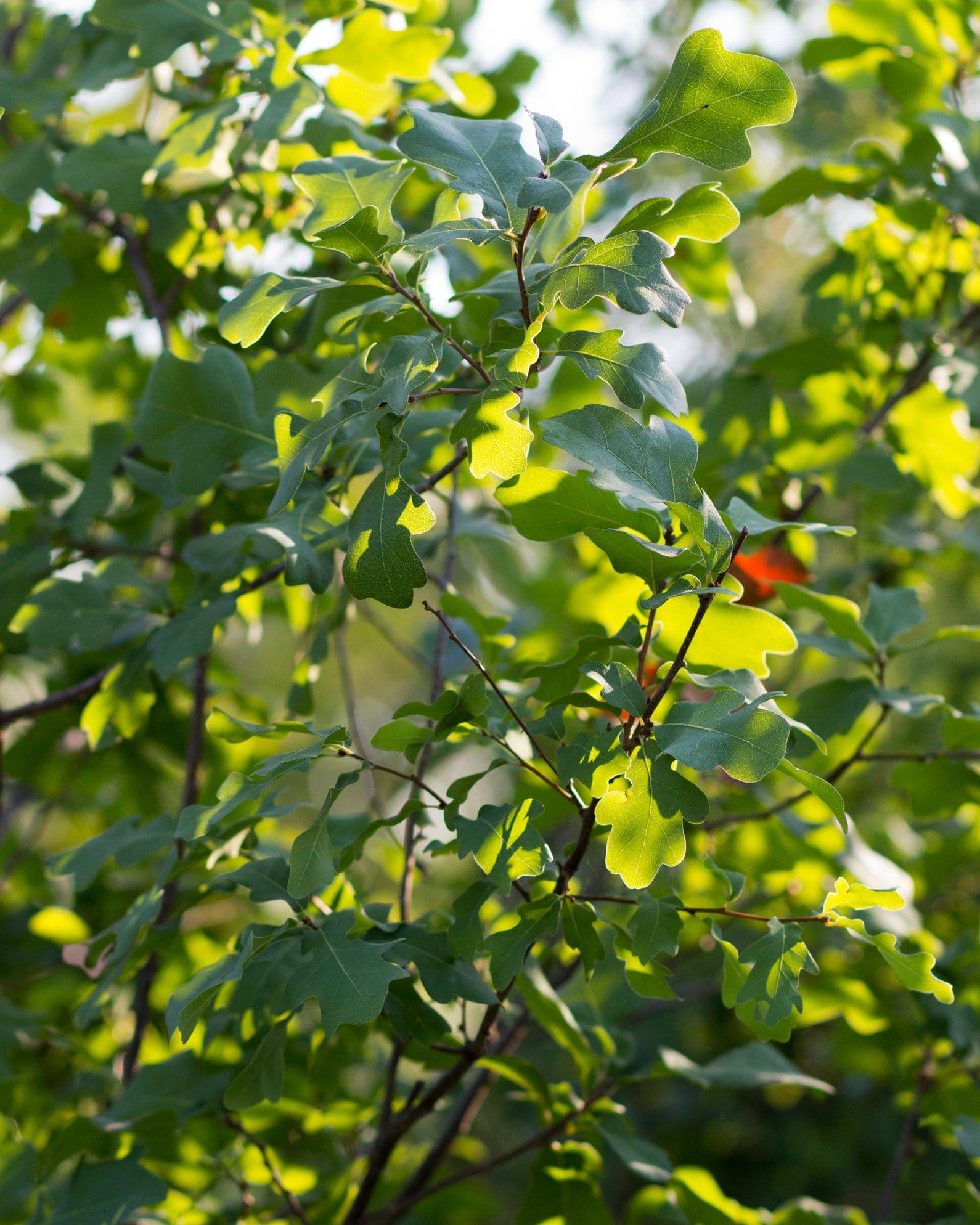
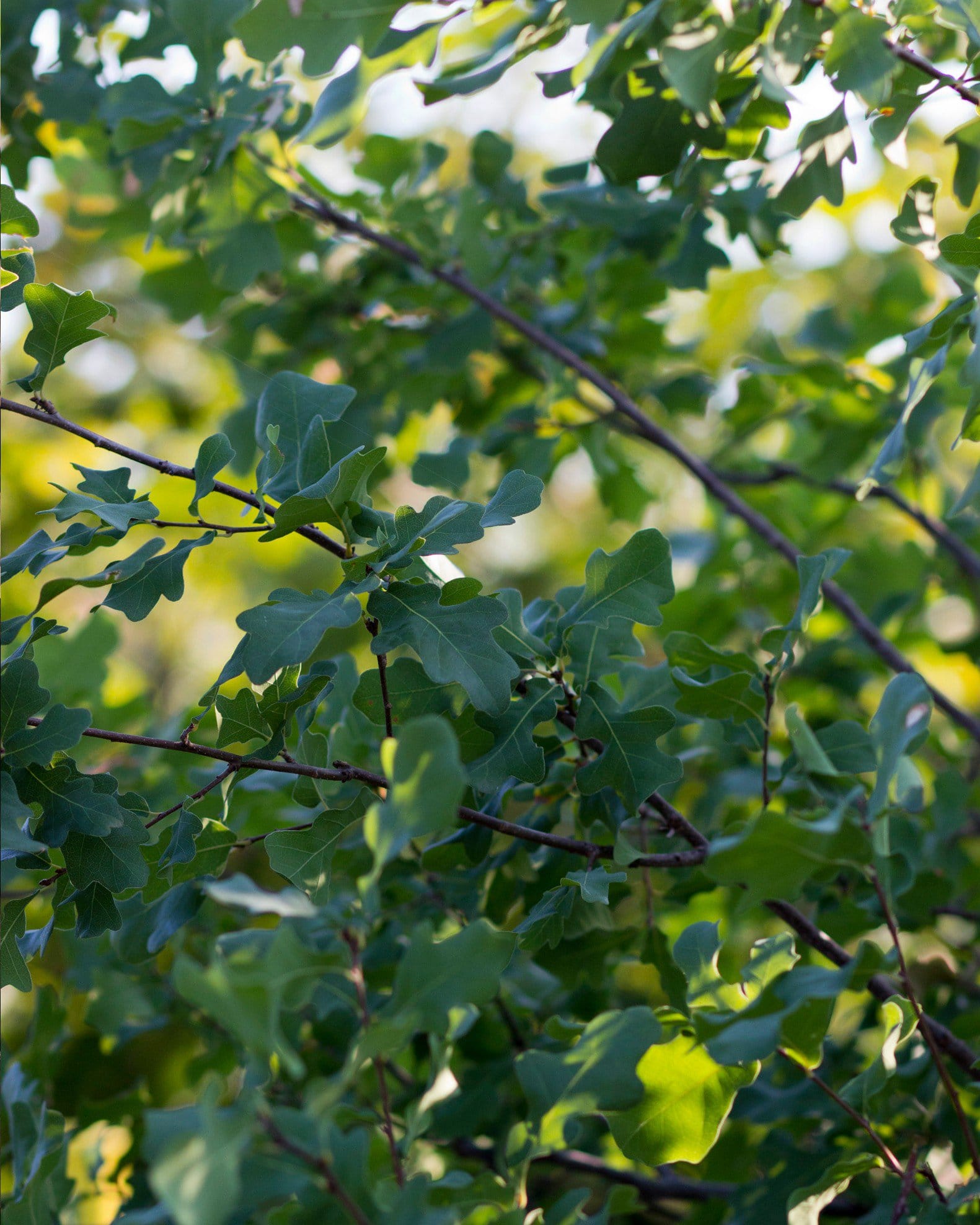
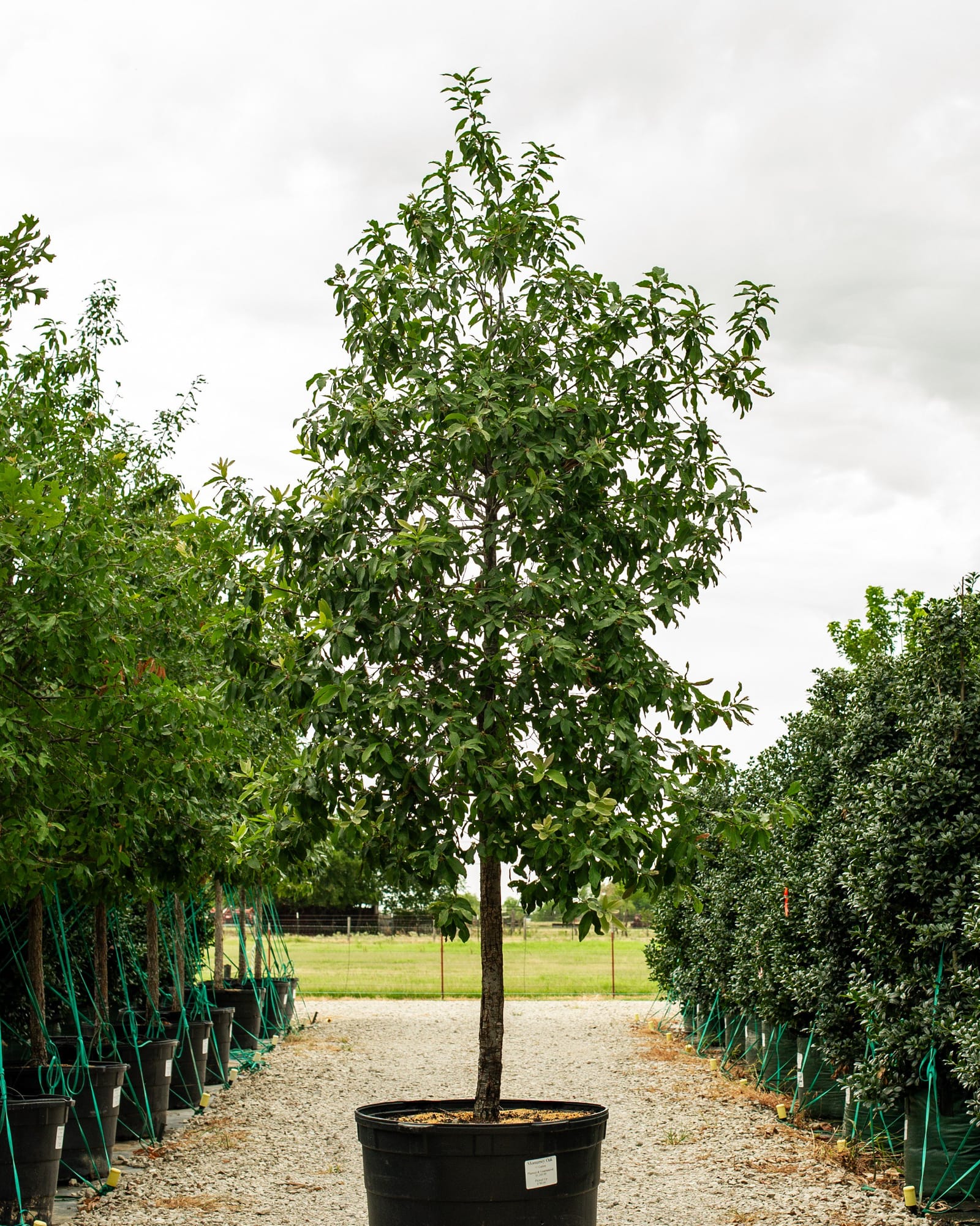
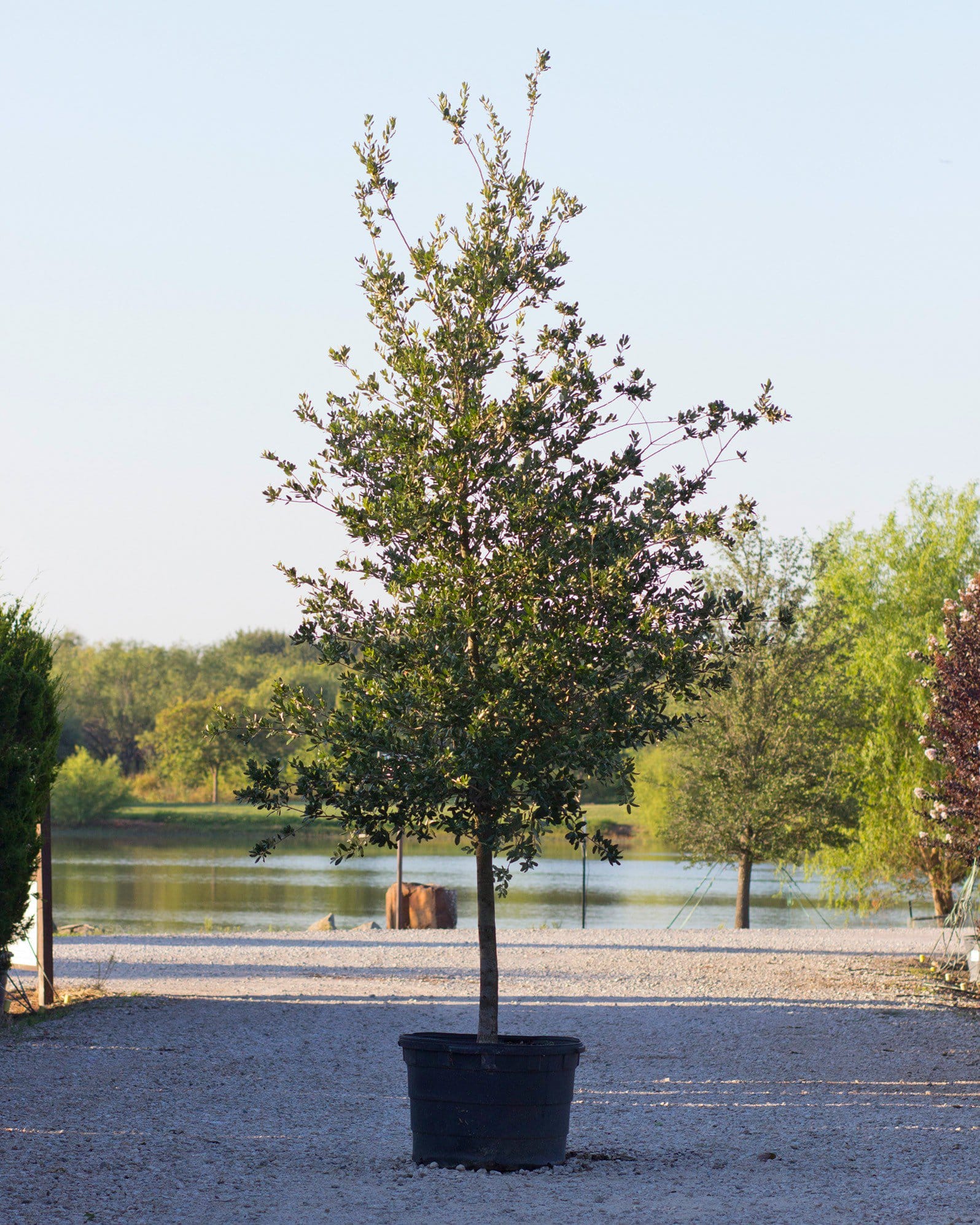
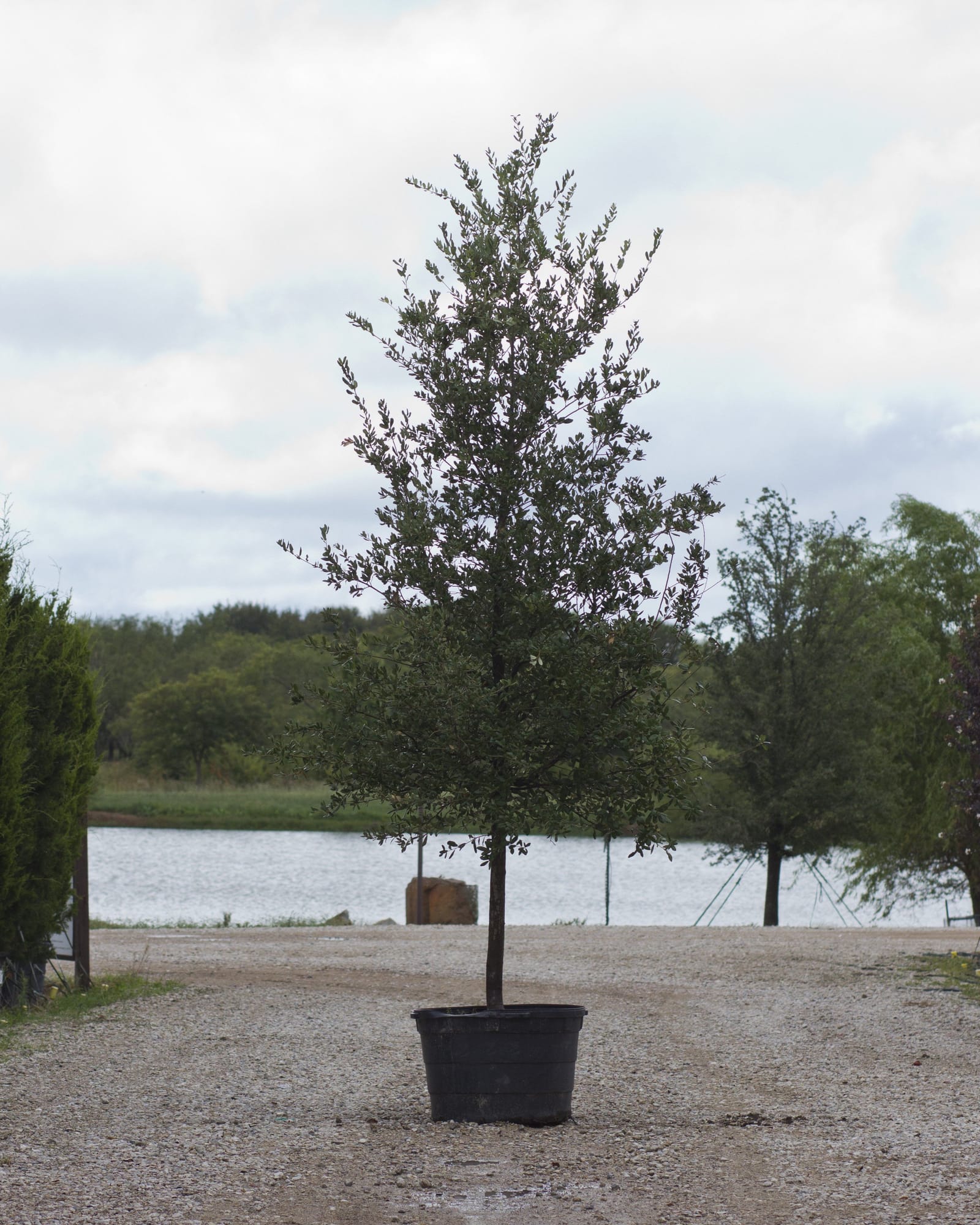
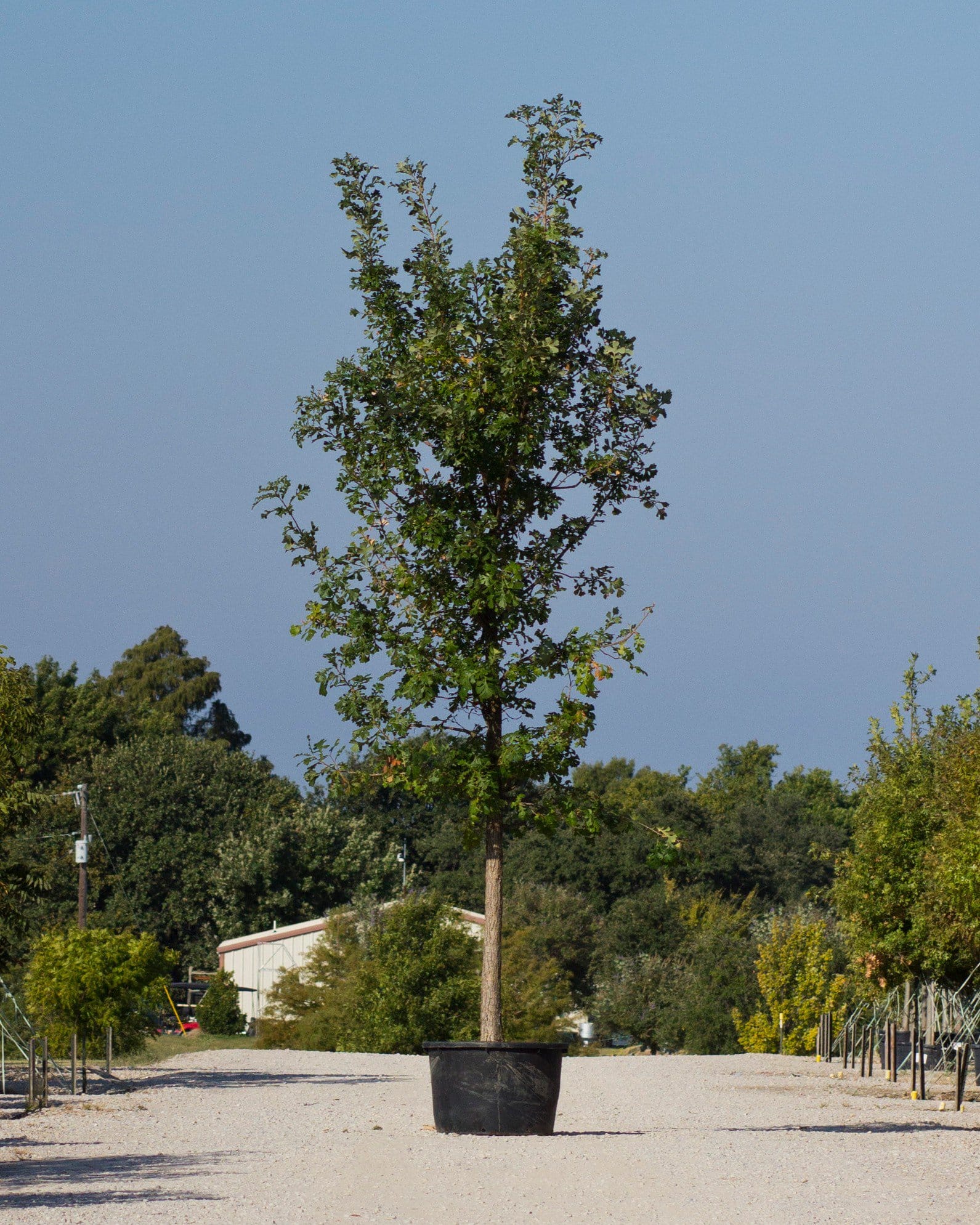
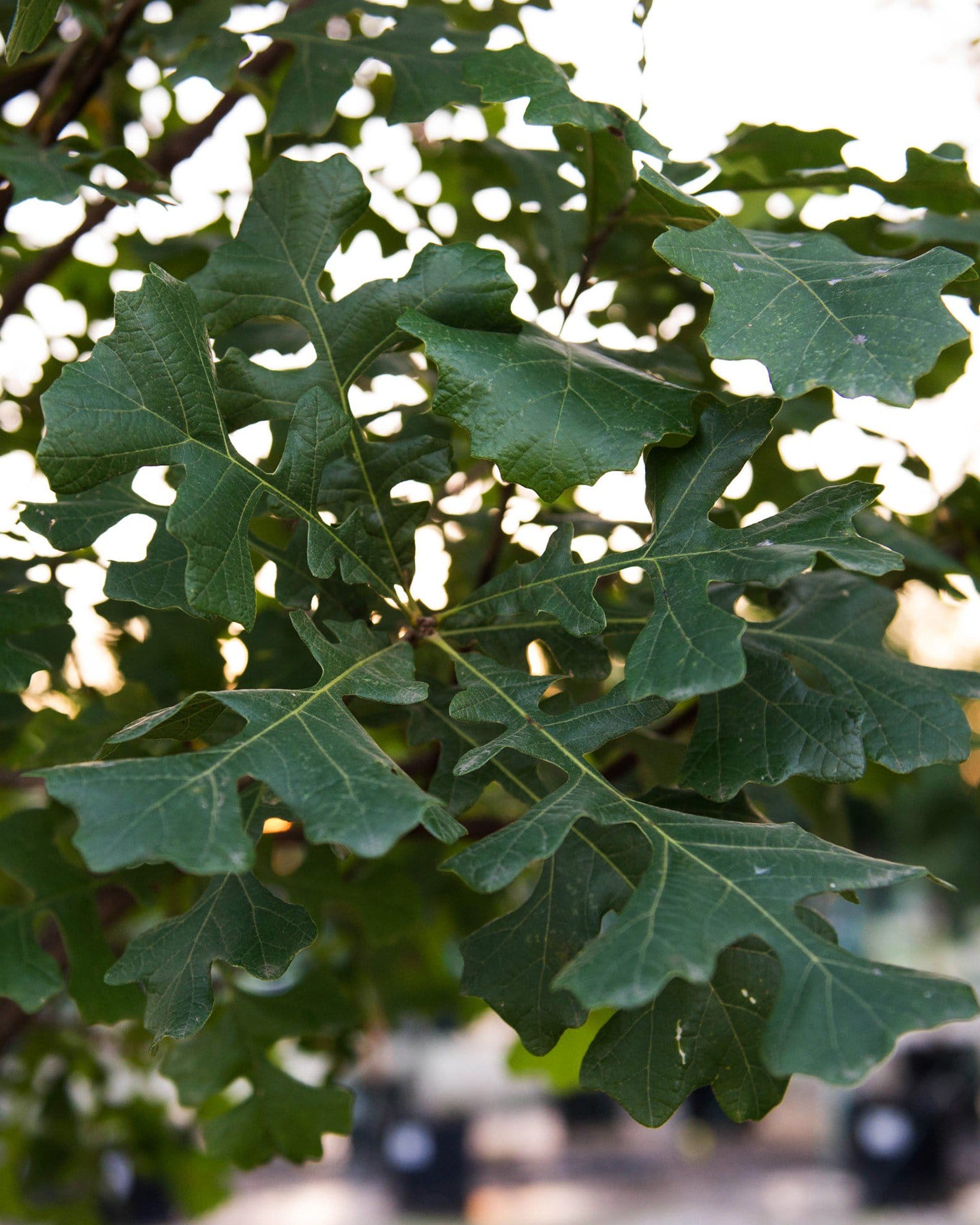
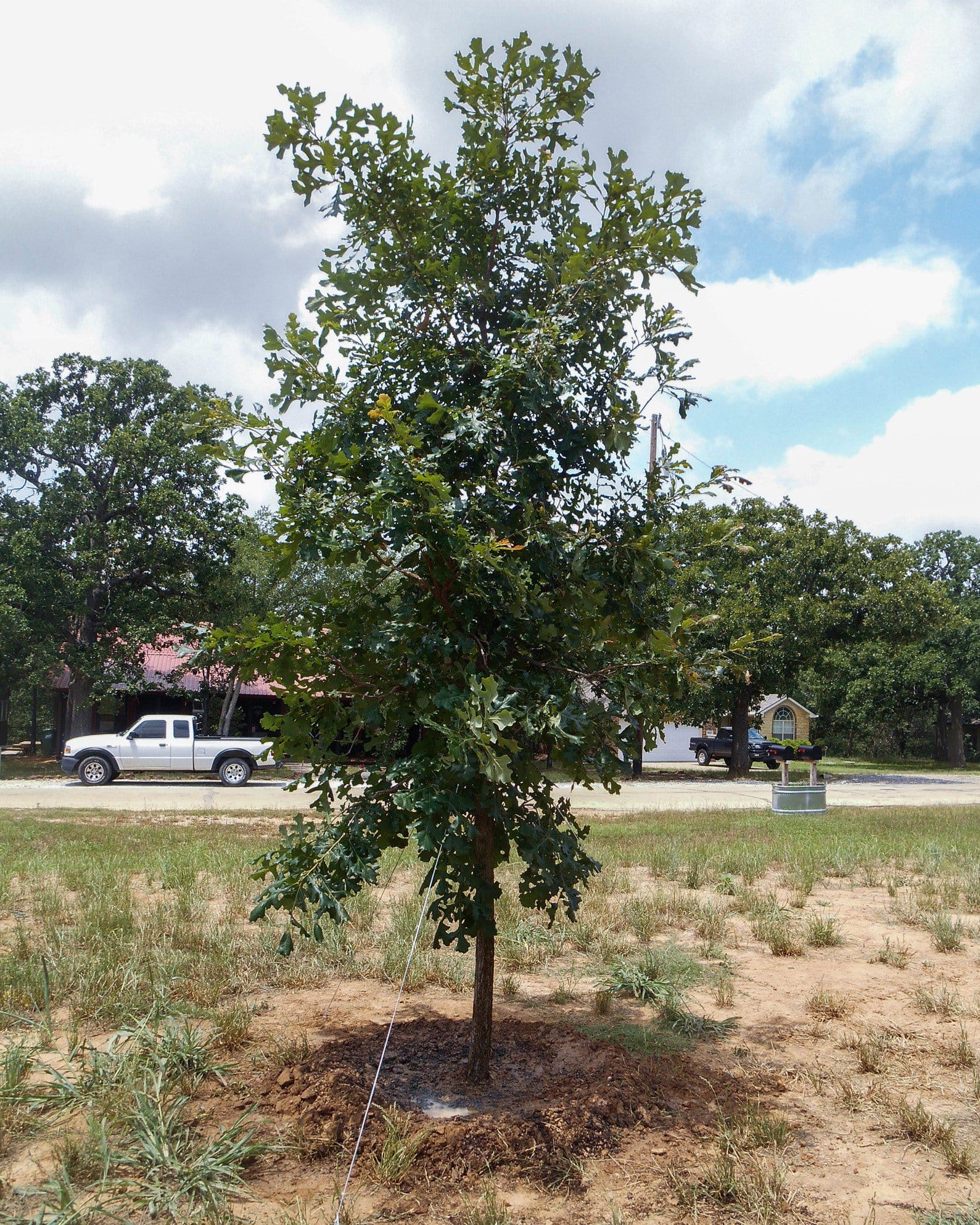
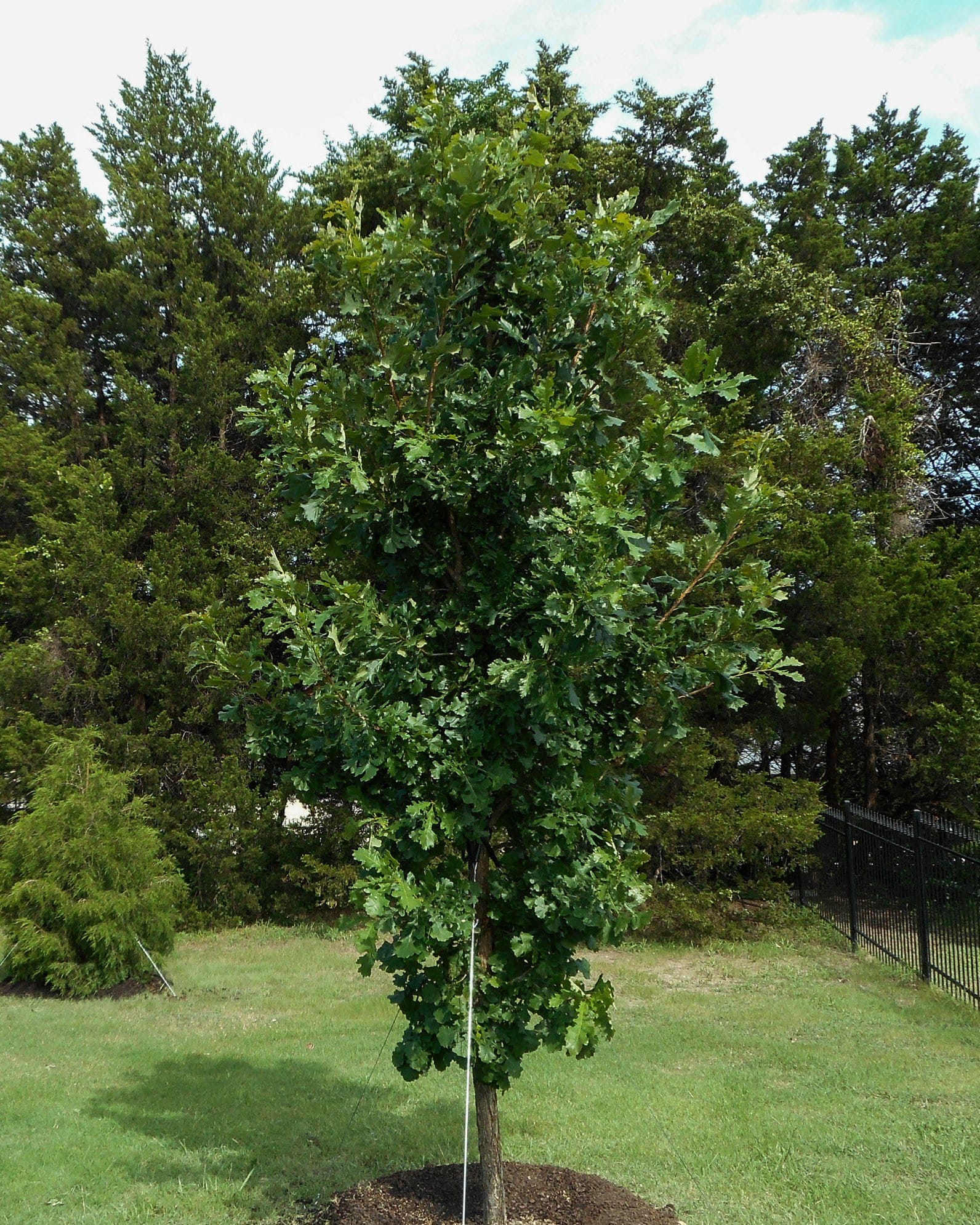
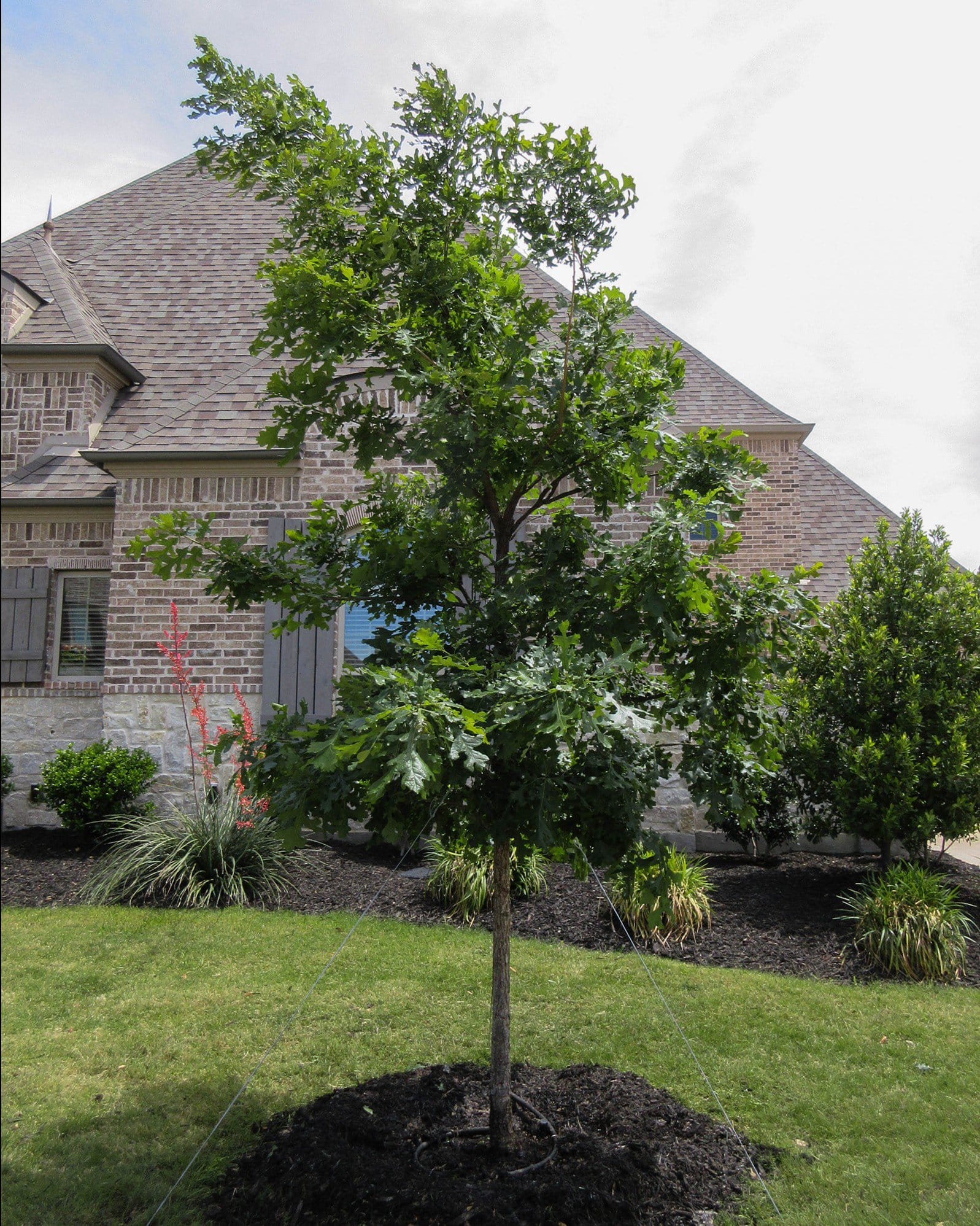
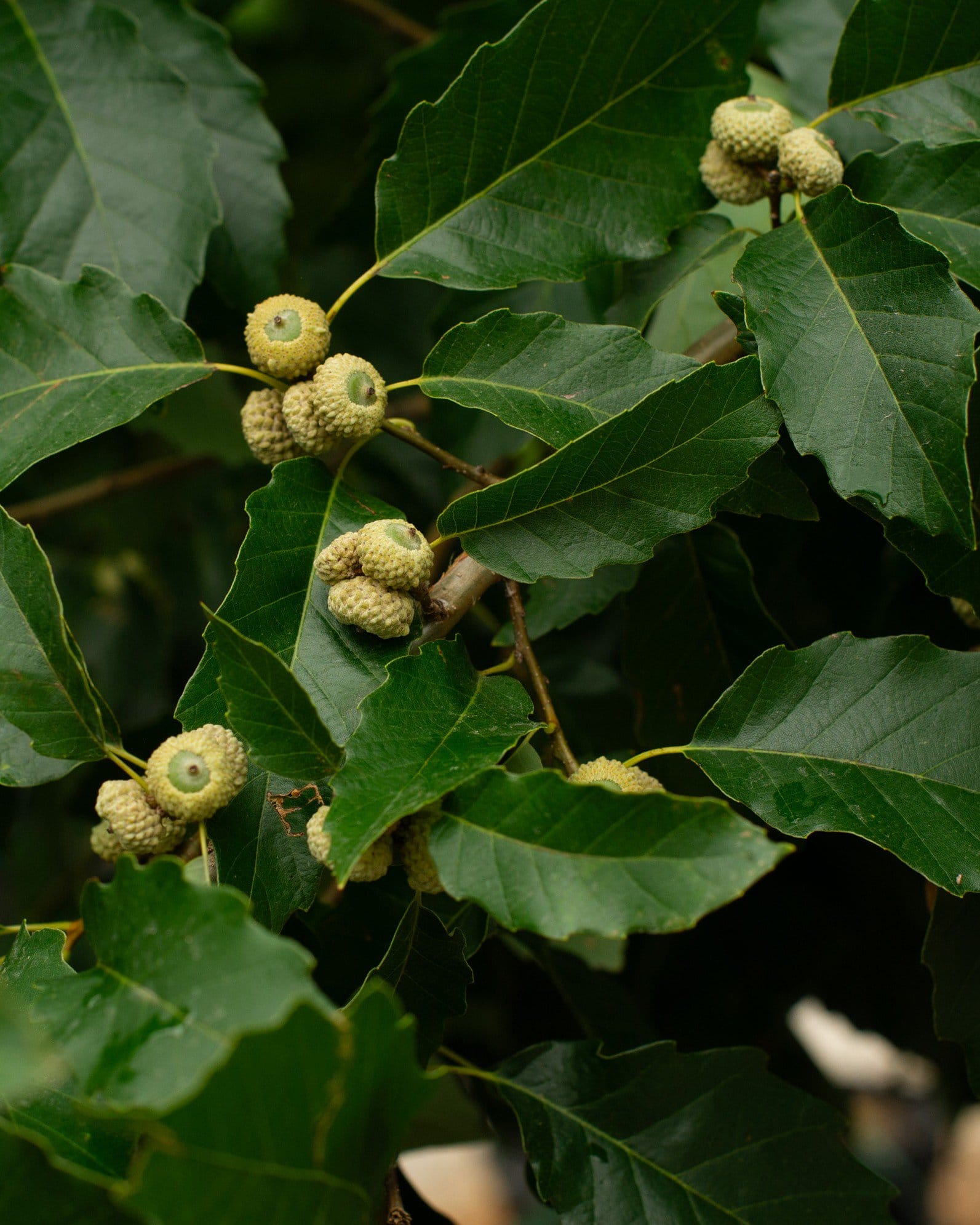
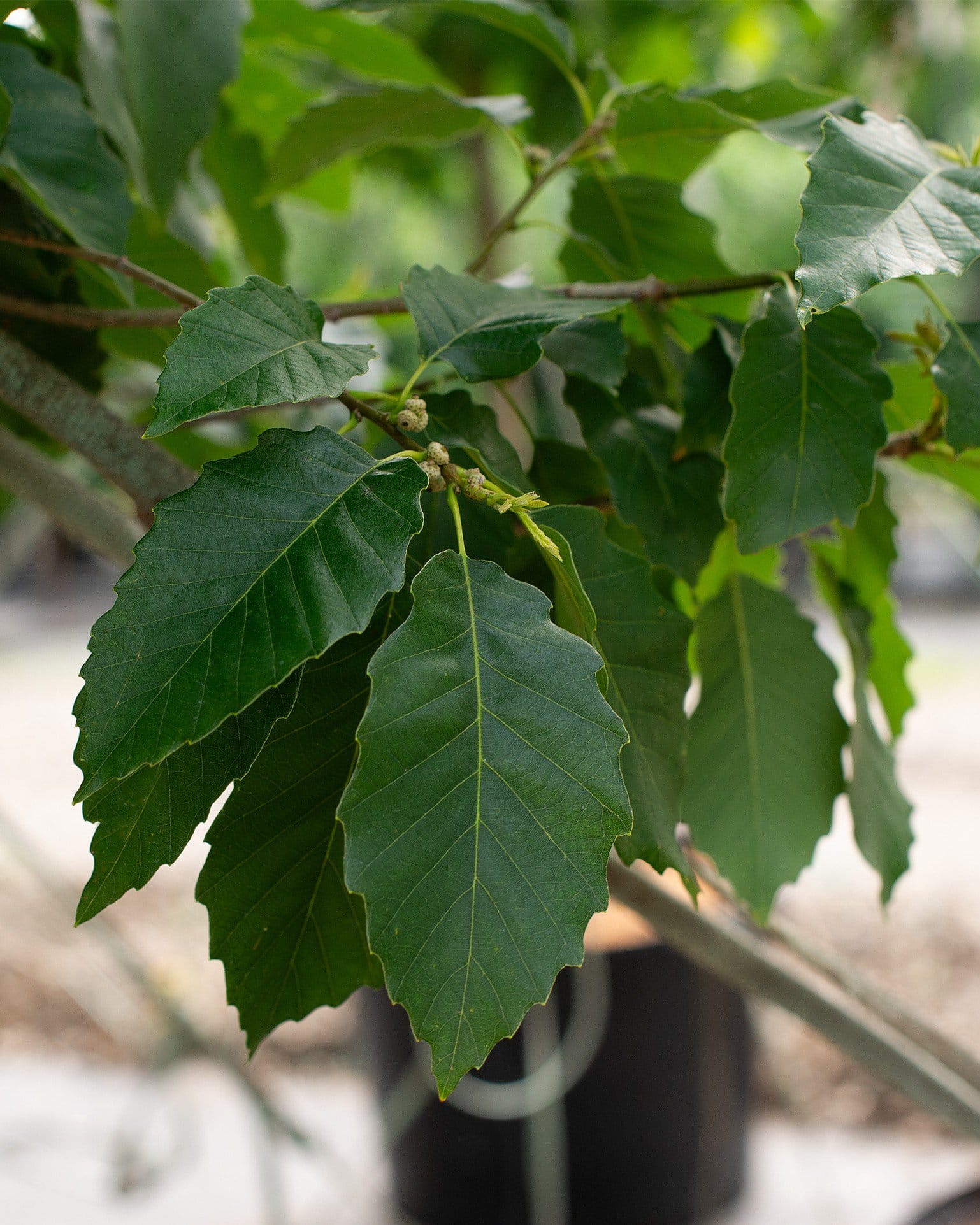
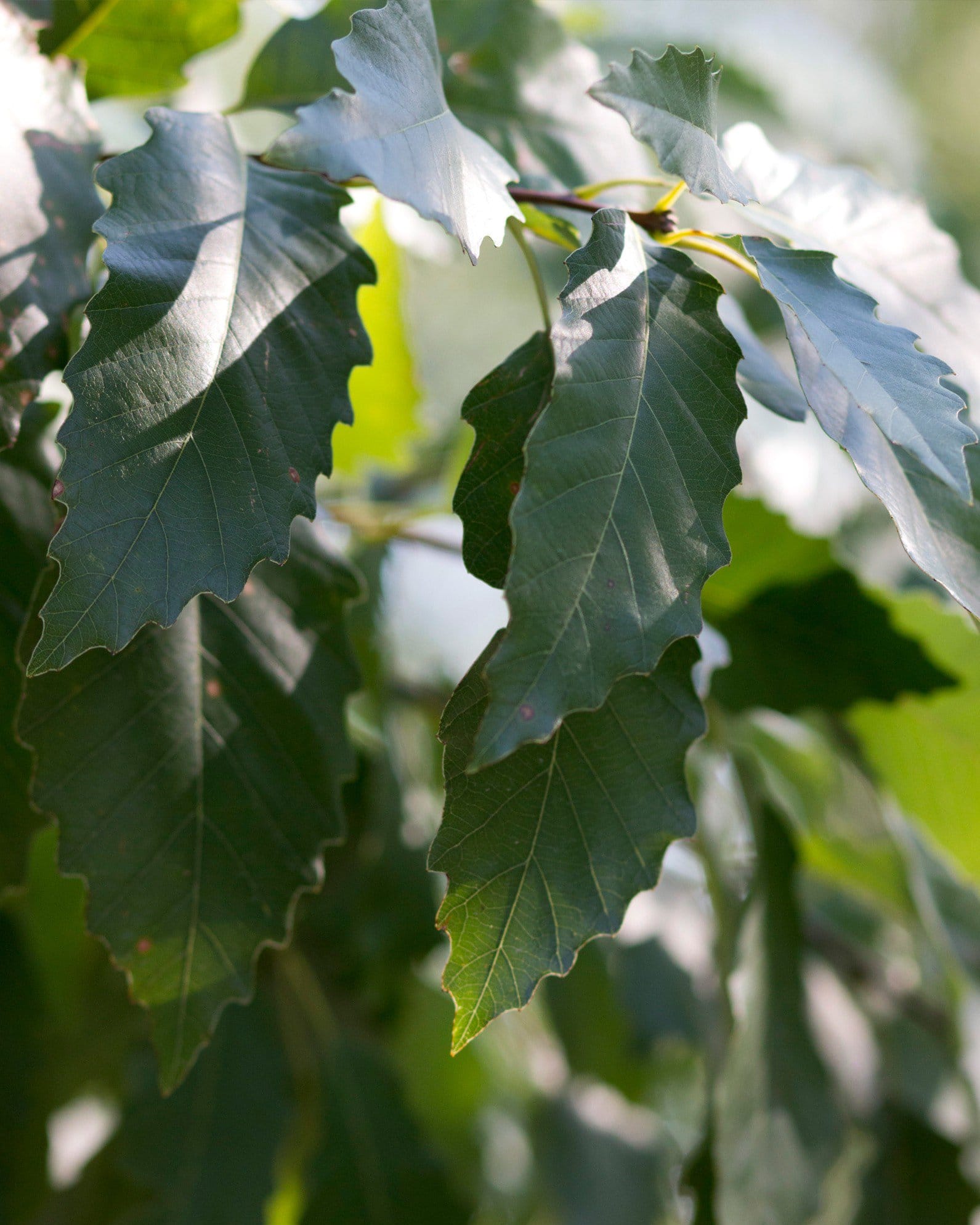
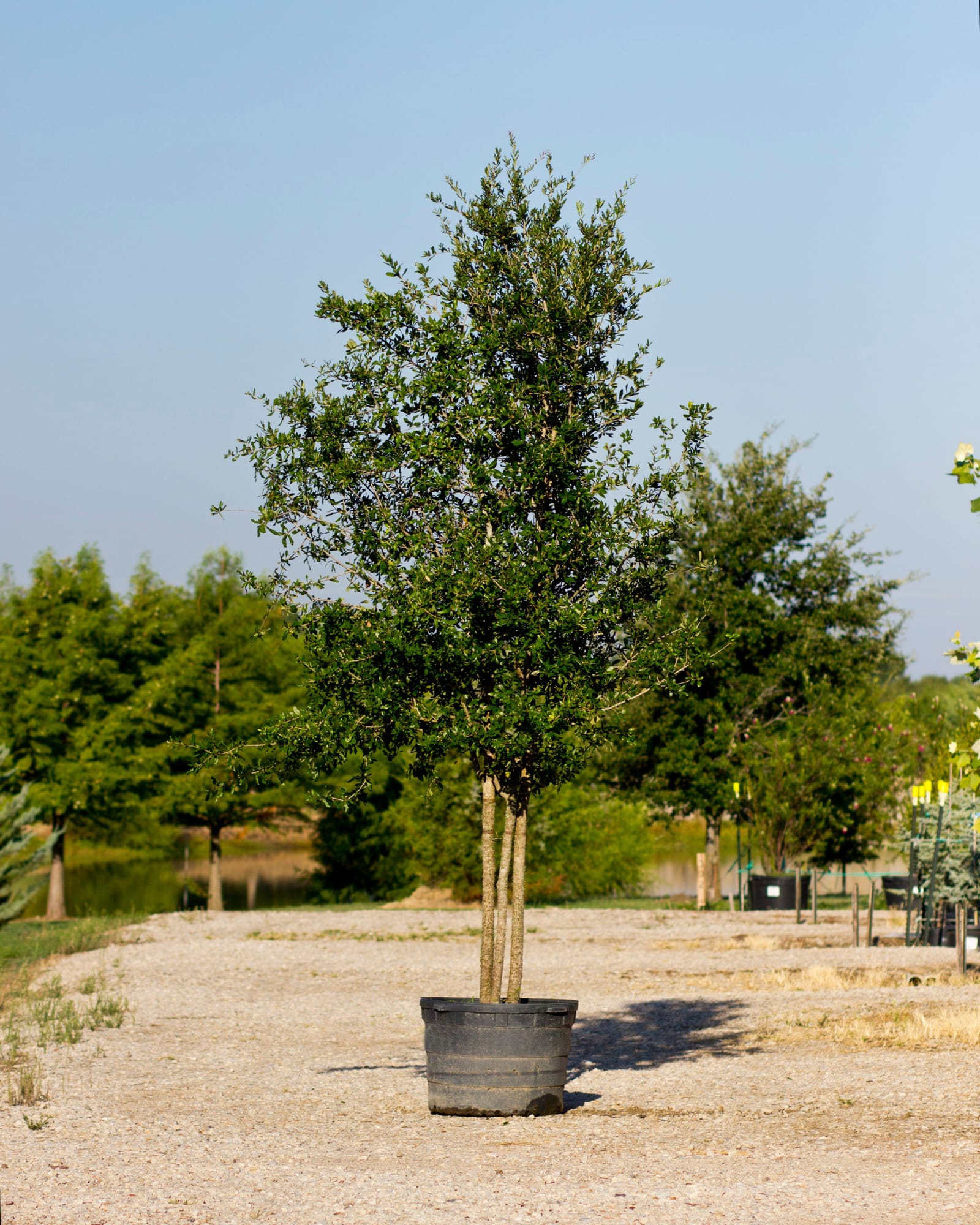
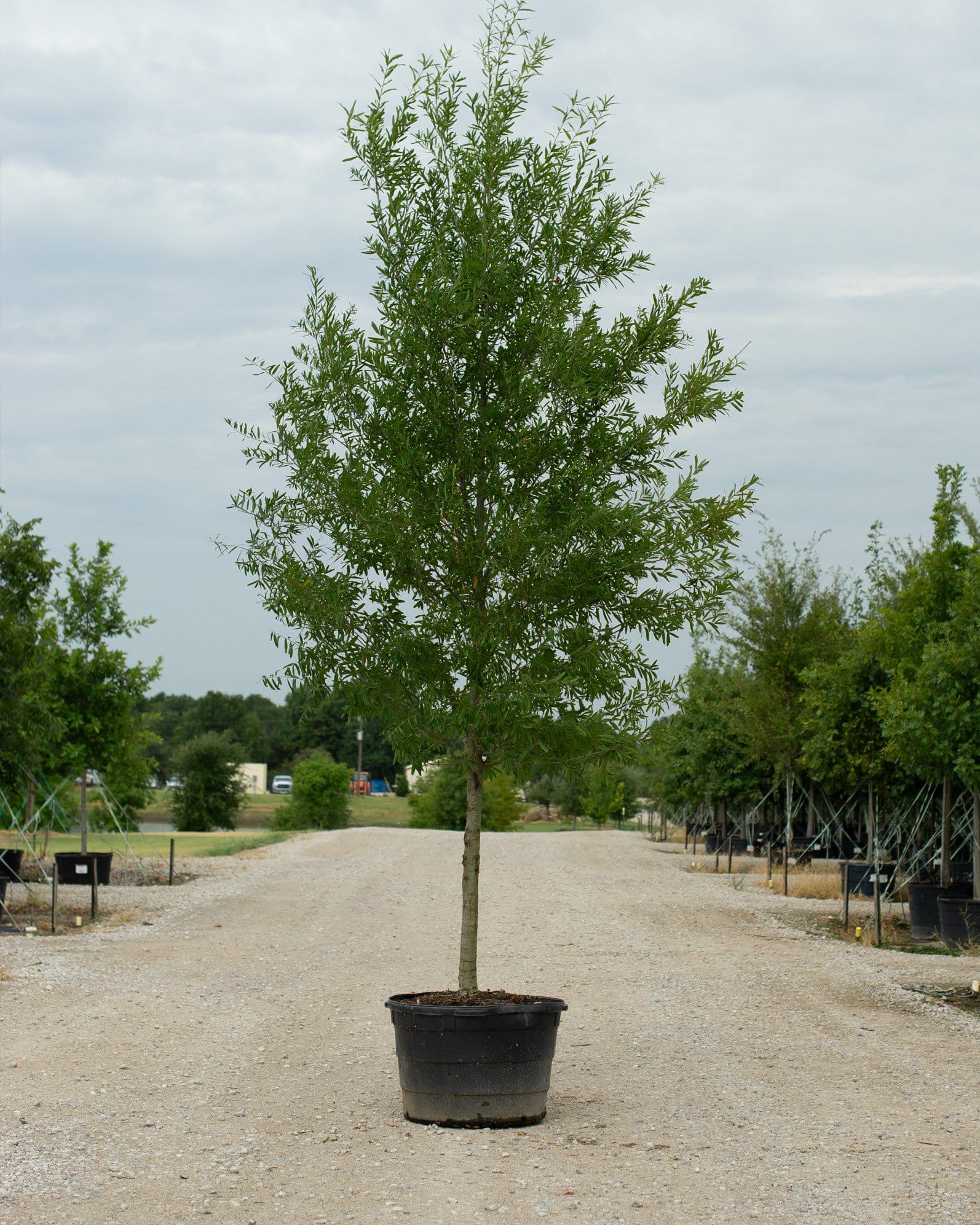
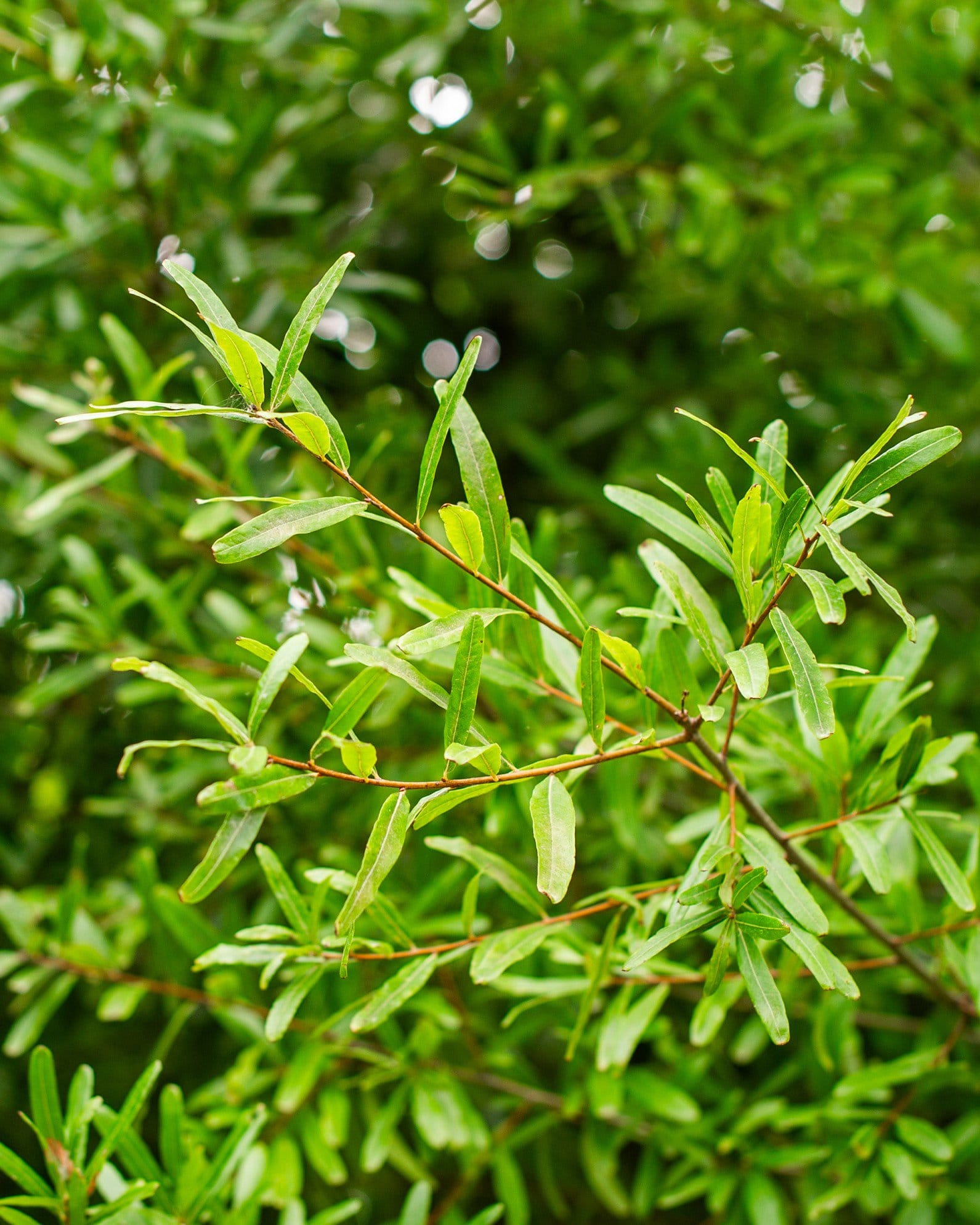
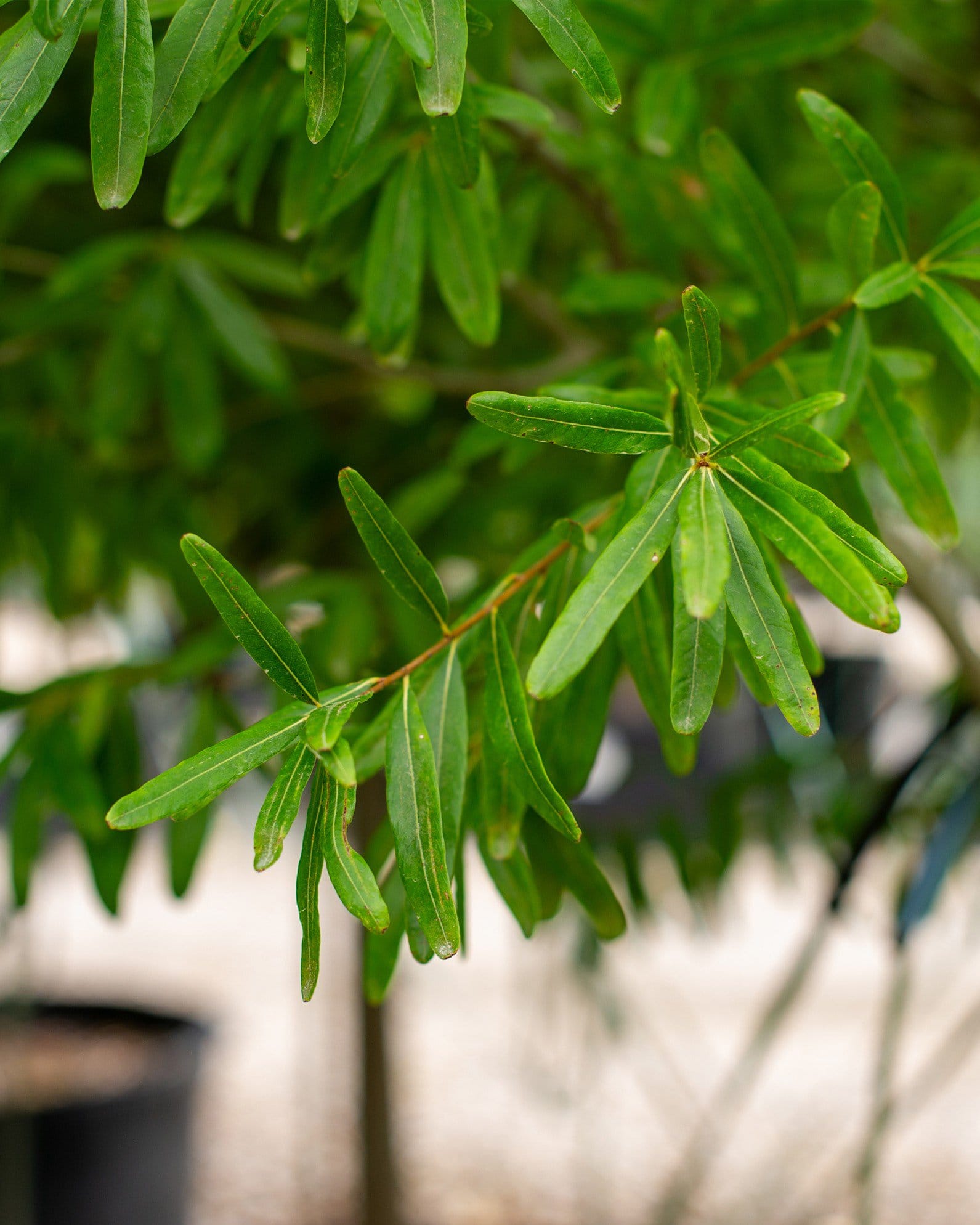
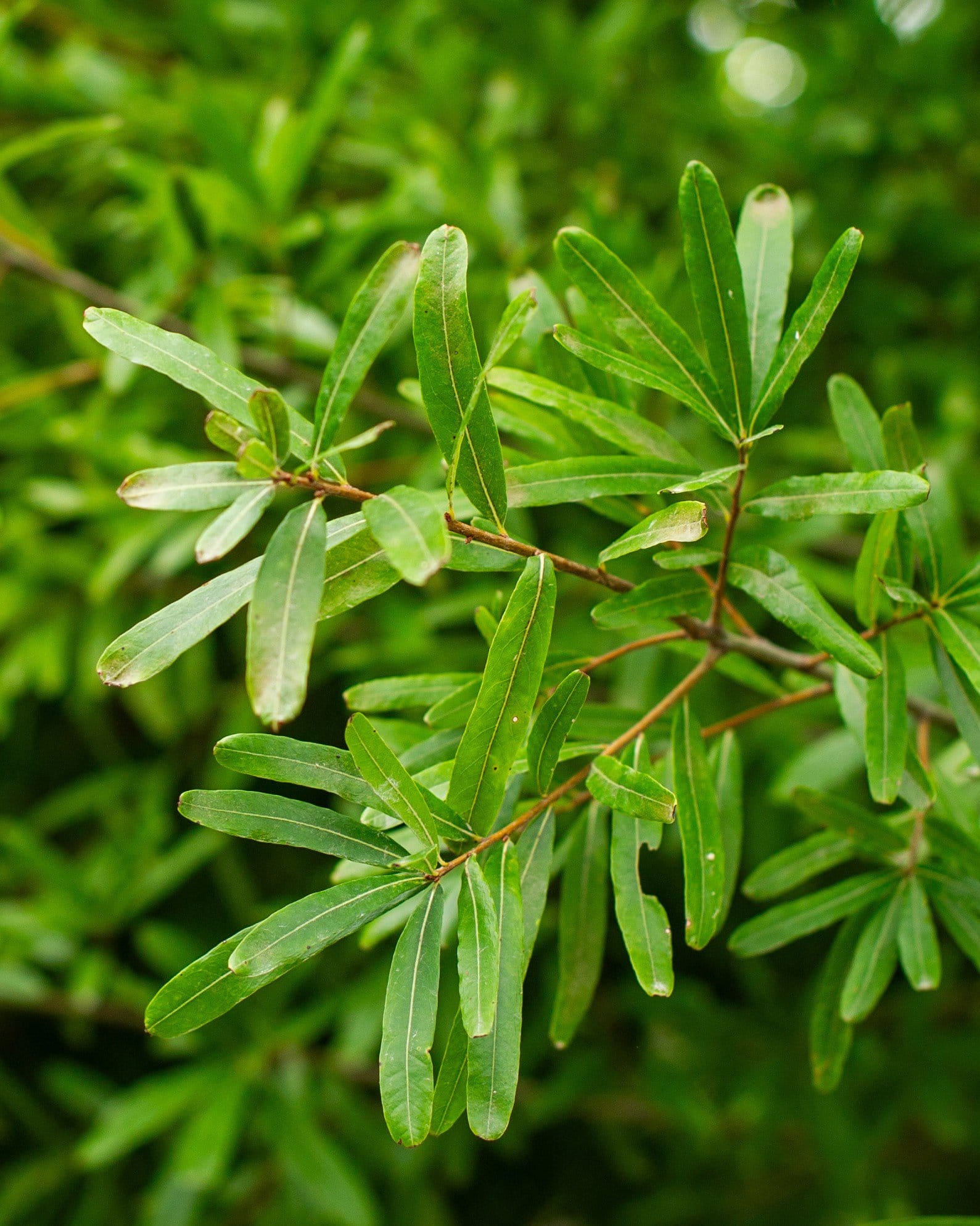
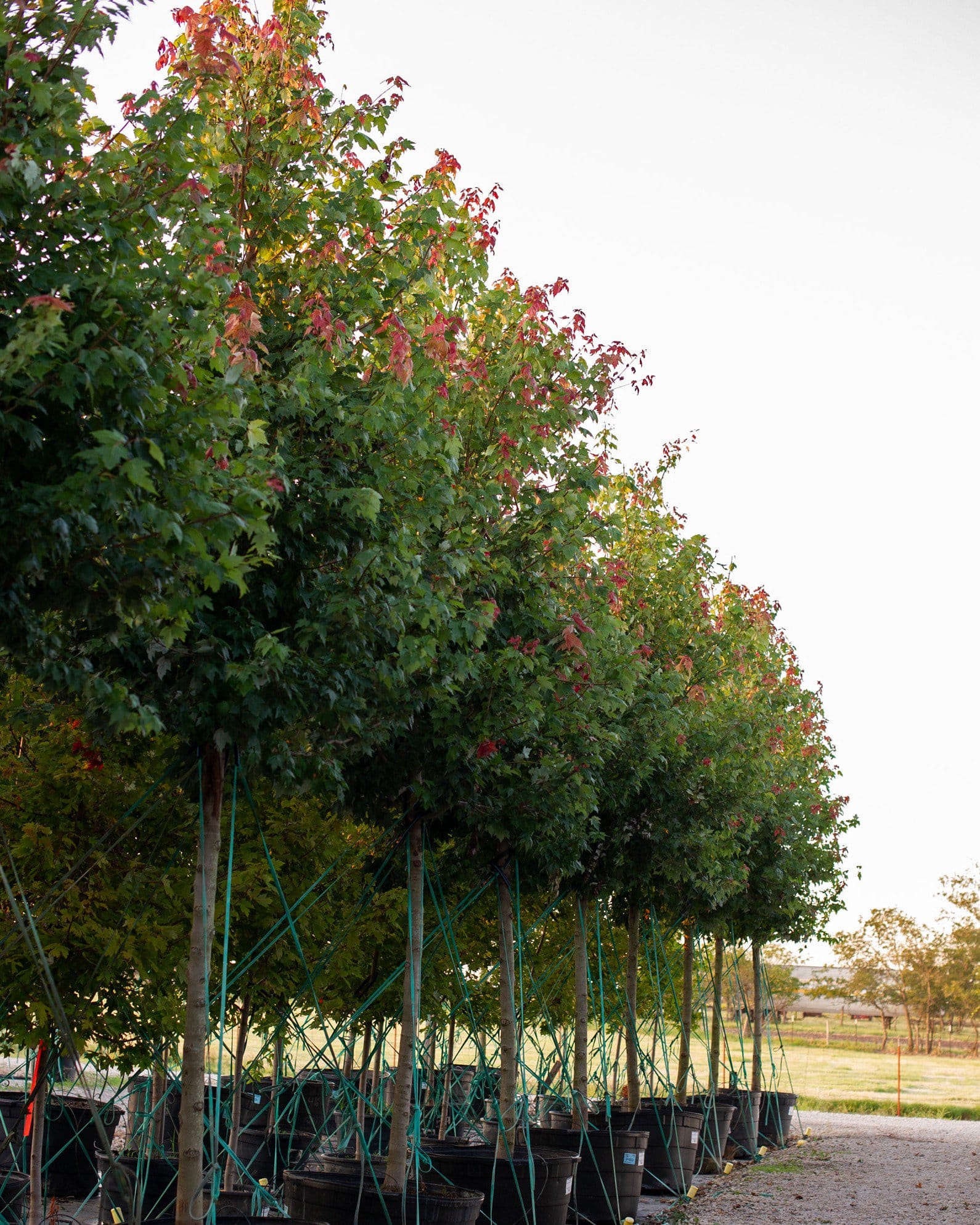
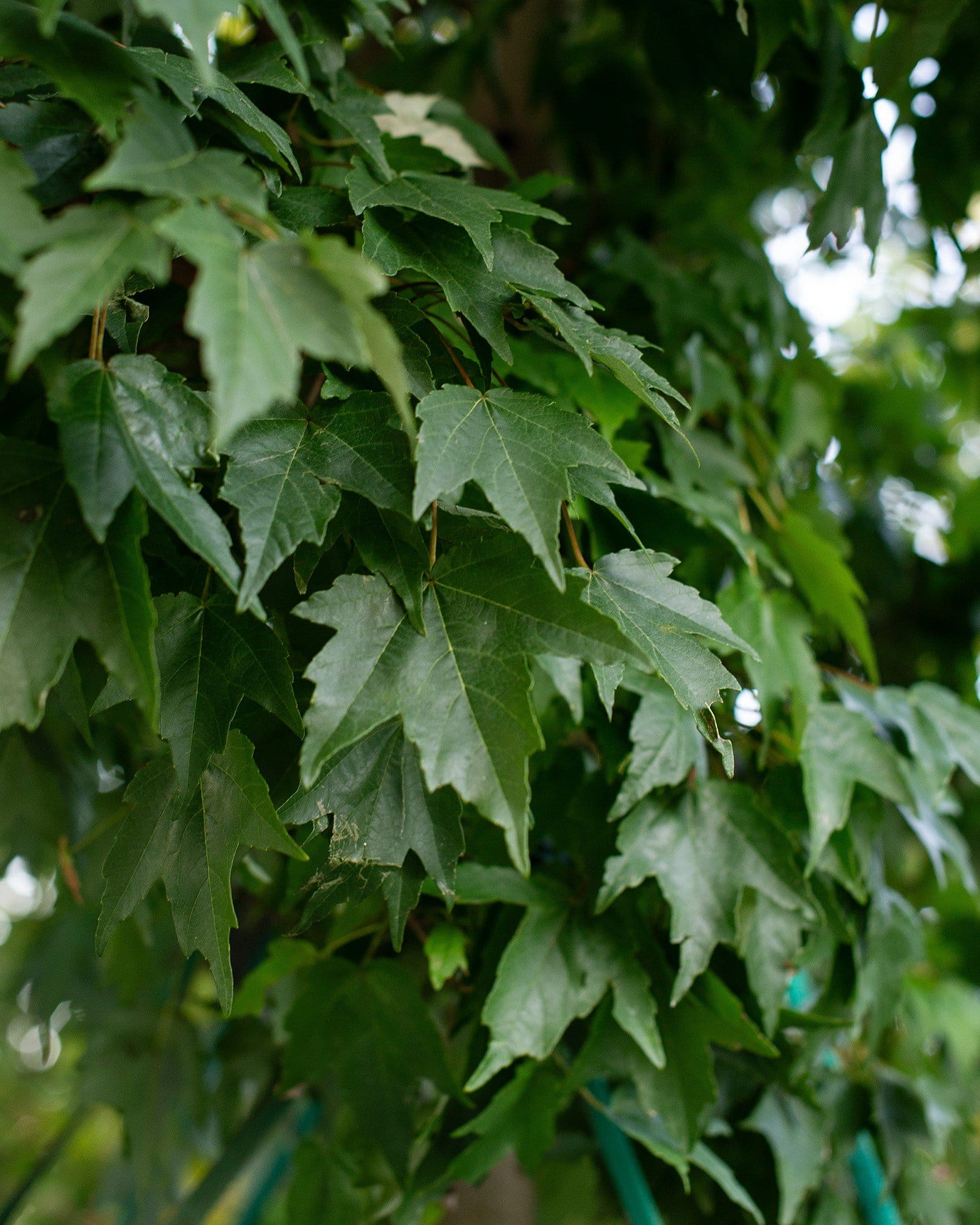
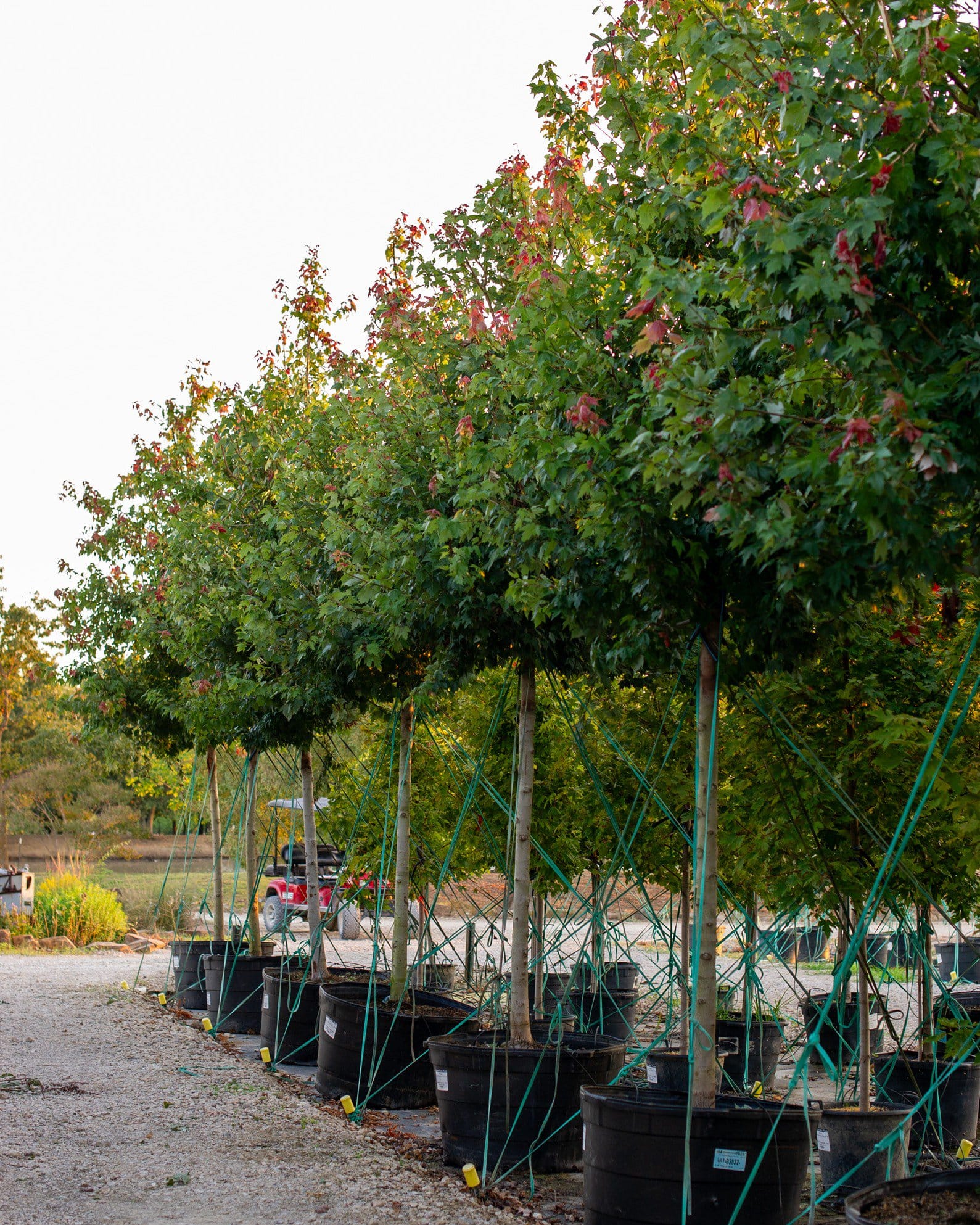
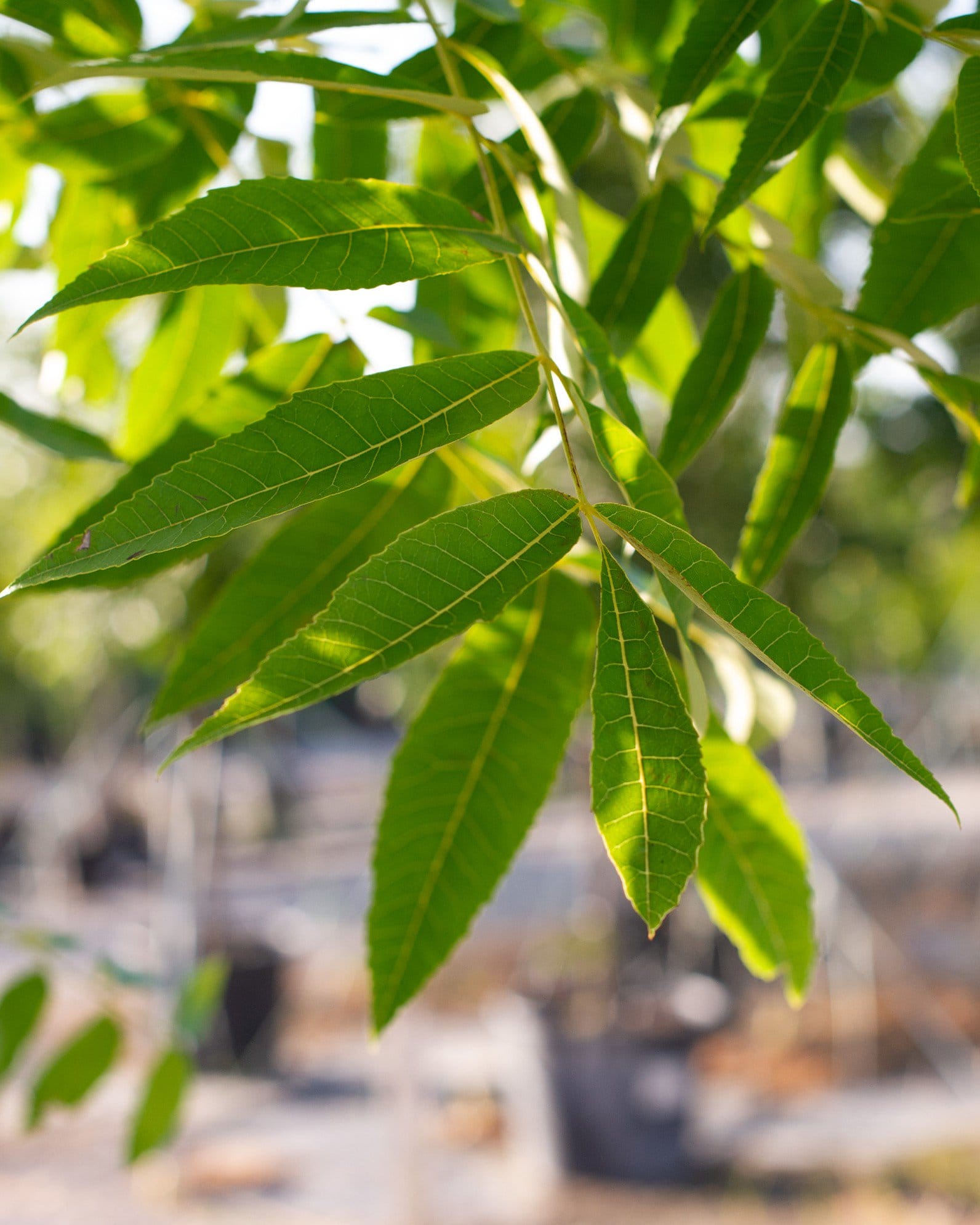
Quercus sp.‘San Carlos’Mexican Red Oak, is a semi-evergreen tree celebrated for its spectacular fall display of red and crimson hues. It forms a broad, rounded canopy at maturity, reaching up to 45 feet in height and spreading around 35 feet wide. Its dense green foliage through spring and summer provides ample shade, while the dramatic fall color adds striking contrast to any landscape. Perfect as a focal point or shade tree for larger residential or commercial plantings.
- Semi-evergreen tree
- Fast growth rate with broad, rounded canopy
- Lush green foliage turning brilliant red in fall
- Excellent shade tree
- Great for residential and commercial landscapes
Scientists originally thought this oak was a type of Quercus sartorii, but its true identity is uncertain. It might even be a completely new species that no one has ever described before. Hardy in USDA zones 7–9, Mexican Red Oak thrives in North Texas conditions. It performs best in full sun and well-drained soil, adapting well to various soil types including rocky and alkaline soils. A beautiful, resilient option that delivers year-round interest, from its strong summer canopy to its show-stopping autumn color.
Maintenance
Mexican Red Oak is beloved for its fast growth and it thrives with only a moderate level of care. Here’s everything it needs to perform beautifully year after year:
- Watering: Water young trees deeply and consistently during the first 2-3 years to help establish a strong, stress-resistant root system. Once mature, Mexican Red Oak becomes reliably drought-tolerant and usually needs supplemental watering only during prolonged dry spells.
- Pruning: Prune in late winter while the tree is dormant to remove dead, crossing, or poorly angled branches. Structural pruning during the early years helps develop a sturdy canopy, but mature trees typically need only light touch-ups unless correcting storm damage or clearance issues.
- Fertilizing: Mexican Red Oak typically thrives in neutral to alkaline soils without regular fertilizer once established. If foliage looks pale or growth slows, apply a light, slow-release, balanced fertilizer in early spring to reinvigorate leaf color and canopy density, but avoid excessive nitrogen.
- Mulching: Apply a 2-3 inch mulch layer around the base to preserve soil moisture, moderate soil temperature, and reduce weed competition. Extend the mulch ring outward as the tree grows to protect its shallow feeder roots.
- Winter Care: Mexican Red Oak is very cold-tolerant throughout its range and requires no special winter protection once established. Young trees may benefit from temporary trunk wrap during unusually harsh winters to prevent sunscald.
Common Issues and How to Take Care of Them
Mexican Red Oak is tough and adaptable, but a handful of manageable issues can appear in challenging weather or tight urban sites:
- Powdery Mildew: A white, powdery coating appears on leaves in shaded, humid areas. Improve air circulation and avoid wetting leaves to keep foliage healthy.
- Oak Galls: Oak galls are abnormal growths of plant tissue, similar to tumors, that develop when the plant is exposed to minute amounts of hormone-like chemicals released by the organisms that create them. While fungi, bacteria, nematodes, and mites can all be gall makers, insects are the primary culprits. Galls can form on roots, flowers, bark, or buds, but the ones appearing on leaves and twigs are the most easily noticed. A common example for Live Oaks is the Mealy Oak Gall, which appears as hard, tan, marble sized orbs that can remain attached to the outer twigs for a long time. The specific gall maker for the Mealy Oak Gall is a tiny cynipid wasp. Gardeners shouldn't worry about the term "wasp," as this insect is similar in size, harmless and does not sting.
- Scale: Bumpy, waxy insects attach to stems and feed on sap, causing yellowing leaves. Apply horticultural oil or insecticidal soap to control populations.
- Spider Mites: Tiny pests that can cause foliage discoloration during hot, dry weather. Rinse foliage with water or use insecticidal soap if infestations persist. Encouraging beneficial insects, like ladybugs, can also help keep mite populations under control.
- Borers: Insects that tunnel throughout the wood, weakening it and disturbing the flow of nutrients.
Mexican Red Oaks typically live 60-100 years in well-cared-for landscapes, offering a long window of shade and color. Their dependable lifespan makes them a meaningful, lasting addition to both residential and commercial properties.
They grow quickly - often 1-2 feet per year - and reach a mature canopy form in 20-30 years.
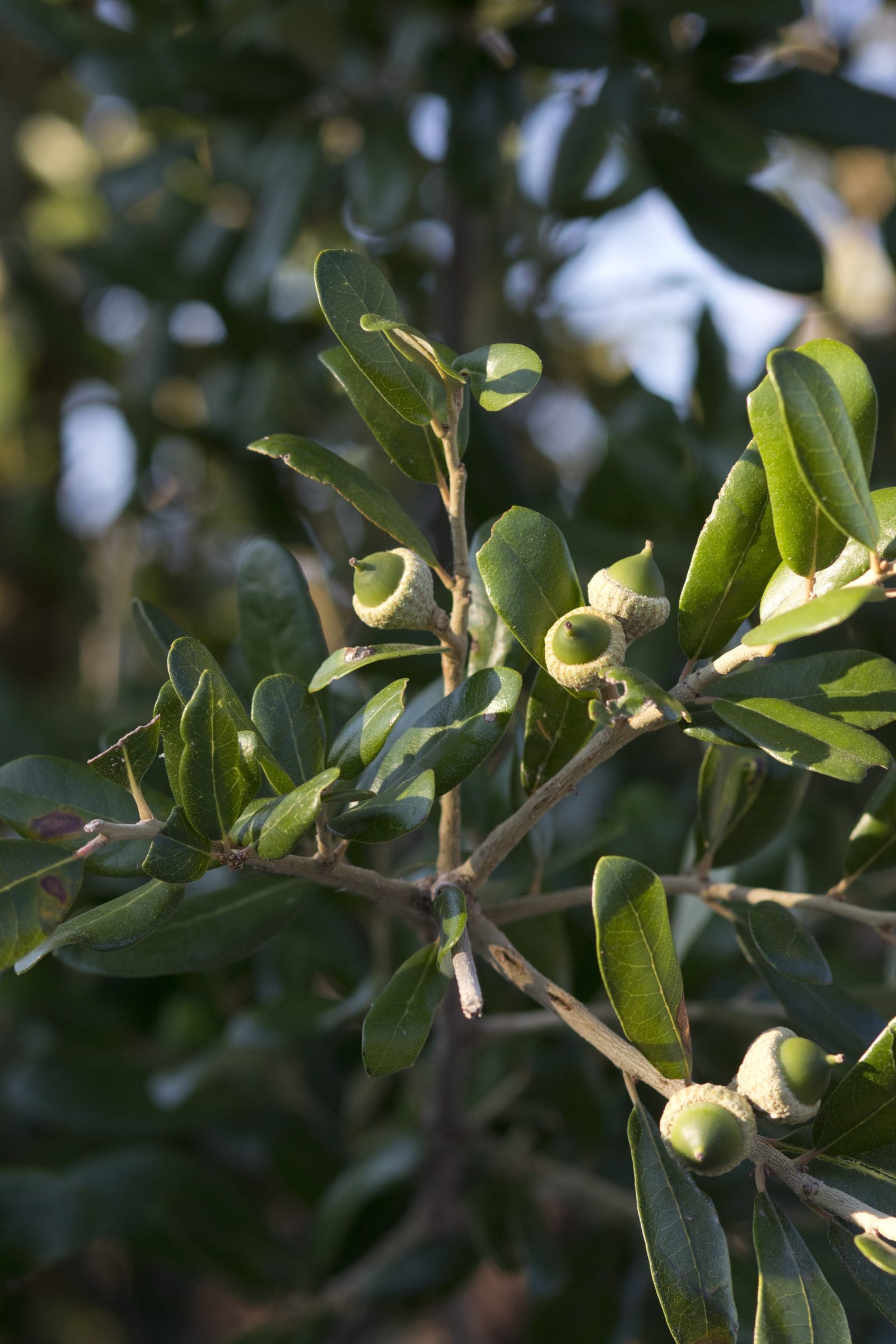
Its spring catkins provide valuable pollen for bees and beneficial insects, while birds and small mammals appreciate the acorns as a seasonal food source. The canopy also offers shelter for nesting wildlife.
While young foliage can be attractive to deer, mature leaves generally become much less appealing. A simple barrier in the early years ensures trouble-free establishment.
The primary difference between Quercus polymorpha and Quercus sp. 'San Carlos' lies in their specific characteristics and origin, though both are related oaks. Quercus polymorpha, commonly known as the Mexican White Oak or Monterrey Oak, is a medium to large semi-evergreen or nearly deciduous tree native to Mexico and a small part of Texas. It is highly valued in landscaping for its resistance to oak wilt (as a white oak group member), drought tolerance once established, and adaptability to various soils, often having leathery leaves that can vary in shape (which is why its species name means "many forms"). In contrast, Quercus sp. 'San Carlos' is a particular selection or probable species collected from the San Carlos Mountains in Tamaulipas, Mexico, and its exact taxonomic identity is still inconclusive, sometimes being affiliated with Quercus sartorii. A key distinguishing ornamental feature of 'San Carlos' is its striking hot pink new foliage; furthermore, it is noted for being a hardy variety that thrives in rocky, alkaline soil and is particularly recommended for Central and South Texas, suggesting a specific adaptation and greater cold/drought hardiness than perhaps the general species of Q. polymorpha in some regions. While both are Mexican oaks used in Texas landscapes for their desirable traits, Q. polymorpha is the accepted species known for its variable leaves and semi-evergreen nature, while 'San Carlos' is a specific selection prized for its distinctive hot pink new growth and regional hardiness.
It performs beautifully in groups, alleys, or large-scale plantings thanks to its upright form and fast, uniform growth. Rows of Mexican Red Oak create striking seasonal color and long corridors of shade.
Companion plants such as Monterrey Oak, Cedar Elm, and drought-tolerant shrubs blend naturally with its form and seasonal color.
It adapts well to compacted soil, reflected heat, and city conditions while maintaining strong growth.
Young Mexican Red Oaks transplant very well due to their manageable root systems. Older trees can be moved, but professional handling ensures the highest success rate.
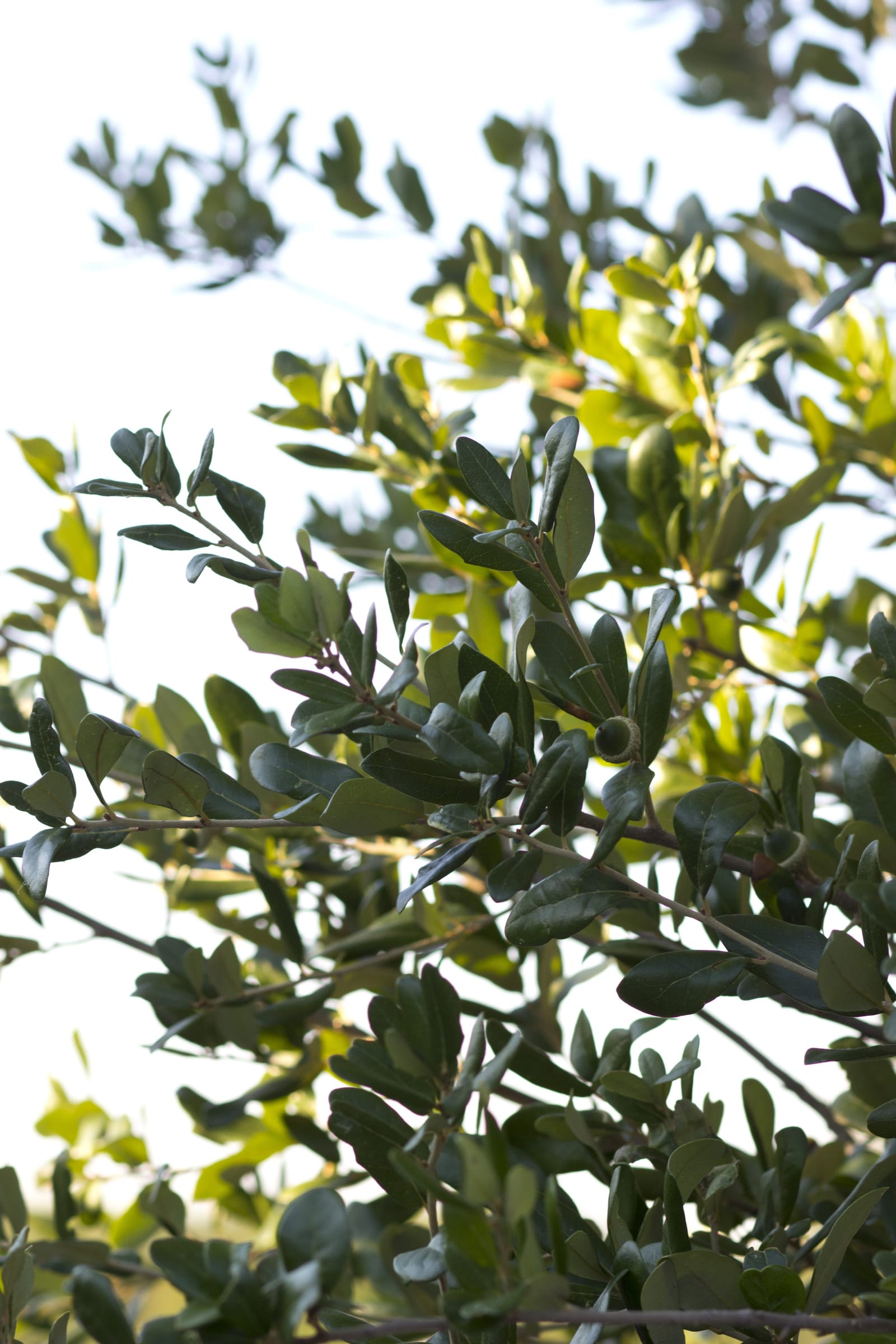
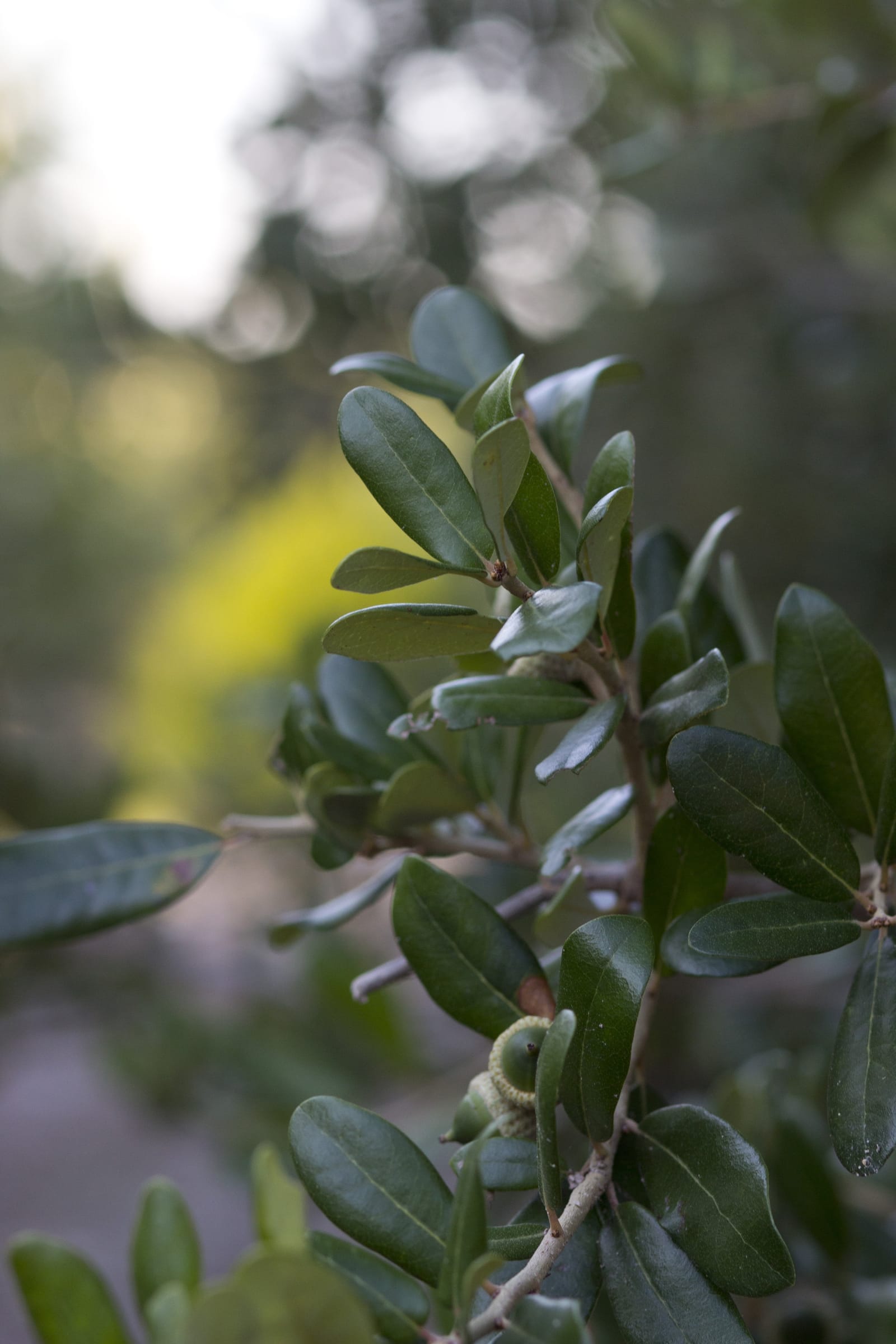
Its blend of fast growth, deep green glossy leaves which are held all year long and branching structure like a Shumard Red Oak sets it apart in the oak family. It brings a rare mix of beauty and toughness that fits perfectly into Texas landscapes.
Special Features
You might also like
Lacey Oak
Maturity: 25' H x 15' W
Monterrey Oak
Maturity: 45' H x 35' W
Texas Live Oak
Maturity: 30' H x 30' W
Bur Oak
Maturity: 60' H x 50' W
Chinquapin Oak
Maturity: 50' H x 40' W
Live Oak Multi-Trunk
Maturity: 50' H x 60' W
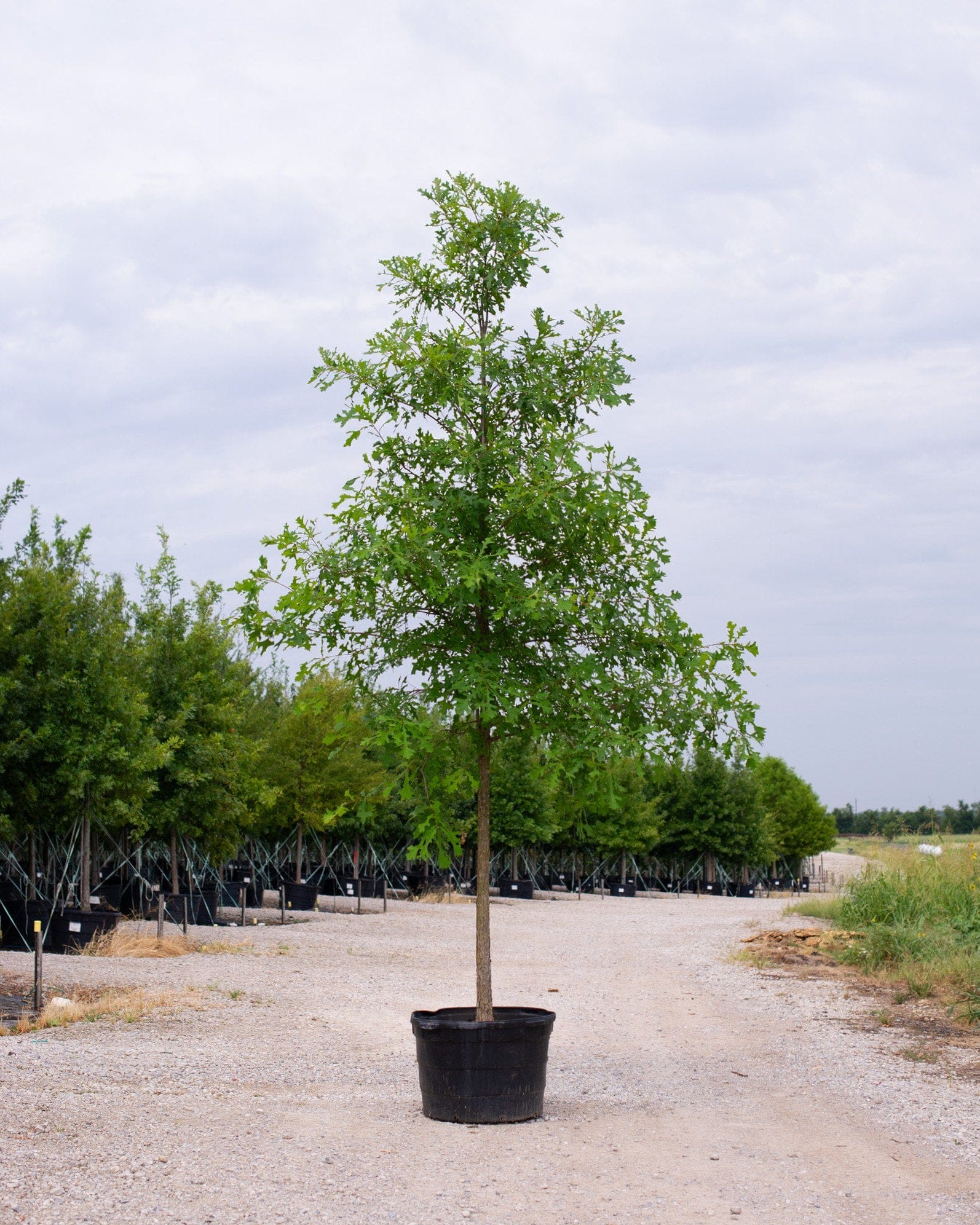
Overcup Oak
Maturity: 45' H x 35' W
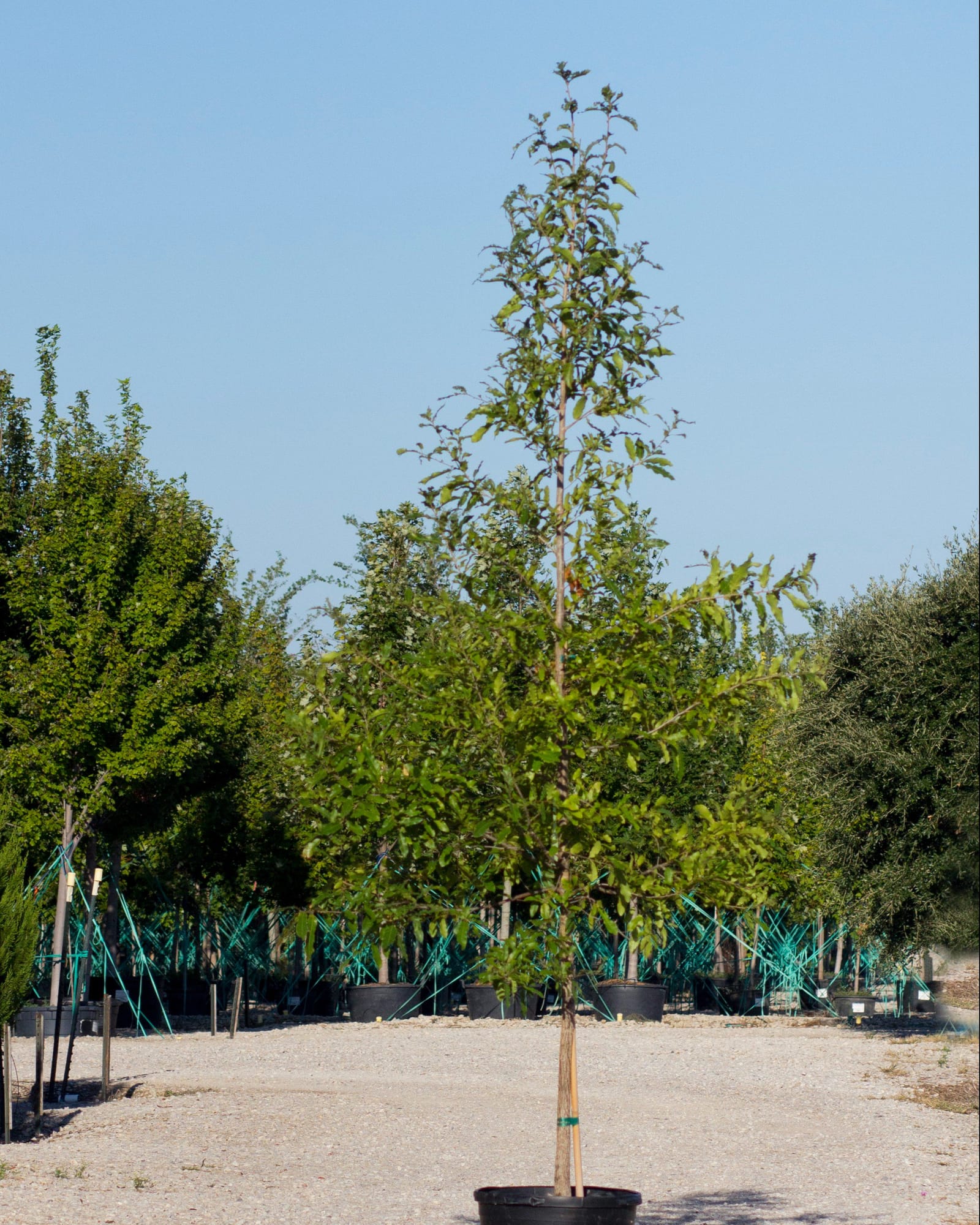
Sawtooth Oak
Maturity: 45' H x 35' W
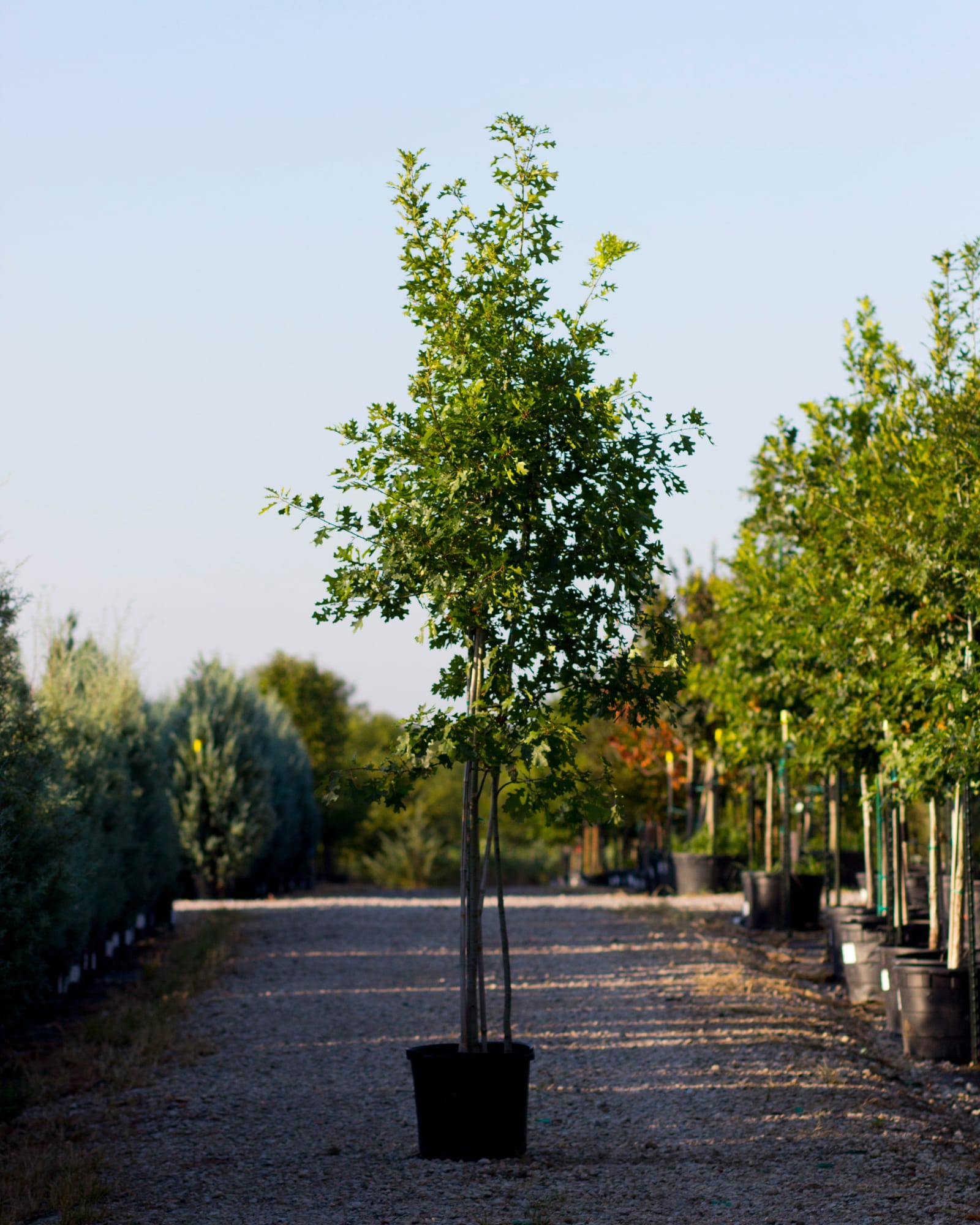
Shumard Red Oak Multi-Trunk
Maturity: 60' H x 50' W
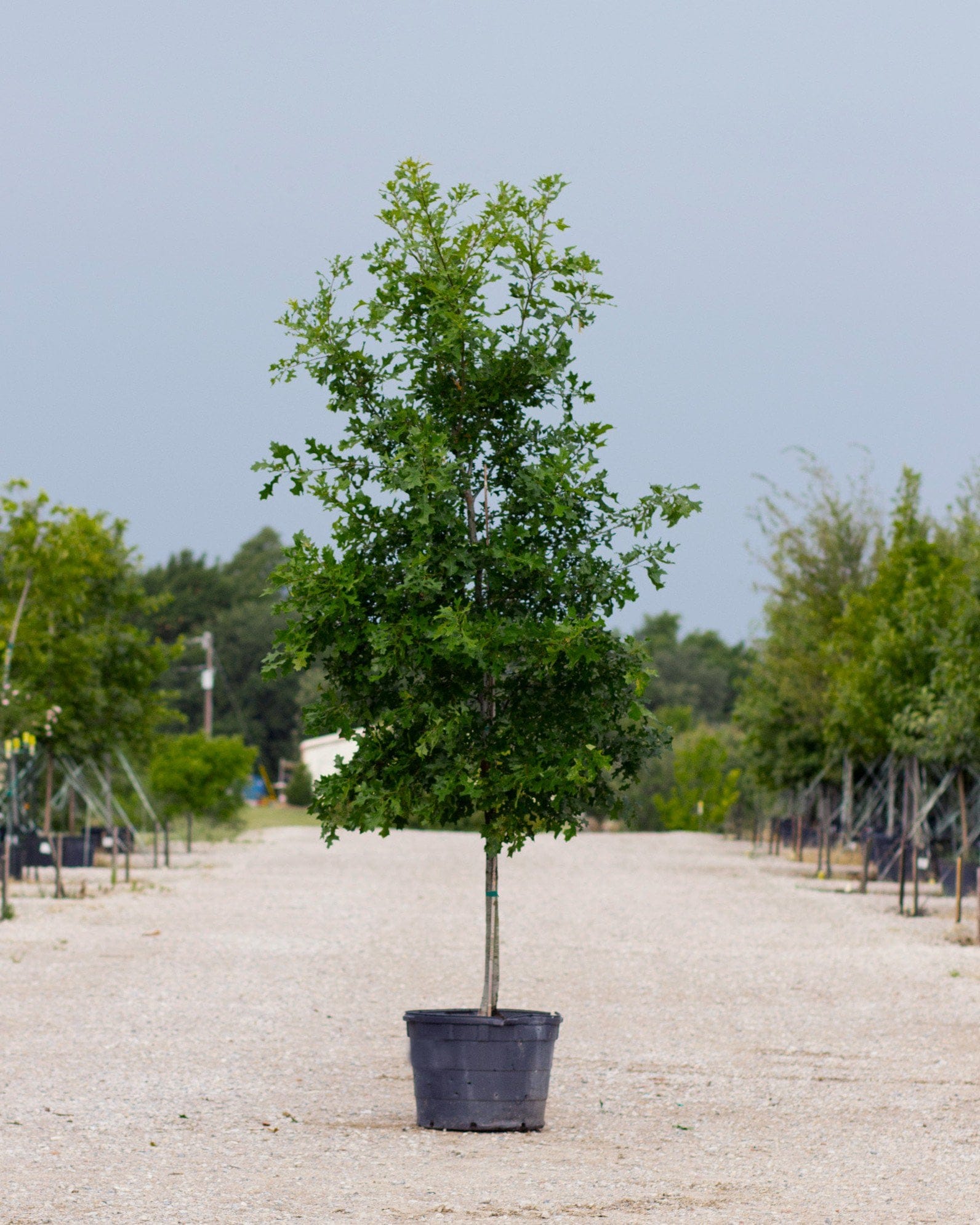
Texas Red Oak
Maturity: 45' H x 35' W
Willow Oak
Maturity: 60' H x 50' W
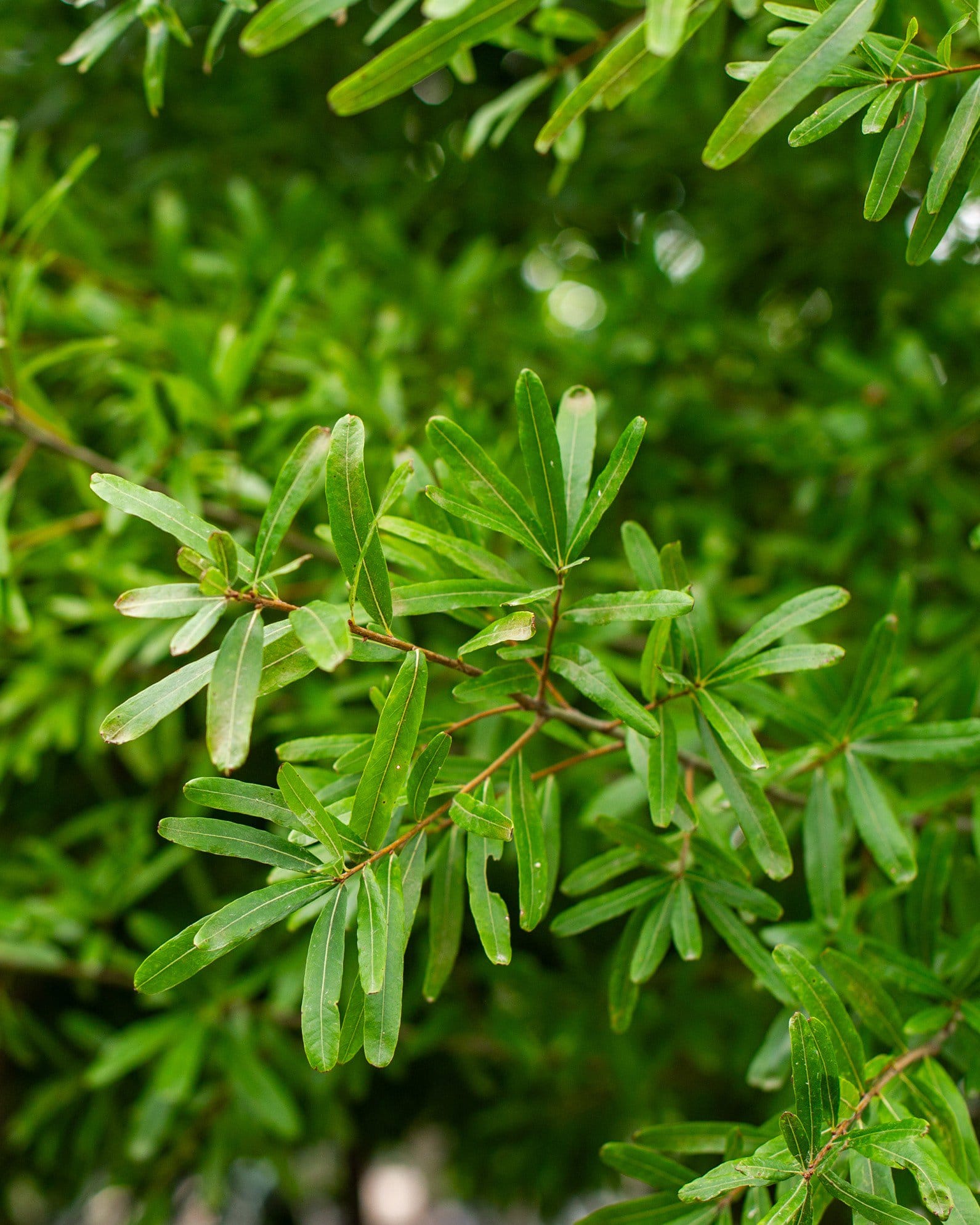
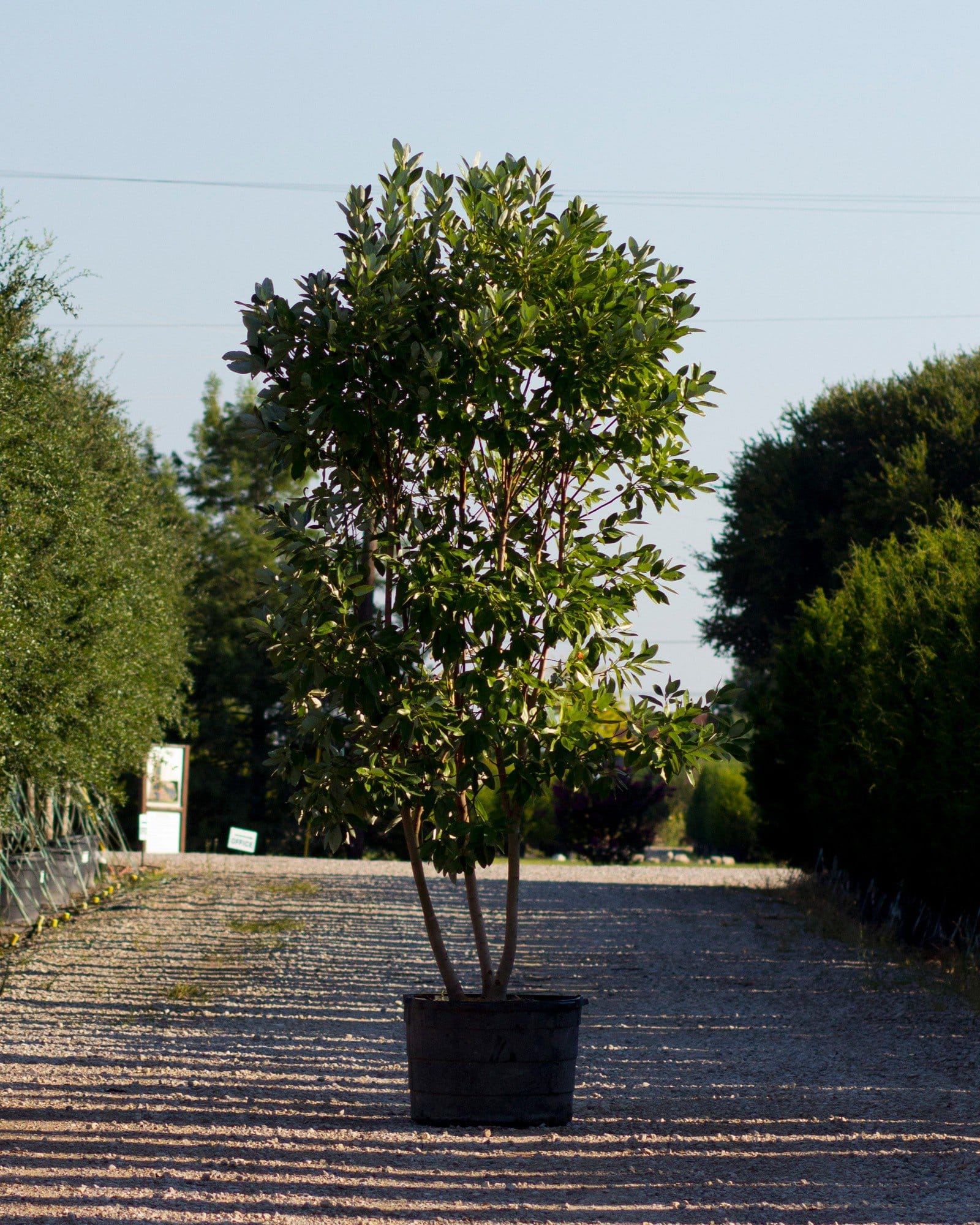
Sweet Bay Magnolia Moonglow
Maturity: 20' H x 10' W
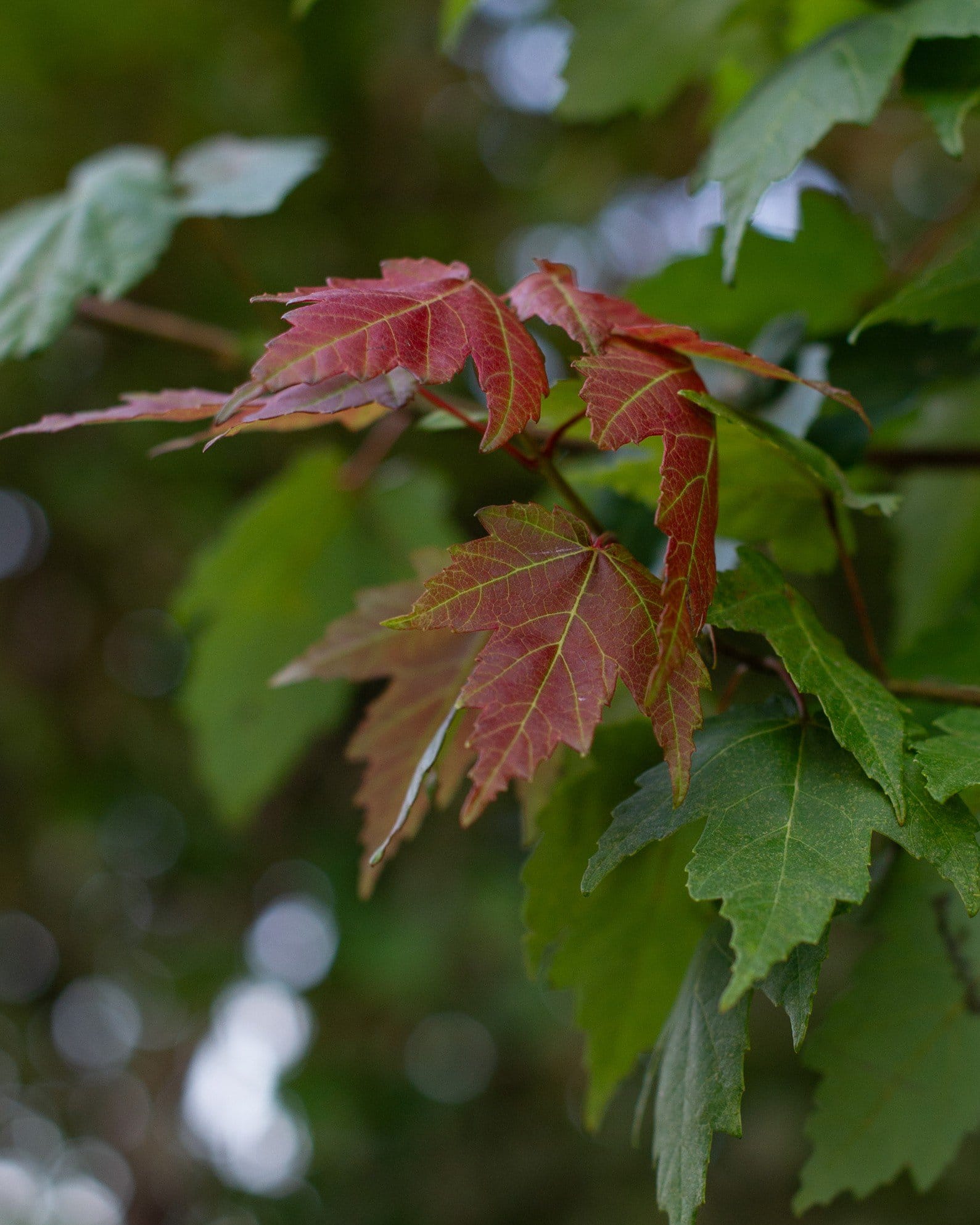
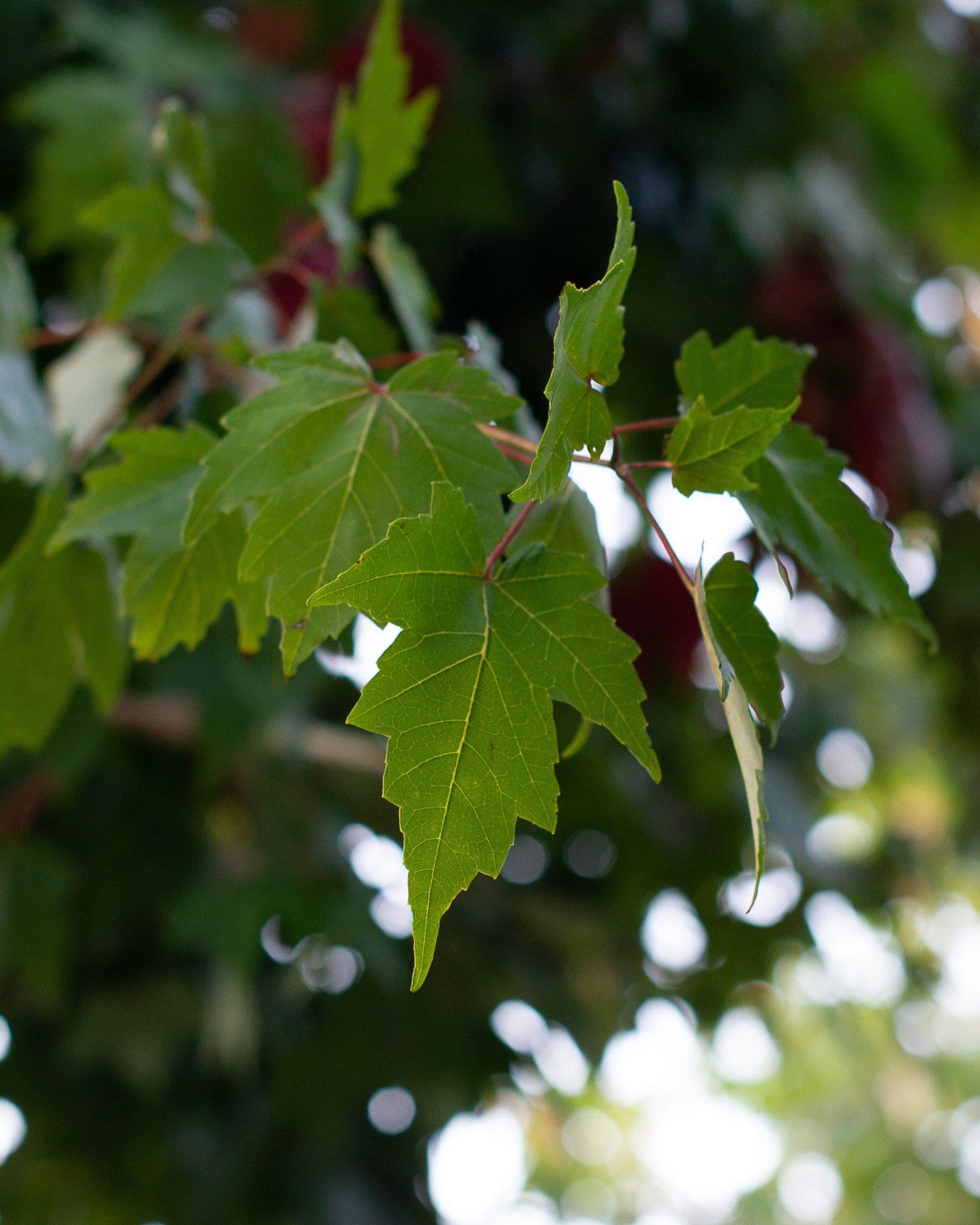
Autumn Flame Maple
Maturity: 45' H x 35' W
Bald Cypress
Maturity: 60' H x 40' W
Caddo Pecan
Maturity: 60' H x 40' W
Compare Similar Plants
Mexican Red Oak This plant | ||
|---|---|---|
| Scientific Name | Quercus sp.‘San Carlos’ | Quercus laceyi |
| Size at Maturity | 45' H x 35' W | 25' H x 15' W |
| Leaf Retention | Semi-Evergreen | Semi-Evergreen |
| Sizes Available | — | 15, 30, 45, 65 gal |


Our 1-Year Planting Guarantee
We take pride in our plants and installation services. If any plants or trees installed by Treeland fail to thrive within the first year, we'll provide a replacement credit in accordance with our guarantee program.
Learn More About Our Guarantee