
 Texas Native
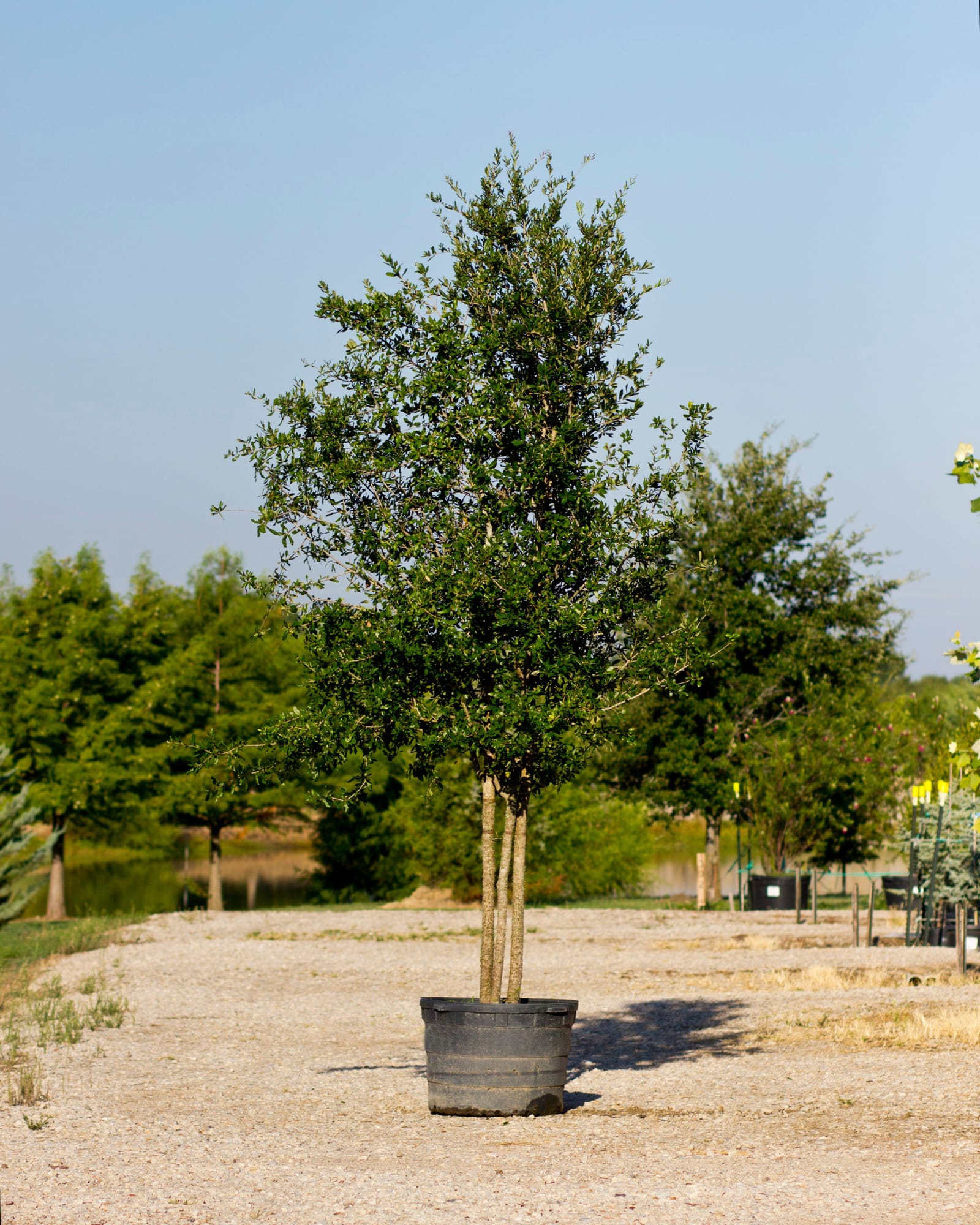
Live Oak Multi-Trunk
Quercus virginianaLocal DFW Delivery Only
Product Details
Live Oak Multi-Trunk
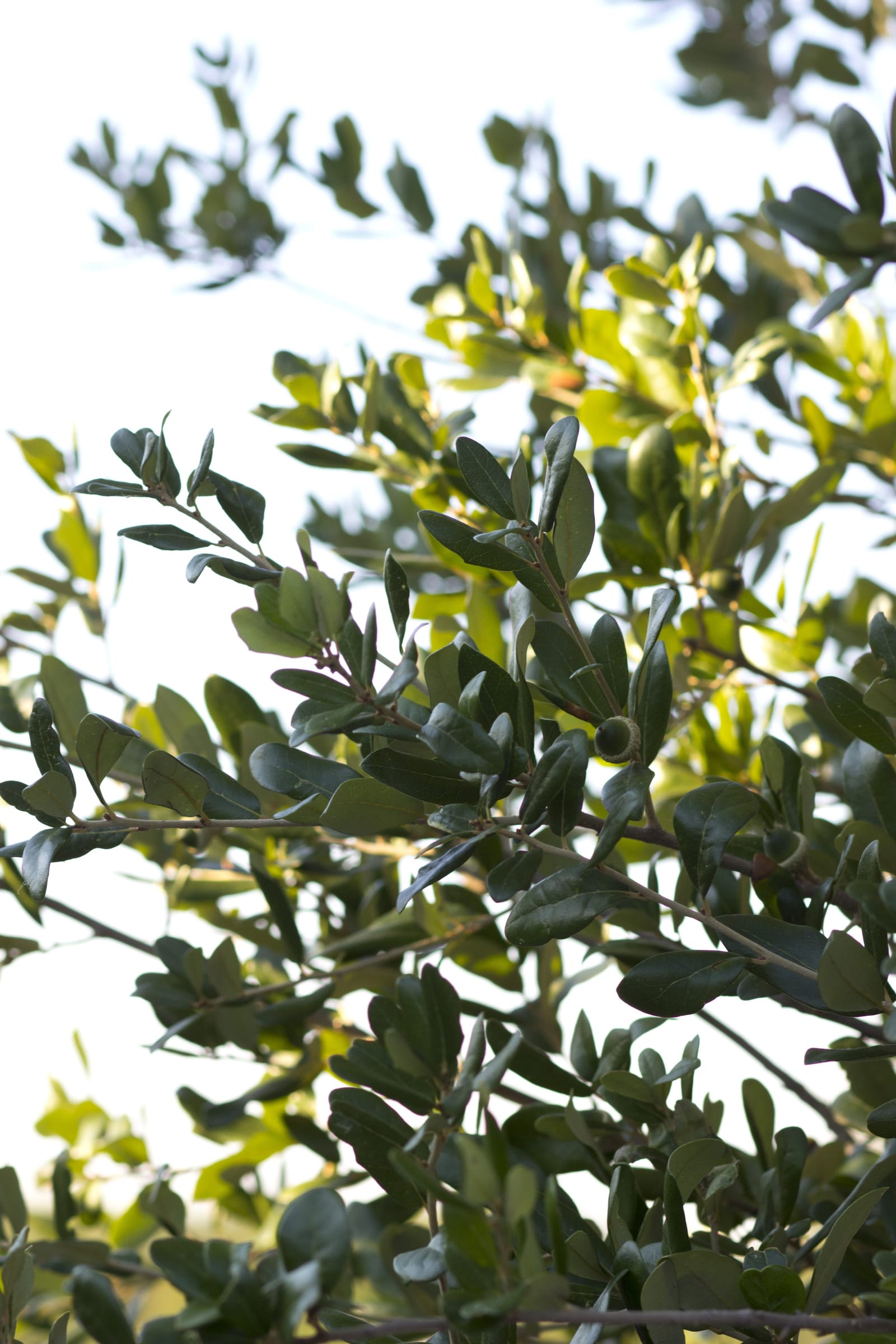
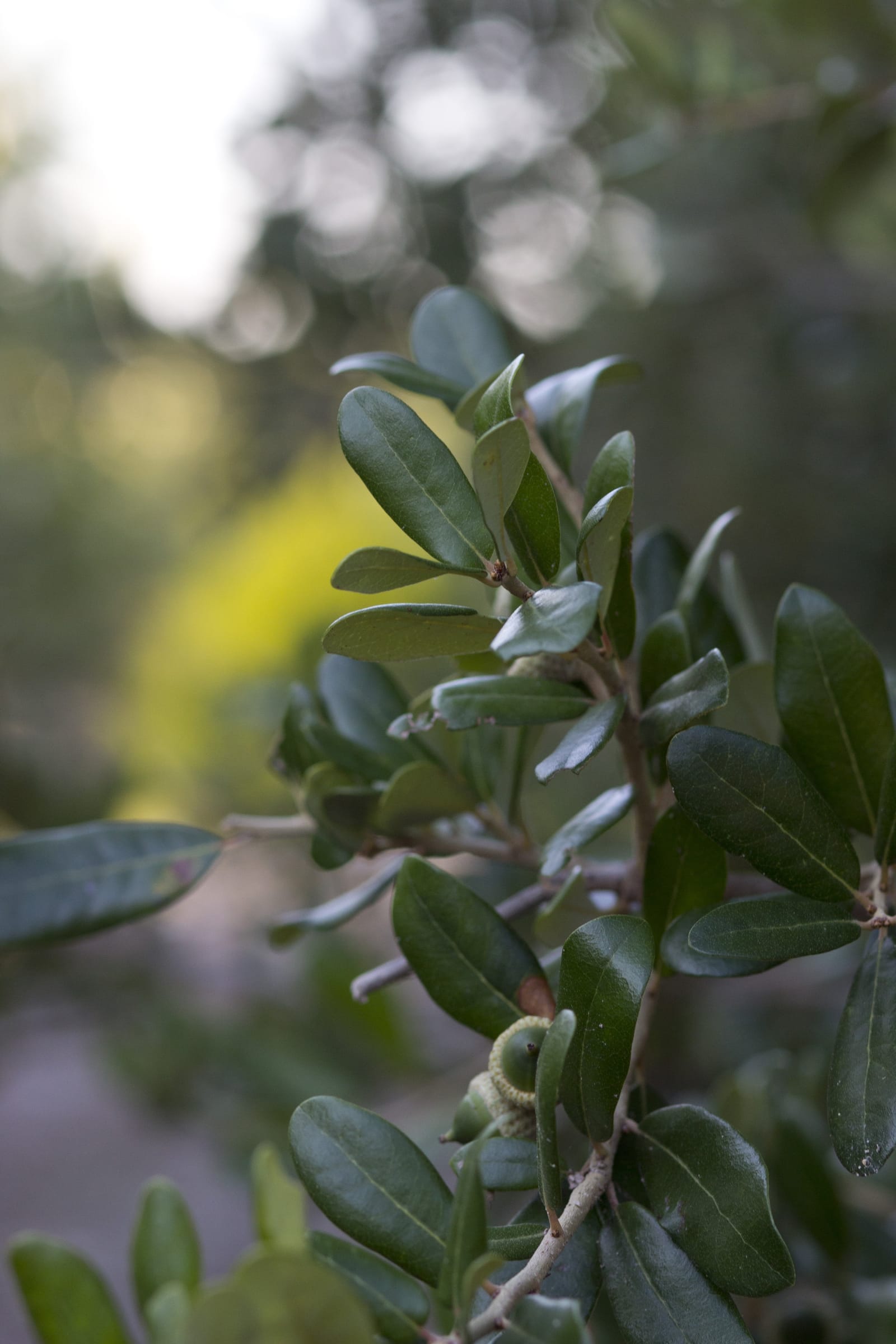
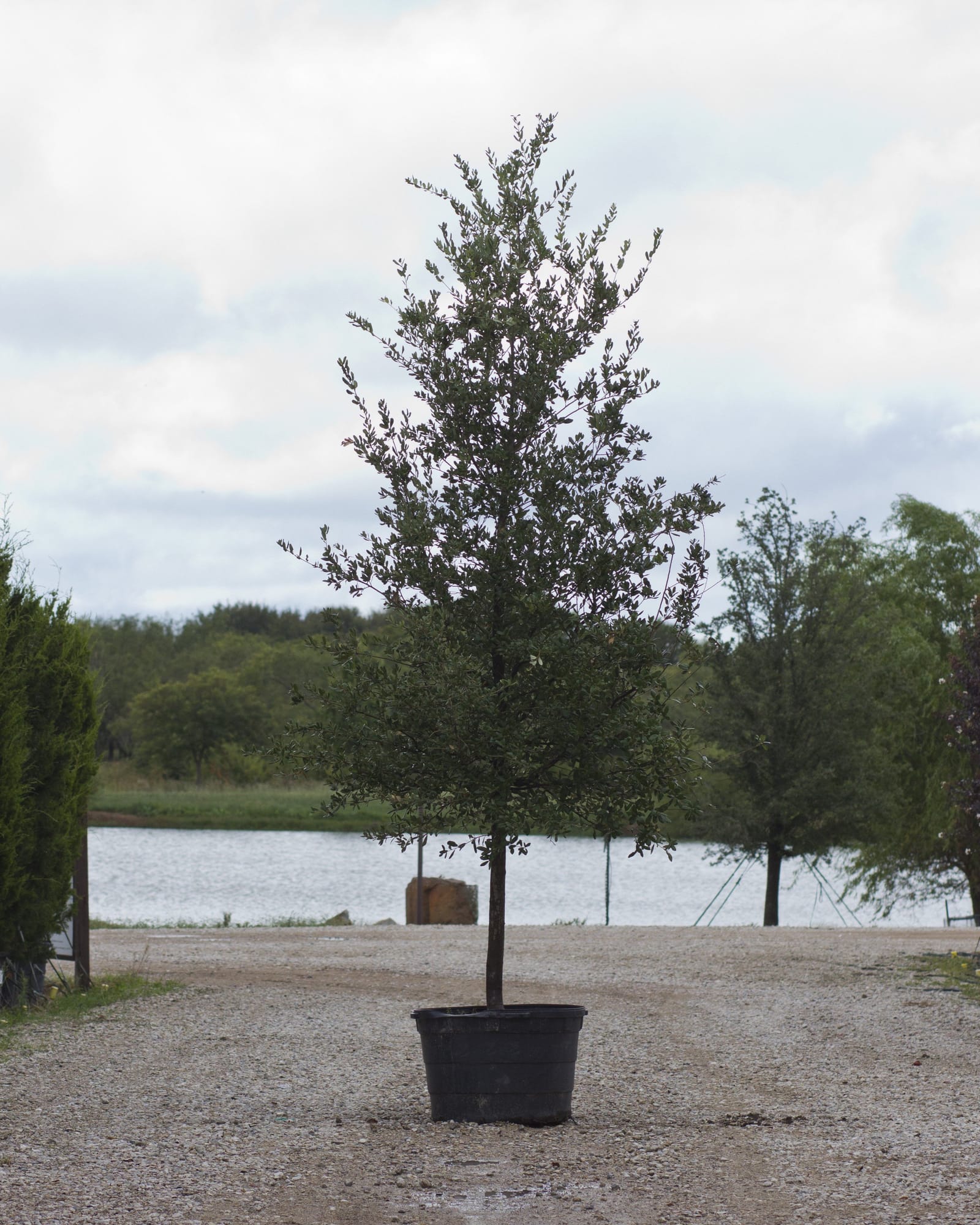
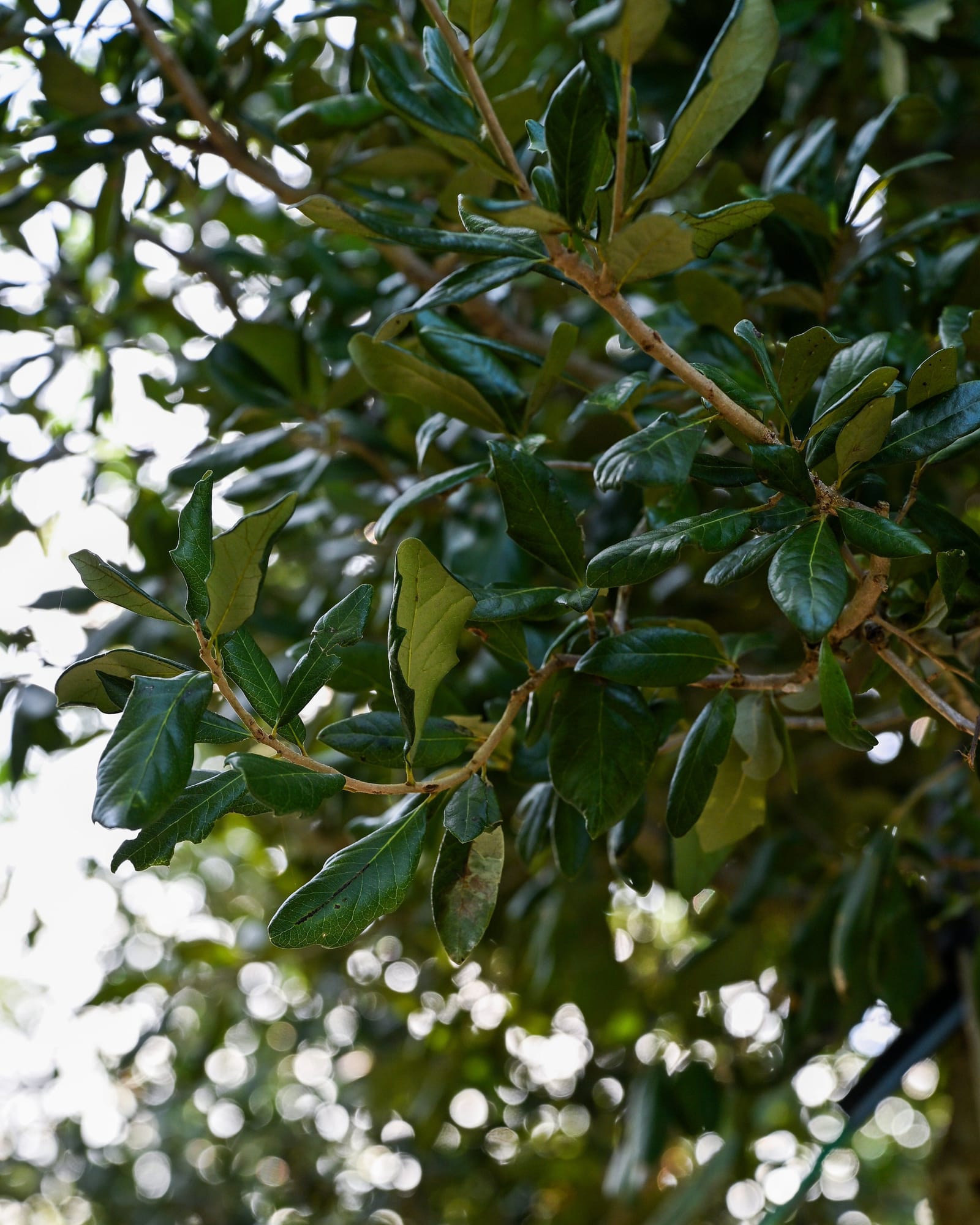
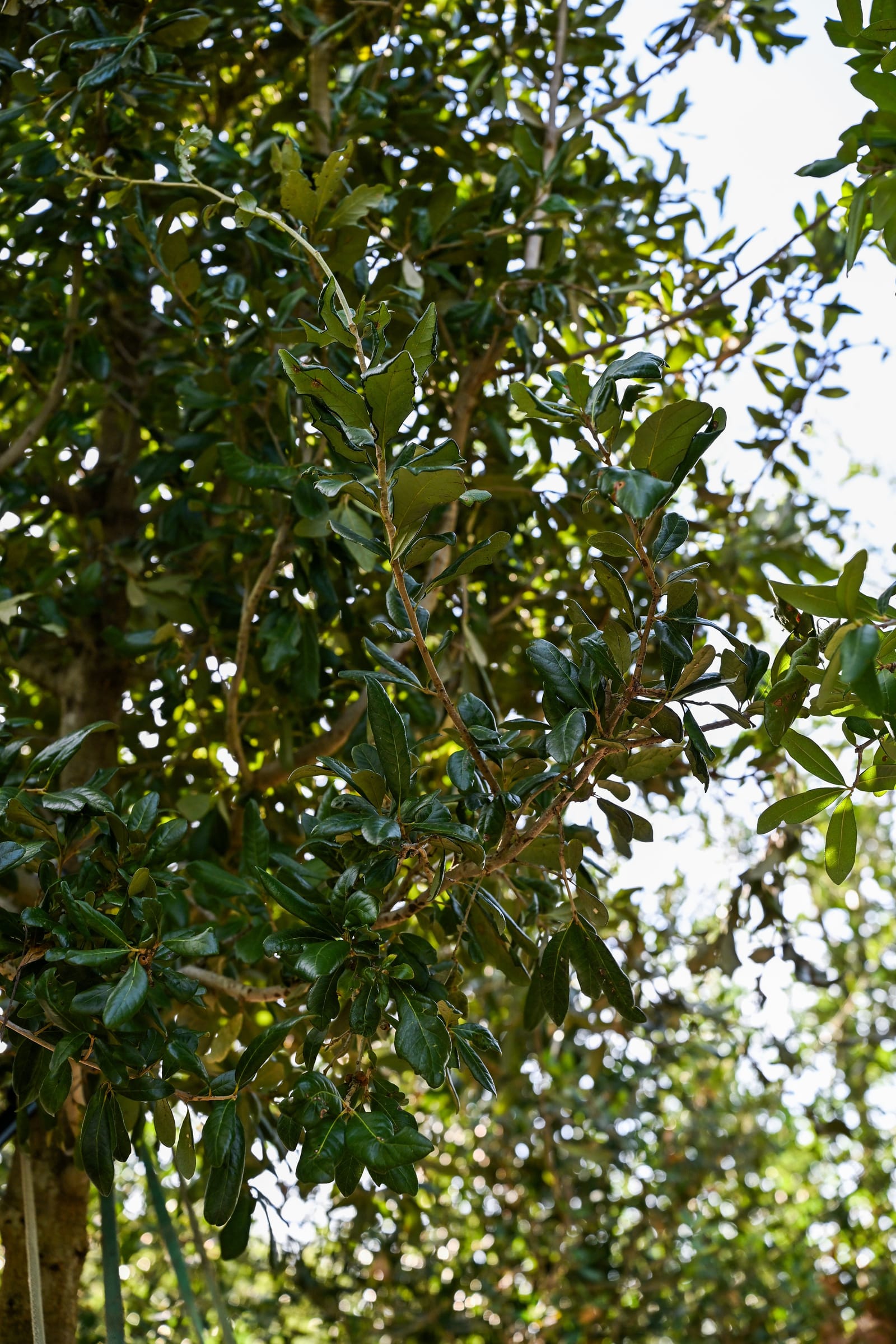
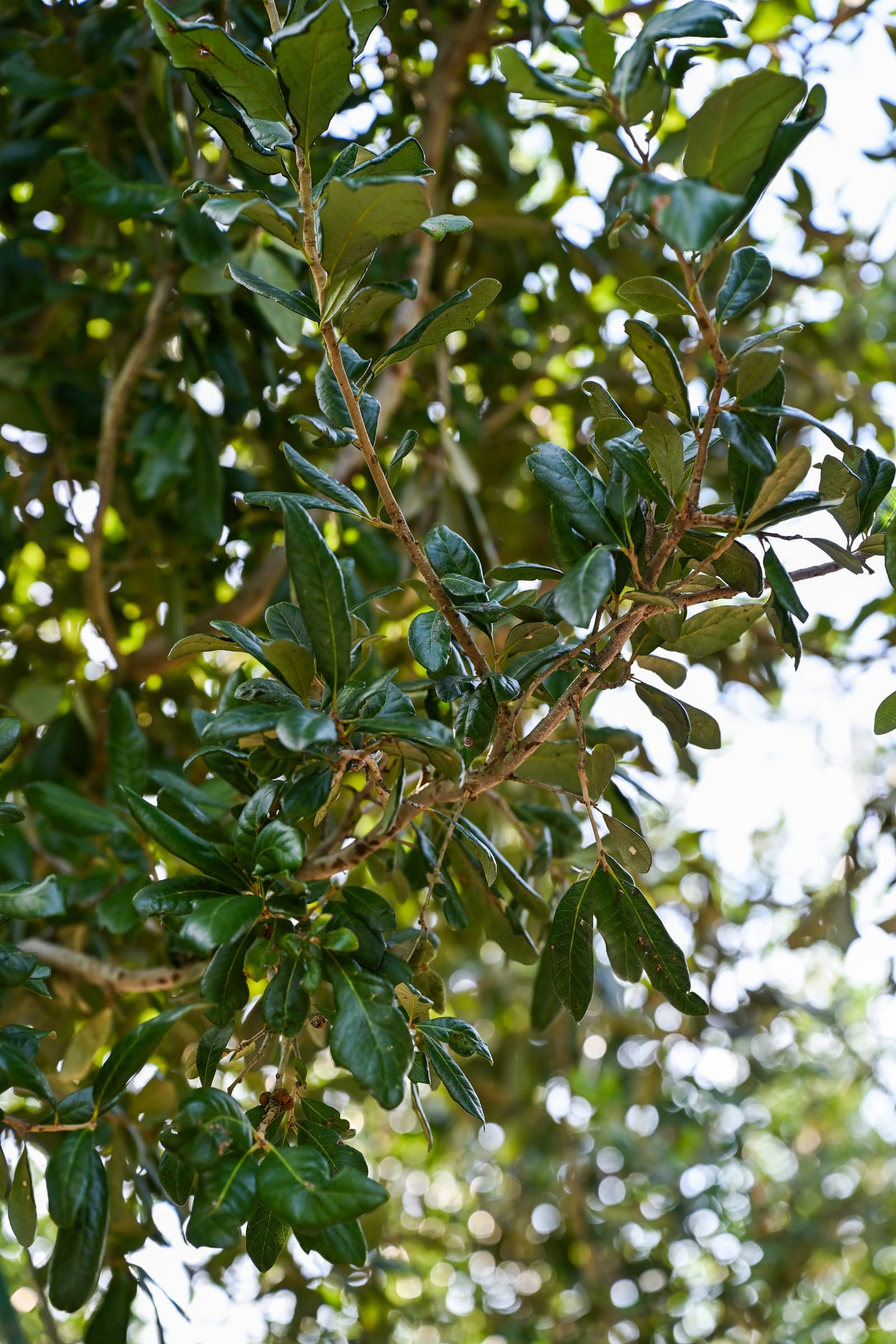
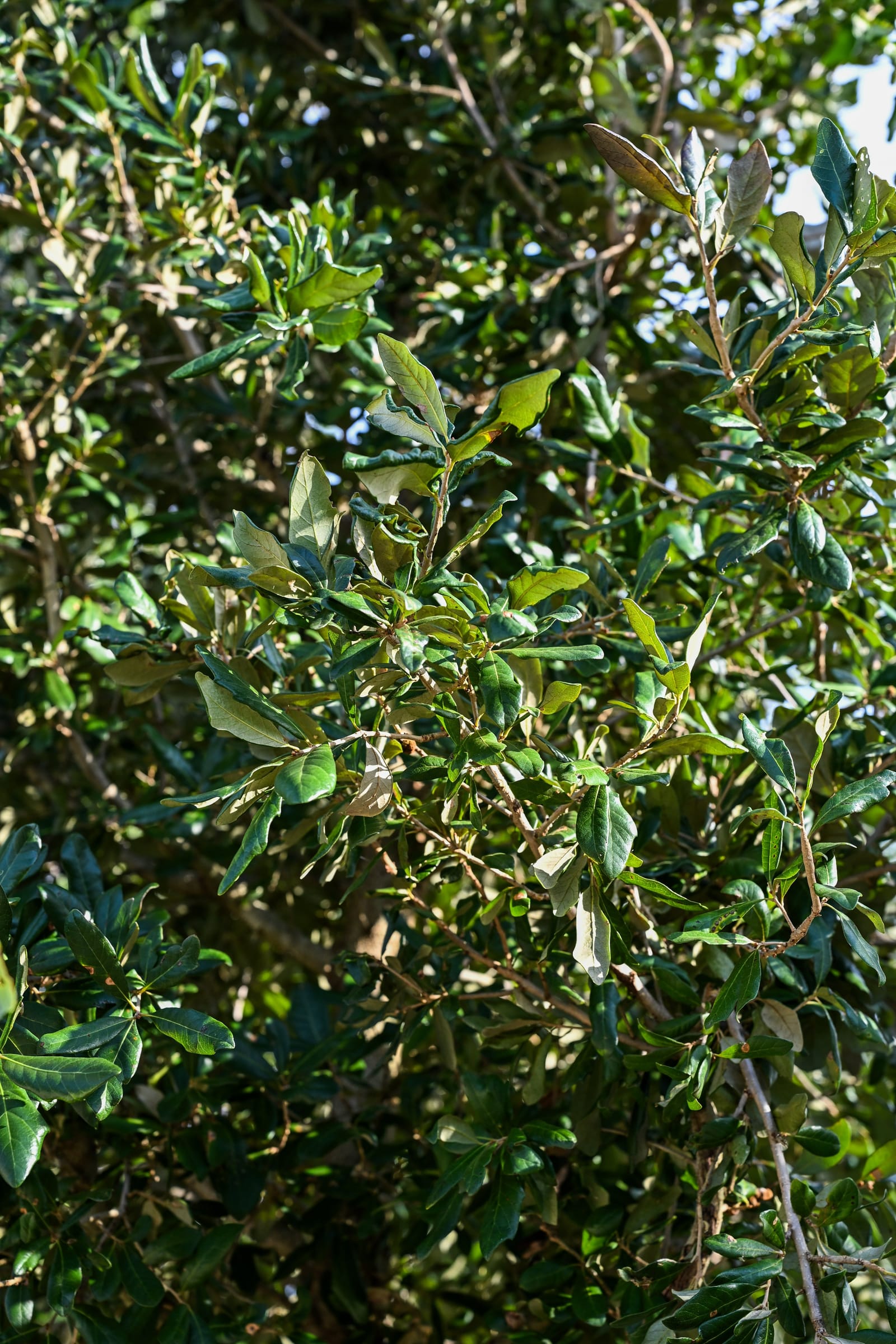
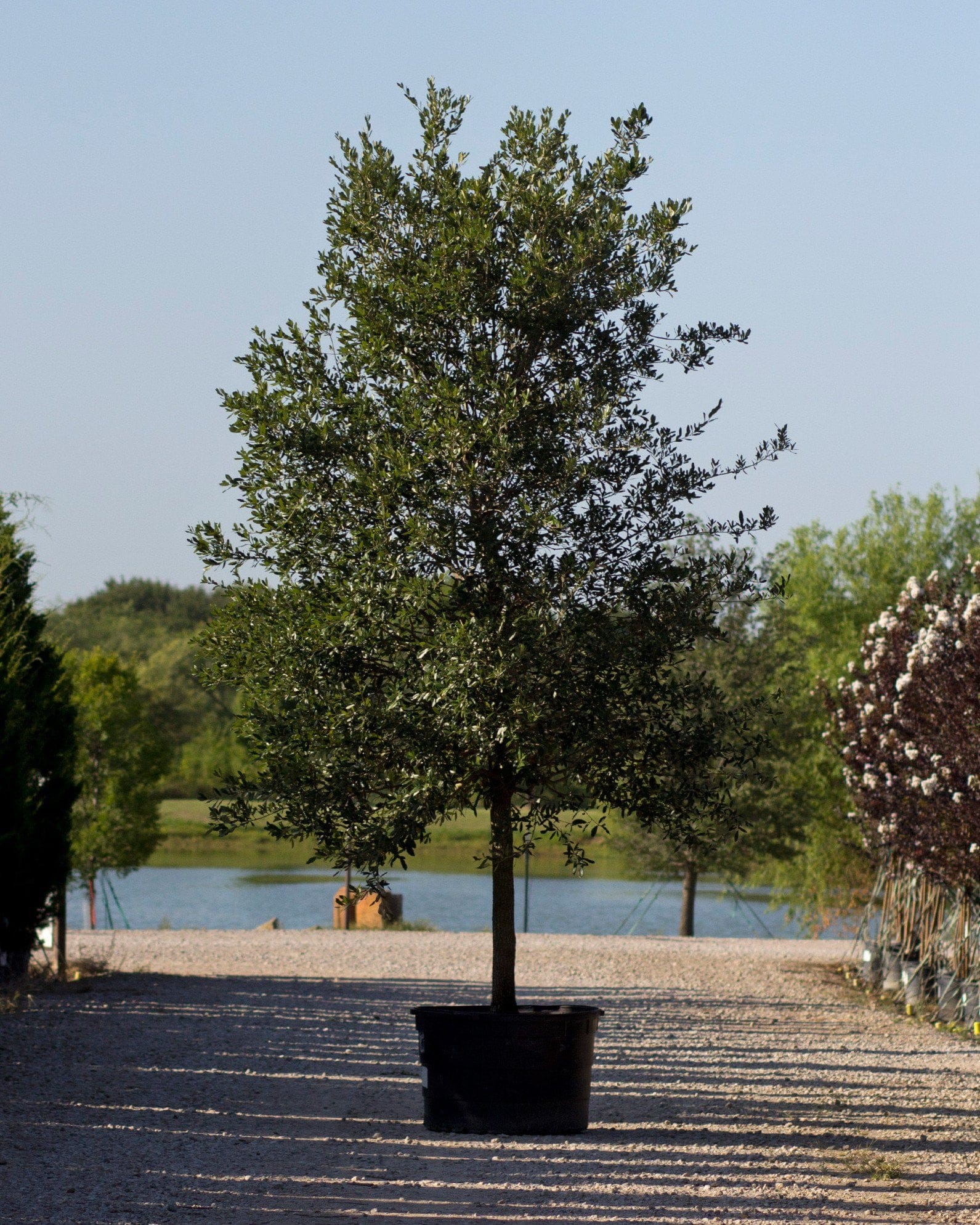
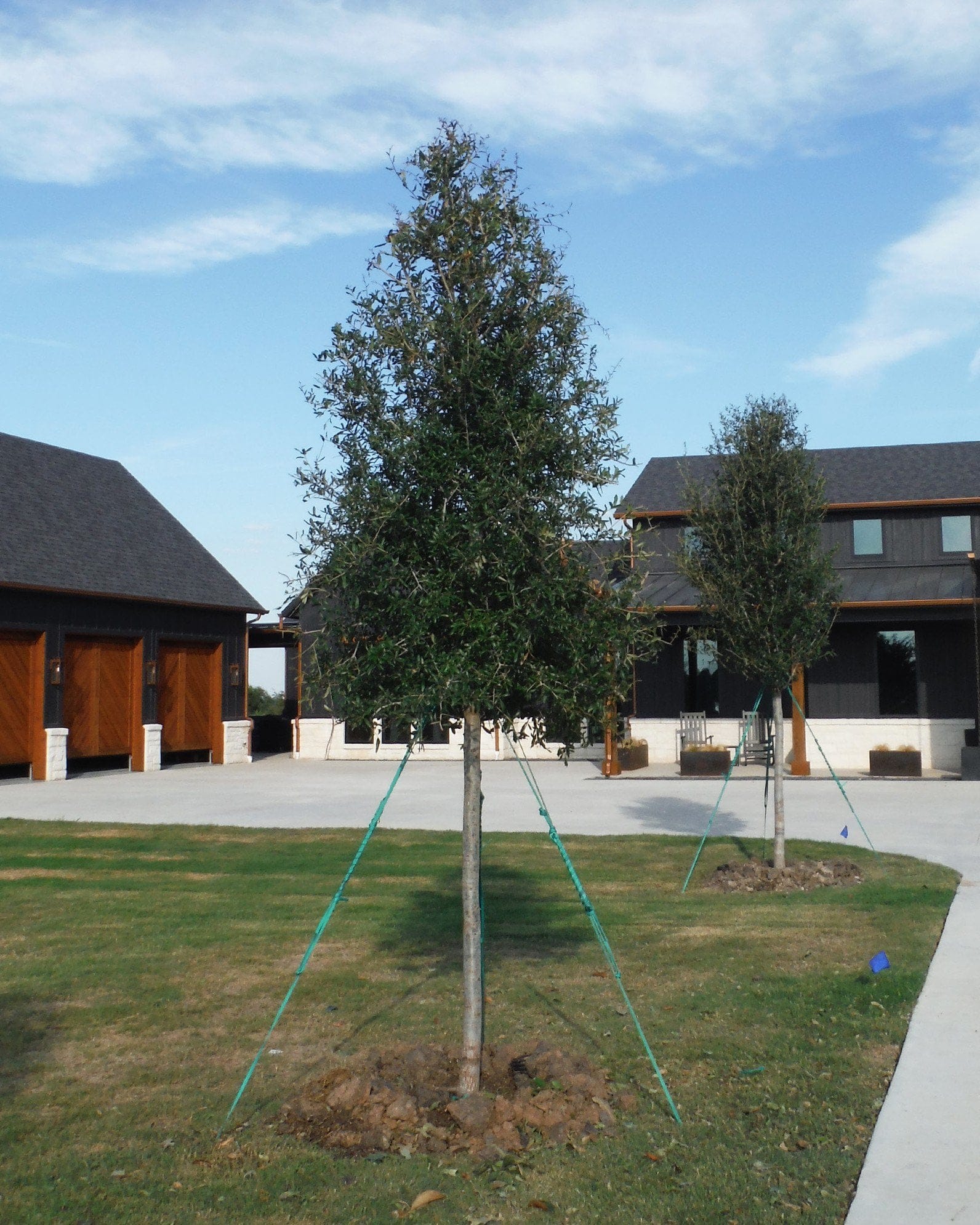
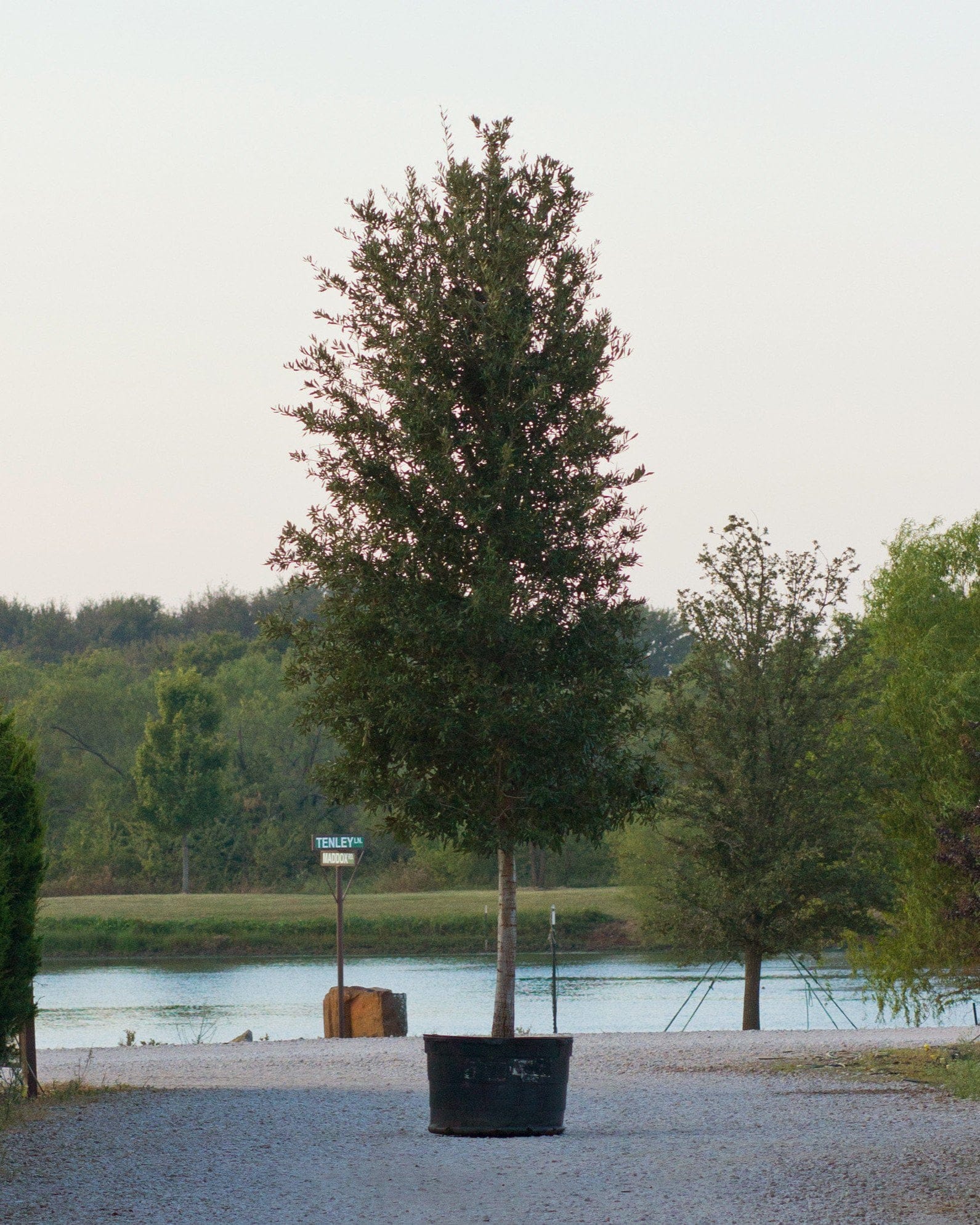
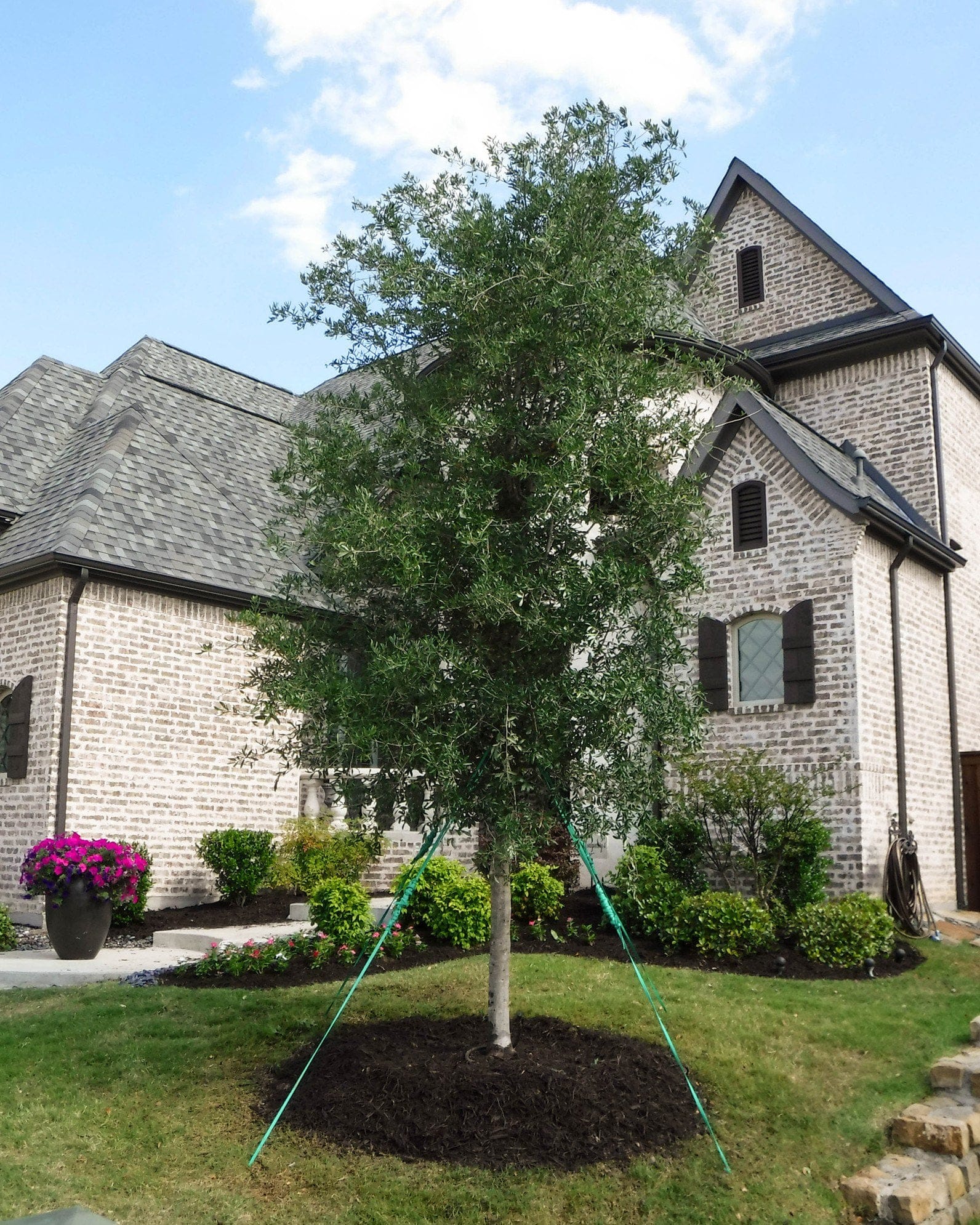
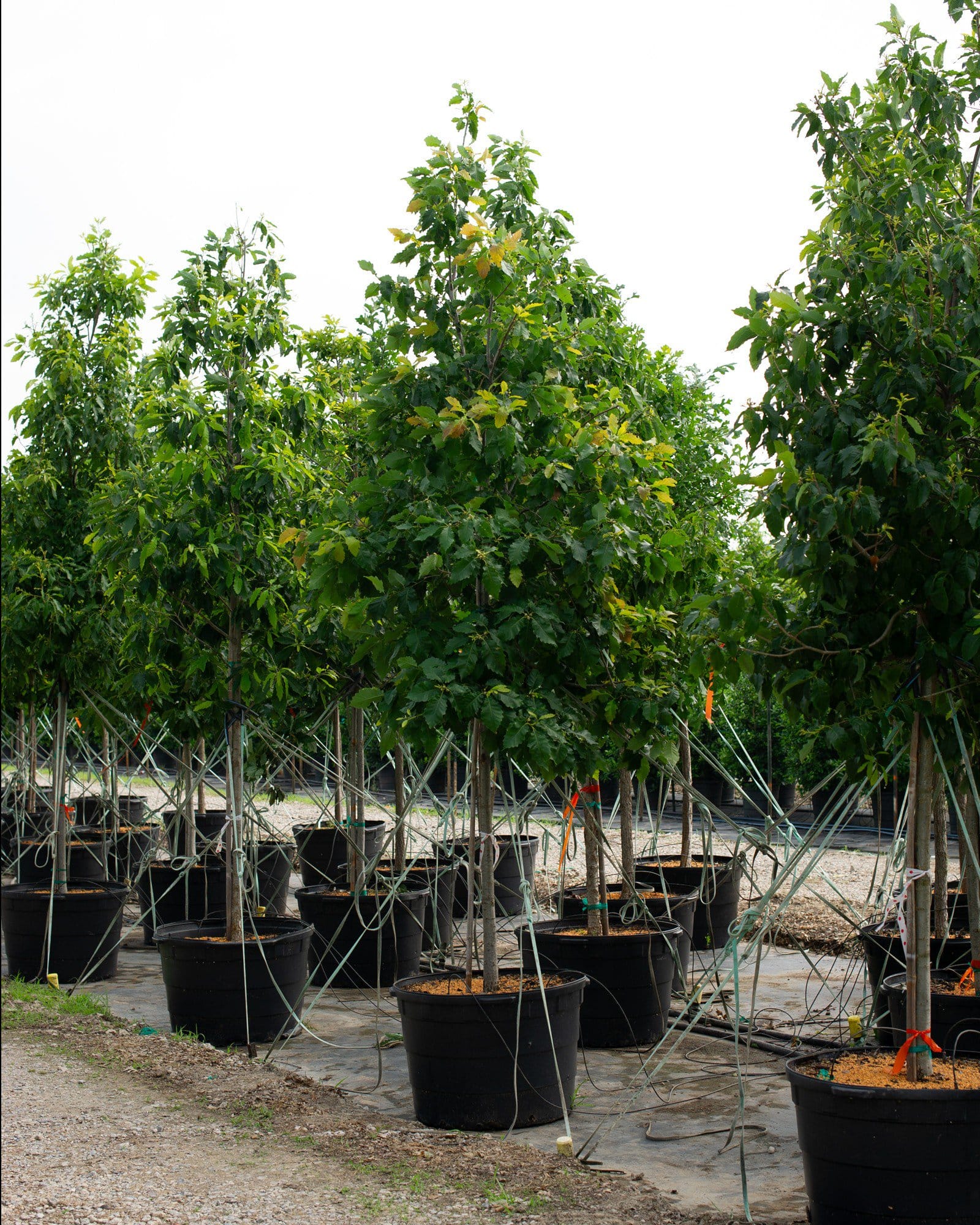
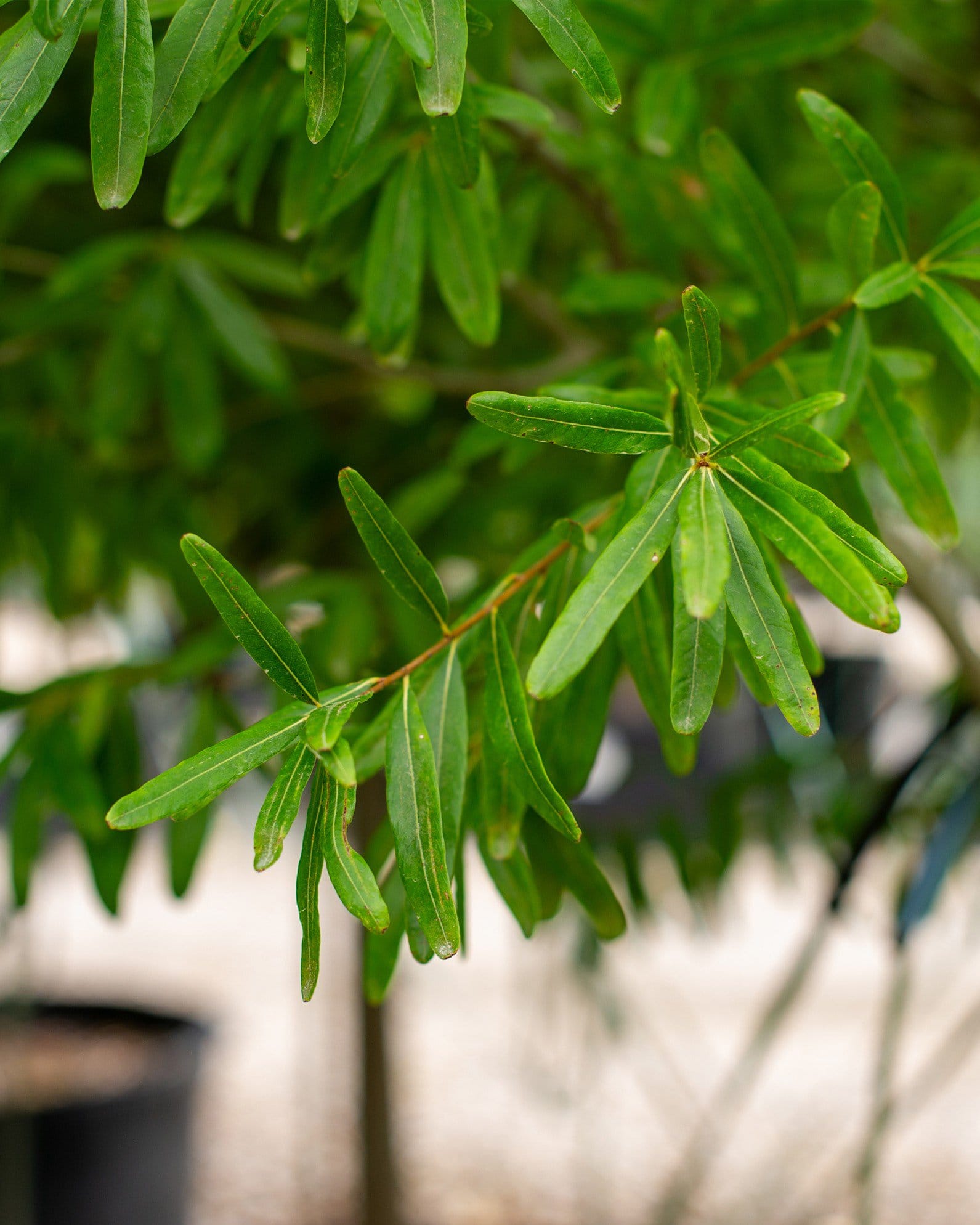
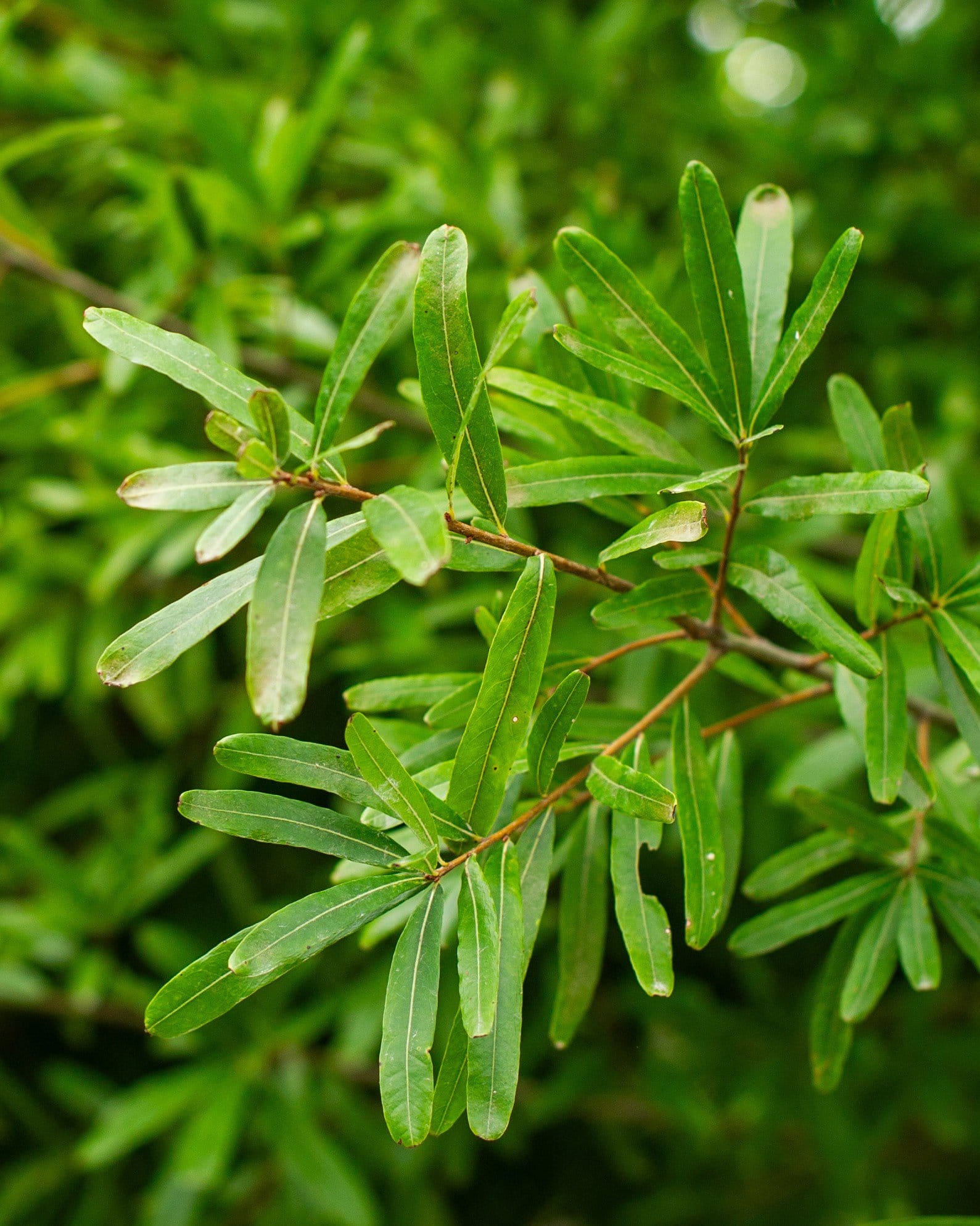
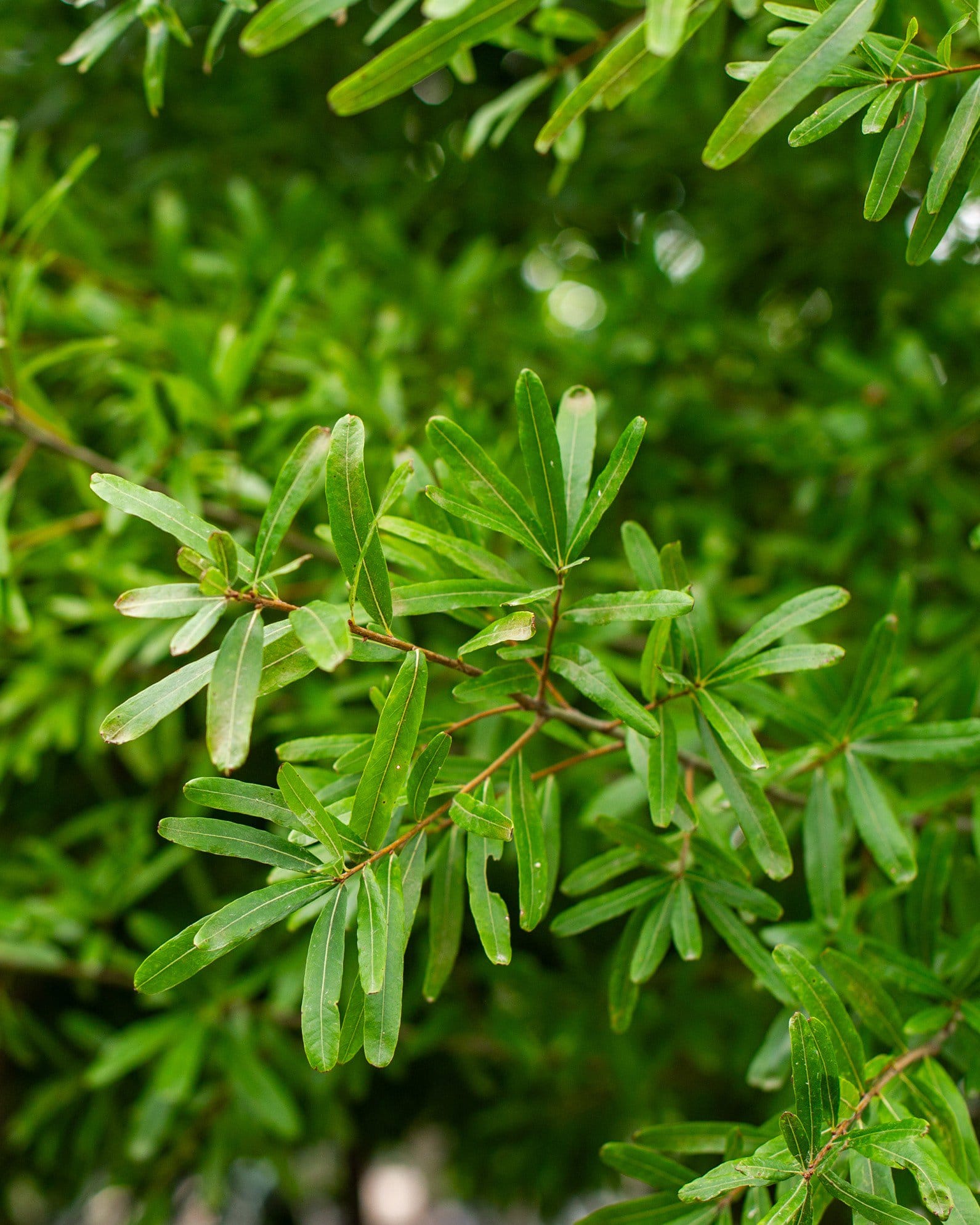
Quercus virginianaLive Oak Multi-Trunk is prized for its distinctive form with several sturdy trunks supporting a broad, sprawling canopy. Its dense, deep green foliage offers year-round shade and beauty, making it a standout feature in any outdoor space. This tree grows at a slow to moderate rate, developing a commanding presence perfect for parks, large yards, or expansive landscape designs. Reaching up to 50 feet tall and spreading as wide as 60 feet at maturity, Live Oak Multi-Trunk combines impressive size with unique structural character.
- An evergreen tree
- Evergreen-like deep green foliage providing year-round shade
- Slow to moderate growth
- Perfect for large landscapes, parks, and open flower beds
- Offers striking architectural interest and ample shade
Hardy in zones 7–10, Live Oak Multi-Trunk is a durable and elegant choice for adding dramatic structure and natural beauty to your landscape.
Maintenance
Live Oak is loved for its beauty and easy going nature, thriving on only a little bit of care. Here’s all it needs to grow beautifully:
- Watering: Water deeply and regularly during the first several years to encourage a wide, stable root system and strong early growth. Once mature, Live Oak becomes highly drought-tolerant and typically requires supplemental water only during long periods of extreme dryness.
- Pruning: Prune in late winter to remove crossing, damaged, or poorly angled limbs. For multi-trunk forms, selective early pruning helps define structure while maintaining the tree’s natural flowing habit. Avoid major pruning during spring and early summer to reduce risk of disease spread.
- Fertilizing: Mature Live Oaks generally do not need fertilizer, as they excel in a wide variety of soils. Young trees may benefit from a light application of slow-release fertilizer in spring if growth appears slow. Avoid excessive nitrogen.
- Mulching: Apply a wide, 3-inch mulch layer around the base to preserve moisture, improve soil quality, and eliminate turf competition. Expand the mulch ring outward as the tree grows to protect its extensive shallow root system.
- Winter Care: Live Oak is highly cold-tolerant and requires no winter protection in its growing range. Young trees may experience temporary leaf browning during severe freezes but recover quickly in spring.
Common Issues and How to Take Care of Them
While Live Oak is quite hardy, it’s not completely immune to certain pests and diseases. Here are the most common ones to keep your eye on:
- Powdery Mildew: A white, powdery coating appears on leaves in shaded, humid areas. Improve air circulation and avoid wetting leaves to keep foliage healthy.
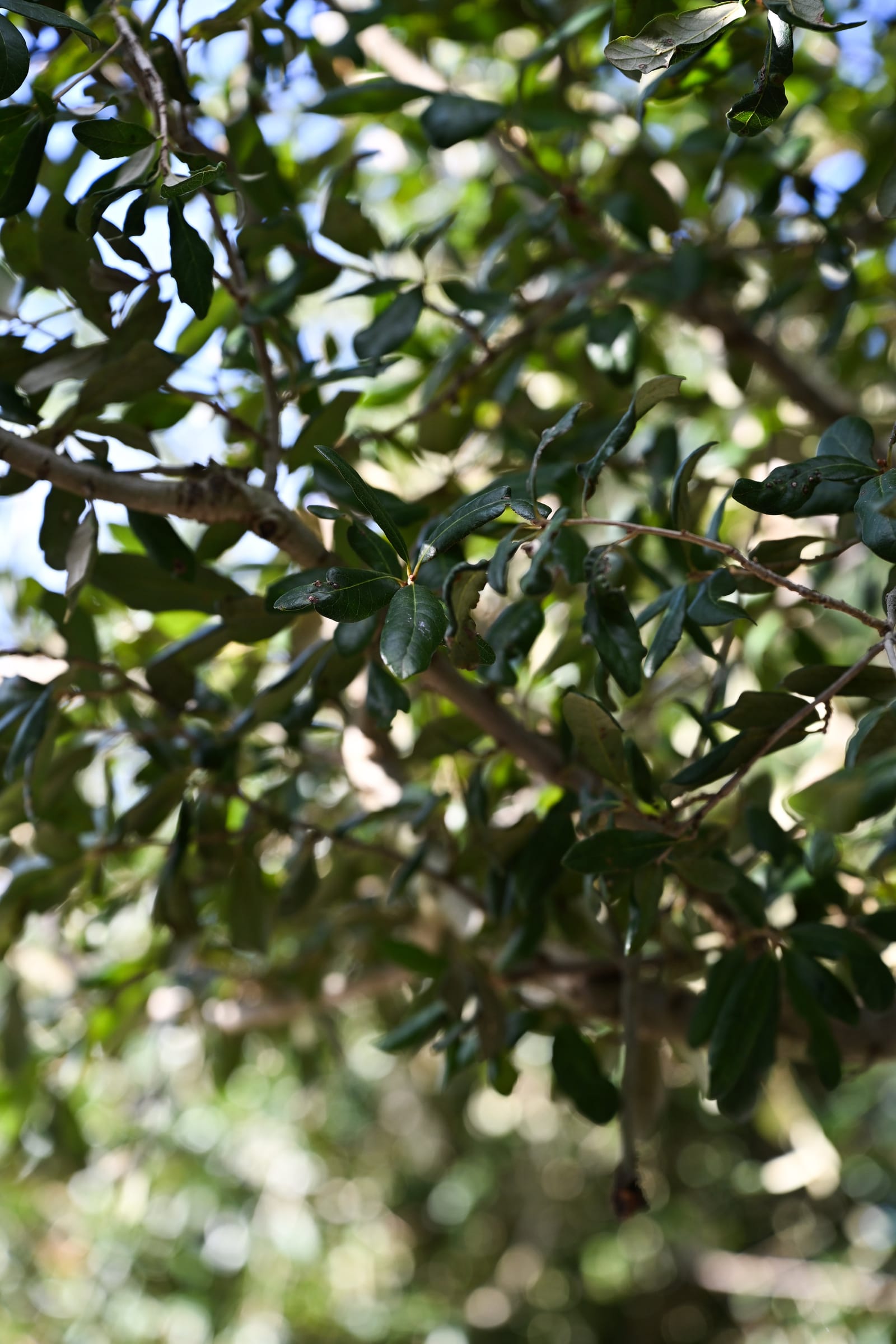
- Oak Leaf Blister: Oak leaf blister is a fungal disease that causes raised, distorted blisters on leaves, often with a yellowish discoloration. It is caused by a fungus and is most severe wet springs.
- Oak Galls: Oak galls are abnormal growths of plant tissue, similar to tumors, that develop when the plant is exposed to minute amounts of hormone-like chemicals released by the organisms that create them. While fungi, bacteria, nematodes, and mites can all be gall makers, insects are the primary culprits. Galls can form on roots, flowers, bark, or buds, but the ones appearing on leaves and twigs are the most easily noticed. A common example for Live Oaks is the Mealy Oak Gall, which appears as hard, tan, marble sized orbs that can remain attached to the outer twigs for a long time. The specific gall maker for the Mealy Oak Gall is a tiny cynipid wasp. Gardeners shouldn't worry about the term "wasp," as this insect is similar in size, harmless and does not sting.
- Root damage: Live Oaks have extensive surface roots that should not be compacted or cut. Avoid heavy foot traffic, paving, or construction near the root zone.
- Scale: Bumpy, waxy insects attach to stems and feed on sap, causing yellowing leaves. Apply horticultural oil or insecticidal soap to control populations.
- Spider Mites: Tiny pests that can cause foliage discoloration during hot, dry weather. Rinse foliage with water or use insecticidal soap if infestations persist. Encouraging beneficial insects, like ladybugs, can also help keep mite populations under control.
- Oak wilt: A serious fungal disease spread by beetles and root grafts between nearby oaks. Prevent infection by avoiding pruning between February and June, when beetles are most active. If oak wilt appears nearby, consult a certified arborist for containment and fungicidal treatment.
- Ball moss and Spanish moss: Though often seen on Live Oaks, these epiphytes aren’t harmful in moderation. If they become too dense and shade out leaves, they can be gently removed by hand or with a soft spray of water.
With a bit of careful maintenance, Live Oak will enrich your landscape for many years to come.
Live Oaks are legendary for their longevity, frequently reaching 200-300 years or more. Their long life makes them cherished legacy trees in both private and public landscapes.
Live Oaks grow steadily at 12-24 inches per year, typically forming a mature canopy structure in 20-30 years. Their growth is moderate but extremely reliable.
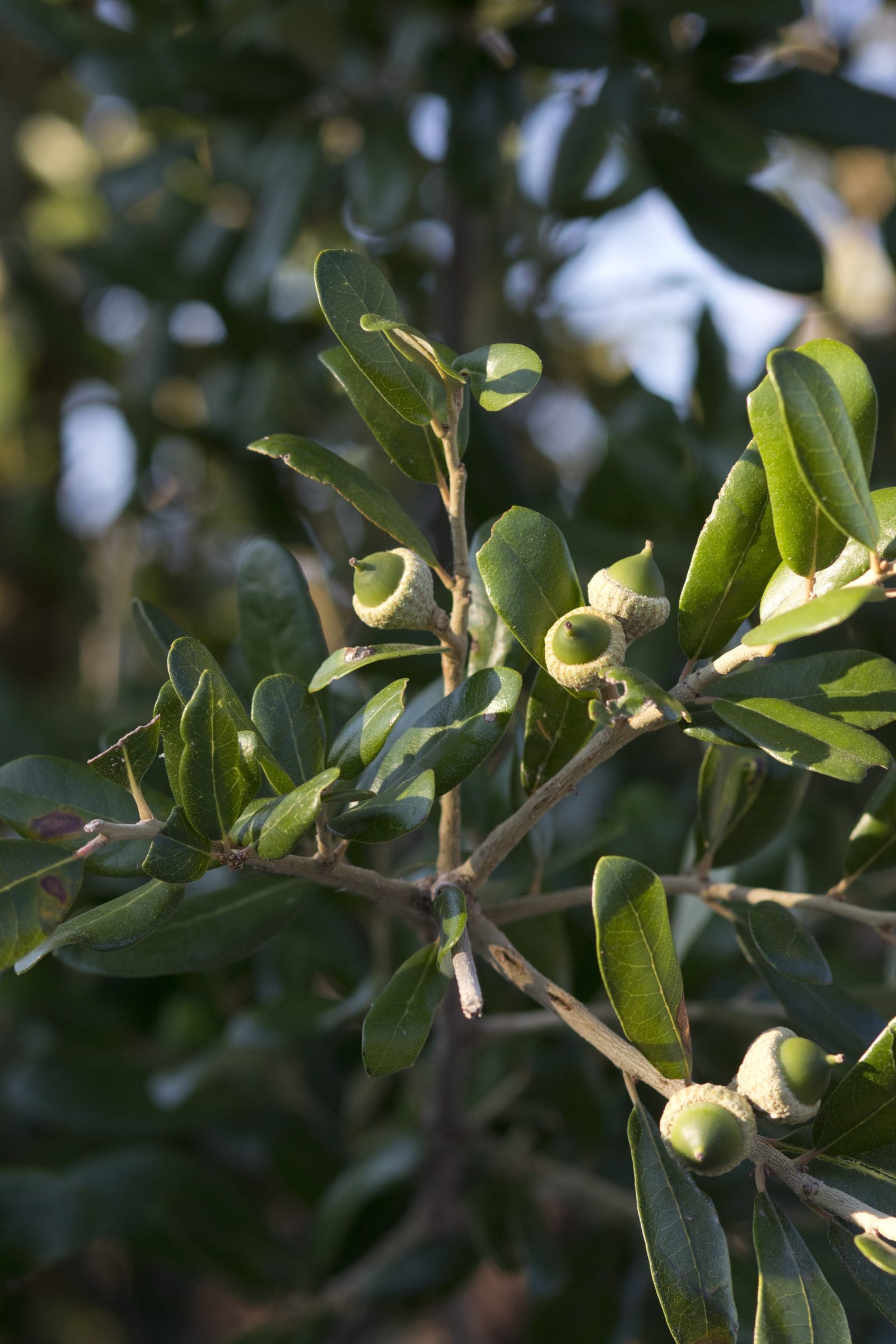
Very much so - its acorns support birds, deer, and small mammals, while its sprawling branches provide excellent nesting and shelter. The tree functions as a complete ecosystem.
No - its extensive root system and eventual size make it unsuitable for container growth. Plant directly in the ground for long-term success.
While young trees may experience some browsing, mature foliage is generally less attractive to deer. Protect saplings until the trunks and lower foliage toughen.
Extremely well - it is one of the most heat-tolerant and drought-resistant trees available. Once established, it thrives even in harsh summers.
Yes - its sculptural form adds beauty and shade without overwhelming space as quickly as wider-canopied species. Proper placement ensures long-term harmony with structures.
Give it plenty of room due to its wide eventual canopy and shallow roots; plant at least 20-30 feet from structures. Adequate spacing ensures healthy growth and prevents interference.
Absolutely - it tolerates salt spray, sandy soils, and high winds exceptionally well. This makes it a premier choice for coastal Texas landscapes.
Its multi-trunk habit creates a dramatic, sculptural silhouette that adds character and architectural presence. The branching structure provides unique shade patterns and a timeless, iconic appearance.
Special Features
You might also like
Texas Live Oak
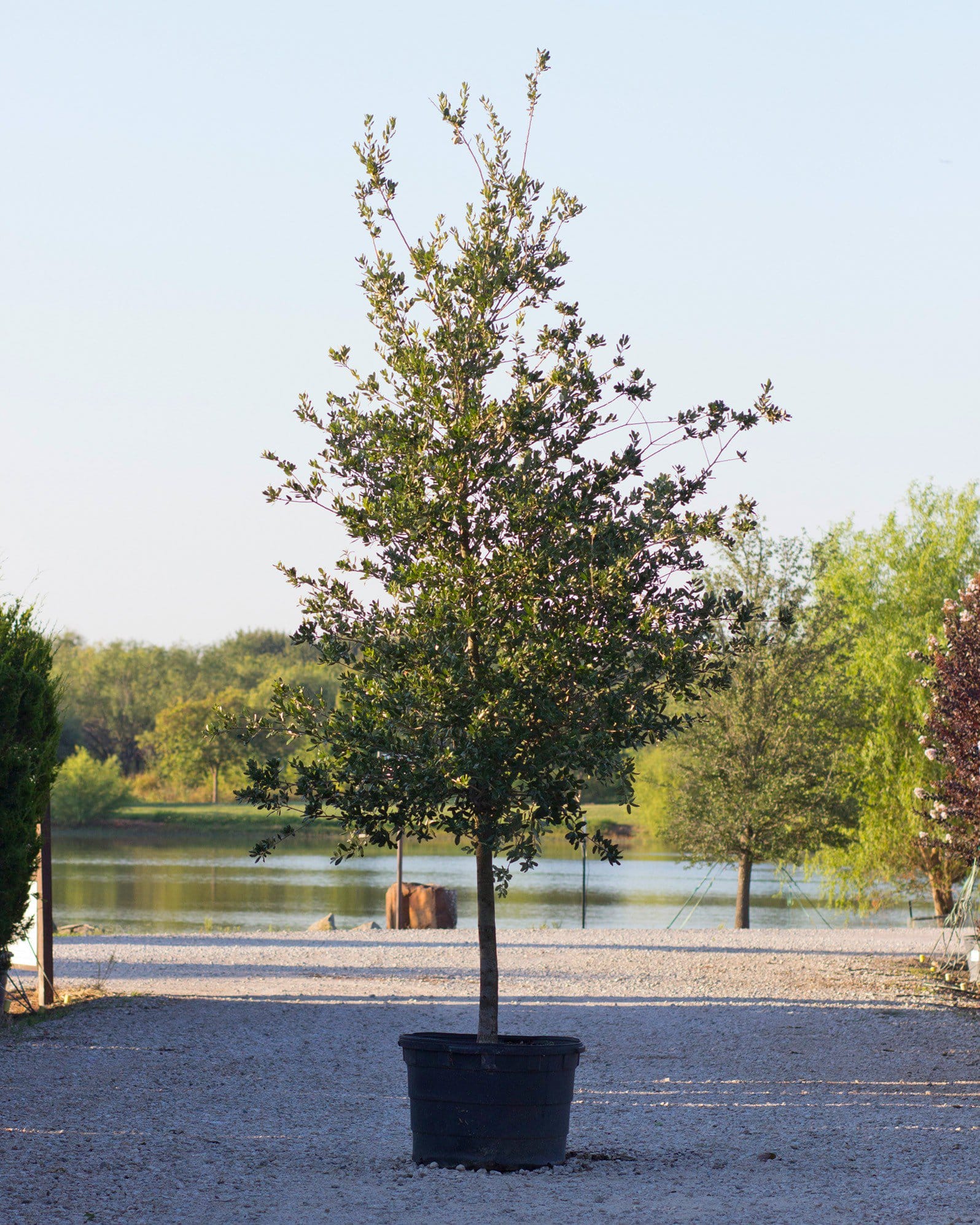
Maturity: 30' H x 30' W
Cathedral Live Oak
Maturity: 60' H x 40' W
Live Oak
Maturity: 50' H x 60' W
Loblolly Pine
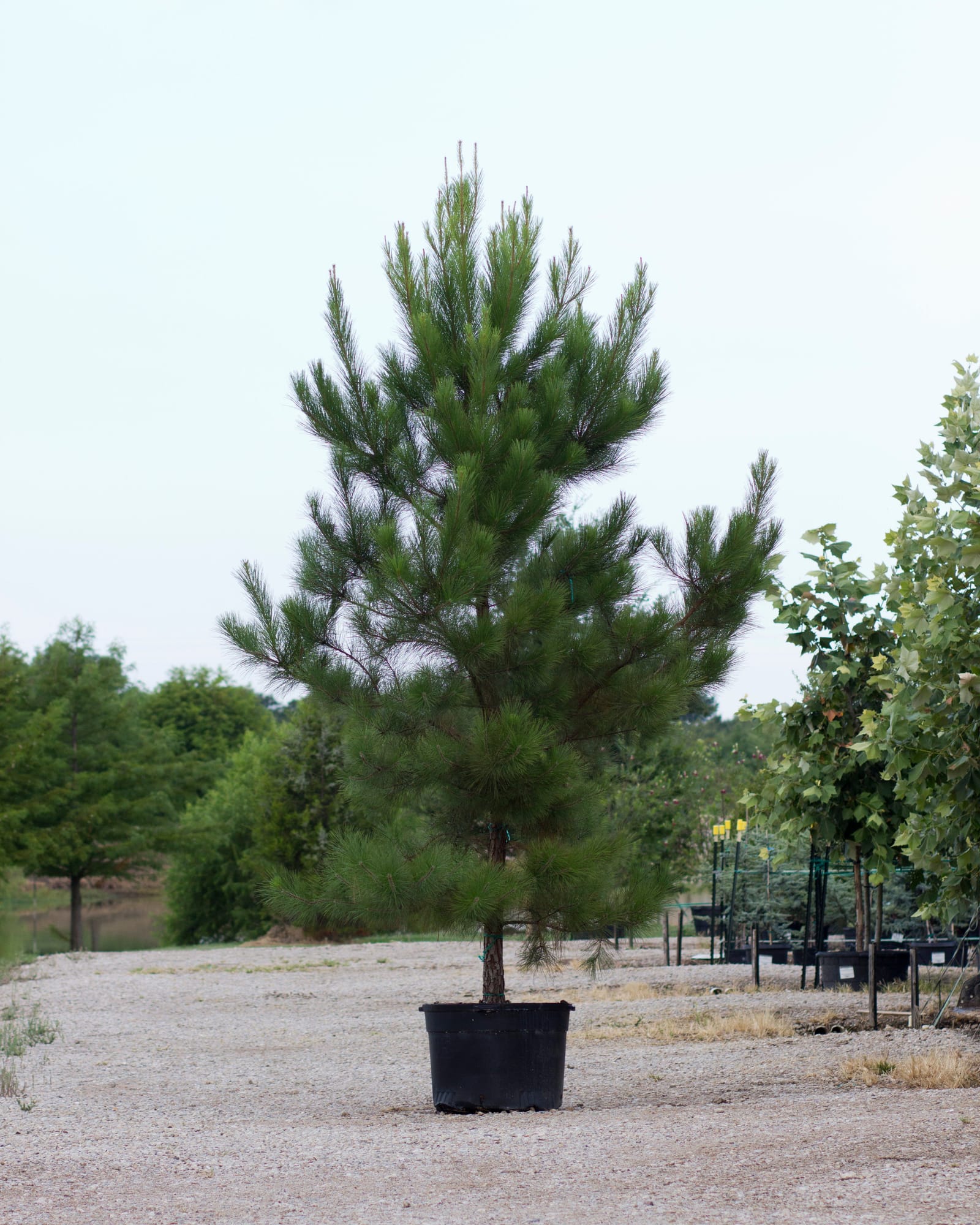
Maturity: 60' H x 30' W
Bur Oak
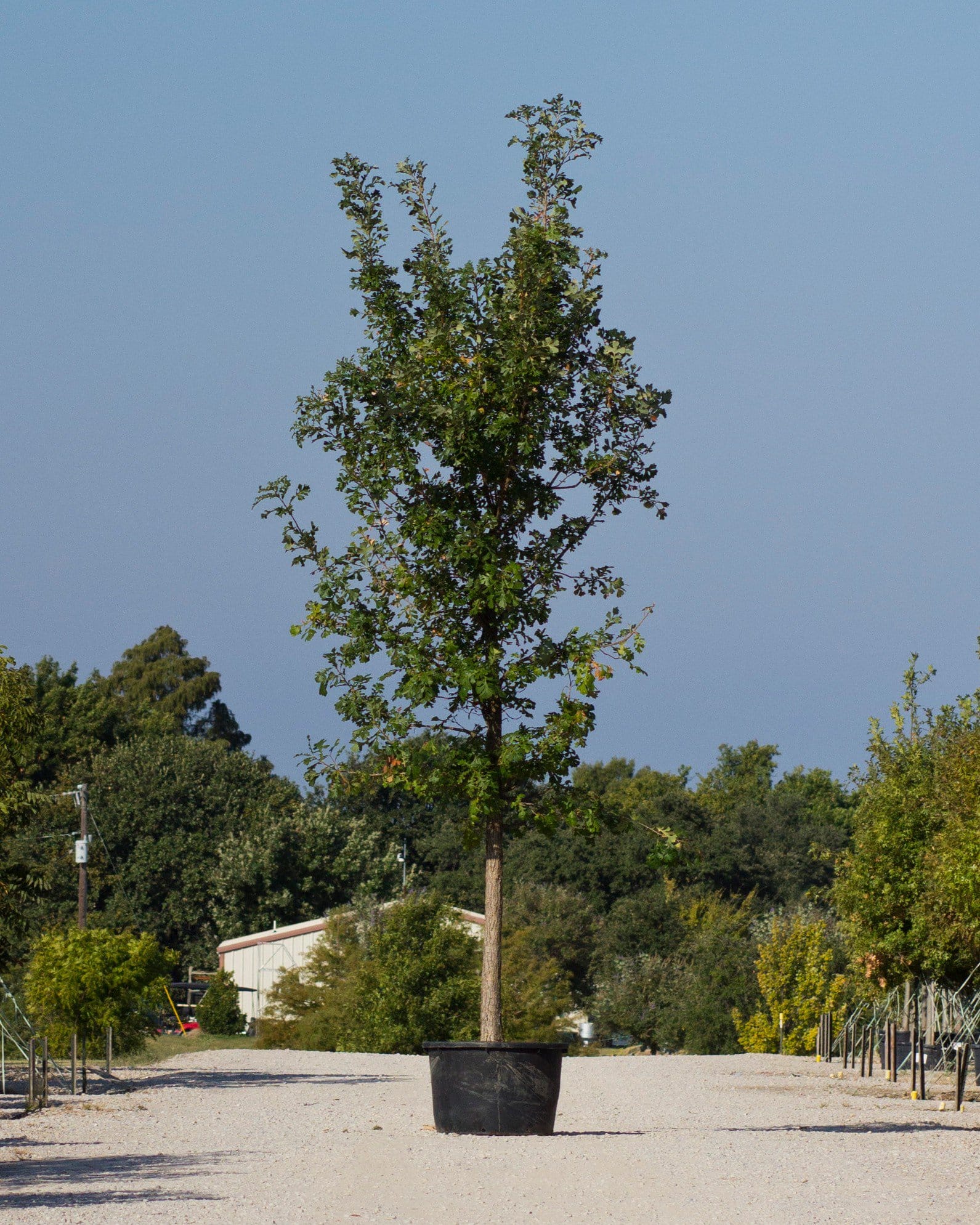
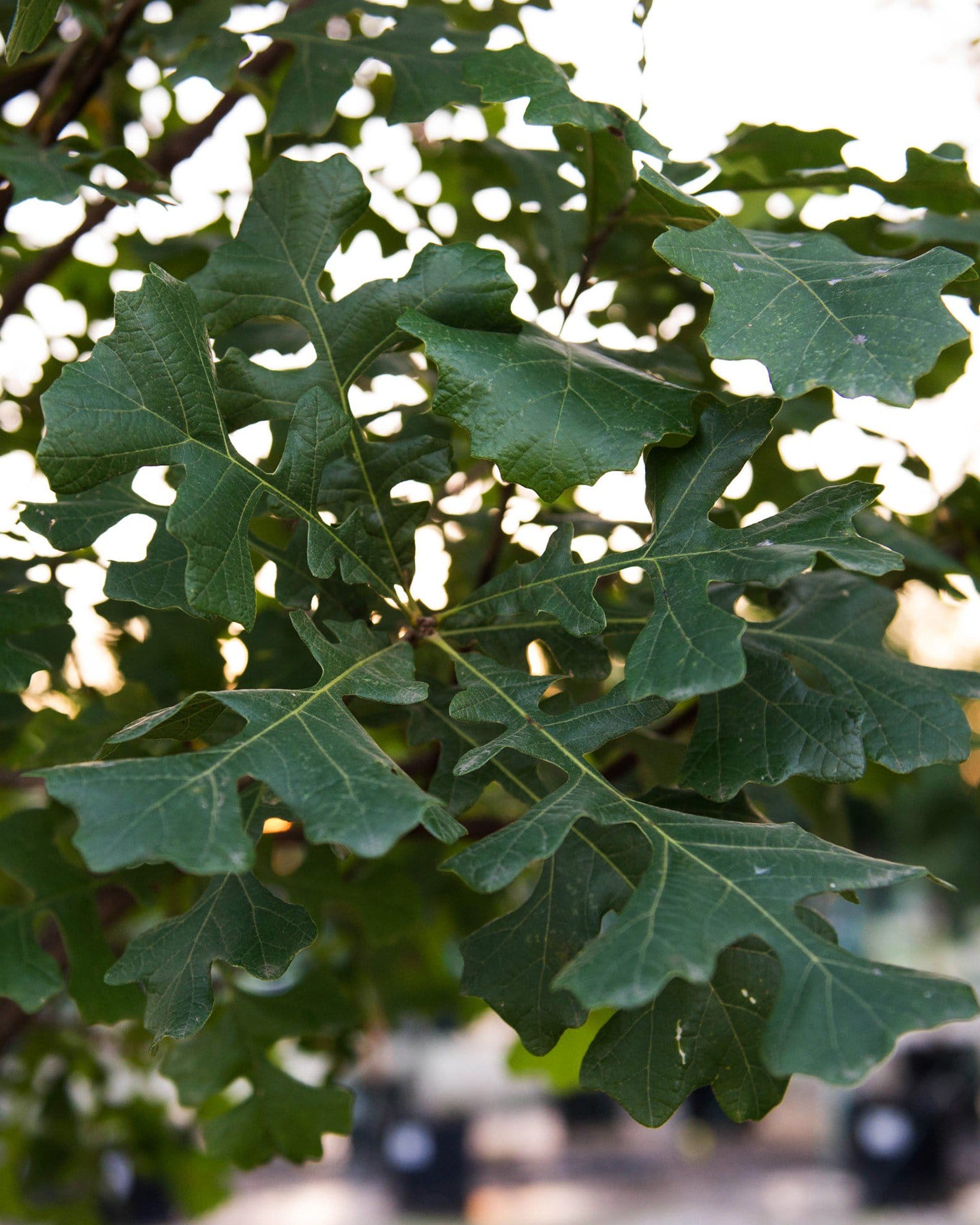
Maturity: 60' H x 50' W
Chinquapin Oak
Maturity: 50' H x 40' W
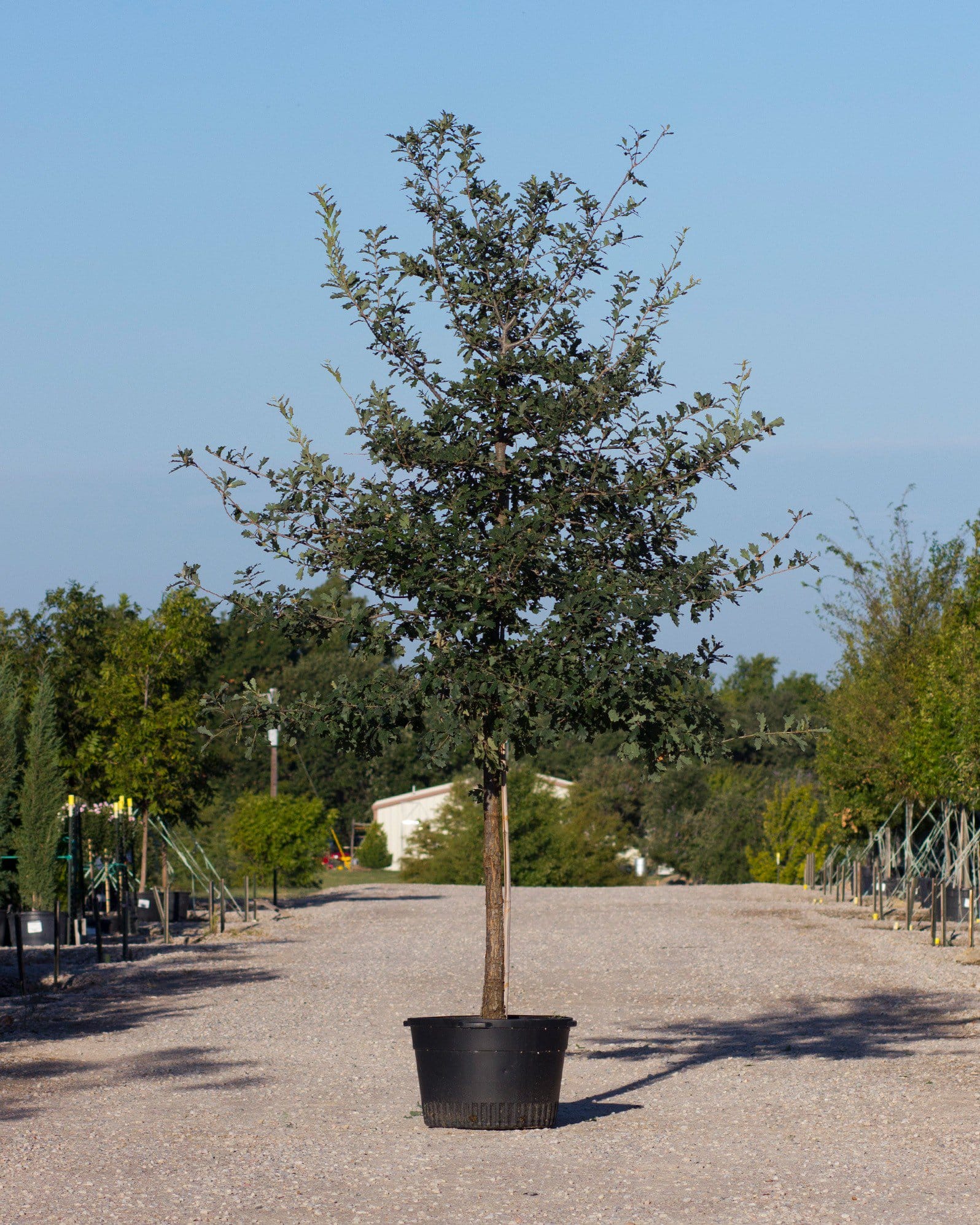
Lacey Oak
Maturity: 25' H x 15' W
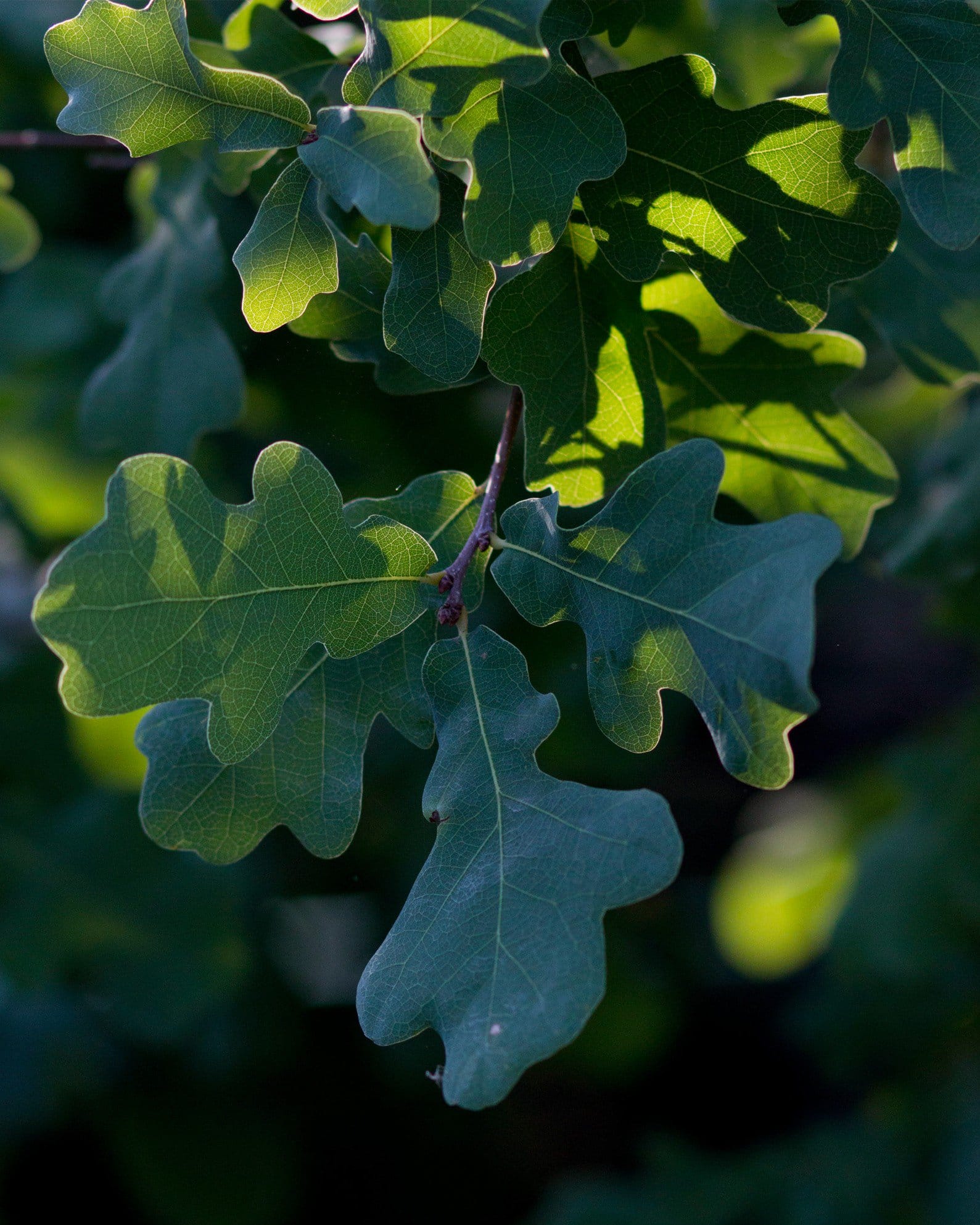
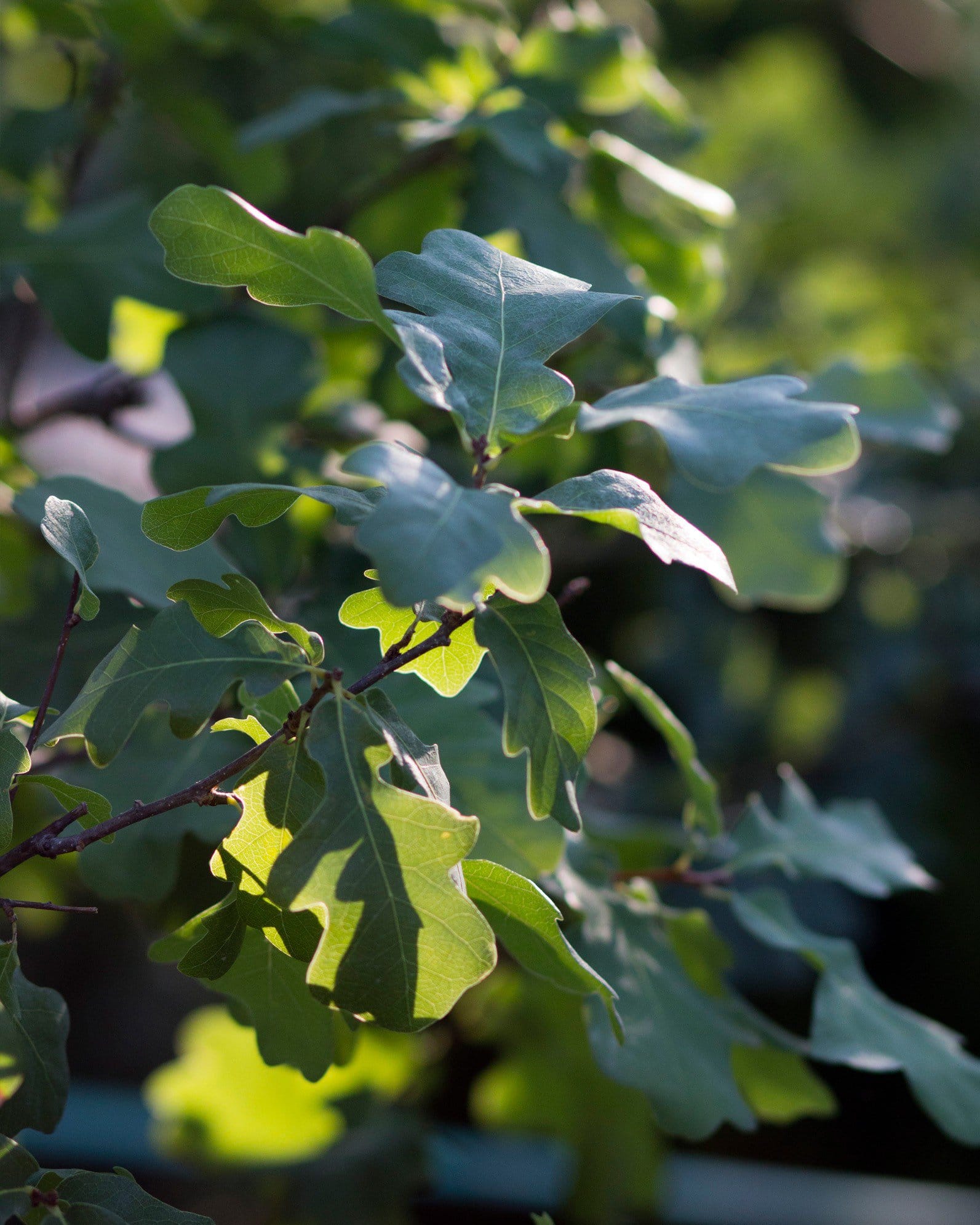
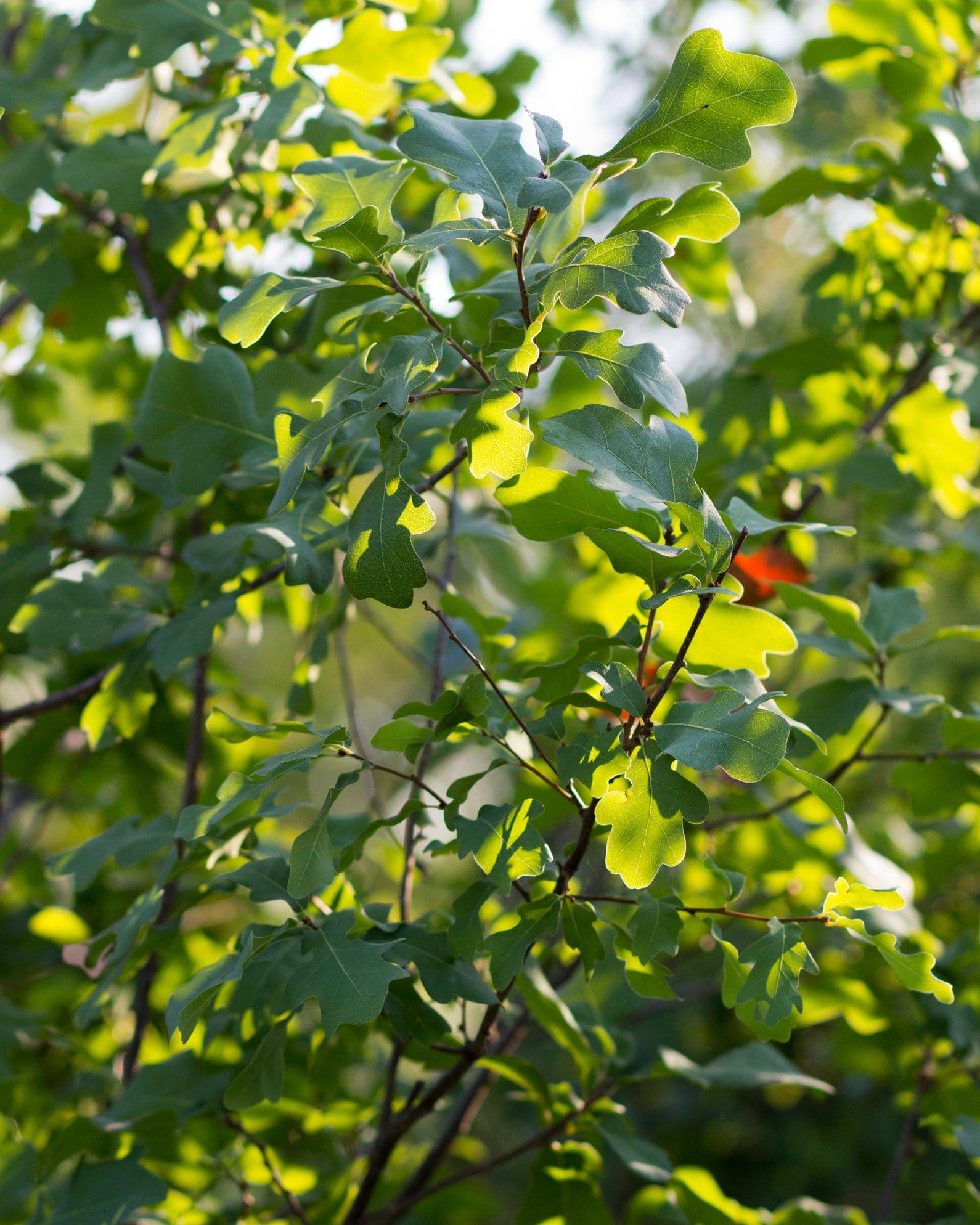
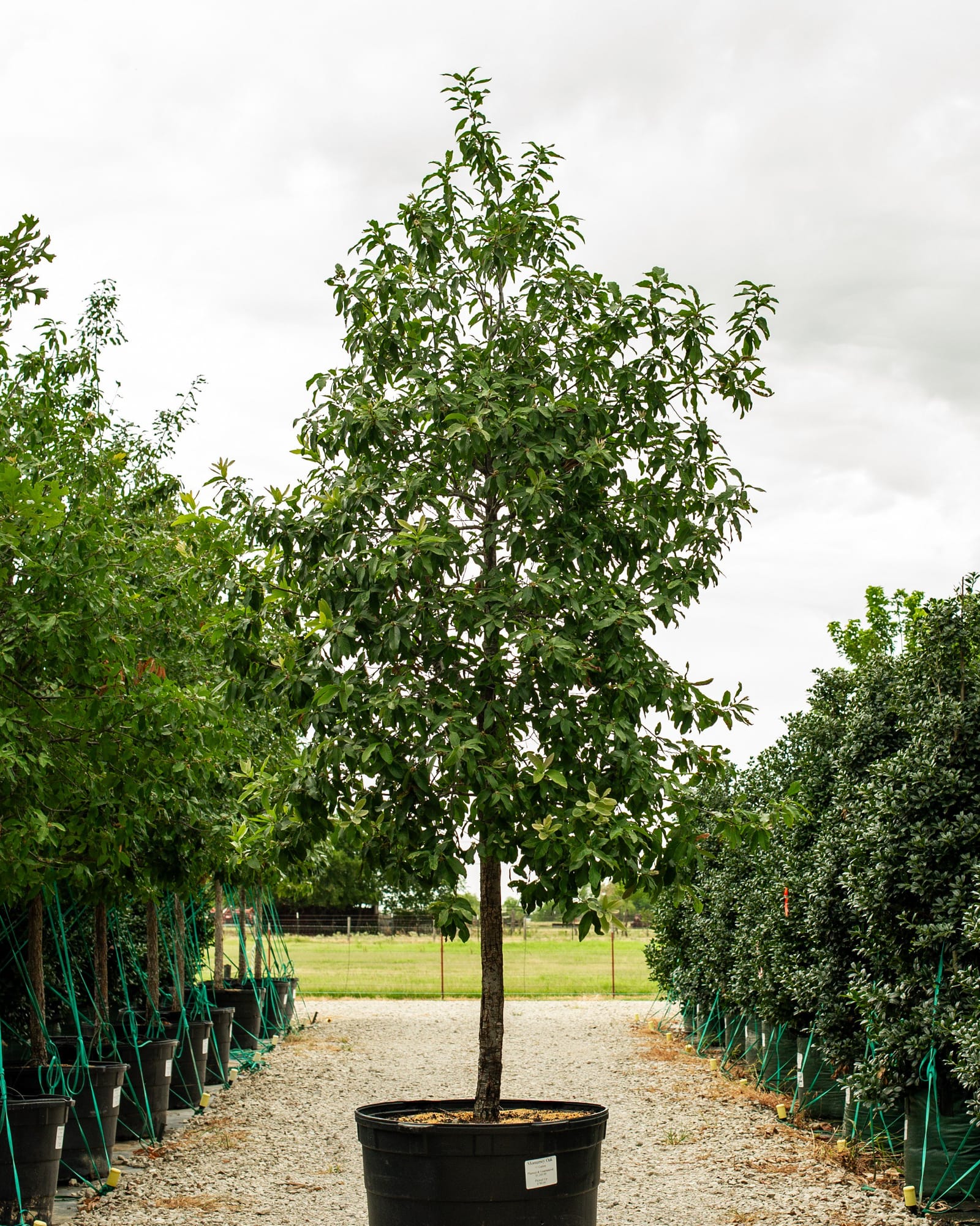
Monterrey Oak
Maturity: 45' H x 35' W
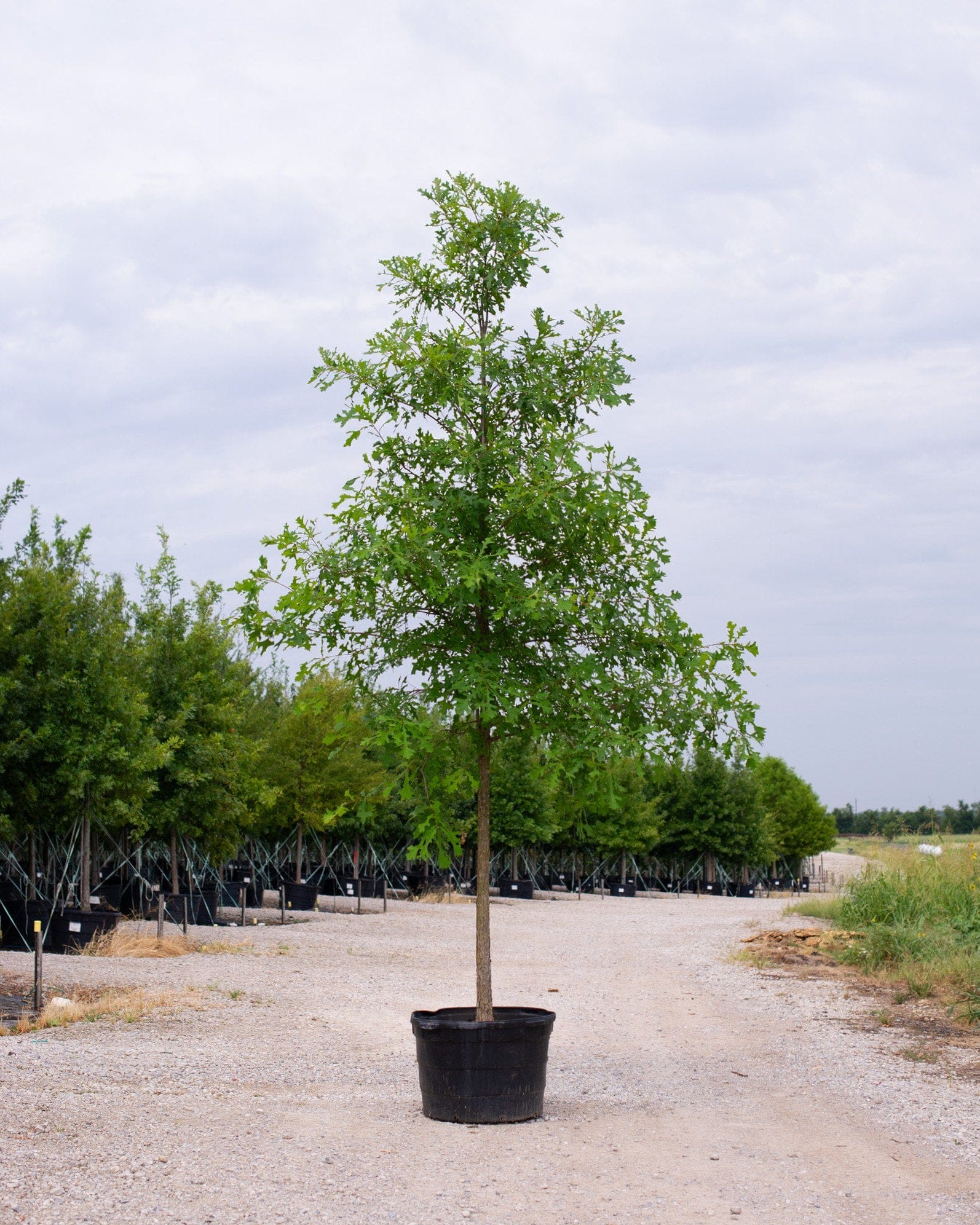
Overcup Oak
Maturity: 45' H x 35' W
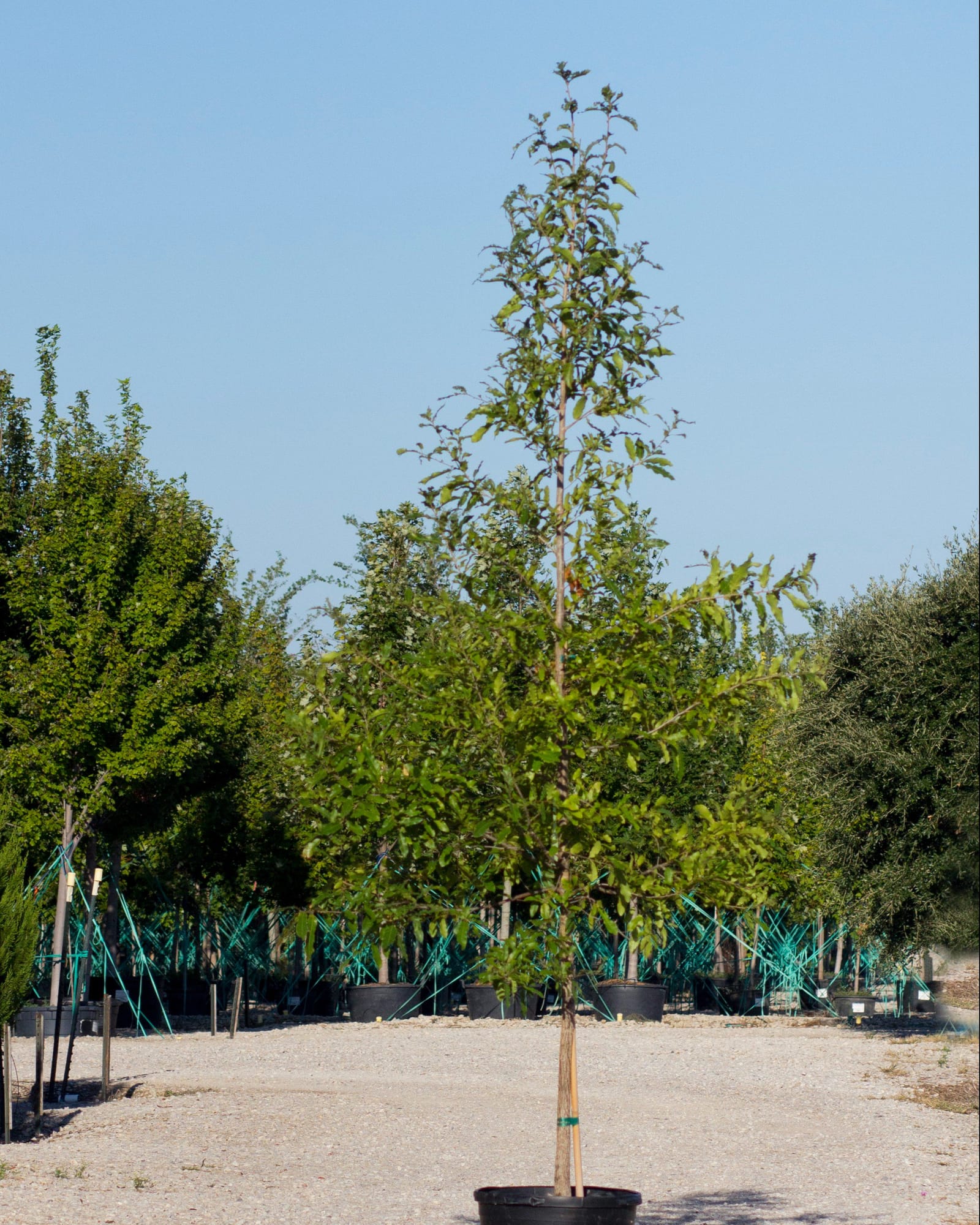
Sawtooth Oak
Maturity: 45' H x 35' W
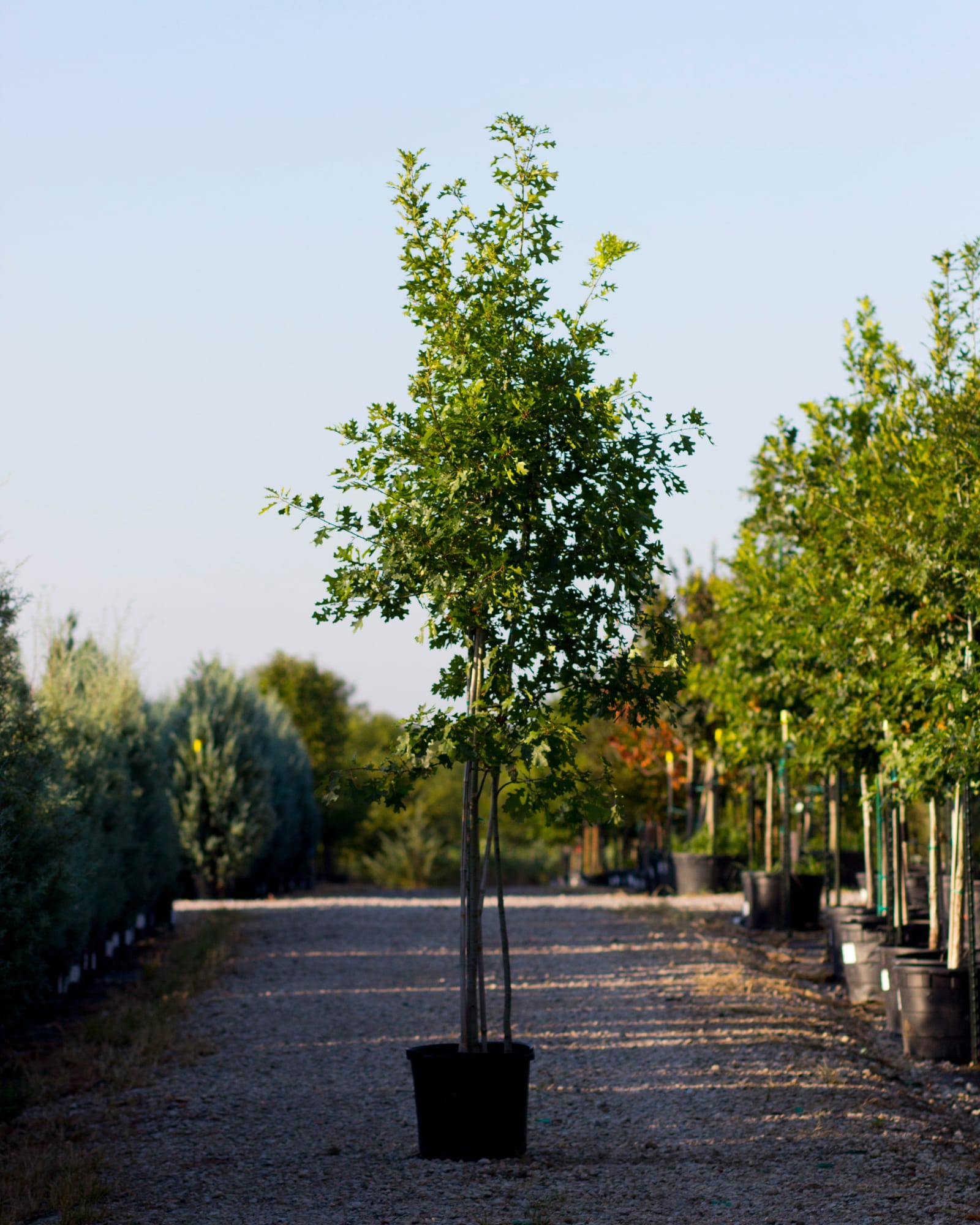
Shumard Red Oak Multi-Trunk
Maturity: 60' H x 50' W
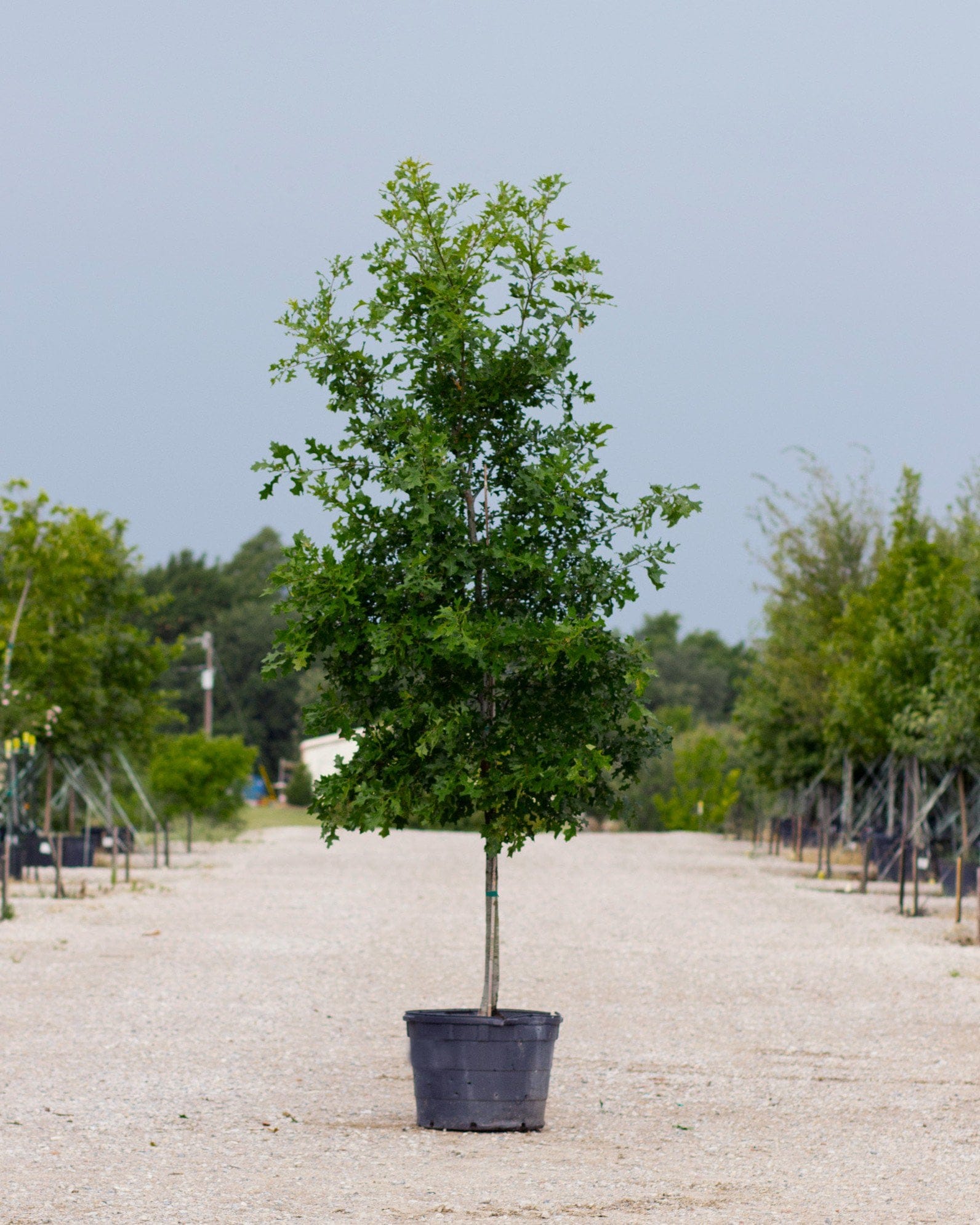
Texas Red Oak
Maturity: 45' H x 35' W
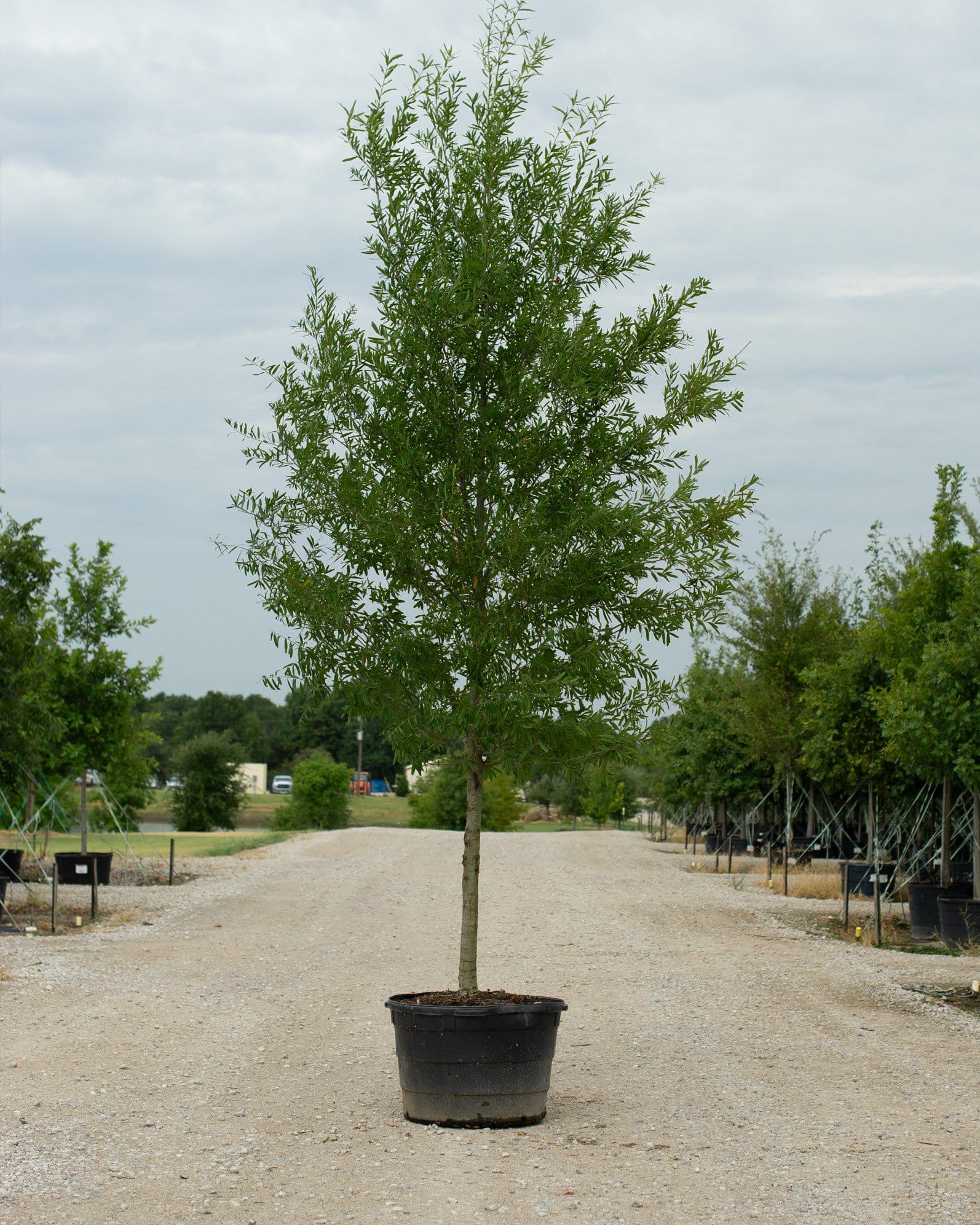
Willow Oak
Maturity: 60' H x 50' W
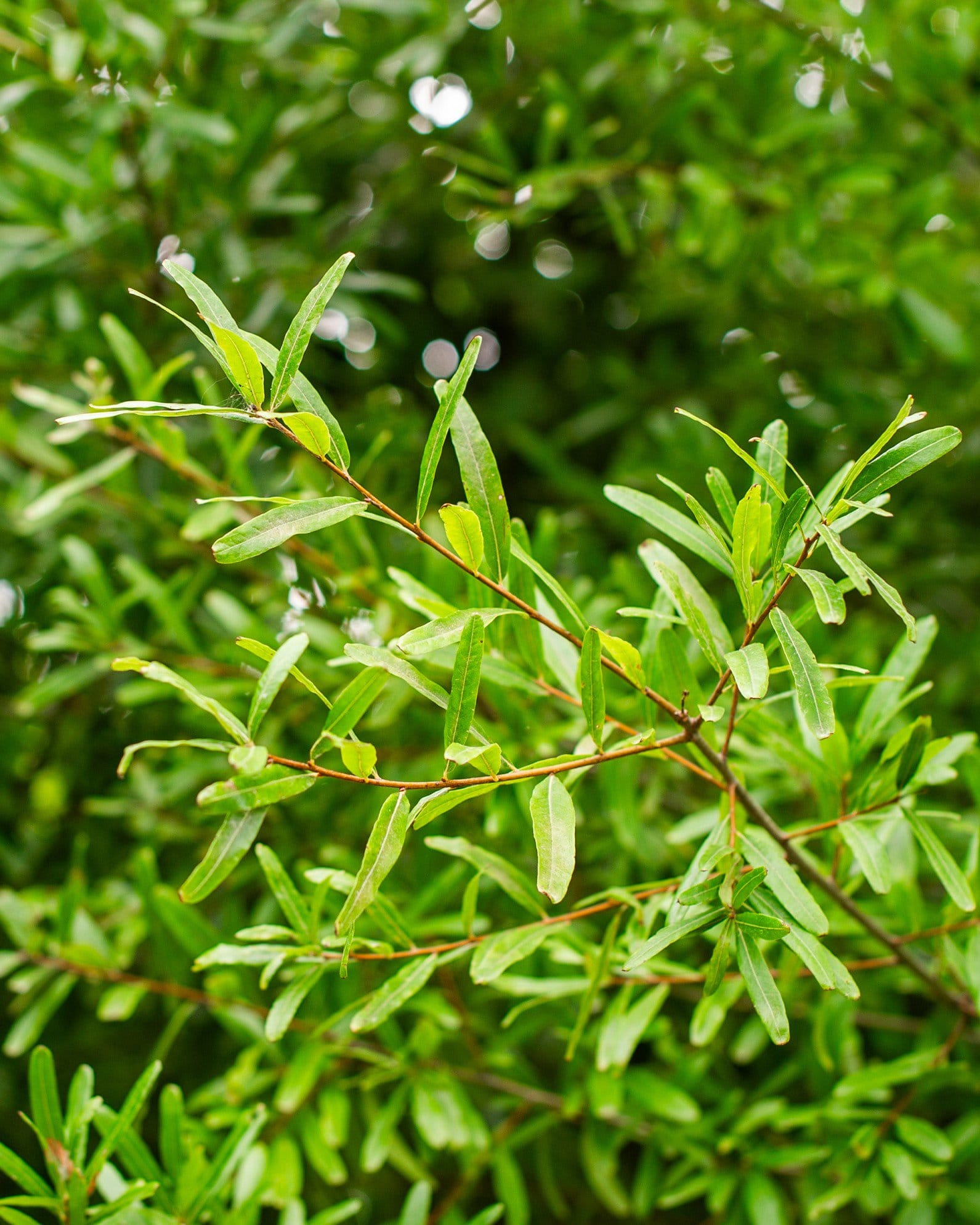
Alta Magnolia Tree Form
Maturity: 40' H x 20' W
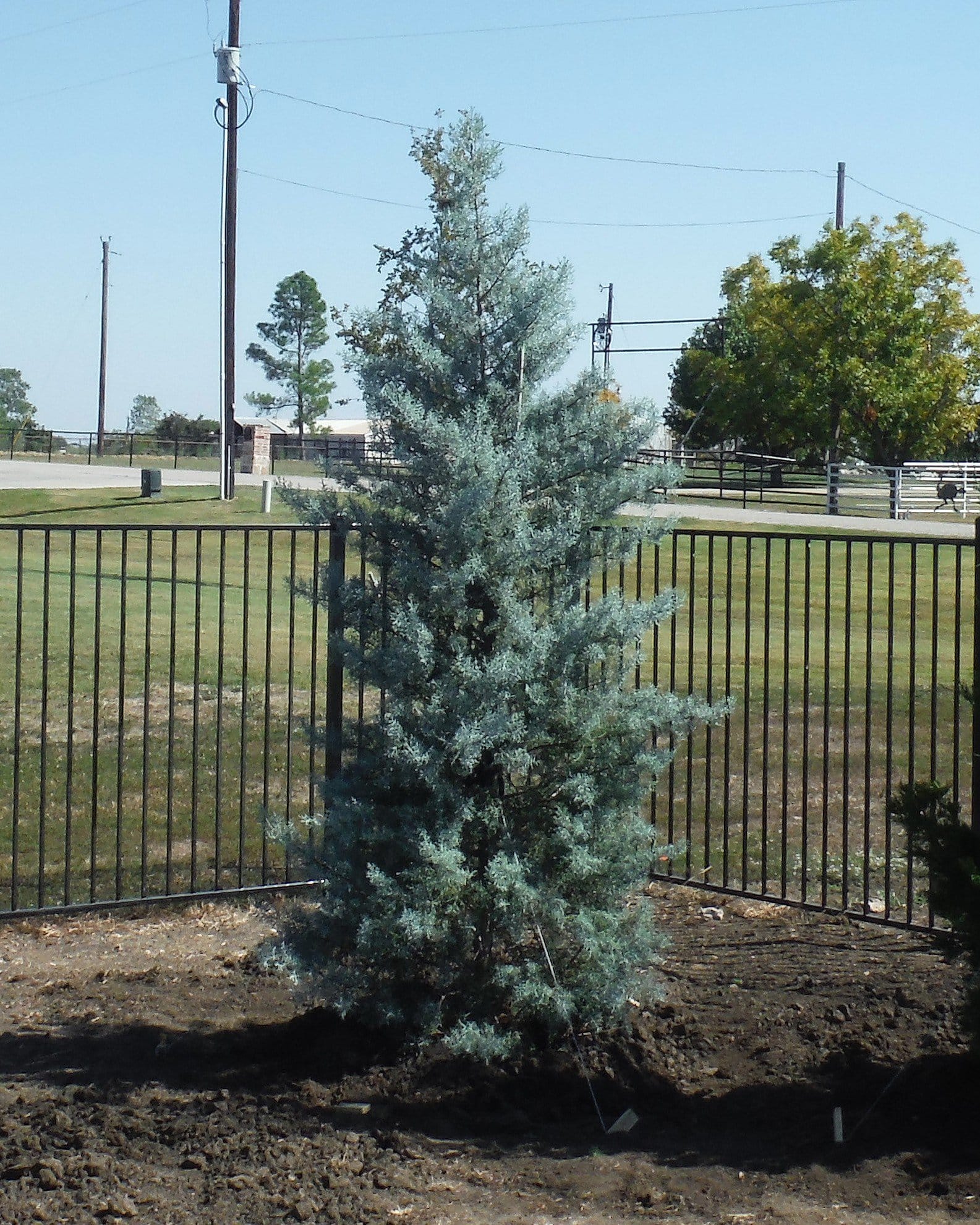
Arizona Cypress Blue Ice
Maturity: 25' H x 15' W
Compare Similar Plants
Live Oak Multi-Trunk This plant | ||
|---|---|---|
| Scientific Name | Quercus virginiana | Quercus virginiana |
| Size at Maturity | 50' H x 60' W | 50' H x 60' W |
| Leaf Retention | Evergreen | Evergreen |
| Sizes Available | 30, 65 gal | 10, 15, 30, 45, 65, 95 gal |


Our 1-Year Planting Guarantee
We take pride in our plants and installation services. If any plants or trees installed by Treeland fail to thrive within the first year, we'll provide a replacement credit in accordance with our guarantee program.
Learn More About Our Guarantee