
 Texas Native
Texas Live Oak
Quercus fusiformis ‘Joan Lionetti’Local DFW Delivery Only
Product Details
Texas Live Oak
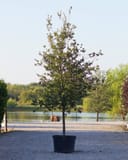
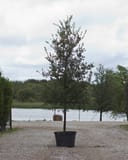
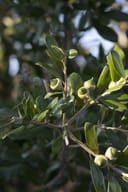
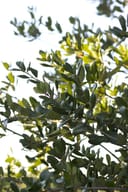
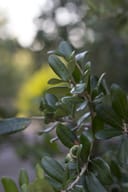
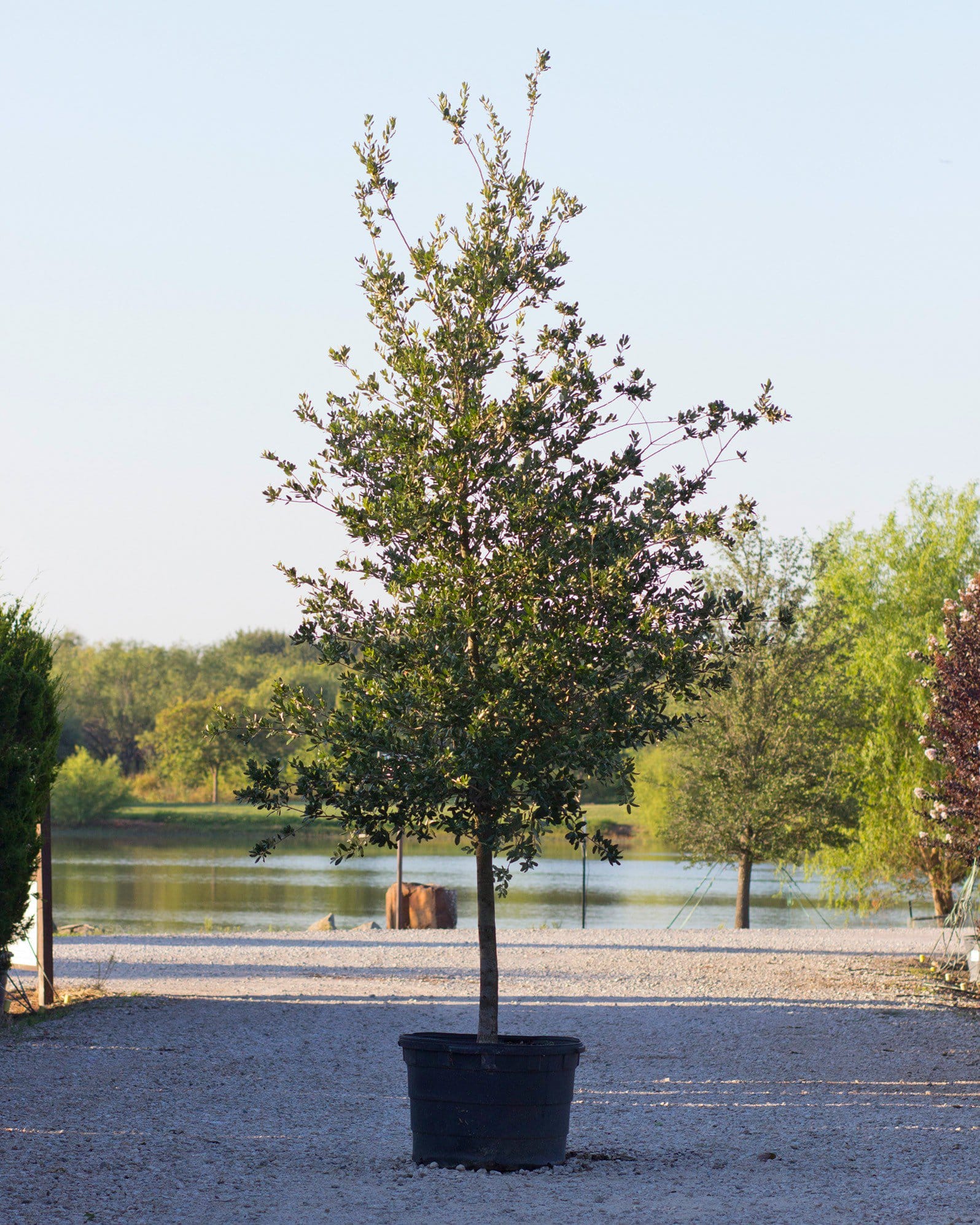
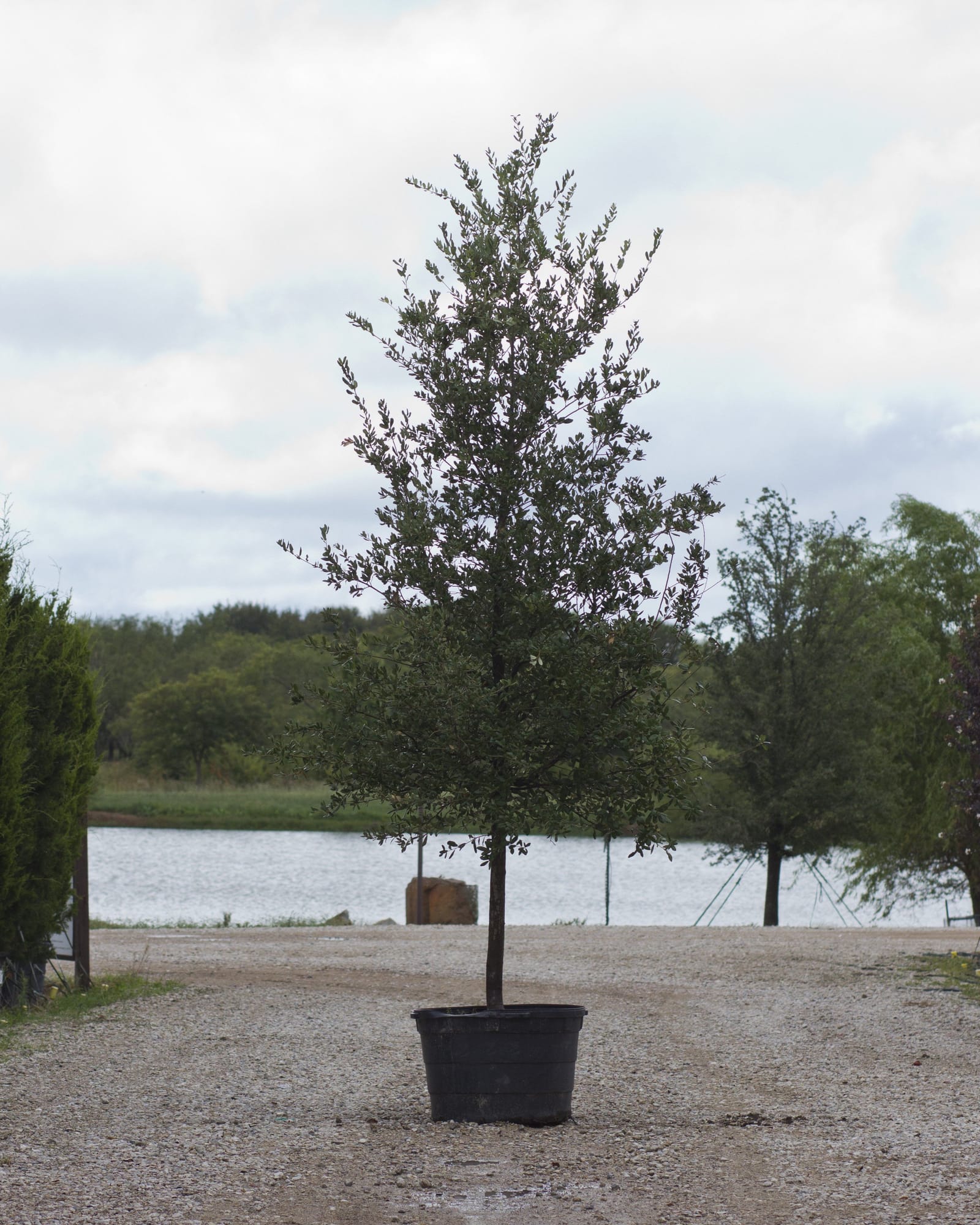
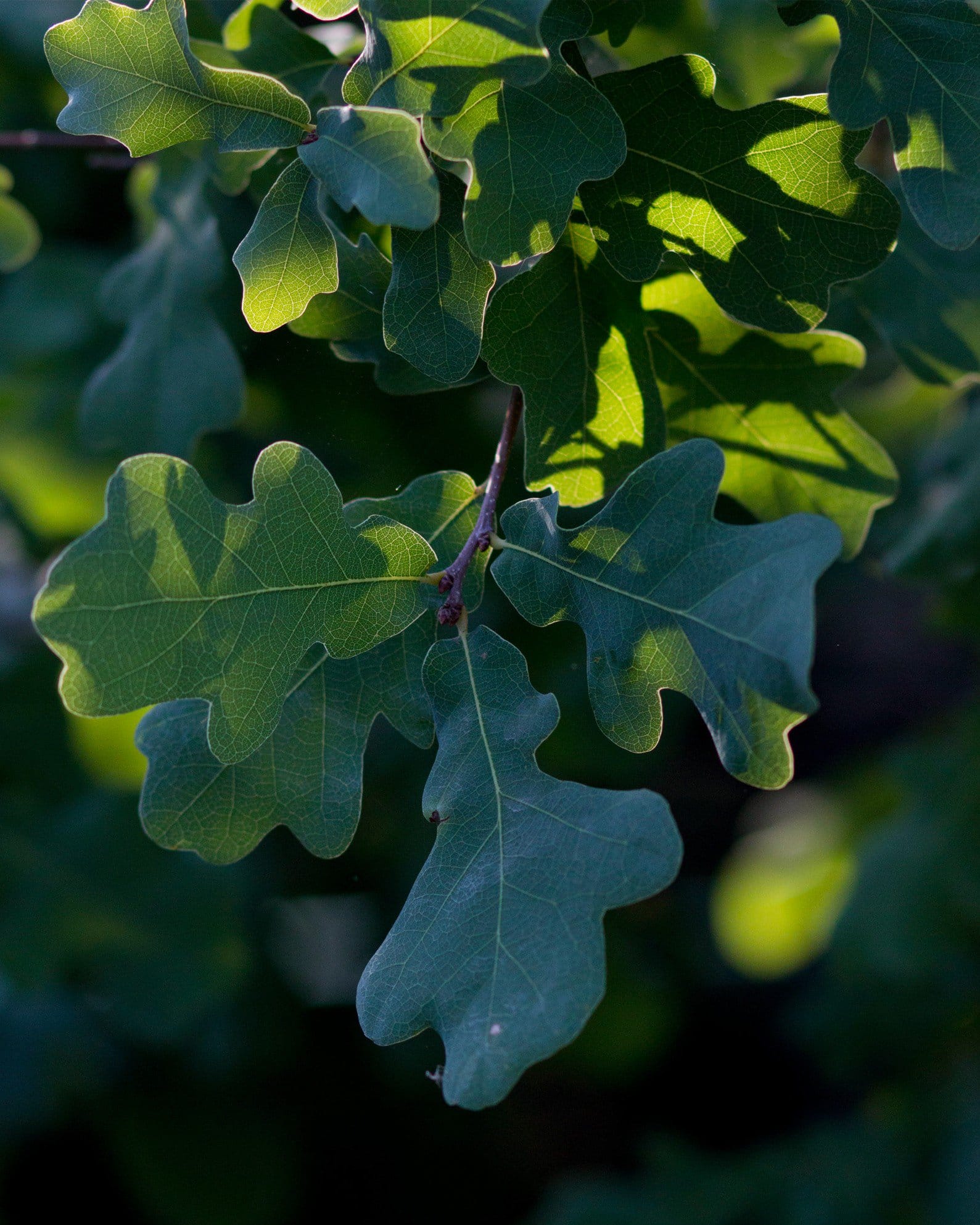
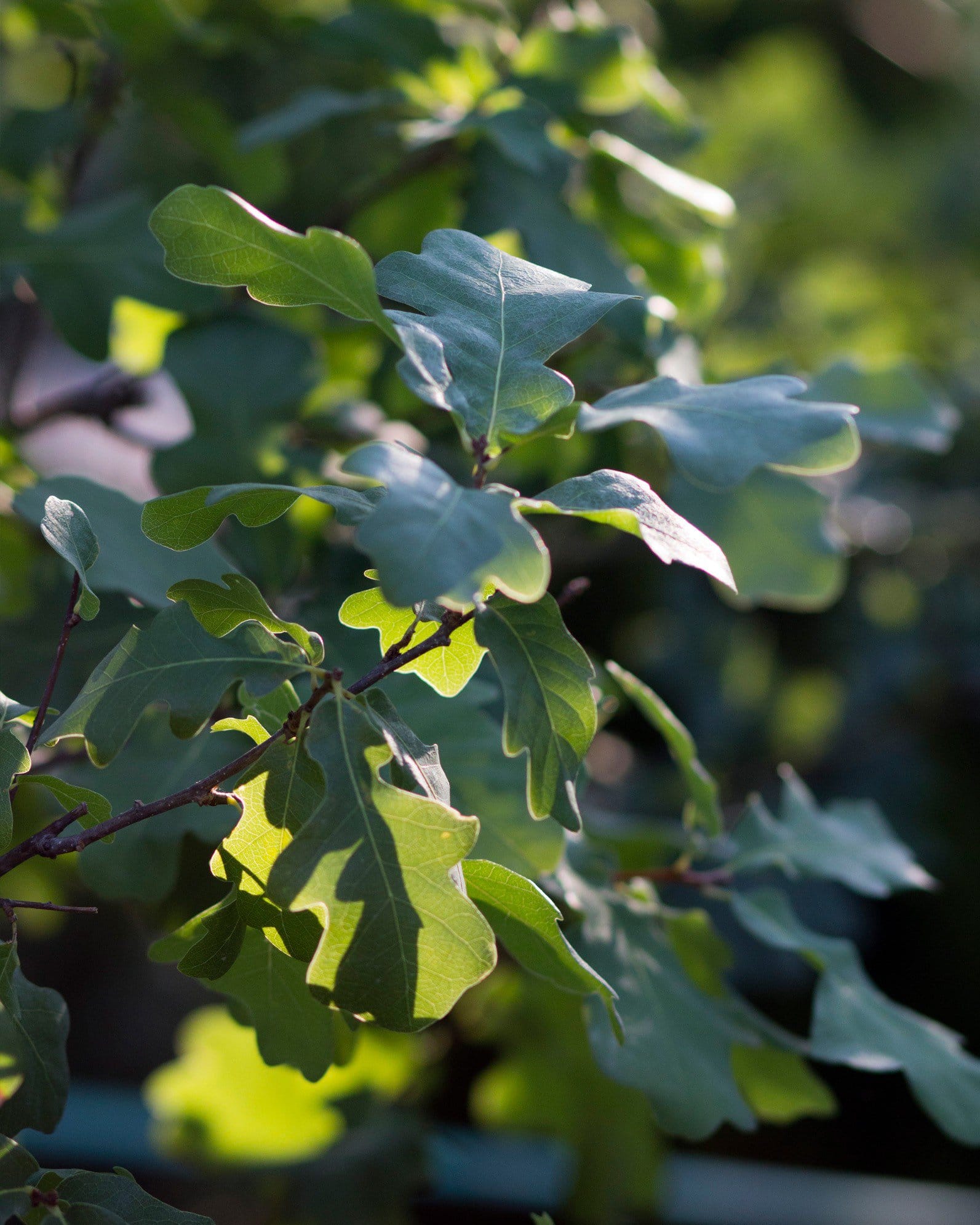
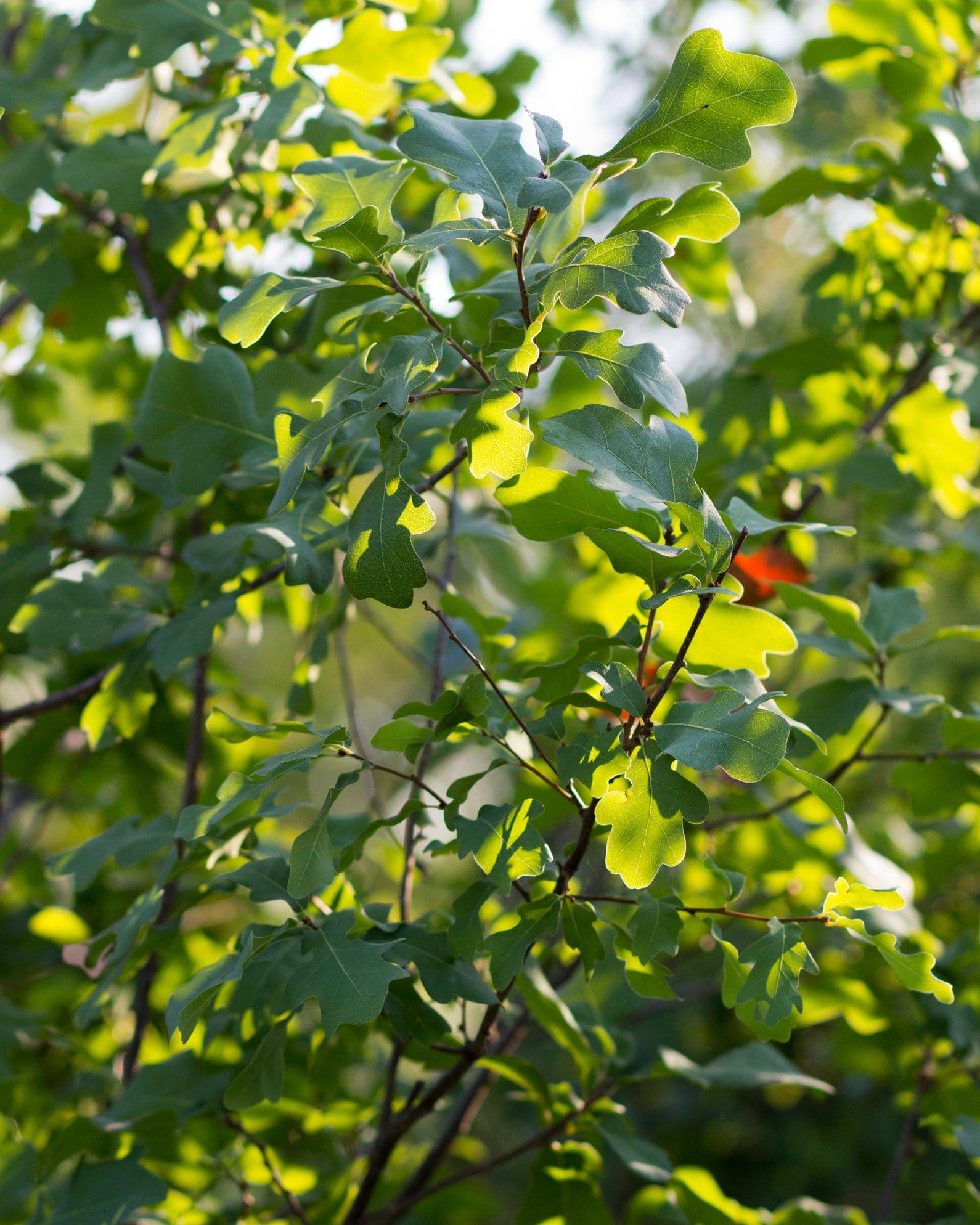
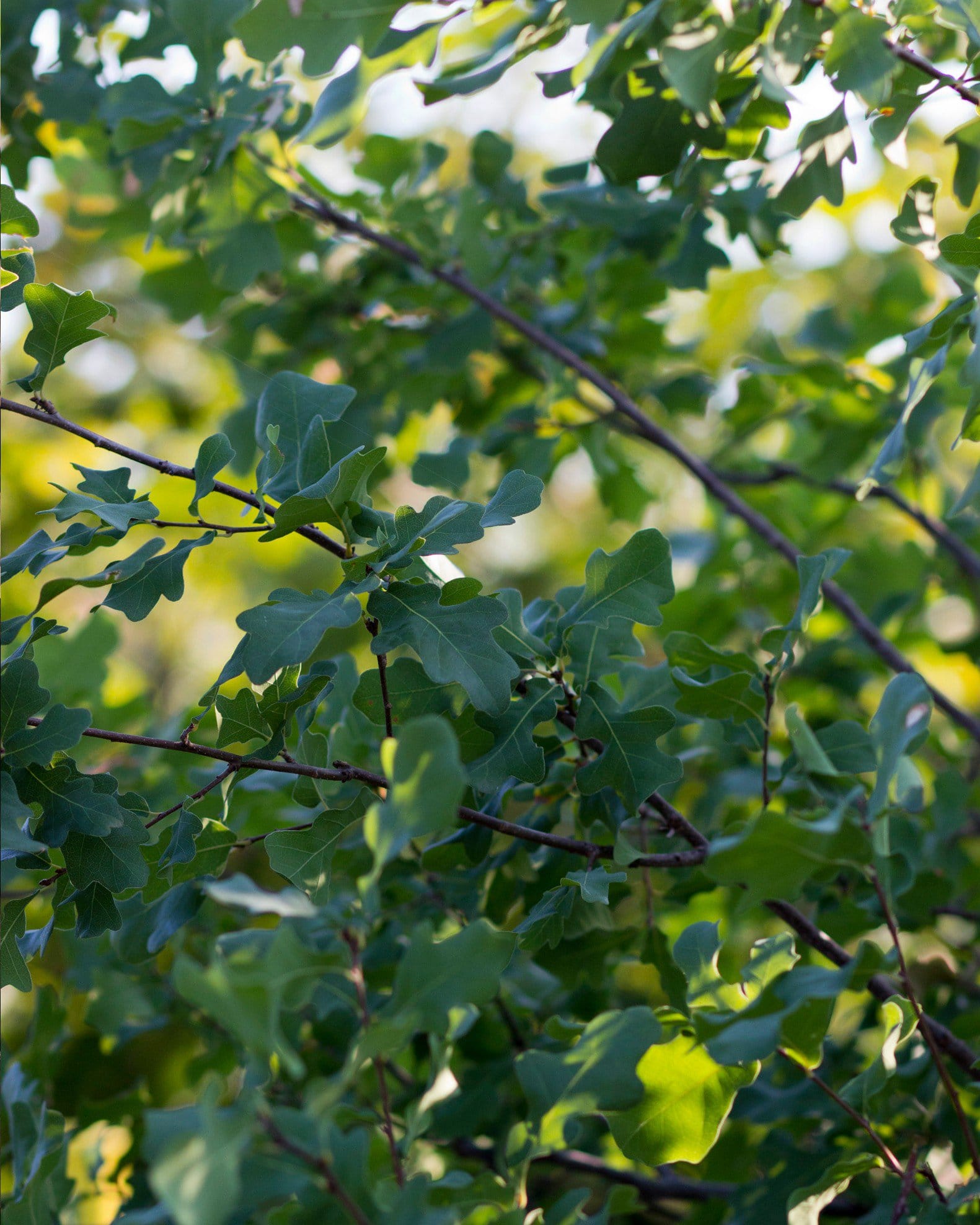
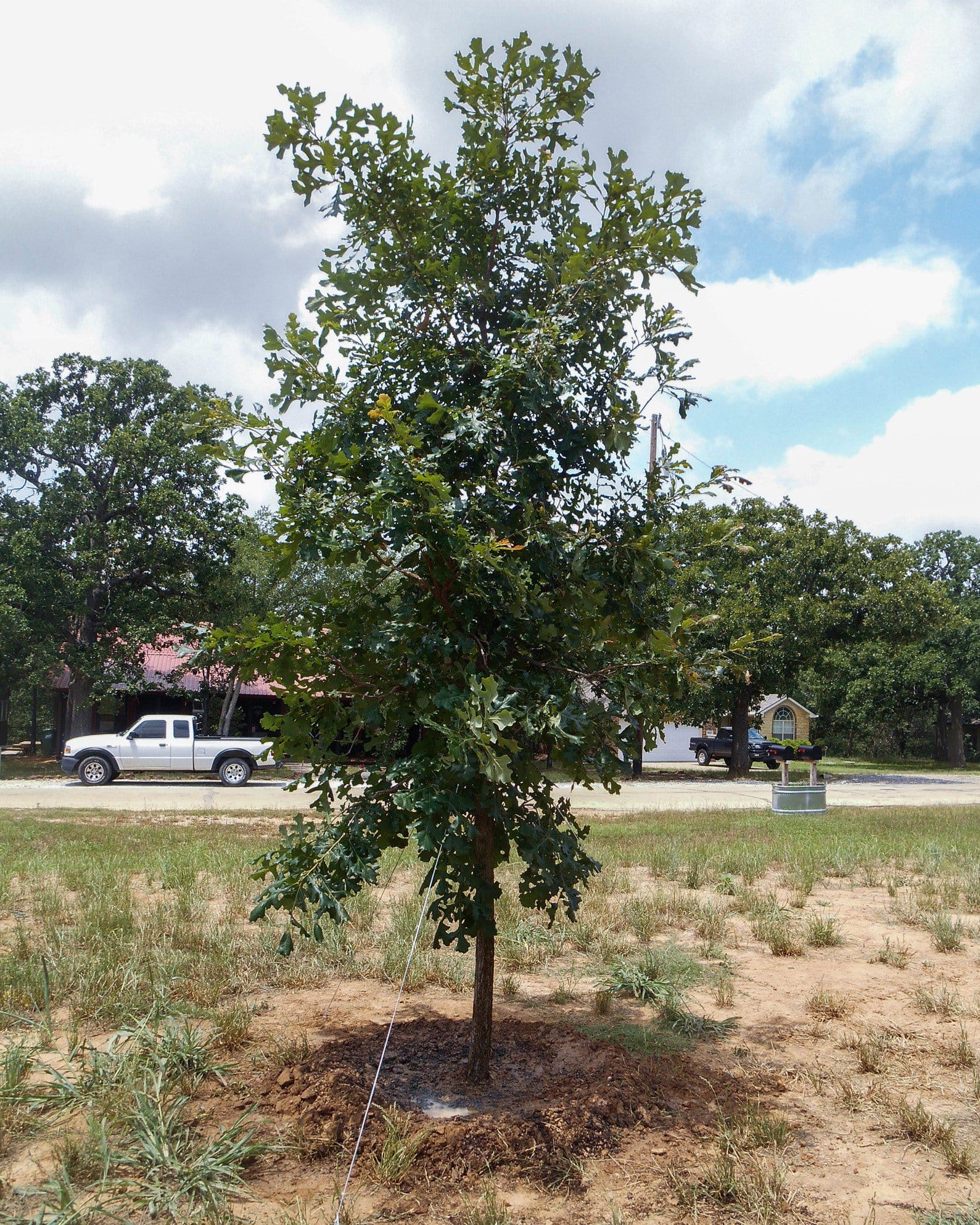
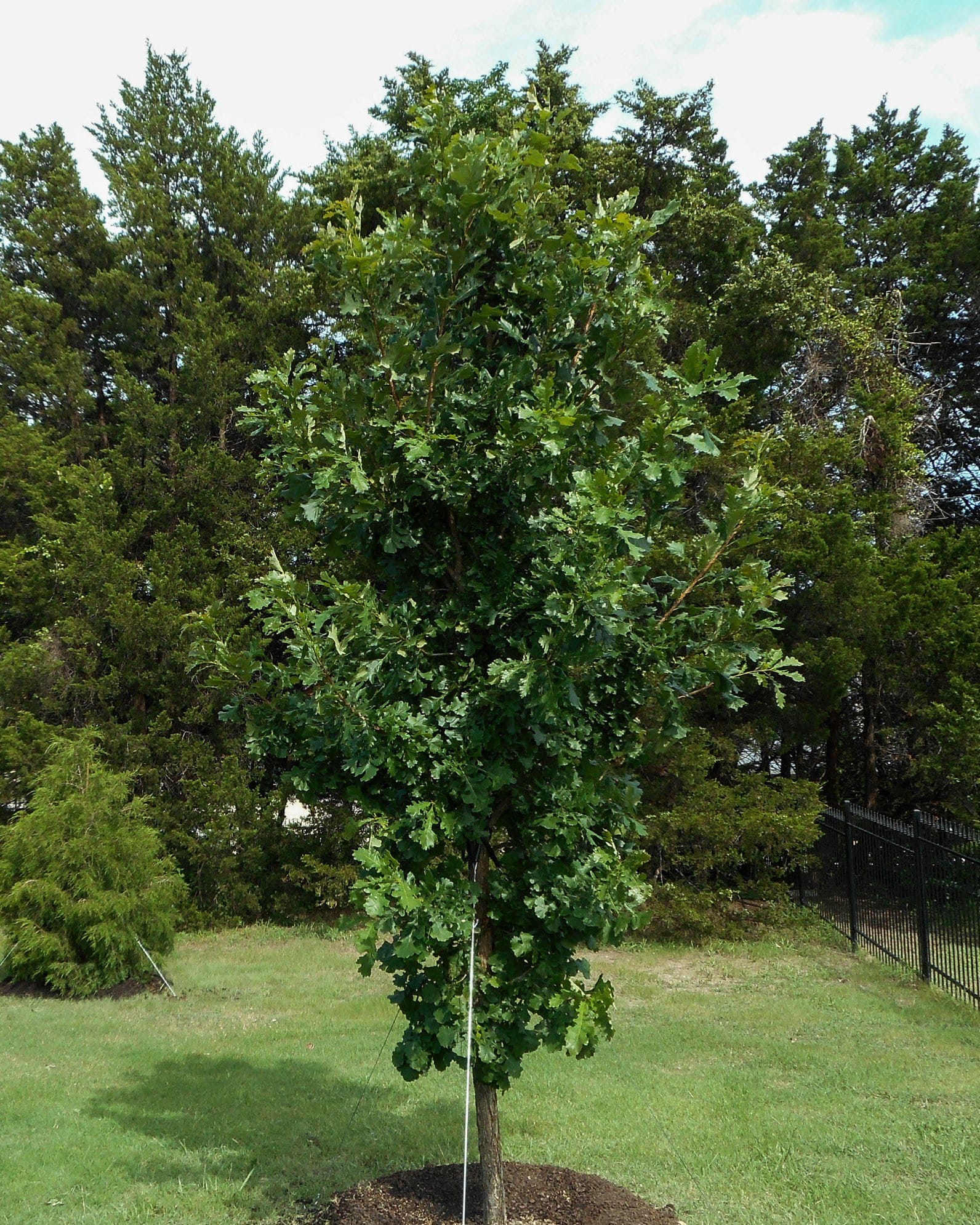
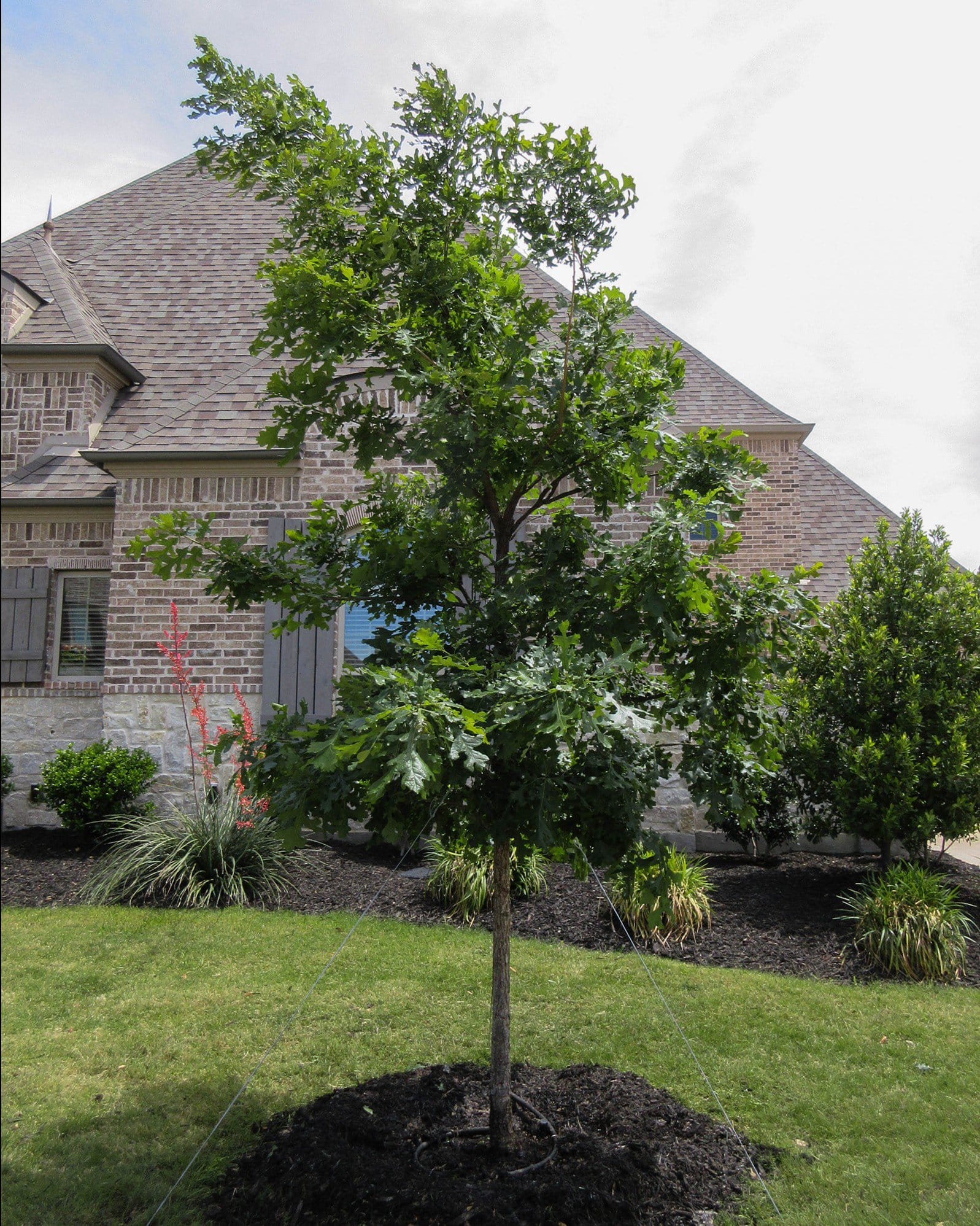
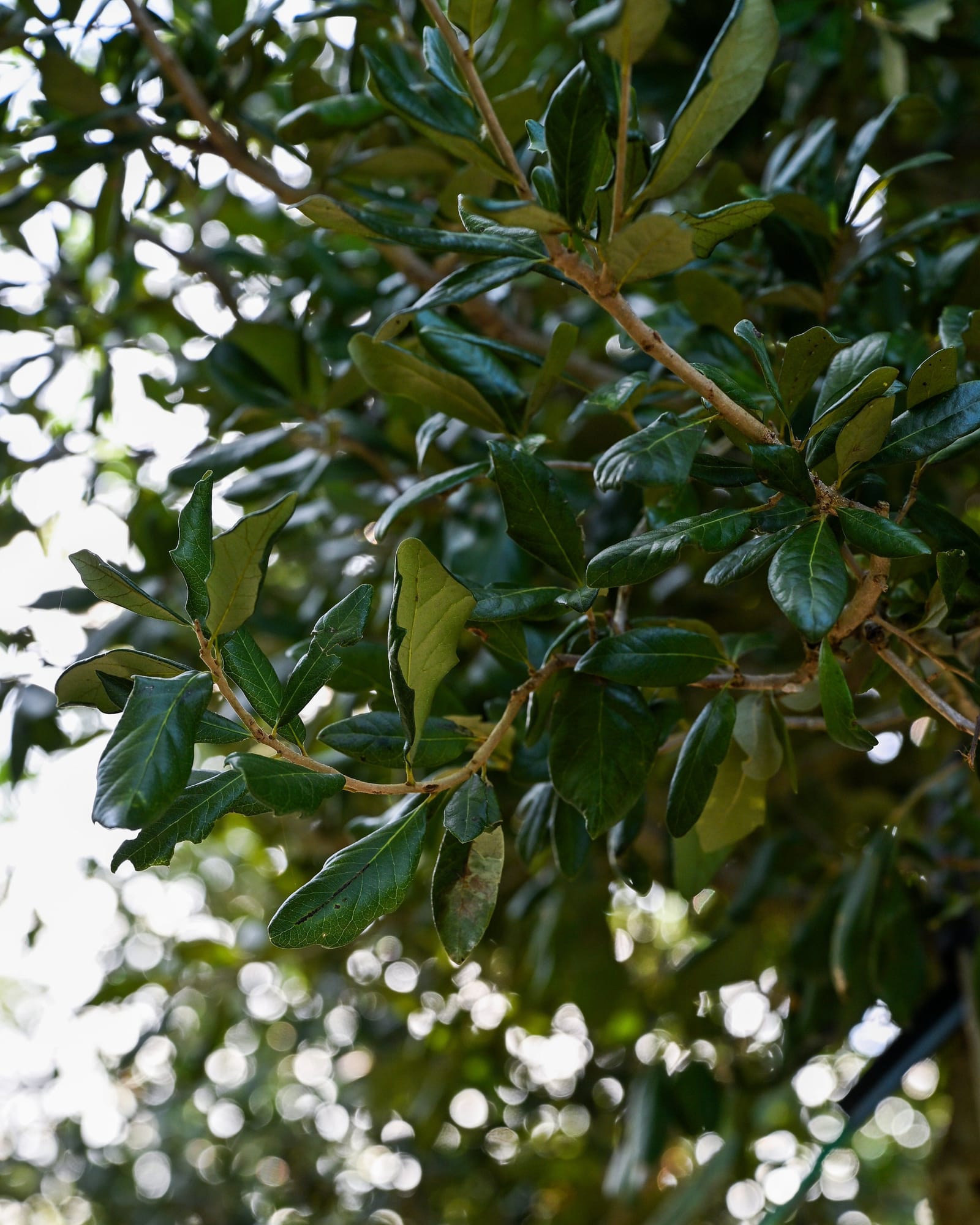
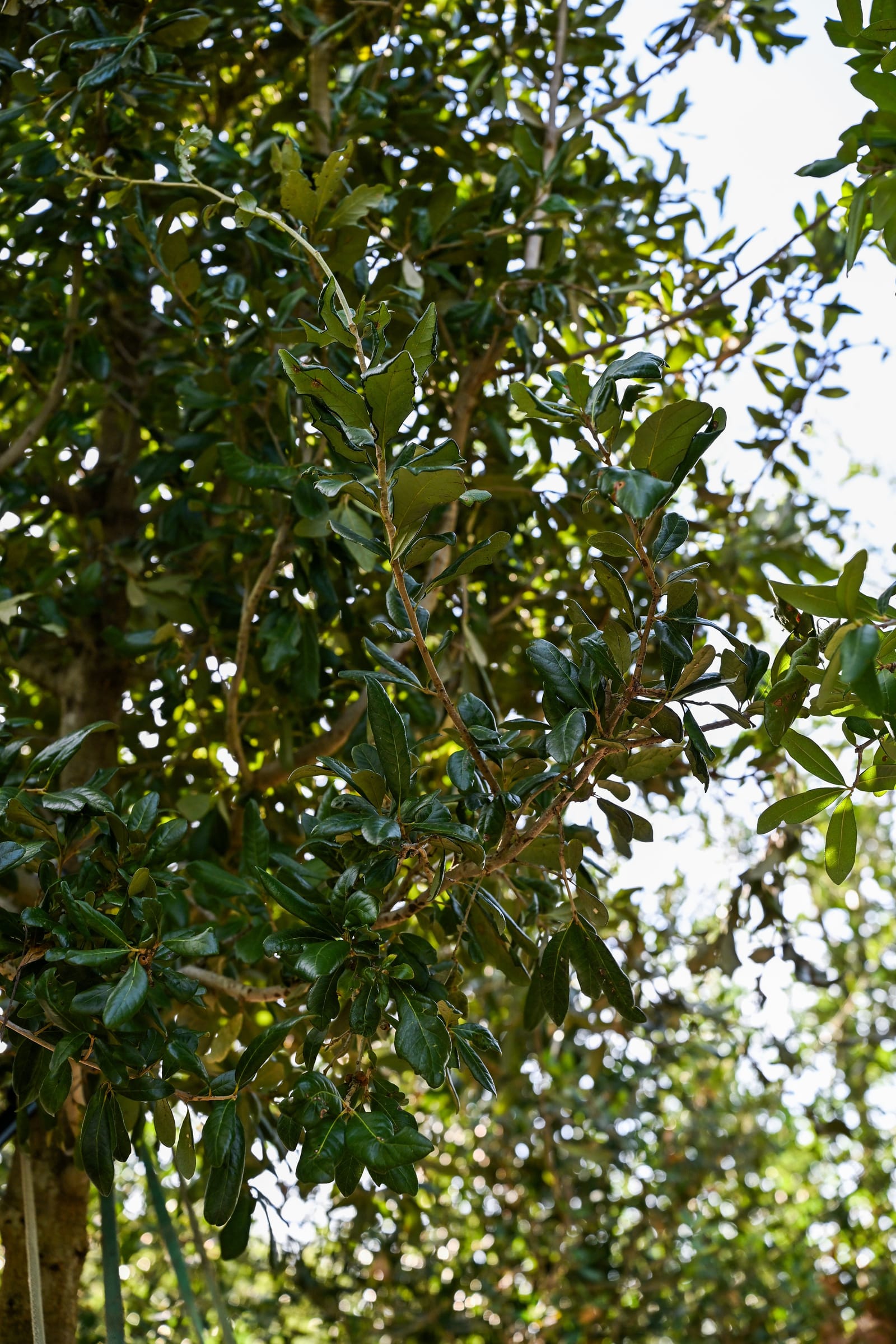
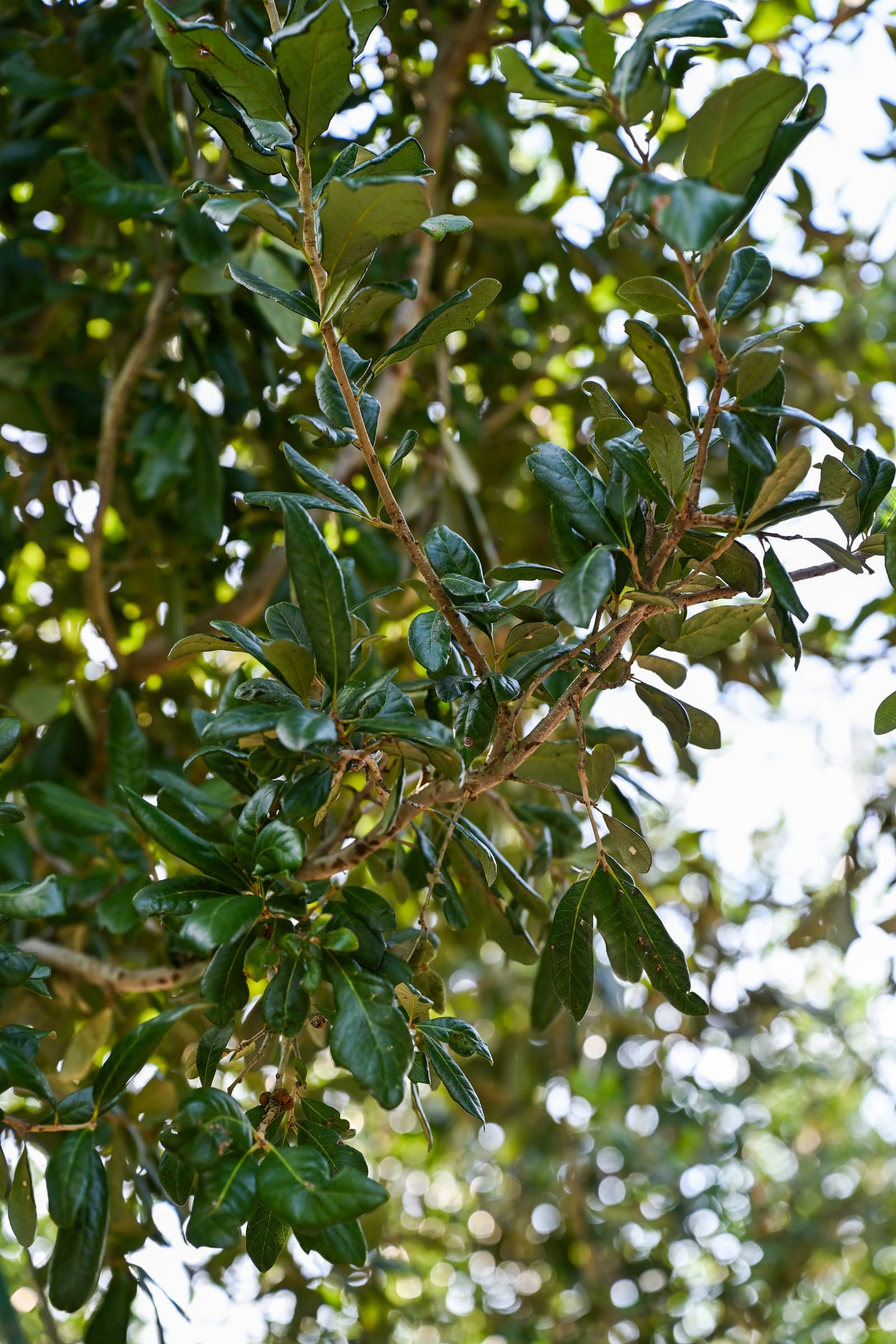
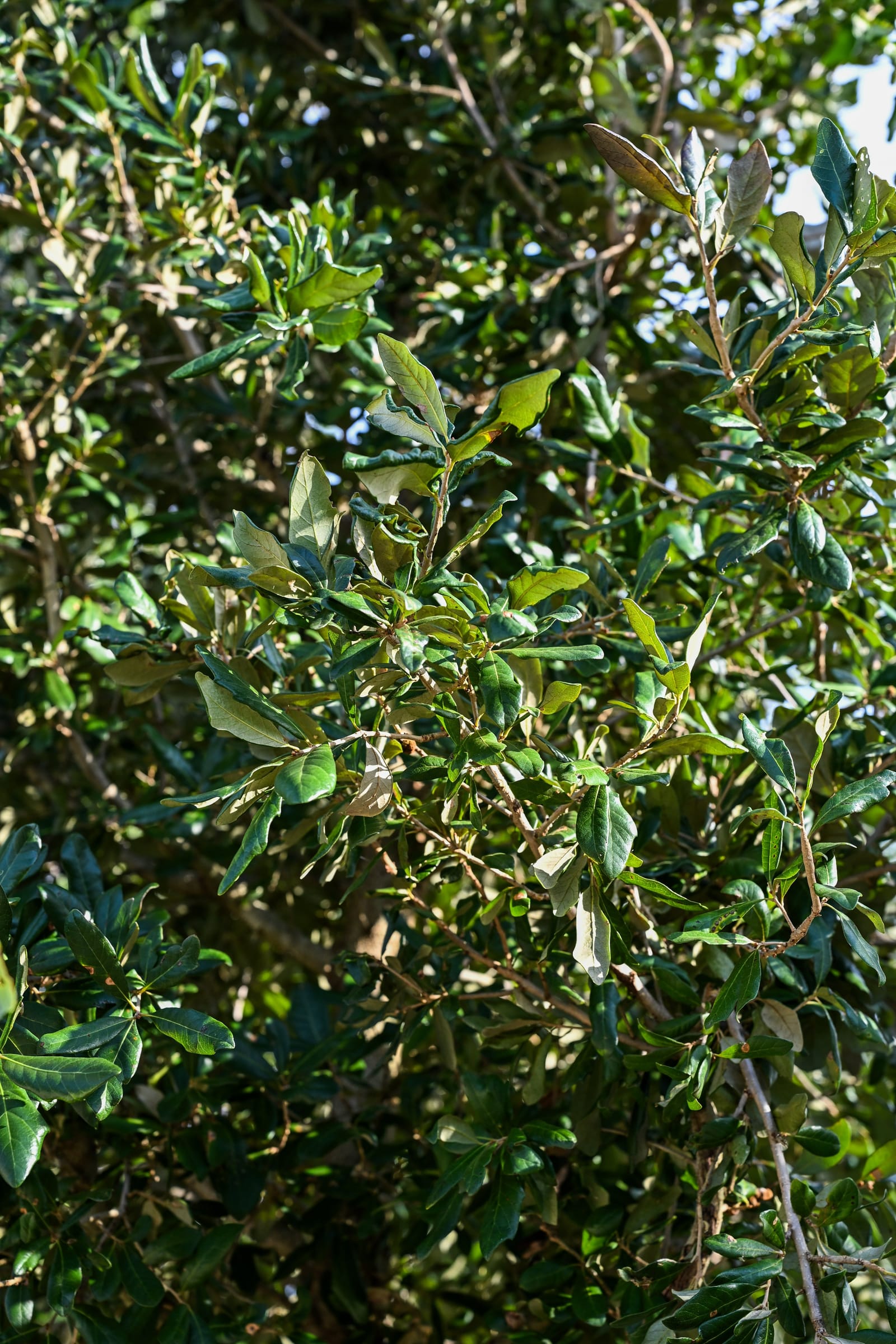
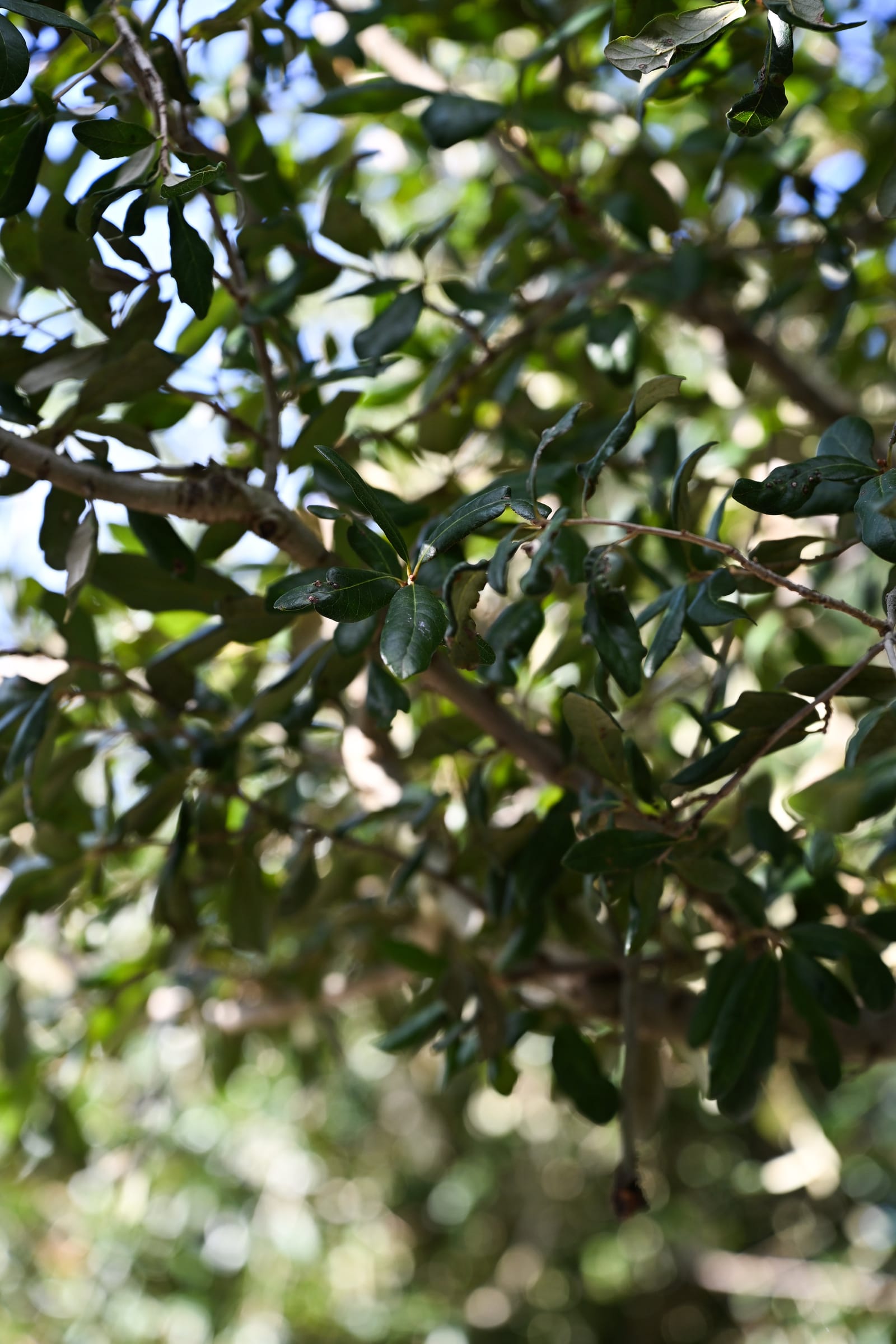
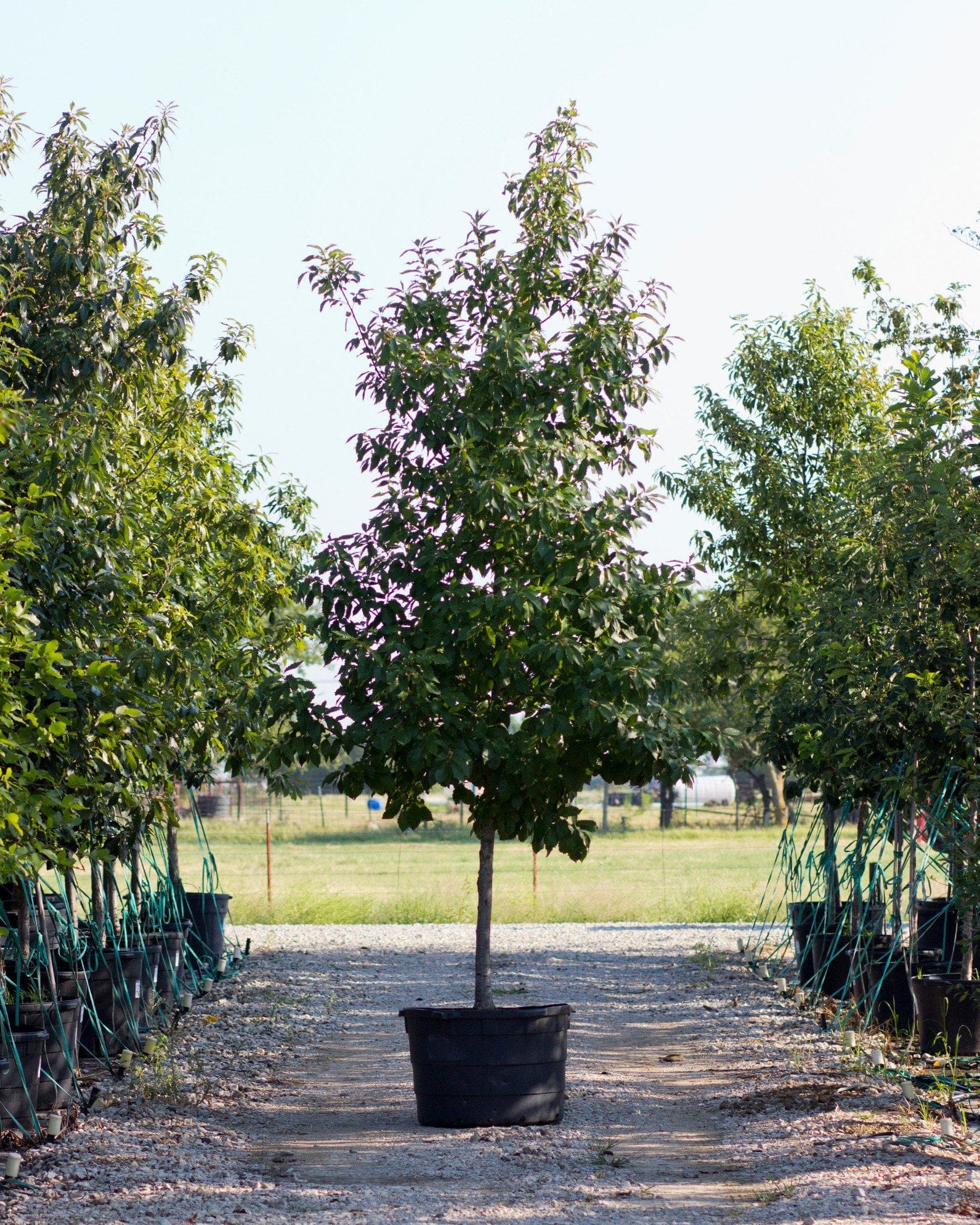
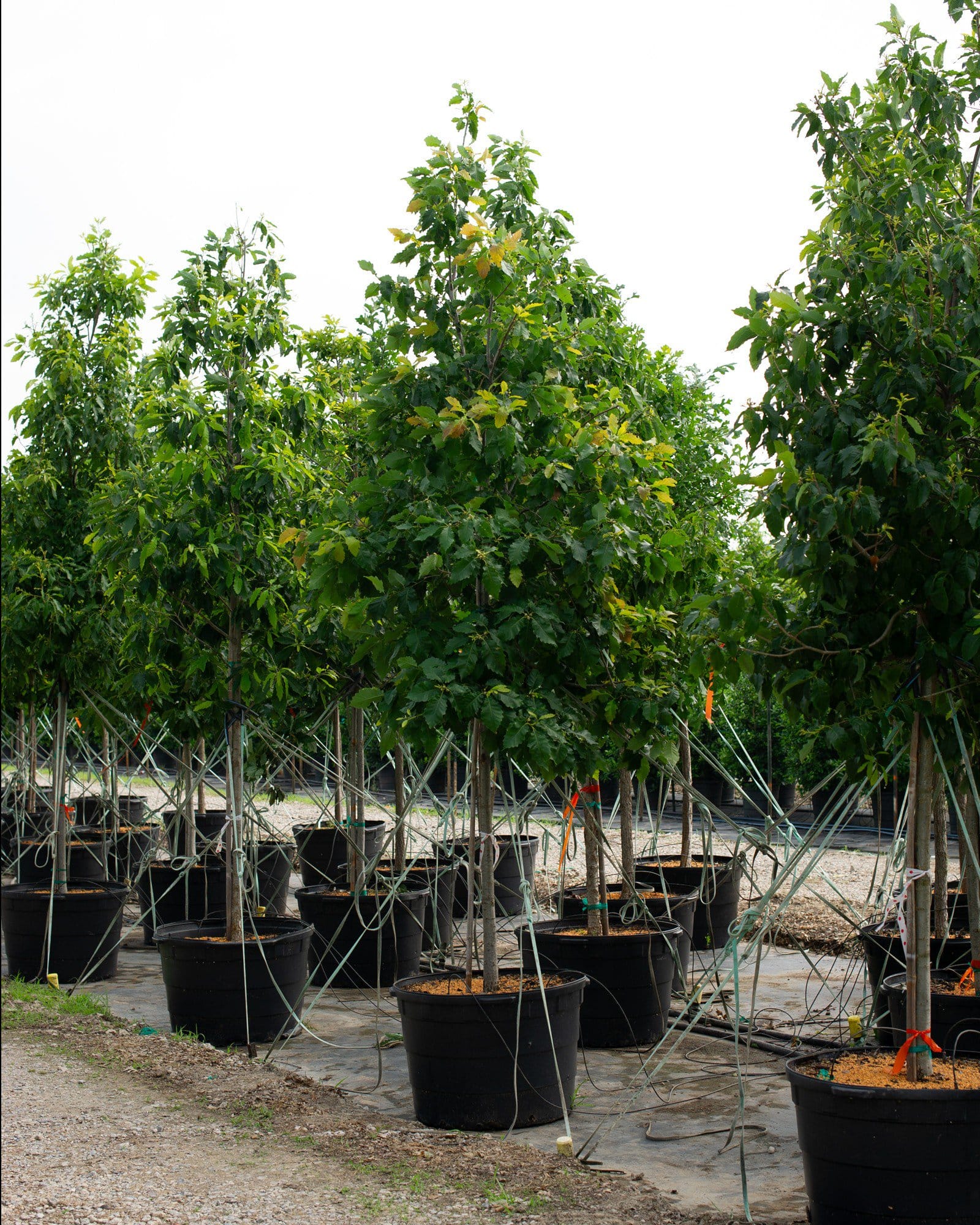
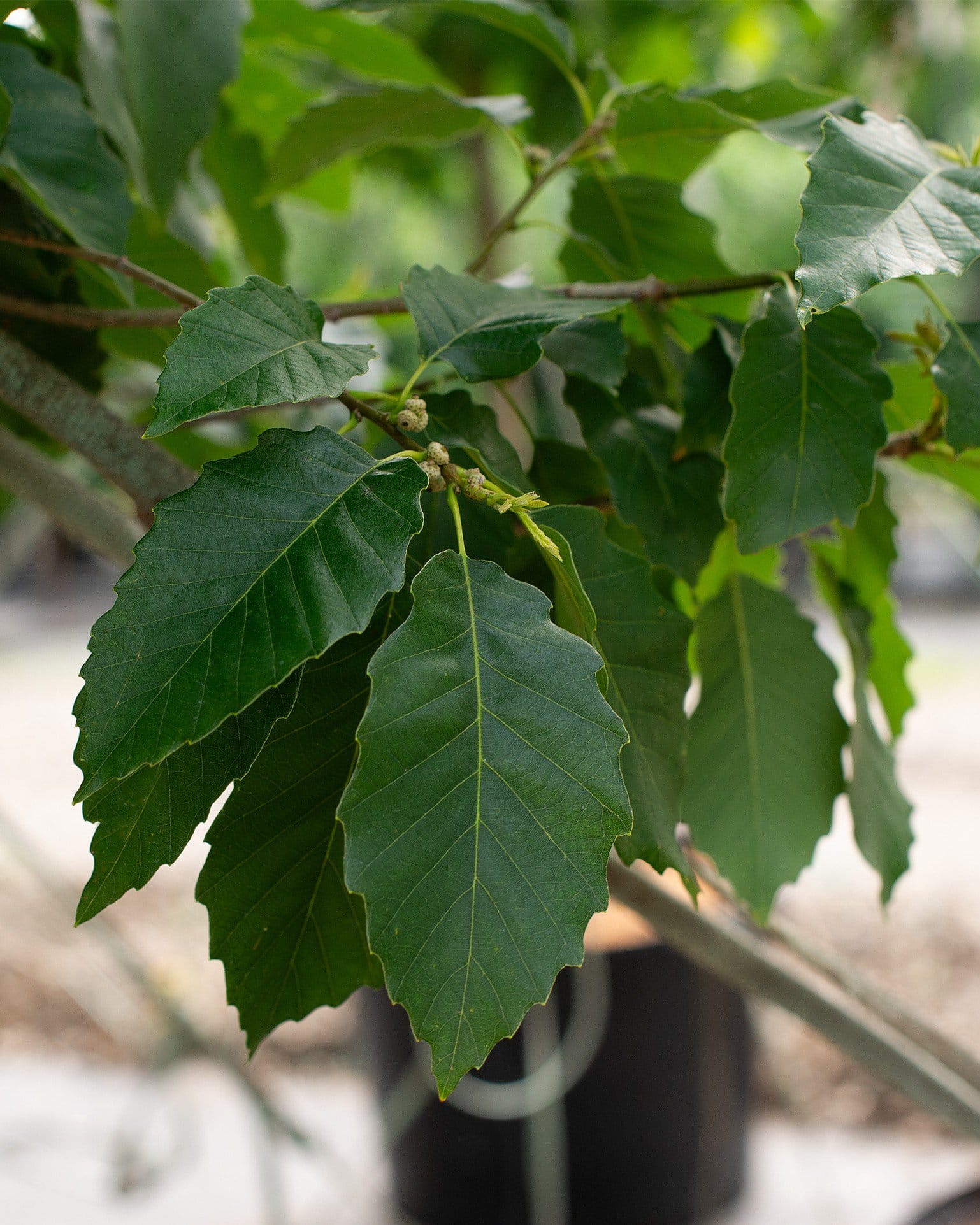
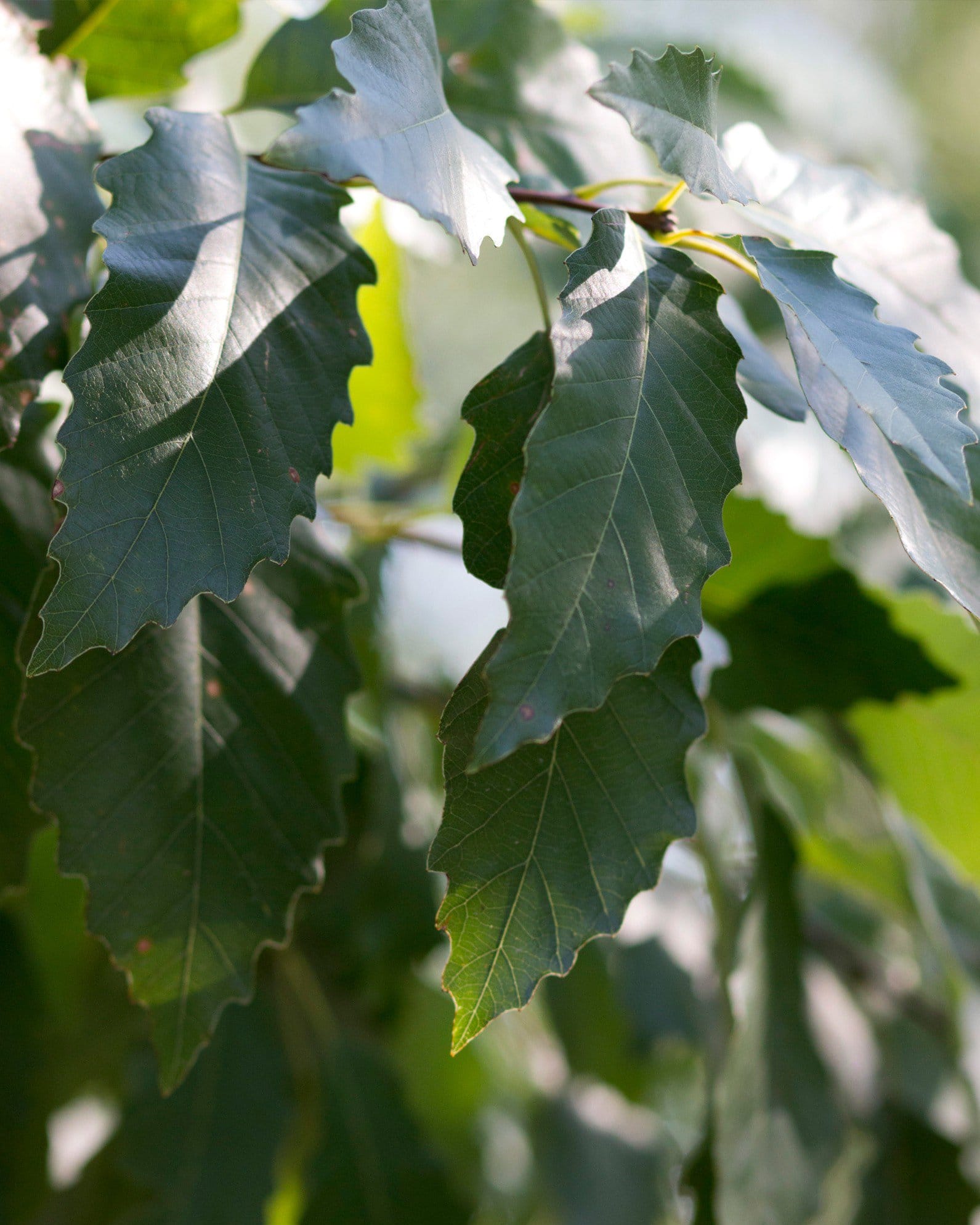
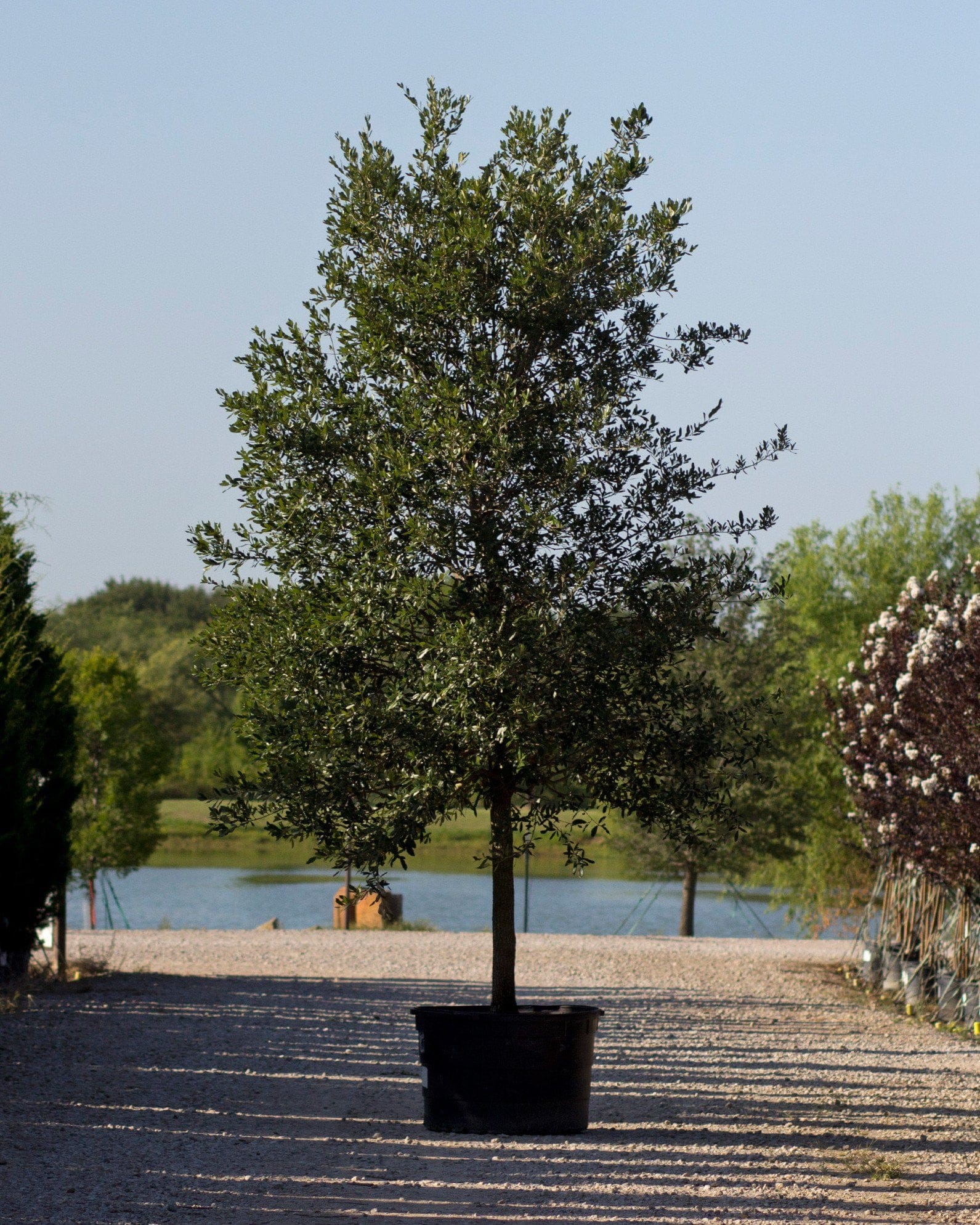
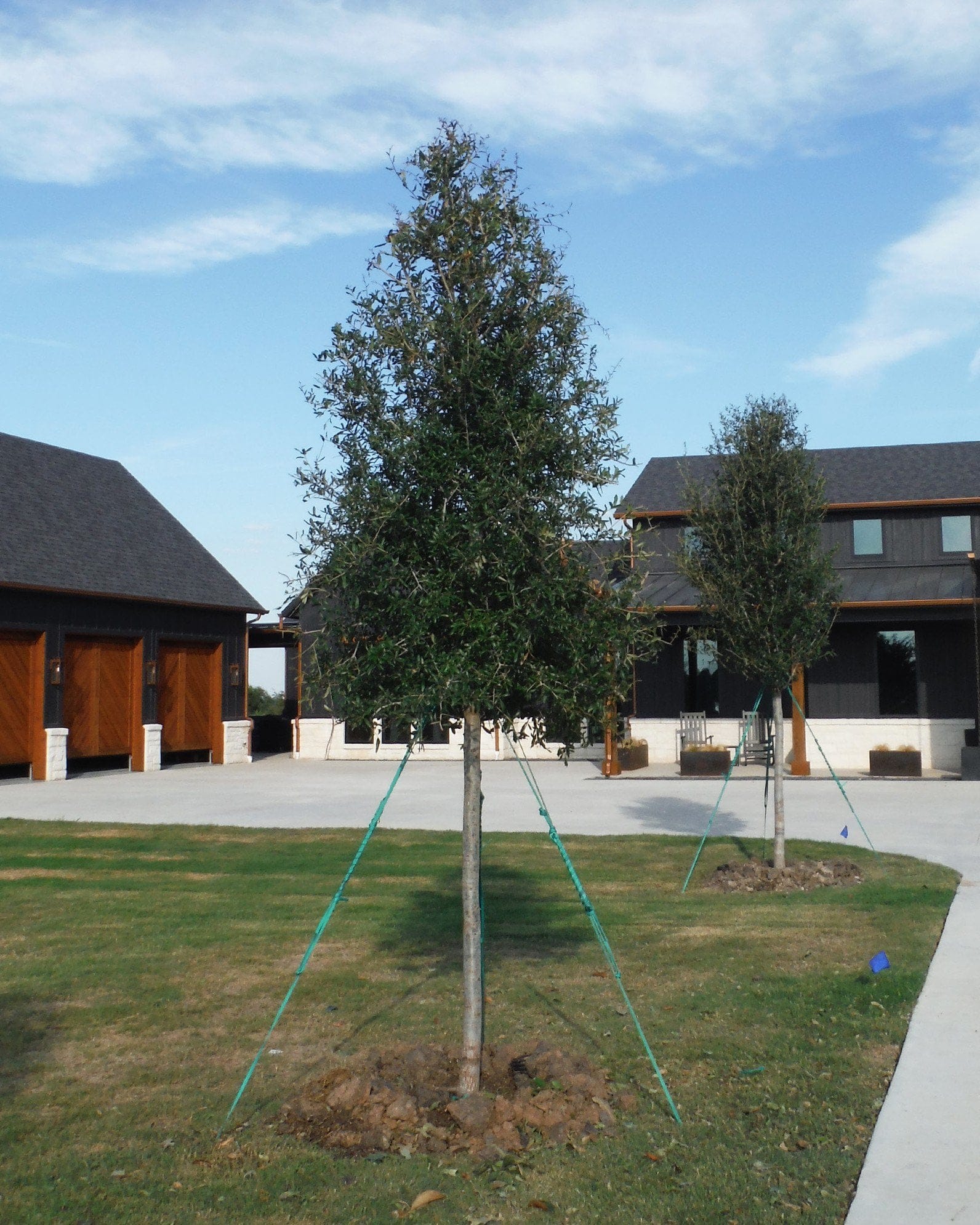
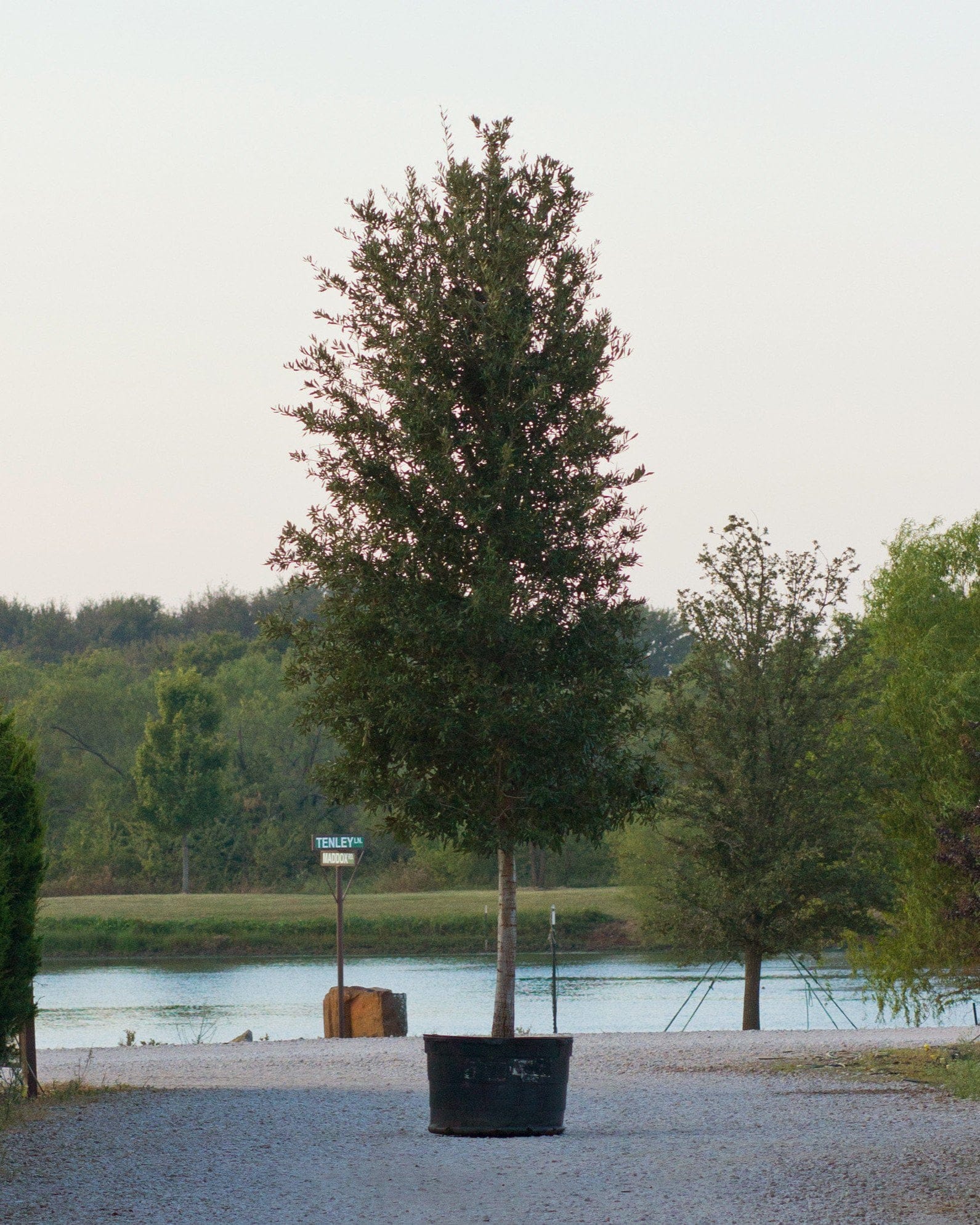
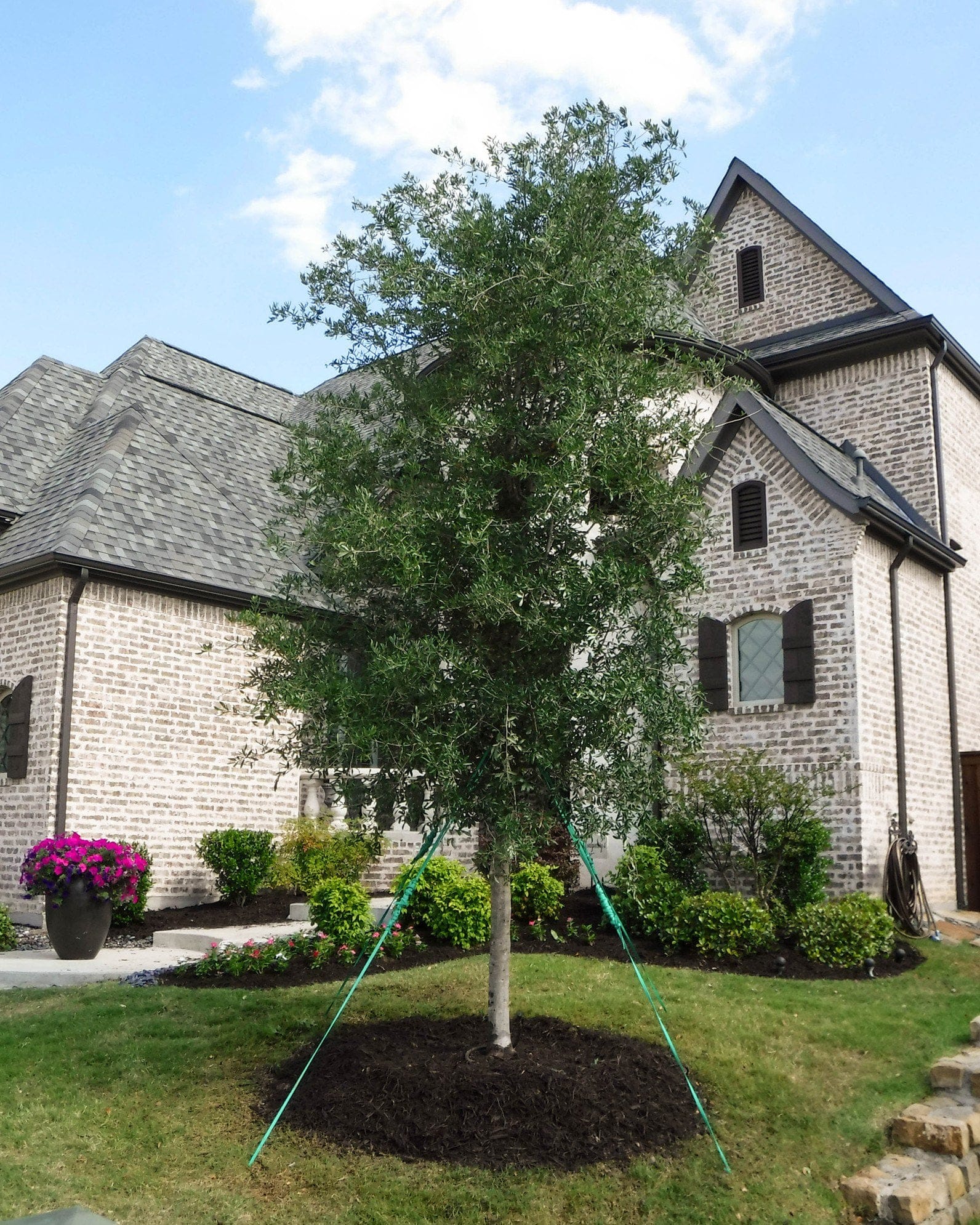
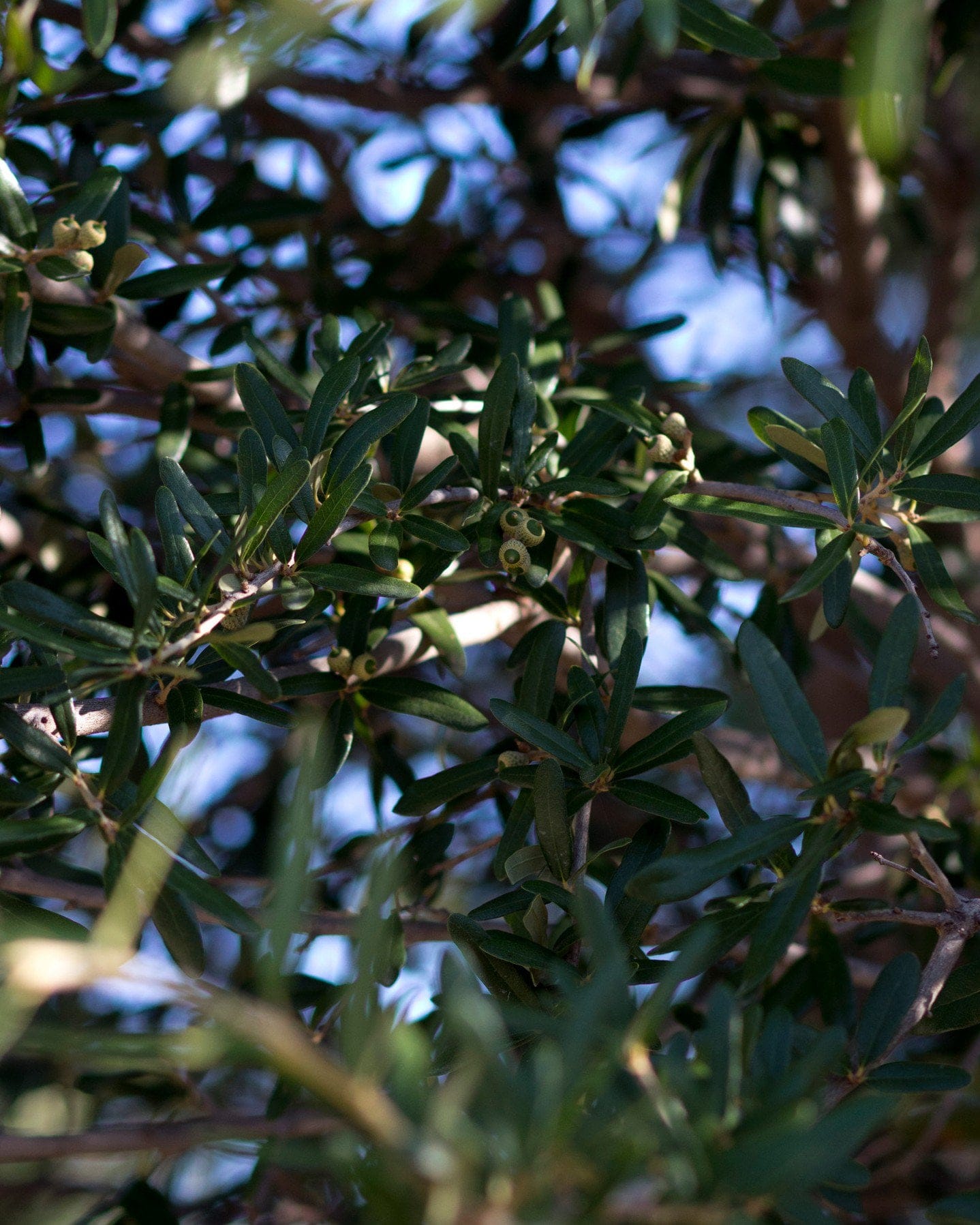
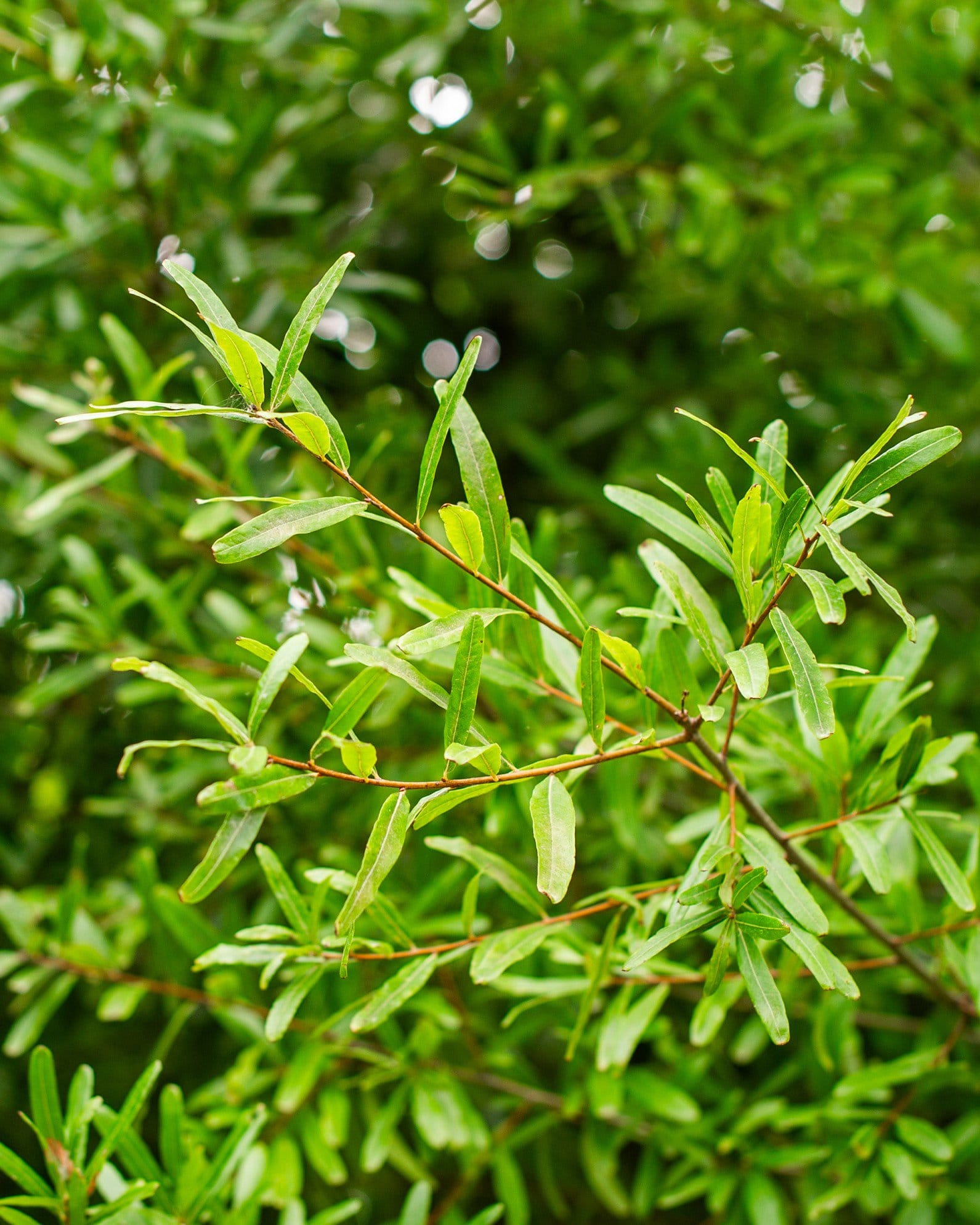
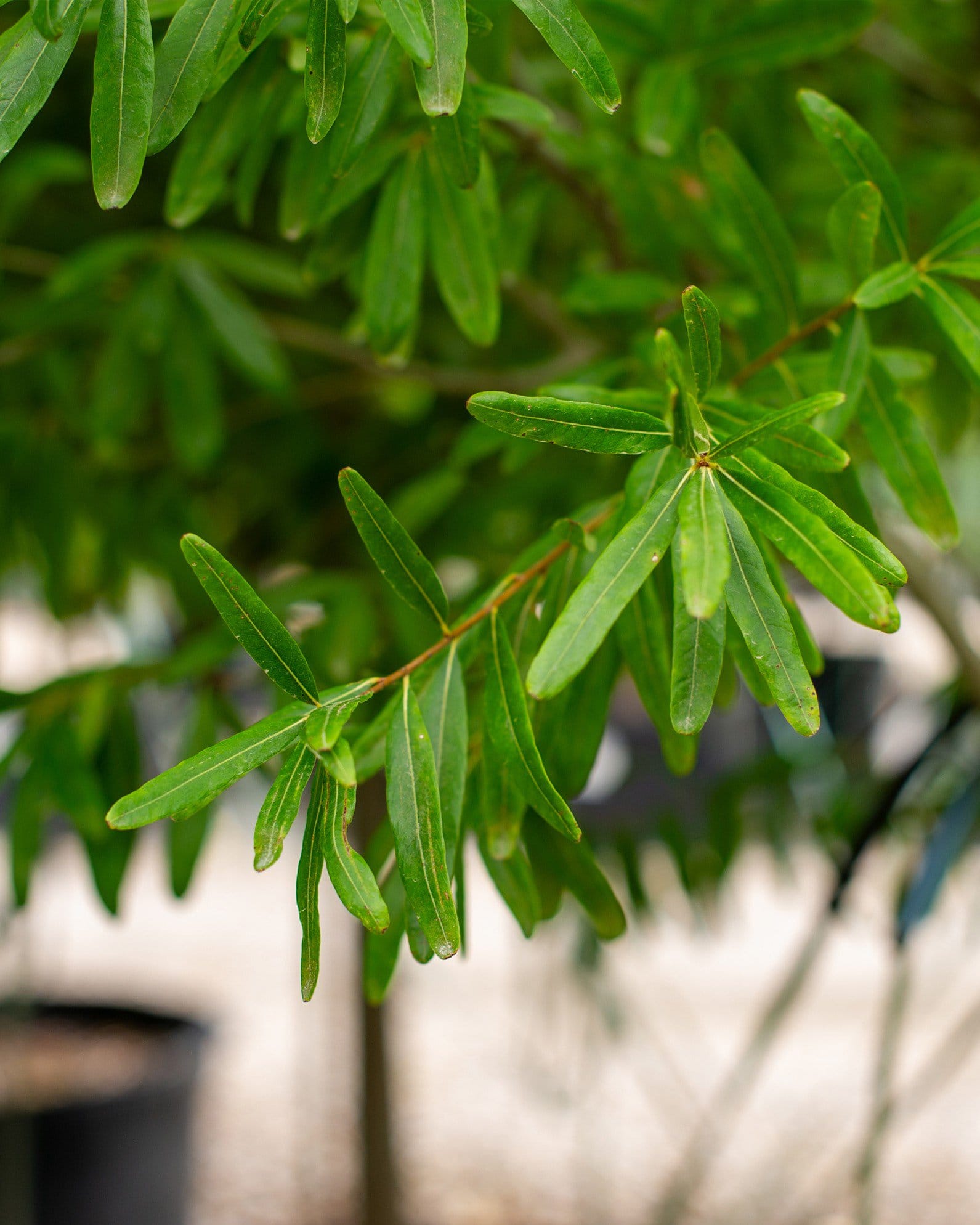
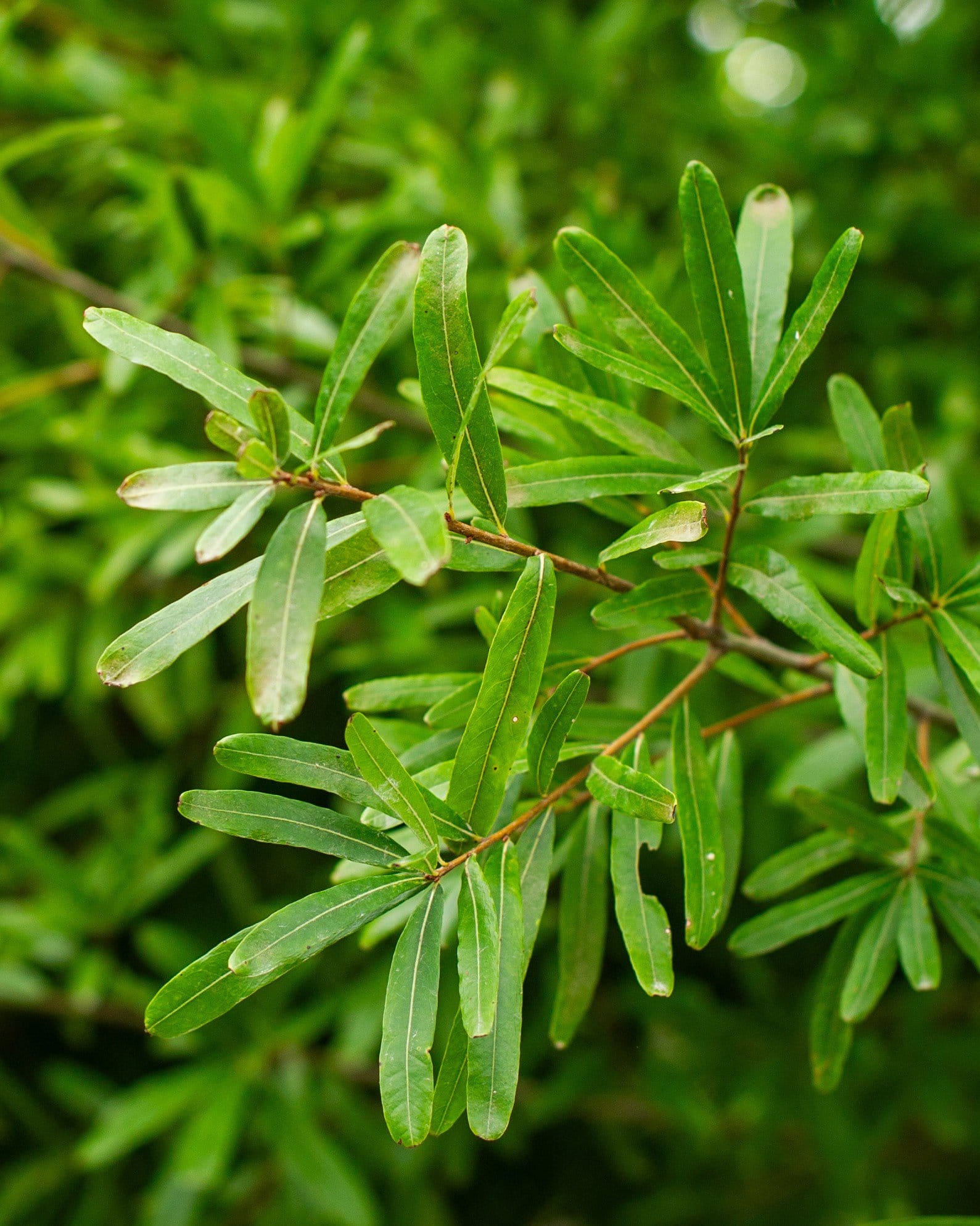
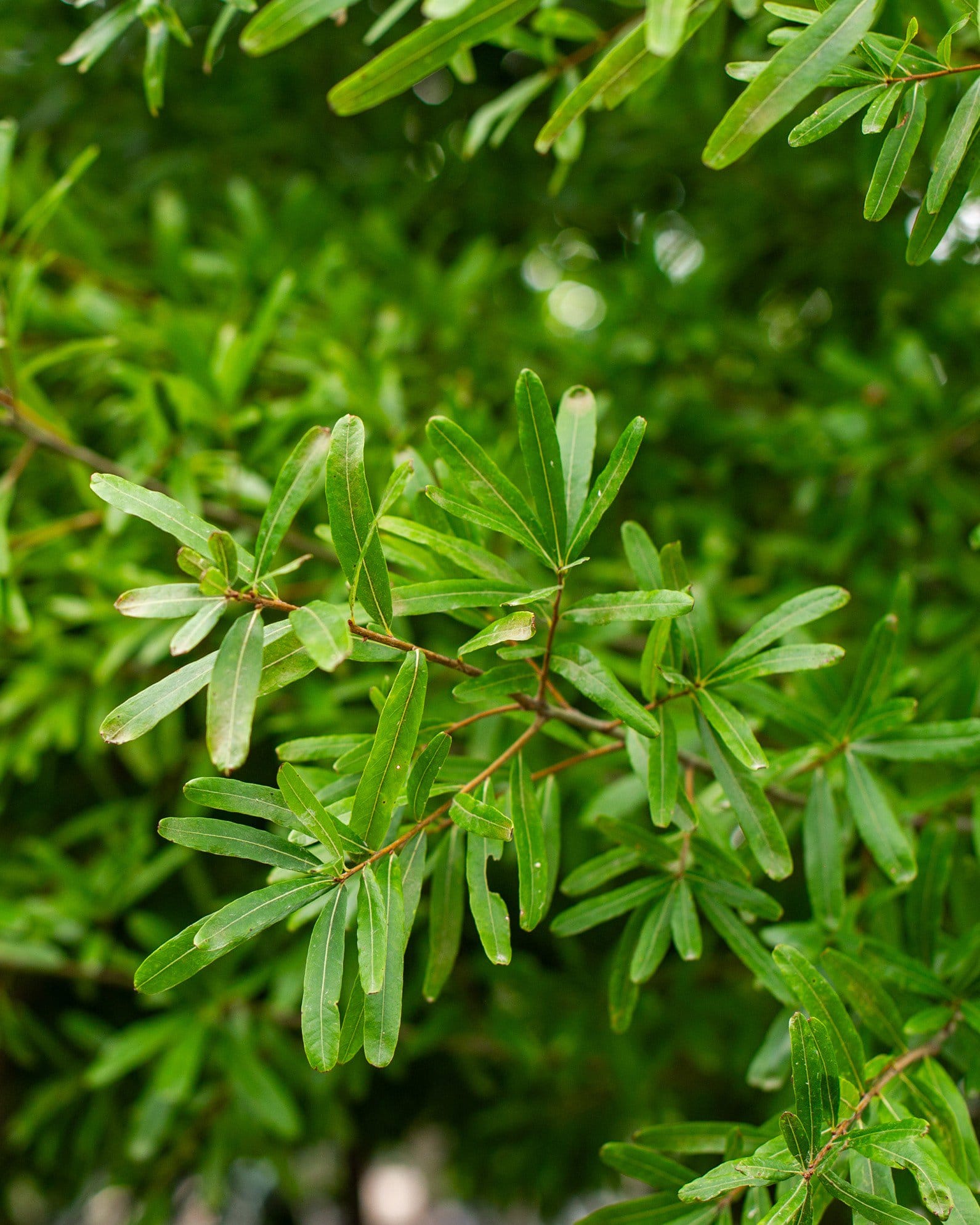
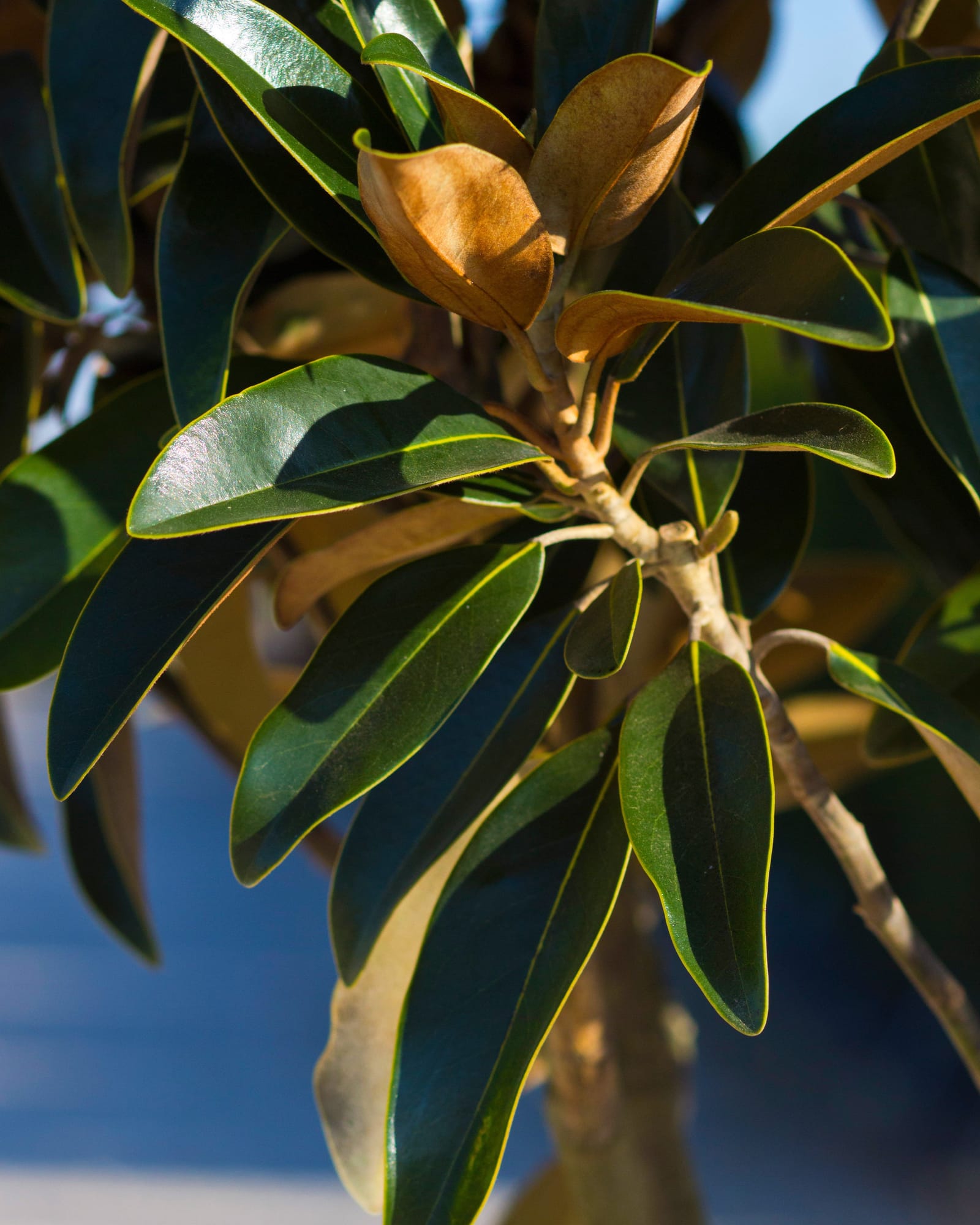
Quercus fusiformis ‘Joan Lionetti’Texas Live Oak Joan Lionetti is a smaller variety of live oak prized for its thick, glossy dark green leaves and neat, rounded canopy. The leaves turn a wonderful shade of red in the fall. Growing up to 30 feet tall and wide at maturity, it fits well in limited spaces while still providing year-round shade and structure. This evergreen oak is drought-tolerant and resilient, making it ideal for residential yards, parks, and streetscapes where a durable, attractive tree is needed.
- Evergreen tree
- Compact, rounded growth habit
- Moderate growth rate
- Dense, dark green foliage year-round
- Perfect for smaller landscapes and urban settings
Hardy in USDA zones 7–10, Texas Live Oak Joan Lionetti thrives in full sun and well-drained soils. It performs exceptionally well in North Texas climates, offering reliable beauty and shade with minimal care.
Maintenance
With thoughtful early care, Texas Live Oak Joan Lionetti becomes a resilient, beautifully structured tree that thrives with surprisingly minimal maintenance:
- Watering: Water young ‘Joan Lionetti’ Live Oaks deeply and consistently during the first 2-3 years to establish a wide, stable root system. Once mature, it becomes highly drought-tolerant and typically requires supplemental watering only during severe, extended dryness.
- Pruning: Prune in late winter to remove crossing, damaged, or poorly angled branches. This cultivar naturally forms a clean, well-balanced canopy, but early selective pruning helps define strong structure, especially in multi-directional branching zones.
- Fertilizing: ‘Joan Lionetti’ thrives in a broad range of soils and usually needs little to no fertilizer once established. If foliage pales or growth slows, a light spring application of slow-release, balanced fertilizer helps restore vigor, but avoid excessive nitrogen.
- Mulching: Apply a 3-inch mulch layer around the base to conserve moisture, protect feeder roots, and reduce turf competition. Expand the mulch ring as the tree grows, ideally to the dripline, while keeping mulch several inches away from the trunk.
- Winter Care: Texas Live Oak is reliably cold-hardy, and ‘Joan Lionetti’ requires no special winter protection once mature. Young trees may experience mild leaf browning during hard freezes, but they recover readily in spring without intervention.
Common Issues and How to Take Care of Them
While Live Oak is quite hardy, it’s not completely immune to certain pests and diseases. Here are the most common ones to keep your eye on:
- Powdery Mildew: A white, powdery coating appears on leaves in shaded, humid areas. Improve air circulation and avoid wetting leaves to keep foliage healthy.
- Oak Leaf Blister: Oak leaf blister is a fungal disease that causes raised, distorted blisters on leaves, often with a yellowish discoloration. It is caused by a fungus and is most severe wet springs.
- Oak Galls: Oak galls are abnormal growths of plant tissue, similar to tumors, that develop when the plant is exposed to minute amounts of hormone-like chemicals released by the organisms that create them. While fungi, bacteria, nematodes, and mites can all be gall makers, insects are the primary culprits. Galls can form on roots, flowers, bark, or buds, but the ones appearing on leaves and twigs are the most easily noticed. A common example for Live Oaks is the Mealy Oak Gall, which appears as hard, tan, marble sized orbs that can remain attached to the outer twigs for a long time. The specific gall maker for the Mealy Oak Gall is a tiny cynipid wasp. Gardeners shouldn't worry about the term "wasp," as this insect is similar in size, harmless and does not sting.
- Scale: Bumpy, waxy insects attach to stems and feed on sap, causing yellowing leaves. Apply horticultural oil or insecticidal soap to control populations.
- Spider Mites: Tiny pests that can cause foliage discoloration during hot, dry weather. Rinse foliage with water or use insecticidal soap if infestations persist. Encouraging beneficial insects, like ladybugs, can also help keep mite populations under control.
- Oak wilt: A serious fungal disease spread by beetles and root grafts between nearby oaks. Prevent infection by avoiding pruning between February and June, when beetles are most active. If oak wilt appears nearby, consult a certified arborist for containment and fungicidal treatment.
These trees often live 150-250 years, maintaining strength and beauty across multiple generations. Their longevity makes them powerful legacy trees for both residential landscapes and public spaces.
Growth is steady, commonly 12-24 inches per year, with a mature canopy developing in 20-30 years. This balanced pace allows the tree to build a strong, enduring framework without becoming difficult to manage.
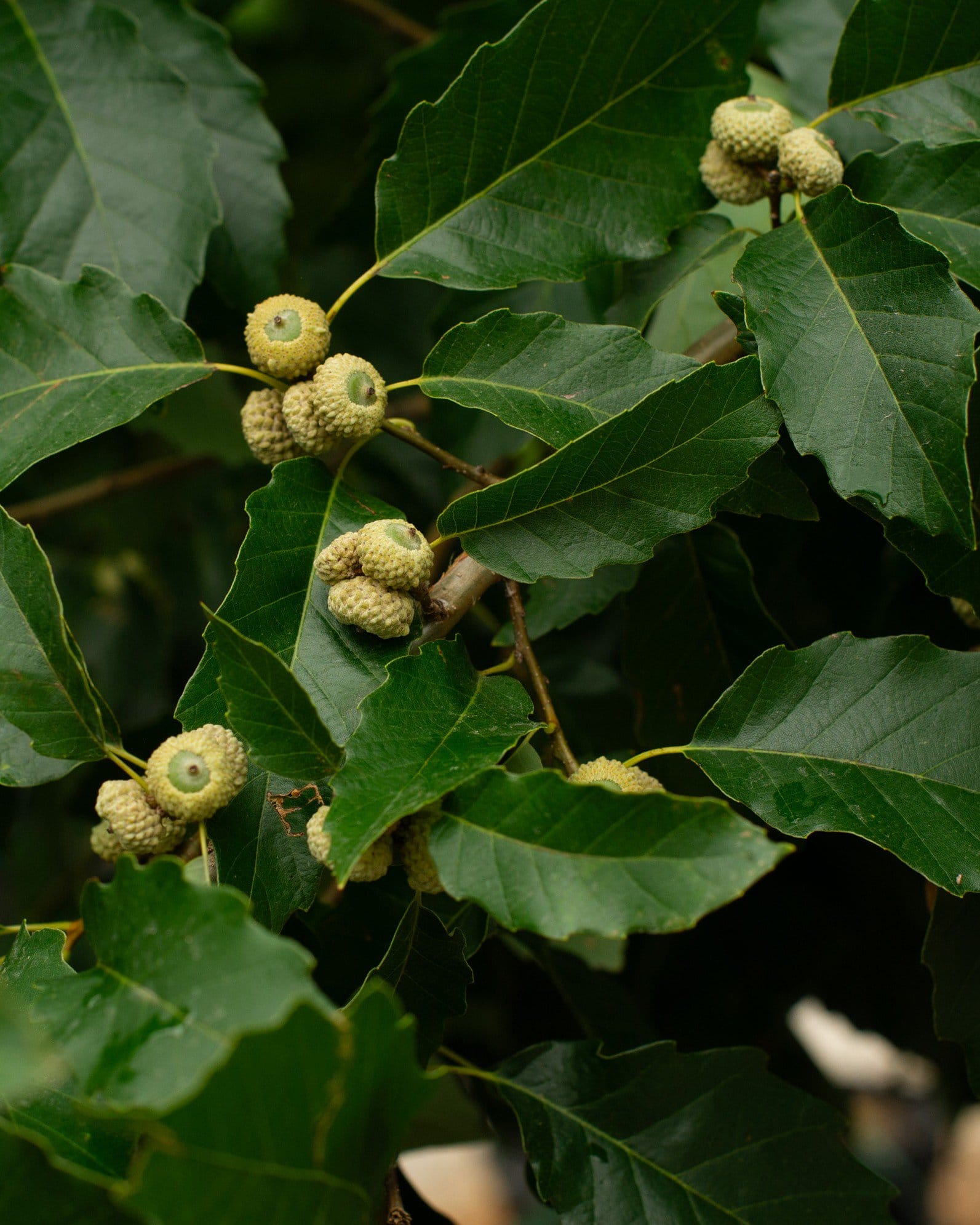
Its spring catkins support bees and beneficial insects, and its acorns provide valuable food for birds, deer, and many small mammals. The dense canopy also serves as an excellent shelter and nesting habitat.
Young foliage can experience some browsing, but mature leaves are generally less attractive to deer. A simple guard during the first few years helps ensure smooth establishment.
It is not suitable for container growth due to its eventual size and wide-reaching roots. Planting it directly into the ground allows it to develop its iconic canopy and long-term stability.
It handles heat exceptionally well, even during prolonged summers. Deep early watering helps the tree adapt quickly and remain vigorous through high temperatures.
Absolutely - its refined form and consistent structure create beautiful alleys and long, elegant shade corridors. Repeated planting delivers a timeless, cohesive landscape effect.
Very much so - it tolerates compacted soils, reflected heat, and typical city stresses with ease. Its clean branching and evergreen presence make it an excellent anchor for parks and large urban yards.
Young trees transplant reliably and adapt quickly when moved during dormancy. Older trees can also be relocated with professional care, though planting earlier ensures stronger, long-term success.
The primary differences between the Live Oak (Quercus virginiana) and the Texas Live Oak (Quercus fusiformis), both often simply called "Live Oak," are in their native range, size, and climate adaptation . Quercus virginiana is native to the humid coastal plains of the southeastern United States, extending west along the coast into Texas, and it is the larger of the two, typically growing 60 to 80 feet tall with a massive spread of over 100 feet, preferring moist, well-drained, slightly acidic soils. In contrast, Quercus fusiformis, also known as the Escarpment Live Oak or Plateau Live Oak, is native to the drier, rockier, limestone-based soils of the Edwards Plateau and Central Texas, extending into Oklahoma and Mexico, and is a smaller tree, typically 20 to 40 feet tall. This smaller size and its greater cold-hardiness and drought tolerance are key adaptations to its inland habitat. Physically, while both are evergreen, their acorns differ: Q. fusiformis acorns tend to be more elongated or "fusiform" and narrowed at the base, whereas Q. virginiana acorns are often shorter and rounder. Due to the overlap of their ranges in Central and South Texas, they frequently hybridize, which often leads to intermediate variants that can be difficult to distinguish.
The difference between the Texas Live Oak (Quercus fusiformis) and the Empire® Live Oak is a matter of both species and selection, driven by adaptation. The Texas Live Oak is a separate, naturally occurring species endemic to the challenging, alkaline limestone soils and colder climate of Central Texas (like the Hill Country). This native species is characterized by its superior cold-hardiness and drought tolerance, typically growing to a smaller, more moderately sized tree (20 to 40 feet tall) with a naturally more upright growth habit than its coastal relative. In contrast, the Empire® Live Oak is a trademarked seed-grown selection of the Southern Live Oak (Quercus virginiana), a species native to the humid coastal plains. Empire® trees are produced by collecting acorns from a carefully chosen group of genetically superior parent trees to ensure consistency in the marketplace. This selection process focuses on traits like a faster juvenile growth rate, better branching angles, and a predictably upright, rounded canopy, offering a reliably aesthetic, uniform tree that improves upon the more sprawling and genetically variable form typically associated with the standard Quercus virginiana species.
Special Features
You might also like
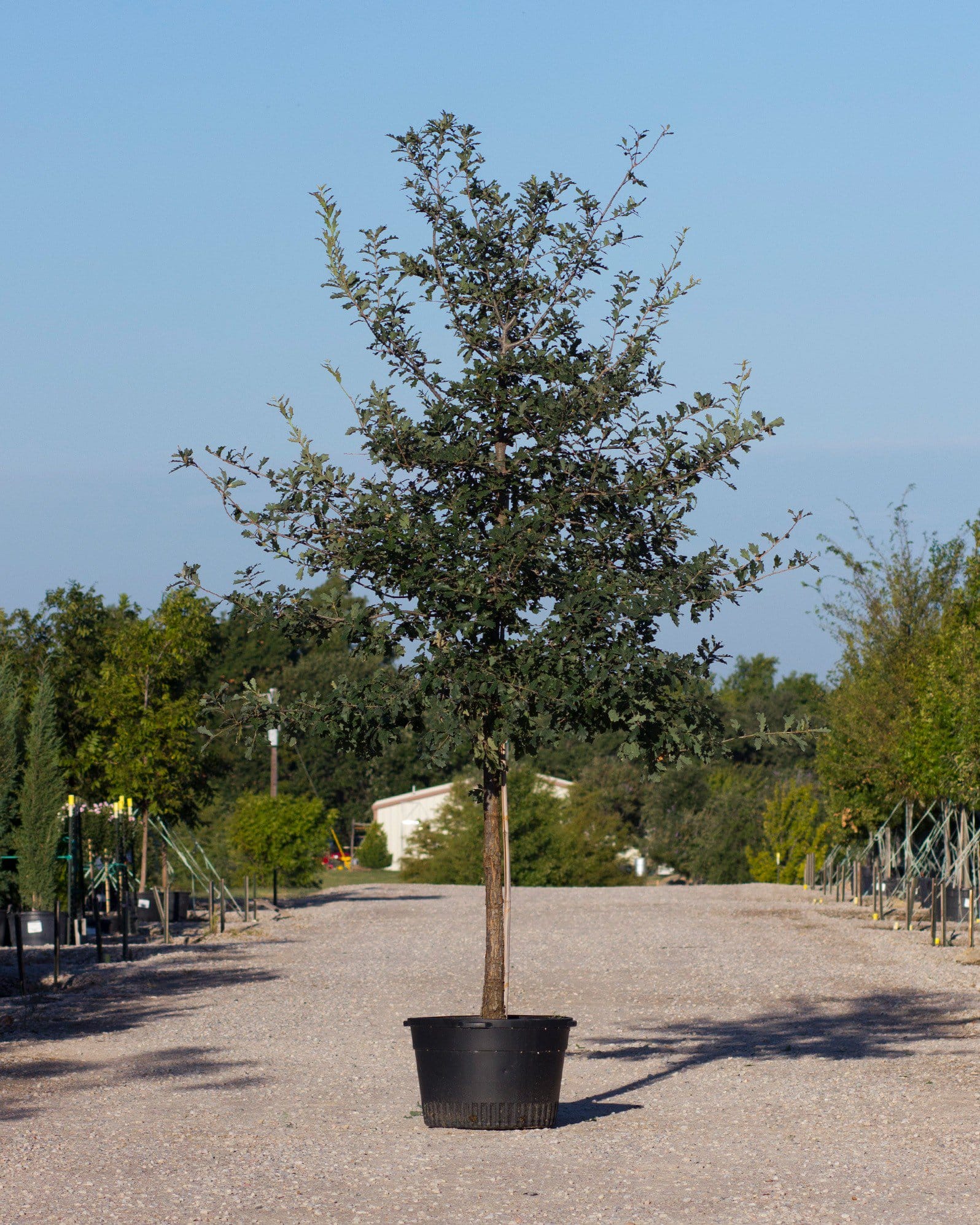
Lacey Oak
Maturity: 25' H x 15' W
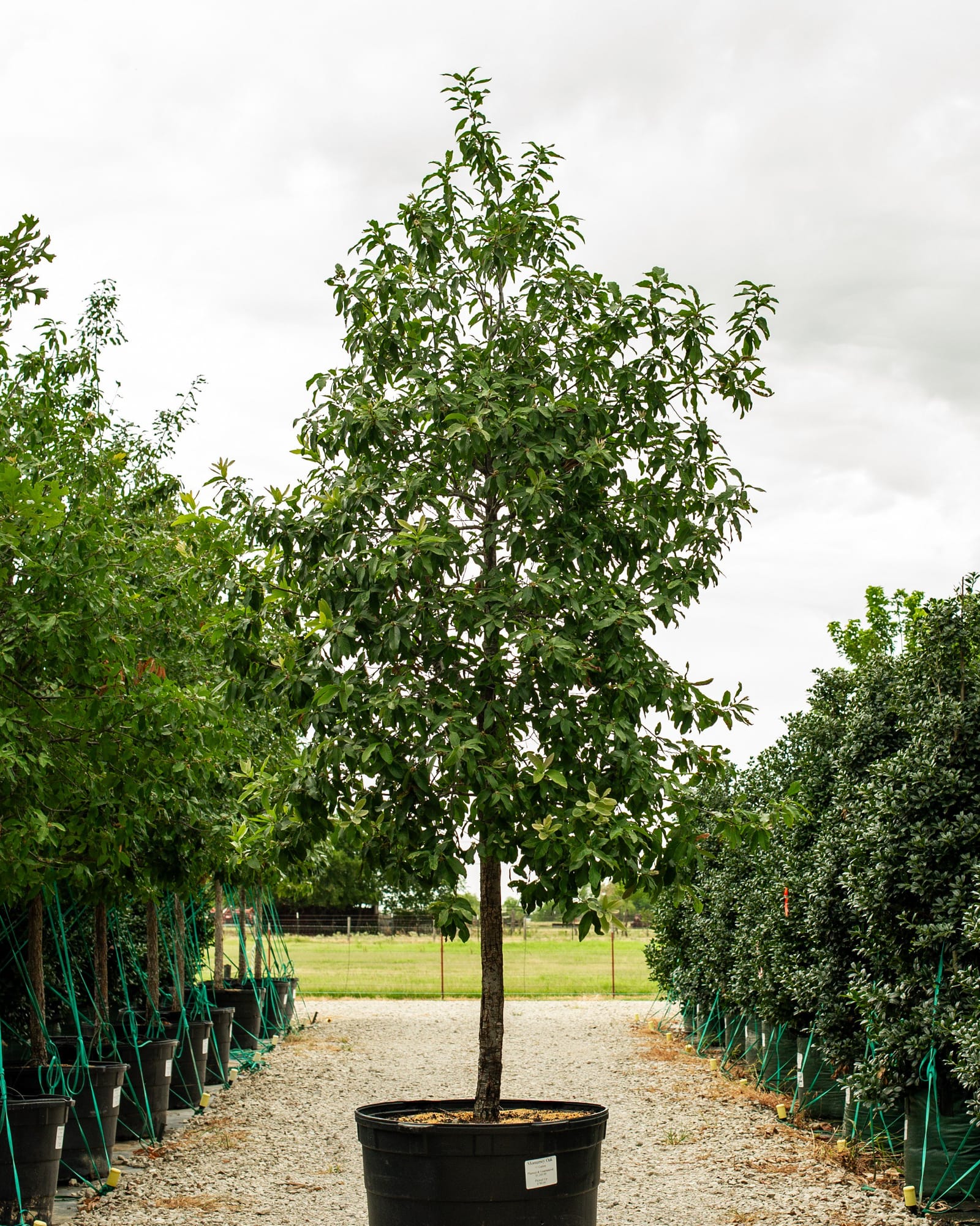
Monterrey Oak
Maturity: 45' H x 35' W
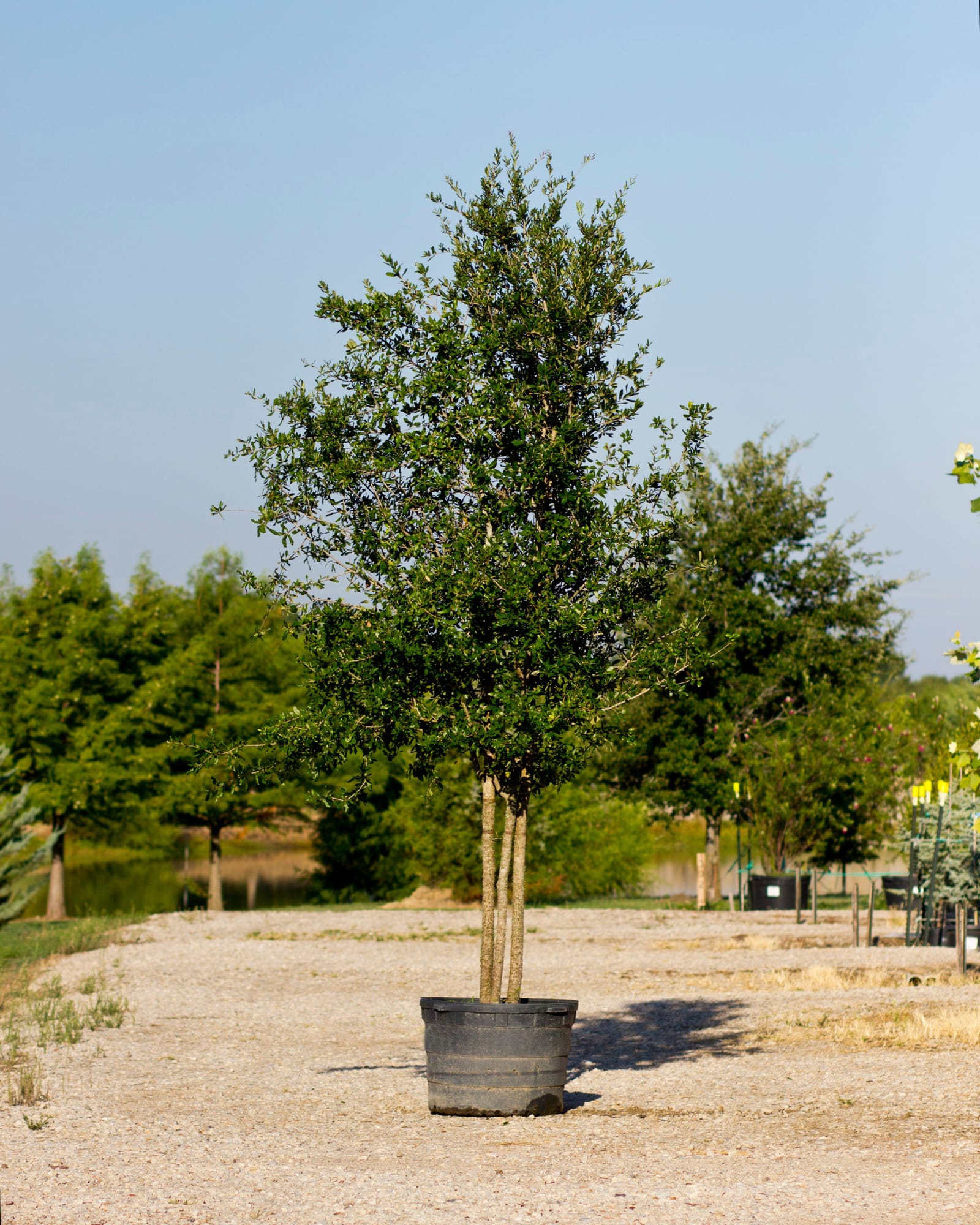
Live Oak Multi-Trunk
Maturity: 50' H x 60' W
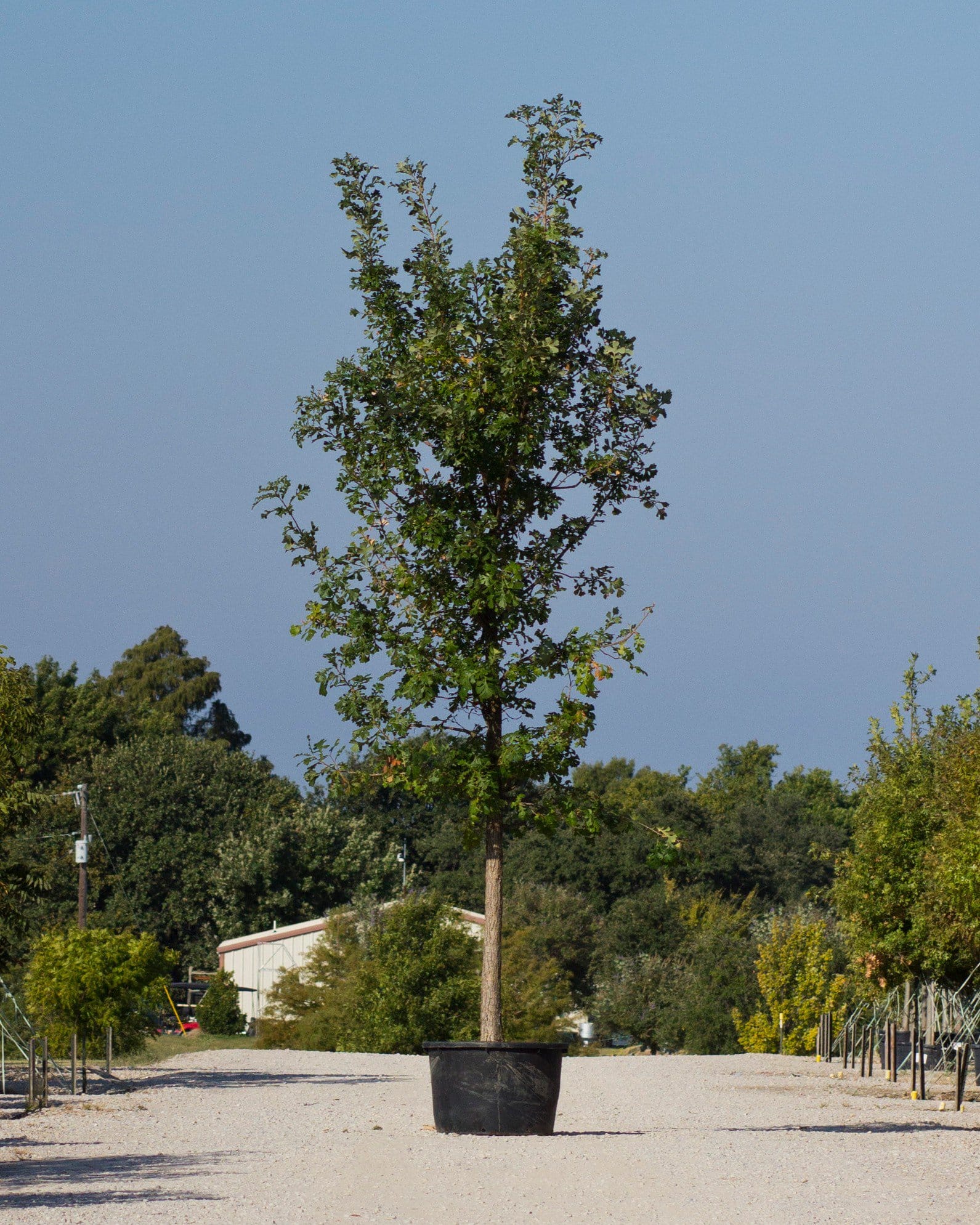
Bur Oak
Maturity: 60' H x 50' W
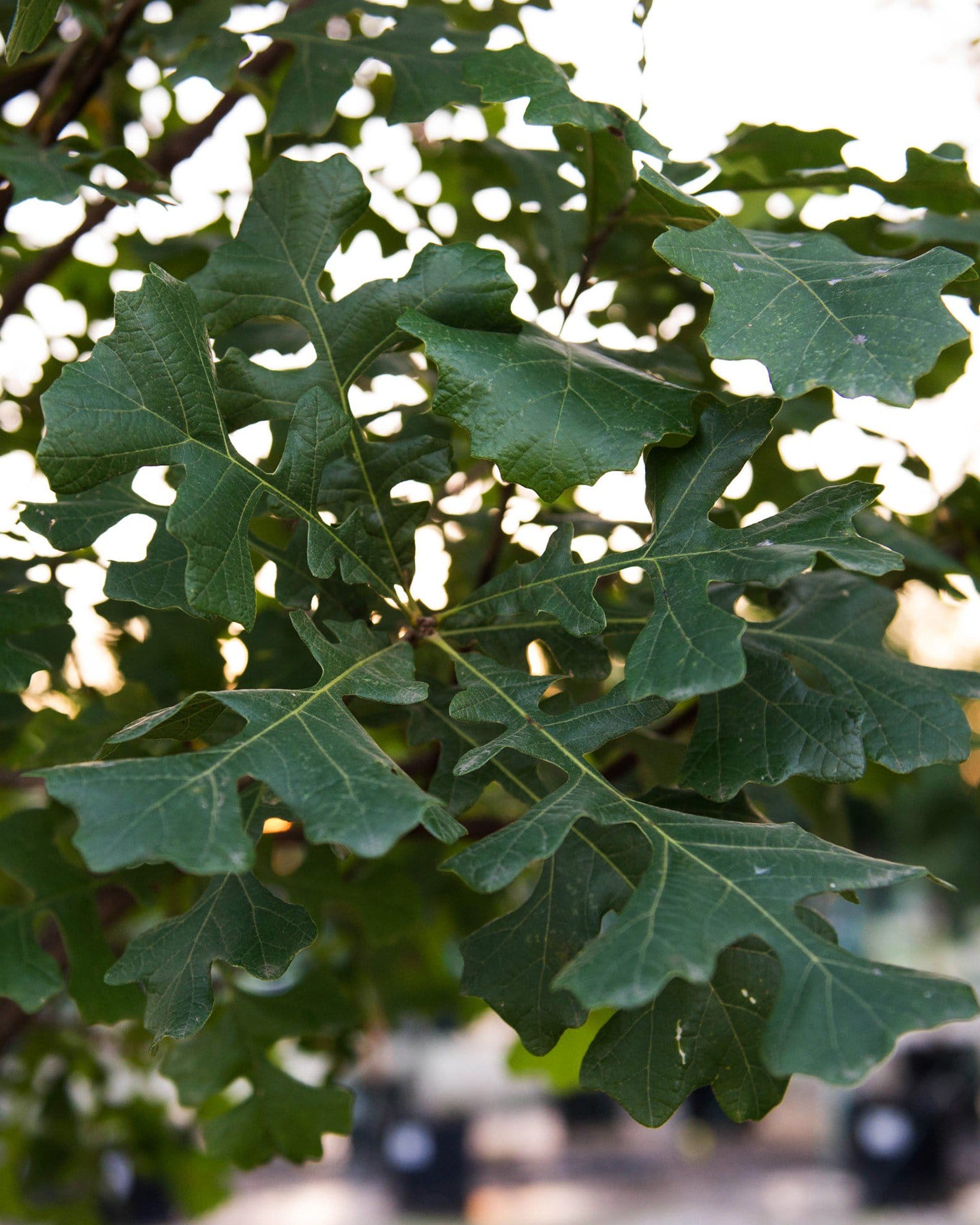
Cathedral Live Oak
Maturity: 60' H x 40' W
Chinquapin Oak
Maturity: 50' H x 40' W
Live Oak
Maturity: 50' H x 60' W
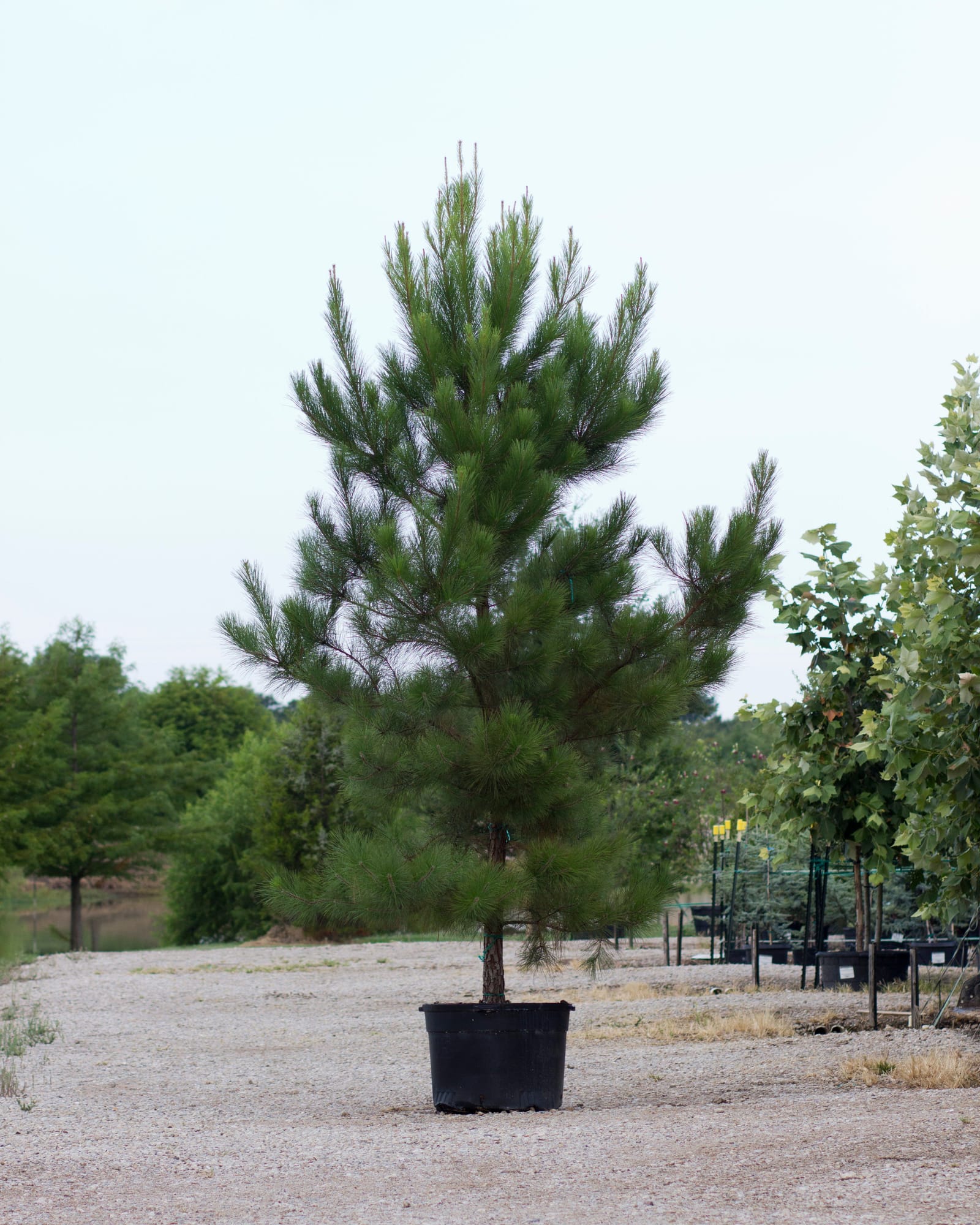
Loblolly Pine
Maturity: 60' H x 30' W
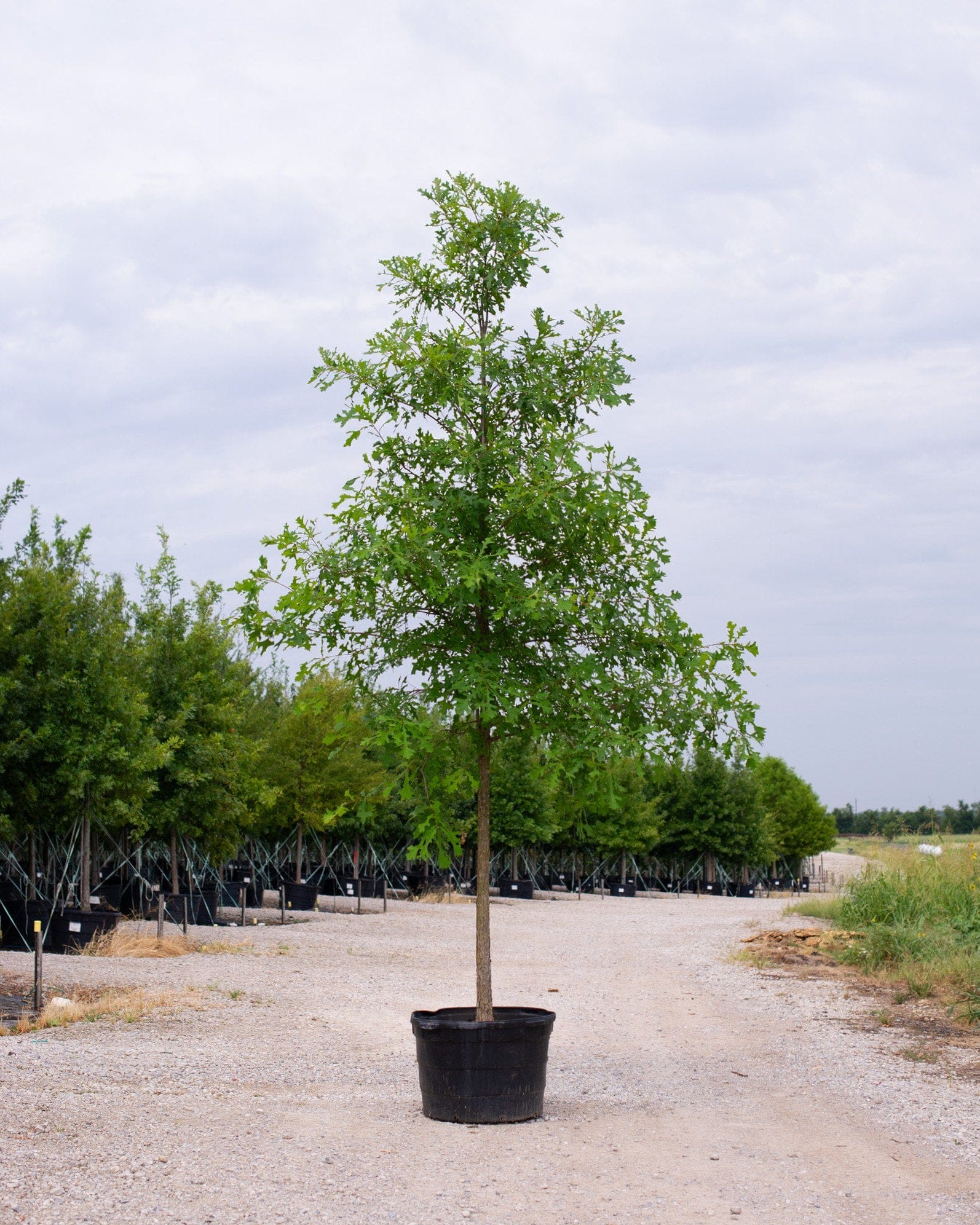
Overcup Oak
Maturity: 45' H x 35' W
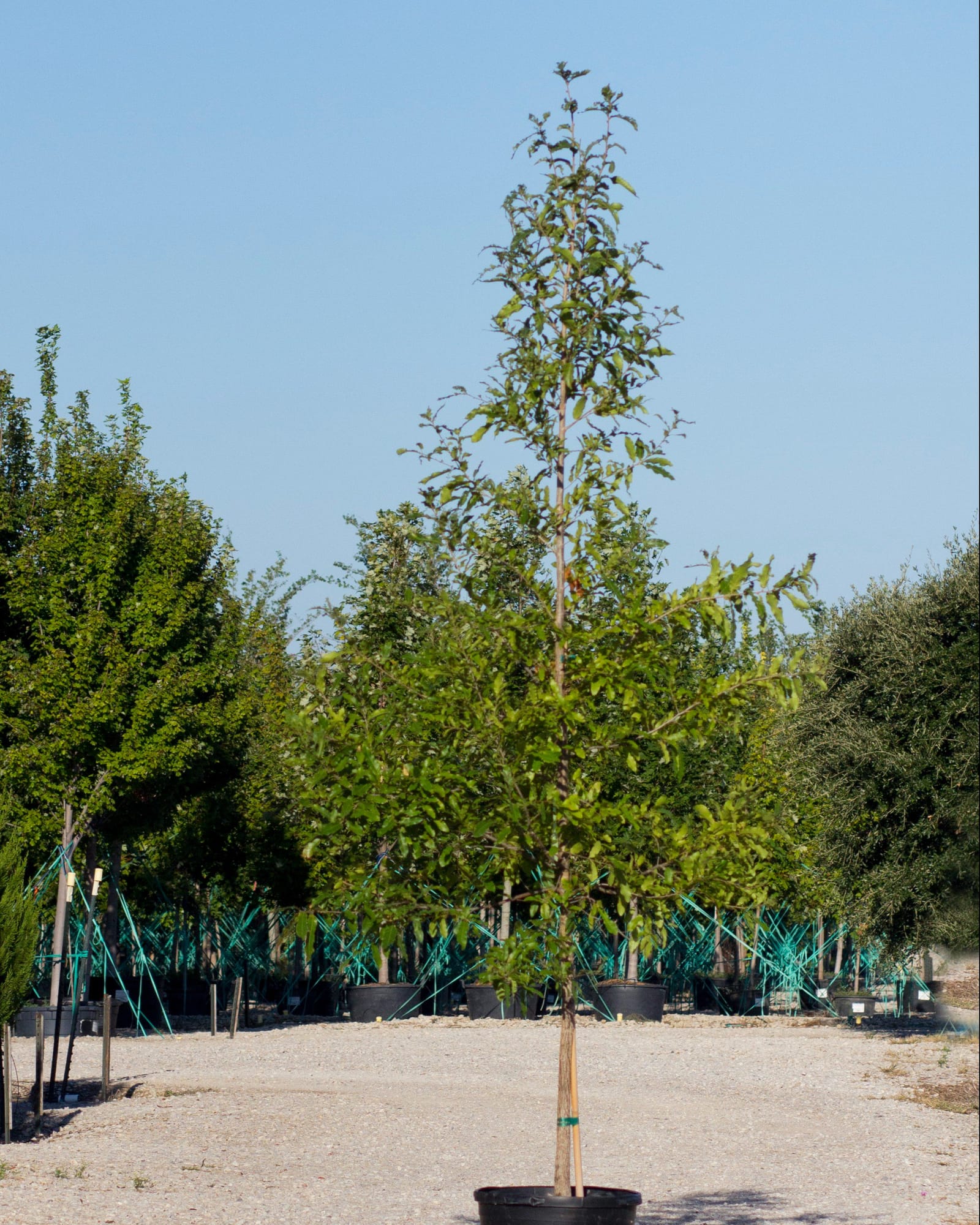
Sawtooth Oak
Maturity: 45' H x 35' W
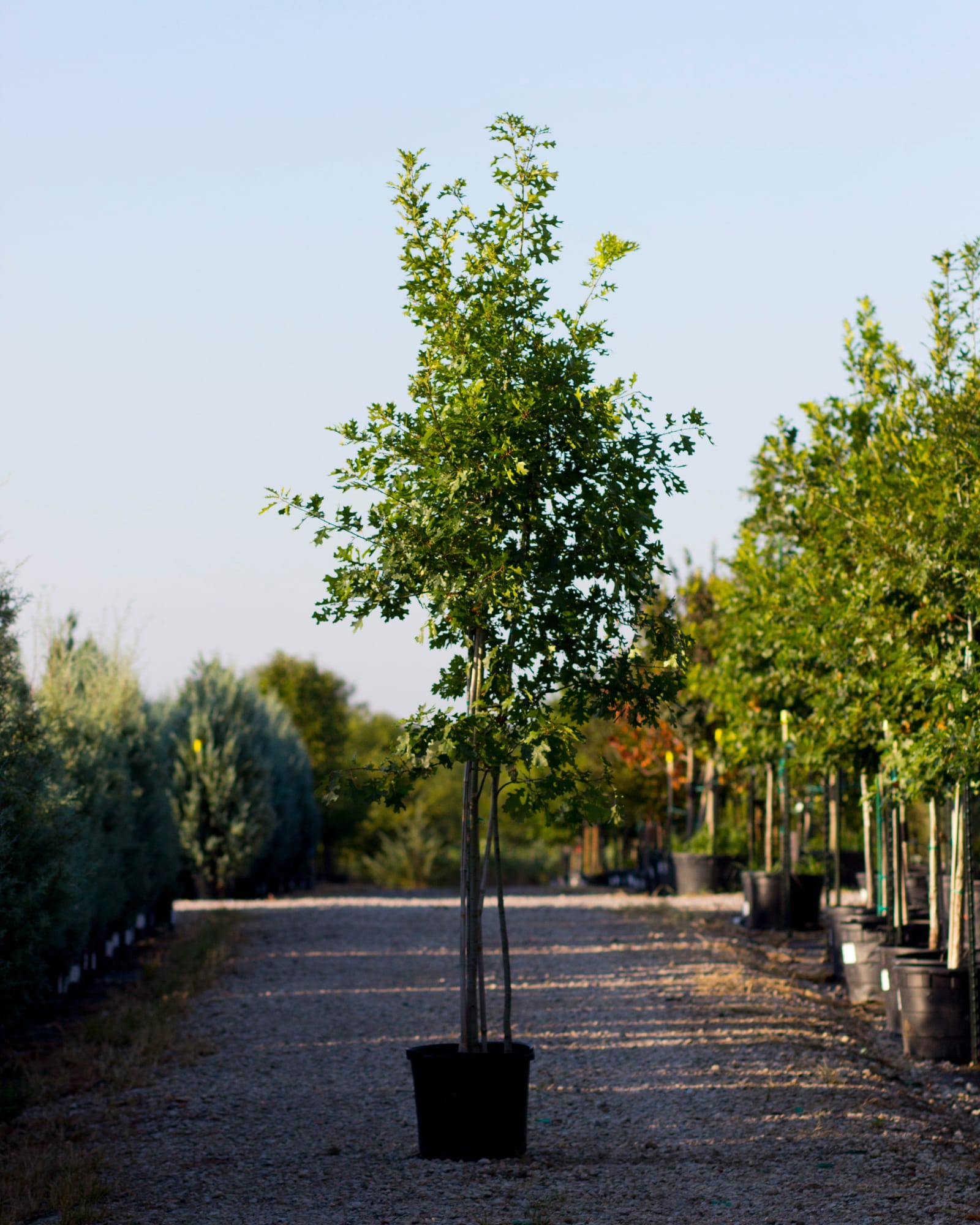
Shumard Red Oak Multi-Trunk
Maturity: 60' H x 50' W
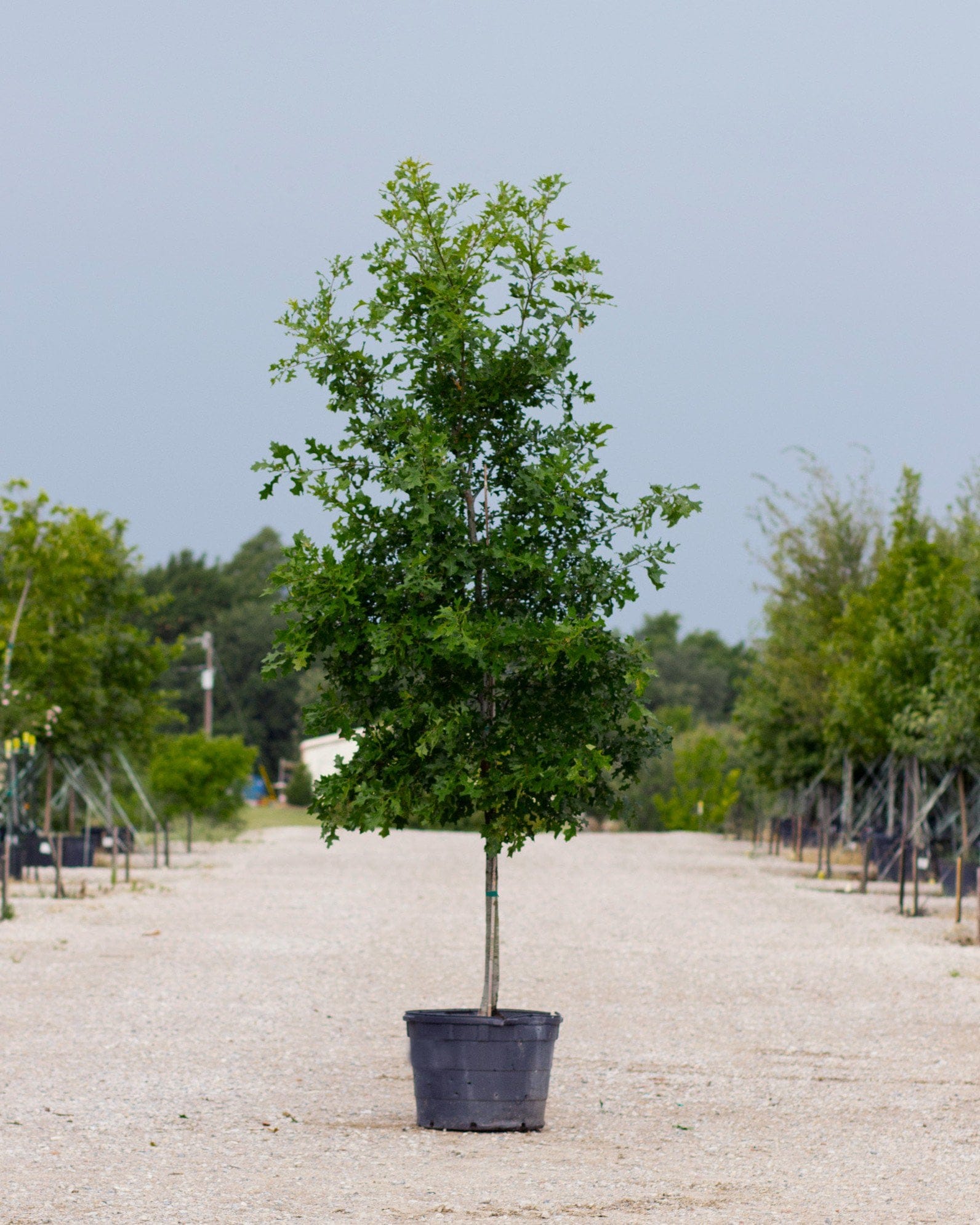
Texas Red Oak
Maturity: 45' H x 35' W
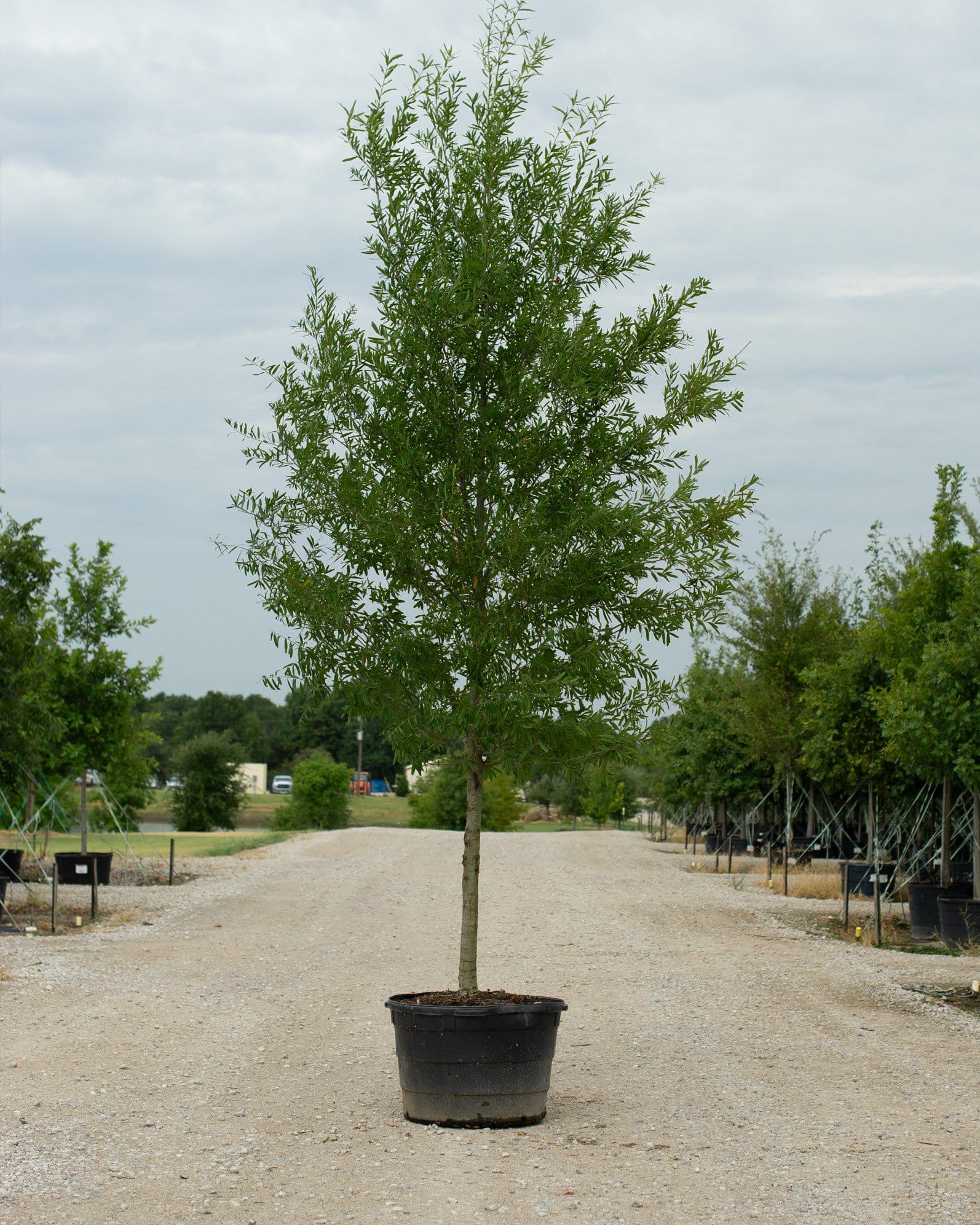
Willow Oak
Maturity: 60' H x 50' W
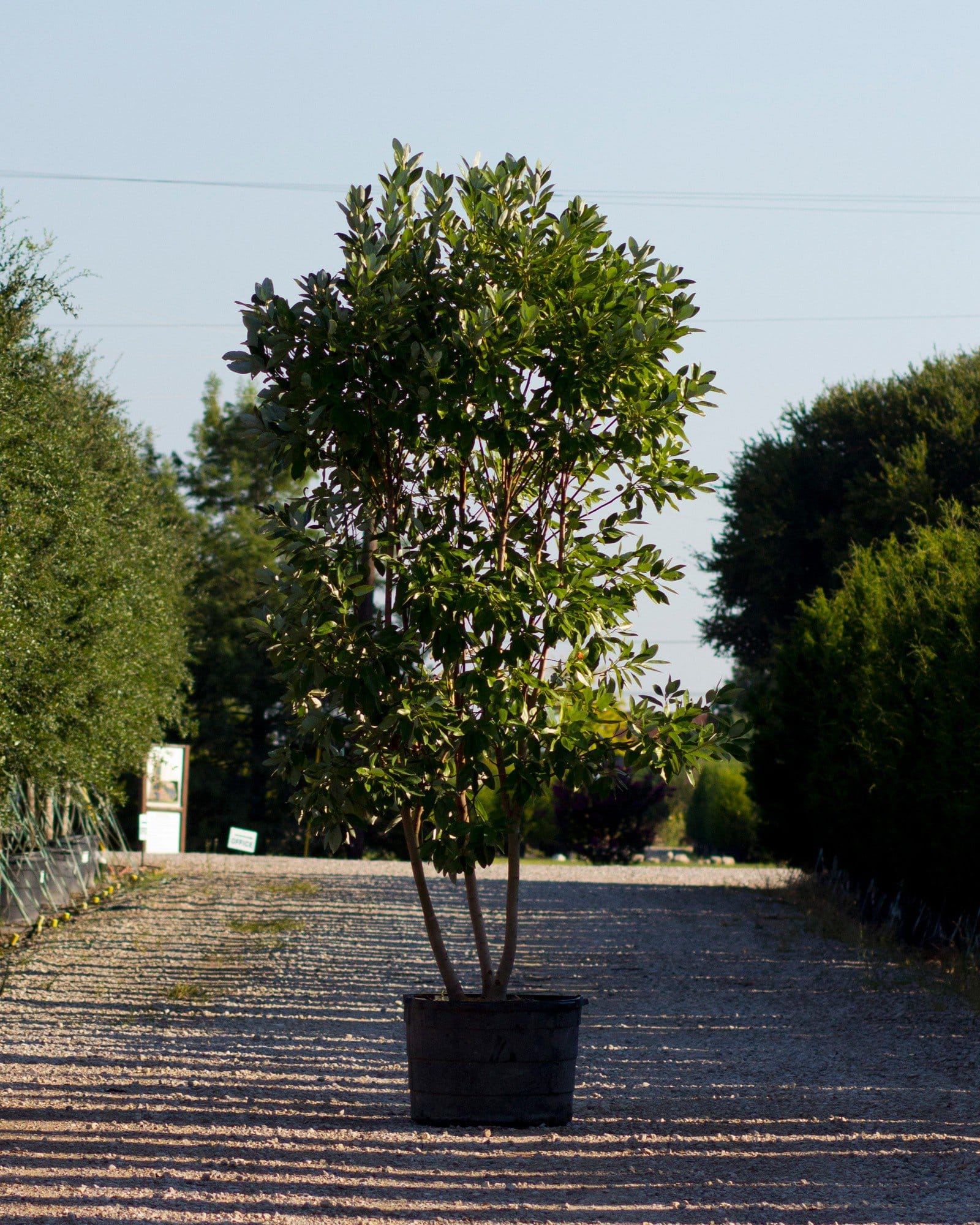
Sweet Bay Magnolia Moonglow
Maturity: 20' H x 10' W
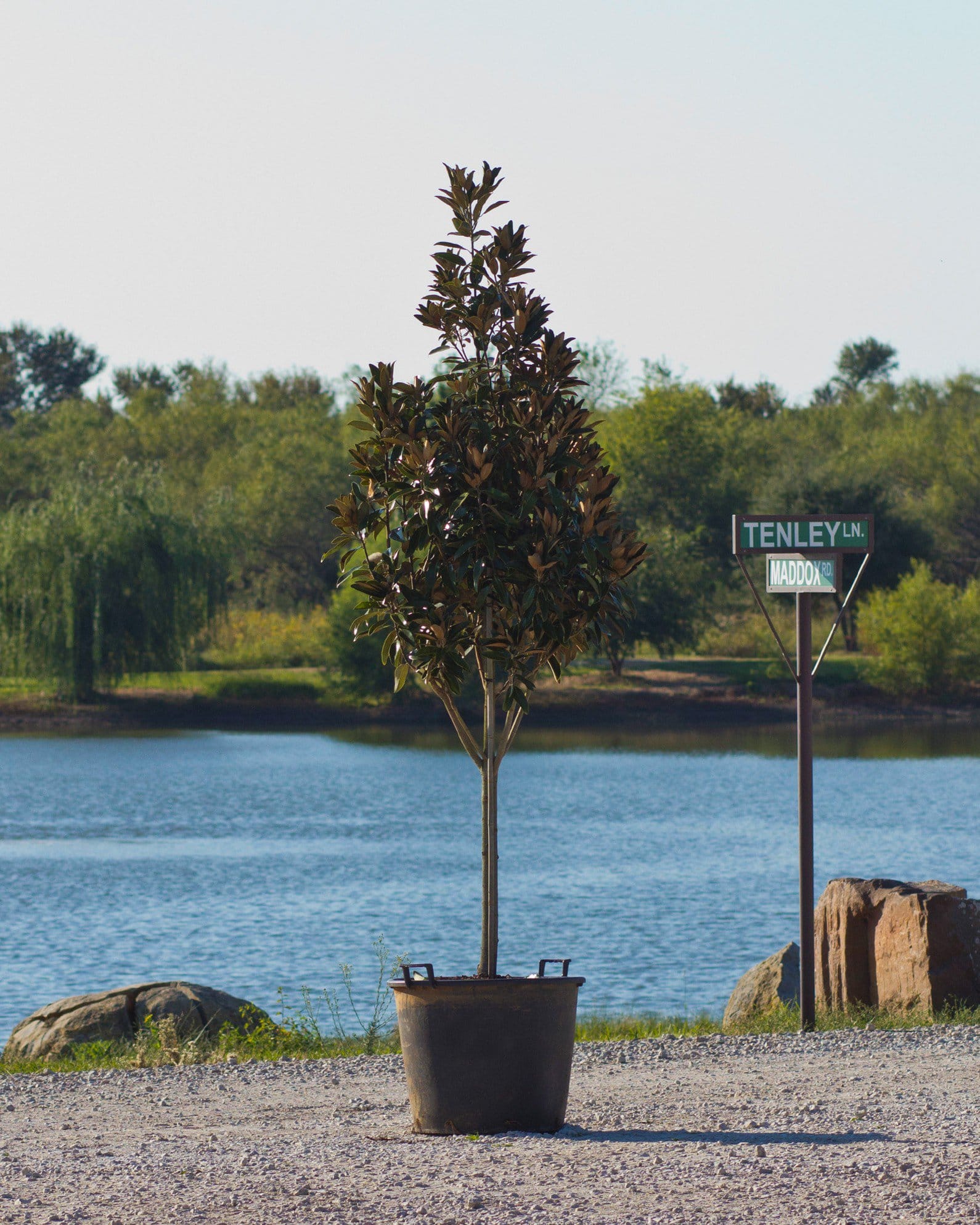
Alta Magnolia Tree Form
Maturity: 40' H x 20' W
Compare Similar Plants
Texas Live Oak This plant | ||
|---|---|---|
| Scientific Name | Quercus fusiformis ‘Joan Lionetti’ | Quercus laceyi |
| Size at Maturity | 30' H x 30' W | 25' H x 15' W |
| Leaf Retention | Semi-Evergreen | Semi-Evergreen |
| Sizes Available | 30, 45, 65, 95 gal | 15, 30, 45, 65 gal |


Our 1-Year Planting Guarantee
We take pride in our plants and installation services. If any plants or trees installed by Treeland fail to thrive within the first year, we'll provide a replacement credit in accordance with our guarantee program.
Learn More About Our Guarantee