
 Popular
 Texas Native
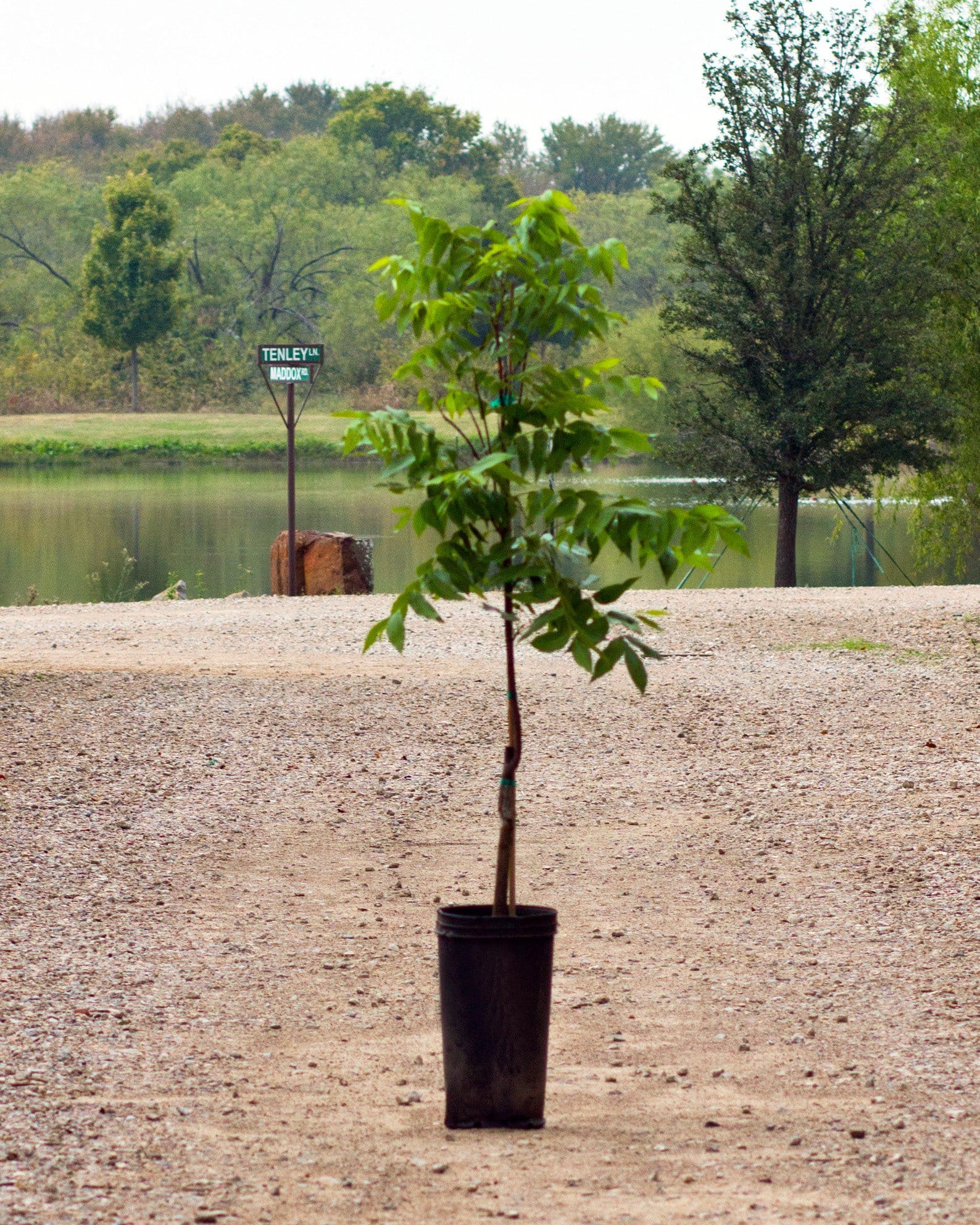
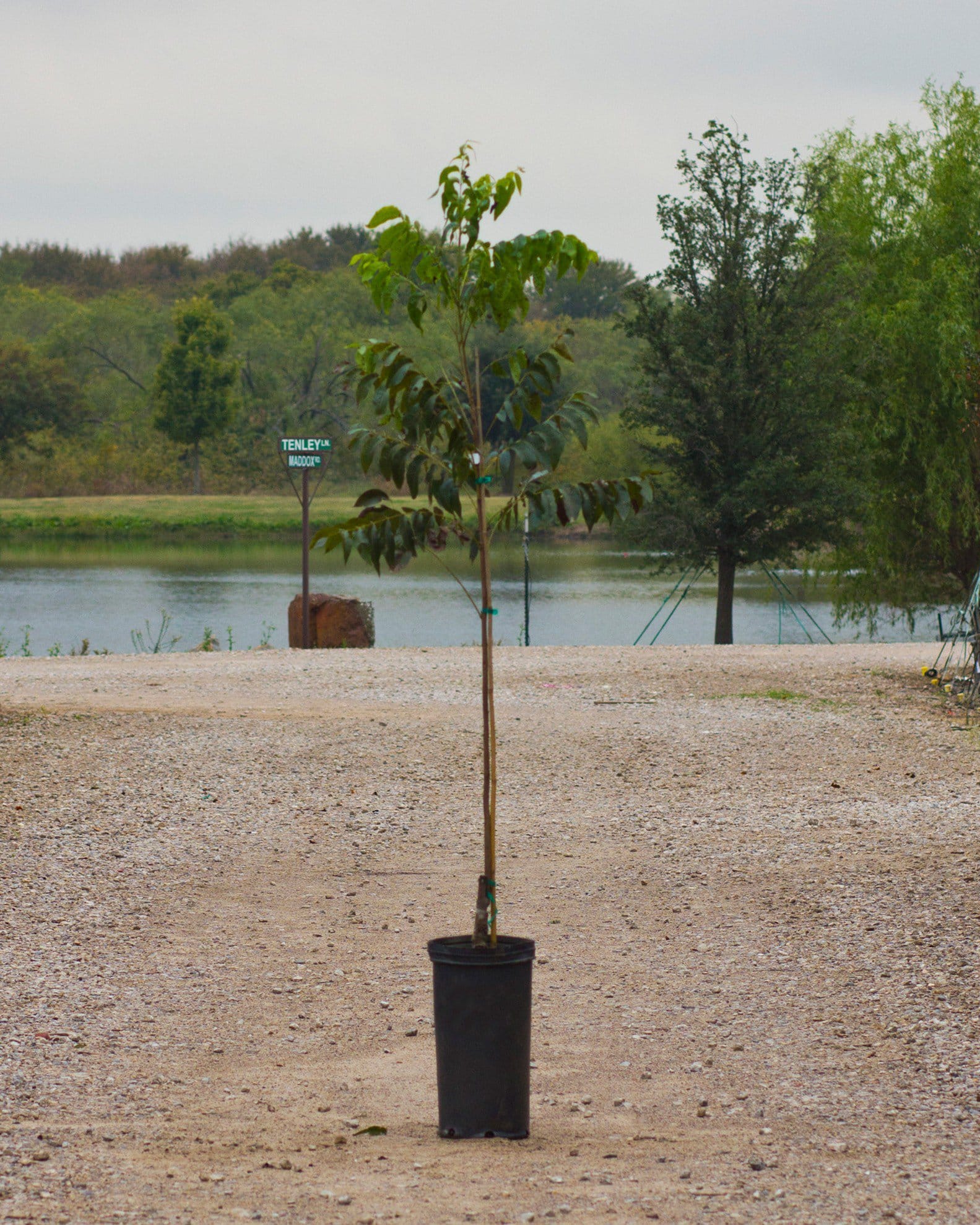
Caddo Pecan
Carya illinoinensis ‘Caddo’Local DFW Delivery Only
Product Details
Caddo Pecan
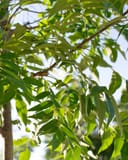
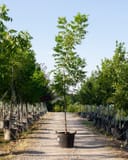
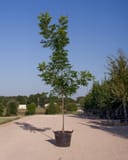
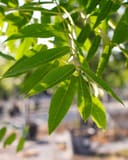
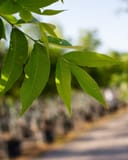
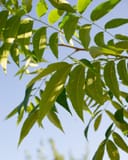
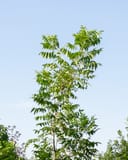
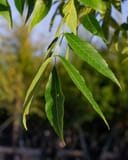
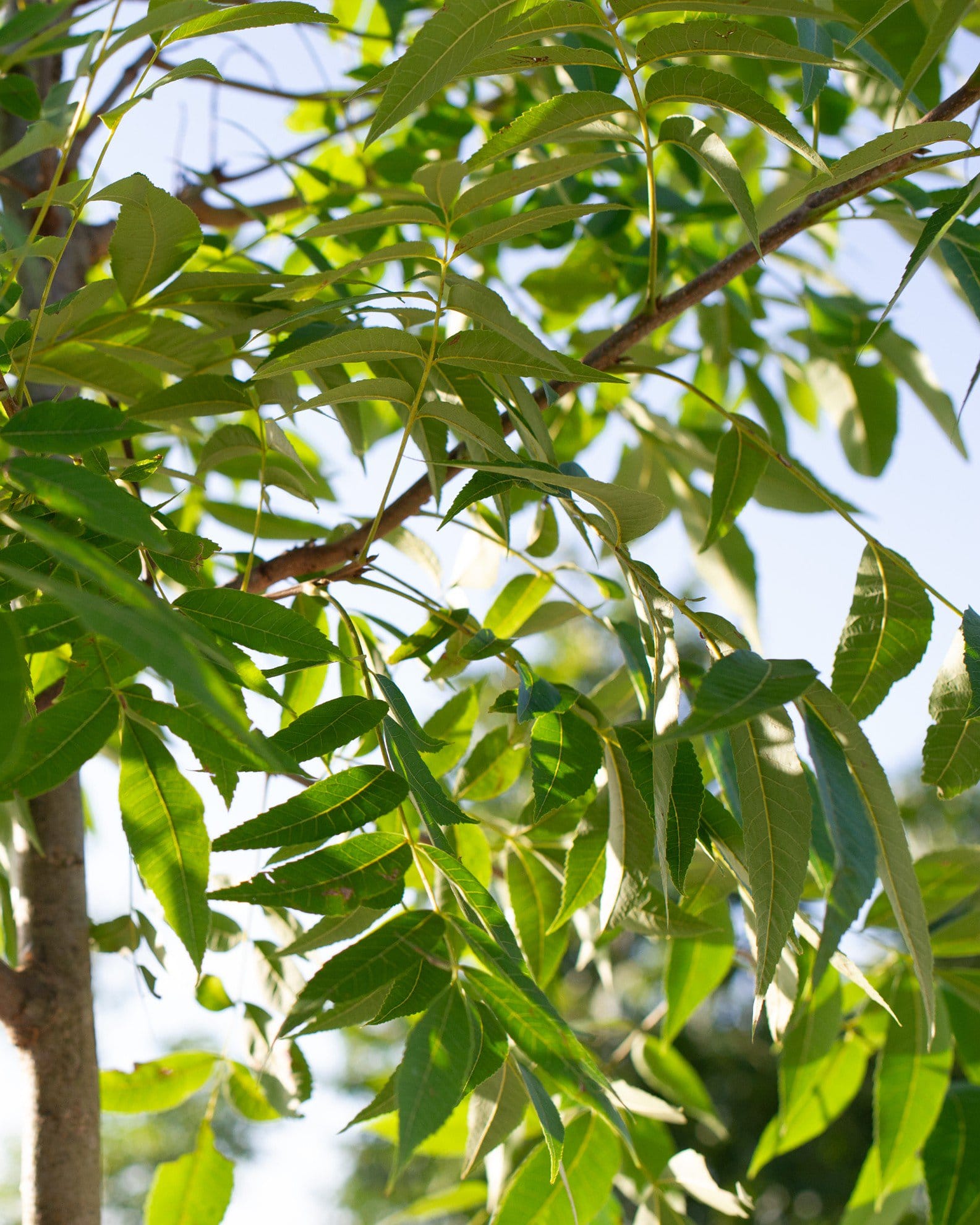
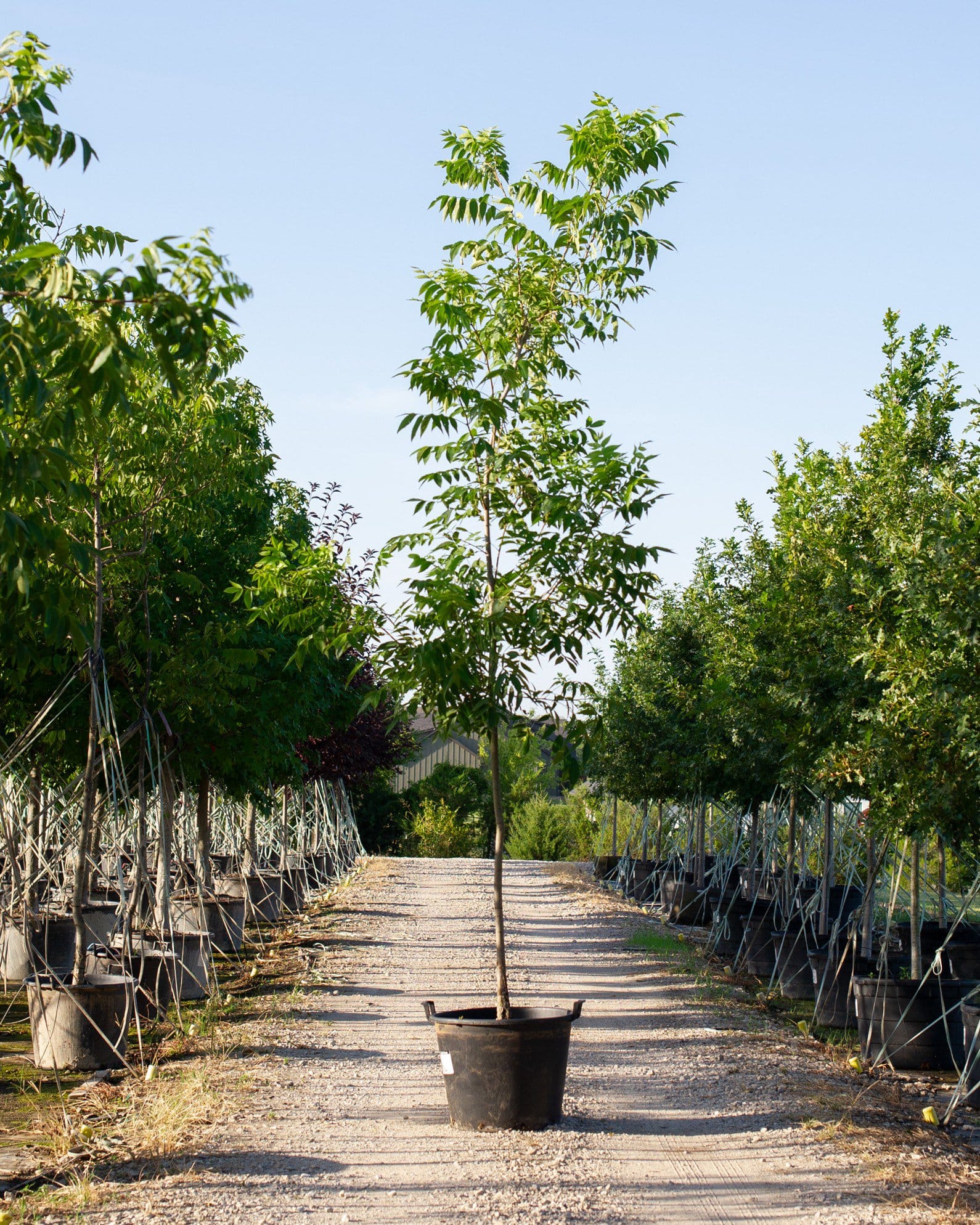
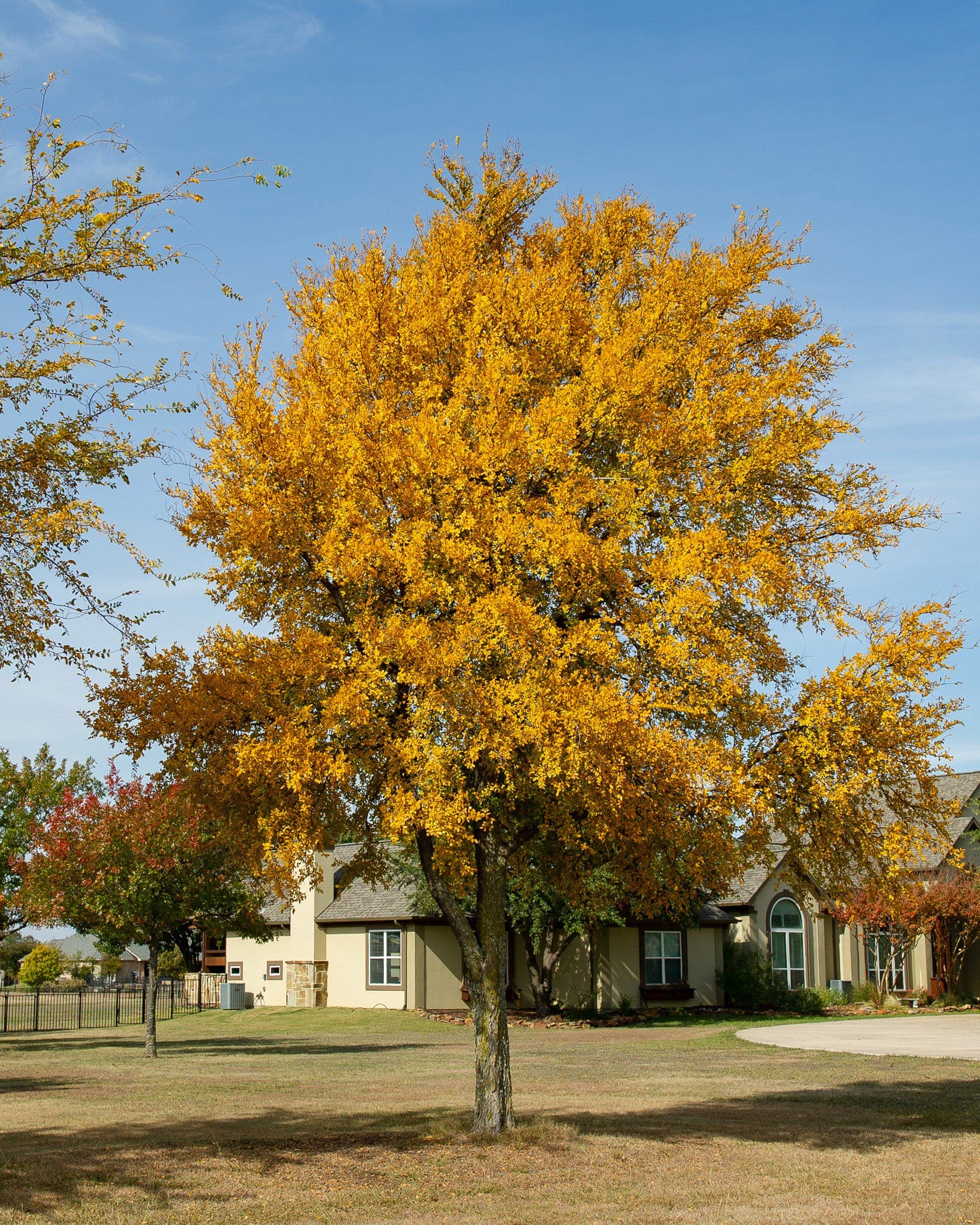
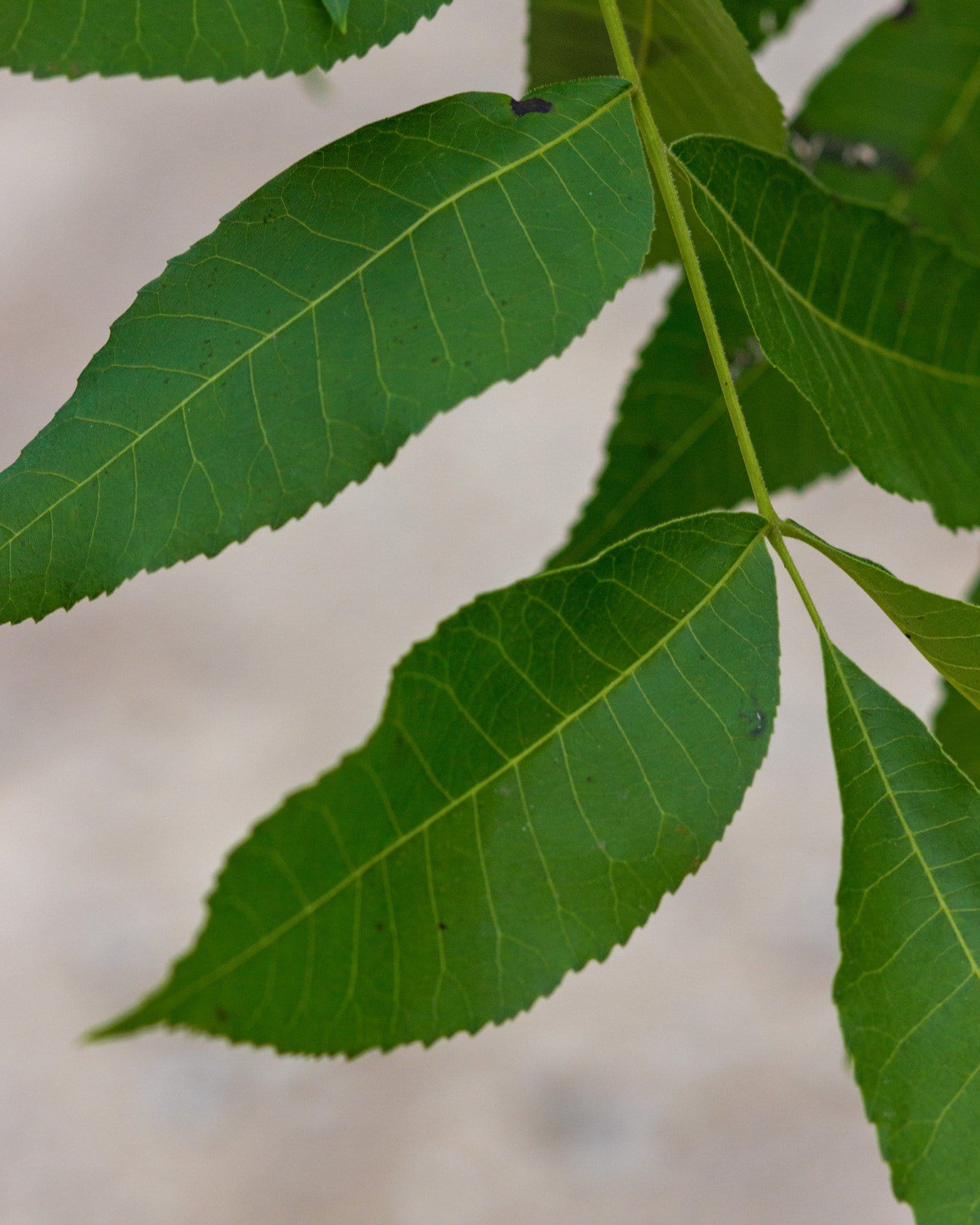
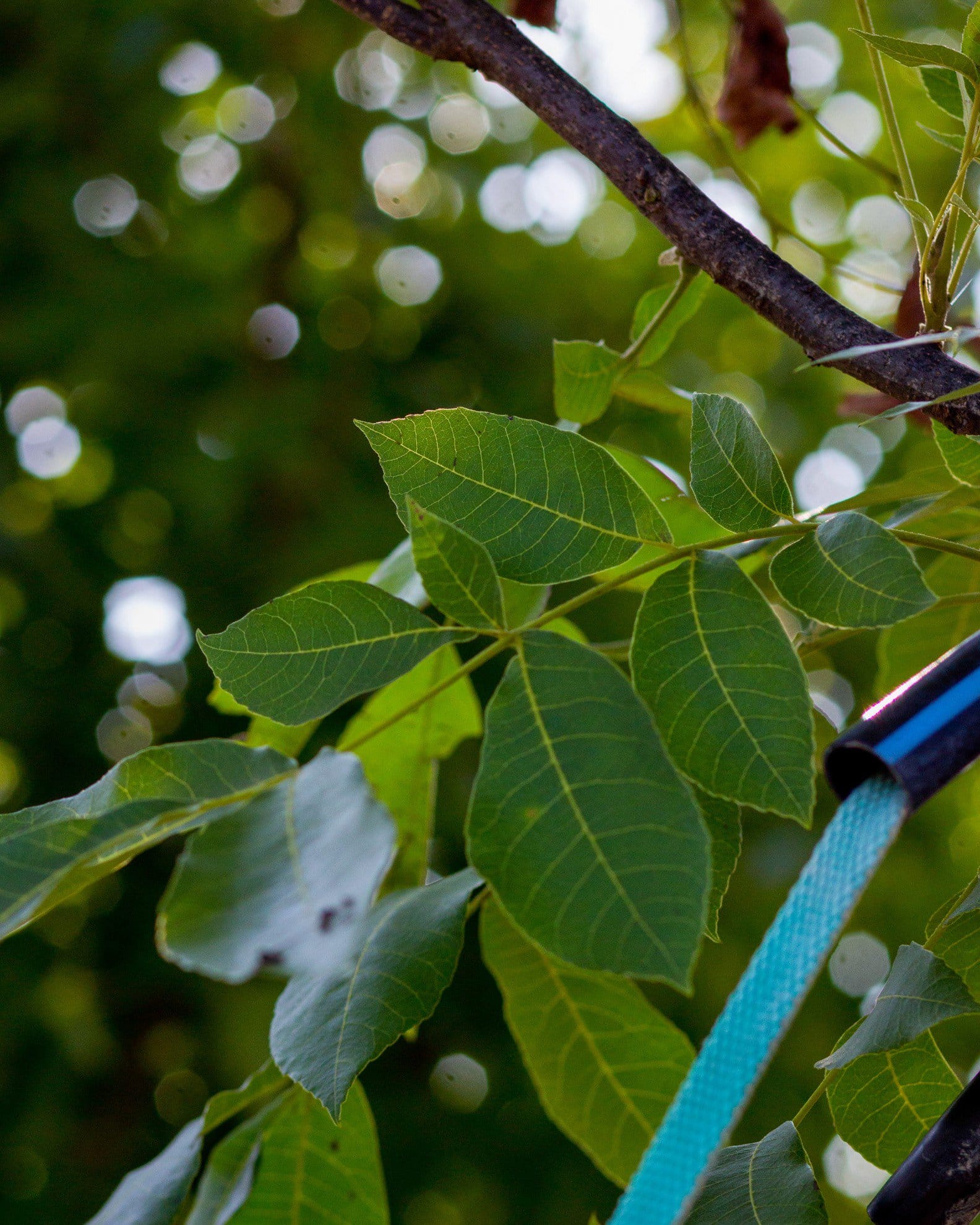
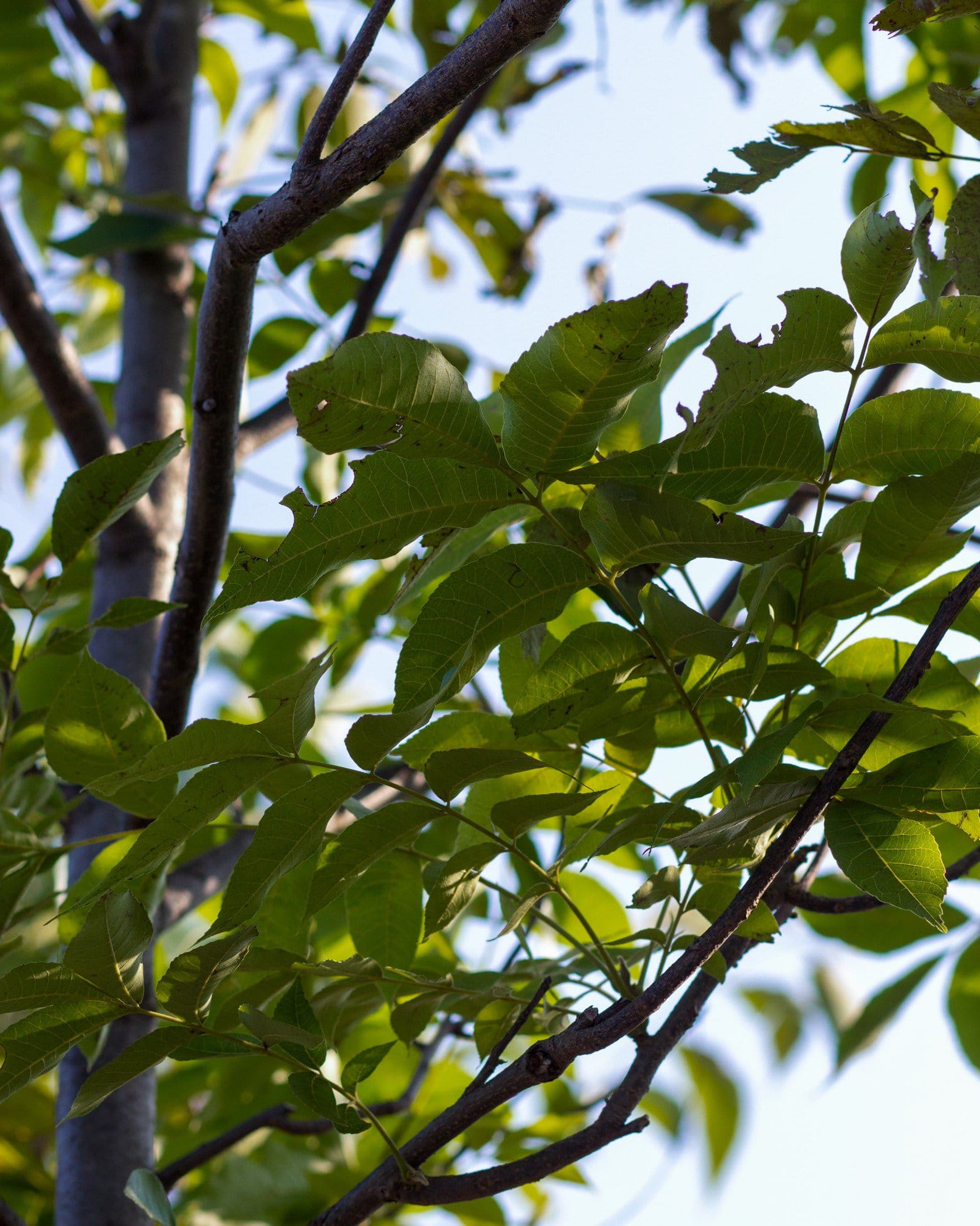
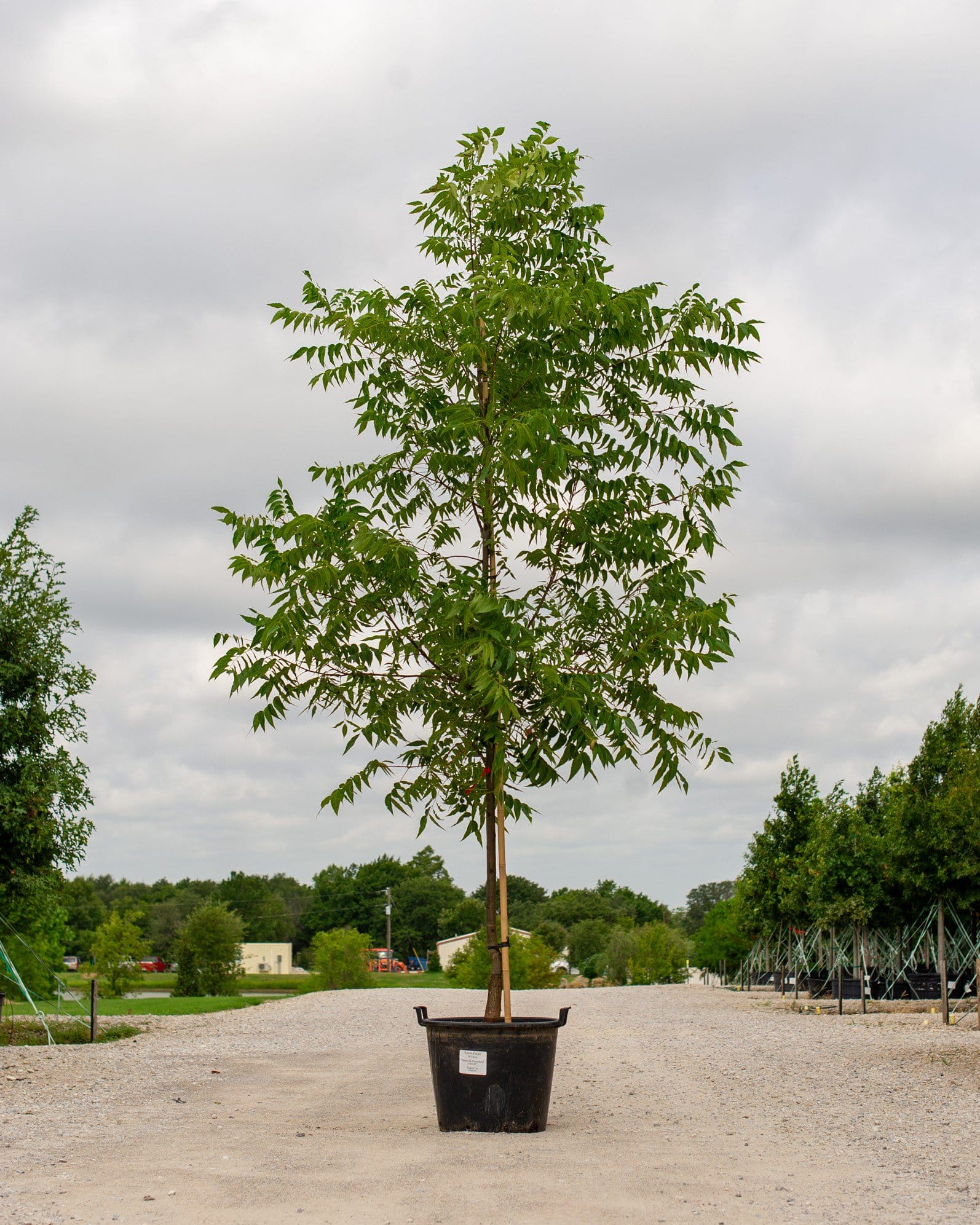
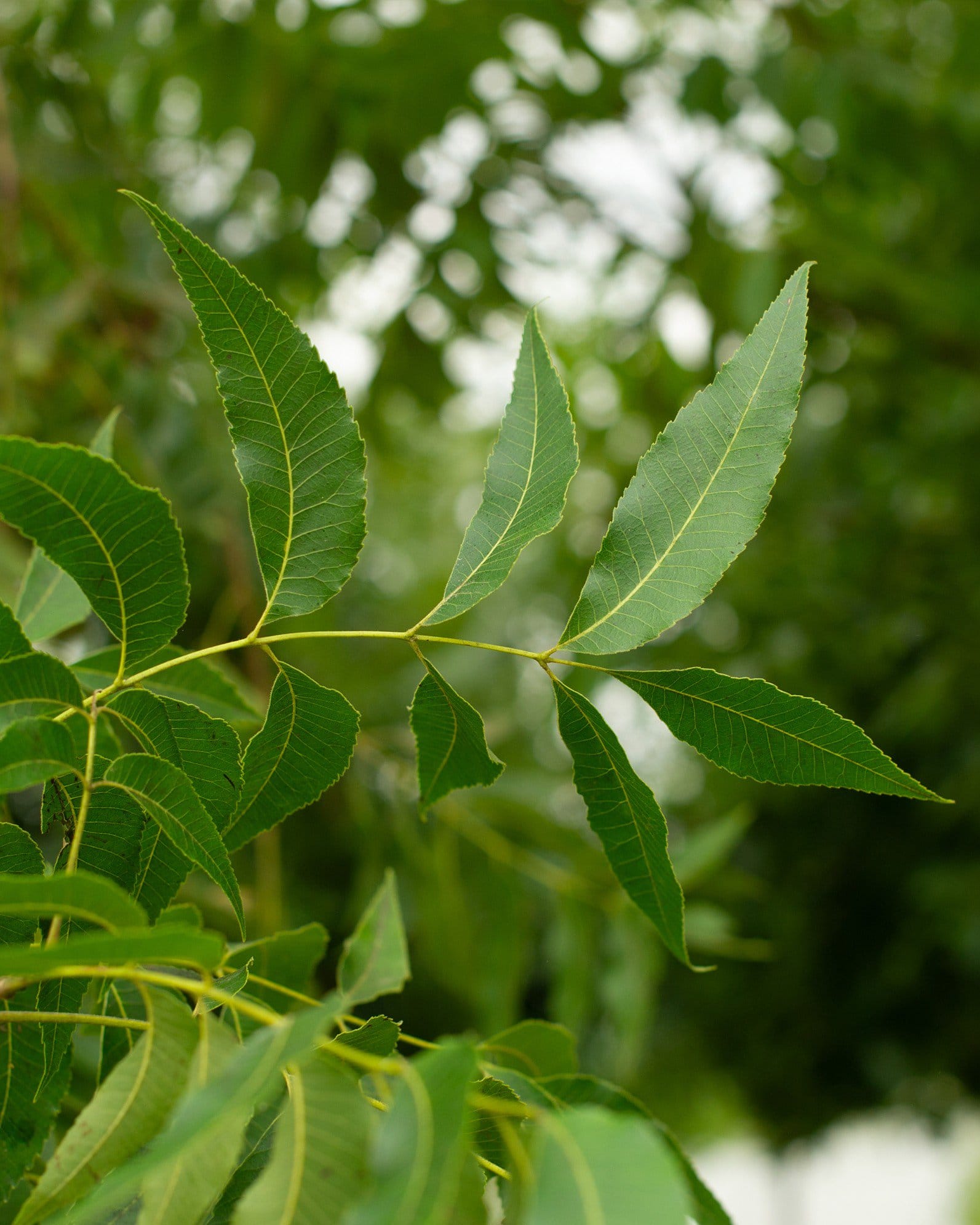
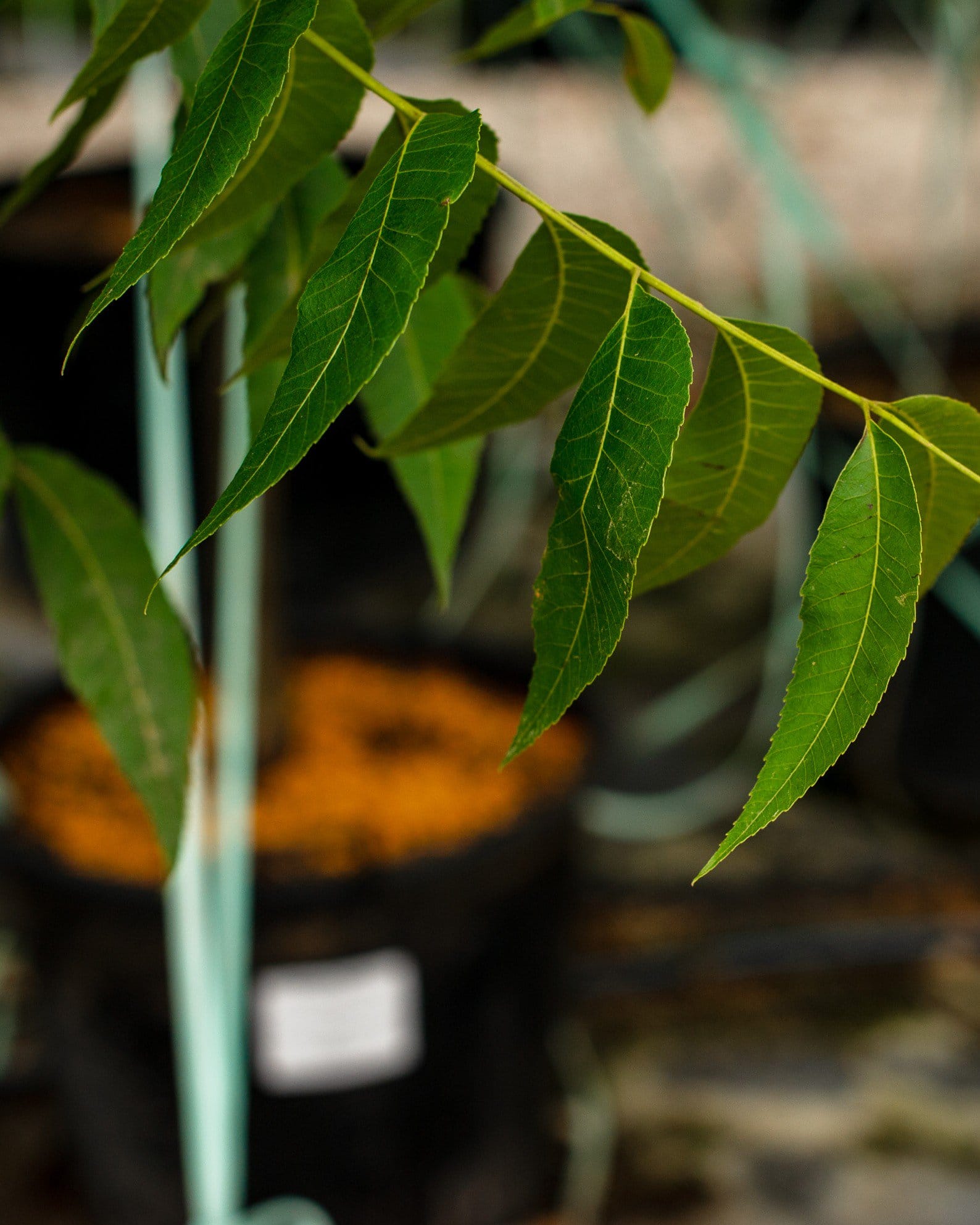
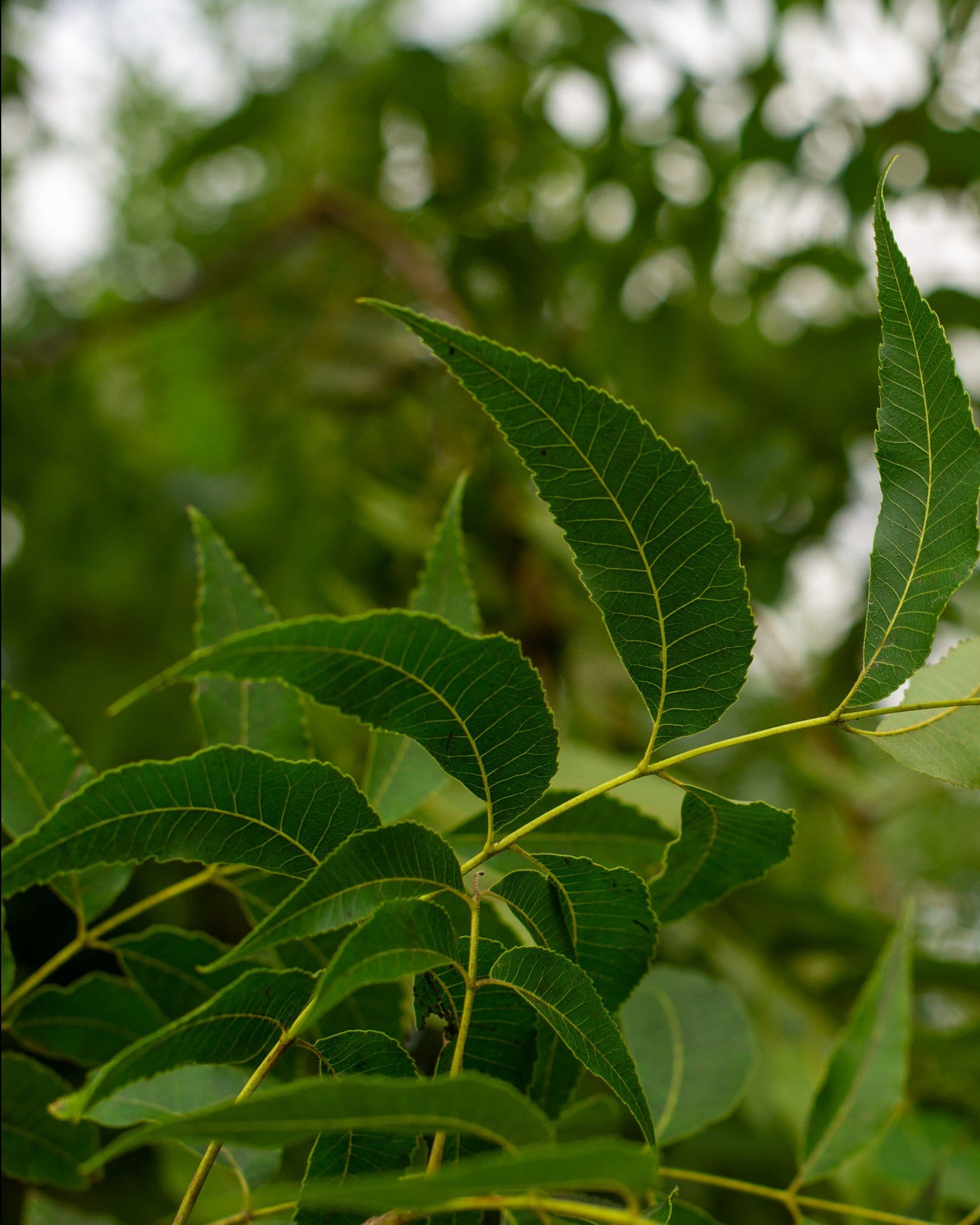
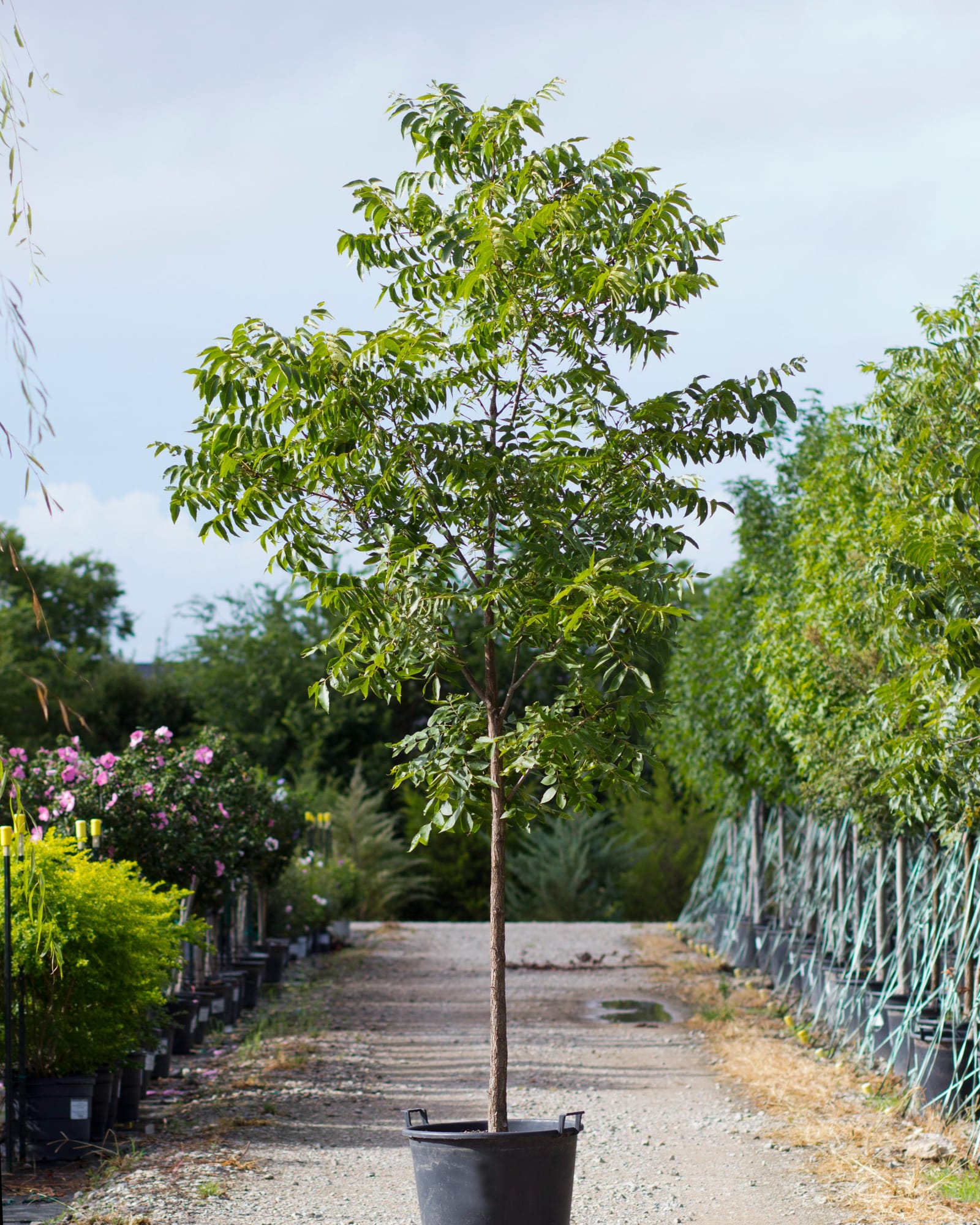
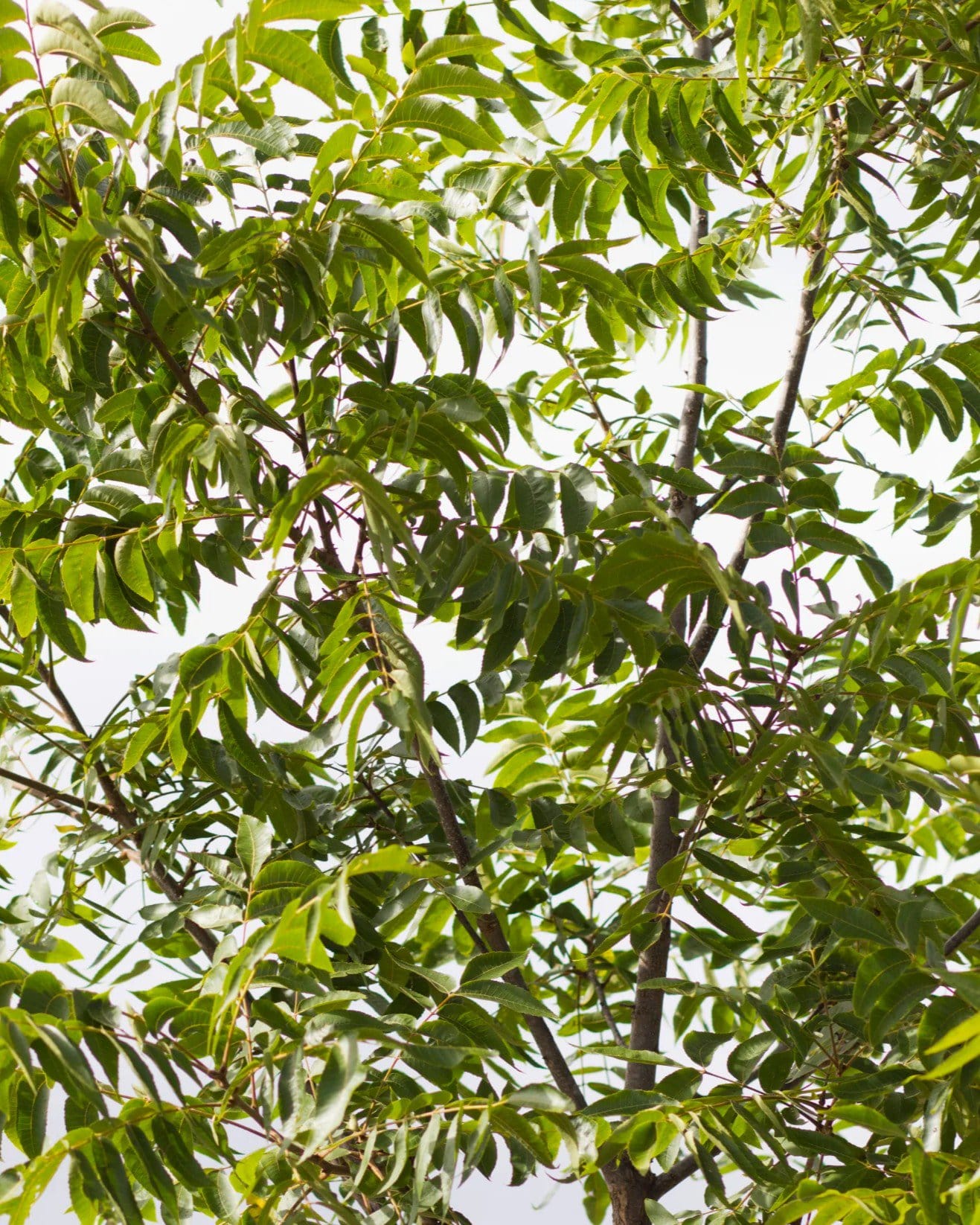
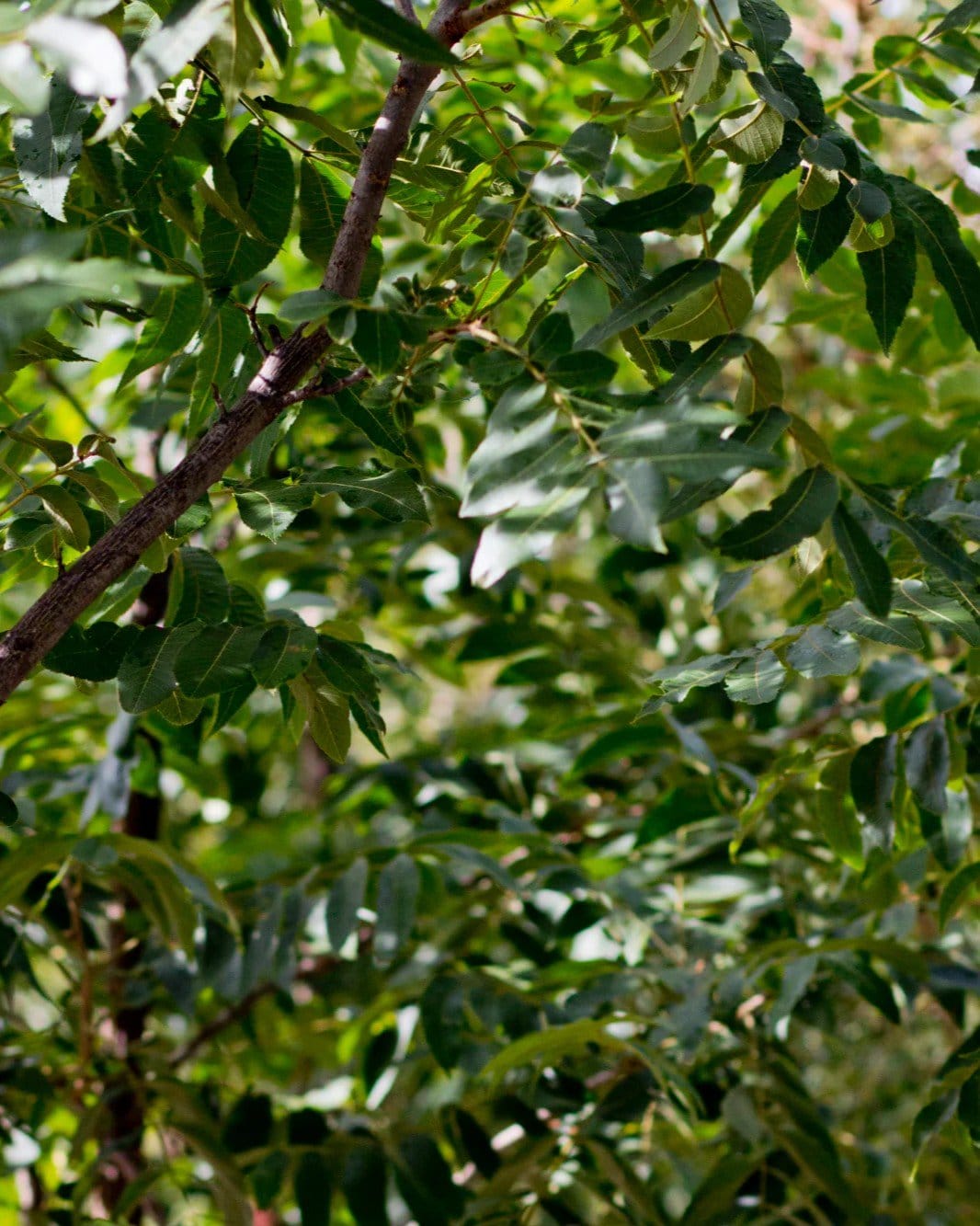
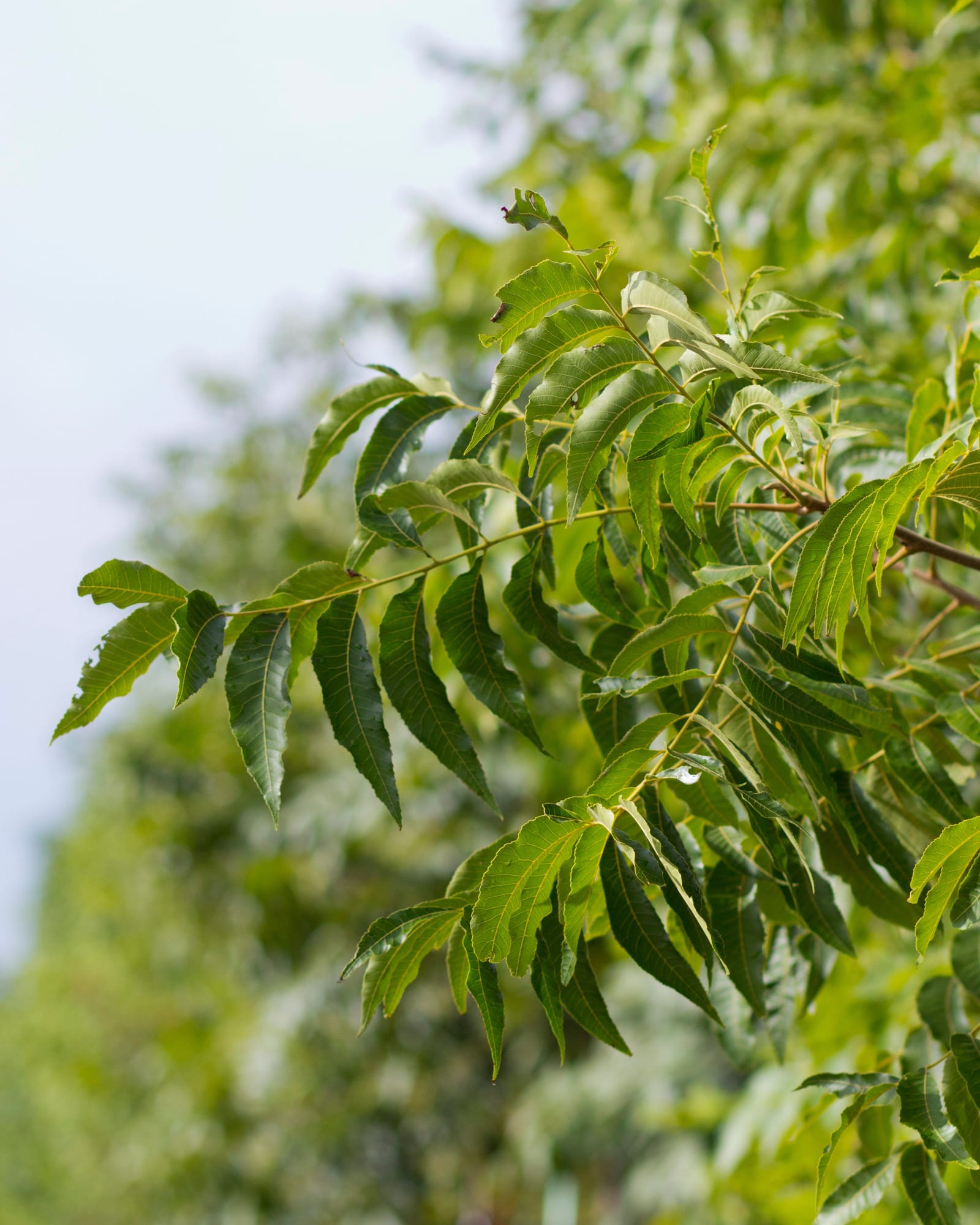
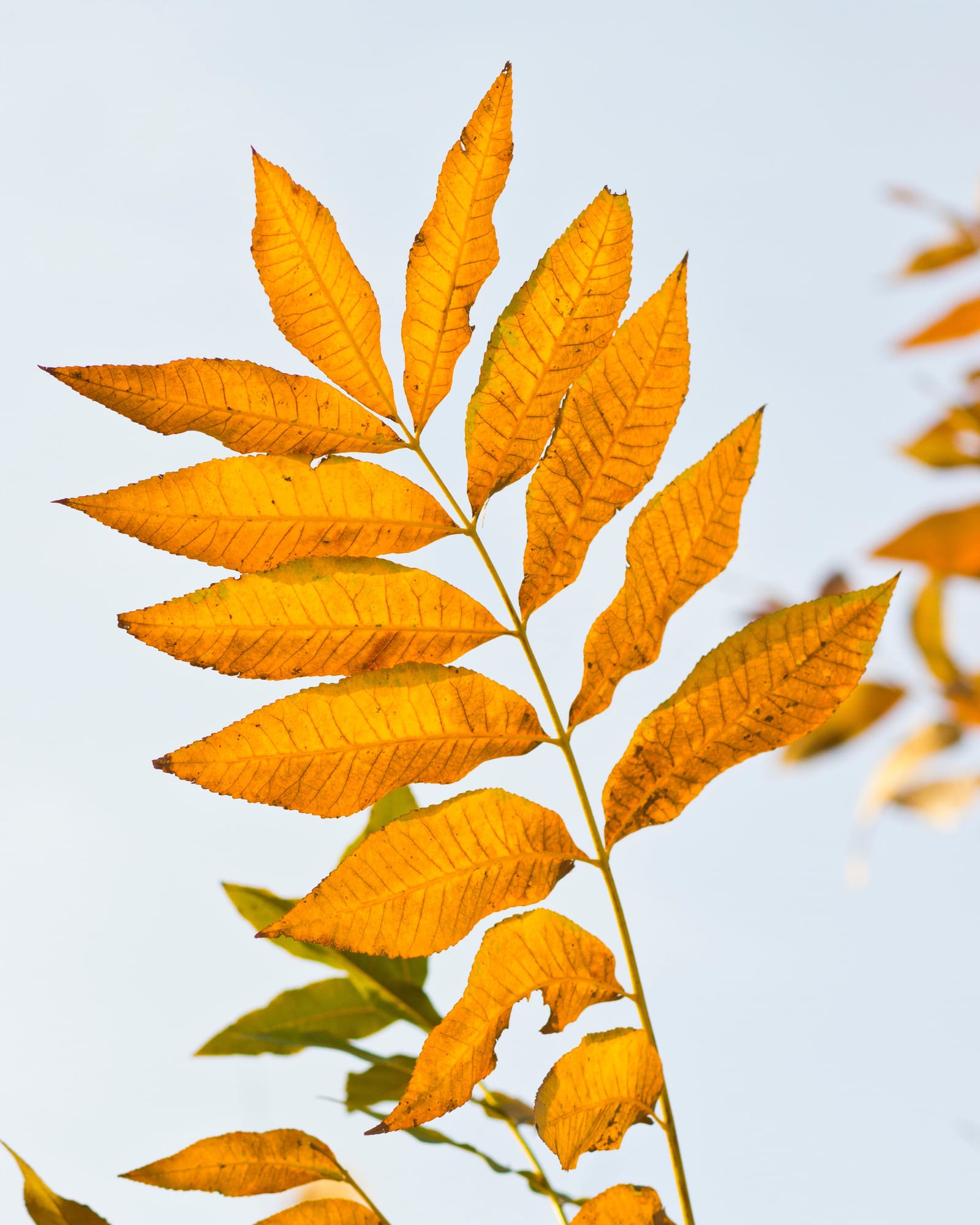
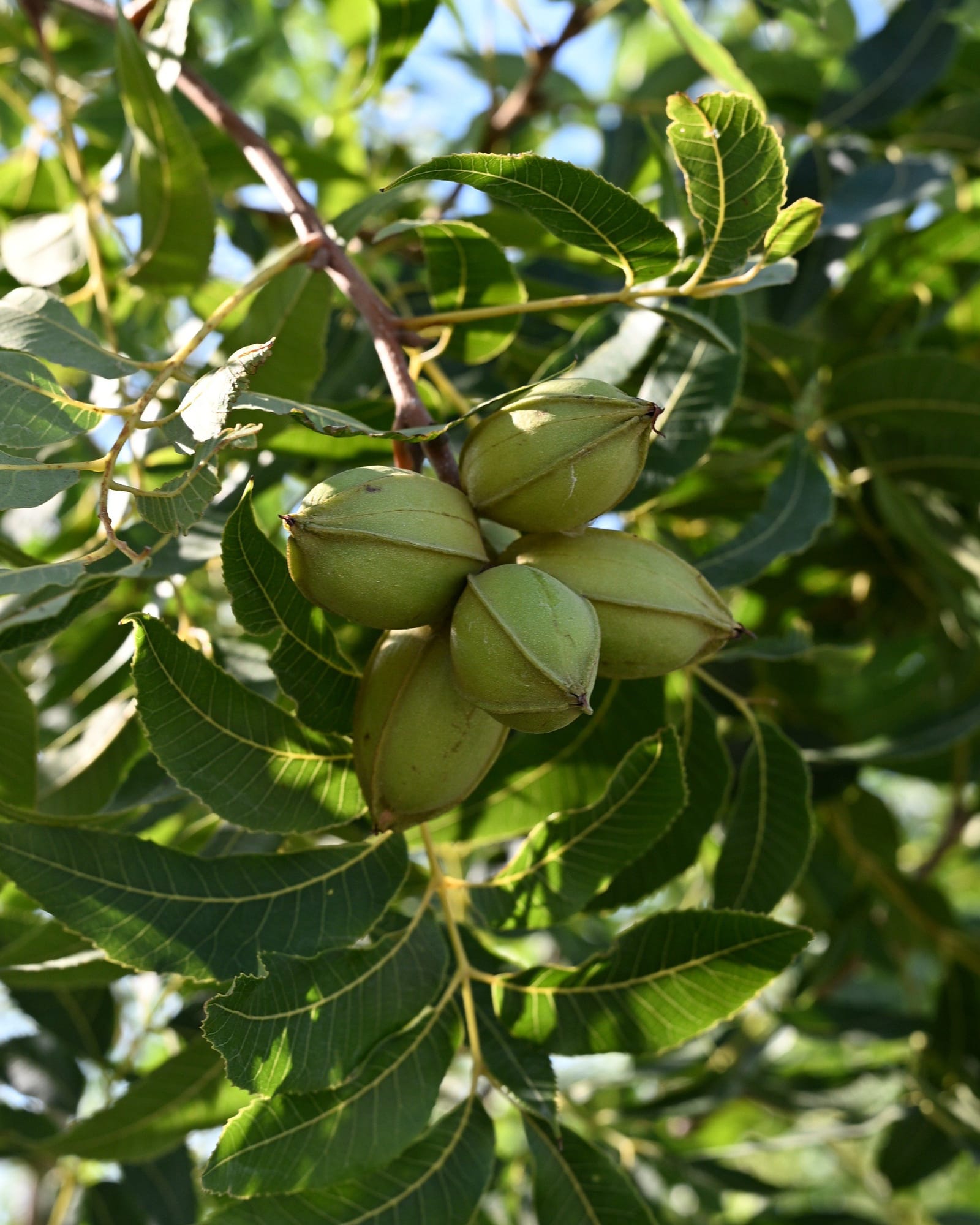
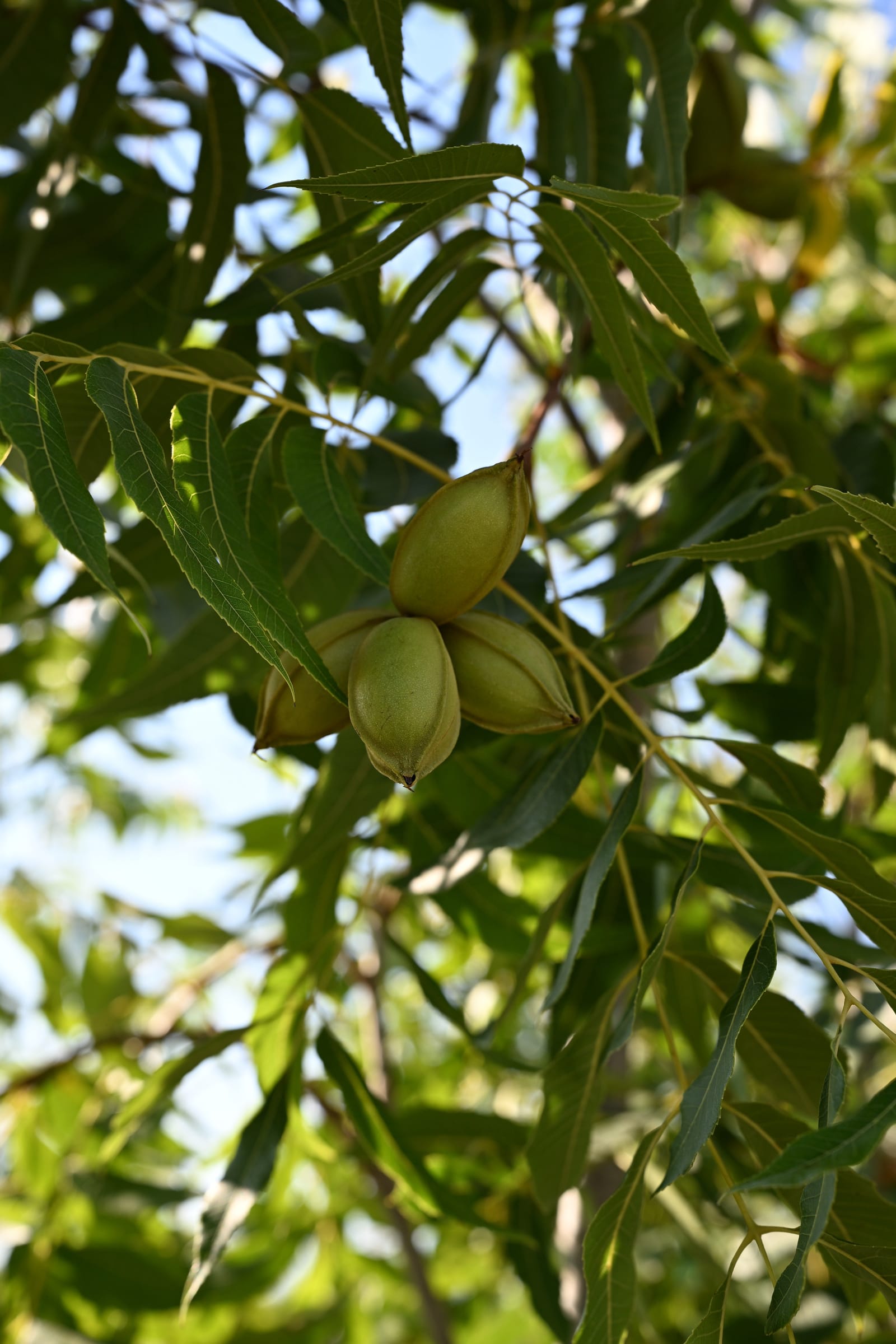
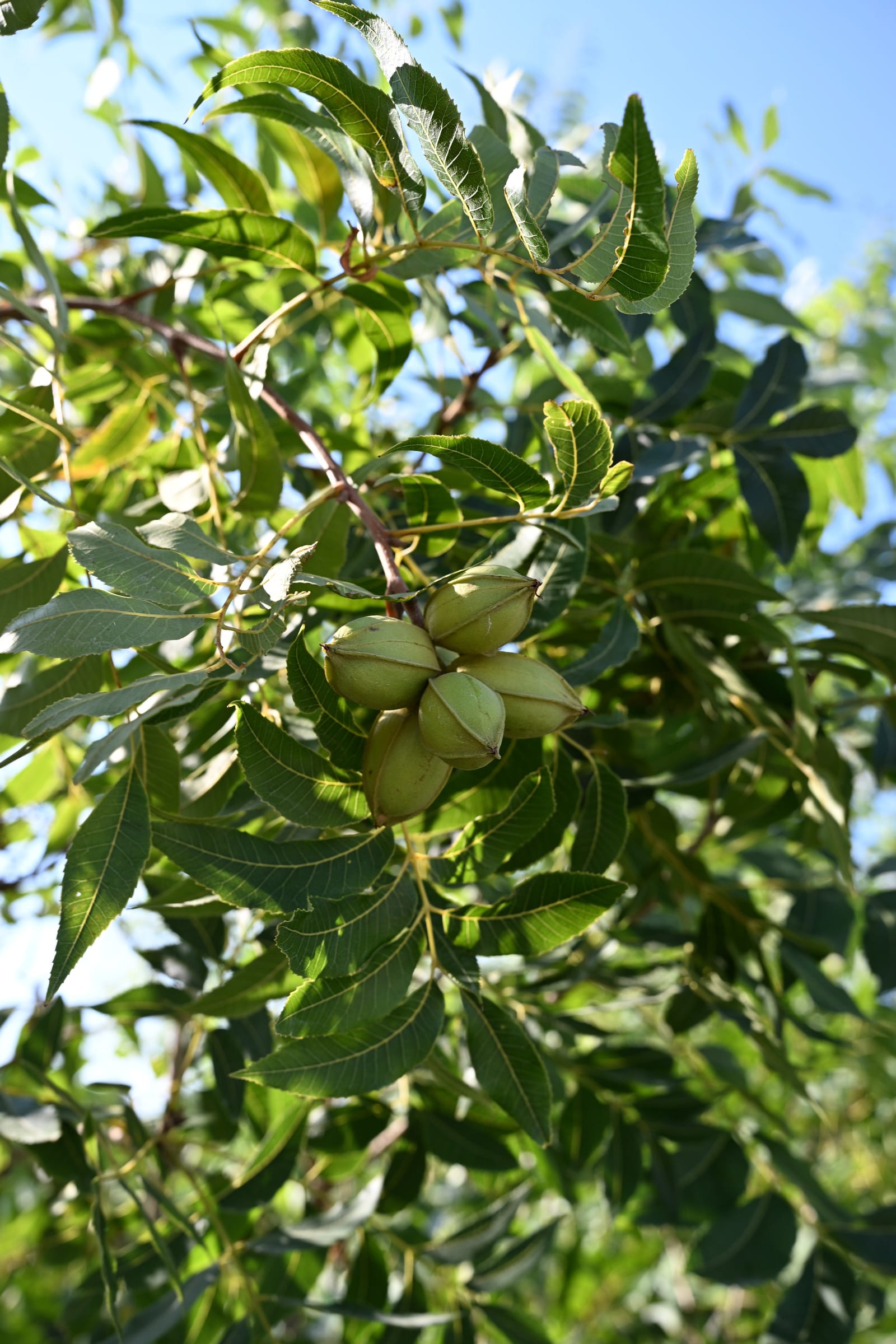
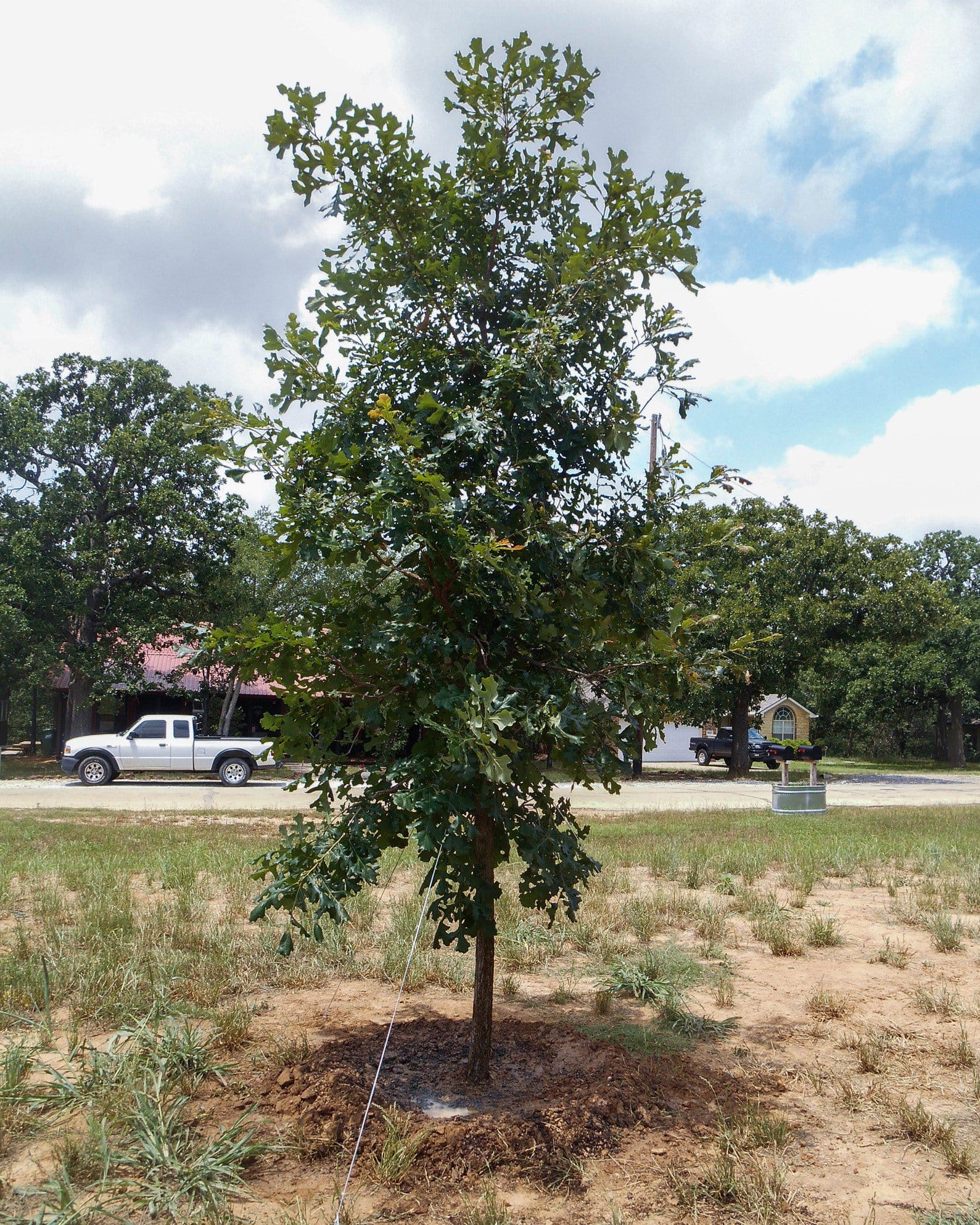
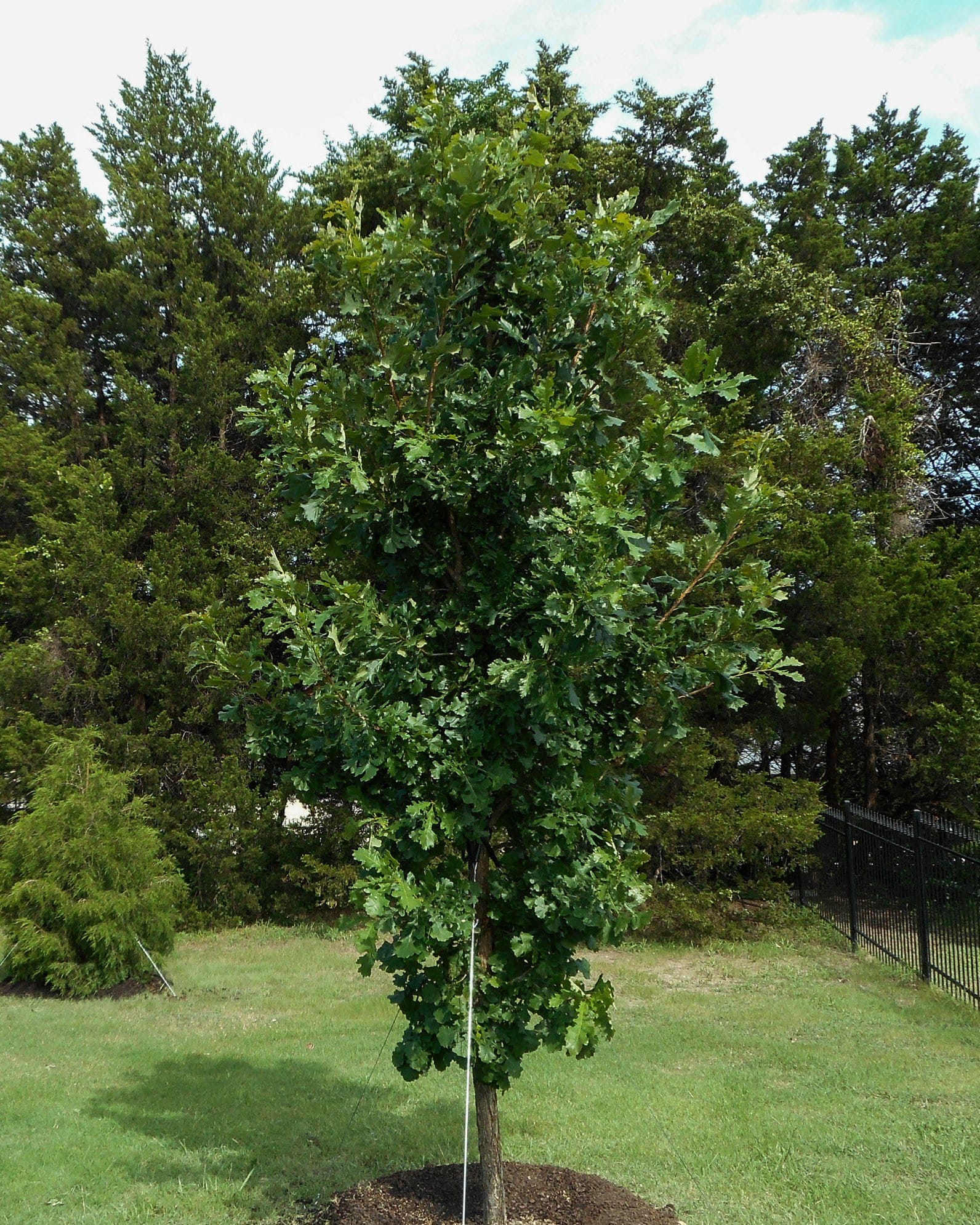
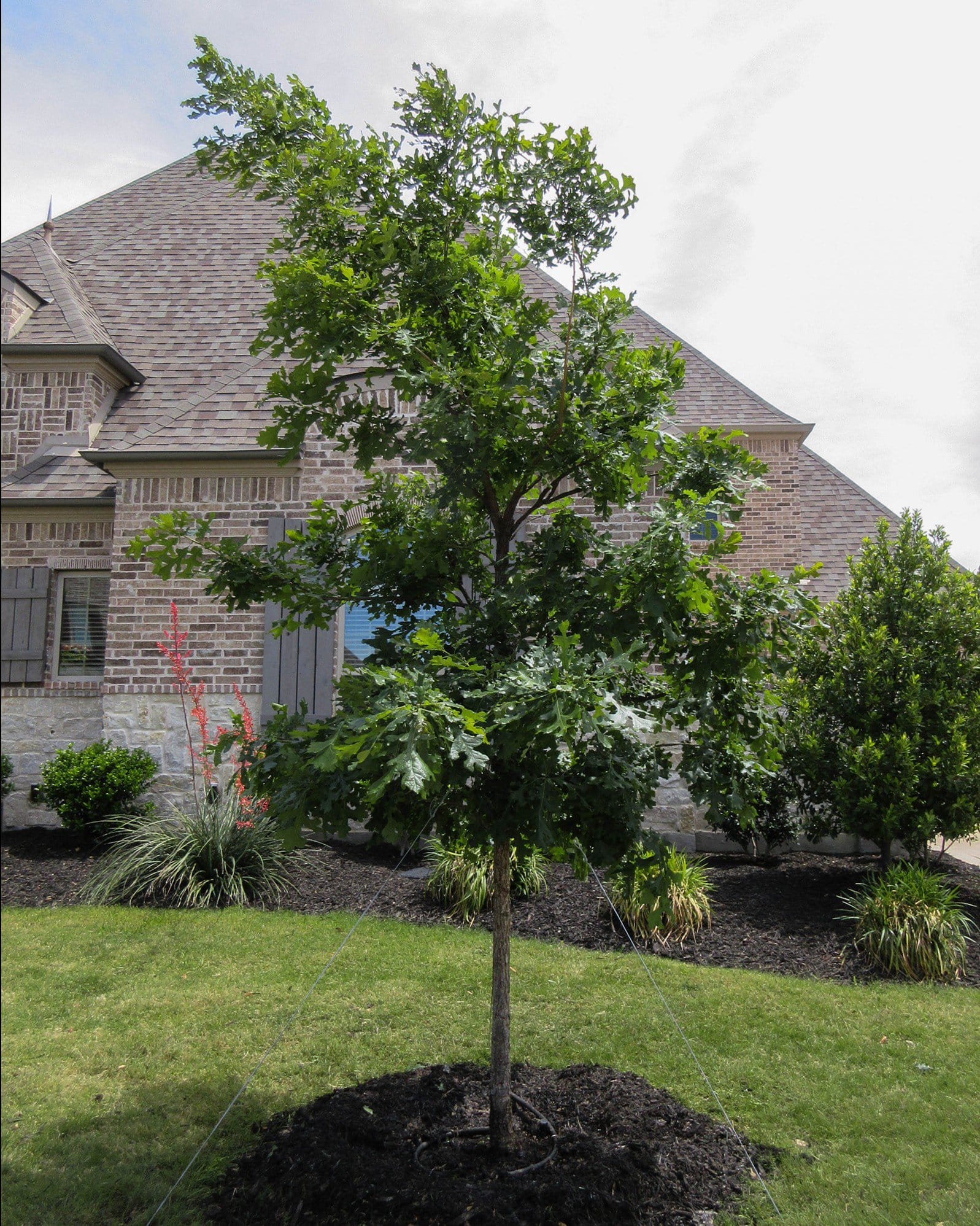
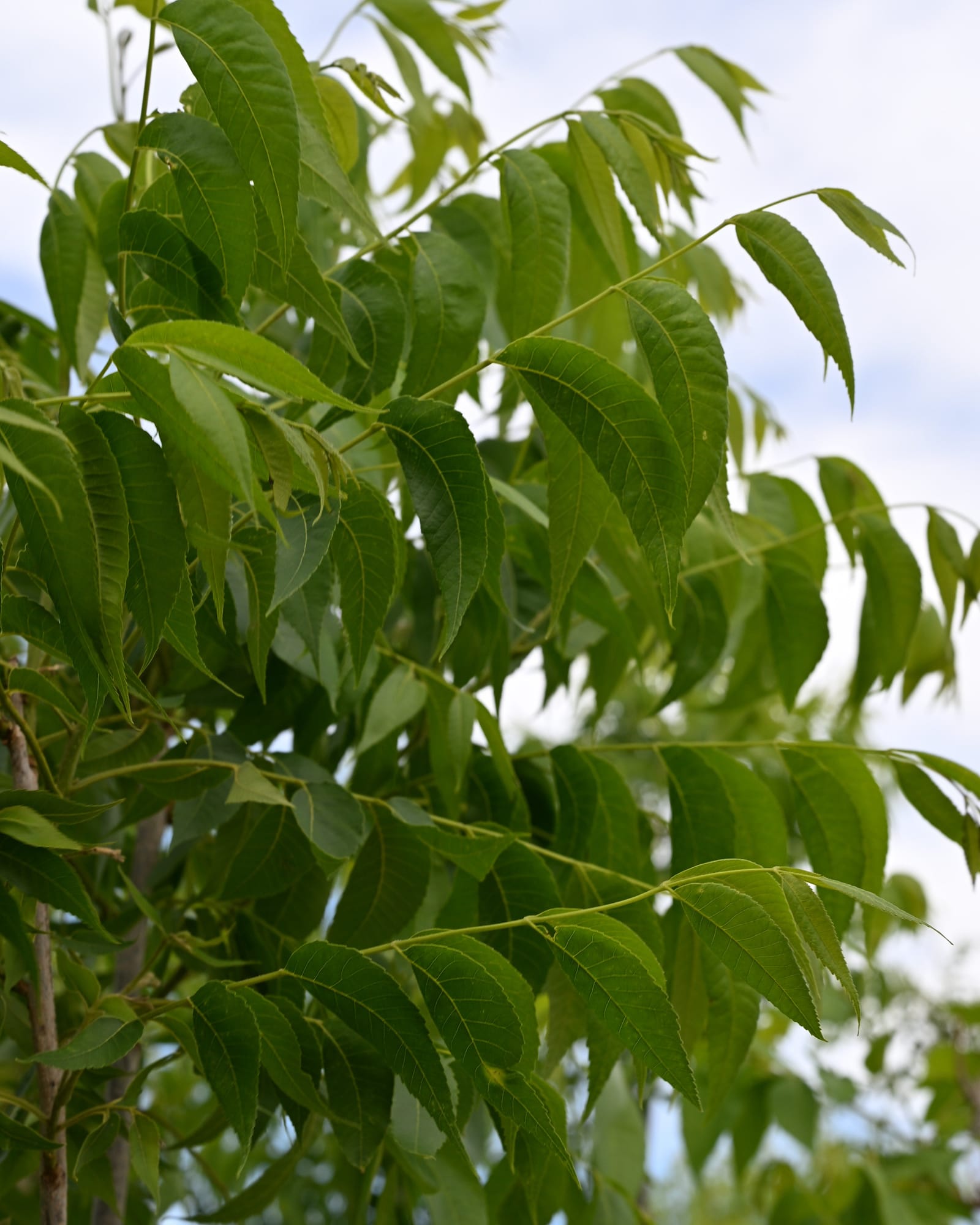
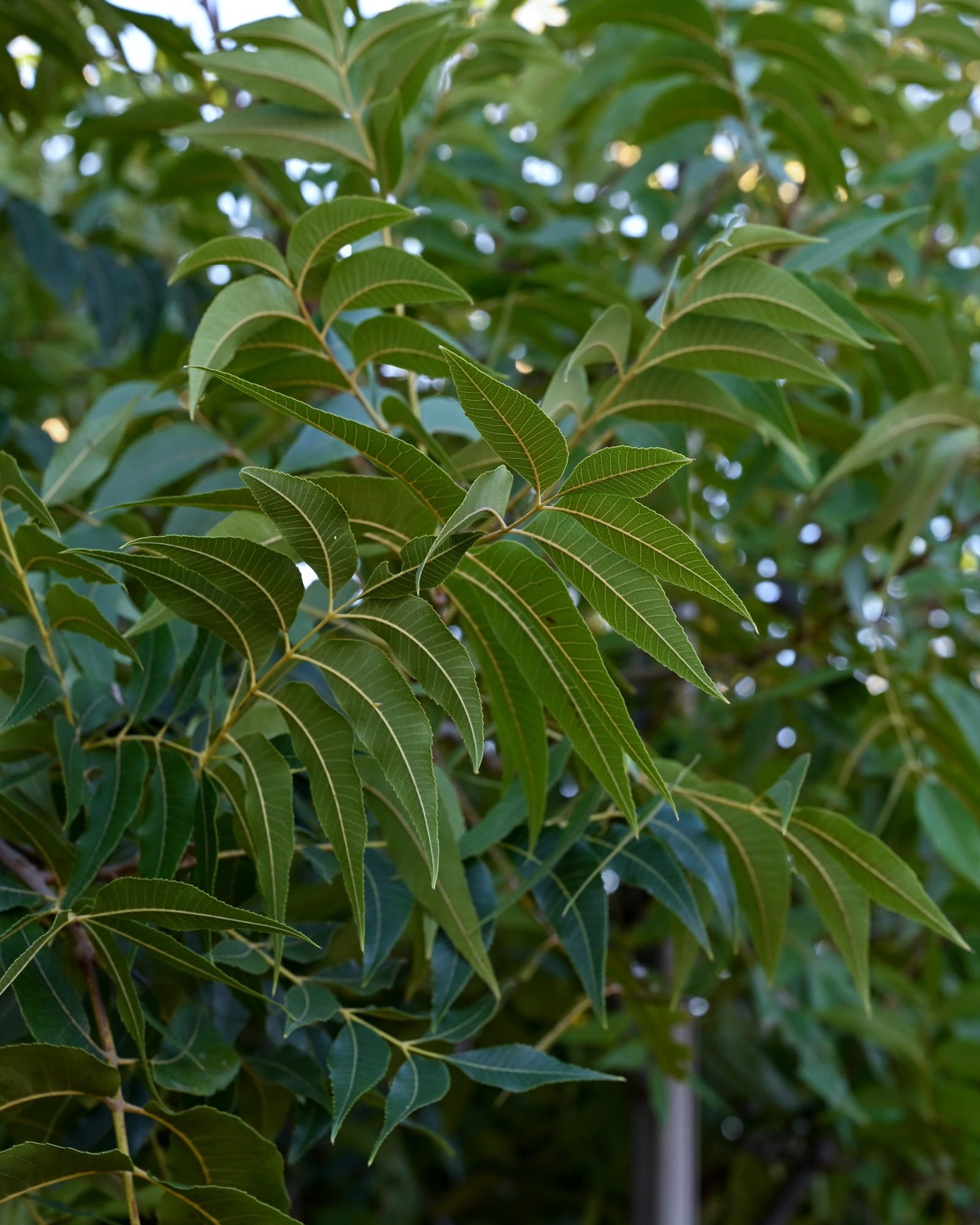
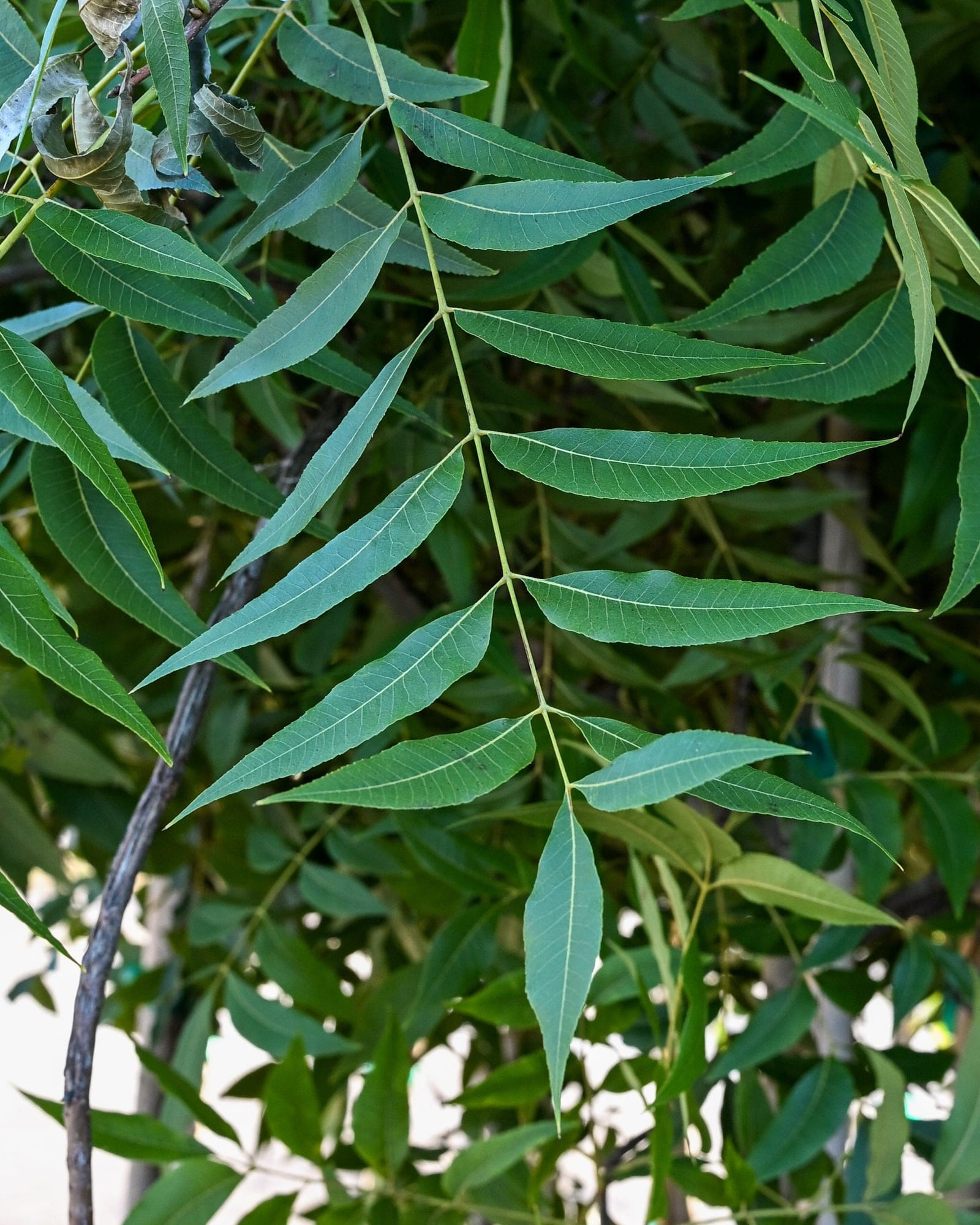
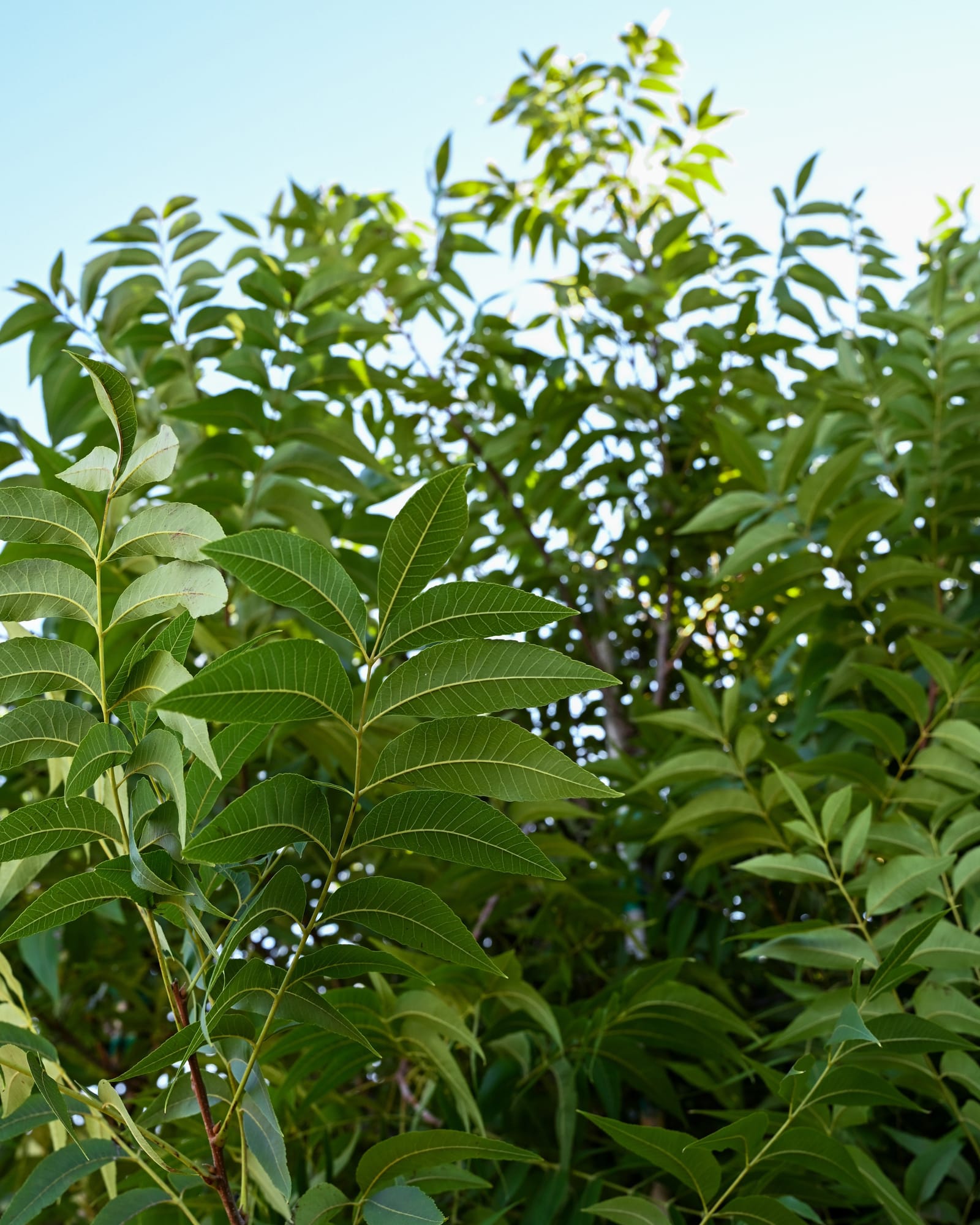
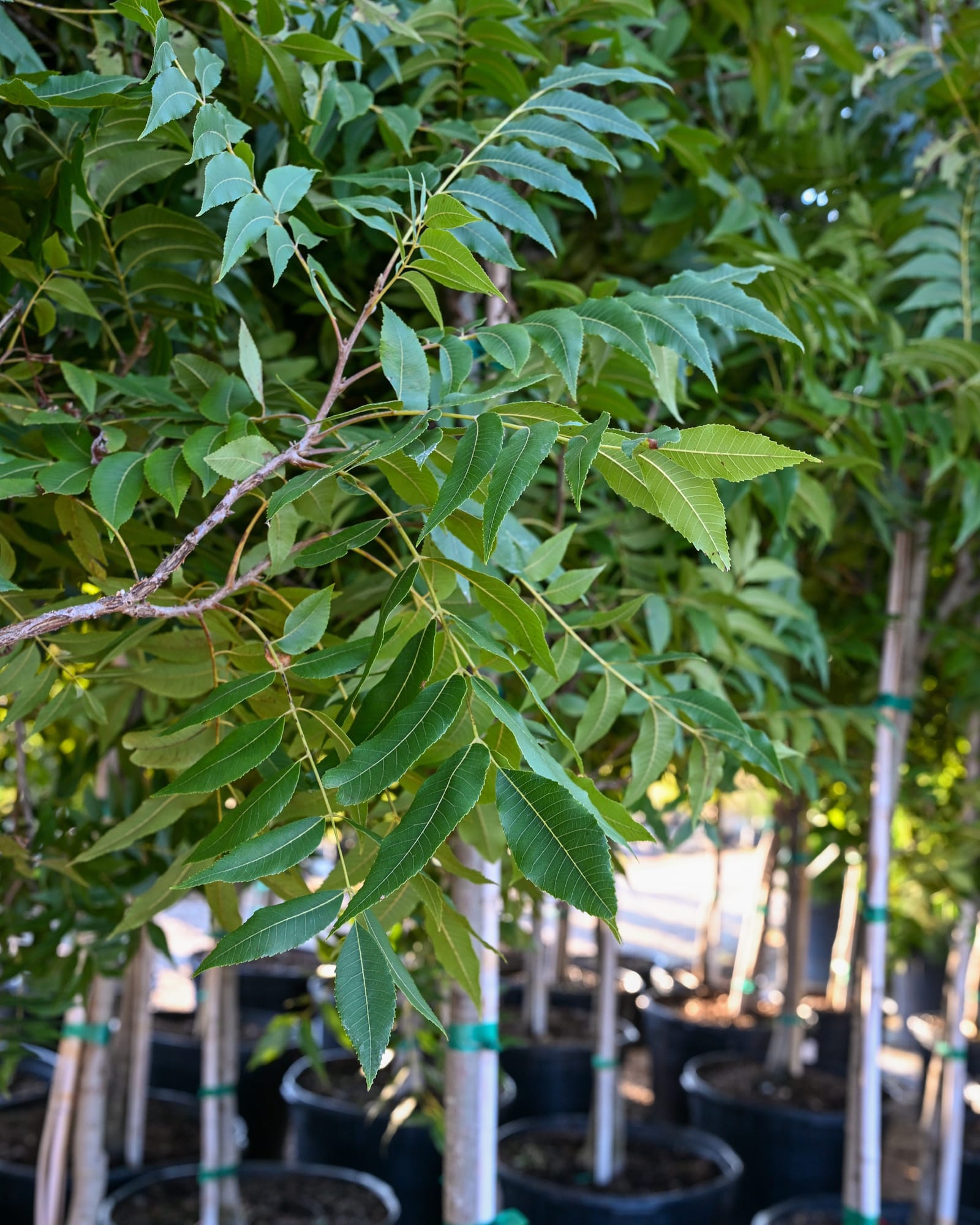
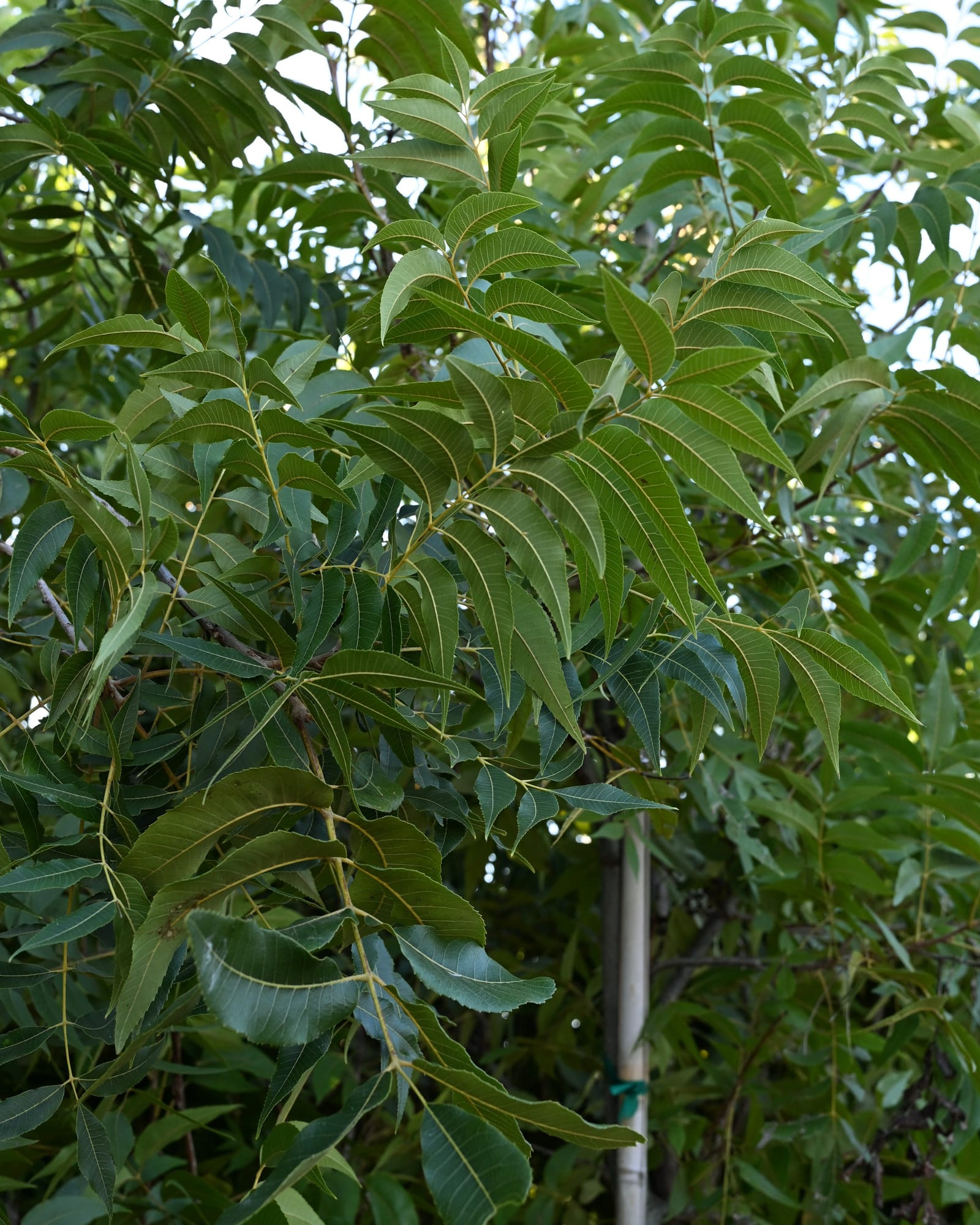
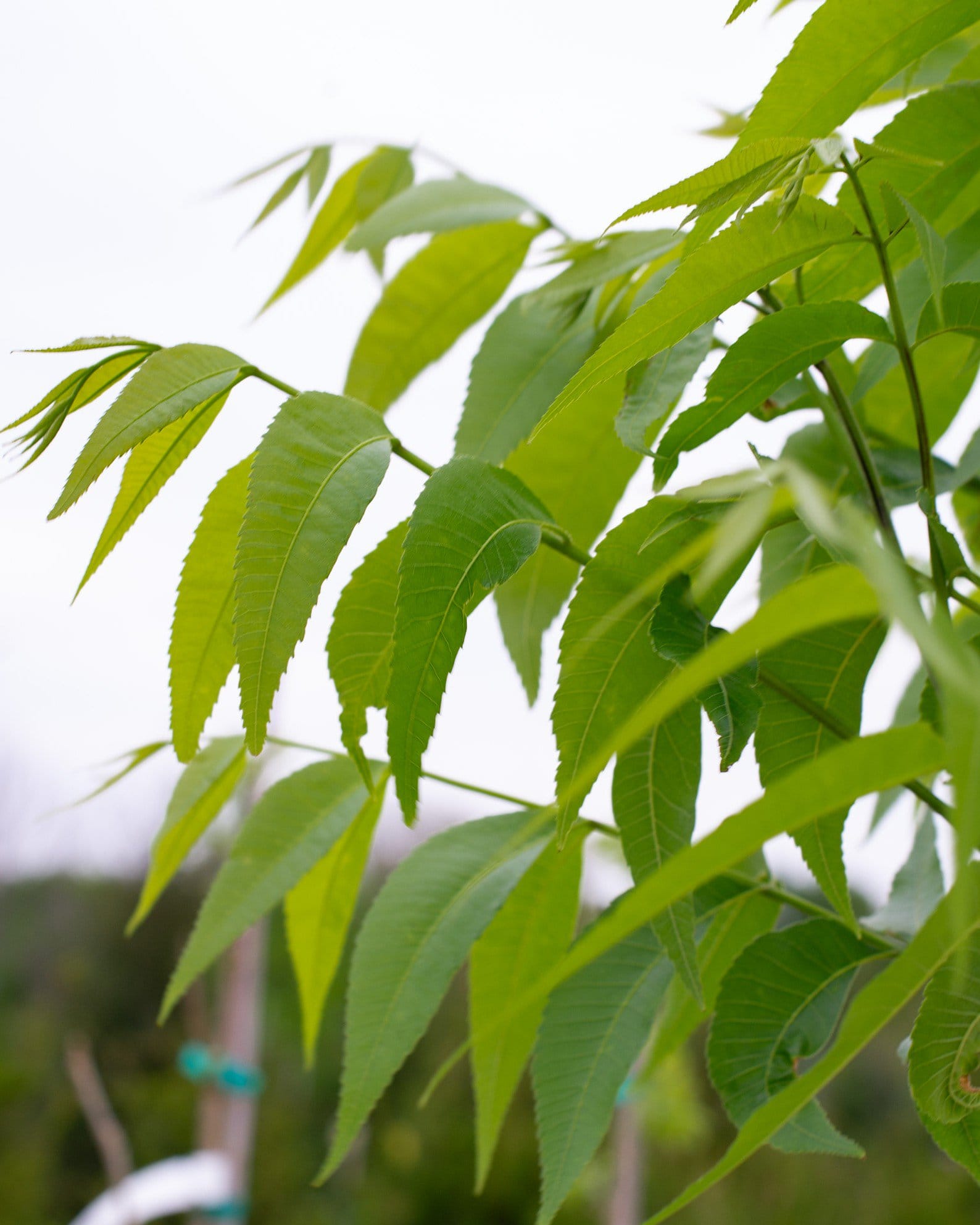
Carya illinoinensis ‘Caddo’Caddo Pecan is a stately tree prized for its dense canopy and delicious nuts. Growing up to 60 feet tall and 40 feet wide, it provides excellent shade and seasonal interest with its bright yellow leaves in fall. This pecan variety is well-suited to larger yards and open spaces, offering both aesthetic and practical benefits. It has a deep root system that helps it tolerate drought once established. Caddo Pecan’s strong wood and impressive size make it a lasting addition to Texas landscapes. Regular care will encourage healthy growth and nut production, rewarding homeowners with both beauty and harvest. The Caddo pecan is a Type 1 pollinator, meaning its male flowers (catkins) shed pollen before its female flowers are receptive. To produce nuts, Caddo pecans require a compatible Type 2 variety.
- Deciduous tree
- Moderate growth rate with a broad, spreading habit
- Produces edible pecans
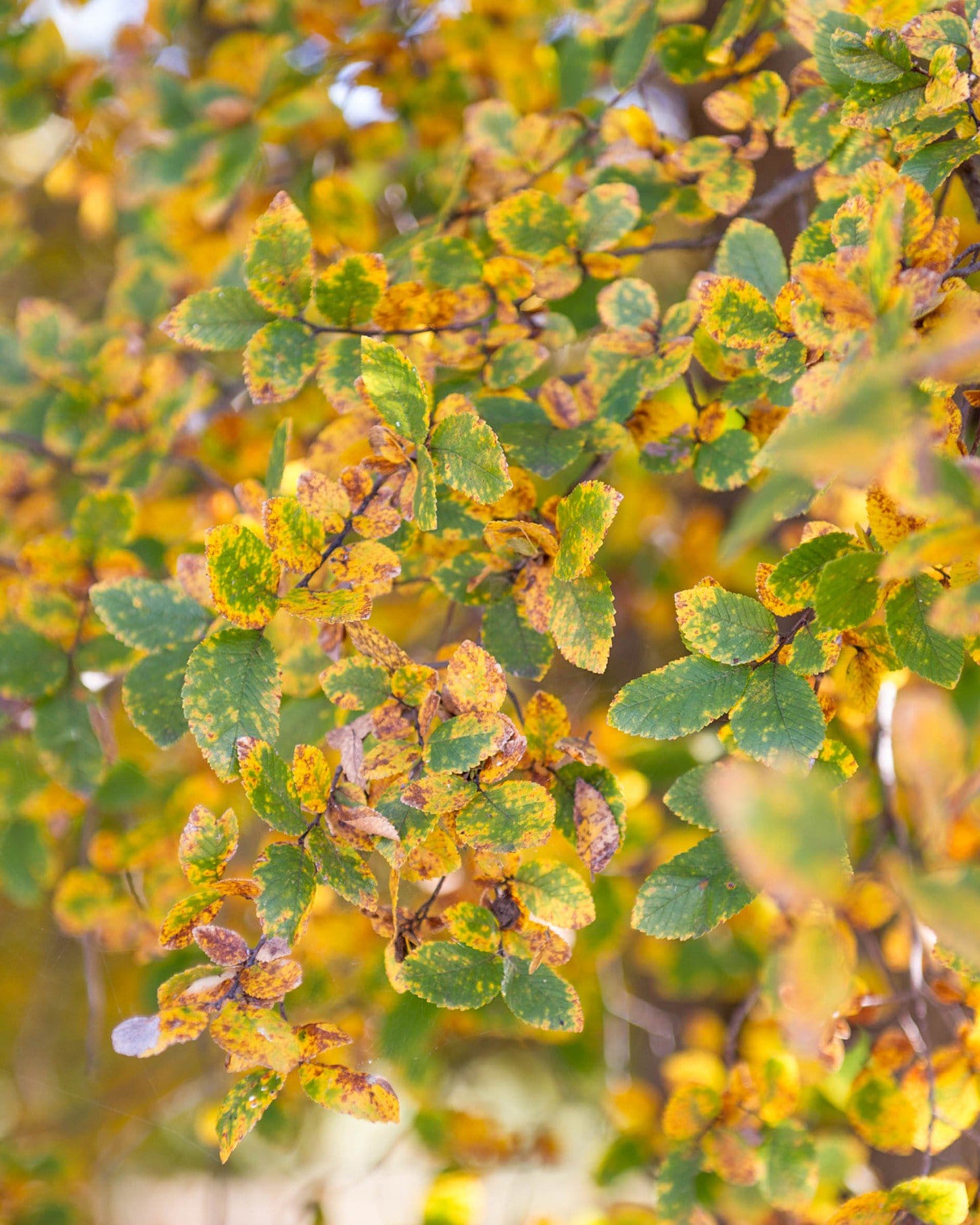
- Yellow fall foliage adds seasonal color
- Ideal for shade and large landscapes
Hardy in USDA zones 6–9, Caddo Pecan thrives in full sun and prefers well-drained, fertile soils. It adapts well to North Texas climates, making it a reliable choice for shade and nut production.
Once established, Caddo Pecan is a hardy, low-maintenance shade and crop tree that thrives across much of Texas. Here’s what it needs to thrive beautifully:
- Watering: Water deeply and regularly during the first three years to establish an extensive root system. Mature trees need deep soaking every 10-14 days during dry weather, especially during nut development. Avoid shallow, frequent watering - deep moisture encourages sturdy roots and better nut fill.
- Pruning: Prune young trees annually in late winter to develop a strong central leader and wide branch angles. Remove crossing or crowded limbs. Mature trees need only light structural pruning to maintain airflow and reduce limb breakage from heavy crops.
- Fertilizing: Apply a balanced fertilizer (such as 10-10-10) in early spring before new growth begins, and again in midsummer if growth appears weak. Older trees benefit from a zinc supplement to support nut quality and leaf health.
- Mulching: Spread a 3-4 inch layer of organic mulch around the base to retain moisture and regulate soil temperature. Keep mulch a few inches away from the trunk to prevent rot and pest issues.
- Spacing: For orchards or large landscapes, space trees 35-40 feet apart to allow for full canopy spread and adequate light penetration. Proper spacing helps reduce disease pressure and improves air circulation.
Common Issues and How to Take Care of Them
Caddo Pecan is a very hardy tree, but it’s not immune to certain pests and diseases. This is what to look out for:
- Scab fungus: A common pecan disease that causes dark spots on leaves and nuts, reducing yield. Choose resistant varieties like Caddo and maintain good airflow. Apply fungicide during wet springs if needed.
- Aphids: Can cause sticky residue on leaves. Rinse foliage with water or use horticultural oil or insecticidal soap to control outbreaks.
- Webworms: These caterpillars spin silk webs in the canopy and feed on foliage. Prune out small infestations or apply Bacillus thuringiensis (Bt) for larger populations.
- Zinc deficiency: Leads to small, distorted leaves and poor nut set. Apply a foliar zinc spray in spring when new growth begins.
- Nutrient stress: Pale leaves or small nuts often indicate low nitrogen. Apply a balanced fertilizer and water deeply to promote recovery.
With deep watering, proper pruning, and balanced feeding, Caddo Pecan provides abundant, high-quality nuts and grows into a stately, long-lived shade tree perfect for large yards or rural properties.
Moderate growth rate - usually 1 to 2 feet per year when young, slowing as it matures into a broad, rounded canopy.
Plant between fall and spring to allow roots to establish before summer heat.
Not exactly, unless the tree is over 24 inches in diameter - this pecan is then considered a heritage tree. To remove a heritage pecan tree, you generally need to obtain a permit.
Typically begins producing in 5-7 years, with full yields around year 10. It’s considered an early- and consistent-bearing variety.
Yes, particularly when young. Good early structure prevents weak limbs that could break under heavy nut loads later. Mature trees need only light maintenance pruning.
Once established, yes - it’s quite resilient. Deep roots help it access moisture, but supplemental watering during dry summers improves yield quality.
Well cared for, they can live 100 years or more, often becoming true legacy trees in home landscapes or family farms.
Yes. It’s a Type I (protandrous) variety and should be paired with a Type II (protogynous) variety such as Desirable, Stuart, or Kanza for optimal nut production.
Absolutely. They’re prized for their smooth shells, high oil content, and buttery, rich flavor - perfect for baking or fresh eating.
They can - squirrels love pecans. Using trunk guards or netting around lower branches during harvest season can reduce loss.
The difference between Type 1 and Type 2 pecans lies entirely in their pollination timing, a critical factor for successful nut production. Pecan trees have separate male flowers (catkins) and female flowers (nutlets) on the same tree, but they rarely mature at the same time, a condition called dichogamy, which encourages cross-pollination.
- Type 1 Pecans are classified as protandrous. In these trees, the male flowers shed their pollen first (pro- = first; -androus = male) before the female flowers on the same tree become receptive.
- Type 2 Pecans are classified as protogynous. In these trees, the female flowers become receptive first (pro- = first; -gynous = female) before the male flowers on the same tree shed their pollen.
For an individual pecan tree to produce a high yield of well-filled nuts, it must be cross-pollinated by a complementary type. Therefore, for a successful harvest, a grower must plant at least one Type 1 tree and one Type 2 tree to ensure that when one is shedding pollen, the other's female flowers are ready to receive it.
Special Features
You might also like
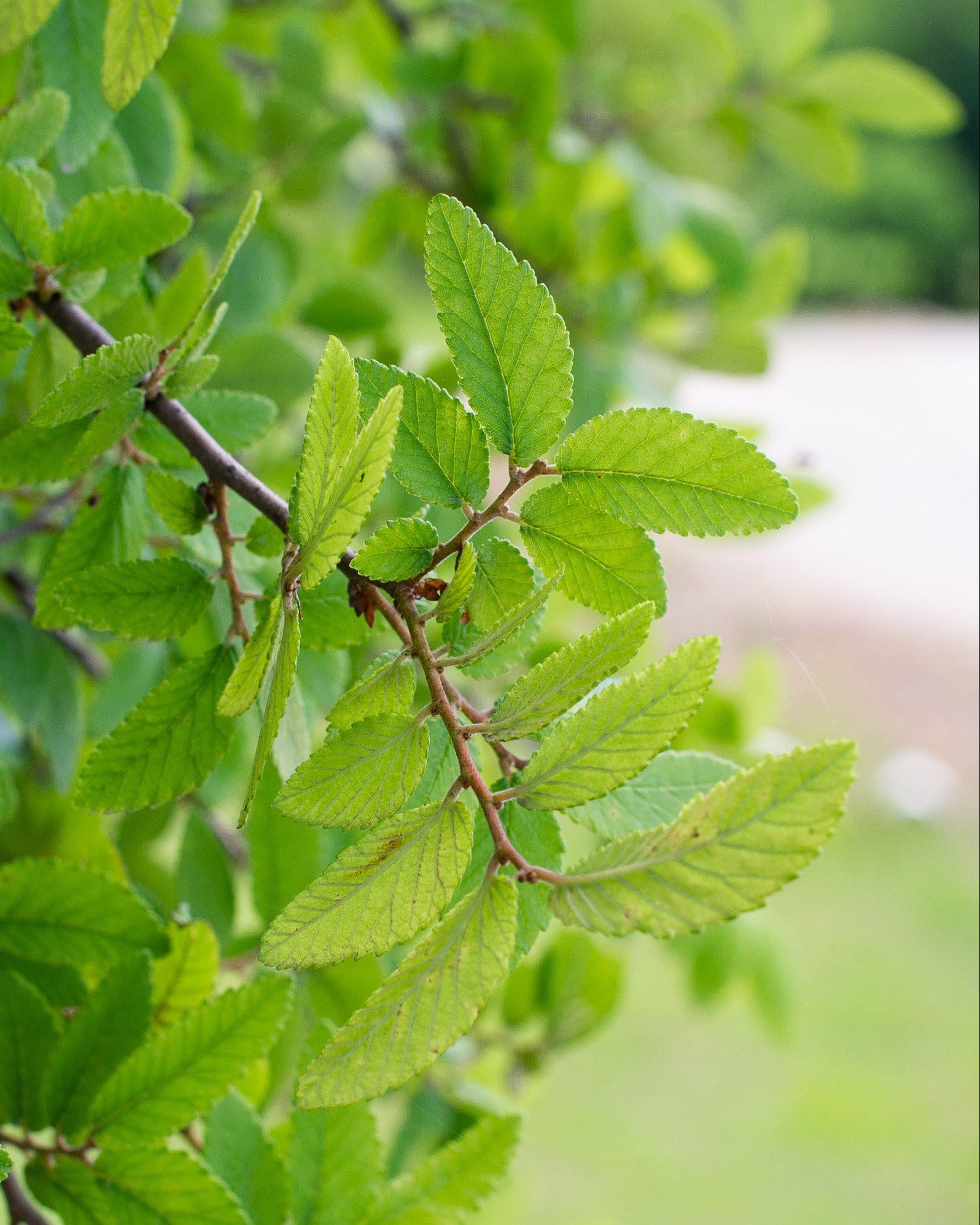
Cedar Elm
Maturity: 50' H x 35' W
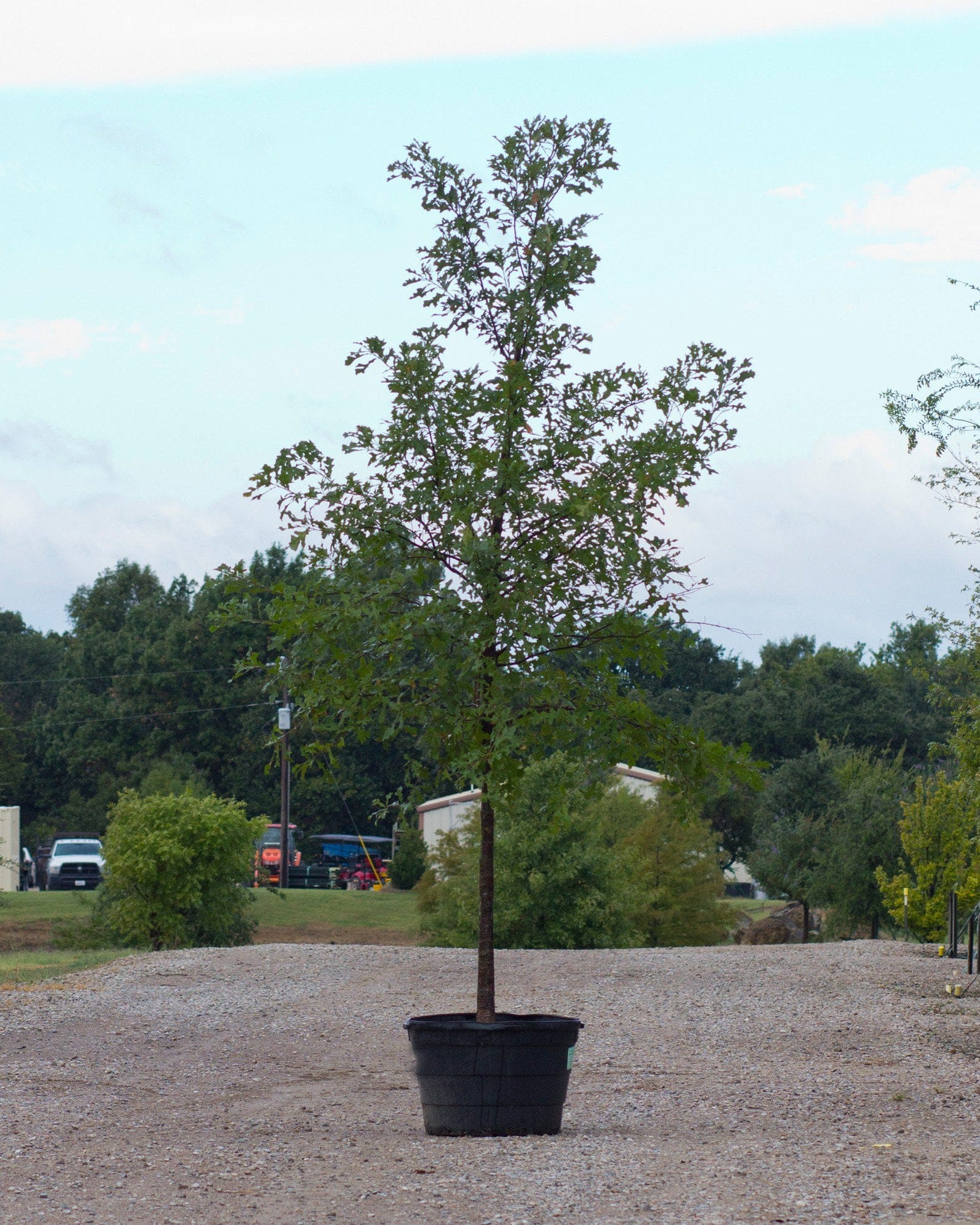
Desirable Pecan
Maturity: 60' H x 40' W
Kanza Pecan
Maturity: 60' H x 40' W
Native Pecan
Maturity: 60' H x 40' W
Pawnee Pecan
Maturity: 60' H x 40' W
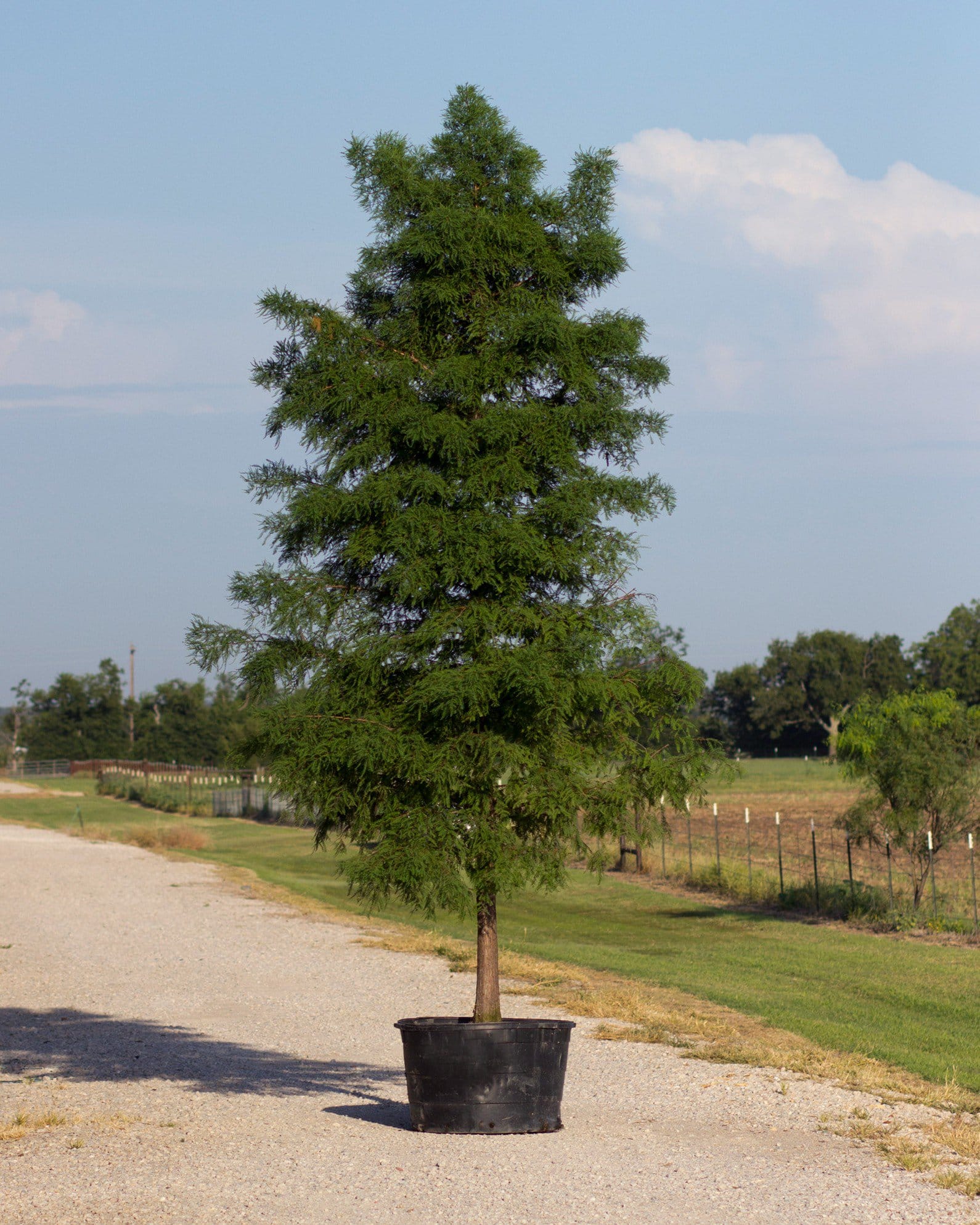
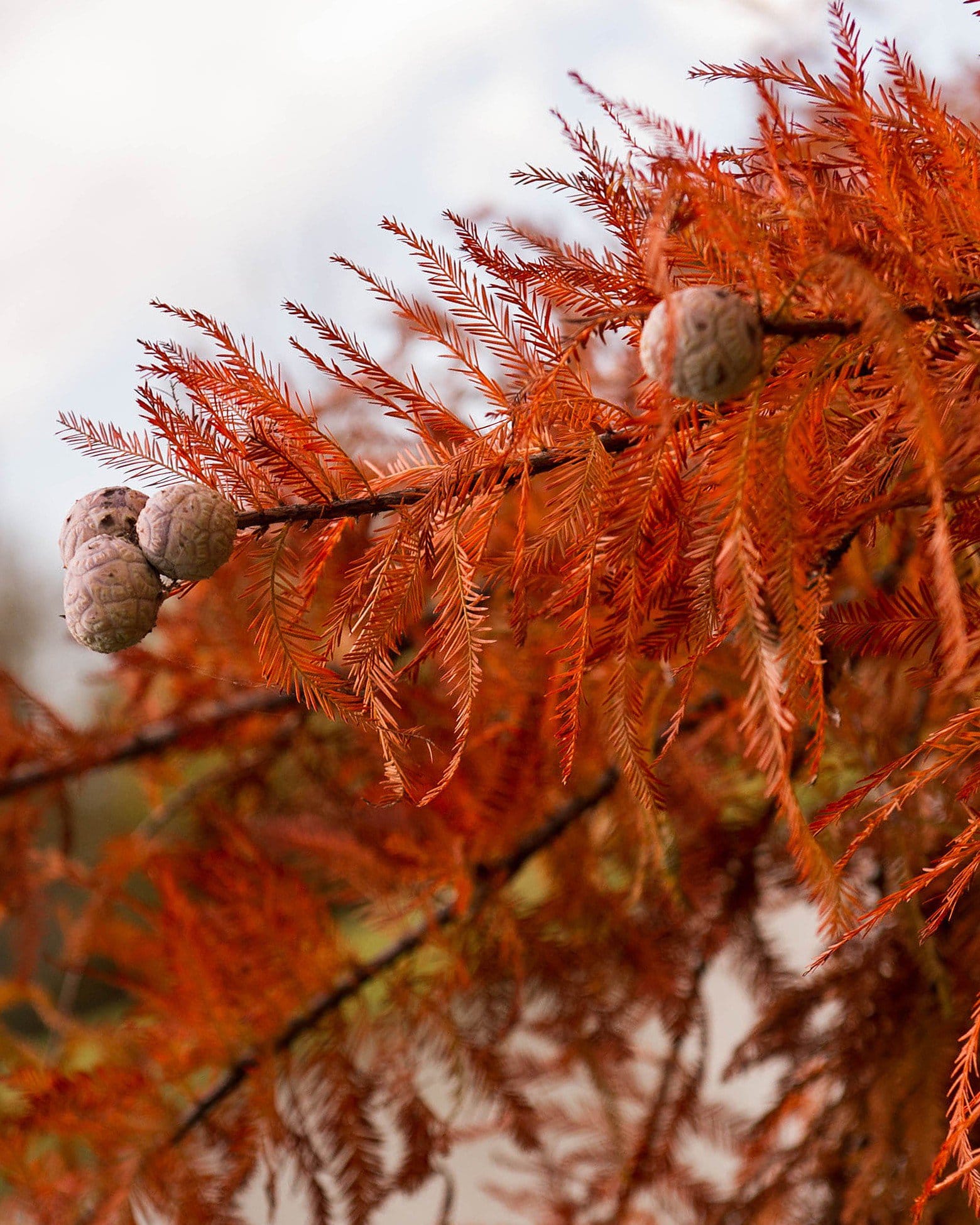
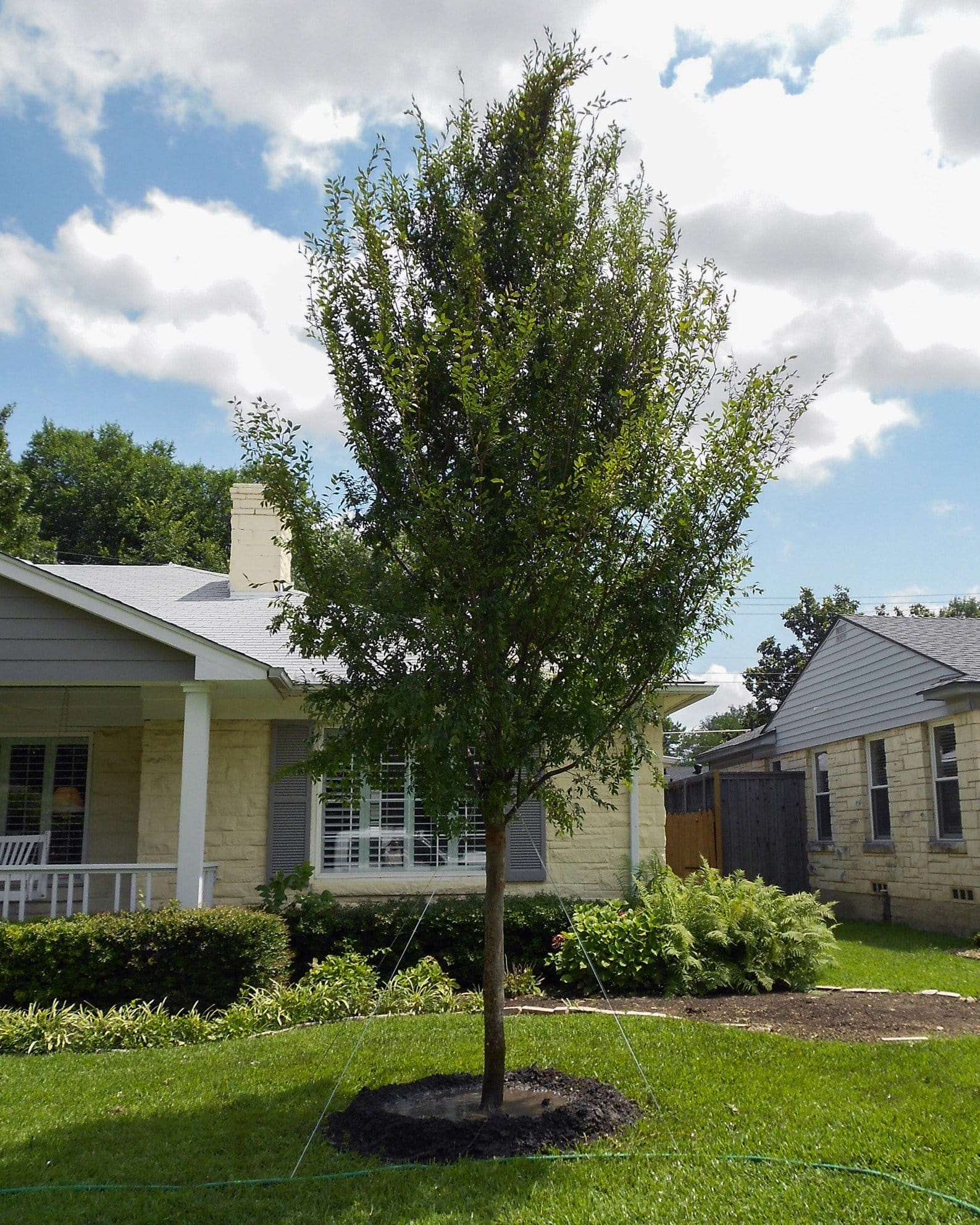
Bald Cypress
Maturity: 60' H x 40' W
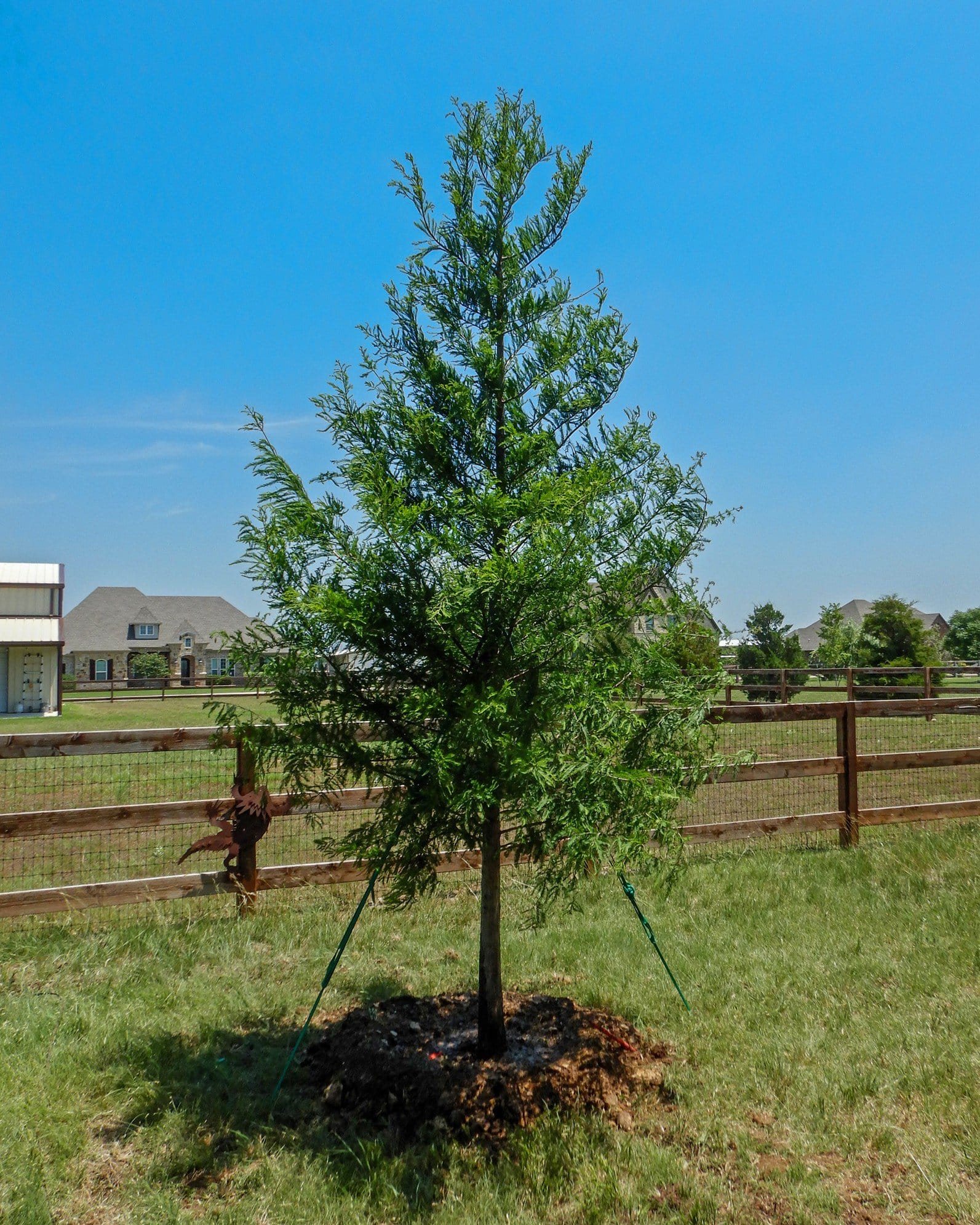
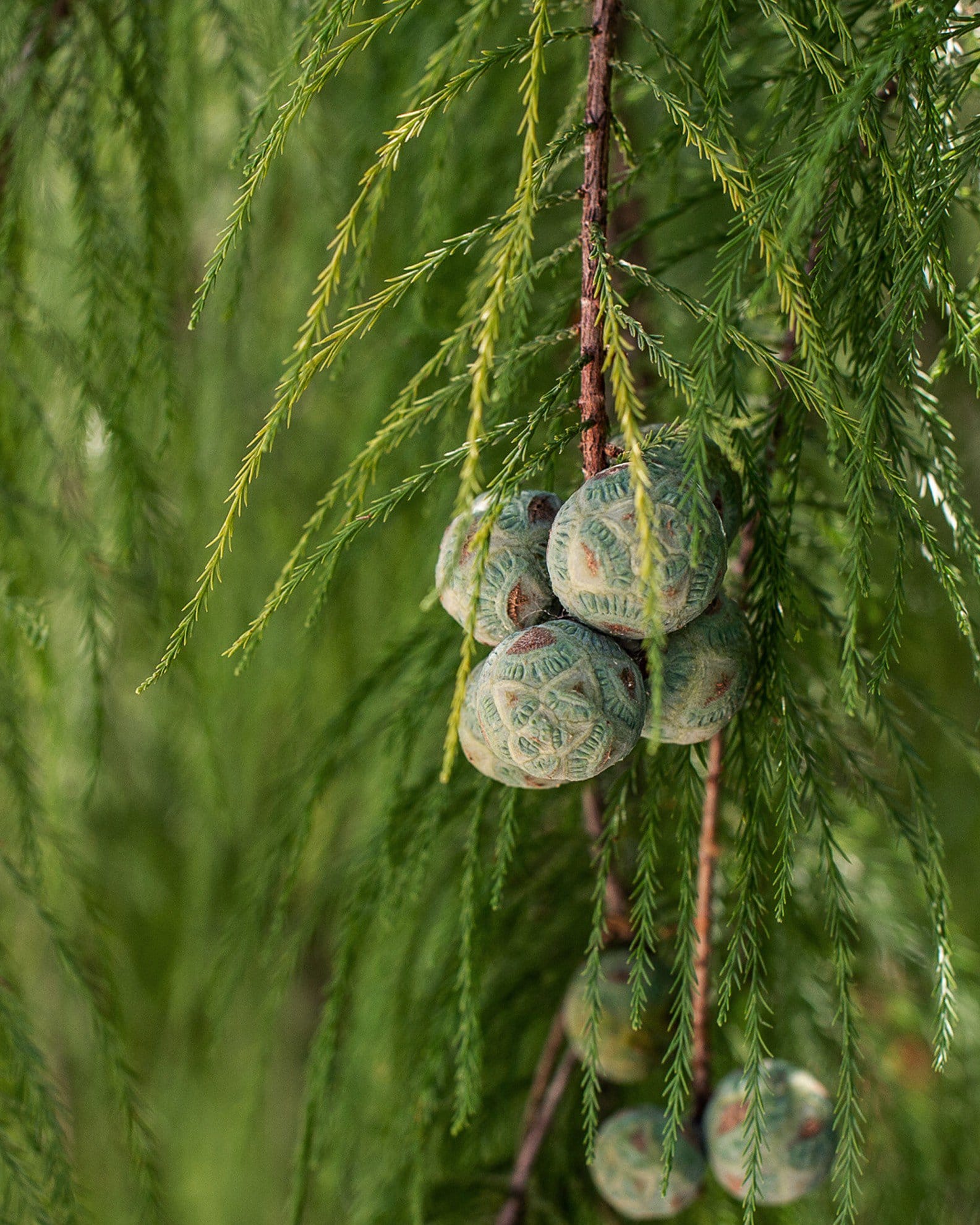
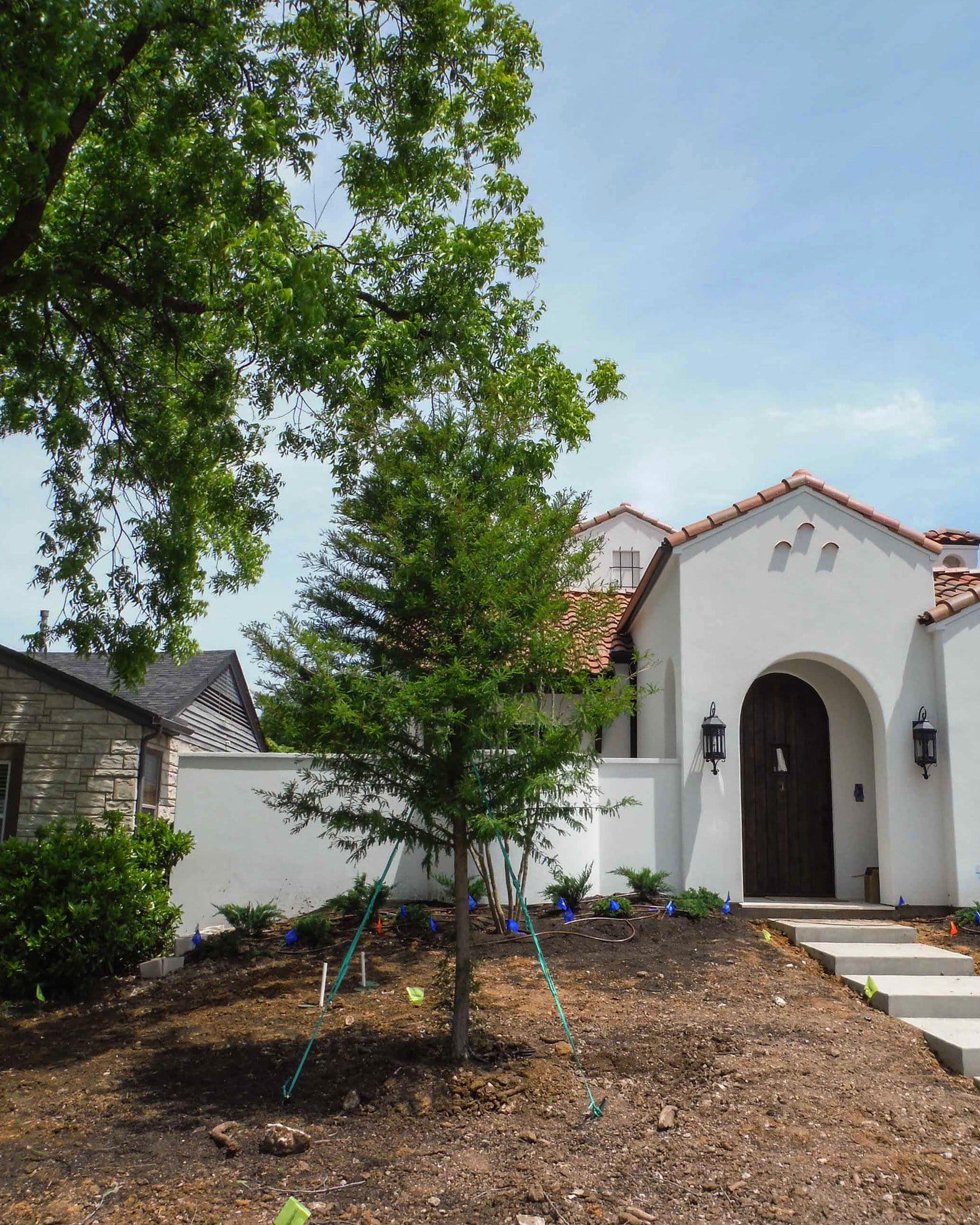
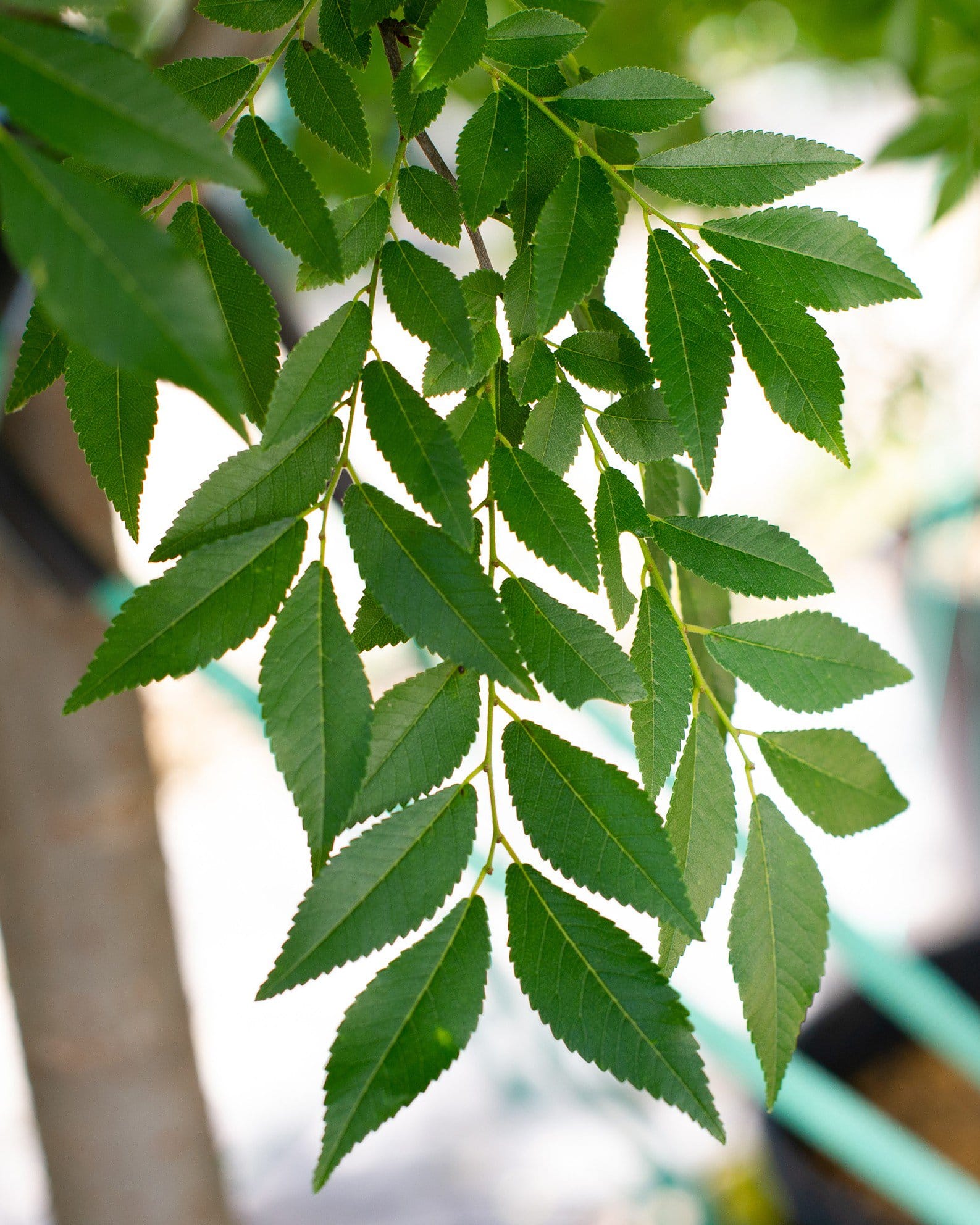
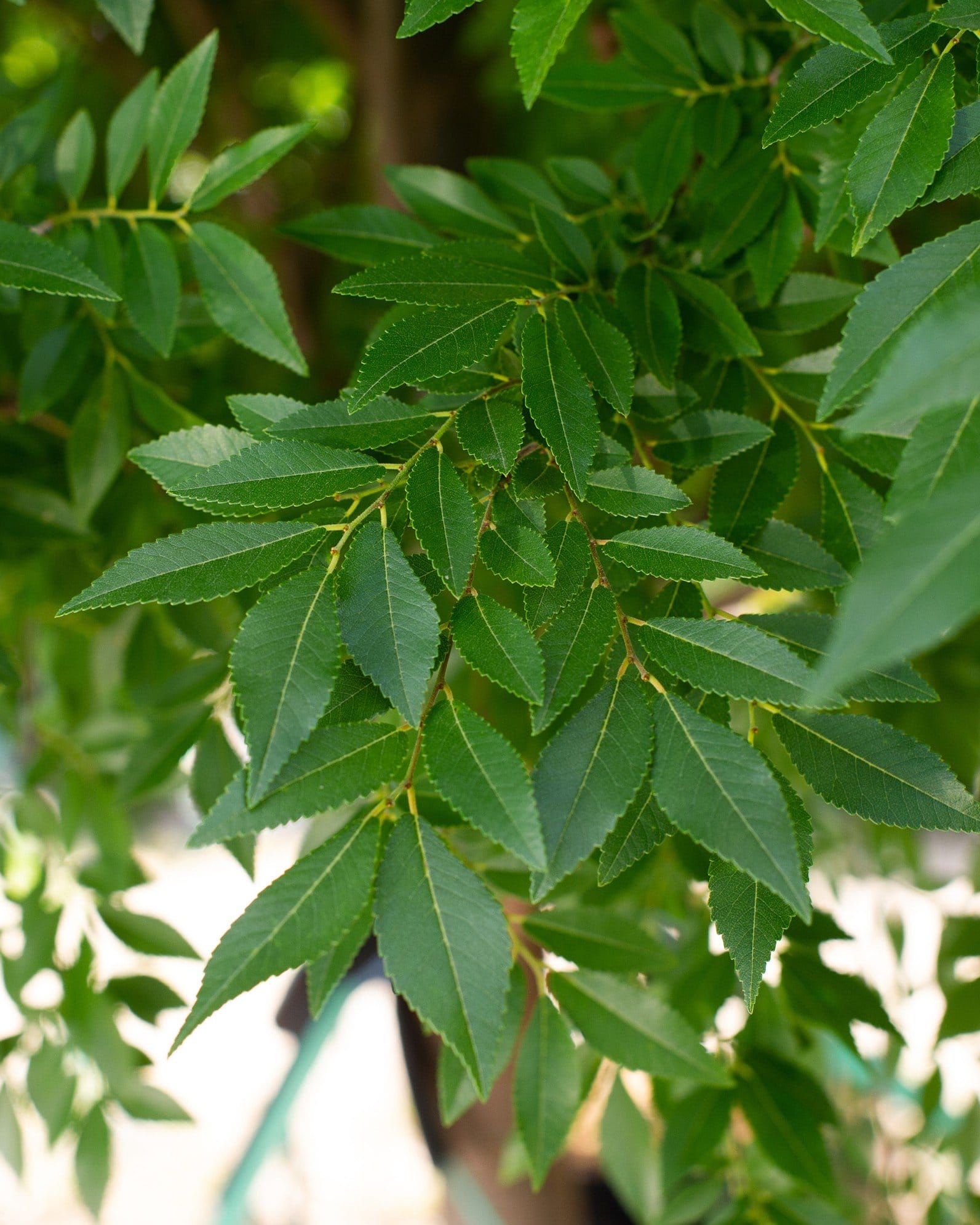
Allee Elm
Maturity: 60' H x 45' W
Bur Oak
Maturity: 60' H x 50' W
Cedar Elm Pioneer
Maturity: 50' H x 30' W
Cherokee Sweet Gum
Maturity: 45' H x 30' W
Cheyenne Pecan
Maturity: 60' H x 40' W
Chinquapin Oak
Maturity: 50' H x 40' W
Choctaw Pecan
Maturity: 60' H x 40' W
Creek Pecan
Maturity: 60' H x 40' W
Elliot Pecan
Maturity: 60' H x 40' W
Compare Similar Plants
Caddo Pecan This plant | ||
|---|---|---|
| Scientific Name | Carya illinoinensis ‘Caddo’ | Ulmus crassifolia |
| Size at Maturity | 60' H x 40' W | 50' H x 35' W |
| Leaf Retention | Deciduous | Deciduous |
| Fall Color | Yellow | Yellow |
| Sizes Available | 6, 15 gal | 15, 30, 45, 65, 95 gal |


Our 1-Year Planting Guarantee
We take pride in our plants and installation services. If any plants or trees installed by Treeland fail to thrive within the first year, we'll provide a replacement credit in accordance with our guarantee program.
Learn More About Our Guarantee