Essential Watering Guidelines for Newly Planted Trees
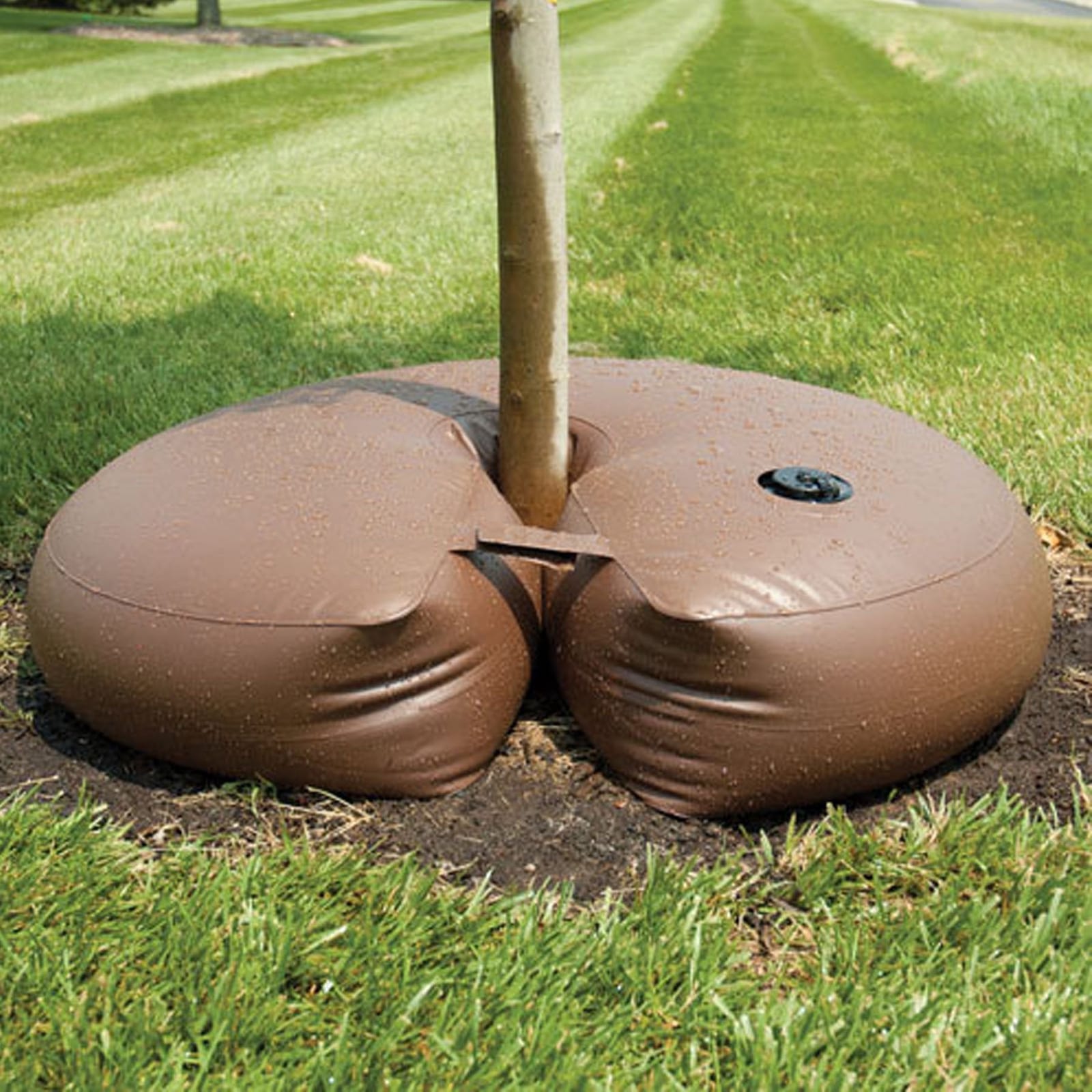
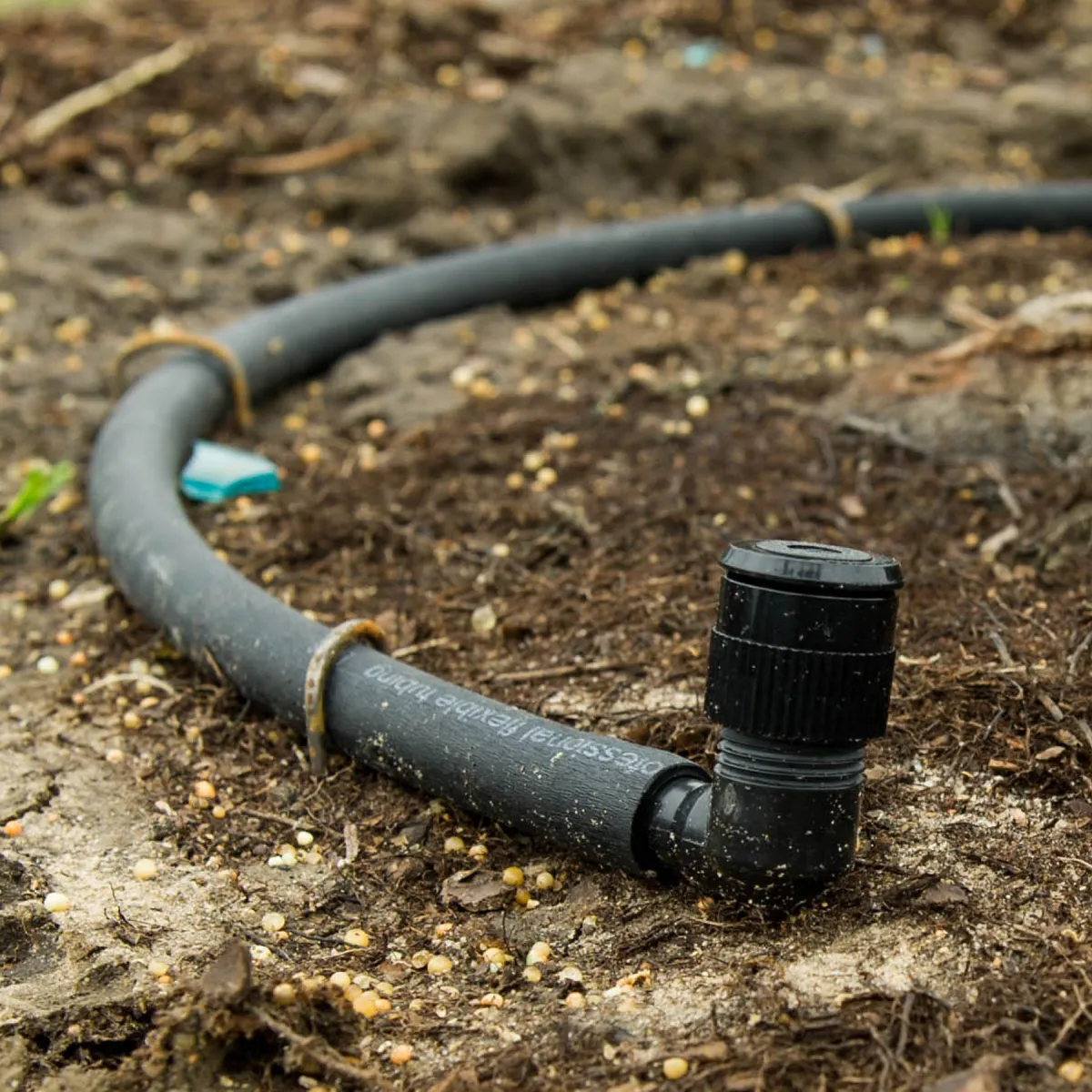
Newly planted trees need more water than your lawn sprinkler system provides for the first 18 months after planting. There are several options for watering your trees, including using bubblers, drip irrigation, a garden hose, Tree Gators, or ArborRain bags. Treeland includes a 4-inch perforated drainage pipe with every tree, extending to the base of the rootball. This pipe is solely for monitoring soil moisture, so please avoid watering directly into it. Instead, direct water into the surrounding tree well.
Our delivery crew will water your trees on planting day. How much and when you water next depends on the temperature. Our guidelines below work for most trees 10 gallons and larger, but performing soil moisture tests offers a tailored approach to prevent over or underwatering.
| High Temperature (°F) | Watering Frequency | Estimated Gallons Per Watering |
|---|---|---|
| Below 60° | Water Every 4 Days | 20 |
| 60°-79° | Water Every 3 Days | 20 |
| 80°-94° | Water Every Other Day | 20 |
| 95°+ | Water Daily | 10 |
Understanding Soil Moisture Tests
The goal of a soil moisture test is to ensure the soil at the base of the drainage pipe has an ideal texture—soft, moist, pliable, and cool to the touch, similar to Play-Doh. This ideal consistency should be achieved 24 hours after watering when temperatures exceed 95°F, and 48 hours after watering when temperatures are below 95°F.
You can collect a soil sample from the bottom of the drainage pipe using a stick, dowel, paint stir stick, broom handle, PVC pipe, or rebar; we've found that dirt adheres best to wooden surfaces.
- If the soil sample is drier than Play-Doh, you're not watering enough.
- If the soil sample is wetter than Play-Doh, you're overwatering.
- If water accumulates at the bottom of the pipe, it needs to be drained. You can use a shop vac, hand pump, or an M12 Stick Transfer Pump from Milwaukee.
Consistent watering is crucial for accurate soil moisture testing. Water each tree with the same amount consistently, as inconsistent watering makes it harder to determine necessary adjustments. After collecting multiple soil samples, we can typically customize your watering schedule within 2-3 weeks.
For multiple trees, it's best to test the soil moisture around each one individually. Moisture levels can vary significantly even among trees planted close together.

Soil with a play-doh like texture
Frequently Asked Questions about Tree Watering
Due to varying soil drainage rates, a universal watering schedule isn't ideal. However, as a general guideline, aim for 10 gallons daily when temperatures exceed 95°F. For temperatures below 95°F, apply 20 gallons per watering, adjusting the frequency based on the specific temperature. Refer to the chart below for guidance:
| High Temperature (°F) | Watering Frequency | Estimated Gallons Per Watering |
|---|---|---|
| Below 60° | Water Every 4 Days | 20 |
| 60°-79° | Water Every 3 Days | 20 |
| 80°-94° | Water Every Other Day | 20 |
| 95°+ | Water Daily | 10 |
For optimal results, we highly recommend performing soil moisture tests to create a customized watering program. The goal is for the soil at the base of the drainage pipe to have an ideal texture: soft, moist, pliable, and cool to the touch, similar to Play-Doh. This ideal condition should be achieved 24 hours after watering when temperatures exceed 95°F, and 48 hours after watering when temperatures are below 95°F.
- If the soil sample is drier than Play-Doh, you're likely underwatering.
- If the soil sample is wetter than Play-Doh, you're likely overwatering.
- If water accumulates at the bottom of the pipe, it needs to be drained (see below for details).
The watering duration depends on your water source's flow rate, which varies between homes and watering methods. We recommend performing a simple flow rate test:
To determine your flow rate: Time how long it takes to fill a 1-gallon container. For example, if it takes 80 seconds to fill 1 gallon, your flow rate is 80 seconds per gallon.
To calculate watering duration: To apply 10 gallons with an 80-second-per-gallon flow rate, you would water for 800 seconds (80 seconds/gallon x 10 gallons), which is 13 minutes and 20 seconds.
You can also use our flow rate calculator to simplify this process.
Flow Rate Calculator
It's normal to see standing water in the drainage pipe immediately after watering or after heavy rains; we want to give the soil a chance to drain naturally. However, if standing water is still present 24 hours later, it needs to be drained.
You can use tools like a shop vac, hand pump, or an M12 Stick Transfer Pump from Milwaukee. Each time you drain the pipe, it will likely refill, but the water level should progressively lower. Once there's less than an inch of standing water, it becomes difficult to drain further, and you should allow the soil more time to drain naturally.
Persistent standing water after 24 hours indicates poor drainage in that location and suggests that too many gallons are being applied per watering.
You can install soil moisture pipes either during planting or afterward.
At the Time of Planting: When planting, place a 4-inch perforated pipe alongside the rootball, ensuring it runs its entire length without extending below the base. Carefully backfill the hole with soil, taking care not to fill the pipe itself.
After Planting: If a tree has already been planted, you can still add a soil moisture pipe. Dig an 8-10 inch wide hole along the side of the rootball using a post-hole digger or spade shovel, continuing until you reach the bottom of the rootball. Then, place a 4-inch perforated pipe alongside the rootball, making sure it runs its entire length and doesn't extend below the base.
Here's a chart showing where soil samples should be taken from for different container sizes:
| Container Size | Distance from Center of Trunk | Depth |
|---|---|---|
| 15 Gallon | 11 Inches | 12 Inches |
| 20 Gallon | 14 Inches | 15 Inches |
| 30 Gallon | 14 Inches | 15 Inches |
| 45 Gallon | 17 Inches | 17 Inches |
| 65 Gallon | 18 Inches | 18 Inches |
| 95 Gallon | 21 Inches | 21 Inches |
| 200 Gallon | 26 Inches | 24 Inches |
To ensure optimal tree health, we recommend installing a separate irrigation zone for trees, independent of your lawn or flower bed system. Trees have distinct watering needs compared to shrubs and grass, requiring independent management. Water applied through lawn or flower bed sprinklers will likely be insufficient for your trees' specific requirements.
These drainage pipes are installed to monitor soil moisture at the base of the rootball, helping ensure proper watering. Please avoid watering directly into these pipes, as their sole purpose is for moisture monitoring.
You can collect a soil sample at the bottom of the drainage pipe using a stick, dowel, paint stir stick, broom handle, PVC pipe, or rebar; in our experience, dirt adheres best to wooden surfaces.
- If the soil sample is drier than Play-Doh, you're likely underwatering.
- If the soil sample is wetter than Play-Doh, you're likely overwatering.
- If water accumulates at the bottom of the pipe, it needs to be drained (see above).
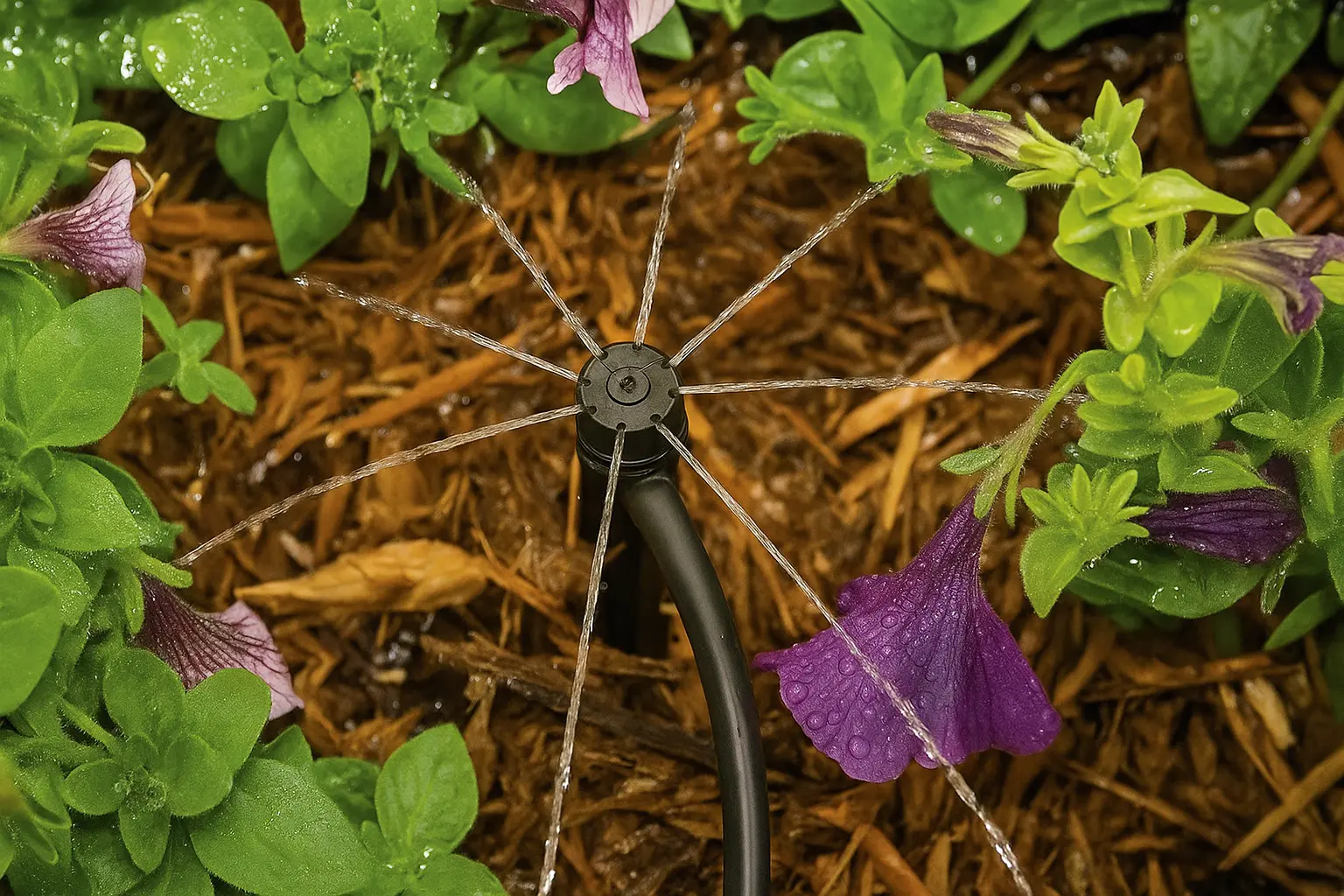
Efficiently watering multiple trees can be achieved using bubblers or a drip irrigation system. Drip irrigation systems, like those offered by Rain Bird, utilize small spray stakes for targeted water delivery to each tree.
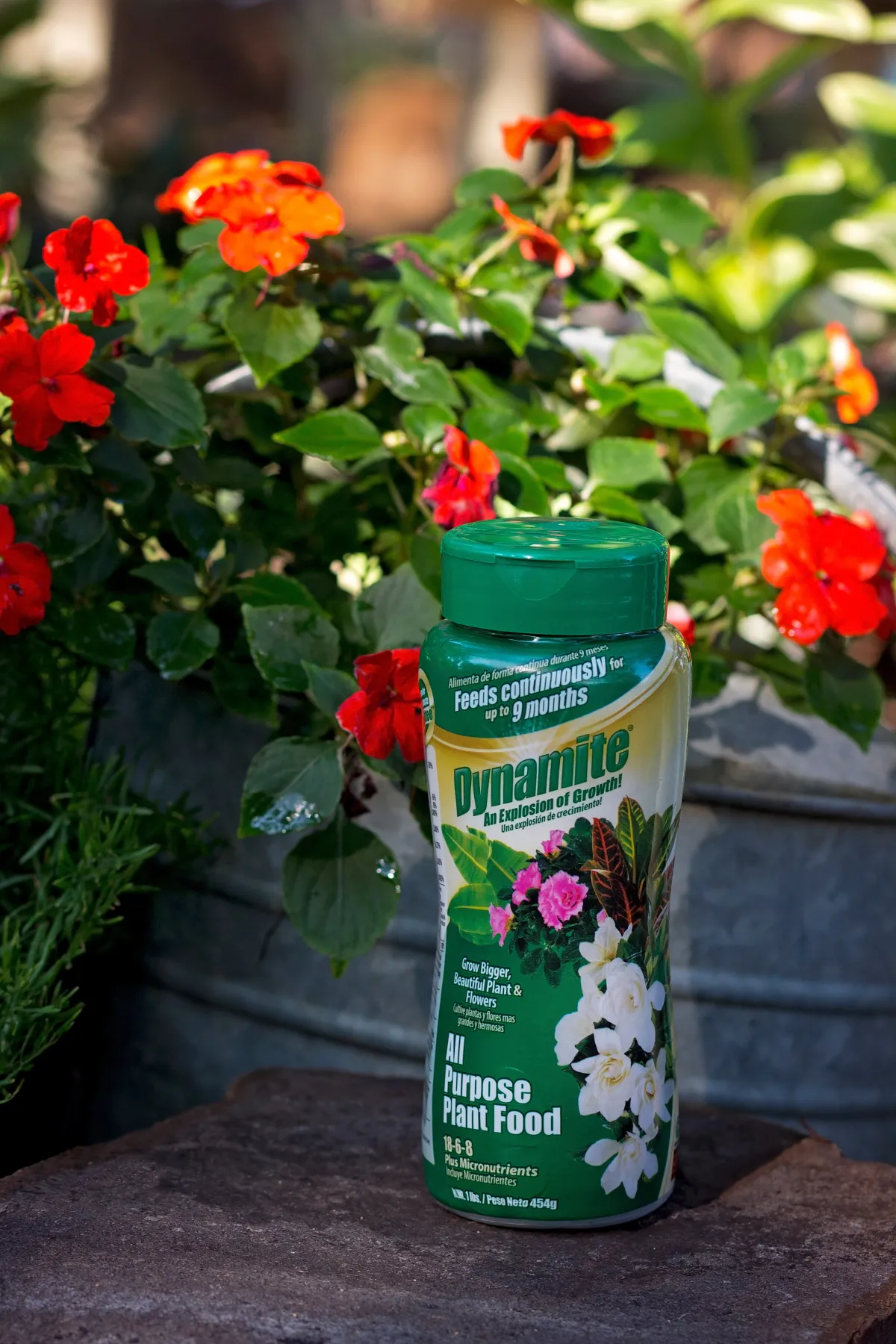
Please avoid applying fertilizer or watering directly into these pipes, as their sole purpose is for monitoring soil moisture.
Soil saturation after rain varies significantly based on rainfall amount, time of year, and soil drainage. After rainfall, we recommend checking soil moisture by collecting samples from the drainage pipe:
- If the soil is drier than Play-Doh (indicating insufficient rainfall), maintain your regular watering schedule.
- If the soil is muddy or standing water is present in the drainage pipe, consider this a sufficient watering event, and adjust your schedule accordingly.
Before significant cold snaps (temperatures below 20°F or extended periods below 32°F), we recommend a thorough watering of the trees. Resume your regular watering schedule as soon as conditions allow.
Related Topics
Treeland Nursery Team
Expert gardeners and tree care specialists