
 Popular
 Texas Native
Bald Cypress
Taxodium distichumLocal DFW Delivery Only
Product Details
Bald Cypress
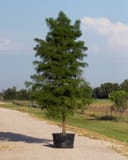
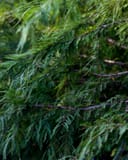
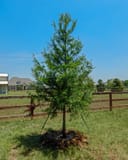
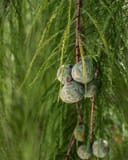
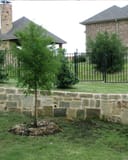
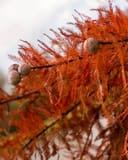
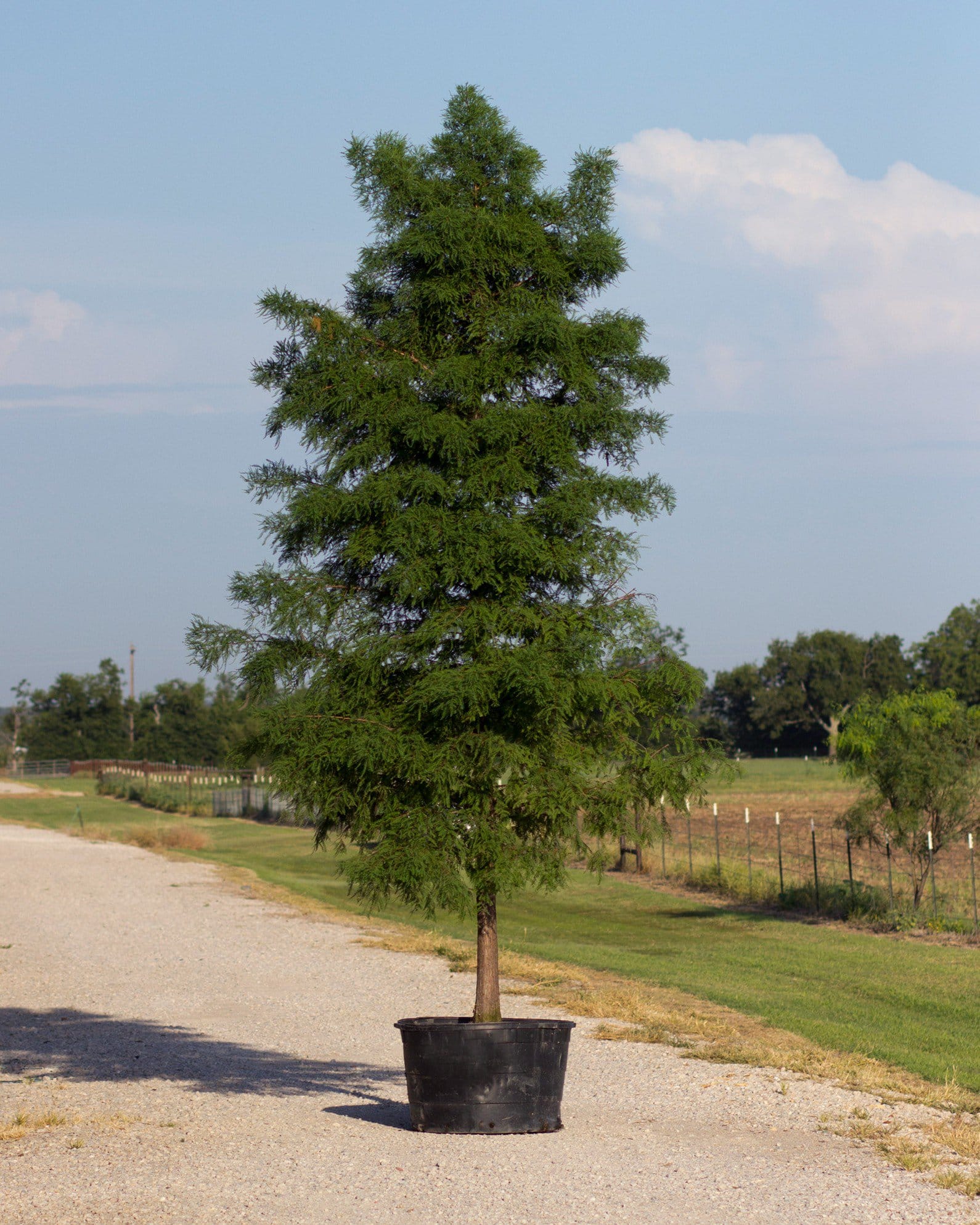
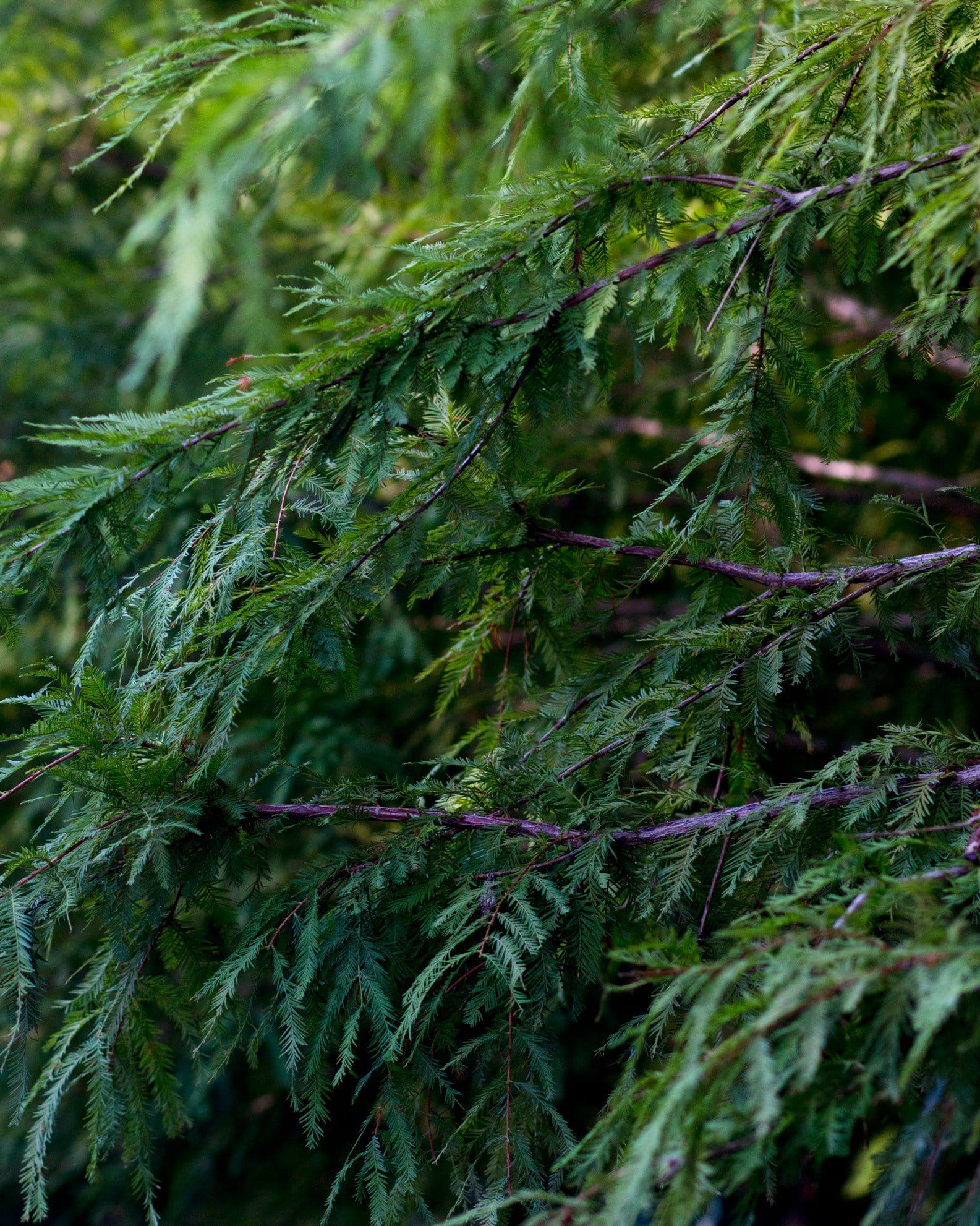
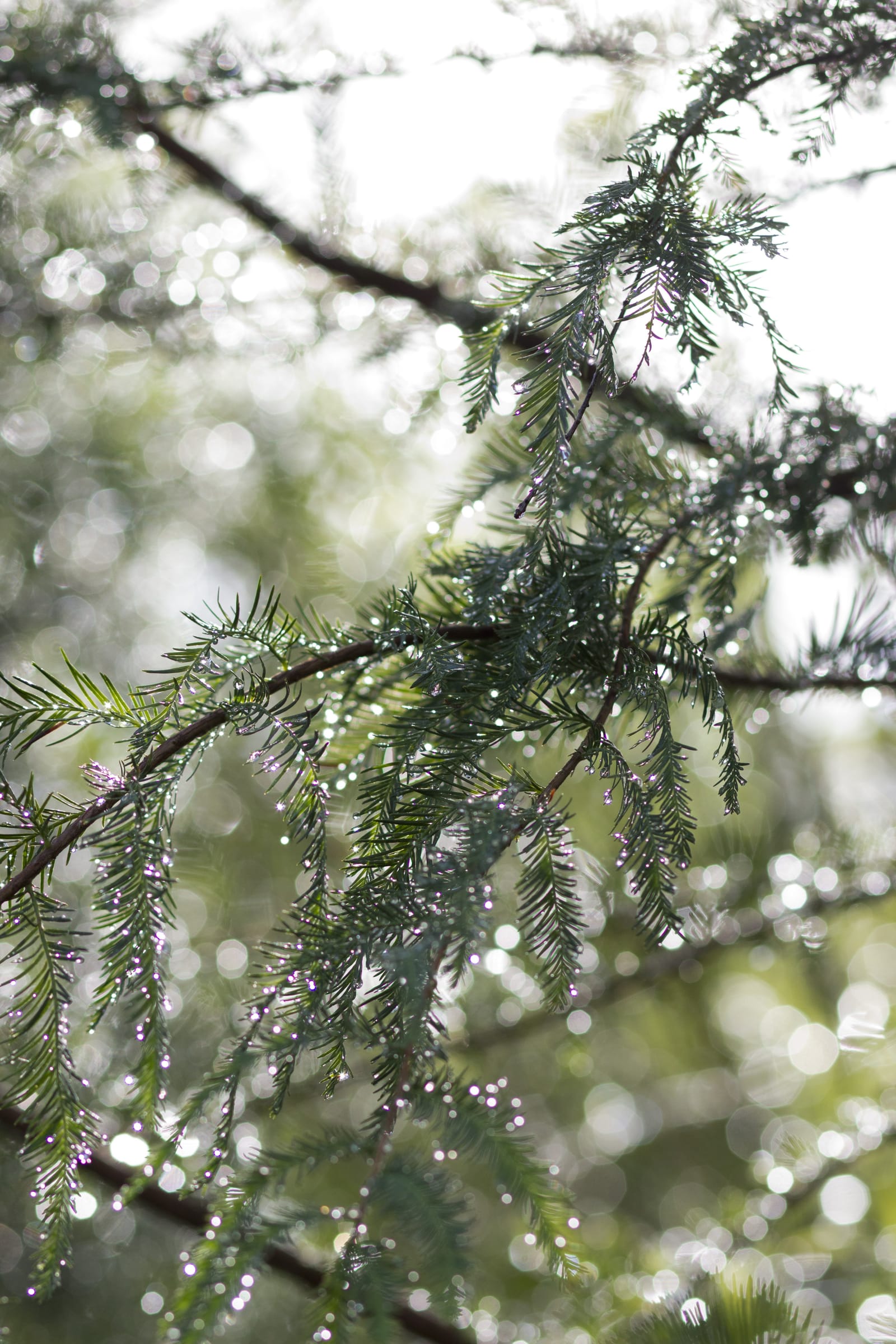
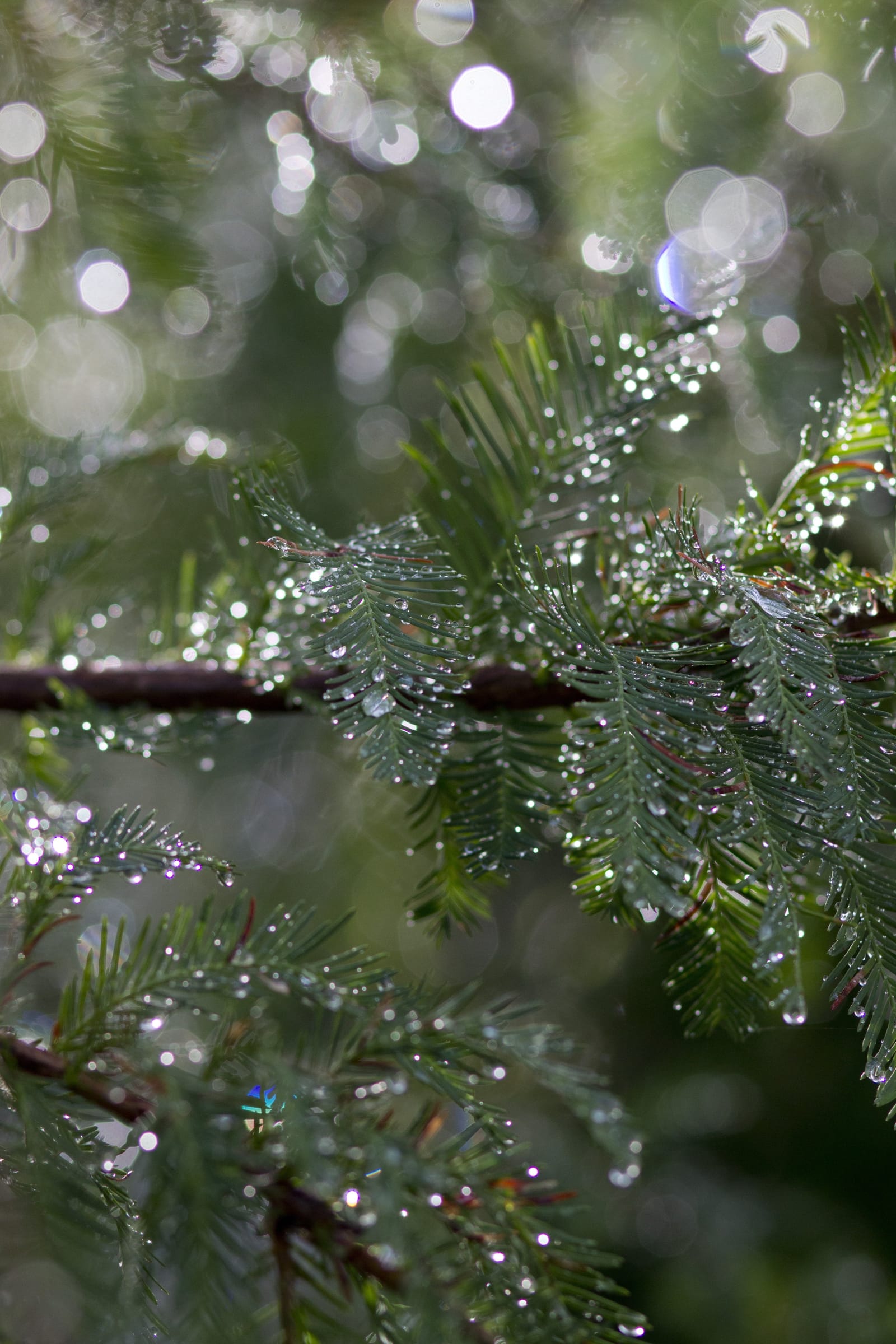
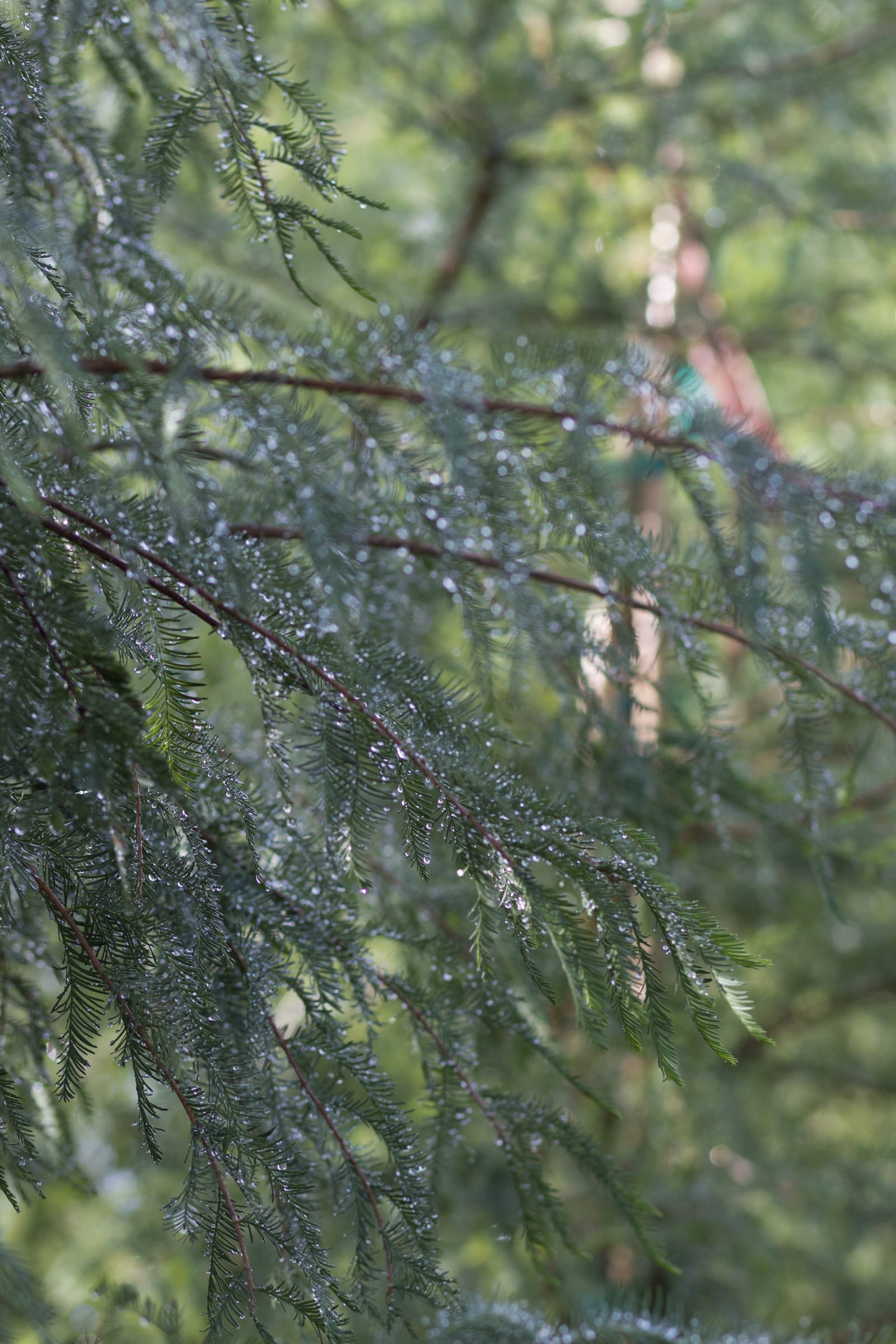
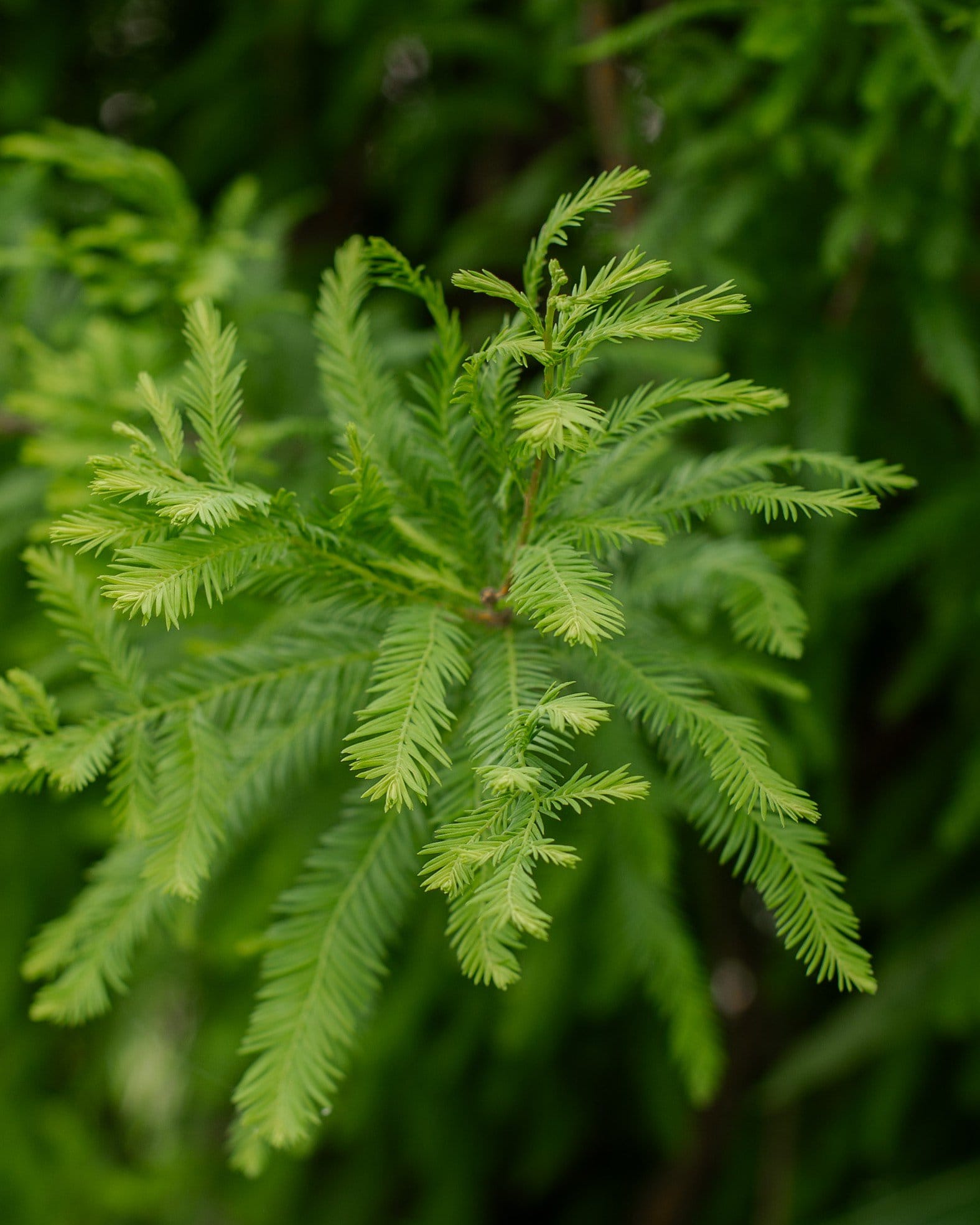
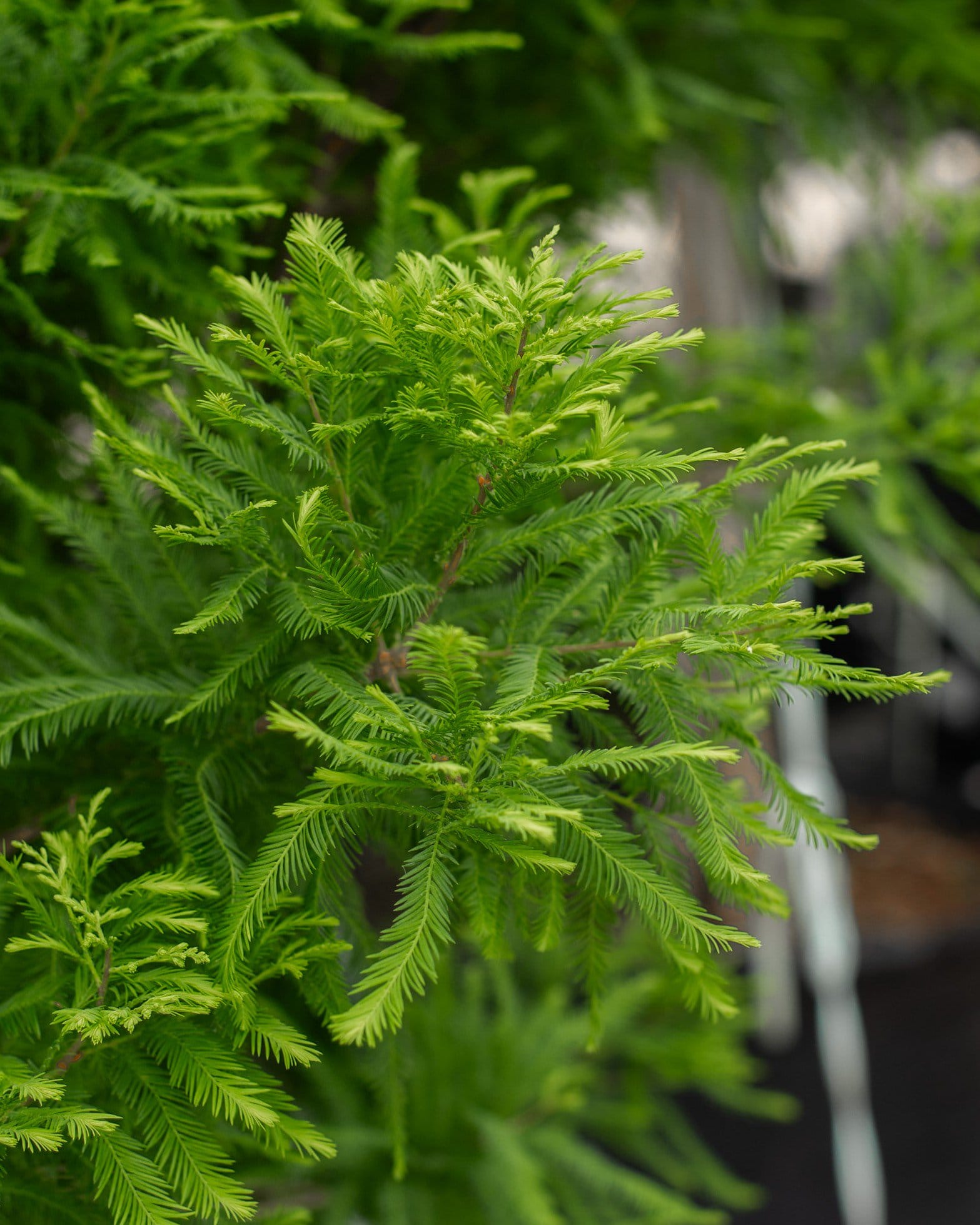
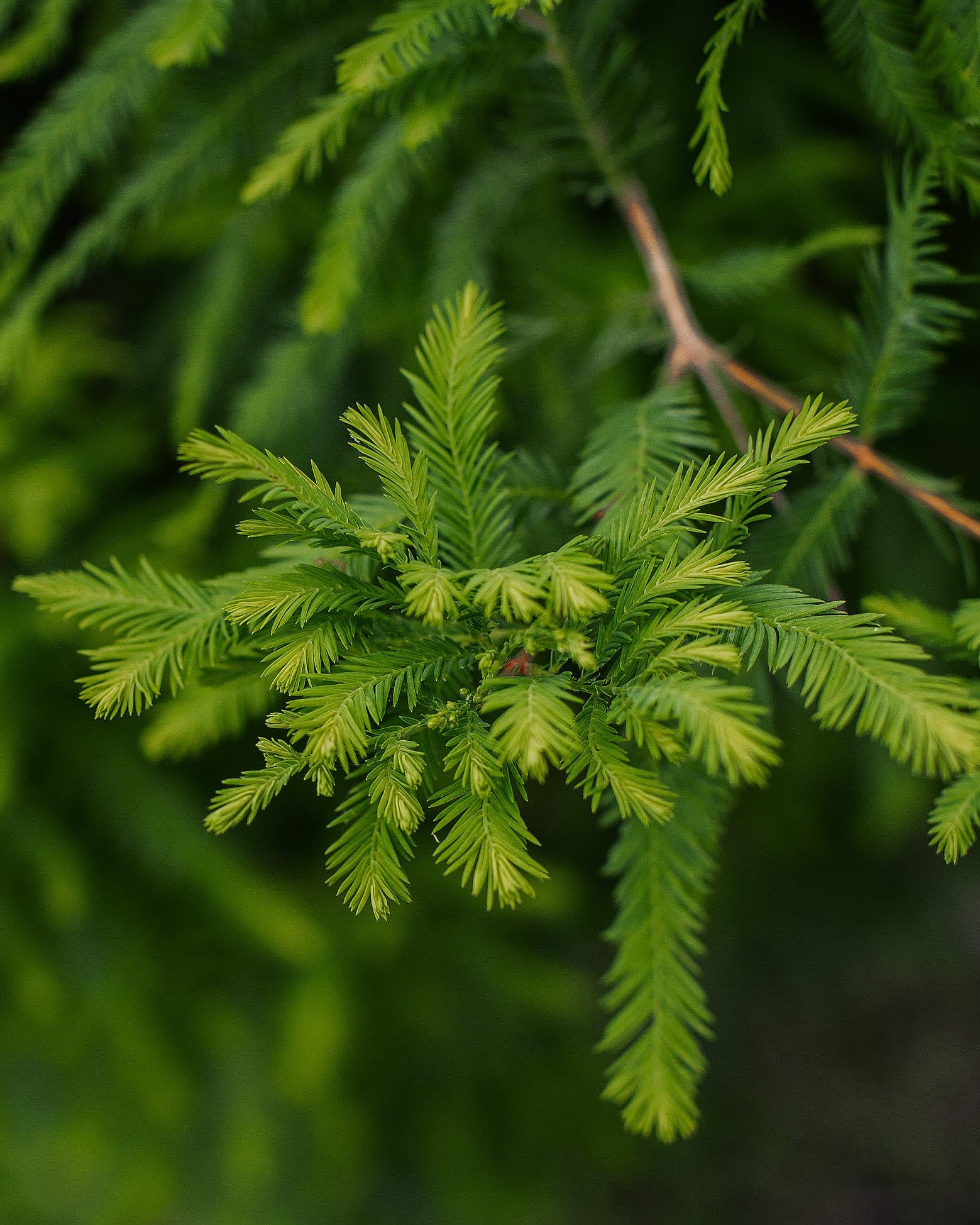
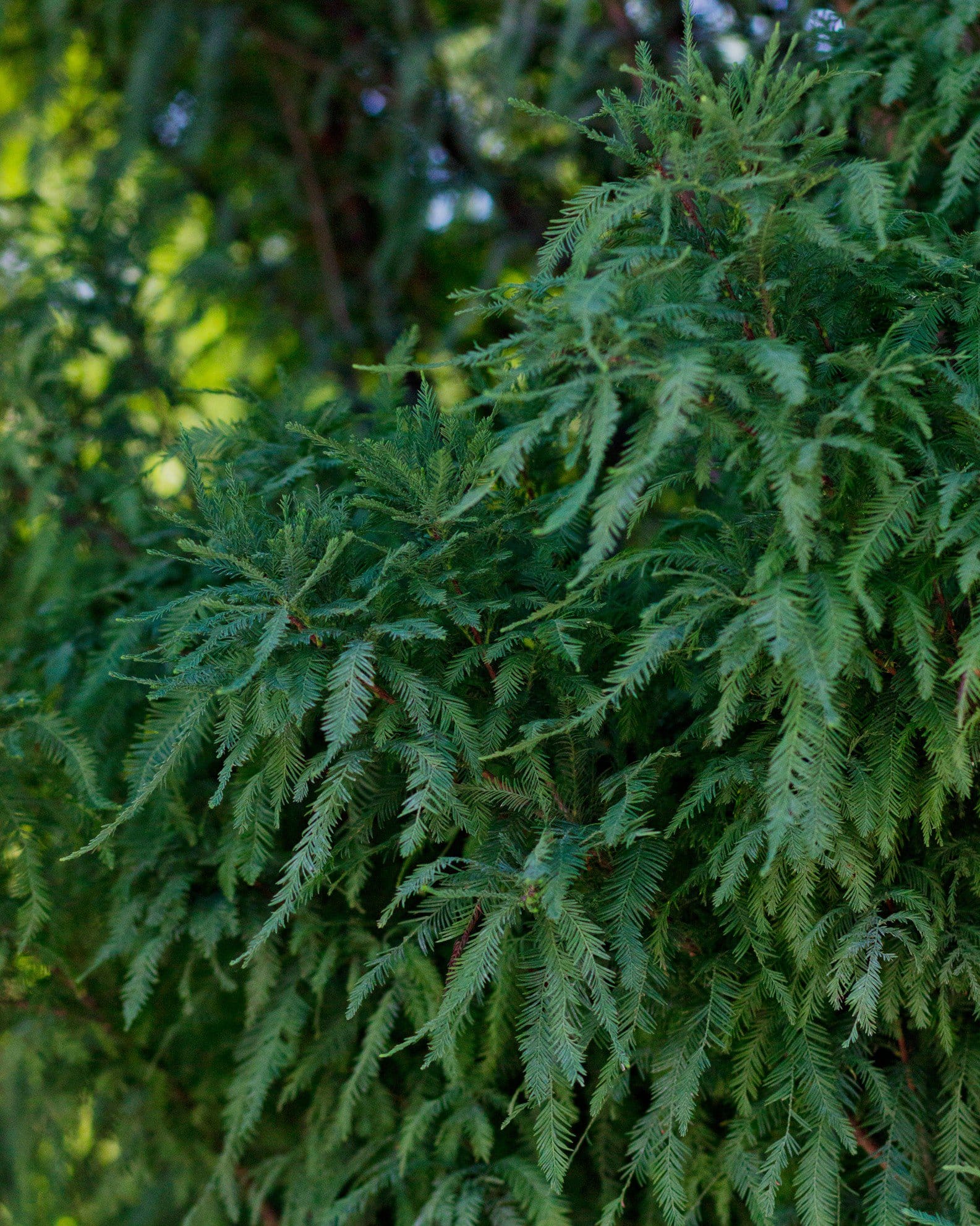
Taxodium distichumBald Cypress is a unique deciduous tree that brings both beauty and structure to the landscape. It features soft, fern-like green needles that turn a rich copper-orange in fall before dropping for the winter. This tree grows tall and straight - reaching 60 feet in height and spreading 40 feet wide. It develops a strong central trunk and a symmetrical form, making it a classic choice for parks, yards, and large spaces.
- Deciduous tree
- Moderate to fast growth rate
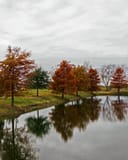
- Soft green foliage turns copper-orange in fall
- Ideal for wet soils and near water features
- Perfect for large spaces
Bald Cypress thrives in full sun and is remarkably adaptable - it grows well in both dry and wet soils, including flood-prone areas. It's especially valued for its tolerance to poorly drained conditions, often forming characteristic "knees" when planted near water. Hardy in USDA zones 4 through 11, this tree is a standout feature in any Texas landscape.
Bald Cypress are one of those trees that practically takes care of itself once settled in, but here’s how to keep it thriving:
- Watering: Bald Cypress loves moisture - especially during its first few years. Water deeply once or twice a week until established. Mature trees tolerate occasional drought but perform best with consistent moisture even in maturity.
- Pruning: Minimal pruning is needed. Remove dead or damaged branches in late winter before new growth appears. Avoid topping or heavy structural cuts, as the natural pyramid shape develops beautifully on its own.
- Fertilizing: Feed once in early spring with a balanced slow-release fertilizer if soil is poor. In fertile soil, fertilizing isn’t usually necessary.
- Mulching: Add a 3-inch layer of mulch around the base to conserve moisture, suppress weeds, and stabilize soil temperature. Keep mulch a few inches away from the trunk to prevent rot.
- Spacing: Plant Bald Cypress at least 20 feet away from structures or other trees. Its wide, spreading root system and mature size (up to 70 feet in height) need room to grow freely.
Common Issues and How to Take Care of Them
Bald Cypress are generally hardy and problem-free, but certain environmental conditions can bring minor issues:
- Spider mites: These can cause fine stippling or yellowing foliage during hot, dry spells. Rinse foliage with water and use insecticidal soap if needed.
- Bagworms: Look for cone-shaped sacs hanging from branches. Remove by hand or use Bacillus thuringiensis (Bt) in early summer before larvae mature.
- Root rot: Overly compacted or poorly drained soils can cause root issues. Plant in a location with good drainage, even if it’s near water.
- Iron chlorosis: In alkaline soils, leaves may yellow due to iron deficiency. Apply an iron chelate supplement to rebalance nutrients.
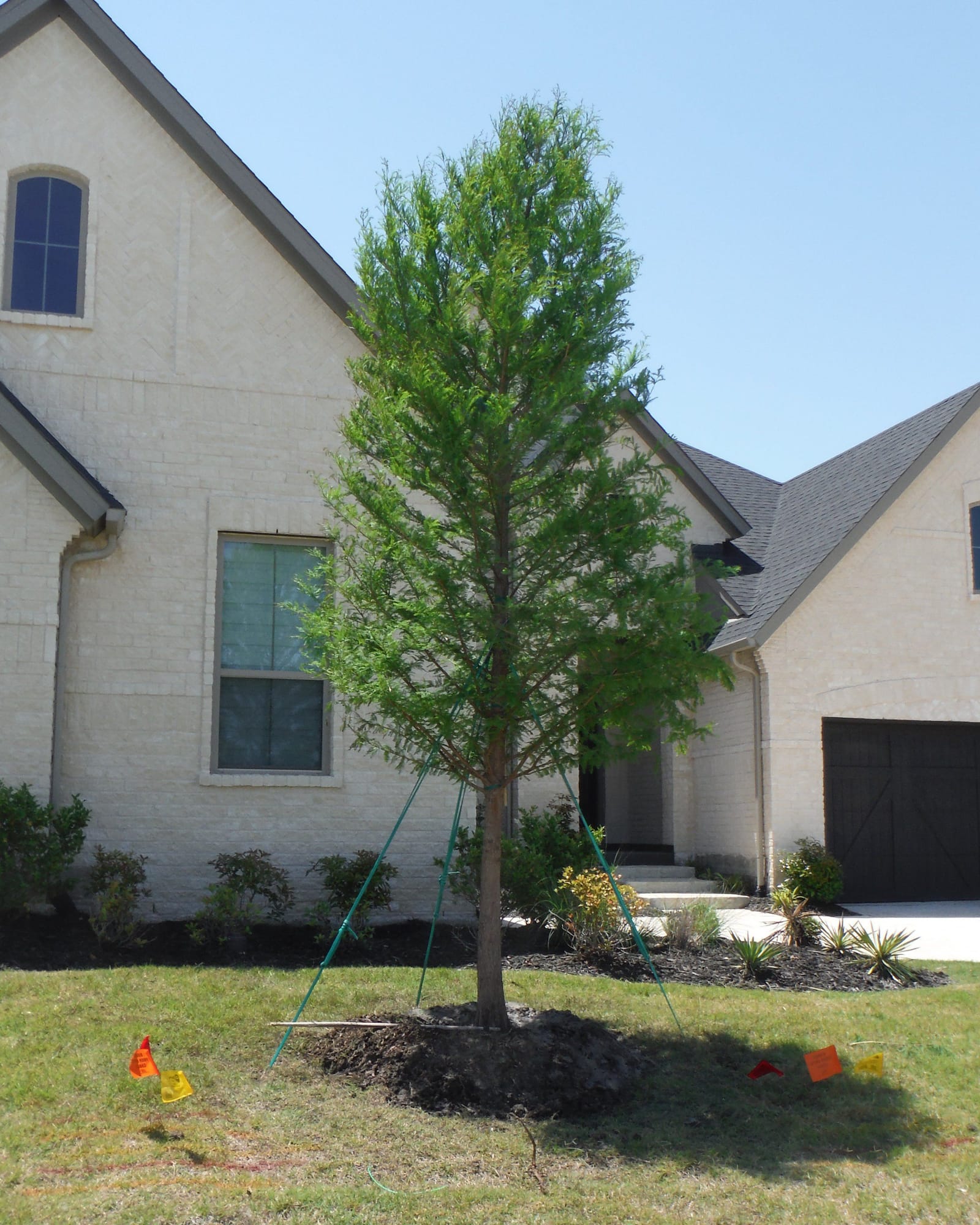
- Wind damage: Young trees can suffer from strong gusts before roots anchor deeply. Stake for the first year or two if necessary.
- Fungal blight: A fungus that affects needles and twigs, causing browning or falling of new growth. Pruning affected branches helps prevent the spread.
With the right spot and consistent moisture early on, this tree will reward you with decades of beauty and resilience.
It grows at a moderate rate - about 1 to 2 feet per year under ideal conditions. They reach heights of around 40-50 feet in about 15-25 years, but full maturity may take a bit longer, since they’re very long lived.
Bad Cypress has gnarly roots, so you shouldn't plant this specimen close to your foundation or water lines. They're not invasive, per se, but can twist in ways you wouldn't want them to.
Yes, it’s a deciduous conifer. The soft green needles turn russet-orange in fall before dropping, leaving the unique branch structure exposed for winter.
It thrives in moist, well-drained soils but can handle clay, sand, and even standing water. It’s often found along riverbanks and wetlands in nature.
Yes. While native to wetlands, once established it adapts surprisingly well to drier conditions if watered regularly in the first few years.
Plant in early spring or fall to allow roots time to establish before temperature extremes.
Yes, when grown in wet conditions, the roots form woody “knees” that rise above the ground or water surface. In drier soil, knees may not appear.
Not particularly. It drops needles in fall like a deciduous tree, but cleanup is minimal compared to many broadleaf species.
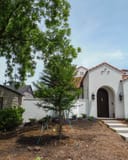
Yes, it’s excellent for large yards, parks, or as a specimen tree. Just give it enough space to grow without crowding structures or pavement.
These trees are known for longevity, often living 100 years or more in favorable conditions.
Special Features
You might also like
Montezuma Cypress
Maturity: 60' H x 40' W
Caddo Pecan
Maturity: 60' H x 40' W
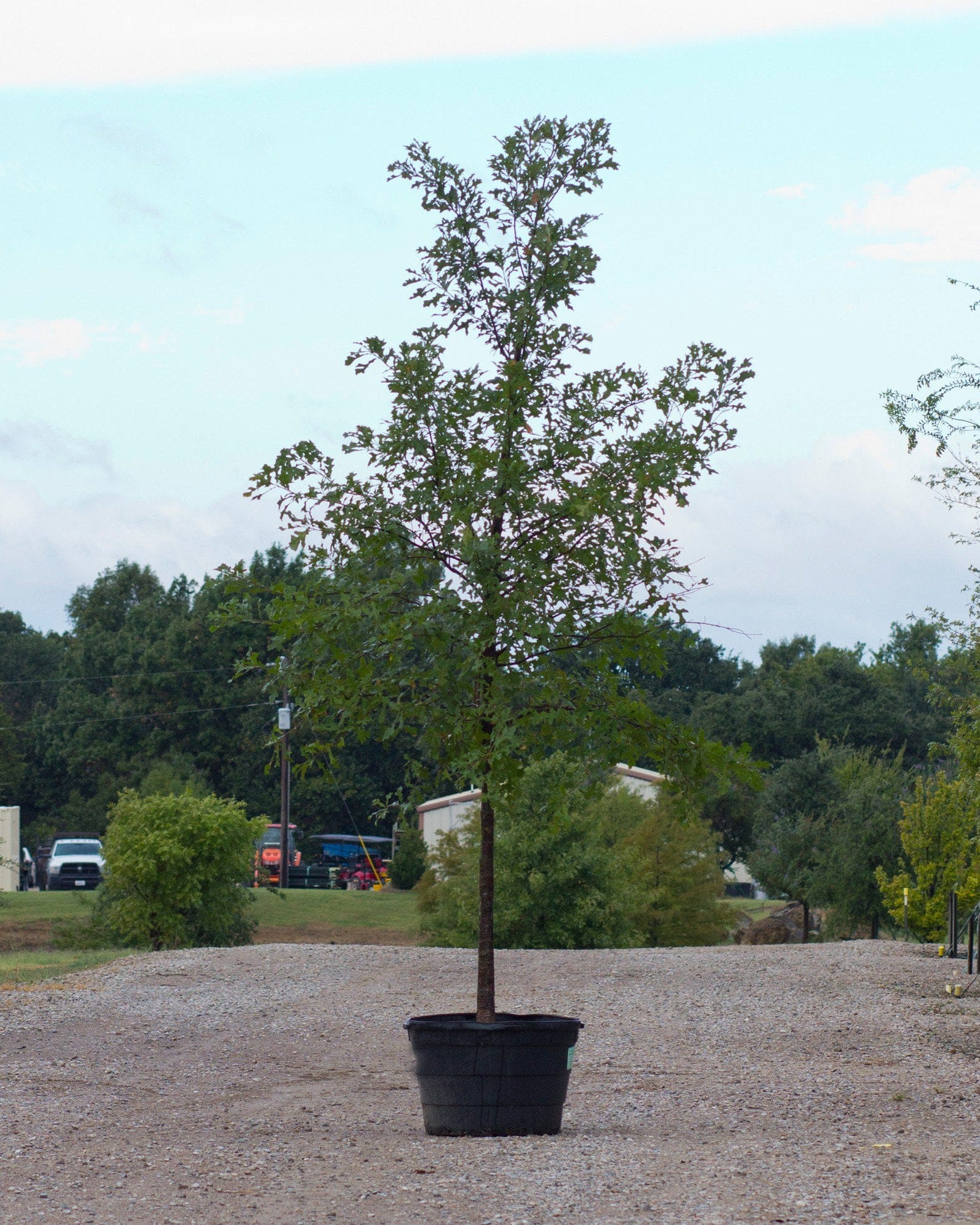
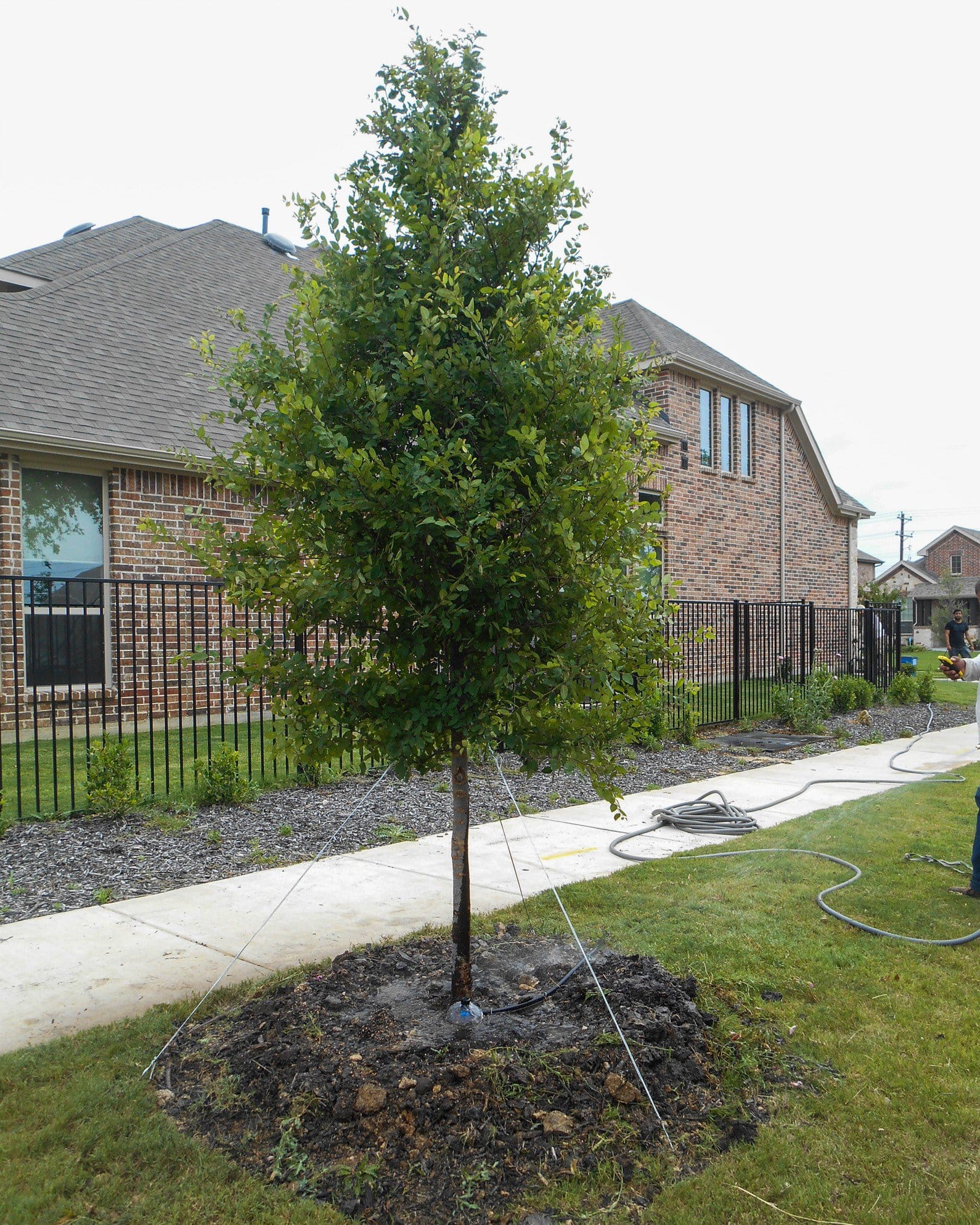
Cedar Elm
Maturity: 50' H x 35' W
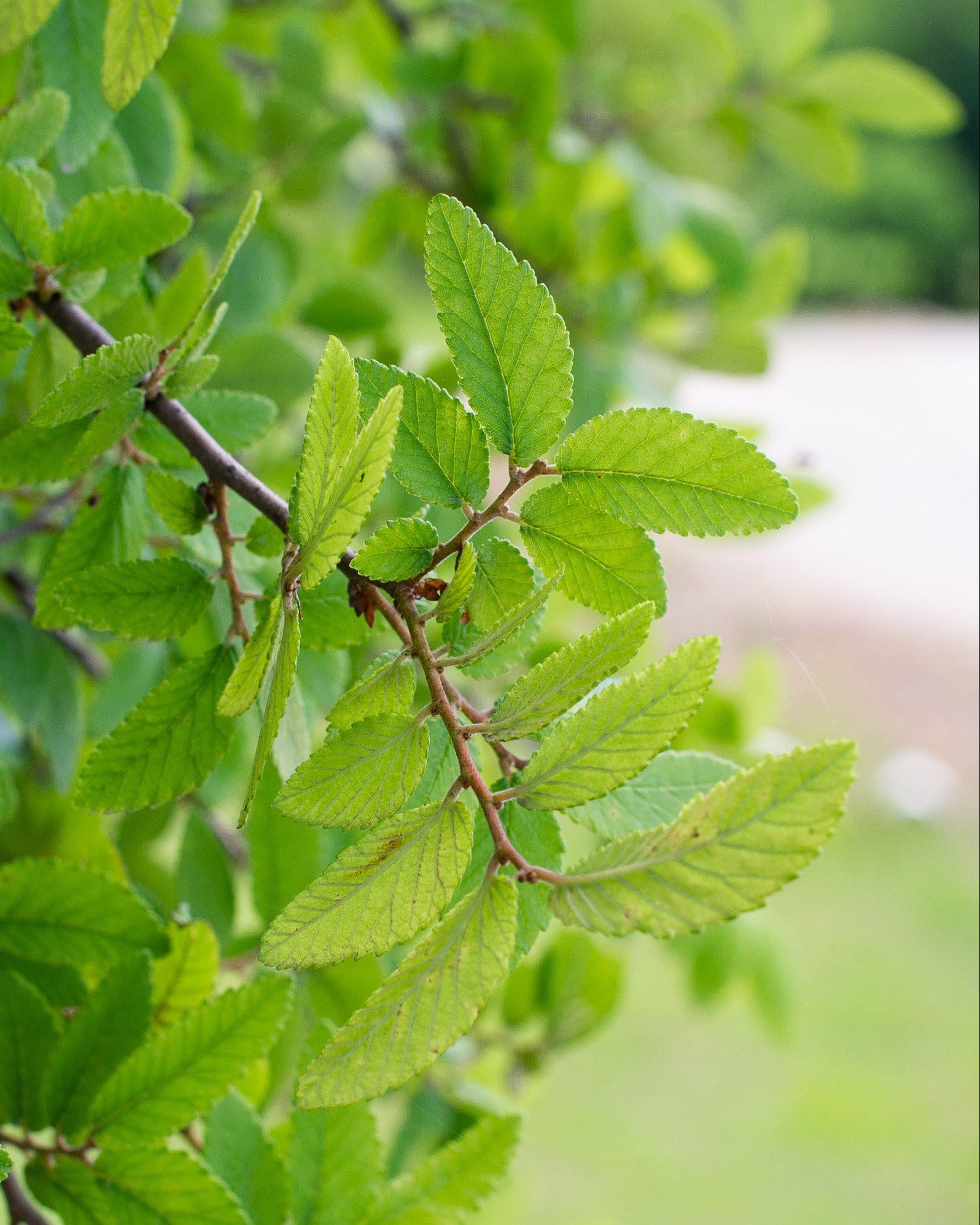
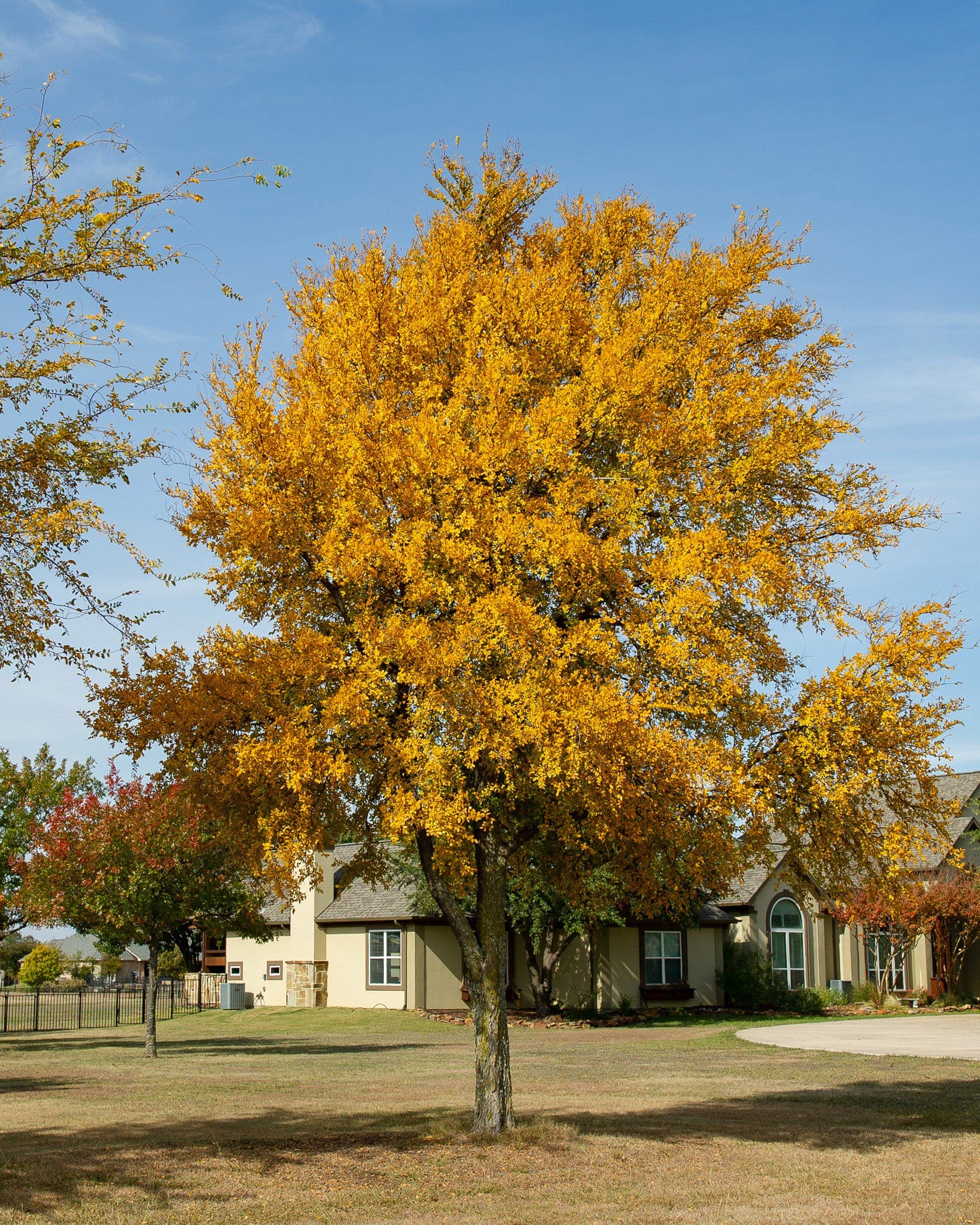
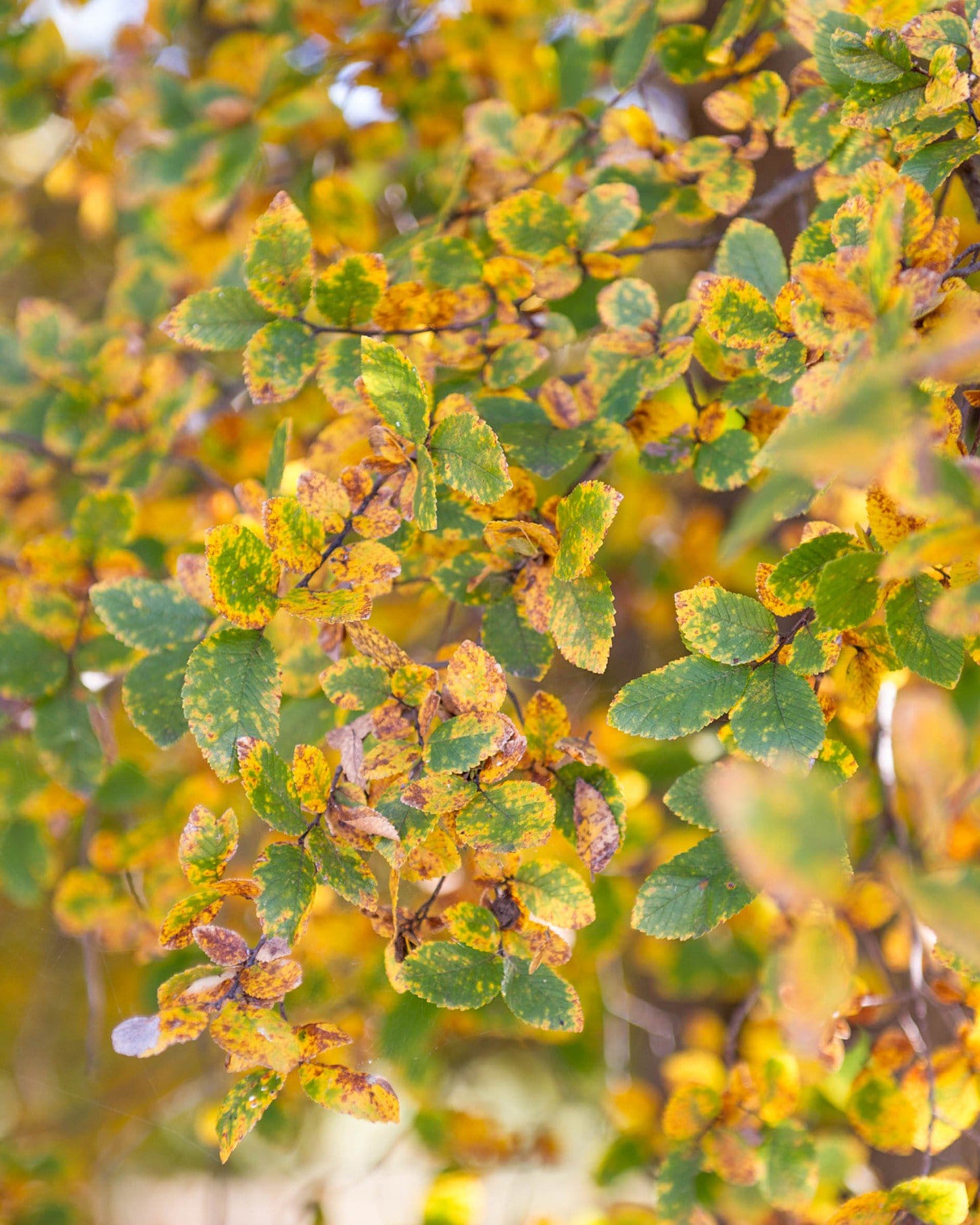
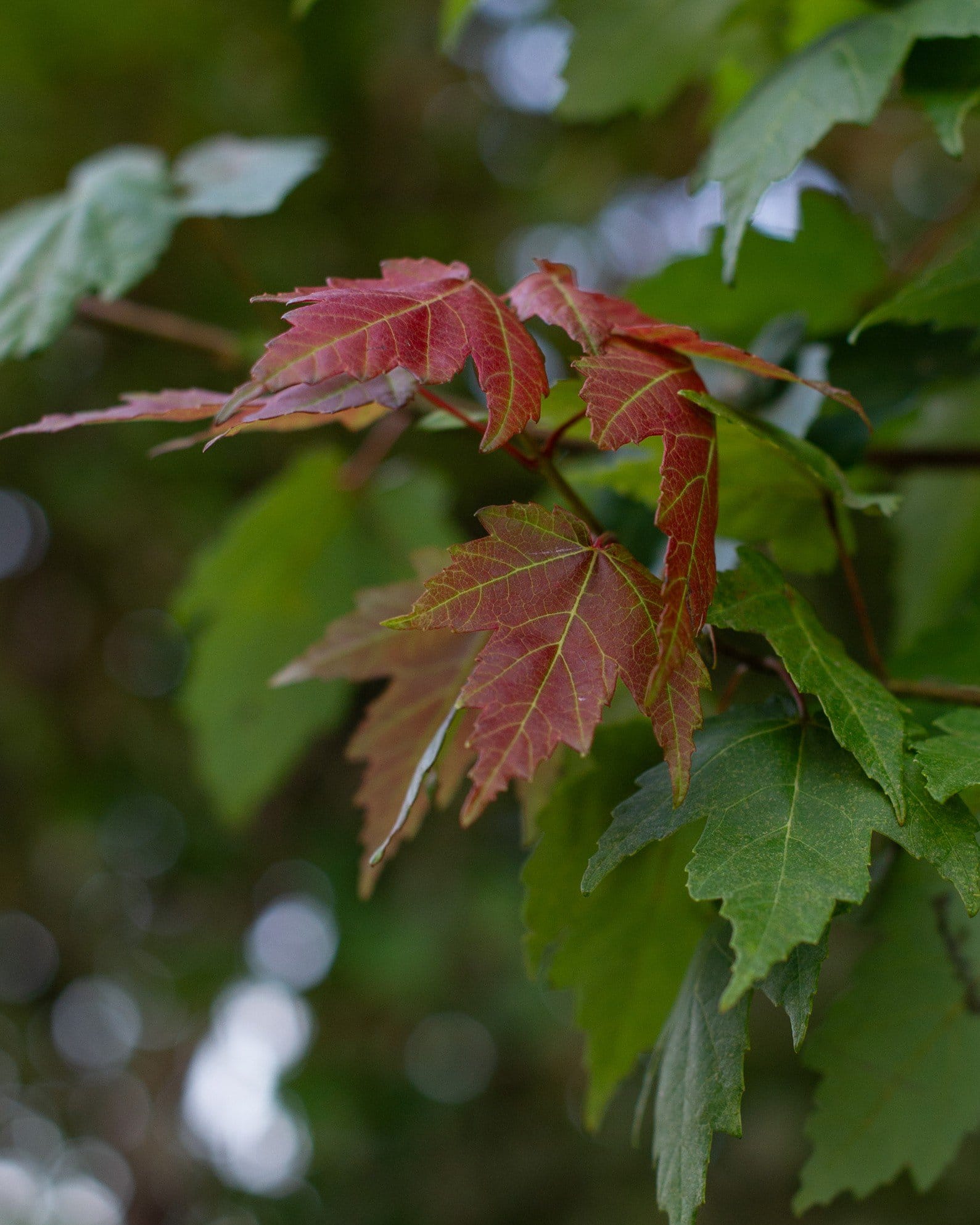
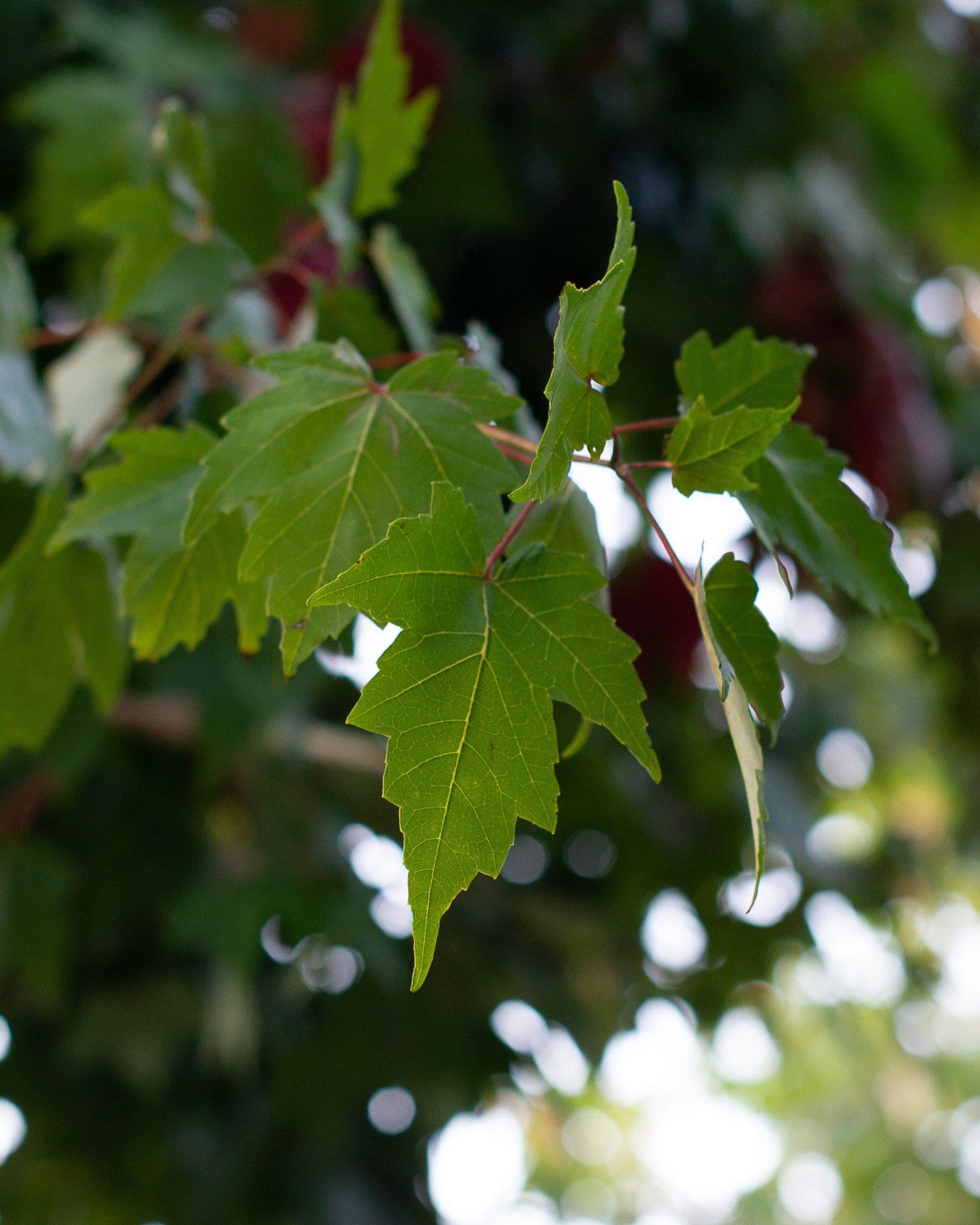
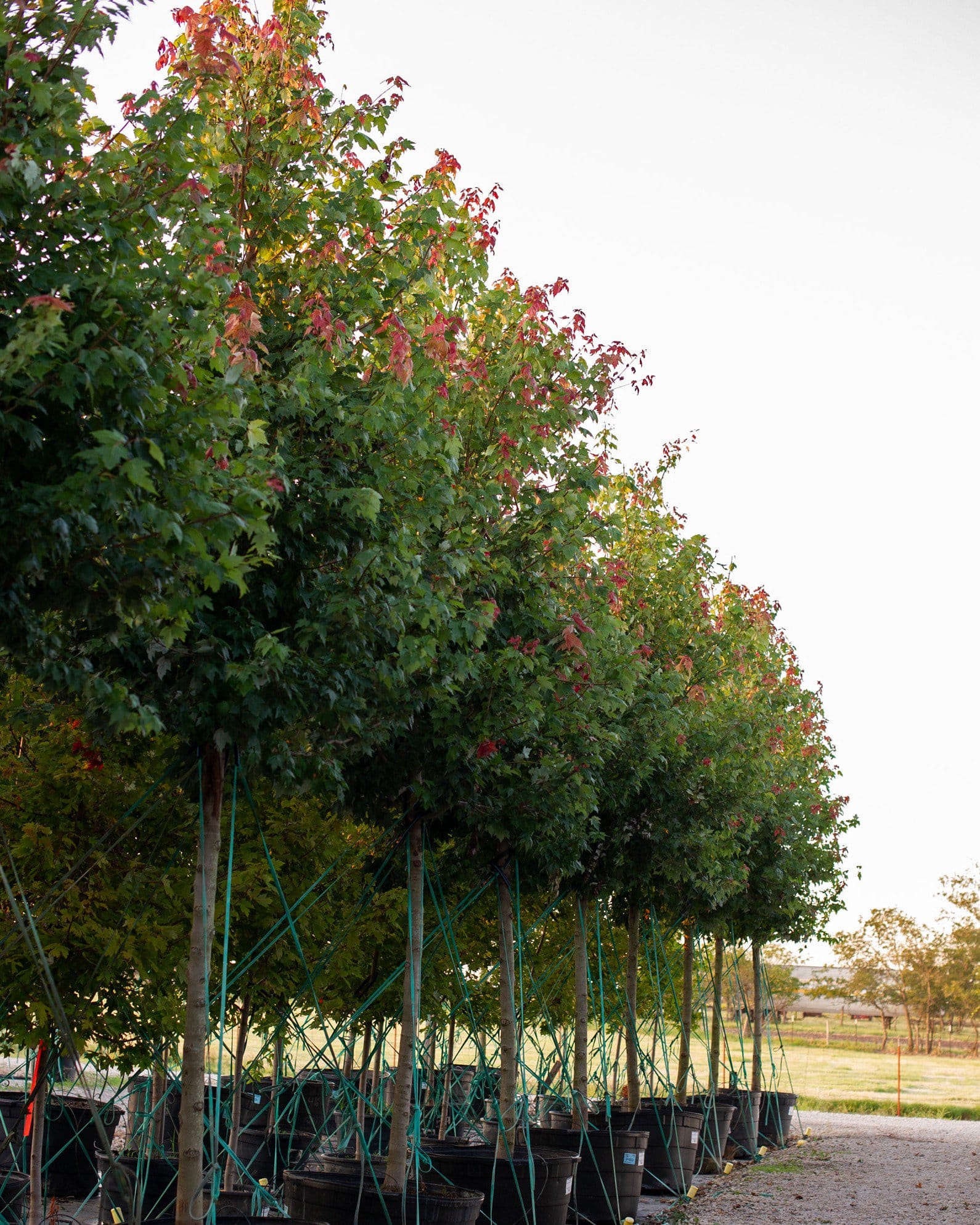
Autumn Flame Maple
Maturity: 45' H x 35' W
Bald Cypress Lindsey's Skyward
Maturity: 30' H x 10' W
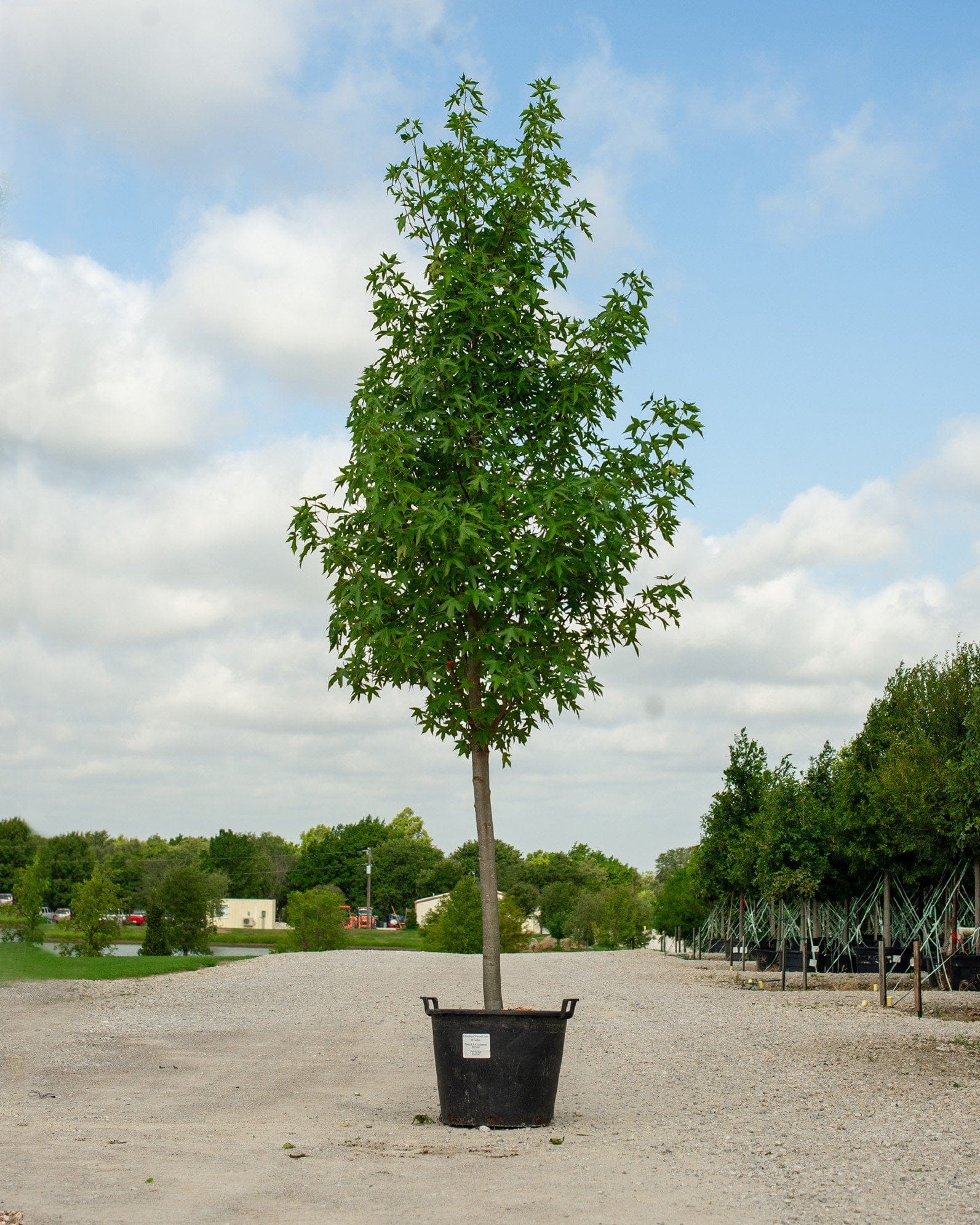
Cherokee Sweet Gum
Maturity: 45' H x 30' W
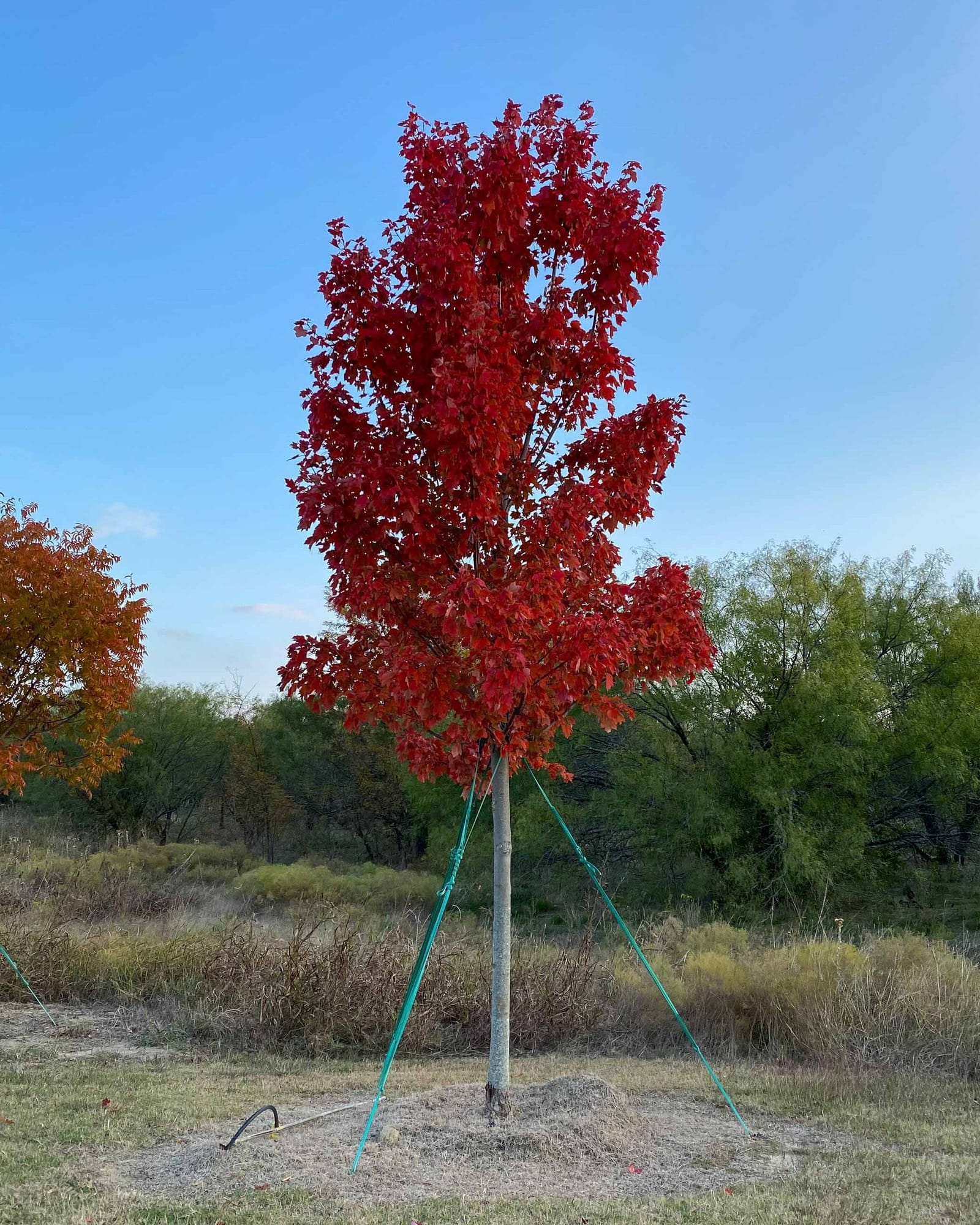
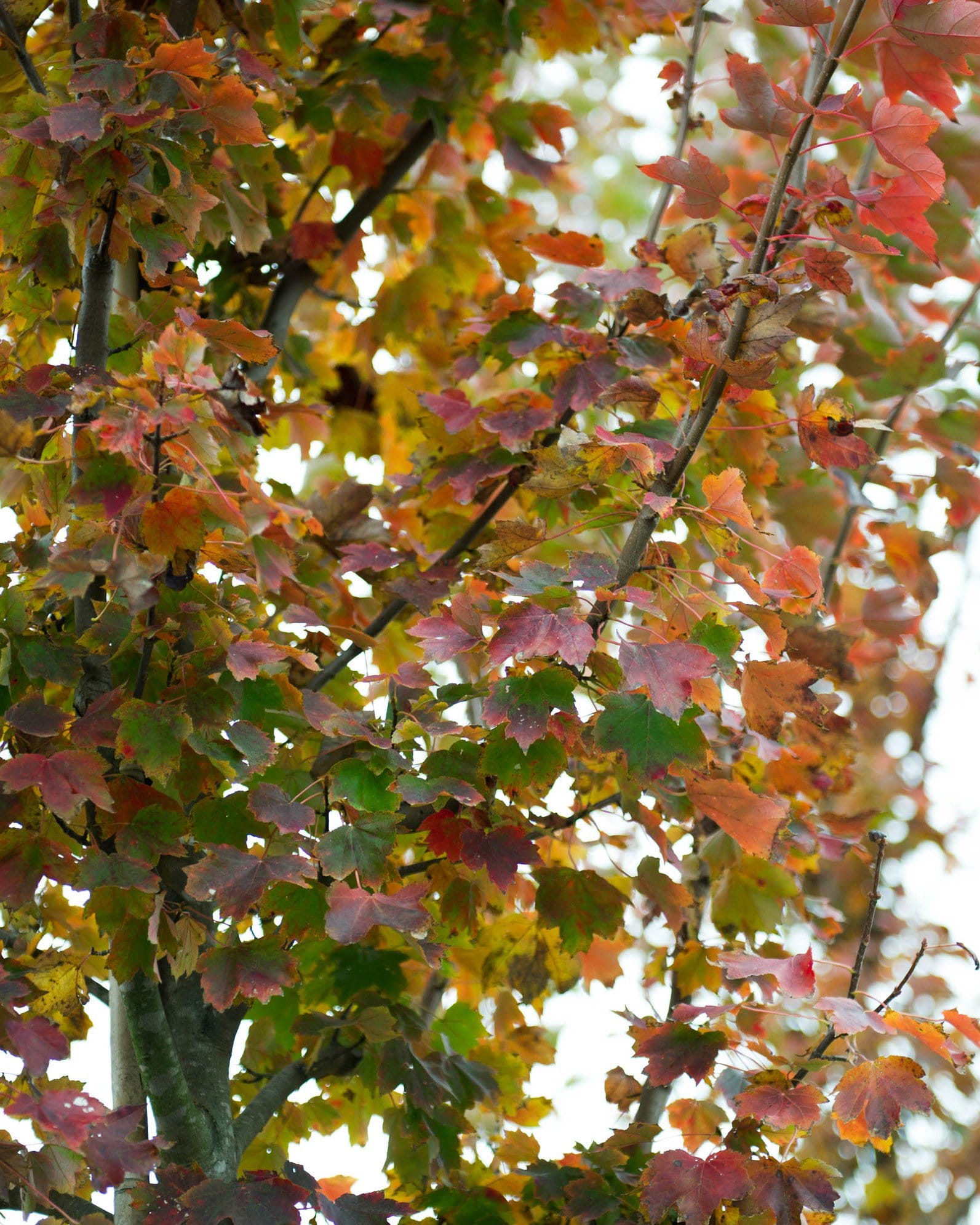
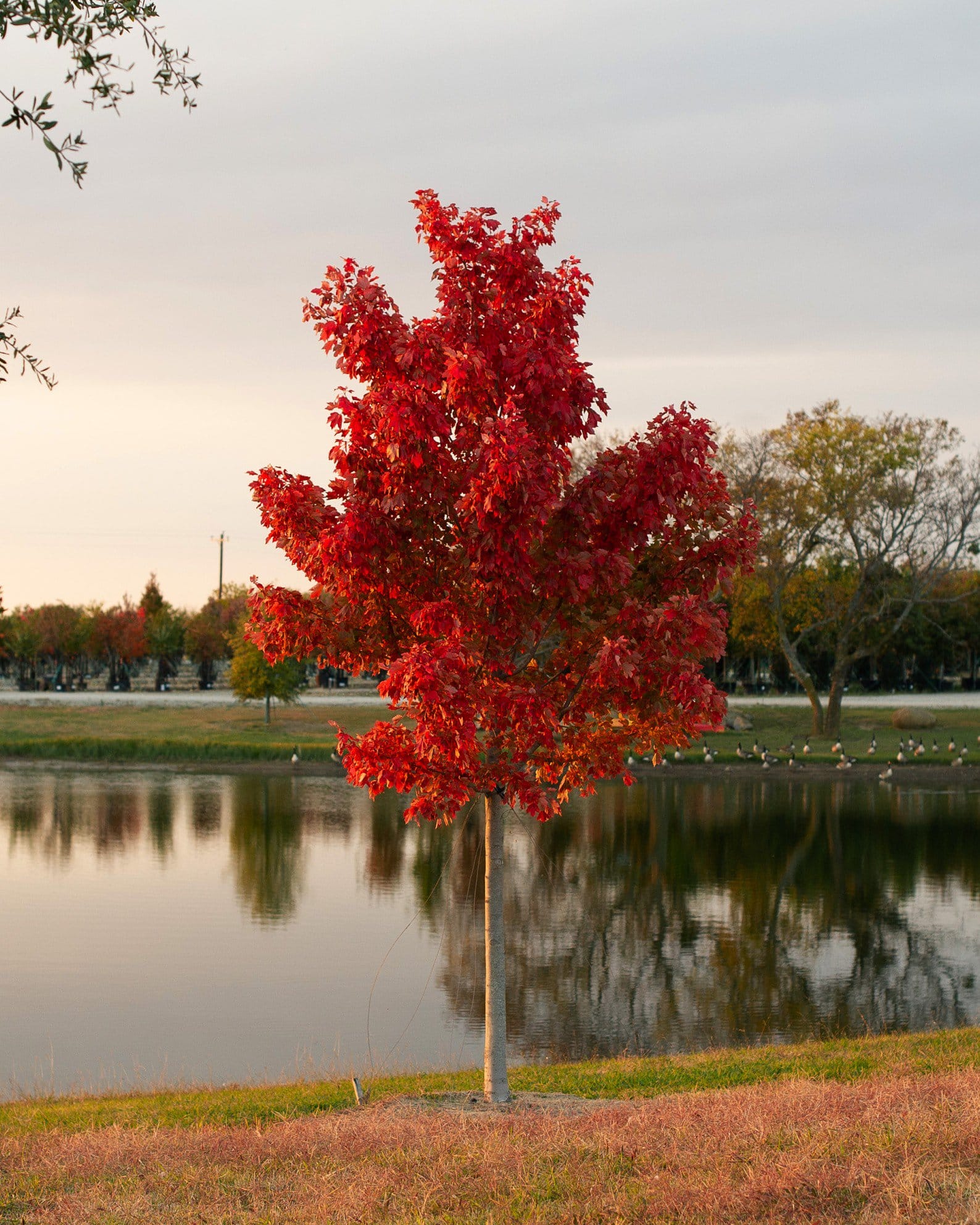
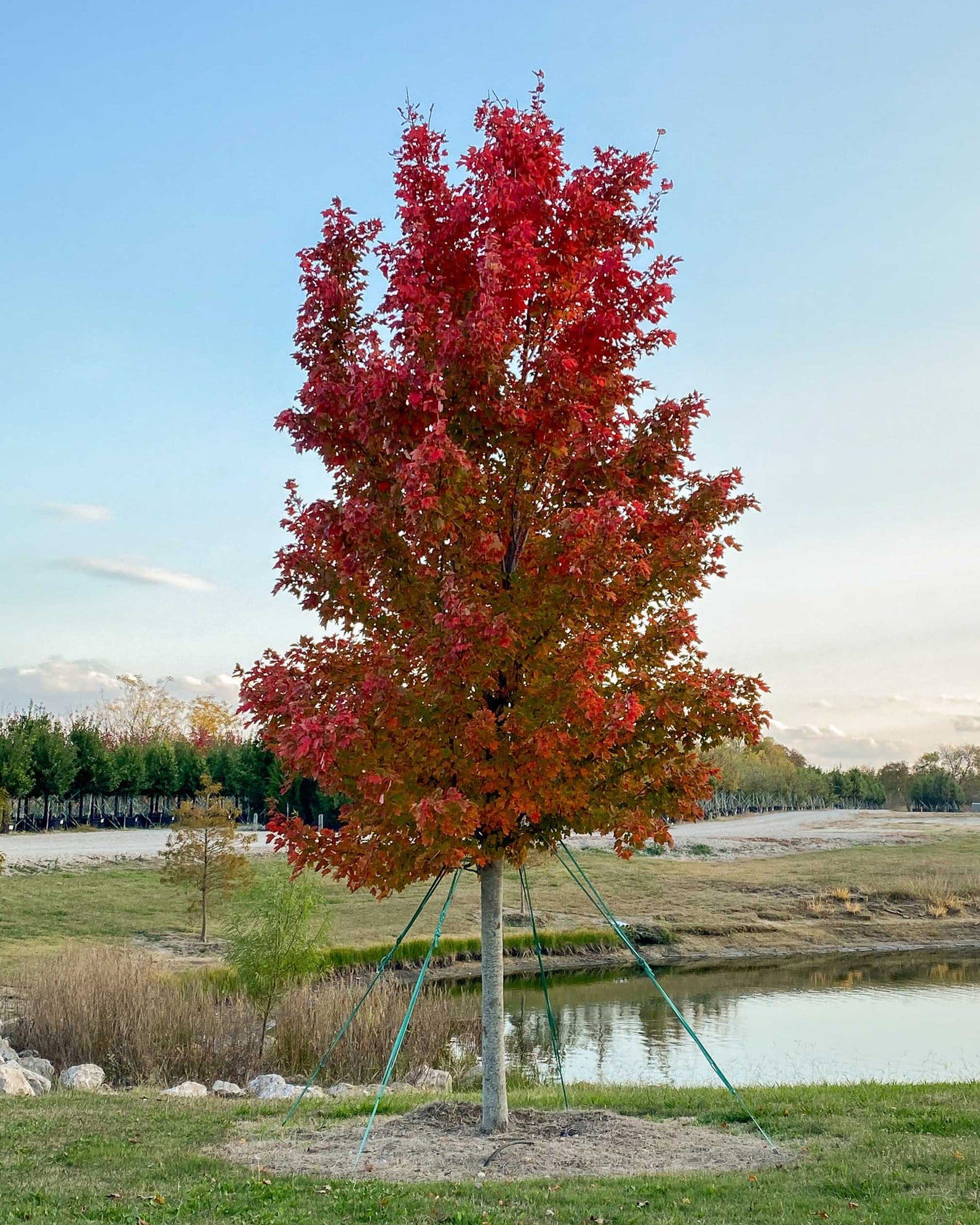
October Glory Maple
Maturity: 45' H x 35' W
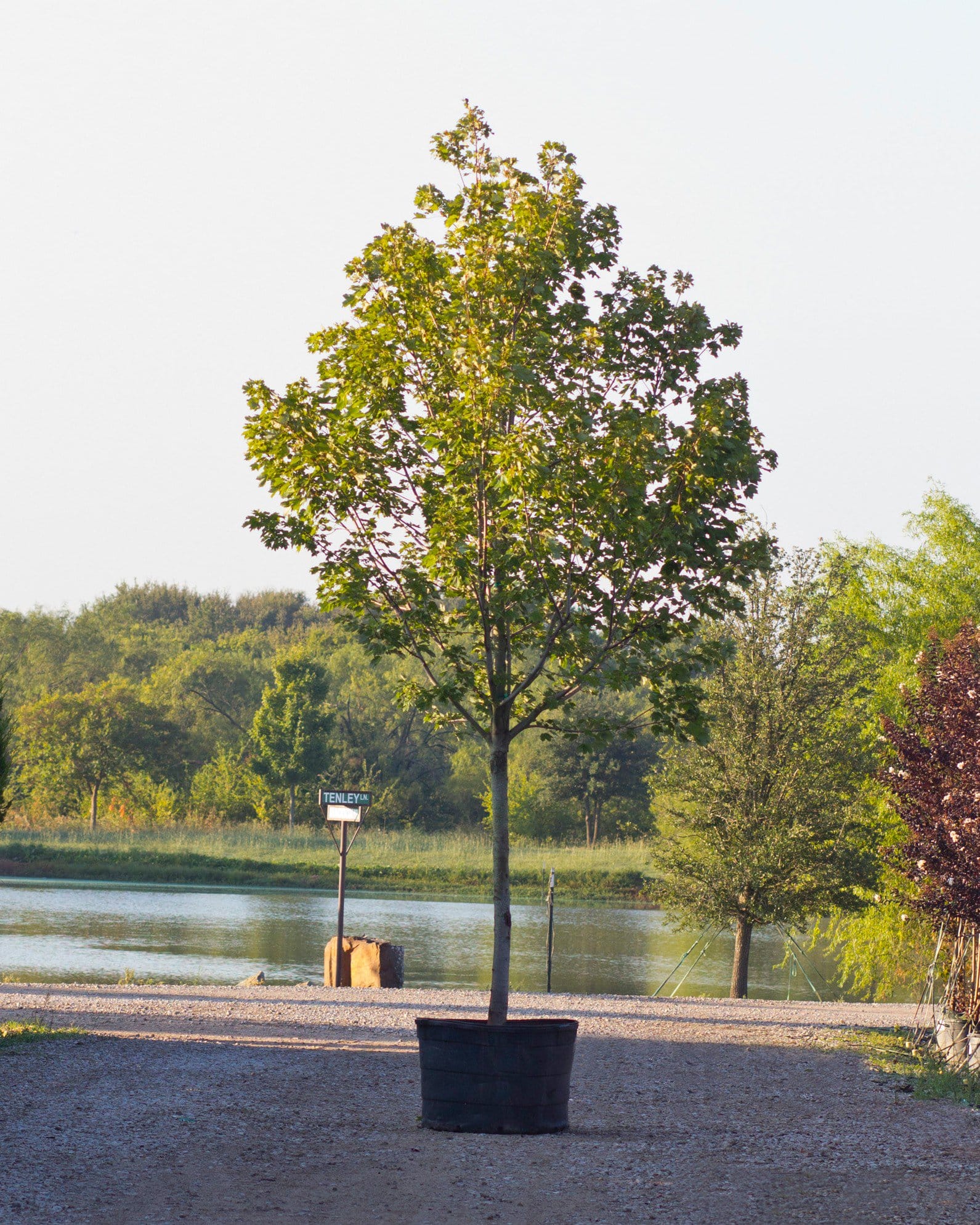
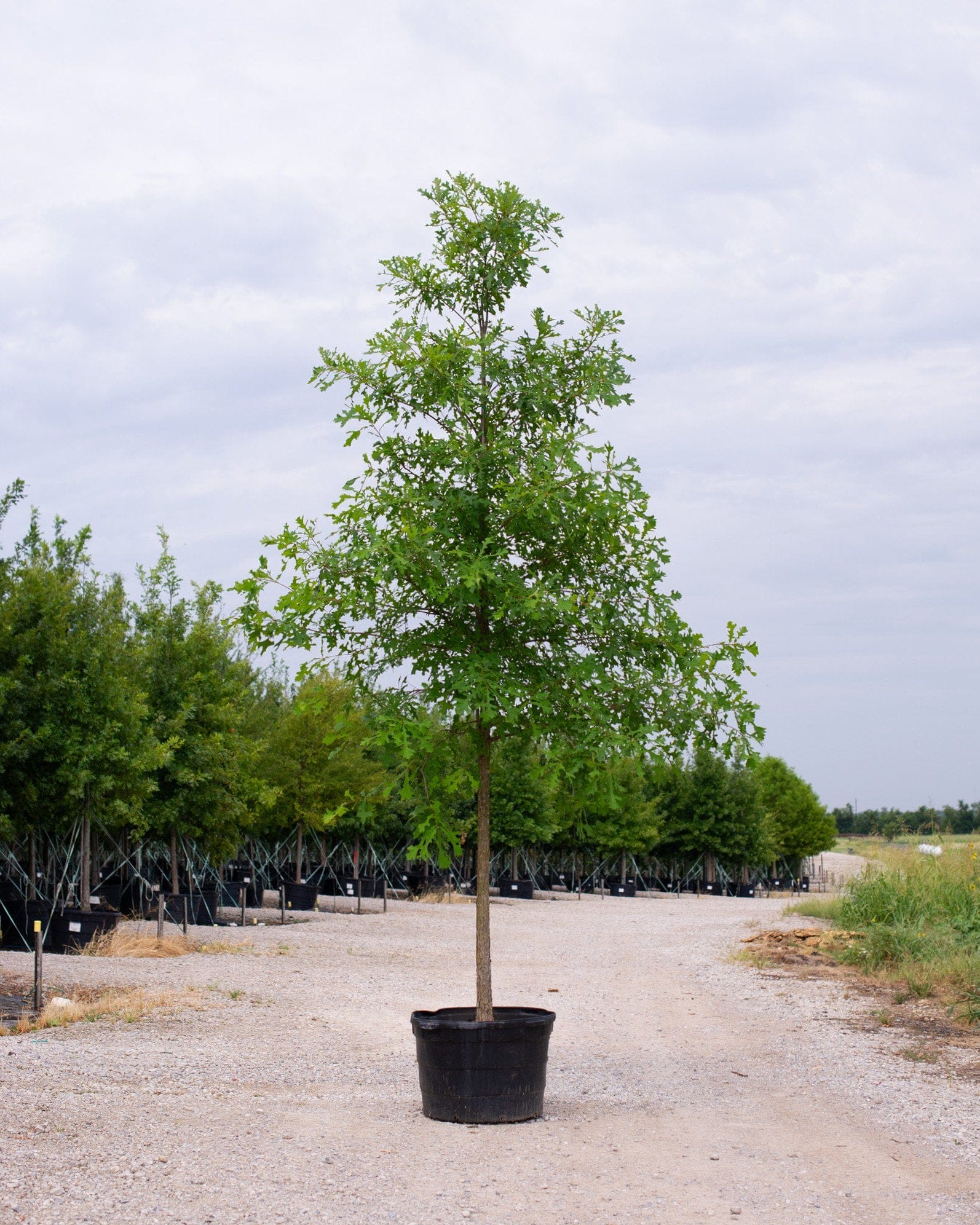
Overcup Oak
Maturity: 45' H x 35' W
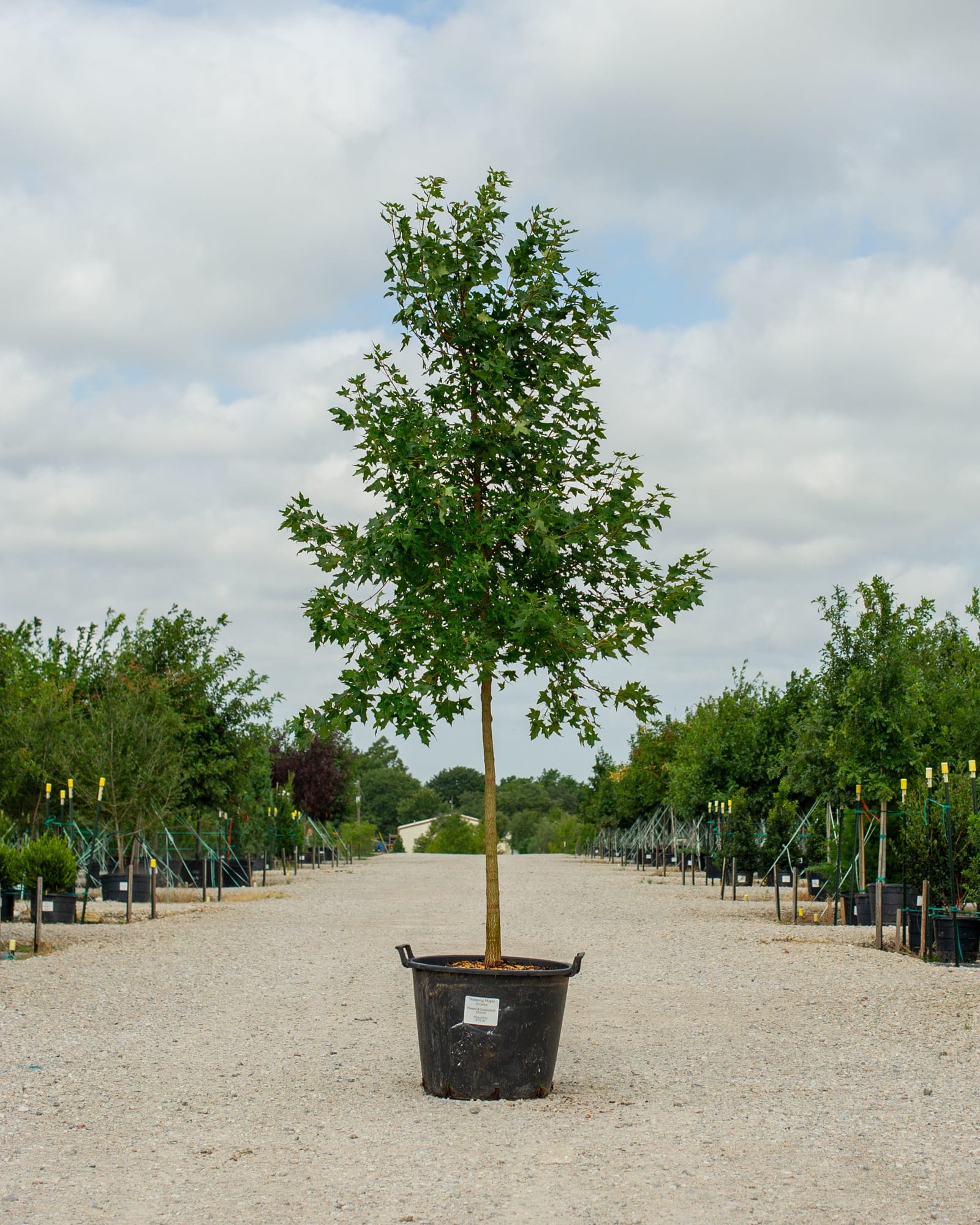
Shantung Maple
Maturity: 25' H x 20' W
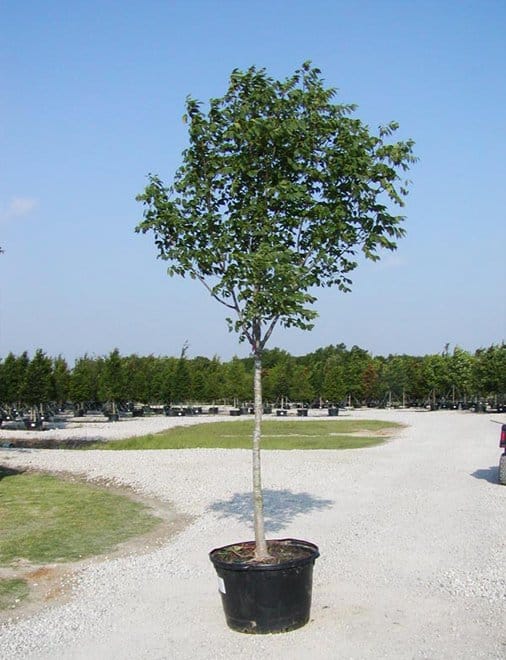
Texas Ash
Maturity: 45' H x 35' W
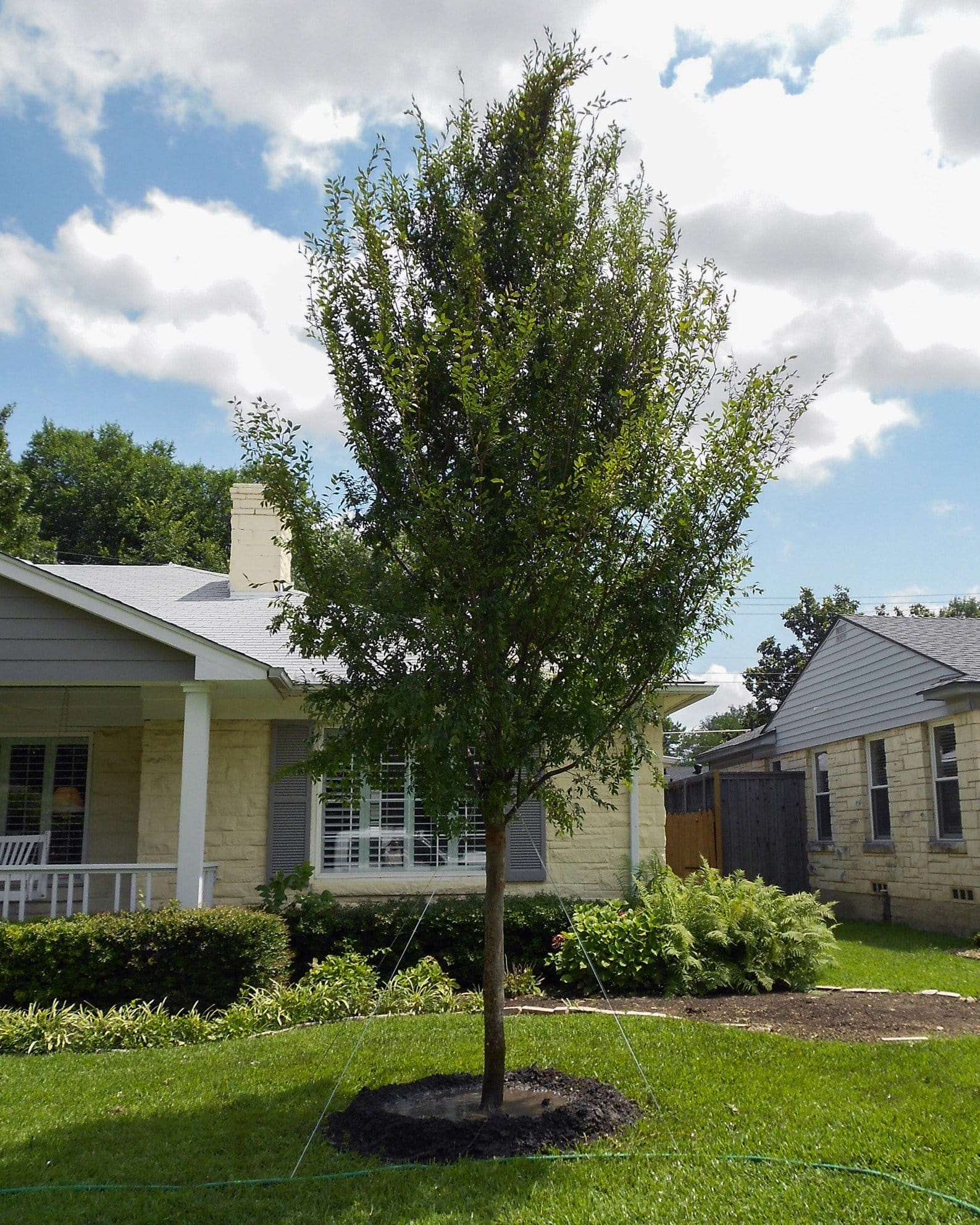
Allee Elm
Maturity: 60' H x 45' W
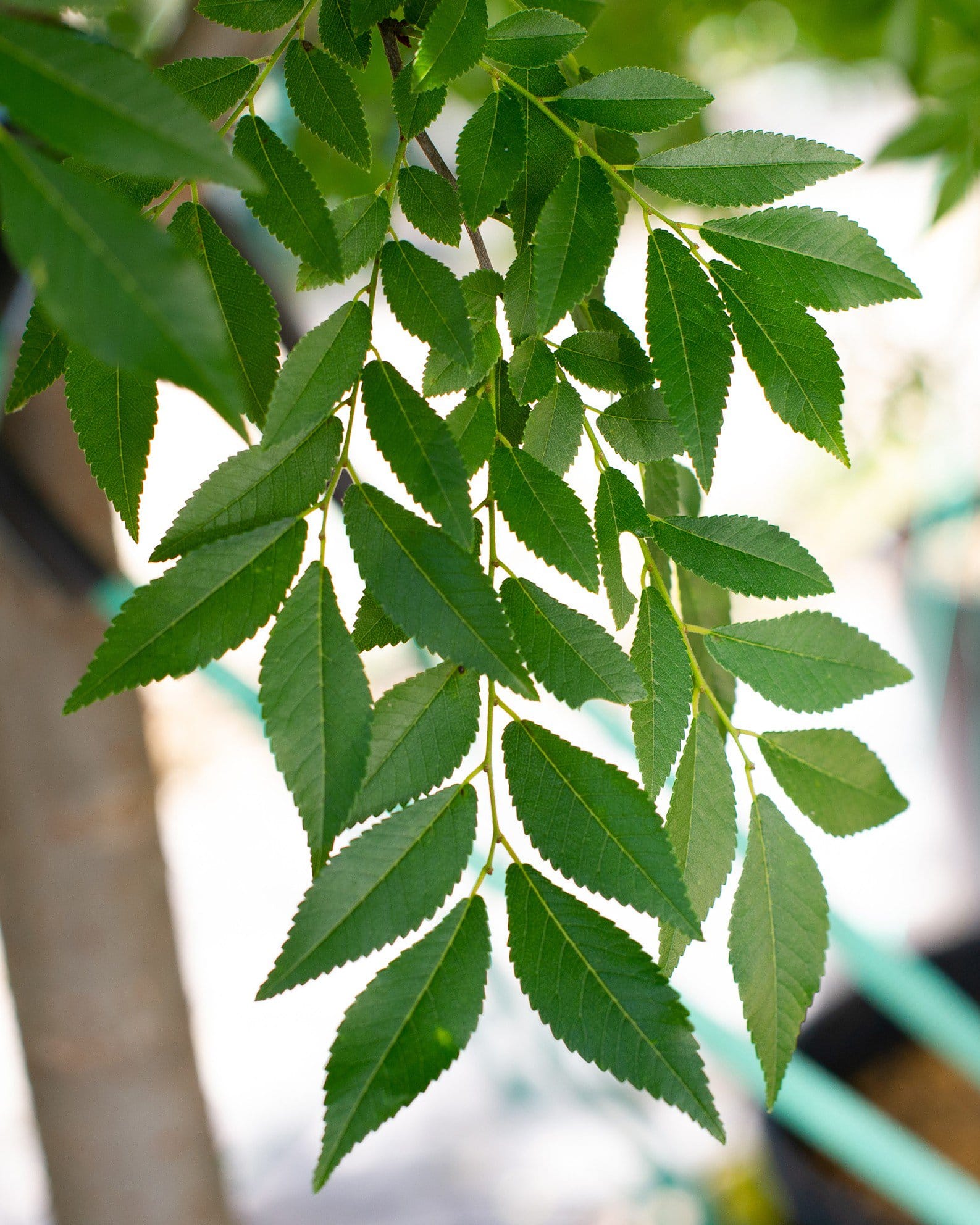
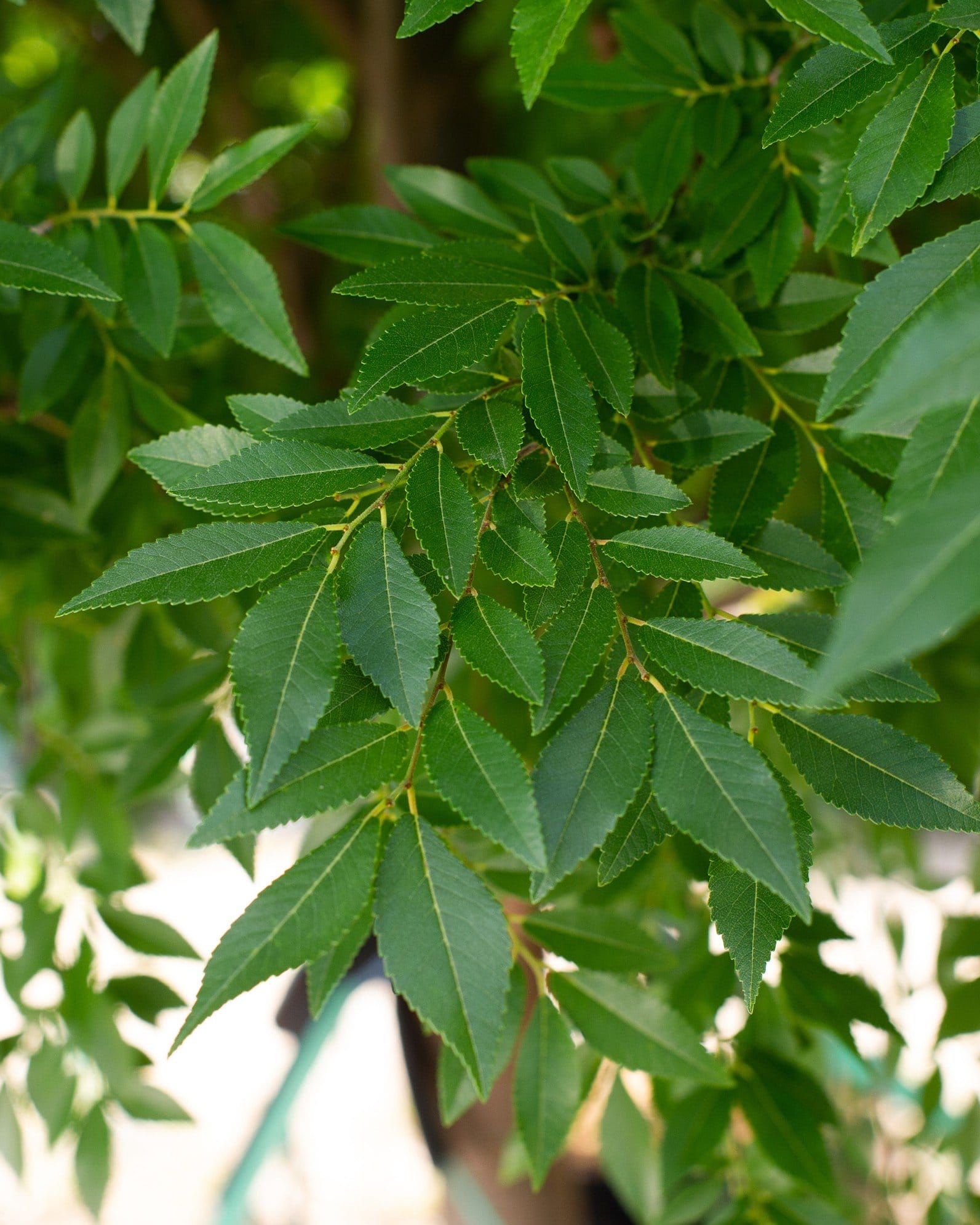
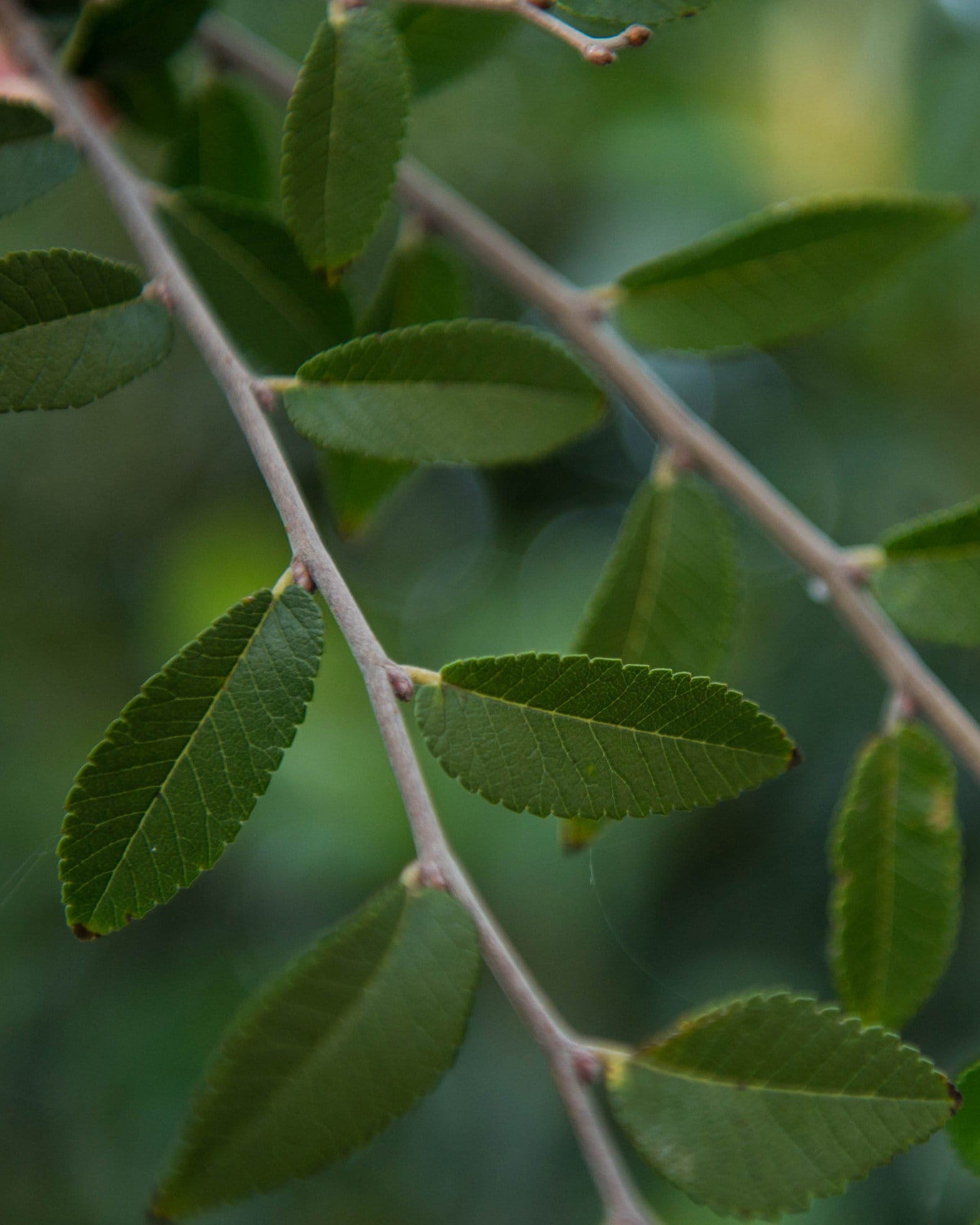
Autumn Blaze Maple
Maturity: 45' H x 35' W
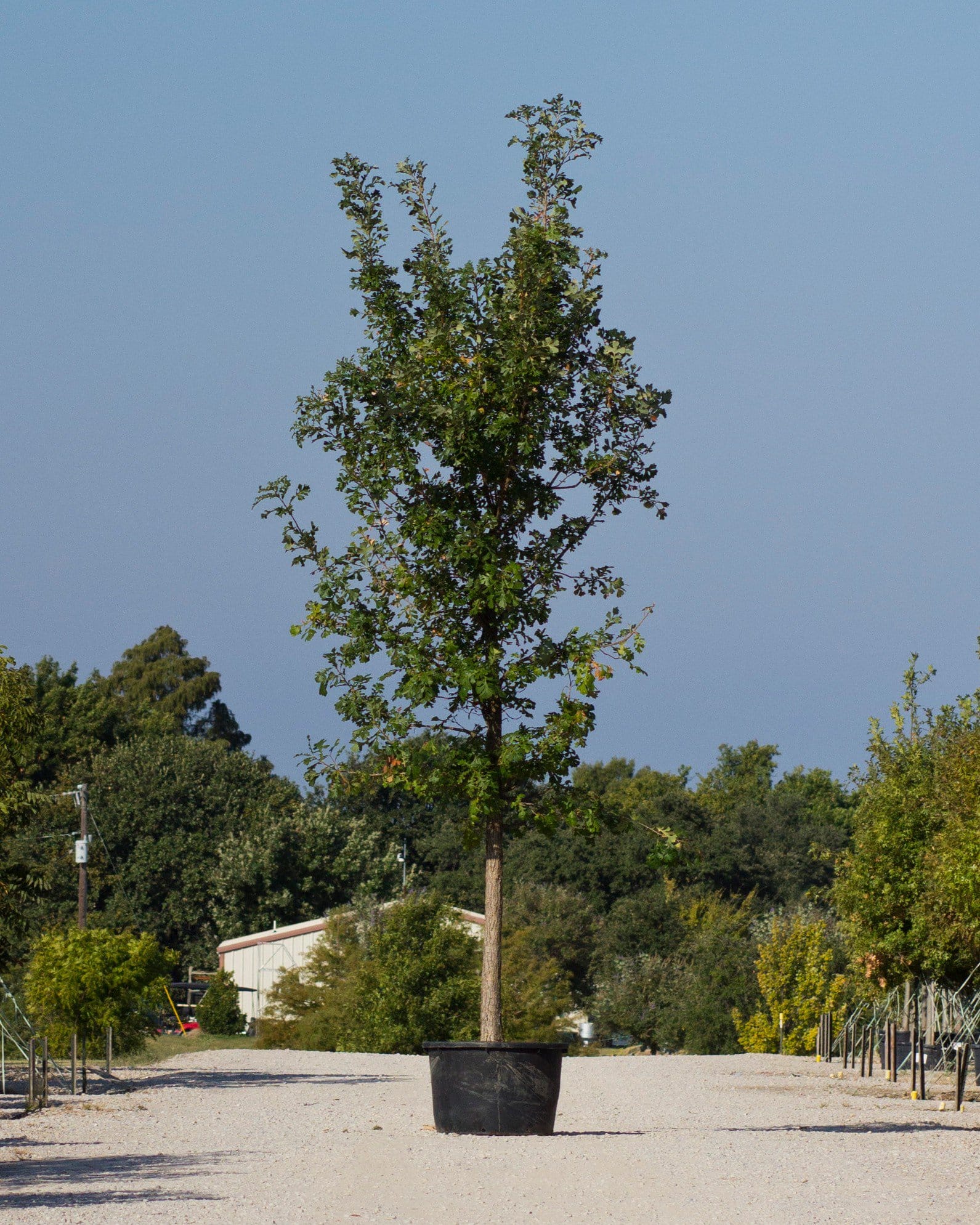
Bur Oak
Maturity: 60' H x 50' W
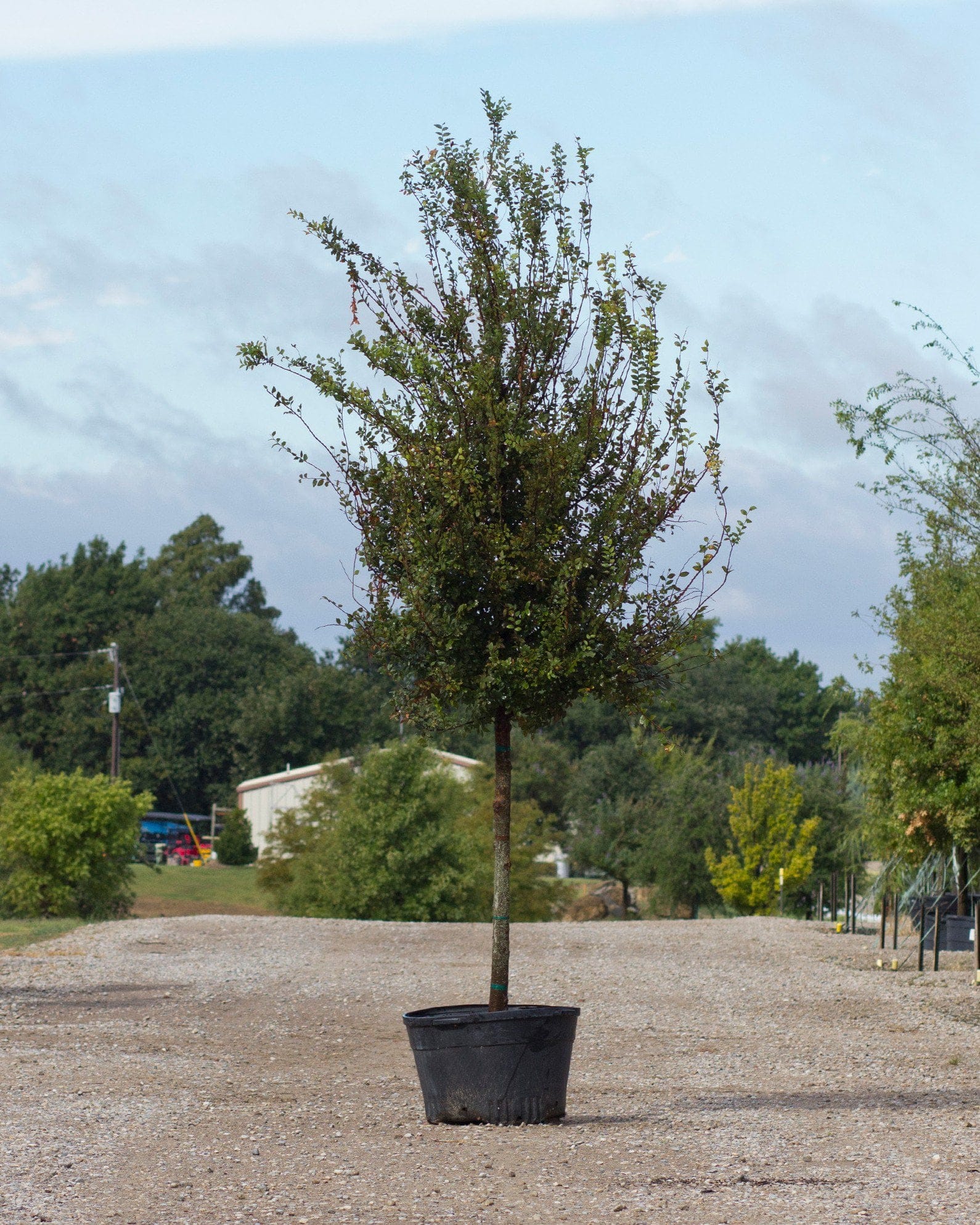
Cedar Elm Pioneer
Maturity: 50' H x 30' W
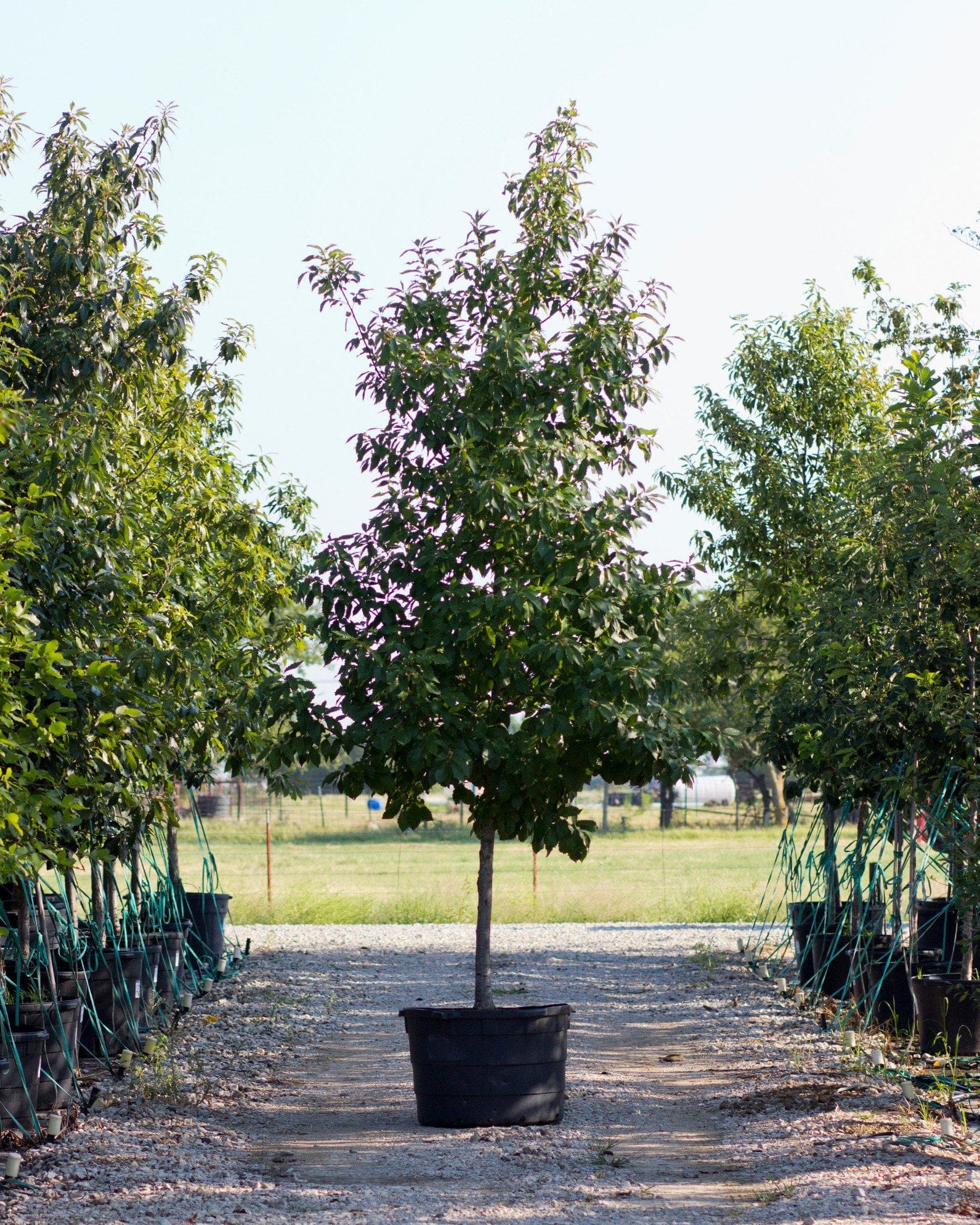
Chinquapin Oak
Maturity: 50' H x 40' W
Compare Similar Plants
Bald Cypress This plant | ||
|---|---|---|
| Scientific Name | Taxodium distichum | Taxodium mucronatum |
| Size at Maturity | 60' H x 40' W | 60' H x 40' W |
| Leaf Retention | Deciduous | Deciduous |
| Fall Color | Orange | Orange |
| Sizes Available | 15, 30, 45, 65, 95 gal | 45 gal |

Our 1-Year Planting Guarantee
We take pride in our plants and installation services. If any plants or trees installed by Treeland fail to thrive within the first year, we'll provide a replacement credit in accordance with our guarantee program.
Learn More About Our Guarantee