
 Texas Native
Chinquapin Oak
Quercus muehlenbergiiLocal DFW Delivery Only
Product Details
Chinquapin Oak
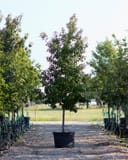
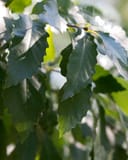
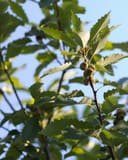
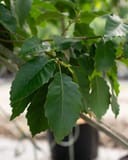
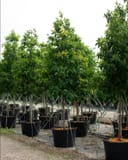
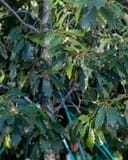
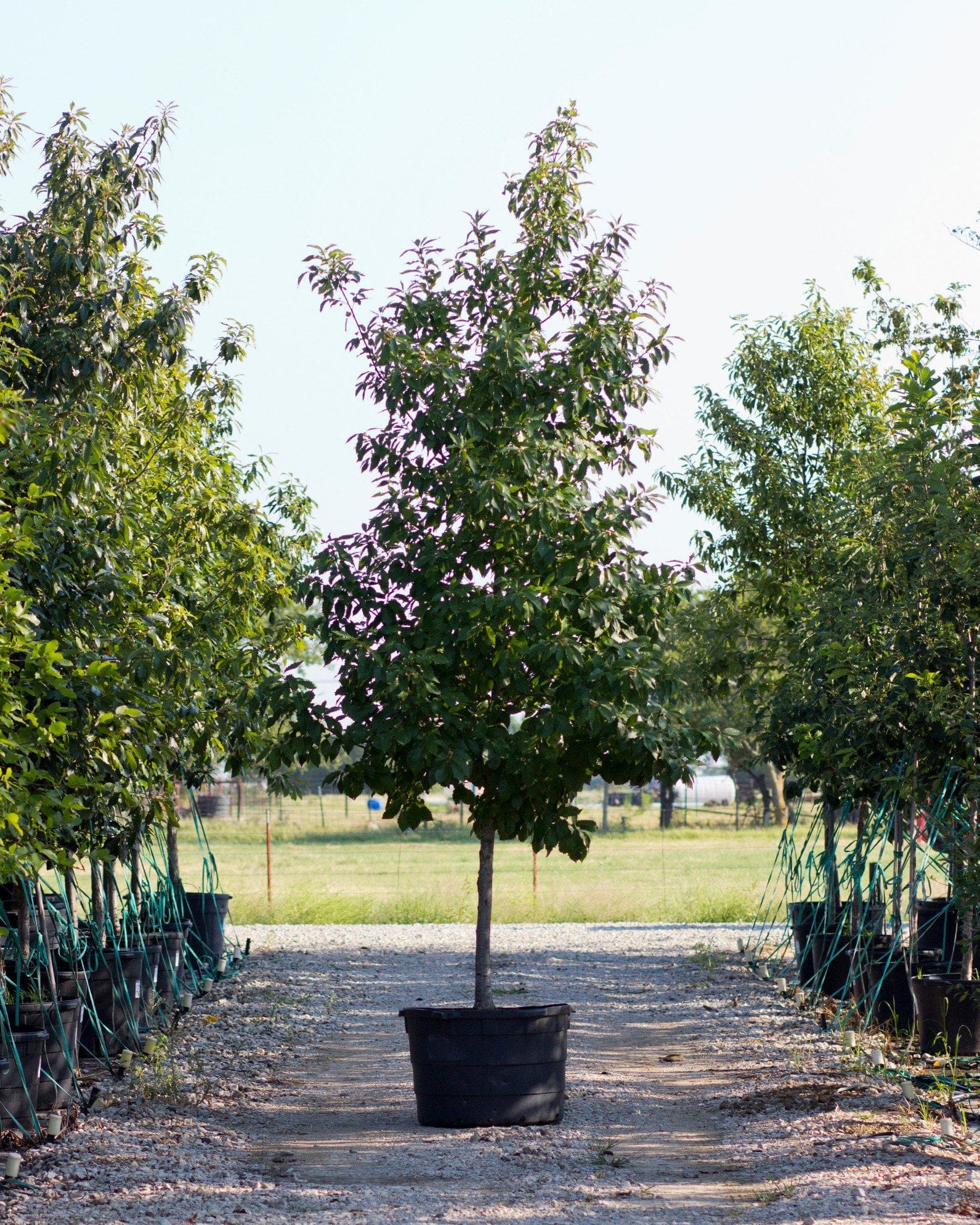
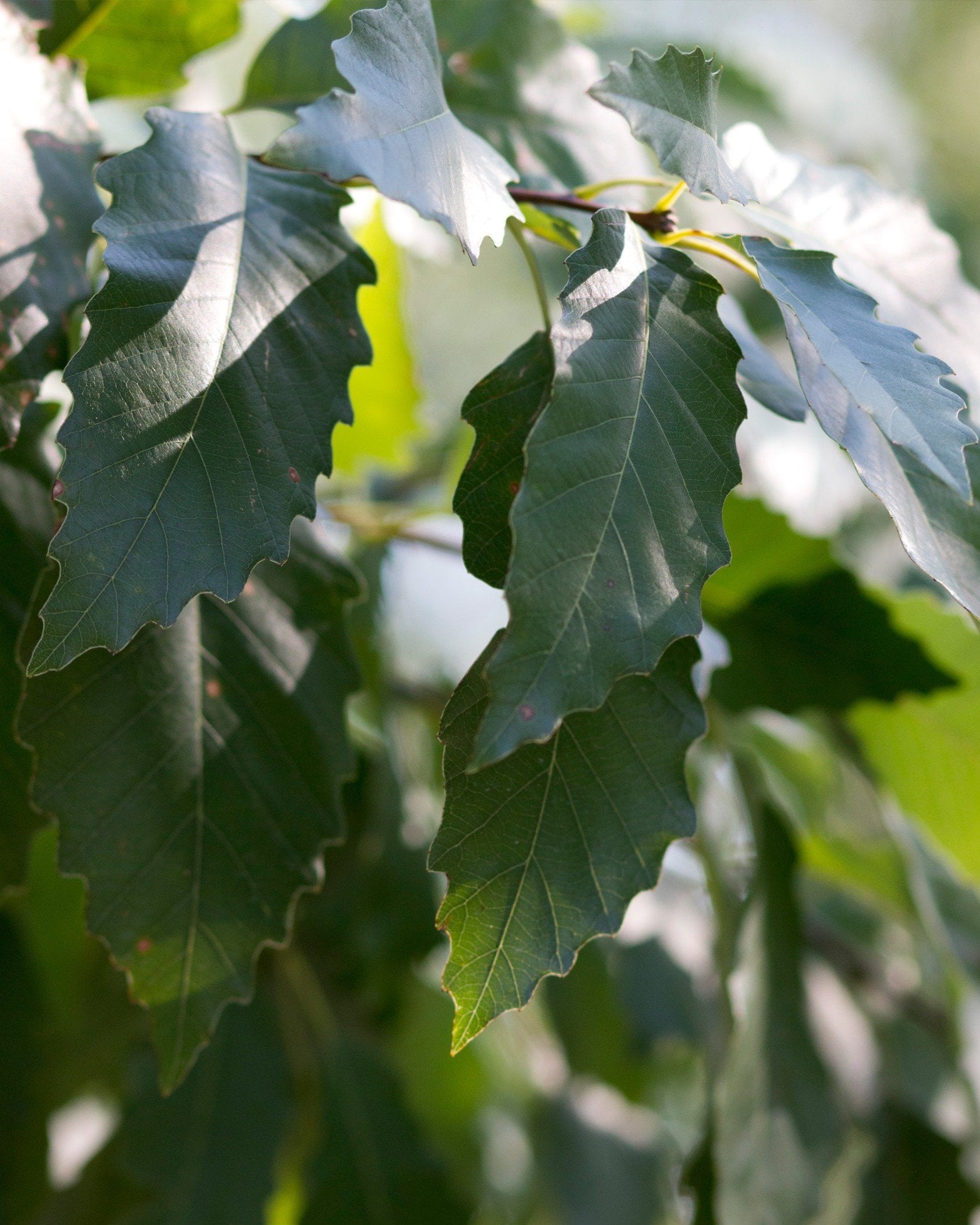
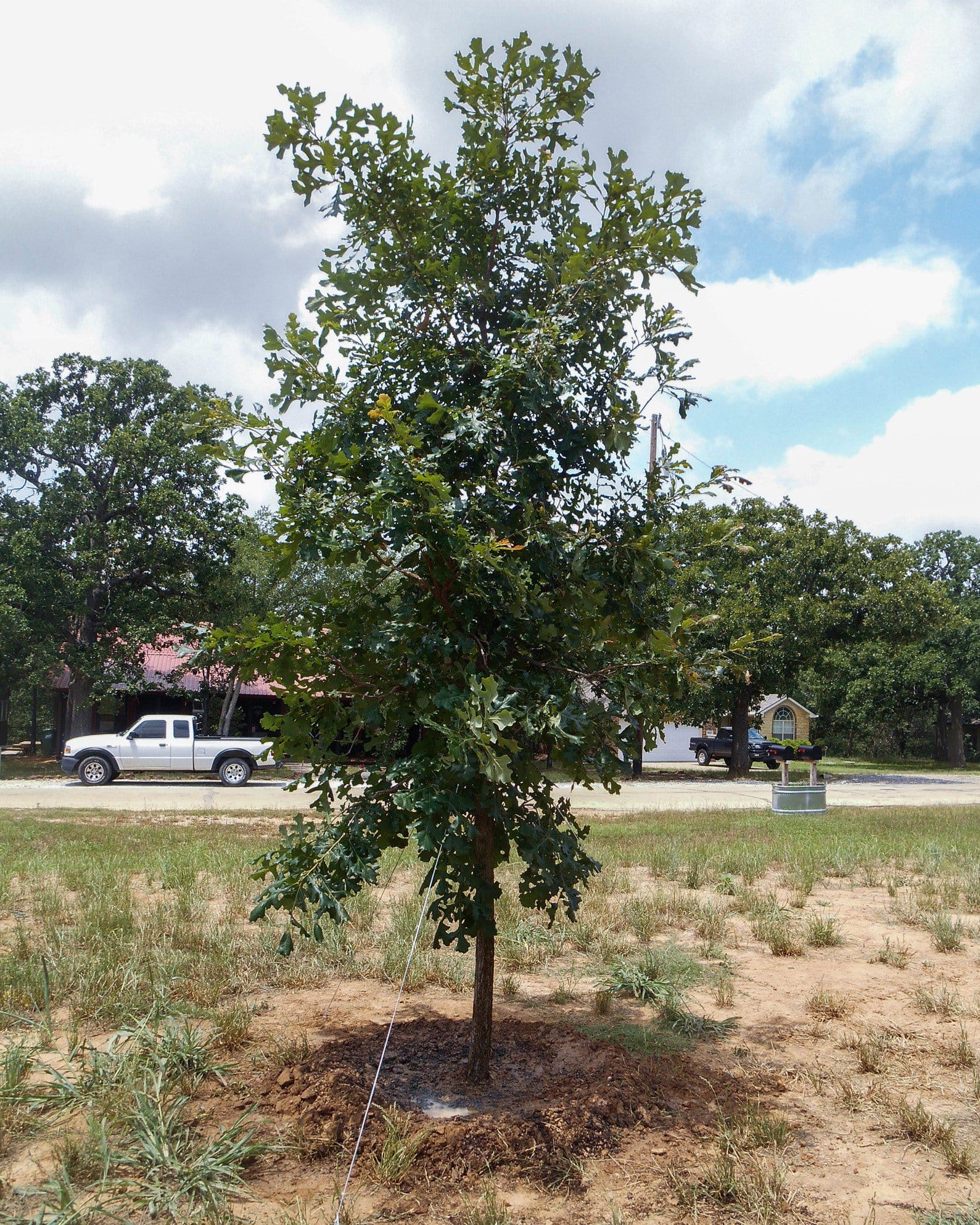
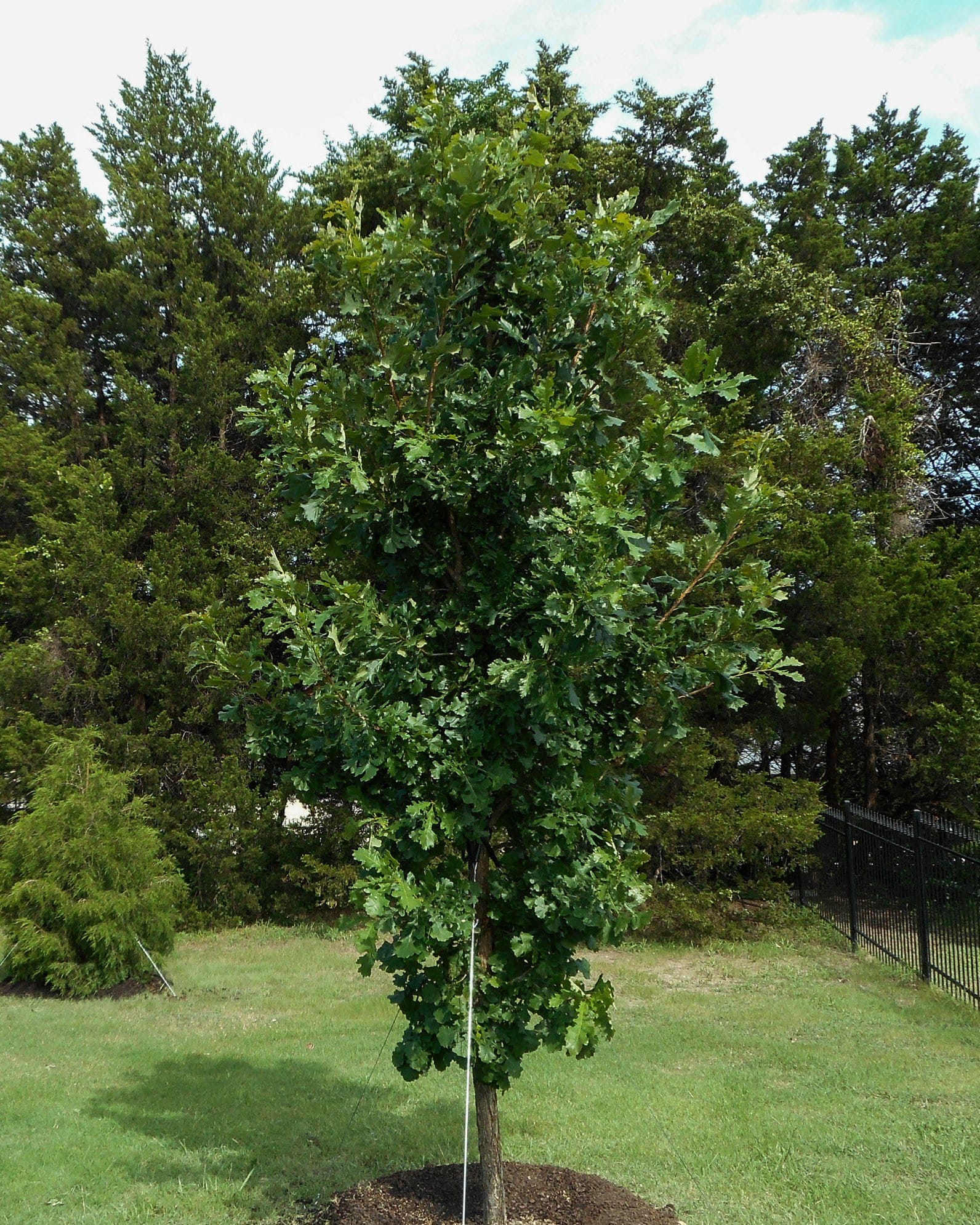
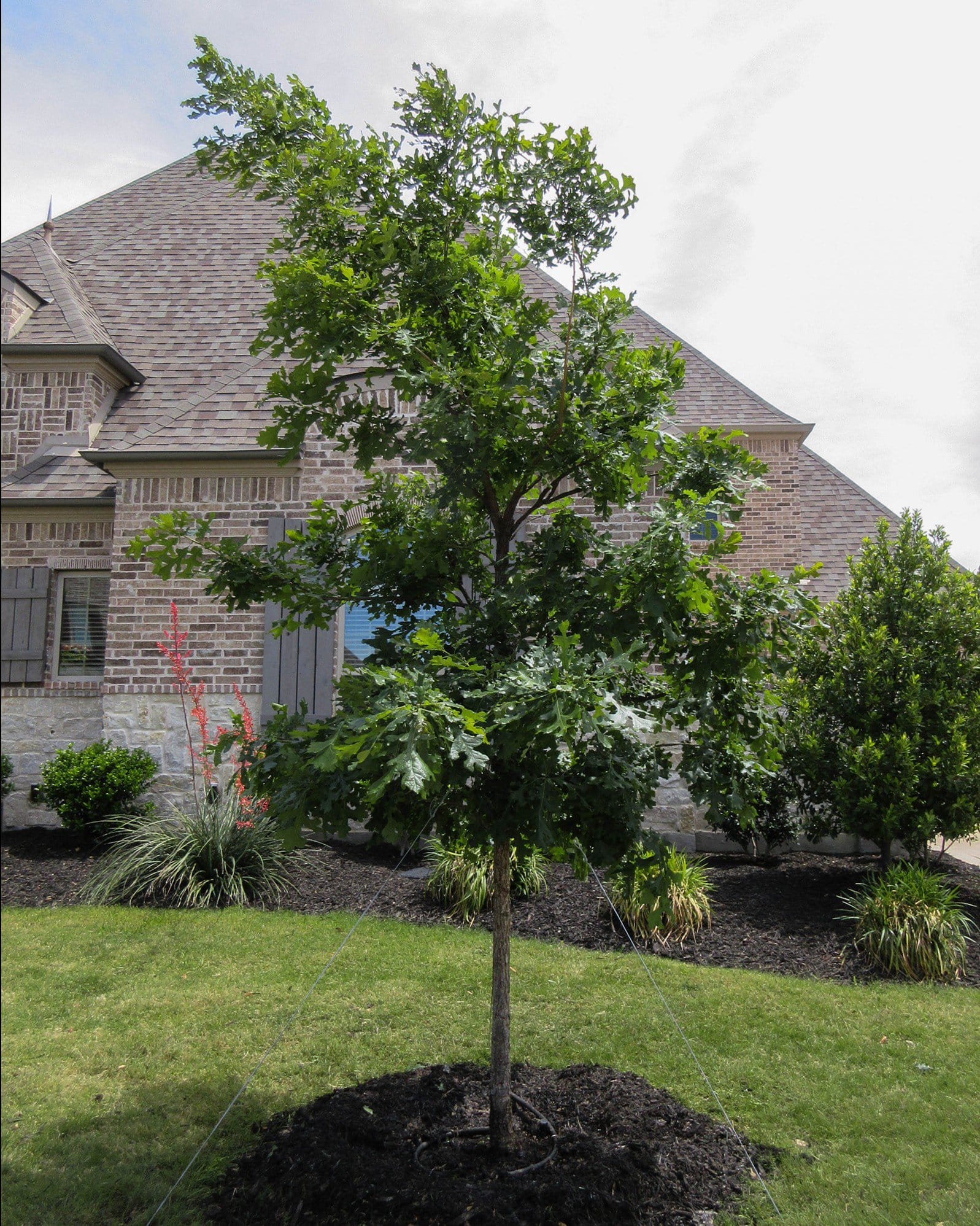
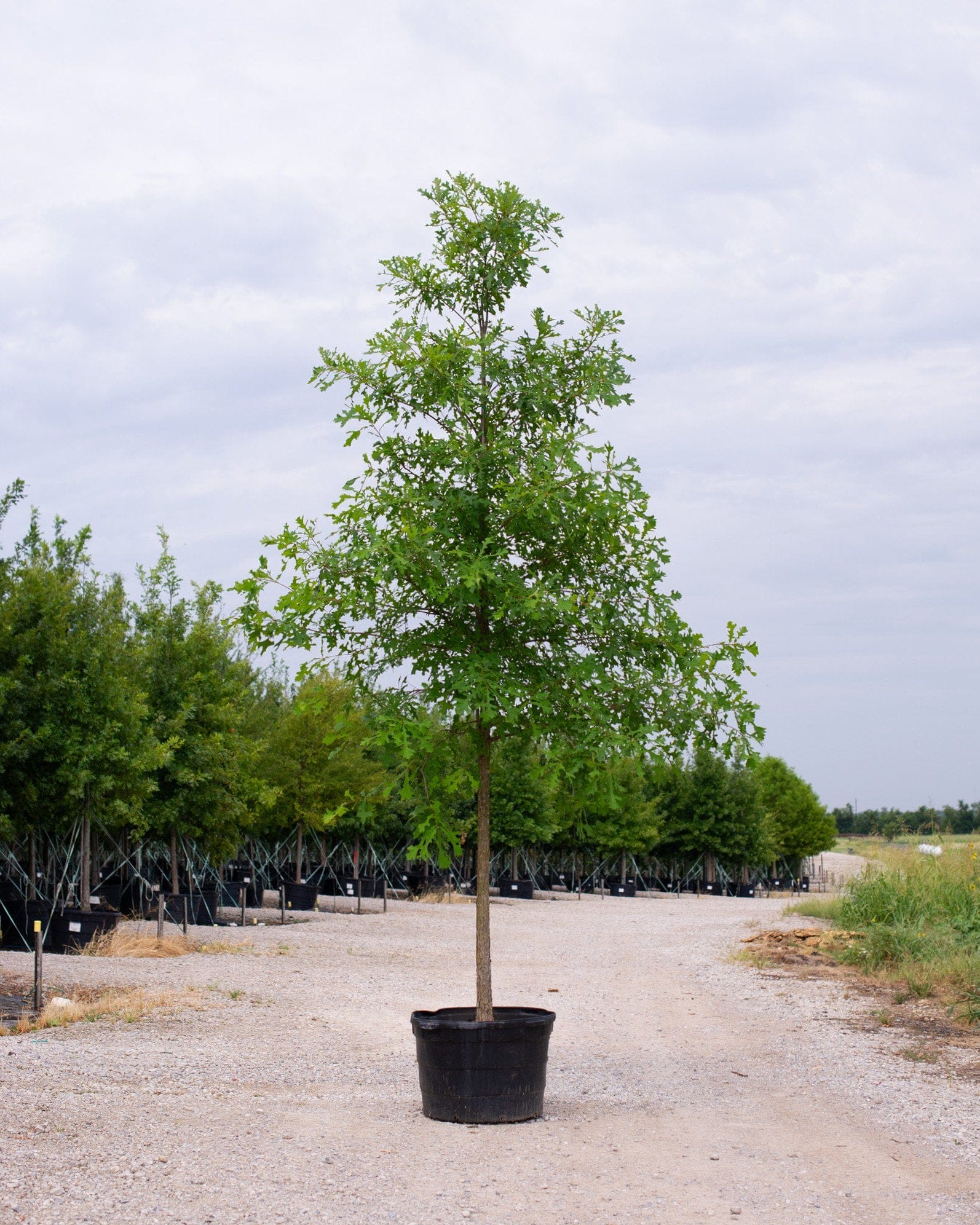
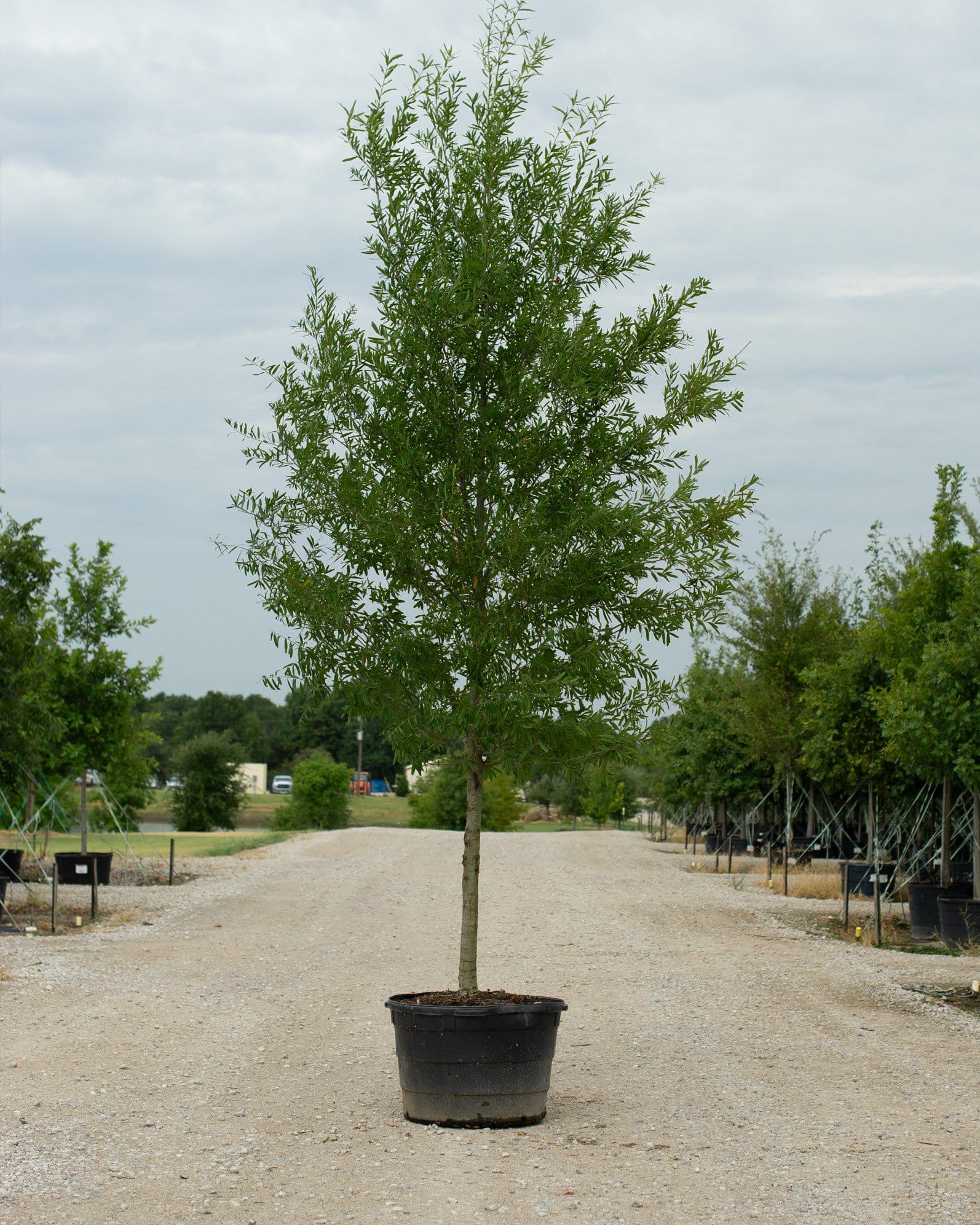
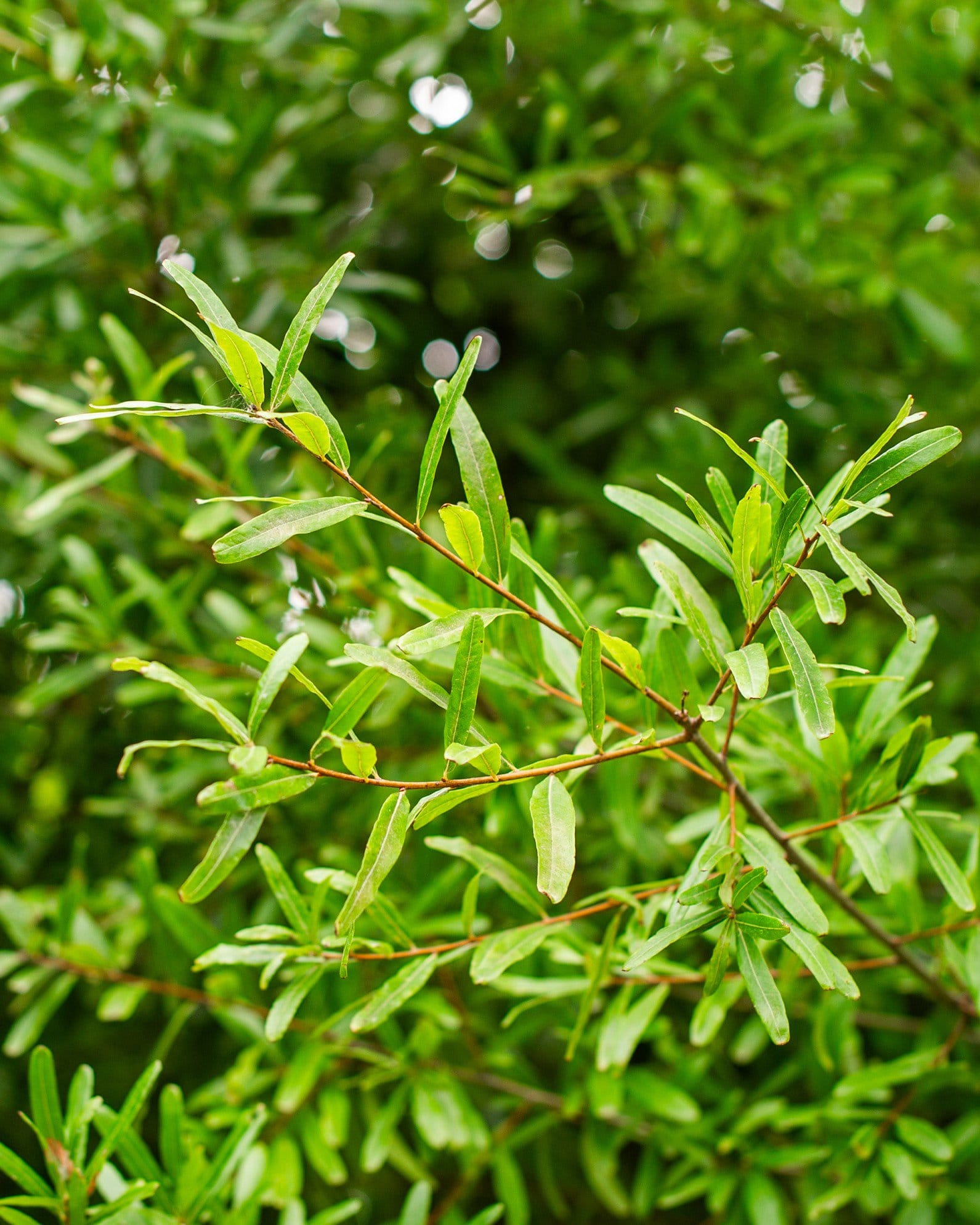
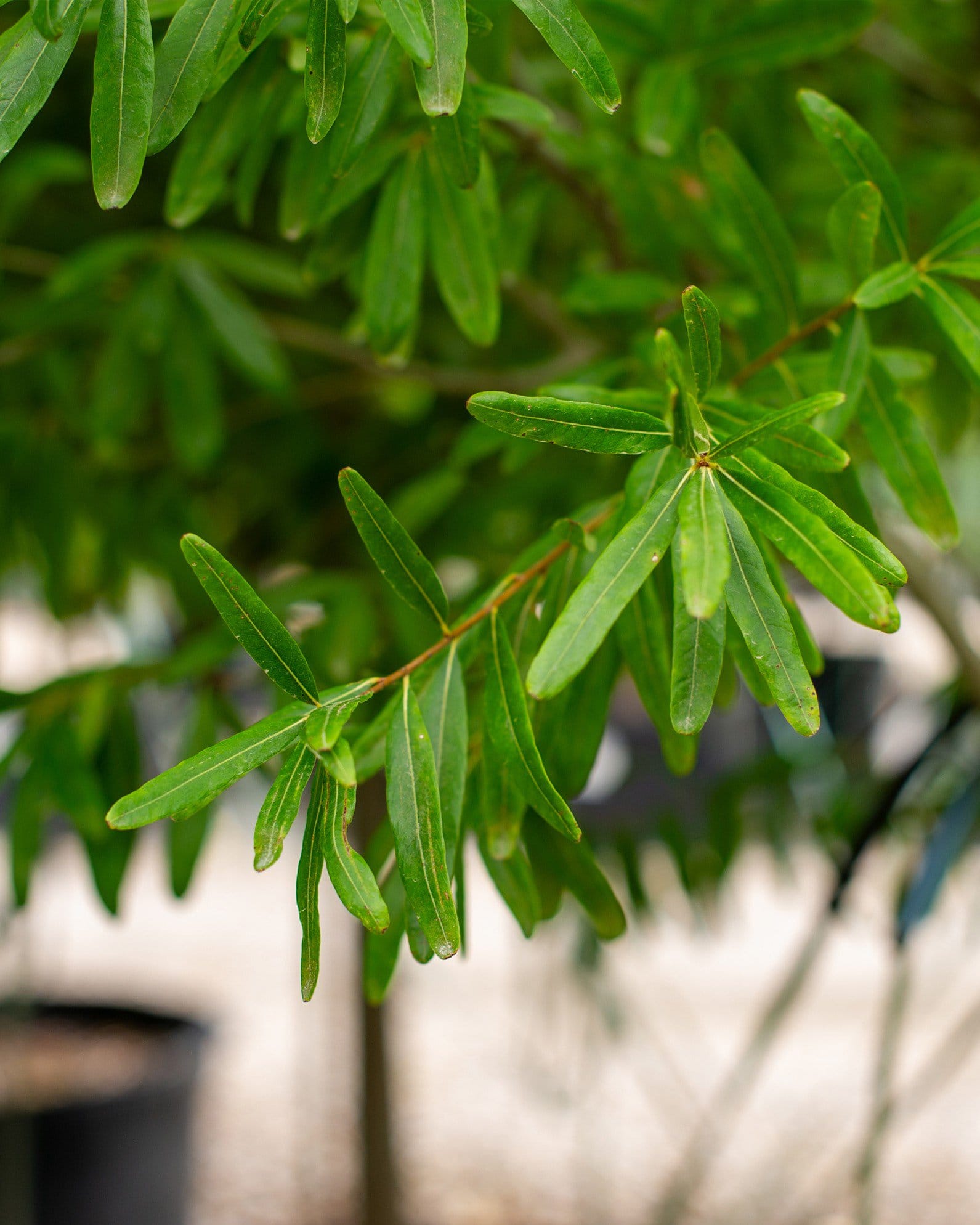
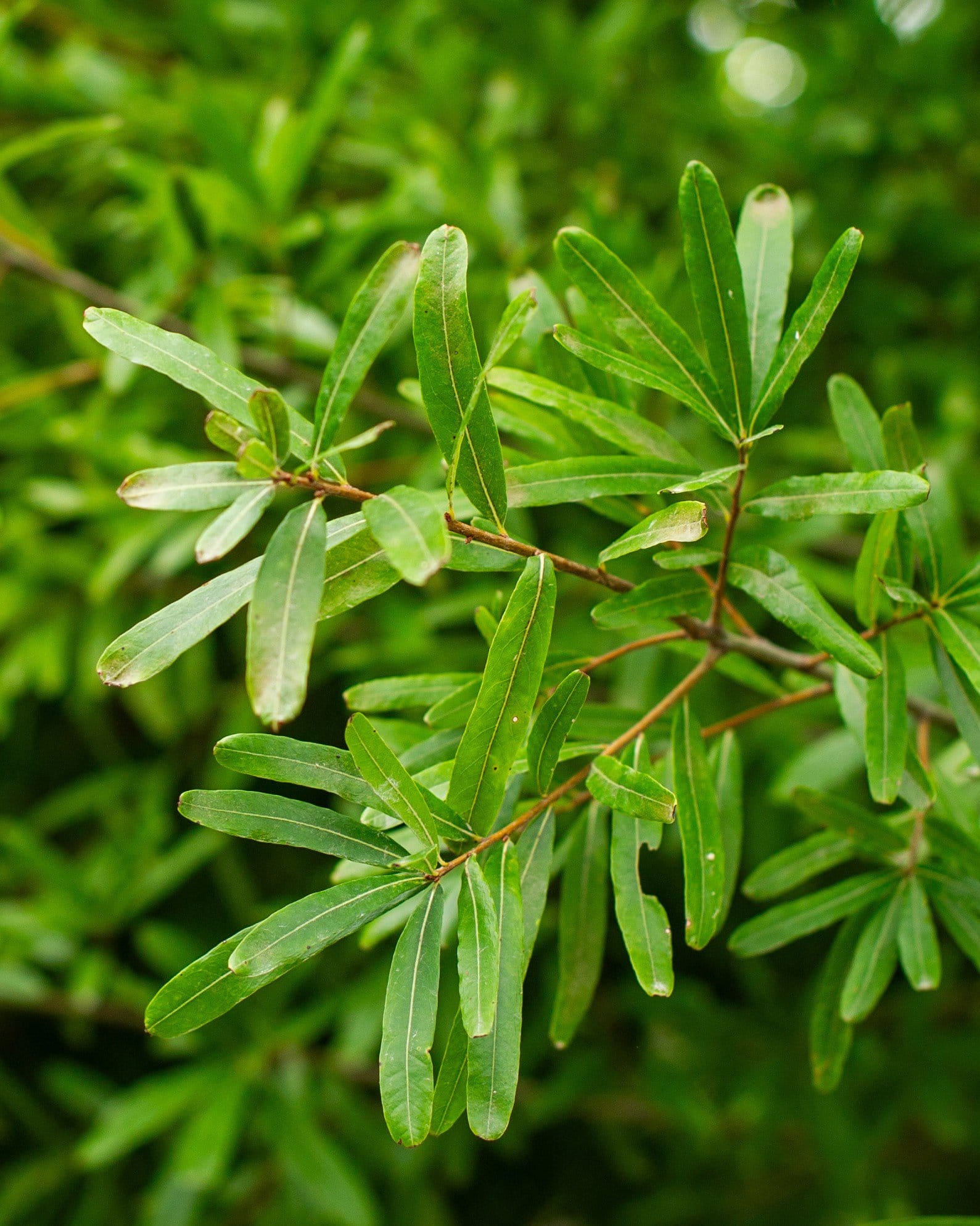
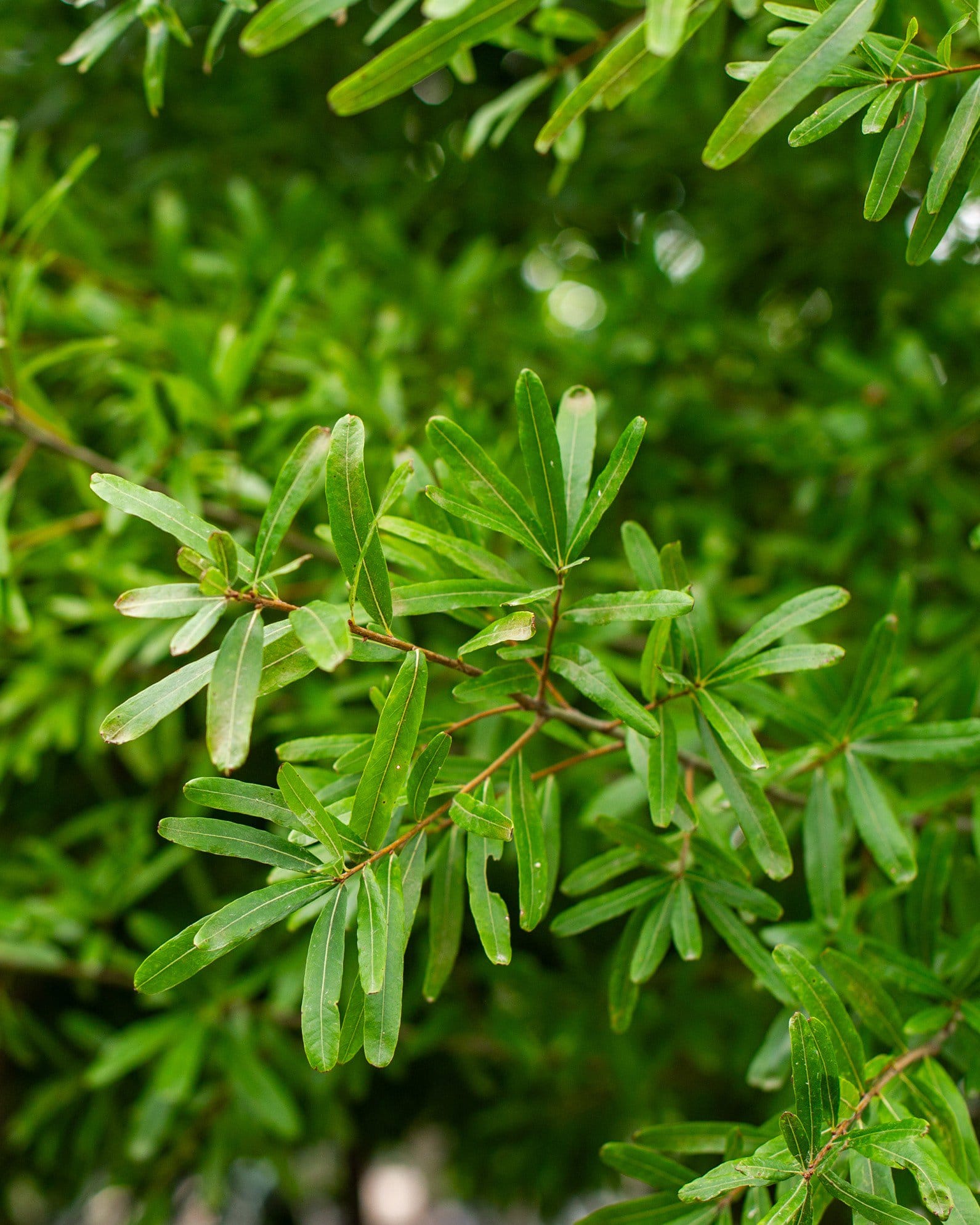
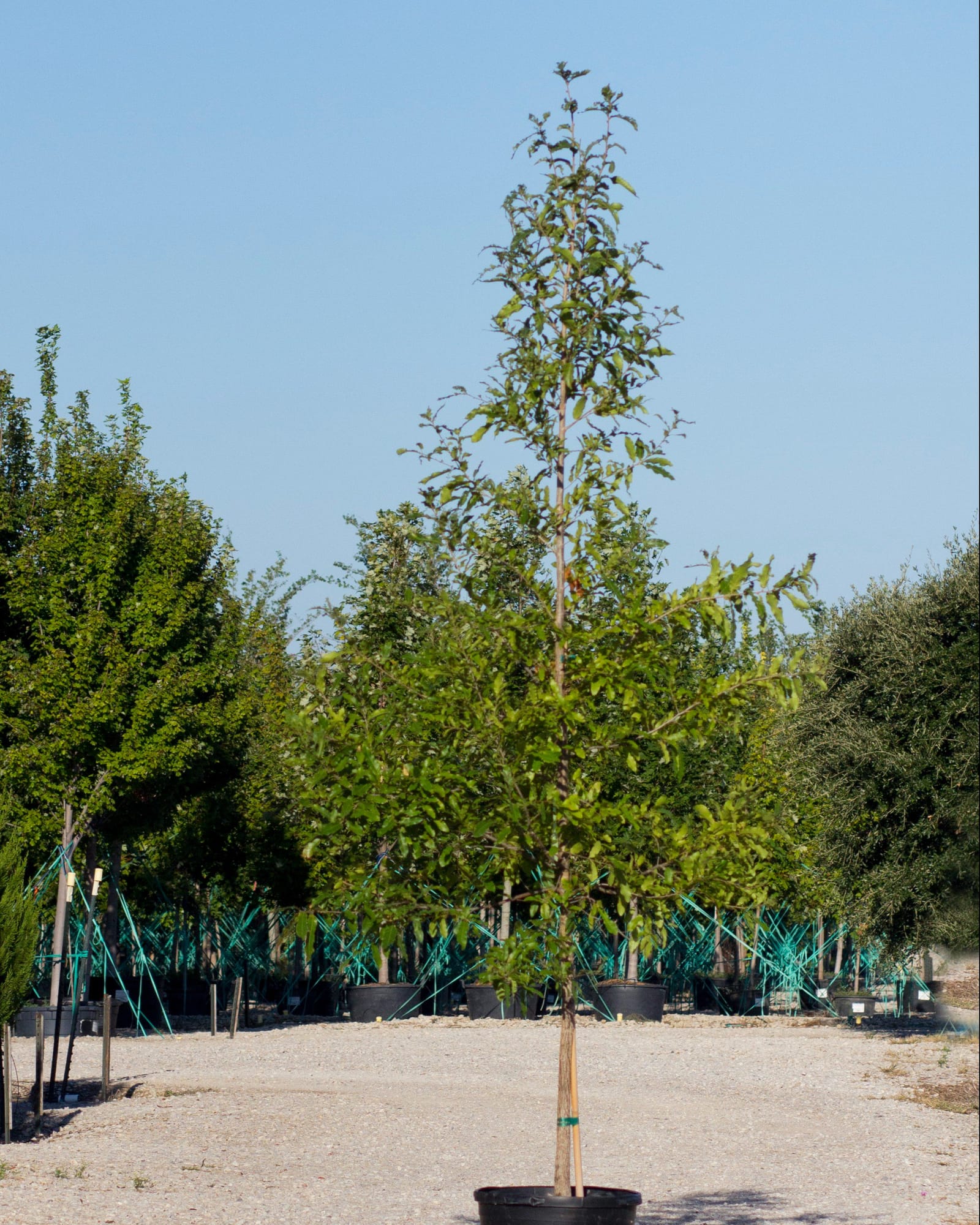
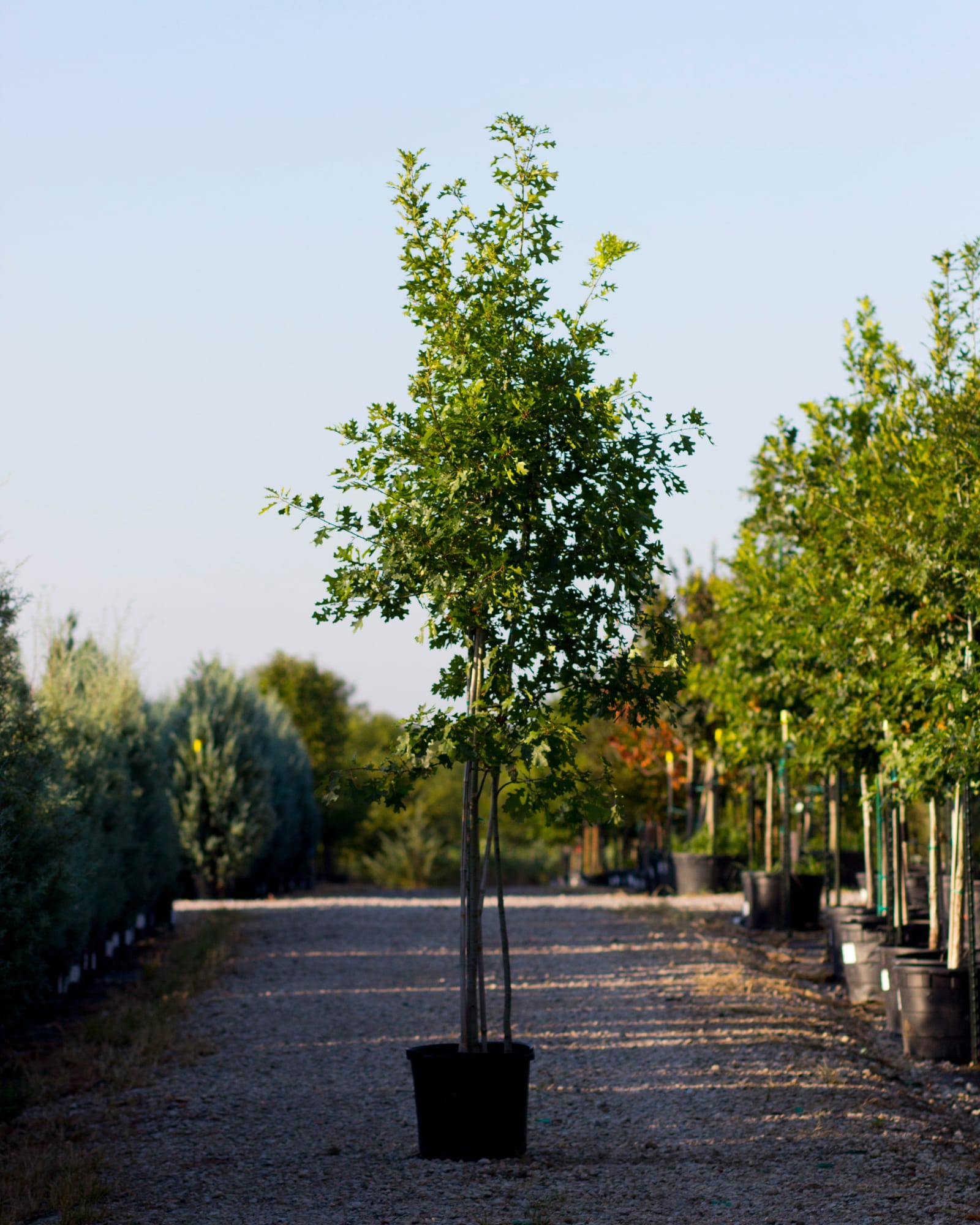
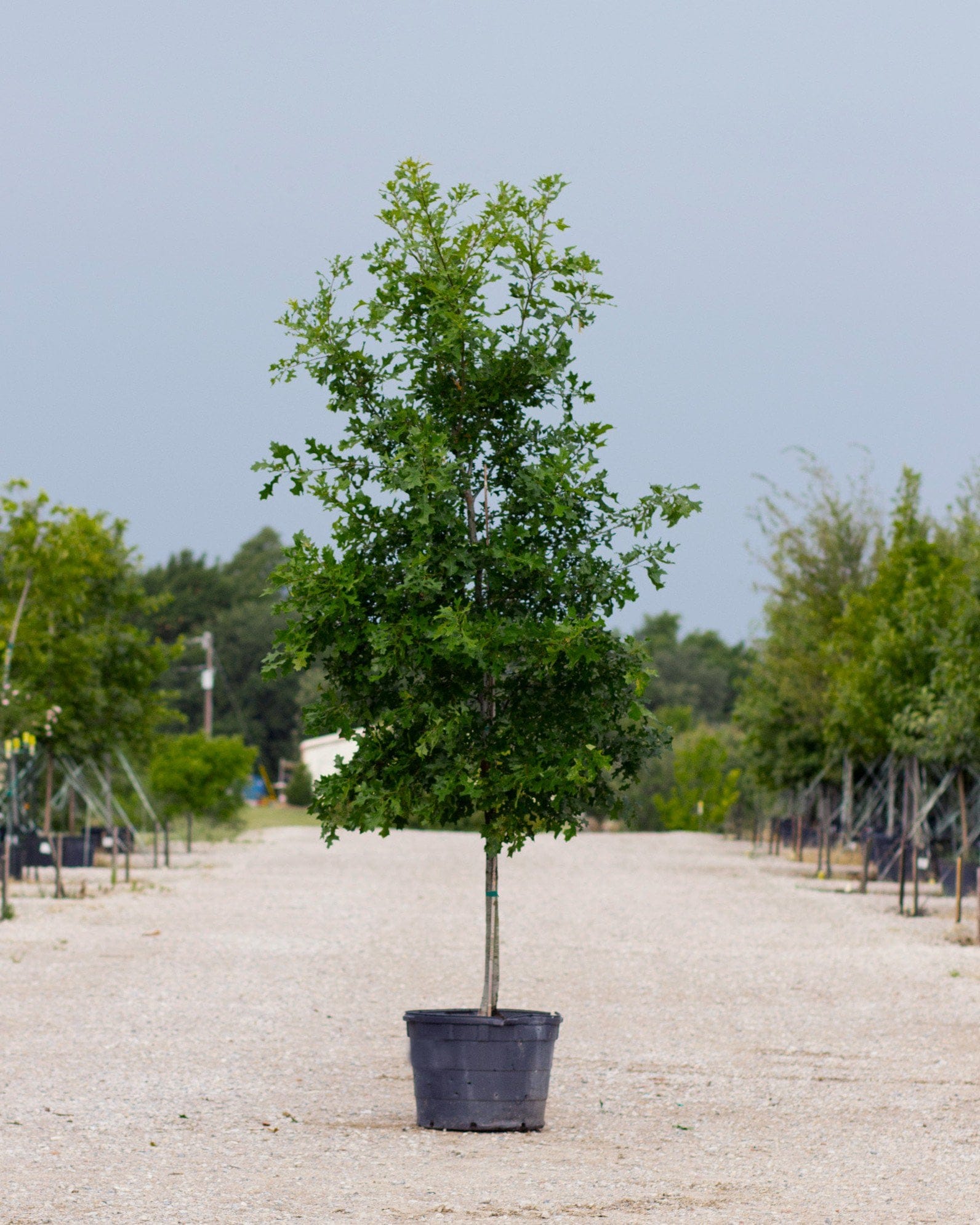
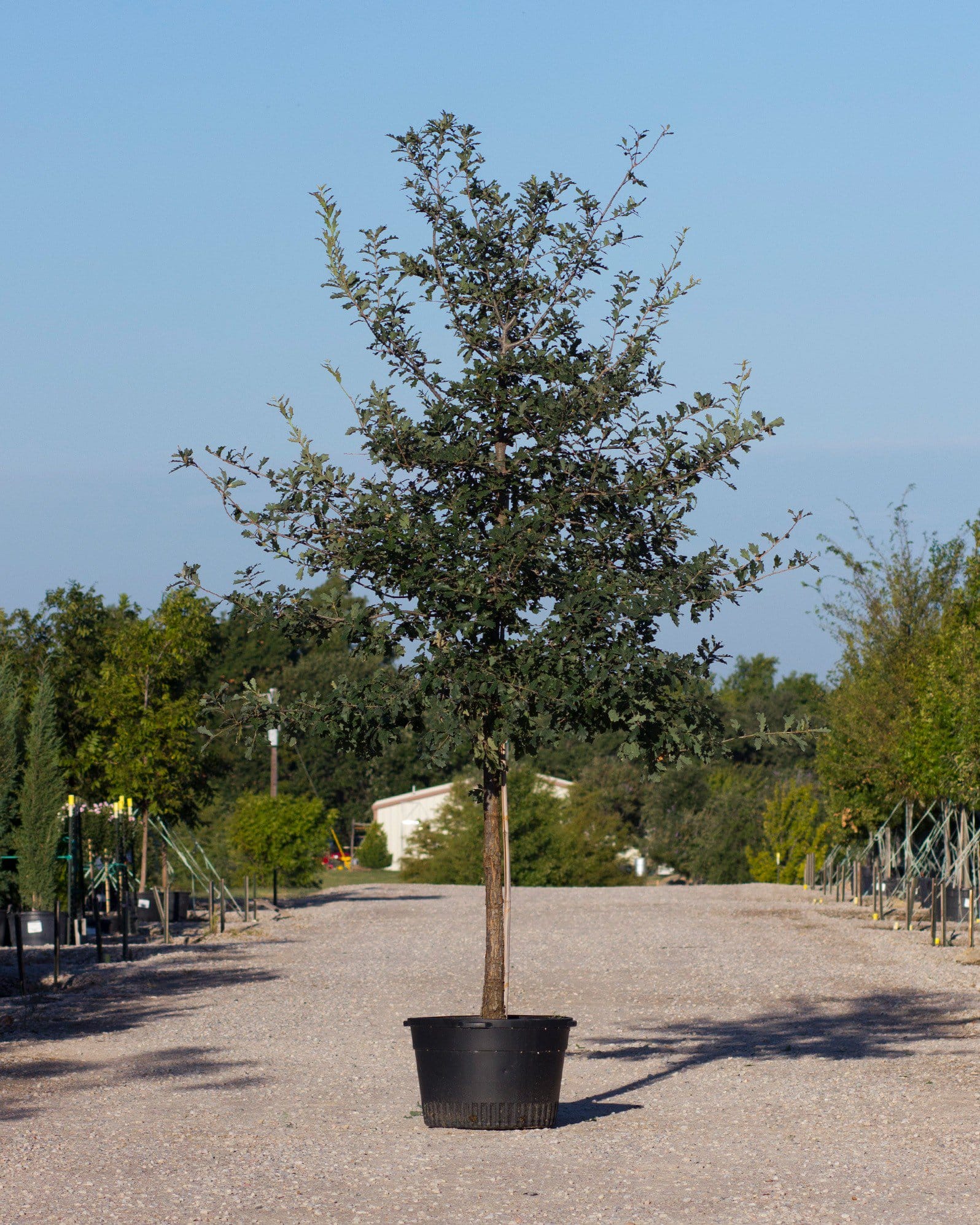
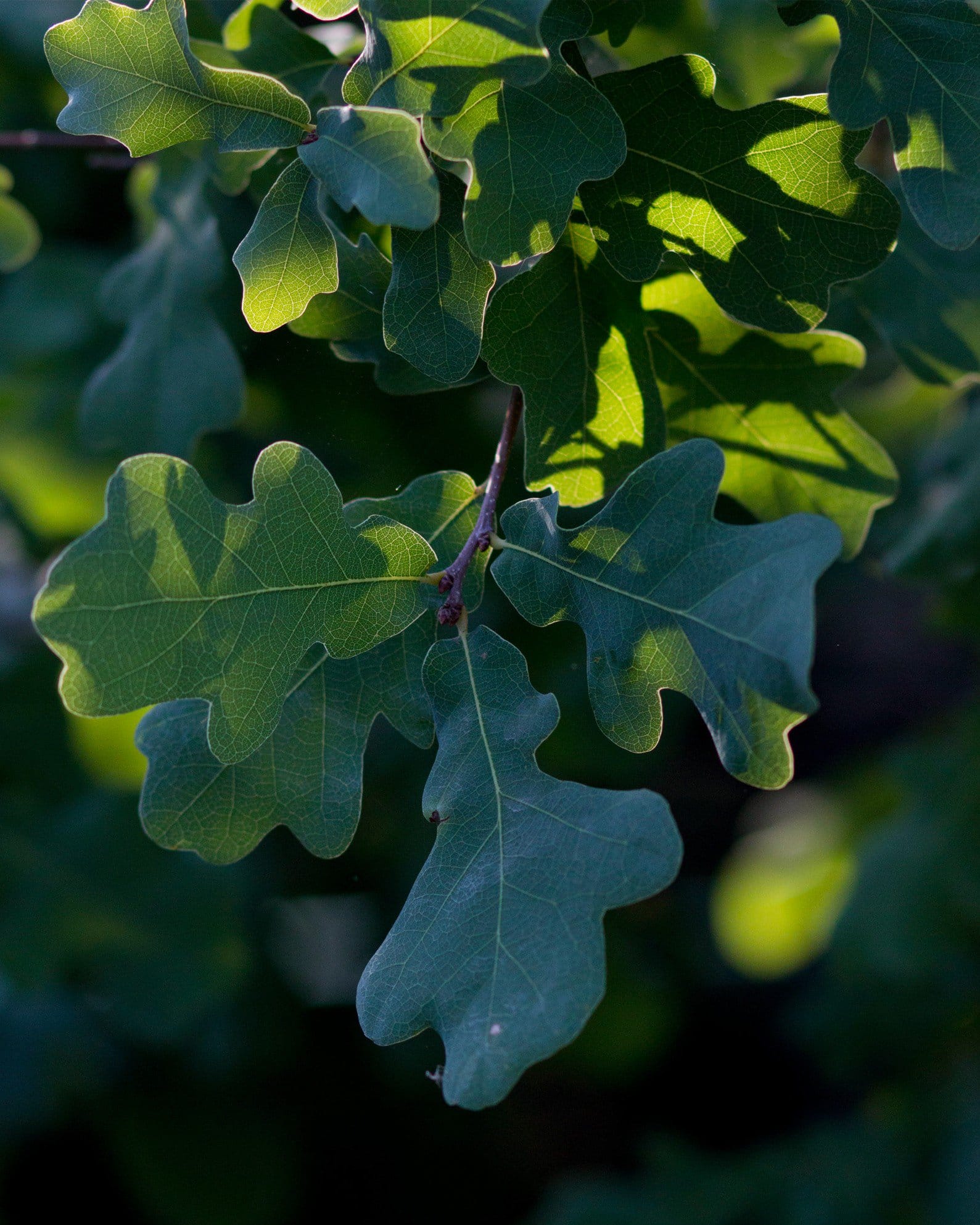
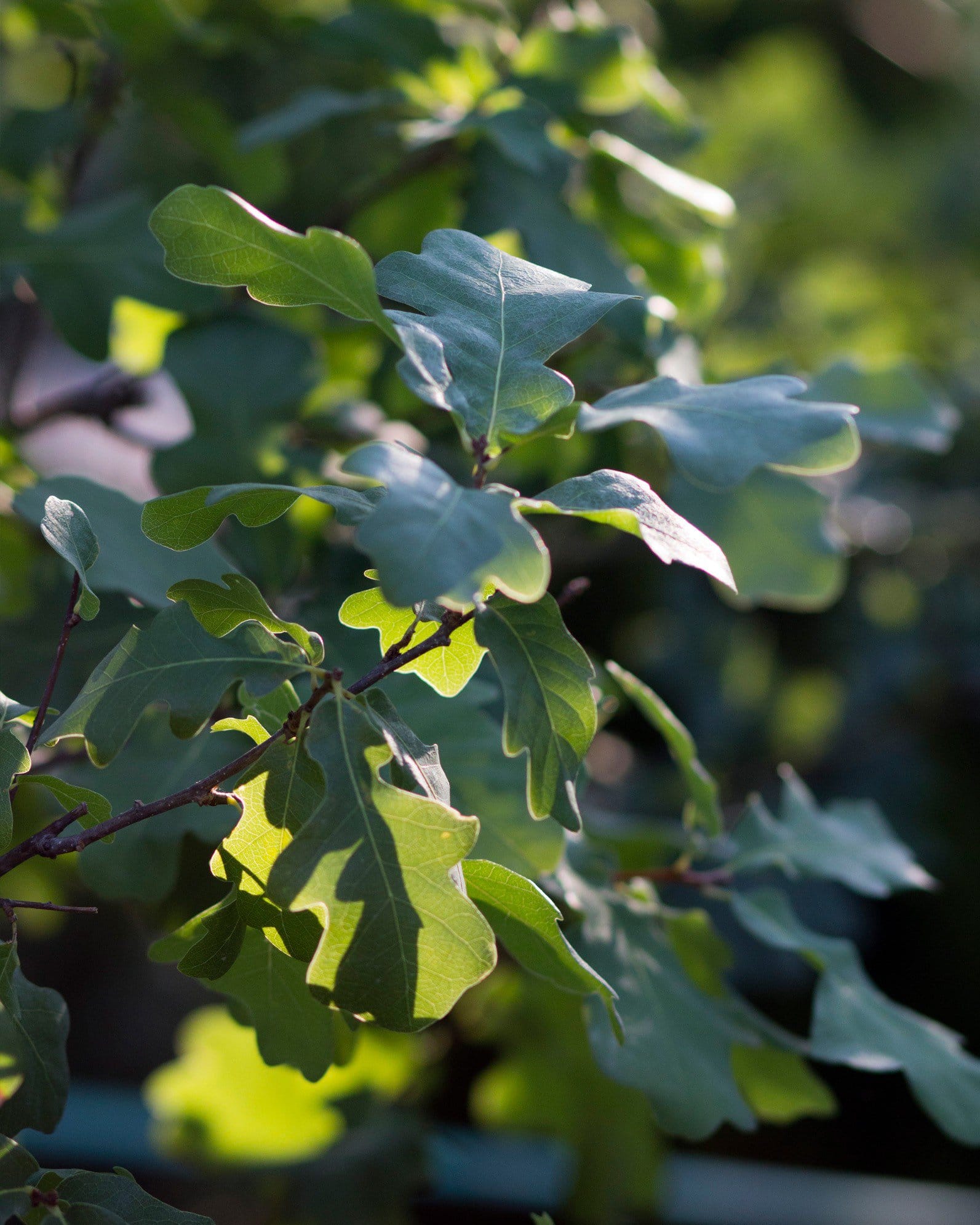
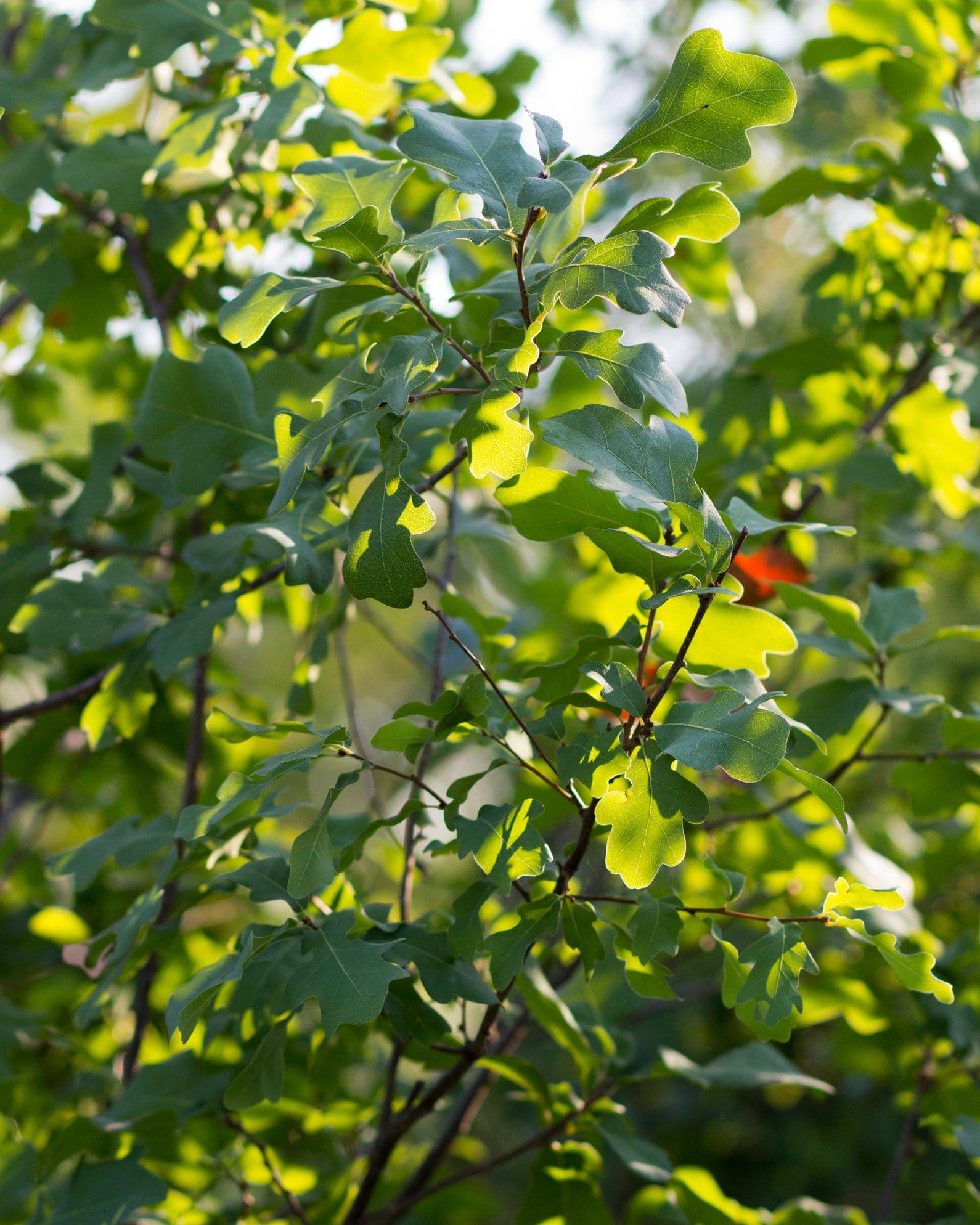
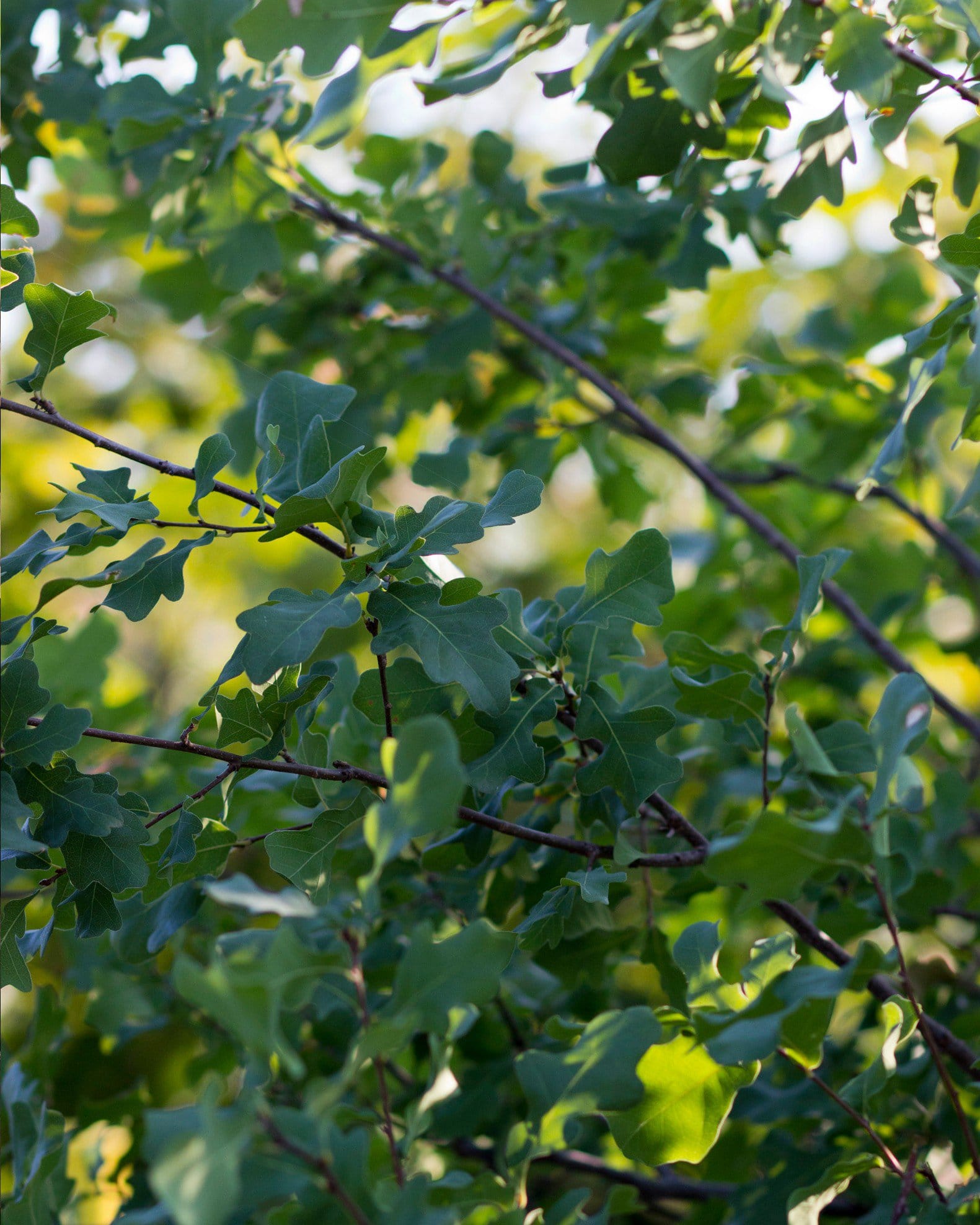
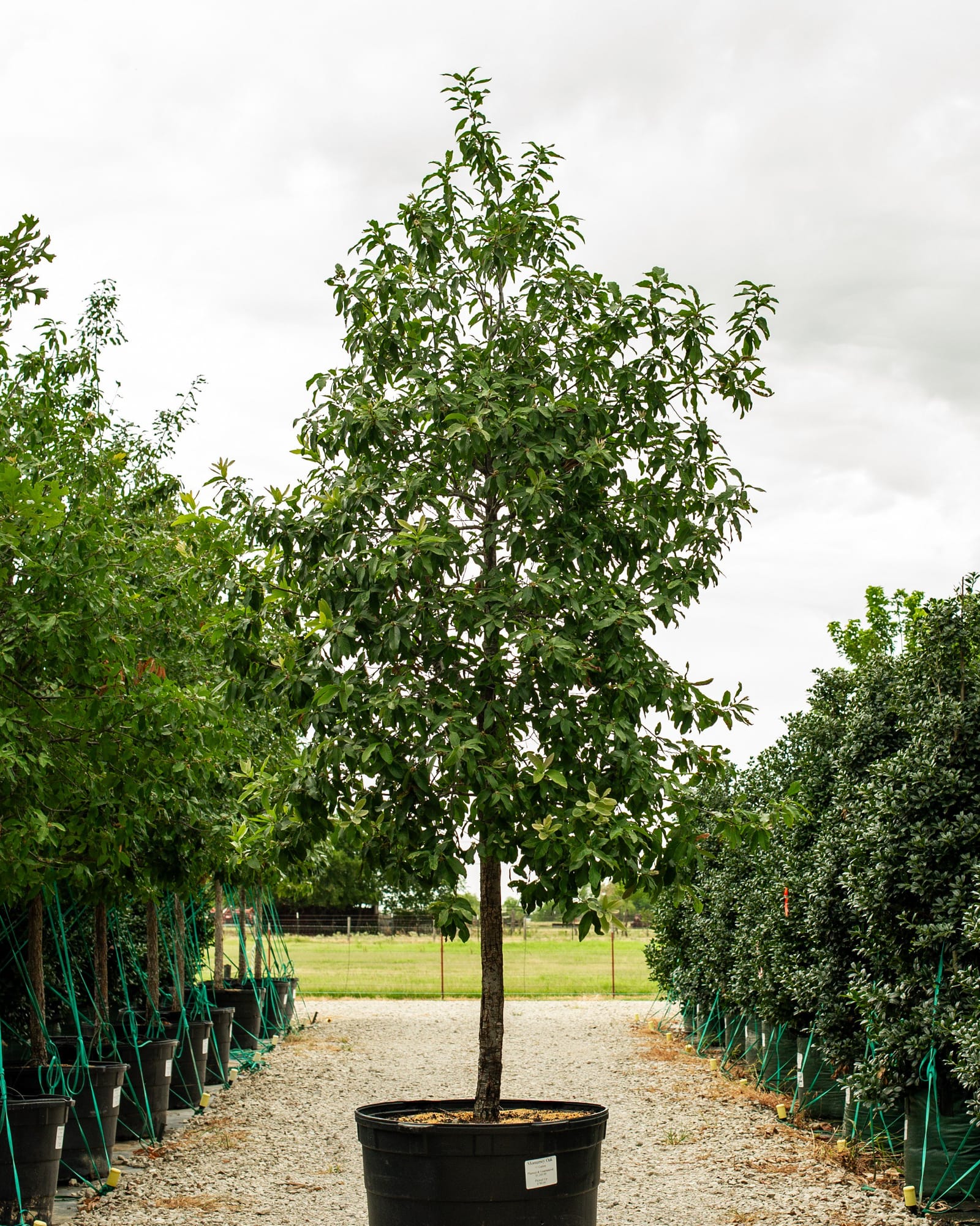
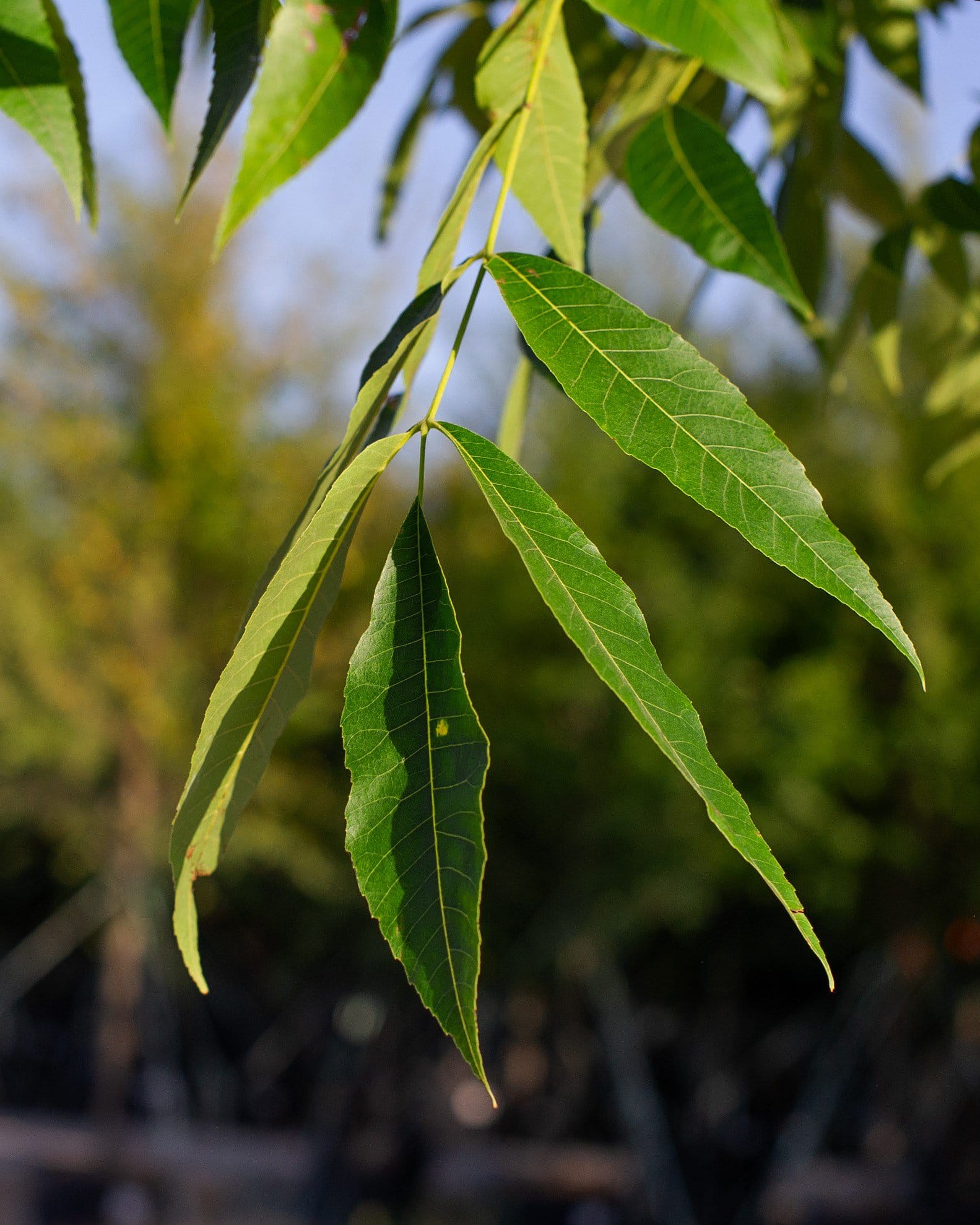
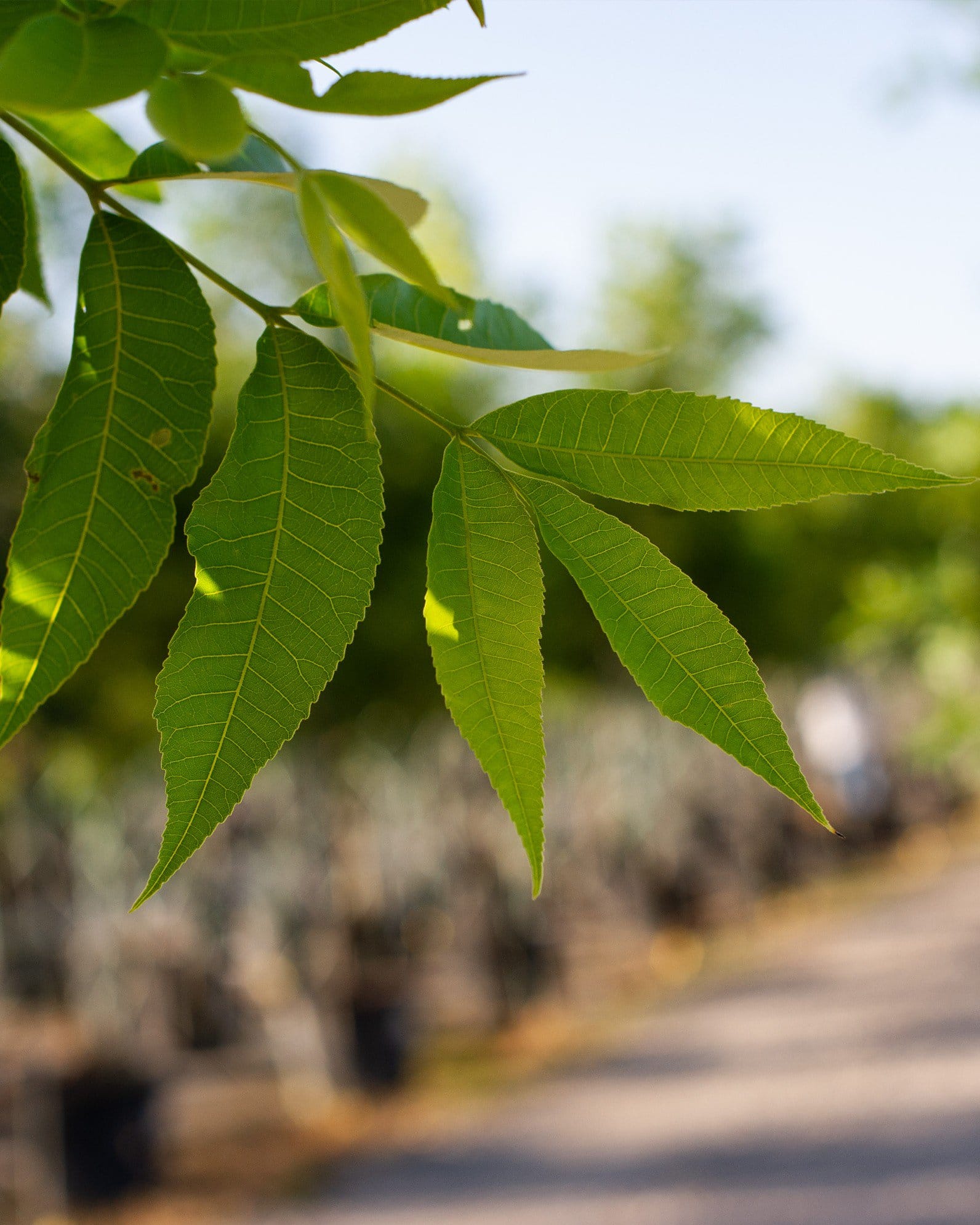
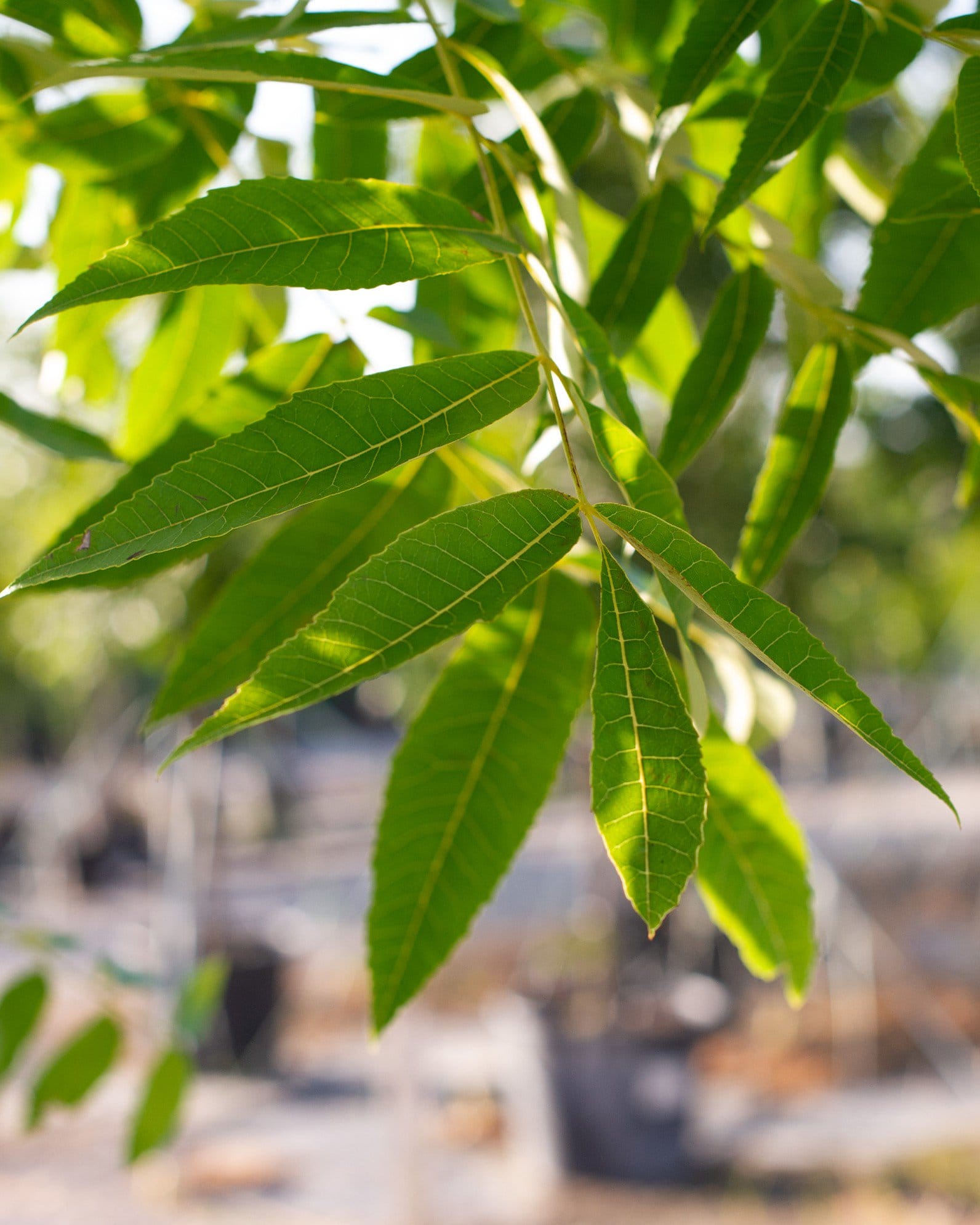
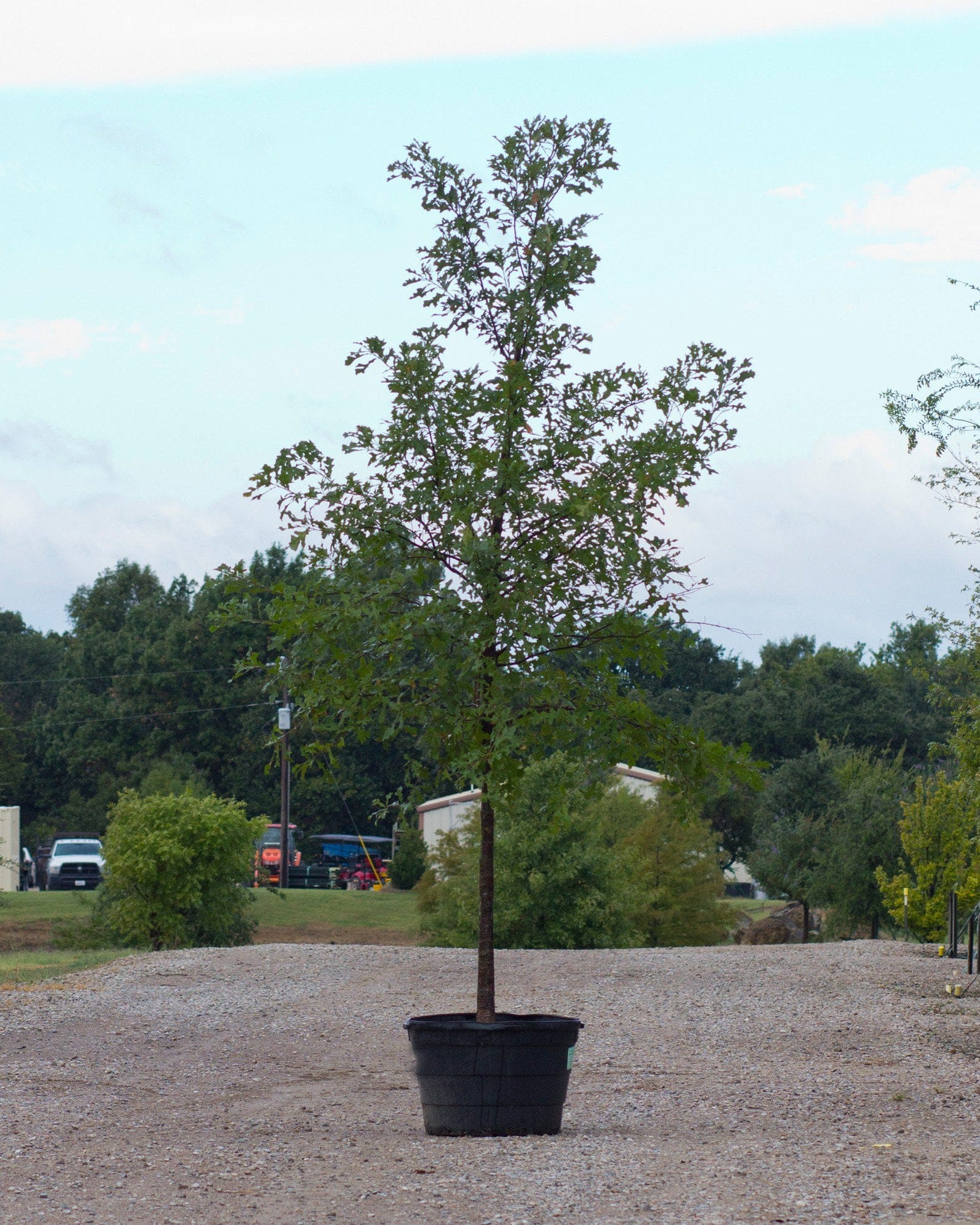
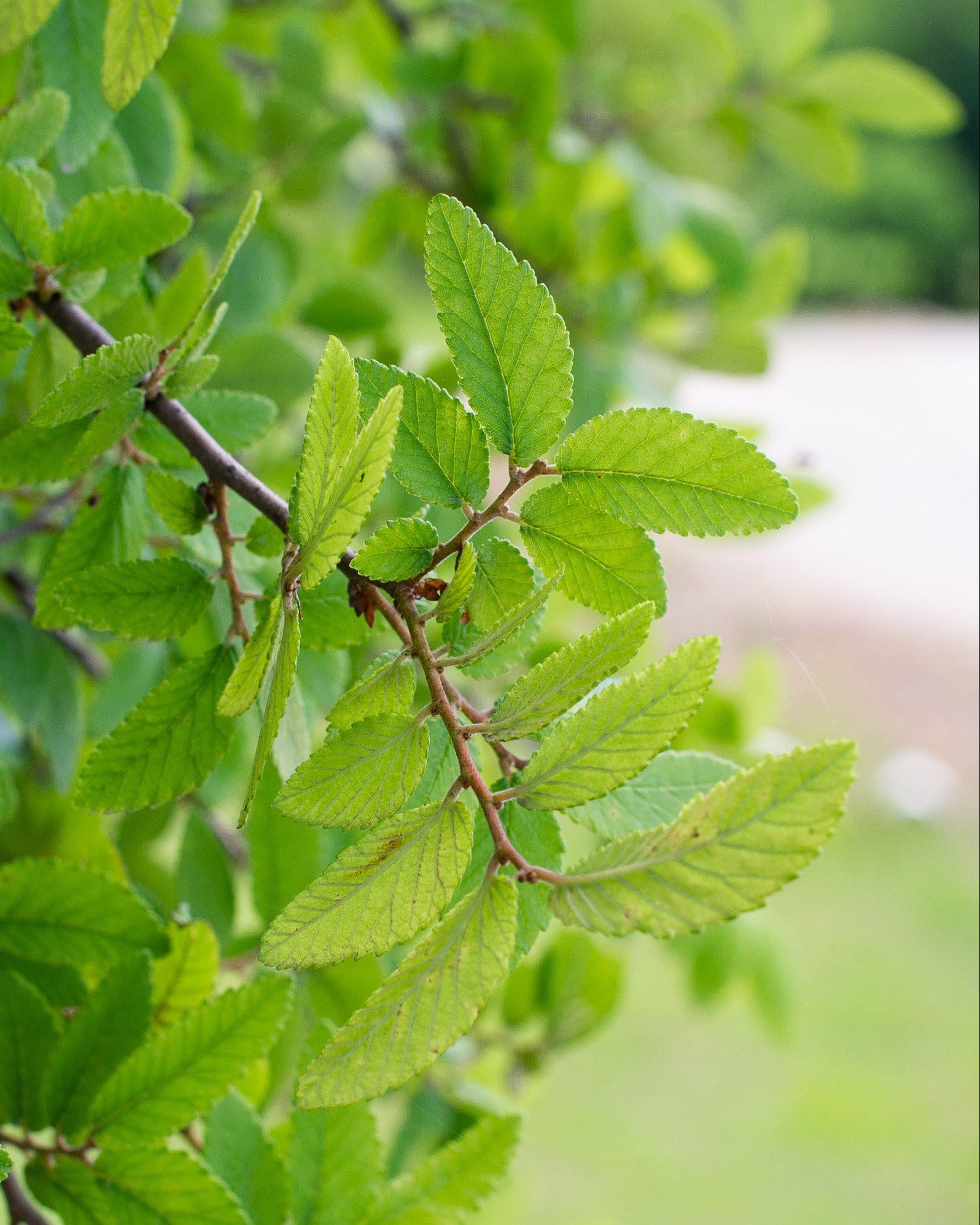
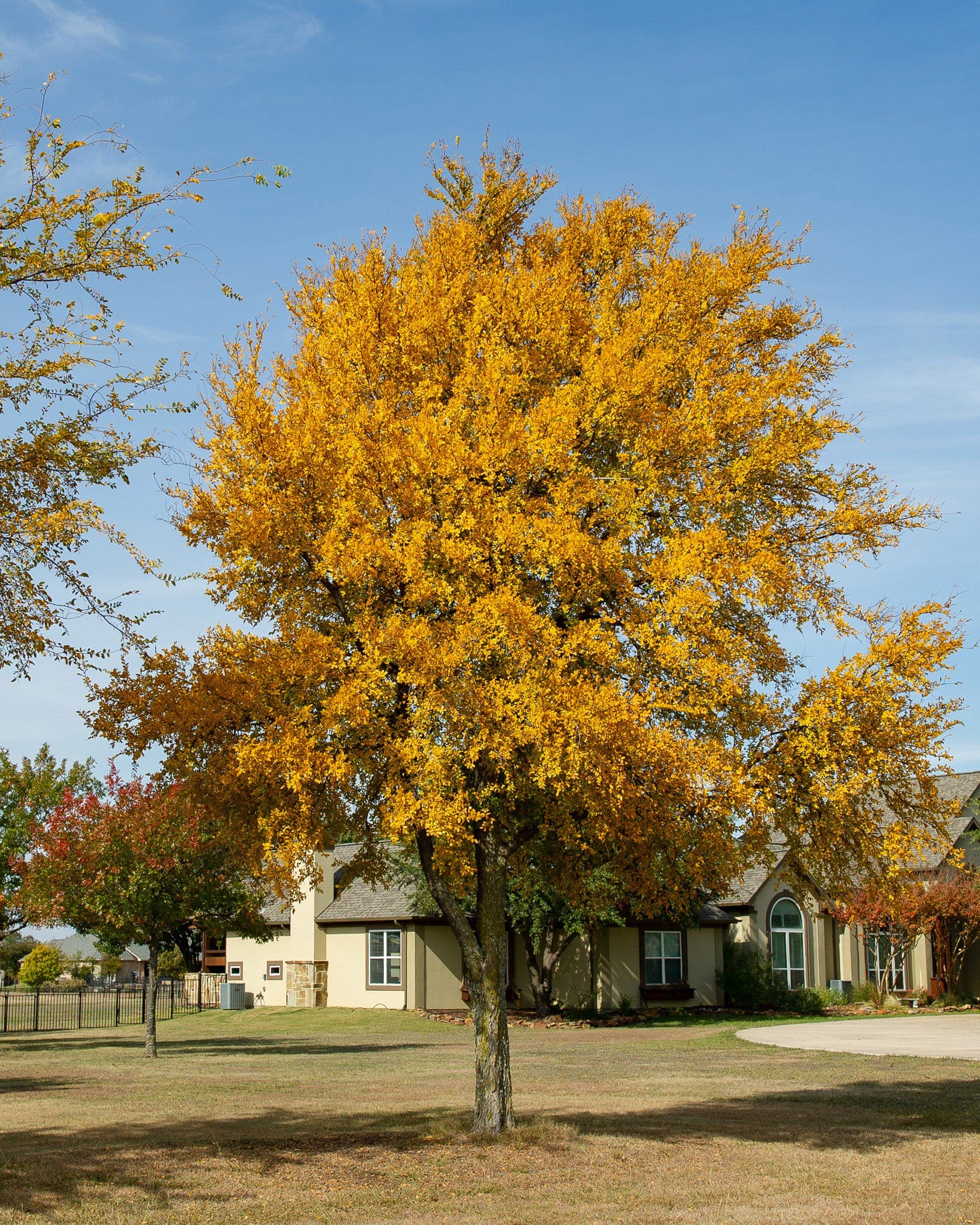
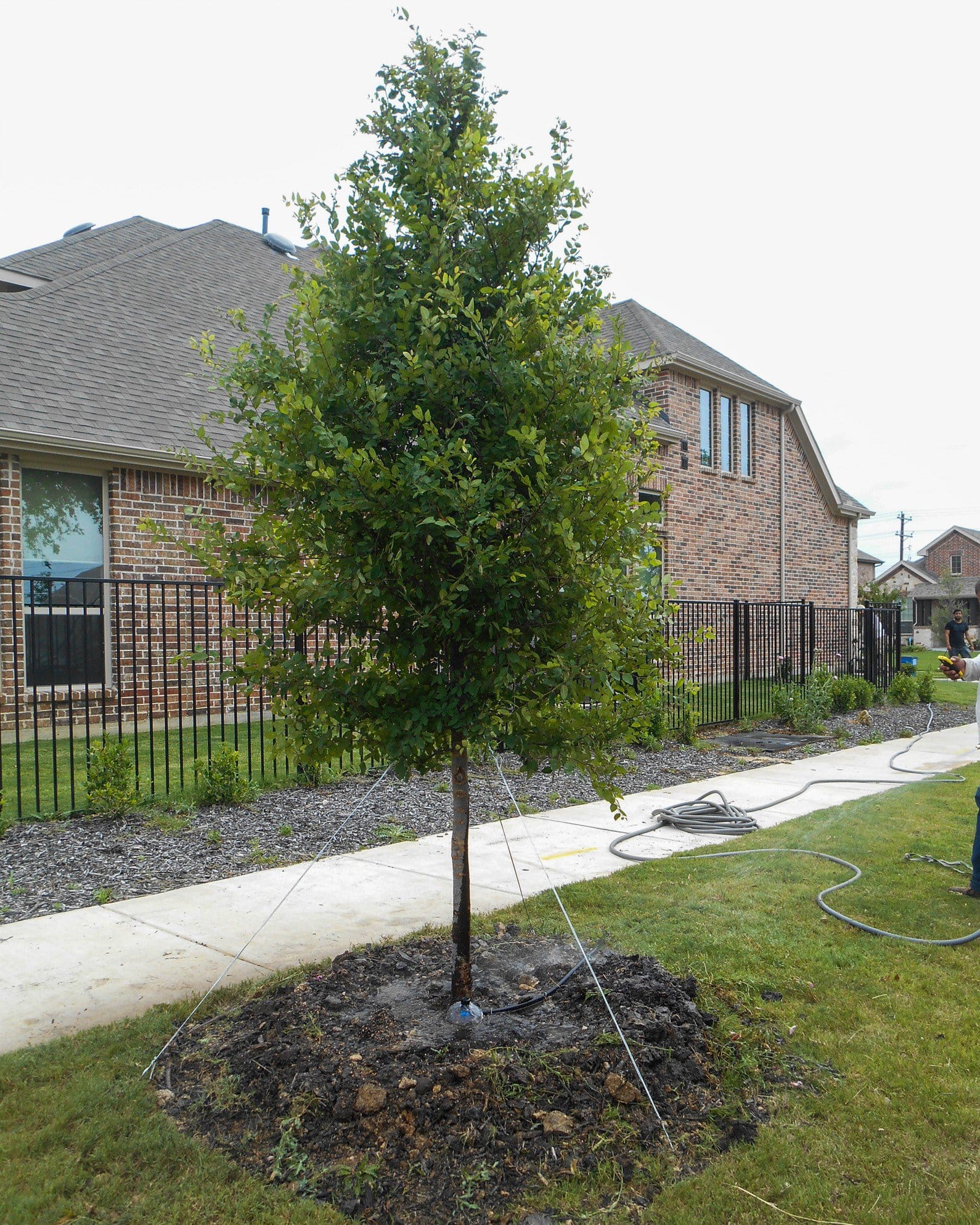
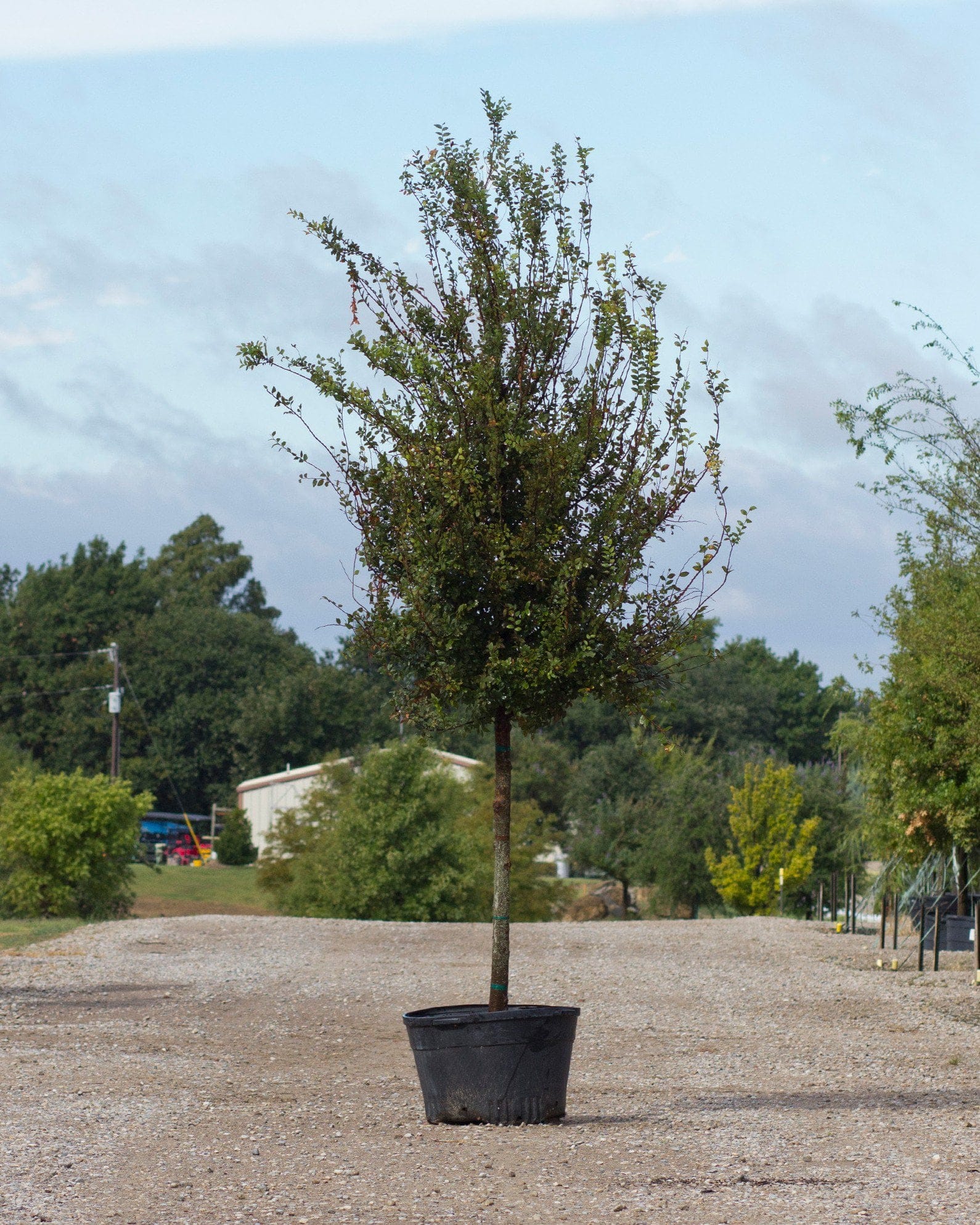
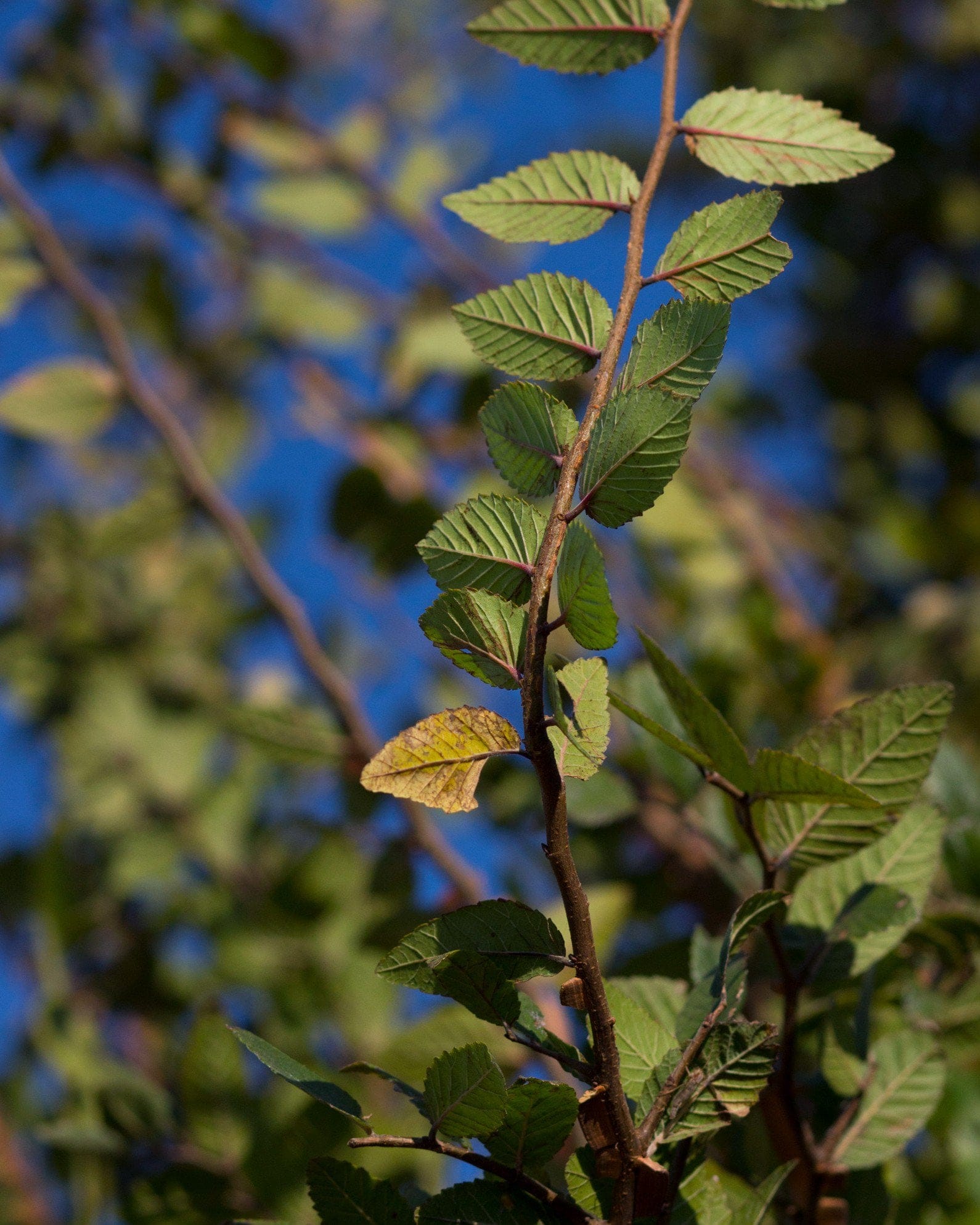
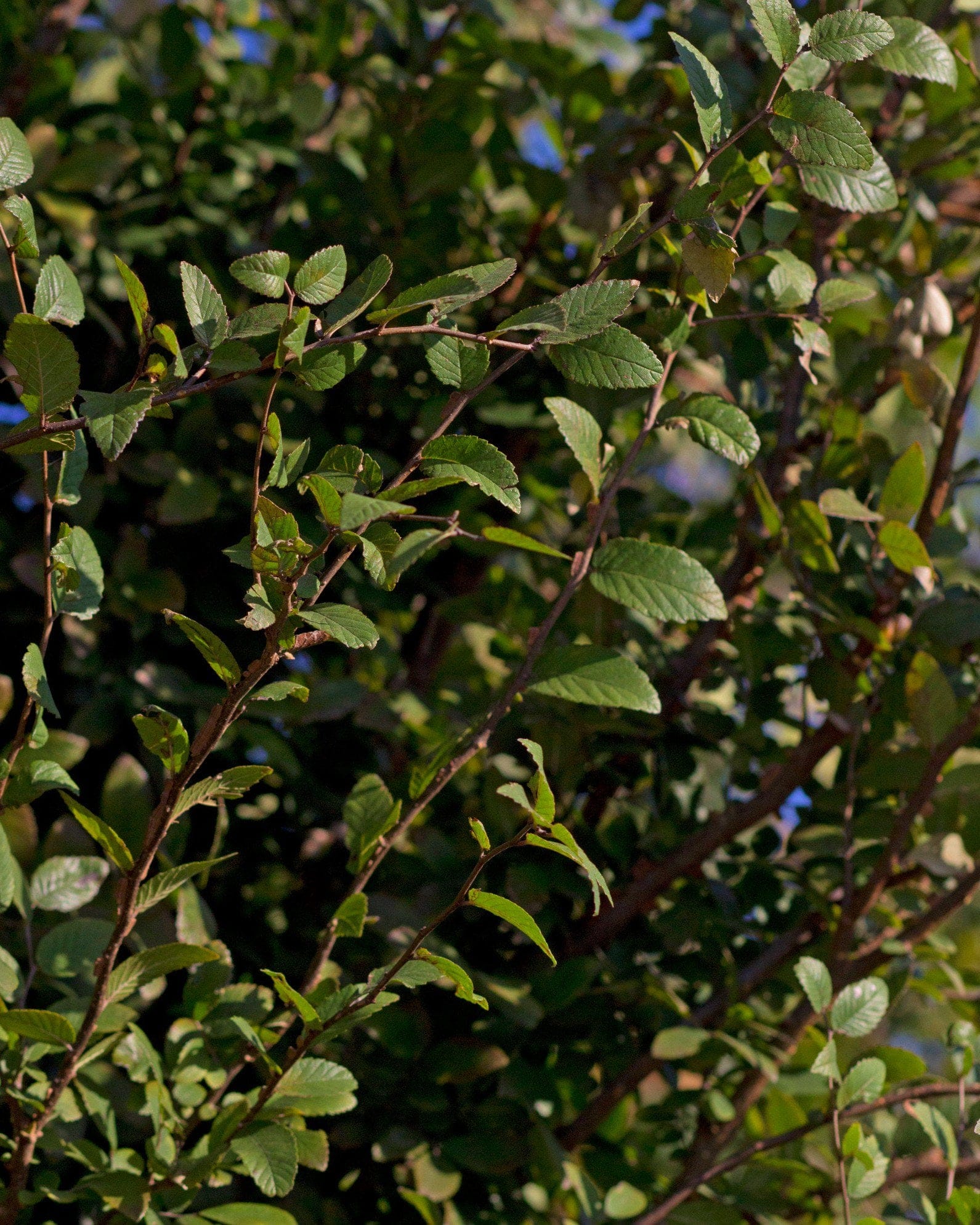
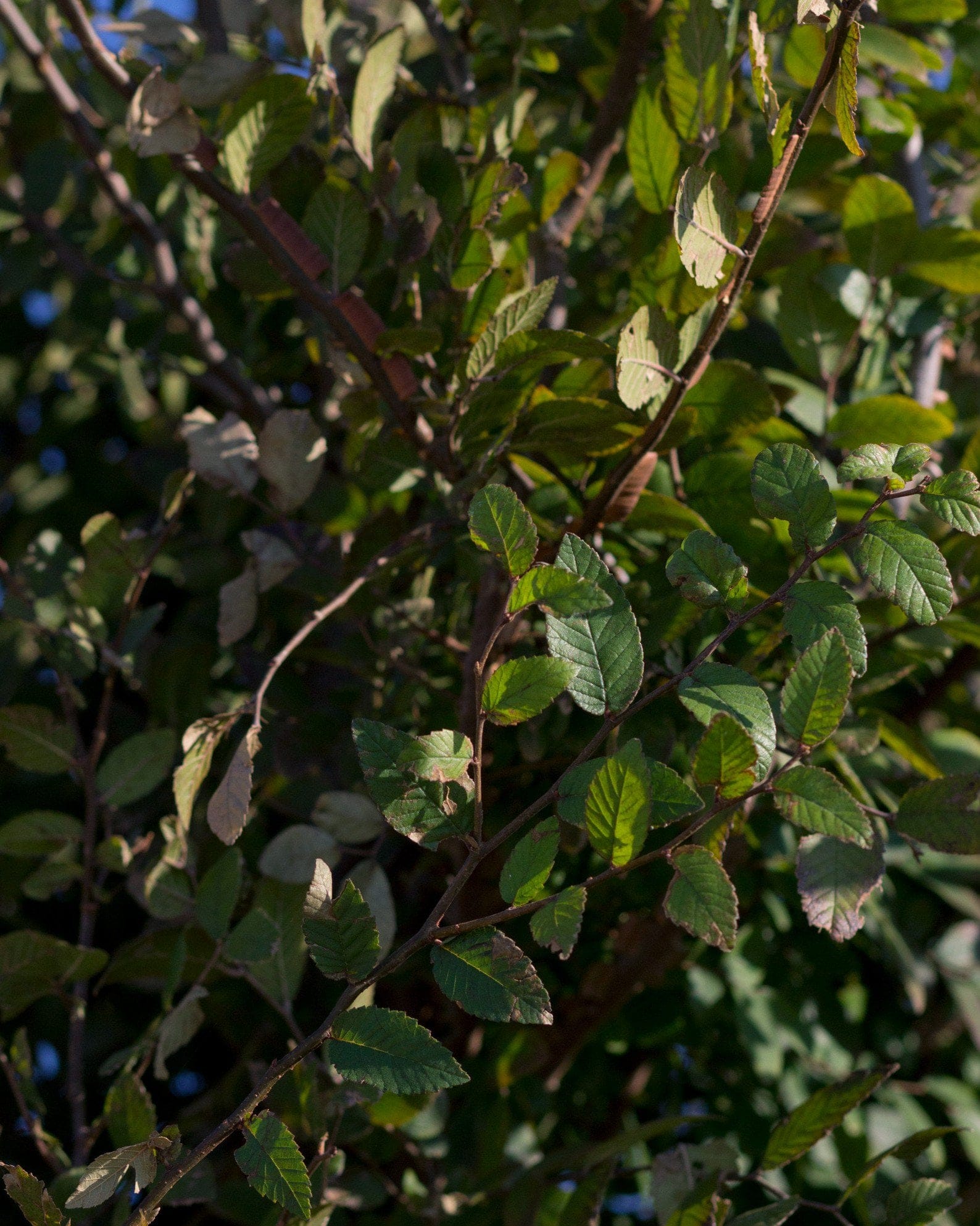
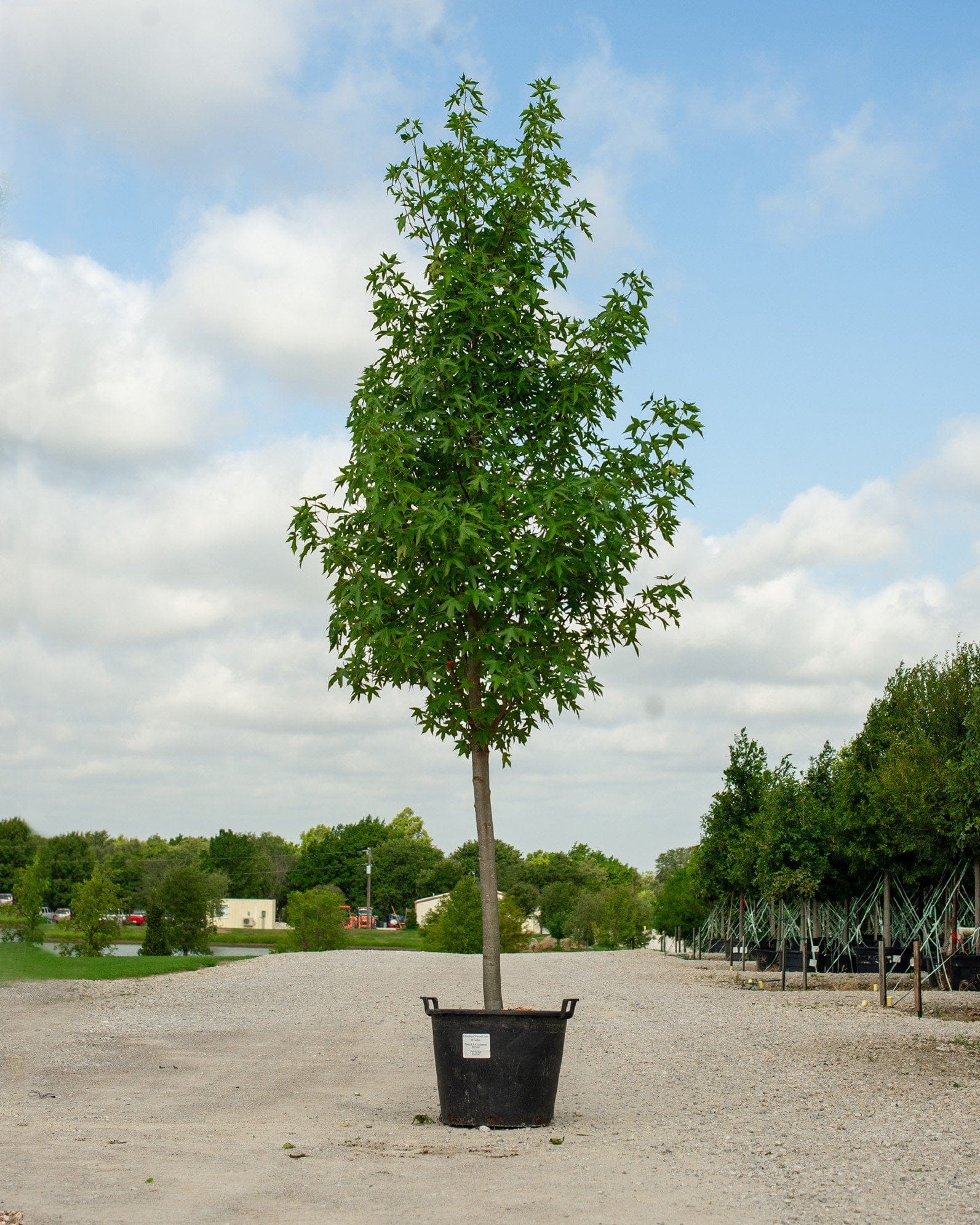
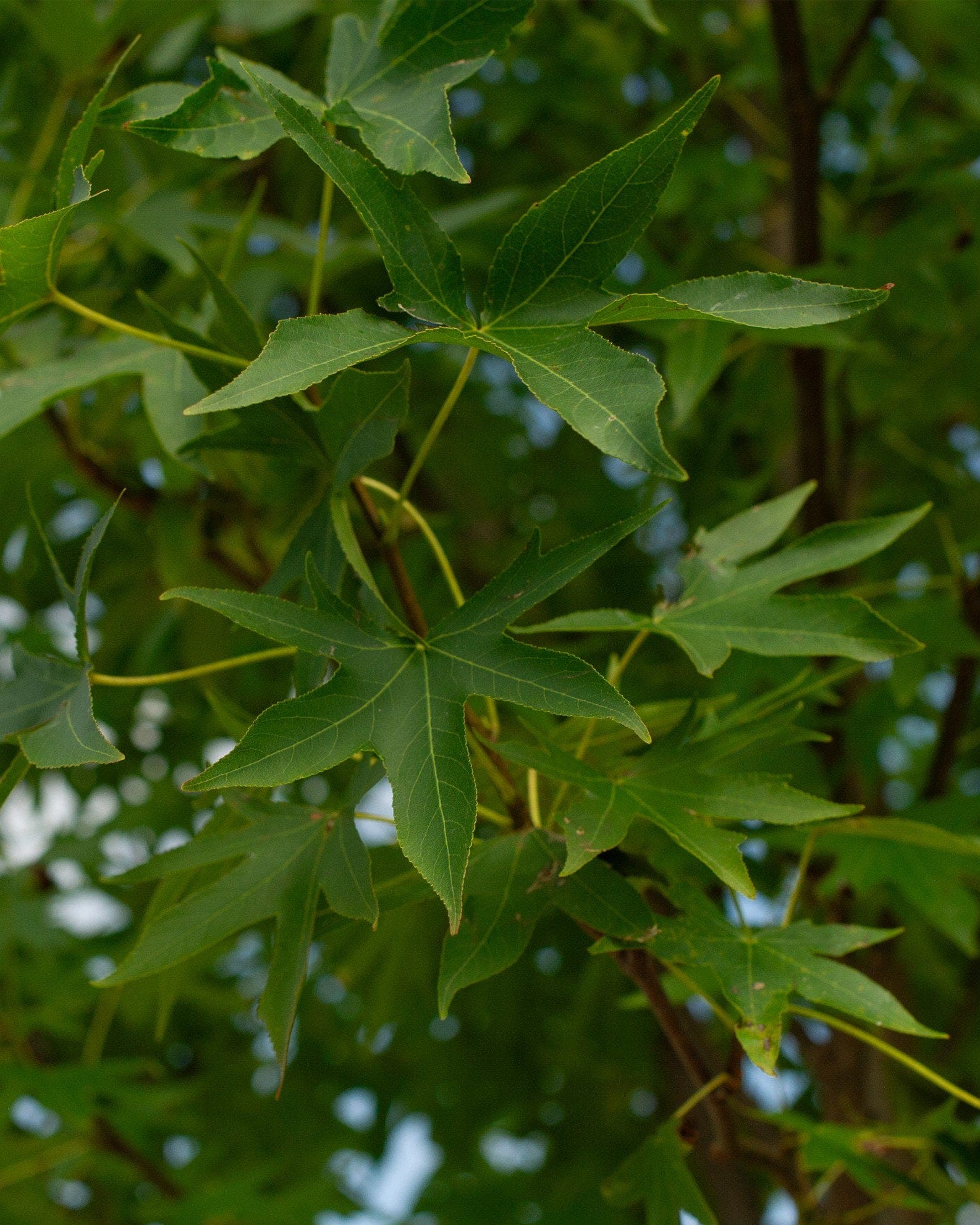
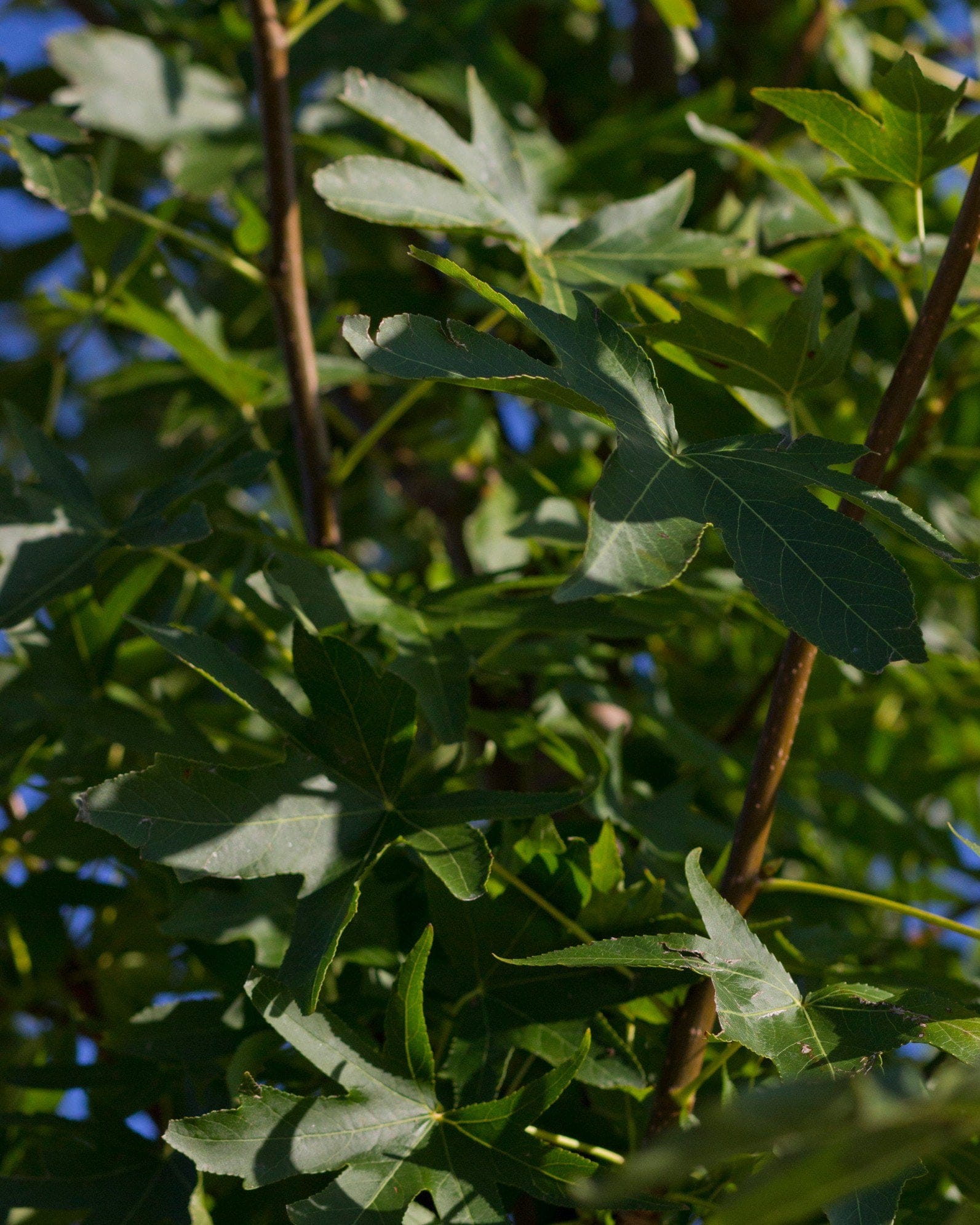
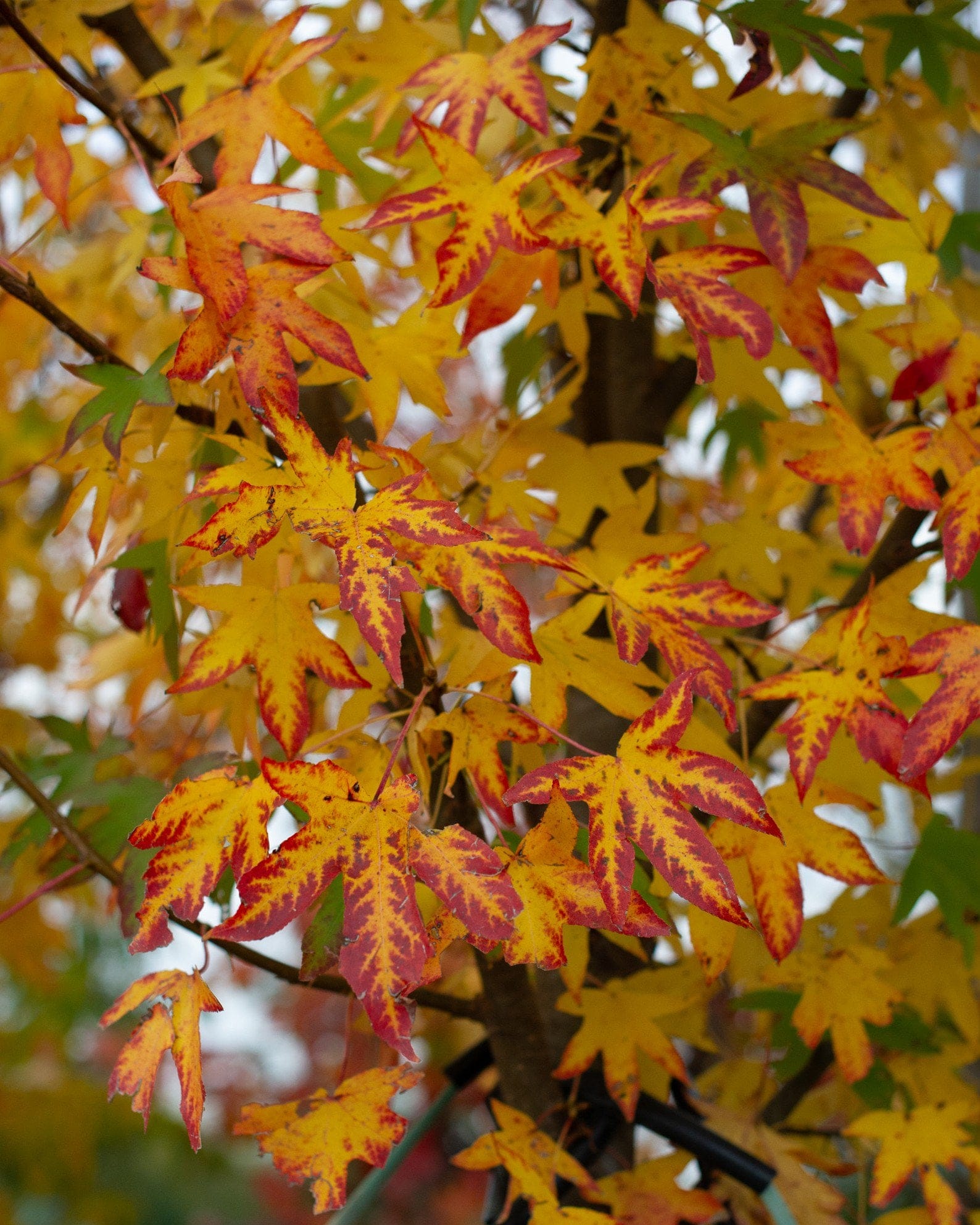
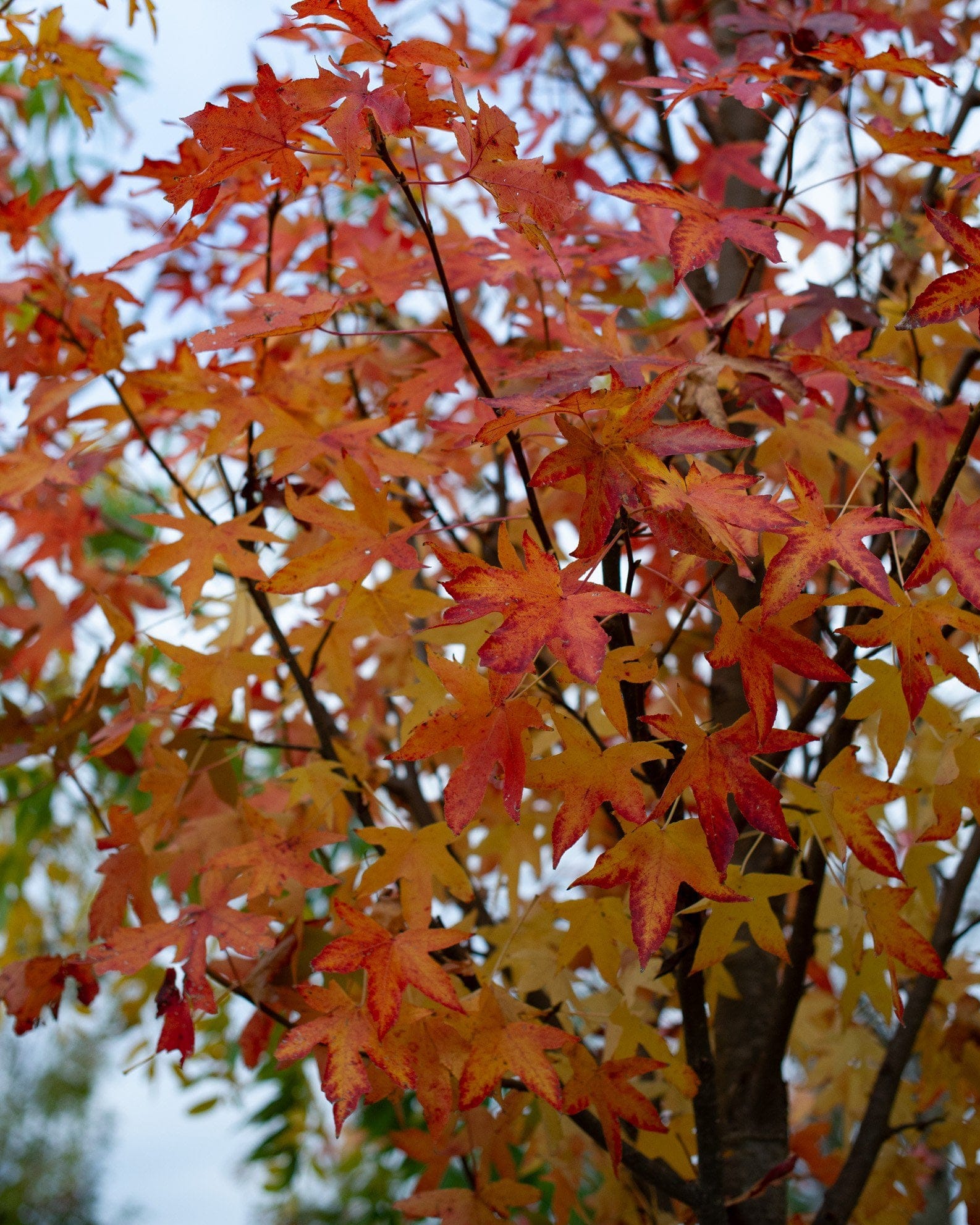
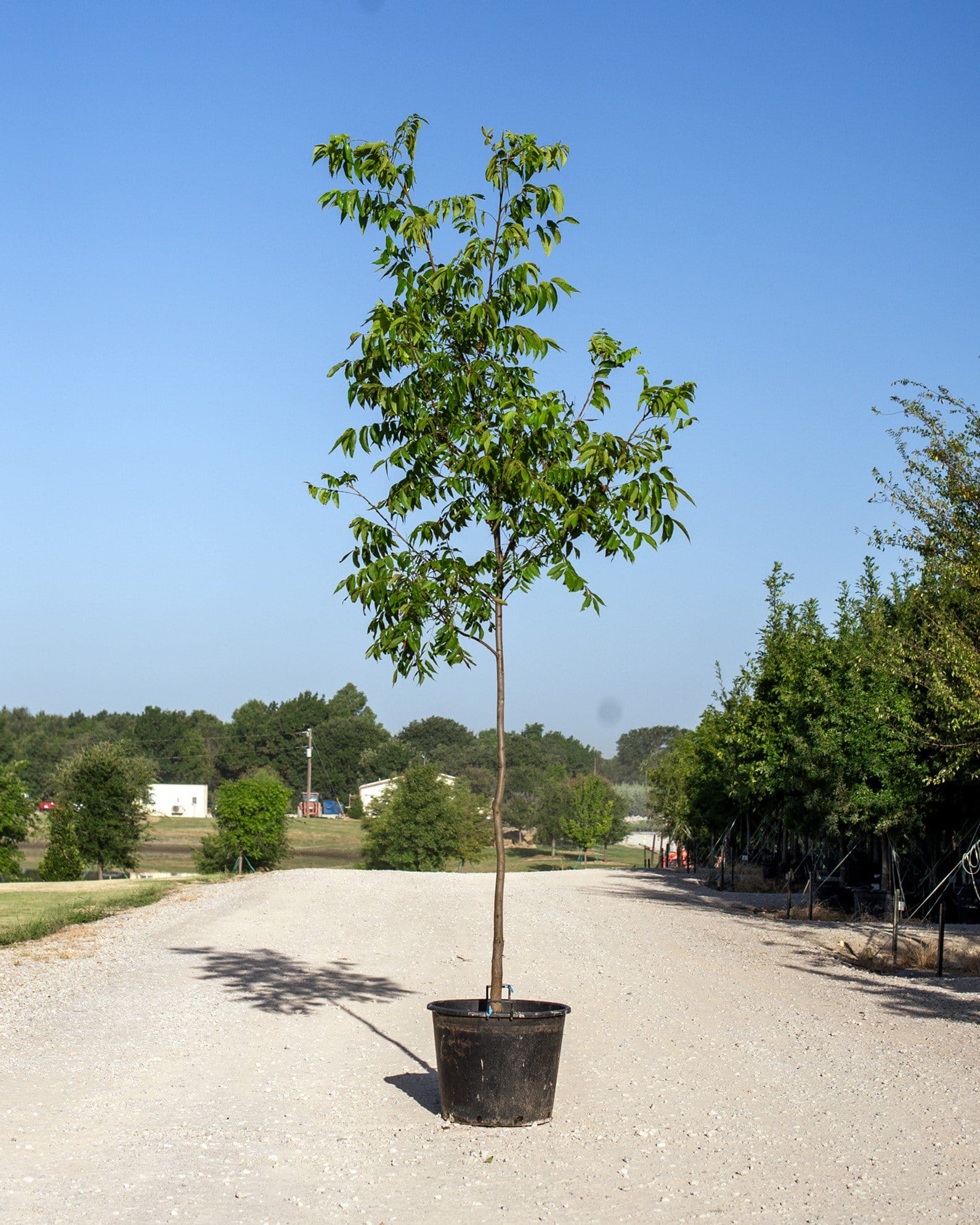
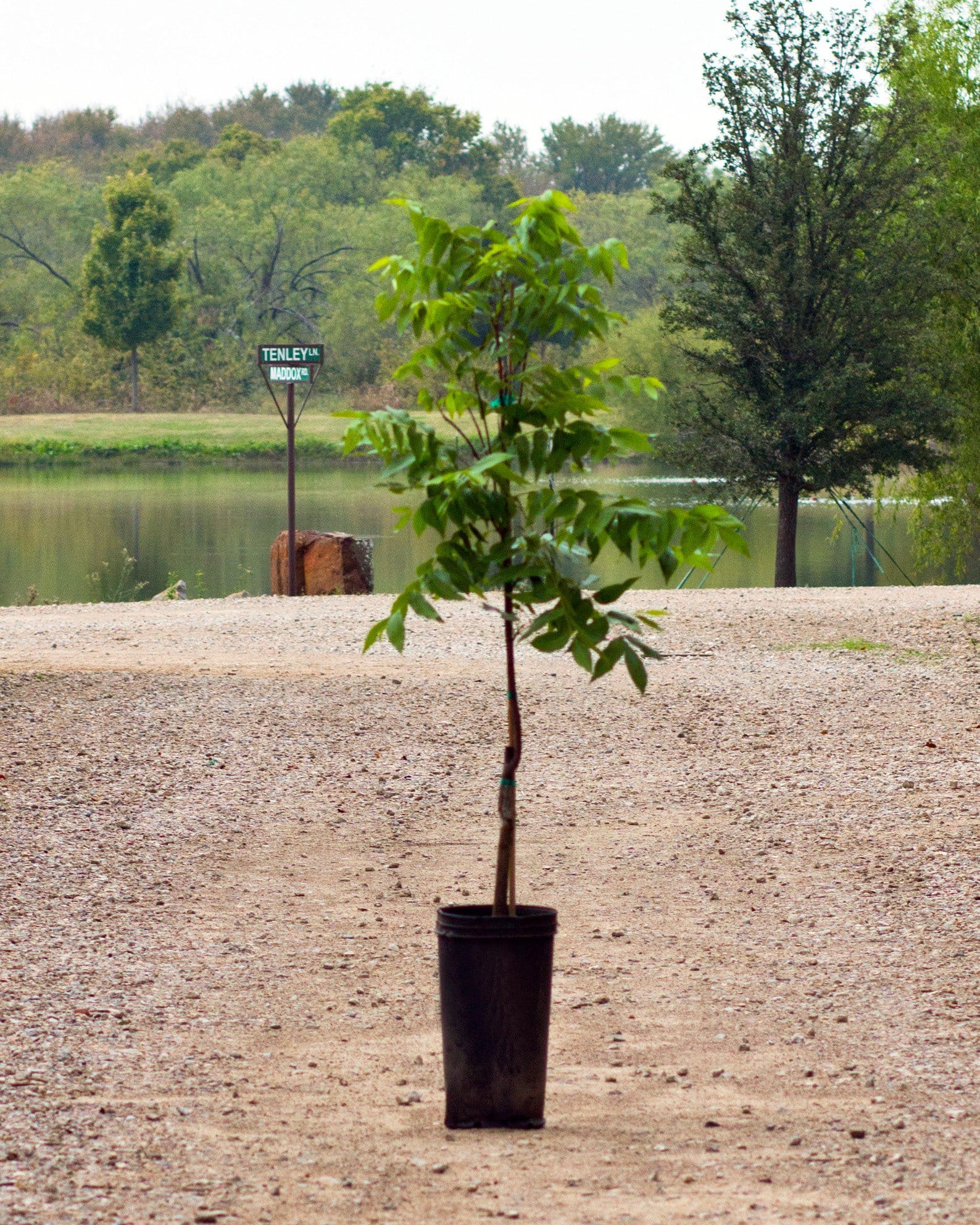
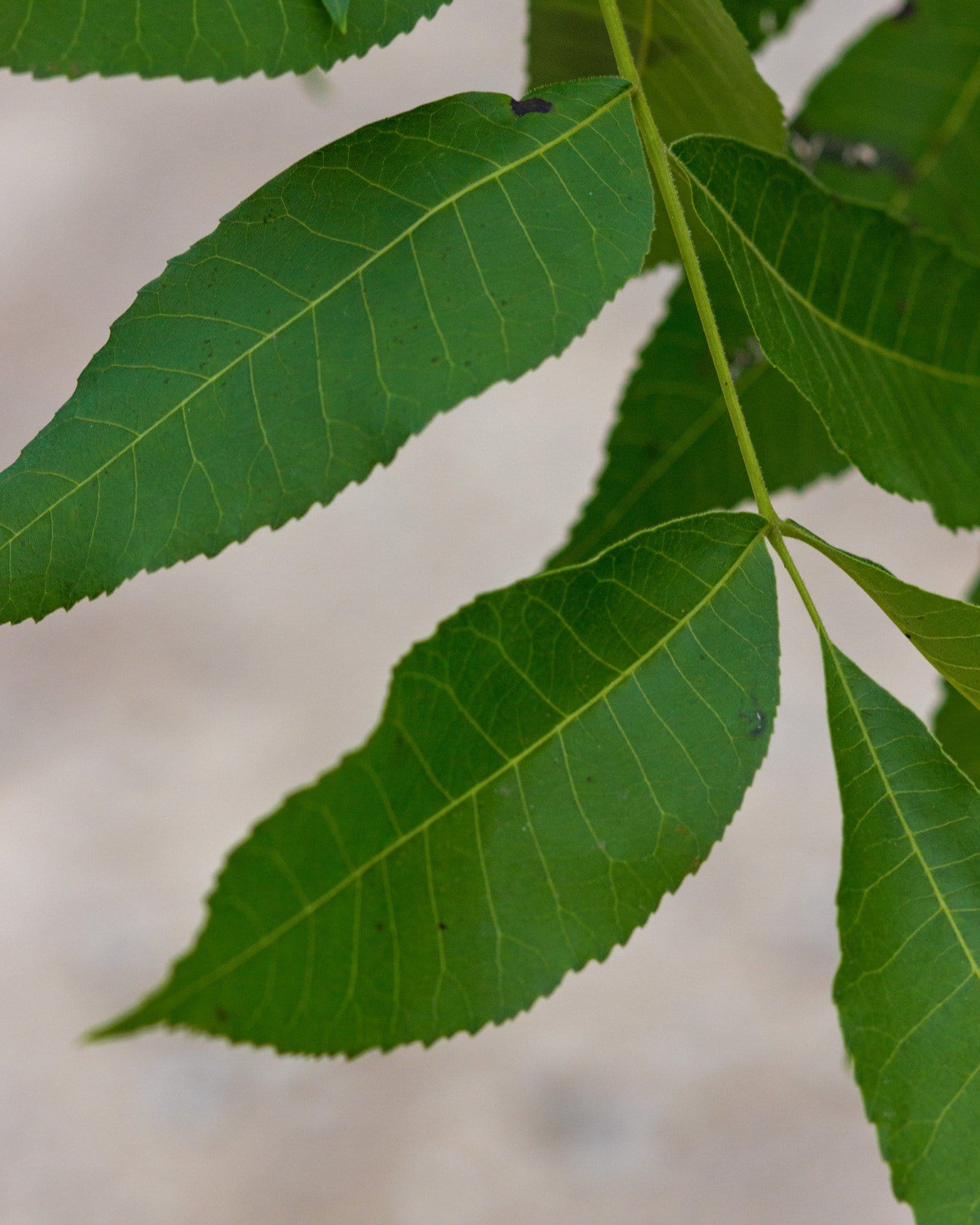
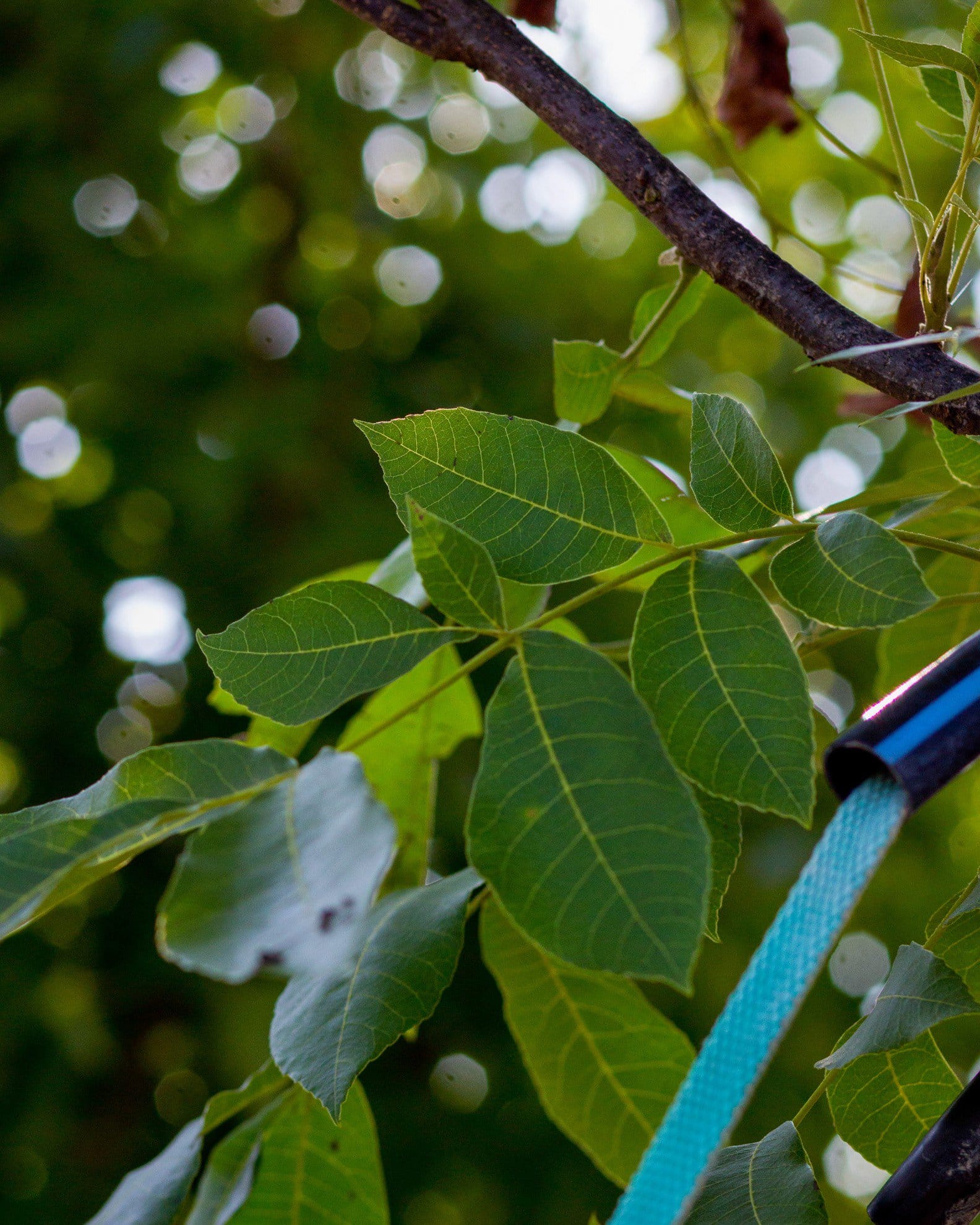
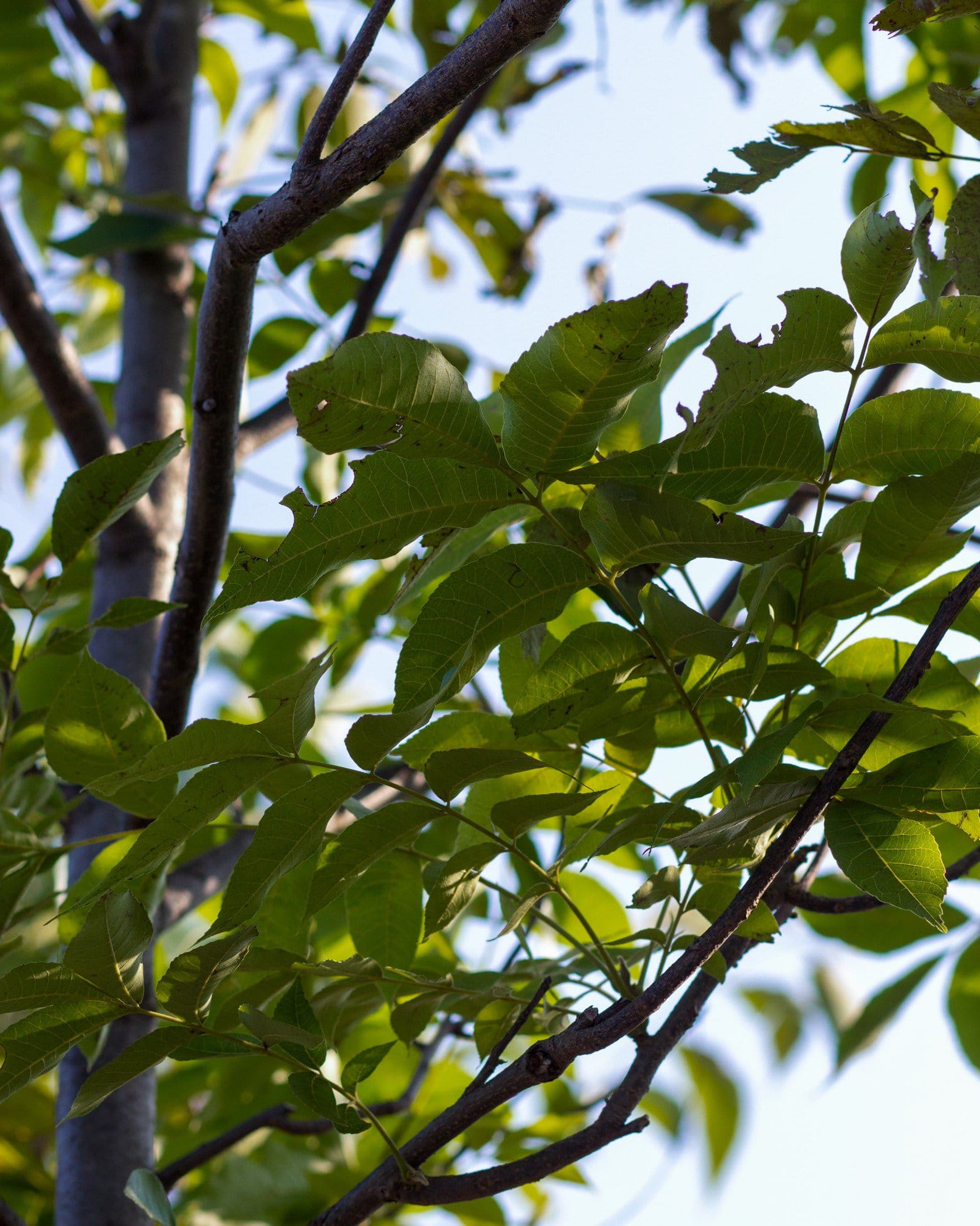
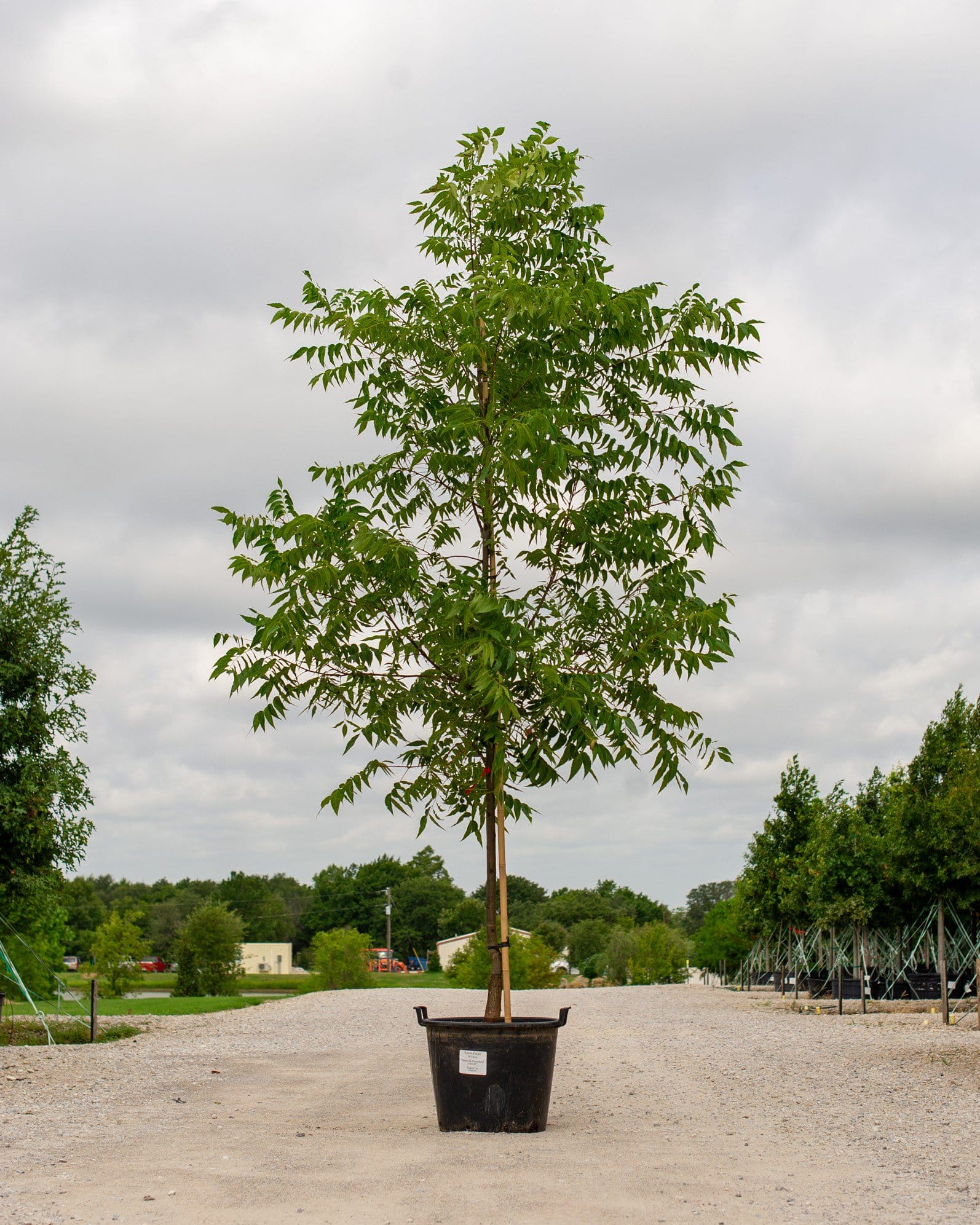
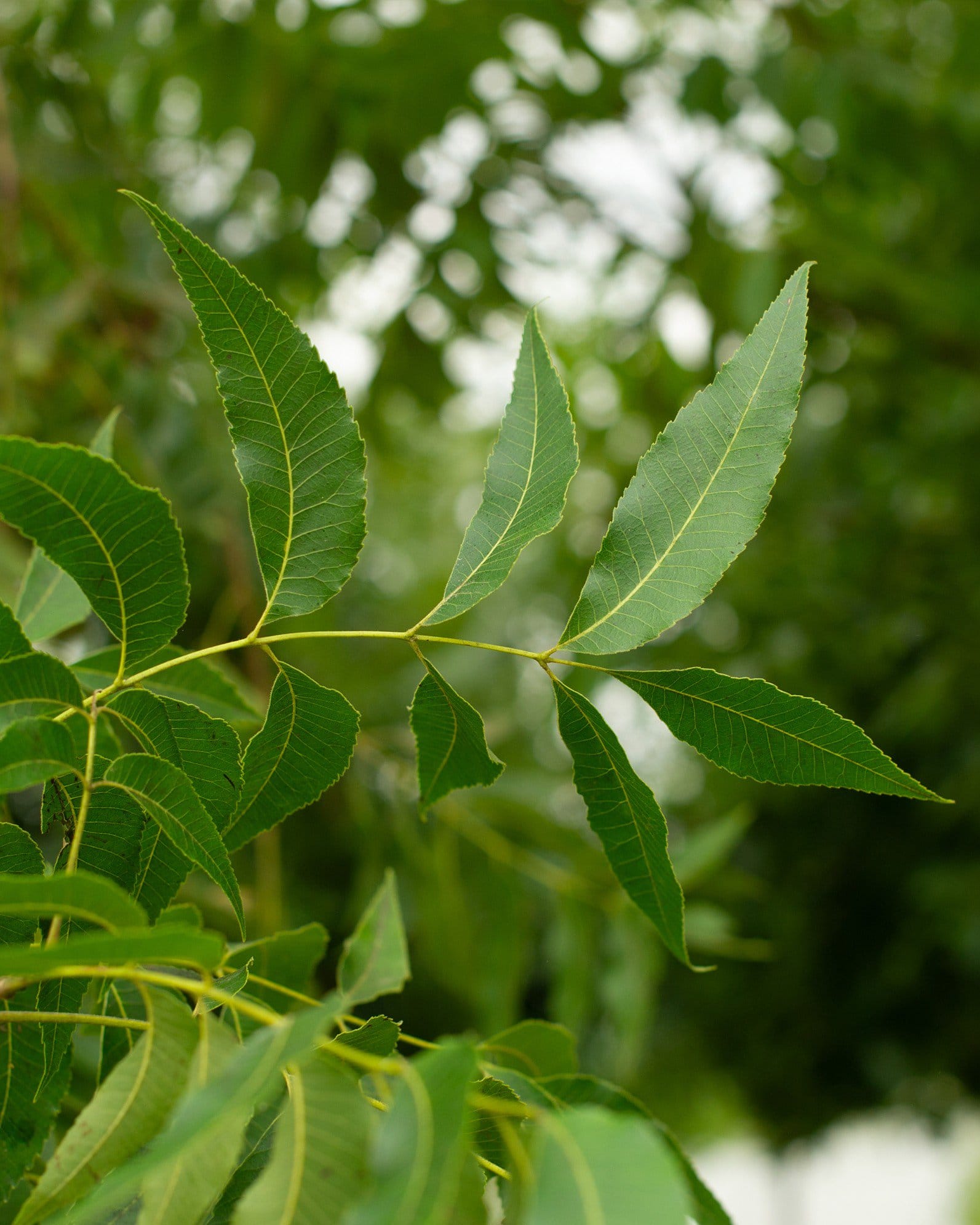
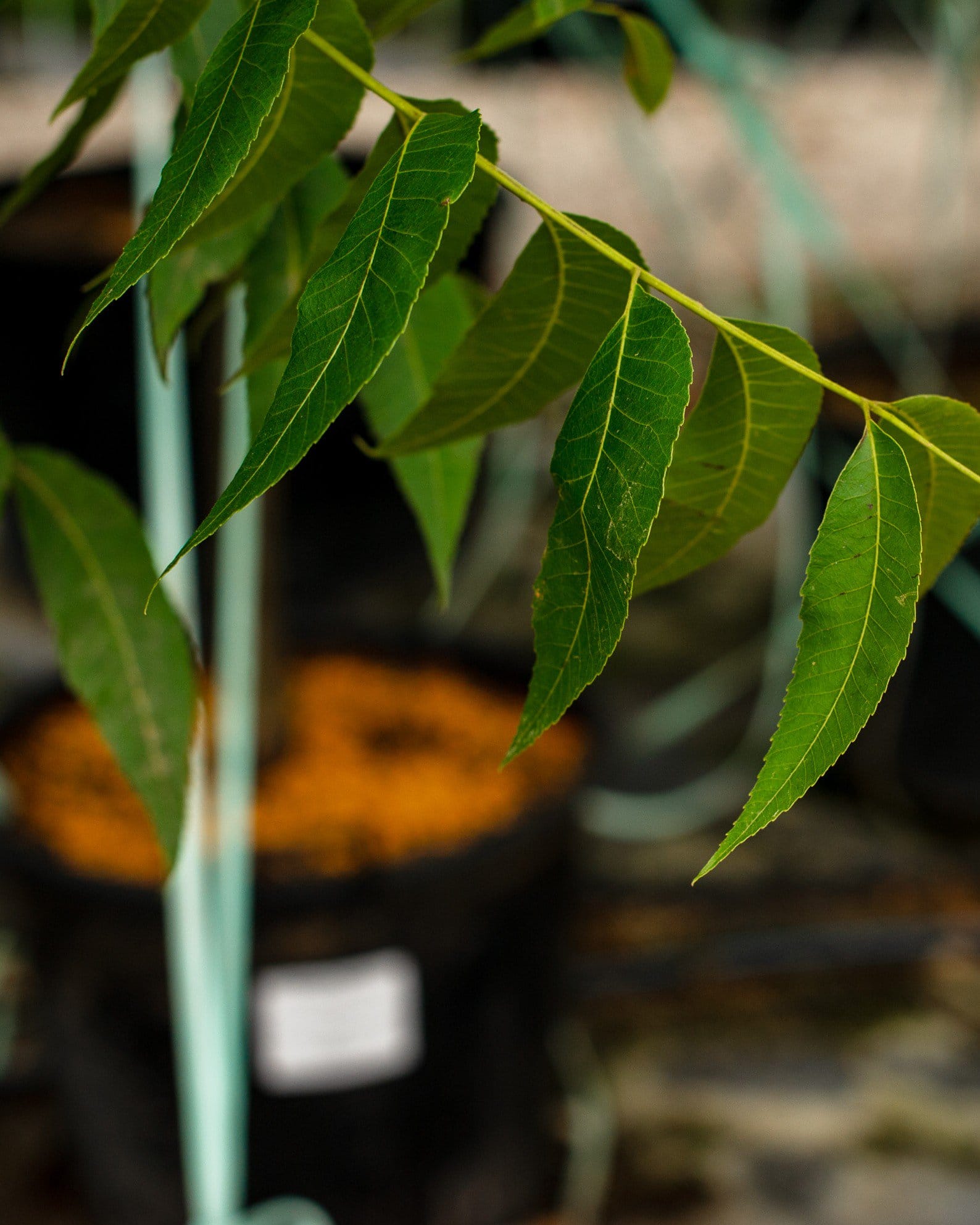
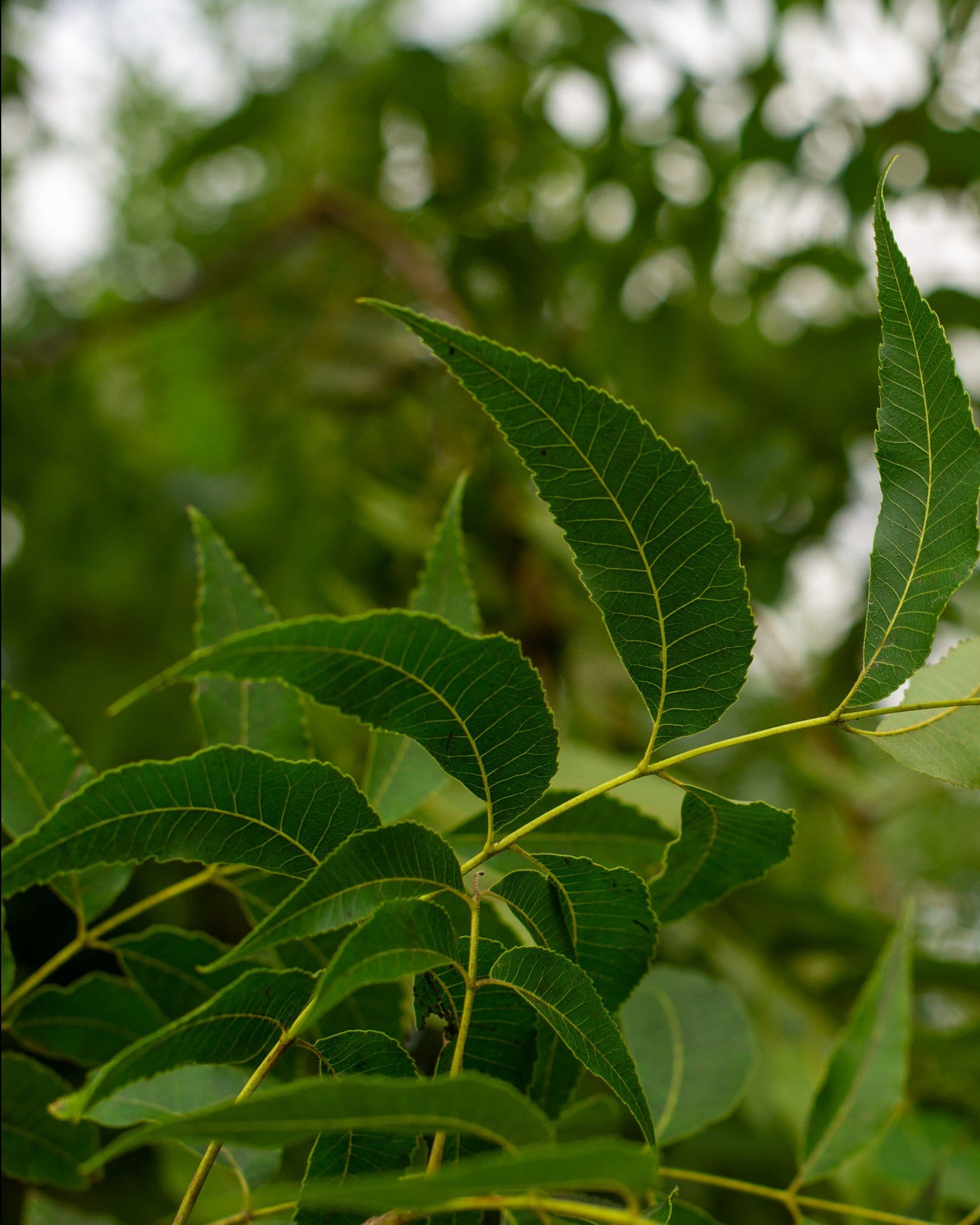
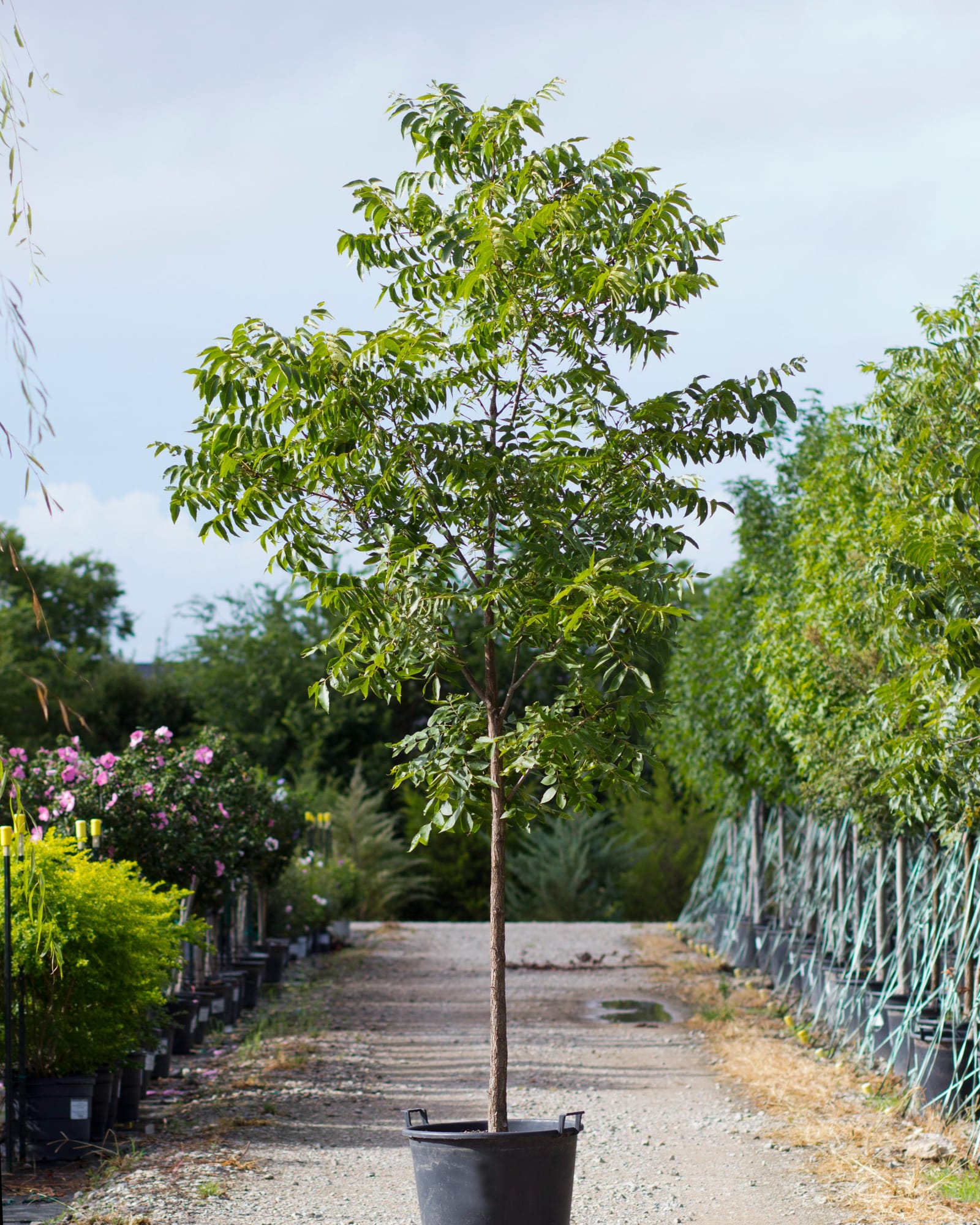
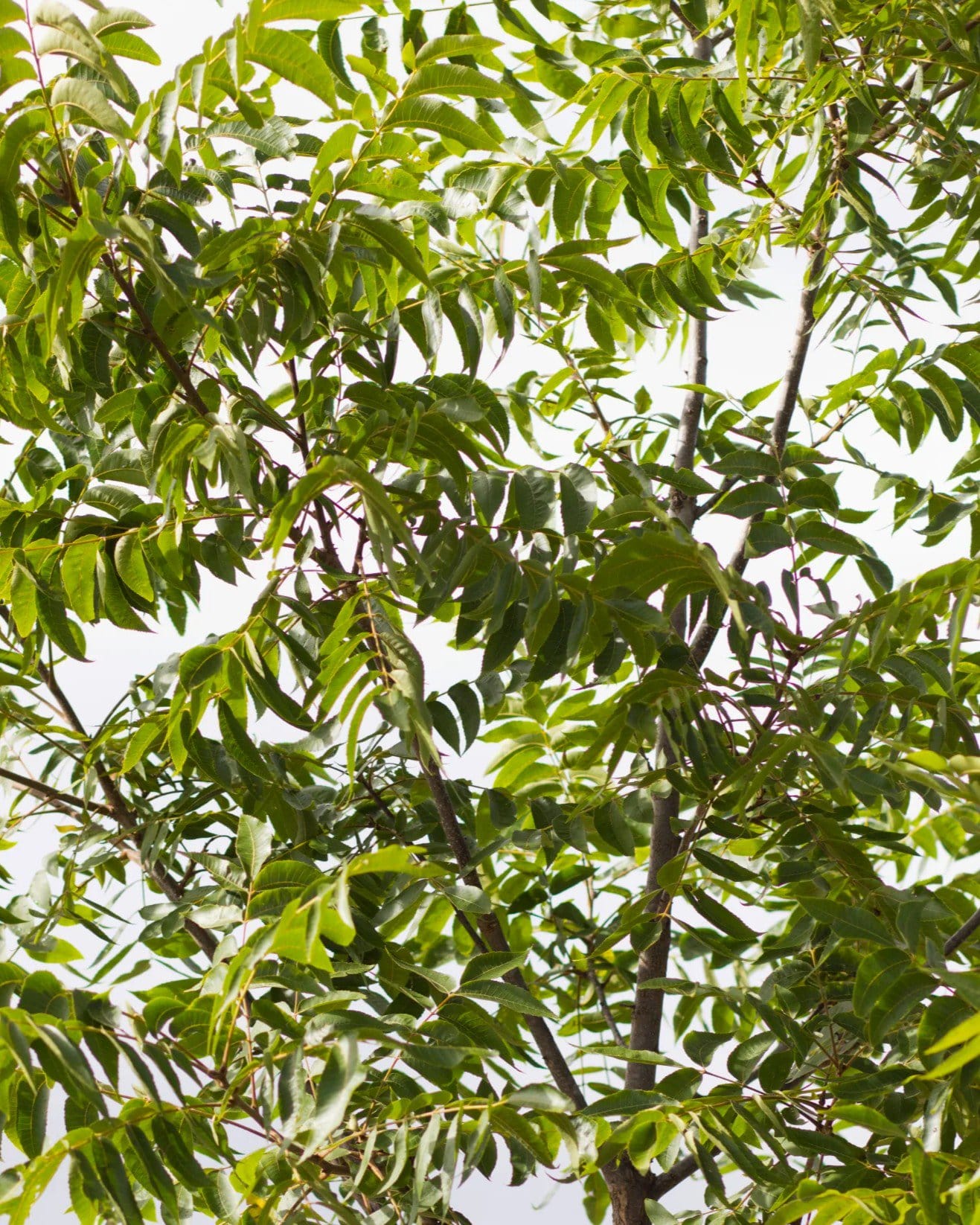
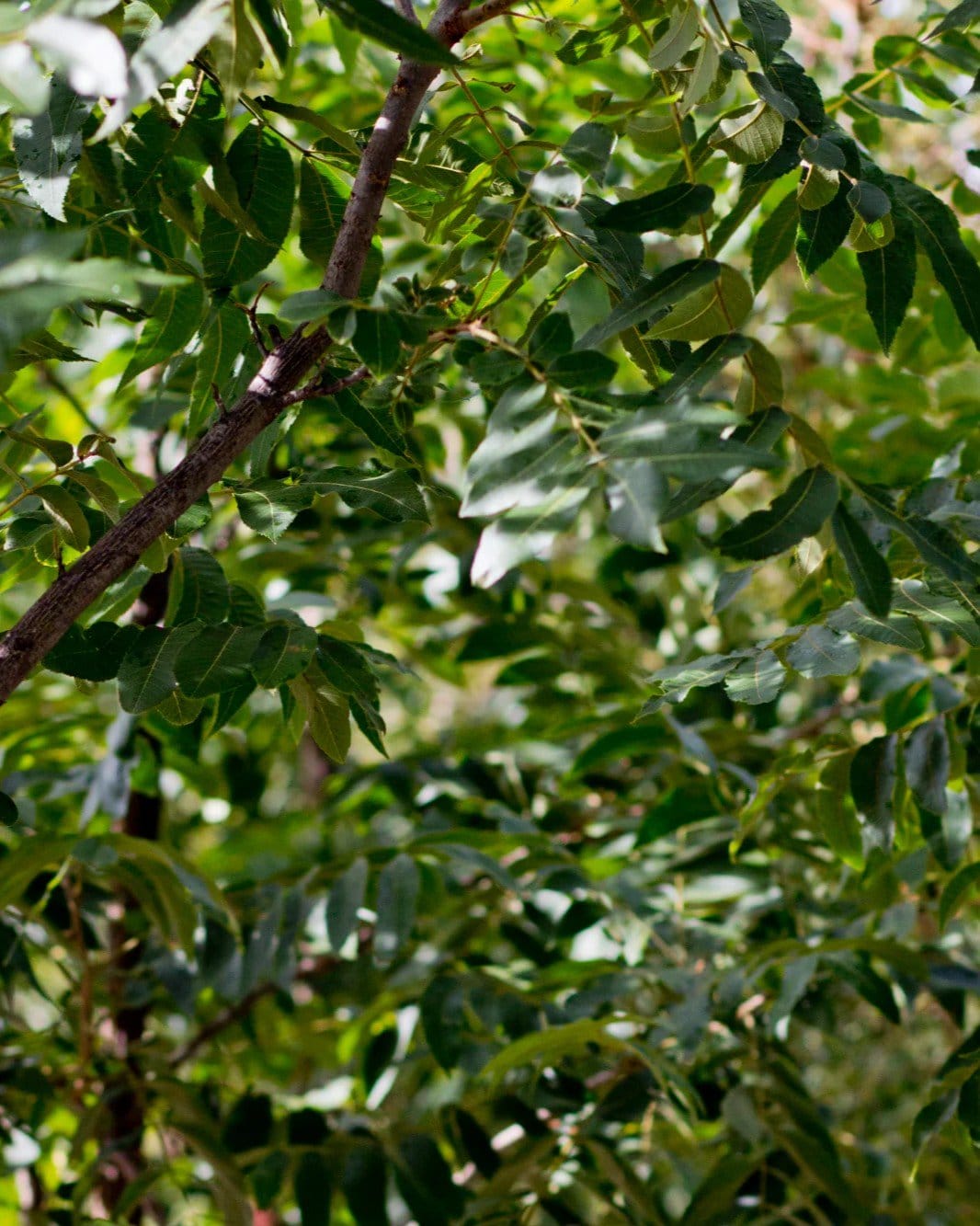
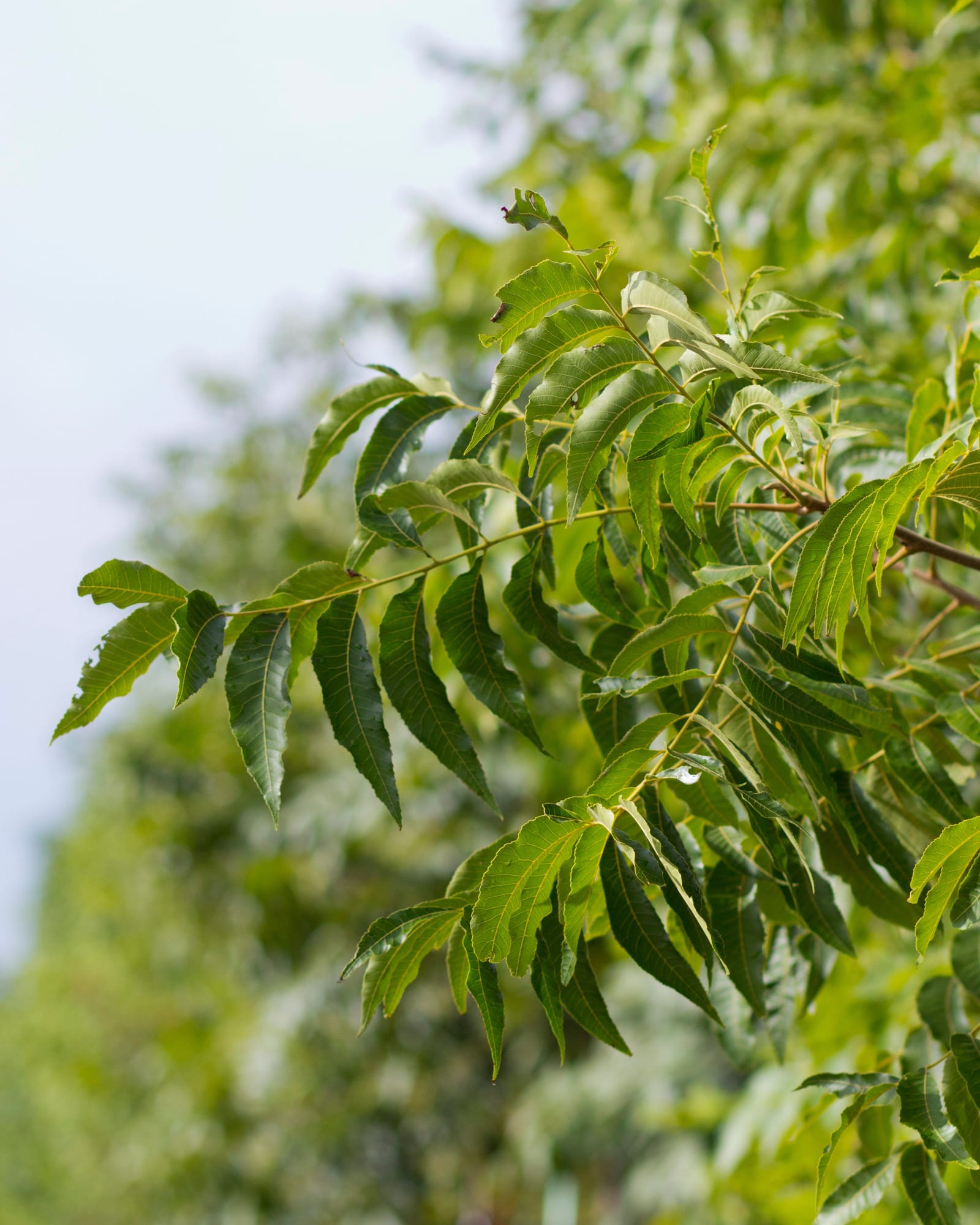
Quercus muehlenbergiiChinquapin Oak features a broad, rounded canopy with dense, glossy green leaves that offer vibrant summer shade. Its durable form and moderate growth rate make it a reliable and attractive addition to expansive outdoor spaces. This oak’s natural structure helps create inviting areas for relaxation or accentuate larger landscape designs. Reaching approximately 50 feet tall and 40 feet wide at maturity, Chinquapin Oak provides ample coverage without overwhelming its surroundings. Its adaptability to various soil types and conditions adds to its appeal in diverse landscapes.
- A deciduous tree
- Rounded crown with dense green foliage
- Deciduous tree offering significant shade
- Moderate growth rate, reaching 50 feet tall and 40 feet wide
- Ideal for large landscapes and flower beds
Hardy in zones 5–9, Chinquapin Oak thrives in full sun and well-drained soil, delivering reliable performance and classic beauty through all seasons.
Maintenance
Chinquapin Oak is one of top choices for Texas landscapes due to its beauty and easy going nature. Here’s how to help it grow beautifully:
- Watering: Water deeply and regularly during the first several years to encourage a strong root system and stable growth. Once established, Chinquapin Oak becomes drought-tolerant and requires supplemental water only during extended drought. Avoid shallow, frequent watering.
- Pruning: Prune in late winter while the tree is dormant to remove dead, crossing, or weak branches. Structural pruning when the tree is young helps create a balanced canopy and strong branch angles. Mature trees require minimal pruning except for safety or storm damage.
- Fertilizing: Most Chinquapin Oaks need little to no fertilizer once established, as they naturally thrive in rocky or alkaline soils. If growth is slow or foliage appears pale, apply a balanced, slow-release fertilizer in early spring. Avoid overfertilizing.
- Mulching: Spread a wide, 3-inch layer of mulch around the base to conserve moisture and reduce competition from turfgrass. Expand the mulch ring as the tree grows to protect the extensive feeder-root system. Keep mulch several inches away from the trunk to prevent rot.
- Winter Care: Chinquapin Oak is very cold-hardy and typically requires no special winter protection. Young trees may benefit from a seasonal trunk wrap in harsh climates to prevent sunscald. Remove wraps in early spring to discourage moisture buildup.
Common Issues and How to Take Care of Them
Chinquapin Oak is one of the toughest Texas natives, though a few issues can appear under stress or in overly wet seasons:
- Powdery Mildew: A white, powdery coating appears on leaves in shaded, humid areas. Improve air circulation and avoid wetting leaves to keep foliage healthy.
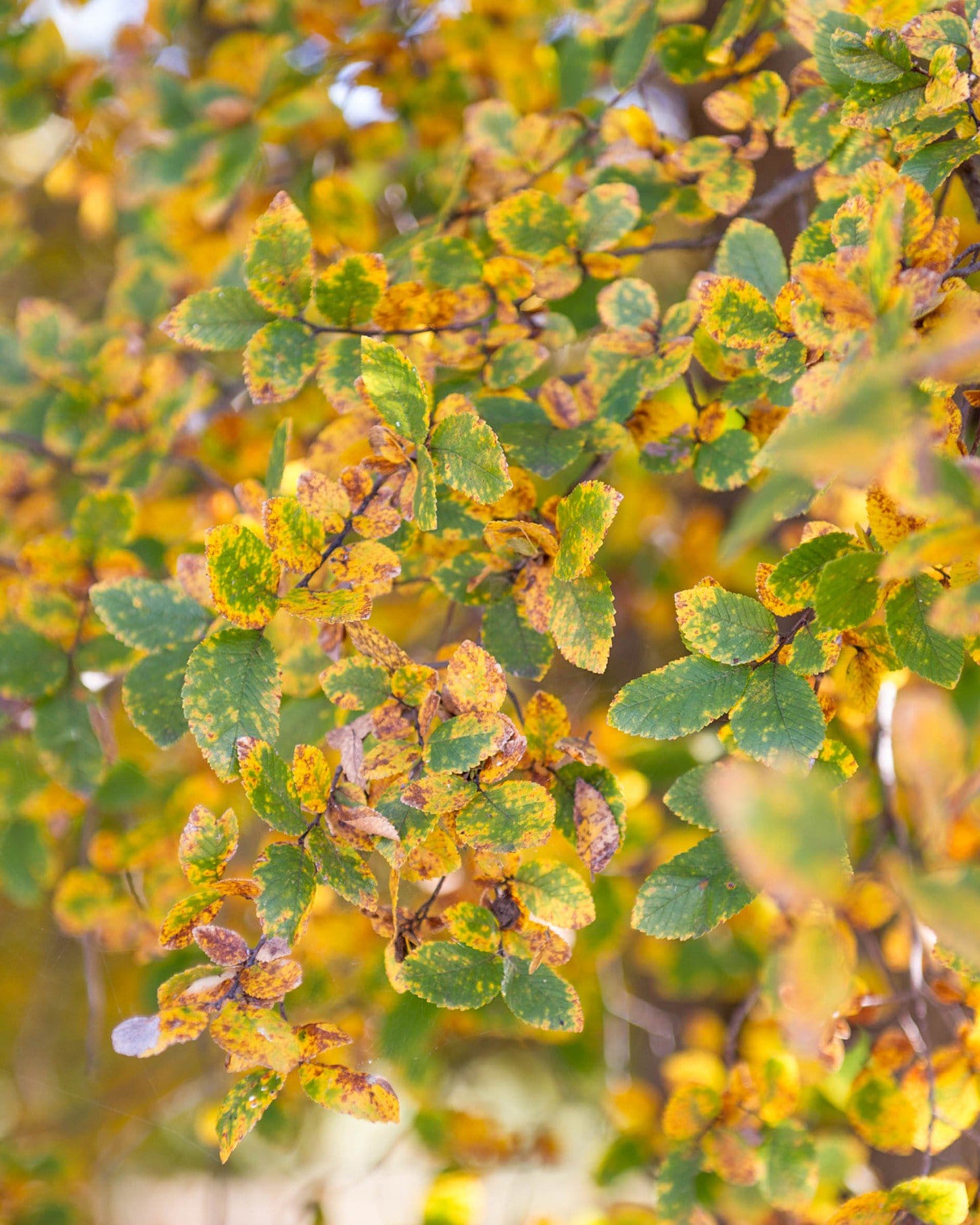
- Tubakia (Fungal Leaf Spot): Brown spots may appear in late spring or summer, which occurs during really rainy periods. This is nothing to be concerned about. All Oaks, Maples and Elms will get Tubakia to varying degrees and it will not hurt your tree in any way. If you were to spray for Tubakia then it wouldn’t cause the spots to go away. They will remain on the leaf until the leaves fall off and once the new set of leaves are produced they will look normal again.
- Spider Mites: Tiny pests that can cause foliage discoloration during hot, dry weather. Rinse foliage with water or use insecticidal soap if infestations persist. Encouraging beneficial insects, like ladybugs, can also help keep mite populations under control.
- Borers: Small holes in the bark and sawdust-like frass indicate borer activity. Maintain tree health with proper watering and avoid trunk injuries to reduce vulnerability.
- Scale Insects: Bumpy, waxy insects attach to stems and feed on sap, causing yellowing leaves. Apply horticultural oil or insecticidal soap to control populations.
- Oak Wilt: Leaves wilt, bronze, or drop prematurely due to a serious fungal disease. Prevent pruning during spring and early summer, sanitize tools, and contact an arborist immediately if symptoms appear.
Chinquapin Oaks are extremely long-lived, often reaching 100-150 years with proper care. Their longevity makes them excellent legacy trees for large properties and parks.
They grow at a moderate rate of 12-24 inches per year, typically reaching a mature canopy form in 30-40 years. Their steady growth ensures durability and long-term structure.
It absolutely does - its sweet-tasting acorns are favored by deer, birds, and many small mammals. The tree also provides excellent nesting sites and shade for wildlife.
Not realistically - its deep root system and eventual size make container growth unsuitable. Planting in the ground allows the tree to develop properly.
Young trees may experience some browsing, but older foliage becomes much less appealing. Early protection ensures a healthy establishment.
It’s best to give it ample space due to its broad canopy and extensive roots. Plant at least 25-30 feet away from structures for long-term success.
Yes - its uniform structure and reliable growth make it great for large groupings, ranch rows, and shade lines along properties. Mass plantings create a stately, cohesive look.
Young specimens transplant fairly well, but older trees can struggle due to their deep roots. Planting early ensures the best long-term establishment.
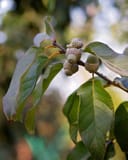
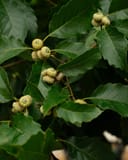
Yes - mature trees produce an abundant acorn crop that feeds wildlife and encourages natural regeneration. Acorn drop typically occurs in late summer or fall.
Very much so - it tolerates pollution, compacted soils, and reflected heat better than many large trees. It performs reliably even in challenging city conditions.
Special Features
You might also like
Compare Similar Plants
Chinquapin Oak This plant | ||
|---|---|---|
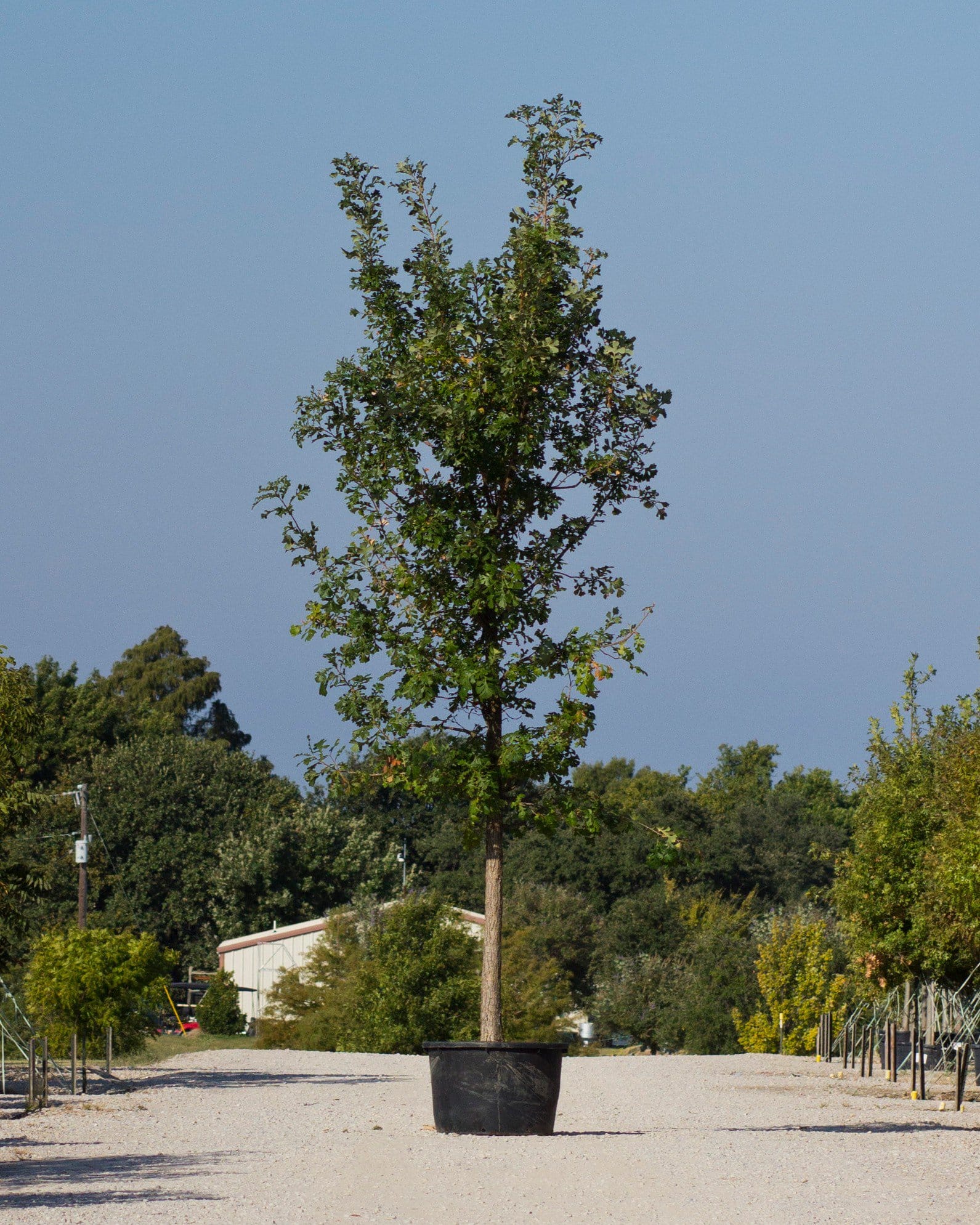
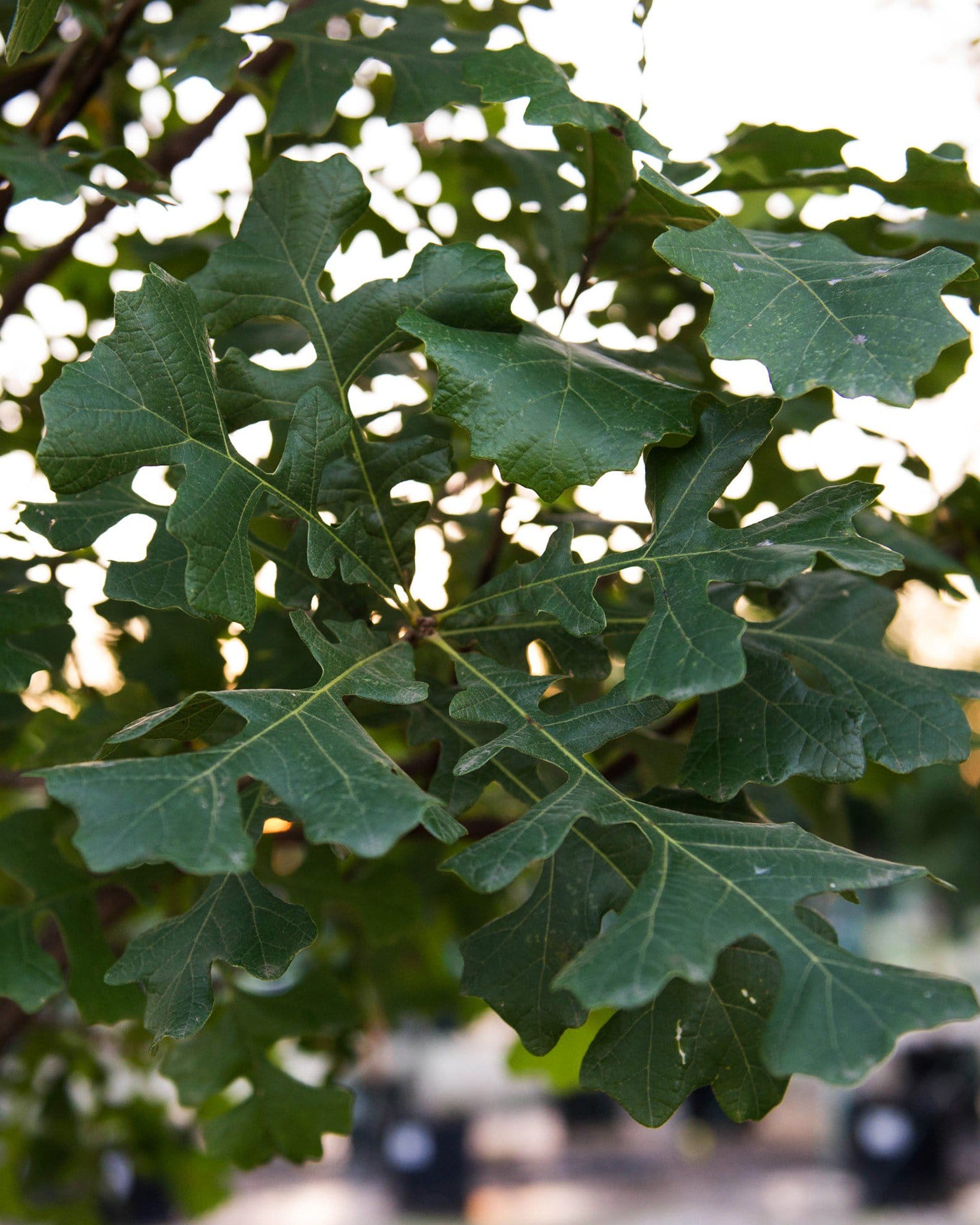
| Scientific Name | Quercus muehlenbergii | Quercus macrocarpa |
| Size at Maturity | 50' H x 40' W | 60' H x 50' W |
| Leaf Retention | Deciduous | Deciduous |
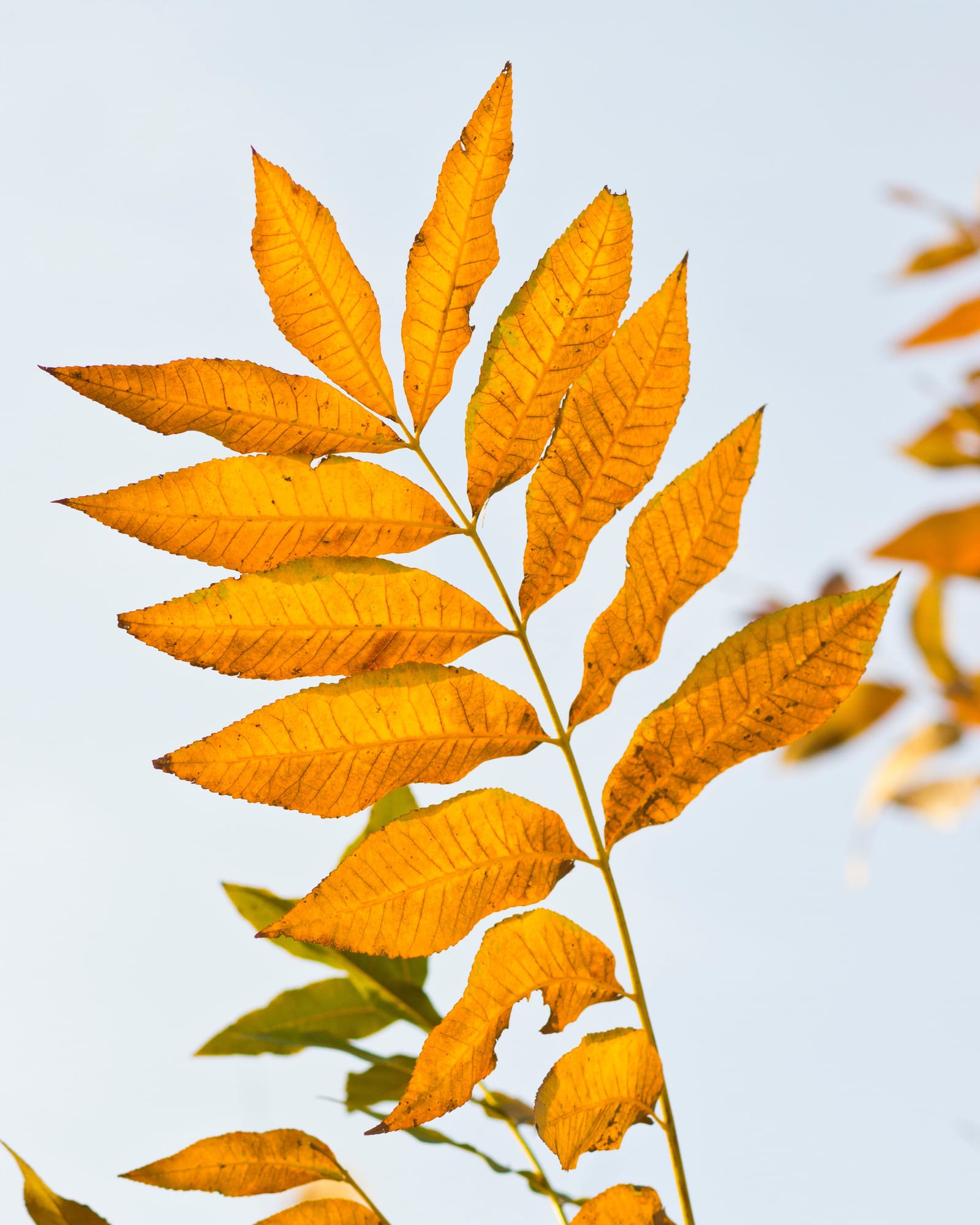
| Fall Color | Yellow | Yellow |
| Sizes Available | 10, 30, 45, 65, 95 gal | 15, 30, 45, 65, 95 gal |

Our 1-Year Planting Guarantee
We take pride in our plants and installation services. If any plants or trees installed by Treeland fail to thrive within the first year, we'll provide a replacement credit in accordance with our guarantee program.
Learn More About Our Guarantee