
 Popular
 Texas Native
Live Oak
Quercus virginianaLocal DFW Delivery Only
Product Details
Live Oak
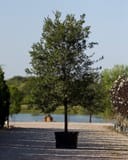
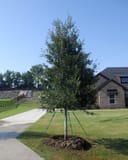
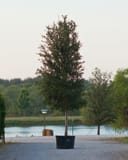
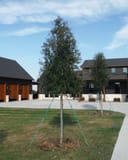
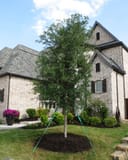
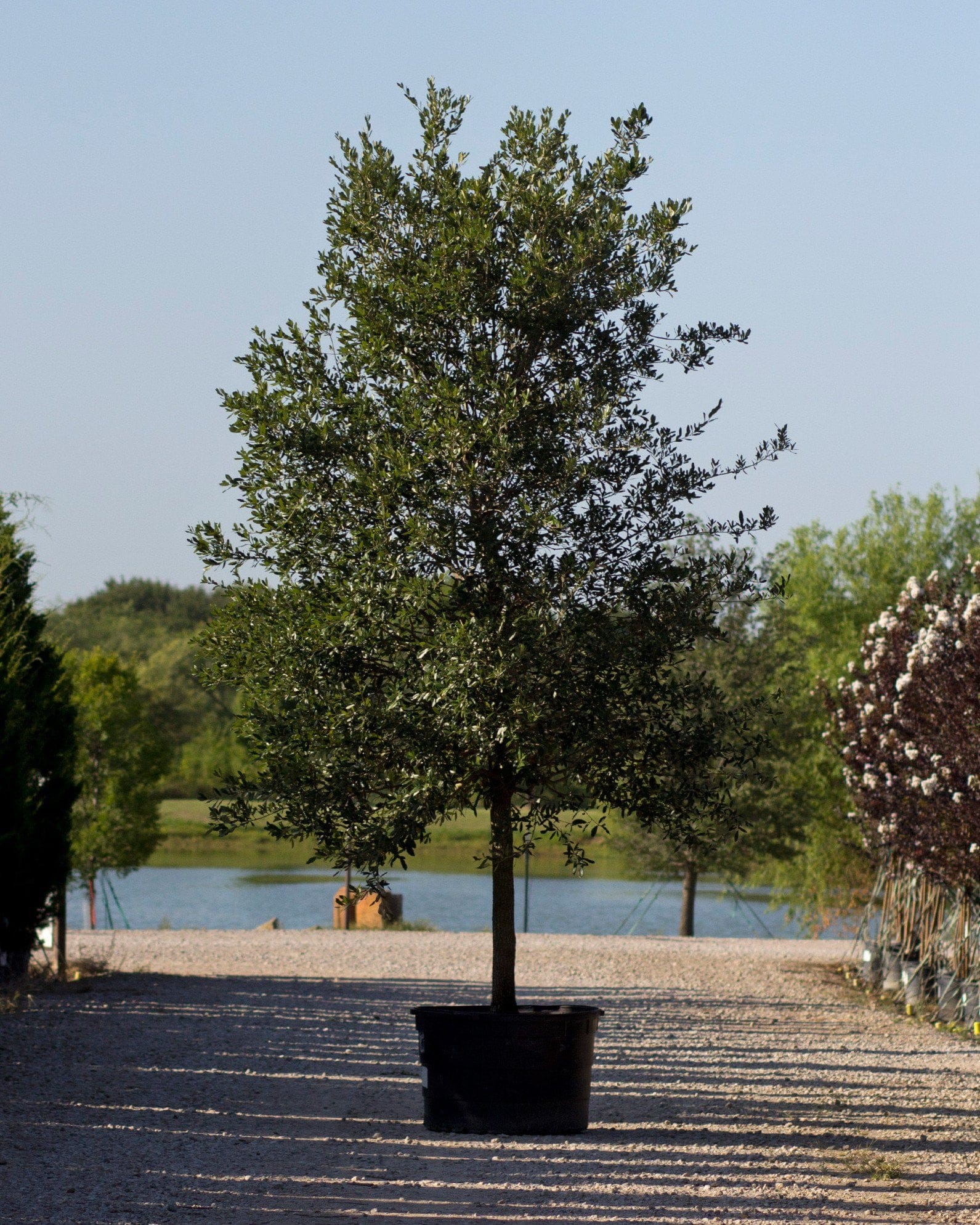
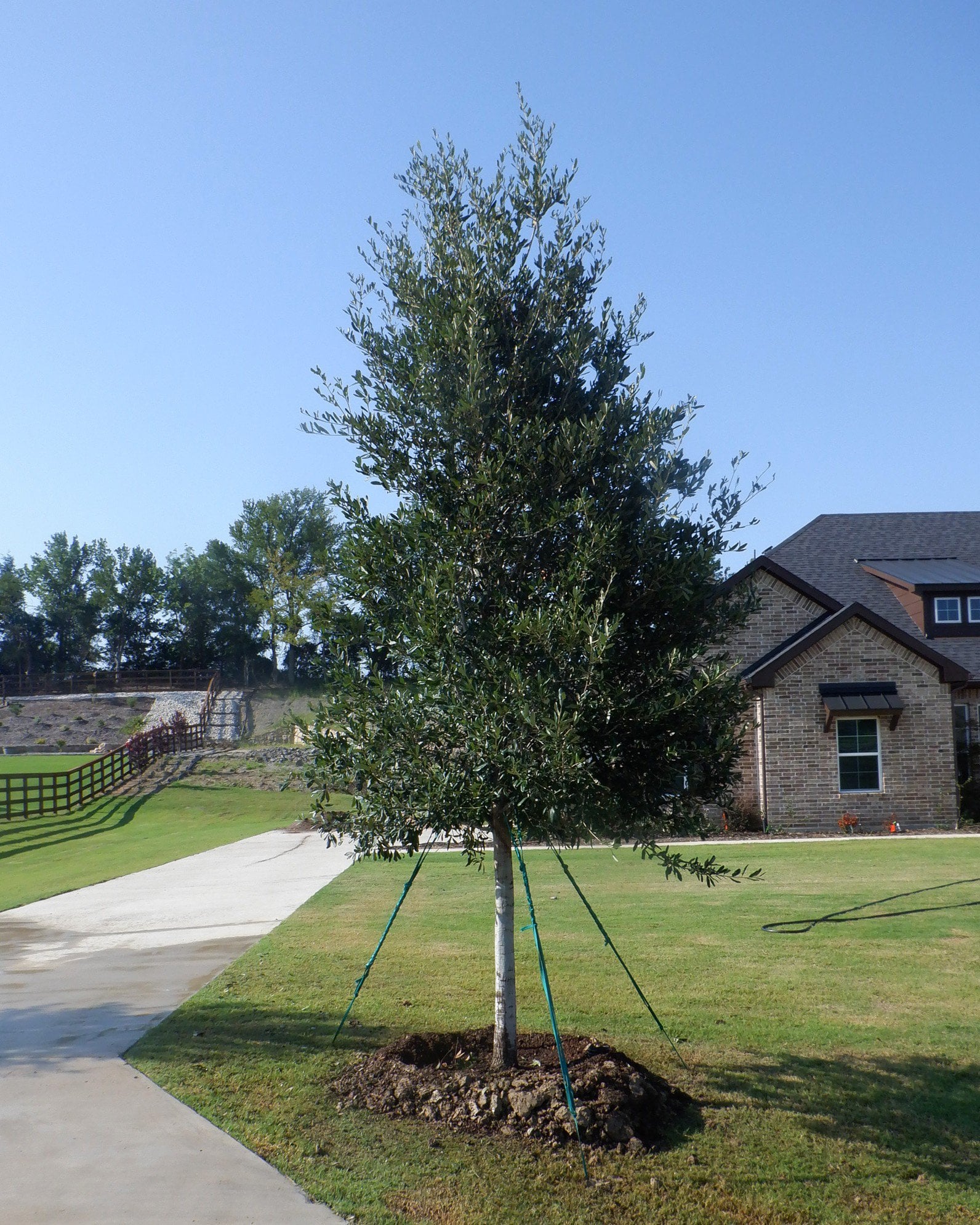
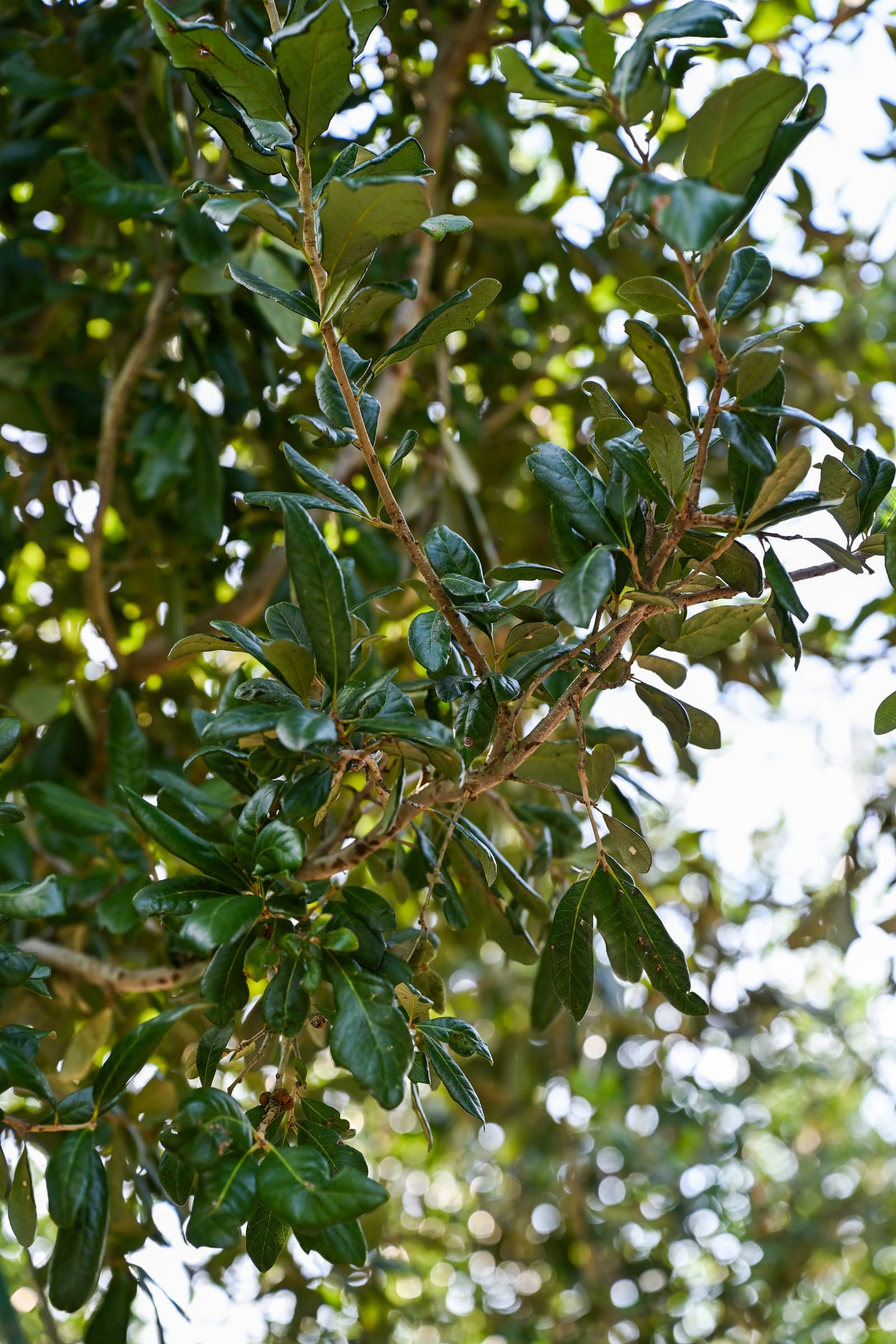
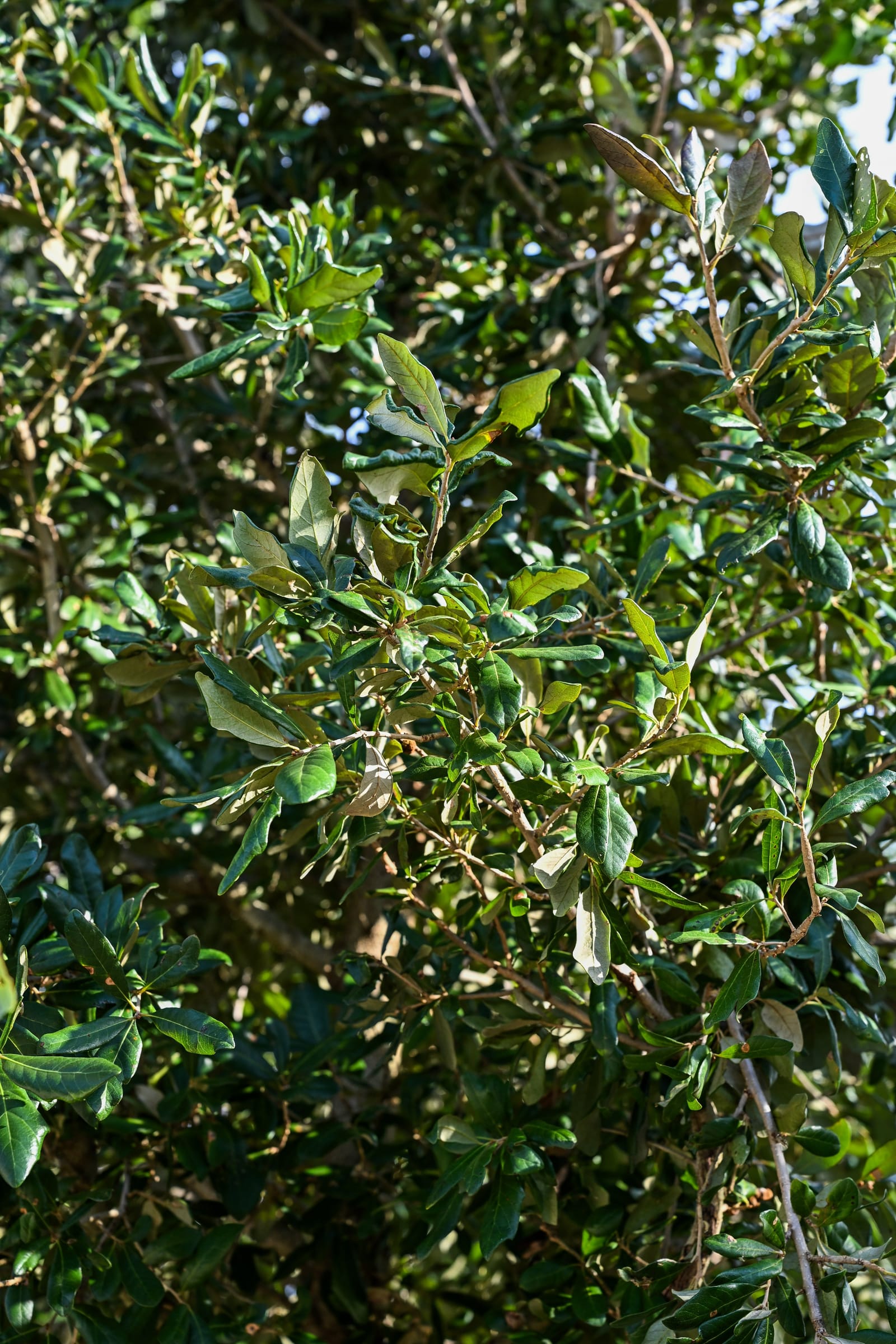
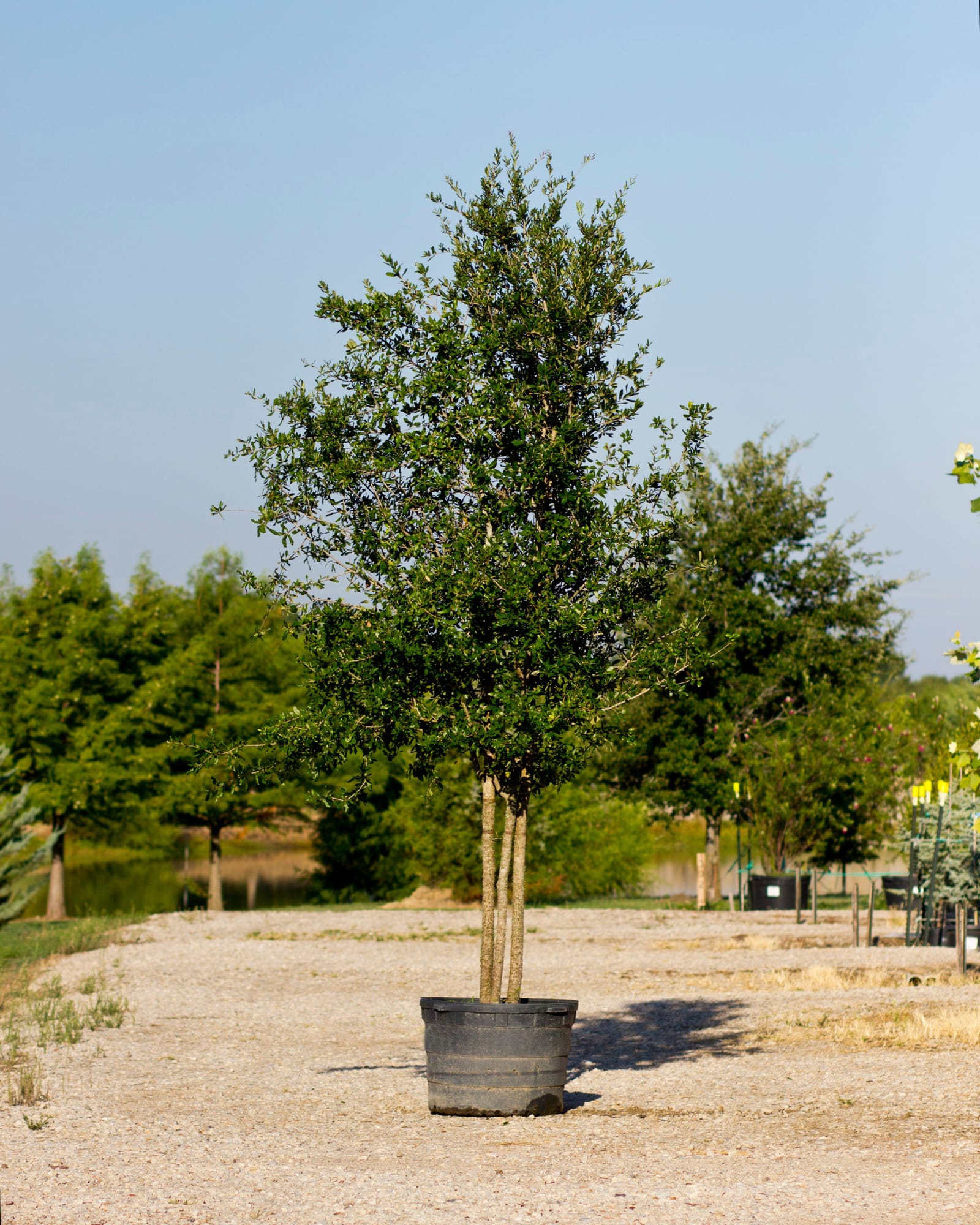
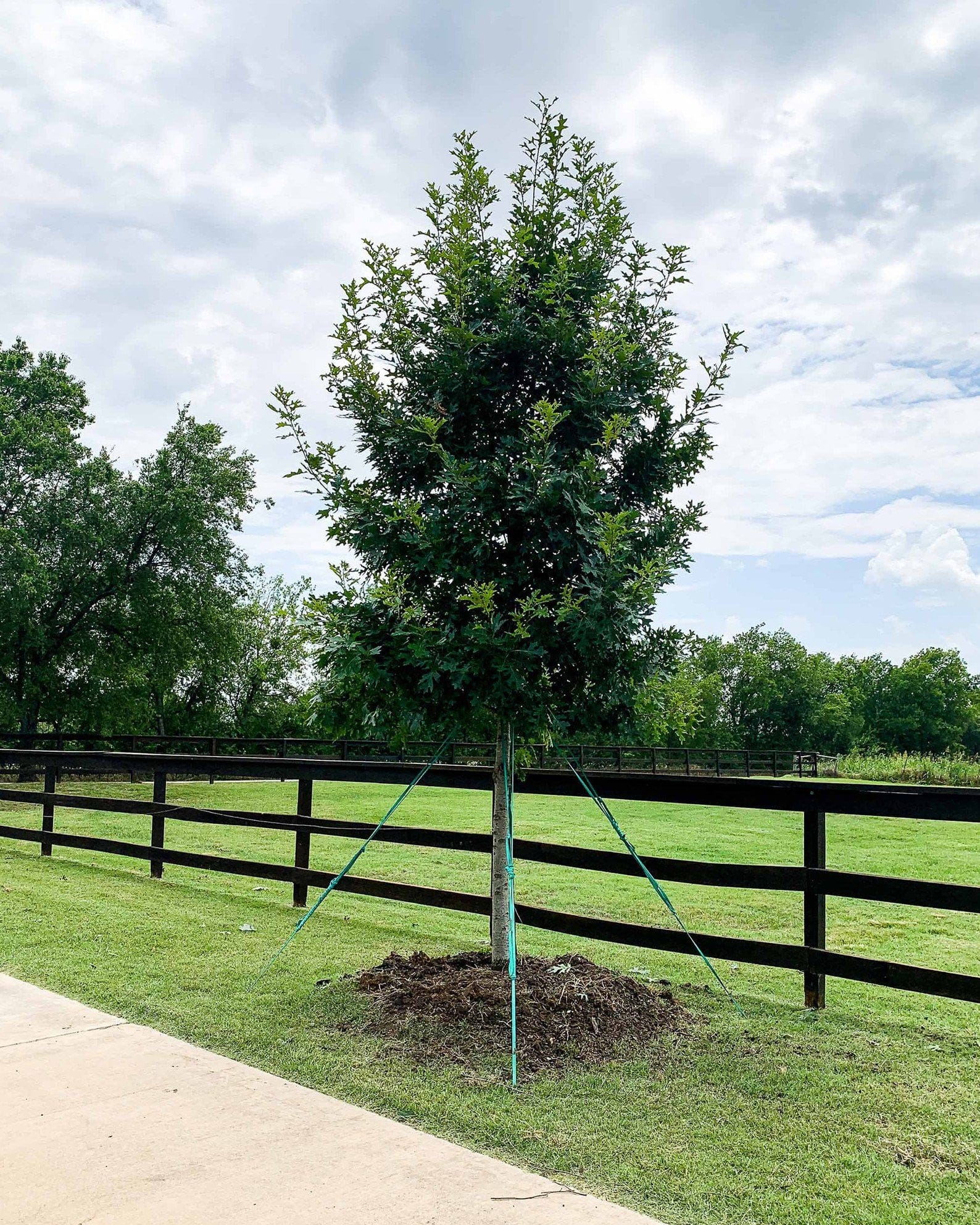
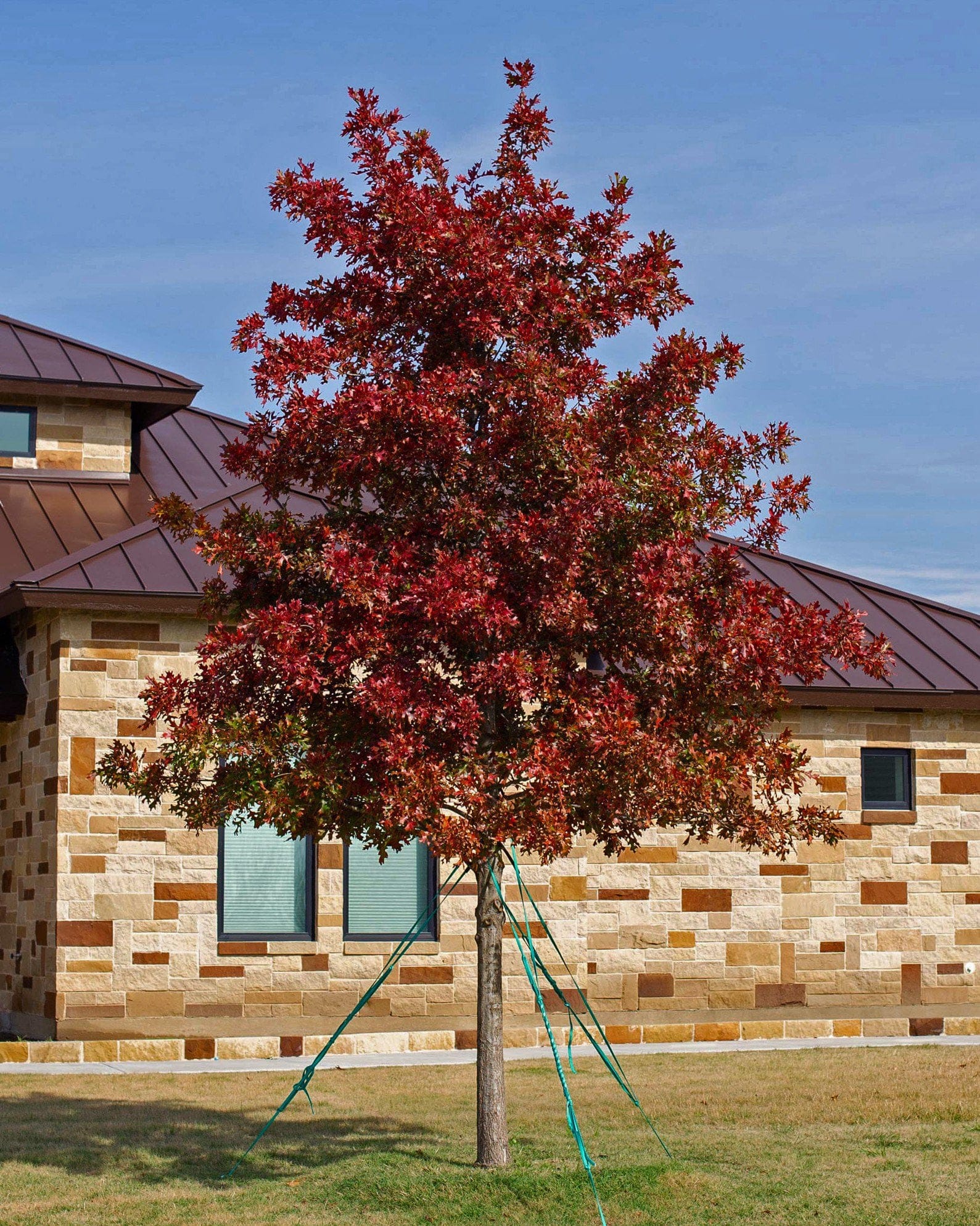
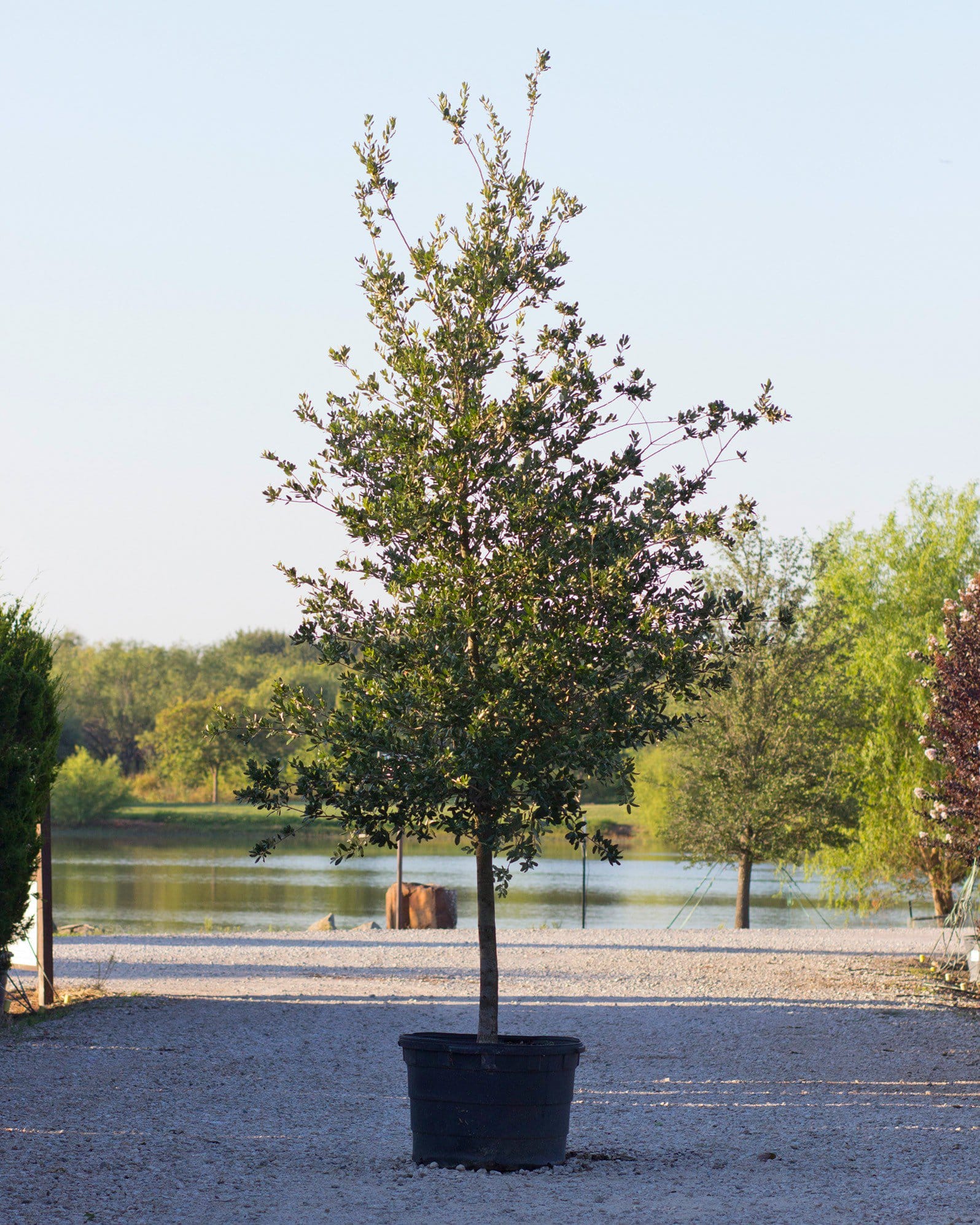
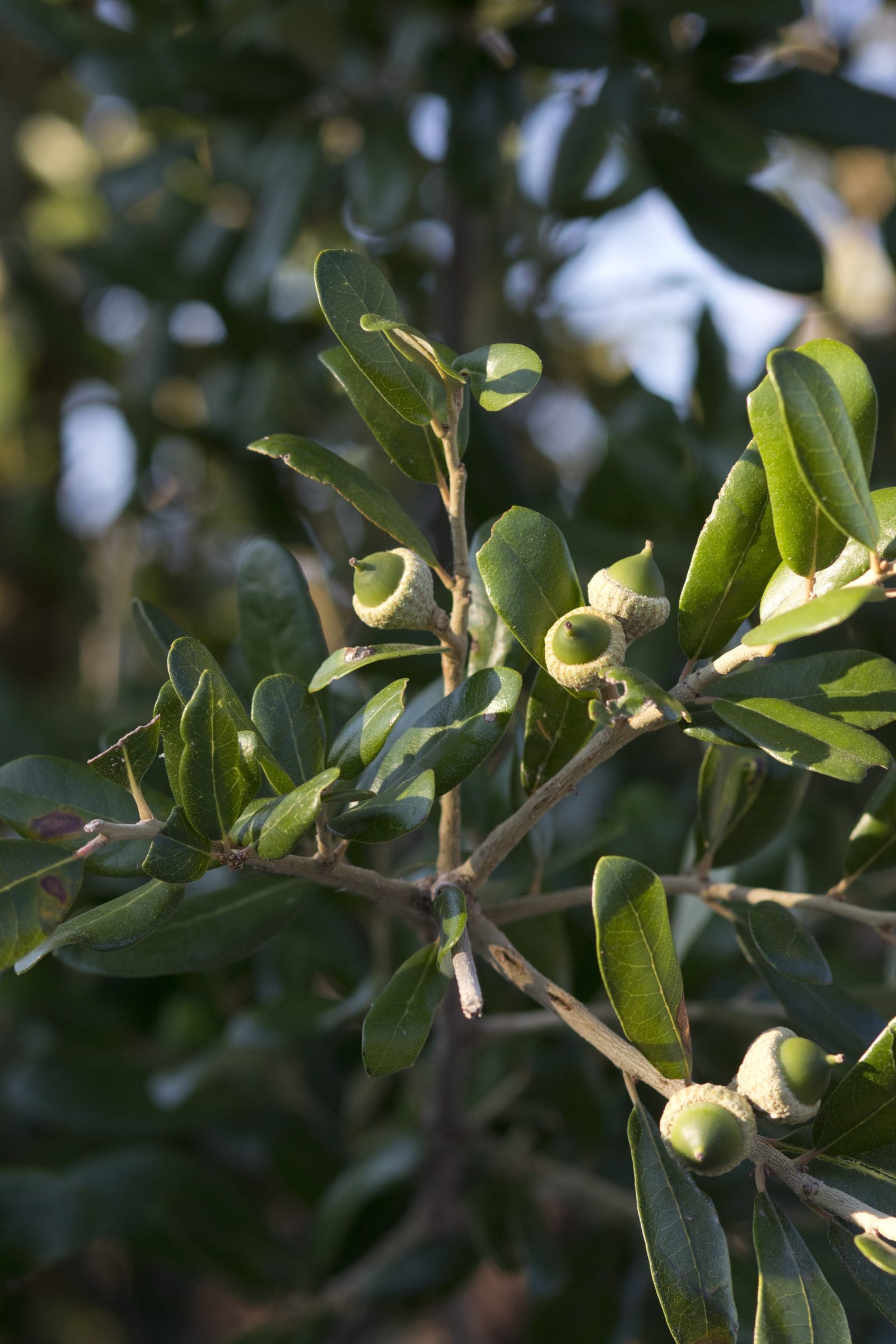
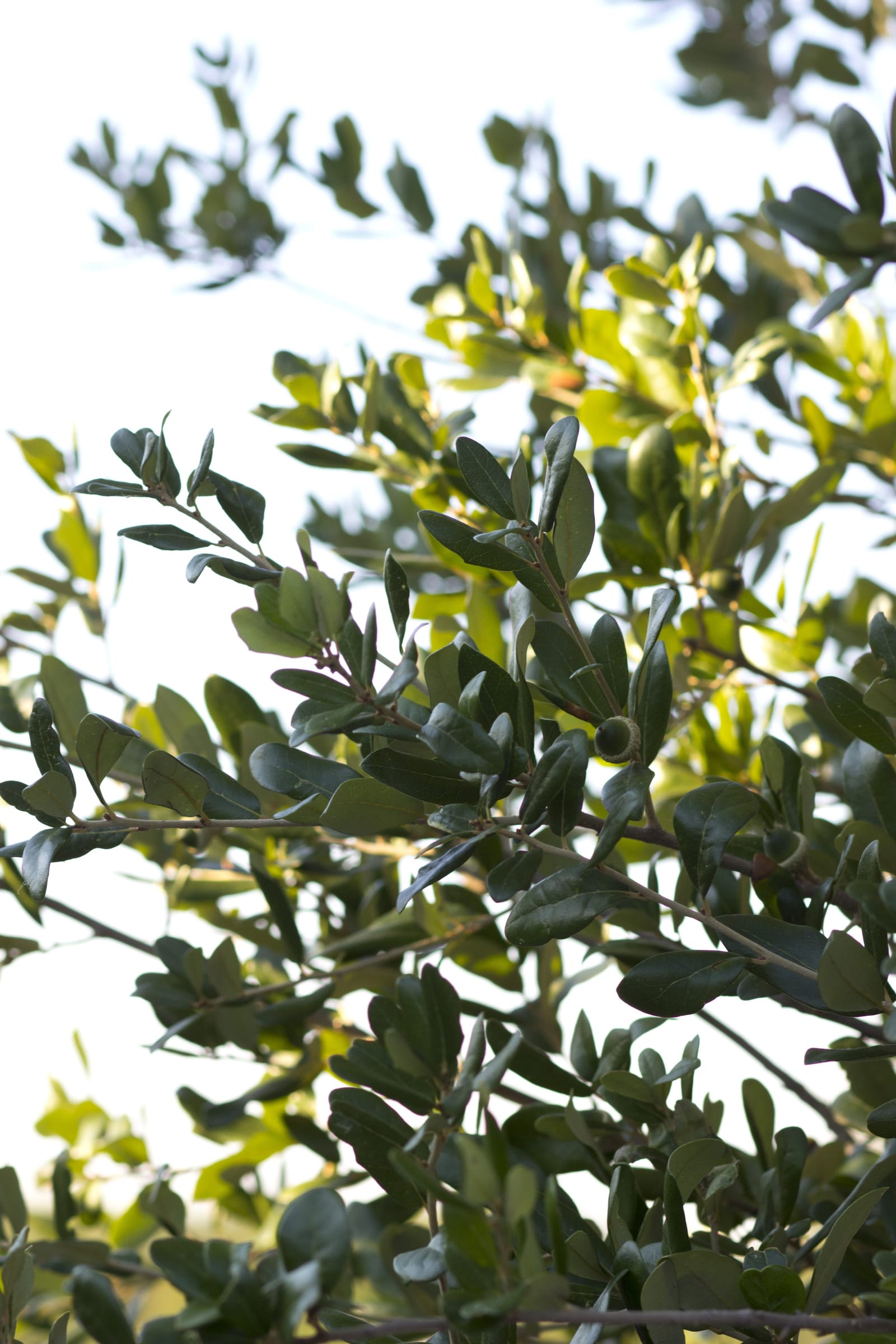
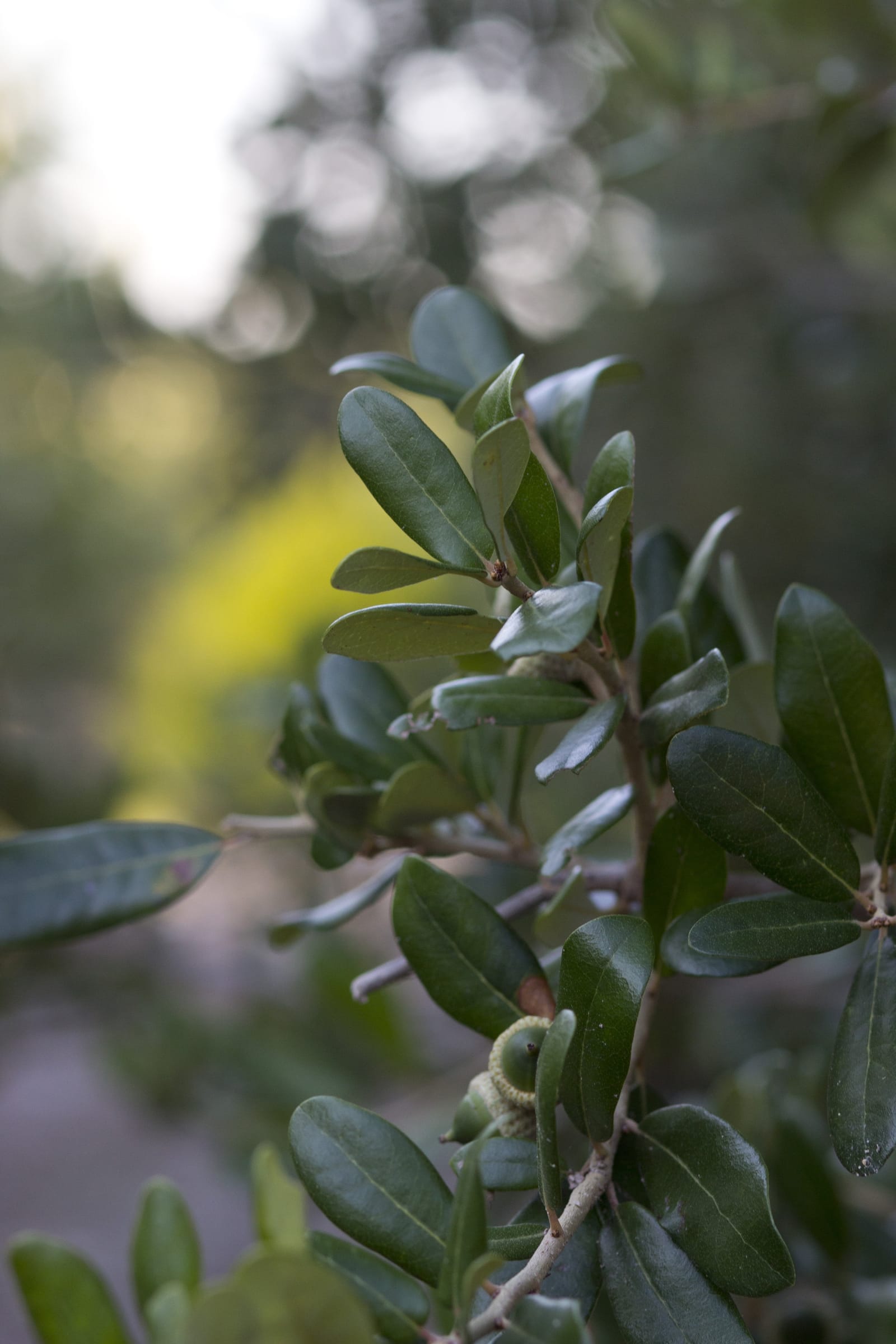
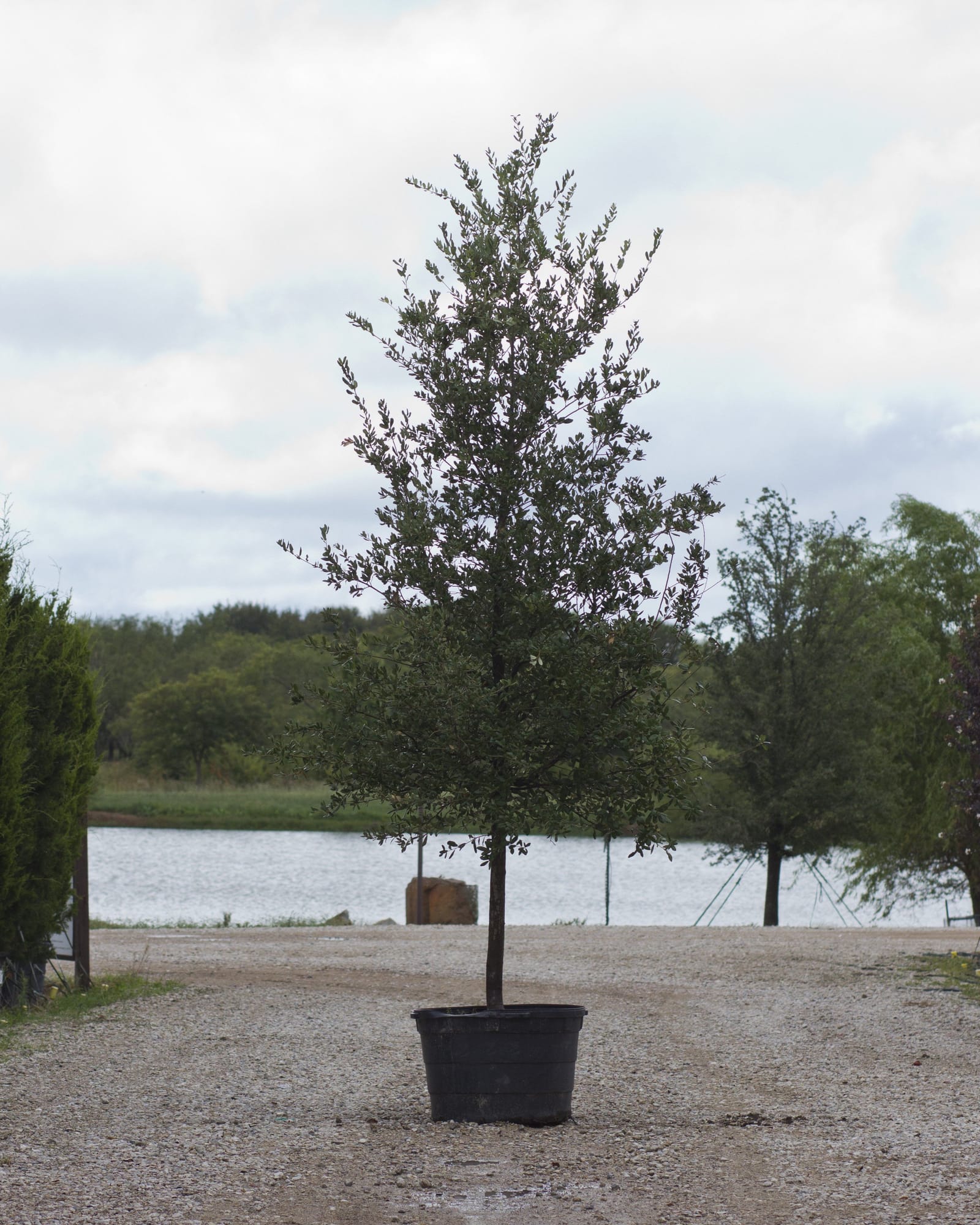
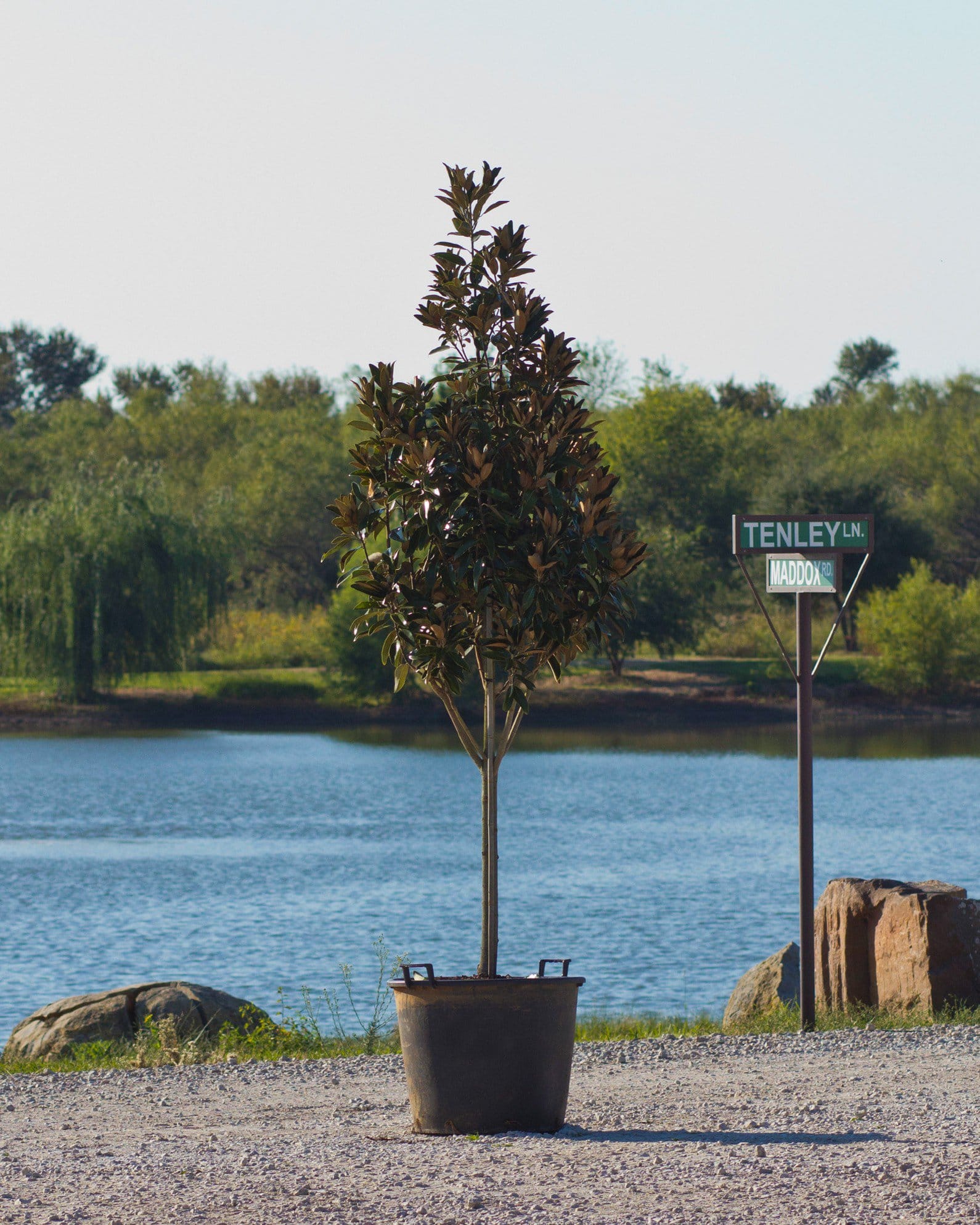
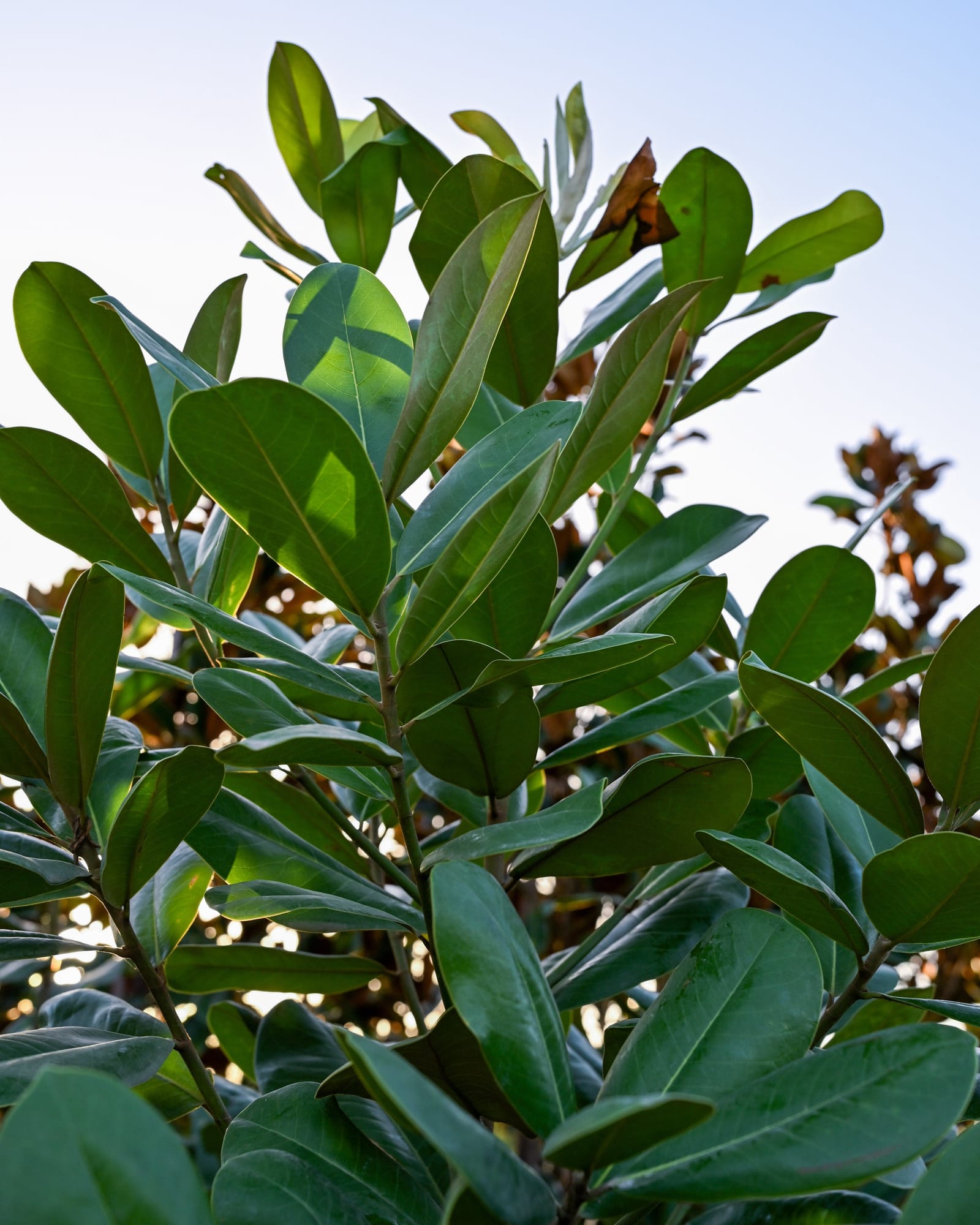
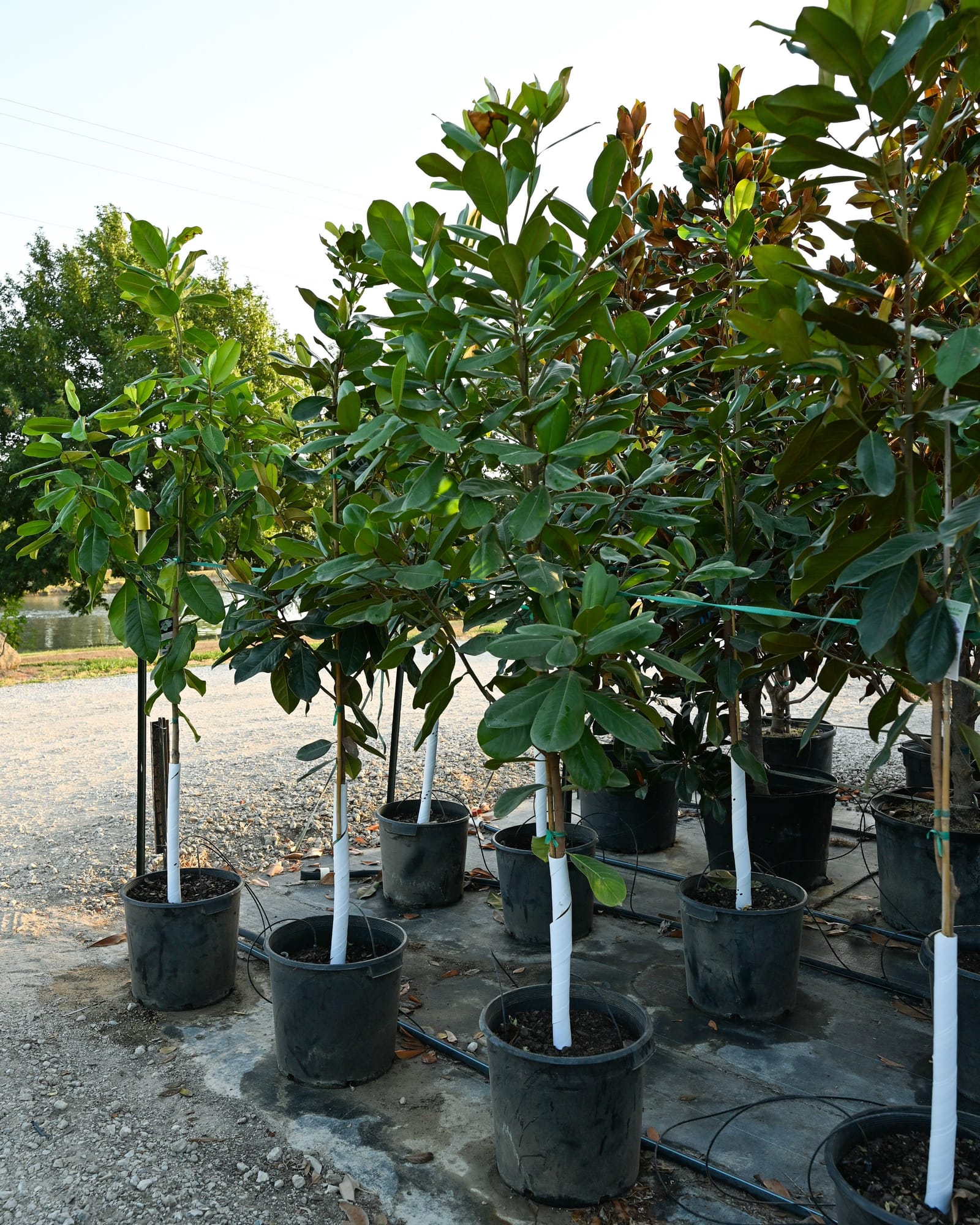
Quercus virginianaLive Oak is celebrated for its broad, sprawling branches and dense foliage that offers ample shade throughout the year. Its slow to moderate growth rate allows it to develop a grand, sturdy form that provides a timeless beauty and structural foundation in any landscape. This tree is a classic choice for parks, large yards, and open spaces where its impressive size can truly shine.
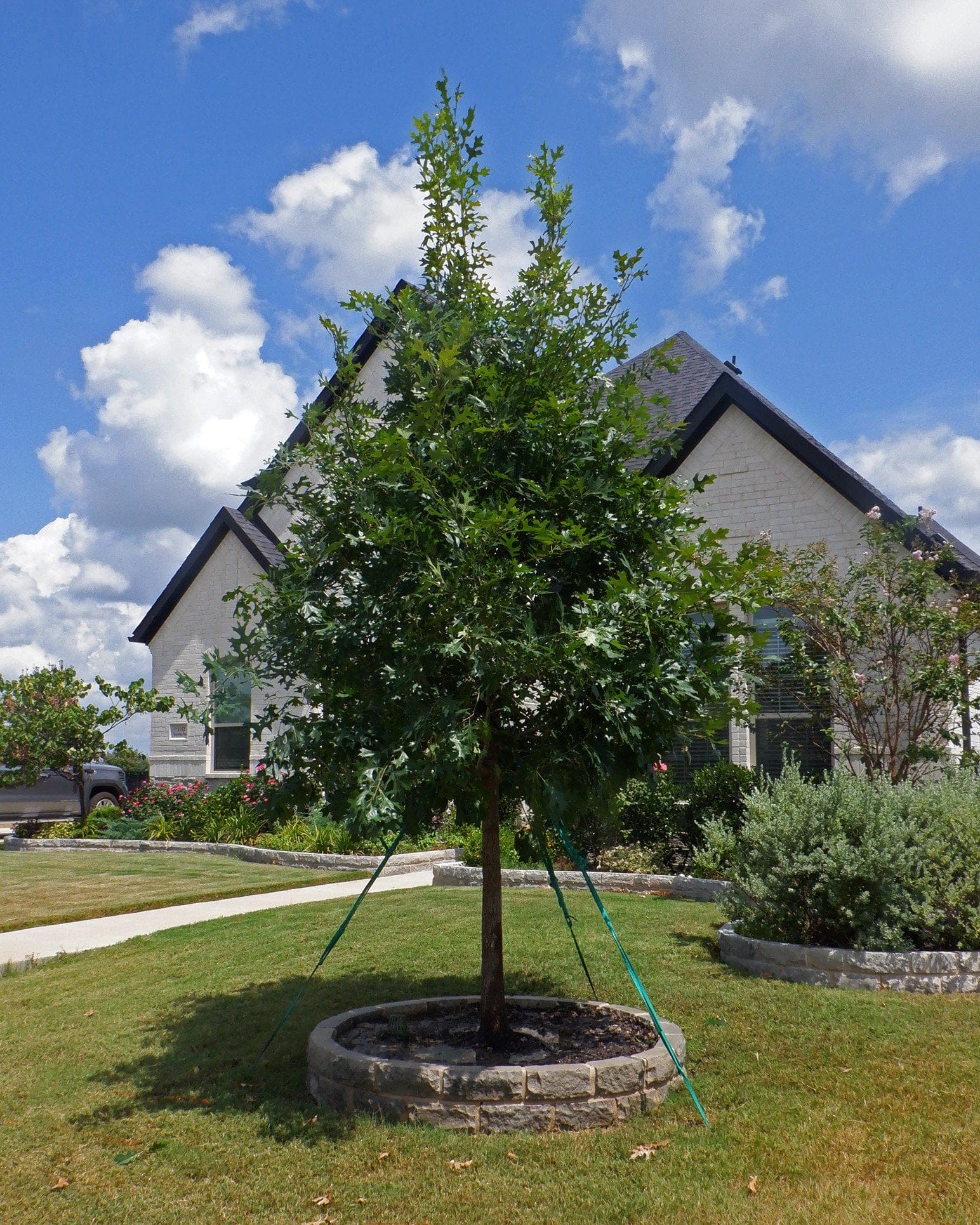
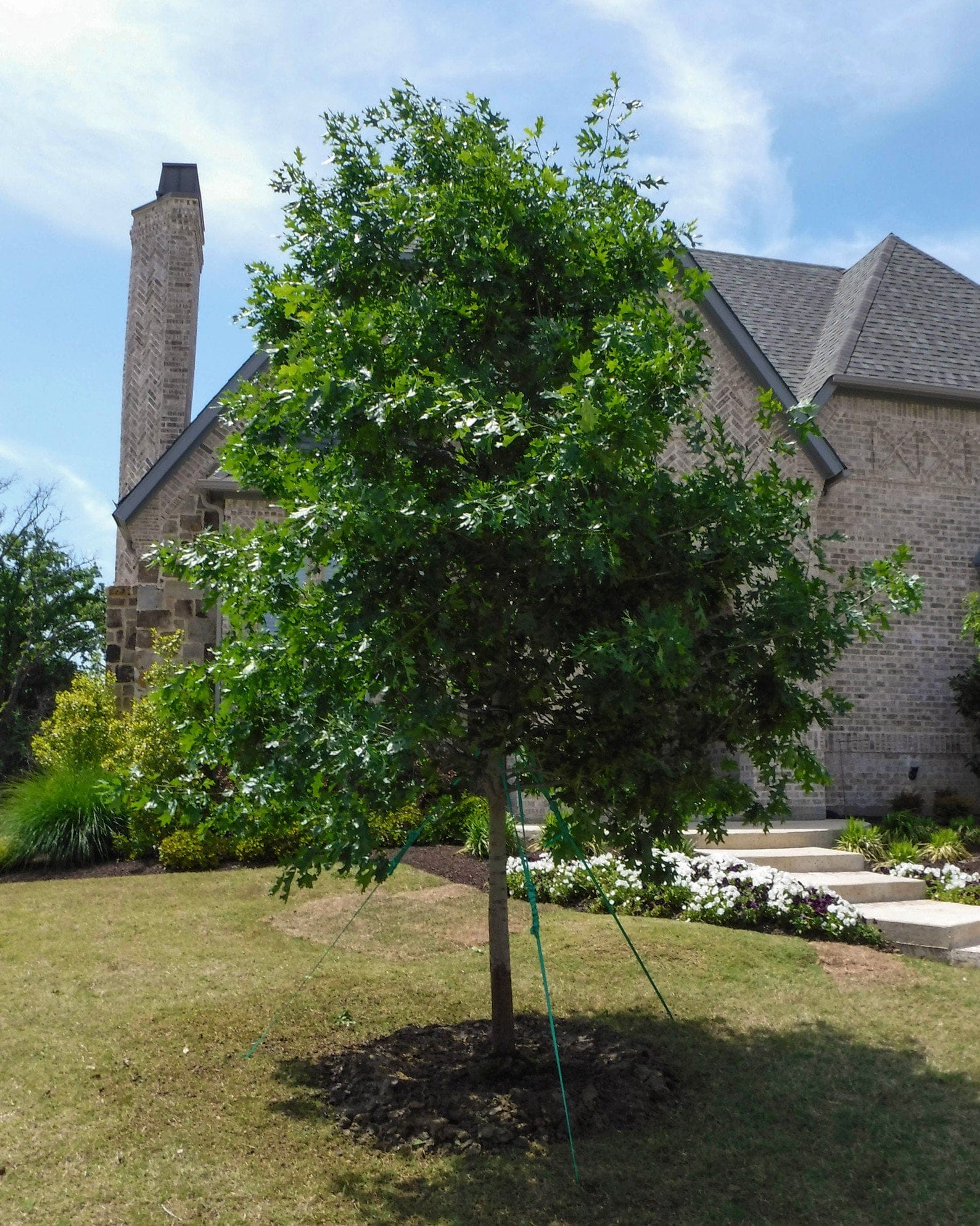
Reaching up to 50 feet tall and spreading as wide as 60 feet at maturity, Live Oak adds remarkable presence and shelter. It is adaptable to a variety of soil types but thrives best in full sun with well-drained soil.
- A evergreen tree
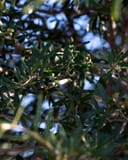
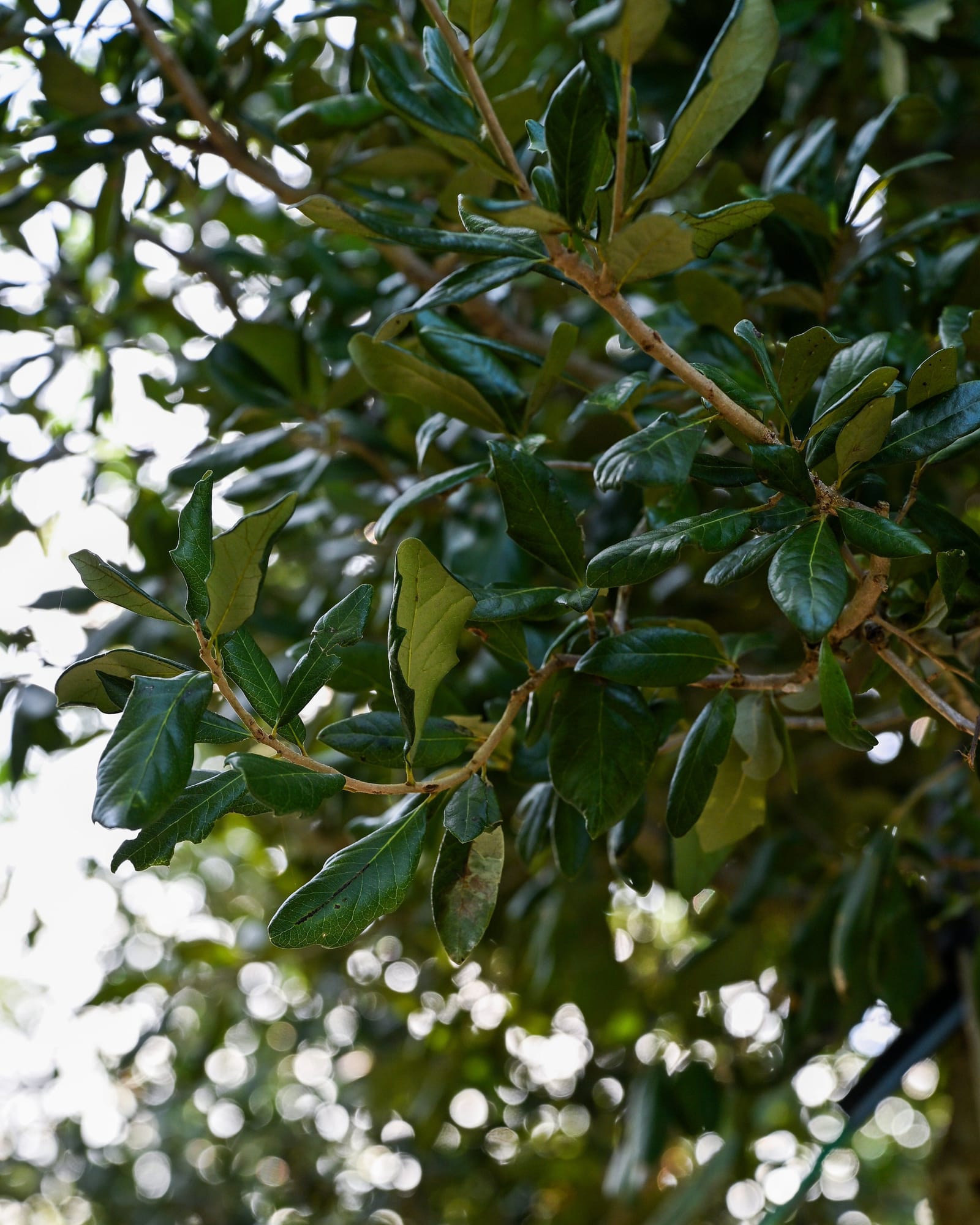
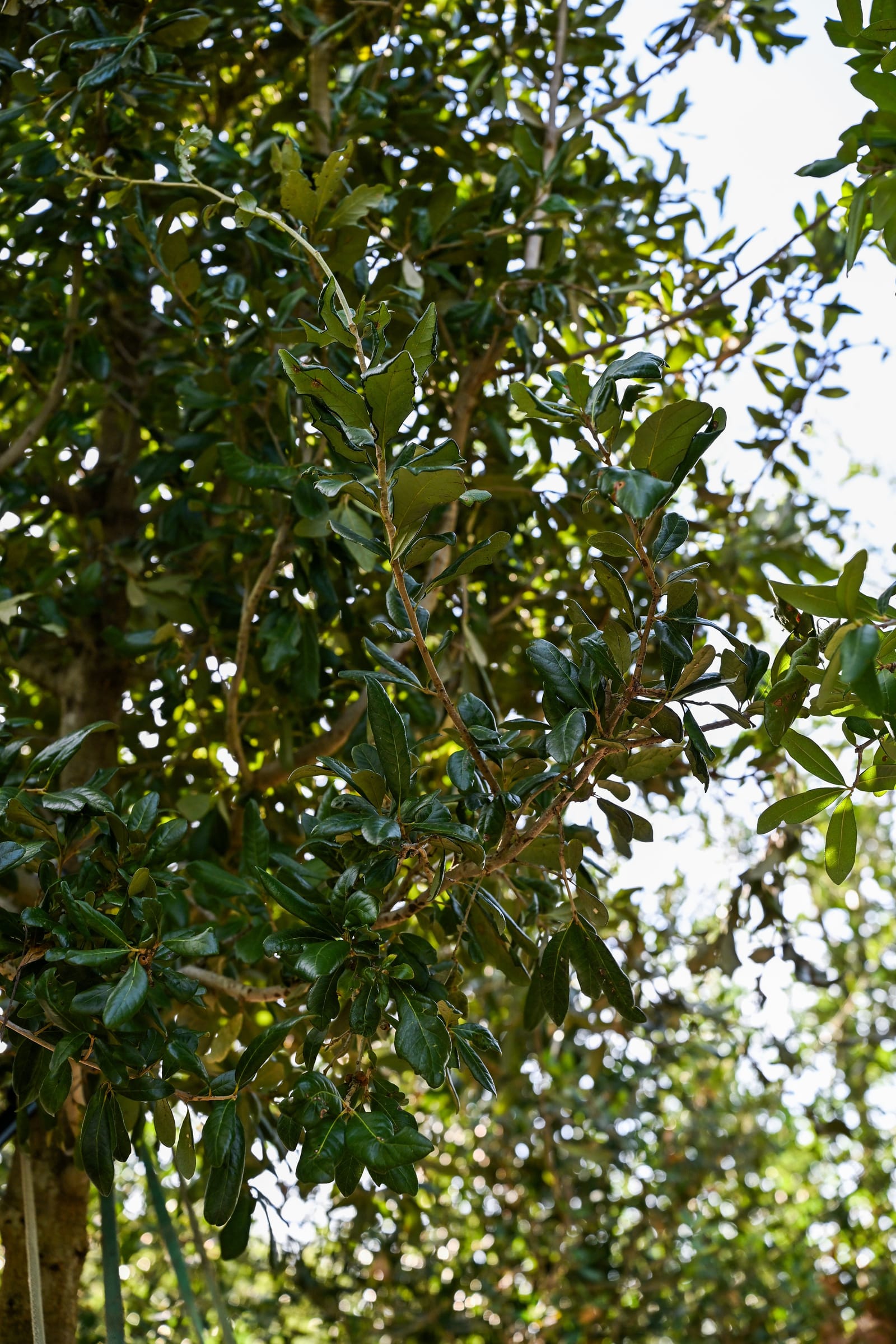
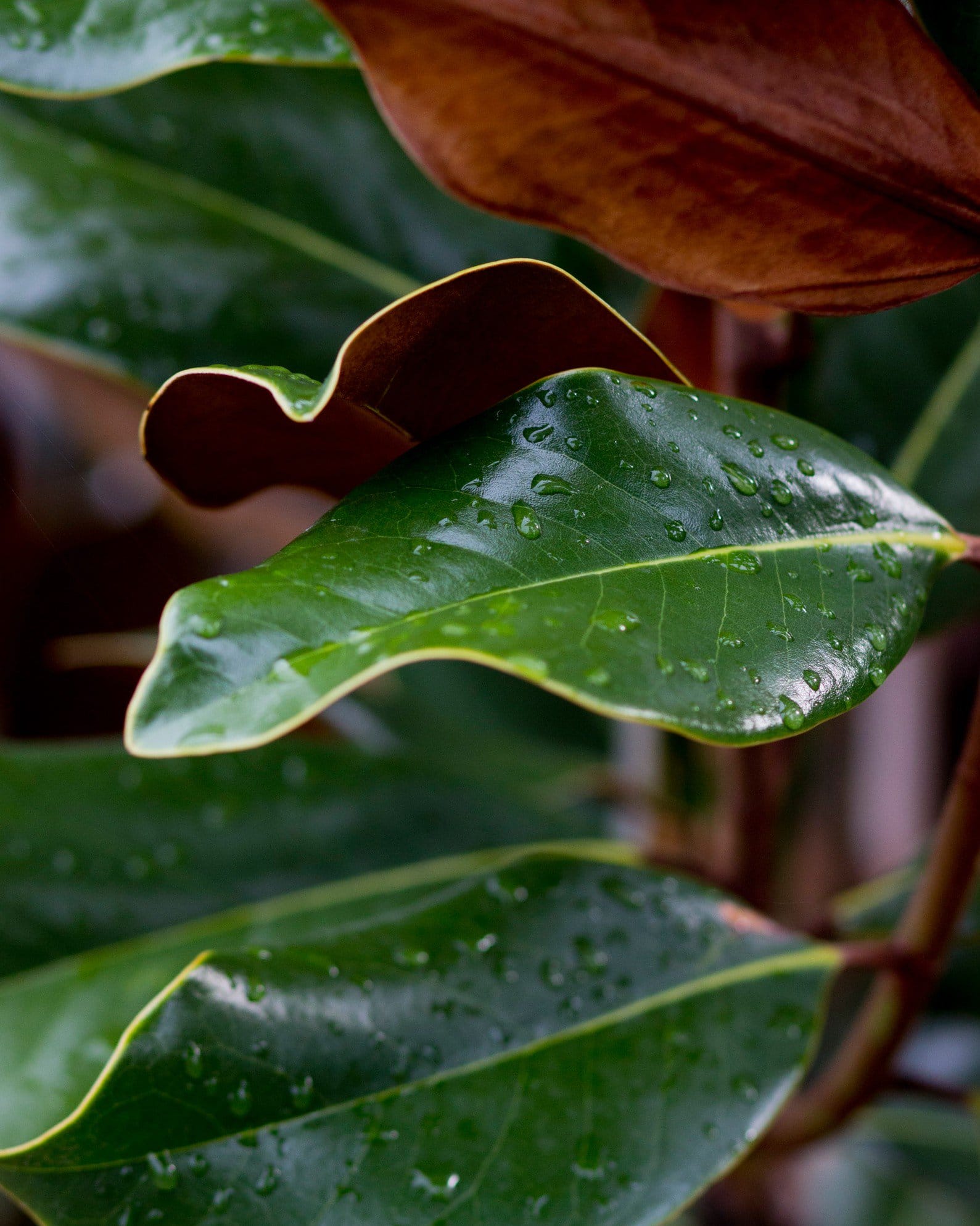
- Evergreen-like deep green foliage
- Slow to moderate growth
- Ideal for large landscapes, parks, and open flower beds
- Adds majestic structure and ample shade
Hardy in zones 7–10, Live Oak is a durable and striking tree that enhances expansive outdoor spaces with its timeless elegance and impressive size.
Once established, this majestic tree is both drought-tolerant and low-maintenance, making Live Oak a cornerstone of Texas landscapes. Here’s how to help it thrive:
- Watering: During the first two years, water everyday when temps are above 95 degrees and every other day when temps are between 80 to 95 degrees. Mature Live Oaks rarely need supplemental water, except during prolonged drought. When watering established trees, focus on slow, deep soaking around the drip line, not at the base.
- Pruning: Prune in late winter or mid-summer to maintain a strong, balanced structure. Avoid pruning heavily in spring when sap is flowing, as this can attract pests like oak wilt-carrying beetles. Always sanitize tools between cuts to prevent disease spread.
- Fertilizing: Live Oaks generally thrive without frequent fertilization. If growth appears weak or leaves pale, apply a balanced, slow-release fertilizer (such as 12-6-6) in early spring. Avoid over-fertilizing - too much nitrogen encourages soft growth more prone to pests.
- Mulching: Apply a wide 3-inch layer of organic mulch under the canopy, but keep it several inches away from the trunk. Mulch helps regulate soil temperature, retain moisture, and suppress weeds. Replenish annually as mulch decomposes.
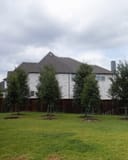
- Spacing: Allow at least 40-60 feet between trees for their immense spread. Live Oaks can reach over 80 feet wide, so plant with their mature size in mind to avoid future crowding or interference with structures.
Common Issues and How to Take Care of Them
While Live Oak is quite hardy, it’s not completely immune to certain pests and diseases. Here are the most common ones to keep your eye on:
- Powdery Mildew: A white, powdery coating appears on leaves in shaded, humid areas. Improve air circulation and avoid wetting leaves to keep foliage healthy.
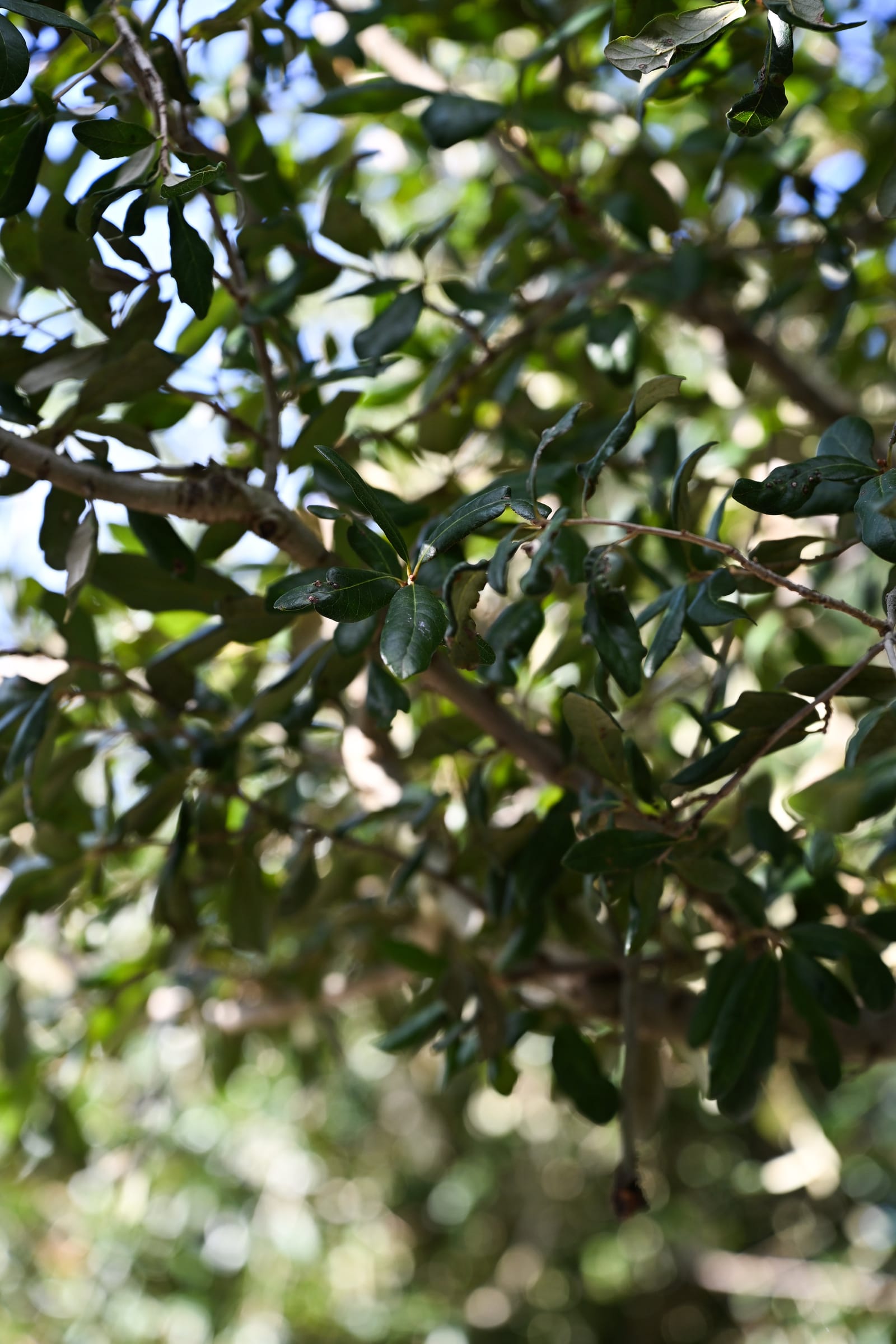
- Oak Leaf Blister: Oak leaf blister is a fungal disease that causes raised, distorted blisters on leaves, often with a yellowish discoloration. It is caused by a fungus and is most severe wet springs.
- Oak Galls: Oak galls are abnormal growths of plant tissue, similar to tumors, that develop when the plant is exposed to minute amounts of hormone-like chemicals released by the organisms that create them. While fungi, bacteria, nematodes, and mites can all be gall makers, insects are the primary culprits. Galls can form on roots, flowers, bark, or buds, but the ones appearing on leaves and twigs are the most easily noticed. A common example for Live Oaks is the Mealy Oak Gall, which appears as hard, tan, marble sized orbs that can remain attached to the outer twigs for a long time. The specific gall maker for the Mealy Oak Gall is a tiny cynipid wasp. Gardeners shouldn't worry about the term "wasp," as this insect is similar in size, harmless and does not sting.
- Root damage: Live Oaks have extensive surface roots that should not be compacted or cut. Avoid heavy foot traffic, paving, or construction near the root zone.
- Scale: Bumpy, waxy insects attach to stems and feed on sap, causing yellowing leaves. Apply horticultural oil or insecticidal soap to control populations.
- Spider Mites: Tiny pests that can cause foliage discoloration during hot, dry weather. Rinse foliage with water or use insecticidal soap if infestations persist. Encouraging beneficial insects, like ladybugs, can also help keep mite populations under control.
- Oak wilt: A serious fungal disease spread by beetles and root grafts between nearby oaks. Prevent infection by avoiding pruning between February and June, when beetles are most active. If oak wilt appears nearby, consult a certified arborist for containment and fungicidal treatment.
- Ball moss and Spanish moss: Though often seen on Live Oaks, these epiphytes aren’t harmful in moderation. If they become too dense and shade out leaves, they can be gently removed by hand or with a soft spray of water.
With a bit of careful maintenance, Live Oak will enrich your landscape for many years to come.
Moderately fast - about 1 to 2 feet per year under ideal conditions. They can live for centuries and eventually reach heights of 40-60 feet with even broader canopies.
Plant between the fall and early spring to allow roots to establish before summer heat.
It begins forming a broad canopy in 20-30 years, but continues growing and spreading for many decades beyond that.
Yes, but only lightly. Early structural pruning helps prevent weak branch angles. Mature trees need only occasional thinning to remove dead or rubbing limbs.
Briefly, yes. Old leaves drop in late winter or early spring as new growth pushes out - this leaf swap is completely normal.
Absolutely. They’re native to the South and are exceptionally drought-tolerant once roots are deep and established.
Yes, and that shade is second to none. Their sprawling canopy creates dense, cool shade perfect for lawns, patios, or large properties.
Centuries - with proper care, a Live Oak can live 200-300 years or more, making it a true legacy tree.
They drop leaves and acorns seasonally, but maintenance is minimal compared to their benefits. A light raking in early spring keeps the area tidy.
Yes, but choose shade-tolerant, drought-hardy groundcovers like Asian jasmine or liriope to avoid root disturbance.
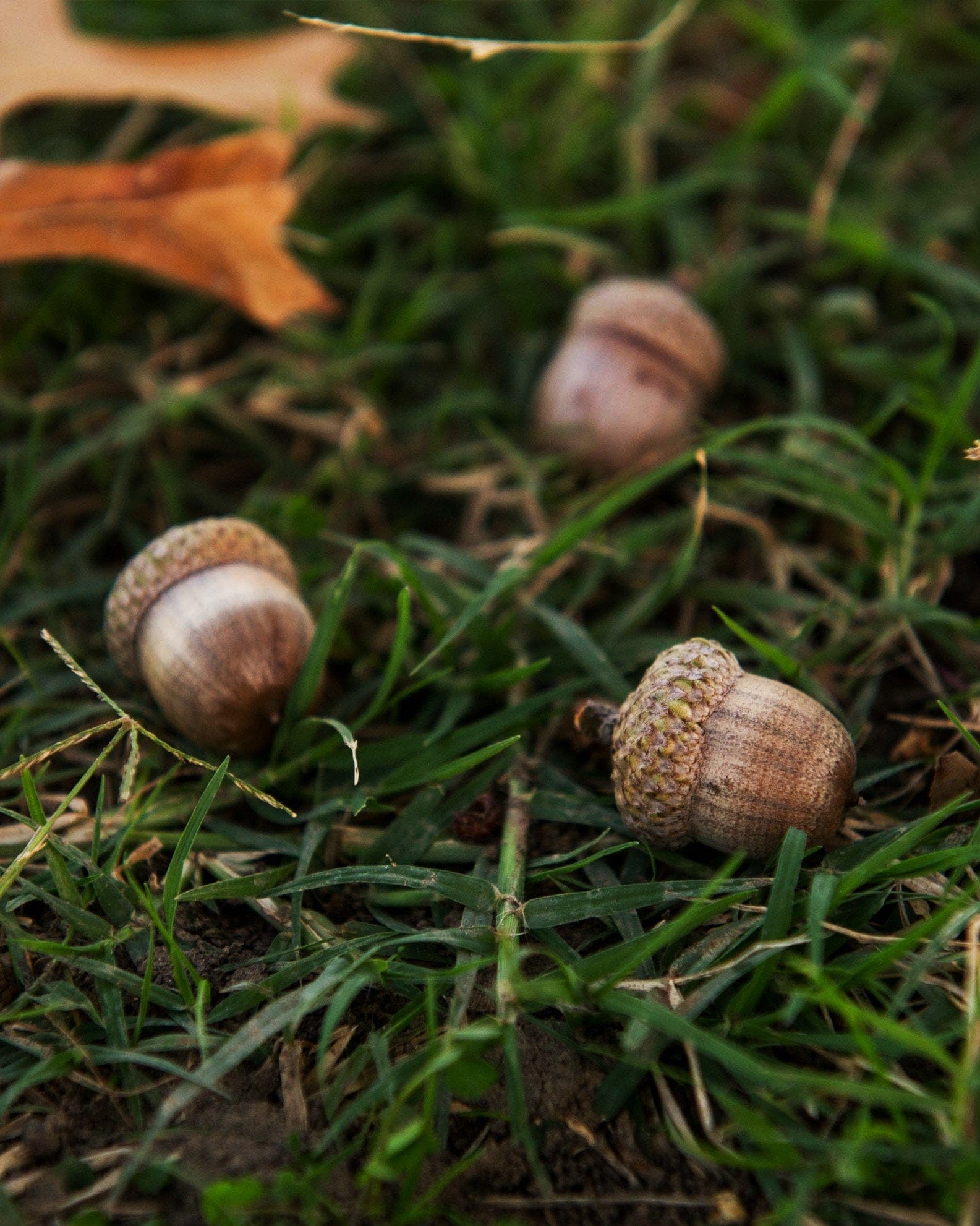
The primary differences between the Live Oak (Quercus virginiana) and the Texas Live Oak (Quercus fusiformis), both often simply called "Live Oak," are in their native range, size, and climate adaptation . Quercus virginiana is native to the humid coastal plains of the southeastern United States, extending west along the coast into Texas, and it is the larger of the two, typically growing 60 to 80 feet tall with a massive spread of over 100 feet, preferring moist, well-drained, slightly acidic soils. In contrast, Quercus fusiformis, also known as the Escarpment Live Oak or Plateau Live Oak, is native to the drier, rockier, limestone-based soils of the Edwards Plateau and Central Texas, extending into Oklahoma and Mexico, and is a smaller tree, typically 20 to 40 feet tall. This smaller size and its greater cold-hardiness and drought tolerance are key adaptations to its inland habitat. Physically, while both are evergreen, their acorns differ: Q. fusiformis acorns tend to be more elongated or "fusiform" and narrowed at the base, whereas Q. virginiana acorns are often shorter and rounder. Due to the overlap of their ranges in Central and South Texas, they frequently hybridize, which often leads to intermediate variants that can be difficult to distinguish.
The Live Oak (Quercus virginiana) is the wild, naturally occurring species, which is characterized by high genetic variability. As a result, its individual trees can exhibit a range of growth patterns, most famously developing a massive, broad-spreading, and highly variable crown that is much wider than it is tall. The Empire® Live Oak is a trademarked seed-grown selection of Quercus virginiana that offers a more reliable and consistent form for the commercial landscape market. Instead of being a traditional clonal cultivar (grown from a single cutting), the Empire® trees are produced by collecting acorns from a carefully chosen group of parent trees selected for desired traits like better branching angles and a nice, upright, rounded canopy. While the plant is still Quercus virginiana, the Empire® name acts as a brand or trademark to assure consumers they are buying seedlings with genetics predisposed to these improved growth habits, rather than unpredictable seedlings collected from any source. This process yields a crop of seedlings with a similar appearance and structure that is much more uniform than the species standard.
Special Features
You might also like
Compare Similar Plants
Live Oak This plant | ||
|---|---|---|
| Scientific Name | Quercus virginiana | Quercus virginiana |
| Size at Maturity | 50' H x 60' W | 50' H x 60' W |
| Leaf Retention | Evergreen | Evergreen |
| Sizes Available | 10, 15, 30, 45, 65, 95 gal | 30, 65 gal |


Our 1-Year Planting Guarantee
We take pride in our plants and installation services. If any plants or trees installed by Treeland fail to thrive within the first year, we'll provide a replacement credit in accordance with our guarantee program.
Learn More About Our Guarantee