
 Popular
 Texas Native
Loblolly Pine
Pinus taedaLocal DFW Delivery Only
Product Details
Loblolly Pine
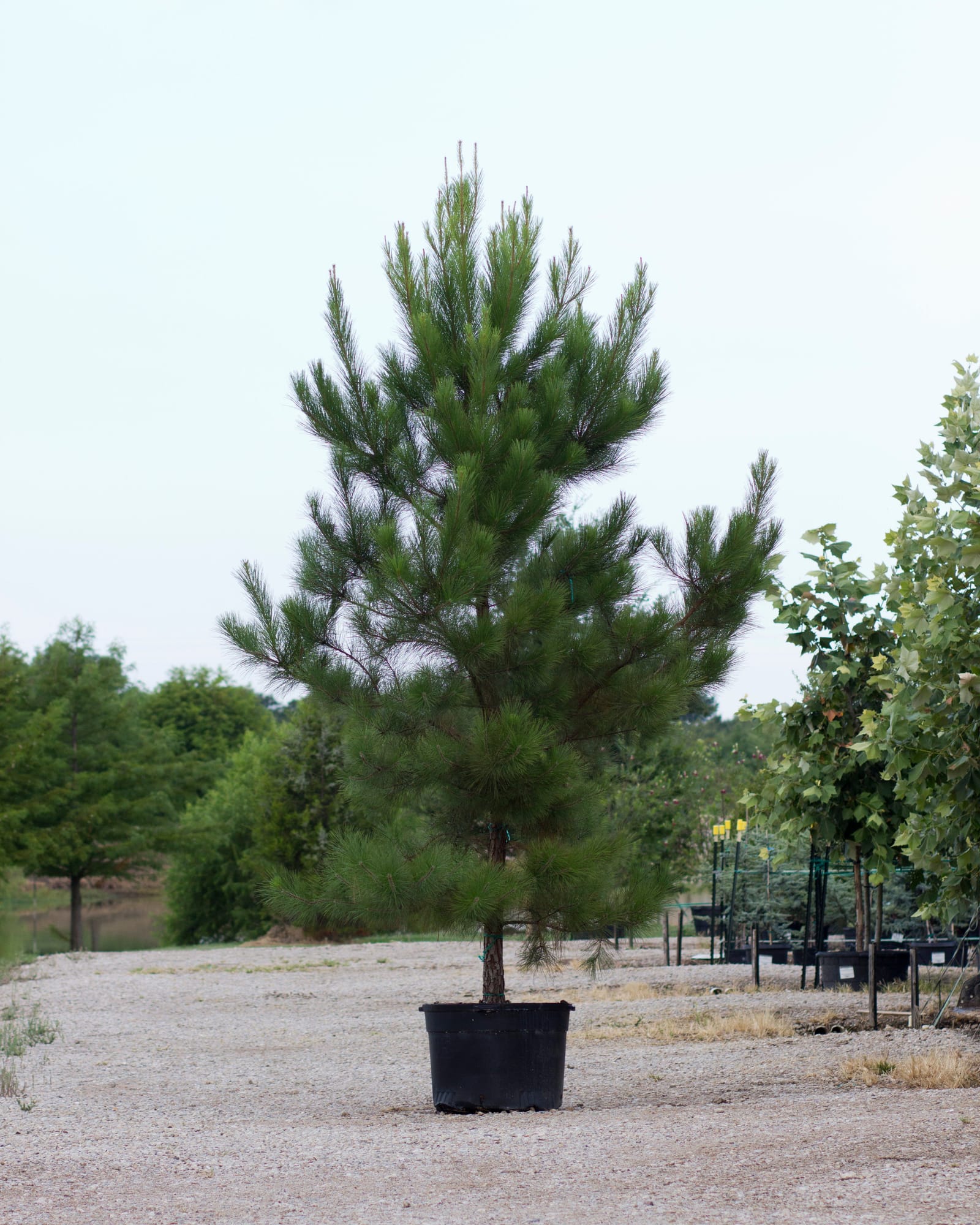
Pinus taedaLoblolly Pine is one of the most widely planted pines in the southeastern United States, valued for its rapid growth, versatility, and strong wood. This majestic evergreen features clusters of long, slender needles that give the tree a soft texture.. It grows 60 feet in height and 30 feet in width. Its natural pyramidal shape broadens with age, making it perfect for large-scale plantings, reforestation, or simply as a grand specimen tree in spacious yards.
- Evergreen tree
- Fast growth rate
- Long, soft needles in bundles of three create a lush canopy
- Broad pyramidal form that matures into a strong, stately tree
- Tolerant of a range of soil types, including wet soils
Plant Loblolly Pine in full sun with well-drained soil for best performance. The Loblolly Pine adapts well to a variety of soils, including clay and sandy types, and is moderately tolerant of wet conditions. Hardy in USDA zones 6 through 9, this pine brings natural grandeur and utility to large landscapes and ecological projects.
Maintenance
Loblolly Pine is a fast-growing, versatile evergreen tree well-suited to a variety of landscapes, including urban and rural settings. With minimal care, it can thrive for decades:
- Watering: Water regularly during the first 1-2 years to establish a strong root system. Once established, Loblolly Pine is moderately drought-tolerant but benefits from supplemental watering during extended dry periods, especially in sandy soils. Avoid overwatering, as soggy soil can promote root rot.
- Pruning: Minimal pruning is required. Remove dead, damaged, or diseased branches as needed to maintain a healthy structure. Light pruning in late winter or early spring helps shape the tree if desired, but avoid heavy pruning into old wood, as it recovers slowly.
- Fertilizing: Fertilization is generally not necessary unless growth appears weak. If needed, apply a slow-release, balanced fertilizer in early spring. Avoid excessive nitrogen, which can produce overly soft, weak growth.
- Mulching: Apply a 2-3 inch layer of organic mulch around the base to conserve moisture, moderate soil temperature, and suppress weeds. Keep mulch several inches from the trunk to prevent rot.
- Winter Care: Loblolly Pine is hardy in USDA zones 7-10 and tolerates occasional frost. Newly planted trees may benefit from a mulch layer over the root zone in their first winter to protect young roots.
Common Issues and How to Take Care of Them
- Pine Wilt: Caused by the pinewood nematode, leading to rapid needle browning and decline. Remove affected trees promptly to prevent spread.
- Fusiform Rust: Orange, spindle-shaped galls appear on branches or stems. Prune infected limbs and avoid planting near susceptible species such as junipers.
- Needle Blight: Fungal infection causing needle yellowing or browning. Improve airflow, remove affected needles, and treat with fungicide if necessary.
- Root Rot: Poor drainage or overwatering can cause decay. Plant in well-draining soil and avoid standing water.
With proper site selection, occasional pruning, and attention to soil drainage, Loblolly Pine grows into a tall, stately tree that provides shade, windbreaks, and visual interest for decades.
Loblolly Pine grows quickly, typically 2-3 feet per year under optimal conditions, making it one of the fastest-growing pines in the southern United States.
Early spring or fall is ideal, allowing roots to establish before extreme summer heat or winter cold. Planting during these seasons reduces transplant shock and supports healthy early growth.
Water deeply once or twice per week during the first year. Once established, occasional watering during prolonged dry spells is sufficient, though young trees will benefit from consistent moisture to encourage strong root development.
Yes, once established, it can tolerate dry conditions, although supplemental watering during extended droughts promotes faster growth and healthier foliage.
Absolutely. Its fast growth, tall stature, and dense foliage make it ideal for creating natural screens, windbreaks, or shade in large landscapes.
Generally, yes. Deer rarely browse mature Loblolly Pines due to their tough, needle-like foliage, though young seedlings may be vulnerable to heavy grazing.
With proper care, Loblolly Pine can live 50-100 years, providing long-lasting shade and structural presence in landscapes.
Yes, it adapts well to city environments, including compacted soils and moderate pollution. Adequate space for roots and regular watering during establishment will help ensure success in urban settings.
While possible for young saplings, it is generally not recommended long-term due to its large size and rapid growth. Container growth is best for temporary displays or small specimens that will later be transplanted into the ground.
Yes, Loblolly Pine is highly adaptable and can thrive in a wide range of soil types, including sandy, clay, or slightly acidic soils.
Special Features
You might also like
Arizona Cypress Blue Ice
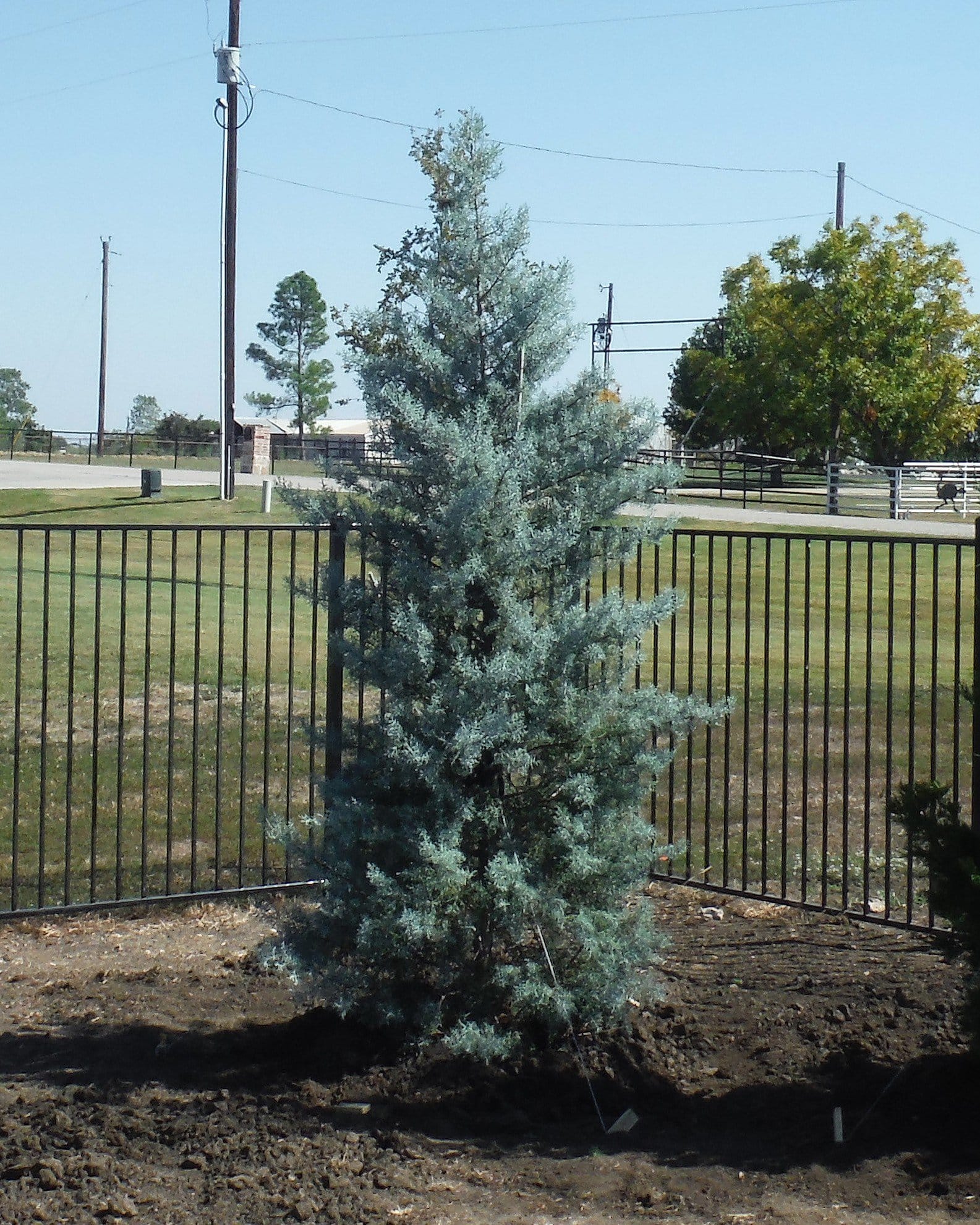
Maturity: 25' H x 15' W
Arizona Cypress Carolina Sapphire
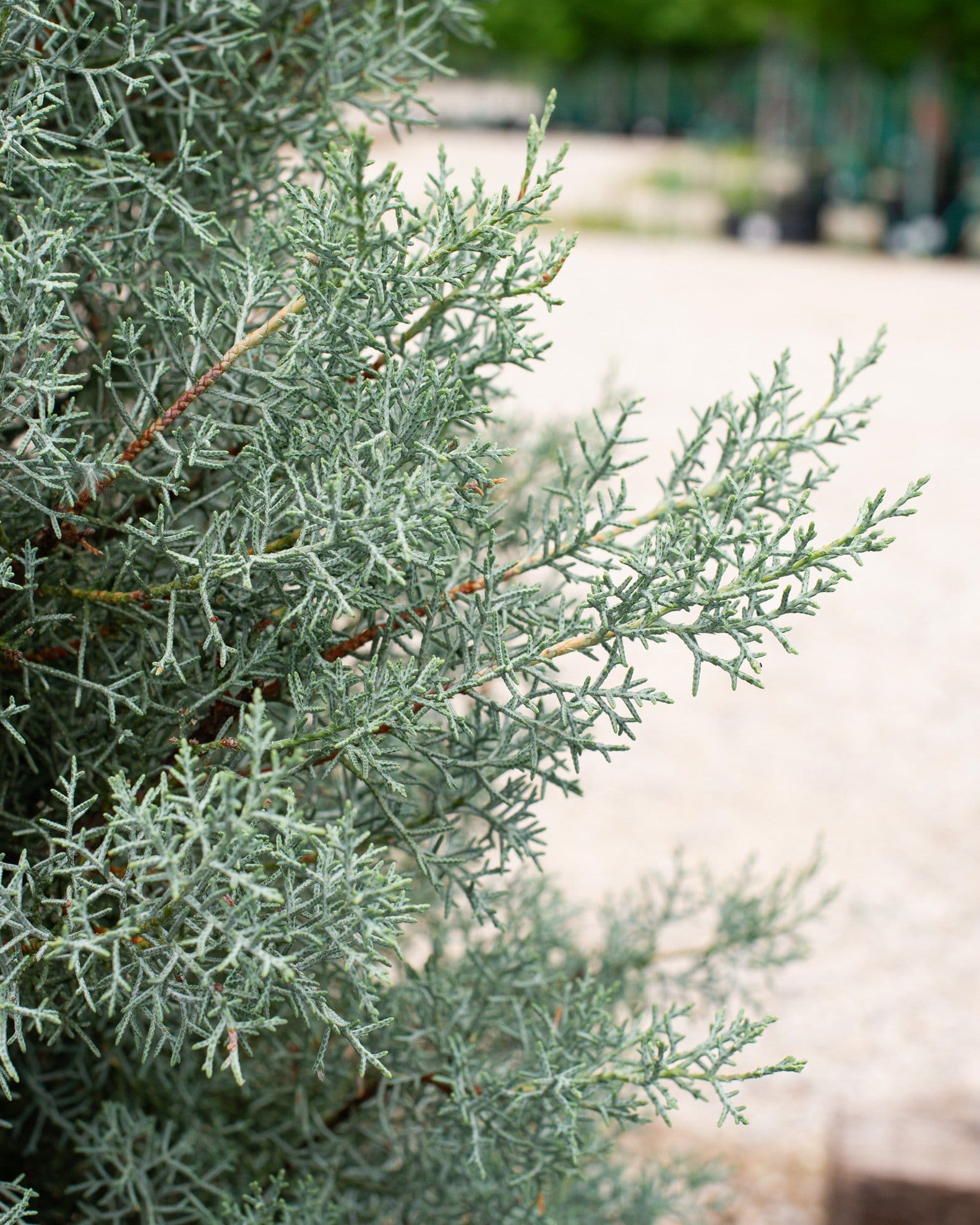
Maturity: 30' H x 20' W
Eastern Red Cedar
Maturity: 30' H x 20' W
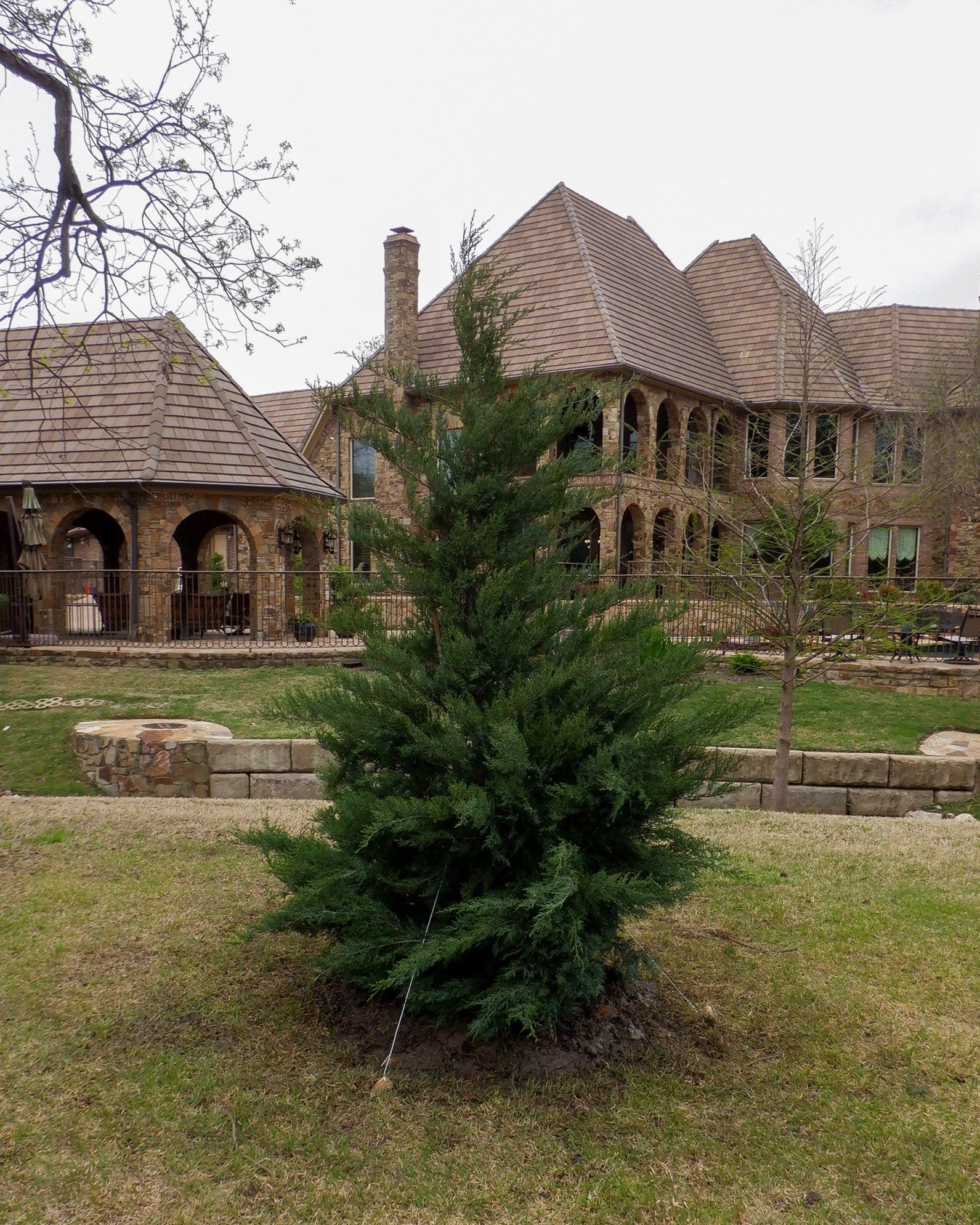
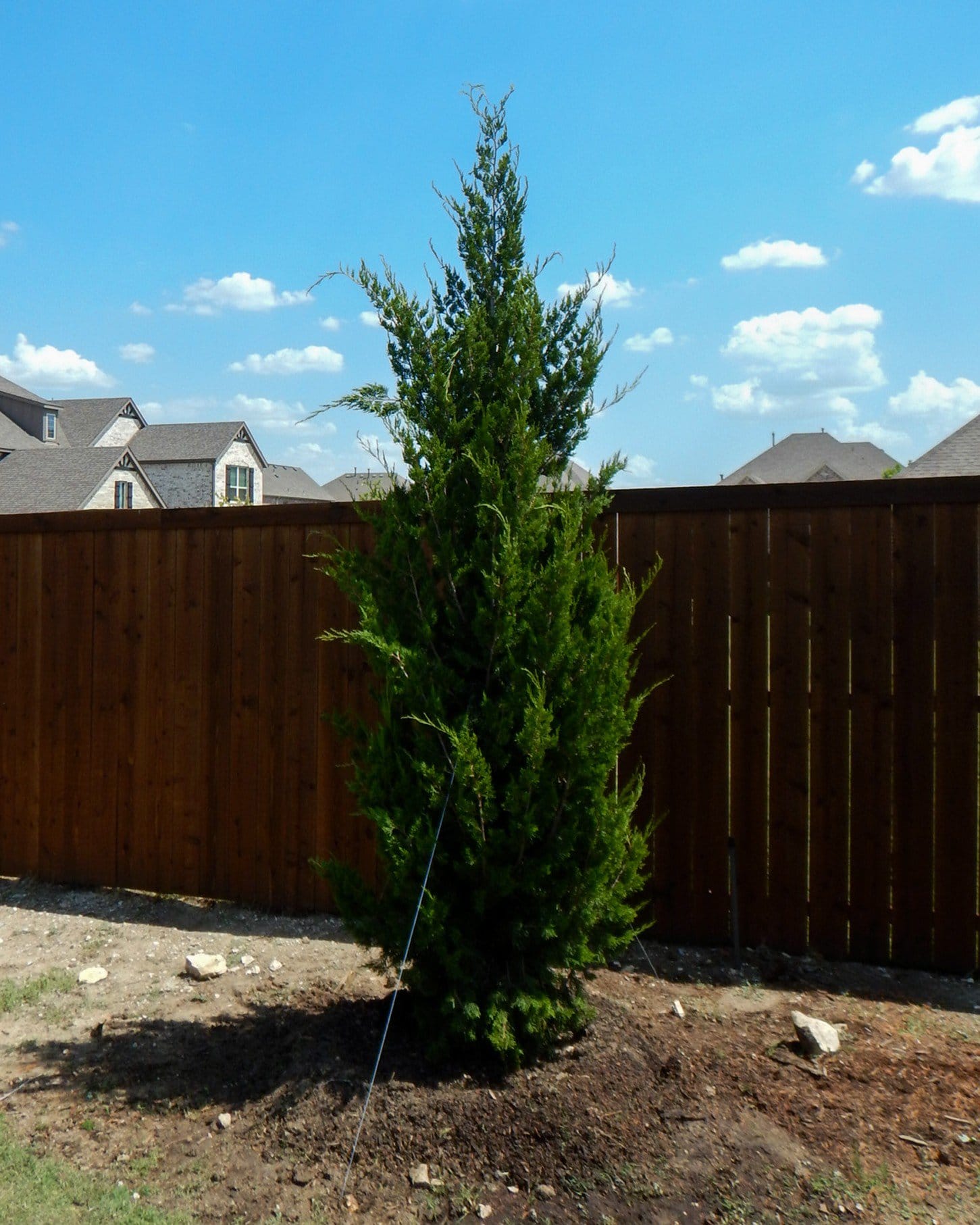
Eastern Red Cedar Brodie
Maturity: 25' H x 12' W
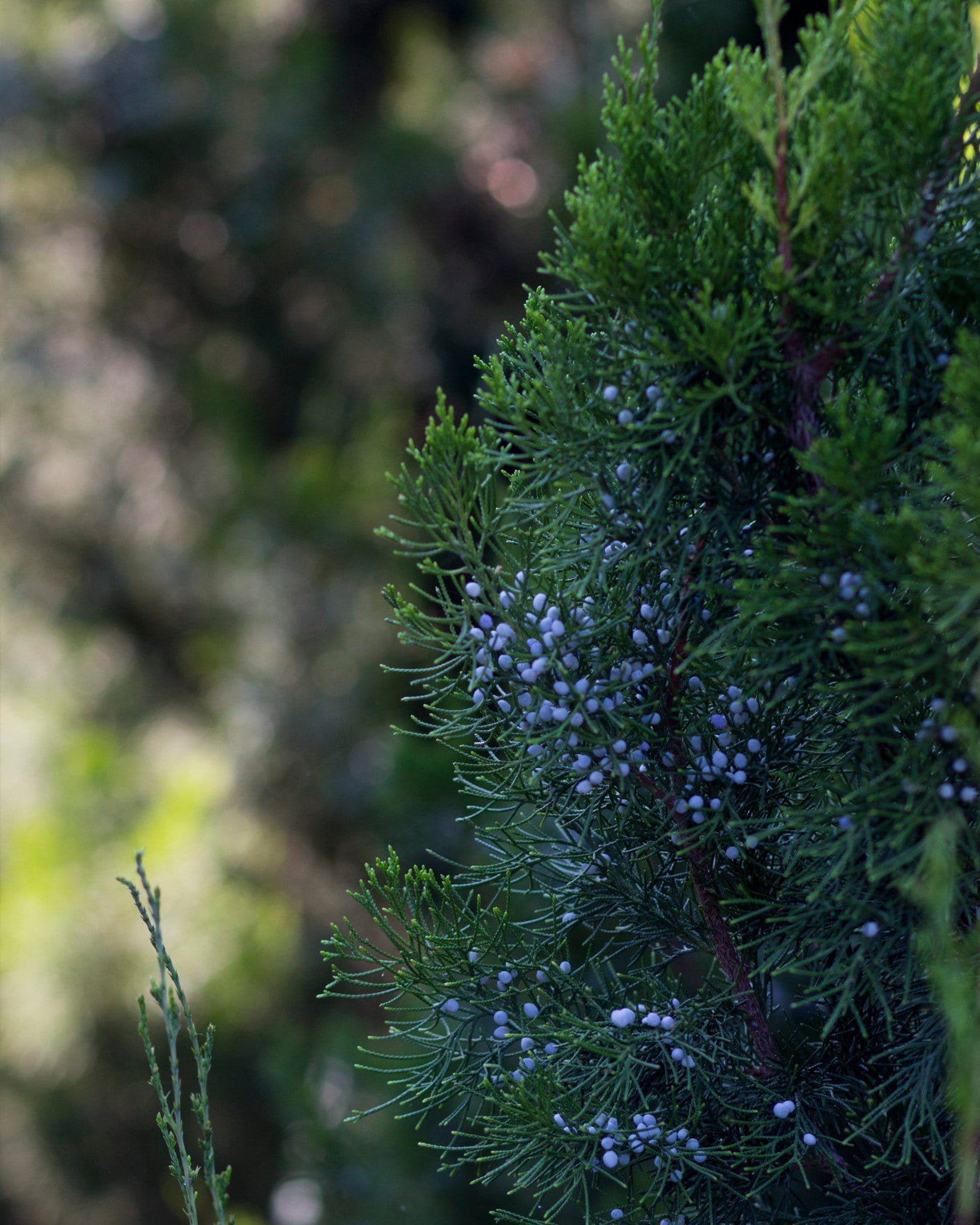
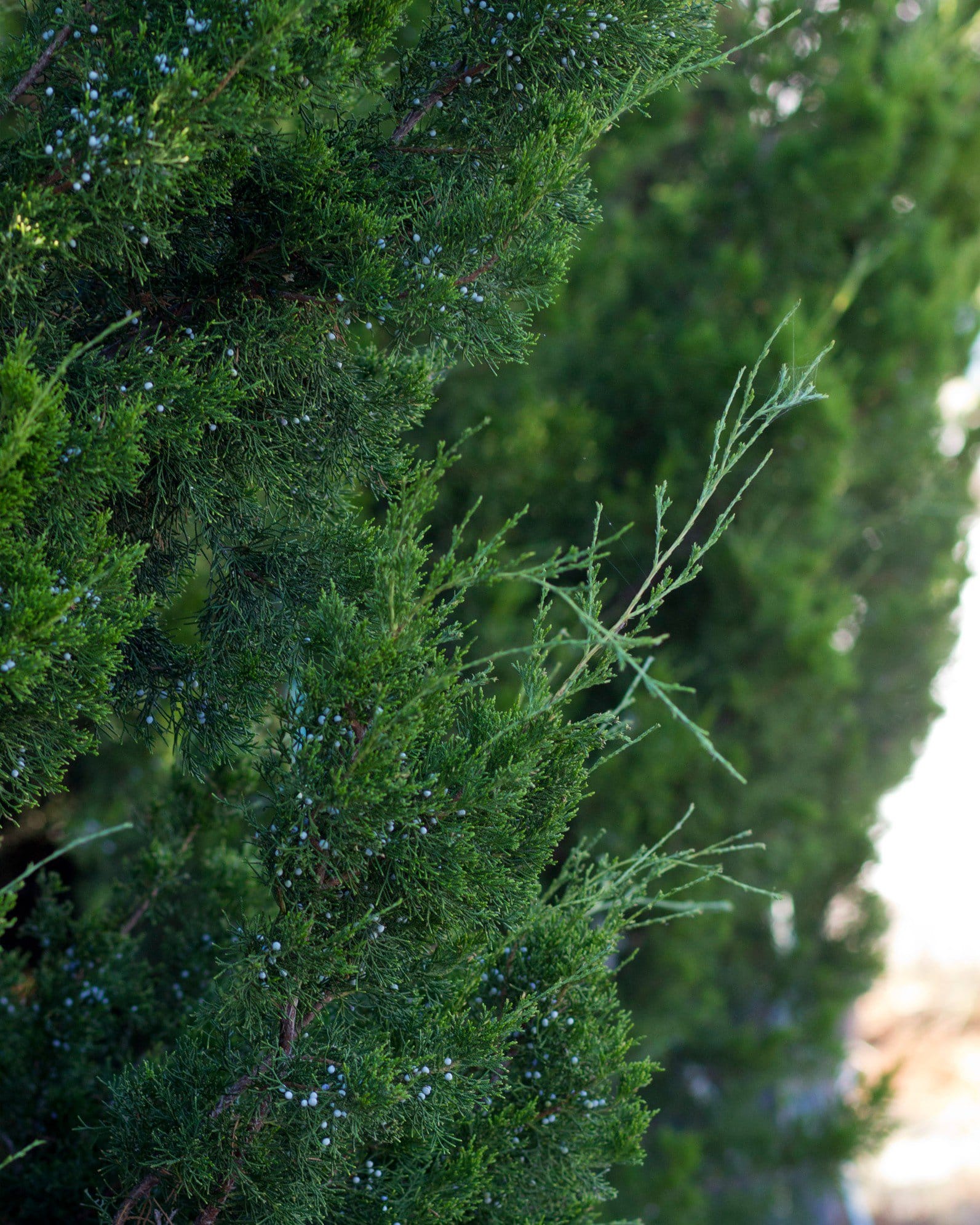
Eastern Red Cedar Burkii
Maturity: 25' H x 20' W
Eastern Red Cedar Taylor
Maturity: 25' H x 4' W

Live Oak
Maturity: 50' H x 60' W
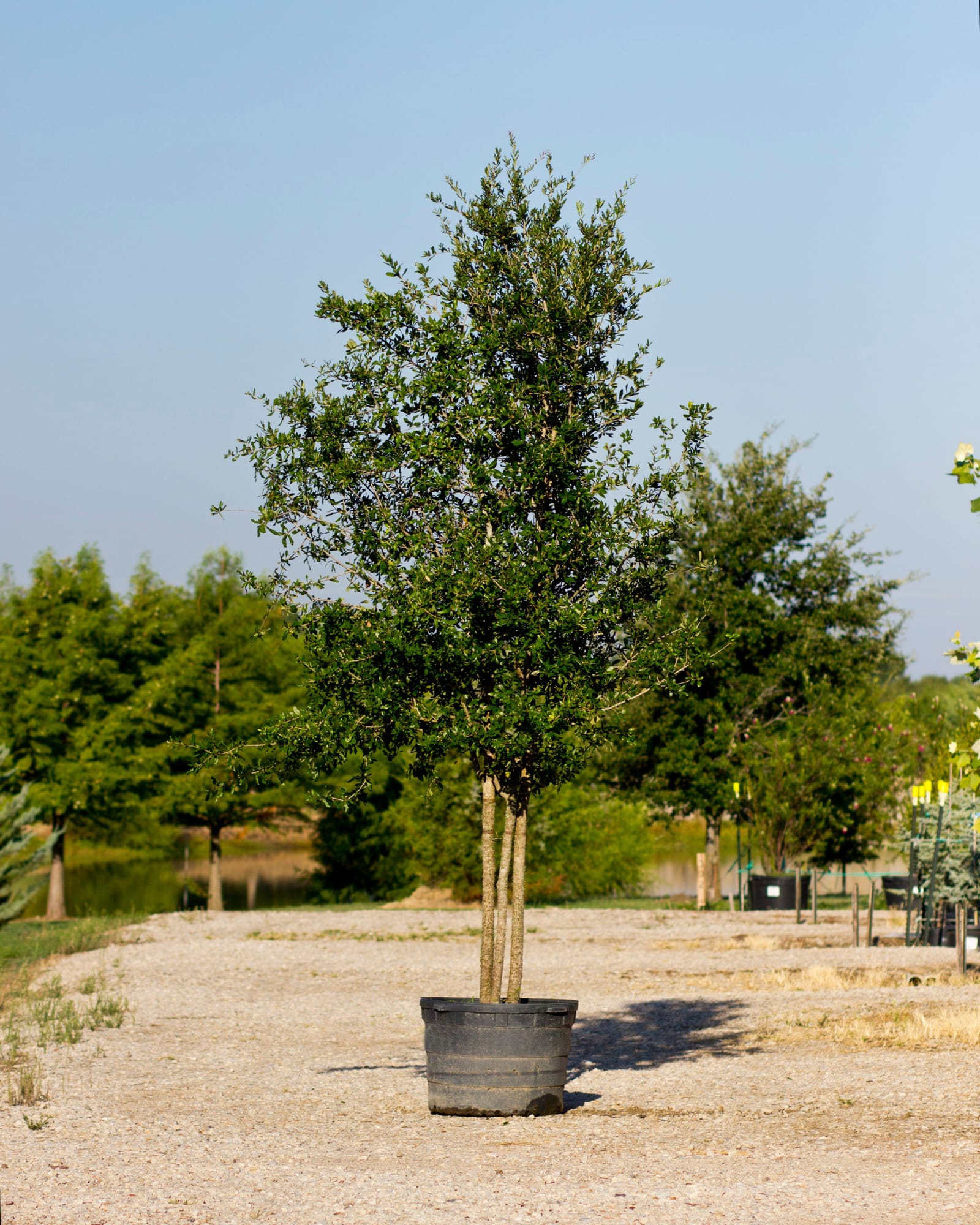
Live Oak Multi-Trunk
Maturity: 50' H x 60' W
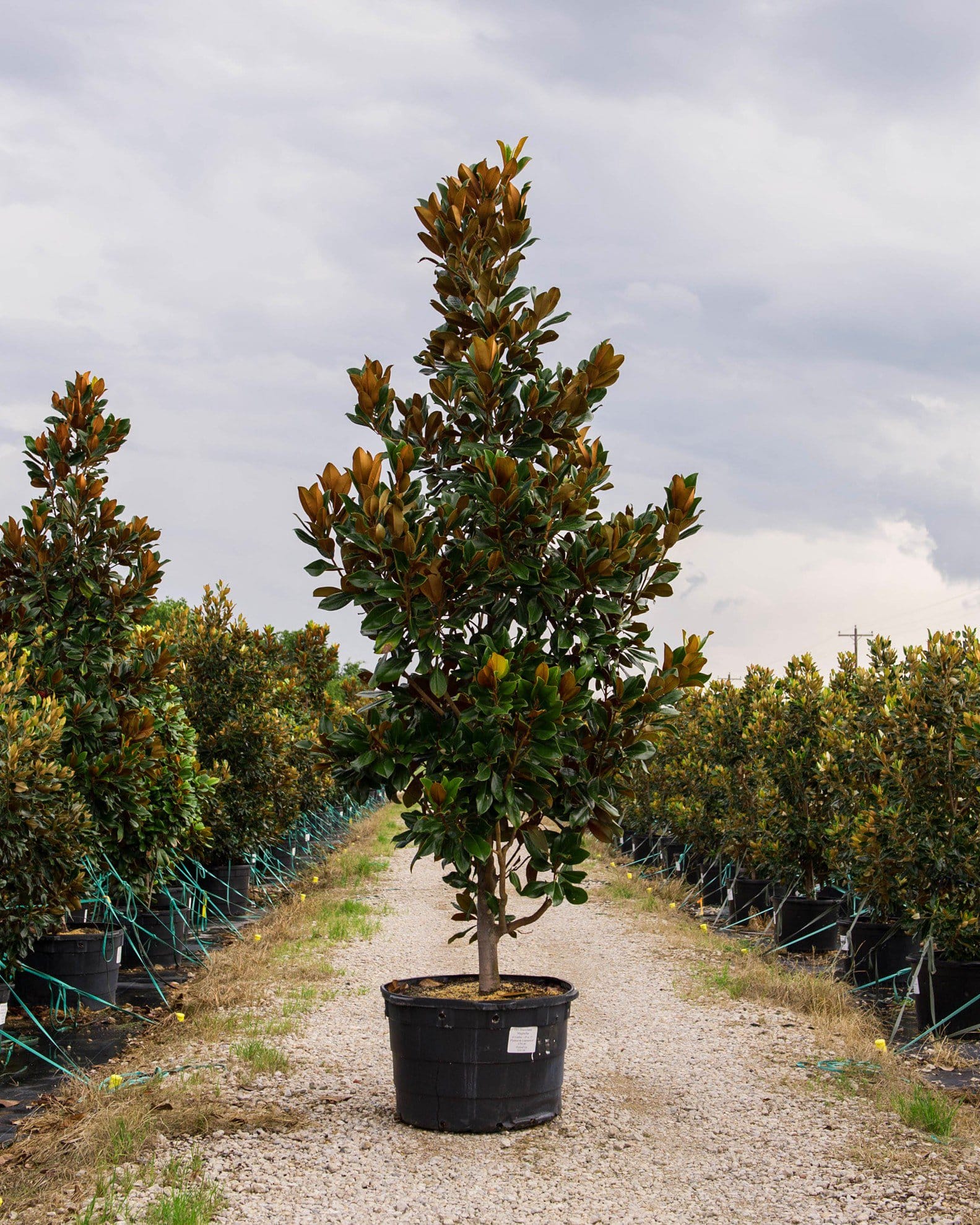
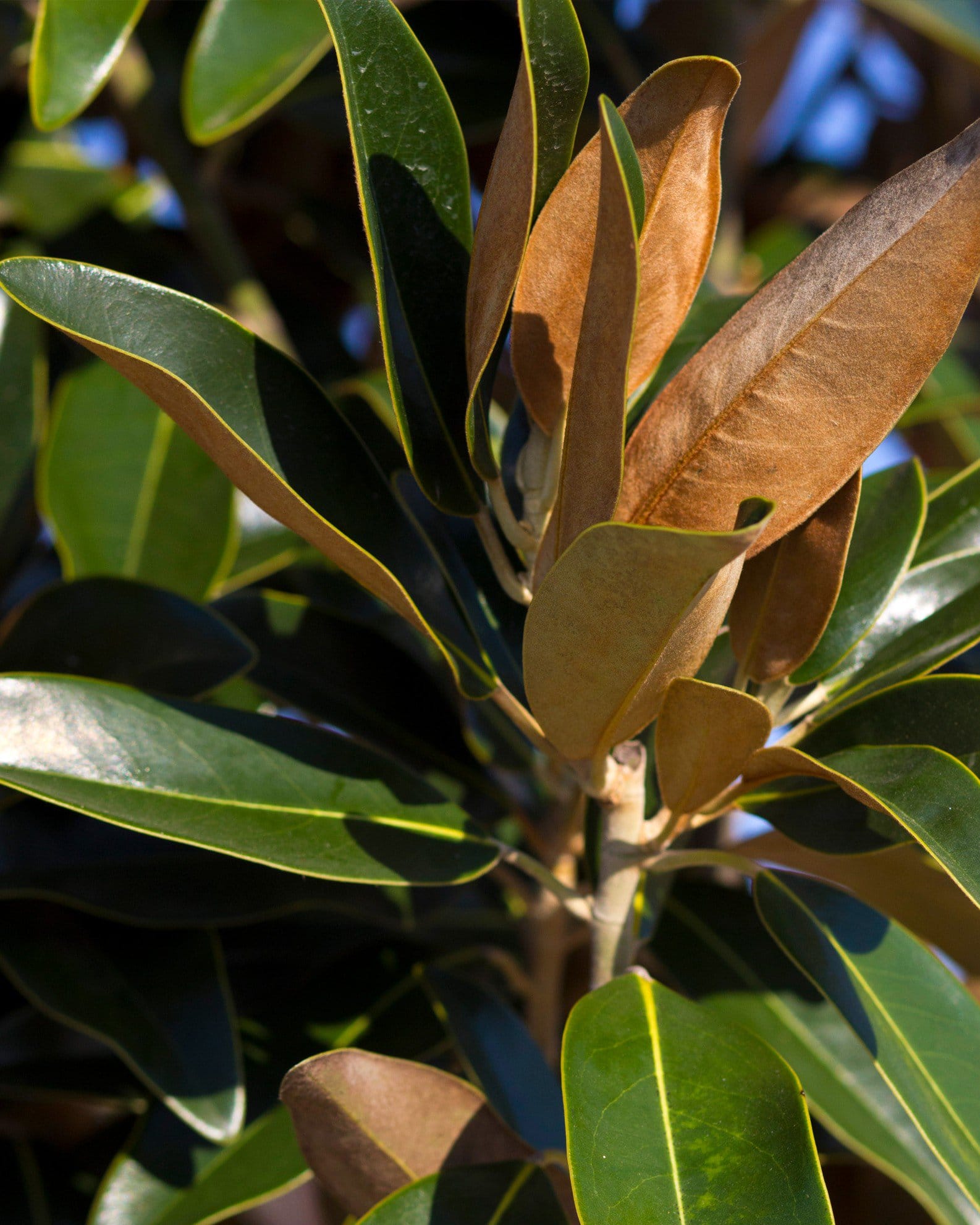
DD Blanchard Magnolia
Maturity: 45' H x 25' W
Bald Cypress
Maturity: 60' H x 40' W
Caddo Pecan
Maturity: 60' H x 40' W
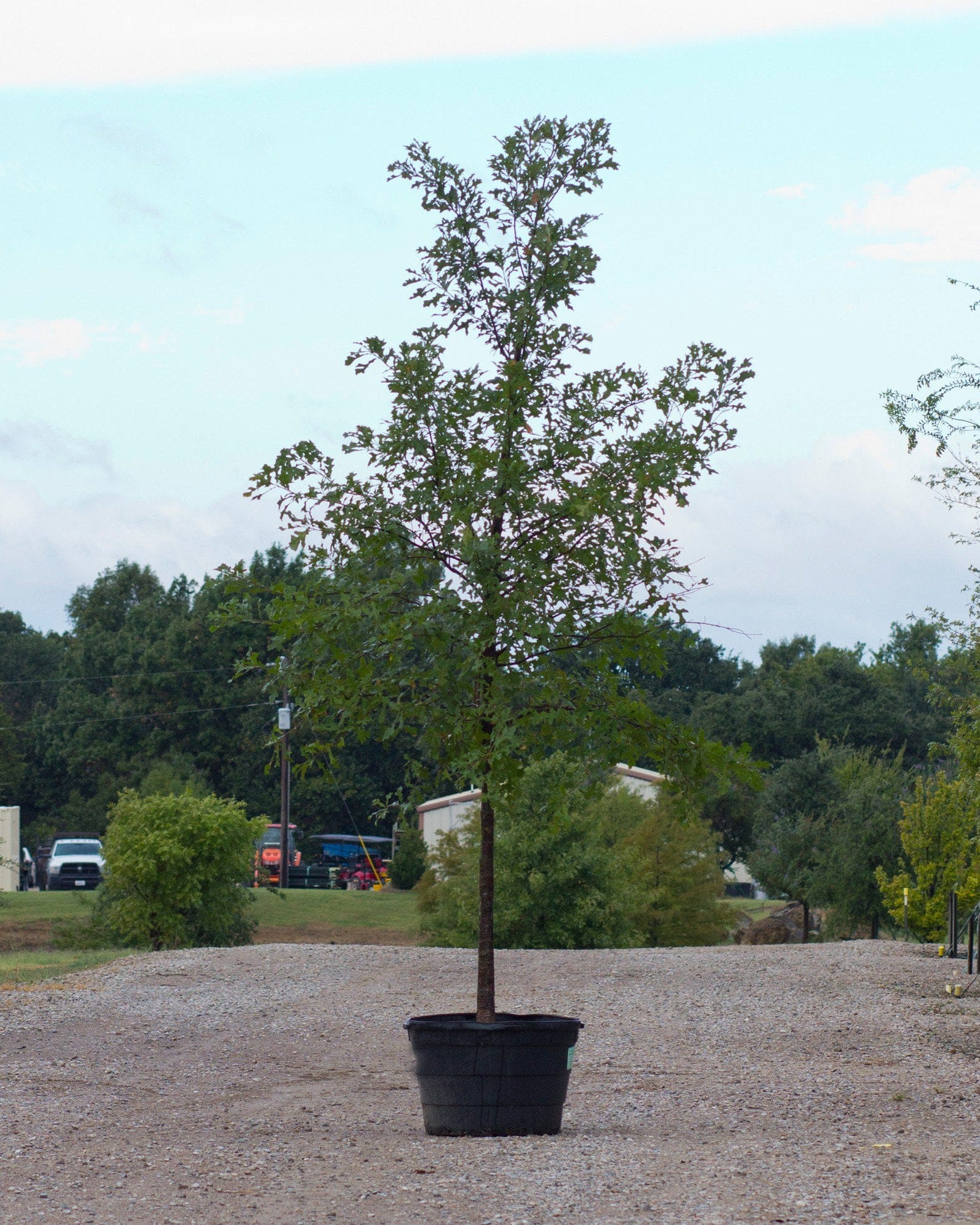
Cedar Elm
Maturity: 50' H x 35' W
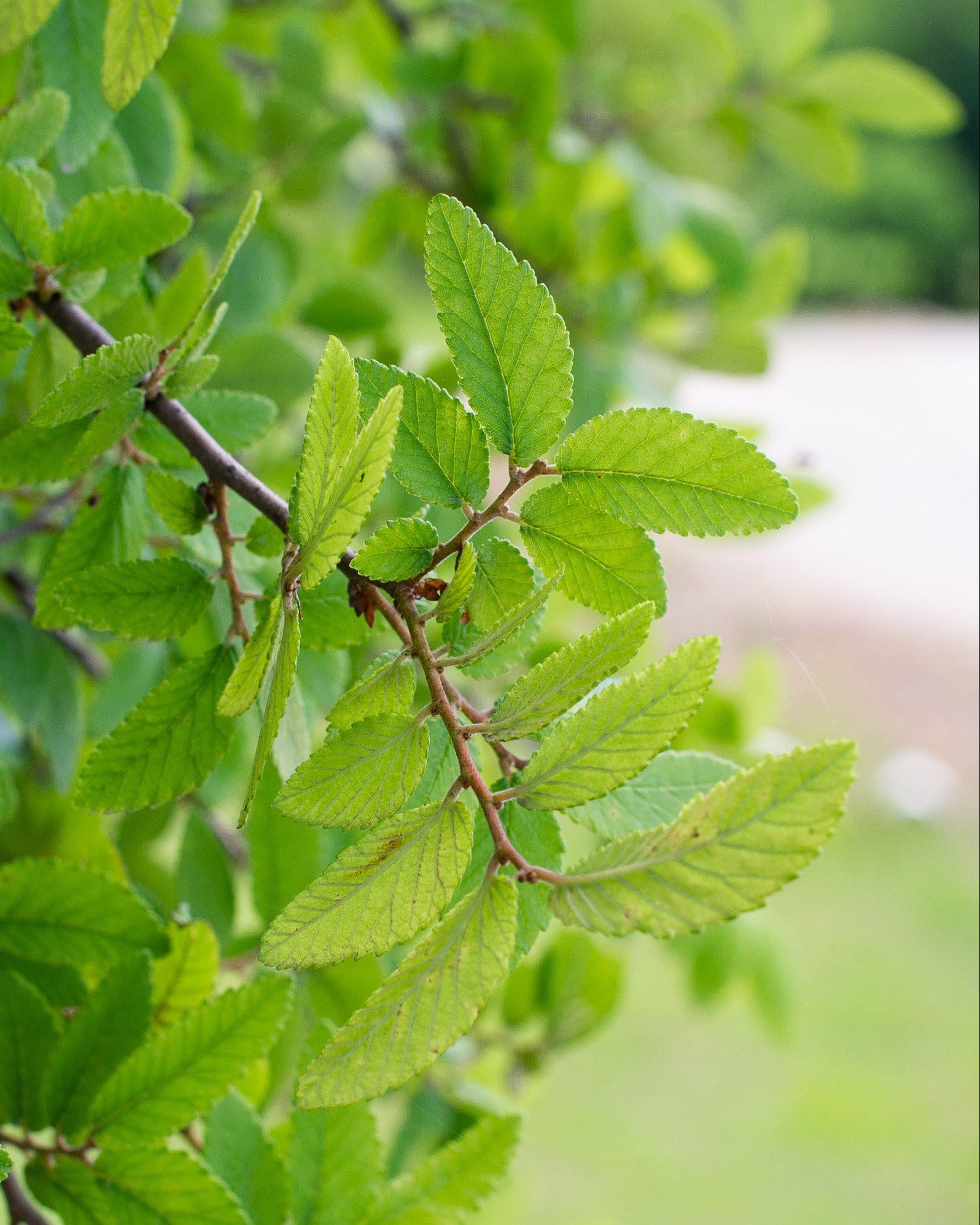
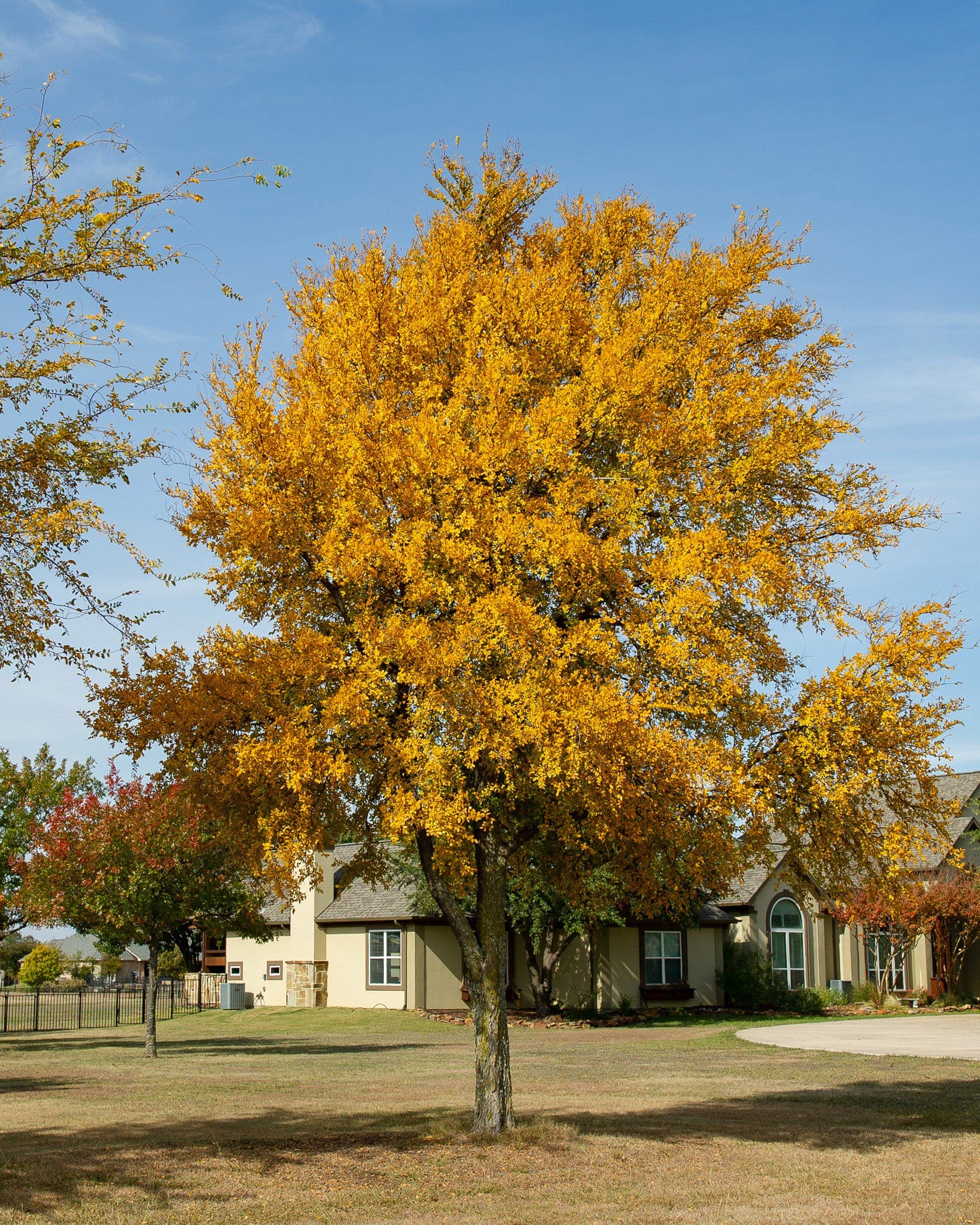
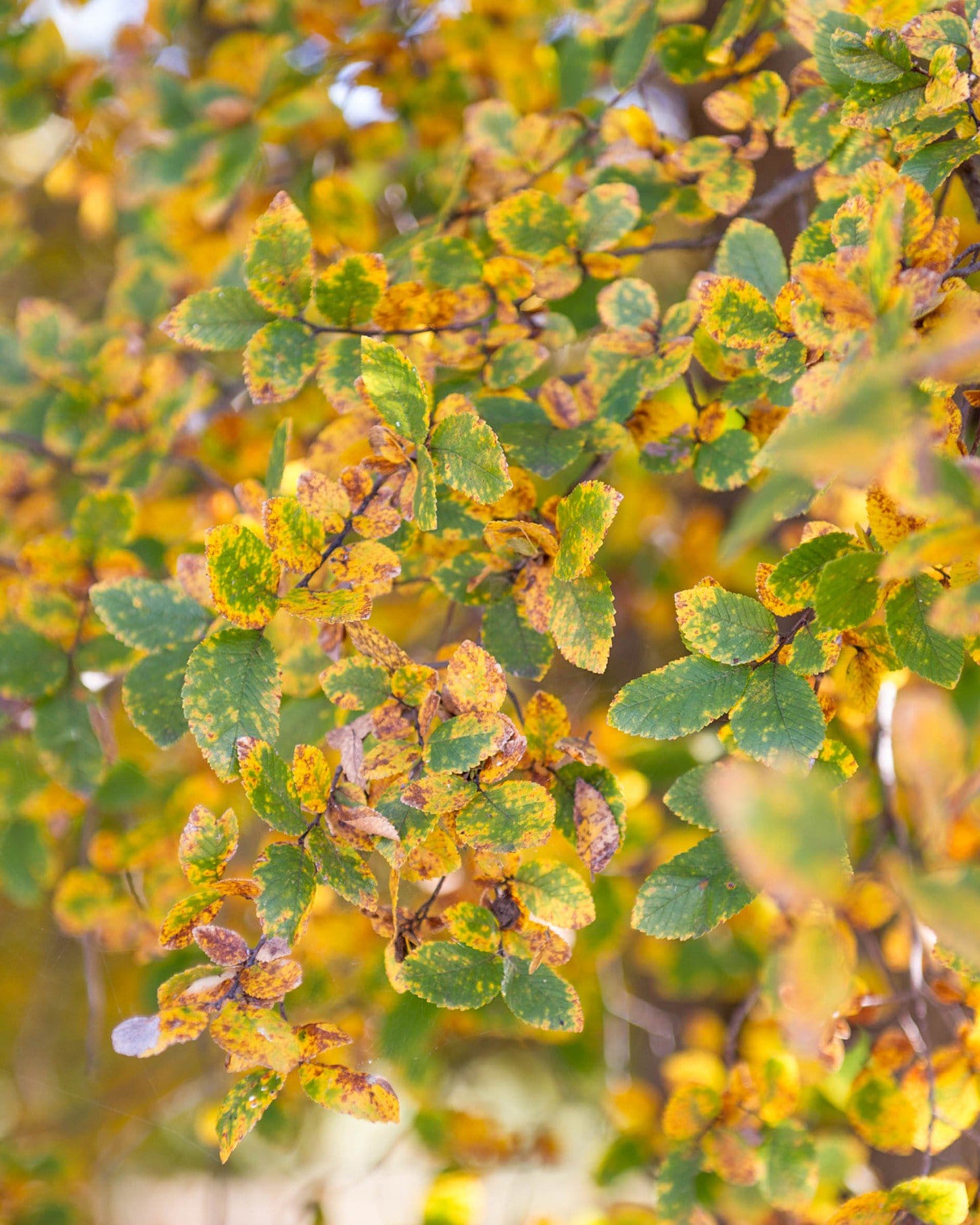
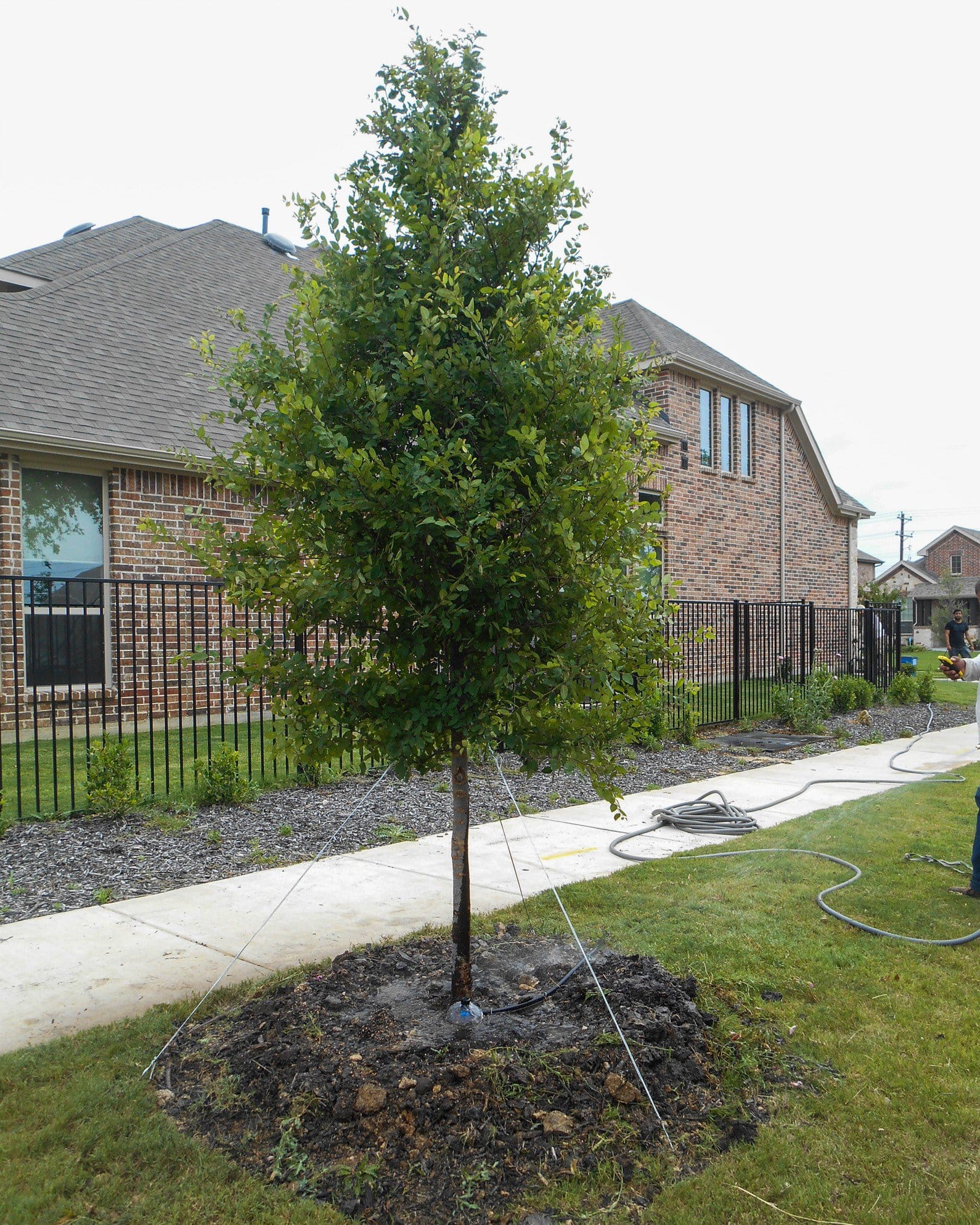
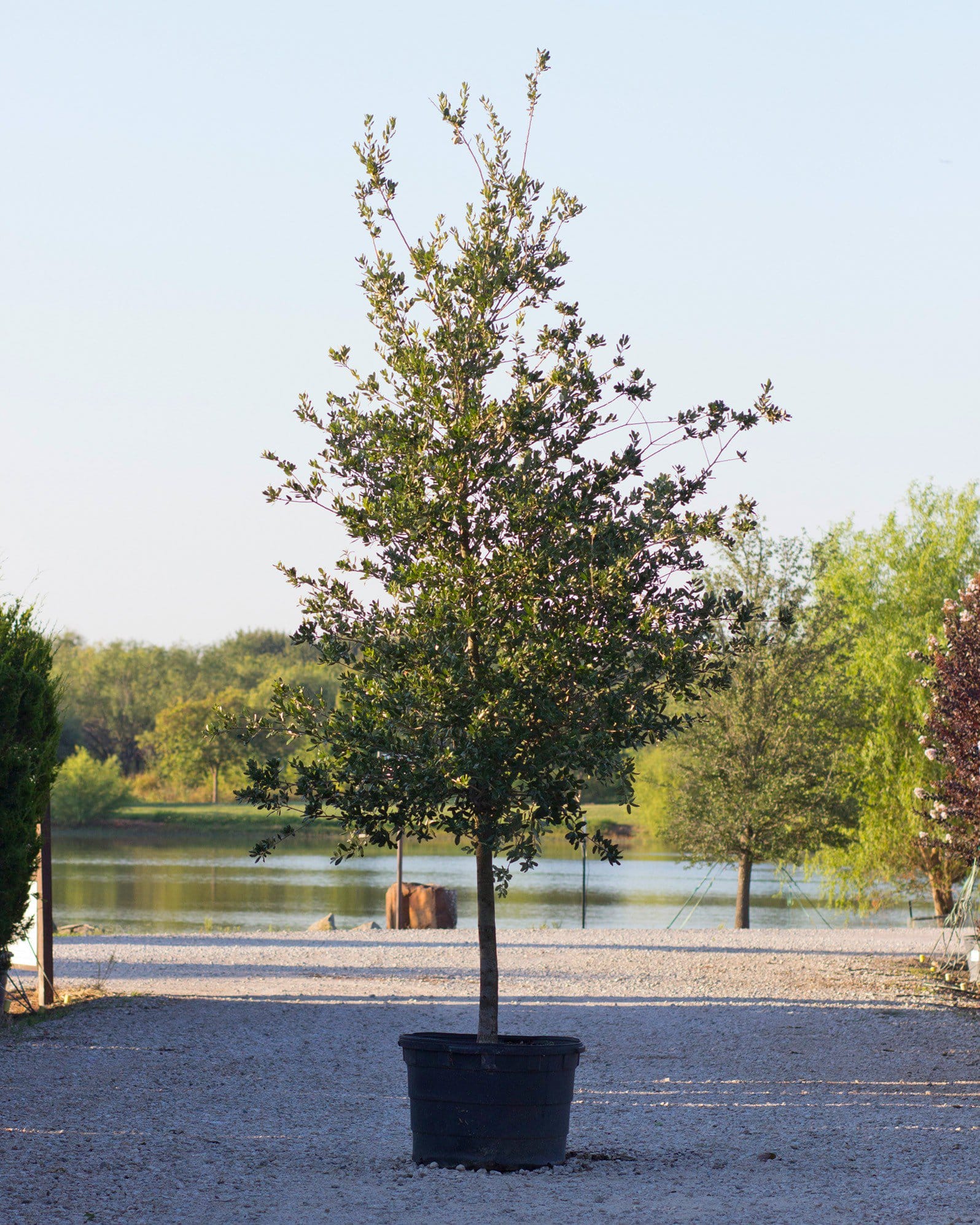
Texas Live Oak
Maturity: 30' H x 30' W
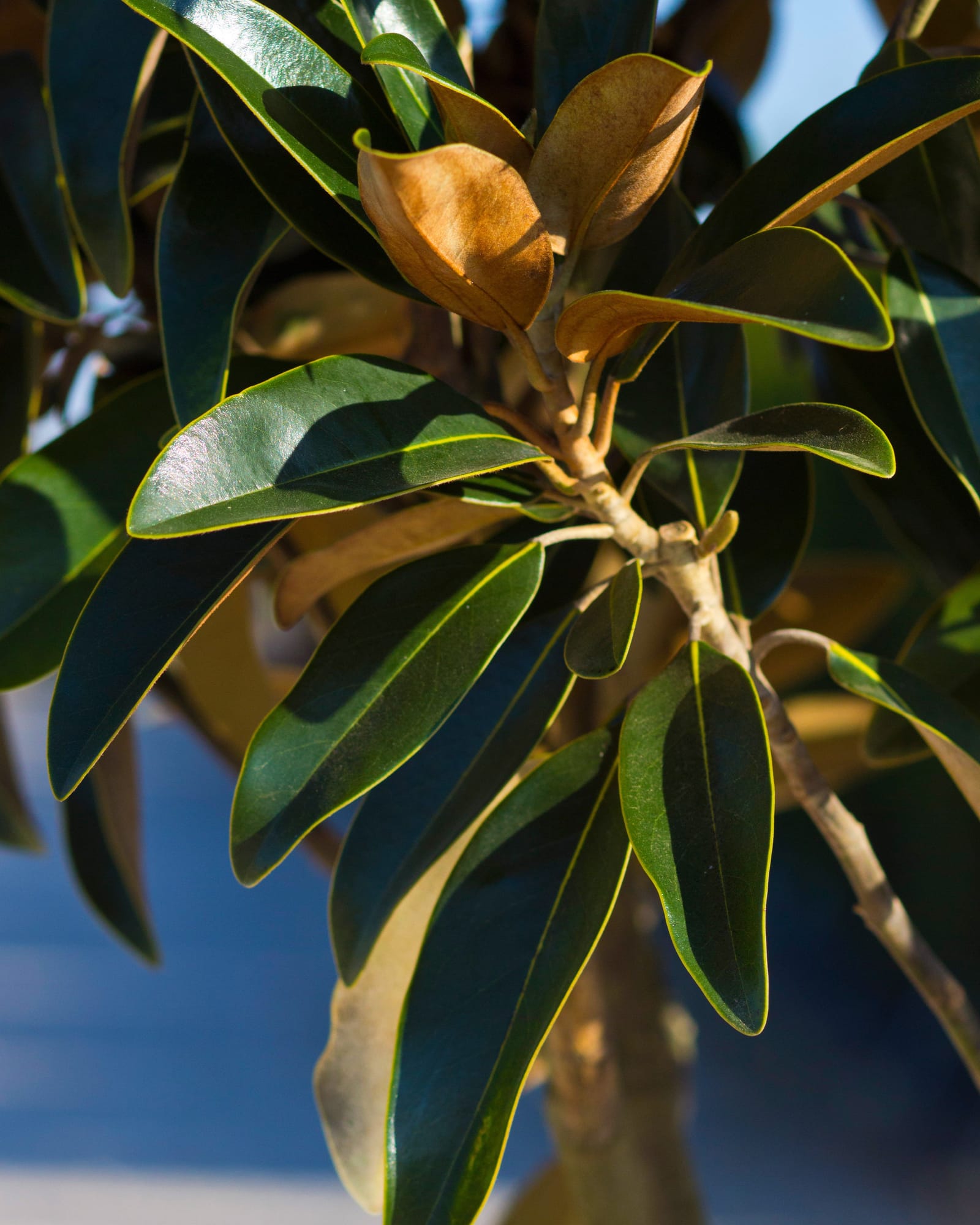
Alta Magnolia Tree Form
Maturity: 40' H x 20' W
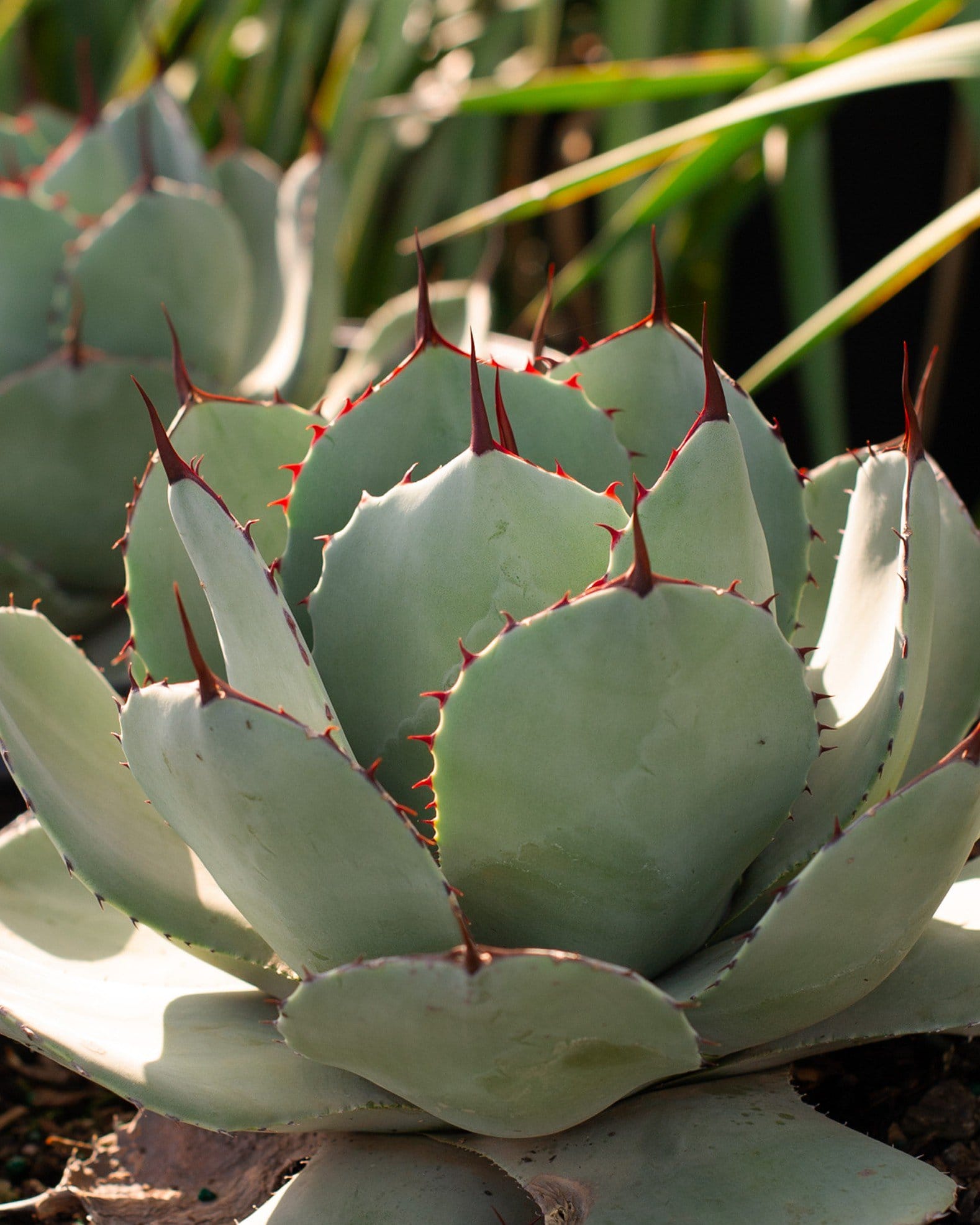
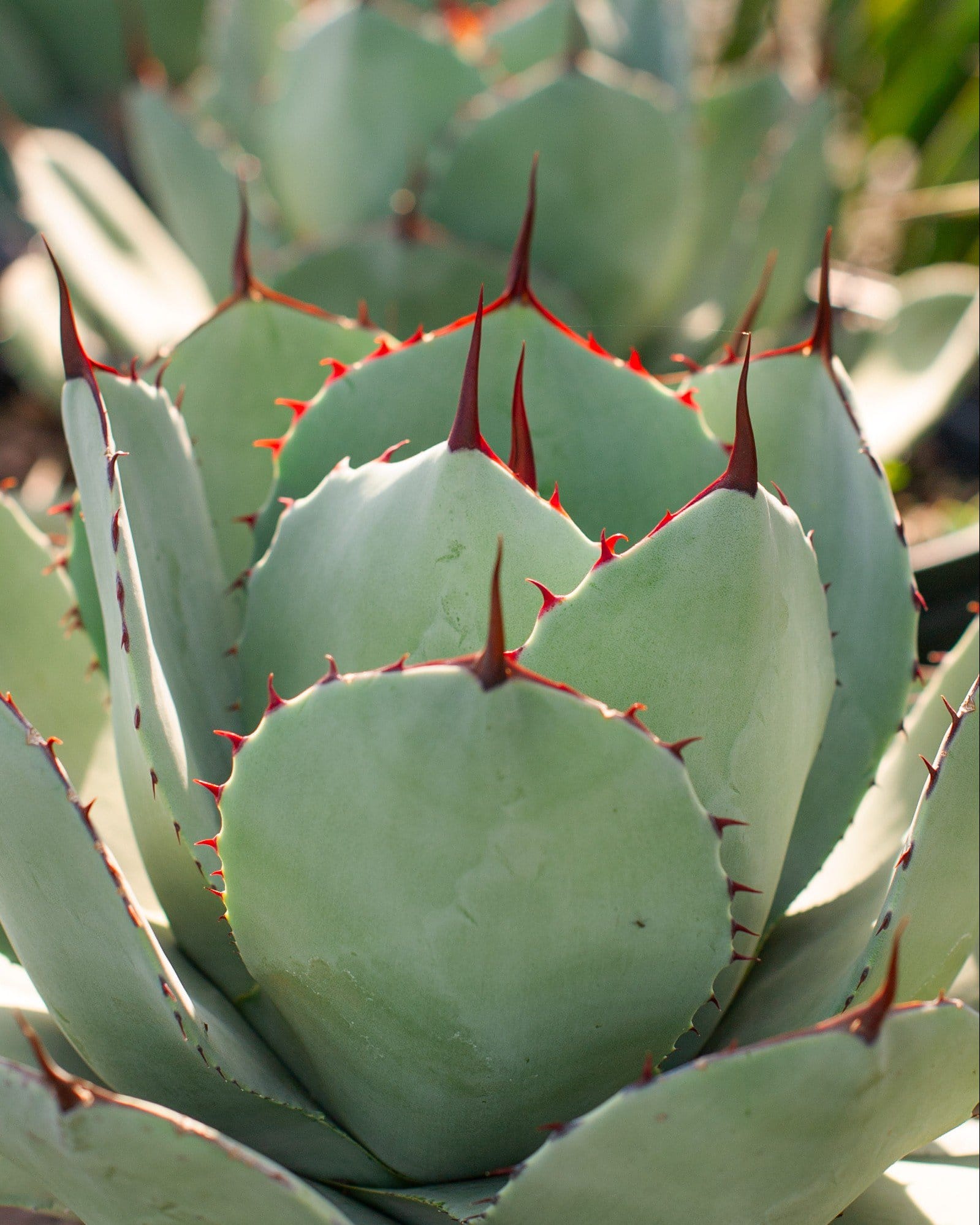
Artichoke Agave
Maturity: 3' H x 5' W
Compare Similar Plants
Loblolly Pine This plant | ||
|---|---|---|
| Scientific Name | Pinus taeda | Hesperocyparis arizonica 'Blue Ice' |
| Size at Maturity | 60' H x 30' W | 25' H x 15' W |
| Leaf Retention | Evergreen | Evergreen |
| Sizes Available | 7, 15, 30, 45 gal | 15, 30 gal |


Our 1-Year Planting Guarantee
We take pride in our plants and installation services. If any plants or trees installed by Treeland fail to thrive within the first year, we'll provide a replacement credit in accordance with our guarantee program.
Learn More About Our Guarantee