
 Popular
 Texas Native
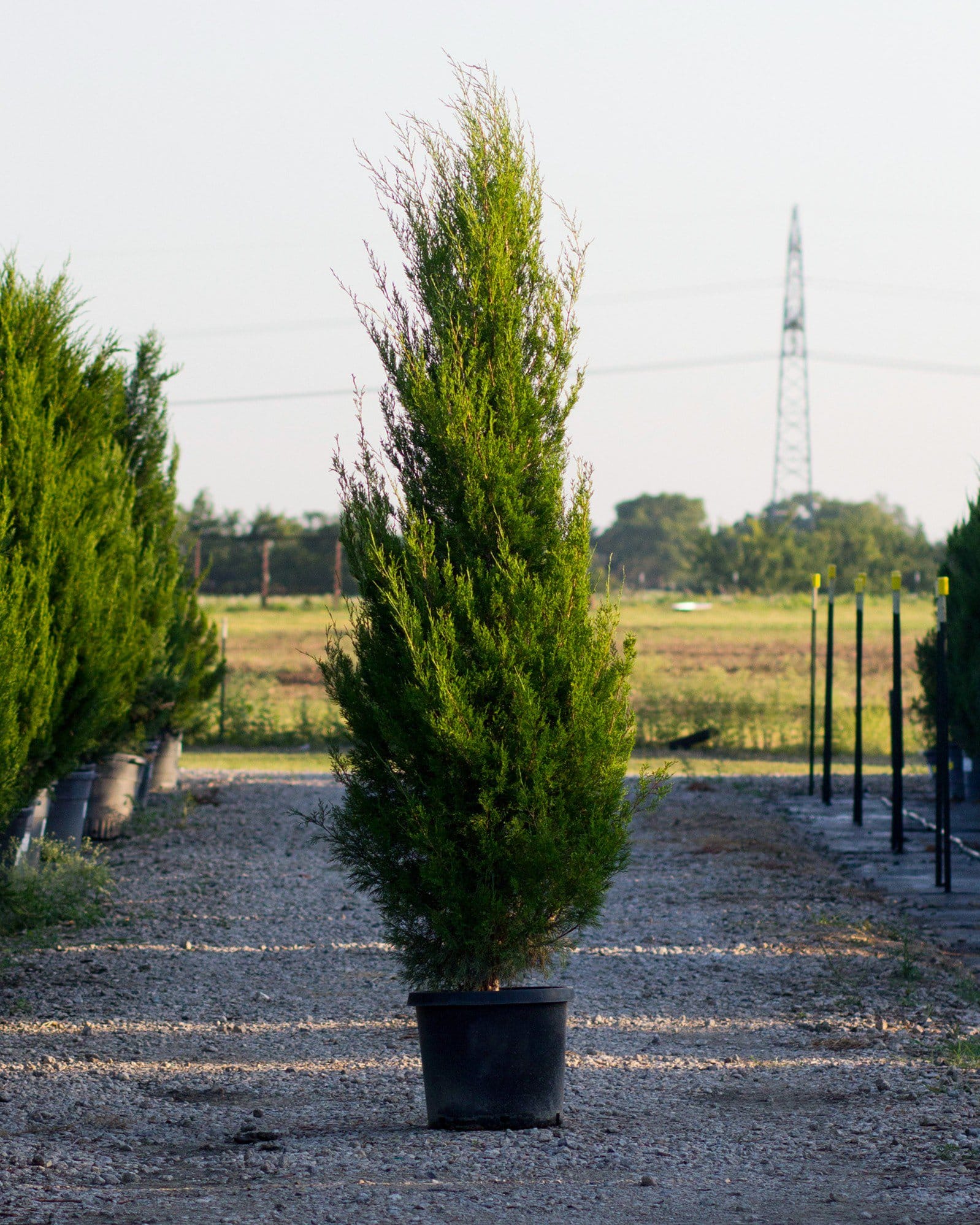
Arizona Cypress Blue Ice
Hesperocyparis arizonica 'Blue Ice'Local DFW Delivery Only
Product Details
Arizona Cypress Blue Ice
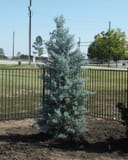
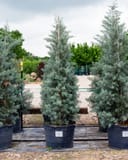
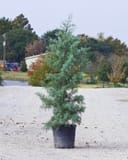
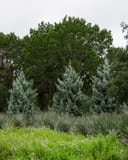
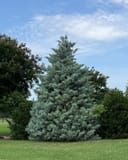
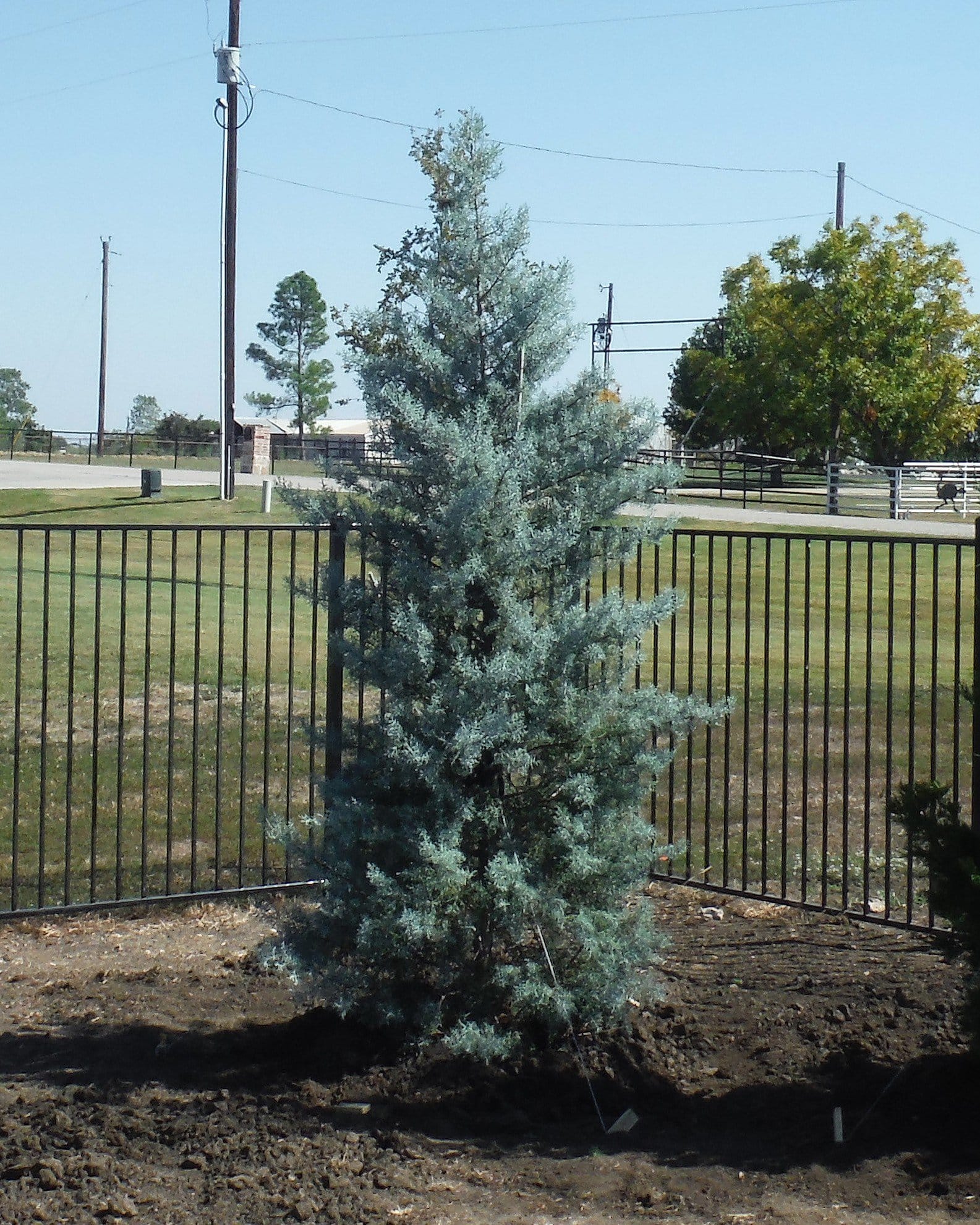
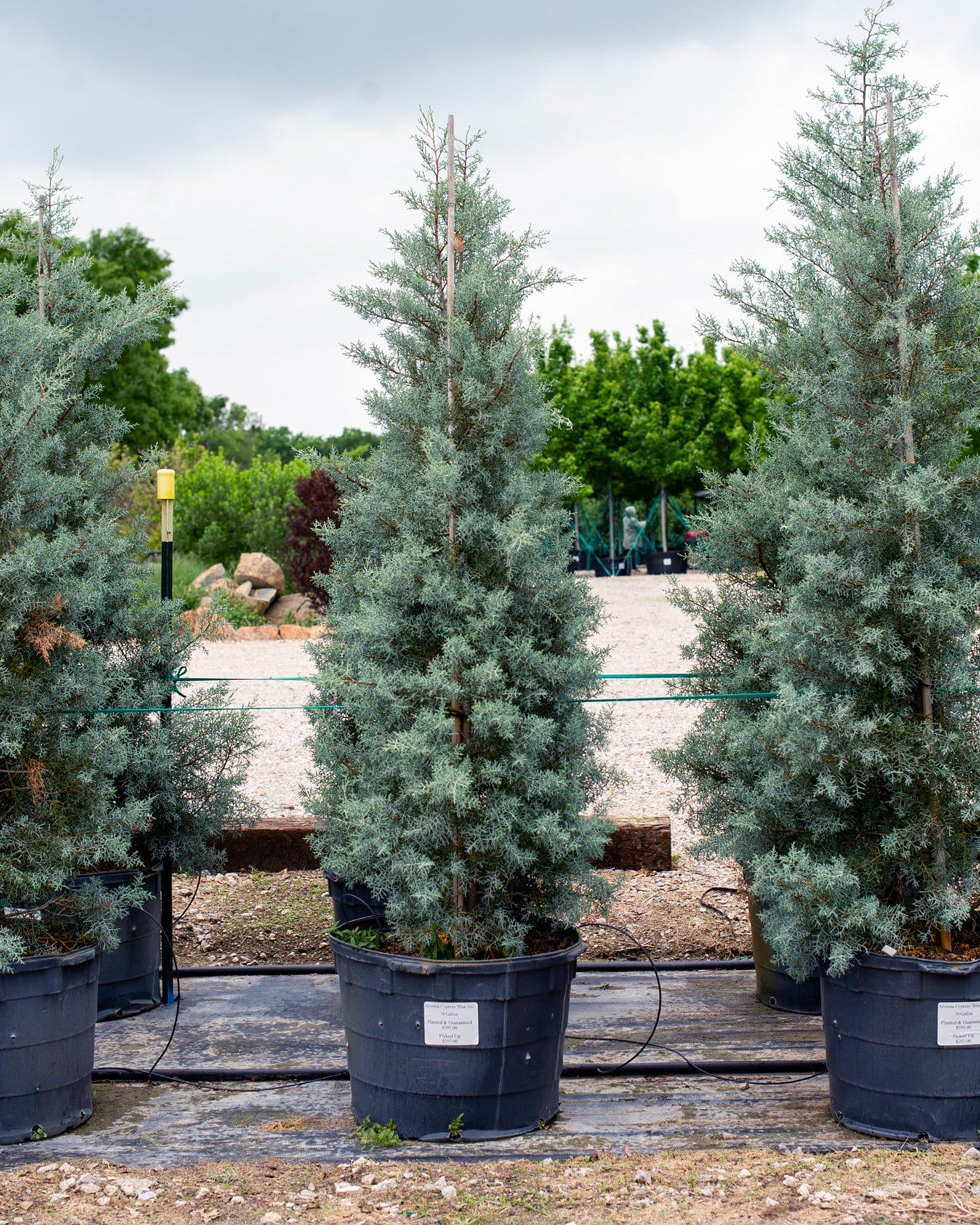
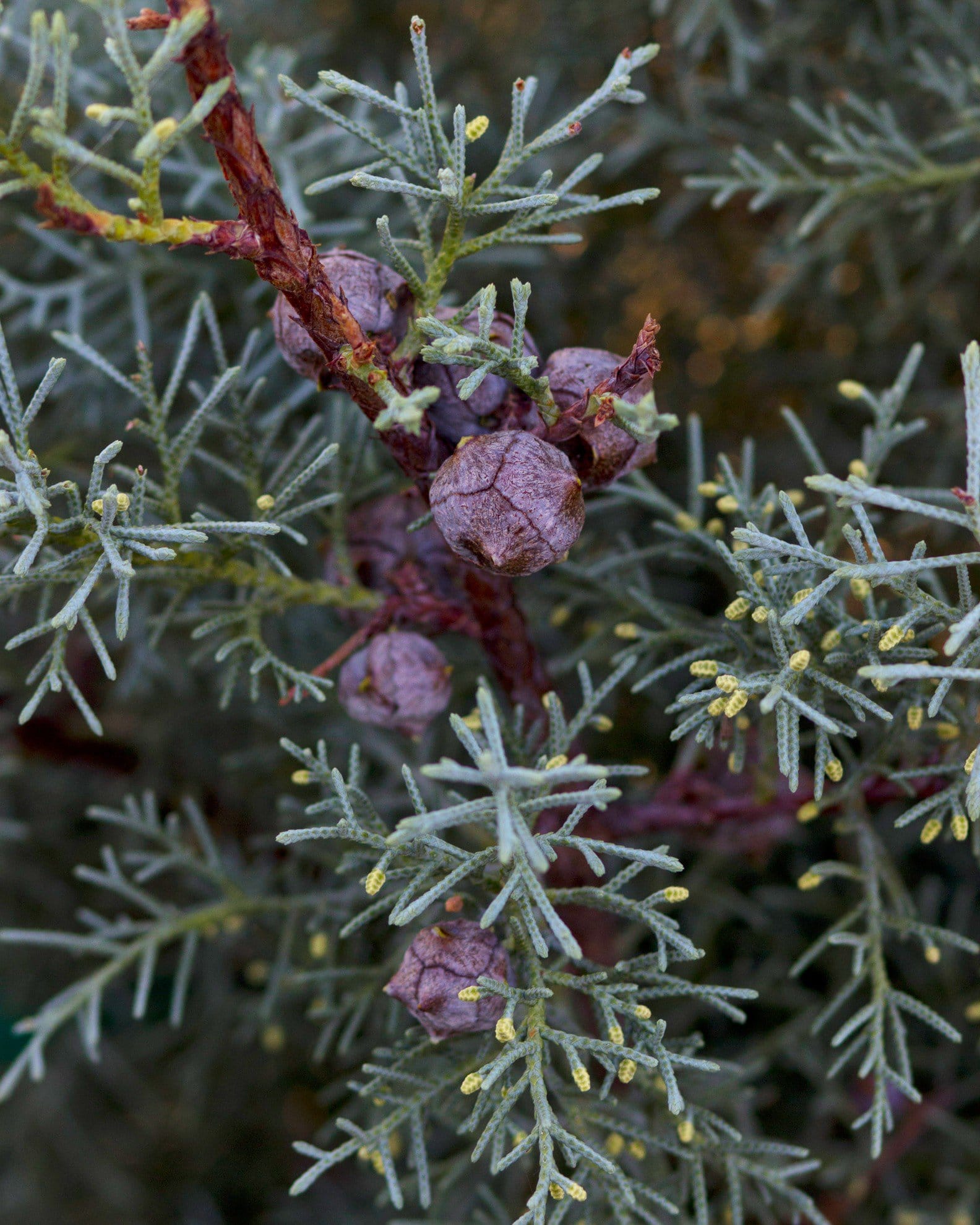
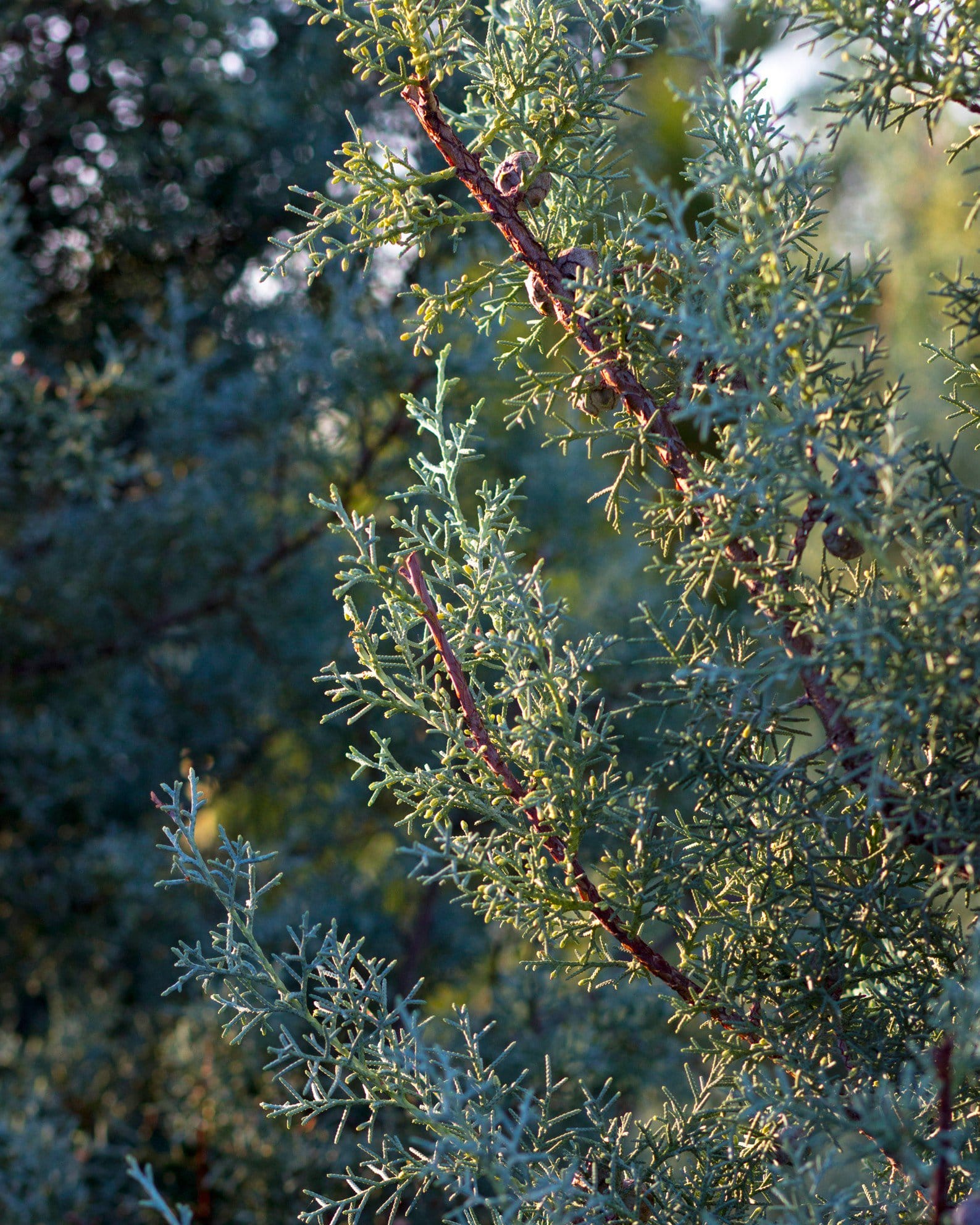
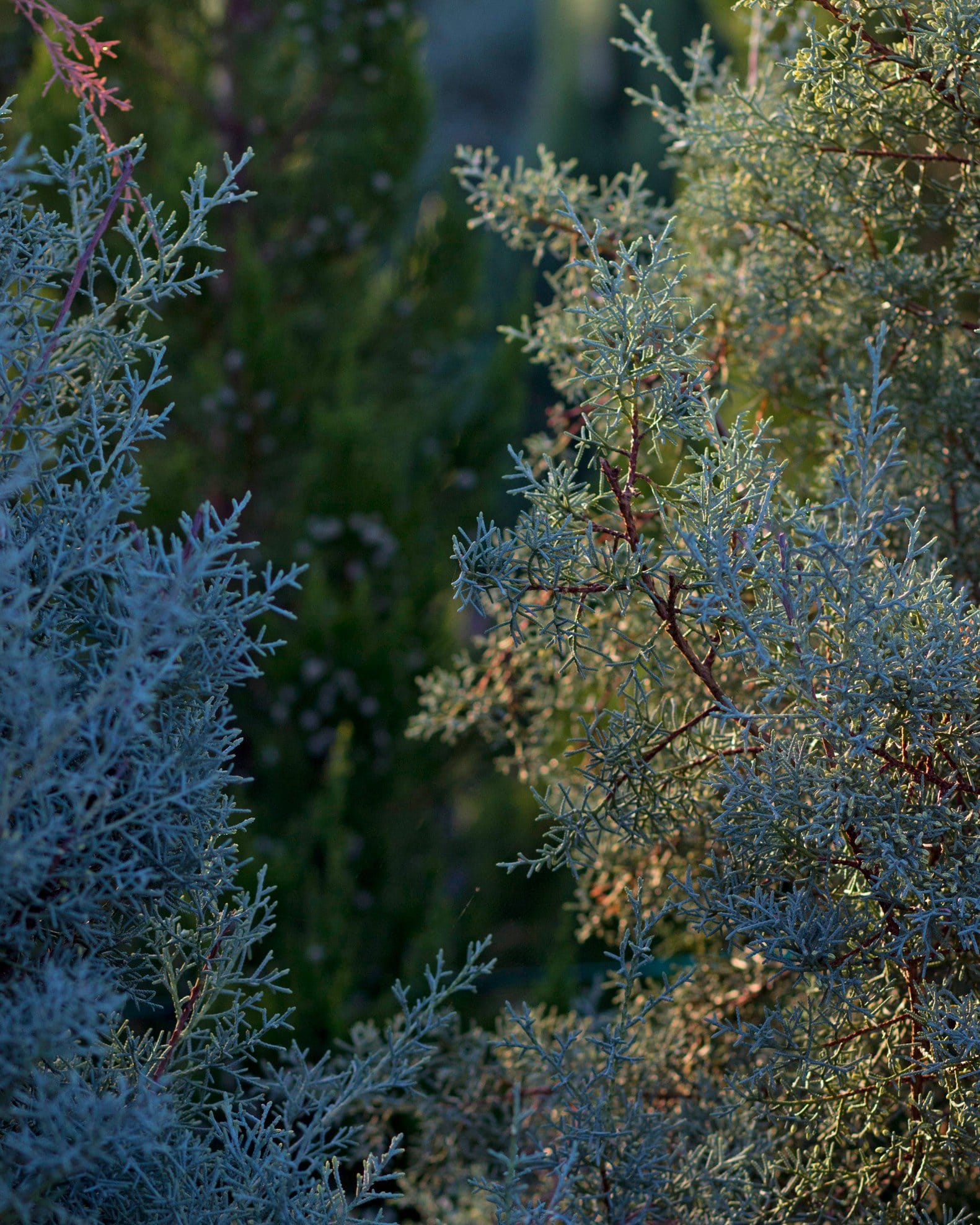
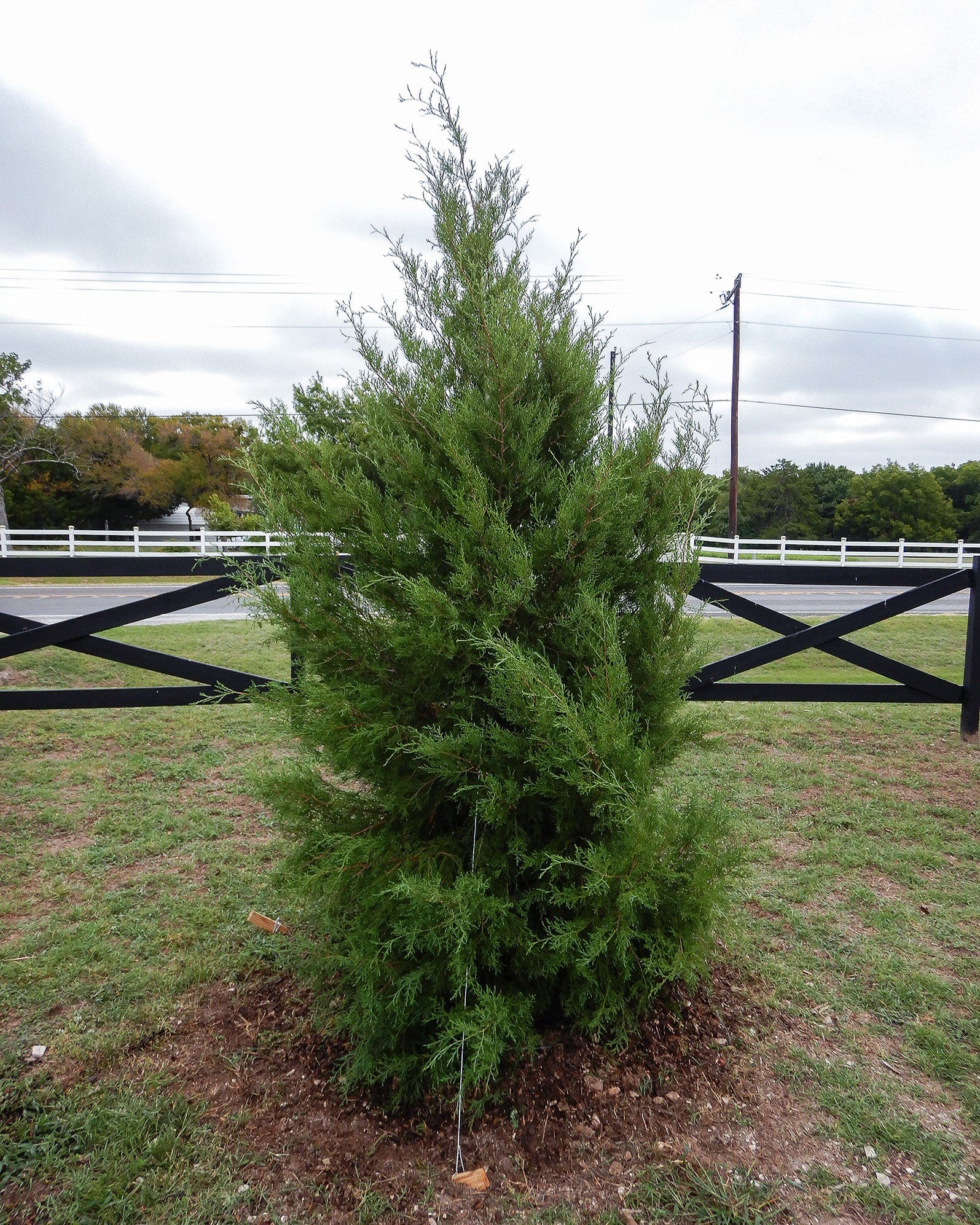
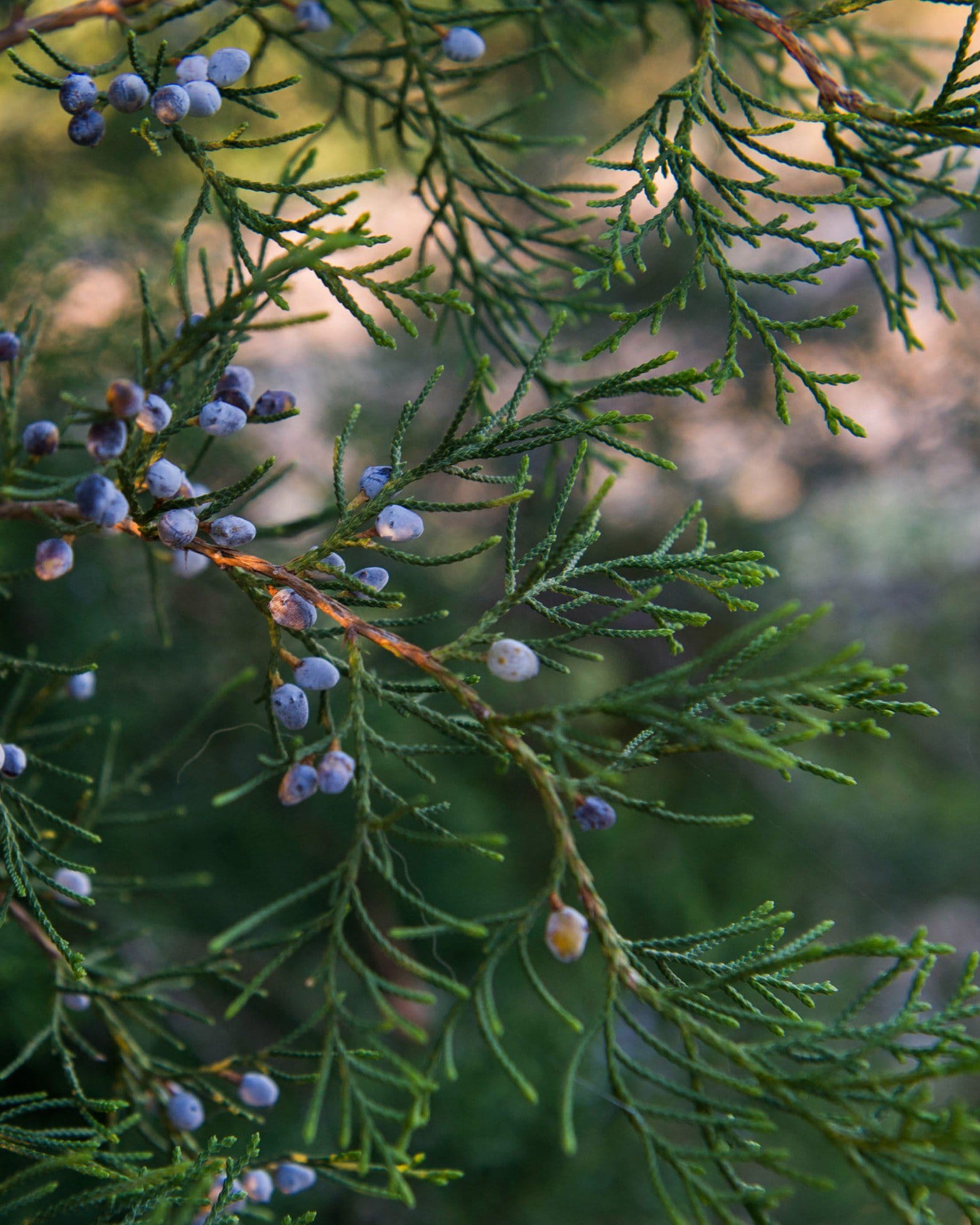
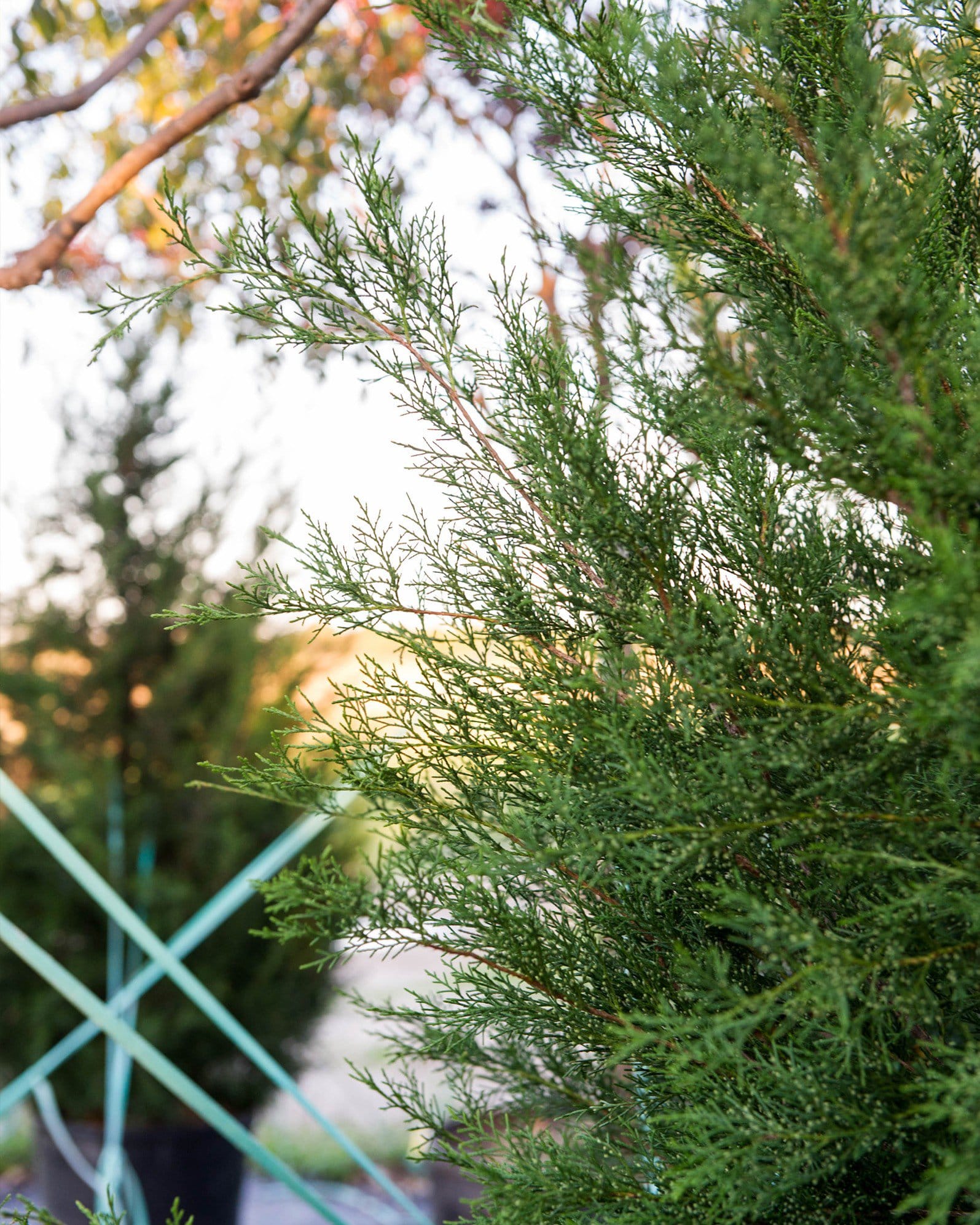
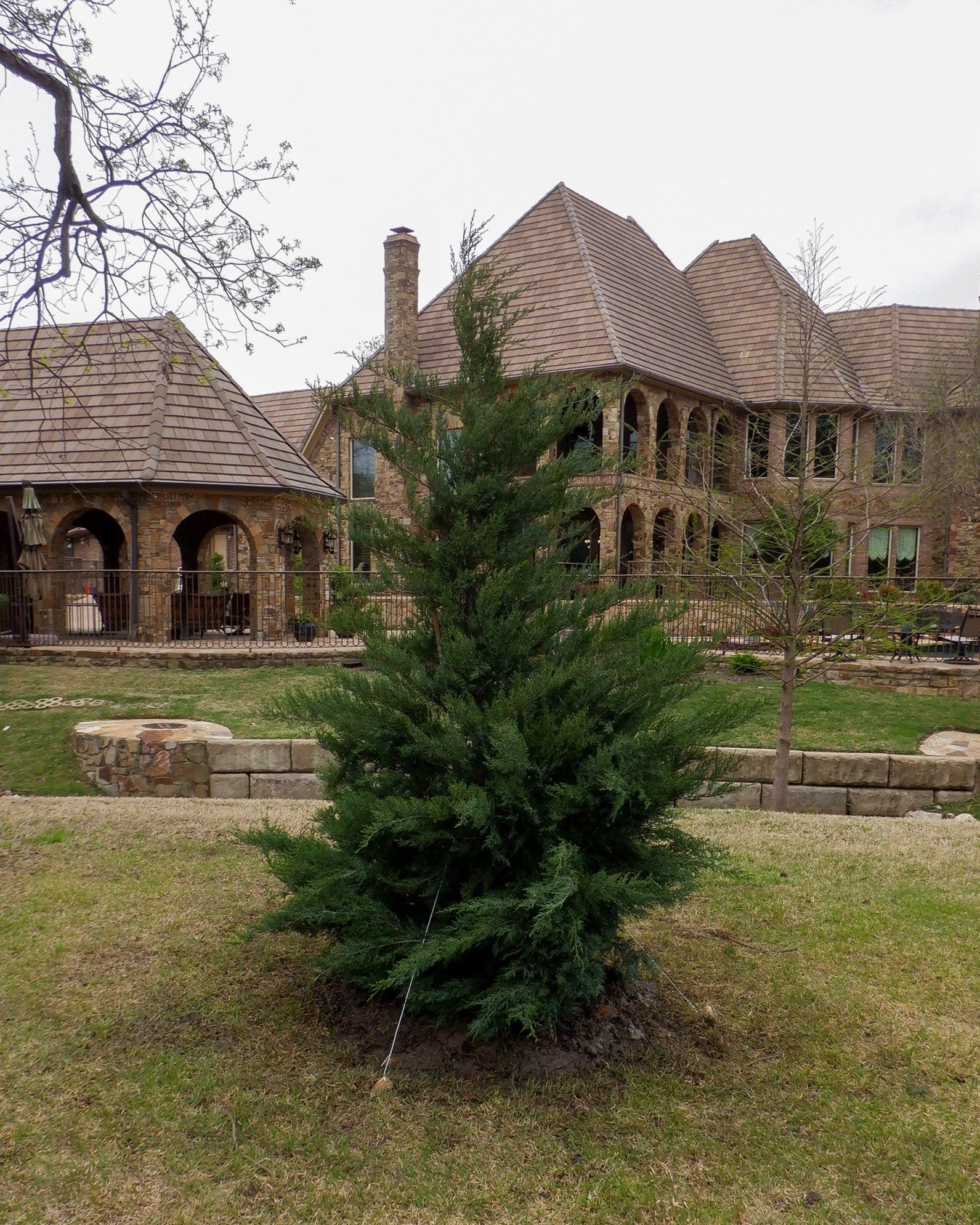
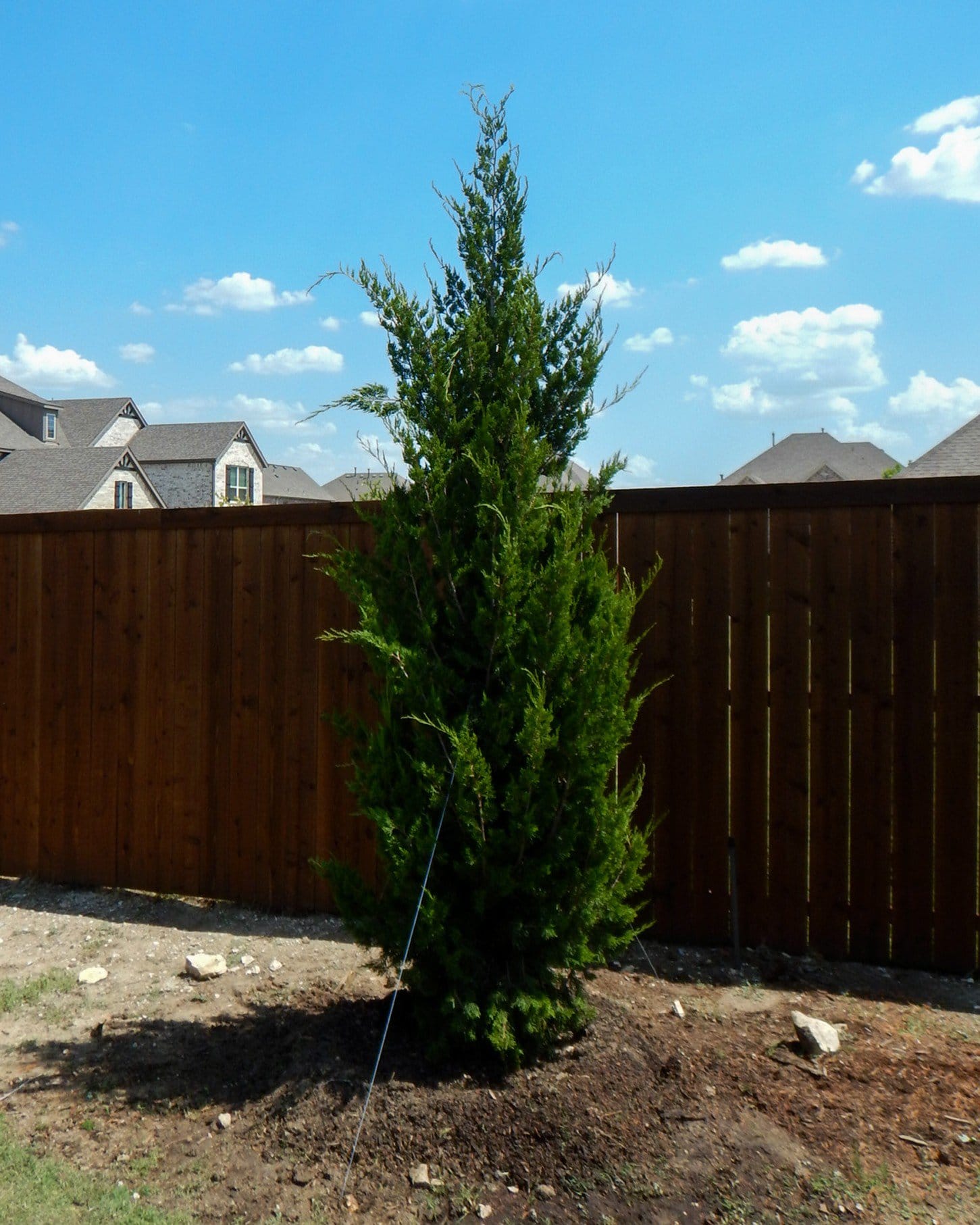
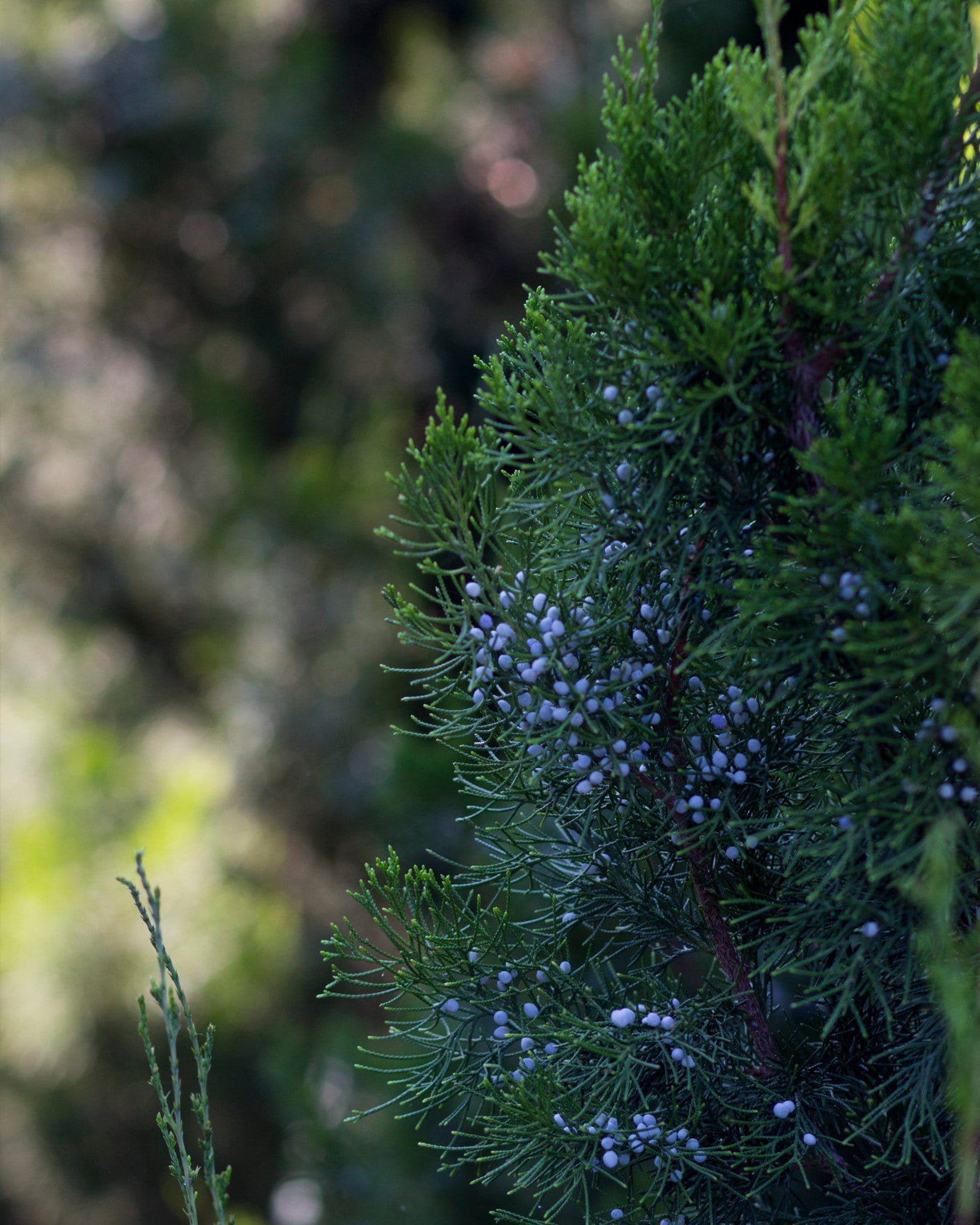
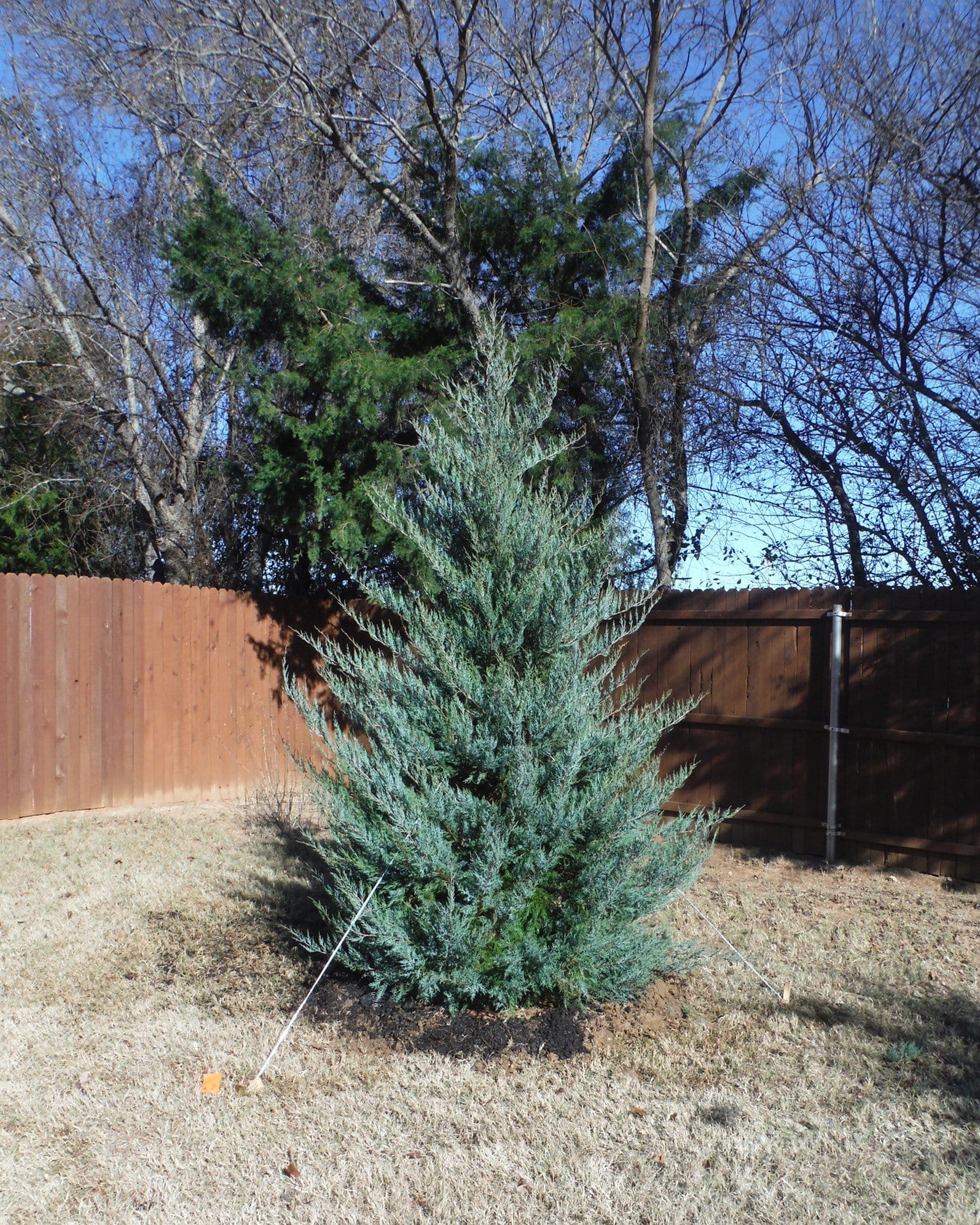
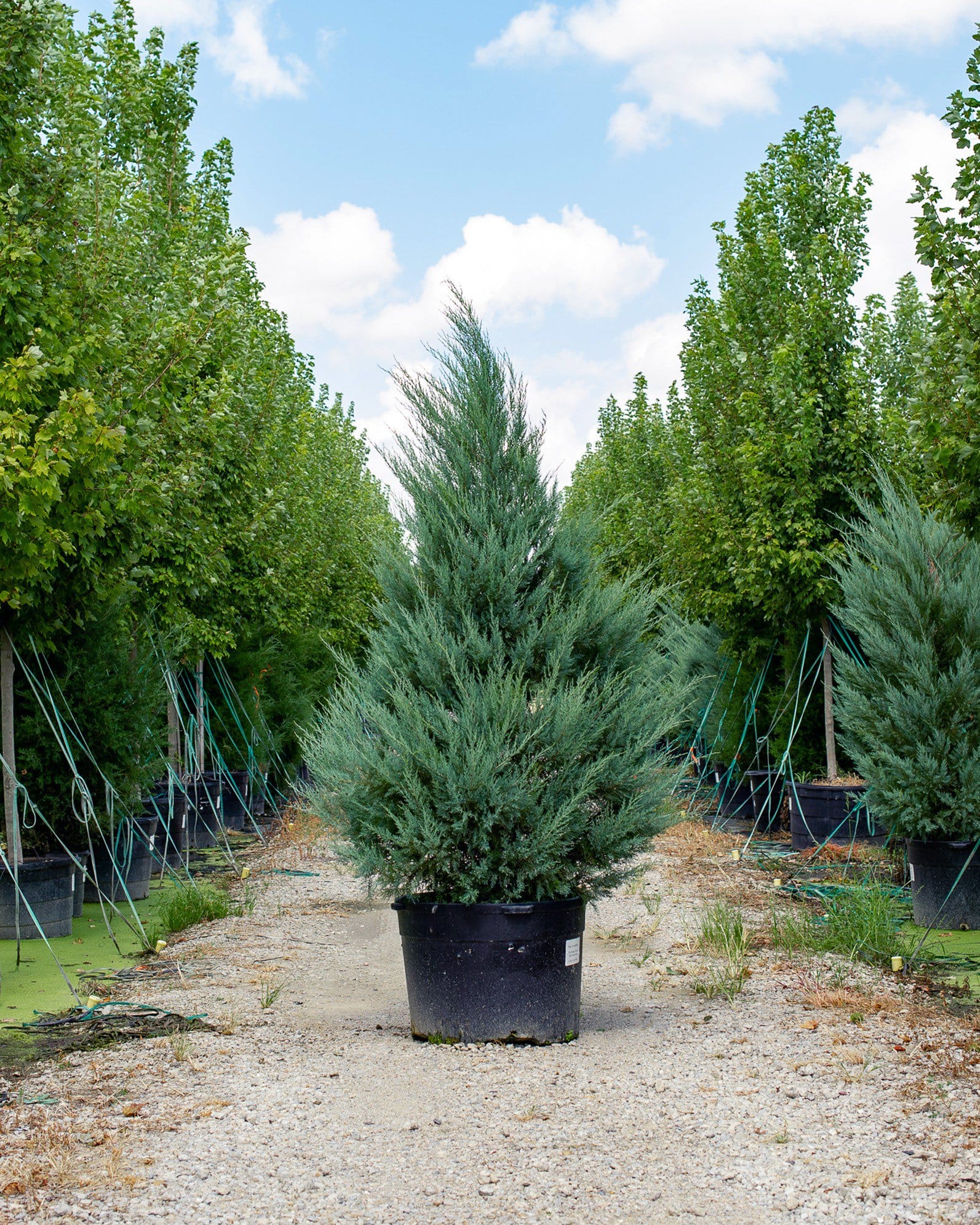
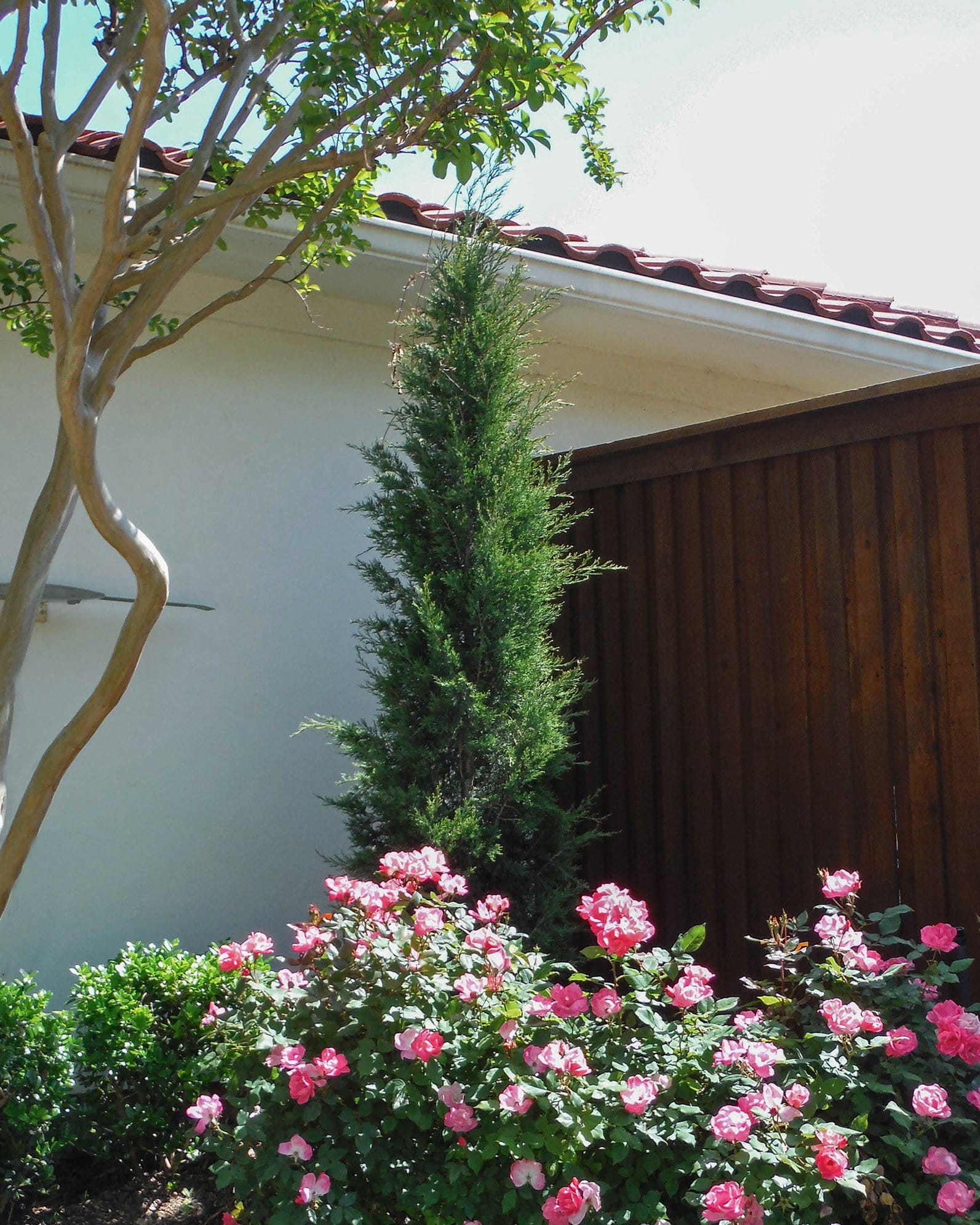
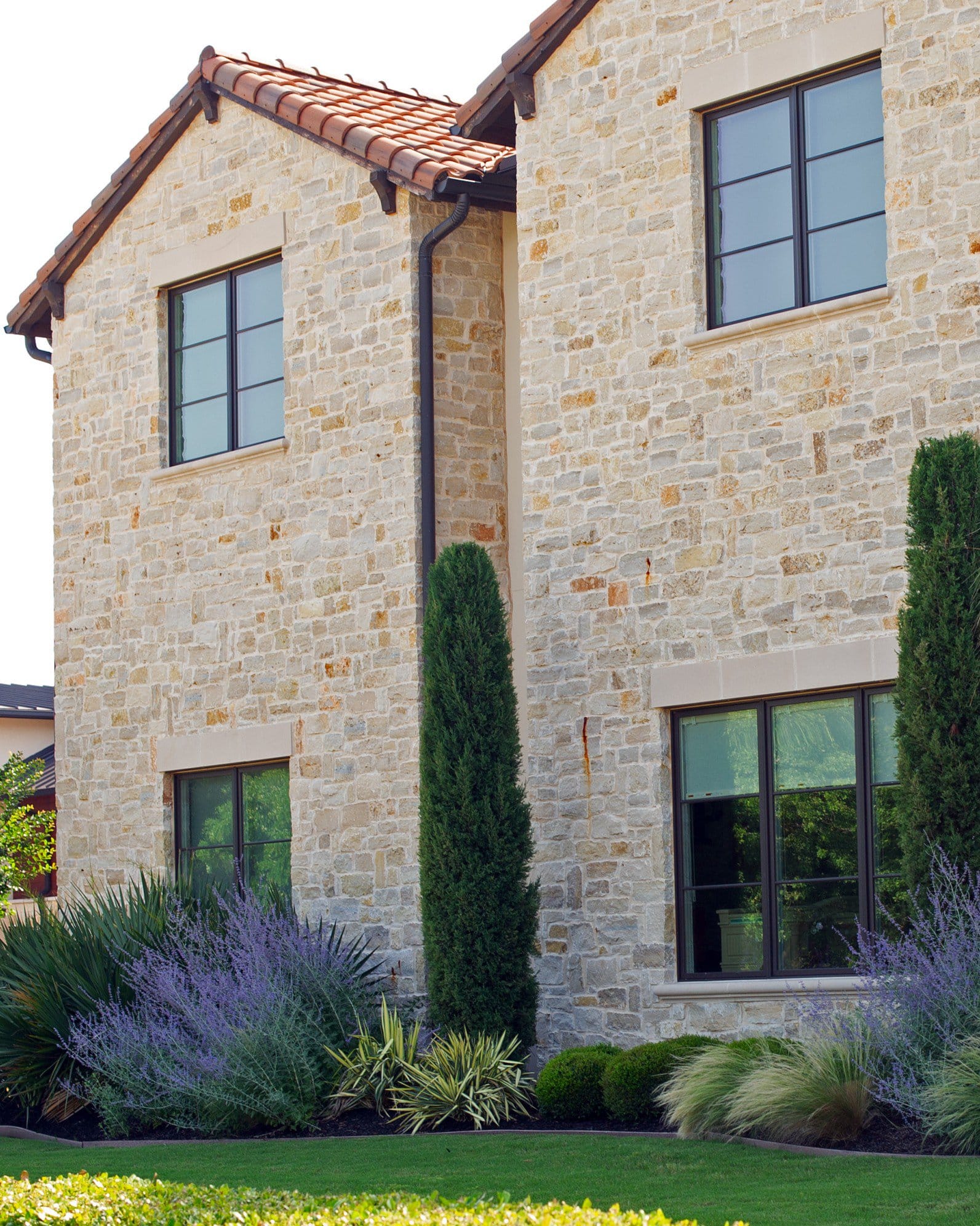
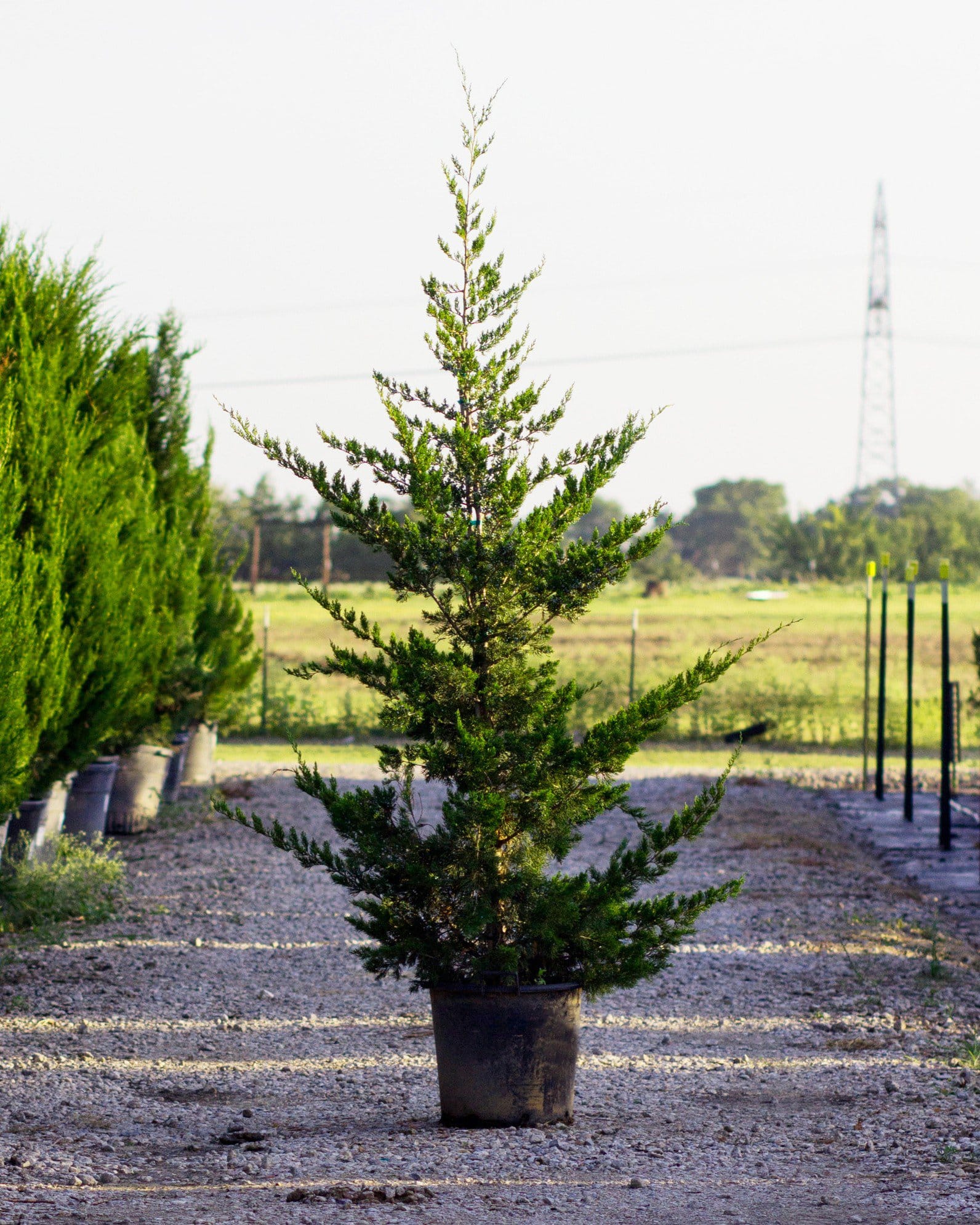
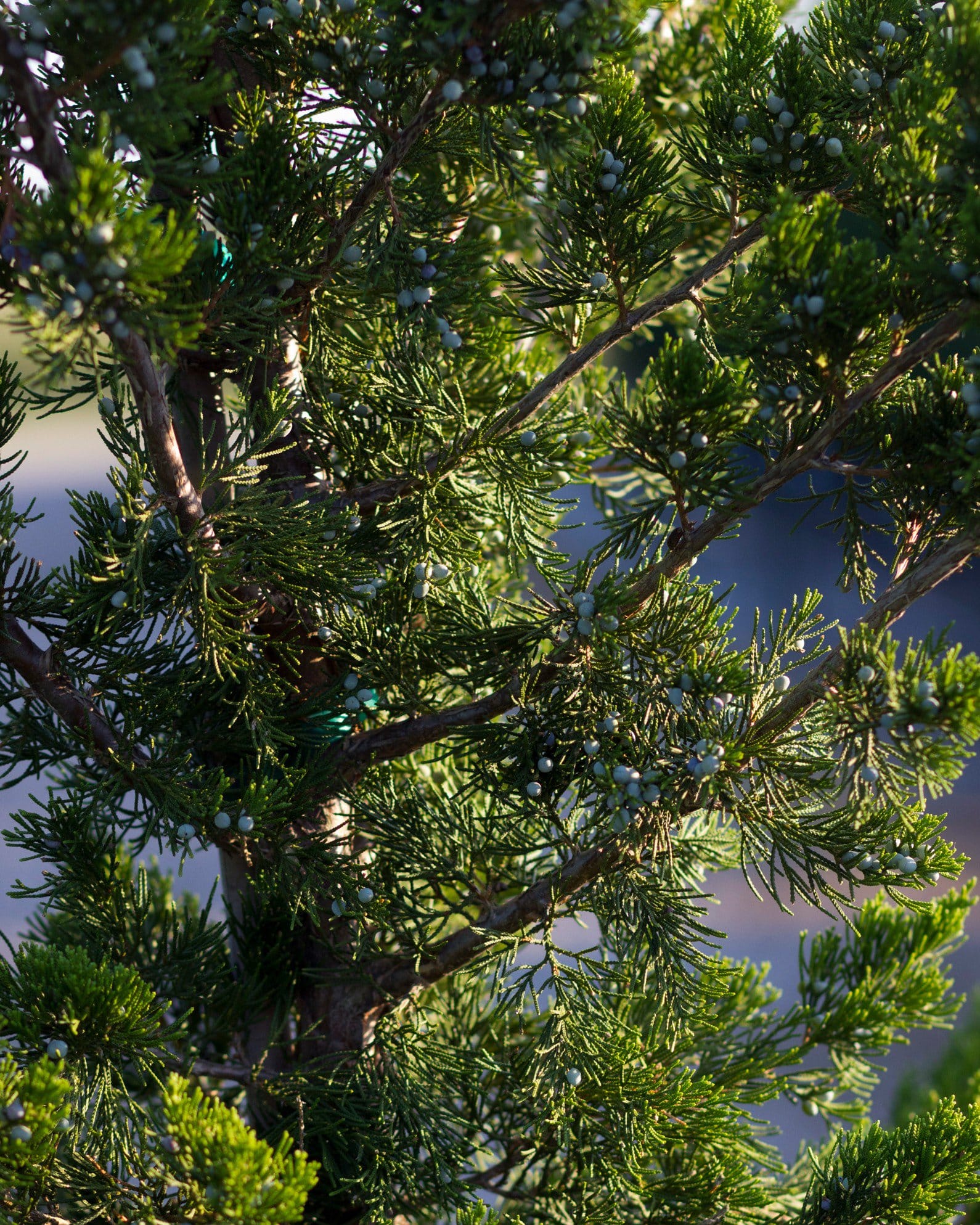
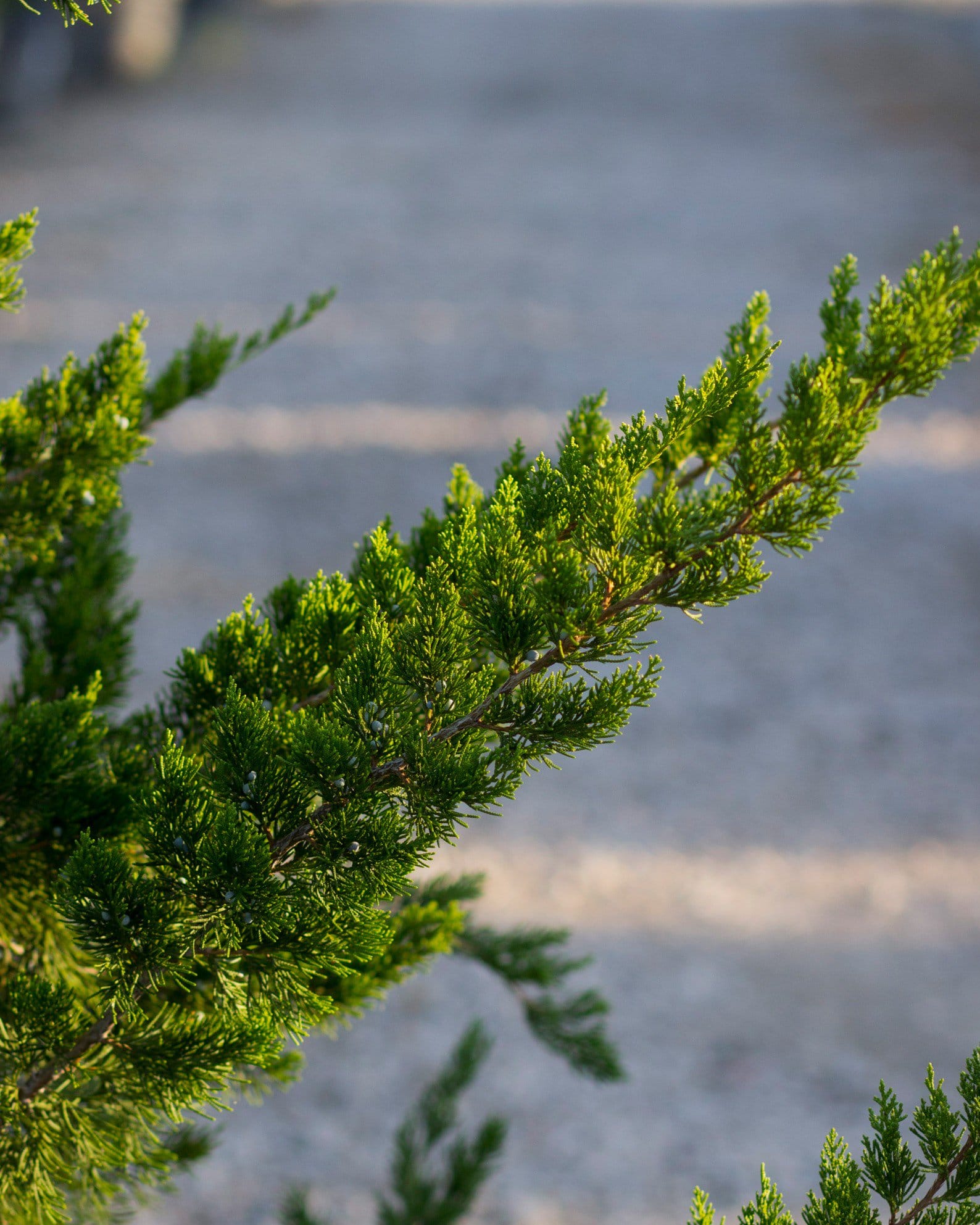
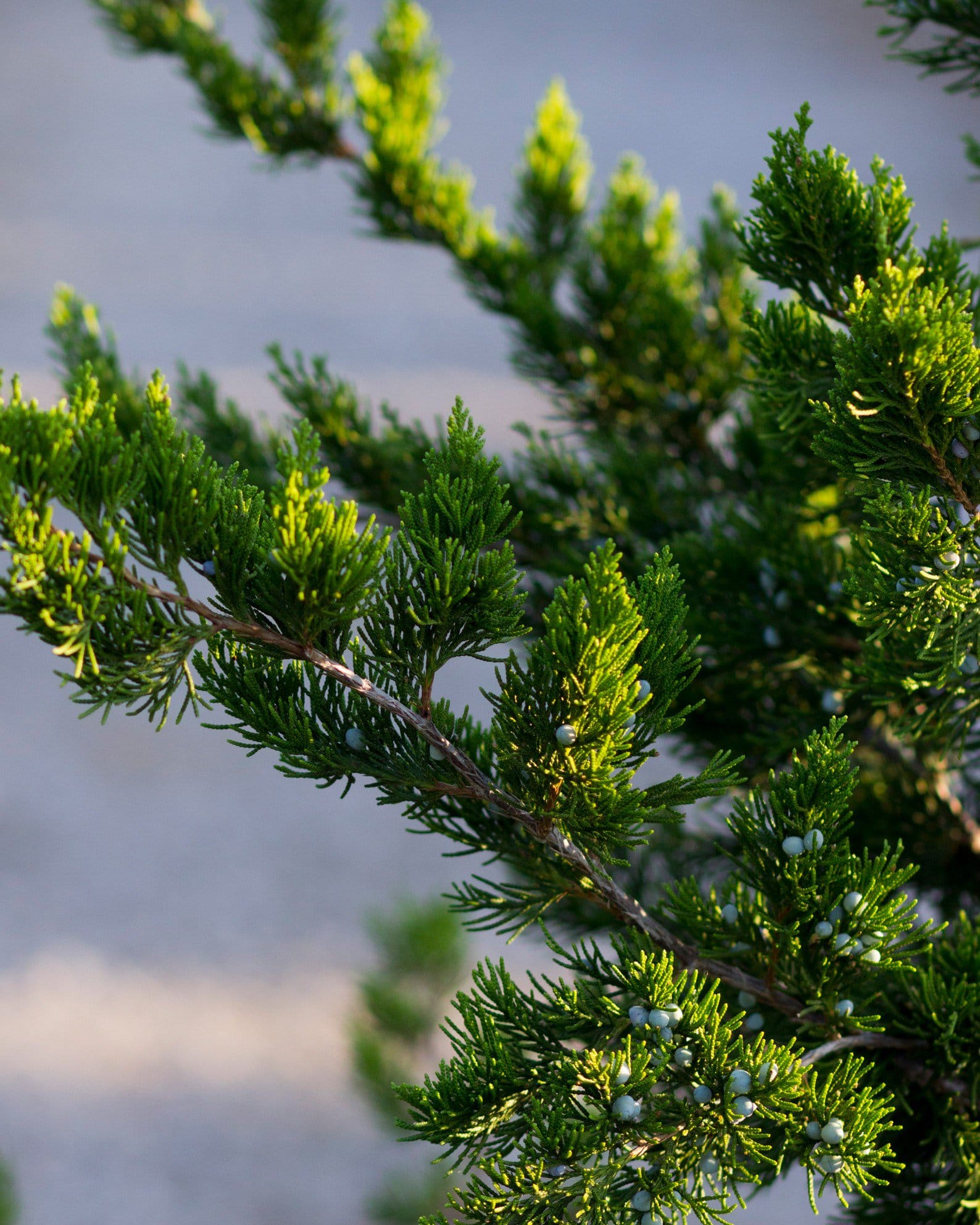
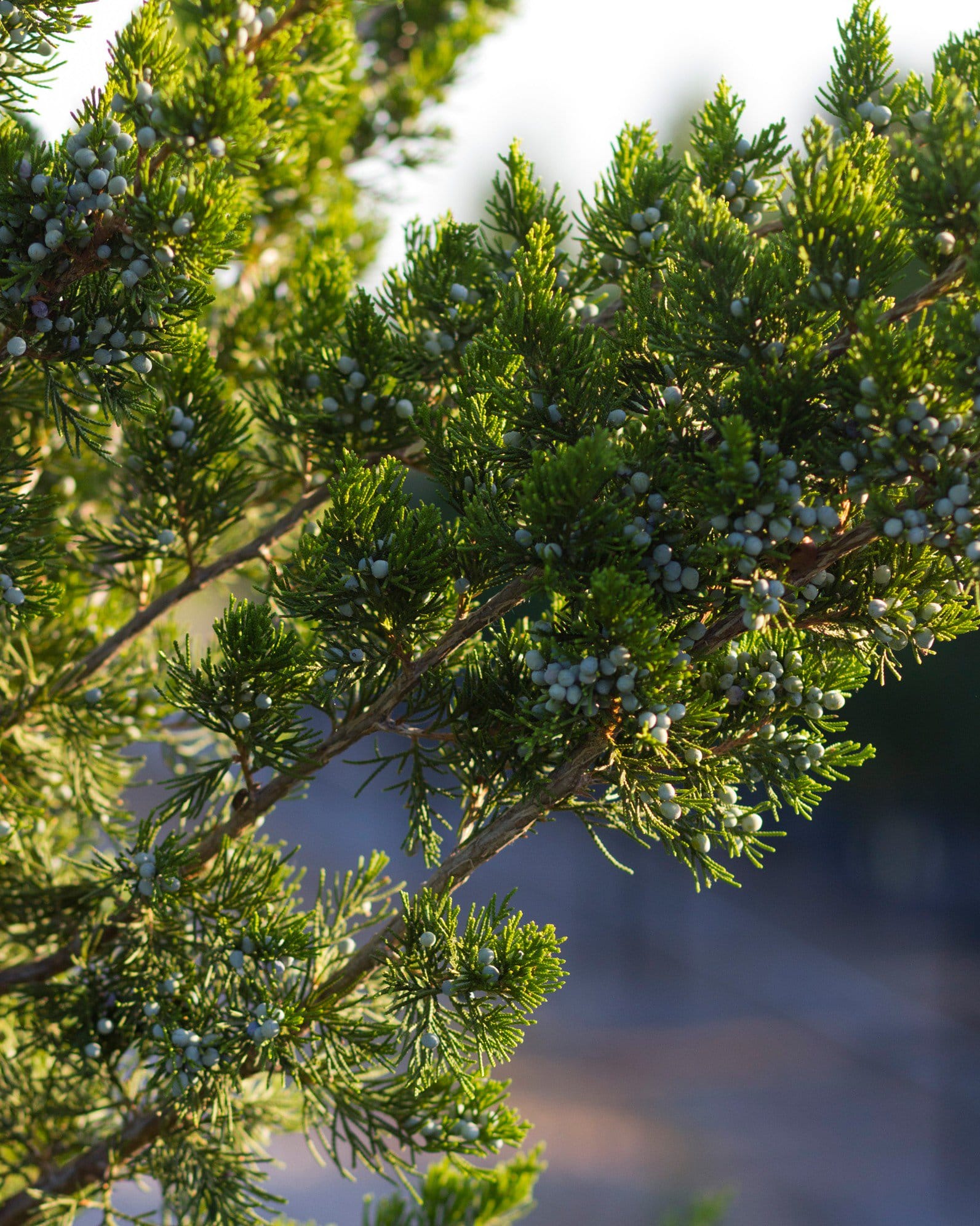
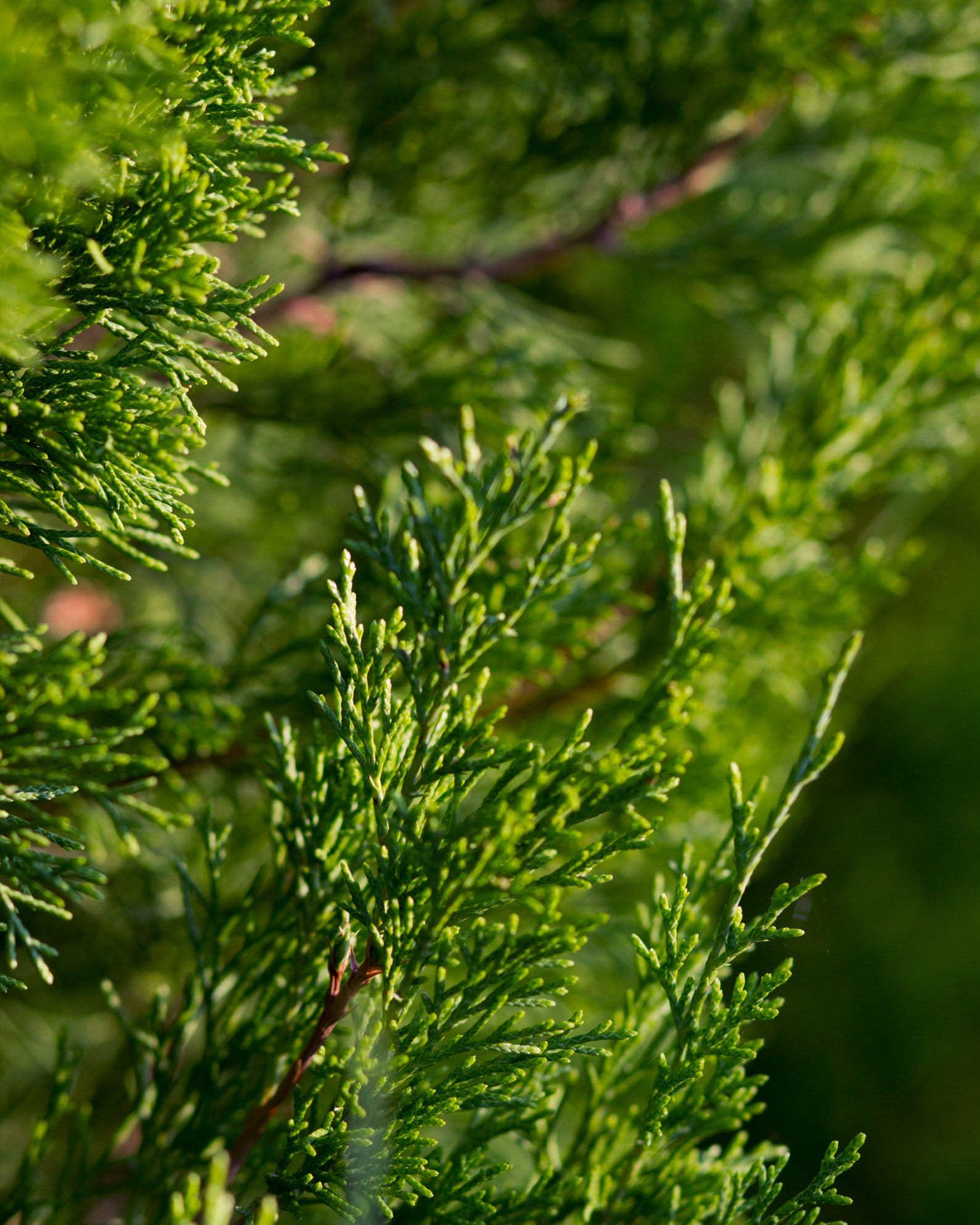
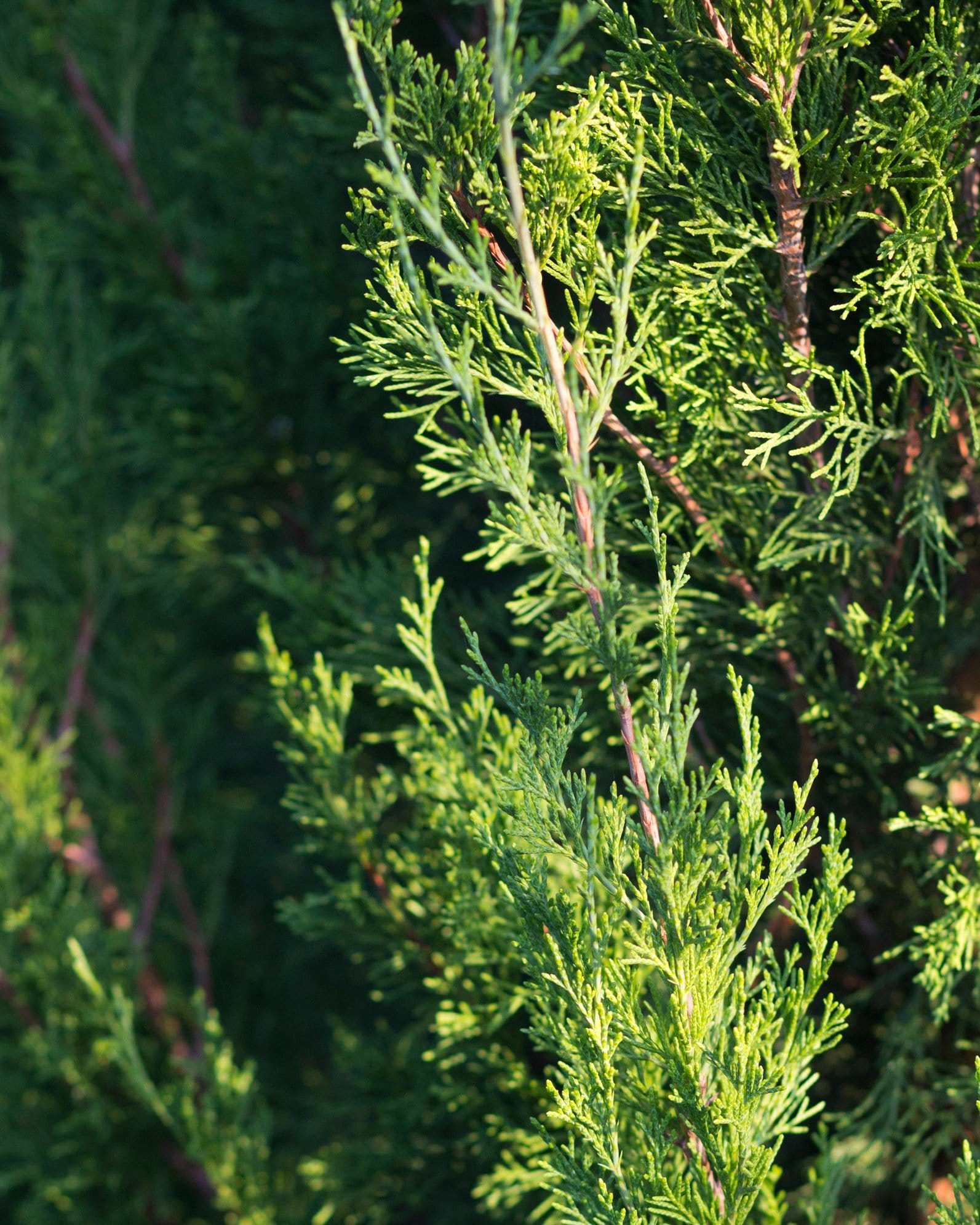
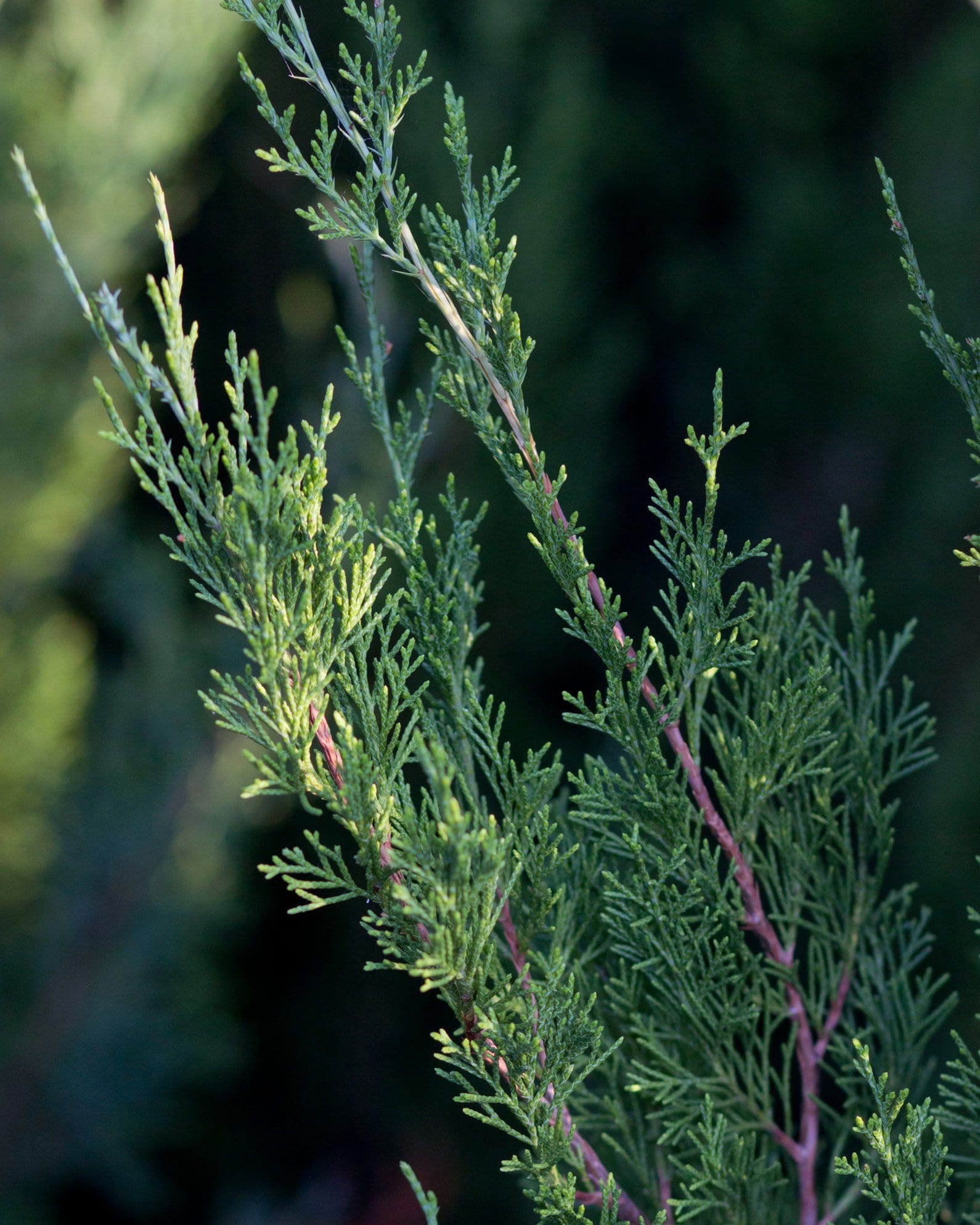
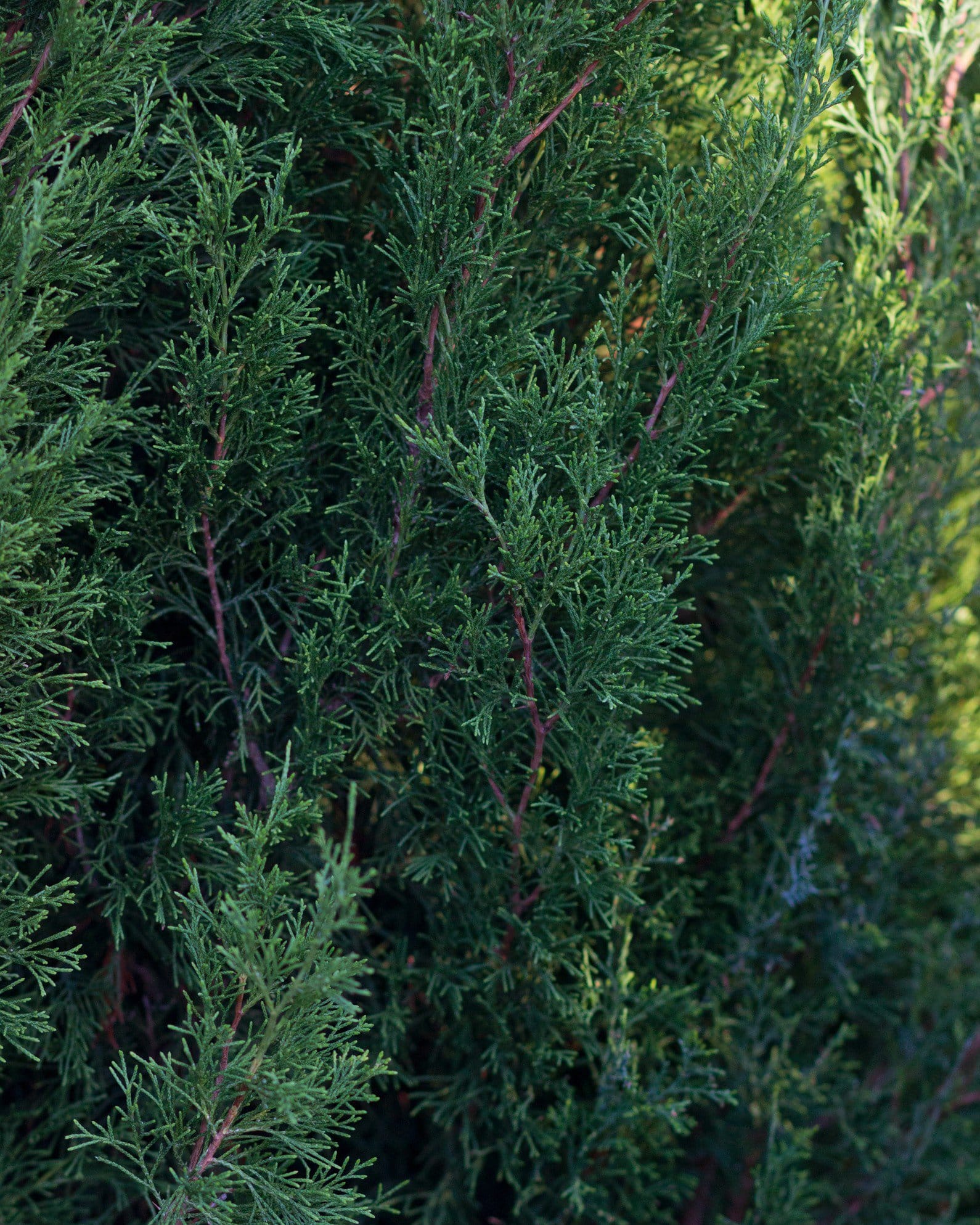
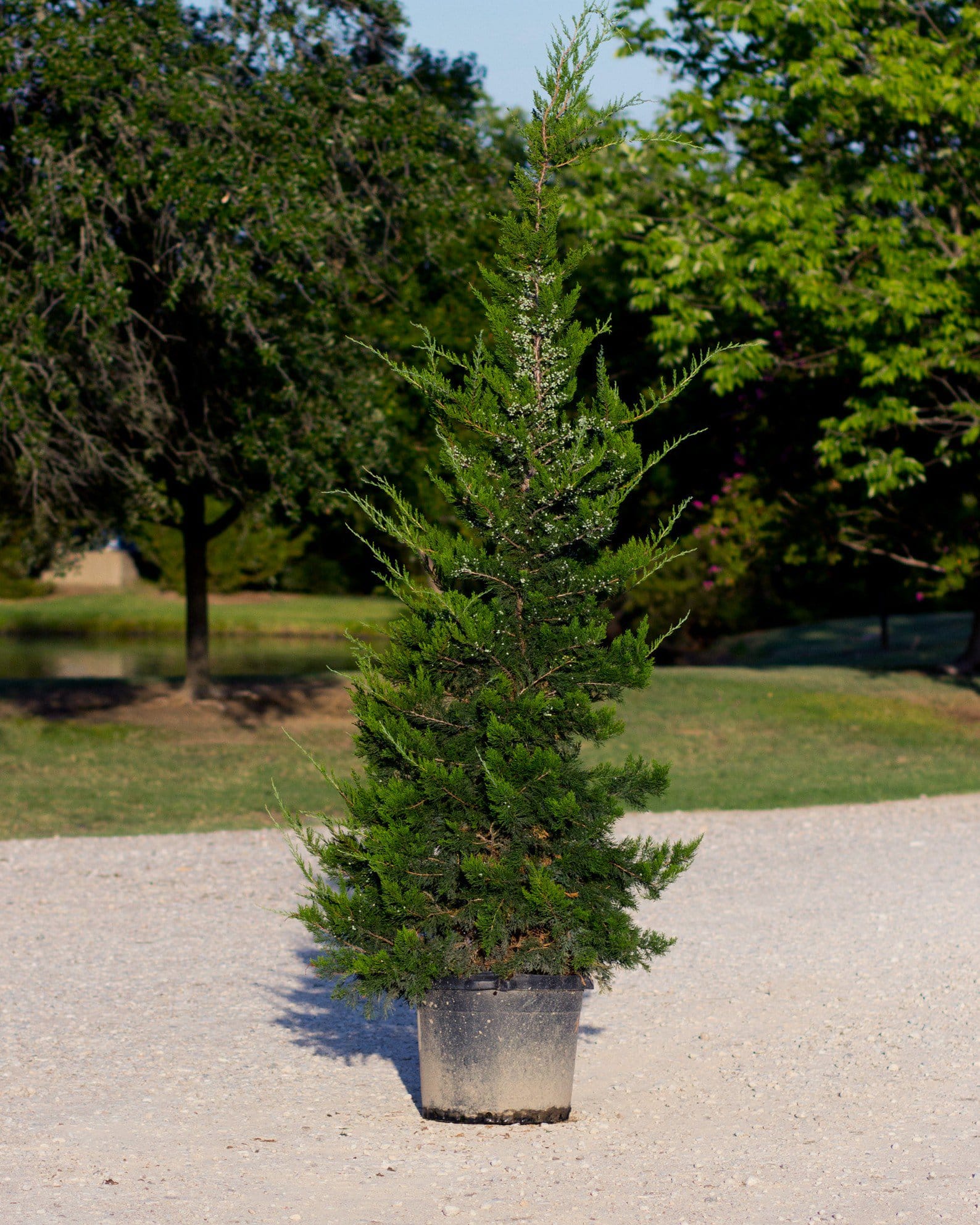
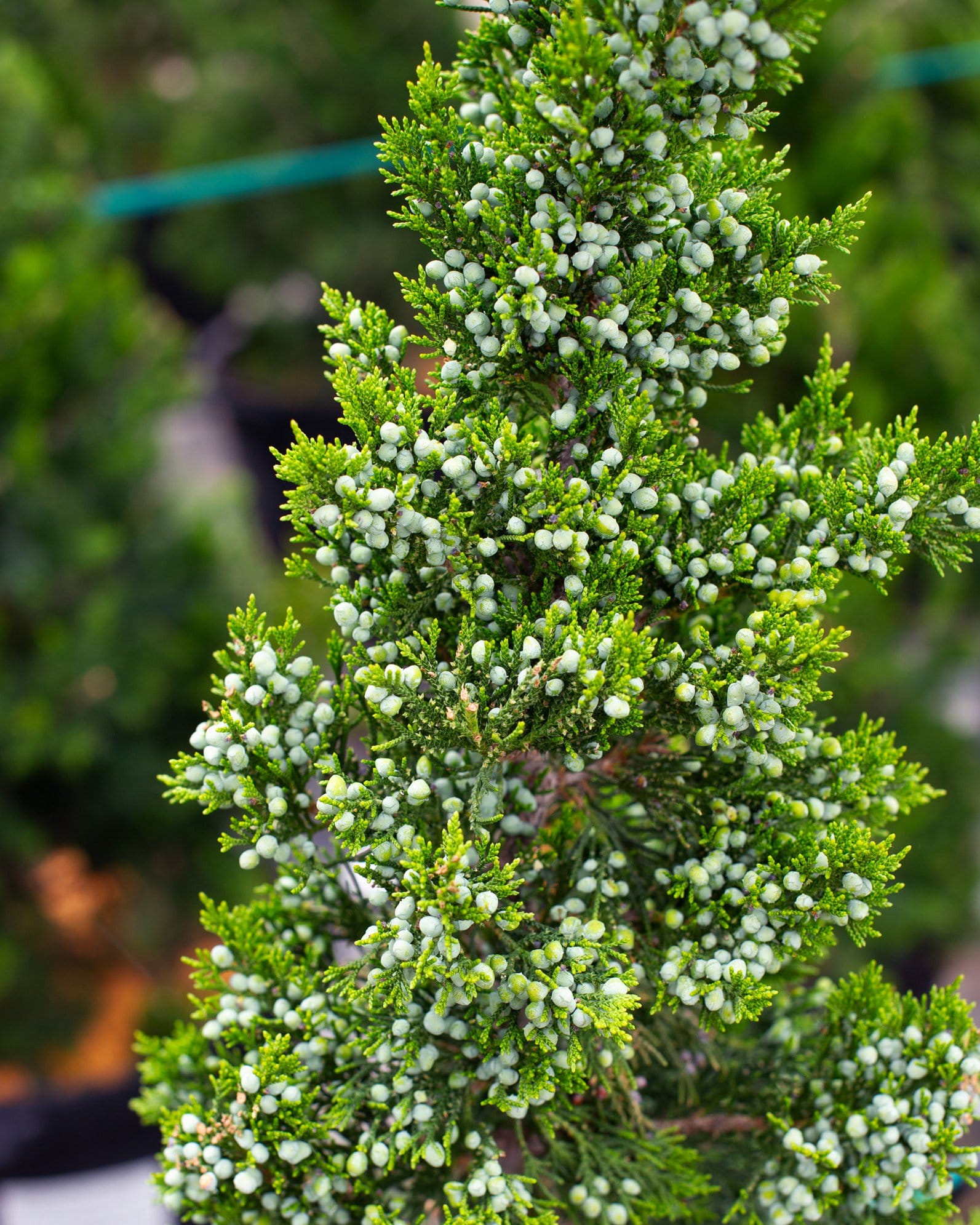
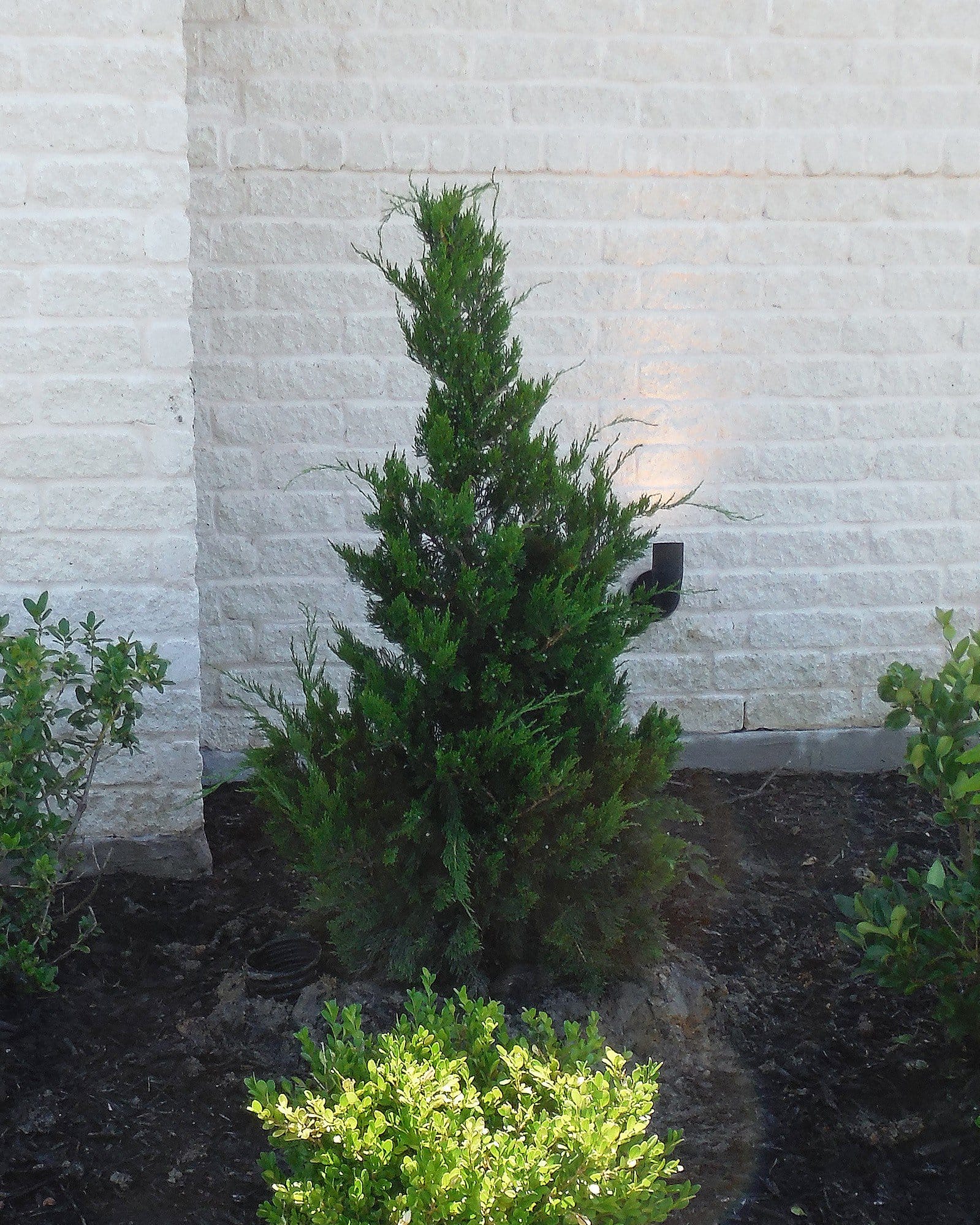
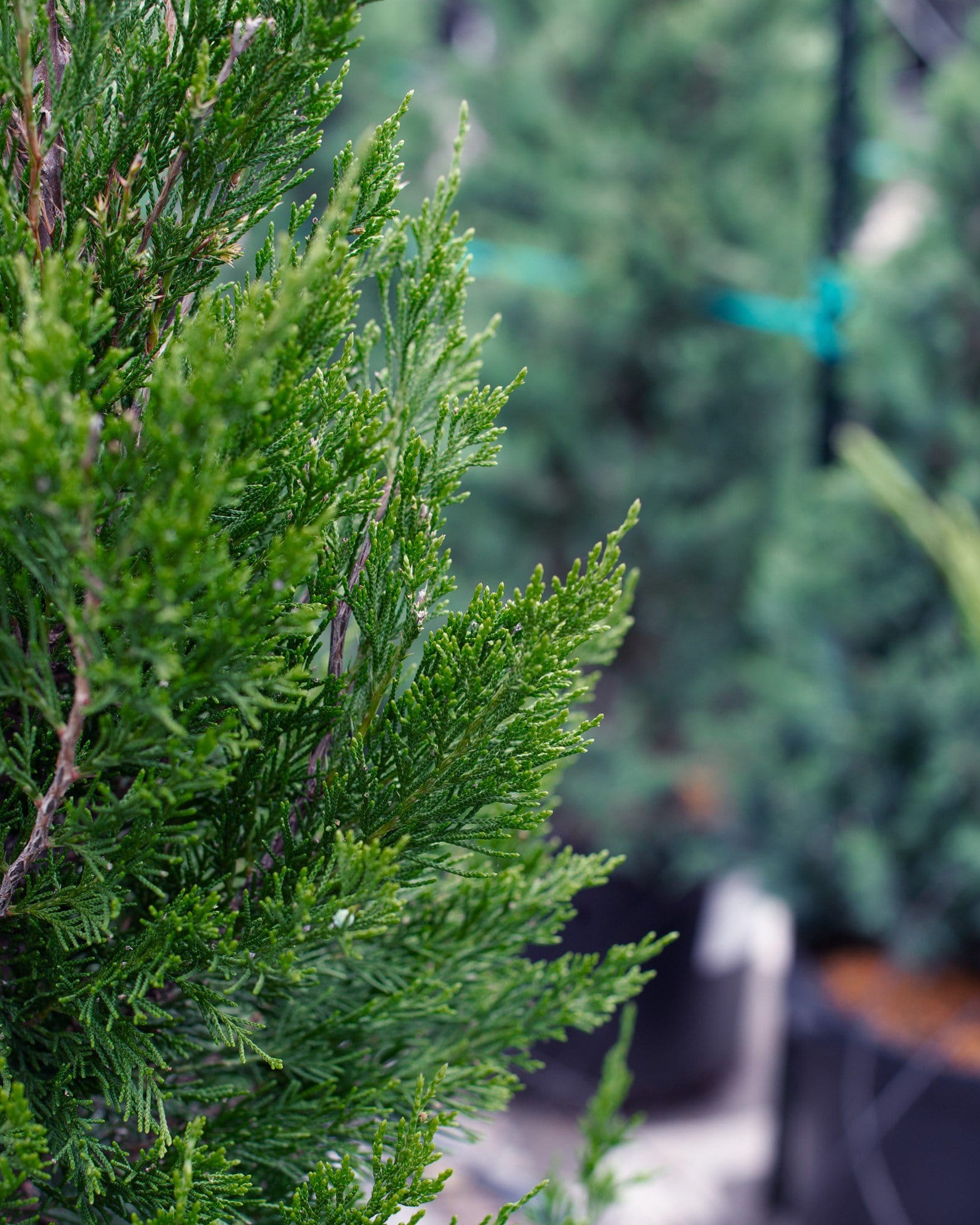
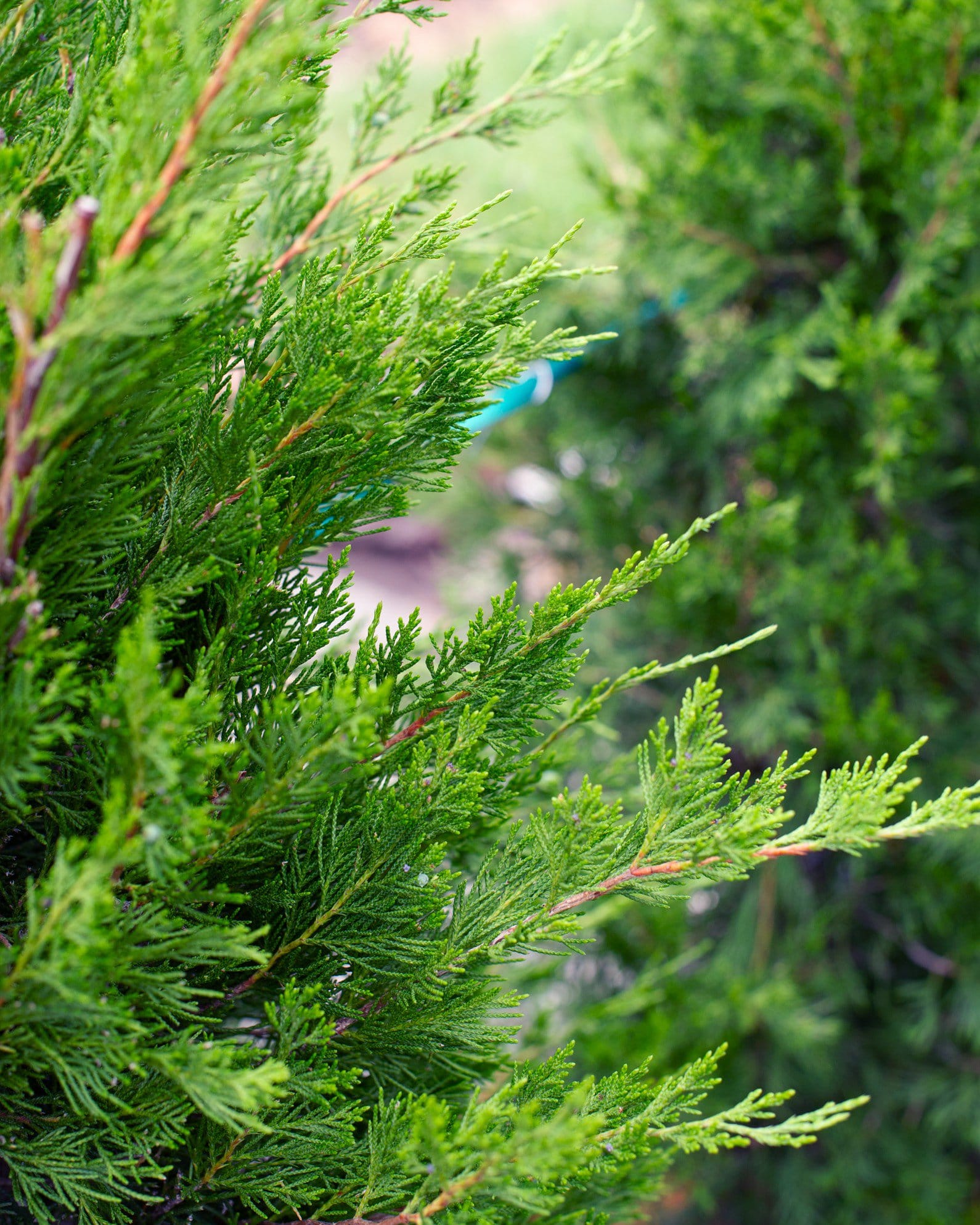
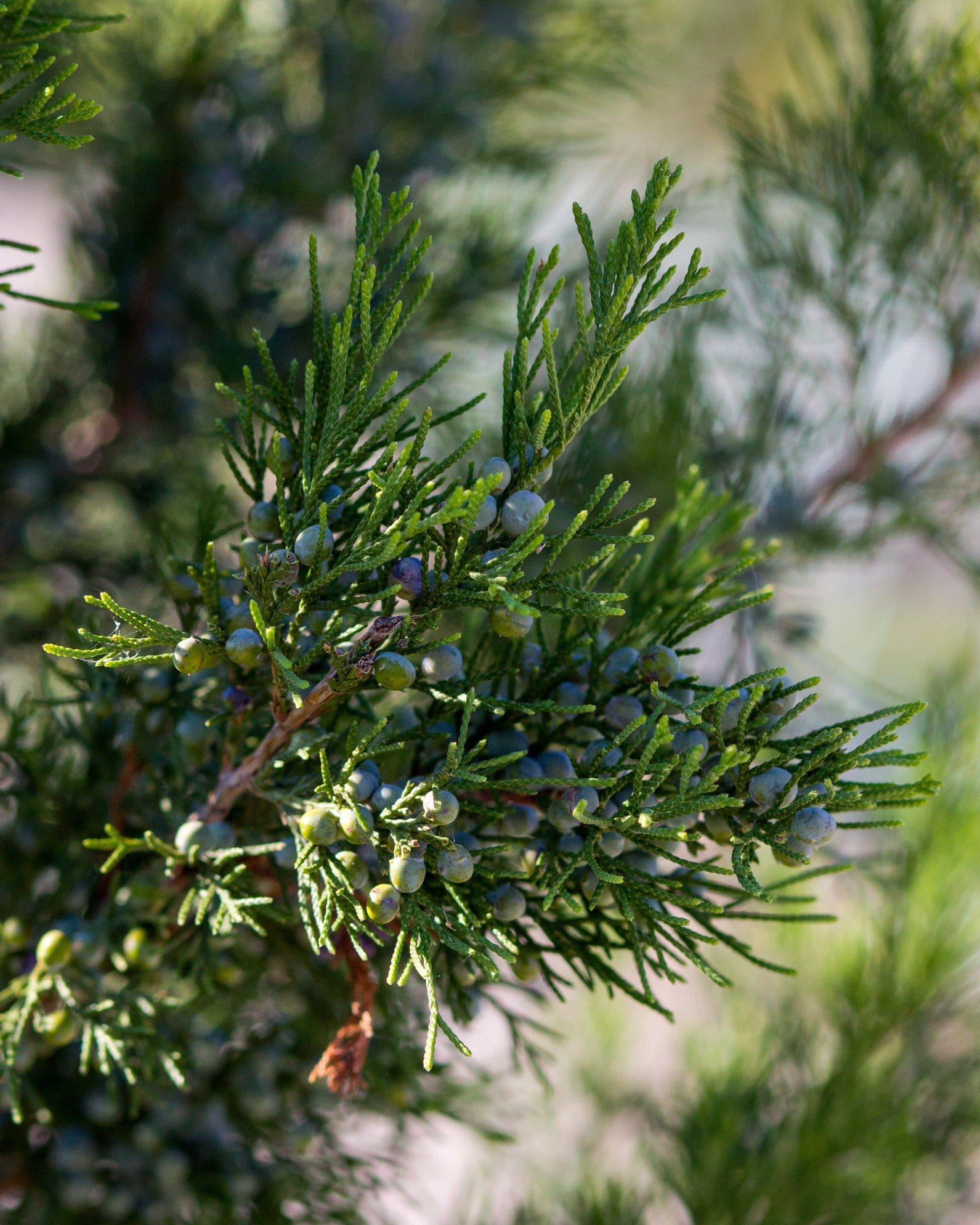
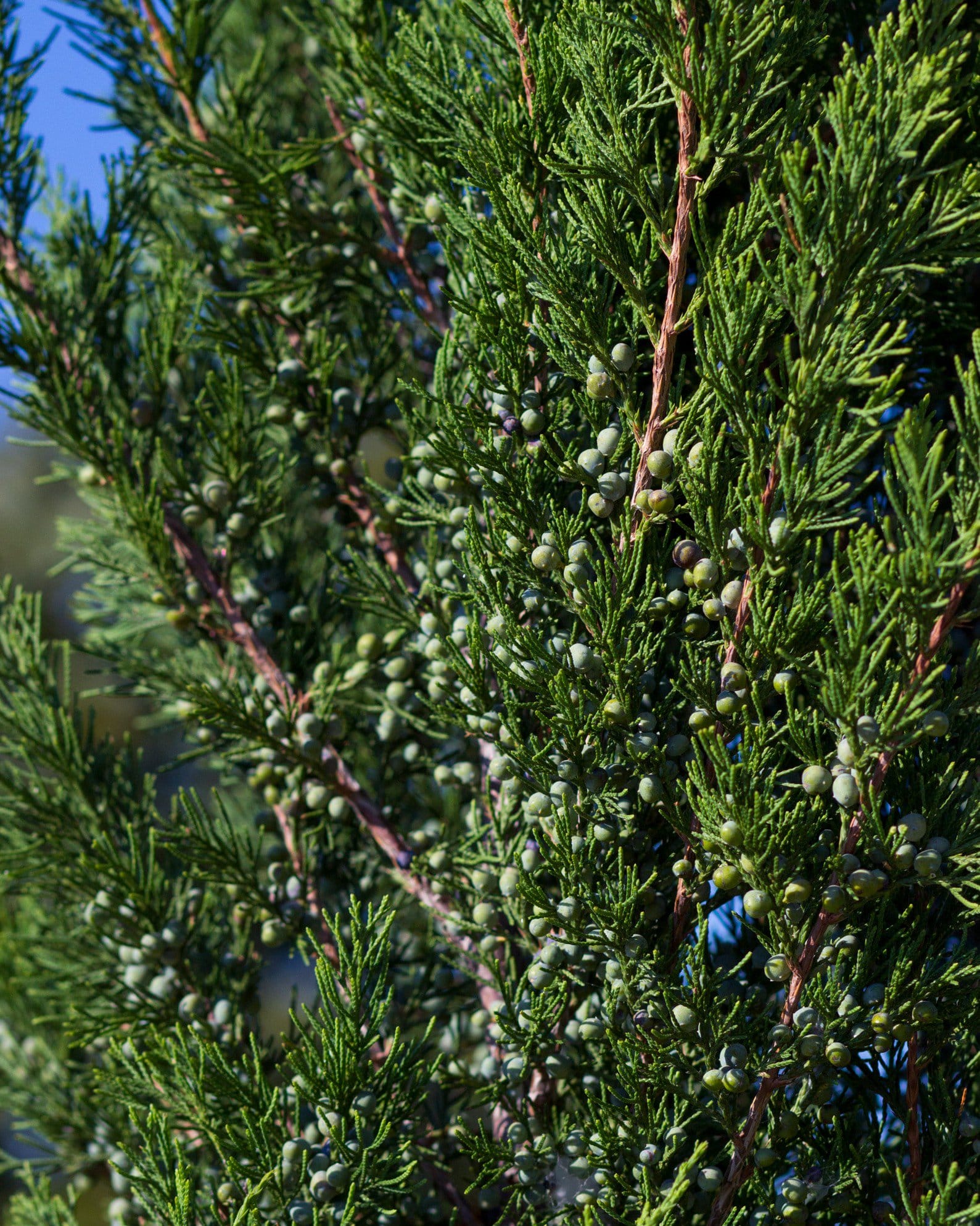
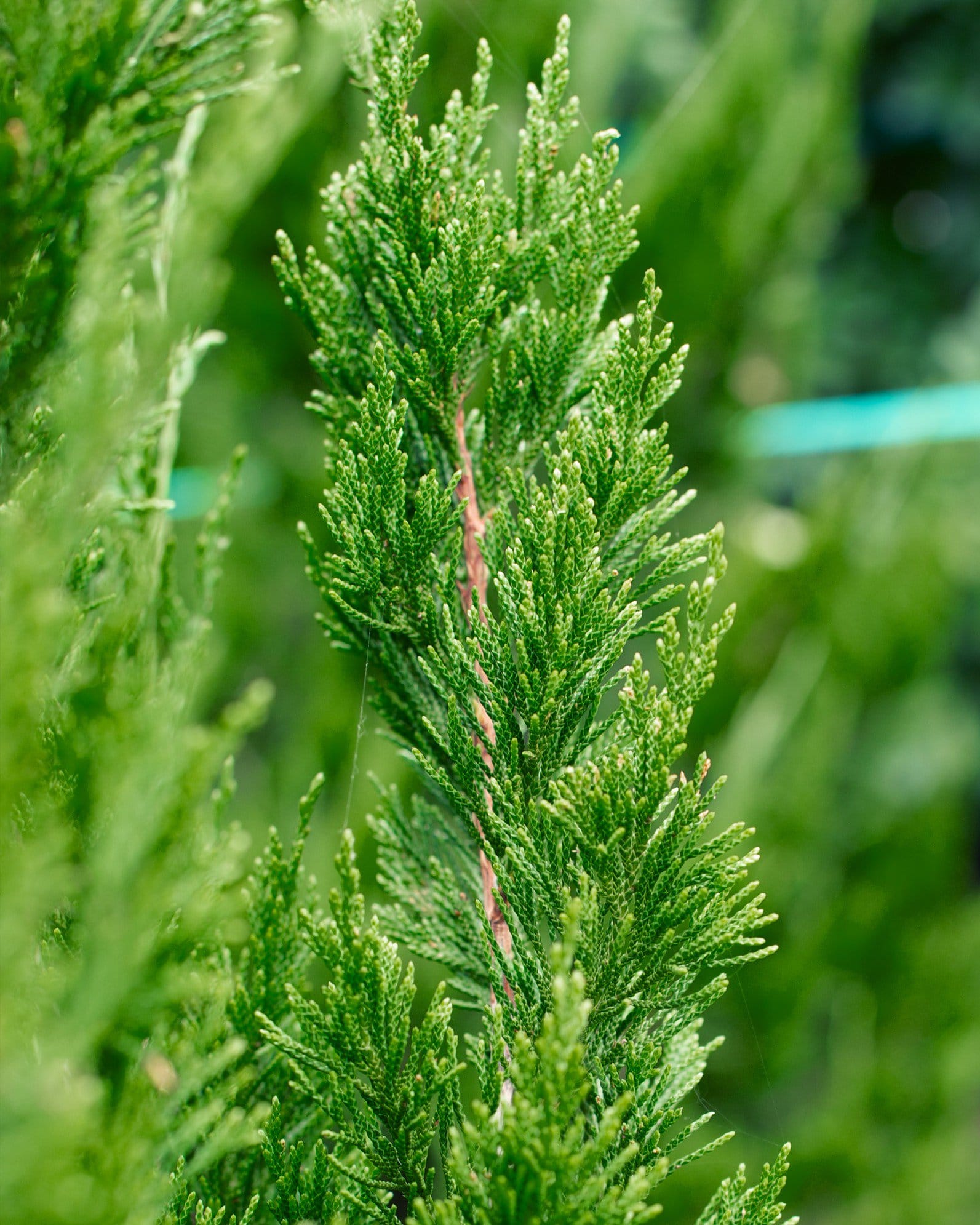
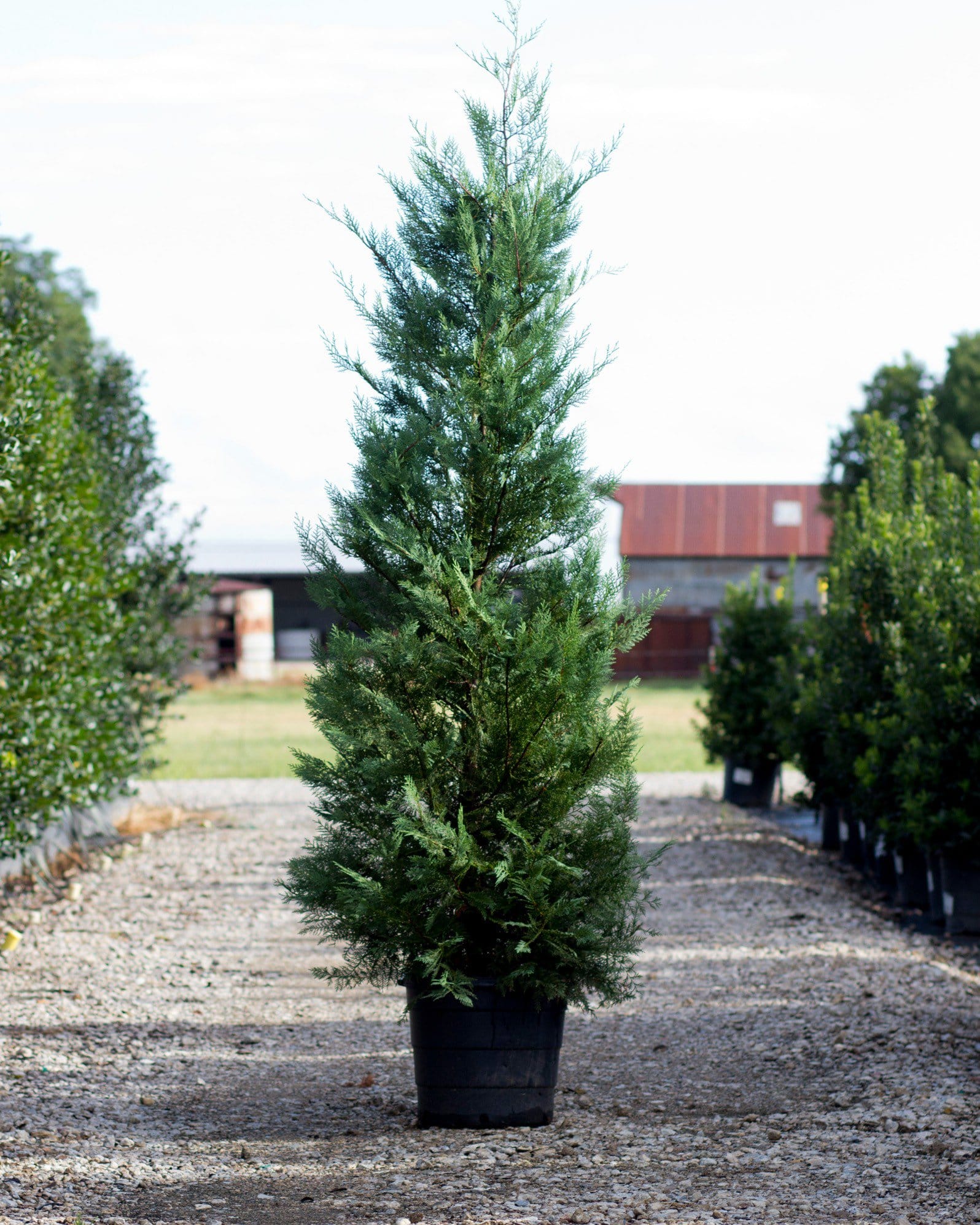
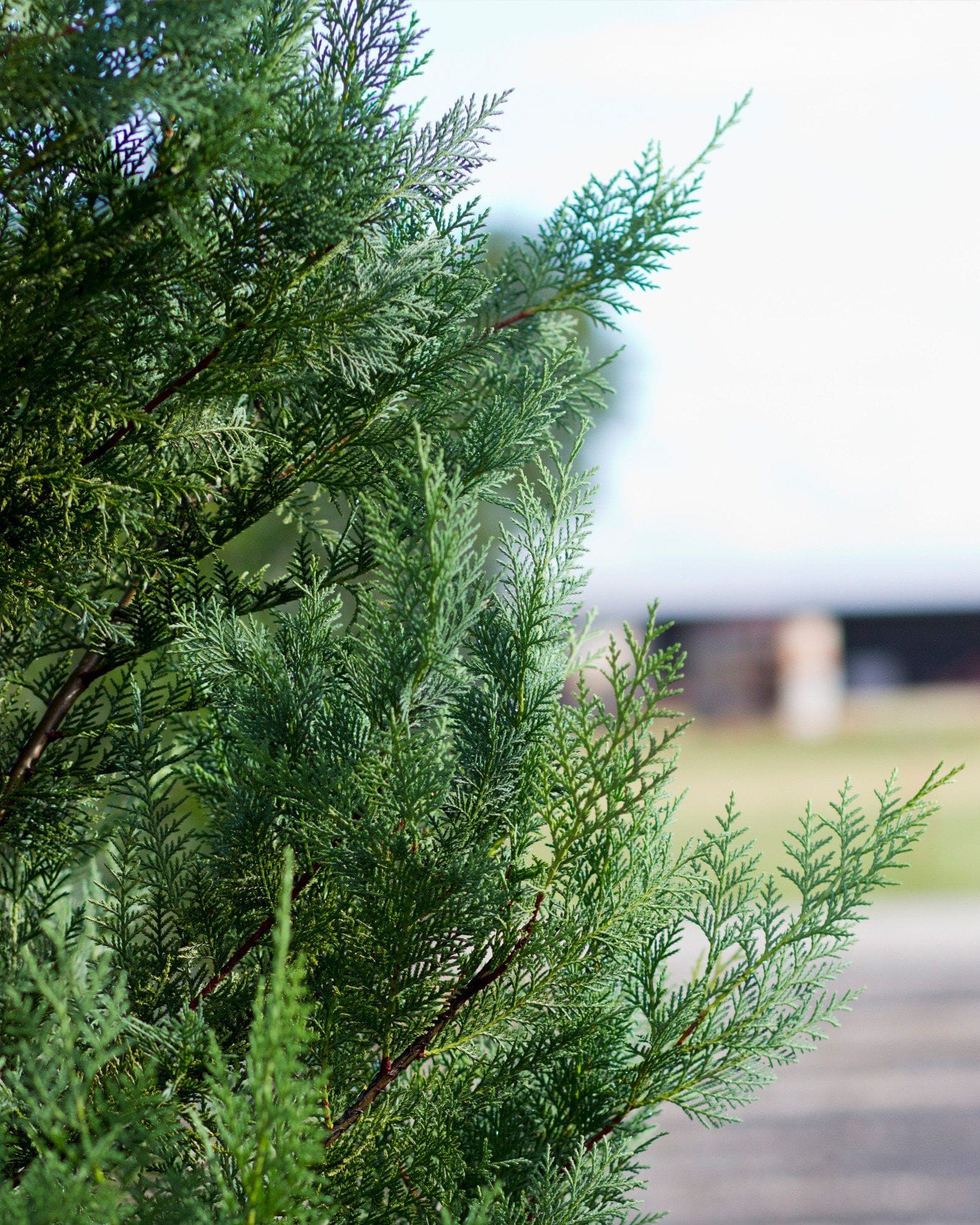
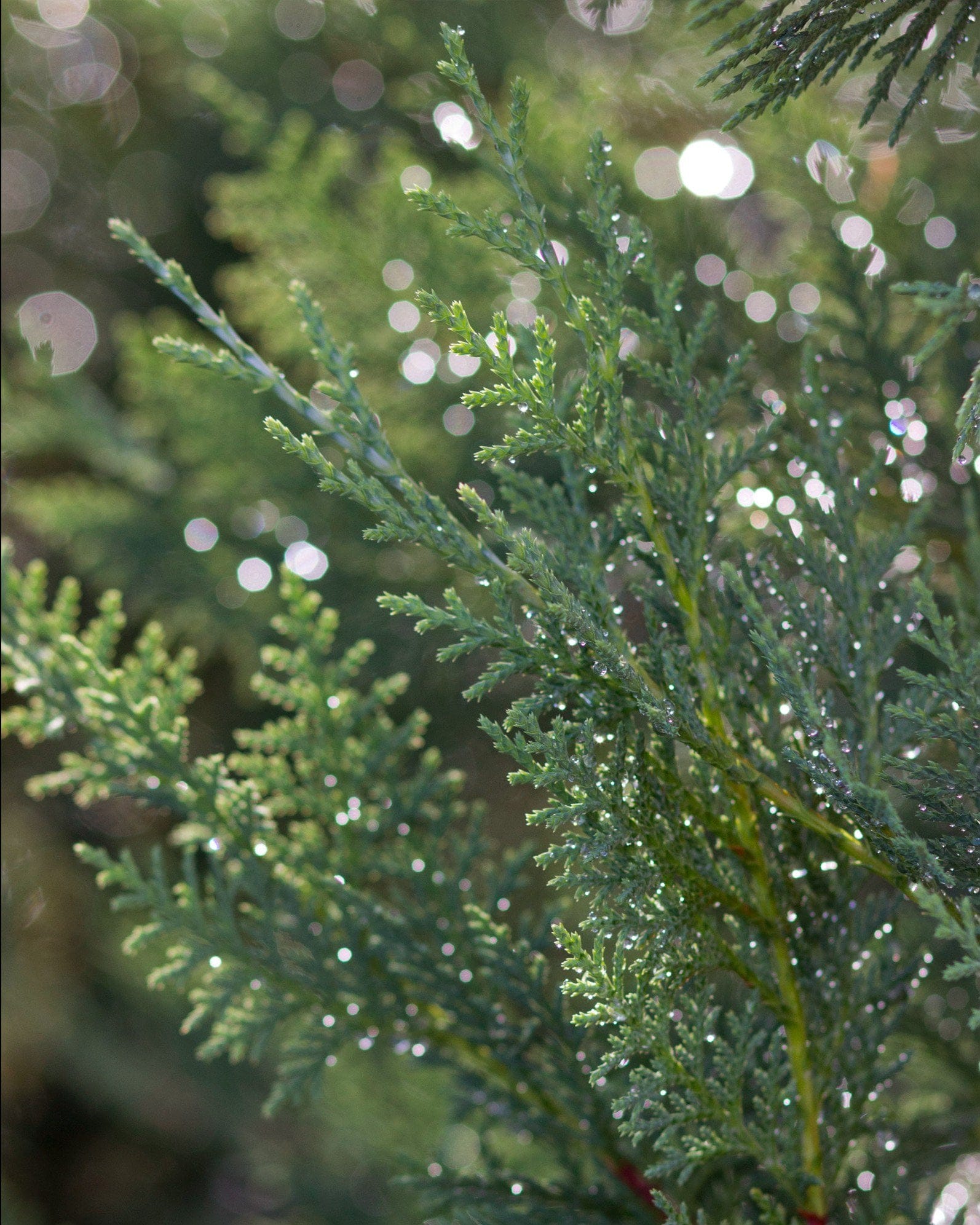
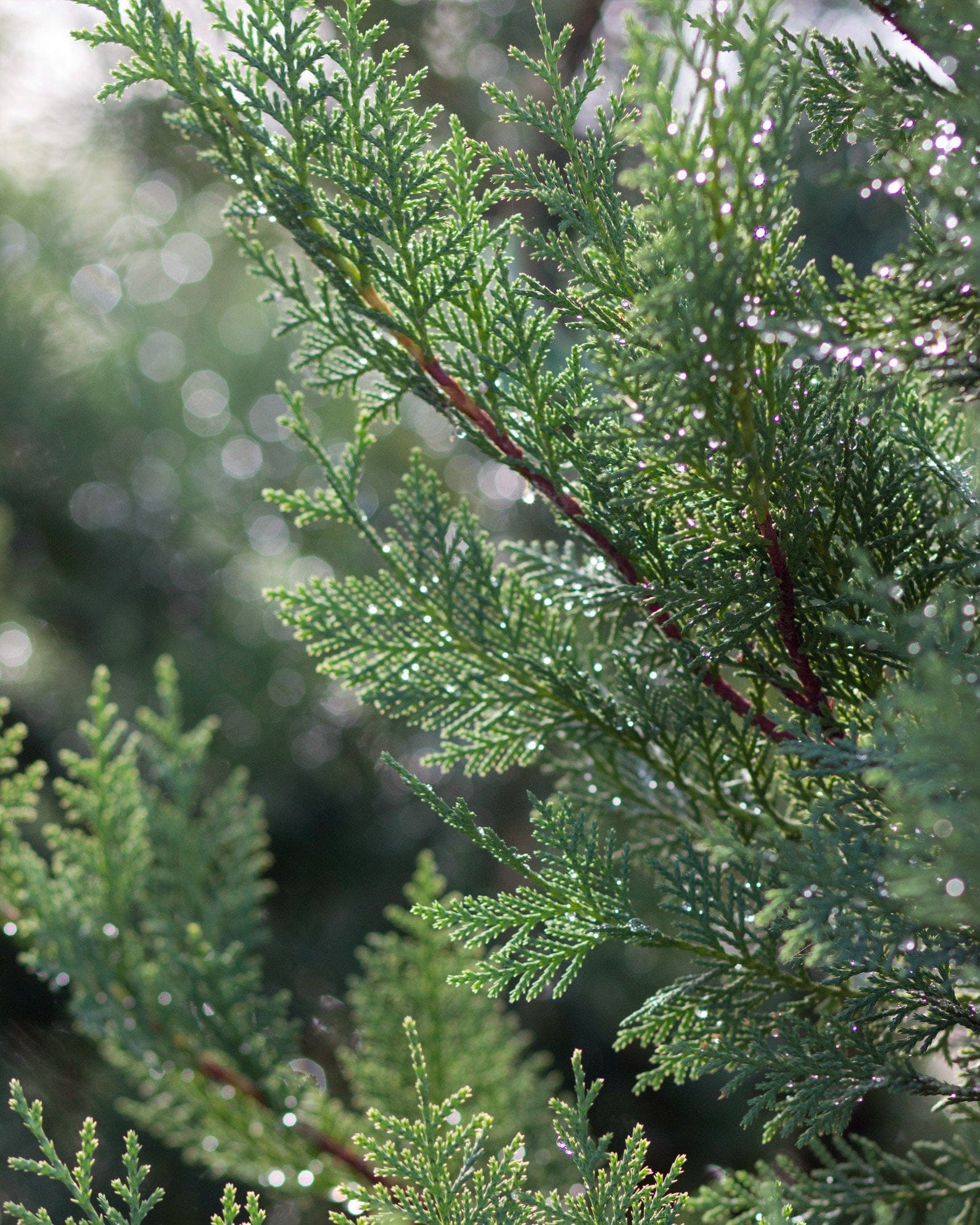
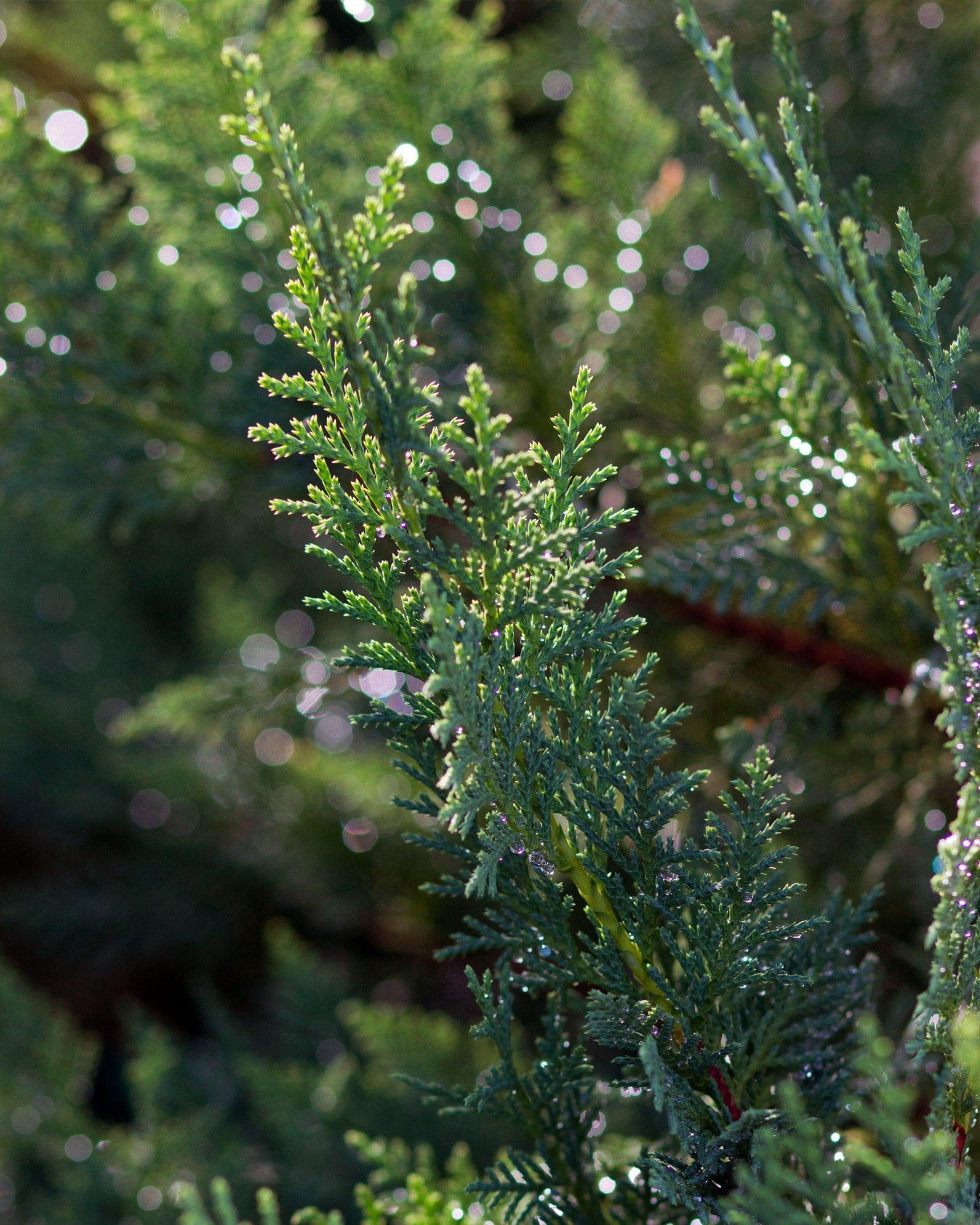
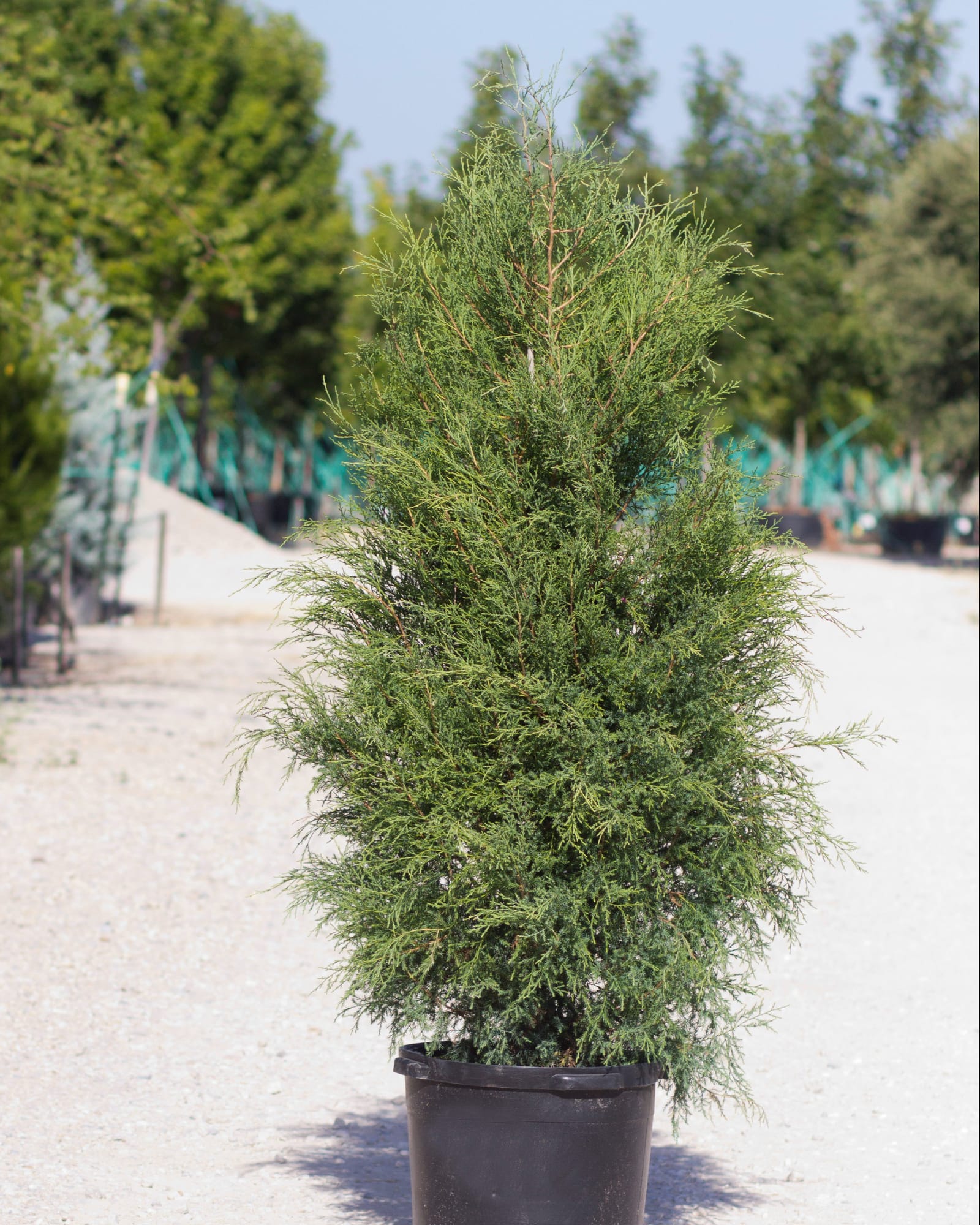
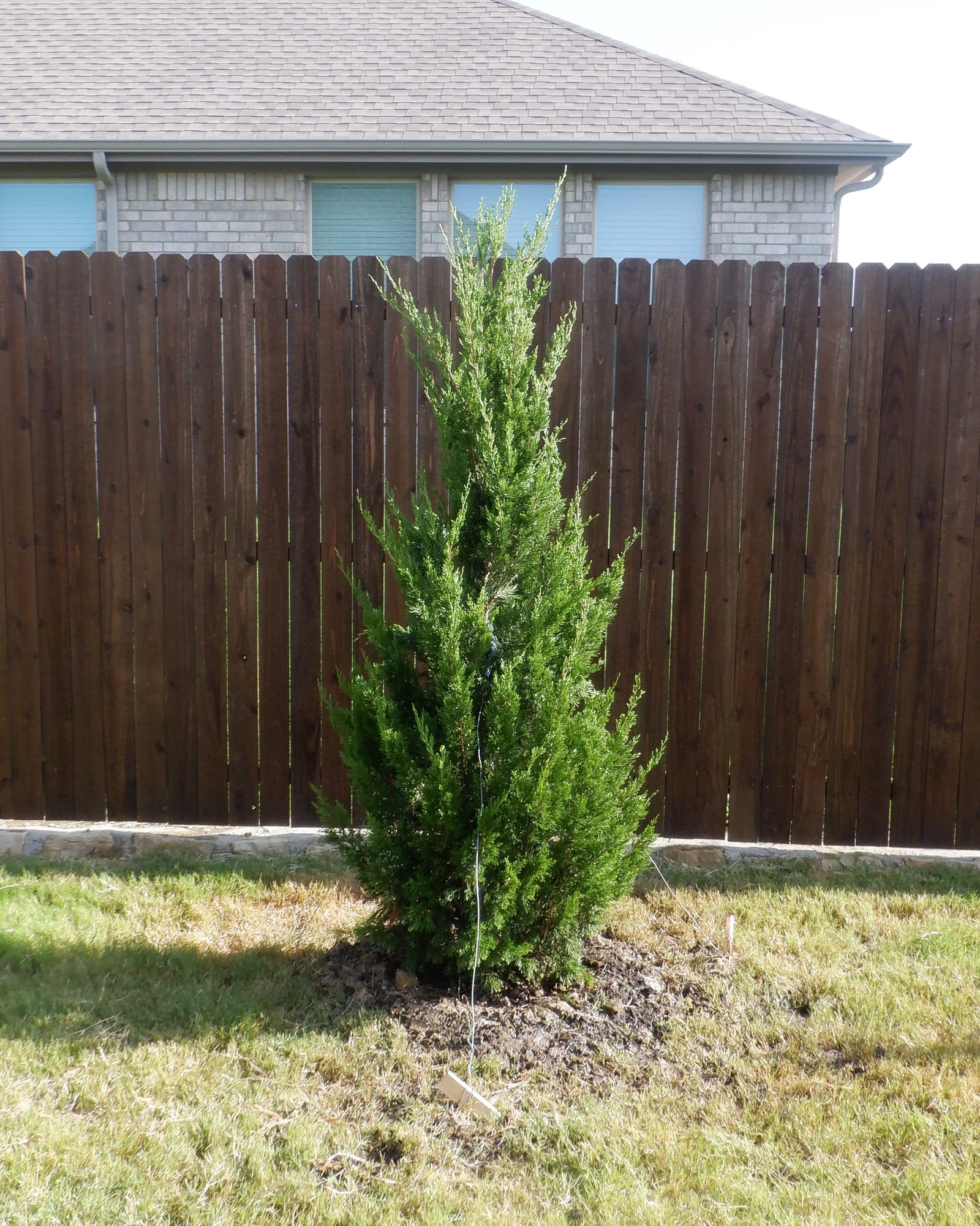
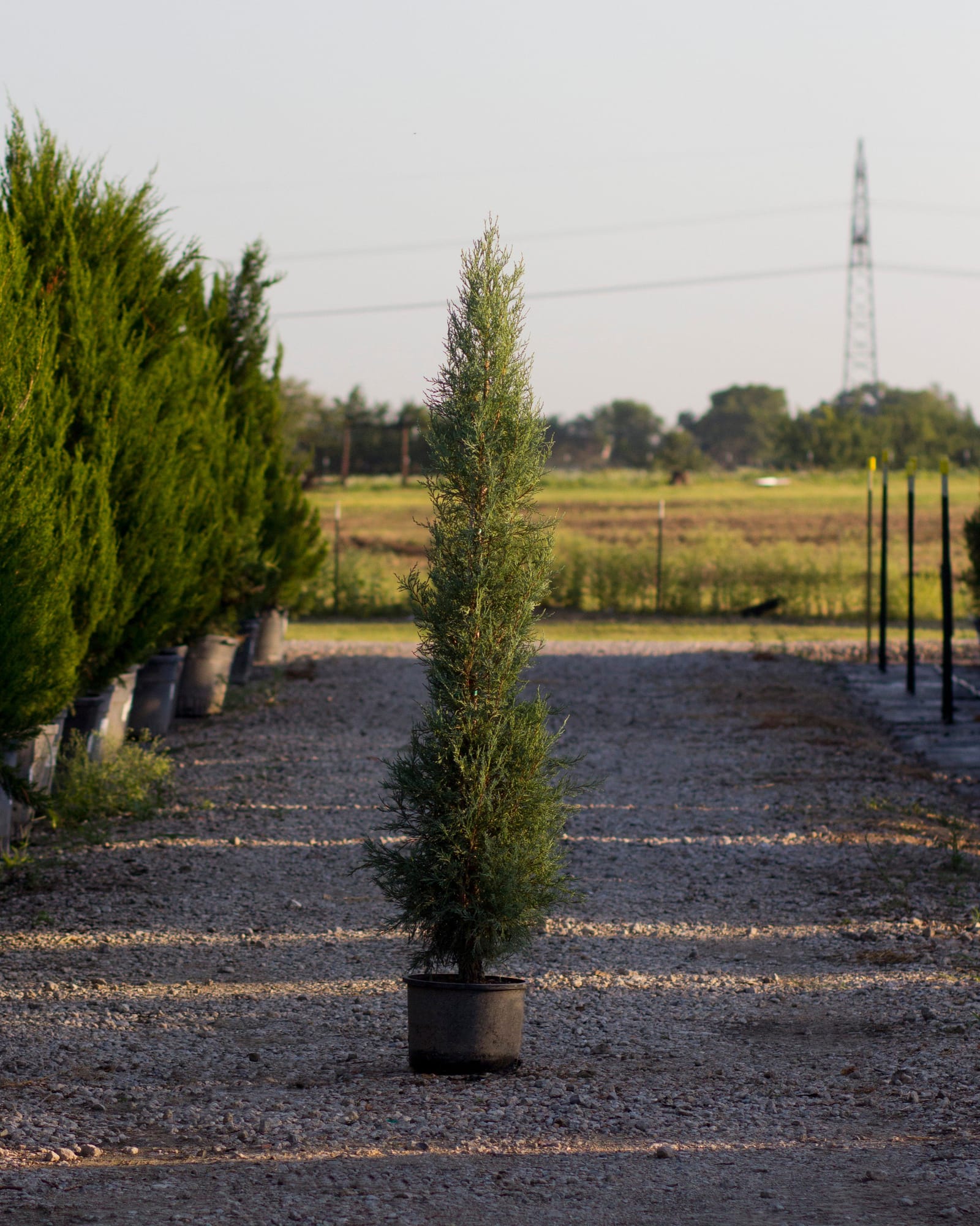
Hesperocyparis arizonica 'Blue Ice'Arizona Cypress Blue Ice is an evergreen tree loved for its silvery-blue needles that keep their color throughout the year. This variety has a narrow, conical form, making it perfect for screens or as a standout specimen. It typically grows 25 feet in height and 15 feet in width at maturity - an ideal specimen for a variety of spaces.
- Evergreen tree
- Moderate growth rate with narrow, conical habit
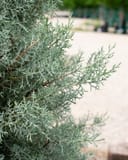
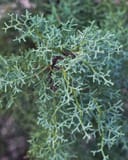
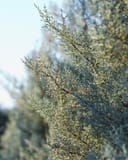
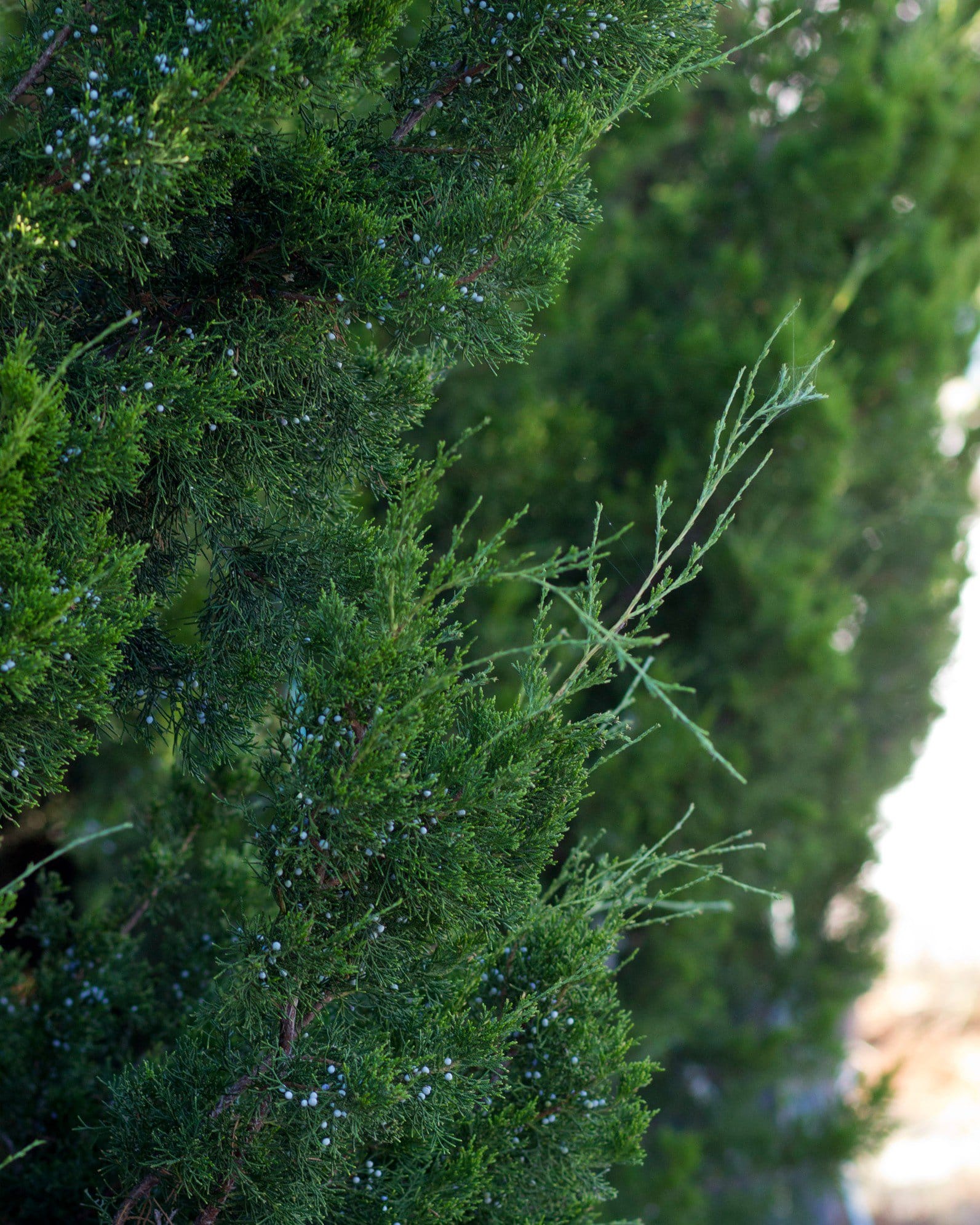
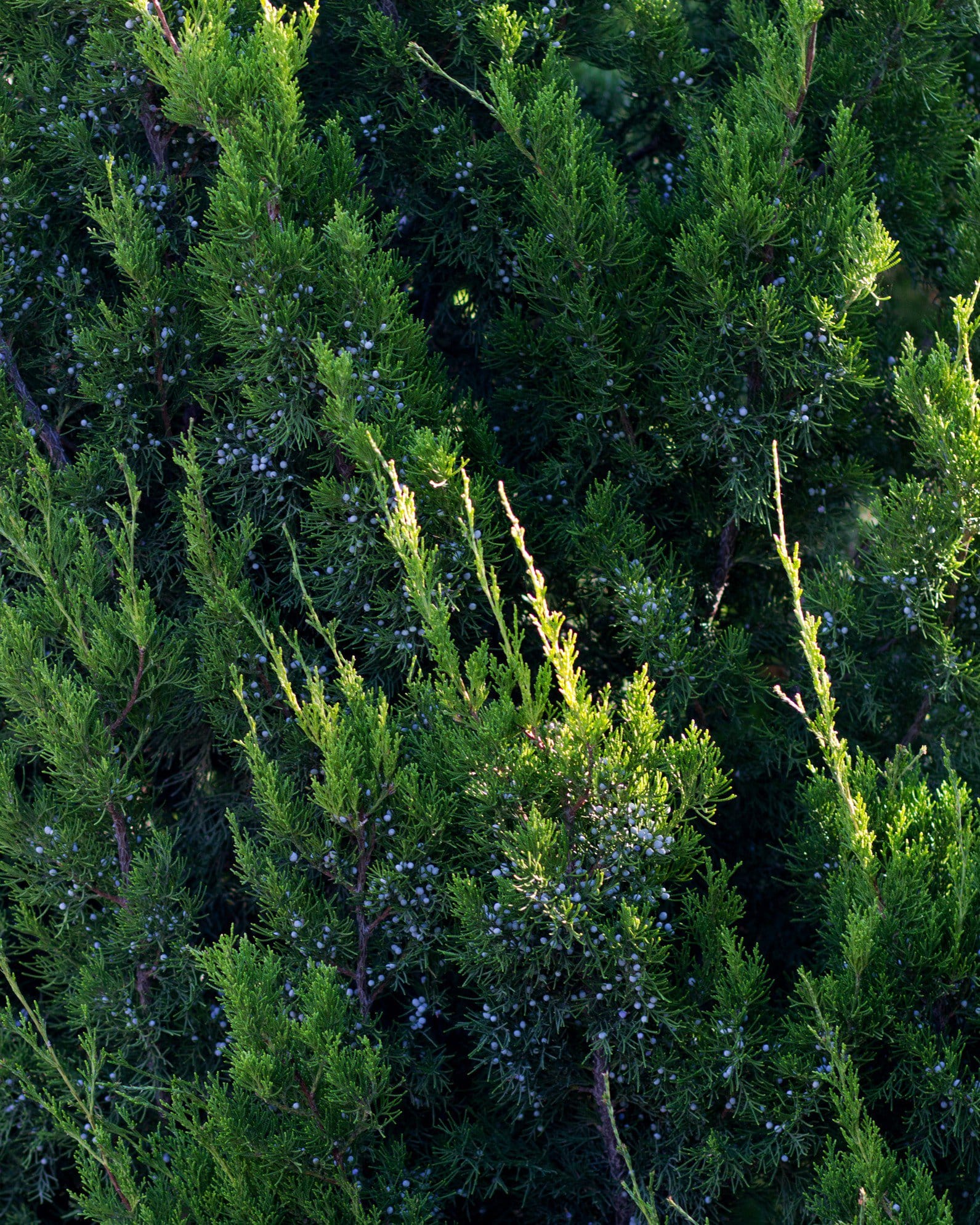
- Silvery-blue, soft-textured foliage
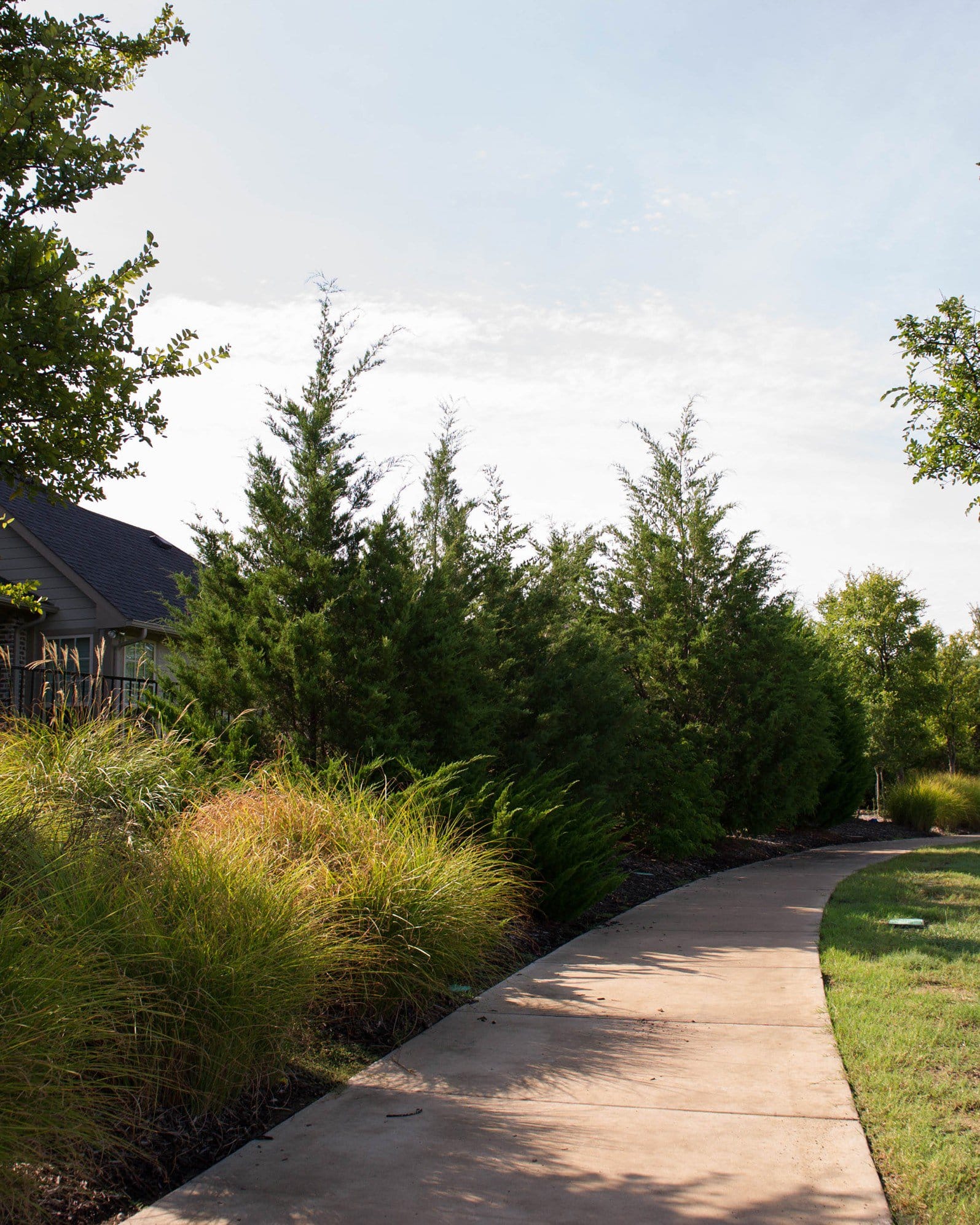
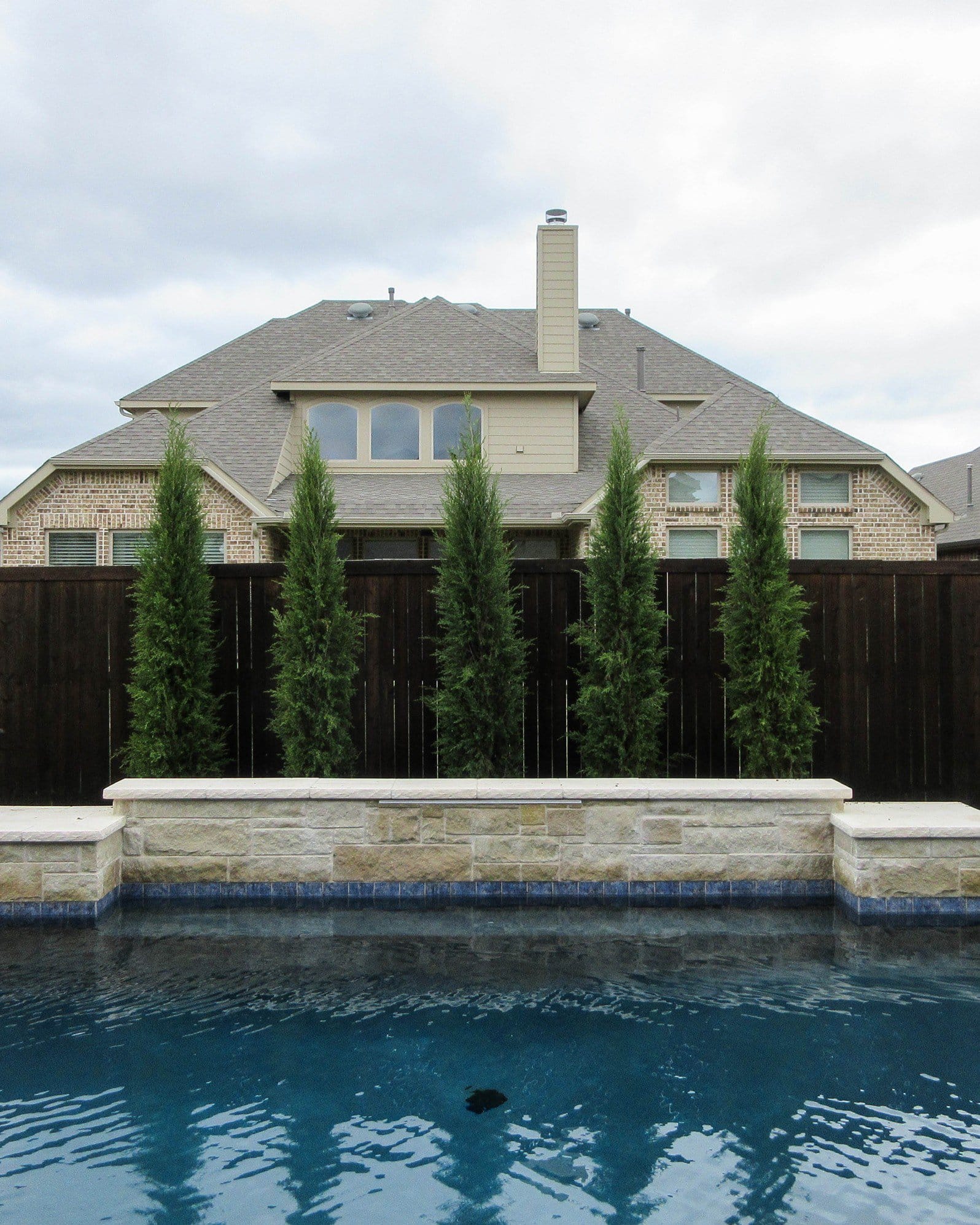
- Perfect for privacy screens or borders
- Adds year-round color and privacy
Arizona Cypress Blue Ice performs beautifully in full sun and well-drained soil. It's drought-tolerant and heat-hardy, making it an excellent choice for Texas climates. Some trimming is needed to maintain shape. Hardy in USDA zones 6 through 9, it’s a versatile and elegant addition to your landscape.
Arizona Cypress ‘Blue Ice’ is a low-maintenance plant that thrives with minimal effort, though a few simple care tips can help it reach its full potential.
Watering: Water consistently during the first growing season to help roots establish a strong system. Once mature, it is highly drought-tolerant, but deep watering every few weeks during prolonged dry periods will maintain lush foliage. Avoid shallow, frequent watering, as this encourages weak root growth.
Pruning: Minimal pruning is required. Trim only to shape the tree or remove dead, damaged, or diseased branches. Late winter or early spring, just before new growth emerges, is ideal. Avoid heavy pruning during the hot season, as the tree may not recover well in intense sun.
Fertilizing: Arizona Cypress ‘Blue Ice’ is low-maintenance regarding fertilization. A light application of a balanced slow-release fertilizer in early spring can encourage healthy growth. Avoid high-nitrogen fertilizers, which can overstimulate soft growth and reduce drought tolerance.
Mulching: A 2-3 inch layer of mulch (such as wood chips or shredded bark, around the base of the tree) helps conserve soil moisture and suppress weeds. Keep mulch about 6 inches from the trunk to prevent crown rot.
Staking: Young trees in windy or exposed sites may benefit from temporary staking to maintain upright growth. Remove stakes after the first year to prevent girdling or root restriction.
Common Issues and How to Take Care of Them
Arizona Cypress ‘Blue Ice’ is generally pest- and disease-resistant, but certain problems can happen:
Cypress tip moth: Larvae feed on the new growth tips, causing browning and dieback. Remove affected tips promptly. For larger infestations, horticultural oil or insecticidal sprays may help.
Root rot: Occurs in poorly drained soils. Always plant in well-draining locations, and avoid overwatering, especially in heavy clay or low-lying areas.
Spider mites: These pests can cause fine stippling and discoloration. Treat early with a strong water spray, horticultural oil, or insecticidal soap. Maintaining plant vigor helps prevent infestations.
Fungal blight: May appear during prolonged humid periods. Prune affected branches and improve airflow by spacing trees properly. Avoid overhead watering to reduce leaf wetness.
Consistent maintenance, proper spacing, occasional pruning and controlled watering prevents most problems.
It is moderately fast-growing, averaging 1 to 2 feet per year.
Not usually. Pruning is mainly for shape or removing dead or diseased branches. Heavy pruning isn’t necessary and may reduce the natural dense foliage.
Yes. Once established, it withstands long dry periods. However, deep watering during extreme heat ensures foliage stays vibrant and reduces stress that can attract pests.
Early spring or fall is best, allowing roots to establish before extreme heat or cold. Avoid planting in mid-summer or during frost conditions.
Yes, young trees can be grown in large containers, provided the soil drains well. Container trees will require more frequent watering than in-ground trees.
Yes, once established, it can withstand high heat, drought, and moderate cold, making it suitable for a variety of climates. However, extreme or sudden weather changes like prolonged freezing, heavy frost, or excessive wet conditions can stress the tree.
For hedges, plant 6-8 feet apart. For specimen trees, allow 10-12 feet between centers to ensure airflow, avoid overcrowding, and support healthy growth.
Generally resistant, but cypress tip moths and spider mites can appear, especially in stressed trees. Keeping an eye on the plant paired with adequate watering, spacing, and pruning can minimize risk.
Ensuring good airflow around the tree prevents fungal problems, while maintaining strong, drought-tolerant growth helps preserve the signature blue-gray color.
When it comes to spacing there is no right or wrong answer. We prefer to give trees the most amount of separation possible and aesthetically this leads to a prettier looking tree at maturity because they develop naturally wider, fuller and more symmetrical canopies. As far as the tree's health is concerned it will not be affected by how closely it is planted to another tree but the shape of the canopy will become taller and thinner and begin to overlap, which will create a continuous hedge. If privacy is not of an immediate concern and we are just looking to diffuse the view then we could plant the trees where they barely touch at maturity.
For example, we could plant Blue Ice 15' apart (their mature width is 15') and at maturity their canopies would barely touch or we could space them even further apart than 15' which would leave a gap between the trees. Most of us don't have the luxury of planting trees this far apart and waiting 10-15 years for them to grow together and get privacy. For people that need more immediate privacy then the question to answer is "how long do you want to wait before you have a solid privacy screen?" Most answers that we get to this question will either be immediate or they are willing to wait between 2-4 years before they get solid coverage. Again, there is no right or wrong answer to this question and it is solely dependent upon how quickly the privacy is needed. For example, if a customer is looking for immediate coverage and they are planting Blue Ice, then we need to find out how wide the trees are that are being purchased and then plant them that far apart. If we find Blue Ice that are 3.5' wide then we would need to plant them 3.5' apart from trunk to trunk which allows for the branches to touch immediately at the time of planting. If we are looking for coverage in 3-4 years then the spacing would be dependent upon how quickly the trees grown per year in width and what size tree the customer decides to start with. Let's look at the previous example of an Eagleston that is currently 3.5' wide. We know that they grow about .75' per year in terms of width so over 3 years they will be about 5.75' wide and therefore we would space the 5.75’ apart (trunk to trunk) so that the trees would be touching in 3 years.
Special Features
You might also like
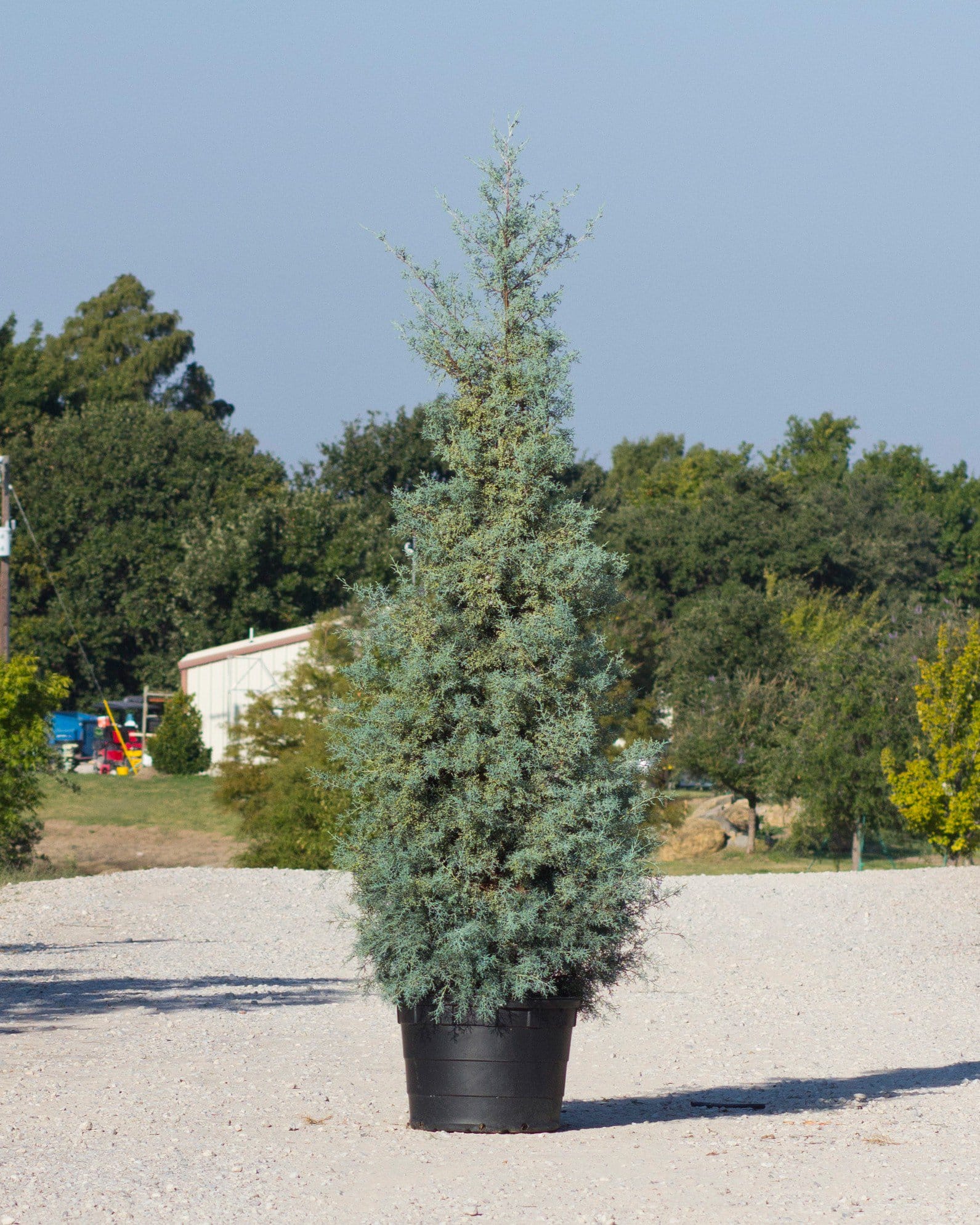
Arizona Cypress Carolina Sapphire
Maturity: 30' H x 20' W
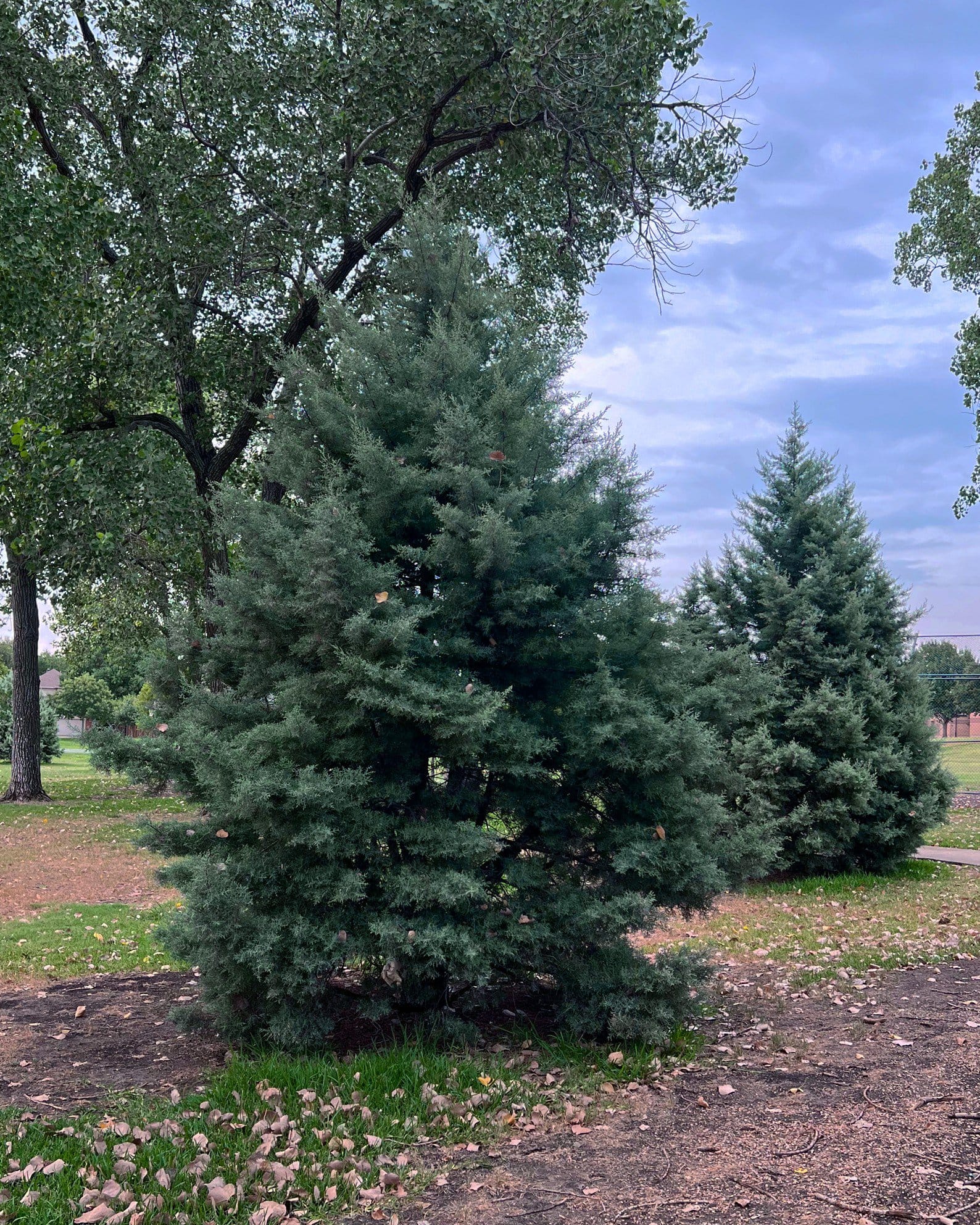
Eastern Red Cedar
Maturity: 30' H x 20' W
Eastern Red Cedar Brodie
Maturity: 25' H x 12' W
Eastern Red Cedar Burkii
Maturity: 25' H x 20' W
Eastern Red Cedar Taylor
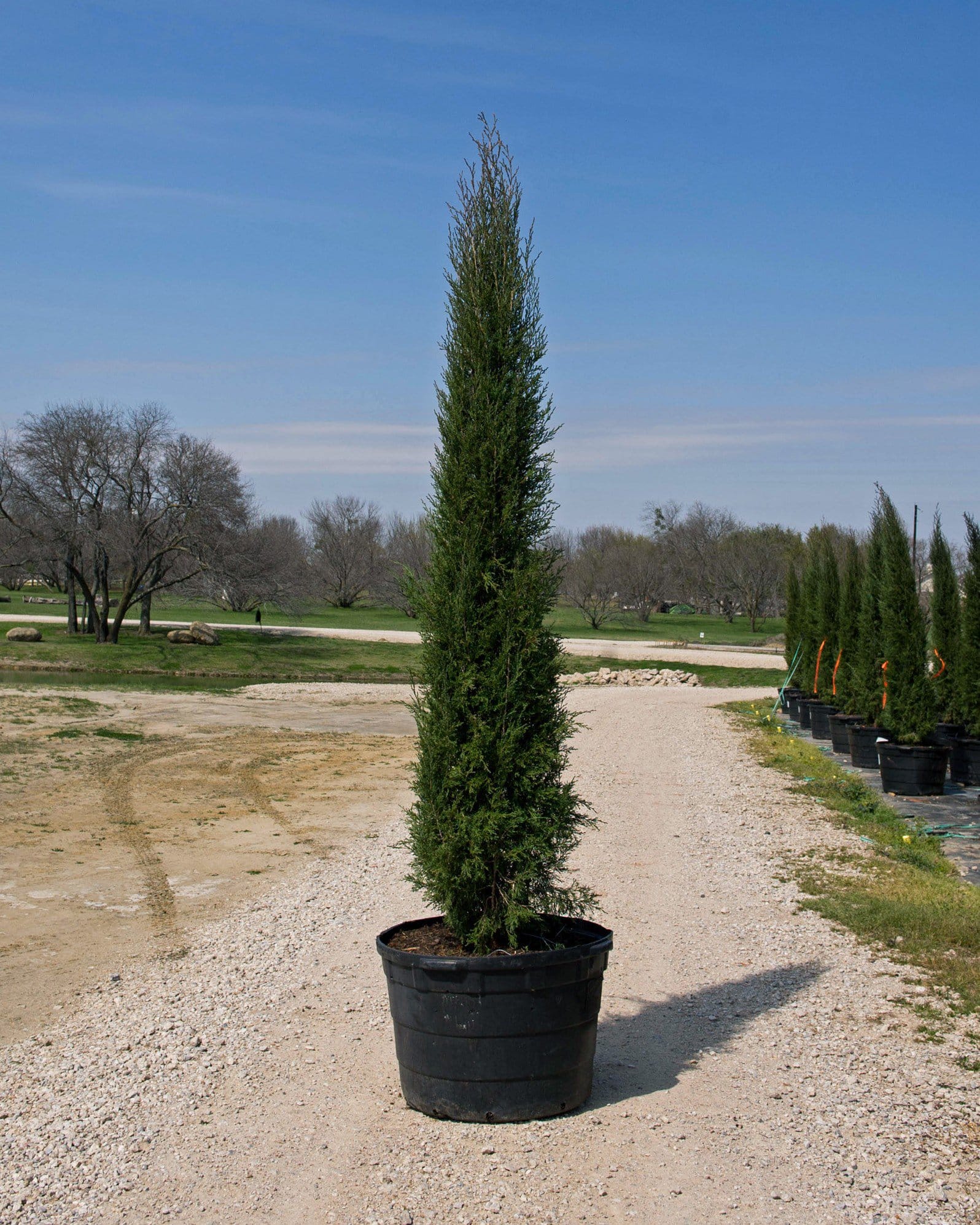
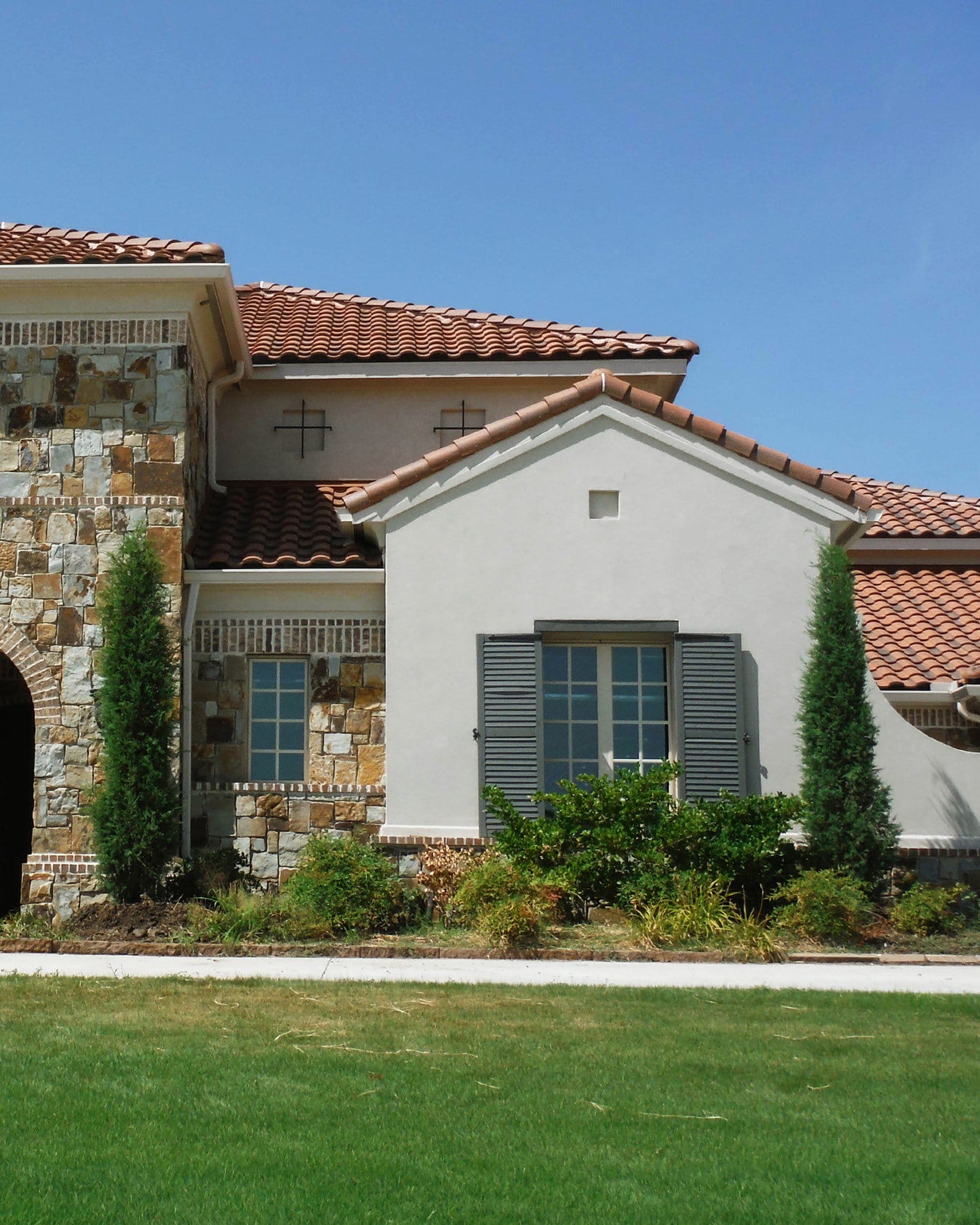
Maturity: 25' H x 4' W
Eastern Red Cedar Canaertii
Maturity: 25' H x 20' W
Eastern Red Cedar Emerald Feather
Maturity: 12' H x 5' W
Eastern Red Cedar Emerald Sentinel
Maturity: 15' H x 7' W
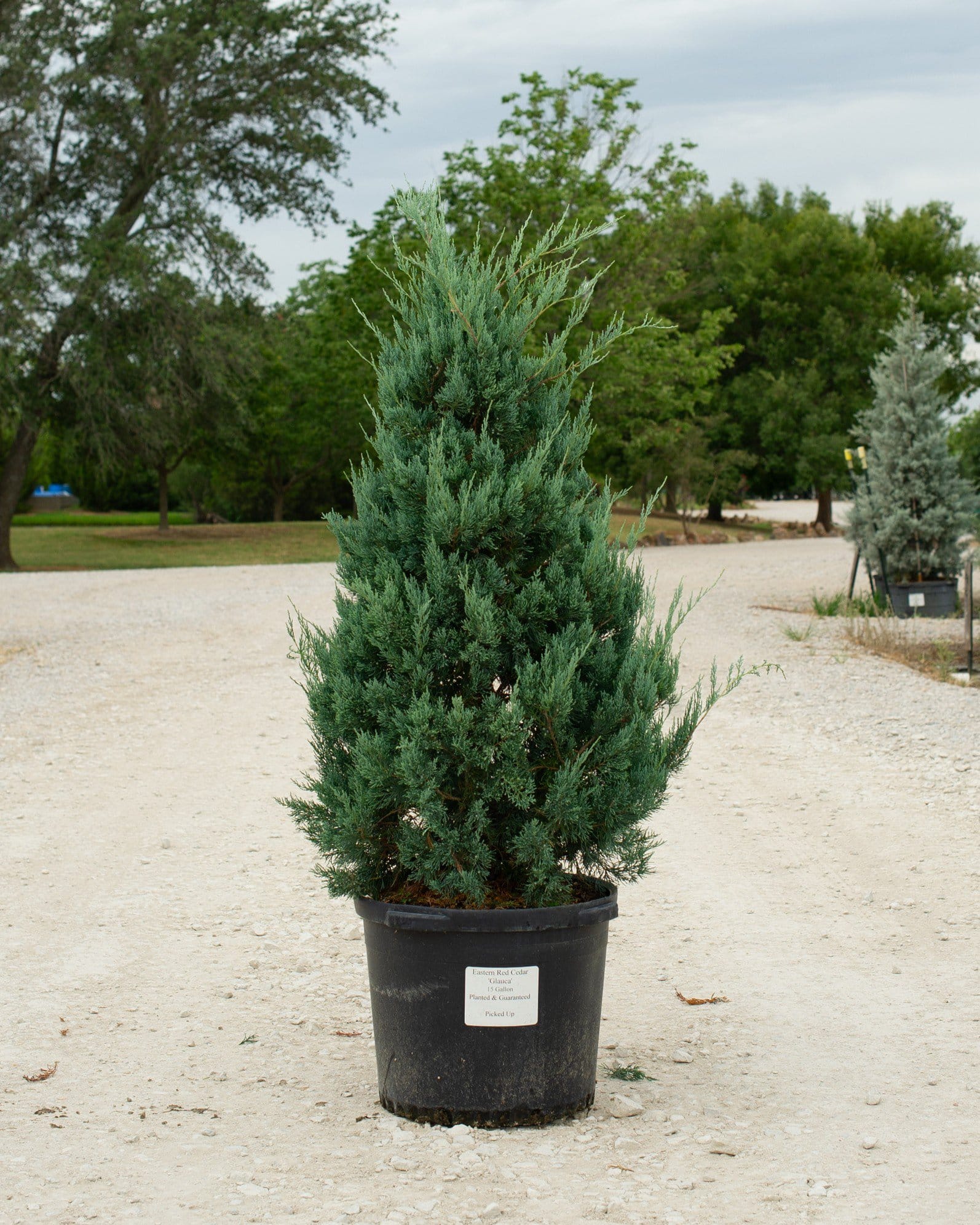
Eastern Red Cedar Glauca
Maturity: 20' H x 6' W
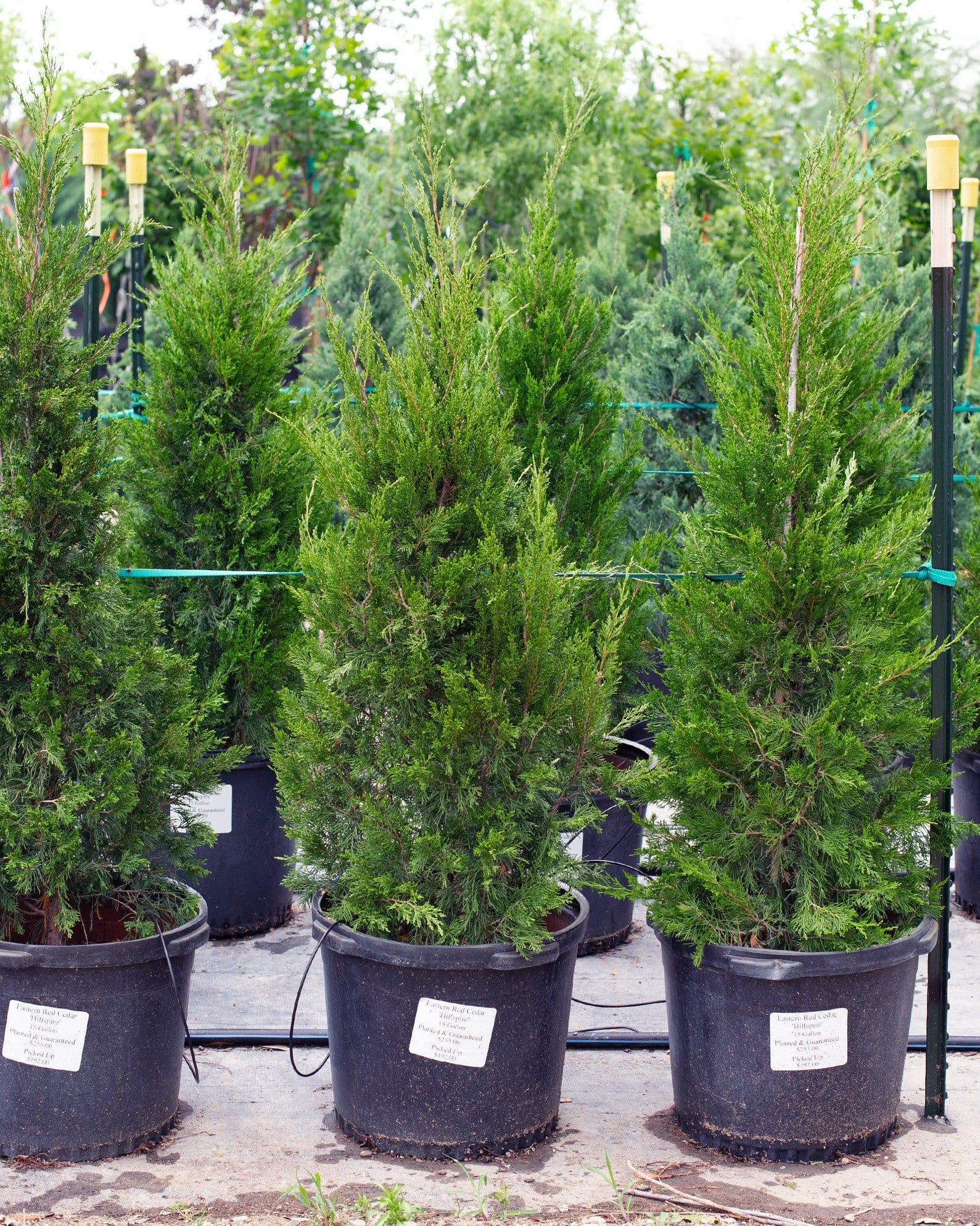
Eastern Red Cedar Hillspire
Maturity: 25' H x 15' W
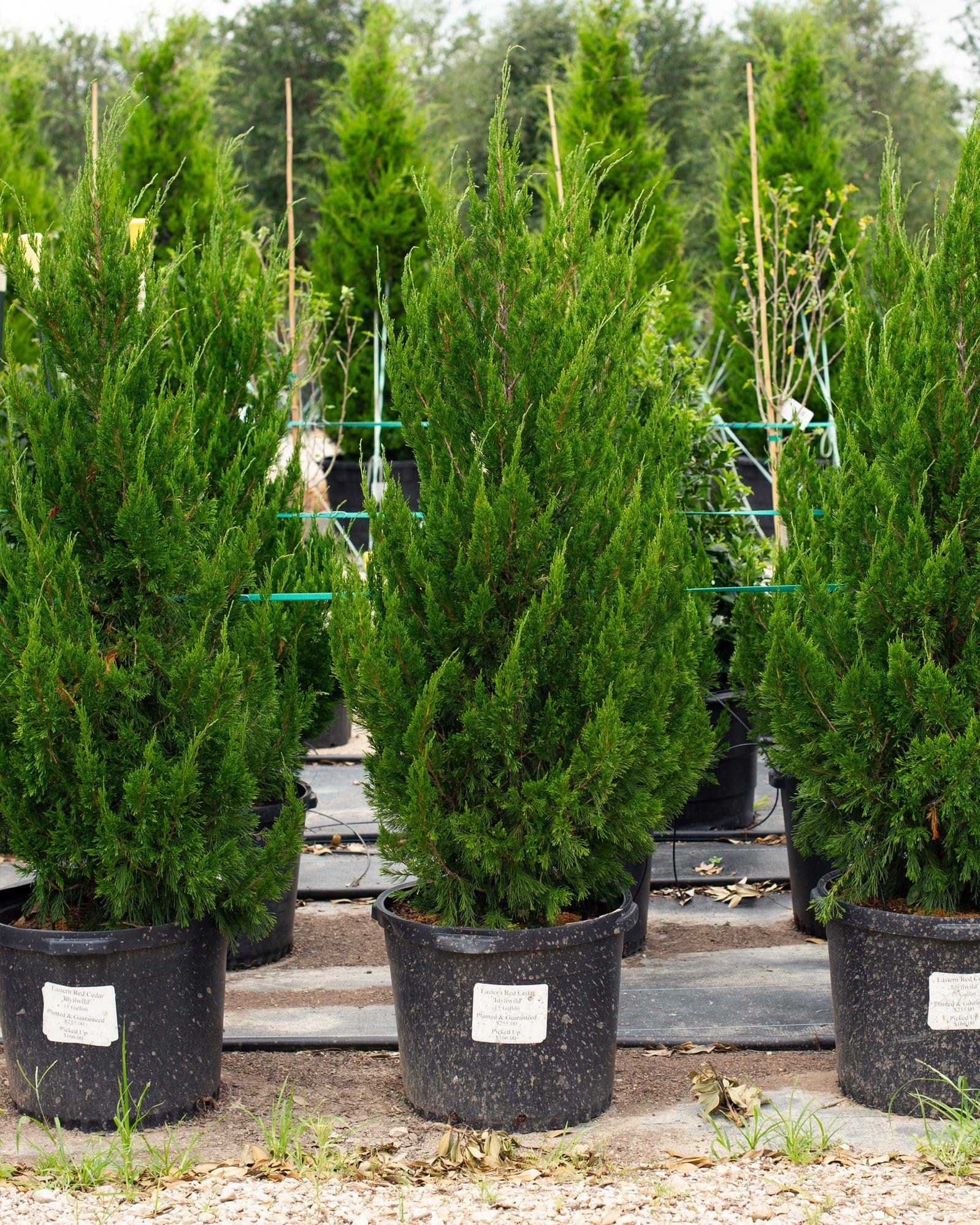
Eastern Red Cedar Idyllwild
Maturity: 15' H x 7' W
Leyland Cypress Murray
Maturity: 25' H x 20' W
Southern Red Cedar Fuzzy Wuzzy
Maturity: 35' H x 25' W
Spartan Juniper
Maturity: 17' H x 7' W
Woodward Juniper
Maturity: 20' H x 4' W
Compare Similar Plants
Arizona Cypress Blue Ice This plant | ||
|---|---|---|
| Scientific Name | Hesperocyparis arizonica 'Blue Ice' | Hesperocyparis arizonica ‘Carolina Sapphire’ |
| Size at Maturity | 25' H x 15' W | 30' H x 20' W |
| Leaf Retention | Evergreen | Evergreen |
| Sizes Available | 15, 30 gal | 5, 7, 15, 30, 45 gal |


Our 1-Year Planting Guarantee
We take pride in our plants and installation services. If any plants or trees installed by Treeland fail to thrive within the first year, we'll provide a replacement credit in accordance with our guarantee program.
Learn More About Our Guarantee