
 Texas Native
Texas Ash
Fraxinus texensisLocal DFW Delivery Only
Product Details
Texas Ash
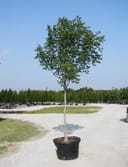
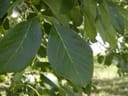
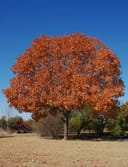
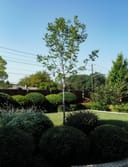
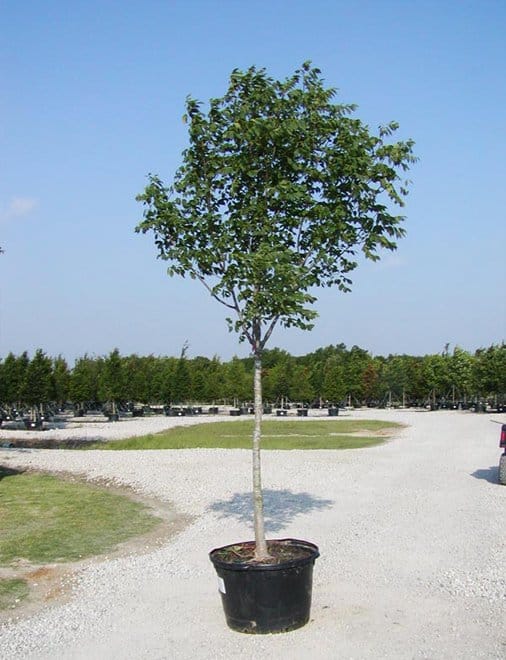
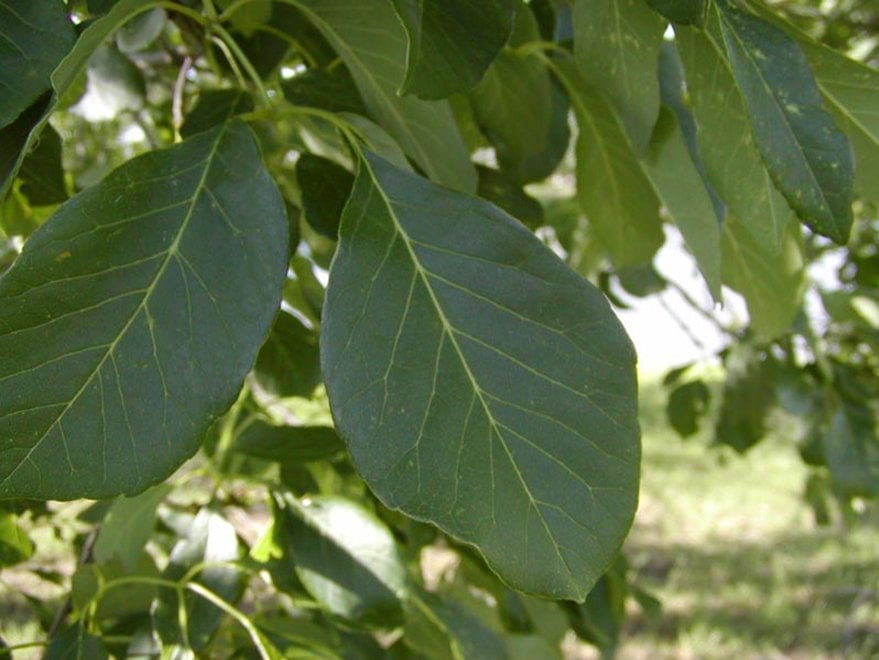
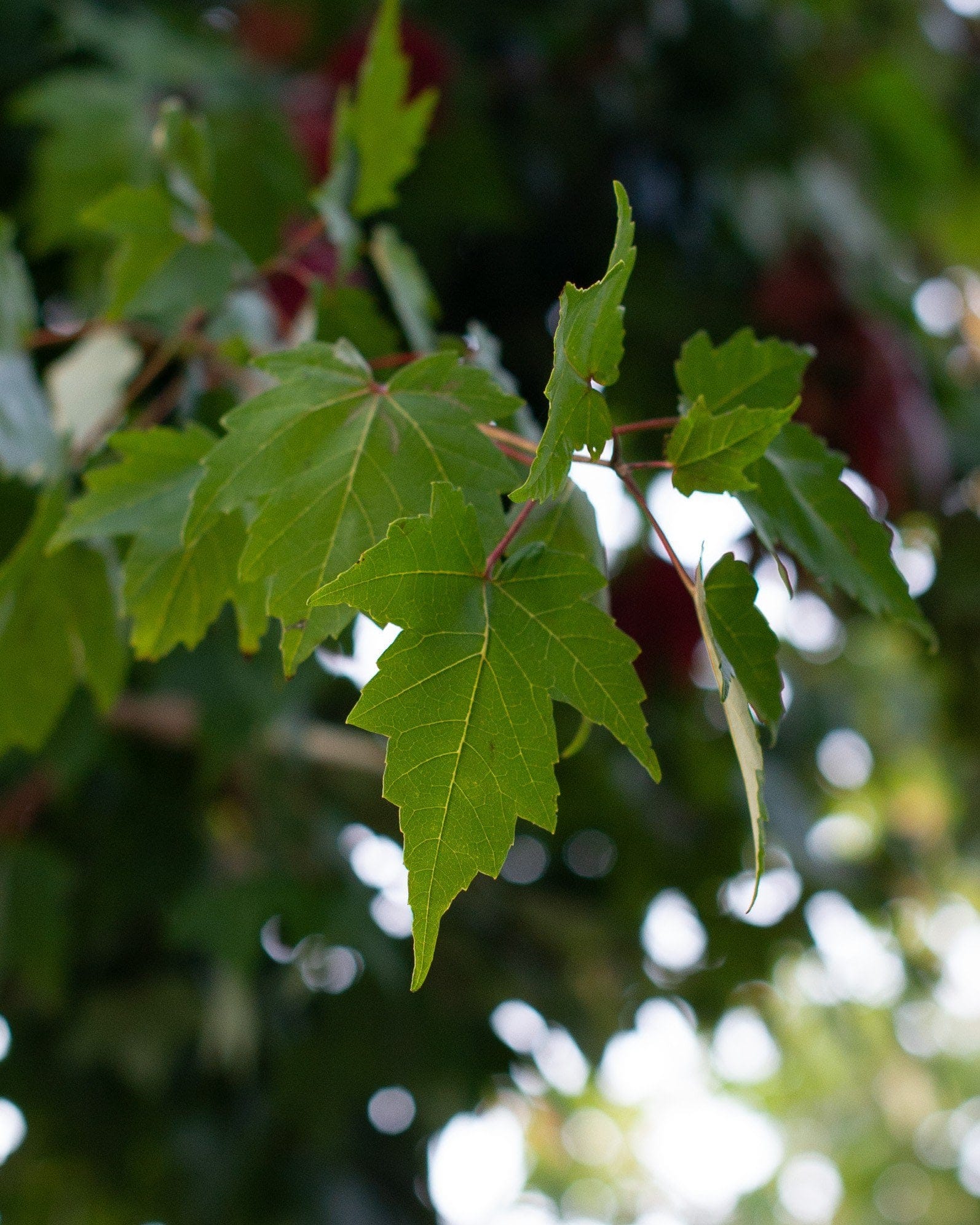
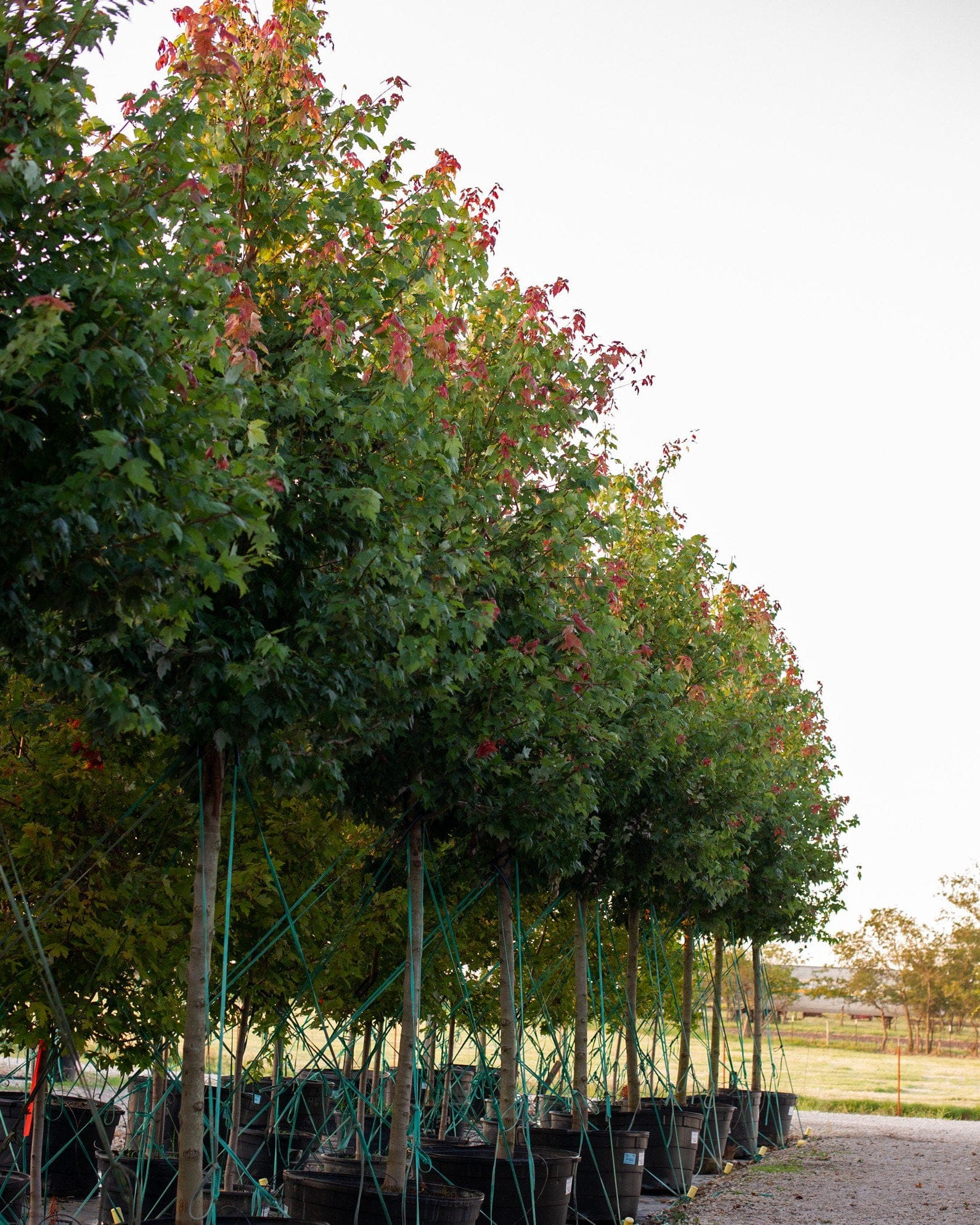
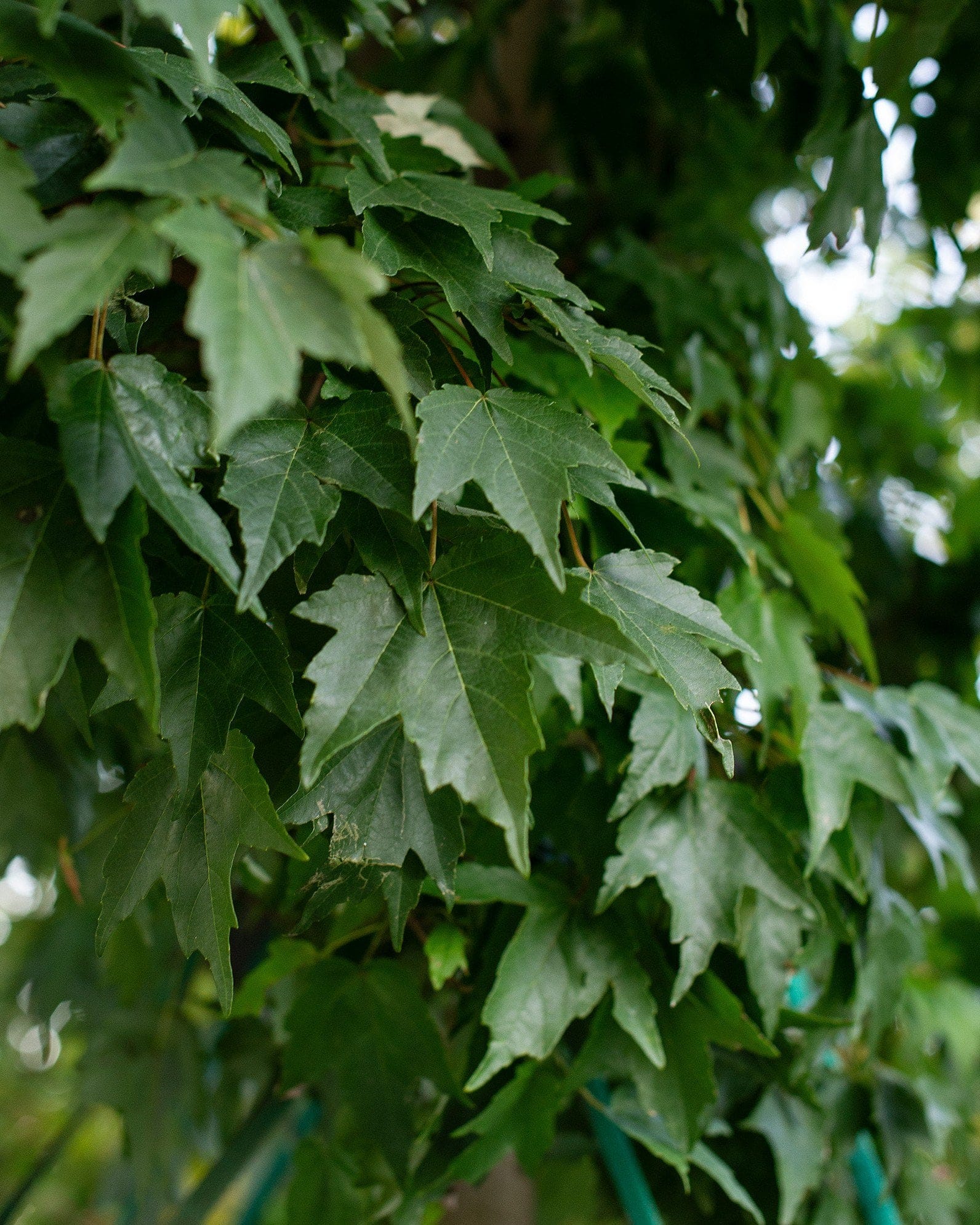
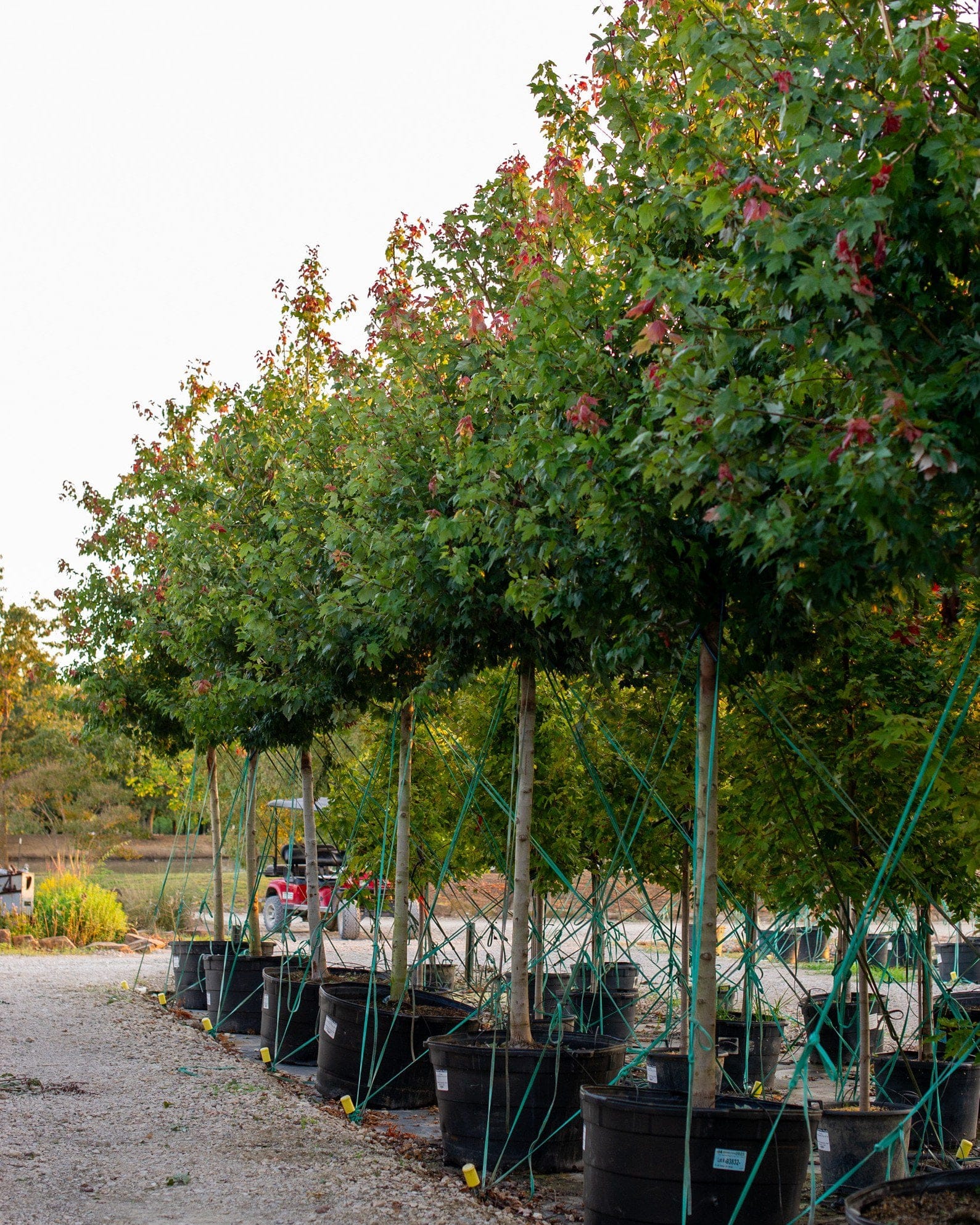
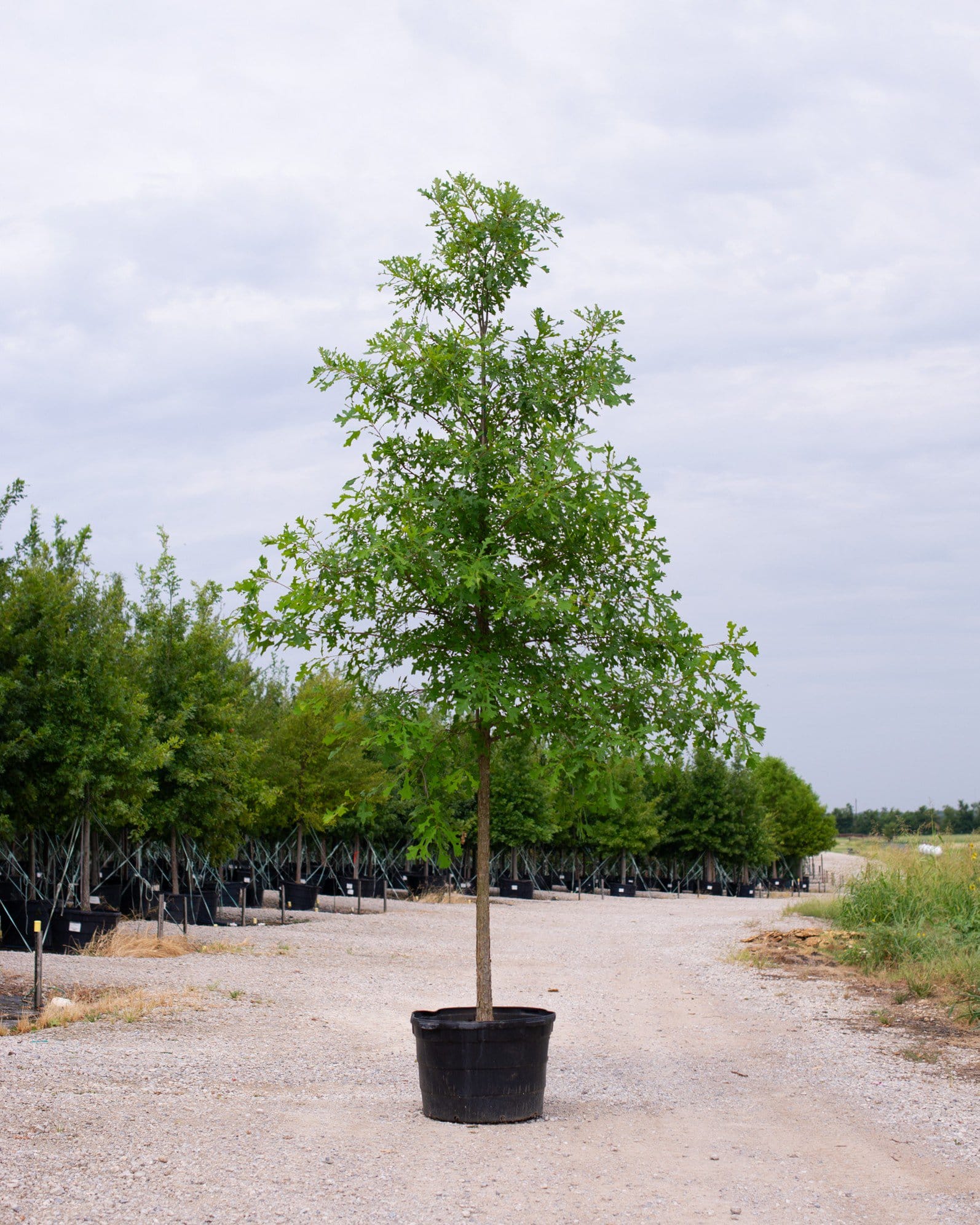
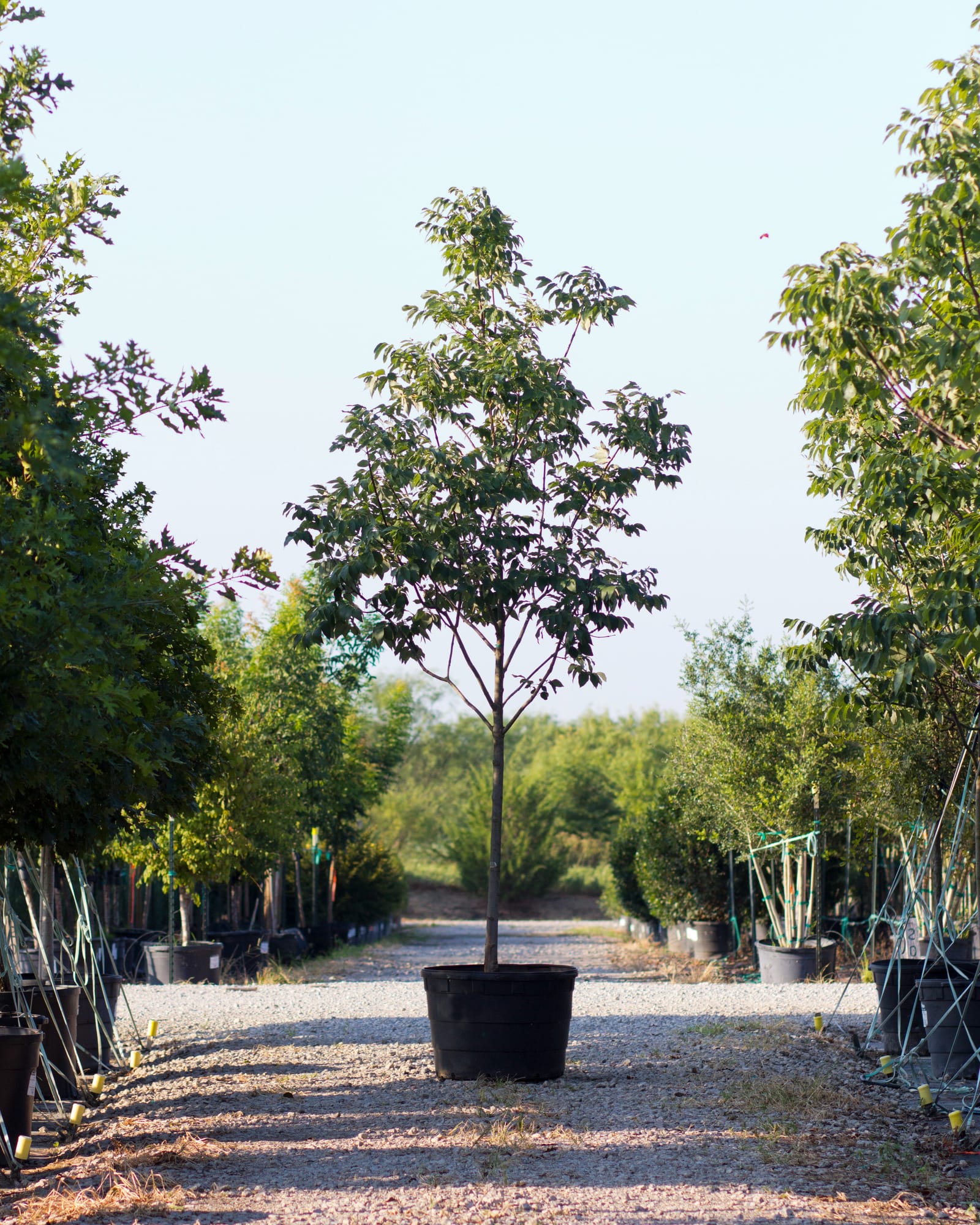
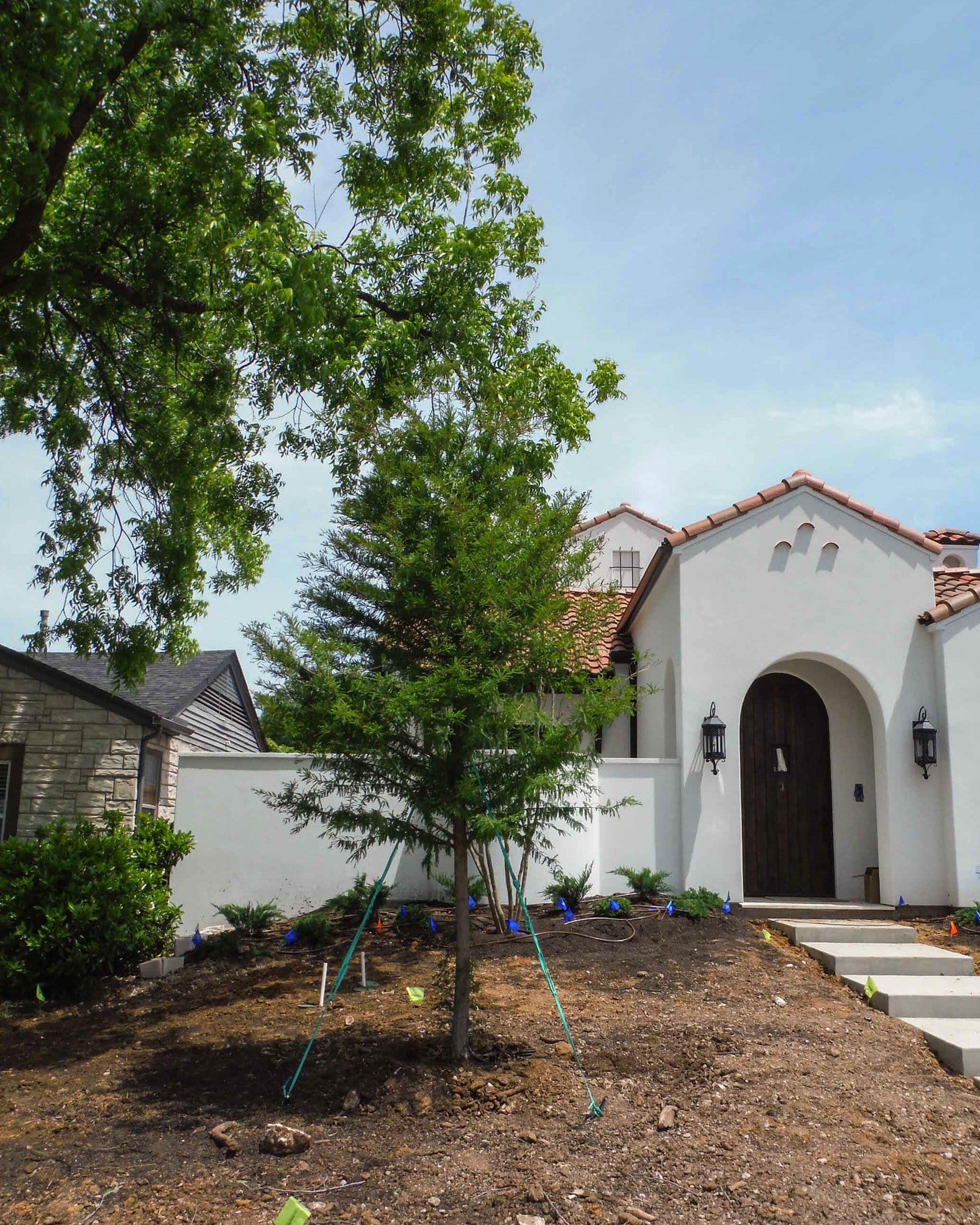
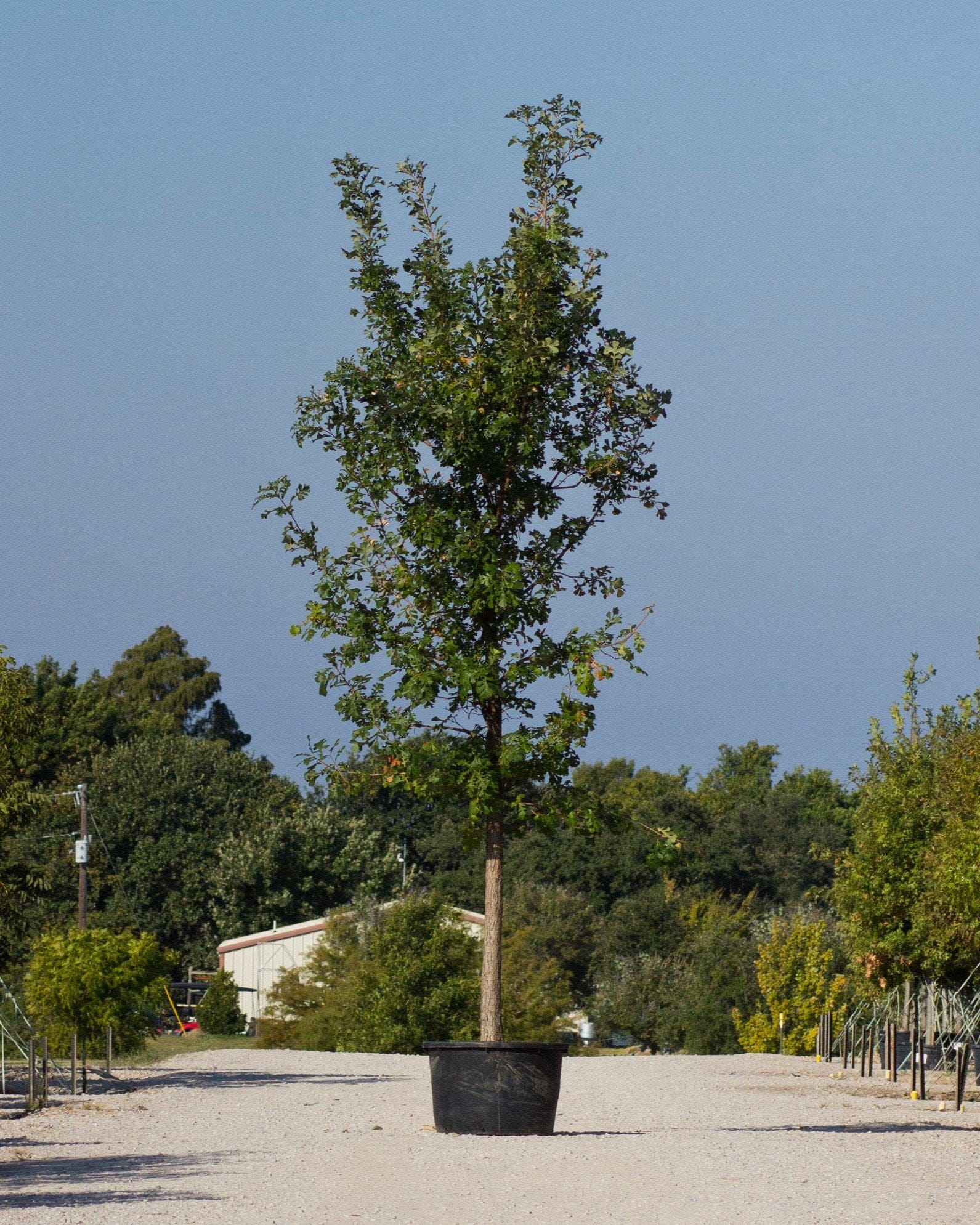
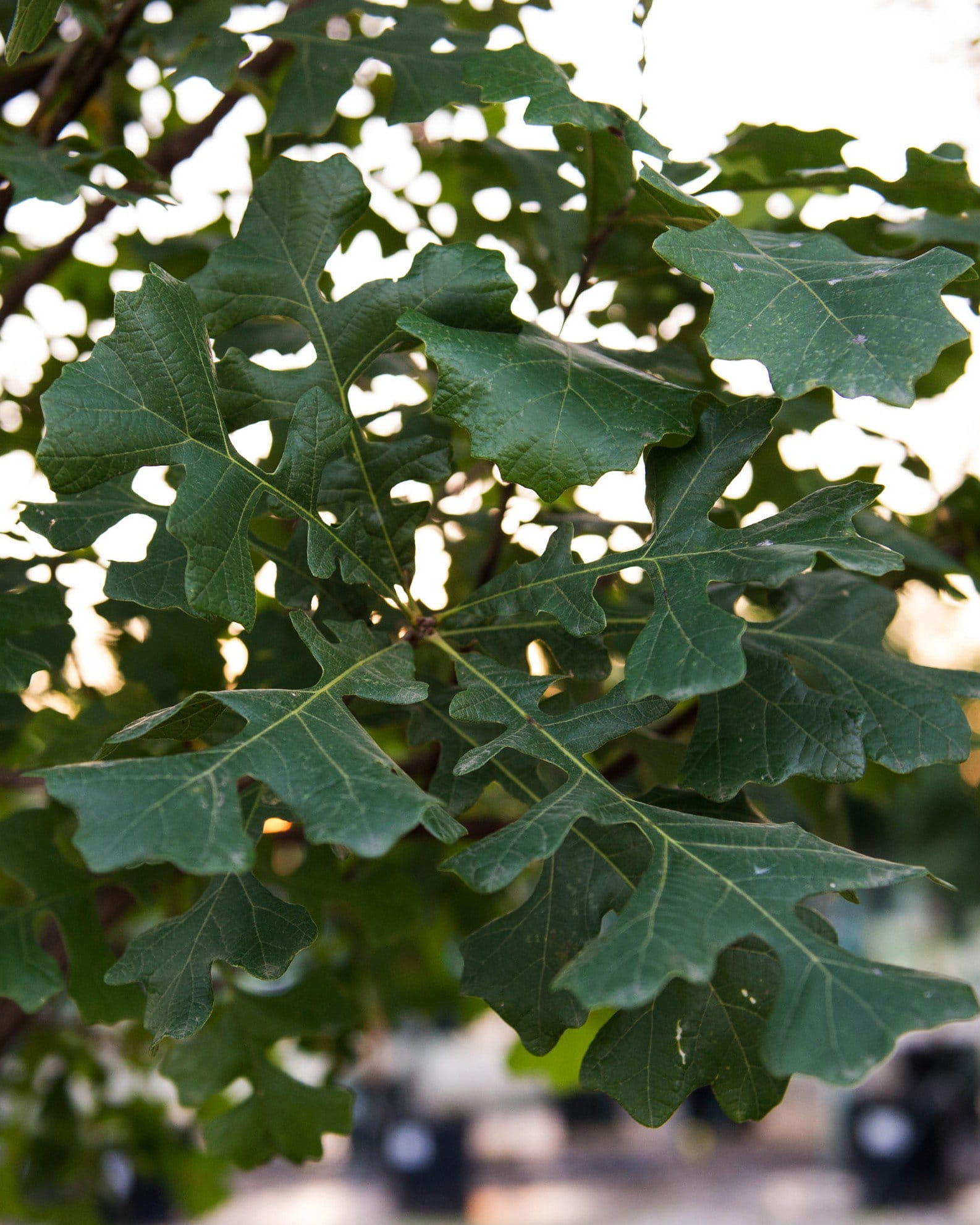
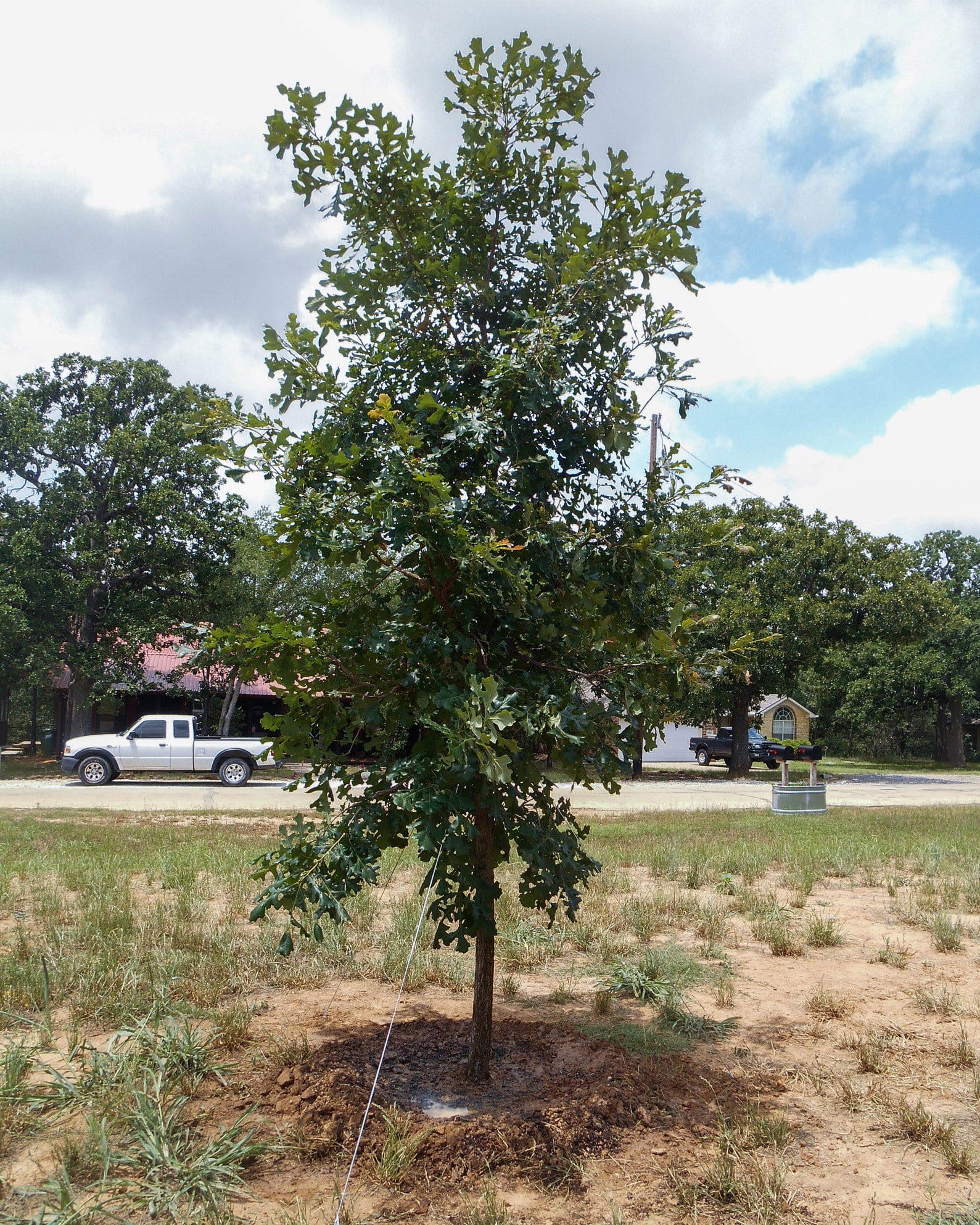
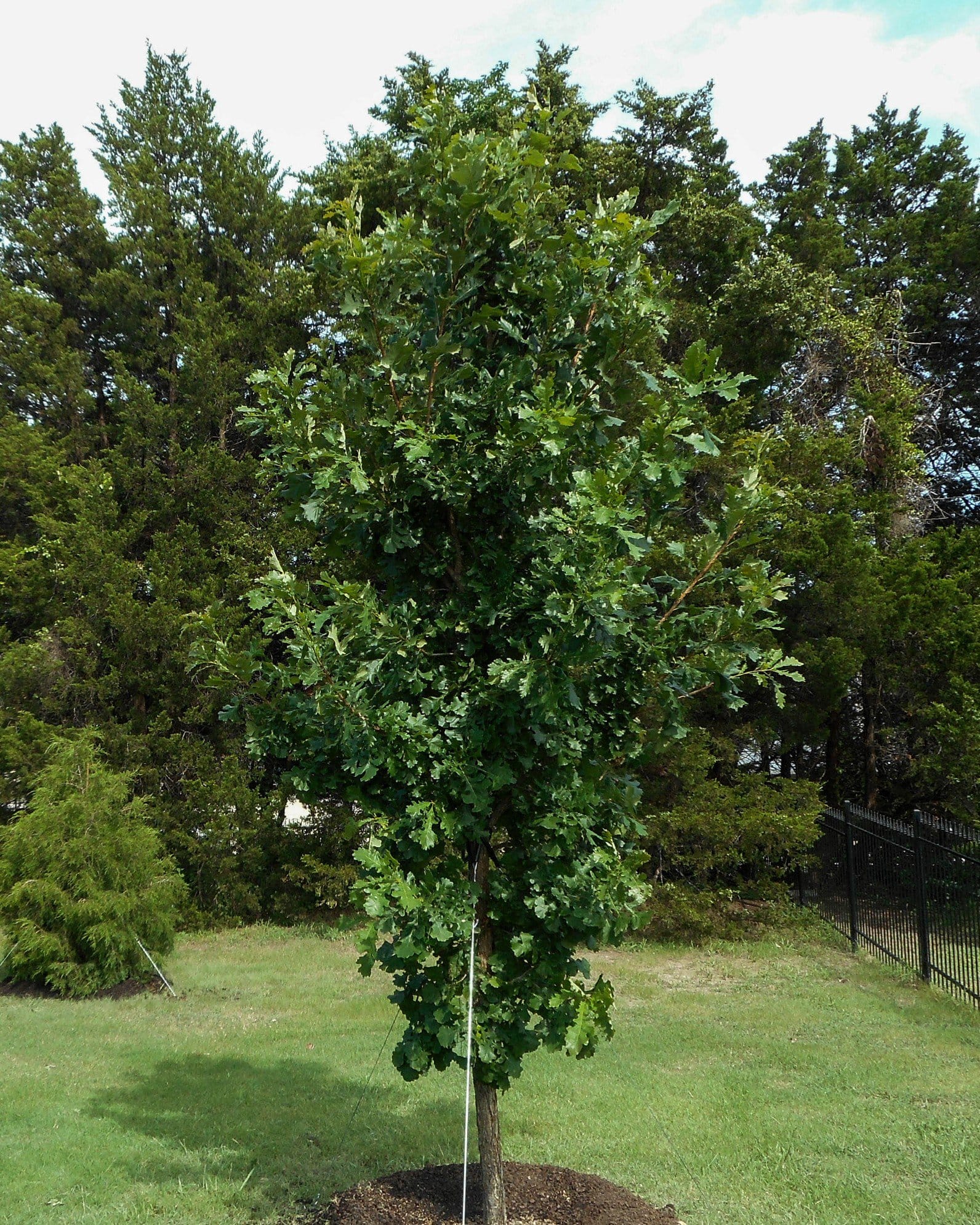
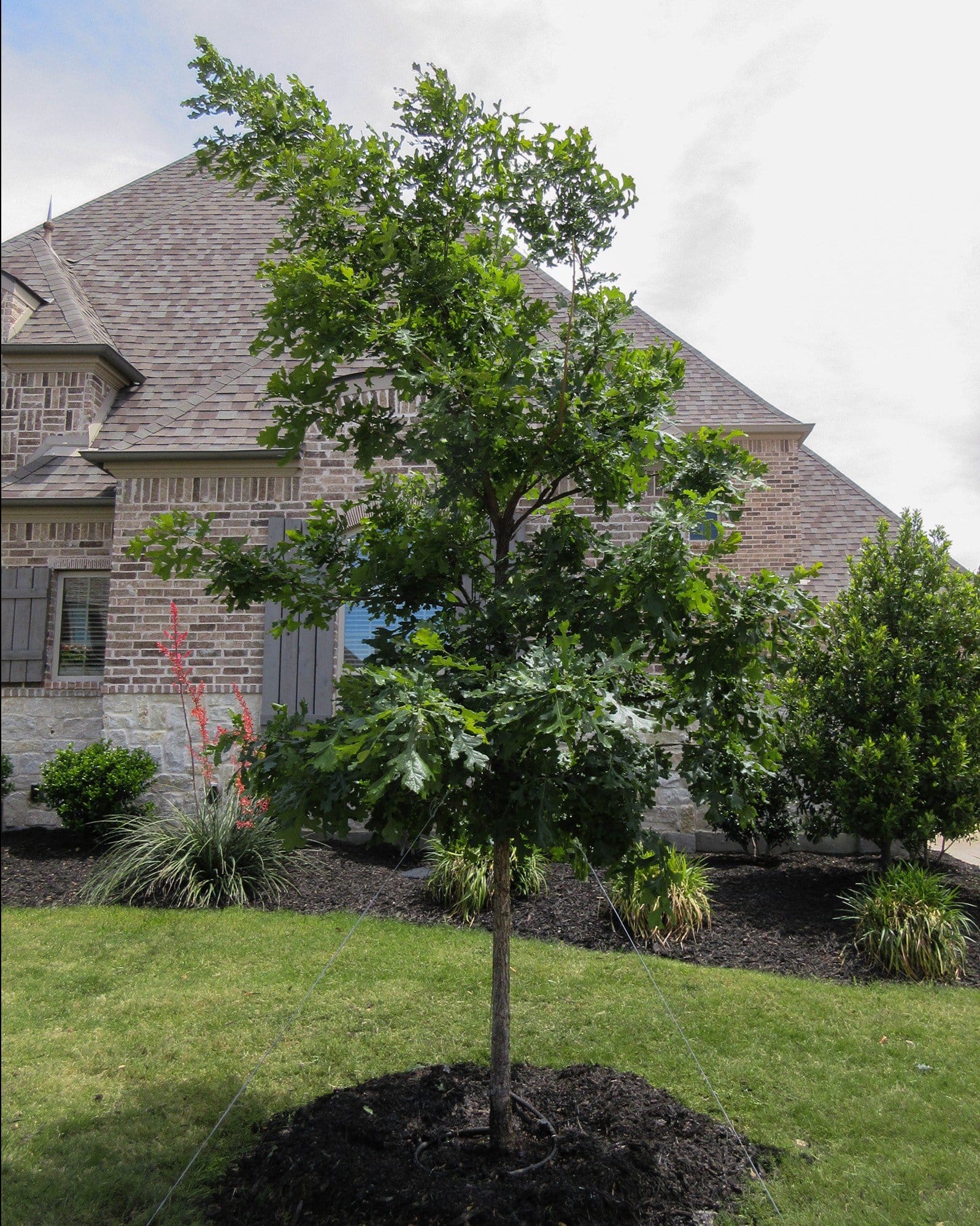
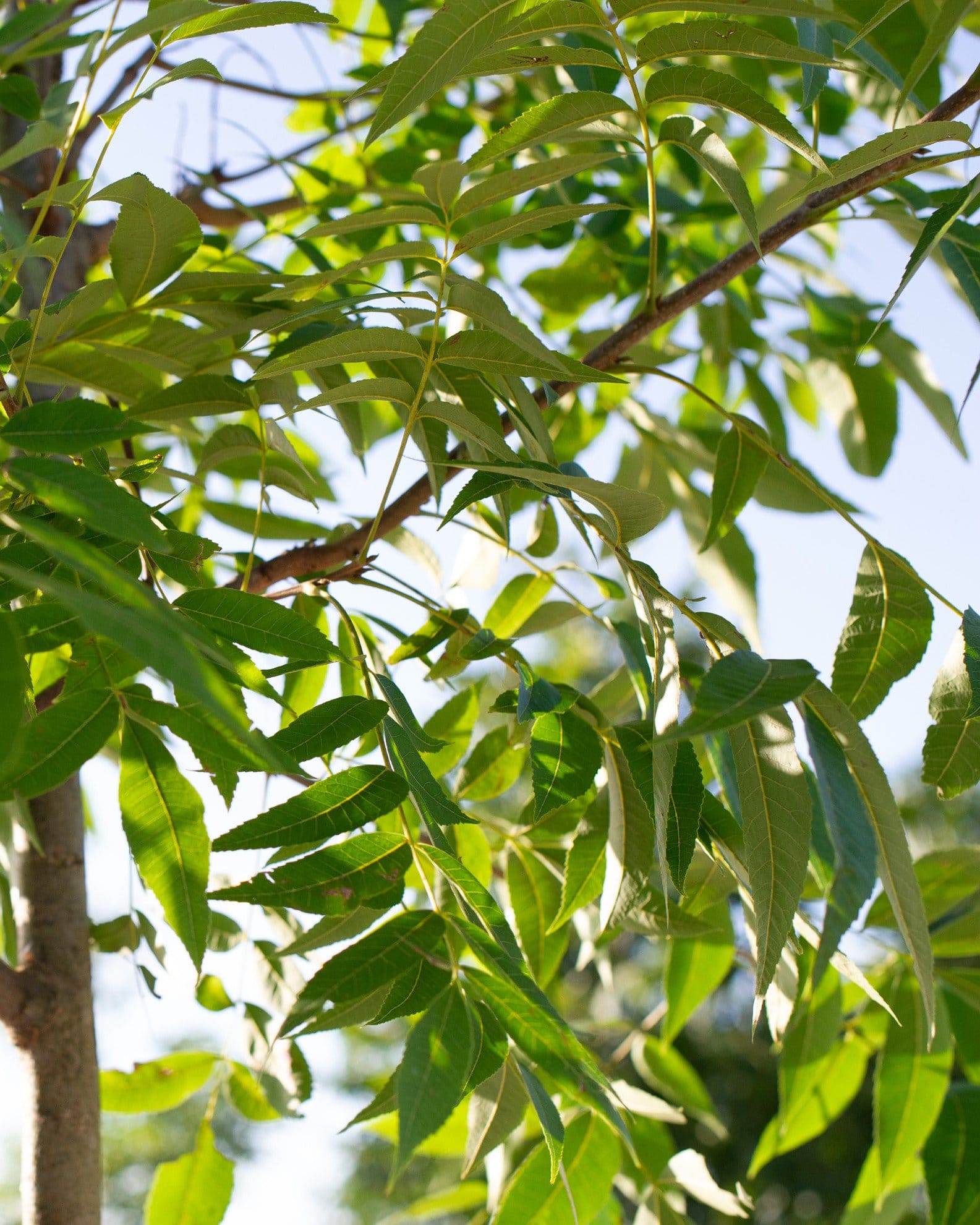
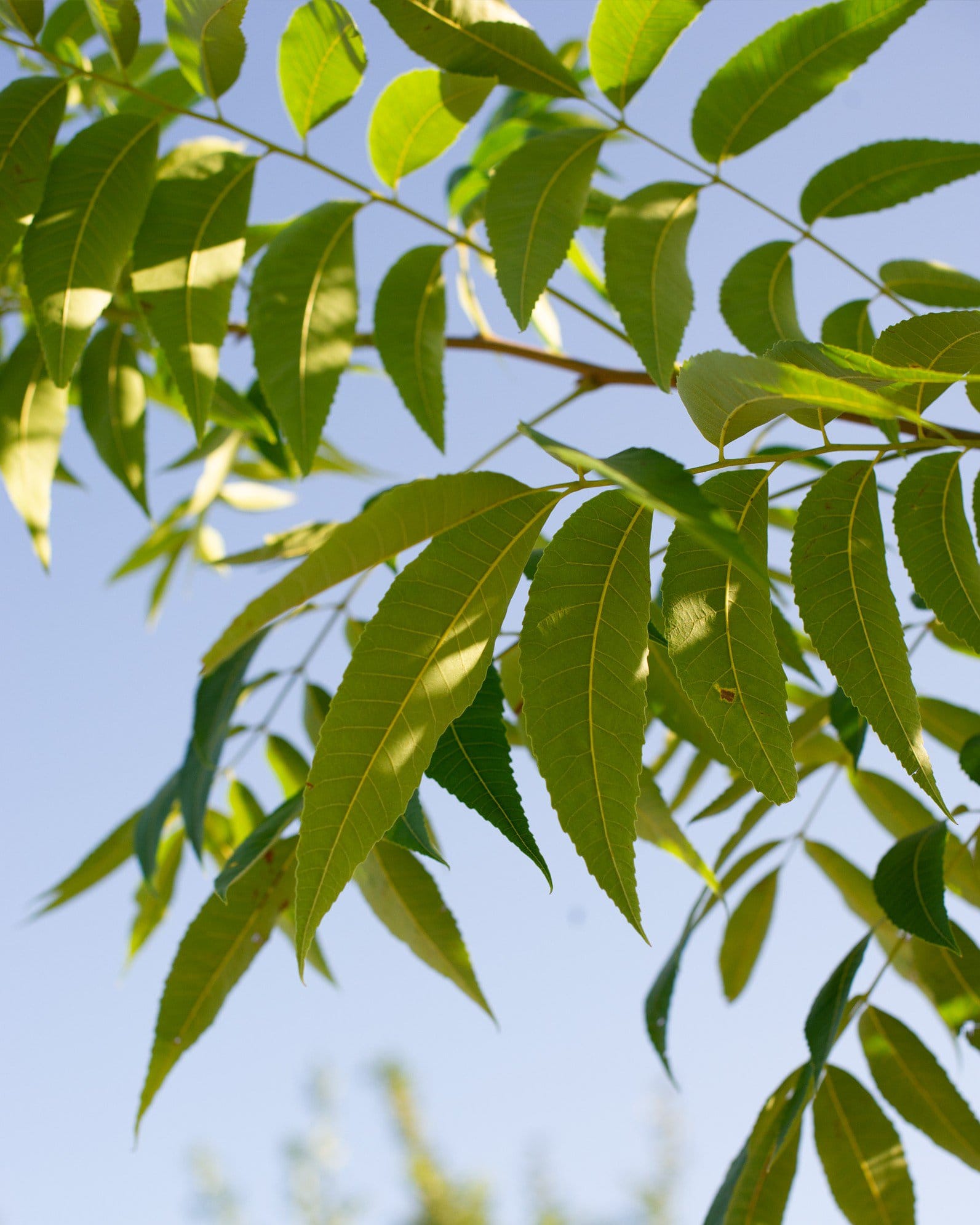
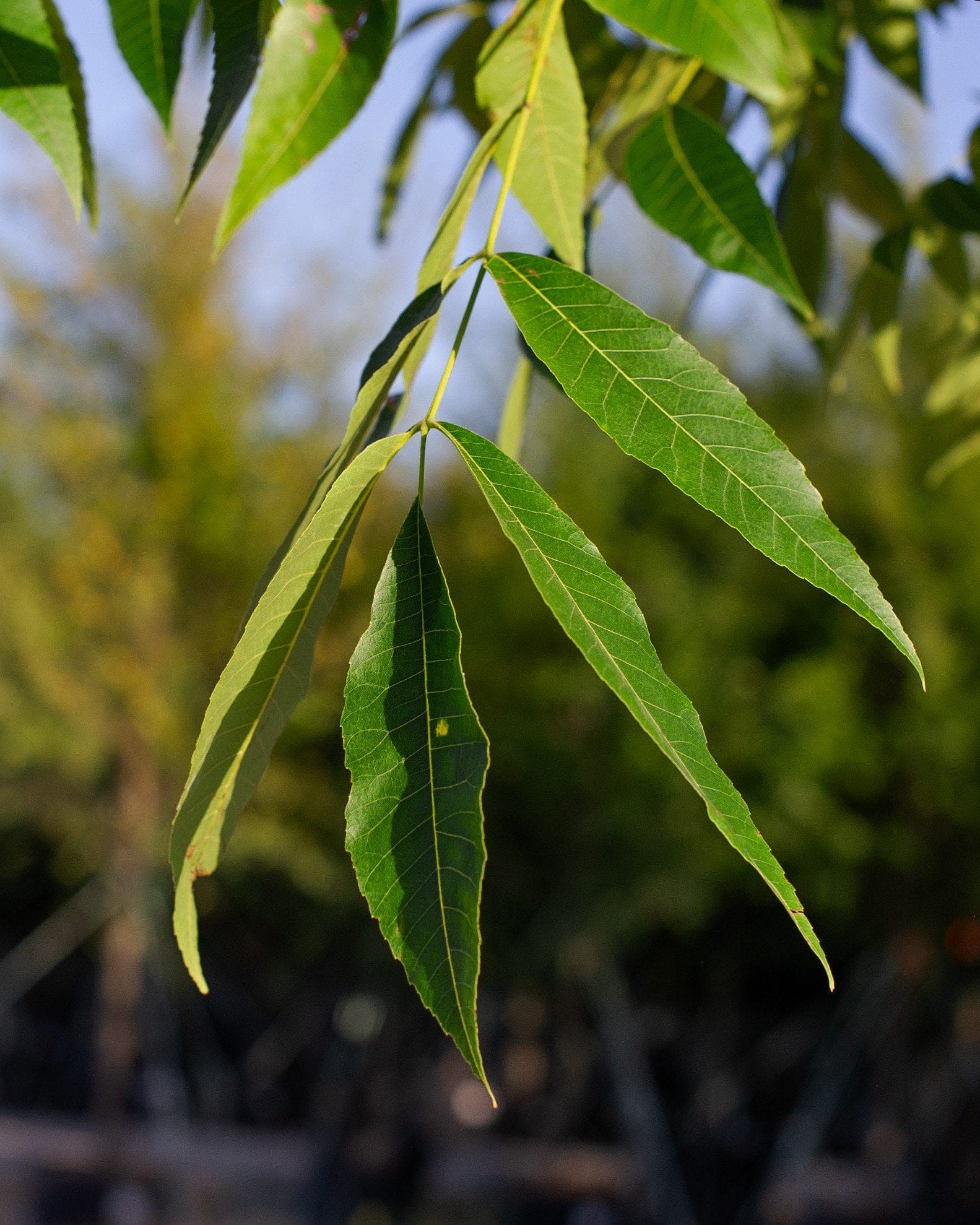
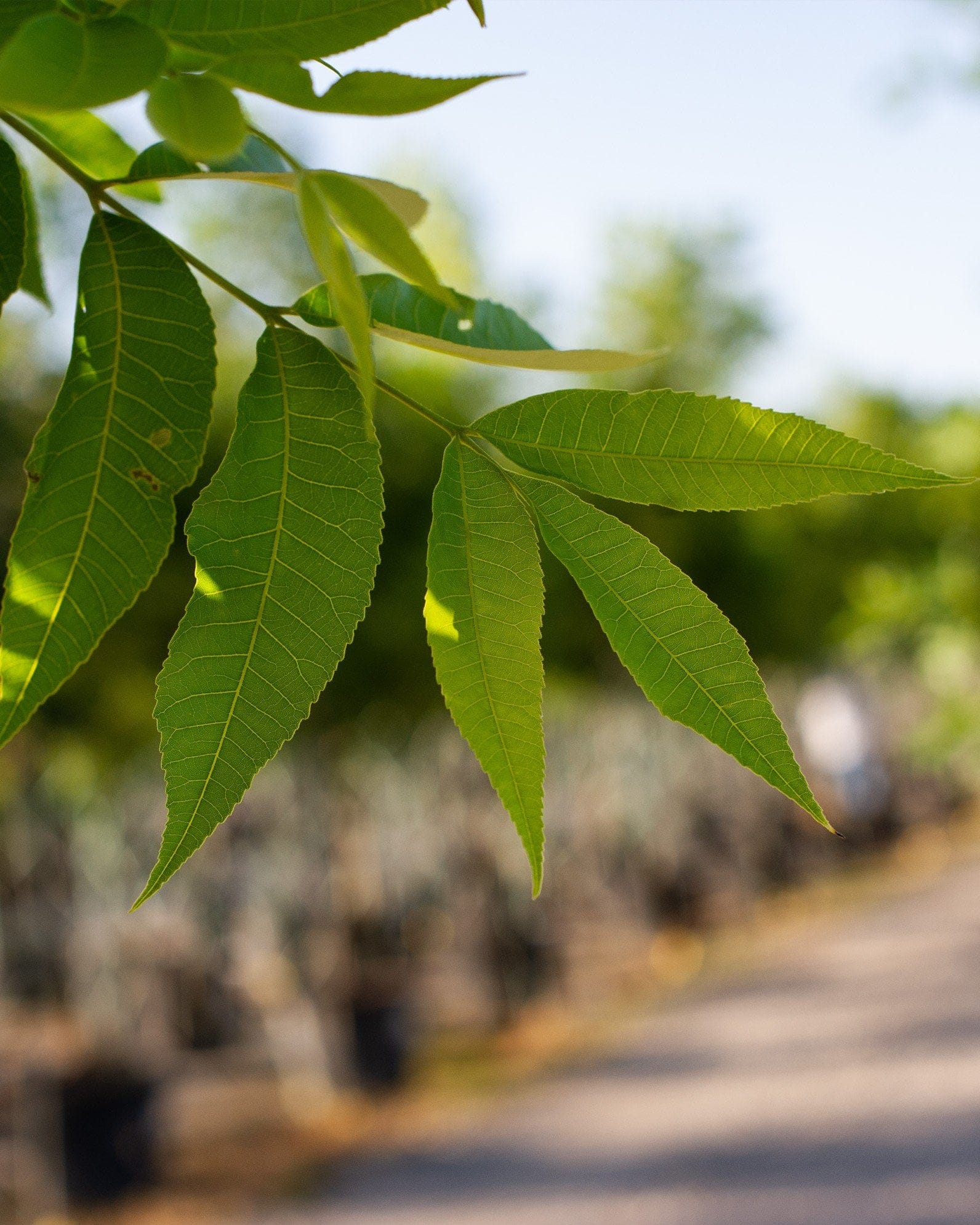
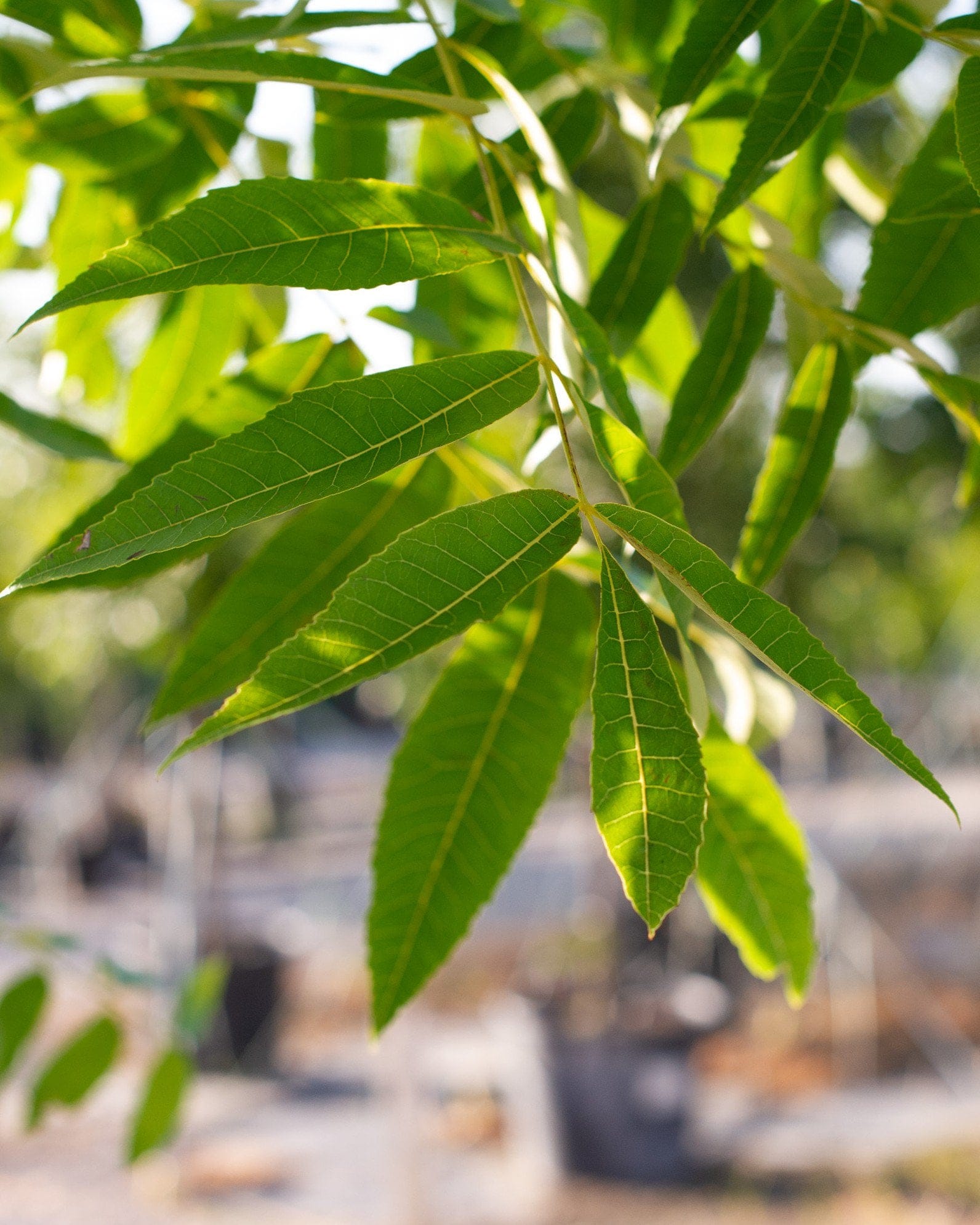
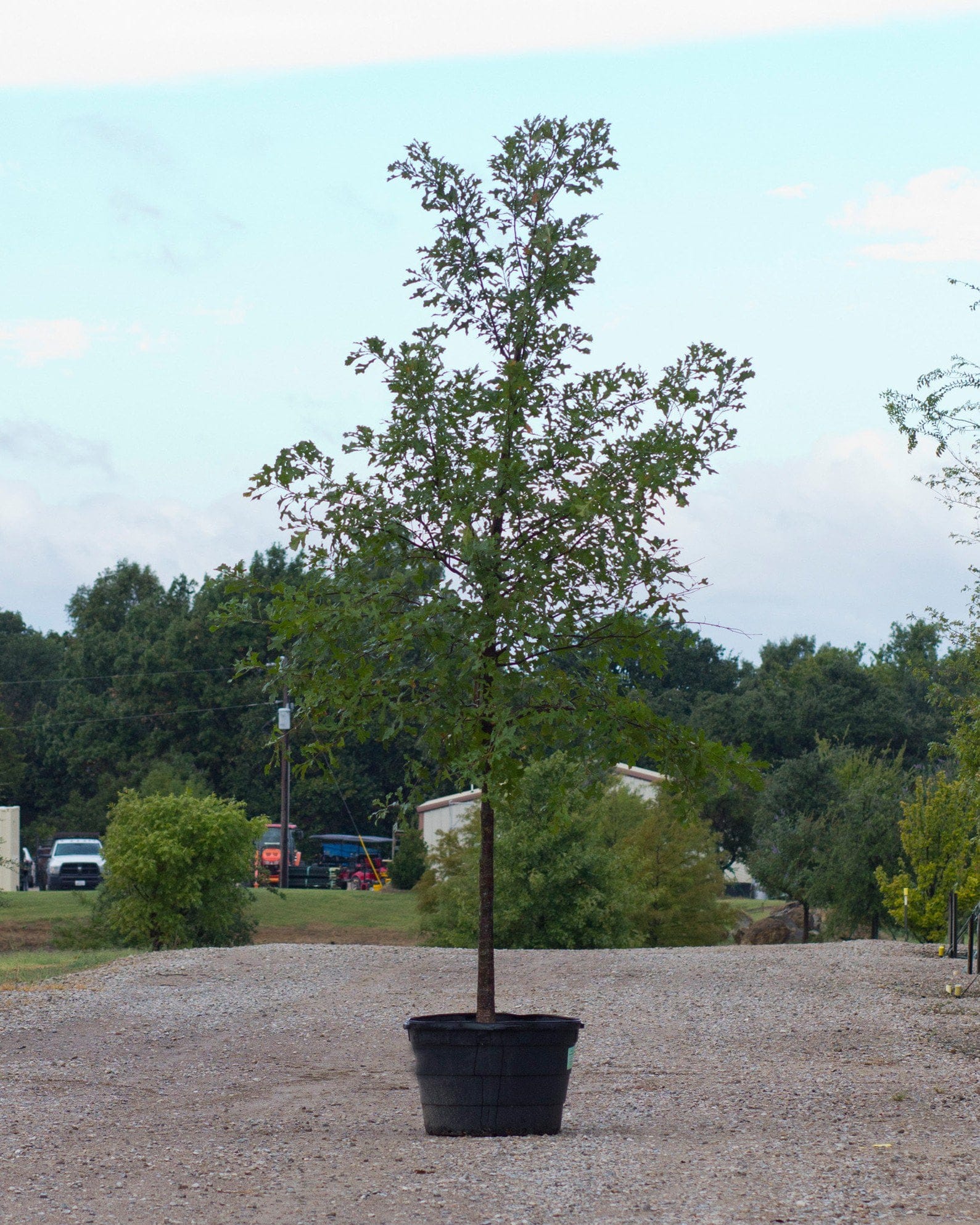
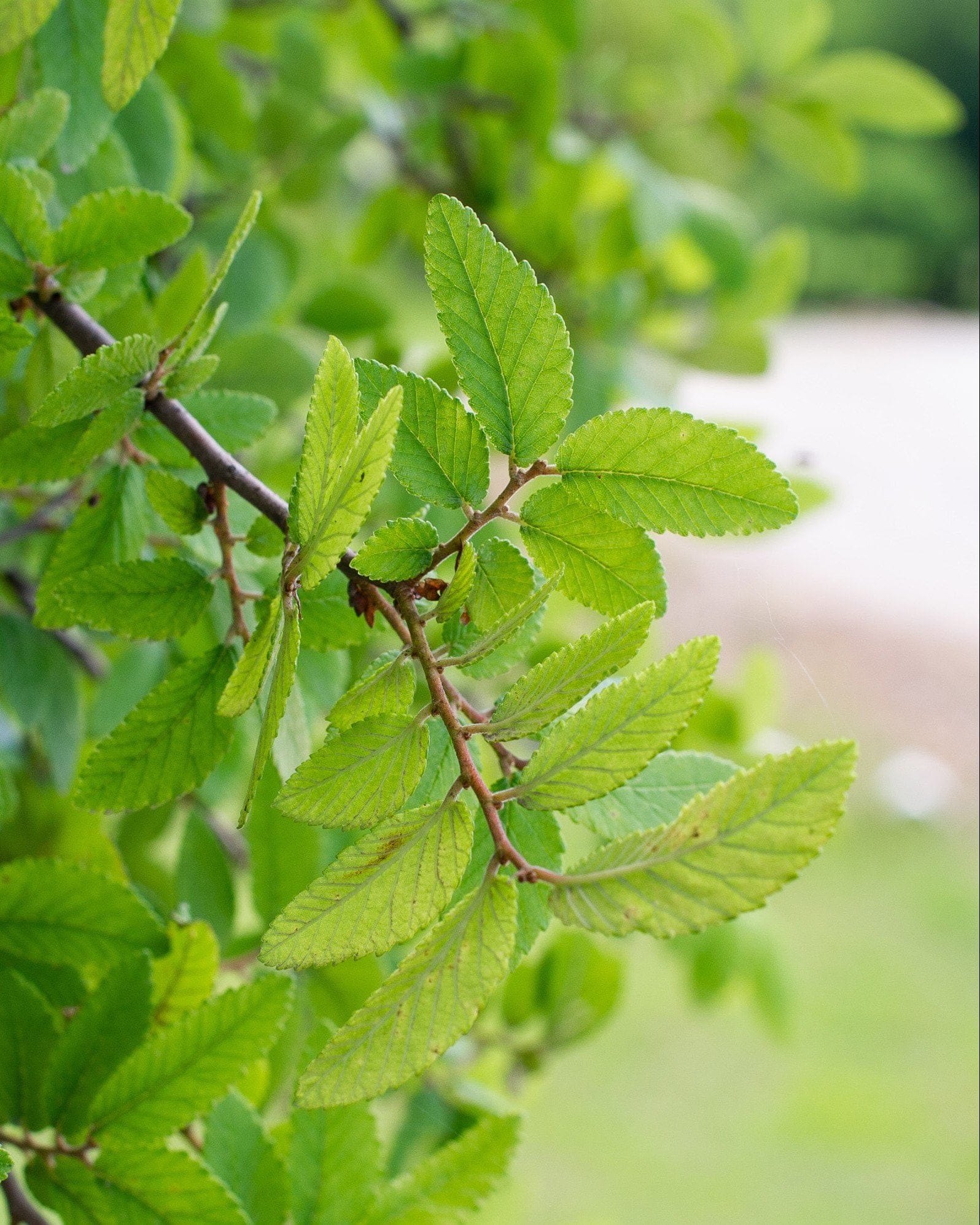
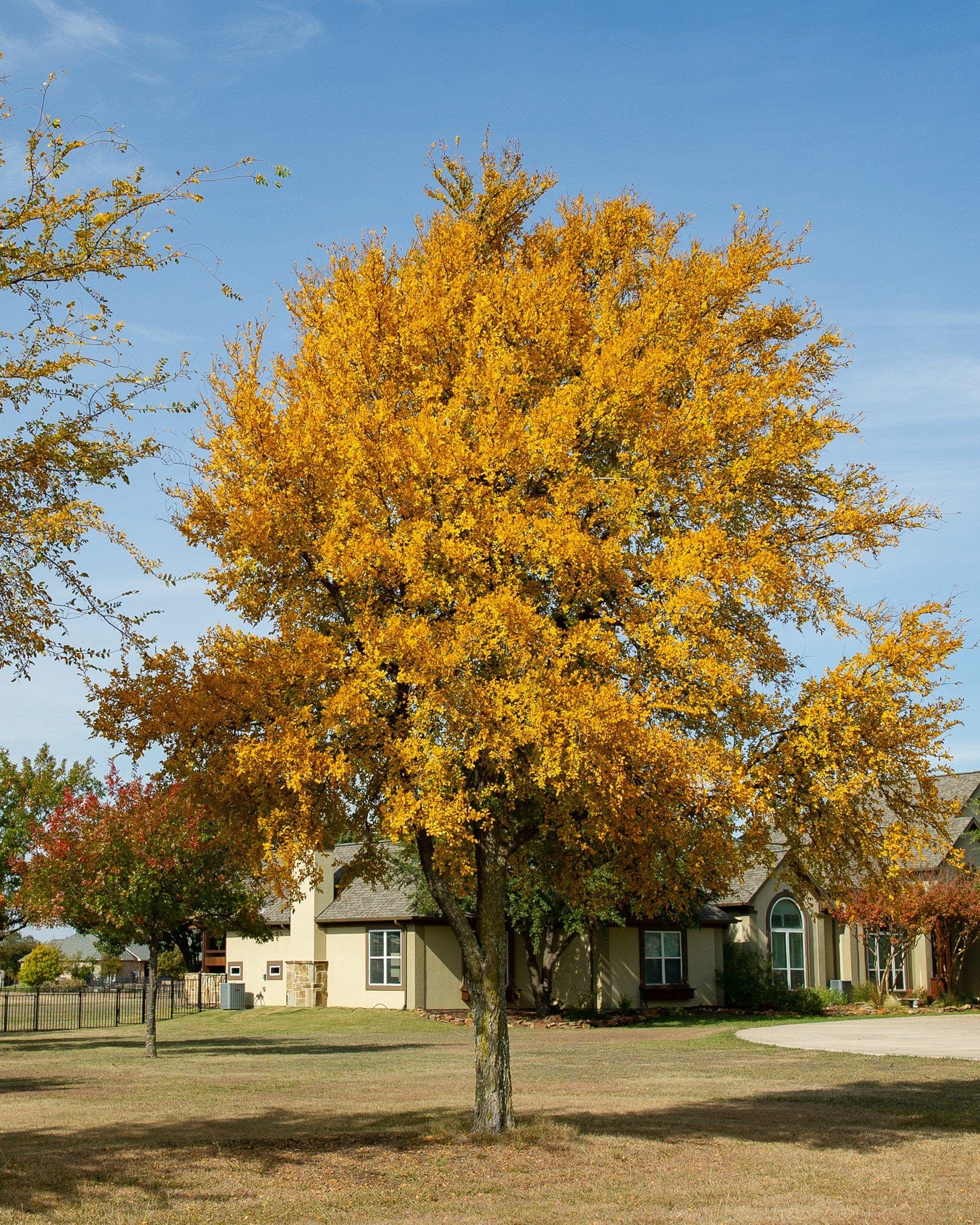
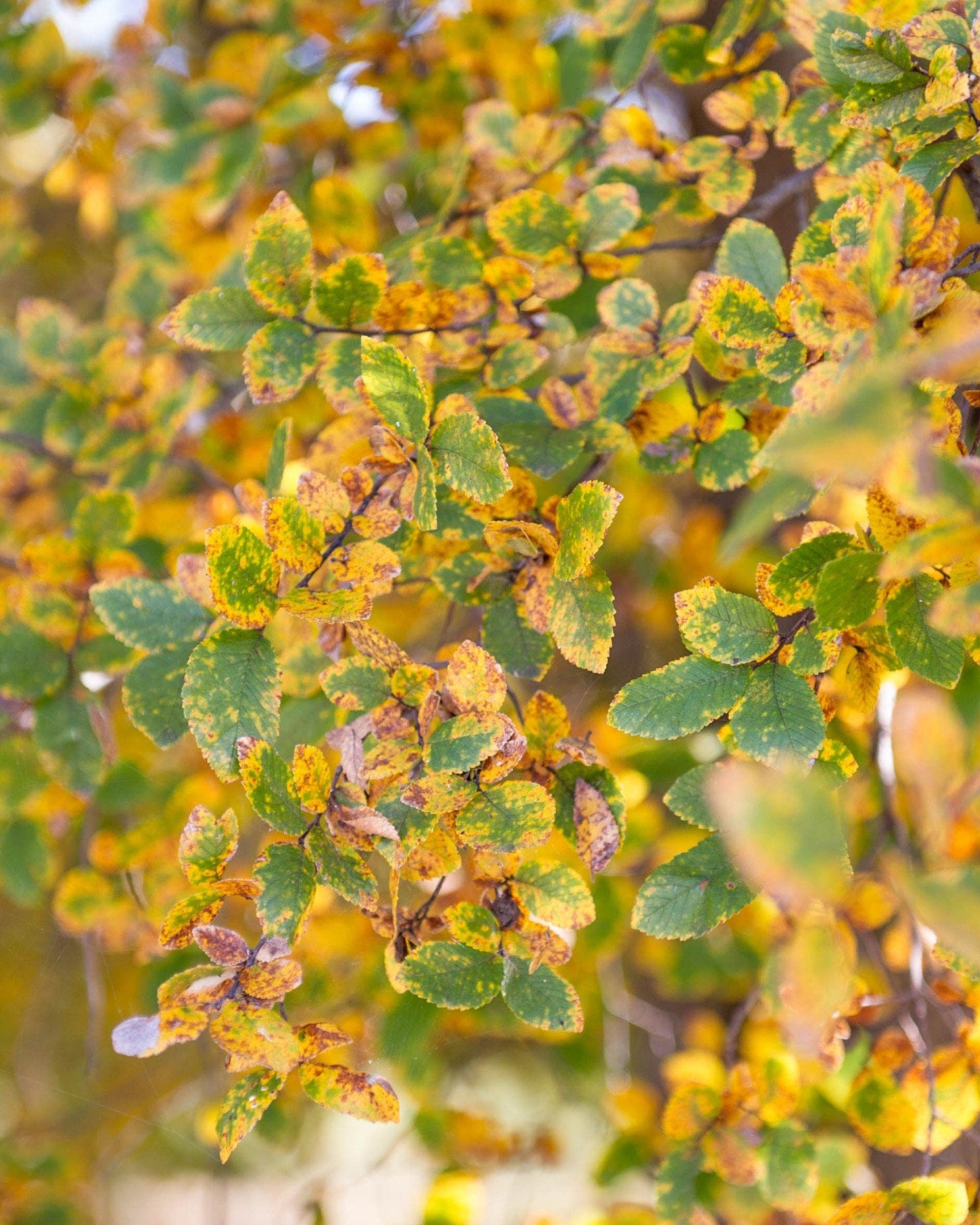
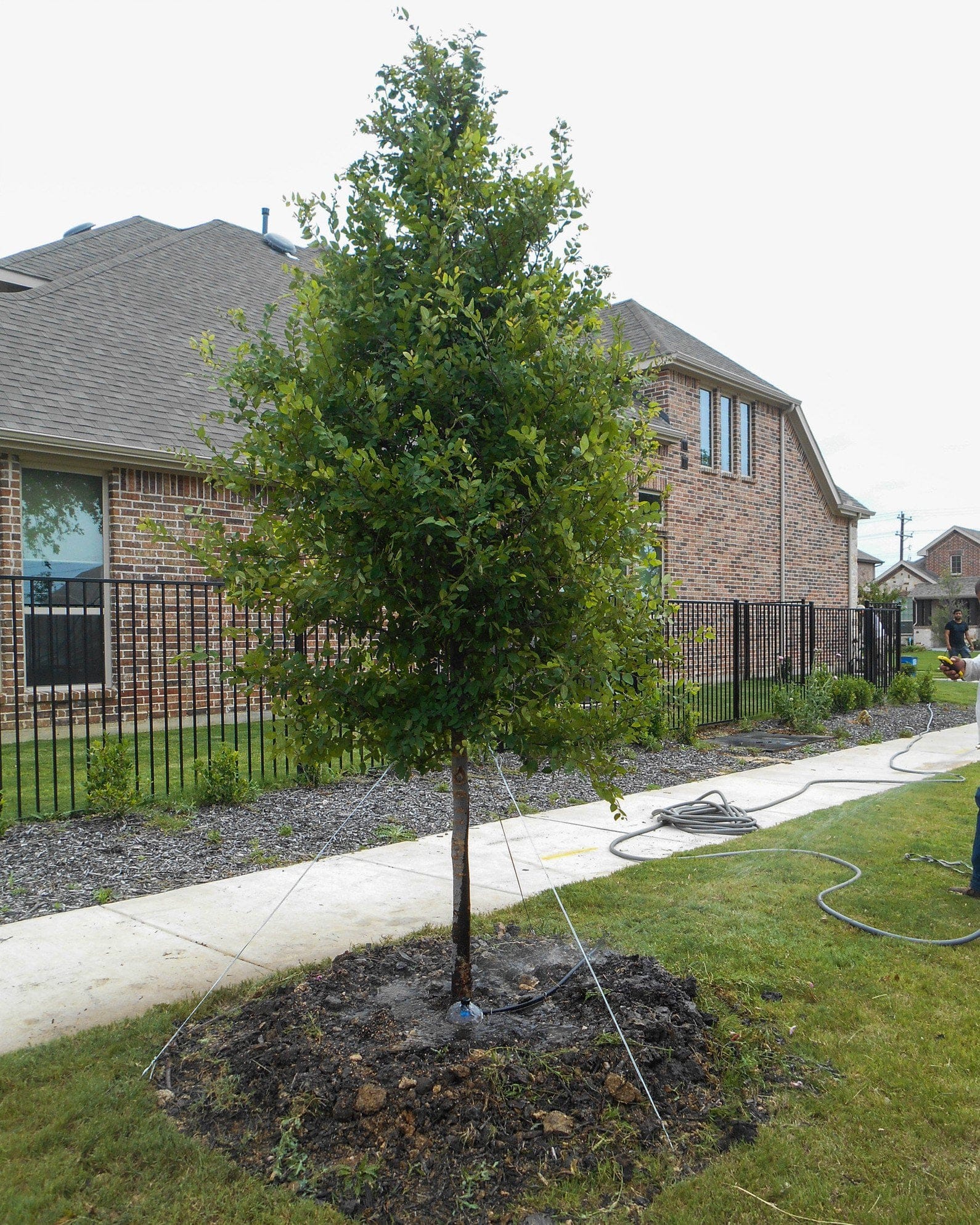
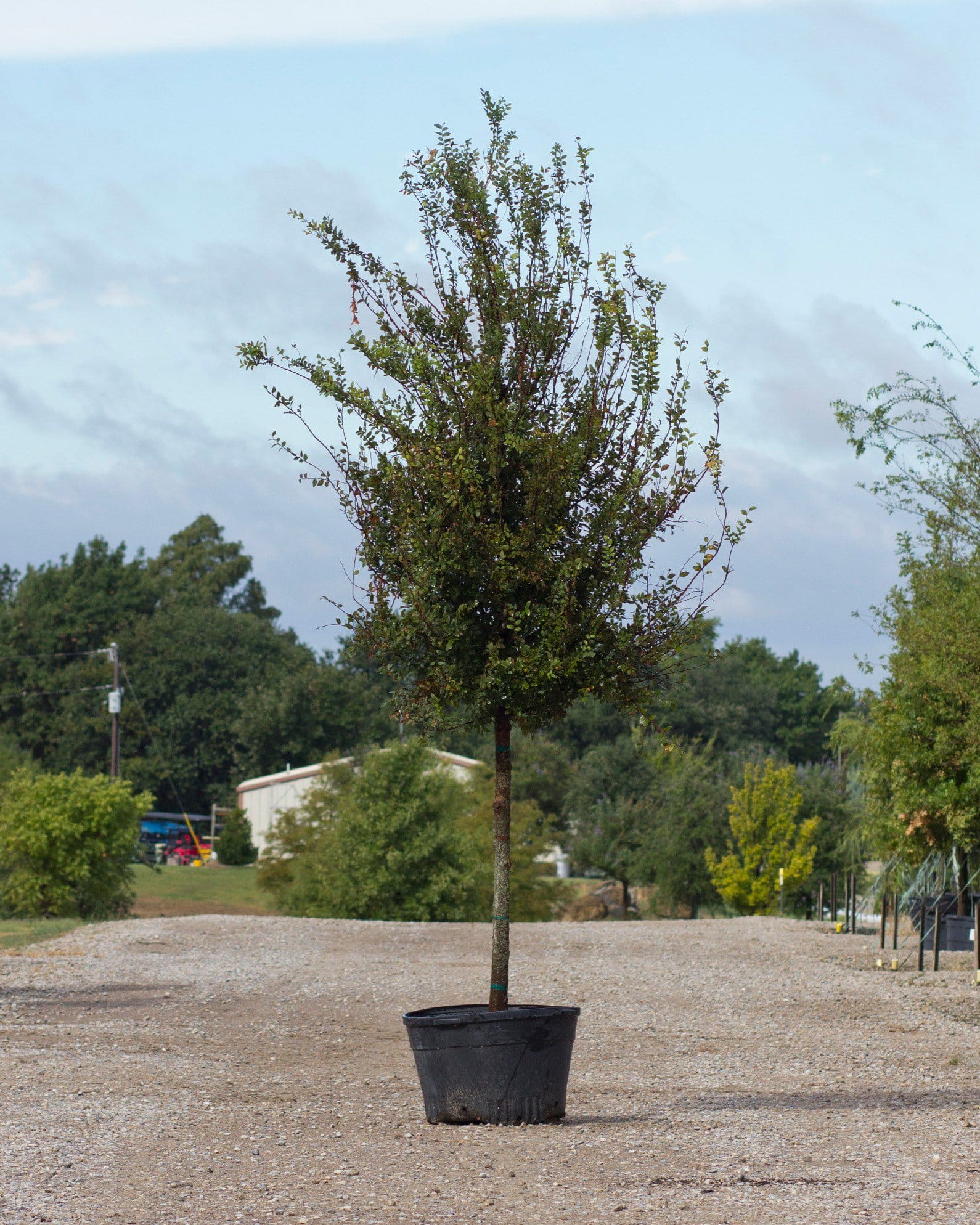
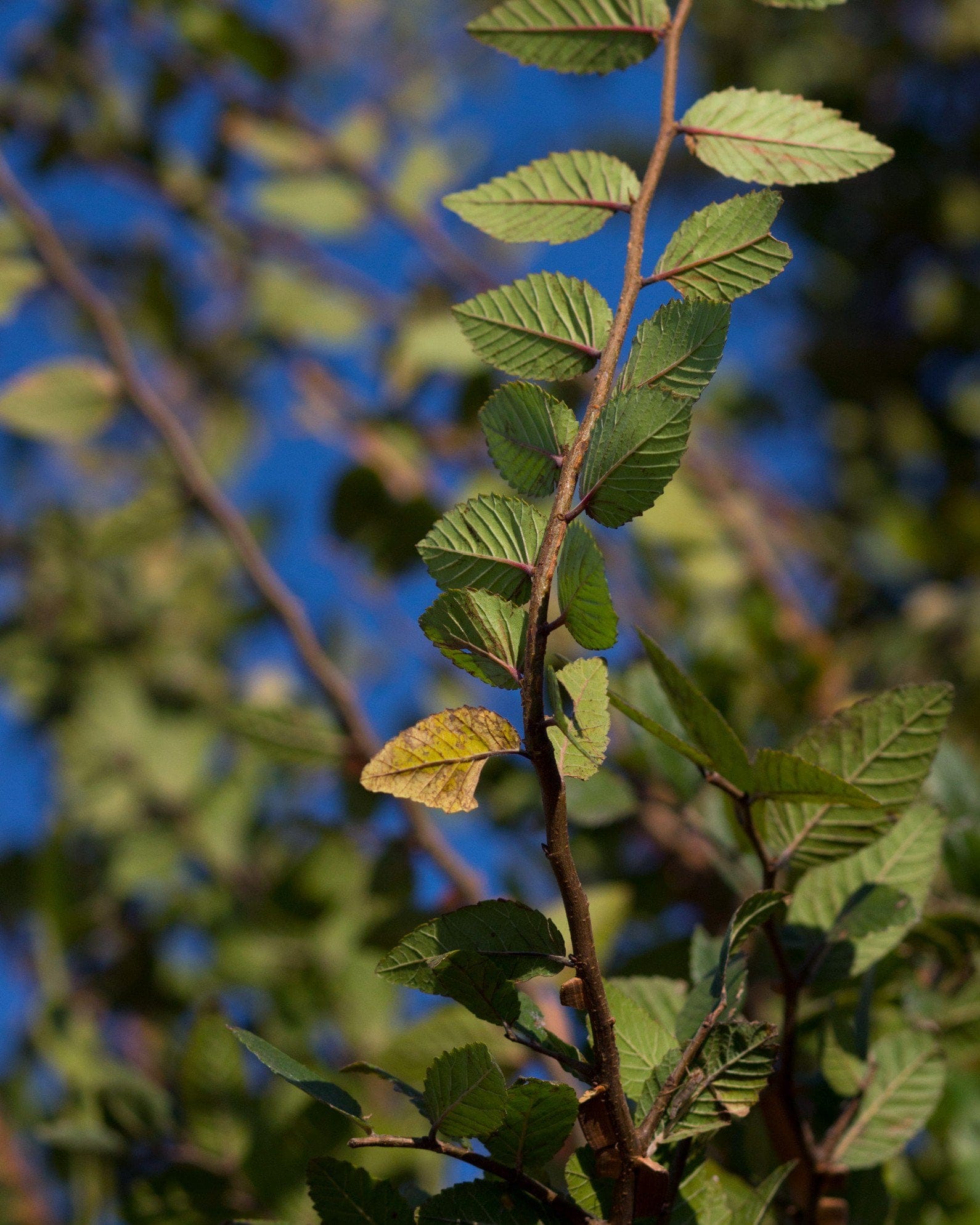
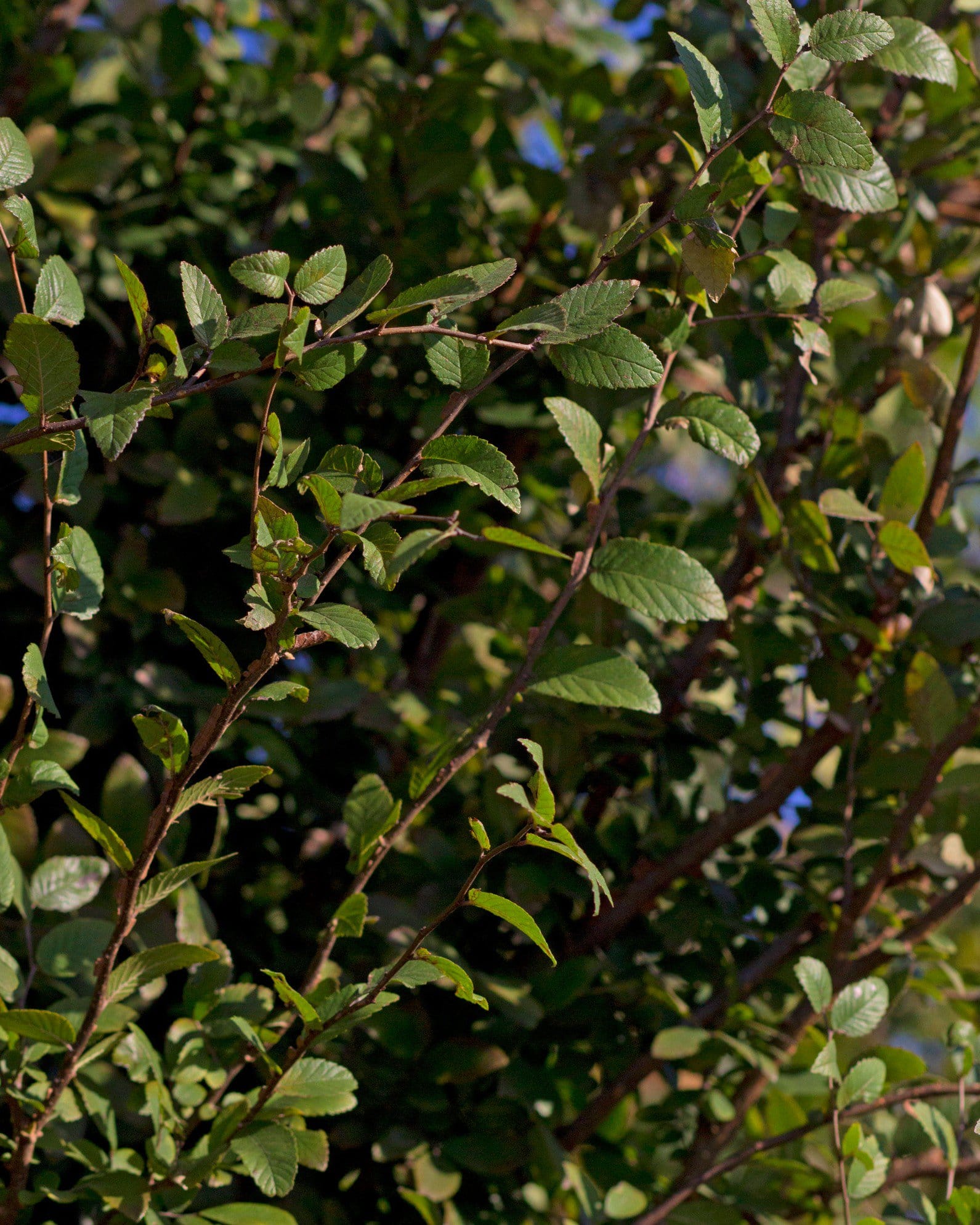
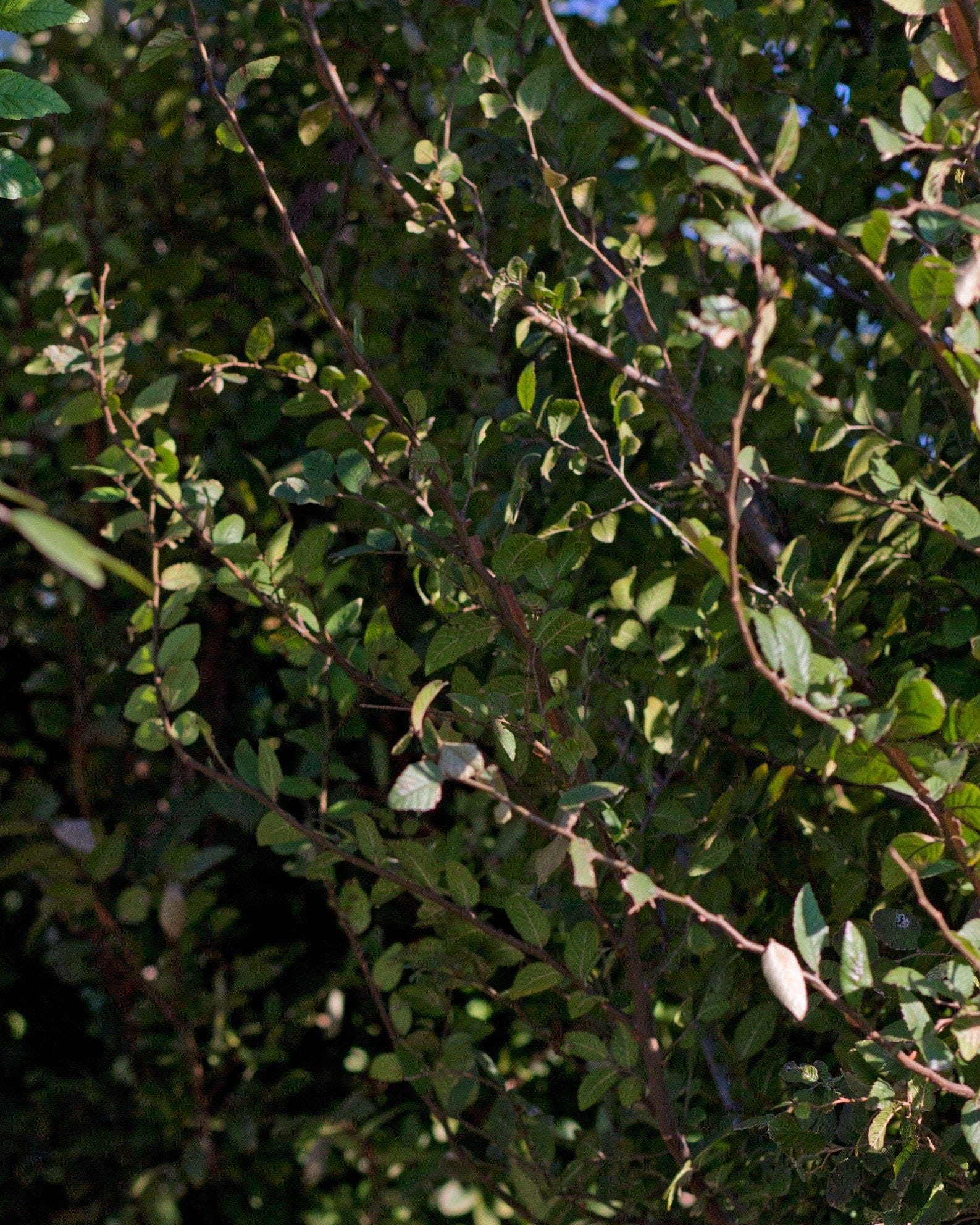
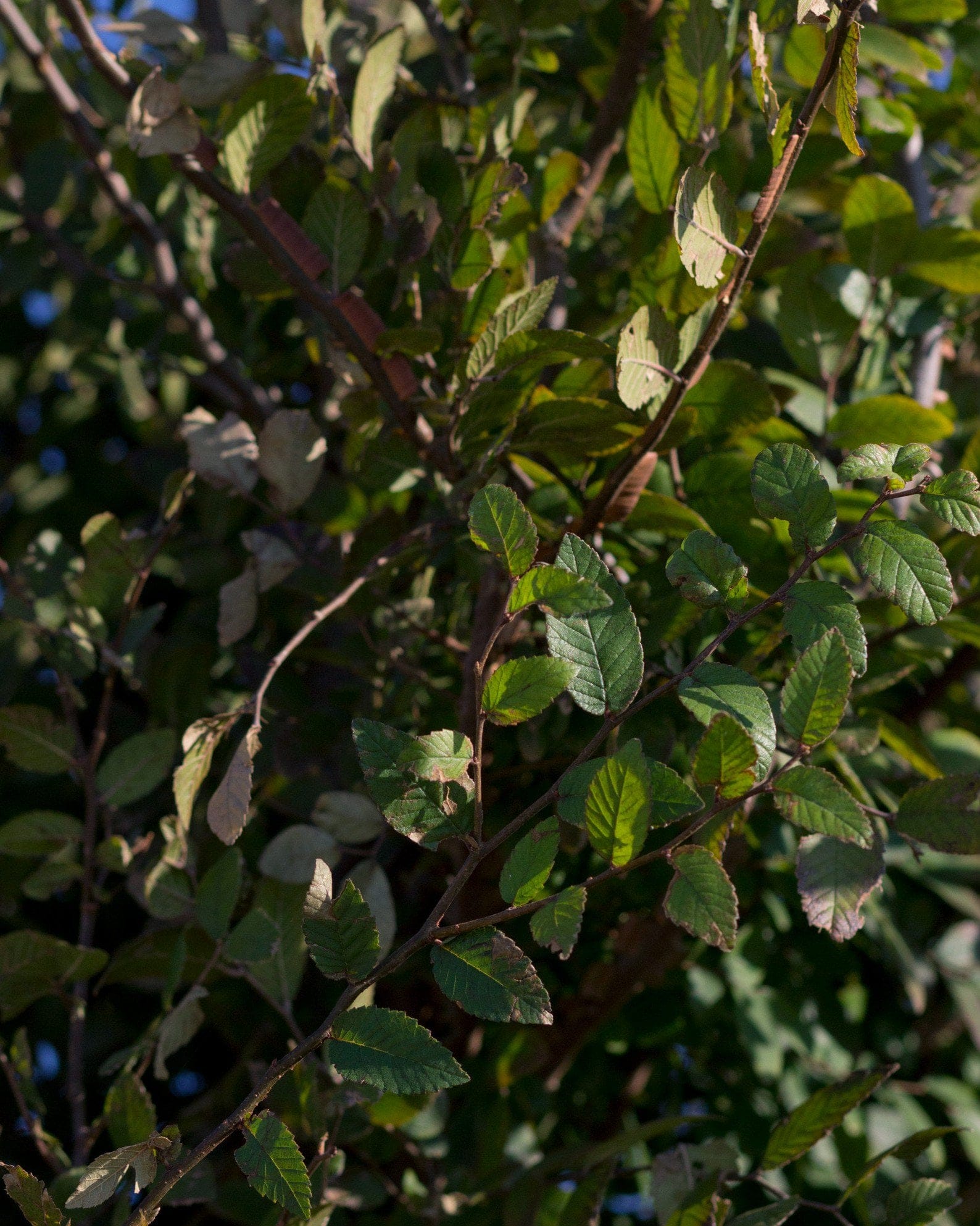
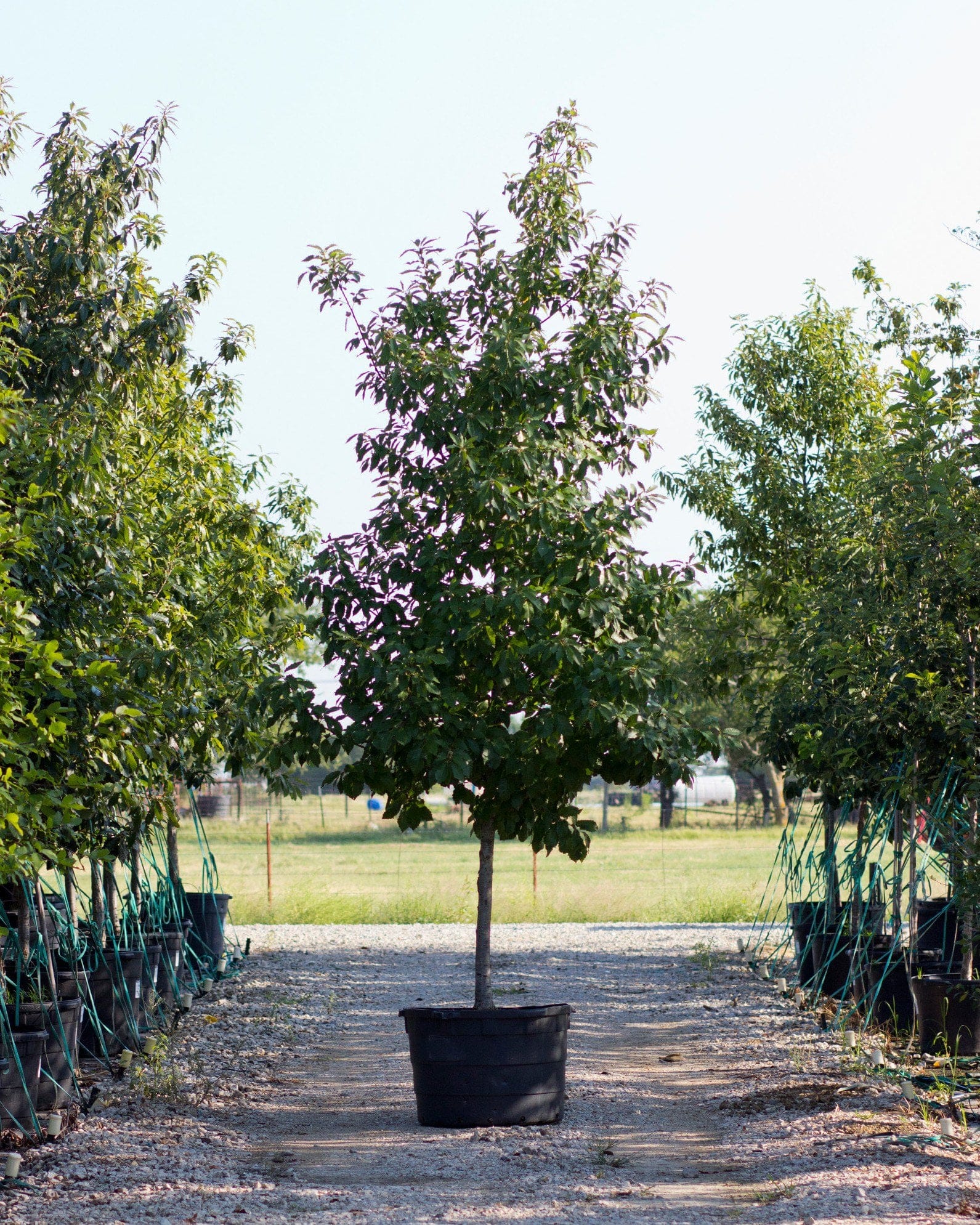
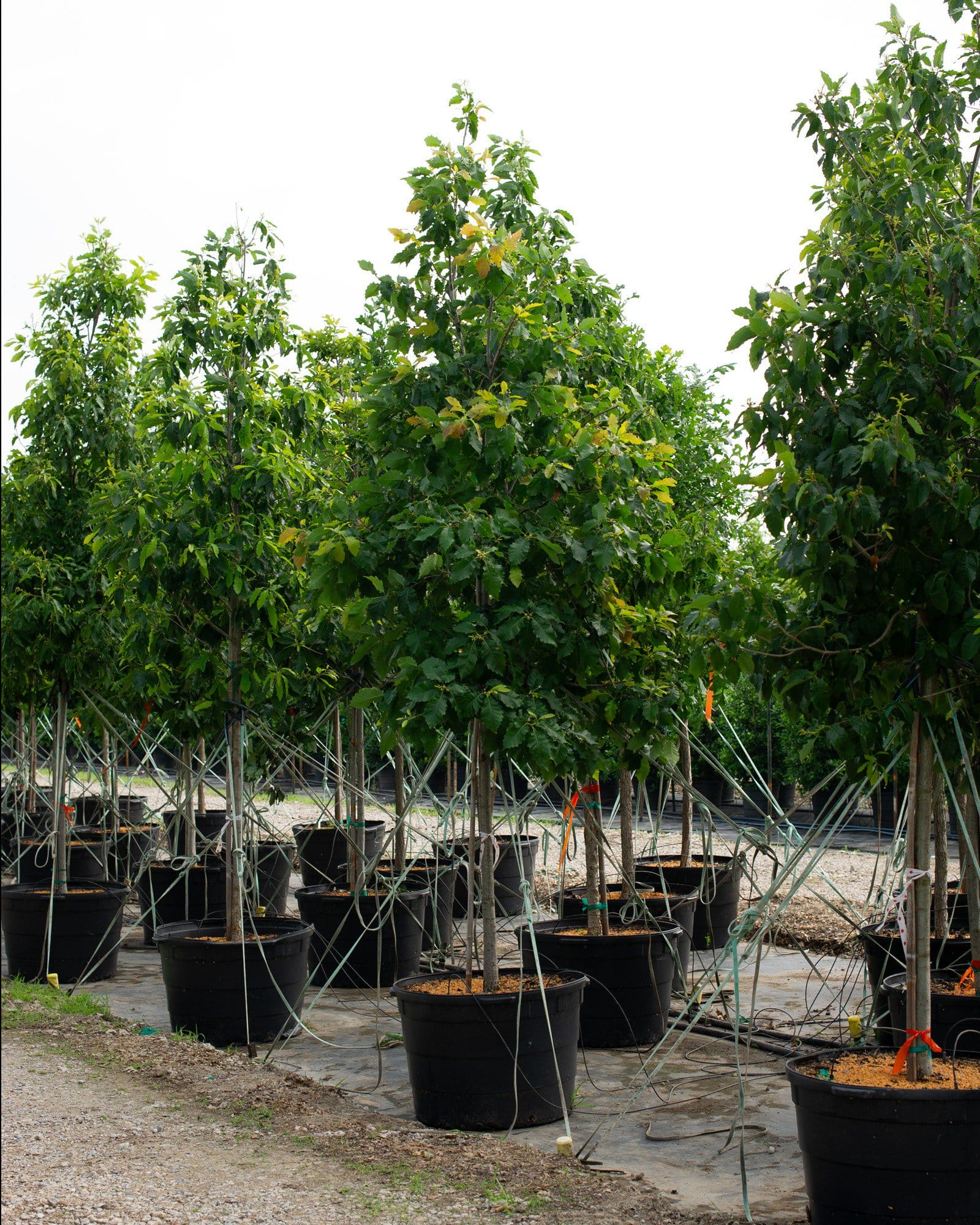
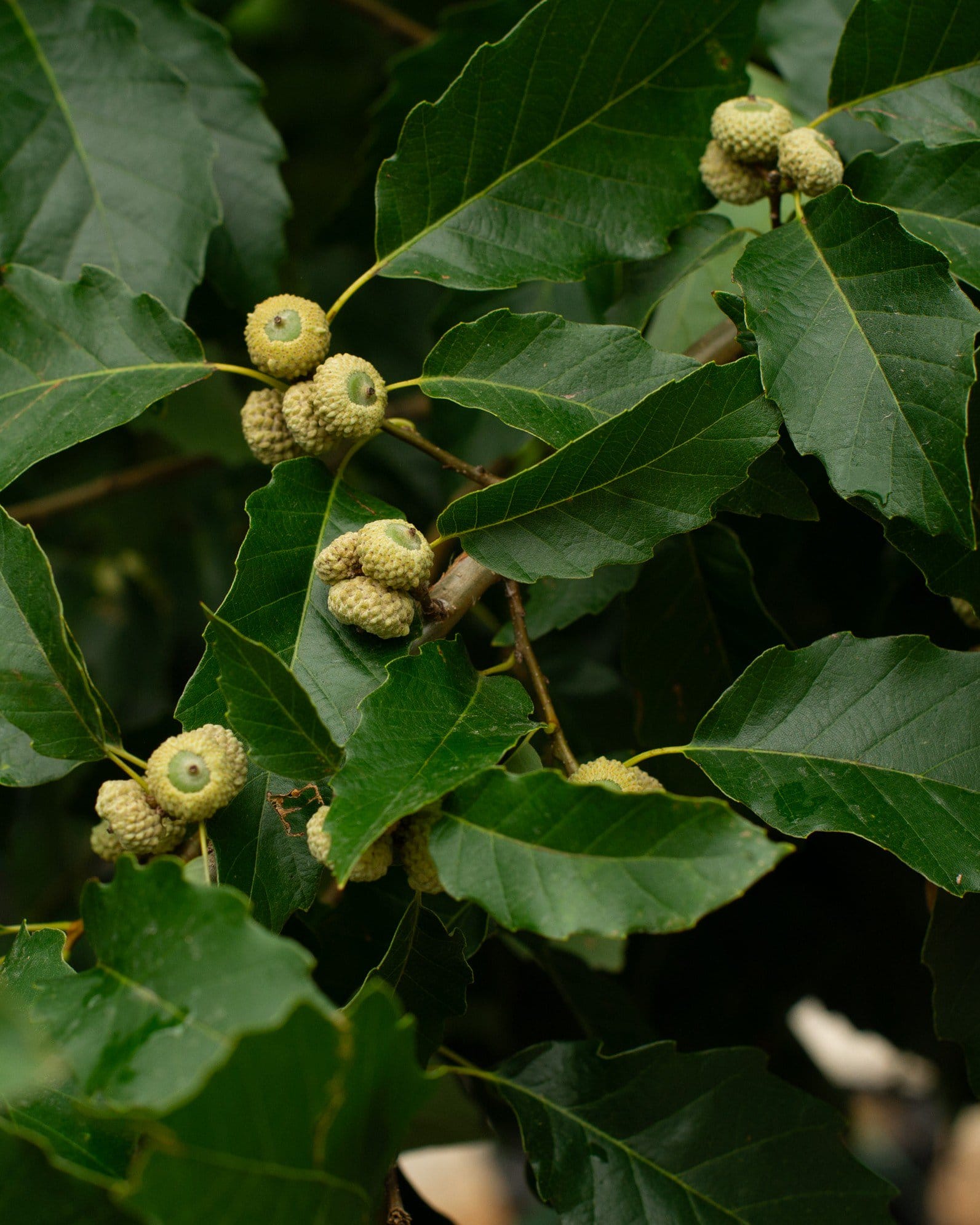
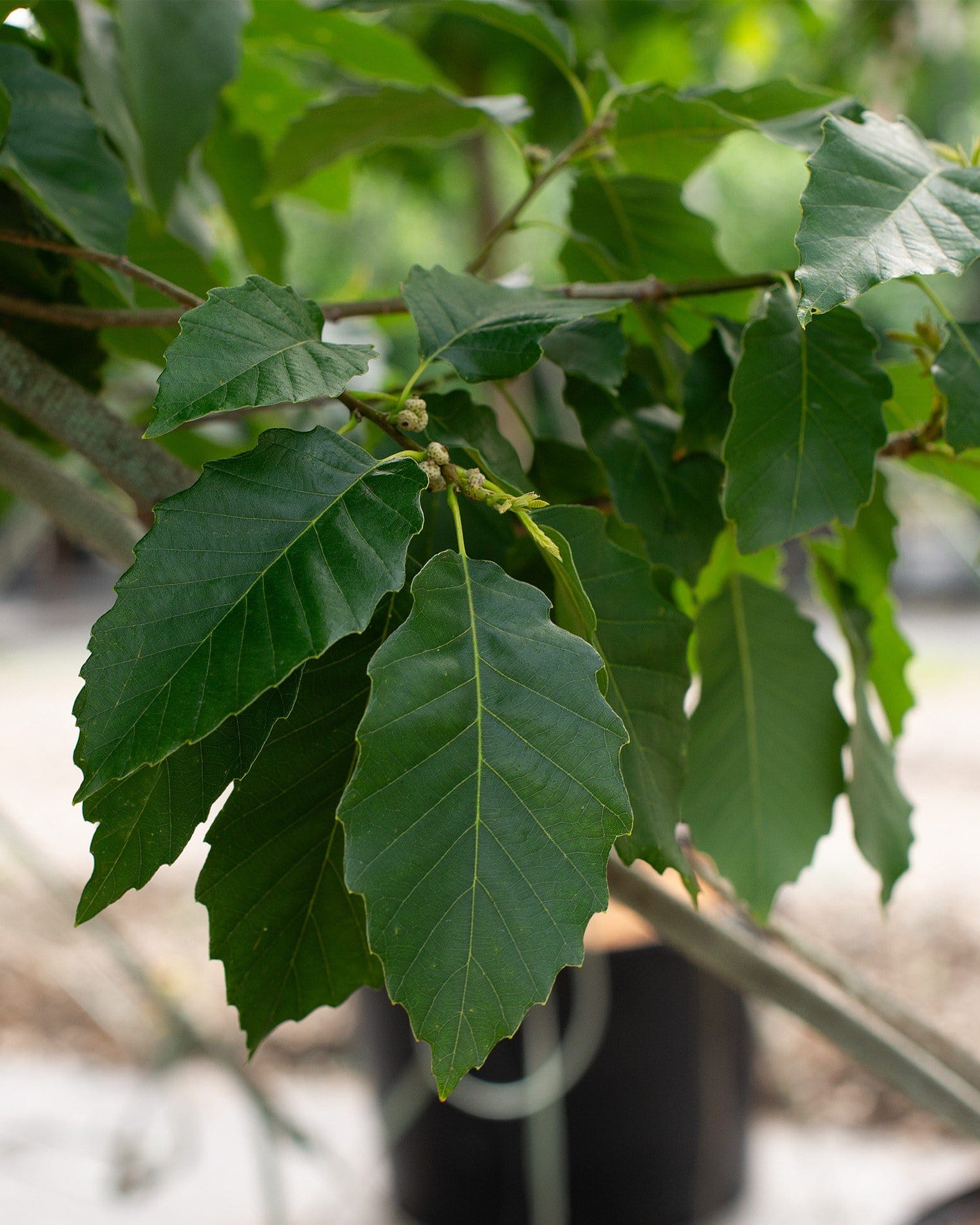
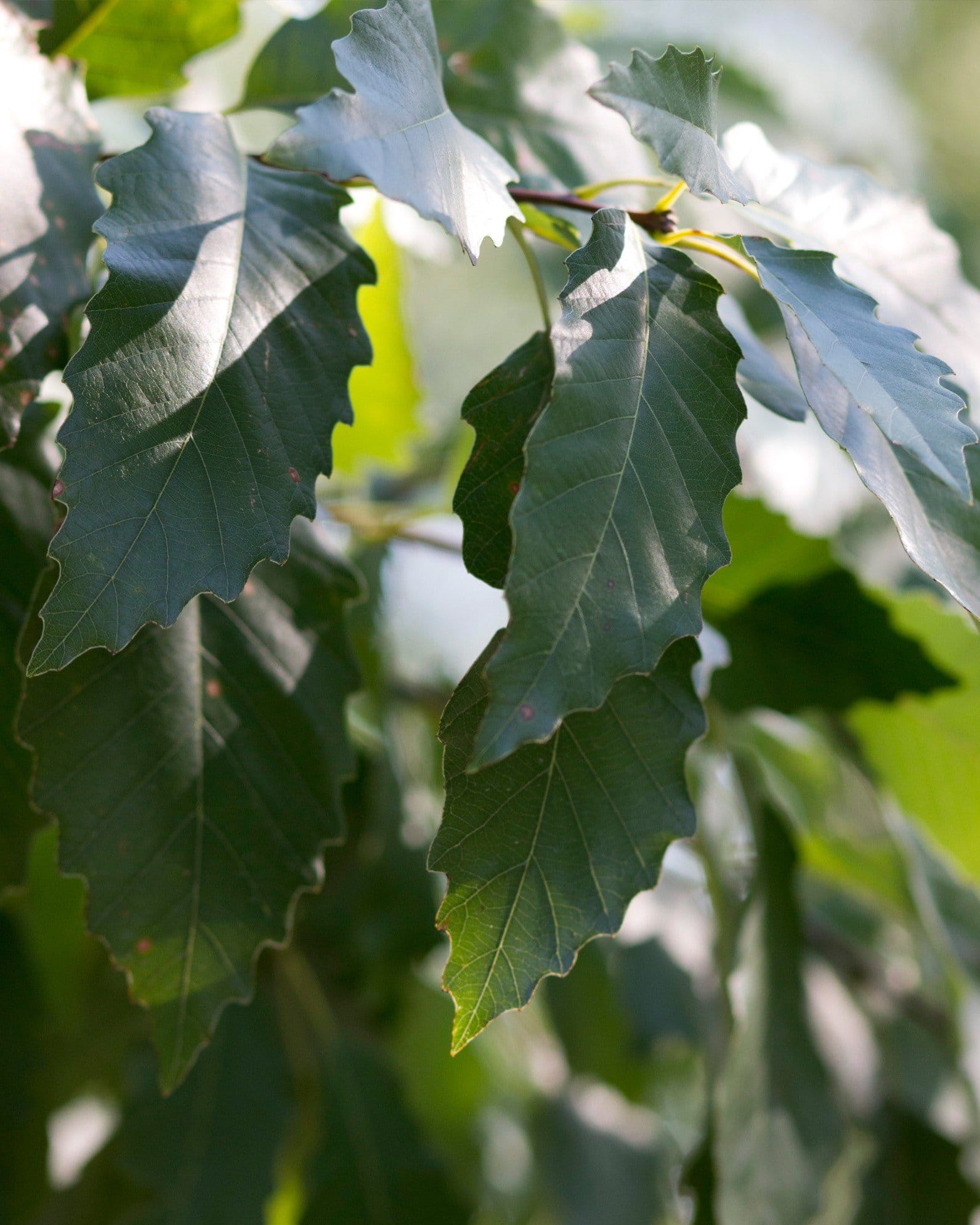
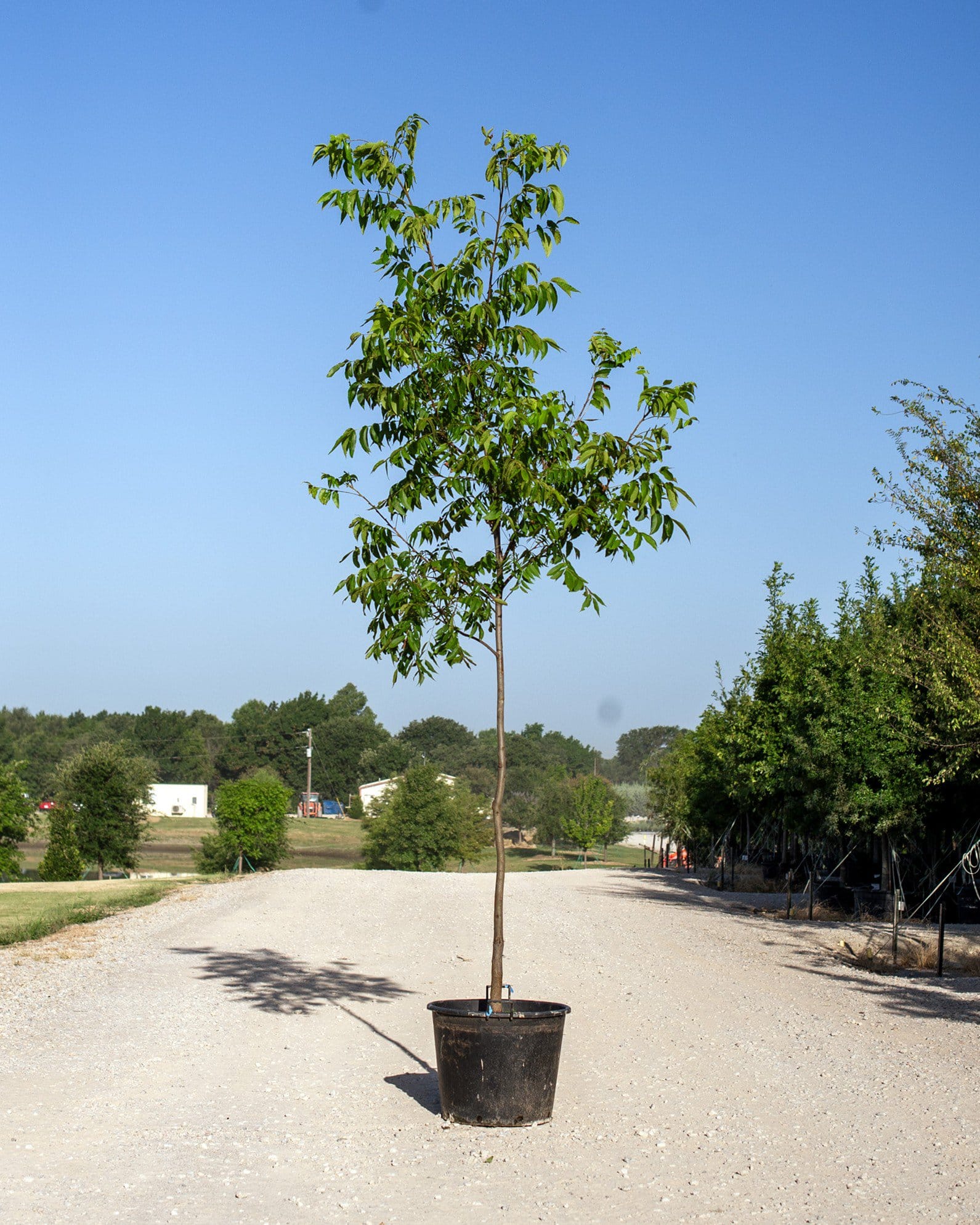
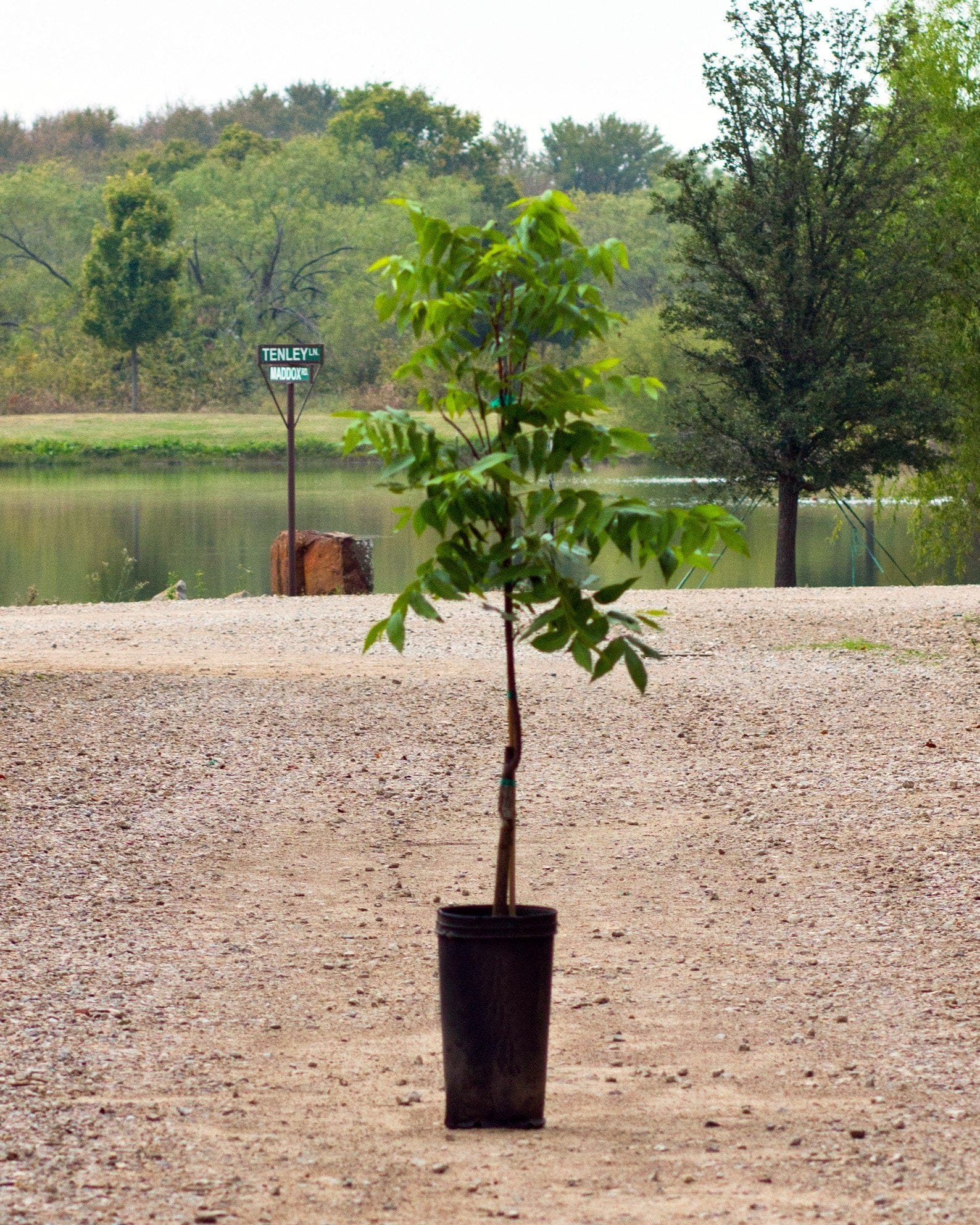
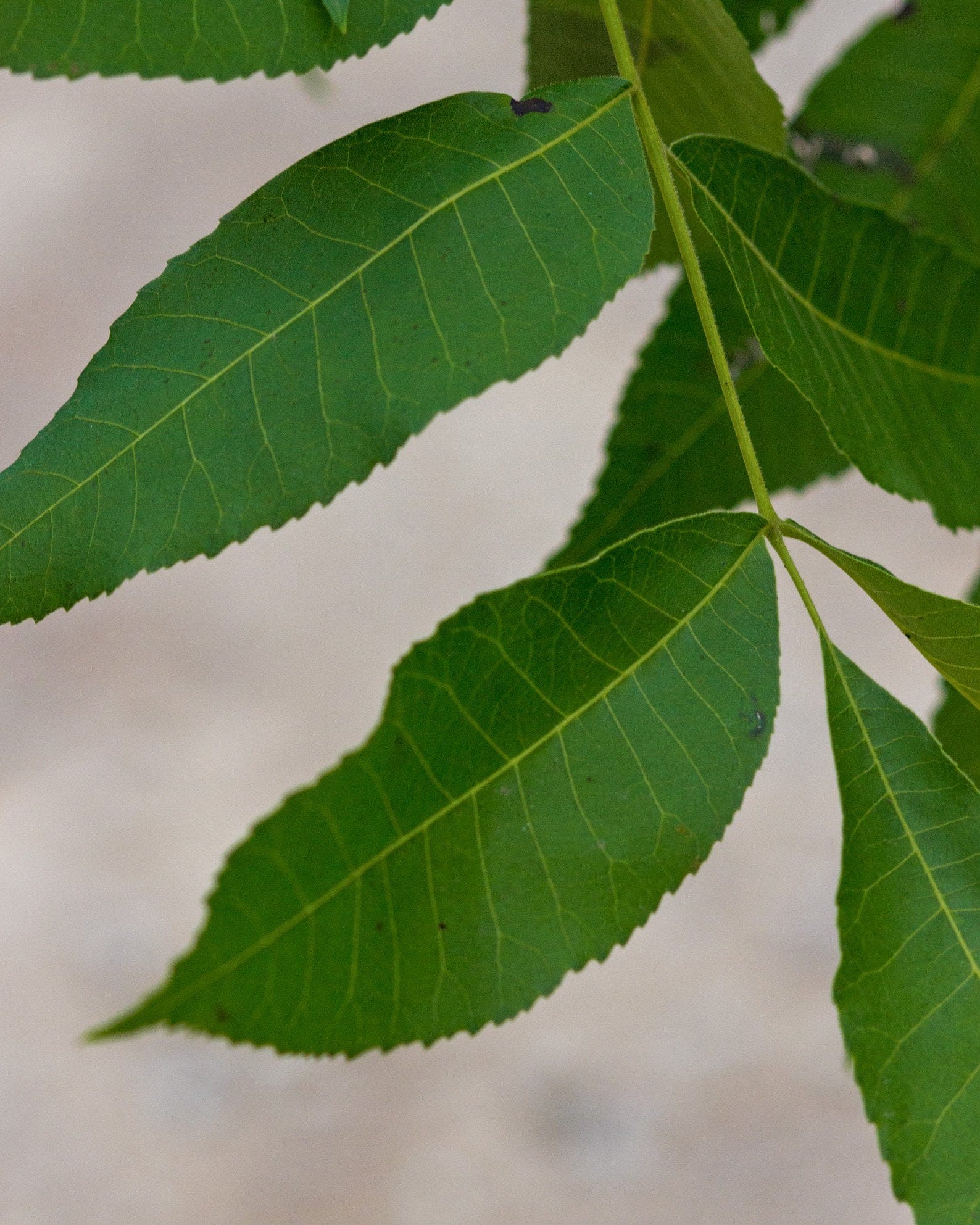
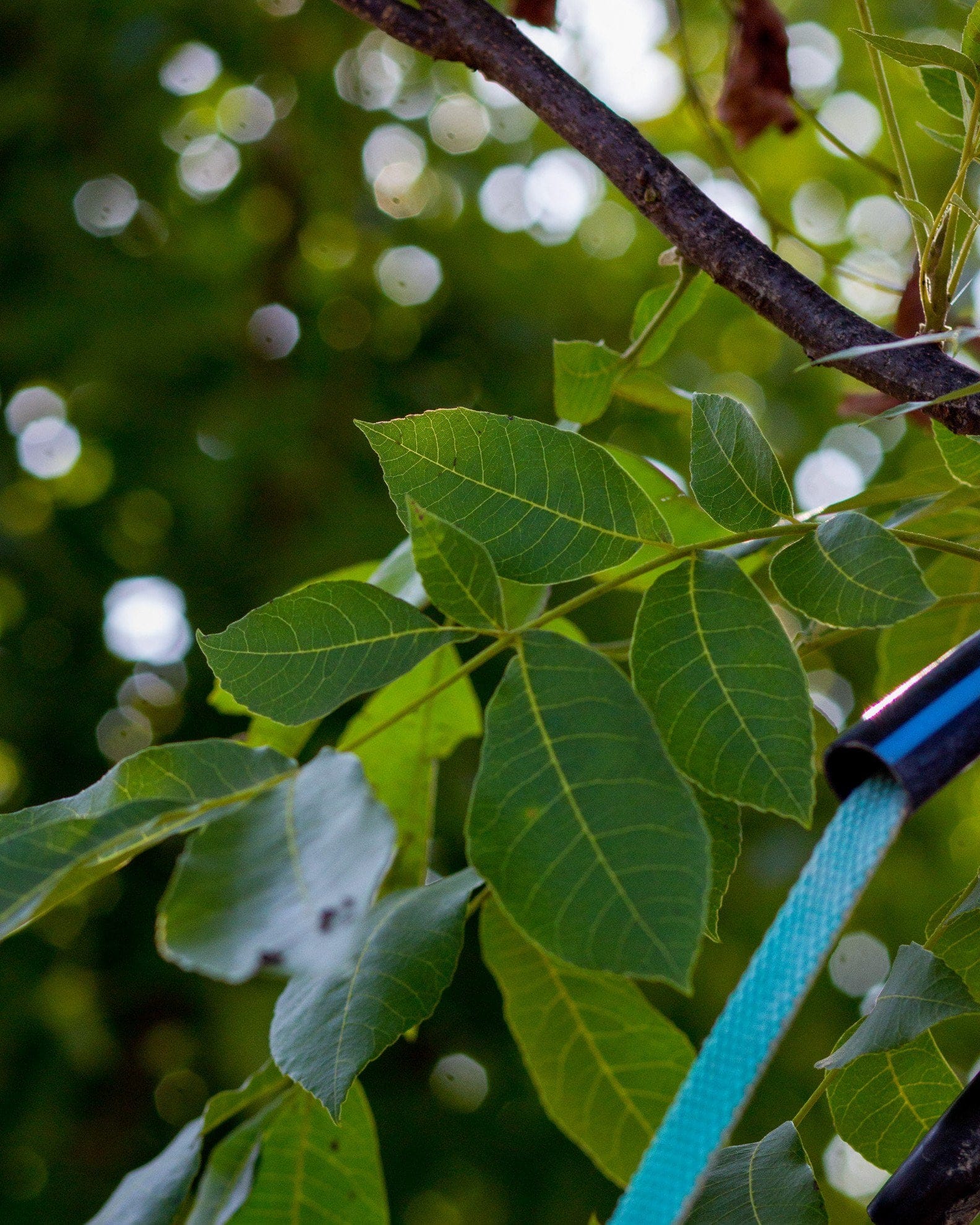
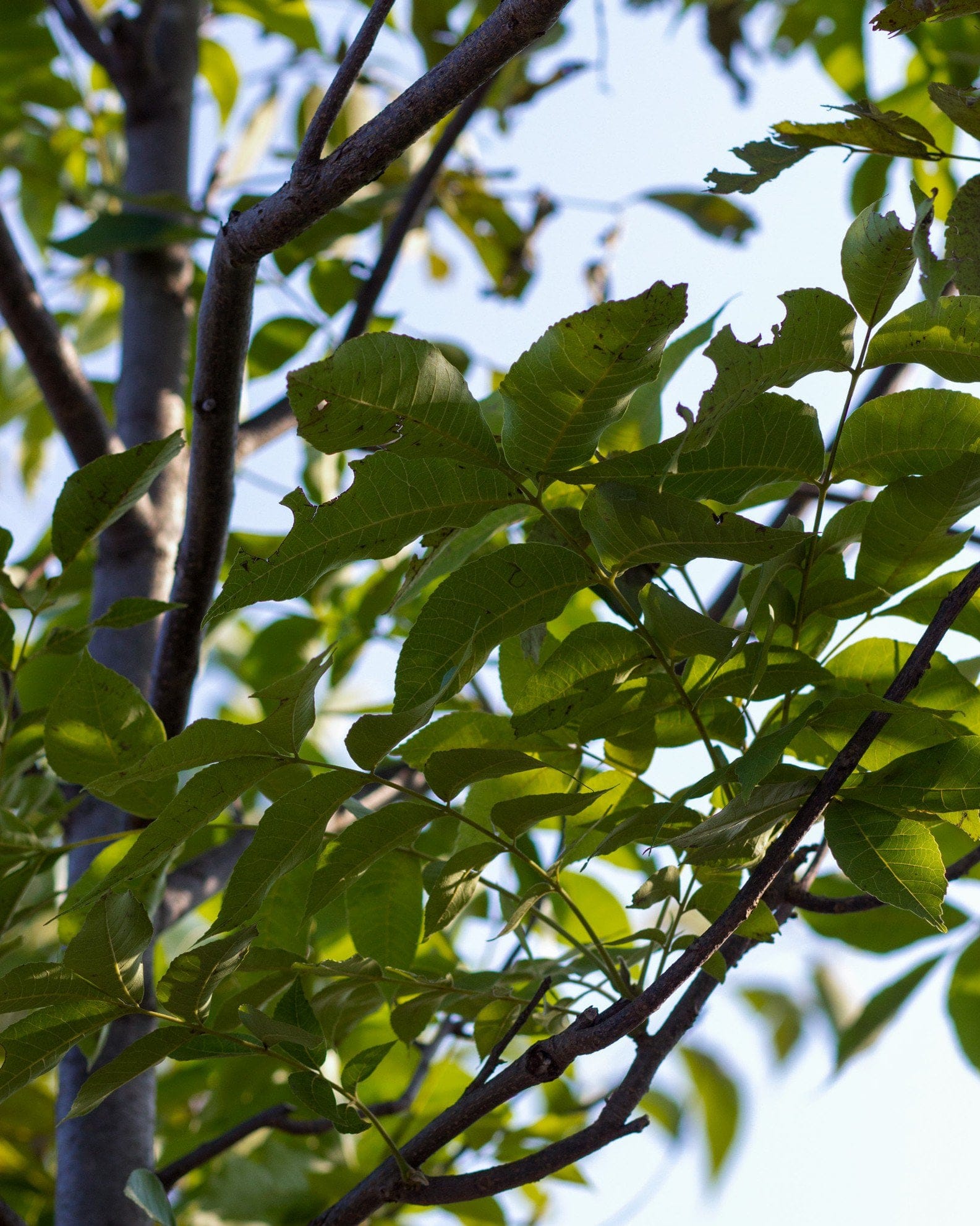
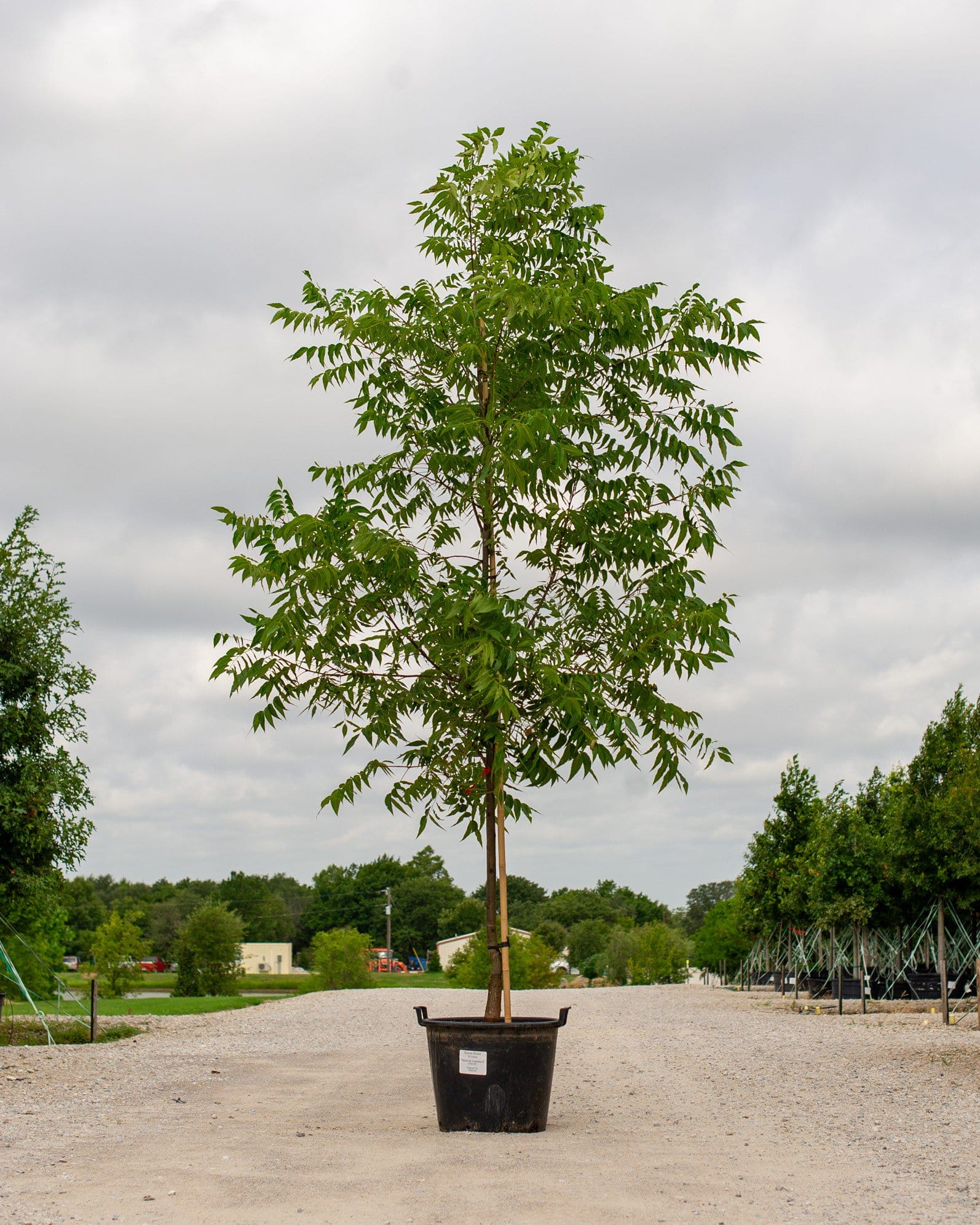
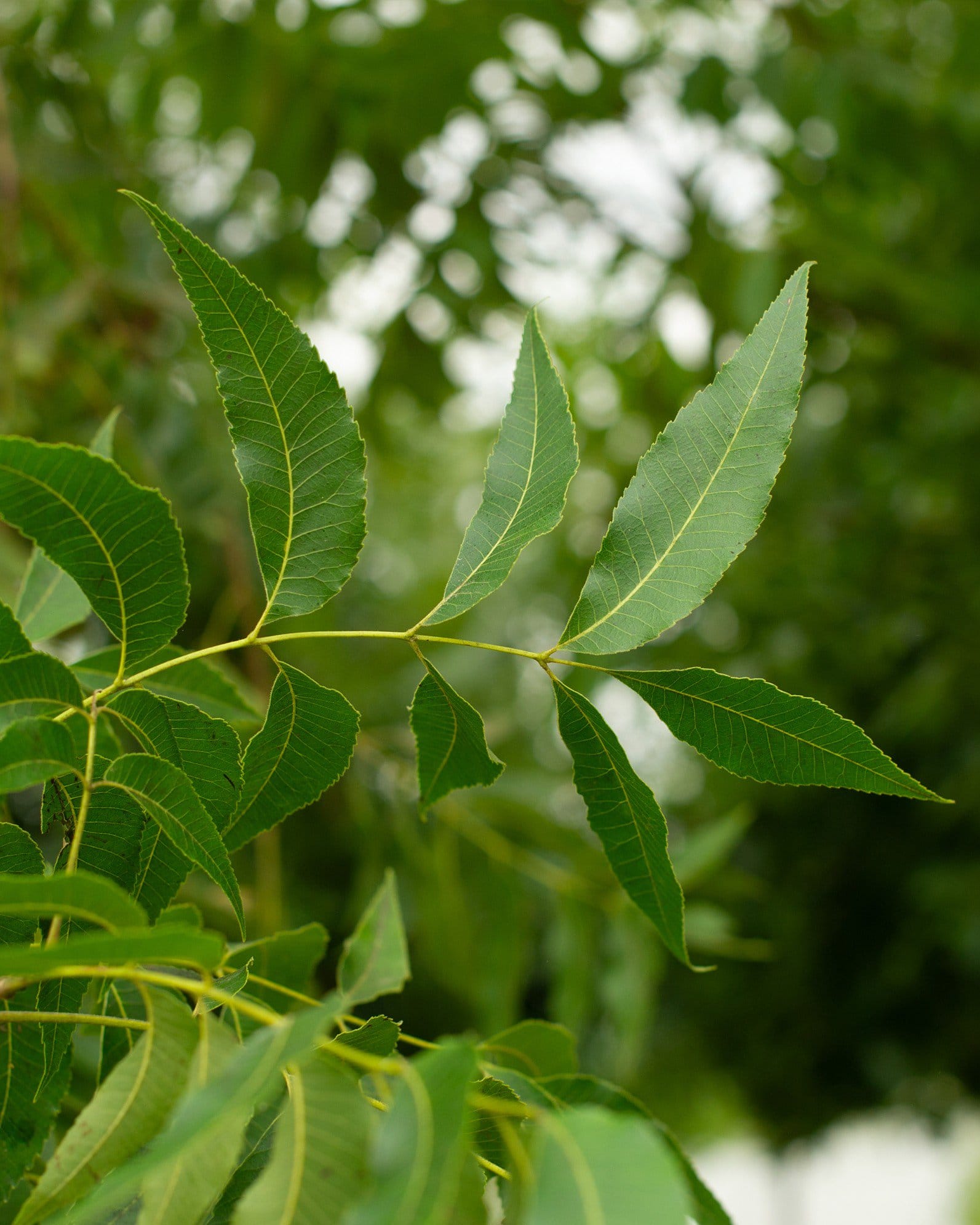
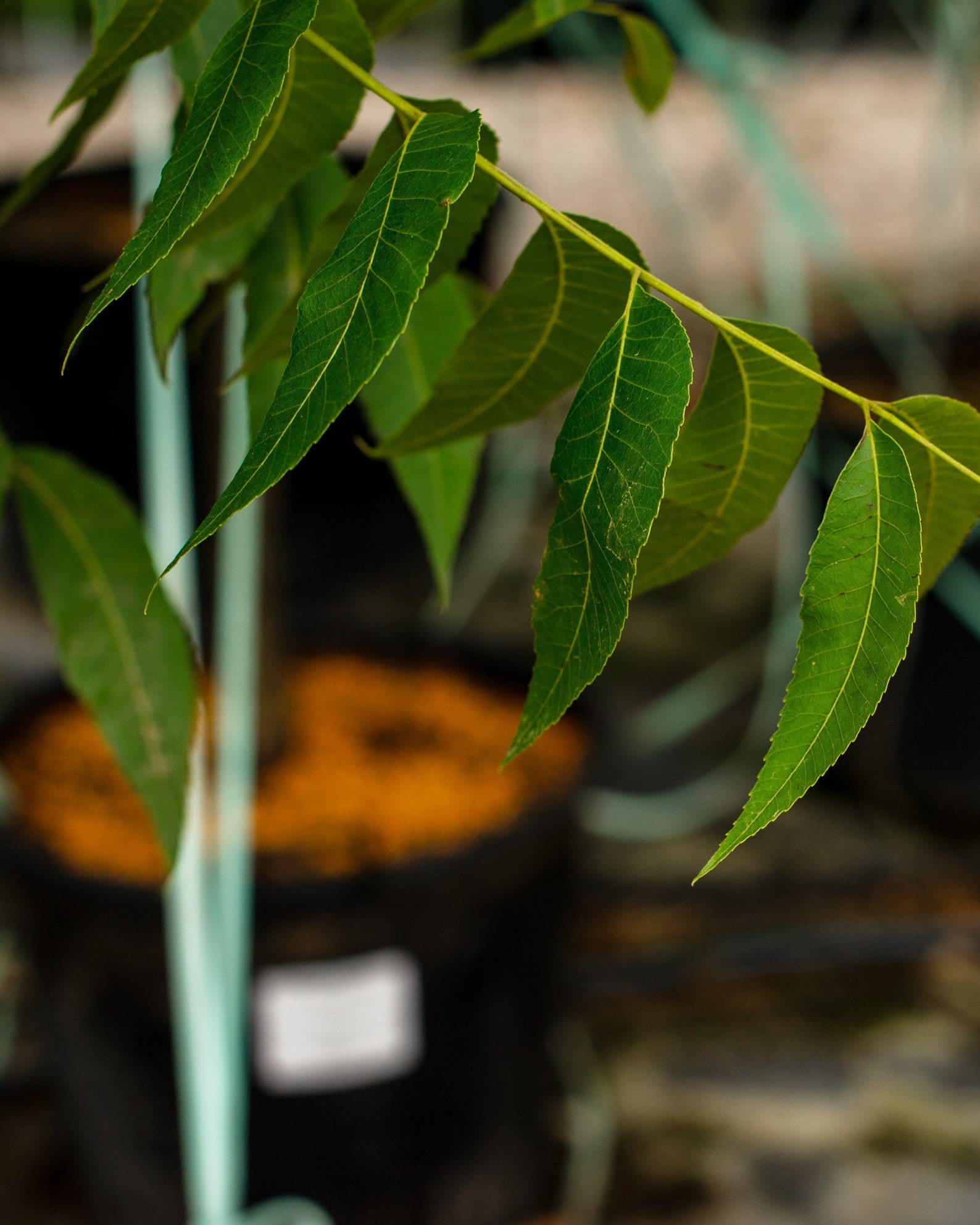
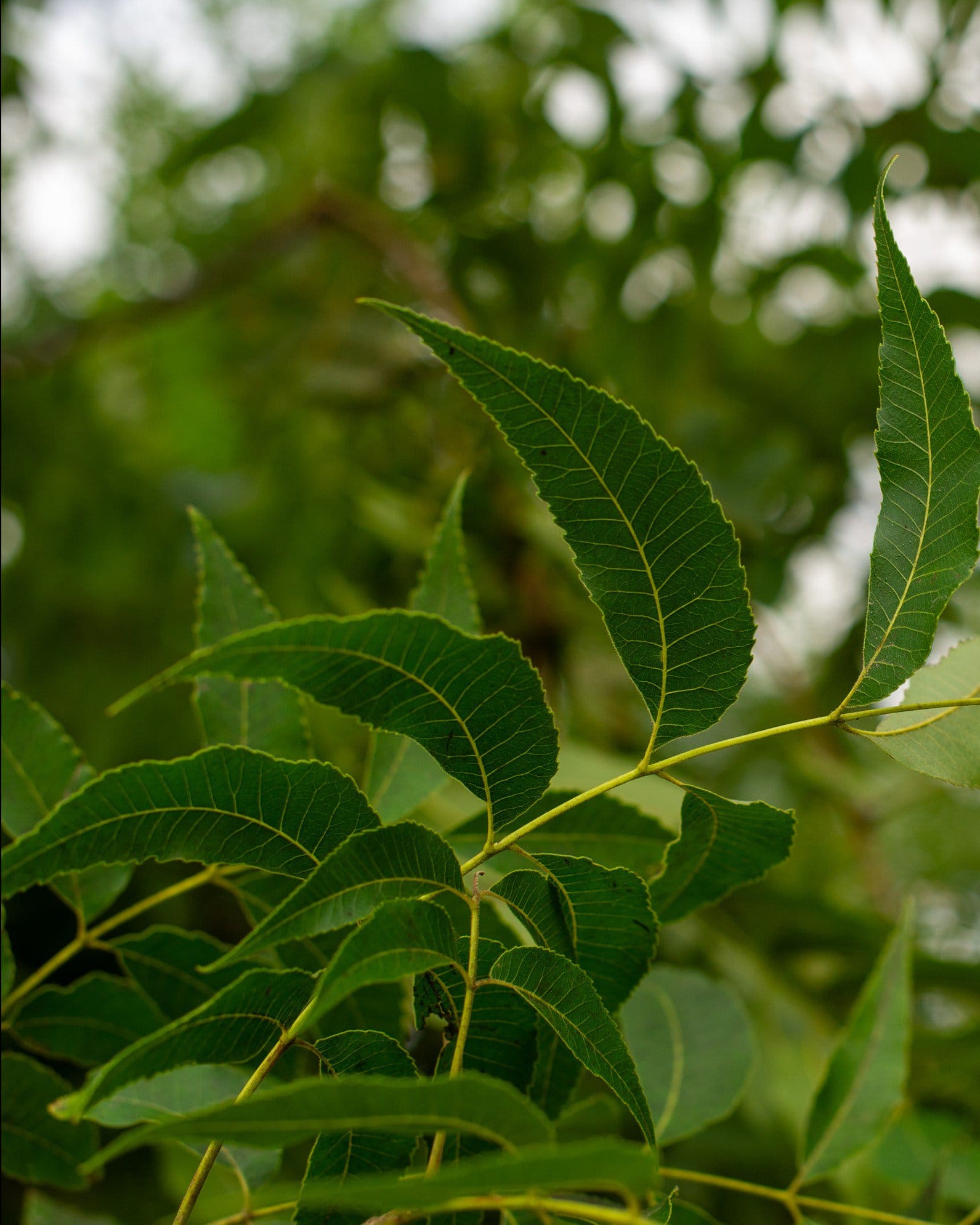
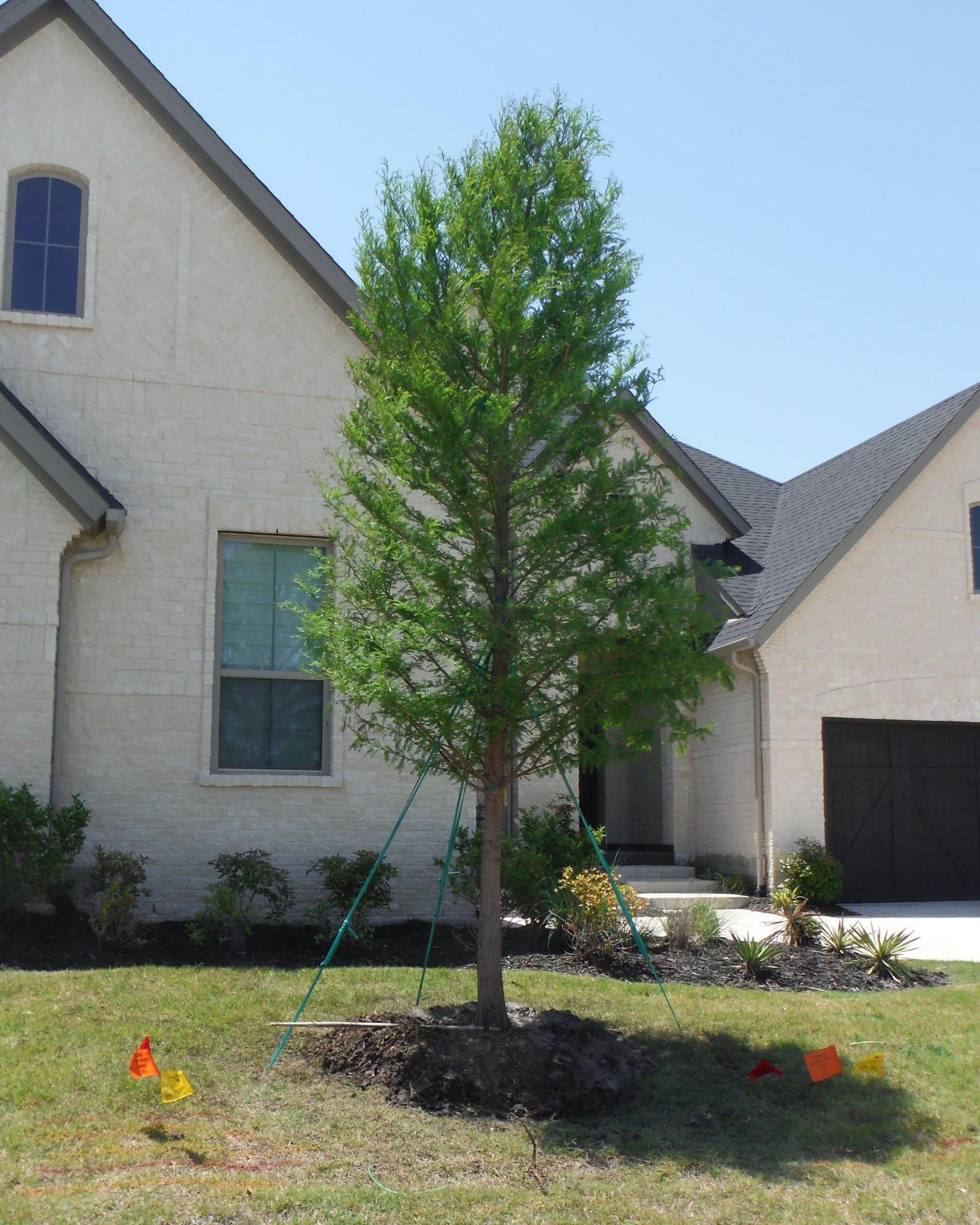
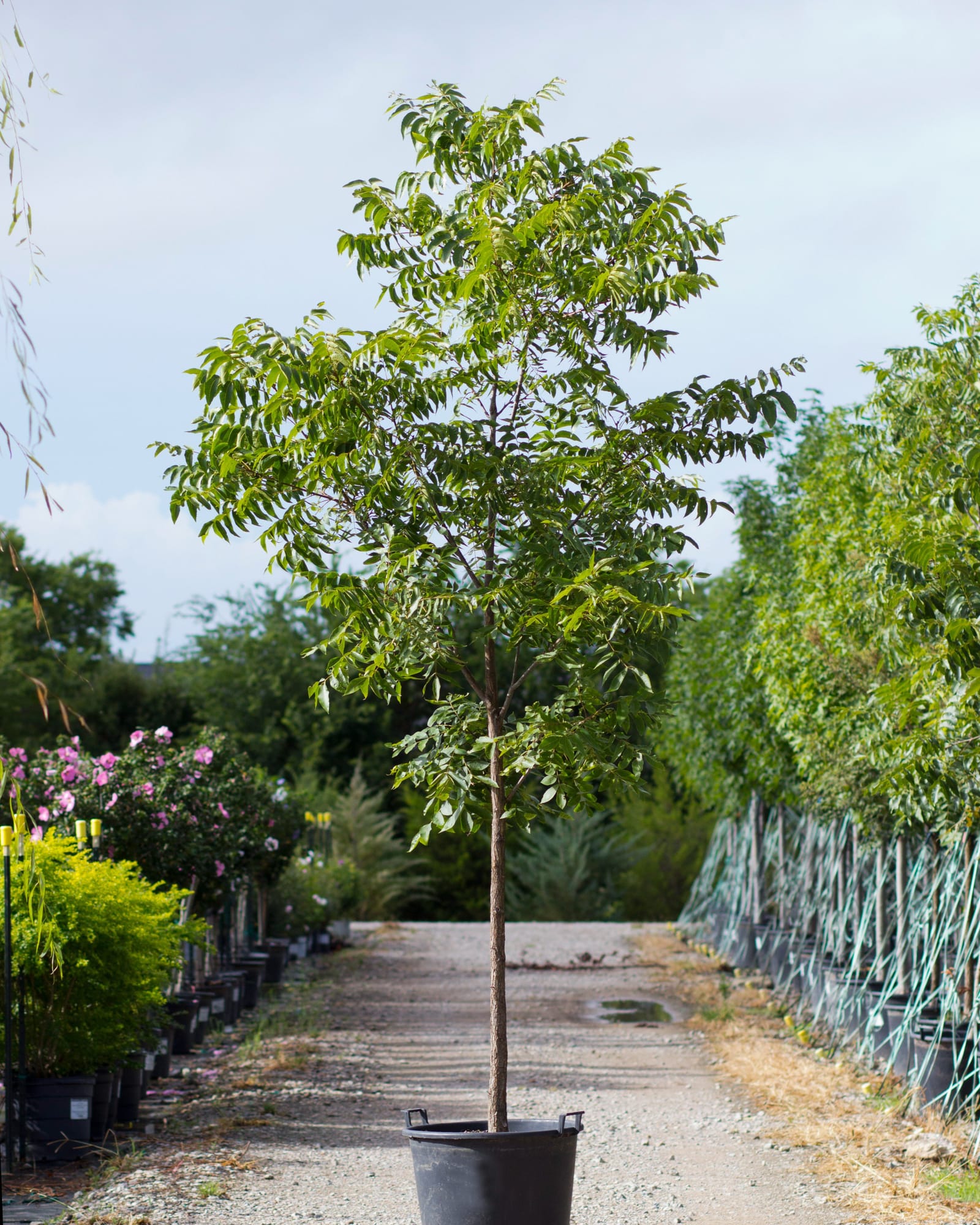
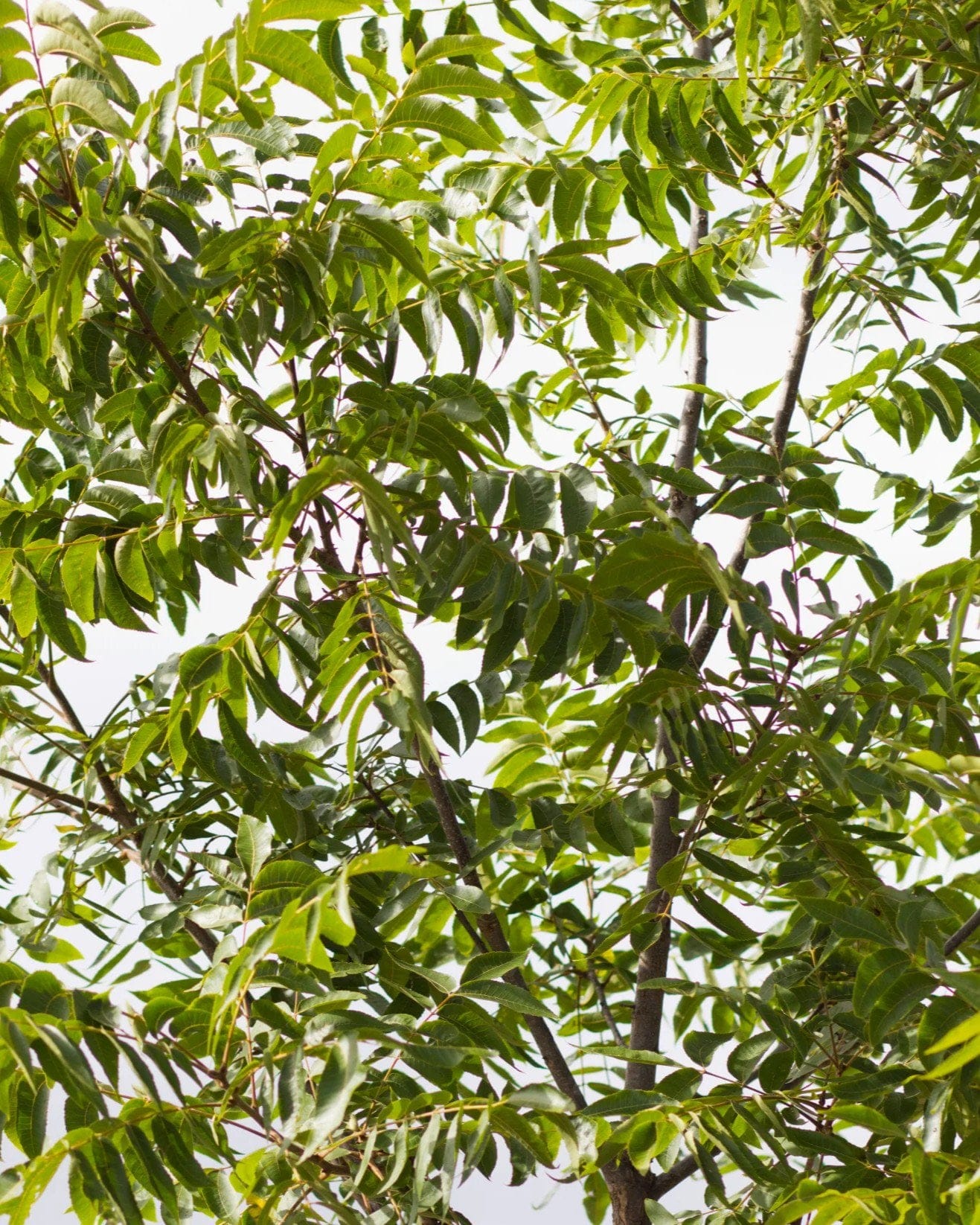
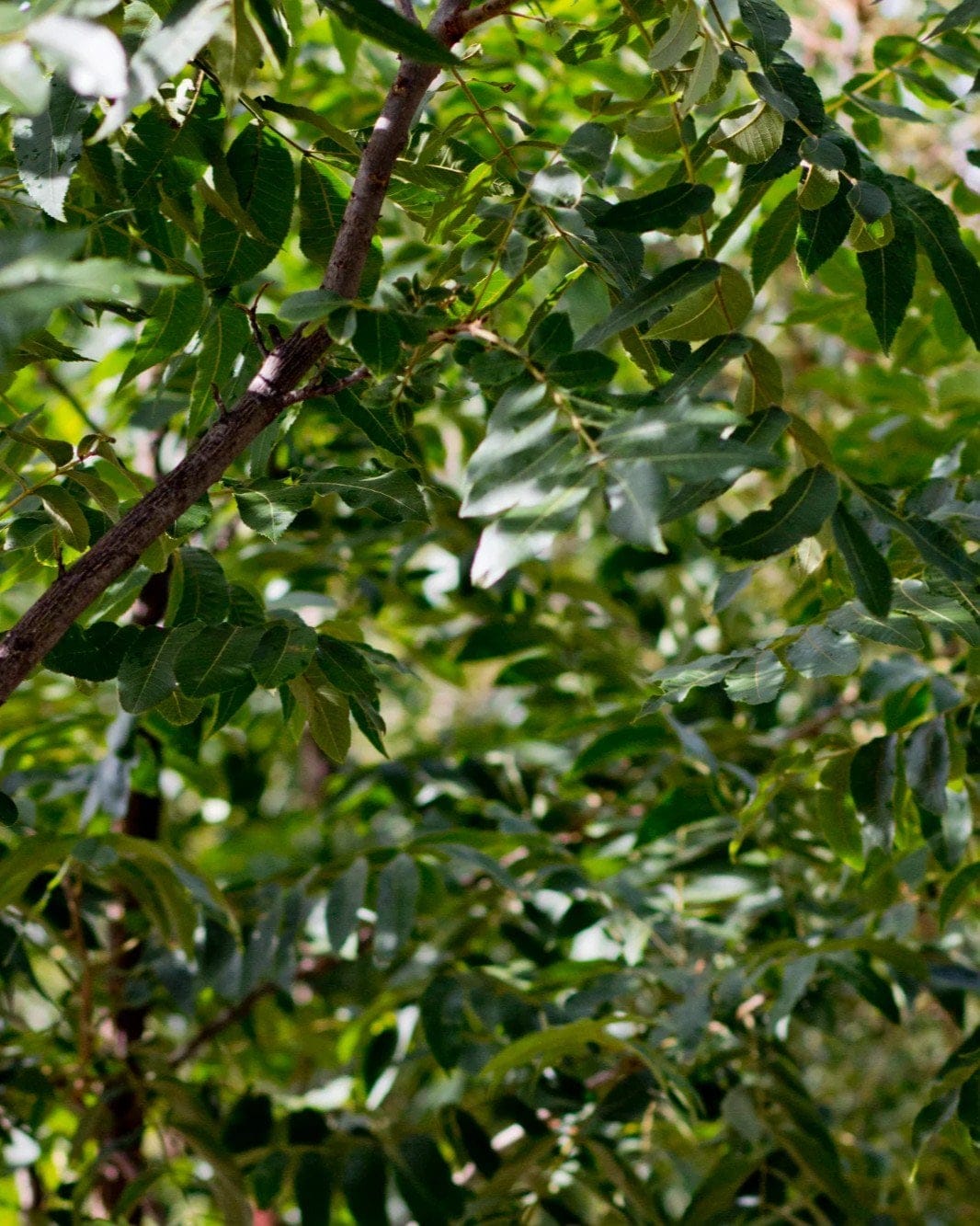
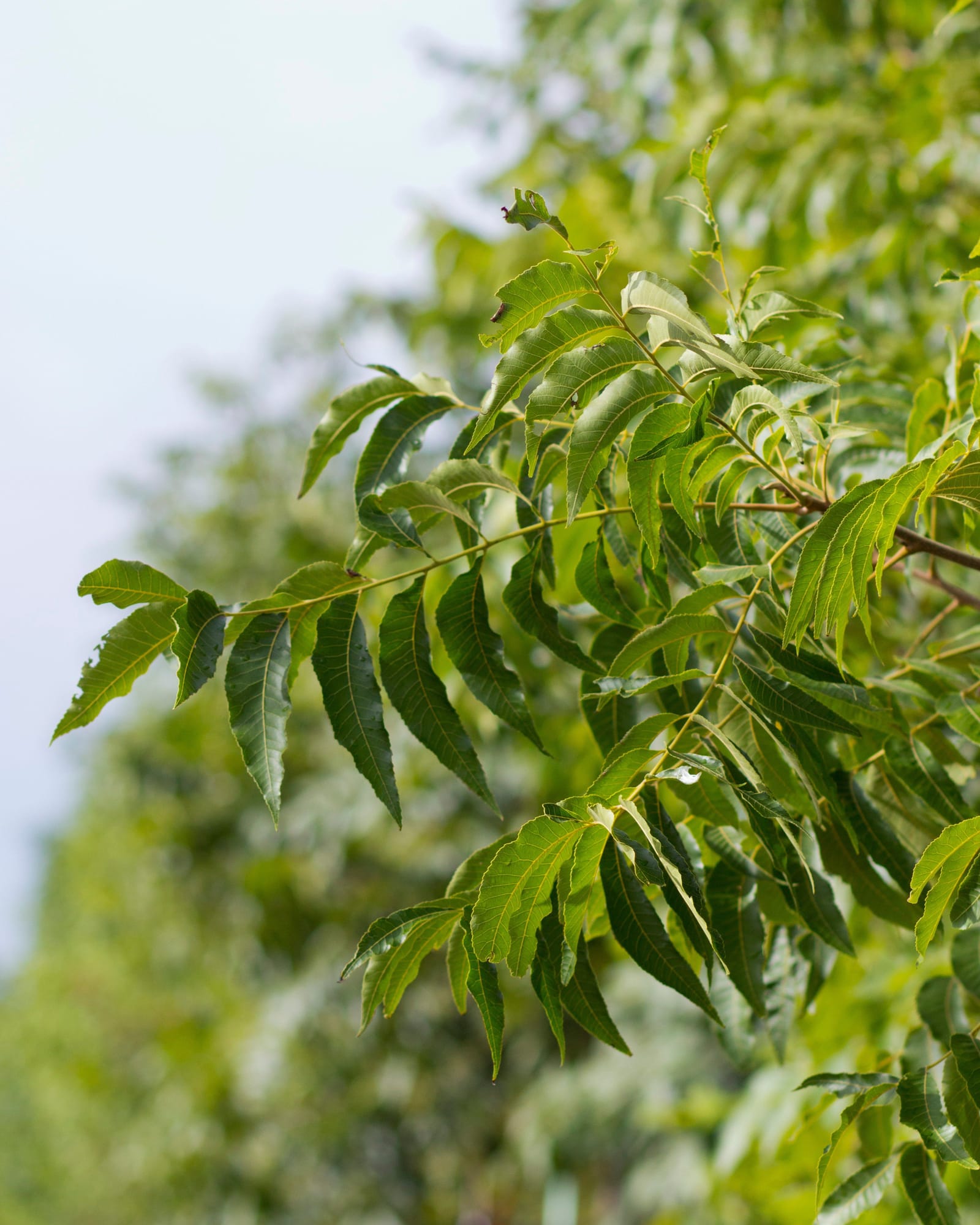
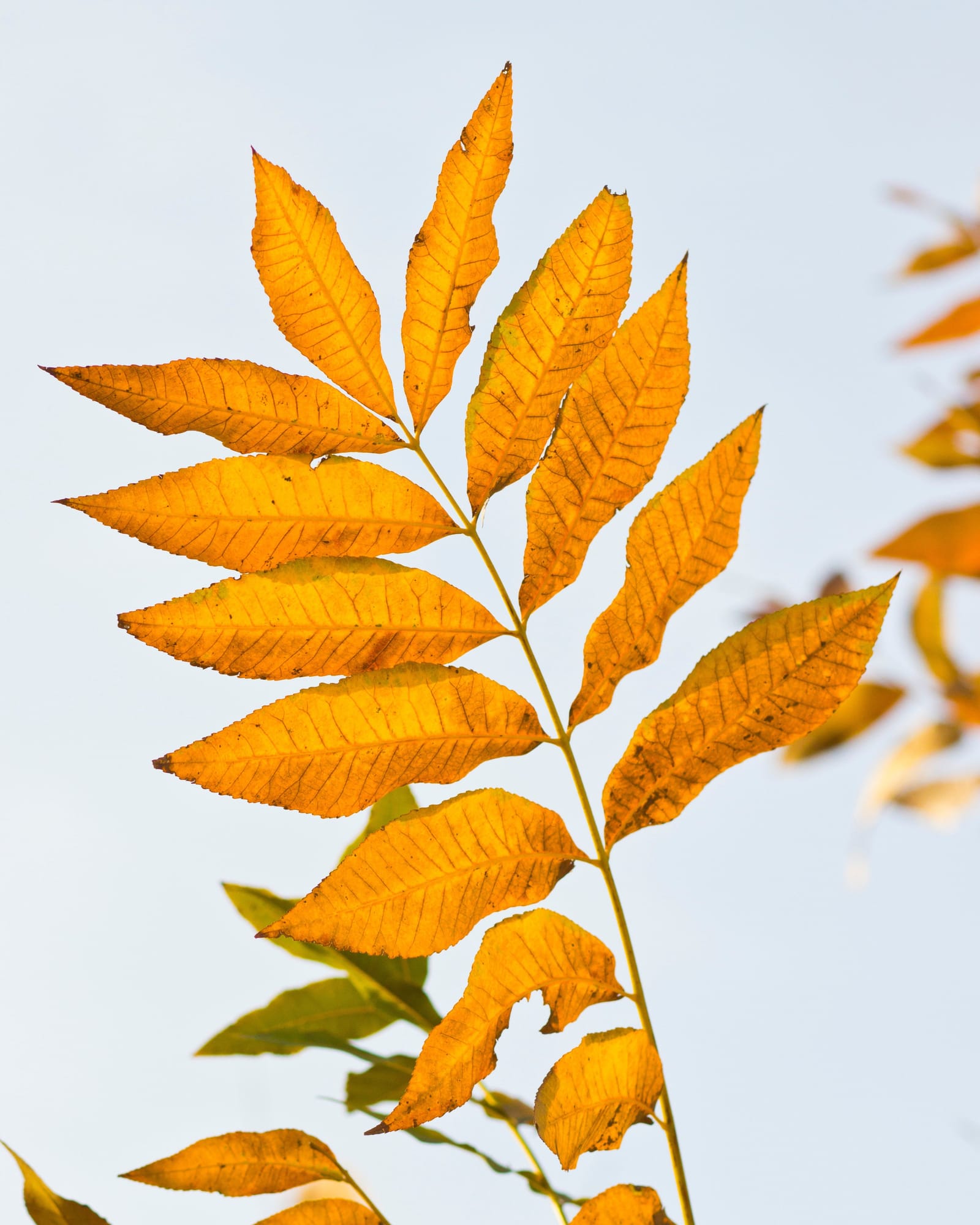
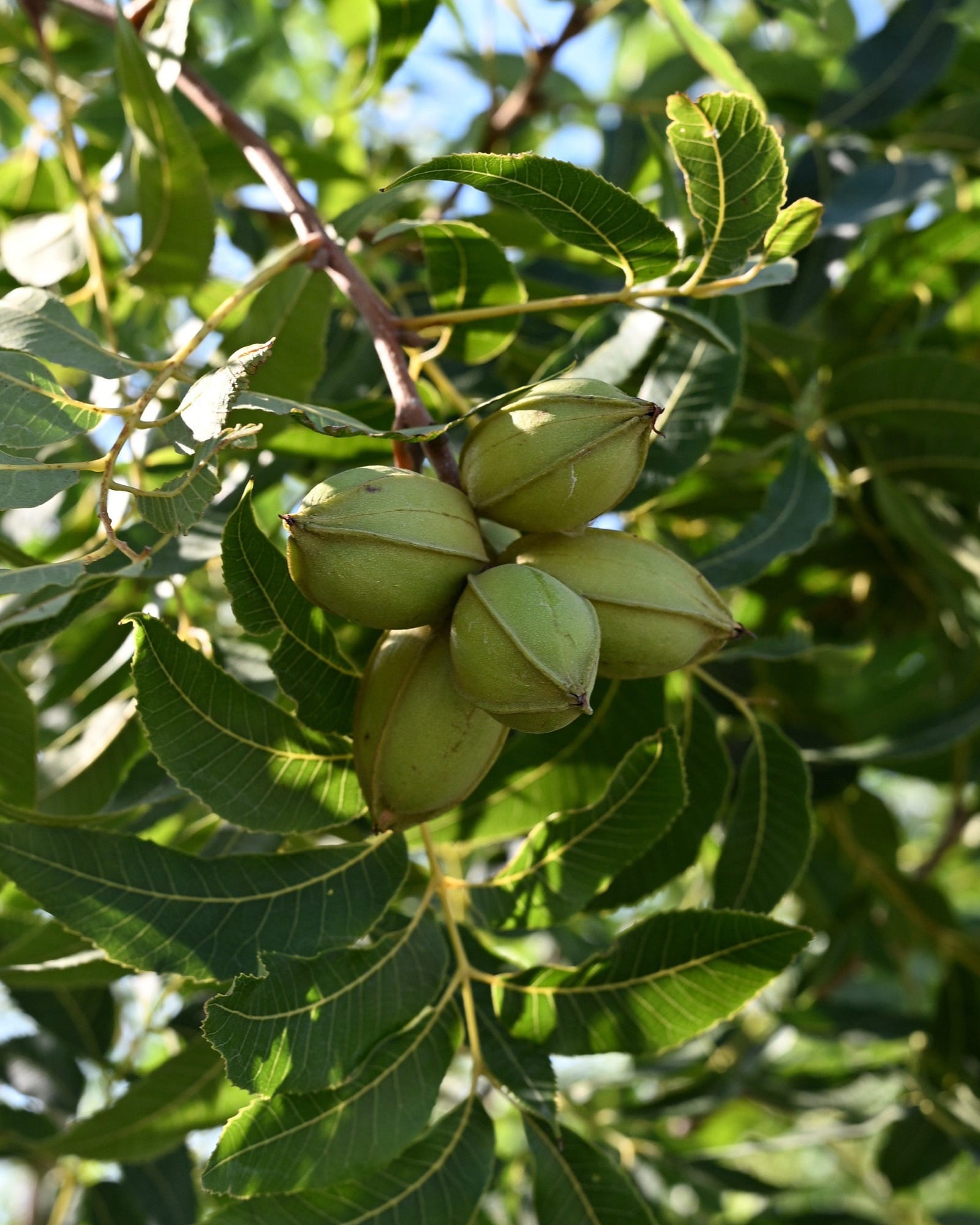
Fraxinus texensisThe Texas Ash brings rugged beauty and striking seasonal color to the landscape. This medium-sized deciduous tree grows to about 45 feet in height and 35 feet in width, developing a broad, rounded crown perfect for dappled shade. Come autumn, its foliage transforms into a dazzling mix of yellow, orange, and red, adding warmth and vibrancy to any setting.
- Deciduous tree
- Moderate growth rate with rounded, spreading canopy
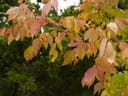
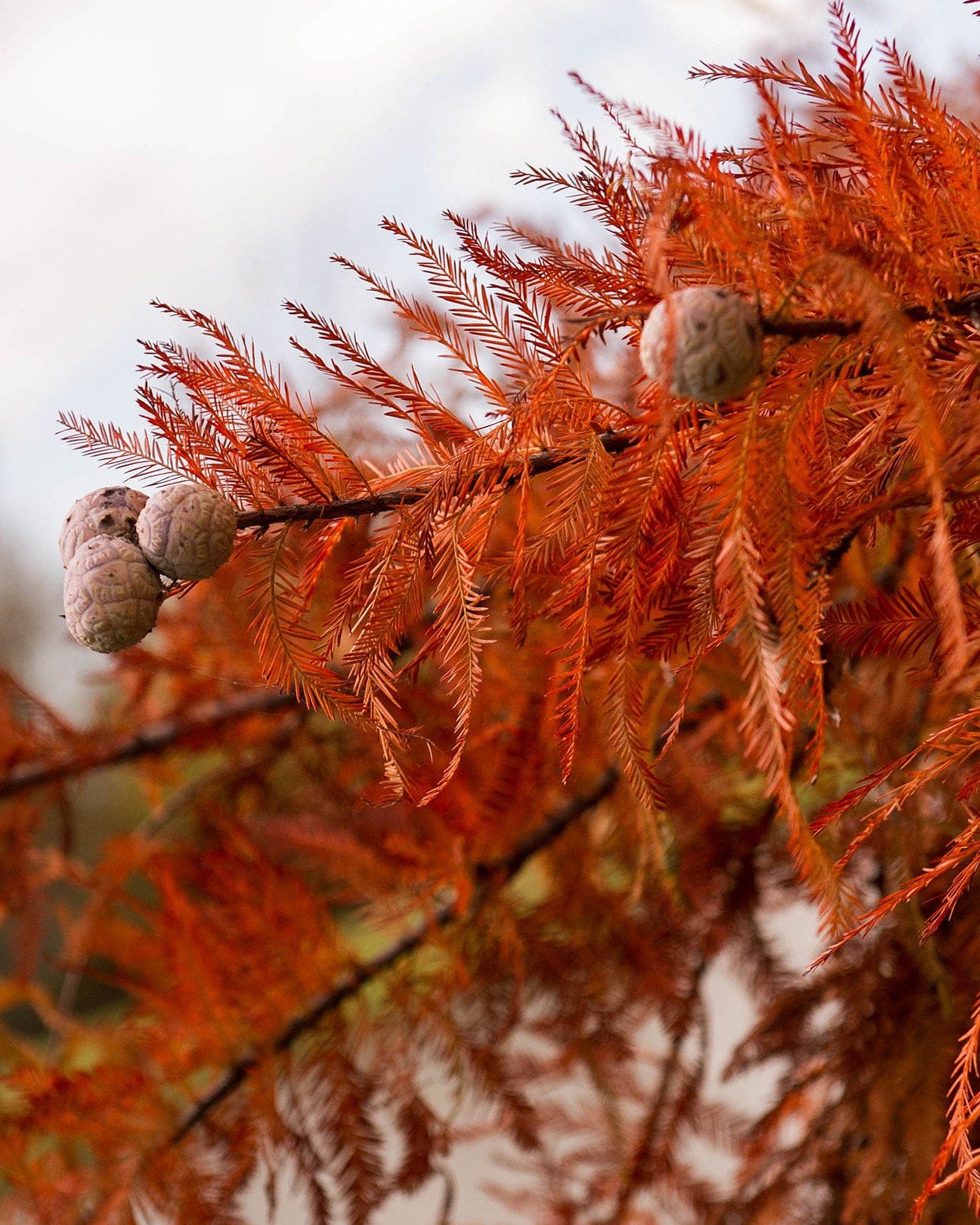
- Brilliant fall foliage in shades of yellow, orange, and red
- Adaptable to a variety of soil types
- Native tree adds authentic regional character
Texas Ash thrives in full sun and well-drained soil, standing up well to Texas heat once established. Its size and seasonal show make it a standout for lawns, large beds, and open landscapes. Hardy in USDA zones 5 through 9, it’s a dependable, colorful choice for North Texas and beyond.
Once Texas Ash is fully mature, it becomes notably low-maintenance once established. Its adaptability and strong root system allow it to perform reliably in a wide range of conditions. Here’s all it needs:
- Watering: Water deeply and consistently during the first two growing seasons to encourage deep root establishment. Once mature, Texas Ash tolerates periods of drought, though supplemental watering during prolonged heat helps maintain foliage density and fall color quality.
- Pruning: Prune in late winter while the tree is dormant to establish strong branch structure and remove crossing limbs. Early structural training reduces the likelihood of weak branch unions as the tree matures.
- Fertilizing: Mature trees rarely require routine fertilization in average soils. If growth appears weak, a balanced slow-release fertilizer applied in early spring can support vigor without overstimulating soft growth.
- Mulching: Apply a 2-3 inch layer of mulch around the root zone to retain moisture and moderate soil temperature. Keep mulch several inches away from the trunk.
- Winter Care: Established Texas Ash trees are cold-hardy and typically require no protection. Young trees benefit from trunk protection during their first winter to prevent sunscald and frost cracking.
Texas Ash is generally resilient, though like many ash species, it may encounter insect or fungal pressures. Early identification helps preserve long-term health.
- Ash Borers: Small exit holes and thinning canopy growth may indicate larval tunneling beneath the bark. Prompt evaluation by a certified arborist and appropriate systemic treatment can help manage infestations.
- Anthracnose: Irregular brown patches may appear on leaves during cool, wet spring weather. Improving airflow and removing fallen foliage reduces fungal carryover.
- Chlorosis: Leaves may turn pale with green veins in alkaline soils. Soil amendments or iron treatments help restore healthy coloration.
- Leaf Scorch: Browning along leaf edges may develop during extreme drought or heat stress. Deep, infrequent watering supports recovery.
- Canker Diseases: Sunken or cracked areas on branches may indicate fungal infection. Pruning affected limbs and maintaining overall tree vigor helps limit spread.
Texas Ash commonly lives 40-60 years under favorable conditions. Longevity depends on proper placement, soil drainage, and pest management. Healthy specimens can remain strong shade trees for decades.
It typically grows 12-24 inches per year in suitable conditions. Structural maturity often develops within 10-15 years. Full canopy development may take two decades.
It is valued for its native adaptability and dependable fall color. Its moderate size makes it suitable for residential landscapes without overwhelming space. The tree also tolerates heat and periodic drought better than many traditional ash species.
Yes, it is known for consistent autumn coloration ranging from yellow to deep orange and sometimes reddish tones. Cool nighttime temperatures enhance color intensity.
Its roots are moderately spreading but not typically considered invasive. Proper spacing from foundations and hardscape ensures long-term structural stability.
Once established, it manages dry periods reasonably well. An extended drought may reduce leaf density but rarely causes permanent damage in healthy trees.
It provides habitat and shelter for birds and beneficial insects. The branching structure supports nesting and perching. As a native species, it integrates well into ecological landscapes.
Early structural pruning reduces the need for major corrective cuts later. Mature trees typically require only occasional maintenance pruning. Removing dead or crossing branches maintains canopy health.
Female trees produce winged samaras that may be visible in late season. These seeds are generally not considered excessively messy. Seed production varies between individual trees.
It adapts well to urban conditions, including heat and moderate air pollution. Adequate soil volume and drainage are key to long-term success. Proper placement ensures structural stability in developed areas.
Special Features
You might also like
.jpg&w=1600&q=80)
.jpg&w=1600&q=80)
.jpg&w=1600&q=80)
.jpg&w=1600&q=80)
.jpg&w=1600&q=80)


Compare Similar Plants
Texas Ash This plant | ||
|---|---|---|
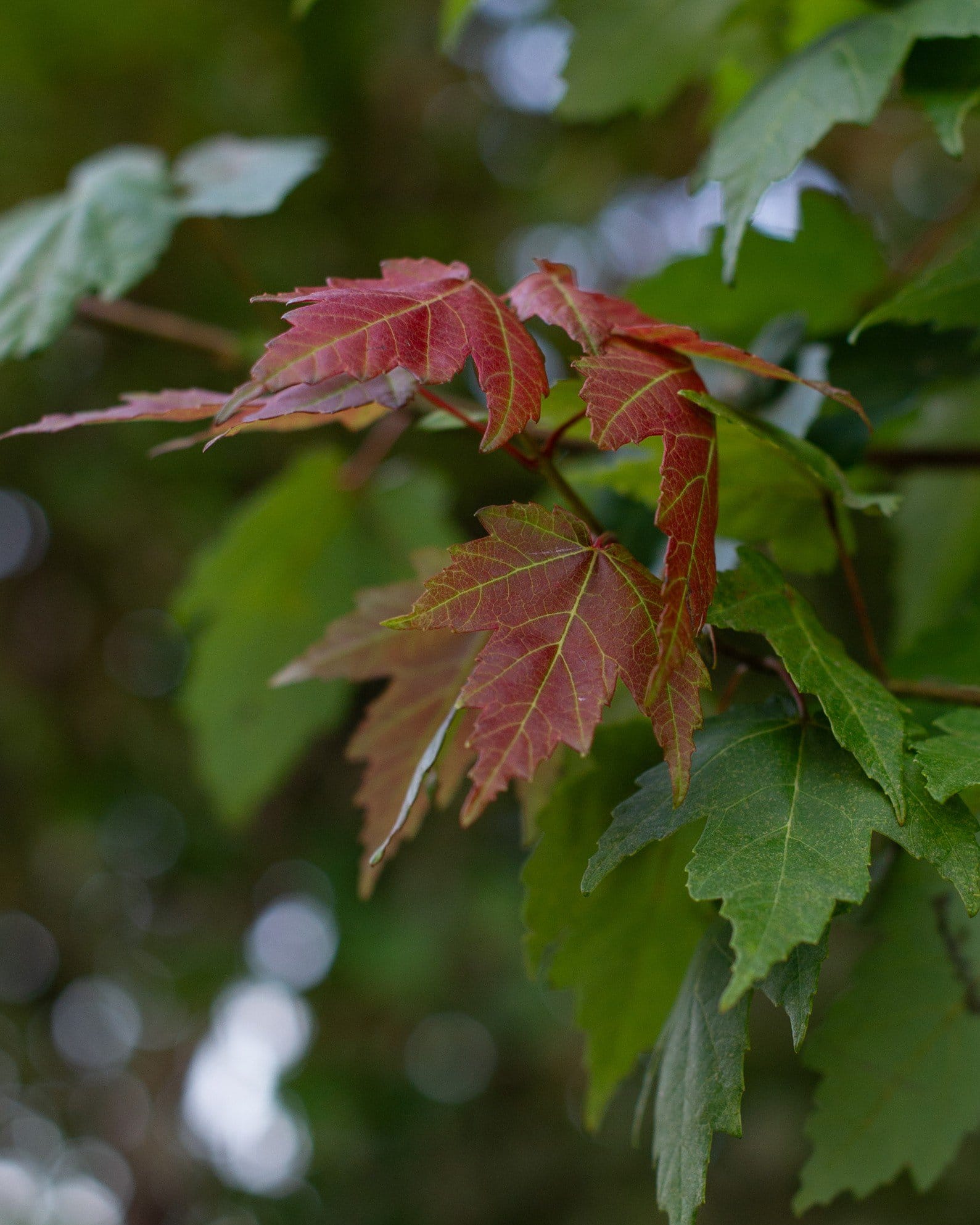
| Scientific Name | Fraxinus texensis | Liquidambar styraciflua 'Ward' |
| Size at Maturity | 45' H x 35' W | 45' H x 30' W |
| Leaf Retention | Deciduous | Deciduous |
| Fall Color | Orange, Red & Yellow | Orange, Red & Yellow |
| Sizes Available | 30, 65 gal | 15, 45 gal |


Our 1-Year Planting Guarantee
We take pride in our plants and installation services. If any plants or trees installed by Treeland fail to thrive within the first year, we'll provide a replacement credit in accordance with our guarantee program.
Learn More About Our Guarantee