
 Texas Native
Cedar Elm Pioneer
Ulmus crassifolia ‘Everalan’Local DFW Delivery Only
Product Details
Cedar Elm Pioneer
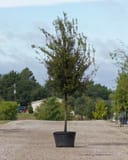
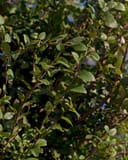
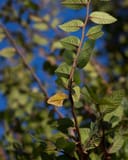
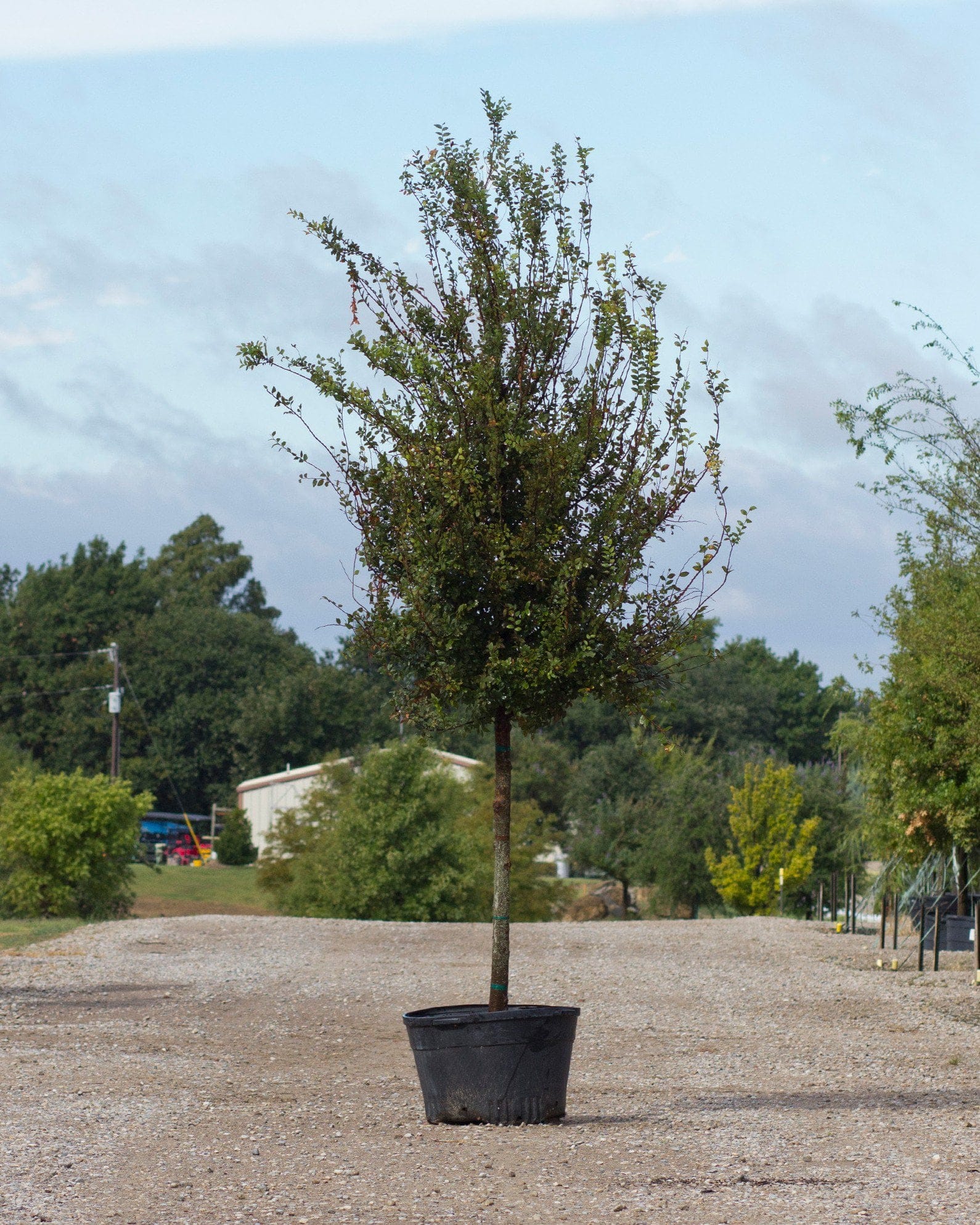
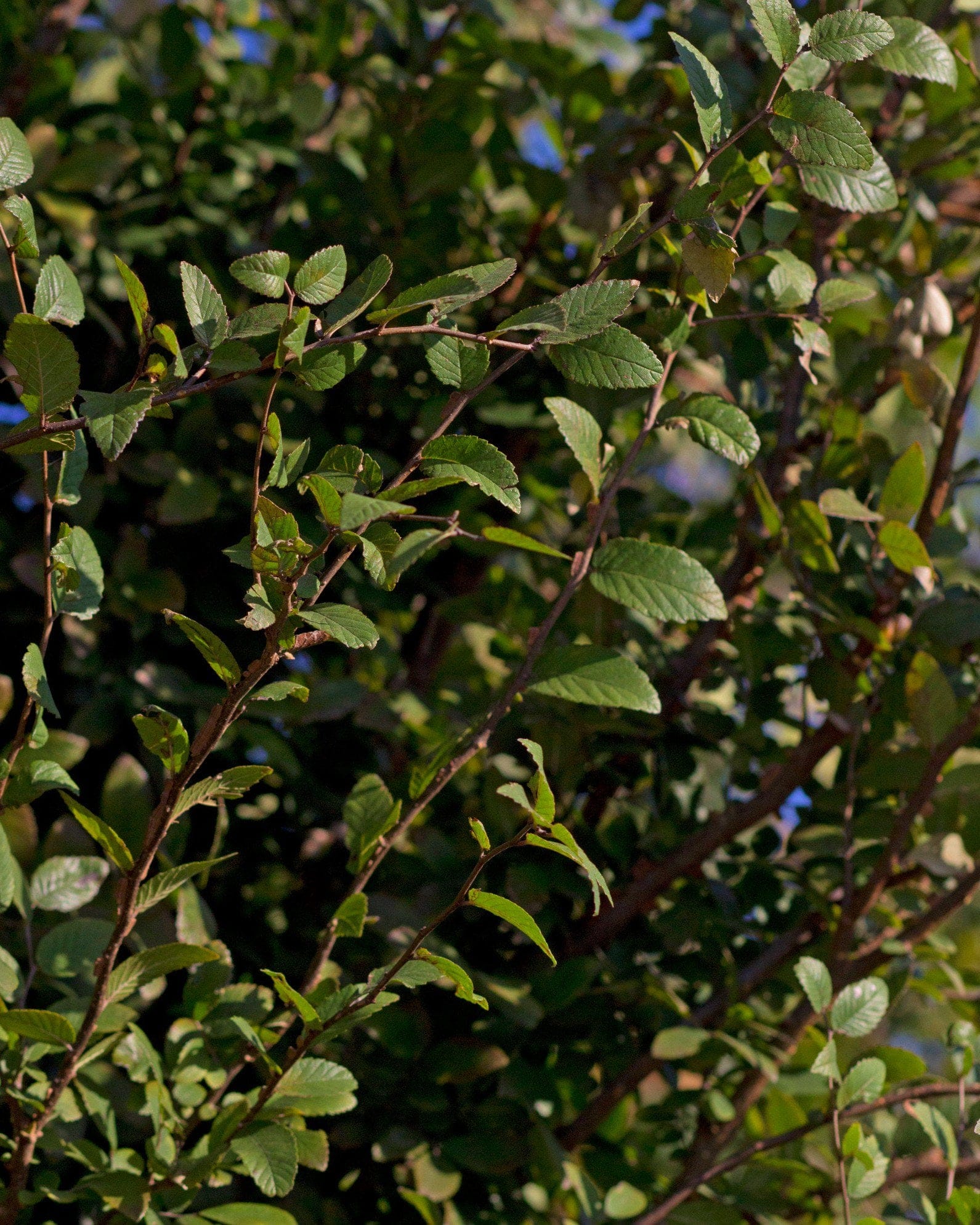
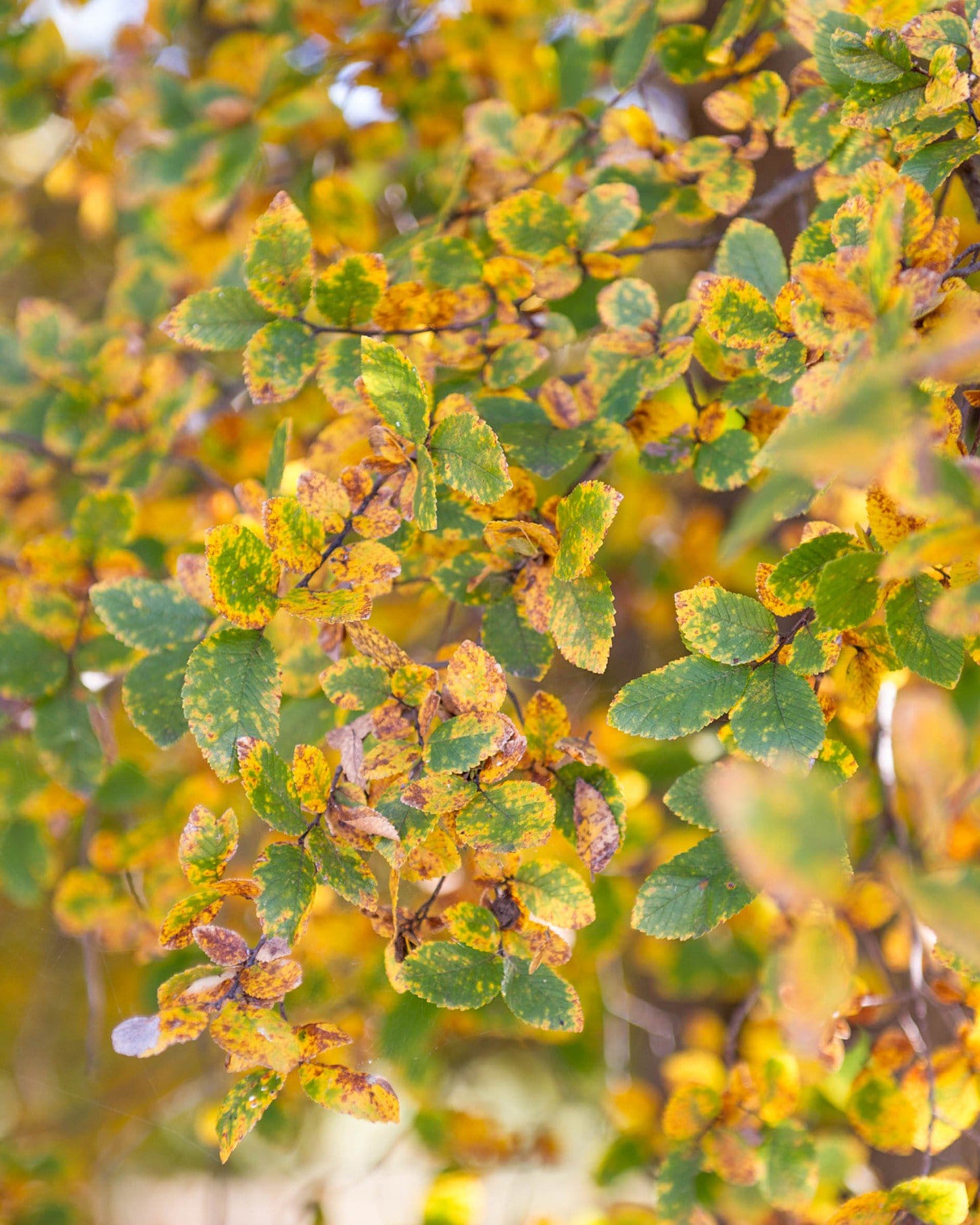
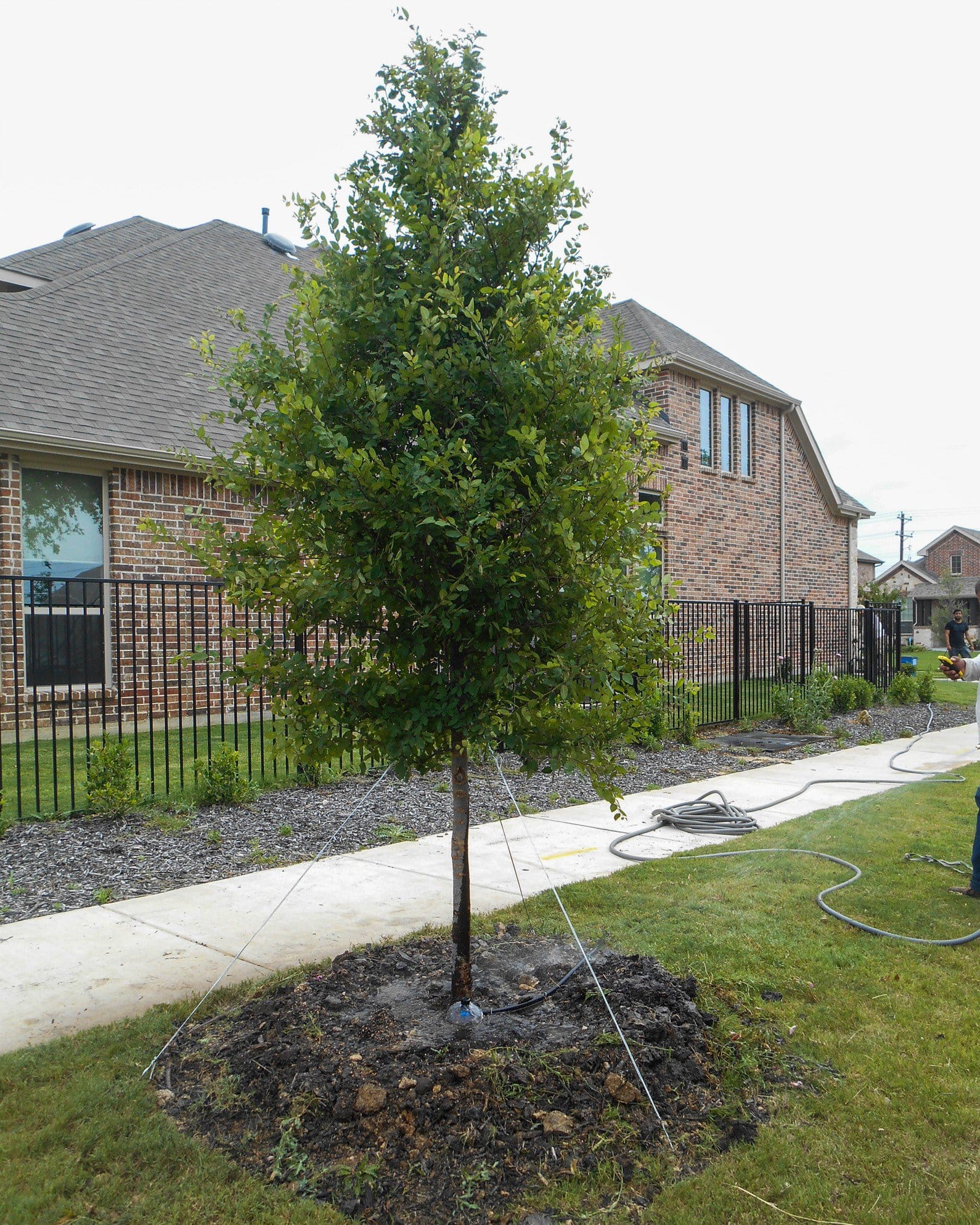
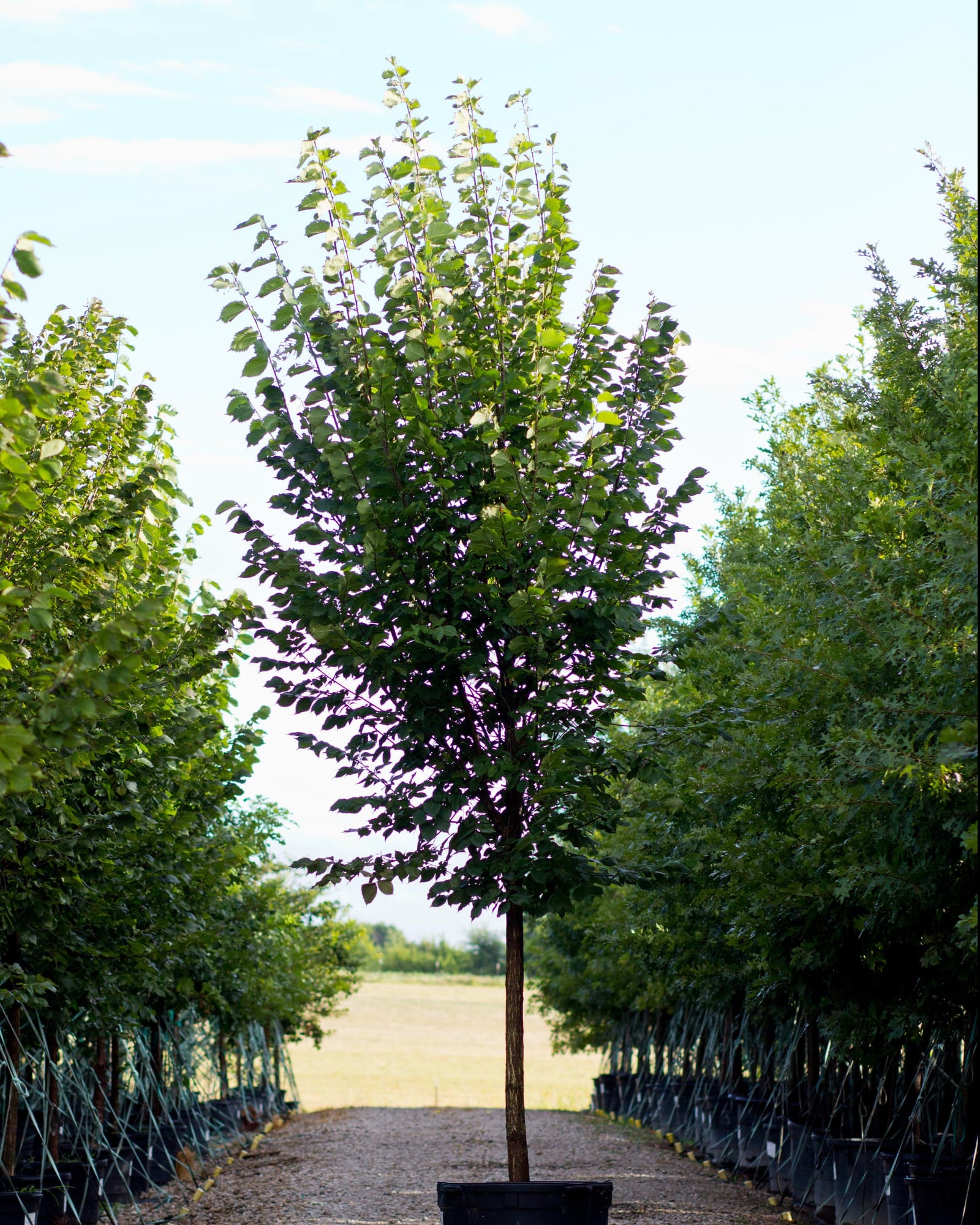
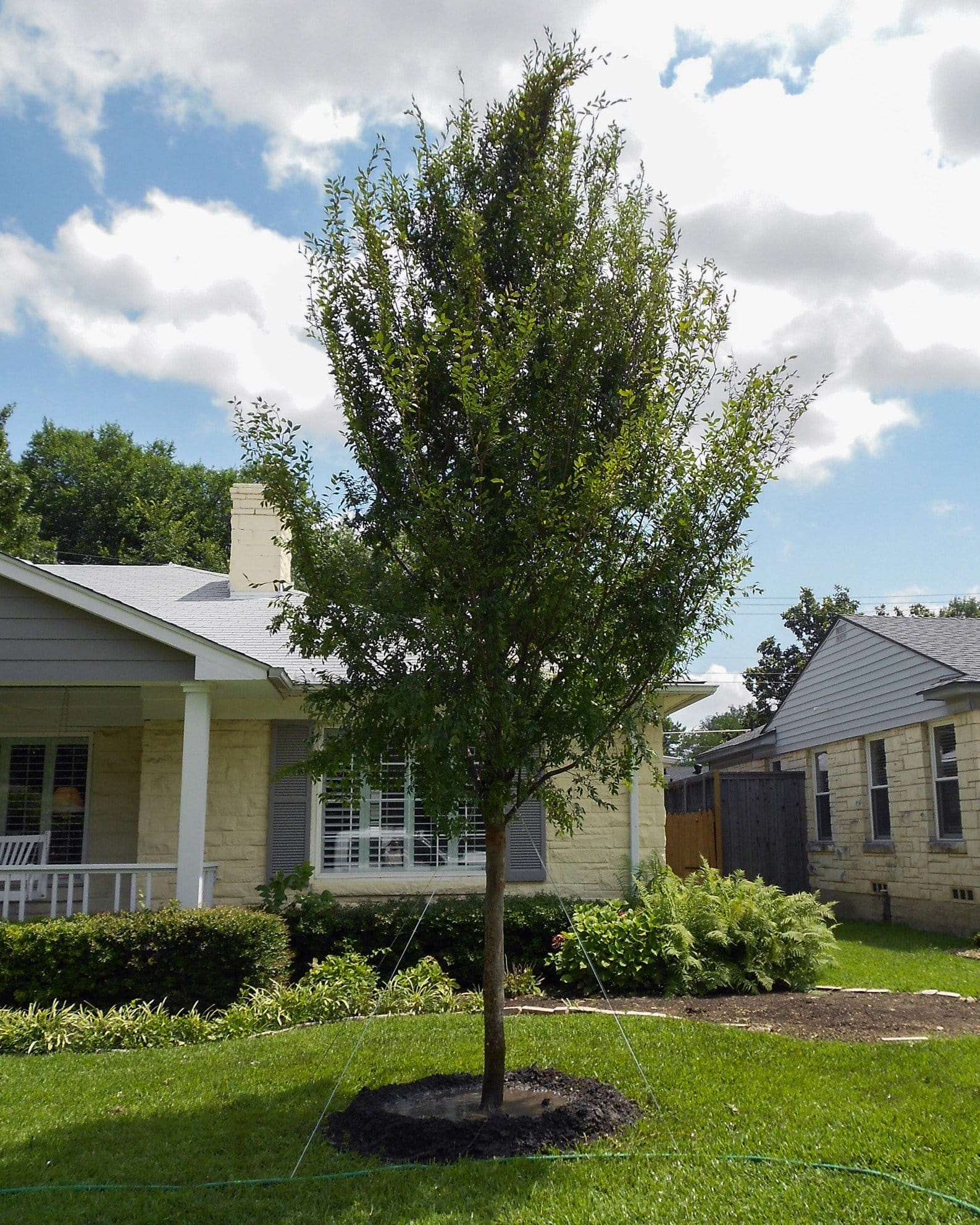
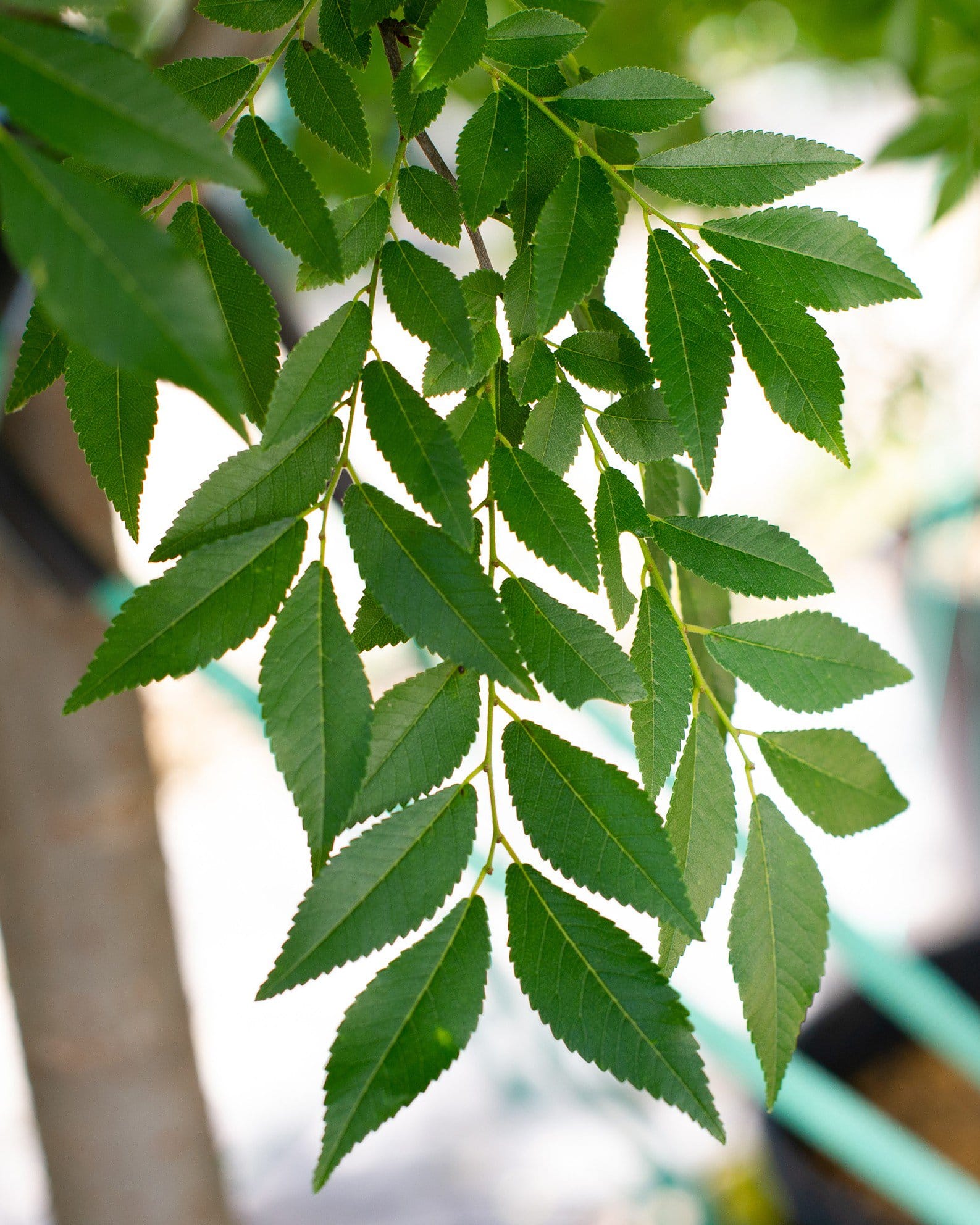
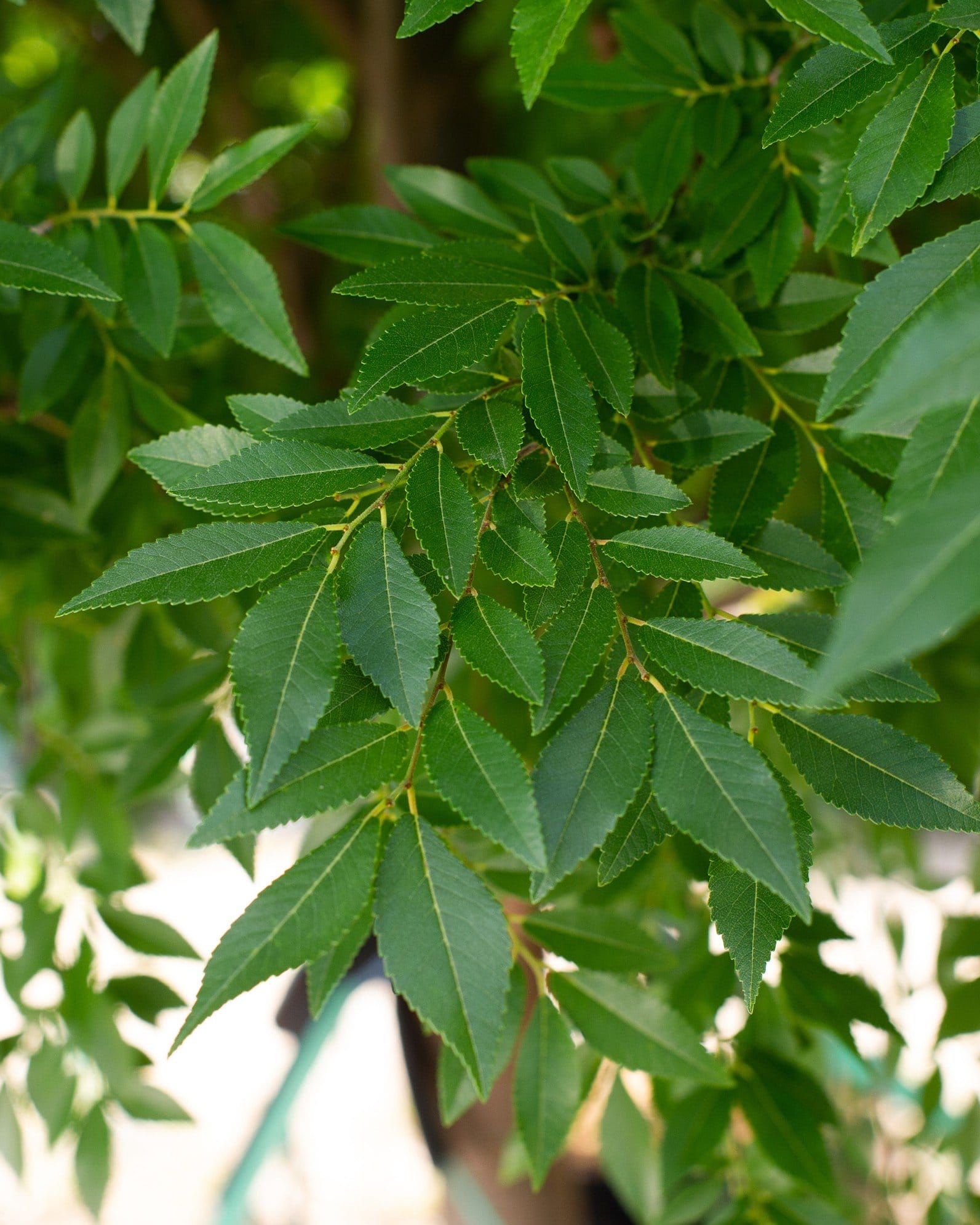
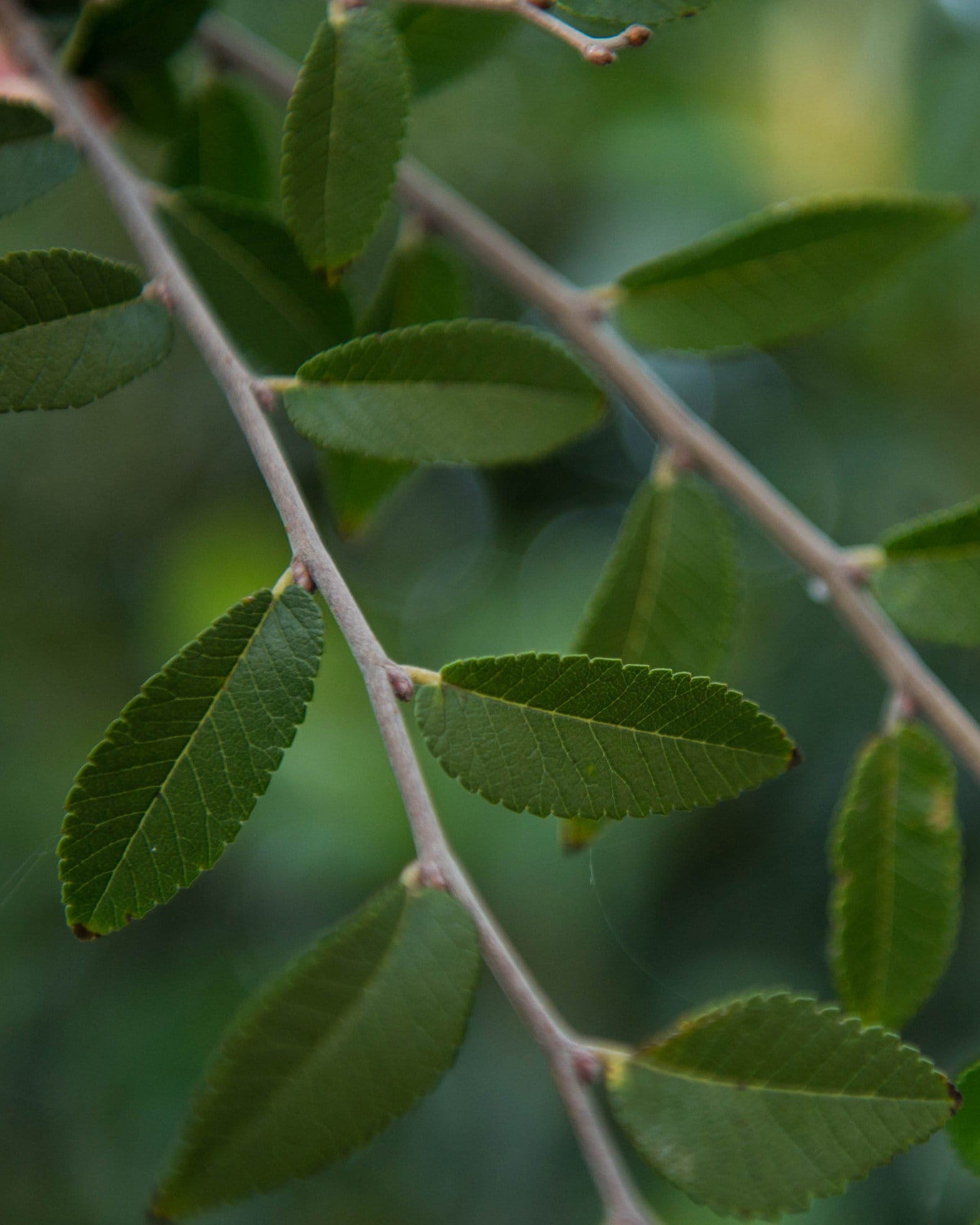
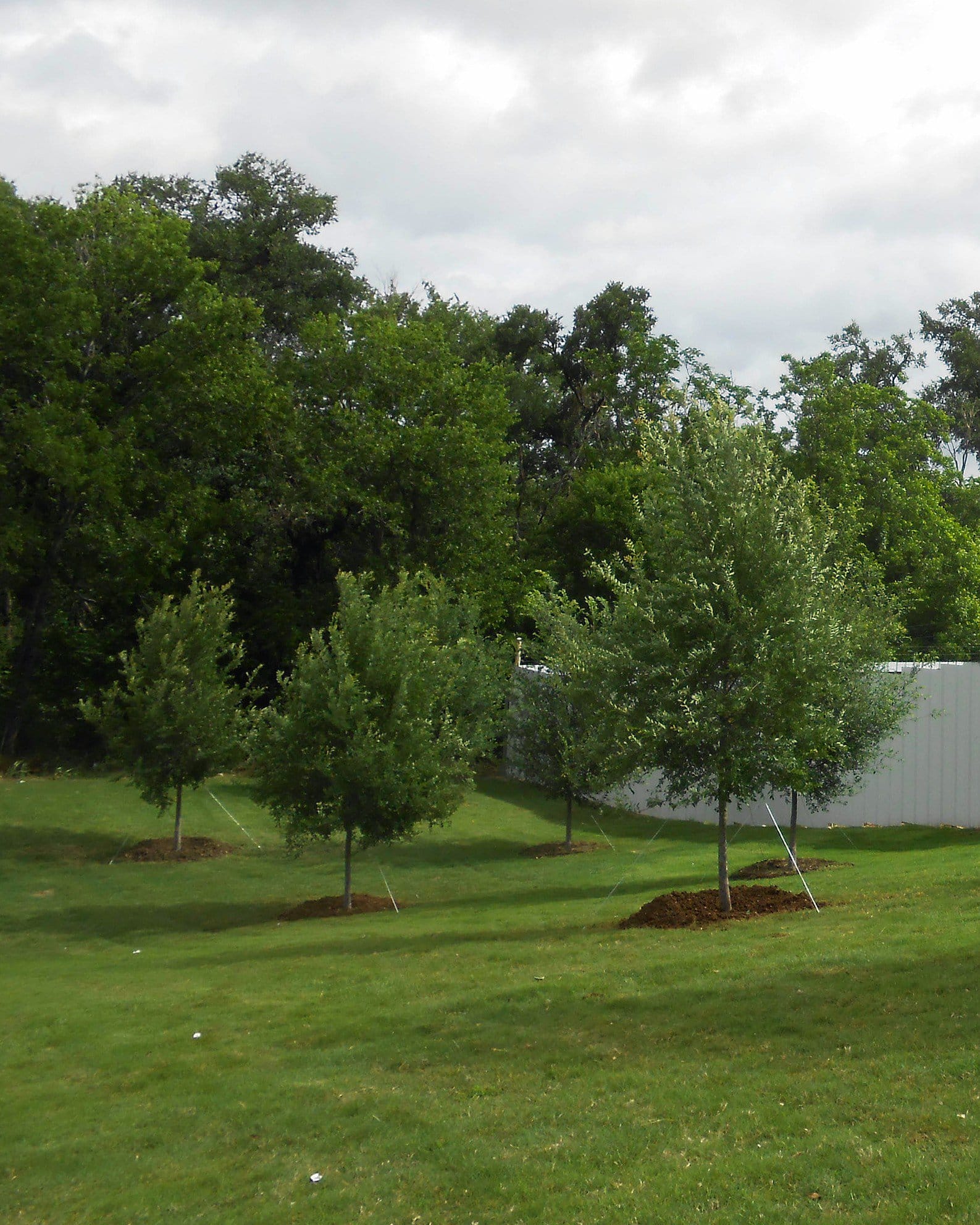
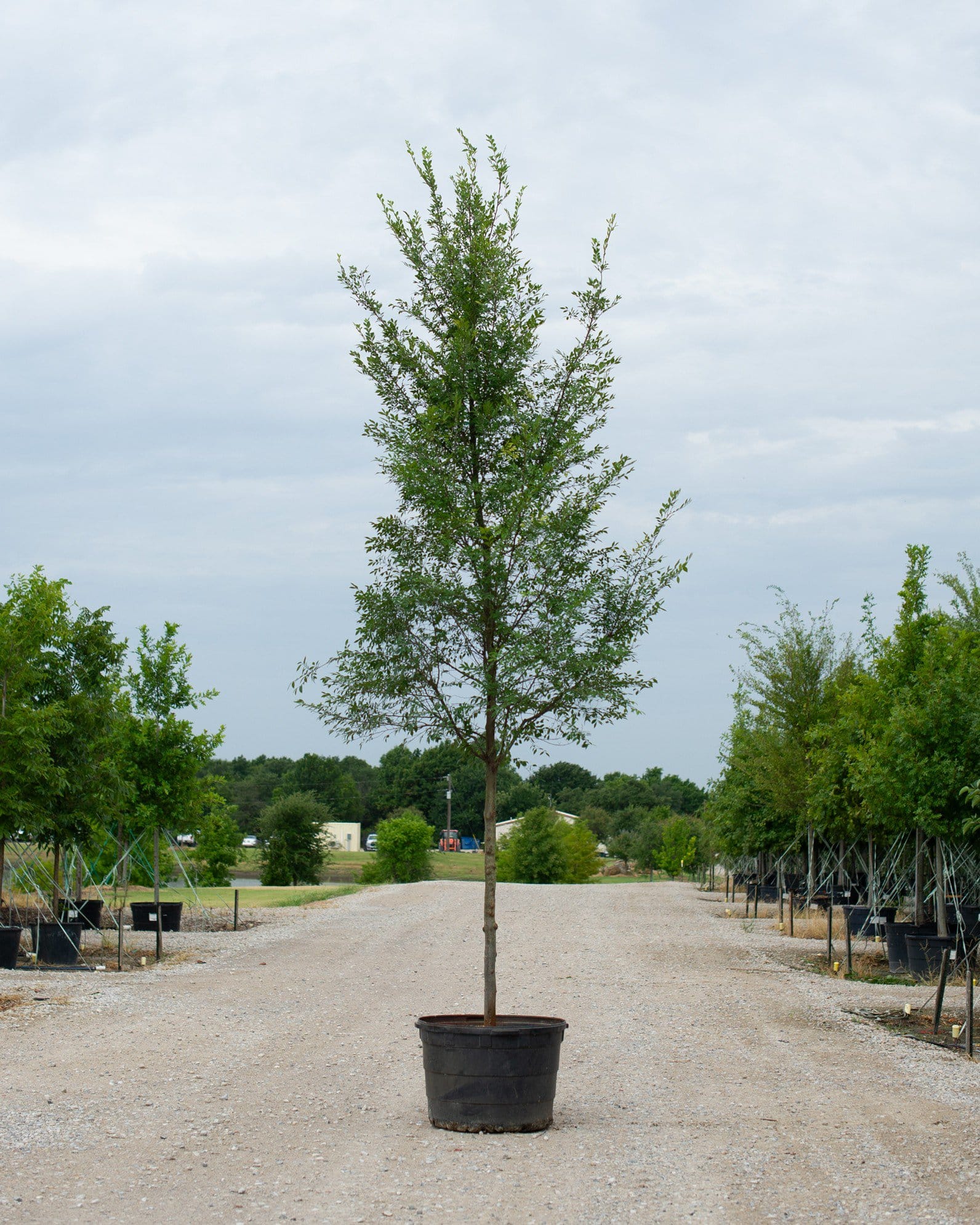
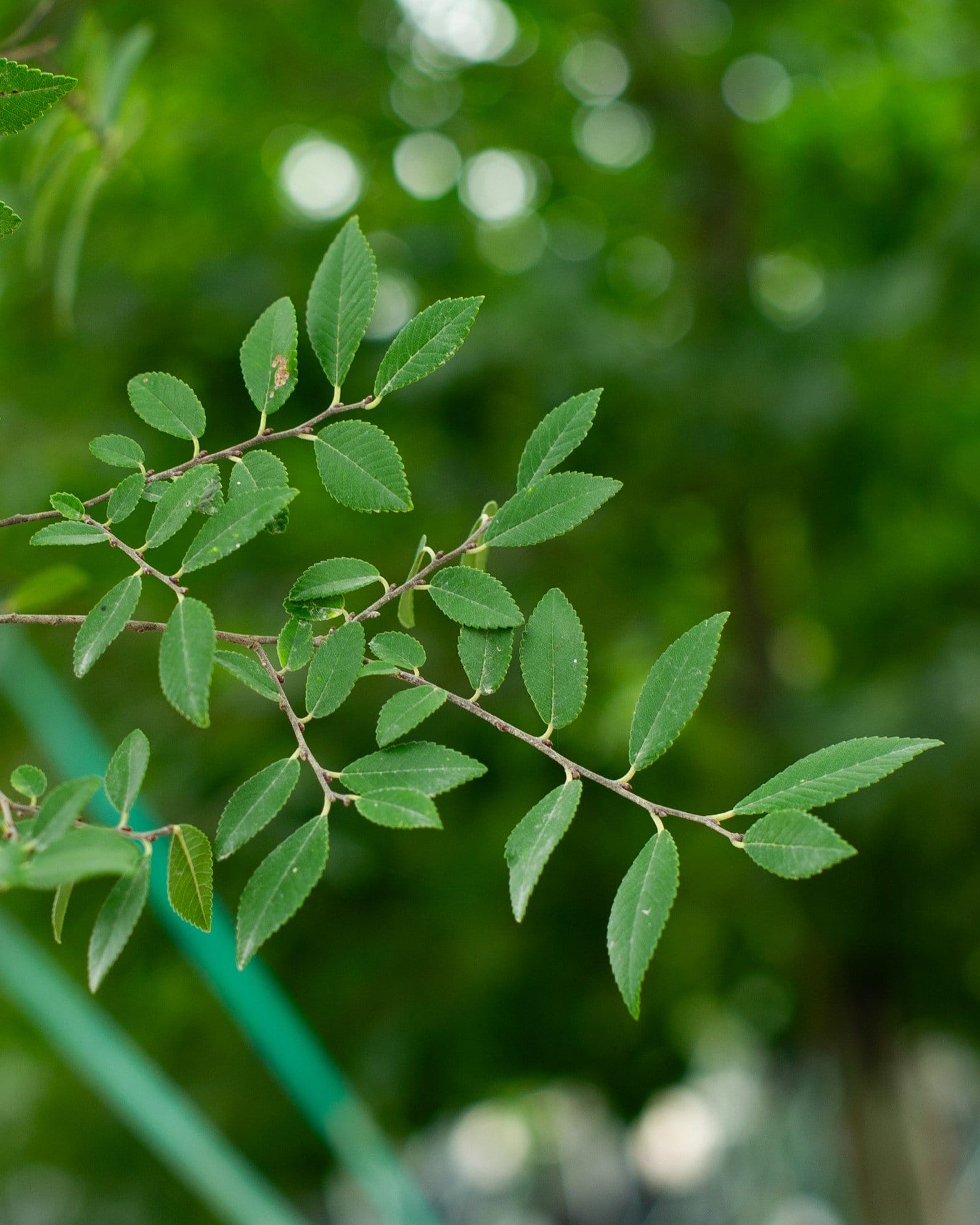
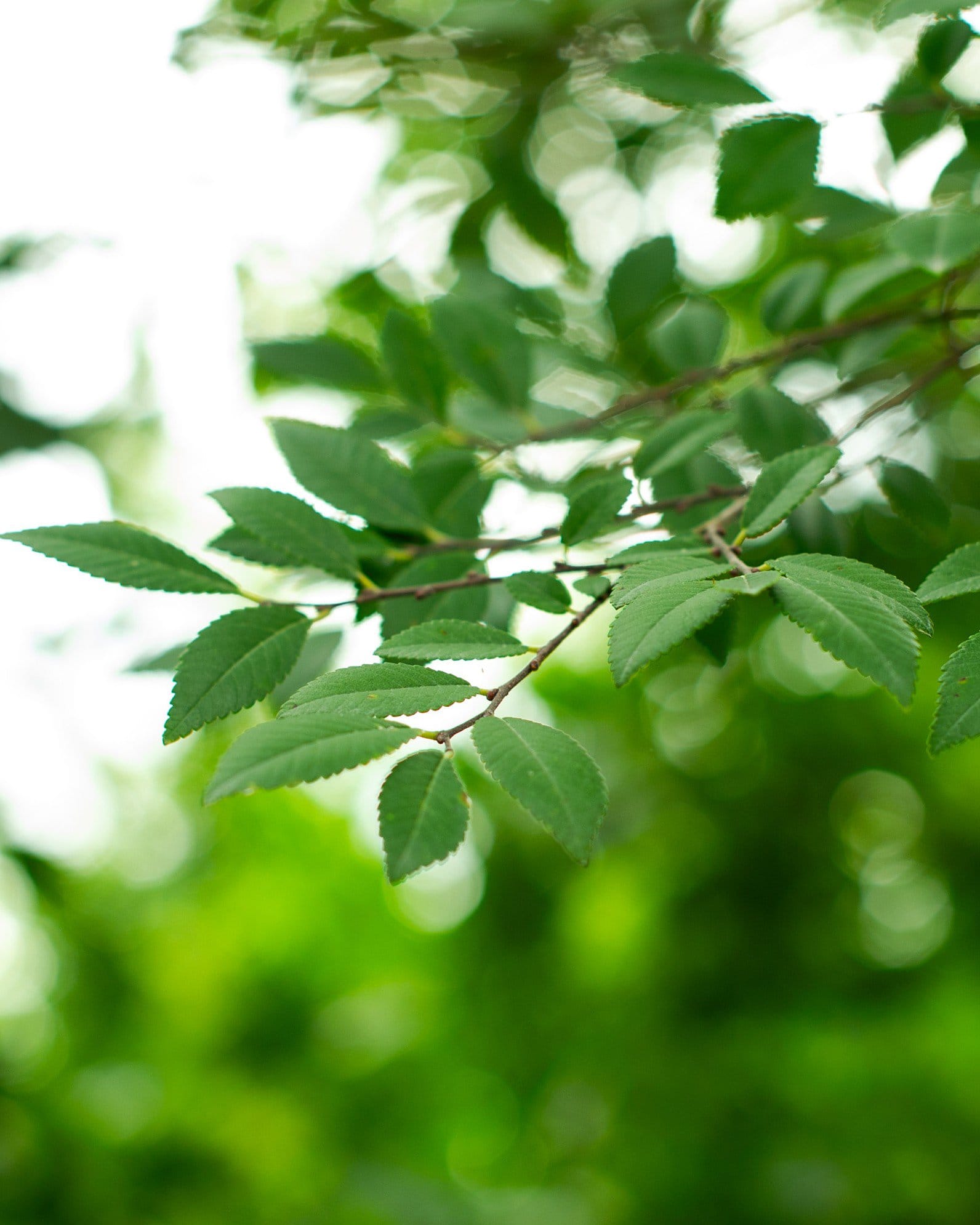
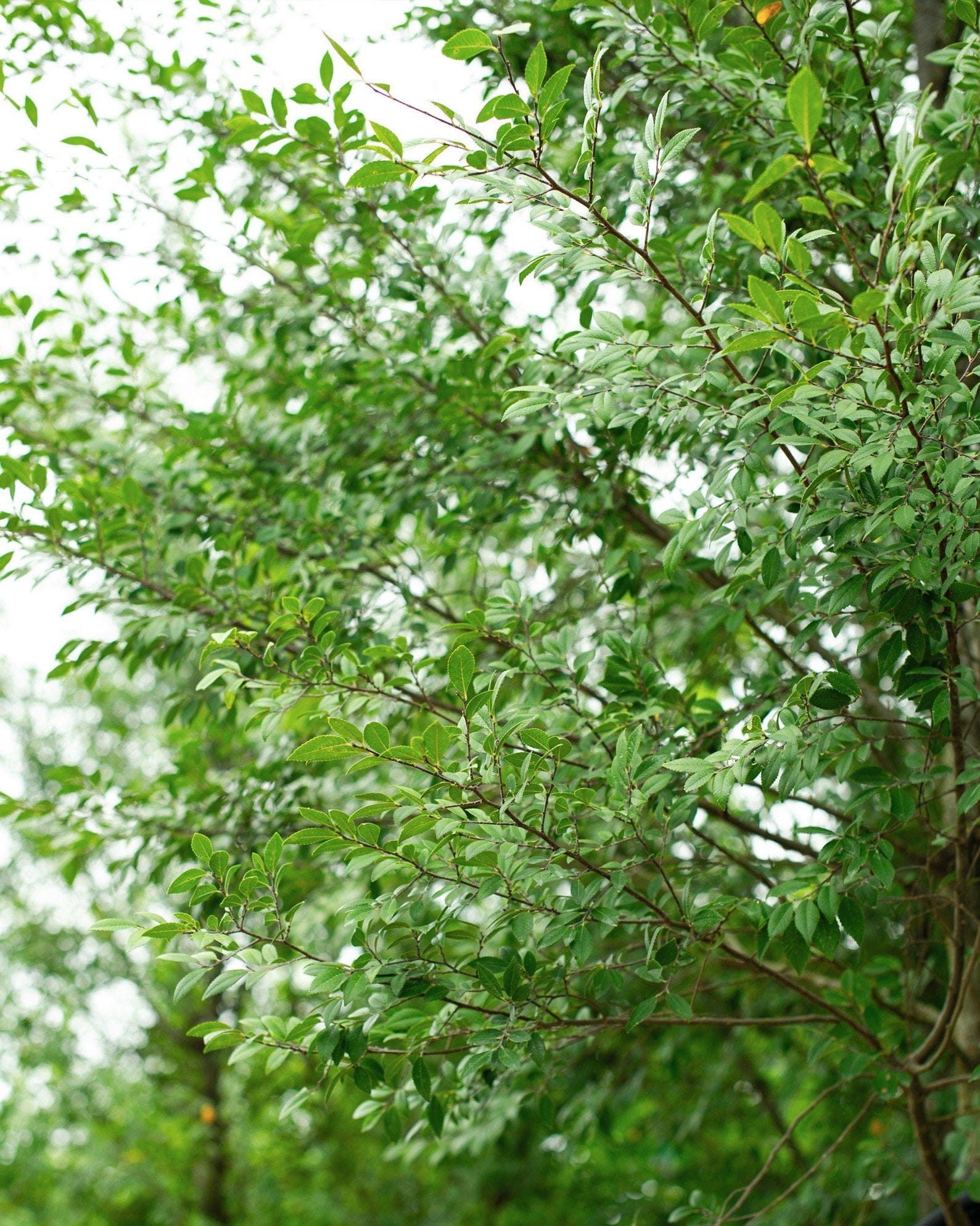
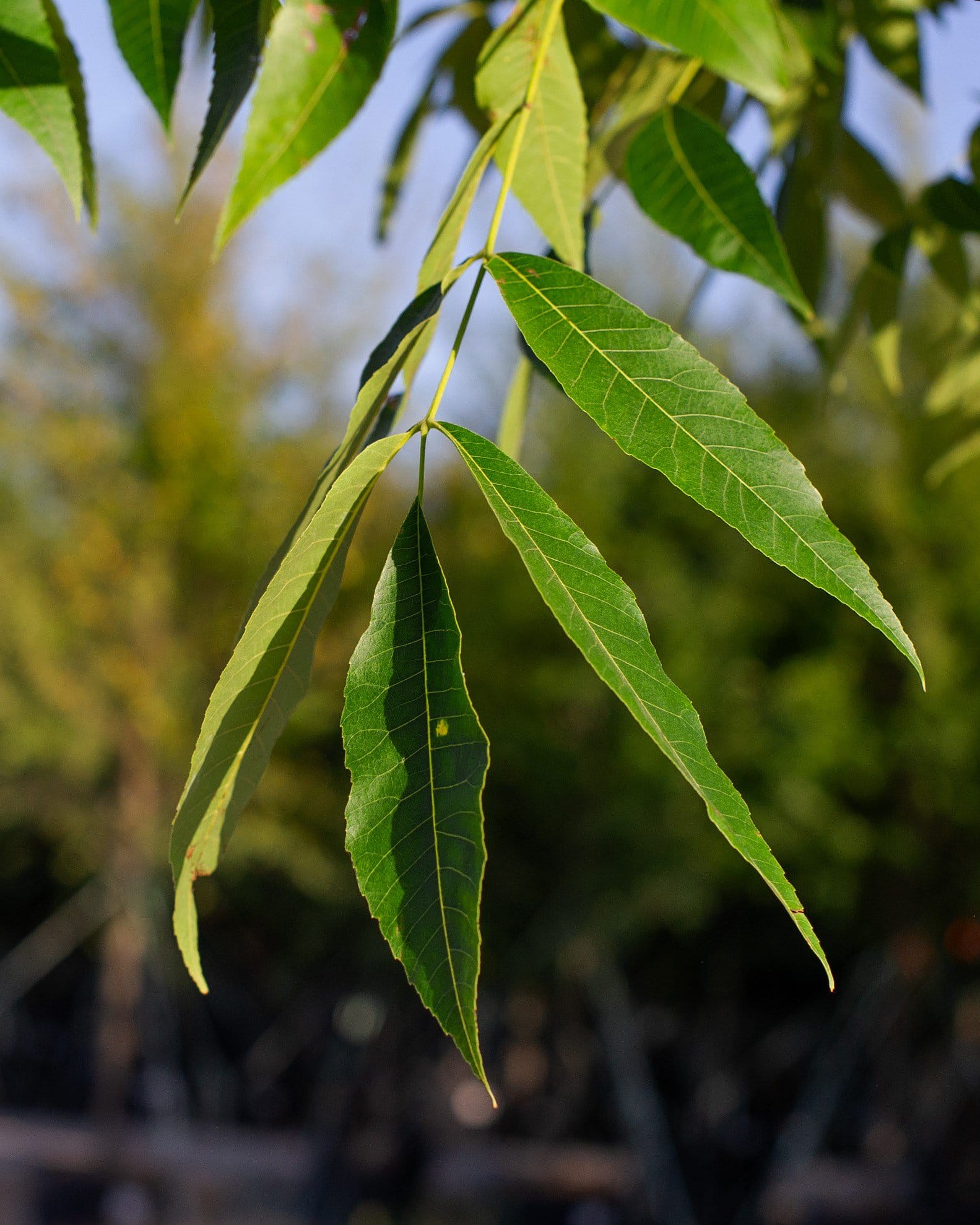
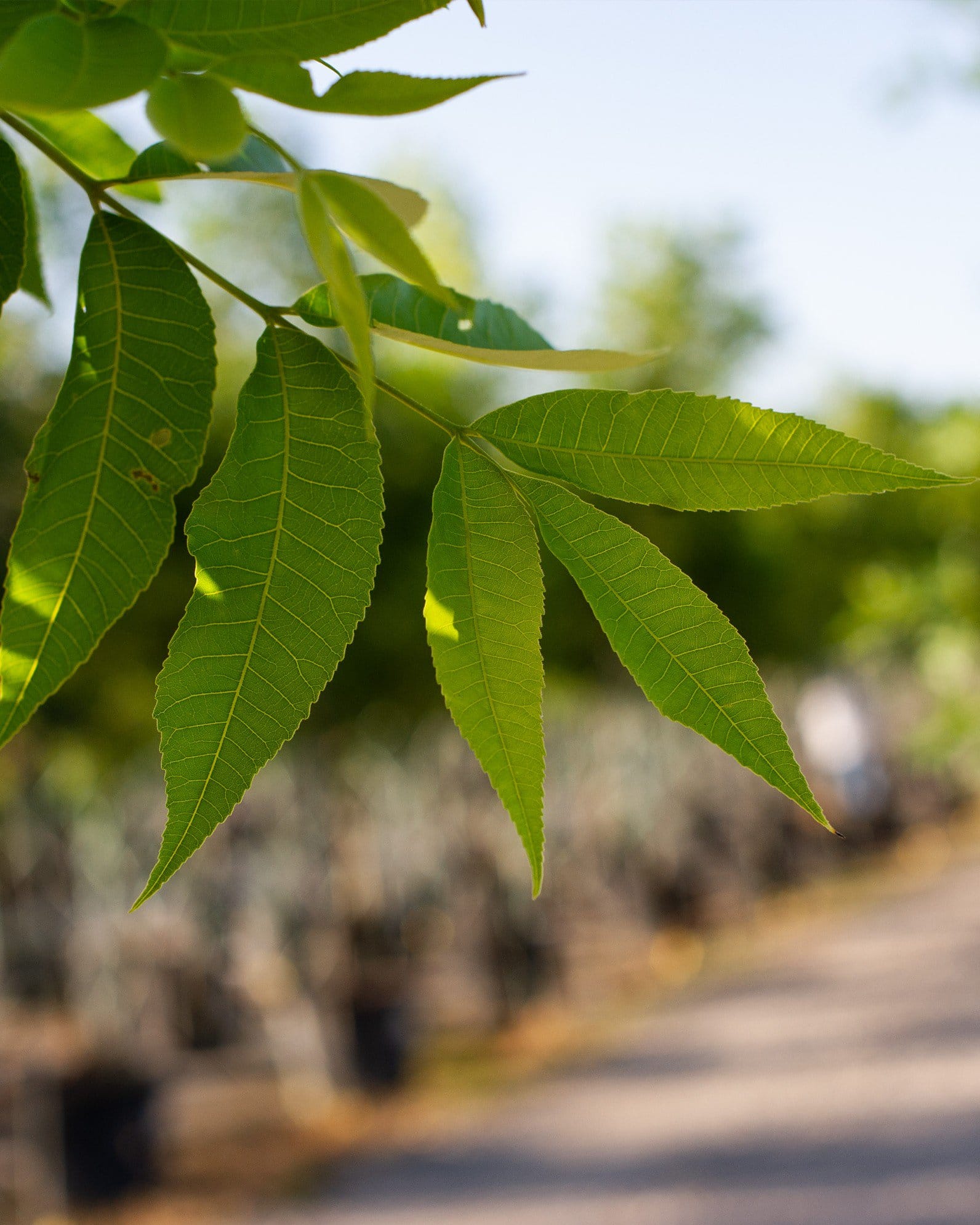
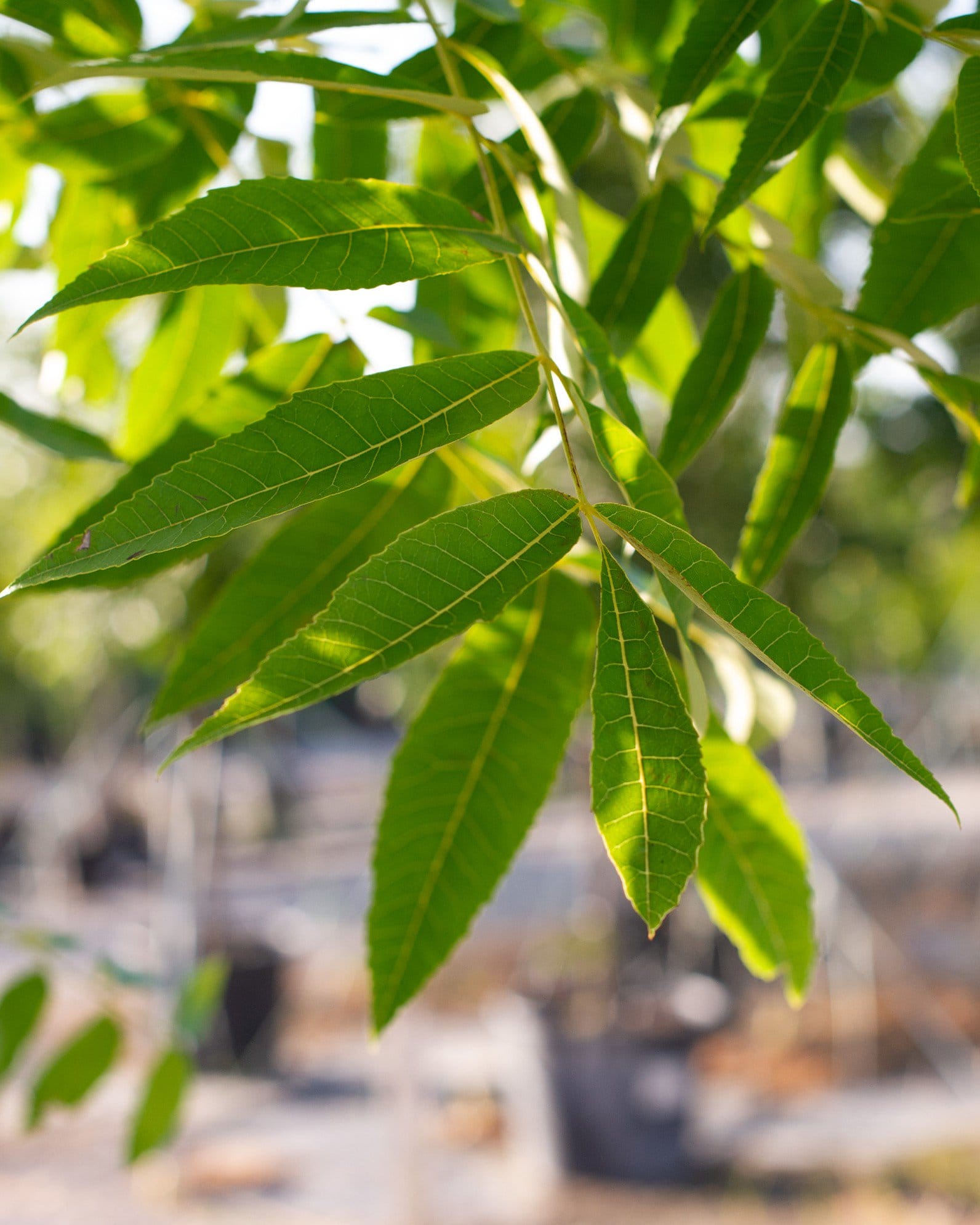
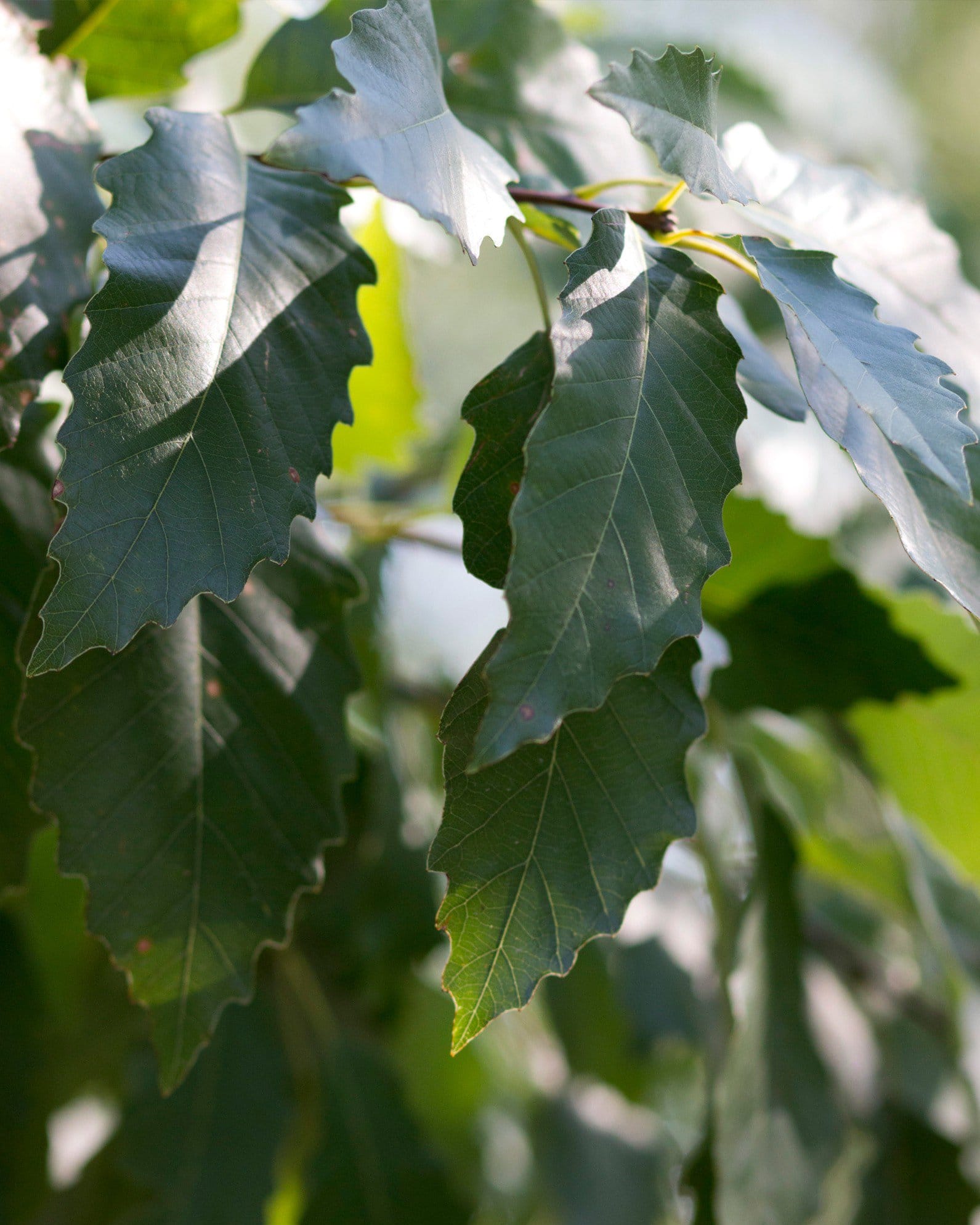
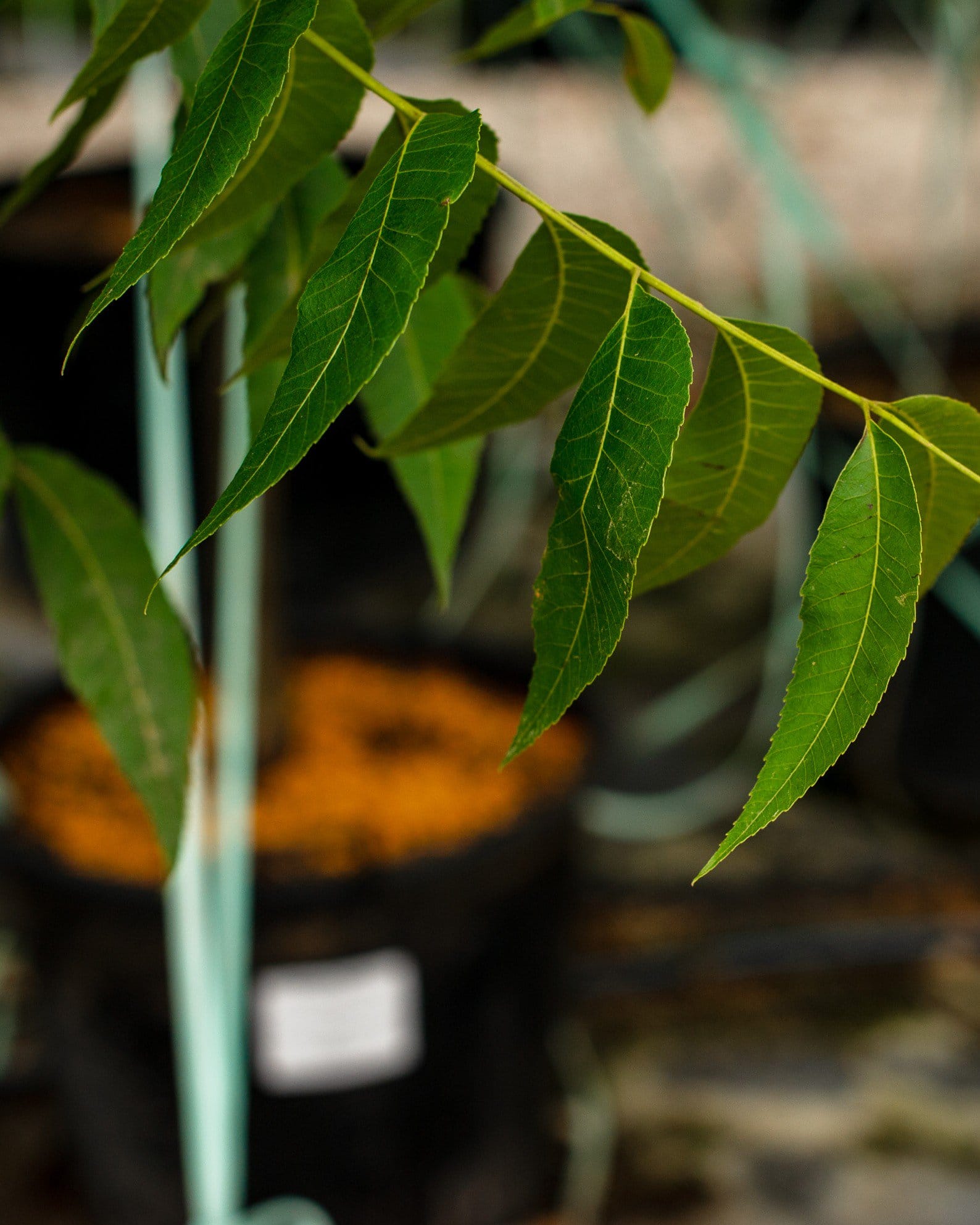
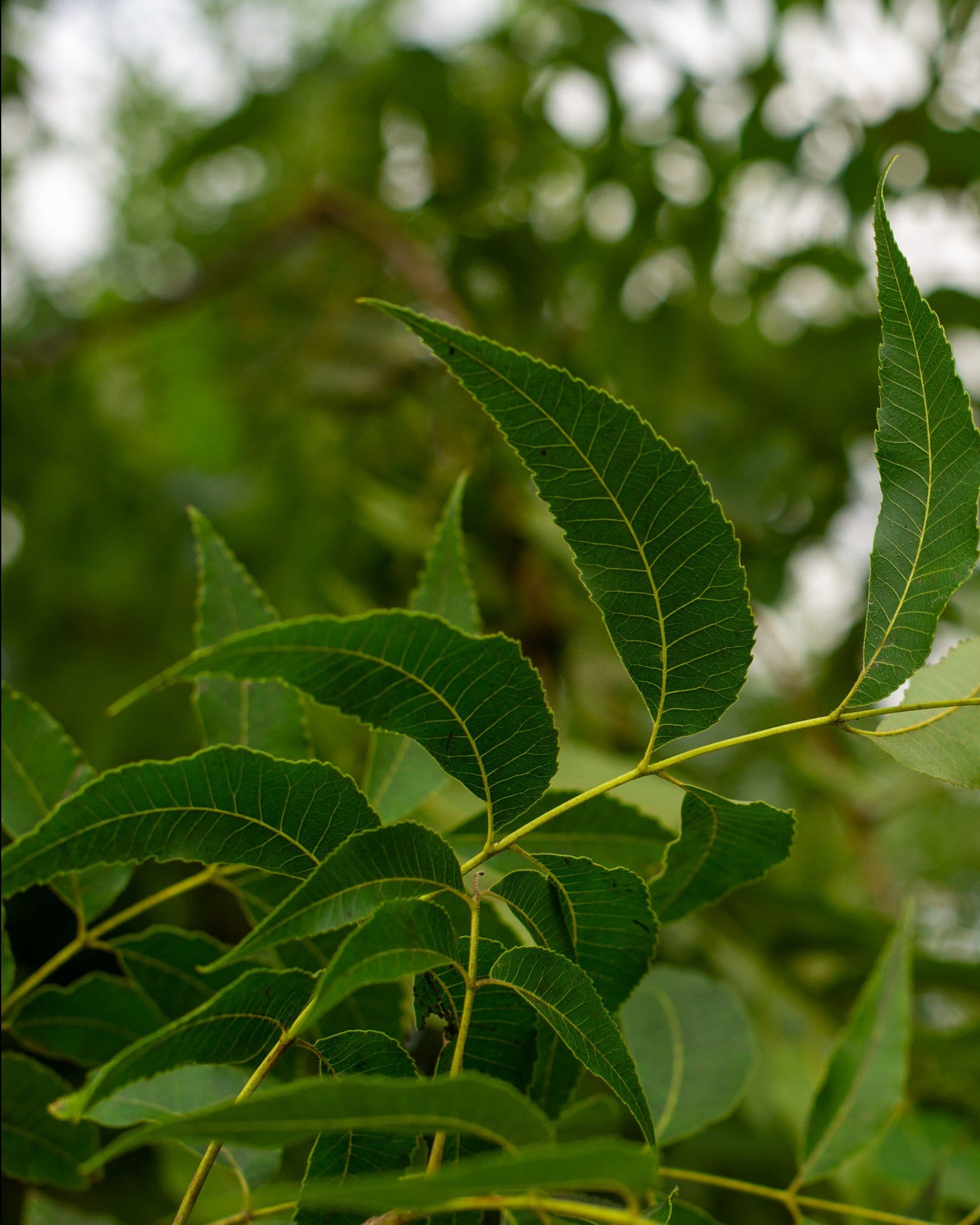
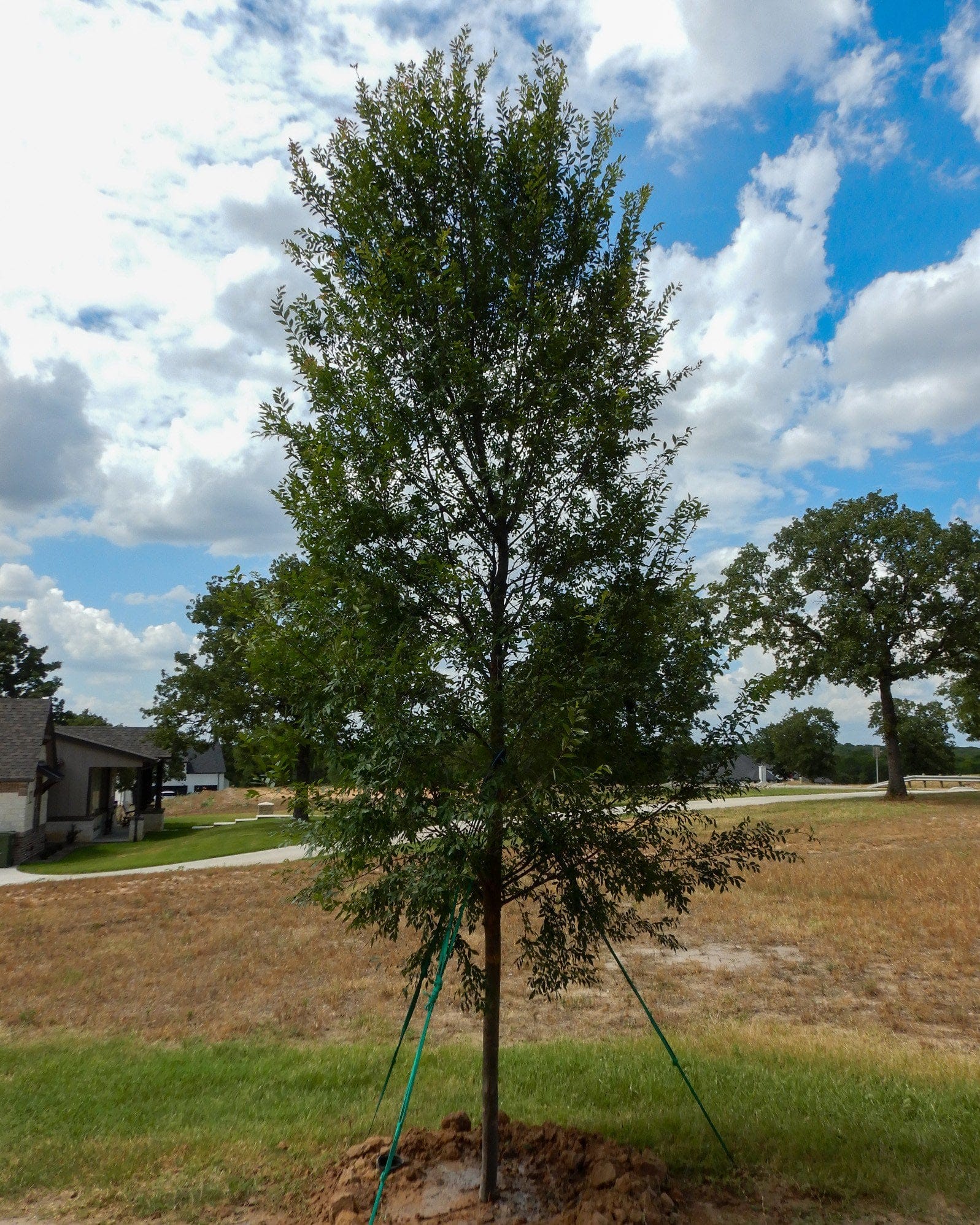
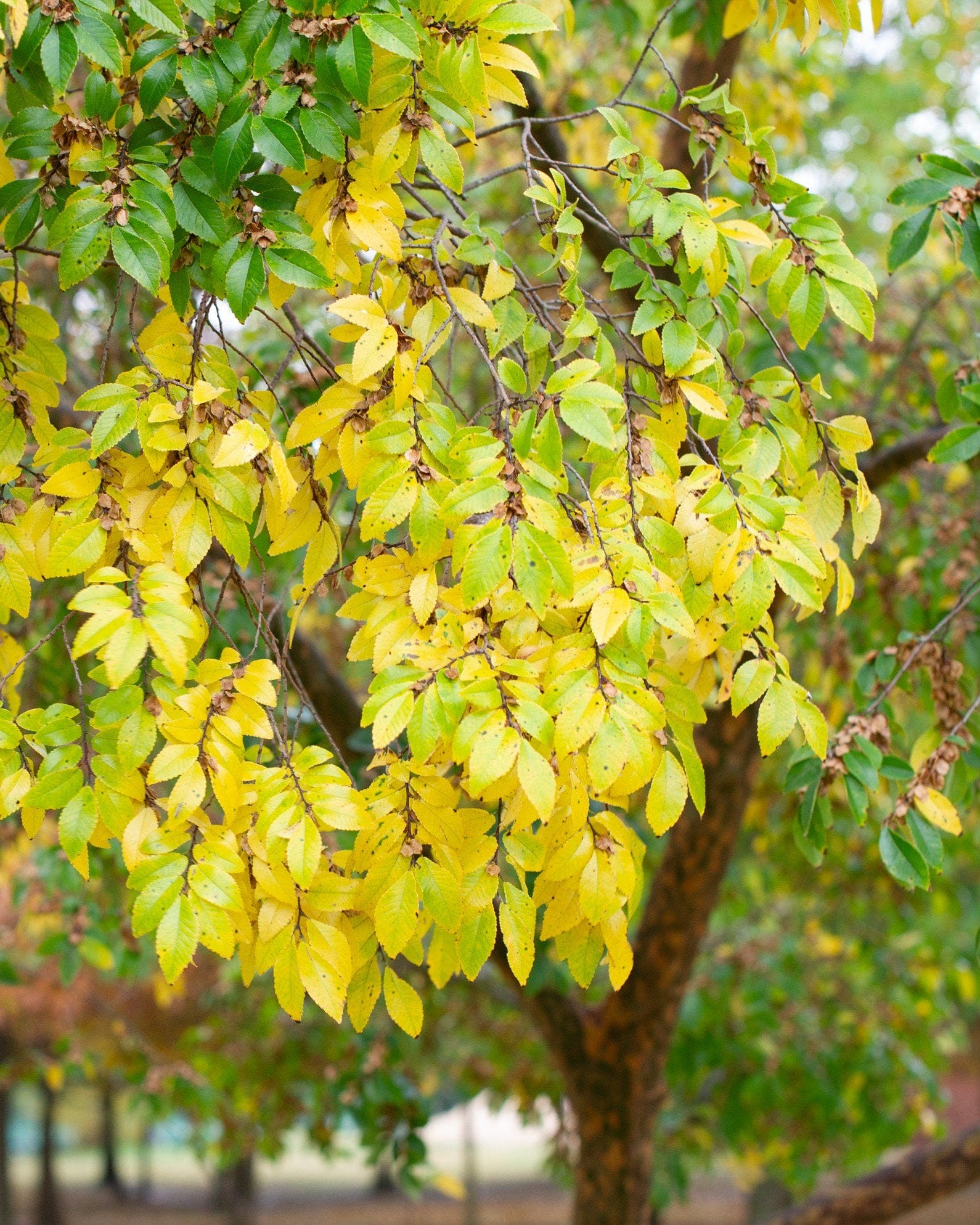
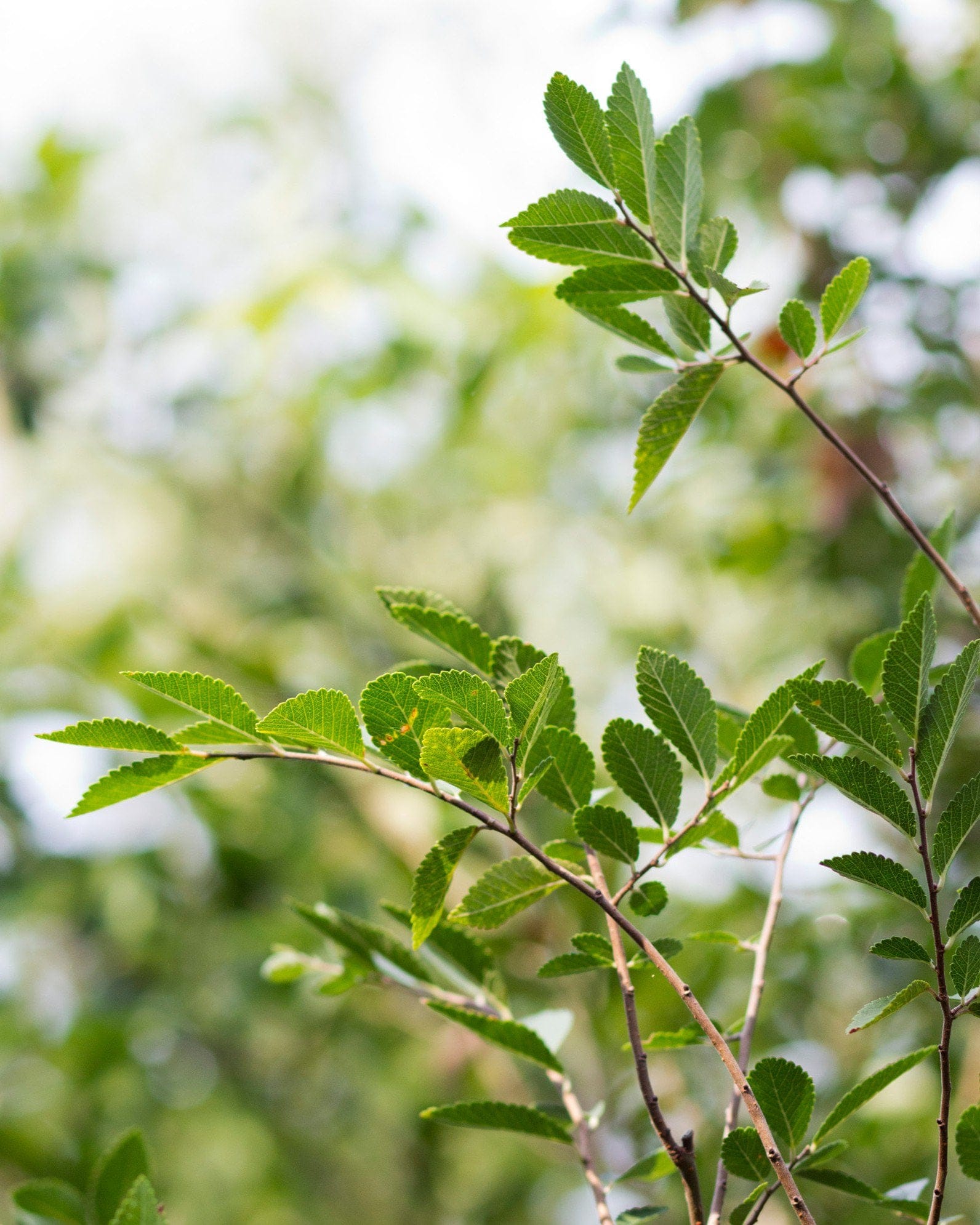
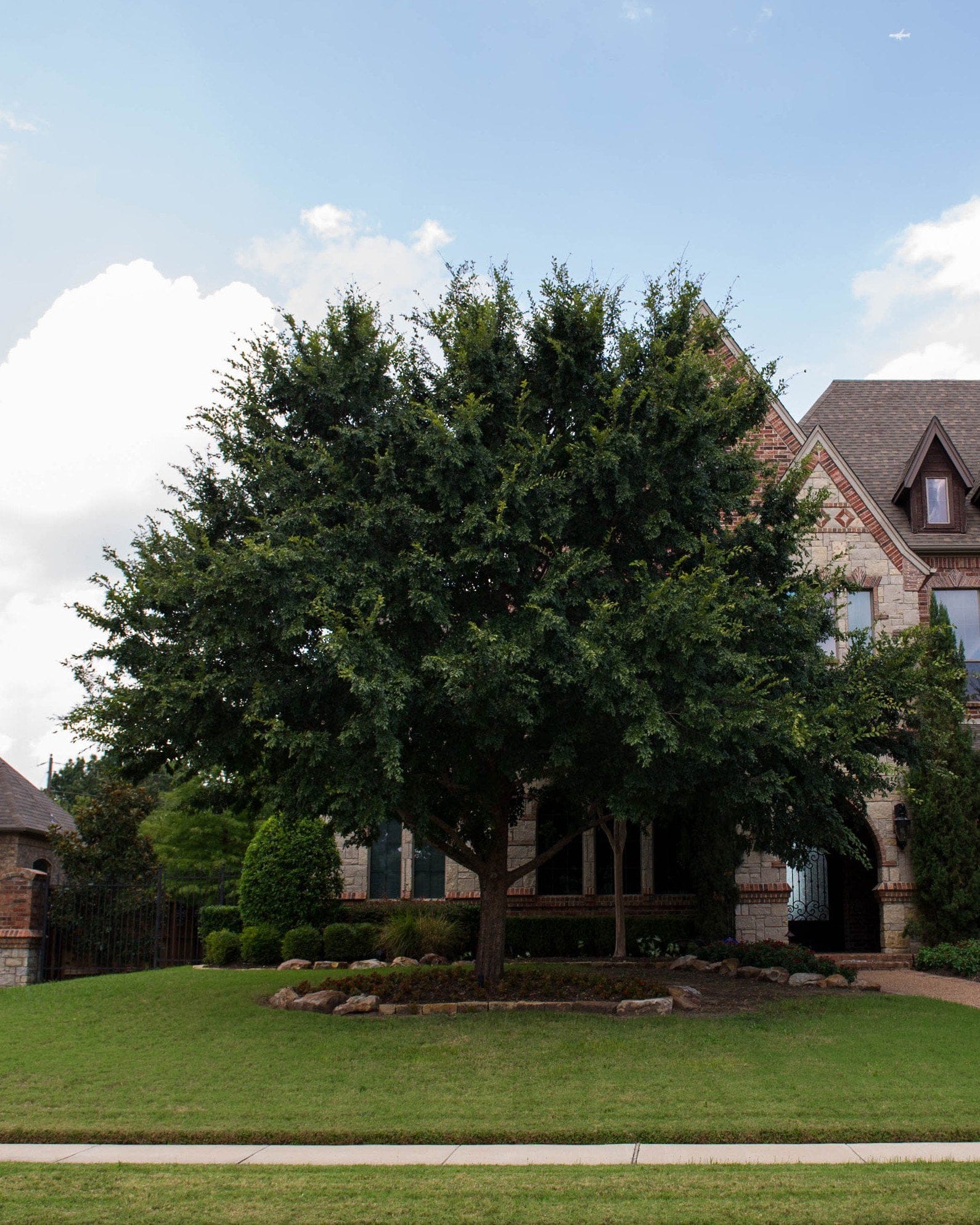
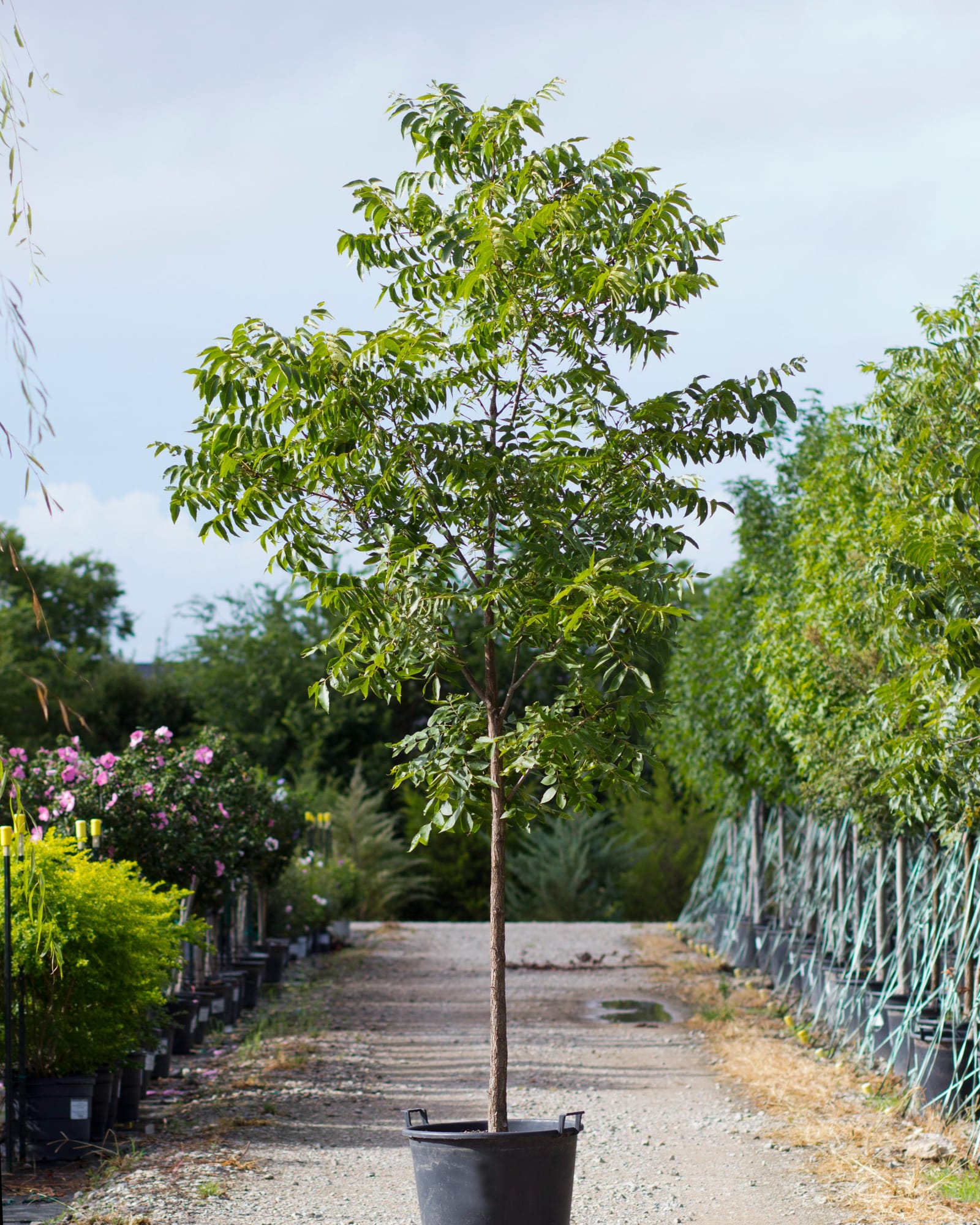
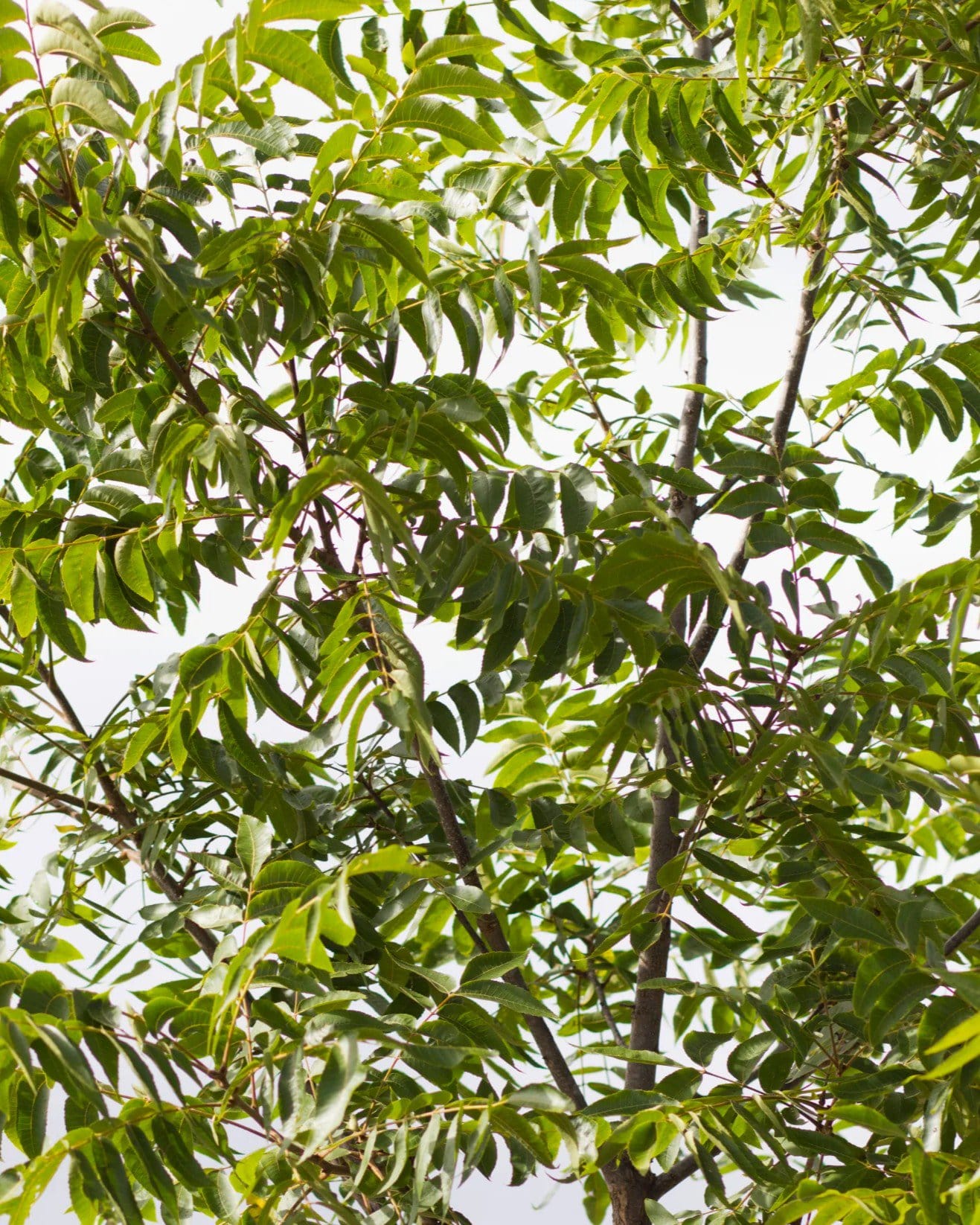
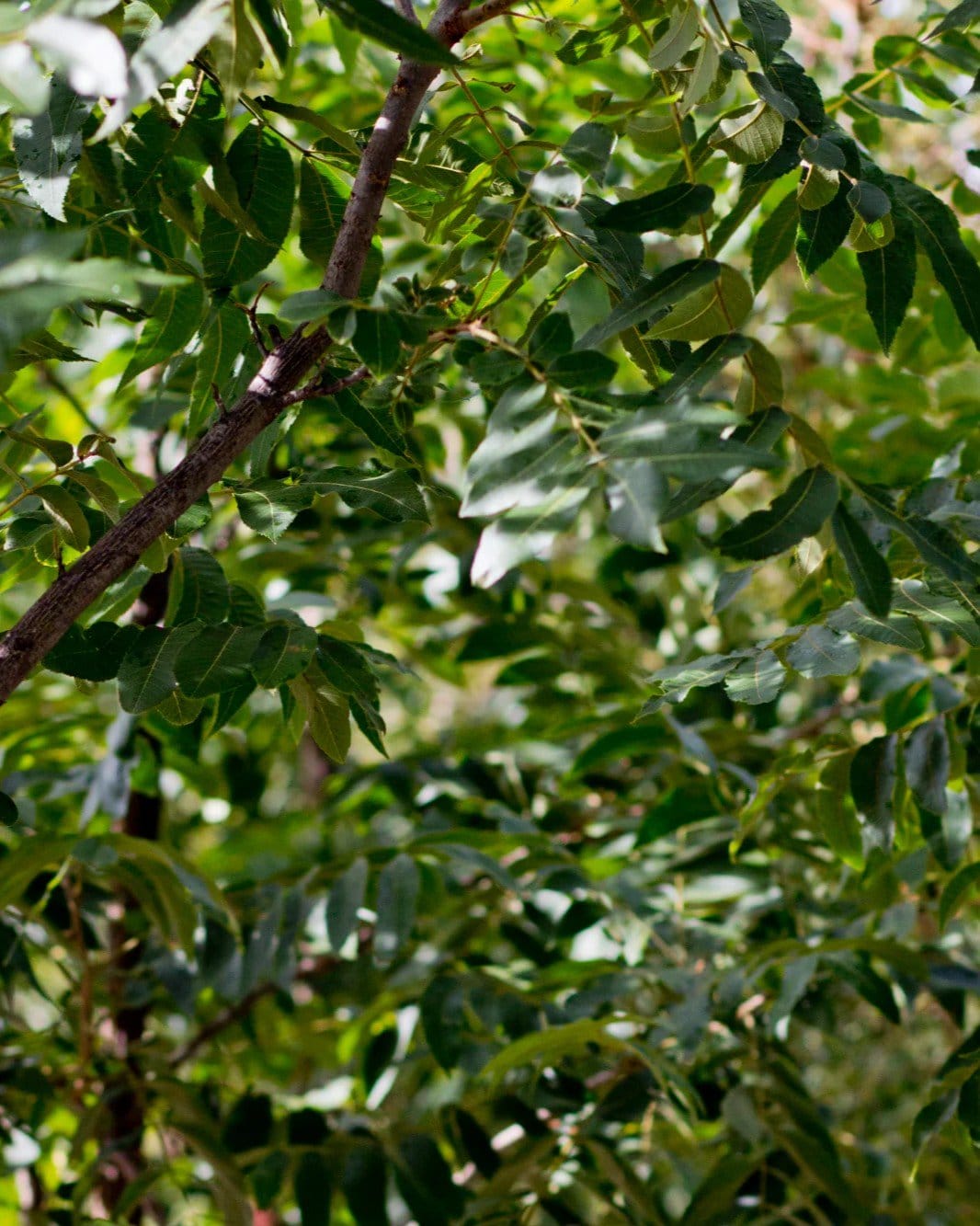
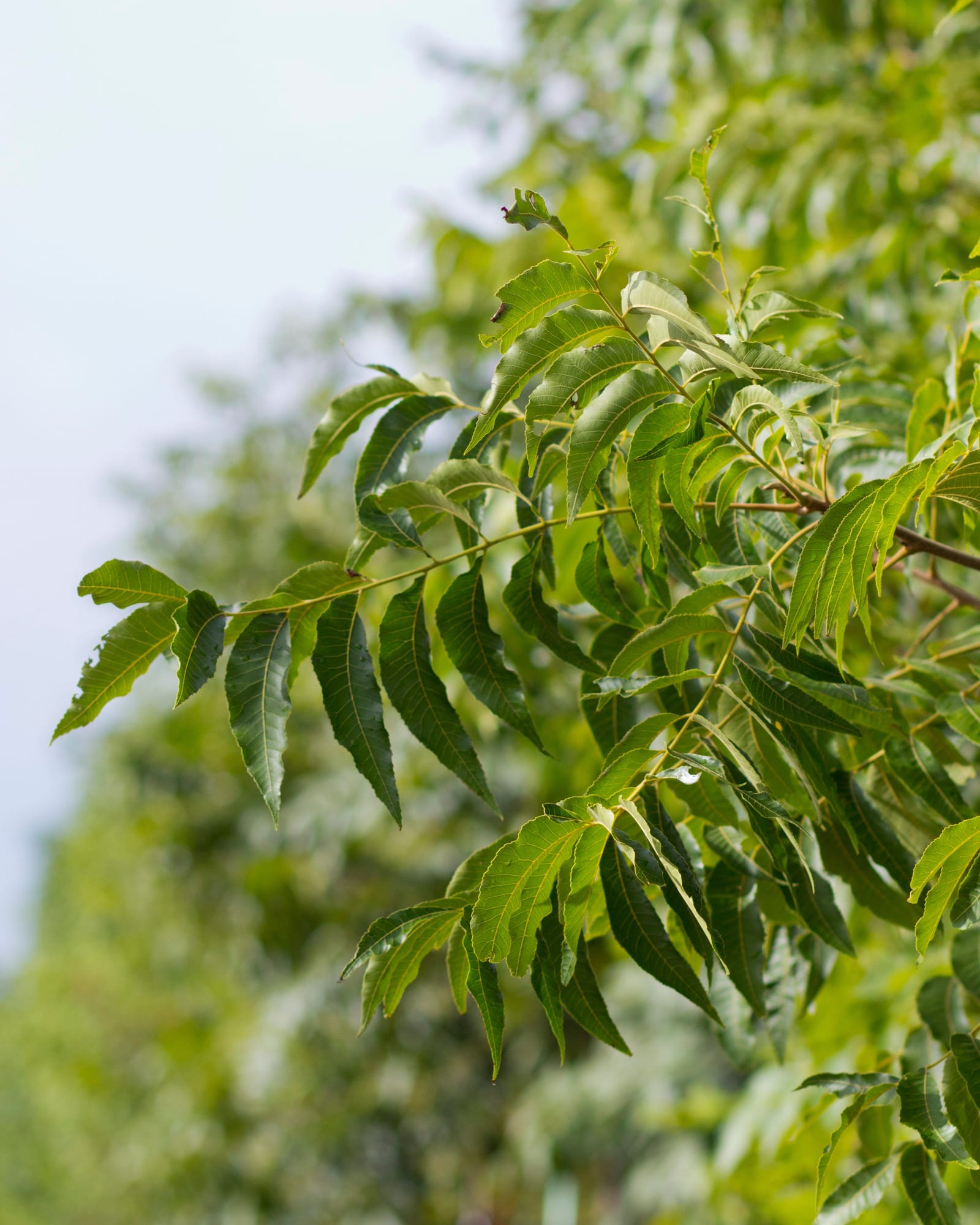
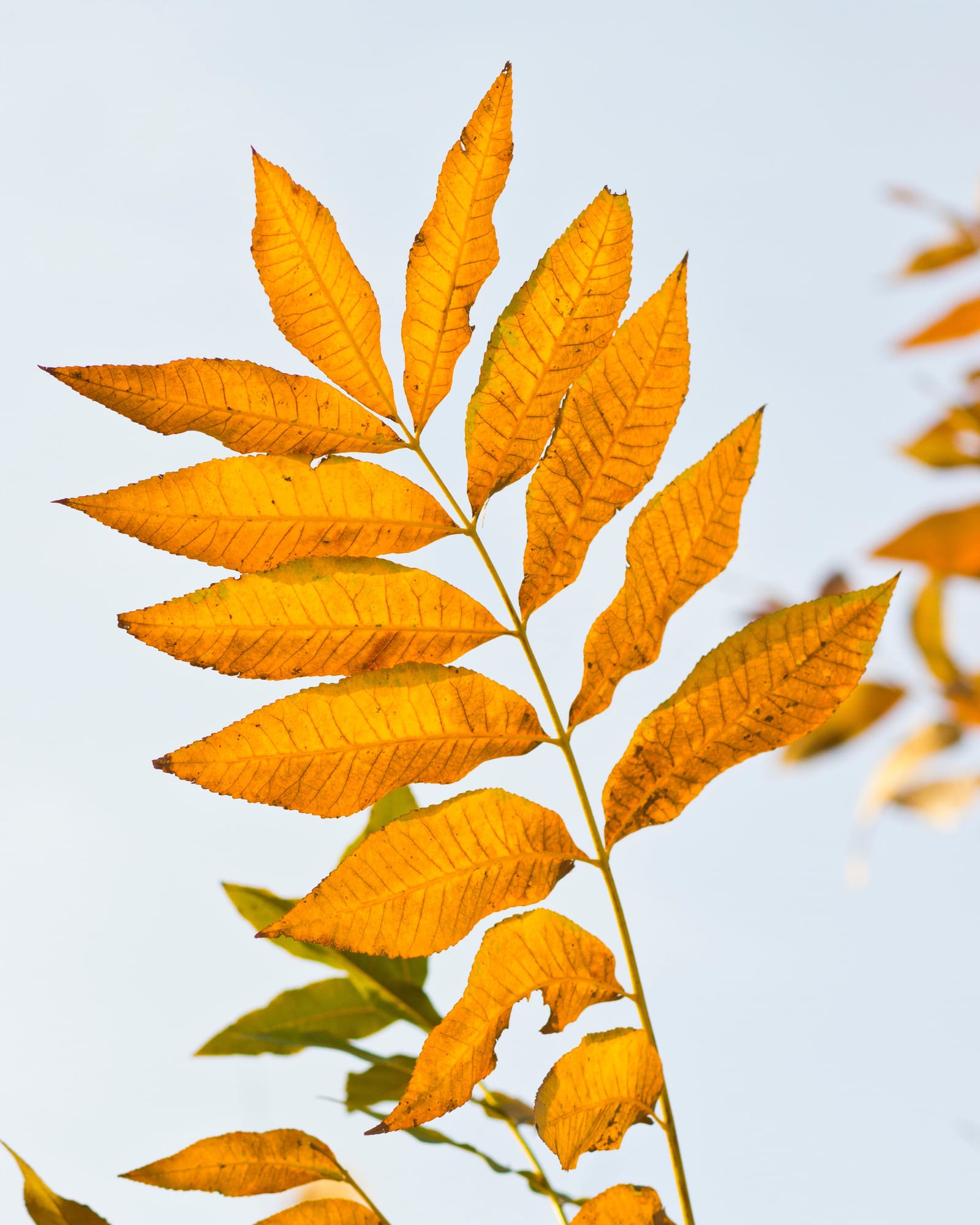
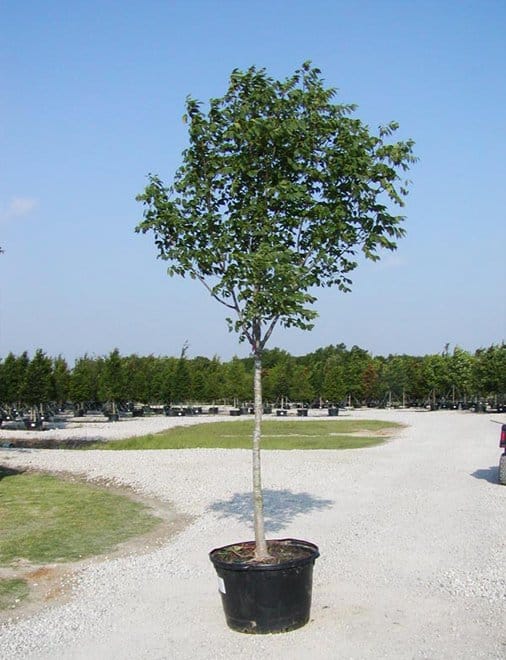
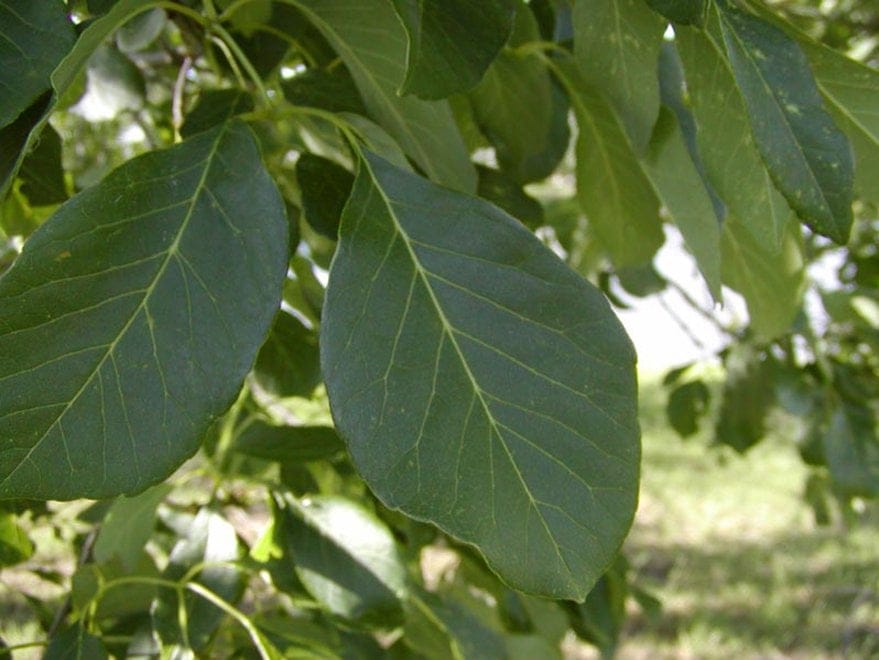
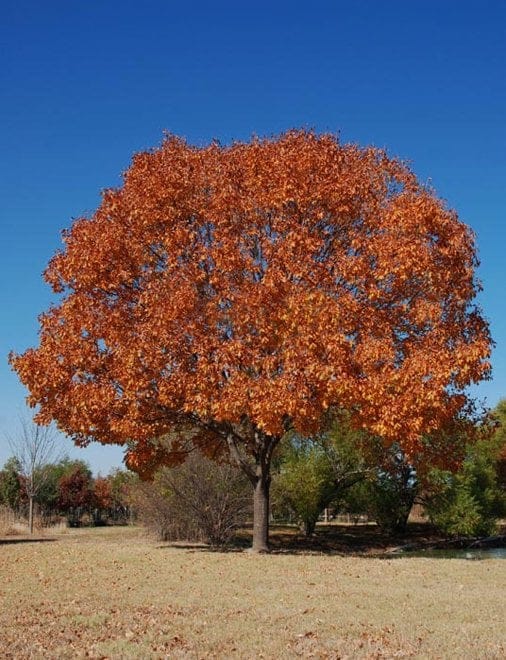
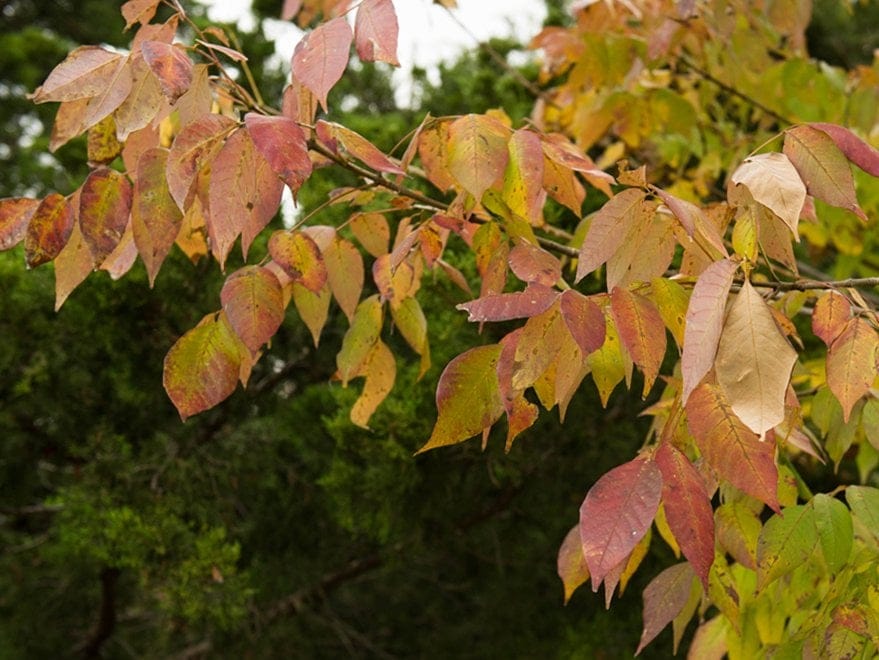
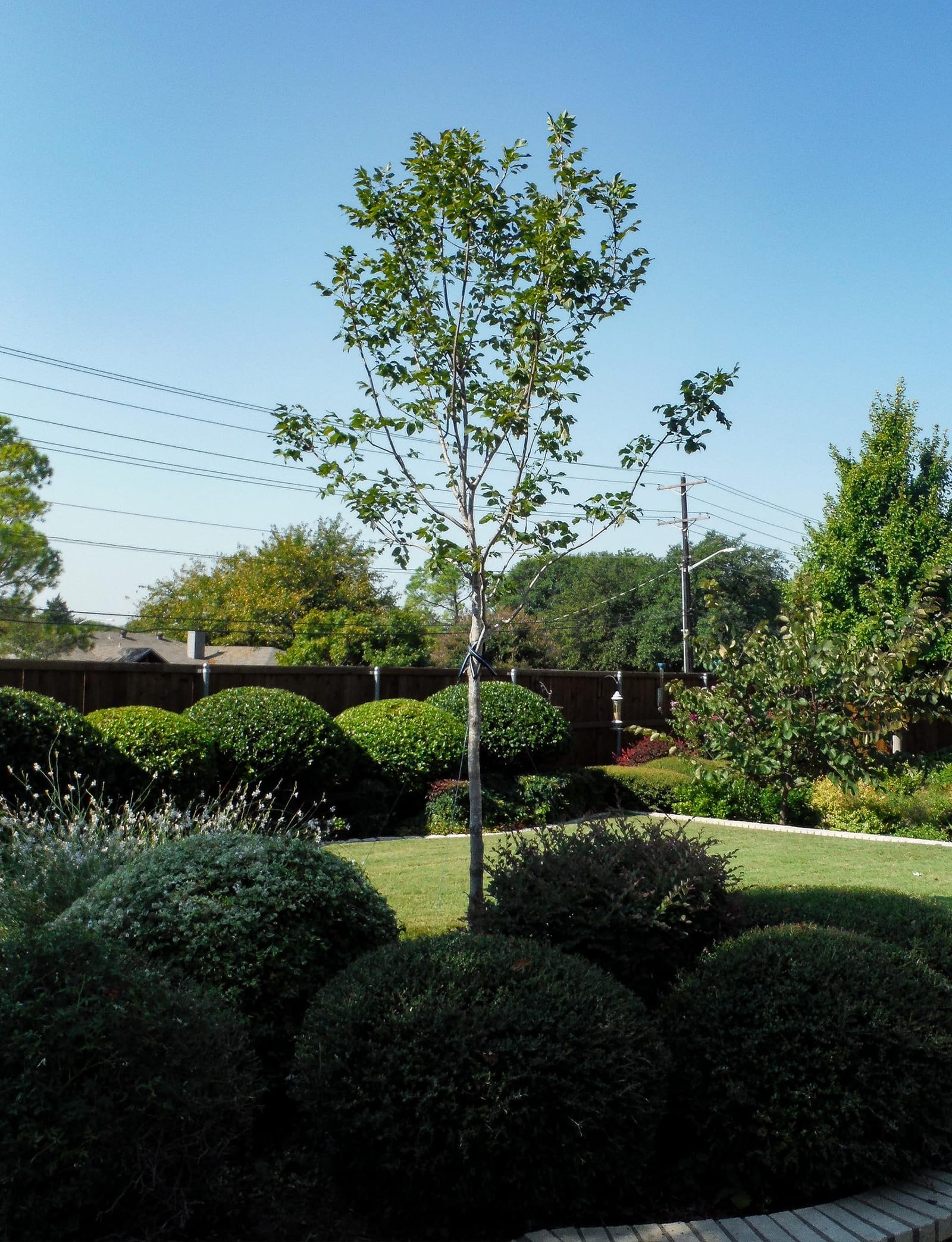
Ulmus crassifolia ‘Everalan’Cedar Elm Pioneer is a Texas native shade tree prized for its toughness, adaptability, and classic good looks. With a mature height of 50 feet and a spread of 40 feet, it forms a dense, rounded canopy that provides excellent shade. Its glossy, dark green leaves turn golden yellow in the fall, bringing seasonal interest to the landscape. With its fast growth rate and durability, it’s often chosen for streetscapes, parks, and large yards where dependable shade is essential.
- Deciduous tree
- Fast growth rate with a broad, rounded canopy and glossy green leaves
- Golden-yellow fall foliage
- Extremely tolerant of heat, drought, and urban soils
- Excellent shade tree for large spaces
Plant Cedar Elm Pioneer in full sun with well-drained soil. Highly adaptable, Cedar Elm tolerates drought, poor soils, pollution, and urban conditions, making it a reliable performer in both residential and commercial settings. Hardy in USDA zones 6 through 9, it’s a strong, dependable shade tree for Texas landscapes.
Cedar Elm Pioneer is exceptionally low-maintenance once established, thriving on minimal care. Here’s all it needs:
- Watering: Provide deep, consistent watering during the first 2-3 years to help establish a wide, resilient root system. Once mature, ‘Pioneer’ becomes highly drought-tolerant and generally needs supplemental water only during extended dry periods.
- Pruning: Prune in late winter to remove crossing, damaged, or poorly angled branches. Young trees benefit from structural pruning to develop strong, well-spaced limbs that support the tree’s broad, rounded crown.
- Fertilizing: ‘Pioneer’ thrives in a variety of soils and usually requires little fertilizer once established. If growth slows or foliage becomes pale, apply a light, slow-release, balanced fertilizer in early spring to encourage healthy canopy development.
- Mulching: Apply a 2-3 inch mulch ring around the base to conserve moisture, suppress weeds, and moderate soil temperatures. Extend the mulch area outward as the tree grows to protect feeder roots, always keeping mulch several inches away from the trunk to prevent bark damage.
- Winter Care: This cultivar is highly cold-hardy and requires no special winter protection. Young trees may experience minor twig tip dieback during severe winters but recover quickly in spring.
While Cedar Elm ‘Pioneer’ is notably tough, a few manageable issues can appear in stressful or overly wet seasons:
- Elm Leaf Beetle: Leaves develop tiny shot holes and may yellow prematurely. Remove fallen leaves and consider horticultural oil or targeted treatments in severe infestations.
- Aphids: Sticky honeydew and curled foliage indicate sap-feeding insects. Rinse foliage with water or use insecticidal soap to control populations.
- Powdery Mildew: A white, powdery coating appears on leaves during hot, humid weather. Improve airflow and avoid overhead watering to reduce fungal pressure.
- Leaf Spot: Brown or black lesions form on leaves during wet periods. Remove fallen leaves and improve tree vigor to minimize recurrence.
- Twig Dieback: Small branch tips brown and dry during drought or after winter stress. Prune affected tips and ensure deep watering during prolonged dry spells.
These trees commonly live 50-80 years, retaining strength and reliability throughout their lifespan. Their long-term resilience makes them excellent centerpiece shade trees for large landscapes.
It grows at a moderate to fast rate of 18-24 inches per year and typically forms a full, rounded canopy within 10-15 years. This balanced growth rate ensures both beauty and long-term structural stability.
Mature foliage is generally less appealing to deer, though young trees may experience occasional browsing. Simple early protection helps ensure trouble-free establishment.
It is not well-suited for container growth due to its eventual size and root spread. Planting in the ground allows it to develop properly and thrive long-term.
Exceptionally well - it is one of the most heat- and drought-tolerant shade trees used across the southern United States. Deep, occasional watering during extreme drought helps maintain vigor.
It cannot be divided, as it grows from a single woody trunk. New trees must be purchased or propagated through nursery production.
Yes - its uniform structure, strong limbs, and tolerance for tough conditions make it excellent for streetscapes, parks, ranch roads, and large-scale groupings.
Companions like Pigeonberry, Mistflower, Inland Sea Oats, Autumn Sage, and native grasses complement its tall form and filtered shade. These combinations create layered, wildlife-friendly plantings.
Very much so - it tolerates pollution, compacted soils, drought, and reflected heat better than many large shade trees. Its durable nature makes it ideal for challenging city and commercial settings.
Its refined branching, strong canopy structure, and exceptional adaptability set it apart from many other elms. ‘Pioneer’ delivers the shade, beauty, and toughness of native elms with improved uniformity and landscape performance.
Special Features
You might also like
Cedar Elm
Maturity: 50' H x 35' W
Princeton Elm
Maturity: 60' H x 40' W
Allee Elm
Maturity: 60' H x 45' W
Bosque Elm
Maturity: 60' H x 45' W
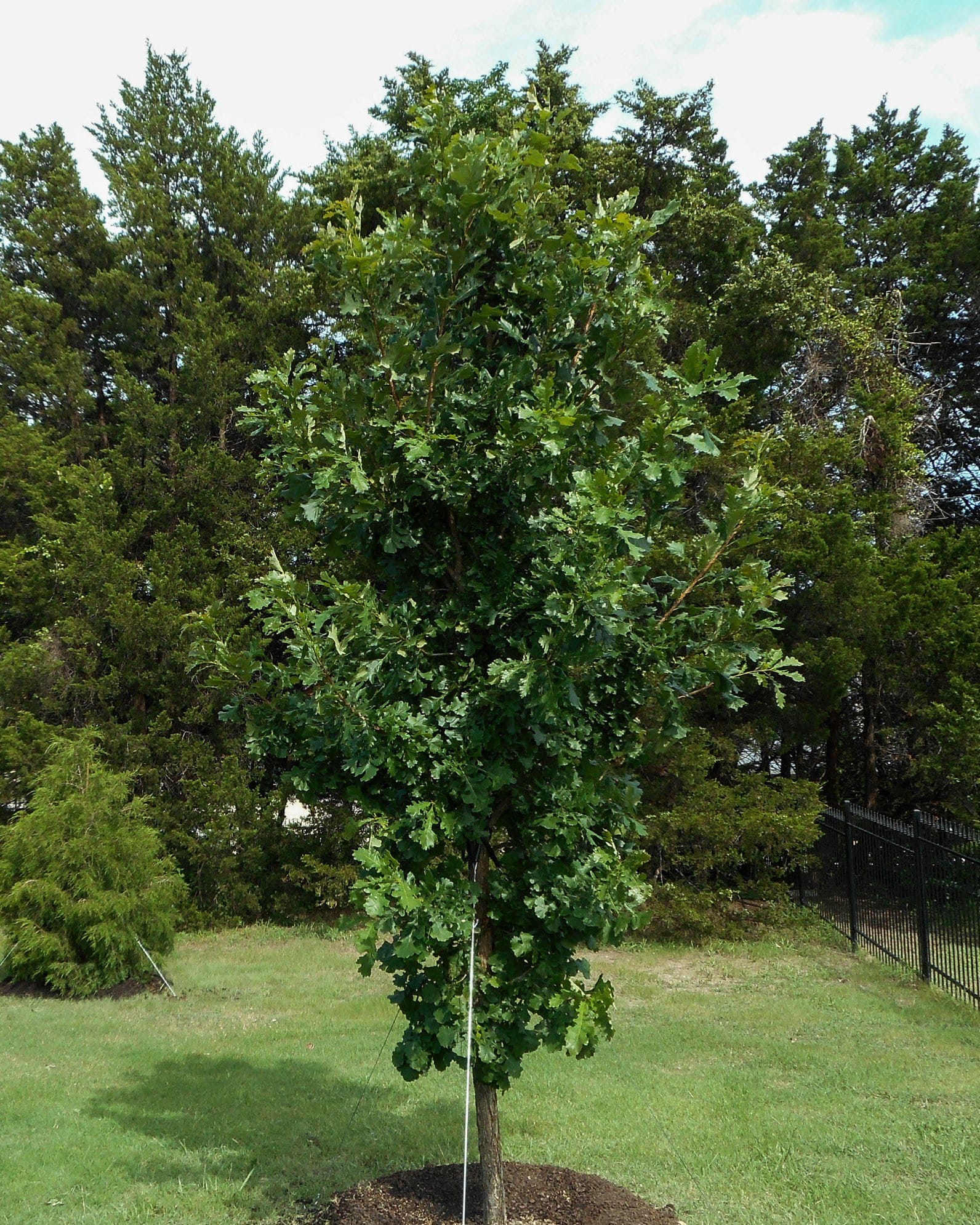
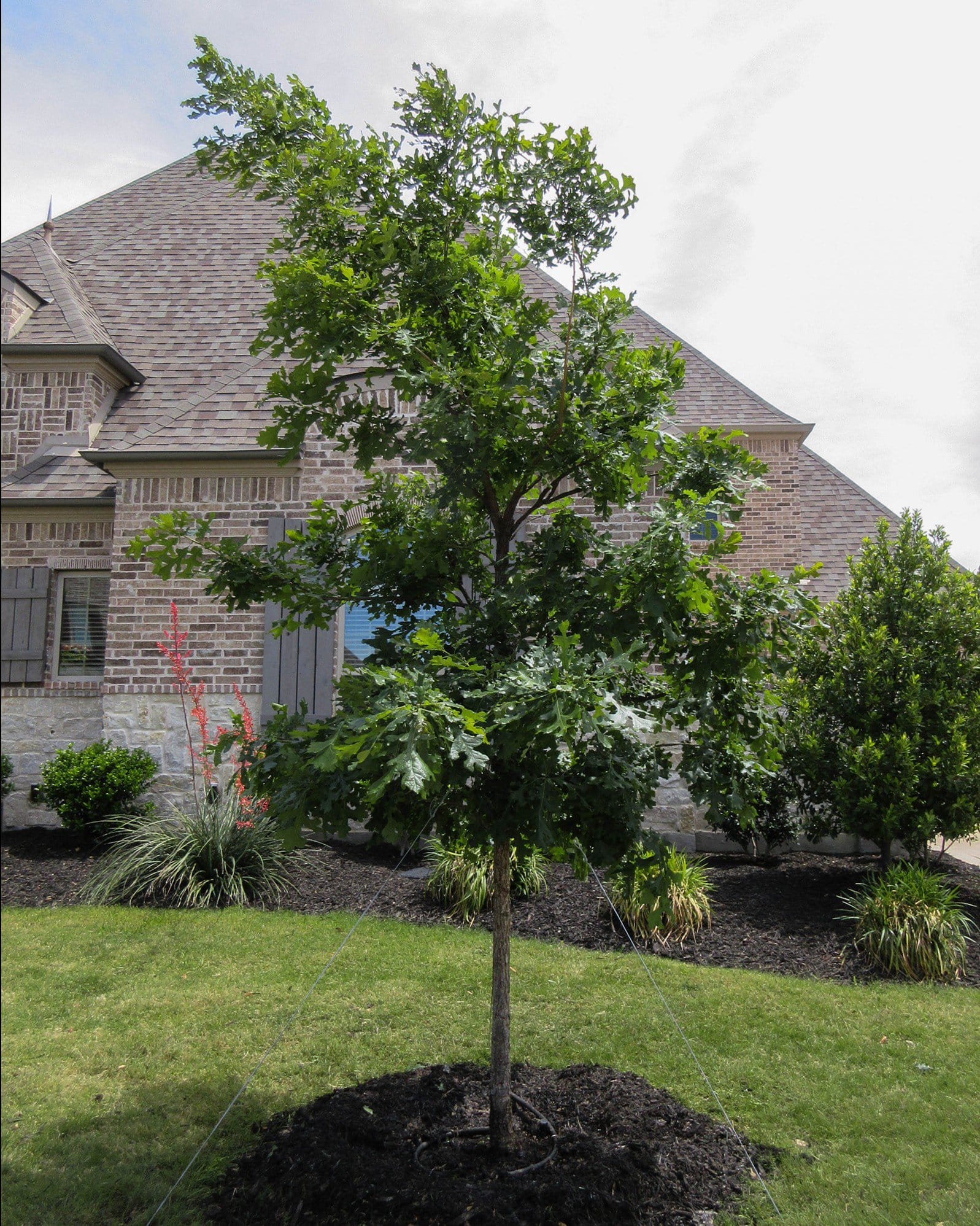
Bur Oak
Maturity: 60' H x 50' W
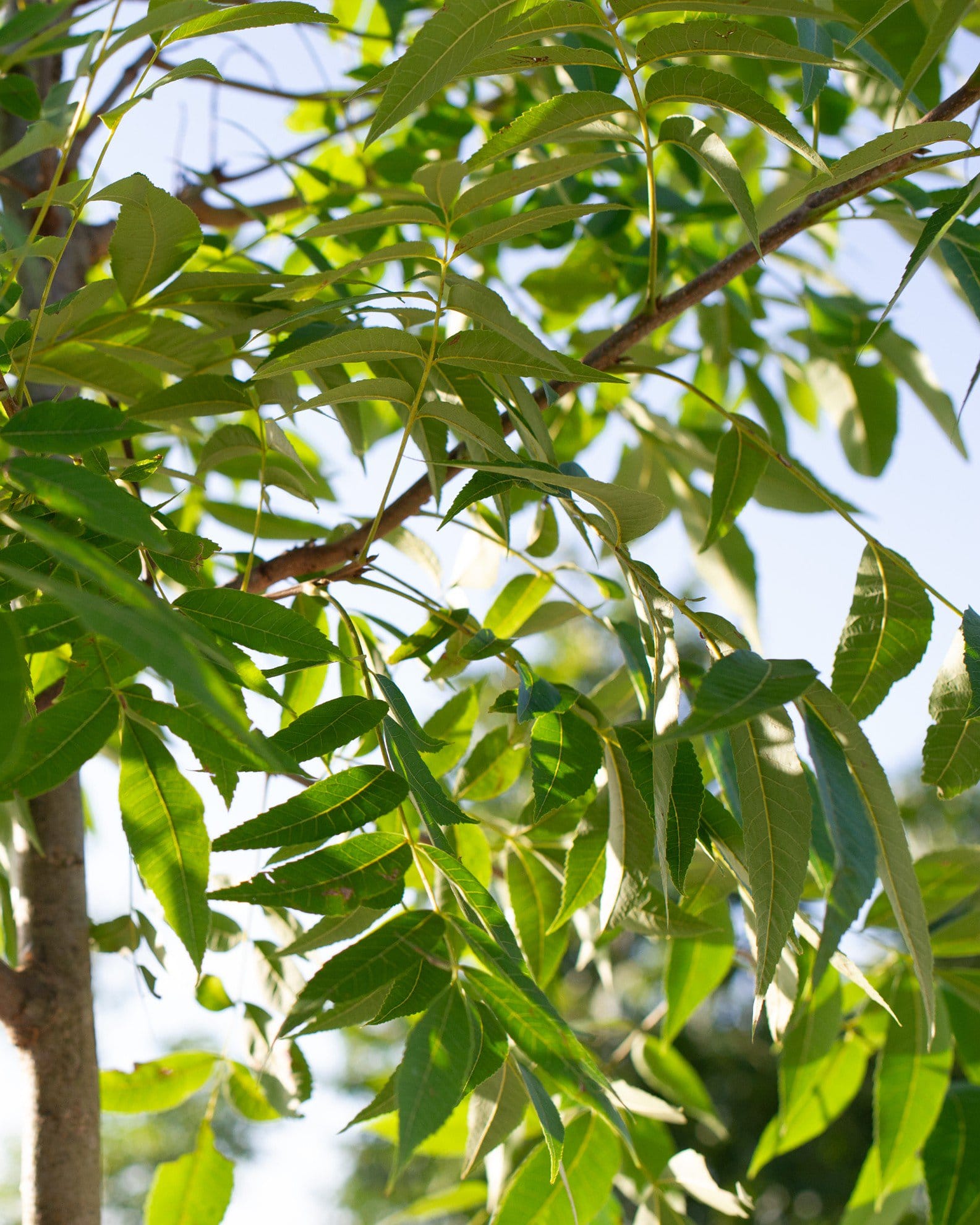
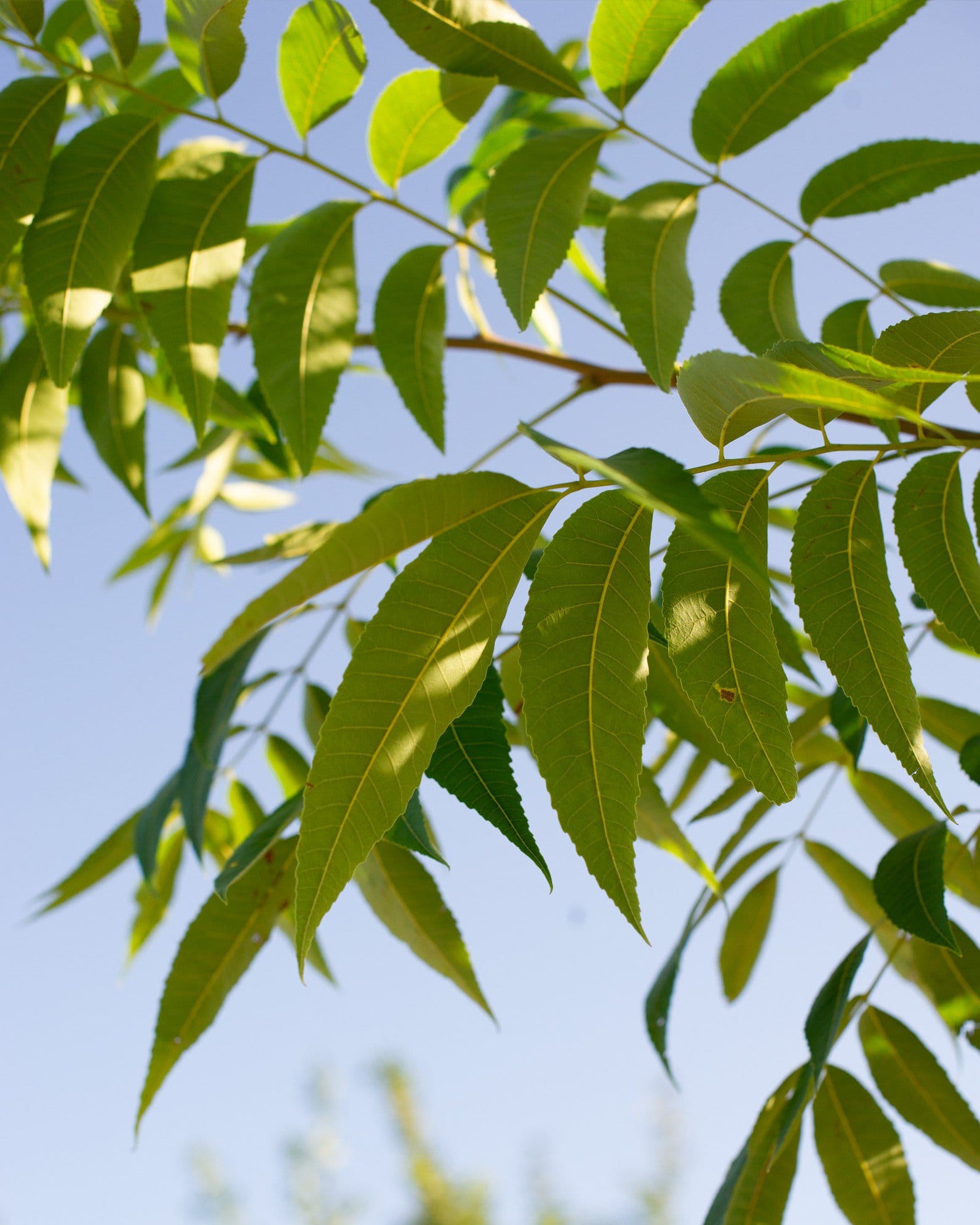
Caddo Pecan
Maturity: 60' H x 40' W
Cherokee Sweet Gum
Maturity: 45' H x 30' W
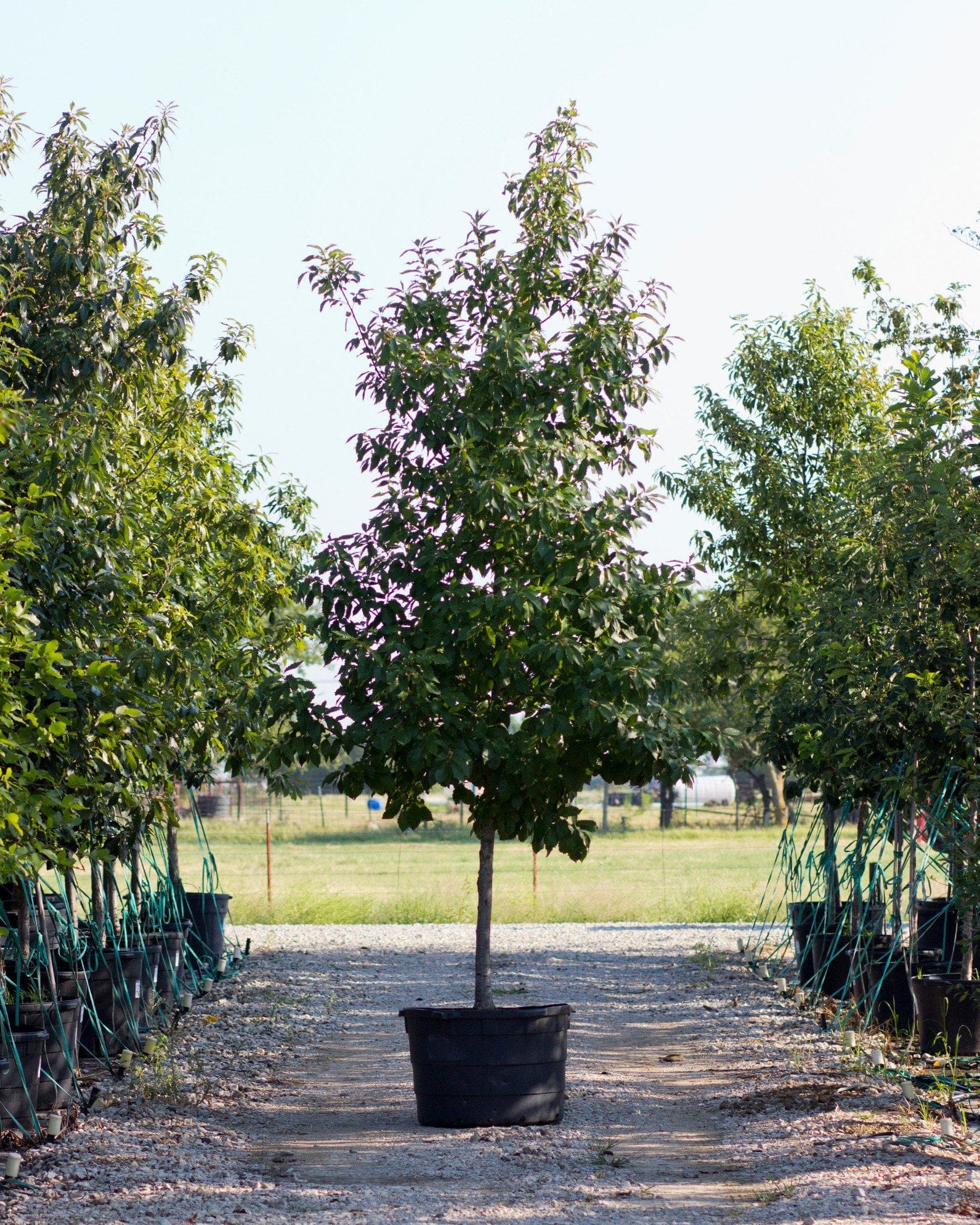
Chinquapin Oak
Maturity: 50' H x 40' W
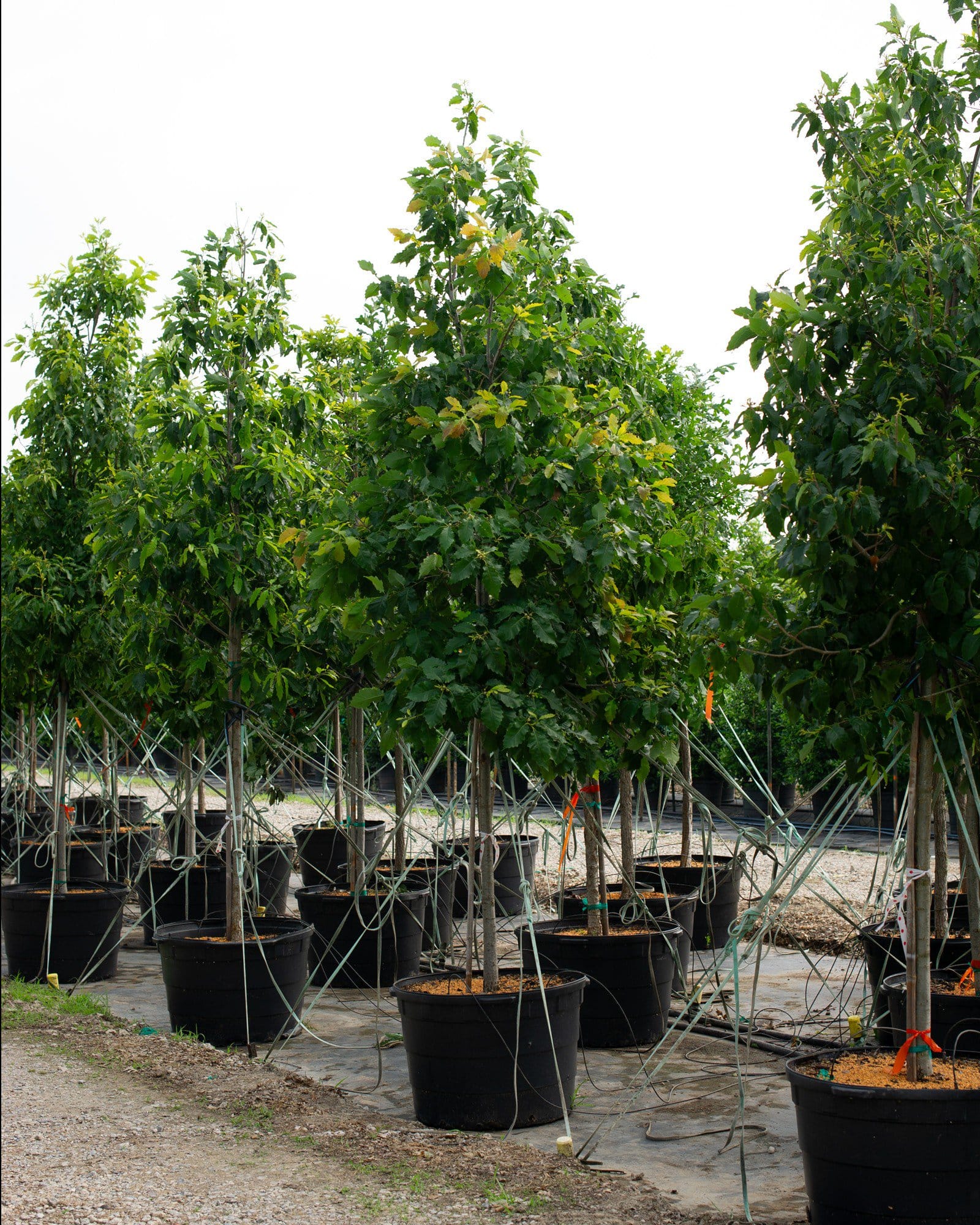
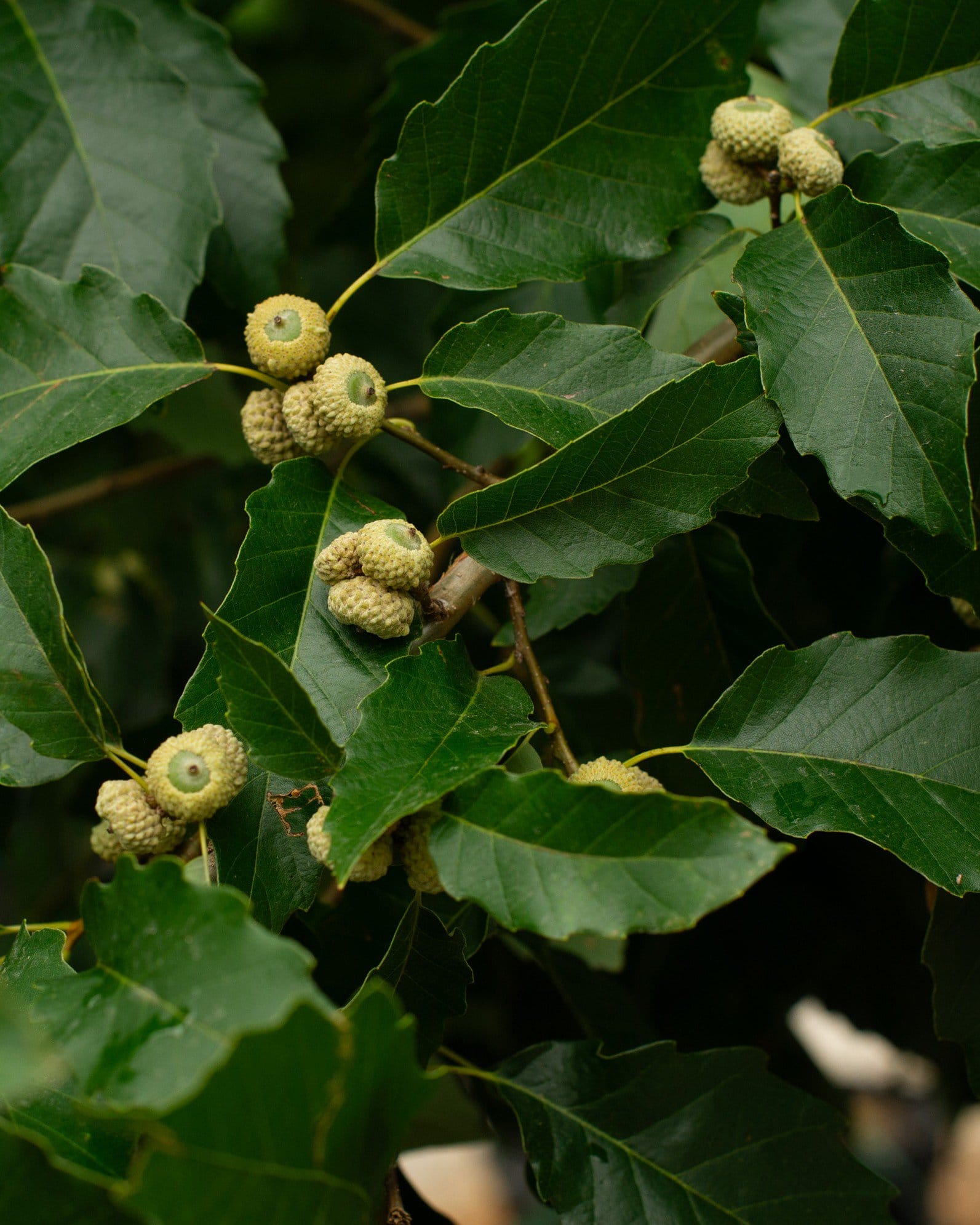
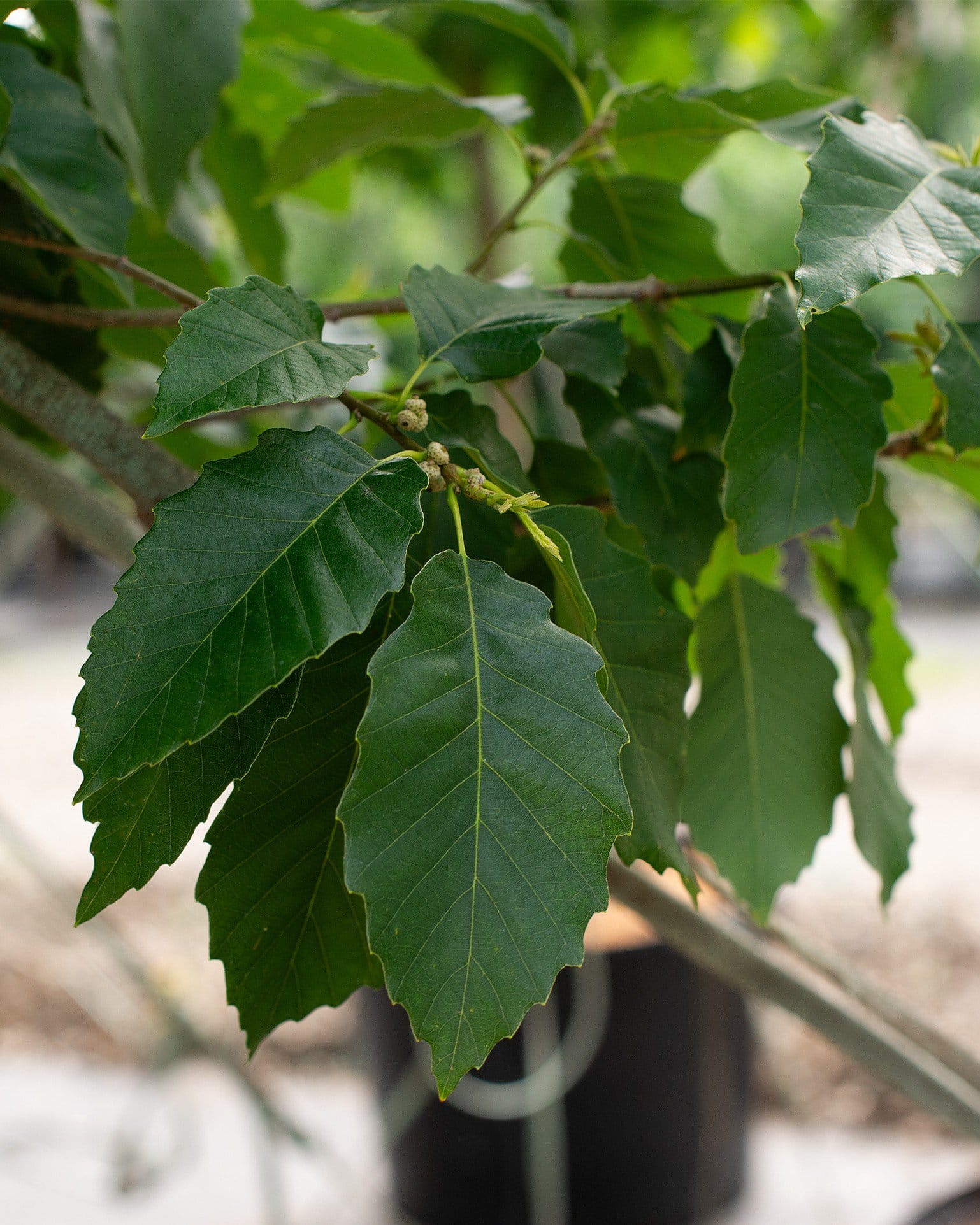
Desirable Pecan
Maturity: 60' H x 40' W
Kanza Pecan
Maturity: 60' H x 40' W
Lacebark Elm
Maturity: 45' H x 40' W
Native Pecan
Maturity: 60' H x 40' W
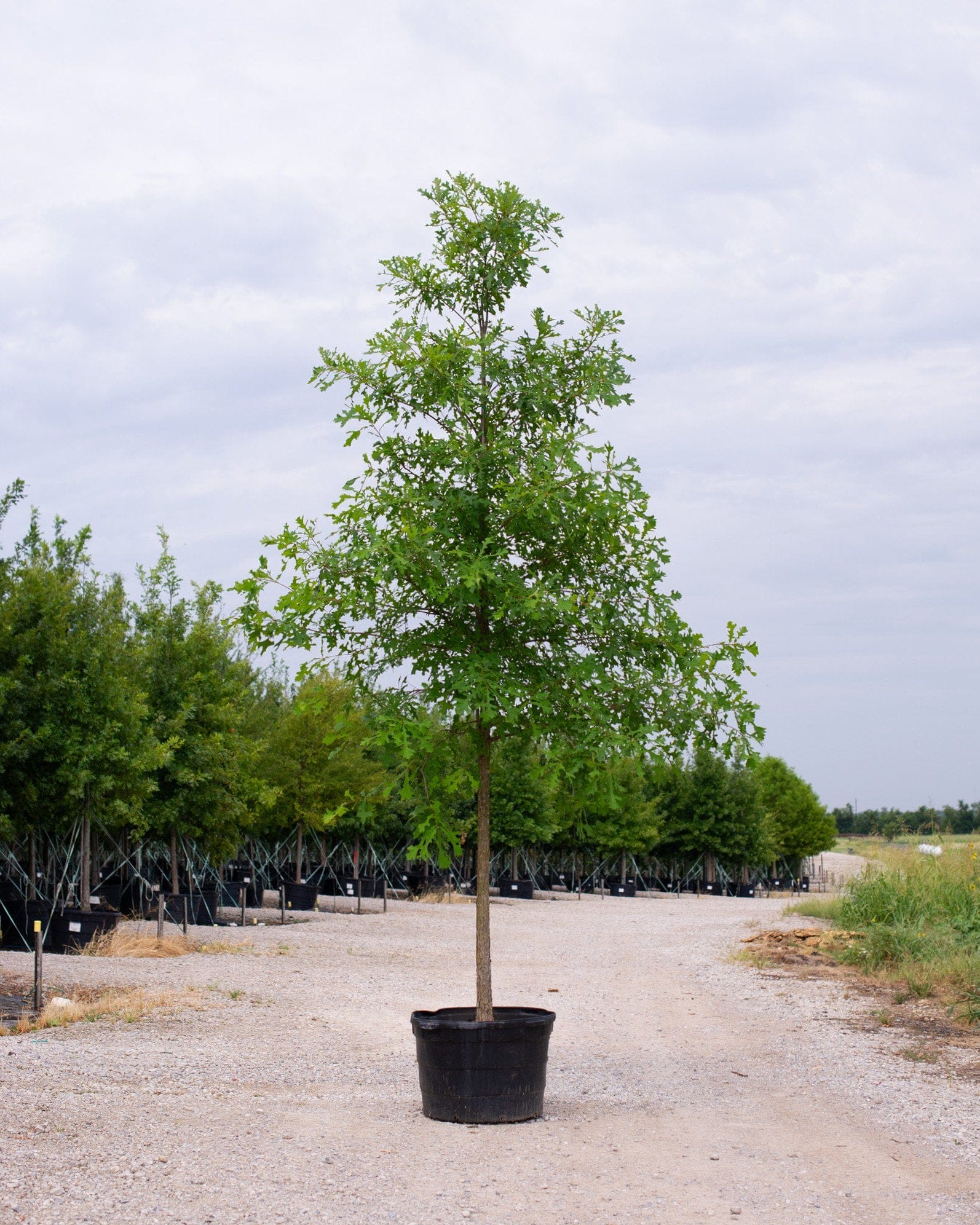
Overcup Oak
Maturity: 45' H x 35' W
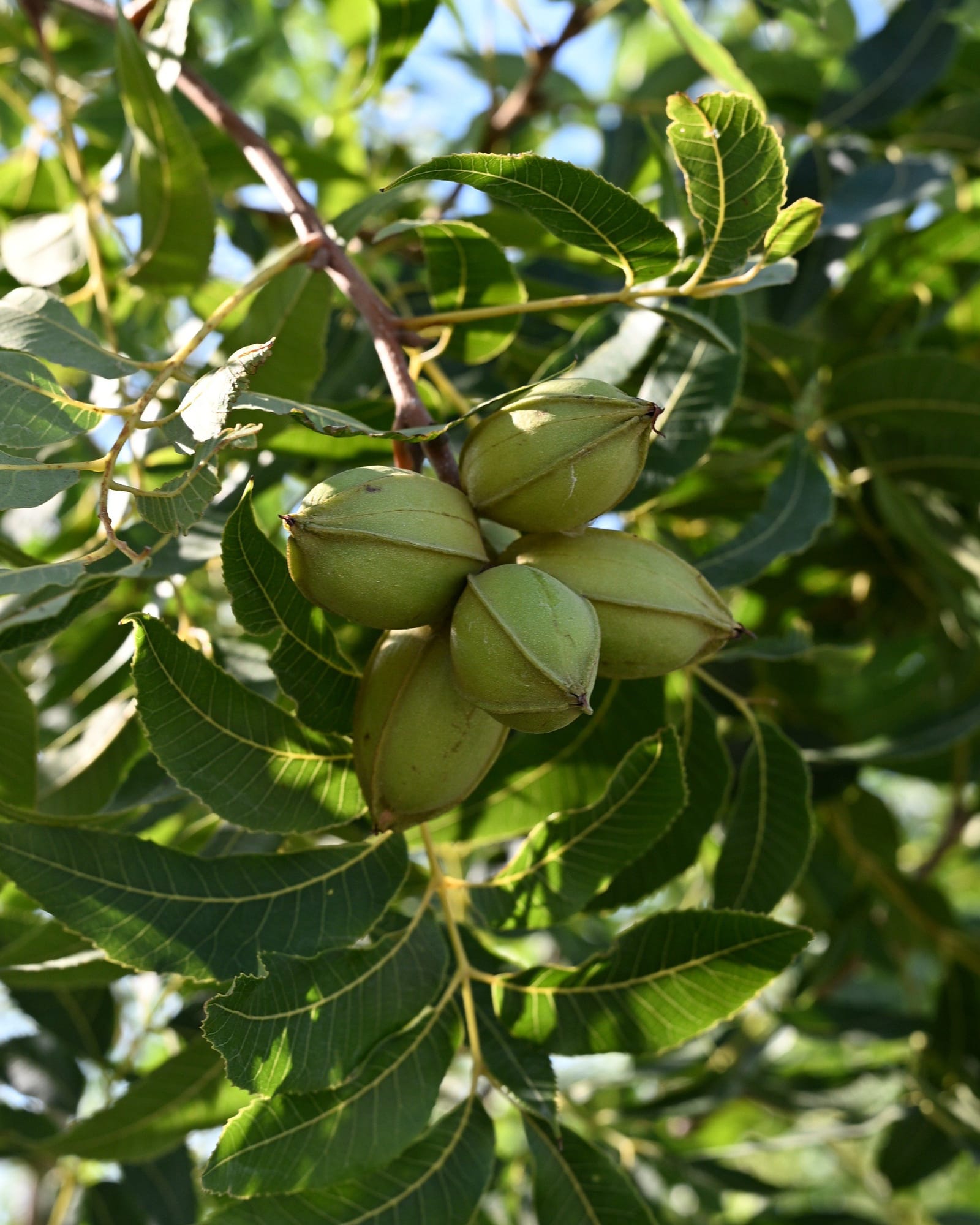
Pawnee Pecan
Maturity: 60' H x 40' W
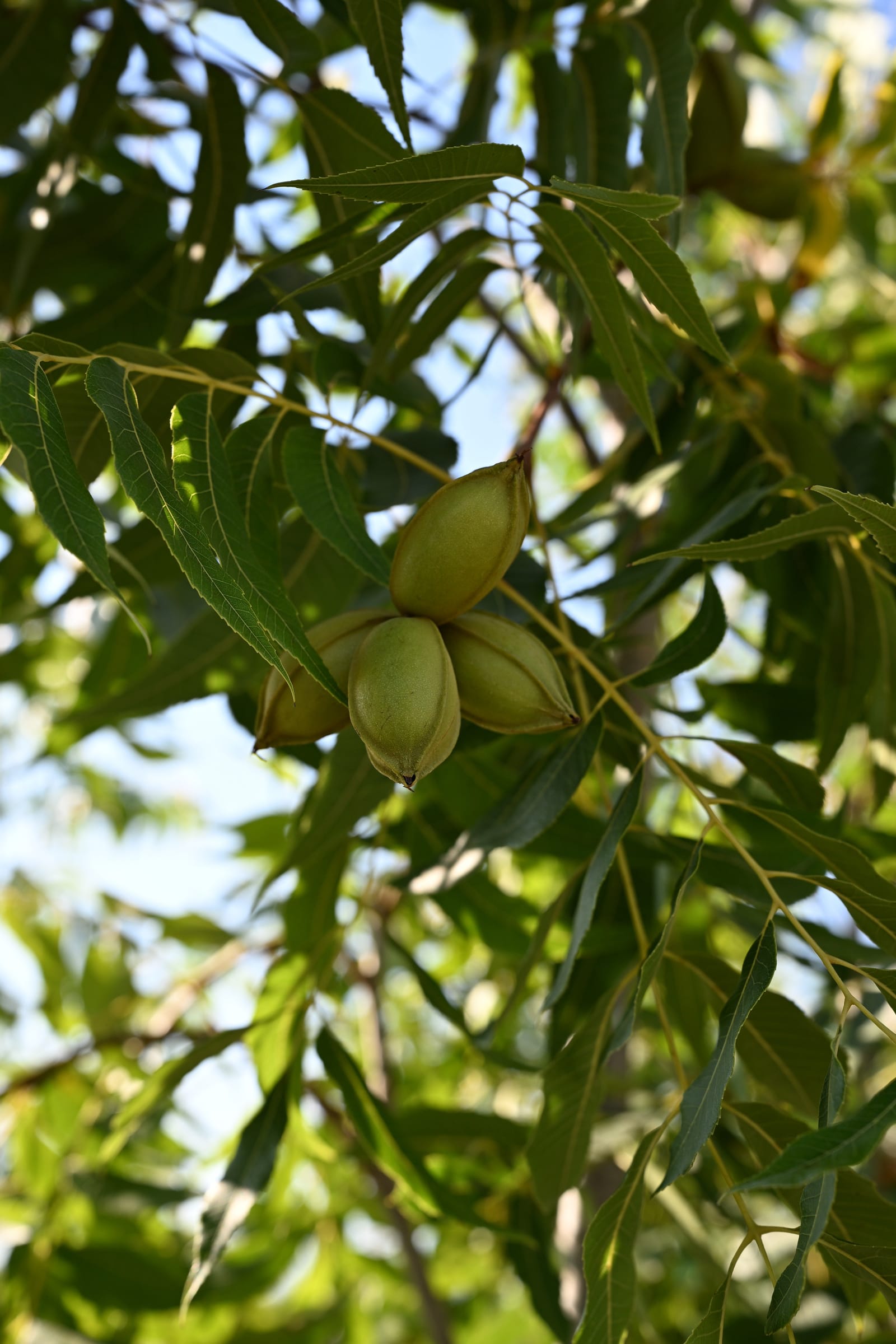
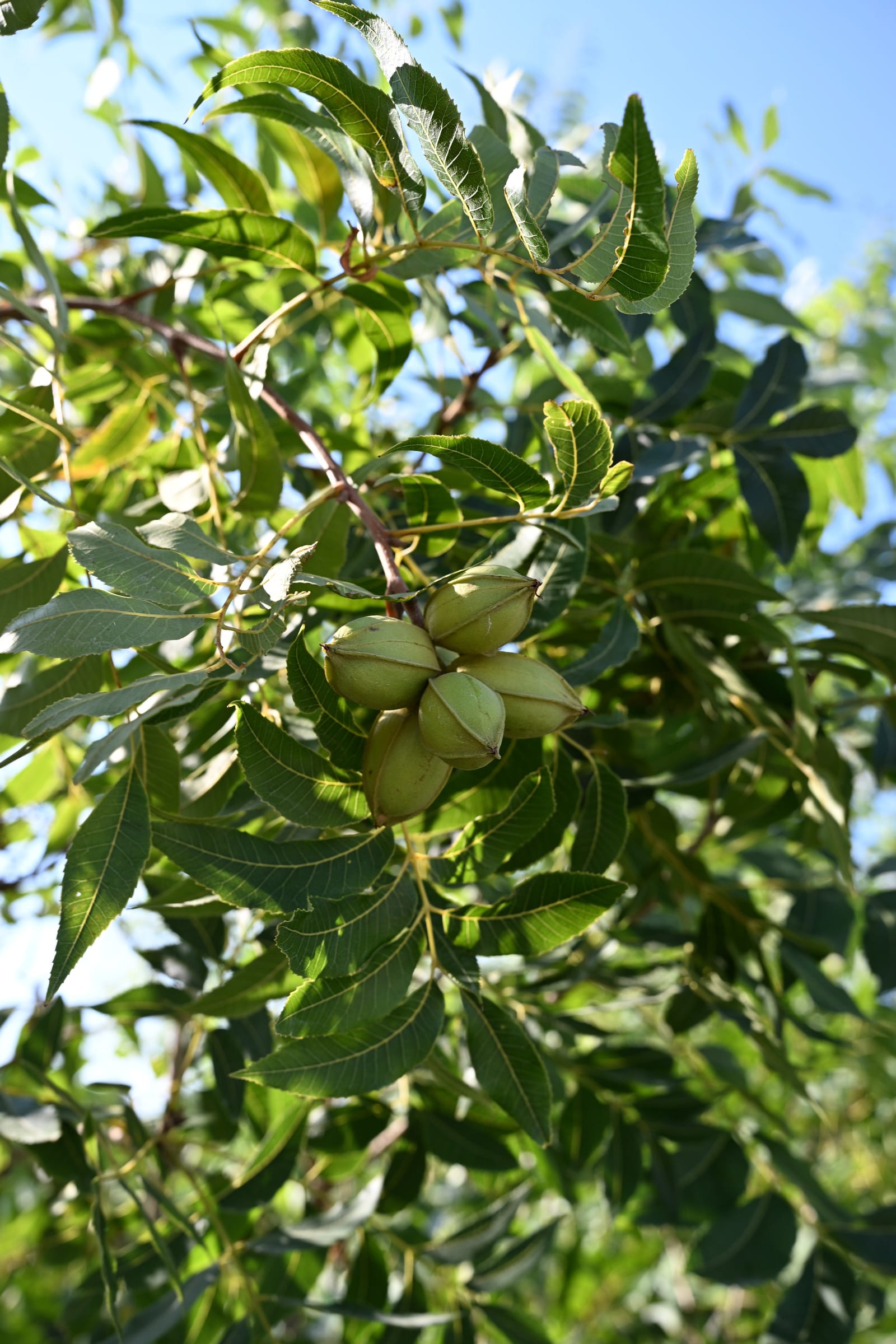
Texas Ash
Maturity: 45' H x 35' W
Compare Similar Plants
Cedar Elm Pioneer This plant | ||
|---|---|---|
| Scientific Name | Ulmus crassifolia ‘Everalan’ | Ulmus crassifolia |
| Size at Maturity | 50' H x 30' W | 50' H x 35' W |
| Leaf Retention | Deciduous | Deciduous |
| Fall Color | Yellow | Yellow |
| Sizes Available | 30, 45 gal | 15, 30, 45, 65, 95 gal |


Our 1-Year Planting Guarantee
We take pride in our plants and installation services. If any plants or trees installed by Treeland fail to thrive within the first year, we'll provide a replacement credit in accordance with our guarantee program.
Learn More About Our Guarantee