
Urbanite Ash
Fraxinus pennsylvanica 'Urbanite'Local DFW Delivery Only
Product Details
Urbanite Ash
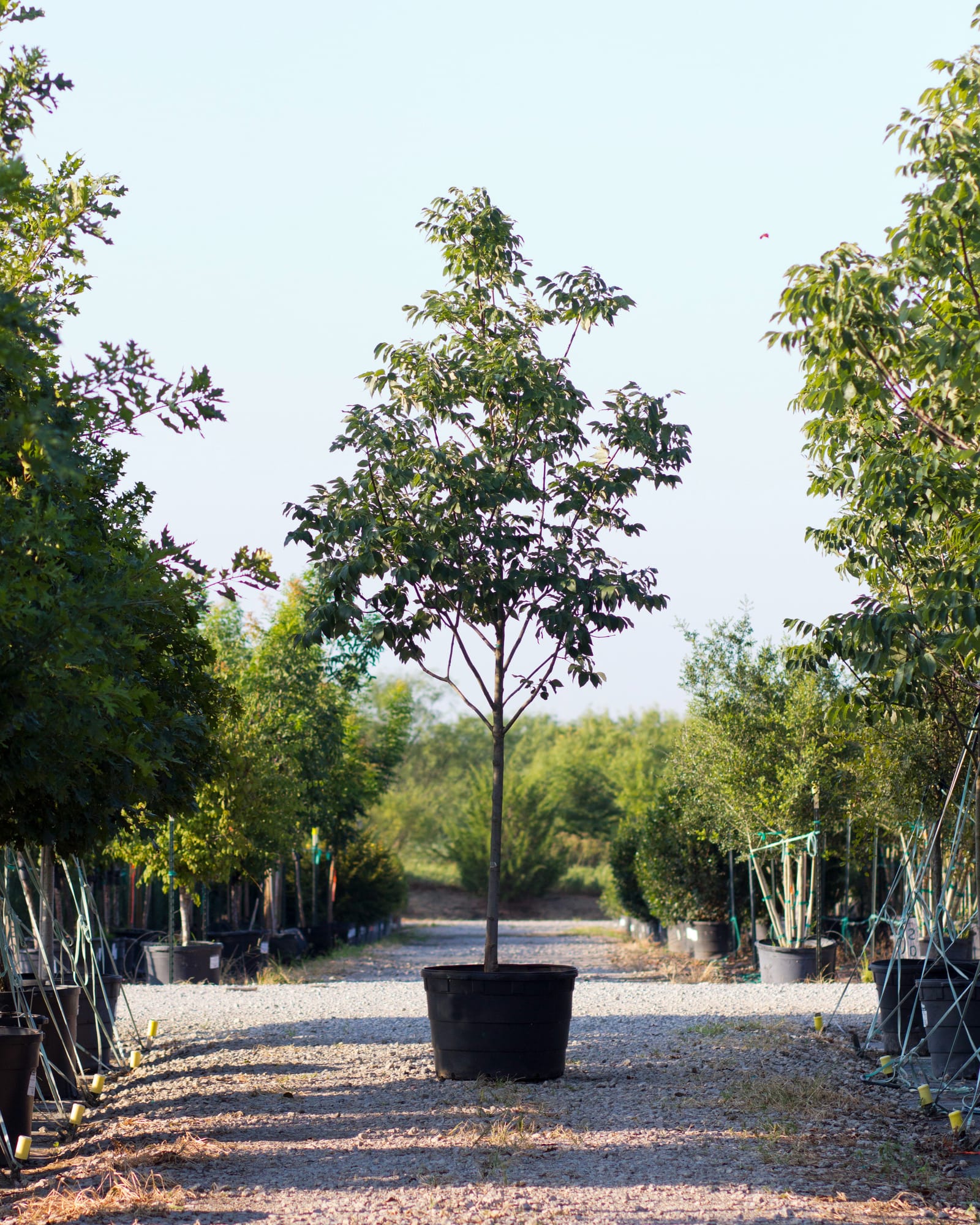
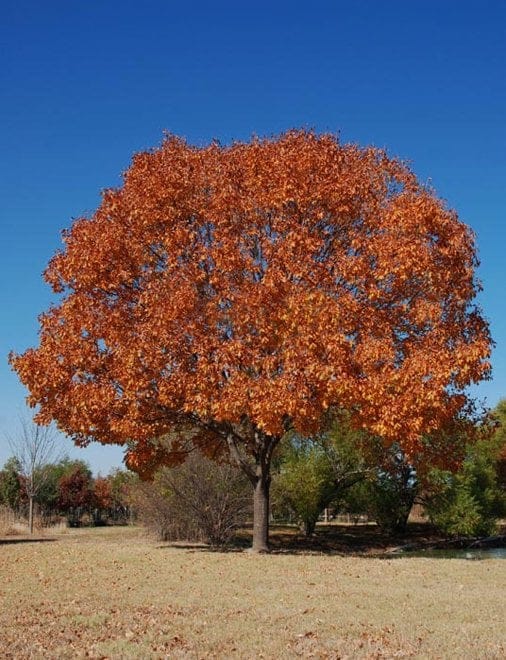
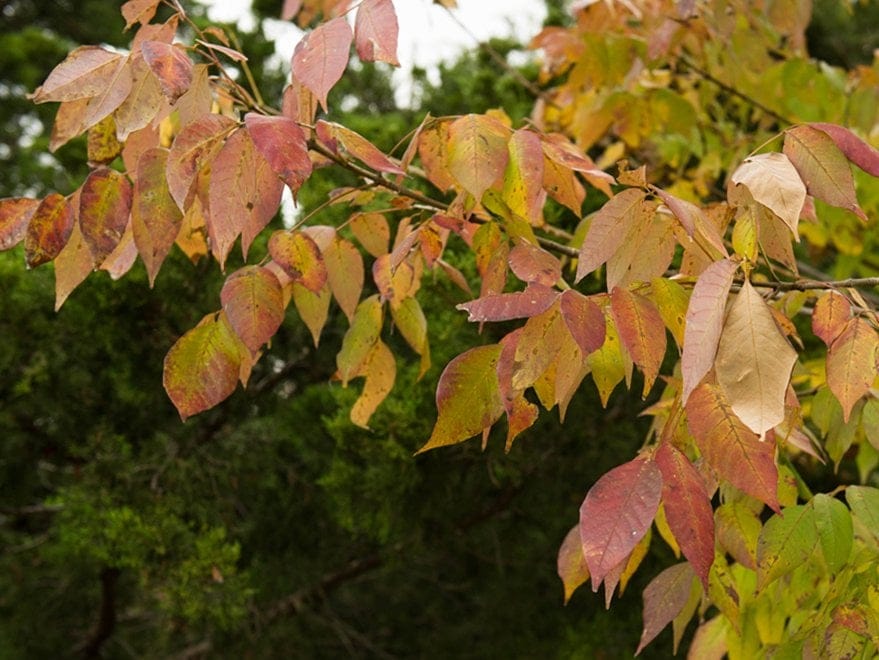
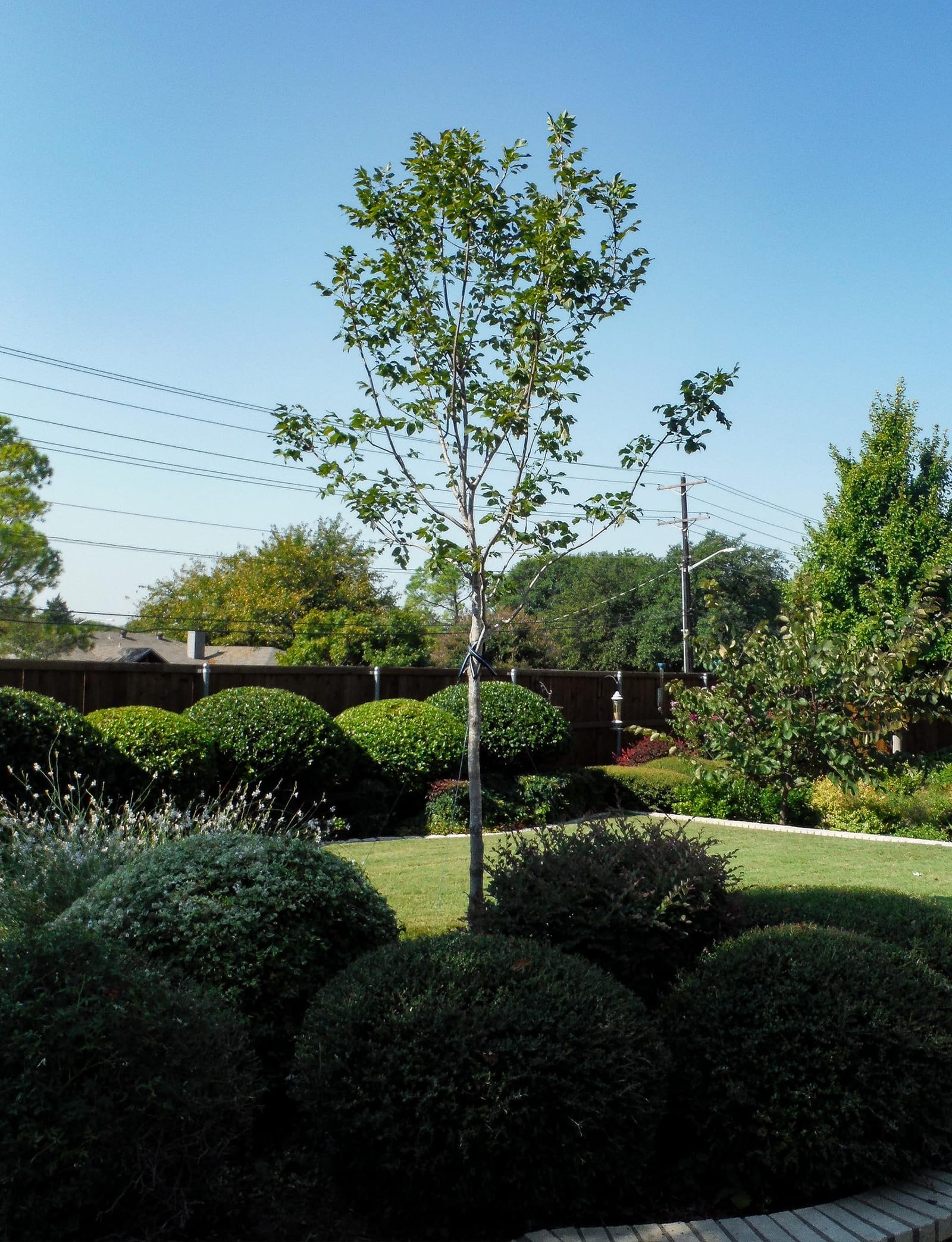
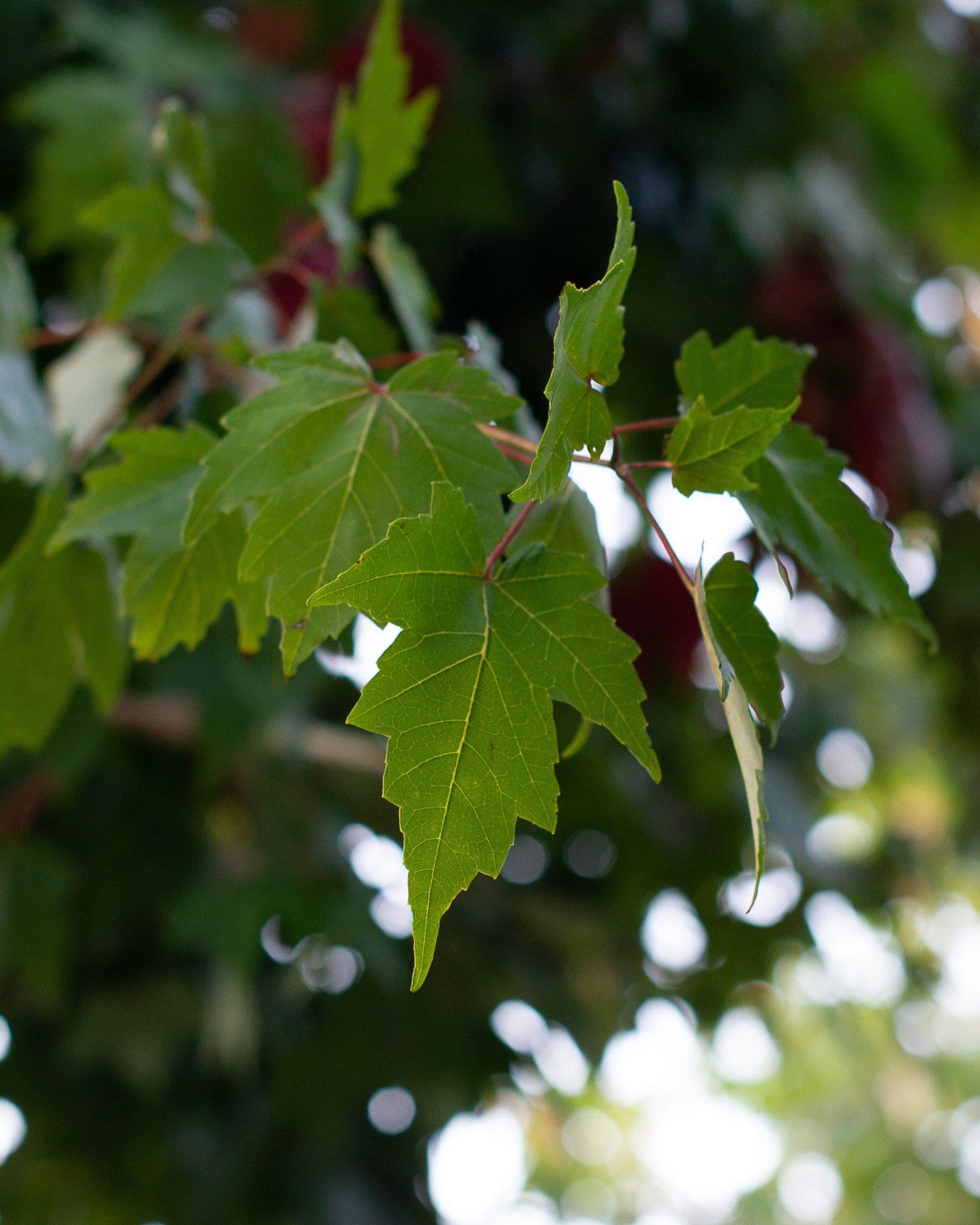
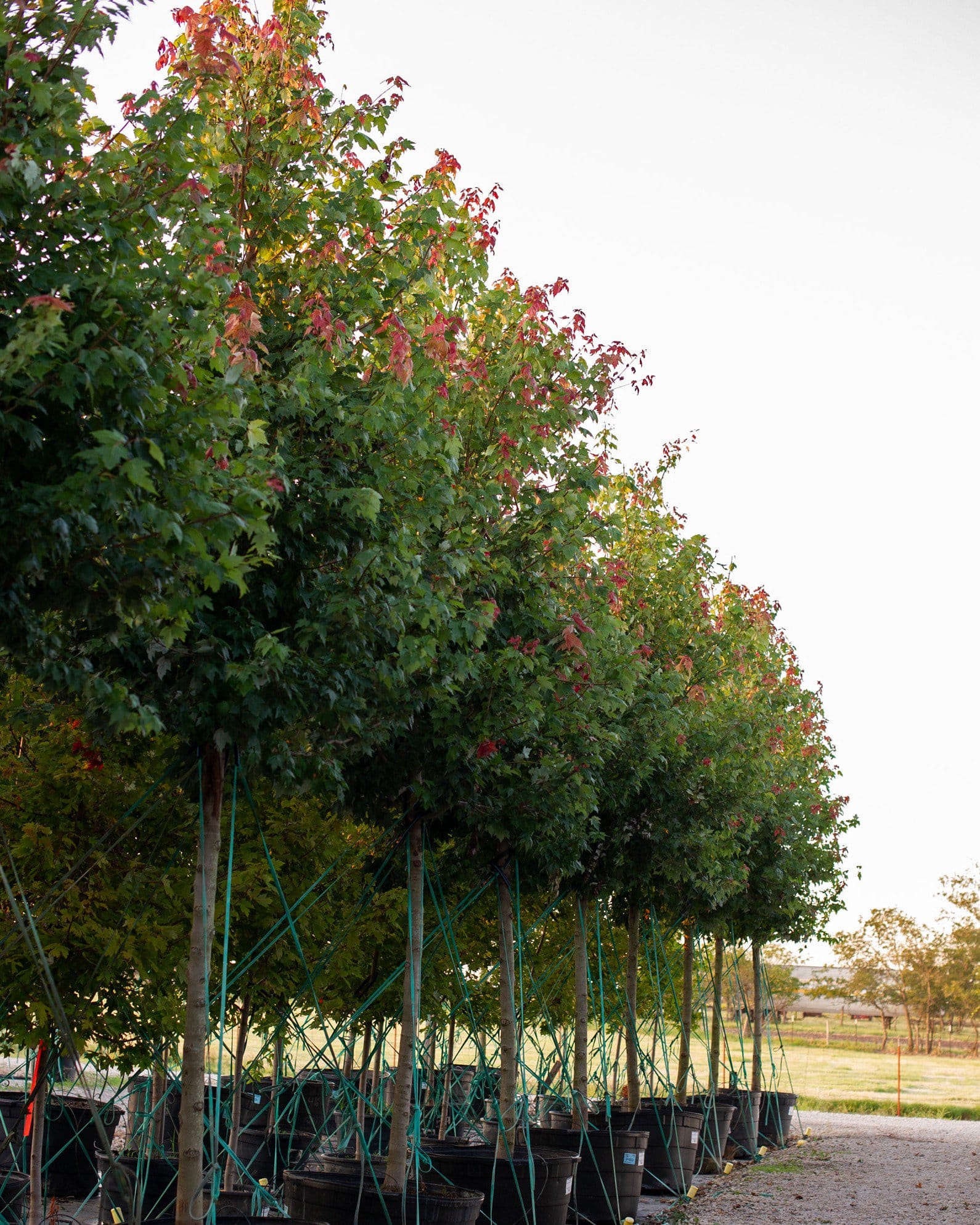
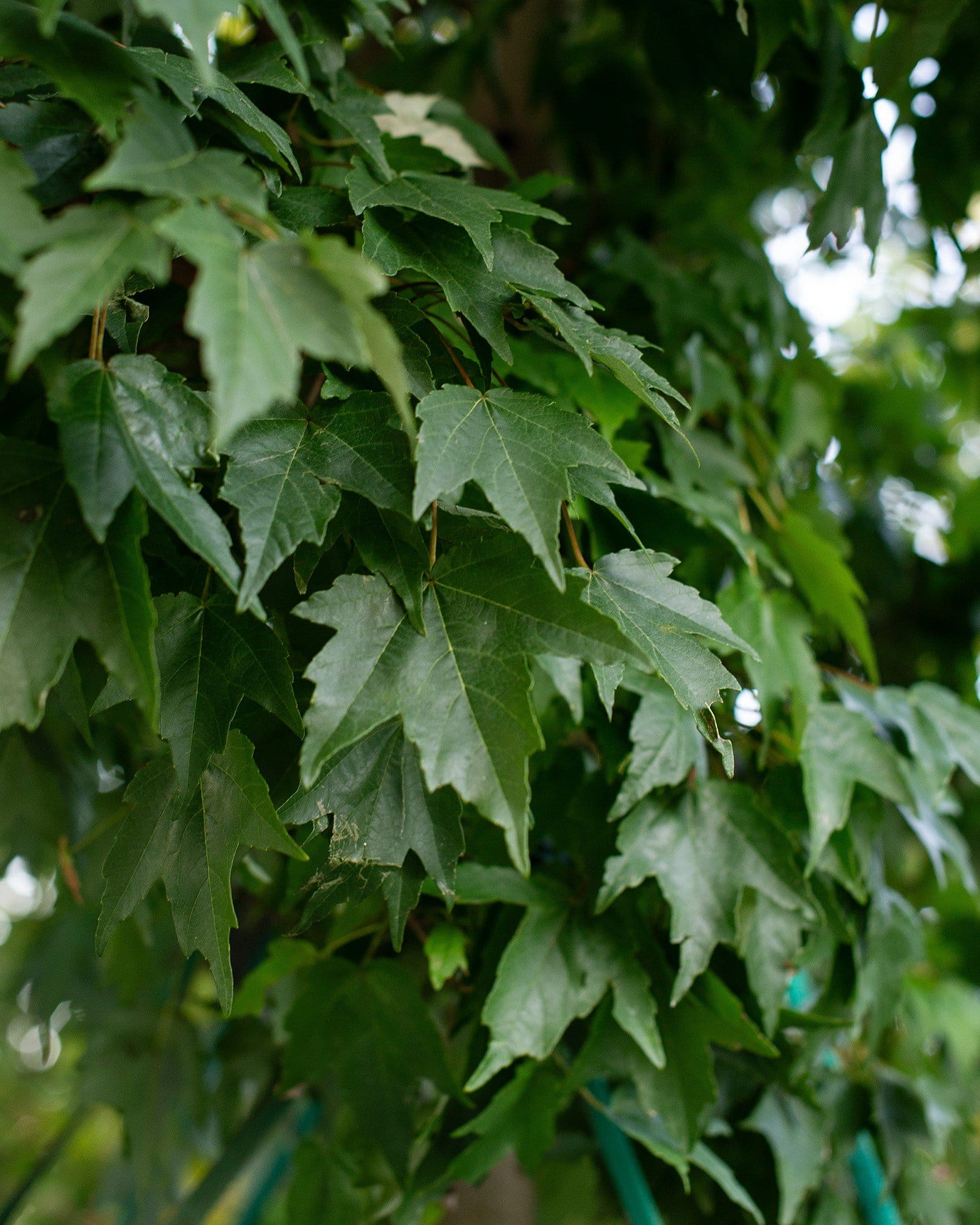
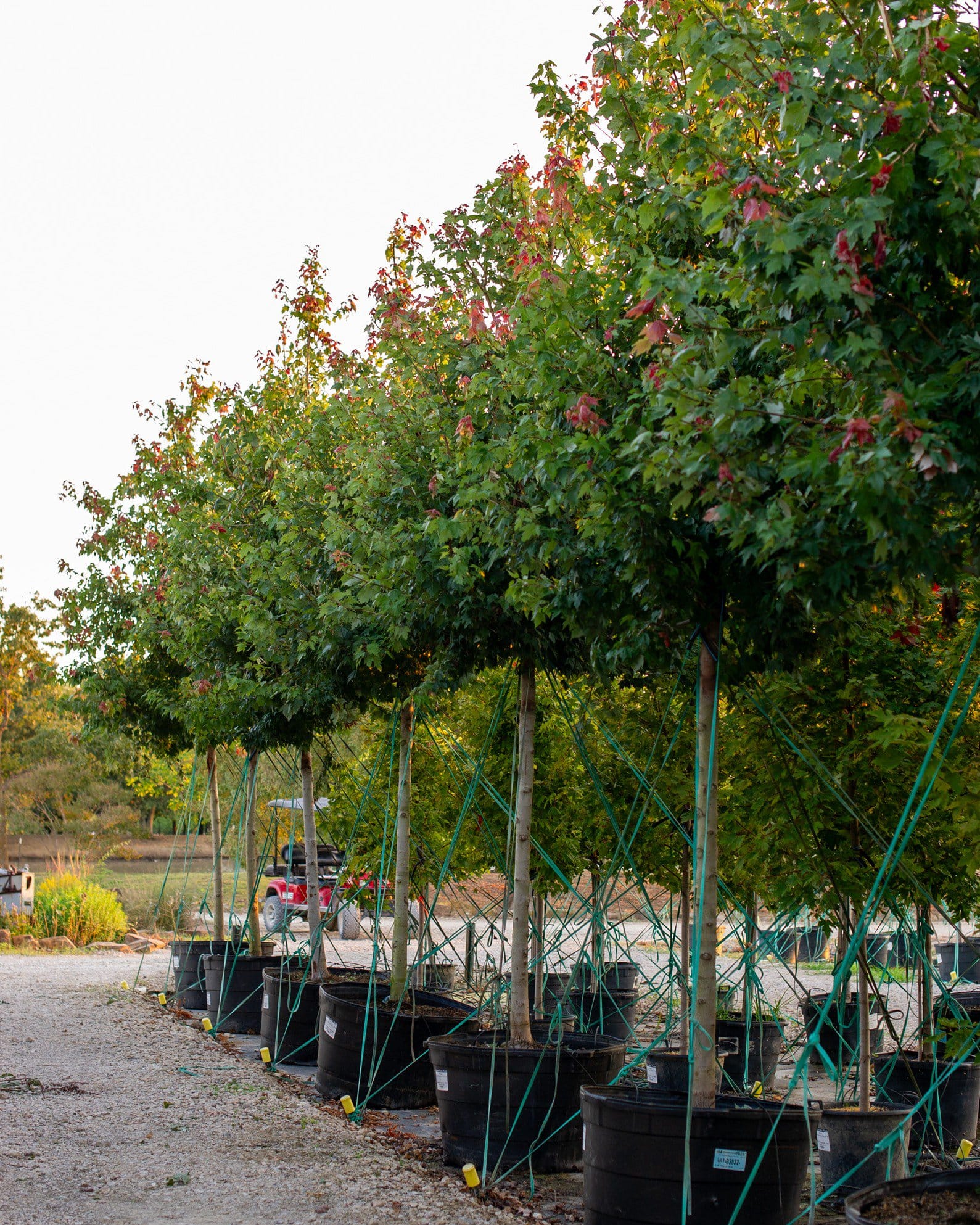
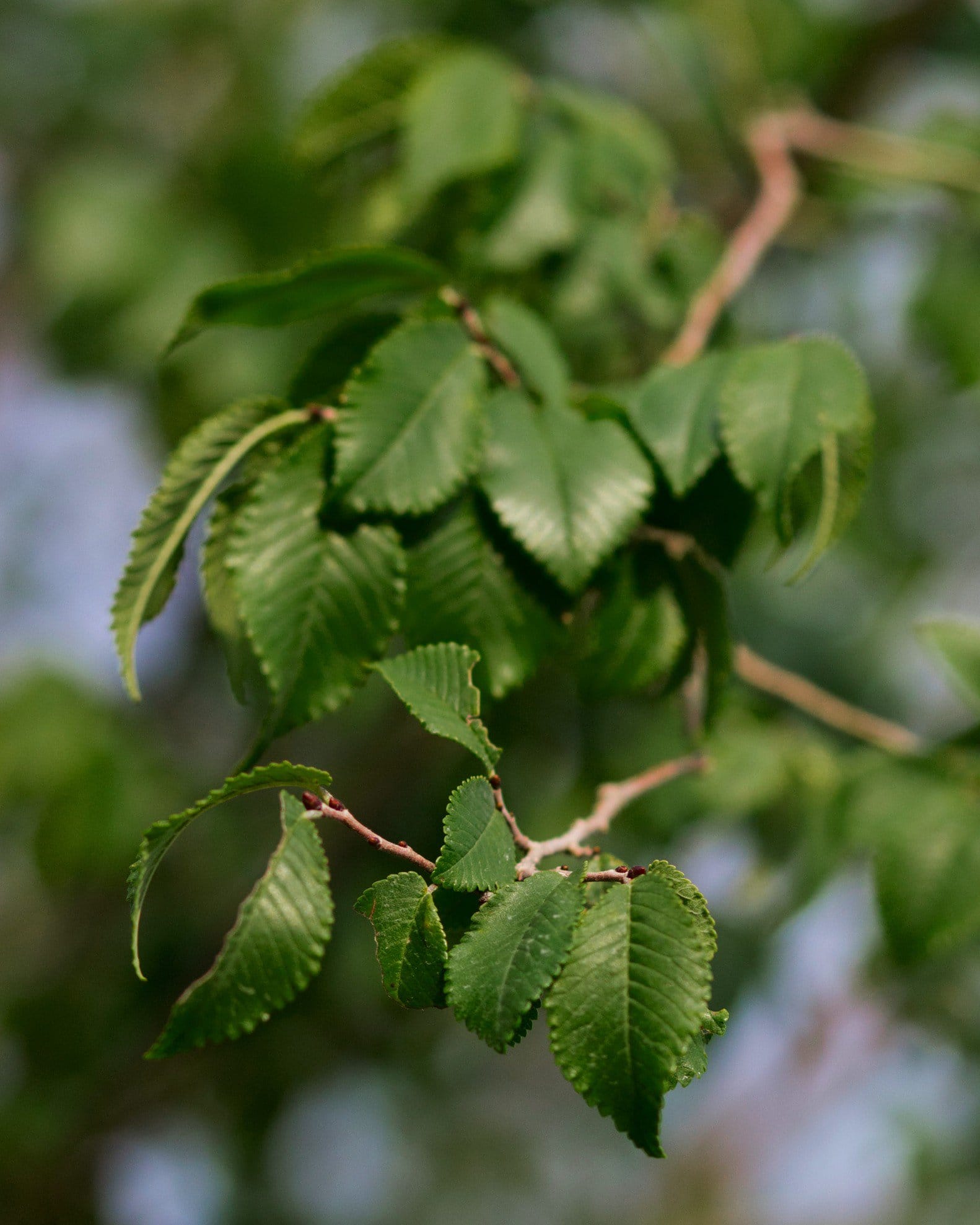
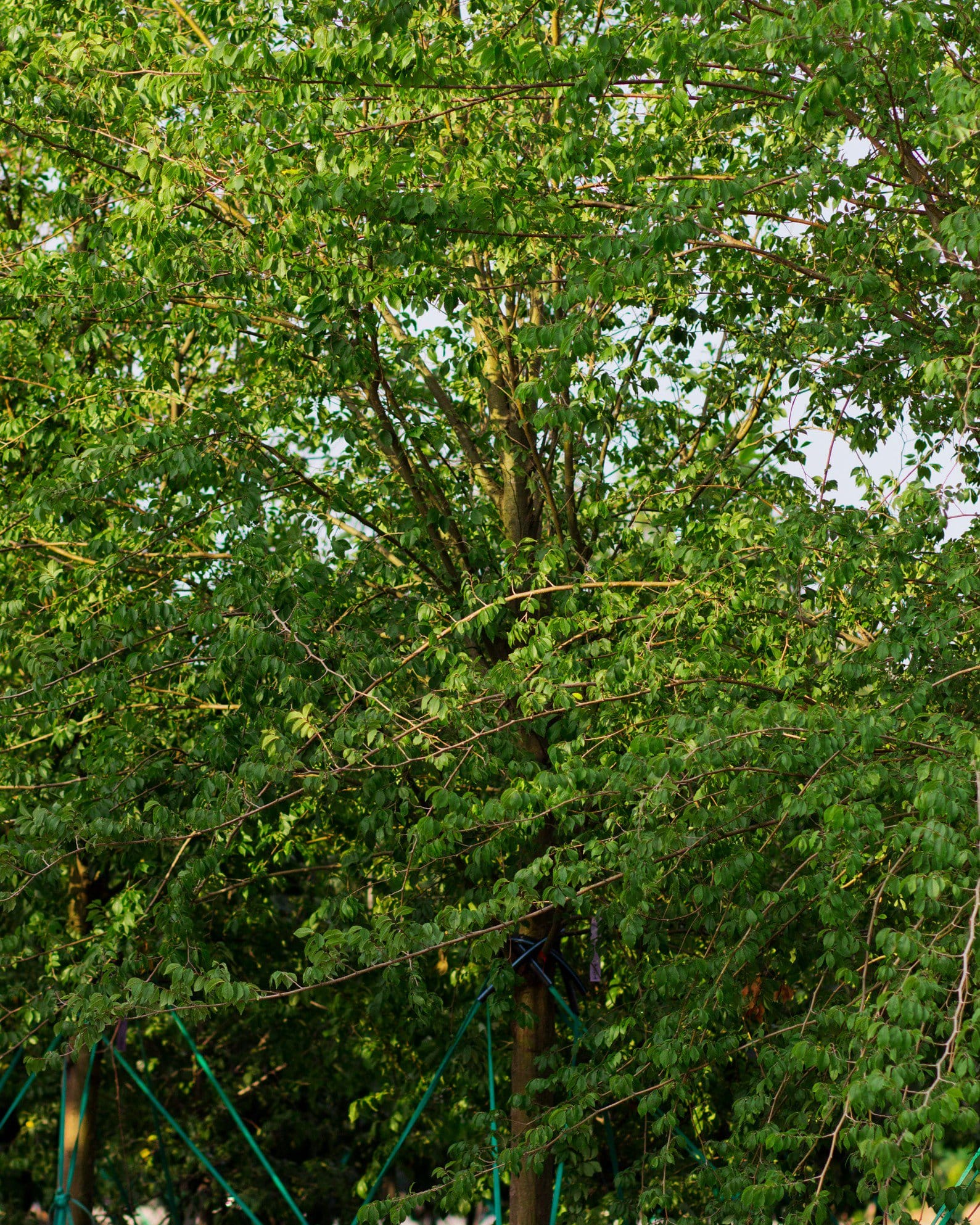
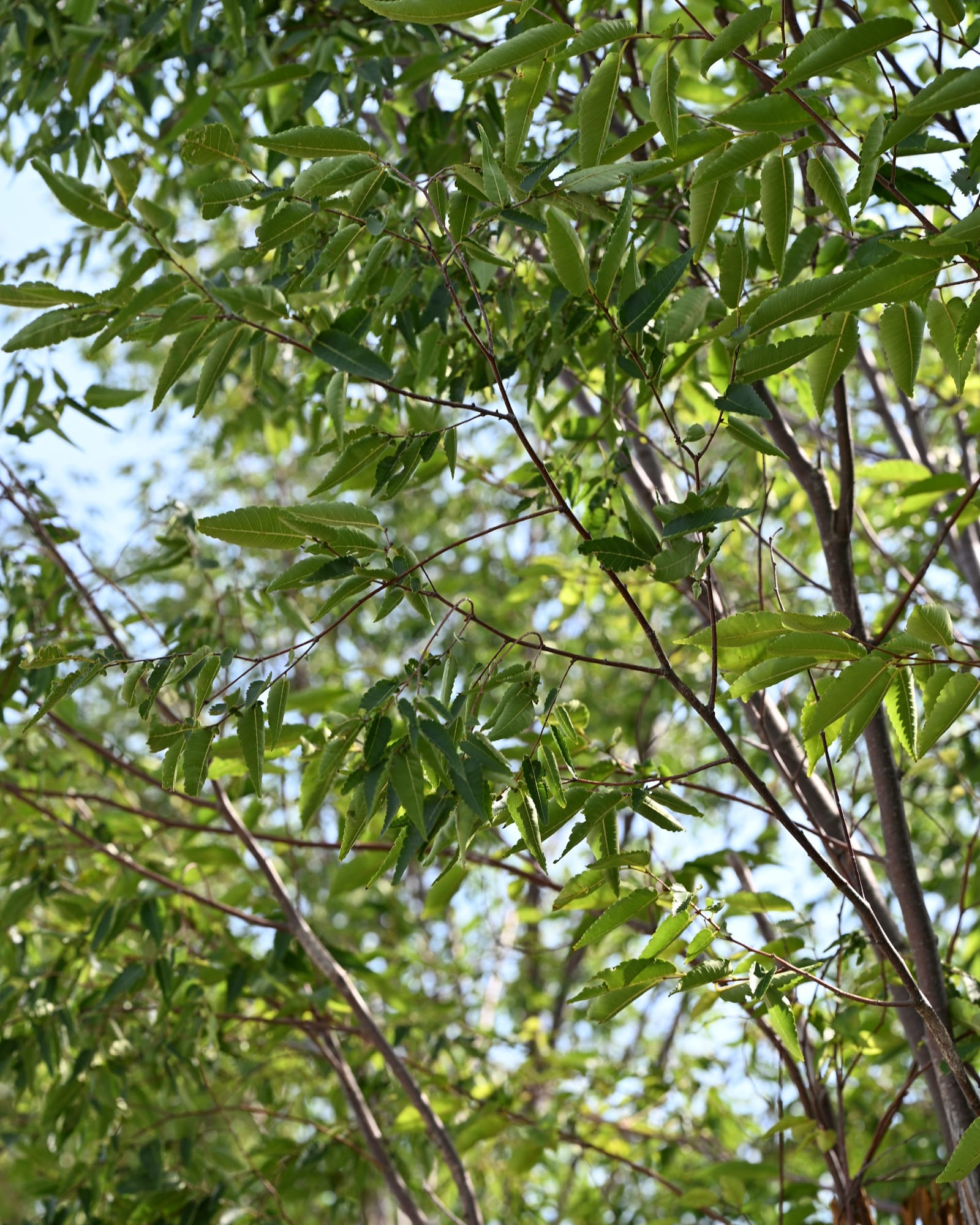
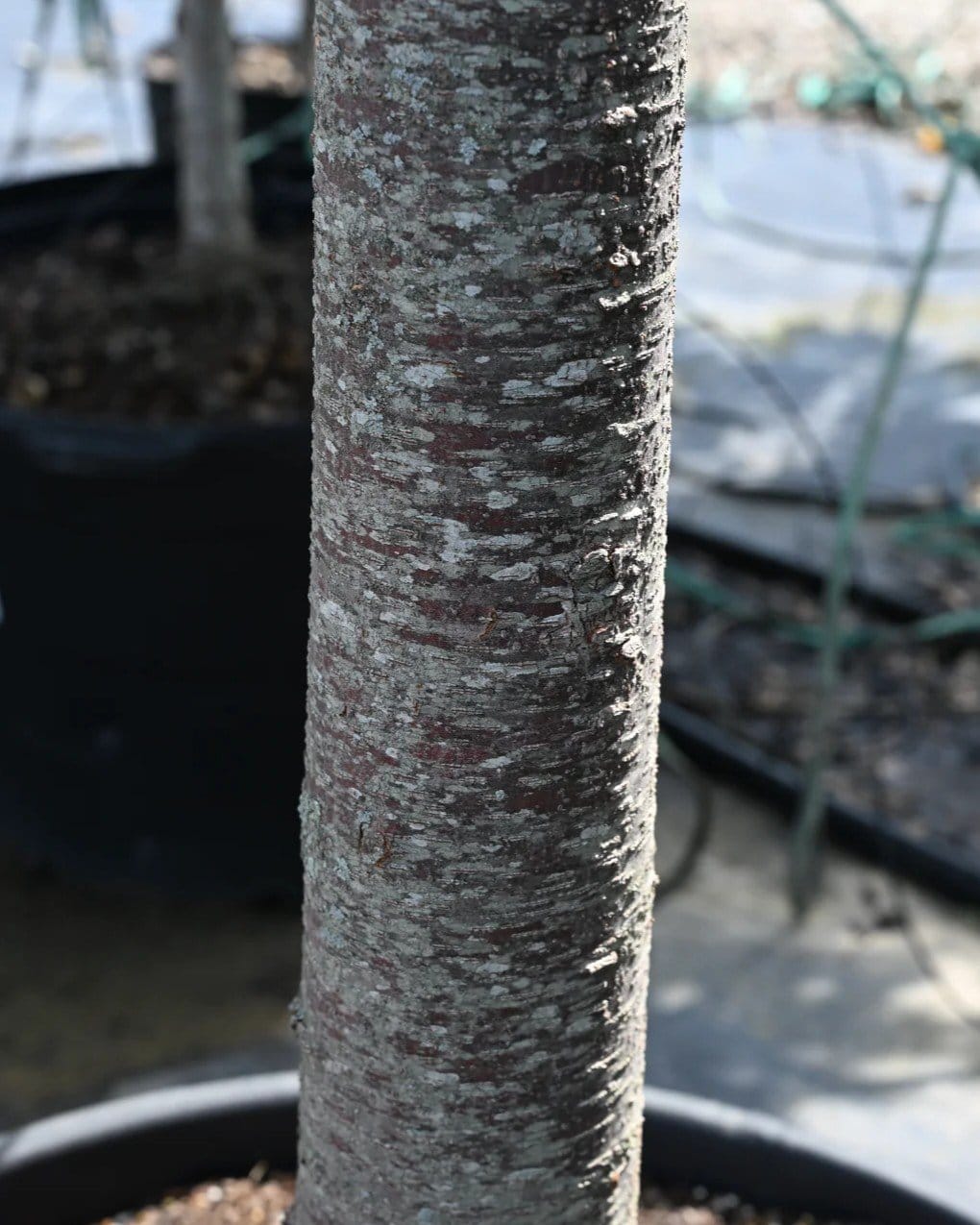
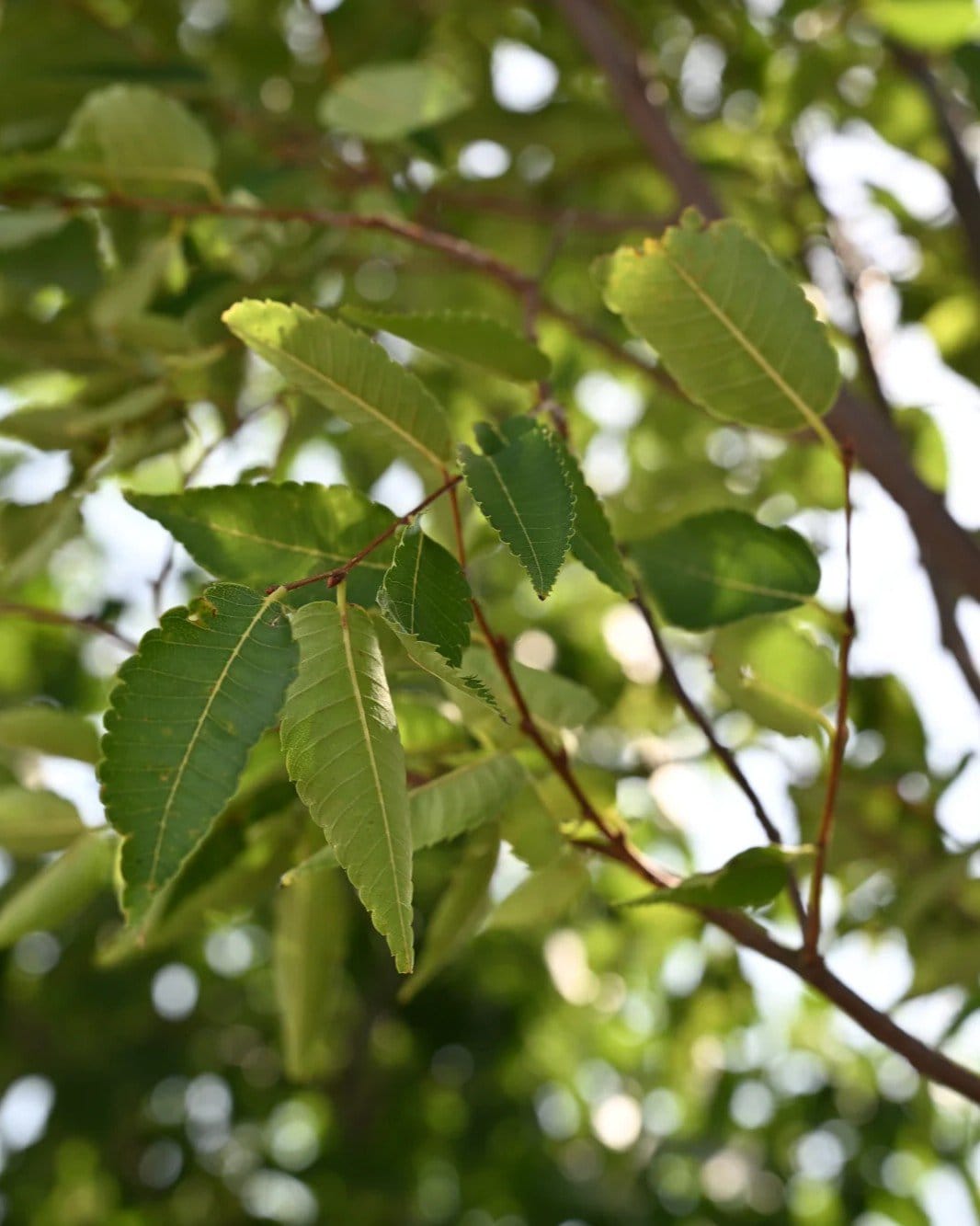
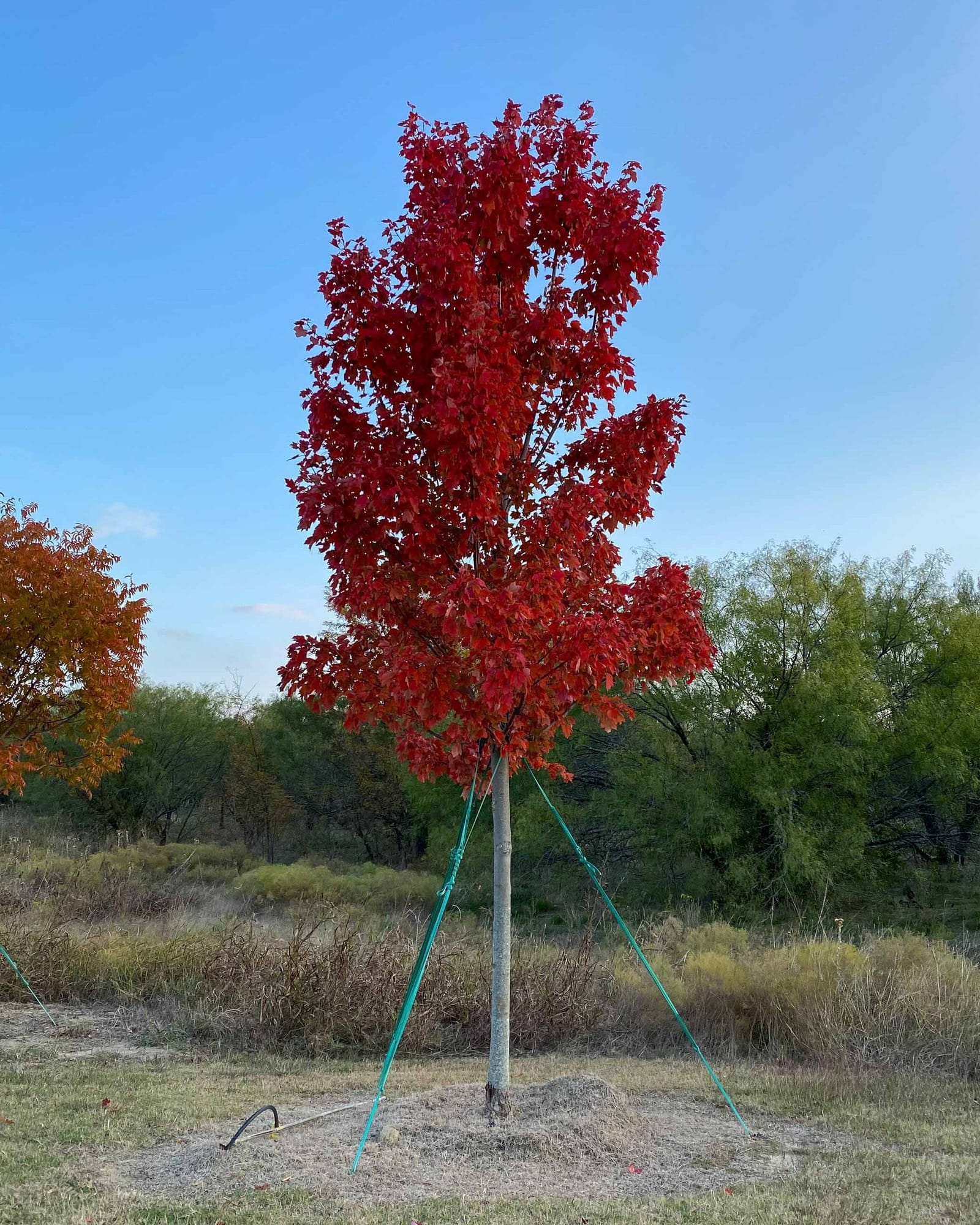
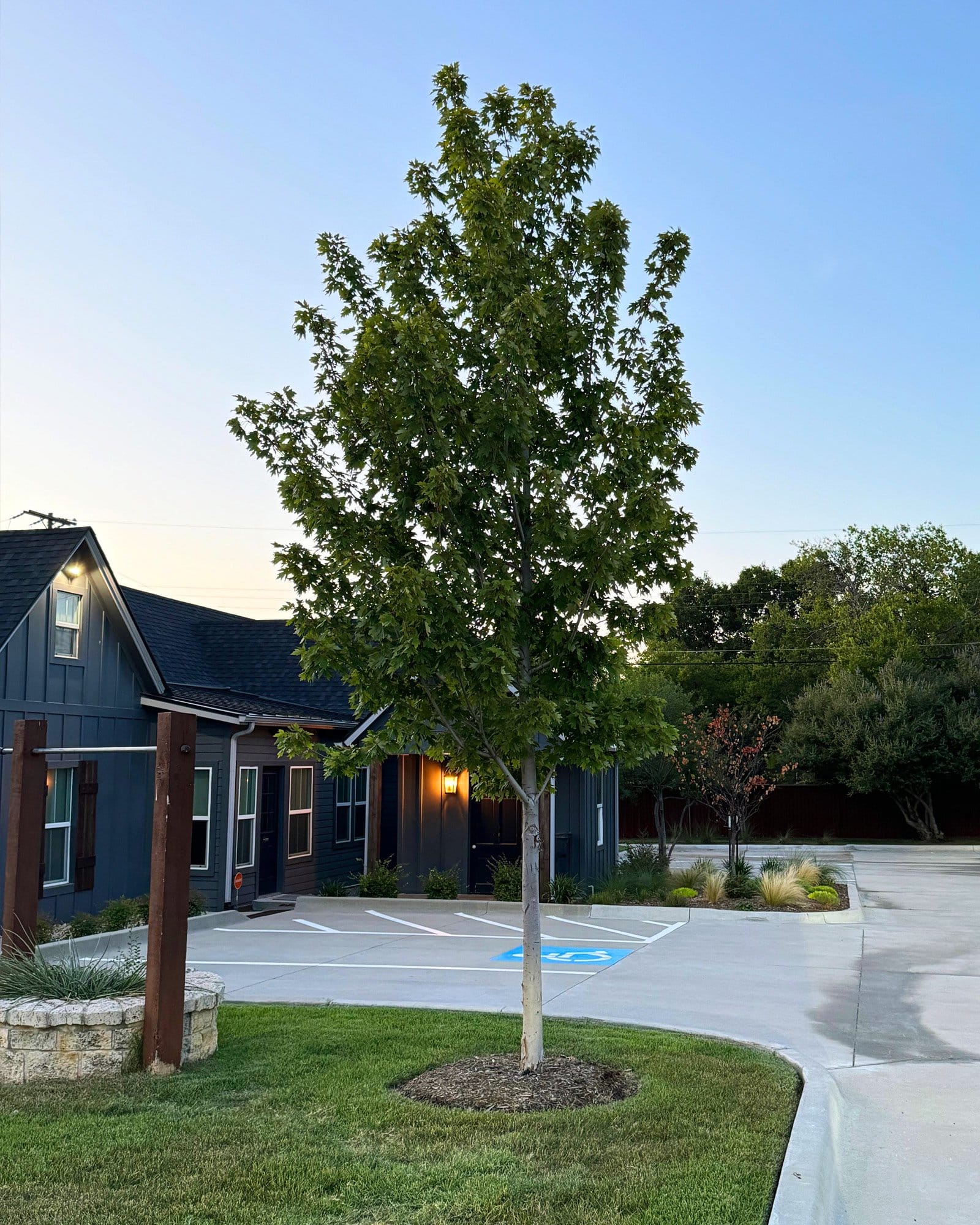
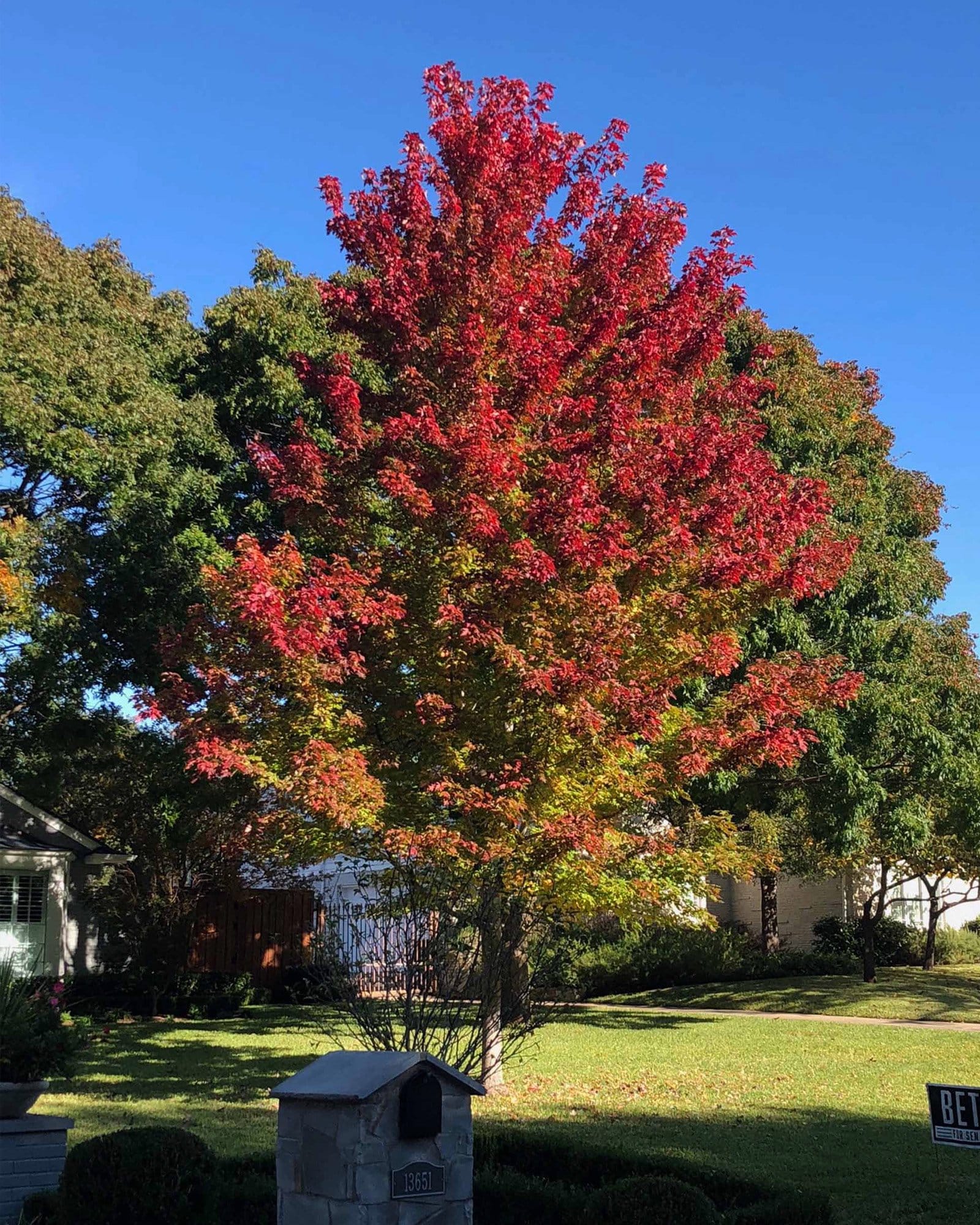
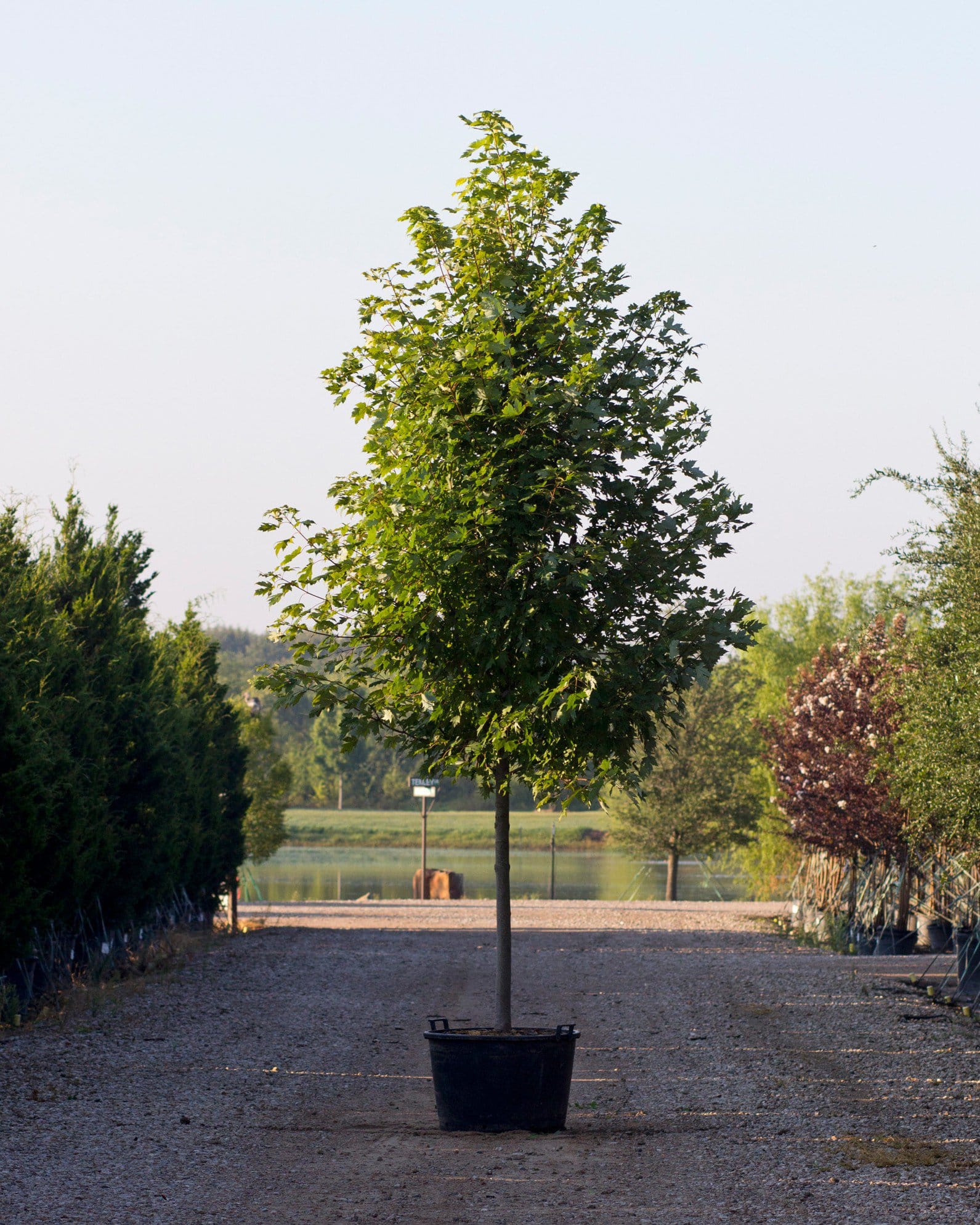
Fraxinus pennsylvanica 'Urbanite'Urbanite Ash brings strength and seasonal beauty to any setting. This stately deciduous tree matures to about 45 feet in height and 35 feet in width at maturity, forming a dense, rounded canopy ideal for dappled shade. In fall, its foliage glows in vibrant shades of orange and red, adding bold color and warmth to the landscape. Excellent as a specimen plant and
- Deciduous tree
- Moderate growth rate with broad, rounded crown
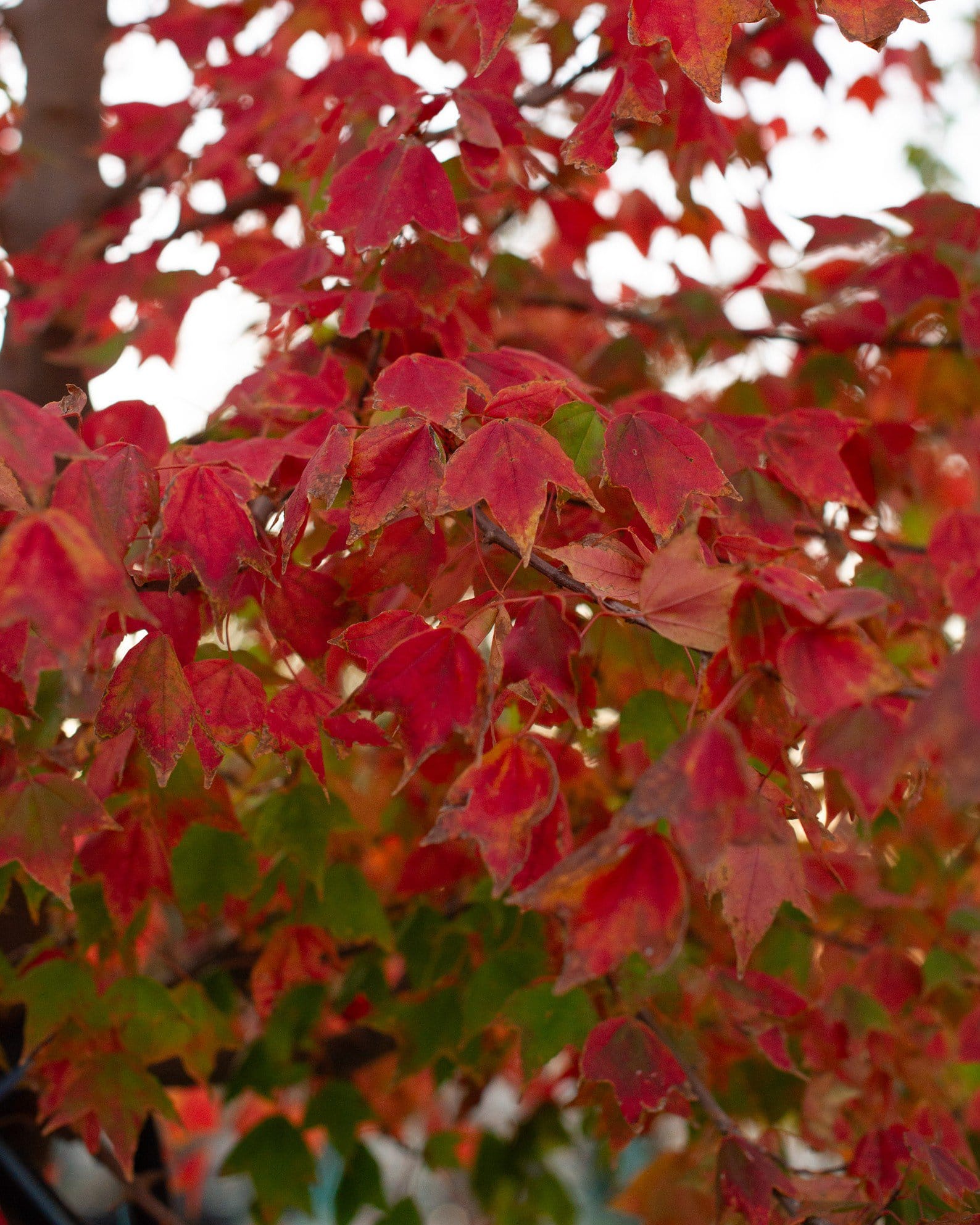
- Striking fall foliage in rich orange and red tones
- Adaptable and durable in varied conditions
- Adds structure and seasonal drama
Urbanite Ash grows best in full sun and well-drained soil. Its sturdy form and brilliant autumn display make it a standout for lawns, large borders, and open spaces. Hardy in USDA zones 4 through 9, it’s a reliable, colorful choice well-suited to North Texas and beyond.
Urbanite Ash’s strong structure and heat tolerance make long-term care straightforward in residential and urban settings. This is all it needs to grow beautifully:
- Watering: Water deeply and consistently during the first two growing seasons to establish a strong, deep root system. Once established, Urbanite Ash tolerates moderate drought, though supplemental irrigation during prolonged heat supports canopy density and fall color development.
- Pruning: Prune in late winter while the tree is dormant to establish strong branch structure and remove crossing limbs. Early structural pruning reduces the likelihood of weak branch angles as the canopy expands.
- Fertilizing: Mature trees rarely require regular fertilization in average soils. If growth slows noticeably, a balanced fertilizer applied in early spring can help maintain vigor without overstimulating soft growth.
- Mulching: Apply a 2-3 inch layer of mulch around the root zone to retain soil moisture and moderate temperature fluctuations. Keep mulch several inches away from the trunk to prevent bark decay and pest issues.
- Winter Care: Established Urbanite Ash trees are cold-hardy and generally require no special winter protection. Young trees may benefit from temporary trunk wrapping during their first winters to reduce sunscald risk.
Urbanite Ash is considered durable, though it can encounter the same insect and disease pressures common to ash species. Early detection is essential for maintaining canopy health.
- Emerald Ash Borer: Thinning canopy, bark splitting, and D-shaped exit holes may indicate infestation. Professional evaluation and systemic treatment are recommended.
- Ash Anthracnose: Irregular brown leaf blotches may appear during cool, wet spring weather. Raking fallen leaves and improving airflow help reduce fungal carryover.
- Chlorosis: Leaves may turn pale with green veins in alkaline soils. Iron treatments or soil amendments can restore healthy coloration.
- Borers: Small holes in bark and branch dieback may signal wood-boring insect activity. Maintaining tree vigor and consulting an arborist for targeted treatment improves survival rates.
- Drought Stress: Leaf browning or premature drop may occur during extended dry periods. Deep, infrequent watering helps stabilize moisture levels.
Urbanite Ash commonly lives 40-60 years under favorable conditions. Longevity depends on pest management, soil drainage, and structural pruning. Healthy specimens can provide decades of reliable shade.
It typically grows 12-24 inches per year in suitable environments. Structural maturity often develops within 10-15 years. A fully developed canopy may take up to 20 years to reach peak spread.
It was selected specifically for urban durability and consistent fall color. Its balanced branching and adaptability make it reliable in developed landscapes. The tree combines toughness with ornamental value.
It is known for dependable autumn color, often ranging from yellow to orange and occasionally reddish tones. Cooler nighttime temperatures enhance the display.
It was specifically selected for urban performance. It handles reflected heat, compacted soils, and moderate air pollution better than many traditional shade trees.
With early training, it forms a well-spaced, sturdy canopy framework. Proper pruning reduces the risk of weak branch unions. Mature trees maintain good structural integrity.
Its root system is moderately spreading but not typically invasive. Proper spacing from foundations and hardscapes prevents long-term issues. Deep watering encourages downward root growth.
Once established, it tolerates moderate drought conditions. Extended dry periods may reduce leaf density but rarely cause permanent damage in healthy trees. Supplemental watering improves resilience during extreme heat.
It provides shade, nesting opportunities, and habitat for birds. The branching structure supports perching and shelter. As a shade tree, it contributes to urban ecosystem stability.
Yes, it is commonly used as a street tree due to its adaptability. Adequate soil volume and proper spacing are essential for long-term structural health. Its tolerance of urban stress makes it a dependable choice.
Special Features
You might also like
Texas Ash
Maturity: 45' H x 35' W
Autumn Flame Maple
Maturity: 45' H x 35' W
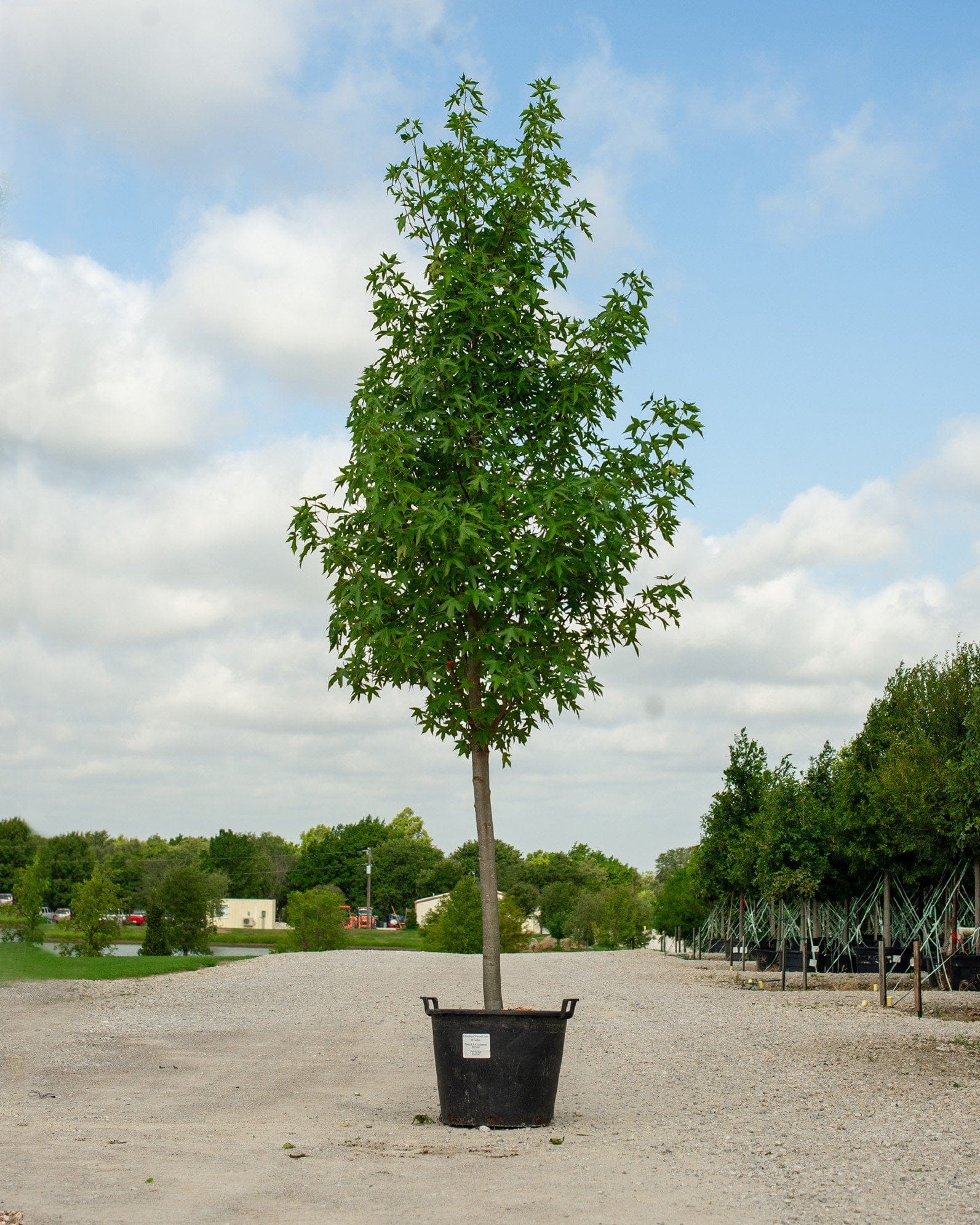
Cherokee Sweet Gum
Maturity: 45' H x 30' W
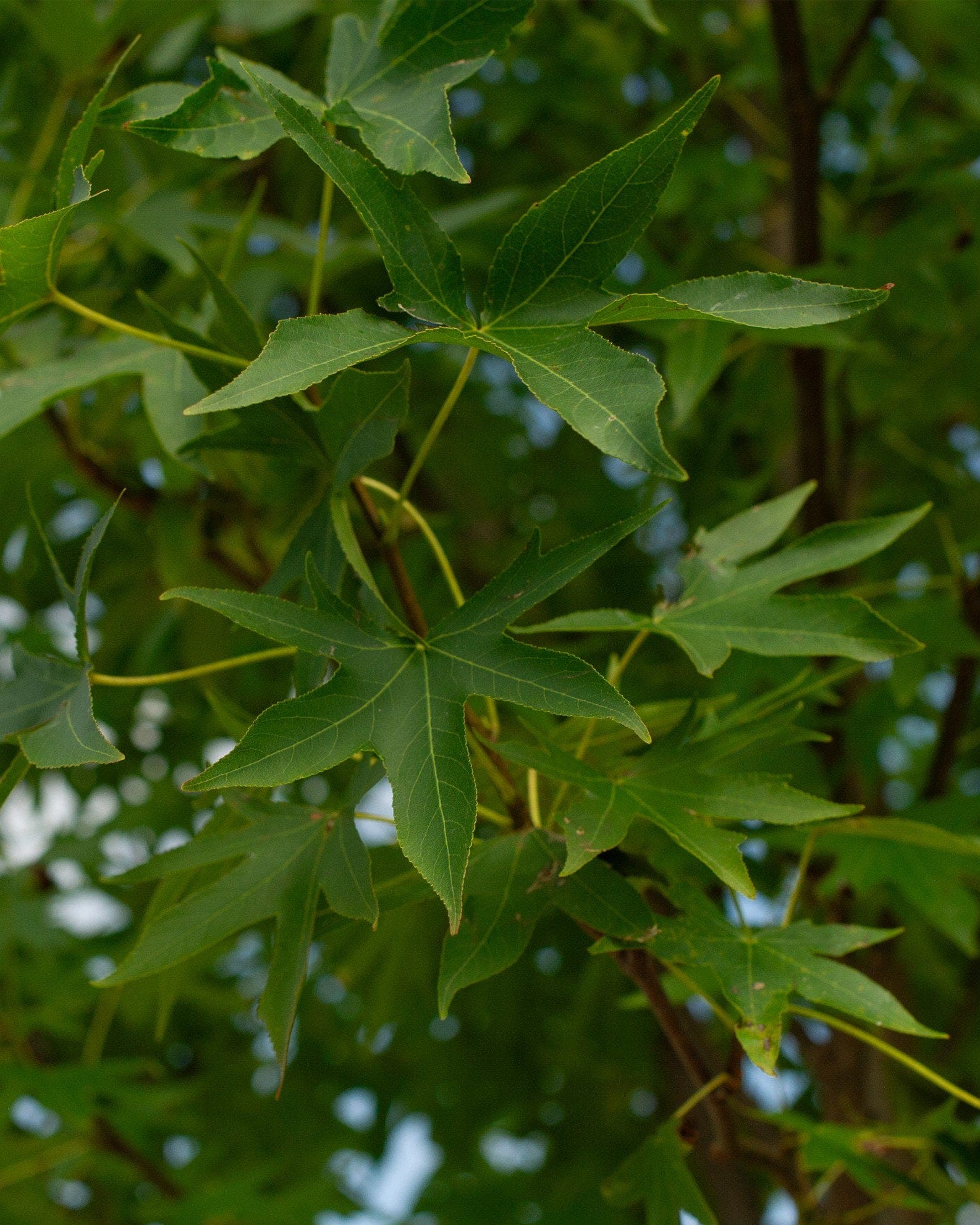
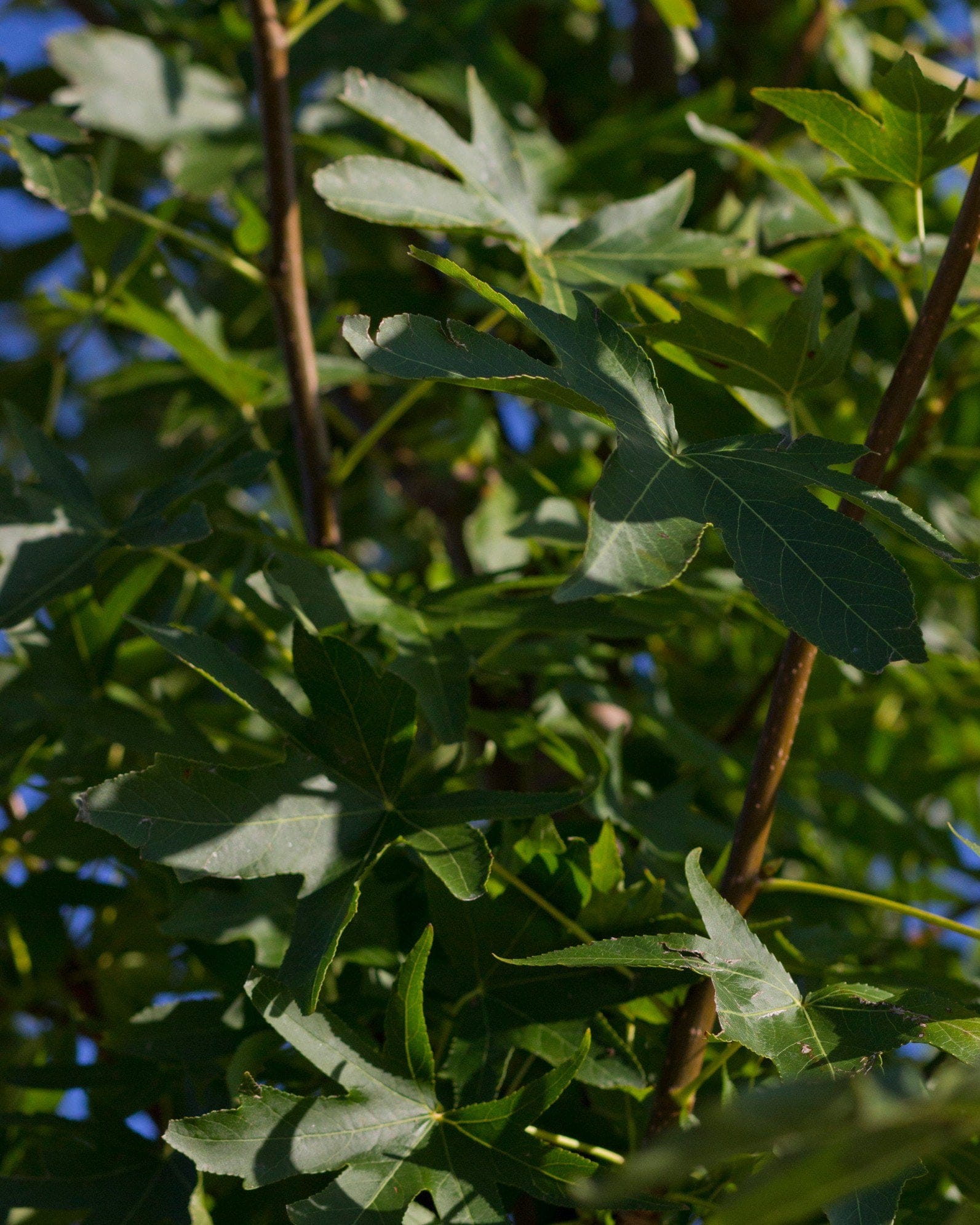
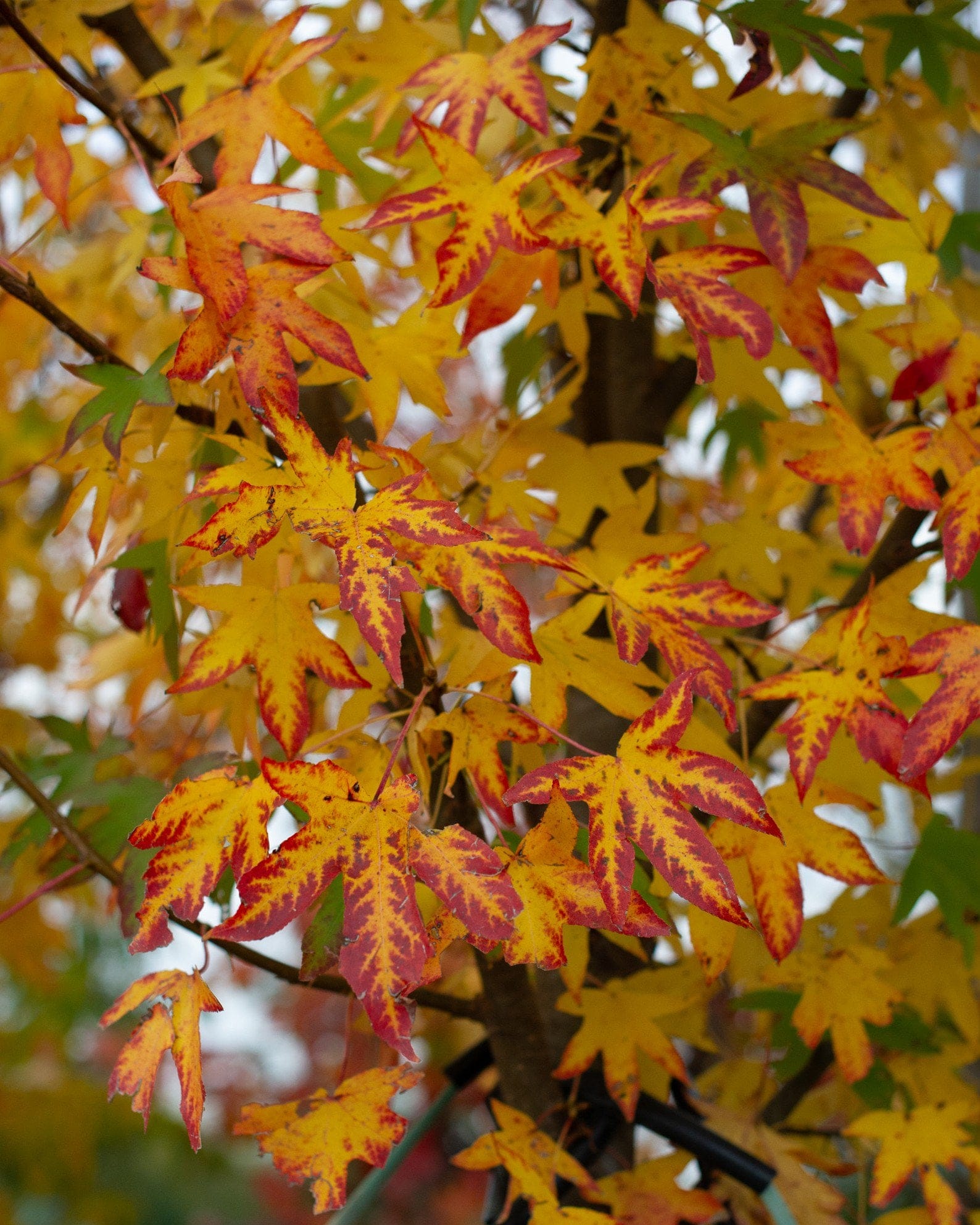
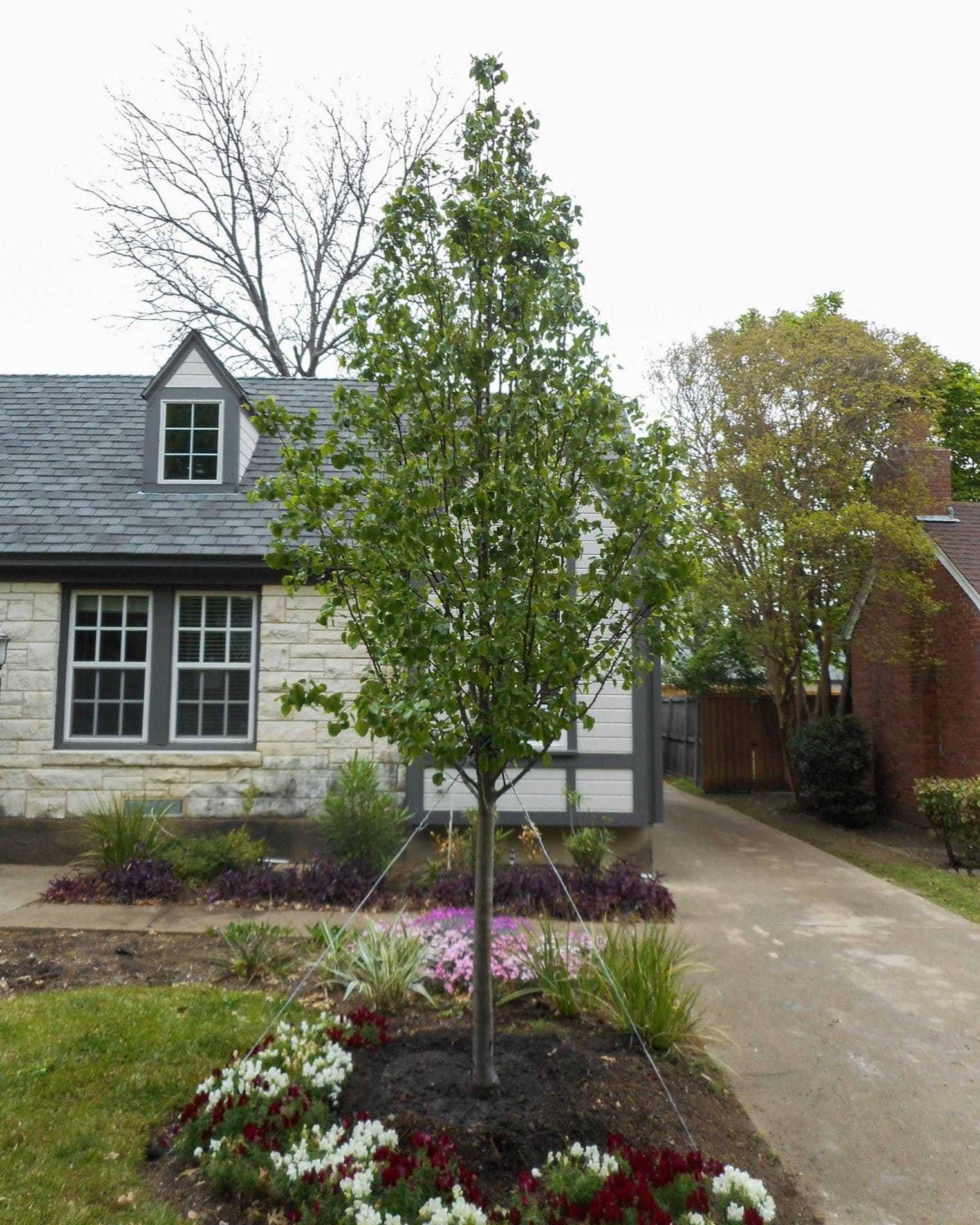
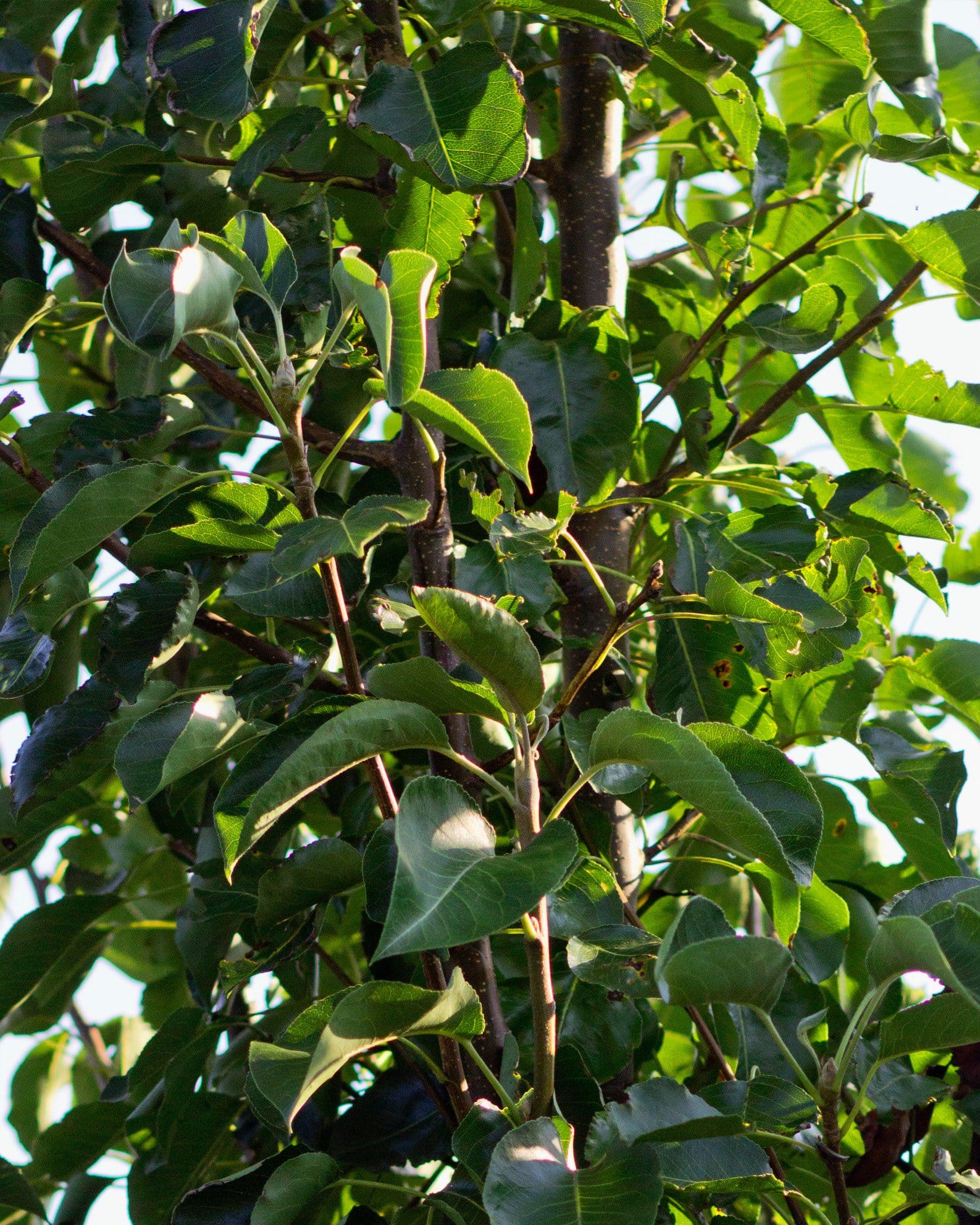
Cleveland Select Pear
Maturity: 25' H x 15' W
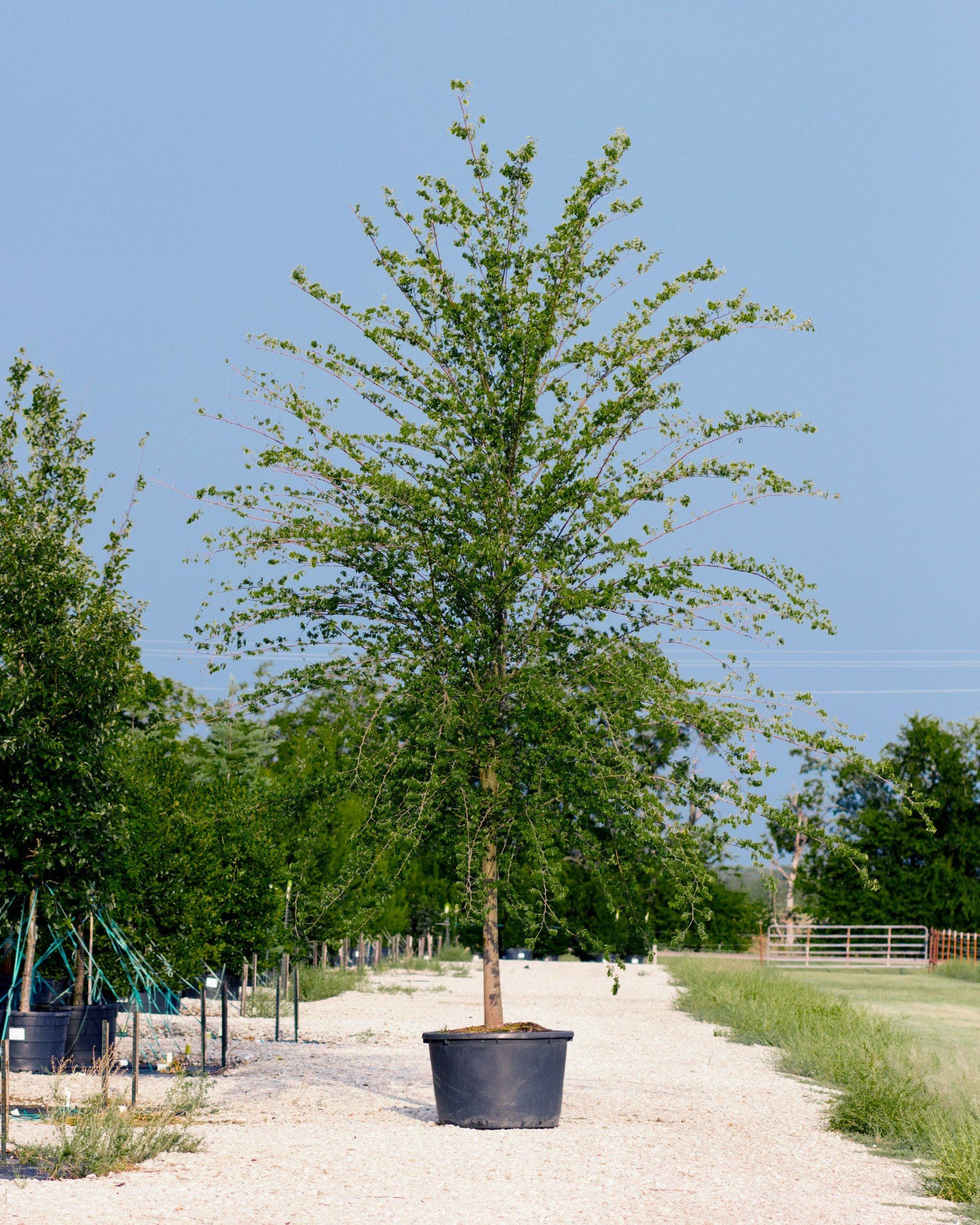
Frontier Elm
Maturity: 40' H x 30' W
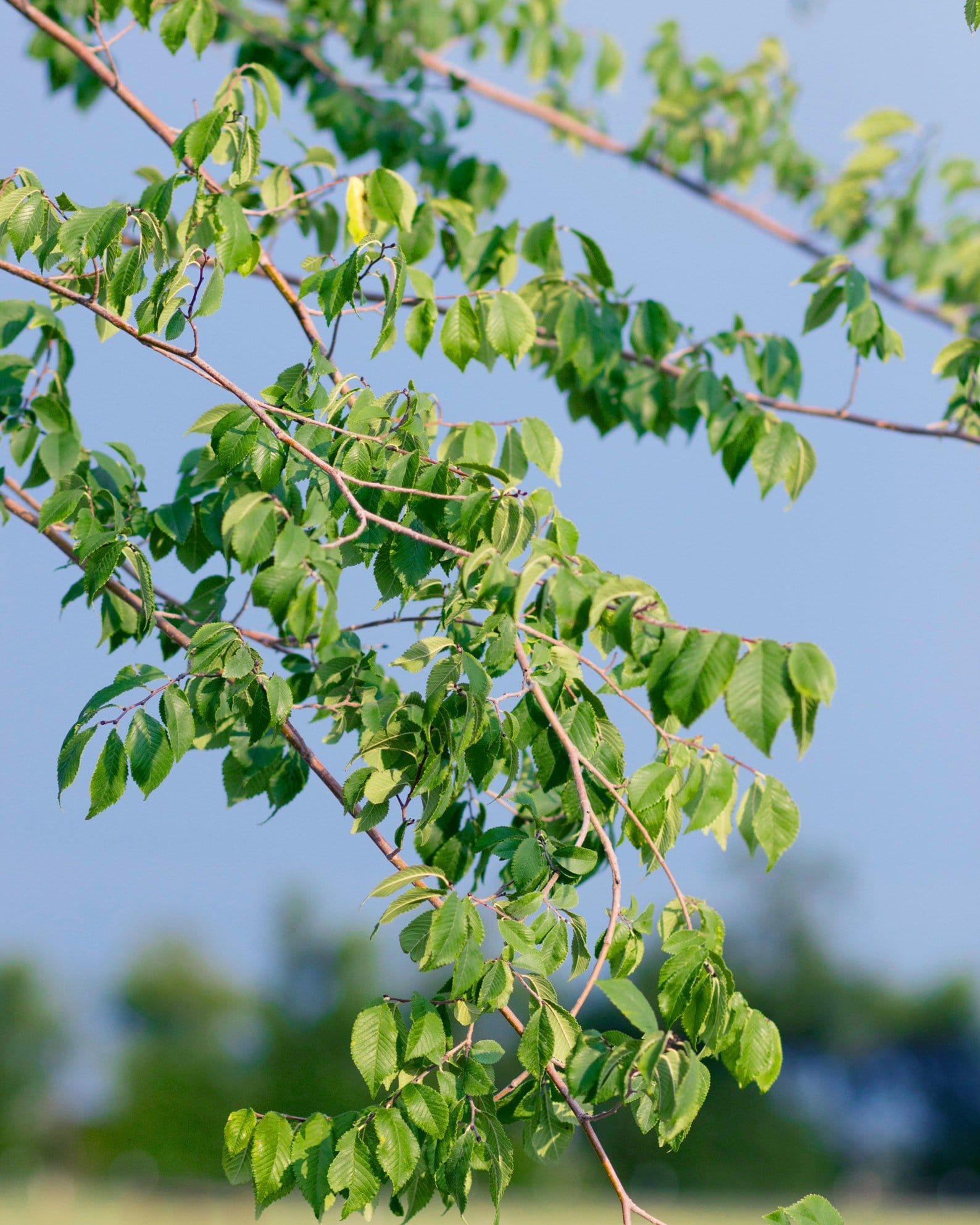
Green Vase Zelkova
Maturity: 45' H x 30' W
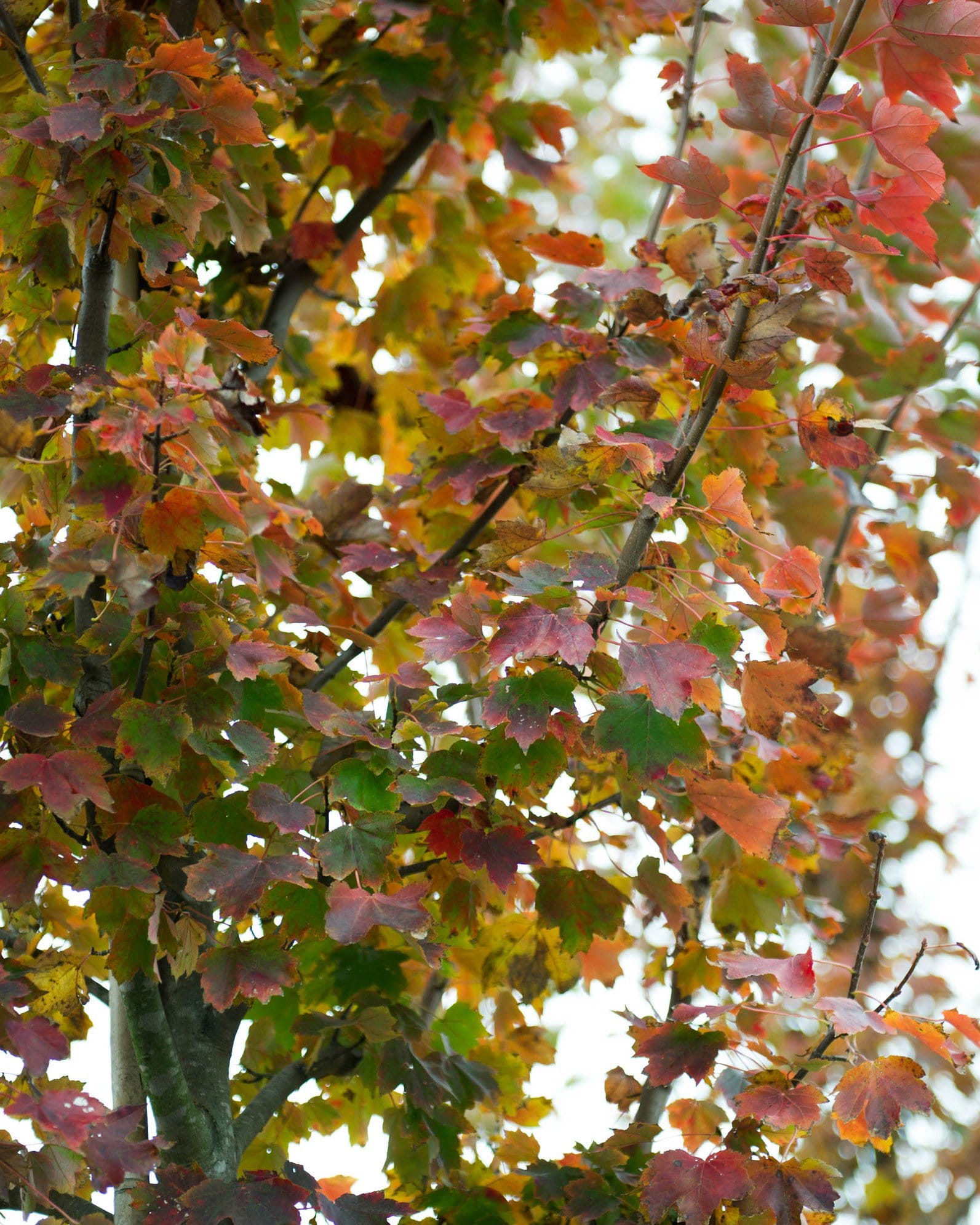
October Glory Maple
Maturity: 45' H x 35' W
Pacific Sunset Maple
Maturity: 30' H x 25' W
Shantung Maple
Maturity: 25' H x 20' W
Trident Maple
Maturity: 25' H x 25' W
Autumn Blaze Maple
Maturity: 45' H x 35' W
Bald Cypress
Maturity: 60' H x 40' W
Celebration Maple
Maturity: 45' H x 35' W
Montezuma Cypress
Maturity: 60' H x 40' W
Overcup Oak
Maturity: 45' H x 35' W
Compare Similar Plants
Urbanite Ash This plant | ||
|---|---|---|
| Scientific Name | Fraxinus pennsylvanica 'Urbanite' | Fraxinus texensis |
| Size at Maturity | 45' H x 35' W | 45' H x 35' W |
| Leaf Retention | Deciduous | Deciduous |
| Fall Color | Orange & Red | Orange, Red & Yellow |
| Sizes Available | 45 gal | 30, 65 gal |

Our 1-Year Planting Guarantee
We take pride in our plants and installation services. If any plants or trees installed by Treeland fail to thrive within the first year, we'll provide a replacement credit in accordance with our guarantee program.
Learn More About Our Guarantee