
 Texas Native
Montezuma Cypress
Taxodium mucronatumLocal DFW Delivery Only
Product Details
Montezuma Cypress
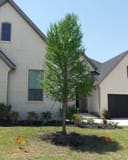
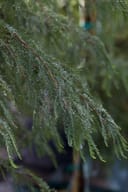
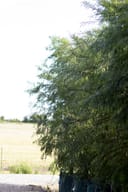
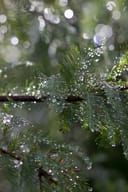
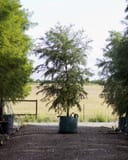
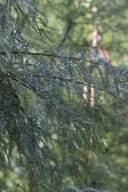
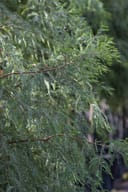
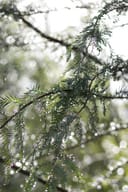
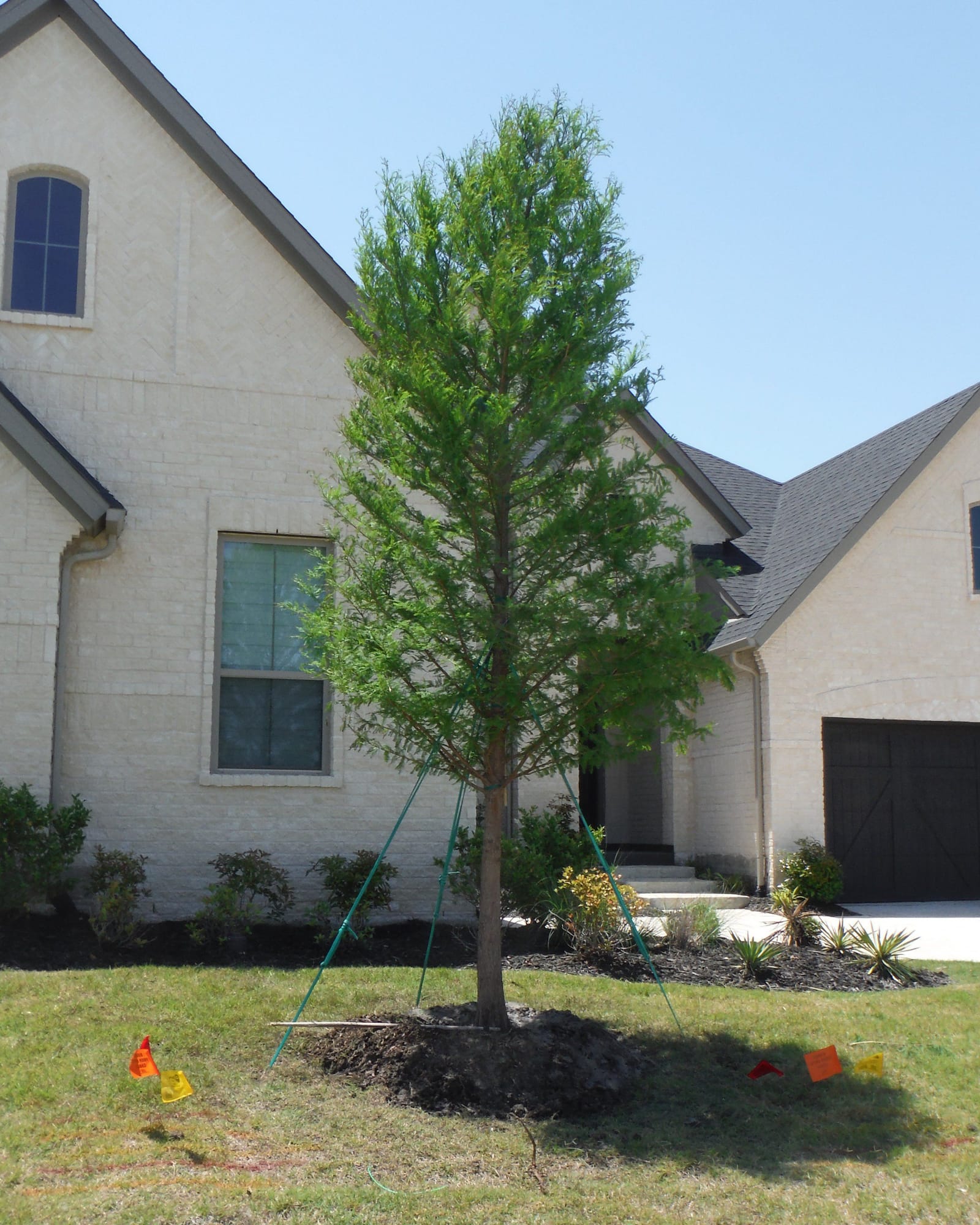
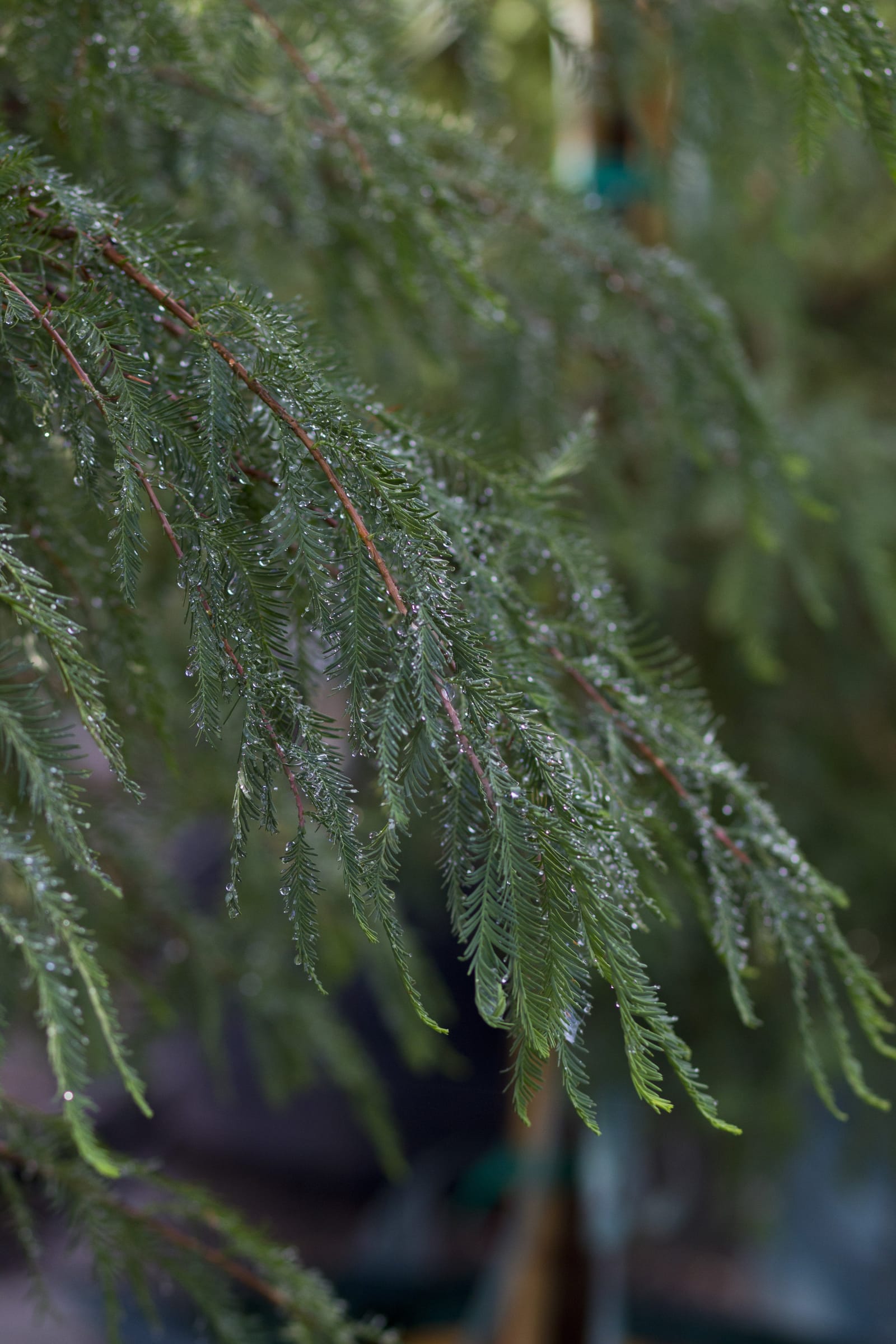
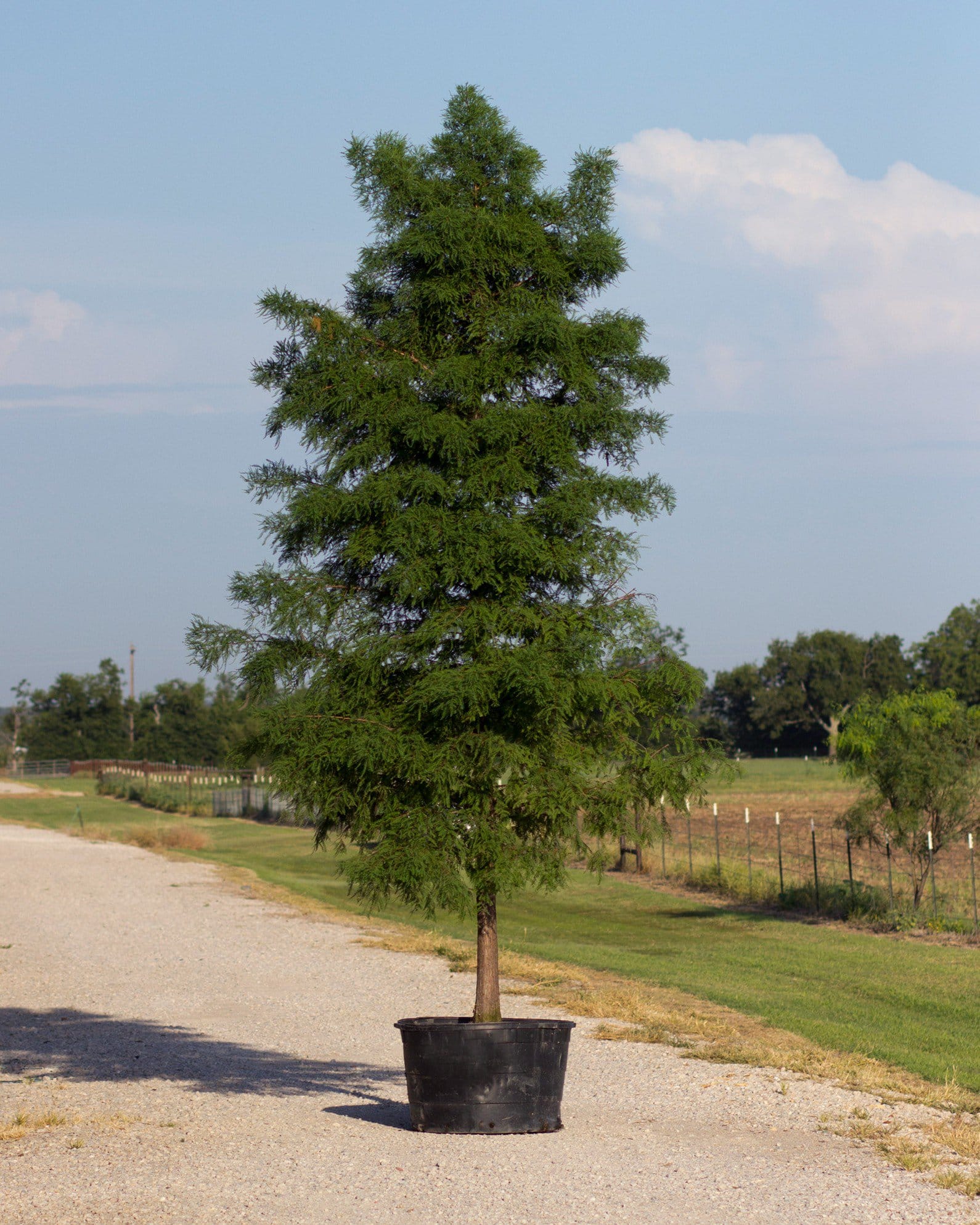
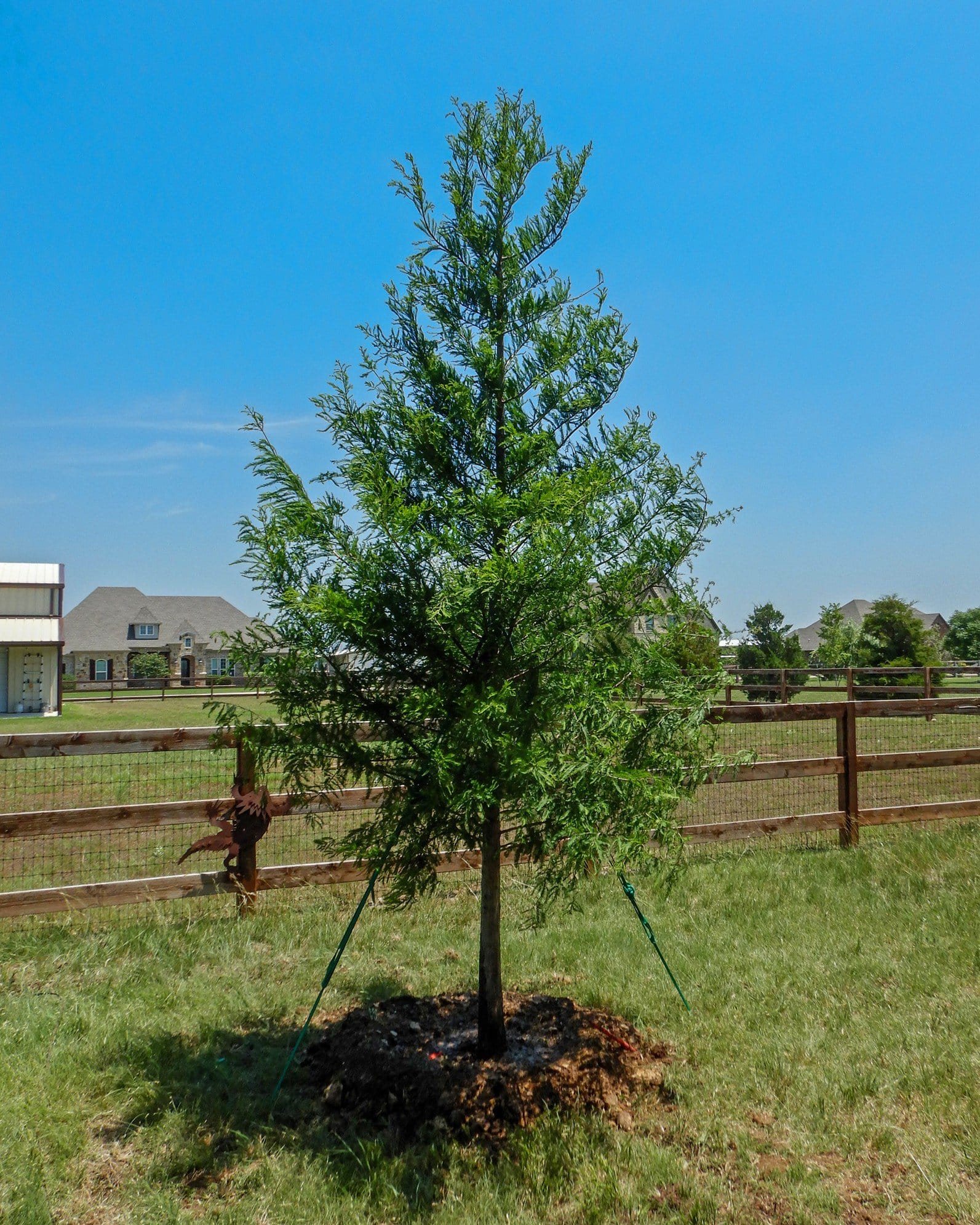
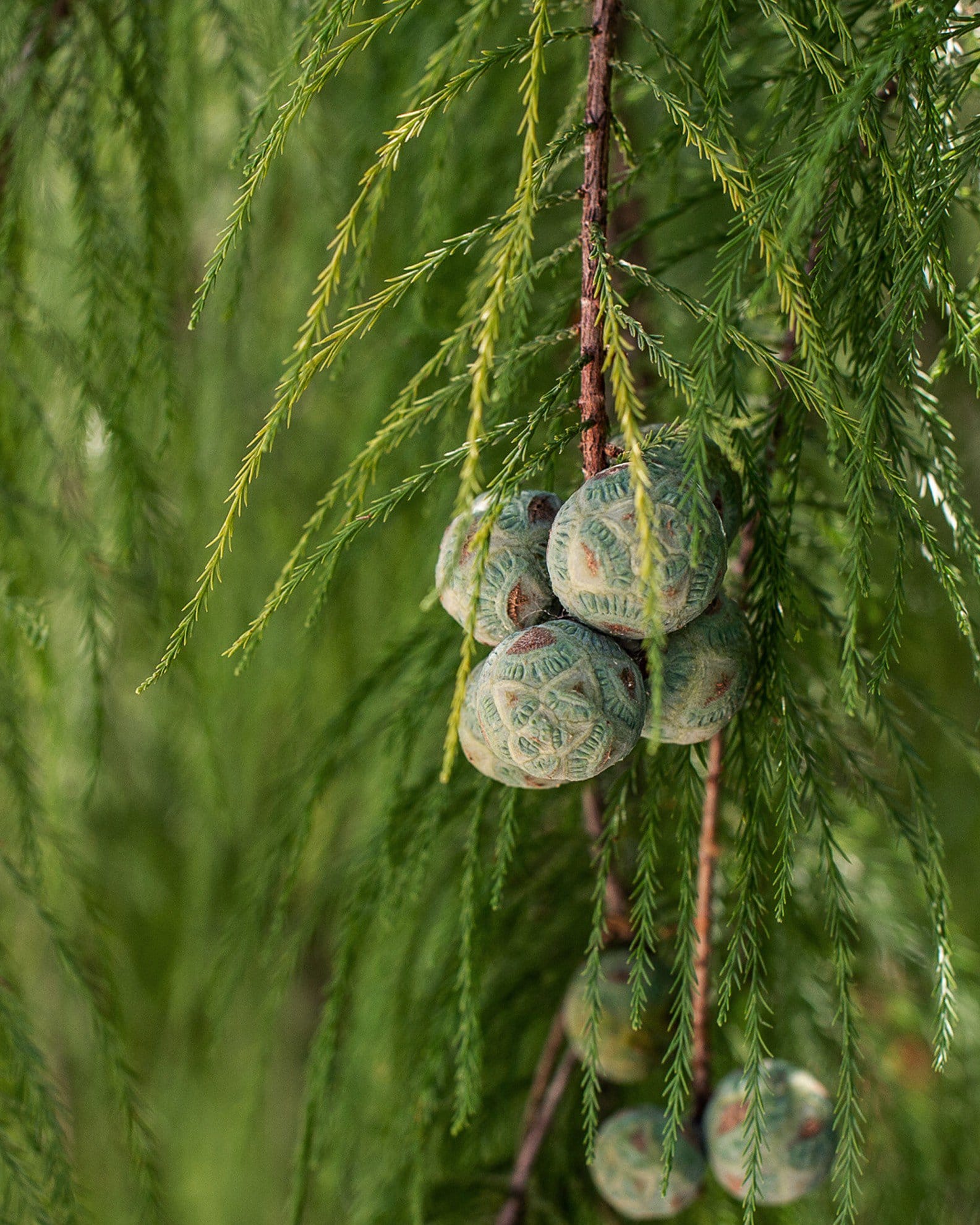
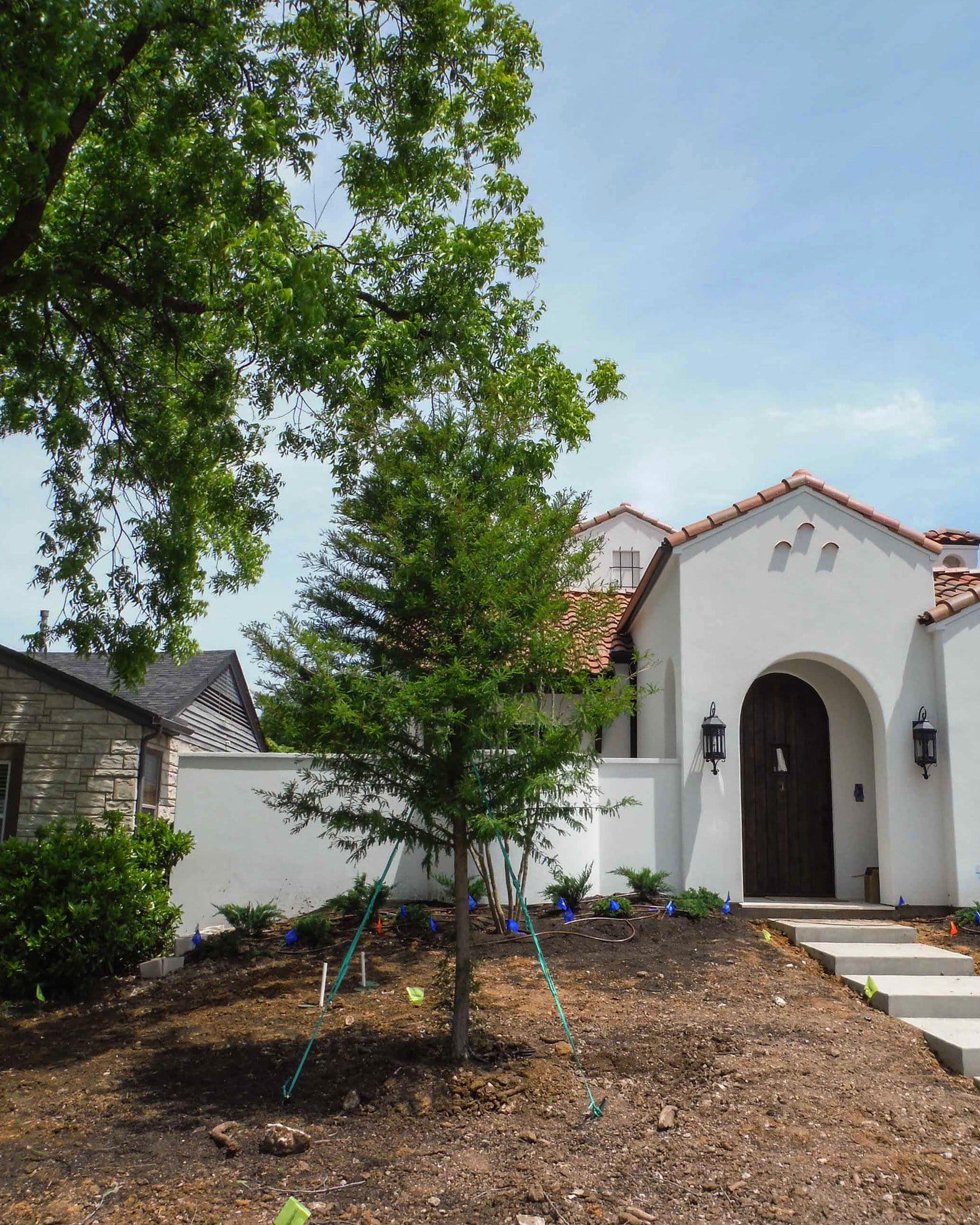
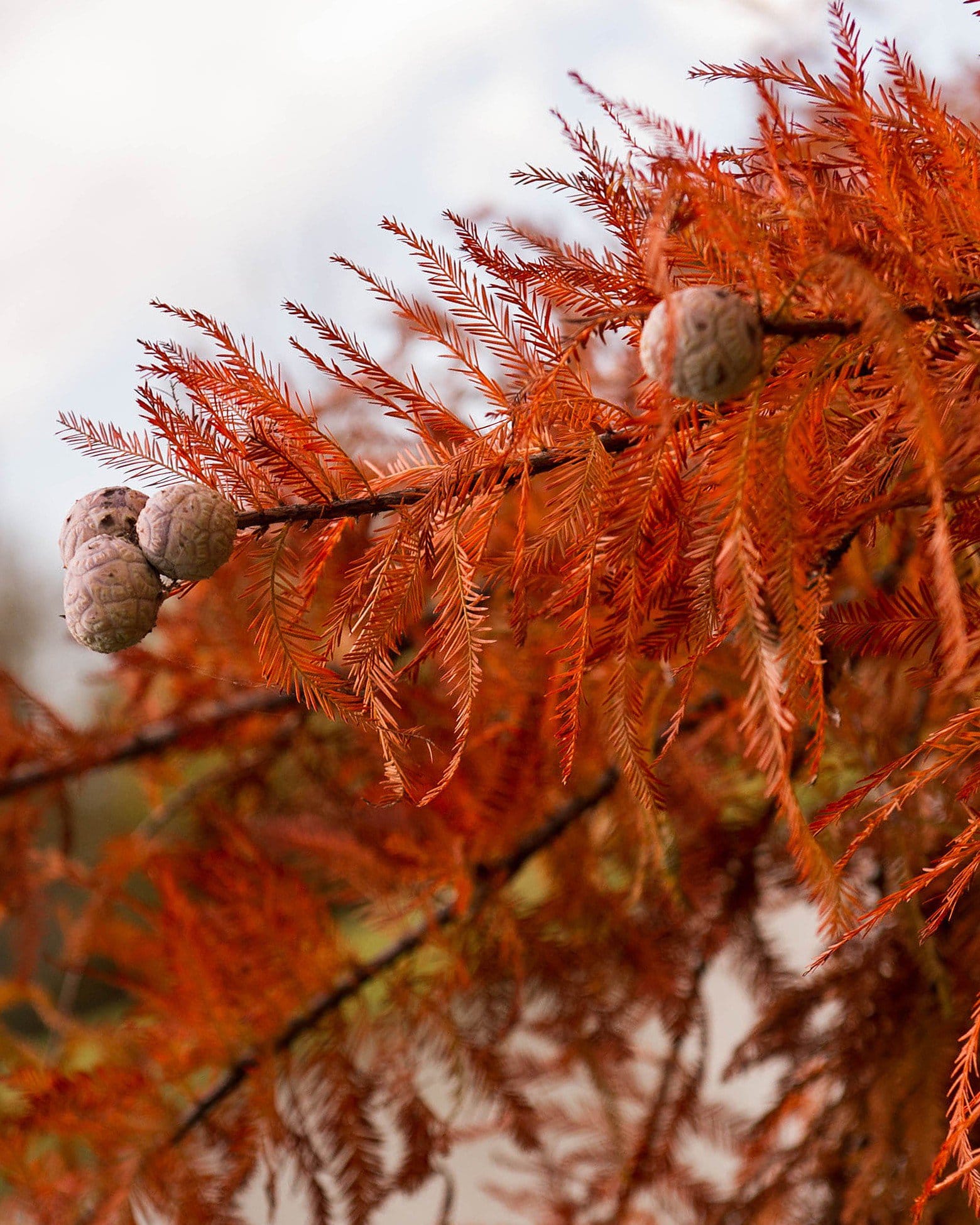
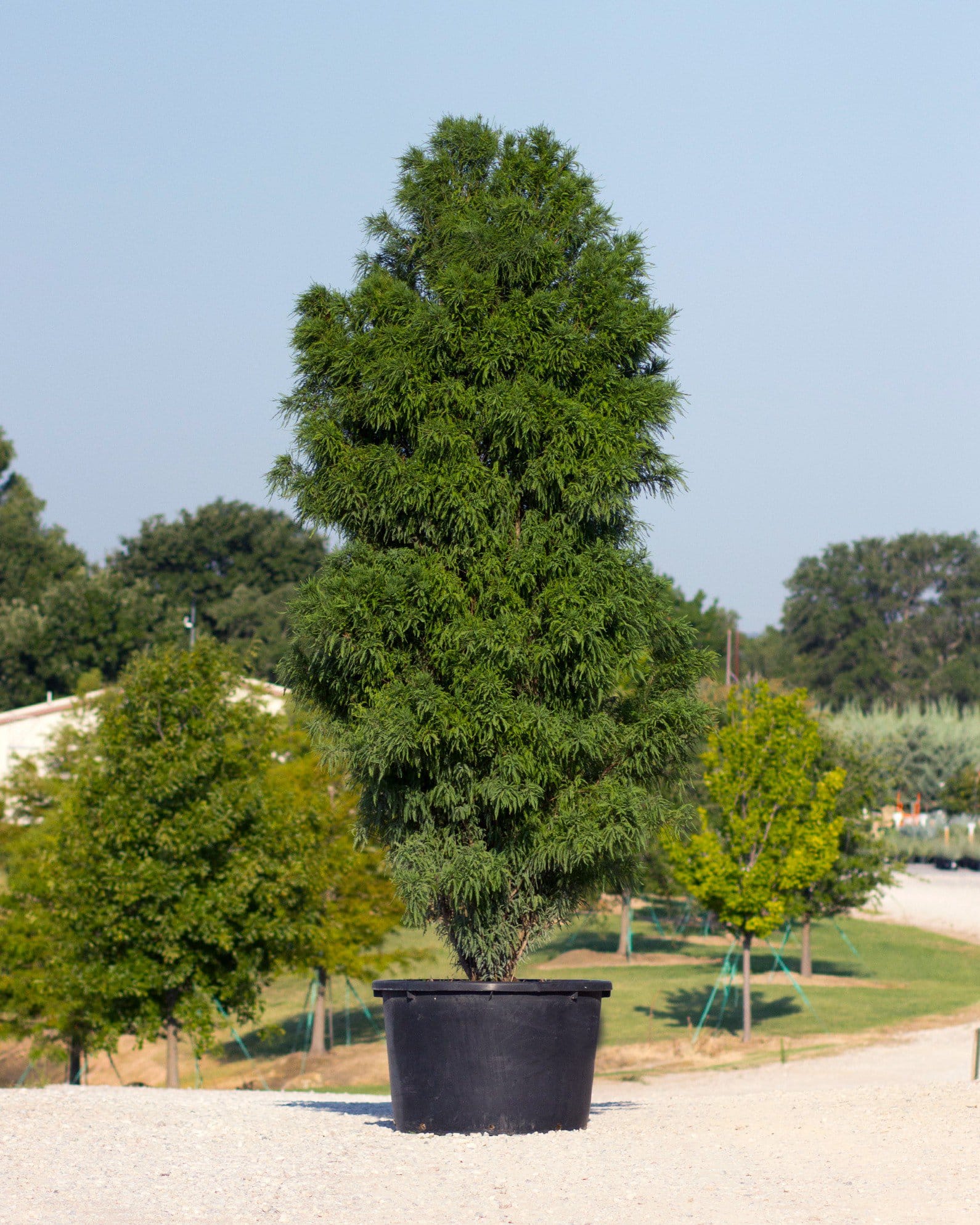
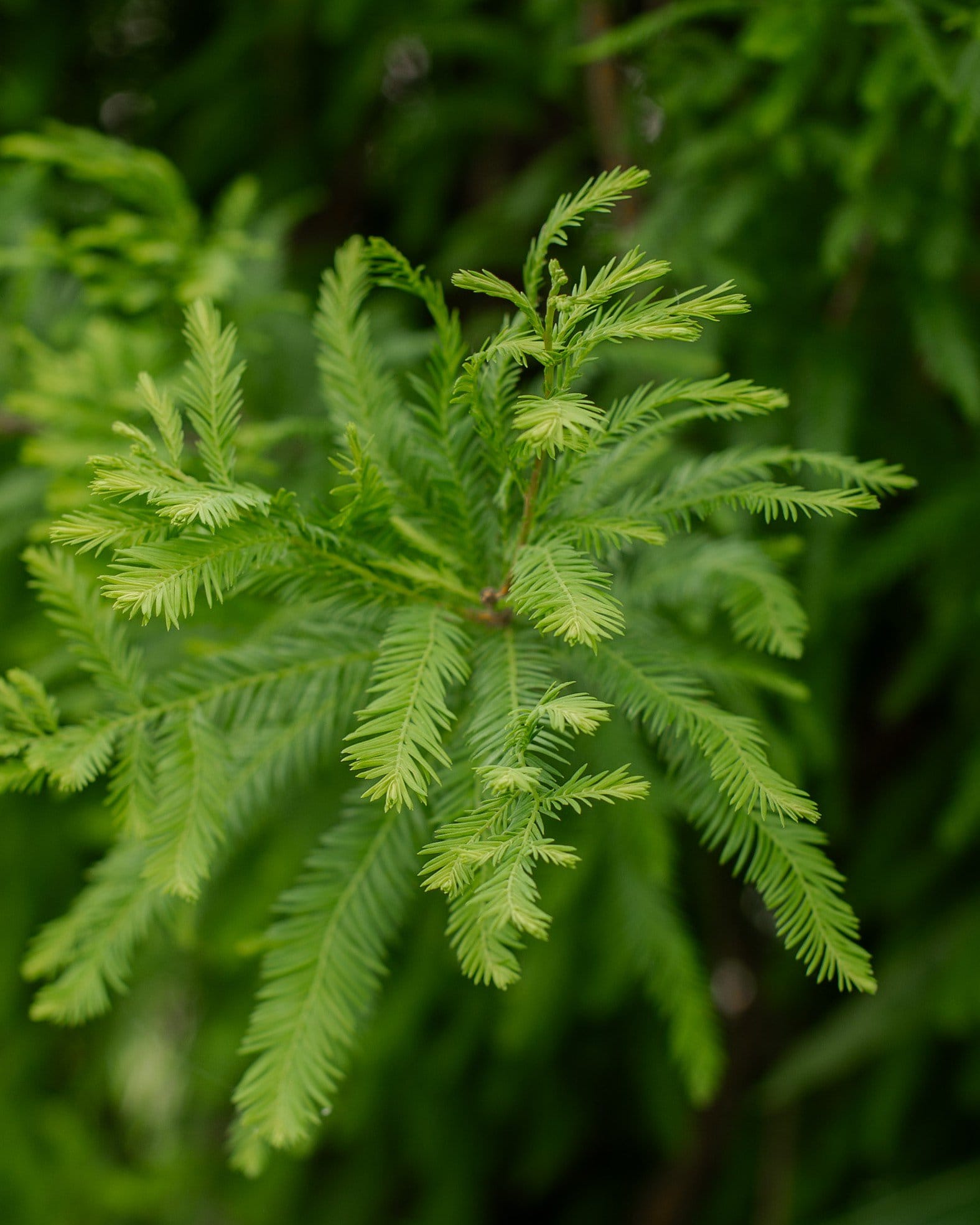
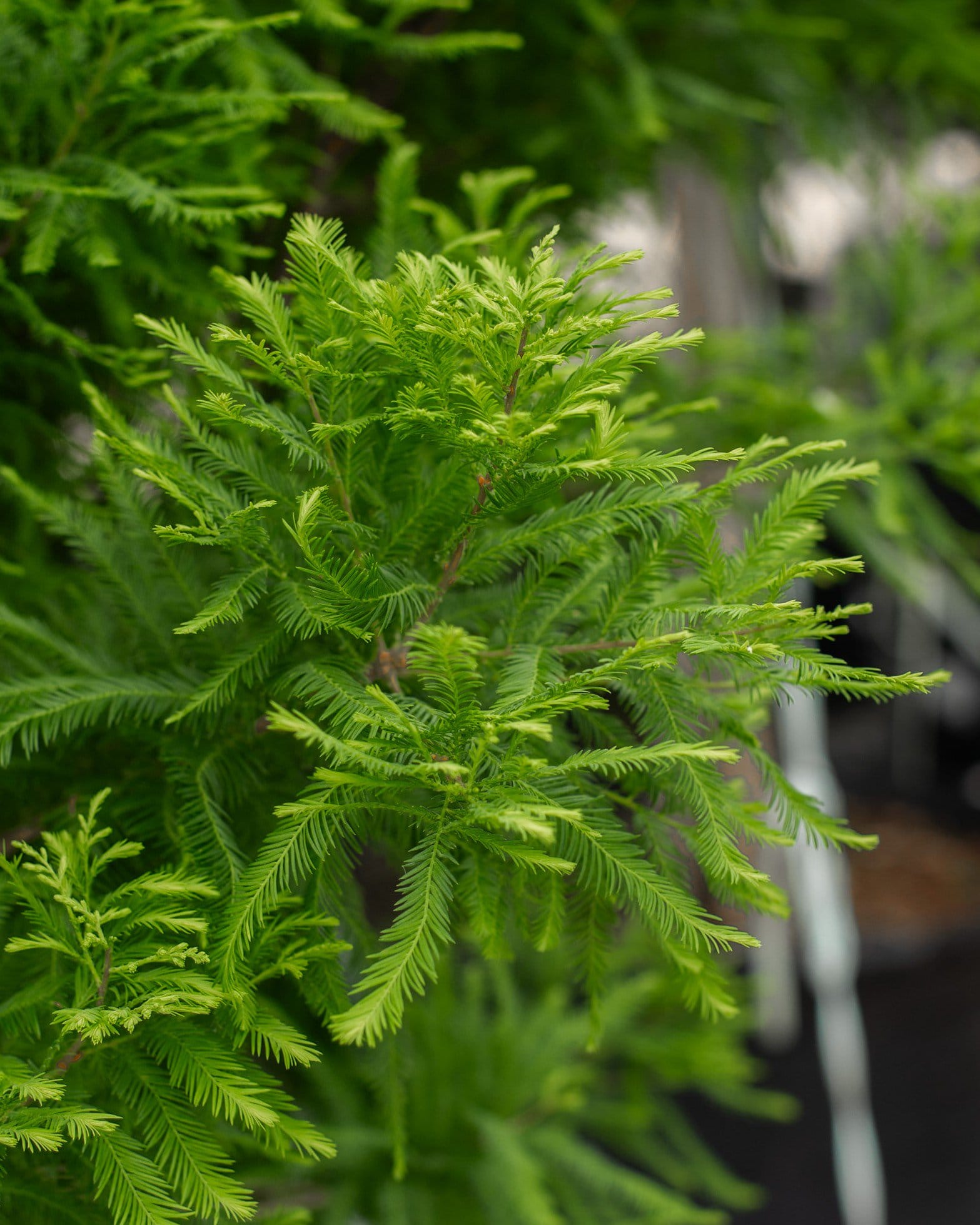
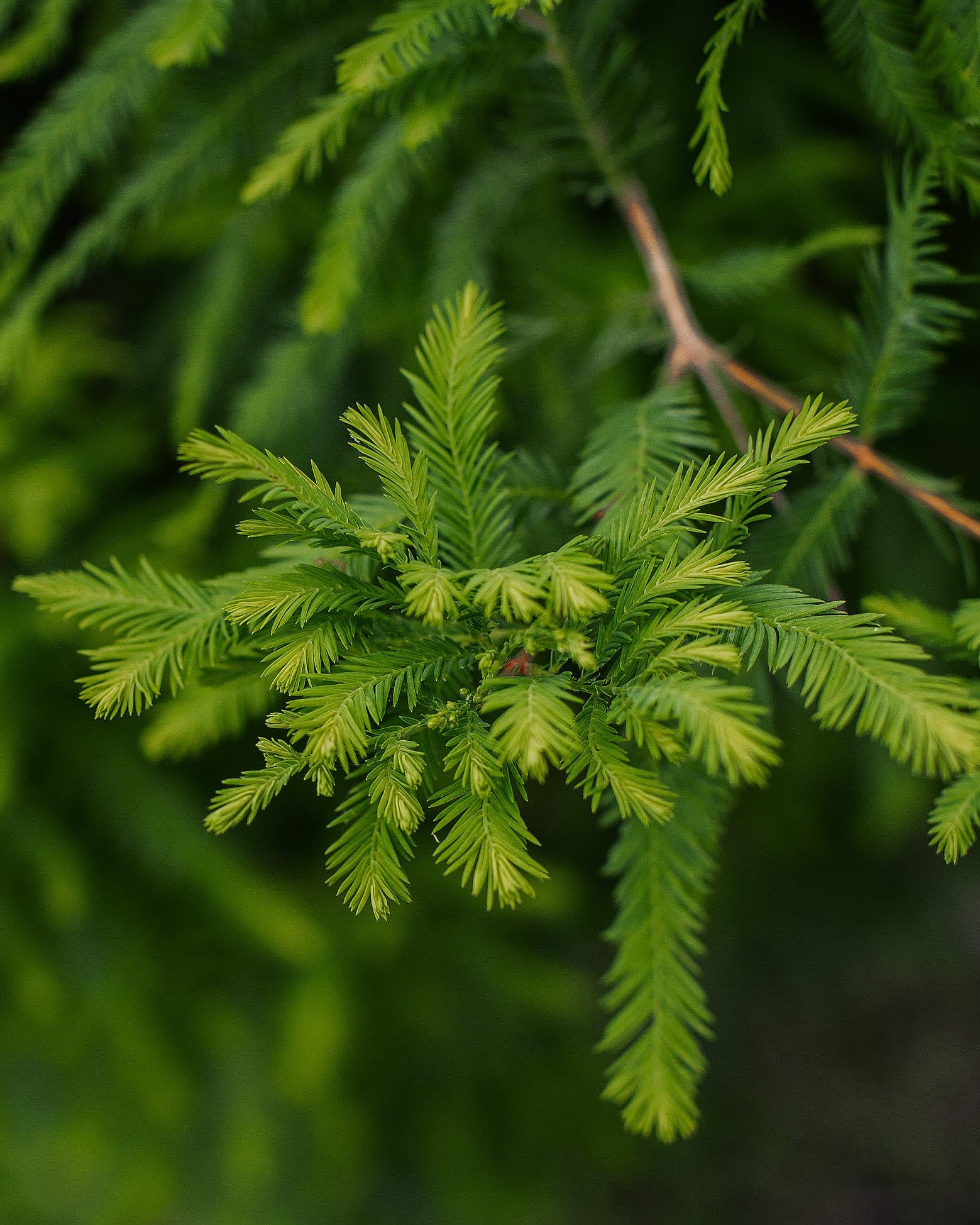
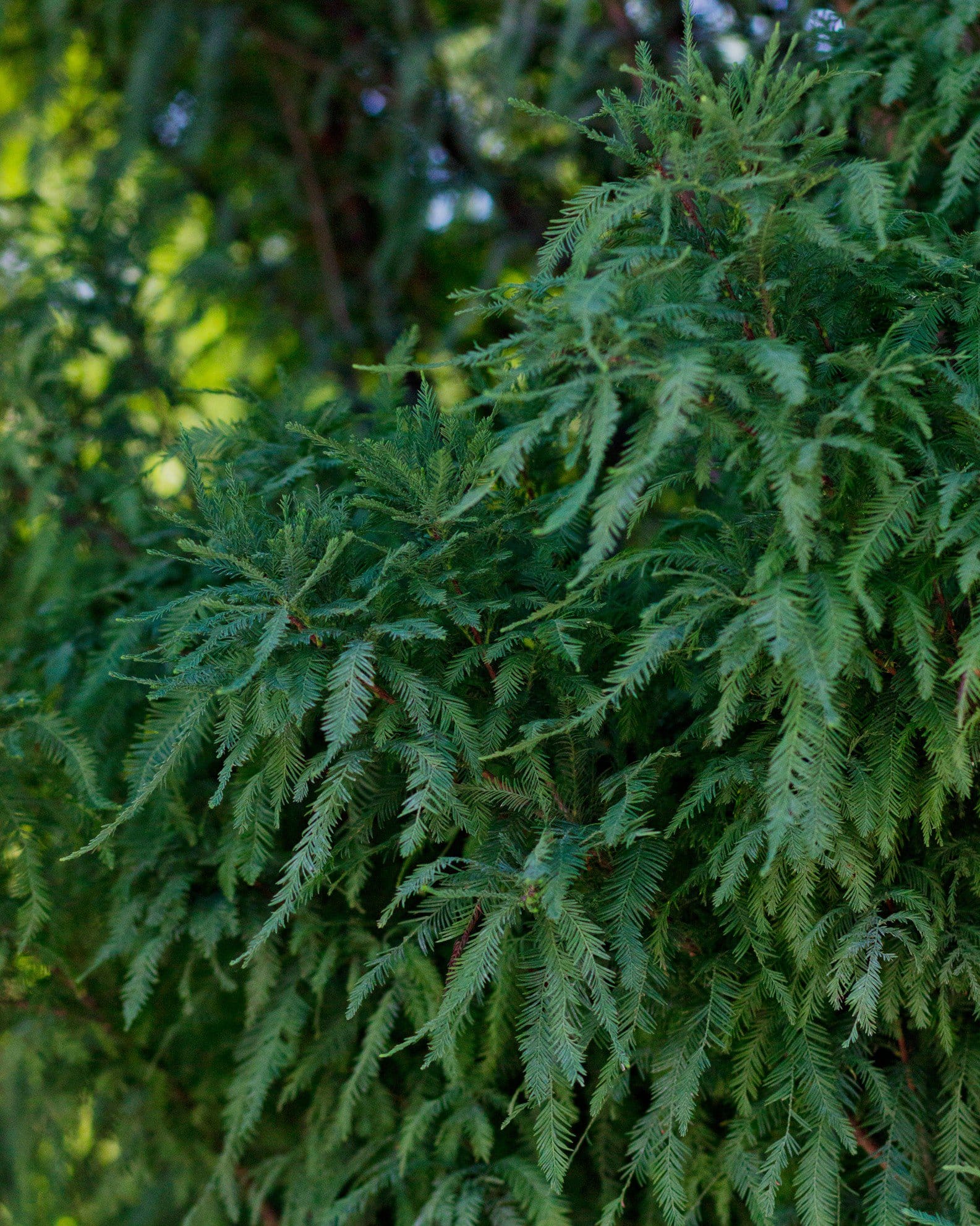
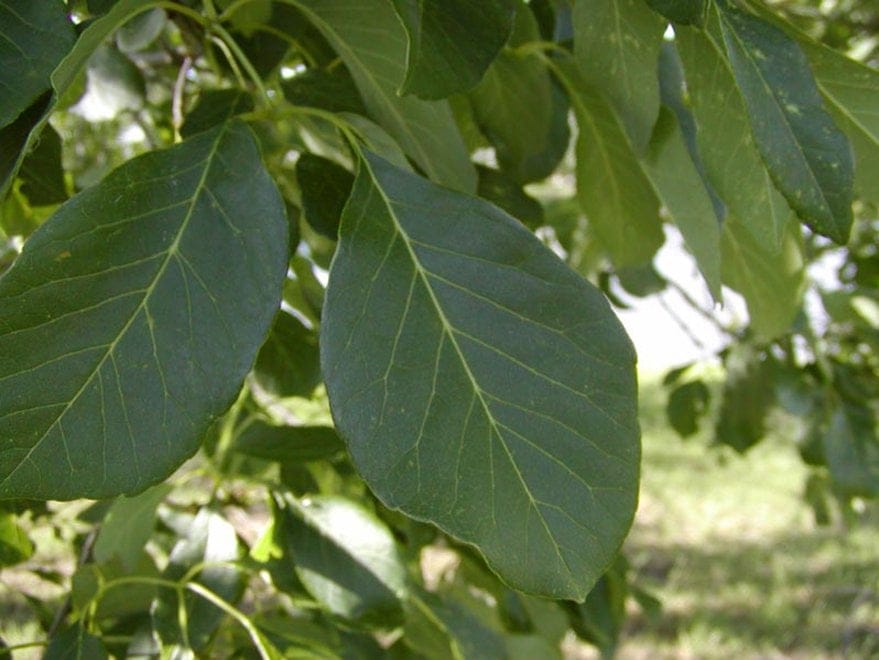
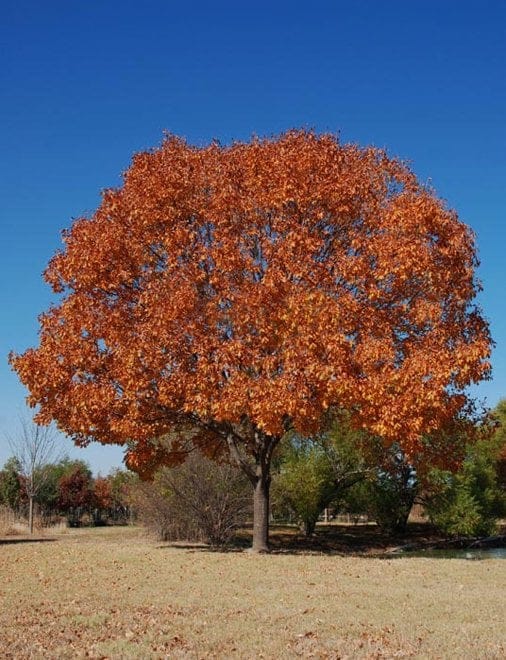
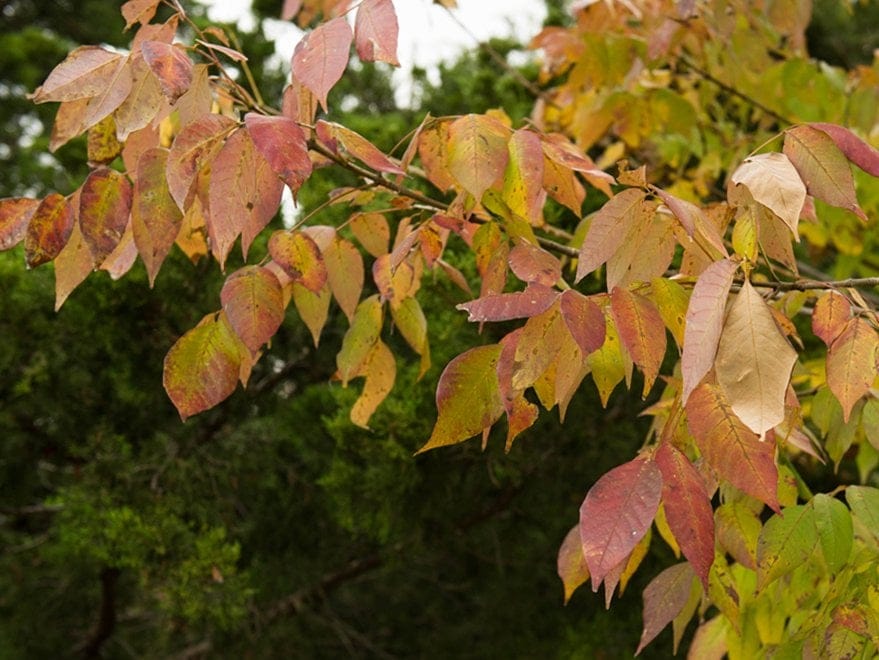
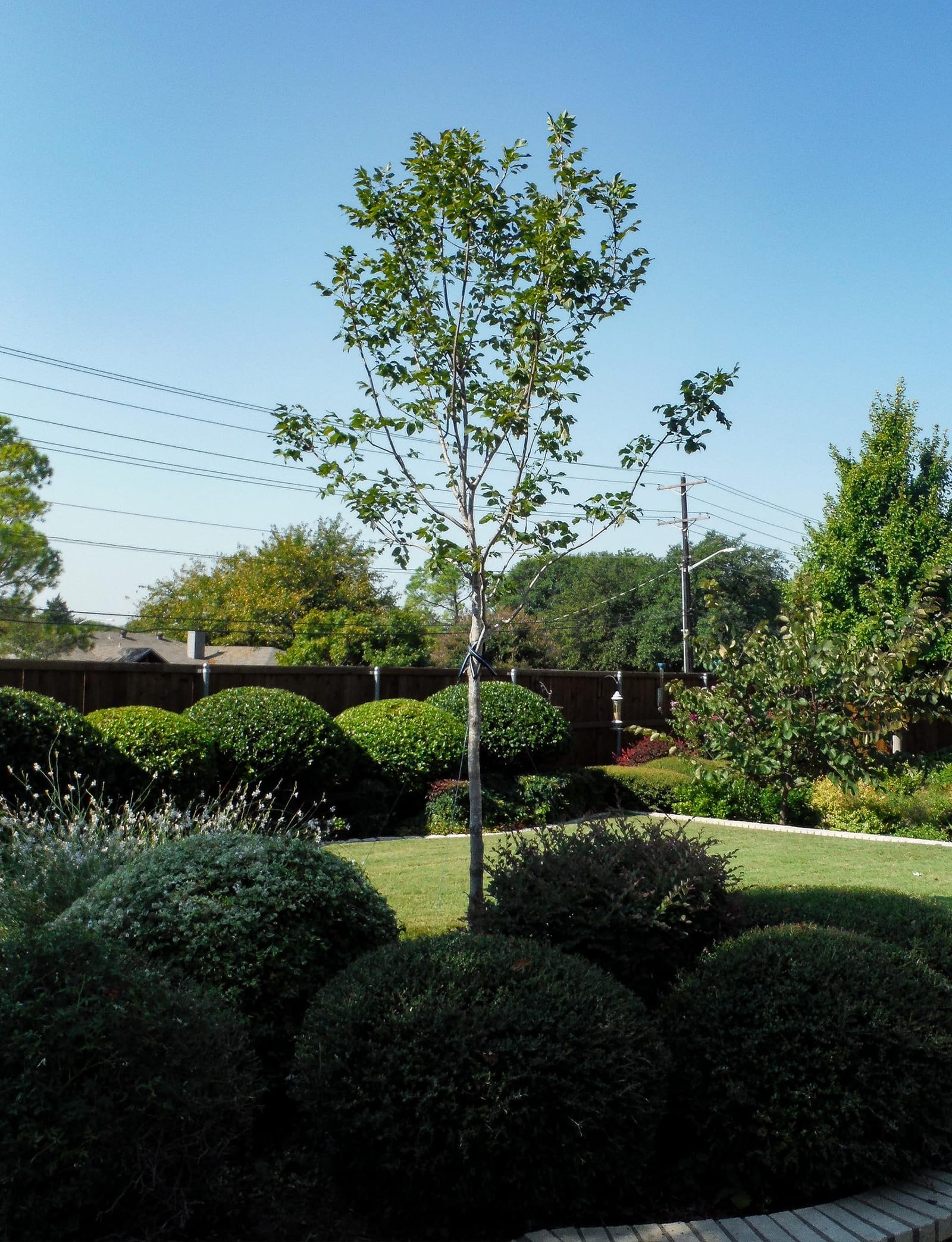
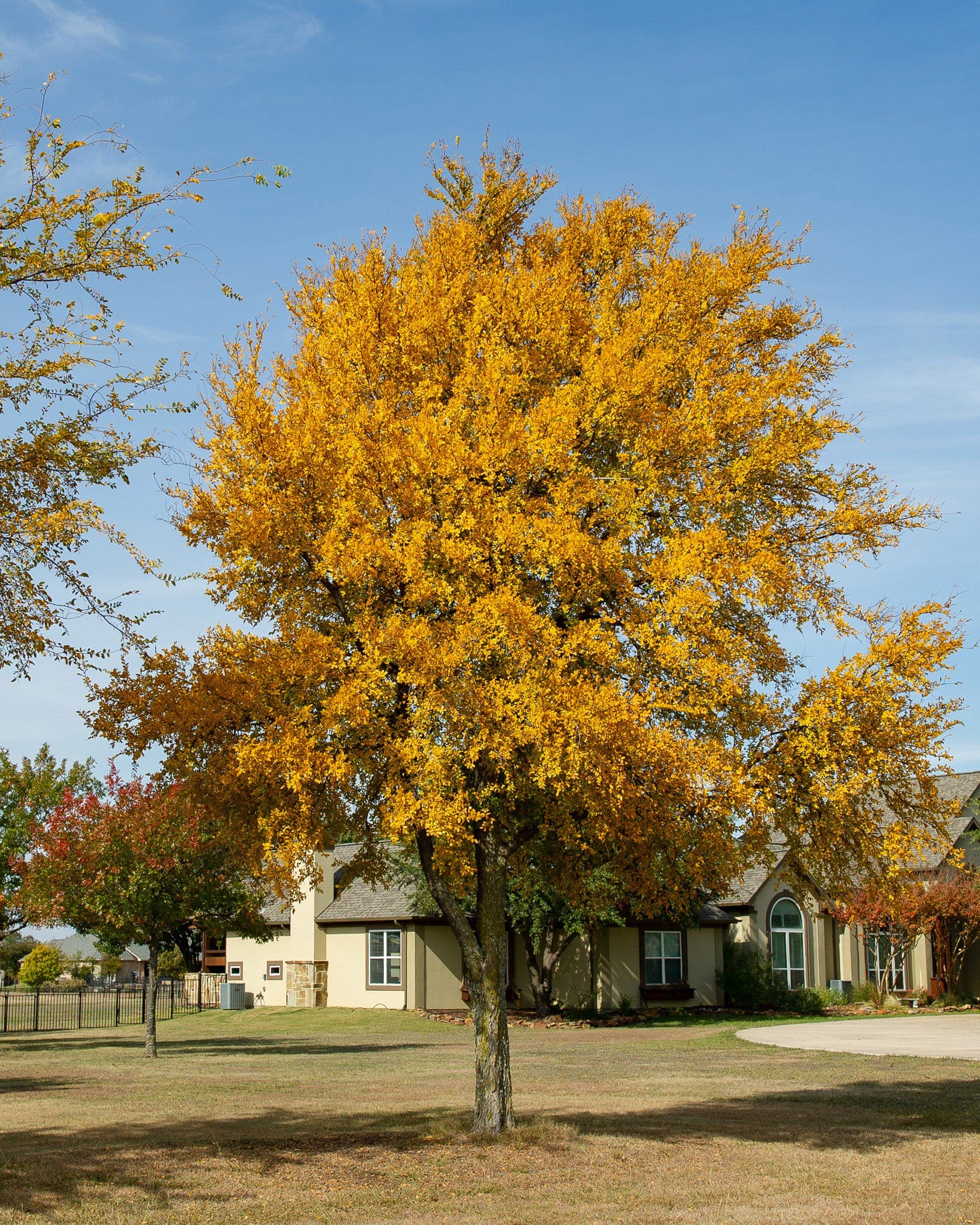
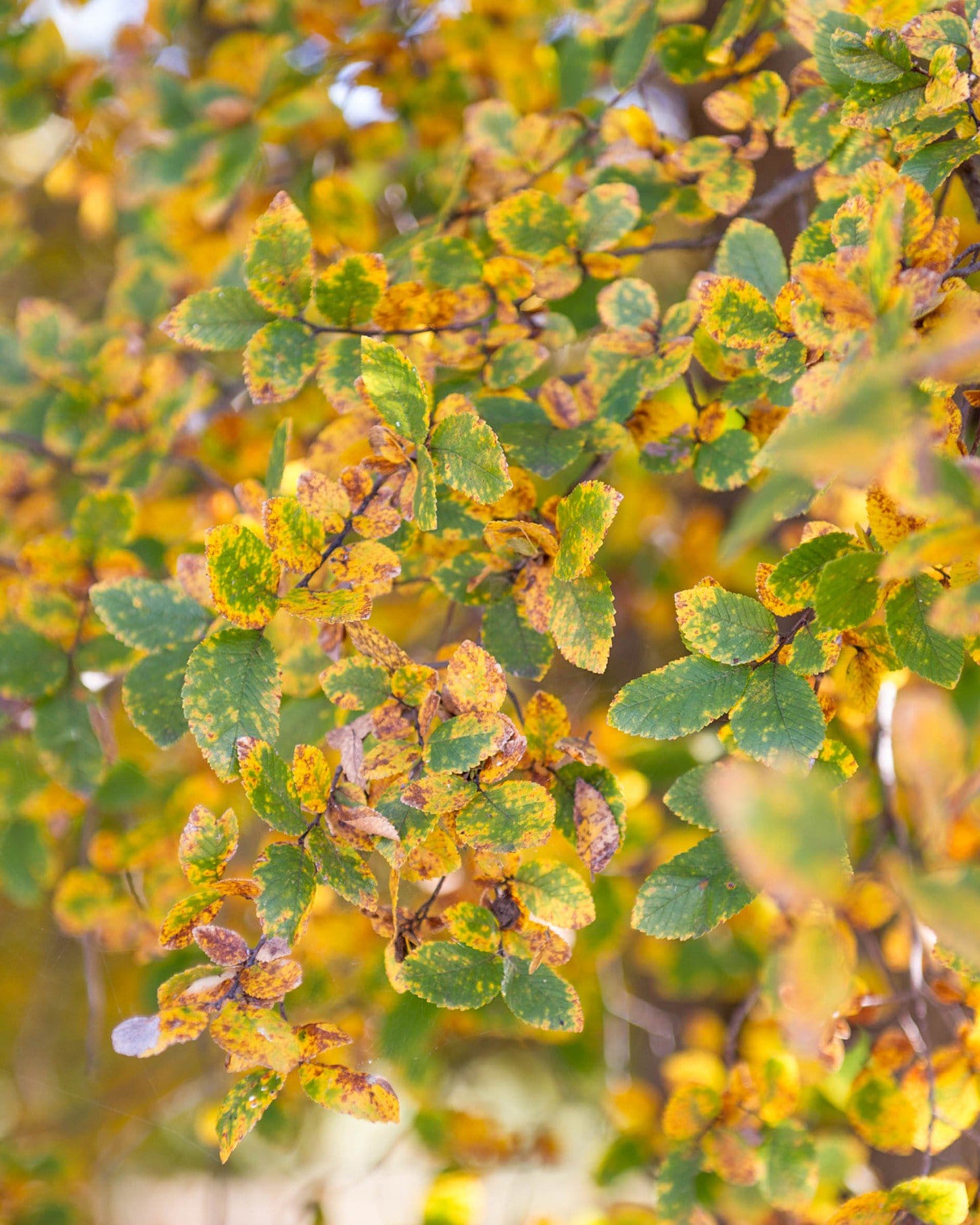
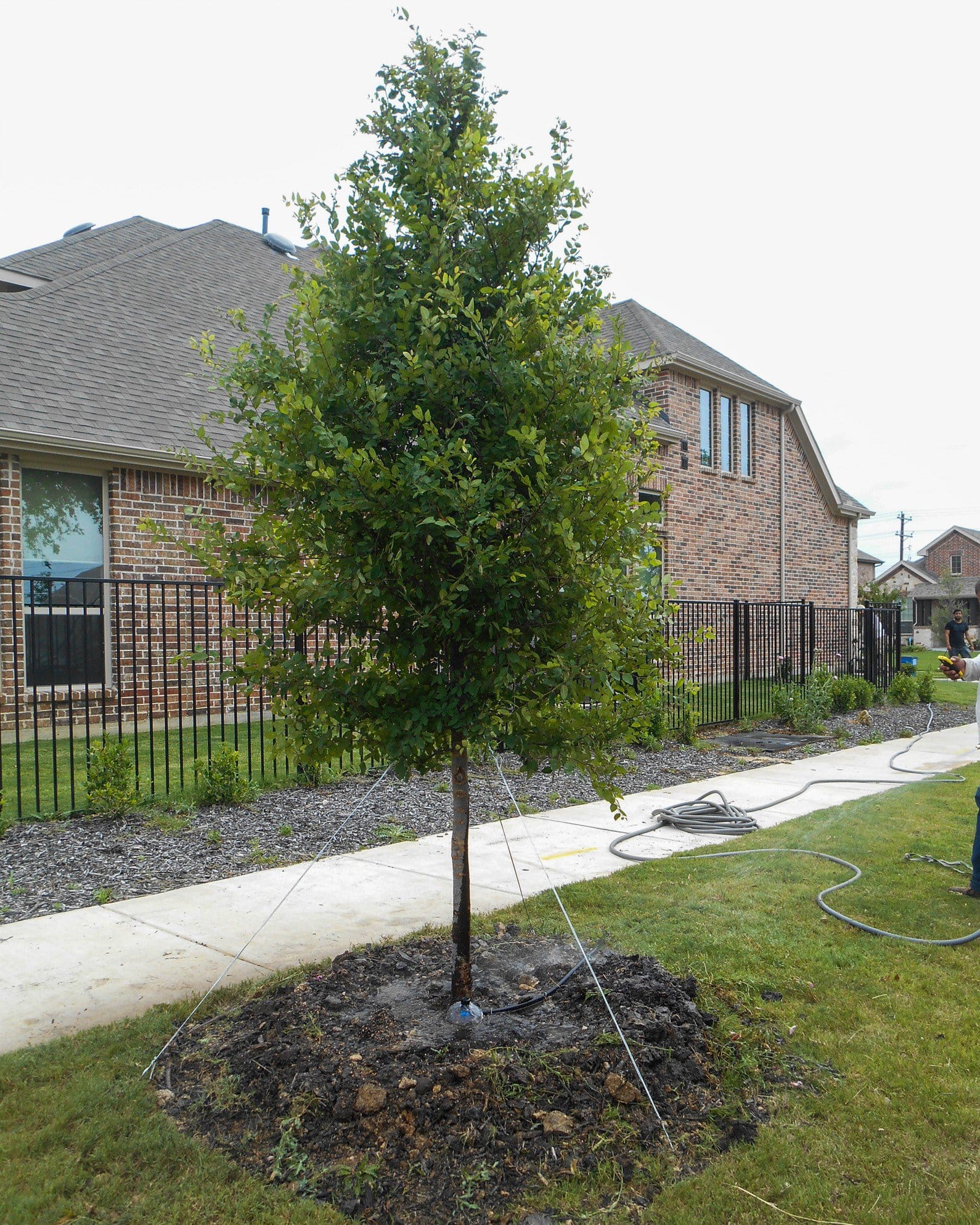
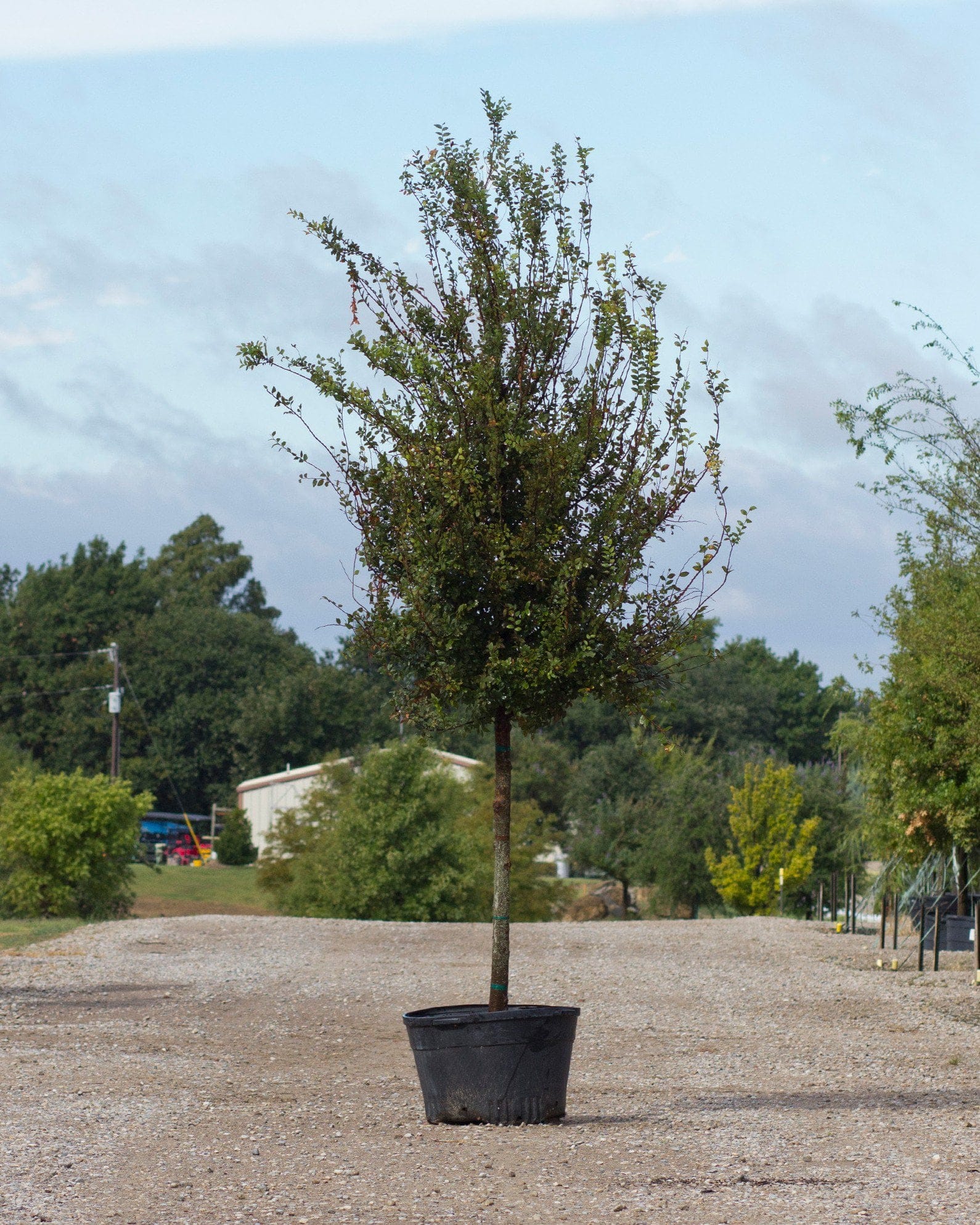
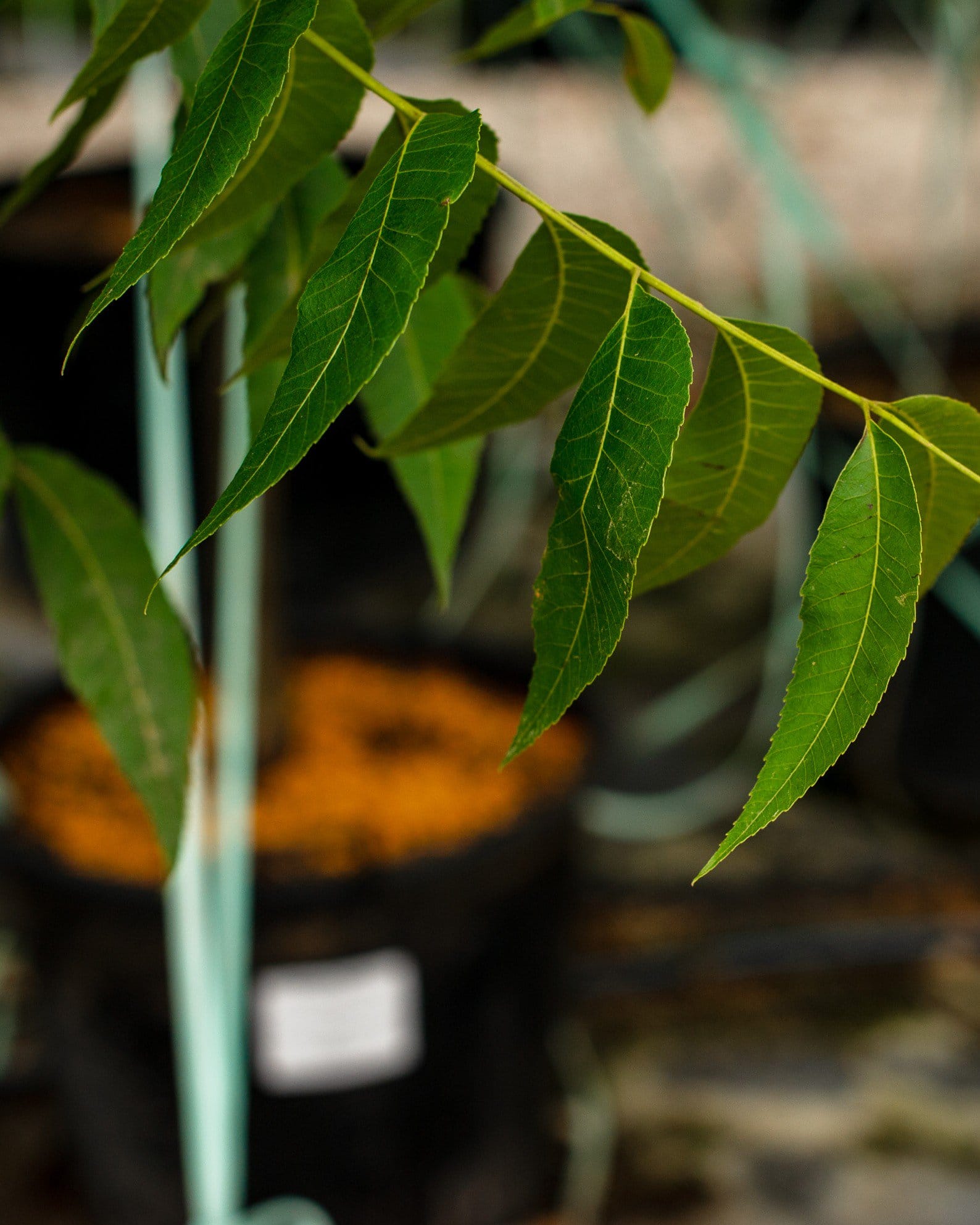
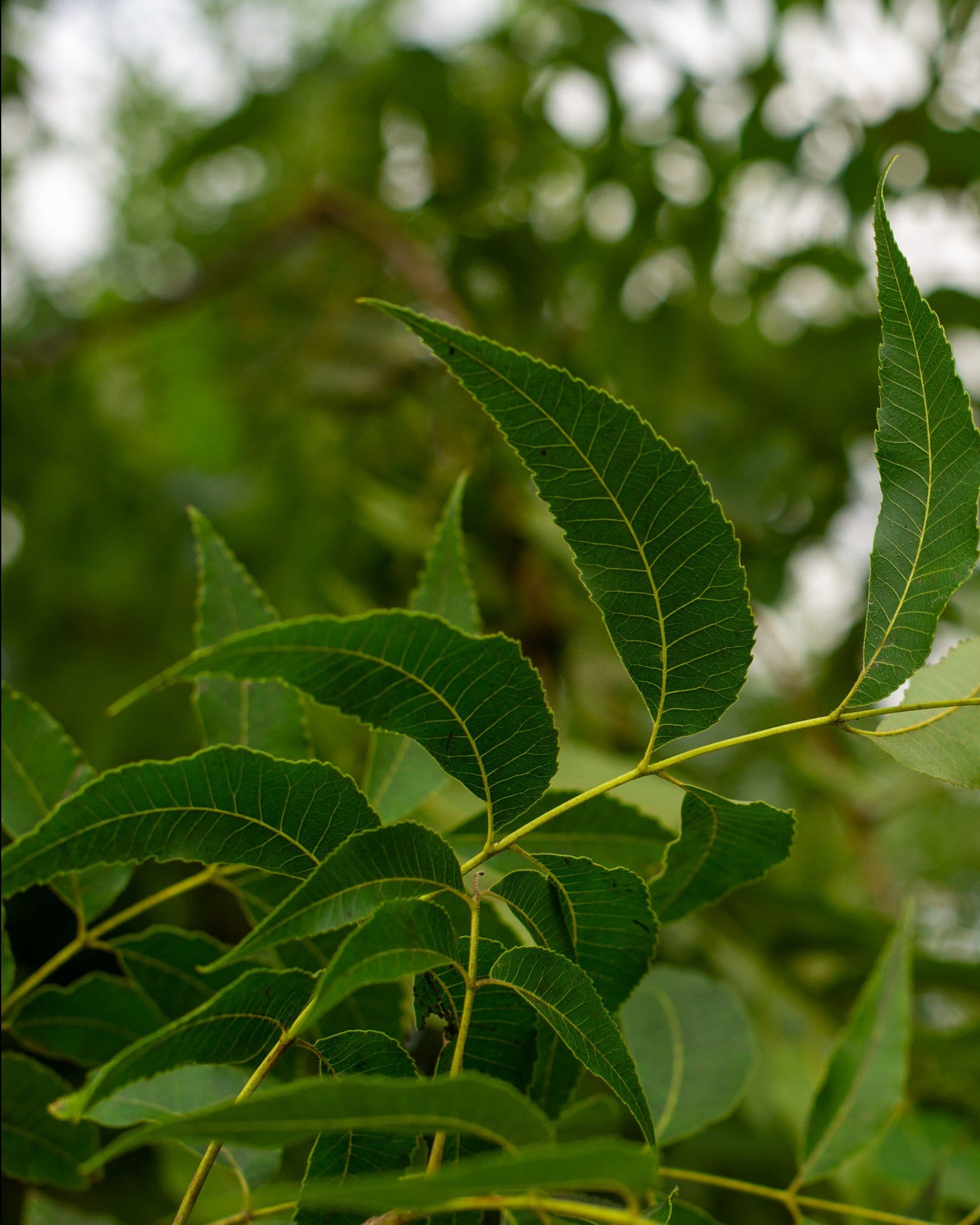
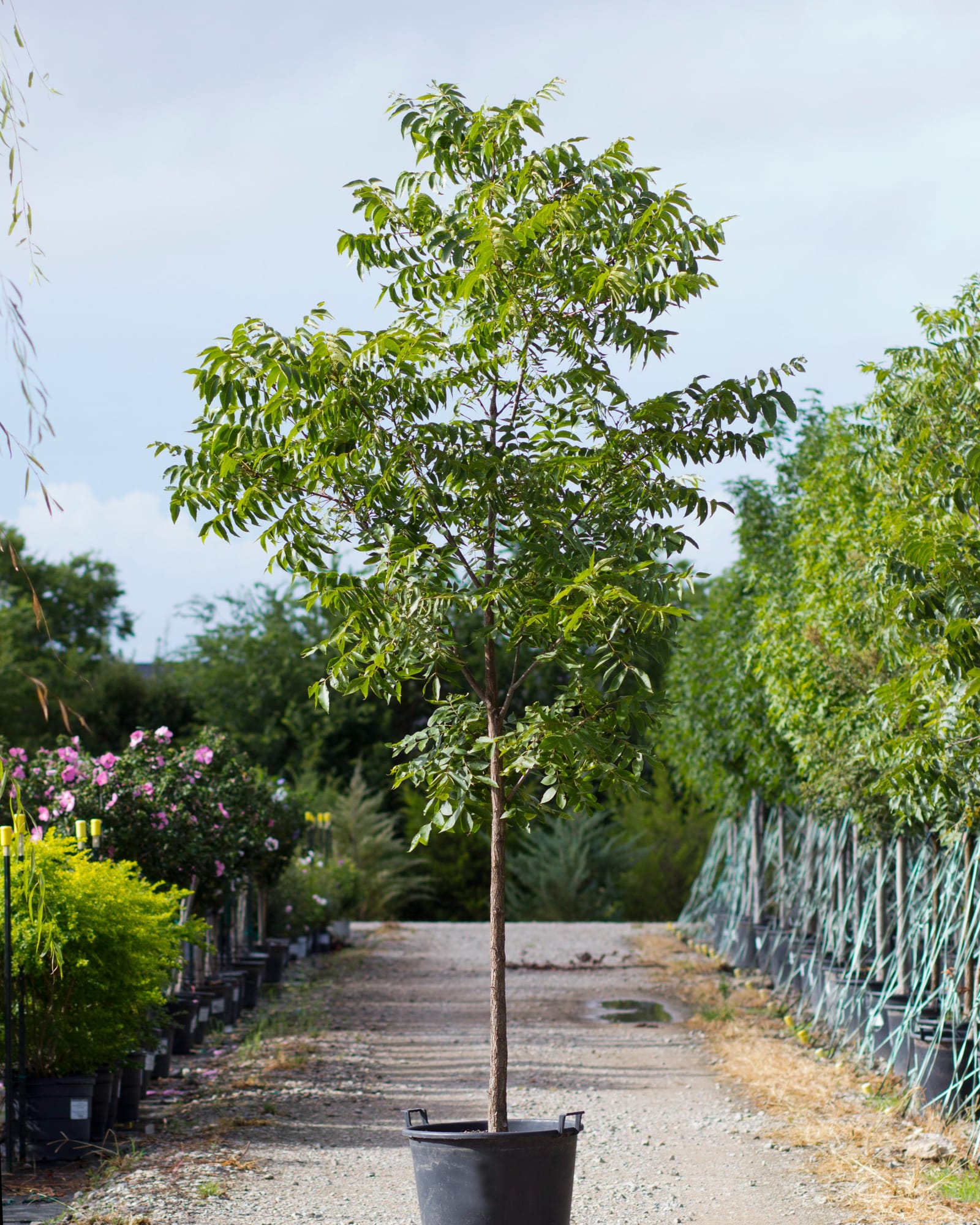
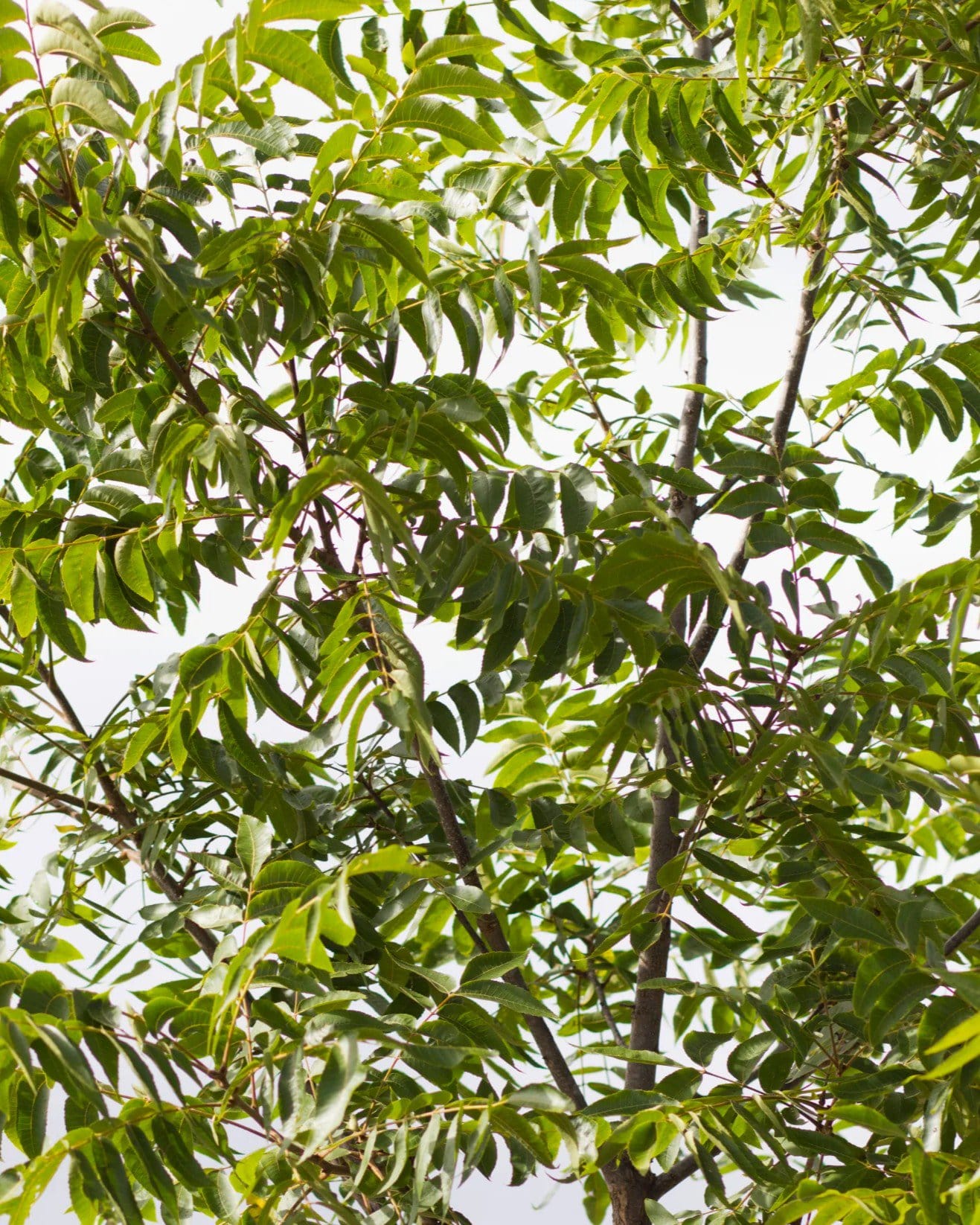
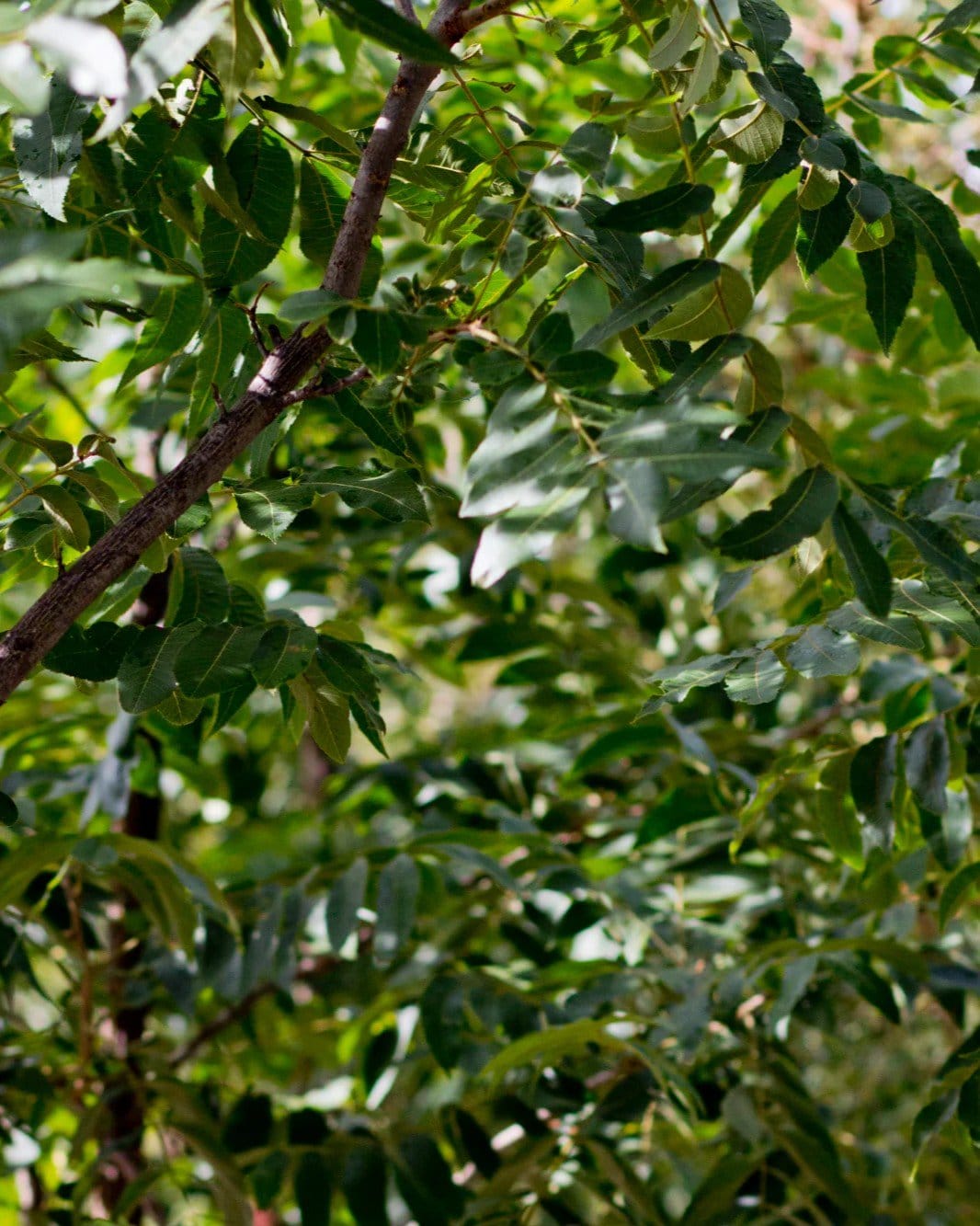
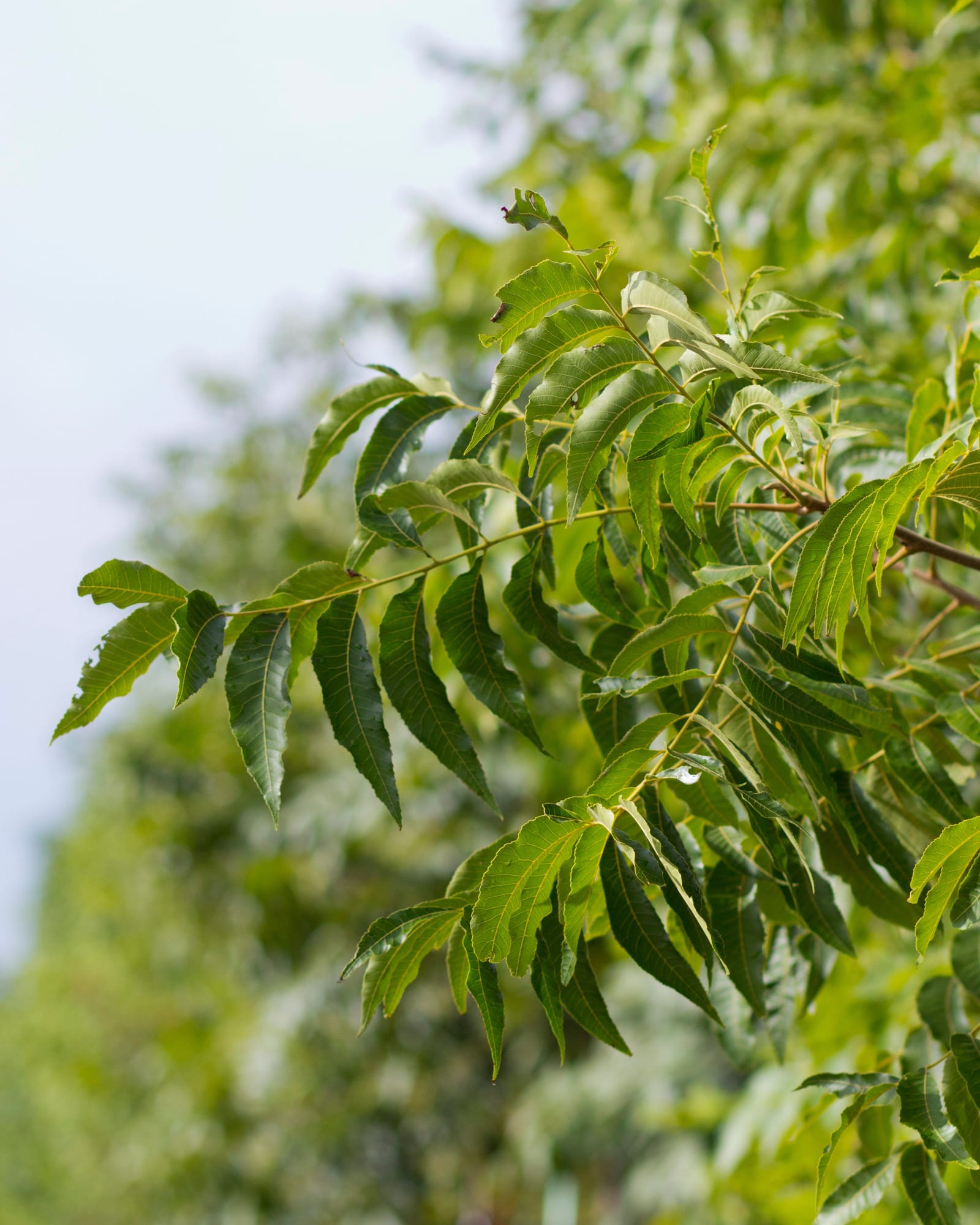
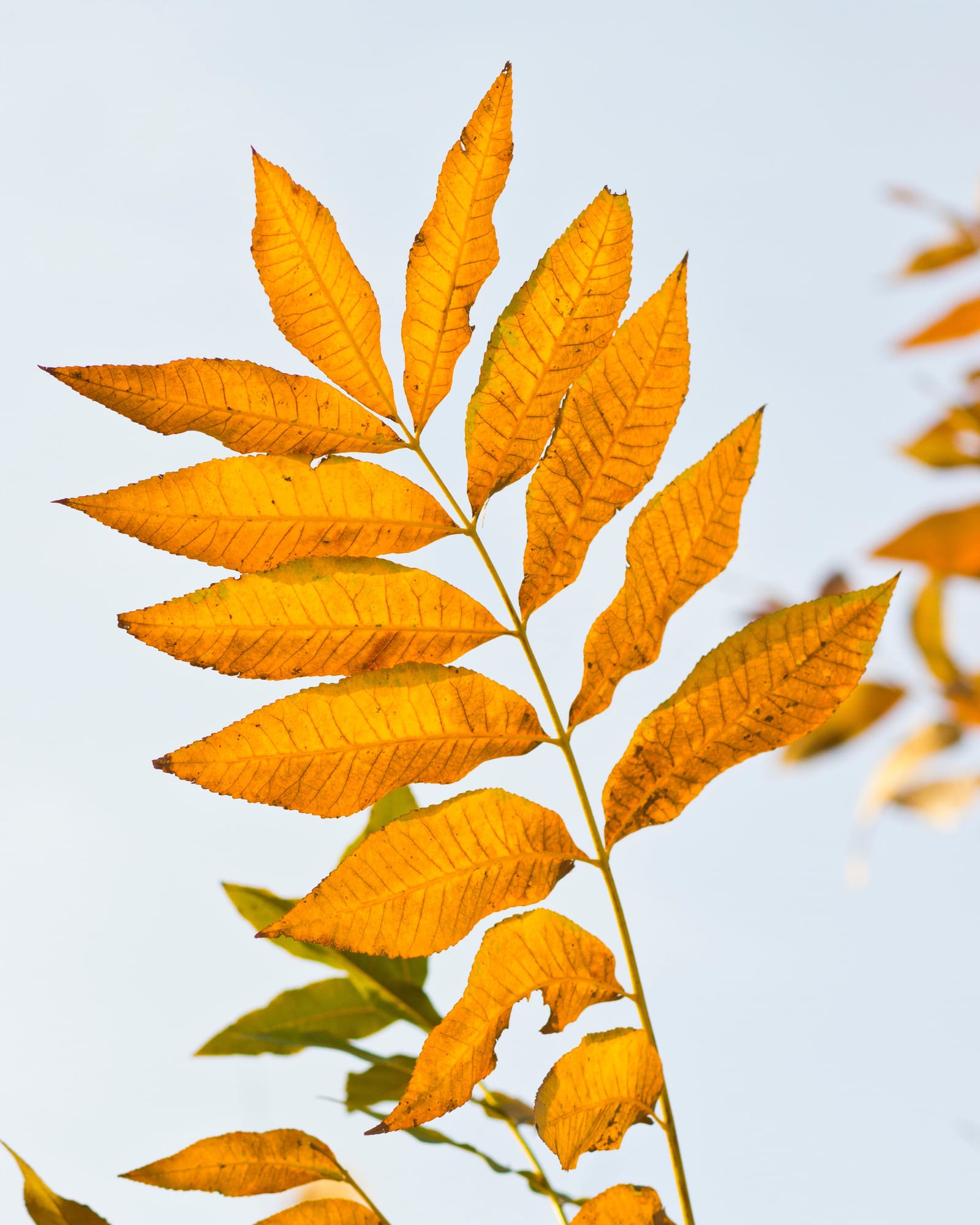
Taxodium mucronatumMontezuma Cypress is a standout tree that brings both elegance and scale to your landscape. Its fine, feathery green foliage creates a soft, textured look through spring and summer, then shifts to a warm orange in fall for seasonal interest. Reaching impressive dimensions of up to 60 feet in height and 40 feet in width at maturity, this tree makes a stunning focal point or shade tree in expansive spaces. Its tall, upright form and picturesque branching provide year-round character. Ideal for planting near ponds, open lawns, or as an anchor in large designs.
- A deciduous tree
- Upright, stately growth habit
- Moderate to fast growth rate
- Feathery green foliage turning orange in fall
- Excellent as a statement specimen or shade tree
Hardy in zones 7-10, Montezuma Cypress will feel right at home in your North Texas landscape. It thrives in full sun and adapts well to different soil types, including moist areas. With minimal care, it offers lasting beauty and dramatic presence to any large space.
Once established, Montezuma Cypress becomes notably low-maintenance and develops into a durable landscape specimen that requires only modest seasonal care.
- Watering: Water regularly during the first growing season to help establish a strong root system. Once established, the tree adapts well to both moist and moderately dry soils, though occasional deep watering during prolonged dry periods helps maintain healthy growth.
- Pruning: Pruning needs are minimal and usually limited to removing damaged or poorly placed branches. Light pruning during late winter helps maintain overall plant health while preserving its natural form.
- Fertilizing: Fertilizer is rarely necessary in average soils. If growth appears slow, applying a balanced fertilizer in early spring can encourage stronger seasonal development.
- Mulching: Maintain a 2-3 inch layer of mulch around the root zone to conserve soil moisture and regulate soil temperature. Keep mulch slightly away from the trunk to prevent excess moisture accumulation against the bark.
- Winter Care: Established trees tolerate seasonal cold within their growing zones without special protection. Younger trees benefit from mulch around the root zone during their first winters to help stabilize soil temperatures.
Montezuma Cypress is a durable species with relatively few serious problems. Occasional pests or environmental stress may appear, but routine observation usually keeps issues manageable.
- Spider Mites: Fine speckling on foliage may appear during hot, dry periods when mites are active. Spraying foliage with water periodically helps reduce populations.
- Bagworms: Small cone-shaped bags may appear hanging from branches as caterpillars feed on foliage. Removing bags by hand prevents infestations from spreading.
- Chlorosis: Yellowing foliage may occur if soil nutrients become imbalanced. Applying appropriate soil amendments typically restores healthy leaf color.
- Root Disturbance: Construction or heavy digging near the root zone may temporarily affect growth. Protecting surrounding soil and maintaining mulch helps reduce stress.
- Storm Damage: Strong winds may occasionally break small branches. Pruning damaged limbs helps maintain overall tree health.
Montezuma Cypress is an exceptionally long-lived tree that may survive several hundred years. In favorable environments, some specimens have lived for centuries. This longevity makes it an impressive legacy tree.
Growth typically averages about 18-36 inches per year under favorable conditions. Noticeable size develops within the first decade. Full maturity can take several decades.
This tree is valued for its elegant foliage and remarkable adaptability to different environments. Its graceful form and long lifespan make it a striking landscape specimen. The species also carries deep cultural and historical significance.
The species is native to Mexico and parts of Central America. It commonly grows along rivers and wetlands in its natural habitat. These environments shaped its adaptability to varying soil conditions.
Large trees provide shelter and nesting habitat for birds and beneficial insects. The canopy can support diverse wildlife activity. This contributes to ecological diversity in landscapes.
Small rounded cones form as part of the tree’s natural reproductive cycle. These cones contain seeds that disperse once mature. They are generally not visually prominent.
The species naturally grows near waterways and floodplains. Its root system adapts well to moist environments. This makes it suitable for sites where soil remains periodically wet.
Older trees develop textured bark with subtle ridges and patterns. As the trunk matures, the bark becomes more pronounced. This feature adds character to mature specimens.
Large trees help support birds, insects, and other wildlife. Their presence increases plant diversity in garden ecosystems. This contributes to healthier landscapes overall.
Over time the tree develops an impressive size and stature. Mature specimens often become prominent features in landscapes. Their longevity allows them to remain significant landscape elements for generations.
Special Features
You might also like
Bald Cypress
Maturity: 60' H x 40' W
Autumn Flame Maple
Maturity: 45' H x 35' W
Bald Cypress Lindsey's Skyward
Maturity: 30' H x 10' W
Cherokee Sweet Gum
Maturity: 45' H x 30' W
Overcup Oak
Maturity: 45' H x 35' W
Texas Ash
Maturity: 45' H x 35' W
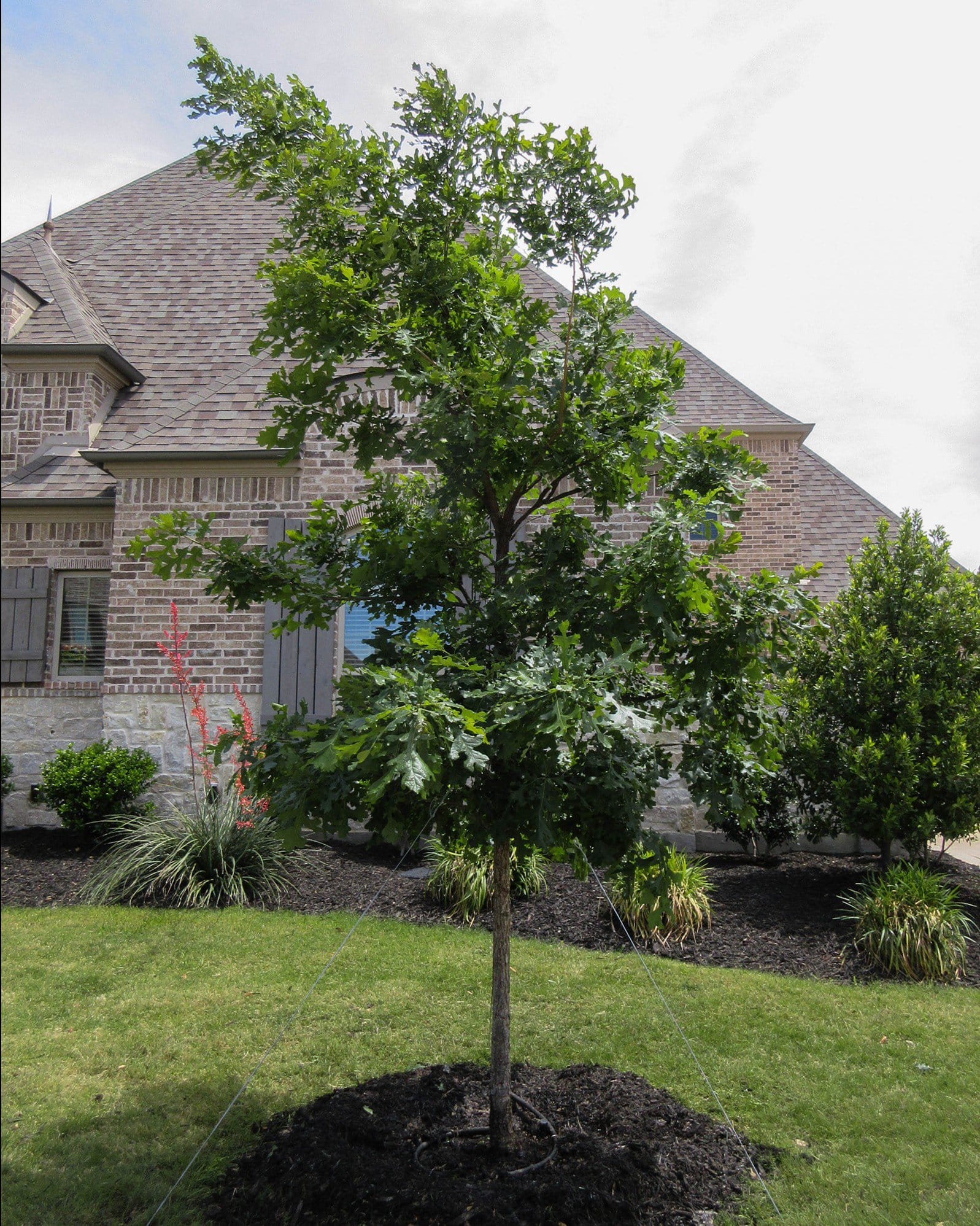
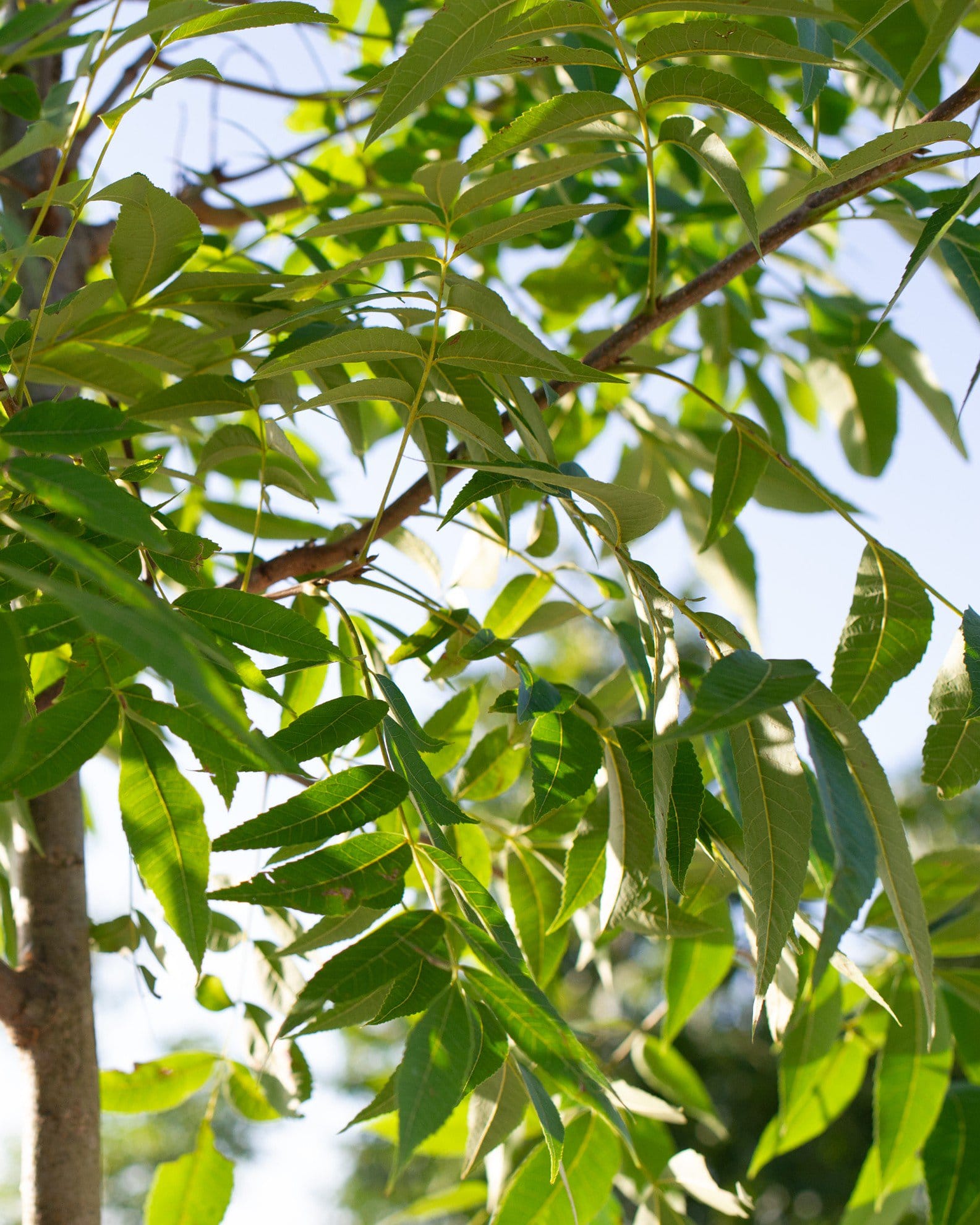
Bur Oak
Maturity: 60' H x 50' W
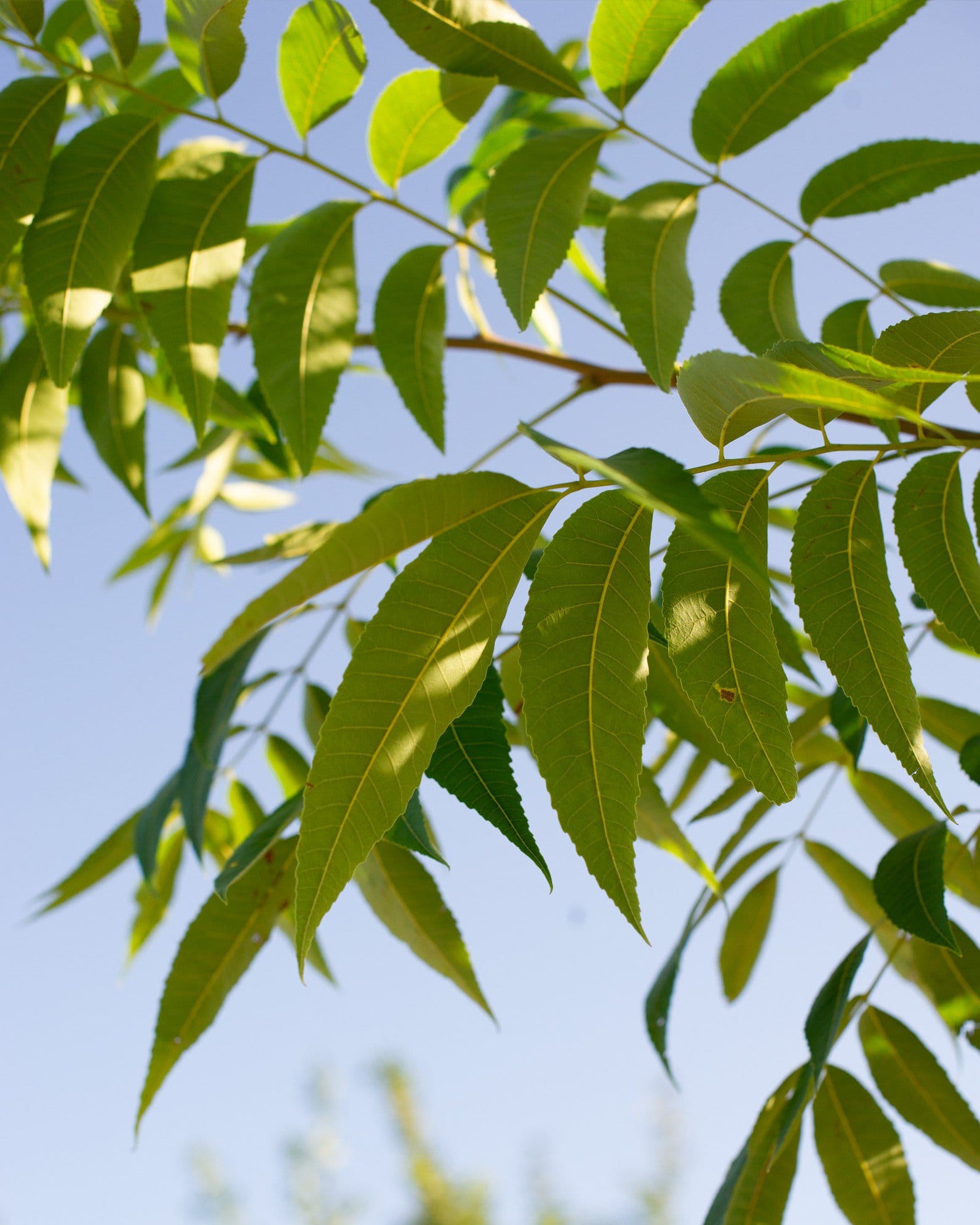
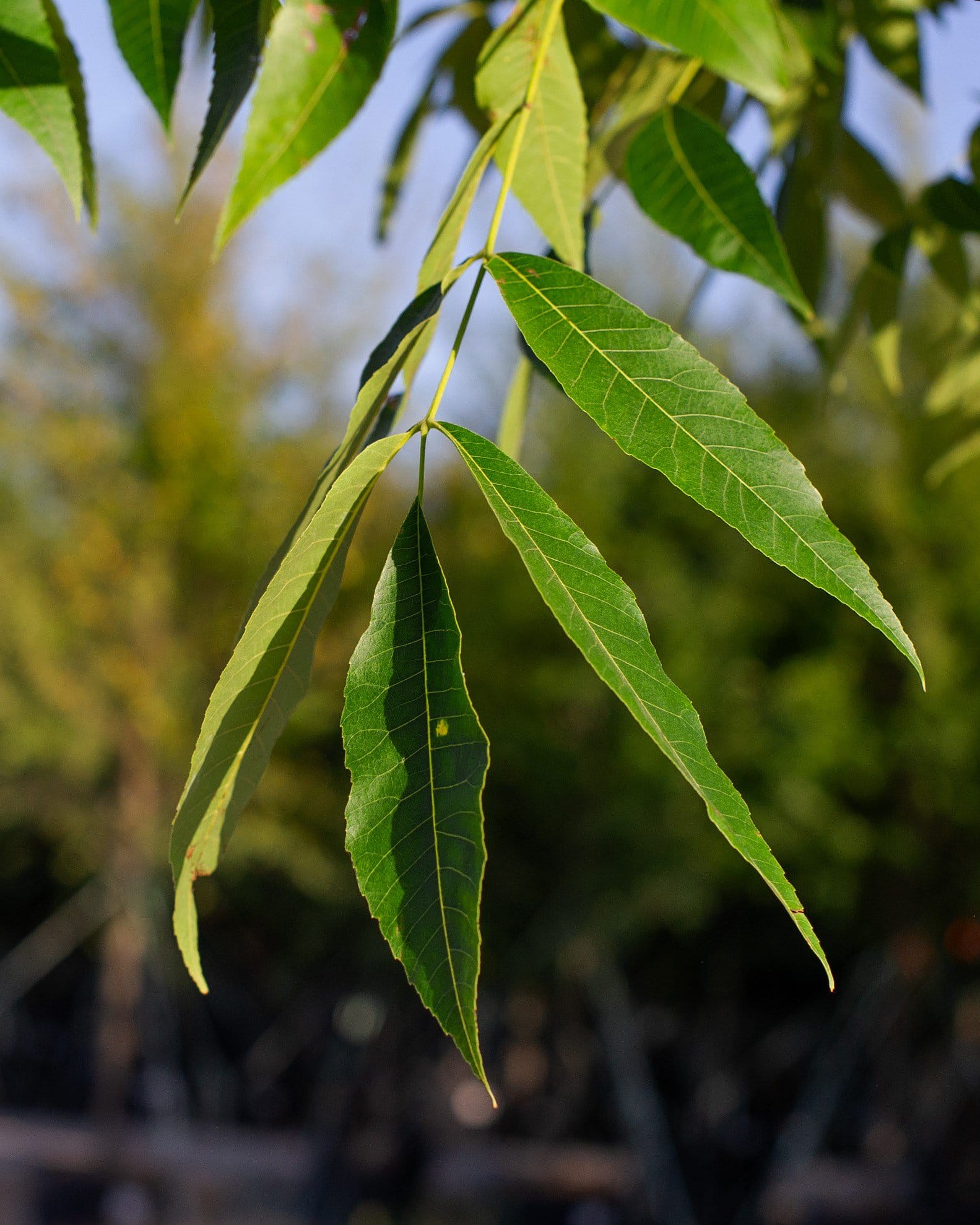
Caddo Pecan
Maturity: 60' H x 40' W
Cedar Elm
Maturity: 50' H x 35' W
Cedar Elm Pioneer
Maturity: 50' H x 30' W
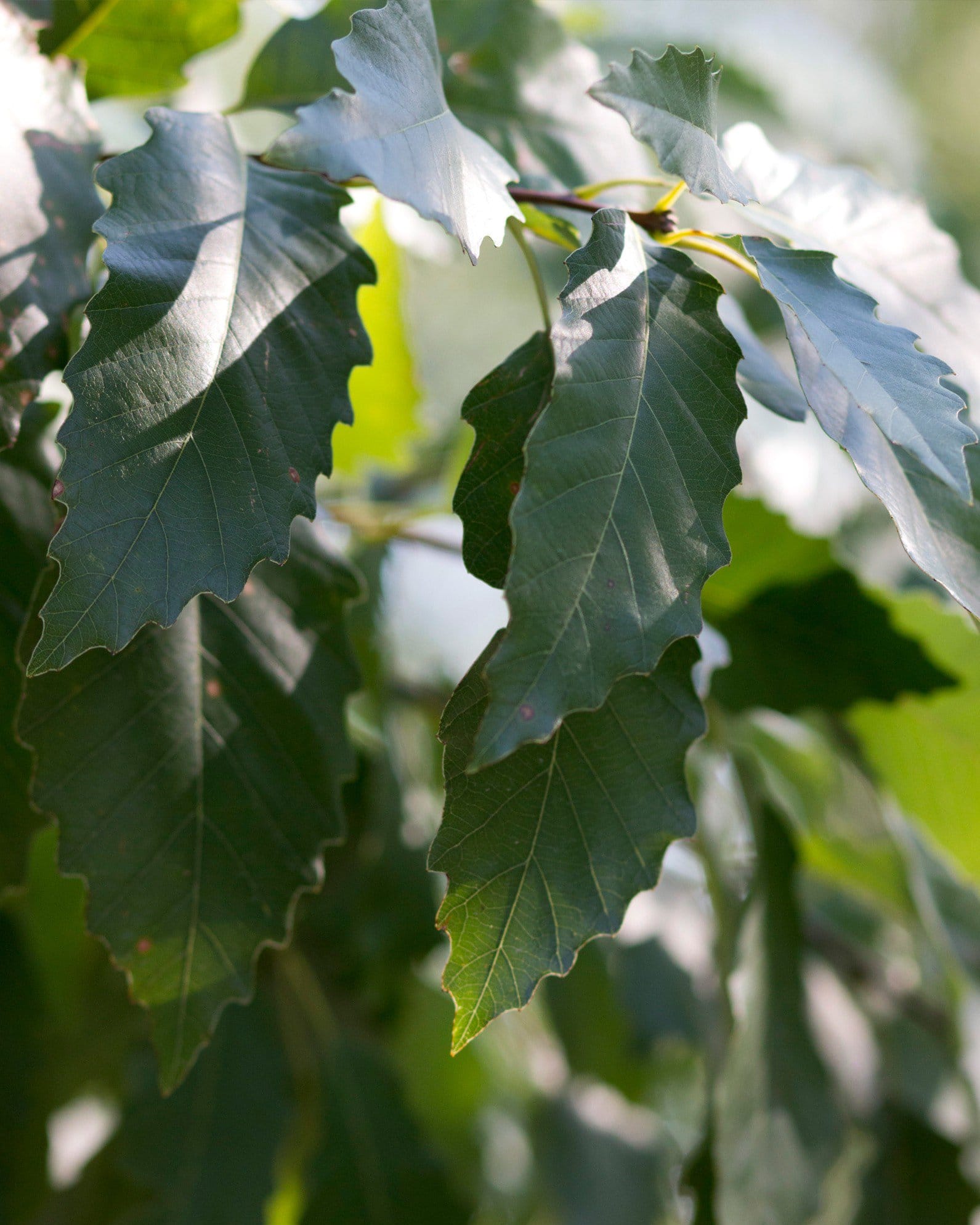
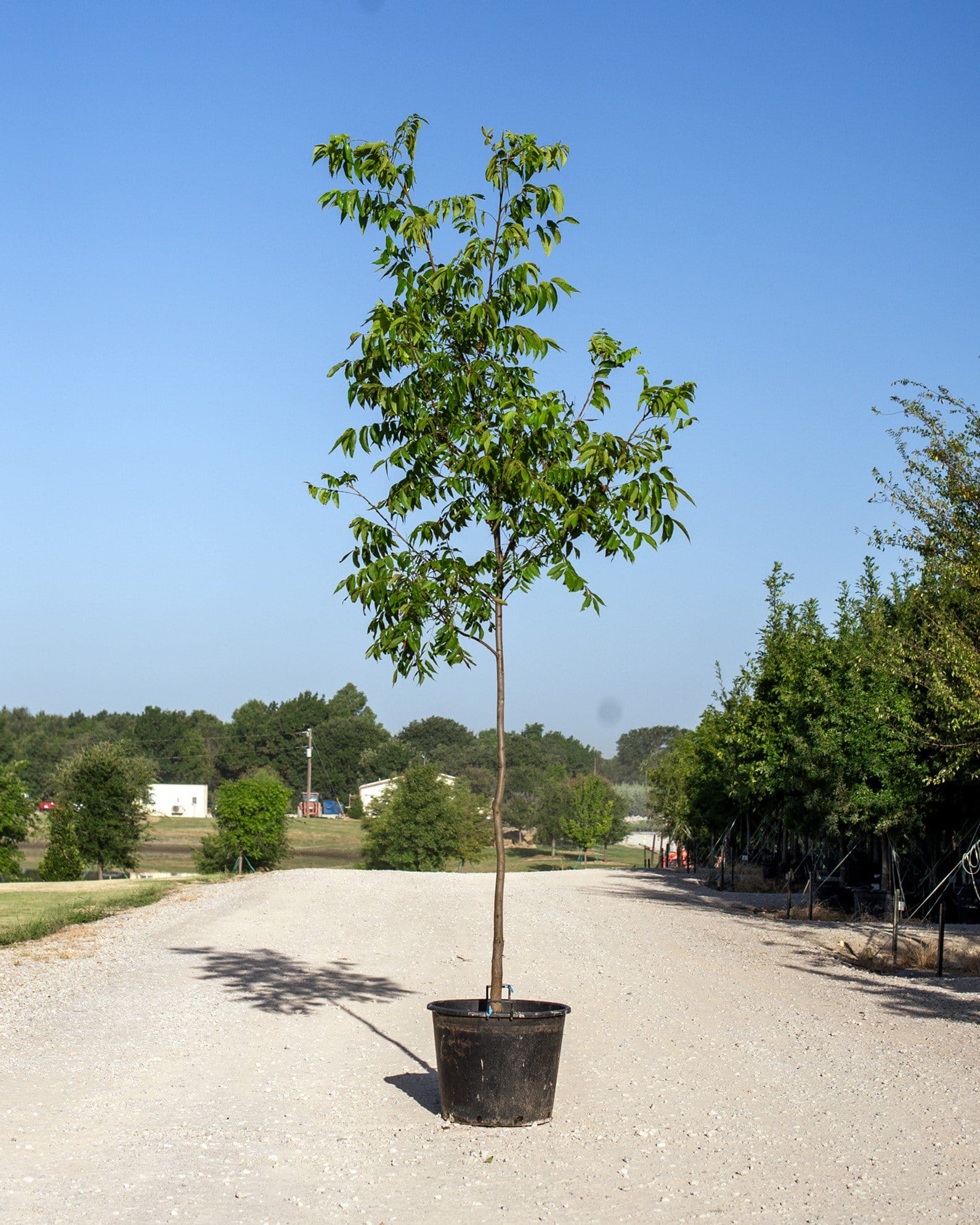
Chinquapin Oak
Maturity: 50' H x 40' W
Desirable Pecan
Maturity: 60' H x 40' W
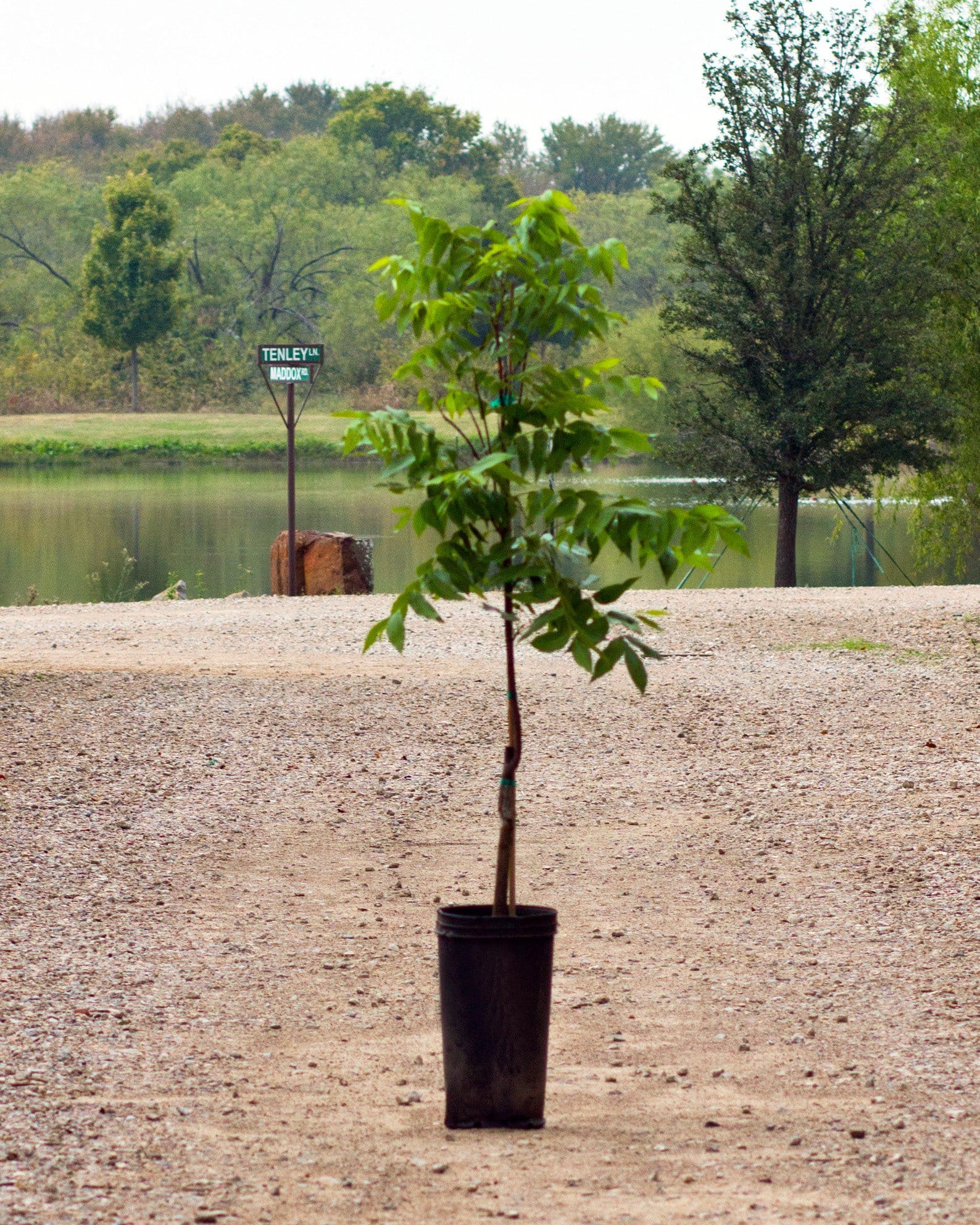
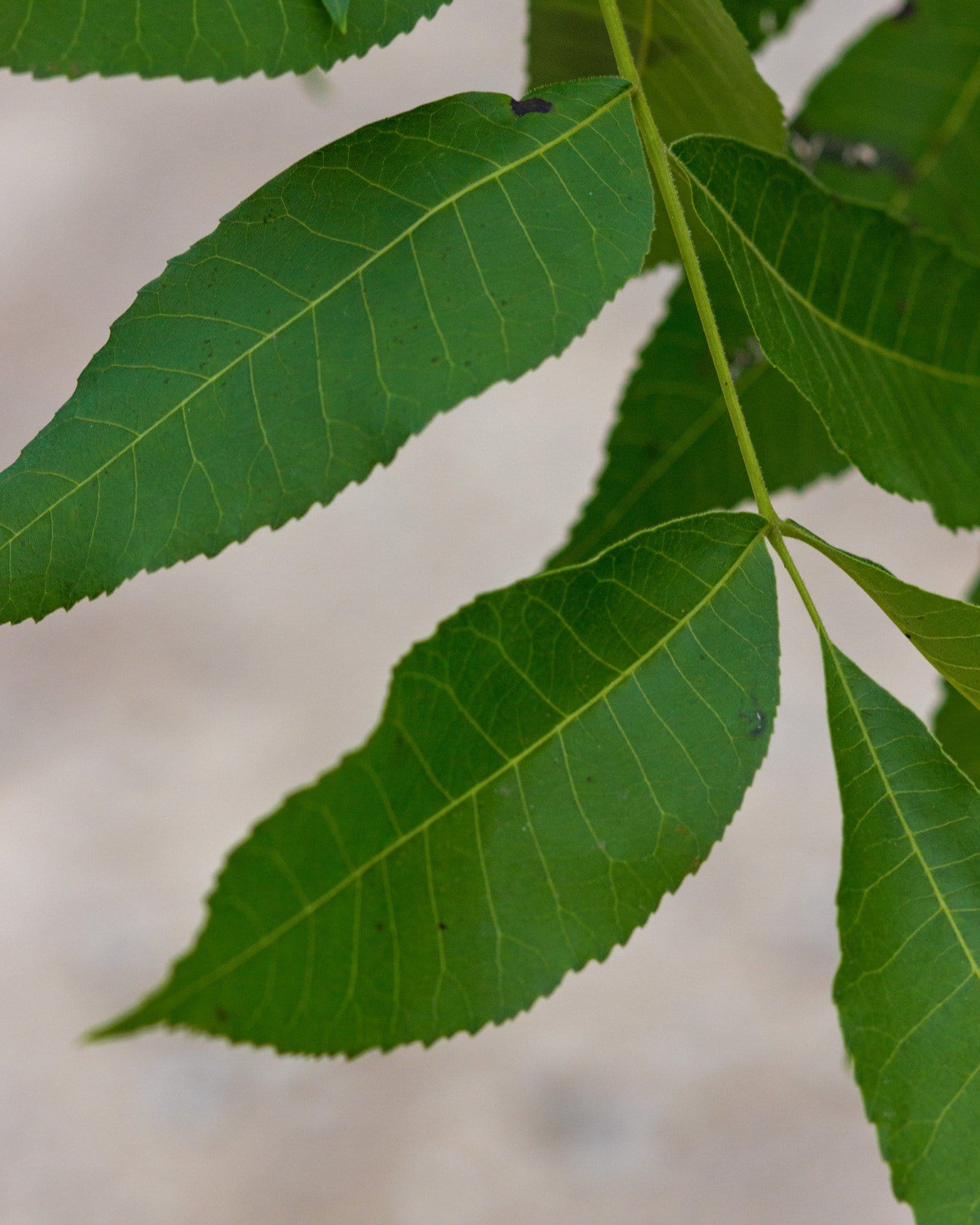
Kanza Pecan
Maturity: 60' H x 40' W
Native Pecan
Maturity: 60' H x 40' W
Pawnee Pecan
Maturity: 60' H x 40' W
Compare Similar Plants
Montezuma Cypress This plant | ||
|---|---|---|
| Scientific Name | Taxodium mucronatum | Taxodium distichum |
| Size at Maturity | 60' H x 40' W | 60' H x 40' W |
| Leaf Retention | Deciduous | Deciduous |
| Fall Color | Orange | Orange |
| Sizes Available | 45 gal | 15, 30, 45, 65, 95 gal |


Our 1-Year Planting Guarantee
We take pride in our plants and installation services. If any plants or trees installed by Treeland fail to thrive within the first year, we'll provide a replacement credit in accordance with our guarantee program.
Learn More About Our Guarantee