
 Texas Native
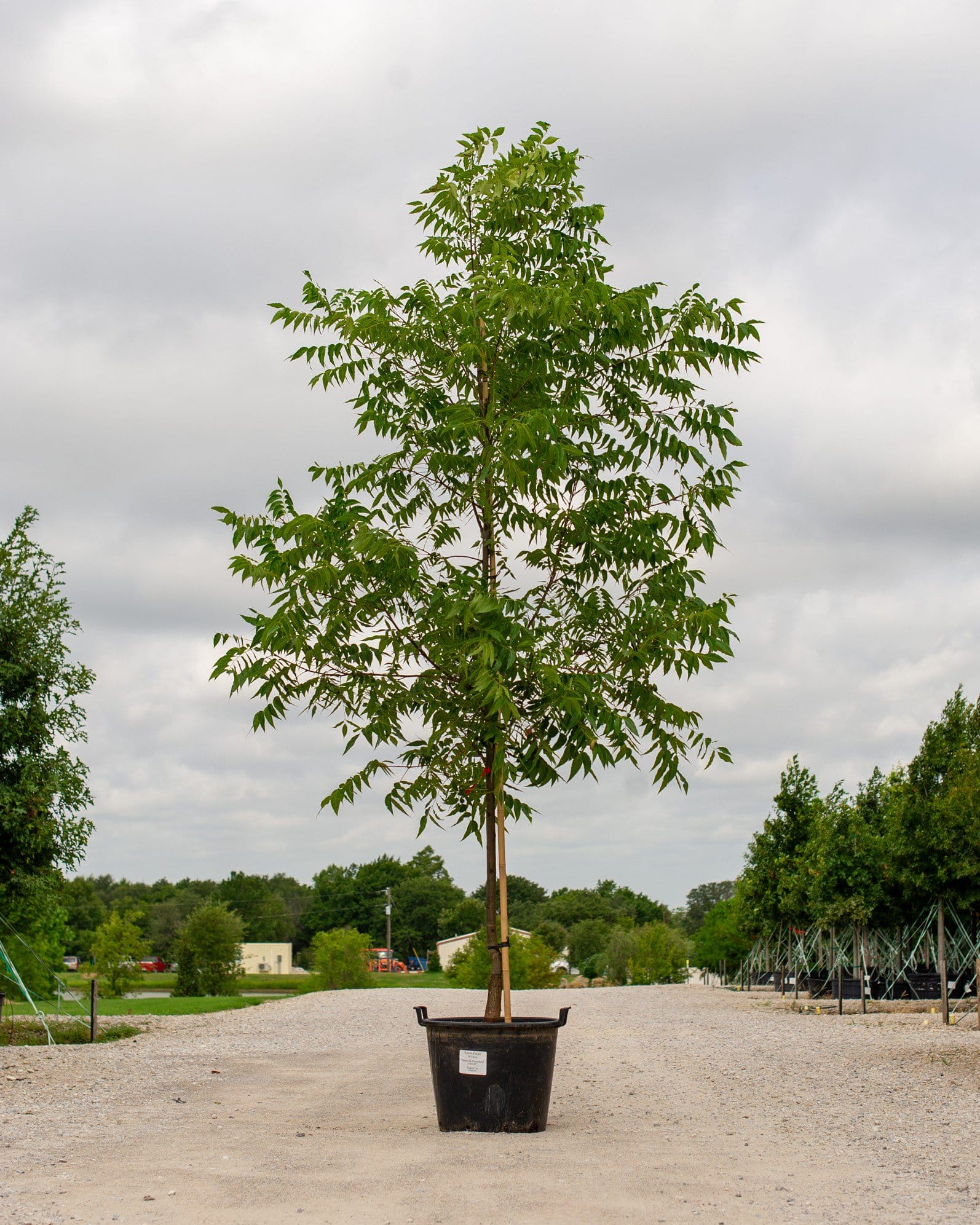
Kanza Pecan
Carya illinoinensis ‘Kanza’Local DFW Delivery Only
Product Details
Kanza Pecan
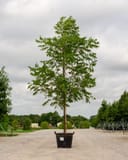
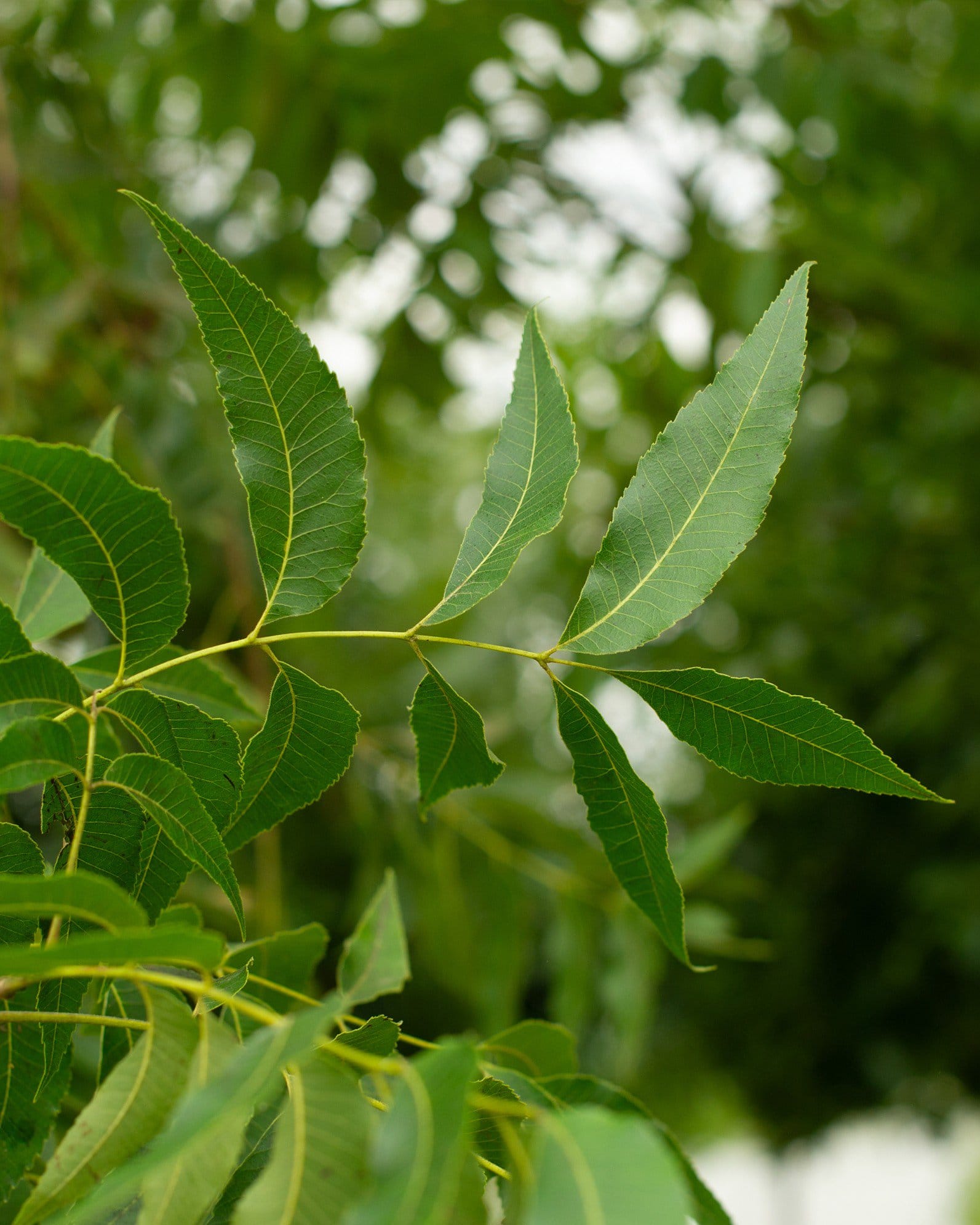
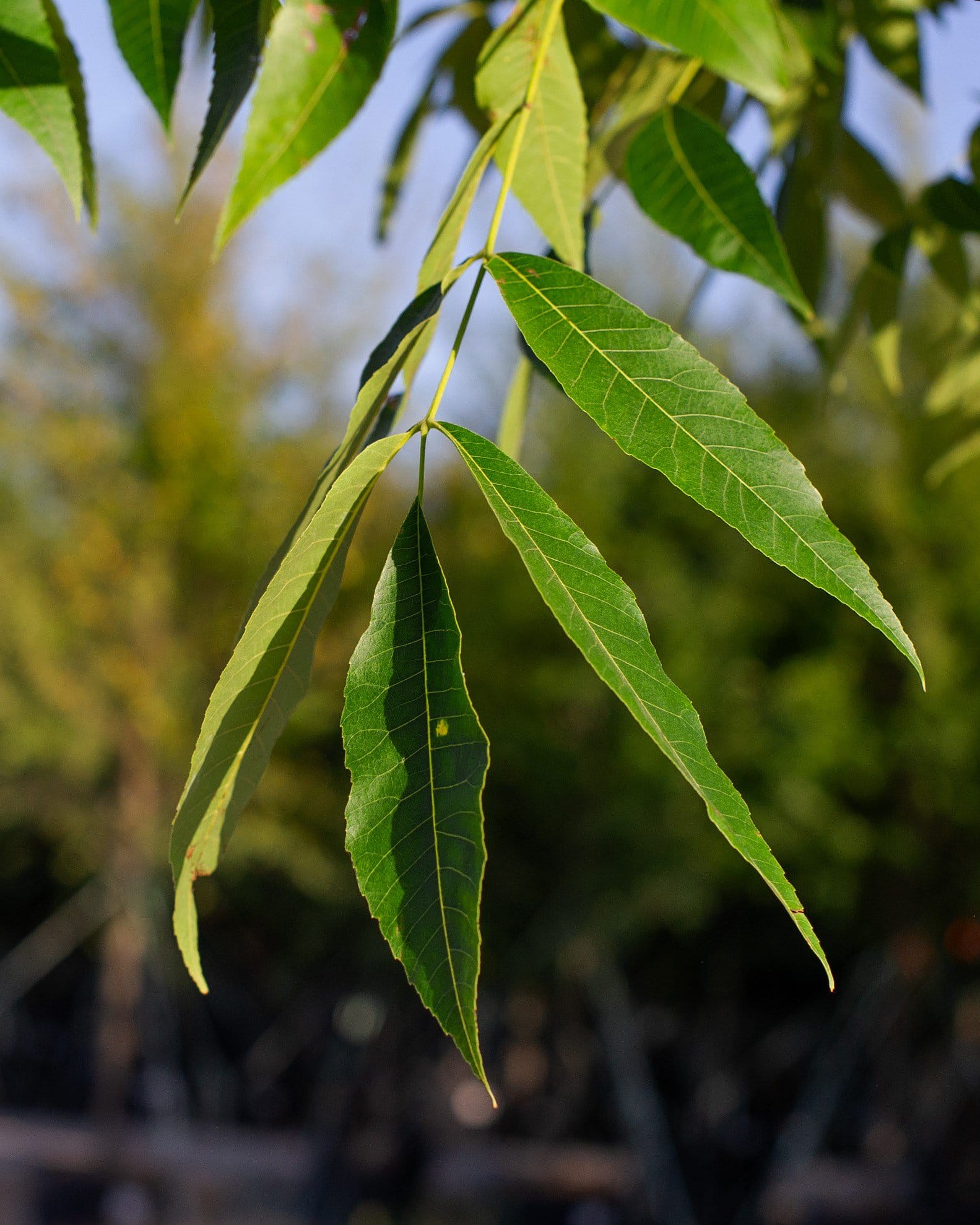
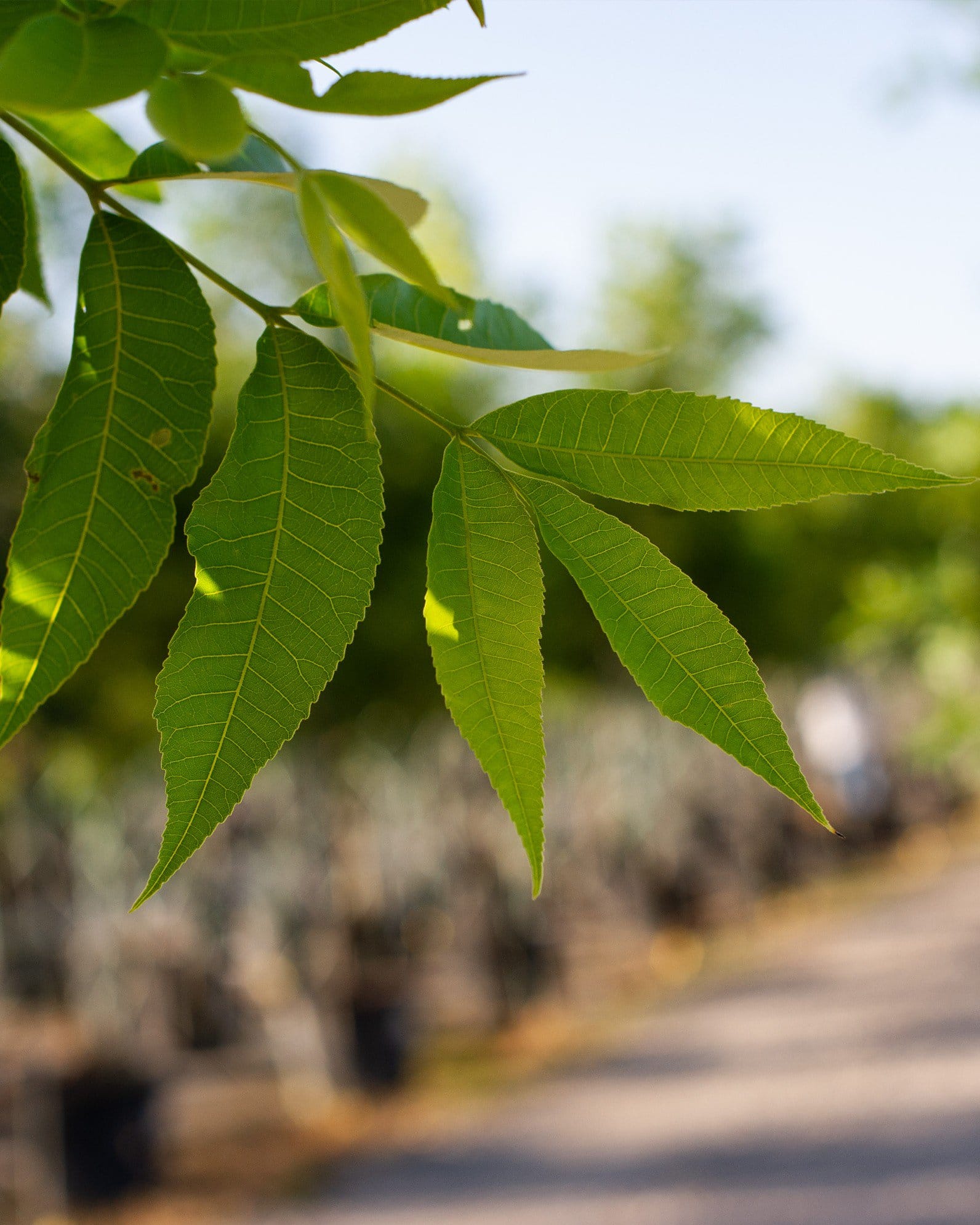
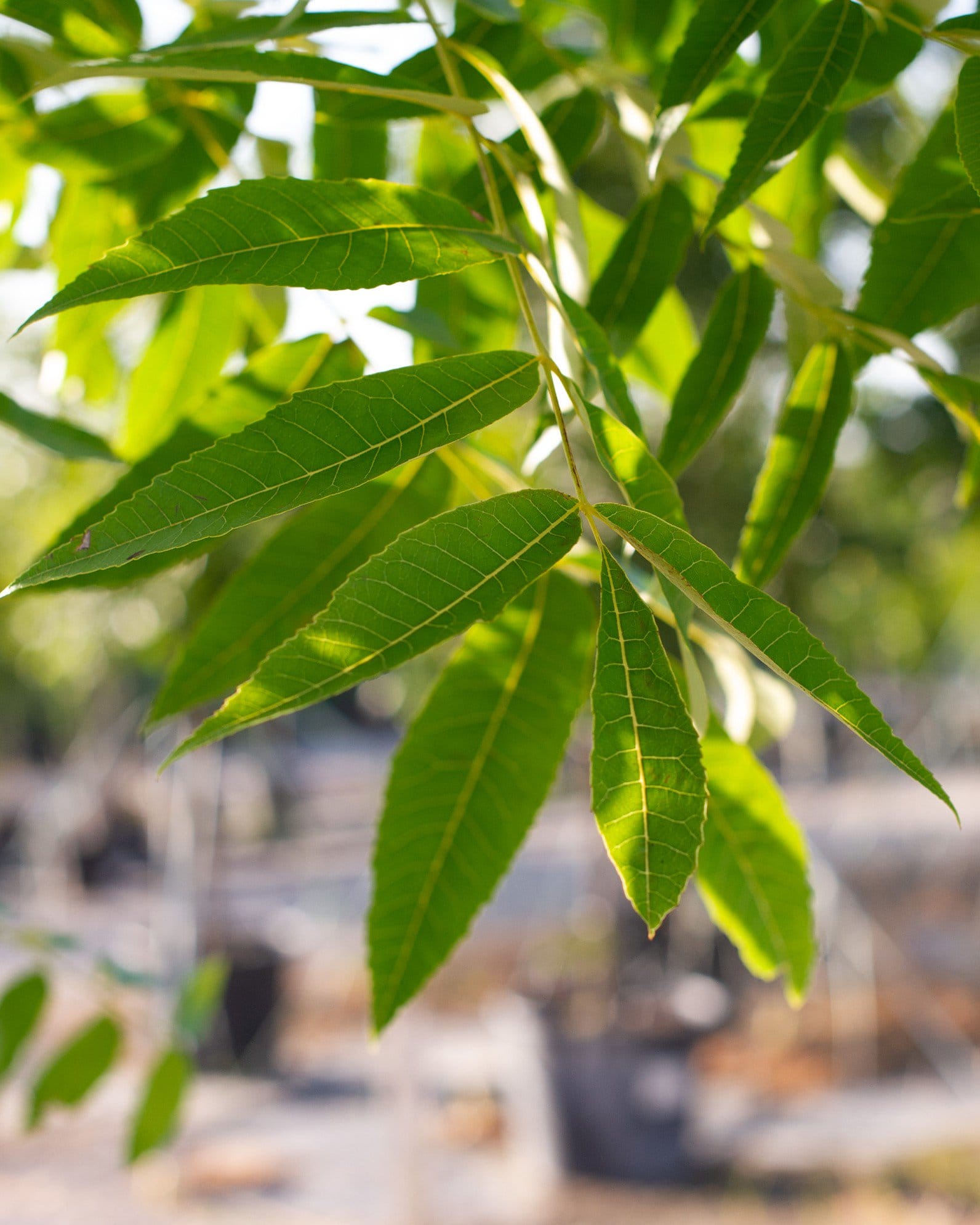
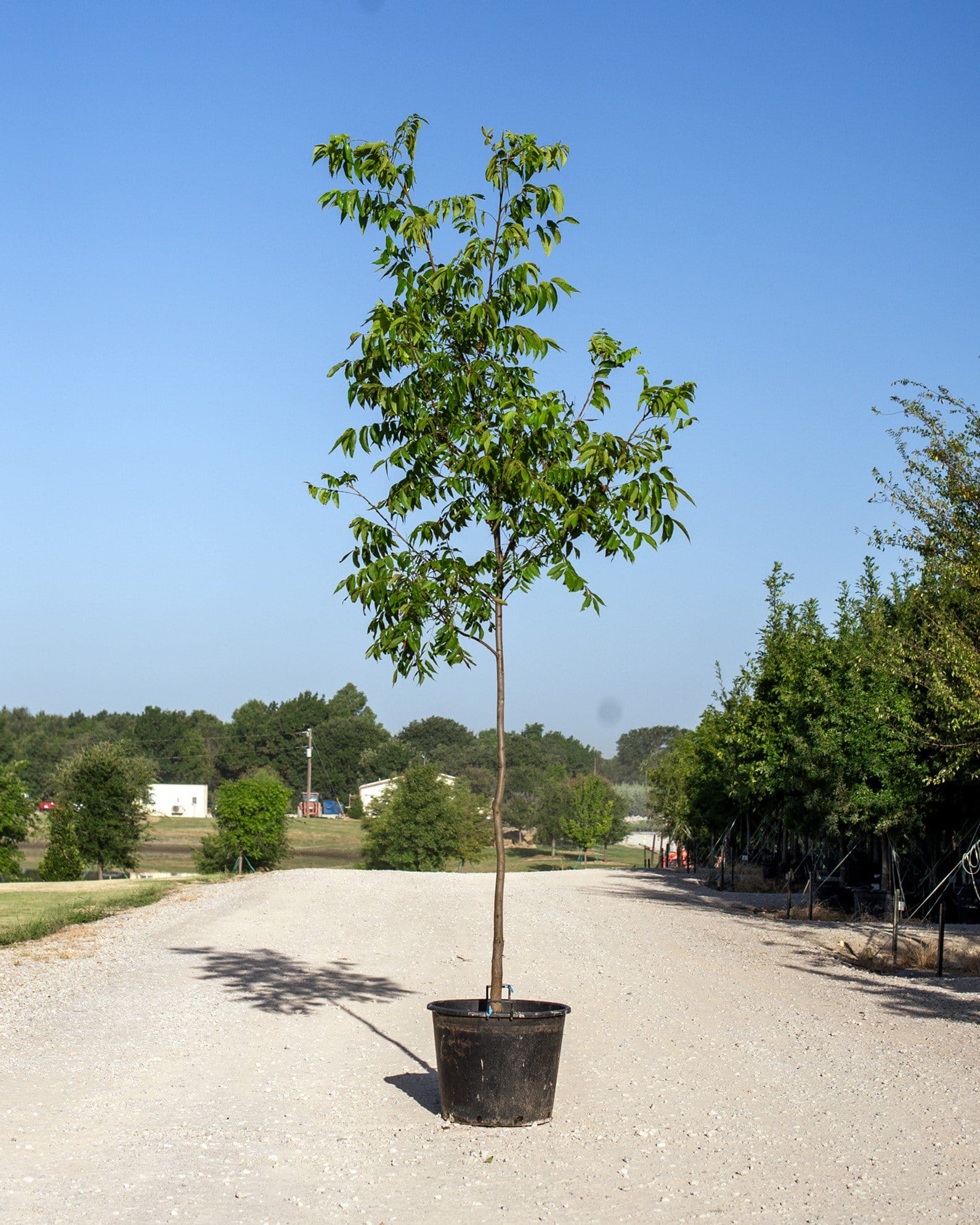
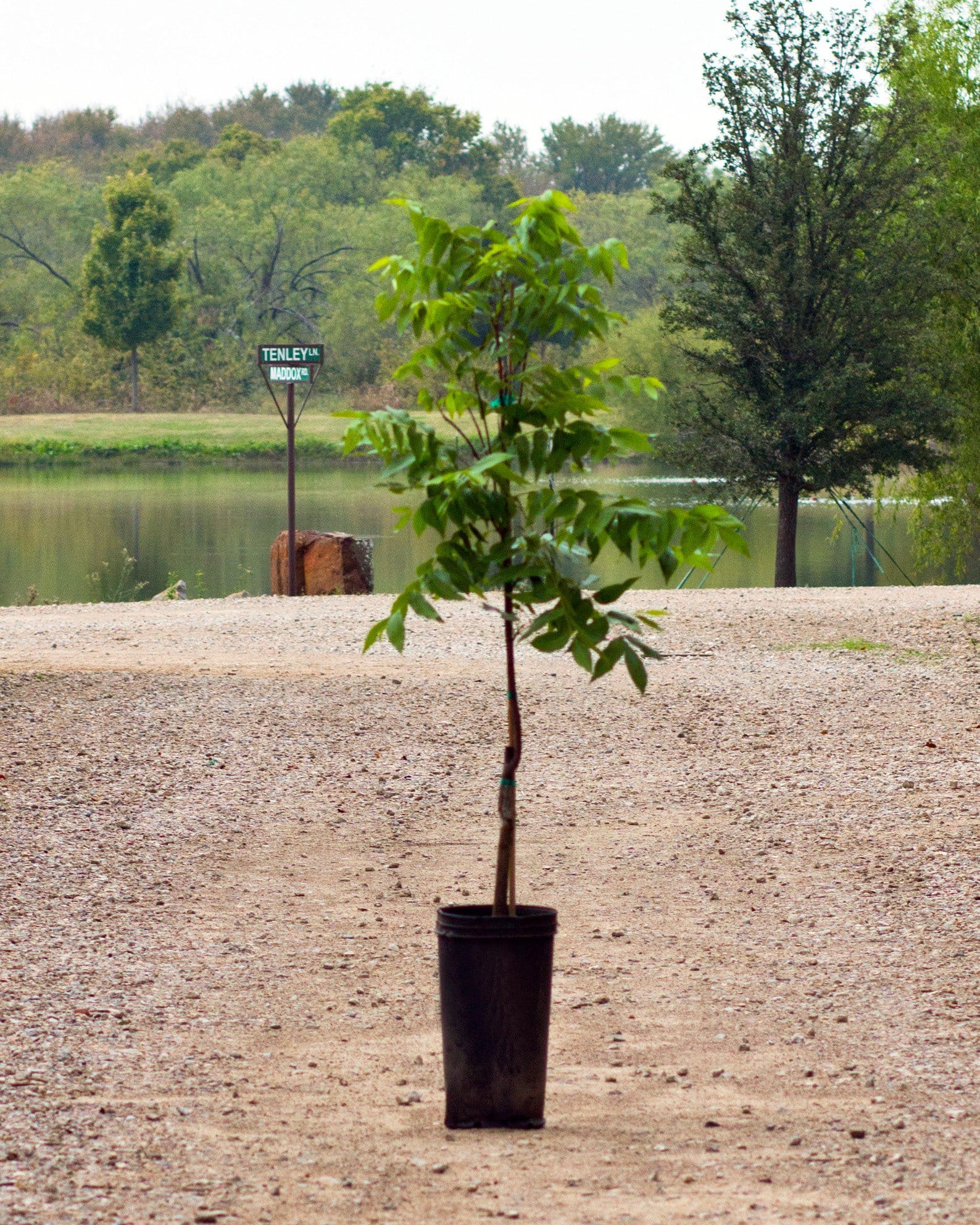
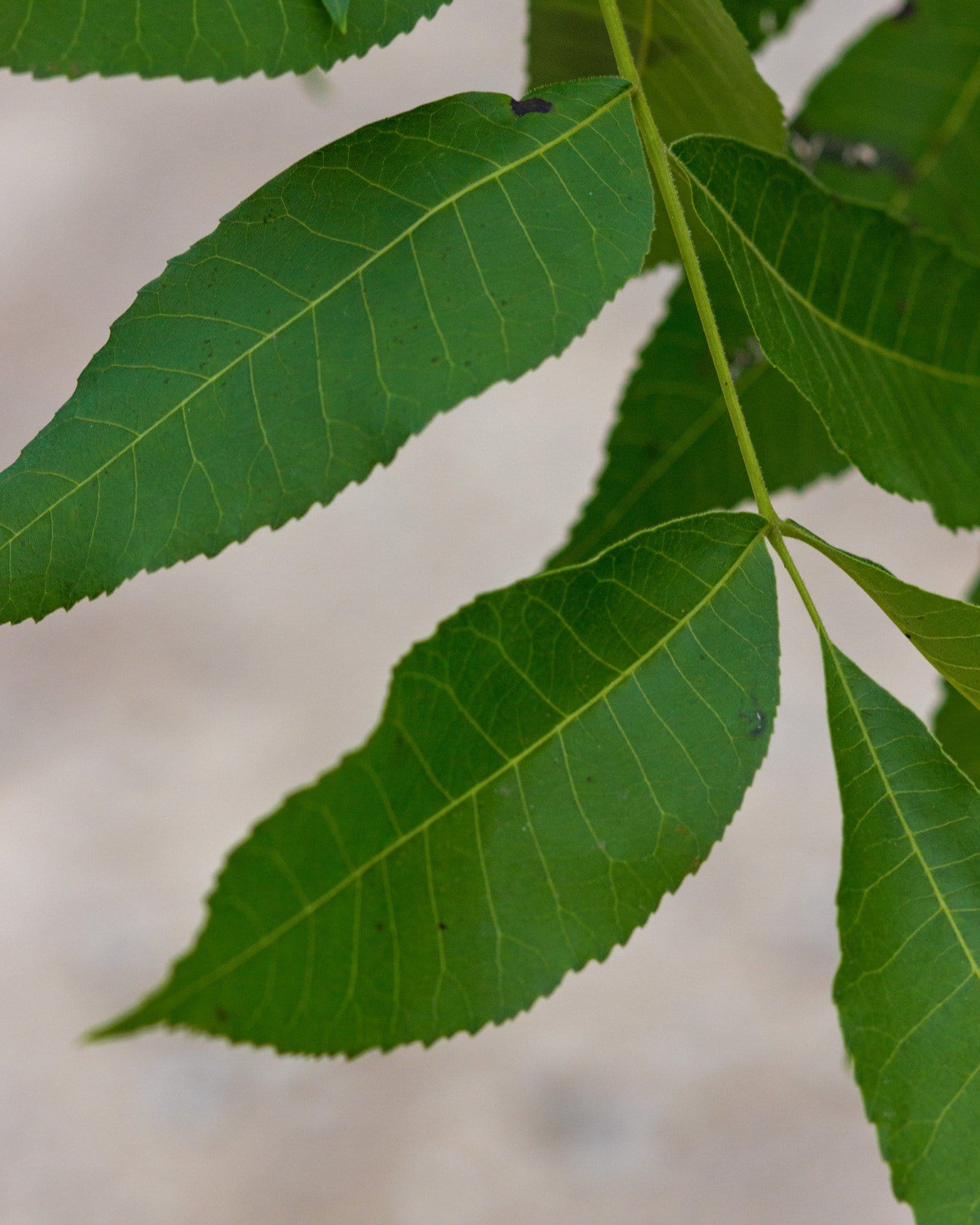
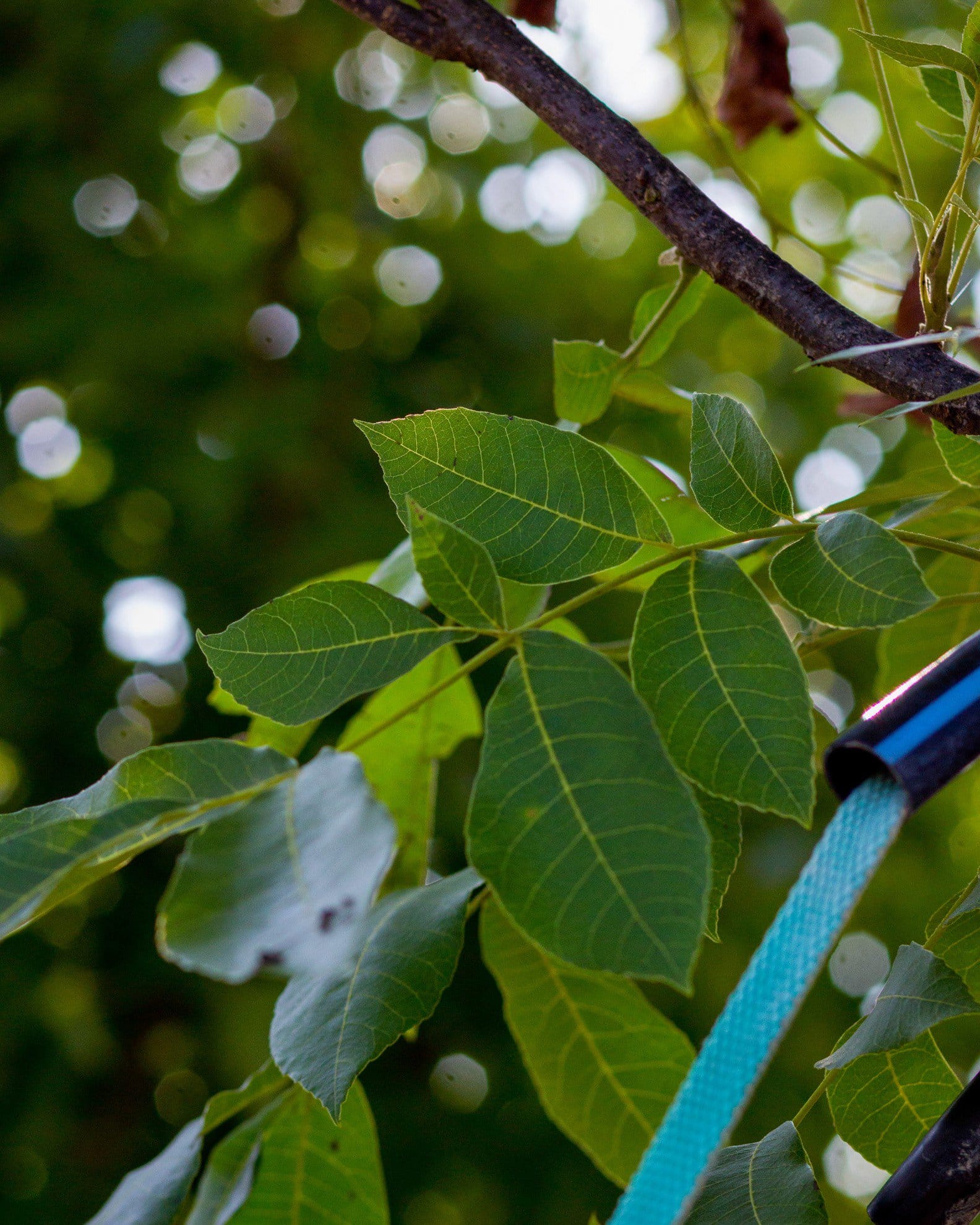
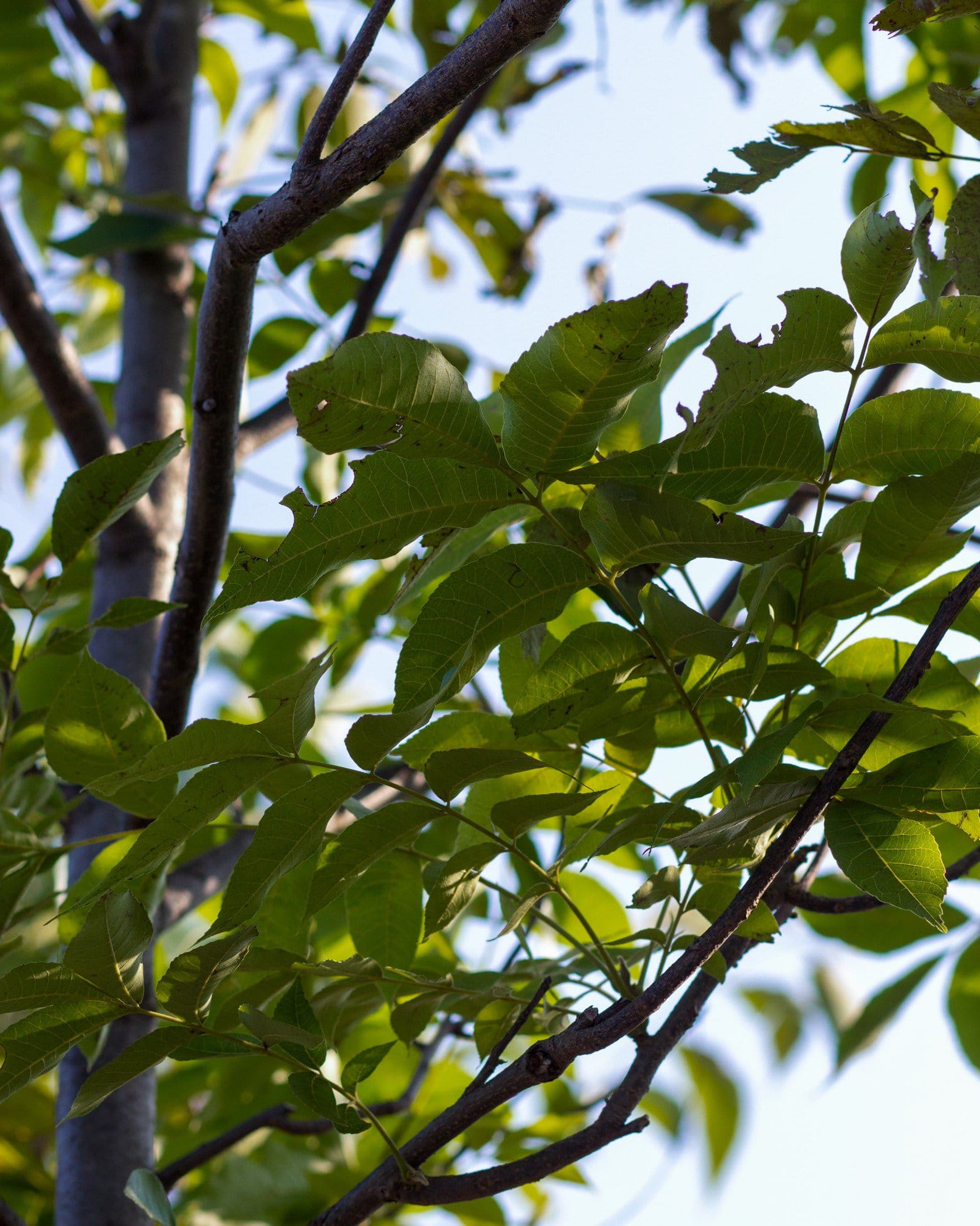
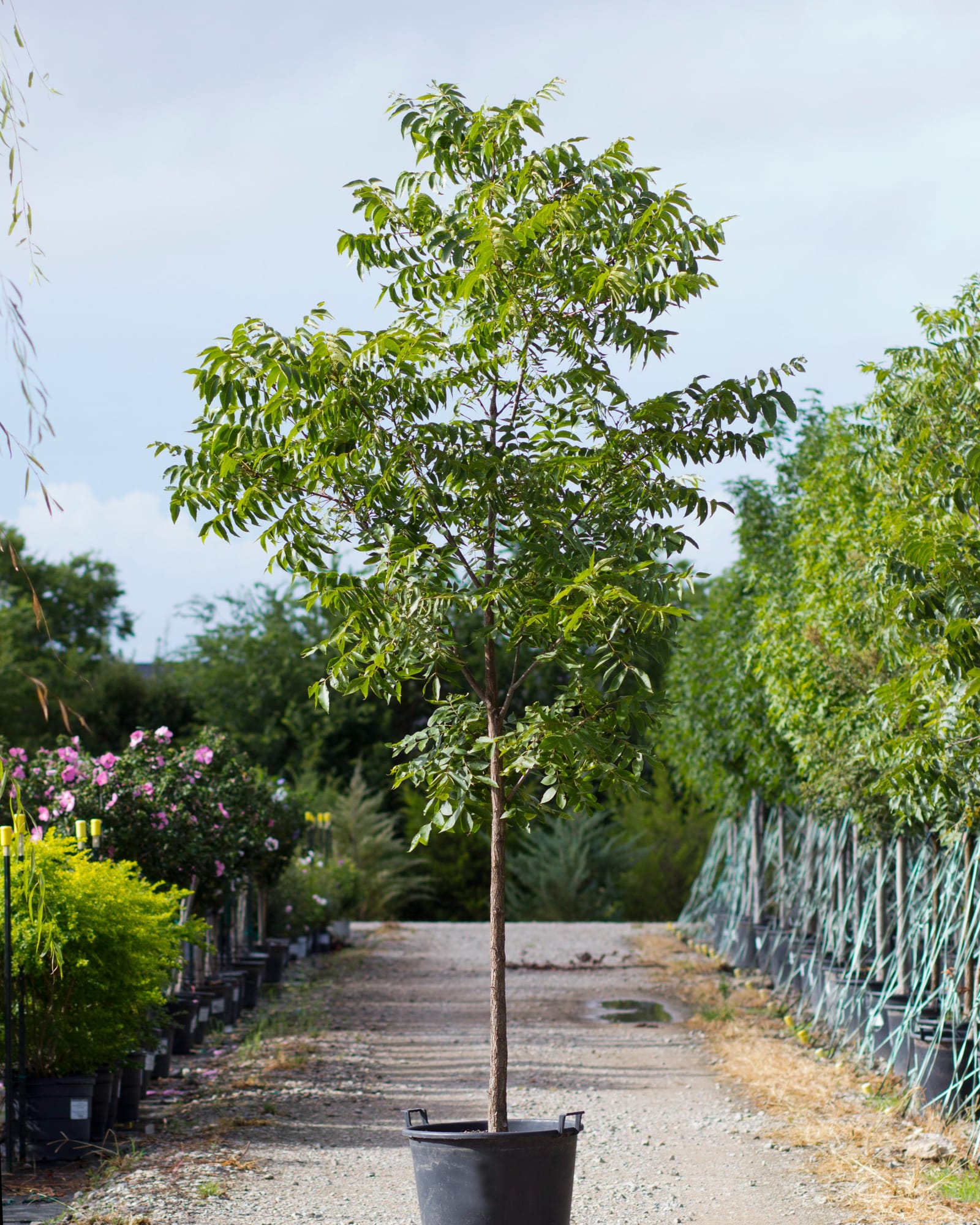
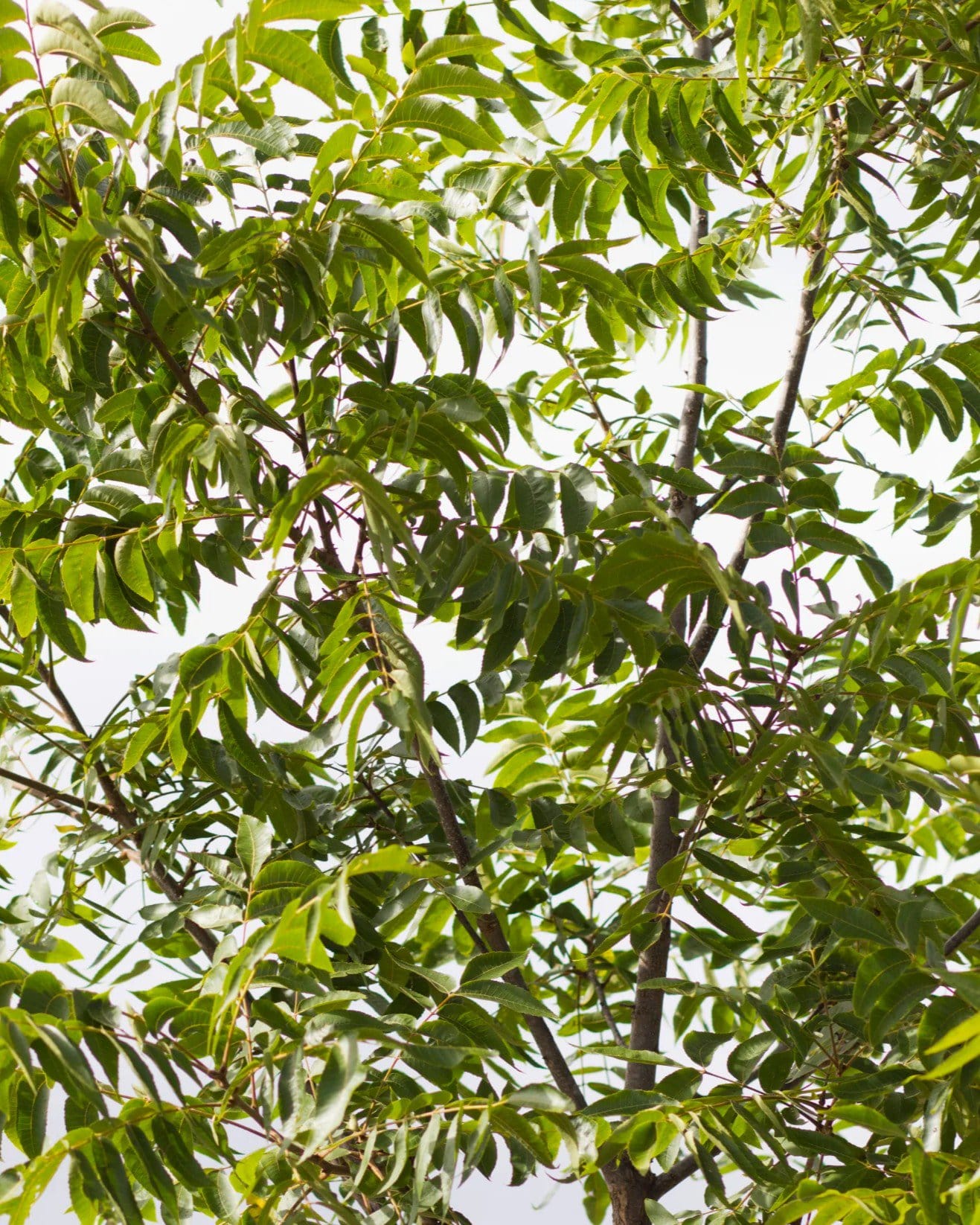
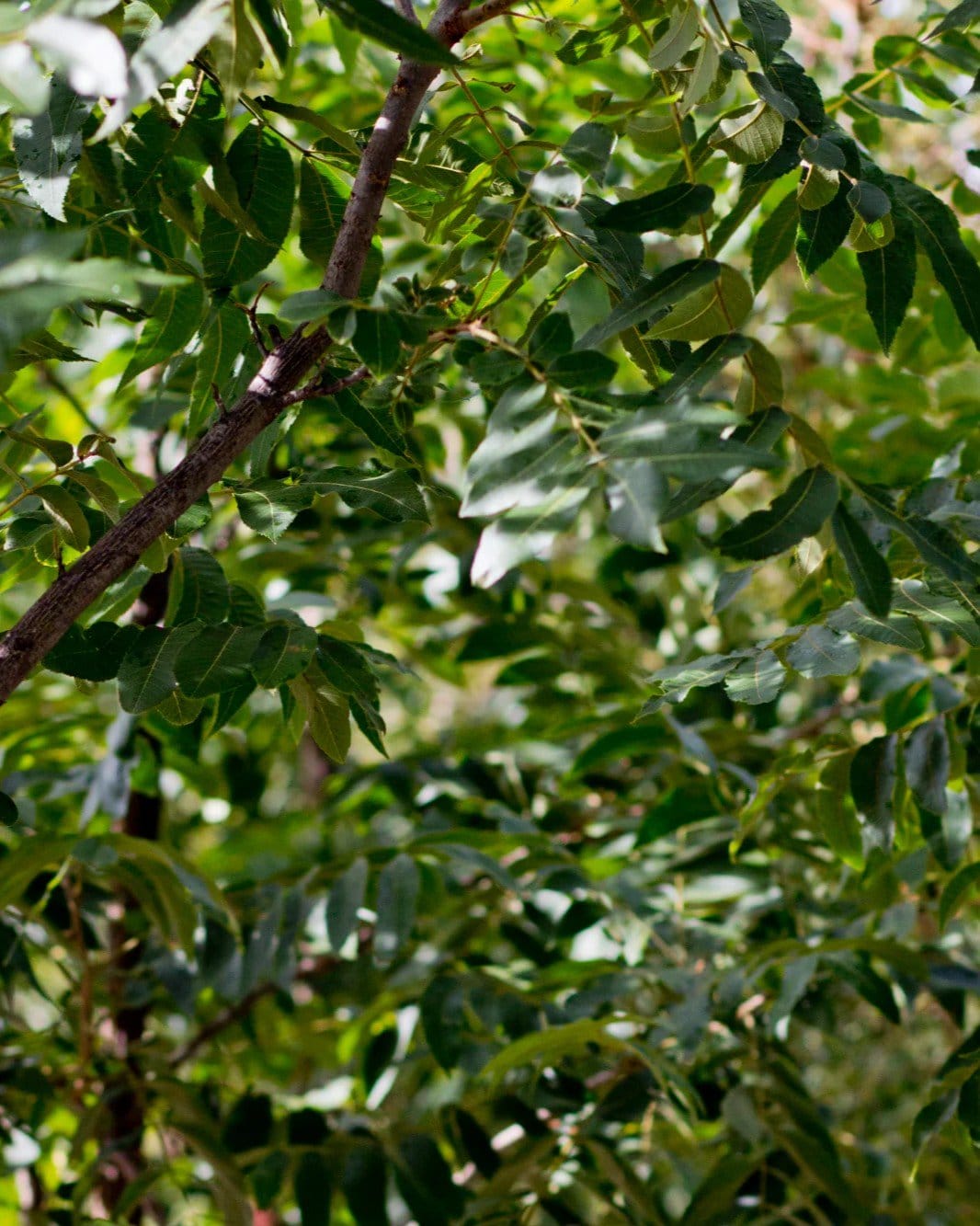
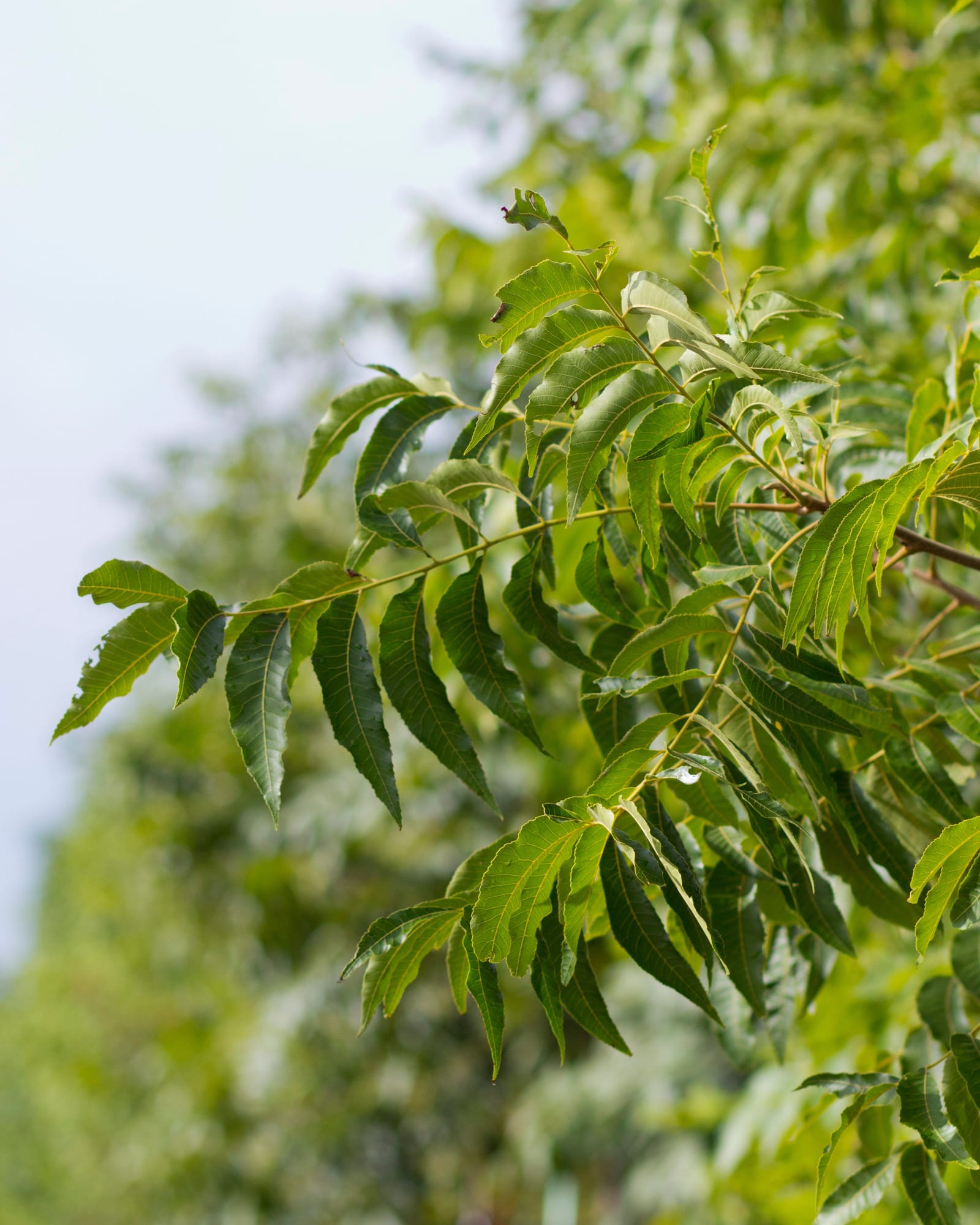
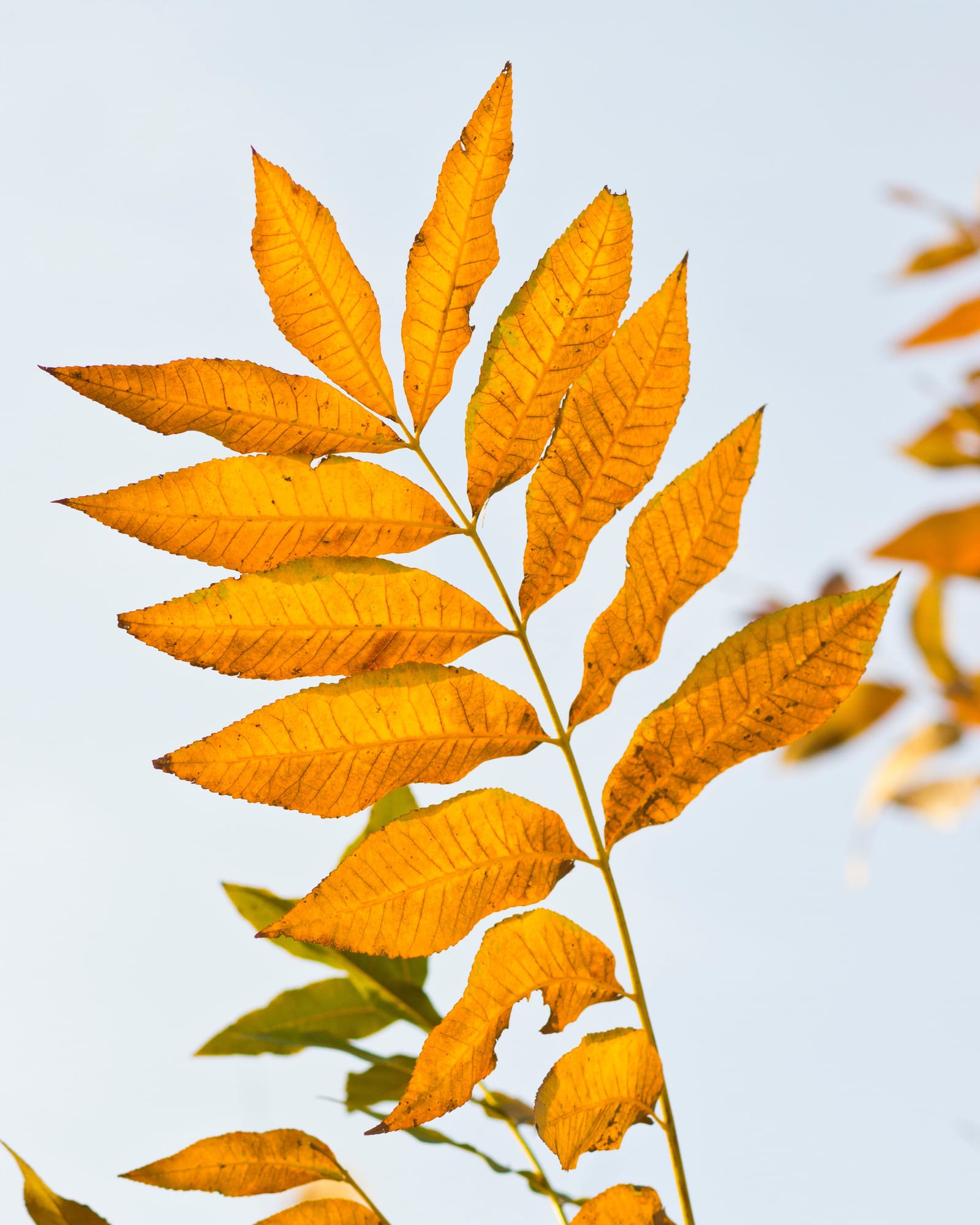
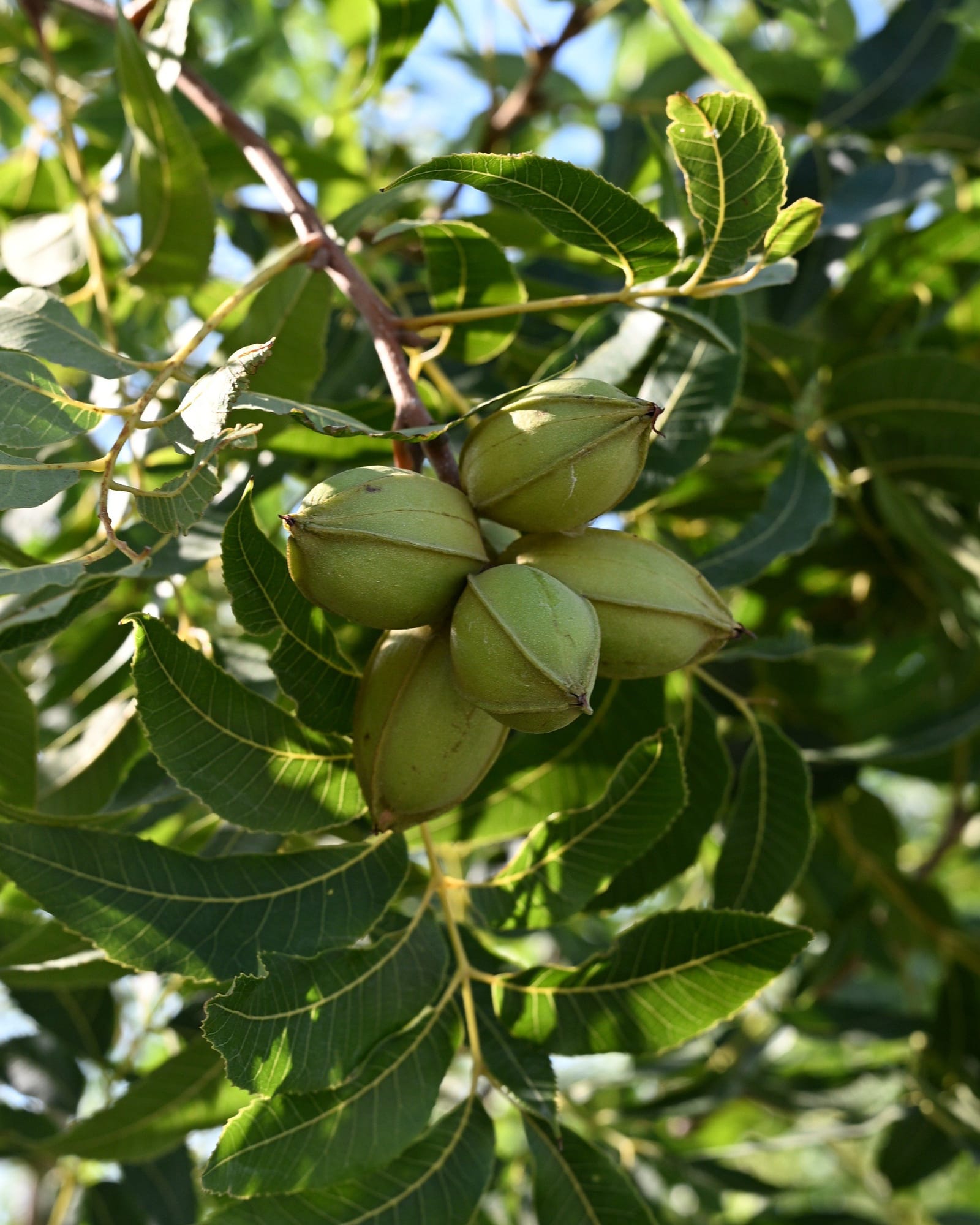
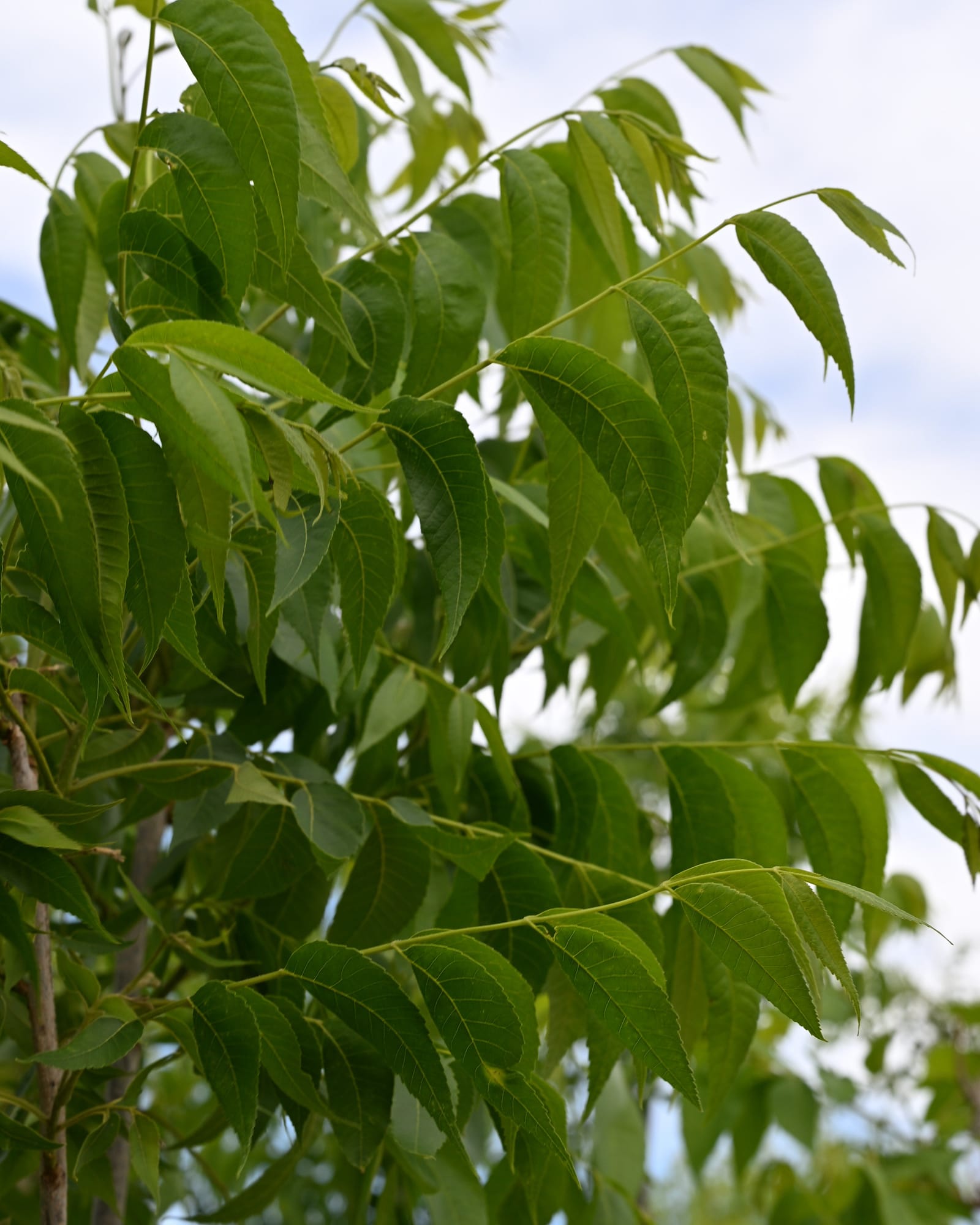
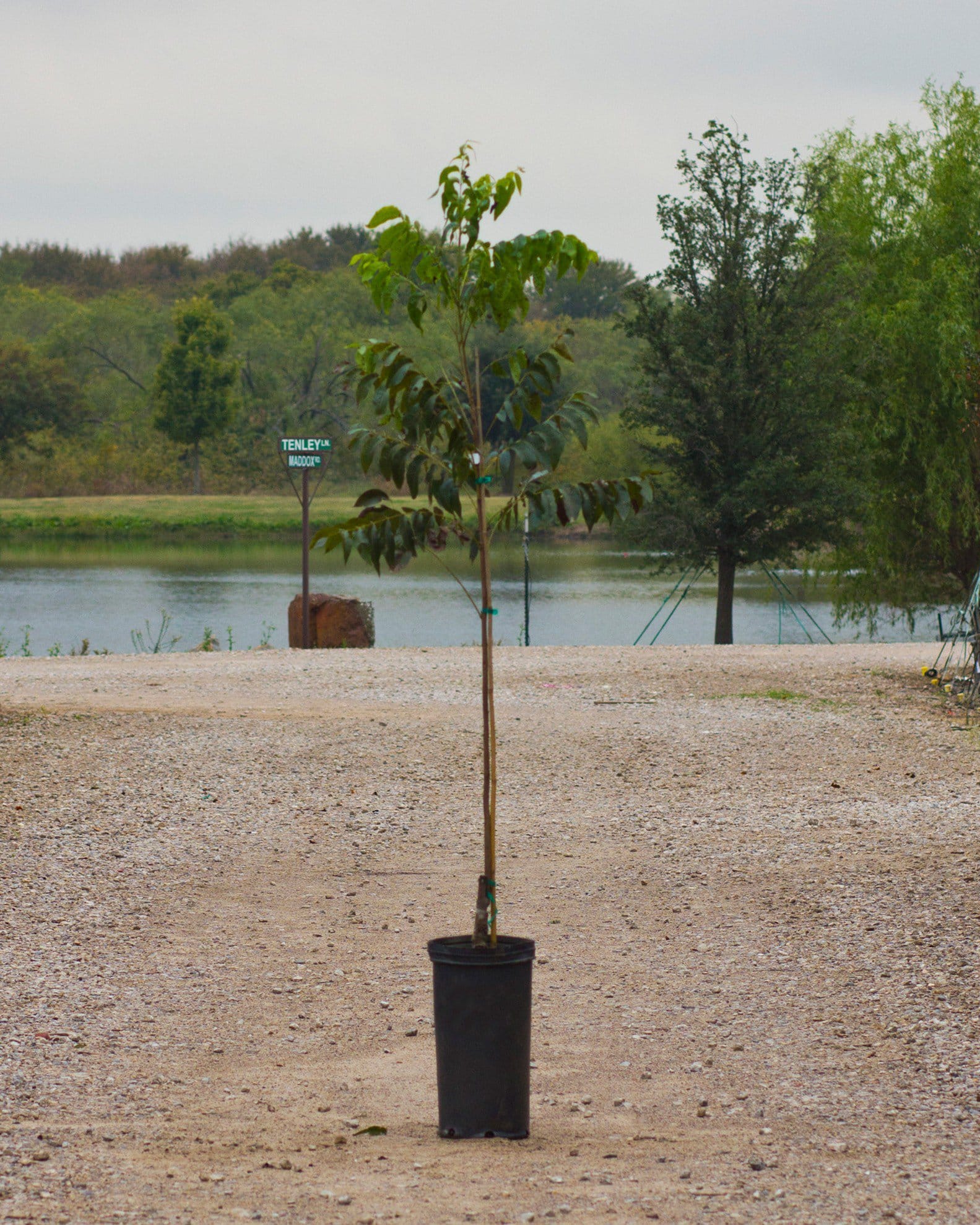
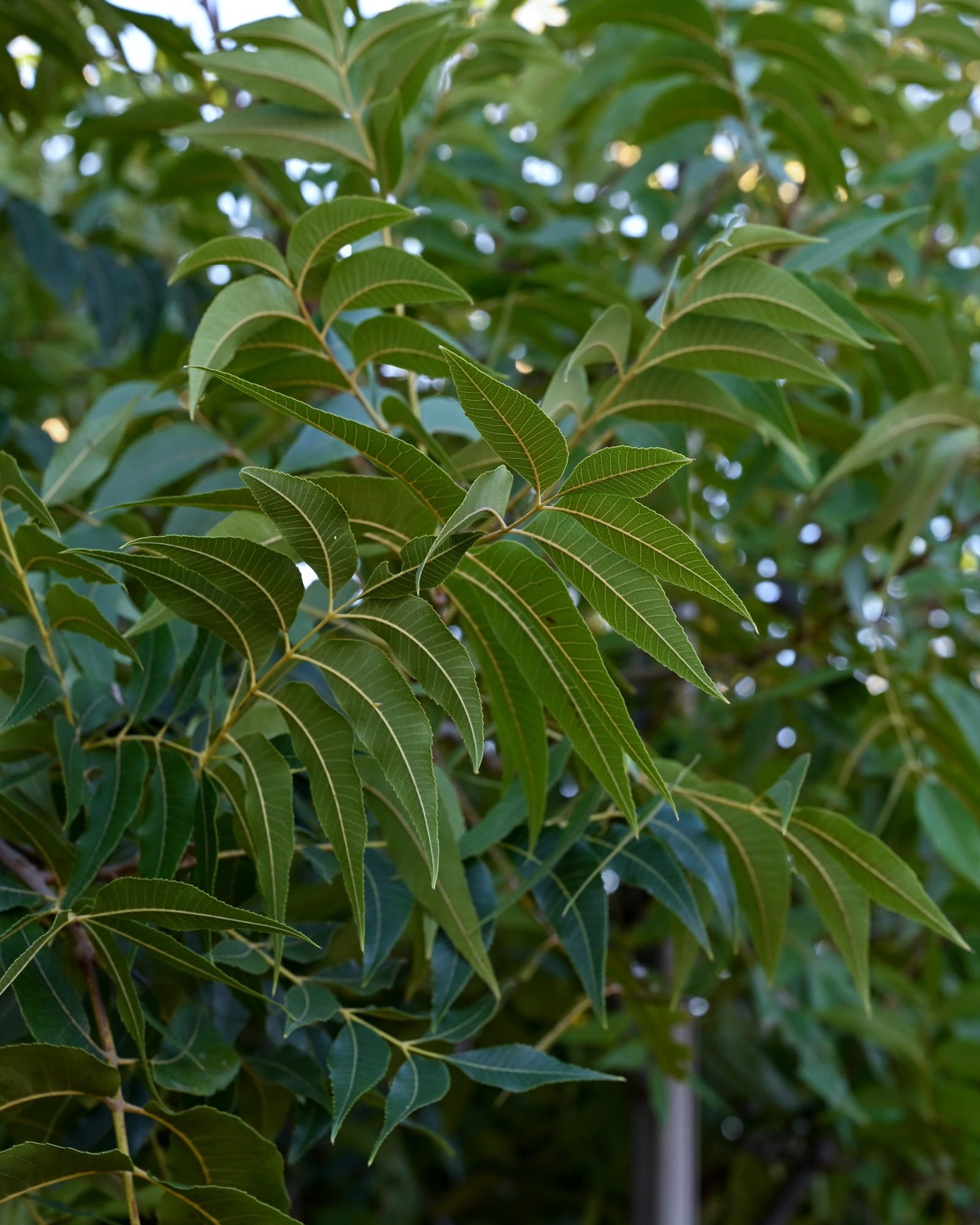
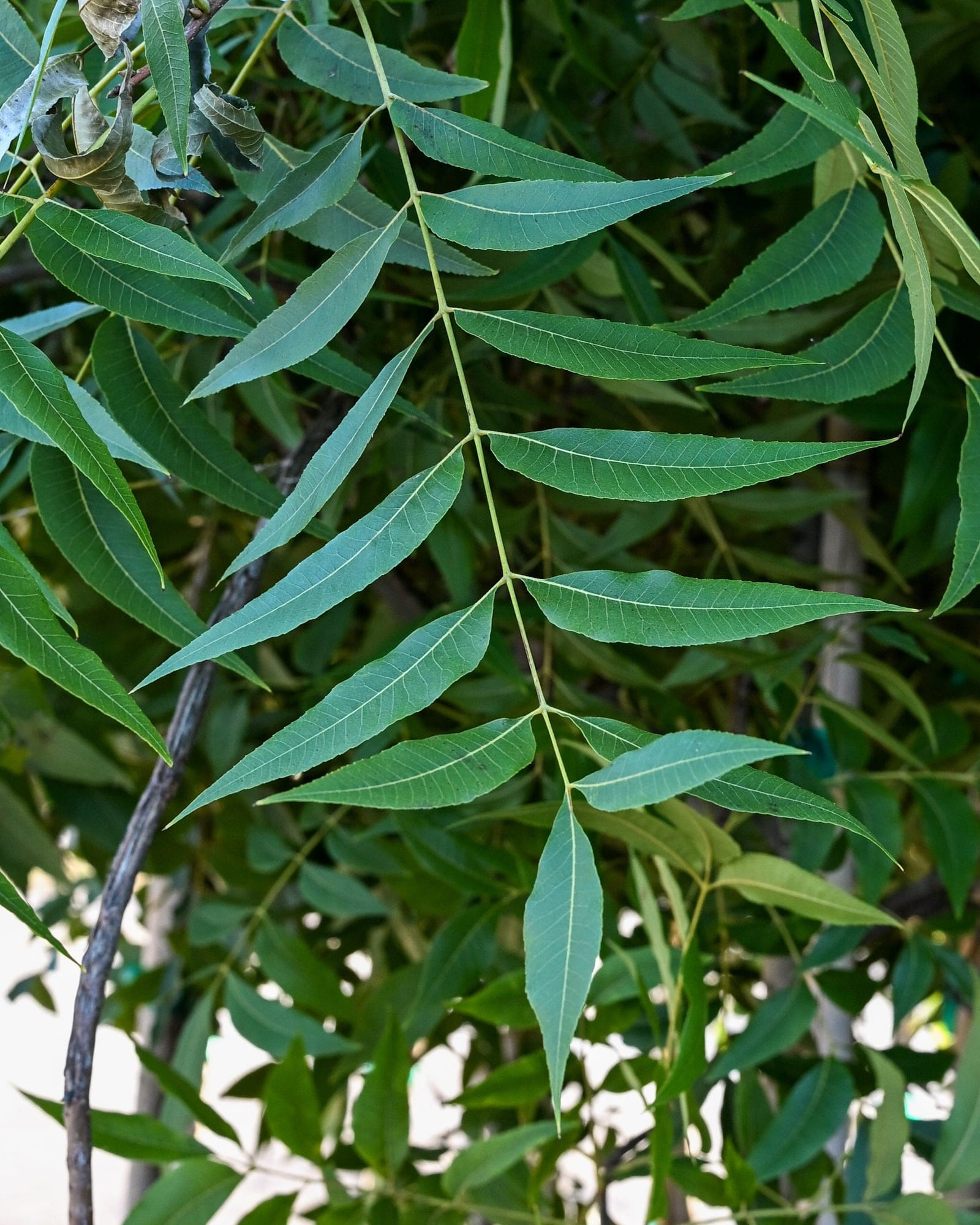
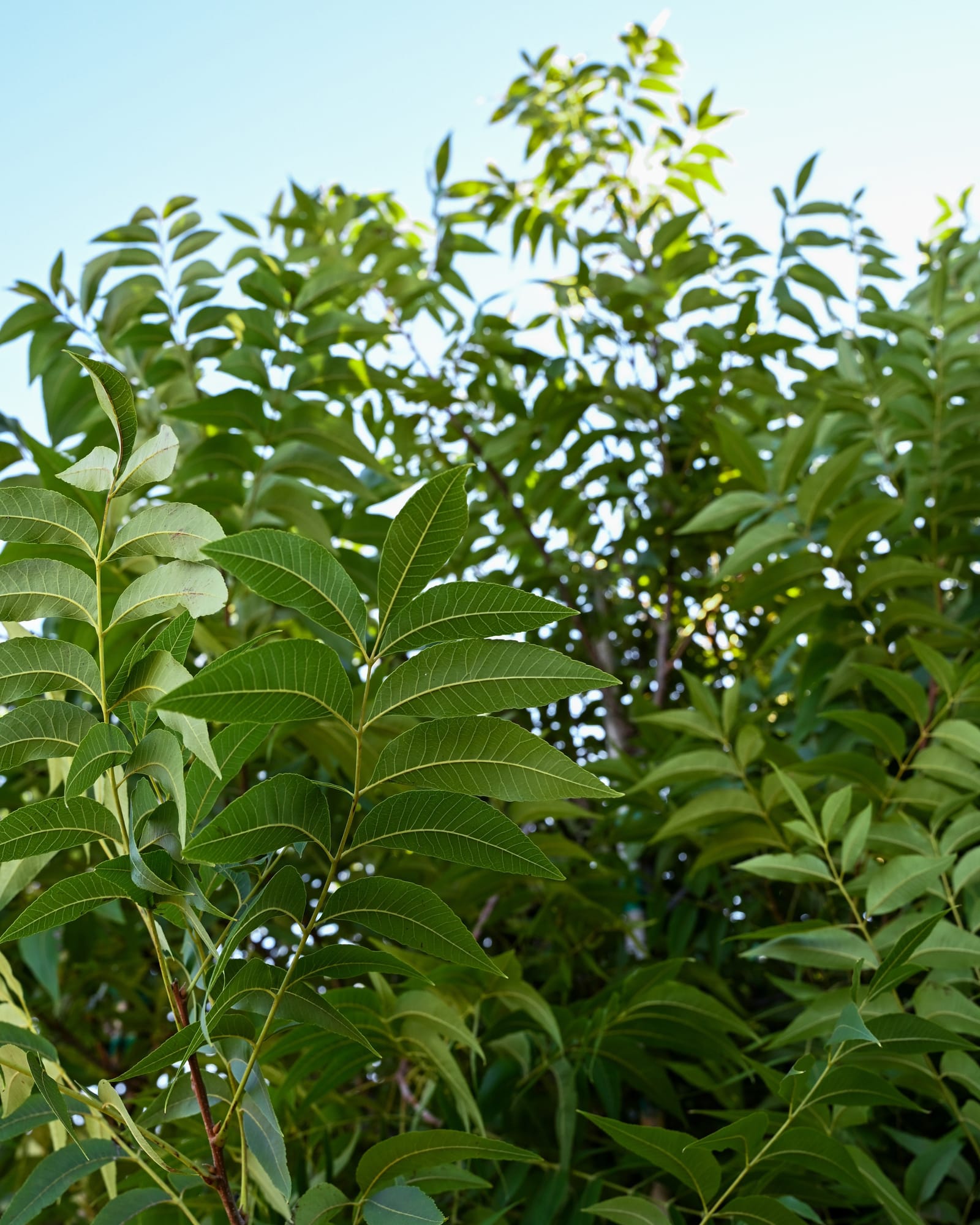
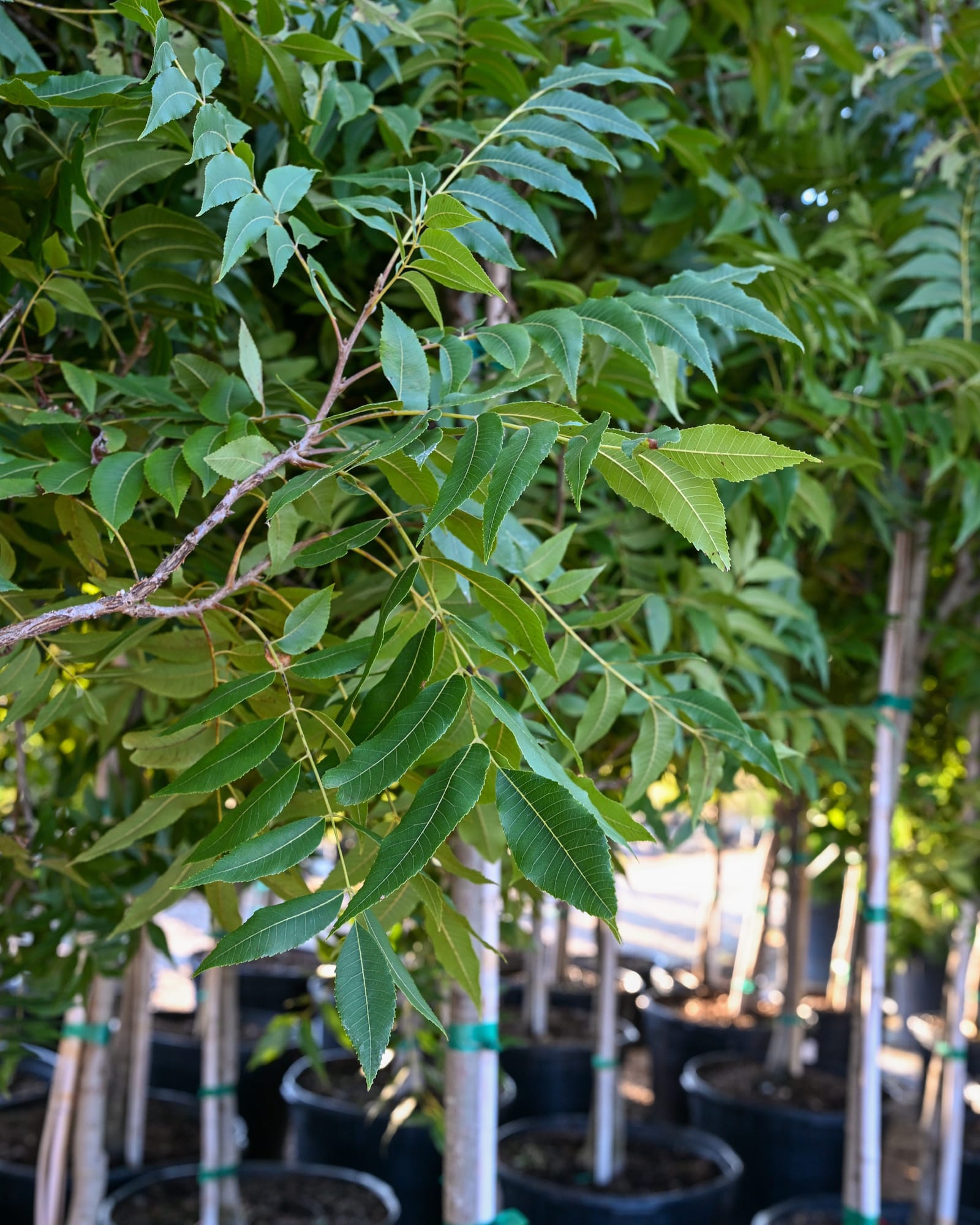
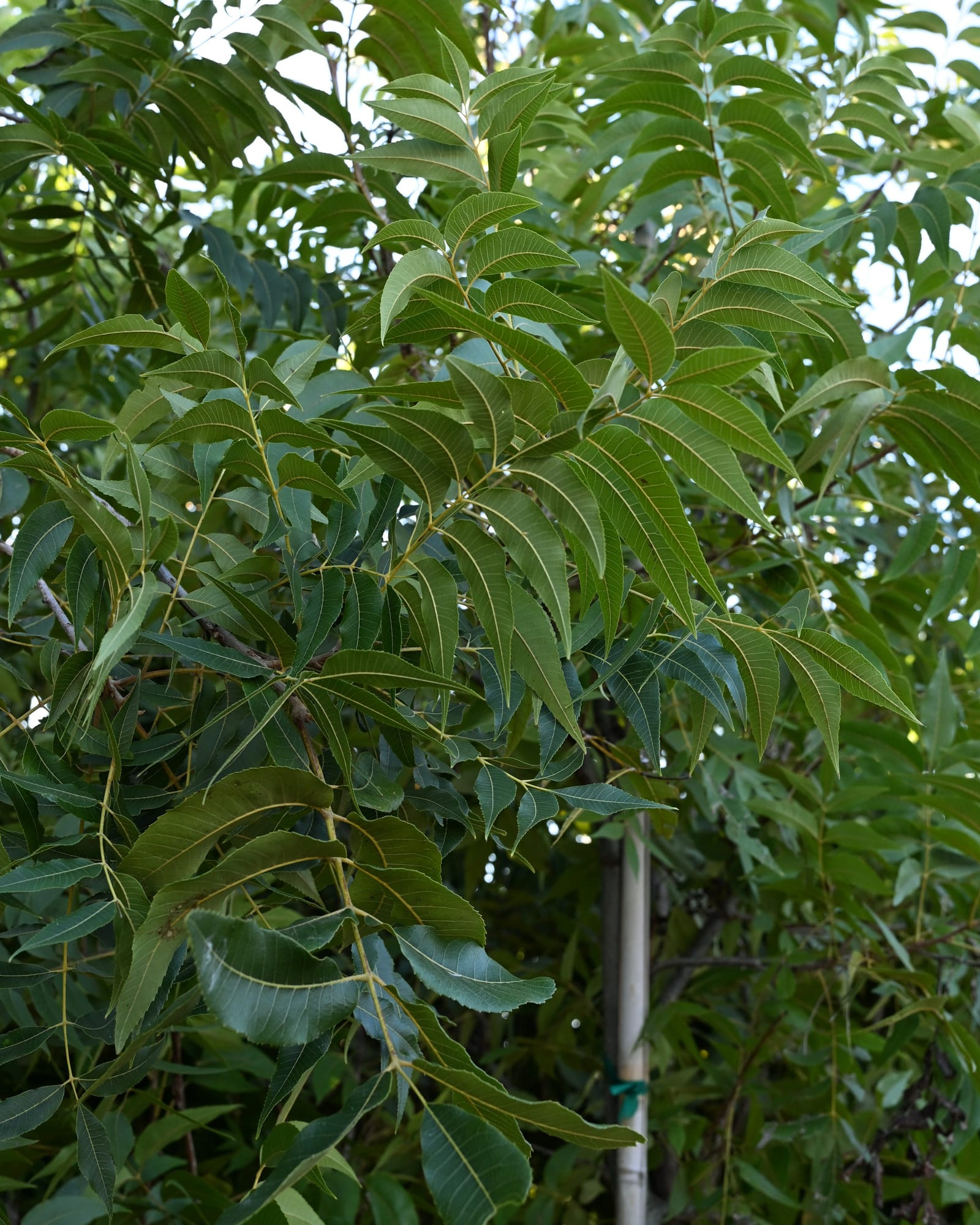
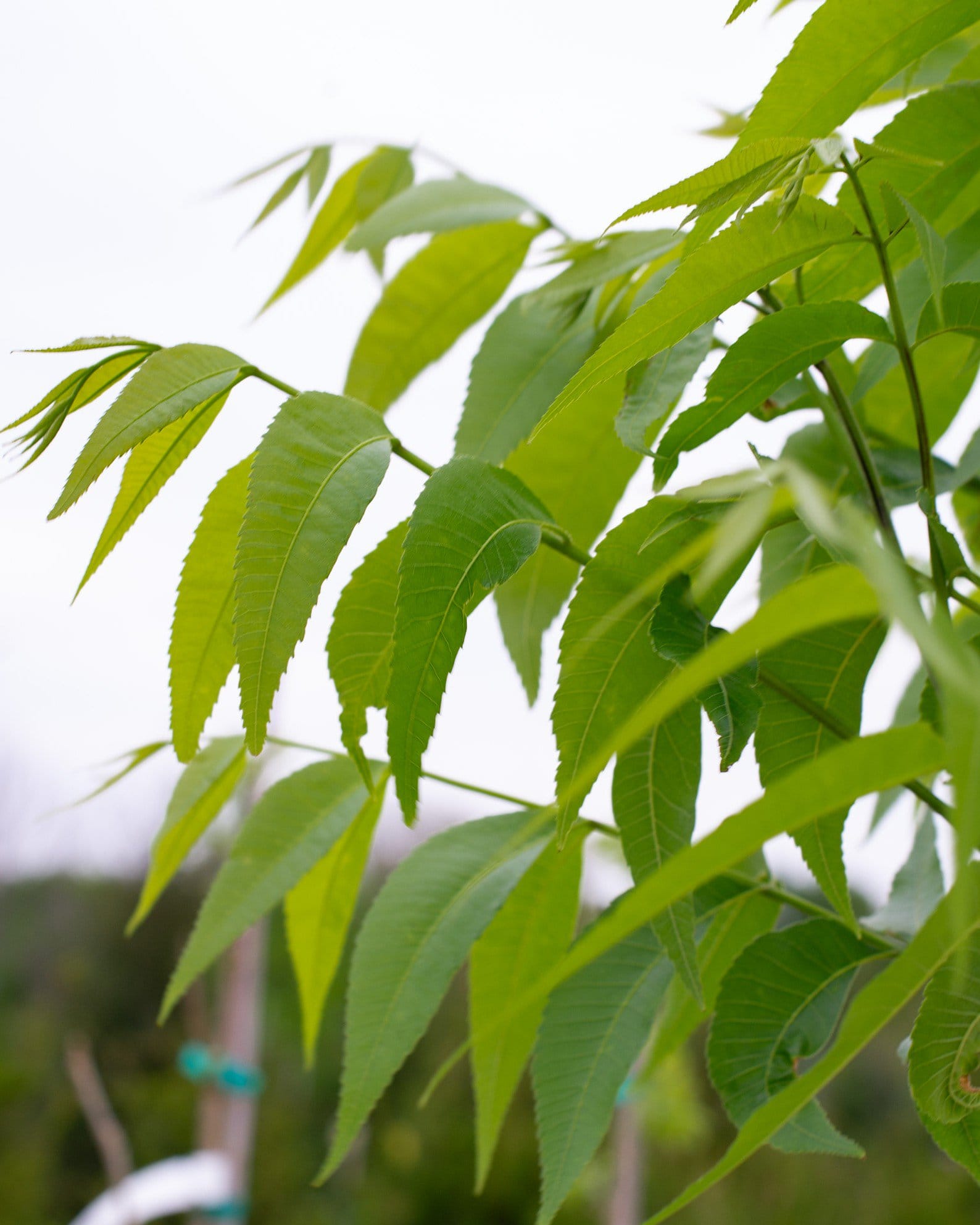
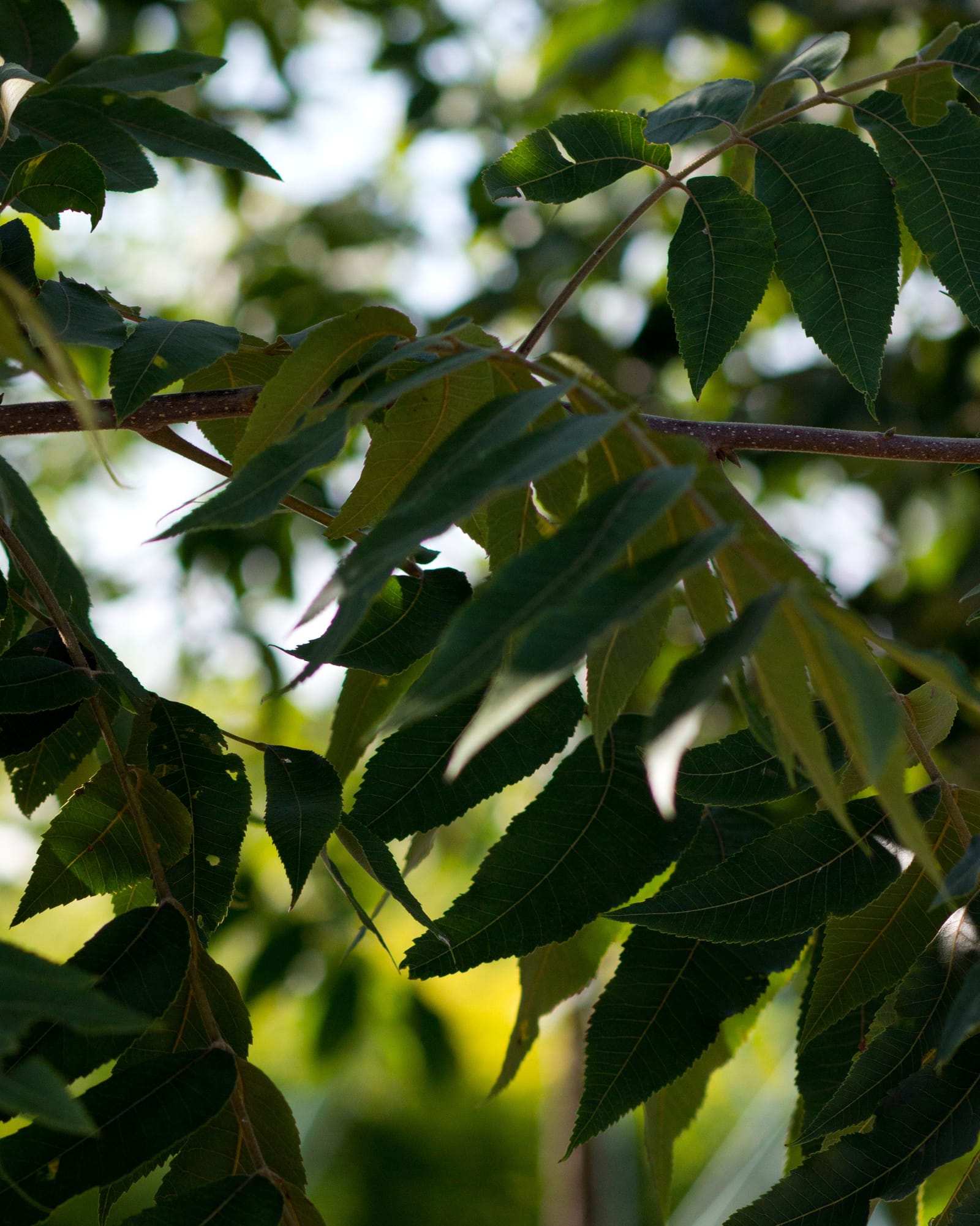
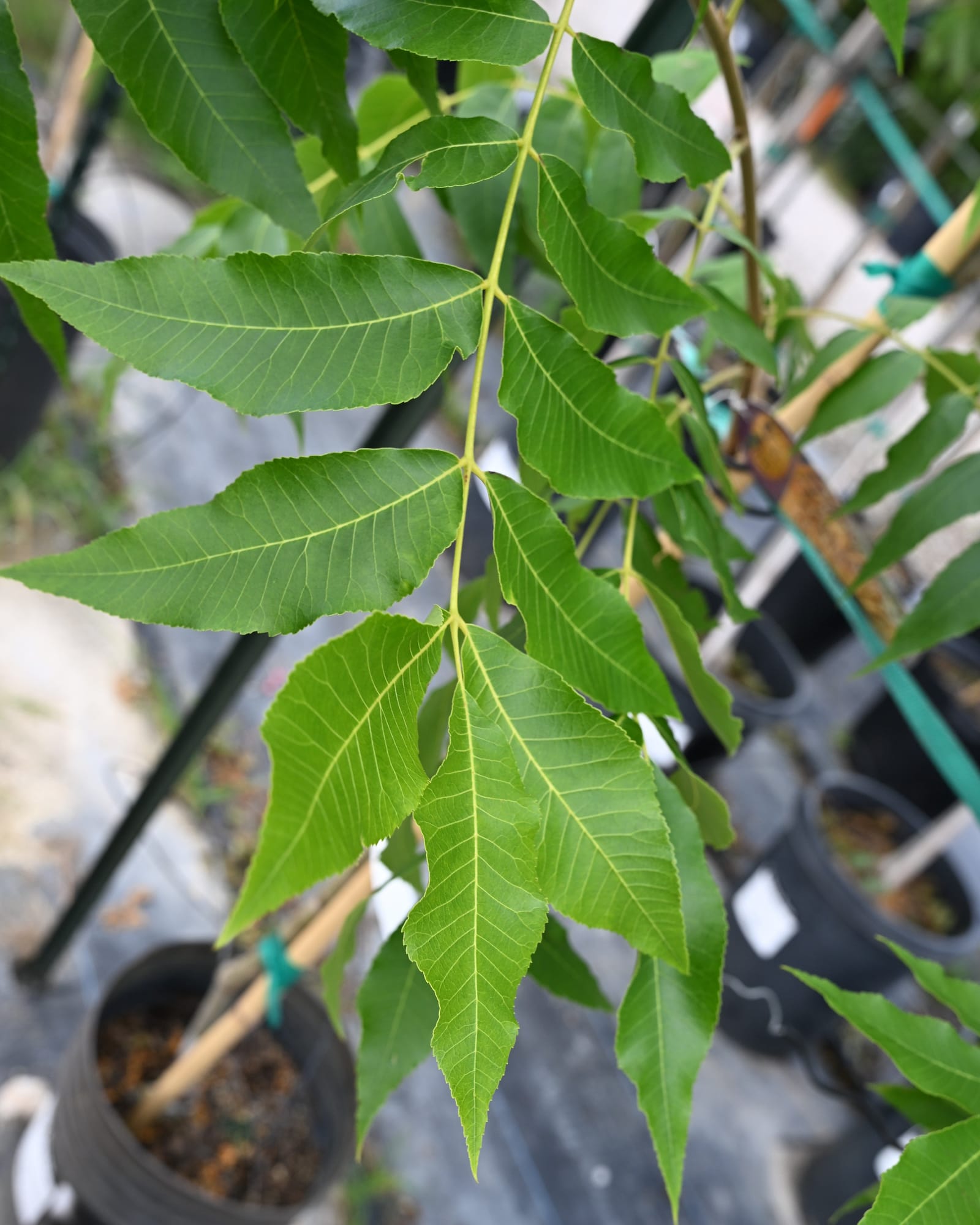
Carya illinoinensis ‘Kanza’Kanza Pecan is a reliable pecan tree valued for its tasty, large nuts and vigorous growth. Reaching up to 60 feet tall and 40 feet wide, it creates a broad canopy perfect for shade in spacious yards and parks. This tree displays dense, green foliage throughout the growing season and produces an abundant nut crop that is prized by both home gardeners and commercial growers. Kanza Pecan has strong resistance to common pecan diseases, making it a durable choice for Texas landscapes. With proper care, it will provide long-lasting shade and a delicious harvest year after year. Its deep root system enhances drought tolerance, further ensuring success in North Texas. The Kanza pecan is a Type 2 pollinator, meaning it requires a Type 1 pollinator to produce nuts.
- Deciduous tree
- Moderate to fast growth rate
- Produces large, high-quality edible pecans
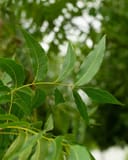
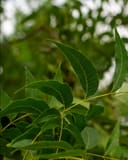
- Dense green foliage adds summer shade
- Disease-resistant and durable in various conditions
Hardy in USDA zones 6–9, Kanza Pecan thrives in full sun and prefers well-drained, fertile soils. It adapts well to the North Texas climate, making it an excellent choice for shade and nut production.
The difference between Type 1 and Type 2 pecans lies entirely in their pollination timing, a critical factor for successful nut production. Pecan trees have separate male flowers (catkins) and female flowers (nutlets) on the same tree, but they rarely mature at the same time, a condition called dichogamy, which encourages cross-pollination.
- Type 1 Pecans are classified as protandrous. In these trees, the male flowers shed their pollen first (pro- = first; -androus = male) before the female flowers on the same tree become receptive.
- Type 2 Pecans are classified as protogynous. In these trees, the female flowers become receptive first (pro- = first; -gynous = female) before the male flowers on the same tree shed their pollen.
For an individual pecan tree to produce a high yield of well-filled nuts, it must be cross-pollinated by a complementary type. Therefore, for a successful harvest, a grower must plant at least one Type 1 tree and one Type 2 tree to ensure that when one is shedding pollen, the other's female flowers are ready to receive it.
Special Features
You might also like
Caddo Pecan
Maturity: 60' H x 40' W
Desirable Pecan
Maturity: 60' H x 40' W
Native Pecan
Maturity: 60' H x 40' W
Pawnee Pecan
Maturity: 60' H x 40' W
Bur Oak
Maturity: 60' H x 50' W
Cedar Elm
Maturity: 50' H x 35' W
Cedar Elm Pioneer
Maturity: 50' H x 30' W
Cherokee Sweet Gum
Maturity: 45' H x 30' W
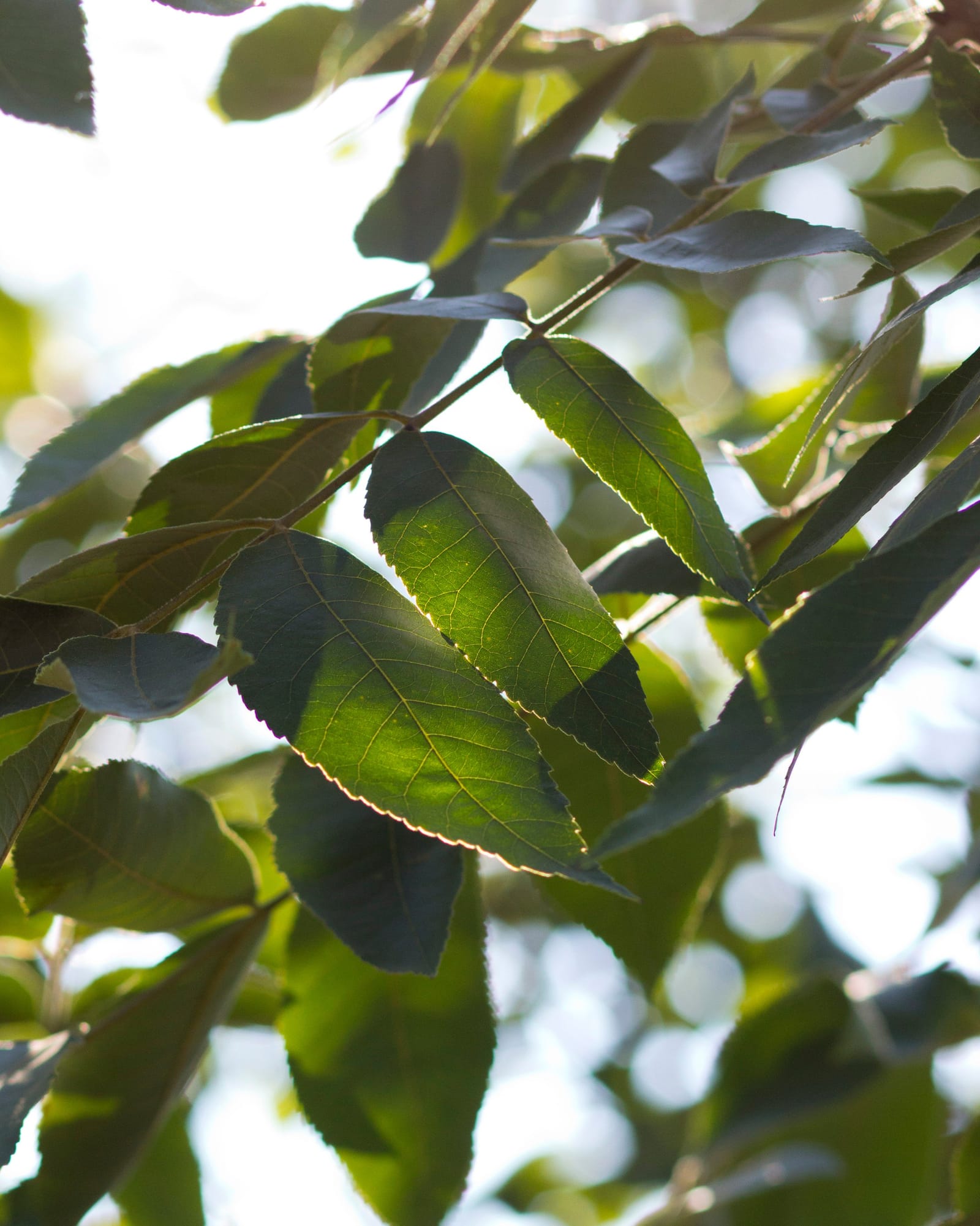
Cheyenne Pecan
Maturity: 60' H x 40' W
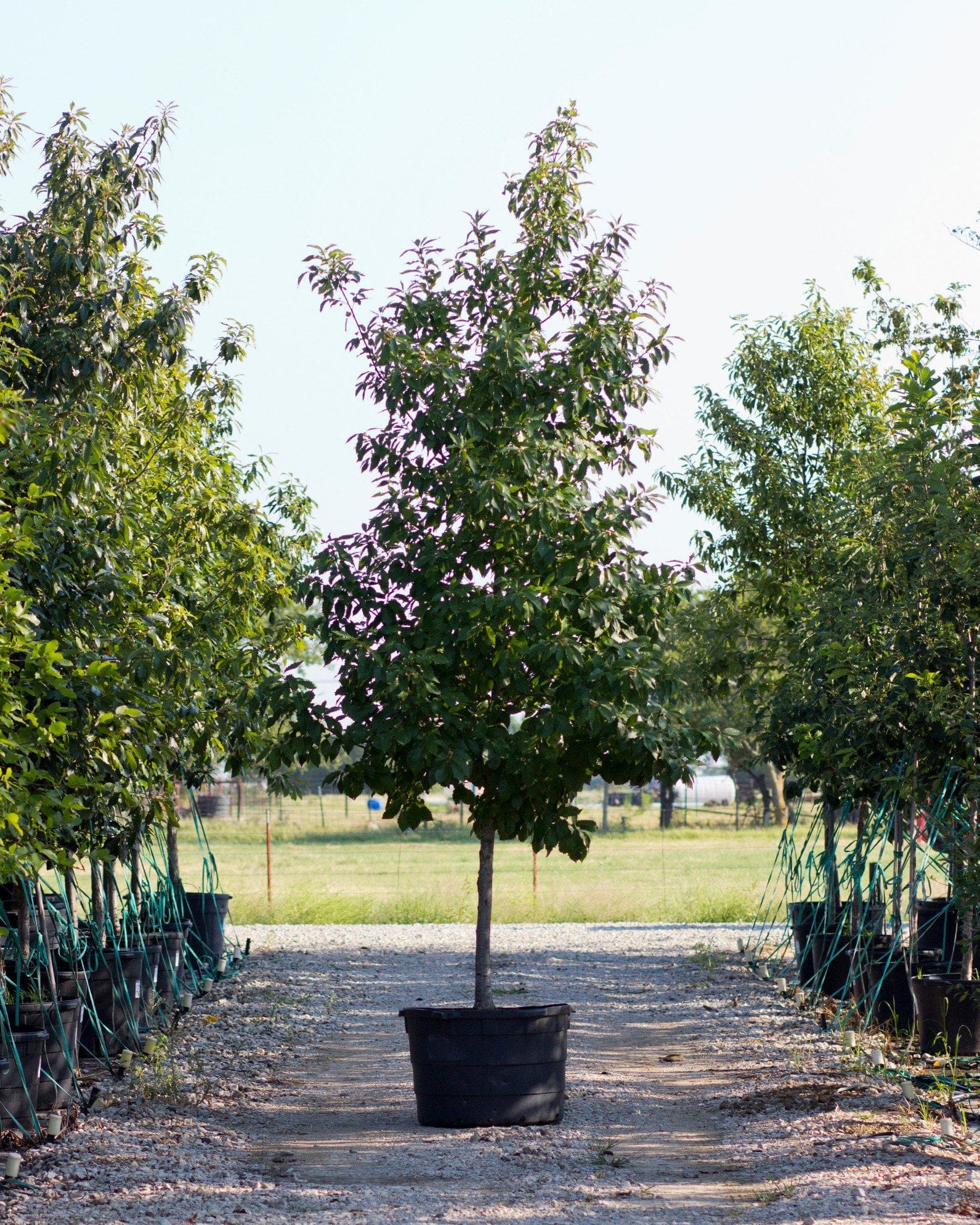
Chinquapin Oak
Maturity: 50' H x 40' W
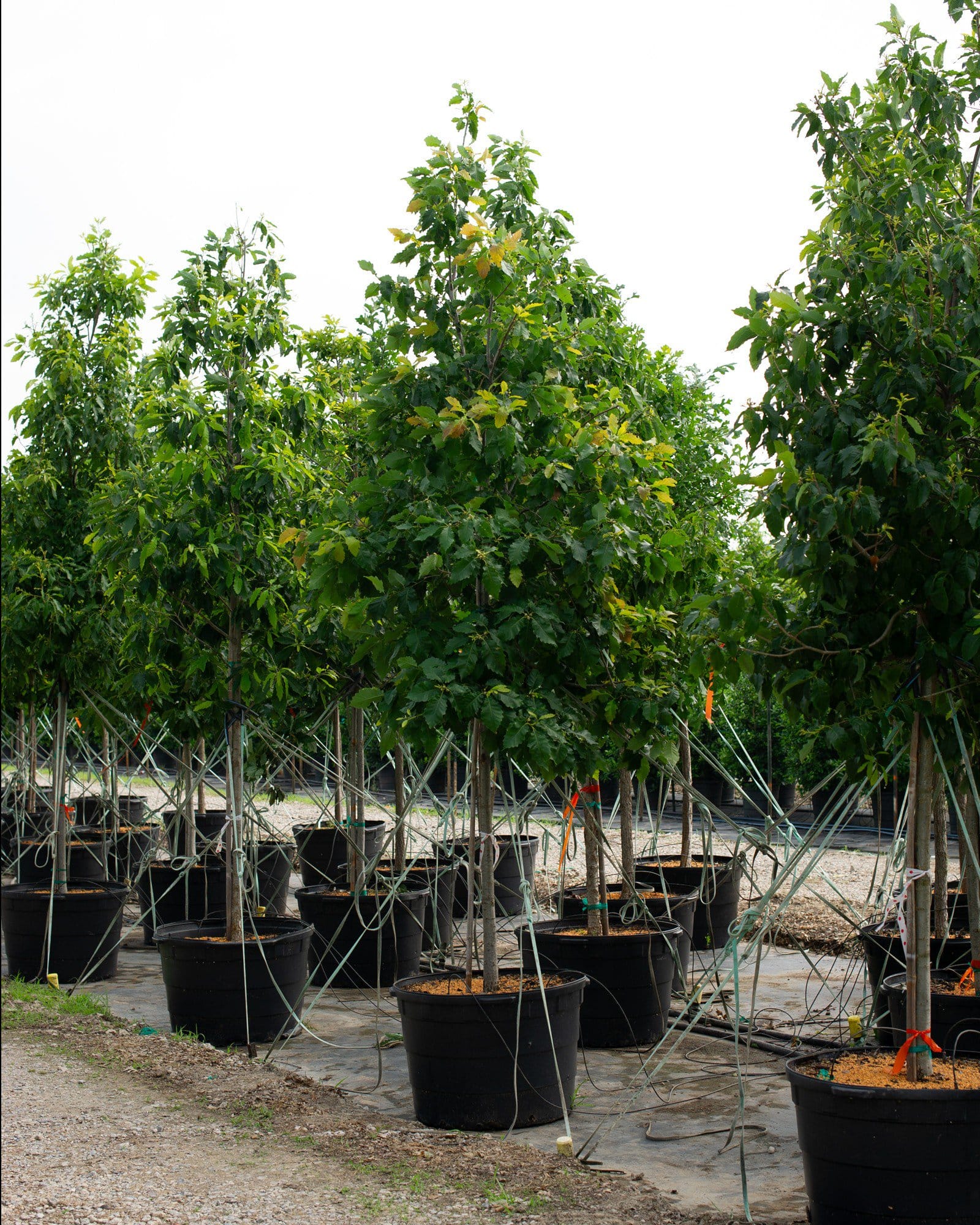
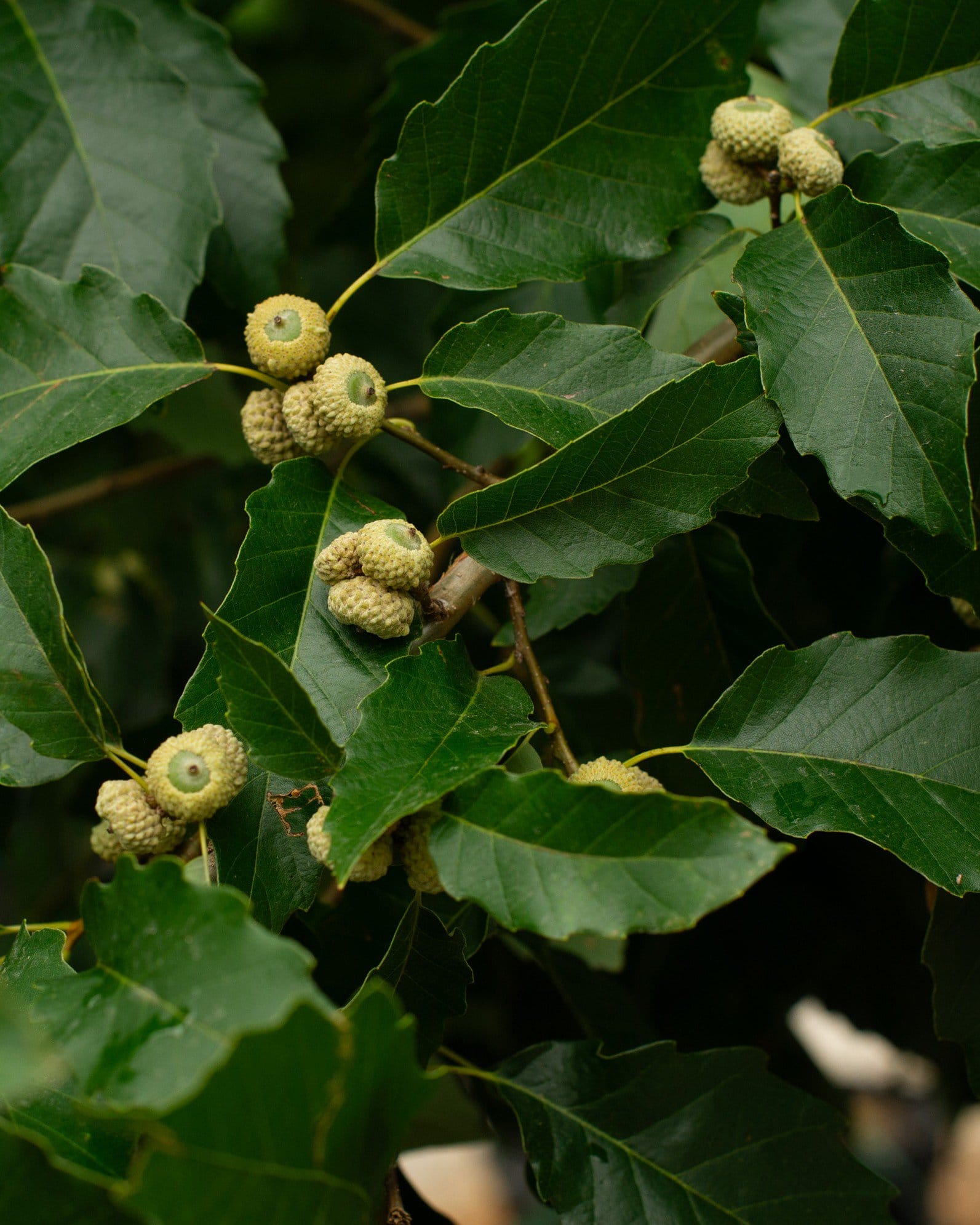
Choctaw Pecan
Maturity: 60' H x 40' W
Creek Pecan
Maturity: 60' H x 40' W
Elliot Pecan
Maturity: 60' H x 40' W
Kiowa Pecan
Maturity: 60' H x 40' W
Lakota Pecan
Maturity: 60' H x 40' W
Compare Similar Plants
Kanza Pecan This plant | ||
|---|---|---|
| Scientific Name | Carya illinoinensis ‘Kanza’ | Carya illinoinensis ‘Caddo’ |
| Size at Maturity | 60' H x 40' W | 60' H x 40' W |
| Leaf Retention | Deciduous | Deciduous |
| Fall Color | Yellow | Yellow |
| Sizes Available | 30 gal | 6, 15 gal |


Our 1-Year Planting Guarantee
We take pride in our plants and installation services. If any plants or trees installed by Treeland fail to thrive within the first year, we'll provide a replacement credit in accordance with our guarantee program.
Learn More About Our Guarantee