
 Texas Native
Bur Oak
Quercus macrocarpaLocal DFW Delivery Only
Product Details
Bur Oak
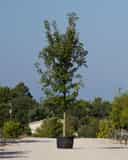
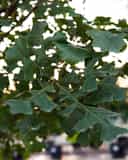
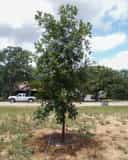
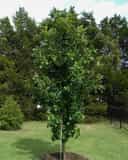
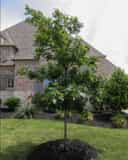
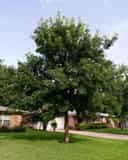
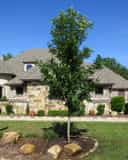
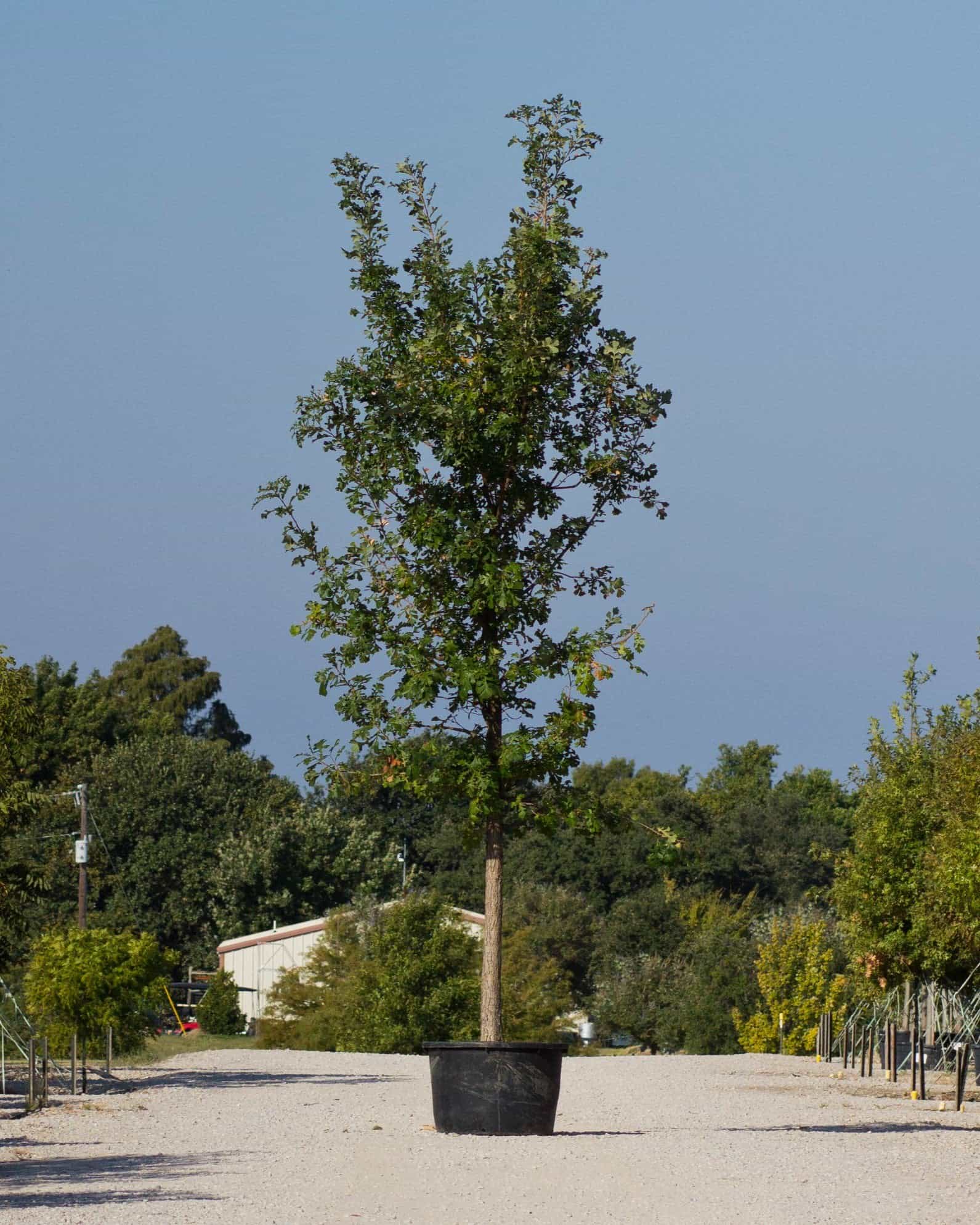
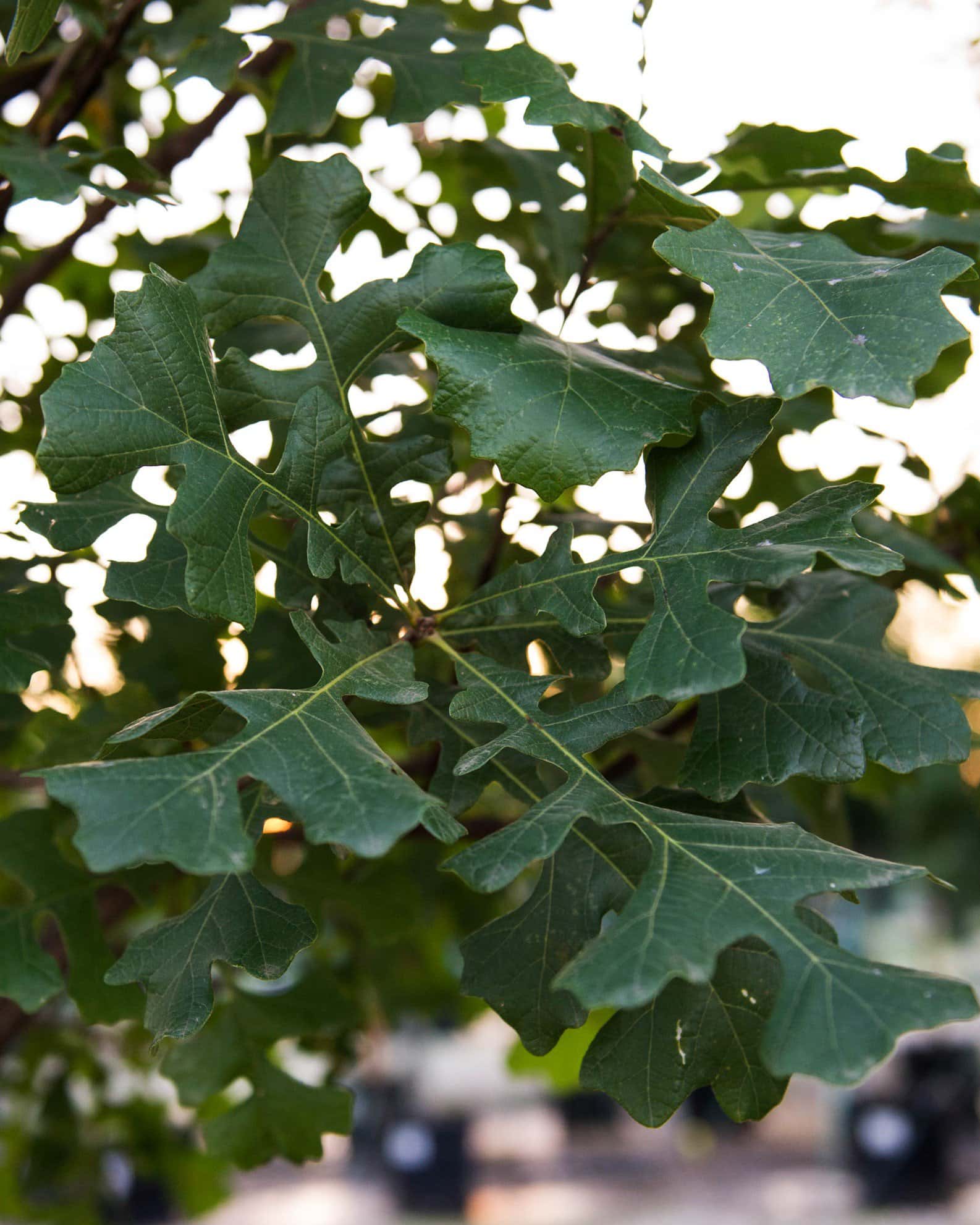
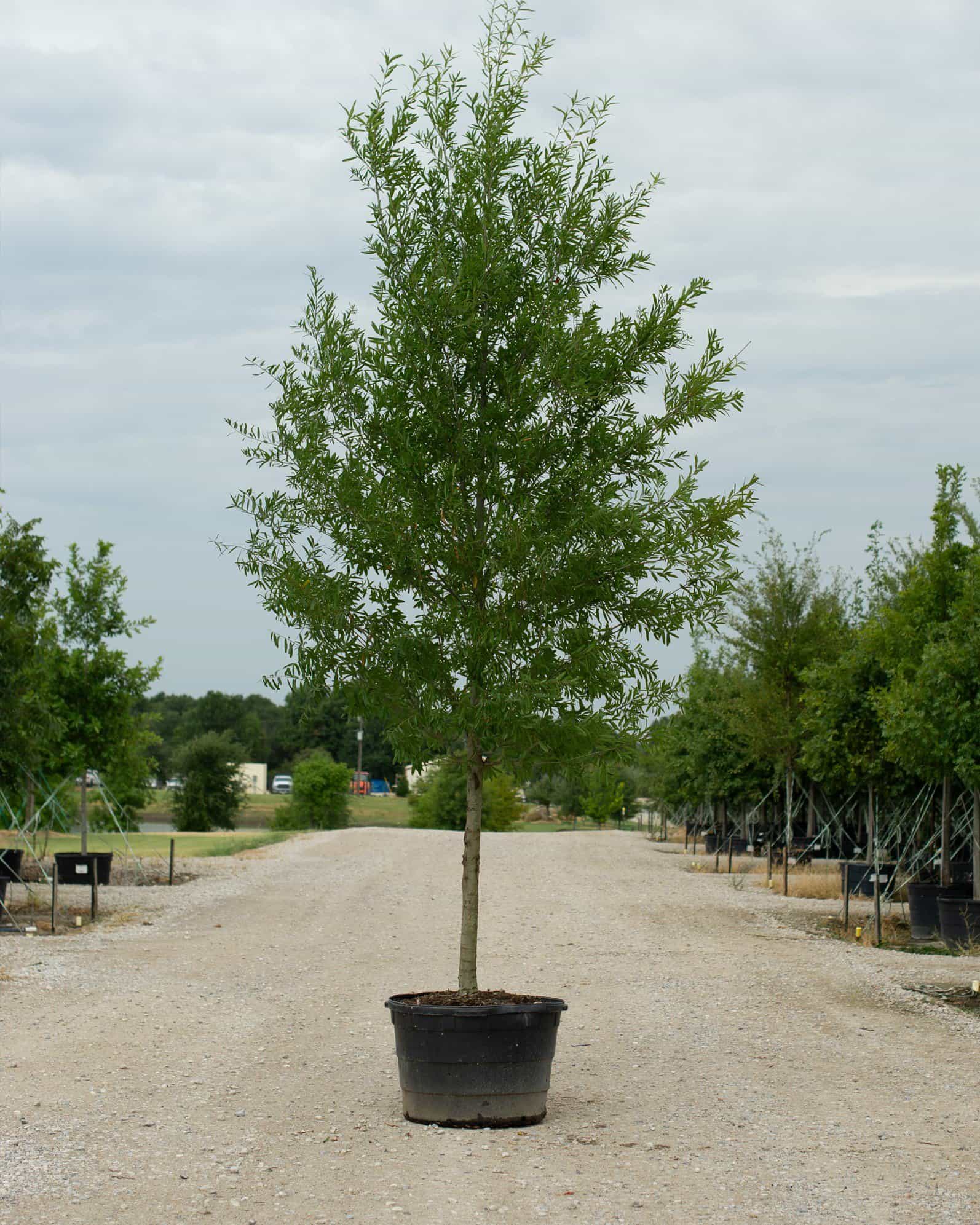
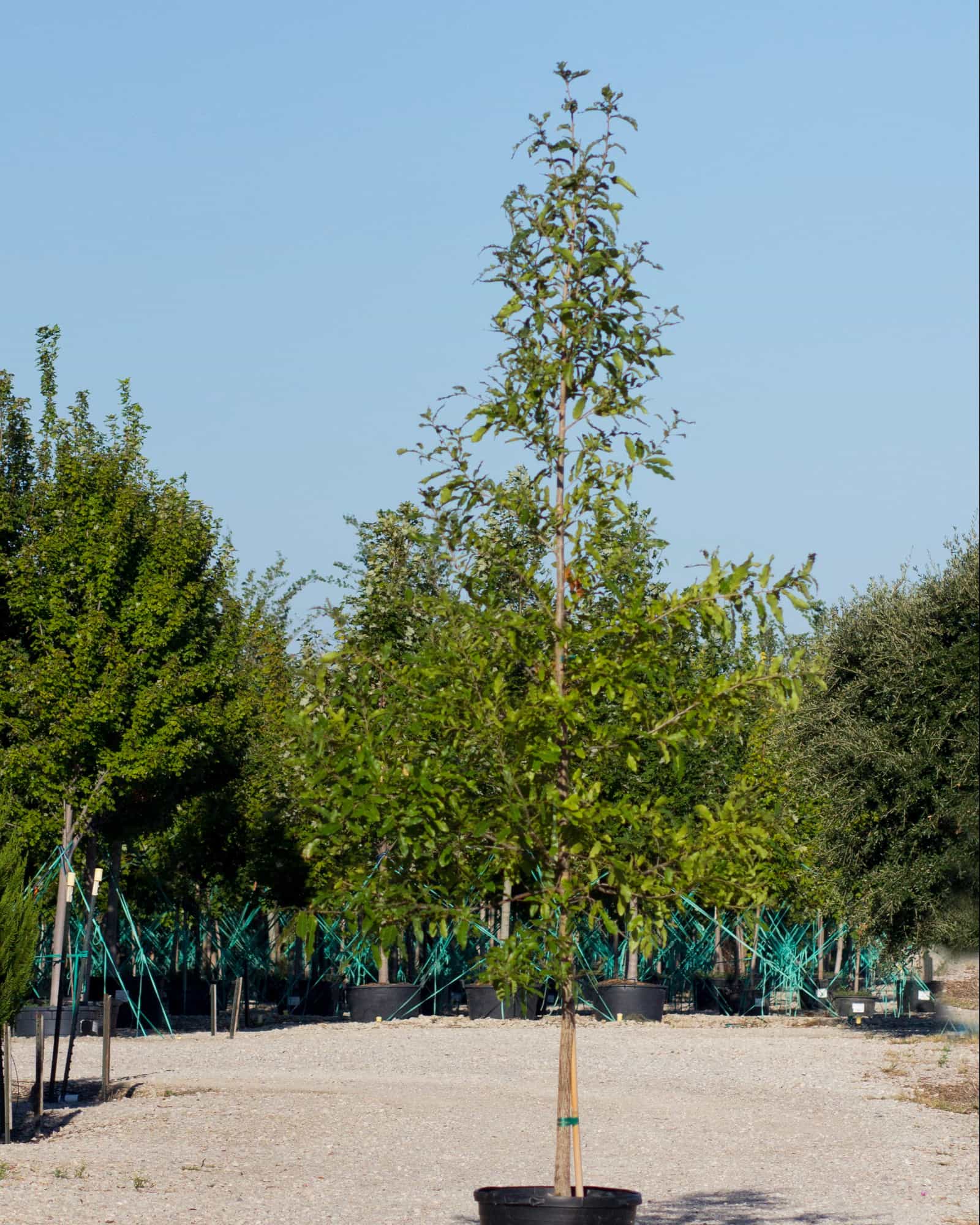
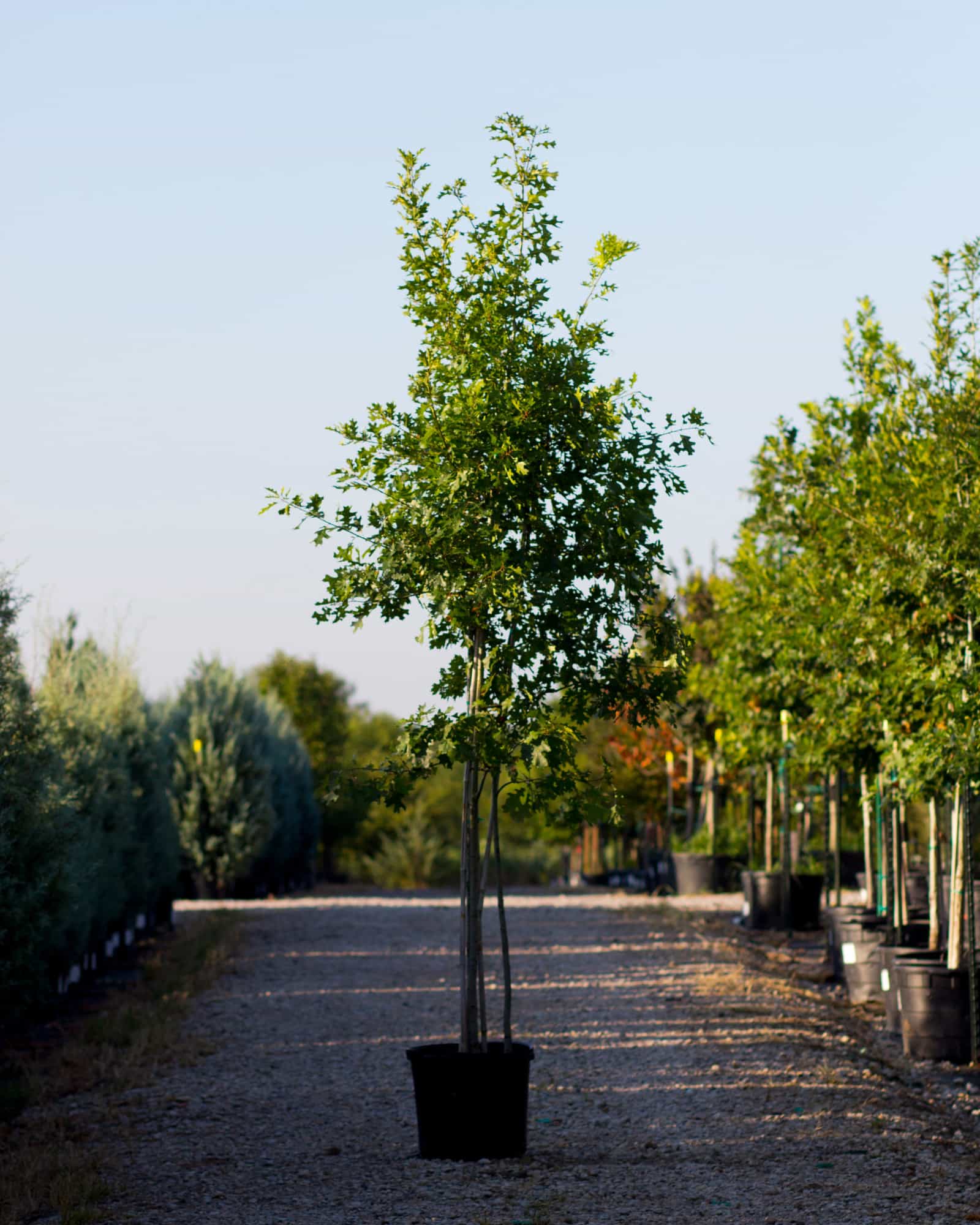
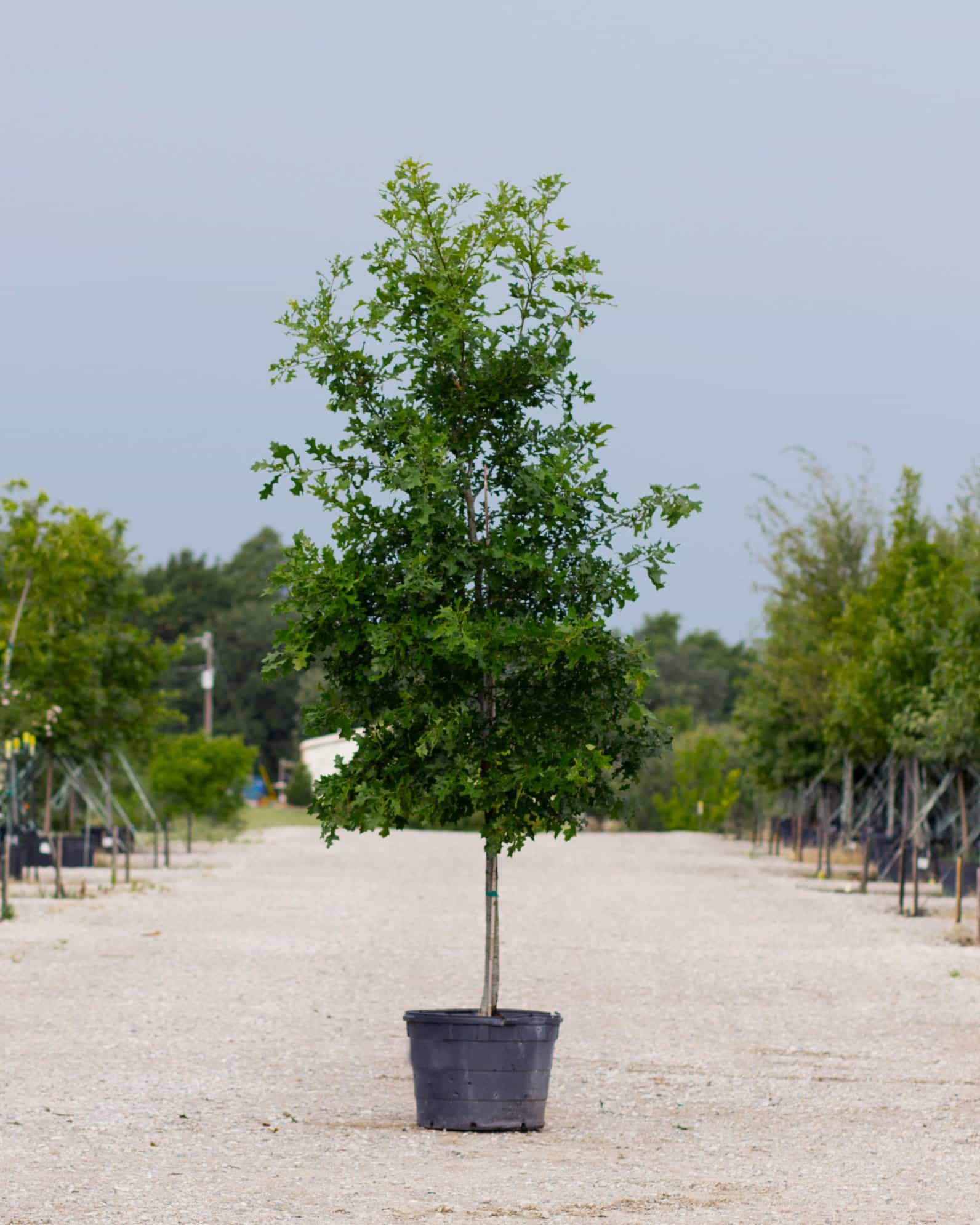
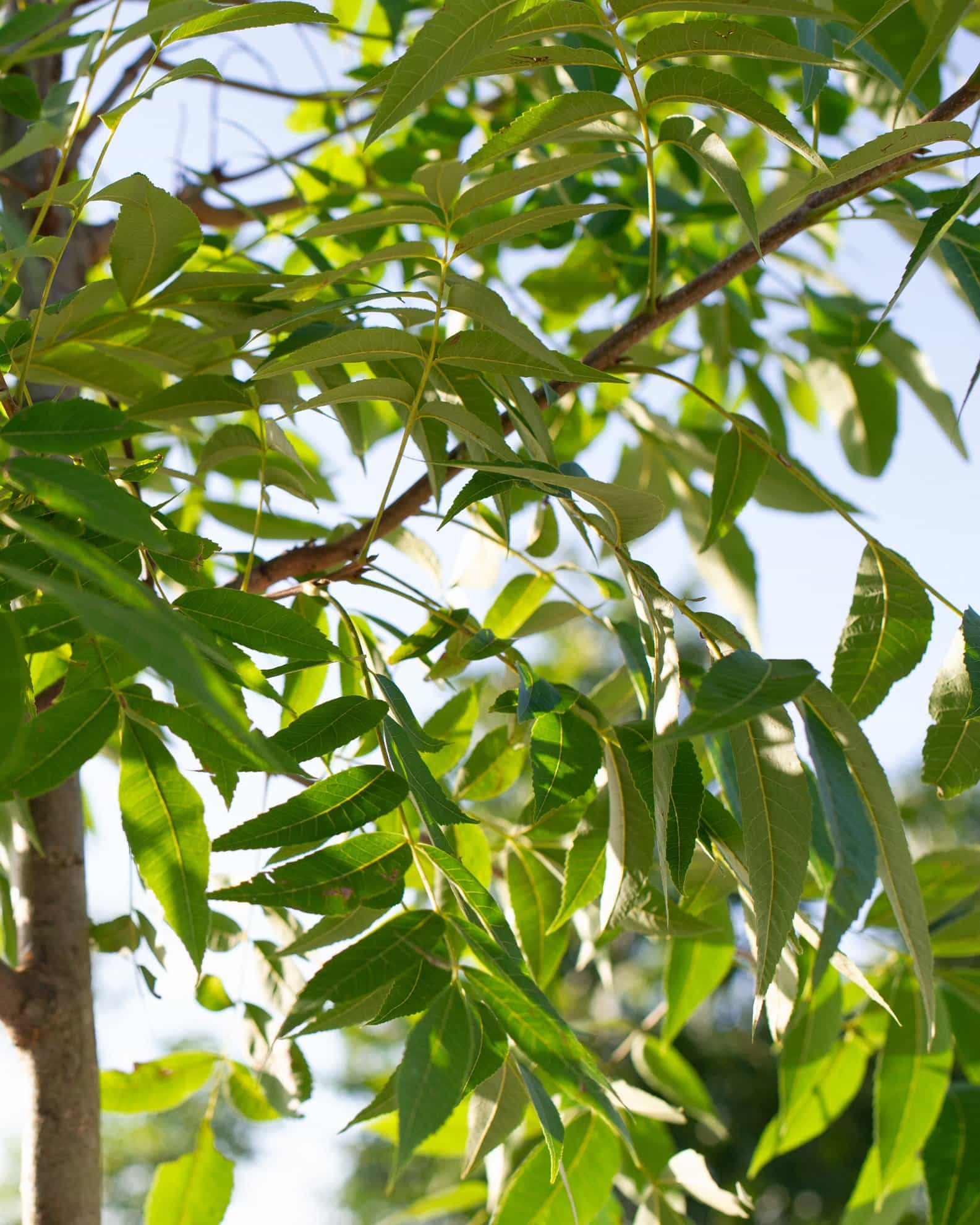
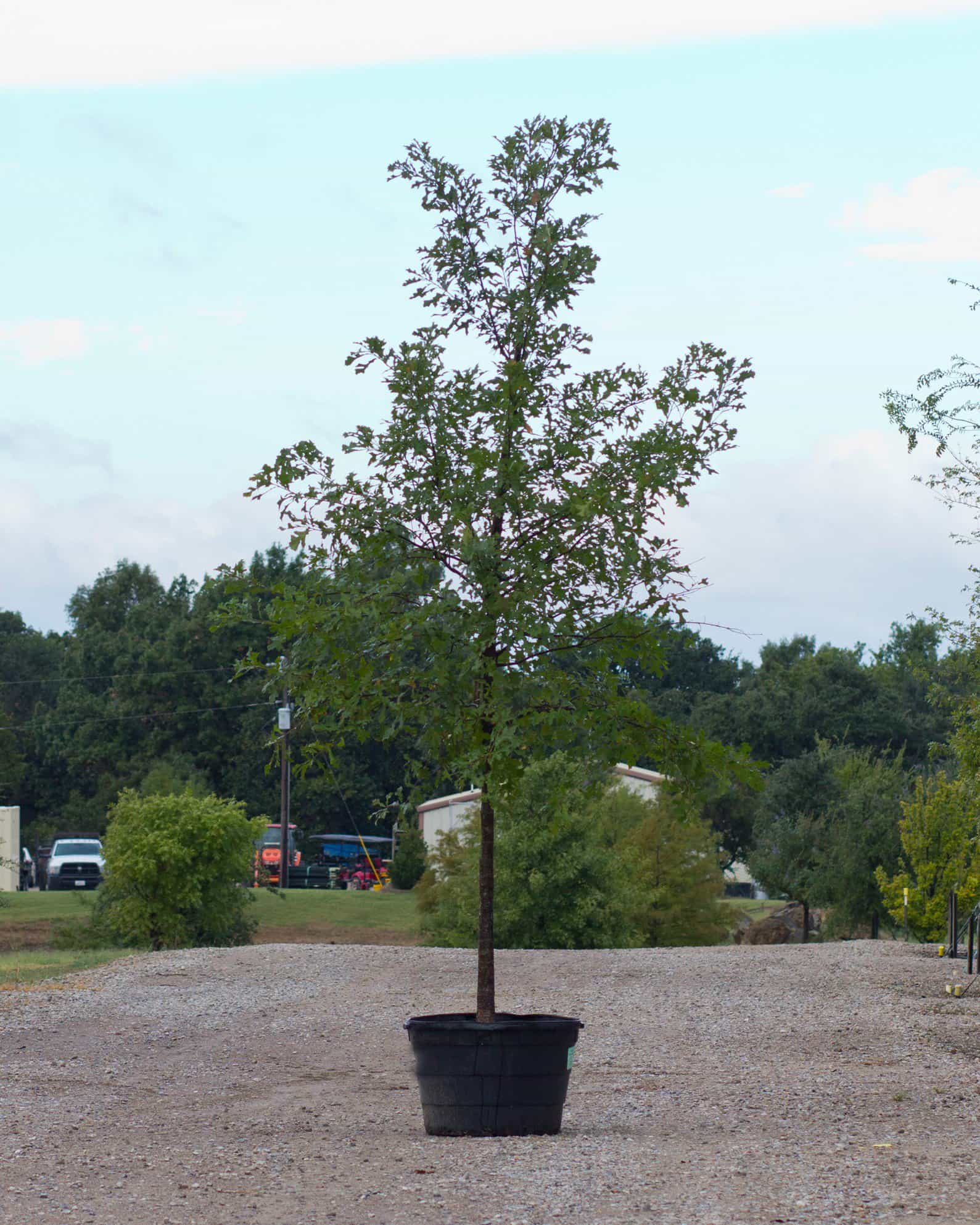
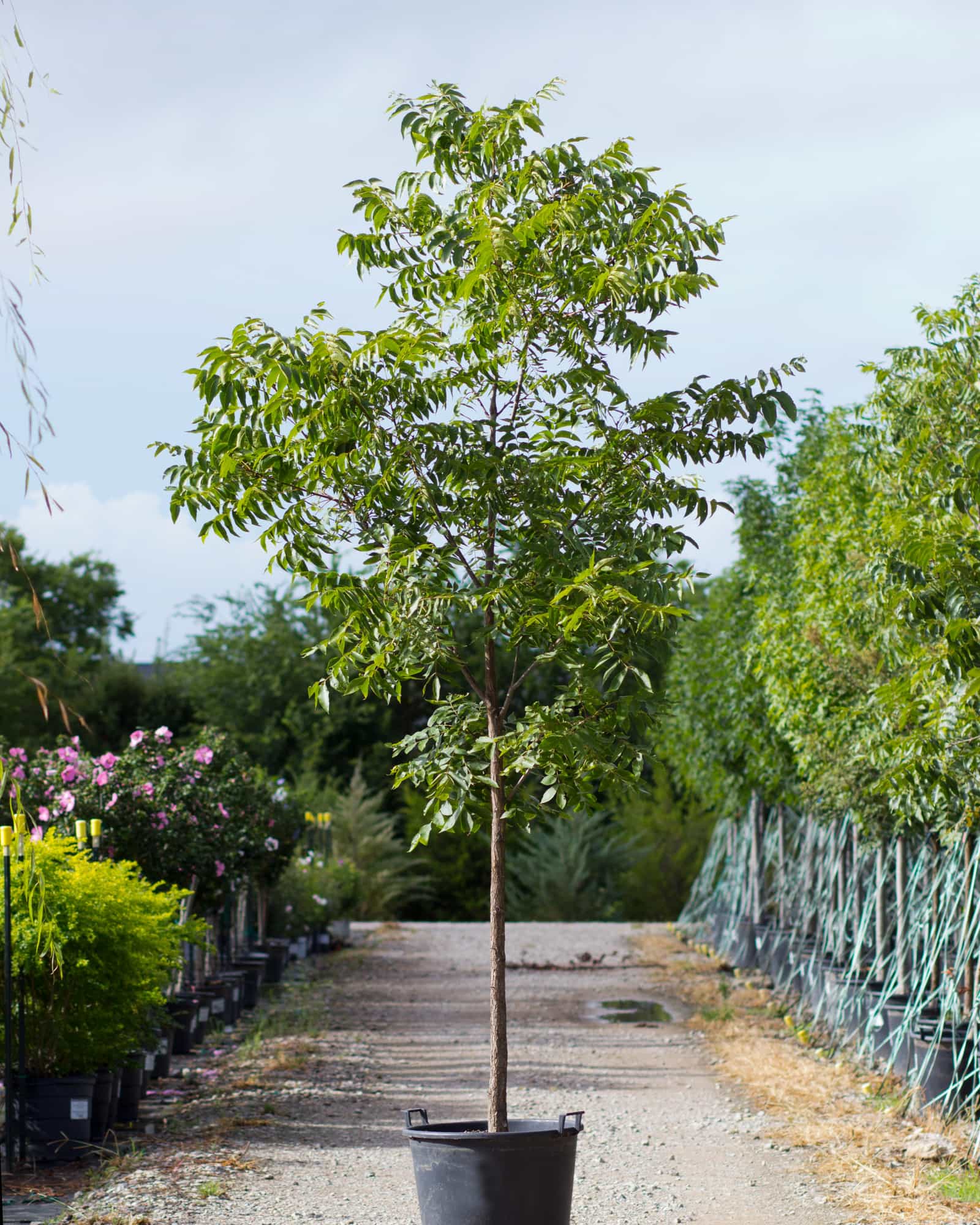
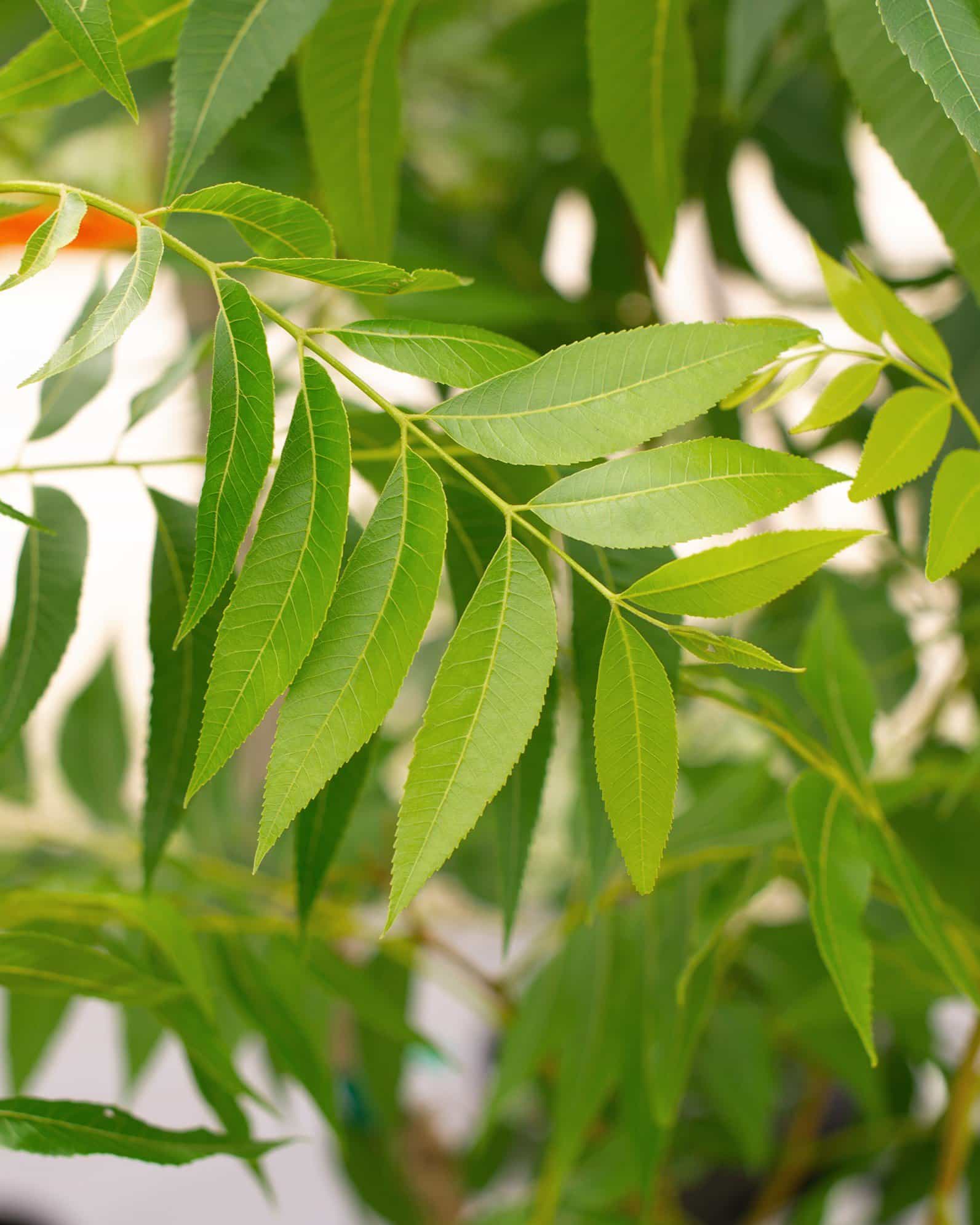
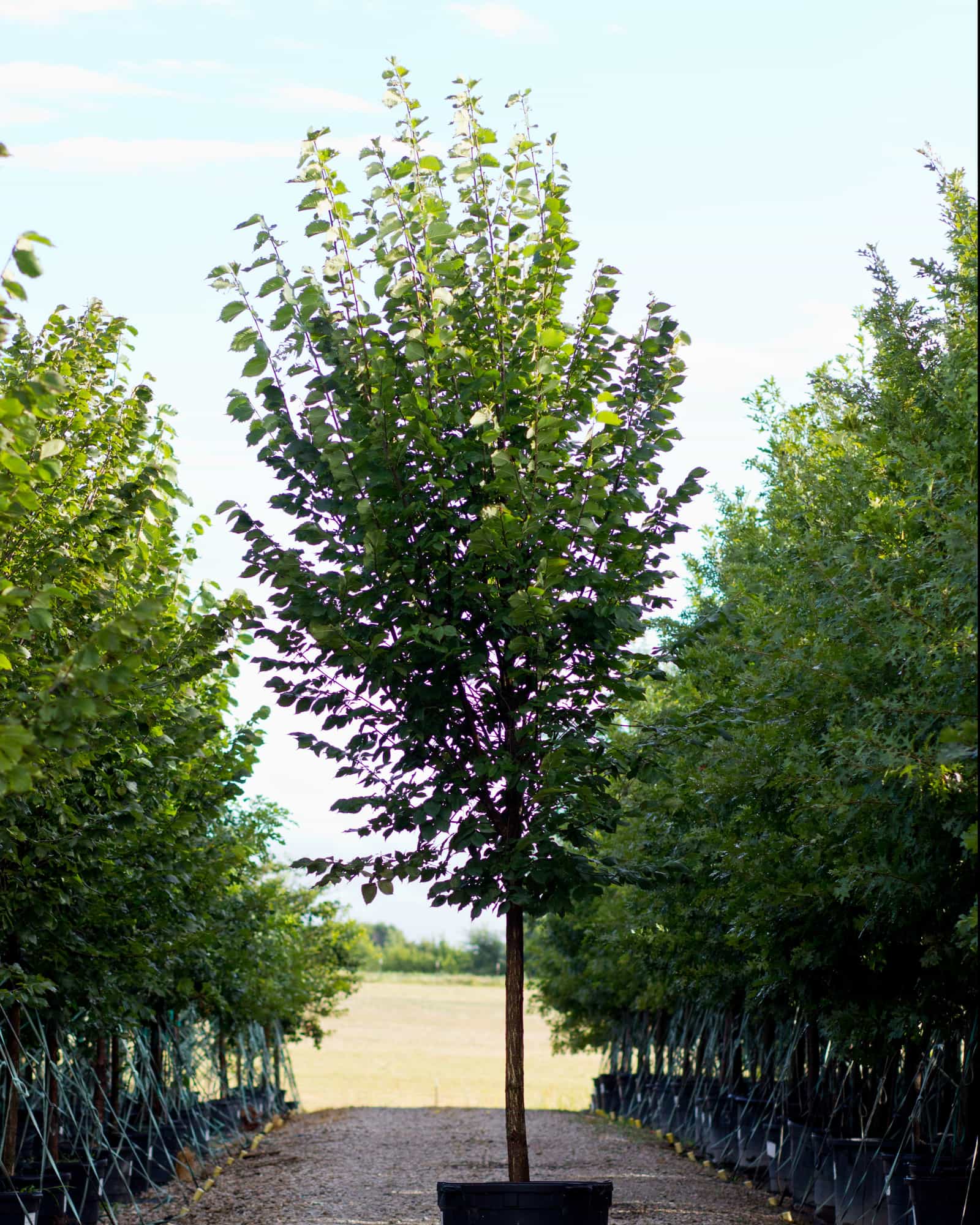
Quercus macrocarpaBur Oak is a grand, long-lived deciduous tree known for its impressive size and distinctive foliage. Its large, deeply lobed leaves offer lush green color throughout the growing season, turning vibrant yellow in fall to bring seasonal warmth and interest. The tree also produces large, fringed acorns that attract wildlife and add natural charm. Growing up to 60 feet tall and spreading about 50 feet wide at maturity, Bur Oak creates a broad canopy that delivers generous shade, ideal for expansive landscapes, parks, and large flower beds. Its sturdy form and adaptable nature make it a timeless addition to many outdoor spaces.
- A deciduous tree
- Large, bright yellow fall color
- Produces large, textured acorns
- Deciduous tree with broad, shade-giving canopy
- Moderate growth rate
Hardy in zones 4–8, Bur Oak thrives in full sun and well-drained soil. Its classic appearance and seasonal interest make it a standout choice for those seeking a strong, enduring presence in their landscape.
Maintenance
Bur Oak is as low-maintenance as it is spectacular, thriving with minimal maintenance for decades. Here’s all it needs:
- Watering: Water young trees deeply and consistently during the first several years to help establish a strong taproot and a robust root system. Once mature, Bur Oak becomes highly drought-tolerant and typically needs water only during extreme, prolonged drought conditions. Avoid frequent shallow watering.
- Pruning: Prune in late winter while the tree is dormant to remove dead, rubbing, or poorly structured branches. Structural pruning during the early years is especially important for guiding strong branch angles and a healthy framework. Avoid heavy pruning on mature trees unless necessary.
- Fertilizing: Bur Oak generally thrives without fertilizer once established, but young trees benefit from a light application of slow-release, balanced fertilizer in early spring. In nutrient-poor soils, a second light feeding may support vigorous canopy development. Avoid overfertilizing.
- Mulching: Apply a wide, 3-inch layer of mulch around the base to preserve moisture, regulate soil temperature, and reduce competition from turfgrass. Extend the mulch ring as wide as possible - ideally out to the dripline - to protect shallow feeder roots. Keep mulch a few inches away from the trunk to prevent moisture-related bark problems.
- Winter Care: Bur Oak is extremely cold-hardy, and mature trees require no special winter protection. Young trees benefit from a protective trunk wrap in winter to prevent sunscald. Remove wrap in early spring to prevent moisture buildup.
Common Issues and How to Take Care of Them
Bur Oak is tough and resilient, but a few manageable issues can appear in stressful conditions or overly wet seasons:
- Powdery Mildew: A white, powdery coating appears on leaves in shaded, humid areas. Improve air circulation and avoid wetting leaves to keep foliage healthy.
- Tubakia (Fungal Leaf Spot): Brown spots may appear in late spring or summer, which occurs during really rainy periods. This is nothing to be concerned about. All Oaks, Maples and Elms will get Tubakia to varying degrees and it will not hurt your tree in any way. If you were to spray for Tubakia then it wouldn’t cause the spots to go away. They will remain on the leaf until the leaves fall off and once the new set of leaves are produced they will look normal again.
- Spider Mites: Tiny pests that can cause foliage discoloration during hot, dry weather. Rinse foliage with water or use insecticidal soap if infestations persist. Encouraging beneficial insects, like ladybugs, can also help keep mite populations under control.
- Anthracnose: Irregular brown blotches and leaf distortion develop during cool, wet springs. Remove fallen leaves and improve airflow to reduce future outbreaks.
- Borers: Small holes in the bark and sawdust-like frass indicate borer activity. Maintain tree health with proper watering and avoid trunk injuries to reduce vulnerability.
- Scale Insects: Bumpy, waxy insects attach to stems and feed on sap, causing yellowing leaves. Apply horticultural oil or insecticidal soap to control populations.
- Oak Wilt: Leaves wilt, bronze, or drop prematurely due to a serious fungal disease. Prevent pruning during spring and early summer, sanitize tools, and contact an arborist immediately if symptoms appear.
Bur Oaks are exceptionally long-lived, often reaching 200-300 years under natural conditions. Their slow, steady development makes them legacy trees valued for generations.
Bur Oaks grow at a moderate pace, adding 12-24 inches per year, and typically take 30-40 years to reach a mature canopy structure. Their growth is gradual but incredibly strong and reliable.
Absolutely - its large acorns feed birds, deer, small mammals, and a wide range of native wildlife. The canopy also provides nesting habitat and shelter for countless species.
While young saplings may experience some browsing, mature Bur Oak foliage is generally less appealing to deer. Proper protection during the first few years helps ensure a healthy establishment.
It’s best to give this tree plenty of room due to its massive mature canopy and wide root spread. Plant at least 25-30 feet from buildings, driveways, and patios.
Yes - it’s excellent for large-scale plantings, windbreaks, and shade lines in parks or large properties. The broad canopy creates dense, high-quality shade.
Young trees transplant well, but older trees can be difficult due to their deep taproot. Planting at a young age ensures the strongest long-term success.
Yes - mature trees produce an abundant acorn crop that supports wildlife and helps ensure long-term regeneration. Acorn drop is typically heaviest in fall.
Very much so - it tolerates pollution, compacted soil, and harsh conditions remarkably well. Many cities rely on Bur Oak for its durability and long life.
Its combination of exceptional longevity, drought tolerance, massive acorns, and commanding mature form sets it apart. Bur Oak offers unmatched strength, character, and resilience, making it a premier shade tree for Texas landscapes.
The Bur Oak, scientifically known as Quercus macrocarpa, is classified as a member of the white oak group. This classification is based on several defining physical characteristics that differentiate it from the red oak group. White oak species, including the Bur Oak, typically have leaves with rounded, smooth lobes that do not end in bristle tips, which is a key trait of the red oak group. Furthermore, their acorns mature in a single growing season and are known to be less bitter, containing less tannin than those of the red oak group, which take two years to mature.
Yes, trees within the white oak group are generally less susceptible to oak wilt, though they are not completely immune to the disease.
While all oak species are susceptible to the fungal pathogen (Bretziella fagacearum or Ceratocystis fagacearum) that causes oak wilt, the white oak group, which includes species like White Oak, Bur Oak, and Post Oak, exhibits a natural mechanism that slows the progression of the disease.
Key Differences in Susceptibility
- Red Oak Group (High Susceptibility): Species in the red oak group (e.g., Northern Red Oak, Pin Oak) are highly vulnerable. Once infected, the fungus spreads rapidly through their vascular system, often killing the tree in as little as four weeks to six months. They also commonly produce fungal mats that facilitate the overland spread of the disease by insects.
- White Oak Group (Lower Susceptibility/More Resistance): White oaks are more resistant due to a physical defense mechanism. They tend to quickly form minute, balloon-like plugs called tyloses in their water-conducting vessels (xylem). These plugs help contain the fungus, significantly slowing its movement within the tree. As a result, infected white oaks often display symptoms much more slowly—typically showing progressive dieback of a few branches over a period of one to several years, and in some cases, the trees may even survive the infection.
Special Features
You might also like
.jpg&w=1600&q=50)

Our 1-Year Planting Guarantee
We take pride in our plants and installation services. If any plants or trees installed by Treeland fail to thrive within the first year, we'll provide a replacement credit in accordance with our guarantee program.
Learn More About Our Guarantee