
Sunray Nandina
Nandina domestica 'Greray'Local DFW Delivery Only
Product Details
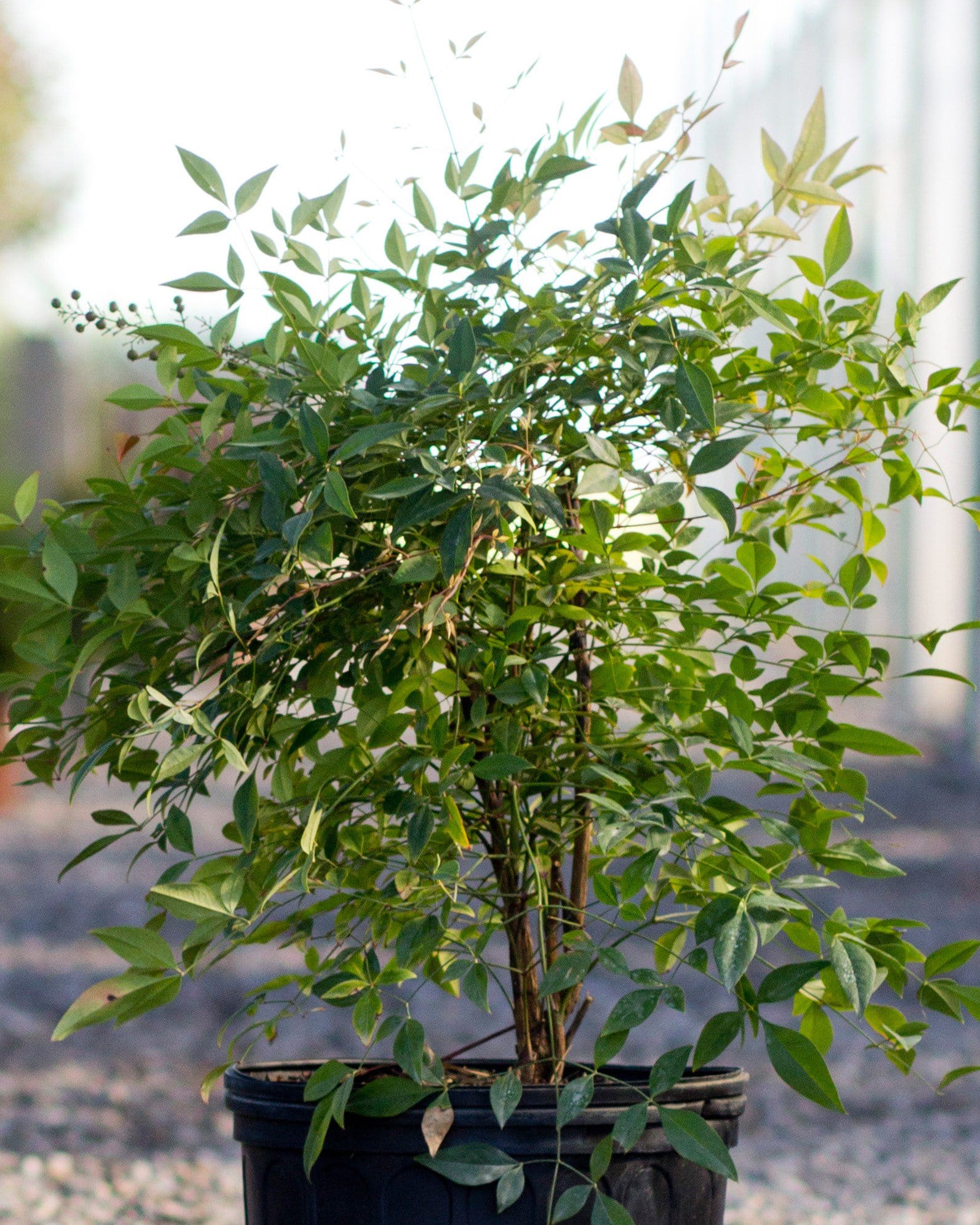
Sunray Nandina
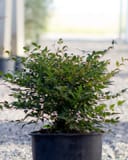
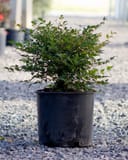
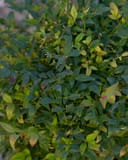
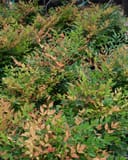
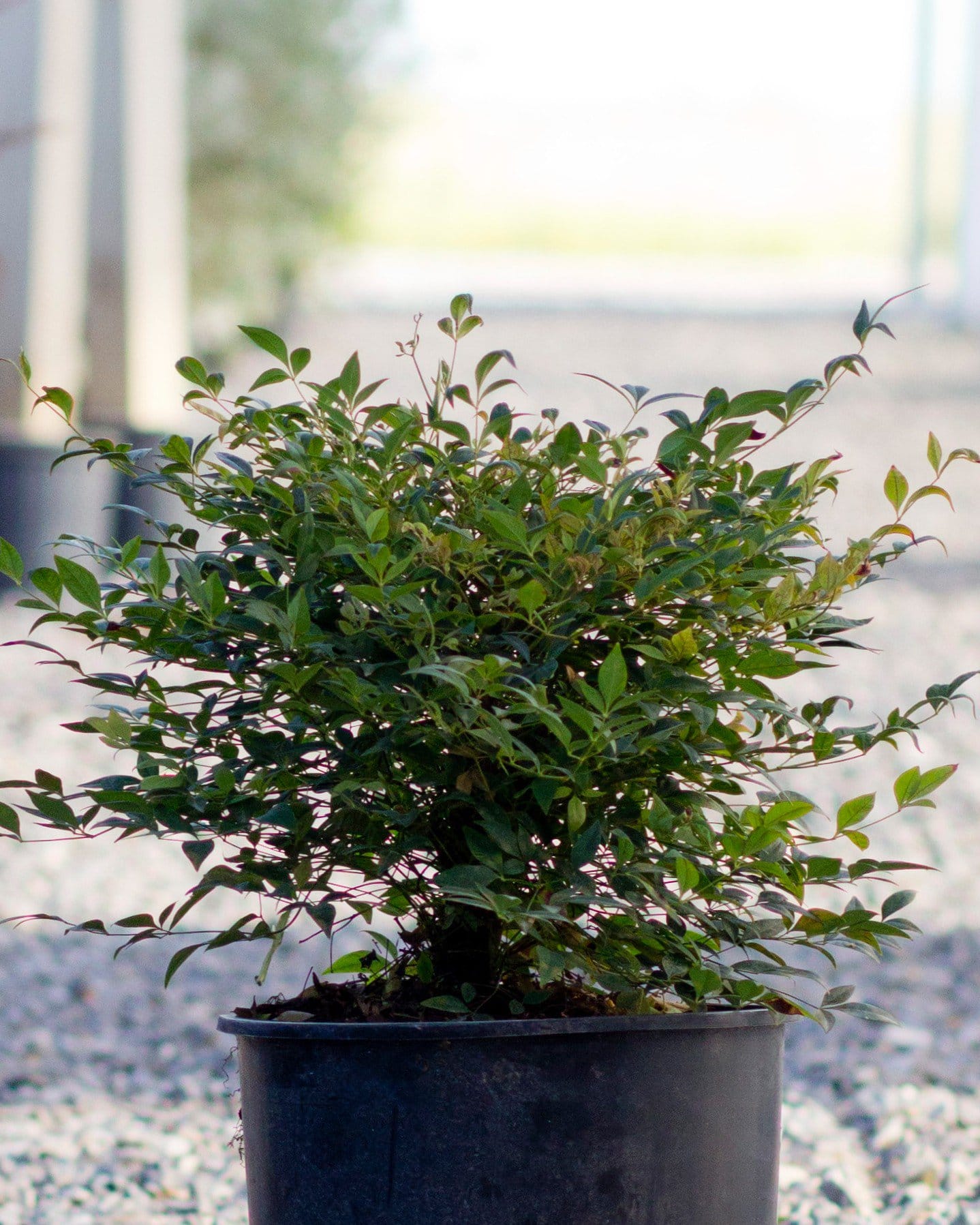
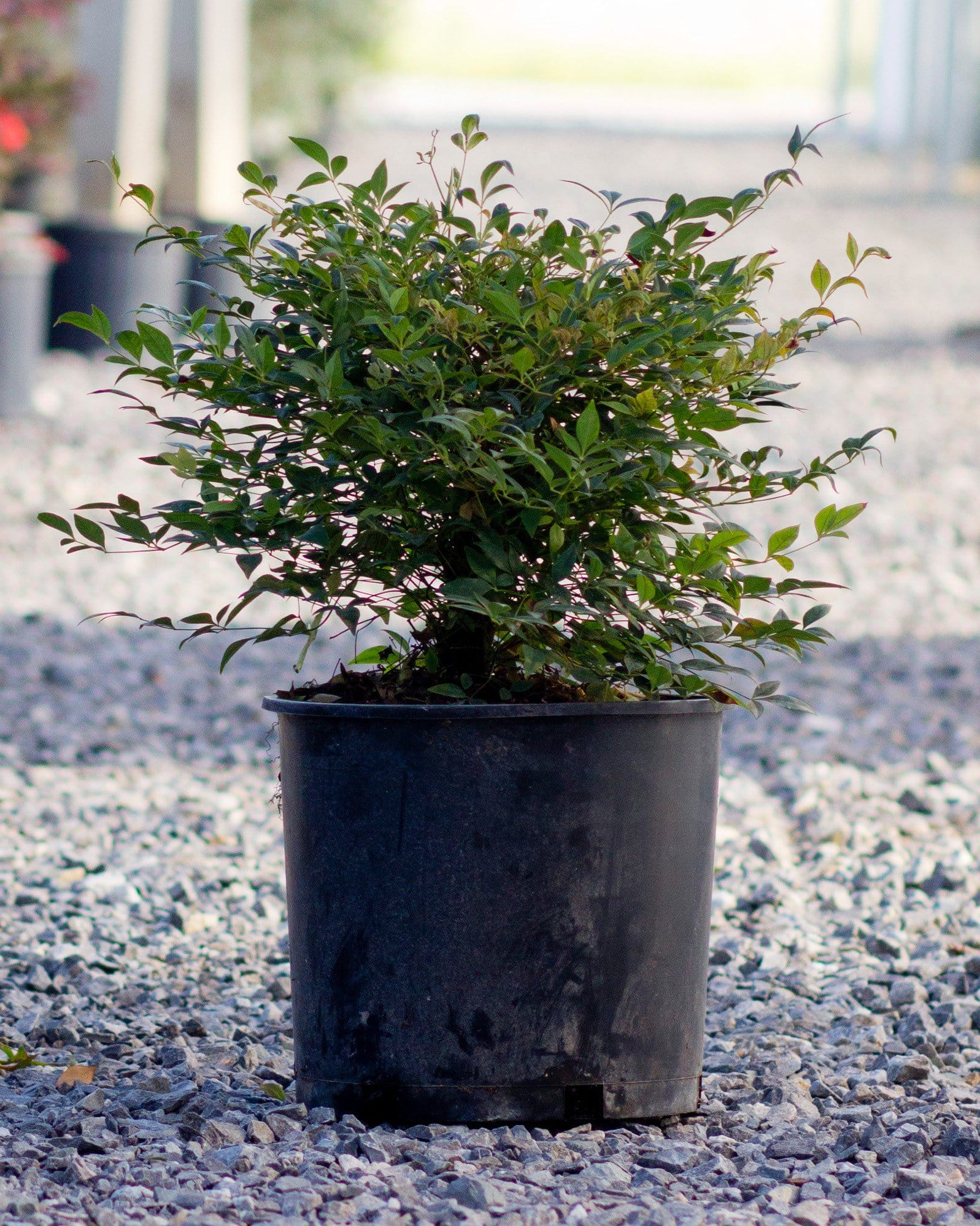
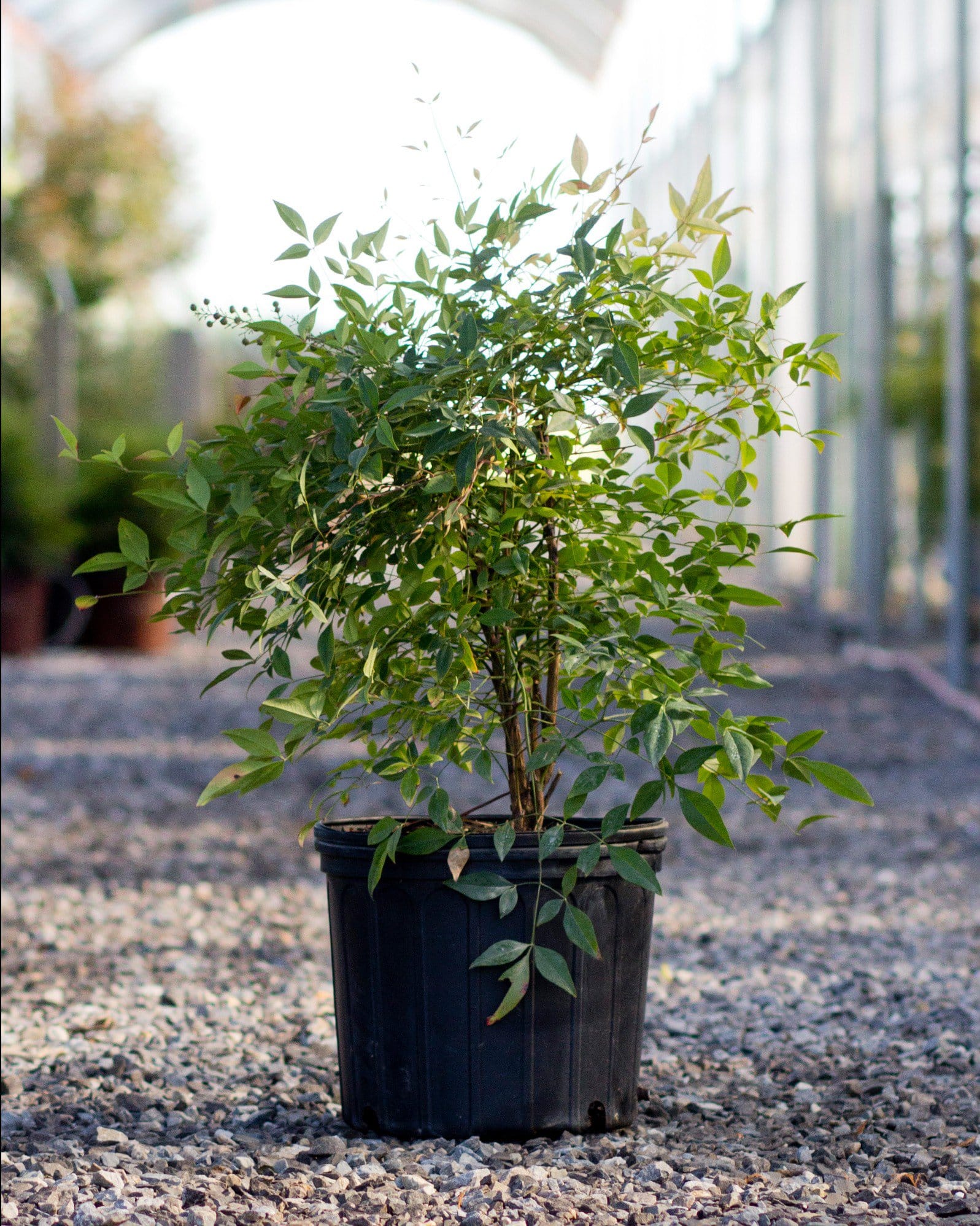
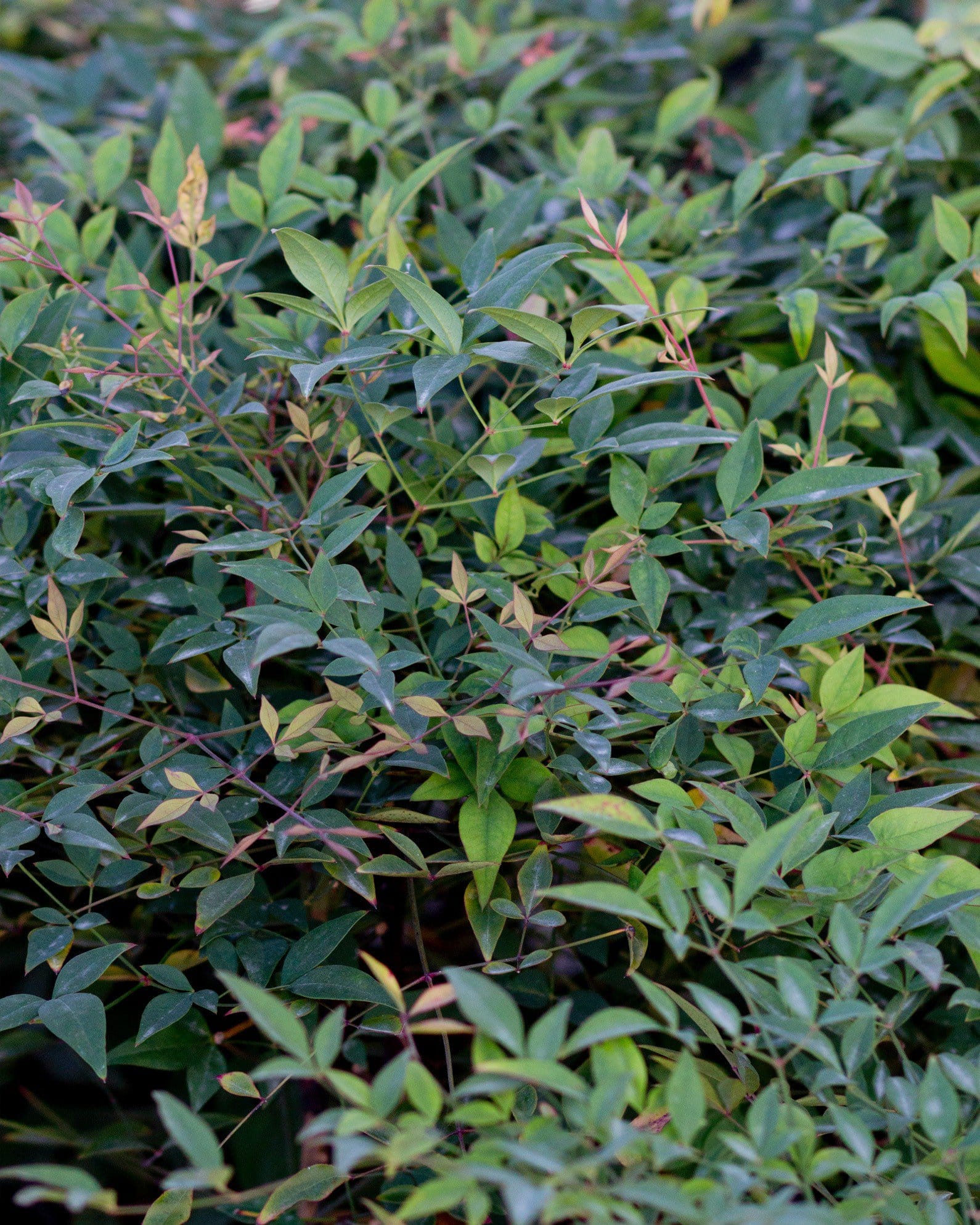
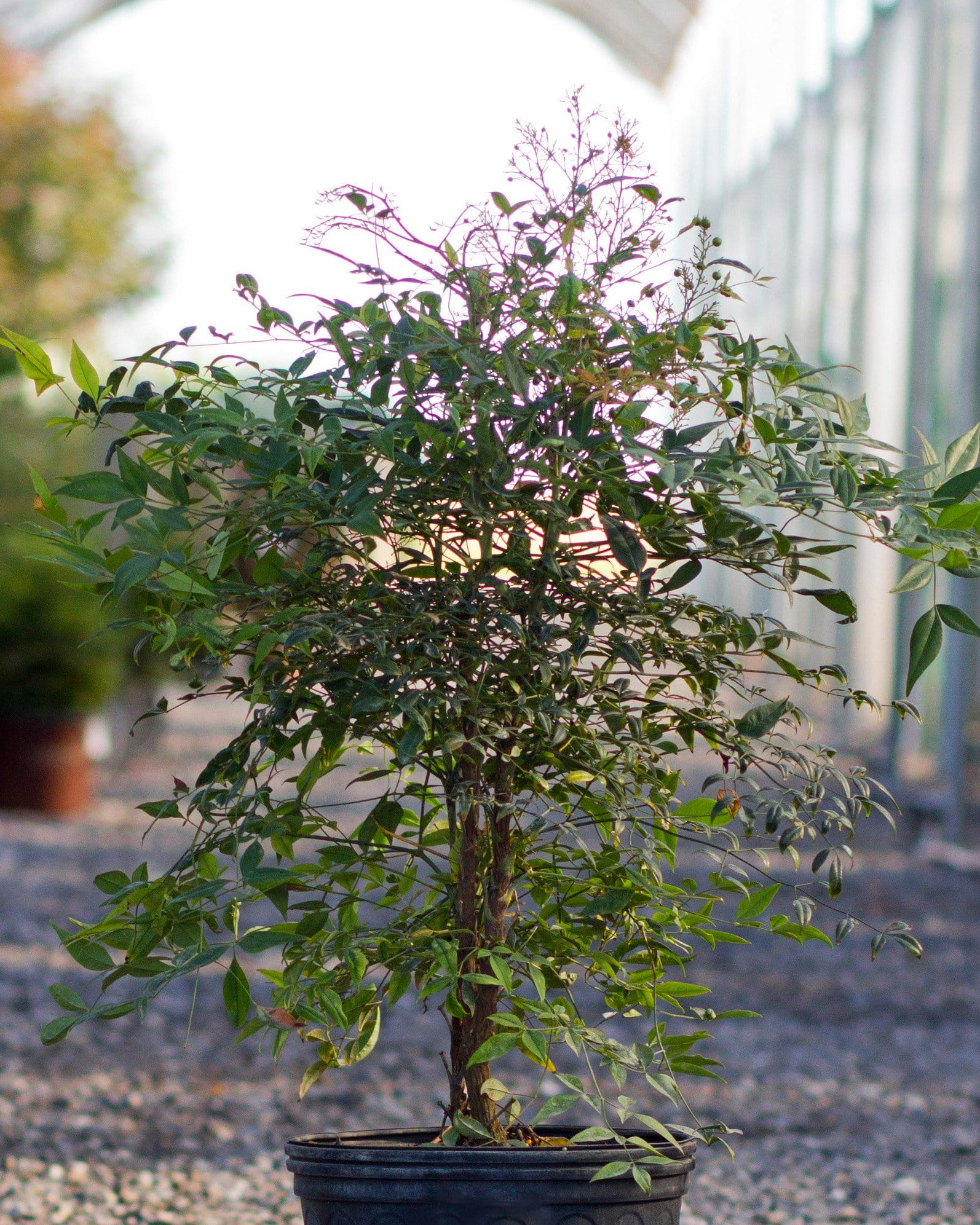
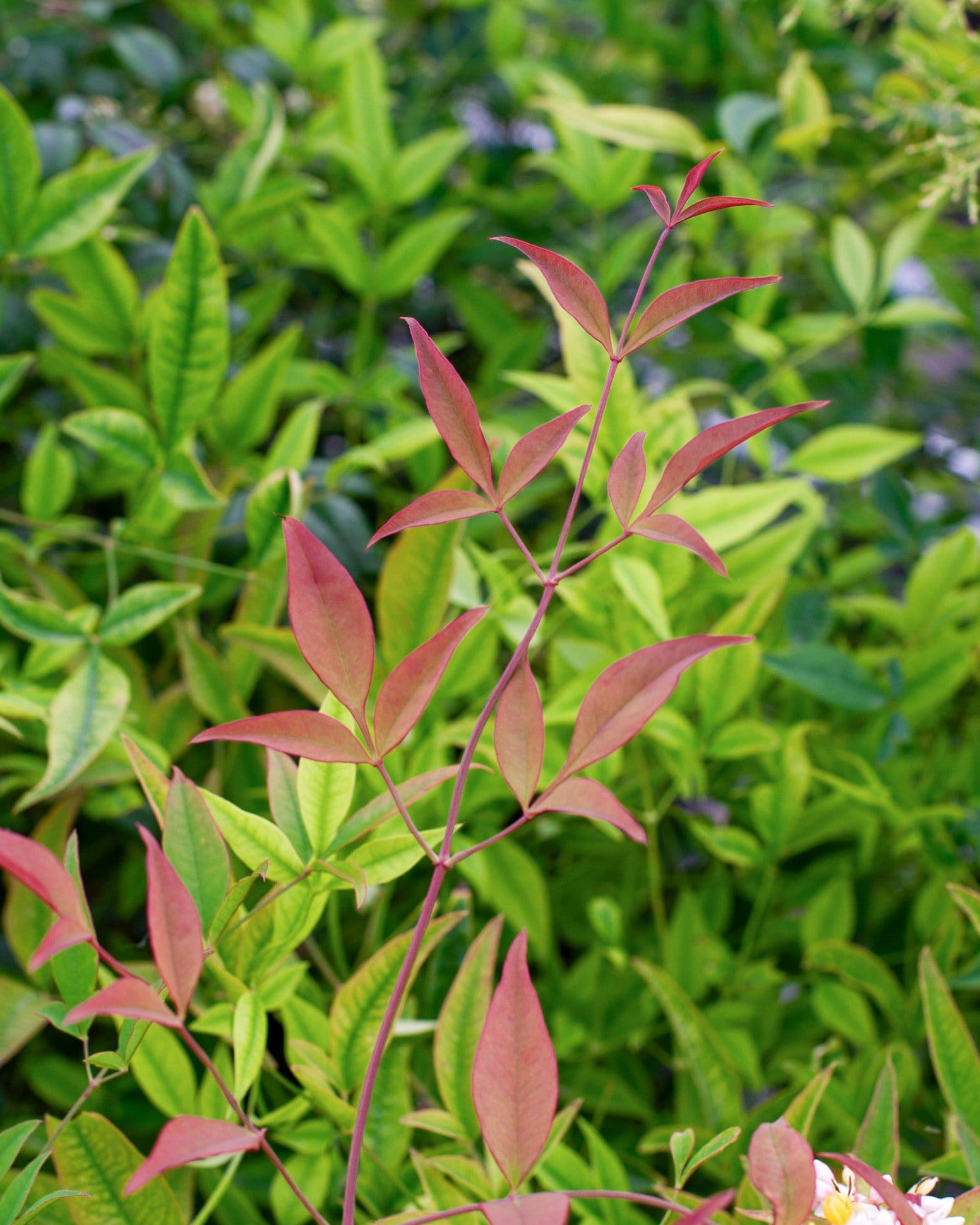
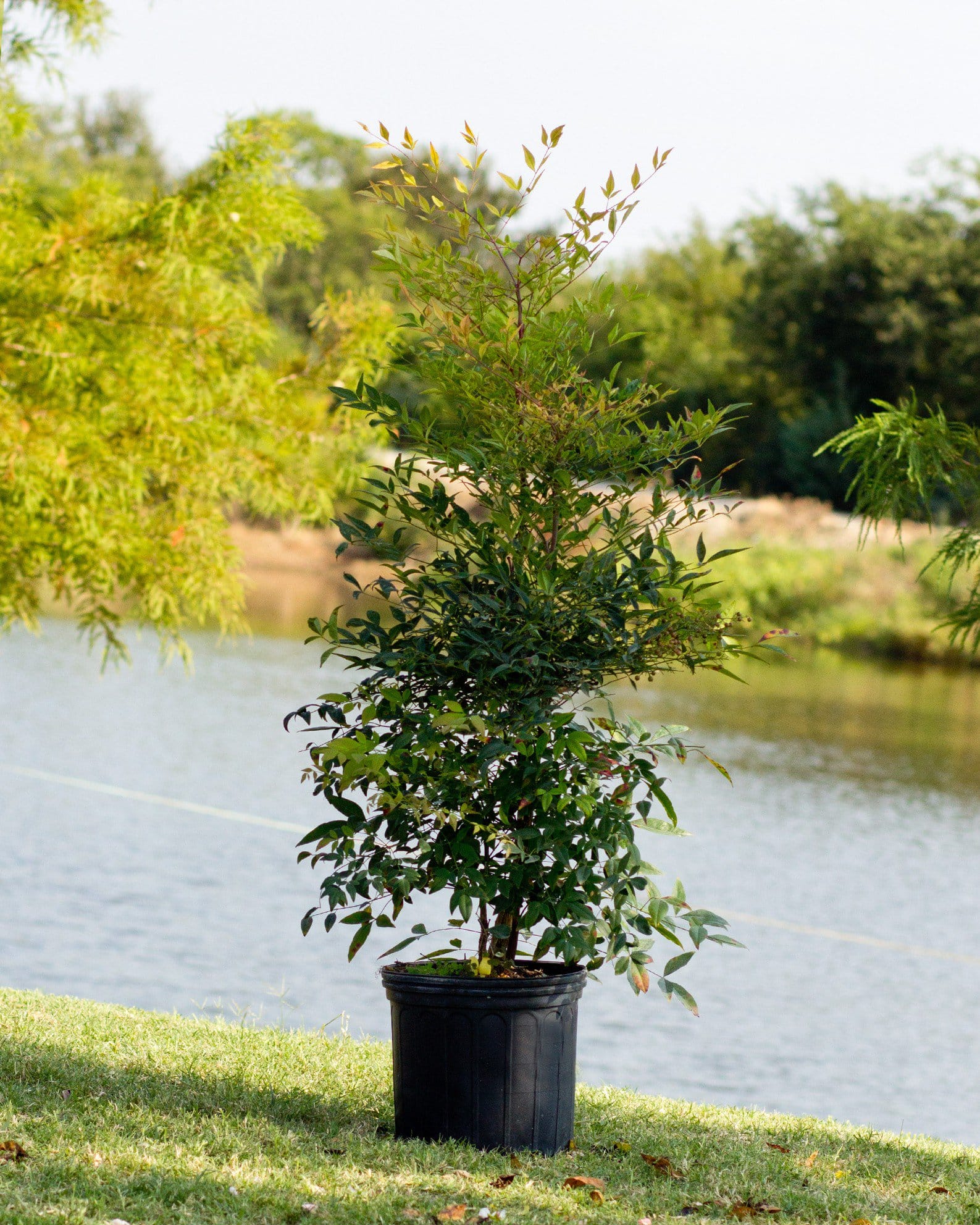
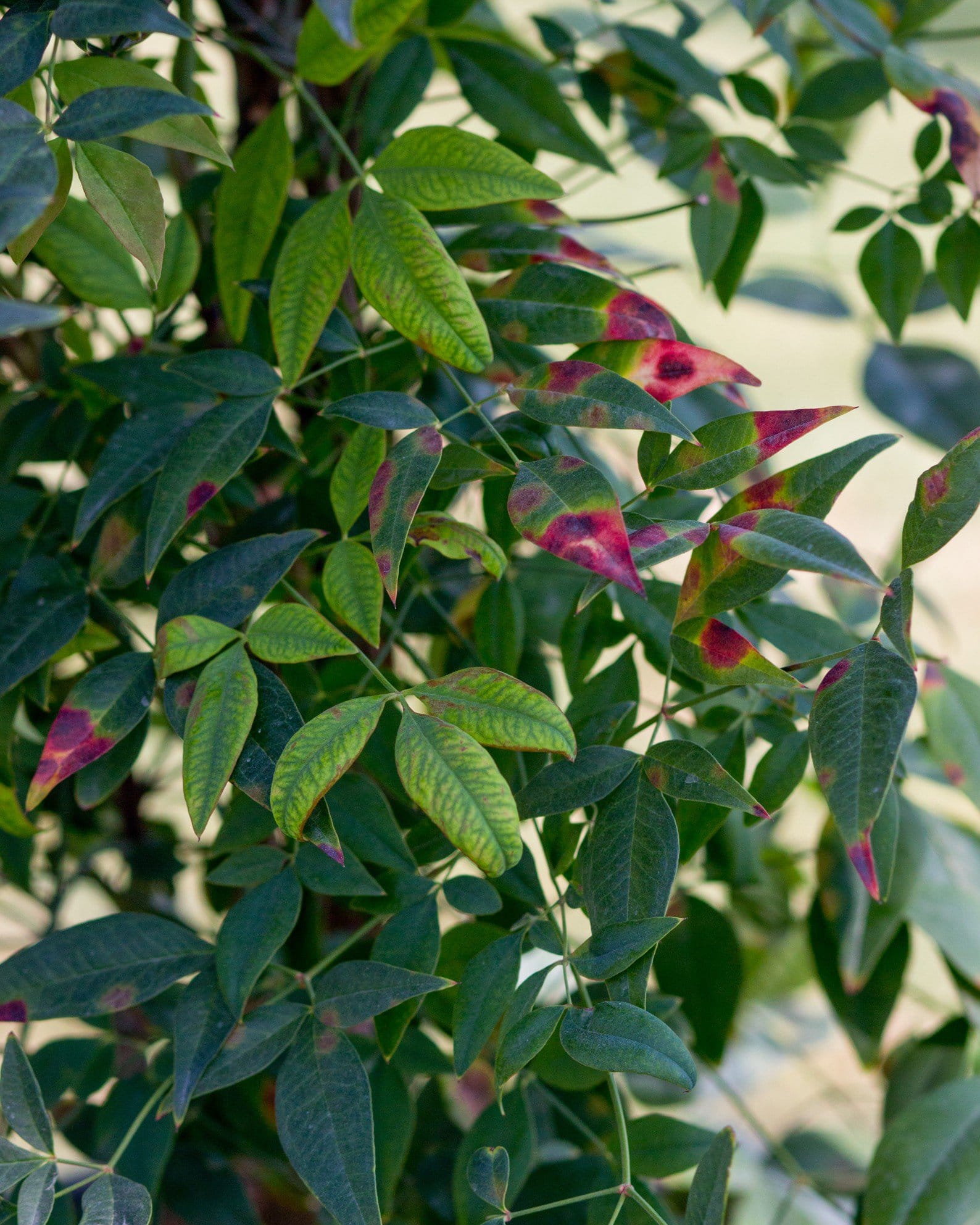
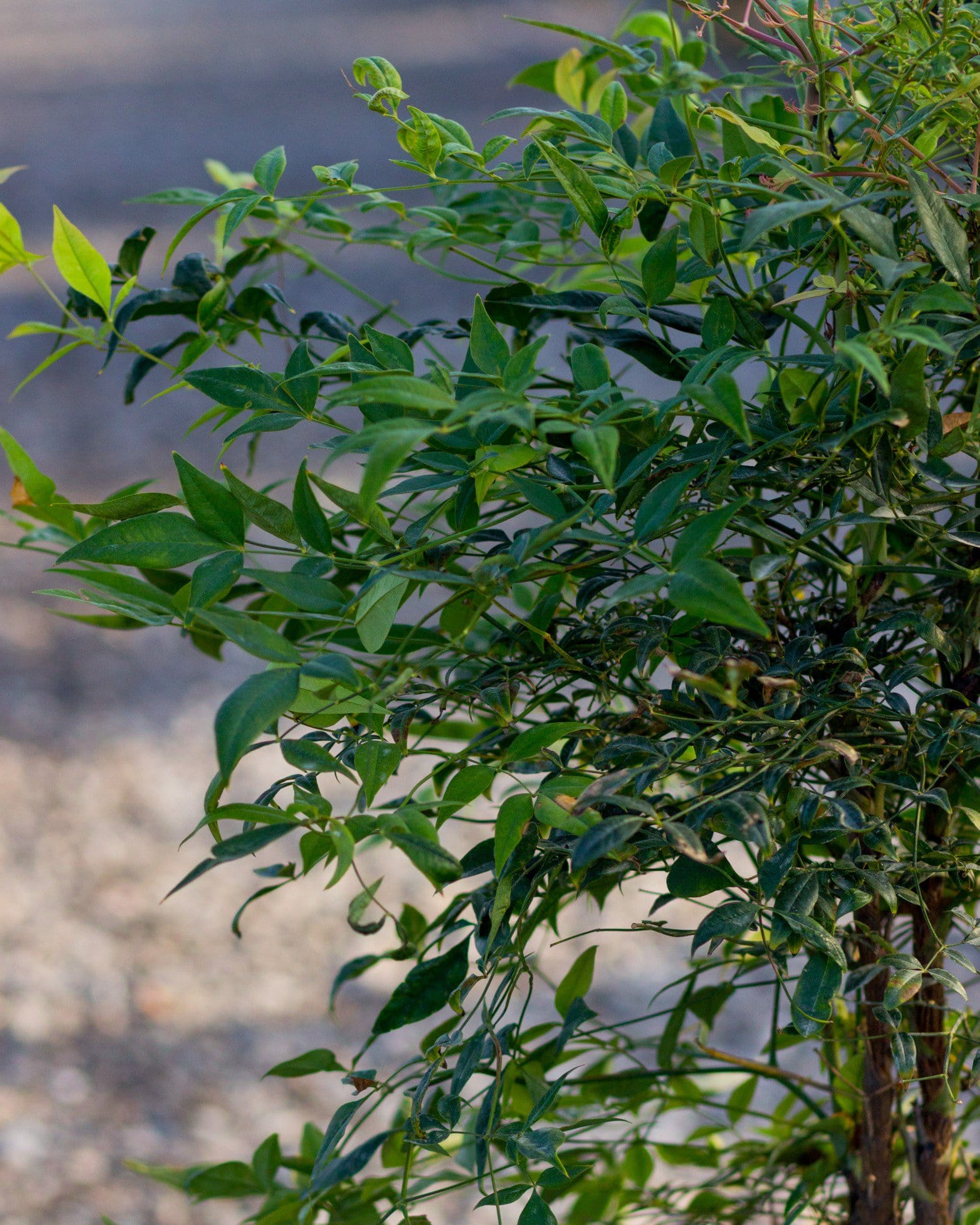
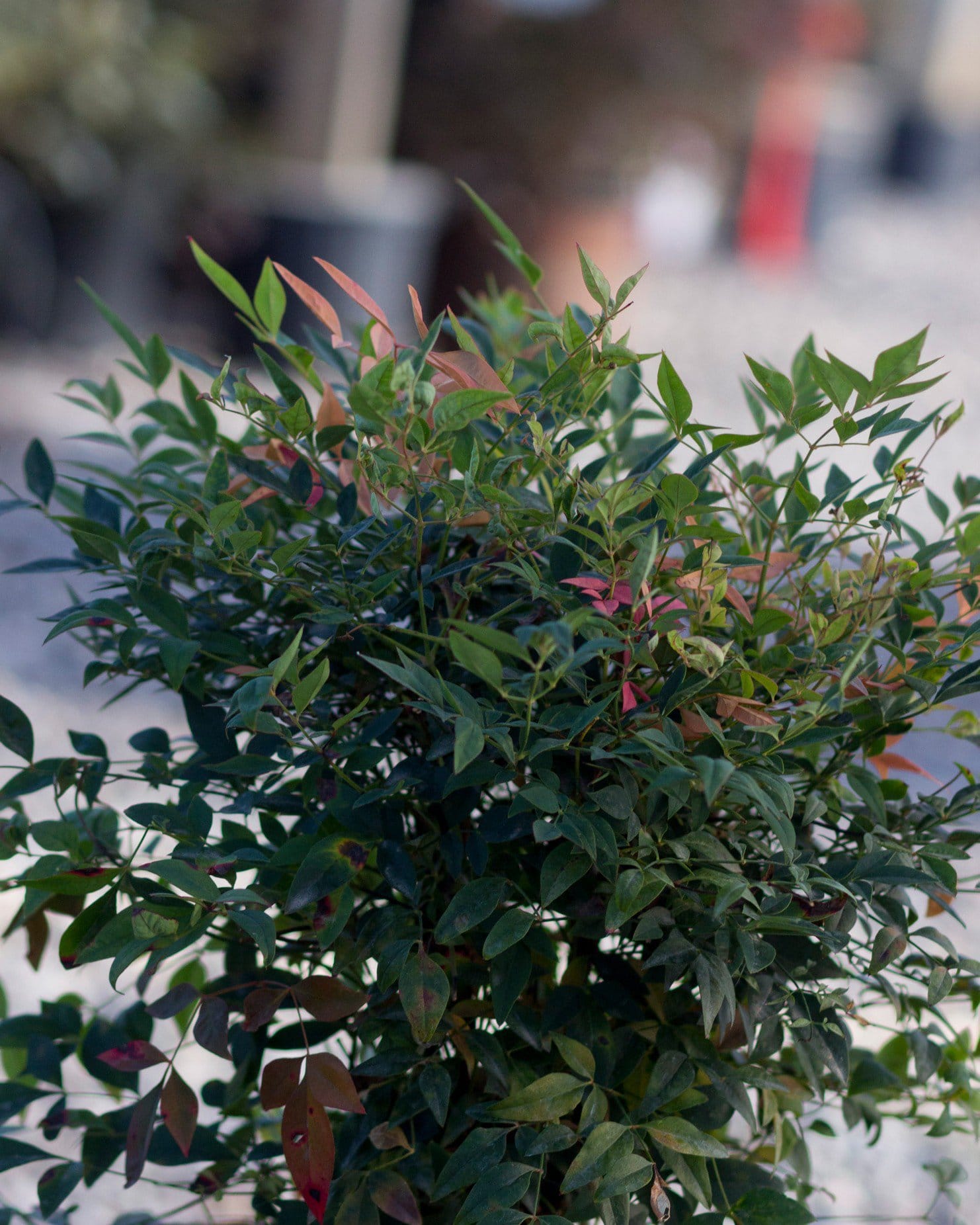
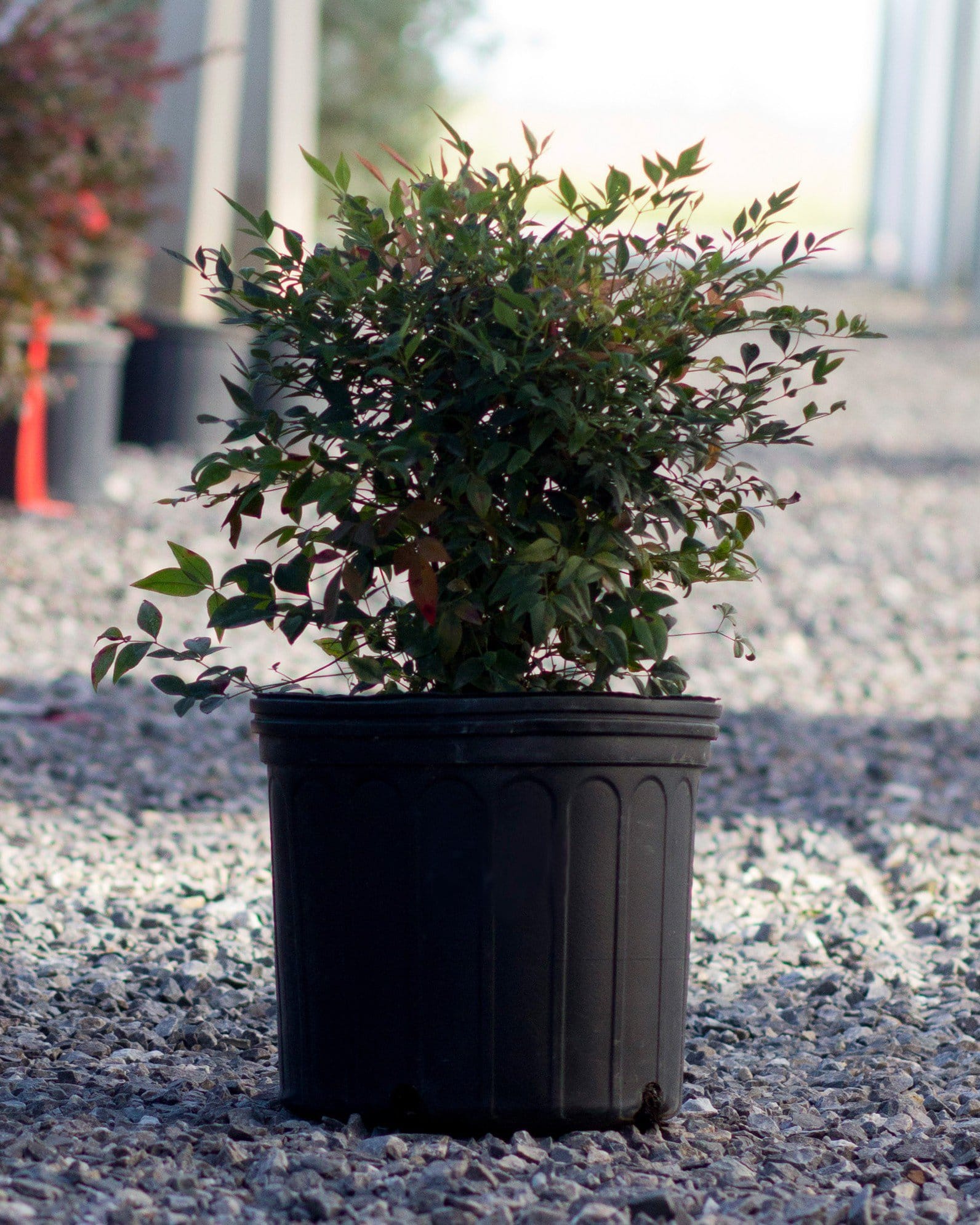
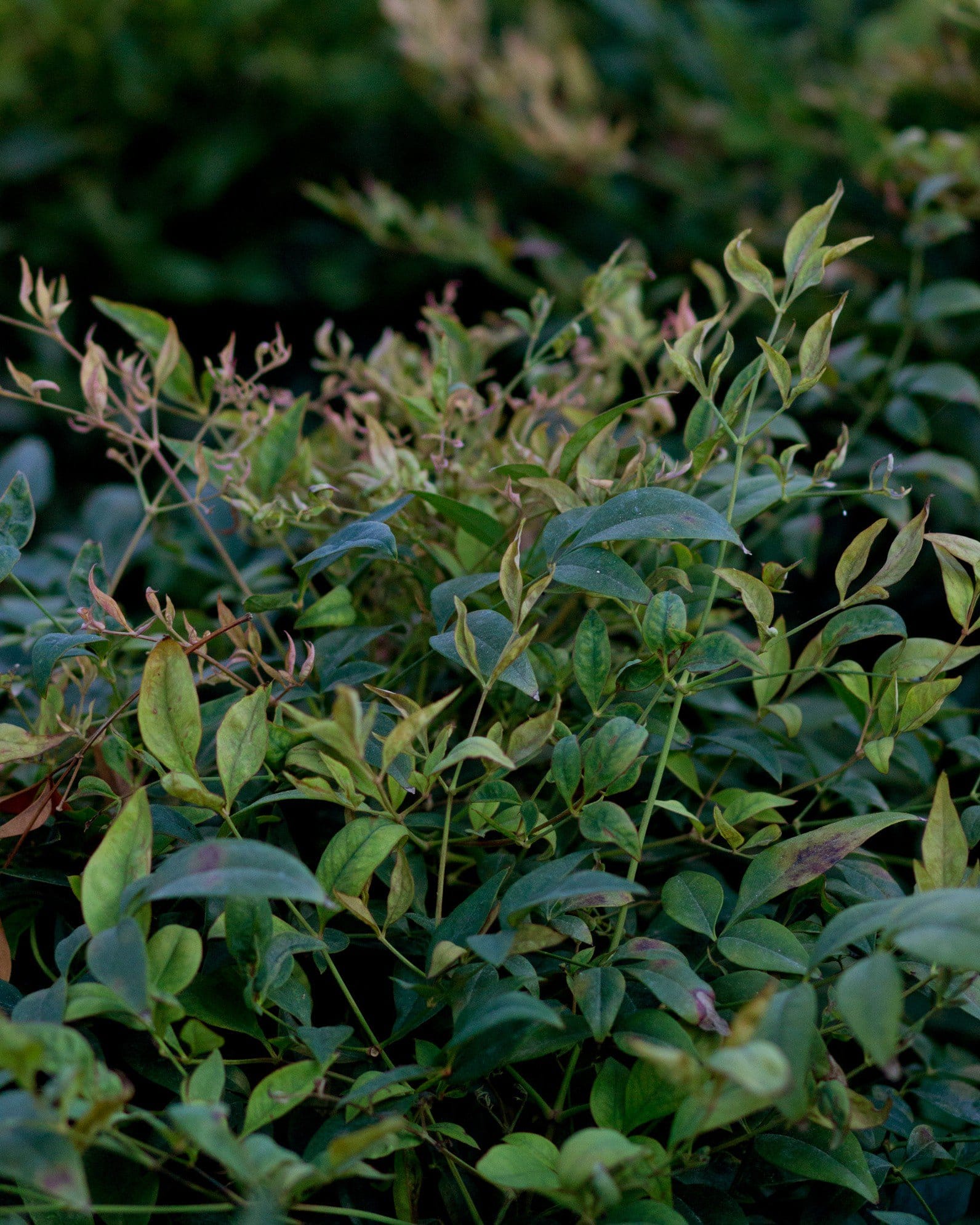
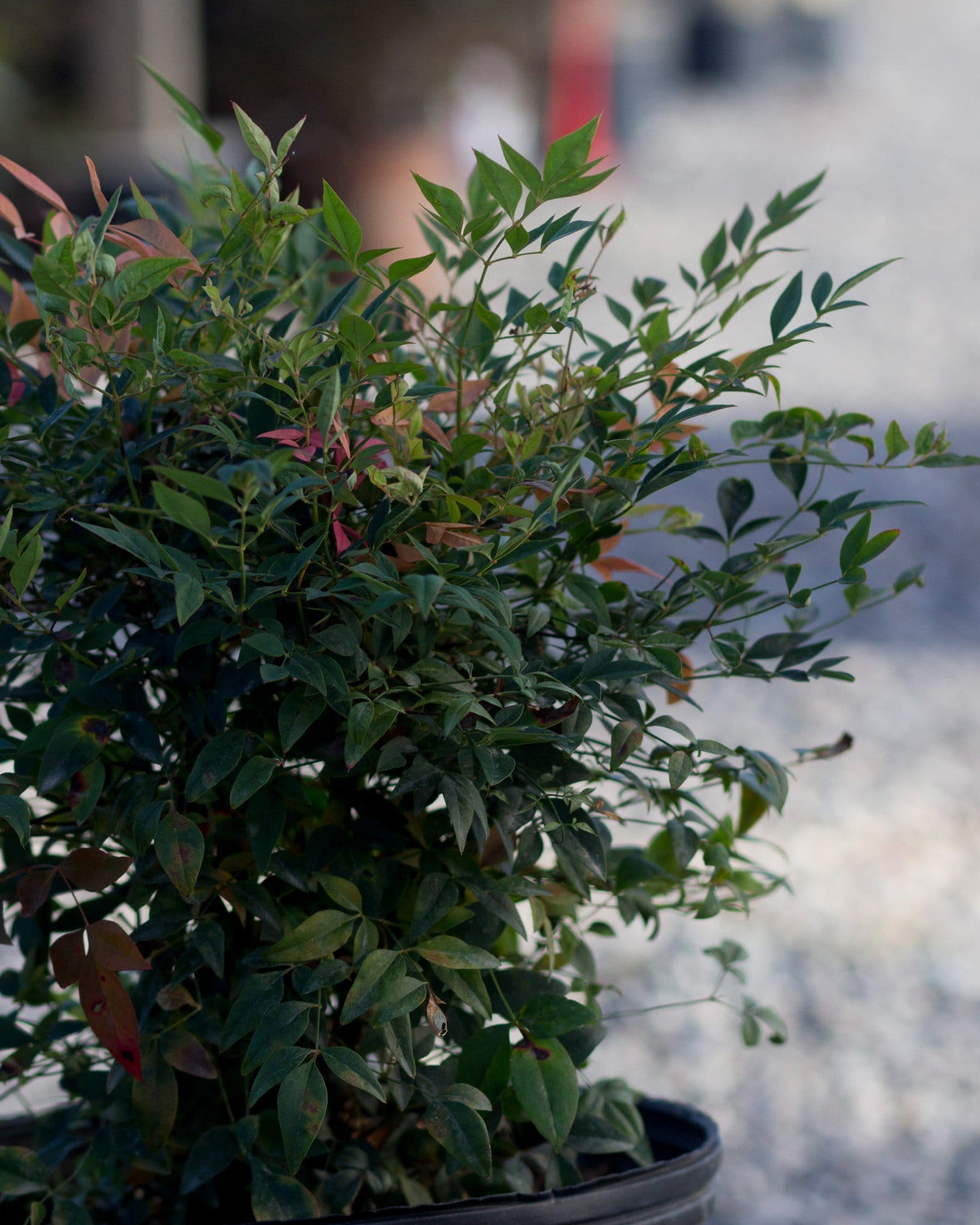
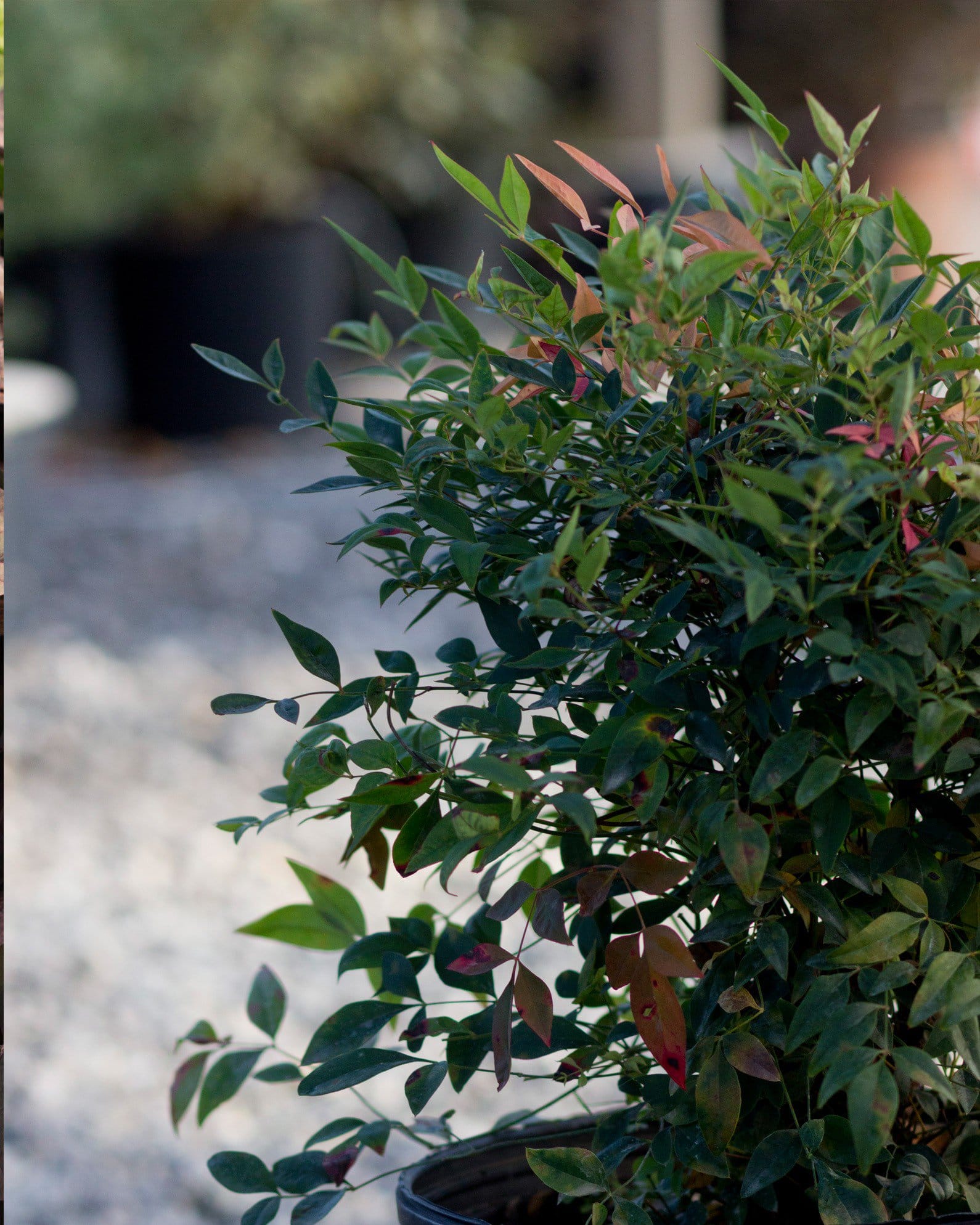
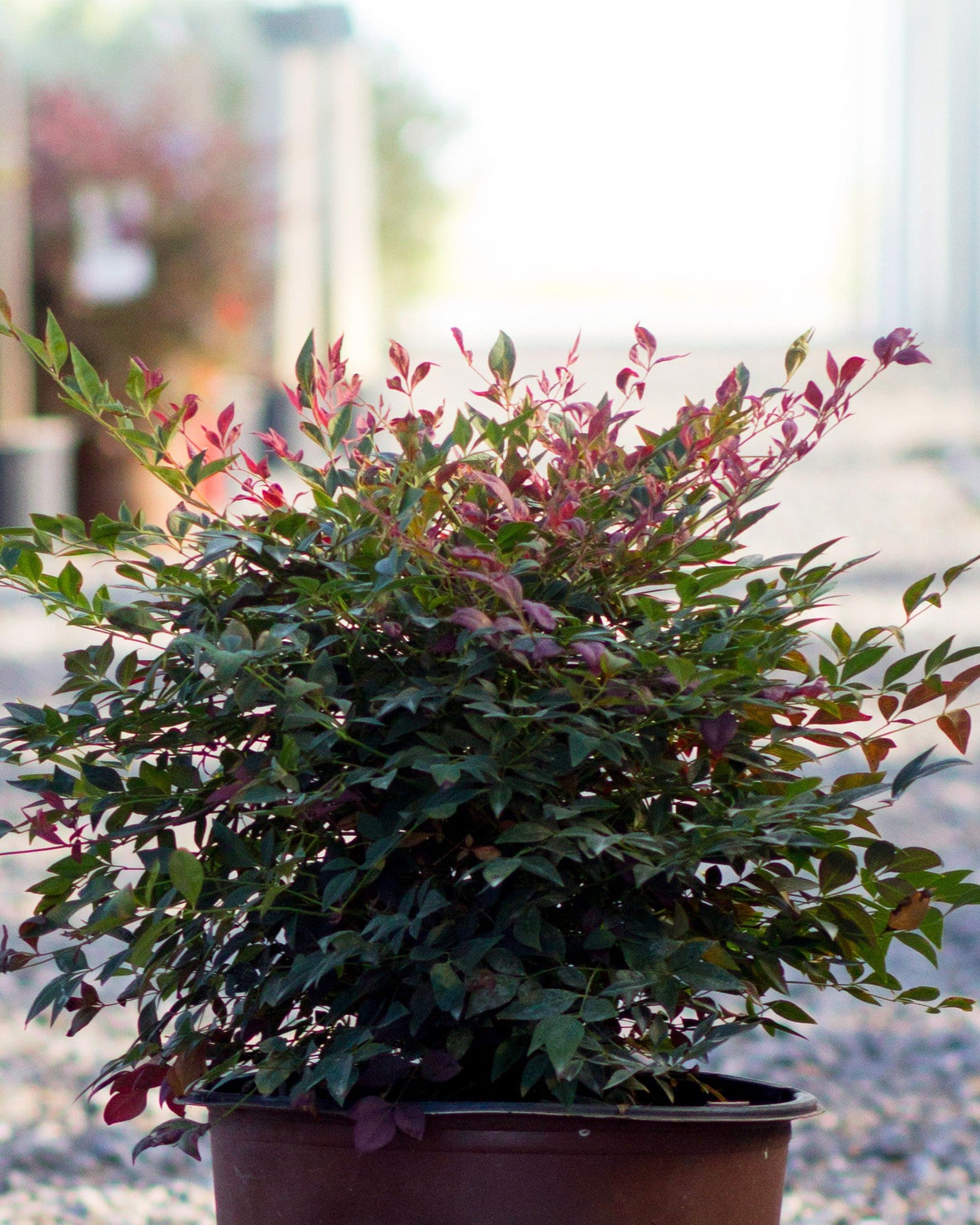
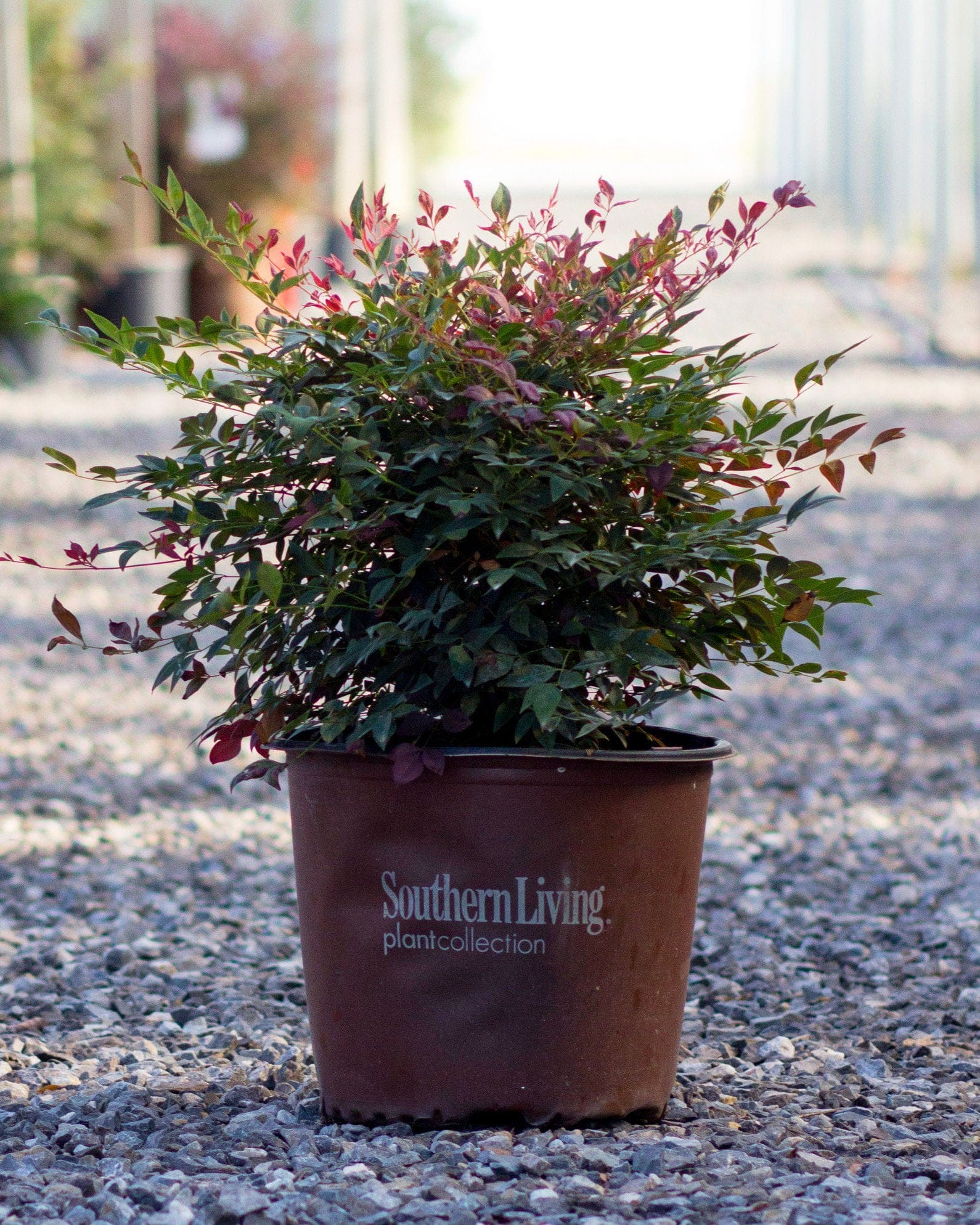
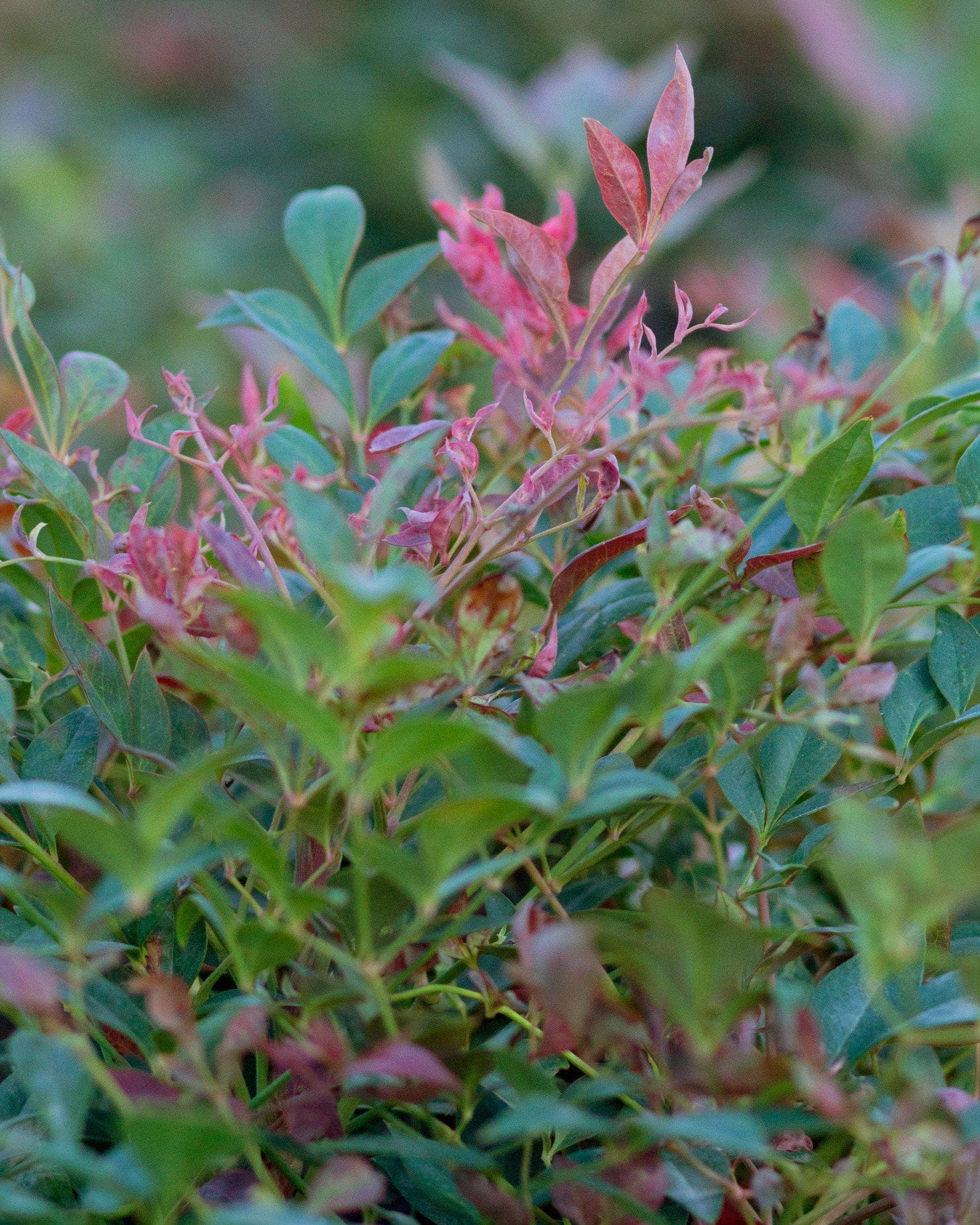
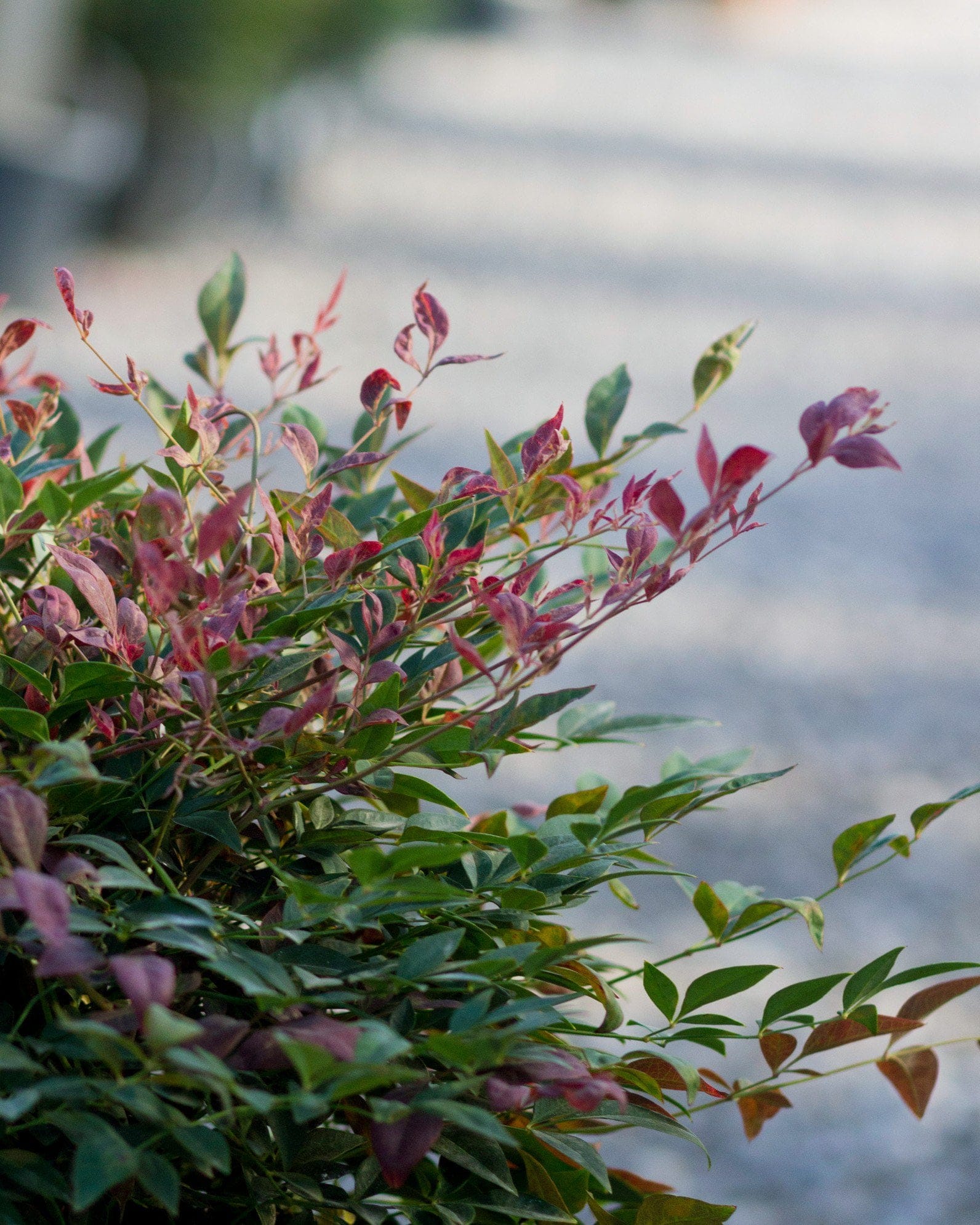
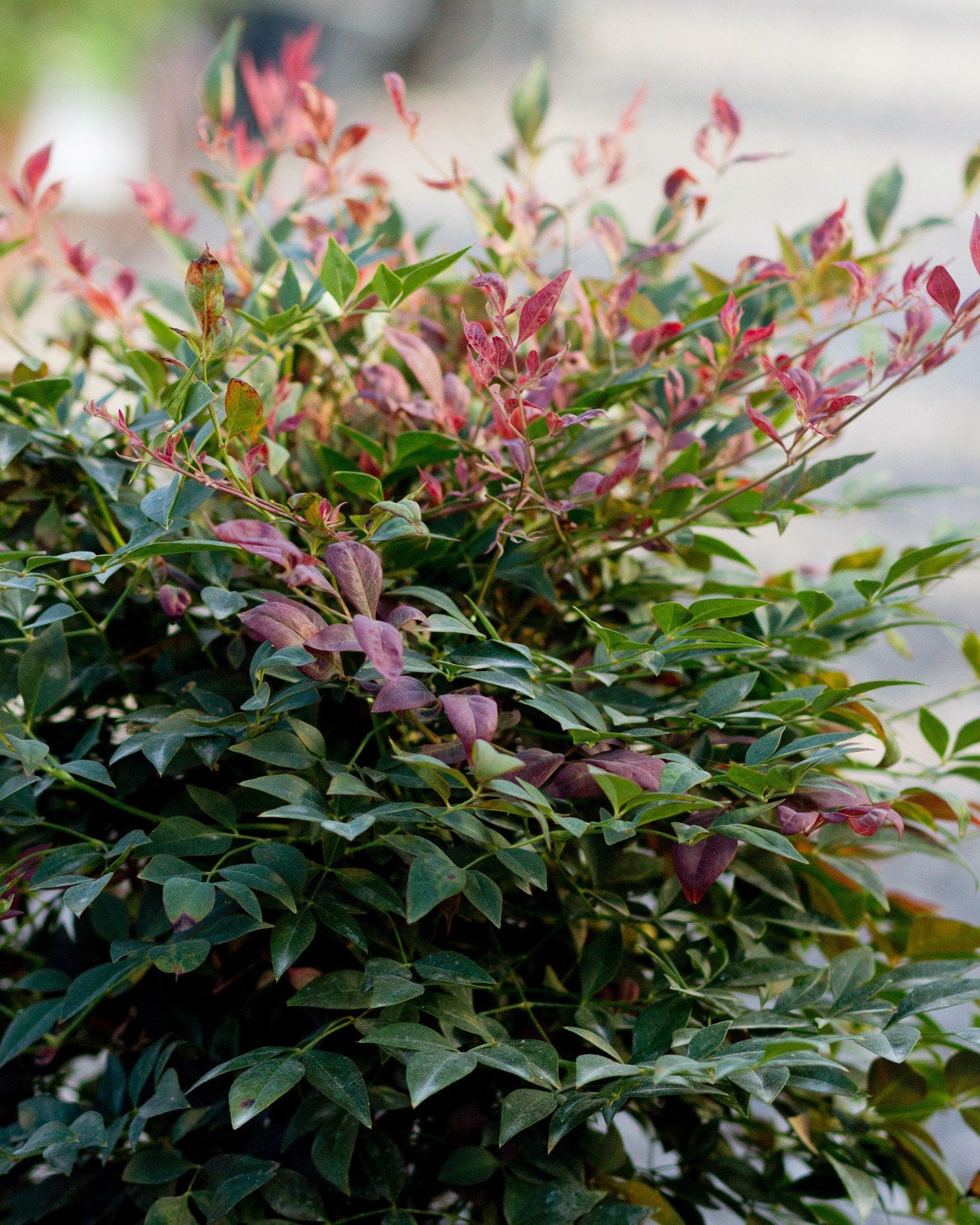
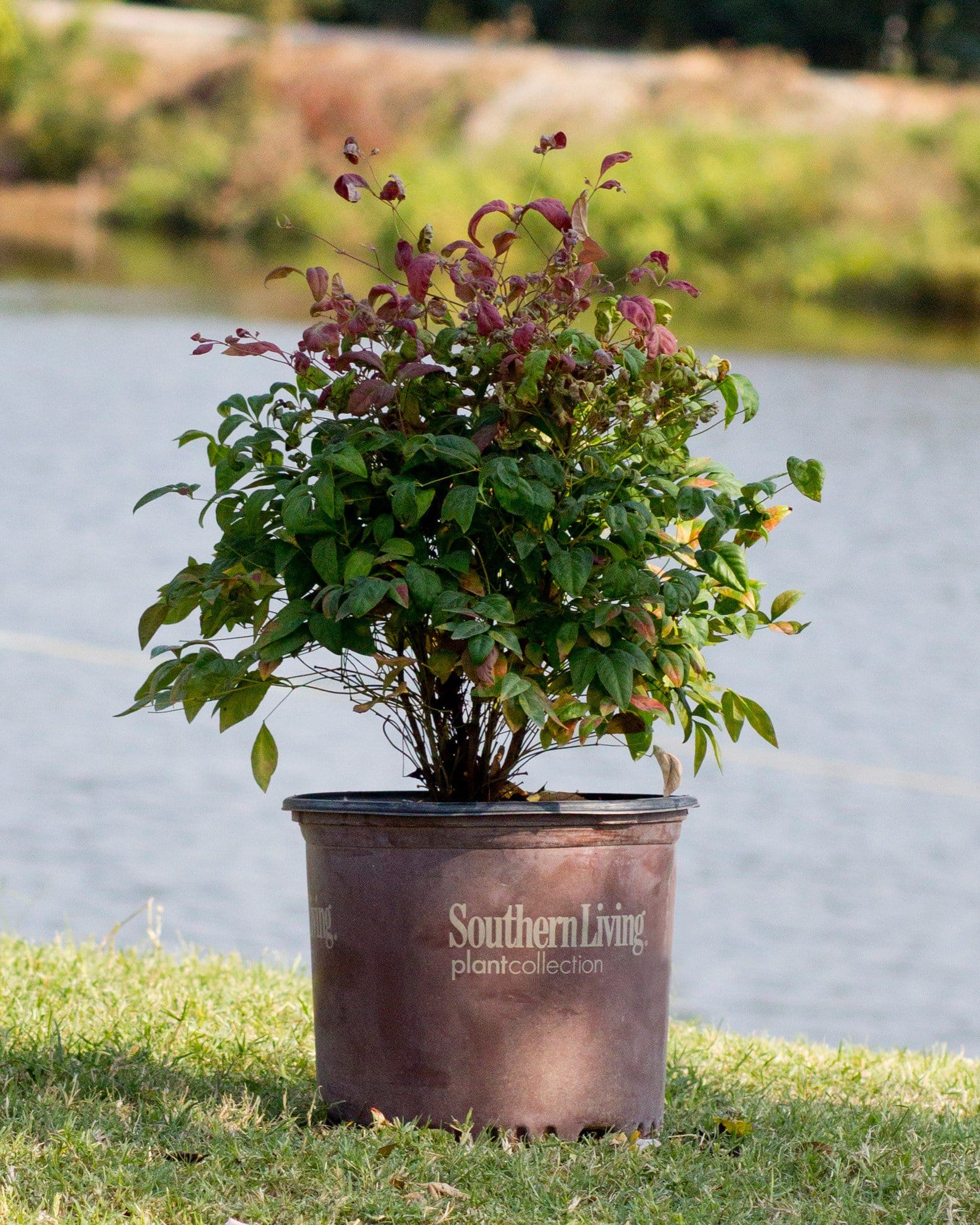
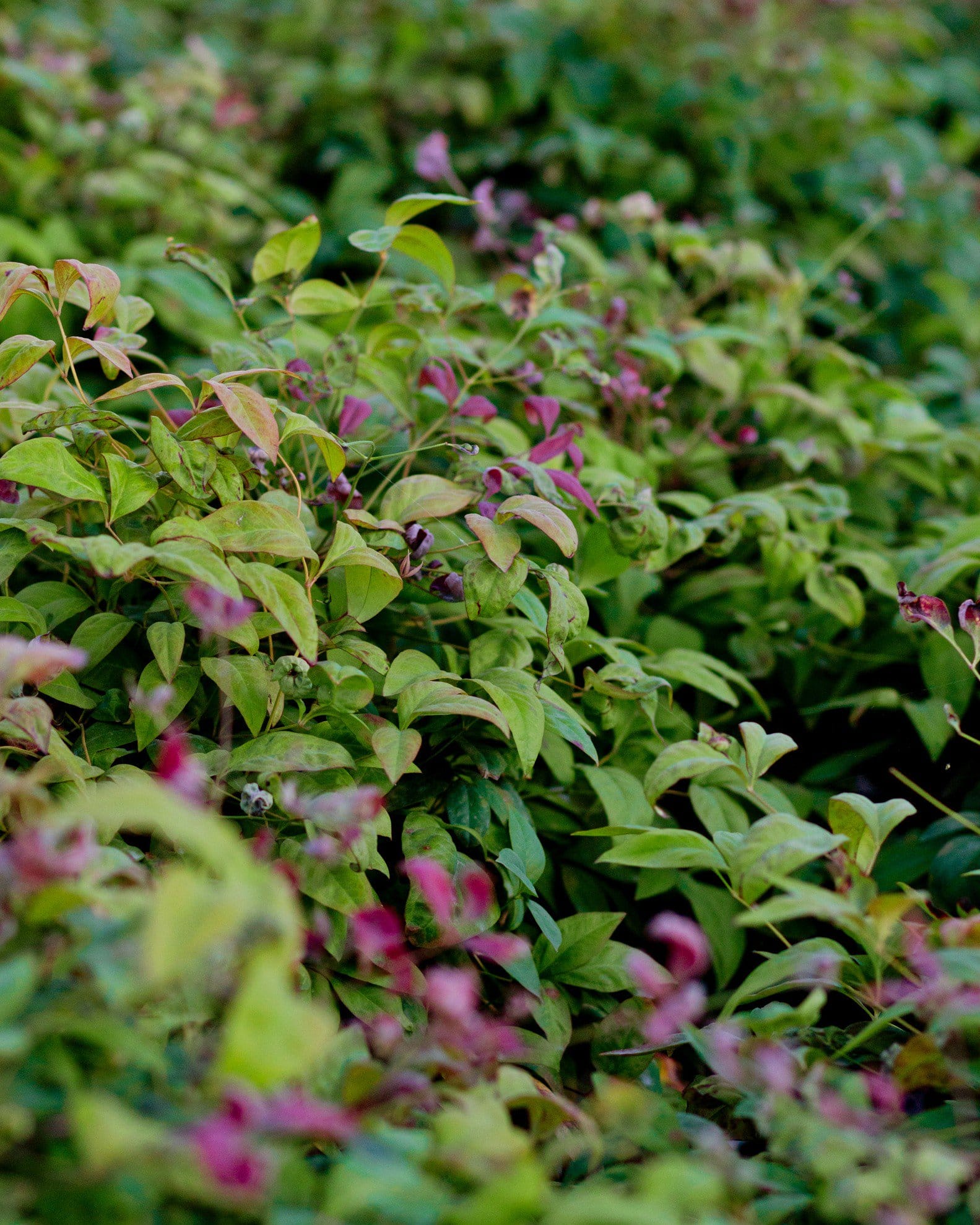
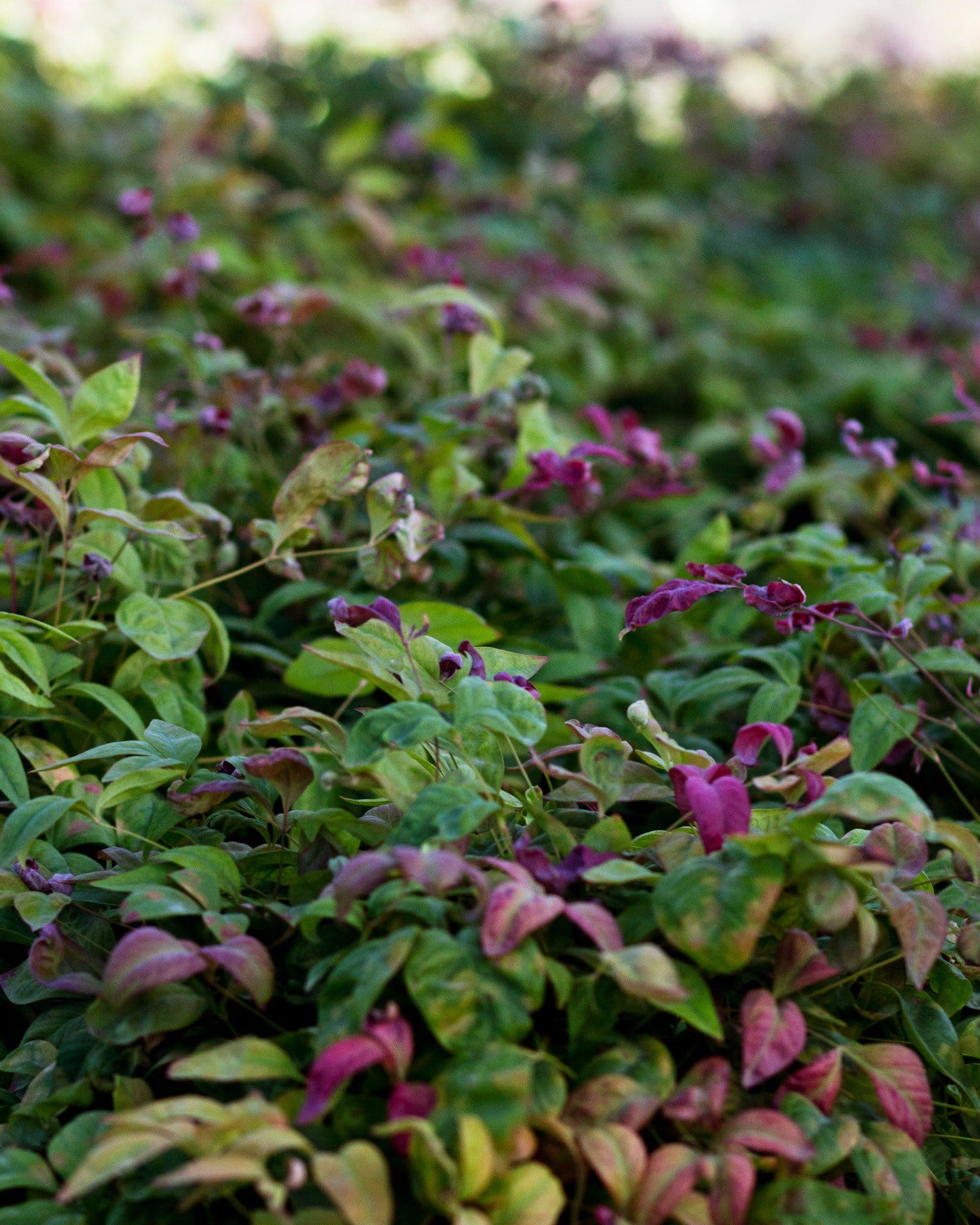
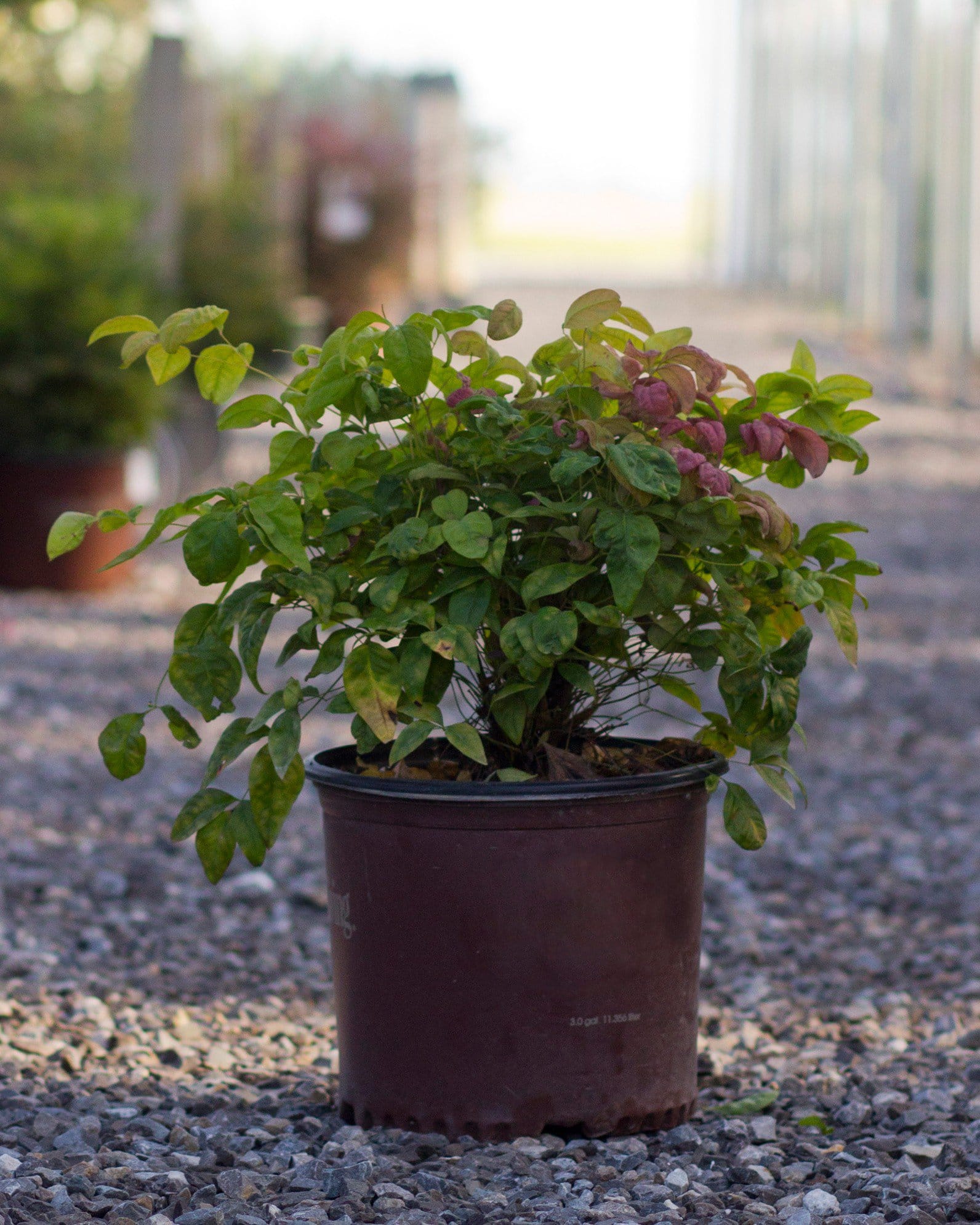
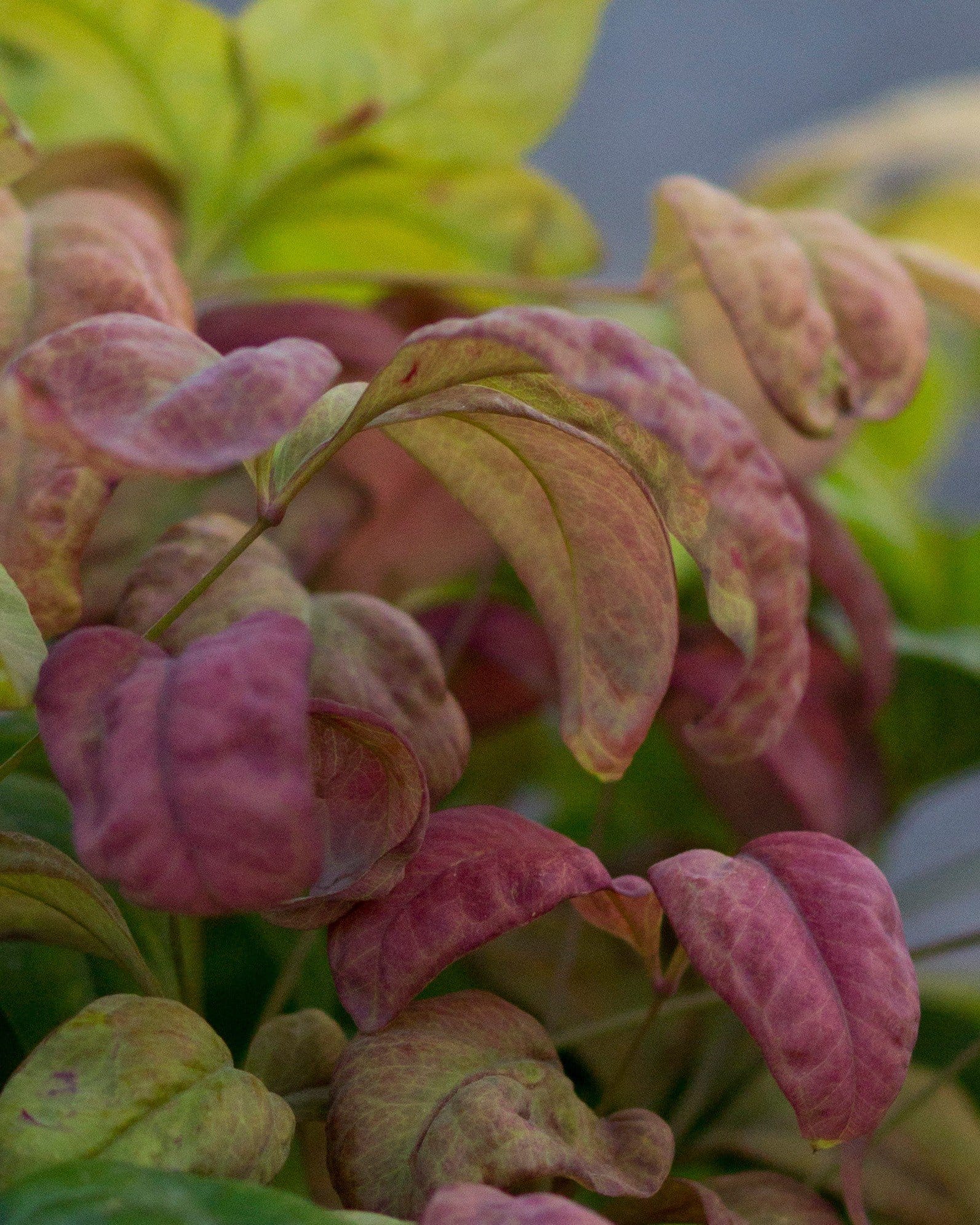
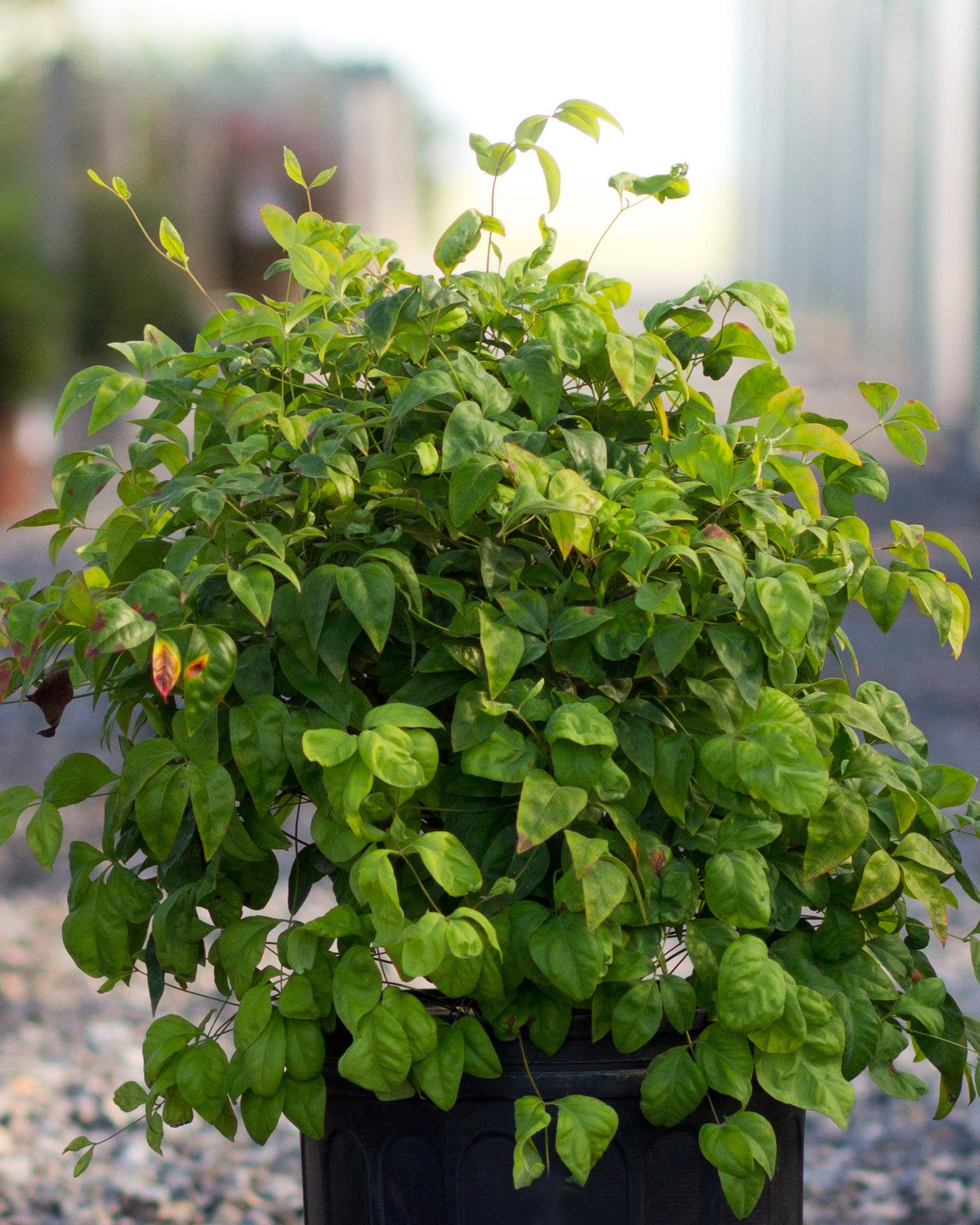
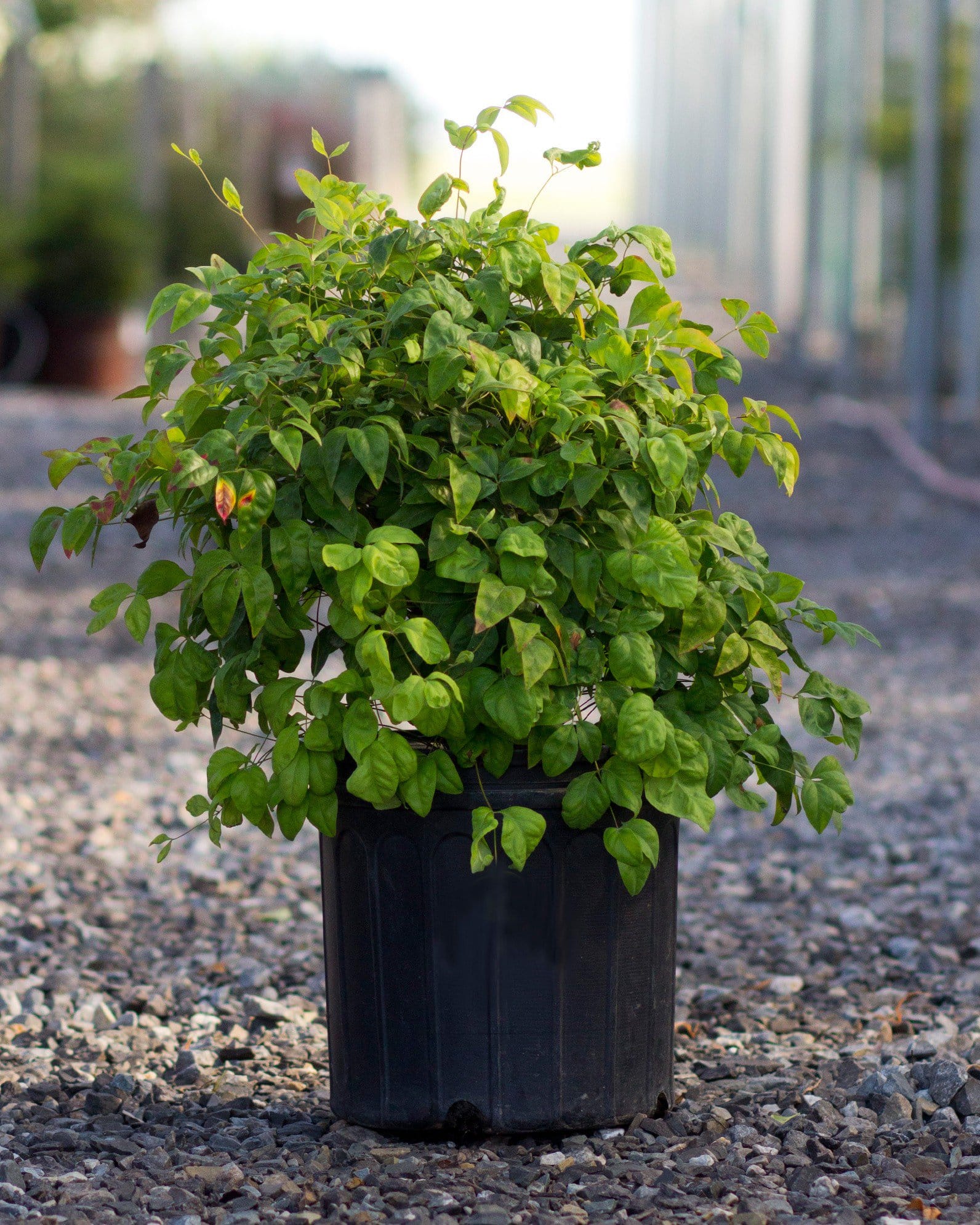
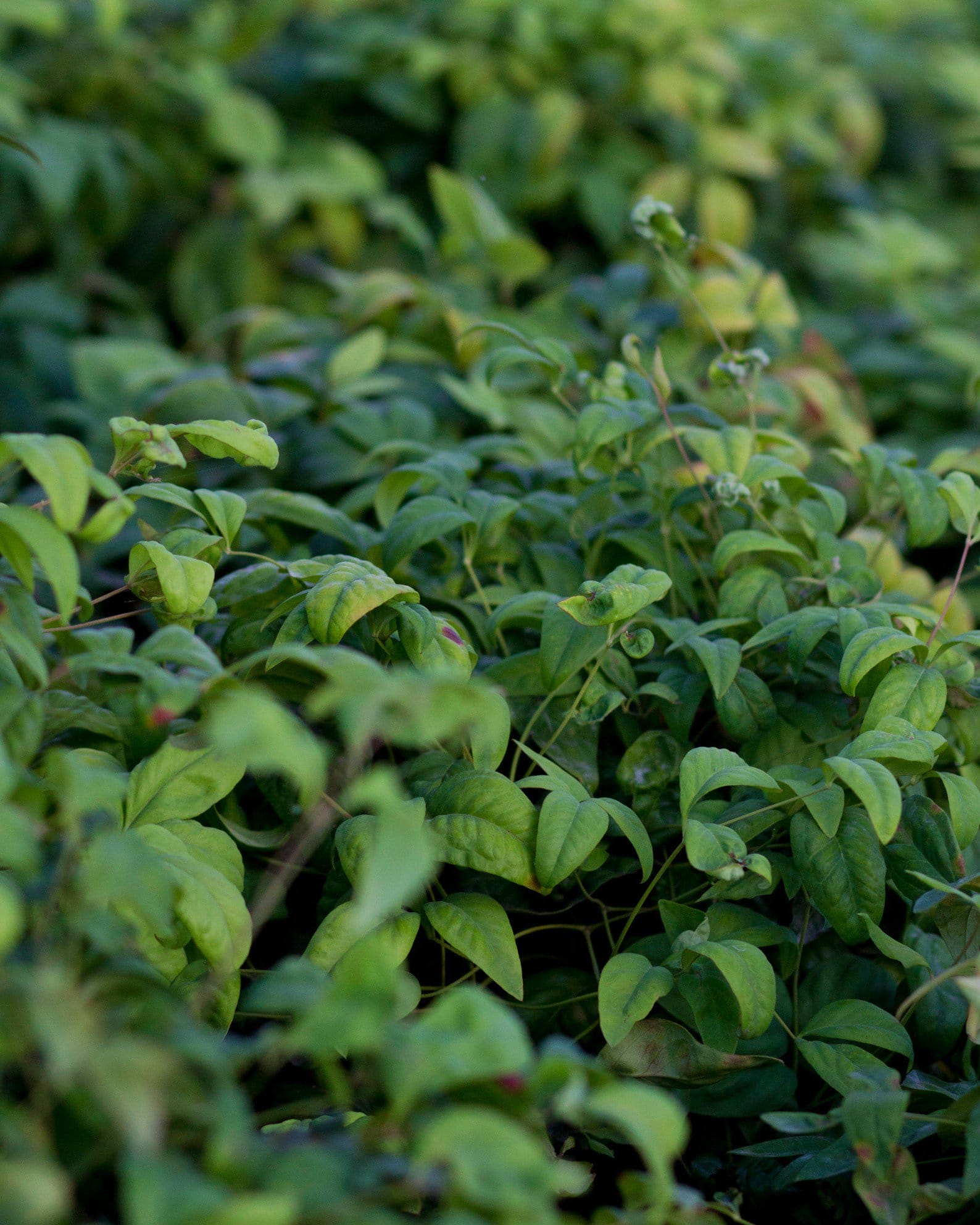
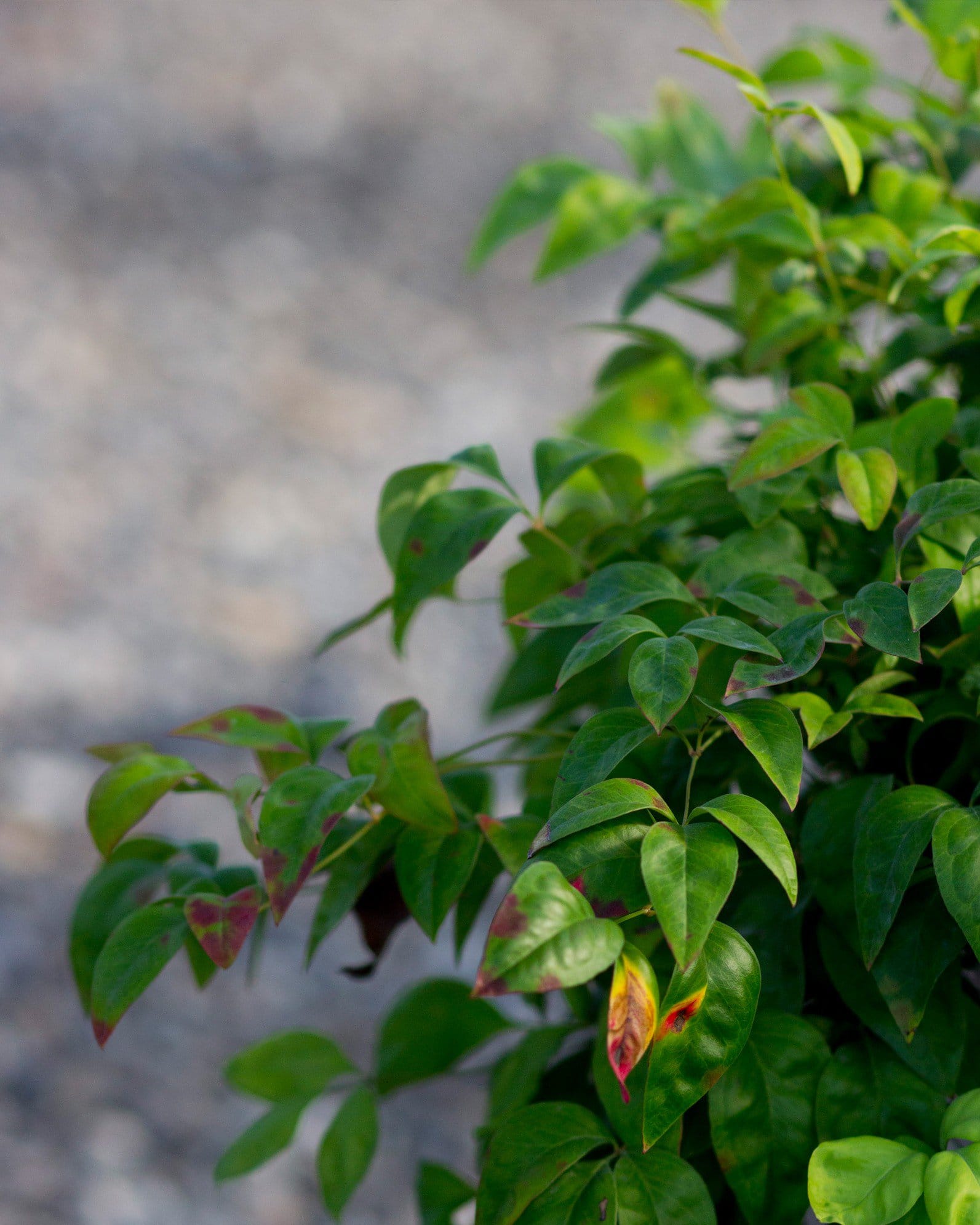
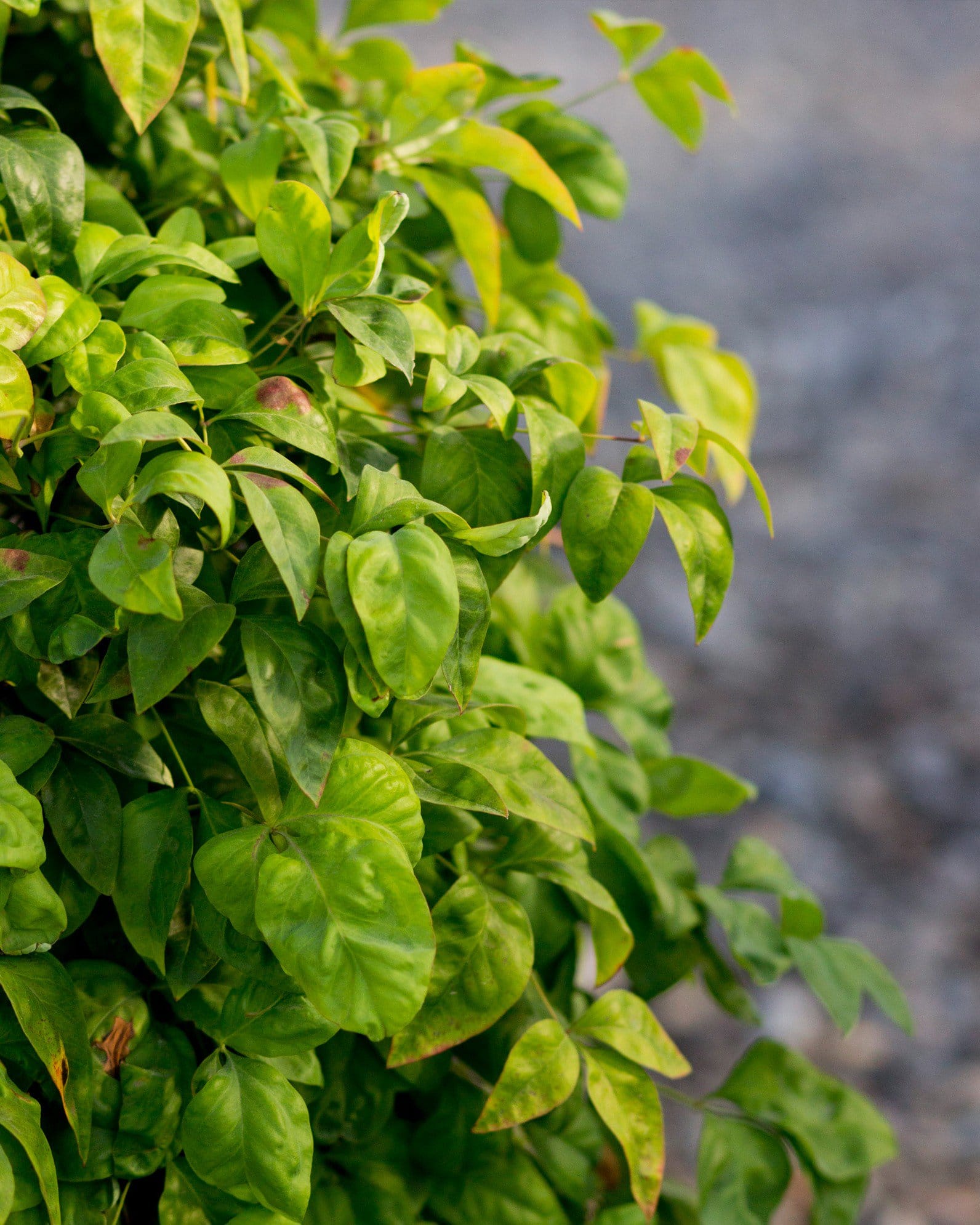
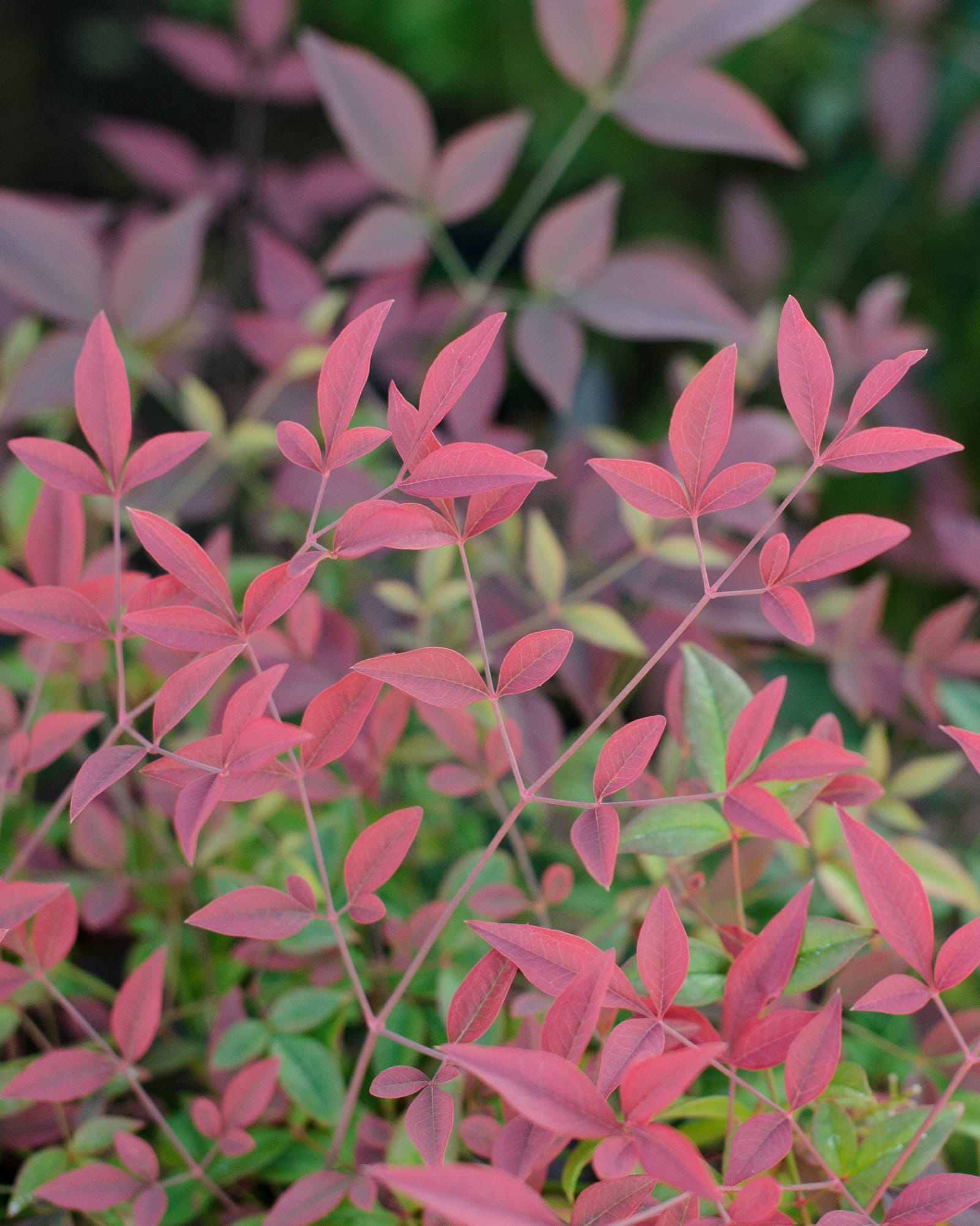
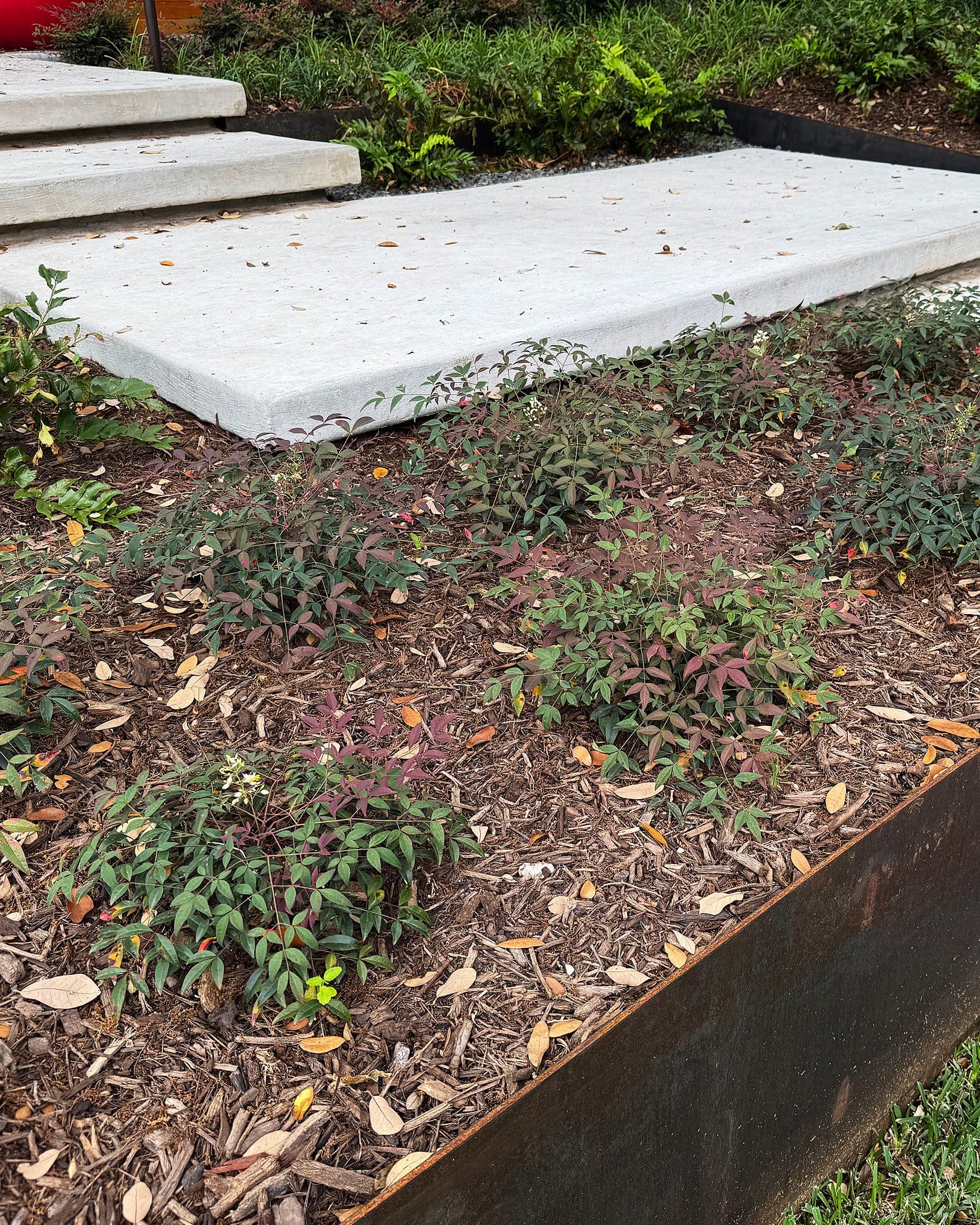
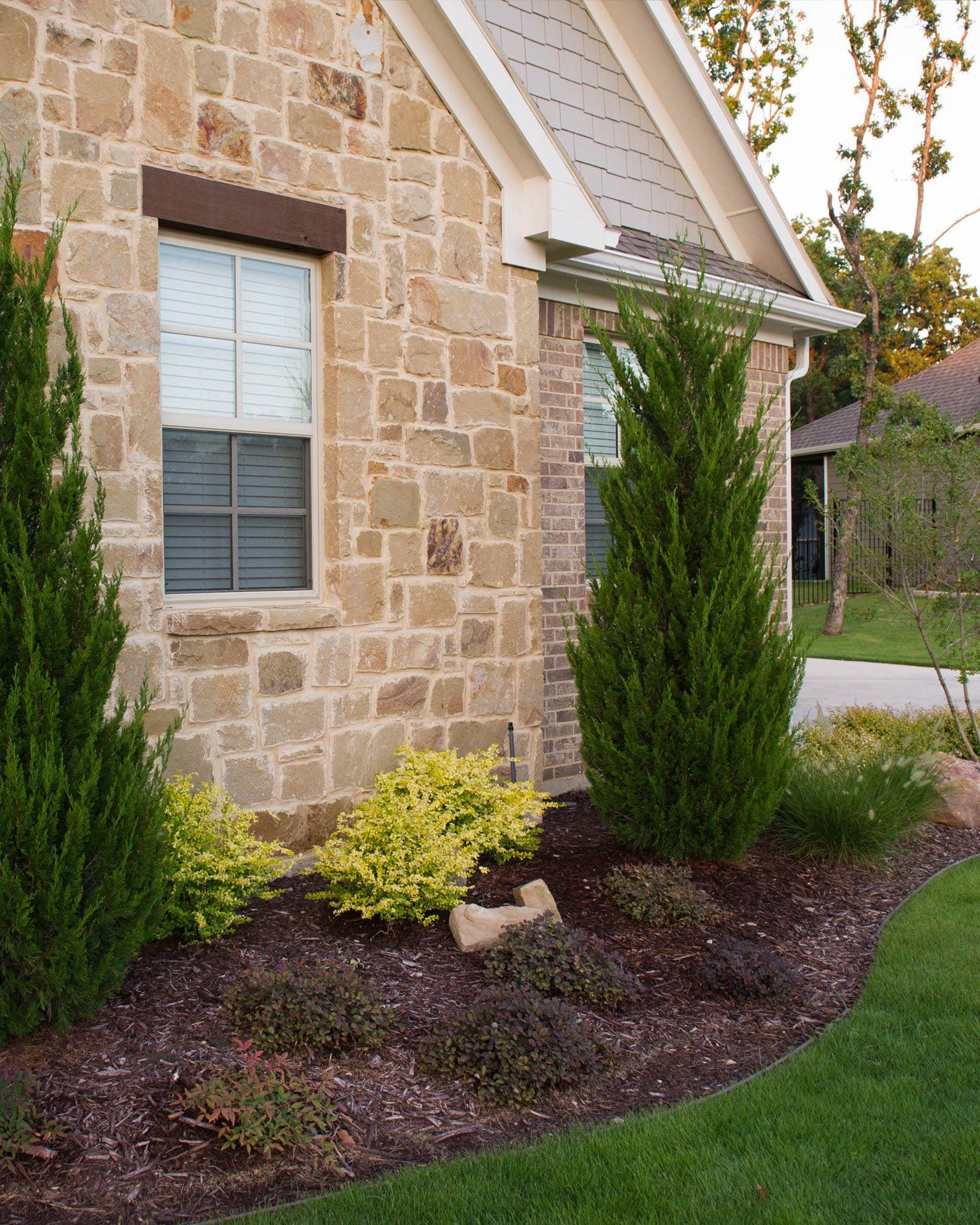
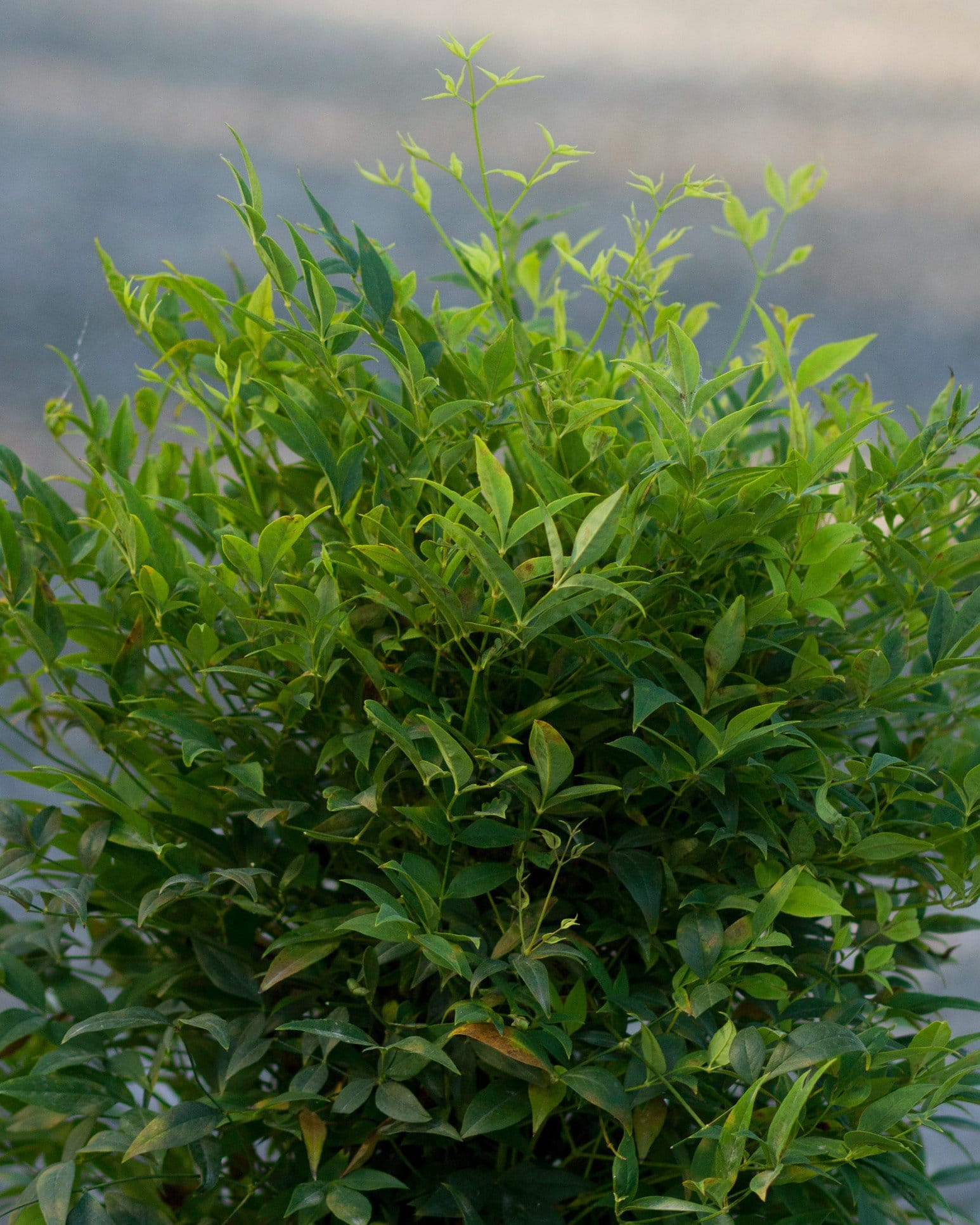
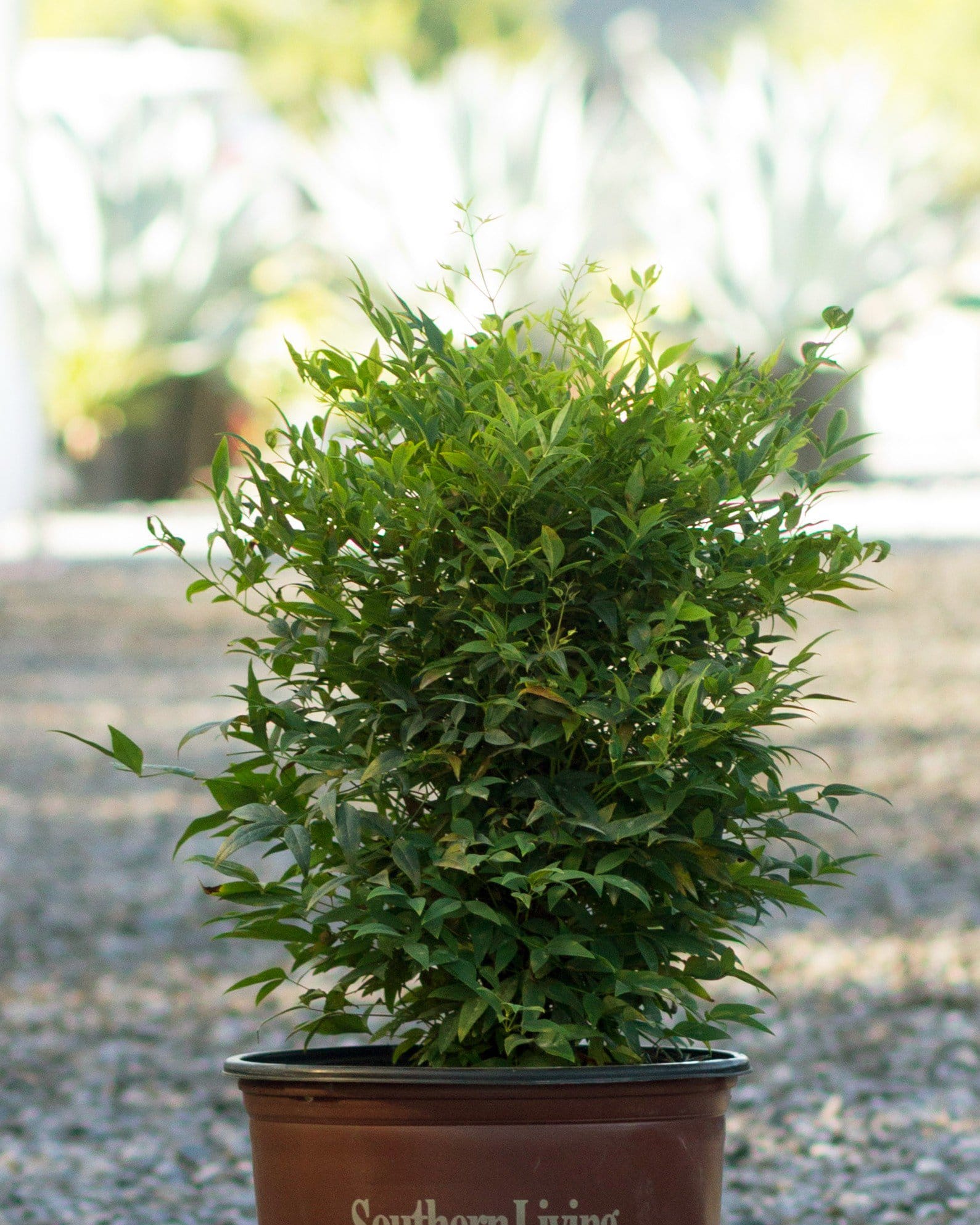
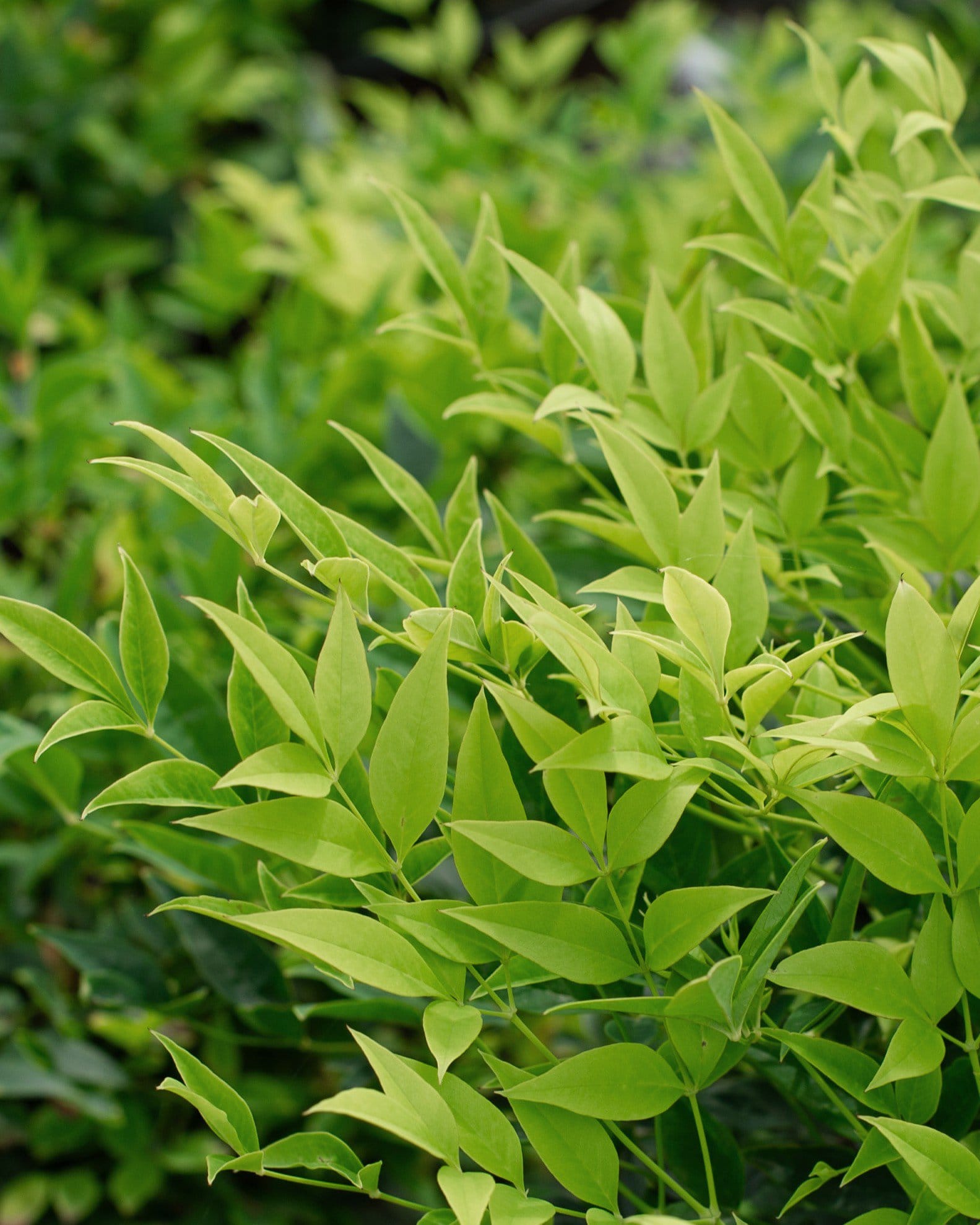
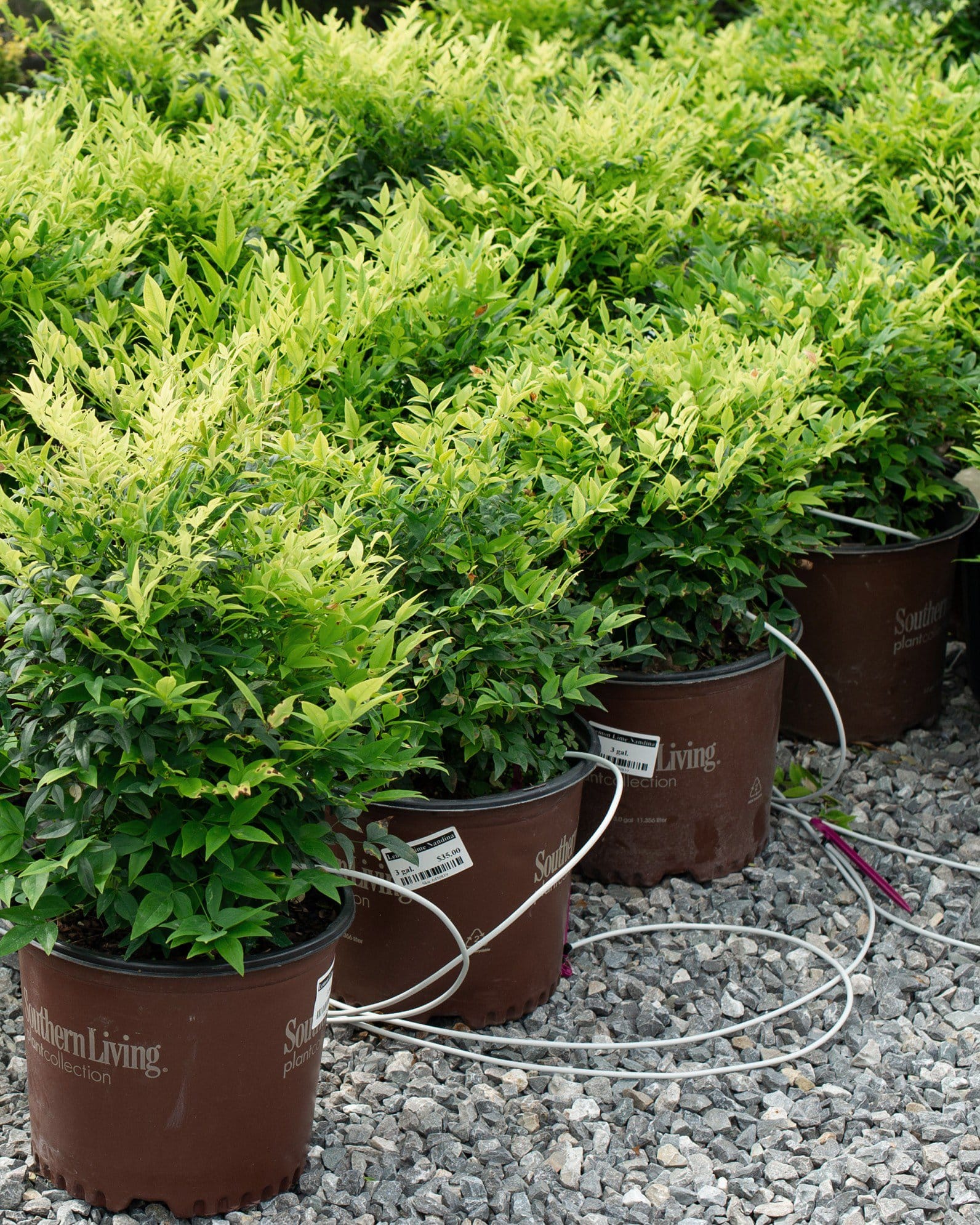
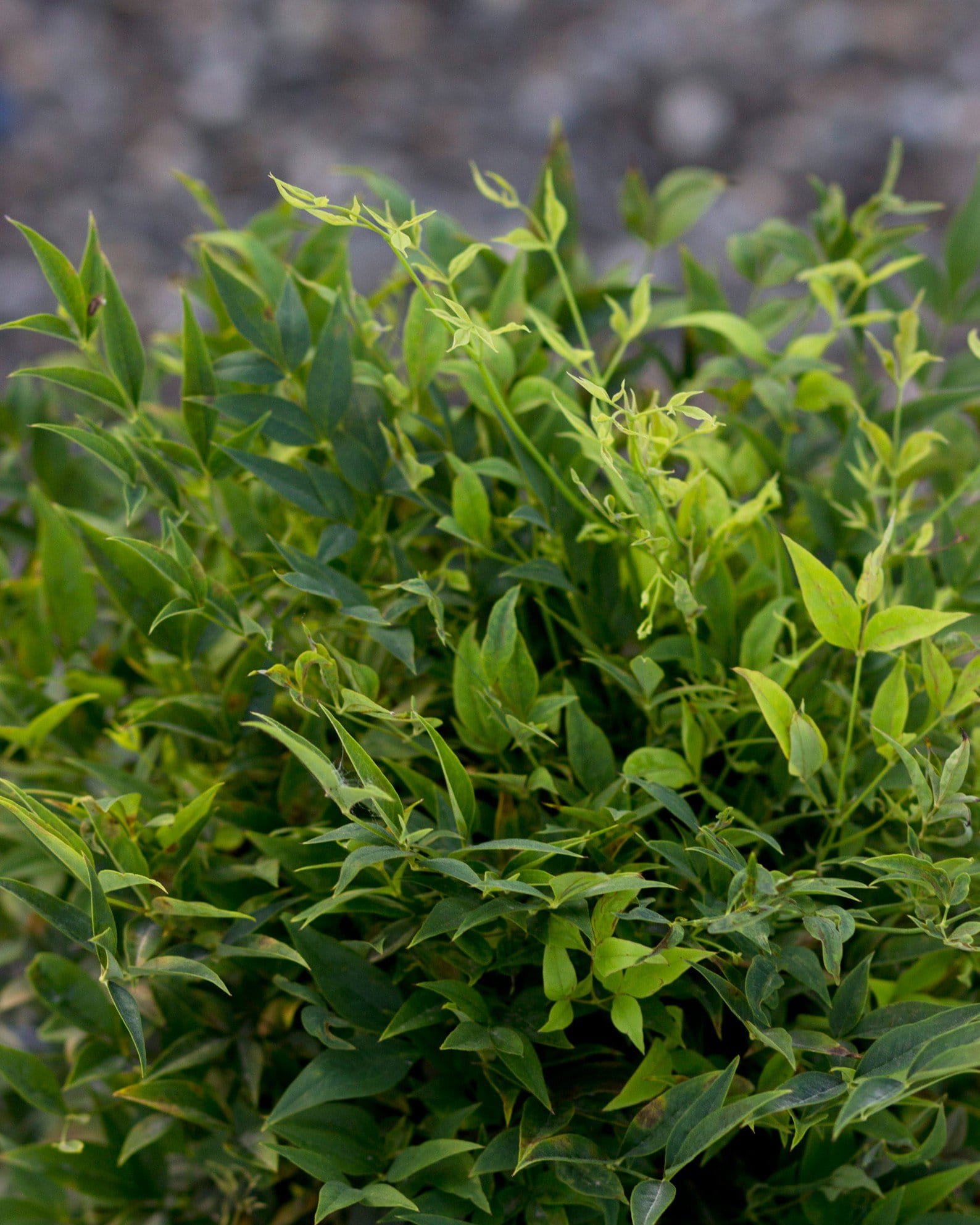
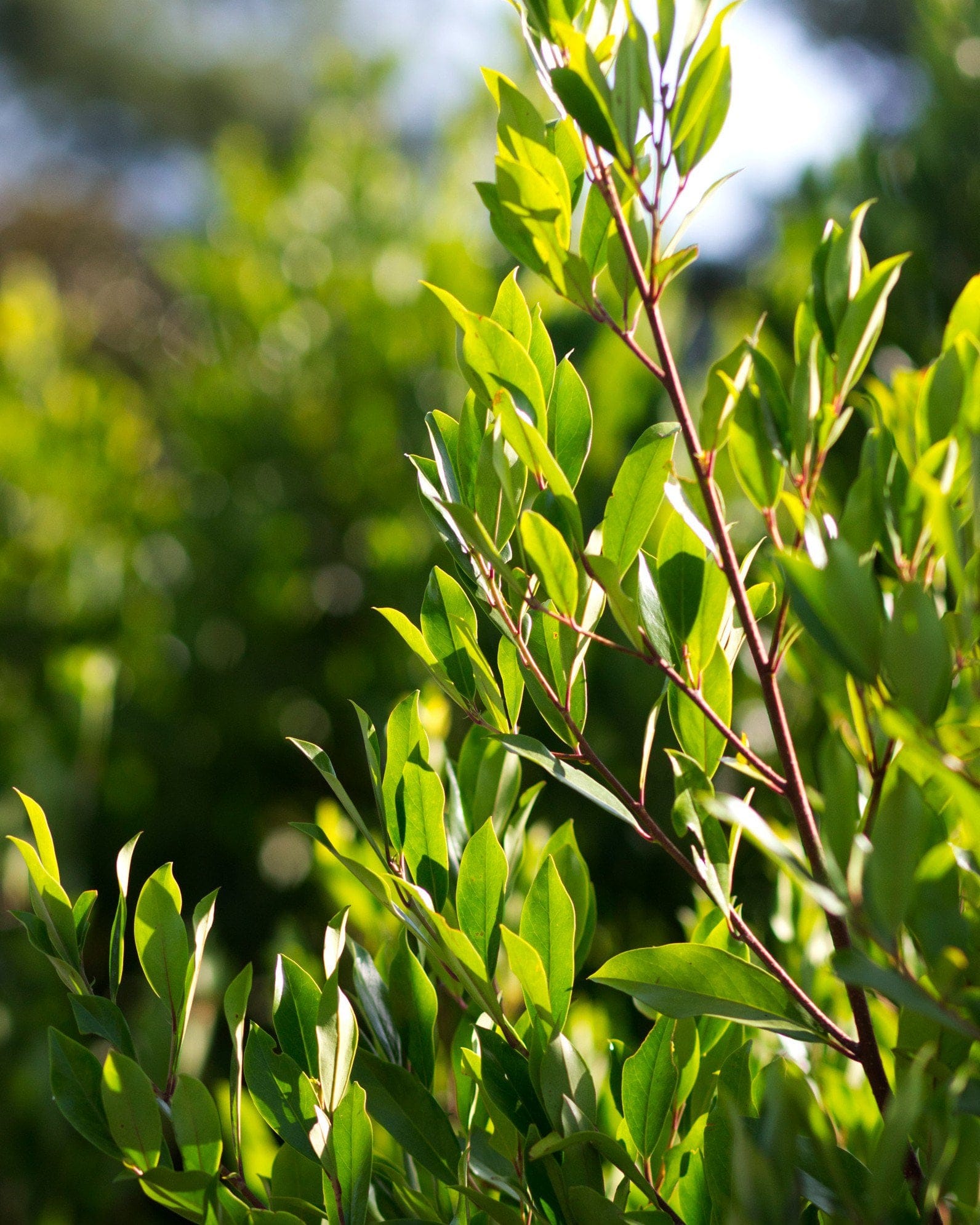
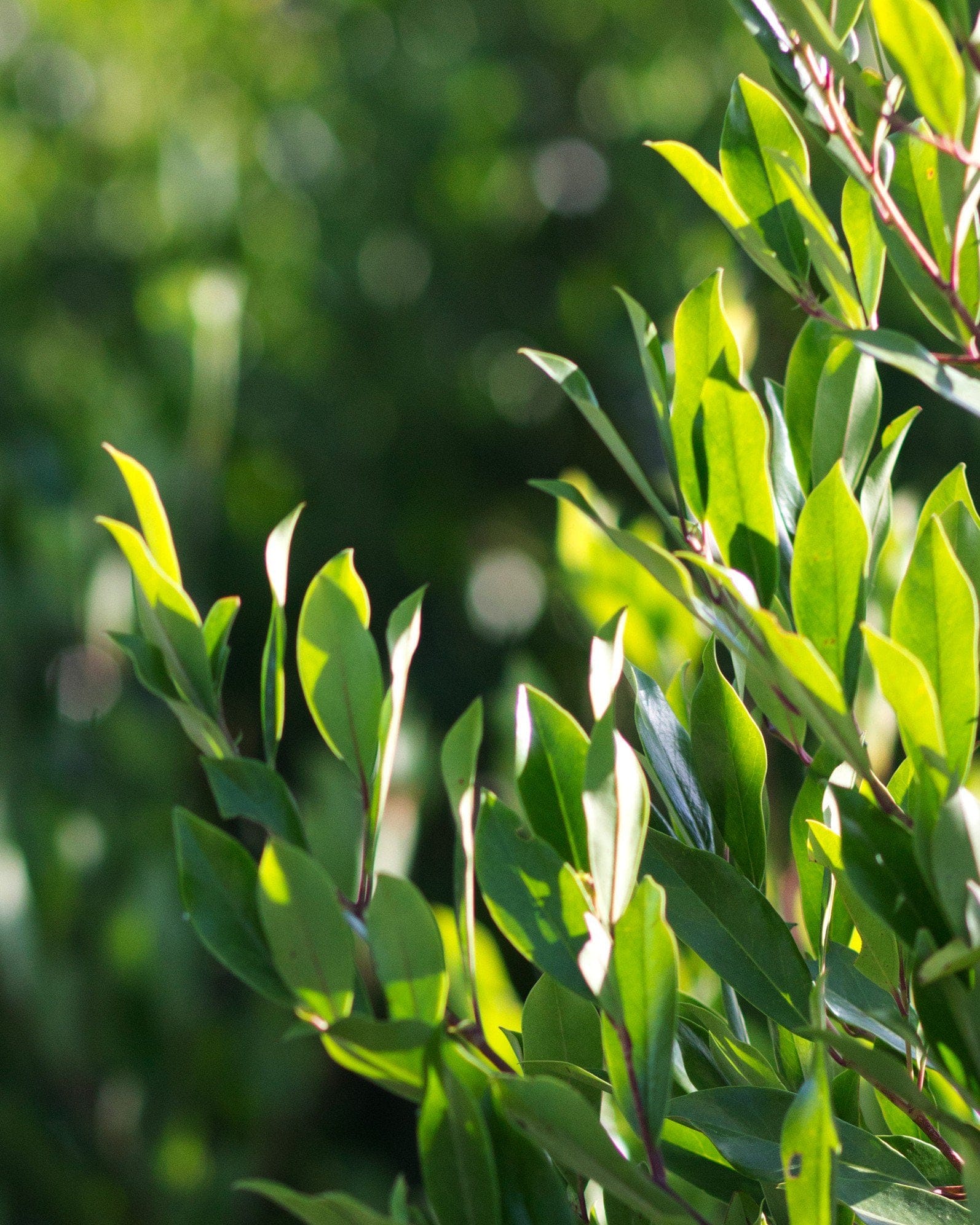
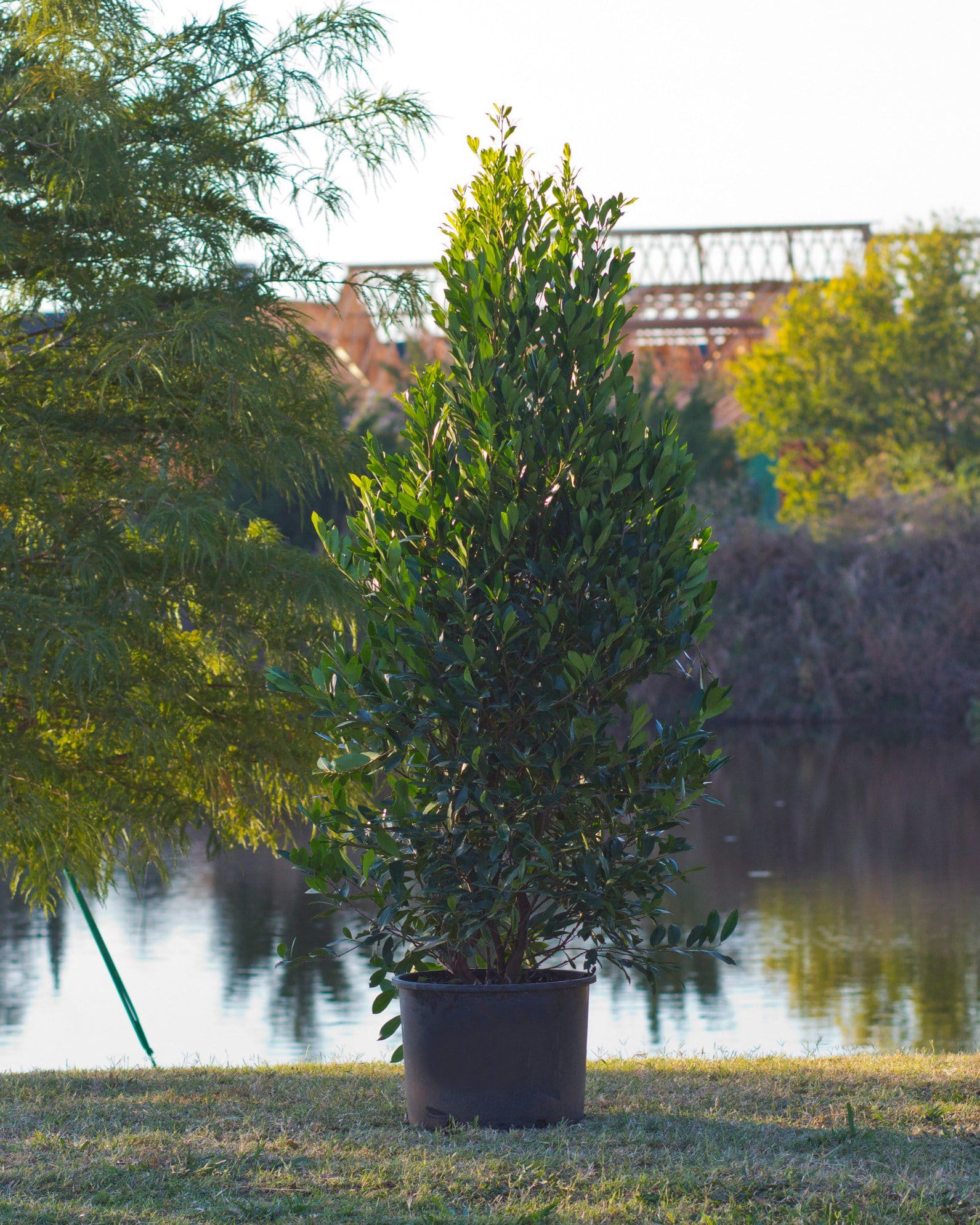
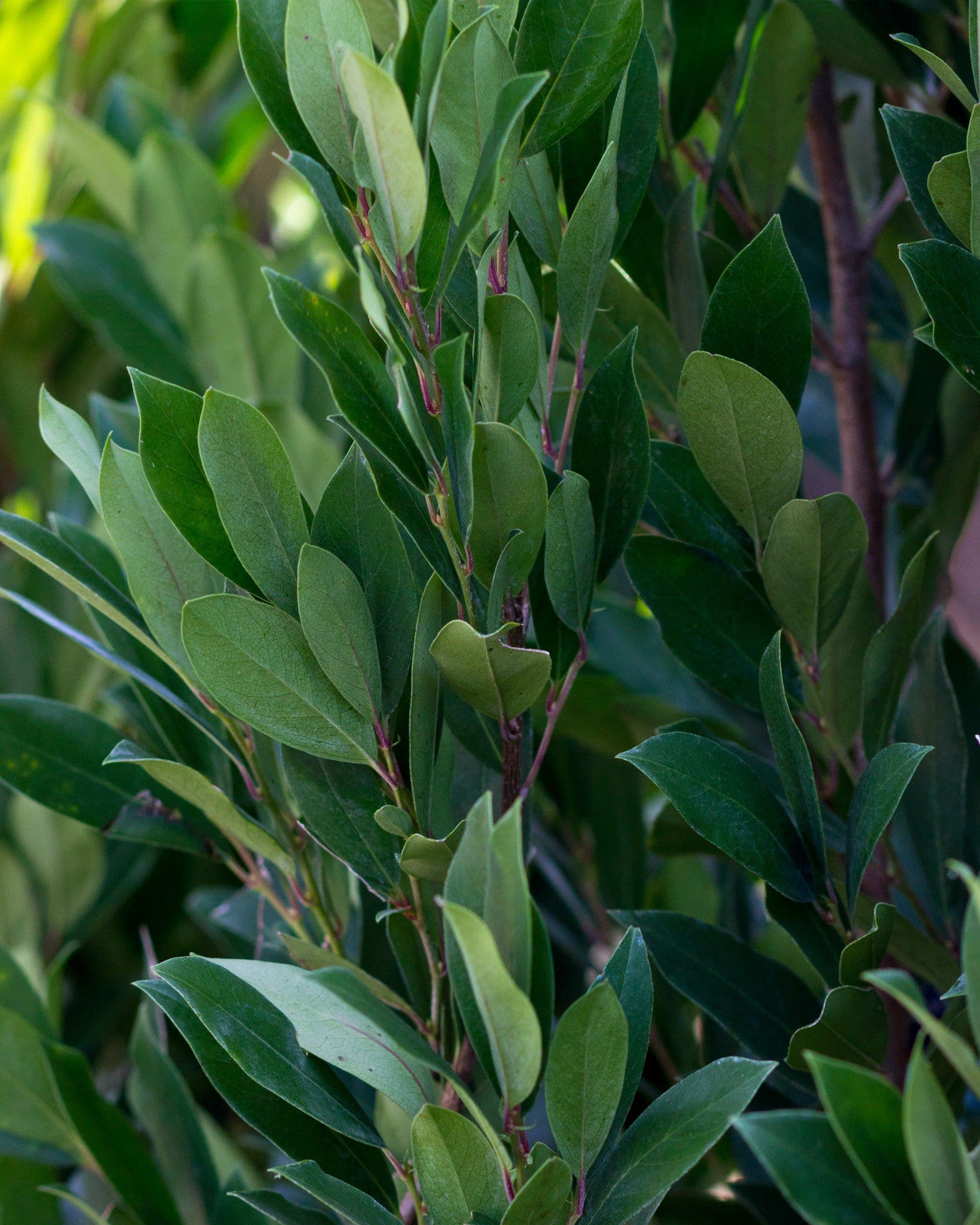
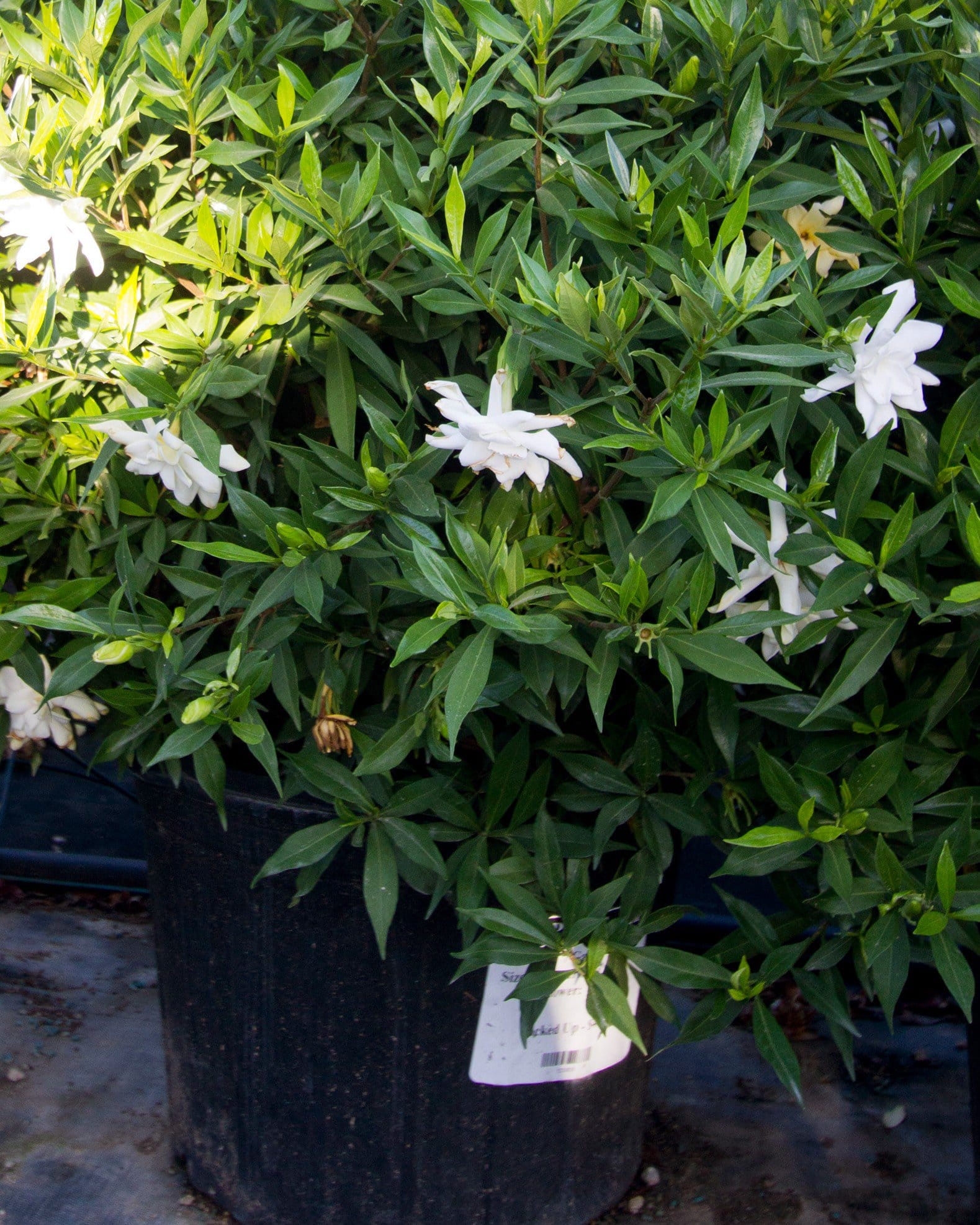
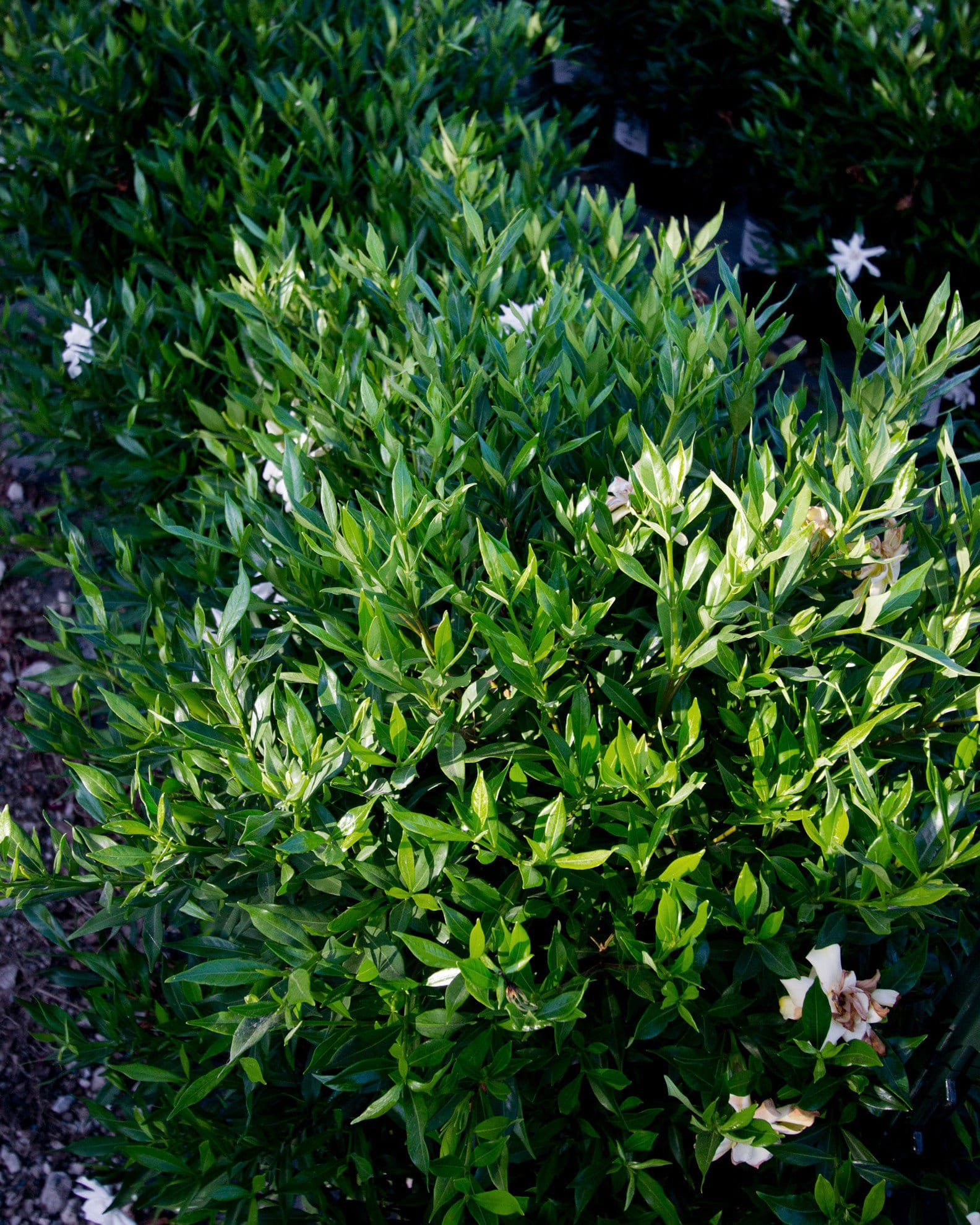
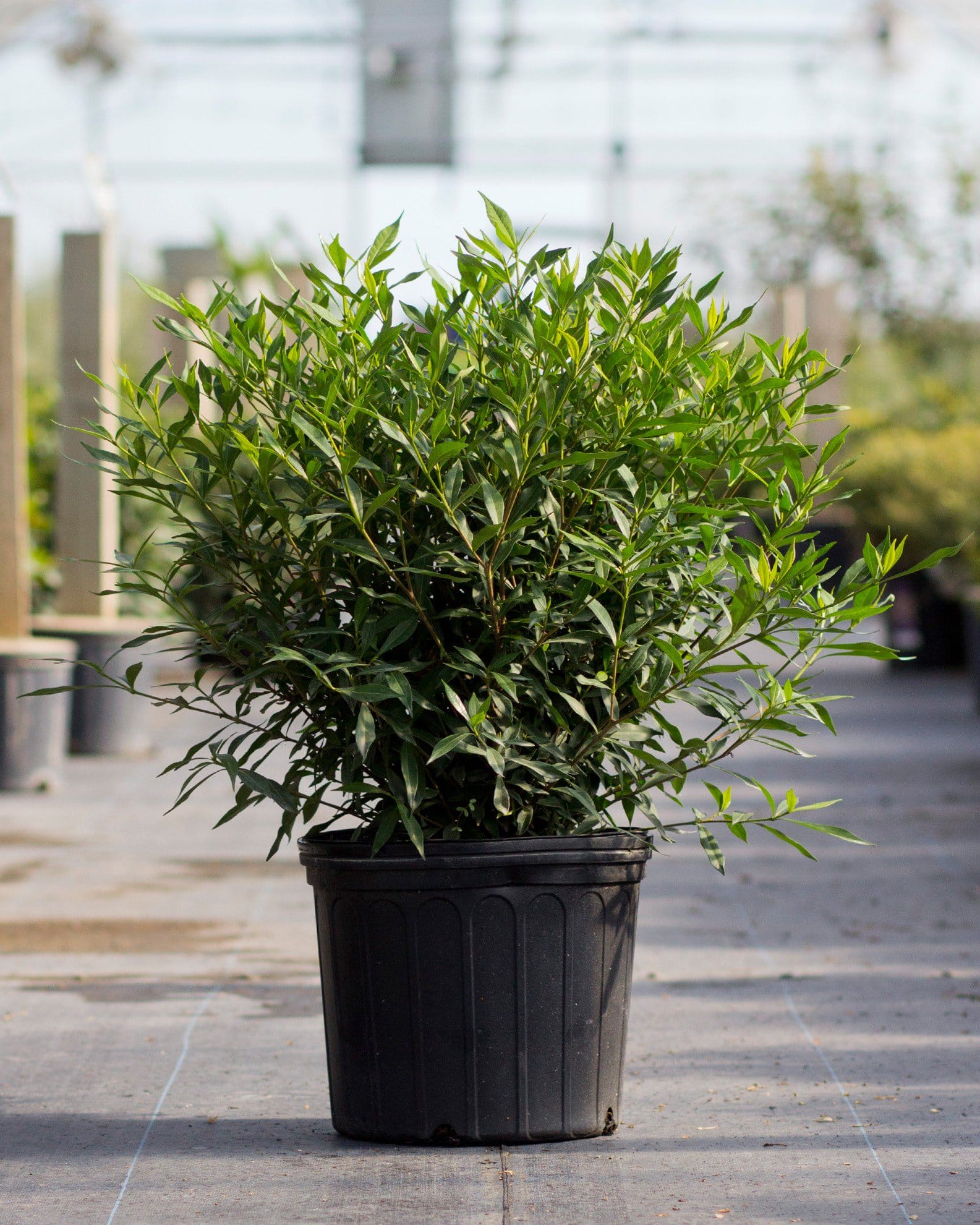
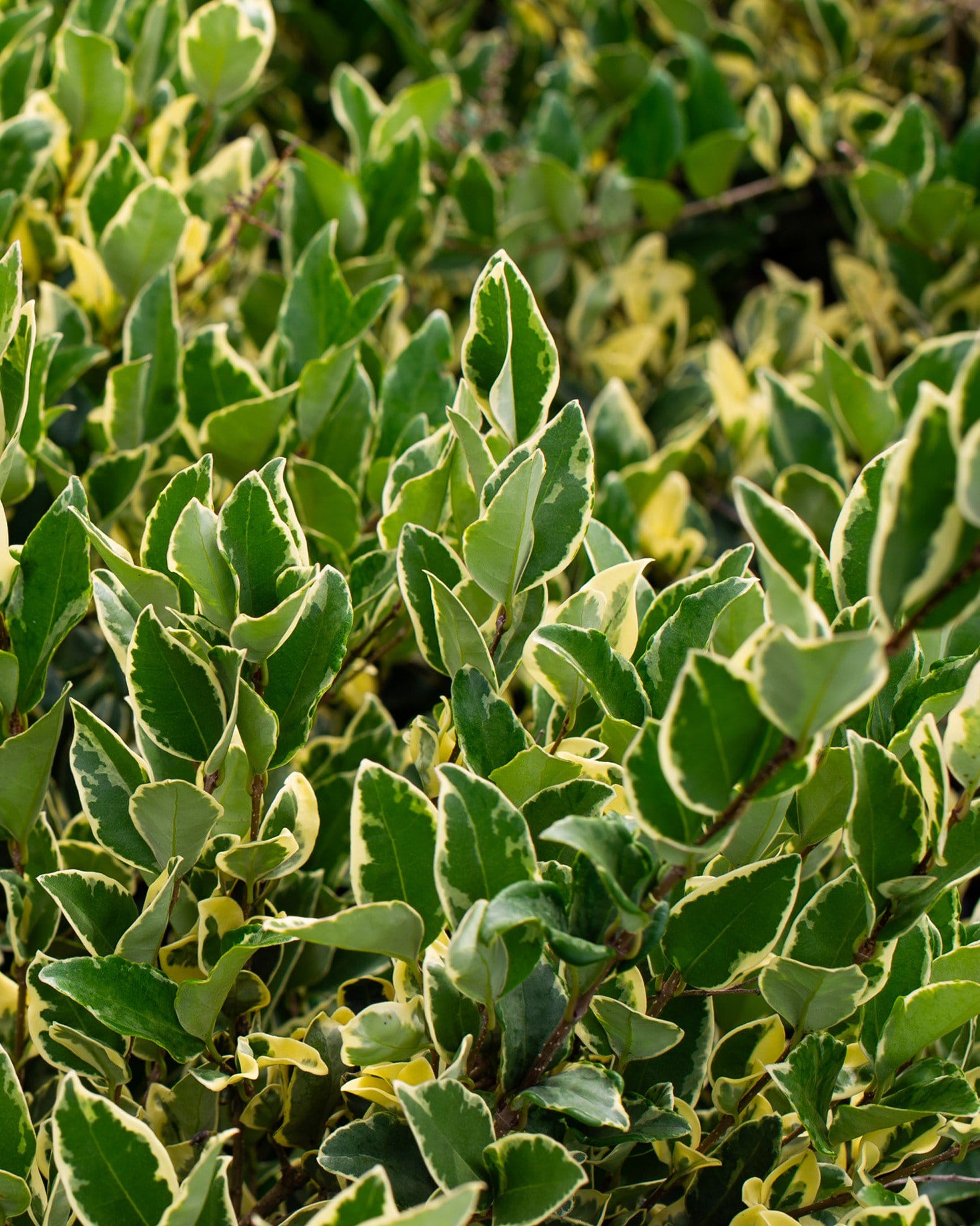
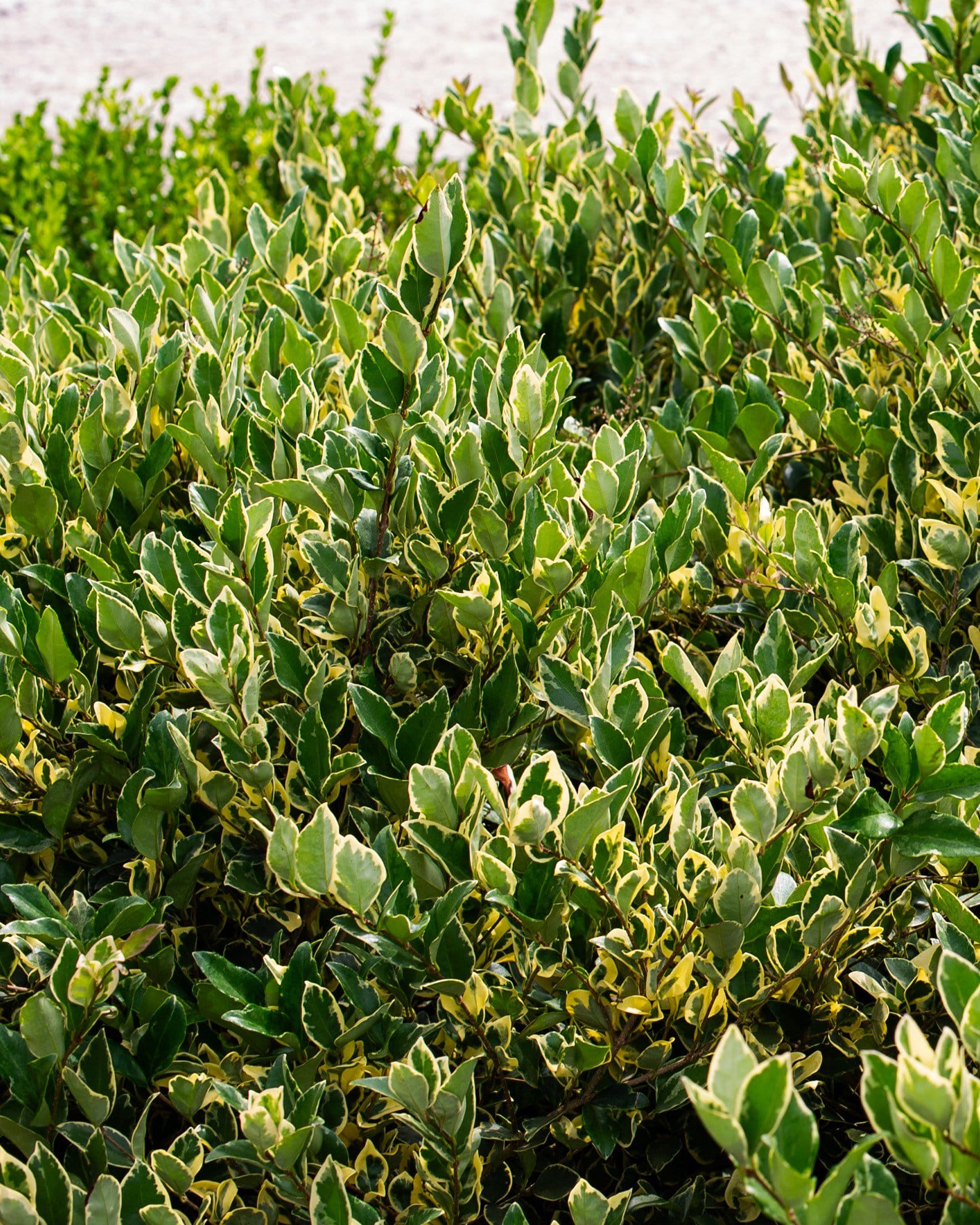
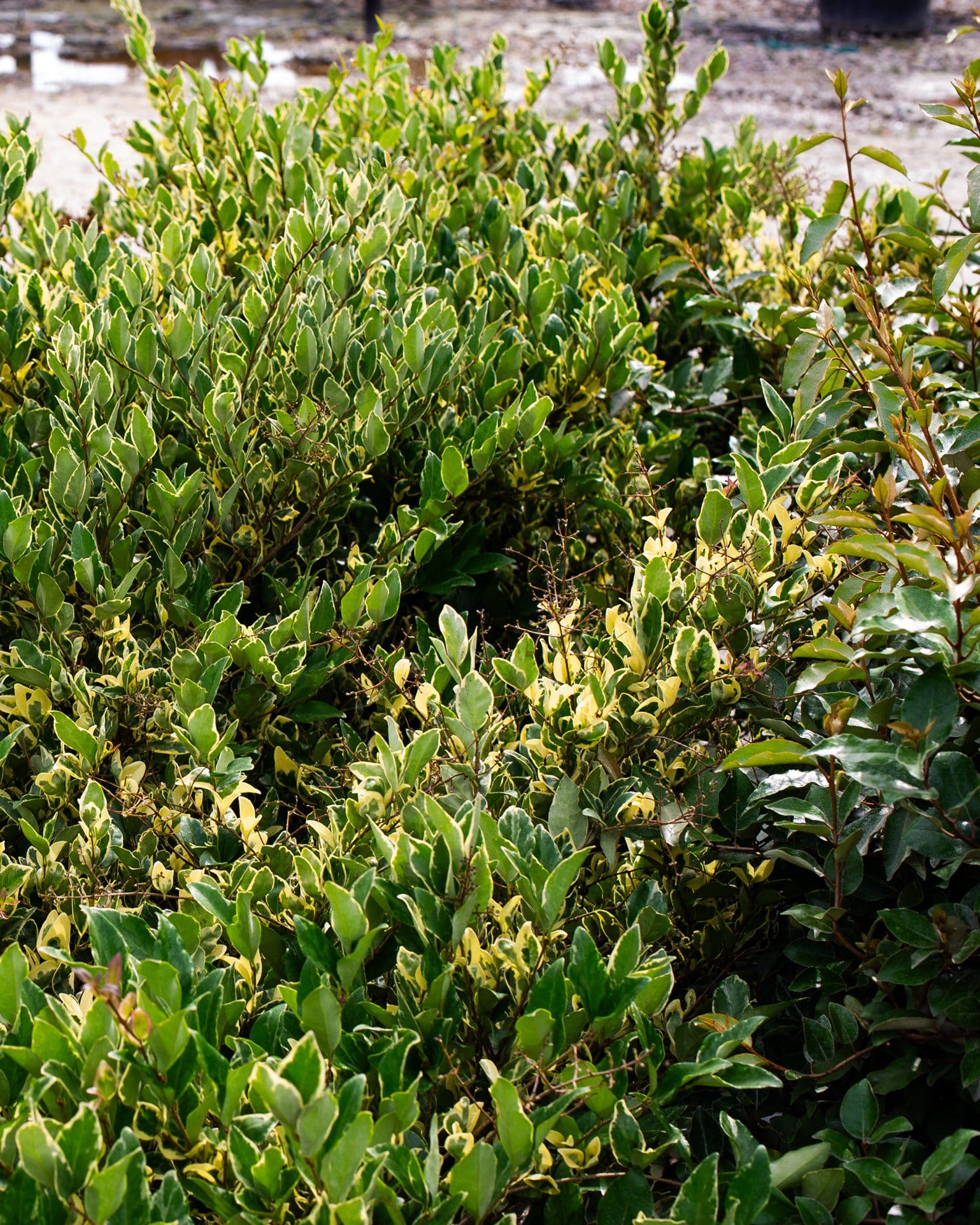
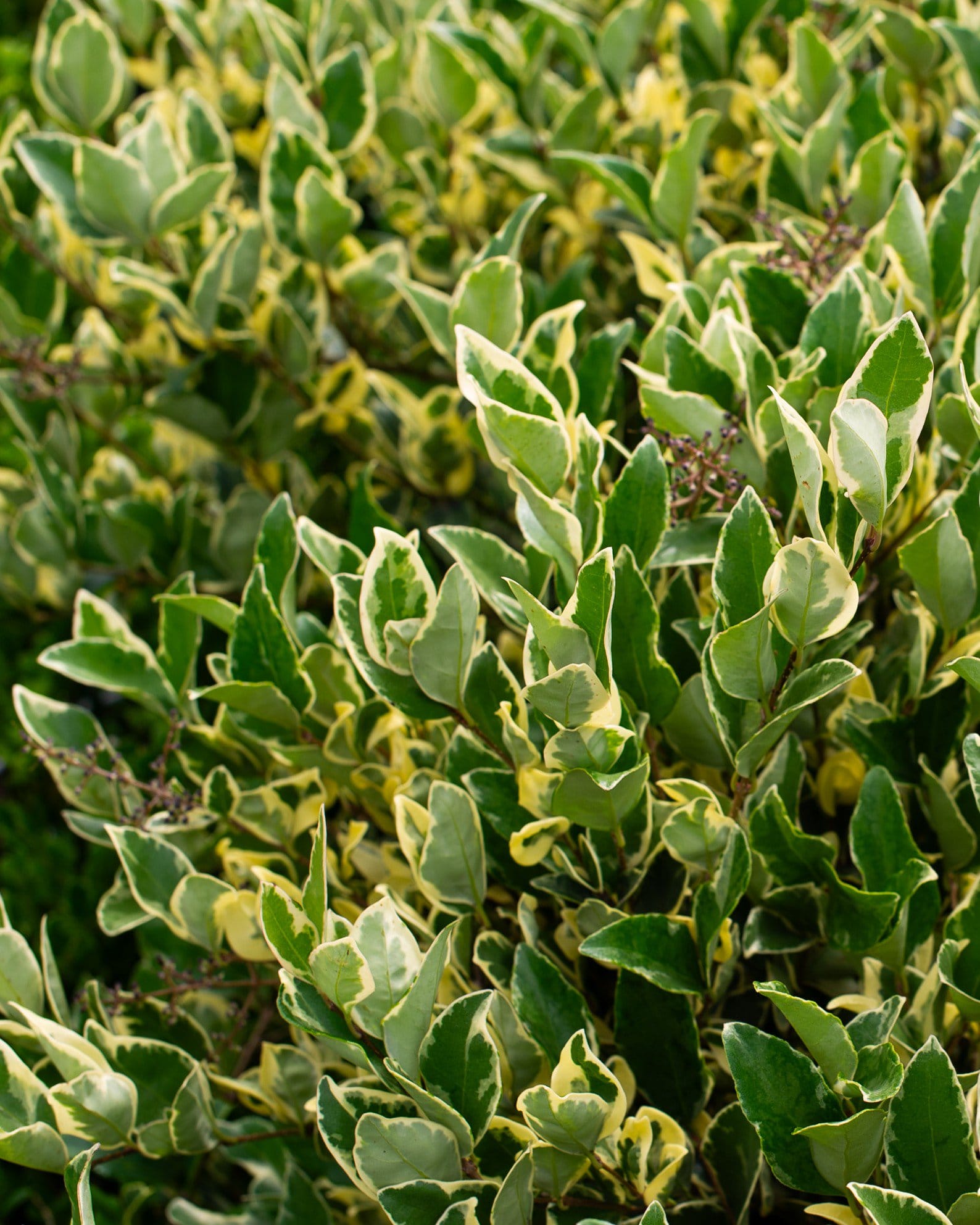
Nandina domestica 'Greray'Sunray Nandina is an evergreen shrub celebrated for its luminous foliage that shifts with the seasons. New growth emerges a sunny golden-yellow, gradually maturing to soft green with hints of chartreuse. In cooler months, the foliage takes on rich copper and red tones, delivering multi-seasonal appeal. Compact and tidy, this nandina variety reaches 3 feet in height and 1.5 feet in width, making it perfect for borders, walkways, or containers.
- Evergreen shrub
- Moderate growth rate with a compact, mounded habit
- Foliage matures to soft green, turning coppery red in fall
- Non-invasive
- Great for mass plantings, edging, or accent color
Sunray Nandina performs best in full sun to partial shade and thrives in well-drained soil. It's heat-tolerant, drought-resistant once established, and highly adaptable to various Texas soil conditions. Hardy in USDA zones 6 through 9, this cheerful, easy-care plant brings lasting color and structure to both modern and traditional landscapes.
Sunray Nandina is an upright evergreen shrub prized for its low-maintenance nature, thriving on only a little care in landscapes across Texas. Here’s all it needs to grow beautifully:
- Watering: Water regularly during the first growing season to establish a deep, fibrous root system. Once established, Sunray Nandina is drought-tolerant but performs best with occasional deep watering during extended dry spells to maintain foliage color and density.
- Pruning: Prune selectively in late winter or early spring by removing older canes at the base to encourage fresh, upright growth. Avoid shearing, as selective thinning preserves the plant’s architectural form and vertical emphasis.
- Fertilizing: Apply a balanced, slow-release fertilizer in early spring to support healthy growth and strong foliage color. In lean soils, a light second feeding in early summer helps maintain brightness without encouraging excessive softness.
- Mulching: Apply a 2-3 inch layer of mulch around the base to conserve moisture, regulate soil temperature, and reduce weed competition. A wide mulch ring helps protect shallow roots and stabilize growing conditions.
- Winter Care: Sunray Nandina is cold-hardy and generally requires no winter protection once established. Cooler temperatures may deepen golden tones and add subtle seasonal variation.
Sunray Nandina is resilient and easy to manage, though certain environmental conditions may occasionally affect appearance:
- Color Softening: Foliage may shift toward greener tones if plants receive too much shade or excess nitrogen. Brighter light exposure and moderate fertilization help preserve its vivid golden color.
- Leaf Scorch: Leaf tips or edges may brown during extreme heat, drought, or reflected heat from nearby surfaces. Deep watering and consistent mulching reduce moisture stress and protect foliage.
- Spider Mites: Hot, dry conditions may lead to fine stippling or a dusty appearance on leaves. Rinsing foliage periodically and maintaining even soil moisture discourages infestations.
- Root Stress: Poor drainage can cause slowed growth or leaf yellowing. Improving soil structure and avoiding frequent shallow watering support long-term root health.
- Wind Exposure: Strong, drying winds may cause minor leaf burn, especially in winter. Planting in sheltered locations helps maintain foliage quality year-round.
Sunray Nandina typically lives 30-40 years with proper care. Its woody cane structure allows gradual renewal over time. Mature plants often become more striking and resilient as they age.
Sunray Nandina grows at a moderate rate, adding approximately 8-14 inches per year. A clearly defined mature form usually develops in 4-6 years. Growth remains upright and controlled throughout its lifespan.
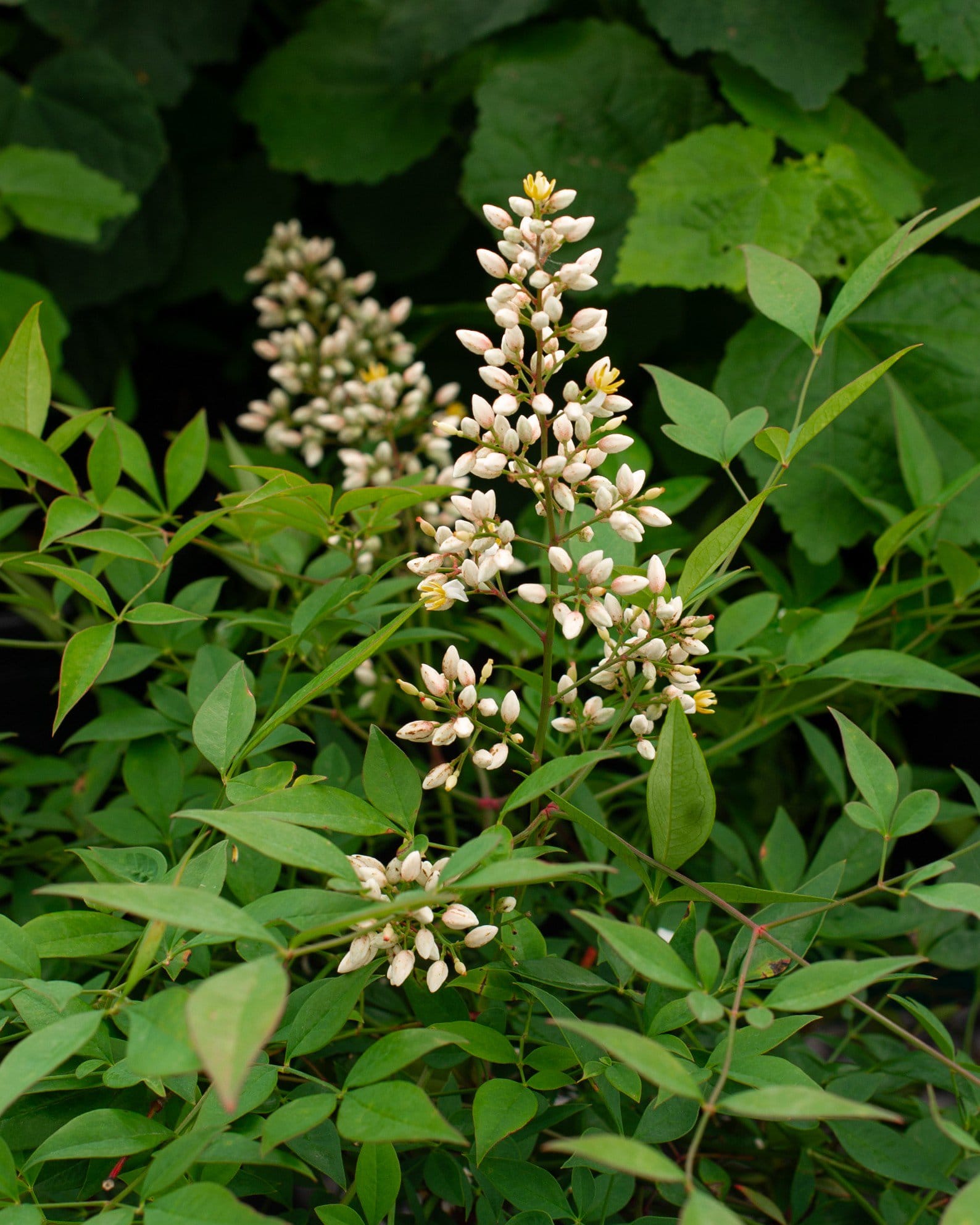
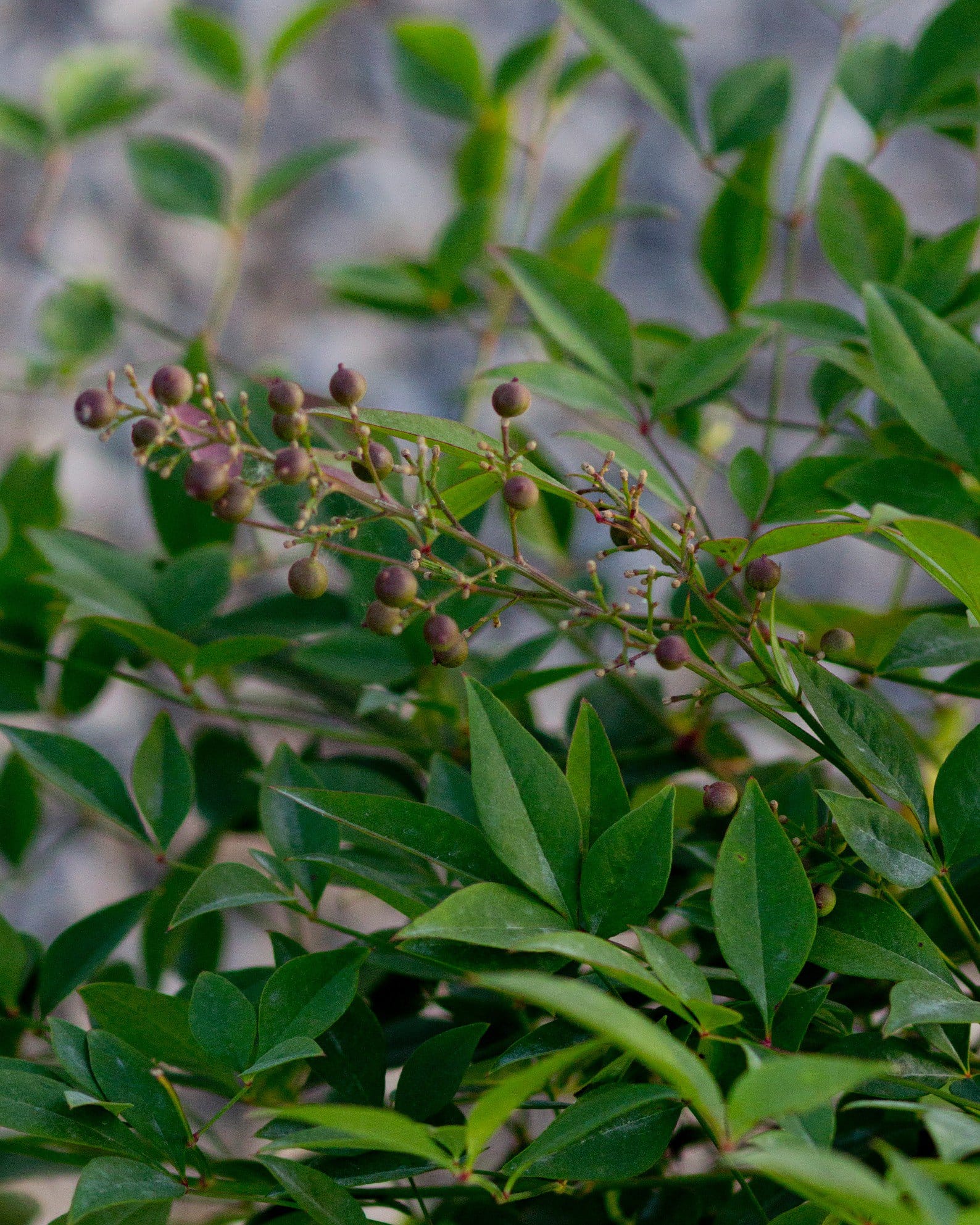
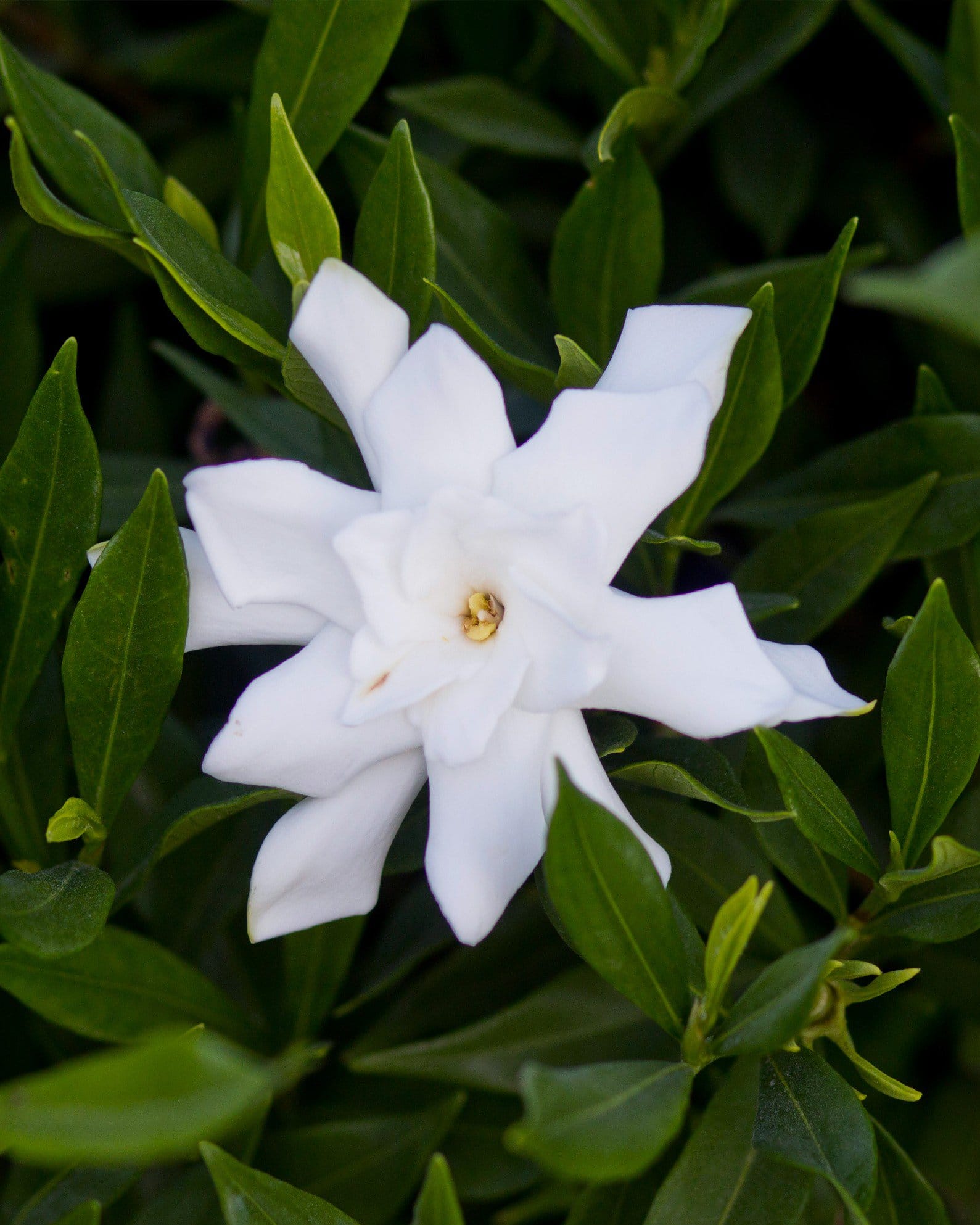
Small white spring flowers may attract bees and other beneficial insects. While blooms are secondary to foliage color, they still provide seasonal nectar. Pollinator activity is most noticeable in grouped plantings.
Sunray Nandina is considered highly deer-resistant. Its foliage is rarely browsed even in high-pressure areas. This makes it a reliable choice where deer are common.
Sunray Nandina performs very well in containers due to its upright habit and compact root system. Containers showcase its vertical form and glowing color. Consistent watering is essential for container-grown plants.
Division is not recommended due to its woody growth habit. New plants are best established from nursery-grown stock. Attempting division may weaken mature plants.
Mass plantings create dramatic vertical rhythm and bold color contrast. Repetition enhances architectural impact in modern and formal designs. Groupings remain tidy with minimal maintenance.
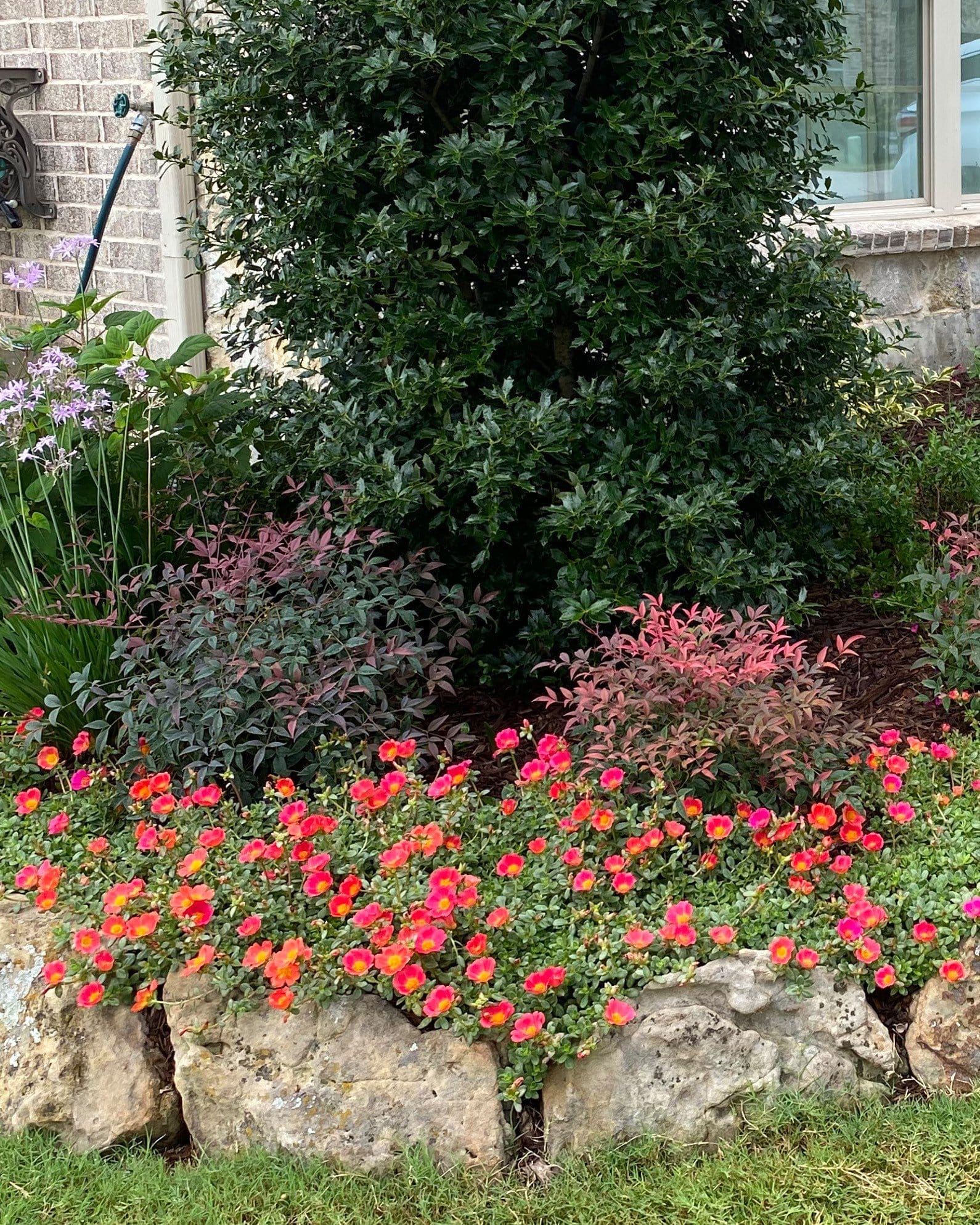
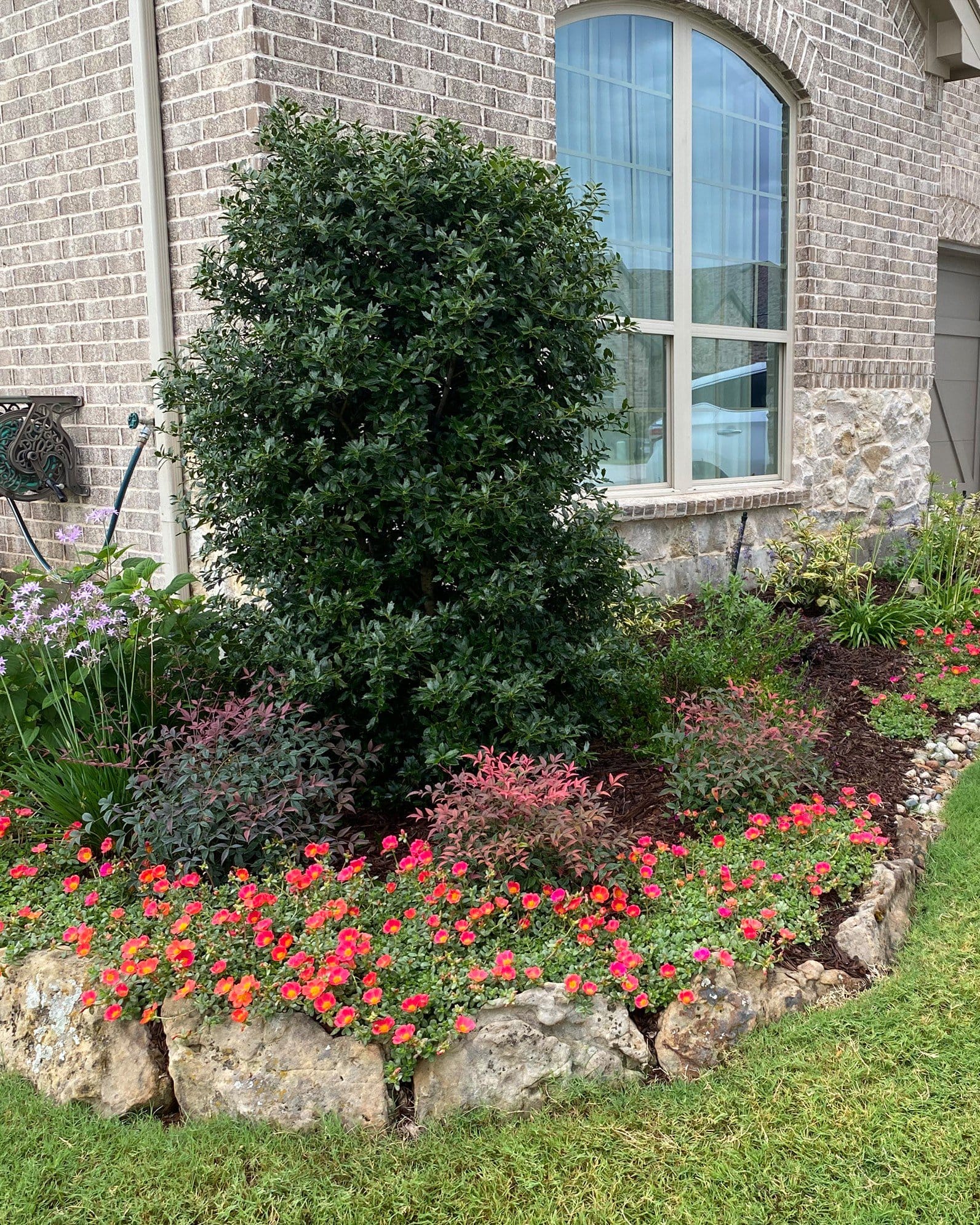
Sunray Nandina pairs beautifully with dark evergreens, boxwood, loropetalum, and ornamental grasses. Deep green or burgundy foliage intensifies its golden tones. These combinations create striking visual balance.
Once established, it requires very little care beyond occasional thinning and watering. Its evergreen structure and strong color reduce seasonal maintenance needs. Reliable performance makes it a designer favorite.
Sunray Nandina stands out for its upright form and radiant golden foliage. It brings light and structure to the landscape year-round. Few shrubs combine such architectural presence with such vivid color.
Special Features
You might also like
Compacta Nandina
Maturity: 3' H x 2' W
Domestica Nandina
Maturity: 4' H x 2' W
Gulf Stream Nandina
Maturity: 3' H x 3' W
Obsession Nandina
Maturity: 3' H x 3' W
Blush Pink Nandina
Maturity: 2' H x 1.5' W
Firepower Nandina
Maturity: 2' H x 2' W
Flirt Nandina
Maturity: 1' H x 1.5' W
Lemon Lime Nandina
Maturity: 3' H x 3' W
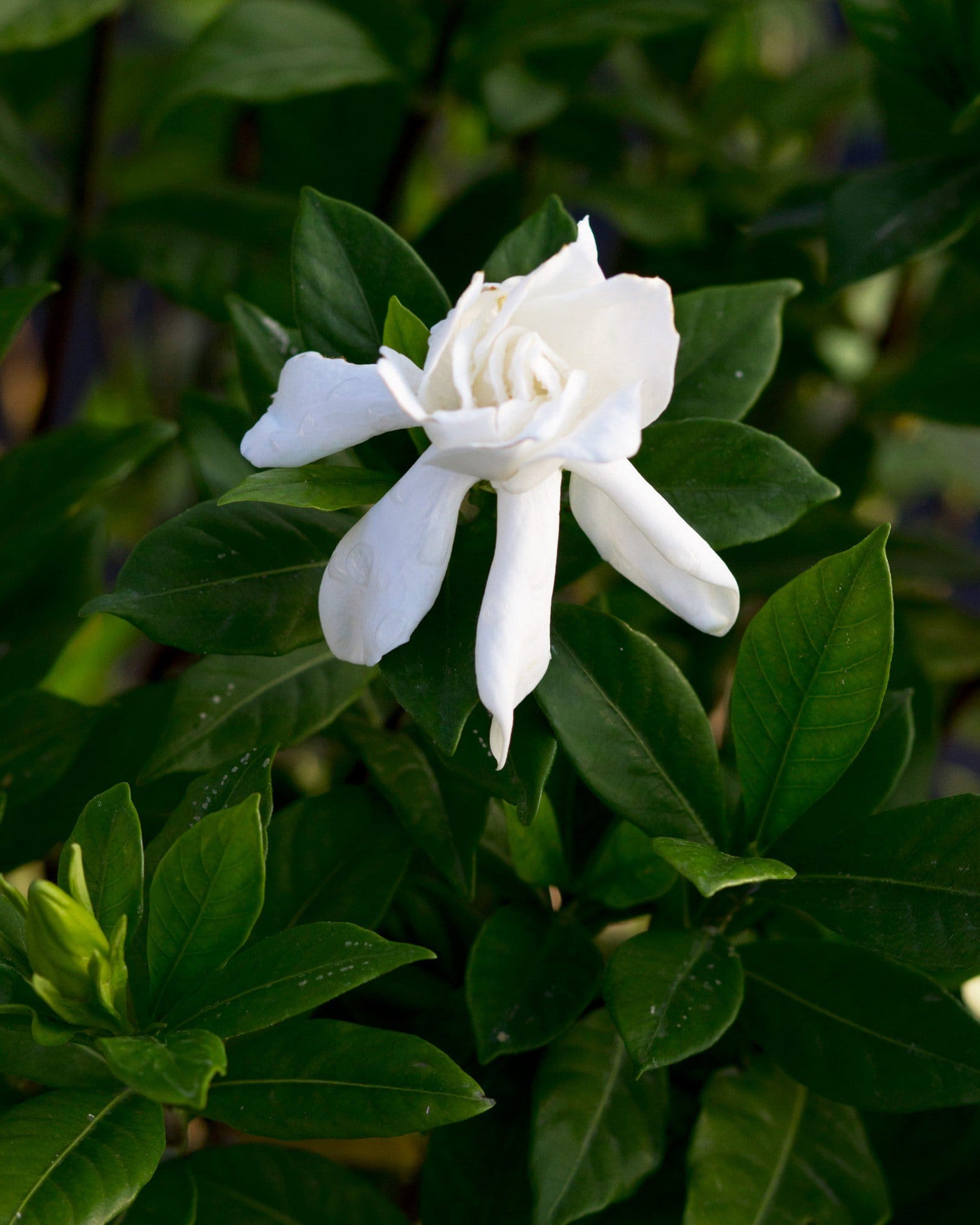
August Beauty Gardenia
Maturity: 4' H x 3' W
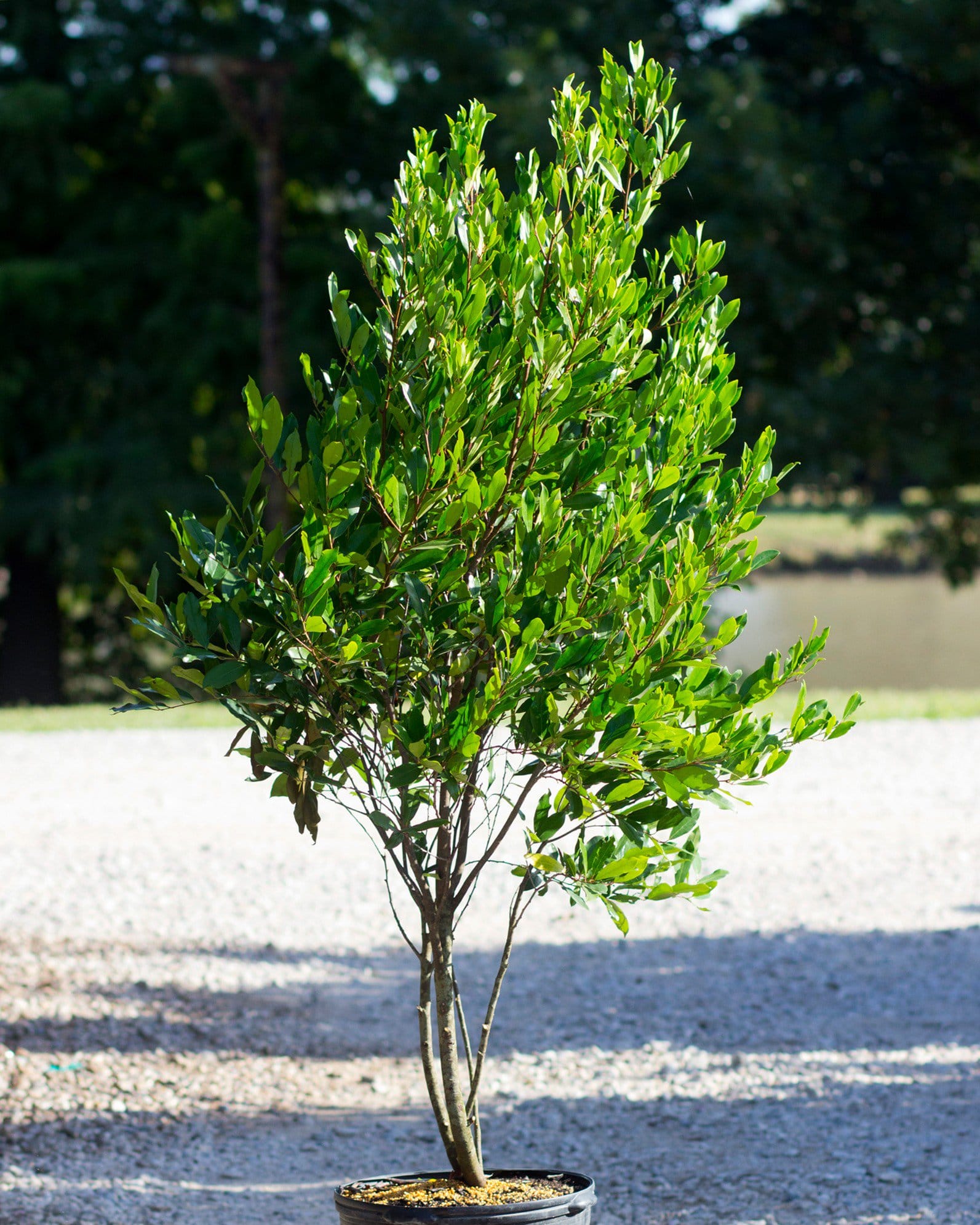
Cherry Laurel Compacta
Maturity: 8' H x 6' W
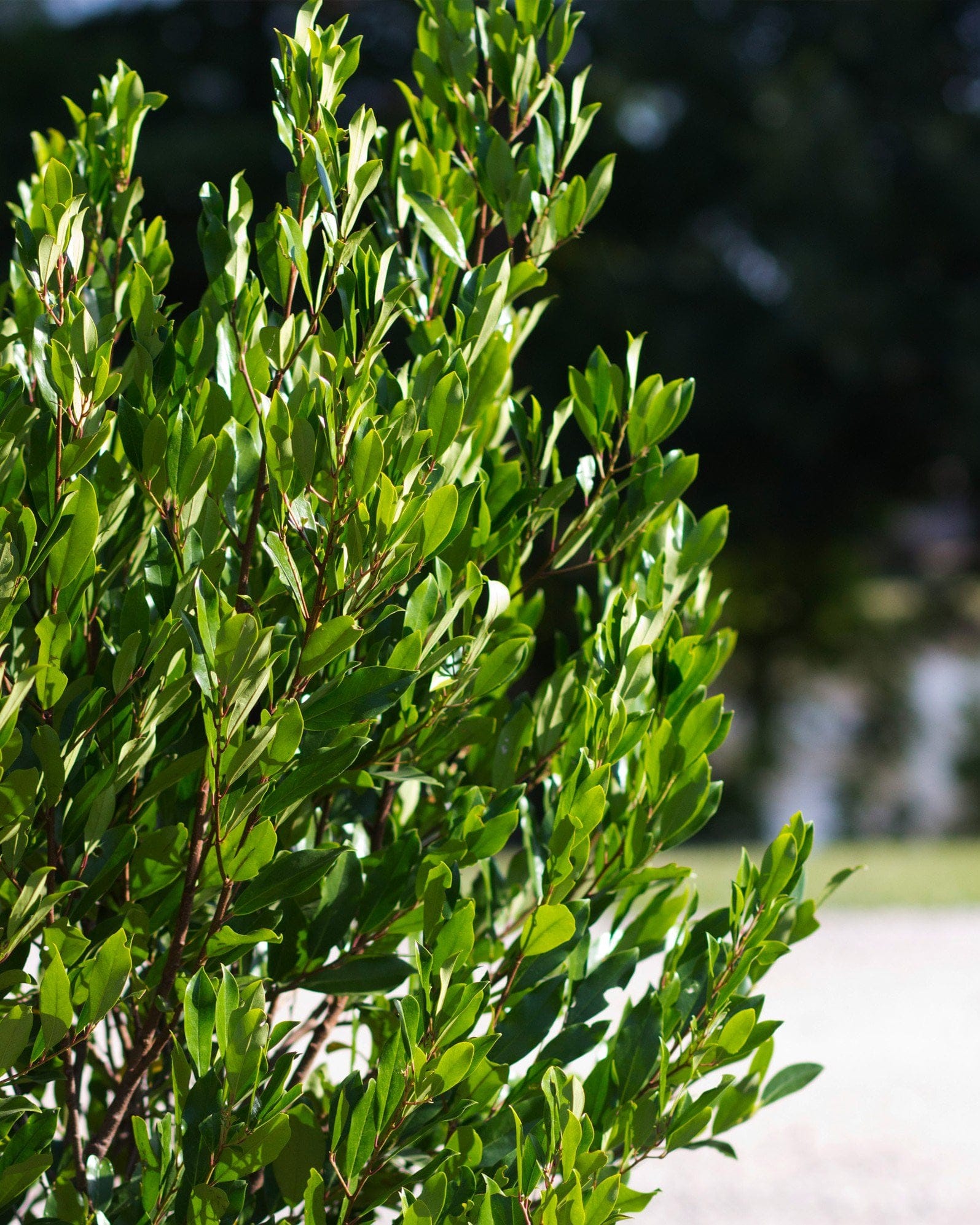
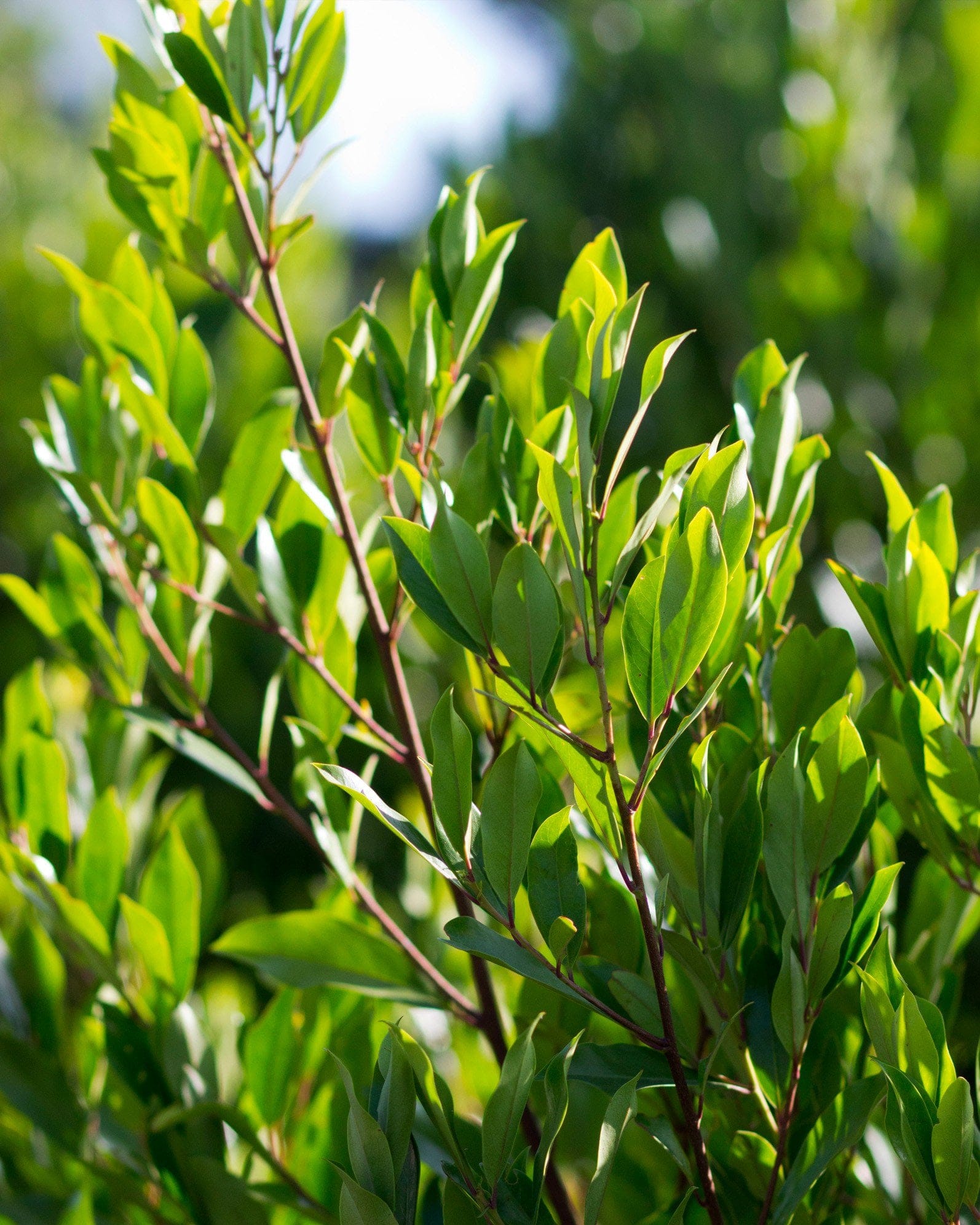
Cherry Laurel Everbrite
Maturity: 8' H x 6' W
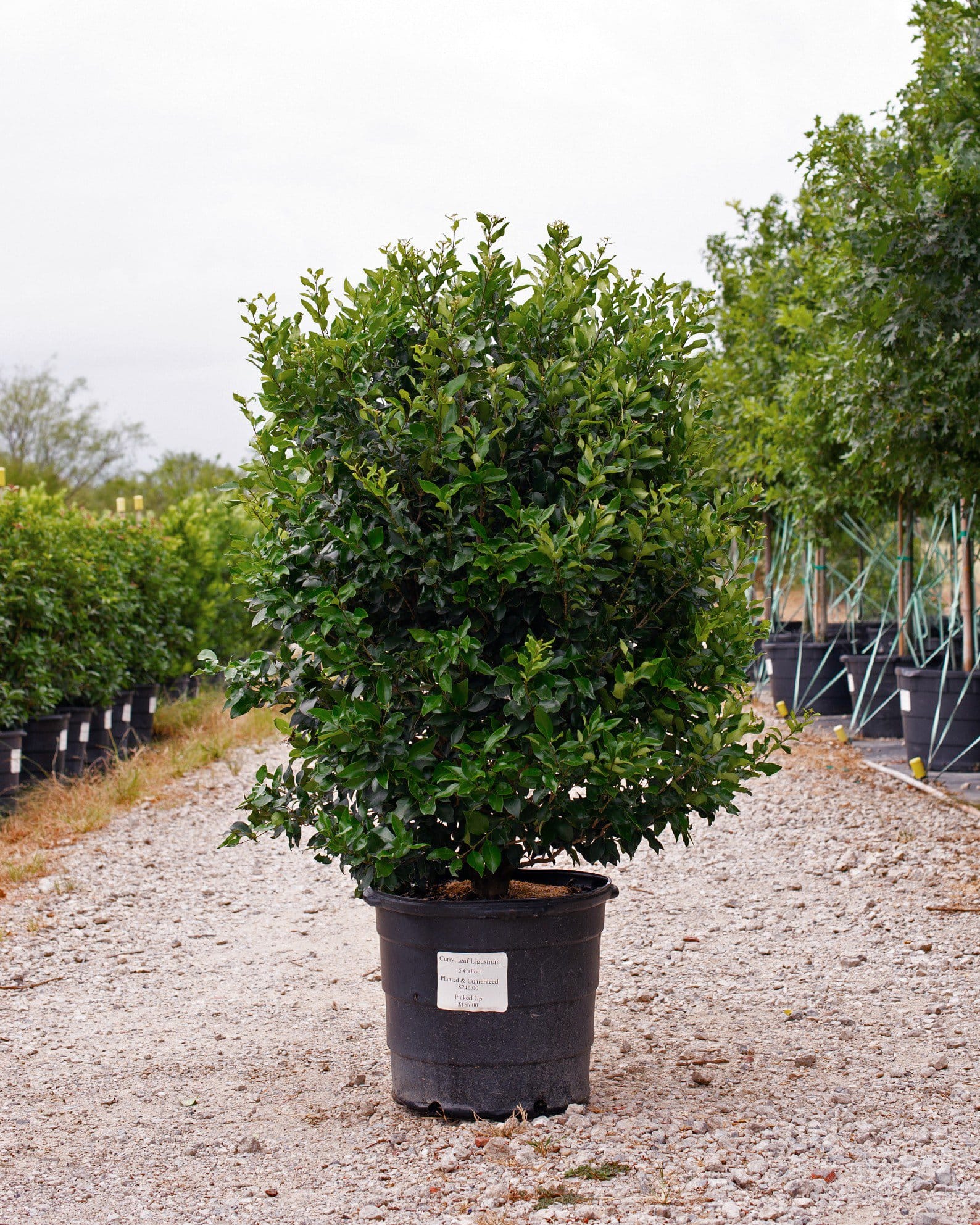
Curly Leaf Ligustrum
Maturity: 8' H x 6' W
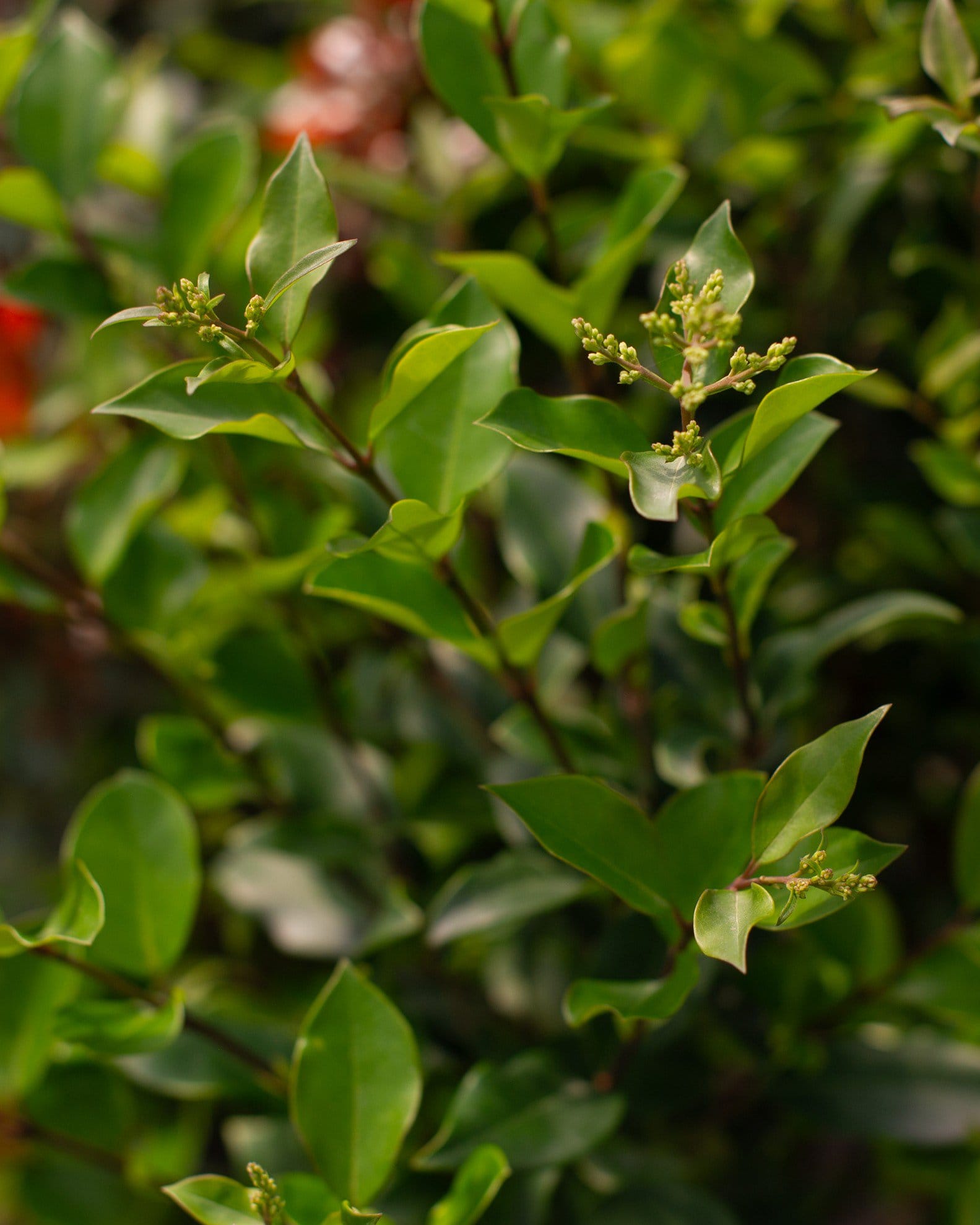
Frost Proof Gardenia
Maturity: 3' H x 3' W
Jack Frost Ligustrum
Maturity: 6' H x 6' W
Mojo Dwarf Pittosporum
Maturity: 2' H x 2' W
Compare Similar Plants
Sunray Nandina This plant | ||
|---|---|---|
| Scientific Name | Nandina domestica 'Greray' | Nandina domestica ‘Compacta’ |
| Size at Maturity | 3' H x 1.5' W | 3' H x 2' W |
| Leaf Retention | Evergreen | Evergreen |
| Flower Color | White | White |
| Bloom Times | Spring | Spring |
| Sizes Available | 3 gal | 3 gal |


Our 1-Year Planting Guarantee
We take pride in our plants and installation services. If any plants or trees installed by Treeland fail to thrive within the first year, we'll provide a replacement credit in accordance with our guarantee program.
Learn More About Our Guarantee