
 Popular
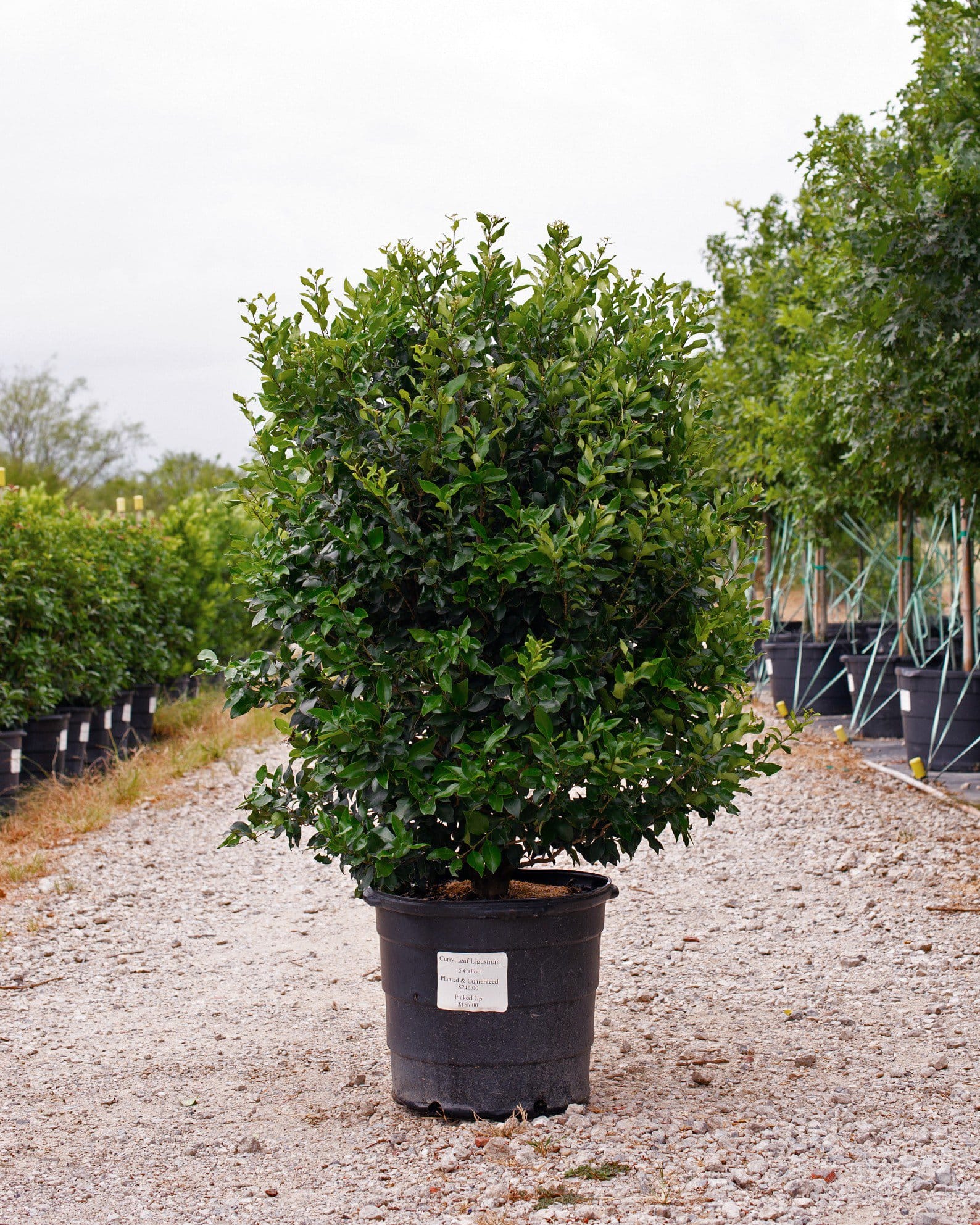
Curly Leaf Ligustrum
Ligustrum japonicum ‘Recurvifolium’Local DFW Delivery Only
Product Details
Curly Leaf Ligustrum
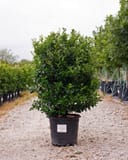
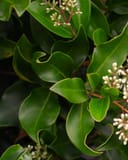
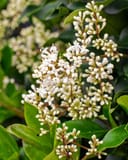
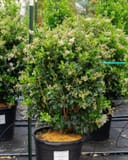
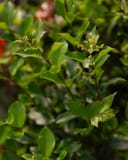
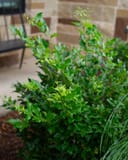
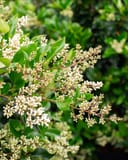
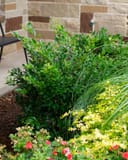
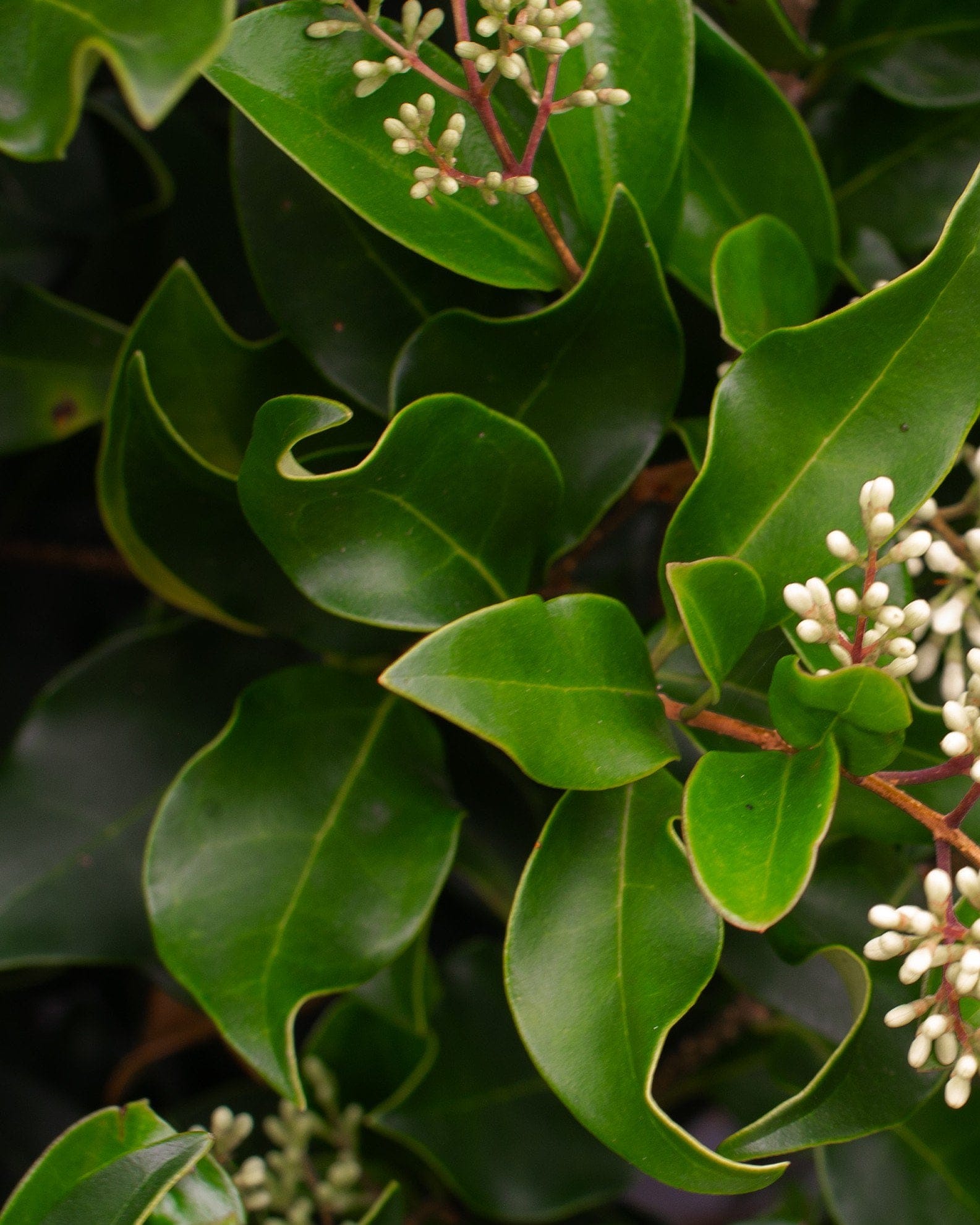
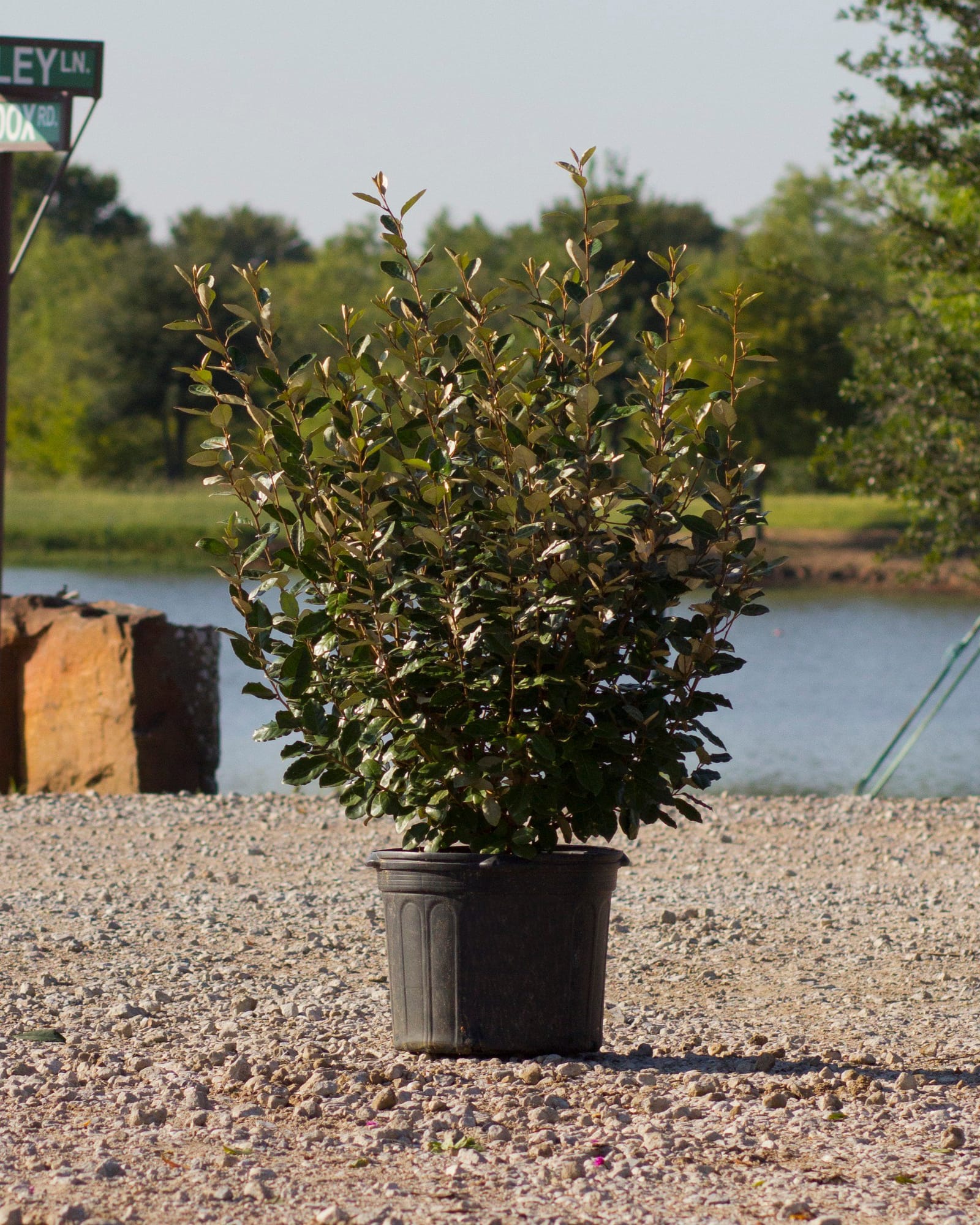
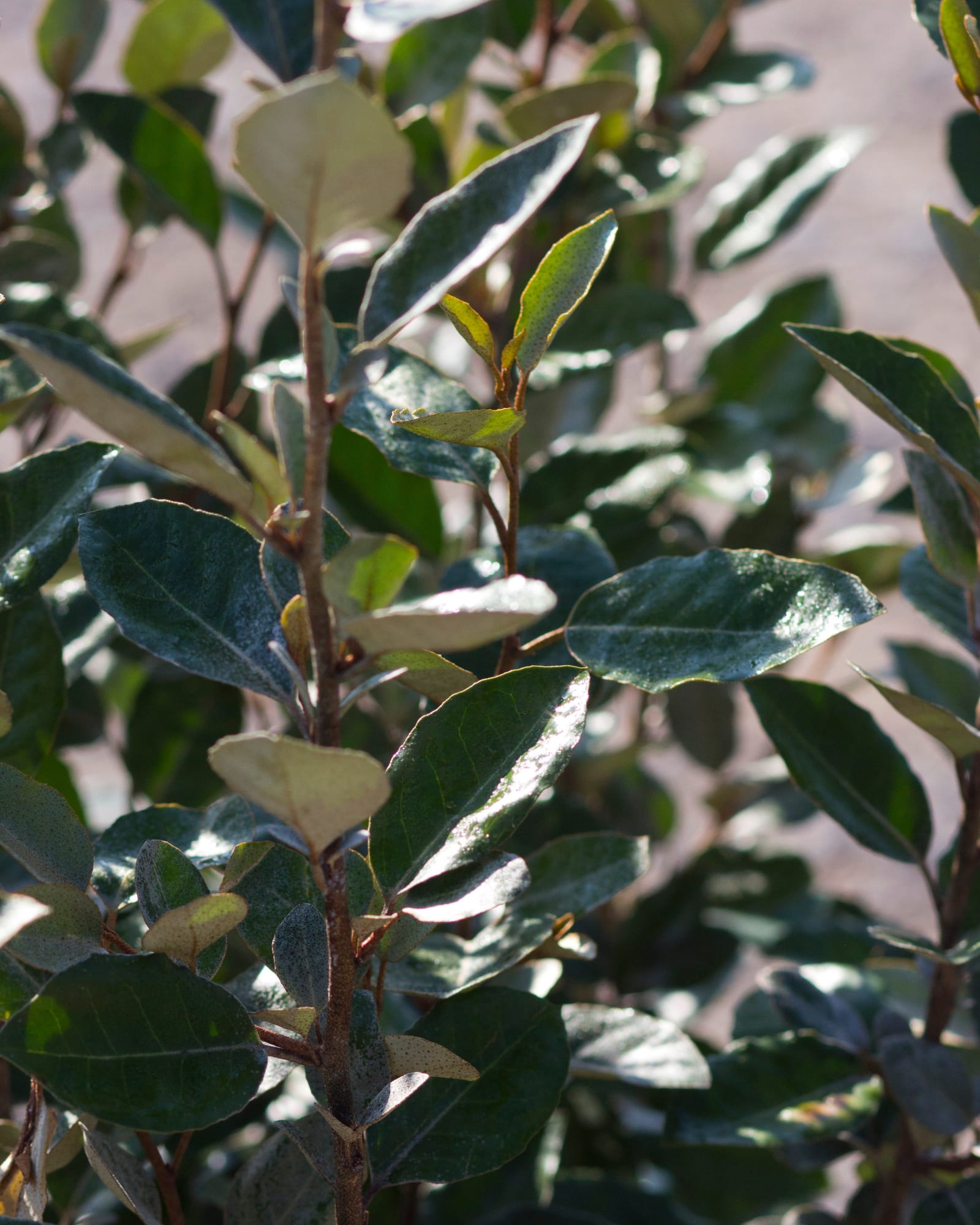
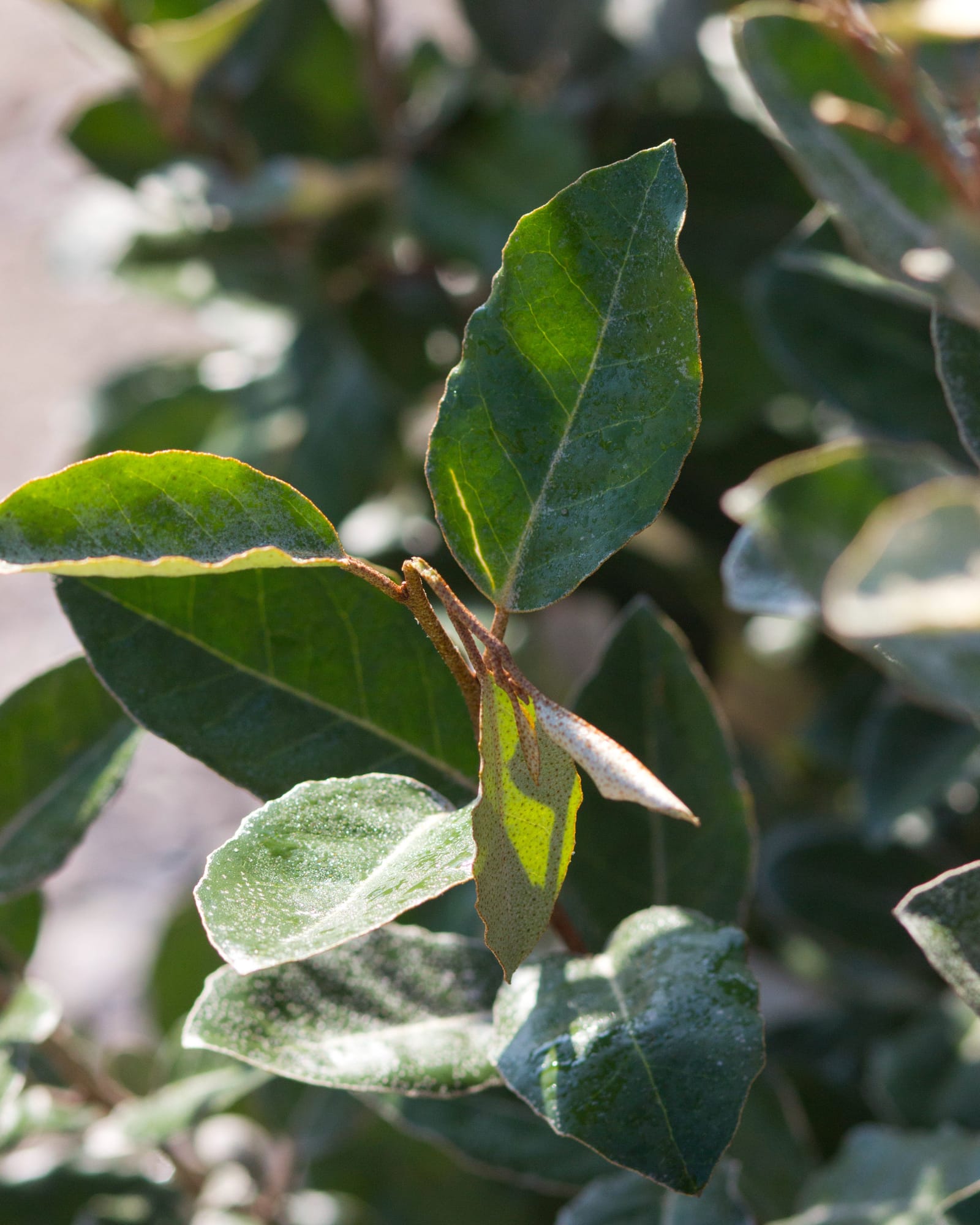
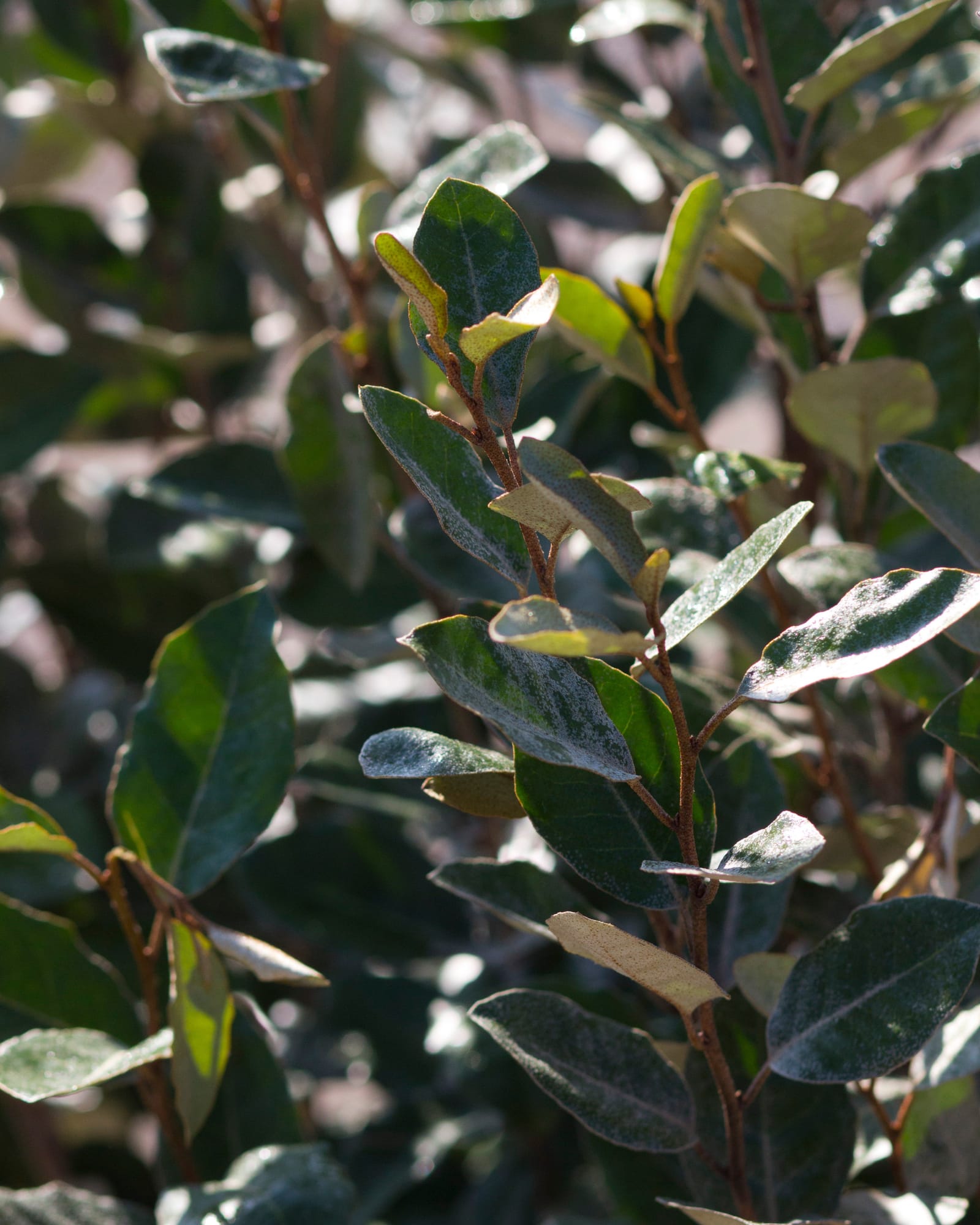
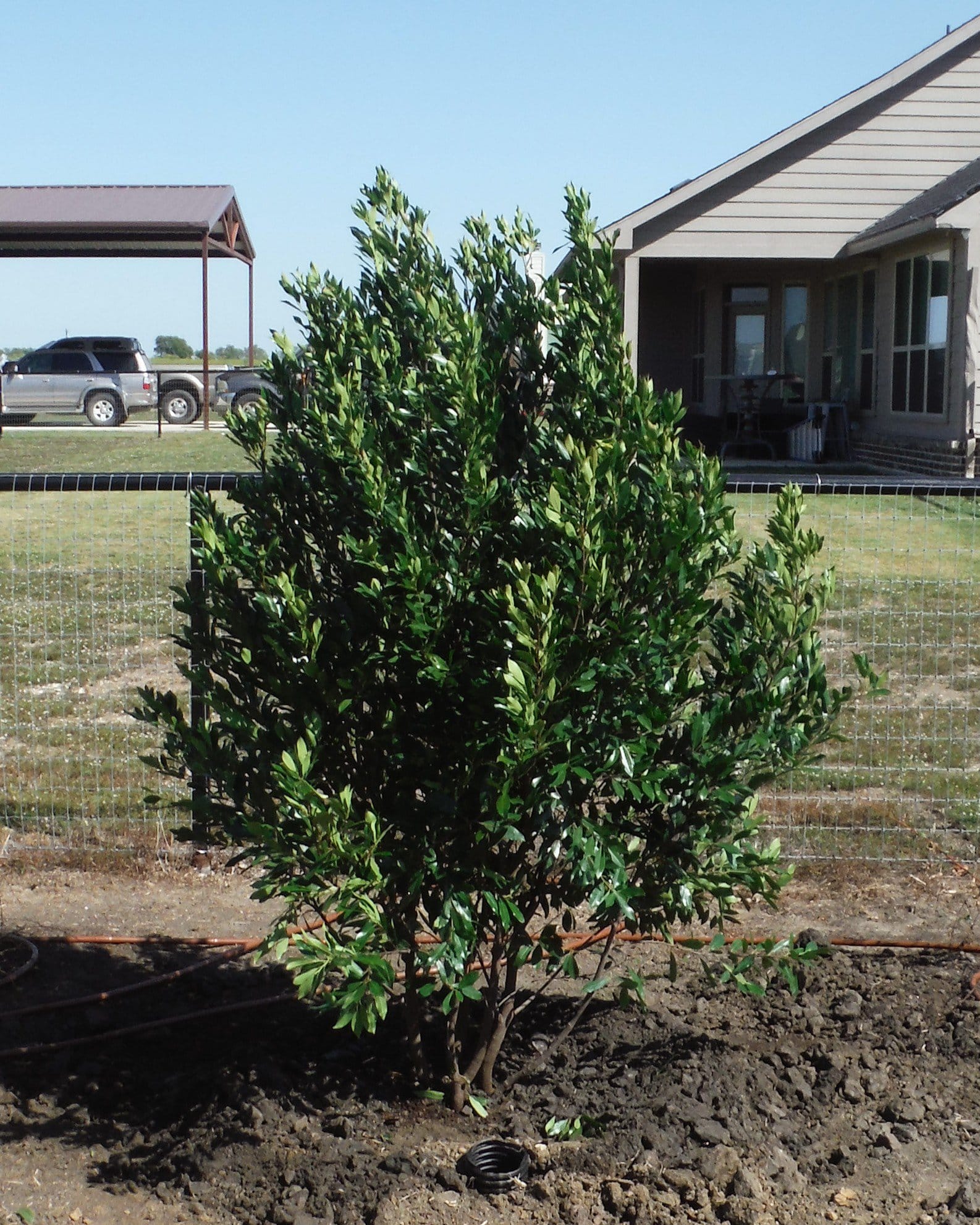
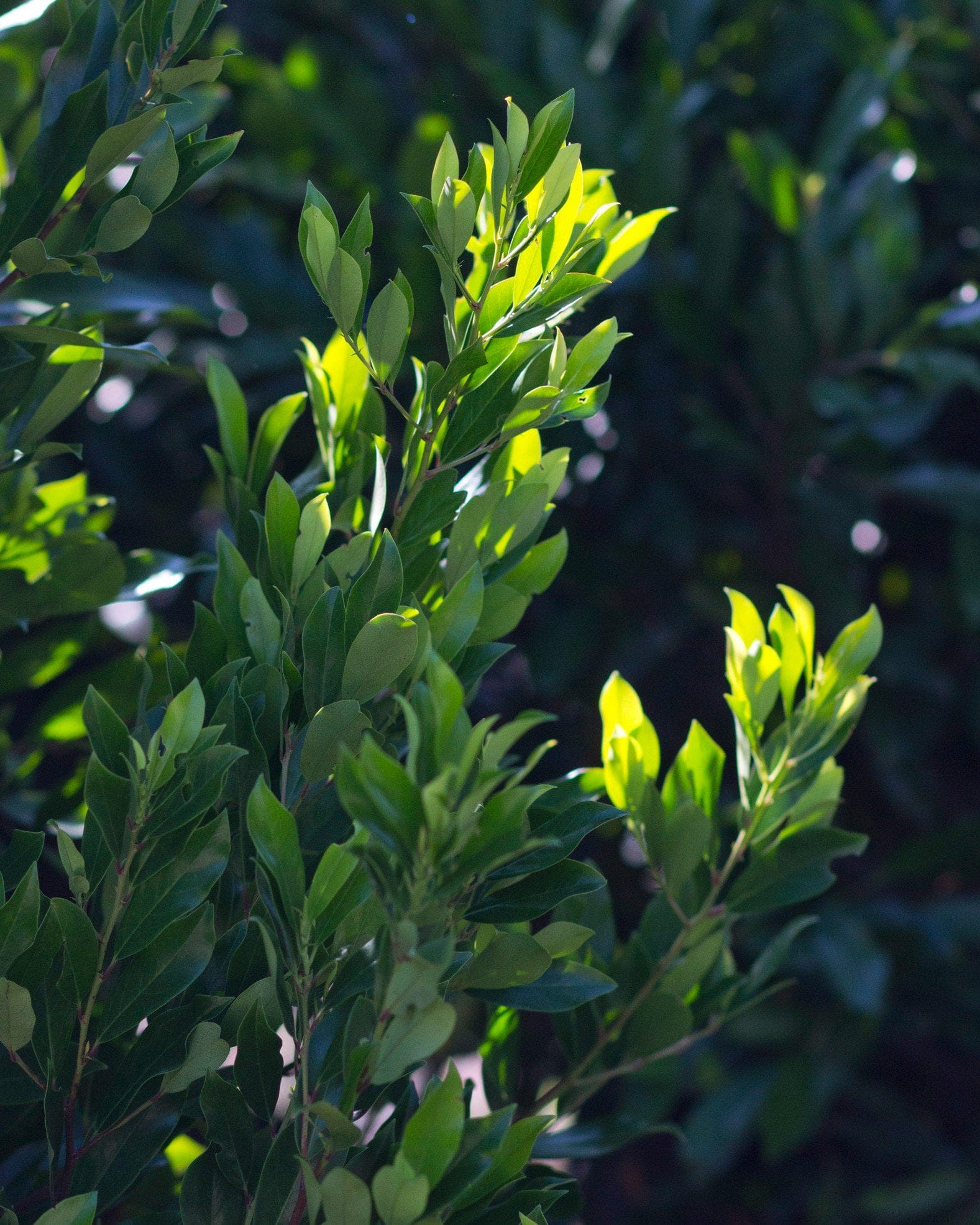
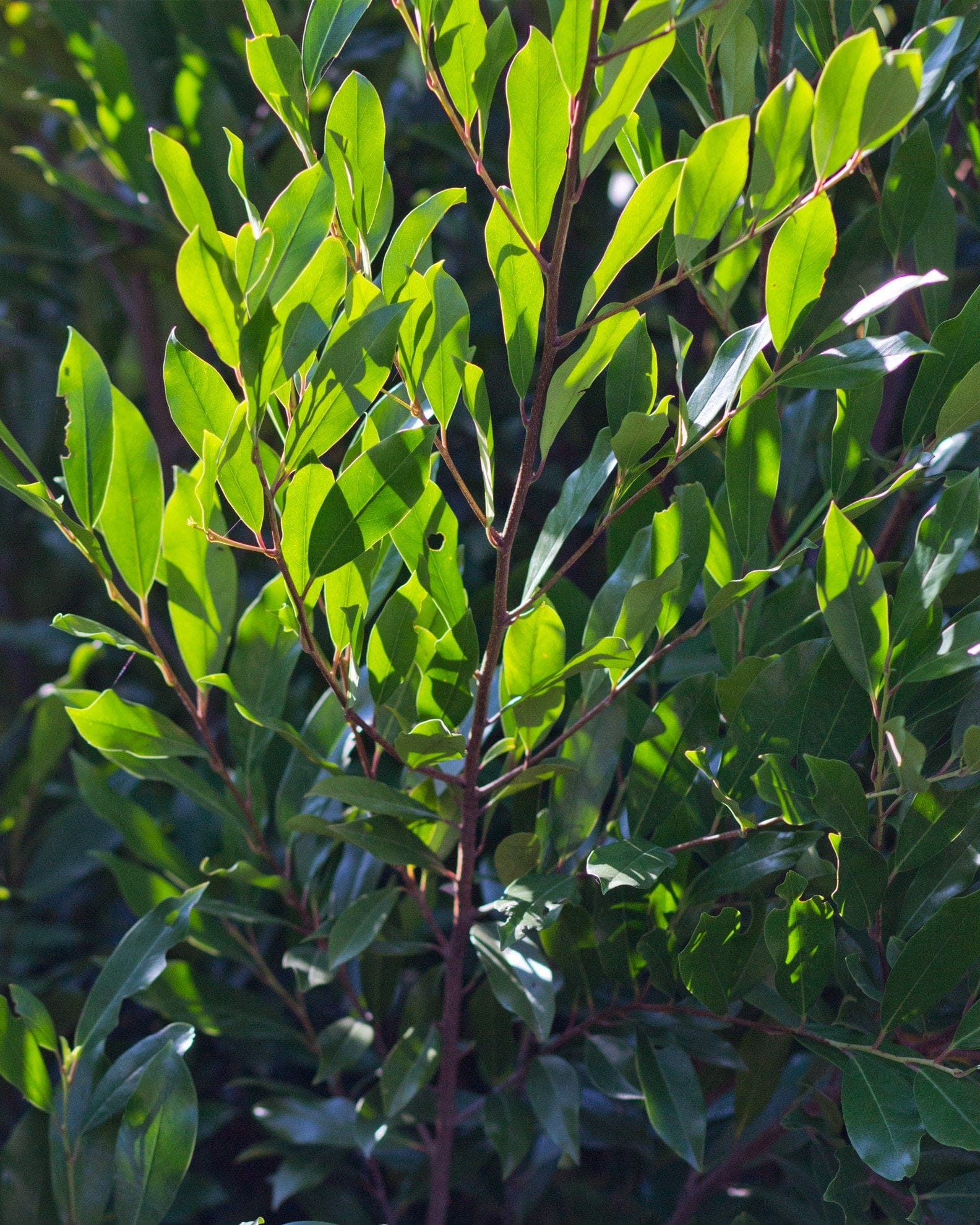
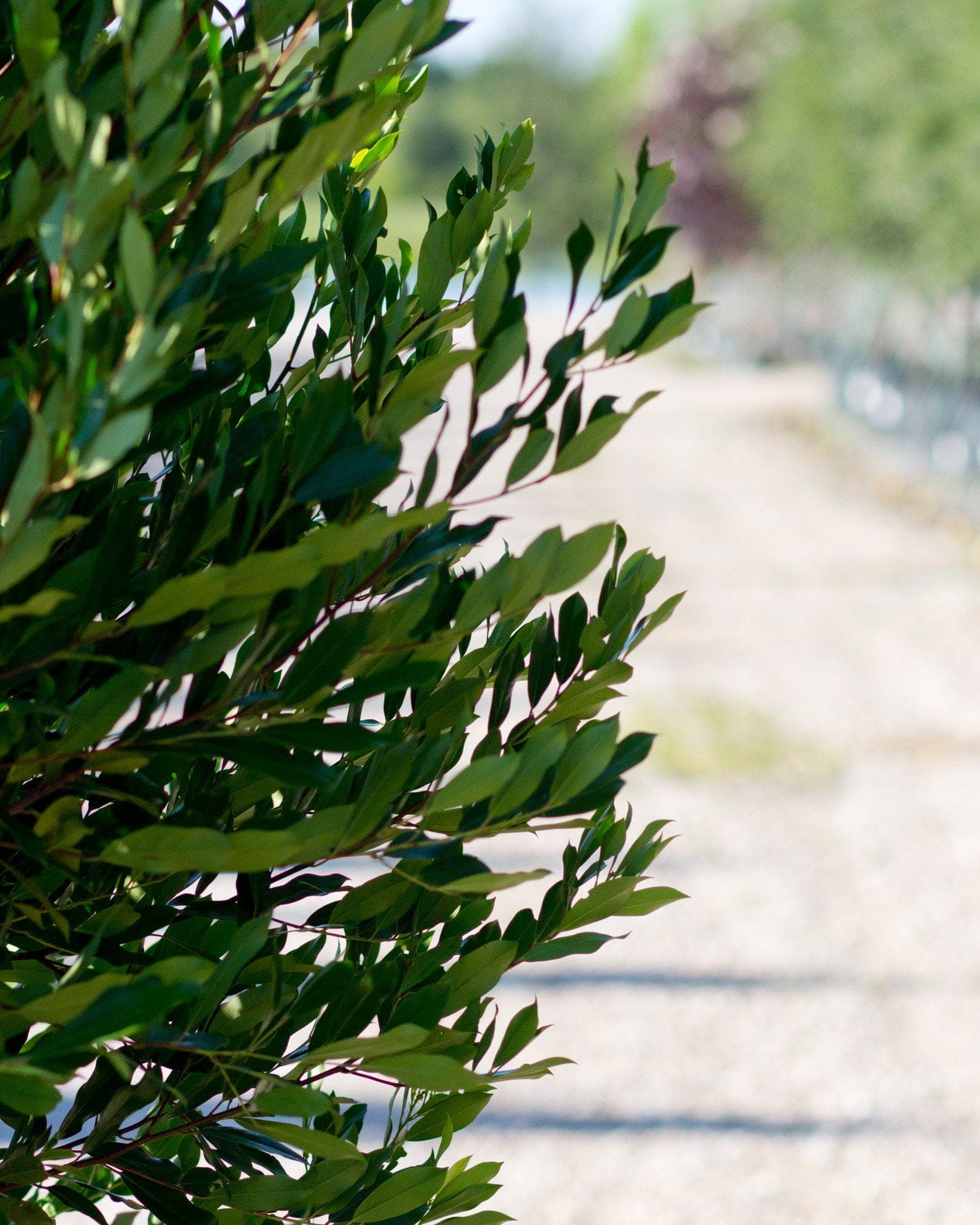
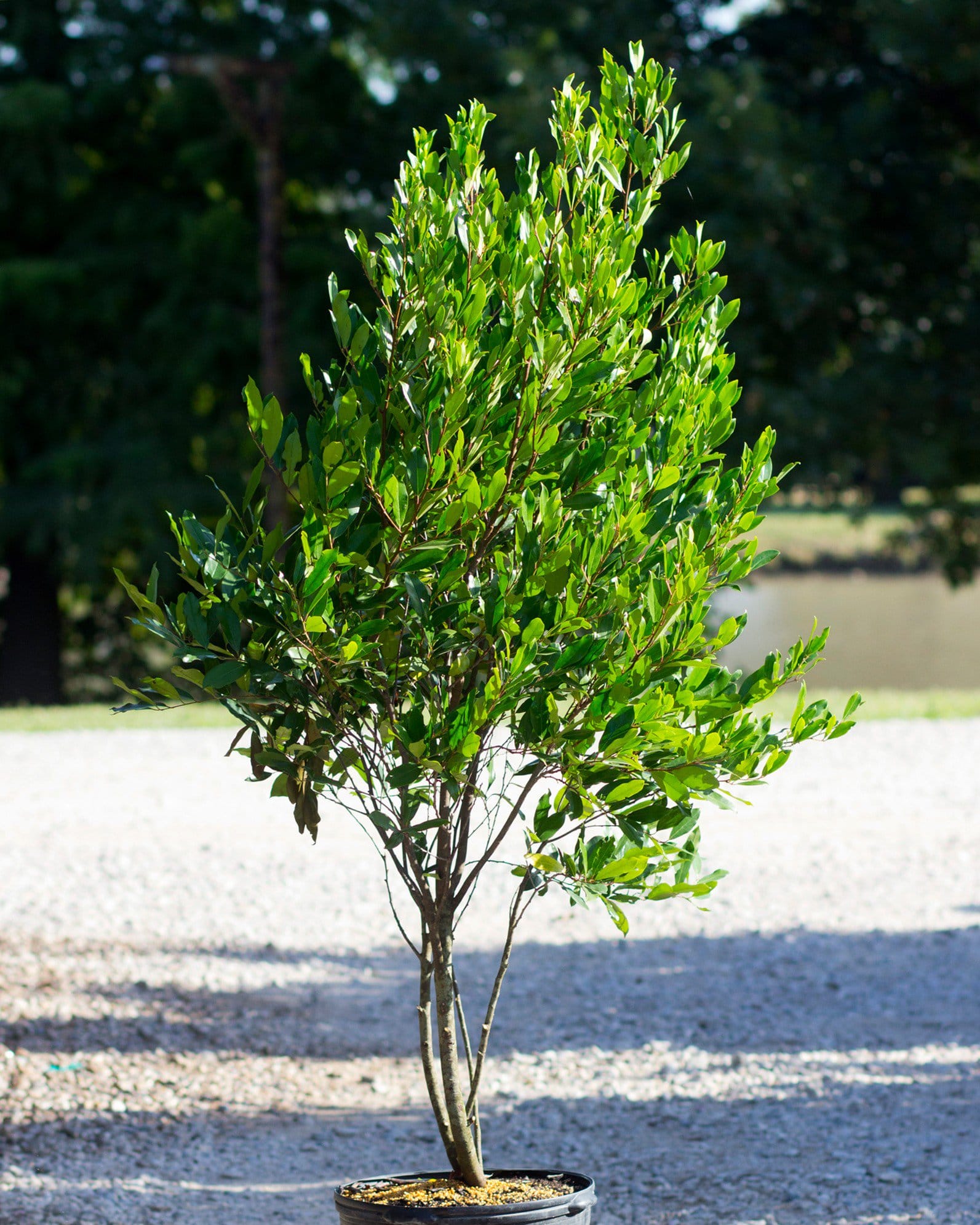
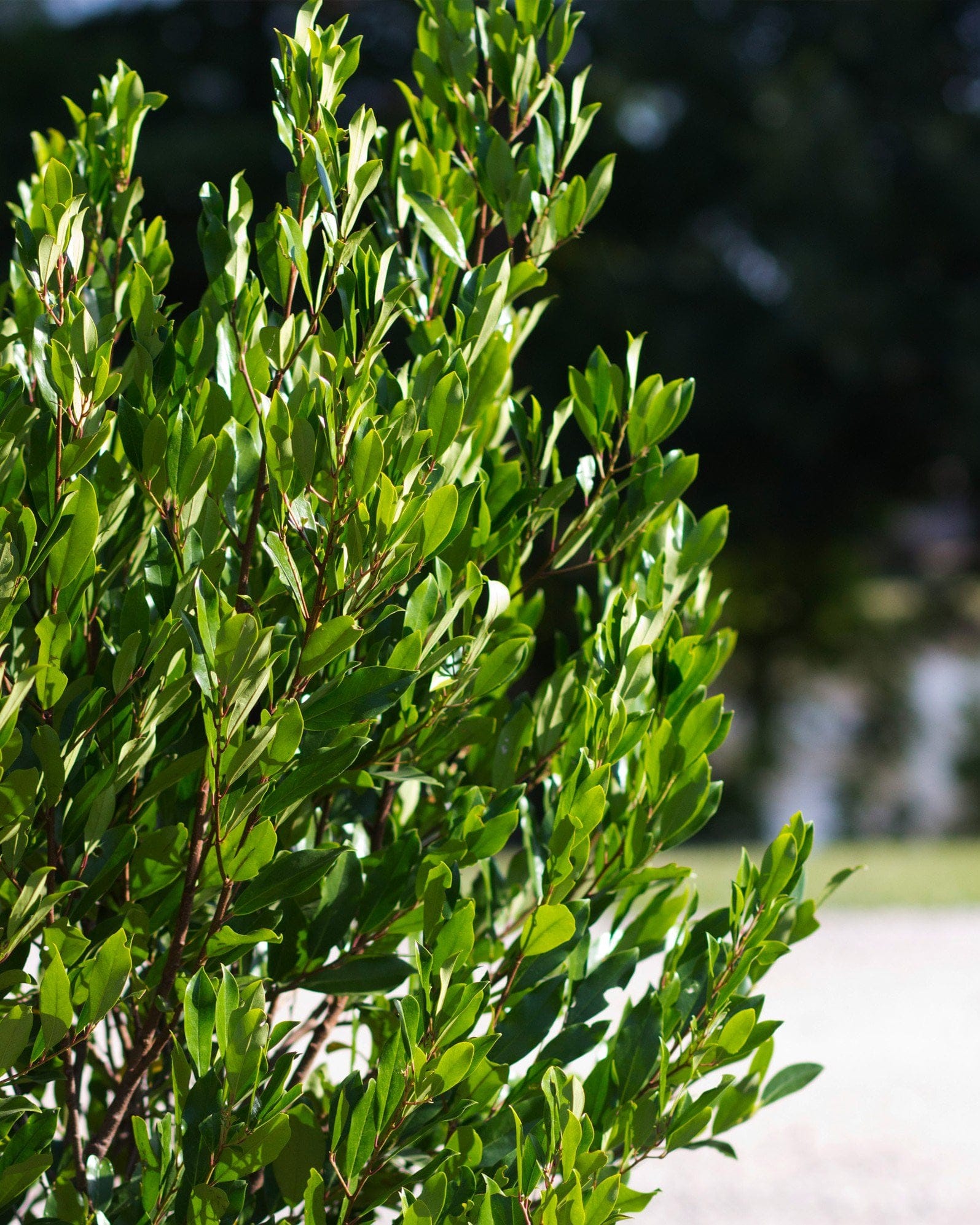
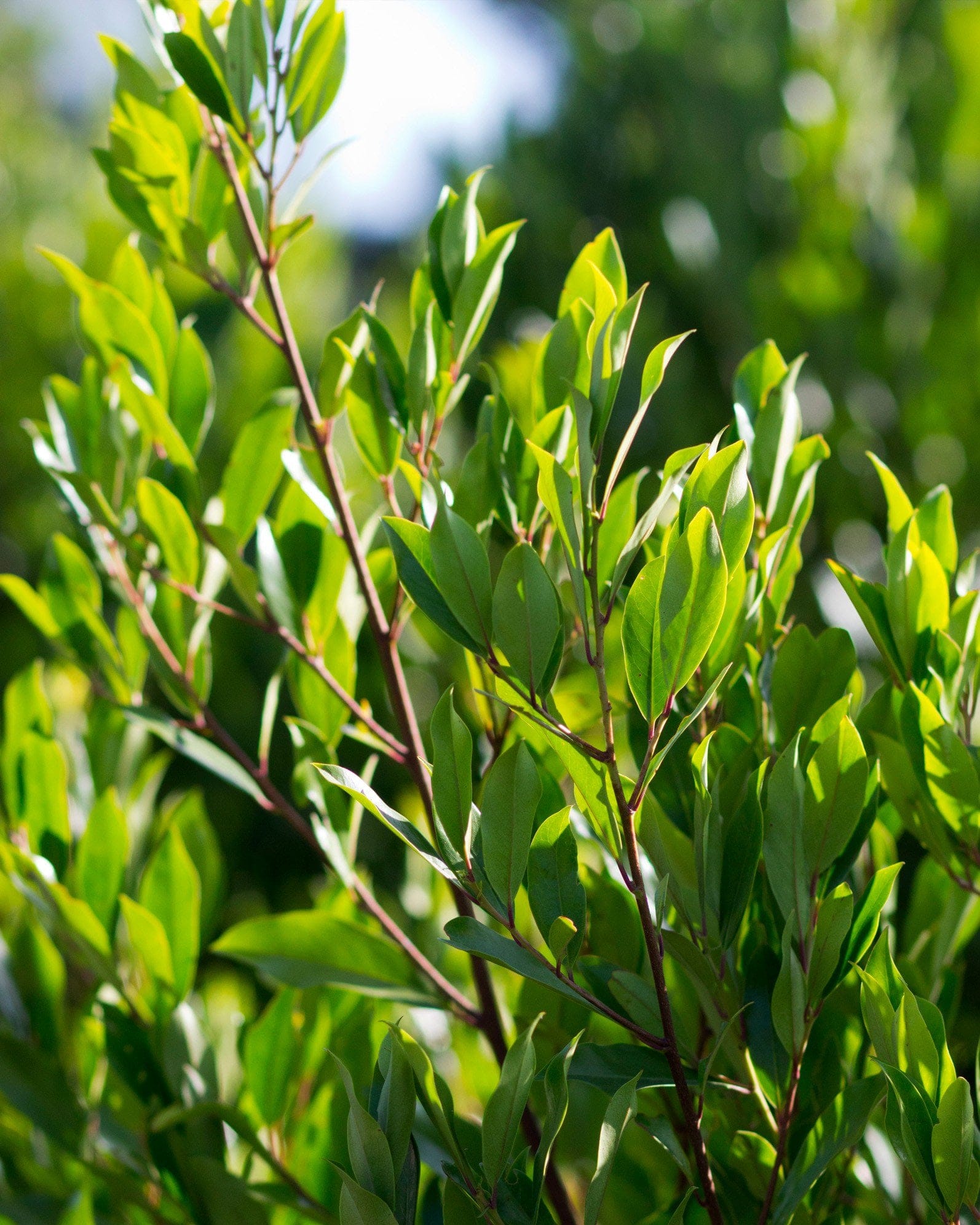
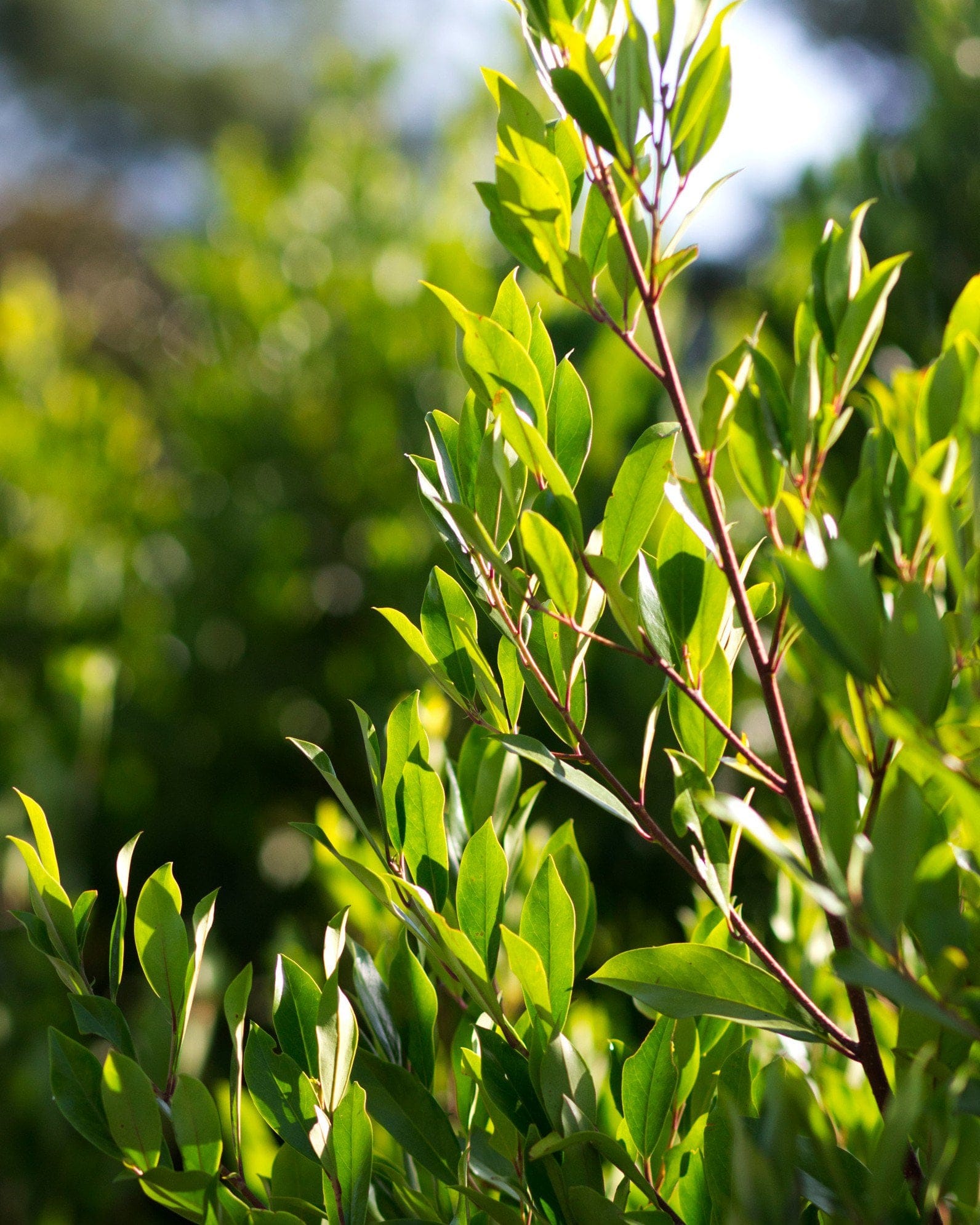
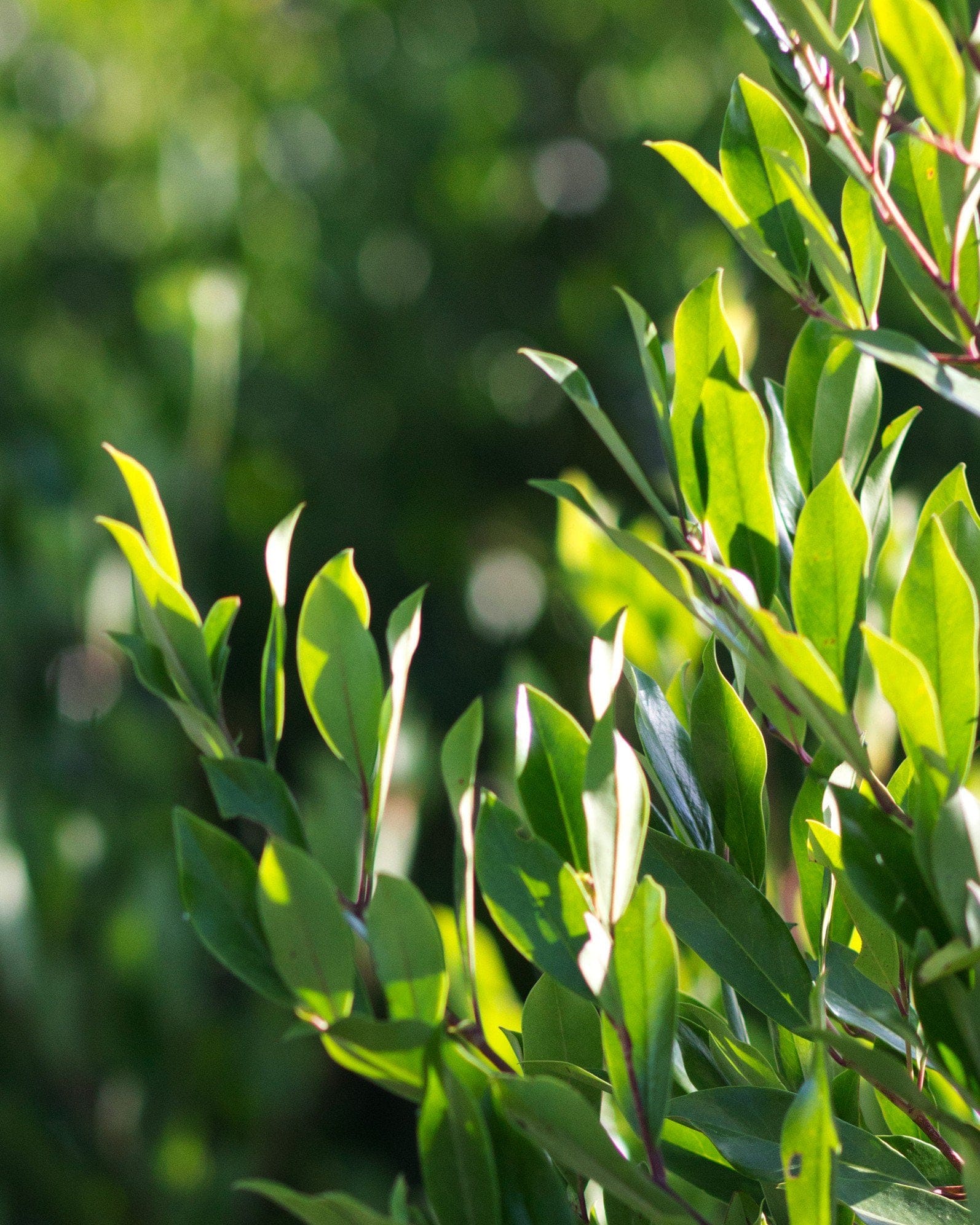
Ligustrum japonicum ‘Recurvifolium’Curly Leaf Ligustrum features dense evergreen foliage with a distinctive curled edge, giving it a bold and sculptural appearance. This shrub reaches to 8 feet tall and up to 6 feet wide at maturity, forming an upright oval shape. The dark green leaves are glossy and leathery, providing year-round structure and depth. In spring, clusters of white flowers may appear, adding seasonal interest, though it's mostly prized for its foliage. Its growth habit makes it ideal for layered plantings, hedging, or as a standalone specimen in commercial or residential beds.
- An evergreen shrub
- Deep green curled foliage
- Upright growth habit
- Fast growth rate
- Great for hedges, containers and borders
Curly Leaf Ligustrum prefers full sun to partial shade and well-drained soil. Hardy in USDA zones 7-10, it performs reliably in North Texas and provides long-term structure with minimal upkeep.
Curly Leaf Ligustrum is a perfect blend of bold looks and easy care. Here's how to ensure it grows strong and beautiful:
- Watering: Water regularly during the first growing season to establish a deep, extensive root system. Once mature, it’s drought-tolerant but benefits from deep watering every 7-10 days during prolonged dry spells. Avoid letting it sit in soggy soil, as this can lead to root issues.
- Pruning: Trim lightly in early spring before new growth begins, or right after its flowering period if you want to shape it. It responds beautifully to pruning - whether you’re maintaining a neat hedge or sculpting a topiary moment. Don’t over-prune in late fall, though, as new tender growth can be nipped by winter cold.
- Fertilizing: Feed with a slow-release, balanced fertilizer (10-10-10 or similar) in early spring, and again mid-summer if needed. Over-fertilizing encourages excessive soft growth, which can invite pests, so a light hand works best.
- Mulching: Keep a 2-3 inch layer of organic mulch (bark, pine straw, or compost) around the base to conserve moisture and suppress weeds. Keep mulch a few inches away from the trunk to avoid rot.
Common Issues and How to Take Care of Them
Overall, Curly Leaf Ligustrum is a resilient plant - pest-resistant, adaptable, and easygoing. But here’s what to look out for:
- Scale Insects: These can appear as small bumps on stems and leaves. Treat with horticultural oil or insecticidal soap.
- Sooty Mold: A black, powdery film often following a pest infestation. Once pests are controlled, the mold will naturally fade.
- Root Rot: Caused by poor drainage or overwatering. Always plant in well-draining soil and avoid waterlogged conditions.
- Leaf Drop: Sometimes caused by transplant shock or abrupt temperature changes. Regular watering and mulch can help stabilize moisture levels.
- Powdery Mildew: Rare but possible in humid or shaded areas. Prune for airflow and water early in the day to let leaves dry out.
- Weevils: Japanese and ligustrum weevils are common, feeding on leaves by chewing notches or oblong holes. Vine weevils are also a problem, with adults damaging leaves and larvae damaging roots.
Good drainage, consistent watering, and a yearly trim will keep Curly Leaf Ligustrum lush, glossy, and trouble-free.
It’s a pretty slow grower, typically adding 3-4 inches per year once established. With this speed, it reaches maturity in about 10 to 20 years.
Since Curly Leaf Ligustrum is generally tolerant of different soils as long as it has good drainage and can even tolerate salt, a great place to plant it is a beachside location or near roads that get salted in winter.
Best planted in early spring or fall when the weather is mild, giving roots time to establish before temperature extremes.
Once or twice a year is plenty. Prune lightly to shape or encourage fullness; heavy cuts aren’t necessary.
Yes, clusters of small white flowers bloom in late spring to early summer, followed by dark berries that attract birds.
Yes, once established. It’s great for low-water landscapes or Southern gardens with hot summers.
Absolutely! That’s its signature look. The dense foliage and upright growth make it perfect for formal hedges, screens, or property borders.
Pollinators enjoy the spring flowers, and birds are drawn to the berries. However, it’s not a magnet for pests or deer.
Yes! It adapts well to pots, especially when pruned into a statement topiary or kept small for patios and entryways.
While some Ligustrum species can be aggressive spreaders, ‘Recurvifolium’ is typically well-behaved when maintained and pruned. Just remove spent berries if you want to prevent reseeding.
Special Features
You might also like
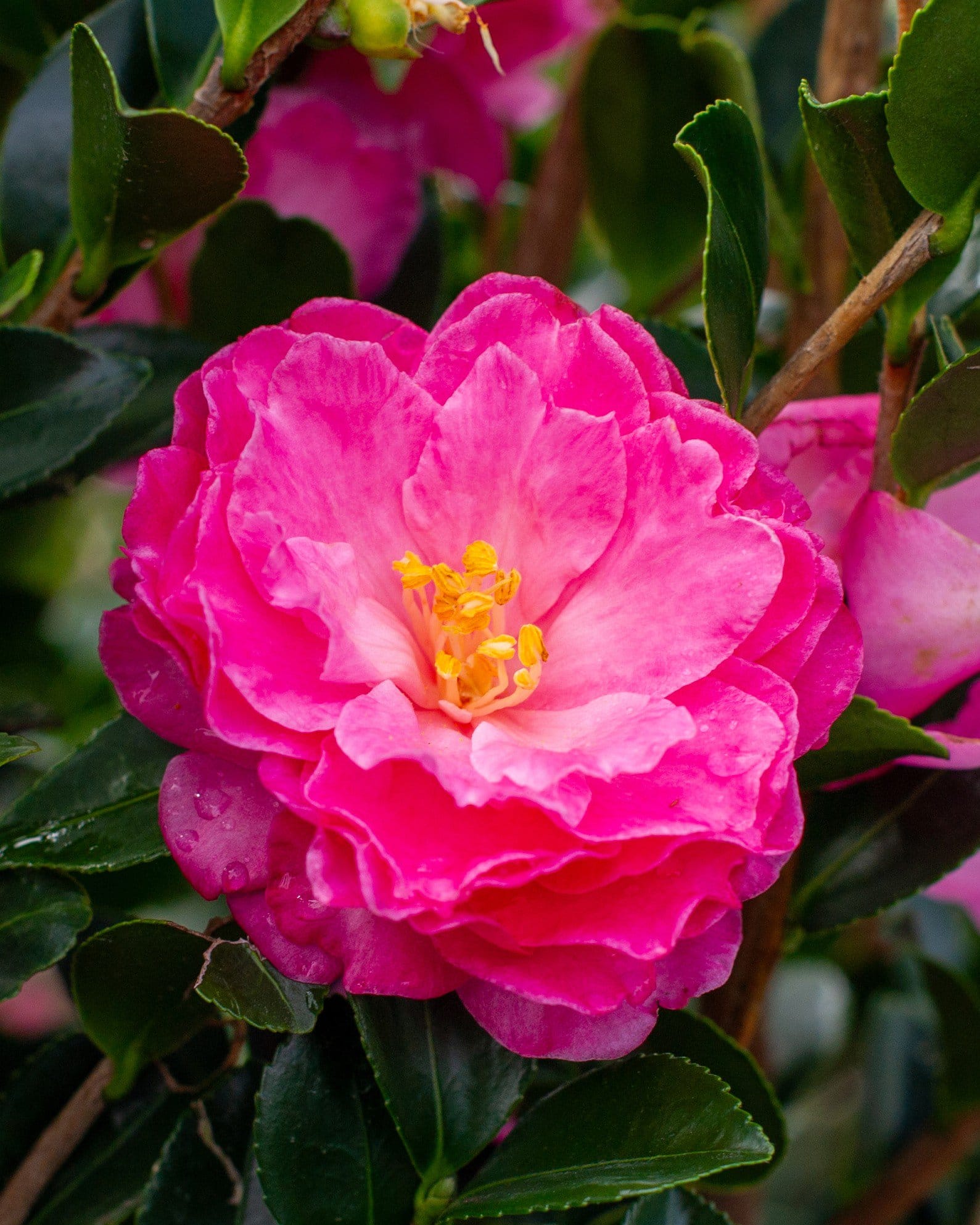
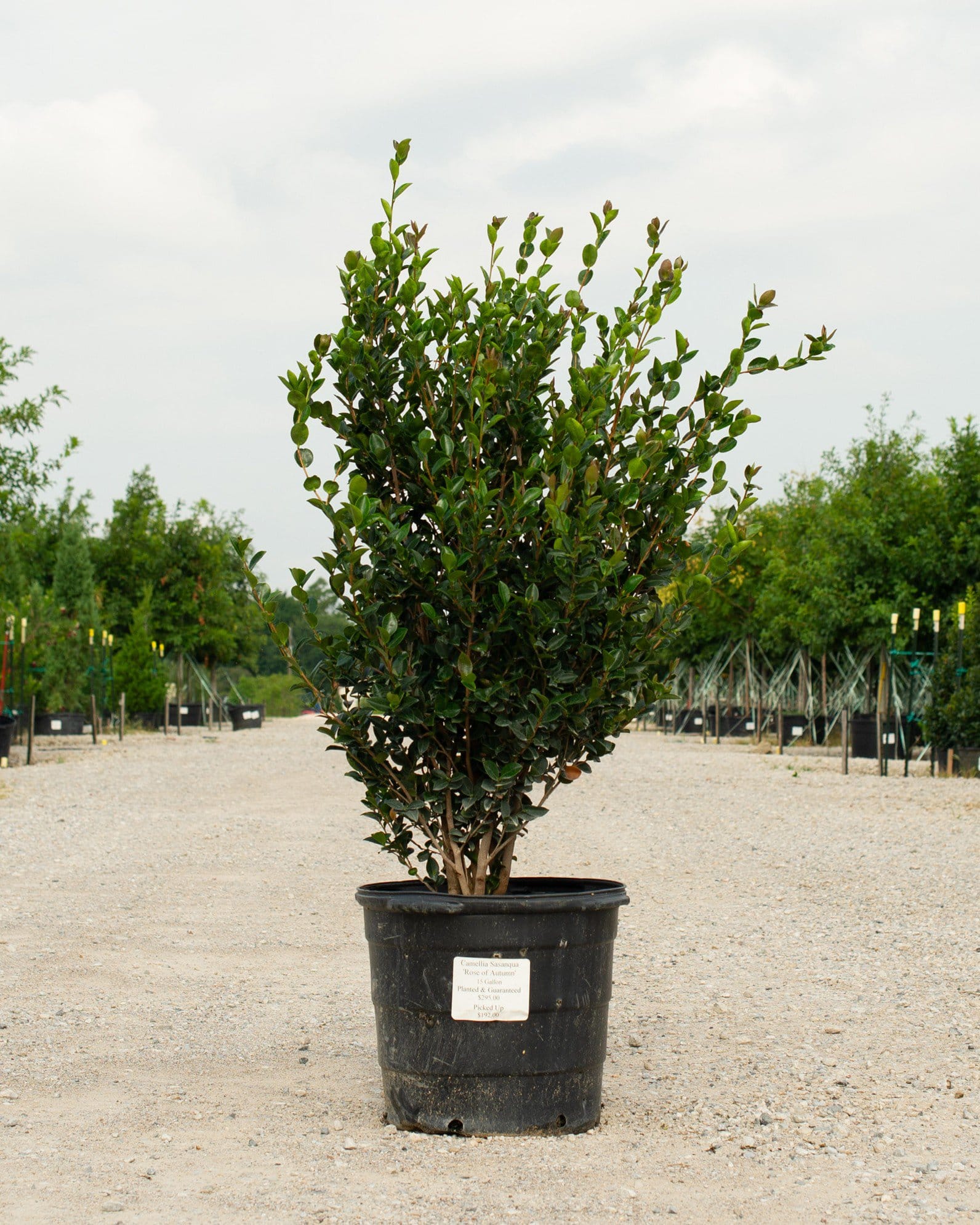
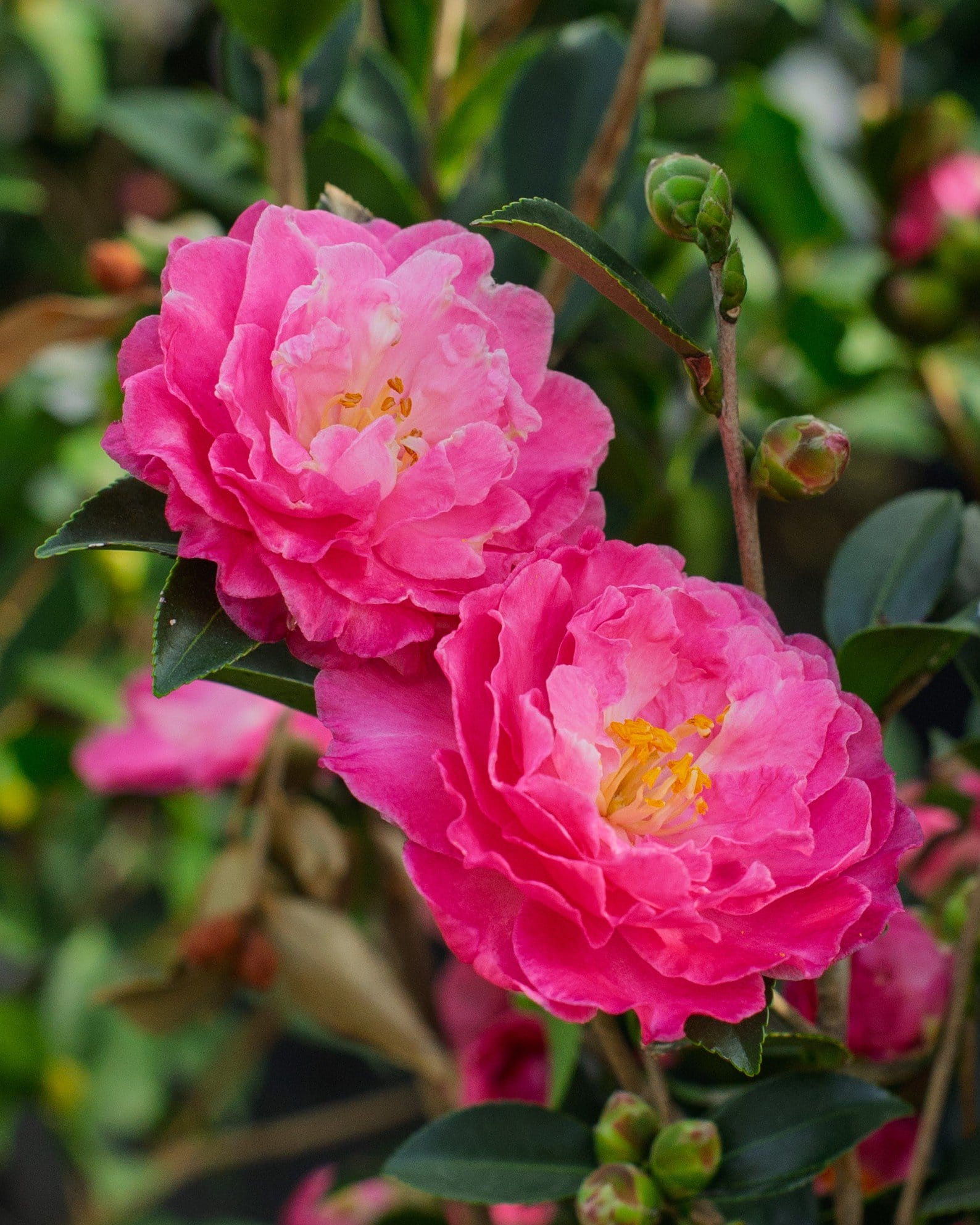
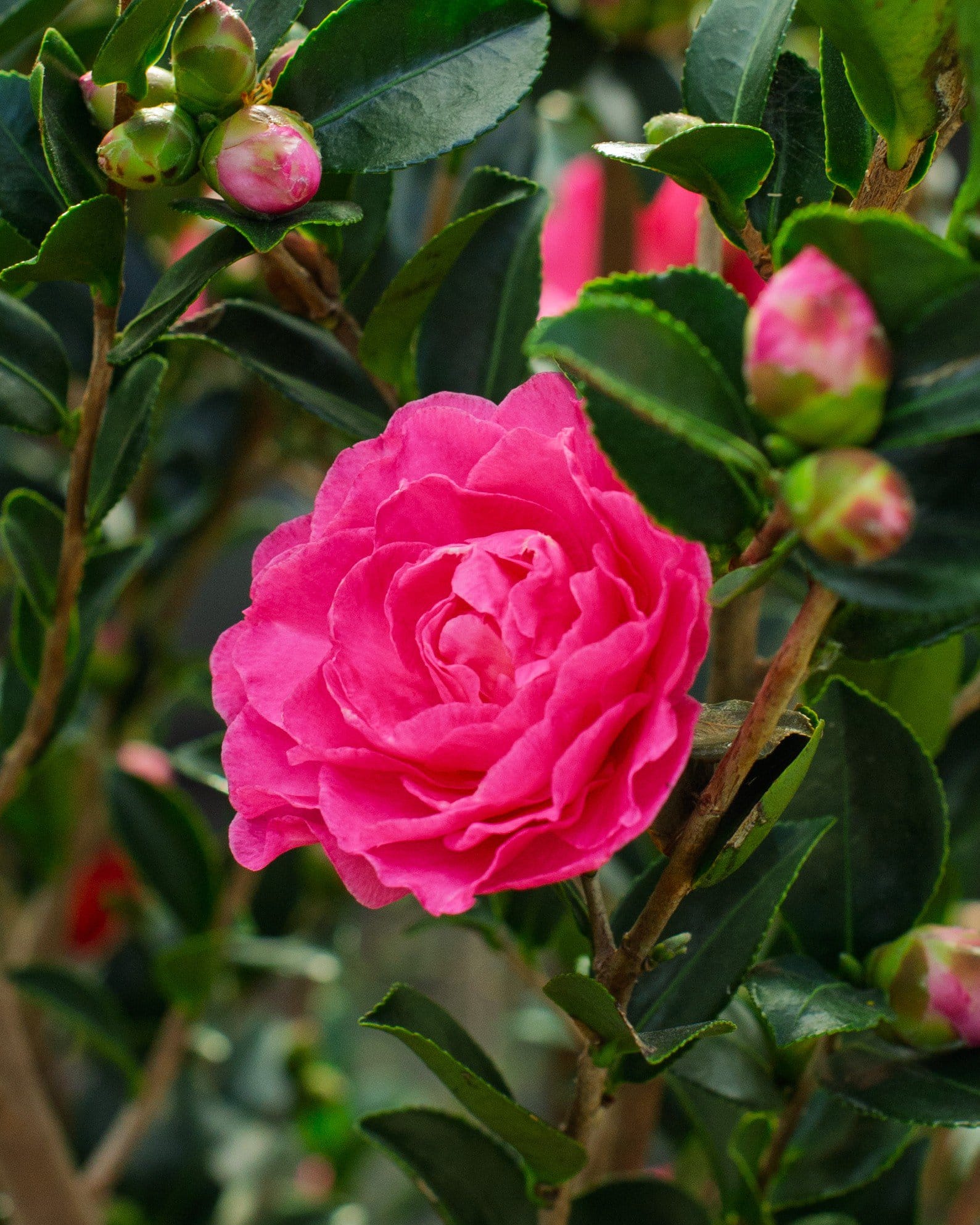
Rose of Autumn Camellia
Maturity: 8' H x 5' W
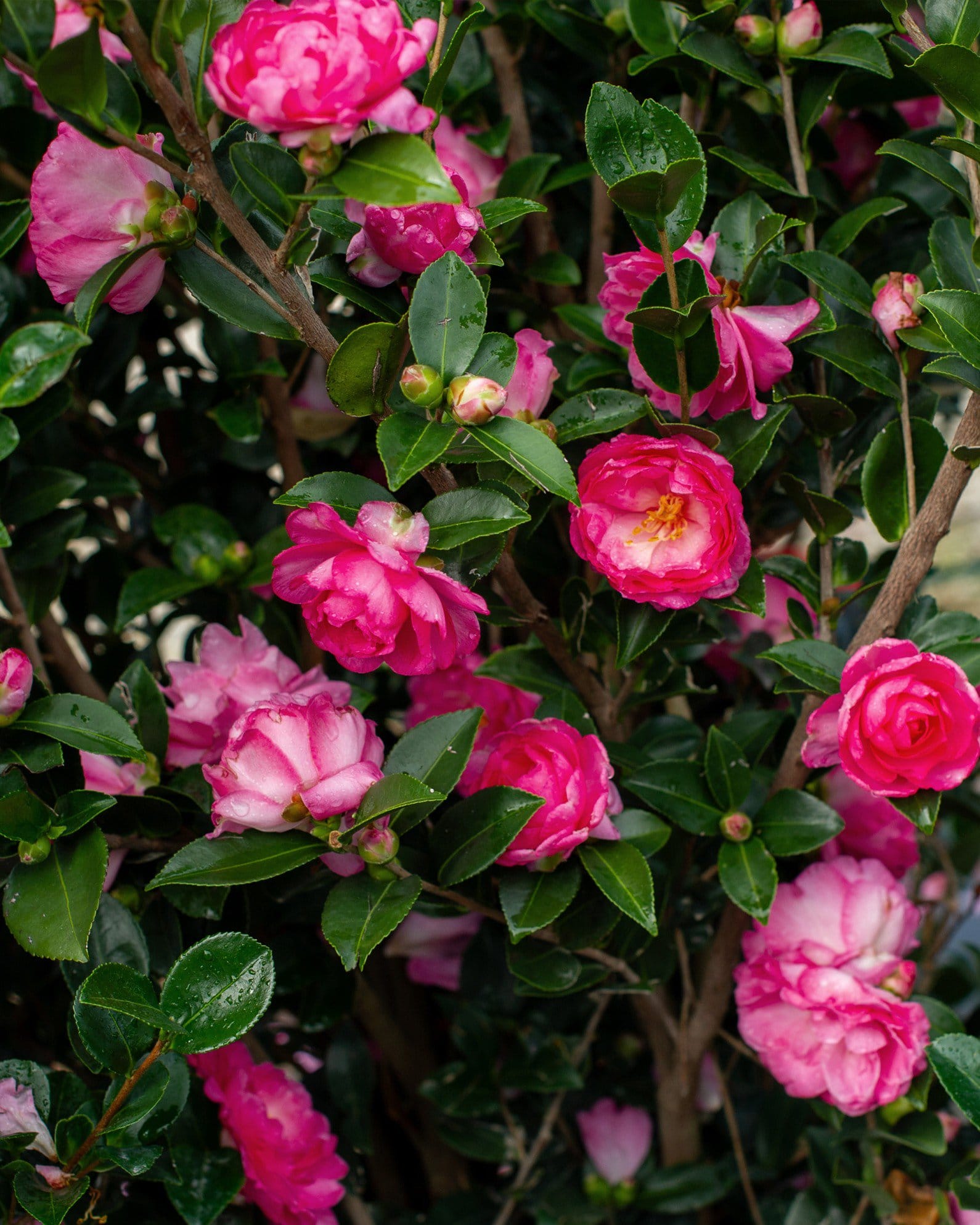
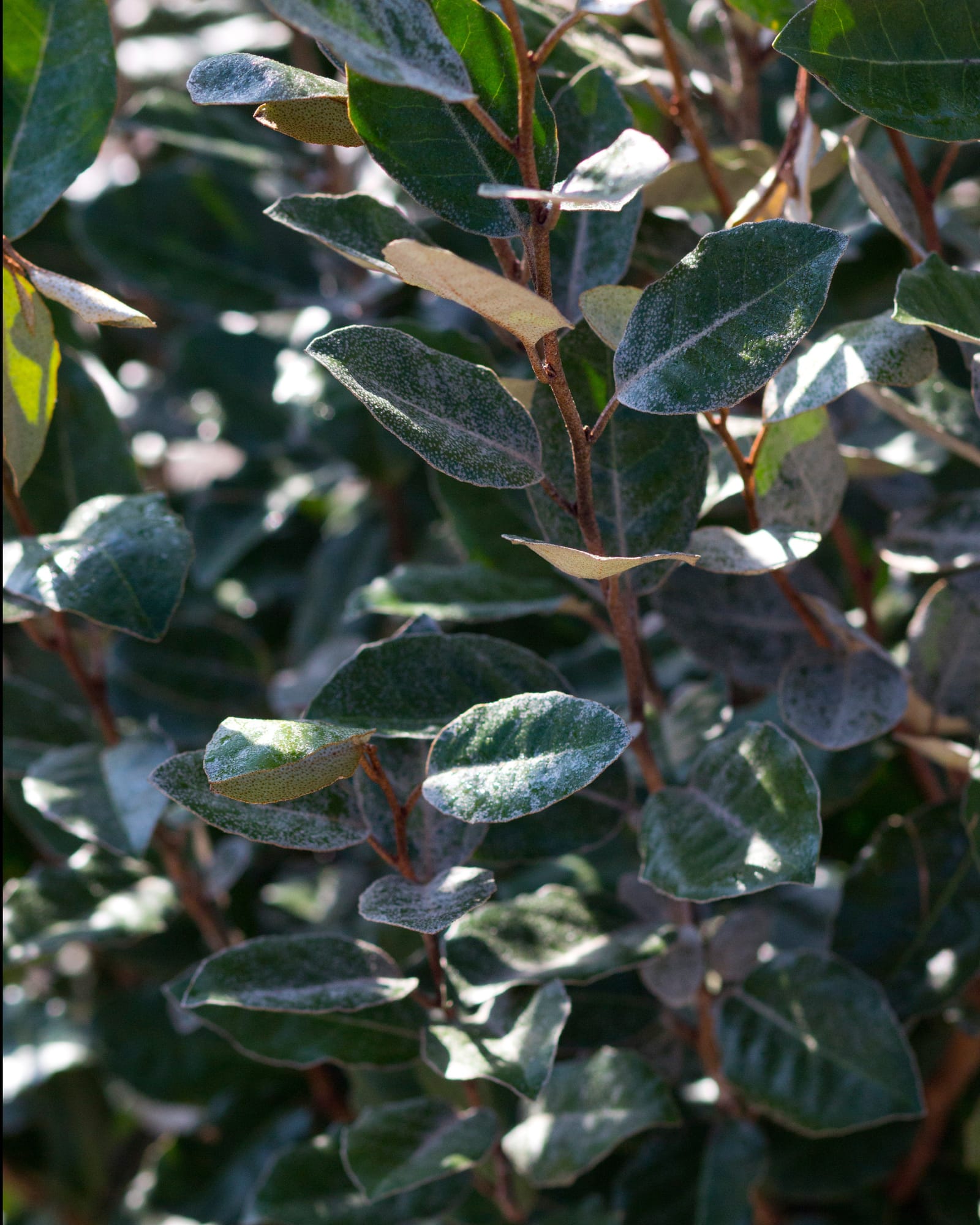
Elaeagnus
Maturity: 10' H x 10' W
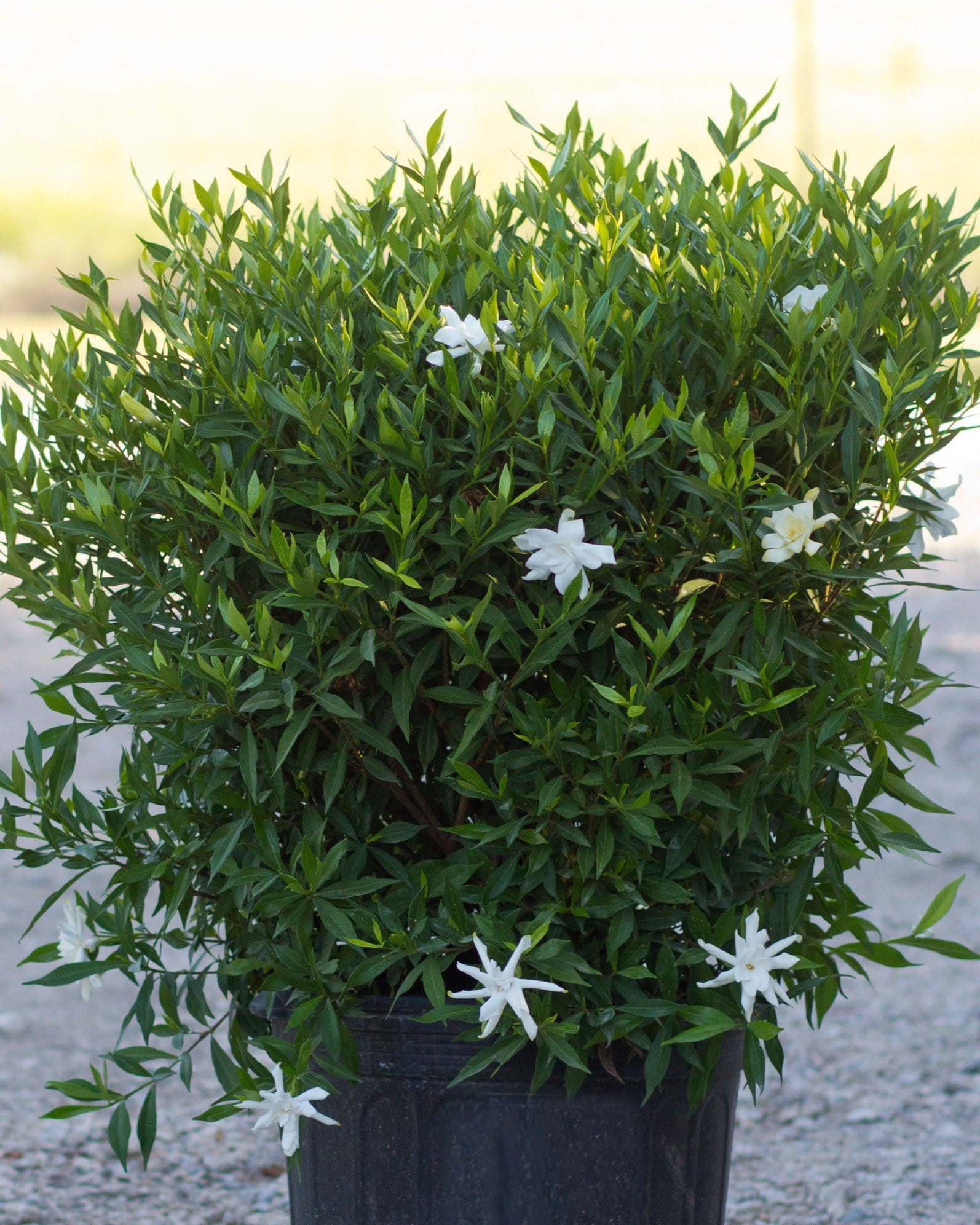
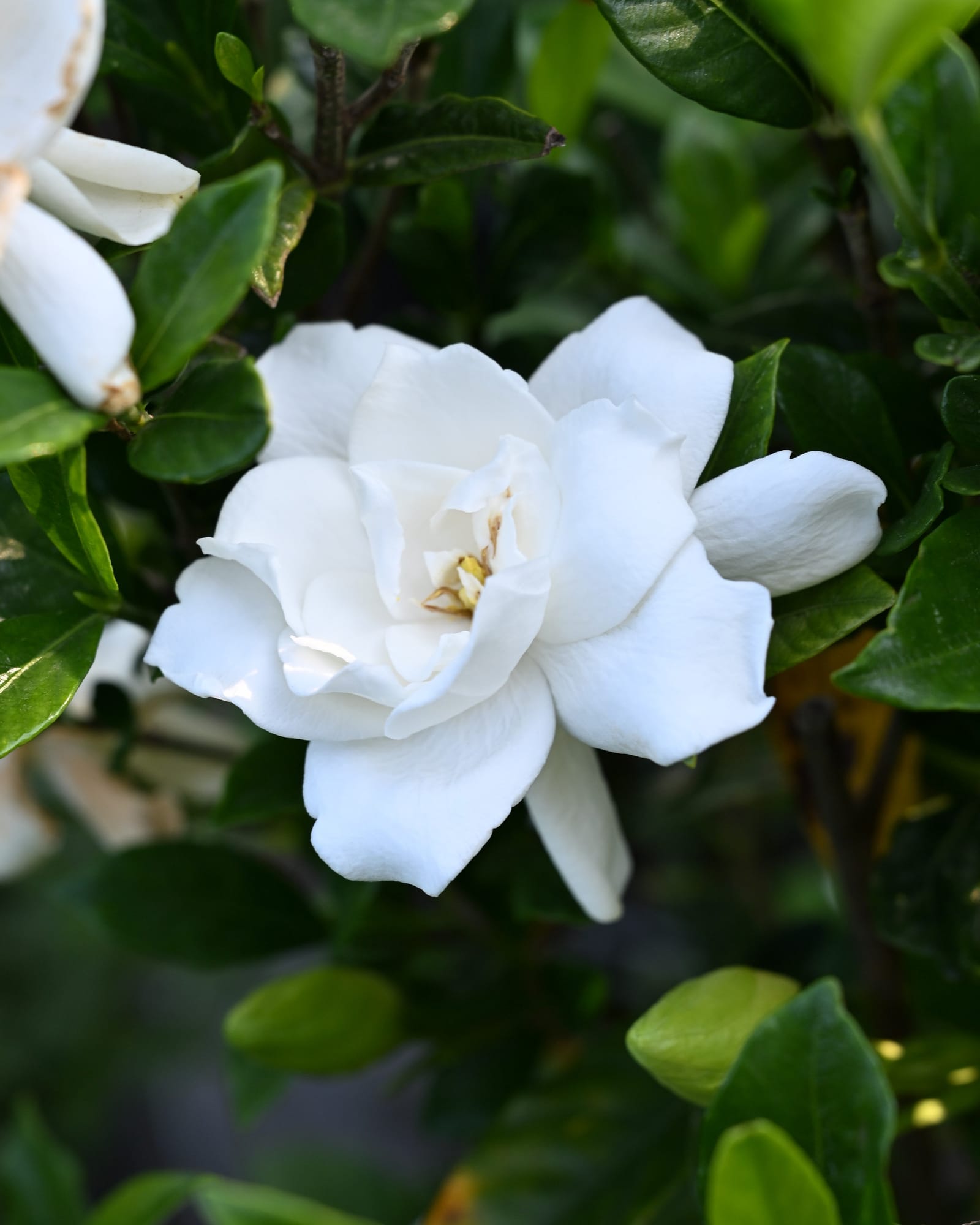
Frost Proof Gardenia
Maturity: 3' H x 3' W
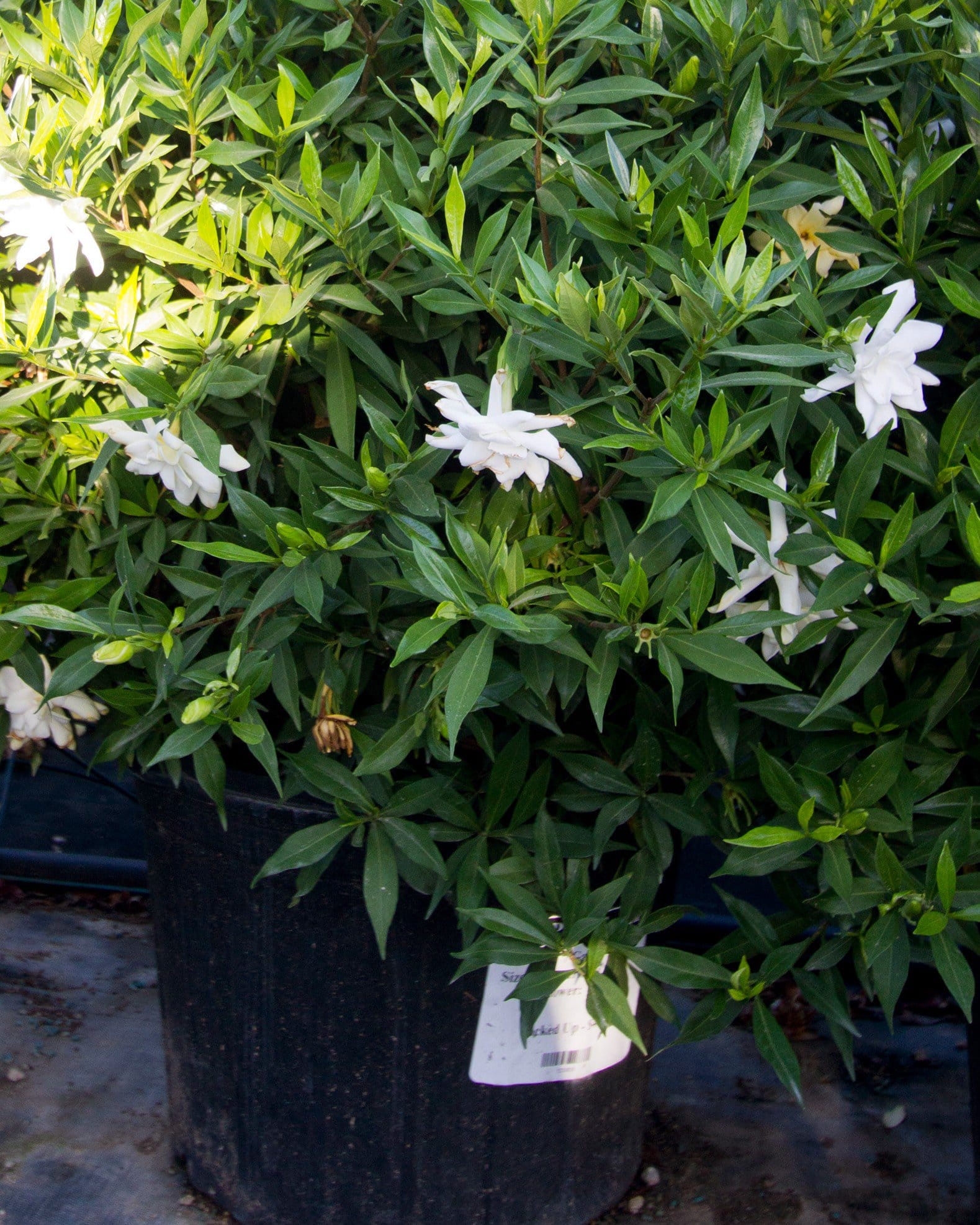
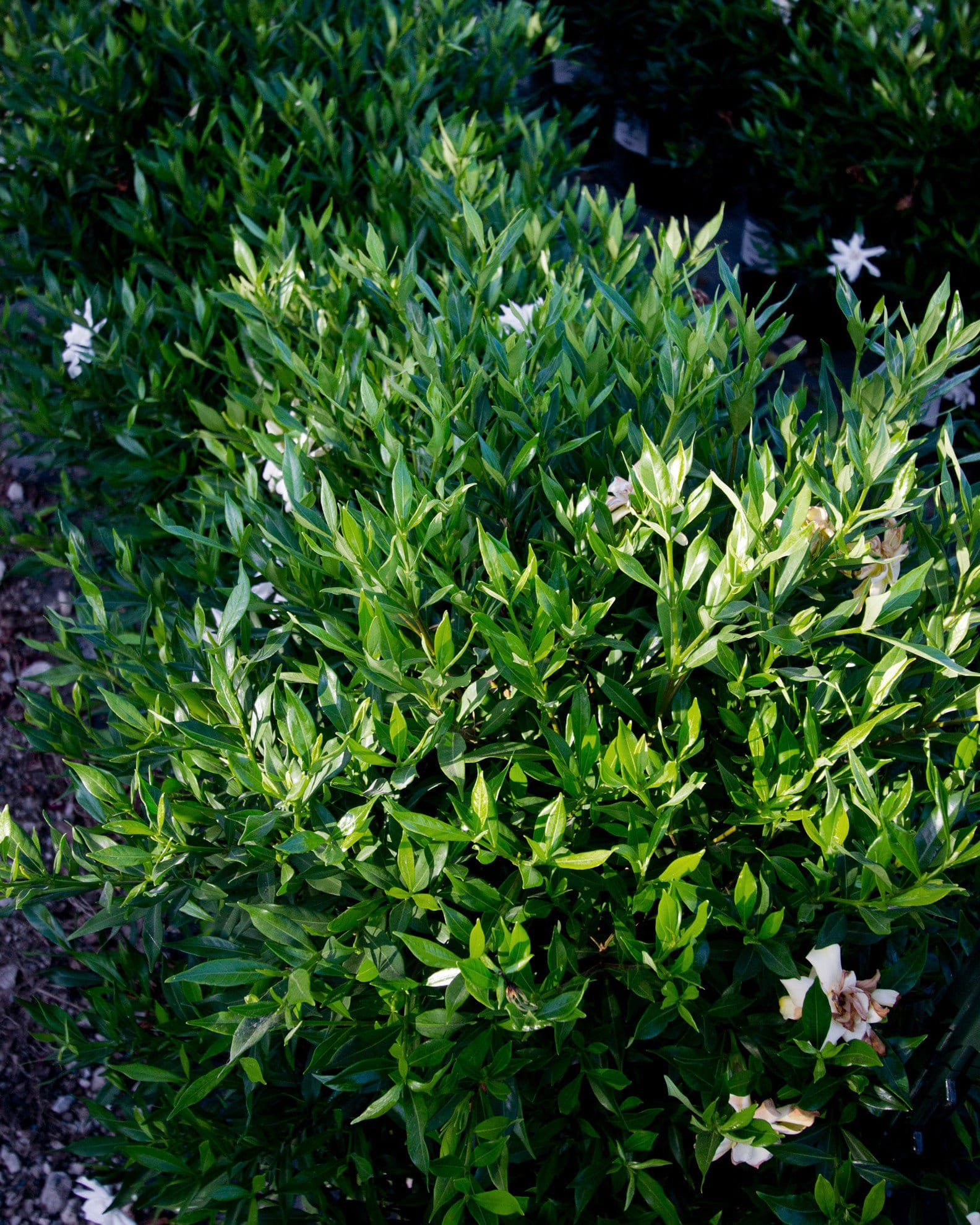
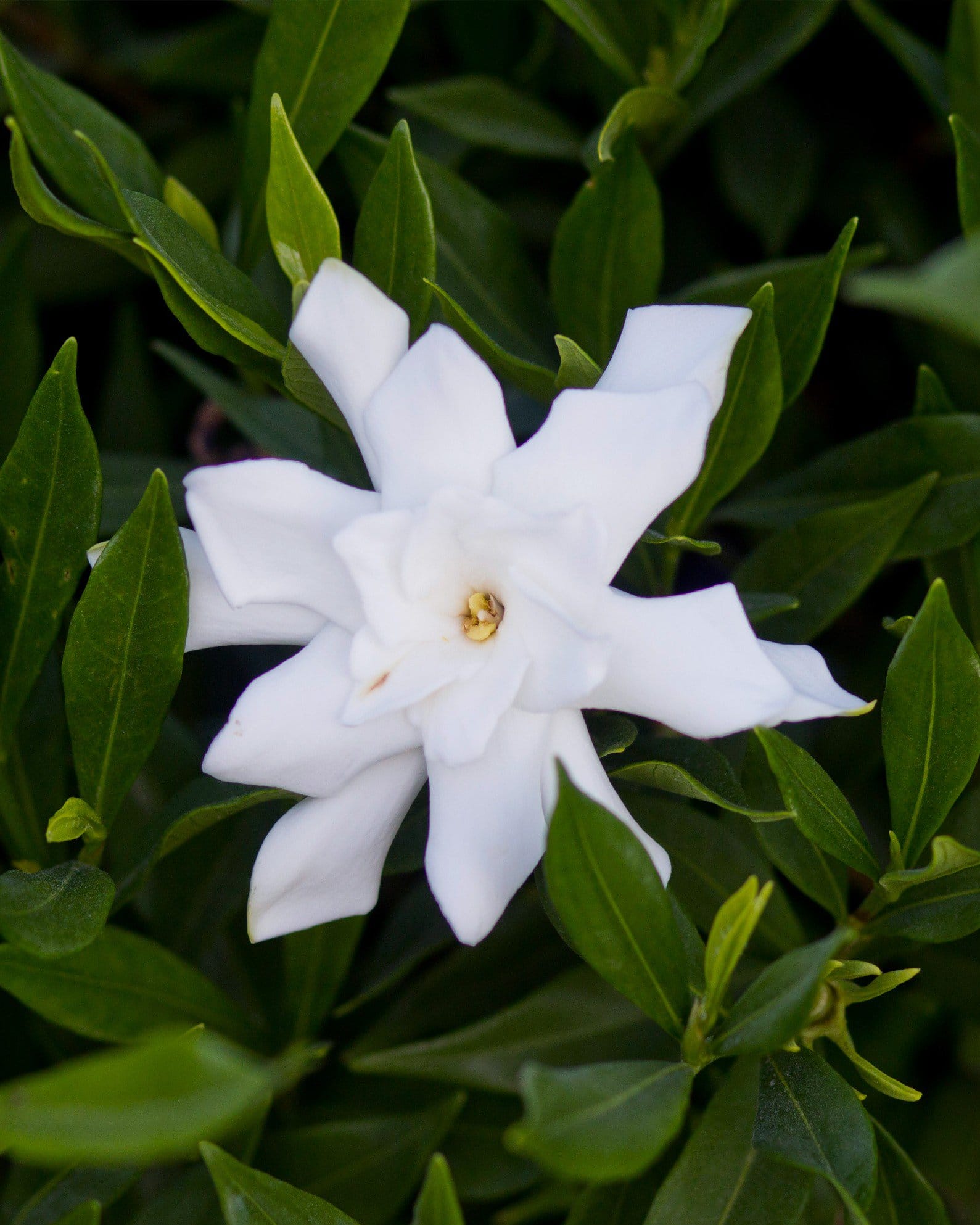
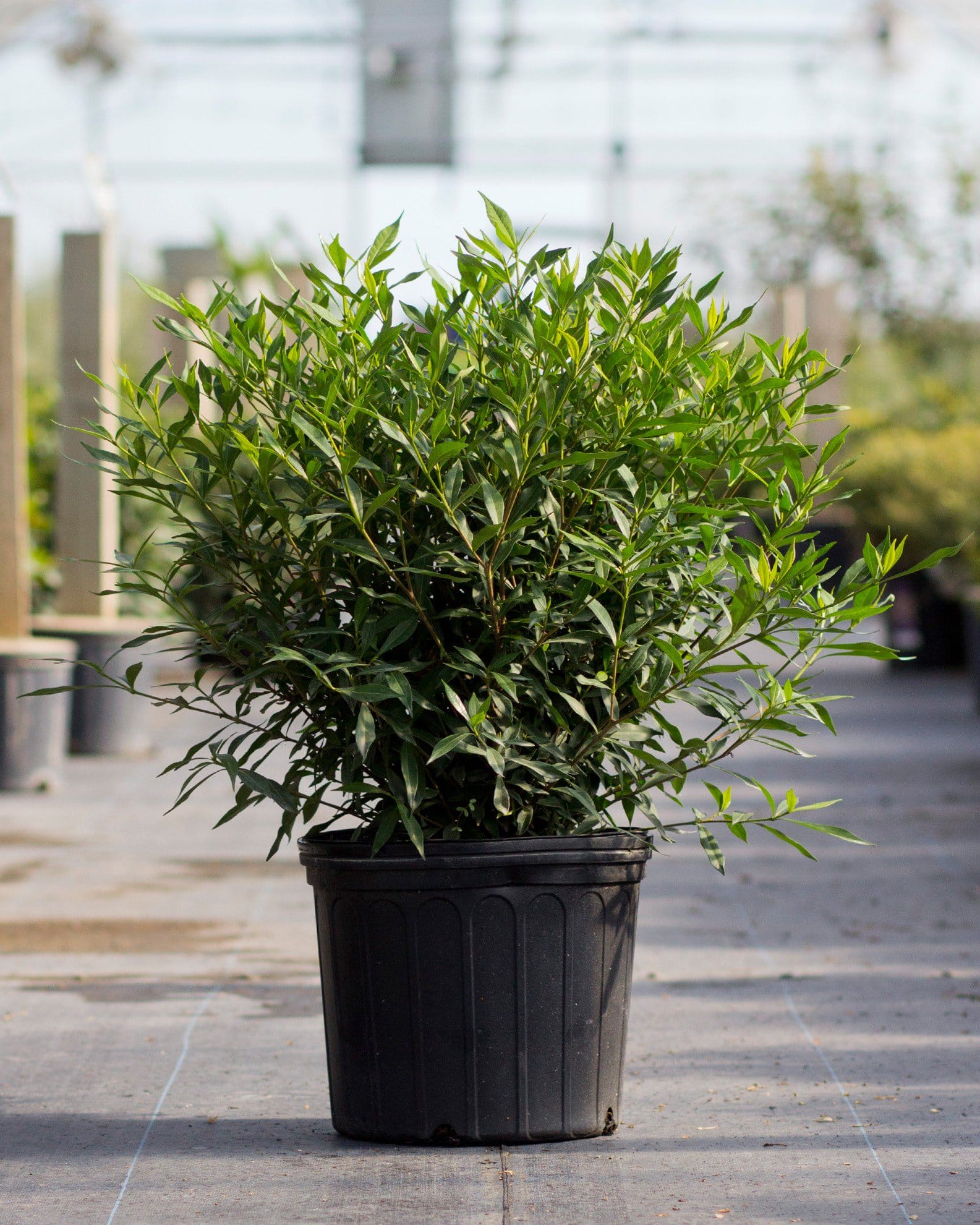
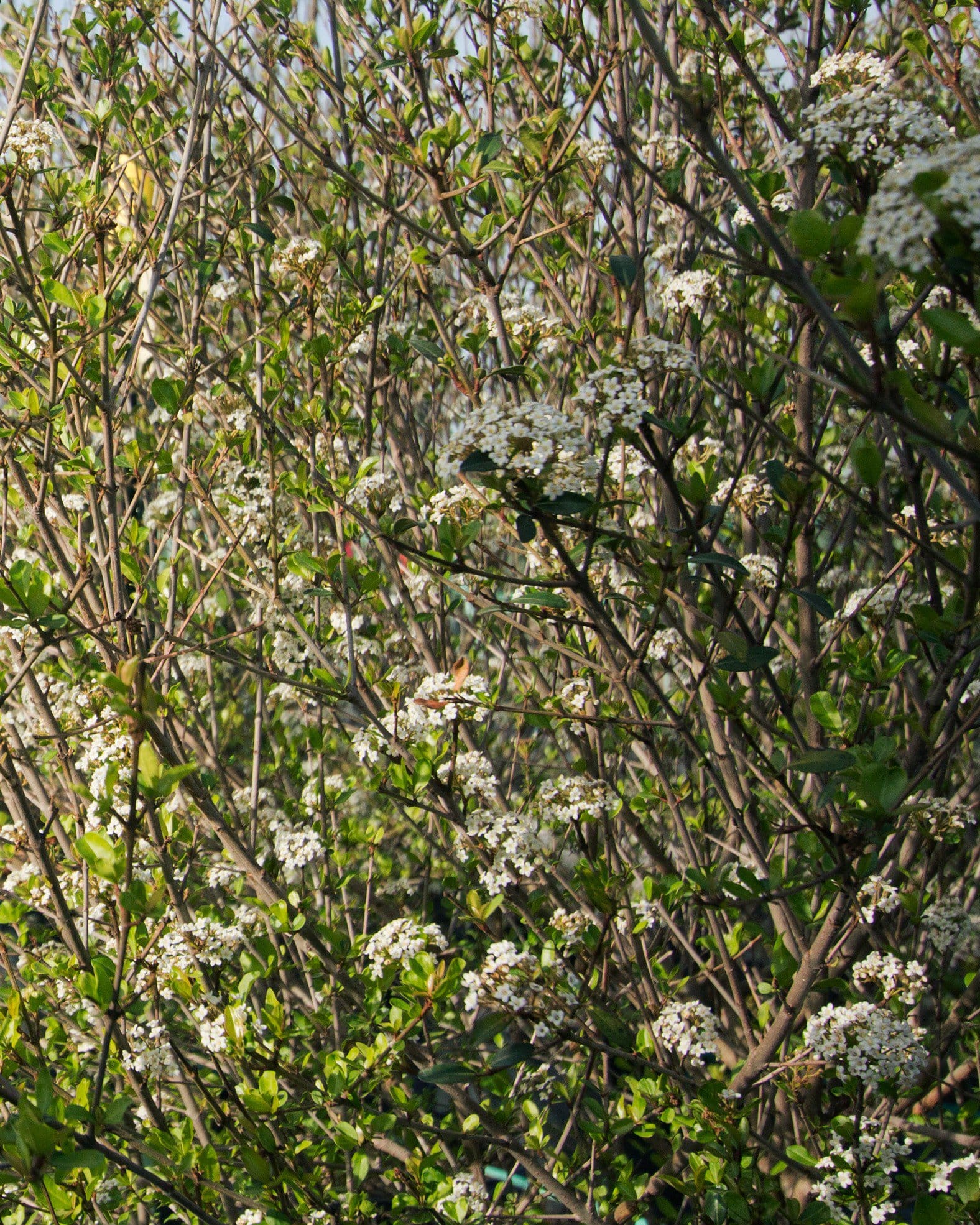
Walter's Viburnum Withlacoochee
Maturity: 12' H x 8' W
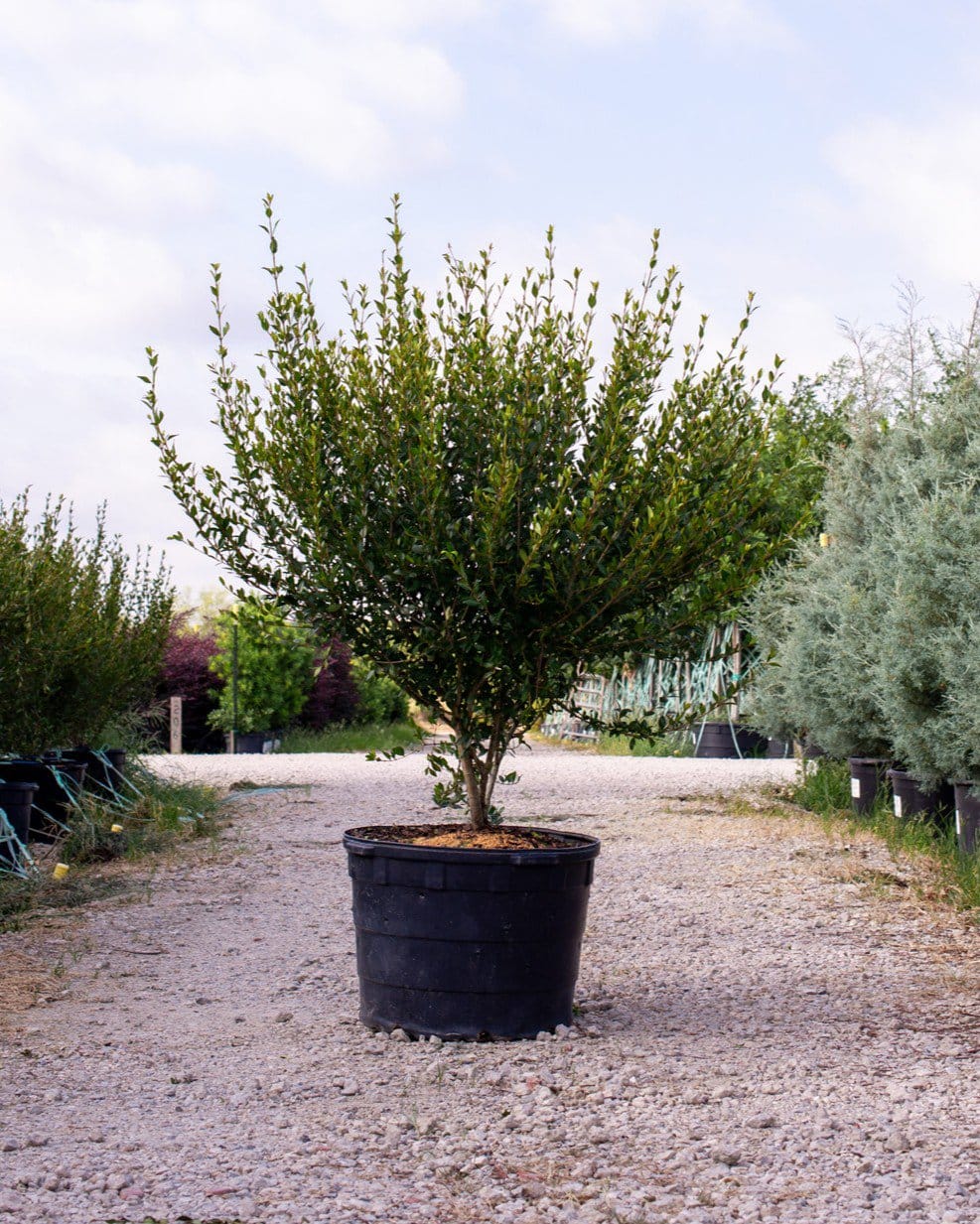
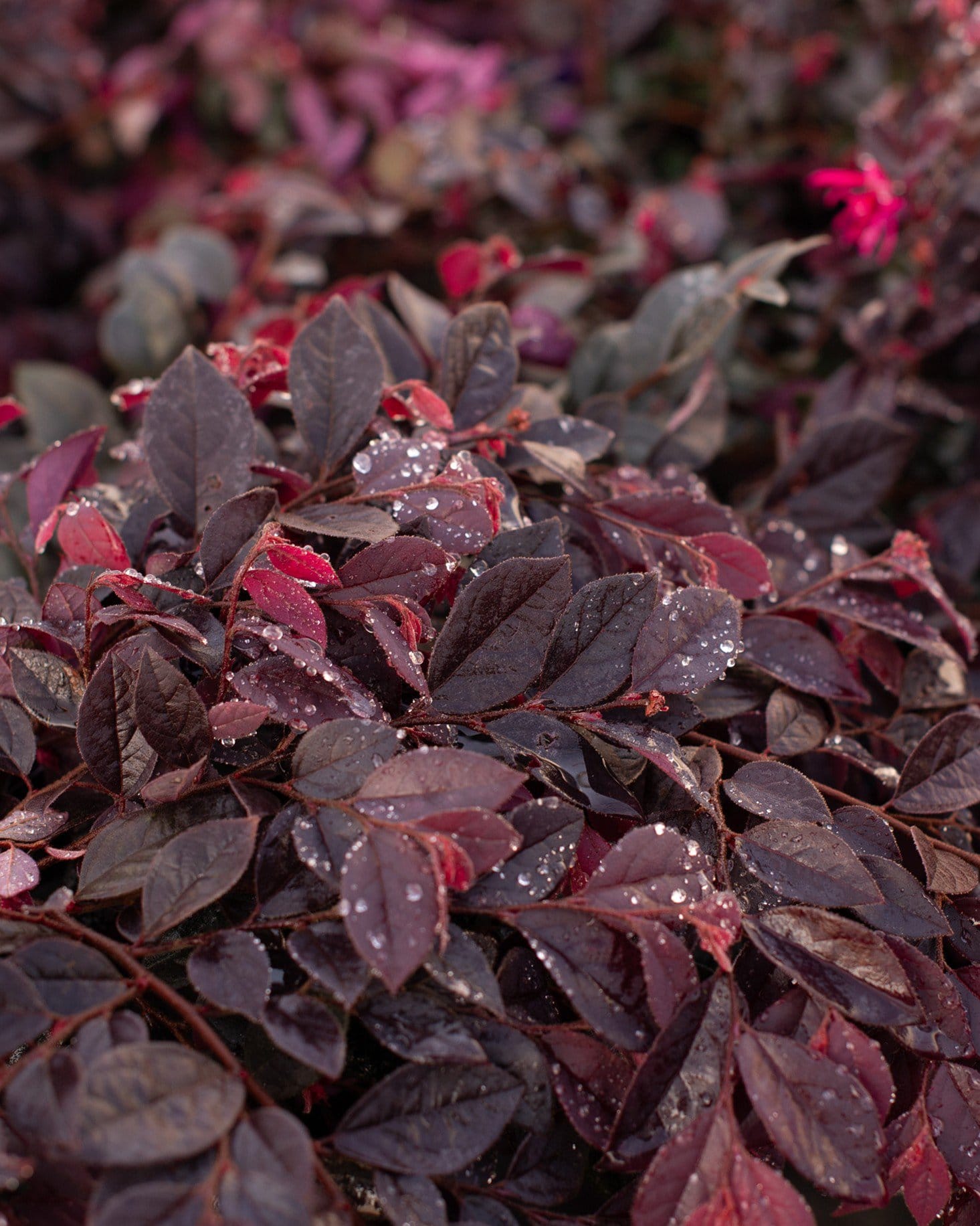
Cerise Charm Loropetalum
Maturity: 3' H x 3' W
Cherry Blast Loropetalum
Maturity: 6' H x 6' W
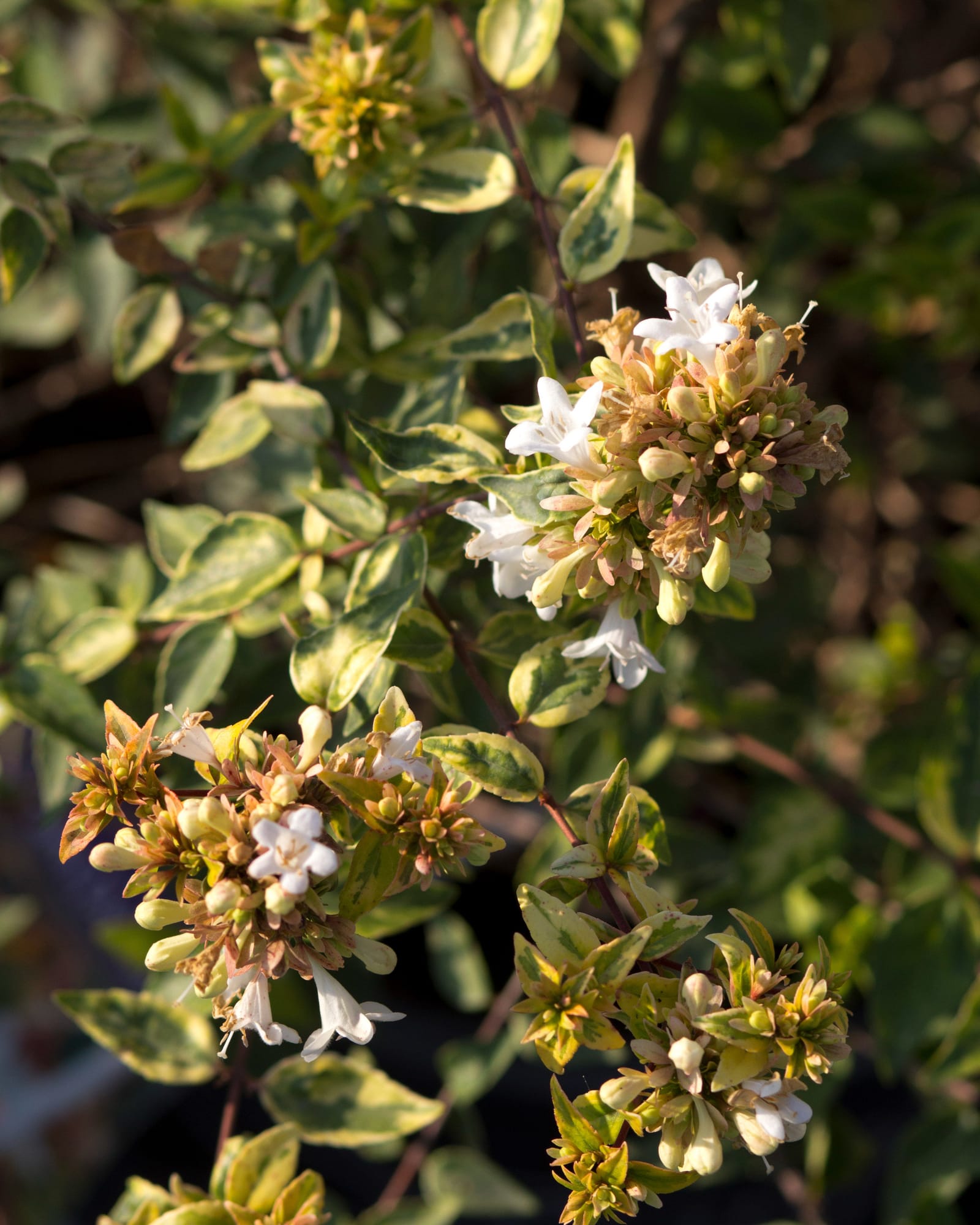
Kaleidoscope Abelia
Maturity: 2' H x 3' W
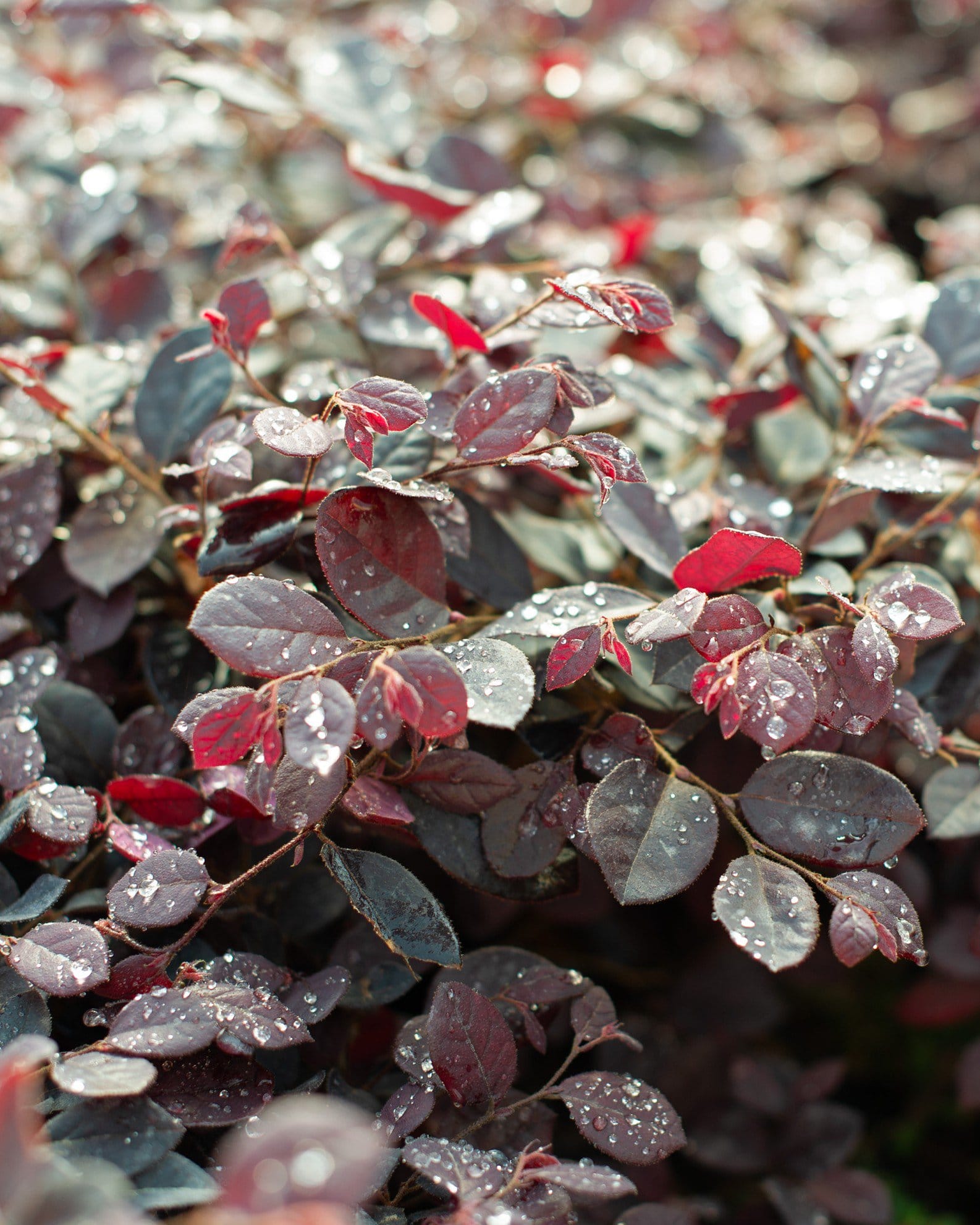
Purple Diamond Loropetalum
Maturity: 4' H x 4' W
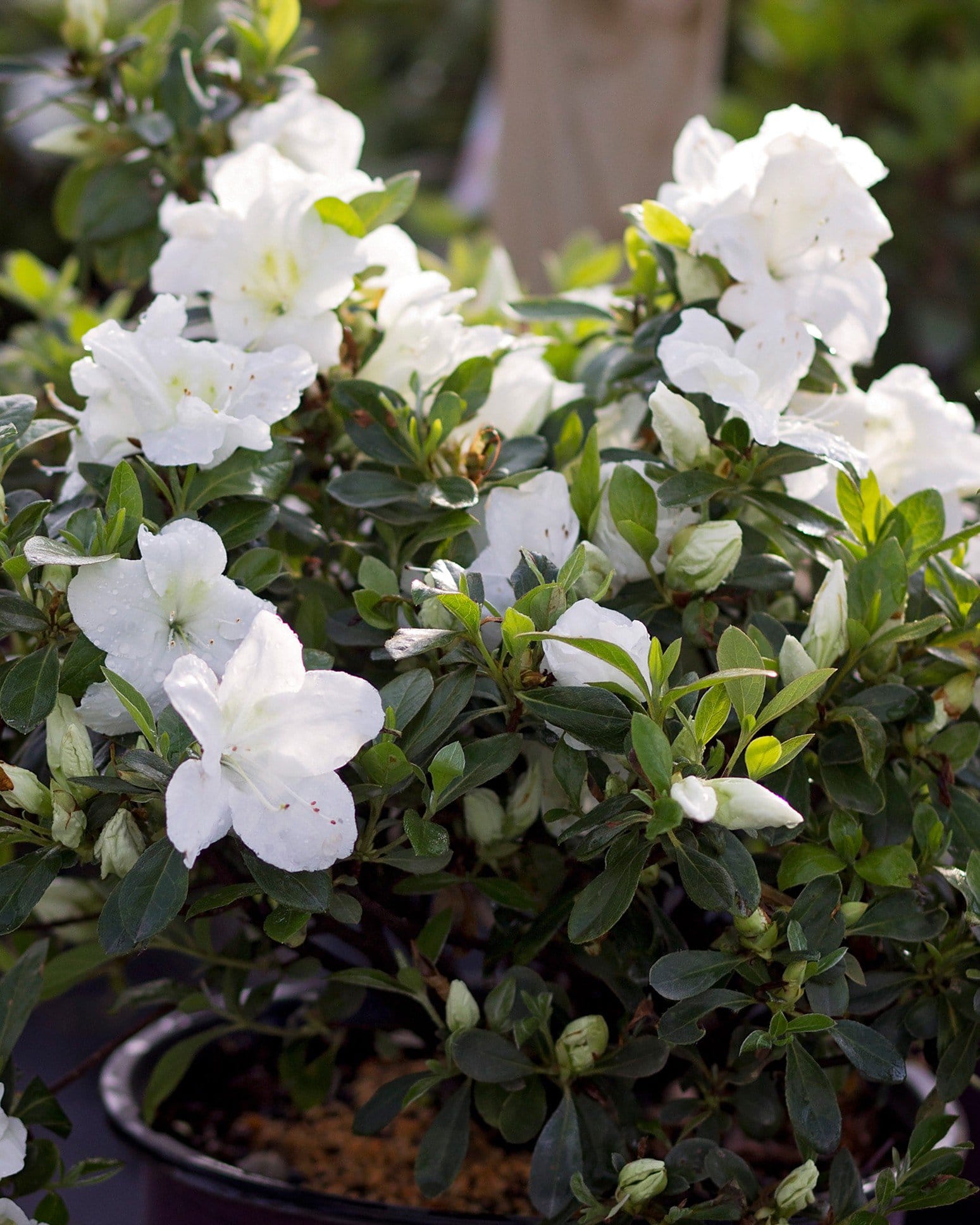
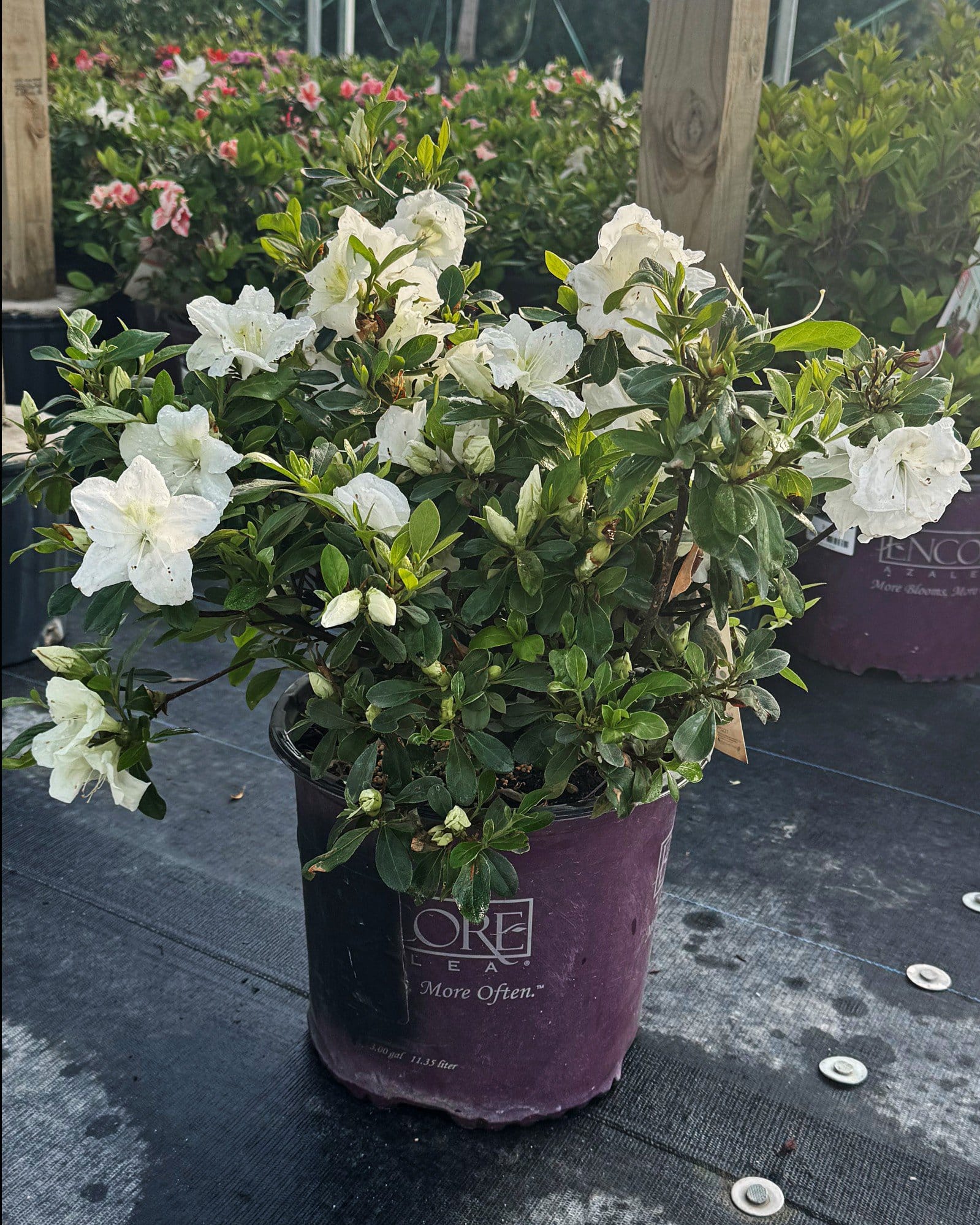
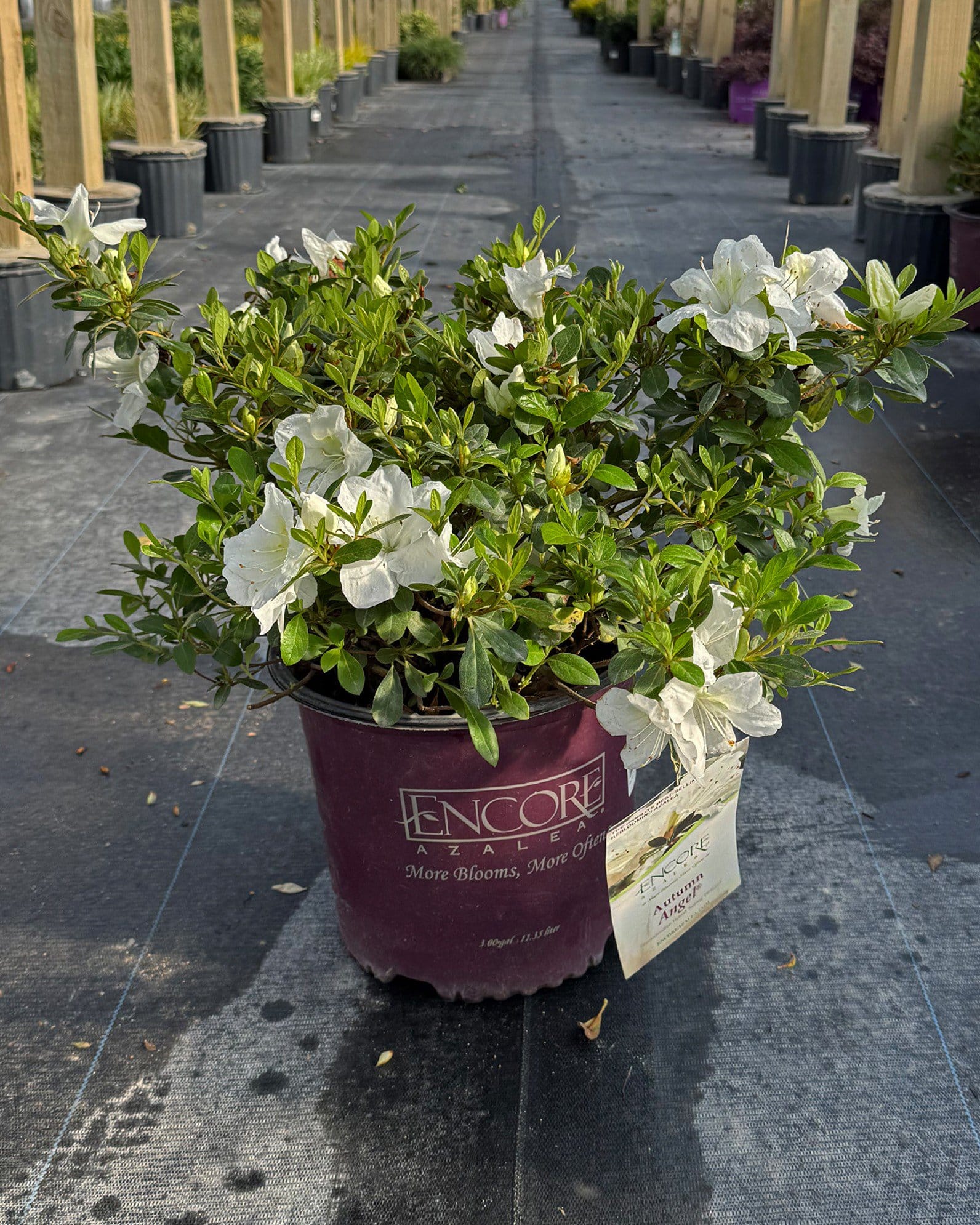
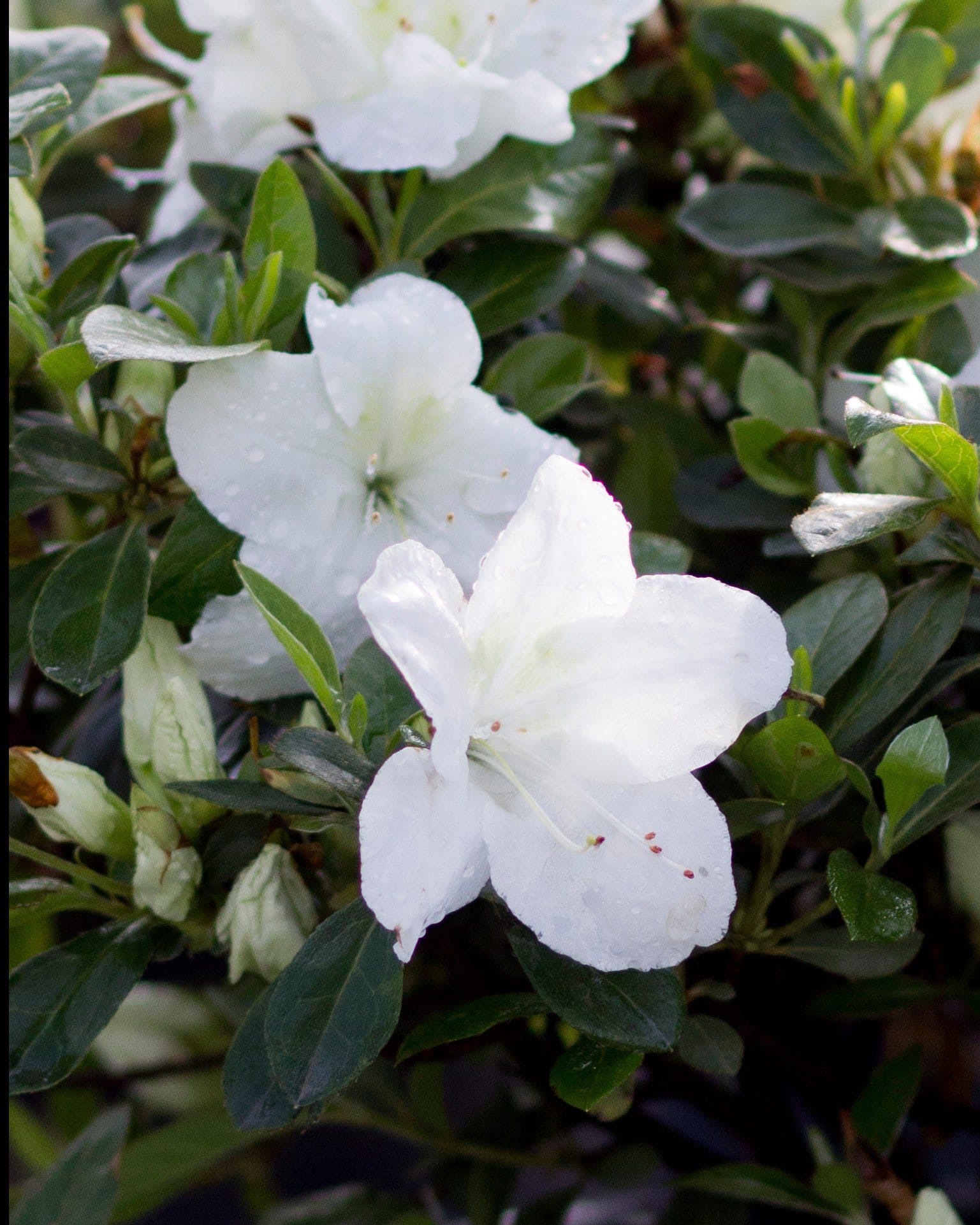
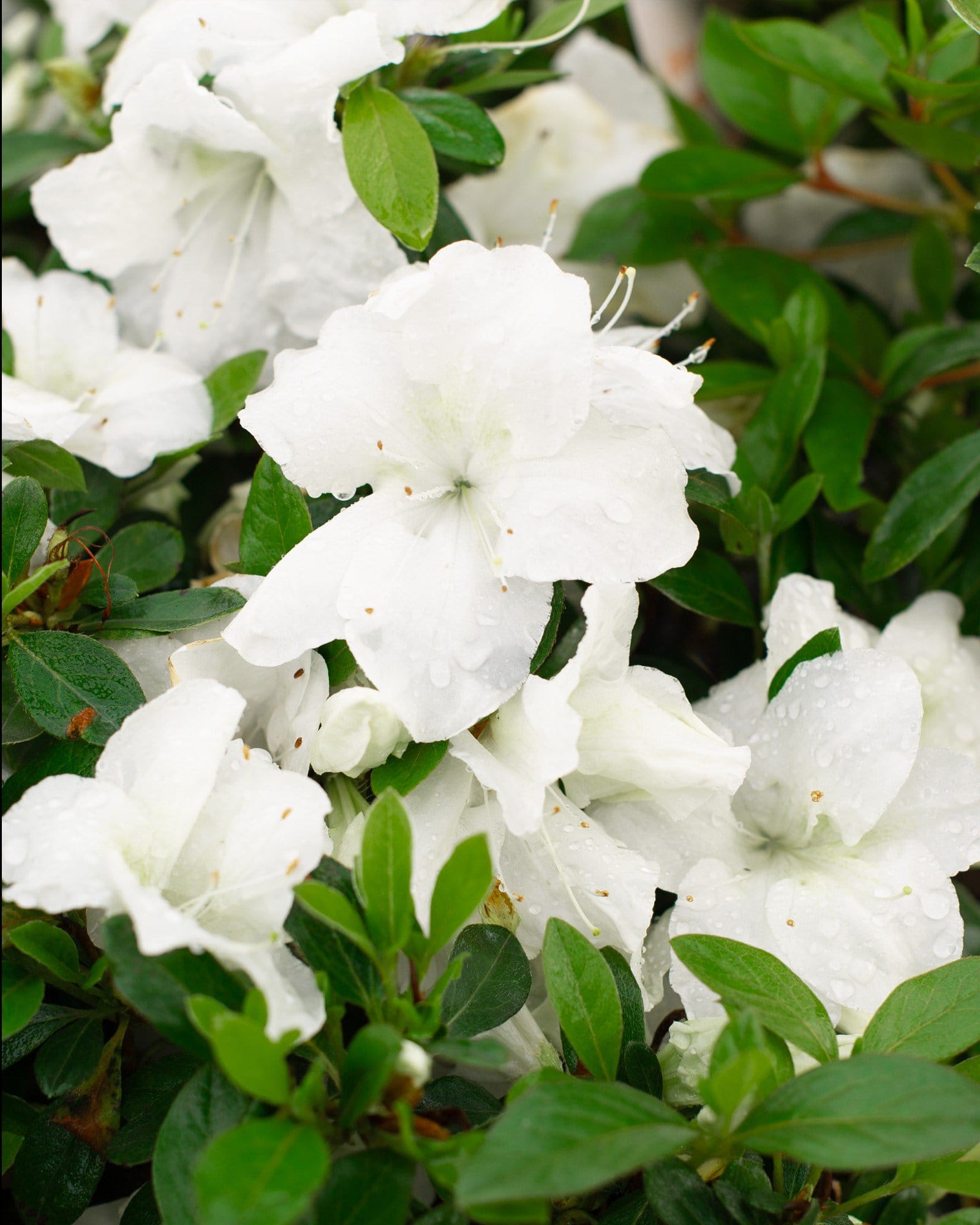
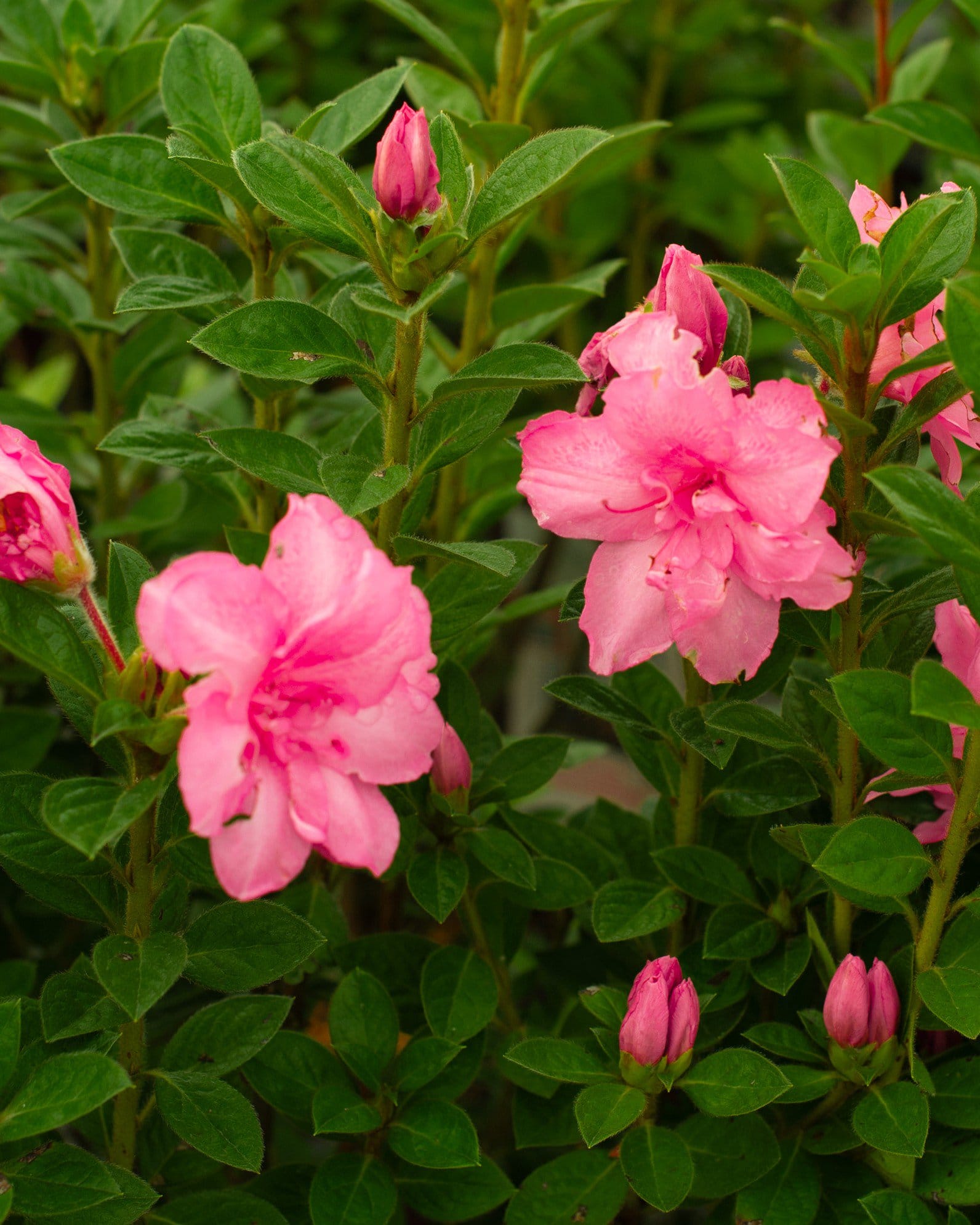
Encore Azalea Autumn Angel
Maturity: 2' H x 2' W
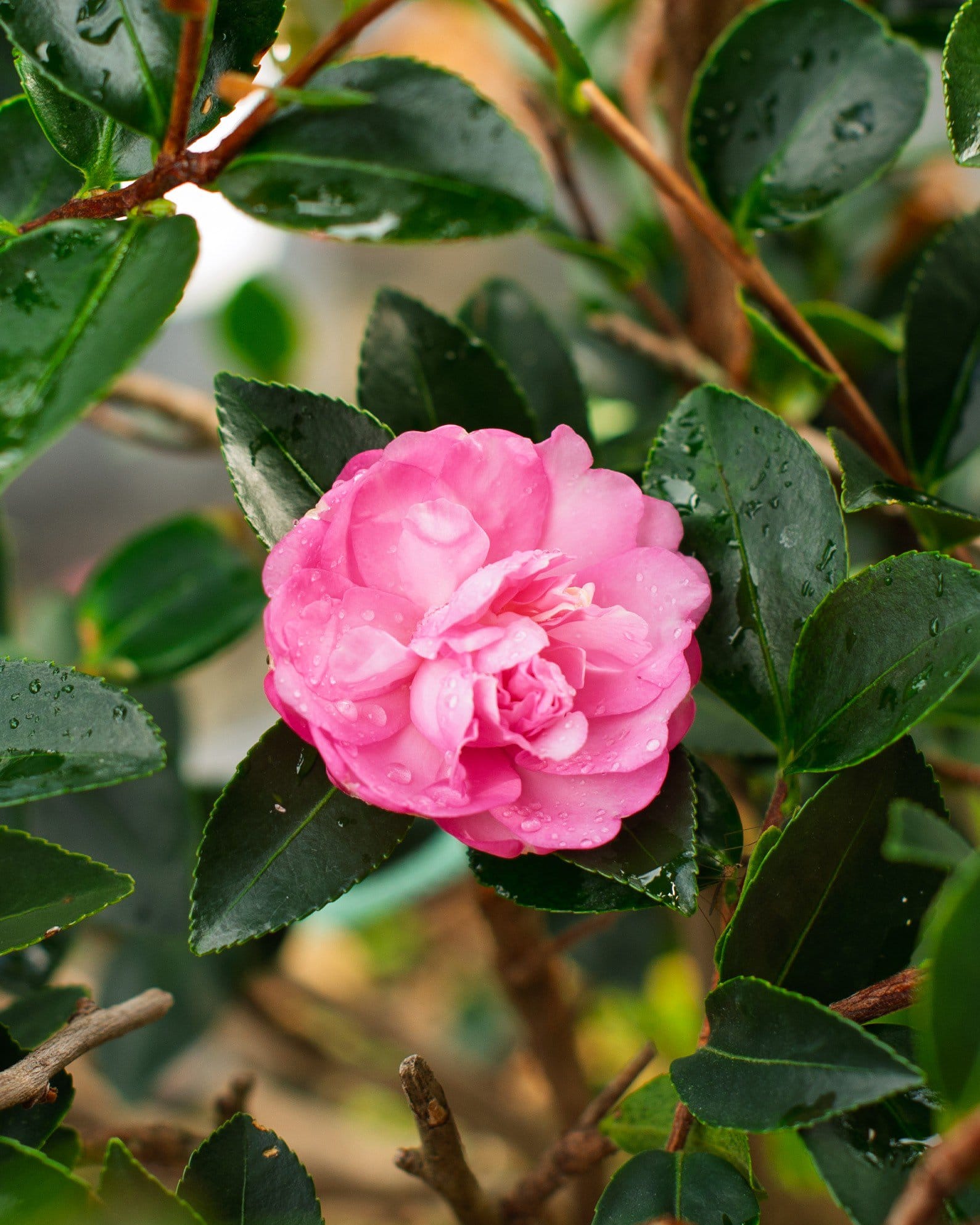
Pink Snow Camellia
Maturity: 8' H x 5' W
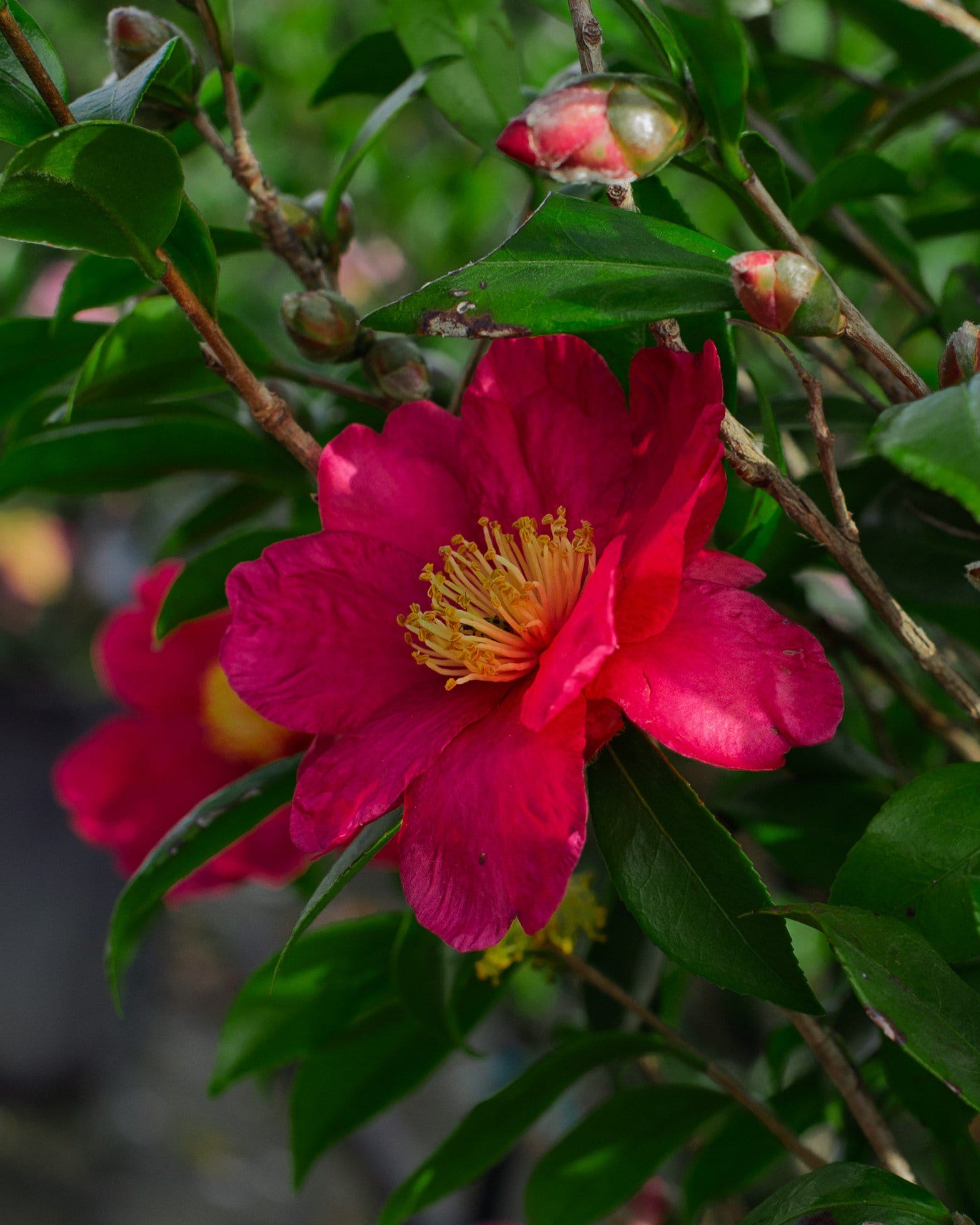
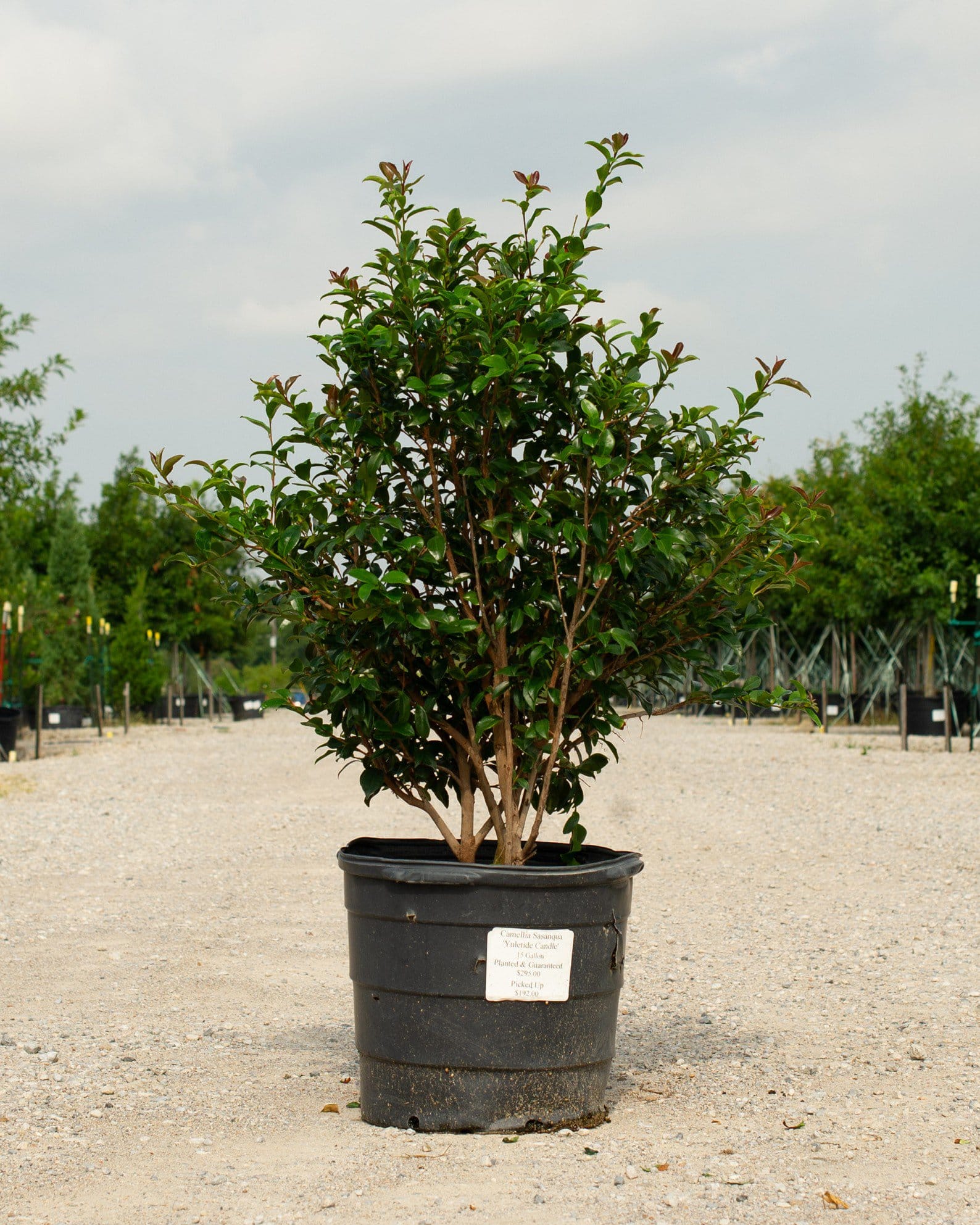
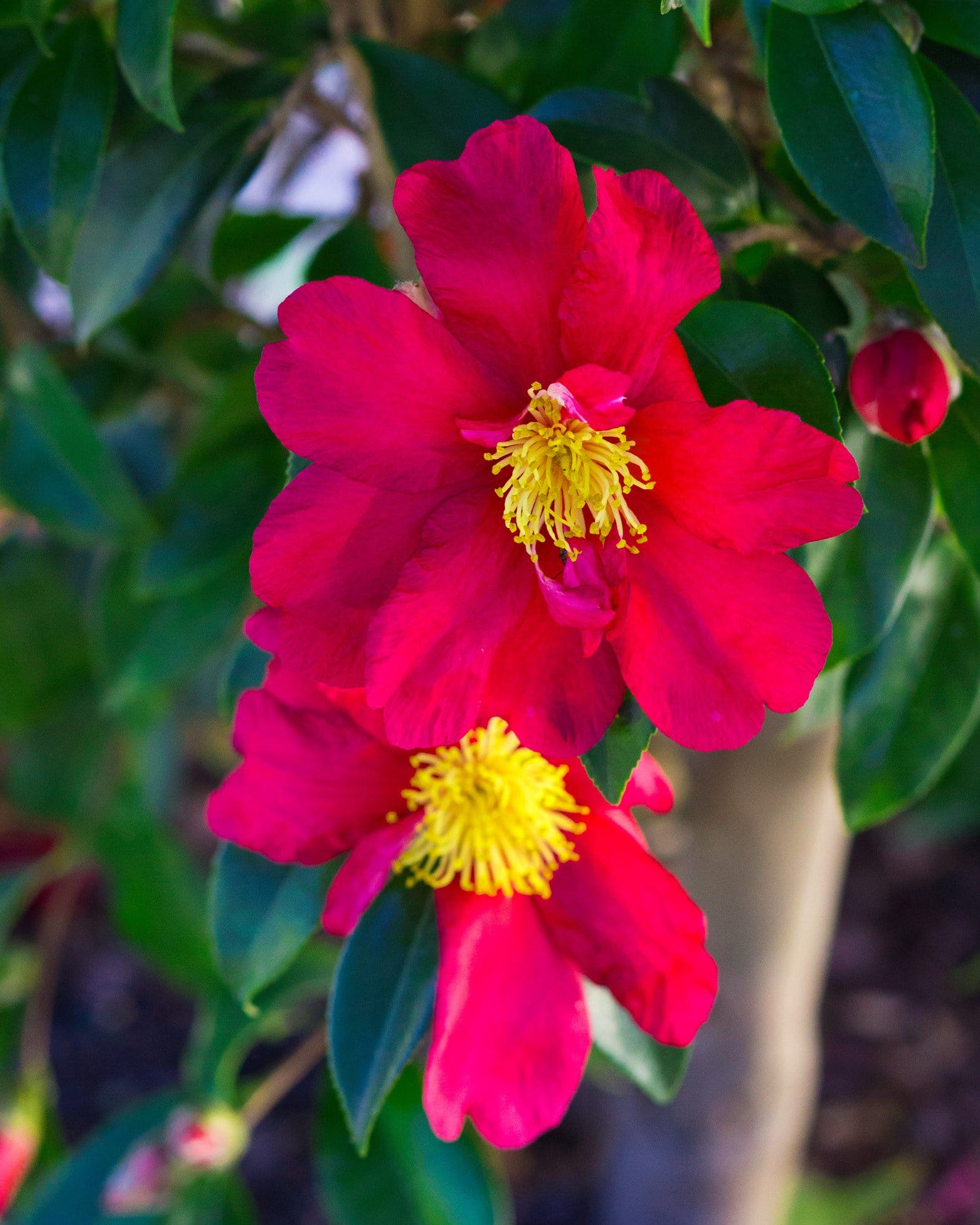
Yuletide Candle Camellia
Maturity: 5' H x 3' W
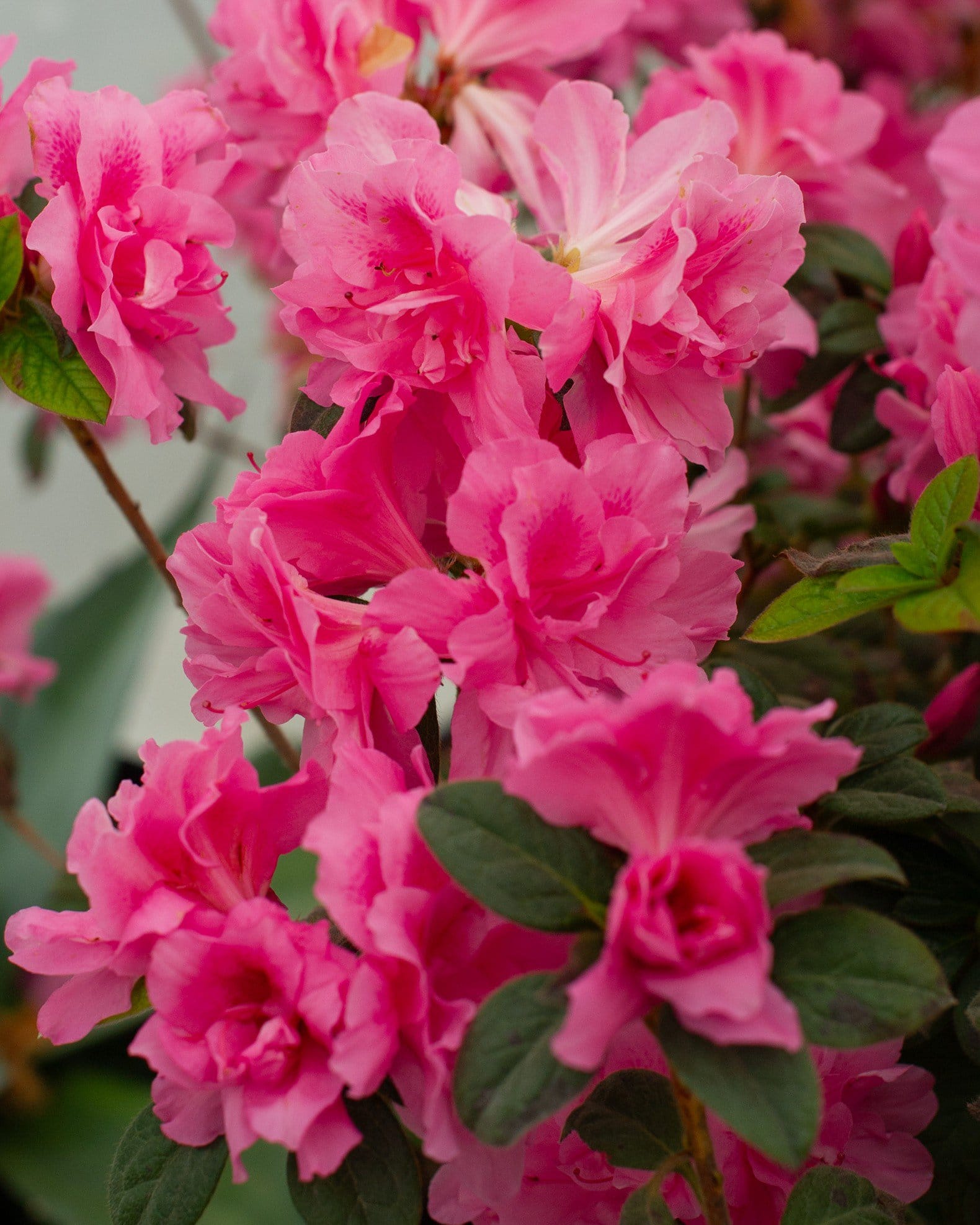
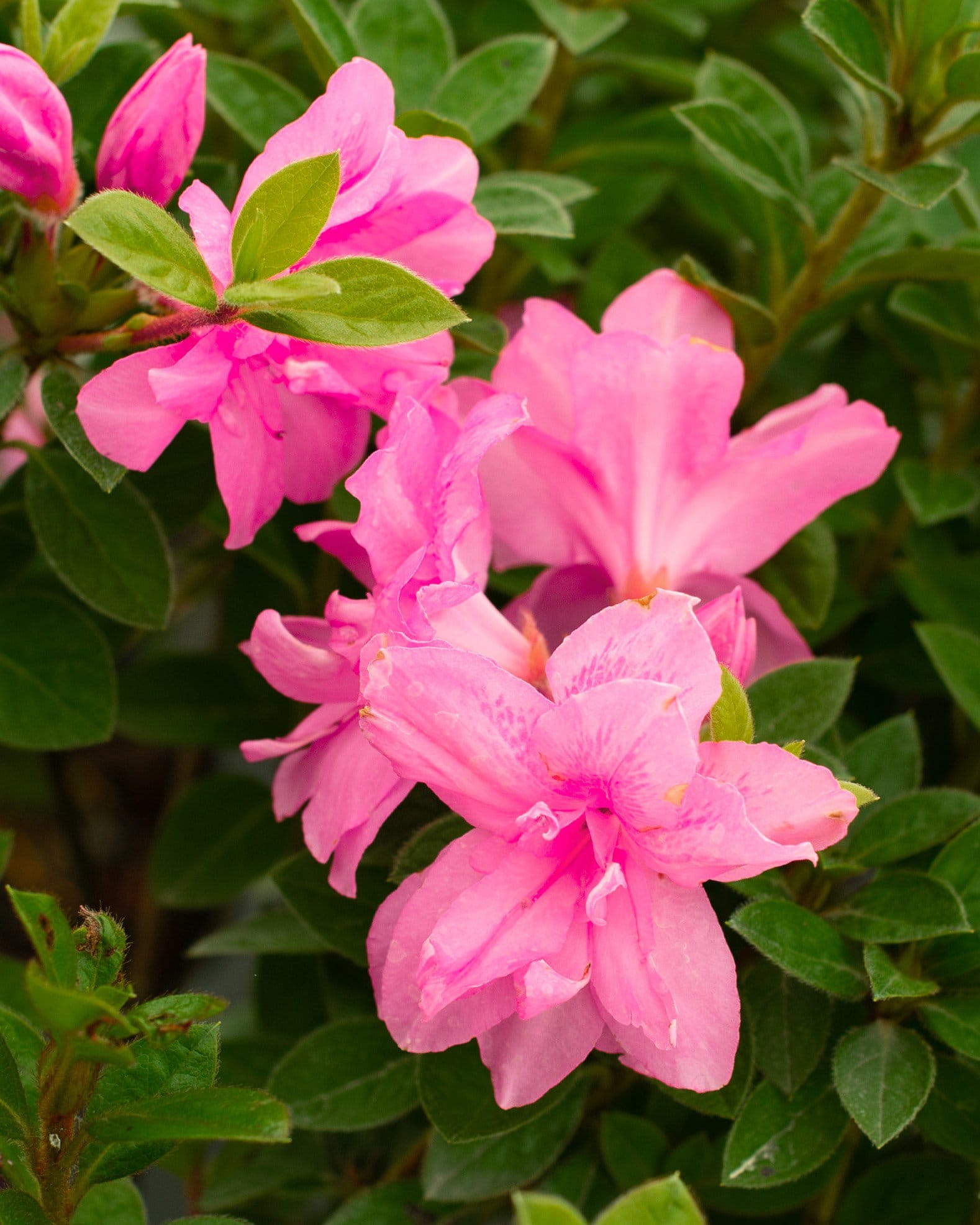
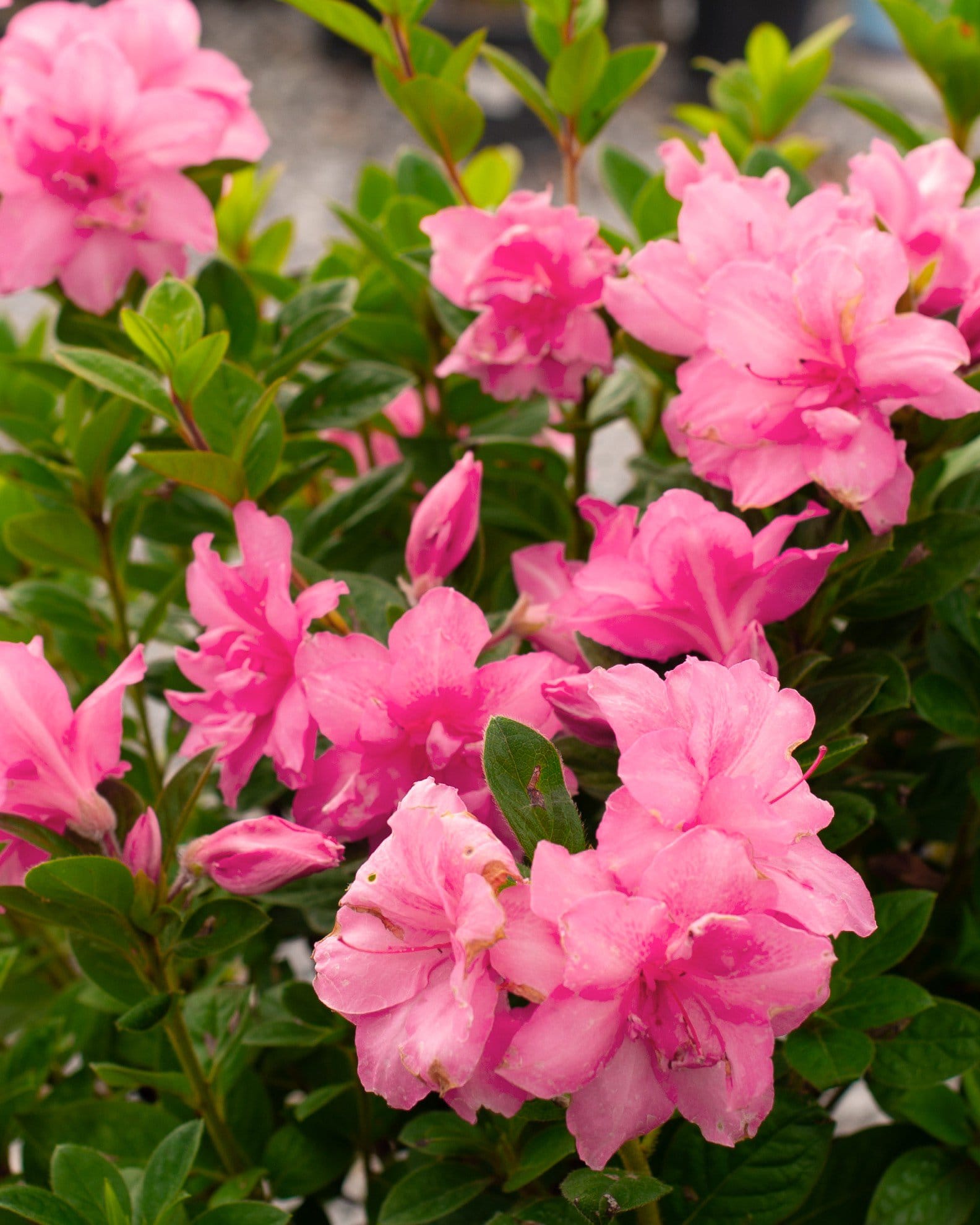
Encore Azalea Autumn Carnation
Maturity: 4.5' H x 4' W
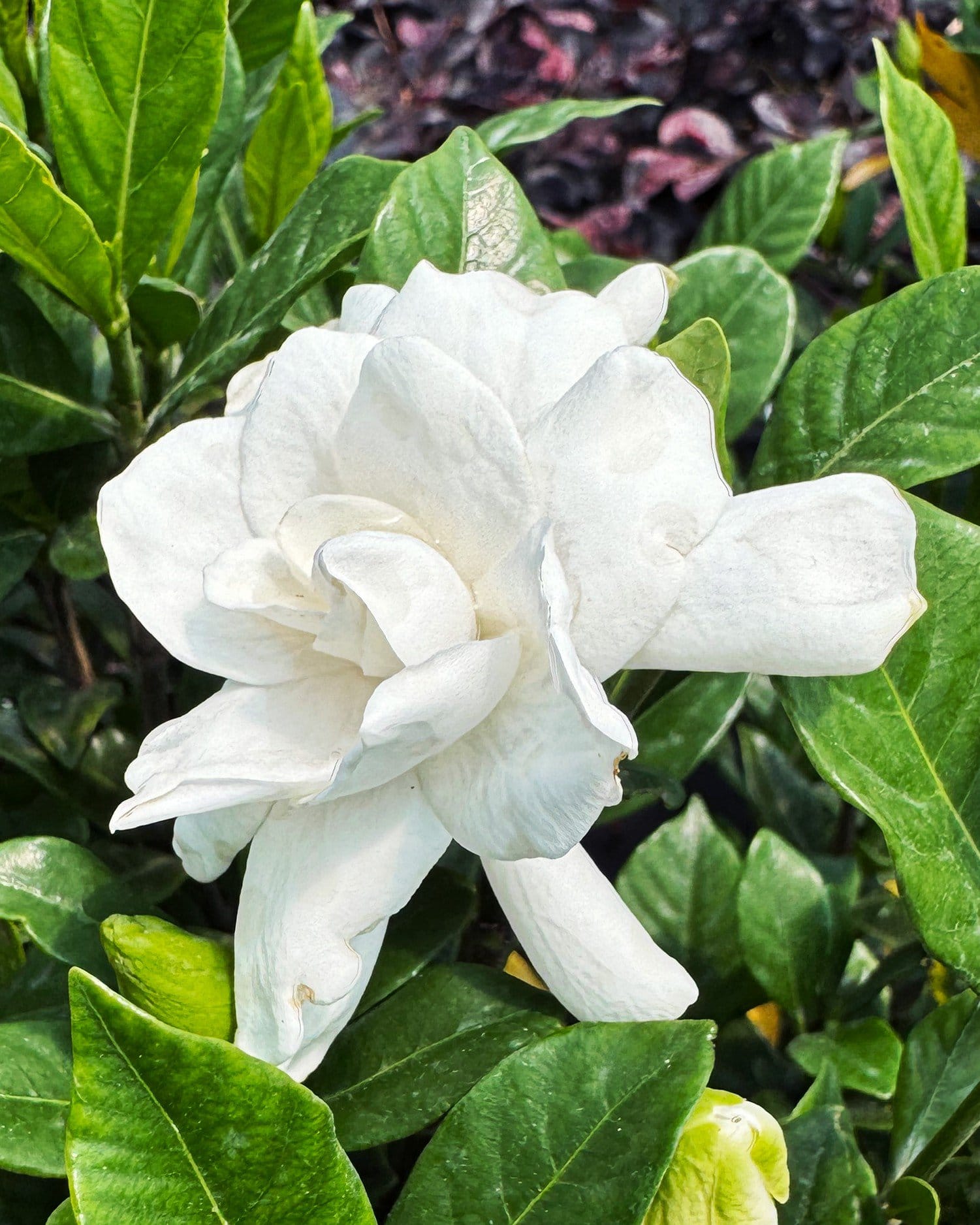
August Beauty Gardenia
Maturity: 4' H x 3' W
Cherry Laurel Bright 'N Tight
Maturity: 10' H x 8' W
Cherry Laurel Compacta
Maturity: 8' H x 6' W
Compare Similar Plants
Curly Leaf Ligustrum This plant | ||
|---|---|---|
| Scientific Name | Ligustrum japonicum ‘Recurvifolium’ | Camellia sasanqua ‘Rose of Autumn’ |
| Size at Maturity | 8' H x 6' W | 8' H x 5' W |
| Leaf Retention | Evergreen | Evergreen |
| Flower Color | White | Pink |
| Bloom Times | Spring | Fall |
| Sizes Available | 3, 7, 15, 30 gal | 15, 30, 45 gal |


Our 1-Year Planting Guarantee
We take pride in our plants and installation services. If any plants or trees installed by Treeland fail to thrive within the first year, we'll provide a replacement credit in accordance with our guarantee program.
Learn More About Our Guarantee