
 Popular
Local DFW Delivery Only
Product Details
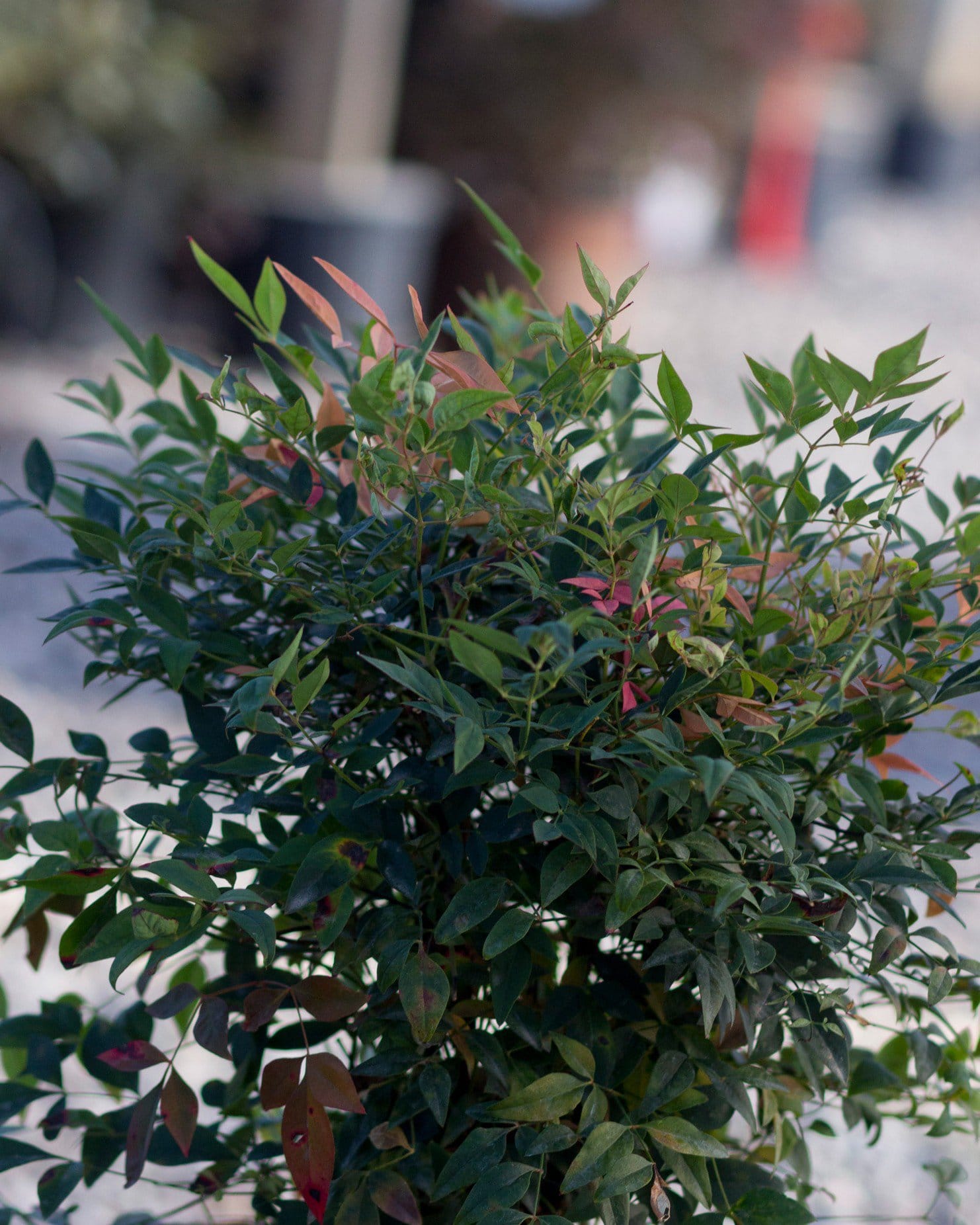
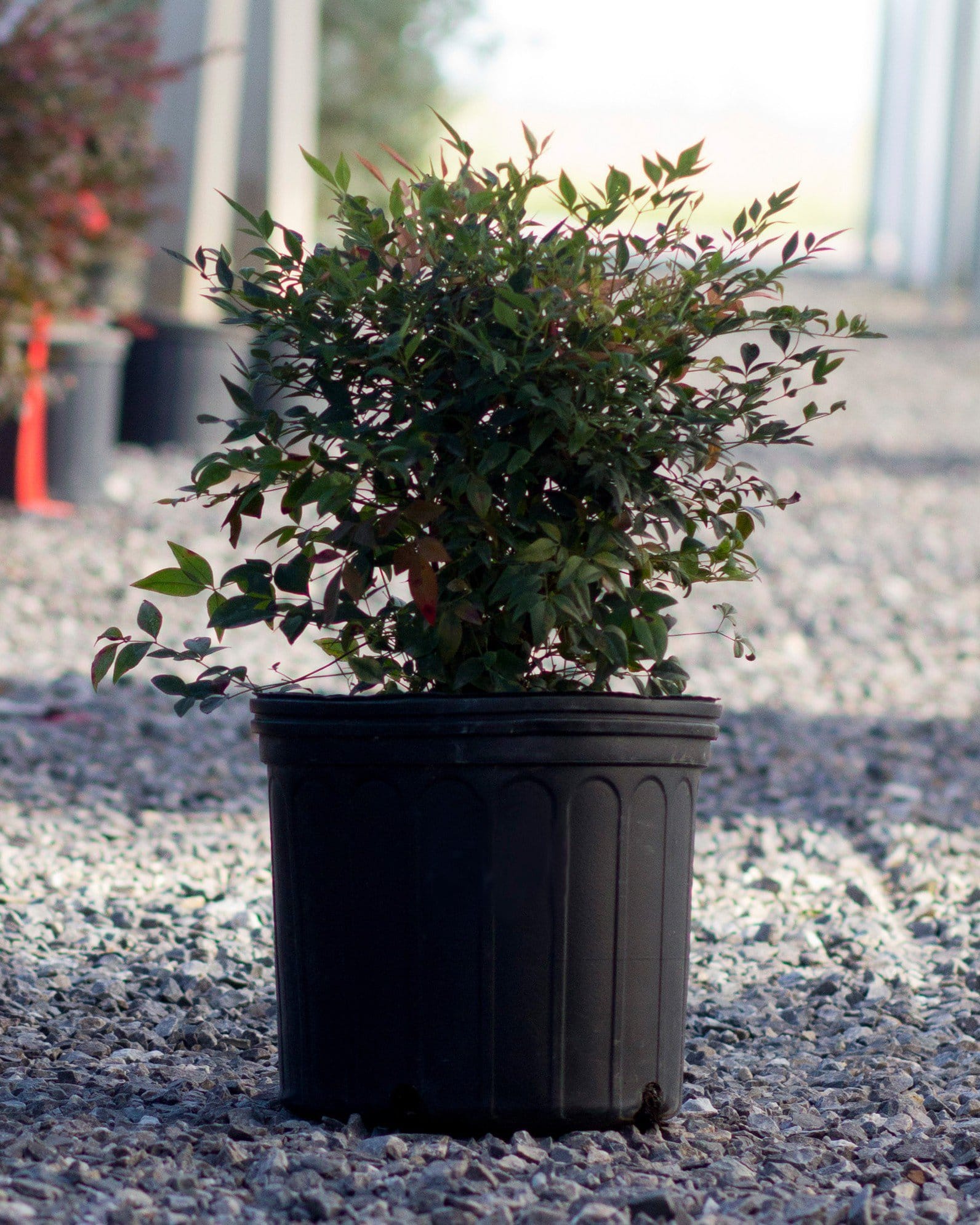
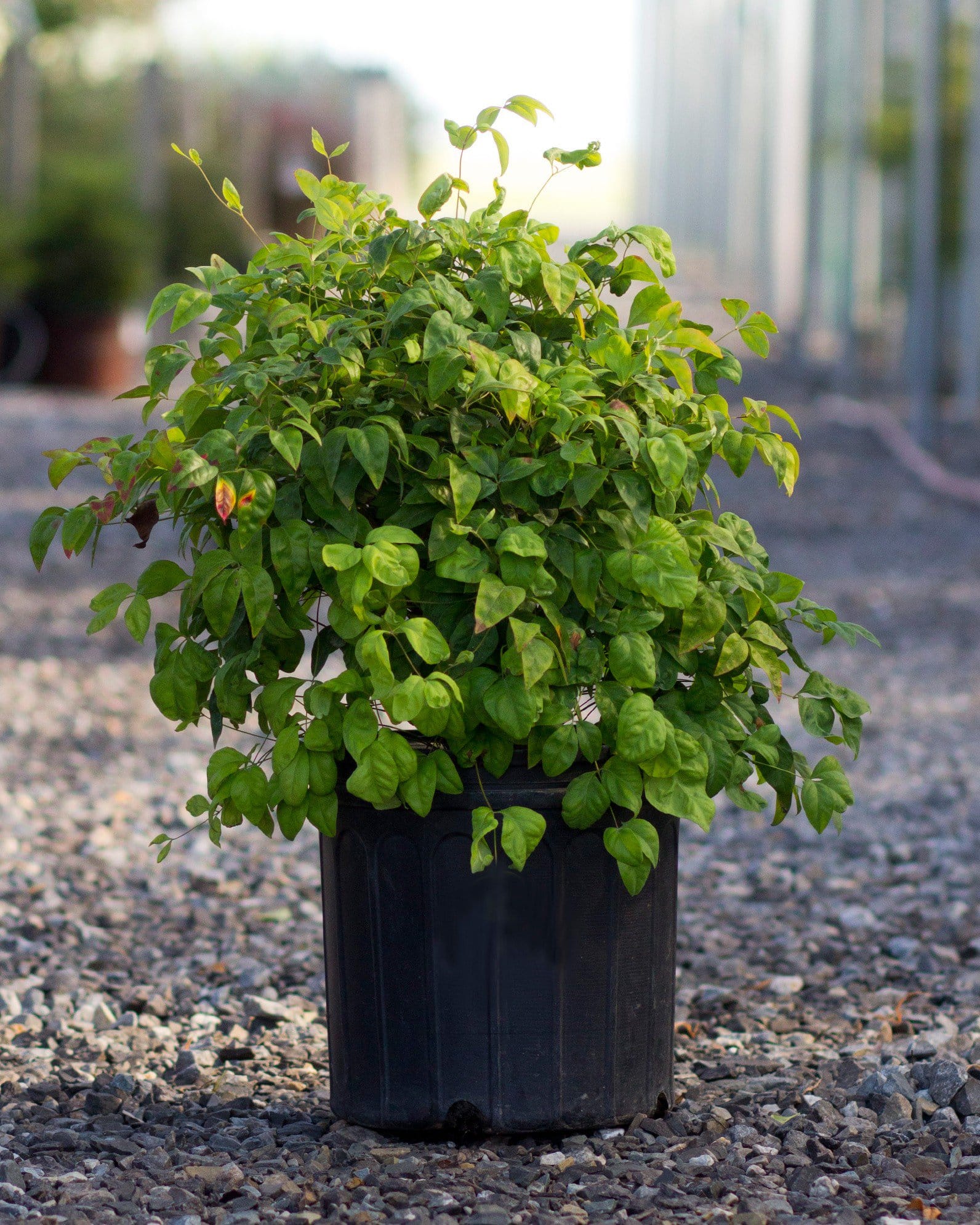
Gulf Stream Nandina
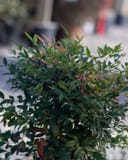
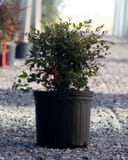
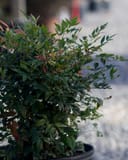
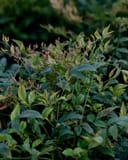
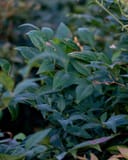
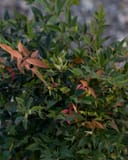
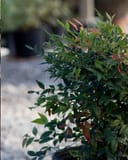
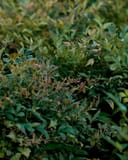
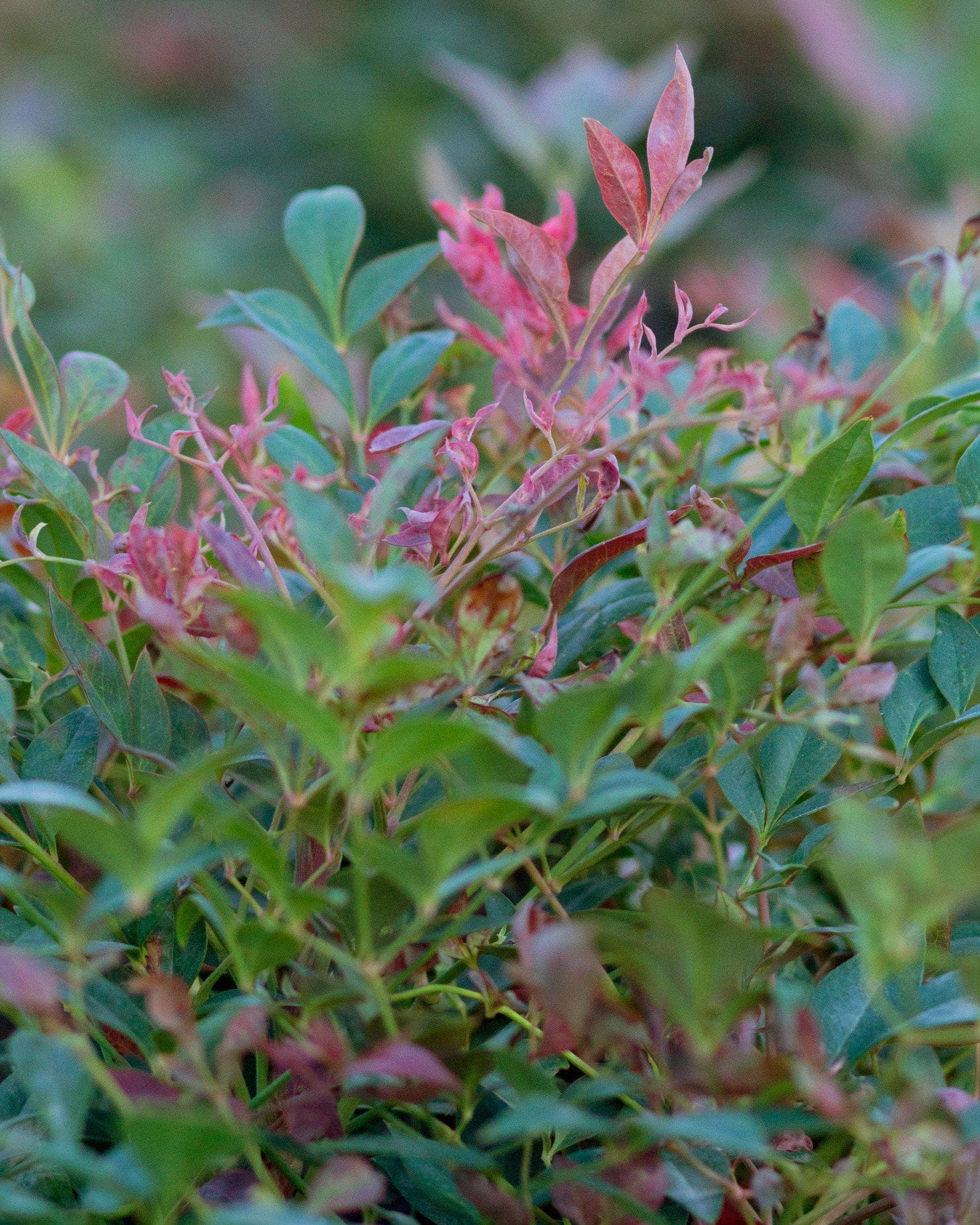
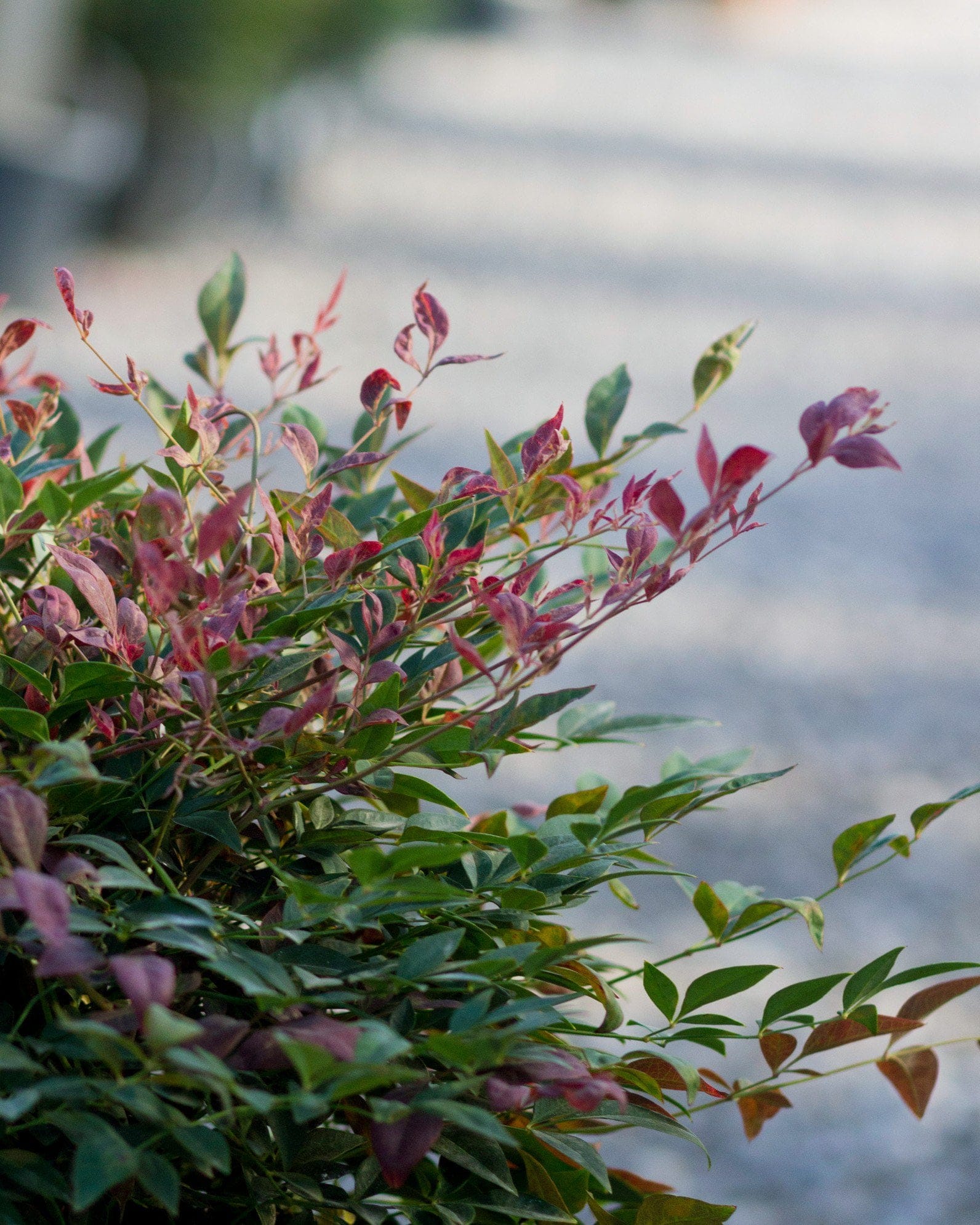
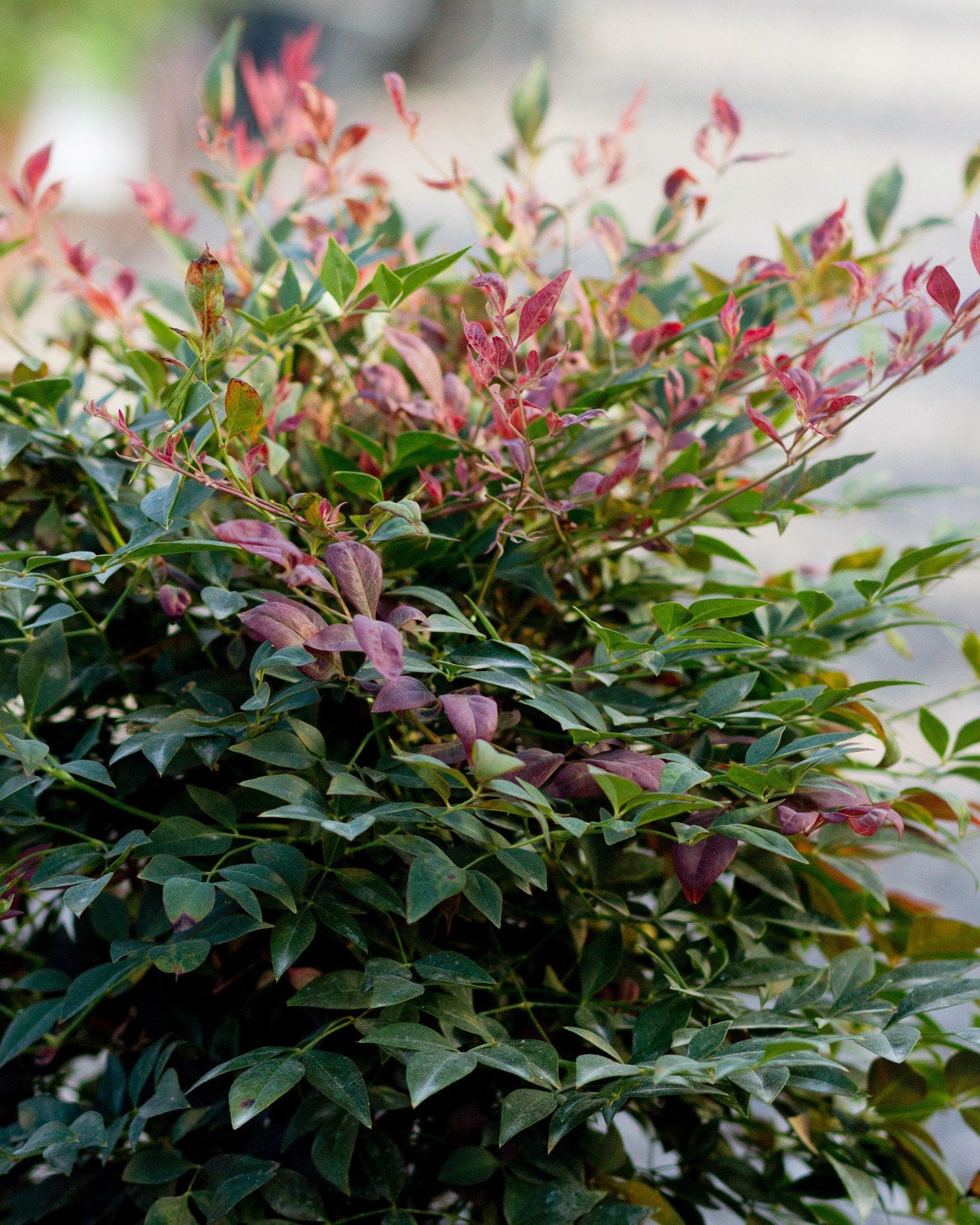
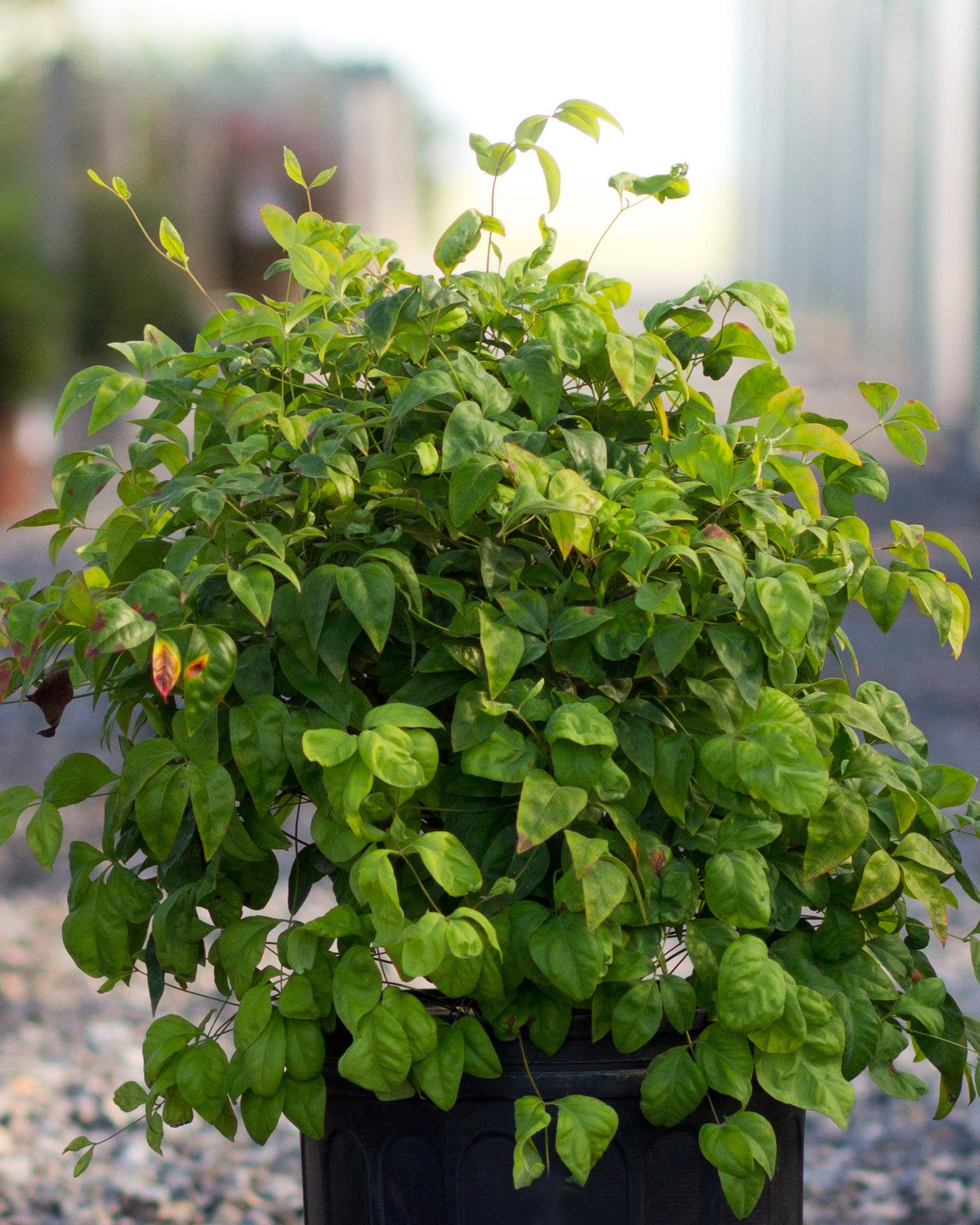
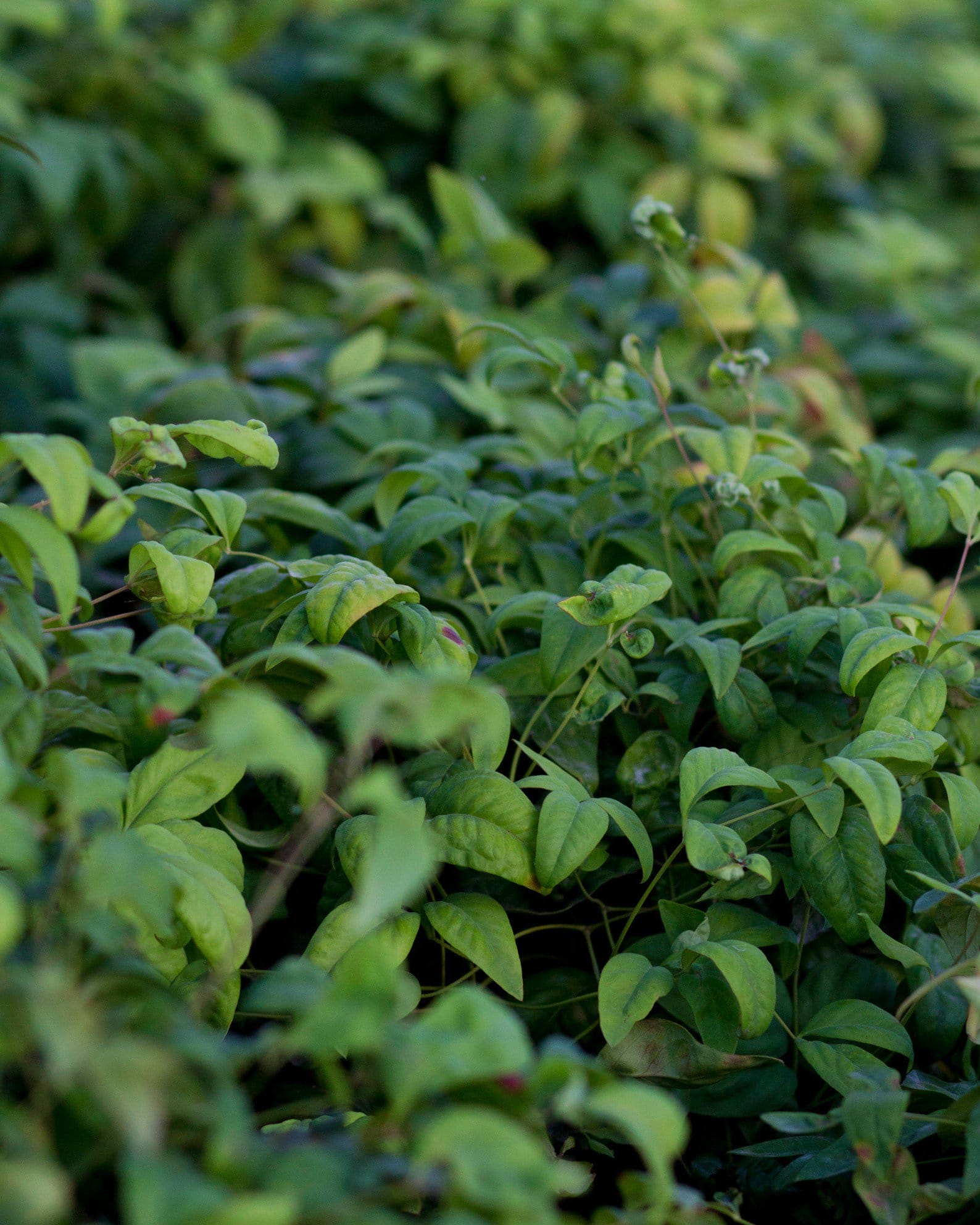
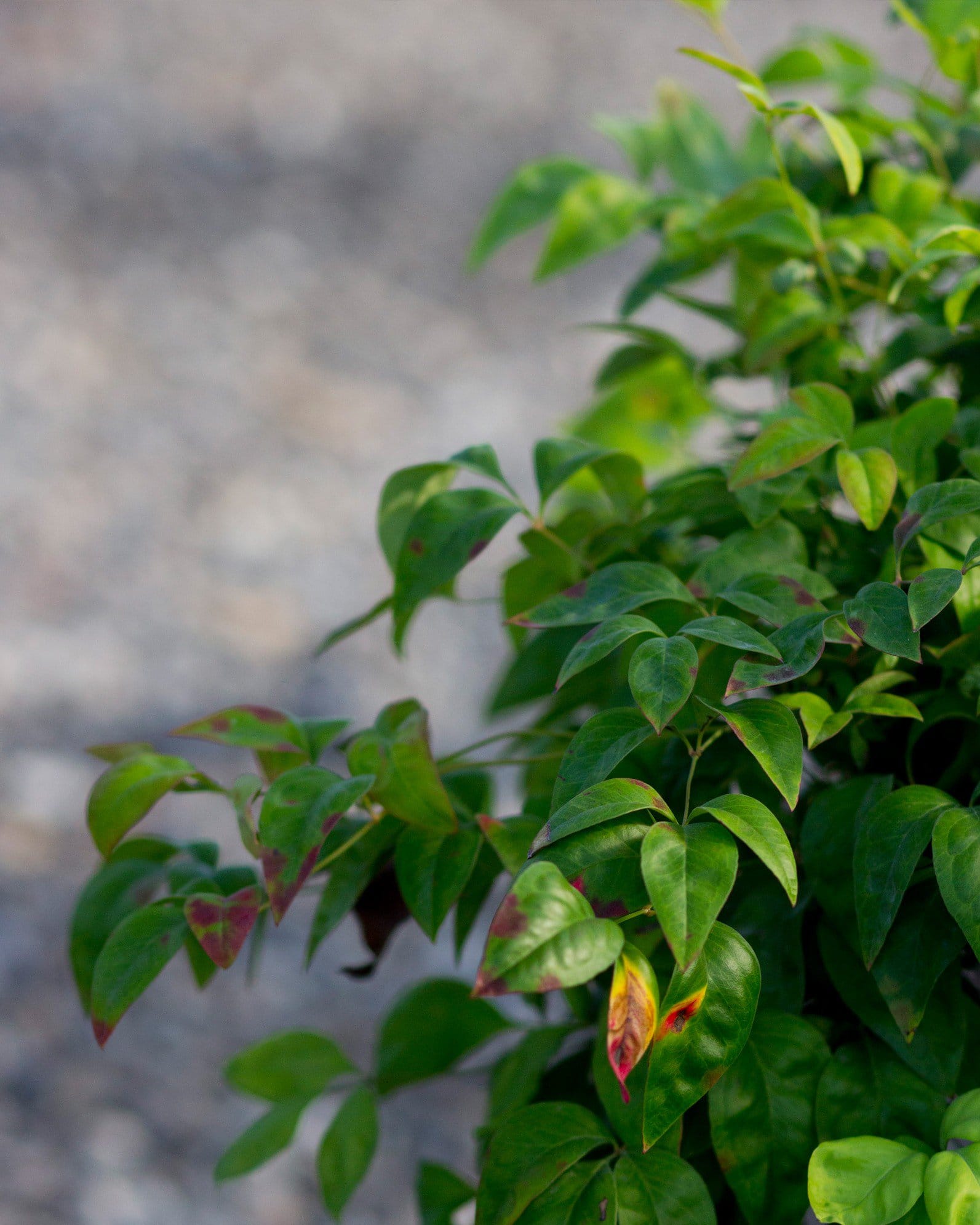
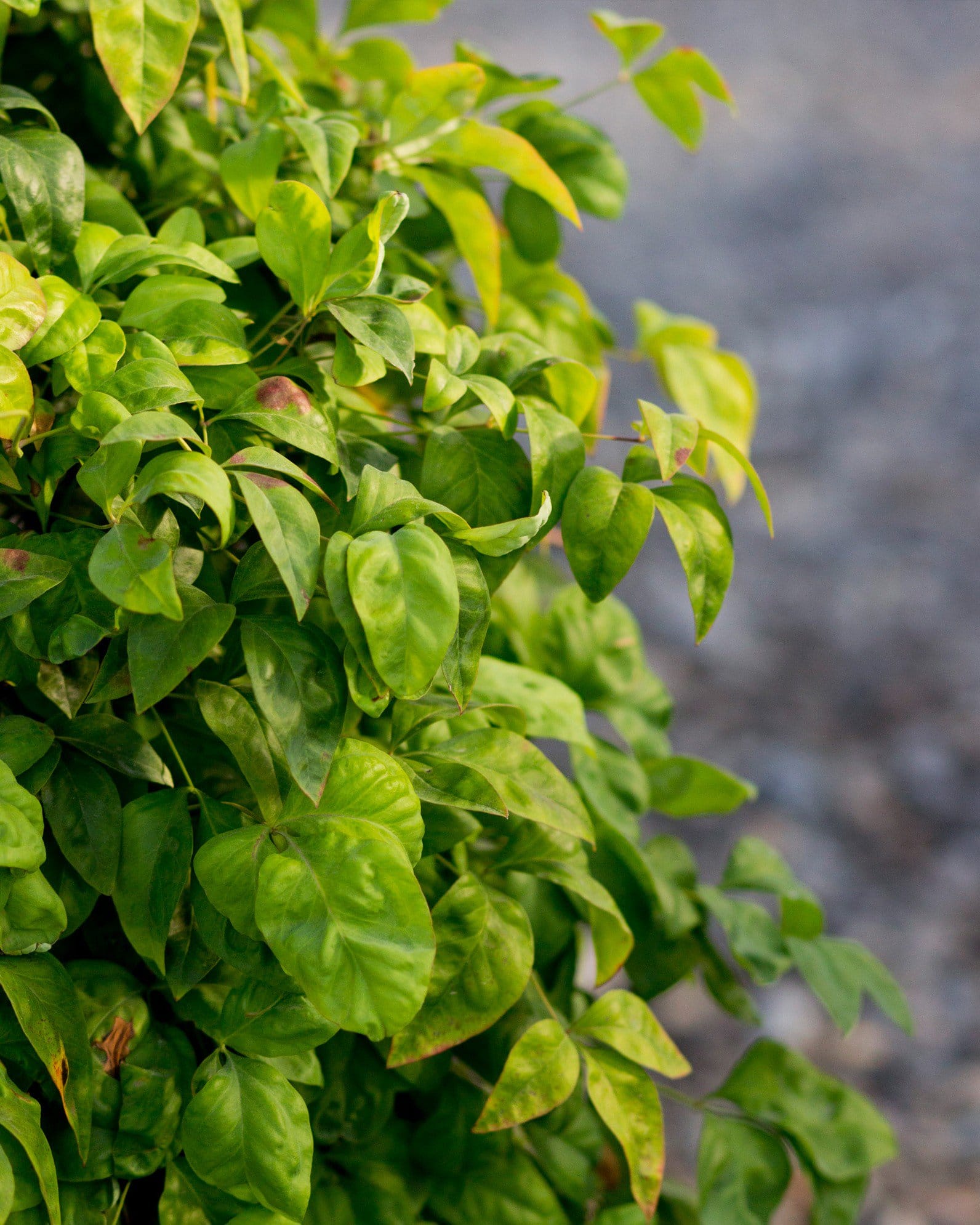
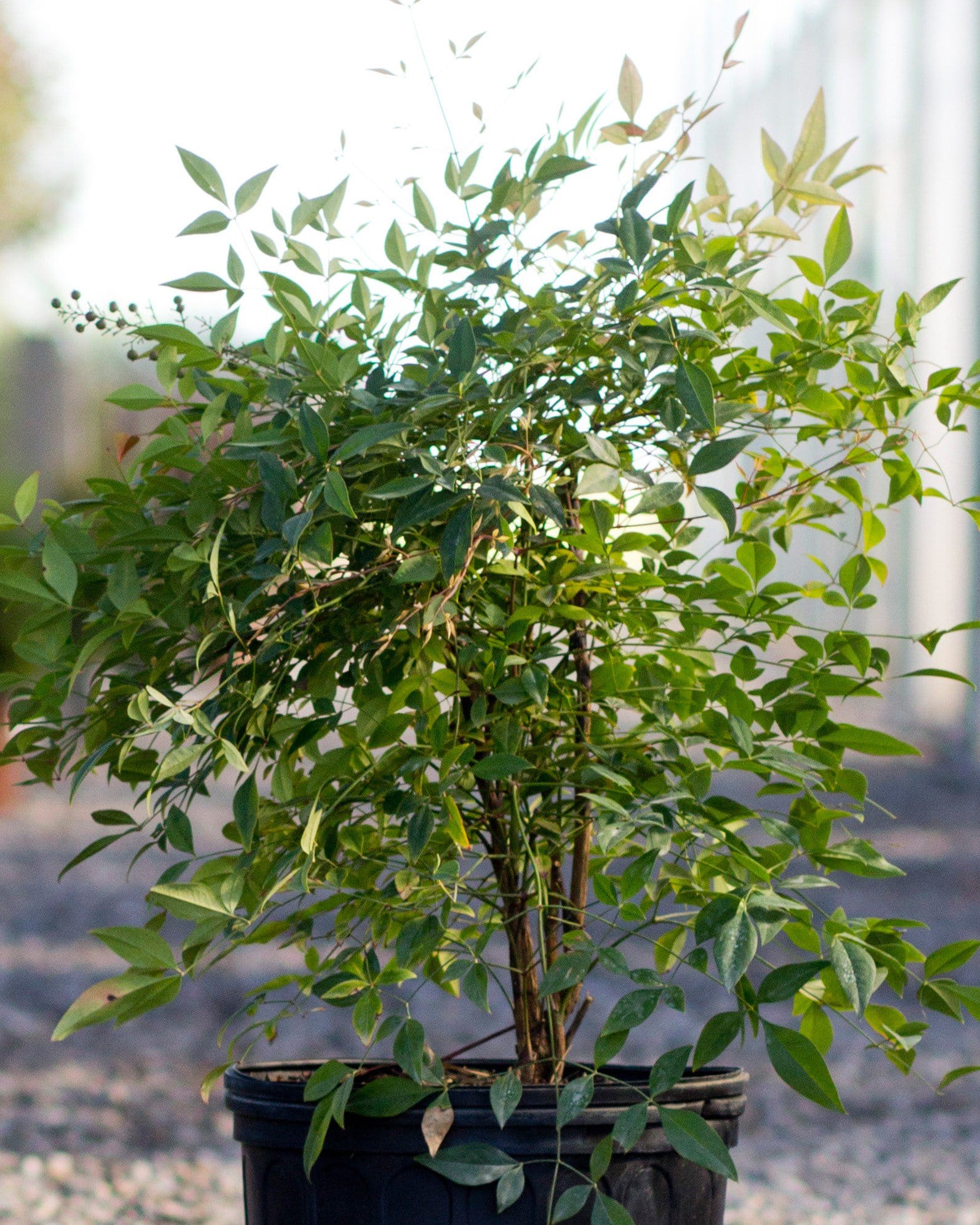
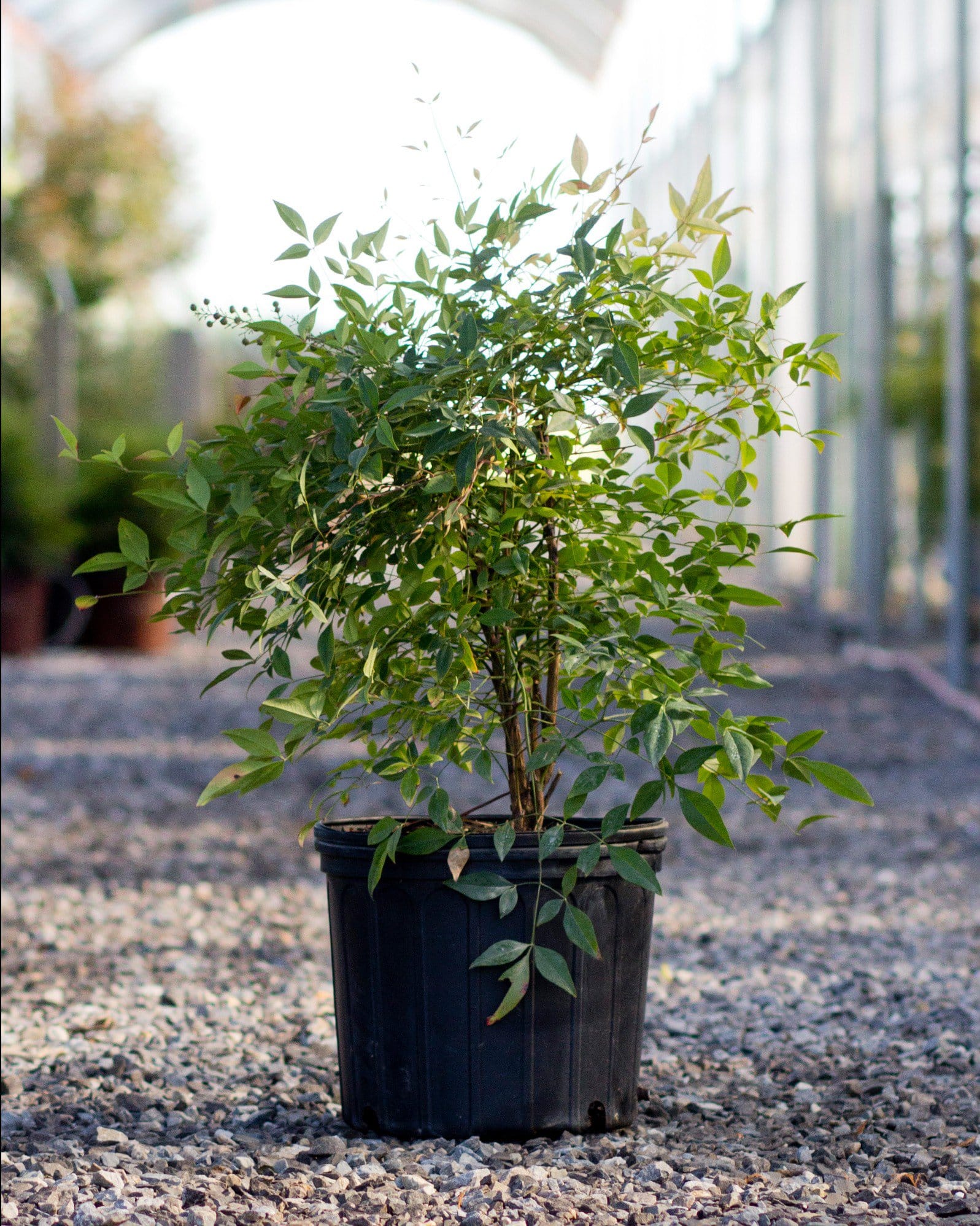
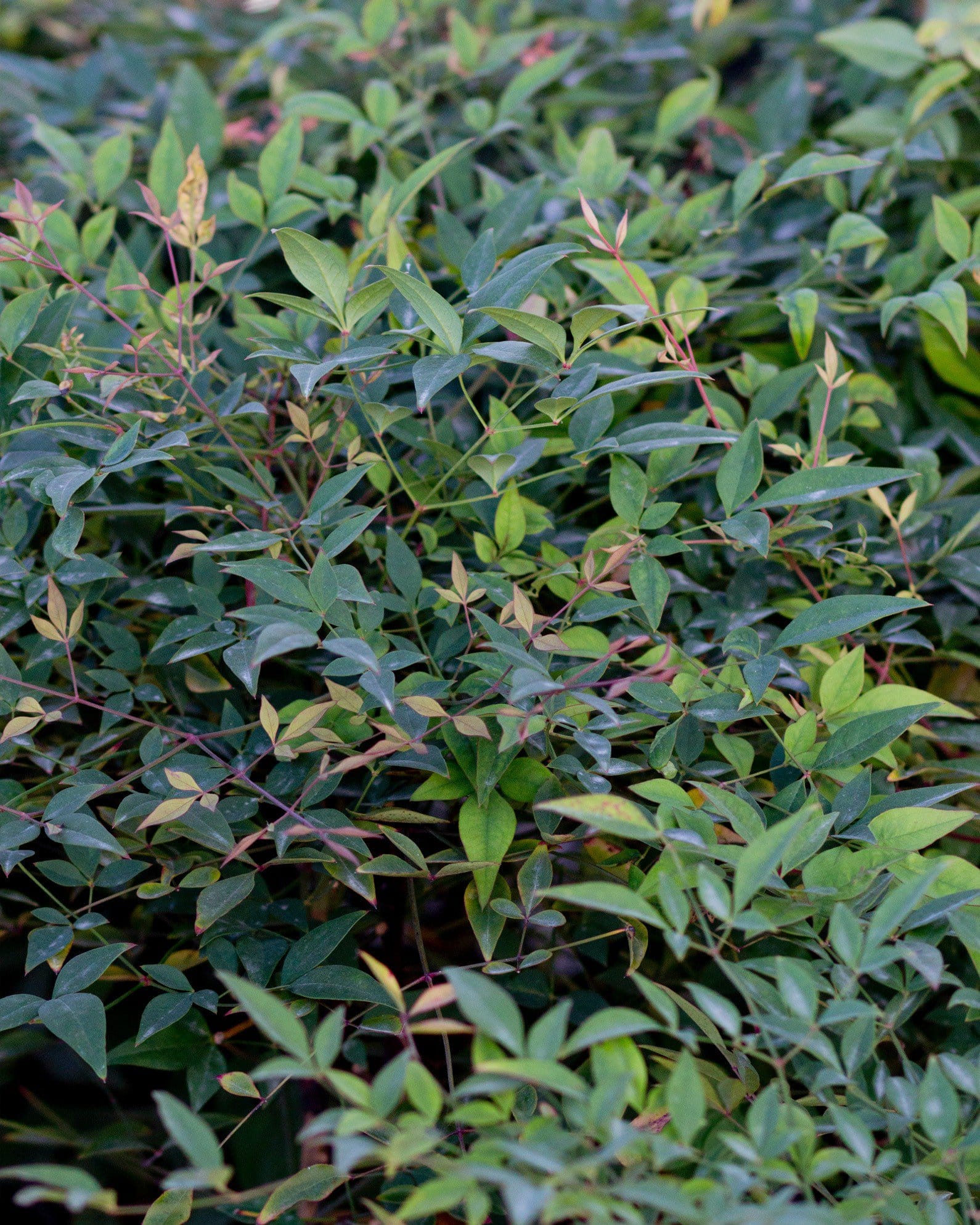
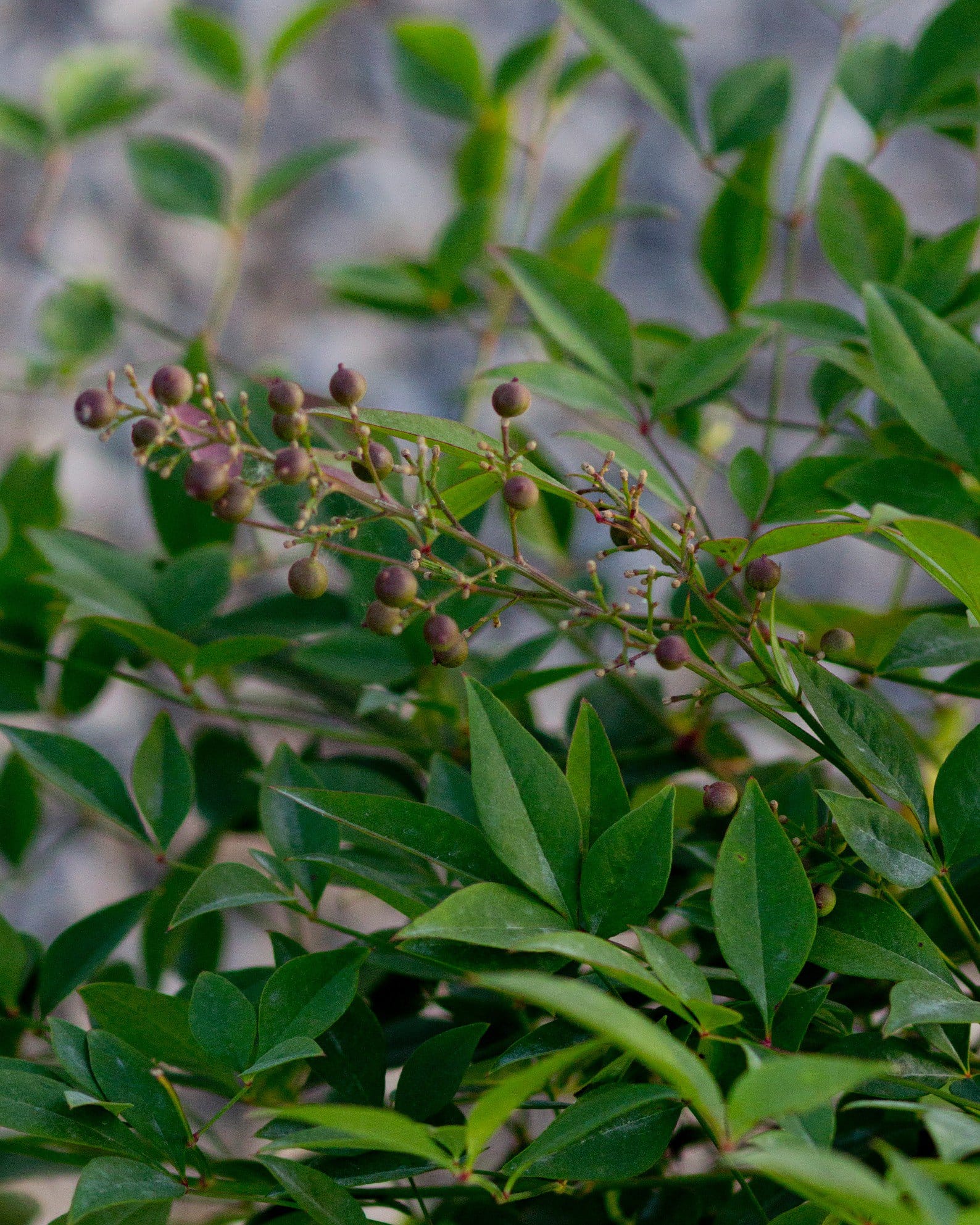
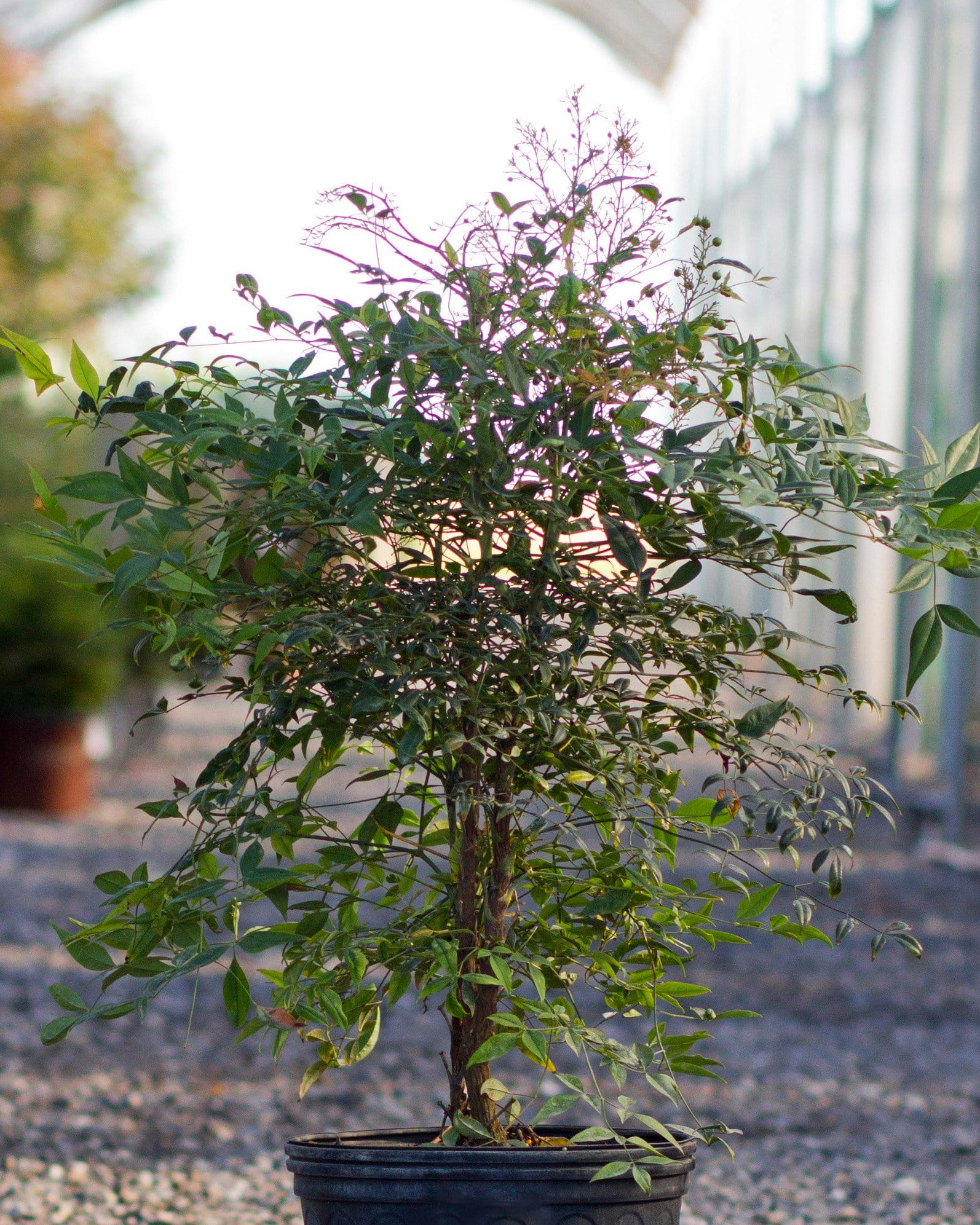
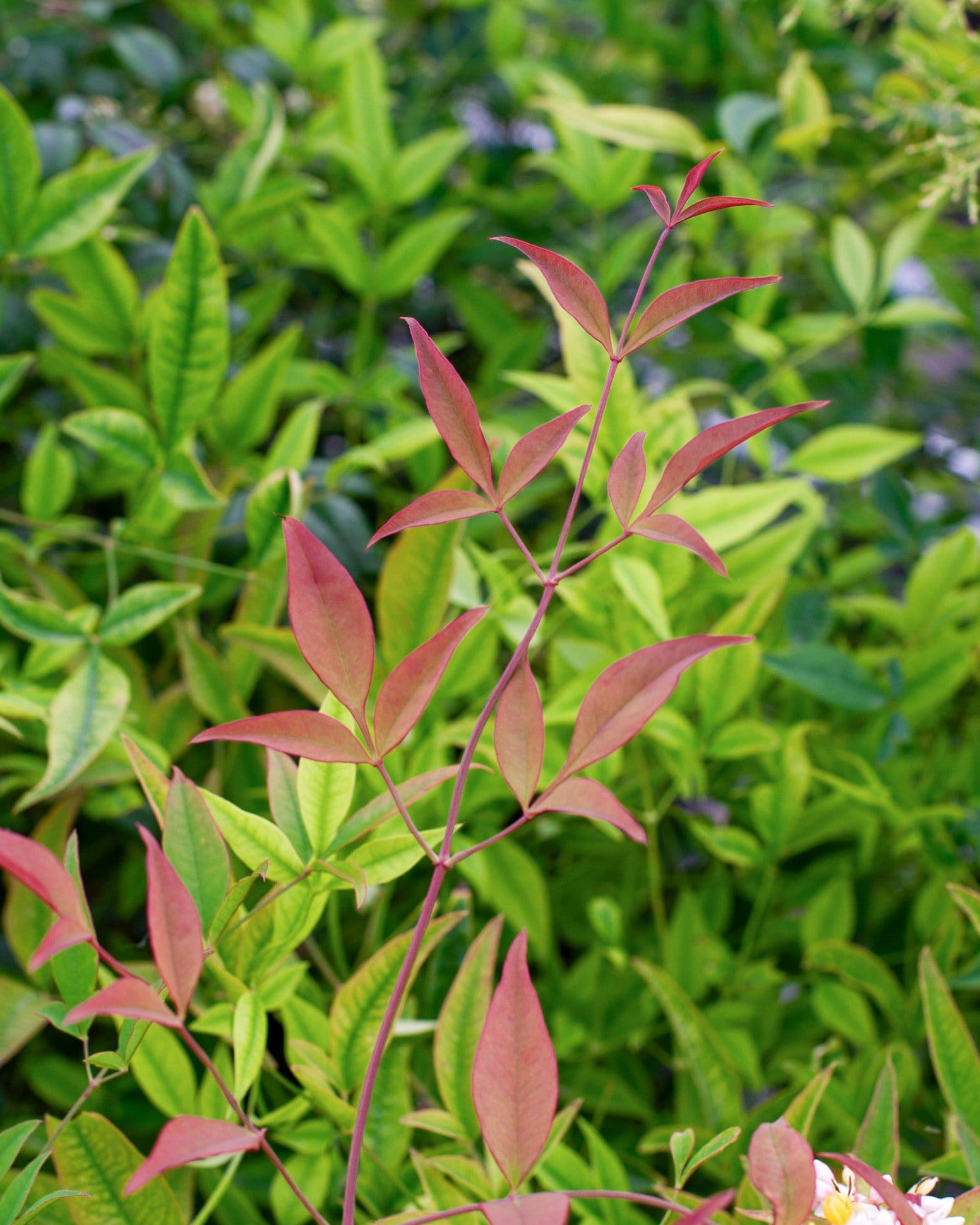
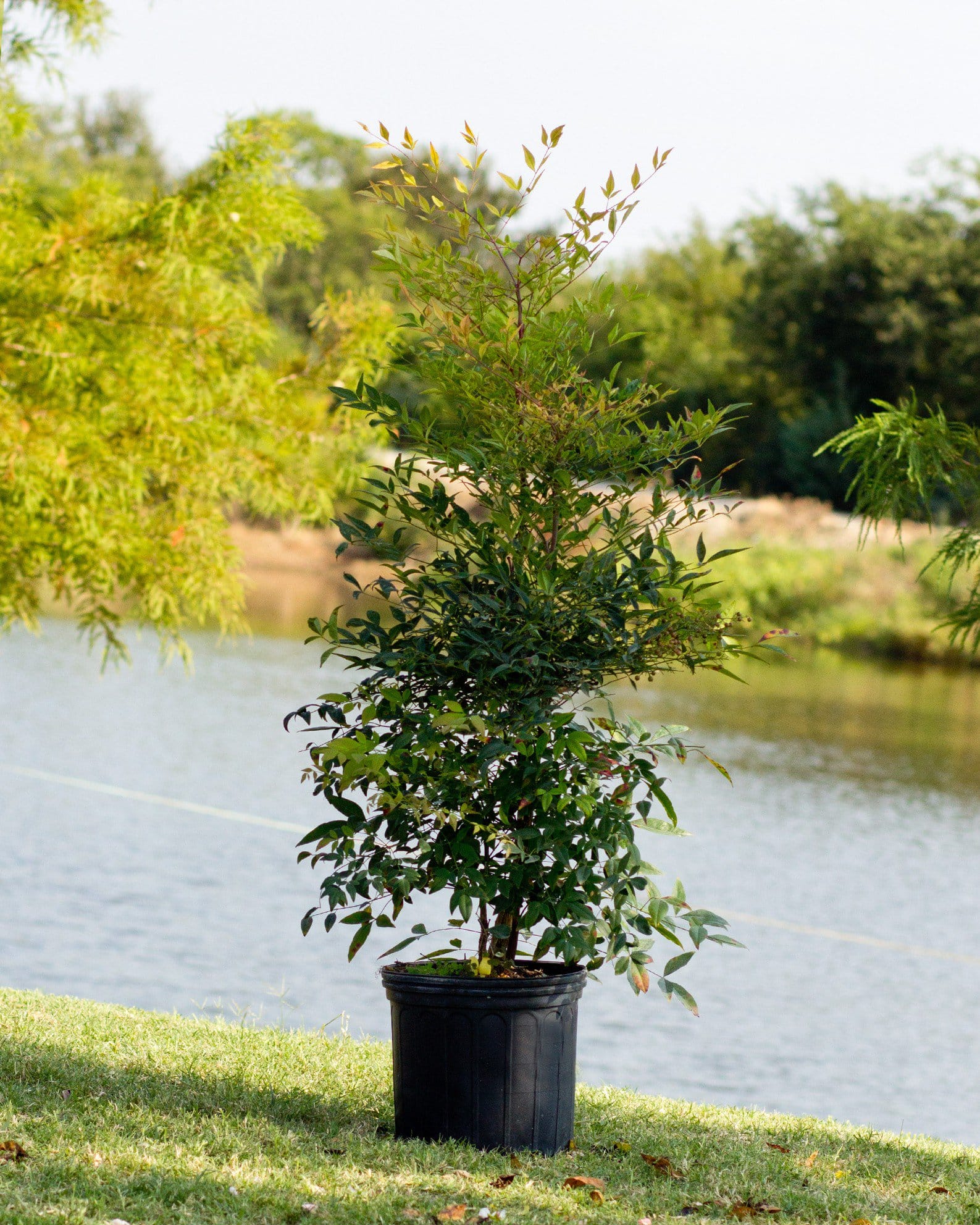
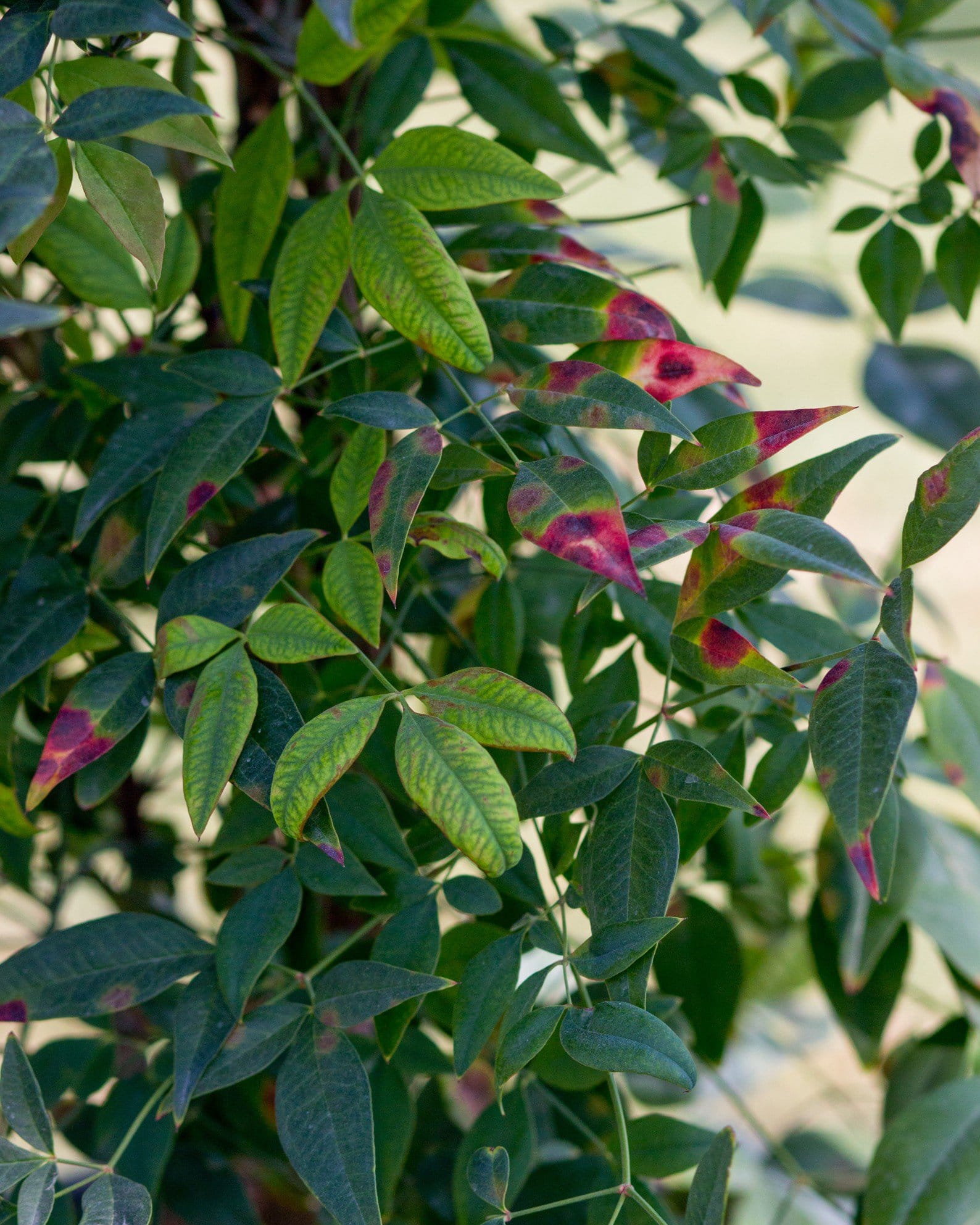
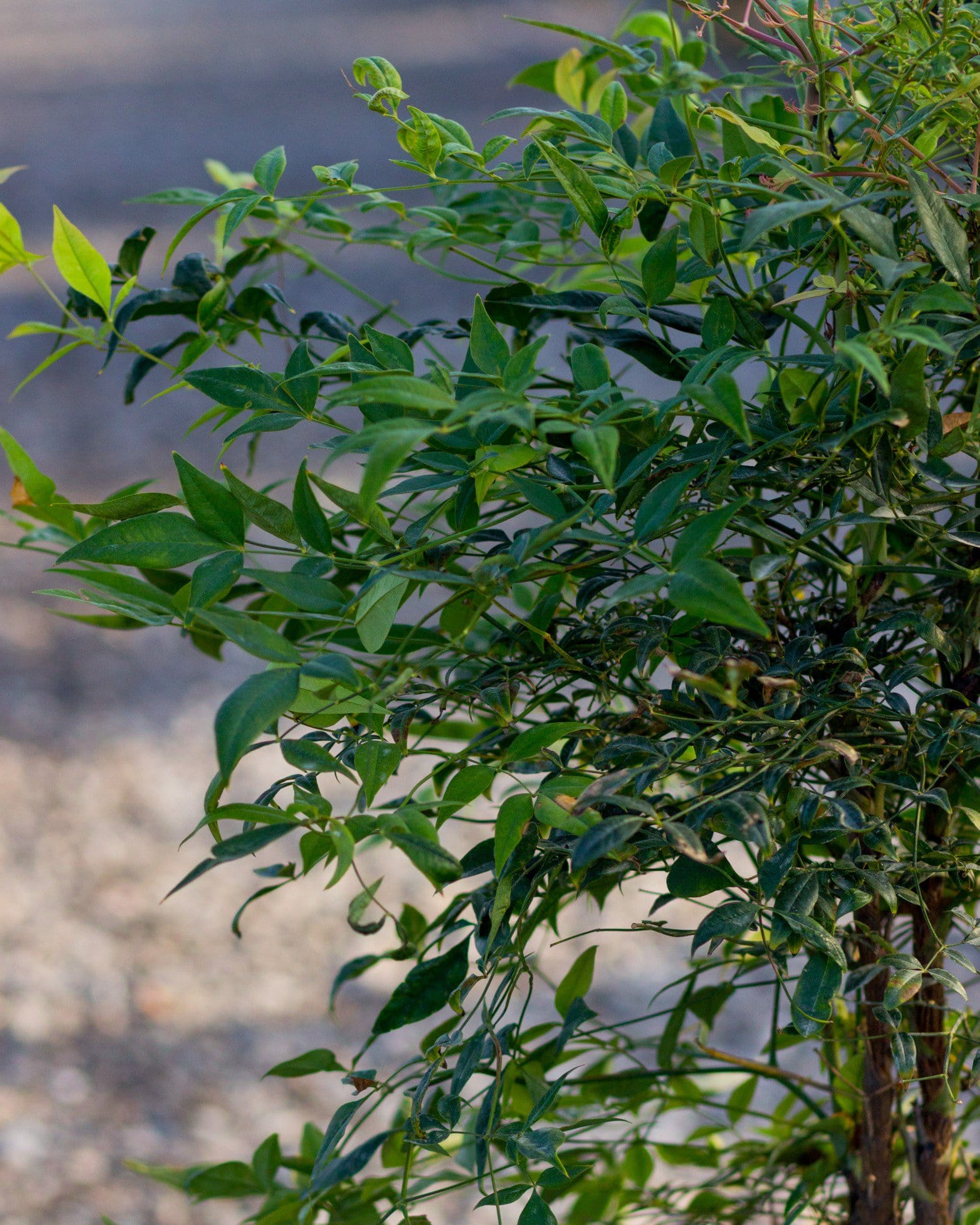
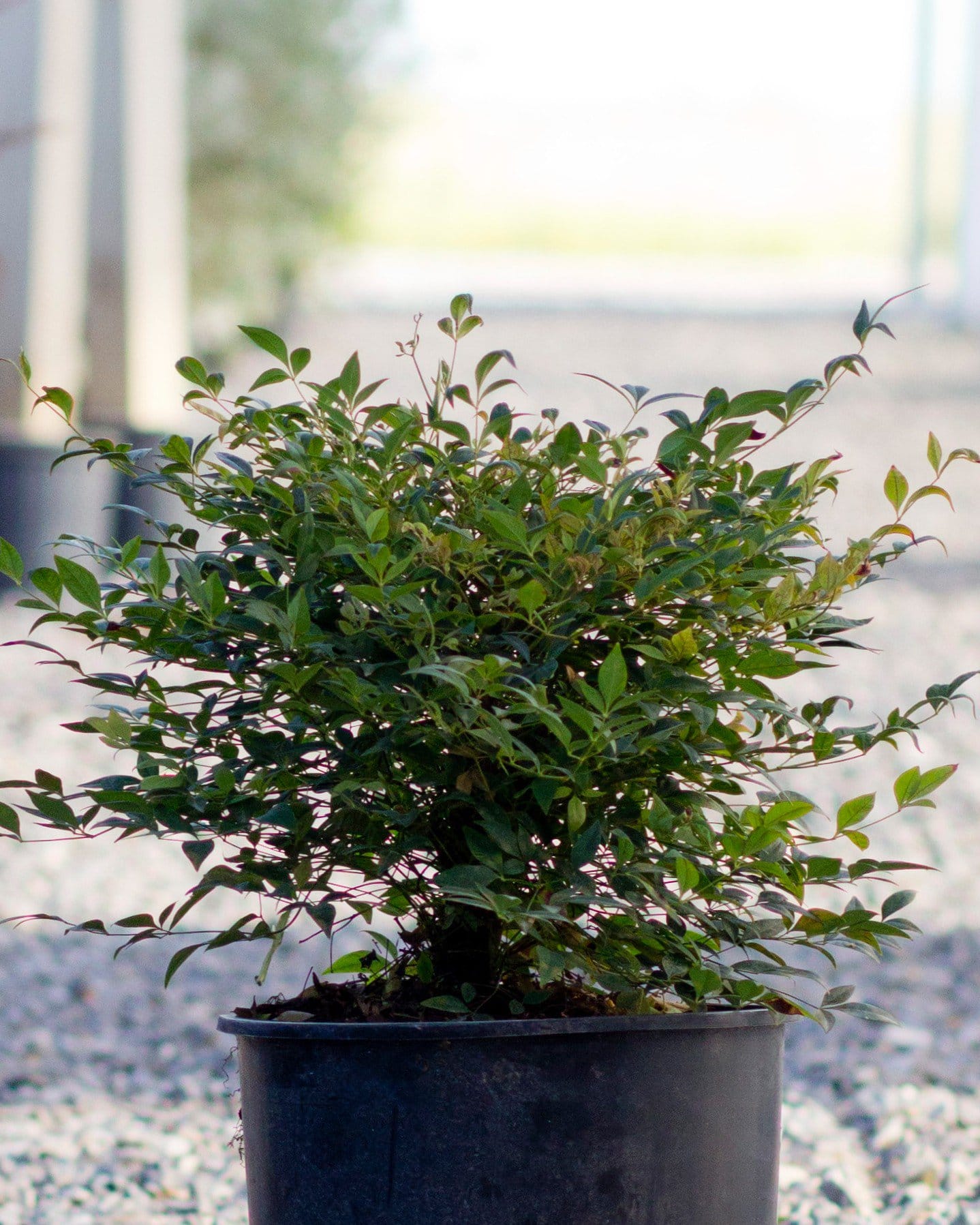
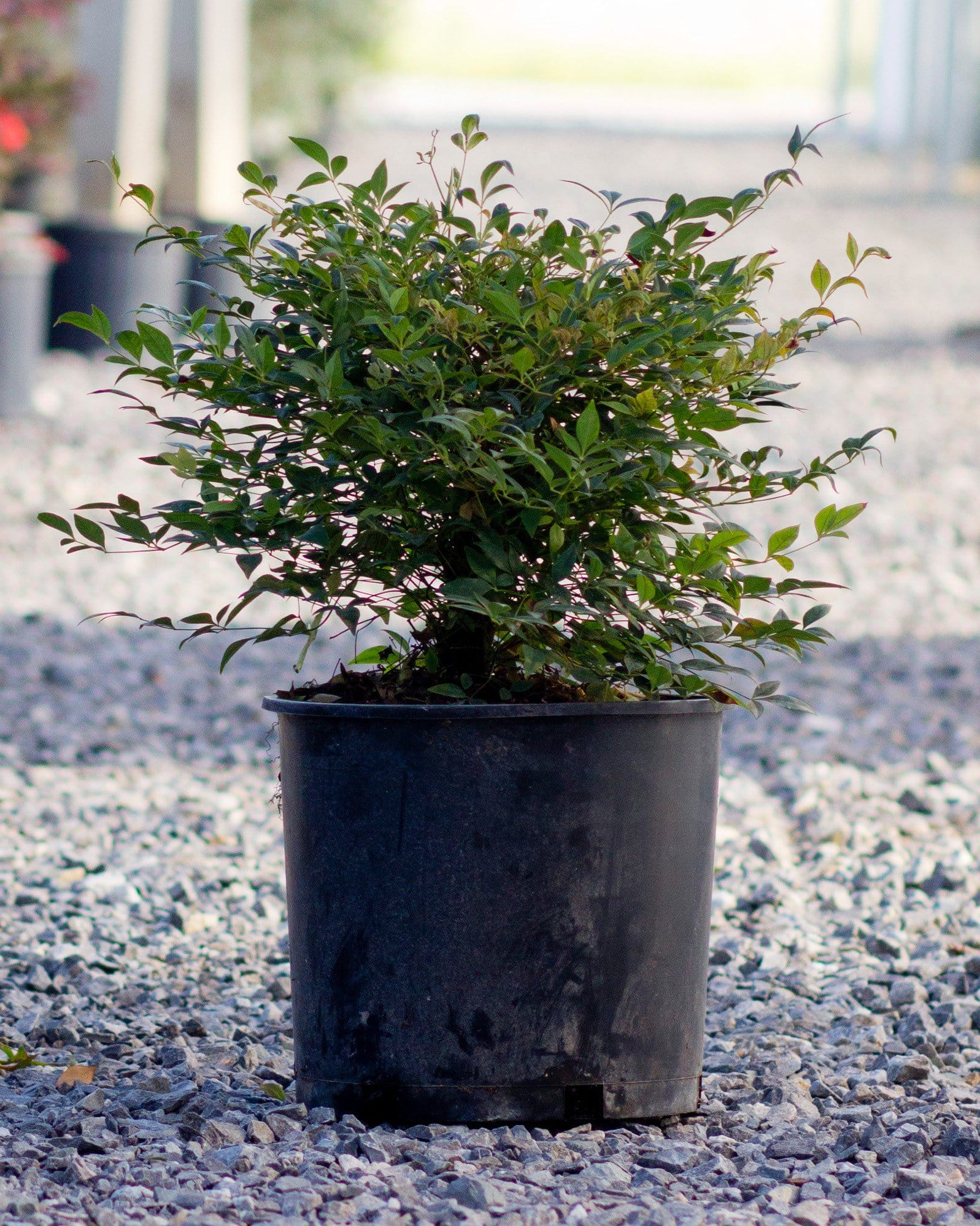
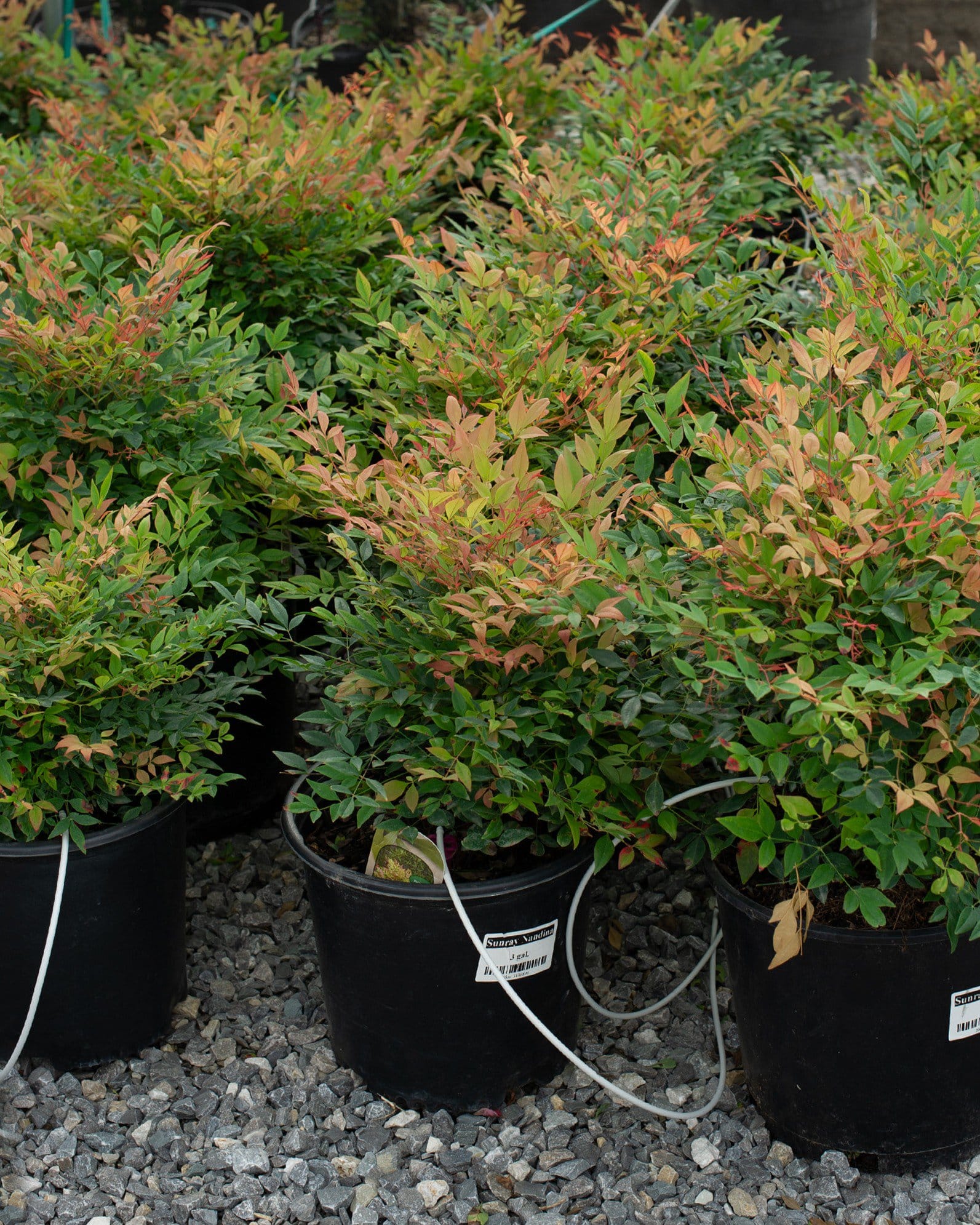
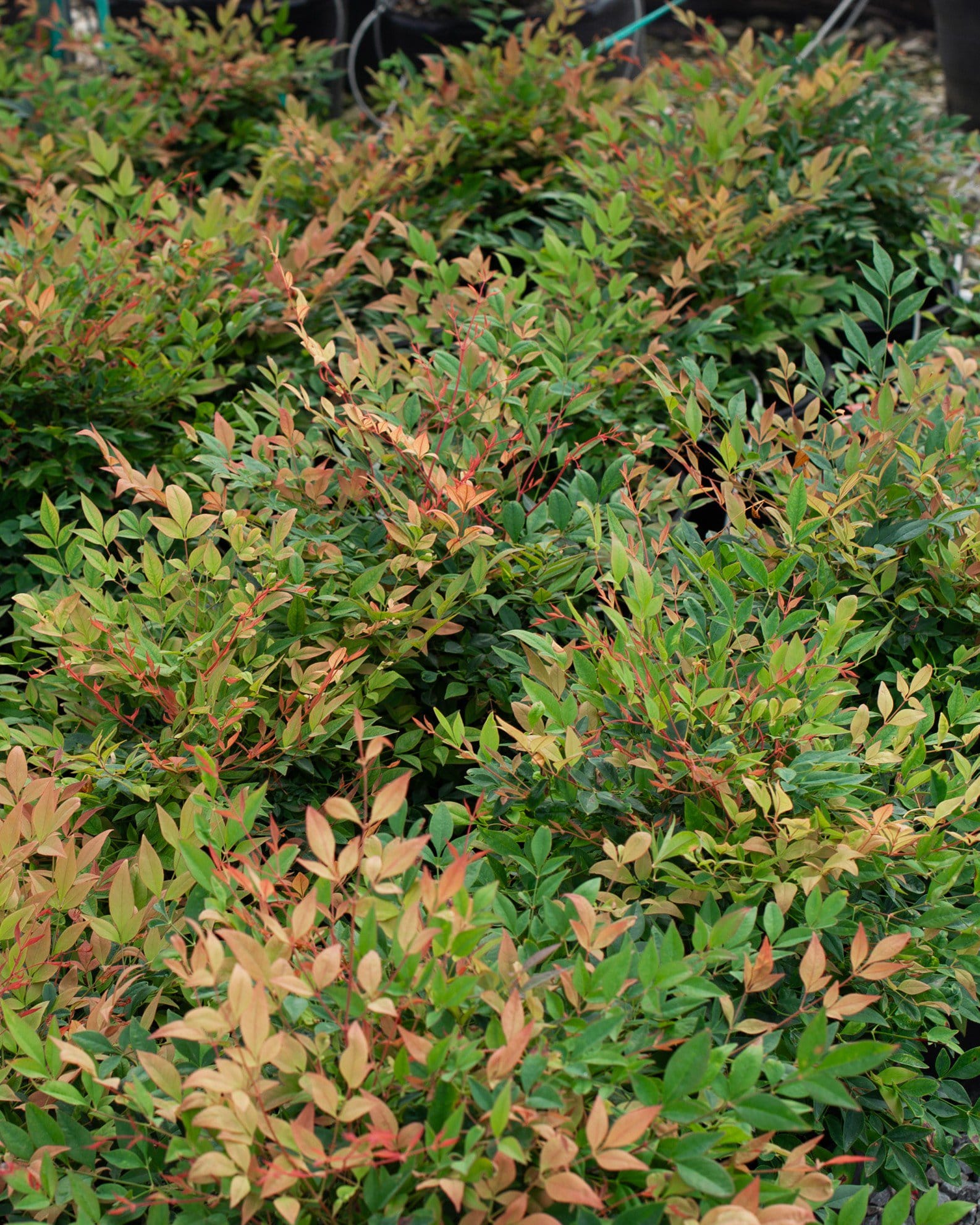
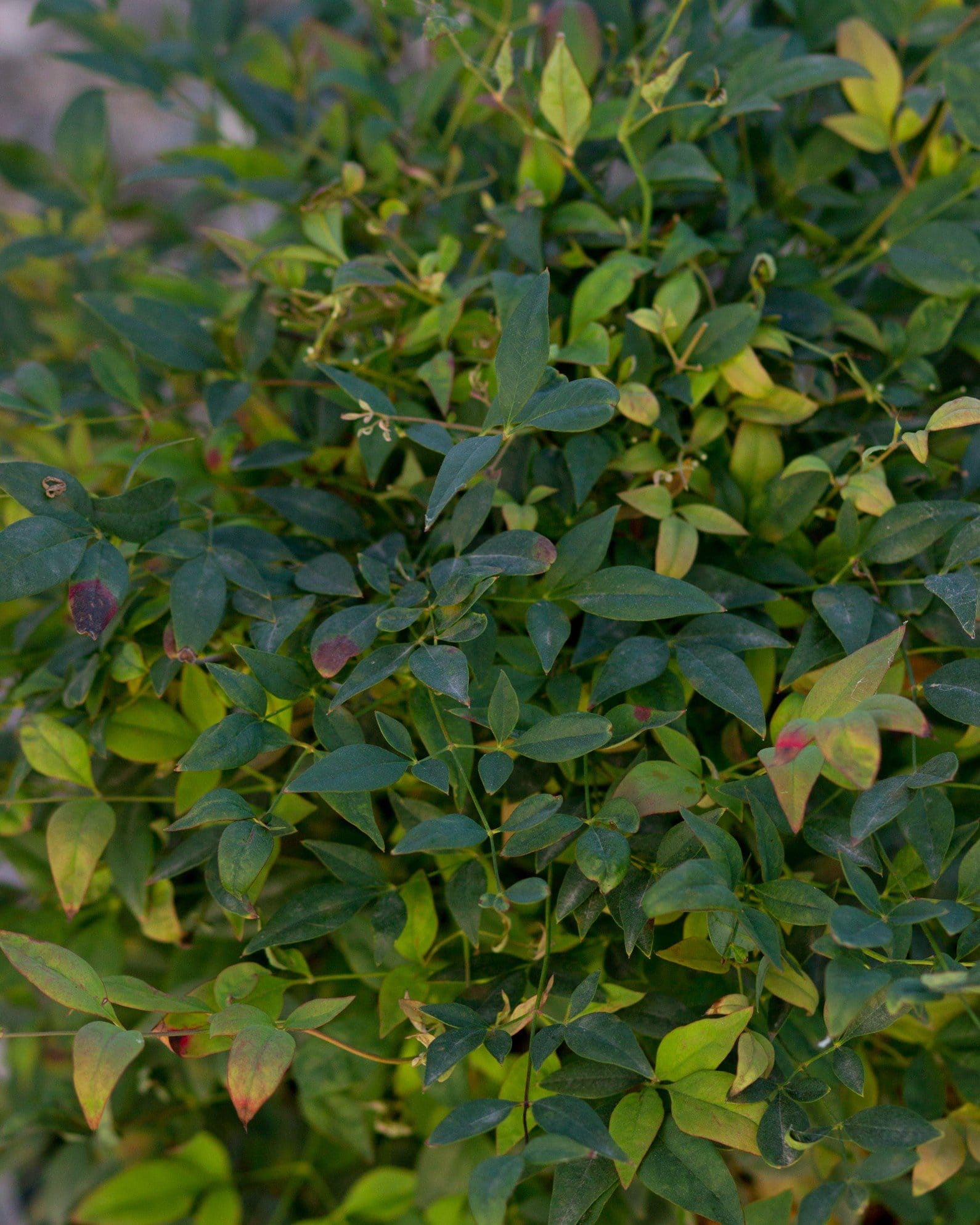
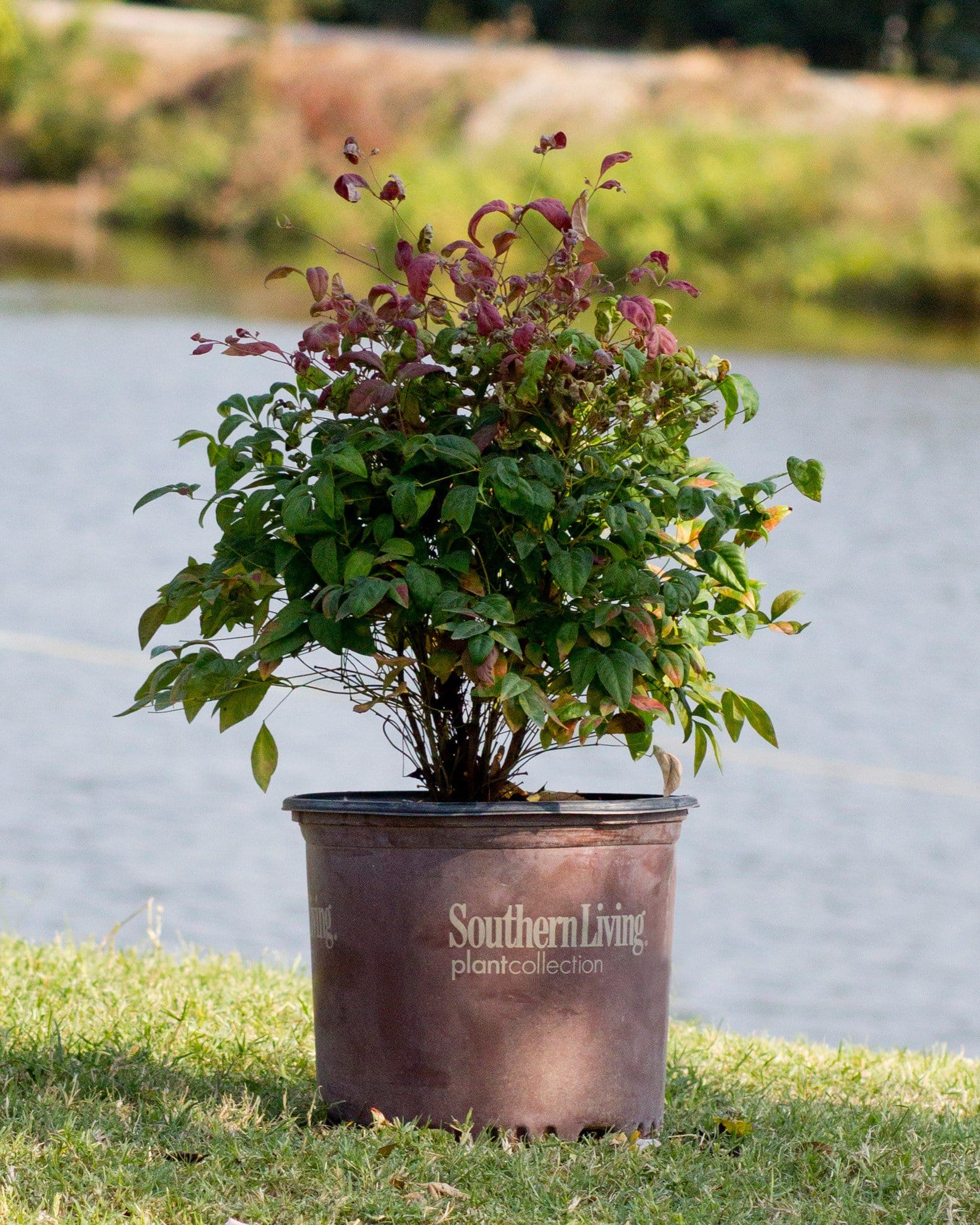
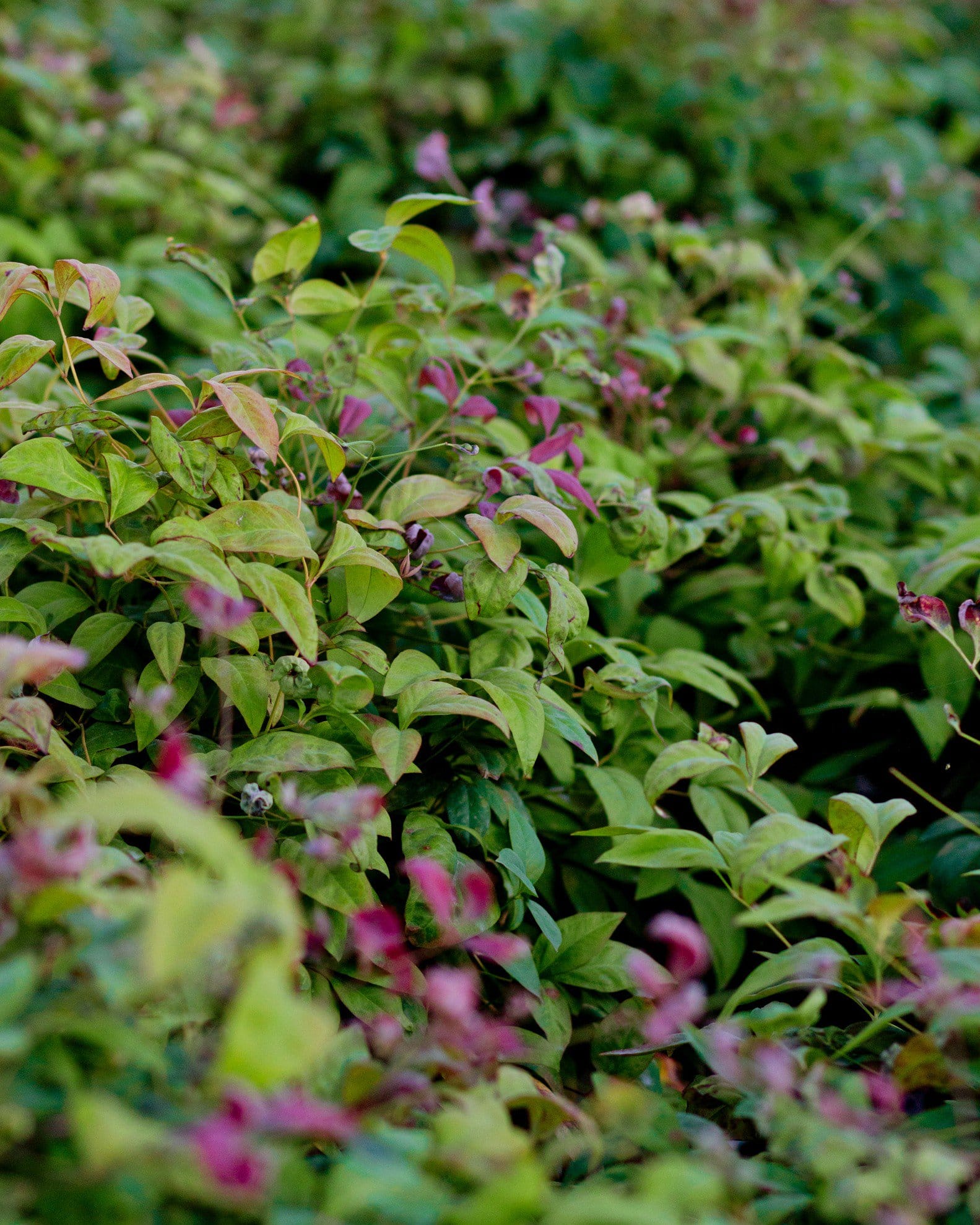
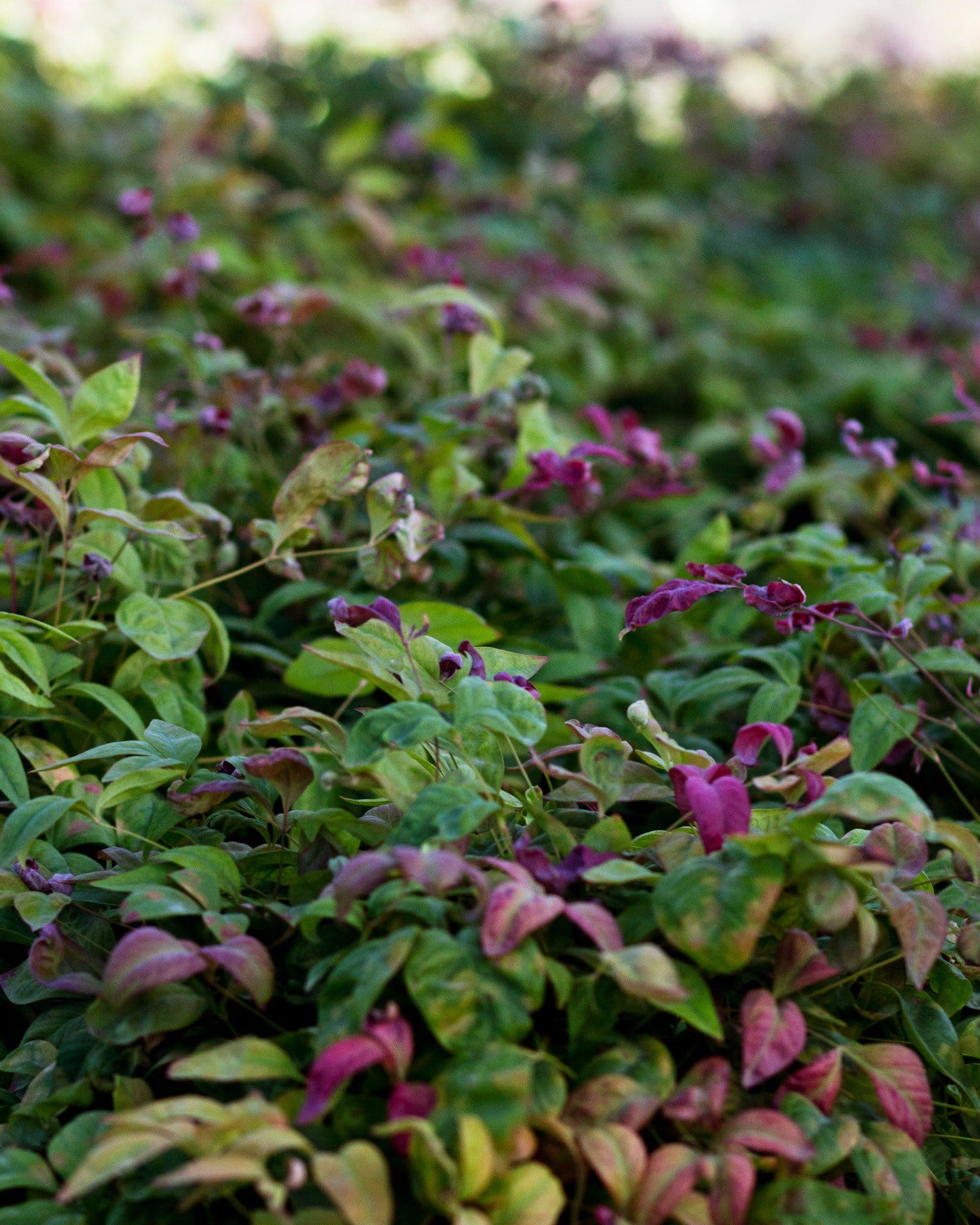
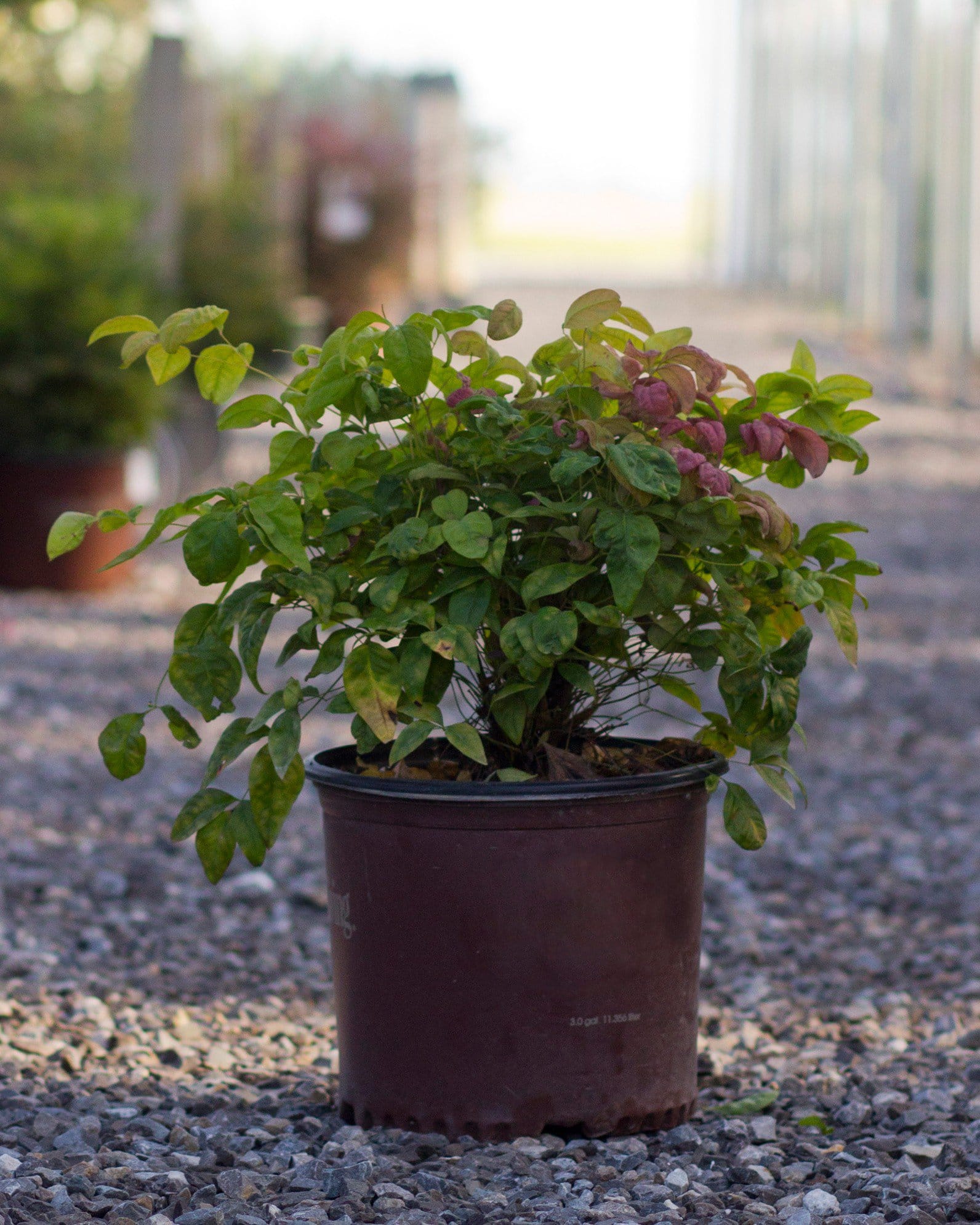
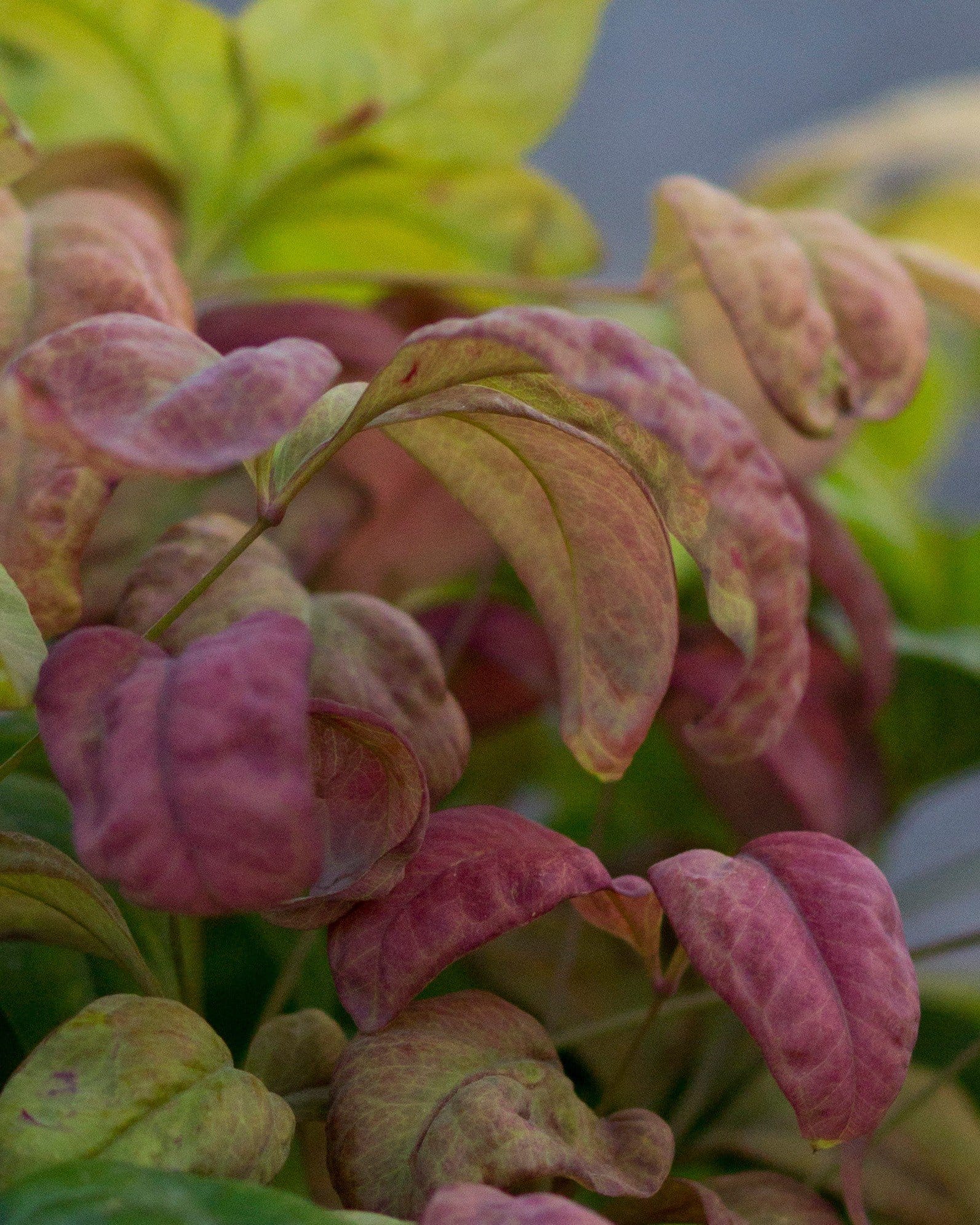
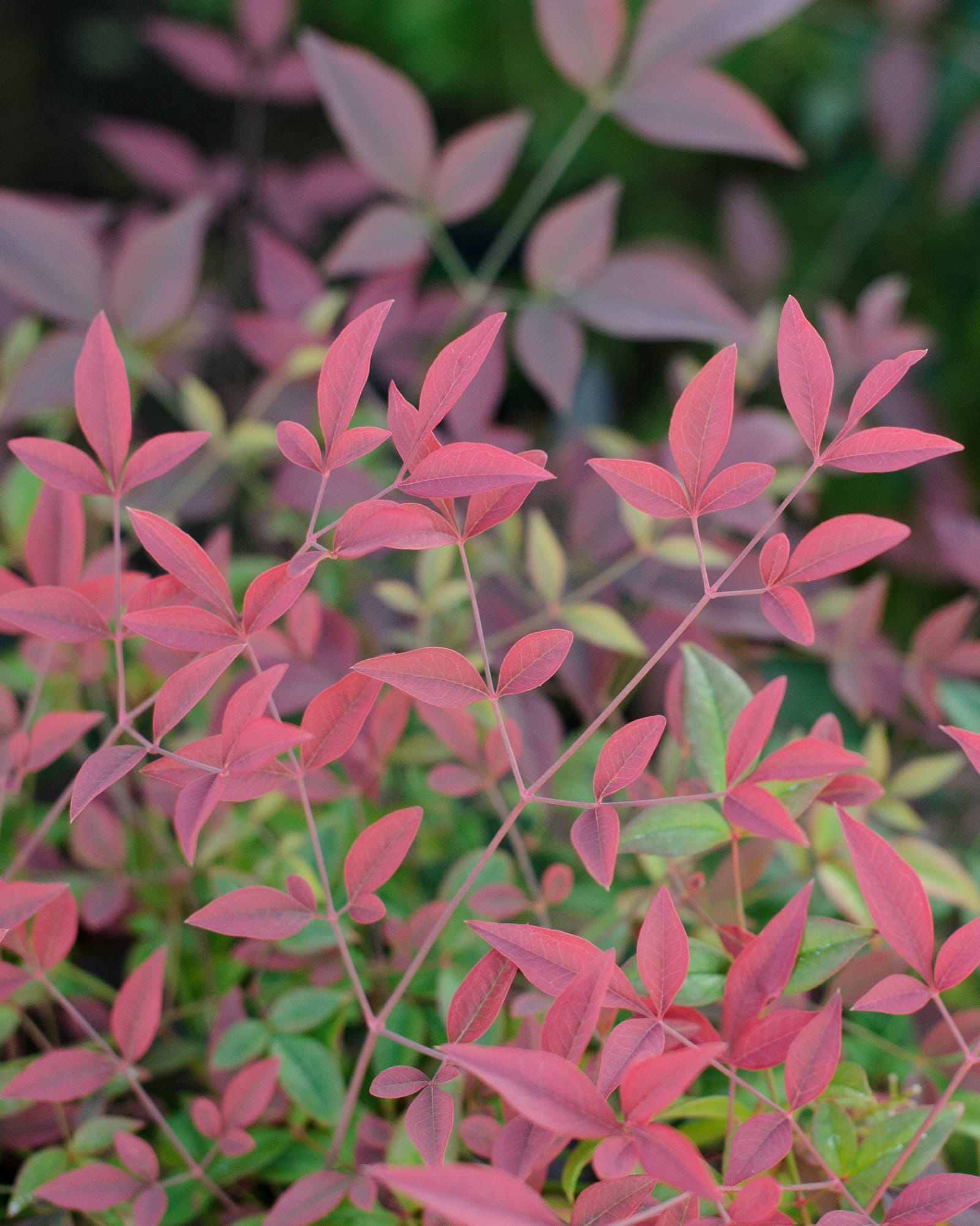
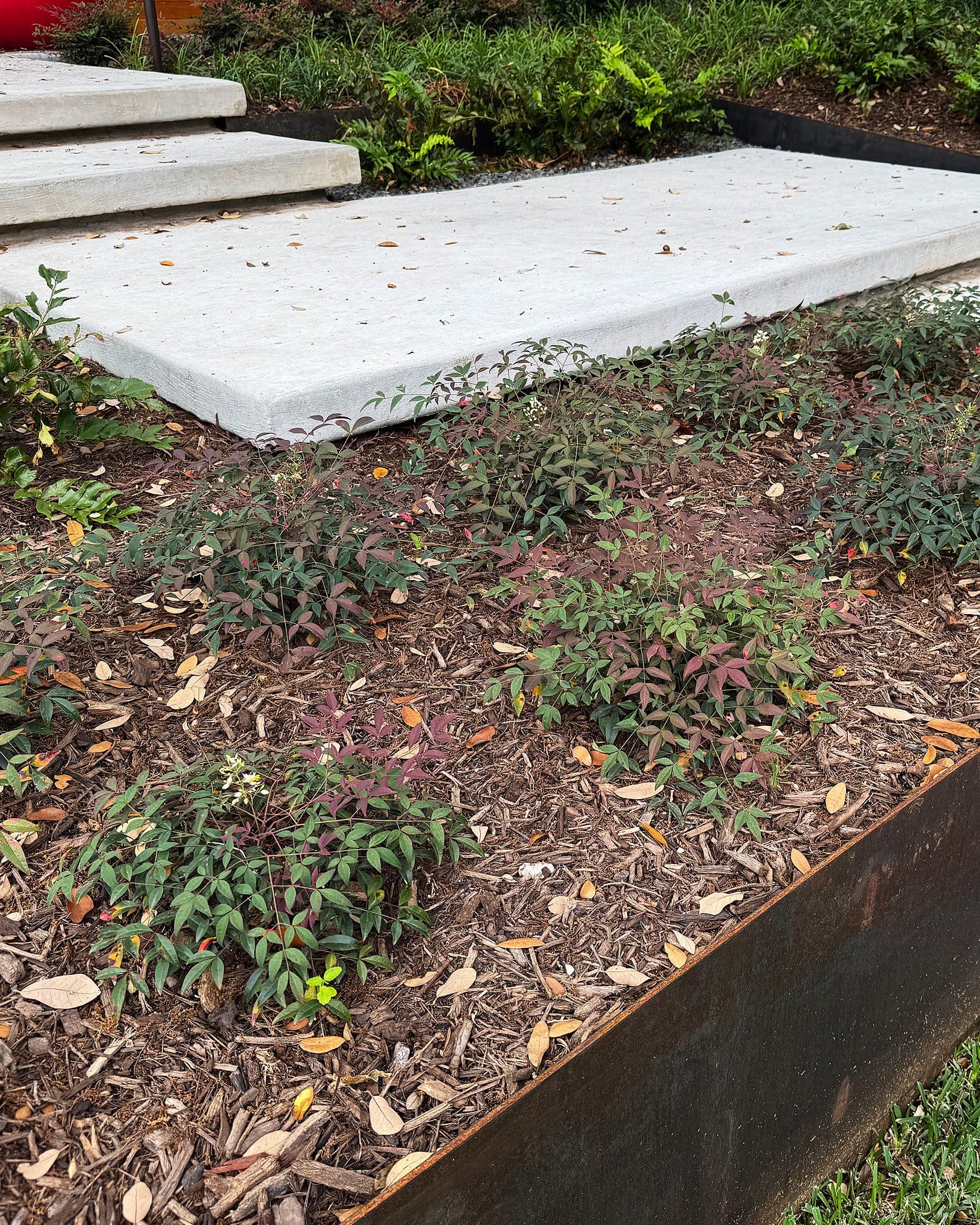
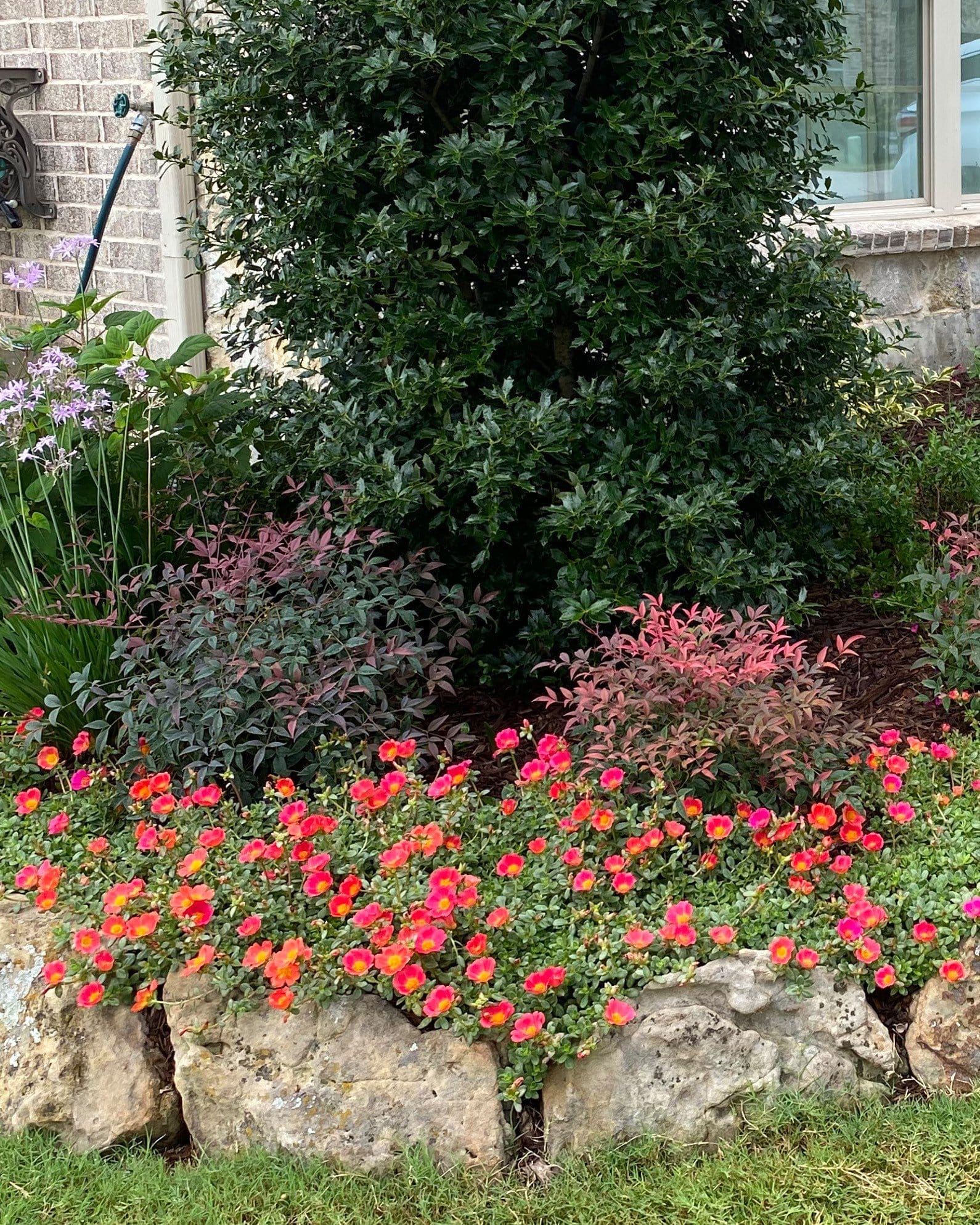
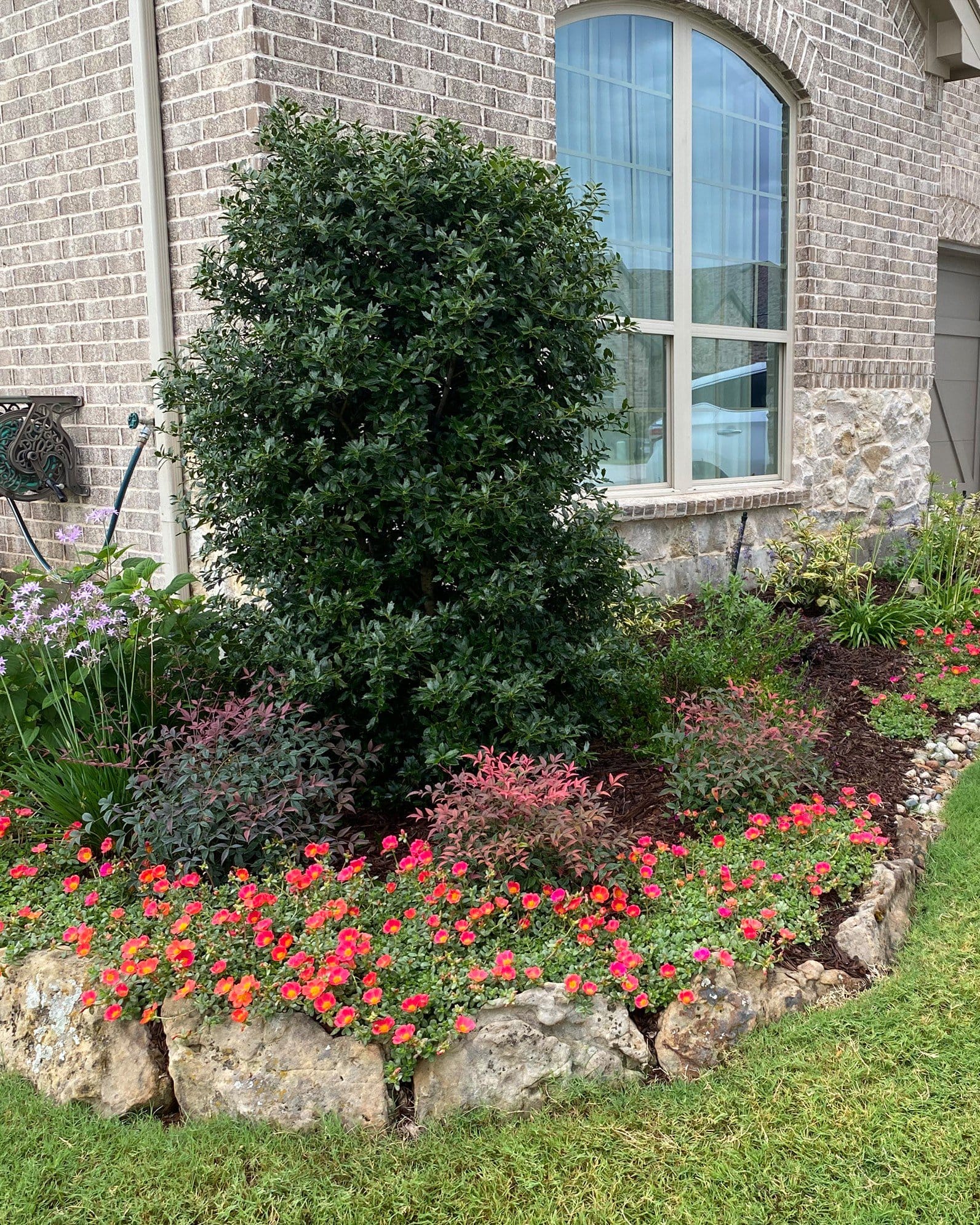
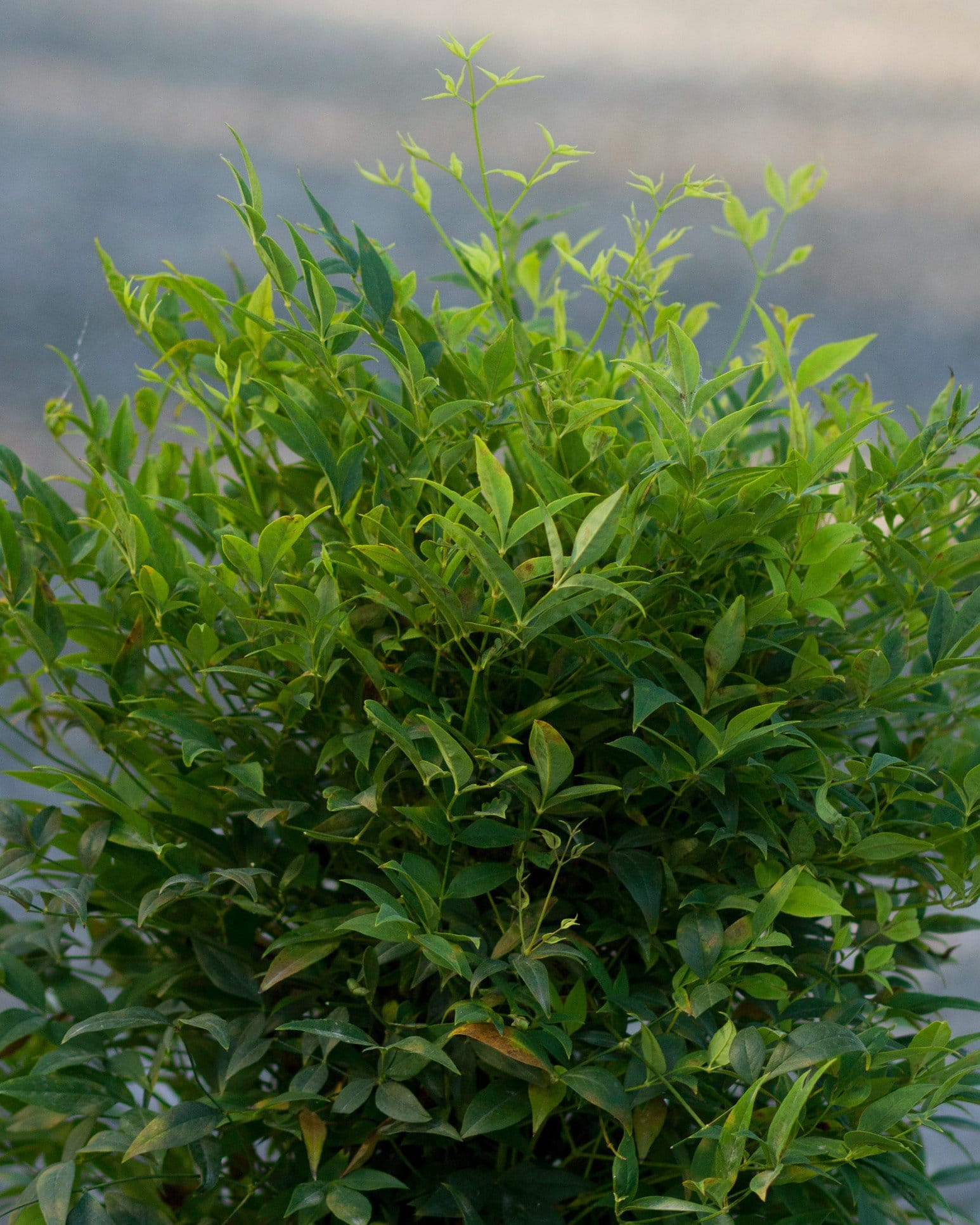
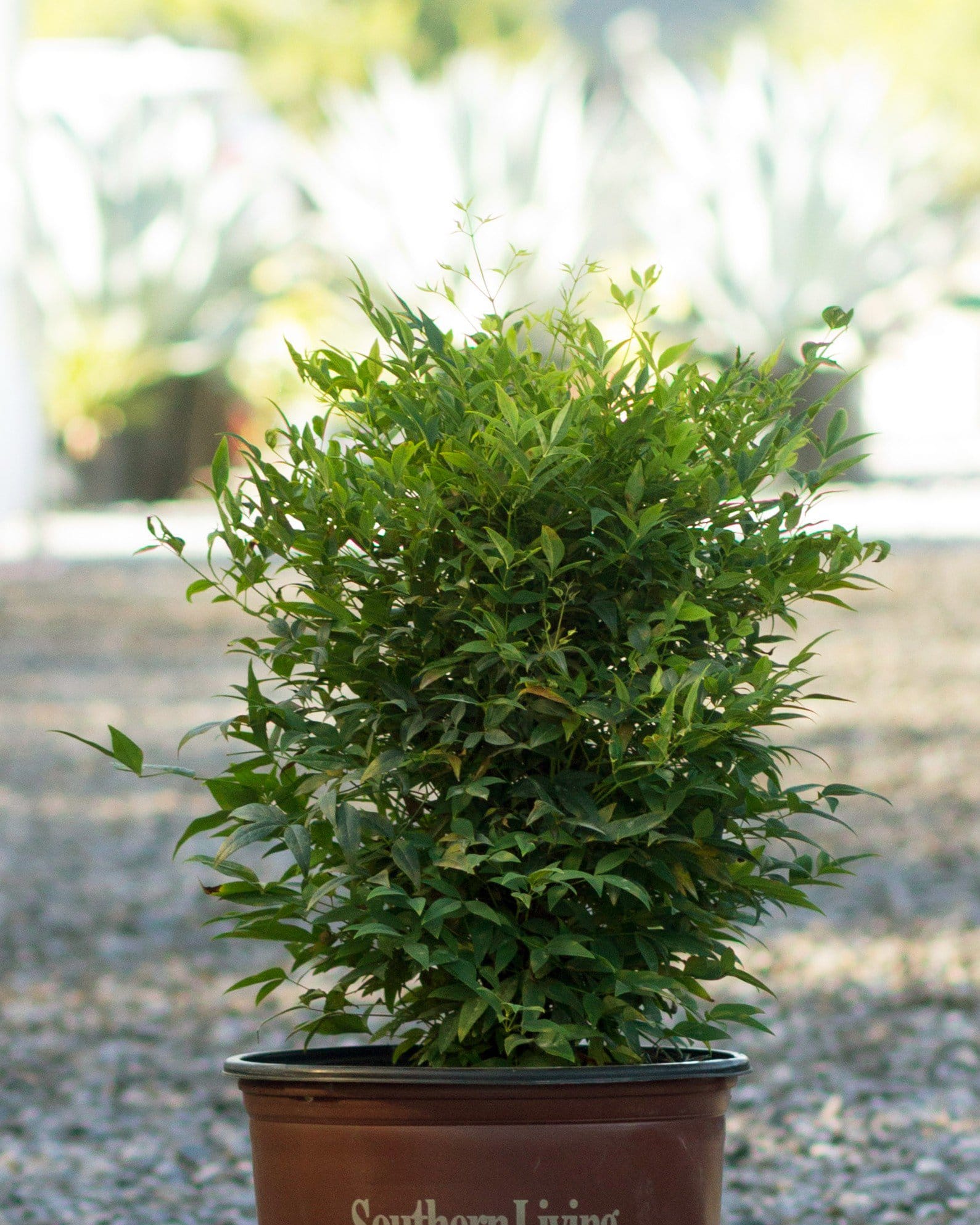
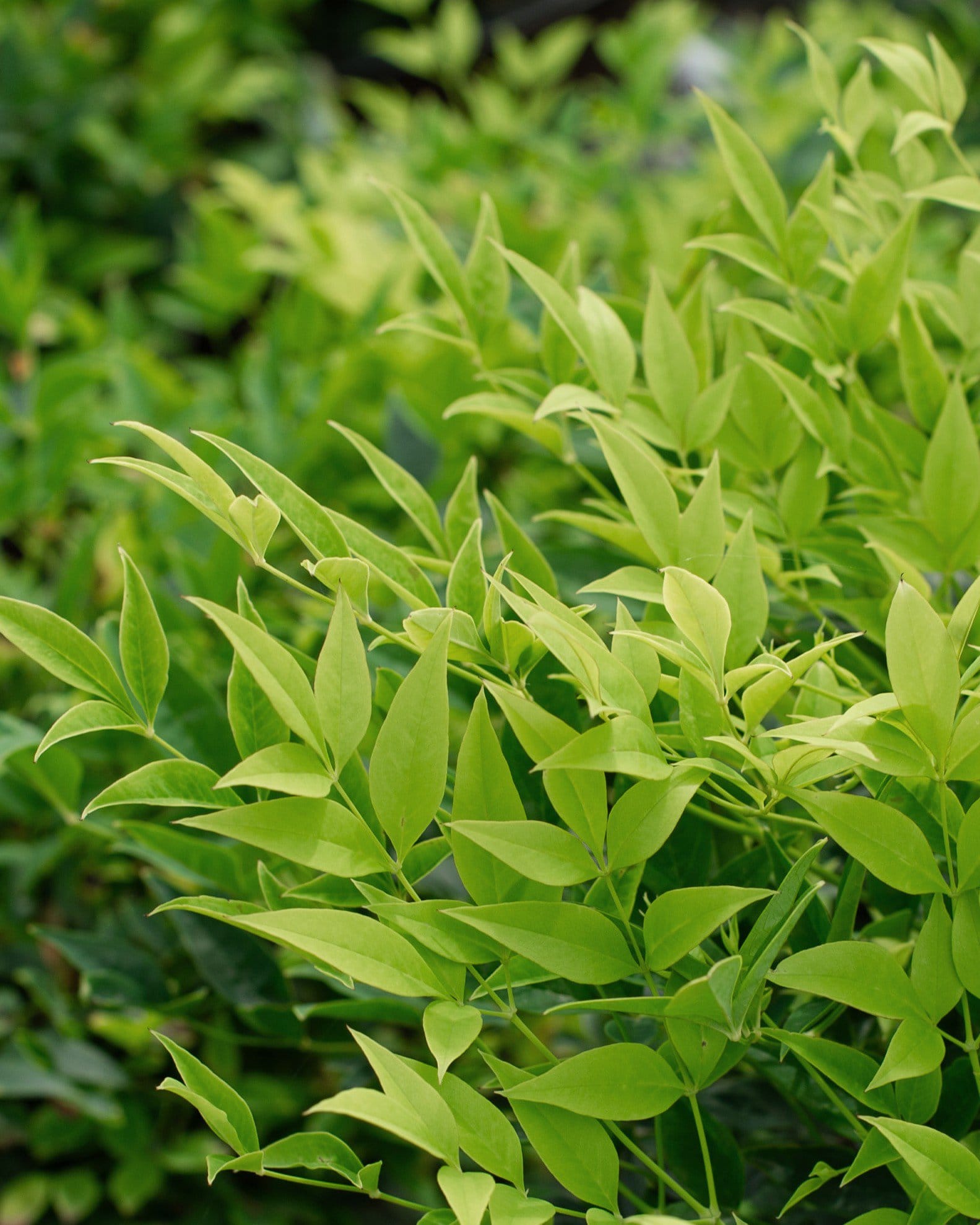
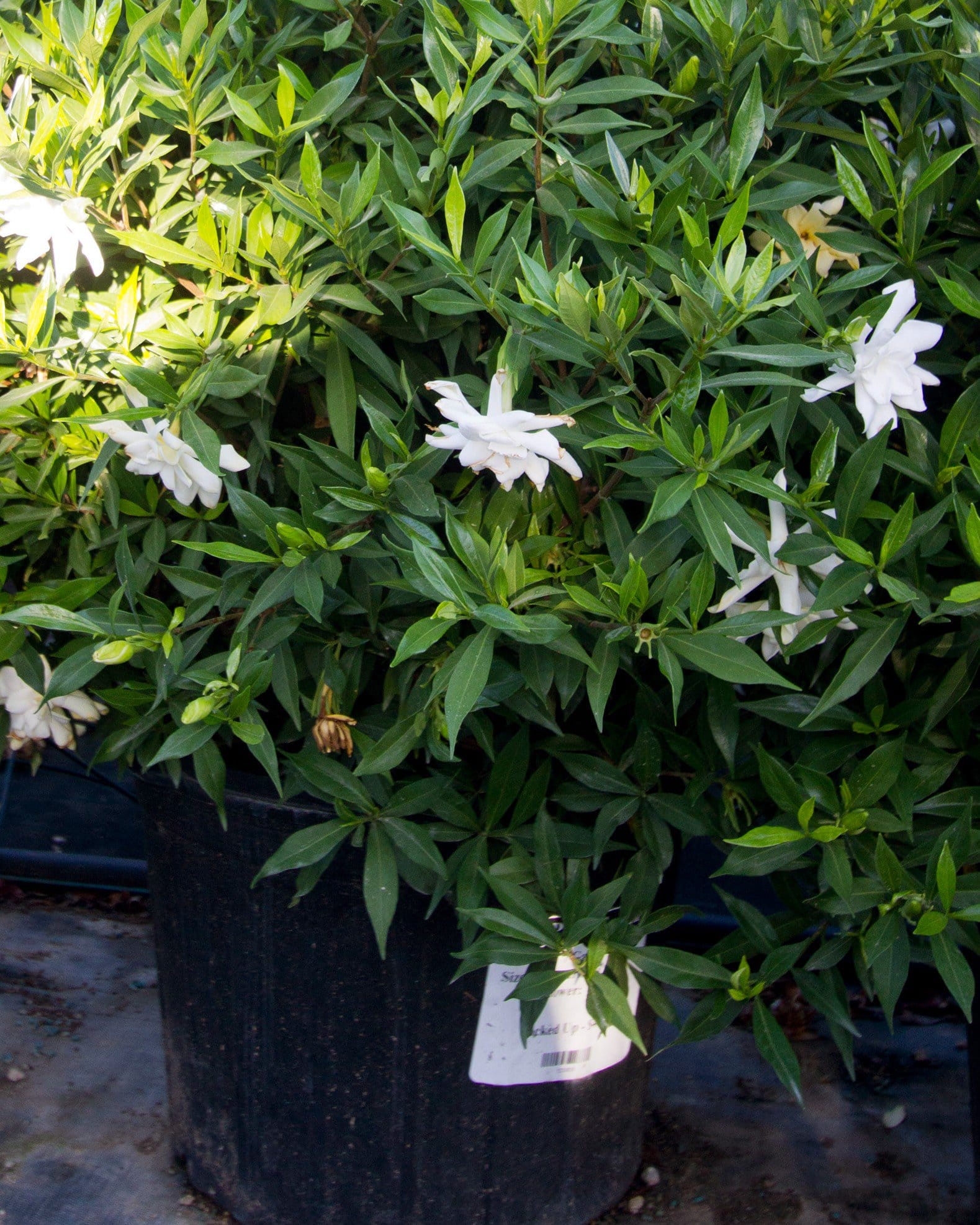
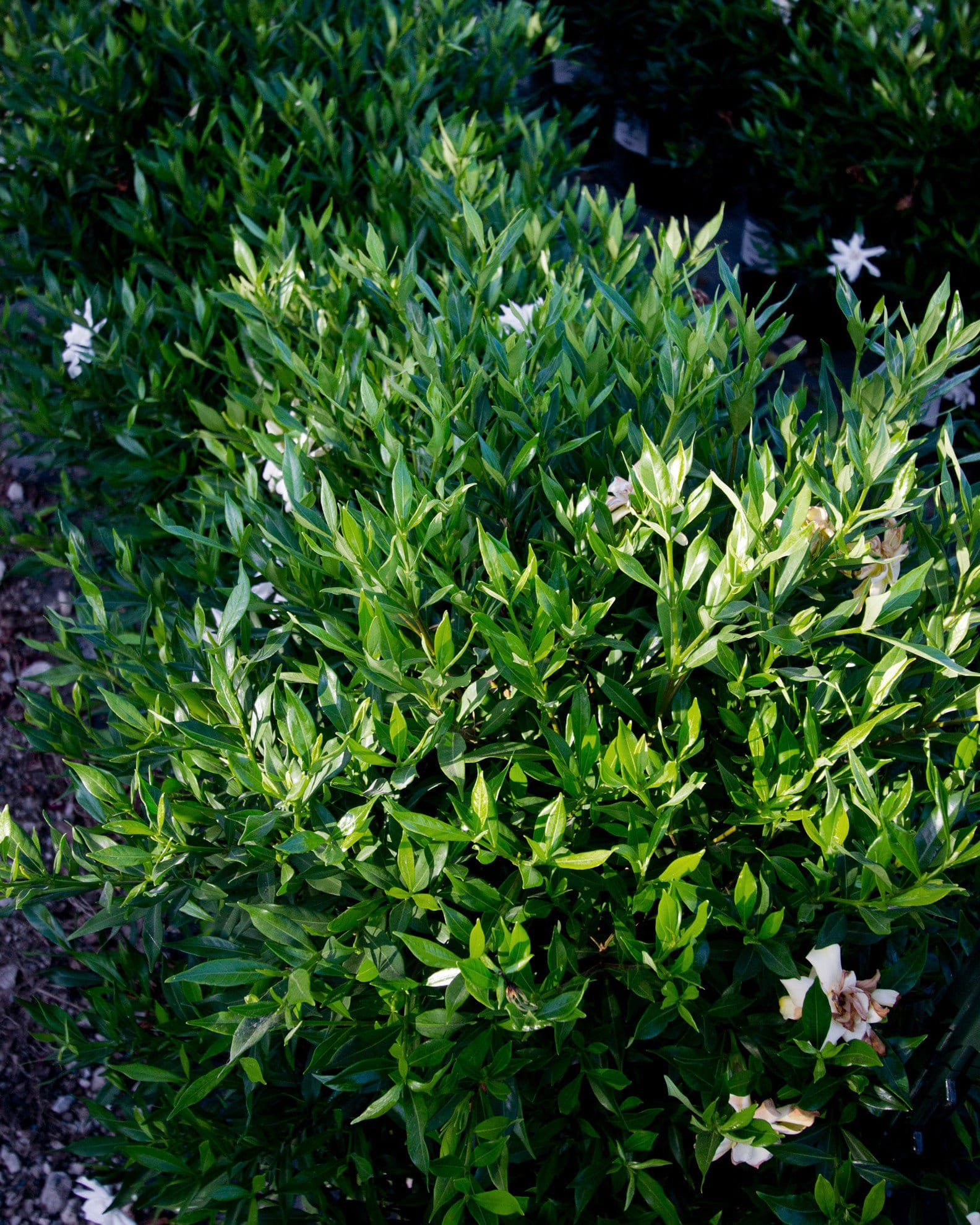
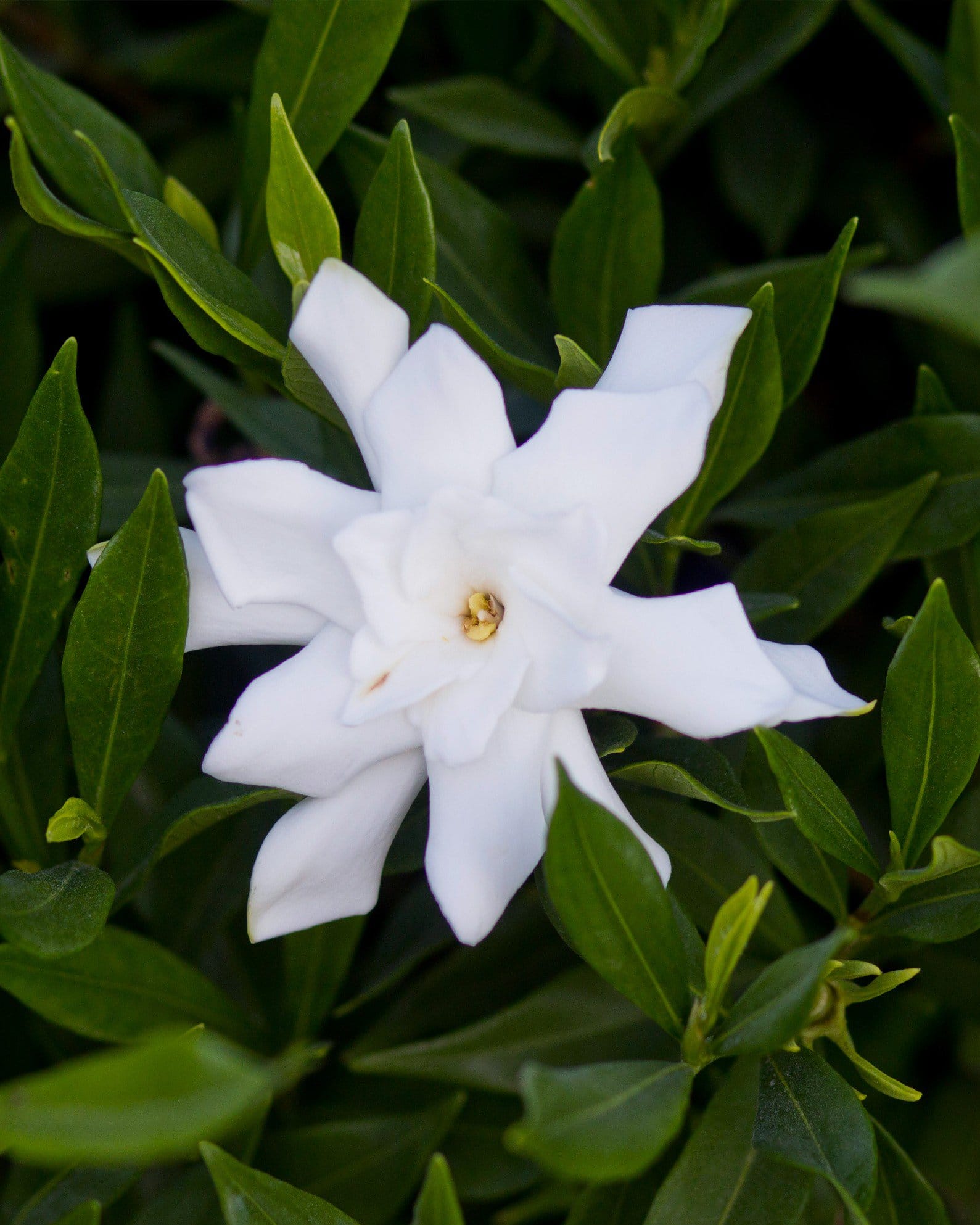
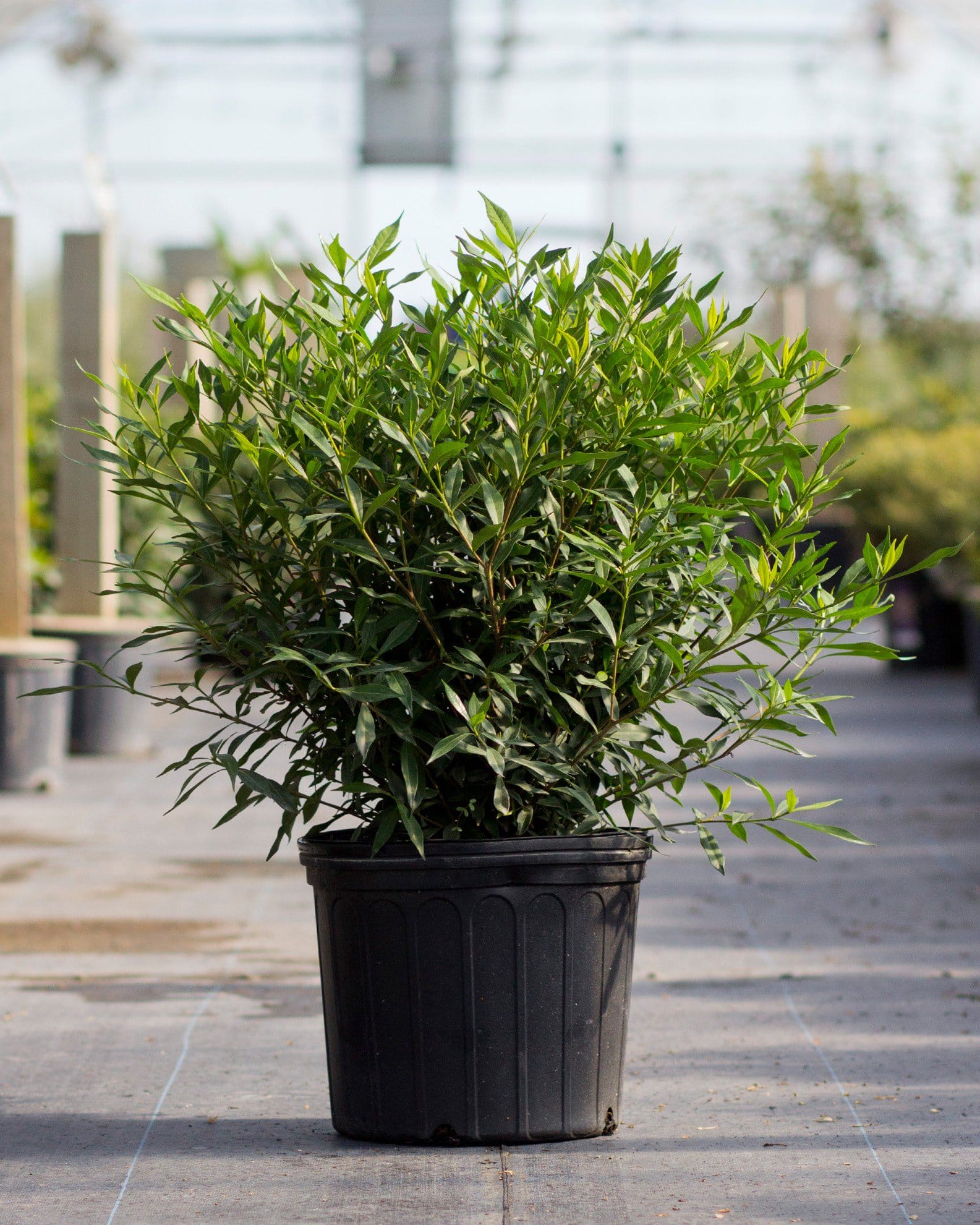
Nandina domestica 'Gulf Stream'Gulf Stream Nandina offers rich foliage texture and subtle seasonal color in a compact, rounded form. It reaches about 3 feet tall and equally wide, with soft green leaves that shift to copper, bronze, and red during cooler seasons. The plant holds its shape naturally, making it a favorite for low hedging or grouped plantings. It blends beautifully with perennials and ornamental grasses and offers evergreen interest with minimal care.
- Evergreen shrub
- Copper and red fall tones
- Rounded form to 3 feet
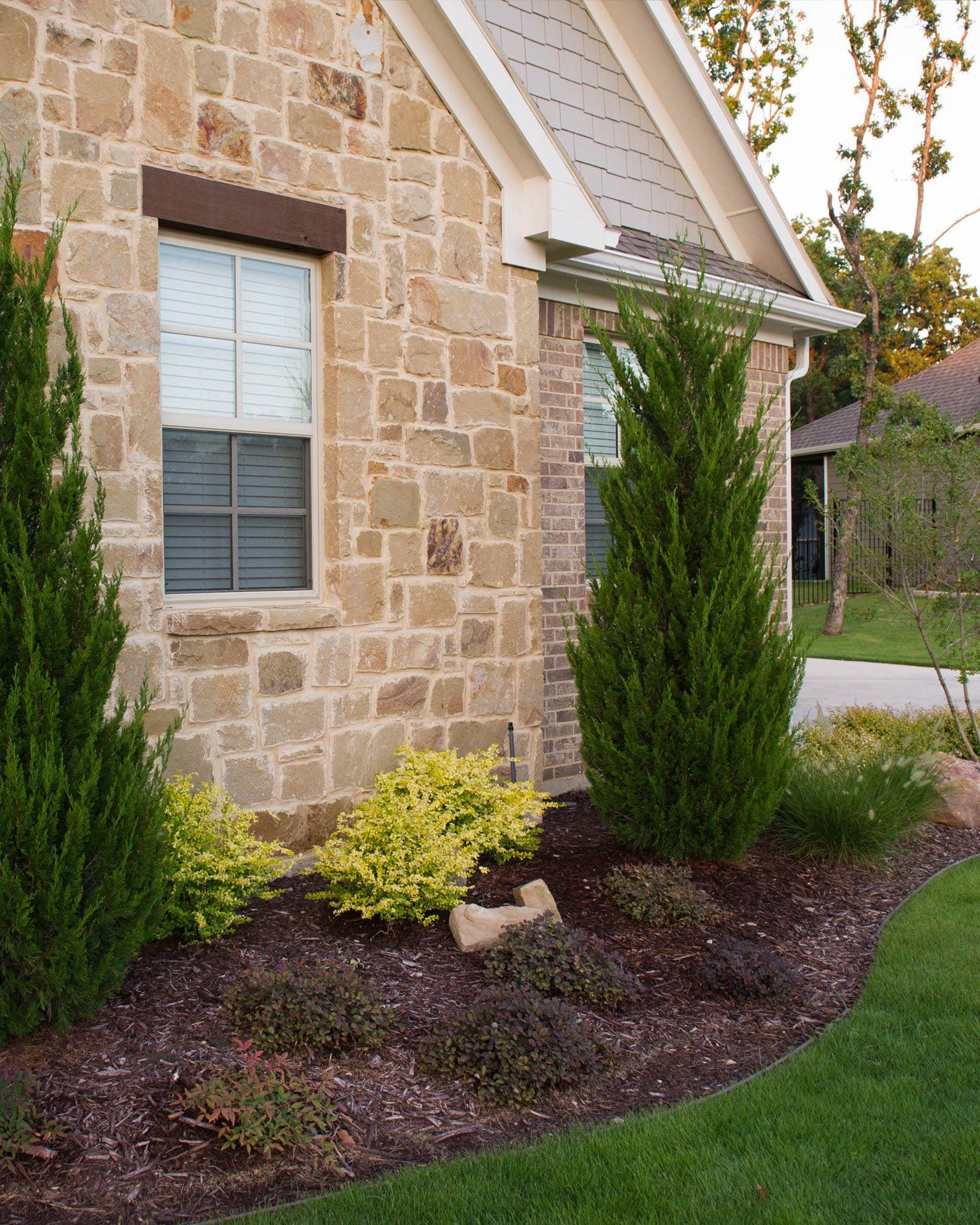
- Great for low hedging or massing
- Soft texture for layered designs
Gulf Stream prefers full sun to part shade and well-drained soil. This cultivar won't produce invasive berries, making it a great choice for areas with environmental planting guidelines. Hardy in USDA zones 6–10 , it performs reliably in North Texas and fills out beds with soft color and form.
Maintenance
Gulf Stream Nandina is a low-maintenance, compact evergreen shrub that prospers without too much hassle.
- Watering: Water regularly during the first year to establish a healthy root system. Once mature, Gulf Stream Nandina is moderately drought-tolerant but produces the best color and berry display with consistent moisture. Avoid waterlogged soil, as it can lead to root rot.
- Pruning: Minimal pruning is needed. Lightly trim in late winter or early spring to remove dead or damaged branches, encourage fuller growth, and maintain shape. Avoid heavy pruning, as Nandinas naturally develop an elegant, upright habit.
- Fertilizing: Apply a balanced, slow-release fertilizer in early spring to promote healthy foliage and berry production. Established plants typically require little additional feeding unless growth appears slow or foliage color dulls.
- Mulching: Apply a 2-3 inch layer of mulch around the root zone to conserve moisture, moderate soil temperature, and suppress weeds. Keep mulch a few inches away from the trunk to prevent rot.
- Winter Care: Hardy in most regions, Gulf Stream Nandina benefits from a layer of mulch around the base in colder climates to protect roots from freezing. Container-grown plants may require additional frost protection.
Common Issues and How to Take Care of Them
- Aphids: Sap-sucking insects can distort leaves or produce sticky residue. Spray affected foliage with water or use insecticidal soap.
- Scale Insects: Small, hard-bodied pests that can weaken the shrub. Treat infestations with horticultural oil during dormancy or insecticidal soap during the growing season.
- Leaf Spot: Fungal infections can cause brown or black spots on leaves. Remove affected leaves and ensure good airflow around the plant.
- Root Rot: Caused by poorly drained soils or overwatering. Ensure proper drainage and avoid compacted or waterlogged planting sites.
- Bird Damage: Birds are attracted to berries and may occasionally damage foliage. Protect young plants with netting if necessary.
With proper care, Gulf Stream Nandina offers multi-season color, low-maintenance beauty, and a compact form that fits seamlessly into both formal and informal landscapes.
It has a slow to moderate growth rate, typically 6-12 inches per year. As it grows, it has a compact, upright, and rounded growth habit.
Early spring or fall is ideal, allowing roots to establish before extreme summer heat or winter cold. Planting during these seasons reduces transplant shock and encourages healthy growth.
Water deeply once or twice per week during the first year. Once established, occasional deep watering during dry spells is sufficient, though consistent moisture encourages the best foliage color and berry display.
Yes, Gulf Stream Nandina tolerates dry conditions once established, but supplemental watering during prolonged droughts helps maintain vibrant foliage and berry production.
Absolutely. It performs well in large pots or planters with well-draining soil. Container-grown plants may require more frequent watering and occasional fertilization to support growth and berry production.
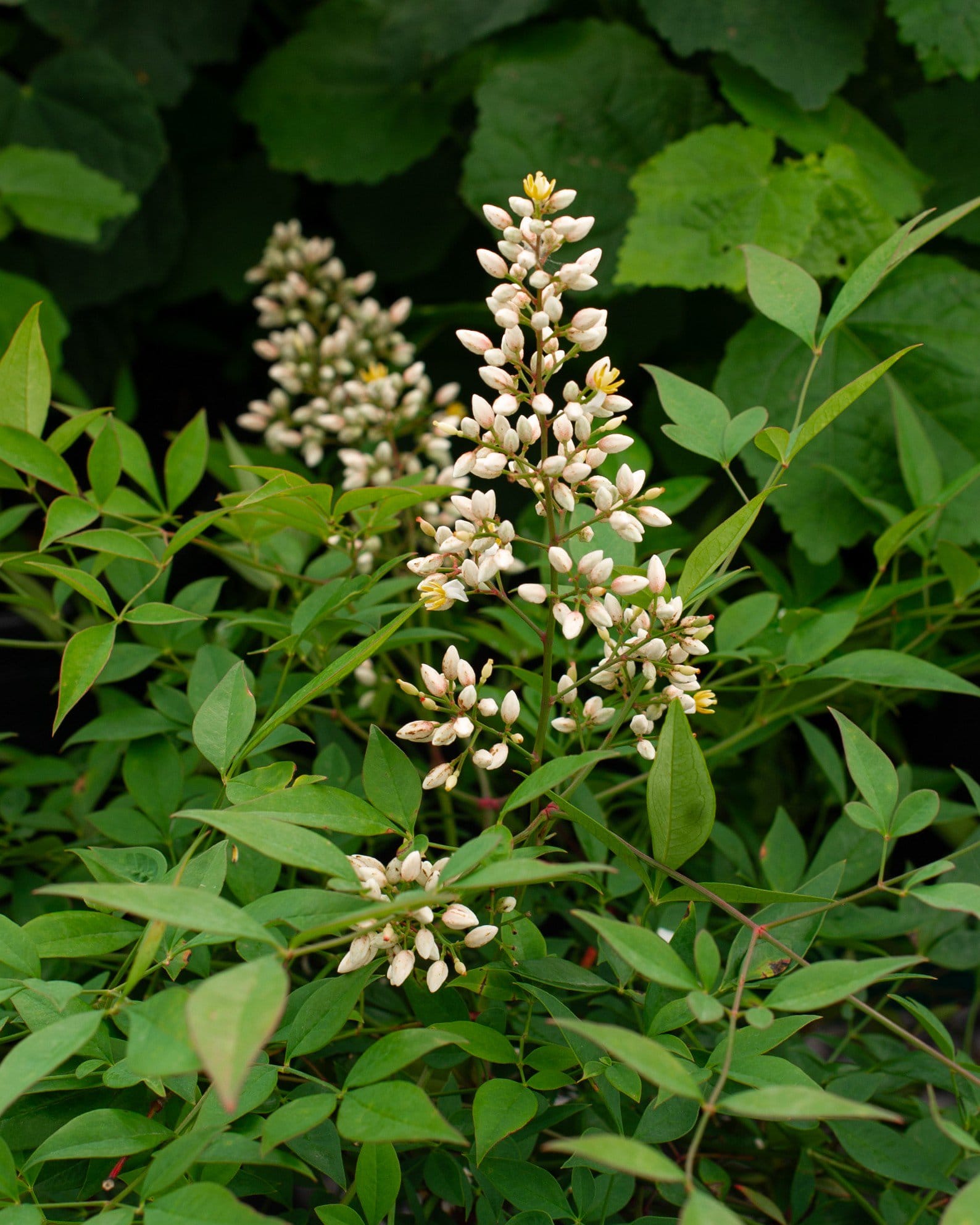
Yes, female plants produce bright red berries in fall and winter, attracting birds and adding seasonal interest. Male or self-pollinating varieties may produce fewer berries.
Generally, yes, its aromatic foliage and dense growth habit make it less appealing to deer and other browsing animals.
With proper care, Gulf Stream Nandina can live 20-30 years or more, maintaining vibrant color, dense foliage, and consistent berry production. Regular pruning and good soil conditions support long-term health.
Yes, it adapts well to city environments, including compacted soils, heat, and moderate pollution. Its resilience makes it ideal for streetscapes, patios, and foundation plantings.
Absolutely. Its dense, upright growth habit makes it excellent for low hedges, foundation plantings, or mass plantings. Light pruning encourages uniformity and enhances color and berry display.
Special Features
You might also like
Obsession Nandina
Maturity: 3' H x 3' W
Firepower Nandina
Maturity: 2' H x 2' W
Compacta Nandina
Maturity: 3' H x 2' W
Domestica Nandina
Maturity: 4' H x 2' W
Sunray Nandina
Maturity: 3' H x 1.5' W
Blush Pink Nandina
Maturity: 2' H x 1.5' W
Flirt Nandina
Maturity: 1' H x 1.5' W
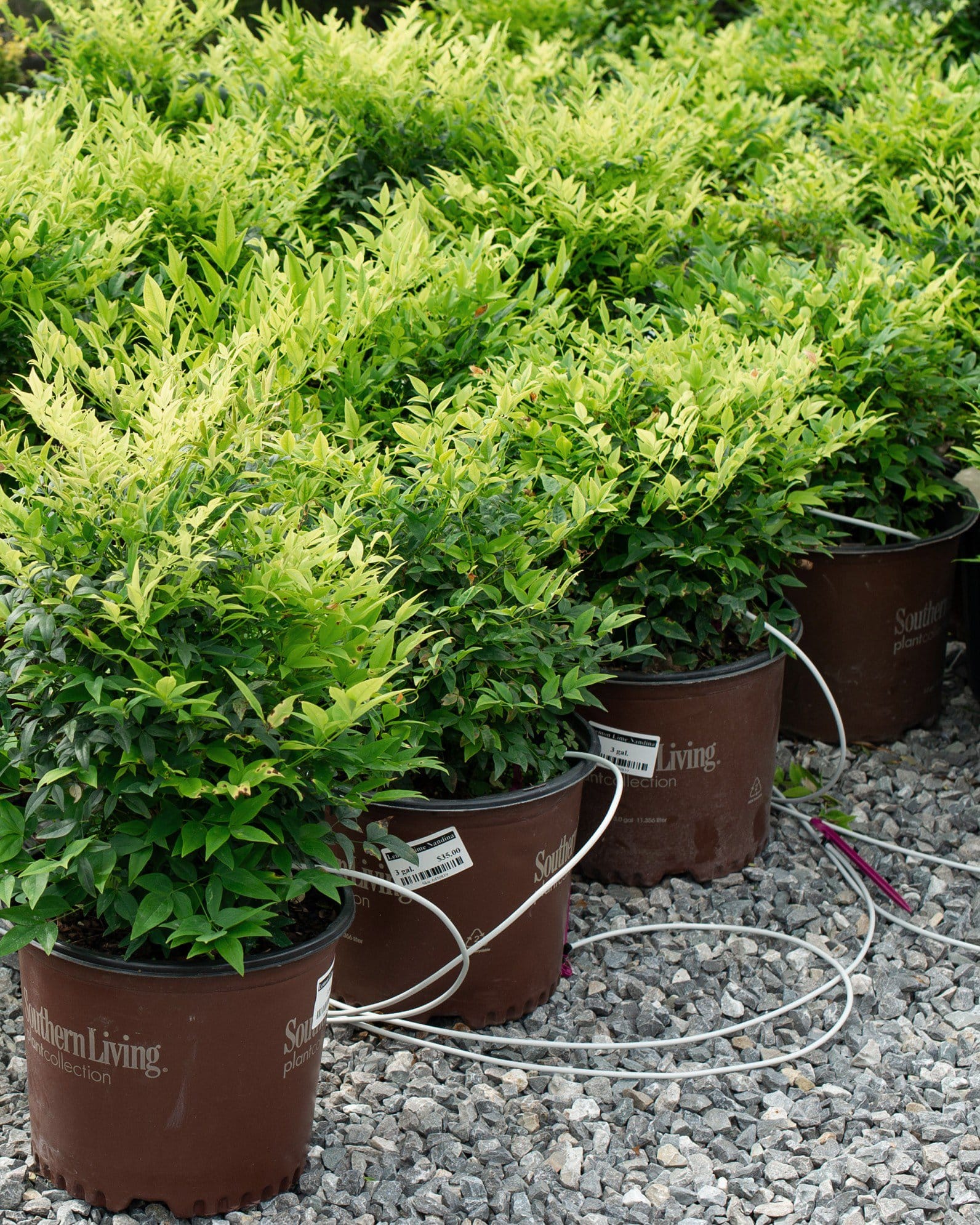
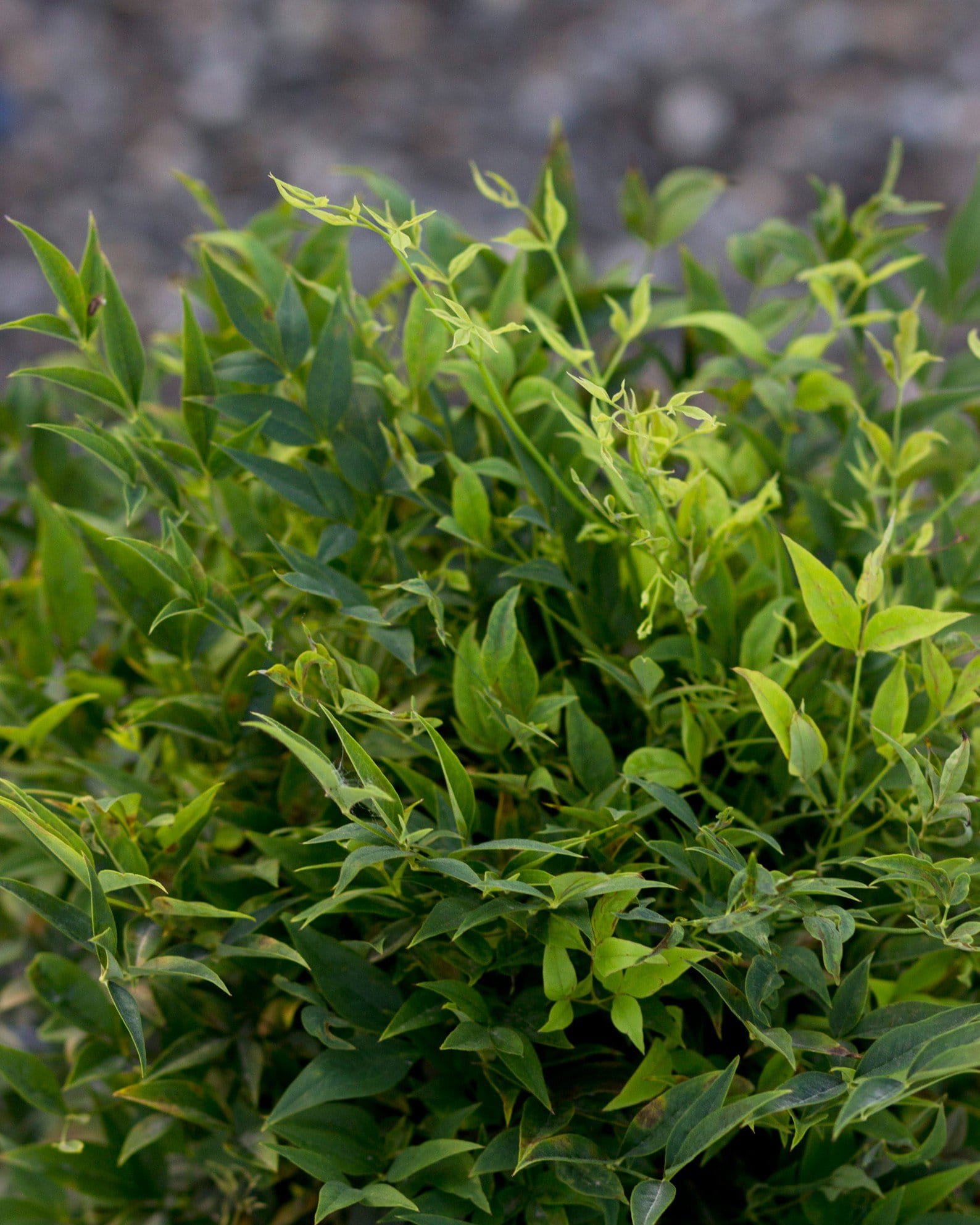
Lemon Lime Nandina
Maturity: 3' H x 3' W
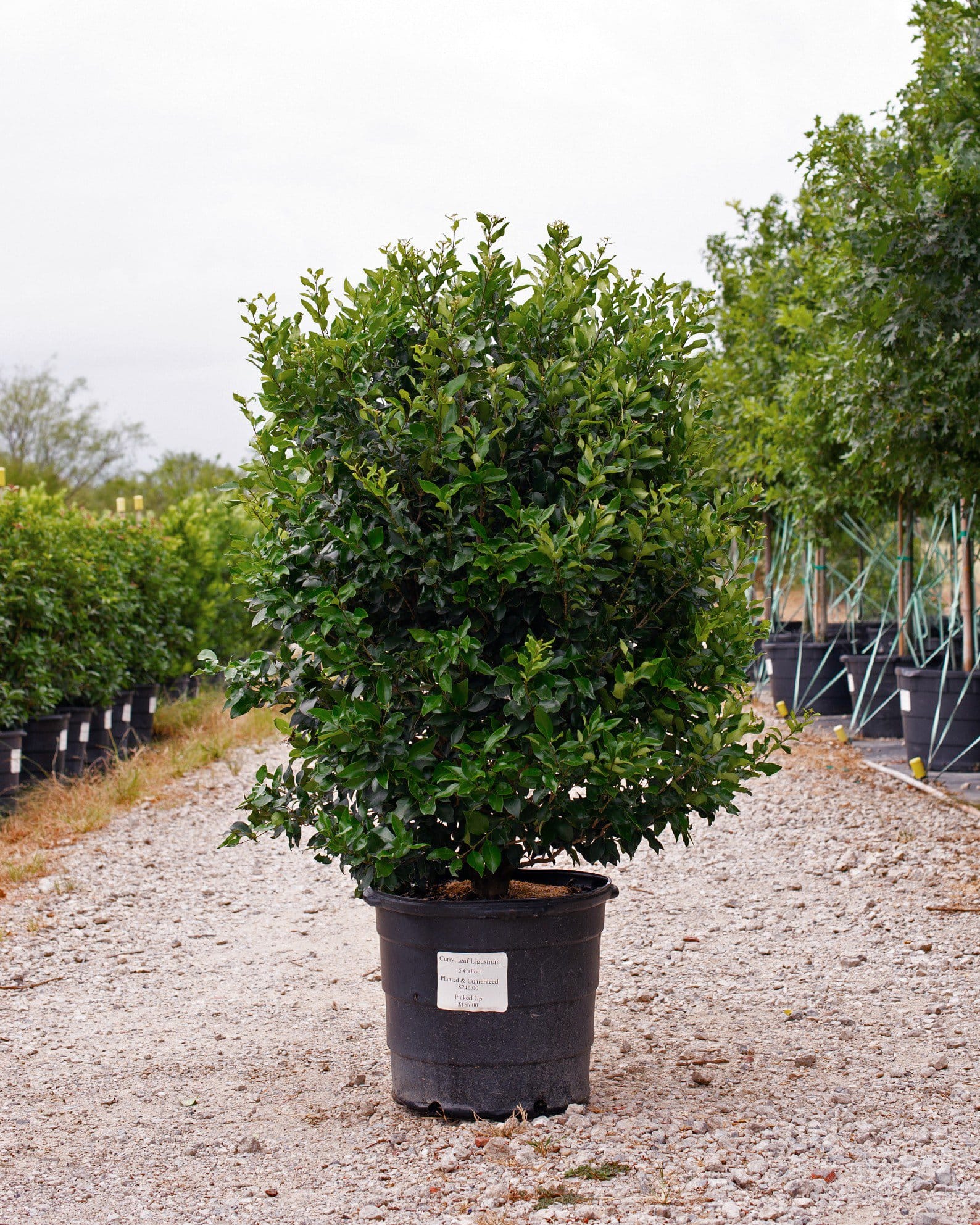
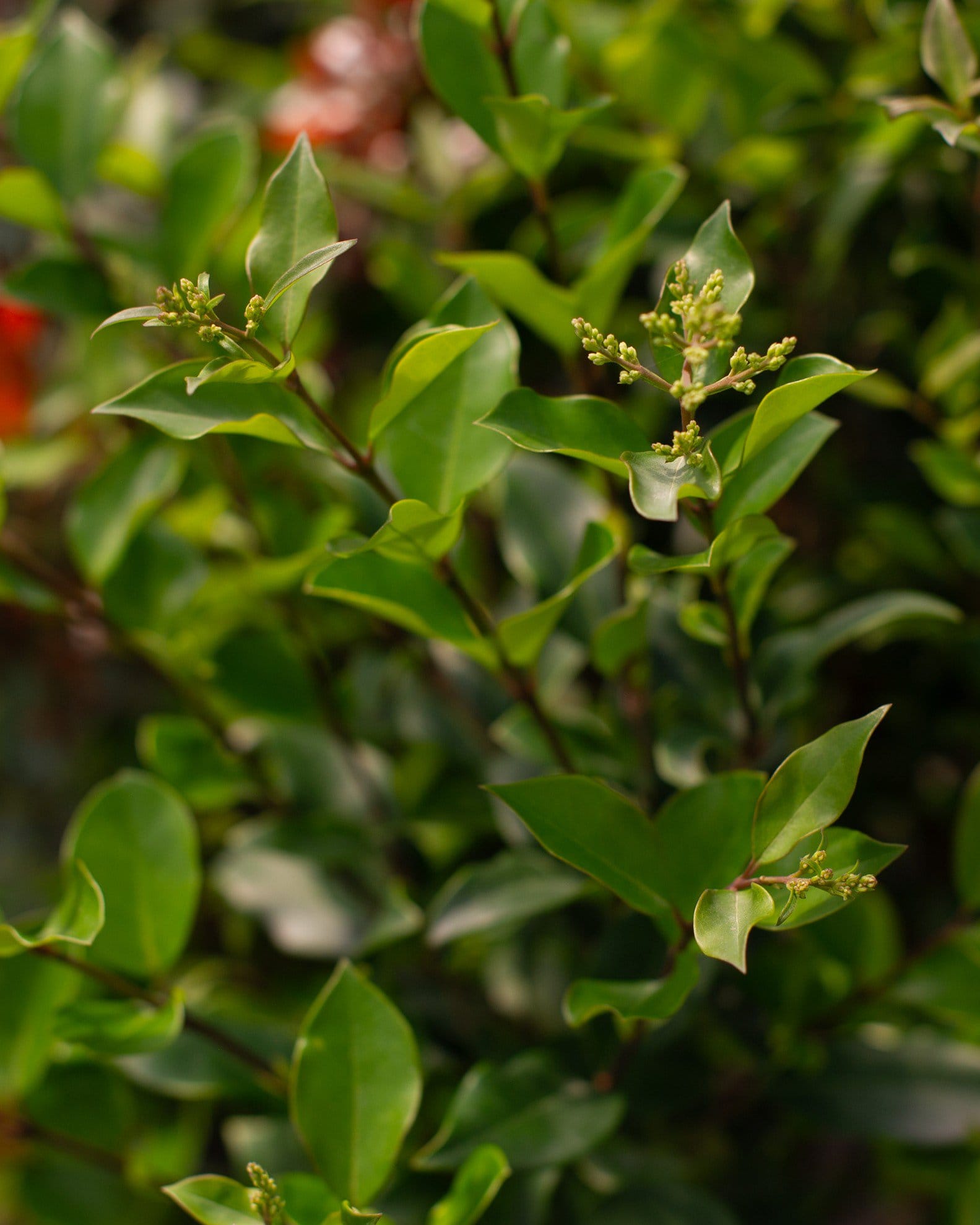
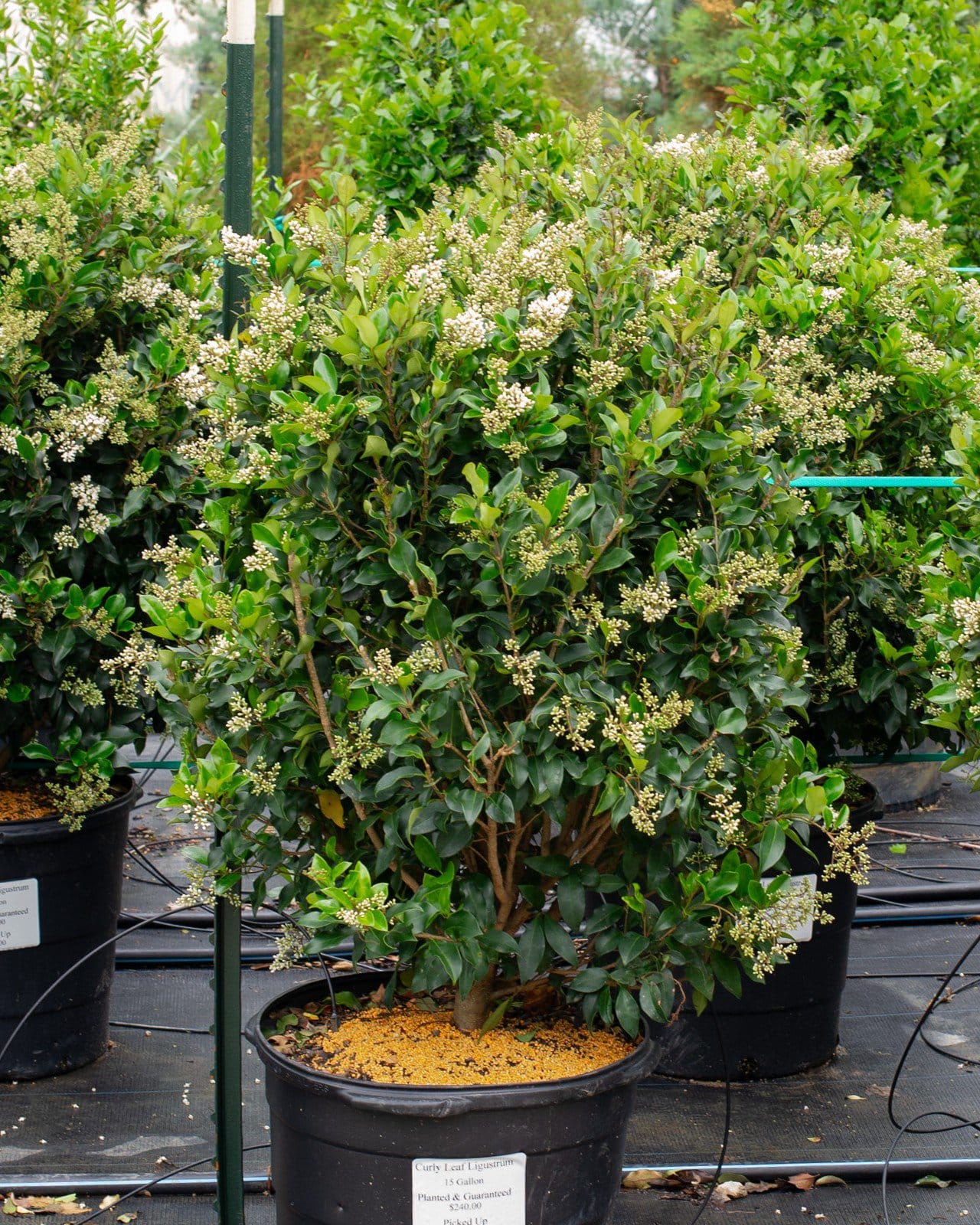
Curly Leaf Ligustrum
Maturity: 8' H x 6' W
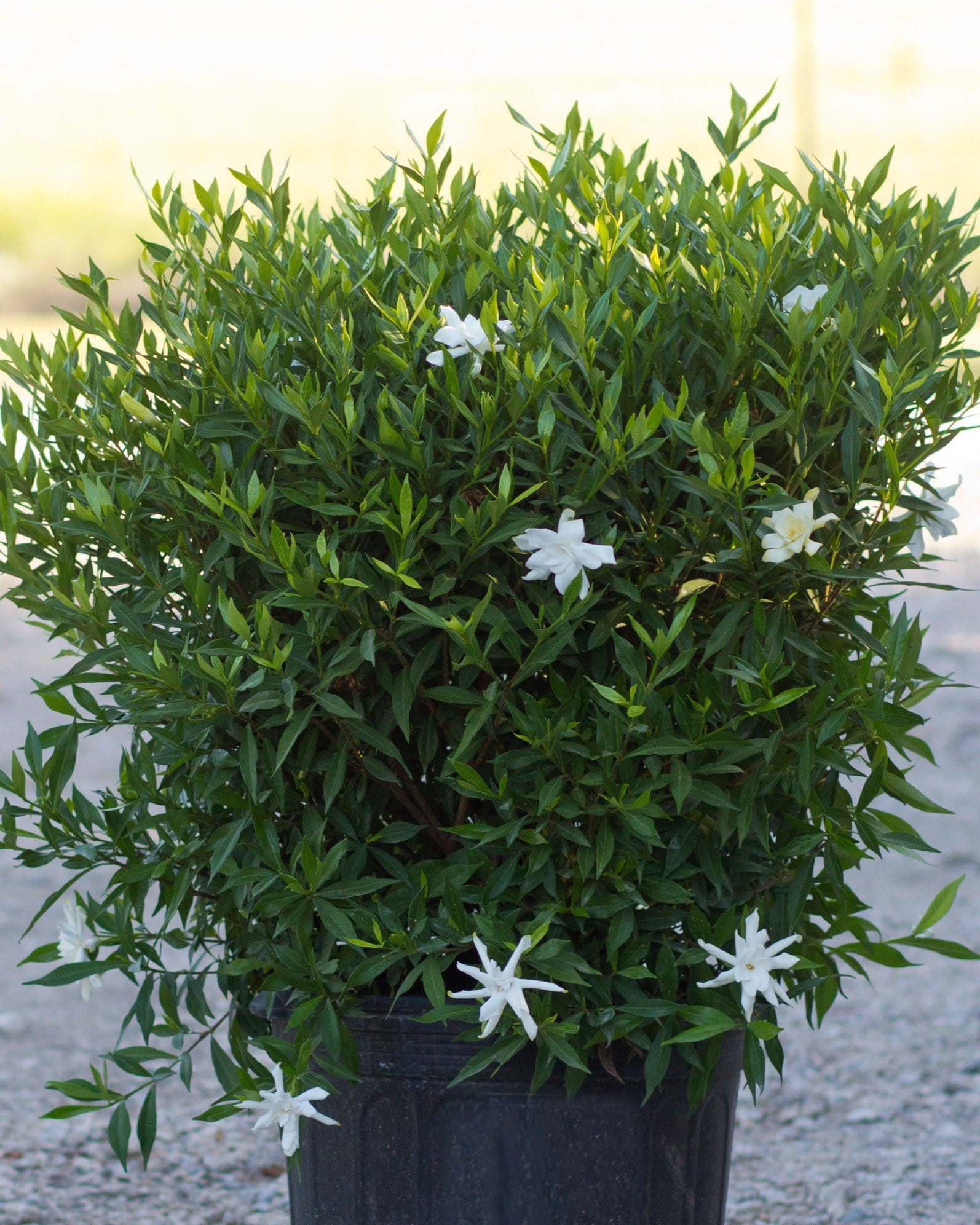
Frost Proof Gardenia
Maturity: 3' H x 3' W
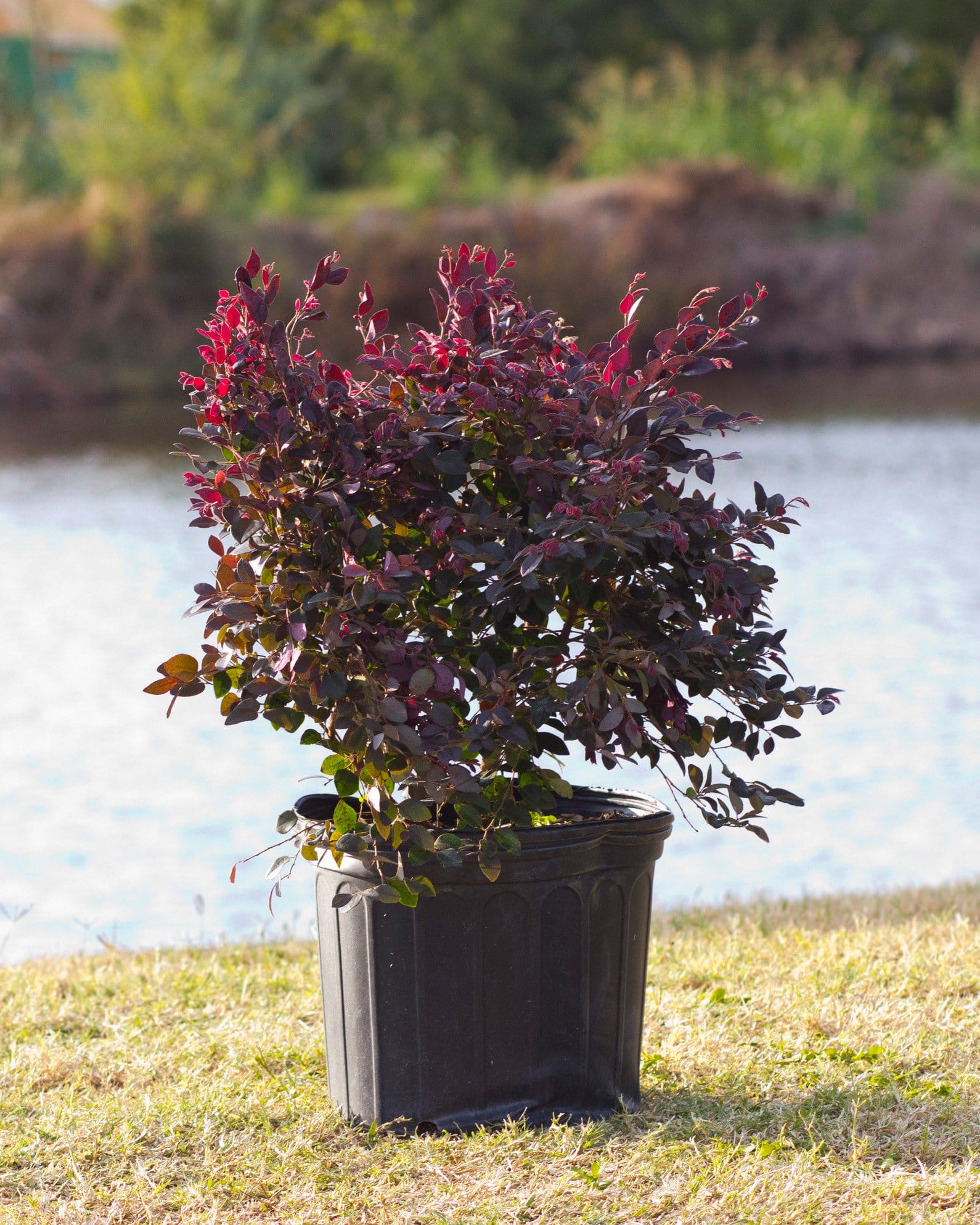
Cerise Charm Loropetalum
Maturity: 3' H x 3' W
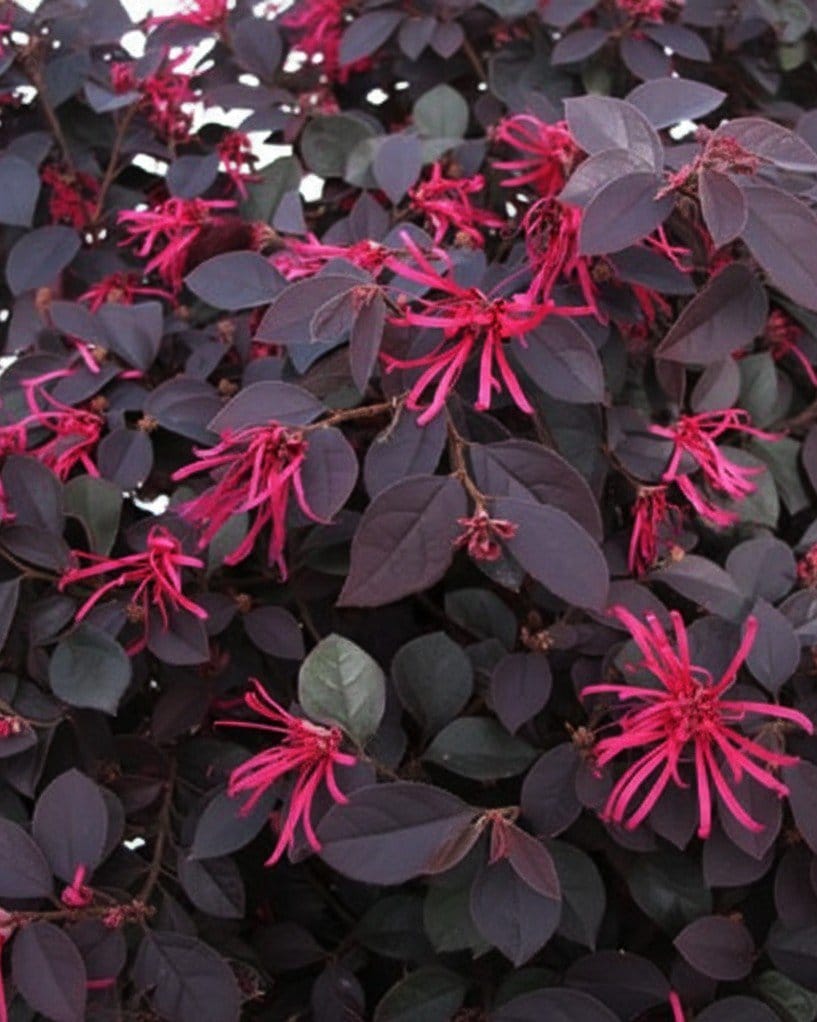
Cherry Blast Loropetalum
Maturity: 6' H x 6' W
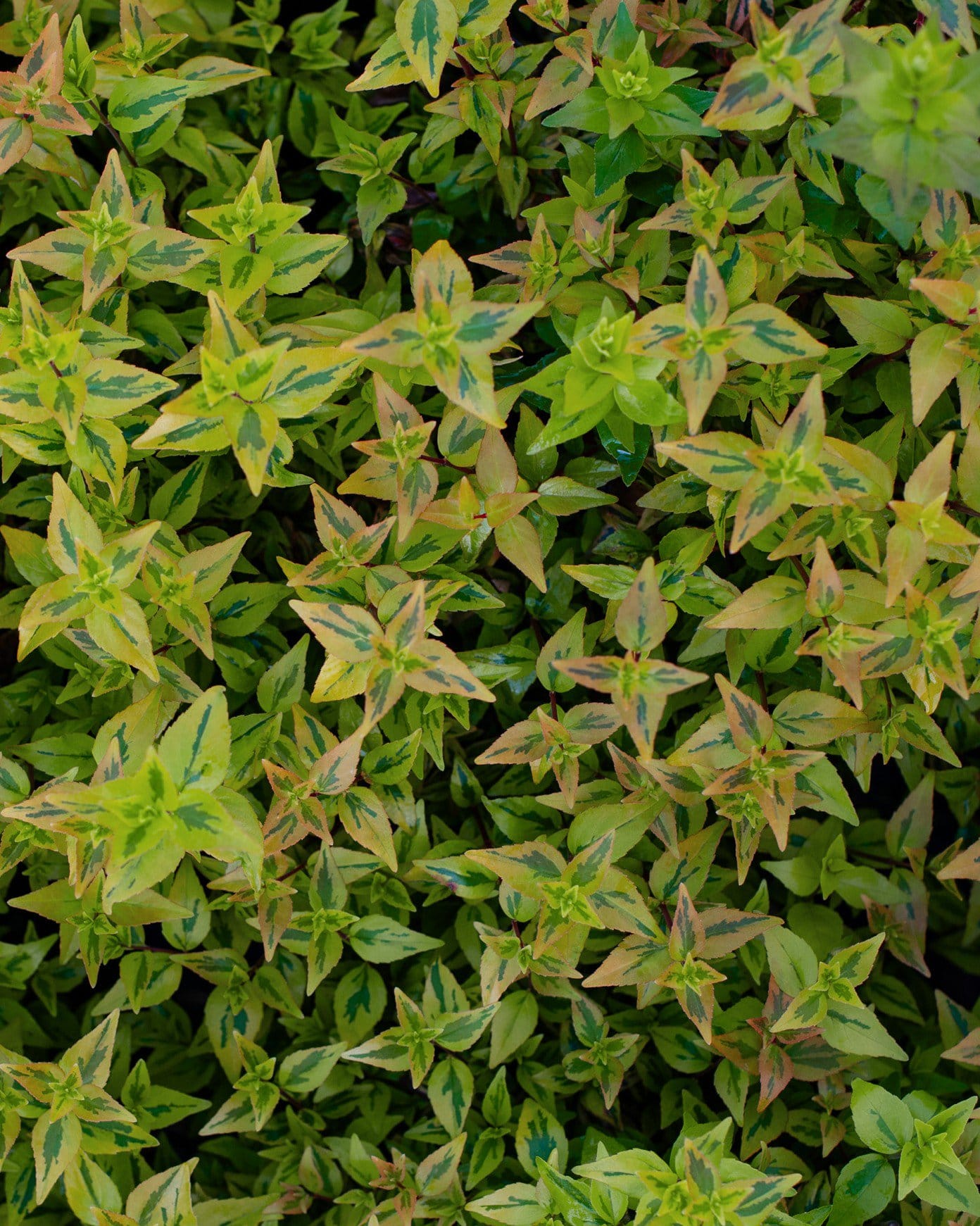
Kaleidoscope Abelia
Maturity: 2' H x 3' W
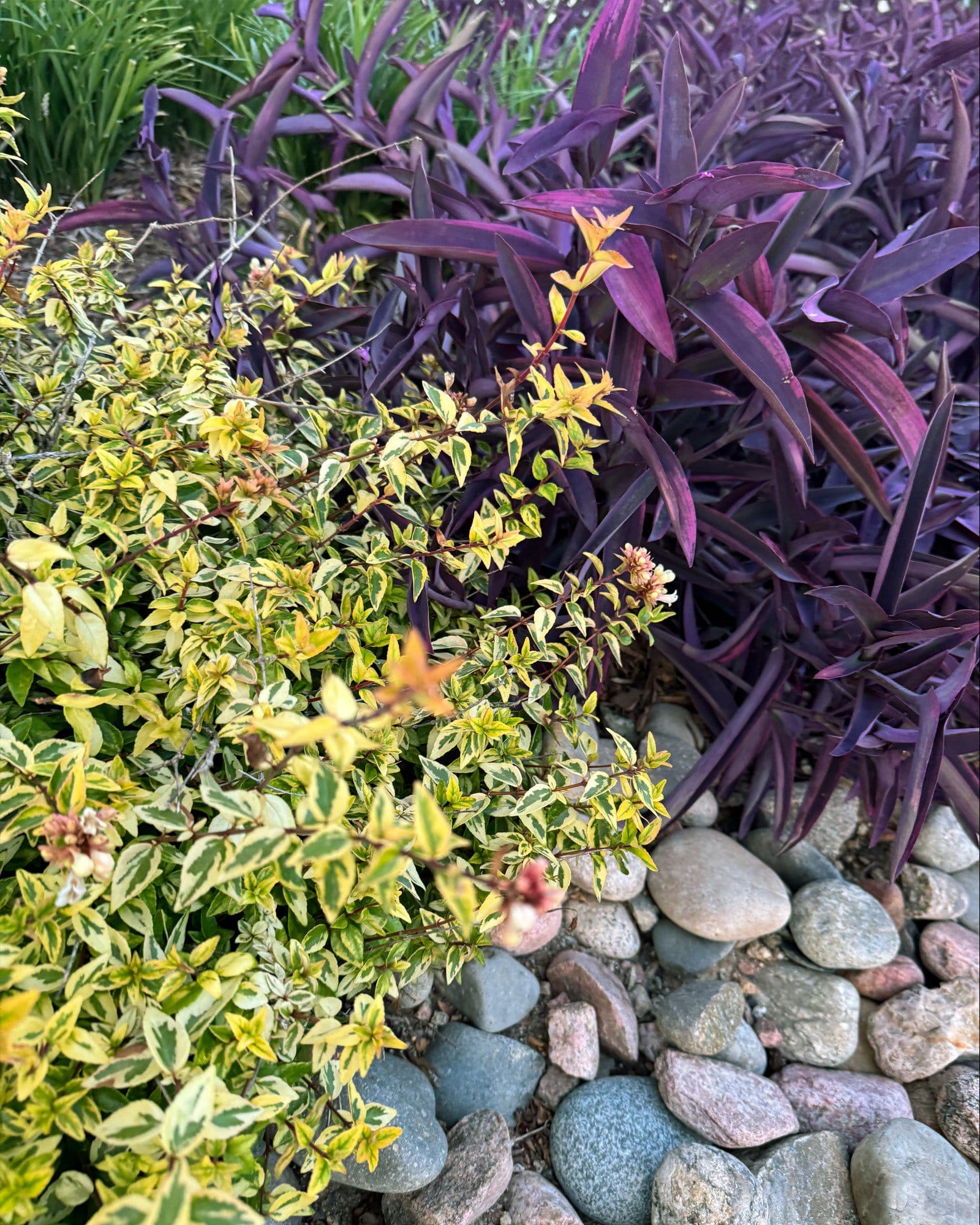
Purple Diamond Loropetalum
Maturity: 4' H x 4' W
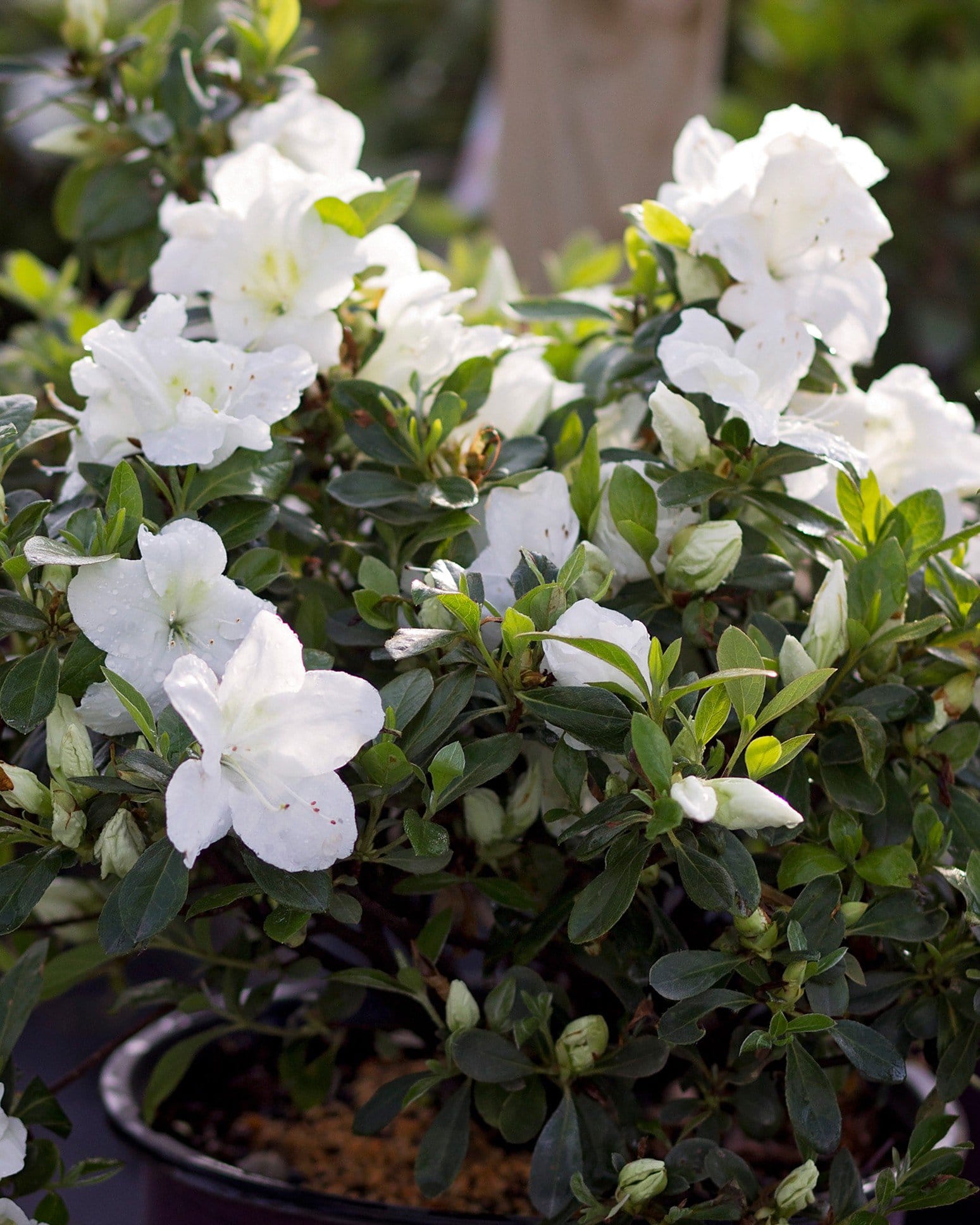
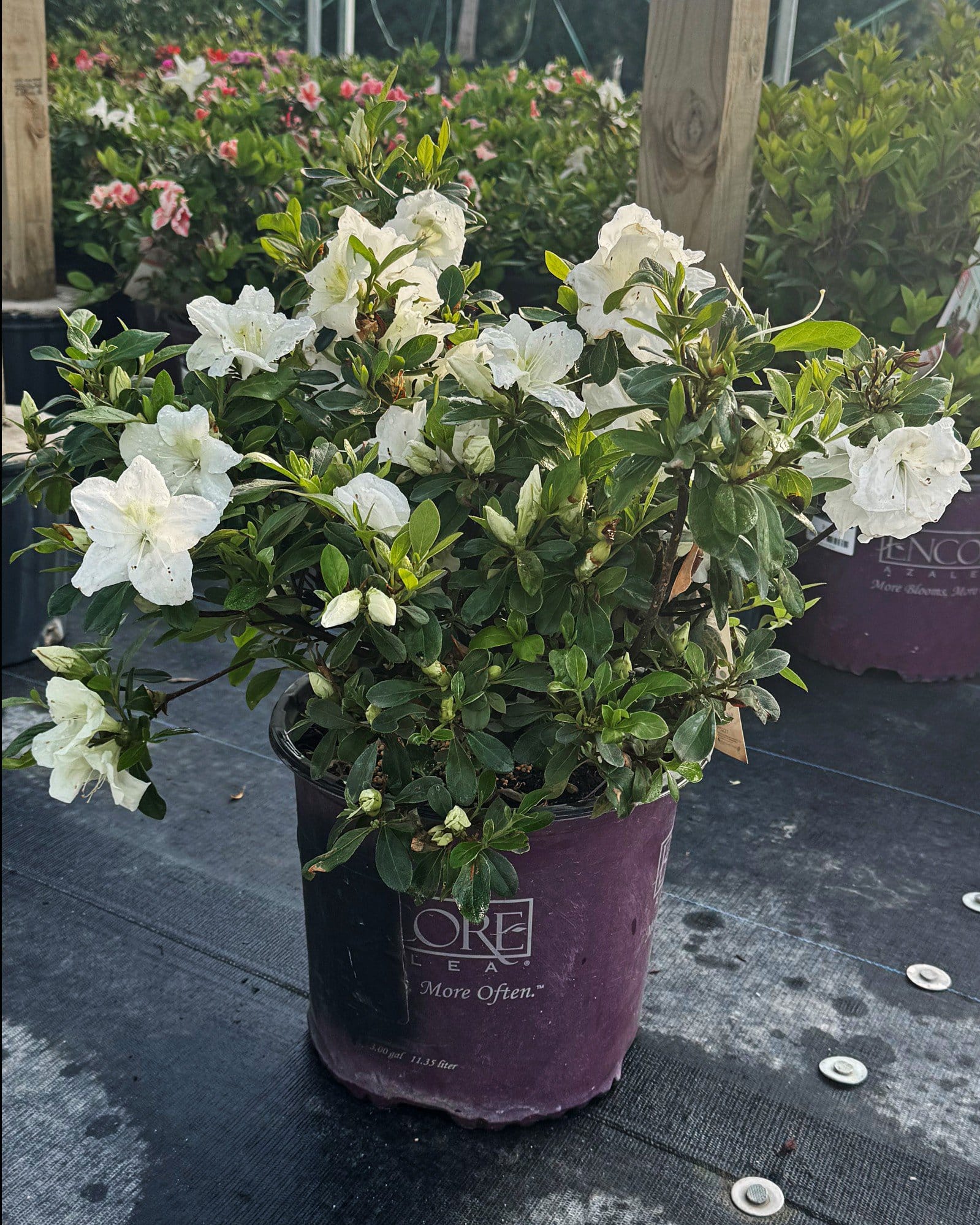
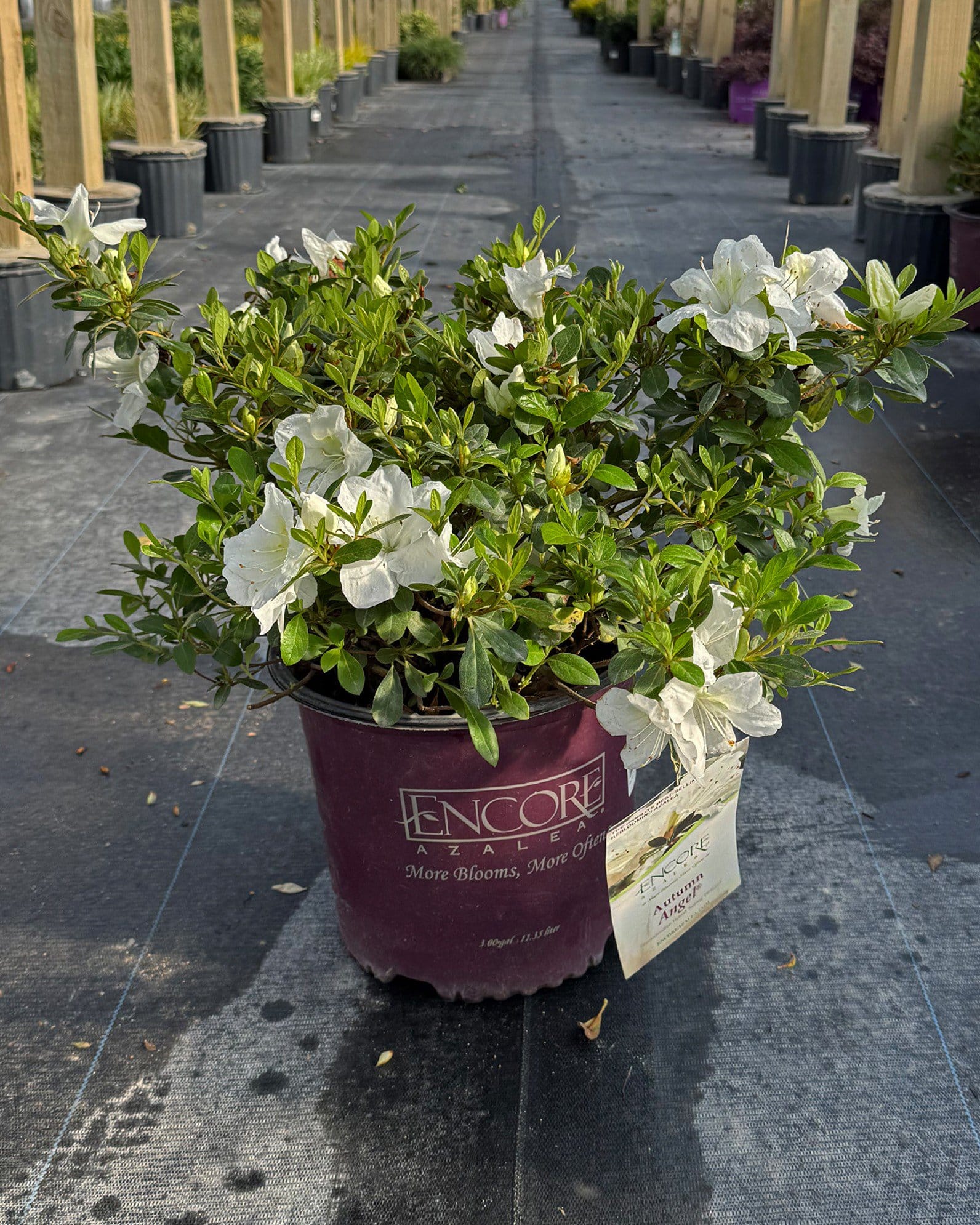
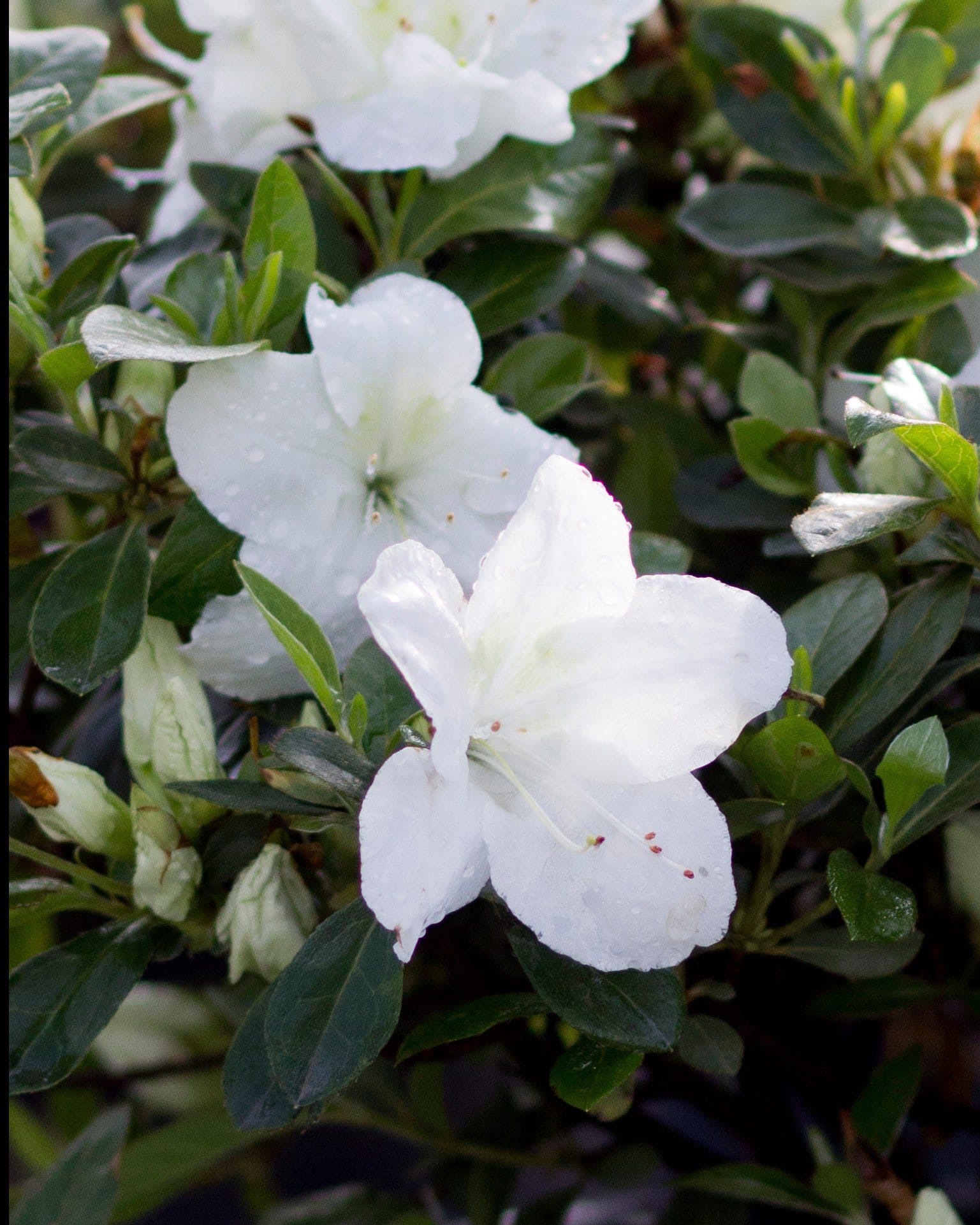
Encore Azalea Autumn Angel
Maturity: 2' H x 2' W
Compare Similar Plants
Gulf Stream Nandina This plant | ||
|---|---|---|
| Scientific Name | Nandina domestica 'Gulf Stream' | Nandina domestica 'Seika' |
| Size at Maturity | 3' H x 3' W | 3' H x 3' W |
| Leaf Retention | Evergreen | Evergreen |
| Flower Color | White | White |
| Bloom Times | Spring | Spring |
| Sizes Available | 3 gal | 3 gal |


Our 1-Year Planting Guarantee
We take pride in our plants and installation services. If any plants or trees installed by Treeland fail to thrive within the first year, we'll provide a replacement credit in accordance with our guarantee program.
Learn More About Our Guarantee