
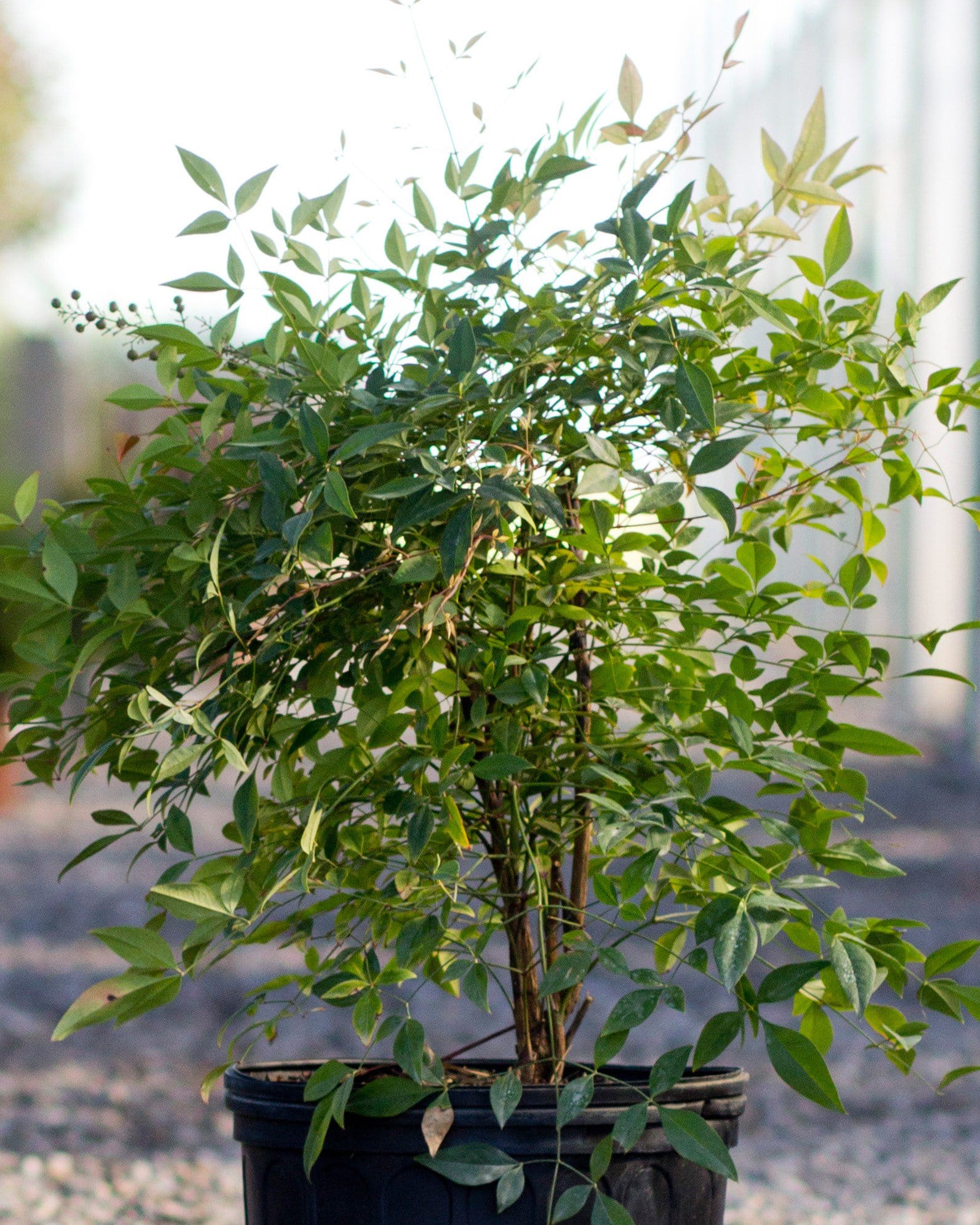
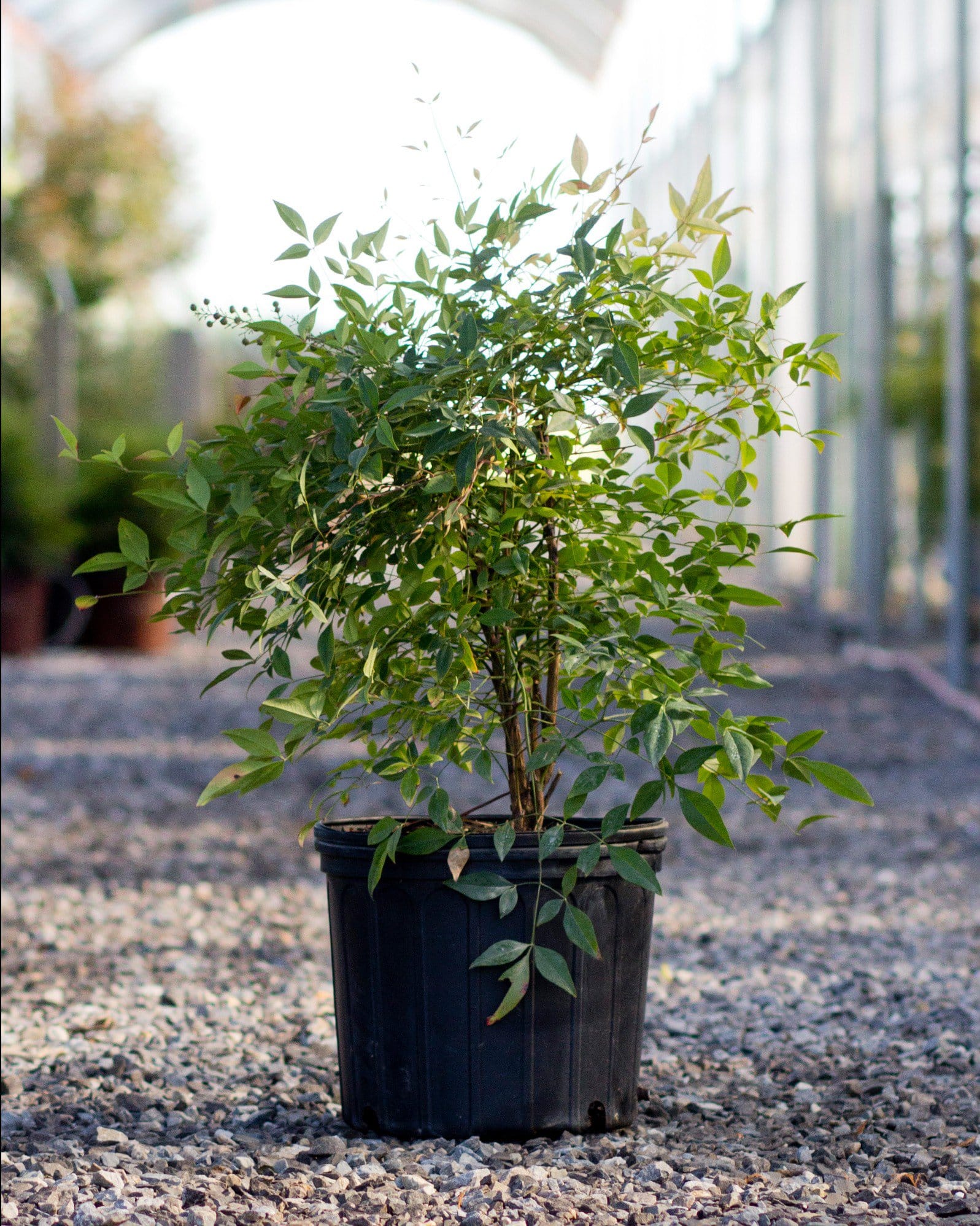
Compacta Nandina
Nandina domestica ‘Compacta’Local DFW Delivery Only
Product Details
Compacta Nandina
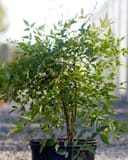
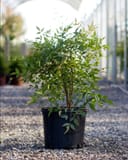
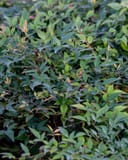
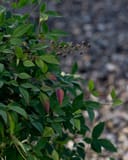
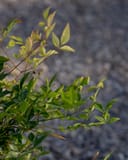
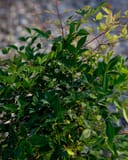
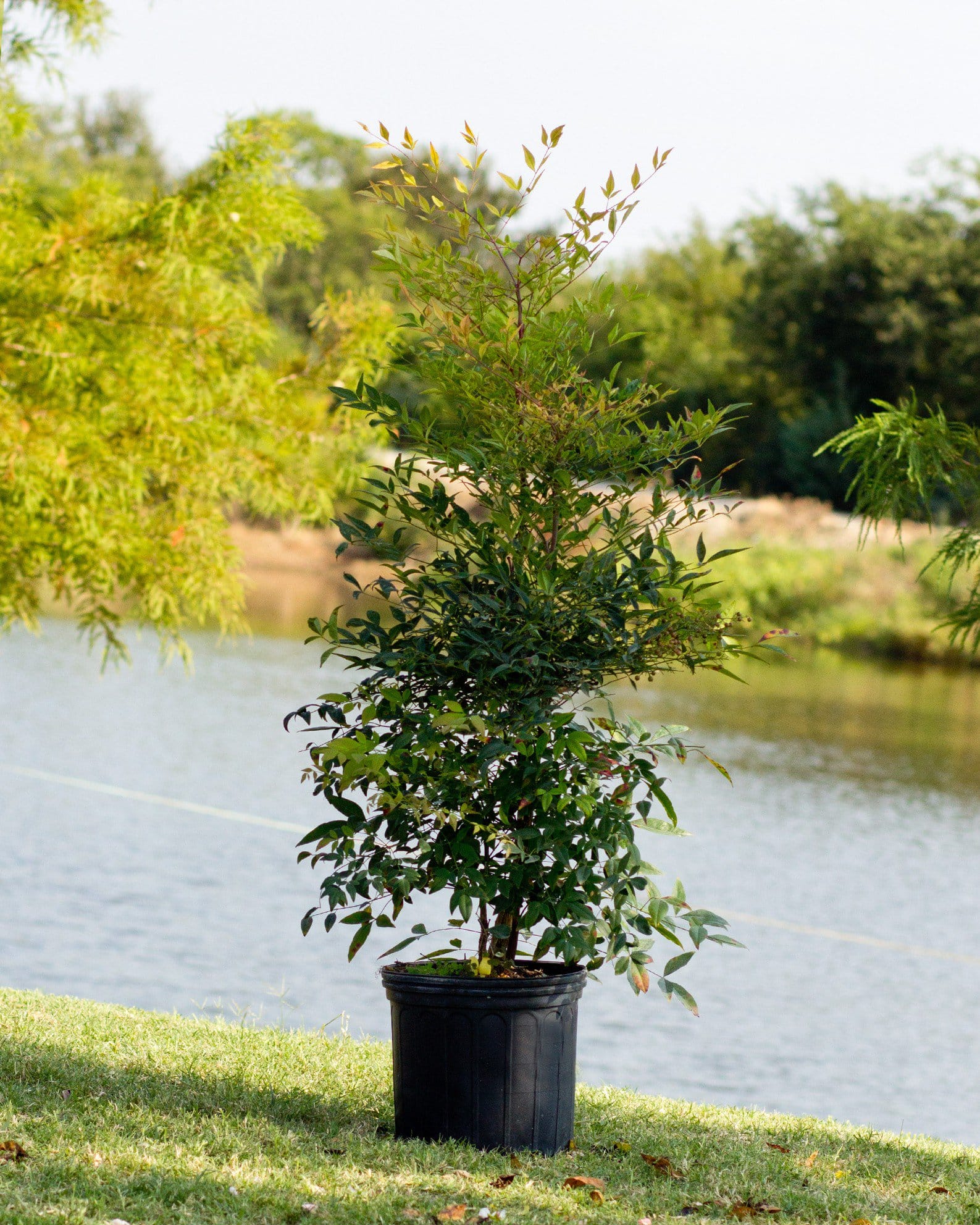
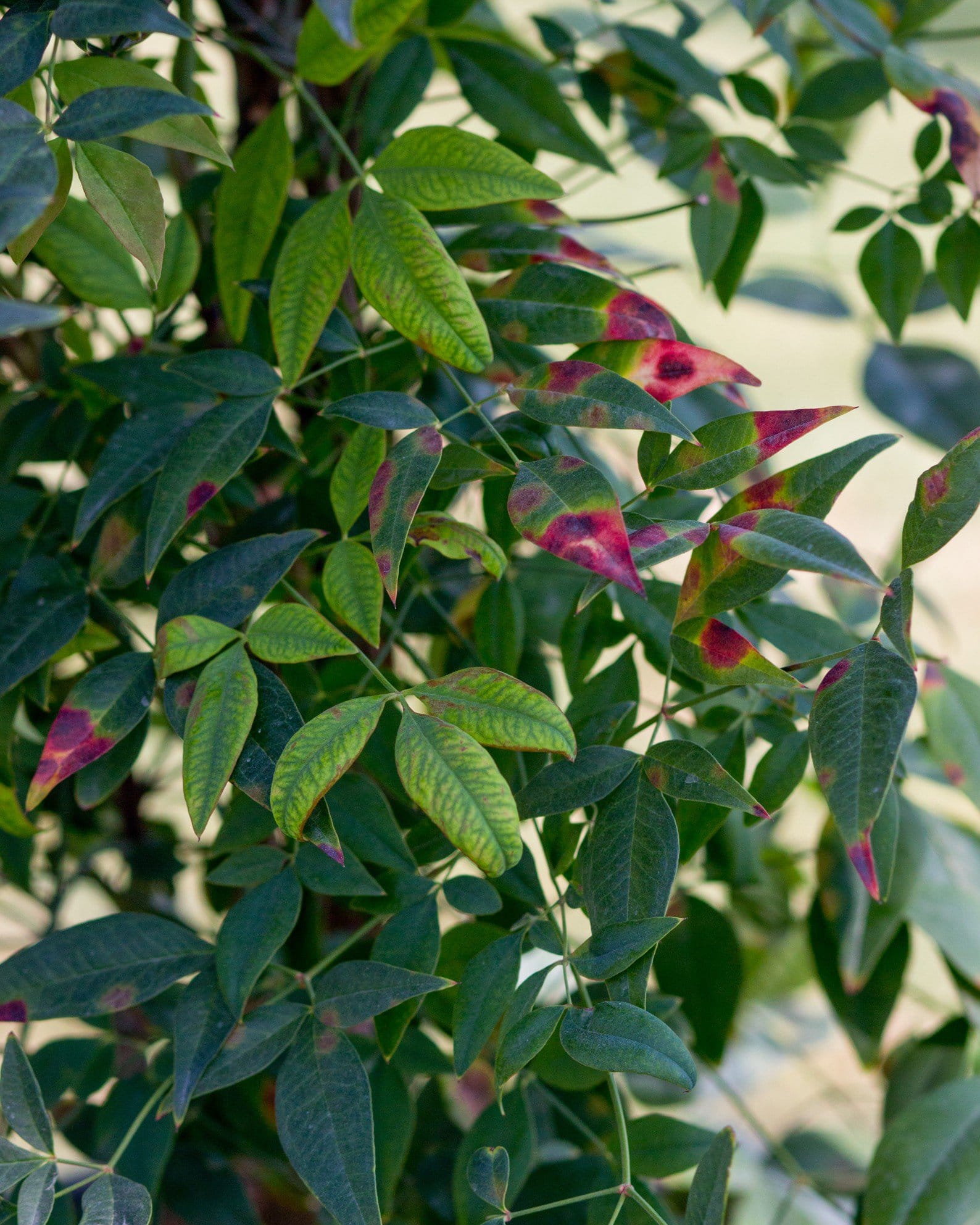
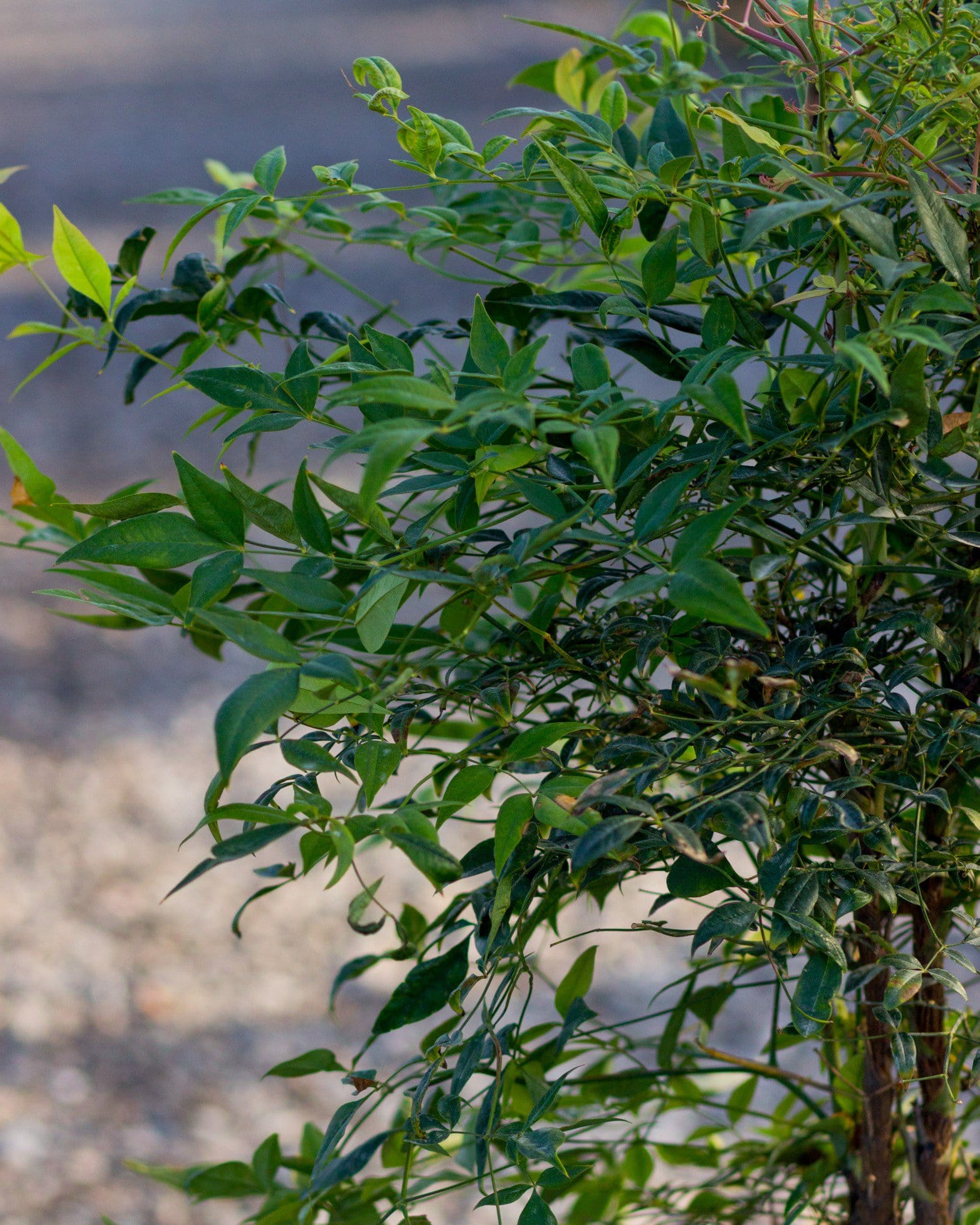
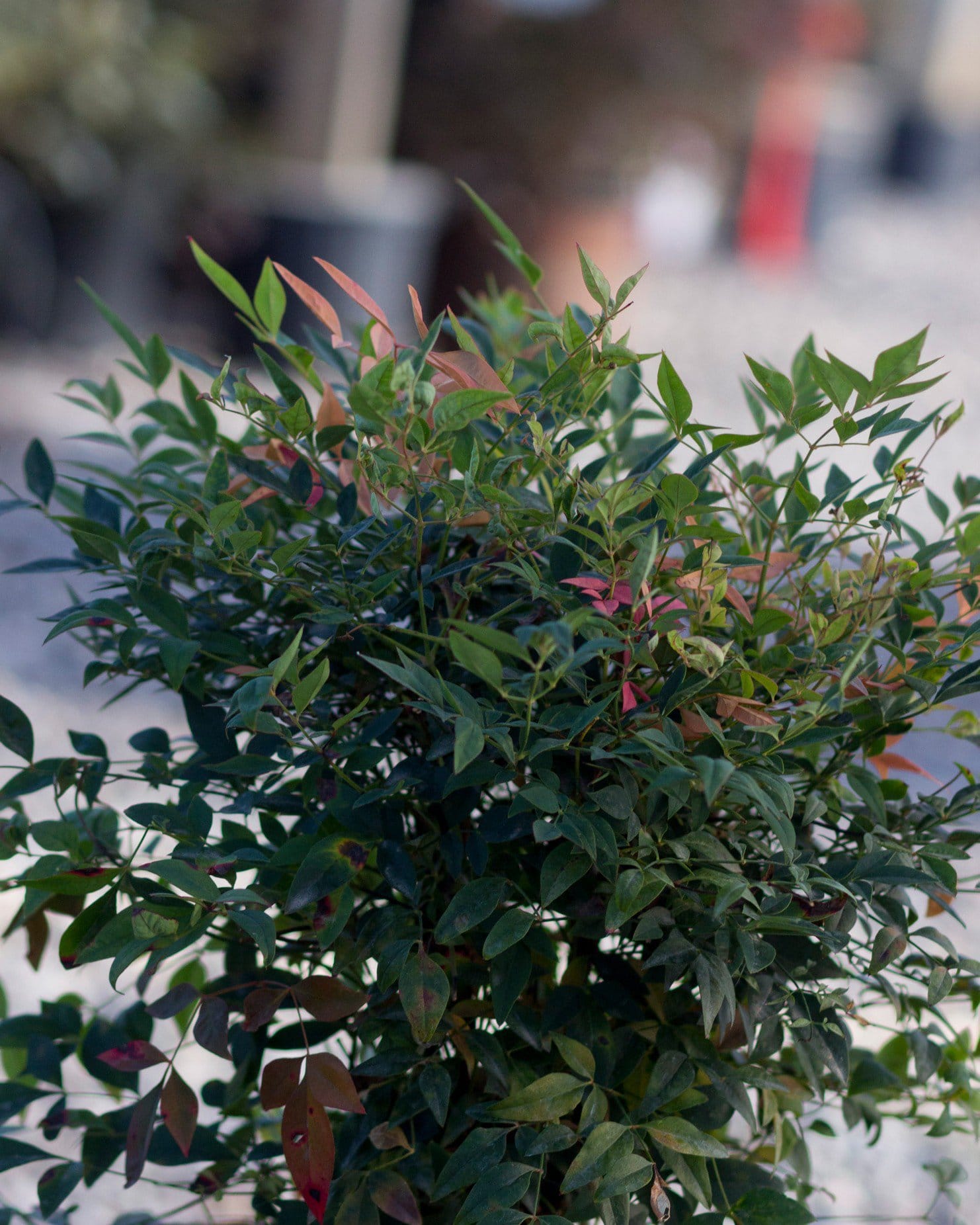
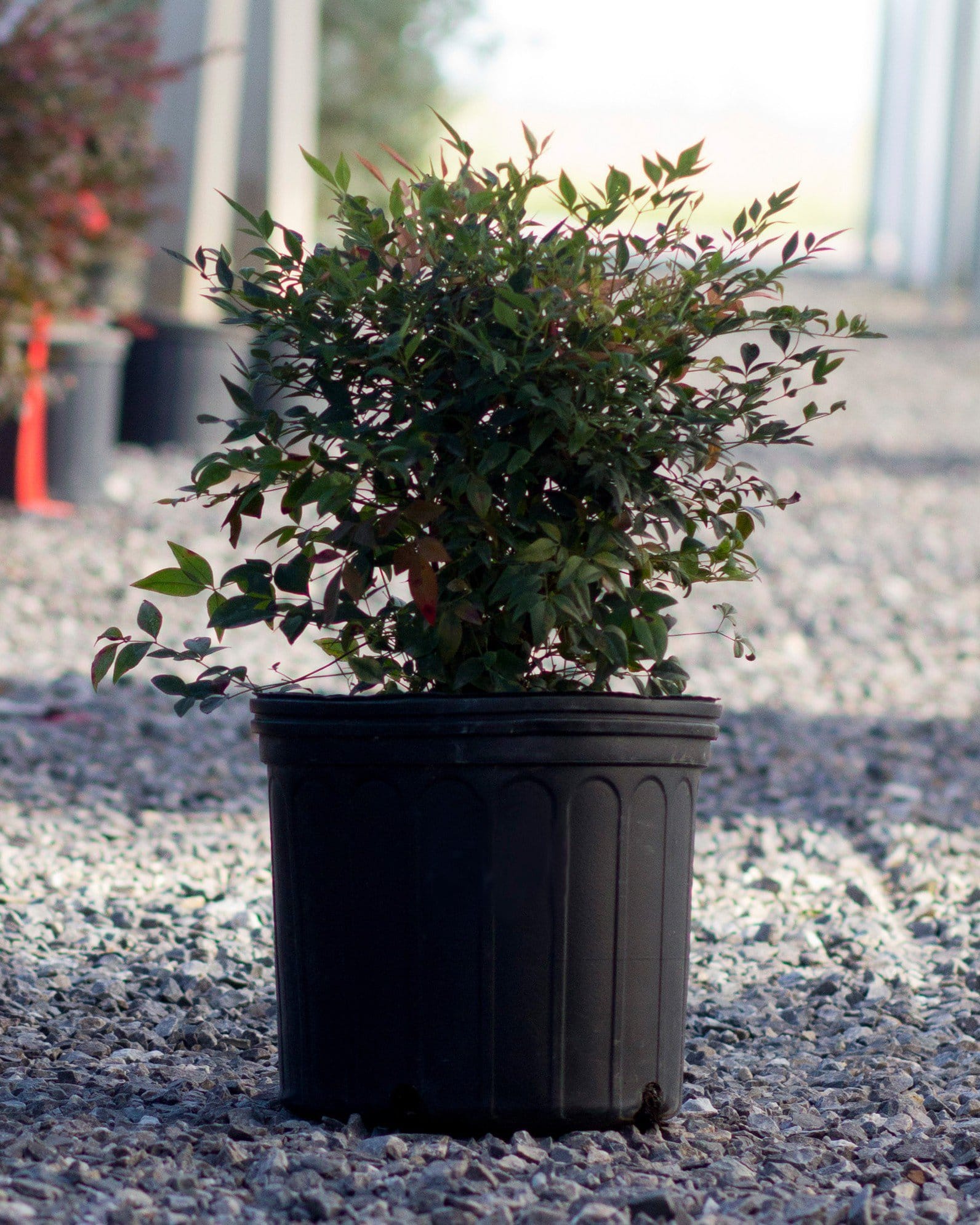
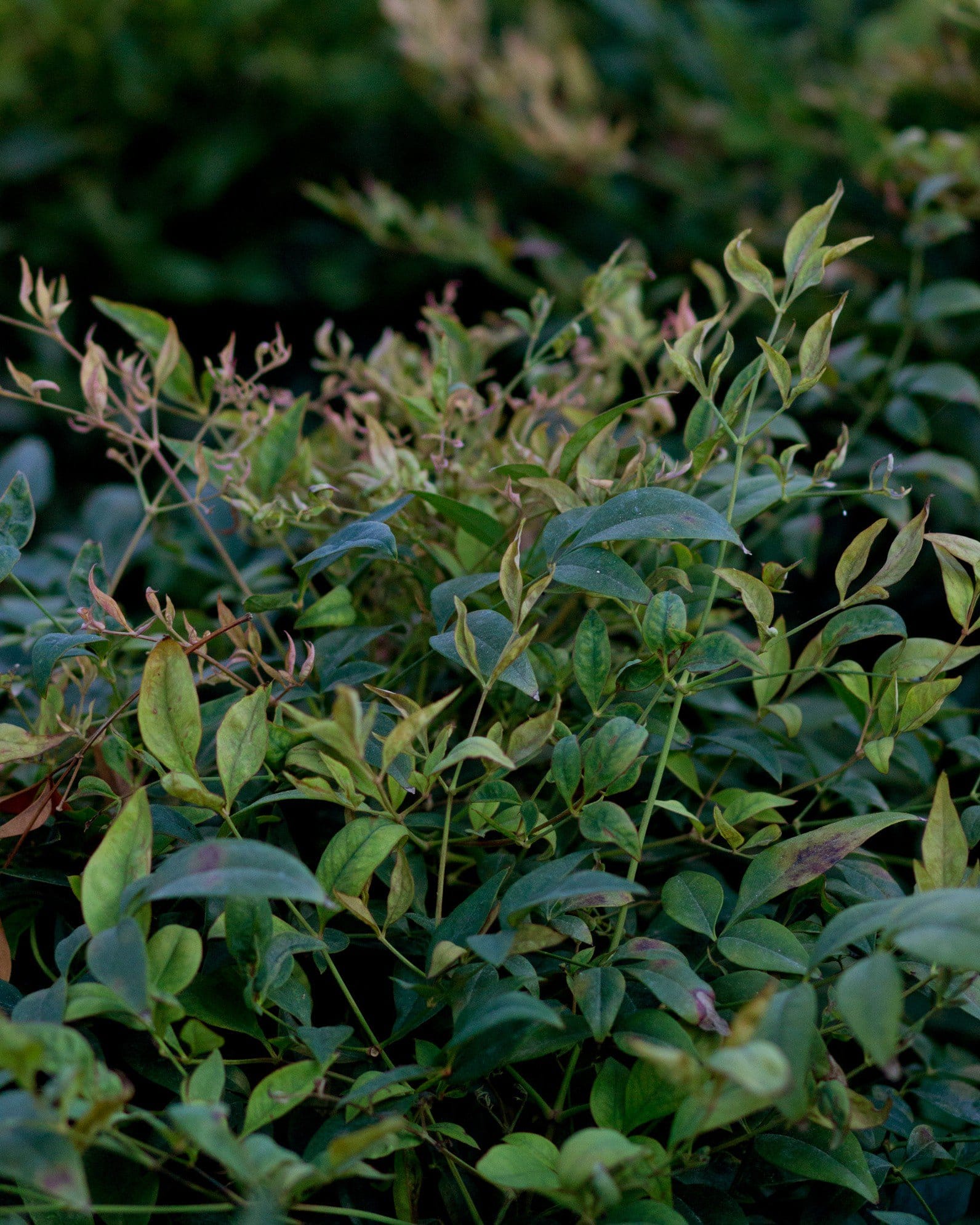
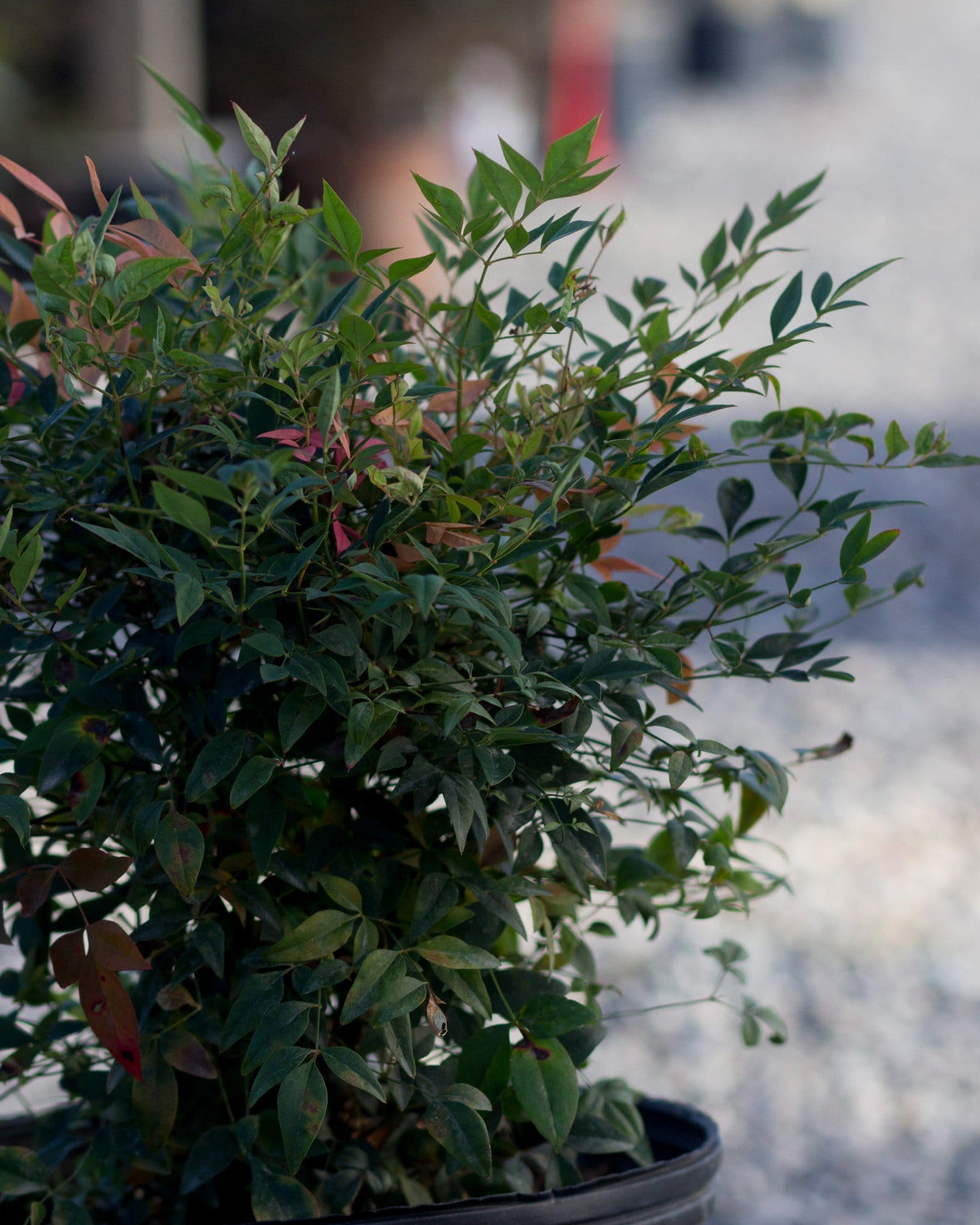
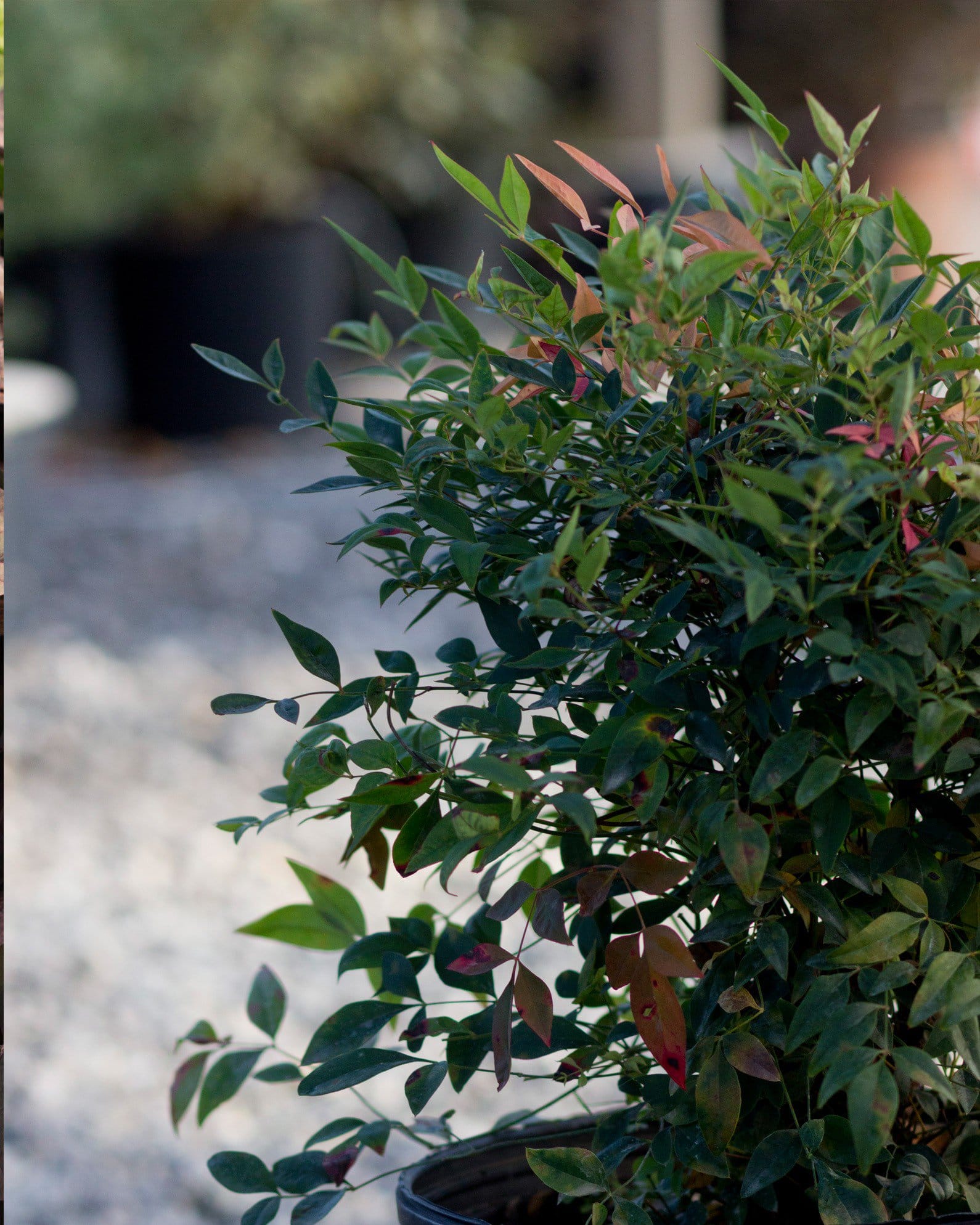
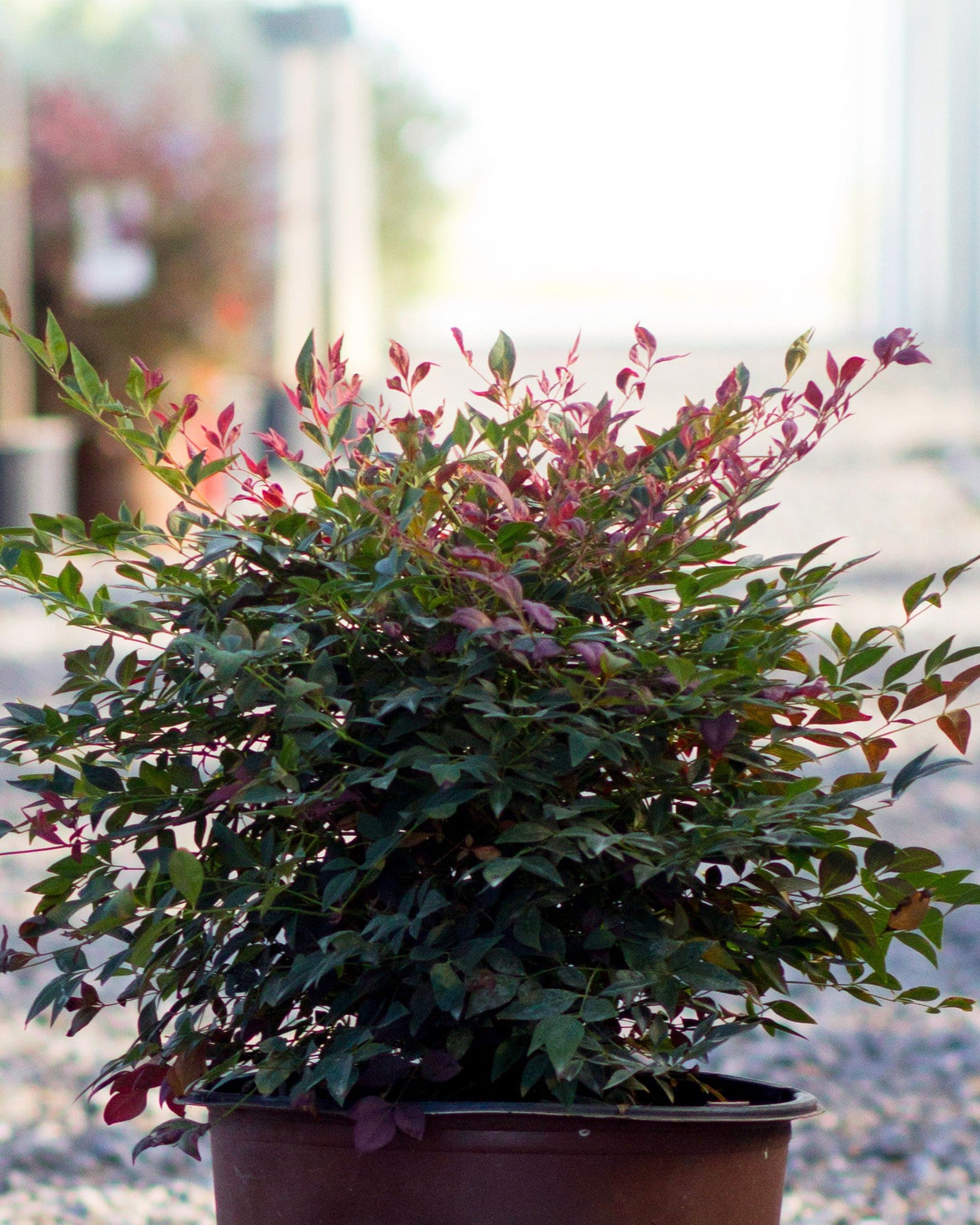
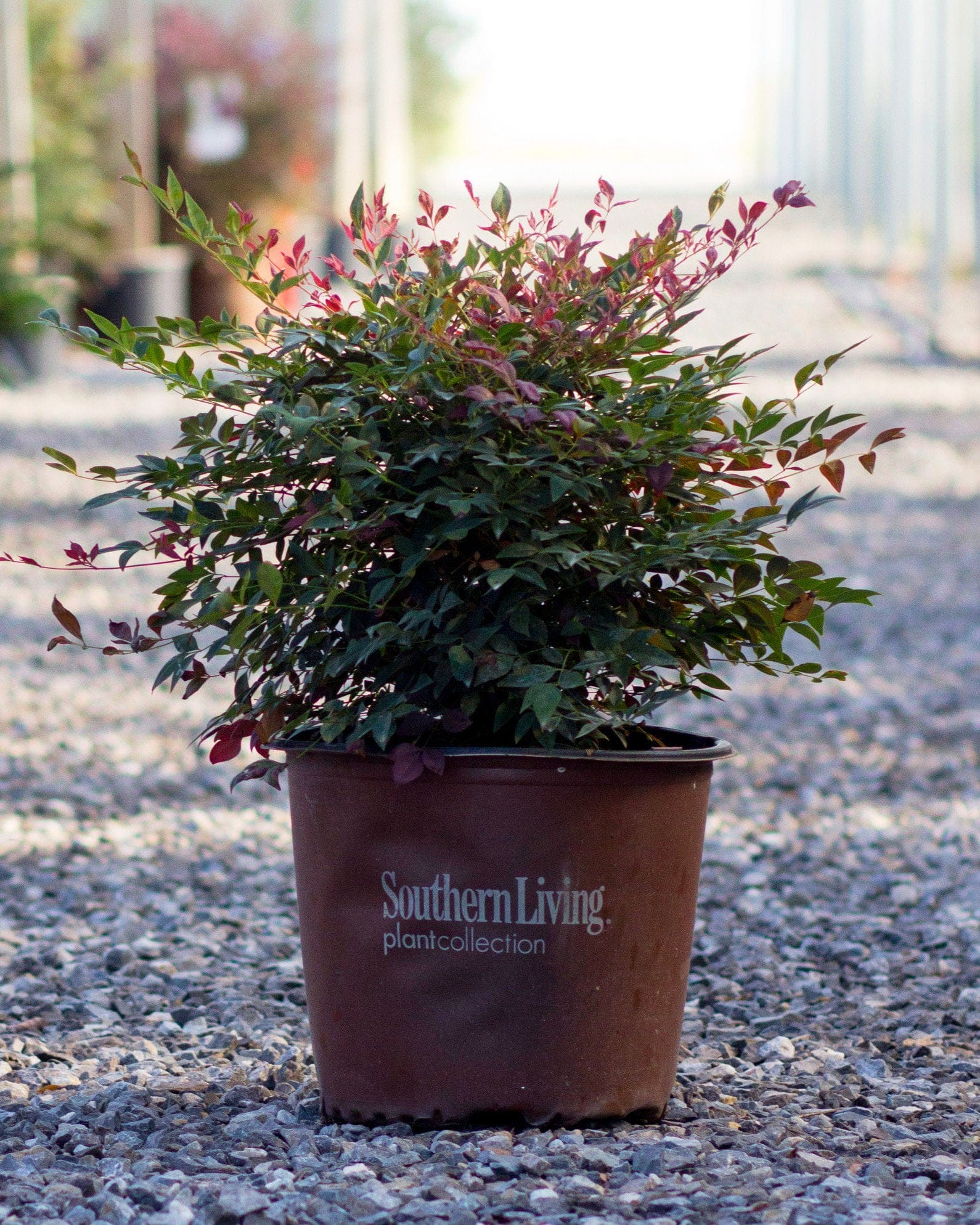
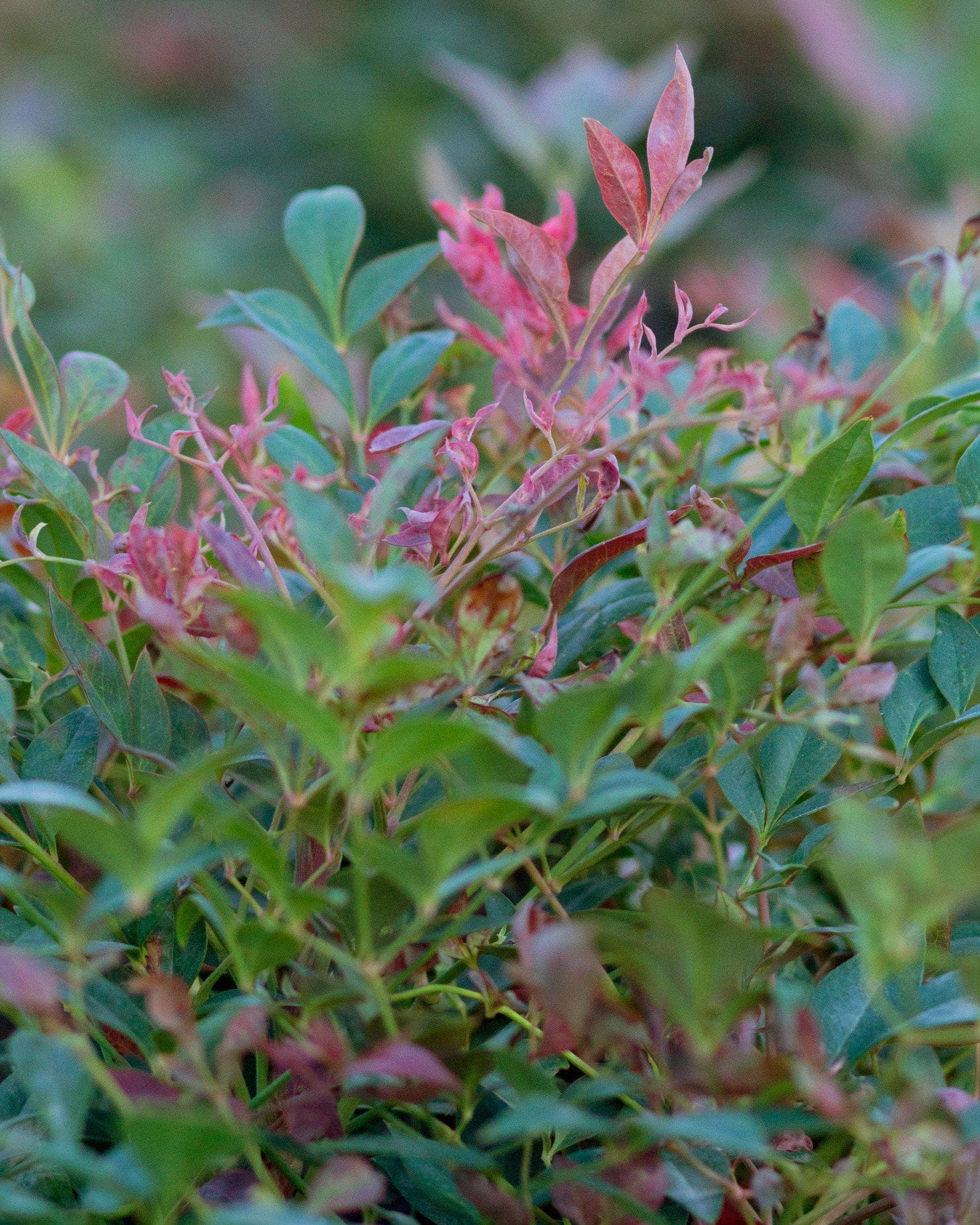
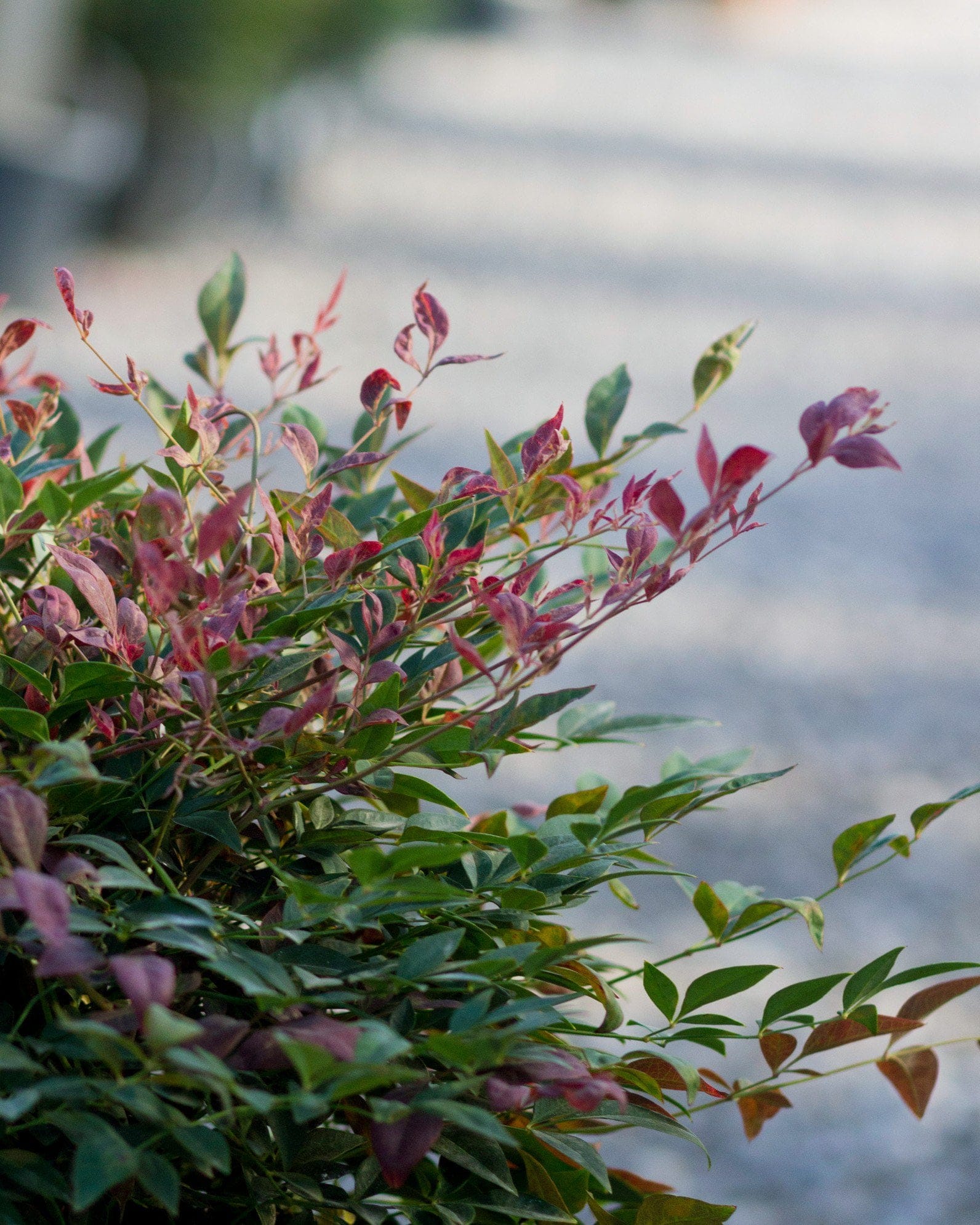
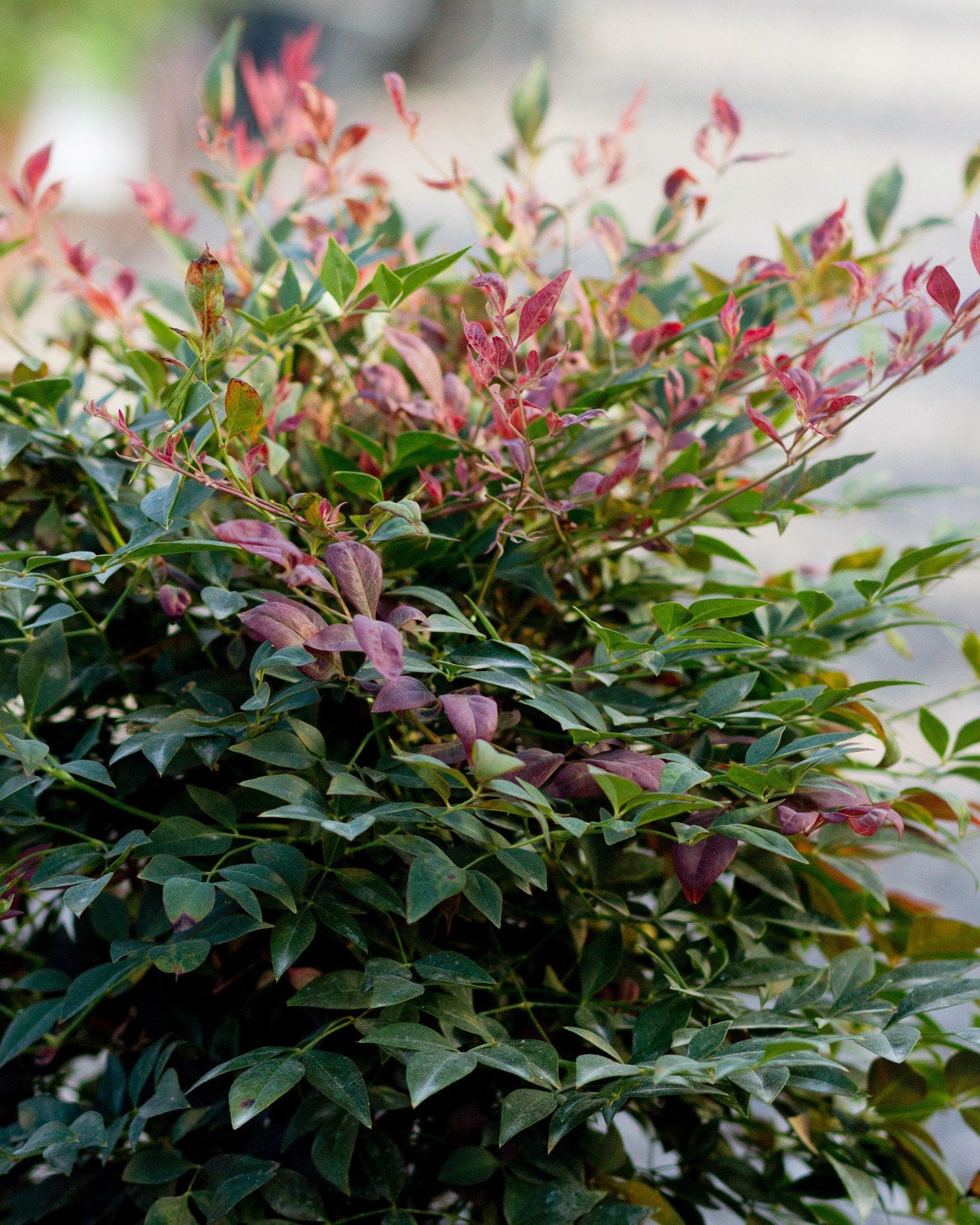
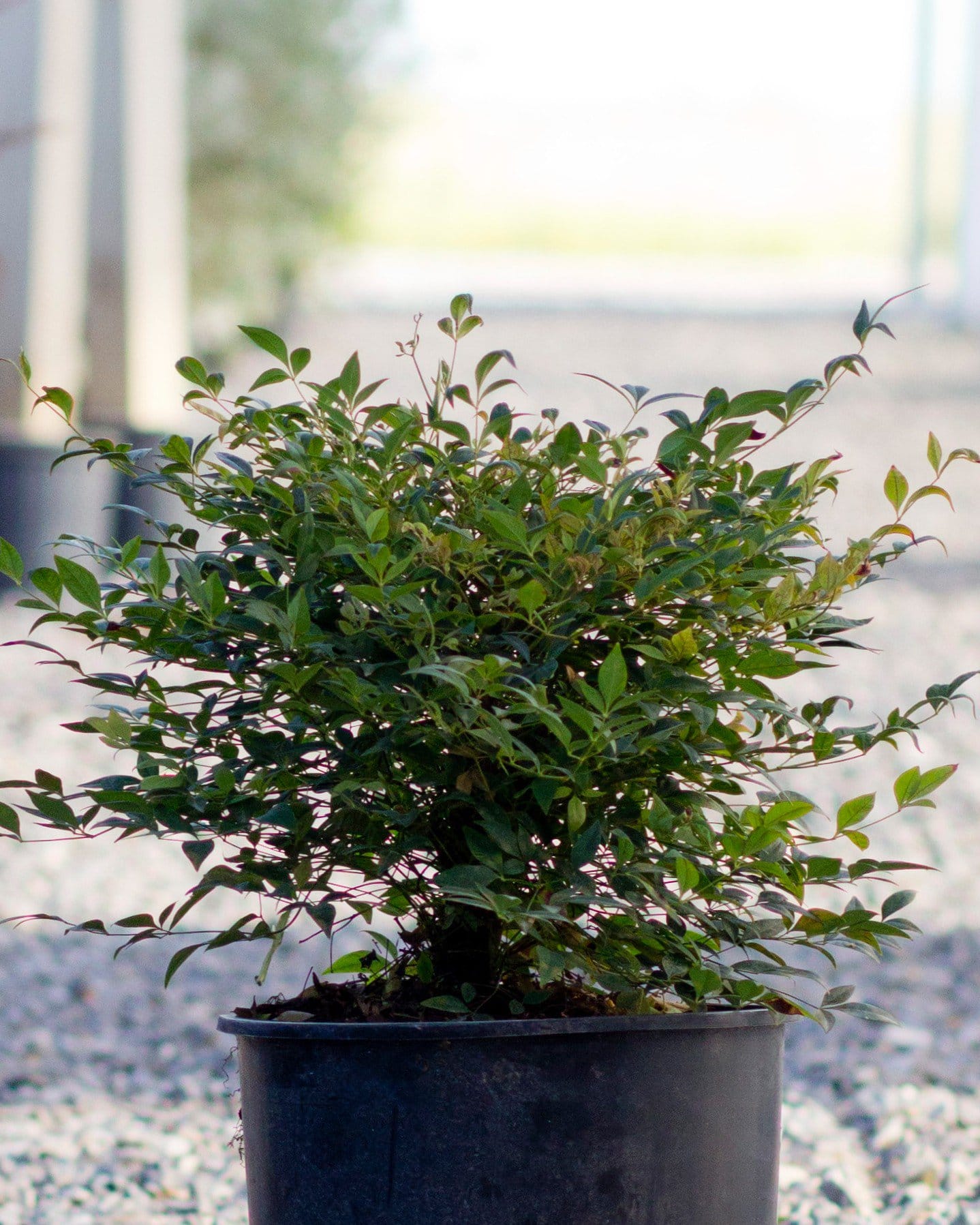
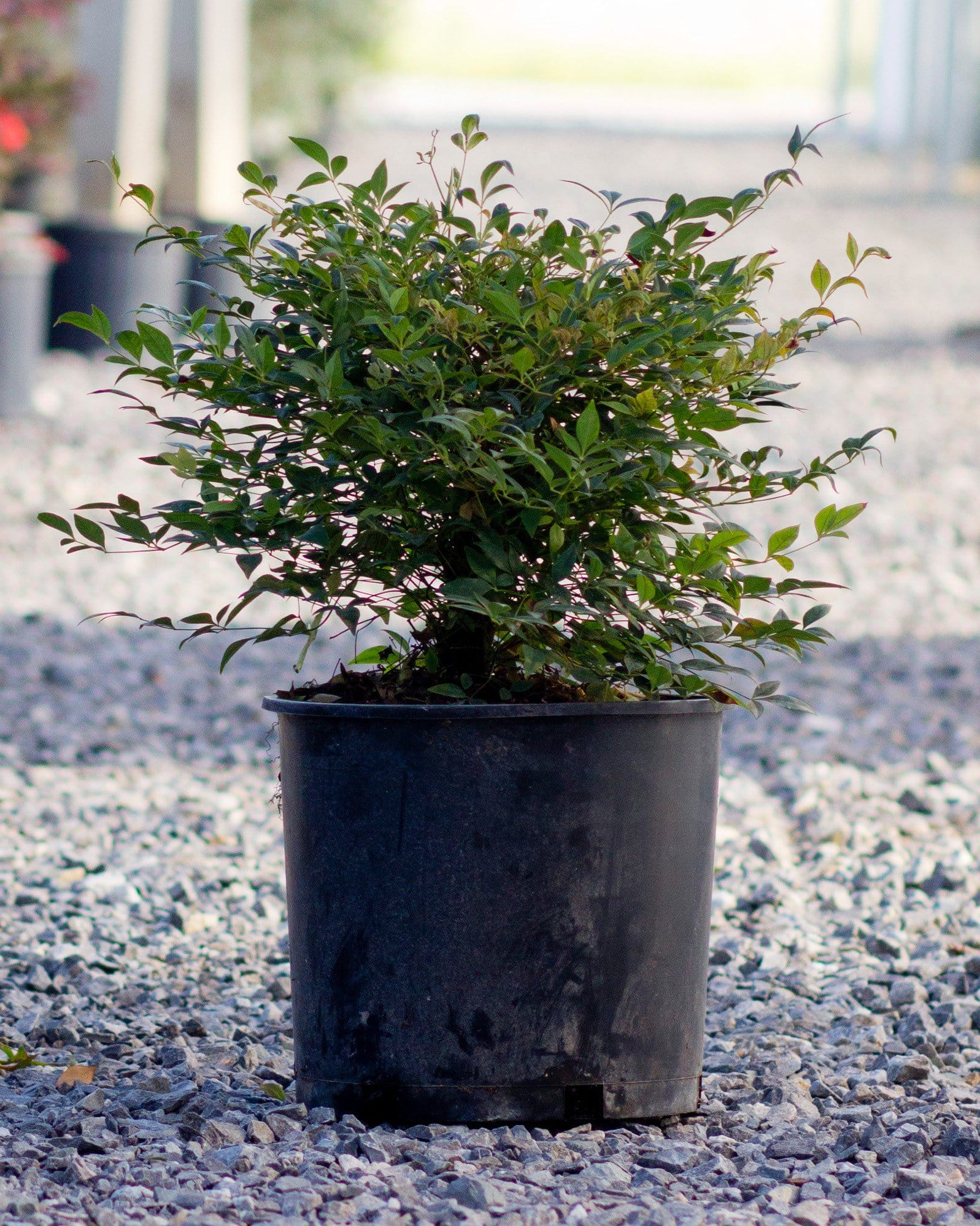
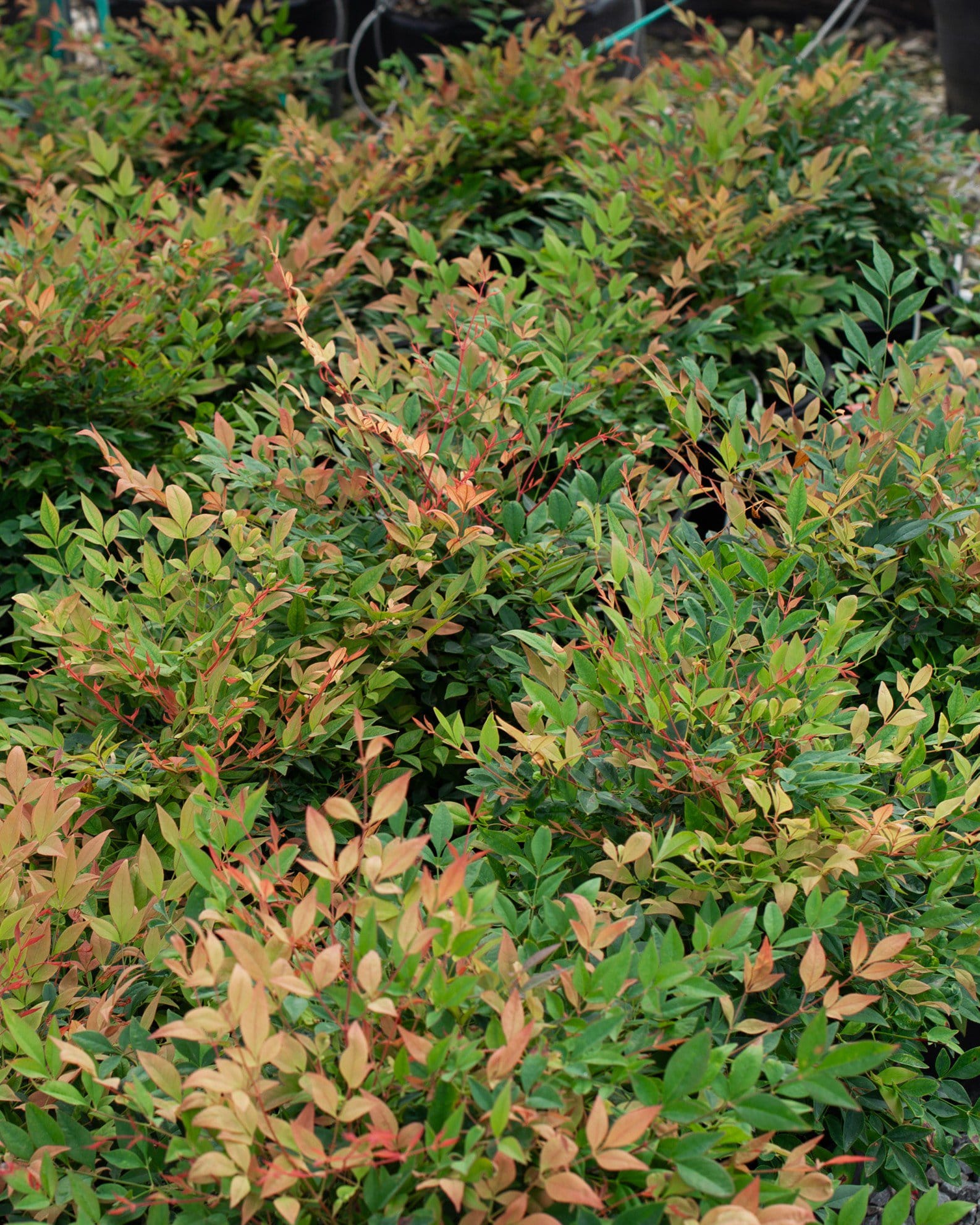
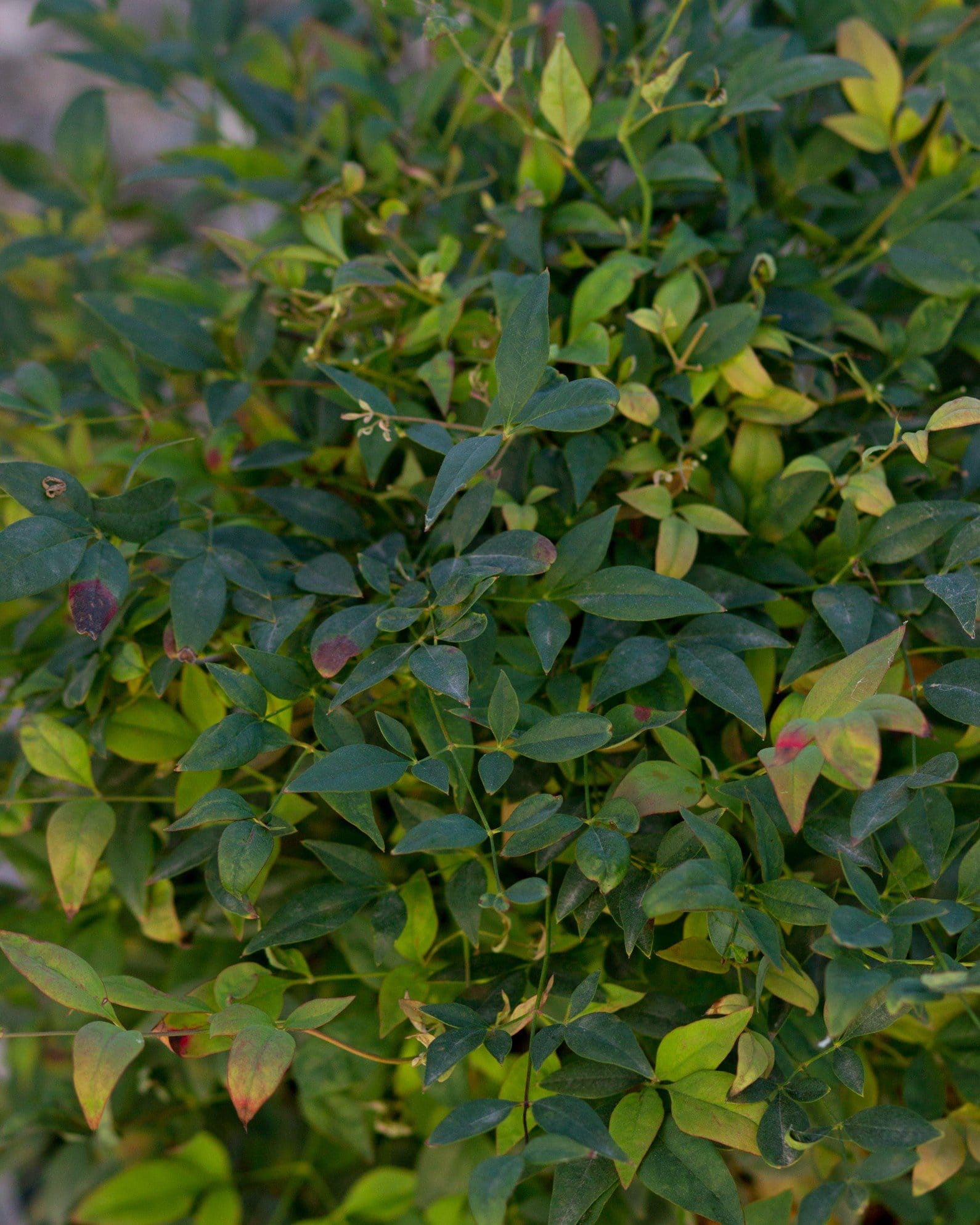
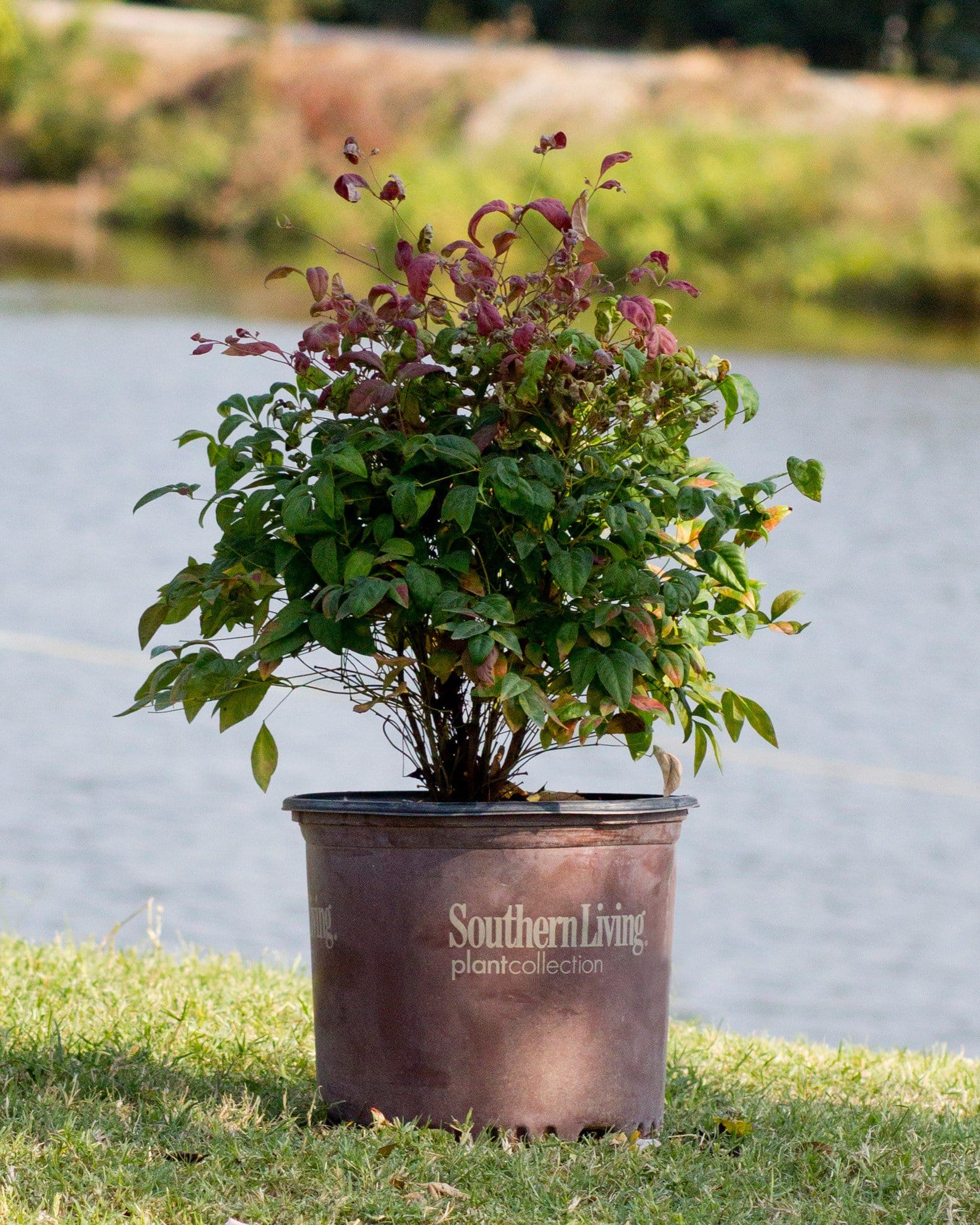
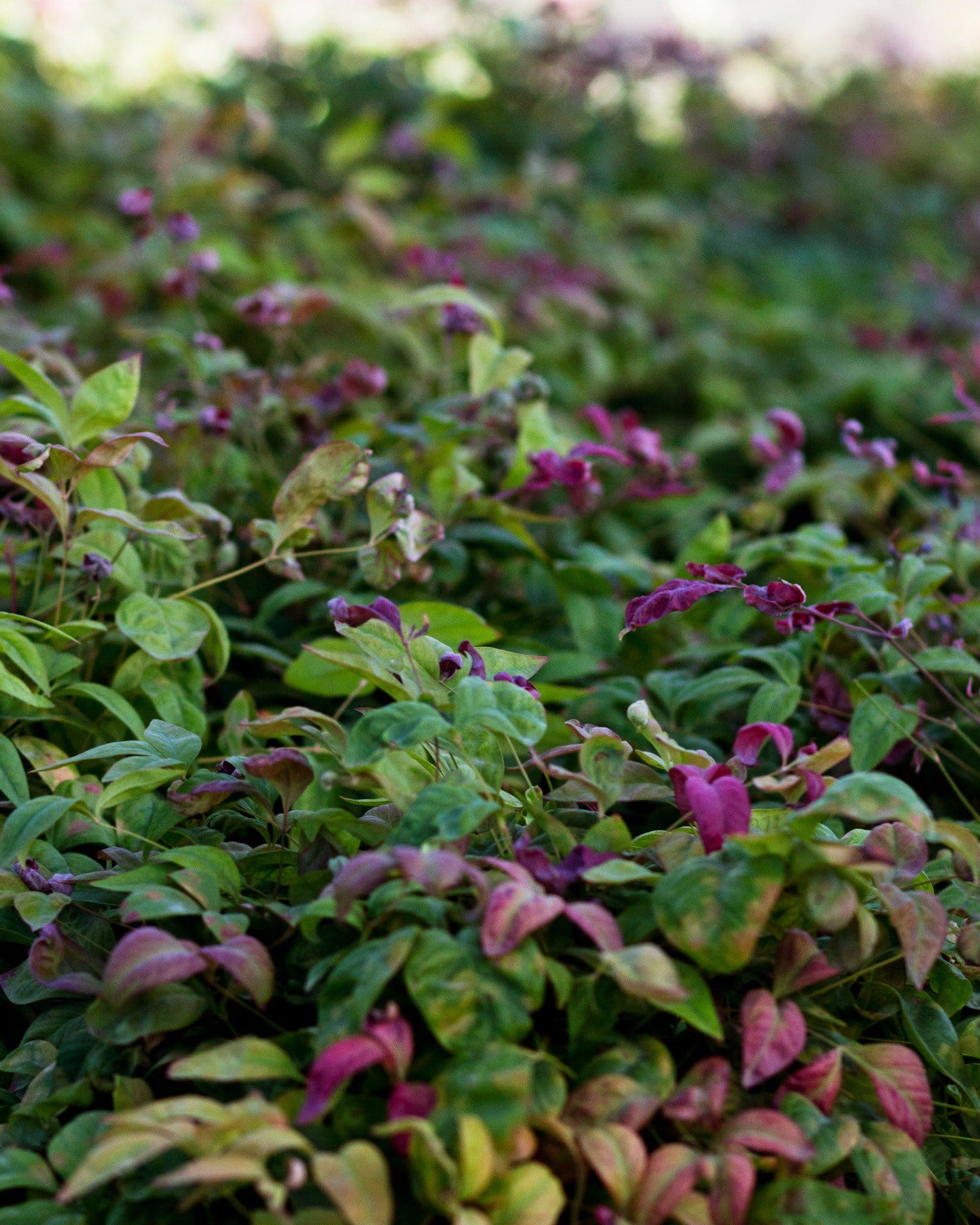
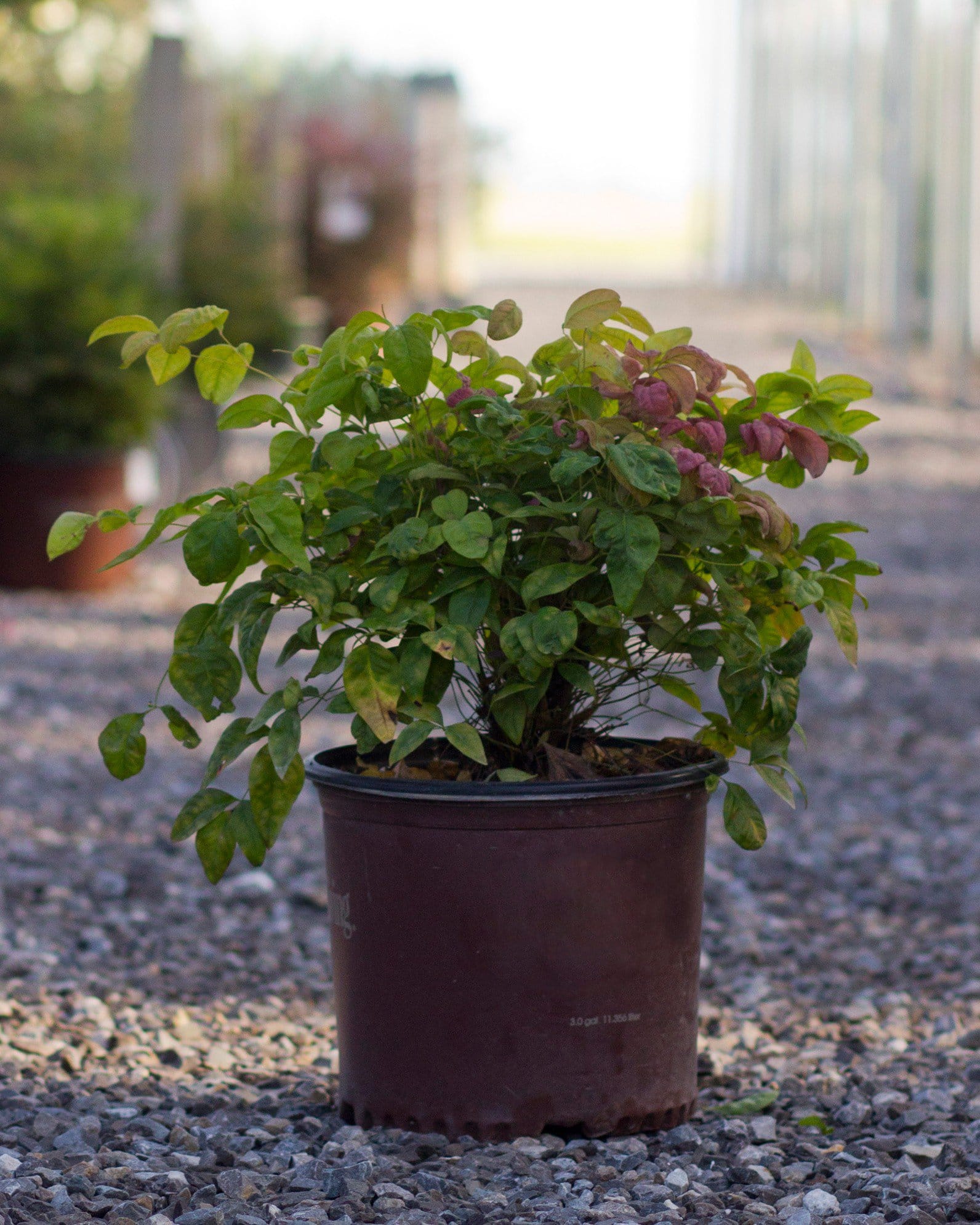
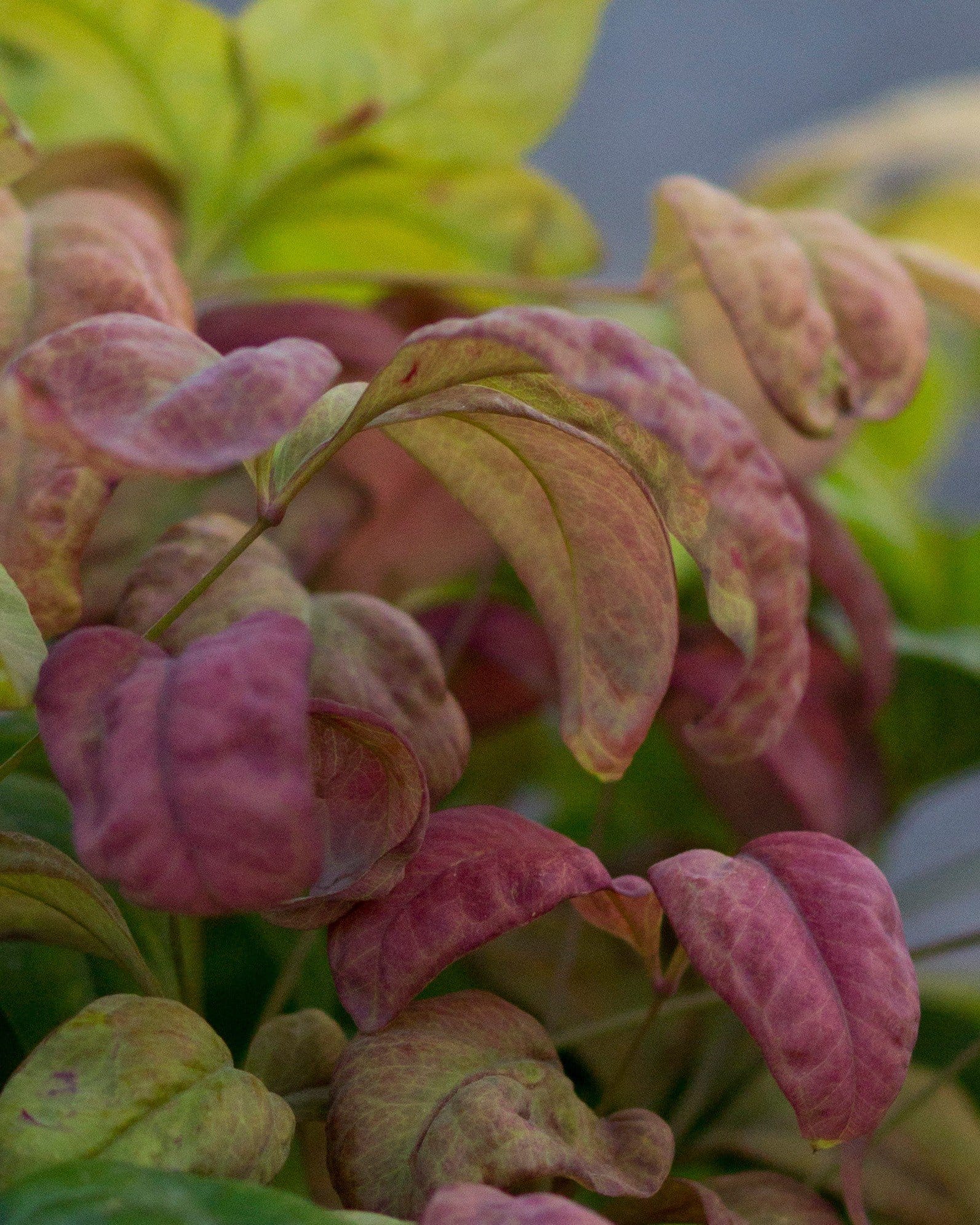
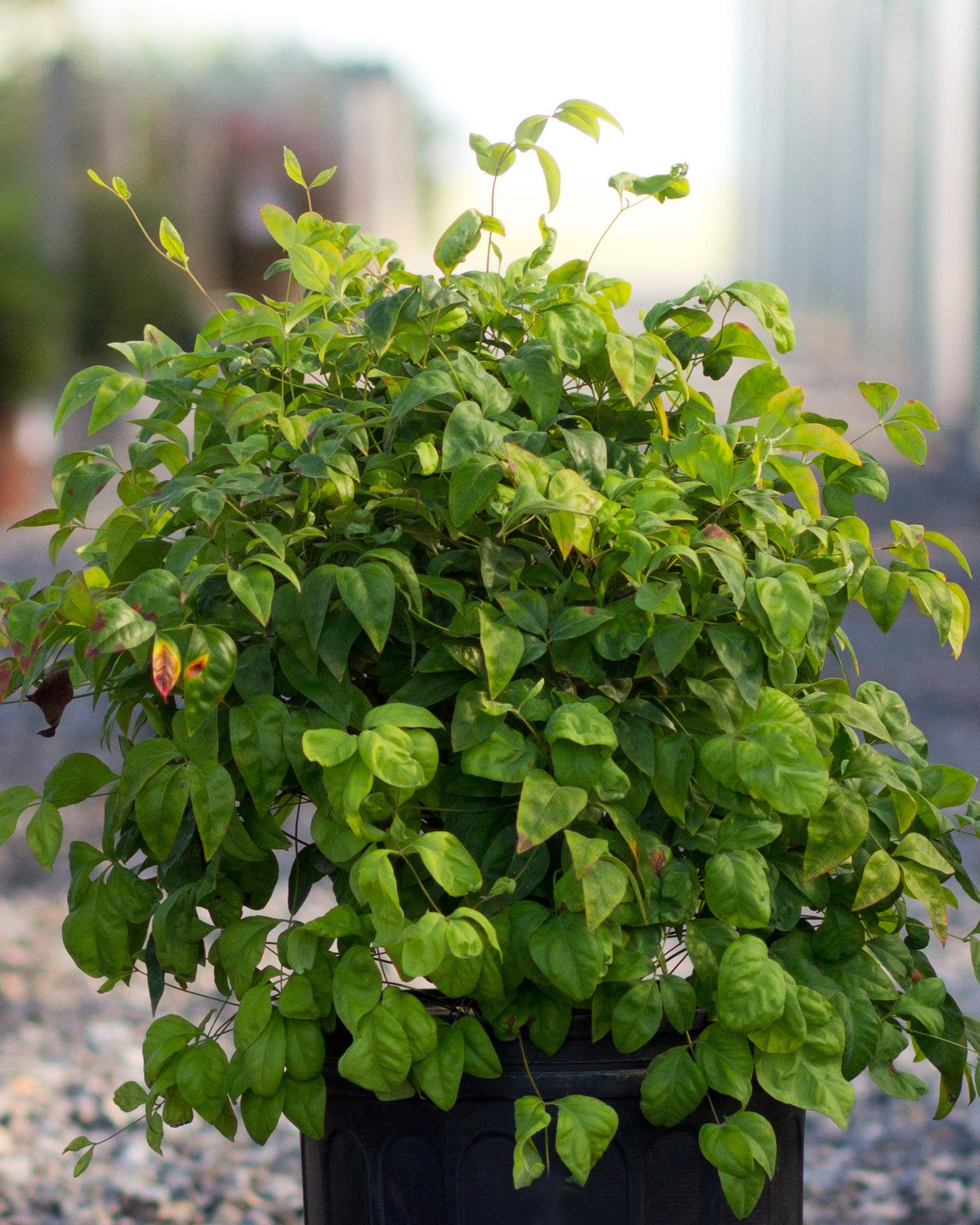
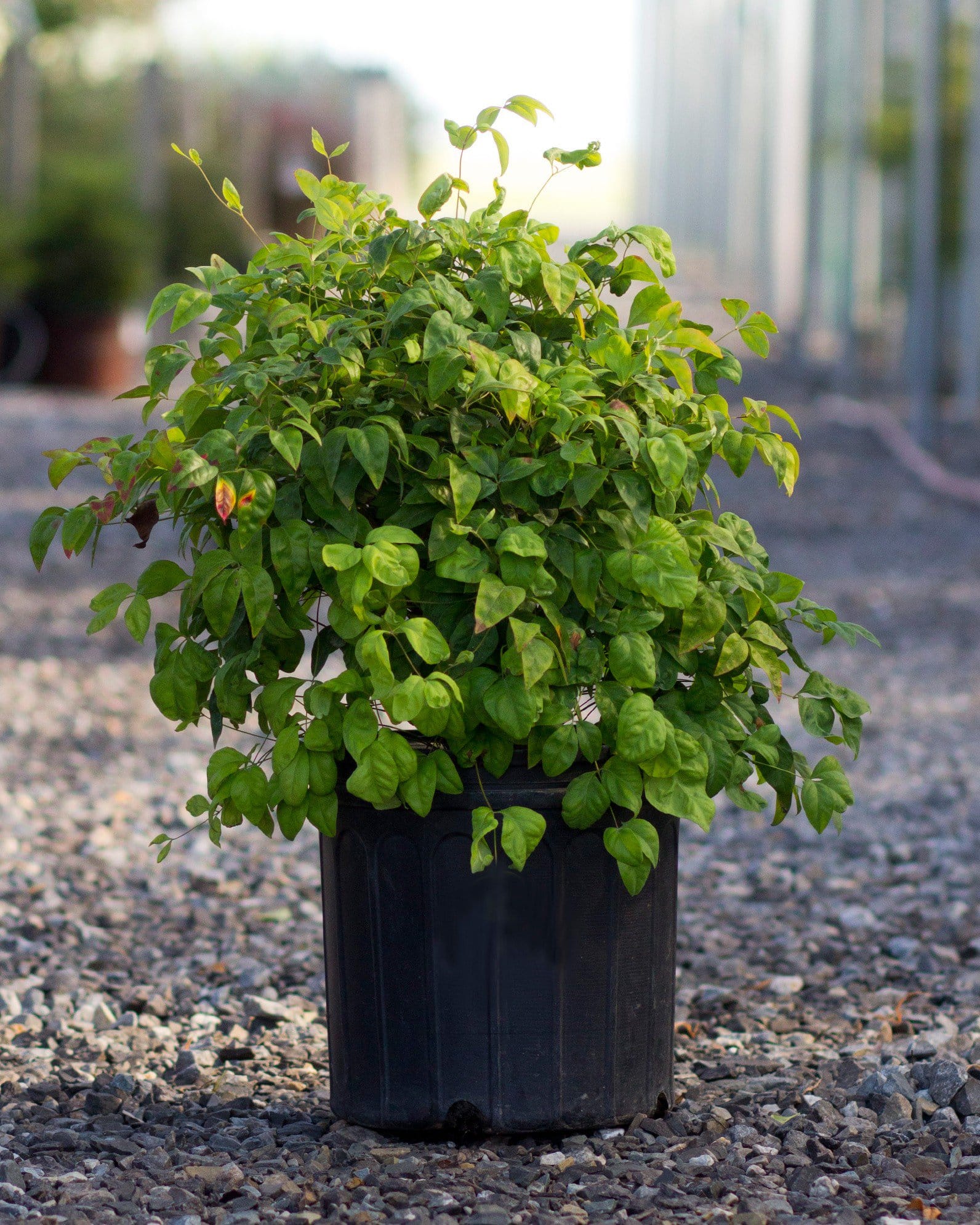
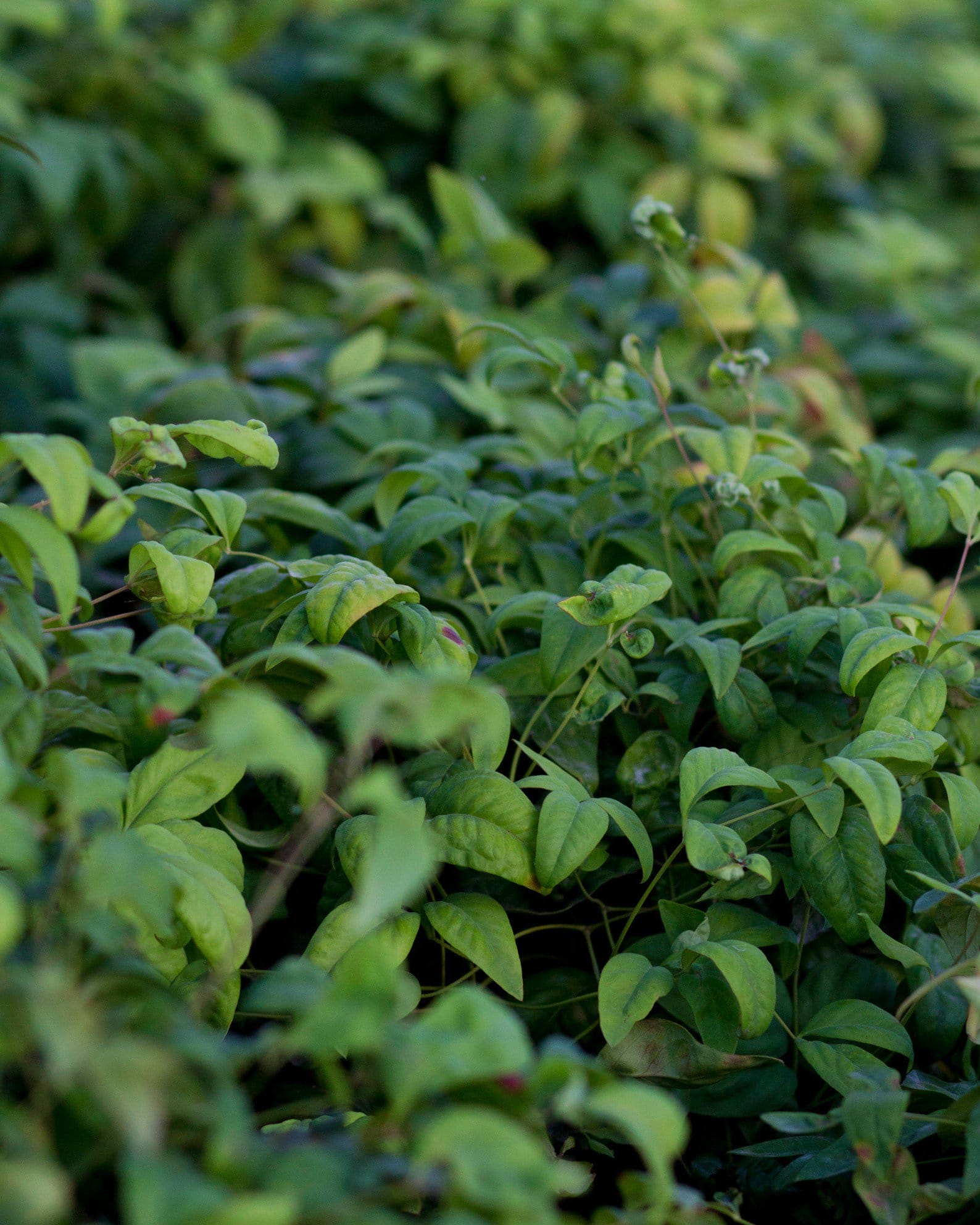
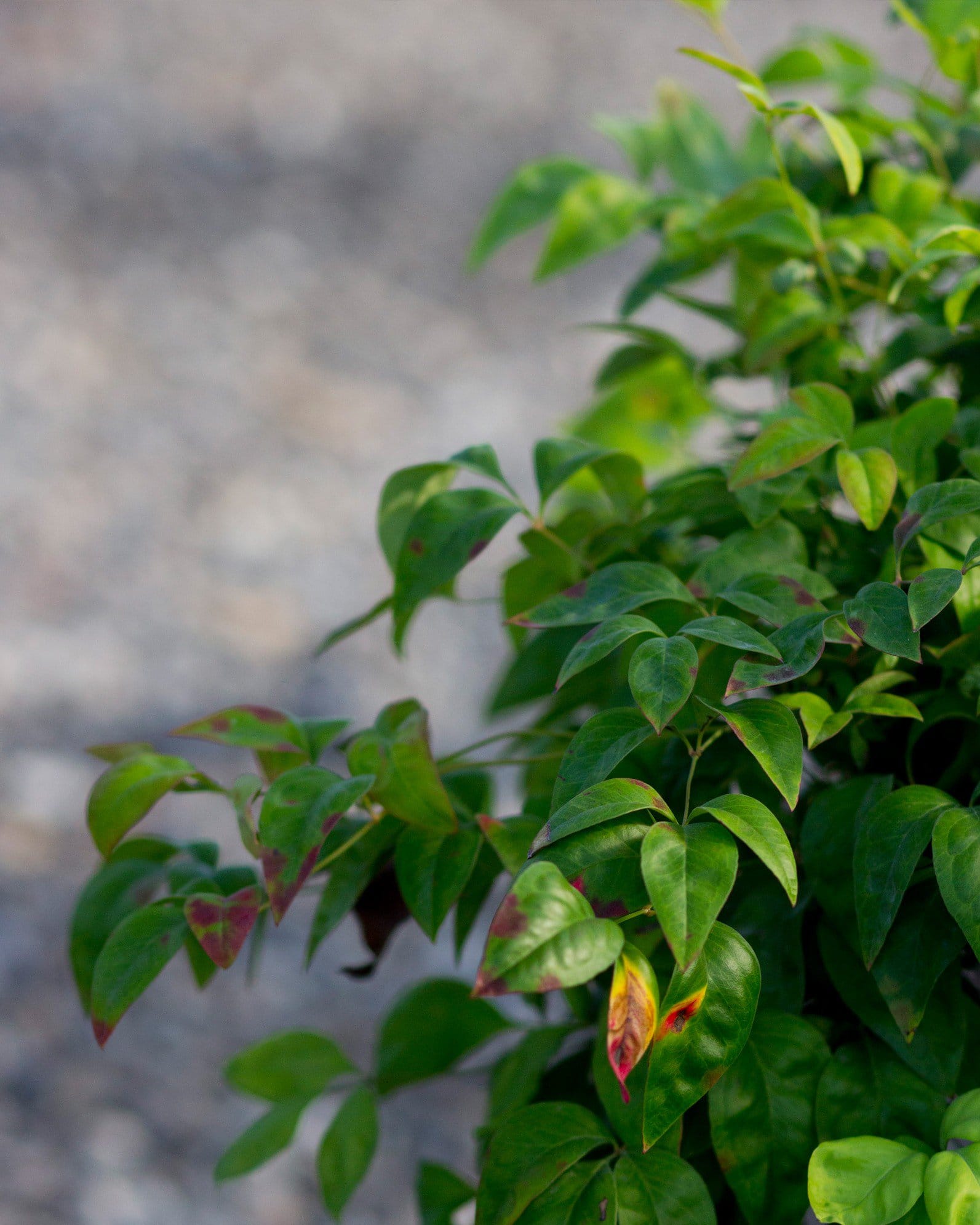
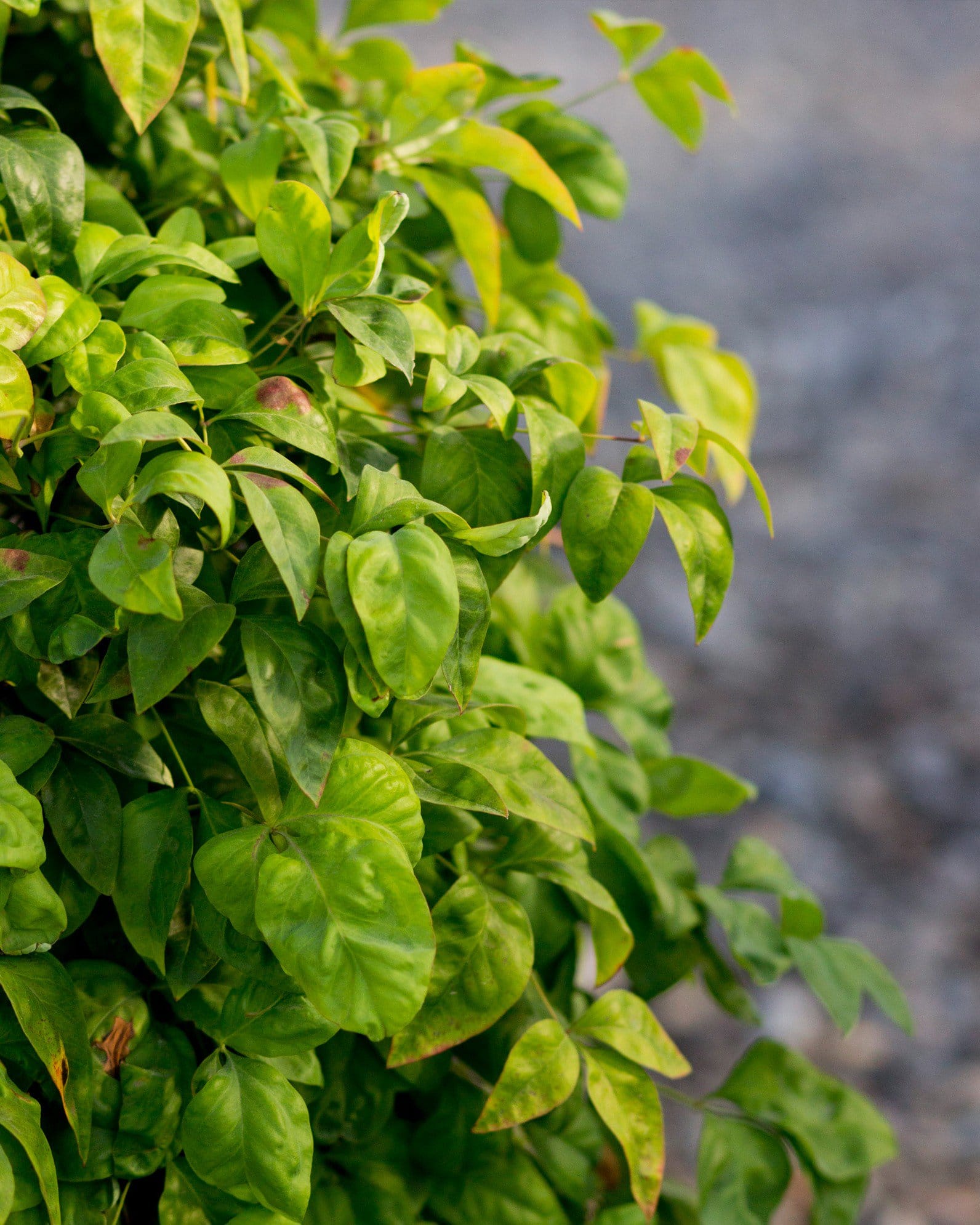
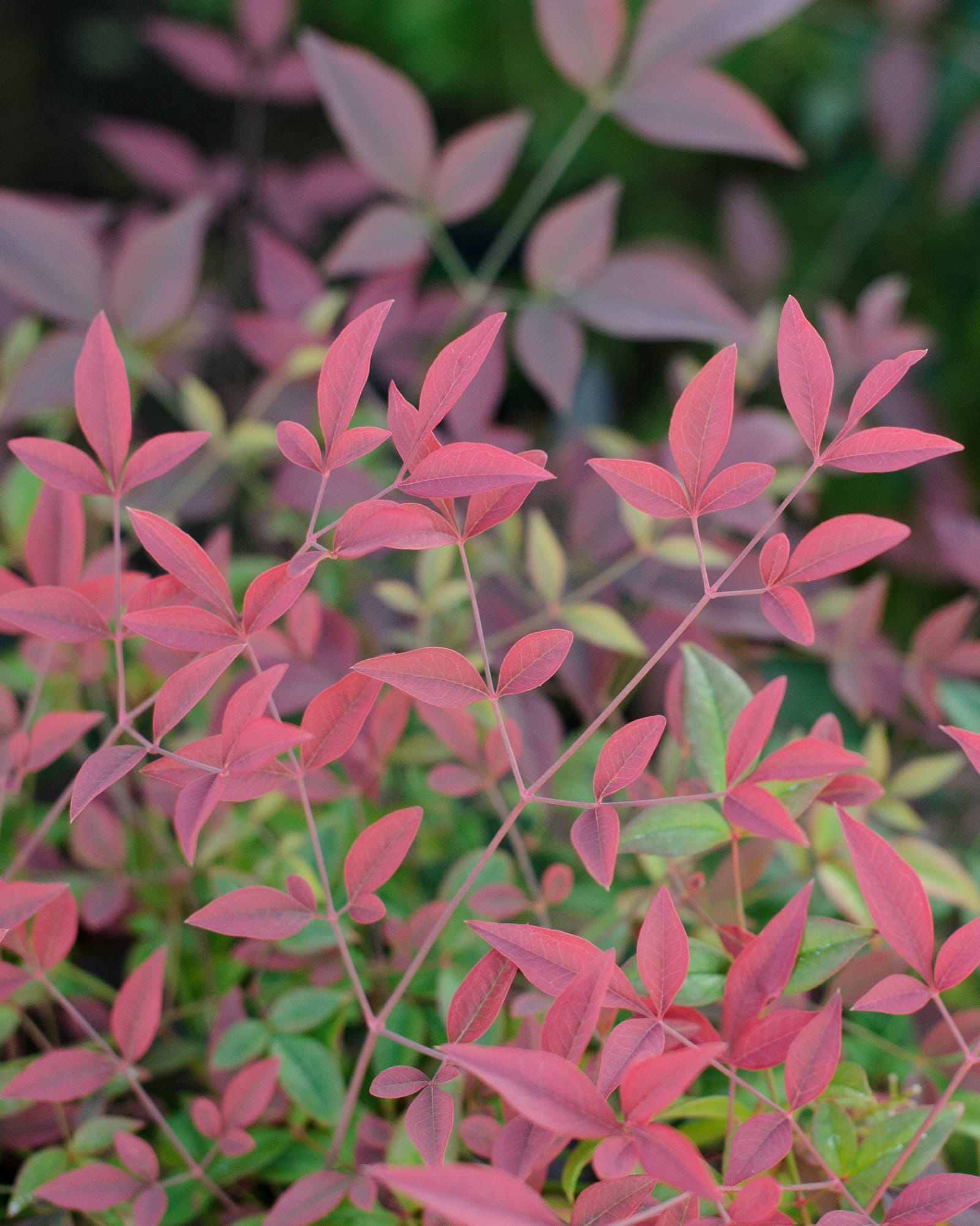
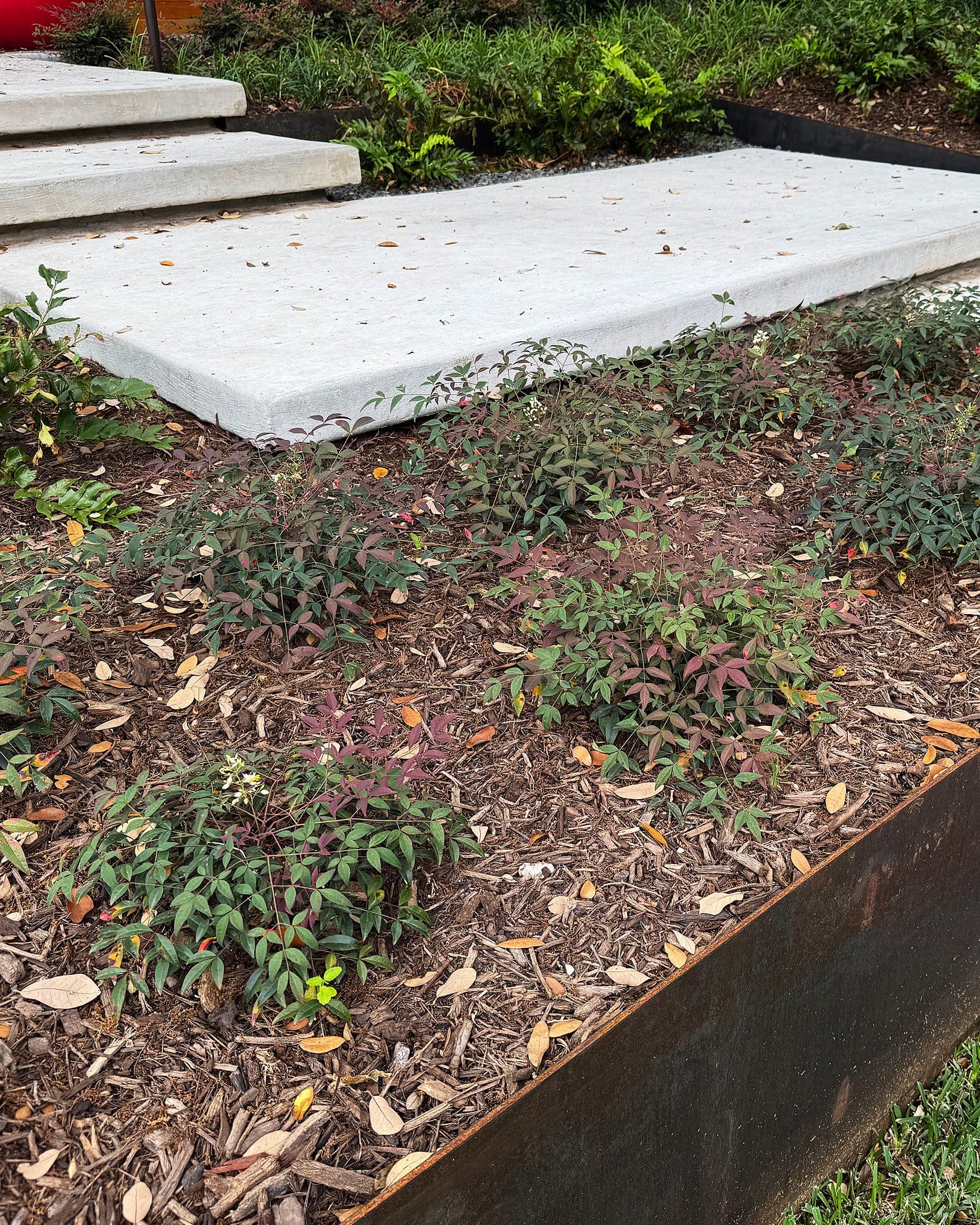
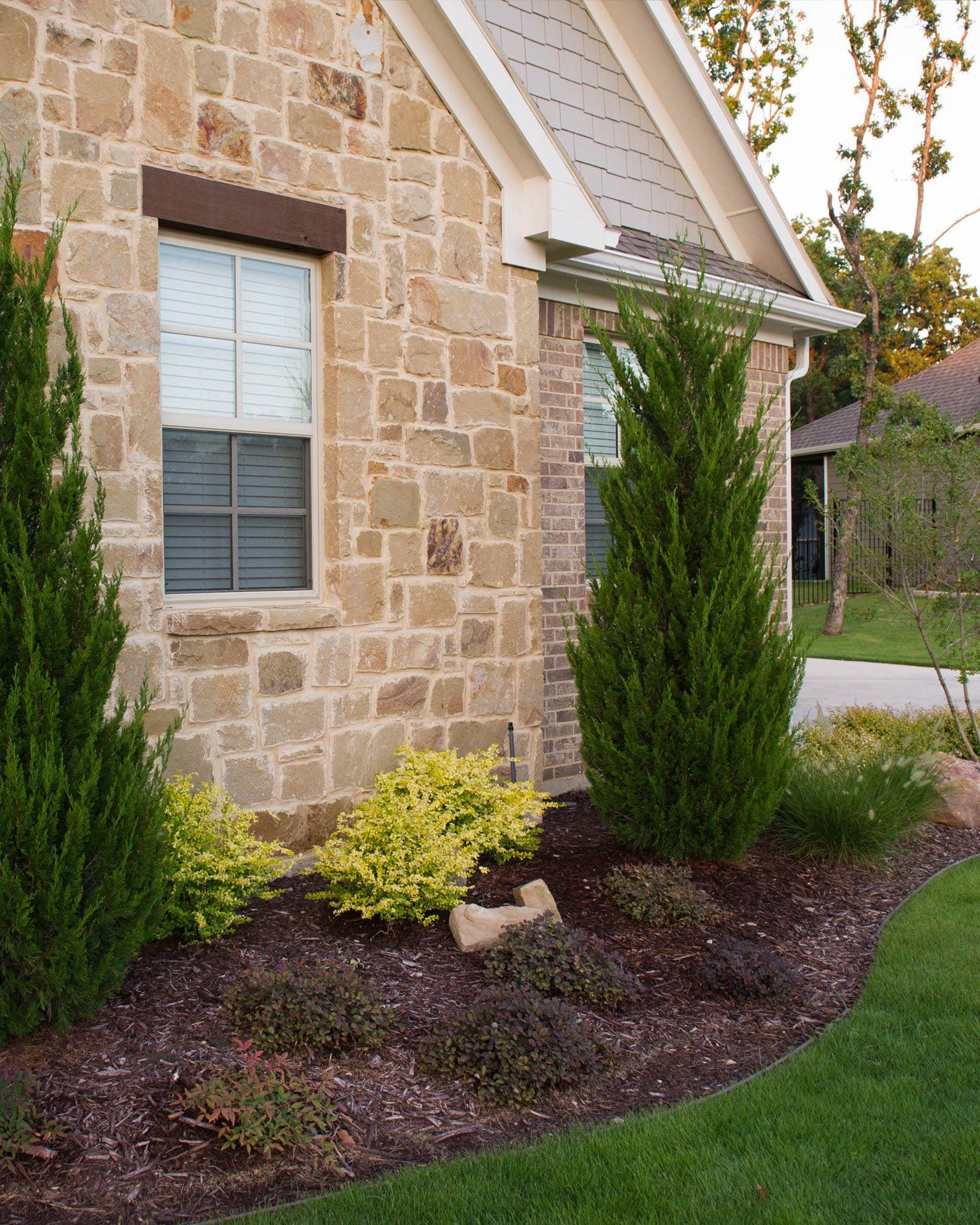
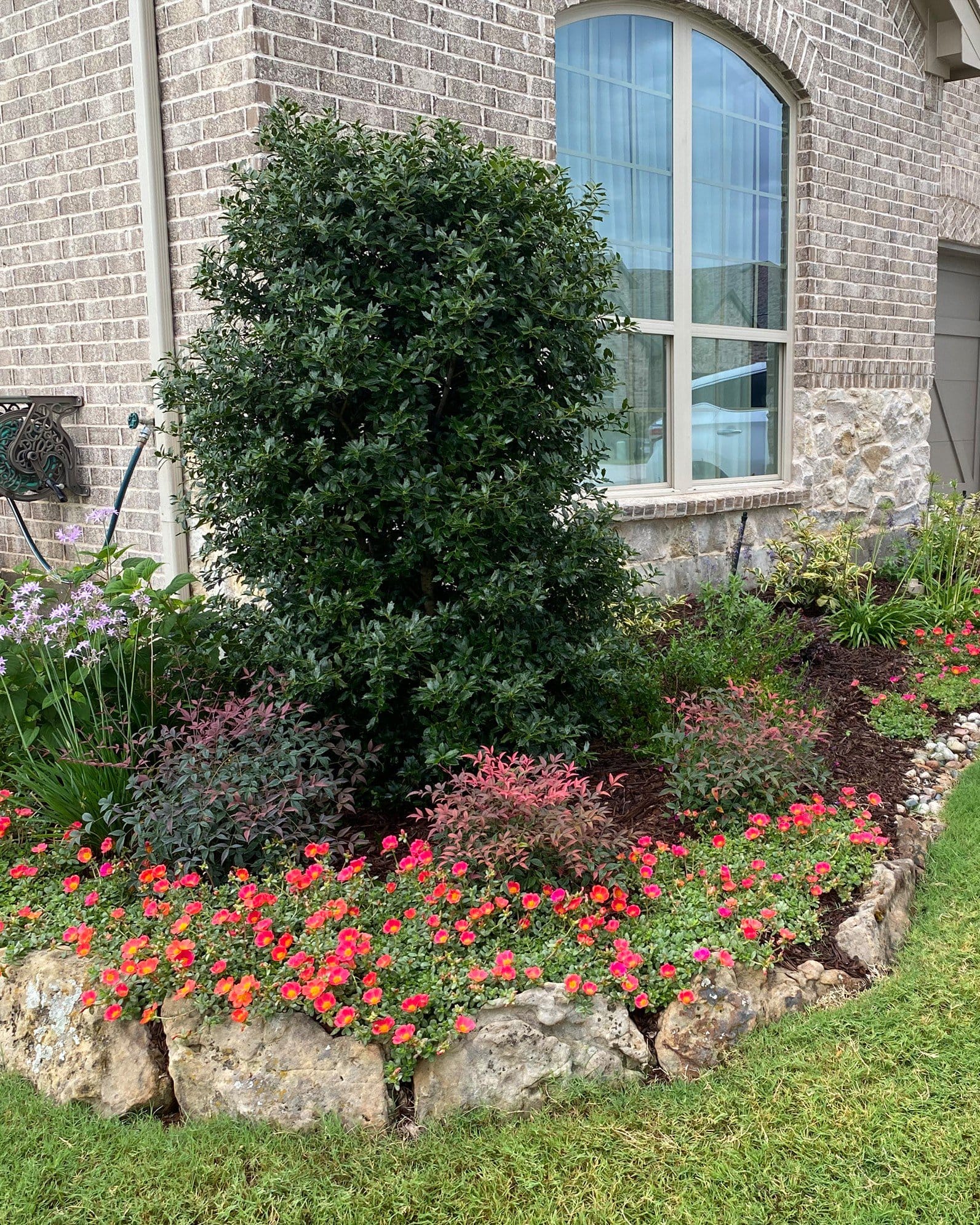
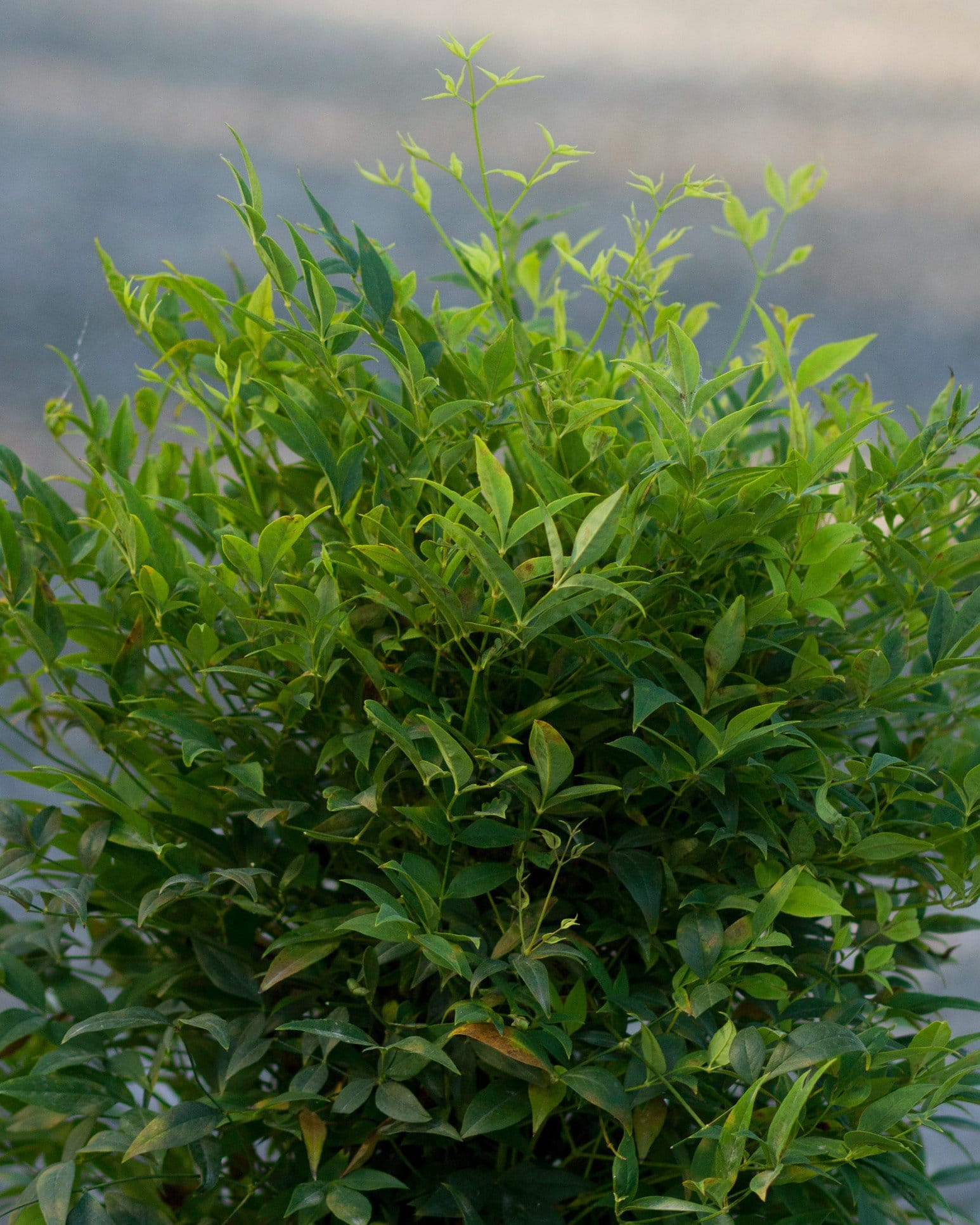
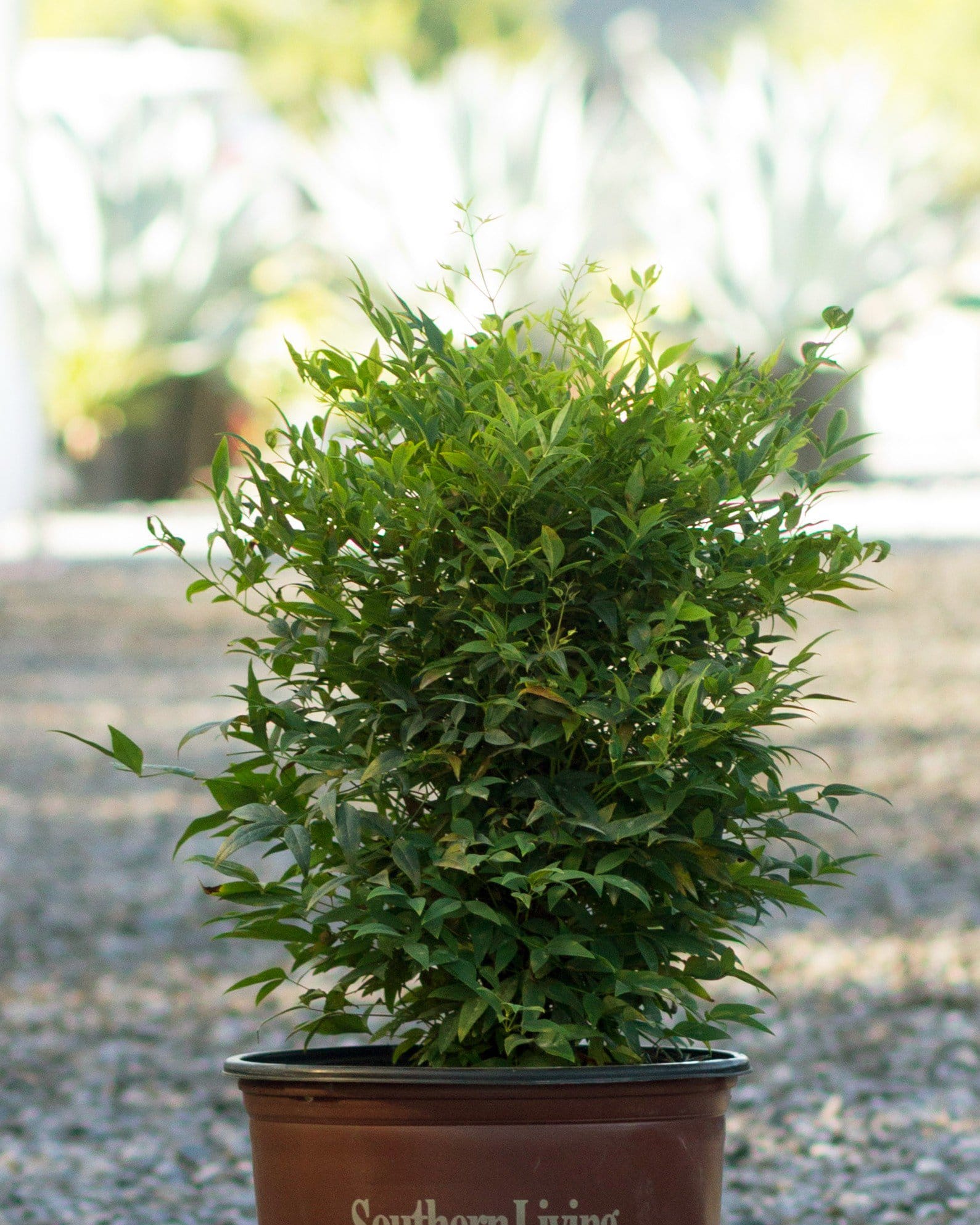
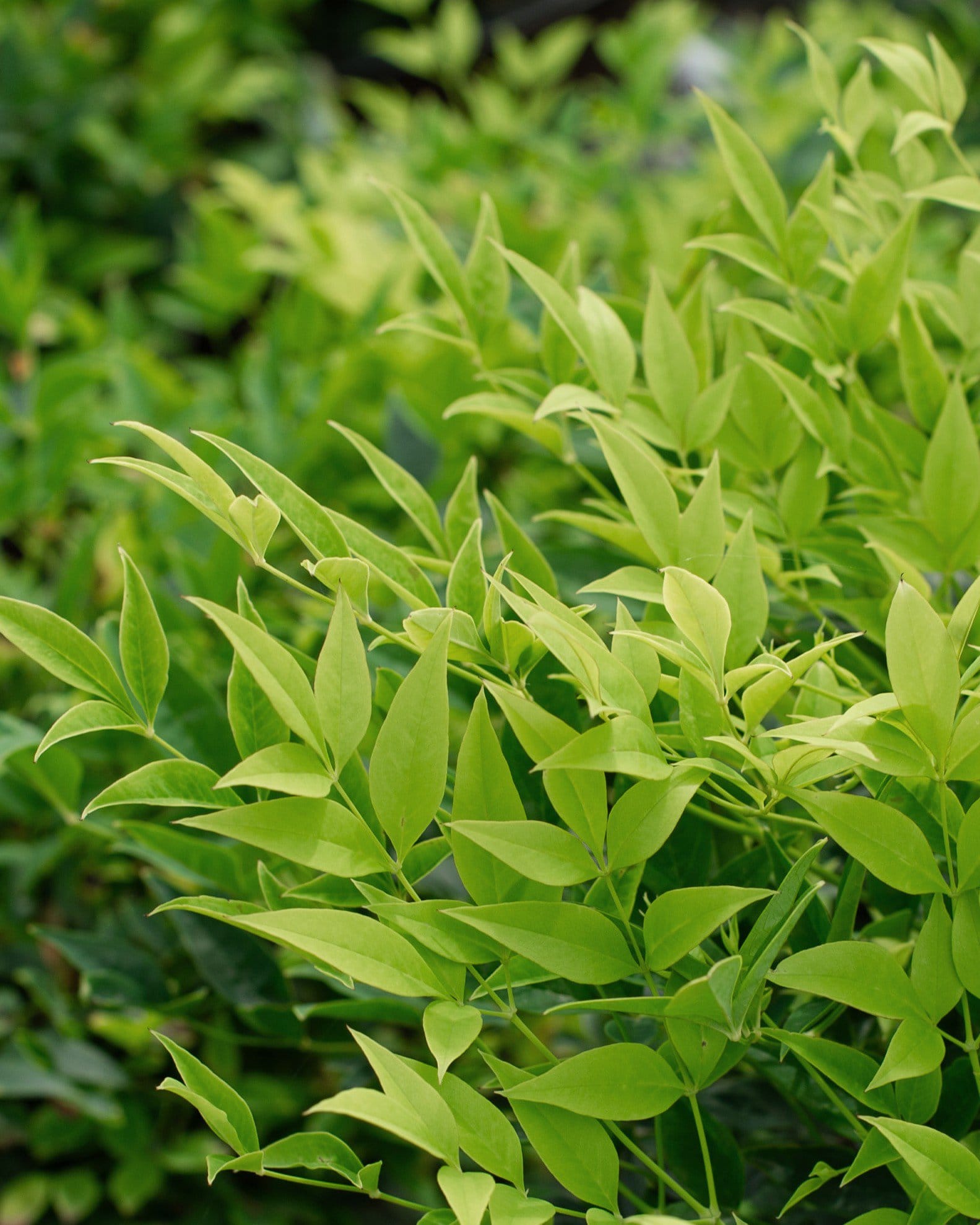
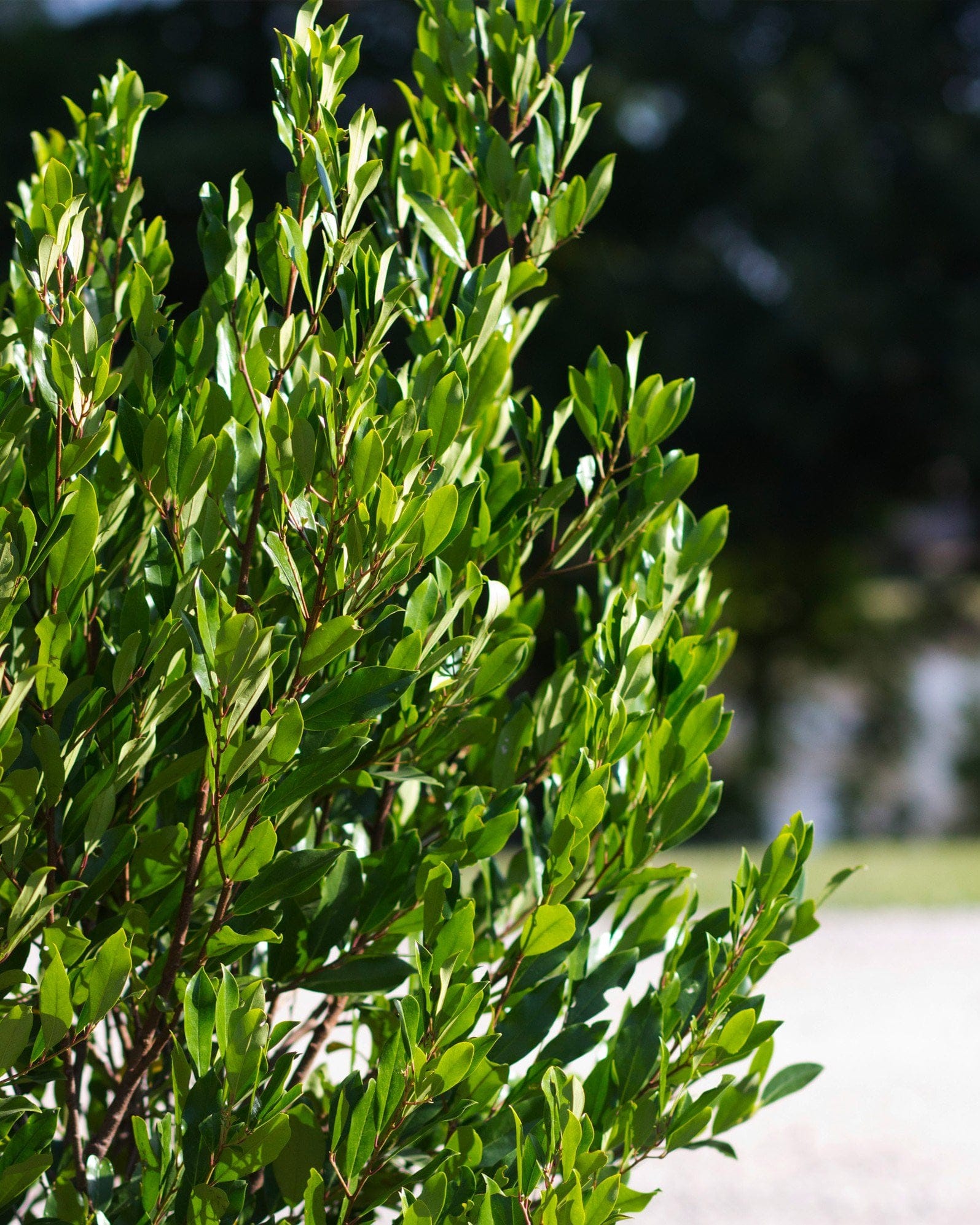
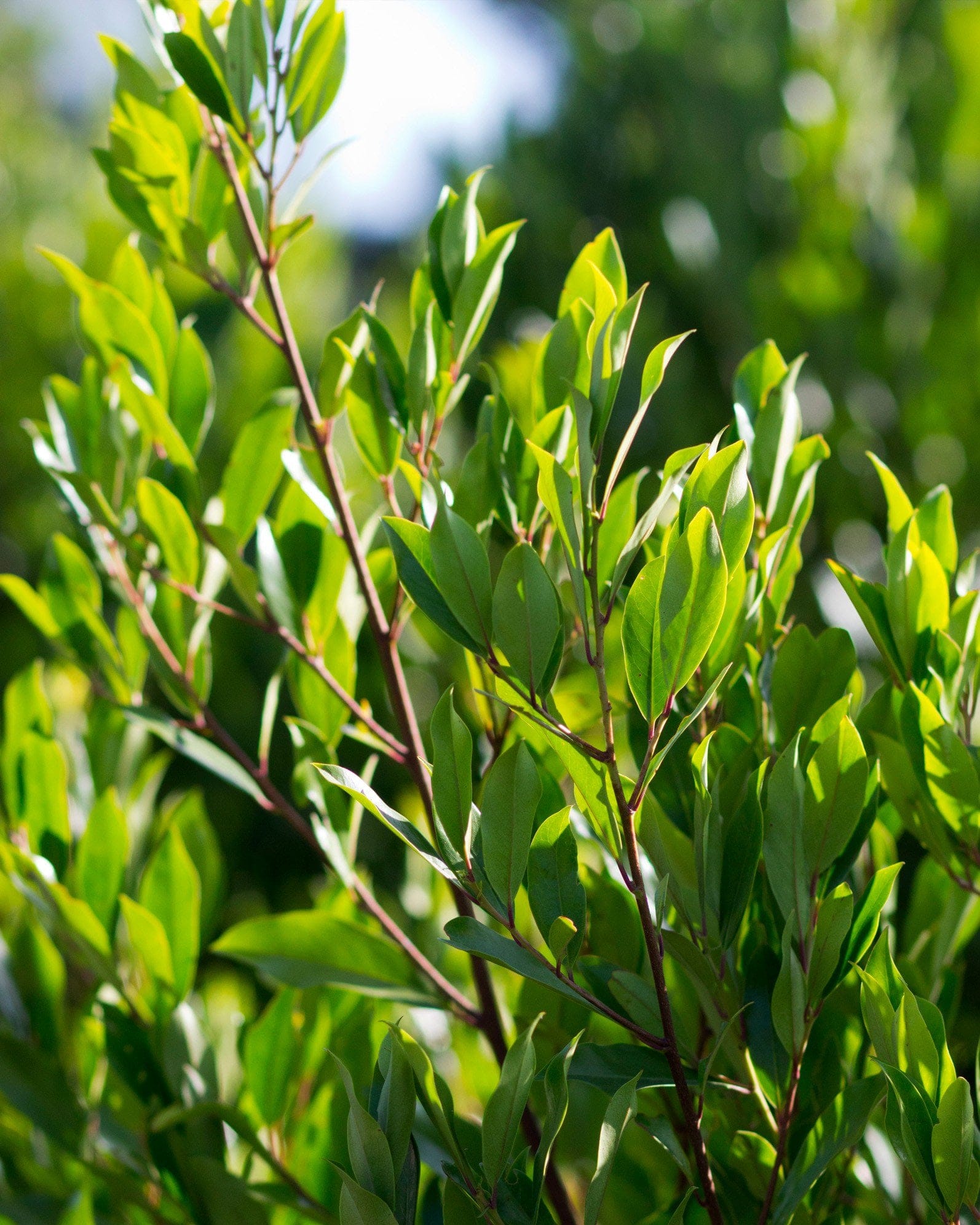
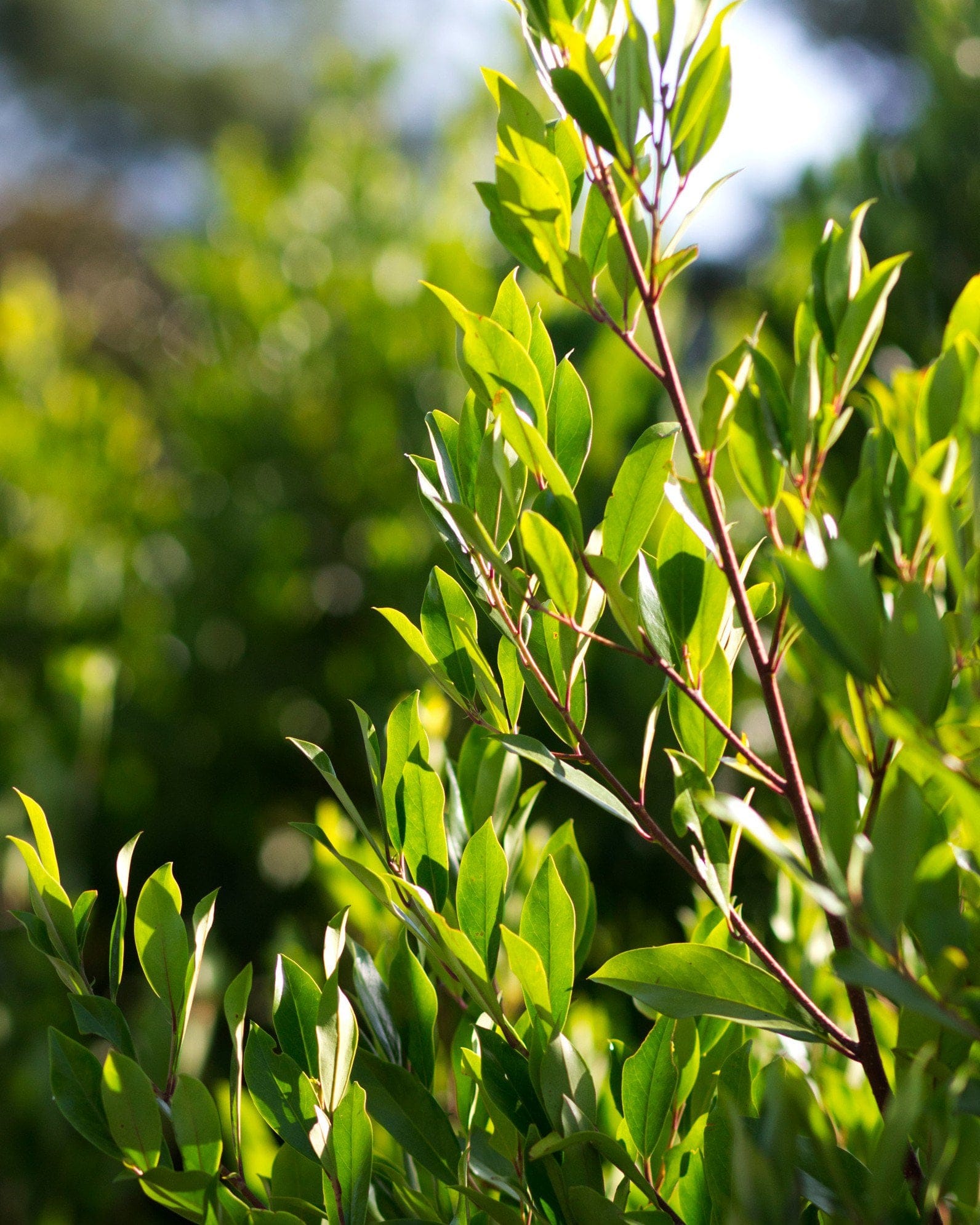
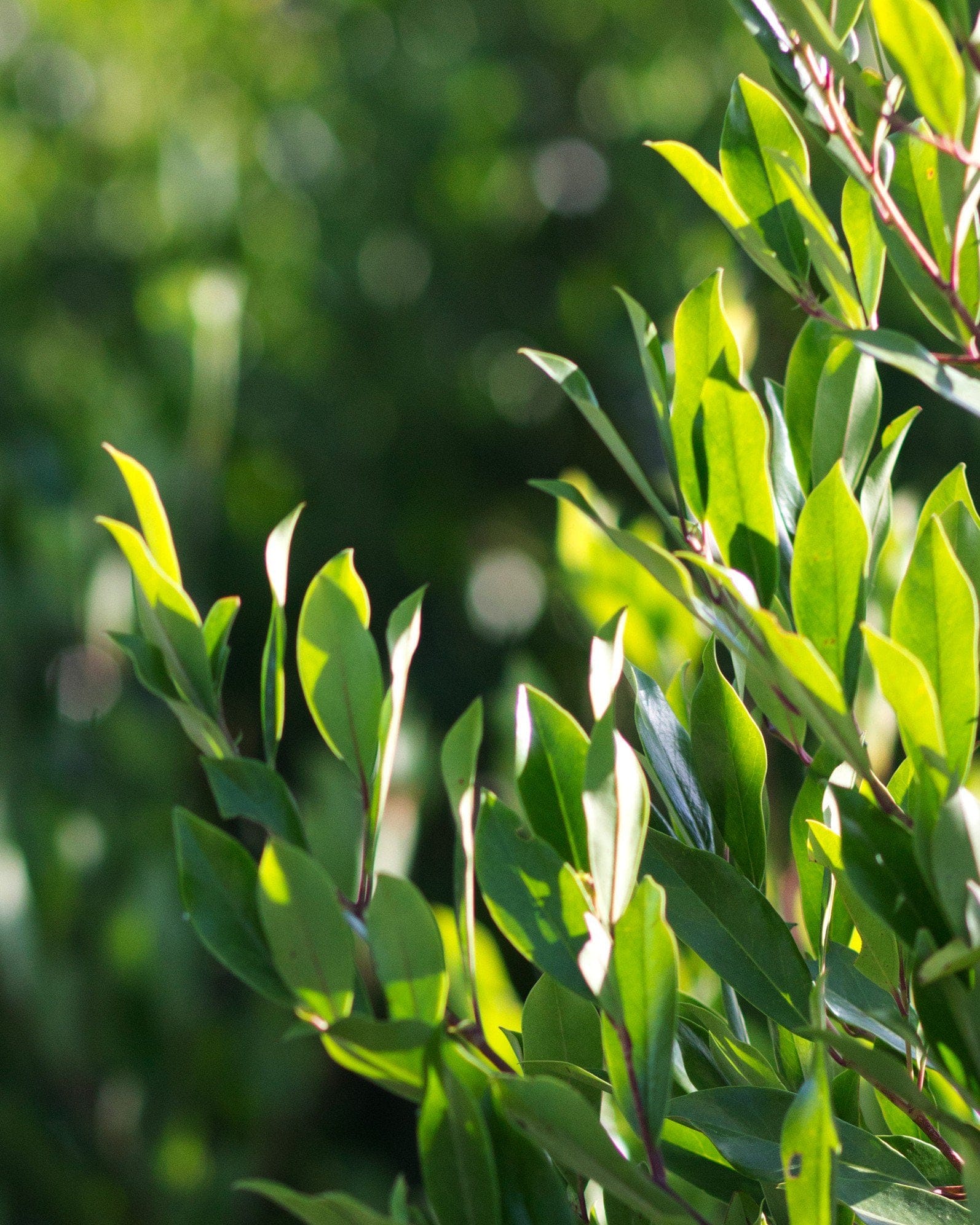
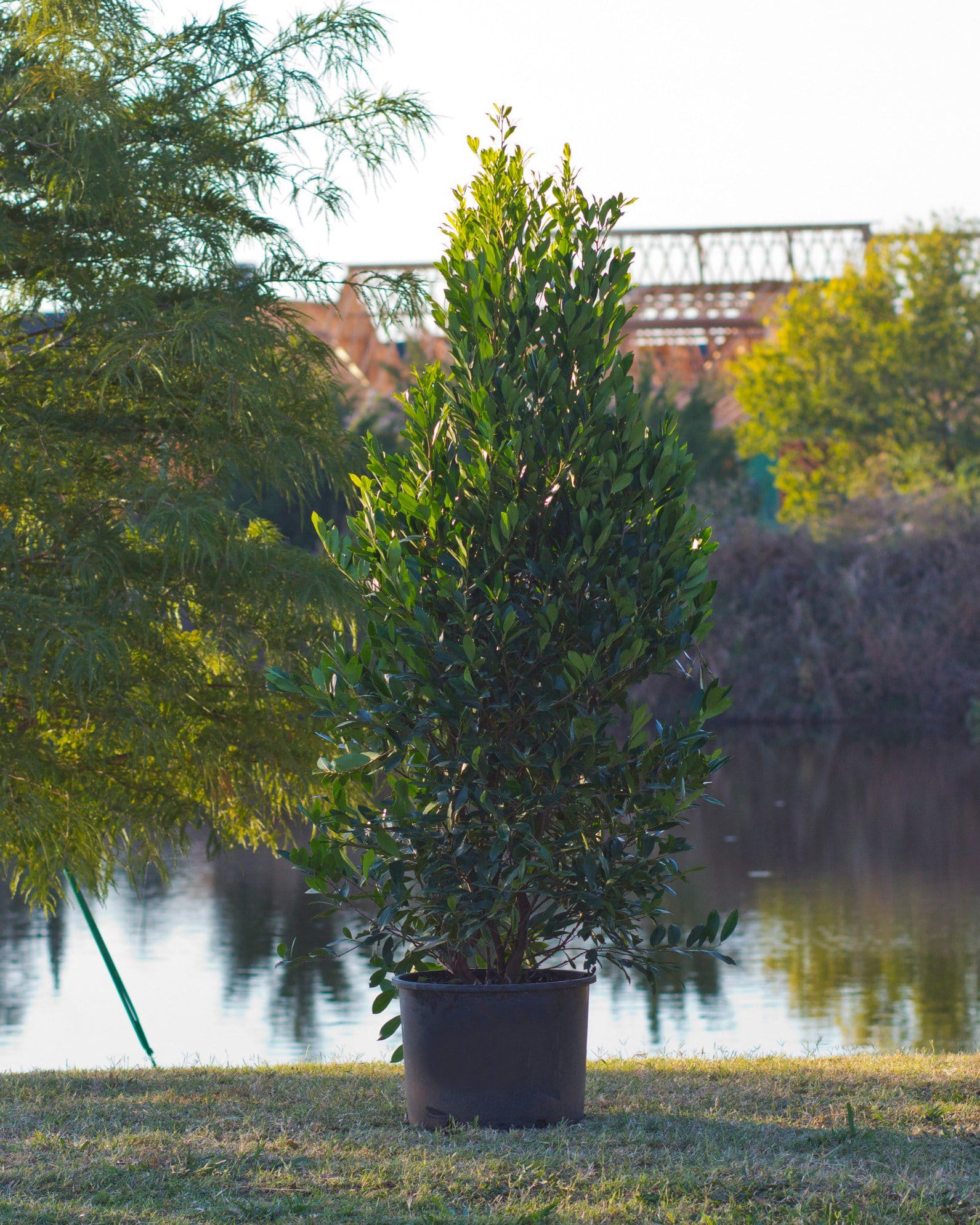
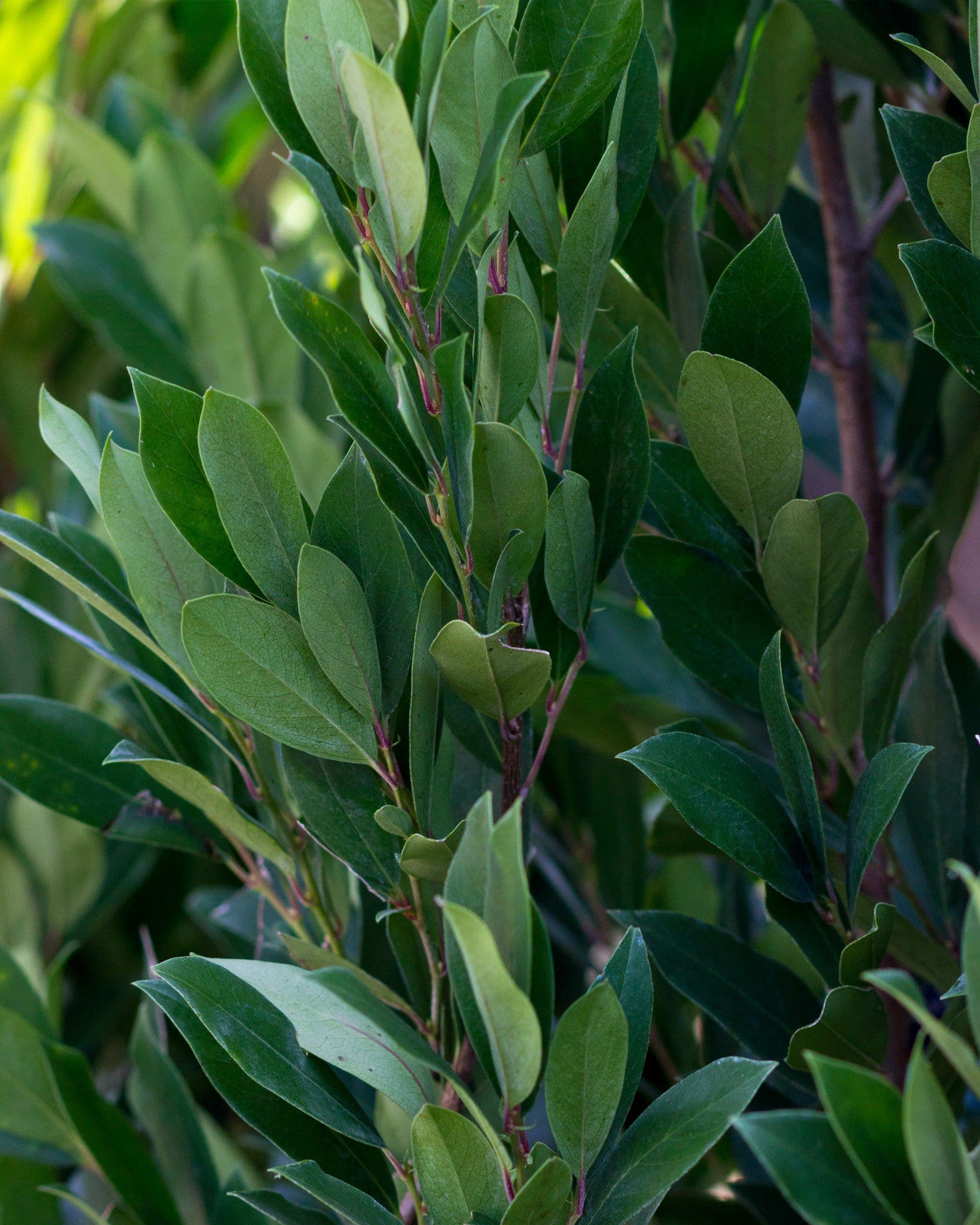
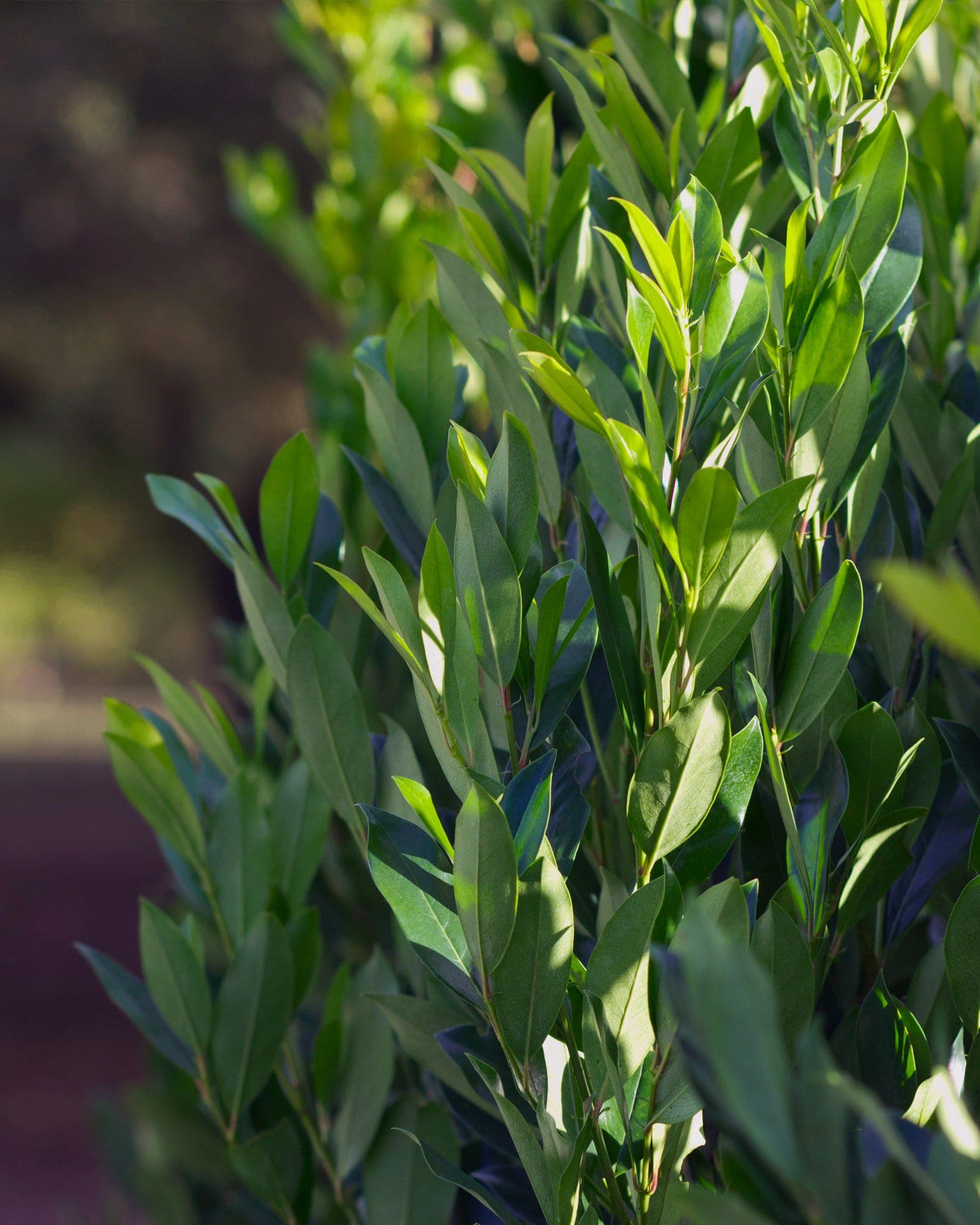
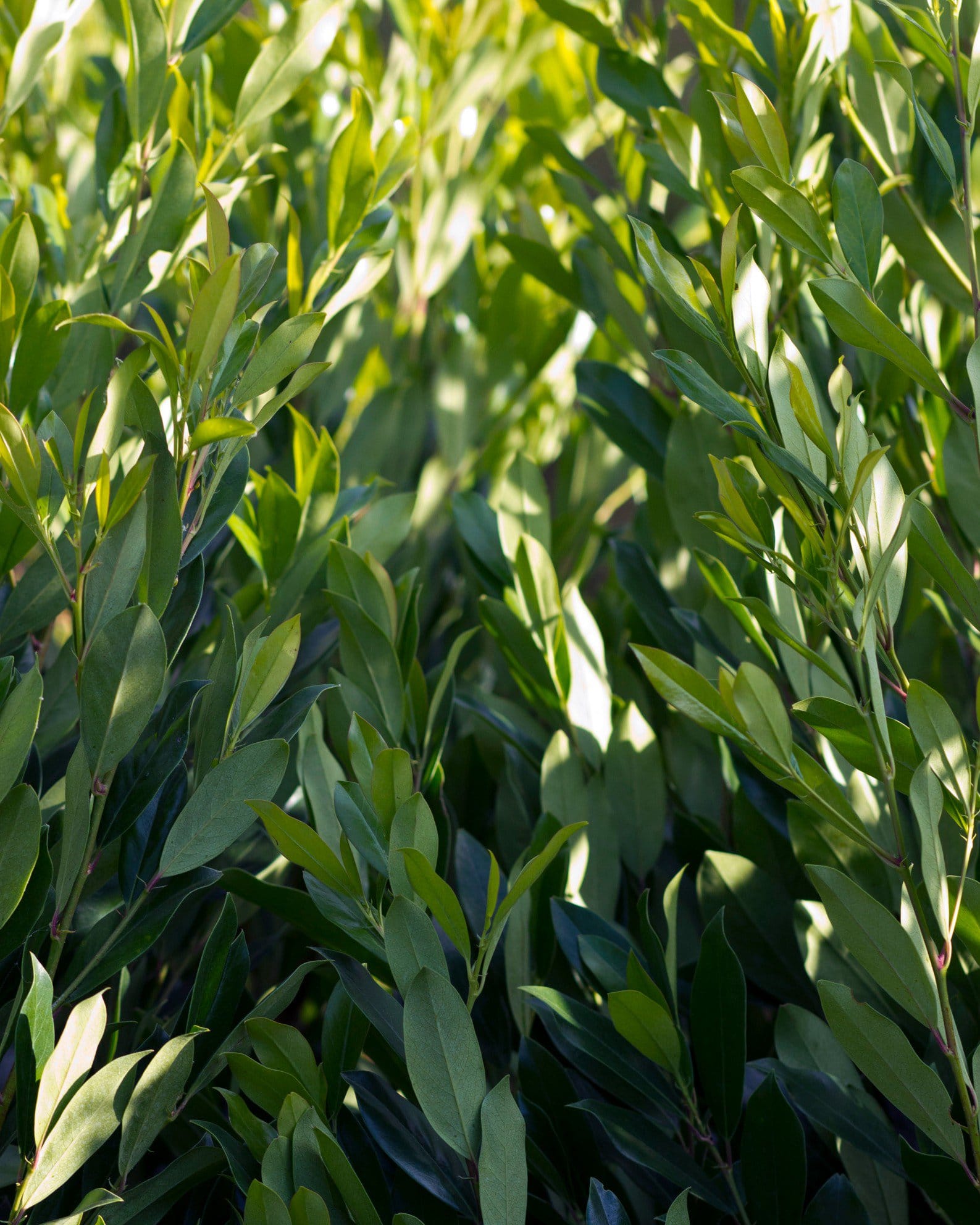
Nandina domestica ‘Compacta’Compacta Nandina is a smaller version of the traditional nandina, offering year-round structure with fine-textured foliage. It grows in a tidy, upright form to about 3 feet tall and 2 feet wide. The green leaves develop red highlights in cooler months, creating subtle seasonal variation without dramatic color swings. Compacta is well-suited for structured plantings, such as walkway borders or foundation beds, and its controlled growth makes it ideal for lower maintenance commercial designs.
- An evergreen shrub
- Upright growth habit
- Subtle red tones in cooler seasons
- Suitable for various landscape uses
- Useful for small-scale layering
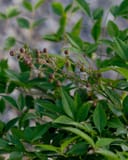
Compacta Nandina prefers full sun to partial shade and well-drained soil. Interestingly, unlike some nandinas, this variety produces very few berries, making it a cleaner choice for walkways and patios. Hardy in USDA zones 6–9, it performs reliably in North Texas and holds shape well throughout the year.
Compacta Nandina is valued for its reliability, neat form, and low-maintenance nature - thriving on minimal maintenance once established. Here’s all it needs to grow beautifully:
- Watering: Water regularly during the first growing season to establish a strong, fibrous root system. Once established, Compacta Nandina is drought-tolerant but performs best with occasional deep watering during extended dry periods and extreme heat.
- Pruning: Prune selectively in late winter or early spring to remove older canes and encourage fresh, dense growth. Avoid shearing, as thinning individual stems preserves the plant’s natural layered structure.
- Fertilizing: Apply a balanced, slow-release fertilizer in early spring to support healthy foliage and steady growth. In nutrient-poor soils, a light second feeding in early summer helps maintain density without excessive elongation.
- Mulching: Apply a 2-3 inch layer of mulch around the base to retain moisture, regulate soil temperature, and suppress weeds. Extending the mulch ring protects shallow roots and improves overall plant vigor.
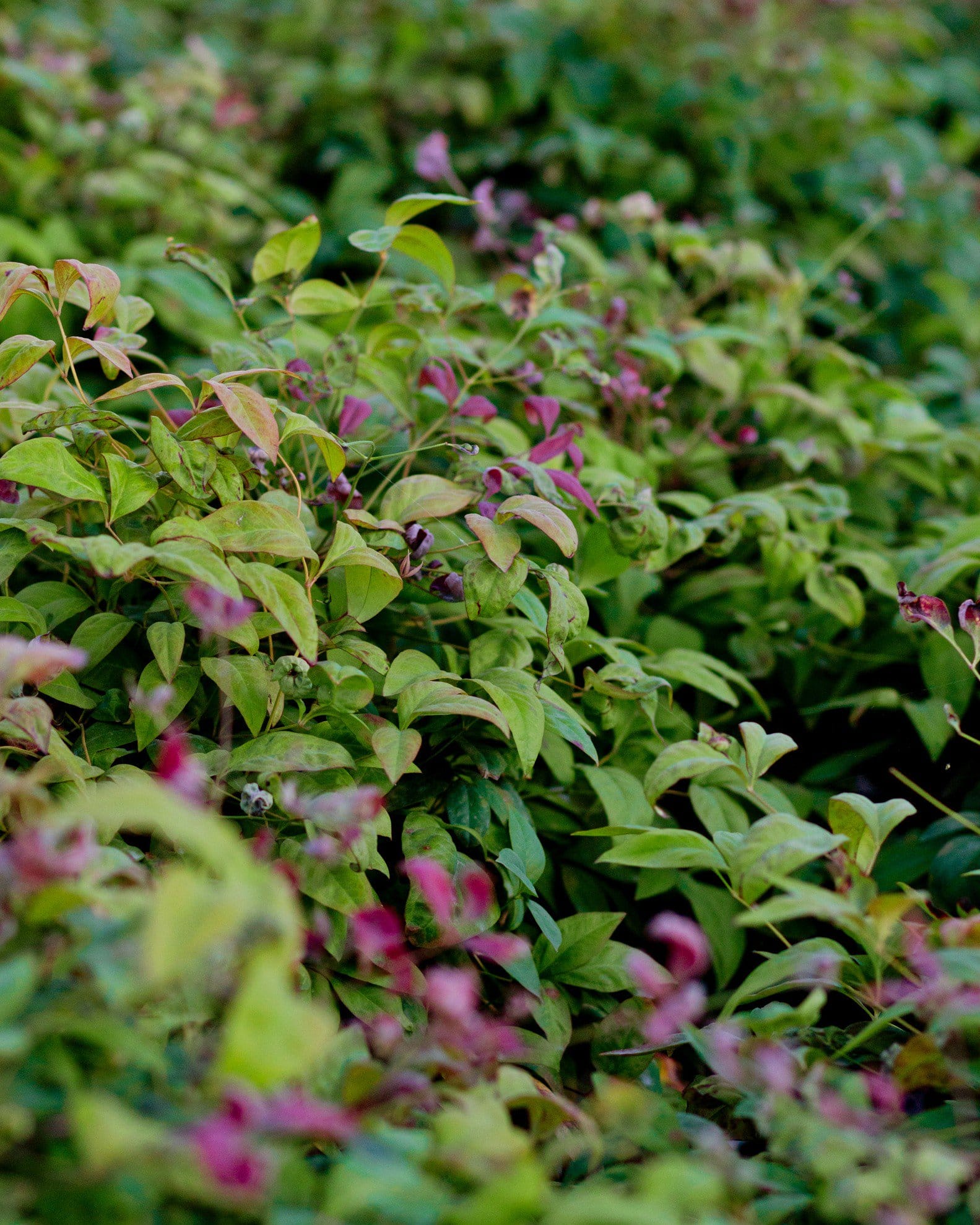
- Winter Care: Compacta Nandina is cold-hardy and typically requires no winter protection once established. Cooler temperatures often enhance subtle red and bronze foliage tones, adding winter interest.
Compacta Nandina is low-maintenance and resilient, though a mix of environmental stressors and pests may occasionally appear:
- Limited Color Development: Foliage may remain predominantly green when plants are grown in deep shade or overly protected locations. Providing brighter light exposure encourages stronger red and bronze winter coloration.
- Leaf Scorch: Leaf tips and edges may brown during periods of extreme heat, drought, or reflected heat from hard surfaces. Consistent watering and a well-maintained mulch layer help prevent moisture stress and foliage damage.
- Spider Mites: Fine stippling, pale foliage, or a dusty appearance may develop during hot, dry weather. Periodic rinsing of foliage and maintaining adequate moisture helps discourage infestations.
- Root Stress: Poorly drained soils can lead to slowed growth, thinning foliage, or leaf drop. Improving drainage and avoiding frequent shallow watering supports long-term root health.
- Wind Burn: Cold, drying winter winds may cause browning or desiccation of exposed foliage. Planting in sheltered locations or using windbreaks helps reduce seasonal damage.
Compacta Nandina typically lives 30-50 years with proper care. Its woody structure supports long-term landscape stability. Mature plants often become denser and more refined with age.
It grows at a slow to moderate rate, adding approximately 6-10 inches per year. Full size and mature density are typically reached in 5-7 years. Growth remains compact and well-controlled as the plant matures.
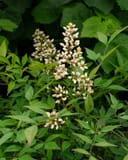
Small white flowers may attract bees in late spring. While flowers are subtle, they still contribute to early-season pollinator support. Foliage remains the primary ornamental feature.
It's considered highly deer-resistant. Its foliage is rarely browsed. This makes it a dependable option in deer-prone areas.
It tolerates heat very well once established. Mulching and occasional deep watering improve summer performance. Foliage remains attractive even during prolonged heat.
Division is not recommended due to its woody growth habit. New plants are best established from nursery-grown stock. Attempting division may weaken mature plants.
Mass plantings create clean, uniform evergreen texture with subtle seasonal color. Repetition enhances structure in both formal and informal designs. Groupings provide long-lasting visual consistency.
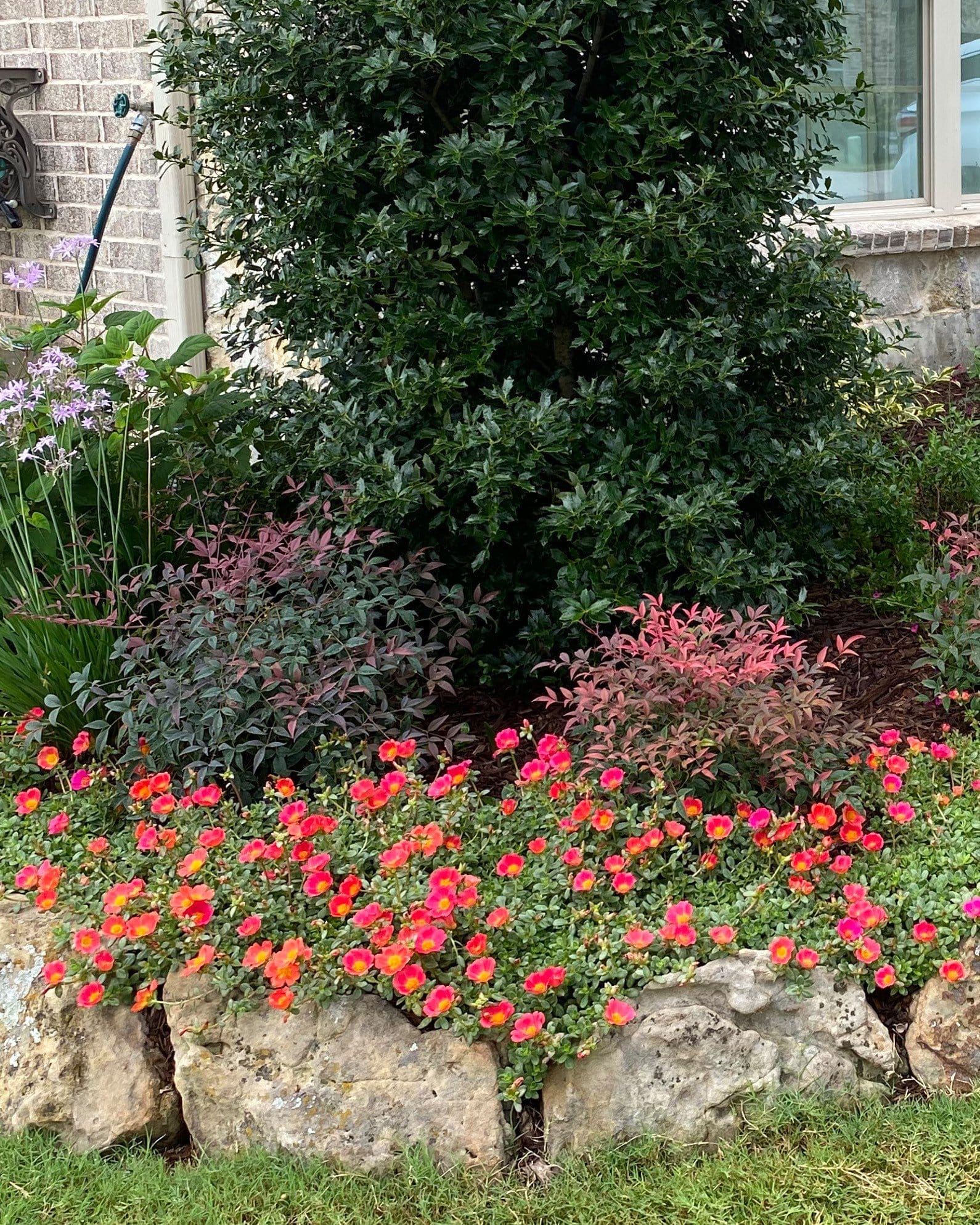
Compacta Nandina pairs beautifully with boxwood, ornamental grasses, loropetalum, and flowering perennials. Contrasting textures add depth and interest. These combinations provide year-round appeal.
Compacta Nandina maintains a tidy, clumping growth habit. It does not spread aggressively or sucker excessively. Minimal pruning keeps it well controlled.
Once established, it requires very little care beyond occasional pruning and watering. Its evergreen structure reduces seasonal upkeep. Reliable performance makes it a landscape staple.
Special Features
You might also like
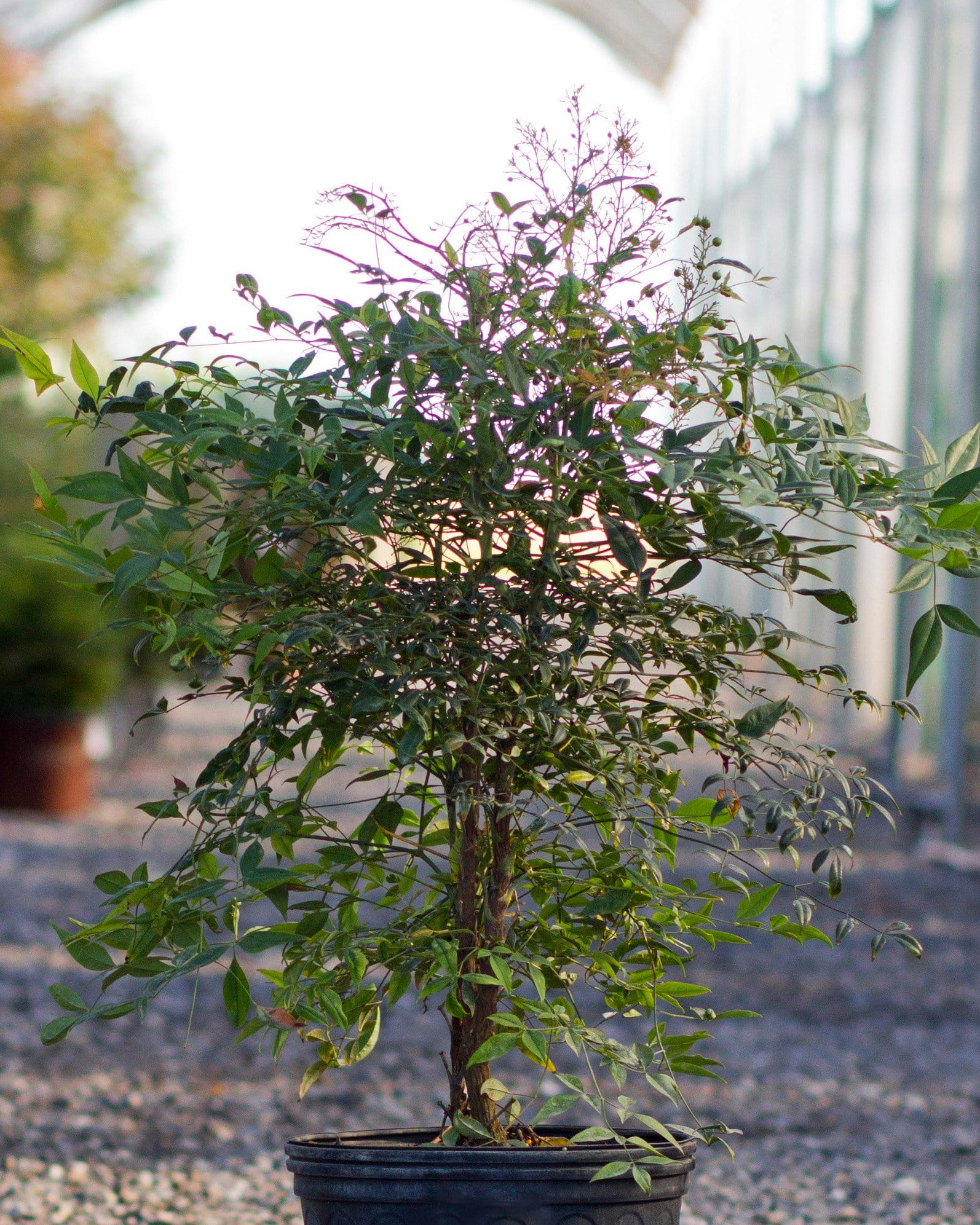
Domestica Nandina
Maturity: 4' H x 2' W
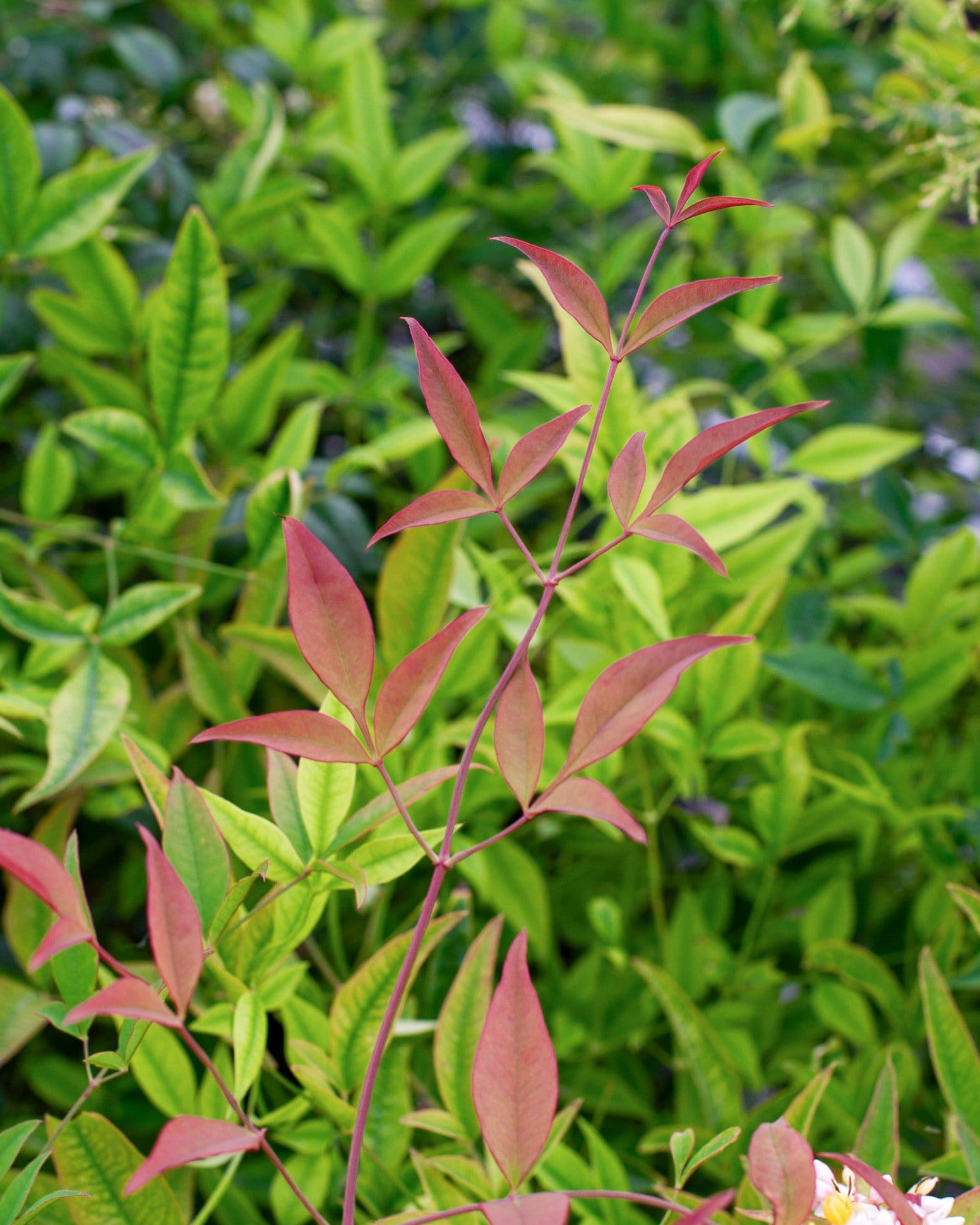
Gulf Stream Nandina
Maturity: 3' H x 3' W
Obsession Nandina
Maturity: 3' H x 3' W
Sunray Nandina
Maturity: 3' H x 1.5' W
Blush Pink Nandina
Maturity: 2' H x 1.5' W
Firepower Nandina
Maturity: 2' H x 2' W
Flirt Nandina
Maturity: 1' H x 1.5' W
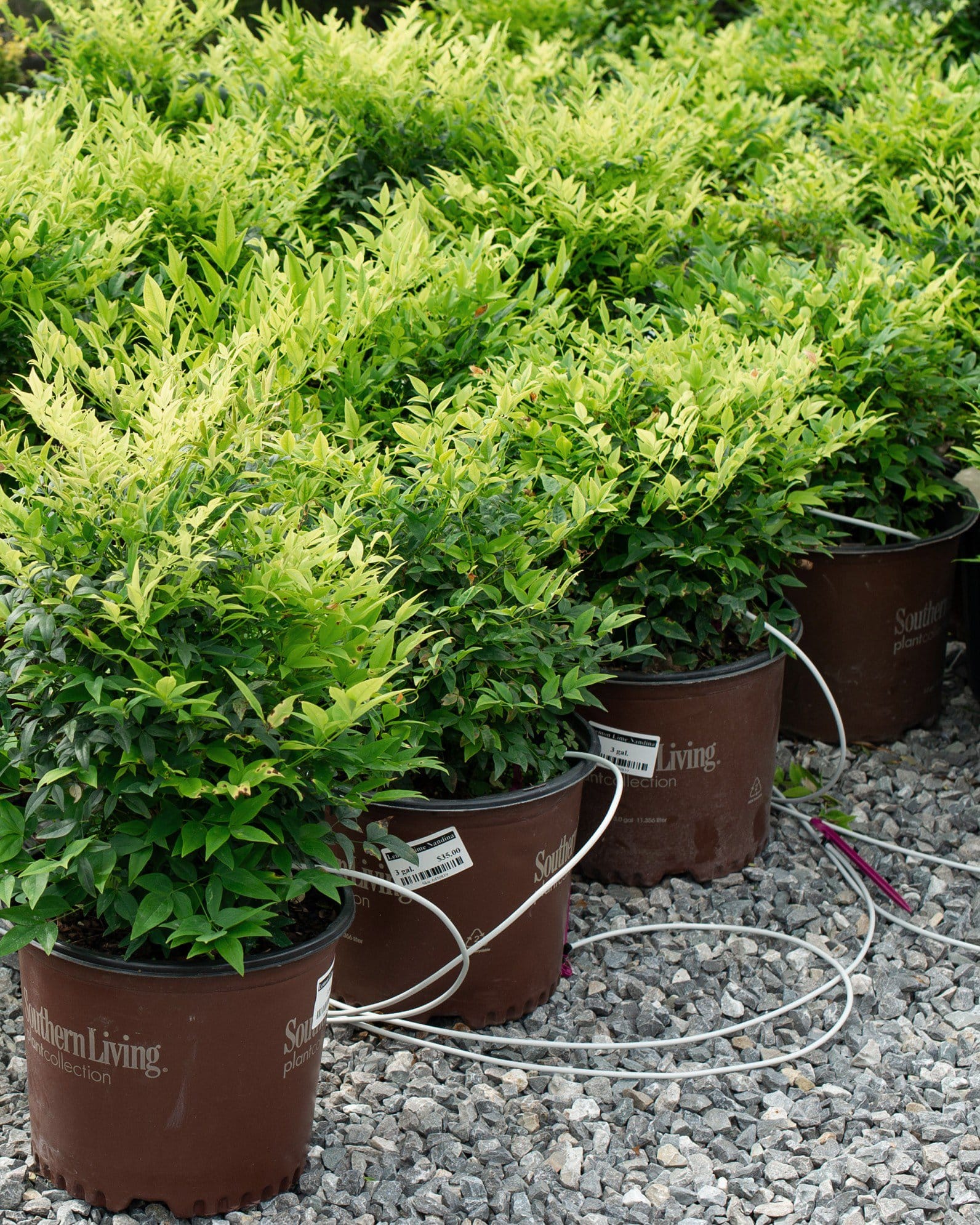
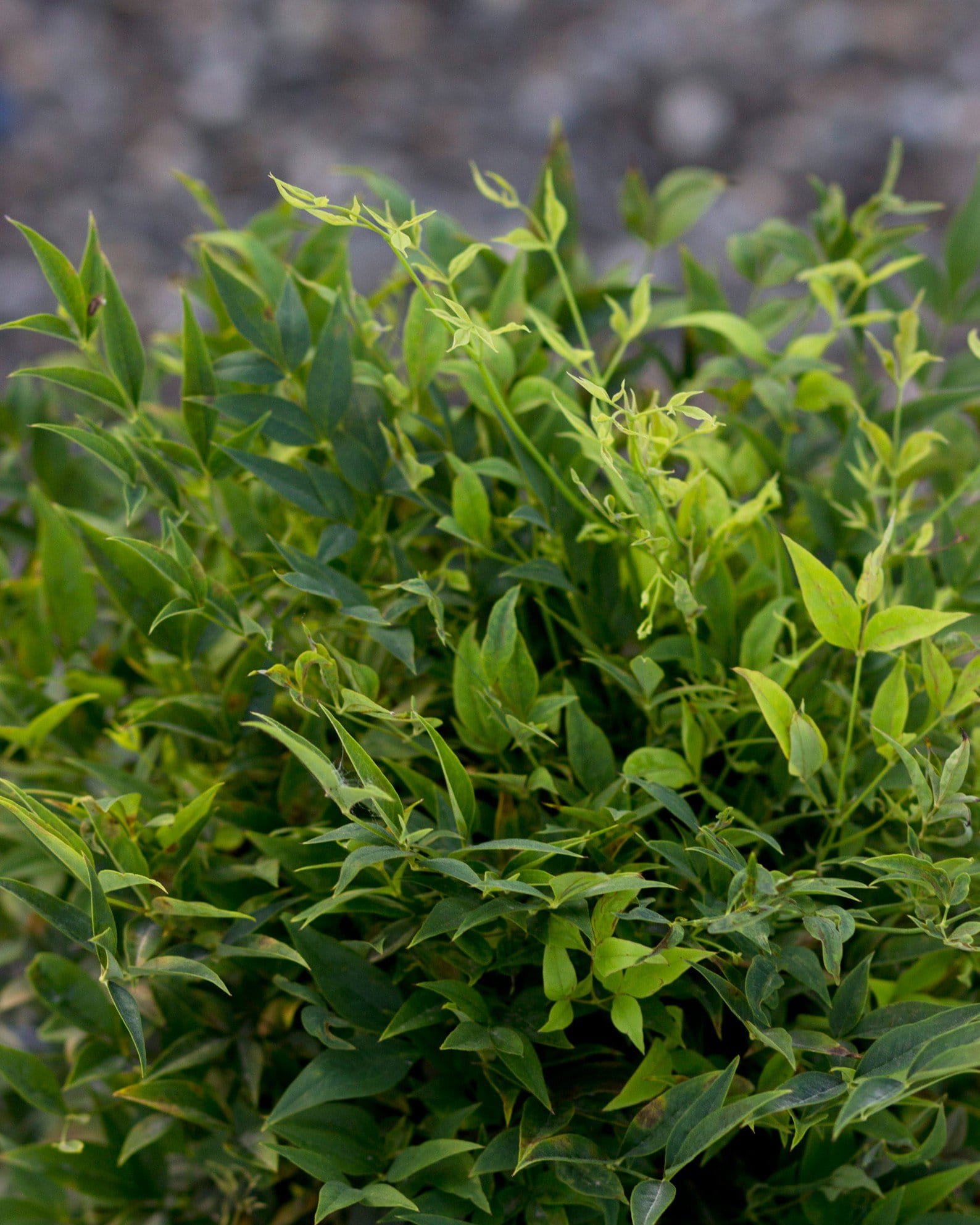
Lemon Lime Nandina
Maturity: 3' H x 3' W
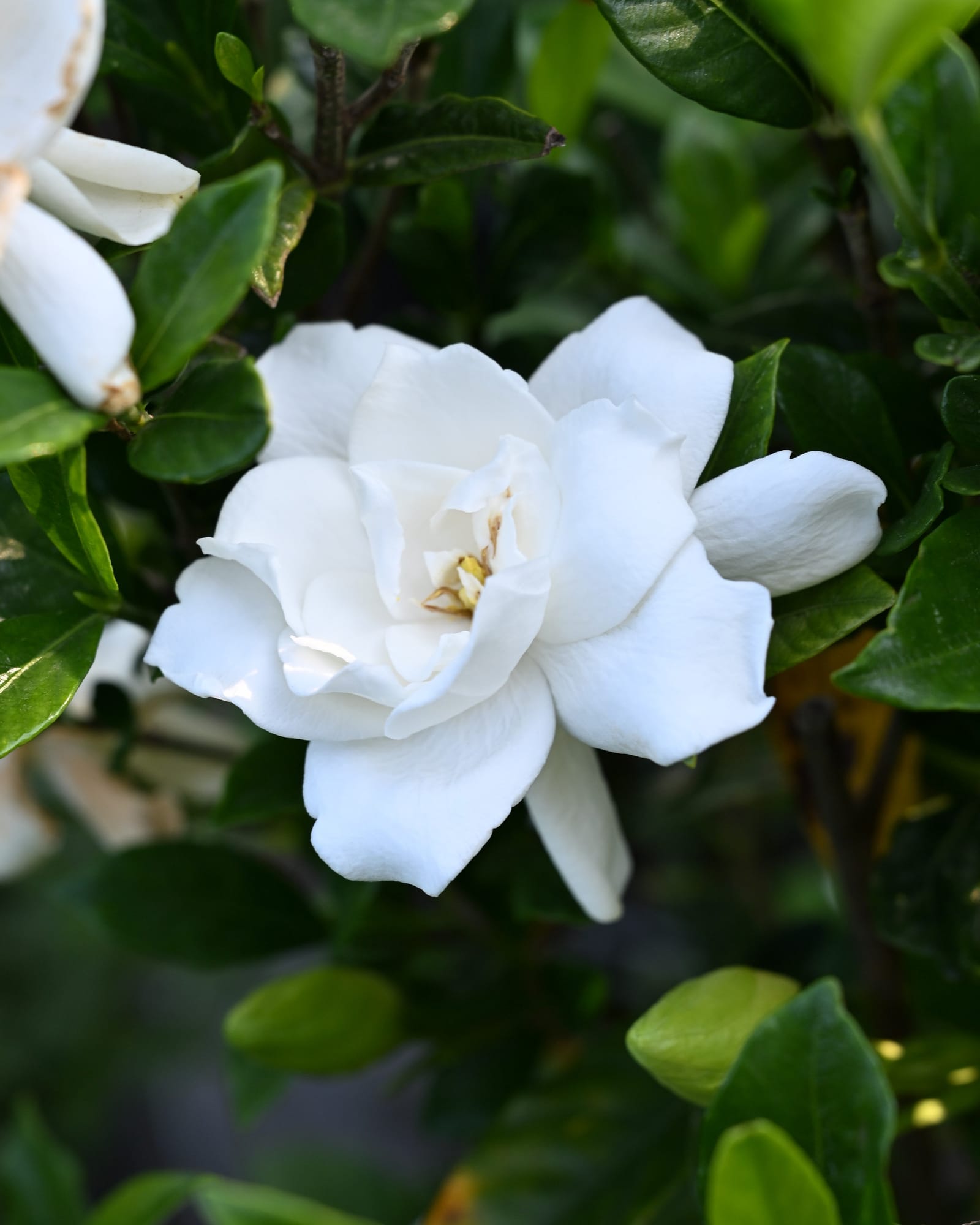
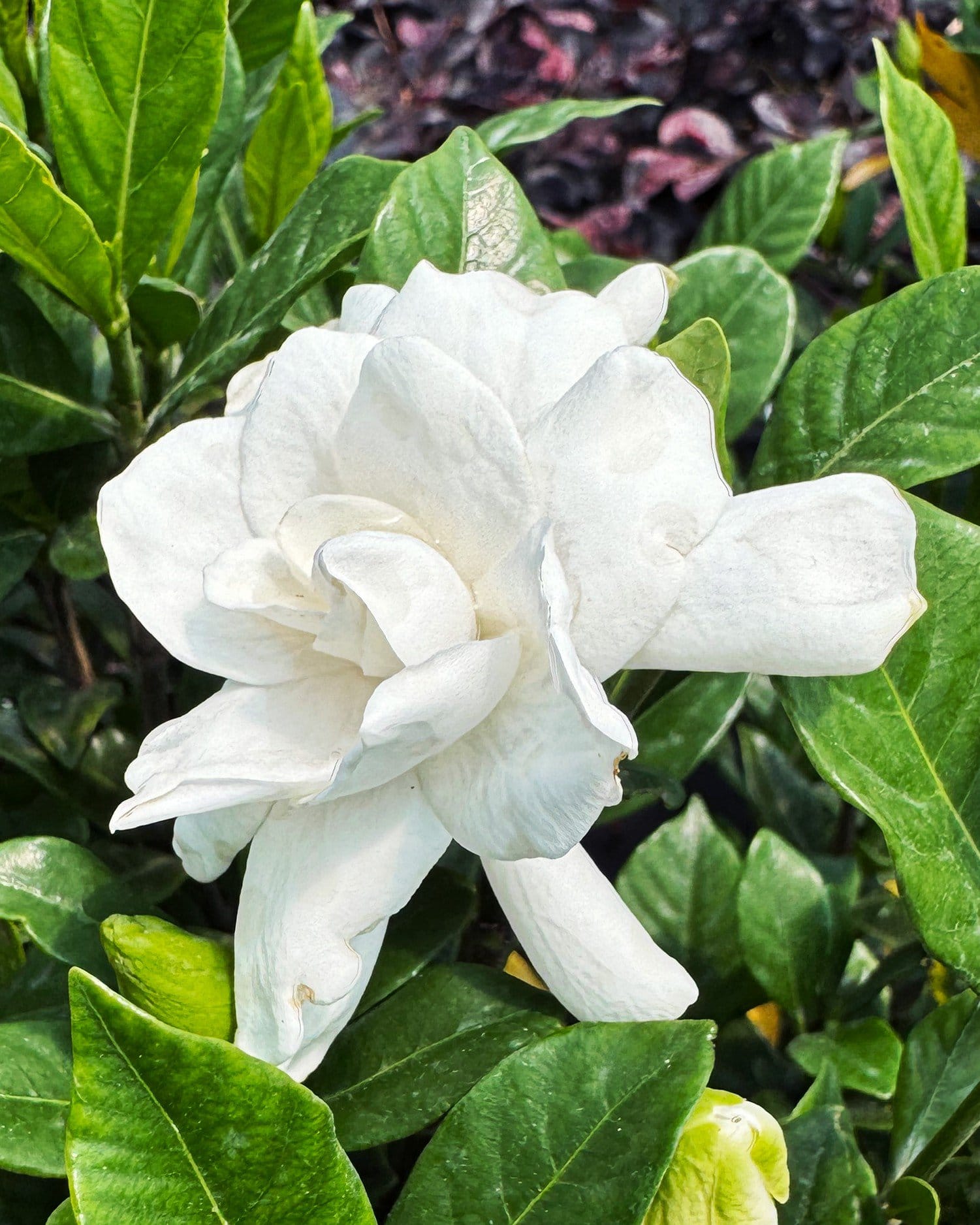
August Beauty Gardenia
Maturity: 4' H x 3' W
Cherry Laurel Compacta
Maturity: 8' H x 6' W
Cherry Laurel Everbrite
Maturity: 8' H x 6' W
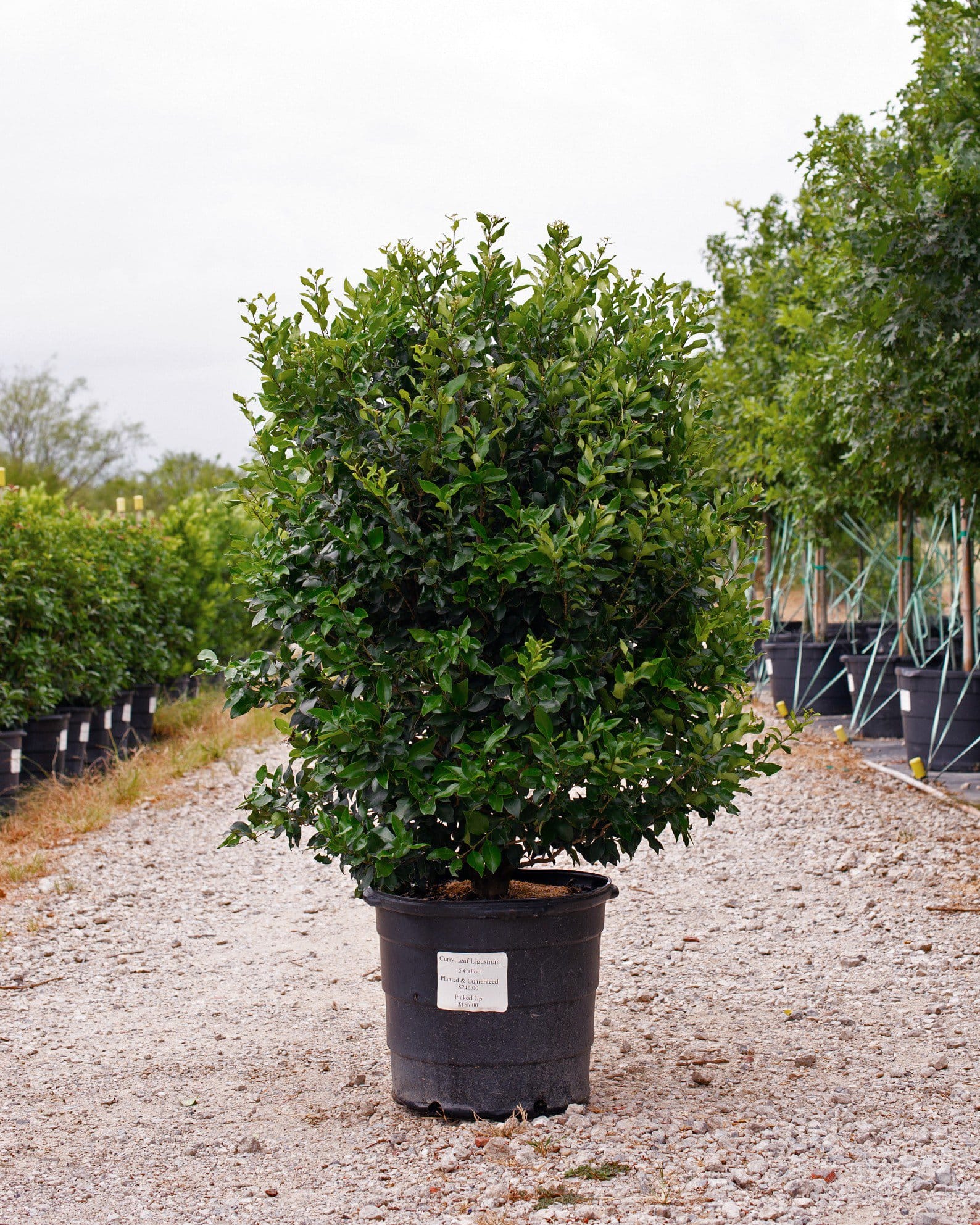
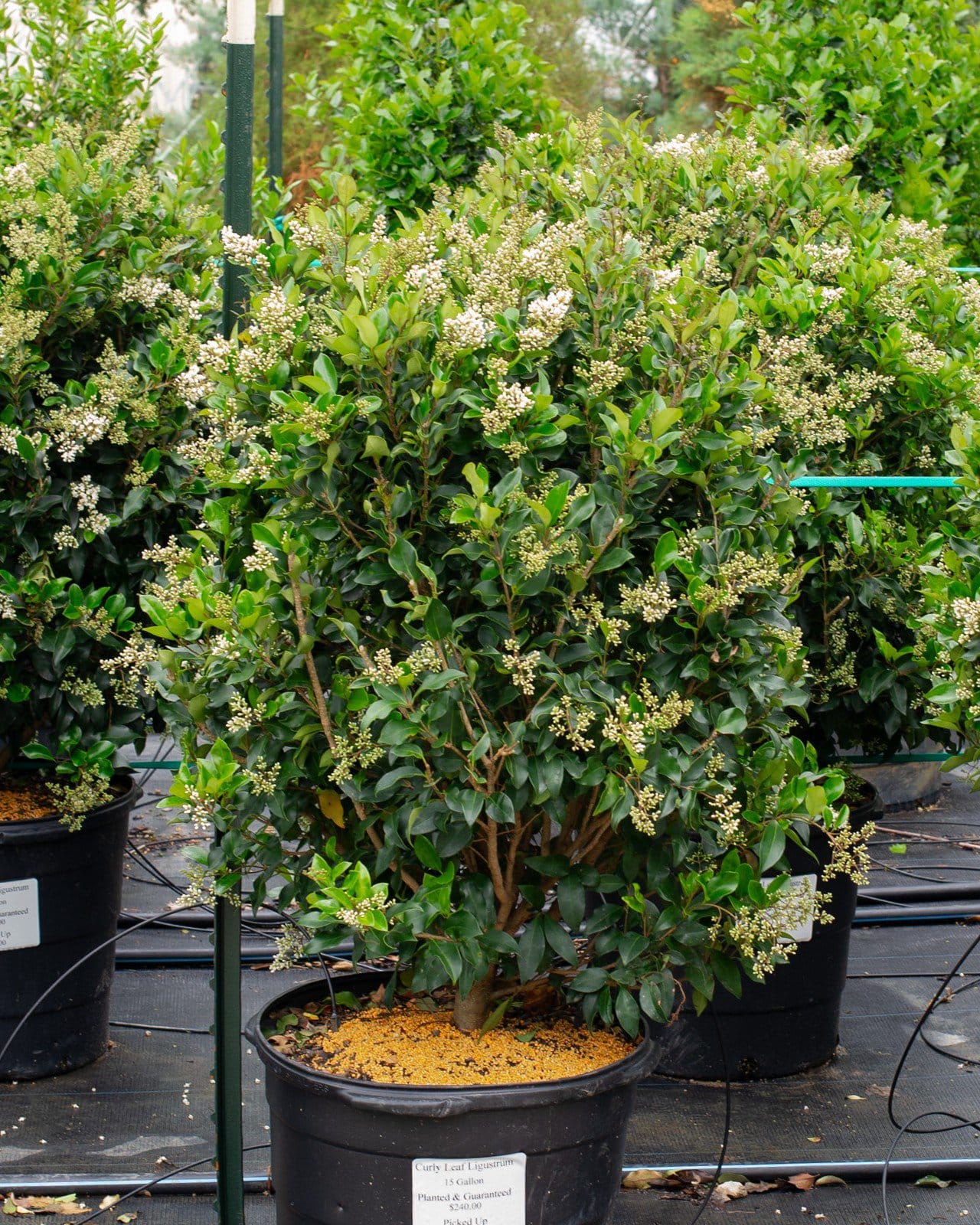
Curly Leaf Ligustrum
Maturity: 8' H x 6' W
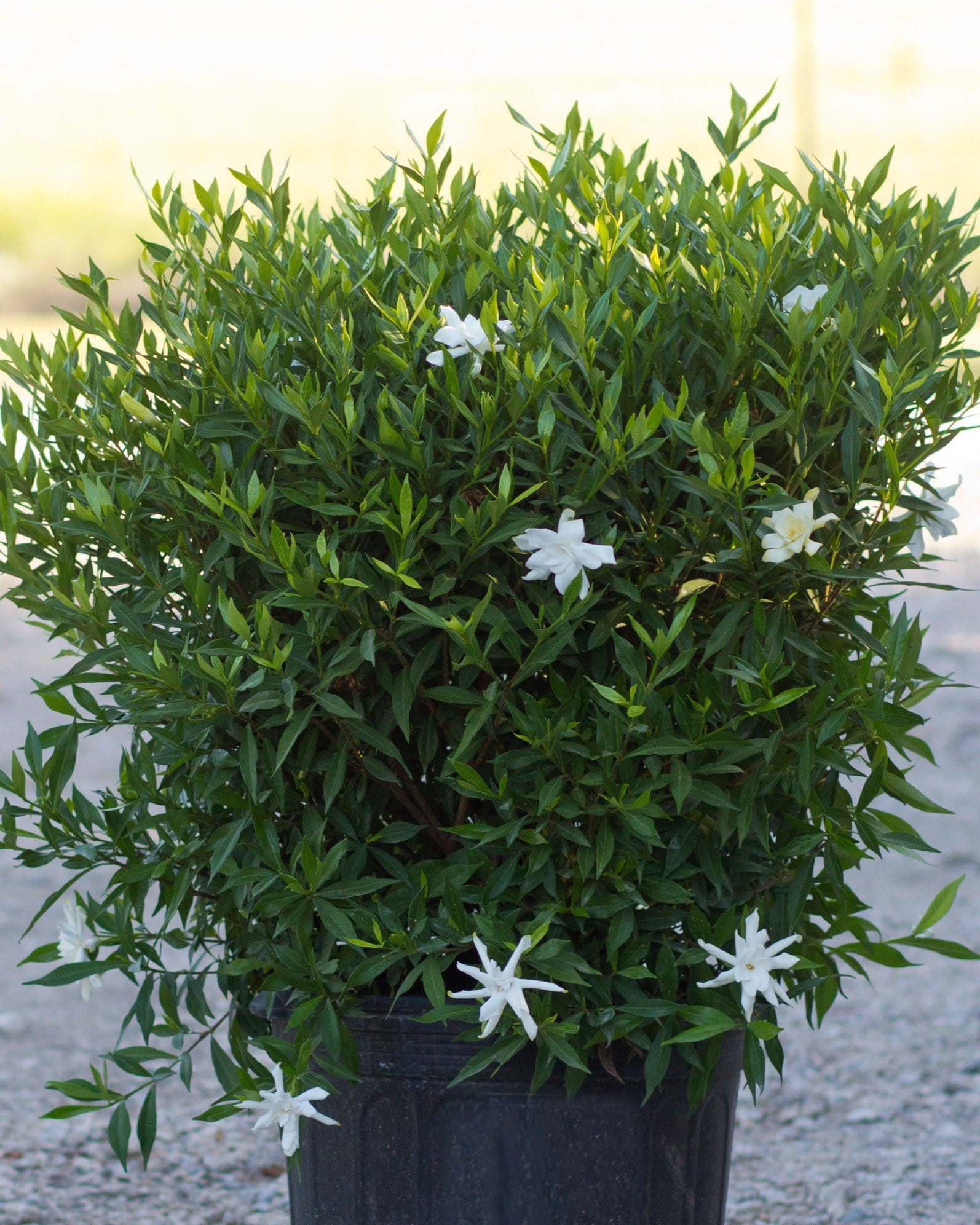
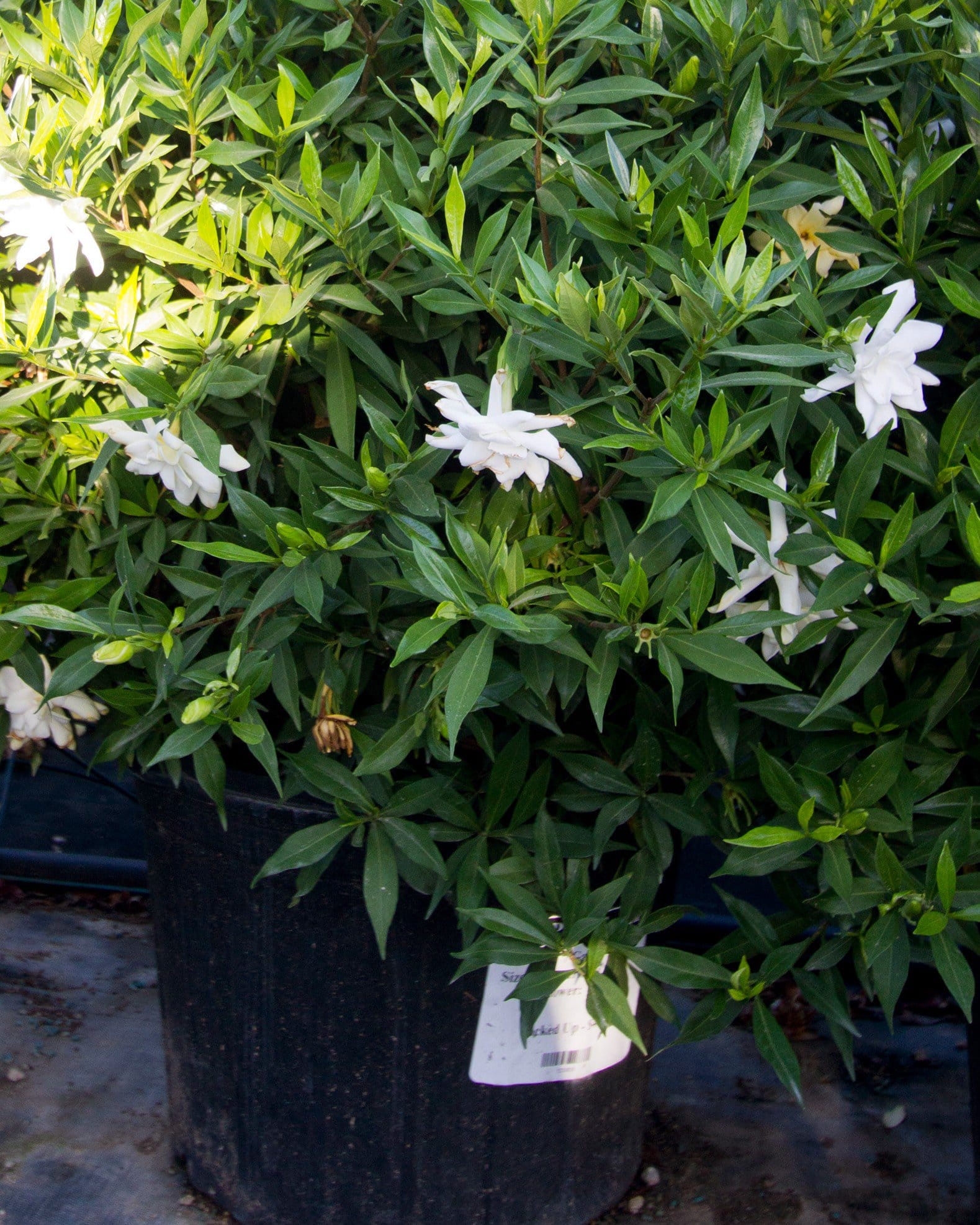
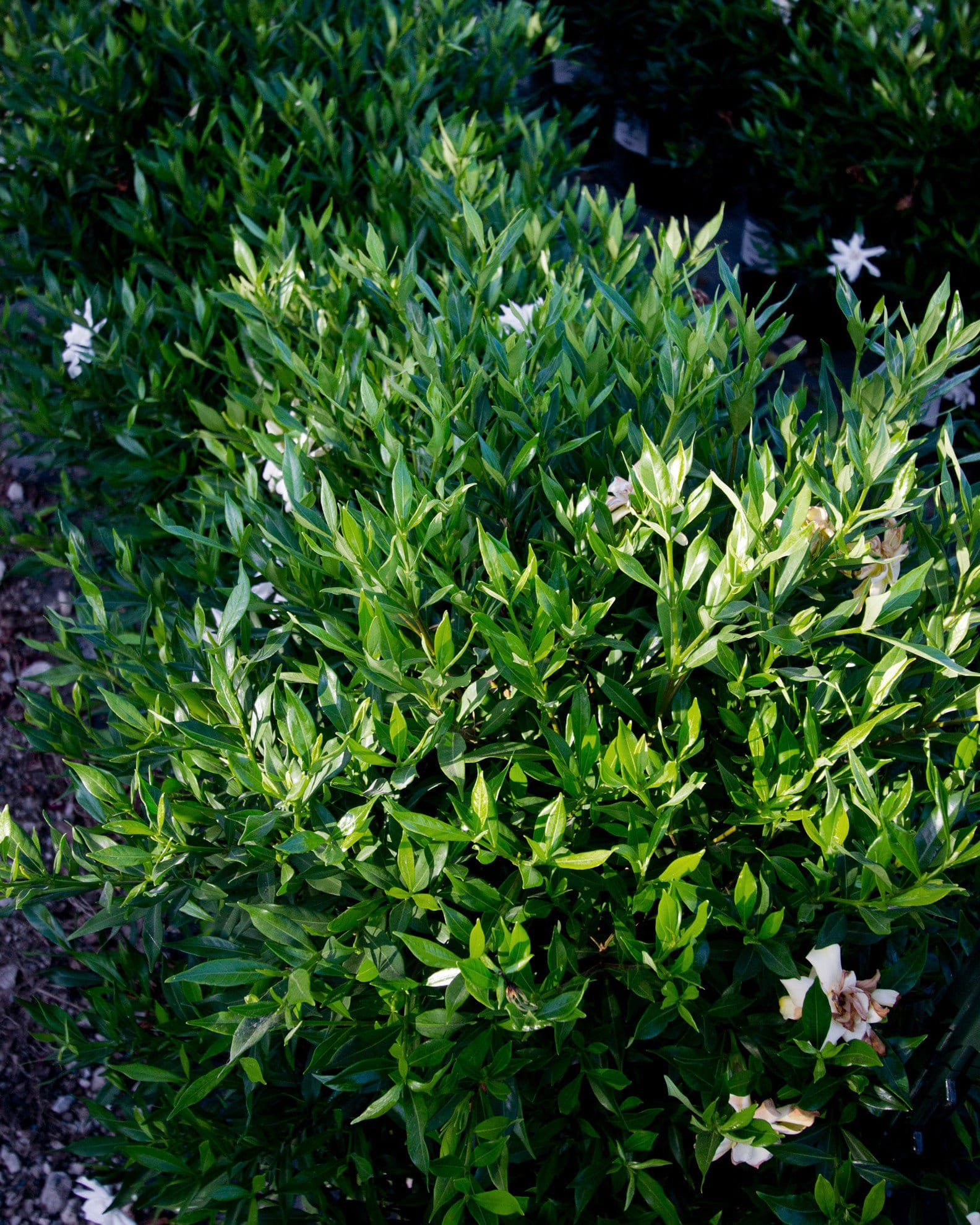
Frost Proof Gardenia
Maturity: 3' H x 3' W
Jack Frost Ligustrum
Maturity: 6' H x 6' W
Mojo Dwarf Pittosporum
Maturity: 2' H x 2' W
Compare Similar Plants
Compacta Nandina This plant | ||
|---|---|---|
| Scientific Name | Nandina domestica ‘Compacta’ | Nandina domestica |
| Size at Maturity | 3' H x 2' W | 4' H x 2' W |
| Leaf Retention | Evergreen | Evergreen |
| Flower Color | White | White |
| Bloom Times | Spring | Spring |
| Sizes Available | 3 gal | 3 gal |


Our 1-Year Planting Guarantee
We take pride in our plants and installation services. If any plants or trees installed by Treeland fail to thrive within the first year, we'll provide a replacement credit in accordance with our guarantee program.
Learn More About Our Guarantee