
 Popular
Product Details
Kieffer Pear
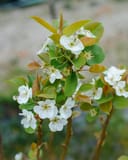
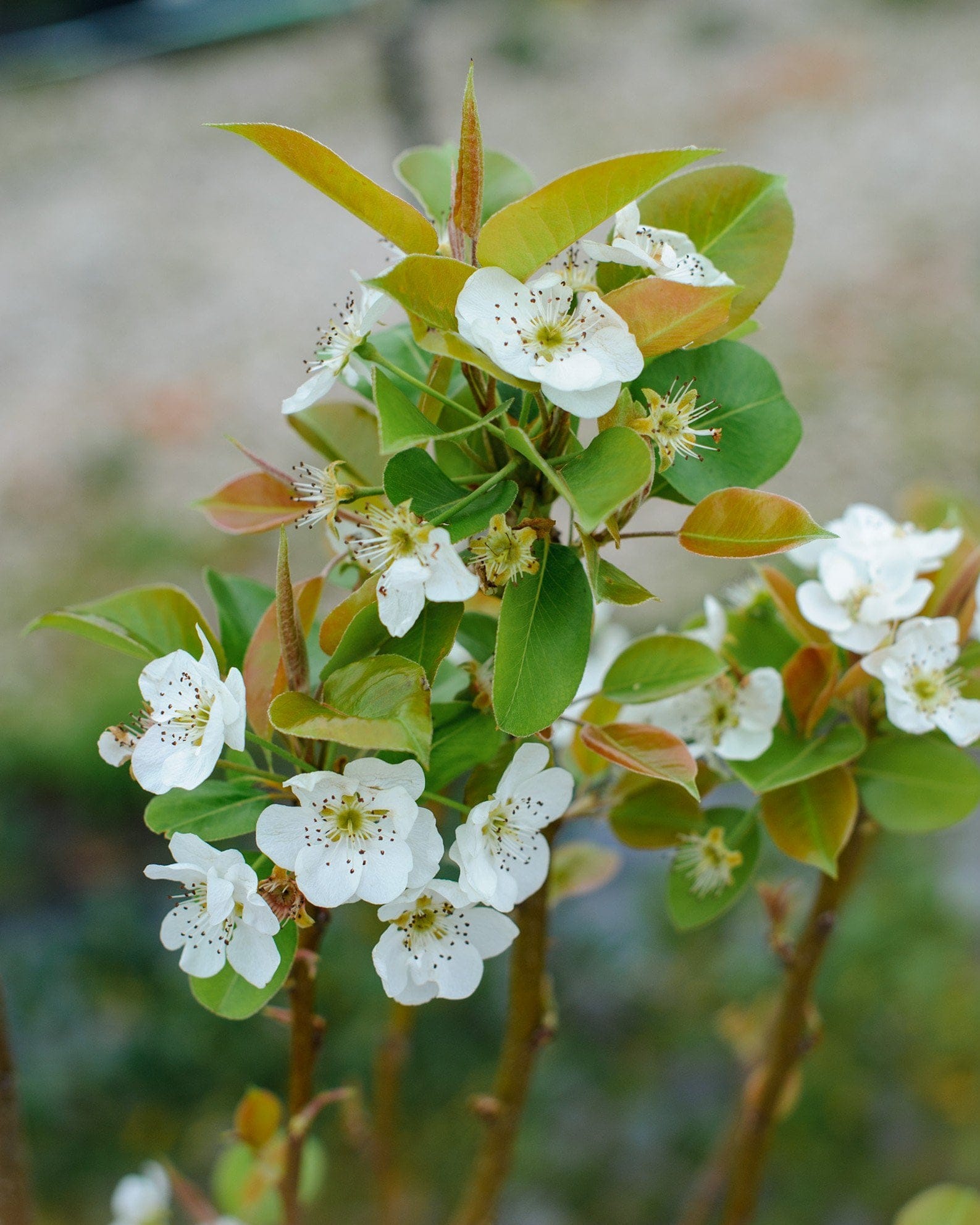
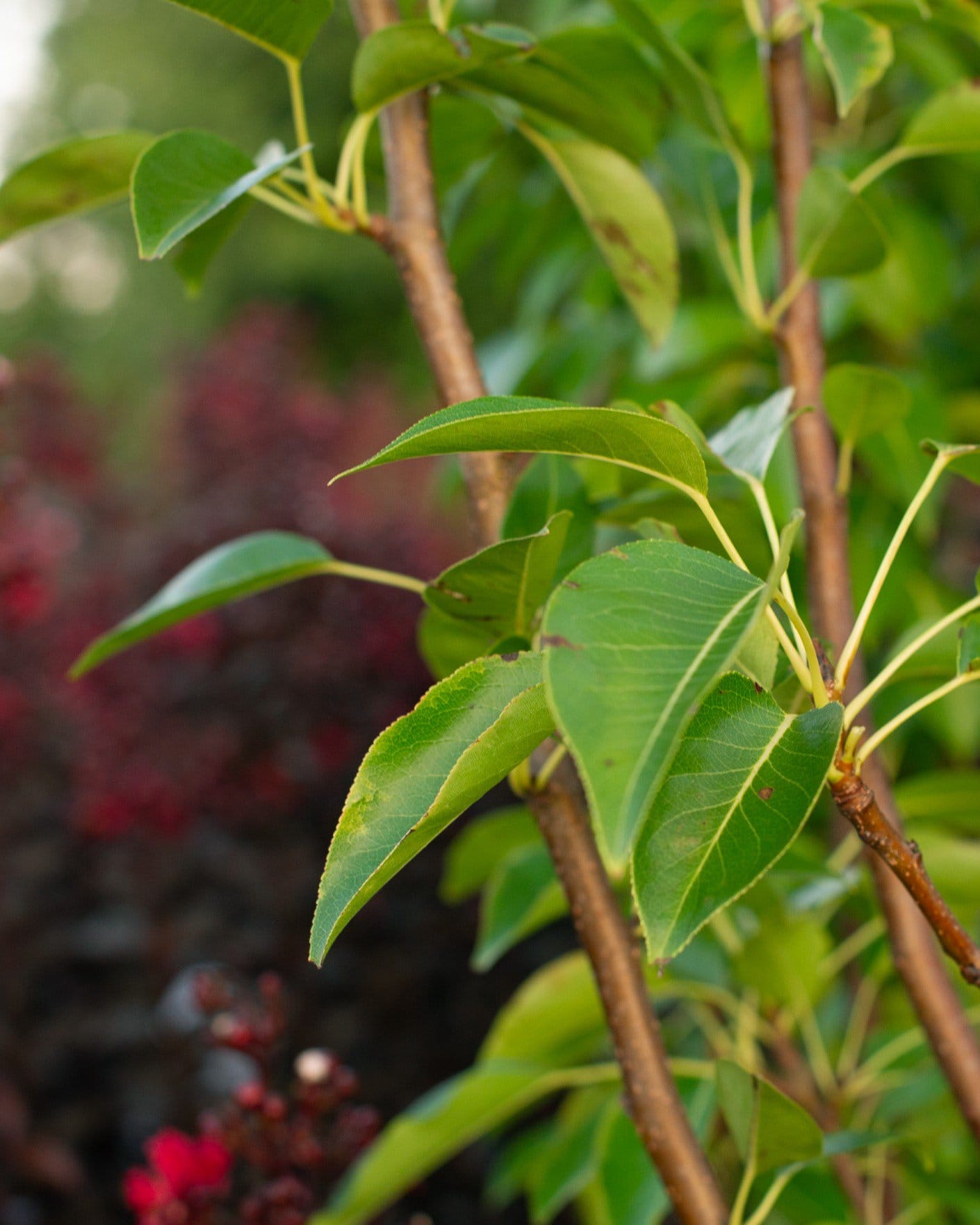
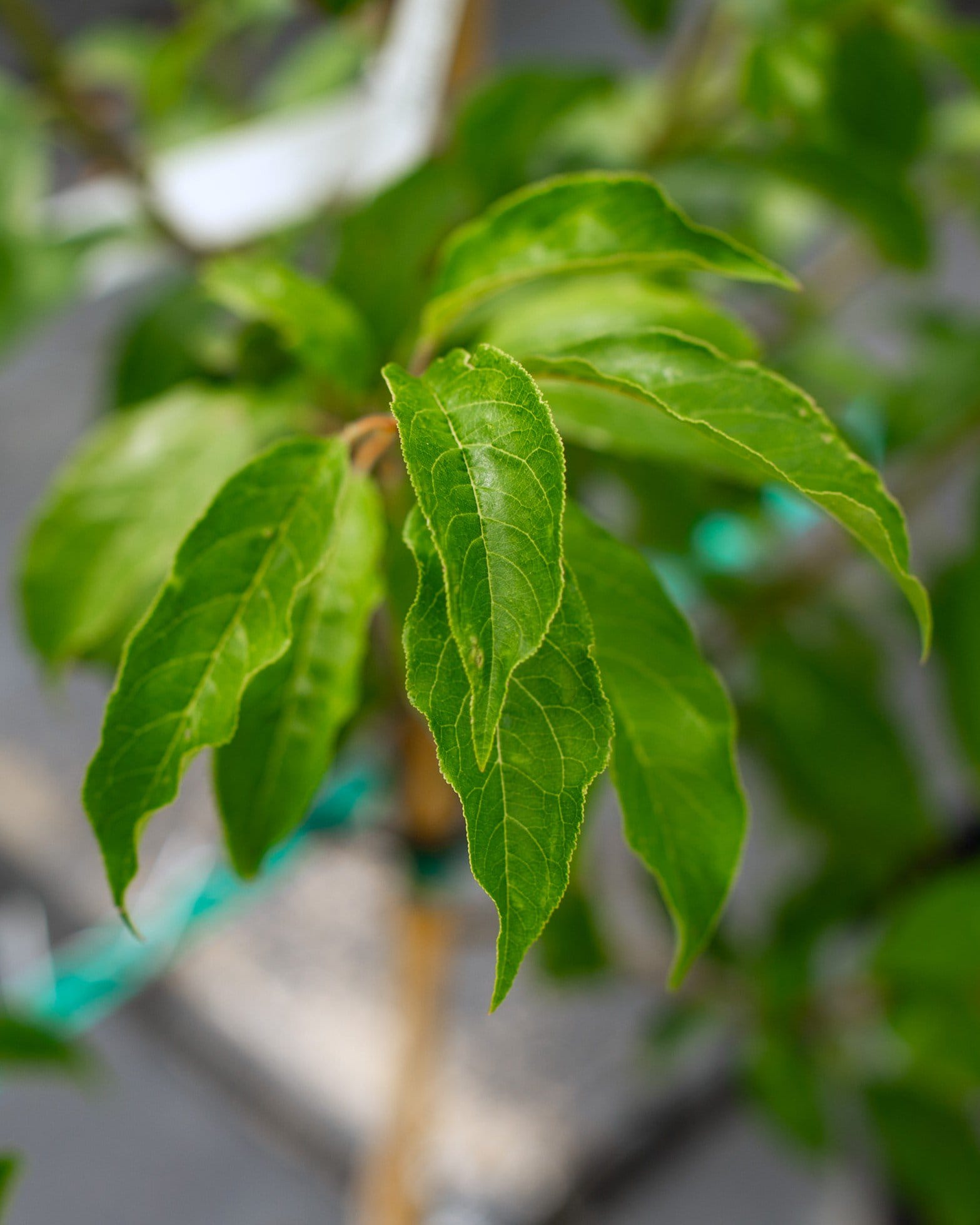
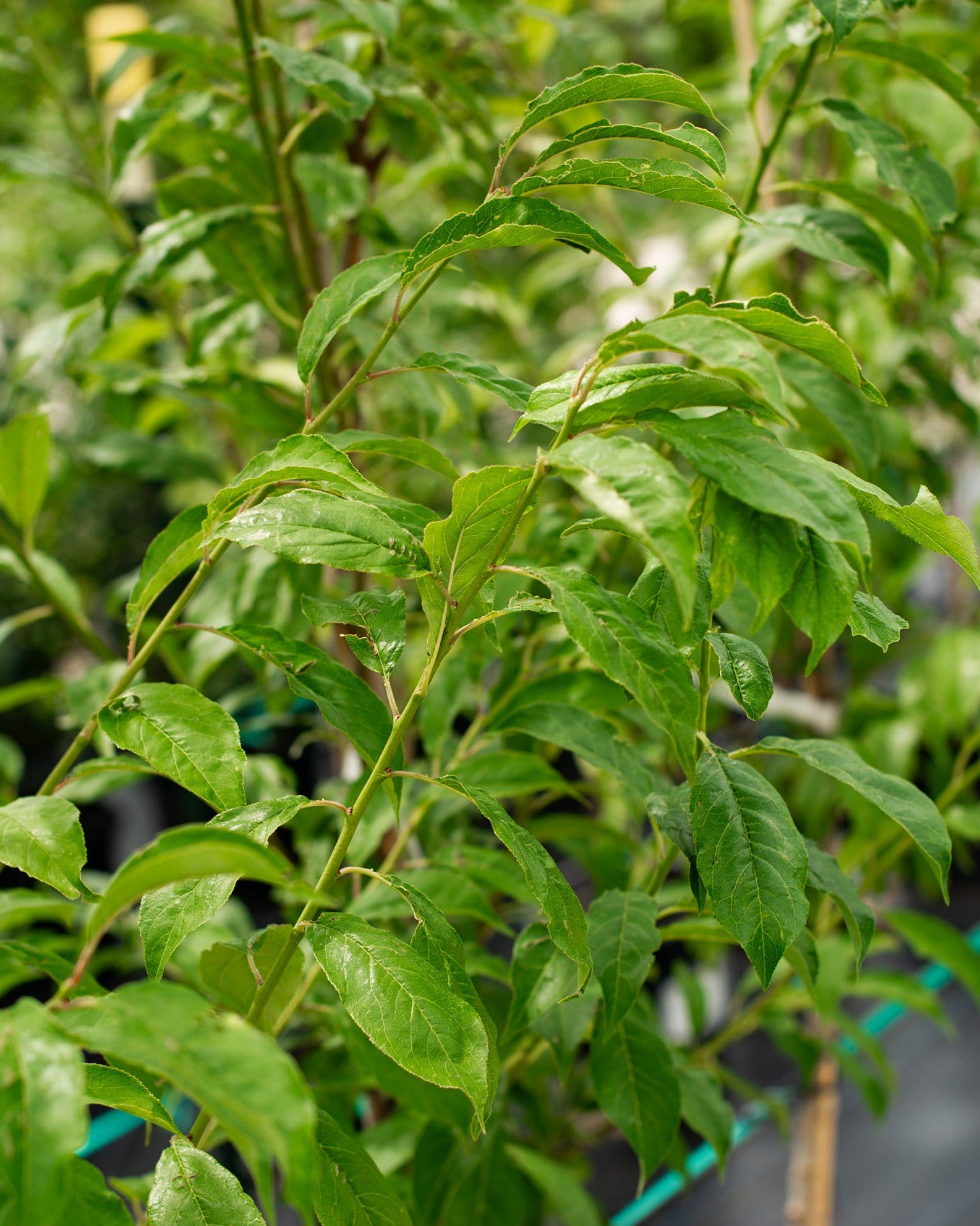
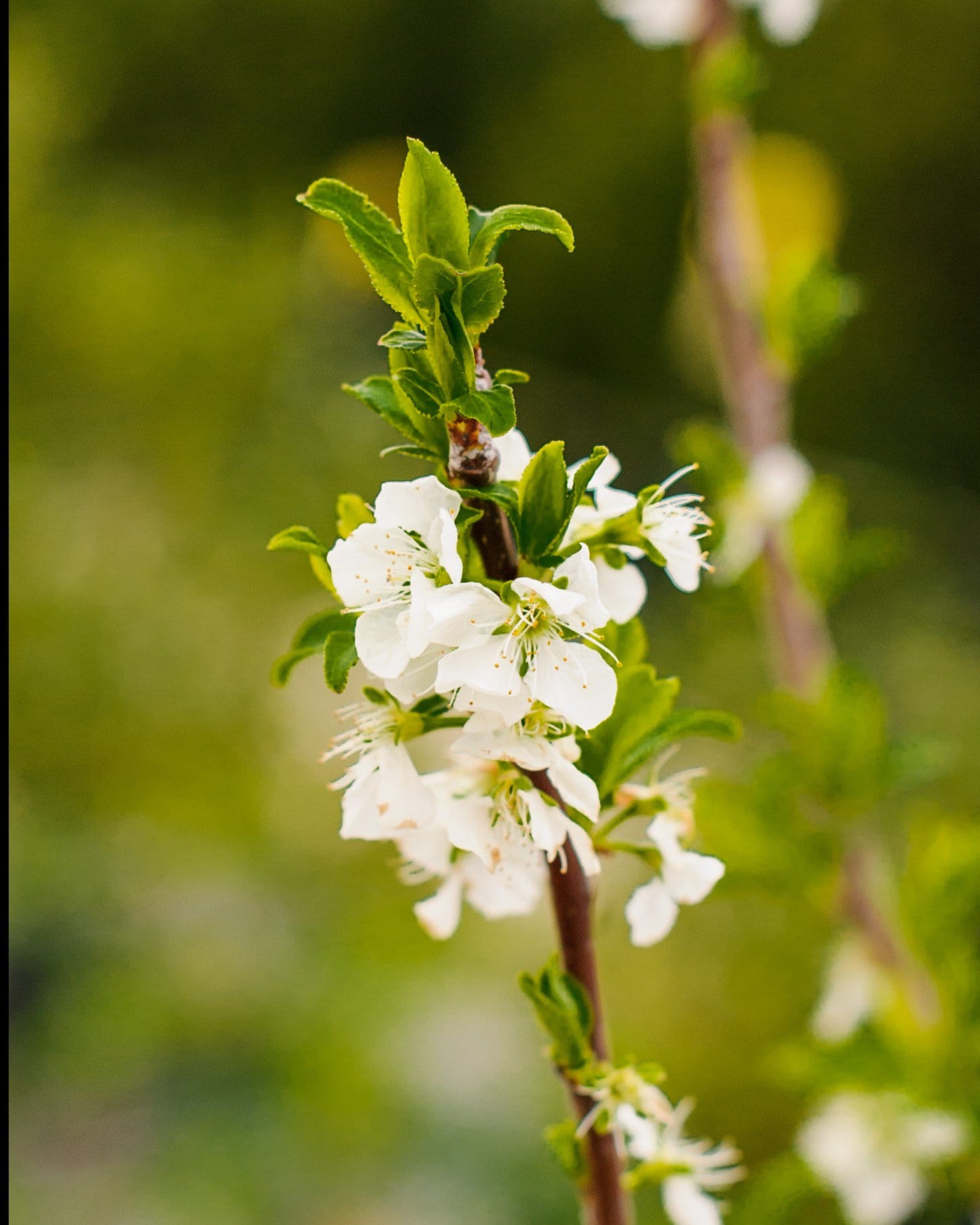
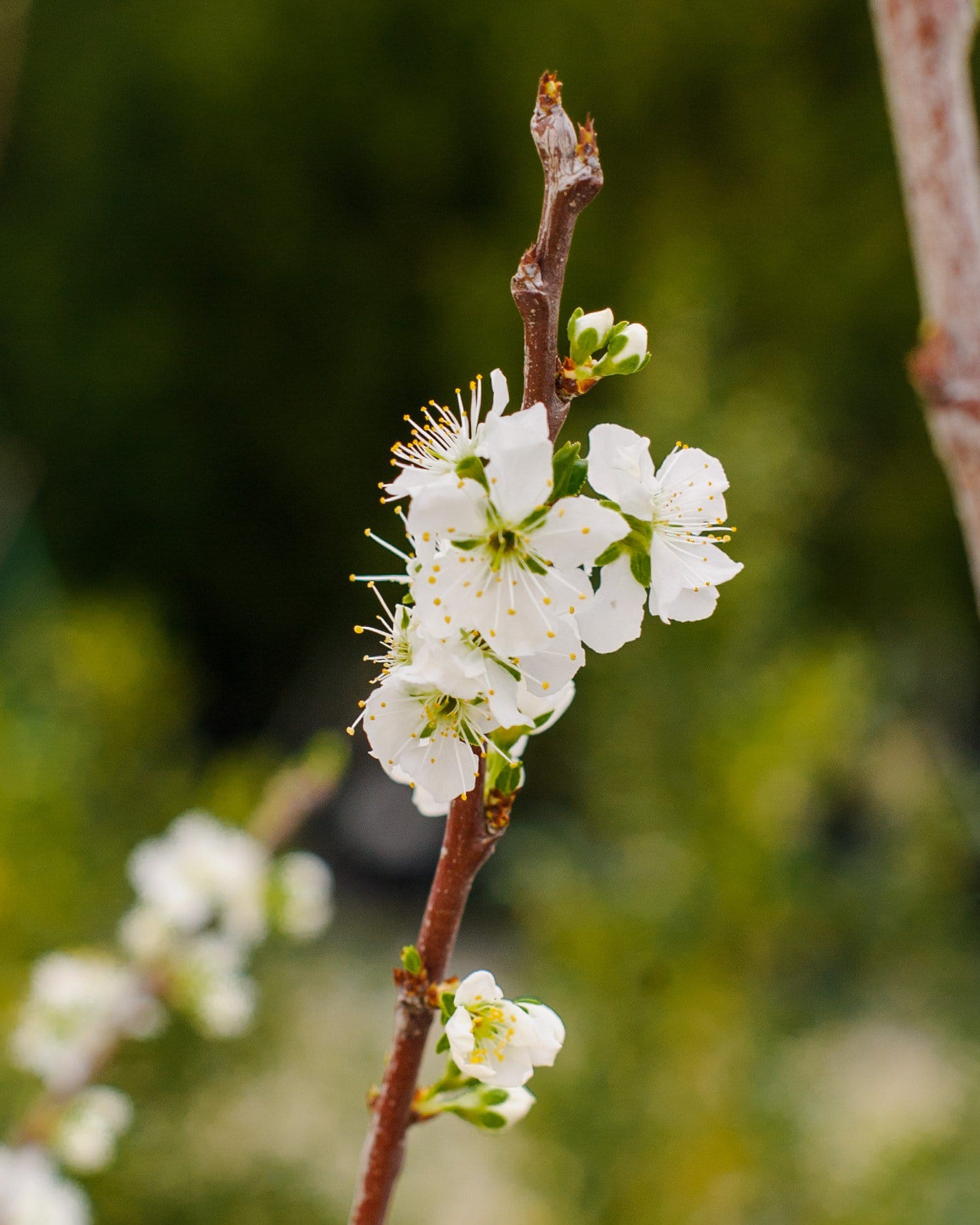
Pyrus communis ‘Kieffer’Kieffer Pear is a dependable fruit tree known for its vigorous growth, resilience, and generous harvests. Its upright, rounded canopy grows 30-40 feet tall and 20-25 feet wide, providing both shade and an abundant fruit supply. In late summer, this tree produces large, golden-yellow pears prized for their crisp texture and versatility in cooking, canning, or fresh eating. Its white spring flowers attract pollinators and add ornamental charm, while its adaptable nature makes it a no-fuss choice for home orchards, streetscapes, or spacious yards.
- Deciduous fruit tree
- Fast growth rate
- Produces large, crisp, golden-yellow pears
- White spring flowers attract pollinators
- Upright, rounded form ideal for shade and fruit production
Plant Kieffer Pear in full sun with well-drained soil for best fruiting and growth. Hardy in USDA zones 5 through 9, this versatile pear tree delivers reliable harvests, seasonal beauty, and shade to North Texas landscapes.
Maintenance
Kieffer Pear is one of the easiest fruit trees to grow, thriving with minimal fuss and rewarding care. Here’s what you’ll need to know about maintenance:
- Watering: Provide deep watering weekly during the first year to help roots establish. Once mature, water every 10-14 days during dry weather or while fruit is forming. Deep, infrequent watering encourages strong roots and prevents fruit splitting caused by inconsistent moisture.
- Pruning: Prune in late winter before new growth emerges. Remove dead or crossing branches and shape the canopy to allow light and air to reach all parts of the tree. Kieffer Pear tends to grow upright, so thinning the center helps prevent disease and promotes even ripening.
- Fertilizing: Feed annually in early spring with a balanced fruit tree fertilizer. For mature trees, one application per year is typically enough. Avoid overfeeding, as excessive nitrogen can lead to vigorous leaf growth instead of fruit production.
- Mulching: Apply a 2-3 inch layer of mulch around the base each spring to conserve moisture and reduce weeds. Keep the mulch 3-4 inches away from the trunk to prevent bark rot and pest nesting.
- Winter care: Kieffer Pear is hardy and adaptable but benefits from added protection in regions with harsh winters. Mulch around the root zone before freezing temperatures and consider wrapping young trunks with burlap or tree guards to prevent frost cracking.
Common Issues and How to Take Care of Them
While Kieffer Pear is pretty resilient, it can still make a good home for some of the following pests and diseases:
- Fire Blight: A bacterial disease that causes blackened shoots and shriveled blooms. Prune out affected areas well below the damage line and disinfect tools between cuts.
- Leaf Spot: Small dark spots on leaves may appear in humid conditions. Improve airflow through pruning and remove fallen debris at the end of the season to limit reinfection.
- Aphids: These tiny insects cluster on new growth and suck plant sap. Wash them off with a hose or apply insecticidal soap as needed.
- Codling Moth: Larvae that bore into fruit. Remove affected pears promptly and use pheromone traps in early summer to disrupt their life cycle.
- Scale Insects: Appear as small bumps on bark or leaves. Treat with horticultural oil during dormancy to smother eggs and nymphs.
- Fruit Drop: Some early drop is normal, but too much may signal stress from drought or nutrient imbalance. Ensure steady watering and yearly fertilization.
Plant in early spring or fall when the soil is workable and temperatures are mild. This gives roots time to establish before heat or frost arrives.
Water deeply once a week for young trees, then every 10-14 days once established. Increase frequency during extended dry periods.
Expect fruit in about 3-5 years after planting, with harvest season typically in late summer through early fall.
Yes, while partially self-fertile, Kieffer Pear produces more fruit when planted near another pear variety such as Bartlett or Orient.
Yes. Annual pruning maintains good airflow, prevents overcrowding, and promotes larger, healthier pears.
With proper care, Kieffer Pear can thrive and bear fruit for 20-30 years or even longer.
Moderately. Once established, it tolerates short dry spells but performs best with steady moisture.
It’s possible with dwarf or semi-dwarf rootstock, though container-grown trees will need more frequent watering and pruning.
Yes - birds, bees, and even deer enjoy the fruit. Use netting or fencing if you want to keep your harvest safe.
Yes, it adapts well to urban environments and tolerates moderate air pollution and heat when properly watered.
Special Features
You might also like
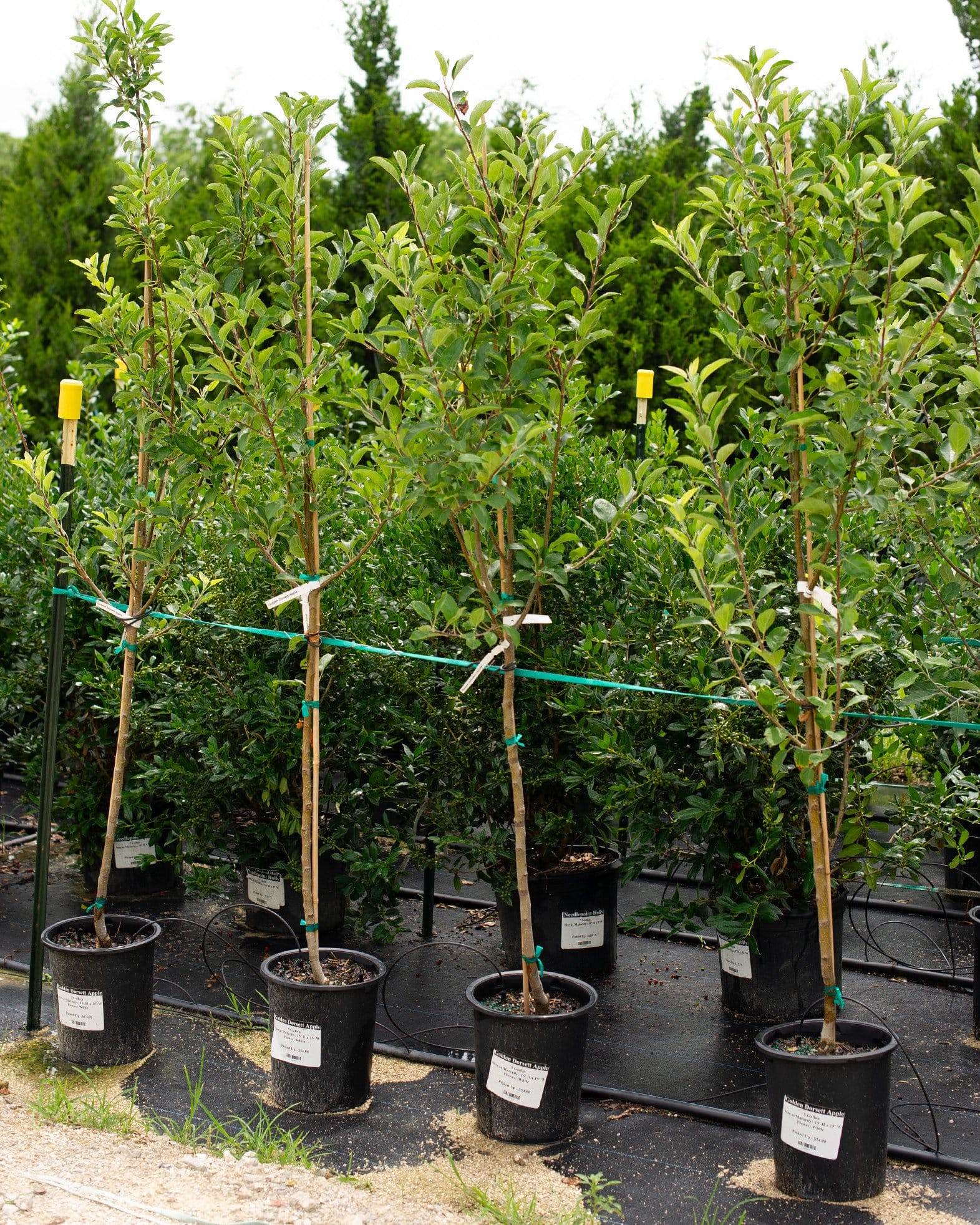
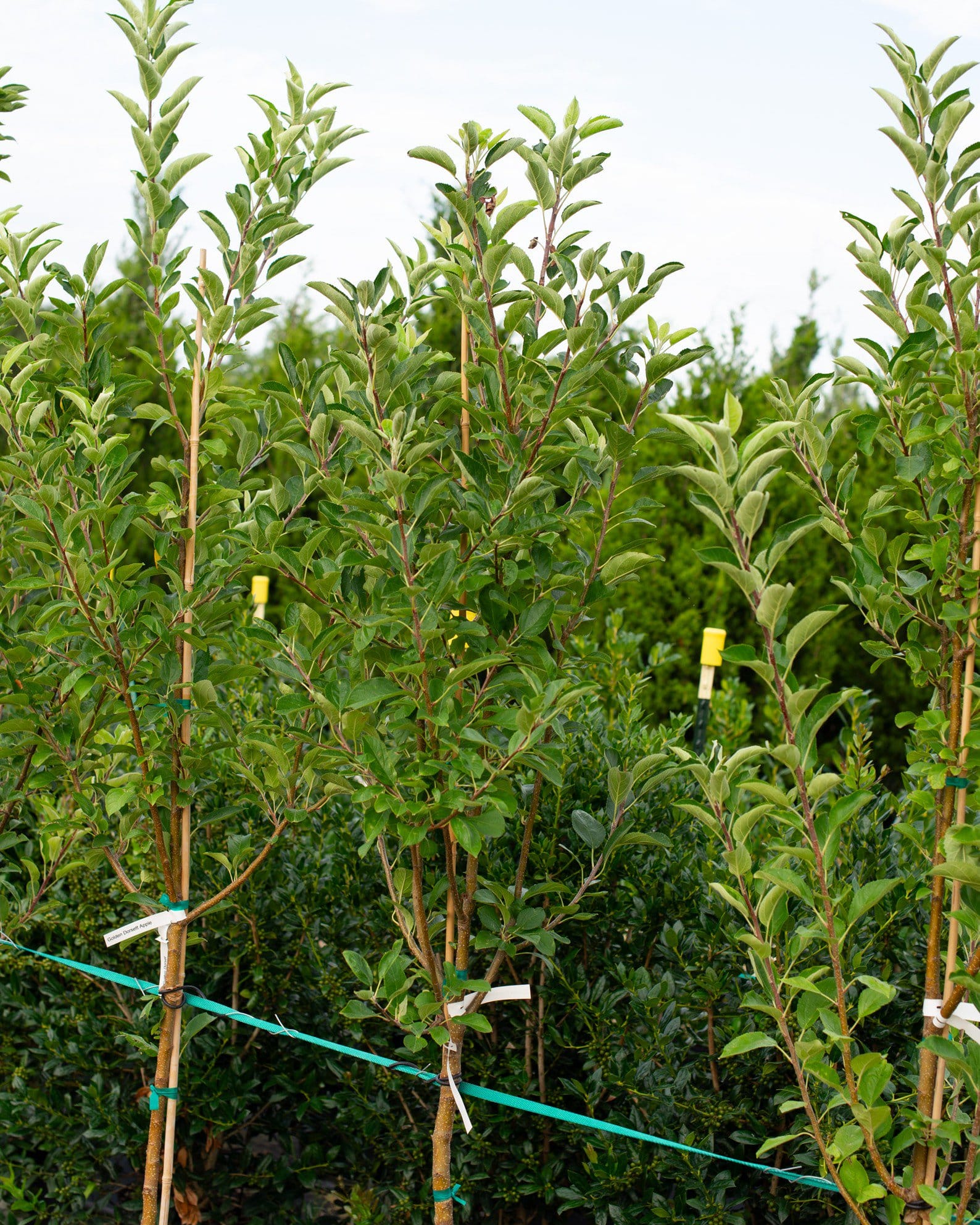
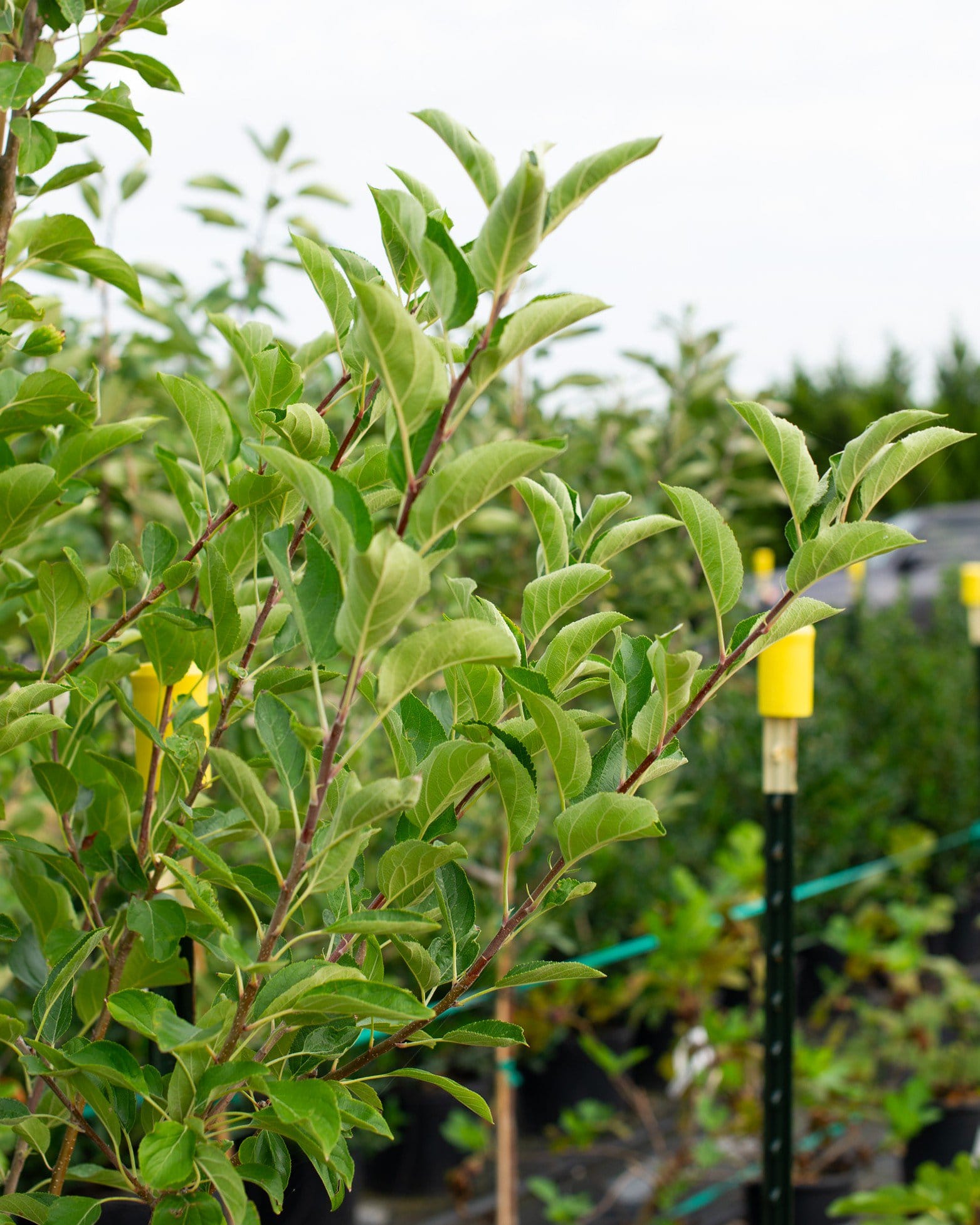
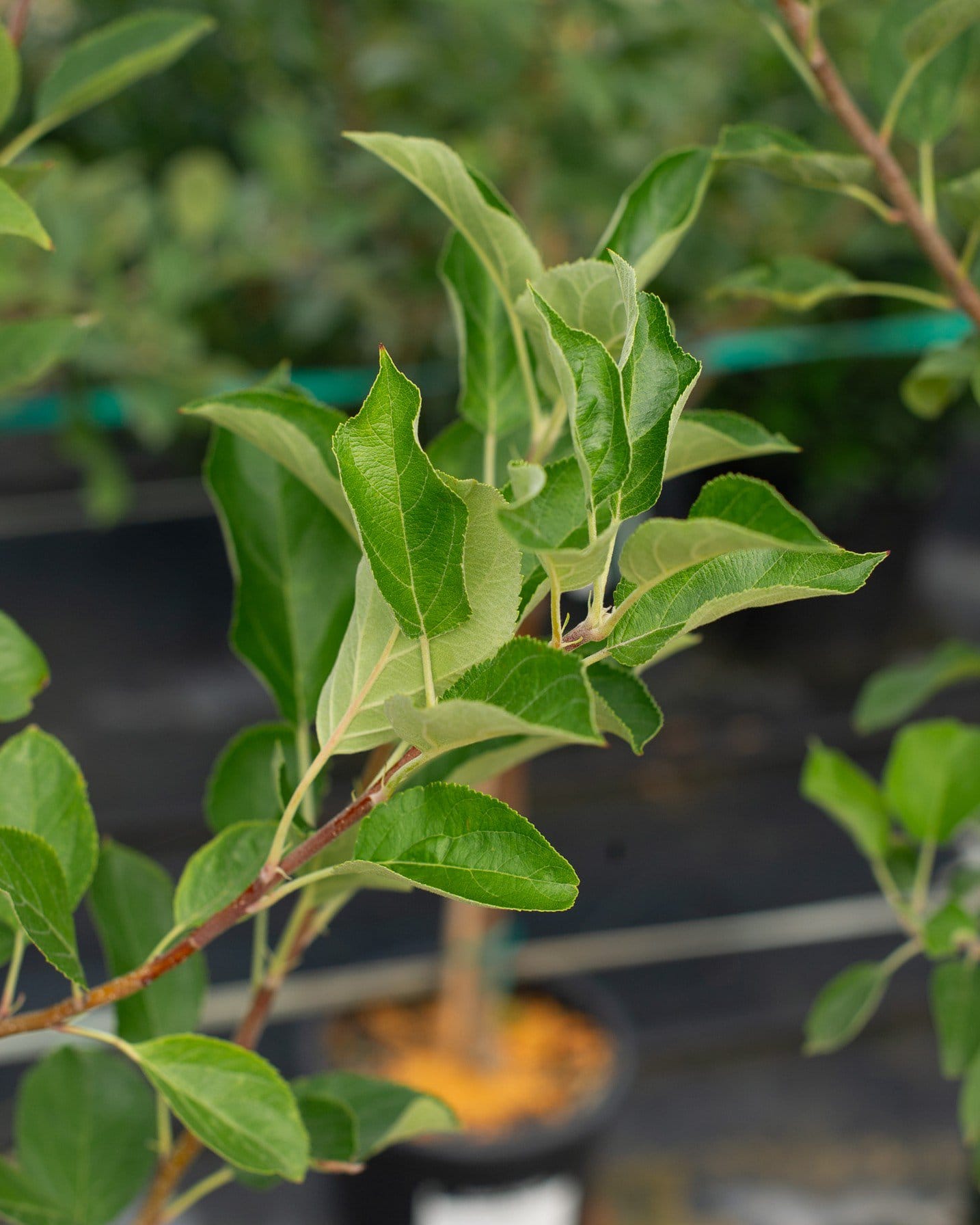
Golden Dorsett Apple
Maturity: 15' H x 15' W
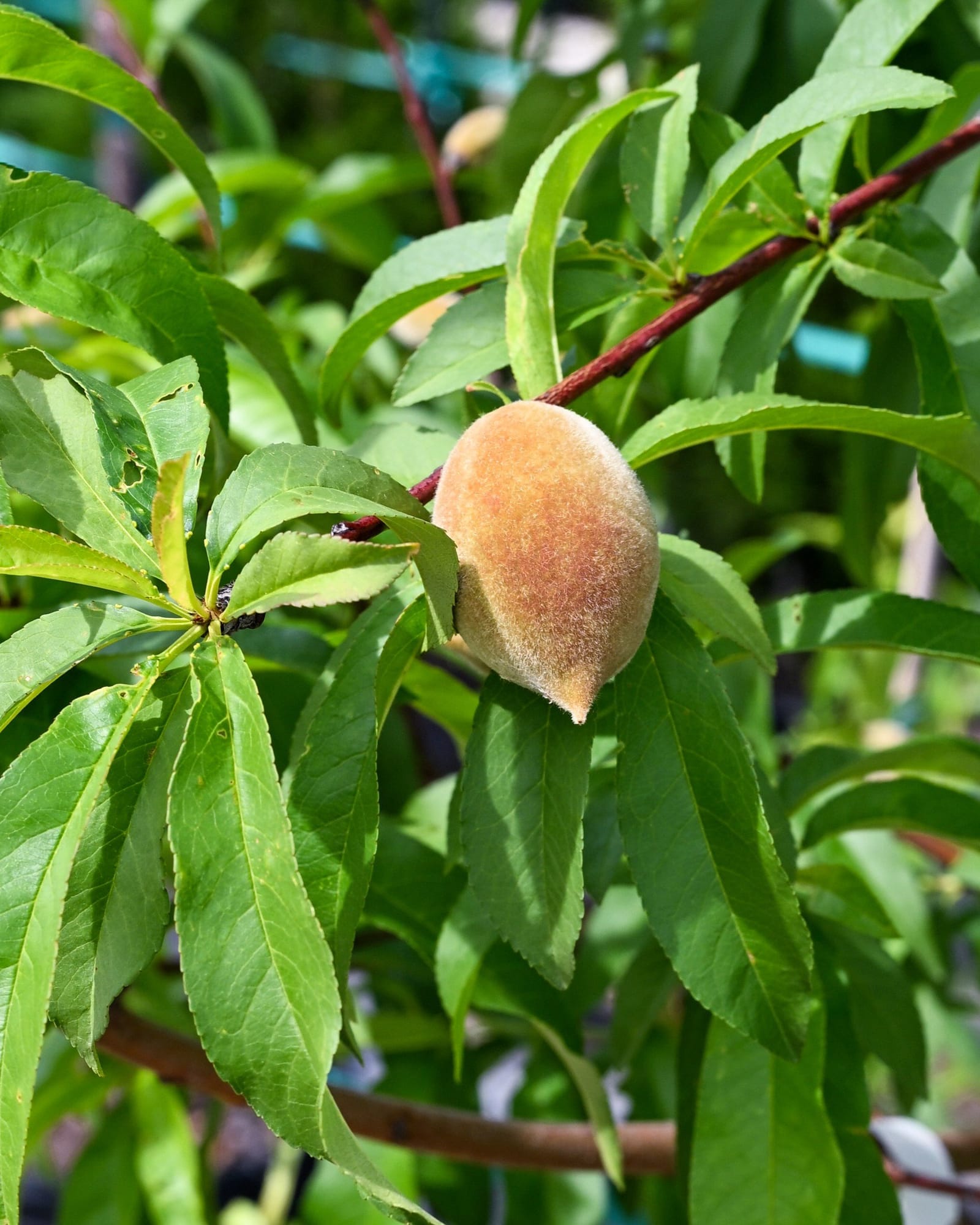
Harvester Peach
Maturity: 12' H x 10' W
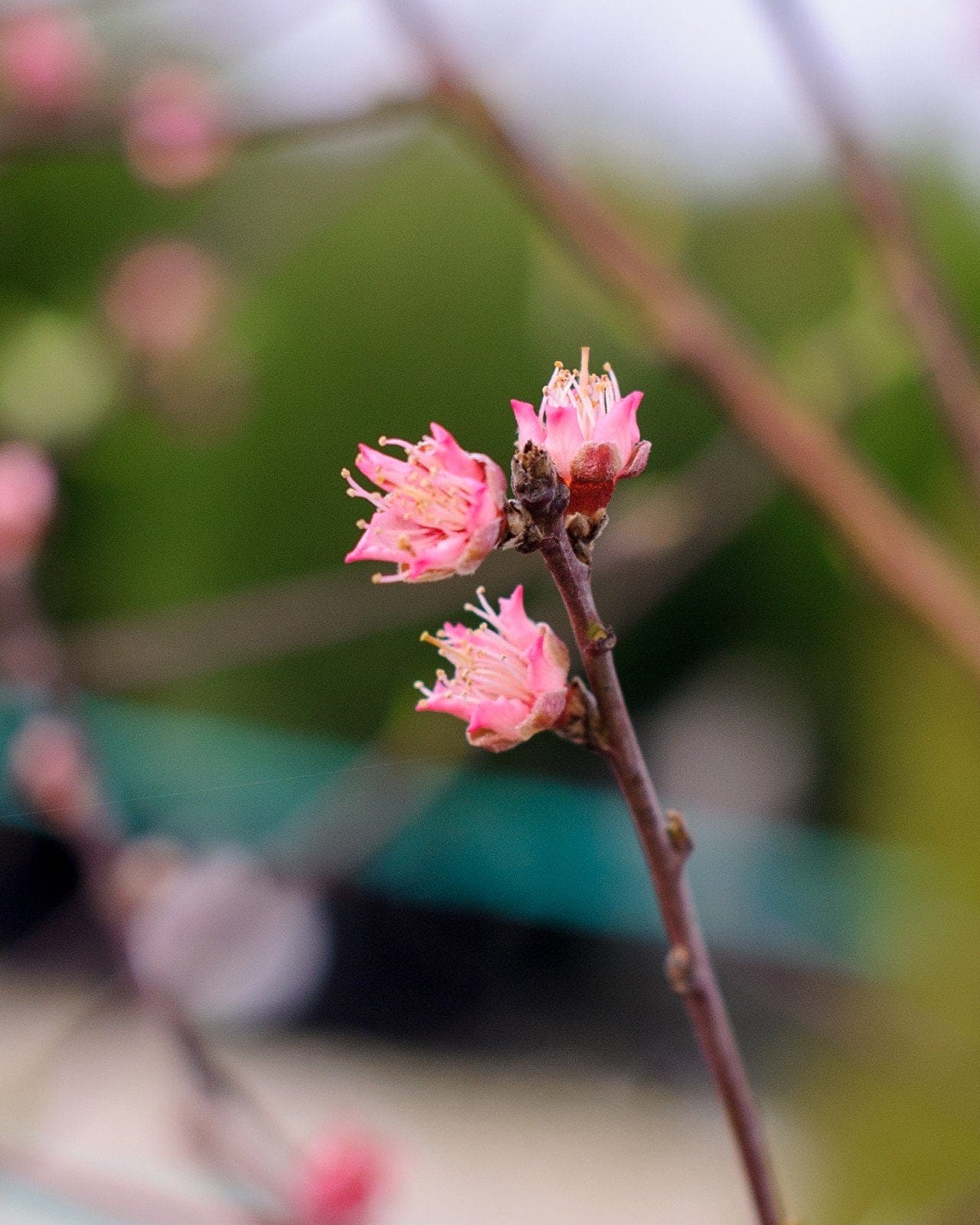
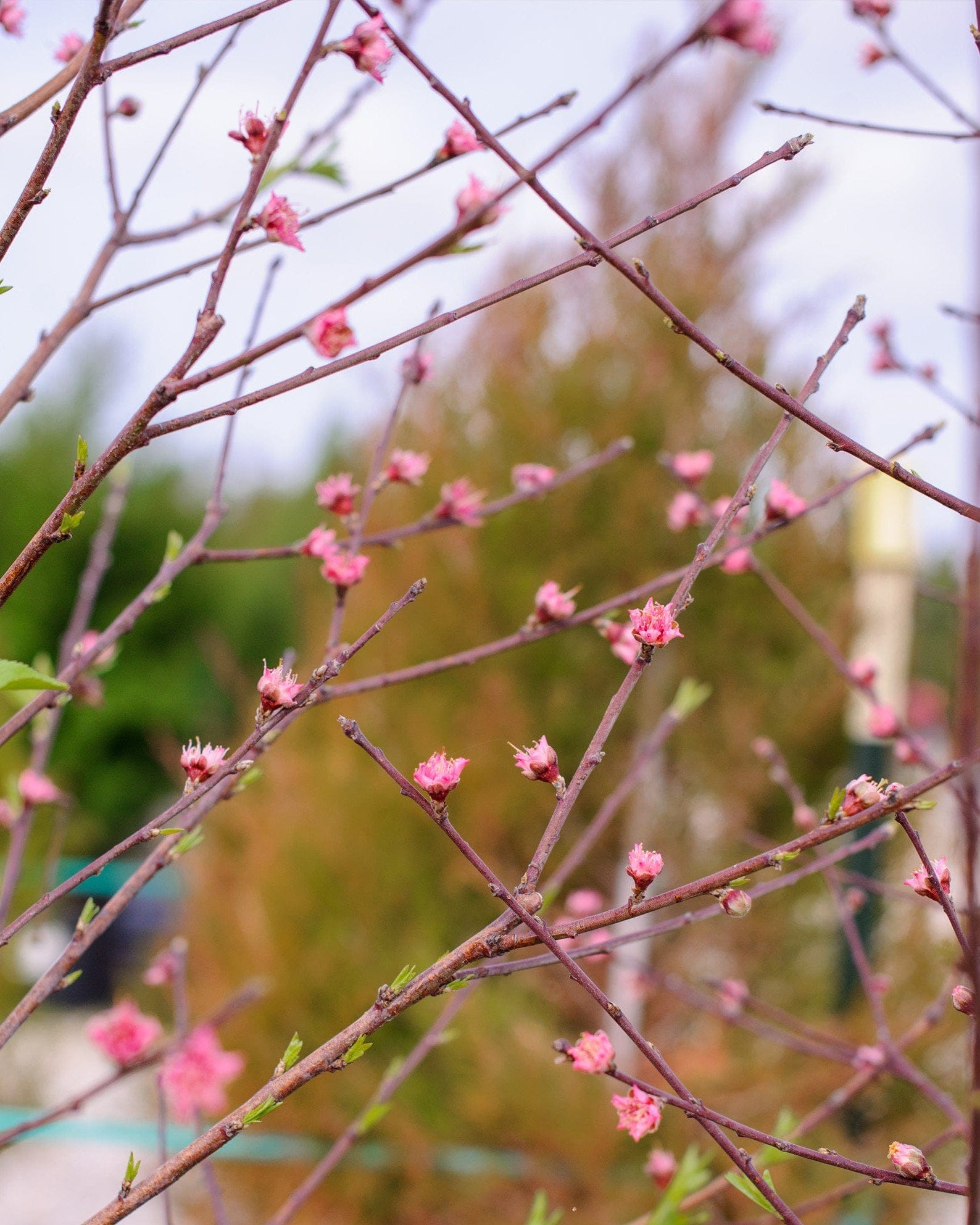
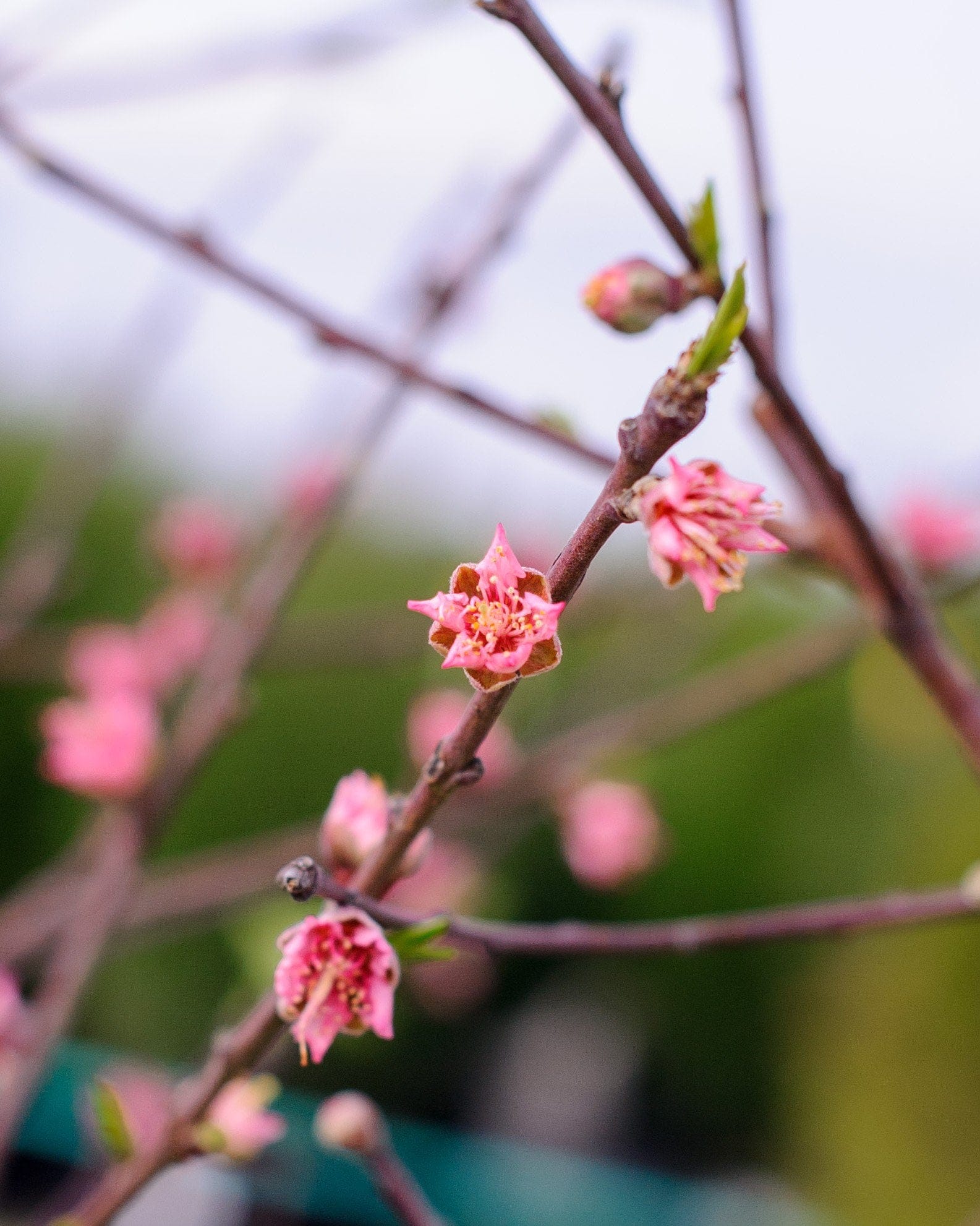
Arapaho Blackberry
Maturity: 4' H x 3' W
Chinese Fringe Tree
Maturity: 20' H x 15' W
Kiowa Blackberry
Maturity: 4' H x 3' W
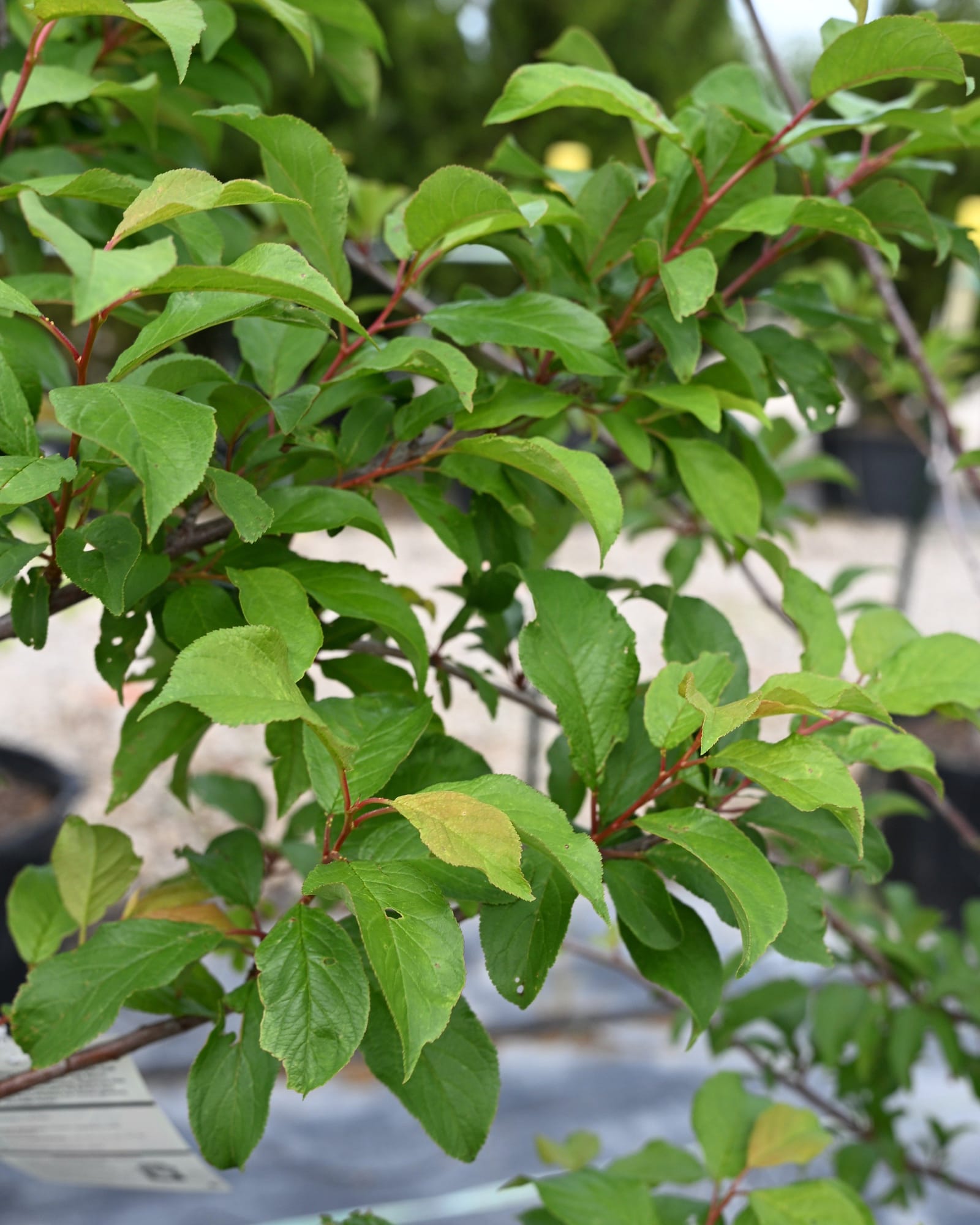
Methley Plum
Maturity: 10' H x 10' W
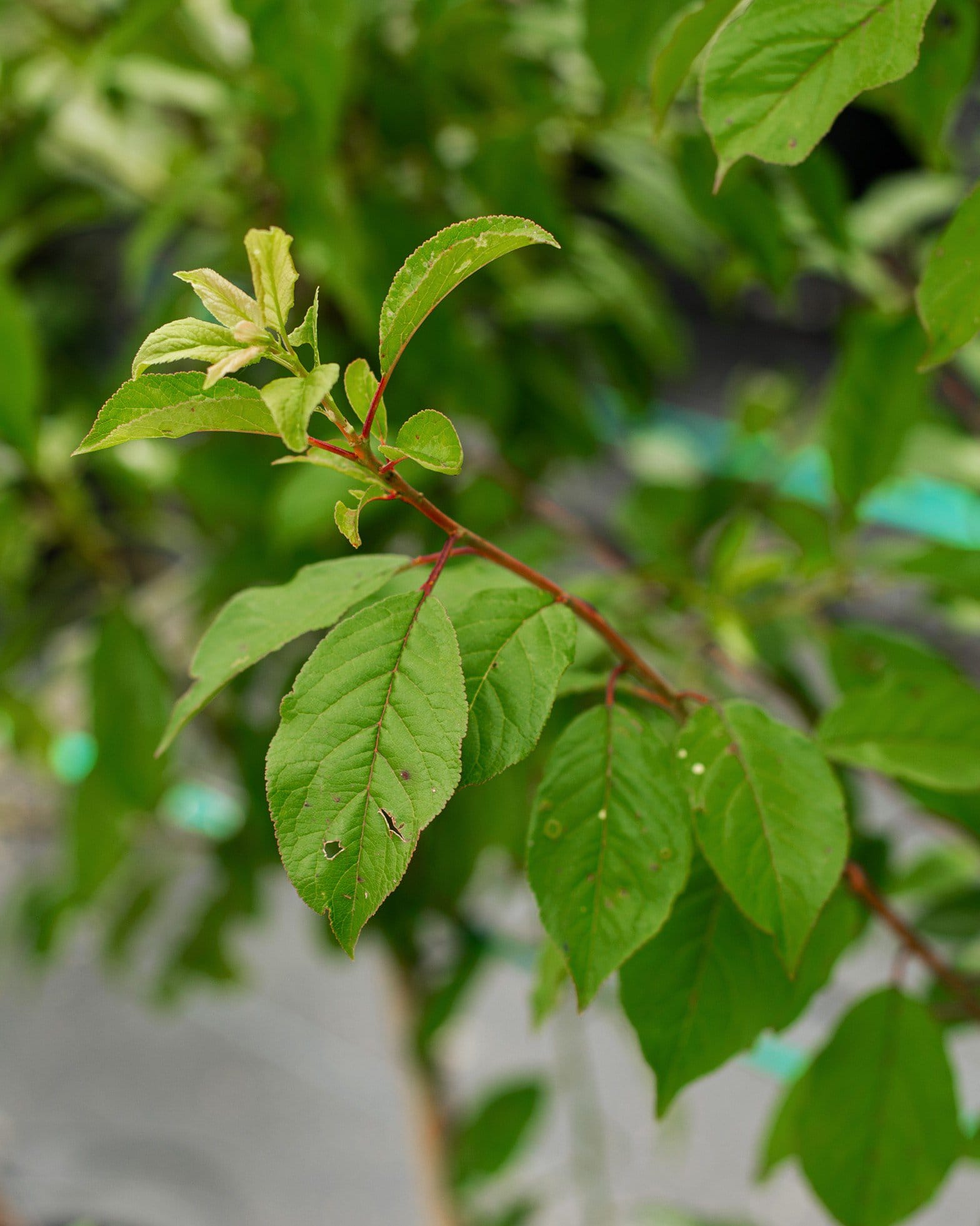
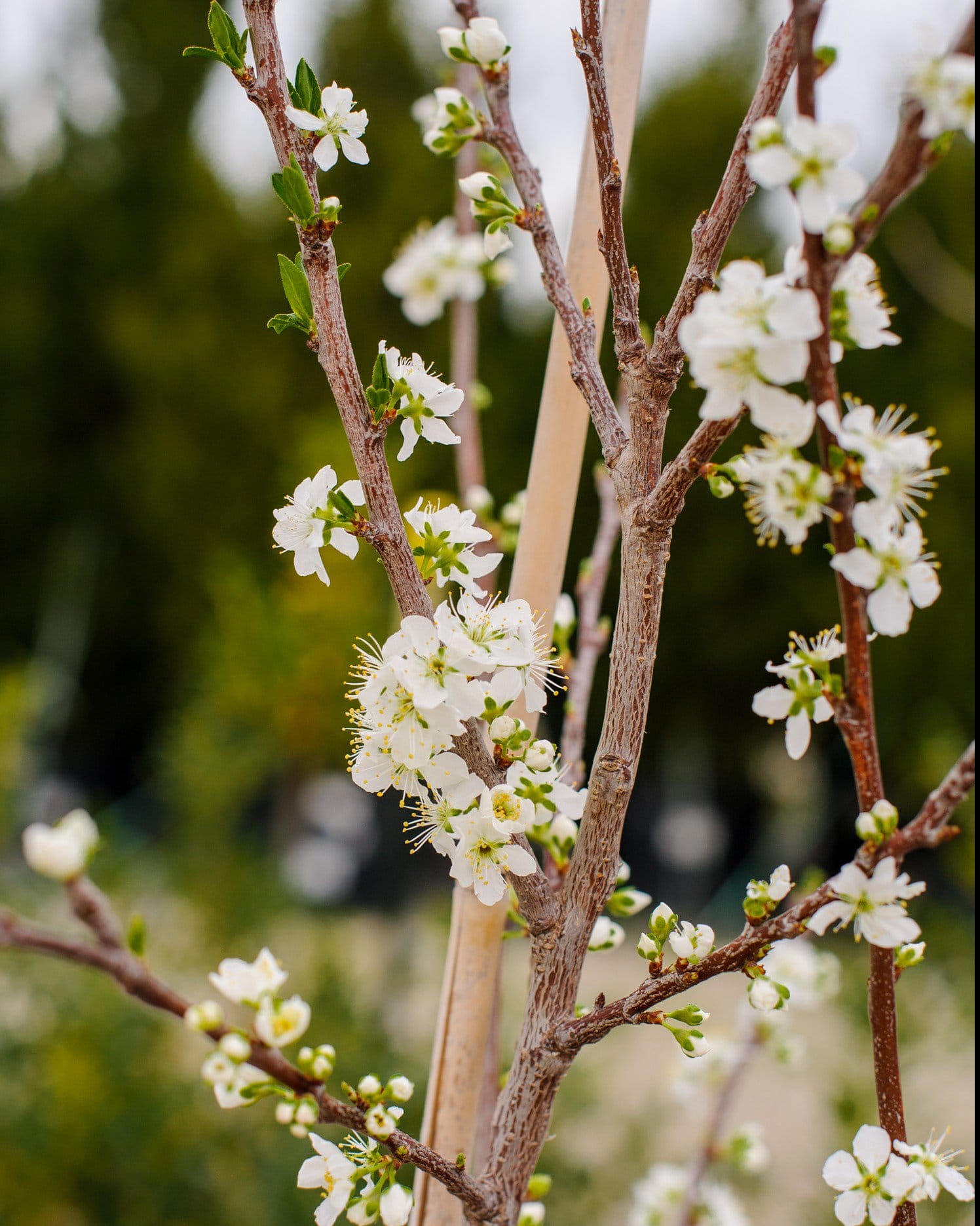
Santa Rosa Plum
Maturity: 15' H x 15' W
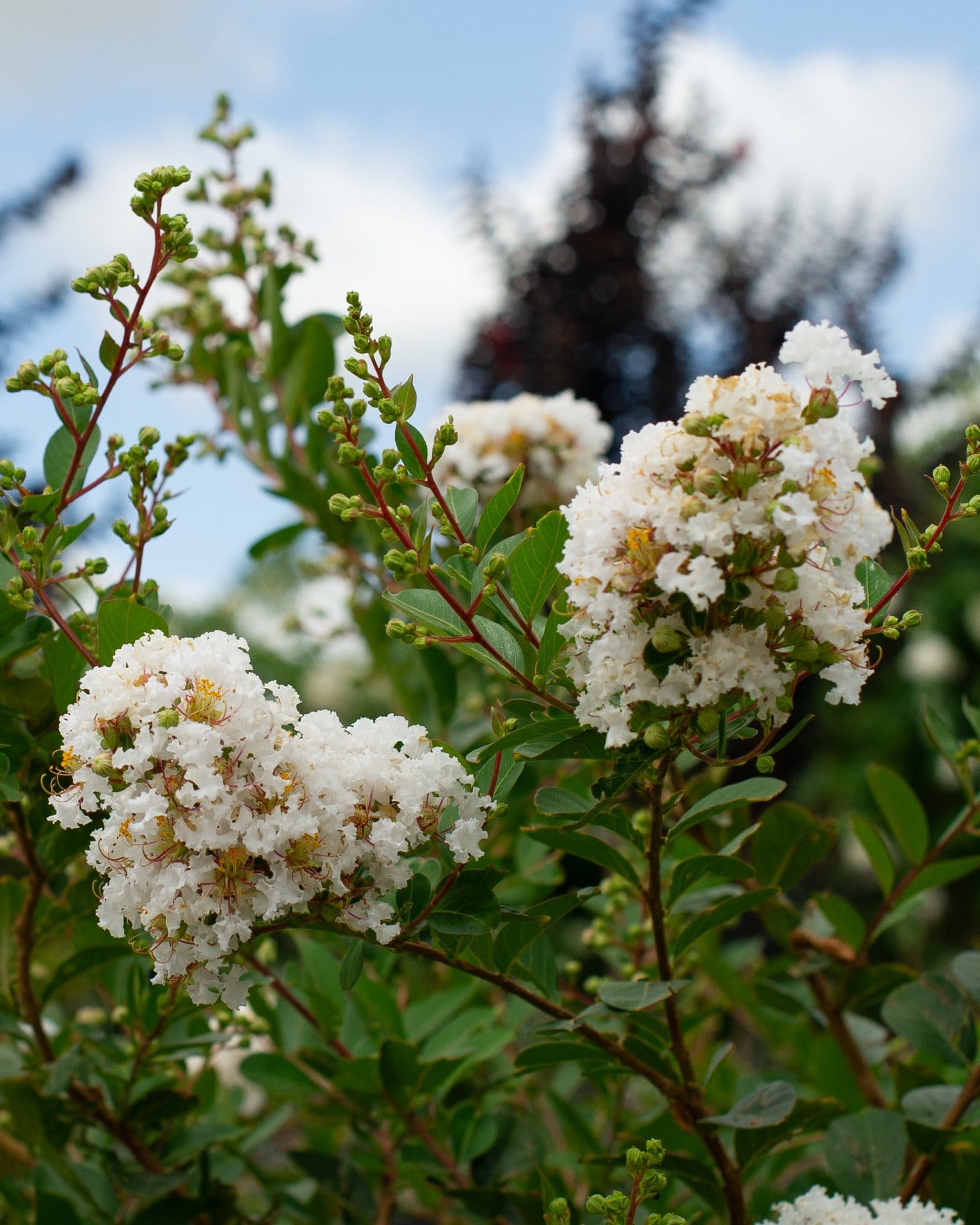
Acoma Crape Myrtle
Maturity: 7' H x 6' W
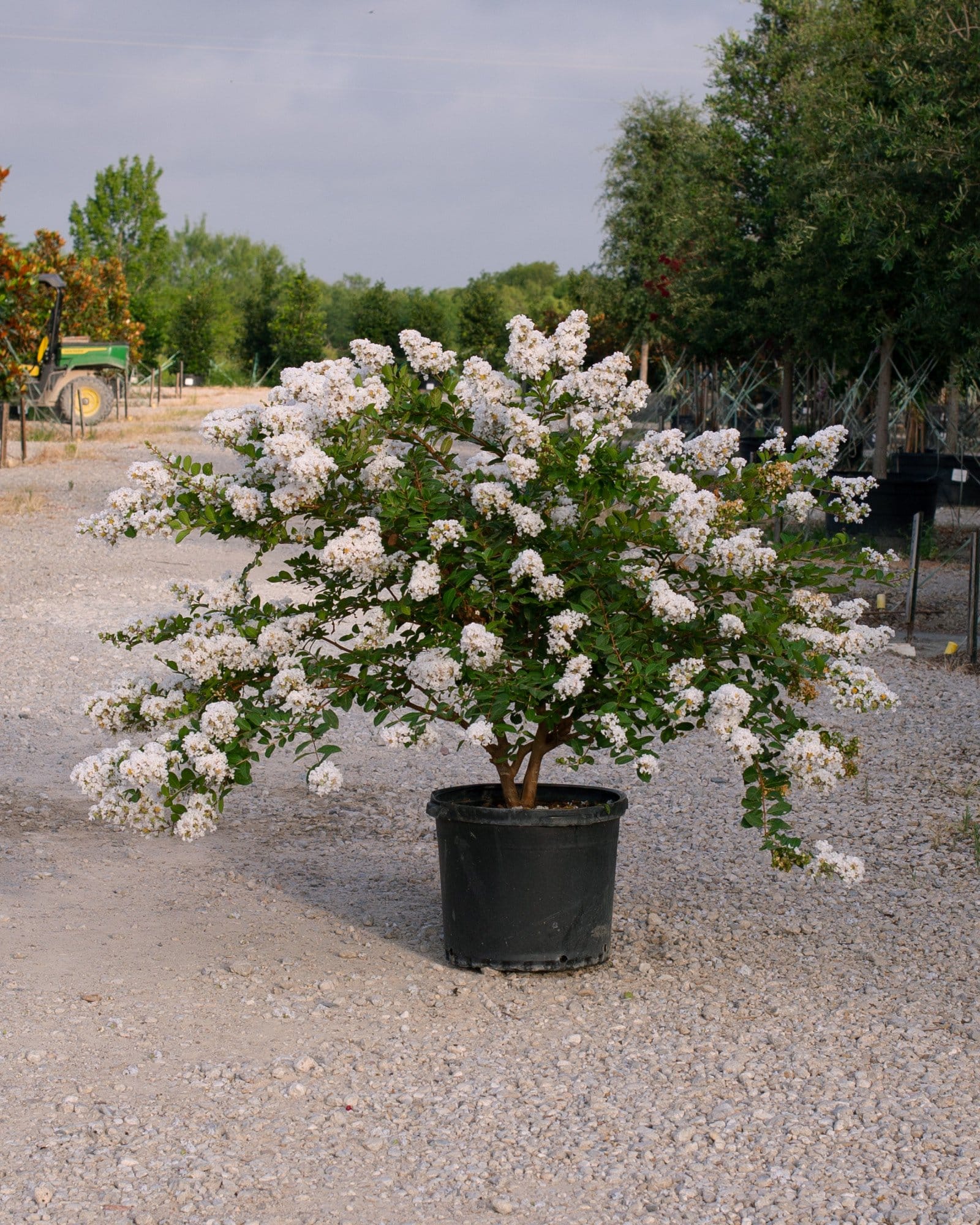
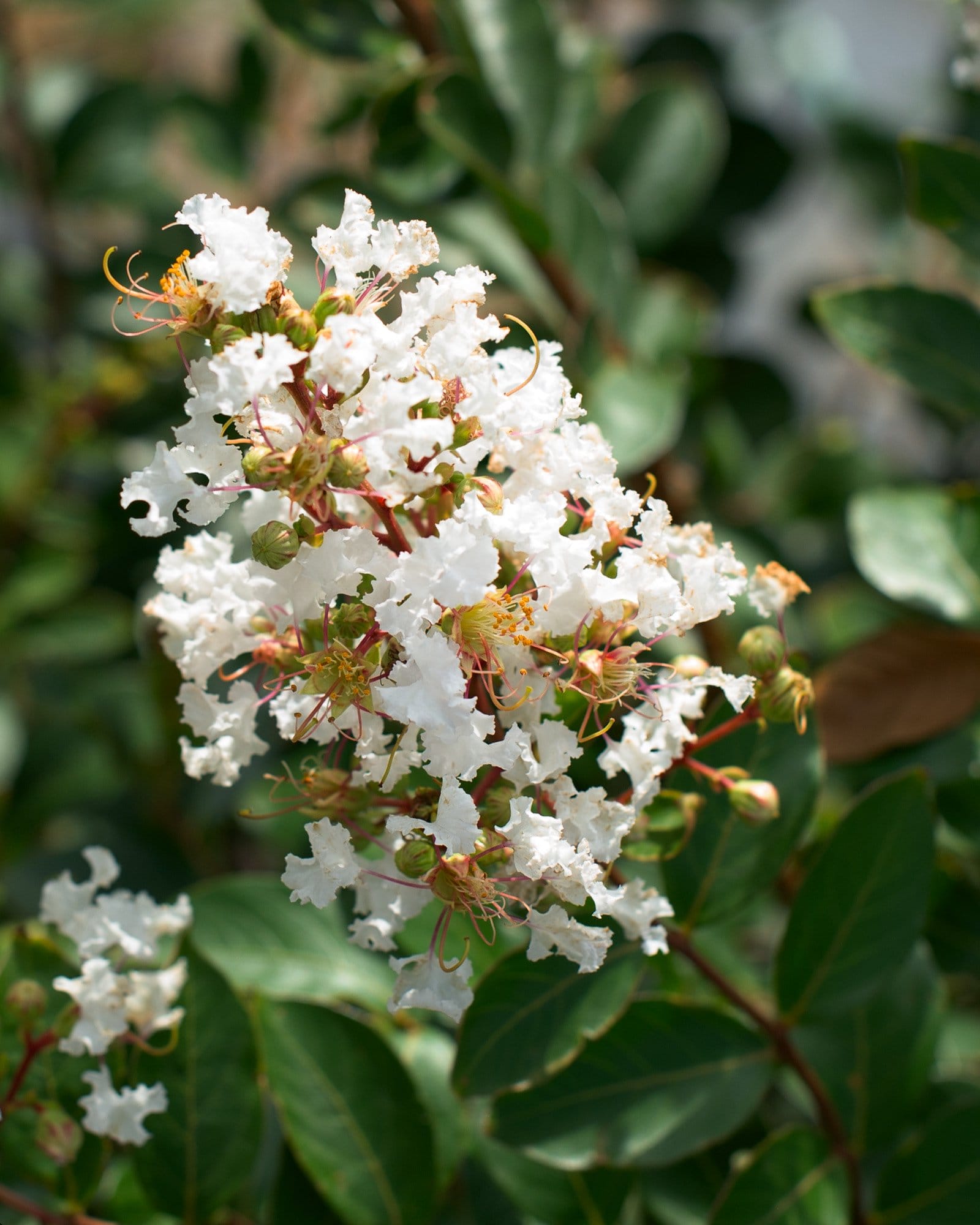
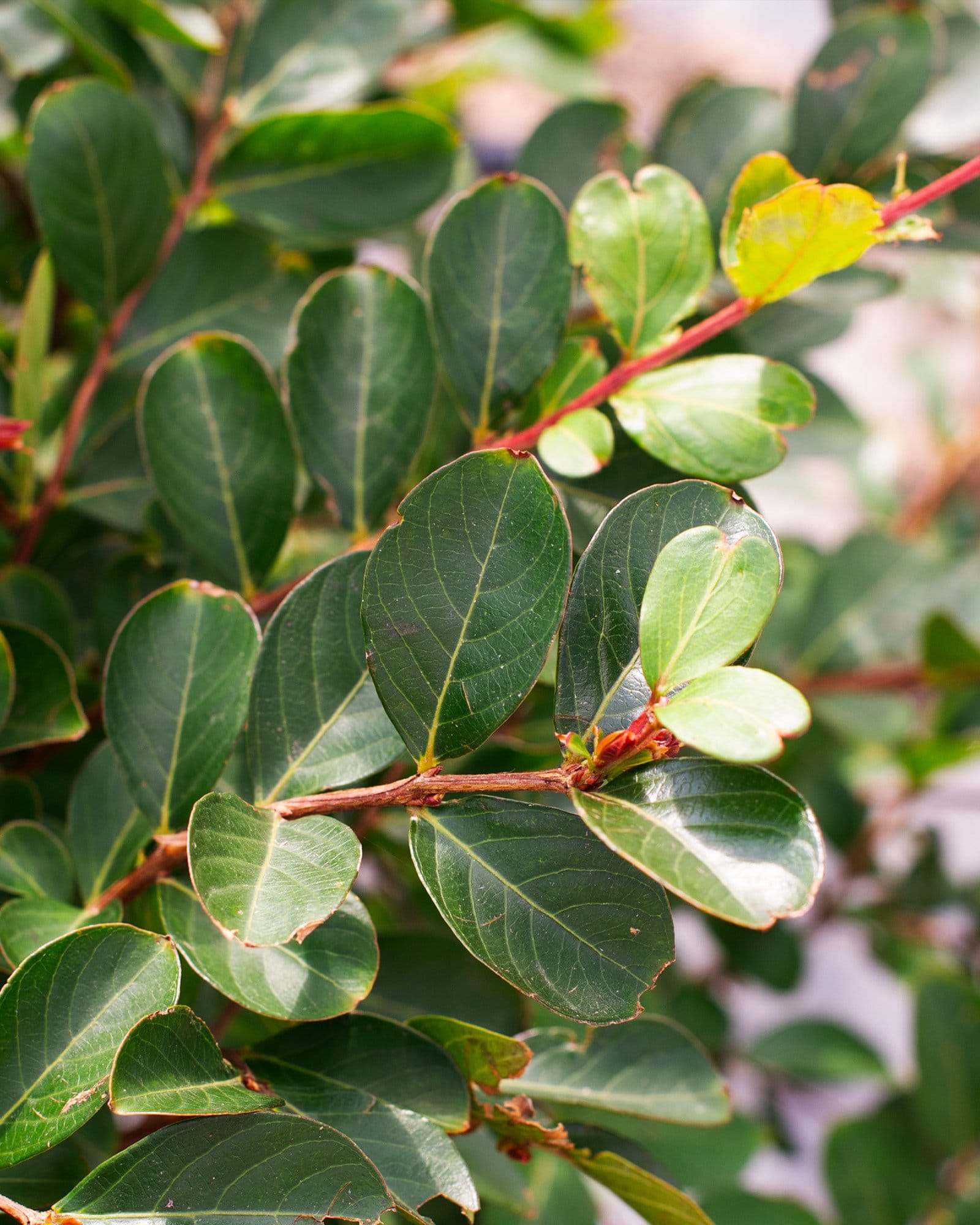
Anna Apple
Maturity: 15' H x 15' W
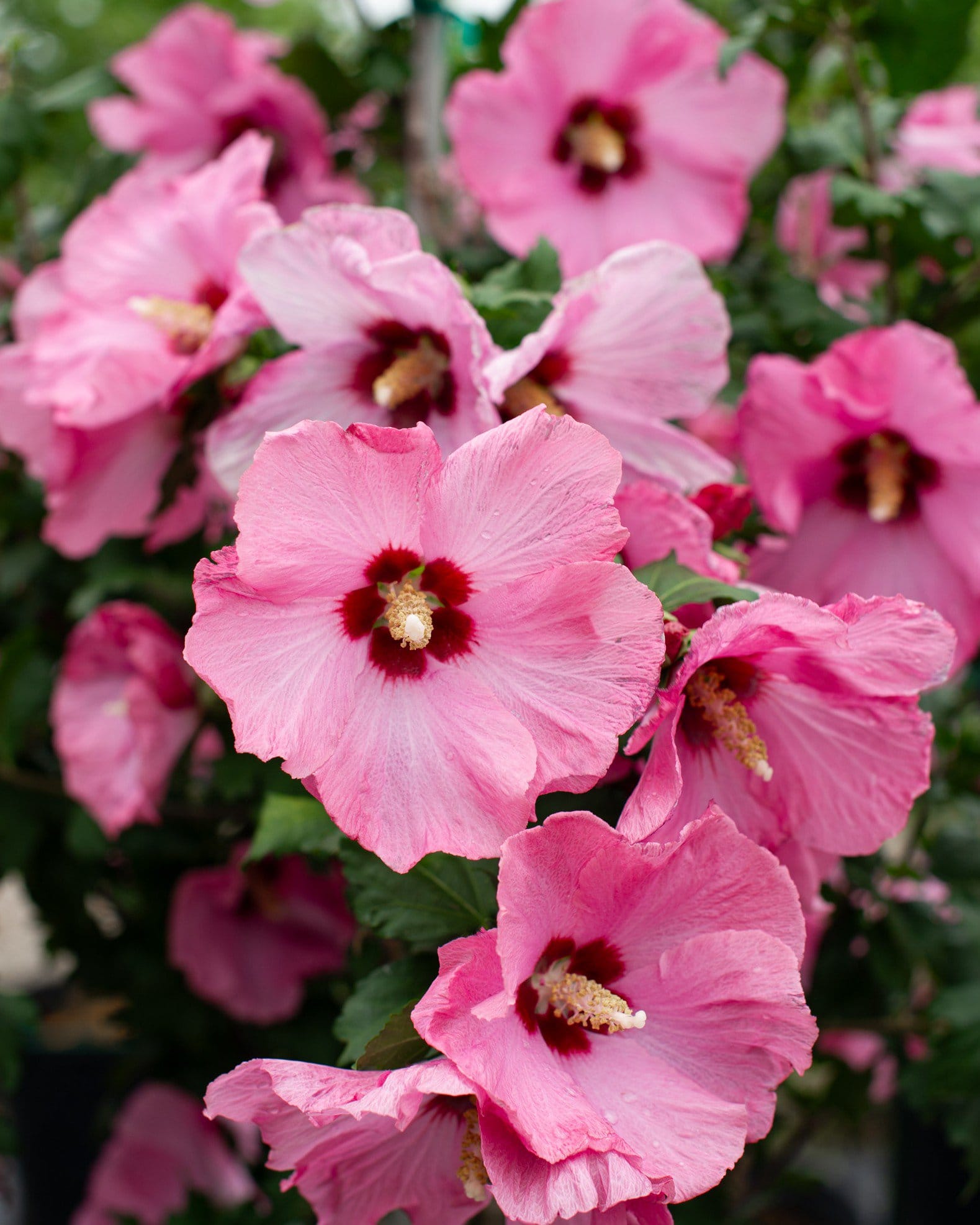
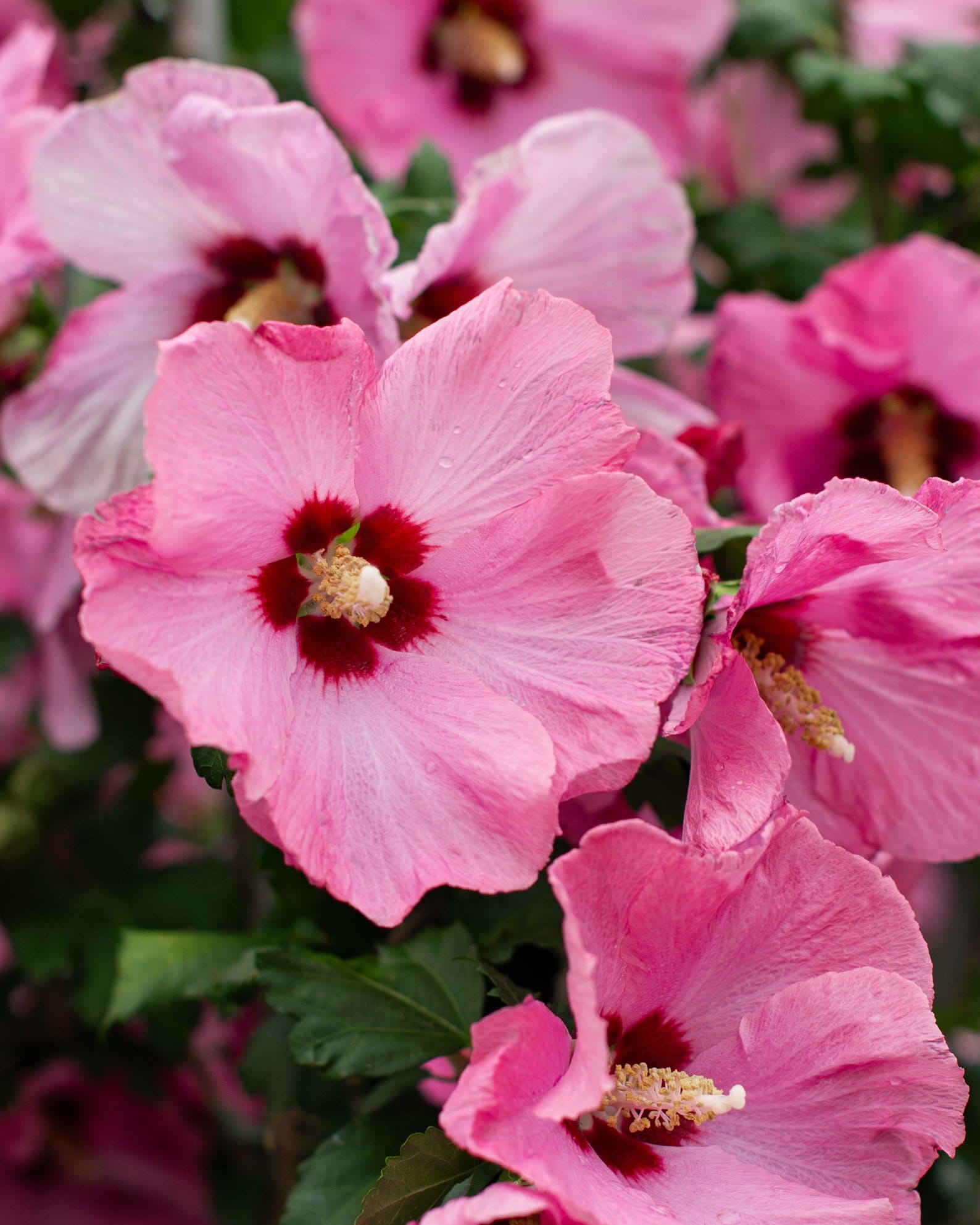
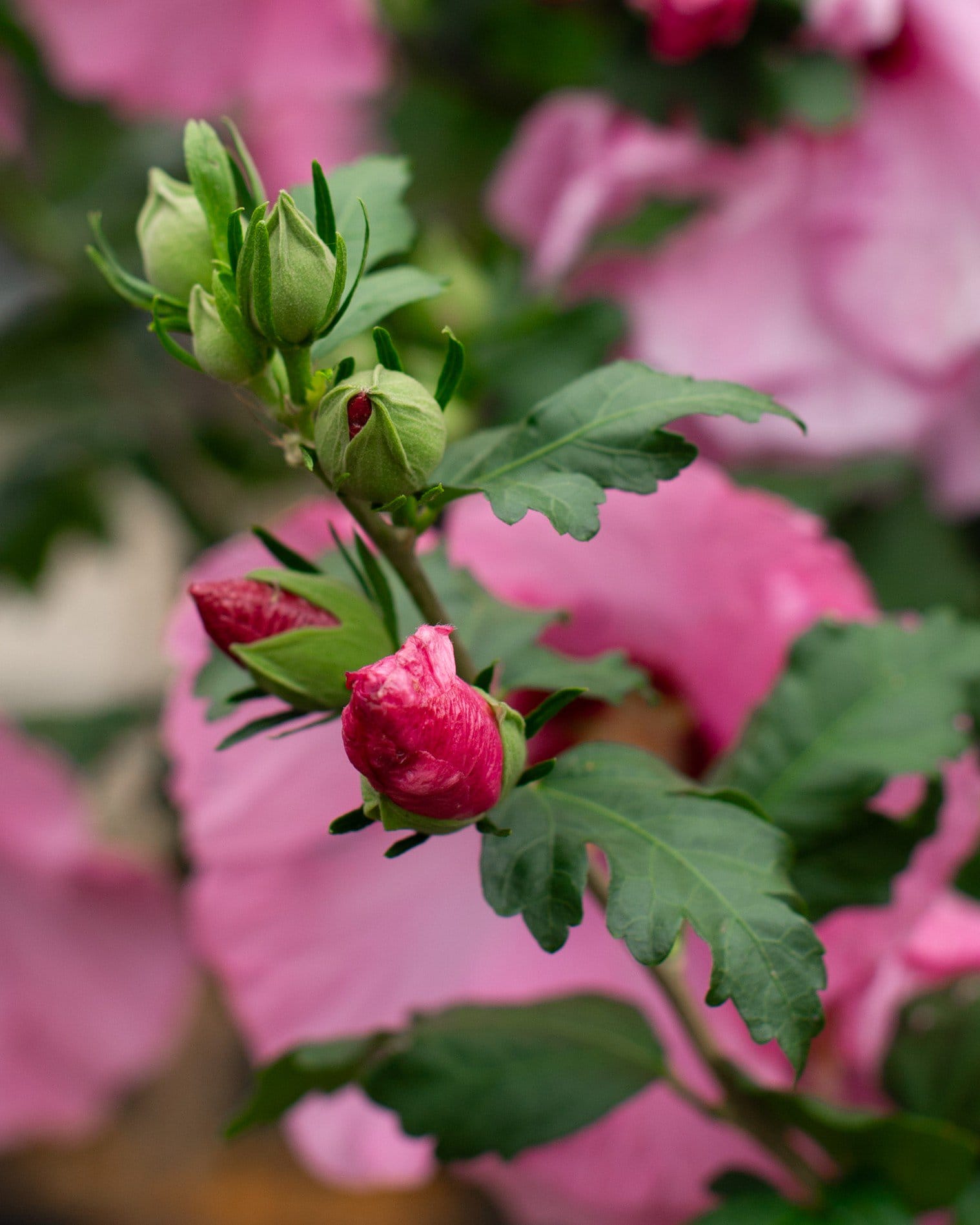
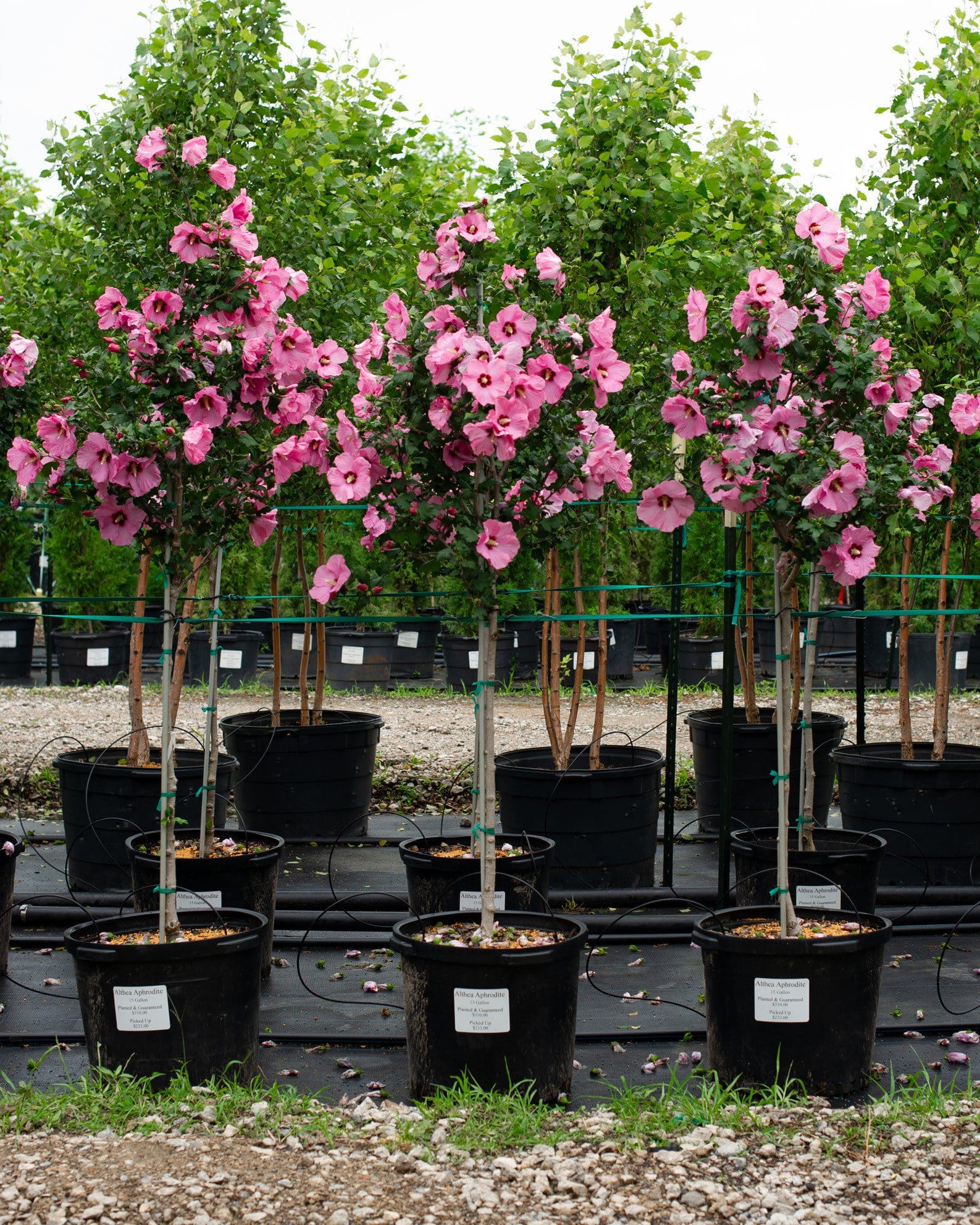
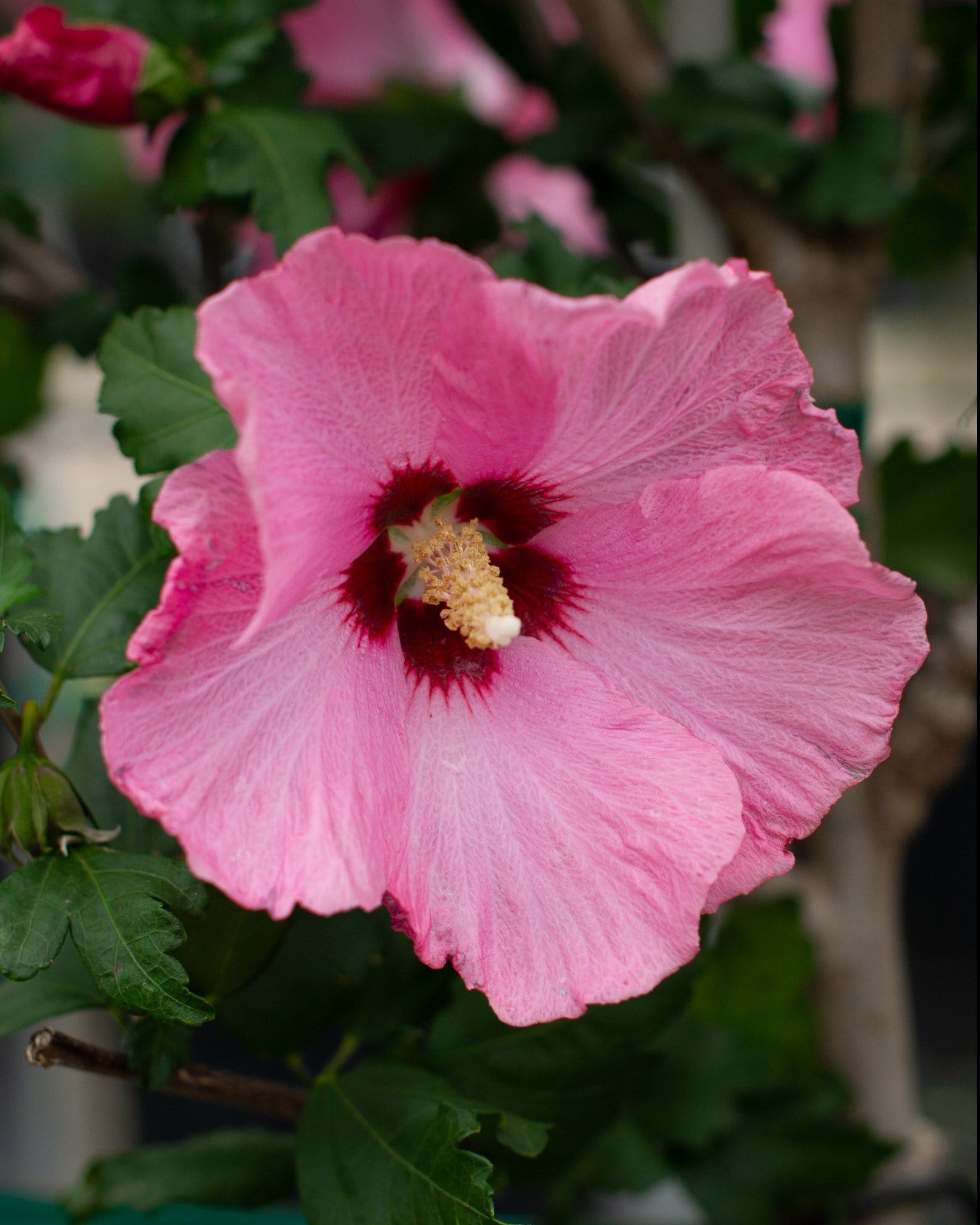
Aphrodite Althea Tree Form
Maturity: 8' H x 6' W
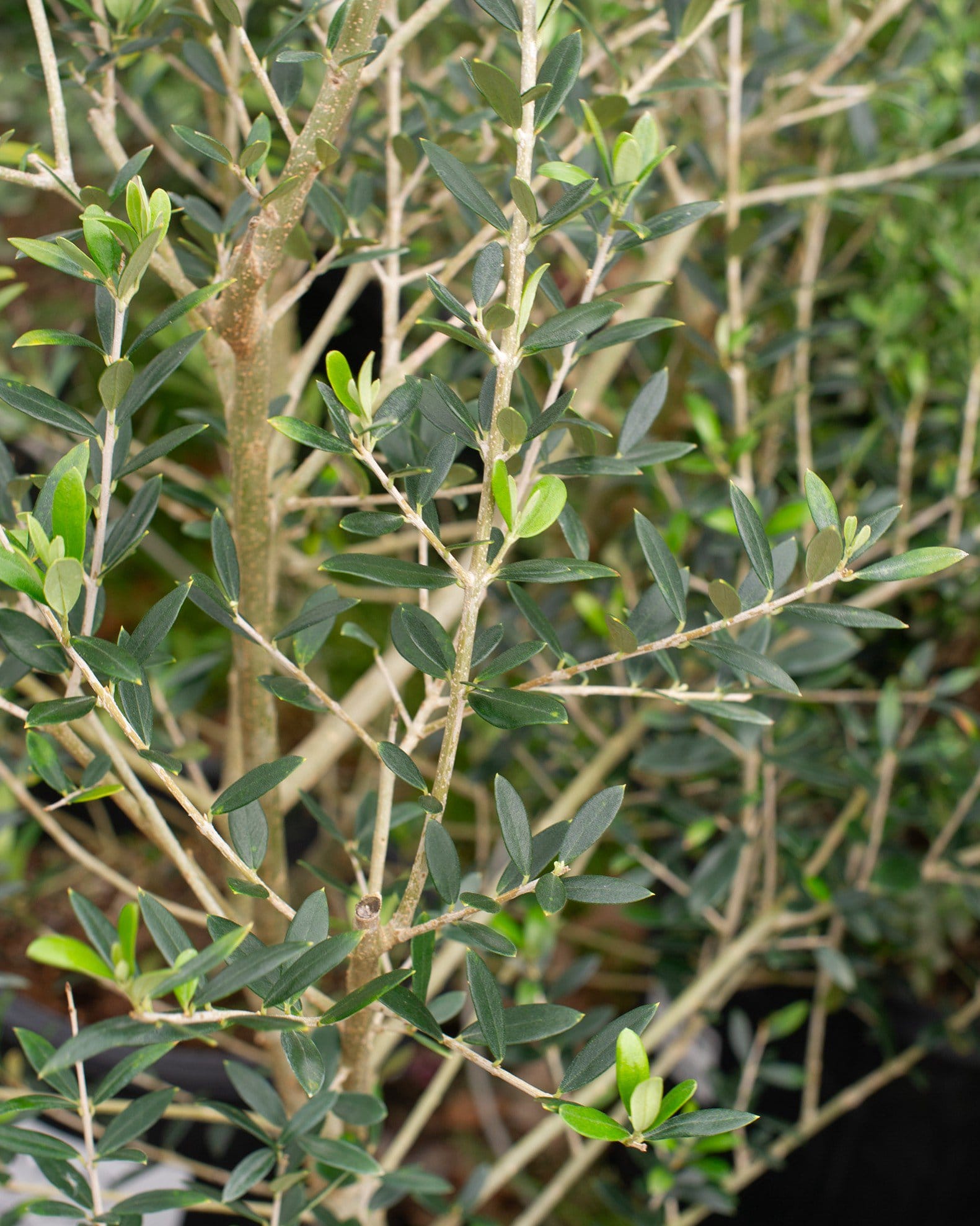
Arbequina Olive
Maturity: 15' H x 15' W
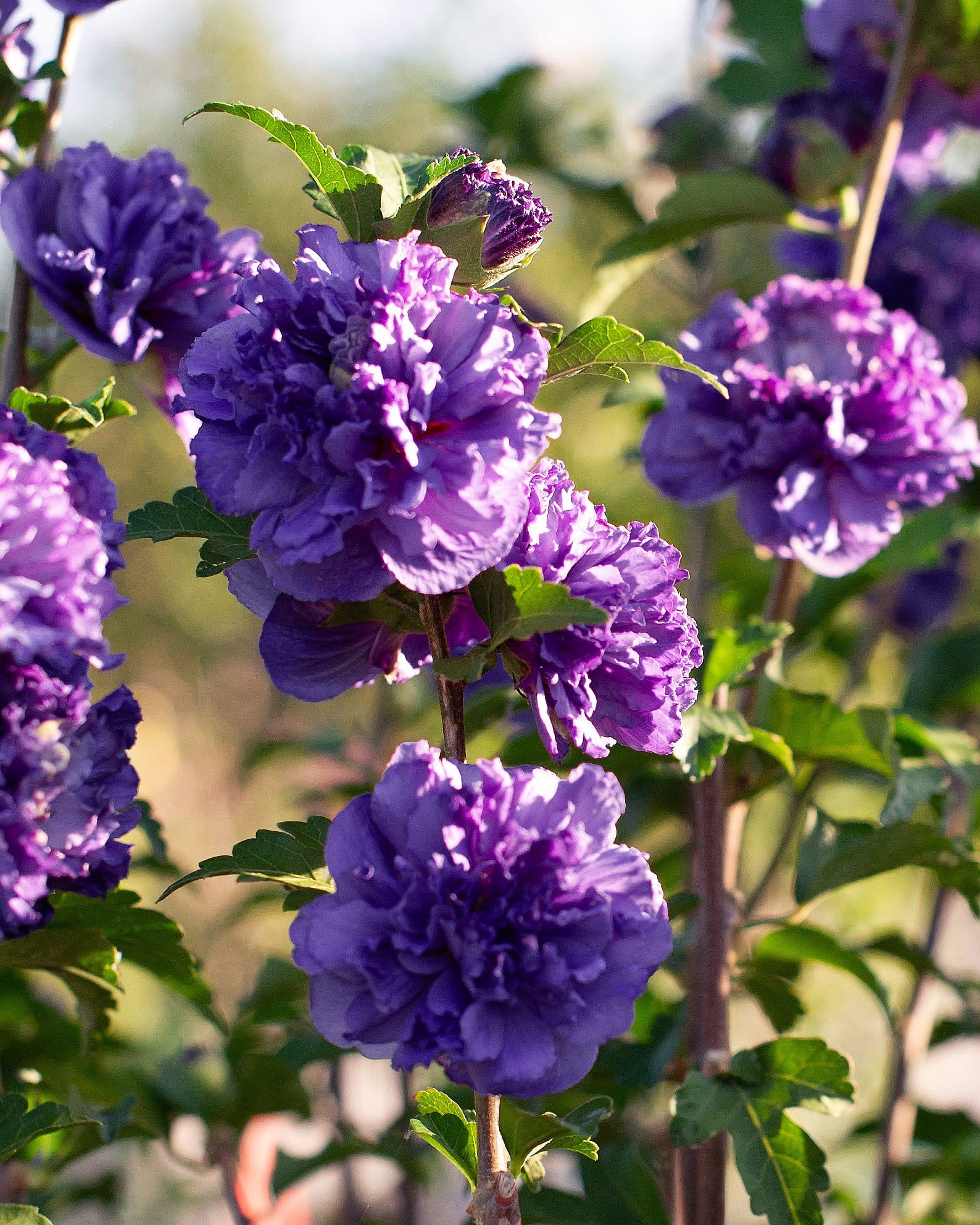
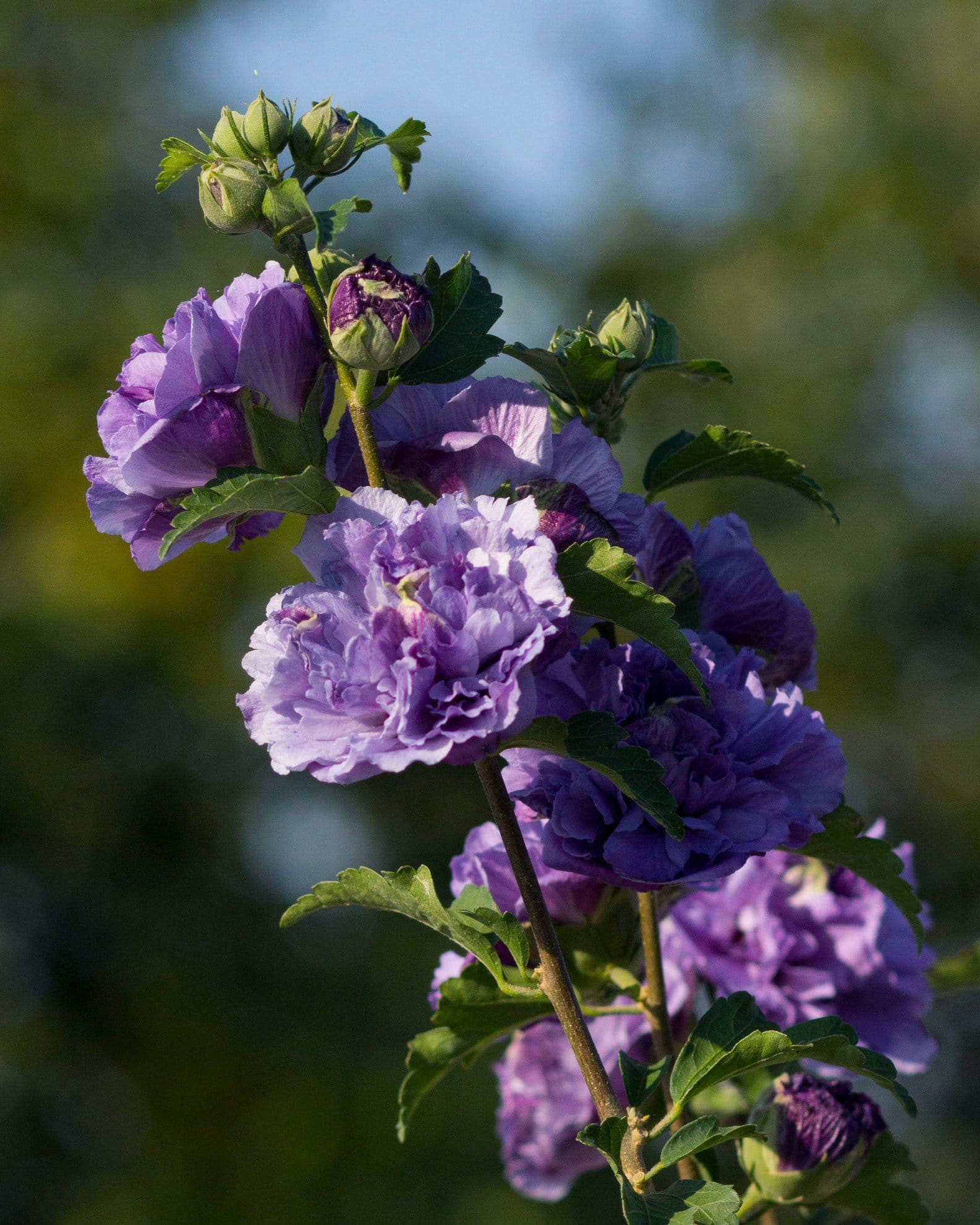
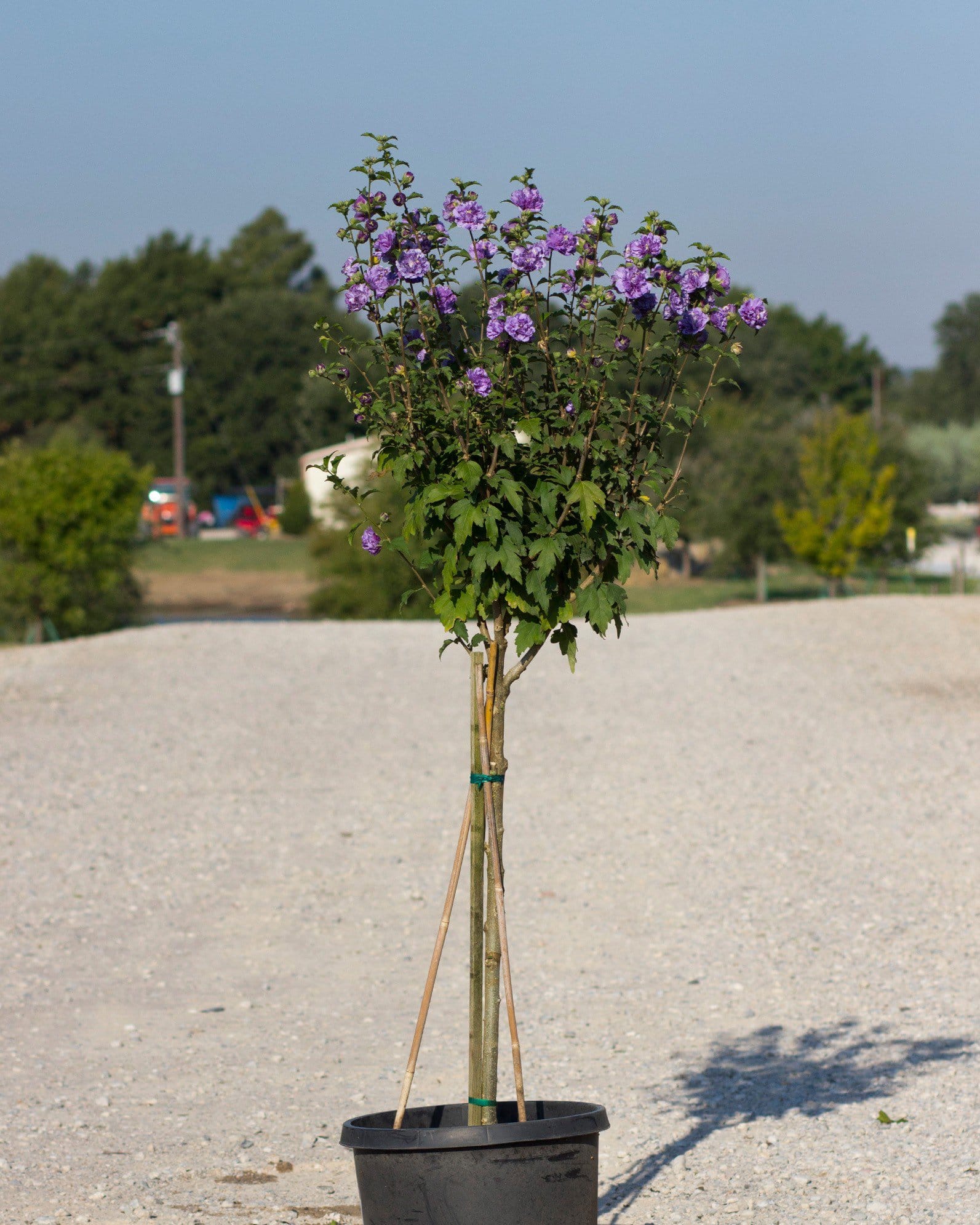
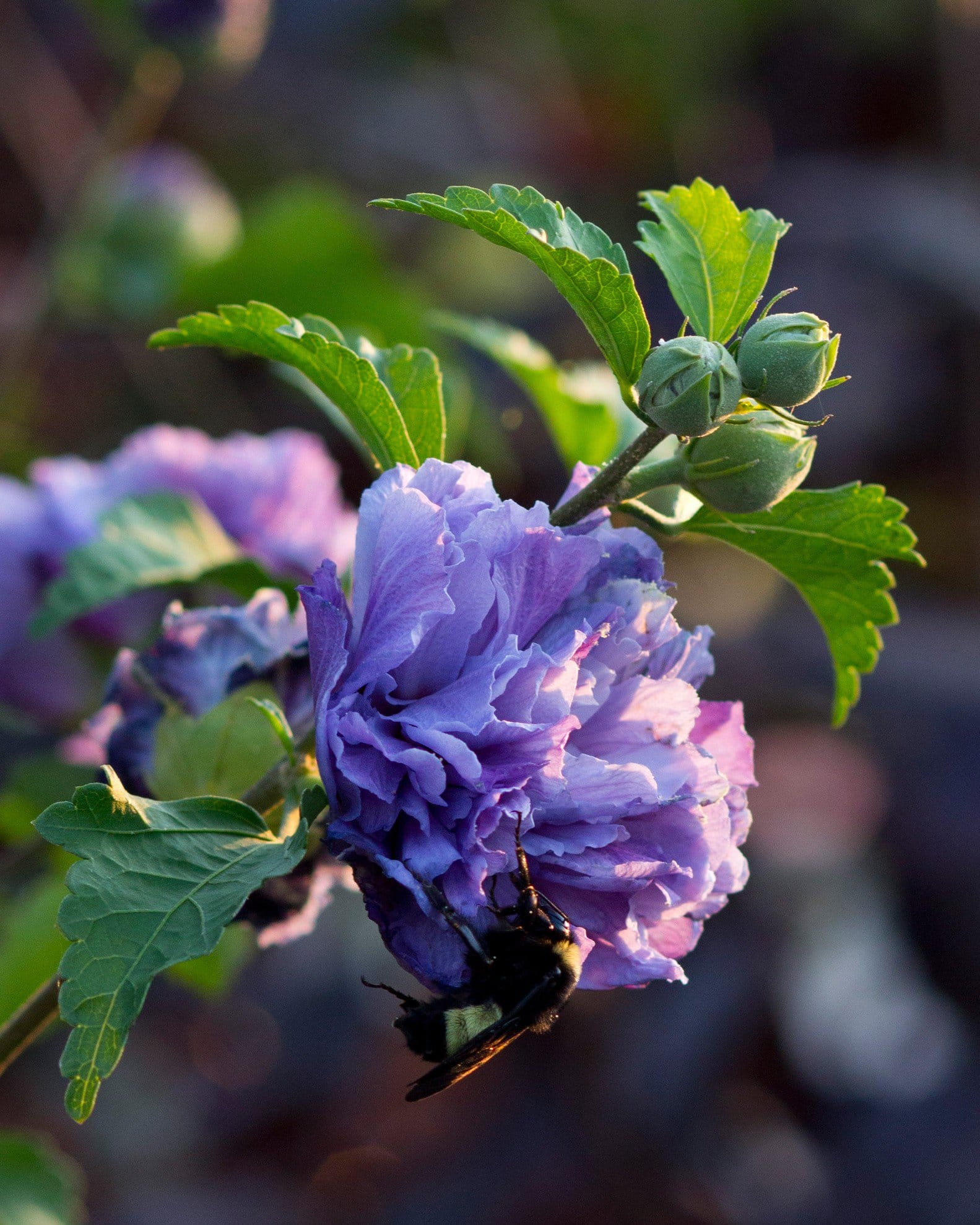
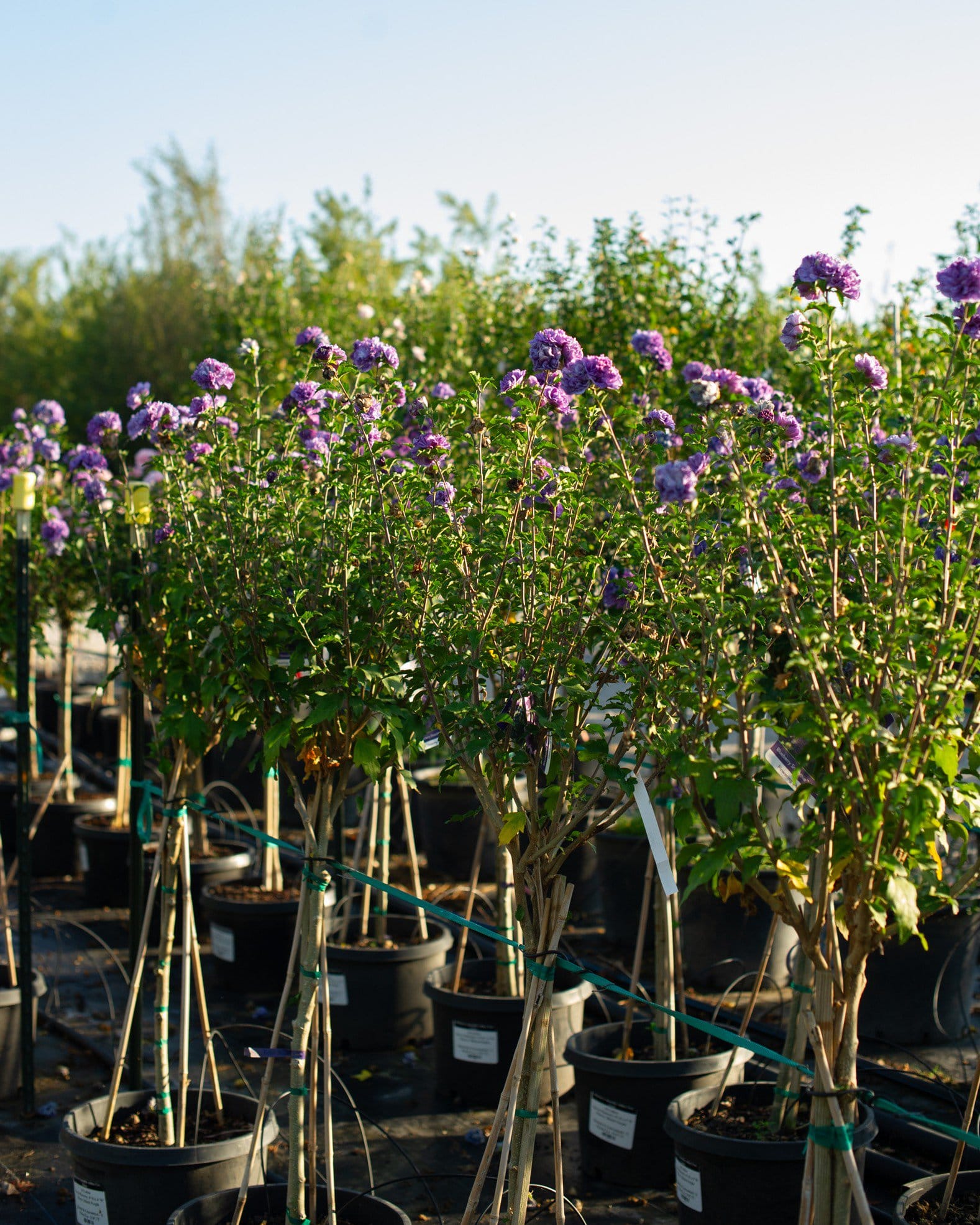
Blueberry Smoothie Althea Tree Form
Maturity: 8' H x 4' W
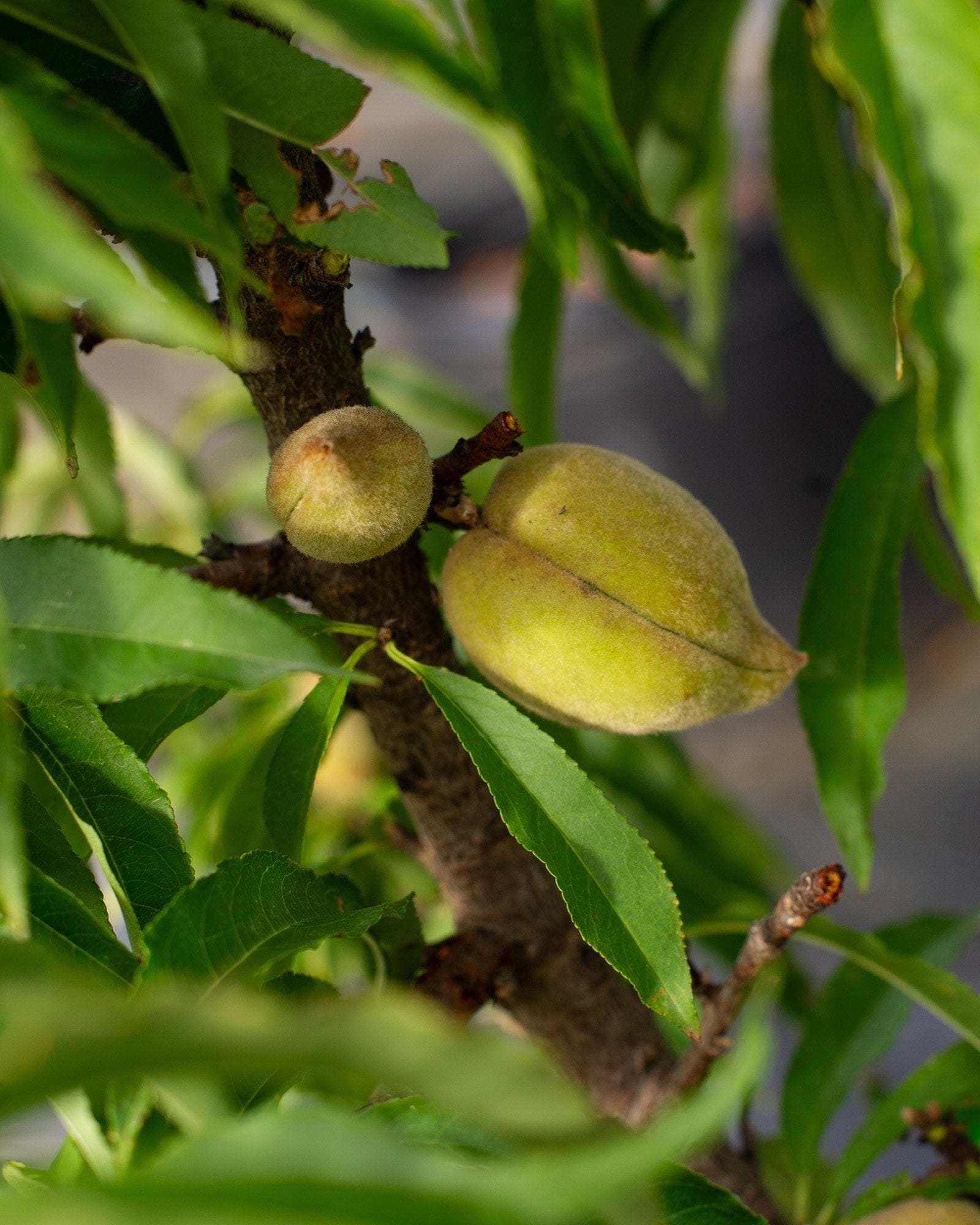
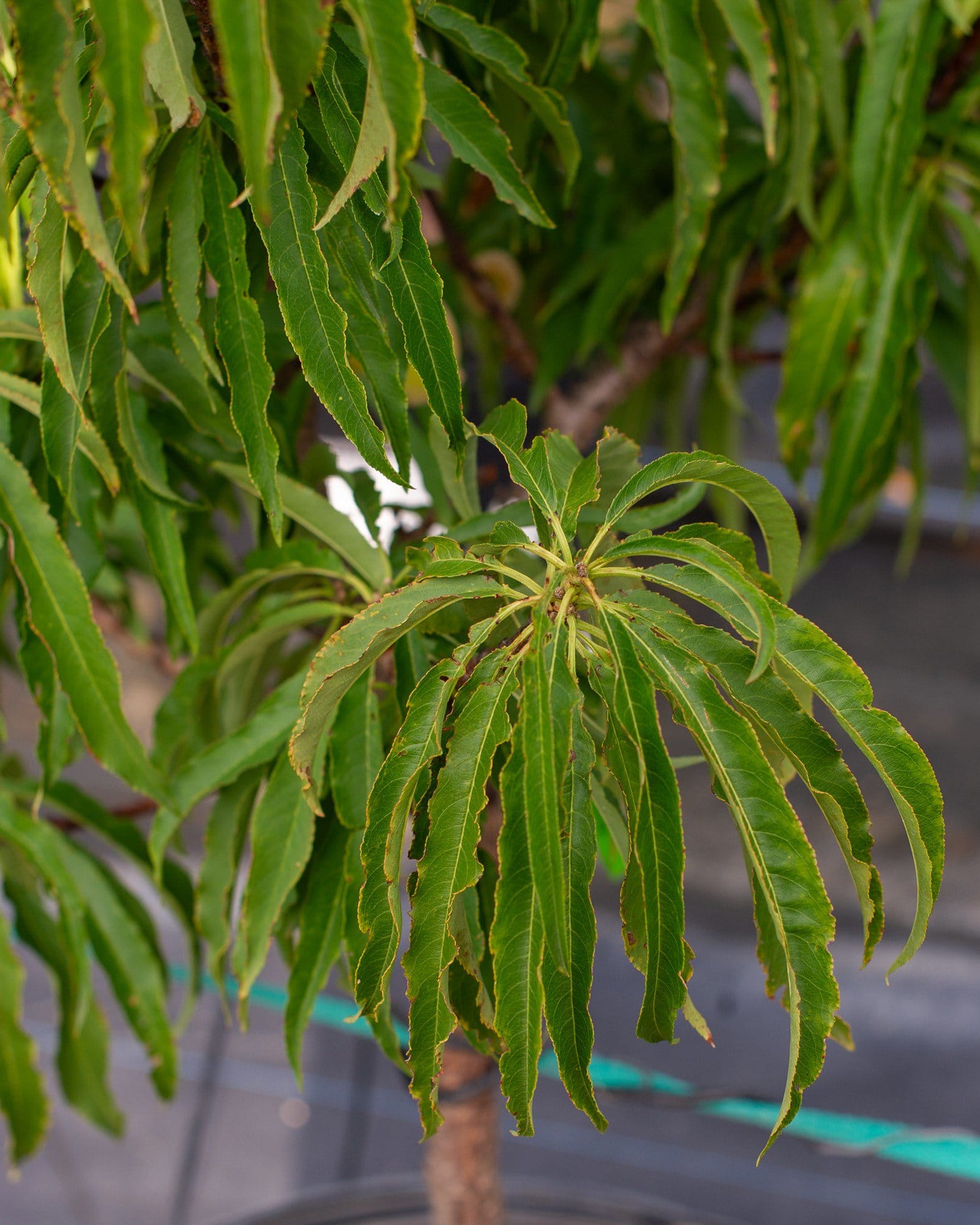
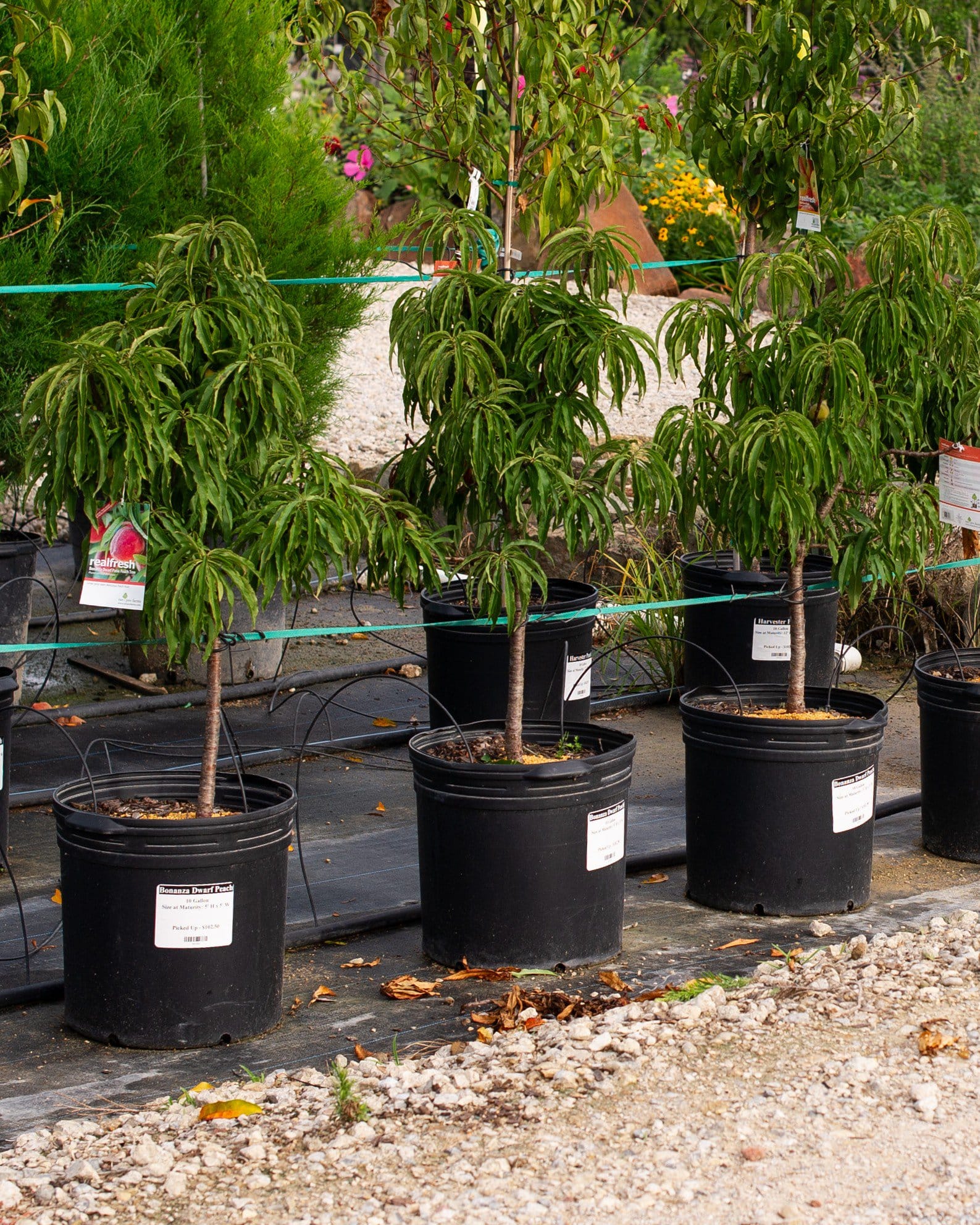
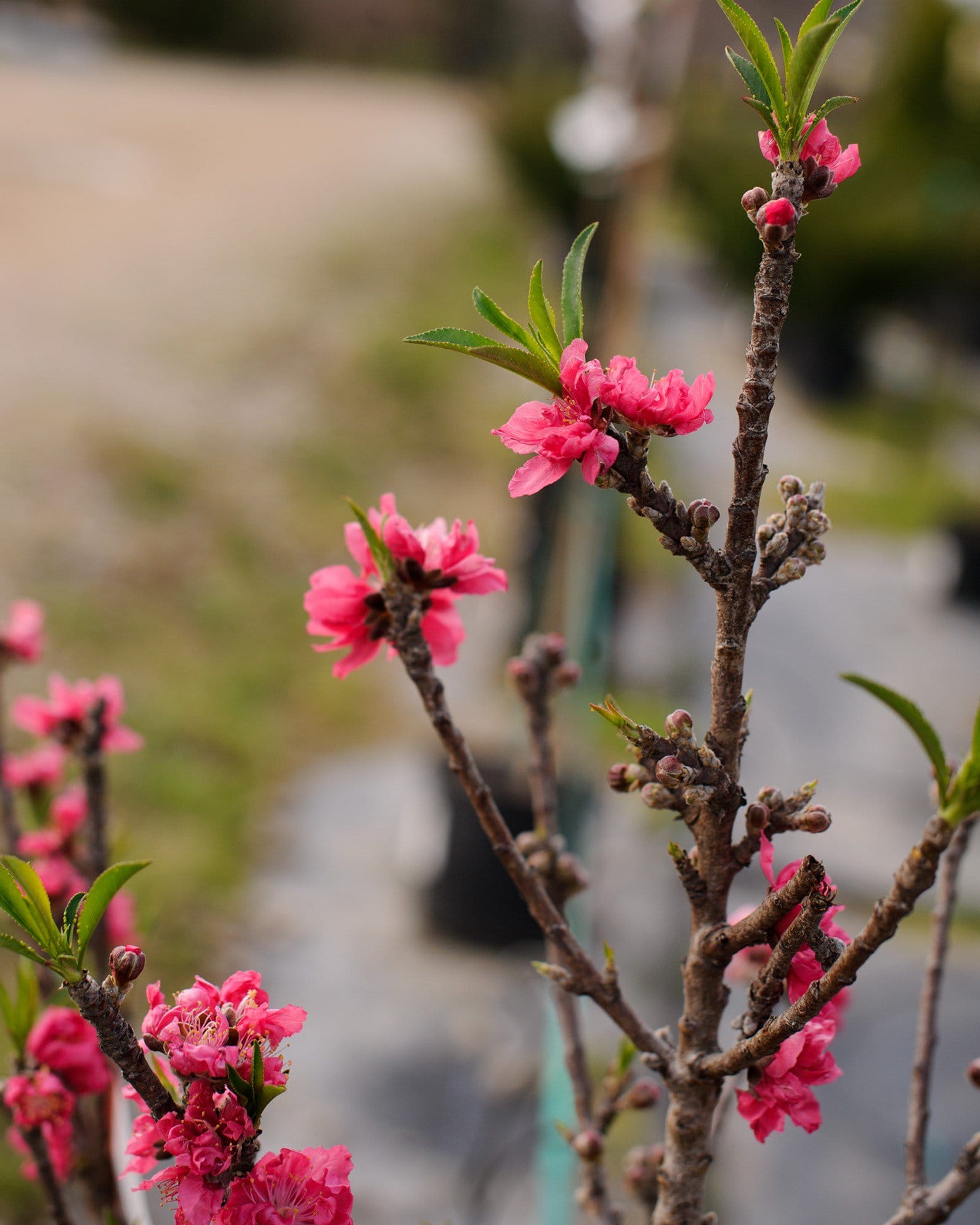
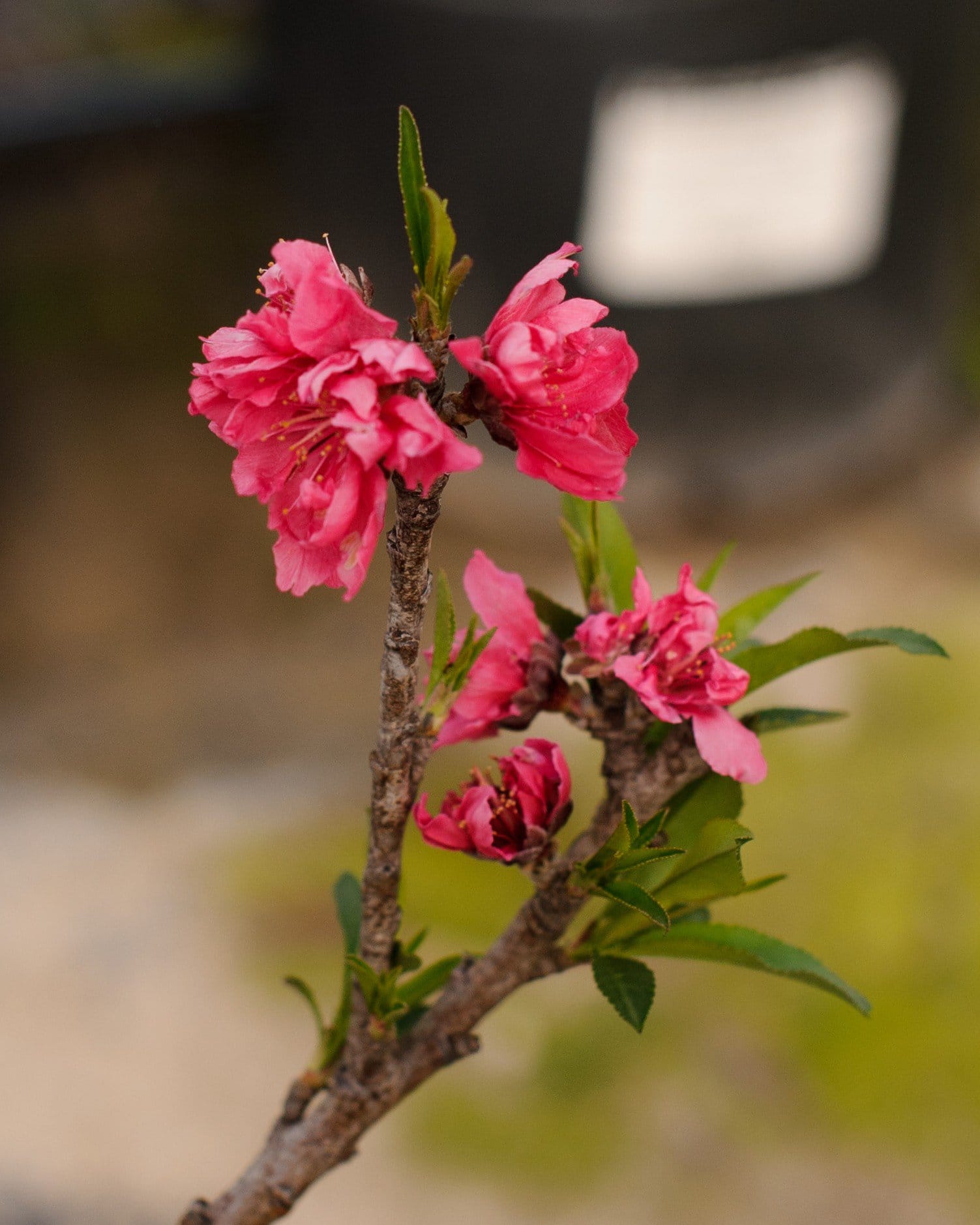
Bonanza Dwarf Peach
Maturity: 5' H x 5' W
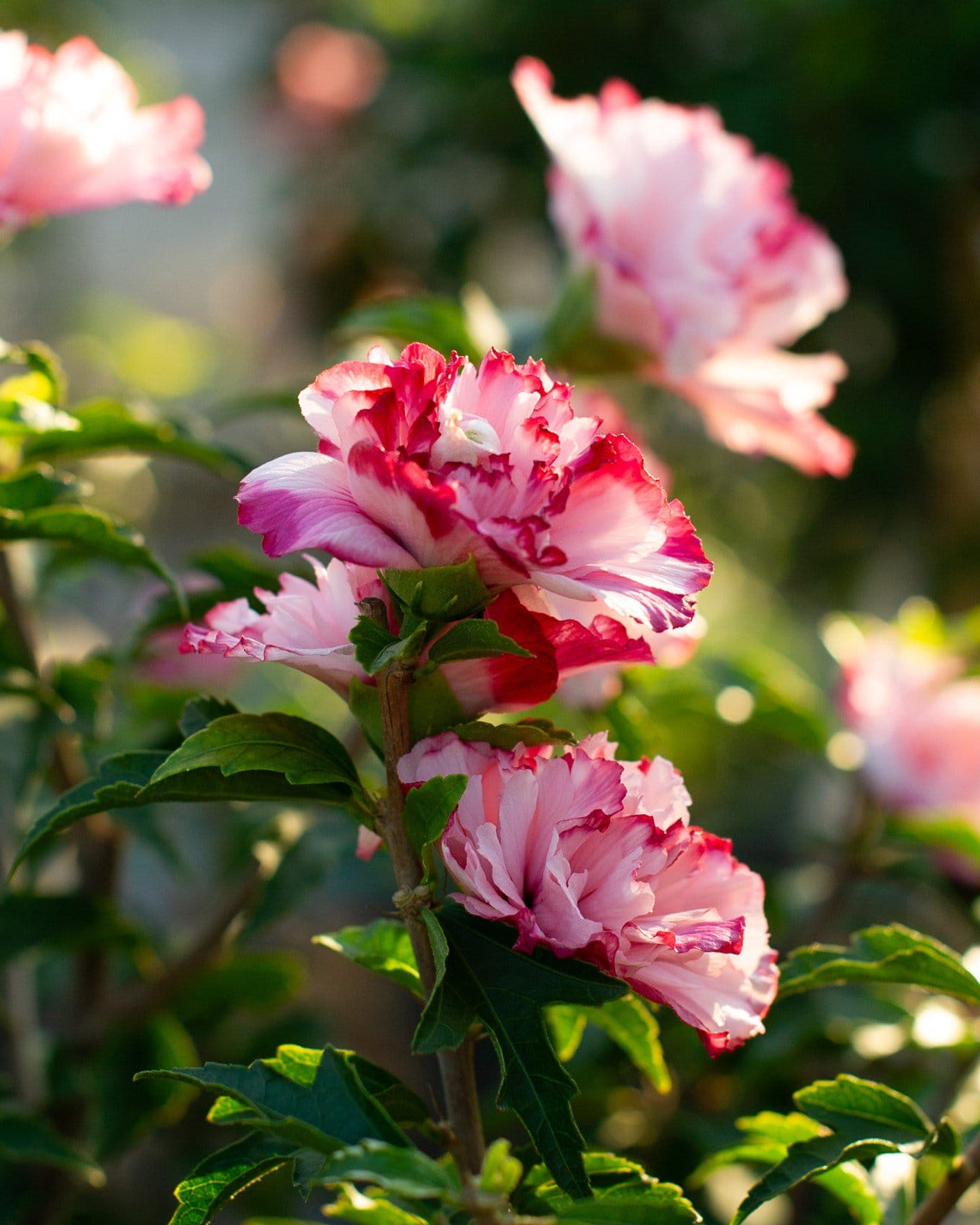
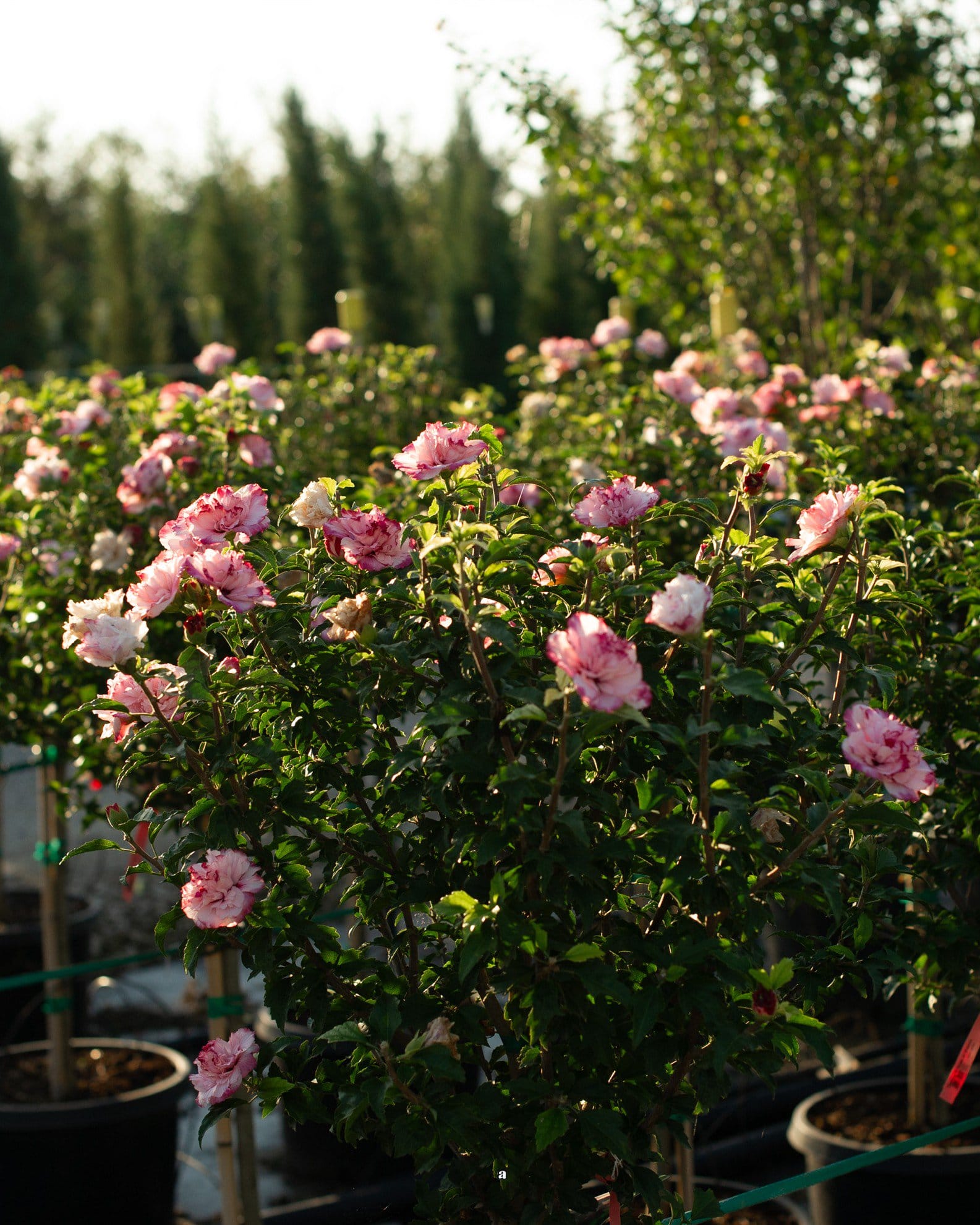
Danica Althea Tree Form
Maturity: 8' H x 5' W
French Vanilla Crape Myrtle
Maturity: 2' H x 2' W
Compare Similar Plants
Kieffer Pear This plant | ||
|---|---|---|
| Scientific Name | Pyrus communis ‘Kieffer’ | Malus domestica ‘Dorsett Golden’ |
| Size at Maturity | 20' H x 10' W | 15' H x 15' W |
| Leaf Retention | Deciduous | Deciduous |
| Fall Color | Yellow | Yellow |
| Flower Color | White | White |
| Bloom Times | Spring | Spring |
| Sizes Available | — | 5 gal |


Our 1-Year Planting Guarantee
We take pride in our plants and installation services. If any plants or trees installed by Treeland fail to thrive within the first year, we'll provide a replacement credit in accordance with our guarantee program.
Learn More About Our Guarantee