
 Popular
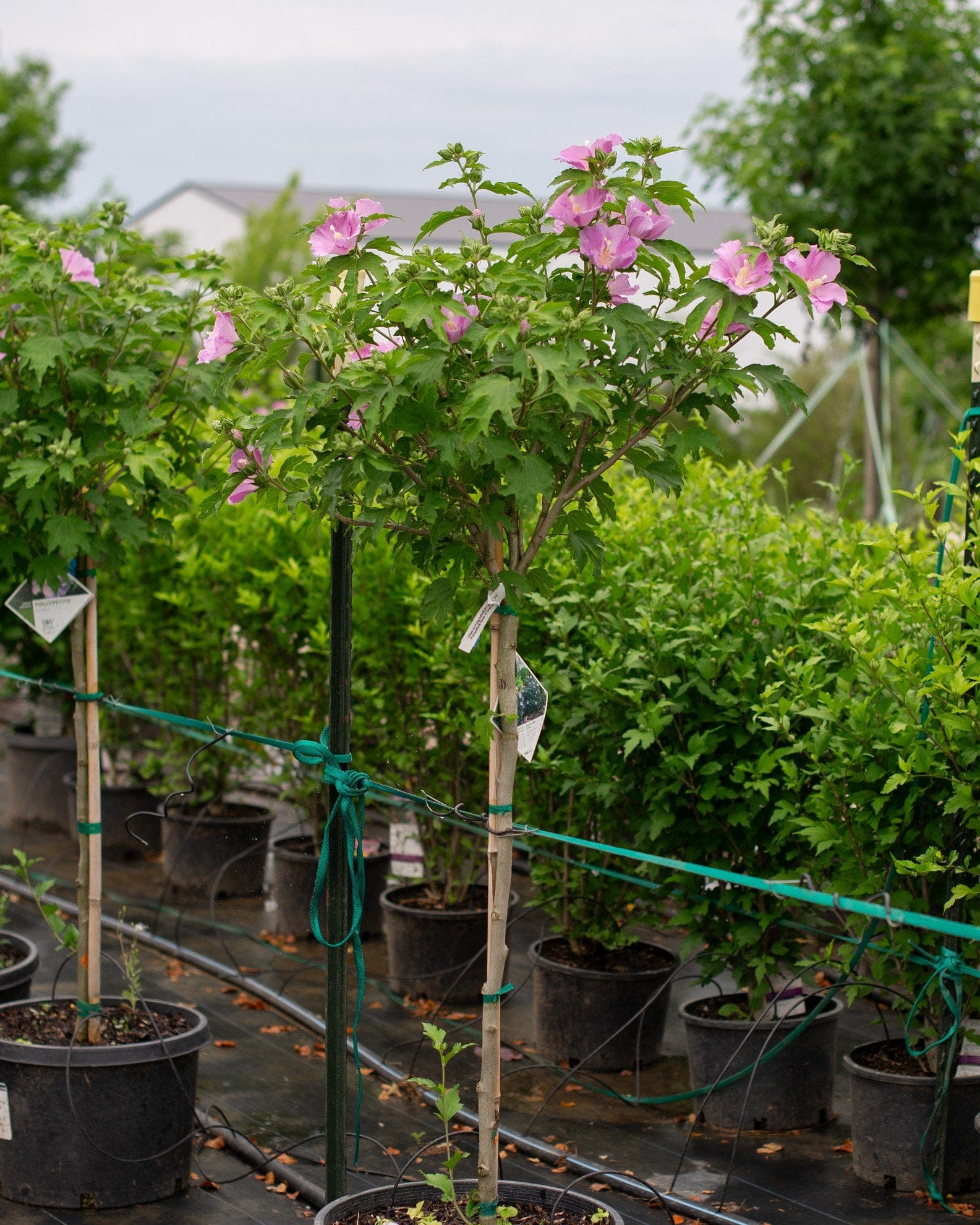
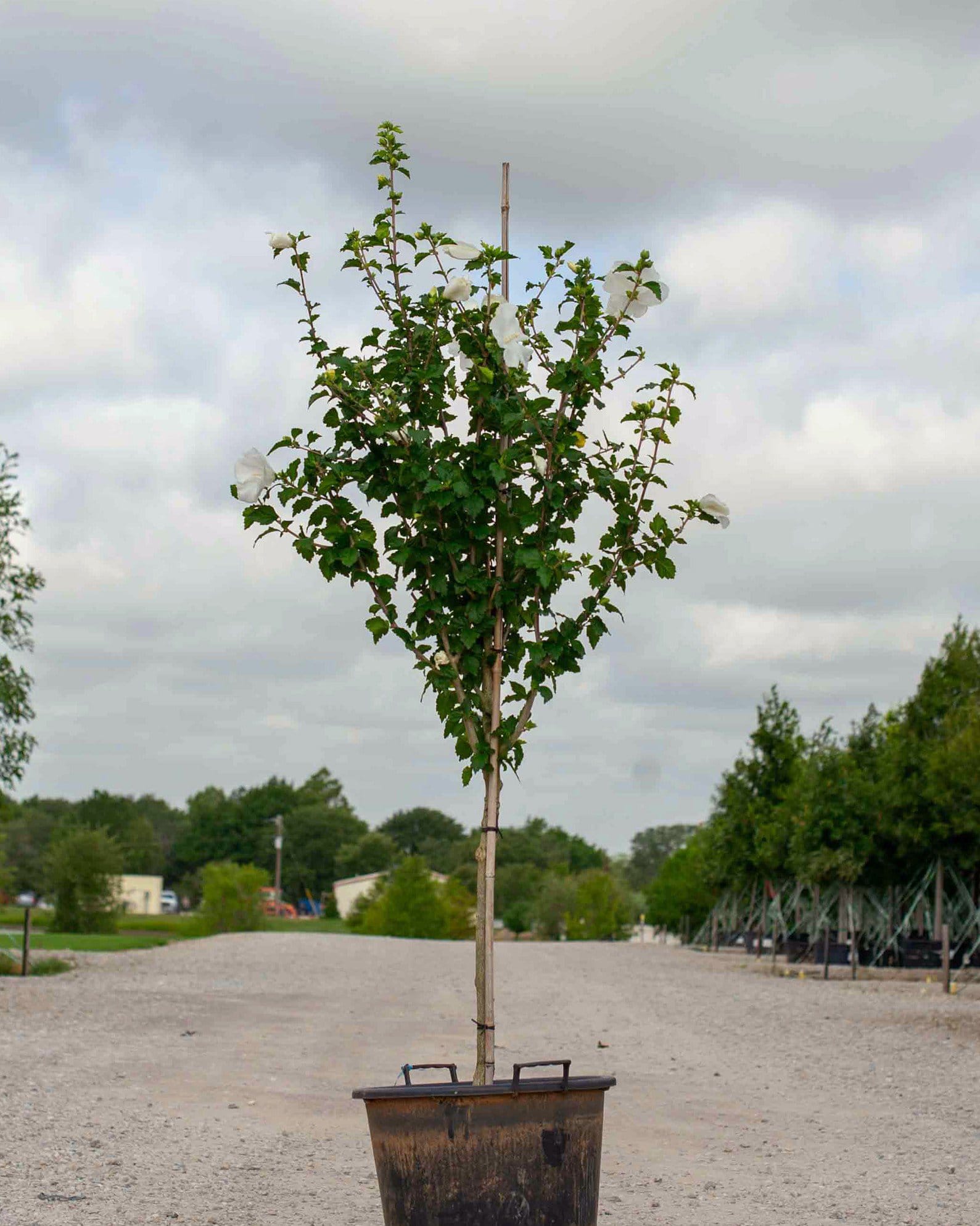
Aphrodite Althea Tree Form
Hibiscus syriacus ‘Aphrodite’Local DFW Delivery Only
Product Details
Aphrodite Althea Tree Form
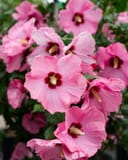
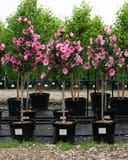
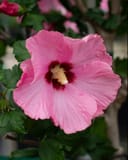
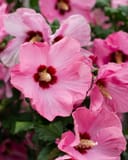
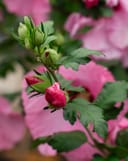
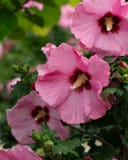
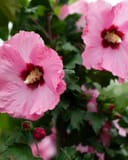
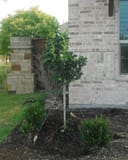
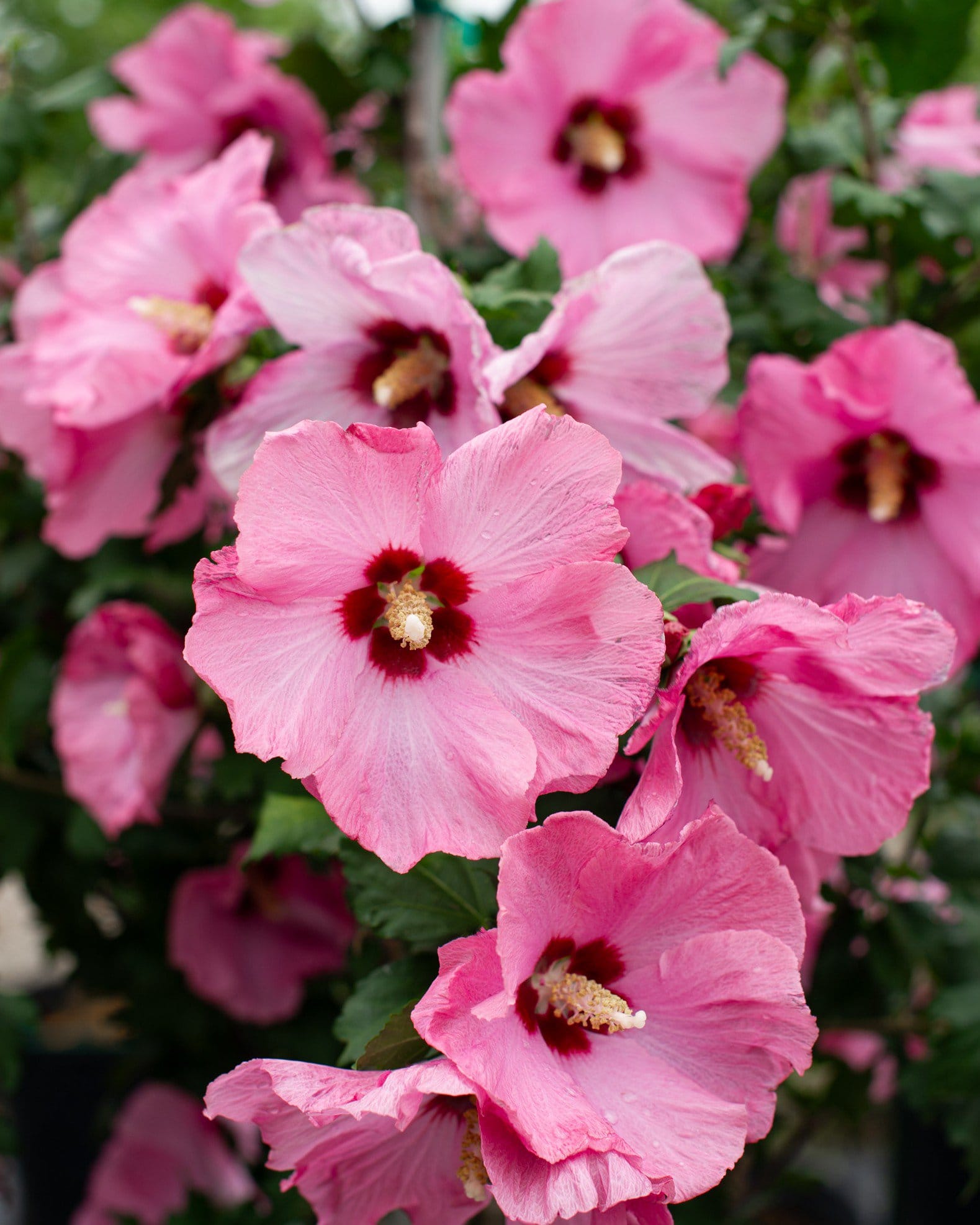
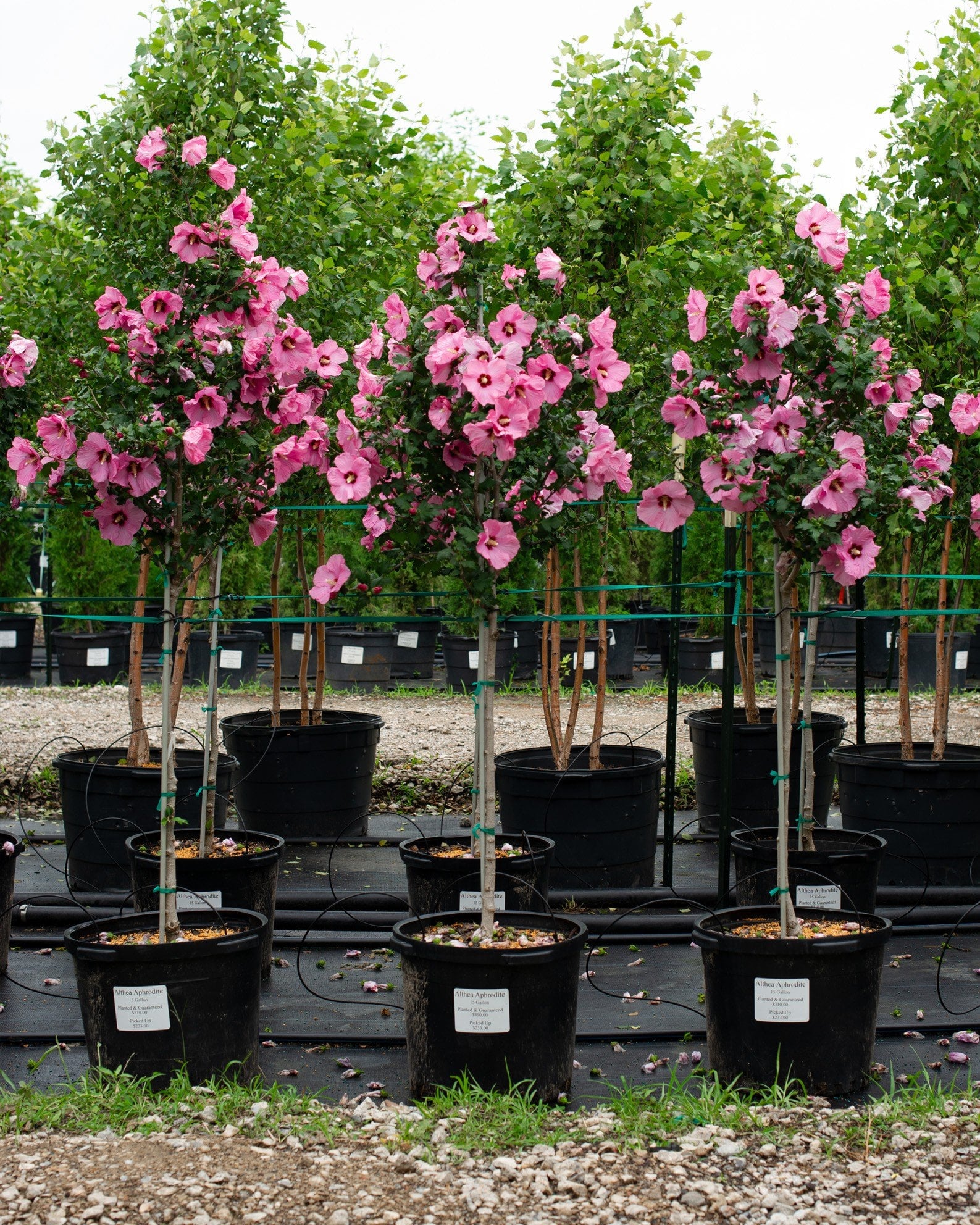
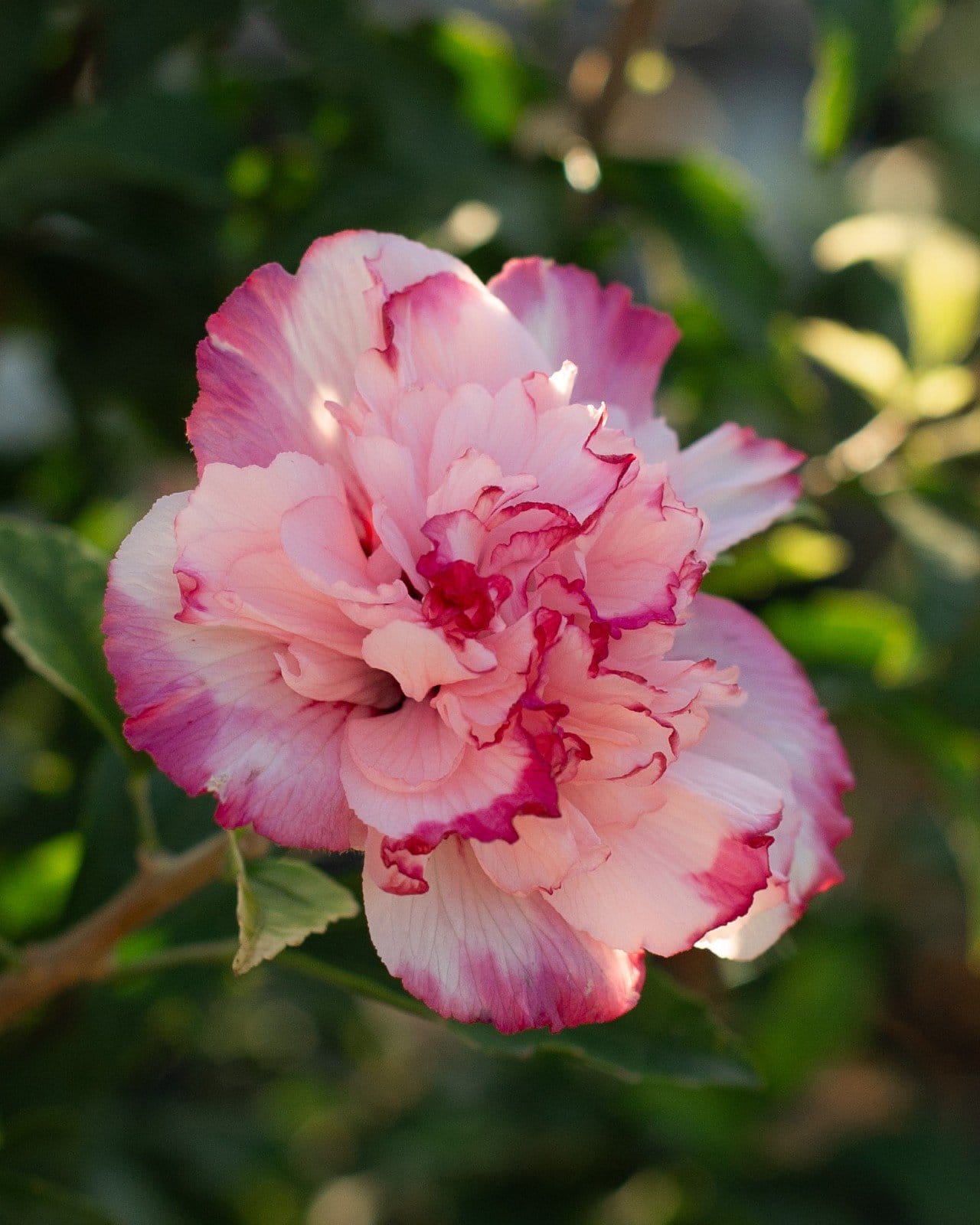
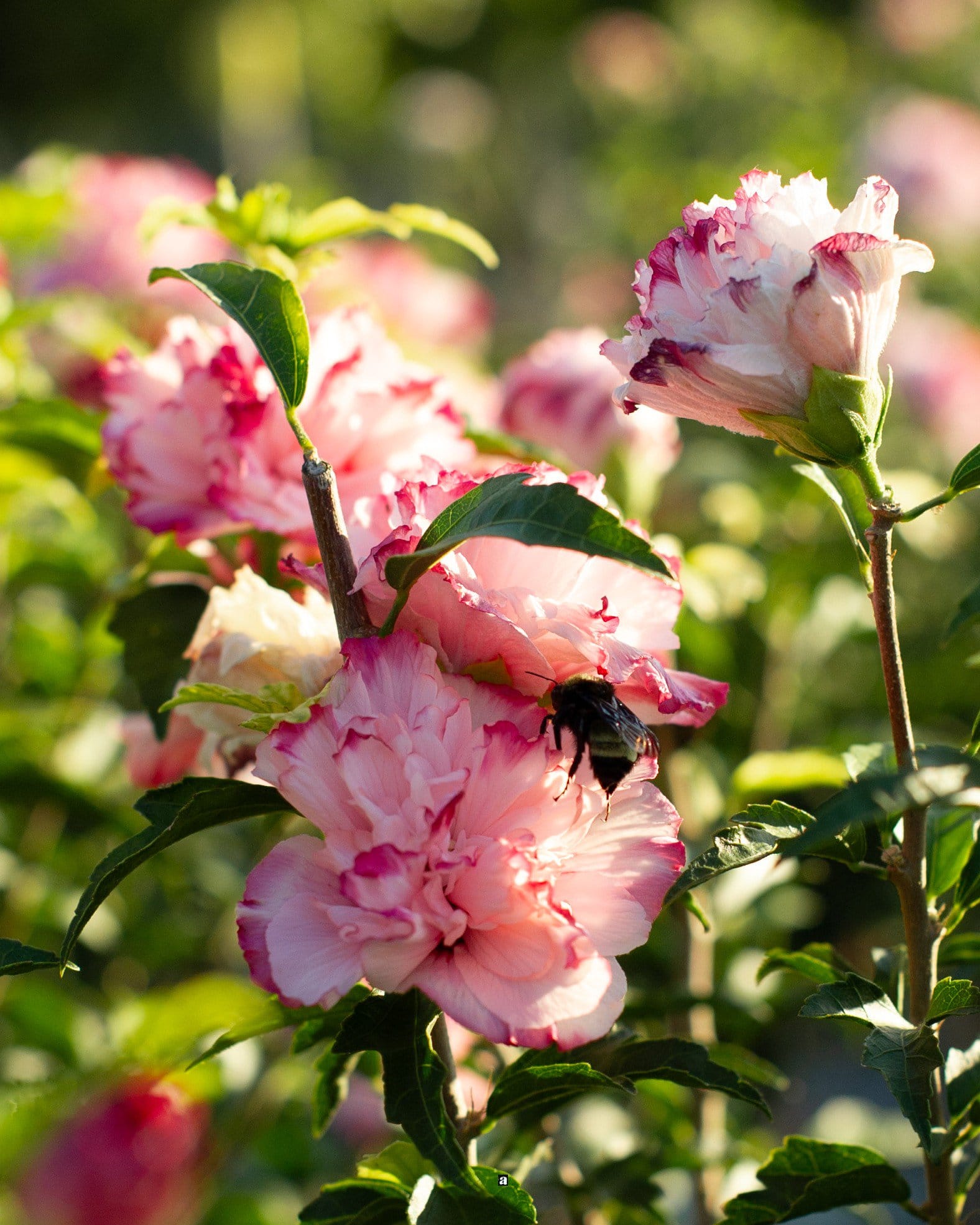
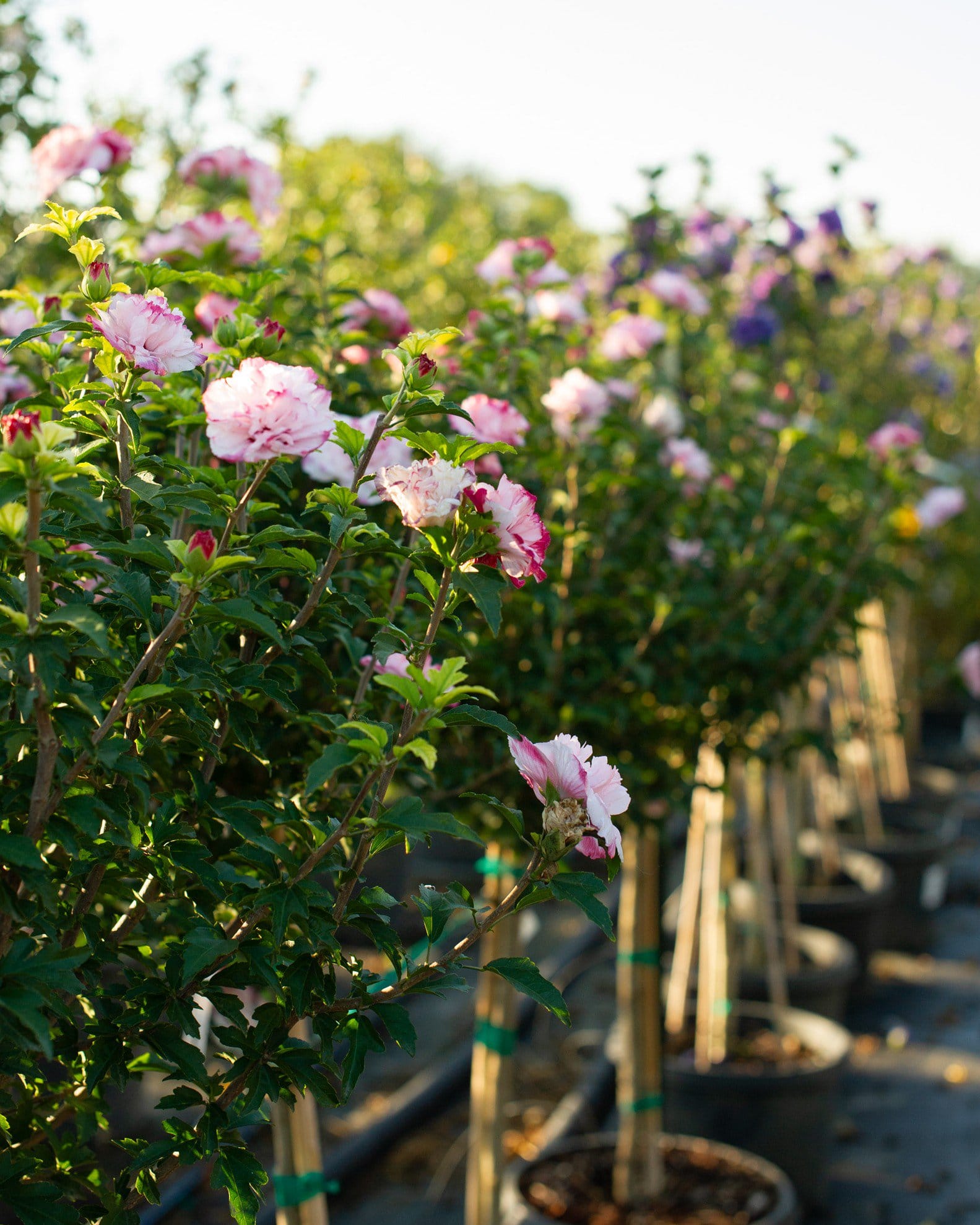
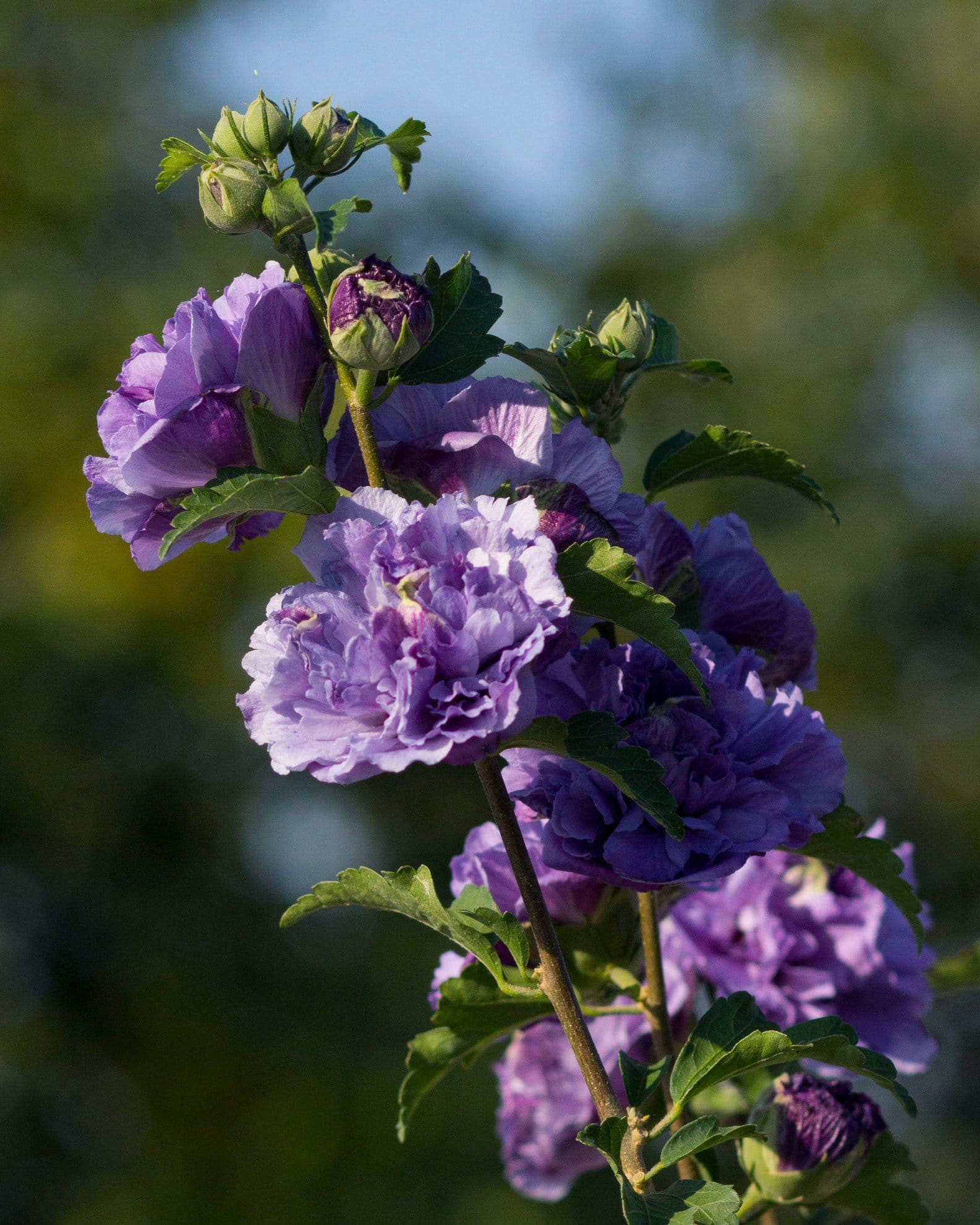
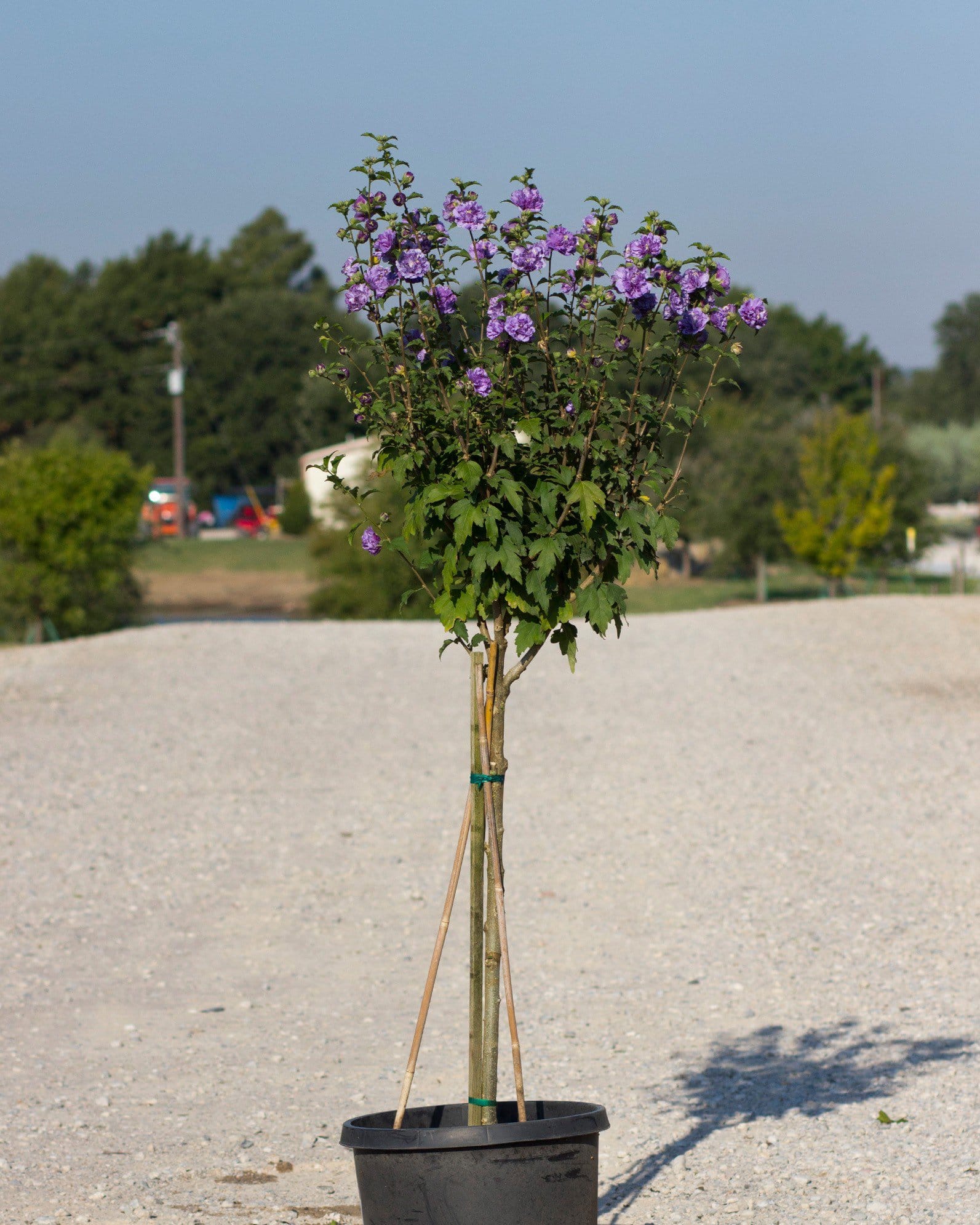
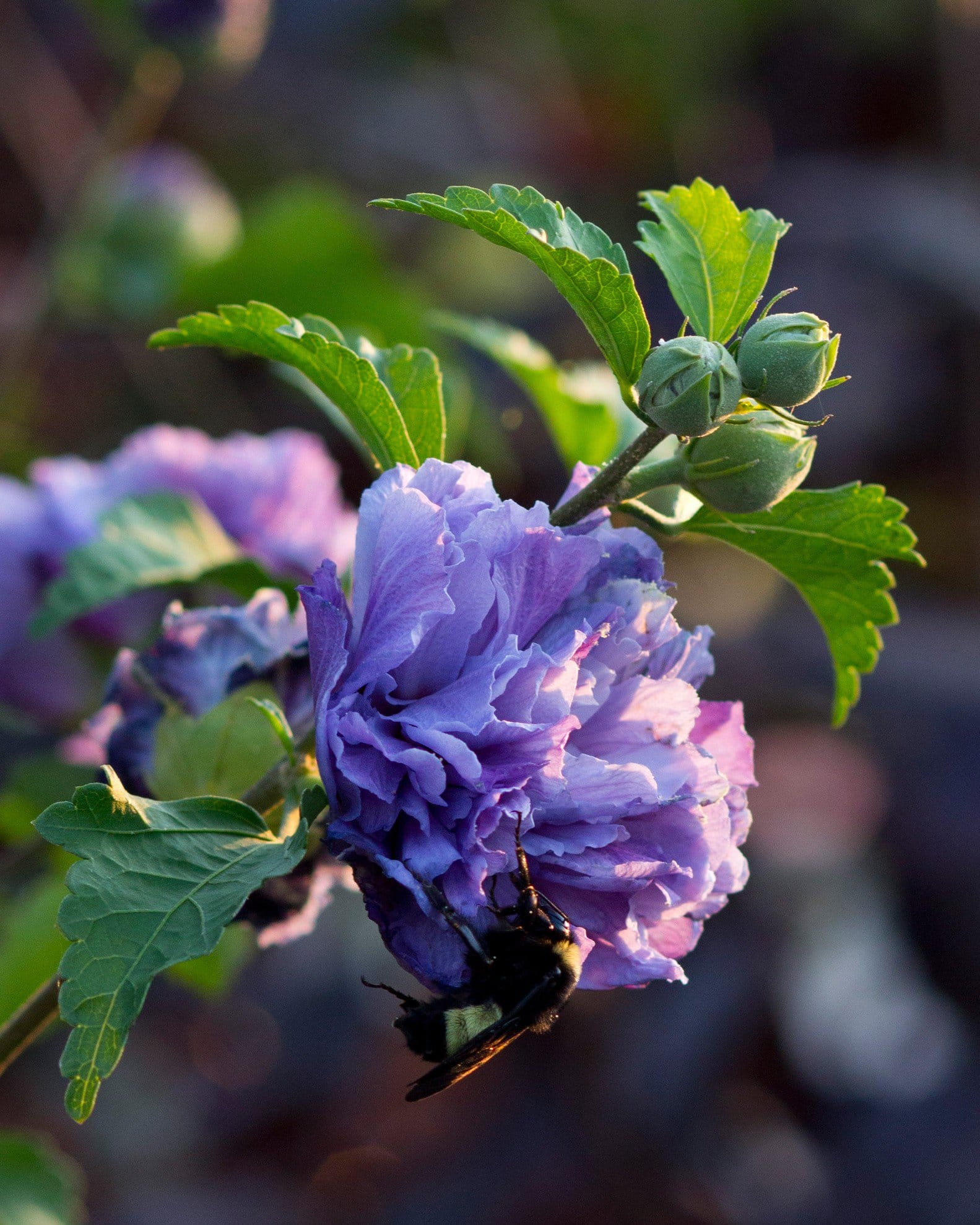
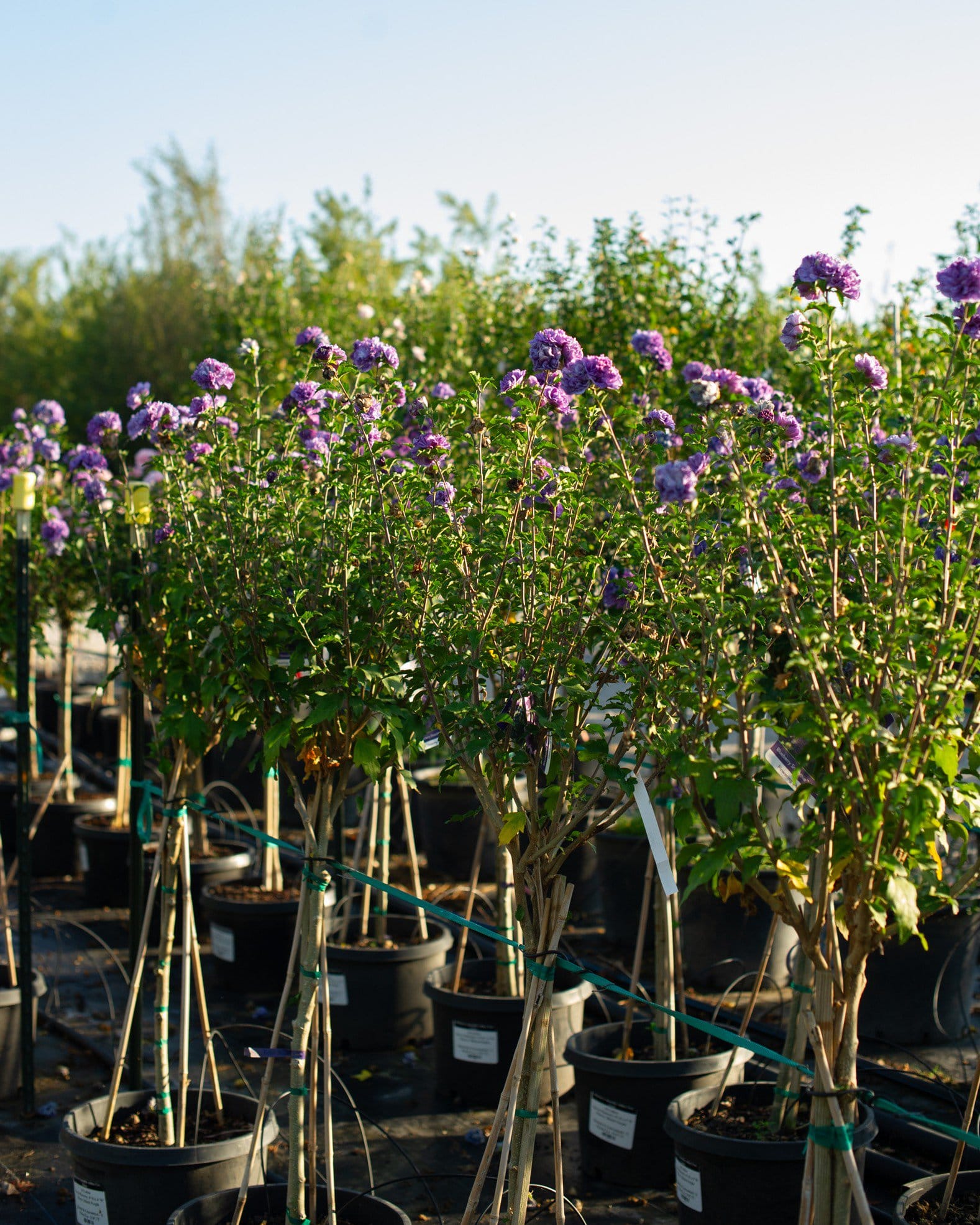
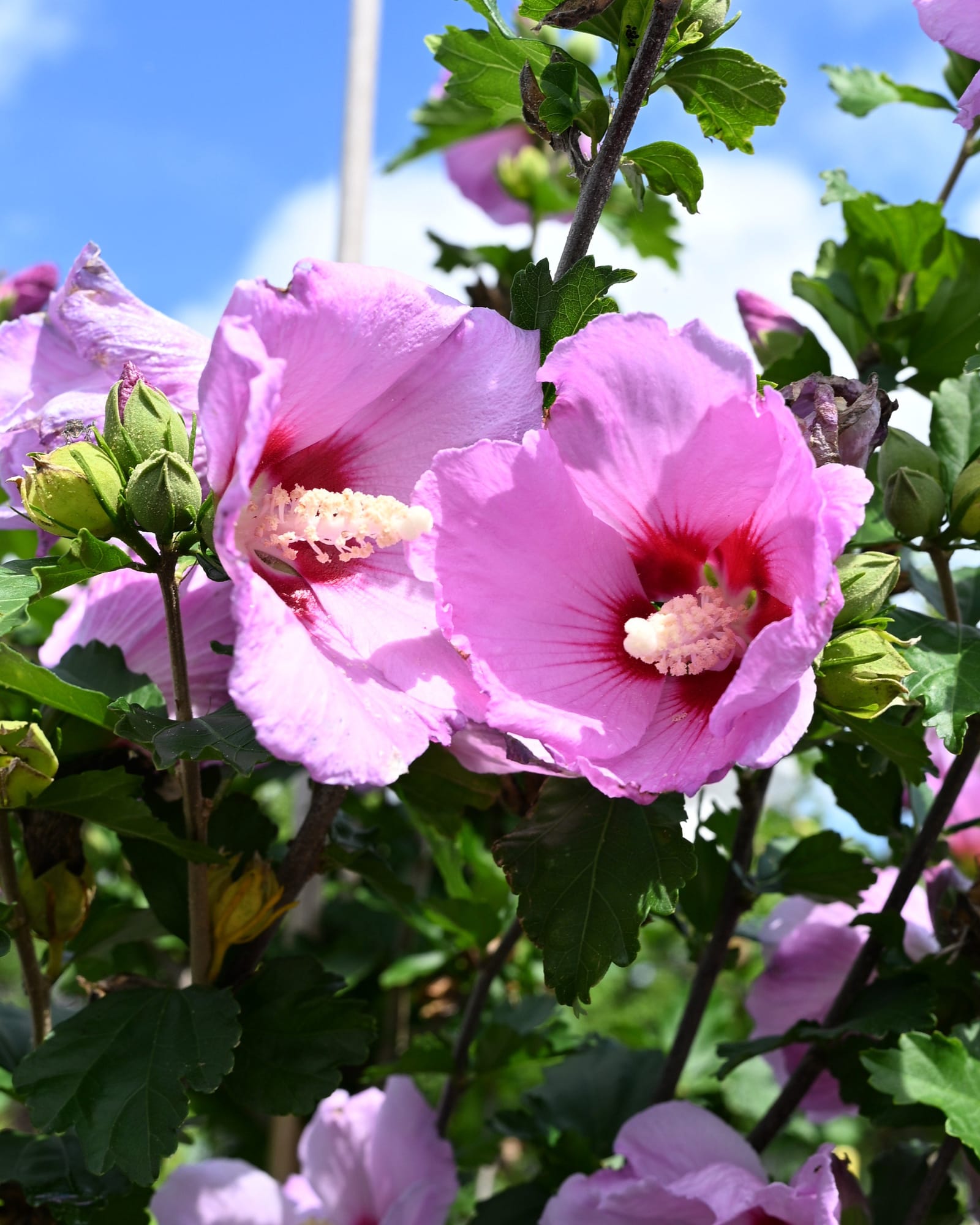
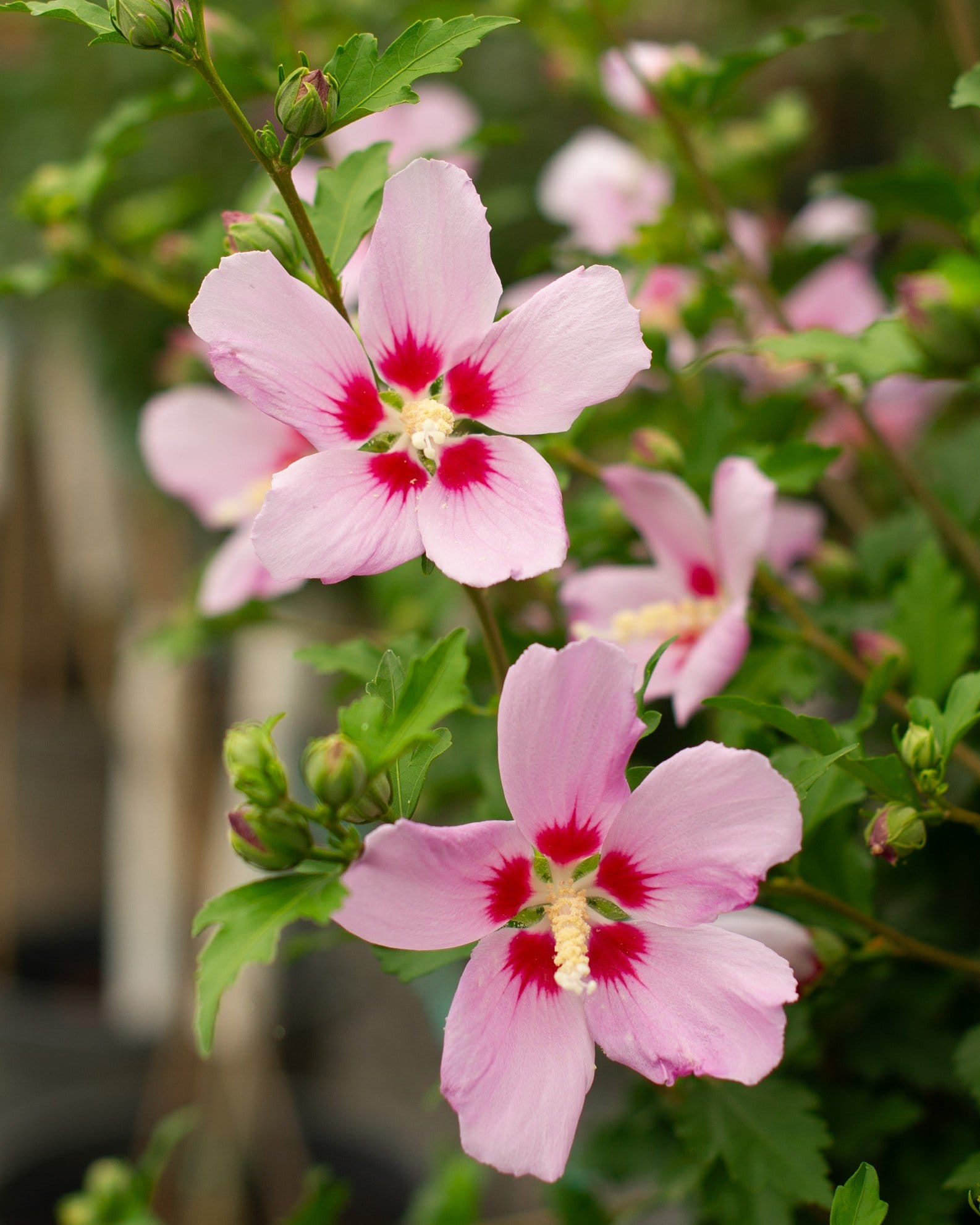
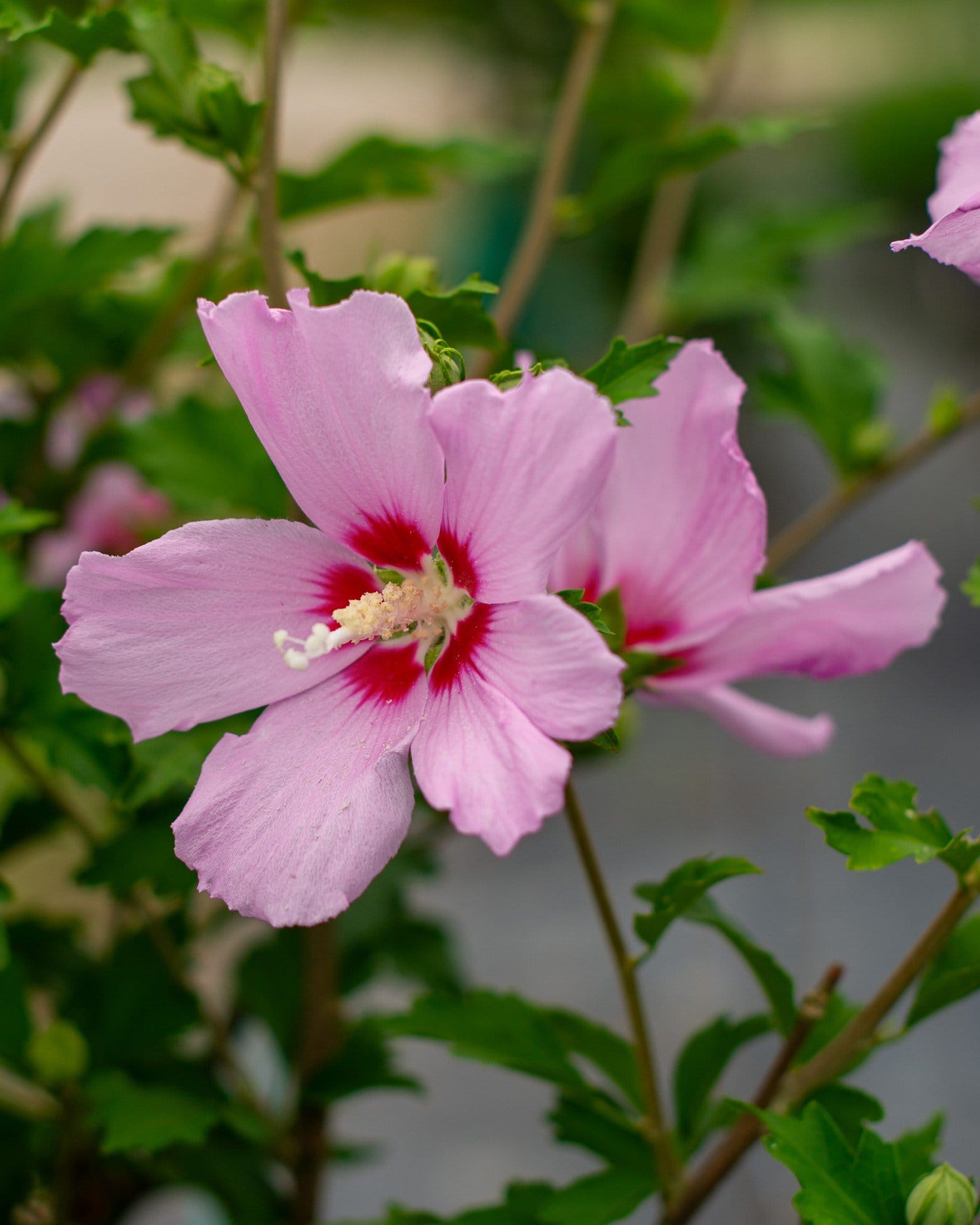
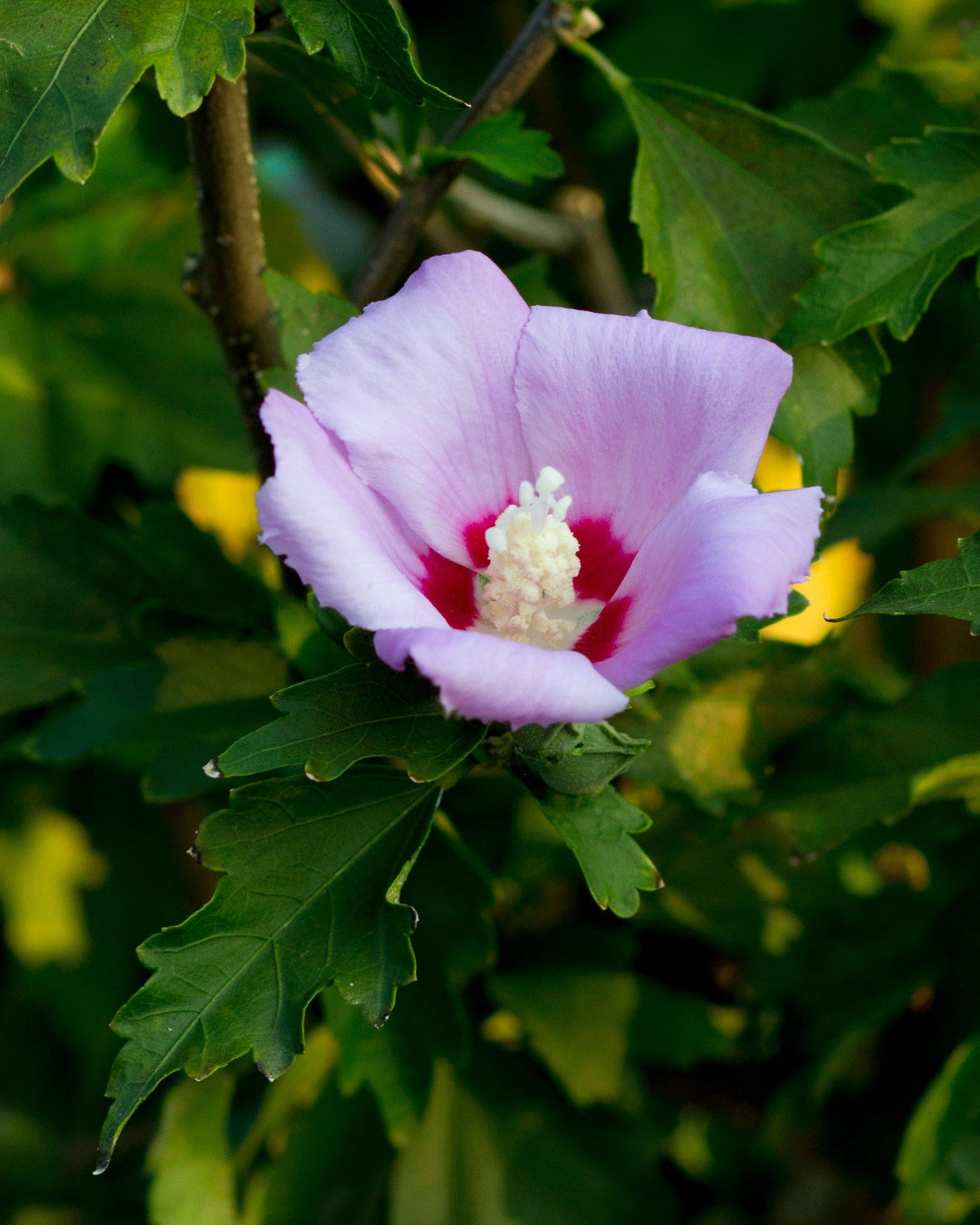
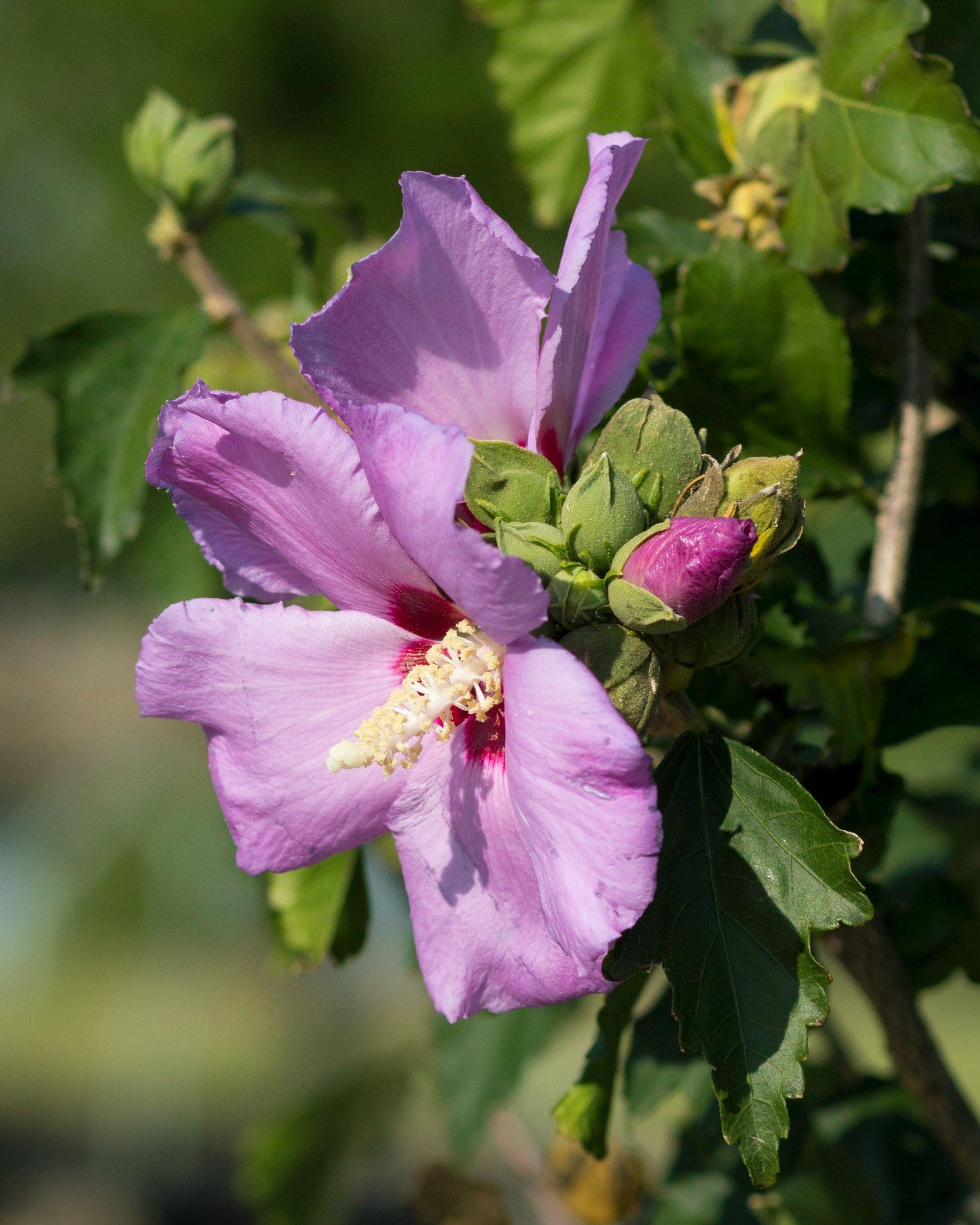
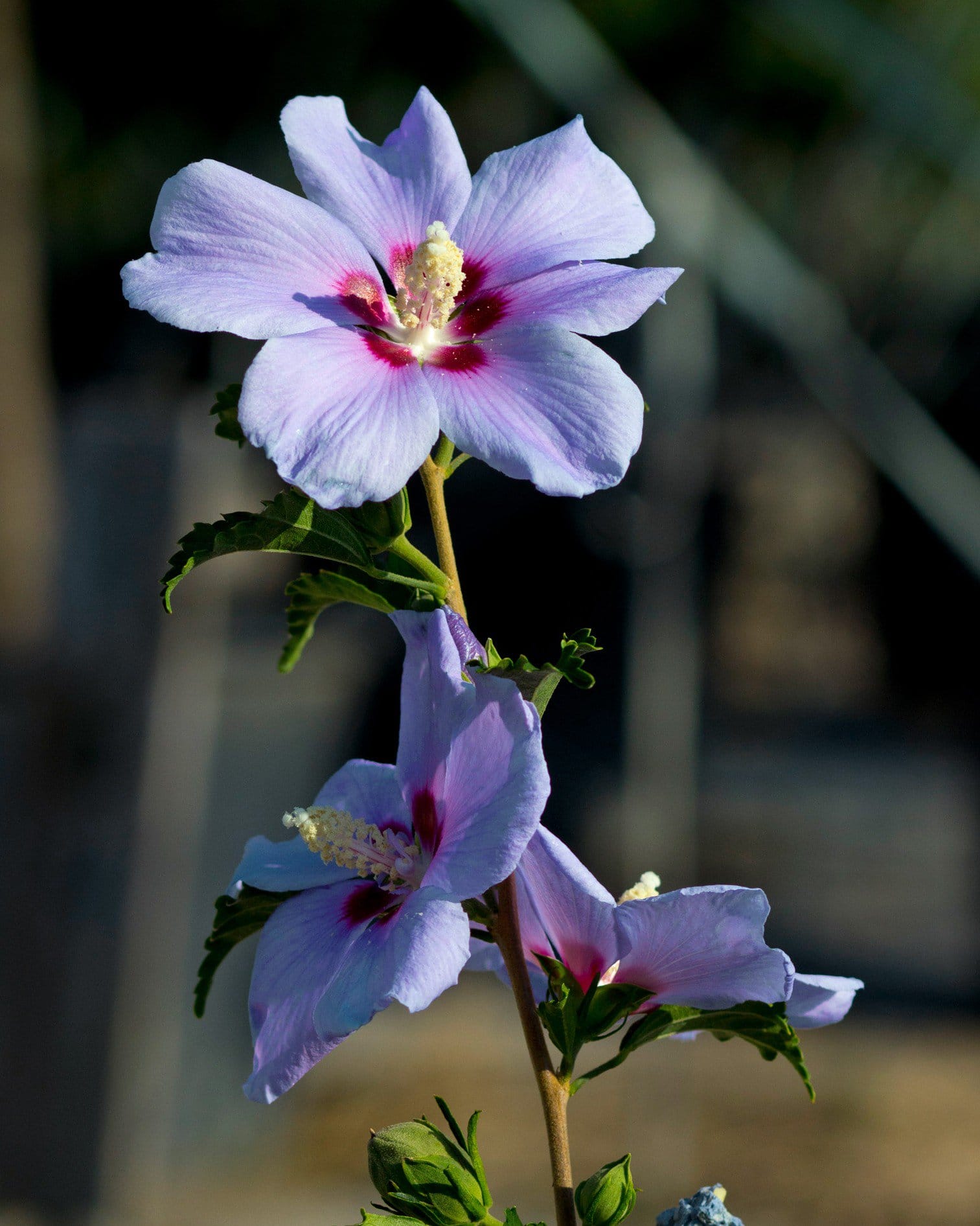
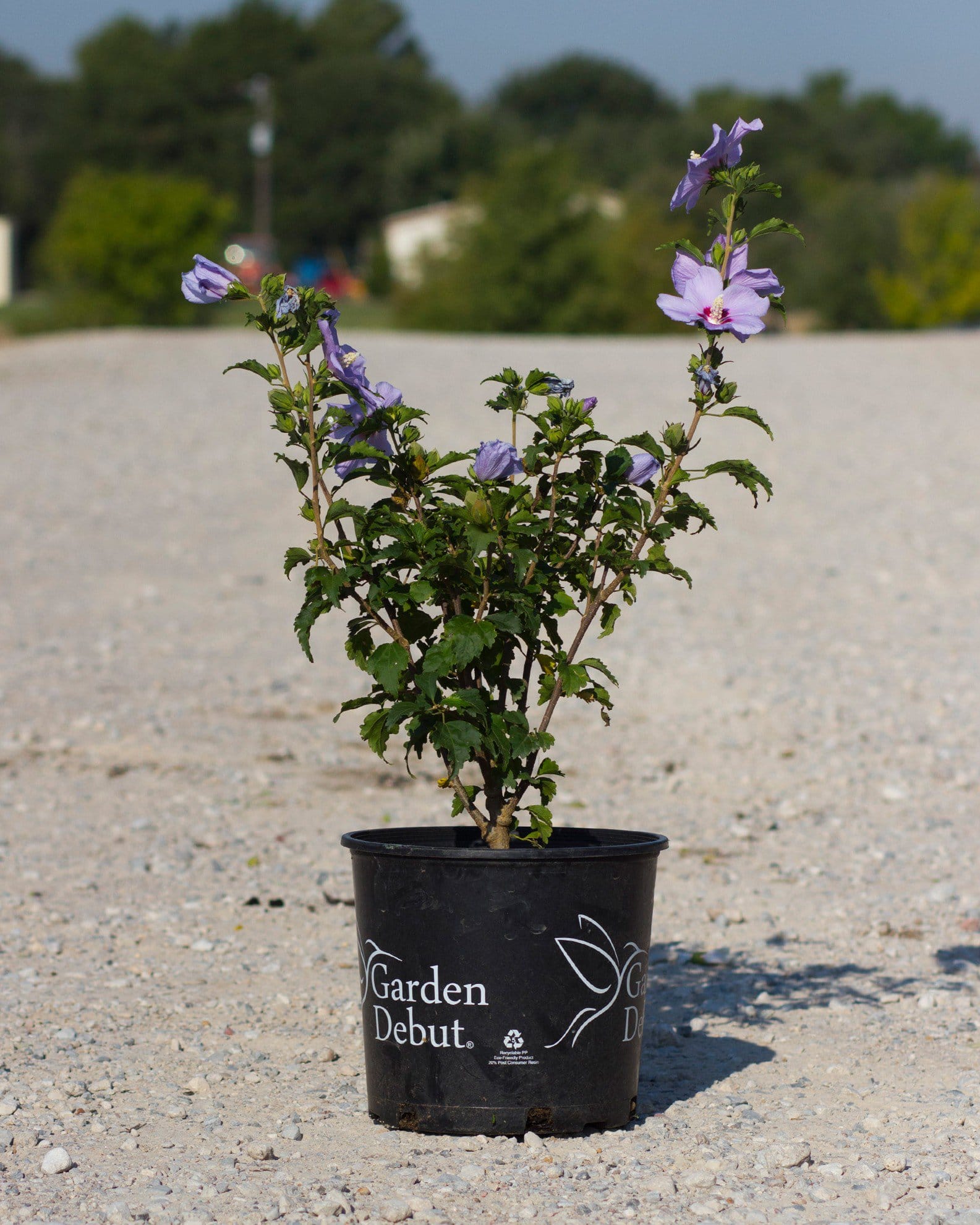
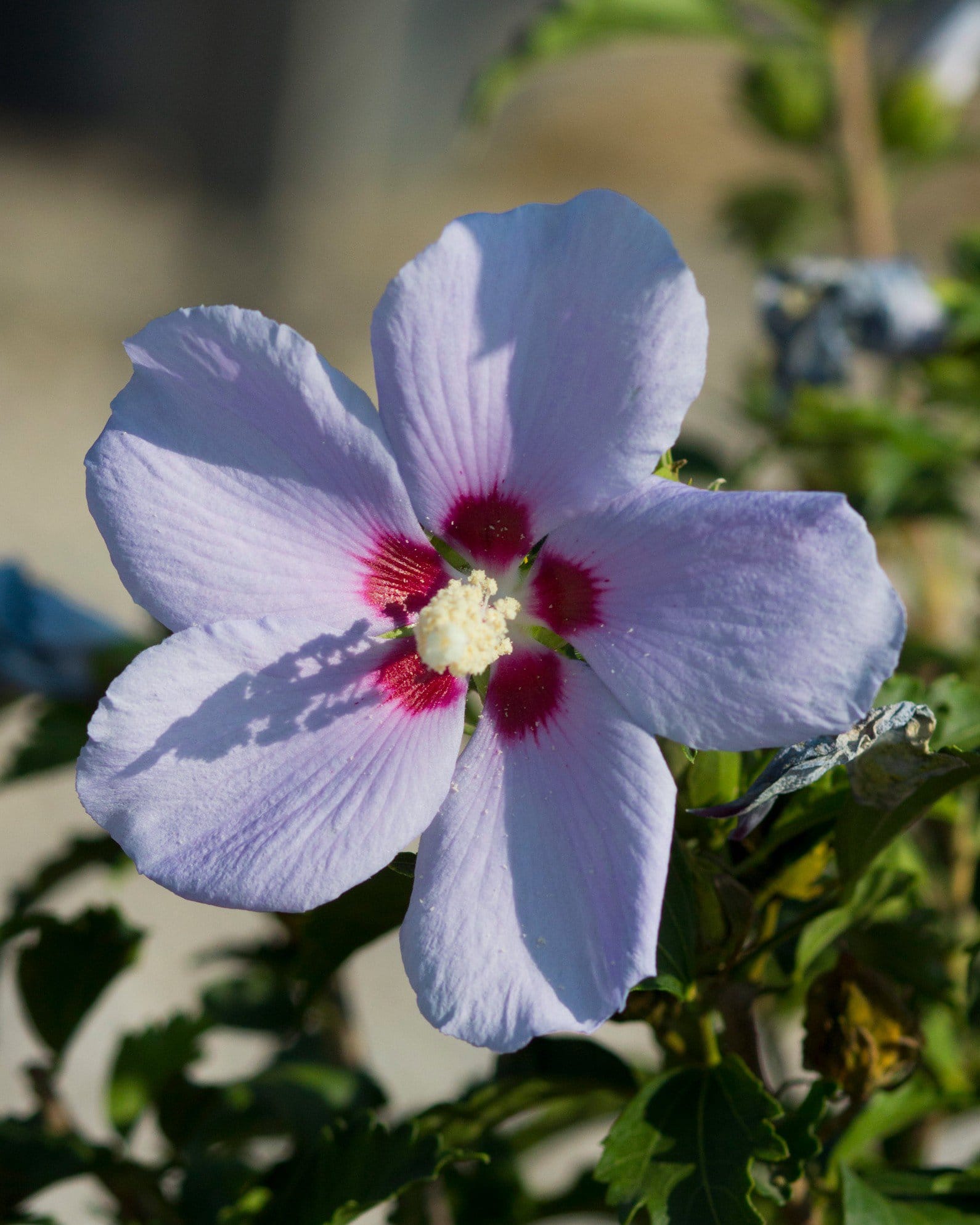
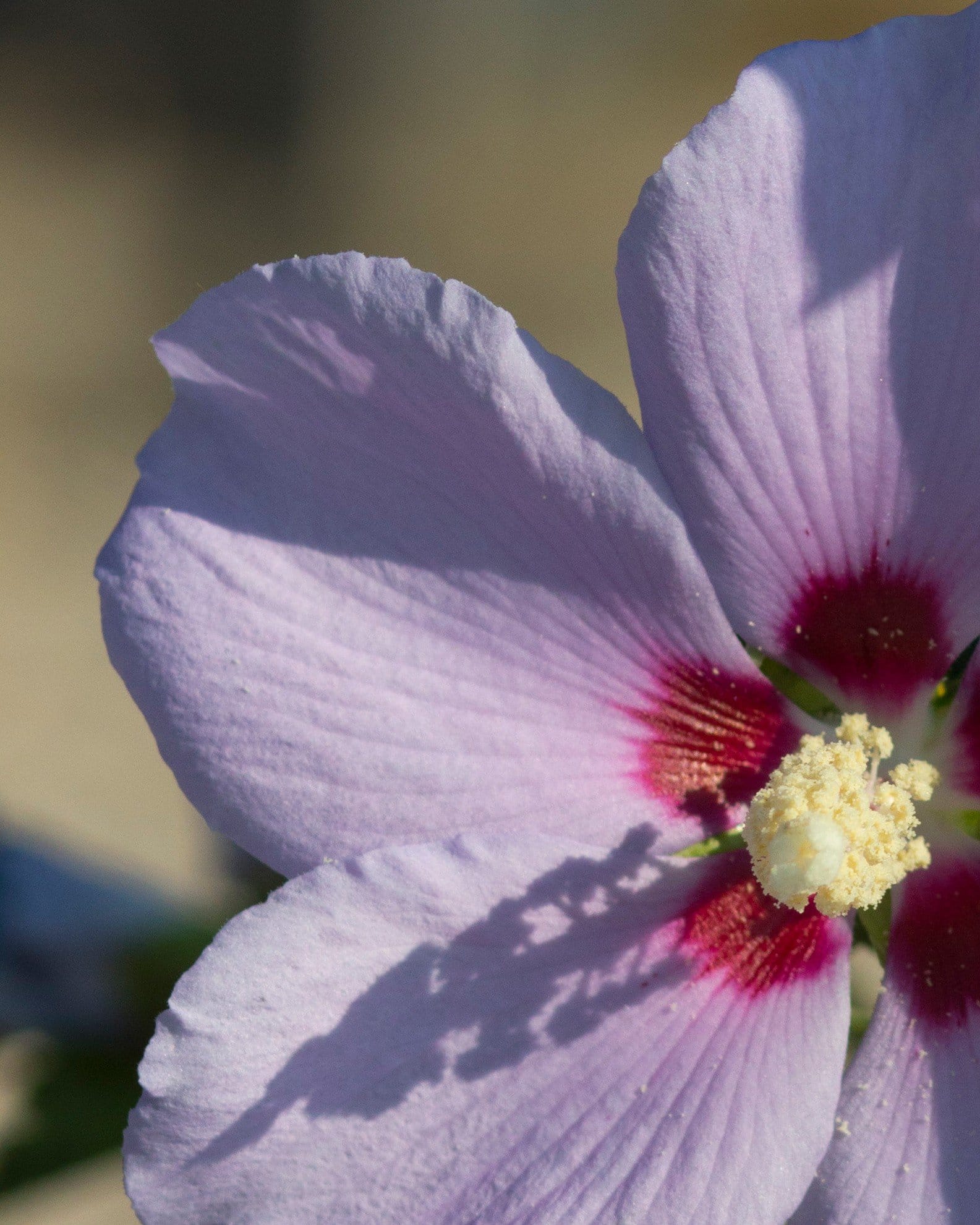
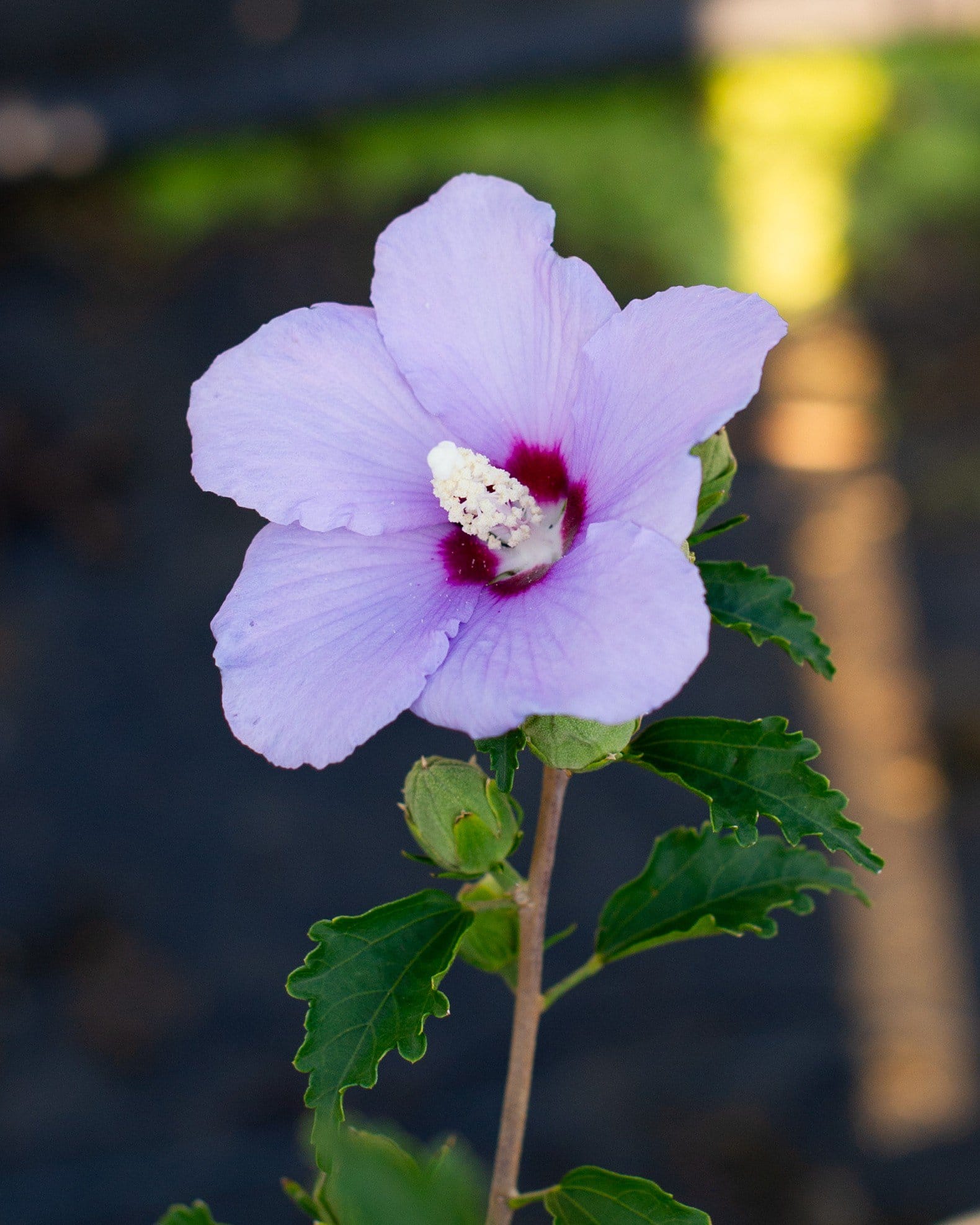
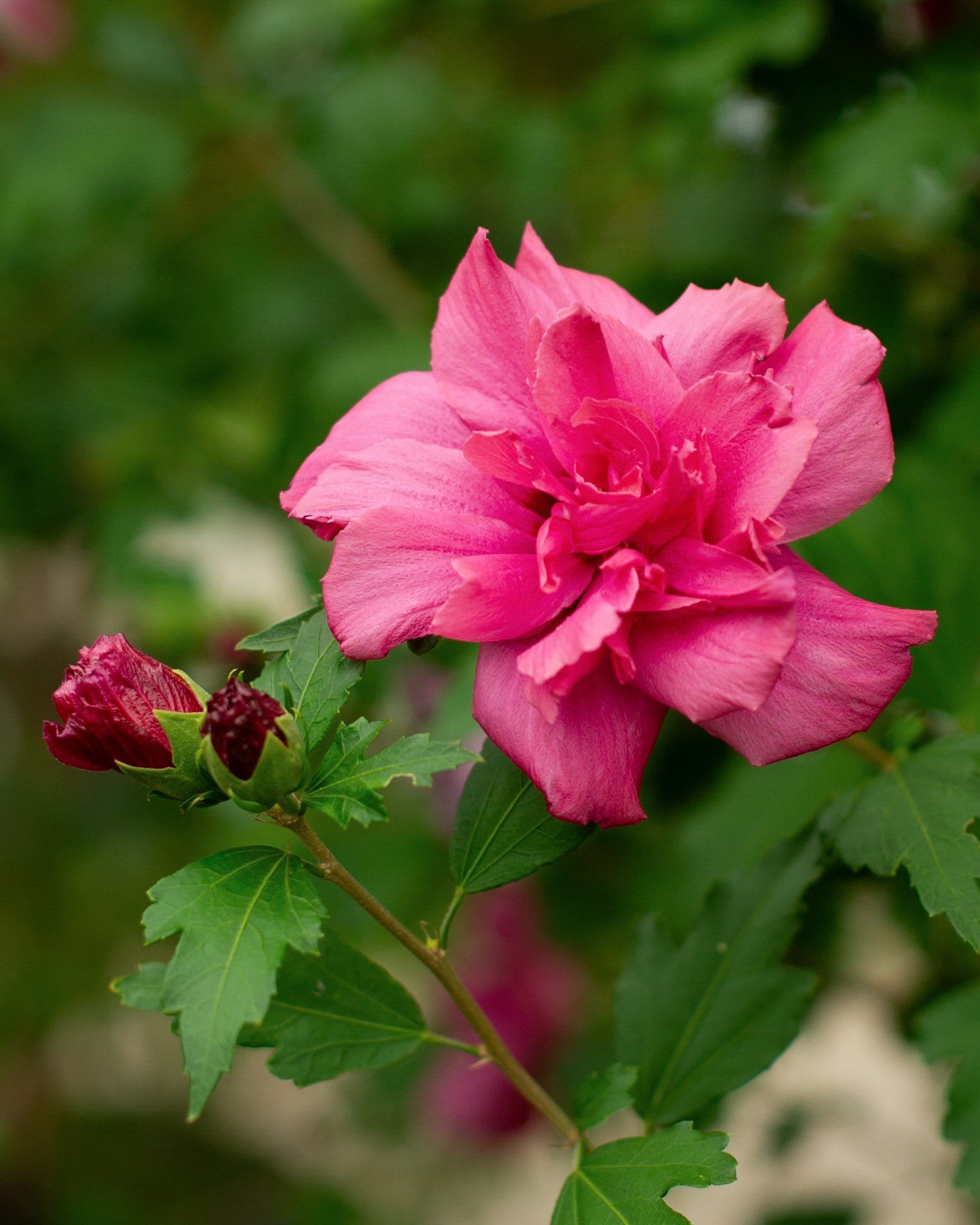
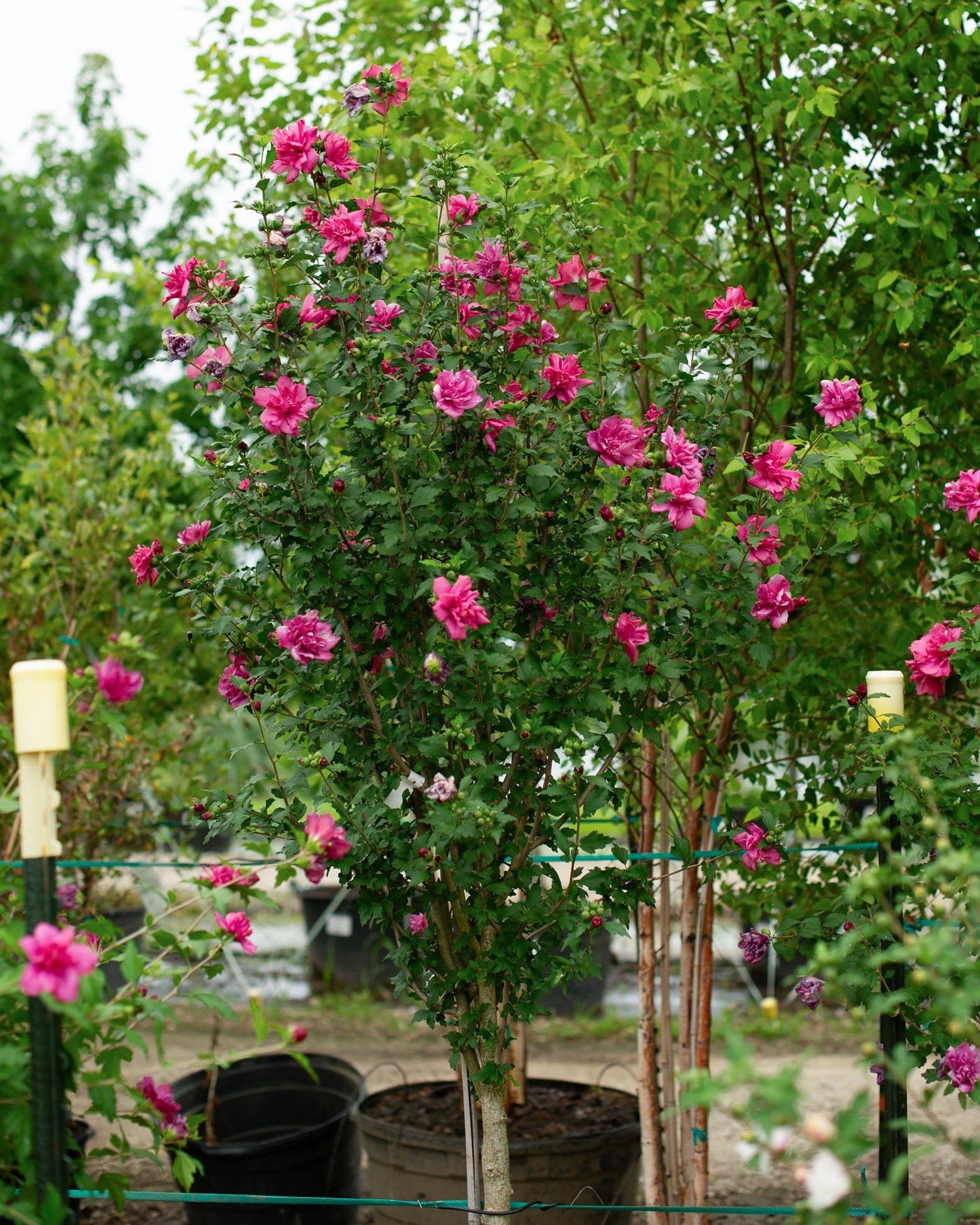
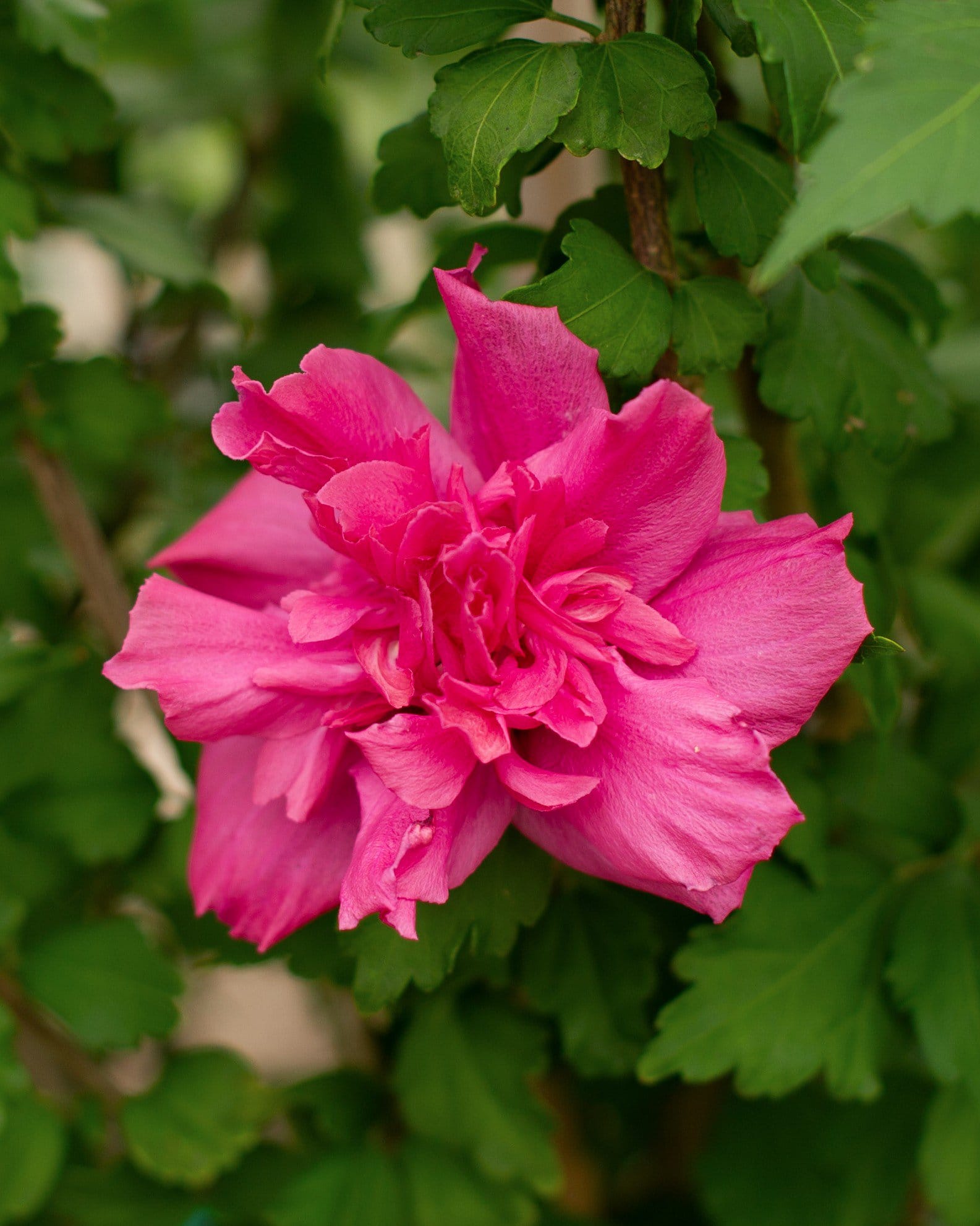
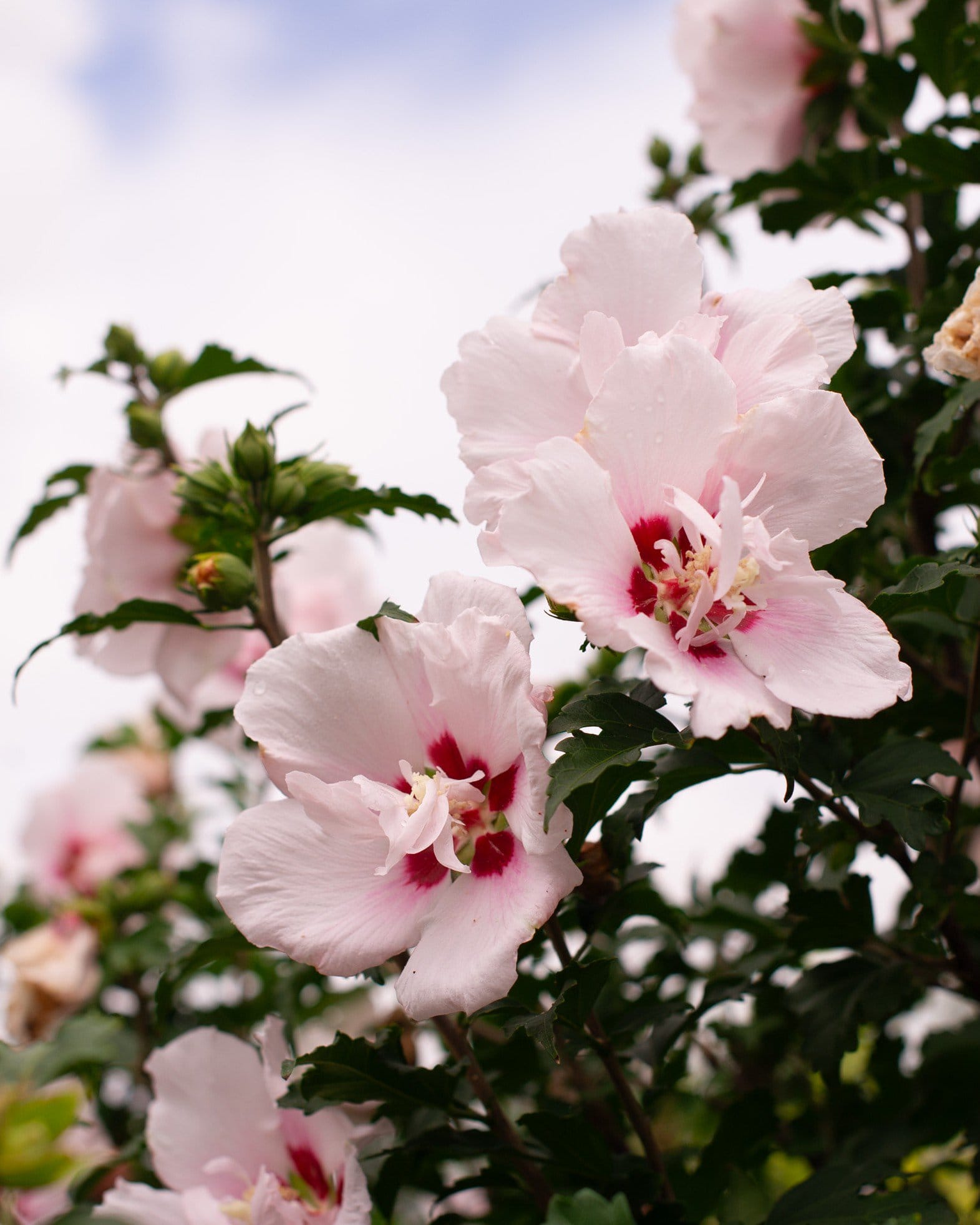
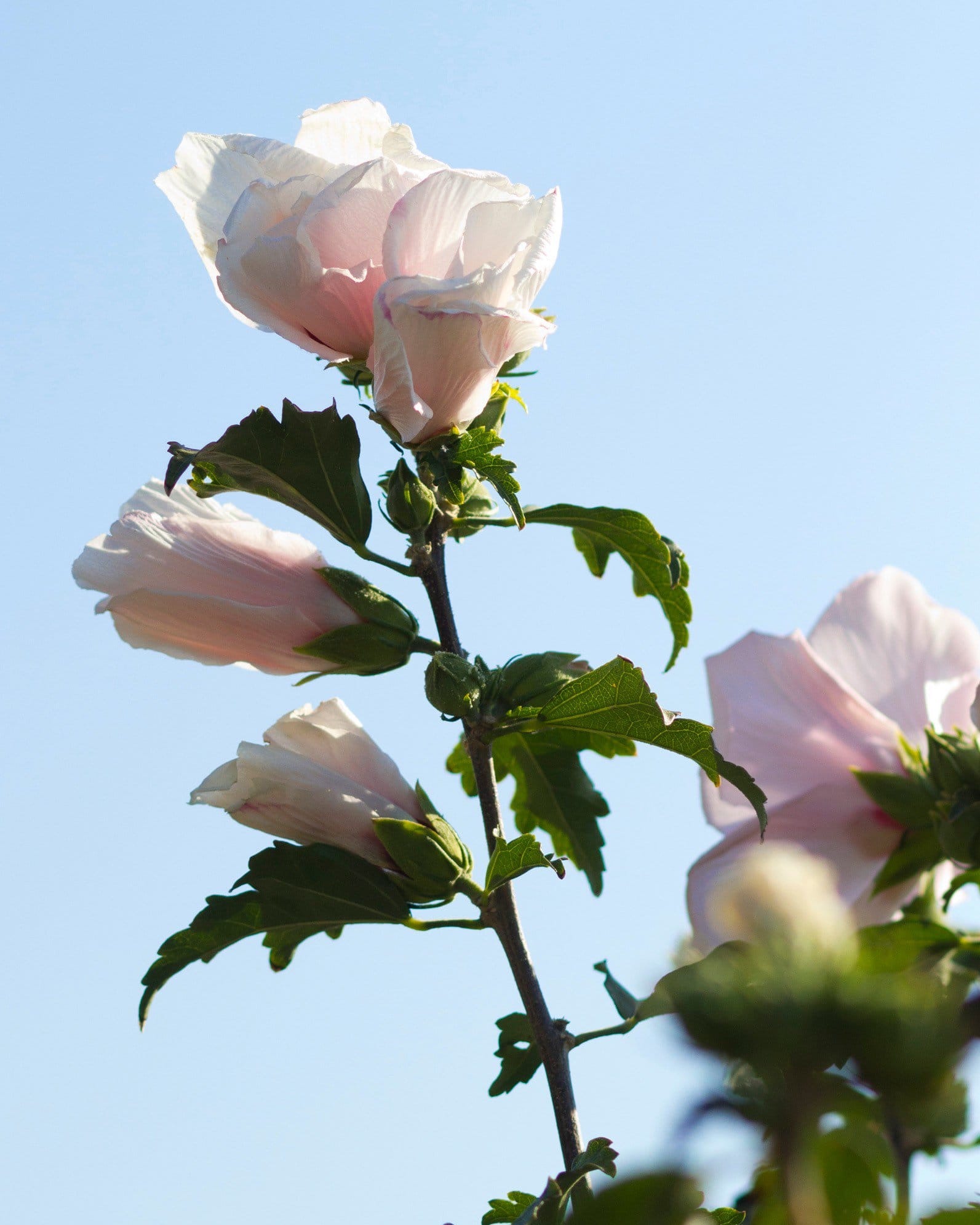
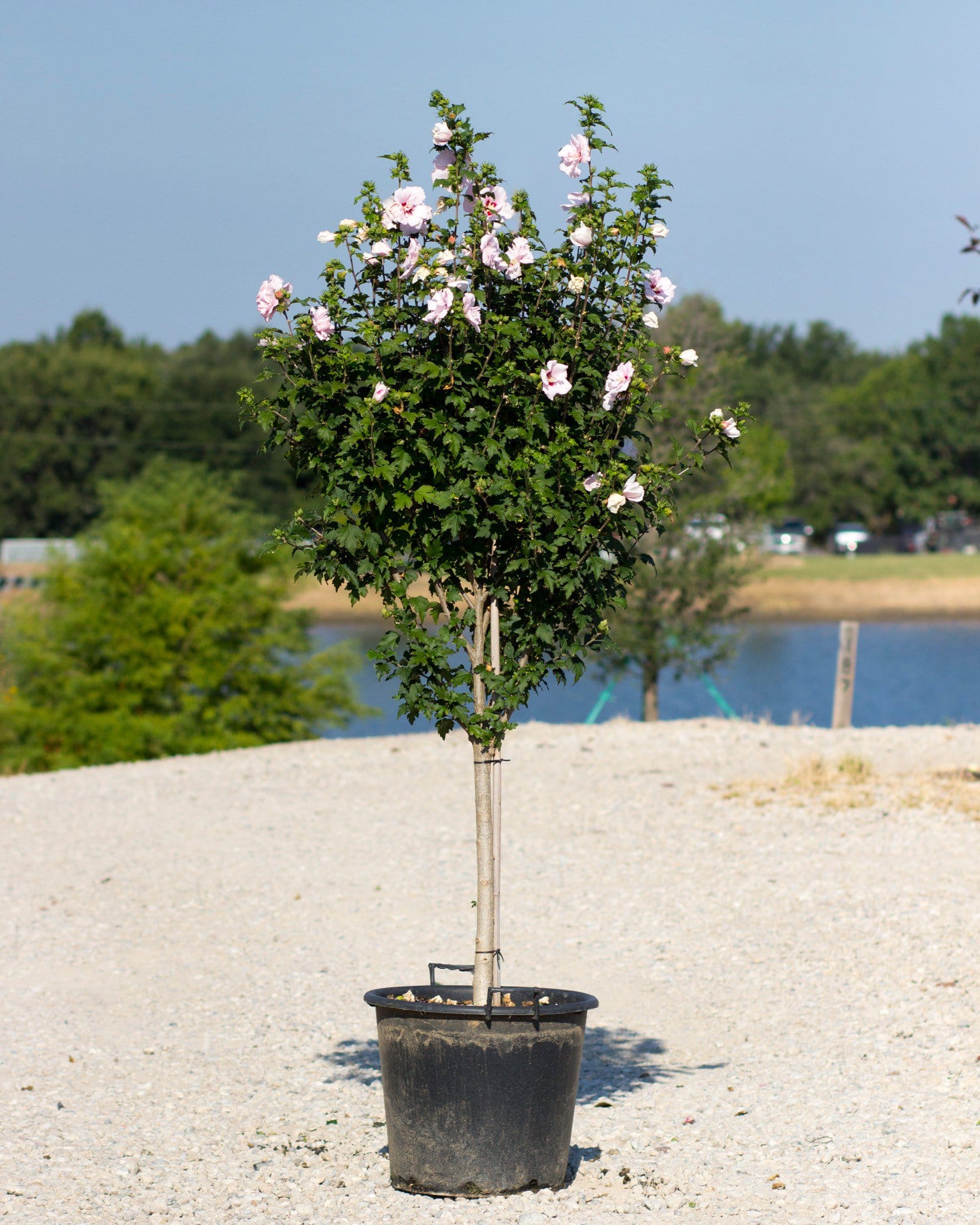
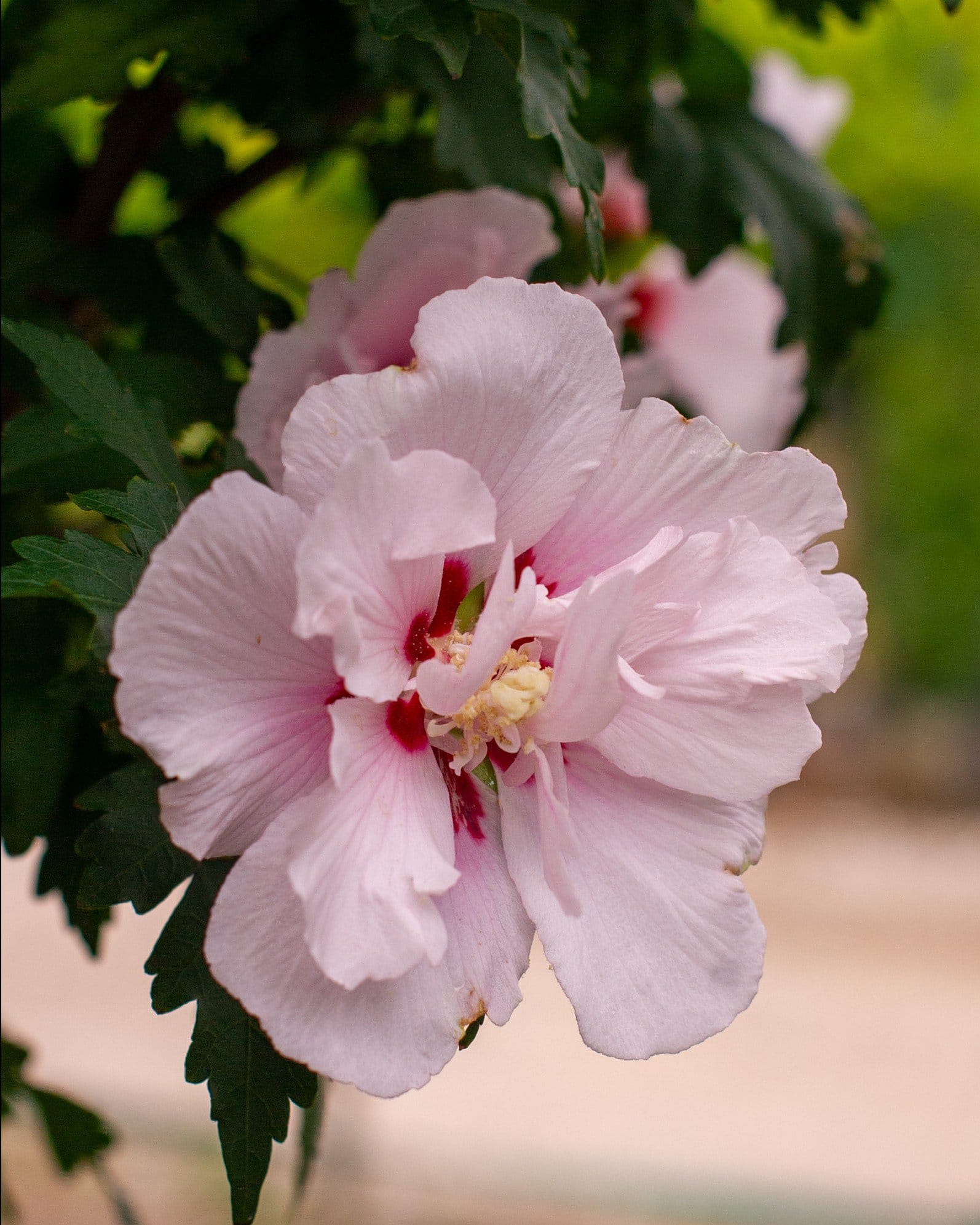
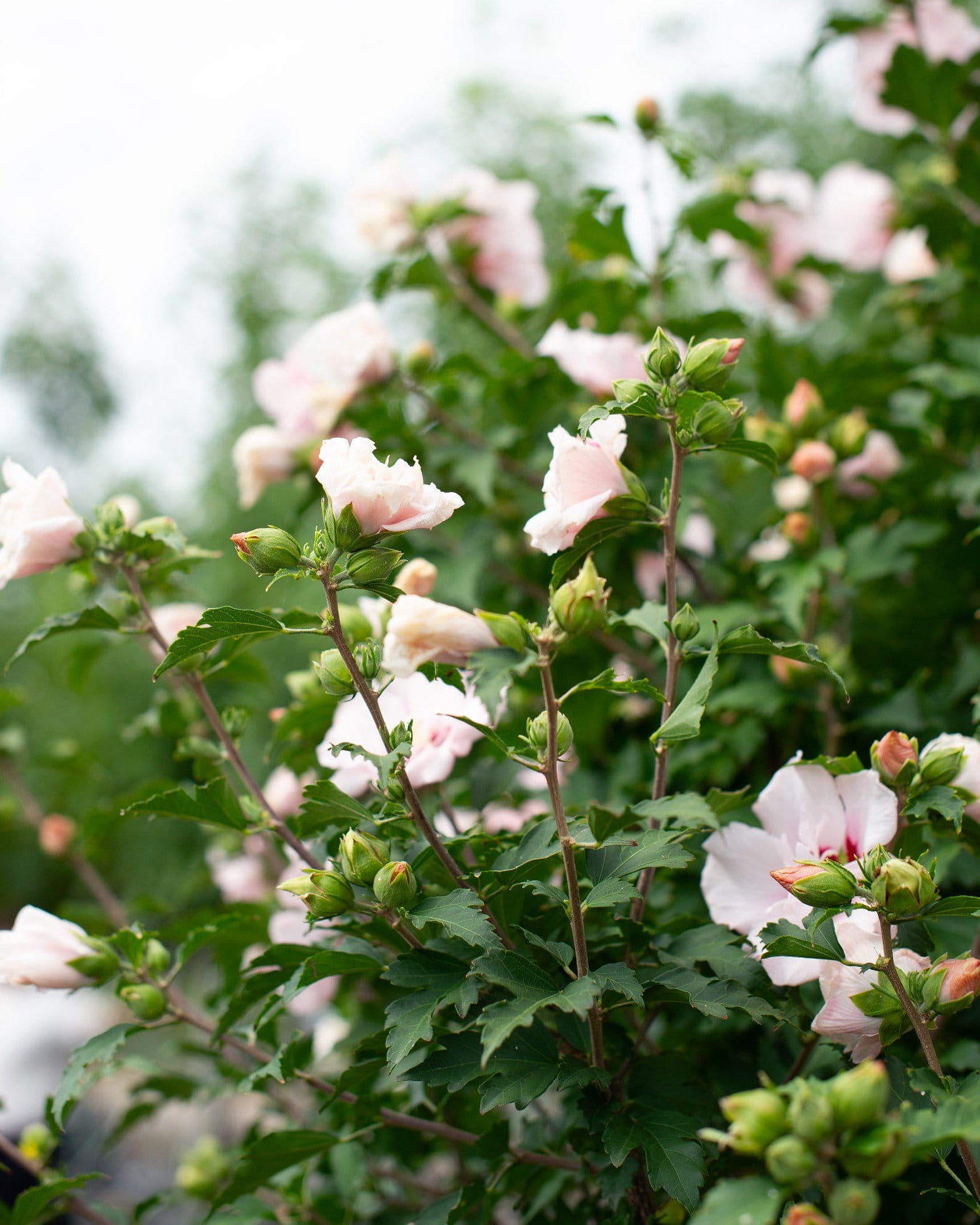
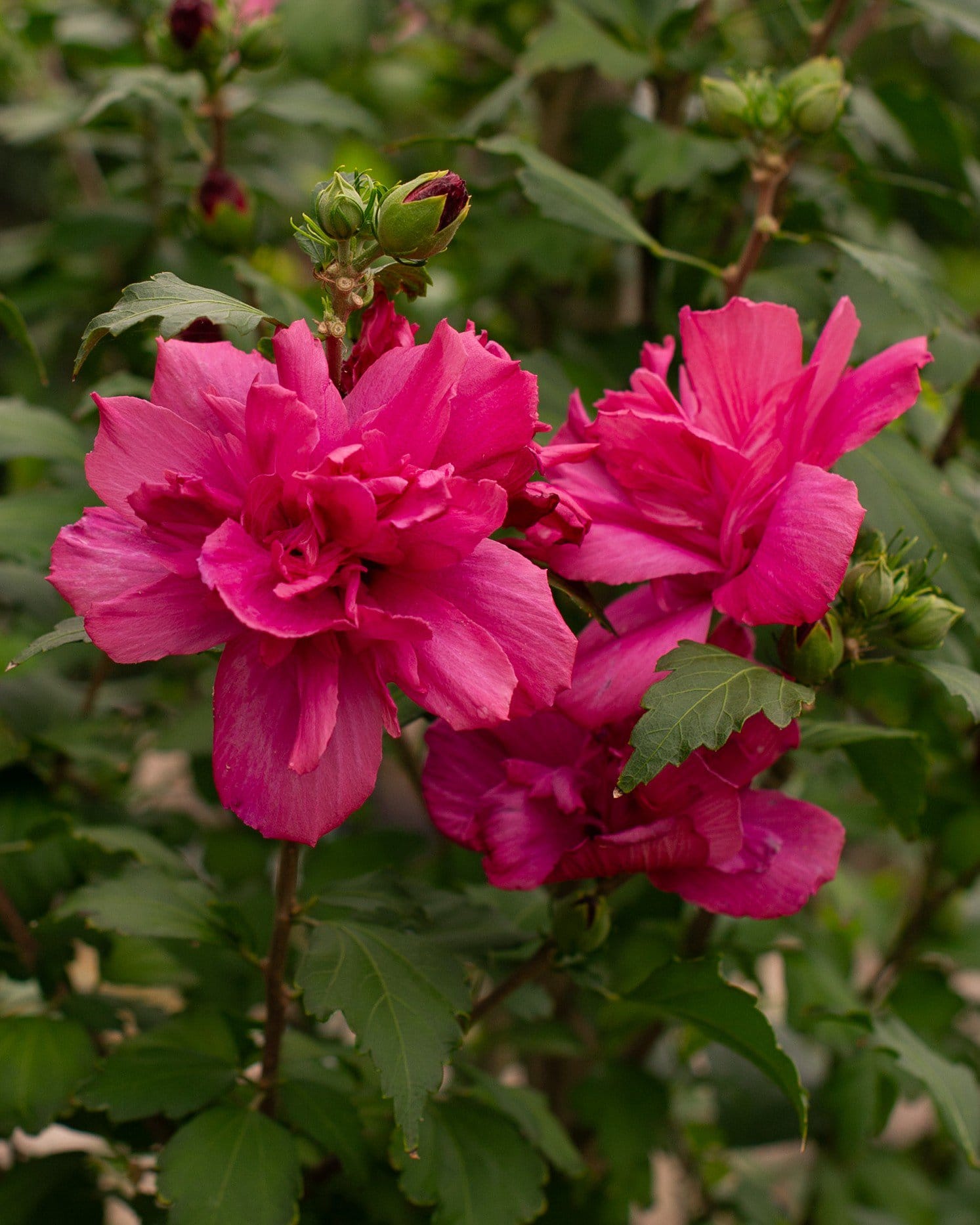
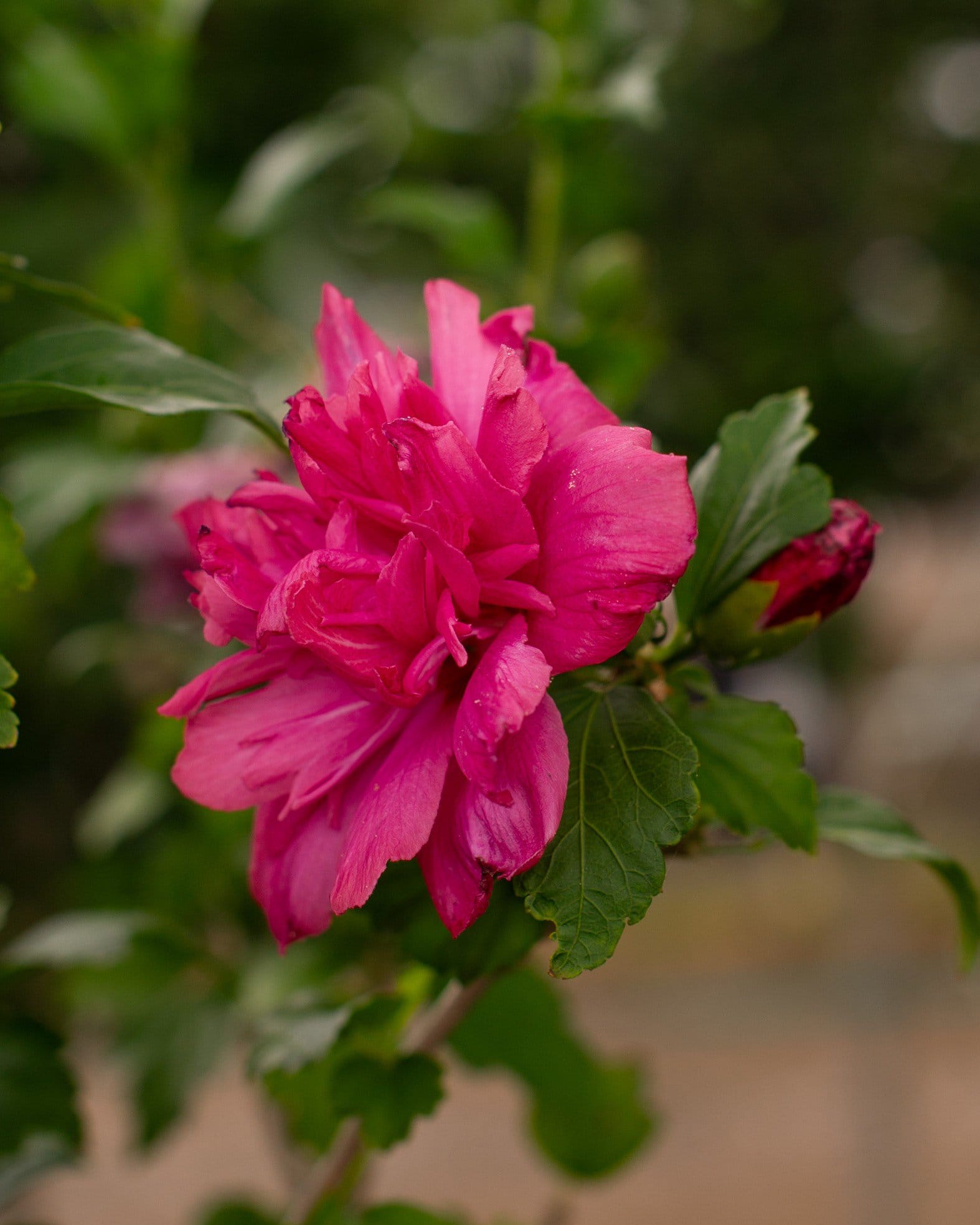
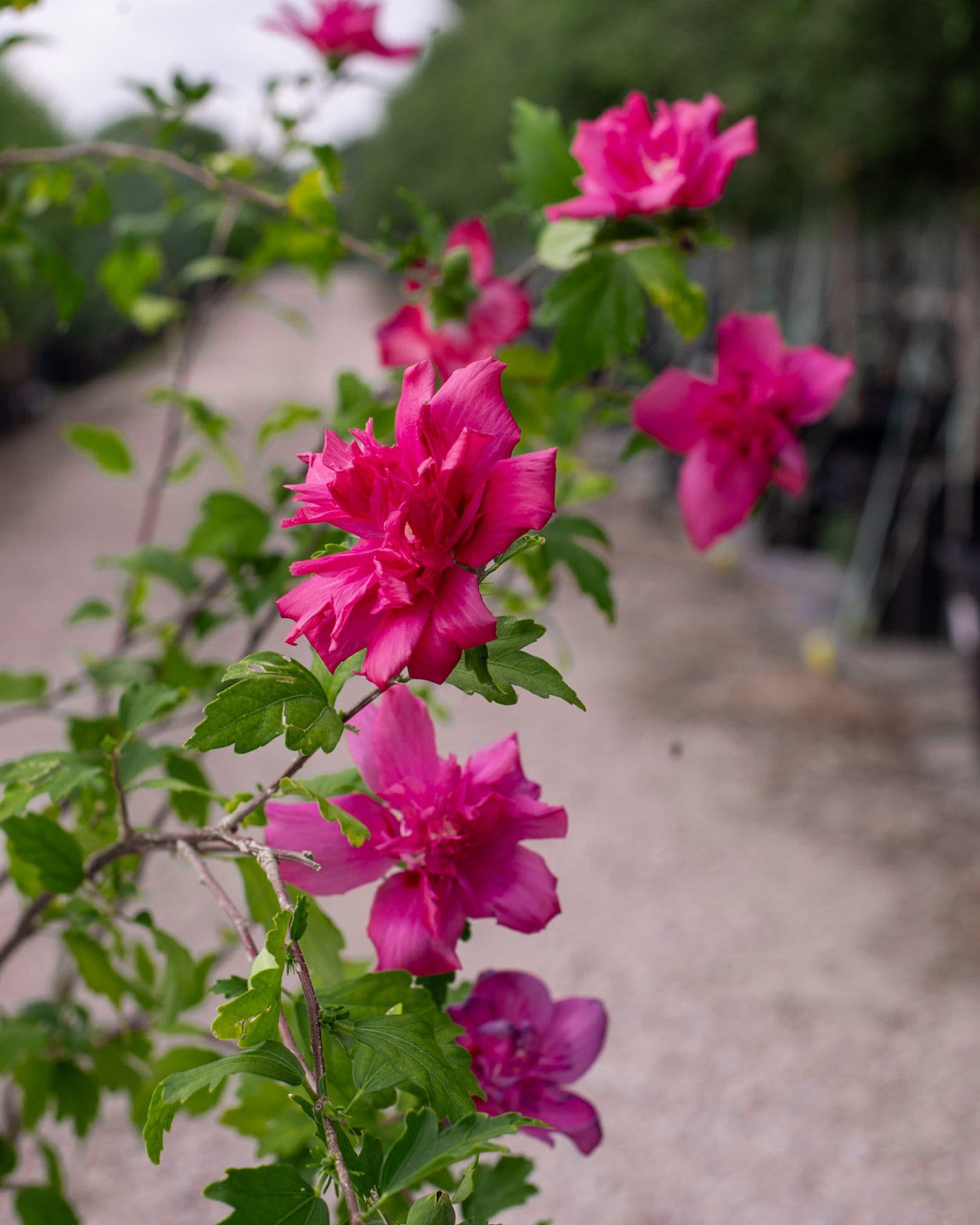
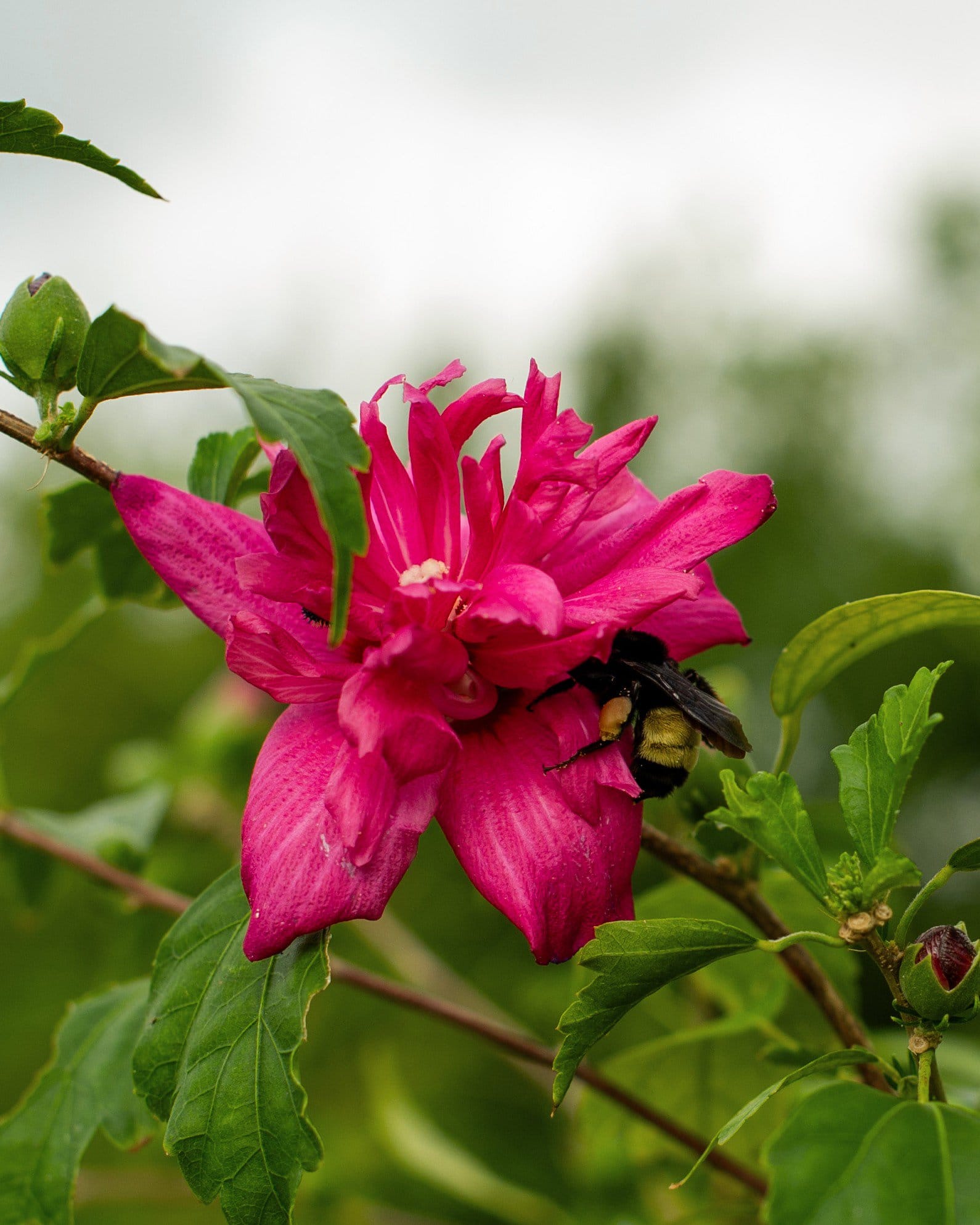
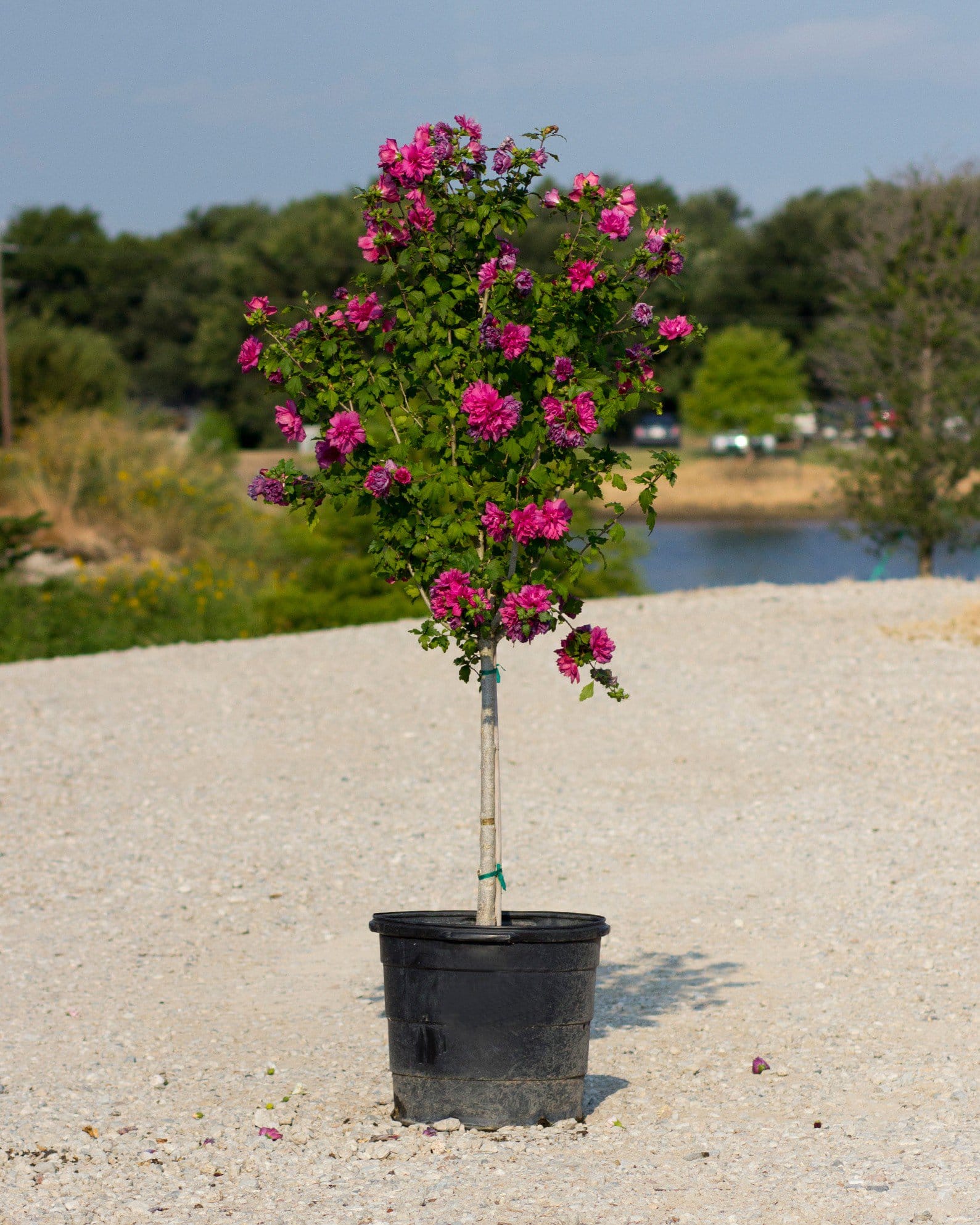
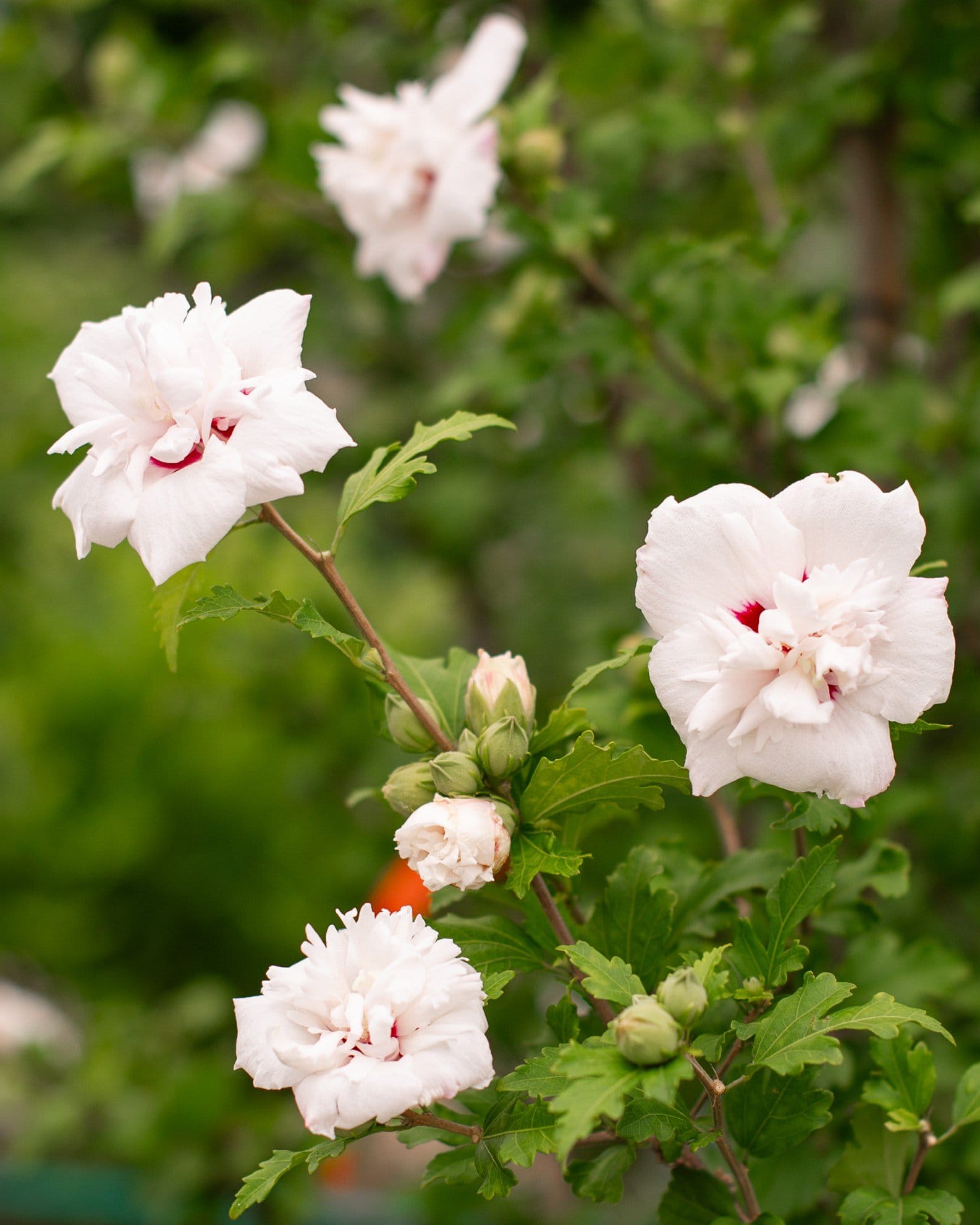
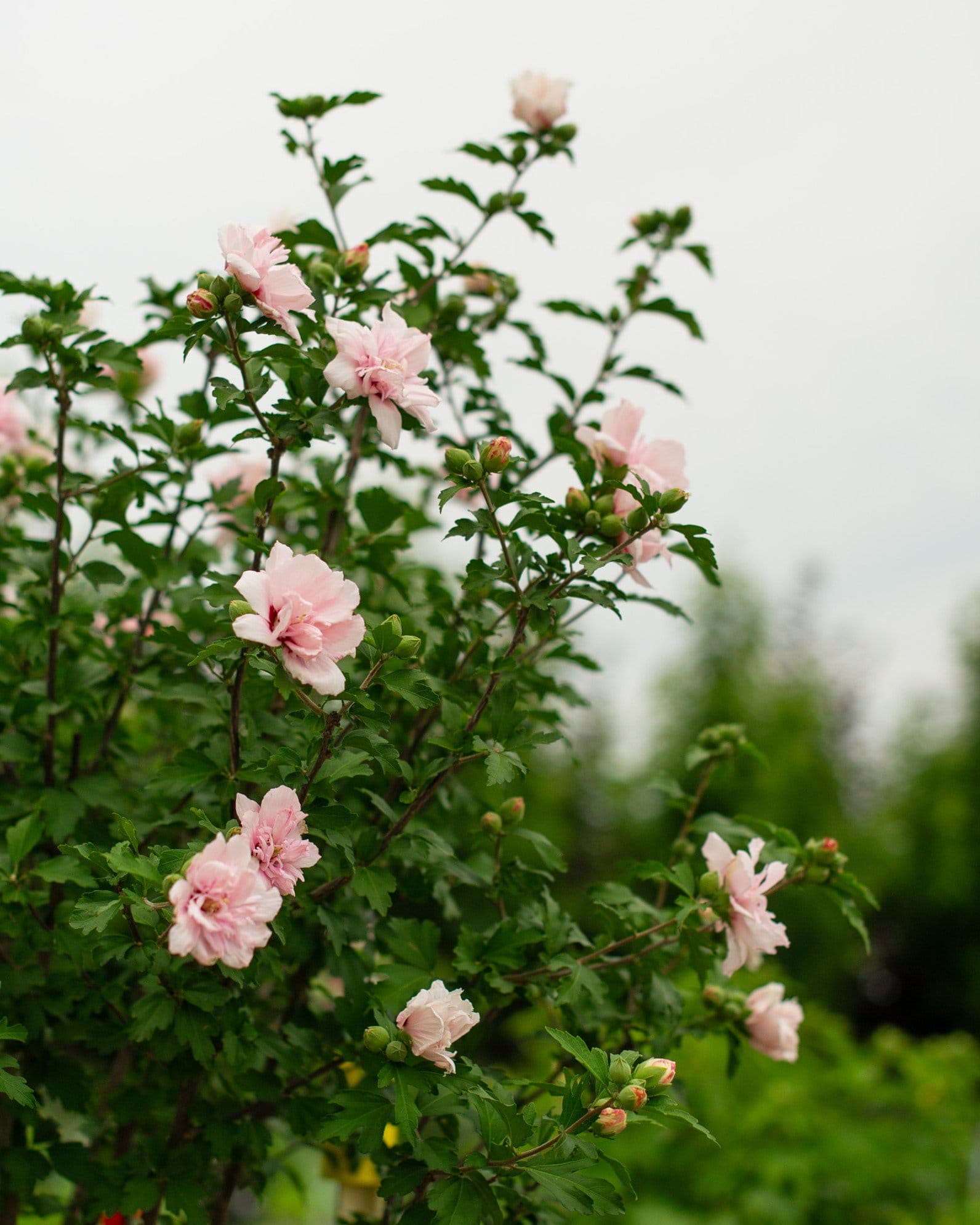
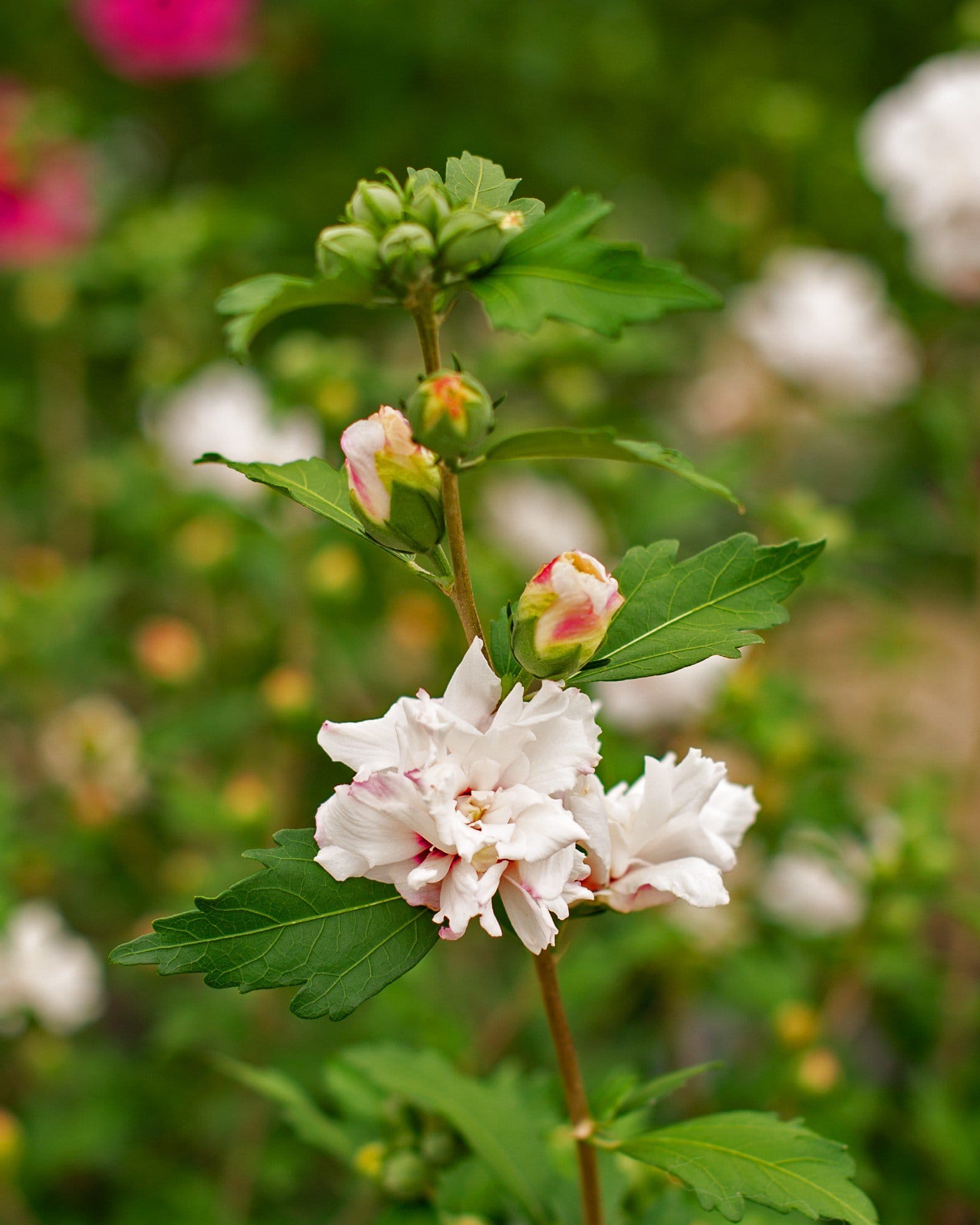
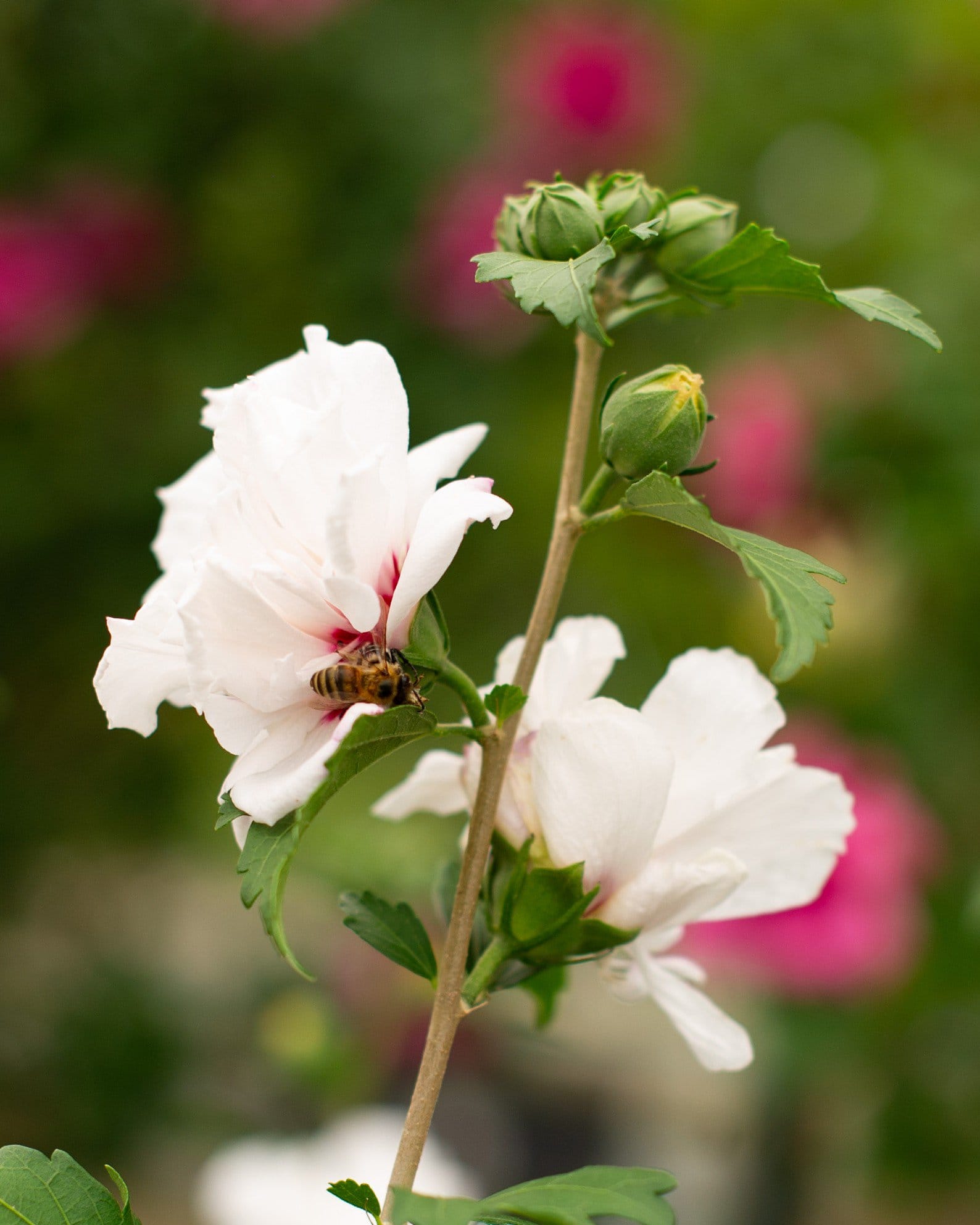
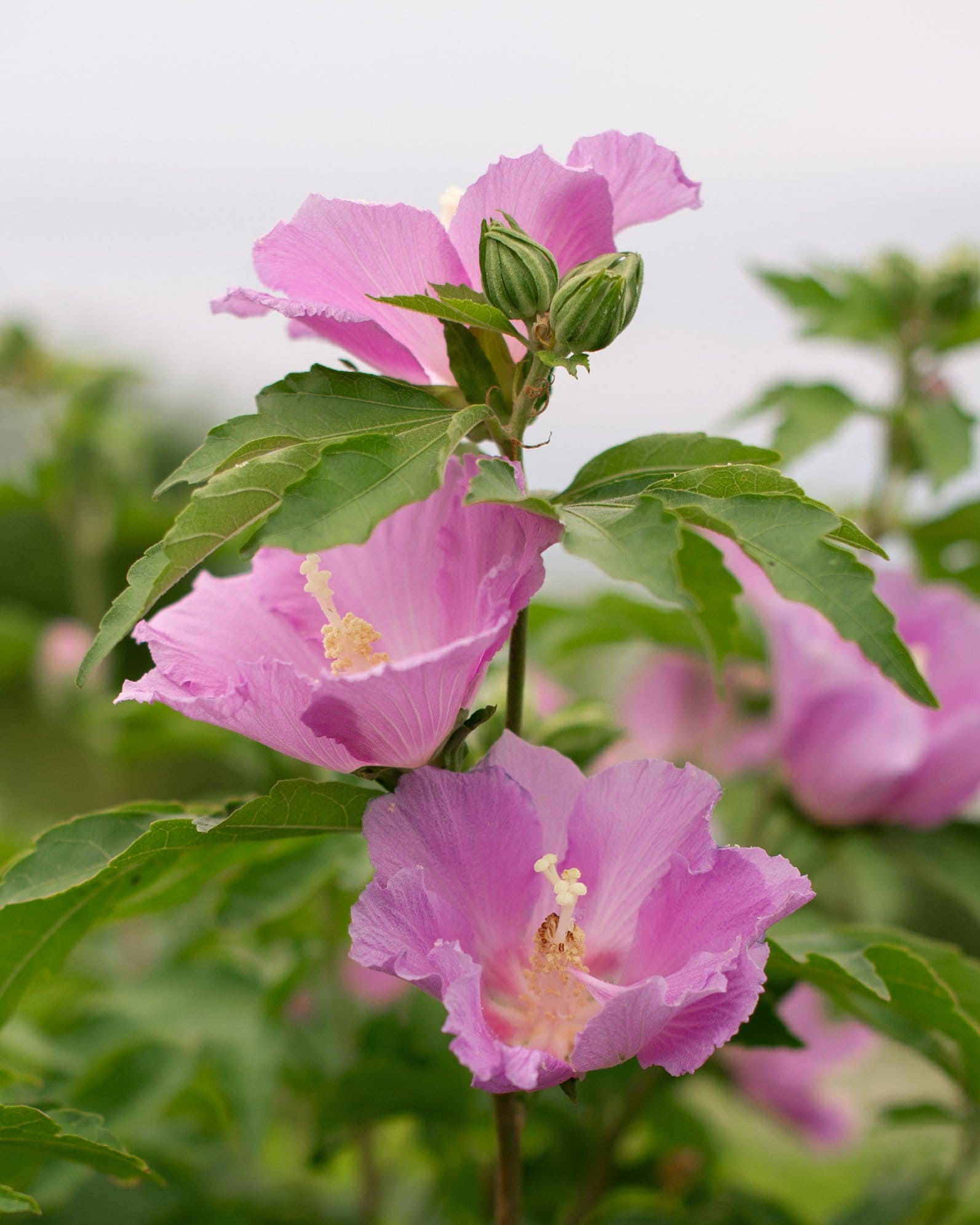
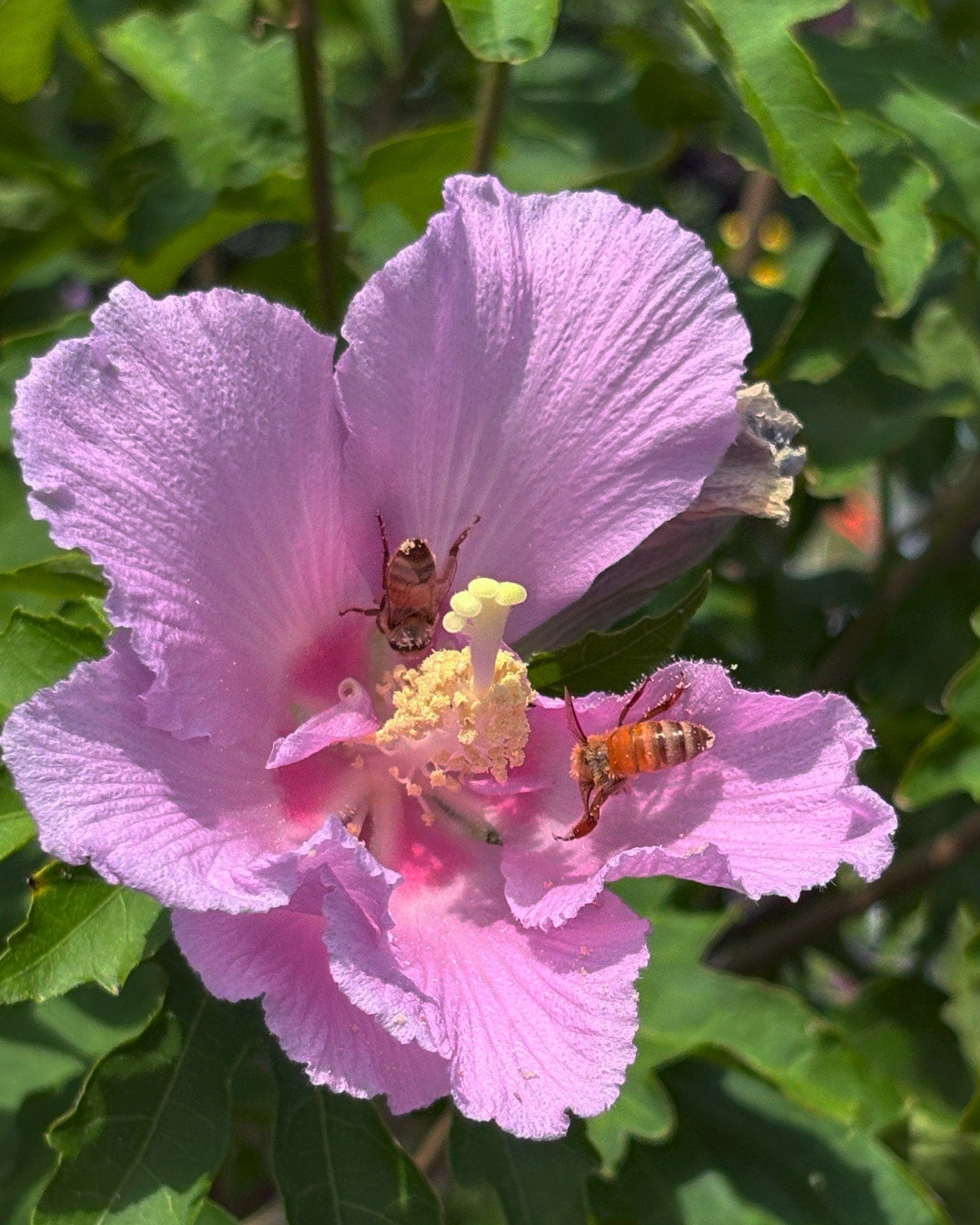
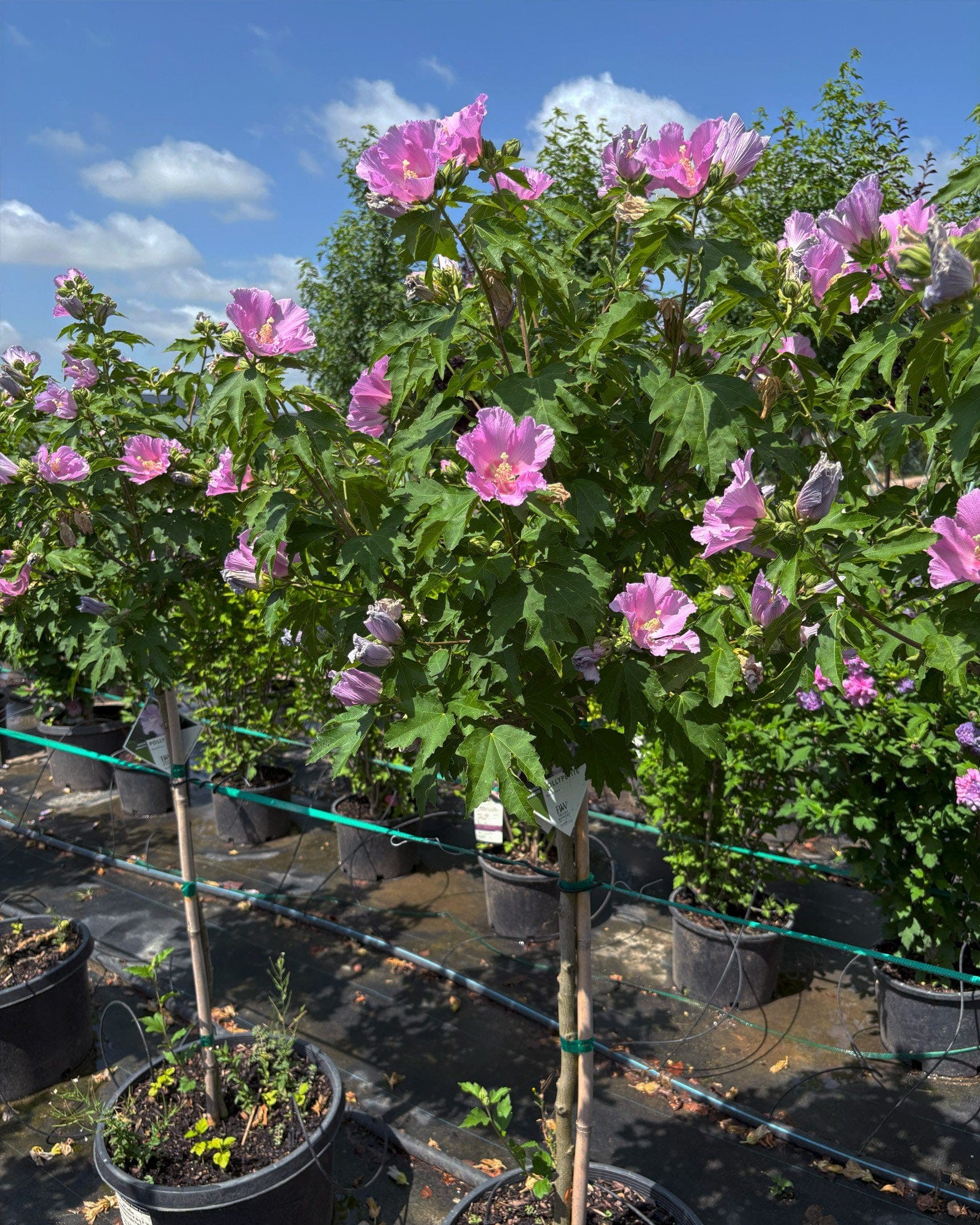
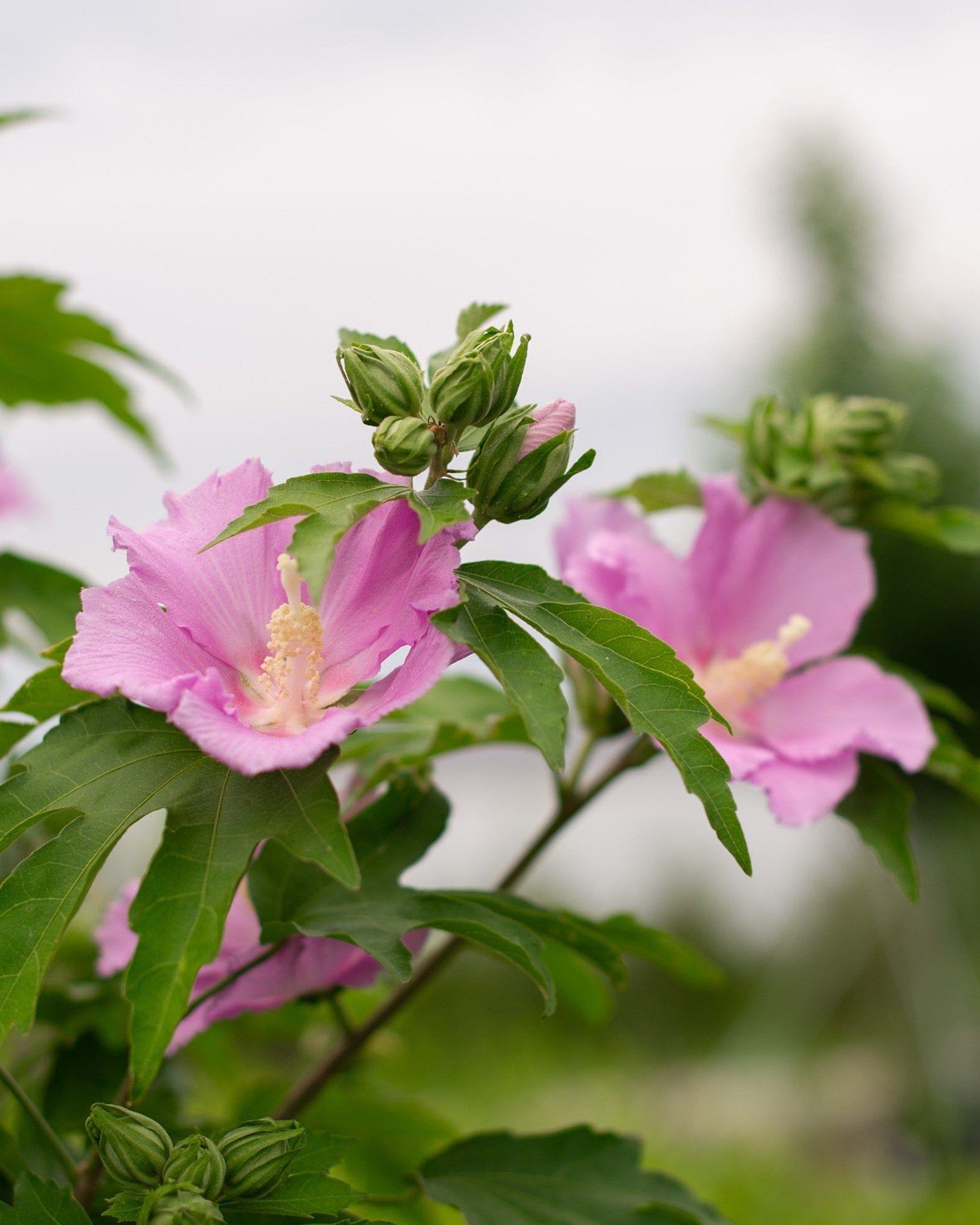
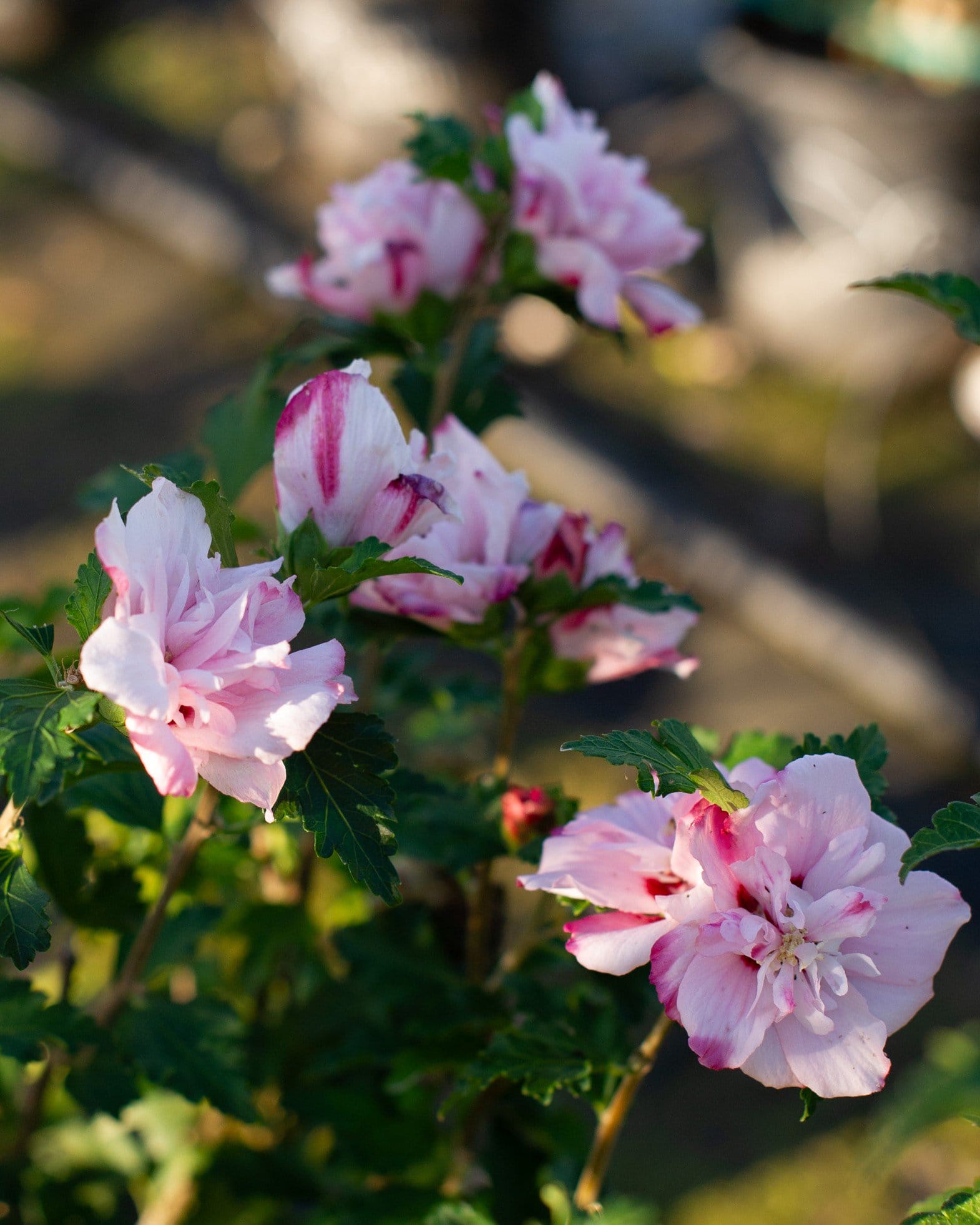
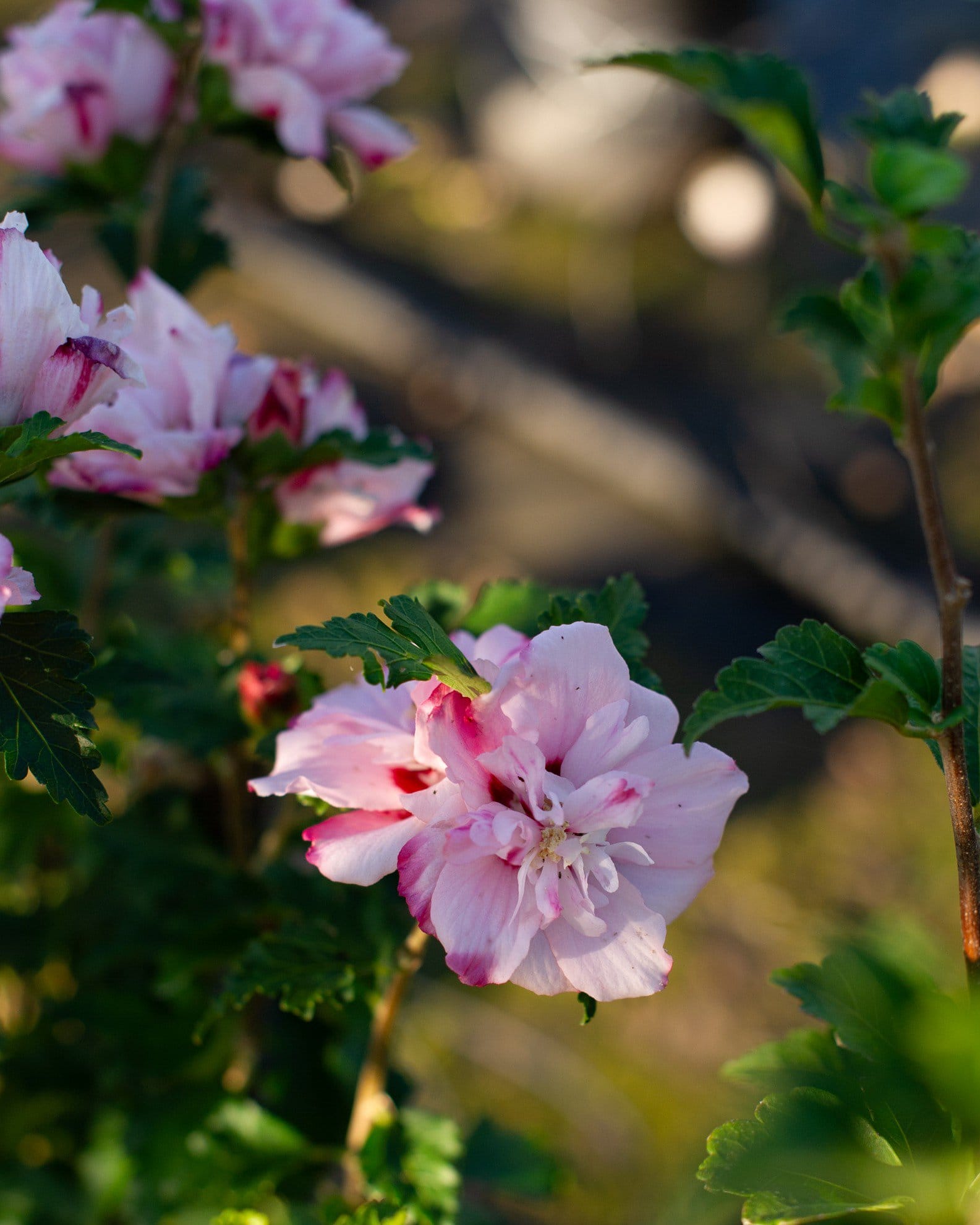
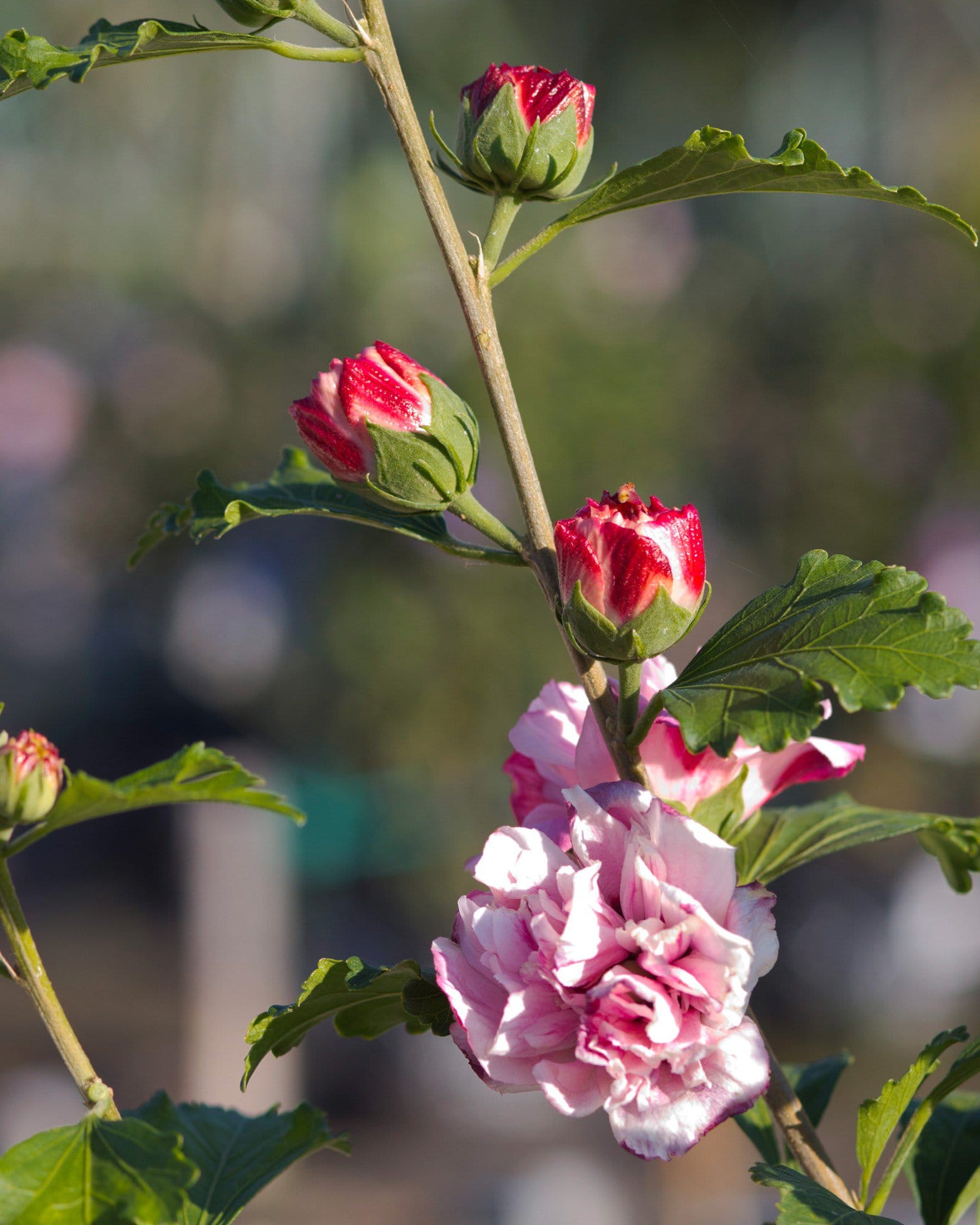
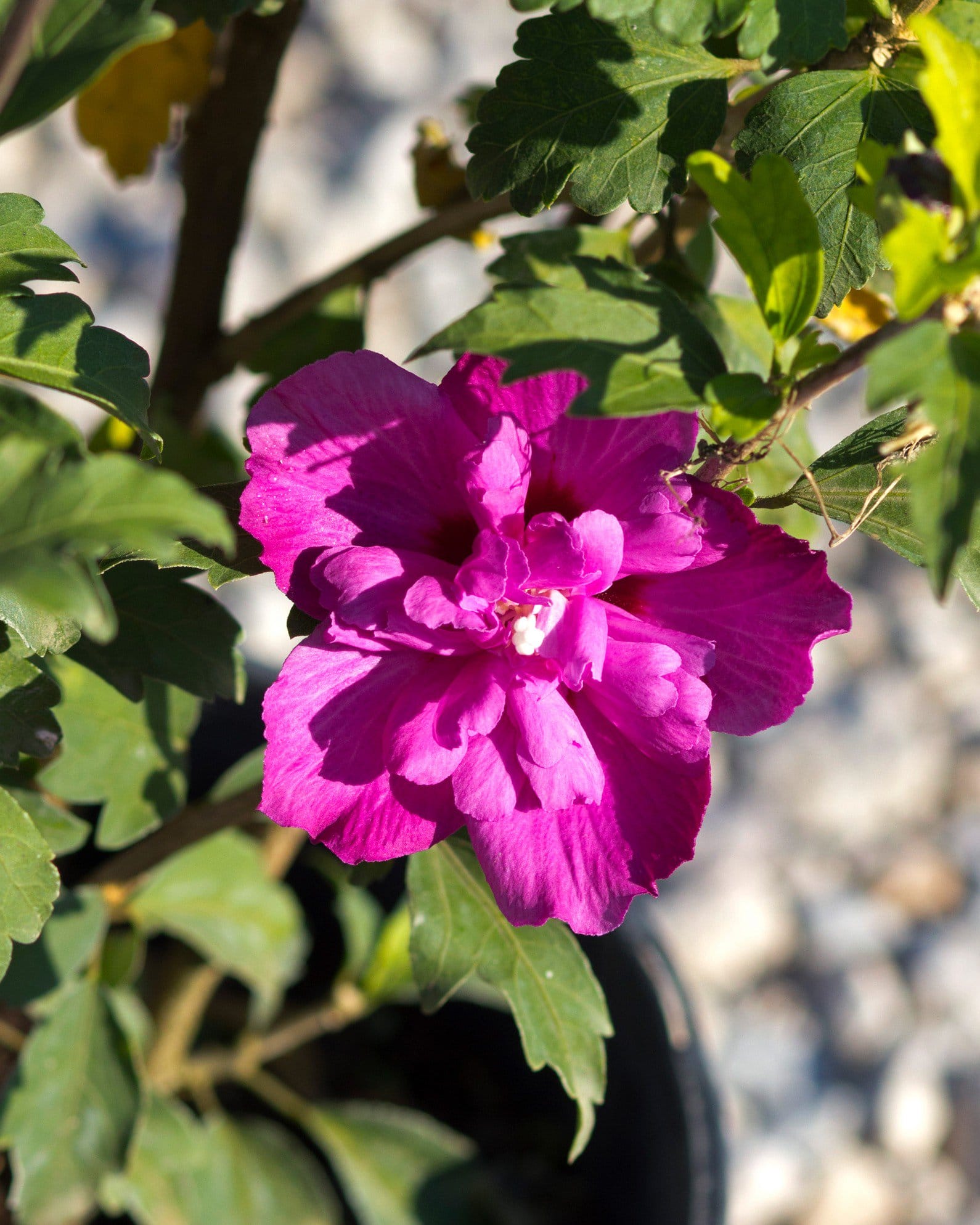
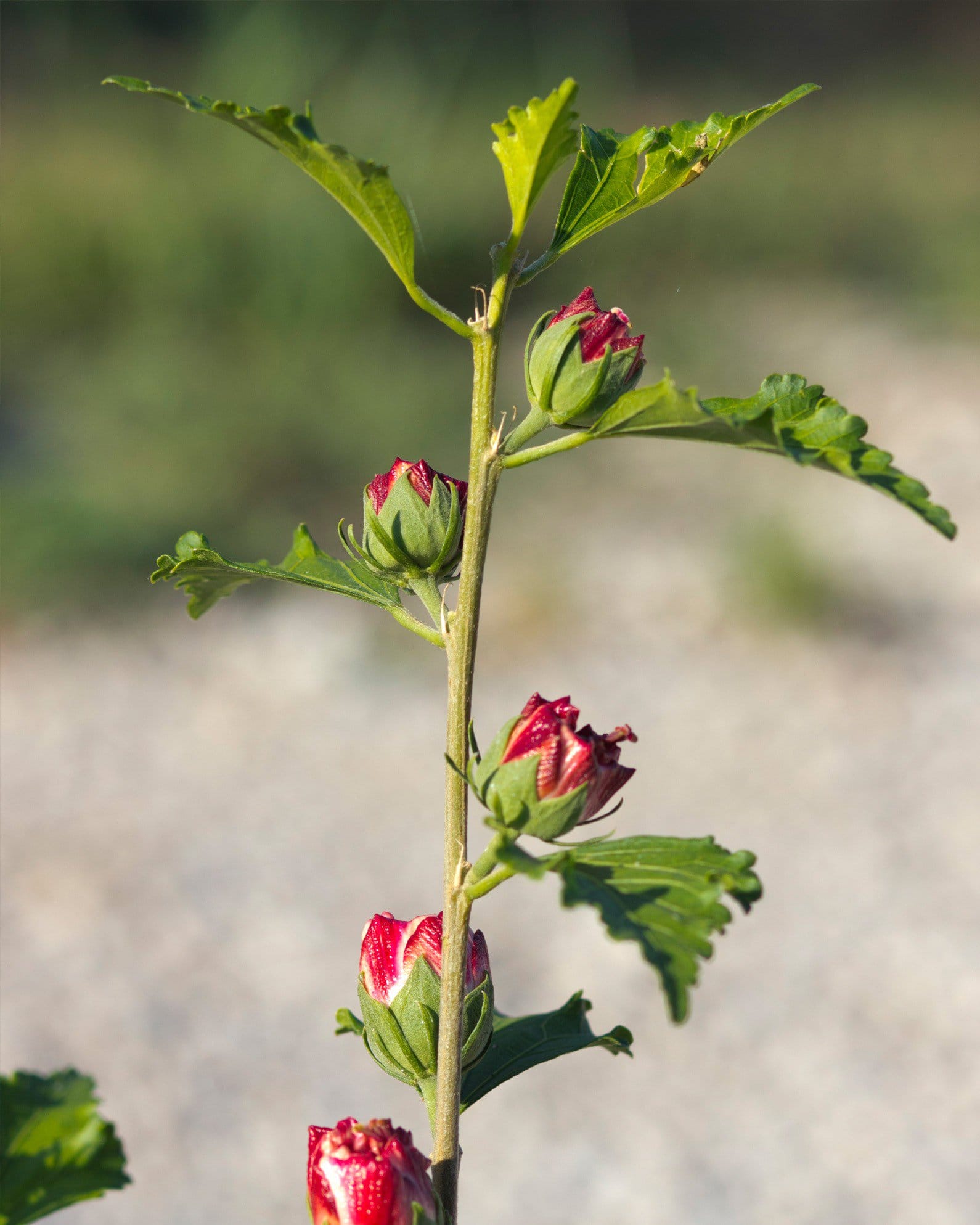
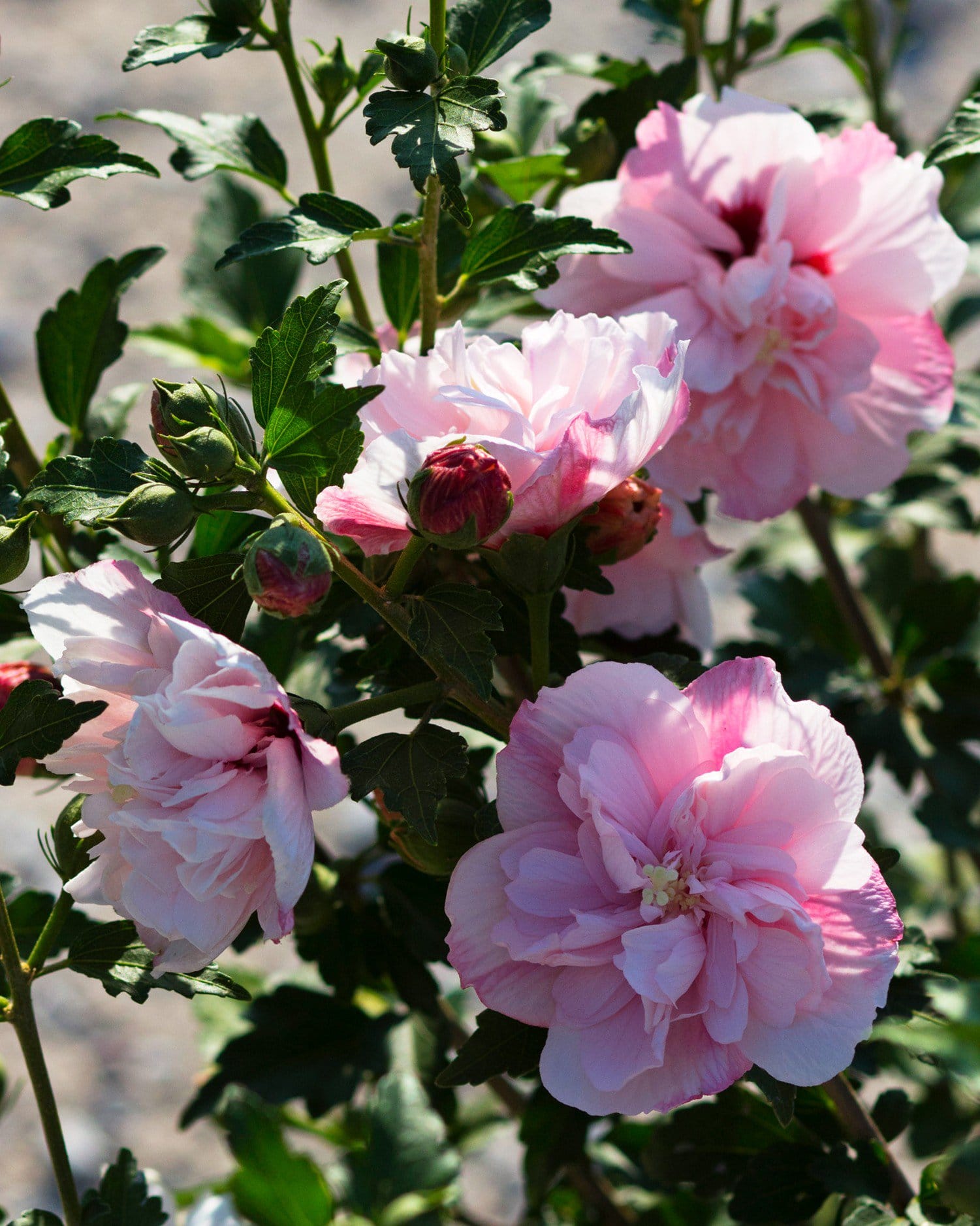
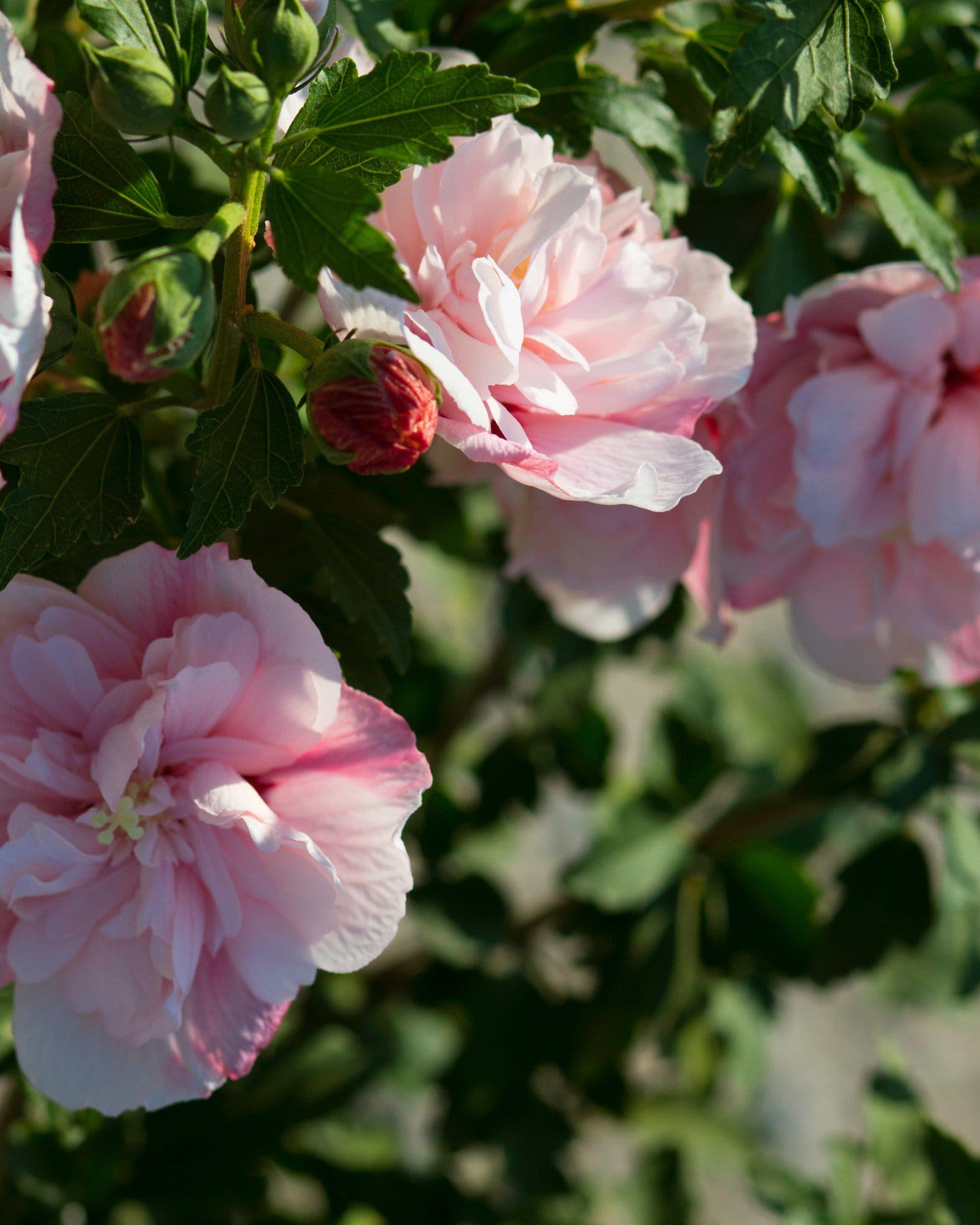
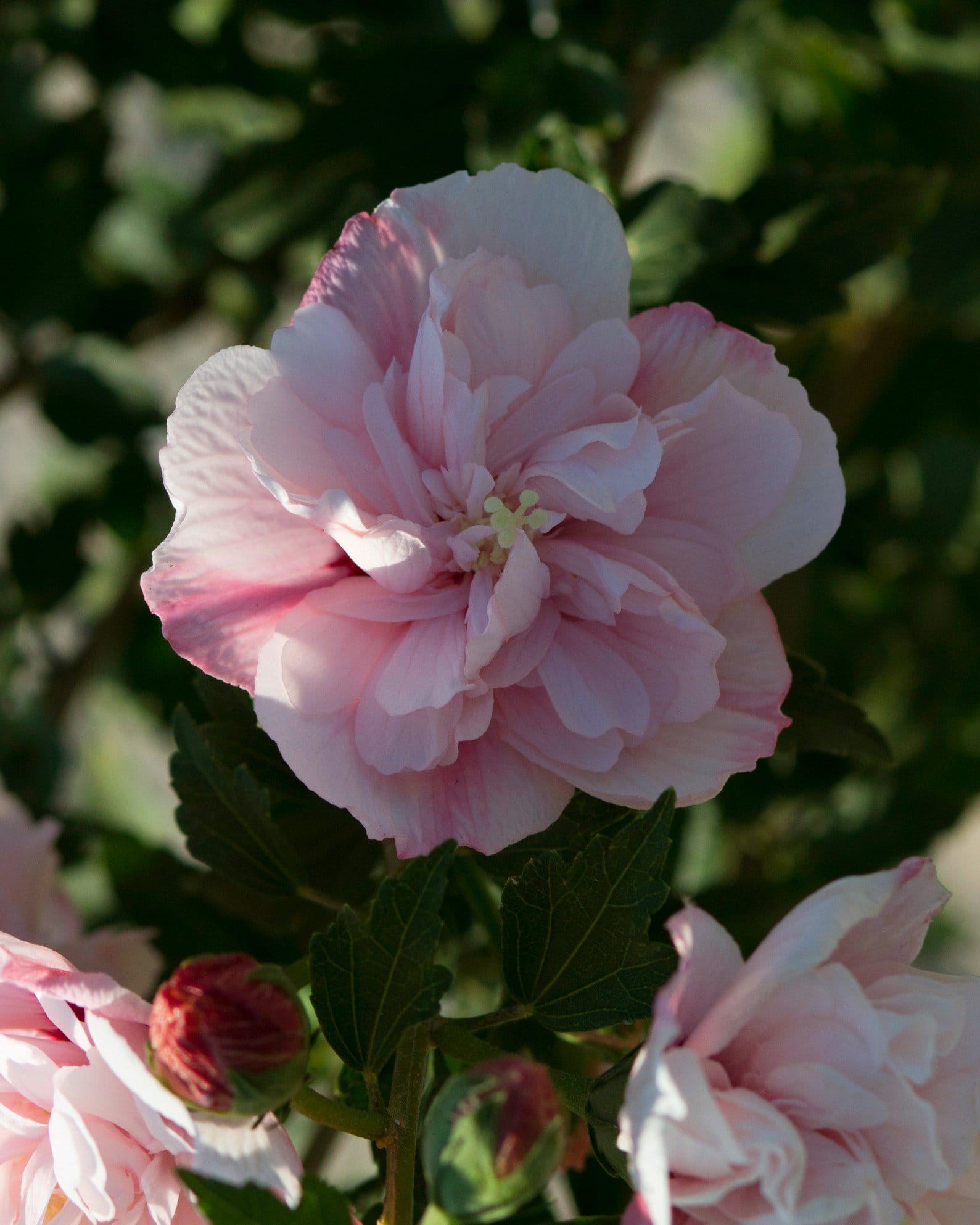
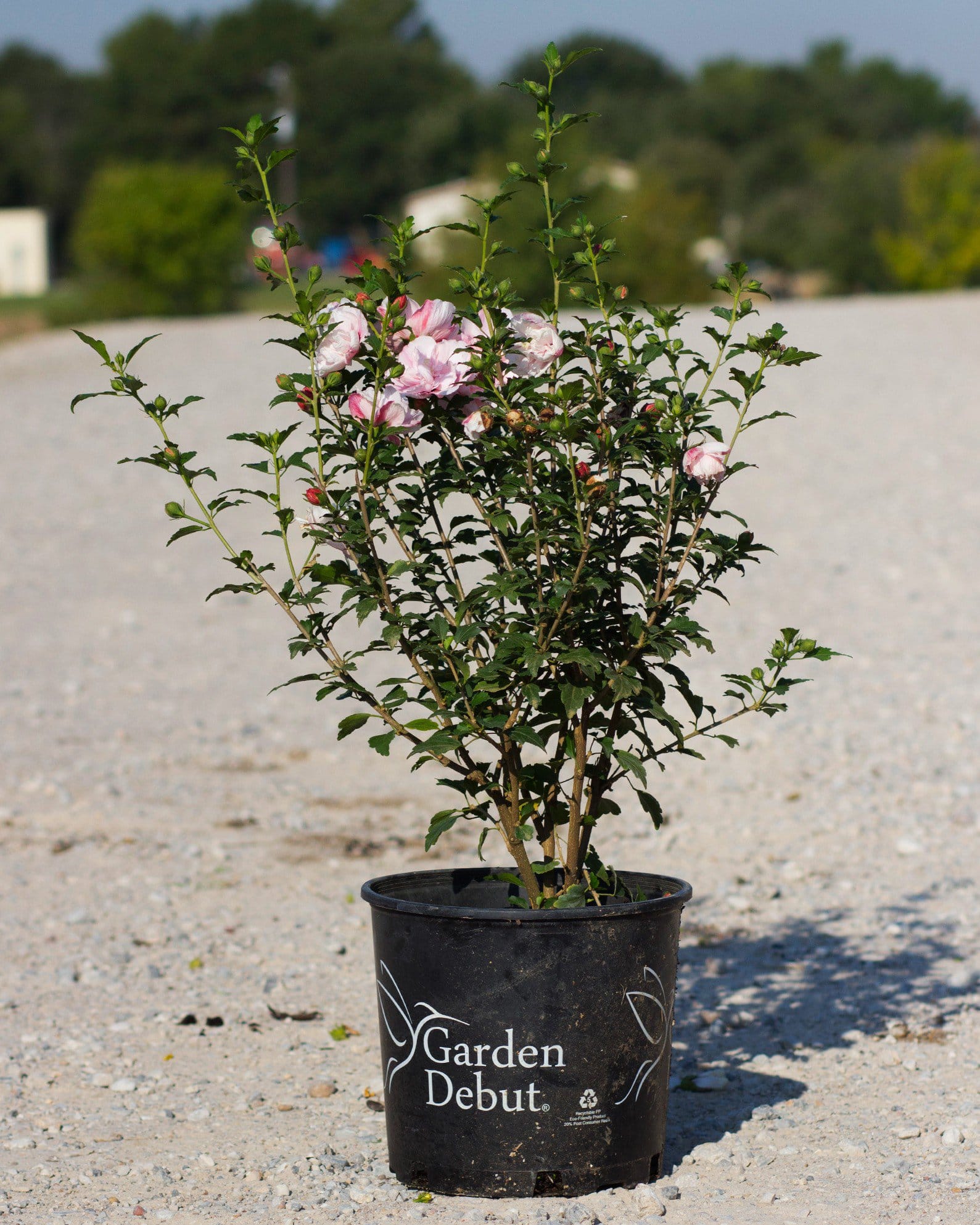
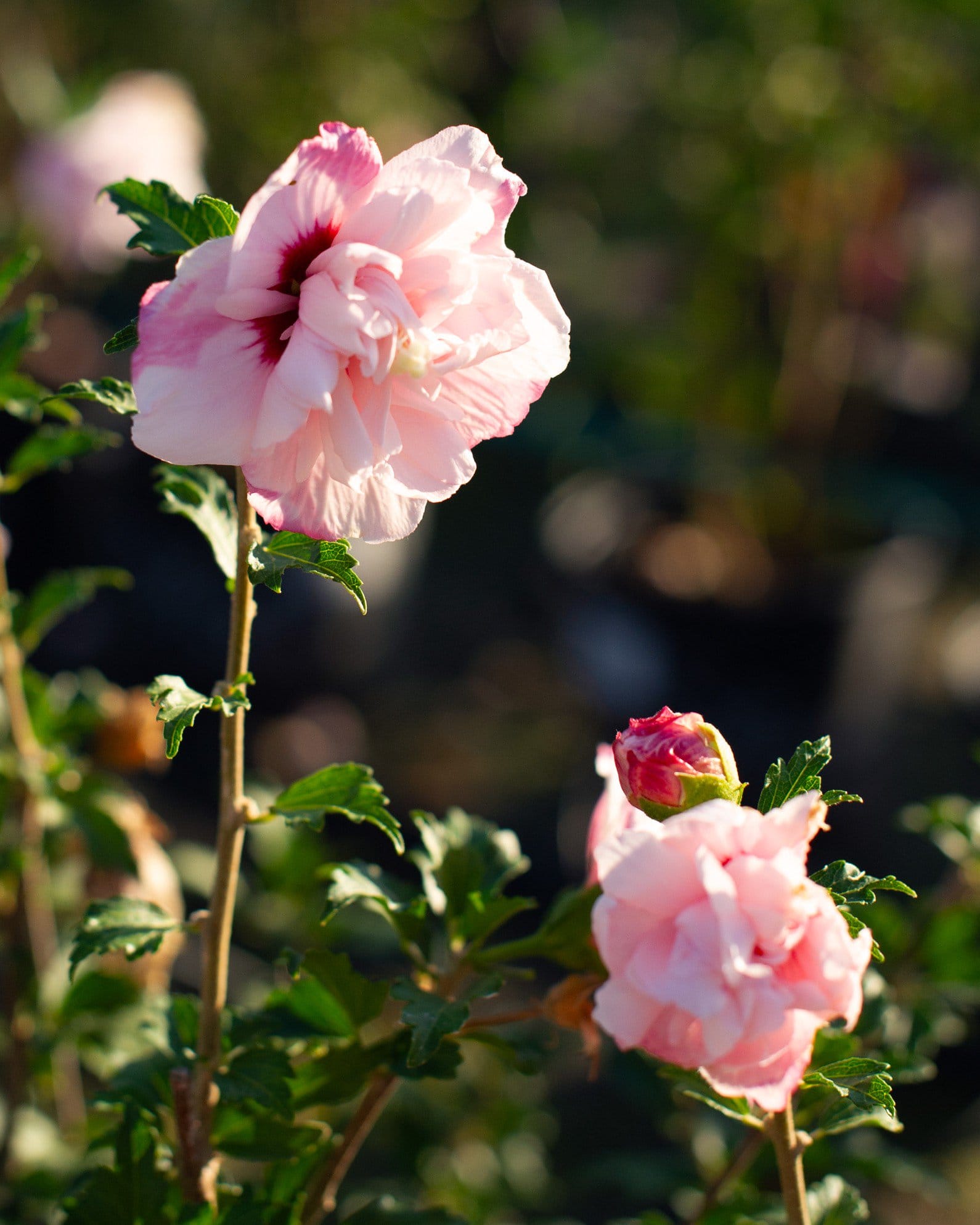
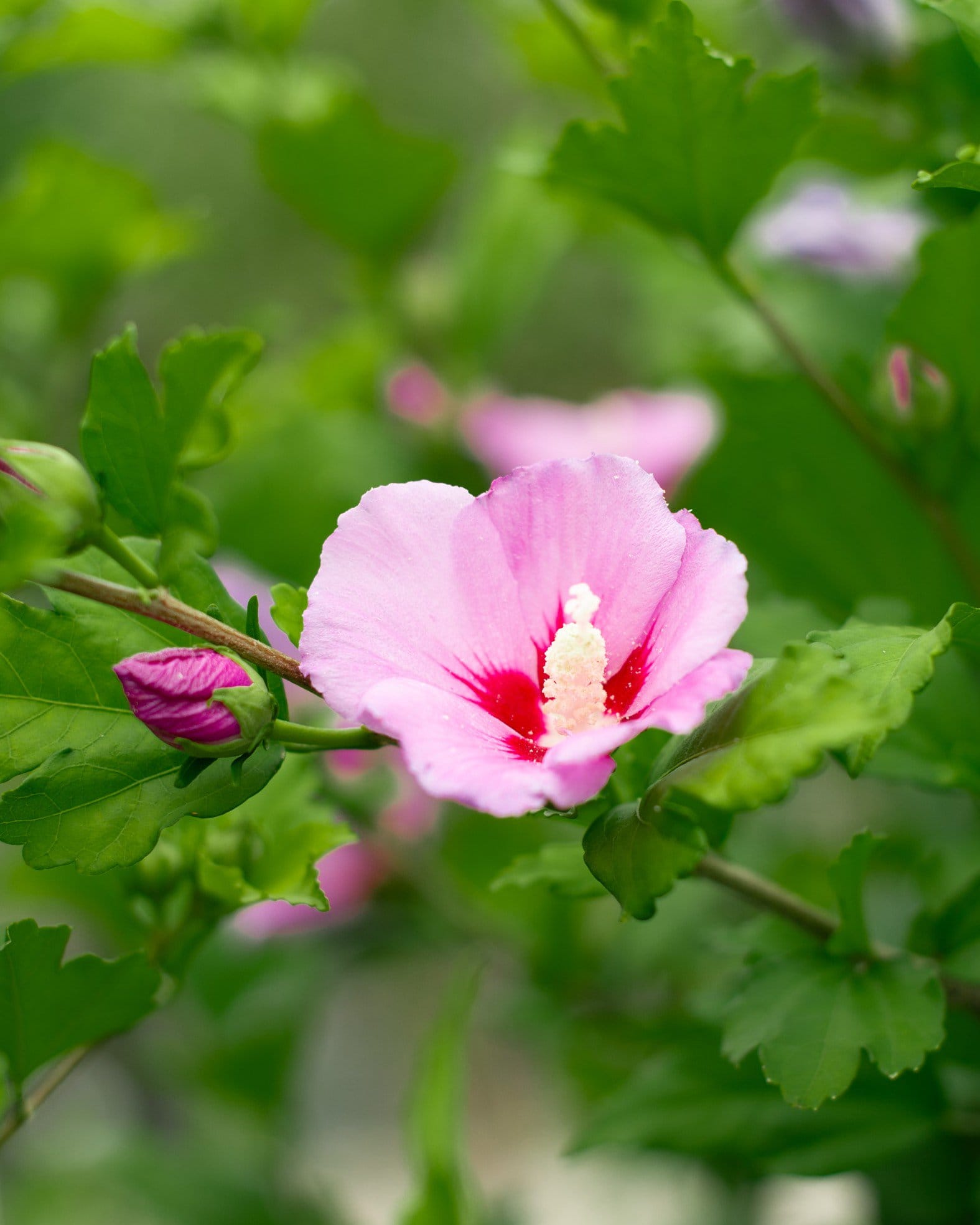
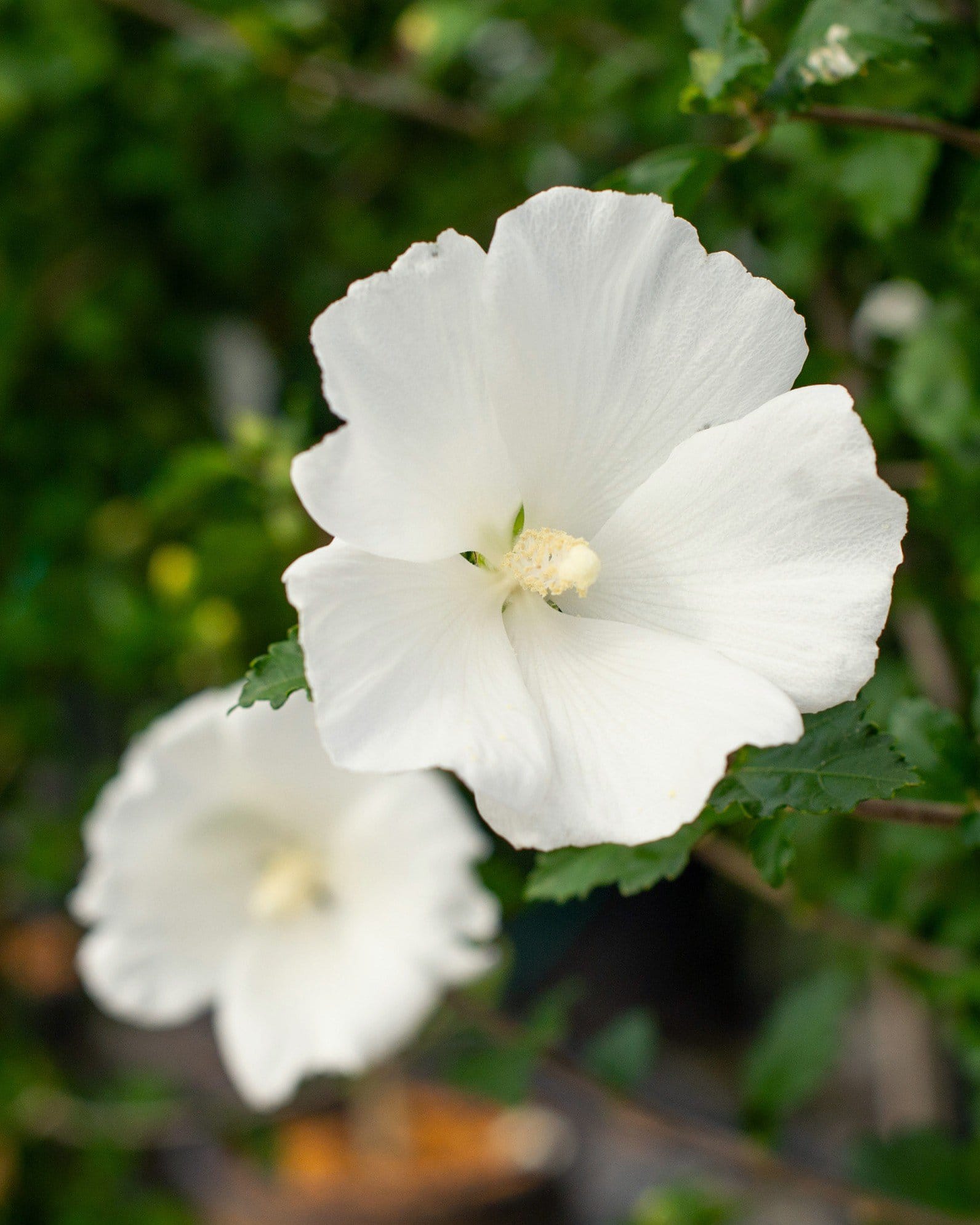
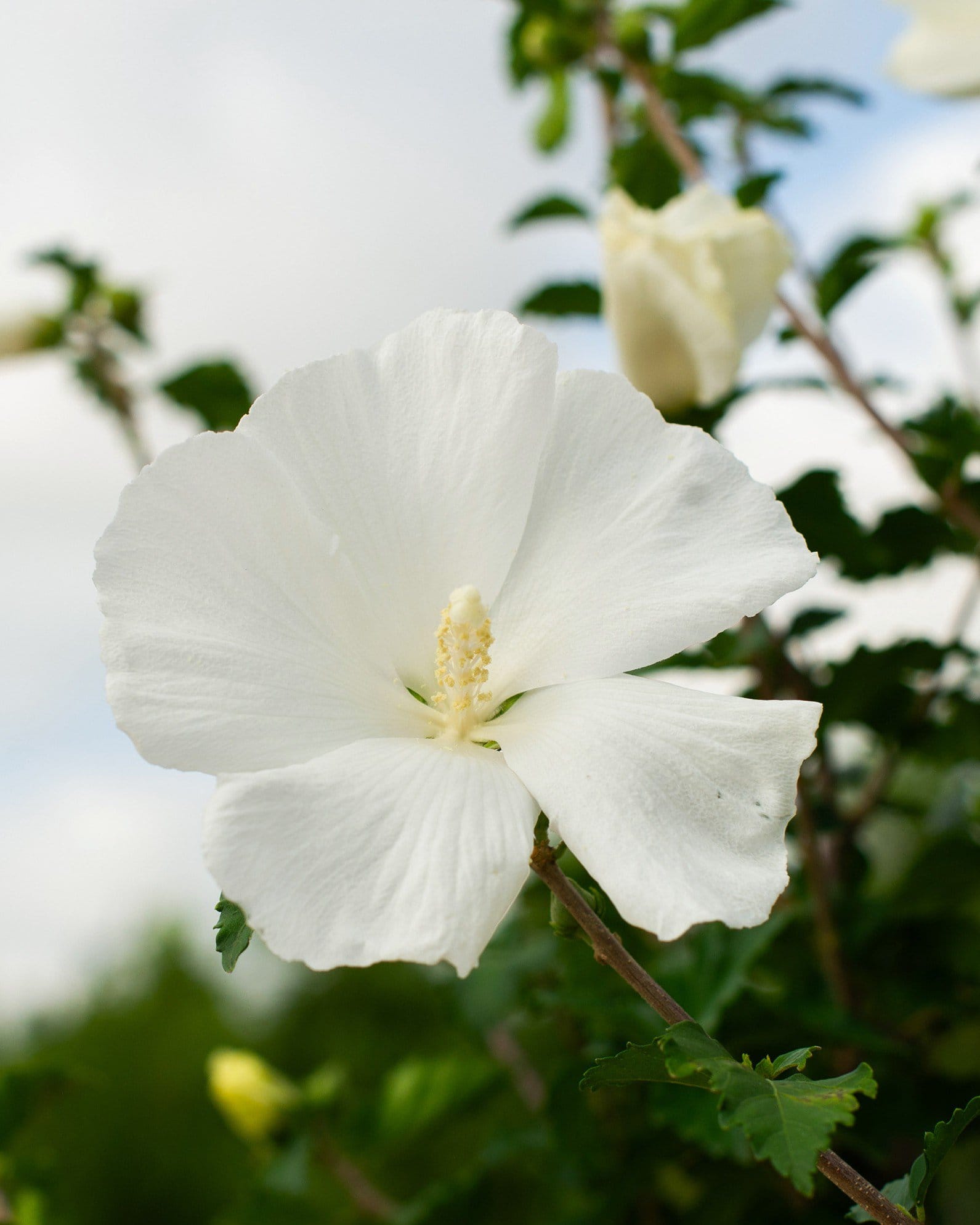
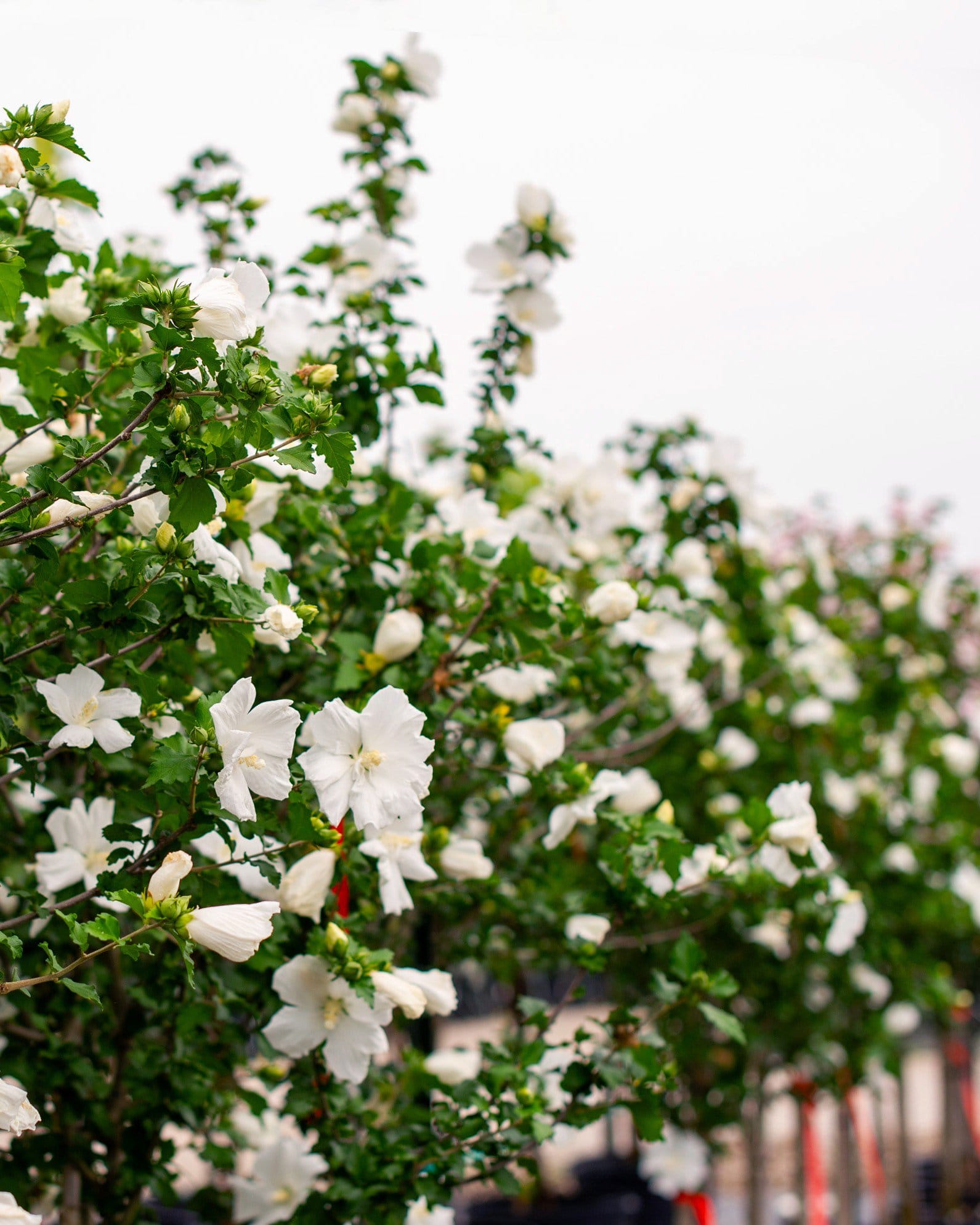
Hibiscus syriacus ‘Aphrodite’Aphrodite Althea Tree Form is a compact, elegant tree prized for its large, showy pink flowers with striking red centers that bloom from spring through summer. Growing up to 8 feet tall and 6 feet wide, it offers a graceful silhouette with a moderate growth rate. The foliage adds seasonal charm, turning bright yellow in fall before dropping. This tree’s colorful blooms make it an excellent choice for patios, borders, and small spaces.
- Deciduous tree
- Showy pink flowers with red centers
- Yellow leaves in fall add seasonal interest
- Compact size perfect for small yards and accent planting
- Great for patios, borders, and mixed beds
Hardy in USDA zones 5-8, Aphrodite Althea Tree Form thrives in full sun and well-drained soil. It adapts well to North Texas conditions and requires minimal maintenance.
The Aphrodite was one of the first major sterile Altheas released by the U.S. National Arboretum. They are triploids, meaning they are genetically incapable of producing seeds.
Aphrodite Althea Tree Form generally thrives with little effort, but proper care requires attention to a few key elements:
- Watering: Water regularly during the first year to help your tree establish strong roots. Once mature, this variety is moderately drought-tolerant, but it will still need supplemental watering during extended dry periods or extreme heat. In particular, young trees benefit from consistent moisture, while mature trees may require watering less frequently but more deeply to reach the roots.
- Pruning: Prune in late winter or early spring to shape the tree, remove dead or crossing branches, and encourage airflow for a healthy, compact canopy. Deadhead spent blooms to stimulate continuous flowering throughout the growing season.
- Fertilizing: Apply a balanced slow-release fertilizer in early spring, before the new growth begins, and water thoroughly after application. Avoid over-fertilizing, as too much nitrogen can reduce flower production.
- Mulching: Popular choices include arborist mulch, compost, shredded bark, or pine needles. Spread a 2-3 inch layer of mulch around the base to retain moisture and moderate soil temperature. Keep mulch about 6 inches away from the trunk to prevent rot.
Common Issues and How to Take Care of Them
Although Aphrodite Althea is generally resilient, it can face a few challenges:
- Aphids: Small insects that feed on plant sap, often leaving sticky honeydew that attracts sooty mold. Heavy infestations can distort the leaves and reduce bloom production.
- Japanese Beetles: These pests can chew through leaves and flowers, reducing the tree’s vibrancy and leaving behind a bare, skeletal appearance if left untreated.
- Powdery Mildew: White powdery coating on leaves that can stunt growth and reduce bloom quality.
Management Tips:
- Treat pests promptly with insecticidal soap or horticultural oil, applying evenly to affected areas.
- Maintain proper spacing between trees to ensure good airflow, which helps reduce fungal infections.
- Avoid overhead watering to limit powdery mildew; focus on watering at the base of the tree.
- Inspect trees regularly for early signs of pest infestations or disease, as early intervention is key to healthy growth.
Focus on removing dead or crossing branches. Deadhead flowers regularly to encourage repeat blooms and a tidy, structural appearance.
Moderate growth rate; expect full height in about 5–7 years depending on the soil quality, water, and overall care.
Late fall or early spring is ideal for healthy root establishment. Summer planting is possible, but trees will require diligent watering and extra attention to avoid heat stress.
Early spring, just before new growth emerges, is optimal. Avoid late-season fertilization, which can create tender growth vulnerable to frost damage.
Yes, but young trees may need staking until they develop a stronger trunk. Once established, they are fairly wind-resistant and can withstand moderate gusts.
Ensure proper spacing for airflow, prune overcrowded branches, and water at the base rather than overhead. Regular inspections and prompt removal of affected leaves help minimize spread.
Yes! Perennials like daylilies, ornamental grasses, and salvia complement its blooms, help maintain soil moisture, and create a visually appealing landscape.
Deep watering is most important during bloom and dry spells. For mature trees, aim for 10–15 gallons per watering, adjusting frequency based on temperature, soil conditions, and rainfall.
Mature trees tolerate full sun well, which encourages abundant flowering. Young trees, however, need consistent watering to prevent leaf scorch in hot conditions.
Without pruning, the tree can become leggy, blooms may decrease, and airflow can be restricted, increasing susceptibility to pests and diseases. Proper pruning ensures strong structure, healthier blooms, and a longer lifespan.
Special Features
You might also like
Compare Similar Plants
Aphrodite Althea Tree Form This plant | ||
|---|---|---|
| Scientific Name | Hibiscus syriacus ‘Aphrodite’ | Hibiscus syriacus ‘Danica’ |
| Size at Maturity | 8' H x 6' W | 8' H x 5' W |
| Leaf Retention | Deciduous | Deciduous |
| Fall Color | Yellow | Yellow |
| Flower Color | Pink & Red | Pink |
| Bloom Times | Spring & Summer | Spring & Summer |
| Sizes Available | 30 gal | 10 gal |


Our 1-Year Planting Guarantee
We take pride in our plants and installation services. If any plants or trees installed by Treeland fail to thrive within the first year, we'll provide a replacement credit in accordance with our guarantee program.
Learn More About Our Guarantee