
Kiowa Blackberry
Rubus fruticosus ‘Kiowa’Local DFW Delivery Only
Product Details
Kiowa Blackberry
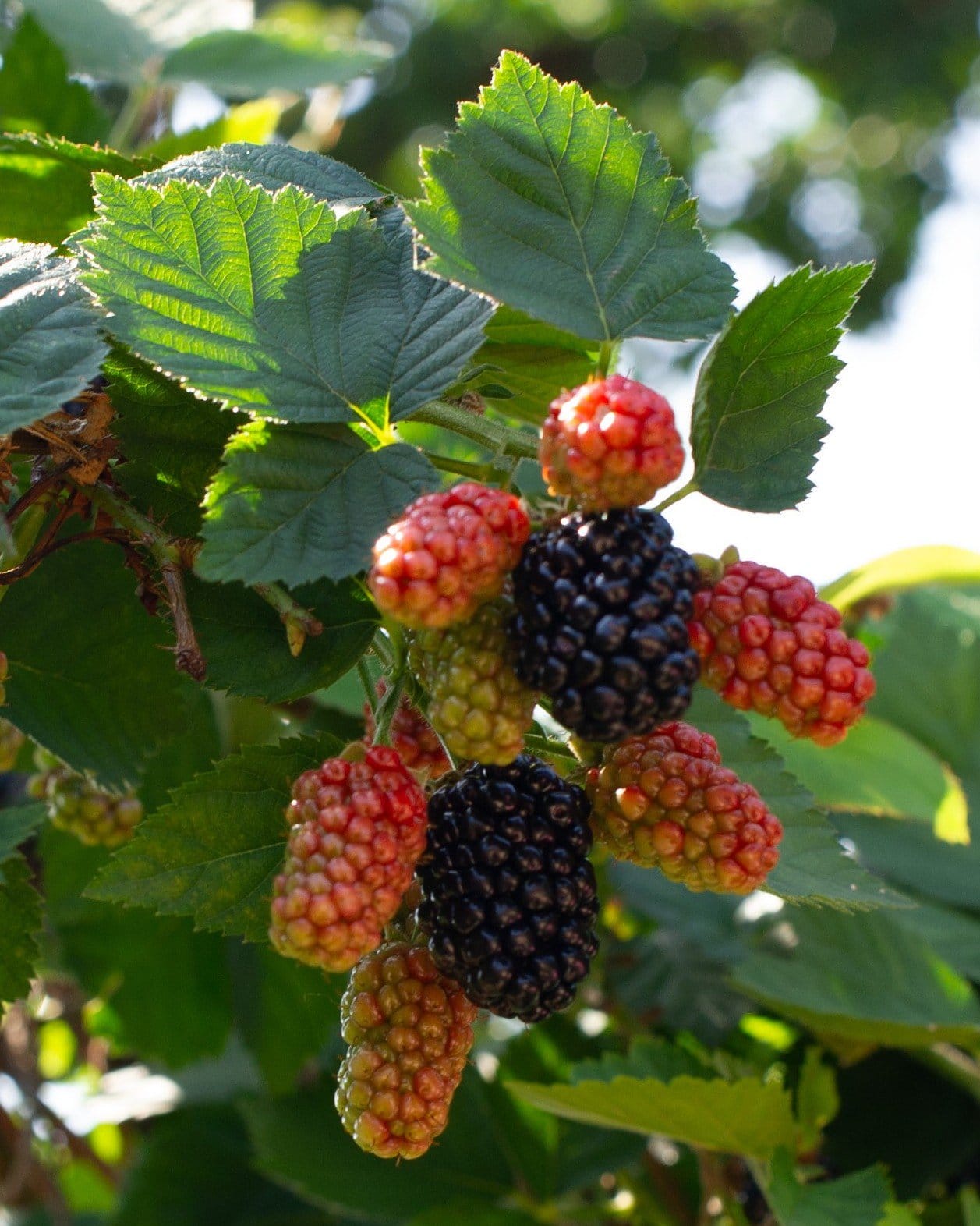
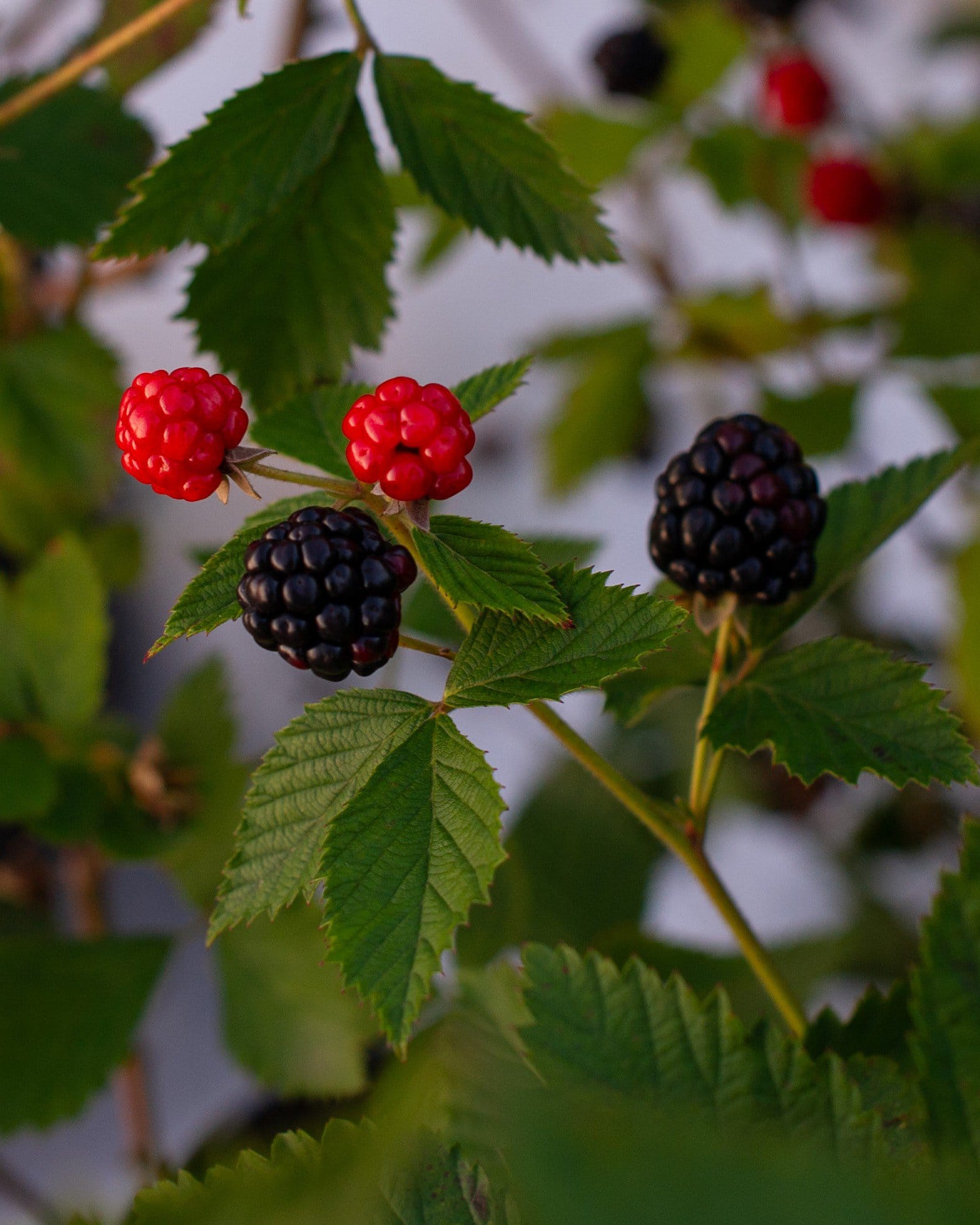
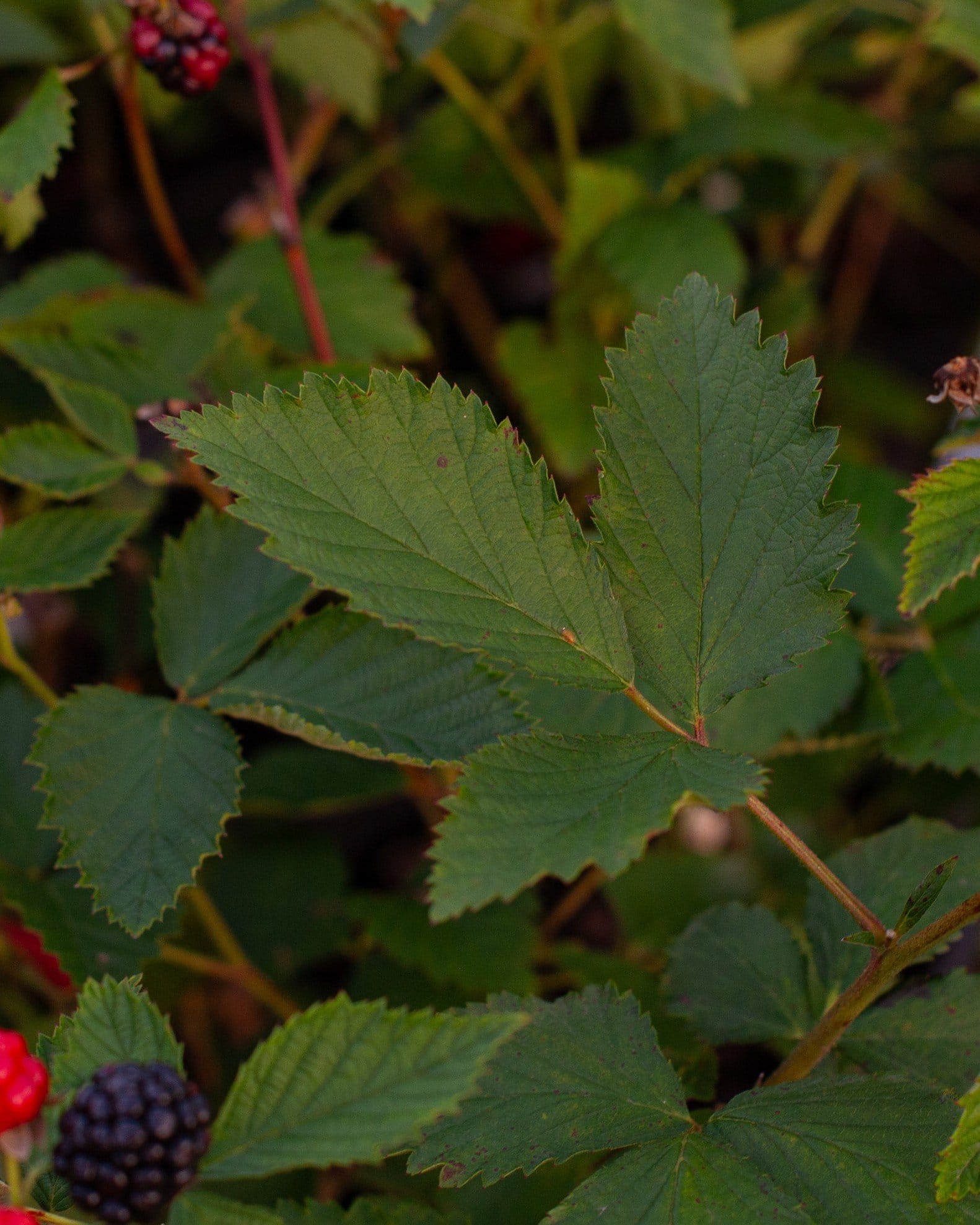
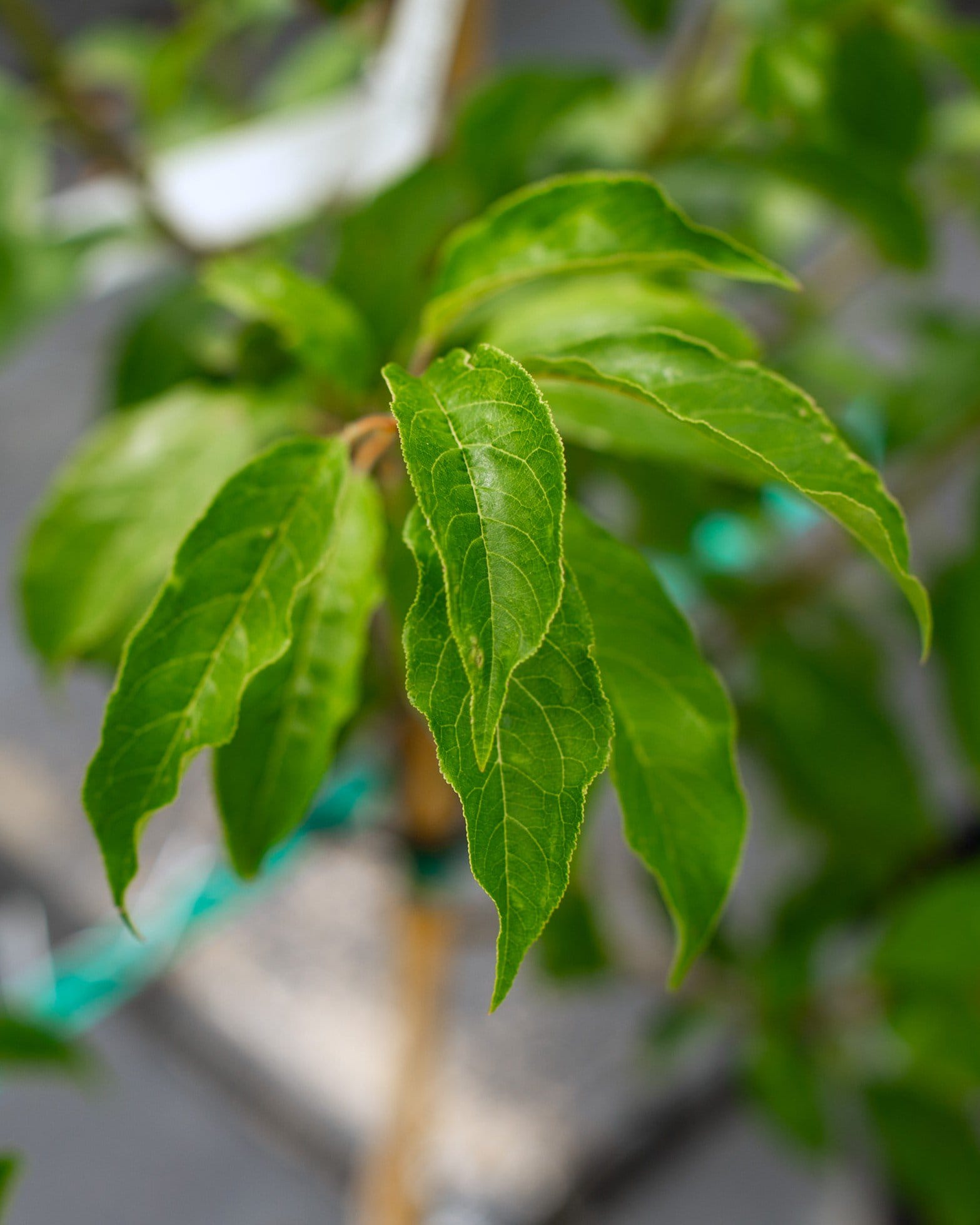
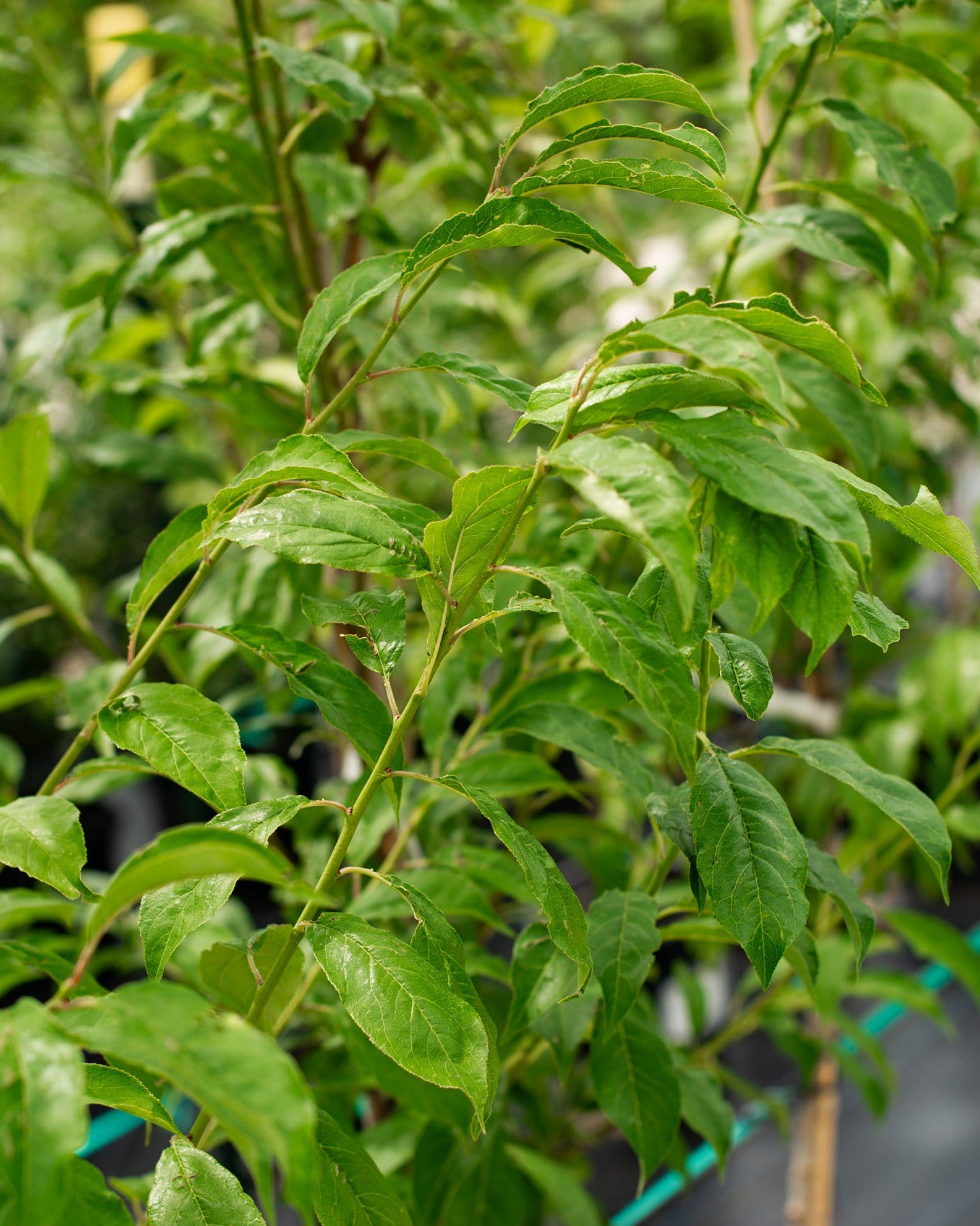
Rubus fruticosus ‘Kiowa’Kiowa blackberry is a deciduous plant growing up to 4 feet tall and 3 feet wide at maturity. It is fast-growing, and typically reaches maturity between 2 to 4 years after planting.
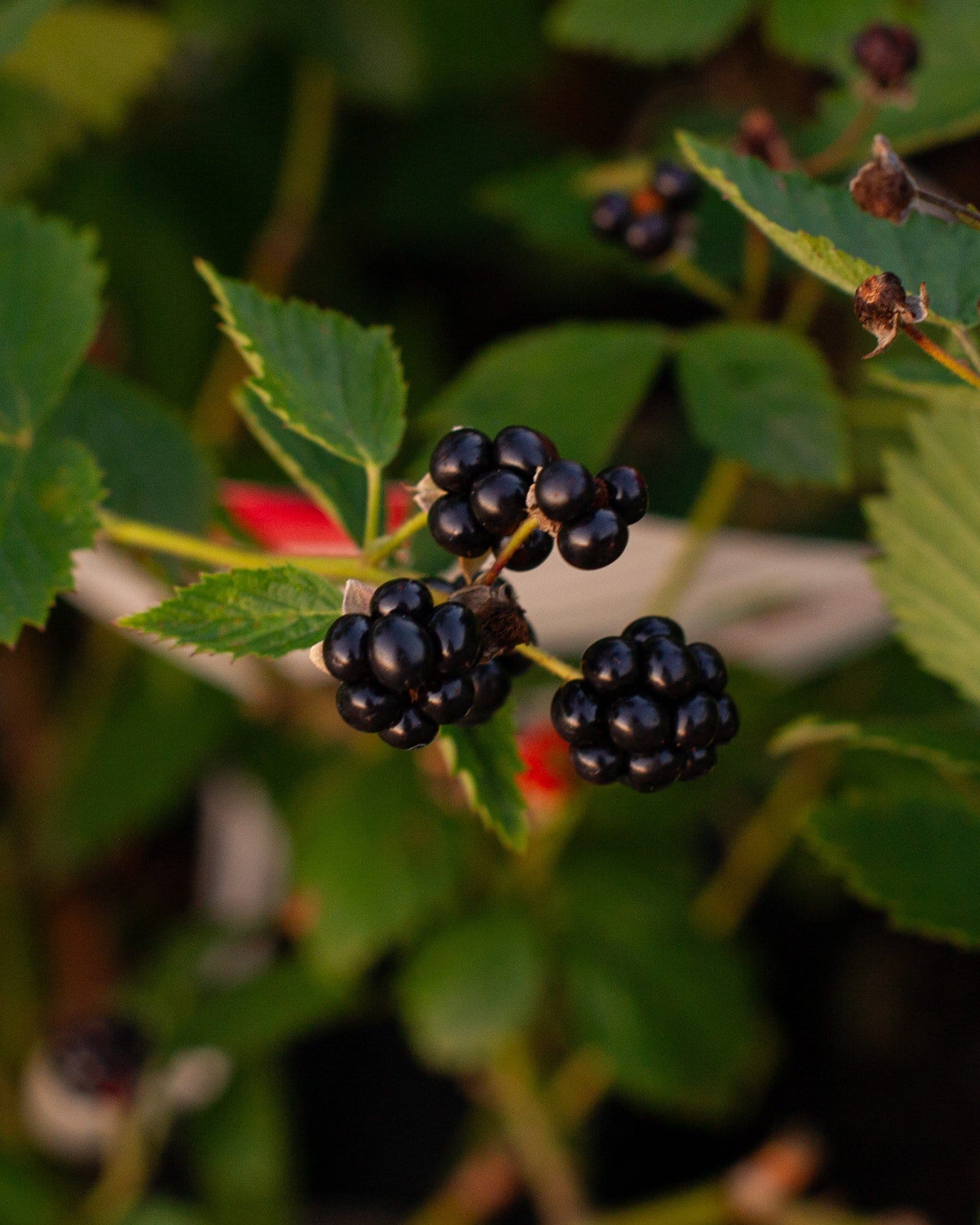
Kiowa blackberry is known for producing some of the largest blackberries, with some of them measuring up to 3 inches long. They are sweet and rich in flavor, making them ideal for a variety of uses, from eating fresh to baking, as well as making jams and beverages.
- Thorny, deciduous plant
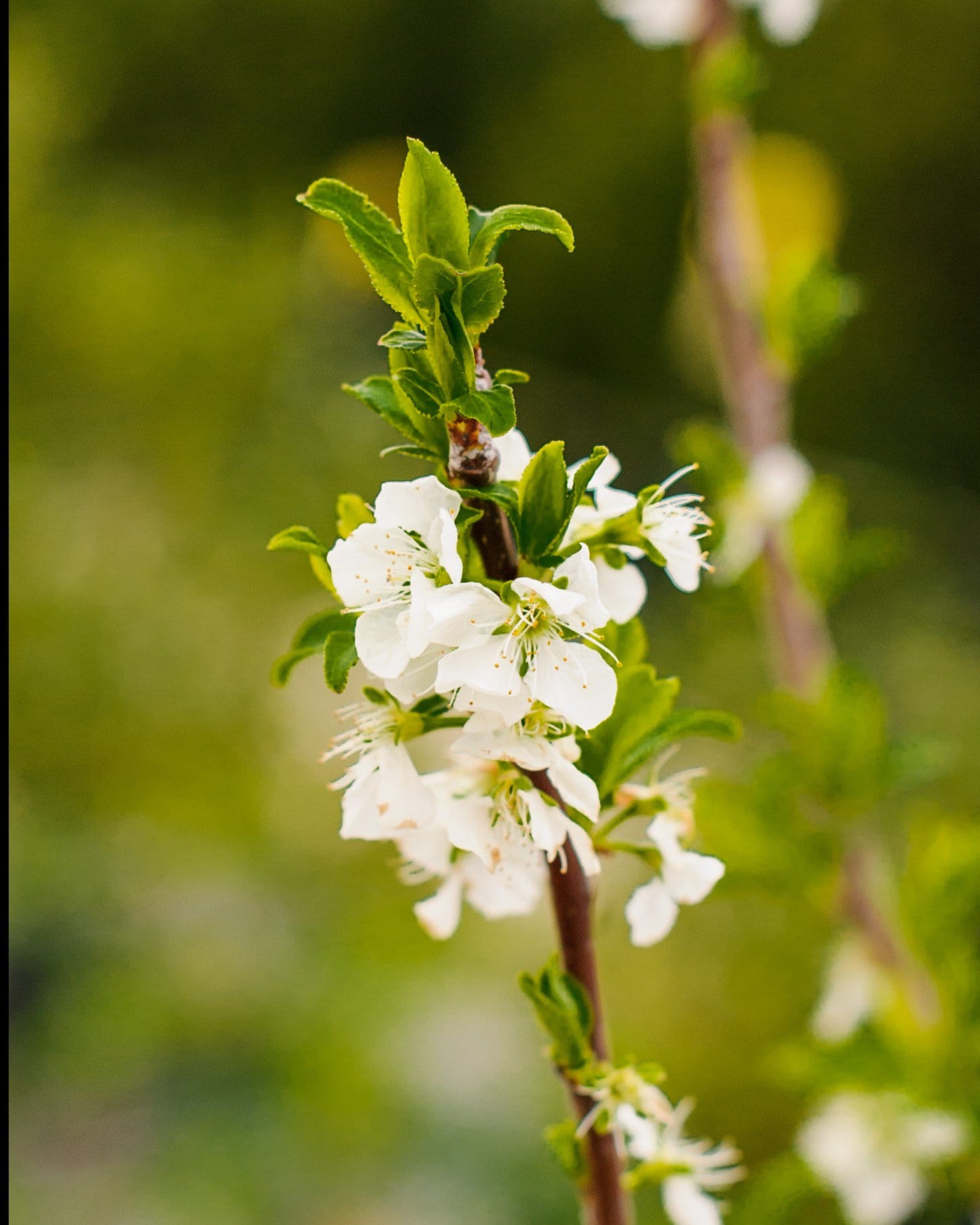
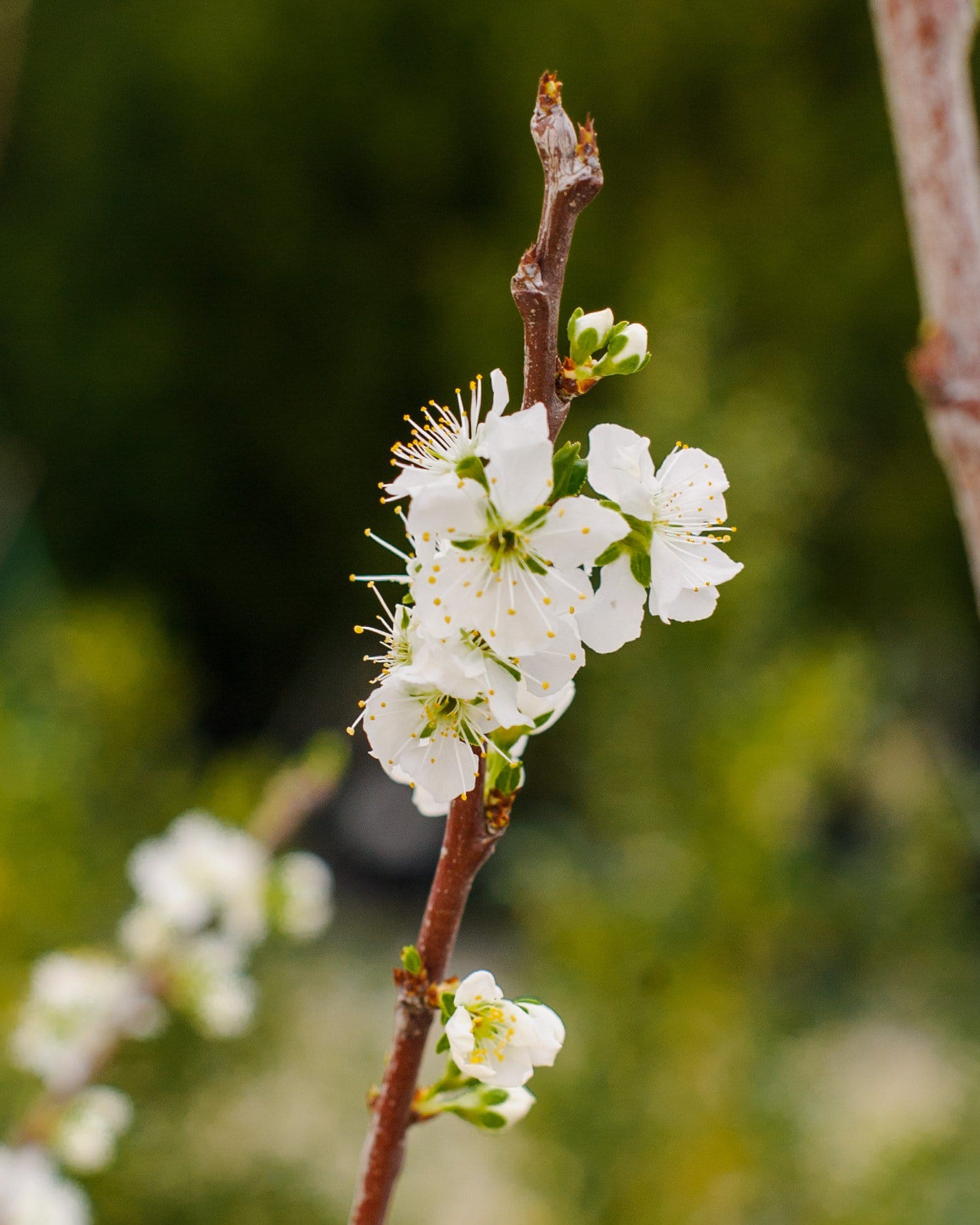
- Beautiful white flowers in spring
- Large, sweet blackberries in summer
- Fast growth rate
- Thrives in full sun
Kiowa blackberry prospers in well-drained soil and requires plenty of direct sunshine. Fertilize it in early spring and in the middle of summer to support health and growth.
Kiowa Blackberry is loved across Texas landscape for its low-maintenance nature. Here’s all it needs to thrive:
- Watering: Water regularly during the first growing season to establish strong roots. Once mature, Kiowa prefers deep, consistent watering - about once or twice a week during dry spells. Avoid letting the soil dry out completely during fruiting, as this can reduce berry size and sweetness. However, good drainage is essential.
- Pruning: Prune annually to promote healthy canes and abundant fruiting. In late winter, remove all canes that fruited the previous year - only new first-year canes (primocanes) will produce next season’s berries. During summer, pinch back vigorous new shoots to about 4-5 feet tall to encourage branching and increase yield.
- Fertilizing: Feed in early spring with a balanced, slow-release fertilizer or a berry-specific blend rich in phosphorus and potassium to support strong flowering and fruiting. A light midseason feeding after the first harvest can help sustain production. Avoid heavy nitrogen feeding.
- Mulching: Apply a 2-3 inch layer of mulch, such as pine straw, shredded bark, or compost, around the base to conserve moisture and suppress weeds. Keep mulch an inch or two away from the canes to prevent stem rot and improve air circulation.
- Winter Care: Kiowa is hardy through most Southern climates but benefits from mulch over the root zone in colder regions. After the first frost, prune dead or damaged growth and tidy up canes.
Though Kiowa Blackberry is tough and disease-resistant, a few common issues can arise in challenging weather or crowded plantings:
- Cane Blight: Caused by fungal infection on wounded stems. Prune out and destroy affected canes, disinfect tools between cuts, and avoid overhead watering. Mulch to minimize soil splash.
- Anthracnose: Small purple or gray spots on stems and leaves. Improve air circulation and apply a copper-based fungicide early in spring if symptoms persist.
- Botrytis Fruit Rot (Gray Mold): Can affect ripening berries during humid or rainy weather. Pick ripe fruit promptly, avoid overcrowding, and ensure good spacing for airflow.
- Spider Mites: Fine webbing and stippled leaves during hot, dry weather. Rinse canes regularly with water and apply insecticidal soap if infestations persist.
- Aphids: Small insects that cluster on tender shoots. Wash them off with a firm spray of water or use insecticidal soap. Encourage ladybugs and lacewings for natural control.
- Japanese Beetles: Feed on leaves and fruit during summer. Hand-pick in the early morning or use pheromone traps set away from the planting area.
With proper pruning and care, it can remain productive for 10-15 years or more. Regular renewal pruning keeps the patch healthy and vigorous.
It grows rapidly, often producing its first berries in the second year after planting and reaching full yield potential within 3-4 years.
Kiowa produces some of the largest blackberries of any variety - up to 3 inches long, with firm texture and outstanding sweetness.
No, it has large, sharp thorns, but its high fruit quality and easy picking height make it a favorite despite the thorns.
It’s semi-erect and can stand without support, but a simple wire trellis helps keep canes upright, improves airflow, and makes harvesting easier.
Yes. Its white spring blossoms draw bees and butterflies, which in turn enhance fruit set and yield.
No - Kiowa is self-pollinating, though yields may improve slightly when grown near other blackberry varieties.
Yes. Remove older, woody canes after fruiting and thin overcrowded plants. Feeding with compost or a berry fertilizer each spring encourages new, vigorous shoots.
Yes. Its upright growth, long harvest window, and large fruit make it a popular choice for both home gardens and small-scale farms.
Its unmatched berry size, extended harvest season, and robust flavor set it apart. While most blackberries produce for only a few weeks, Kiowa keeps fruiting for over a month, offering exceptional yields and classic sweetness that make it one of the most beloved Southern blackberry cultivars.
Special Features
You might also like
Arapaho Blackberry
Maturity: 4' H x 3' W
Golden Dorsett Apple
Maturity: 15' H x 15' W
Methley Plum
Maturity: 10' H x 10' W
Santa Rosa Plum
Maturity: 15' H x 15' W
Anna Apple
Maturity: 15' H x 15' W
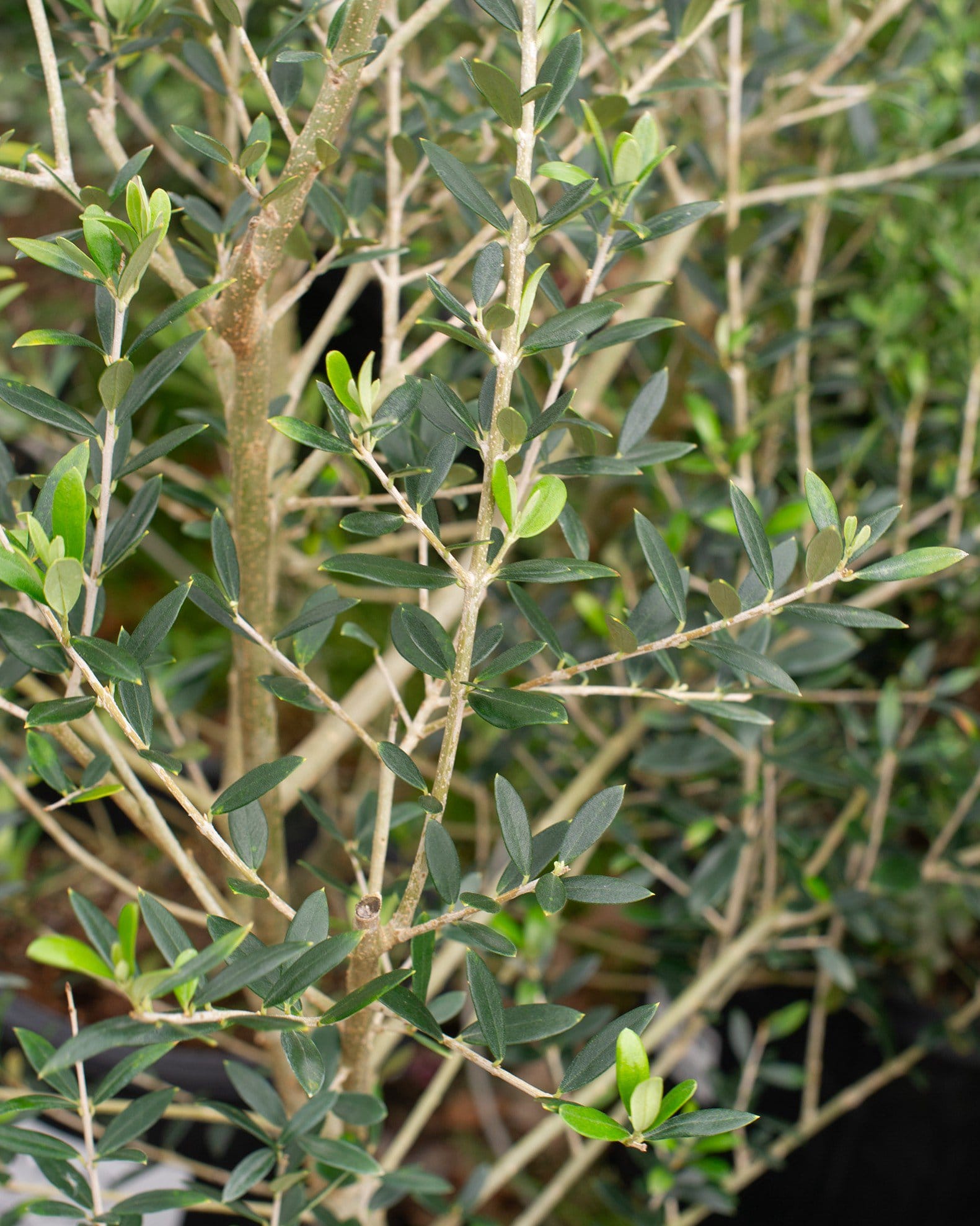
Arbequina Olive
Maturity: 15' H x 15' W
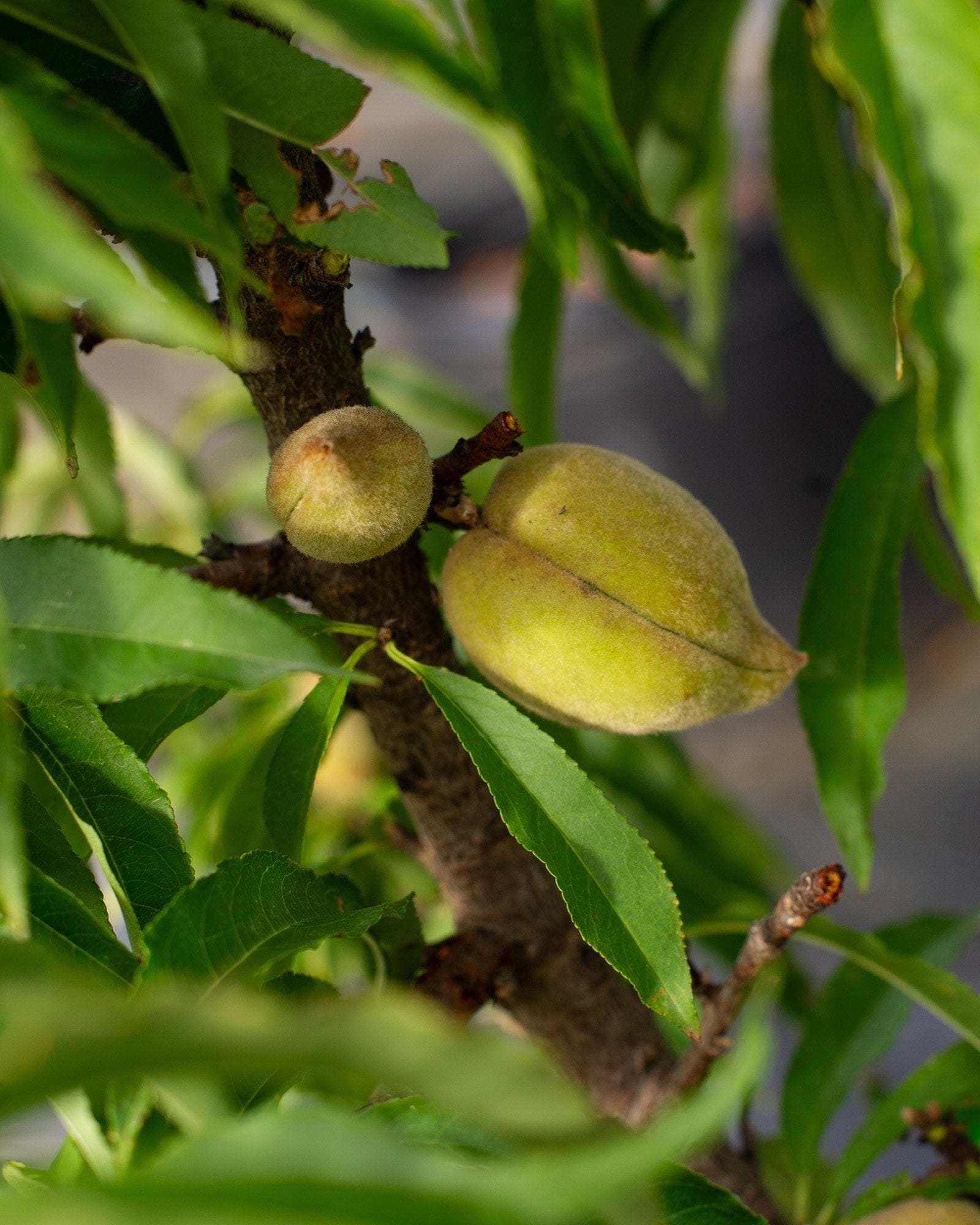
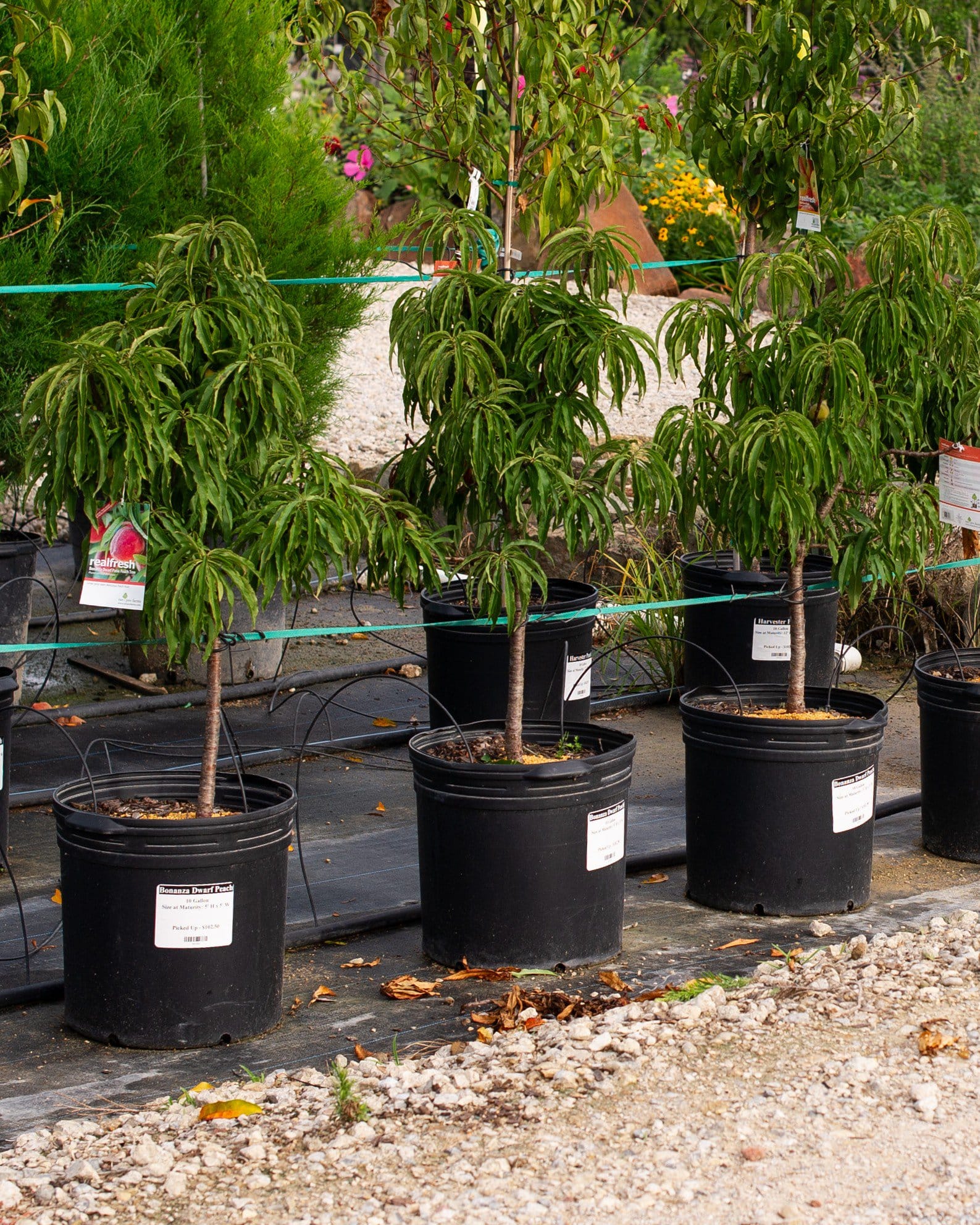
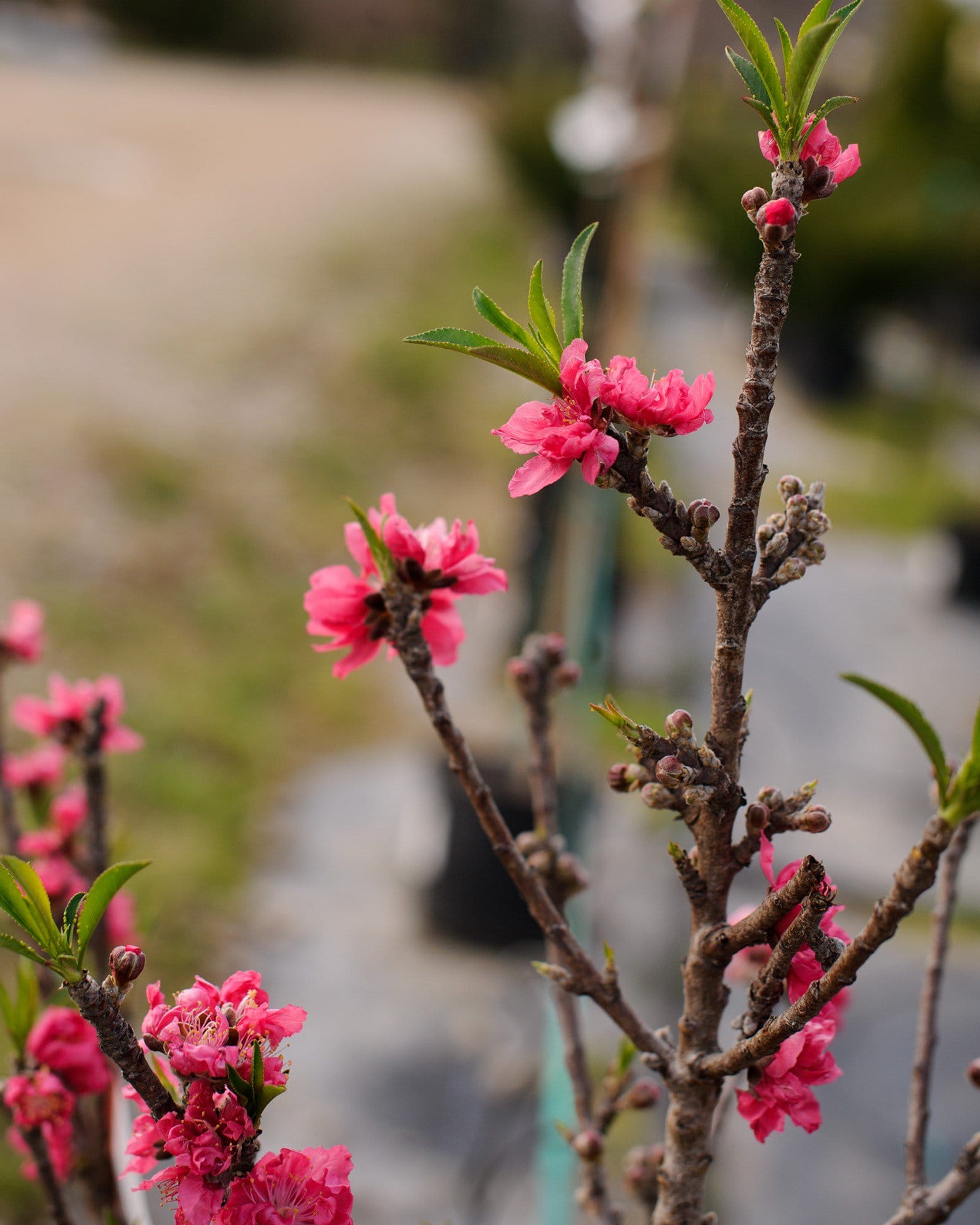
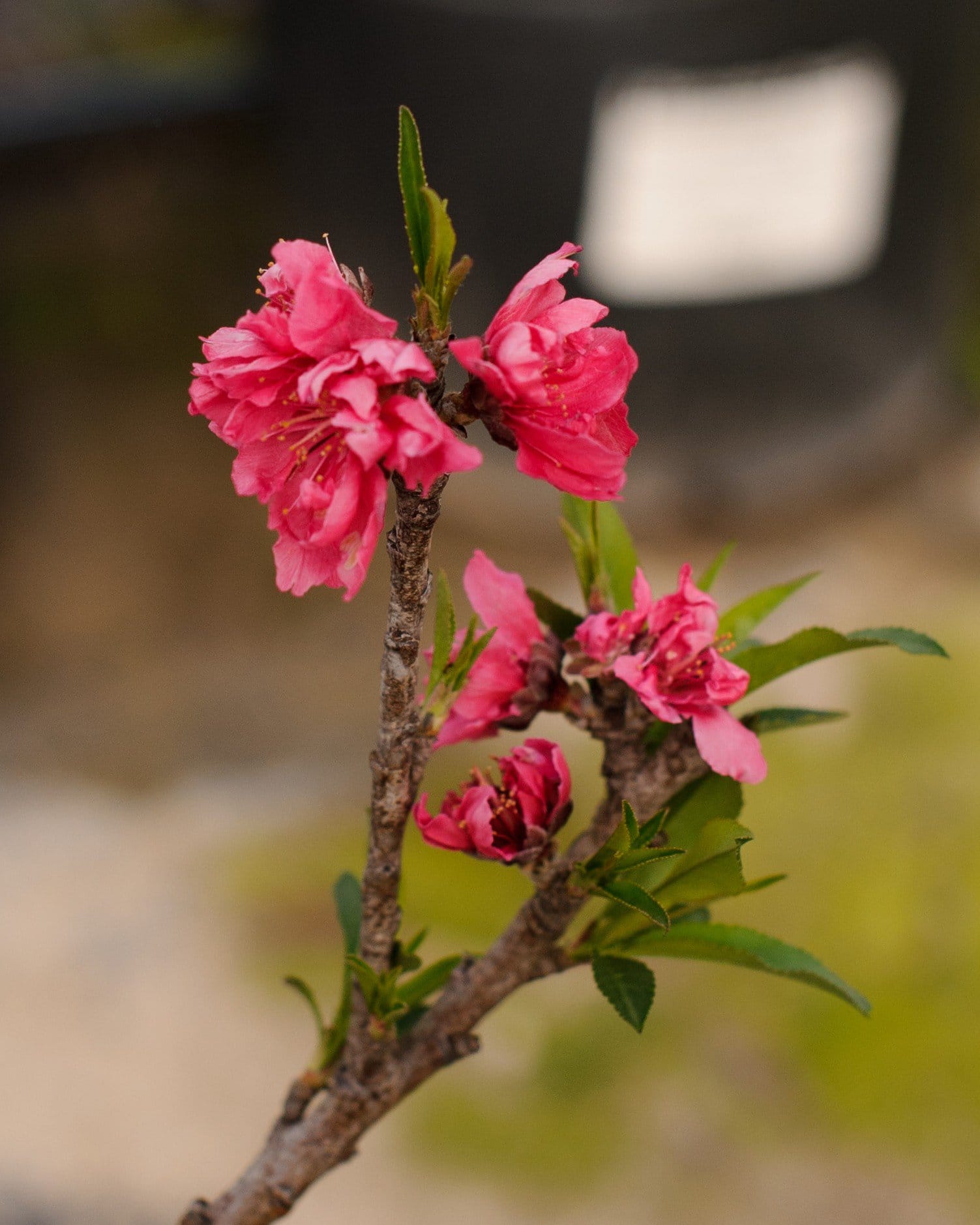
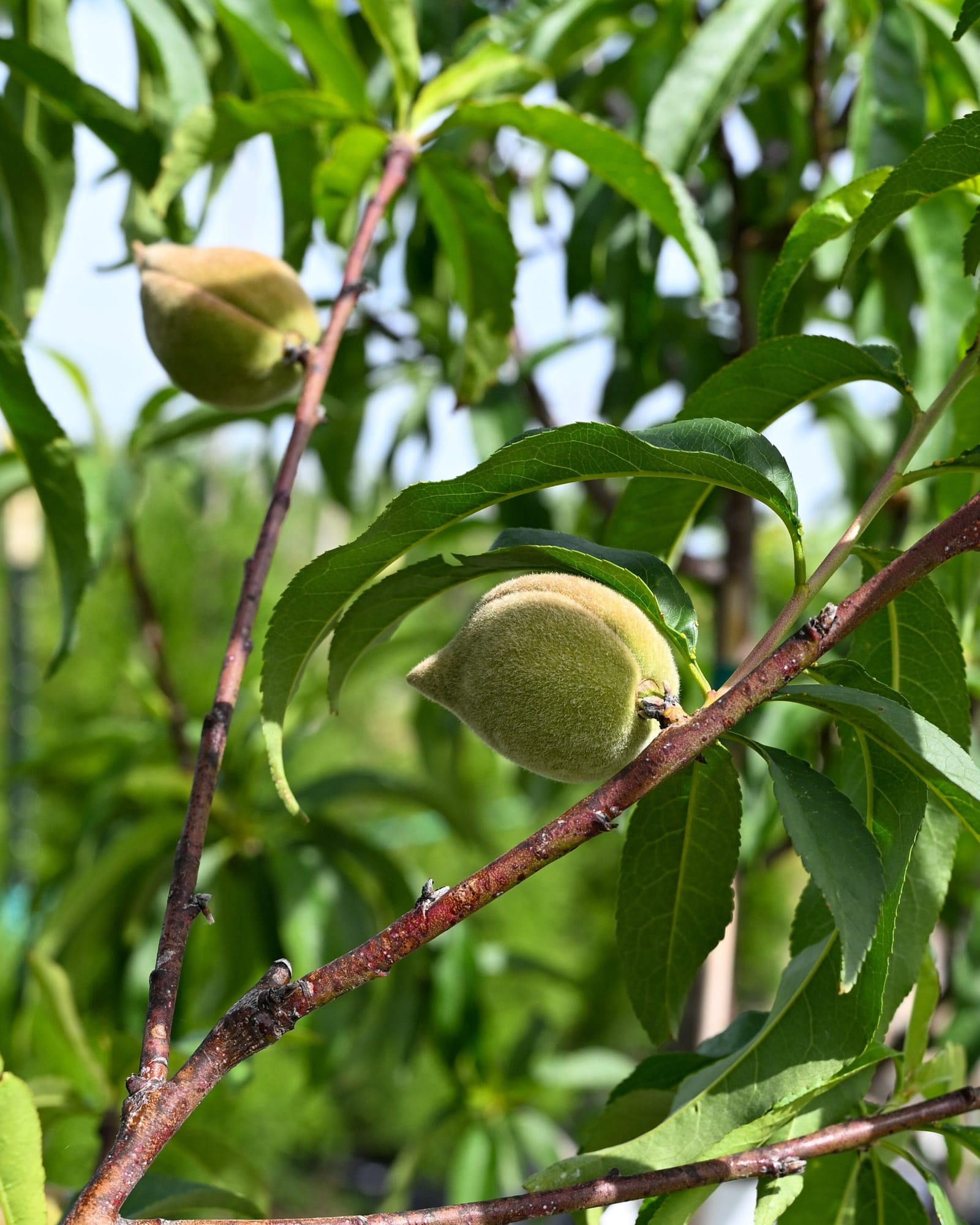
Bonanza Dwarf Peach
Maturity: 5' H x 5' W
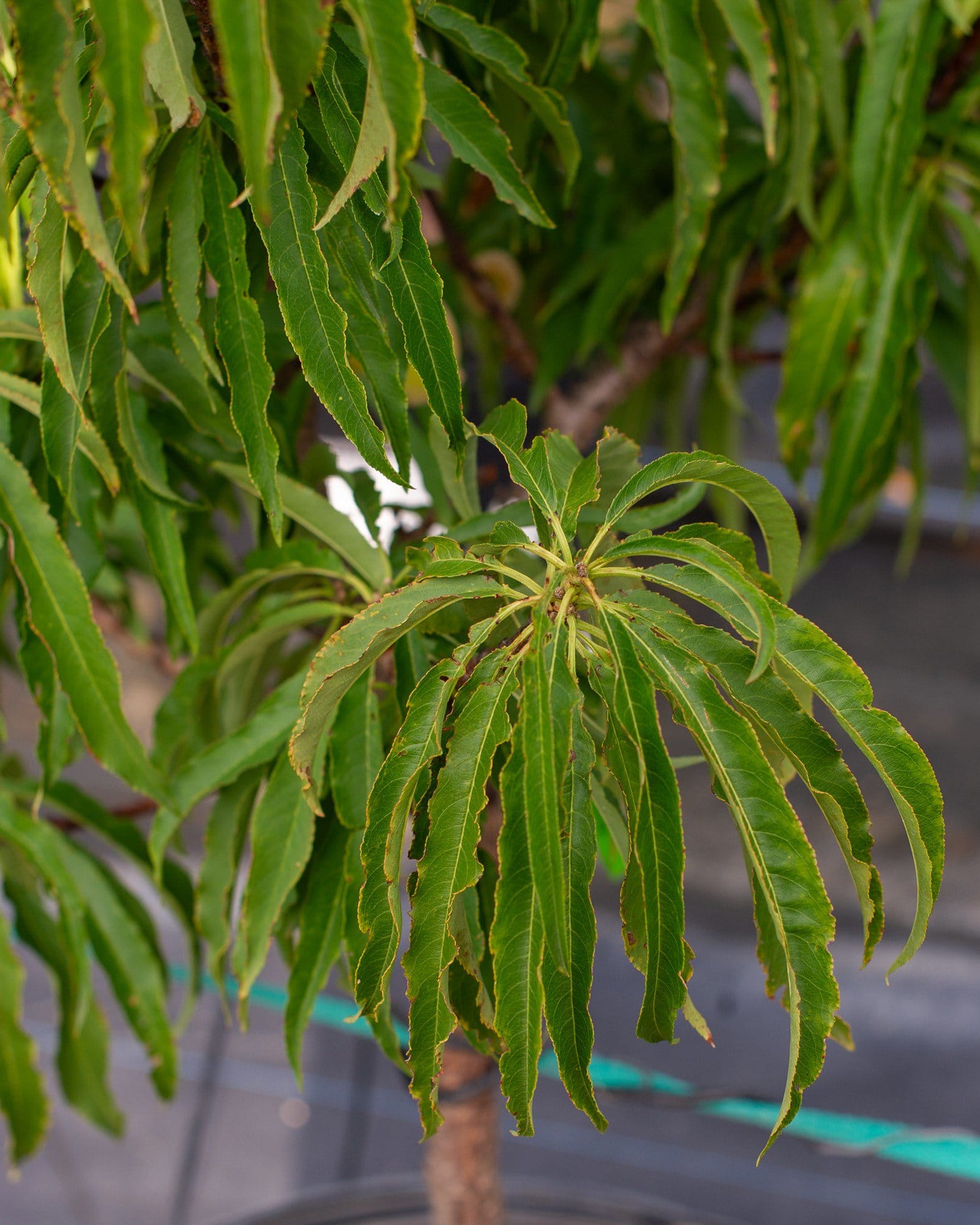
Hale Haven Peach
Maturity: 12' H x 12' W
Harvester Peach
Maturity: 12' H x 10' W
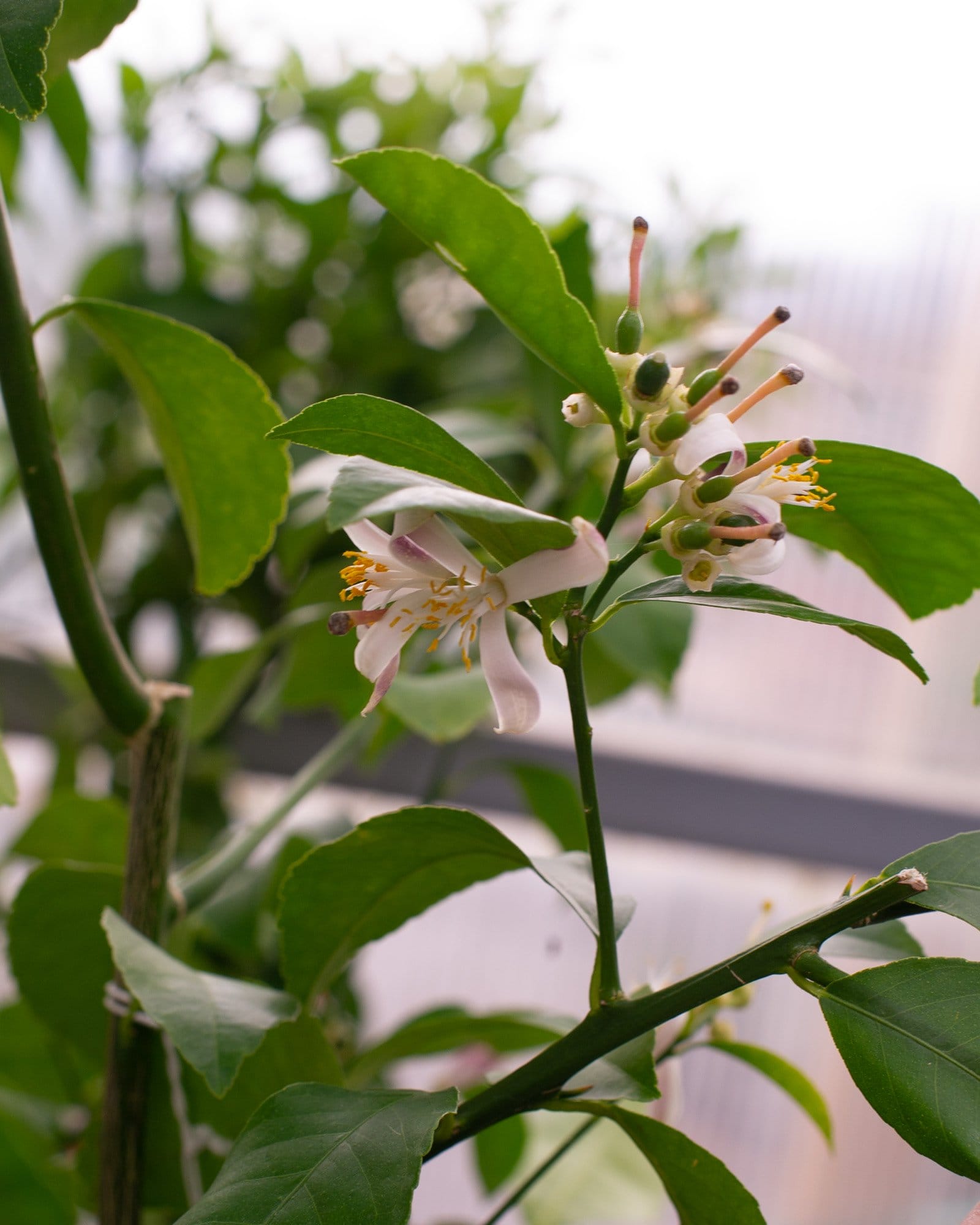
Improved Meyer Lemon
Maturity: 6' H x 8' W
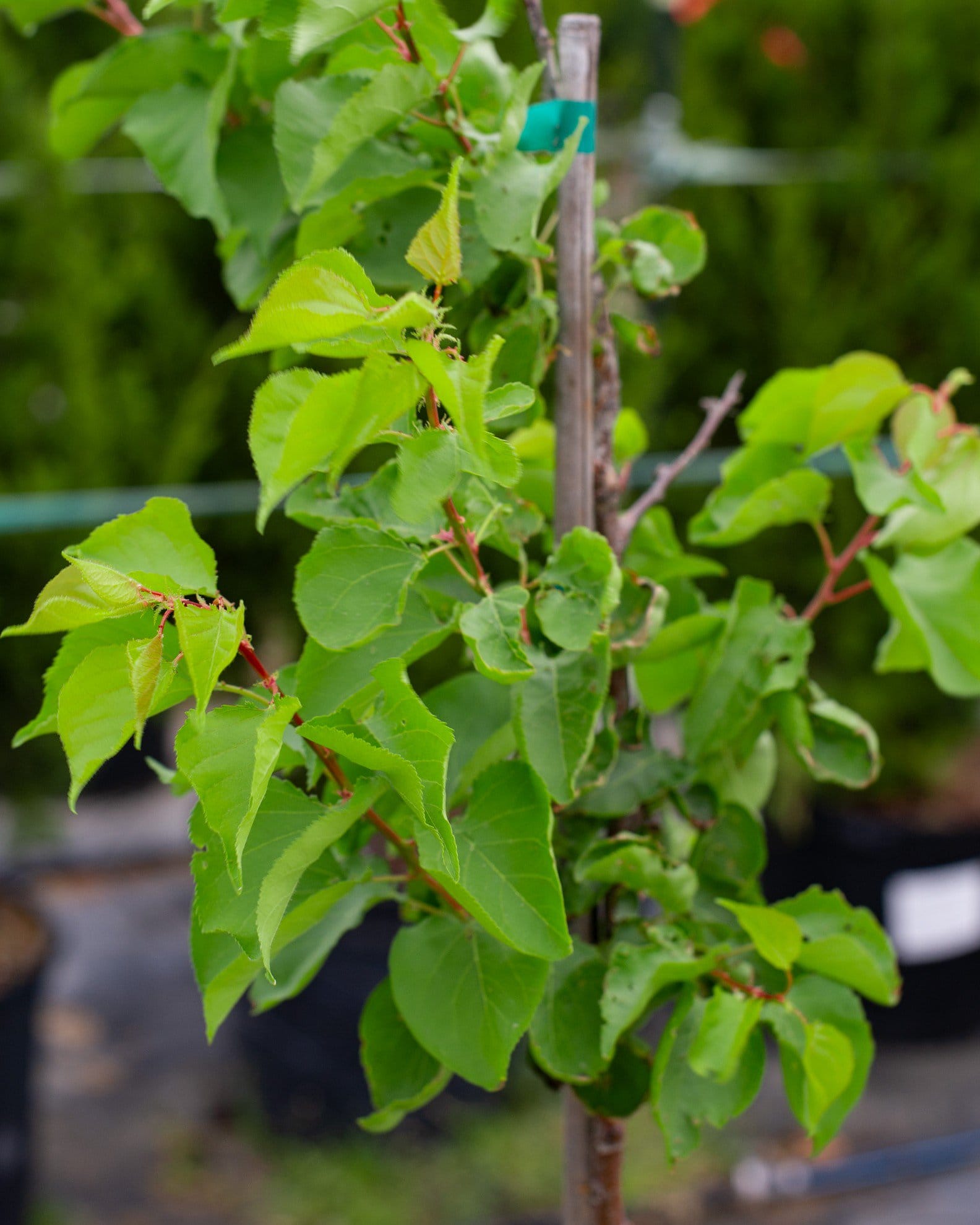
Blenheim Apricot
Maturity: 15' H x 15' W
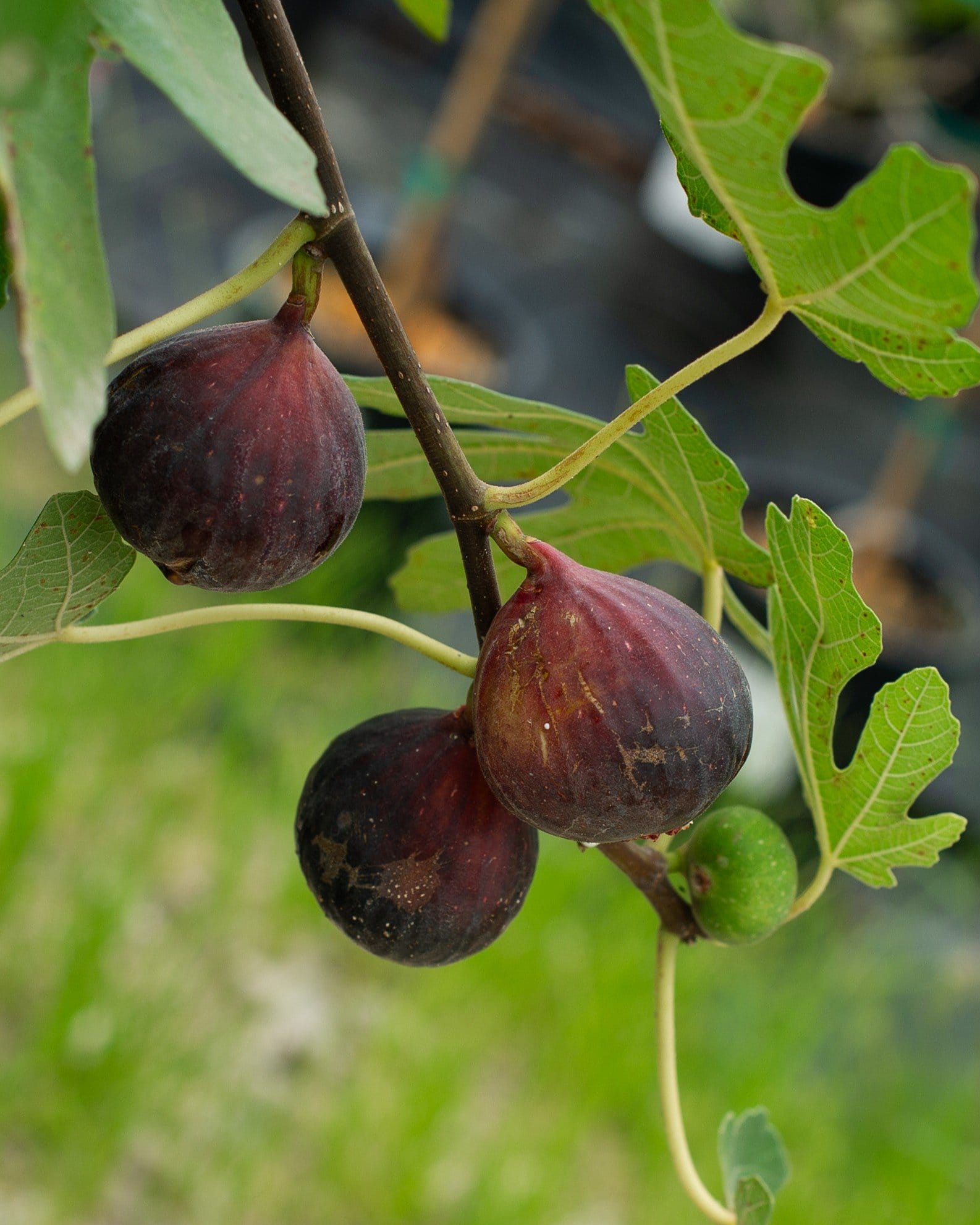
Celeste Fig
Maturity: 8' H x 8' W
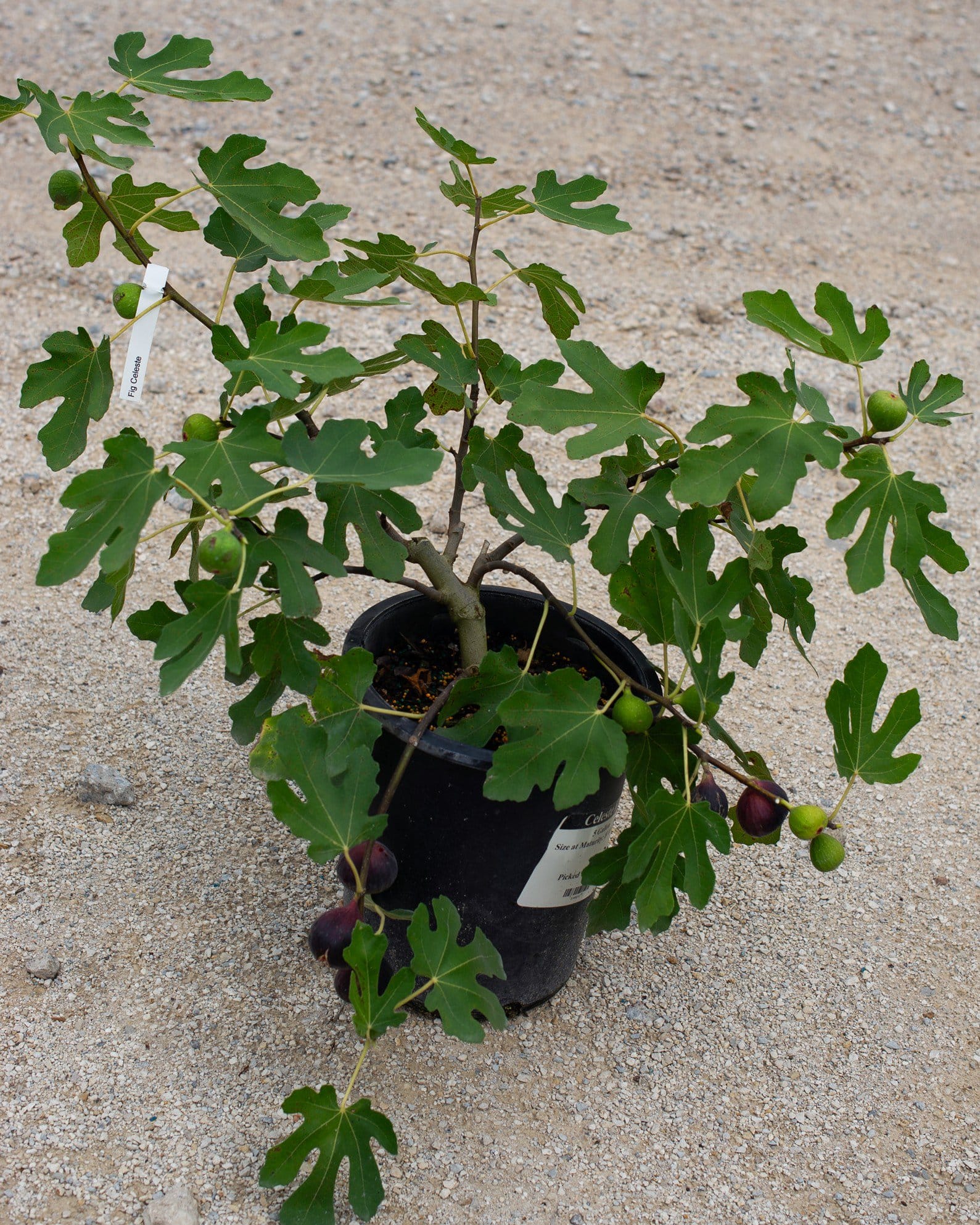
LSU Purple Fig
Maturity: 8' H x 8' W
Texas Pink Pomegranate
Maturity: 10' H x 8' W
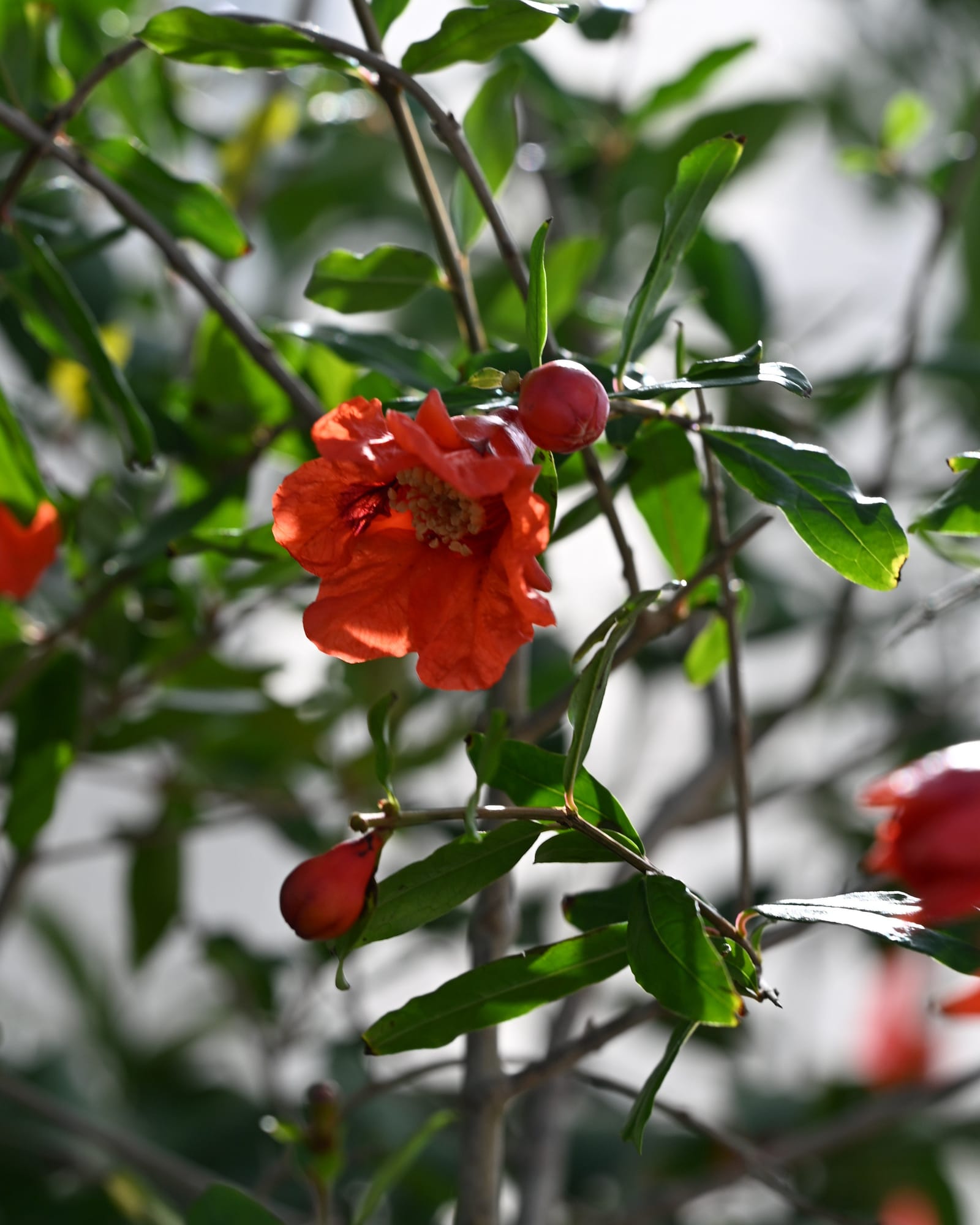
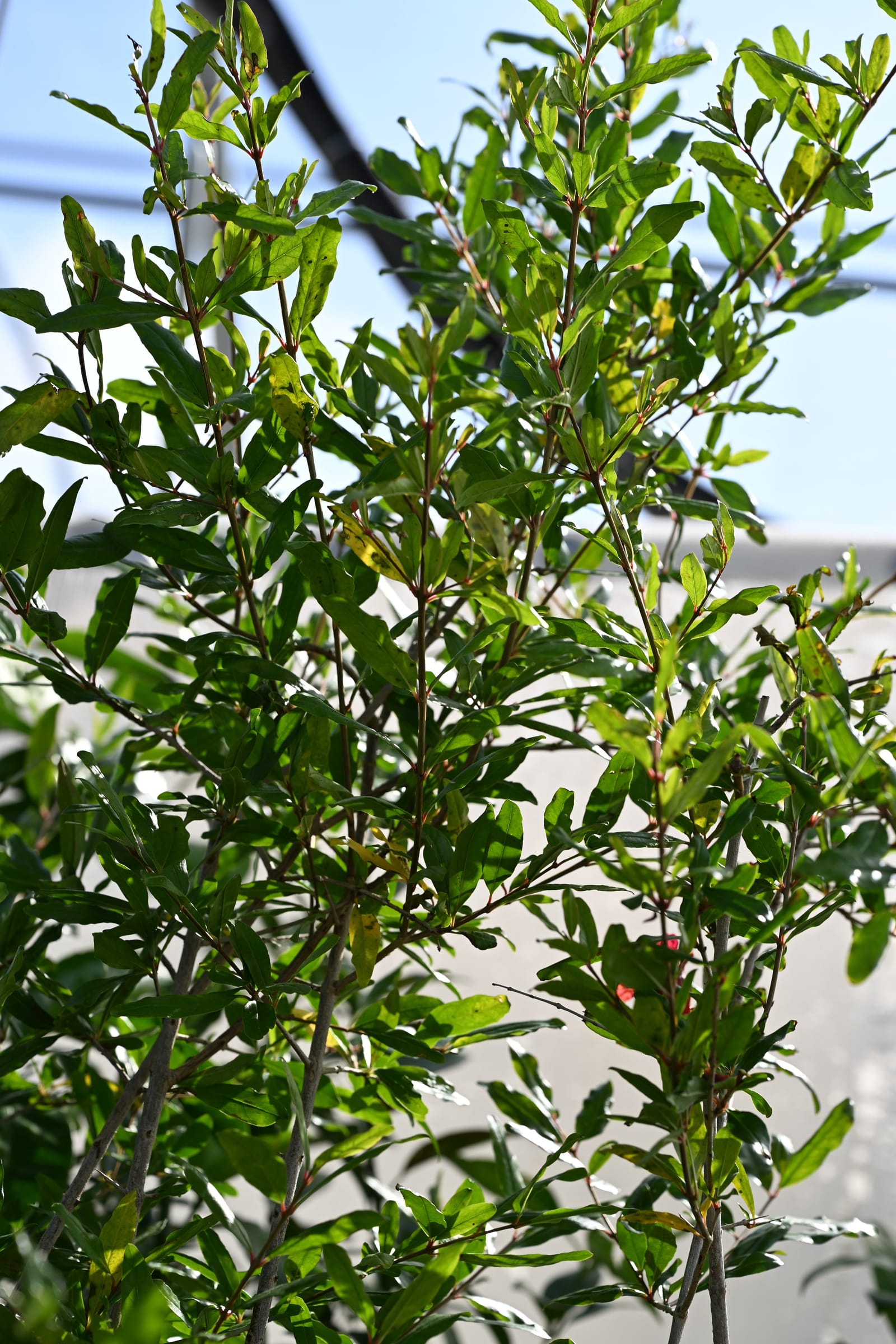
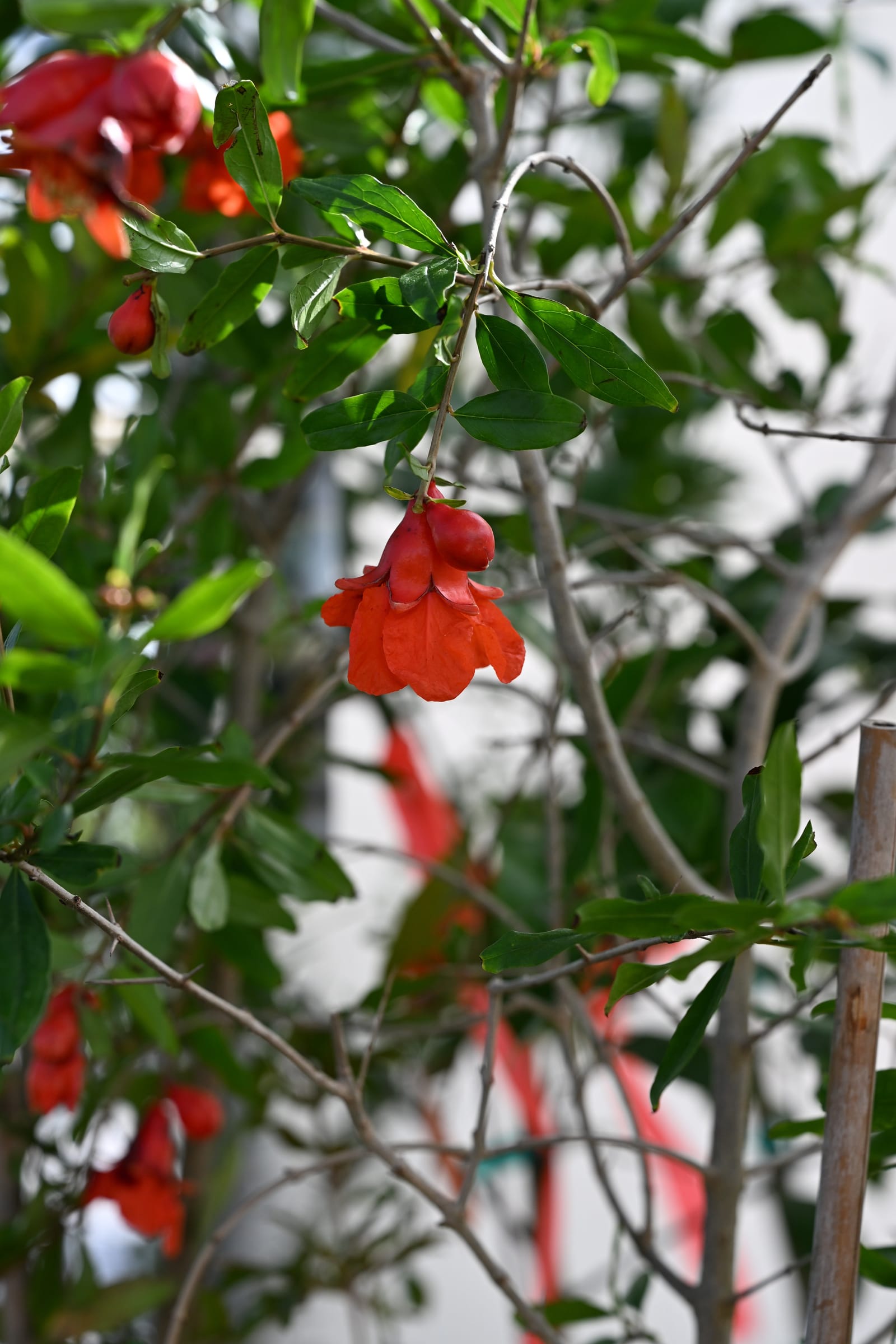
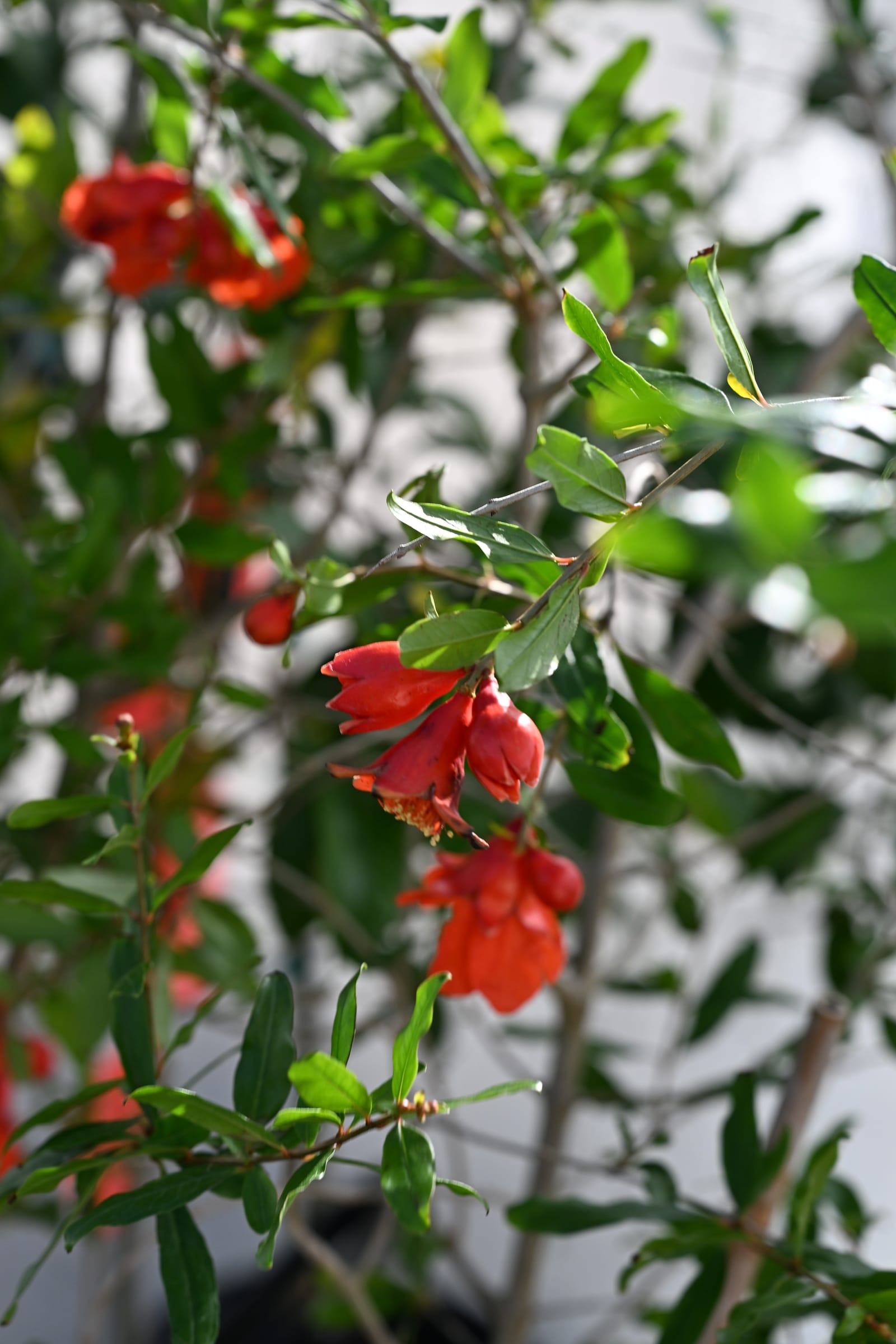
Wonderful Pomegranate
Maturity: 10' H x 8' W
Compare Similar Plants
Kiowa Blackberry This plant | ||
|---|---|---|
| Scientific Name | Rubus fruticosus ‘Kiowa’ | Rubus 'Arapaho' |
| Size at Maturity | 4' H x 3' W | 4' H x 3' W |
| Leaf Retention | Deciduous | Deciduous |
| Fall Color | Yellow | Yellow |
| Flower Color | White | White |
| Bloom Times | Spring | Spring |
| Sizes Available | 1 gal | 2, 3 gal |


Our 1-Year Planting Guarantee
We take pride in our plants and installation services. If any plants or trees installed by Treeland fail to thrive within the first year, we'll provide a replacement credit in accordance with our guarantee program.
Learn More About Our Guarantee