
Methley Plum
Prunus salicina 'Methley'Local DFW Delivery Only
Product Details
Methley Plum
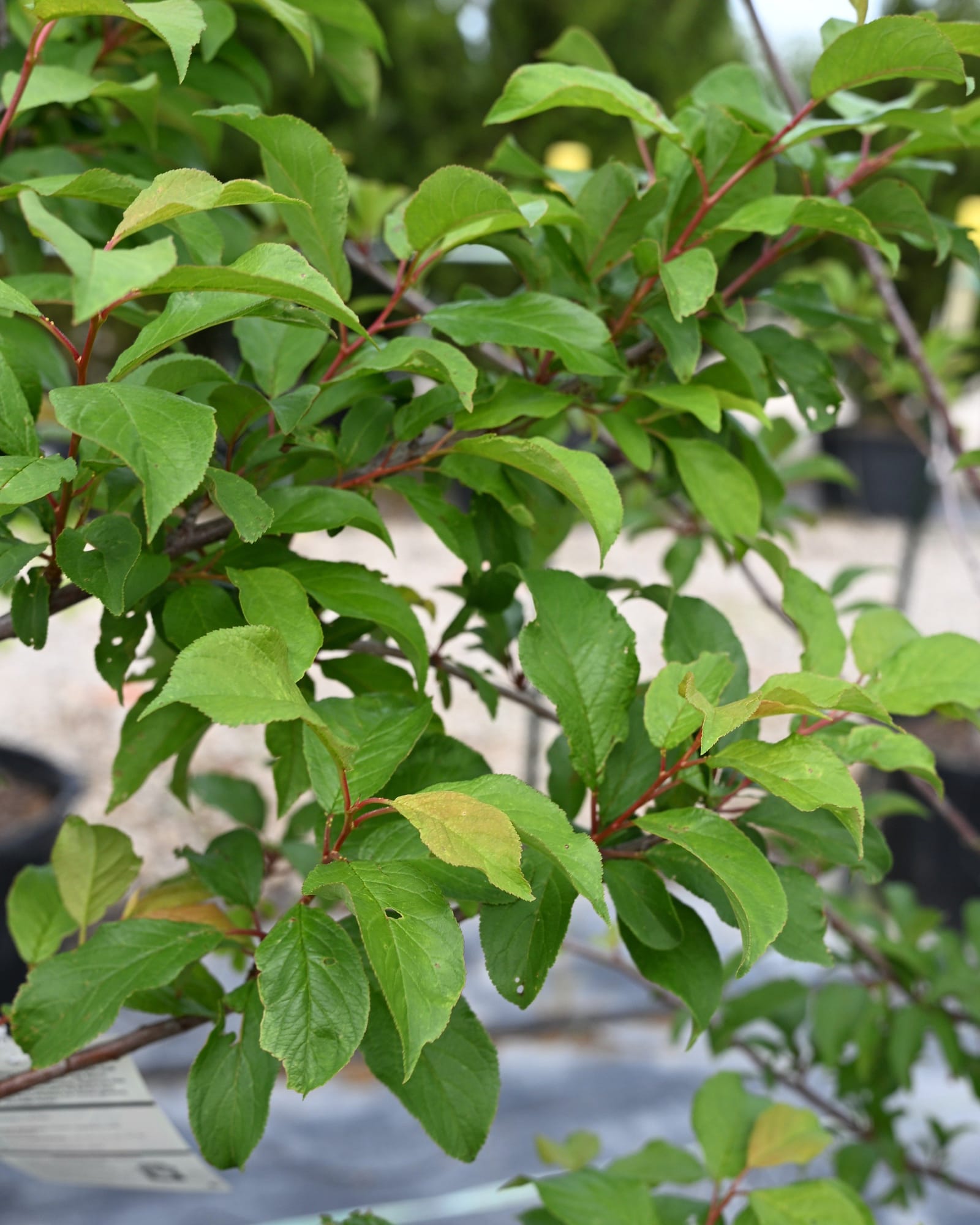
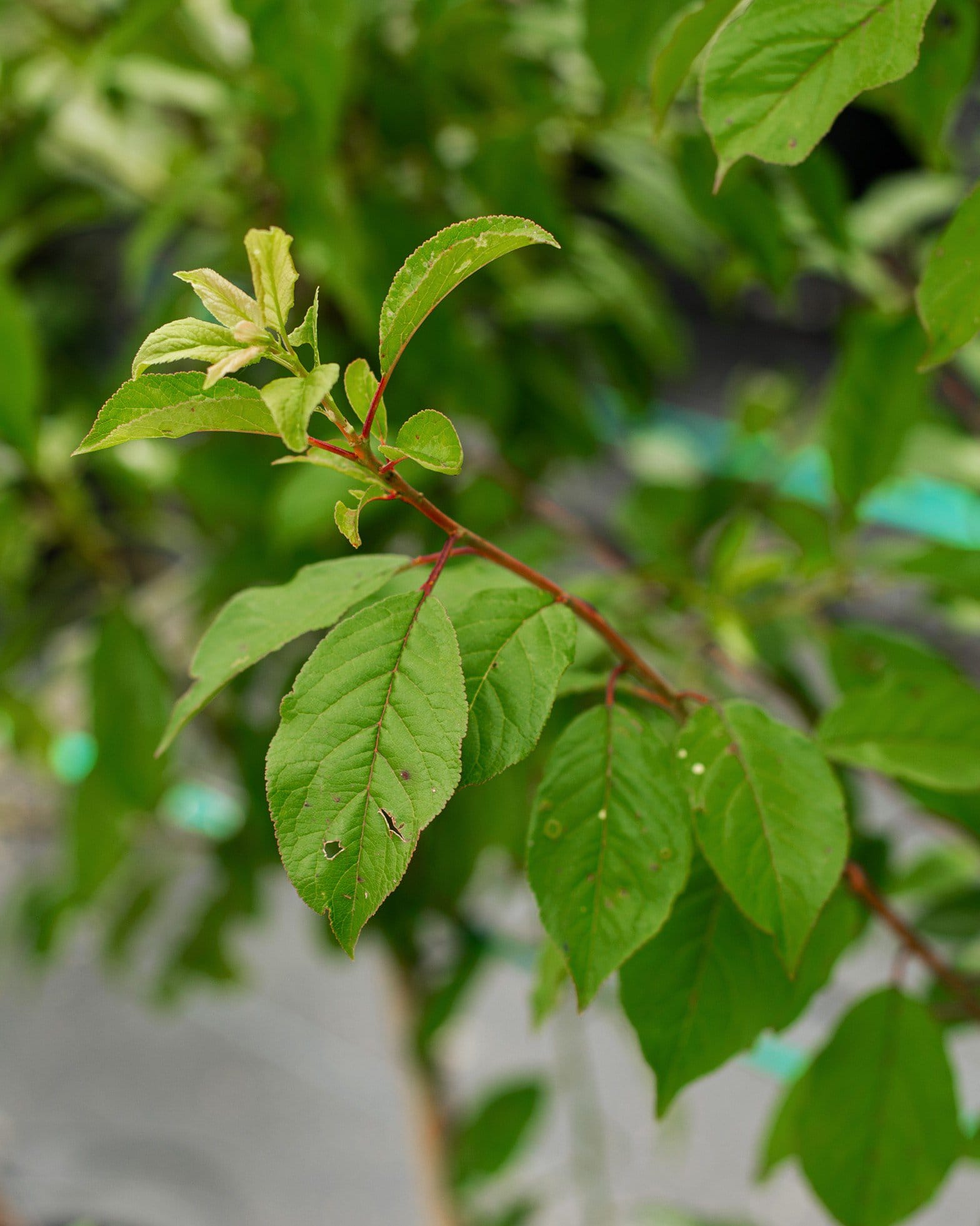
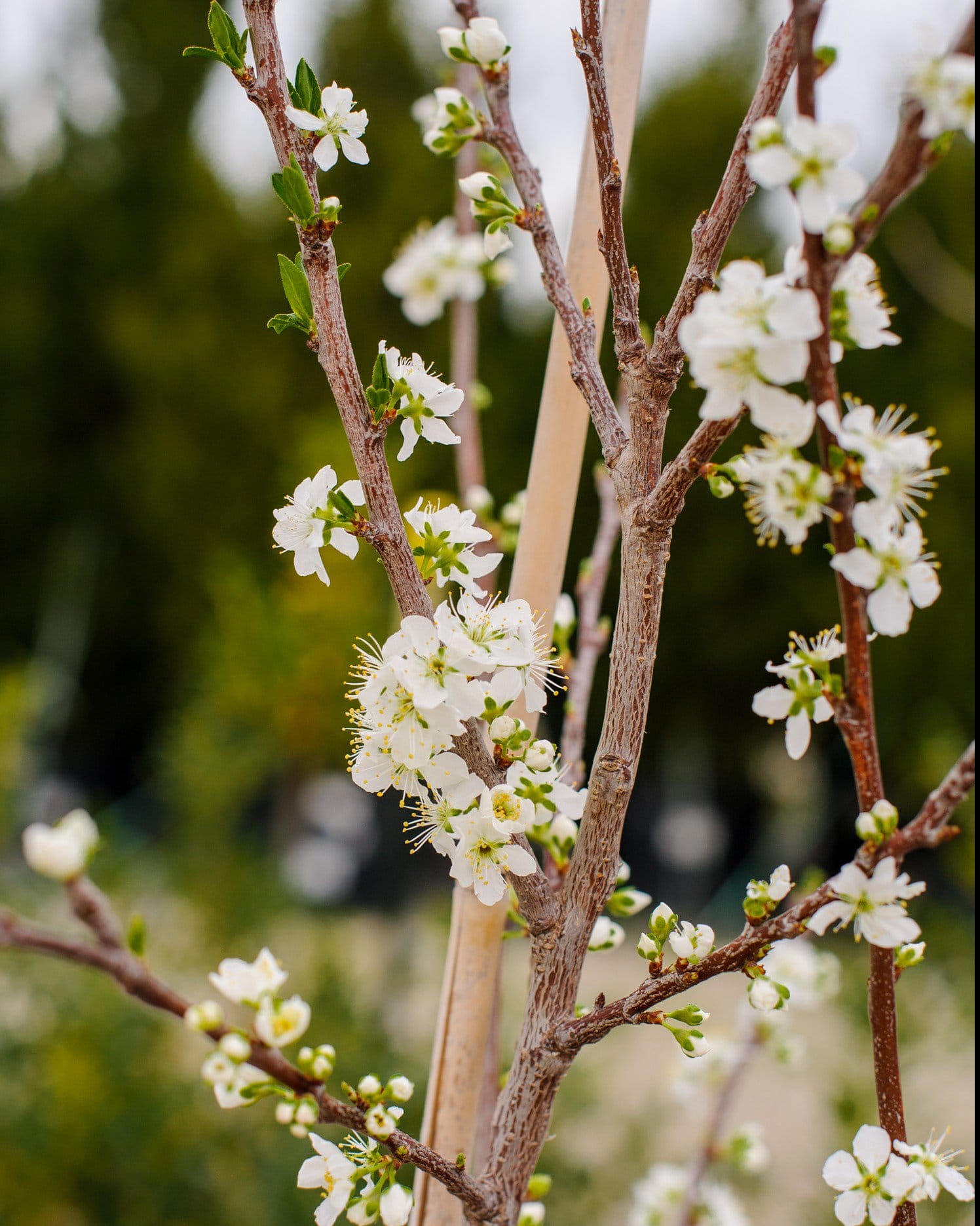
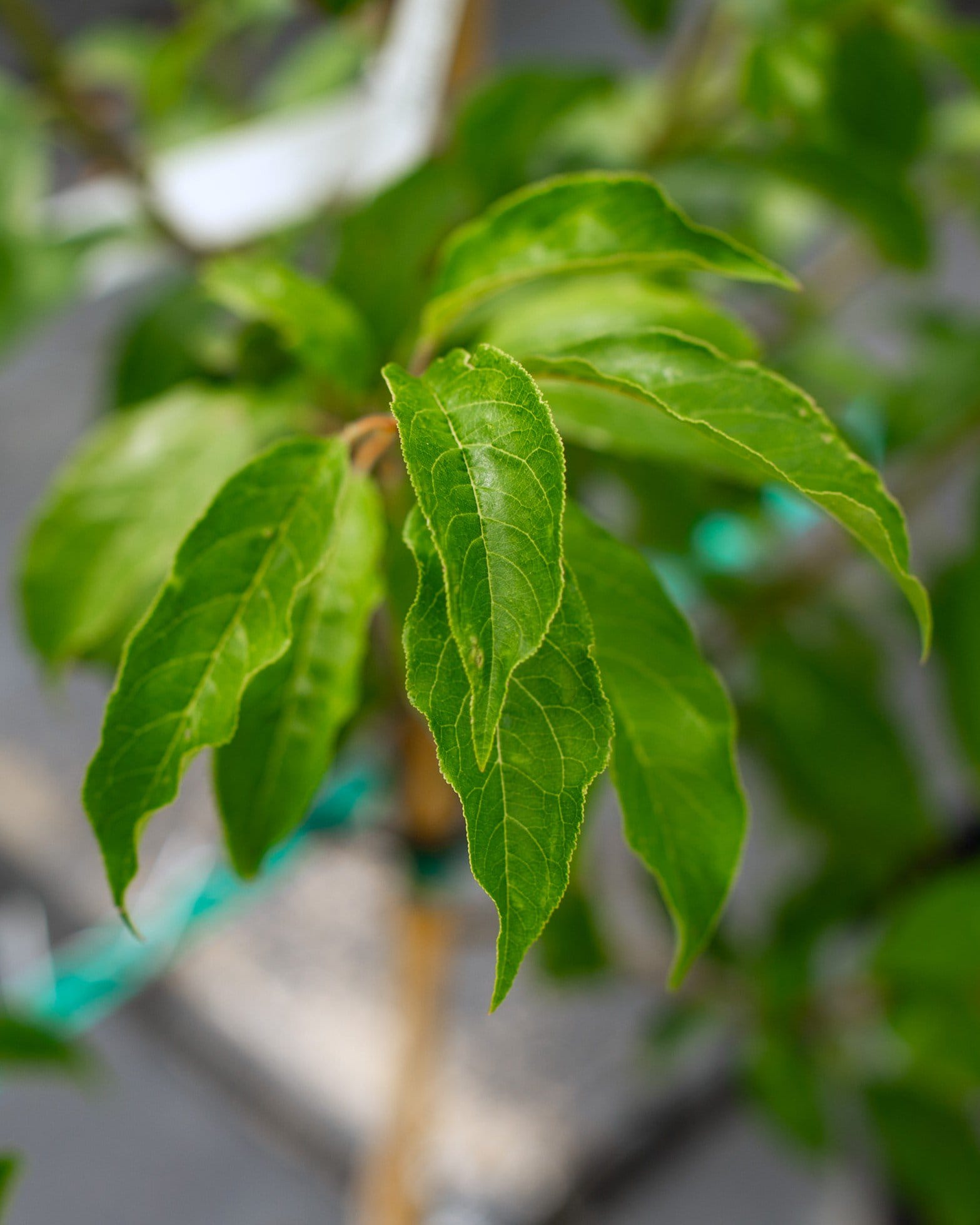
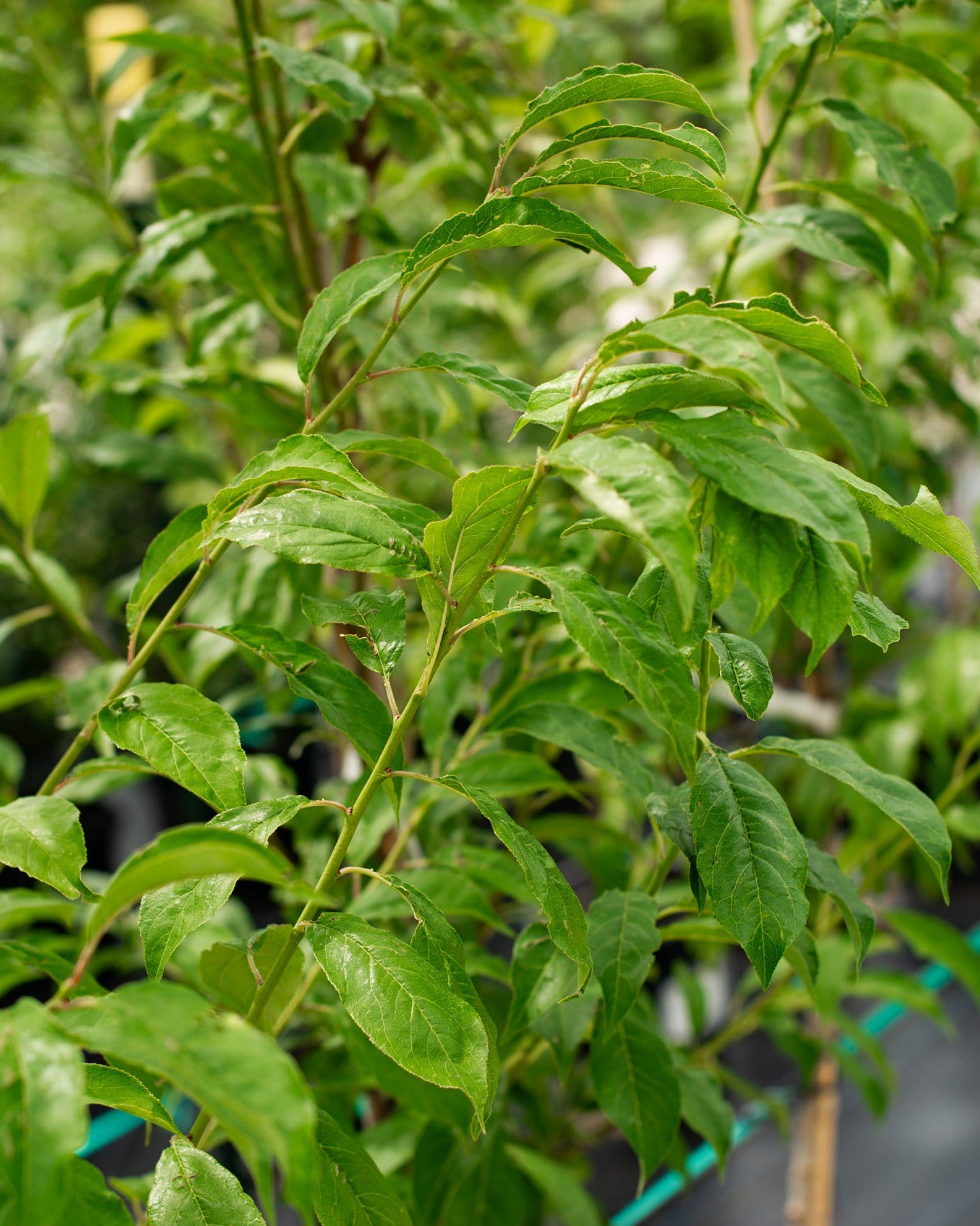
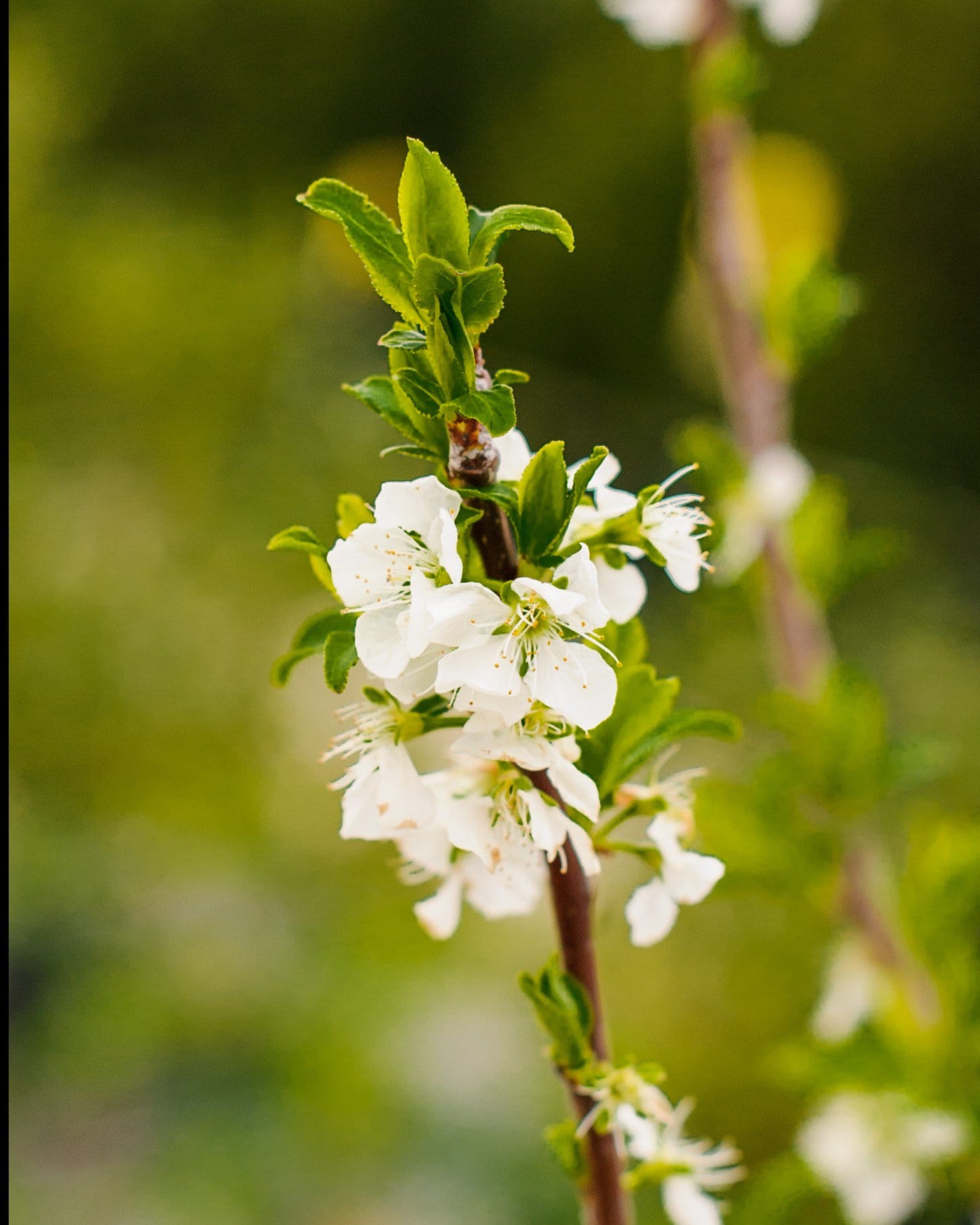
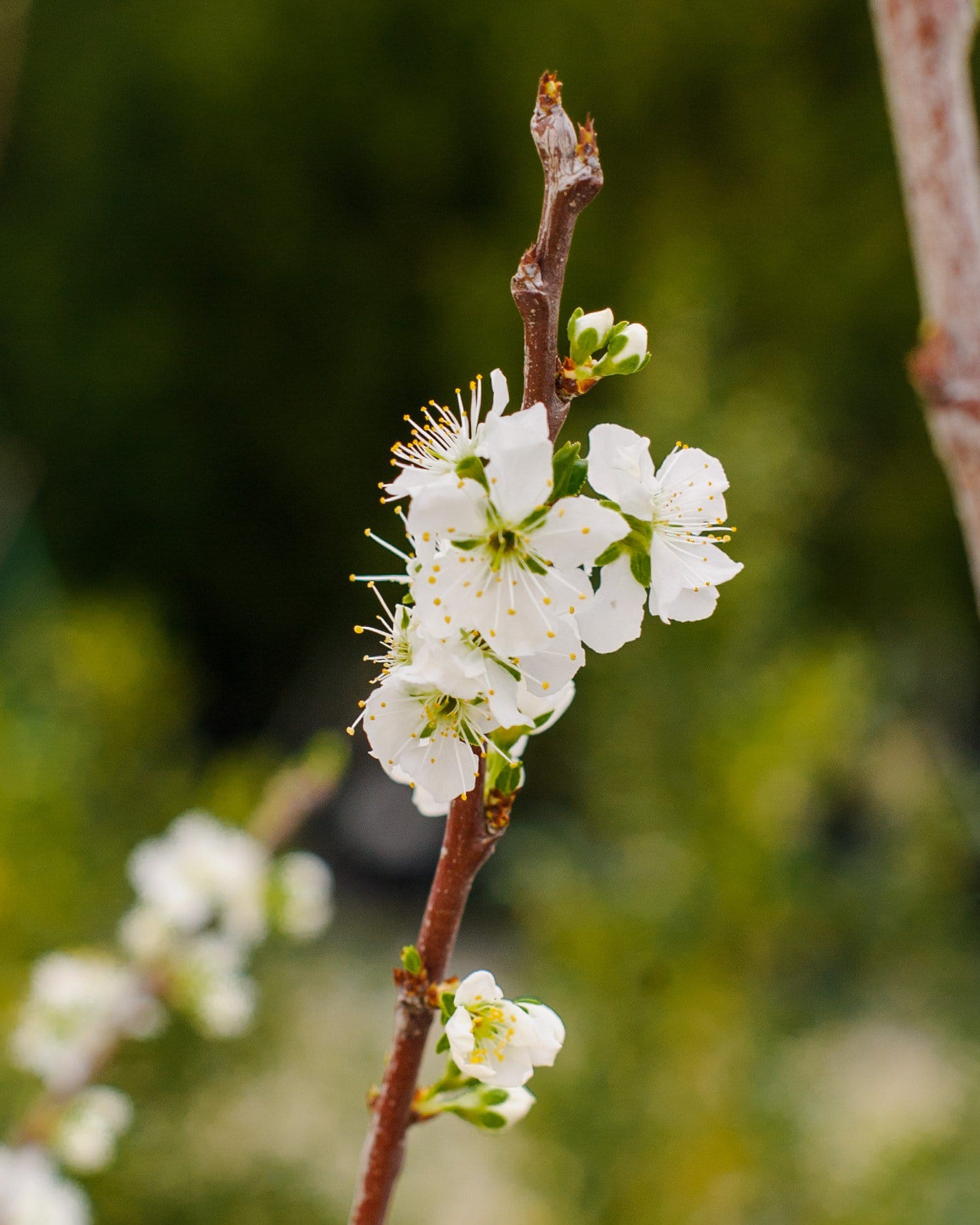
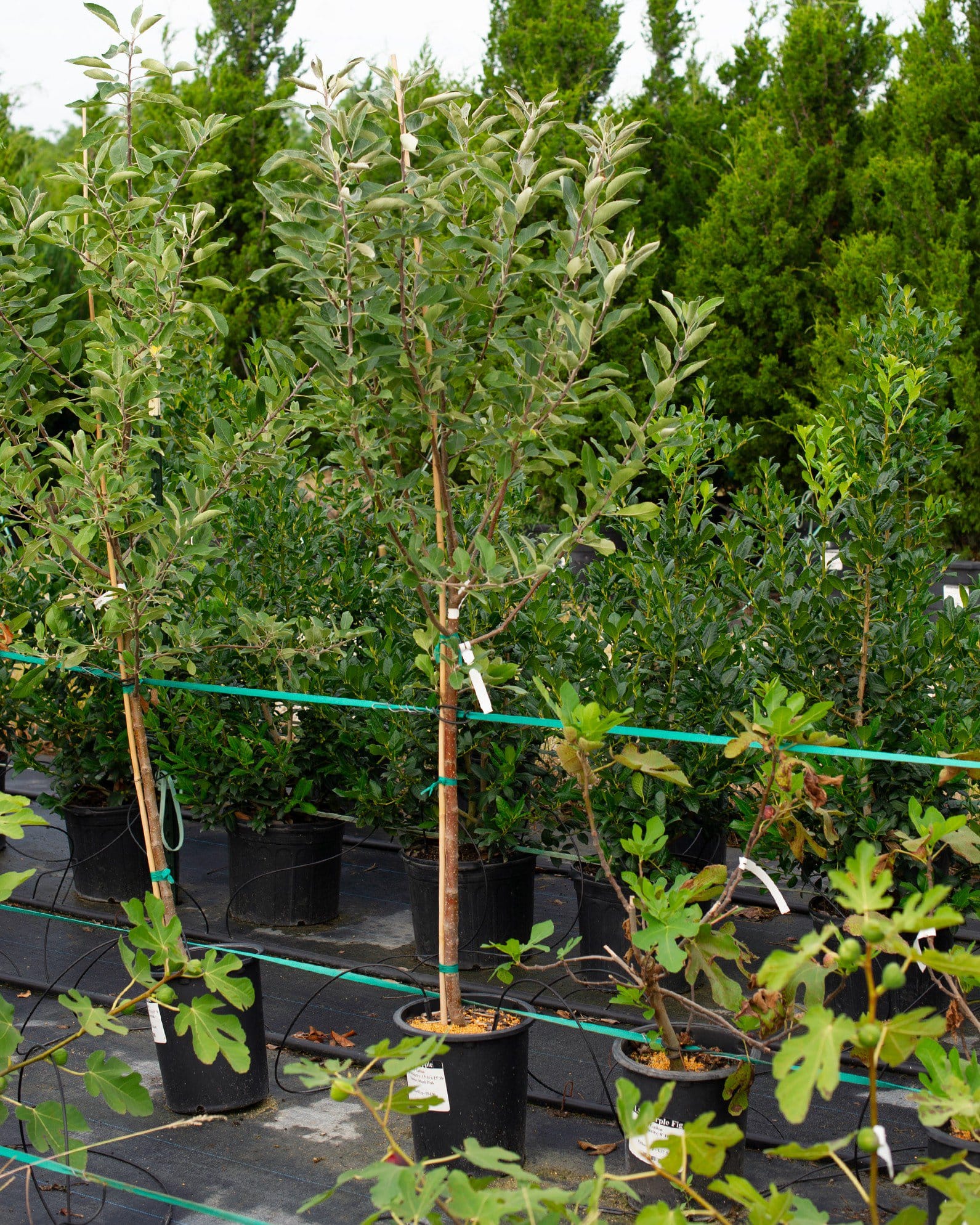
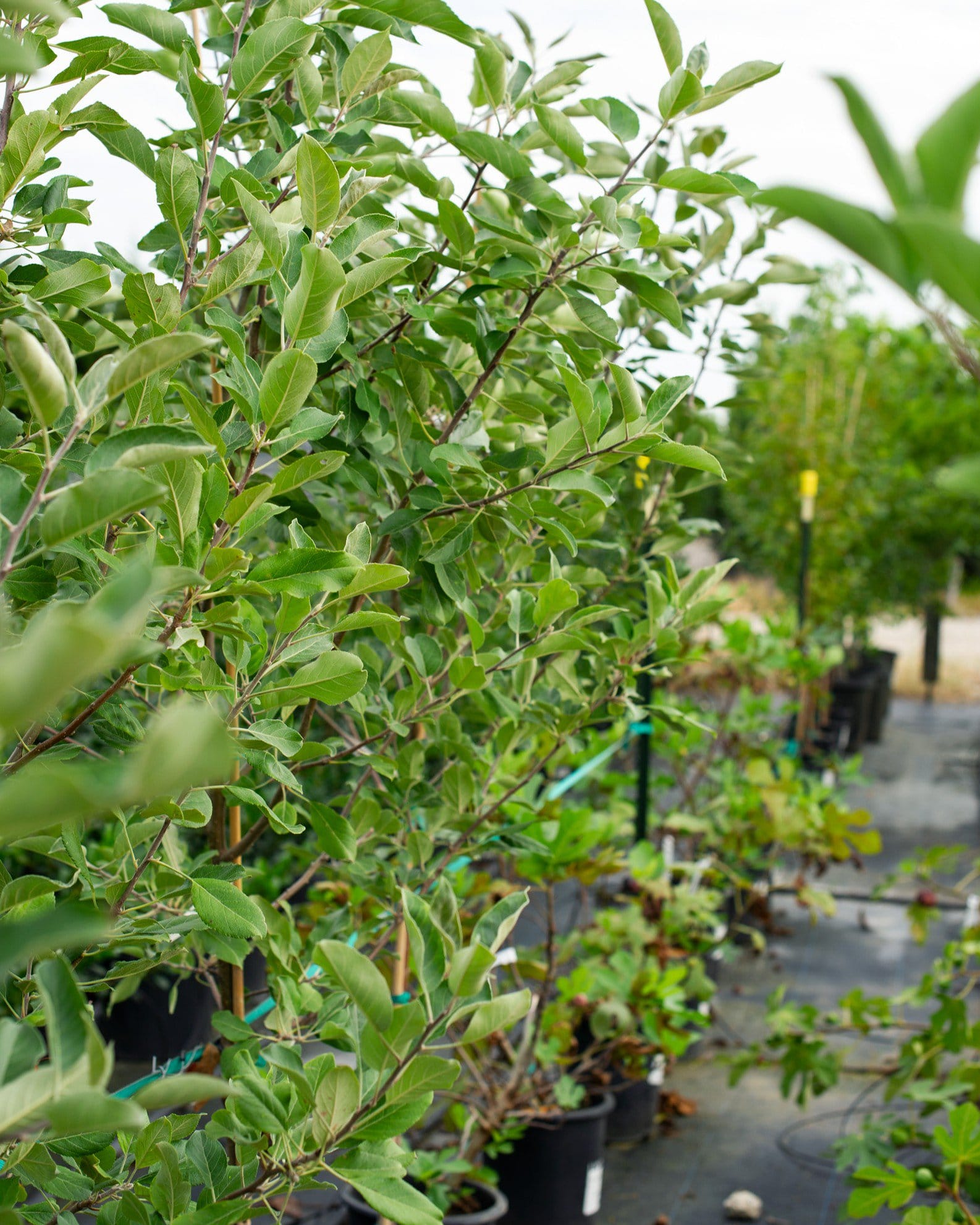
Prunus salicina 'Methley'Methley Plum is a stunning deciduous tree that grows up to 10 feet in height and the same size across at maturity. It is known for its green, oval-shaped leaves and reddish-purple fruit. It is a beauty in all seasons, blooming with white flowers in early spring and showcasing yellow foliage in autumn.
- Deciduous fruit tree
- Clusters of white flowers in spring
- Glossy, bright green foliage
- Produces sweet fruit in summer
- Moderate growth rate
If you're looking for a tree that will produce sweet fruit but also look beautiful in your orchard, then Methley Plum is an excellent choice. It thrives in well-drained soil and requires space for growth, so ensure planting them at least 15 feet apart. Methley Plum requires at least 6 hours of direct sunlight a day, and is a wonderful choice for your North Texas orchard.
Methley Plum is a great low-maintenance option for landscapes across Texas. Here’s all it needs to thrive:
- Watering: Water deeply during the first growing season to establish strong roots. Once mature, provide deep watering every 10 - 14 days during dry spells, especially as fruit develops. Avoid soggy soil - good drainage keeps roots healthy and prevents rot.
- Pruning: Prune in late winter while dormant to maintain an open canopy and good airflow. Remove dead, crossing, or crowded branches, and thin interior shoots to allow light to reach developing fruit. After harvest, light summer pruning can tidy up new growth and reduce overcrowding.
- Fertilizing: Feed in early spring with a balanced, slow-release fertilizer or compost designed for fruit trees. Avoid overfertilizing, as too much nitrogen produces excess foliage with fewer fruits. A light post-harvest feeding helps replenish nutrients.
- Mulching: Apply a 2-3 inch layer of mulch around the root zone to retain moisture and suppress weeds. Keep mulch a few inches from the trunk to prevent rot. Refresh annually for consistent soil health and moisture balance.
- Winter Care: Methley Plum is hardy through mild winters and requires little protection. In colder regions, mulch around the roots before winter and avoid late-season pruning or fertilizing to prevent tender new growth before frost.
Methley Plum is dependable and forgiving, but like most fruit trees, it can experience occasional pests or diseases:
- Brown Rot: A common fungal issue causing fruit to brown and shrivel. Remove affected fruit promptly and apply a fungicide during bloom if needed. Maintain airflow by pruning.
- Aphids: Small insects feeding on new growth. Wash off with a firm stream of water or treat with insecticidal soap. Encourage beneficial insects like ladybugs.
- Canker: Causes sunken, dark patches on branches. Prune out infected areas below visible damage and disinfect tools between cuts.
- Leaf Spot or Curl: Usually caused by humid conditions or wet leaves. Rake fallen leaves and use a copper-based fungicide in early spring if recurring.
- Fruit Drop: Normal in moderation but may increase under drought stress. Maintain consistent watering during fruit set and ripening.
- Japanese Beetles: Feed on leaves and fruit in midsummer. Hand-pick early in the morning or use pheromone traps away from the tree.
- Birds: Protect ripening fruit with netting or reflective tape, especially close to harvest time.
Plant in early spring or fall when the weather is mild and roots can establish before extreme heat or frost.
Usually within 2-3 years of planting. Once mature, it produces heavy crops every summer.
It’s self-fertile but yields more fruit when planted near another Japanese plum like ‘Santa Rosa’ or ‘Ozark Premier.’
It grows moderately fast - around 1-2 feet per year, forming a broad, rounded canopy about 12-15 feet tall.
Typically 15-20 years, though good pruning and care can extend its lifespan and productivity.
Yes! Bees love its fragrant spring blooms, which also help improve fruit set.
Very well. It was bred specifically for Southern climates and performs beautifully through hot, muggy summers.
Prune out old, weak branches in late winter and apply a light feeding in spring. Within a season or two, you’ll see stronger growth and better fruit.
Yes, it handles pollution, compacted soil, and reflected heat, making it a great choice for small yards and city gardens.
Yes - through hardwood cuttings taken in winter or by grafting onto compatible rootstock for best long-term performance.
Special Features
You might also like
Santa Rosa Plum
Maturity: 15' H x 15' W
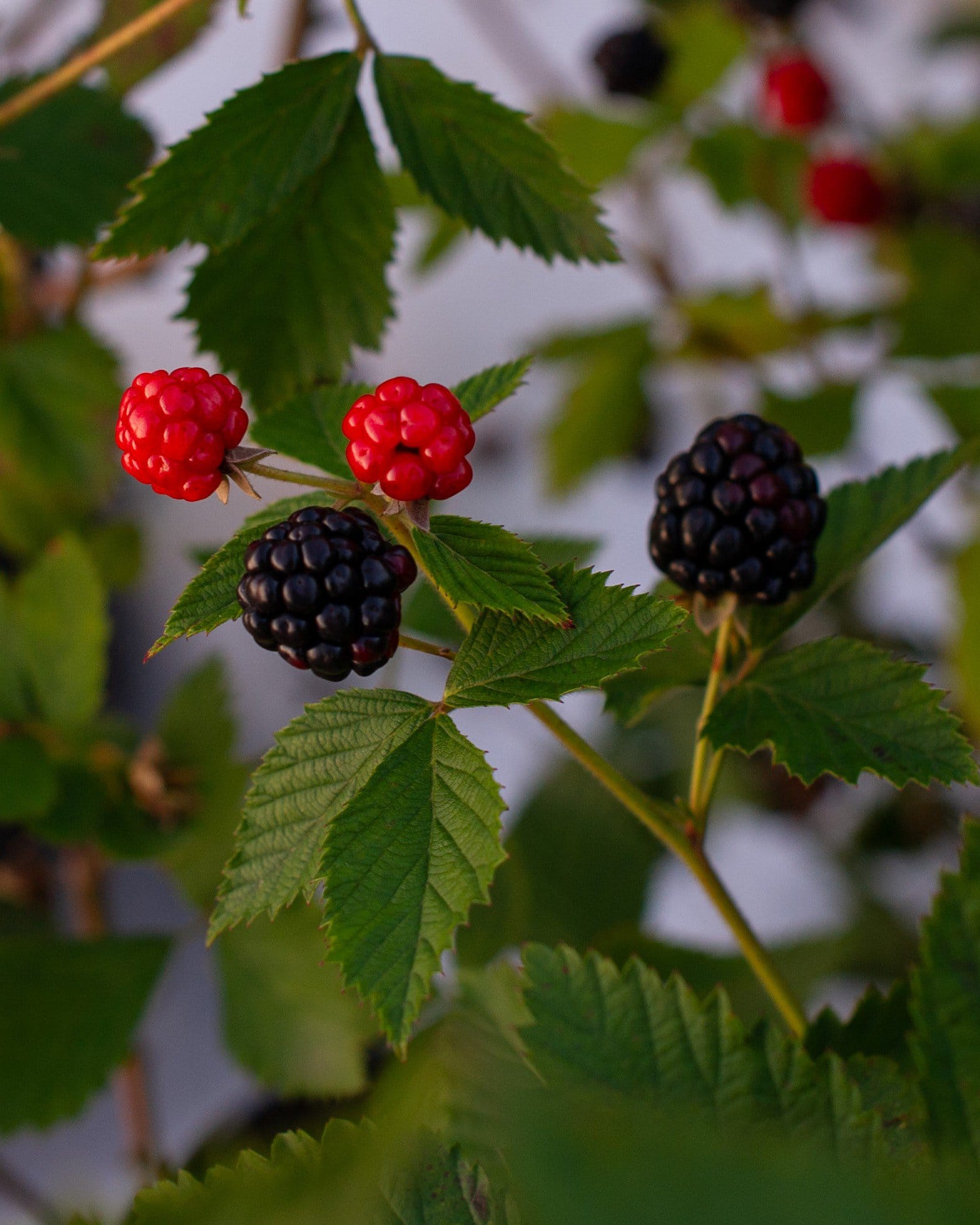
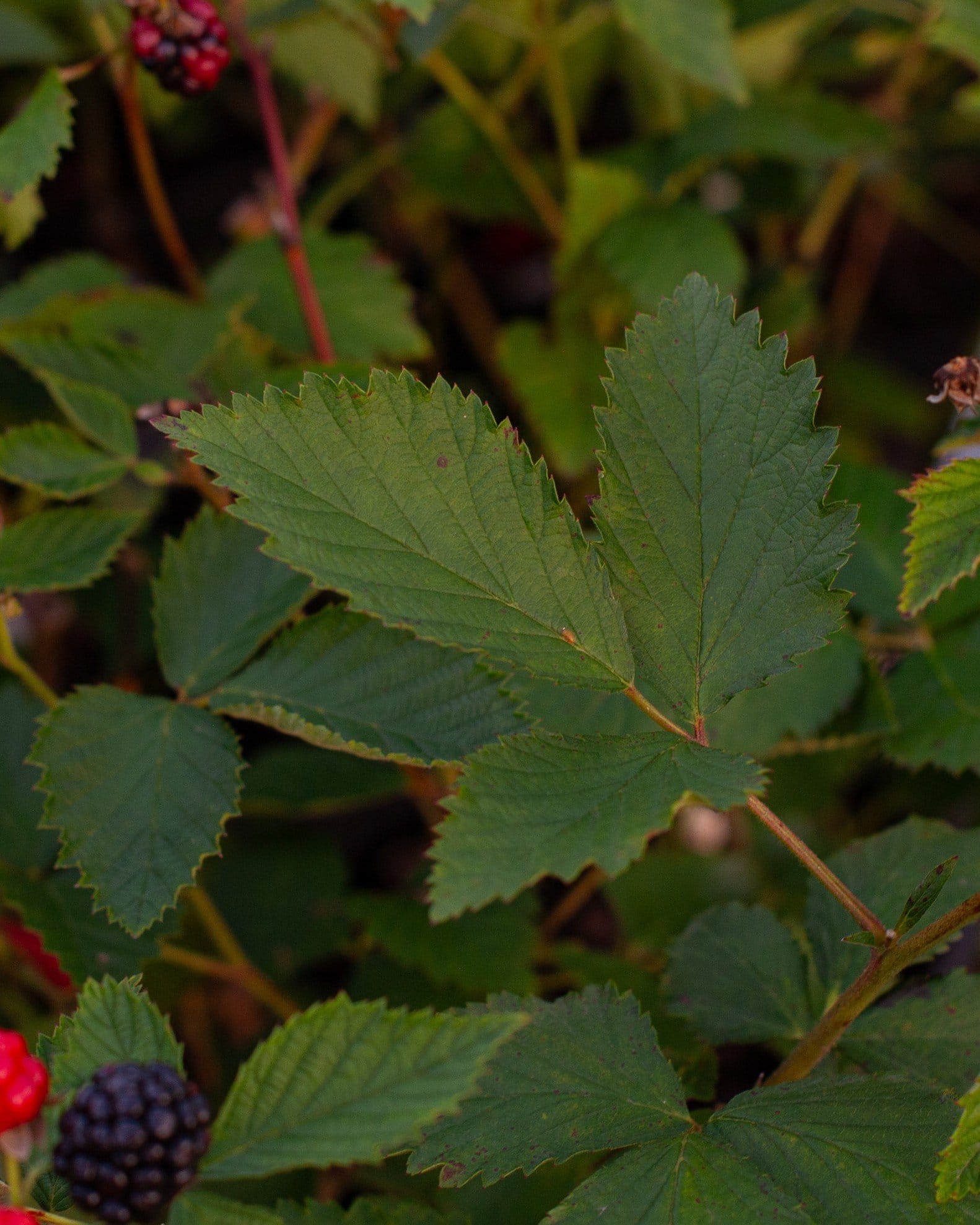
Arapaho Blackberry
Maturity: 4' H x 3' W
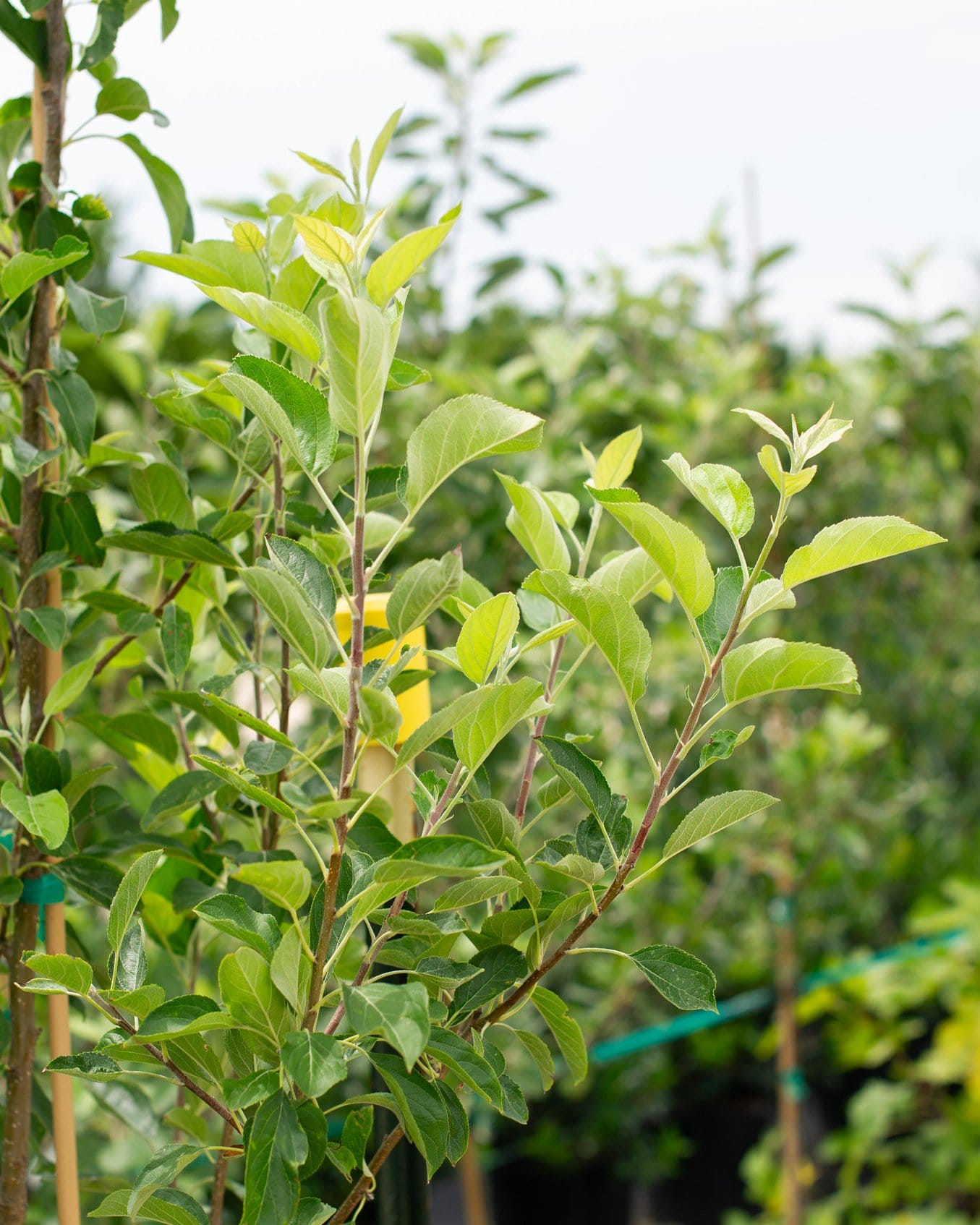
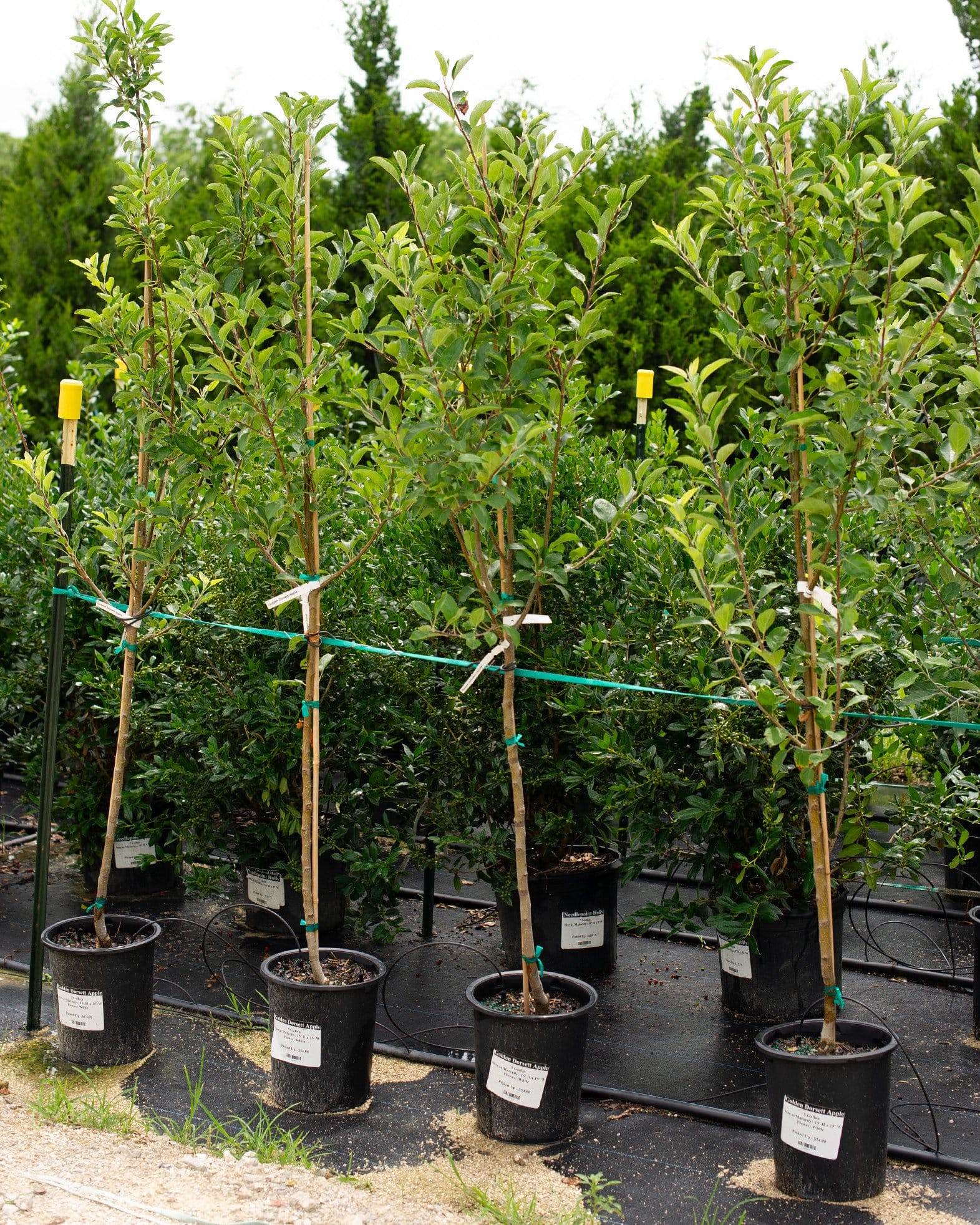
Golden Dorsett Apple
Maturity: 15' H x 15' W
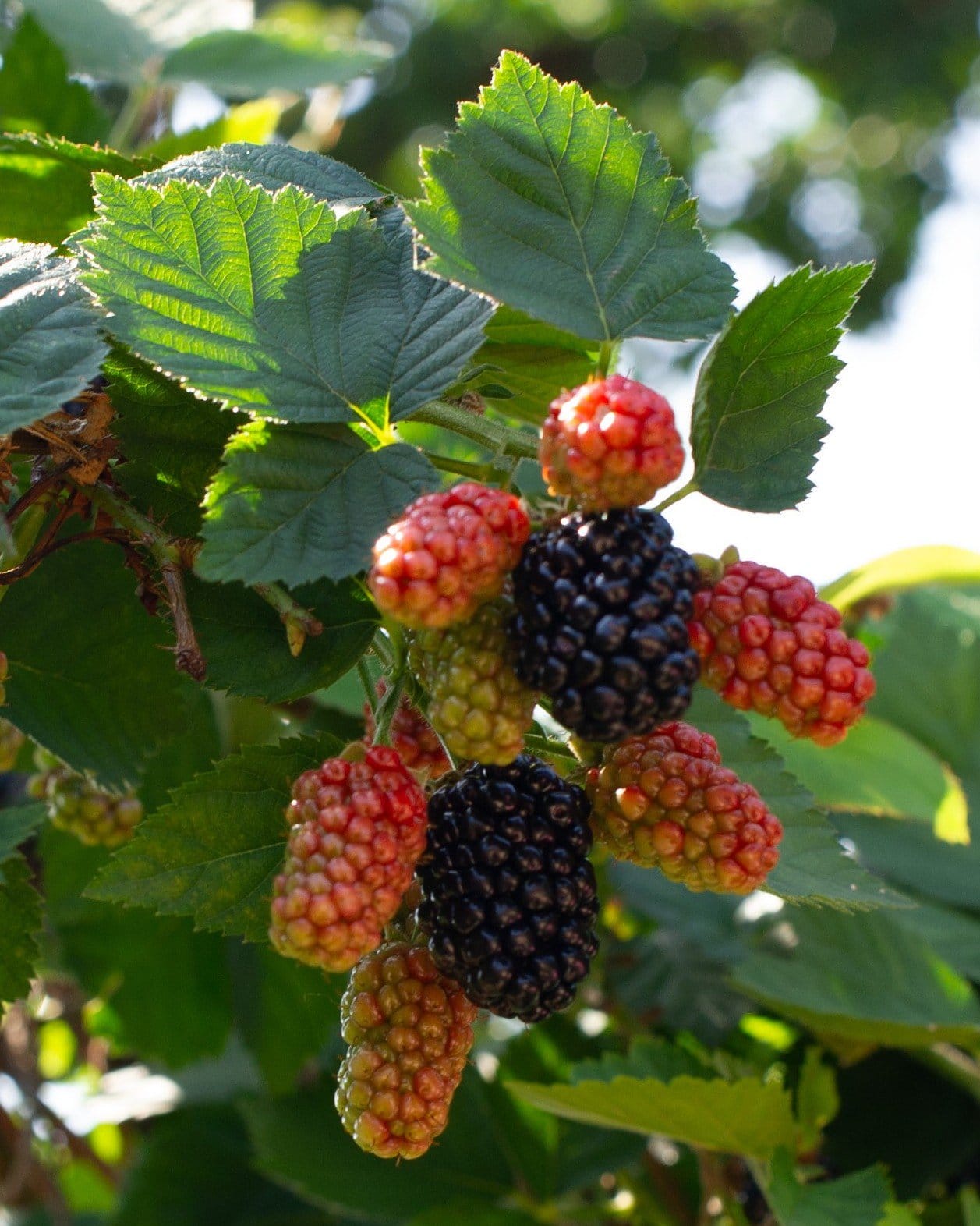
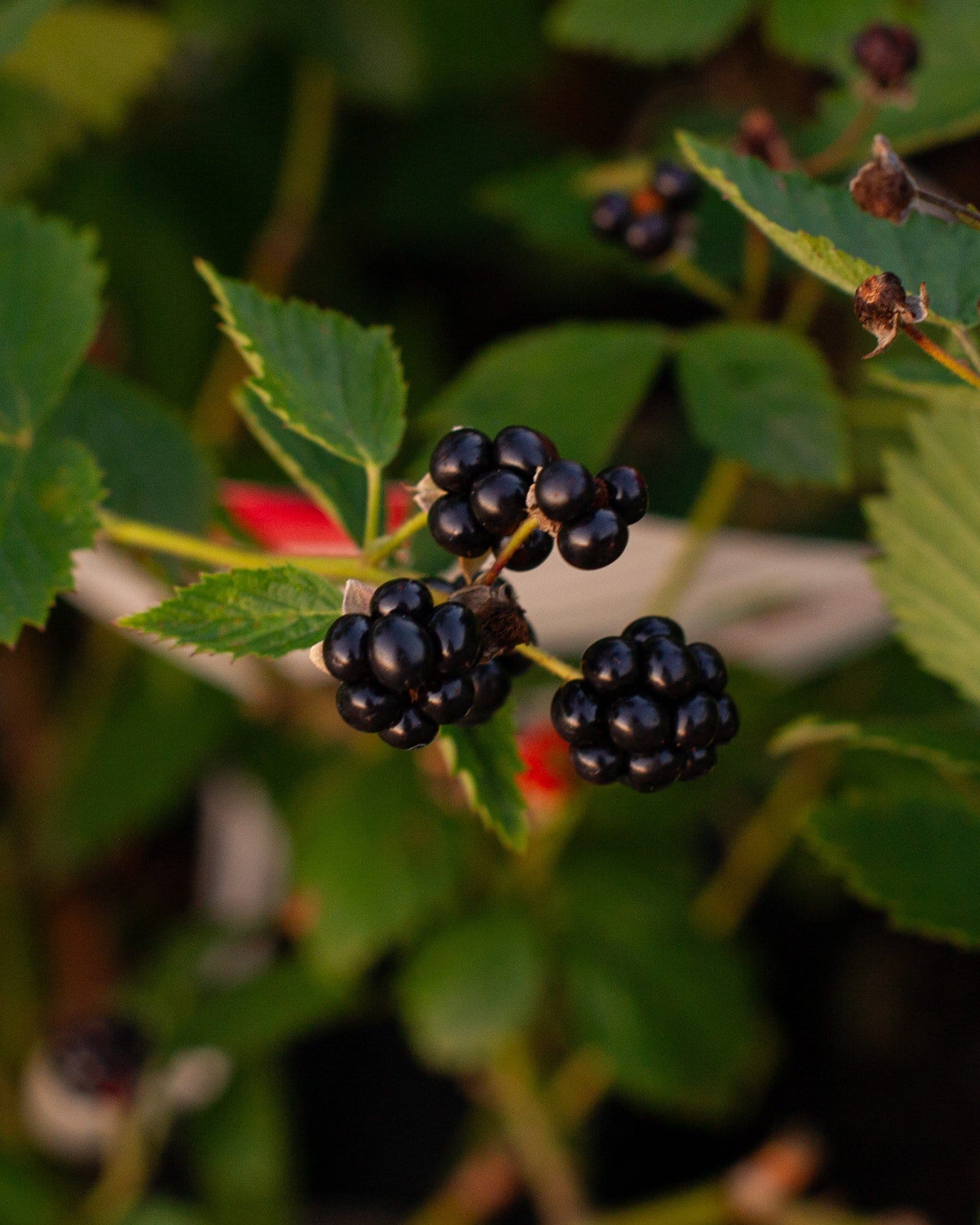
Kiowa Blackberry
Maturity: 4' H x 3' W
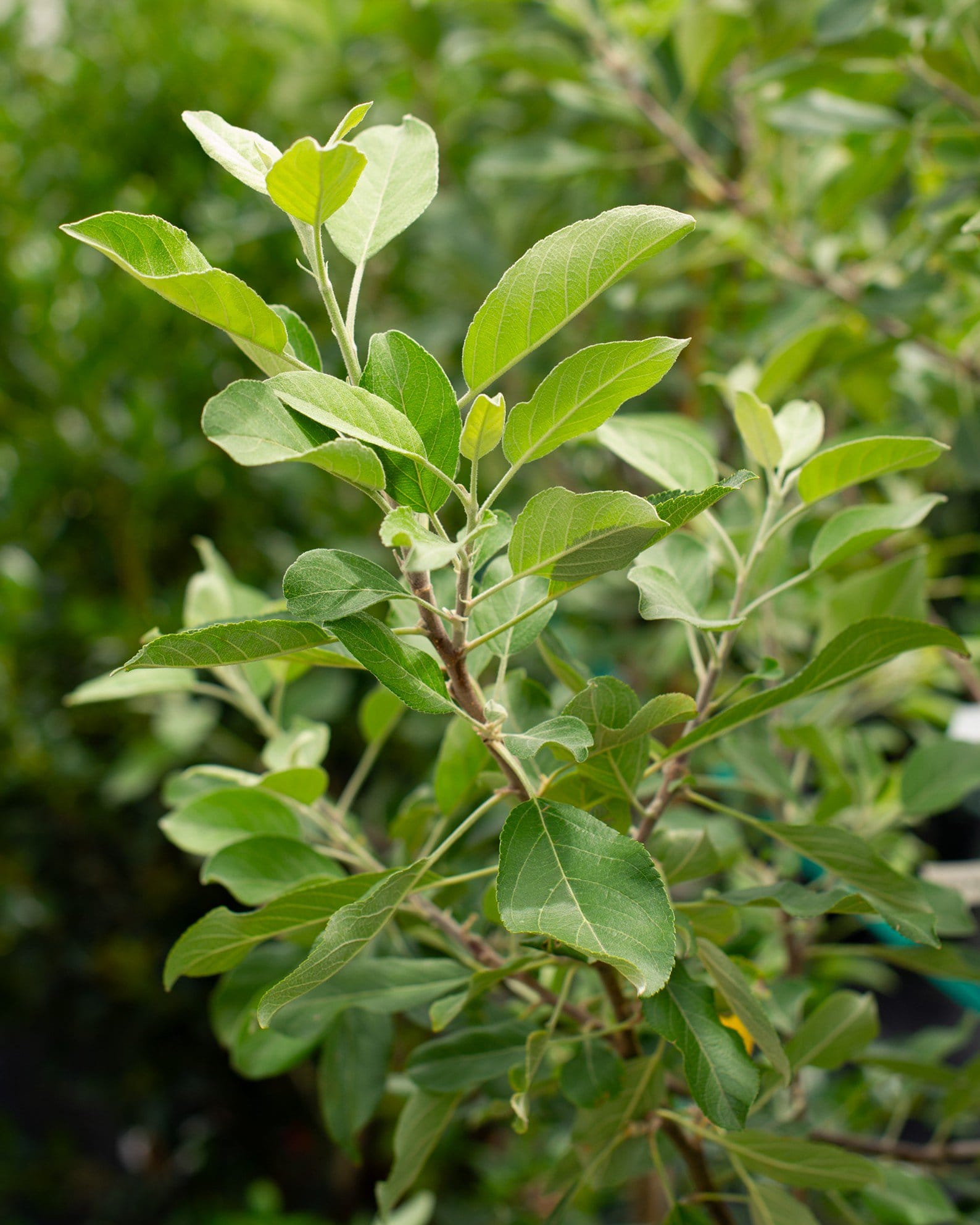
Anna Apple
Maturity: 15' H x 15' W
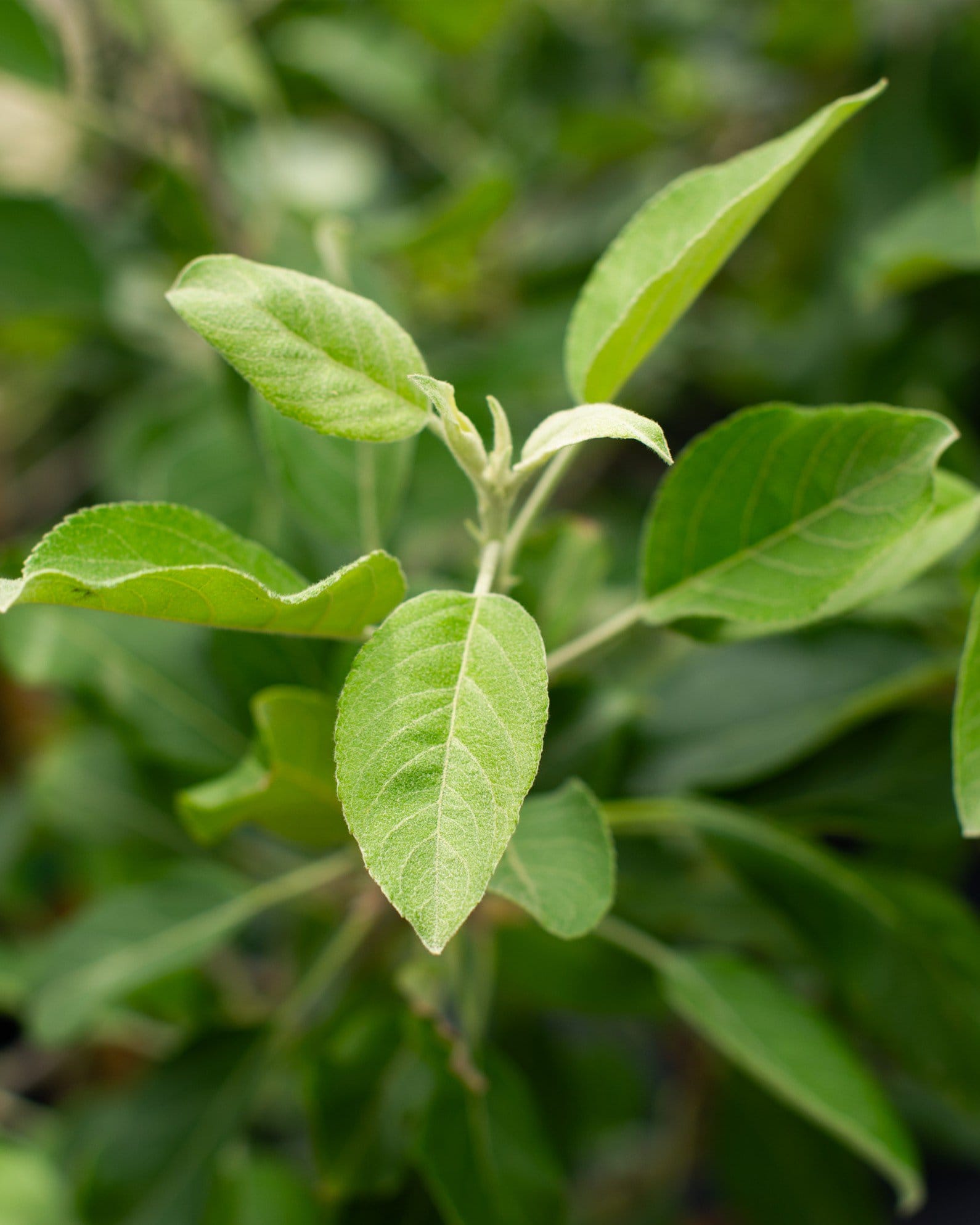
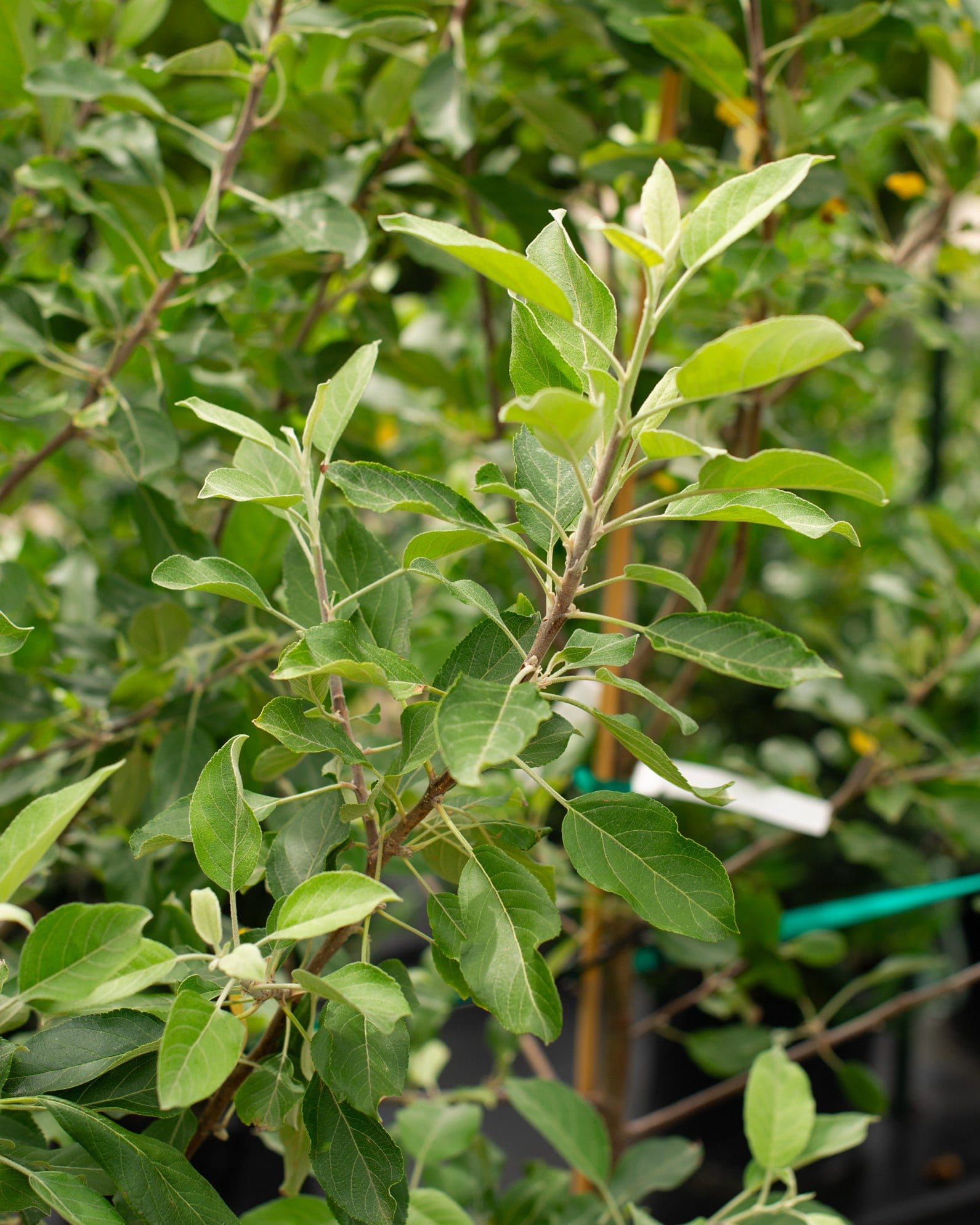
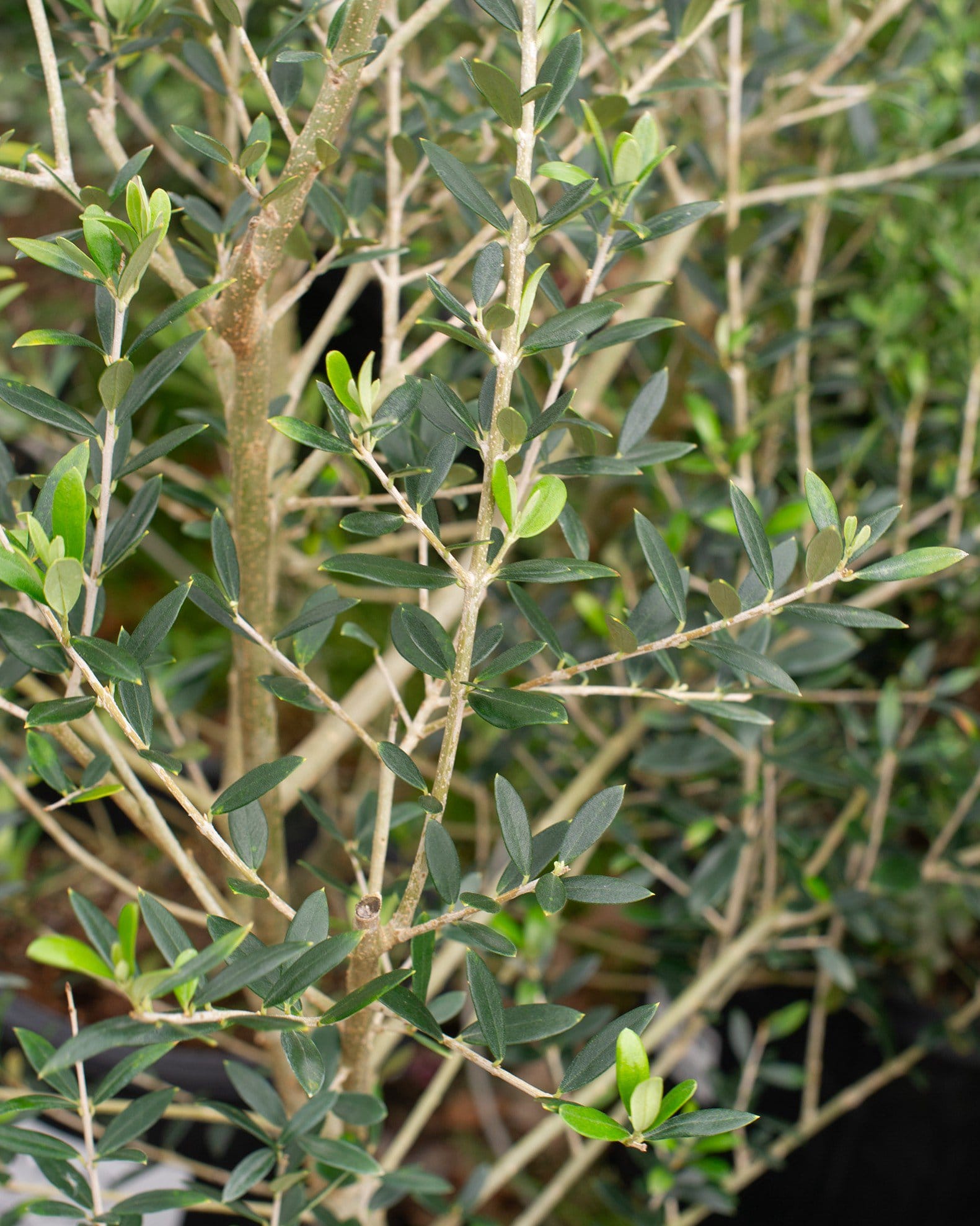
Arbequina Olive
Maturity: 15' H x 15' W
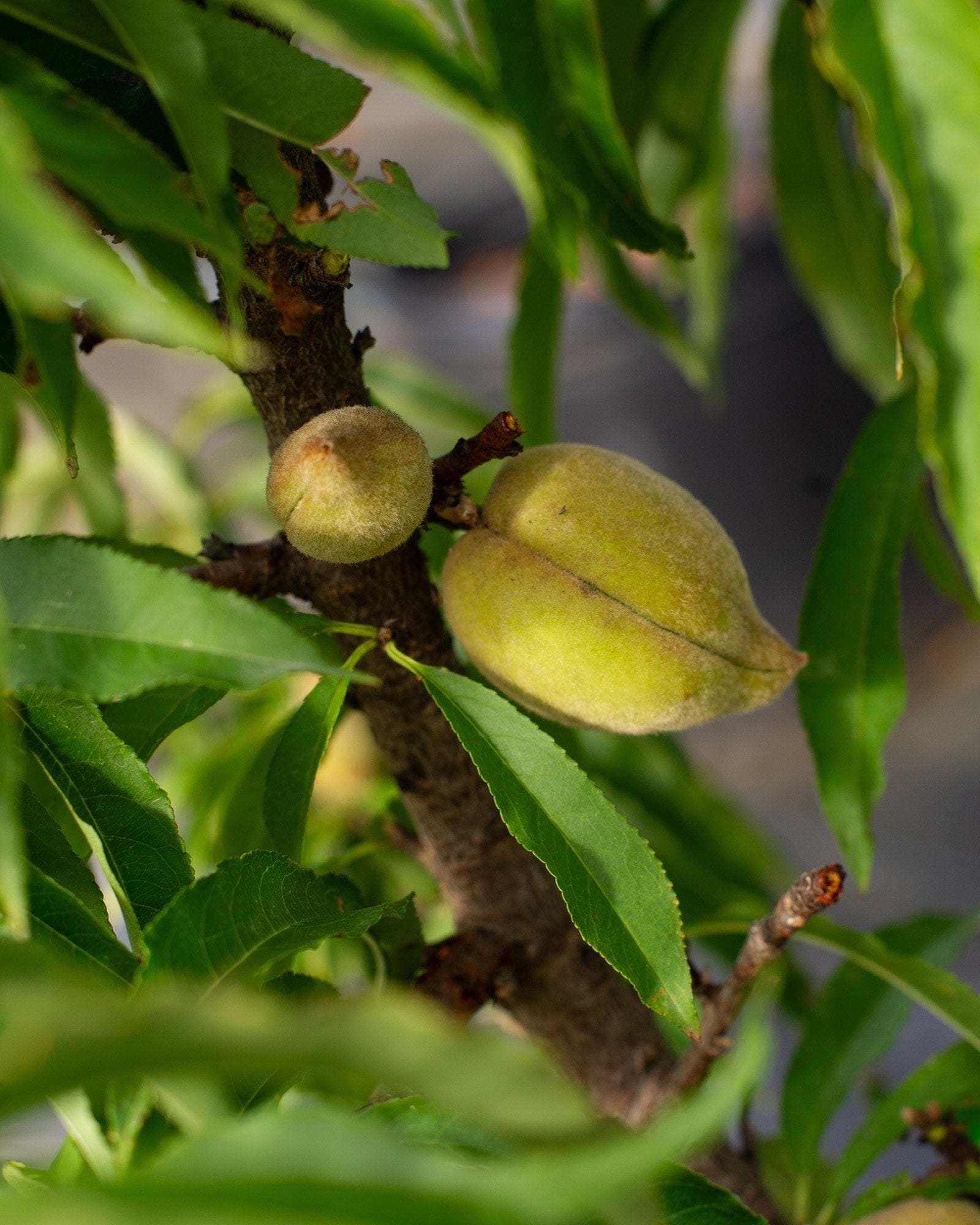
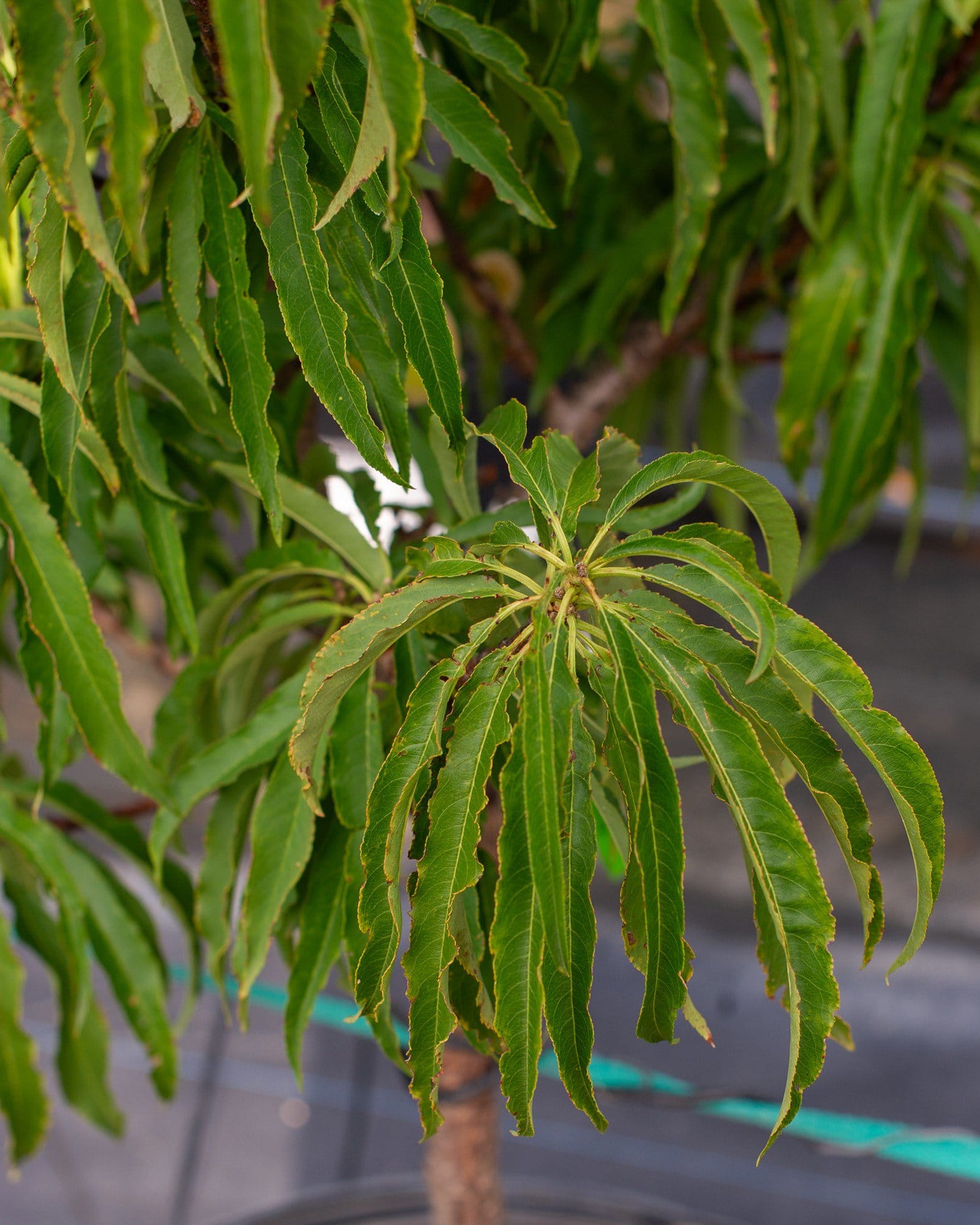
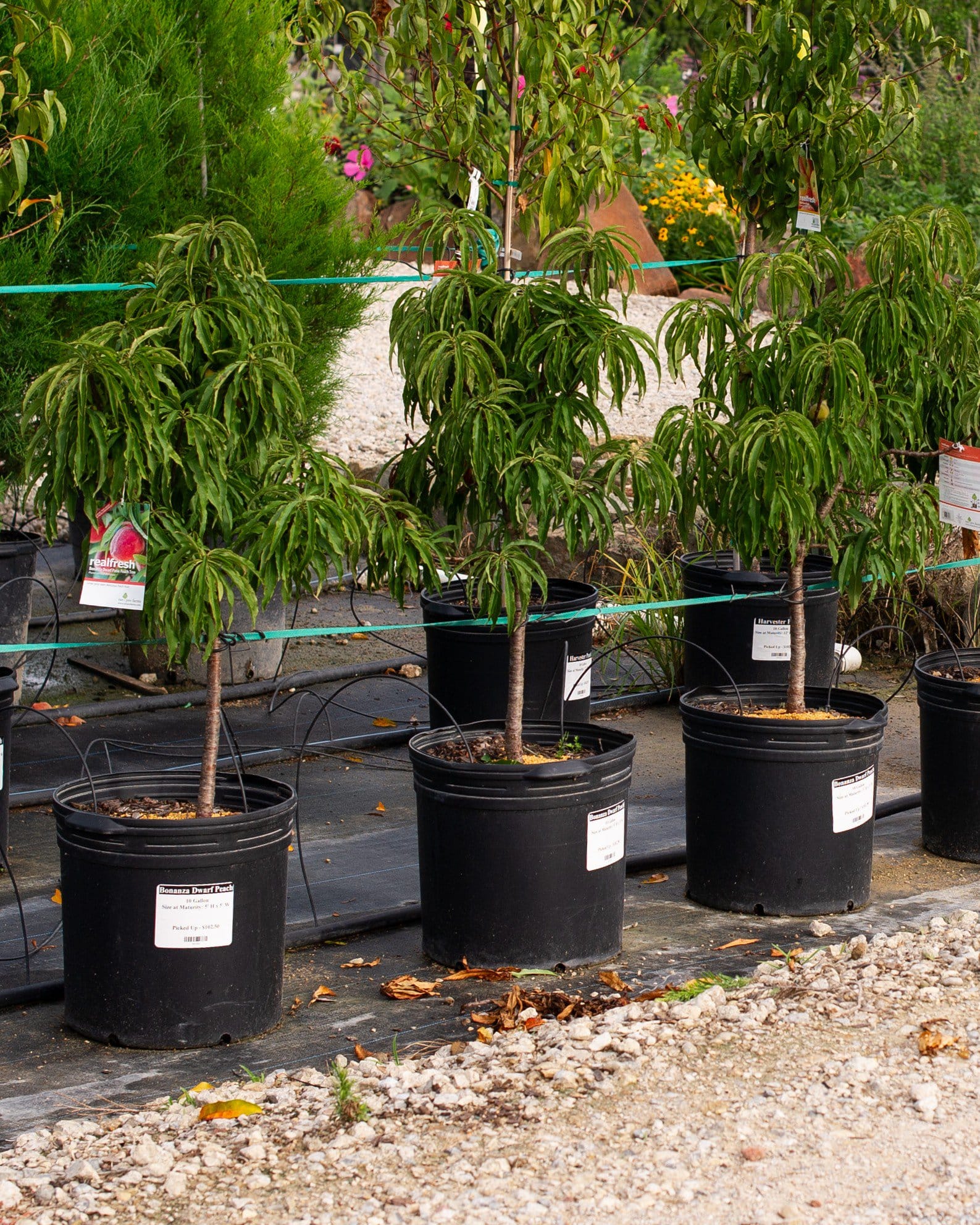
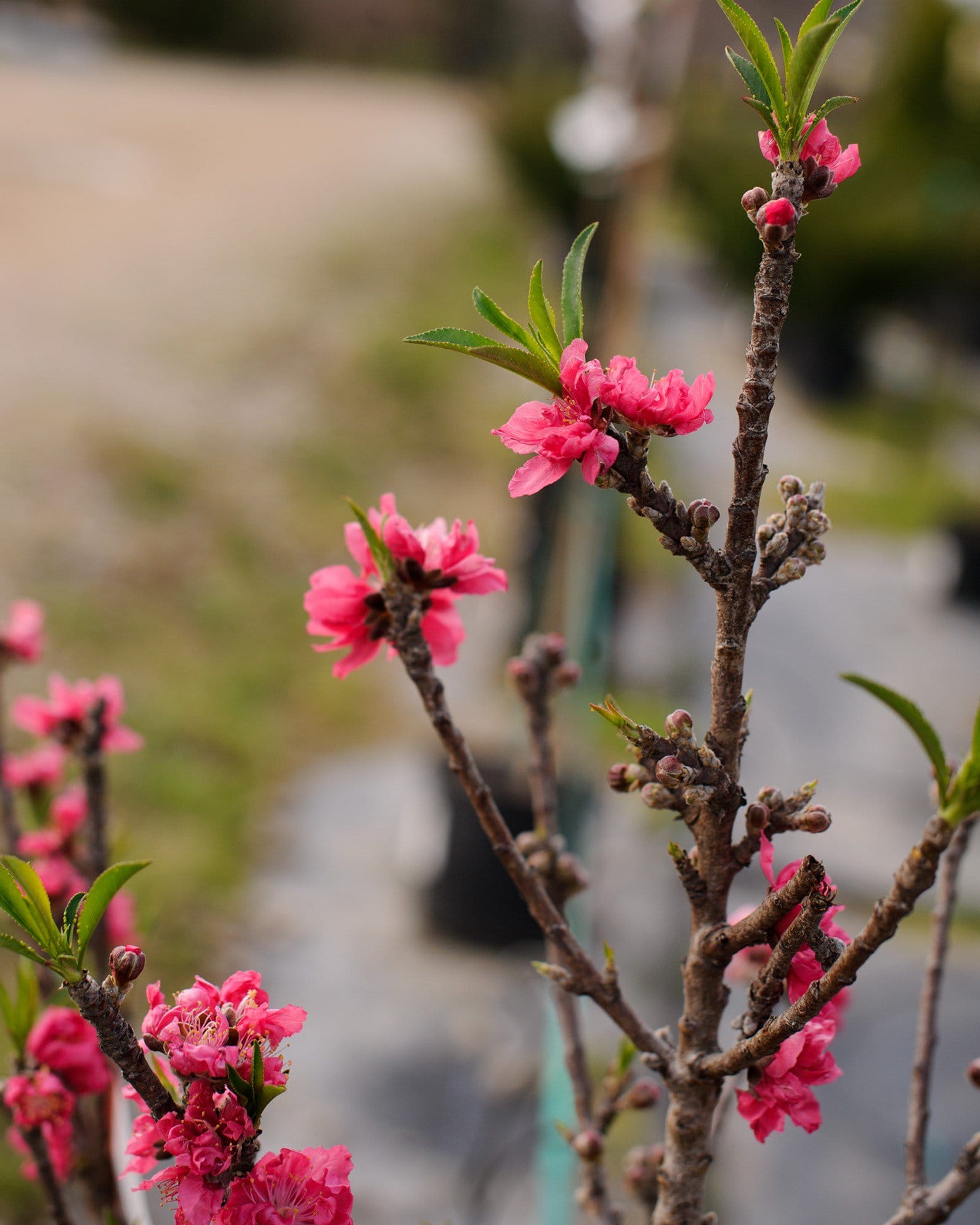
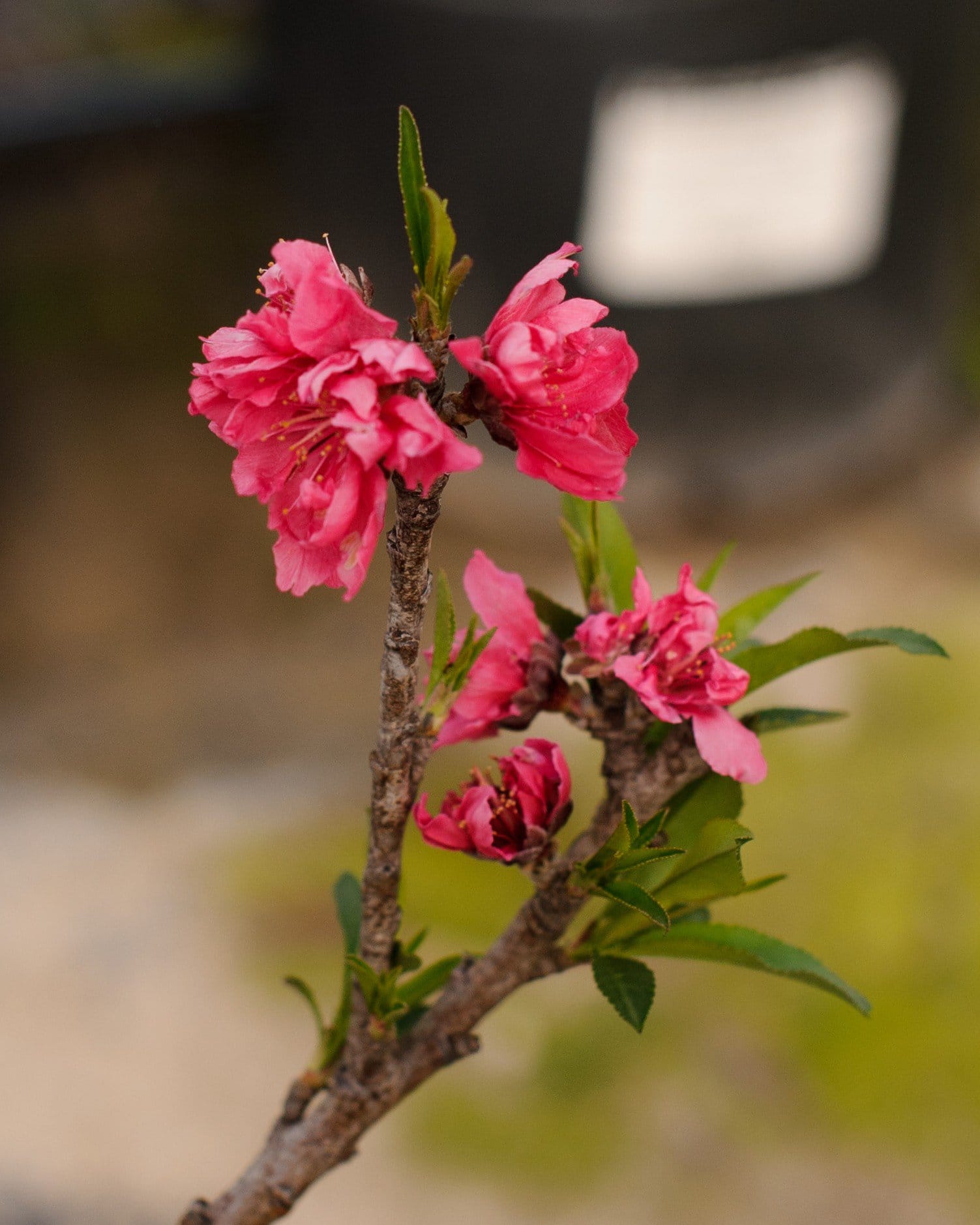
Bonanza Dwarf Peach
Maturity: 5' H x 5' W
Hale Haven Peach
Maturity: 12' H x 12' W
Harvester Peach
Maturity: 12' H x 10' W
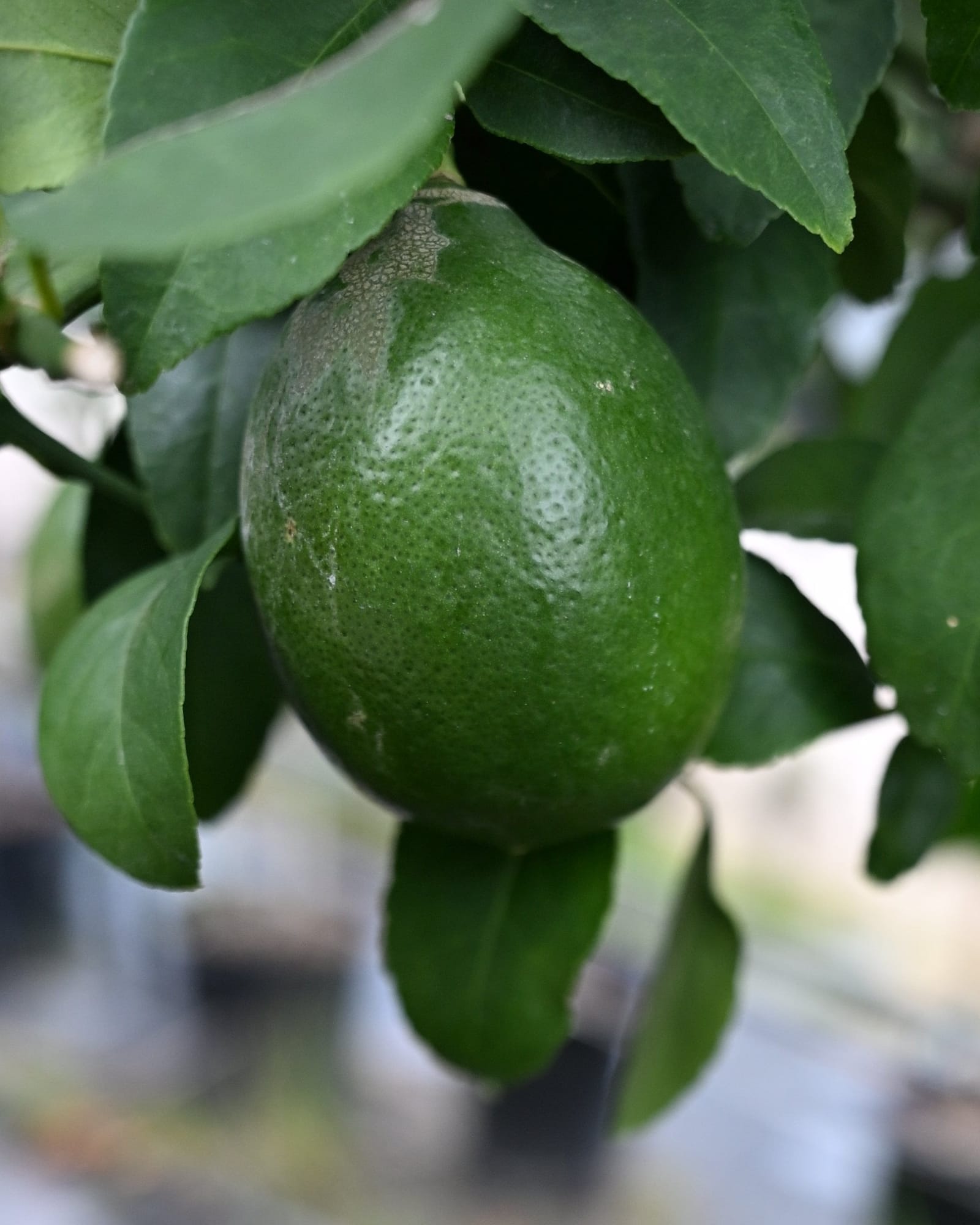
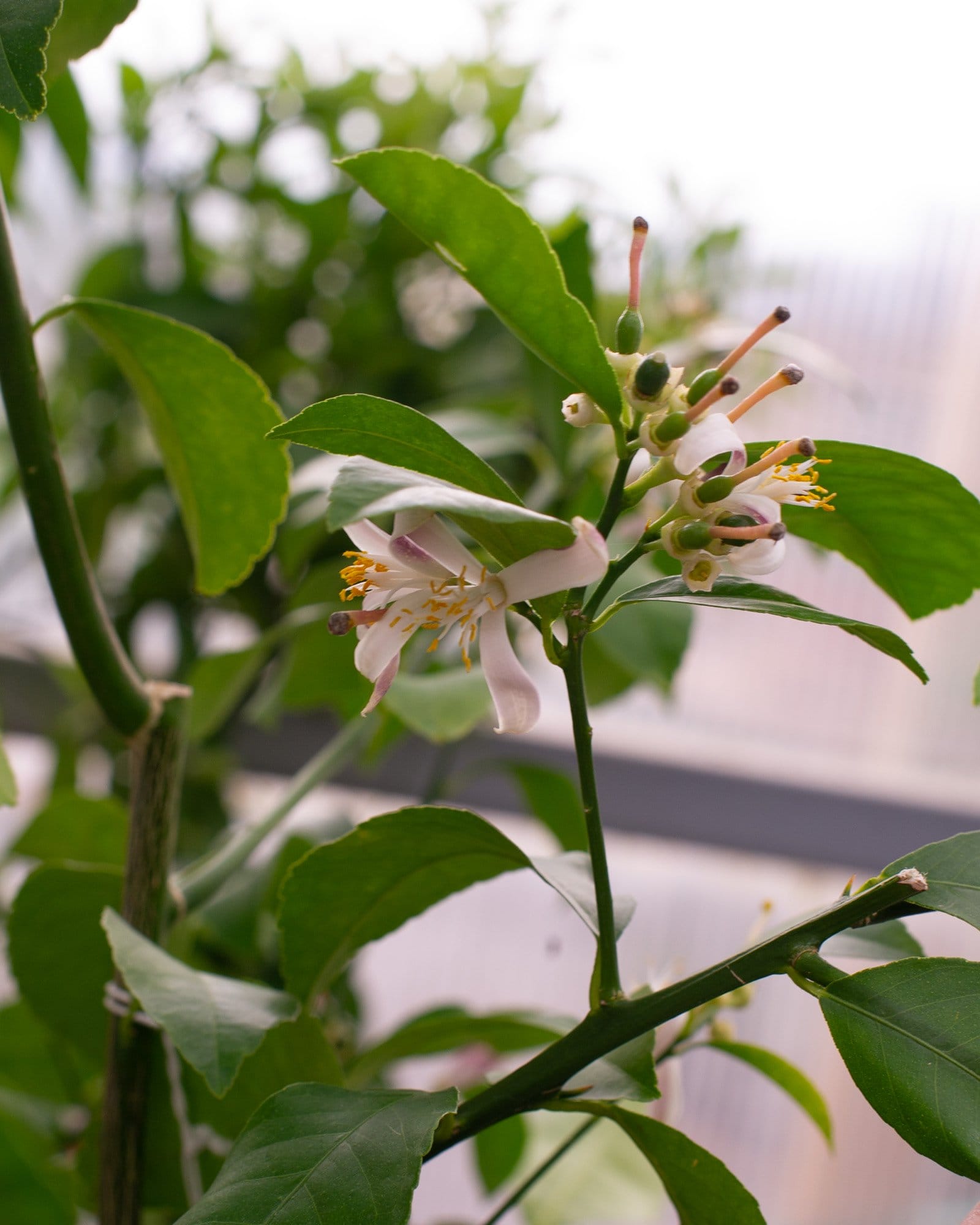
Improved Meyer Lemon
Maturity: 6' H x 8' W
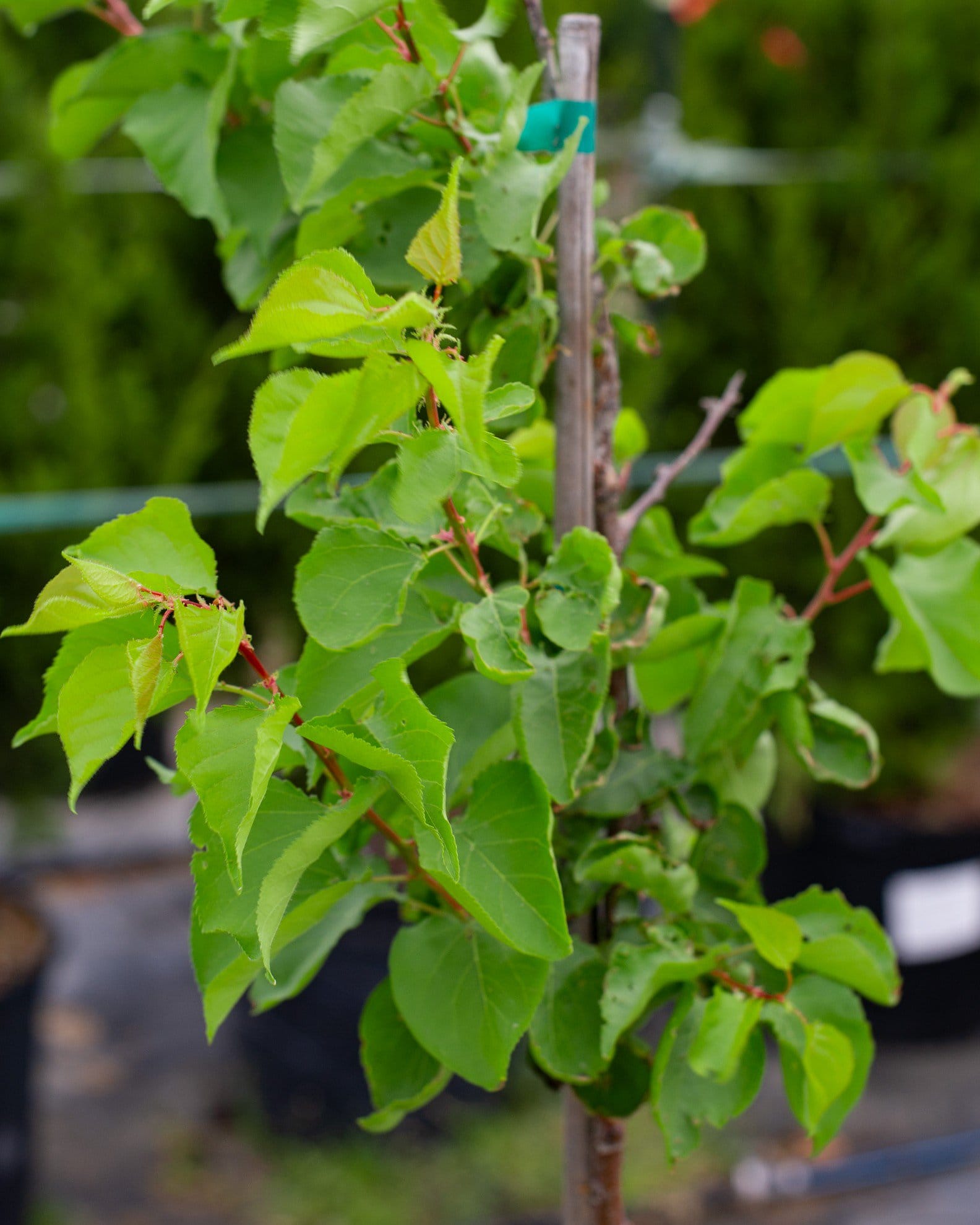
Blenheim Apricot
Maturity: 15' H x 15' W
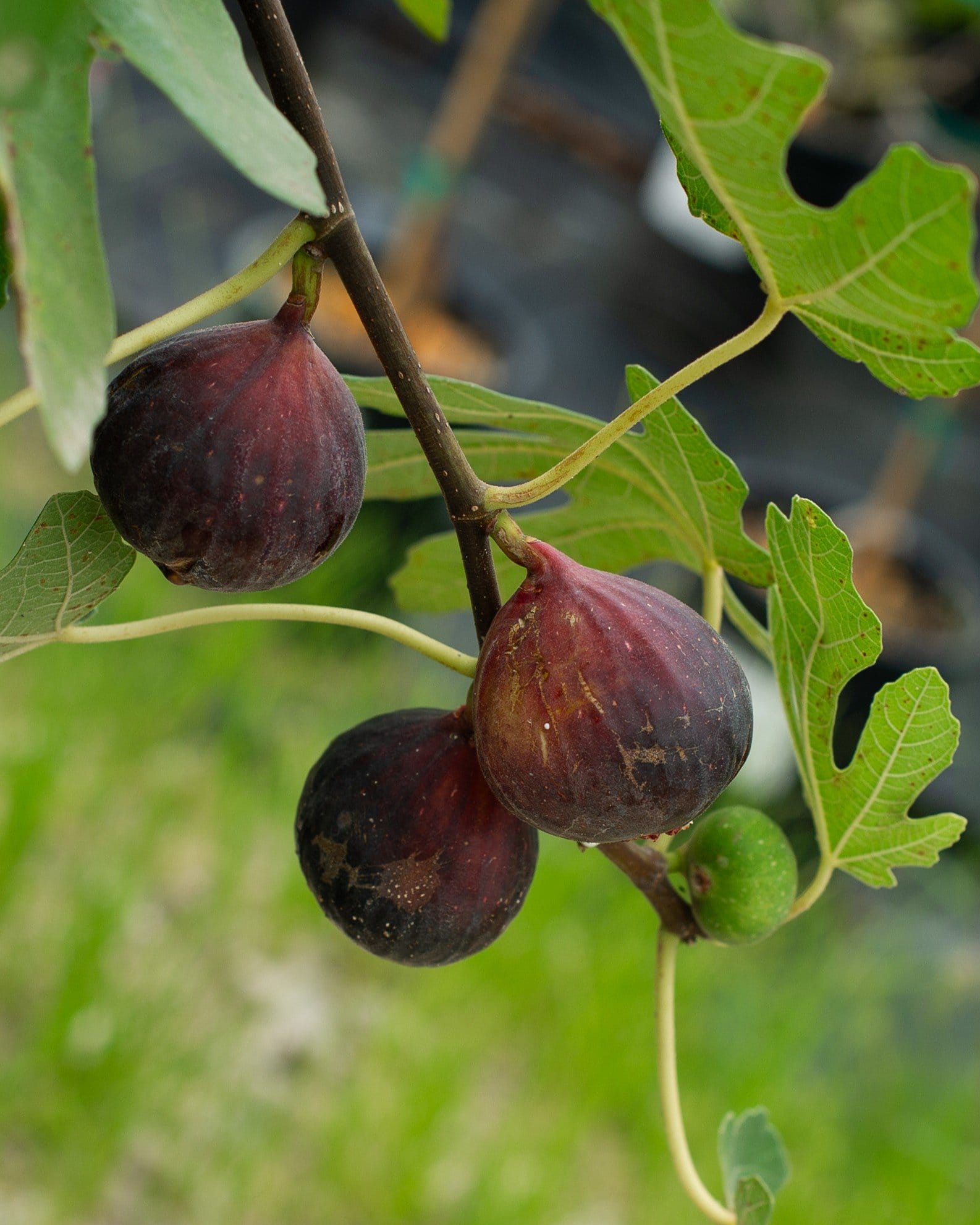
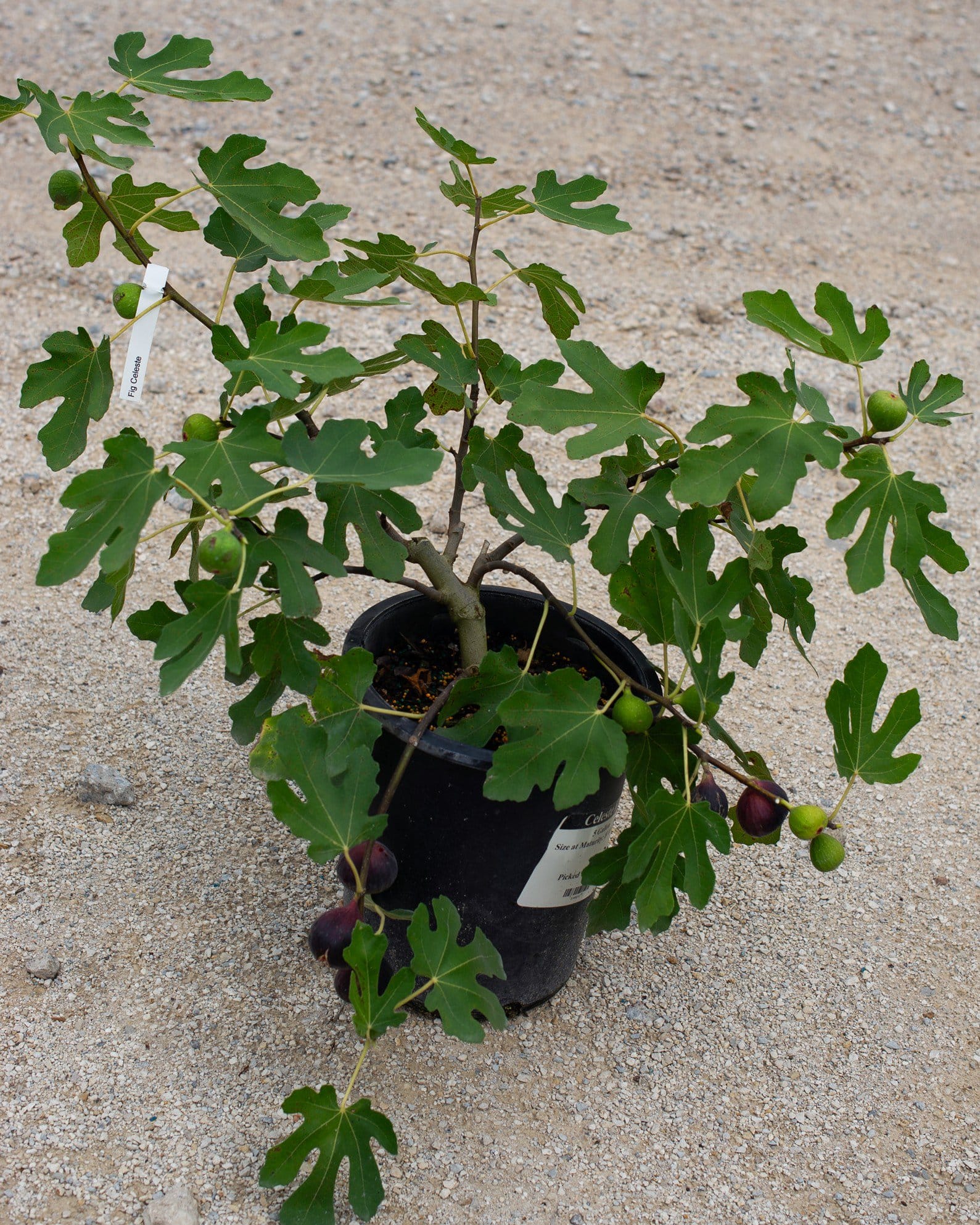
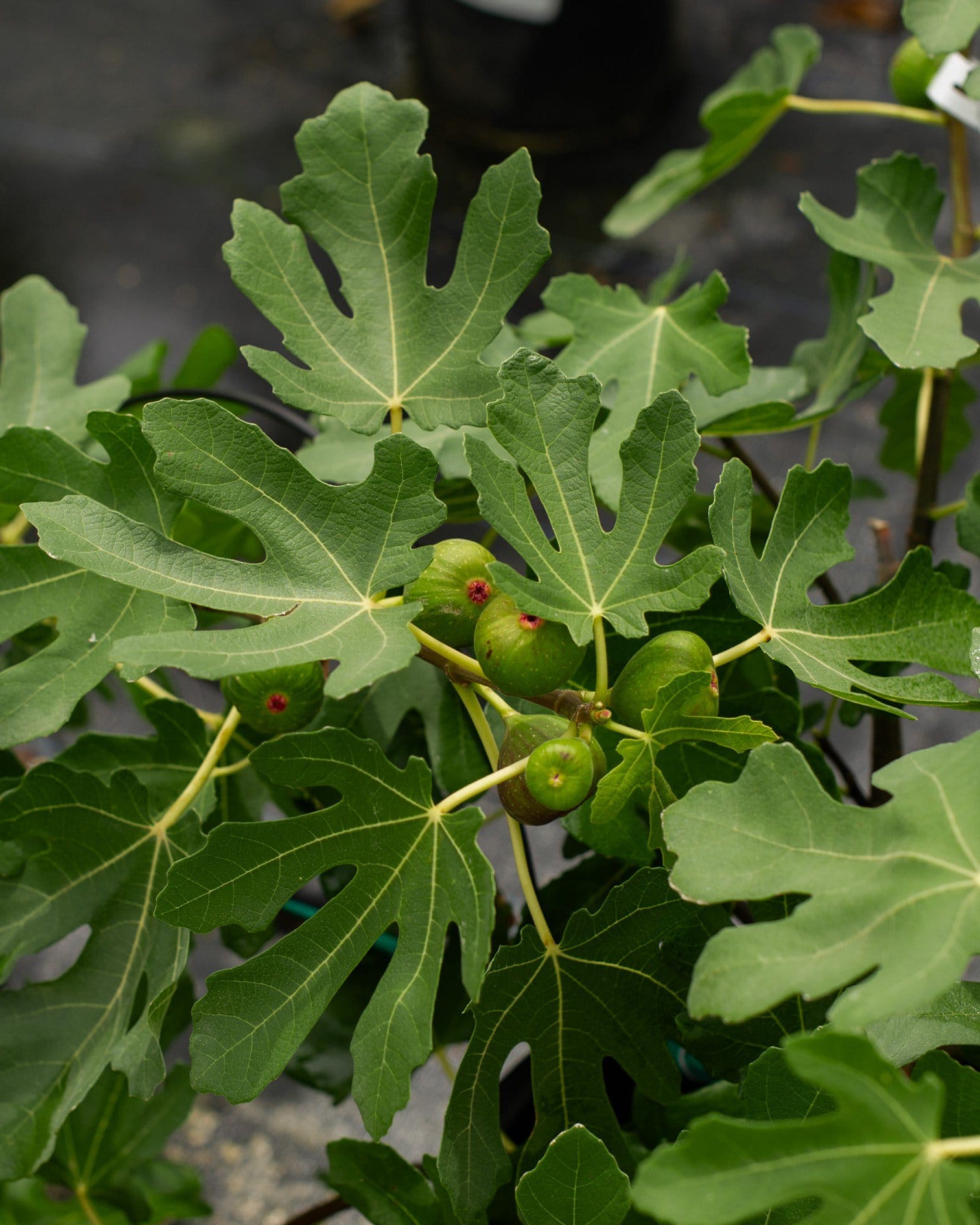
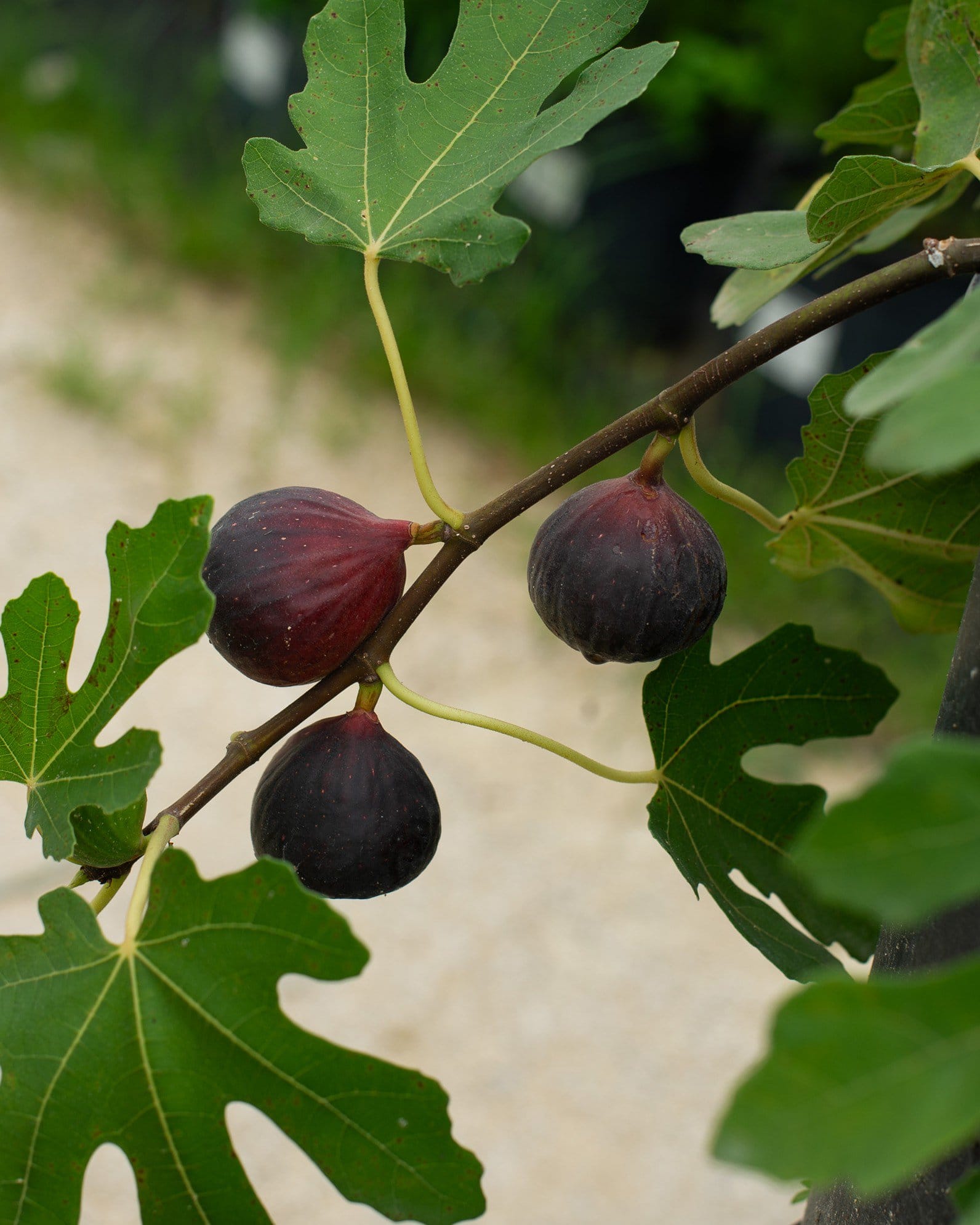
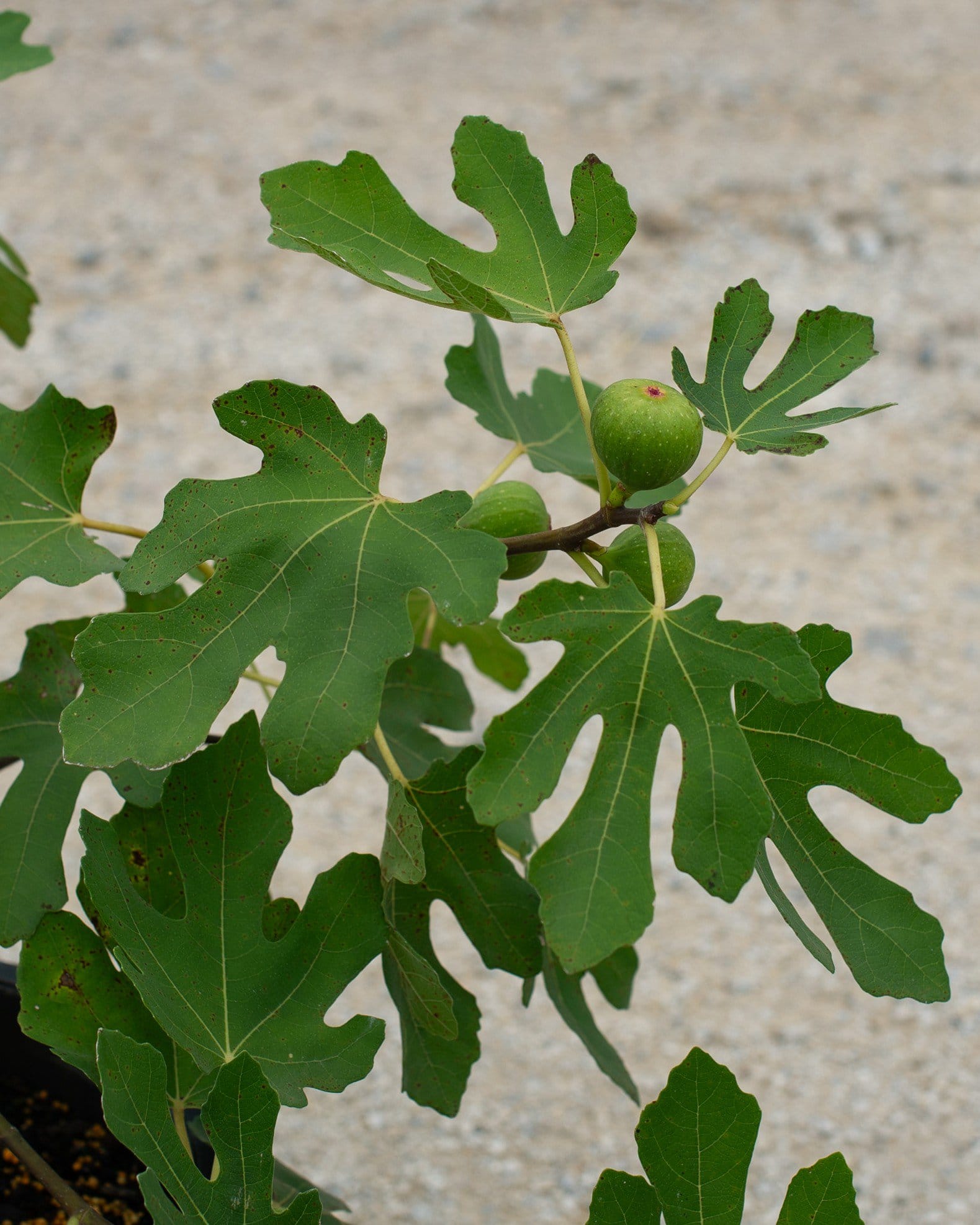
Celeste Fig
Maturity: 8' H x 8' W
LSU Purple Fig
Maturity: 8' H x 8' W
Texas Pink Pomegranate
Maturity: 10' H x 8' W
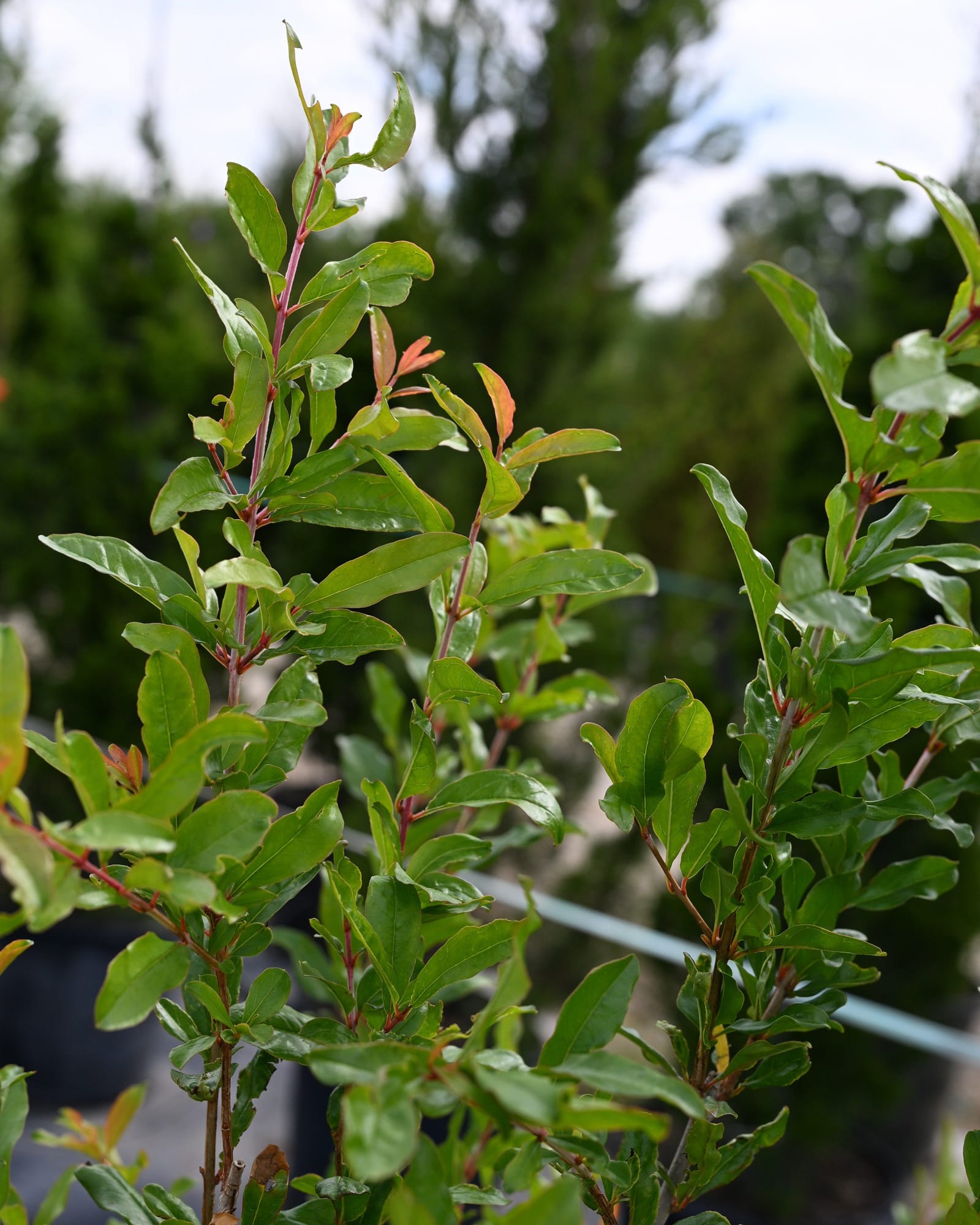
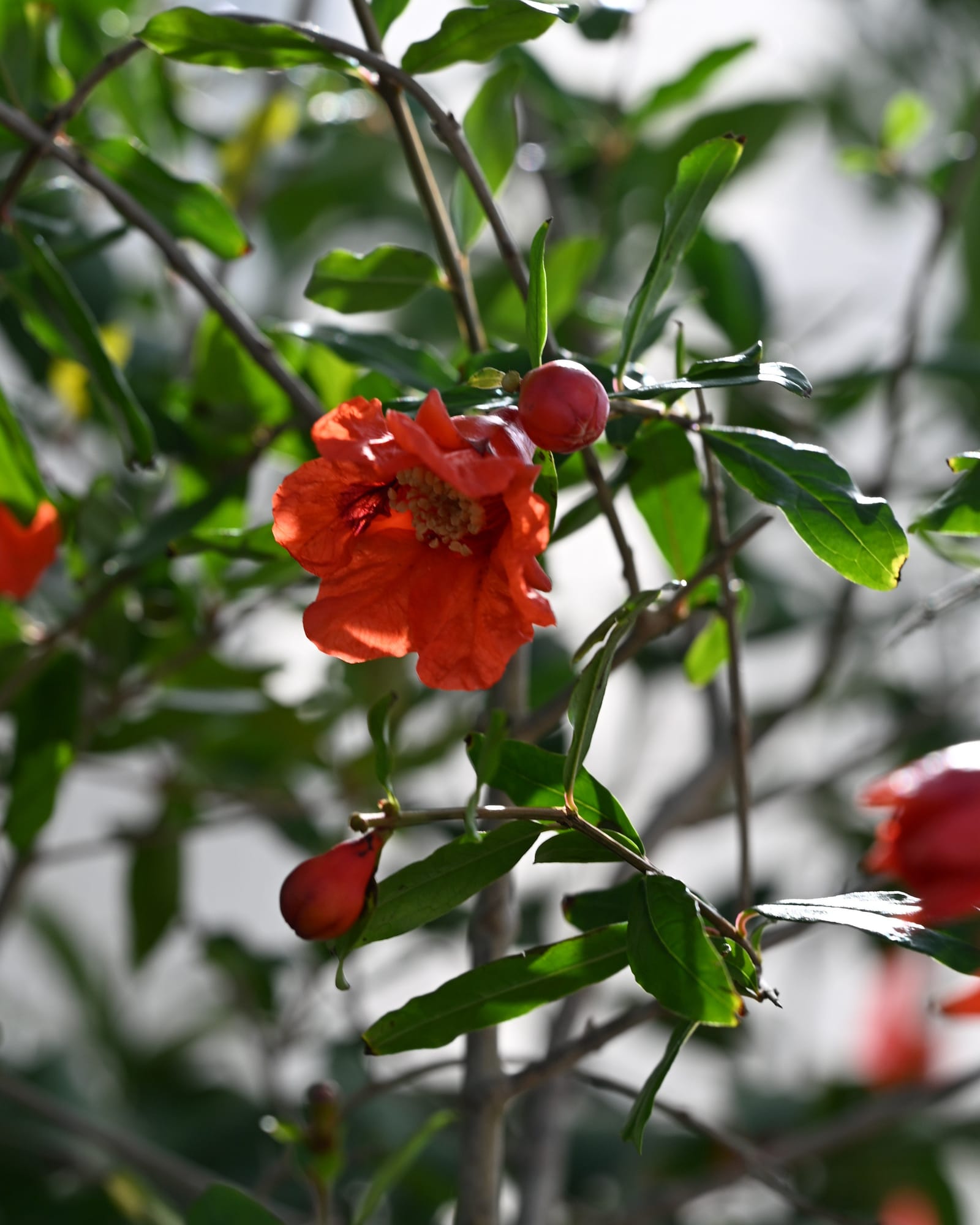
Wonderful Pomegranate
Maturity: 10' H x 8' W
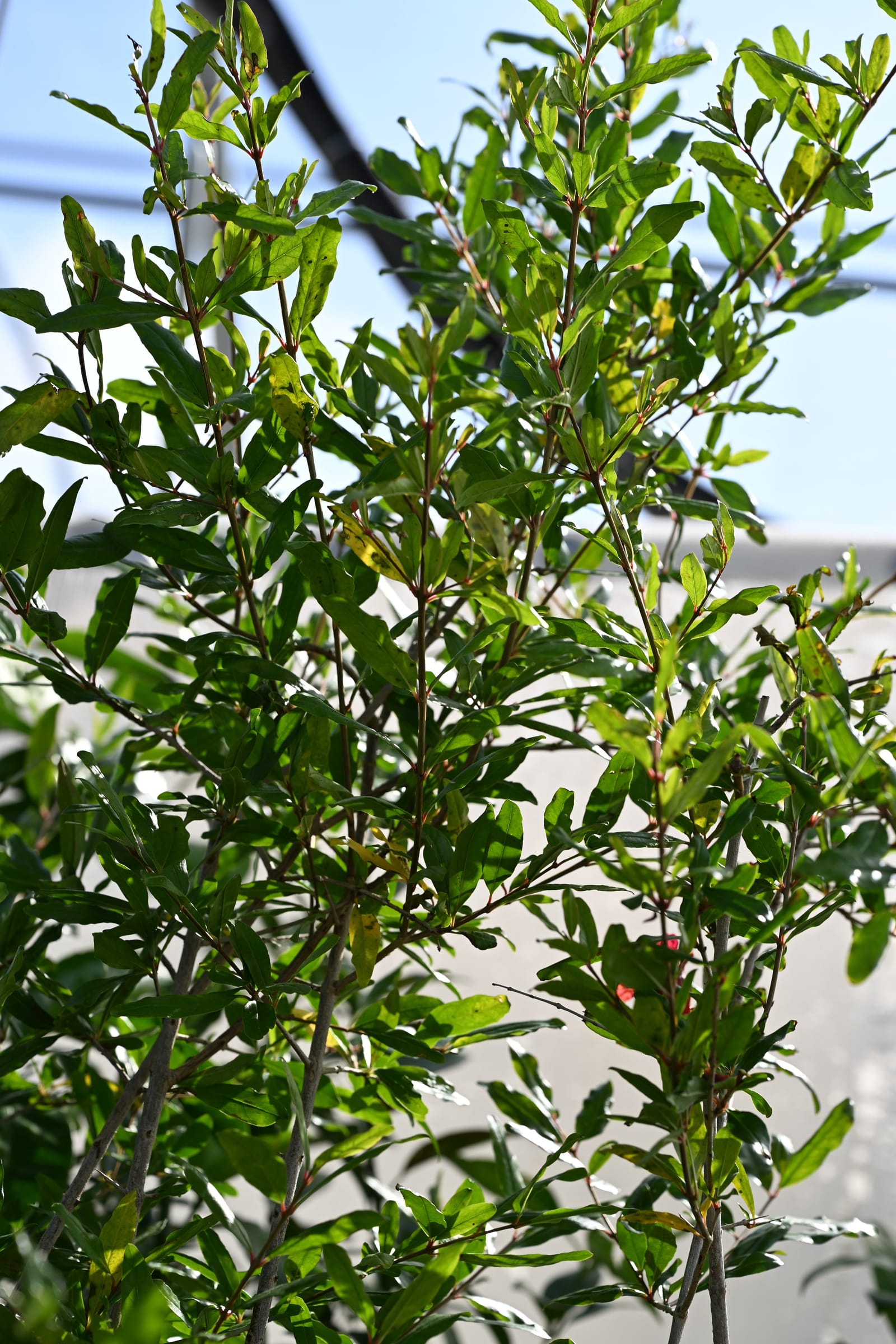
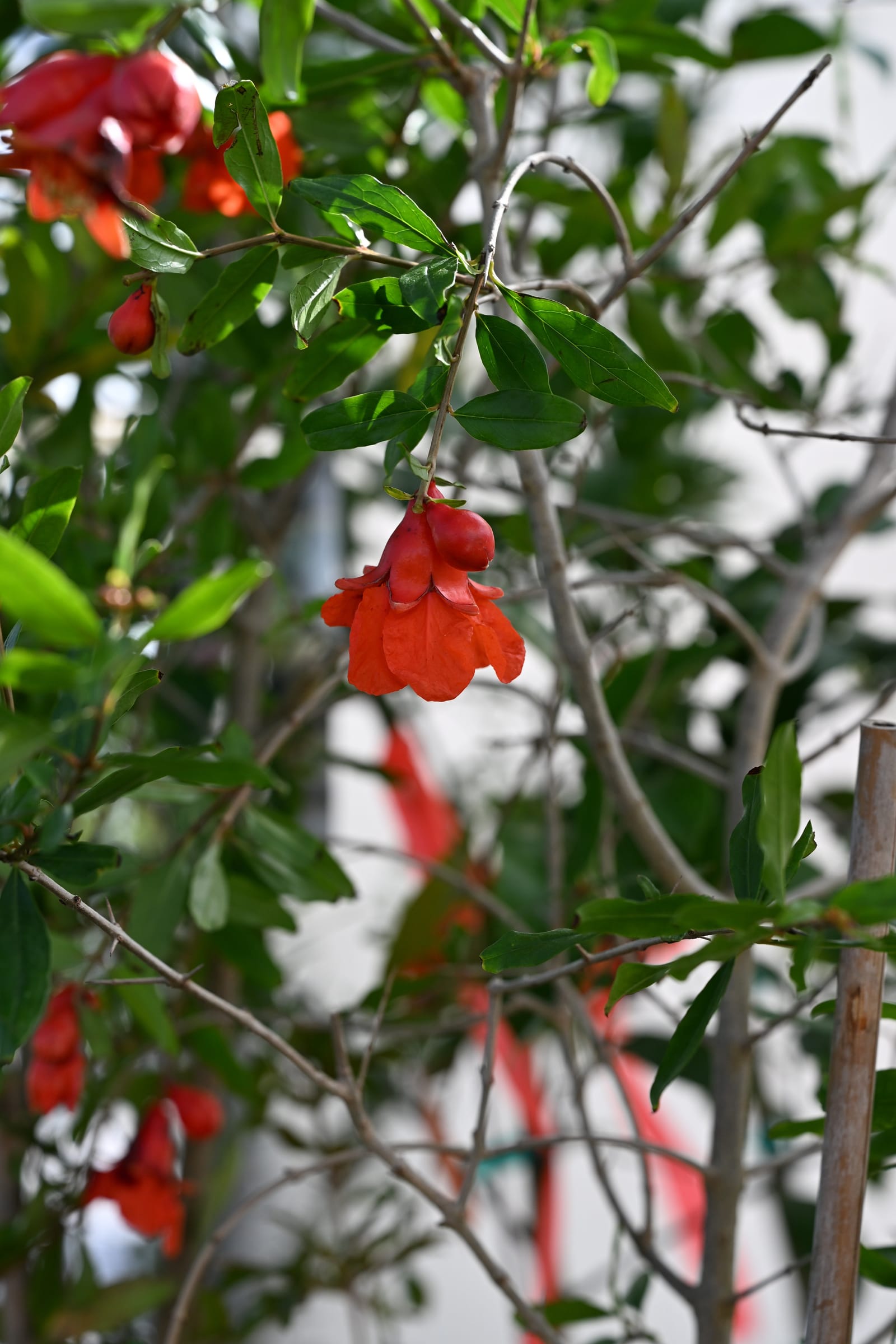
Compare Similar Plants
Methley Plum This plant | ||
|---|---|---|
| Scientific Name | Prunus salicina 'Methley' | Prunus salicina 'Santa Rosa' |
| Size at Maturity | 10' H x 10' W | 15' H x 15' W |
| Leaf Retention | Deciduous | Deciduous |
| Fall Color | Yellow | Yellow |
| Flower Color | White | White |
| Bloom Times | Spring | Spring |
| Sizes Available | 5 gal | 5 gal |


Our 1-Year Planting Guarantee
We take pride in our plants and installation services. If any plants or trees installed by Treeland fail to thrive within the first year, we'll provide a replacement credit in accordance with our guarantee program.
Learn More About Our Guarantee