
 Popular
Local DFW Delivery Only
Product Details
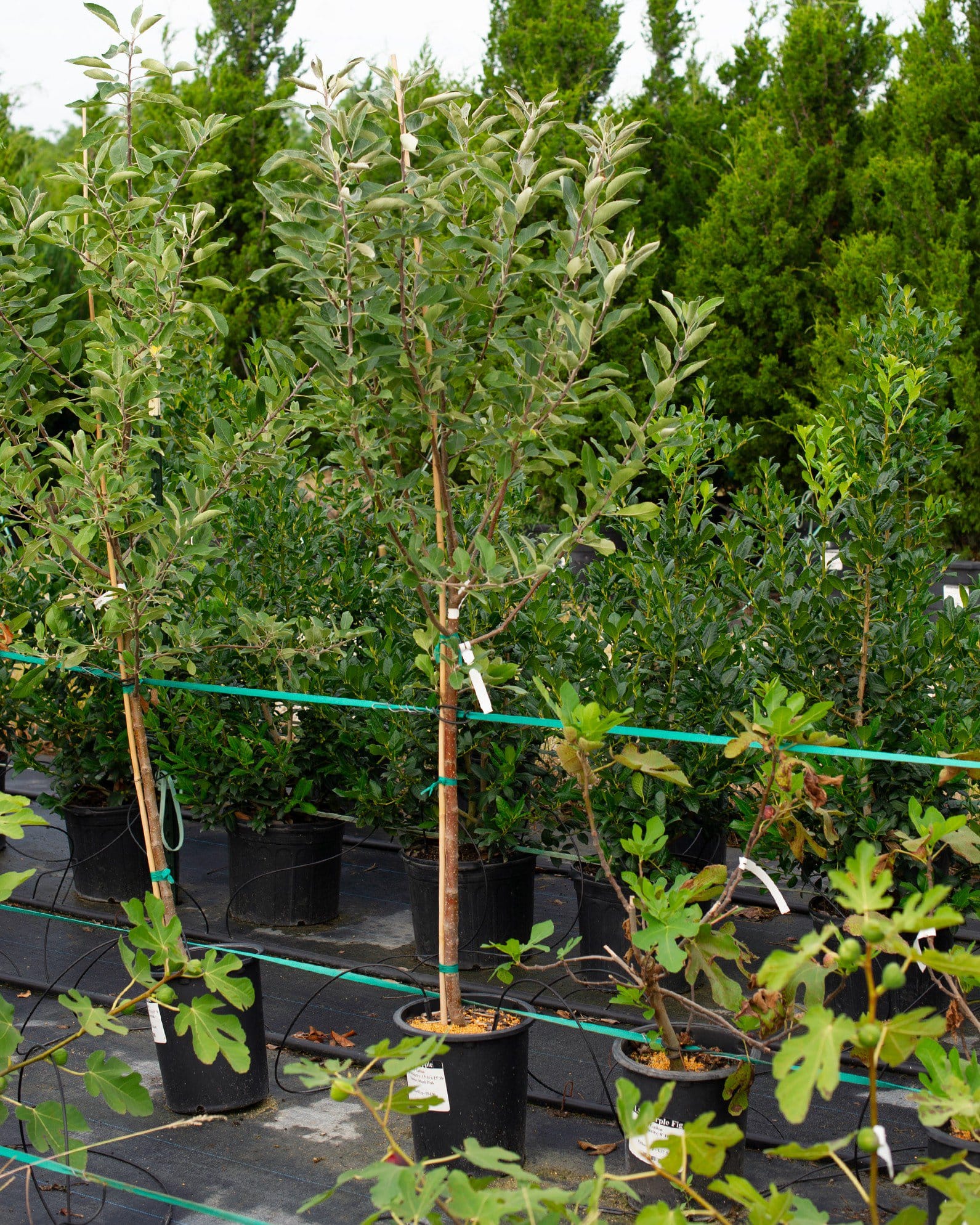
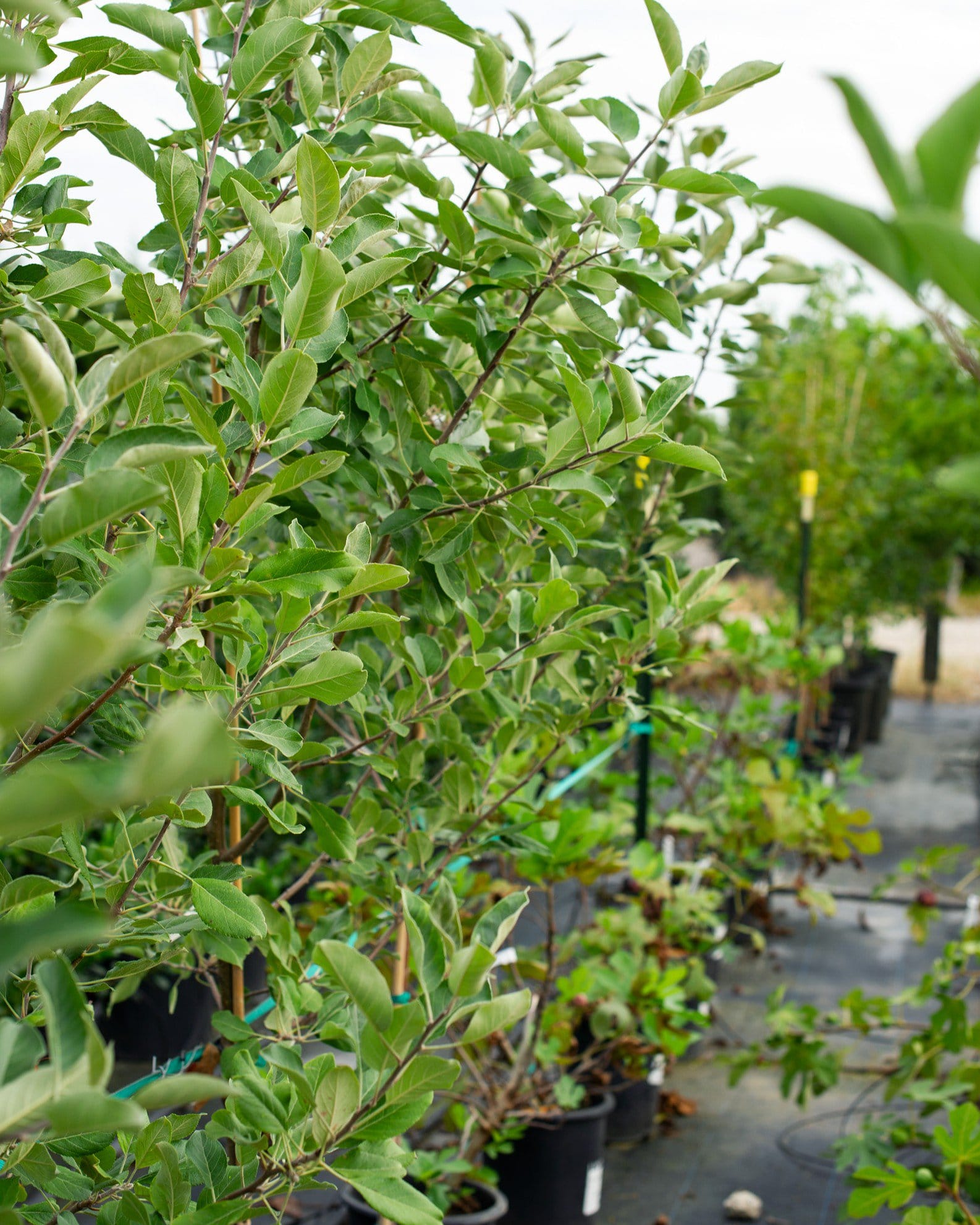
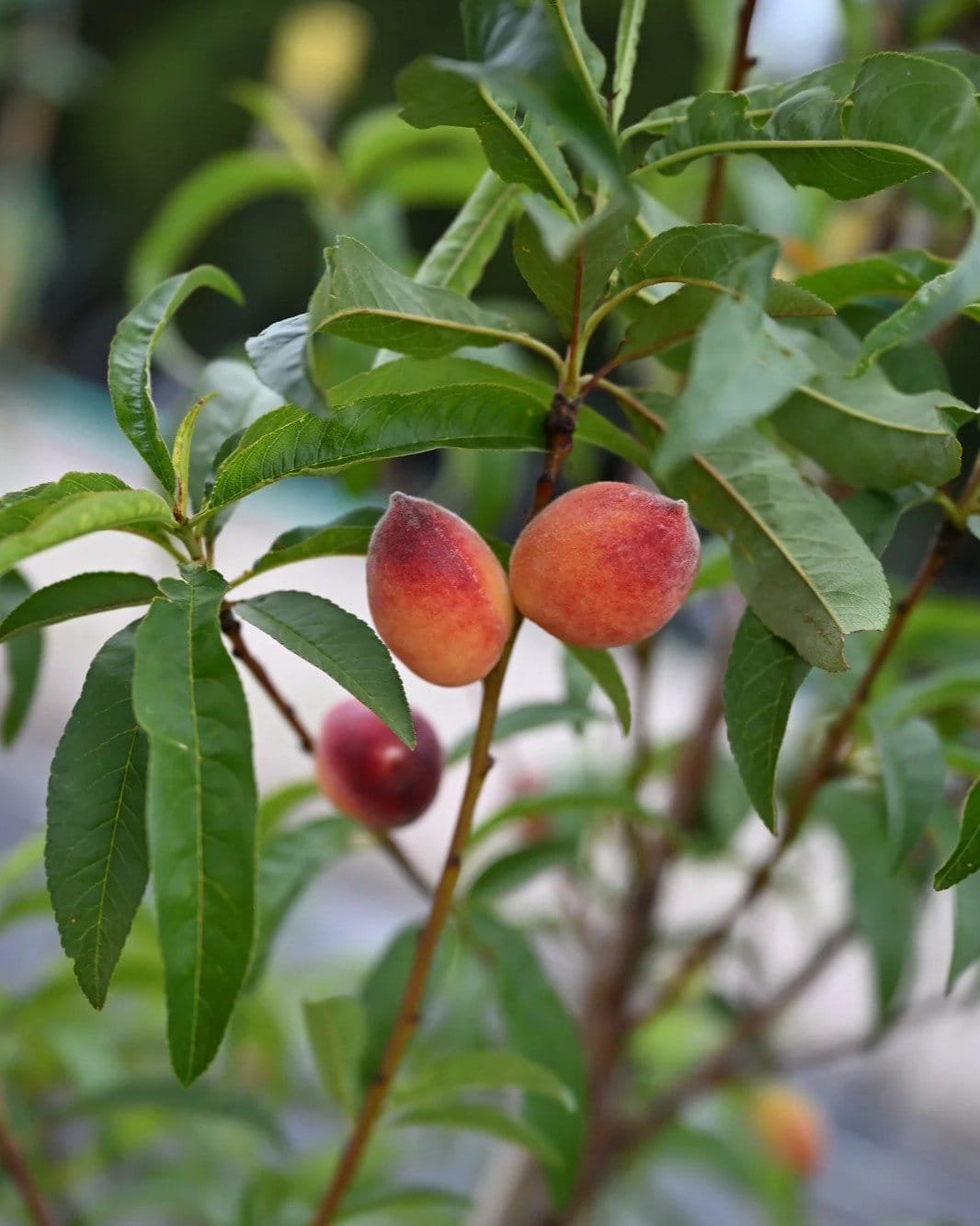
Harvester Peach
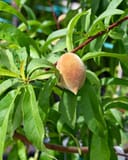
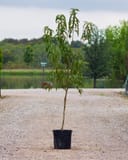
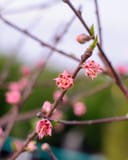
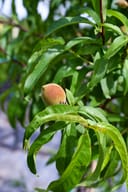
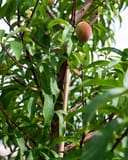
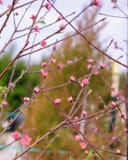
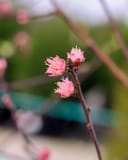
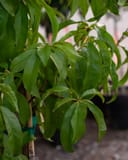
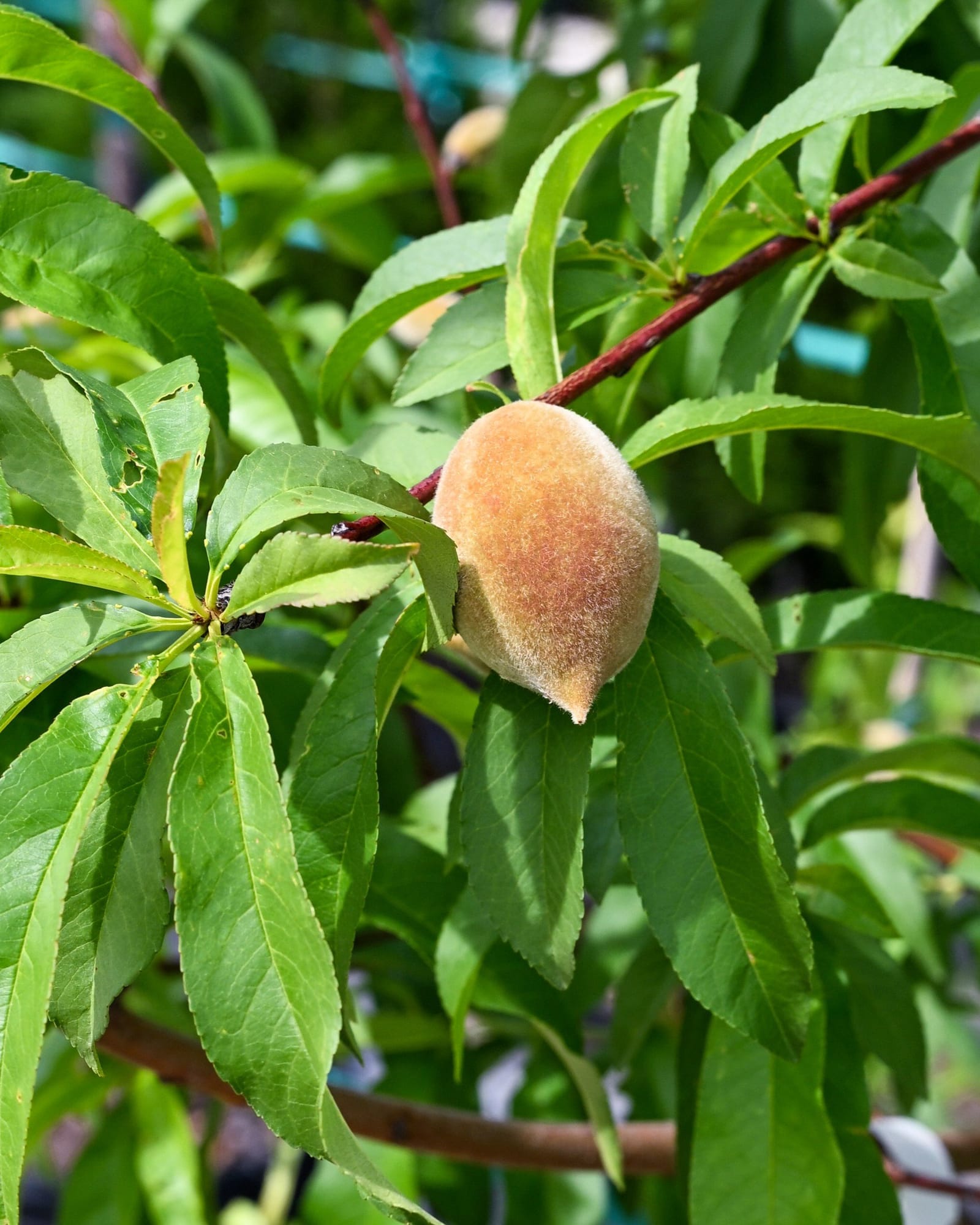
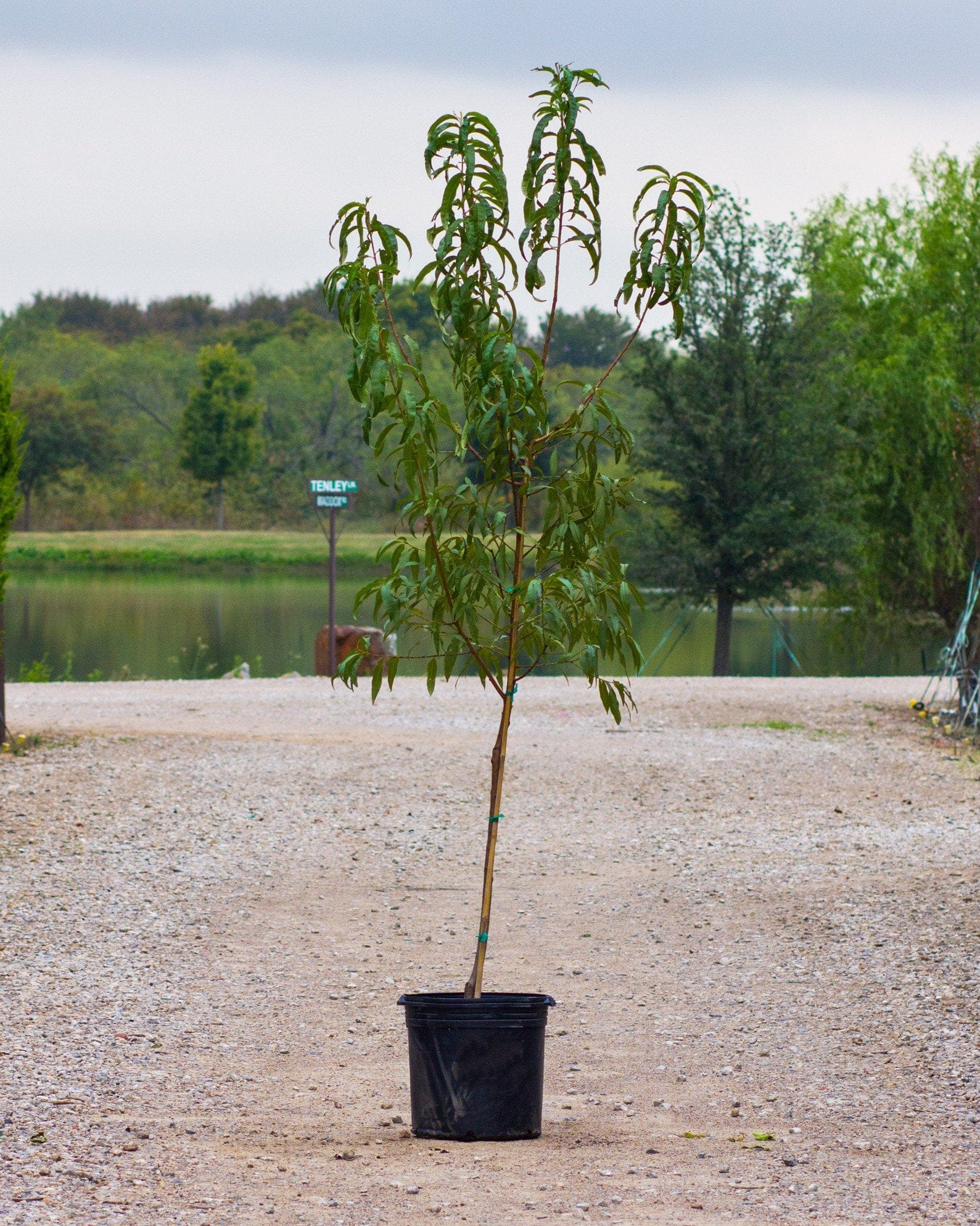
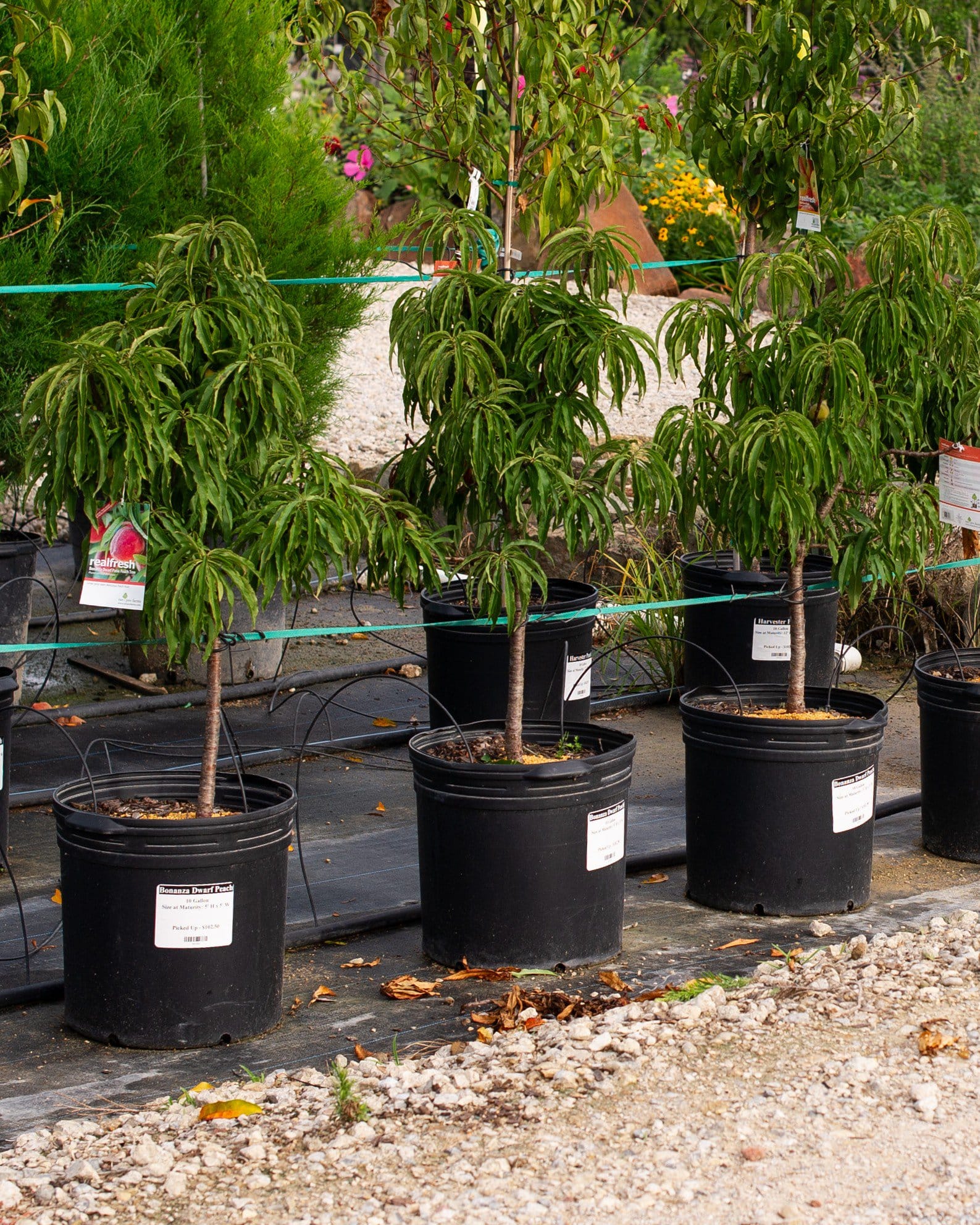
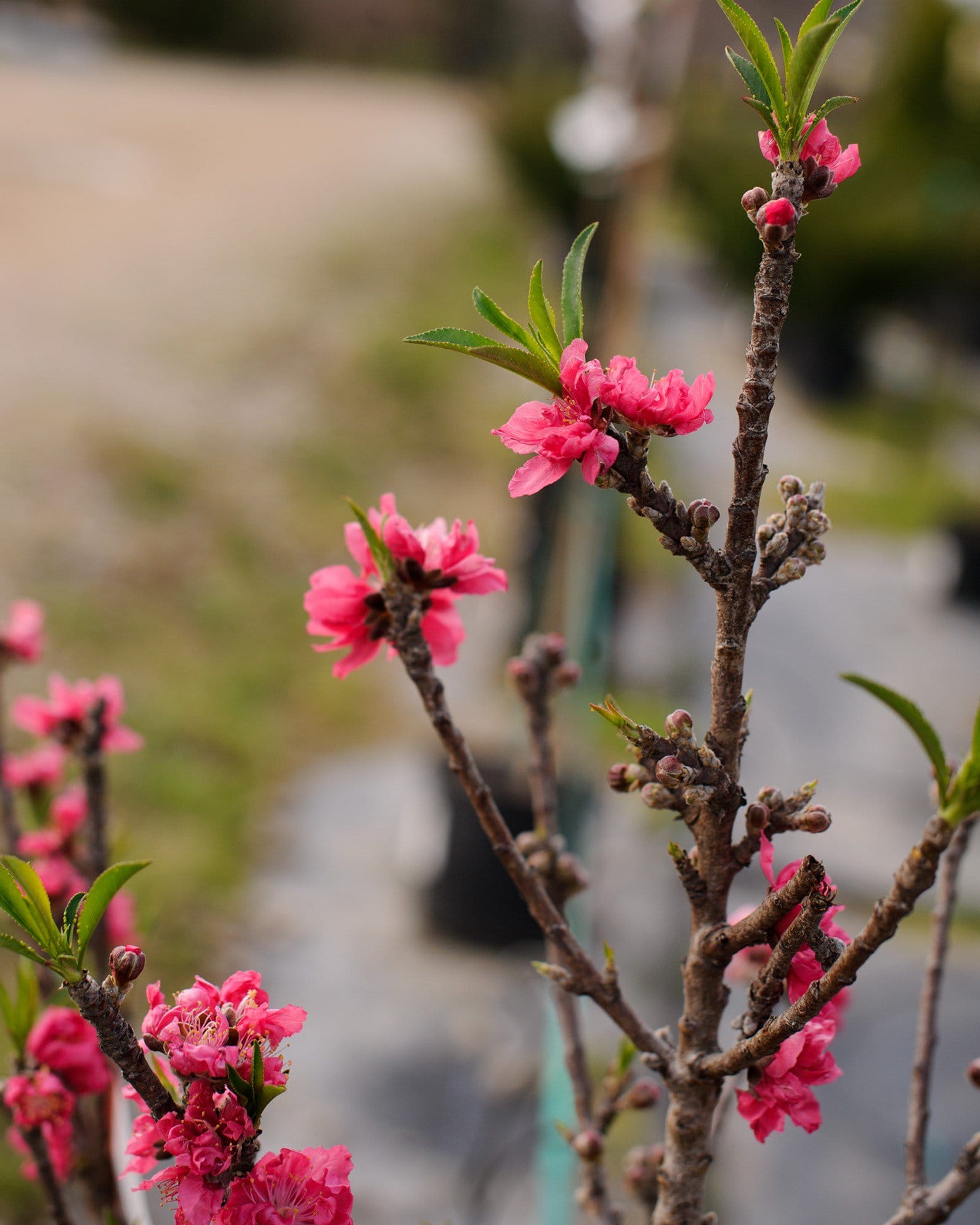
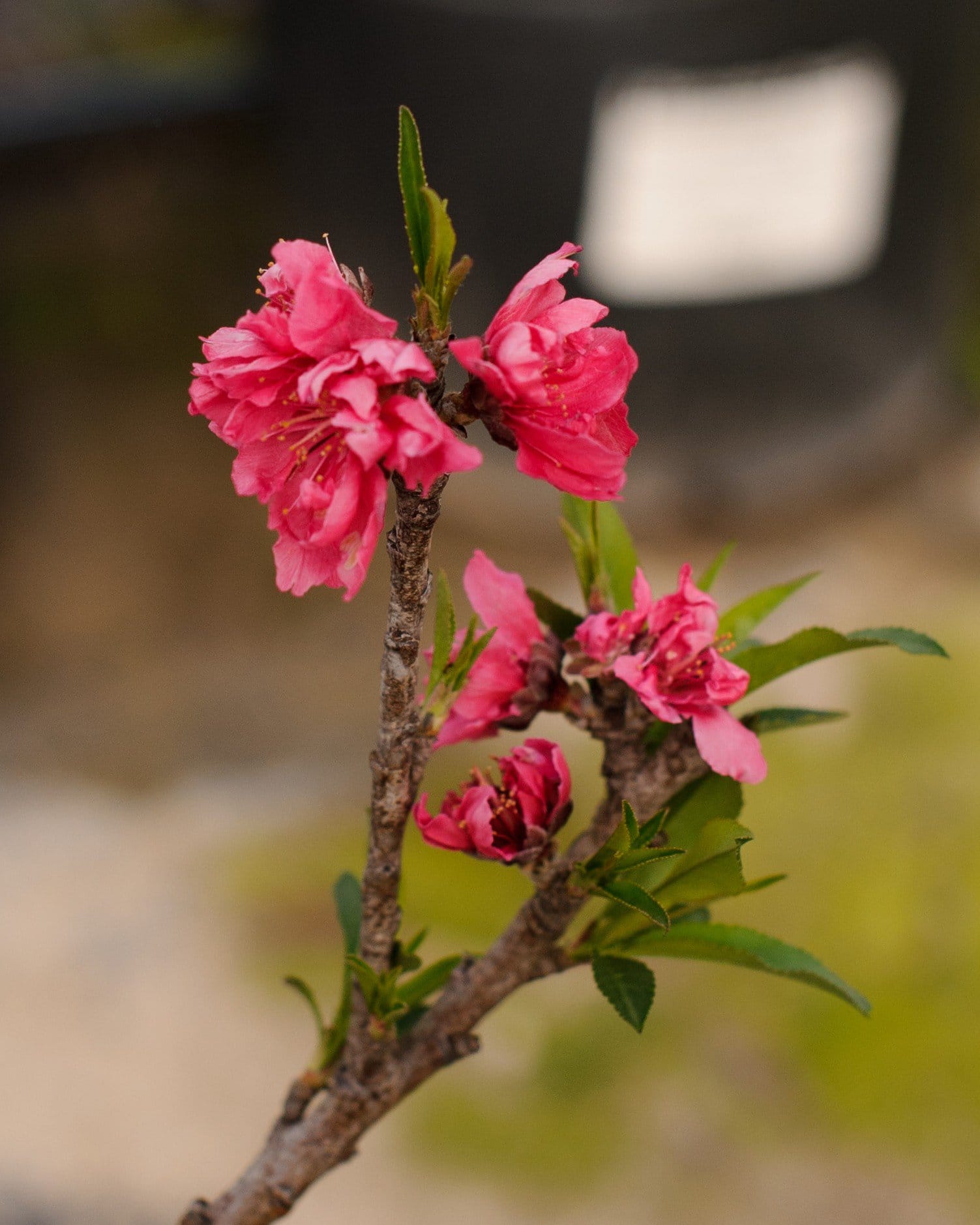
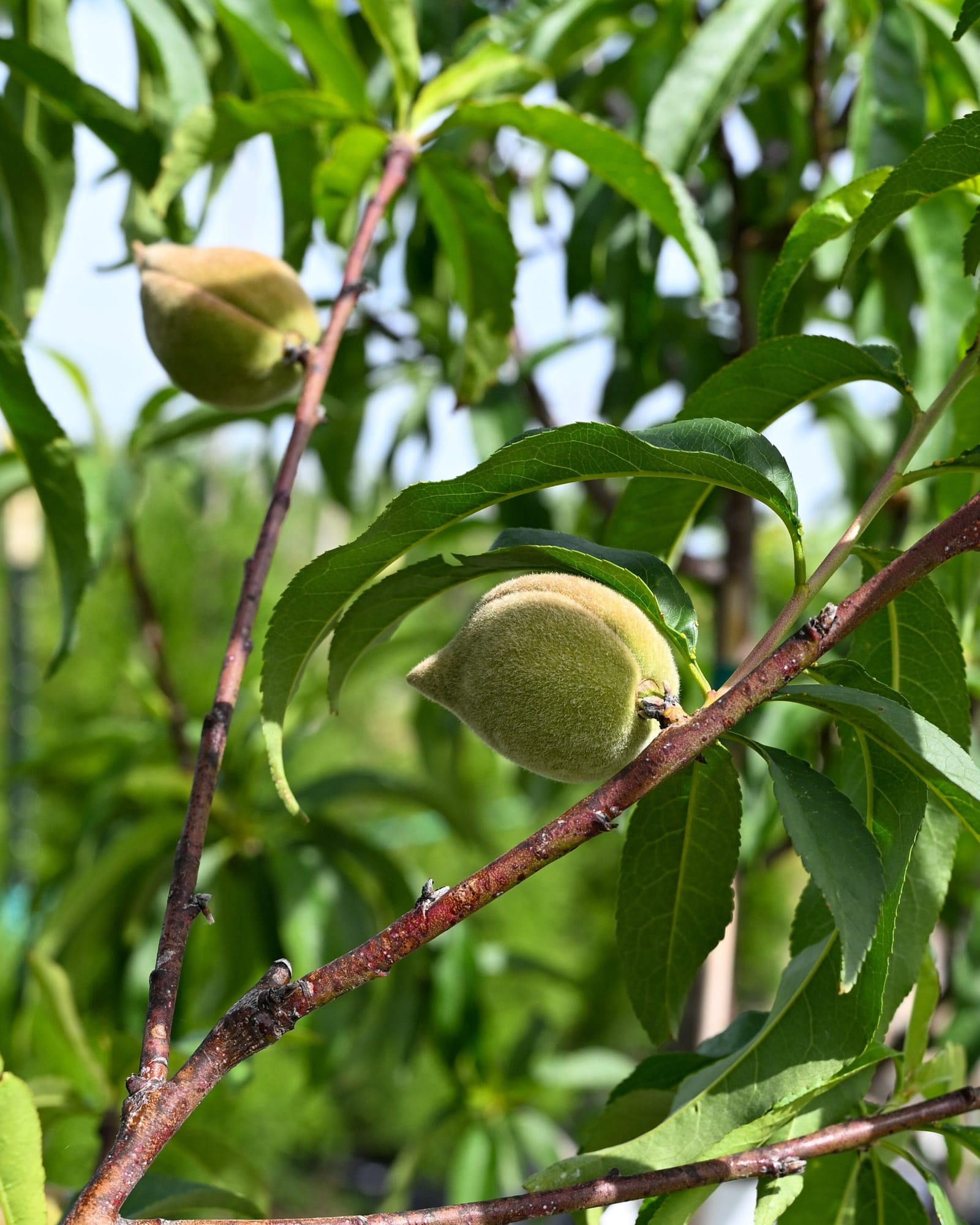
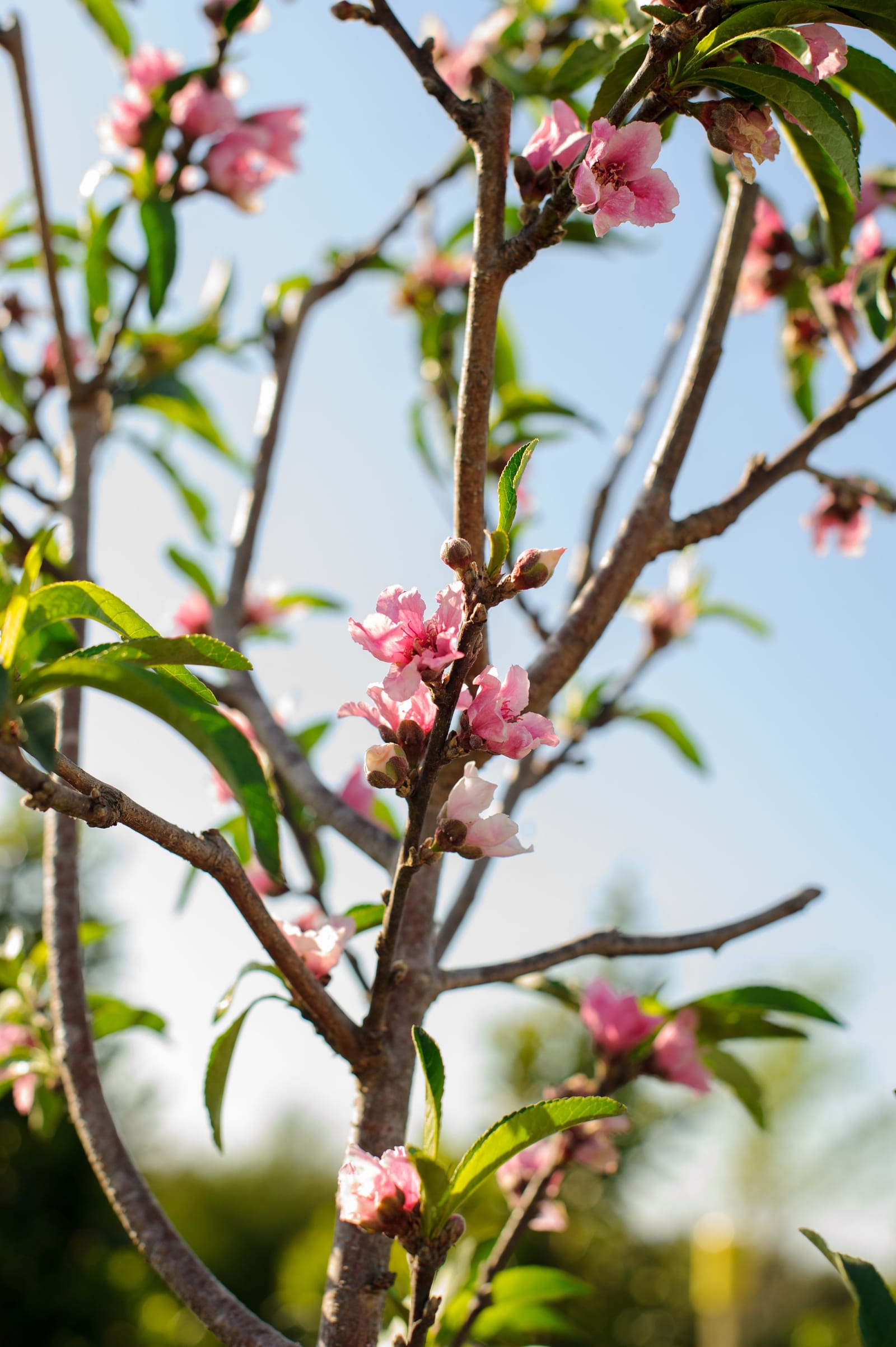
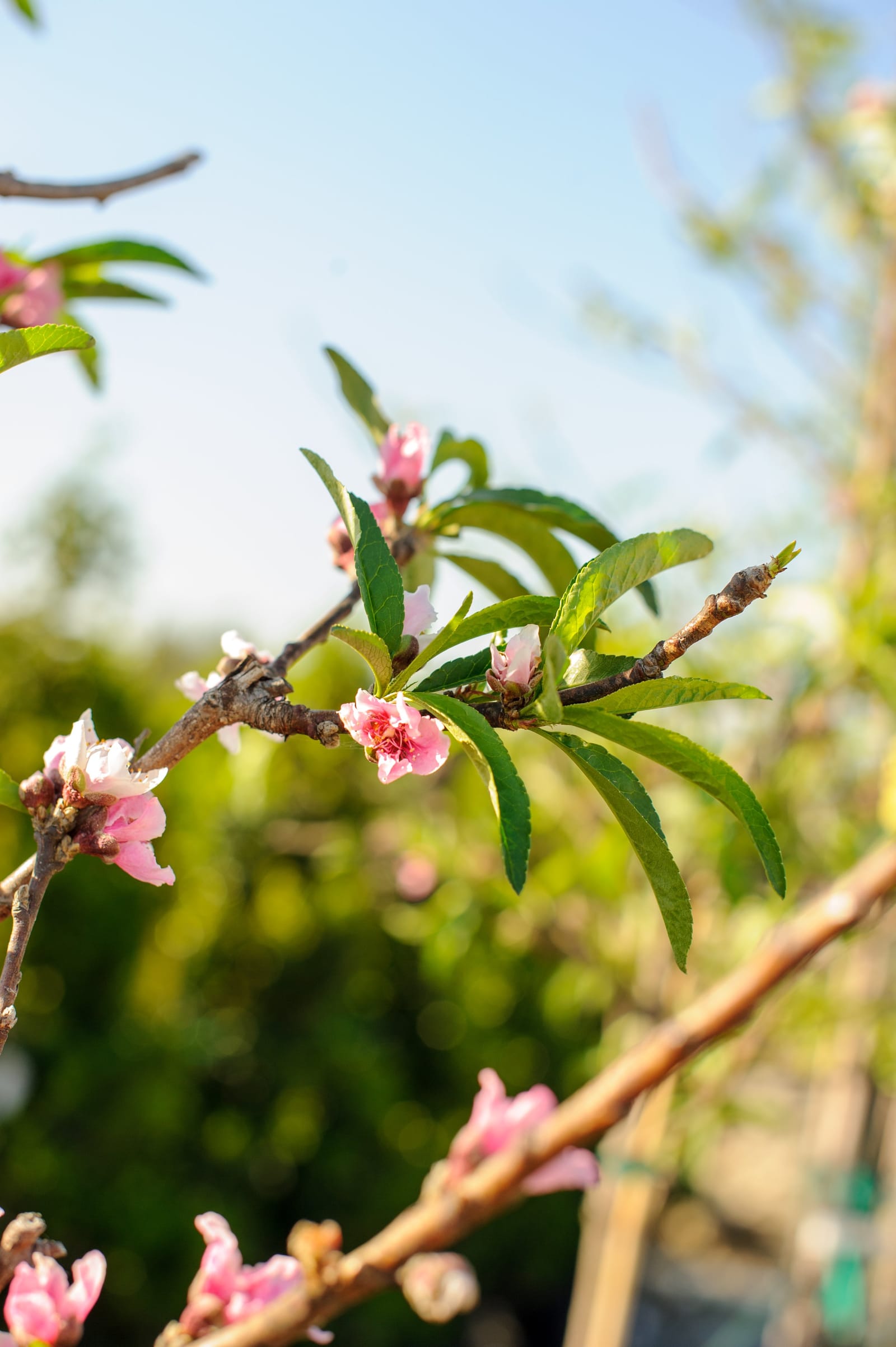
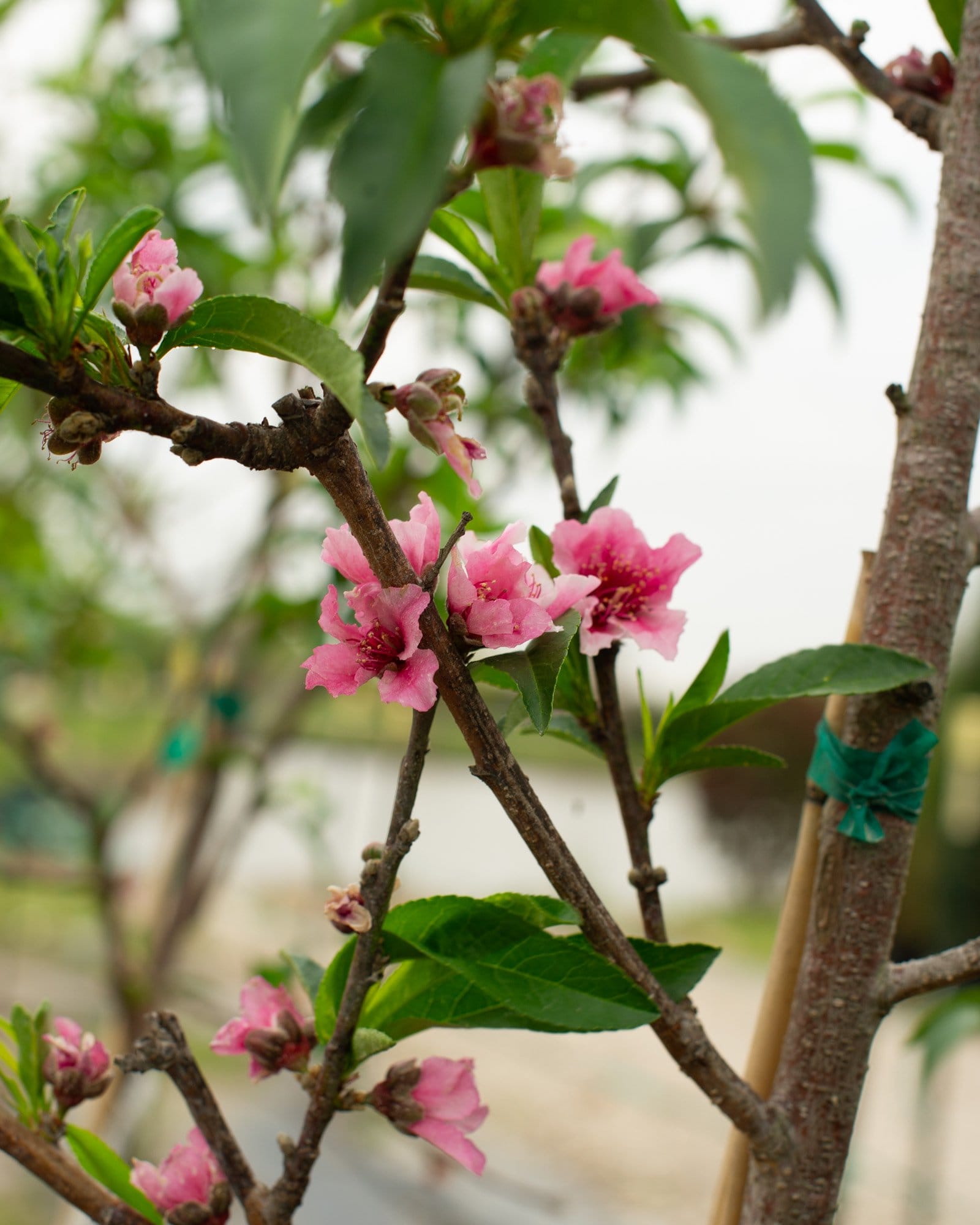
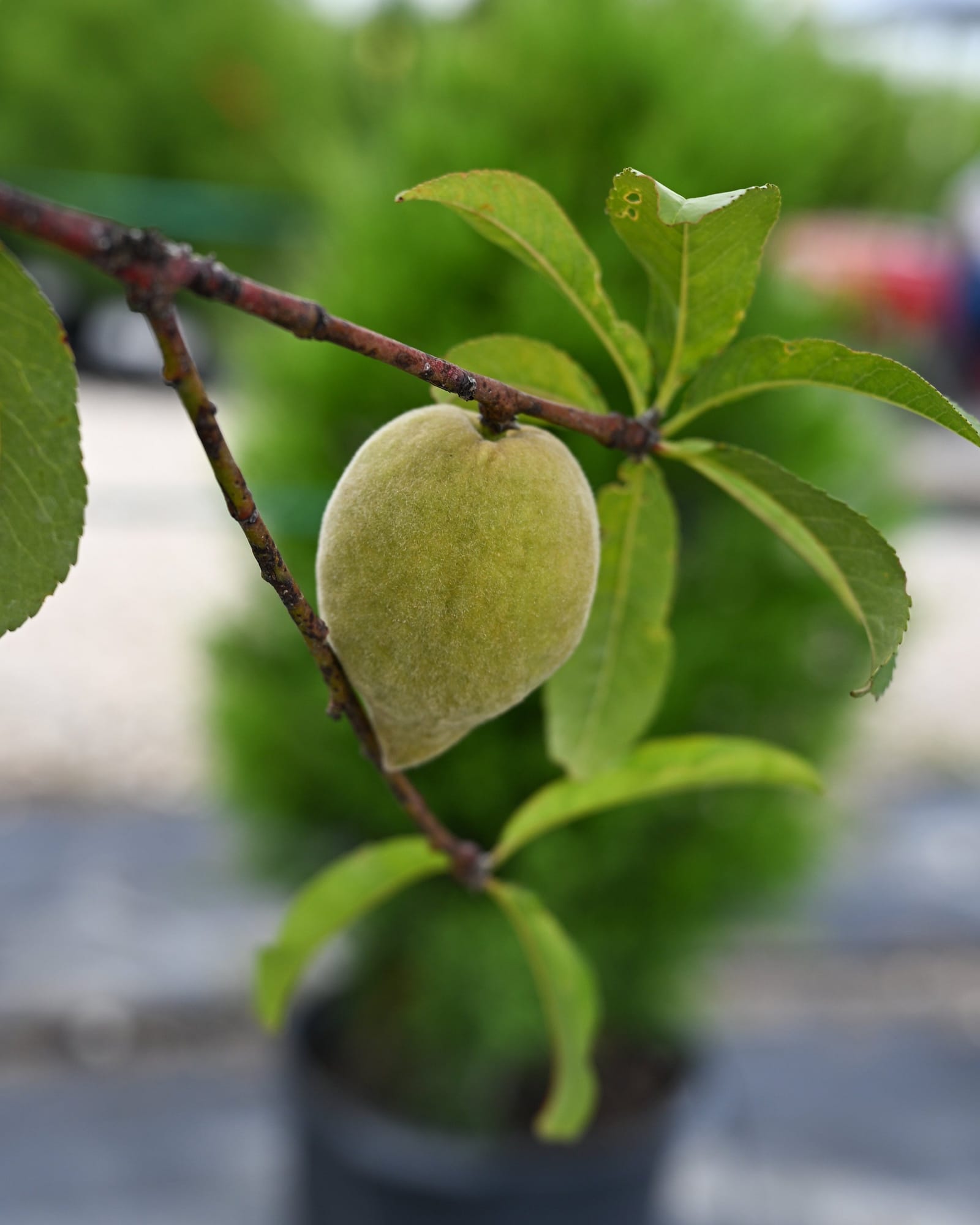
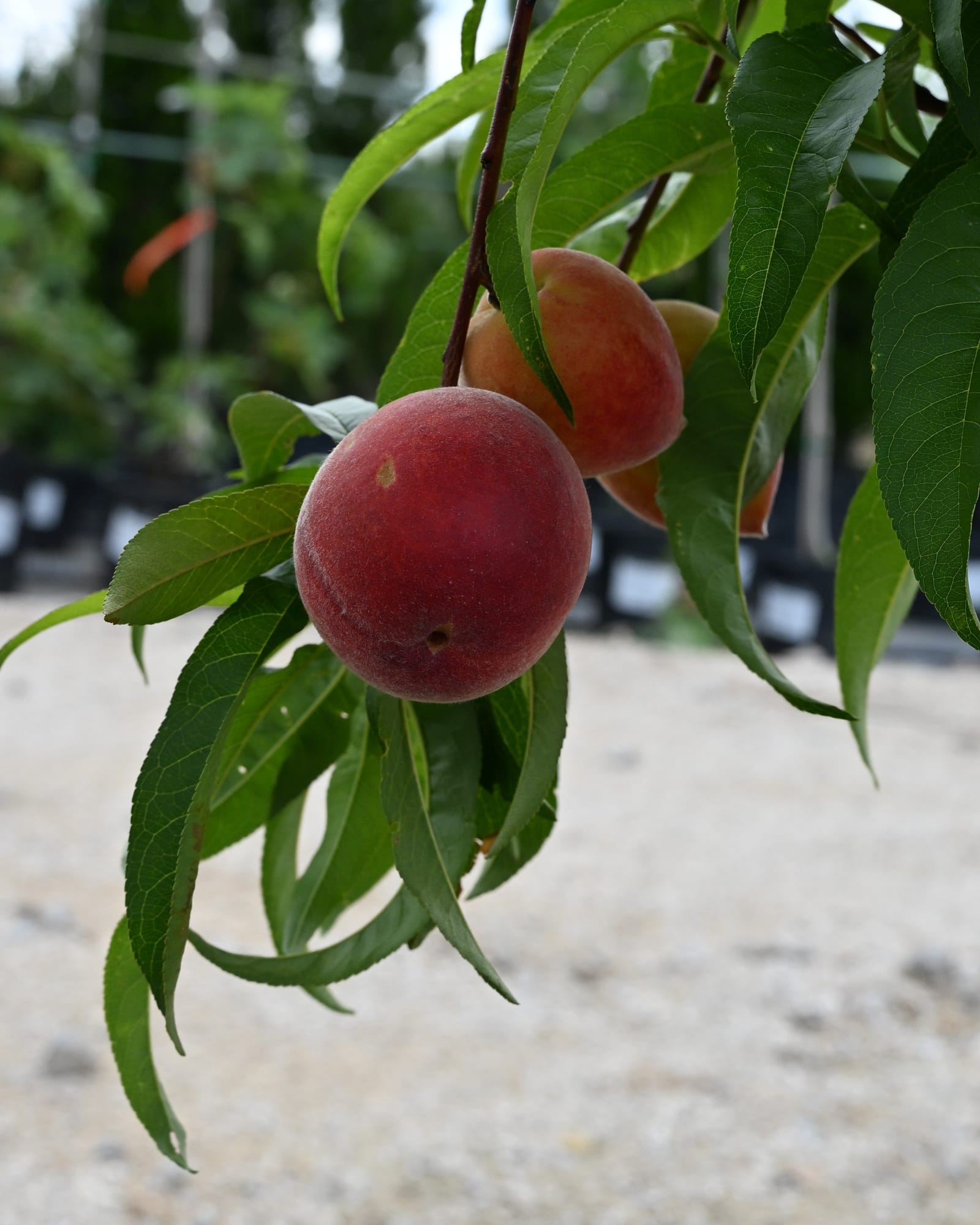
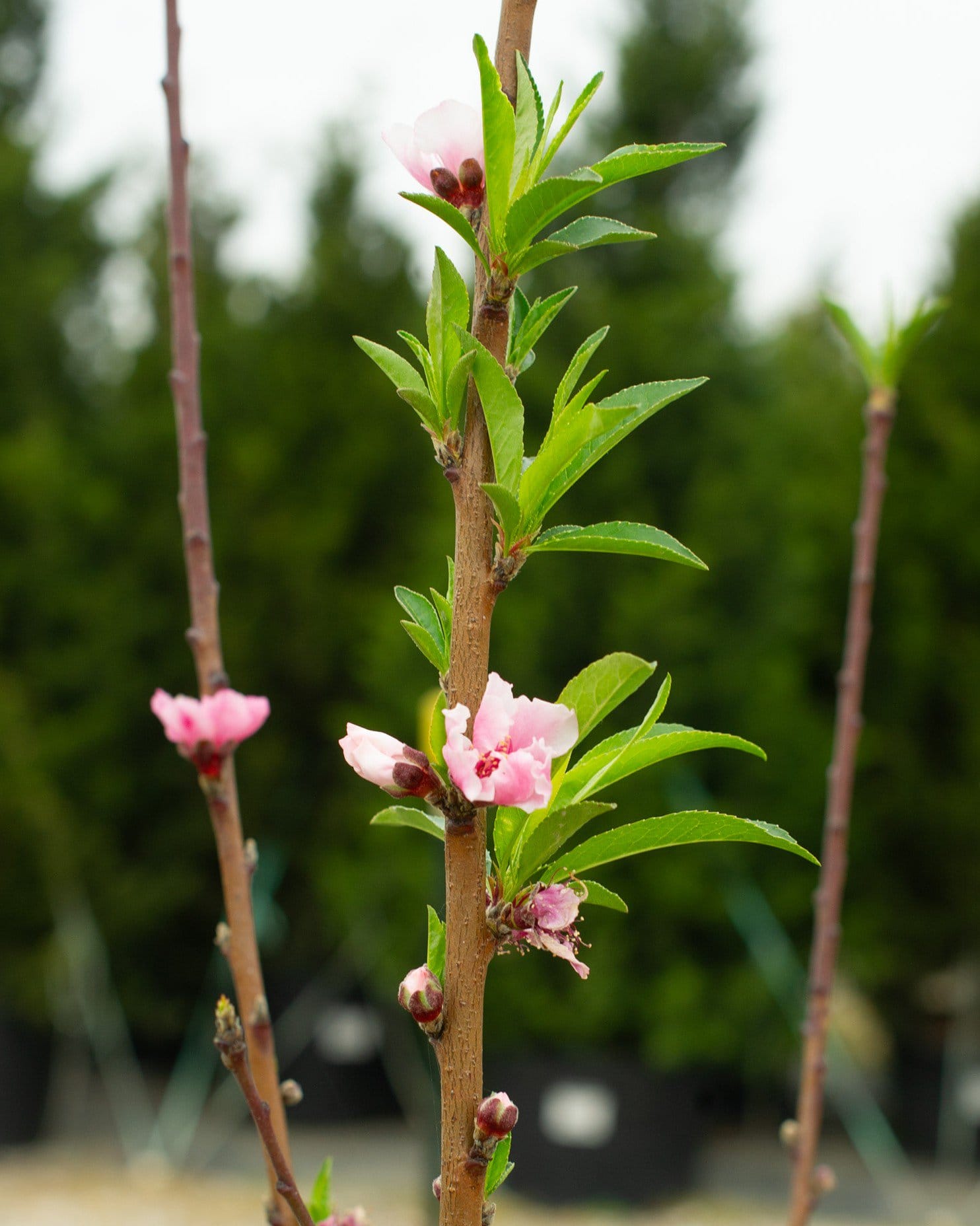
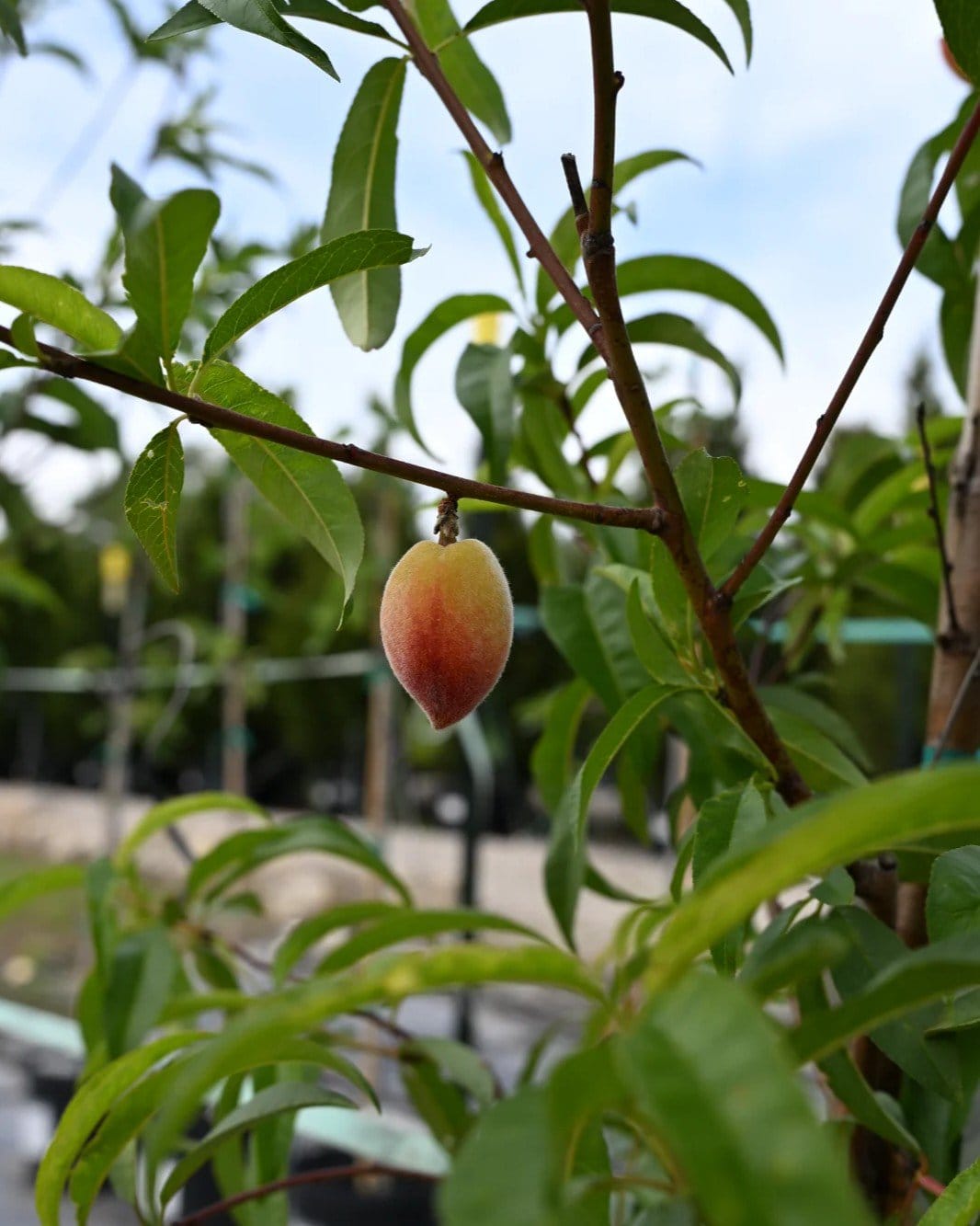
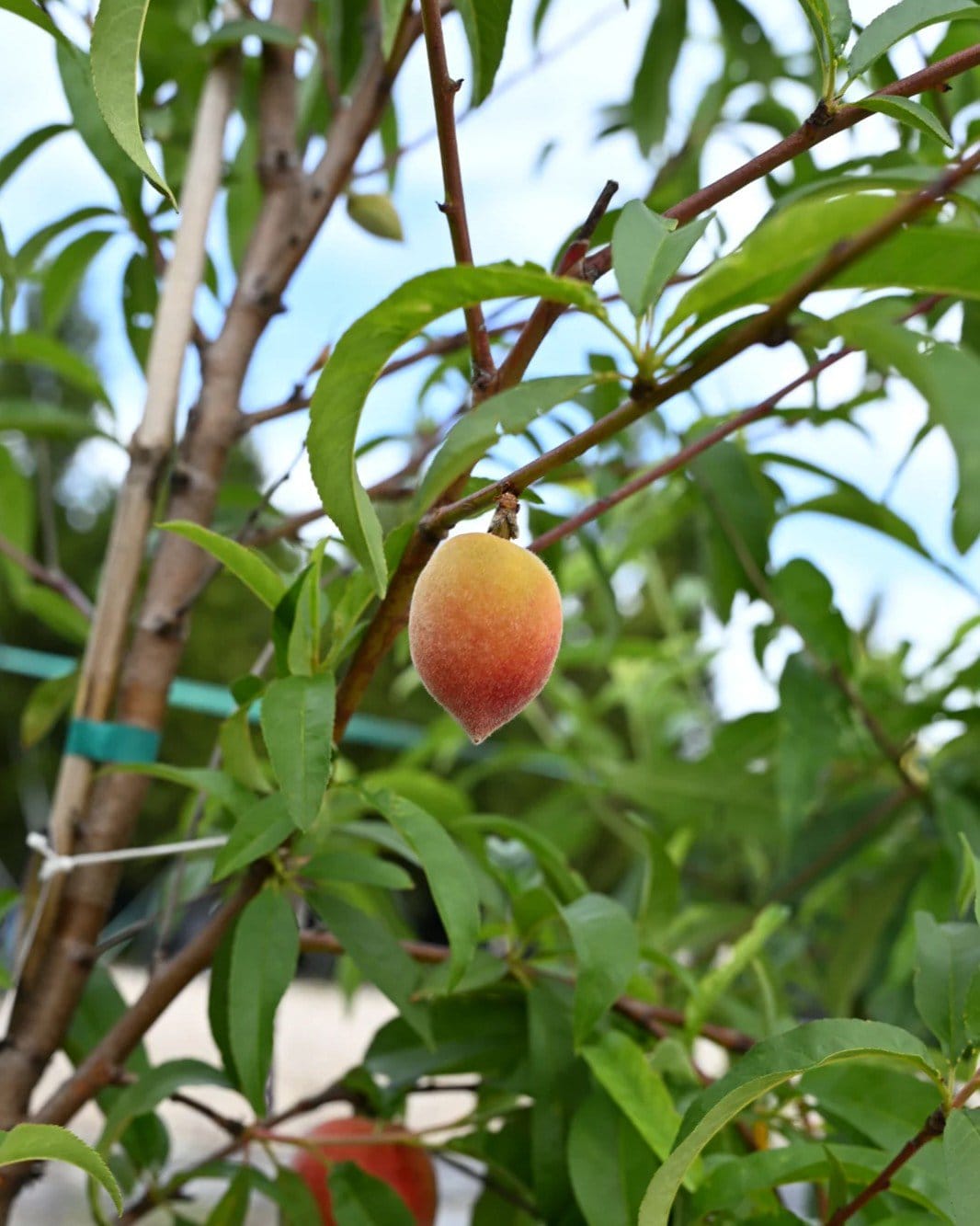
Prunus persica ‘Harvester’Harvester Peach is a dependable peach tree known for its abundant, flavorful freestone fruit. Its rounded canopy reaches 12-15 feet in height and width, making it perfect for smaller orchards or home landscapes. Spring brings delicate pink blossoms that attract pollinators, followed by summer harvests of sweet, golden-orange peaches. With moderate to fast growth and excellent adaptability, this tree offers both ornamental beauty and bountiful fruit.
- Deciduous fruit tree
- Moderate to fast growth rate
- Produces large, juicy freestone peaches
- Soft pink spring flowers attract pollinators
- Rounded canopy fits smaller yards or backyard orchards
Plant Harvester Peach in full sun with well-drained soil. Hardy in USDA zones 5 through 9, it’s a versatile and rewarding peach tree for North Texas. It doesn't need much to grow beautifully, so you can enjoy this tree without worrying too much about upkeep.
Maintenance
With just a little care and attention, Harvester Peach rewards you with beautiful spring blossoms and abundant summer harvests. Here’s what you need to do:
- Watering: Water deeply and consistently during the first growing season to help roots establish. Once mature, Harvester Peach benefits from regular watering during dry periods, especially while fruit is forming. Deep watering every 7-10 days encourages strong root development. Avoid waterlogging, which can promote root rot and reduce fruit quality.
- Pruning: Prune annually in late winter while the tree is dormant. Remove dead or diseased branches, crossing limbs, and interior shoots to improve airflow and sunlight penetration. Maintain an open-center or vase shape to encourage fruit production and prevent fungal issues. Light summer pruning can be done to control vigorous shoots.
- Fertilizing: Apply a balanced, slow-release fertilizer in early spring before new growth begins. Mature trees generally require one application per year, while younger trees benefit from a light mid-summer feeding. Avoid over-fertilizing, which can lead to excessive leafy growth and fewer fruits.
- Mulching: Apply a 2-3 inch layer of mulch around the base to retain moisture, regulate temperature, and suppress weeds. Keep mulch a few inches from the trunk to prevent rot and pest problems. Refresh annually for consistent benefits.
- Winter care: Harvester Peach is cold-hardy but benefits from extra care in severe winters. Add mulch around the root zone in late fall to insulate roots. In areas prone to frost, protect young trees with frost cloth or burlap during extreme cold spells.
Common Issues and How to Take Care of Them
While Harvester Peach is a hardy tree, it can still fall victim to the following pests and diseases:
- Peach Leaf Curl: A fungal disease that causes distorted, reddish leaves in spring. Prune affected foliage and apply a fungicide spray during dormancy to prevent recurrence.
- Brown Rot: A common fruit disease that causes soft, brown spots on peaches. Remove infected fruit promptly and ensure good airflow through pruning. Fungicidal sprays can help if needed.
- Aphids: Small green or black insects that feed on new growth, causing curling leaves. Treat with insecticidal soap or horticultural oil when infestations appear.
- Scale Insects: These pests form small bumps on branches and suck sap. Apply horticultural oil during dormancy to suffocate overwintering scales.
- Fruit Drop: Some early fruit drop is normal, but stress from drought or nutrient imbalance can increase it. Maintain consistent watering and balanced fertilization.
- Root Rot: Caused by overwatering or poor drainage. Avoid planting in persistently wet sites and water only when needed.
Early spring or fall is ideal. The mild temperatures and moist soil during these seasons help new roots settle before heat or frost stress hits.
Usually within 2-3 years after planting. You can expect ripe, juicy peaches by mid to late summer once the tree matures.
No - Harvester Peach is self-fertile. A single tree will produce plenty of fruit, though having another variety nearby can sometimes boost yields.
Apply a balanced fertilizer in early spring each year. Younger trees may benefit from an additional light dose in mid-summer to support growth.
Yes. Annual pruning keeps the tree open and healthy, allowing sunlight to reach inner branches for better fruit quality.
Typically 12-20 years with good care. Regular pruning, watering, and pest control can extend its productive lifespan.
Moderately. Once established, it tolerates short dry spells, but consistent moisture is key for large, flavorful fruit.
Yes - compact or dwarf forms do well in large containers. Just ensure good drainage and repot every few years to refresh the soil.
Absolutely. Harvester Peach adapts well to city environments, tolerating moderate pollution and heat when properly watered.
No - deer are drawn to young leaves and shoots. A simple fence or deer repellent spray helps keep them away.
Special Features
You might also like
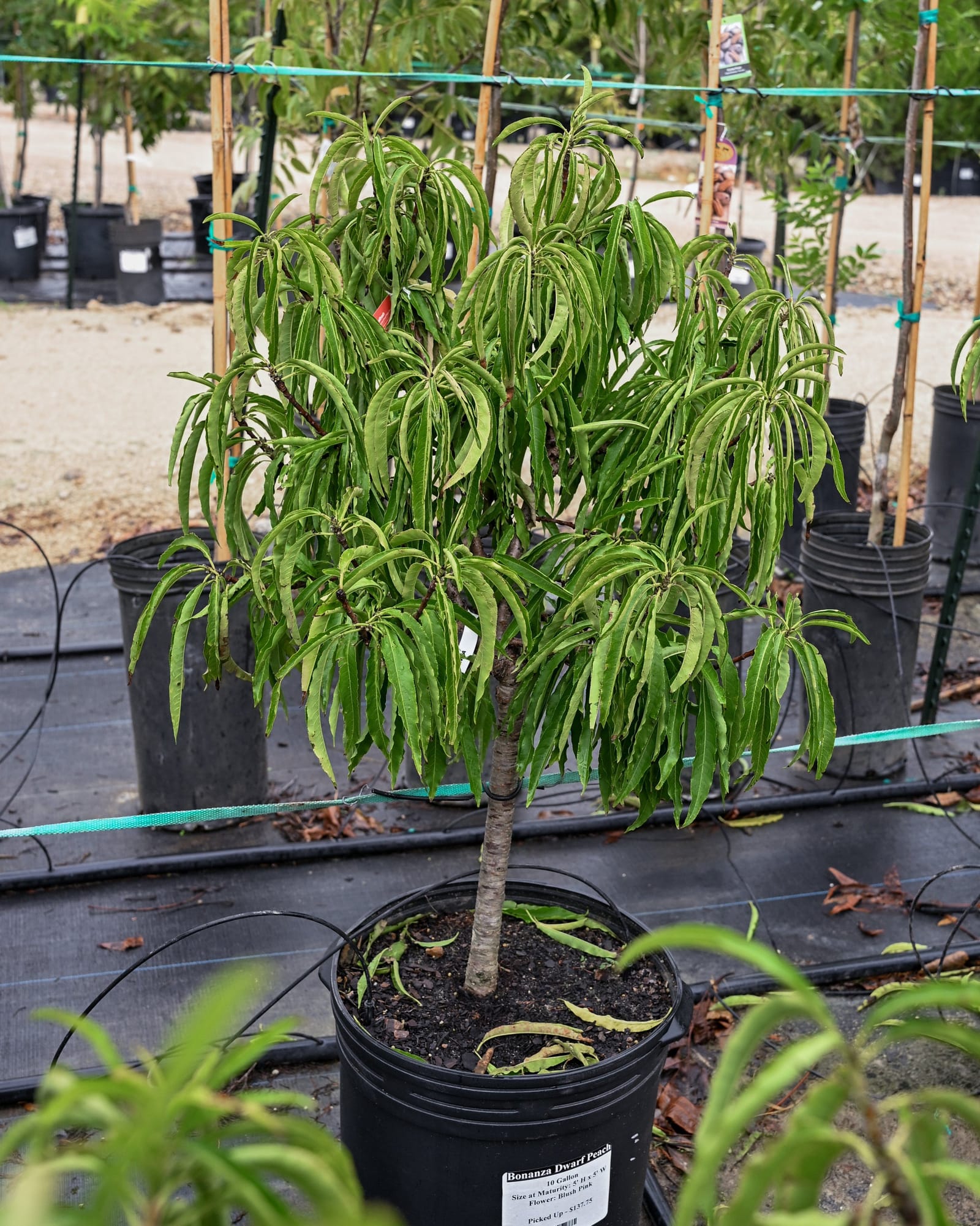
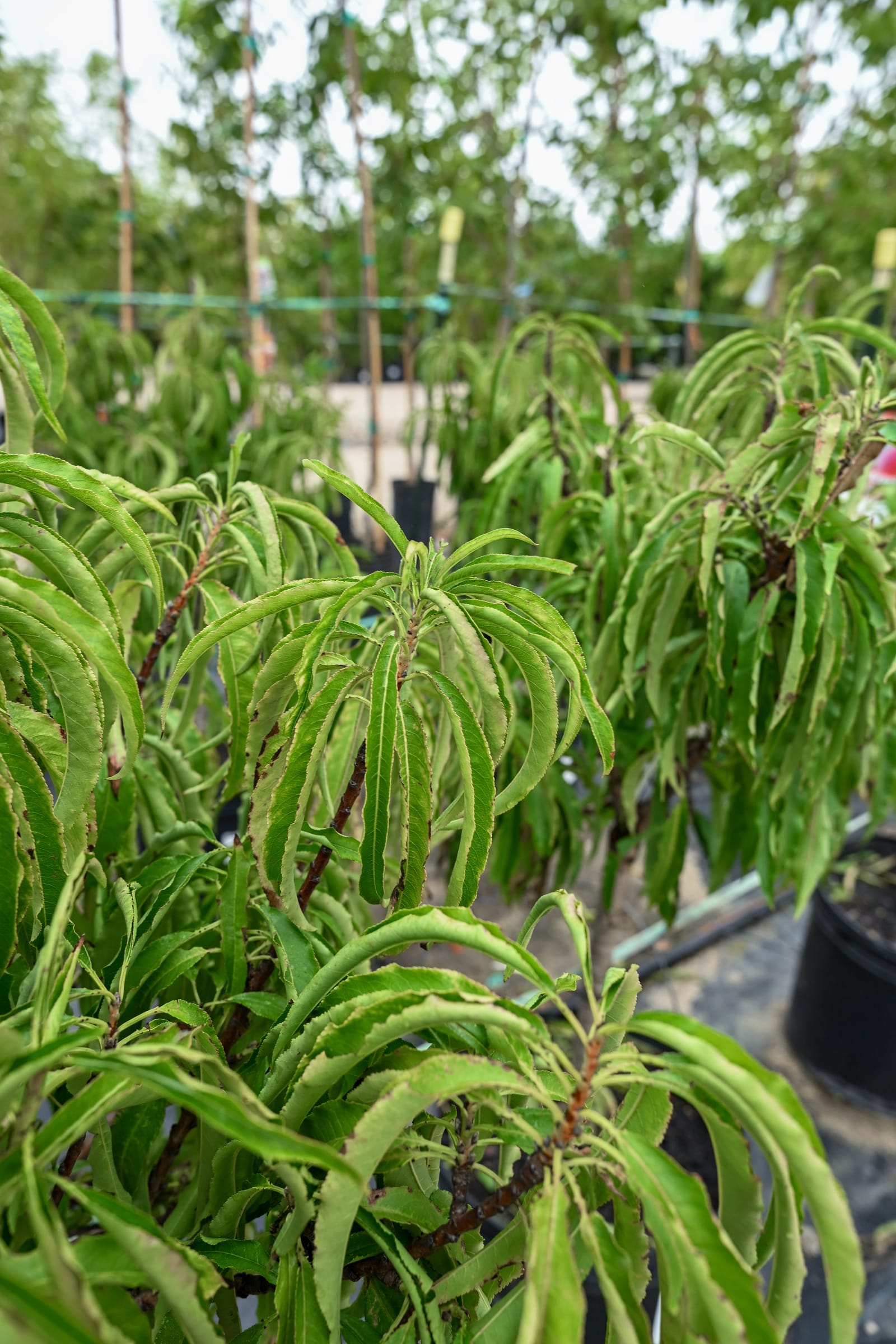
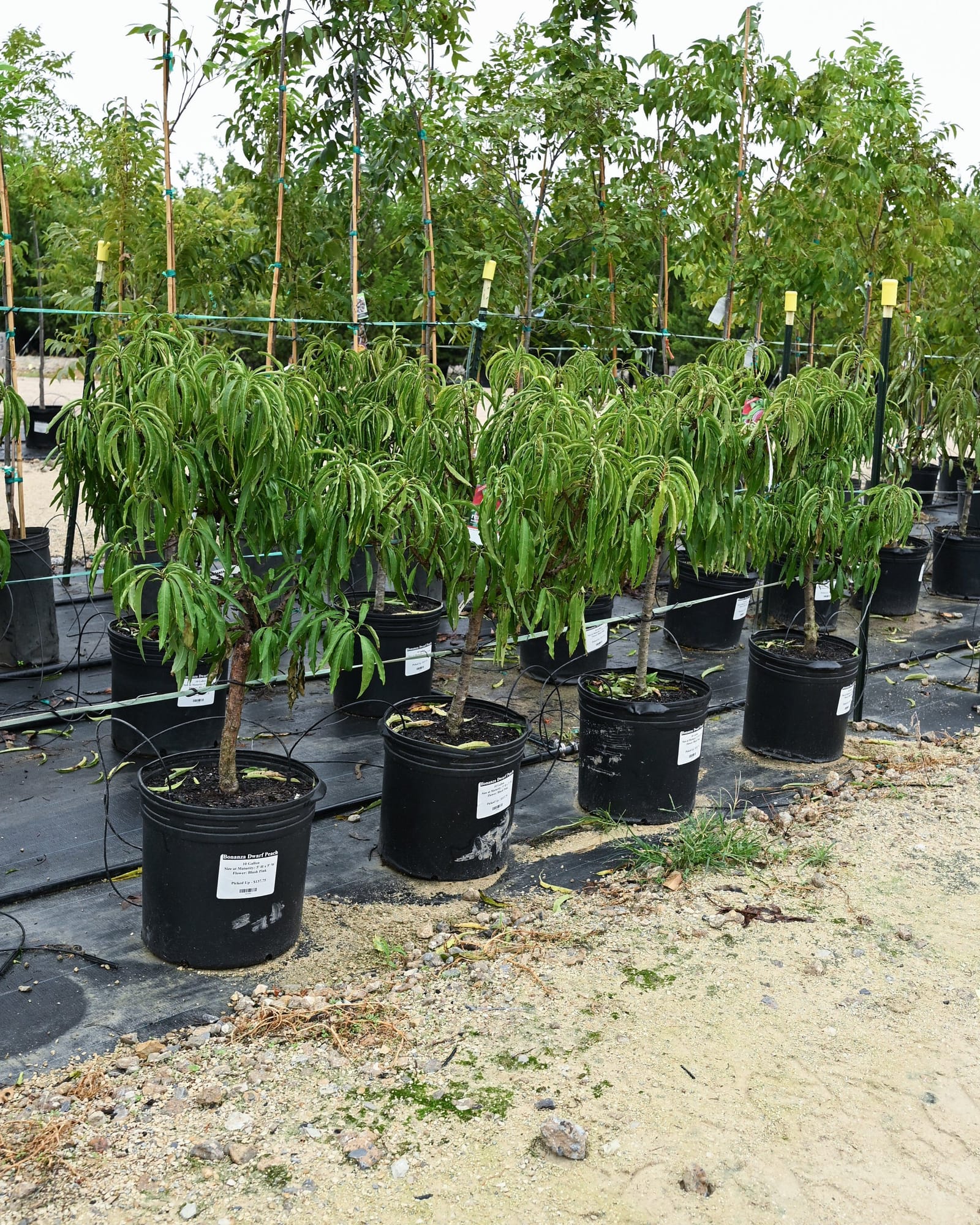
Bonanza Dwarf Peach
Maturity: 5' H x 5' W
Hale Haven Peach
Maturity: 12' H x 12' W
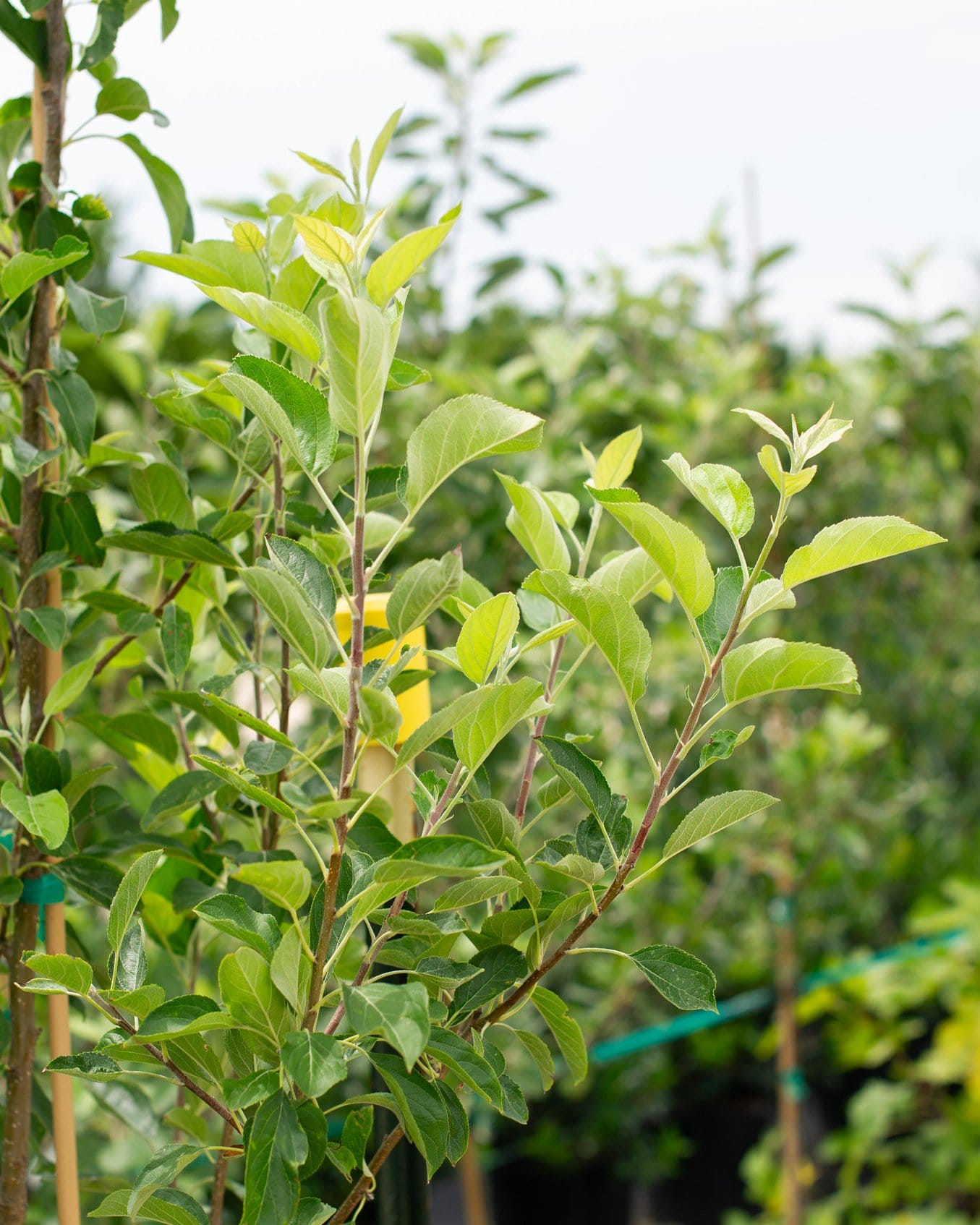
Golden Dorsett Apple
Maturity: 15' H x 15' W
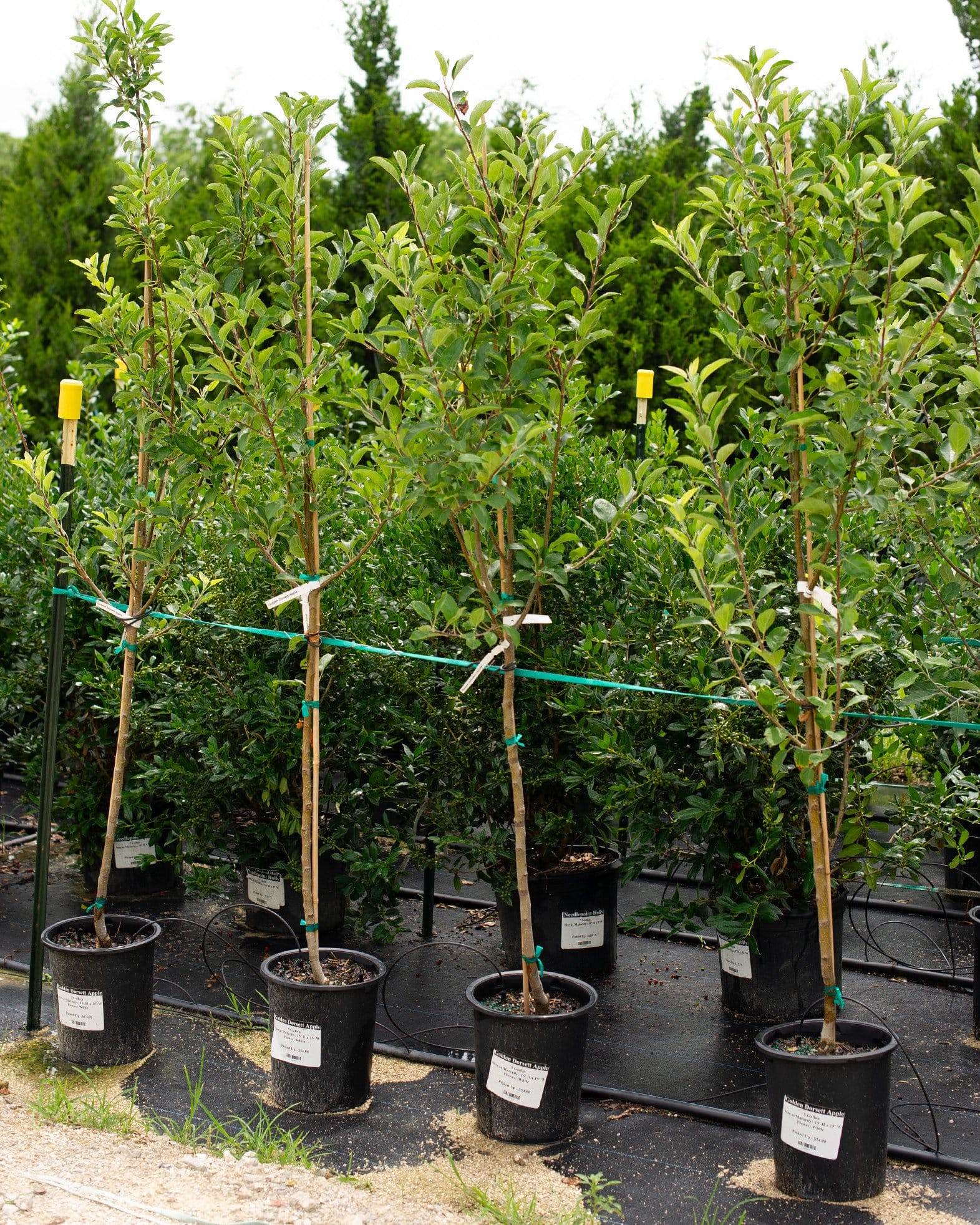
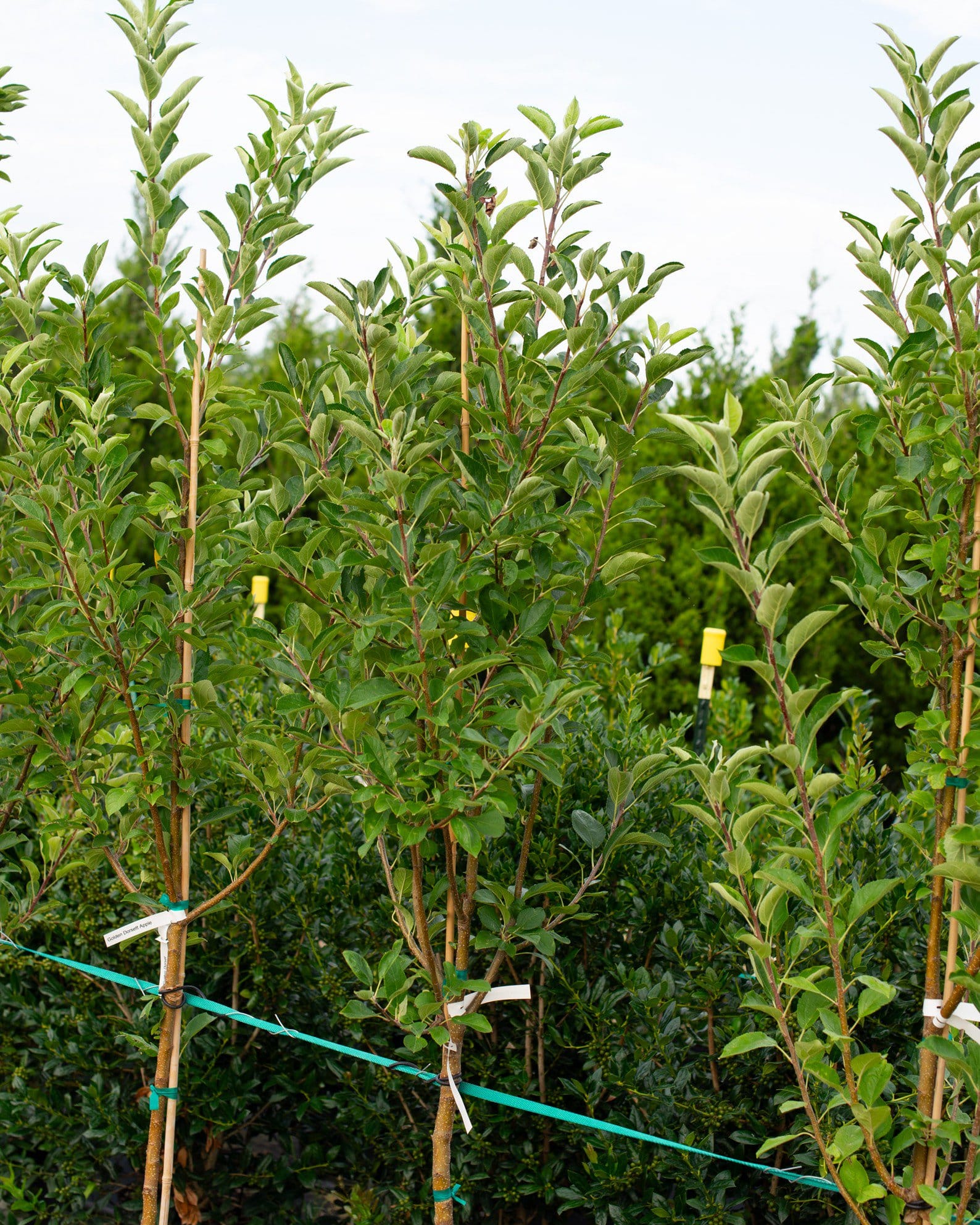
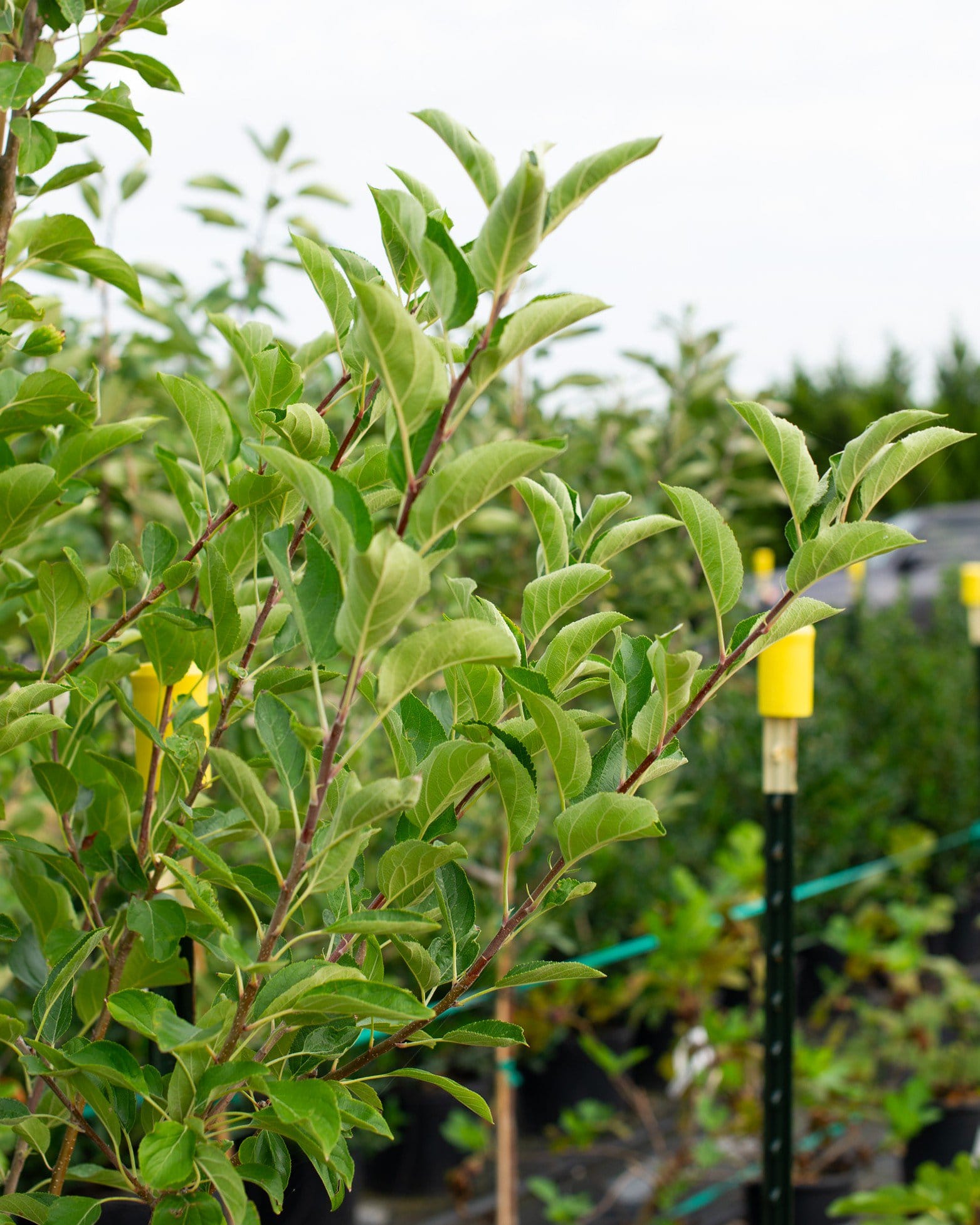
Anna Apple
Maturity: 15' H x 15' W
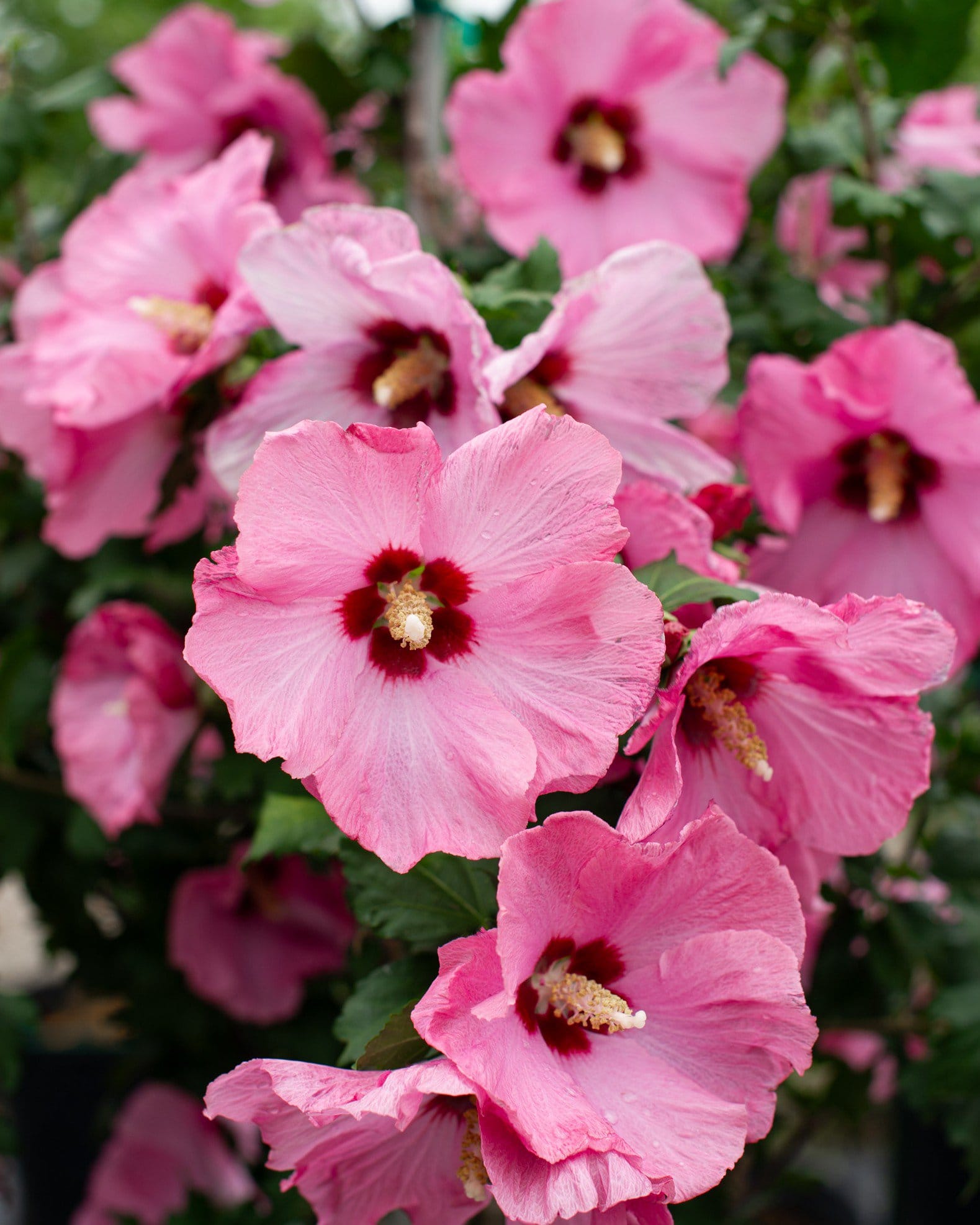
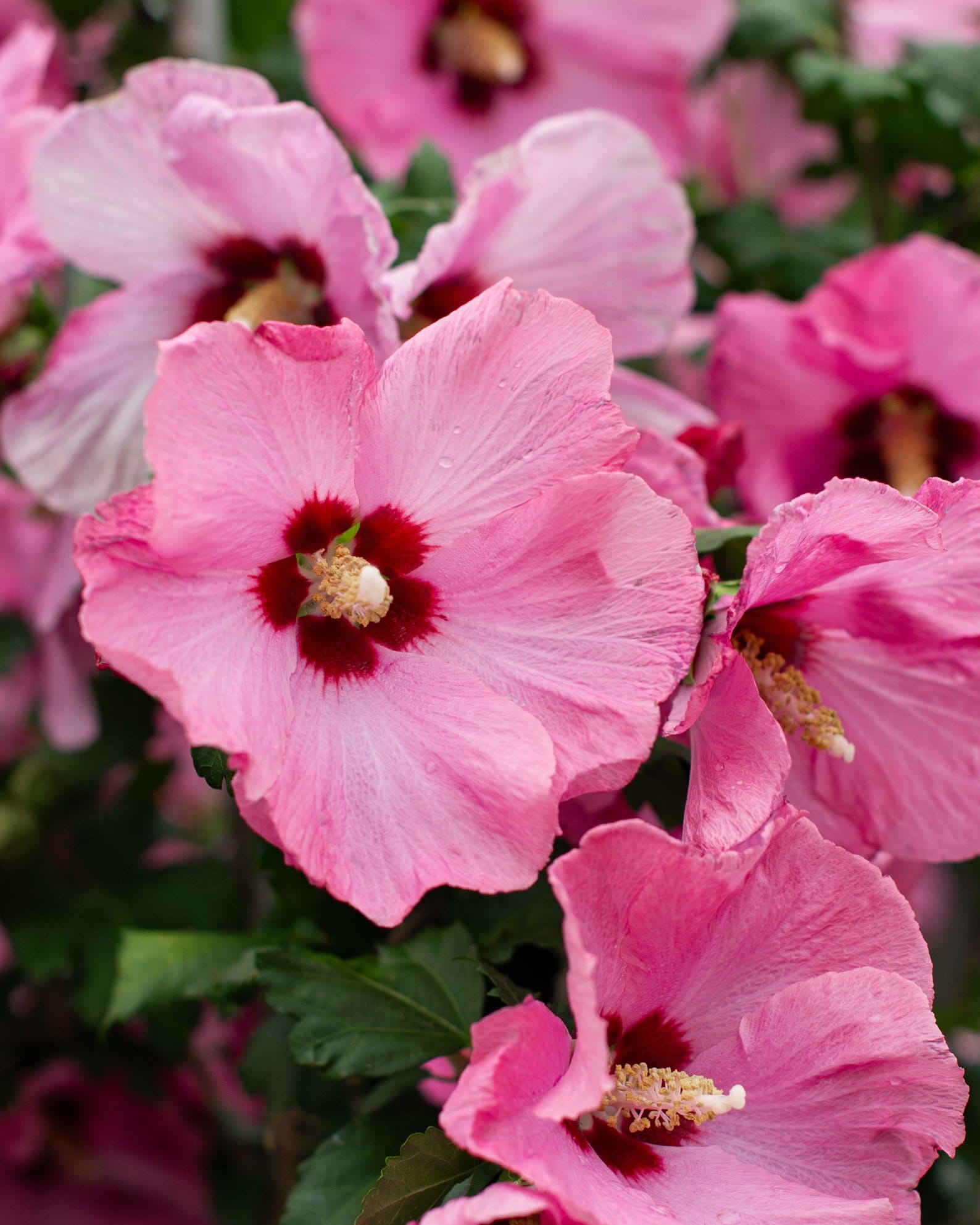
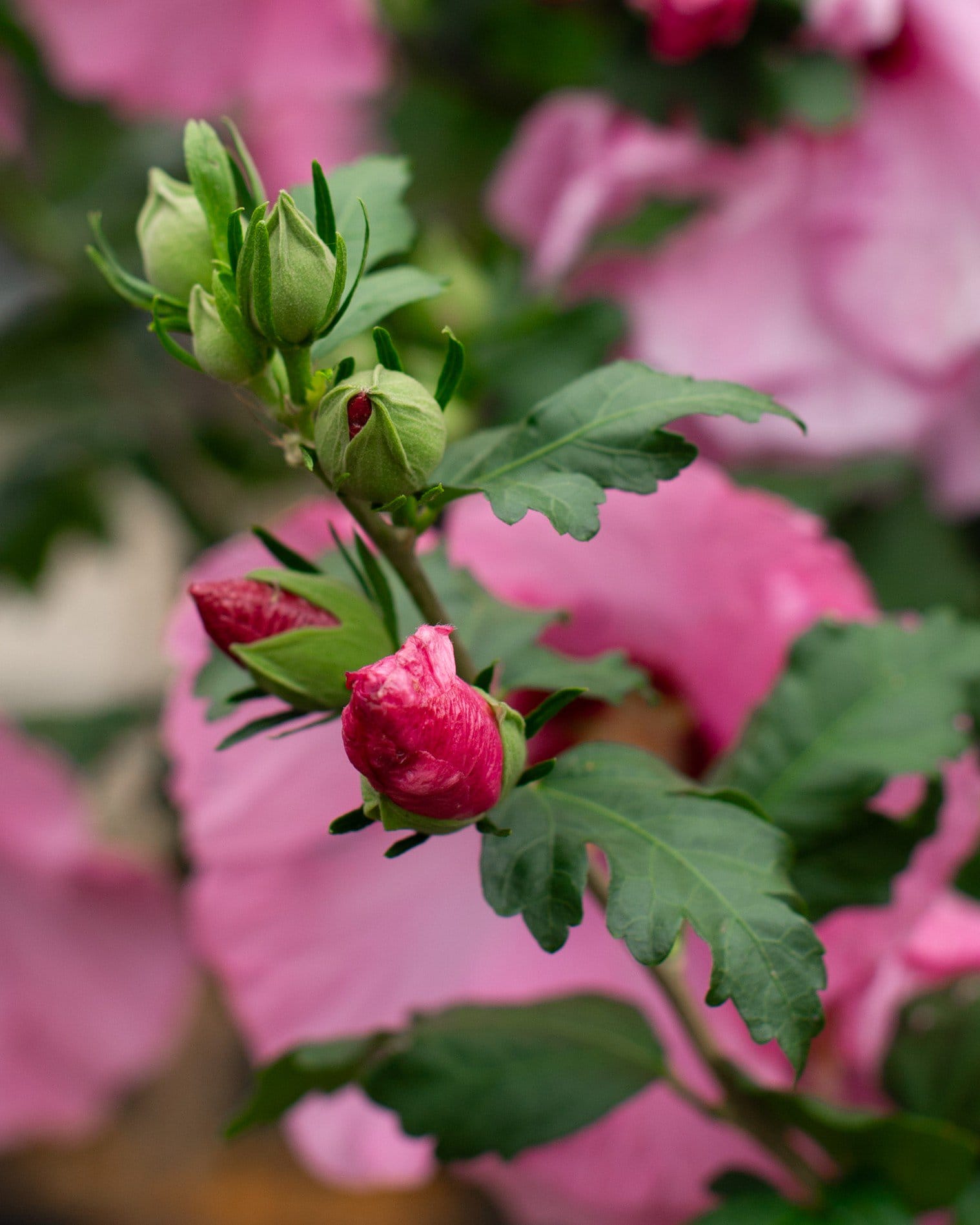
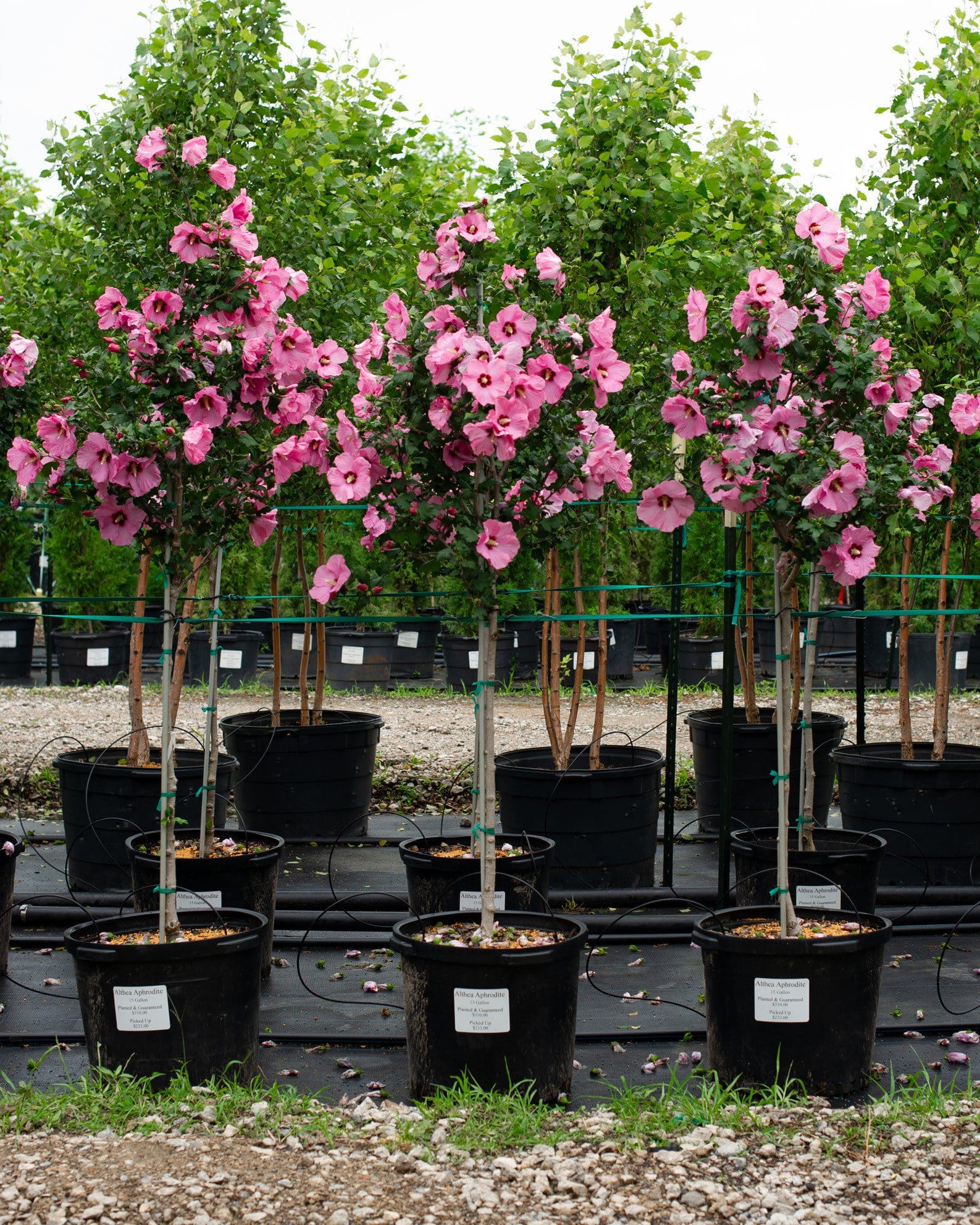
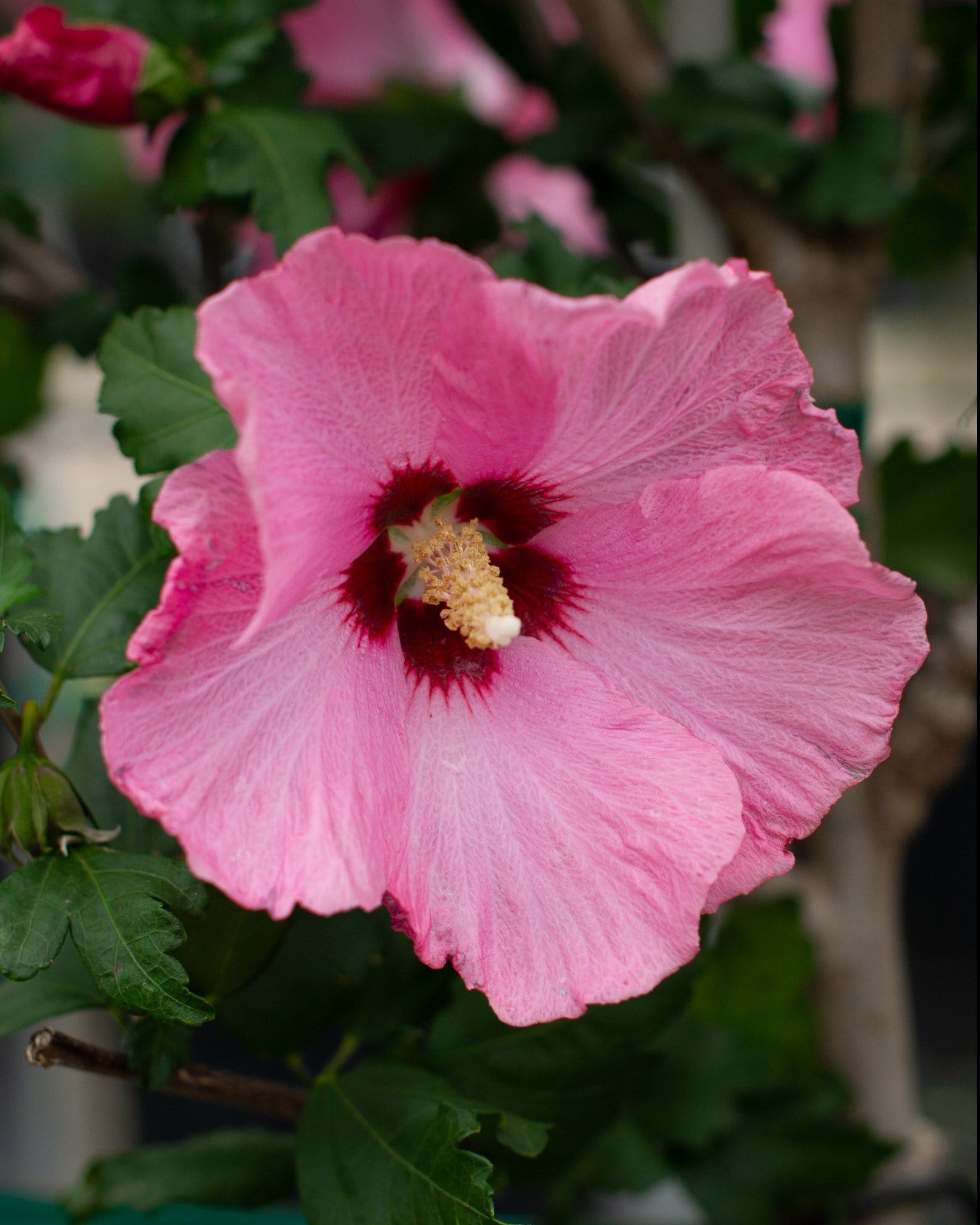
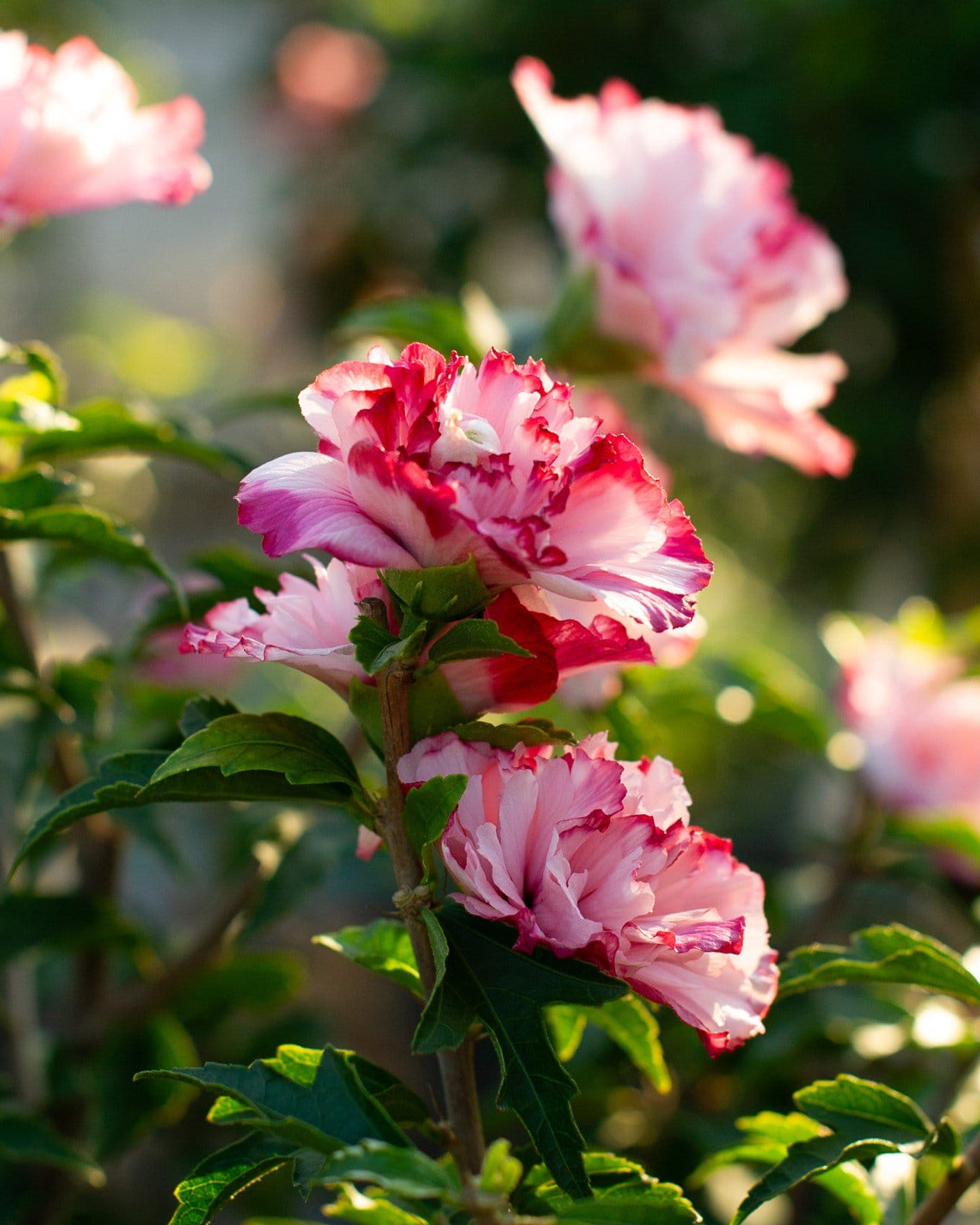
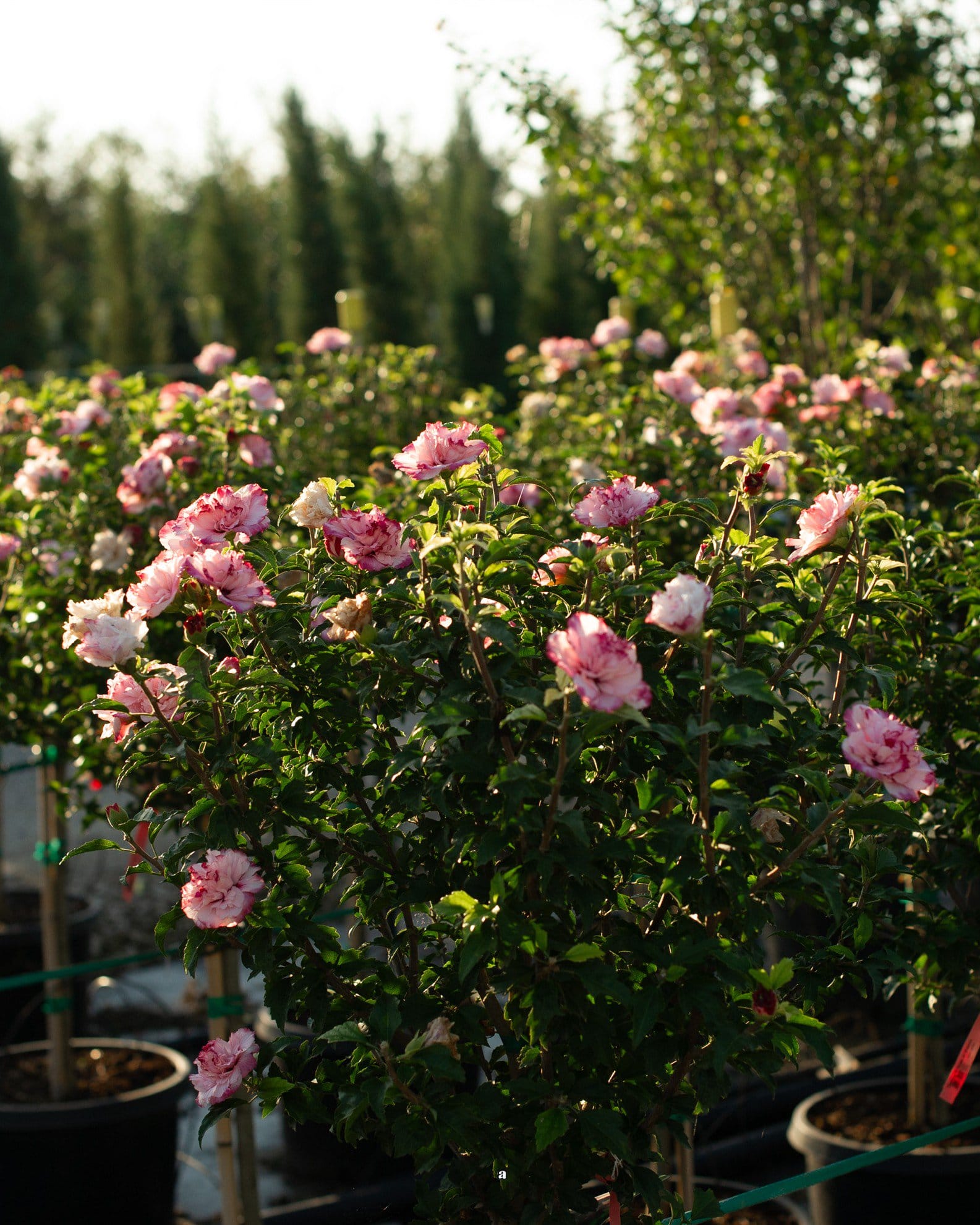
Aphrodite Althea Tree Form
Maturity: 8' H x 6' W
Bonfire Dwarf Peach
Maturity: 5' H x 5' W
Danica Althea Tree Form
Maturity: 8' H x 5' W
La Feliciana Peach
Maturity: 15' H x 15' W
La Festival Peach
Maturity: 15' H x 15' W
Arapaho Blackberry
Maturity: 4' H x 3' W
Blenheim Apricot
Maturity: 15' H x 15' W
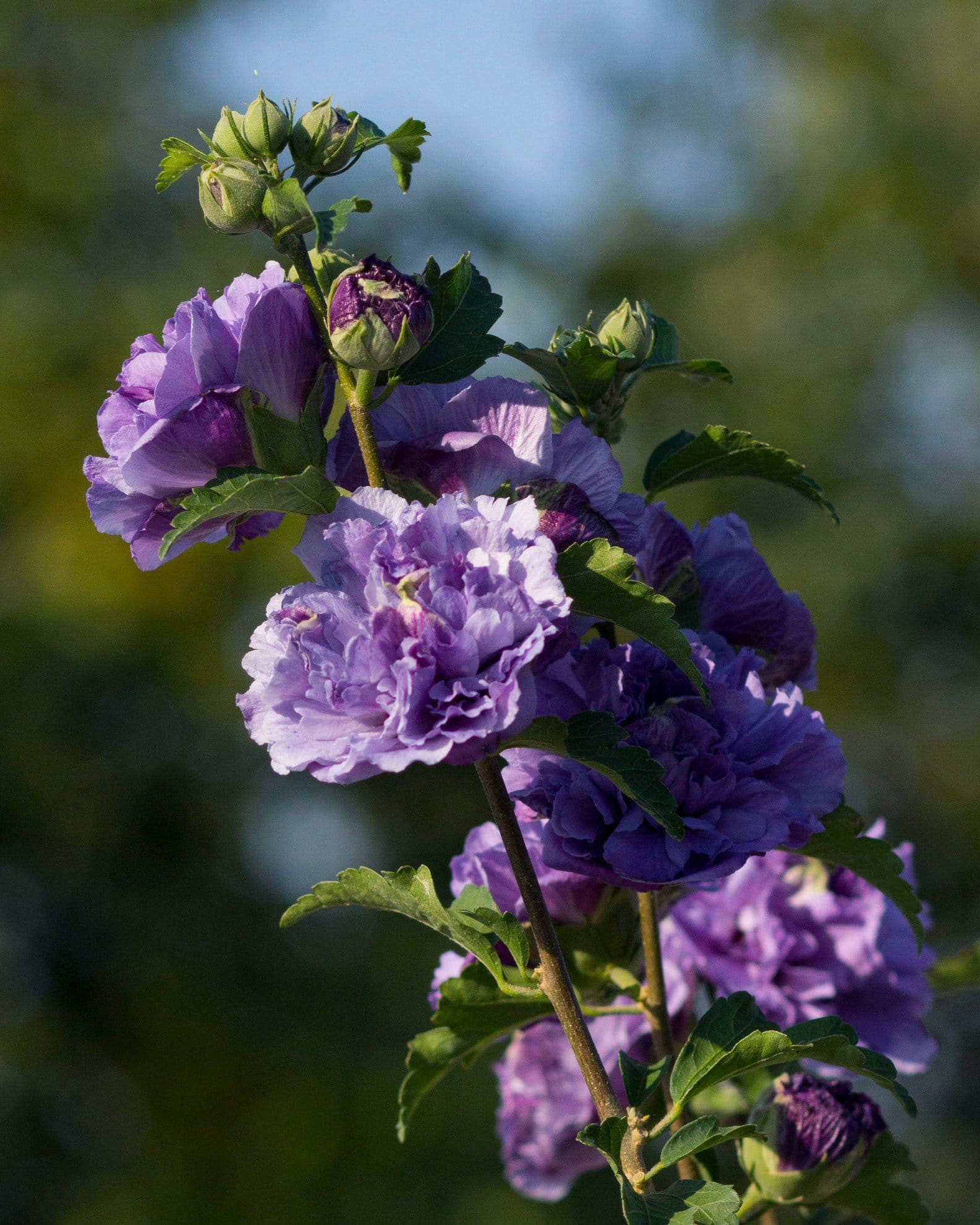
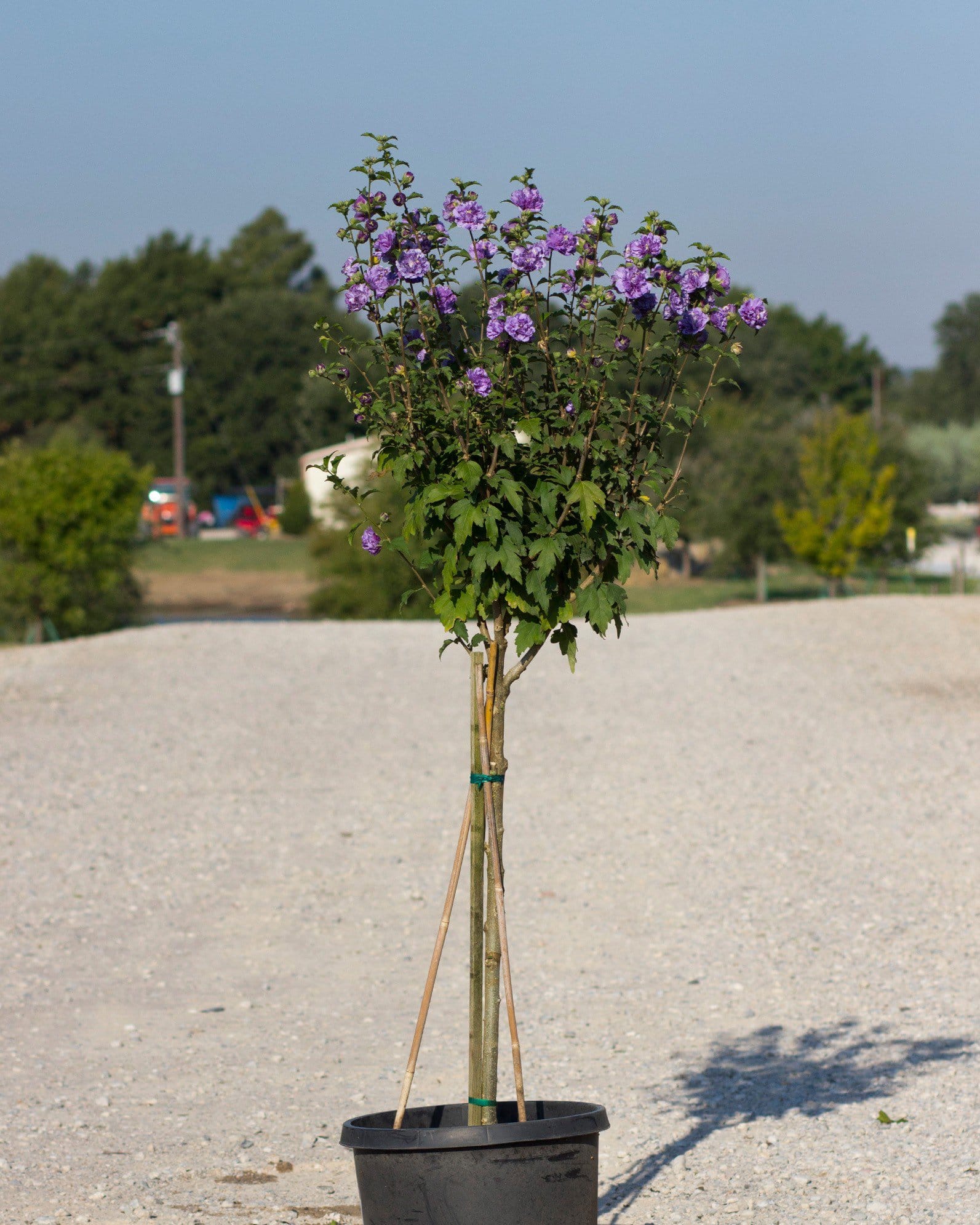
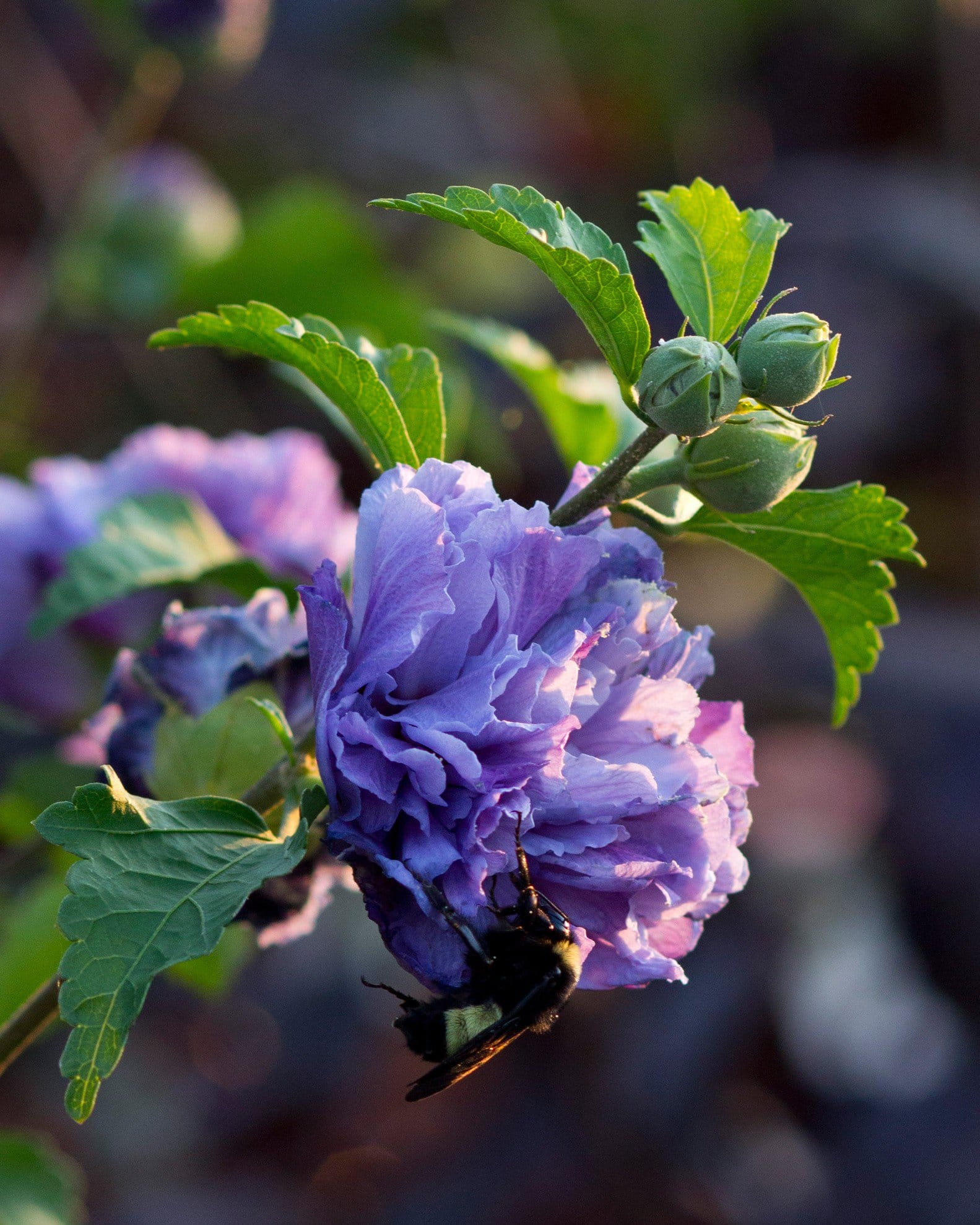
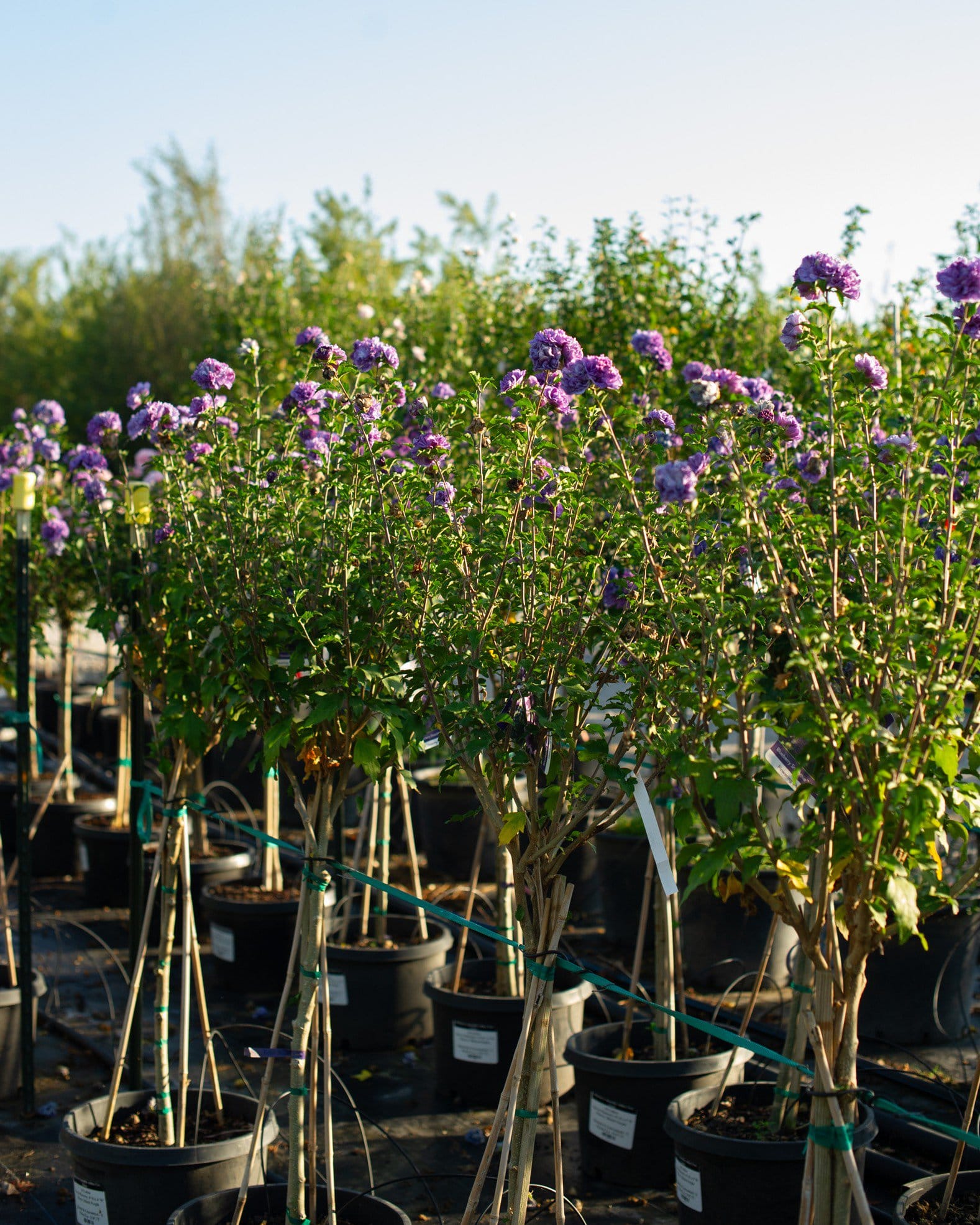
Blueberry Smoothie Althea Tree Form
Maturity: 8' H x 4' W
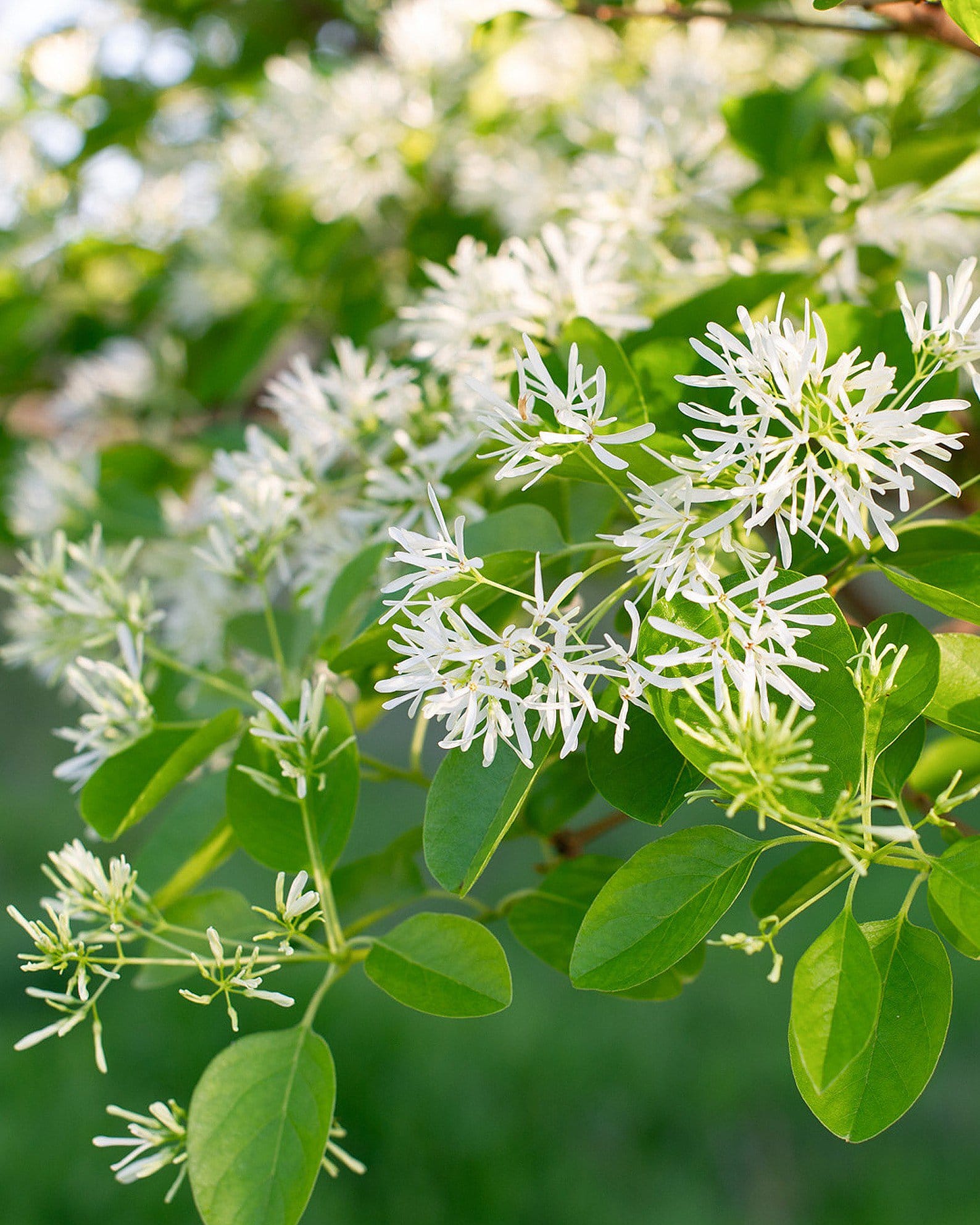
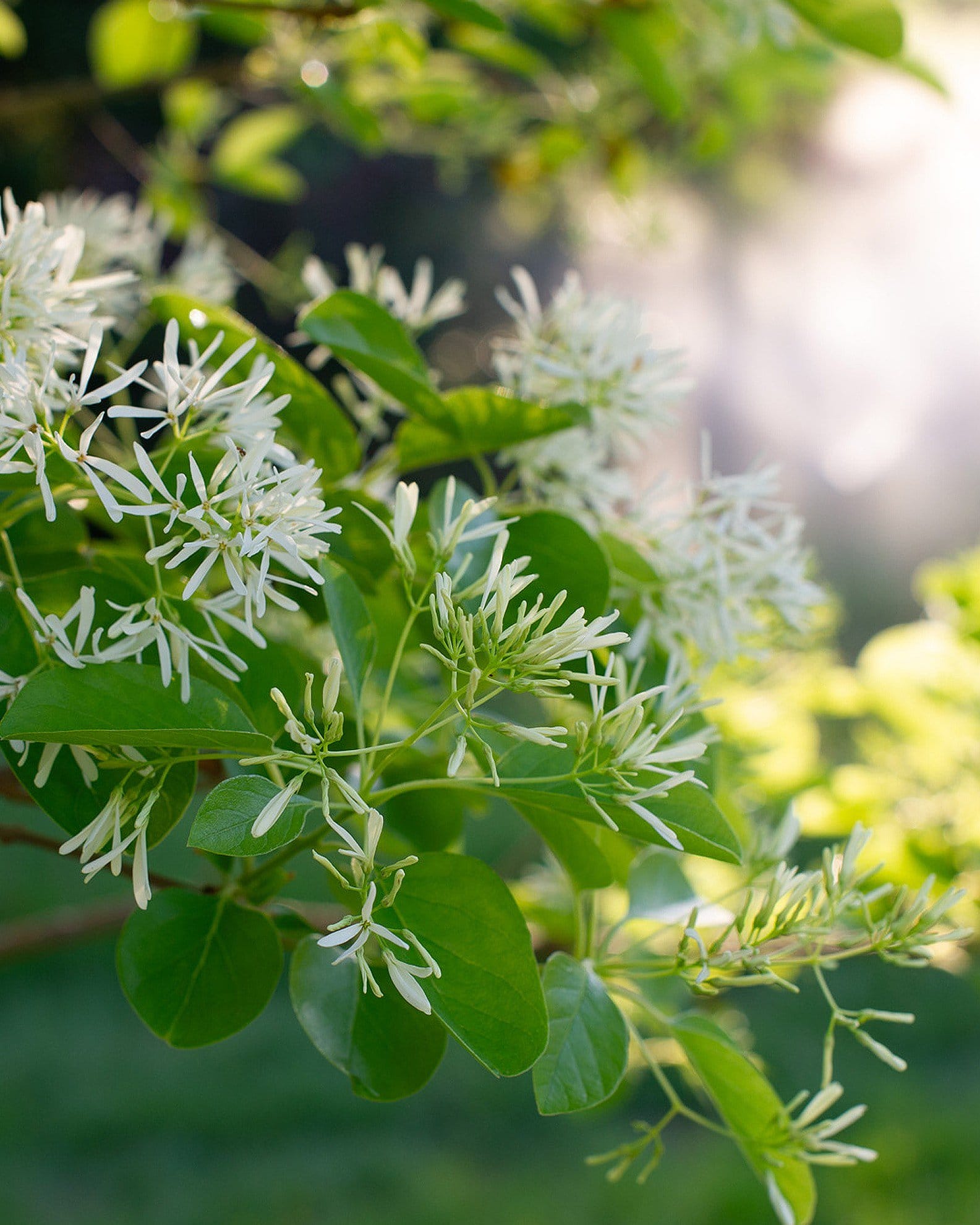
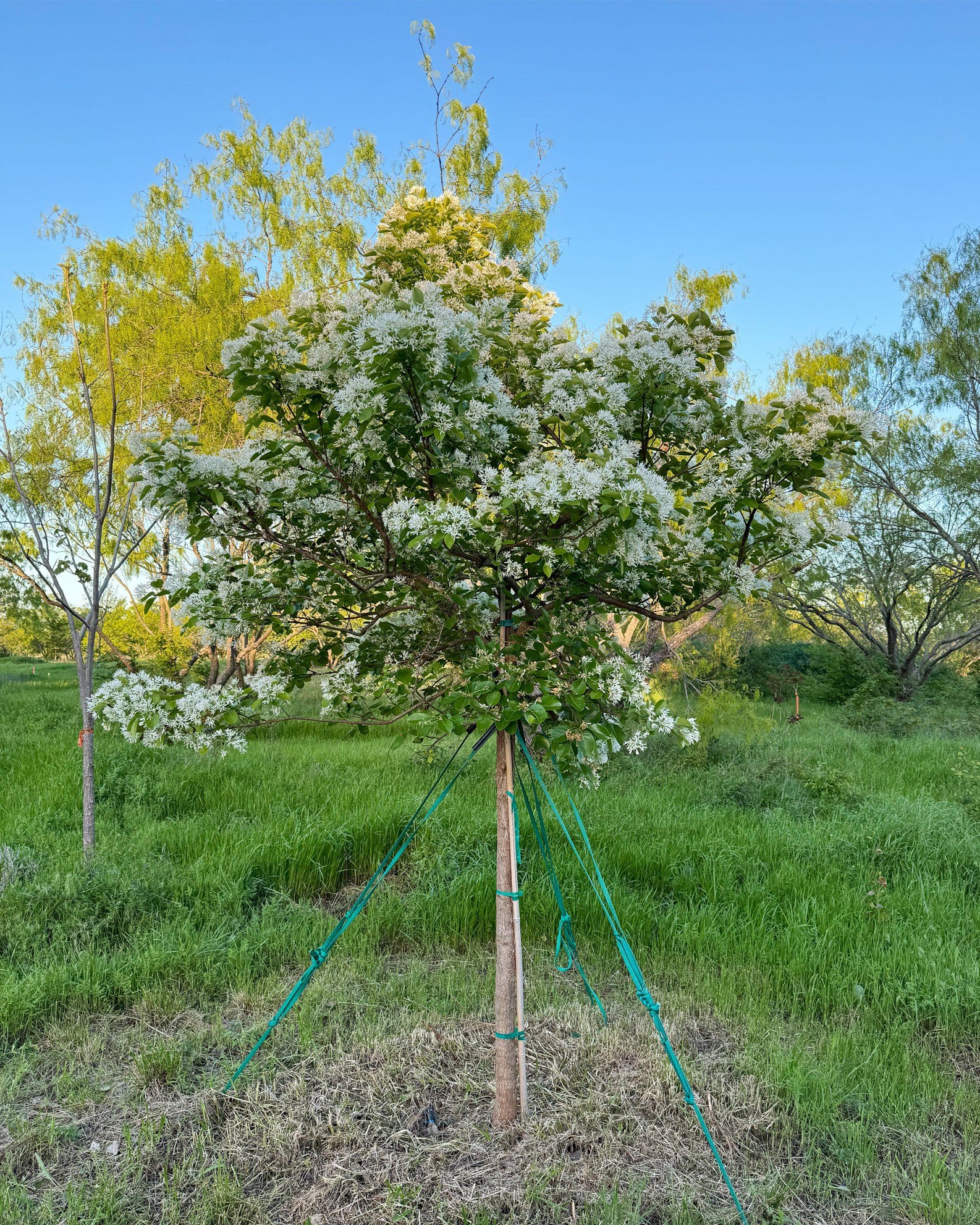
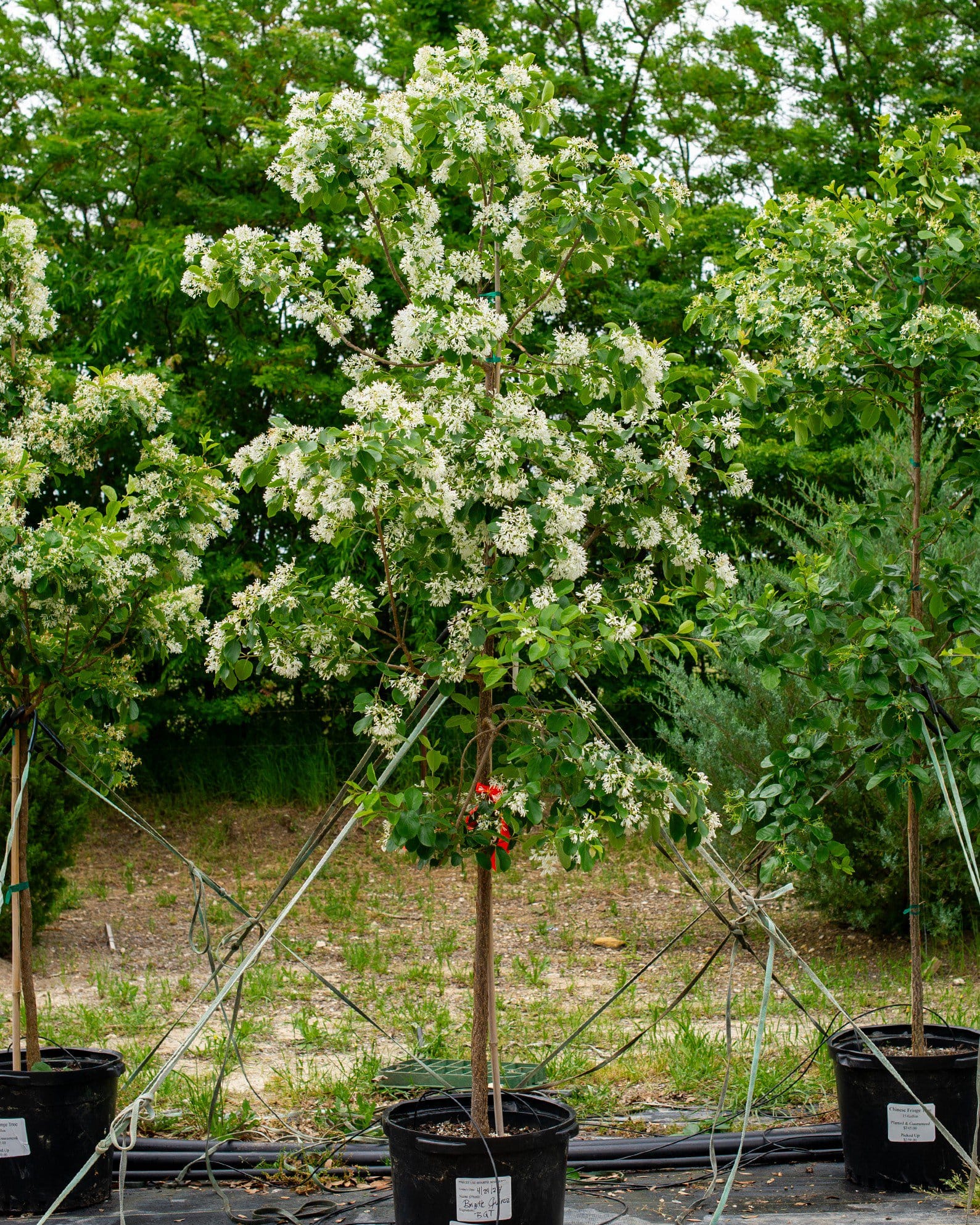
Chinese Fringe Tree
Maturity: 20' H x 15' W
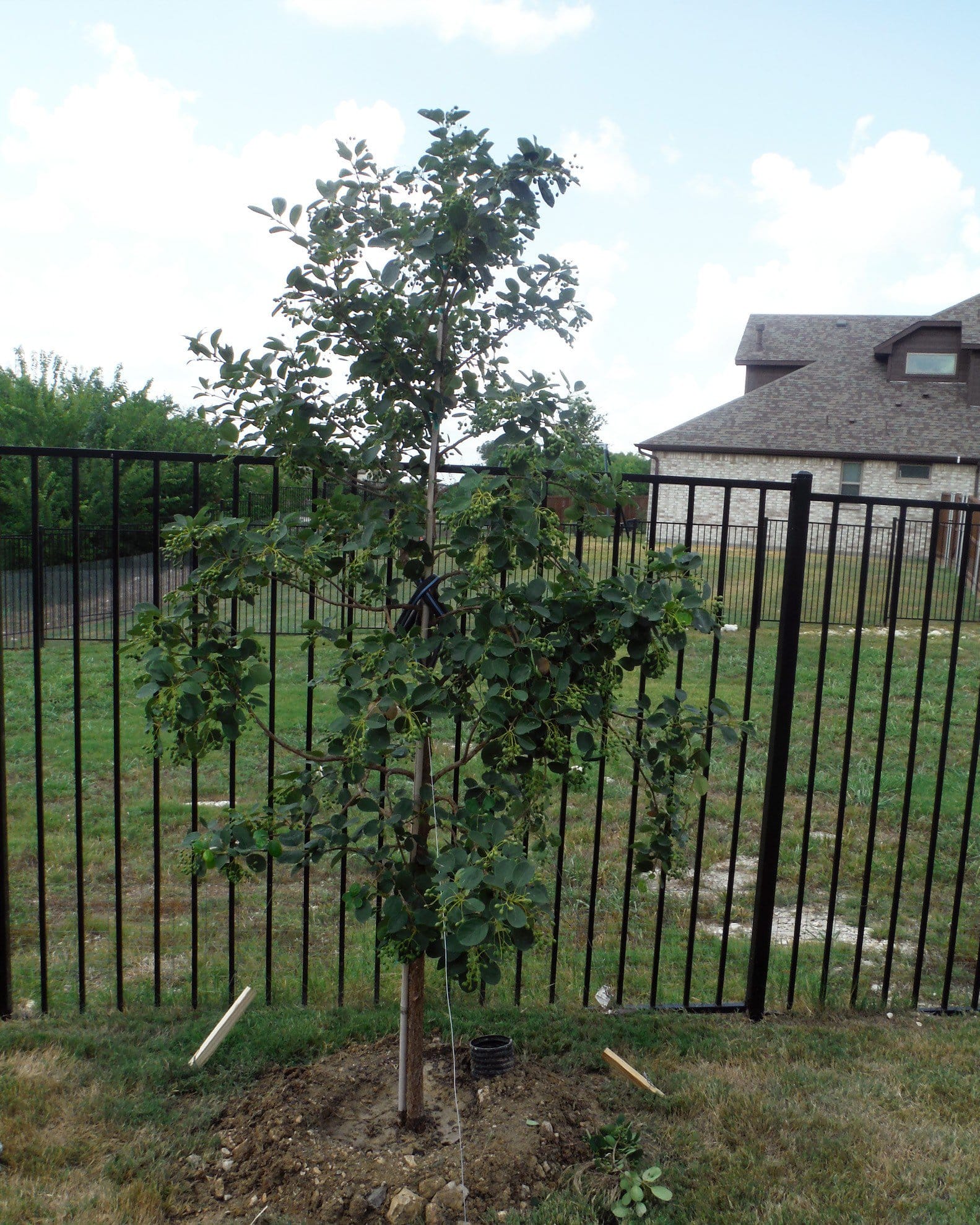
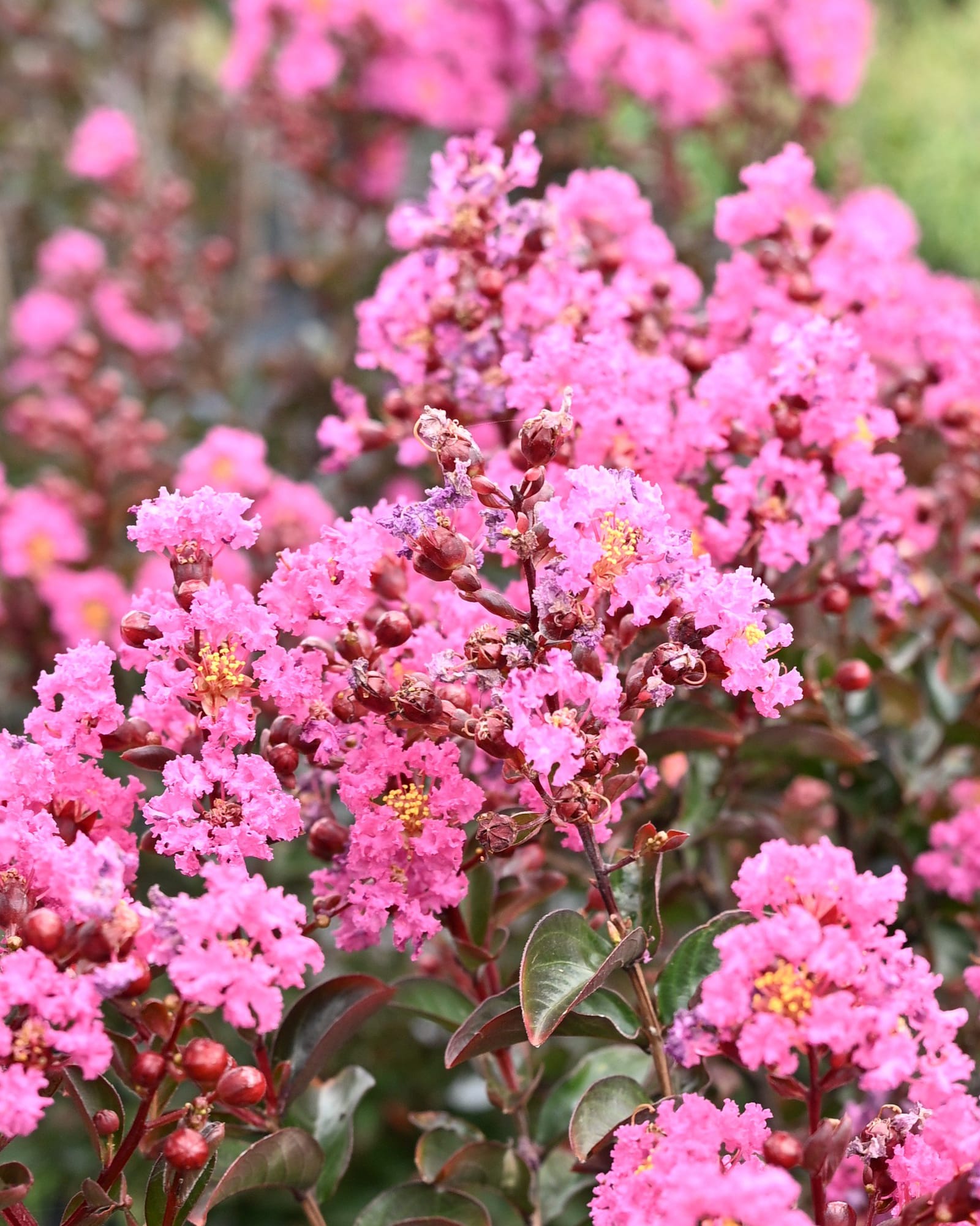
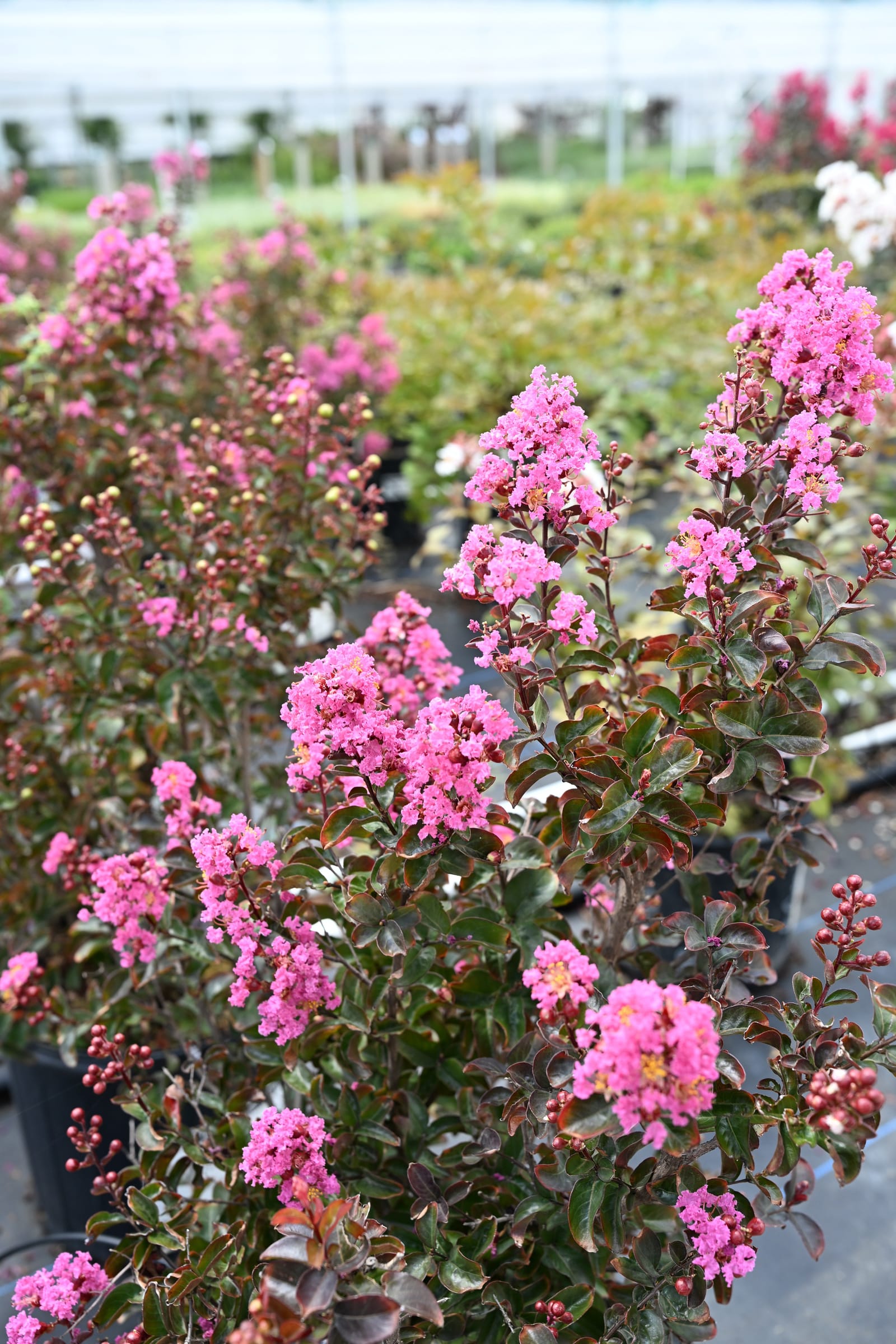
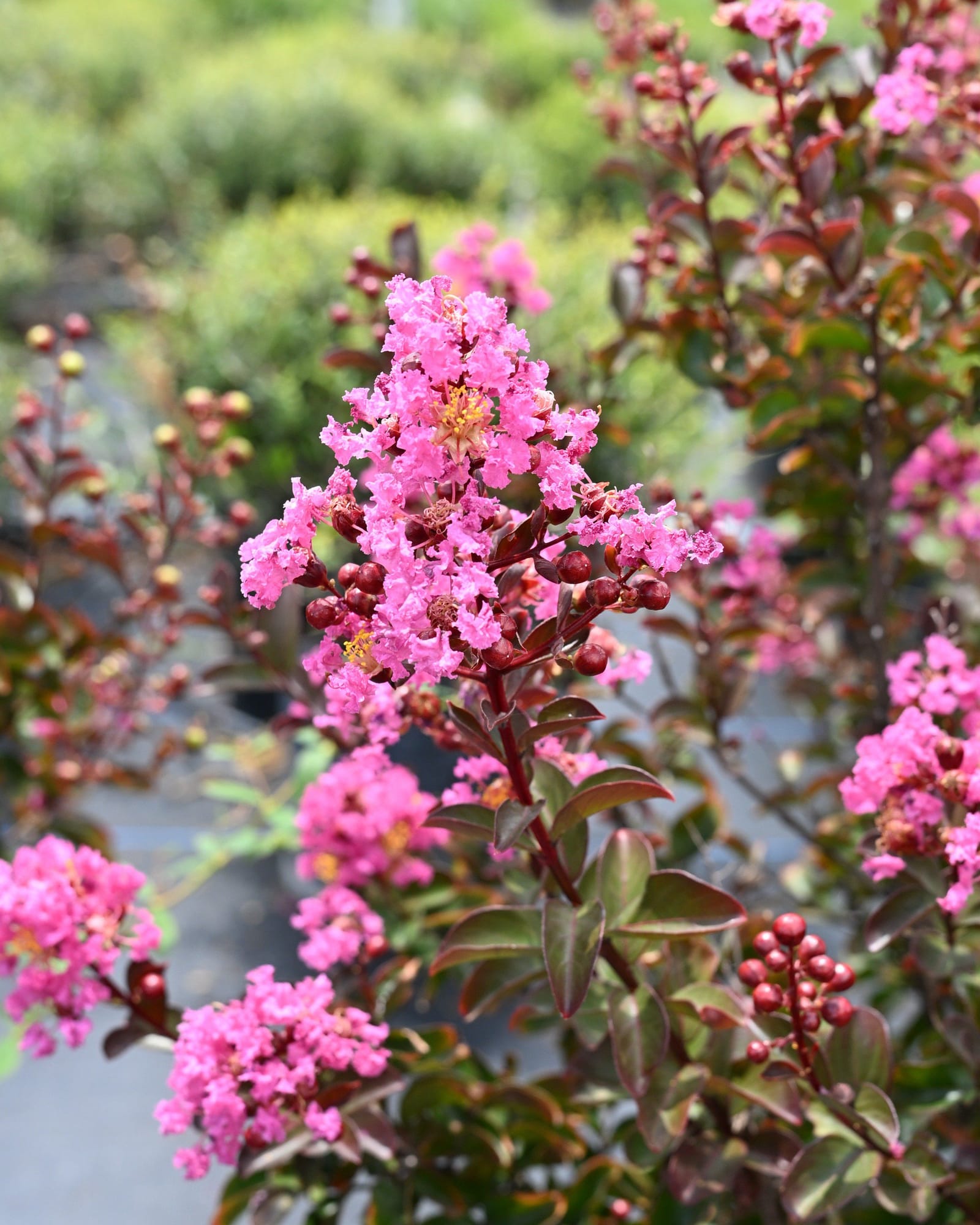
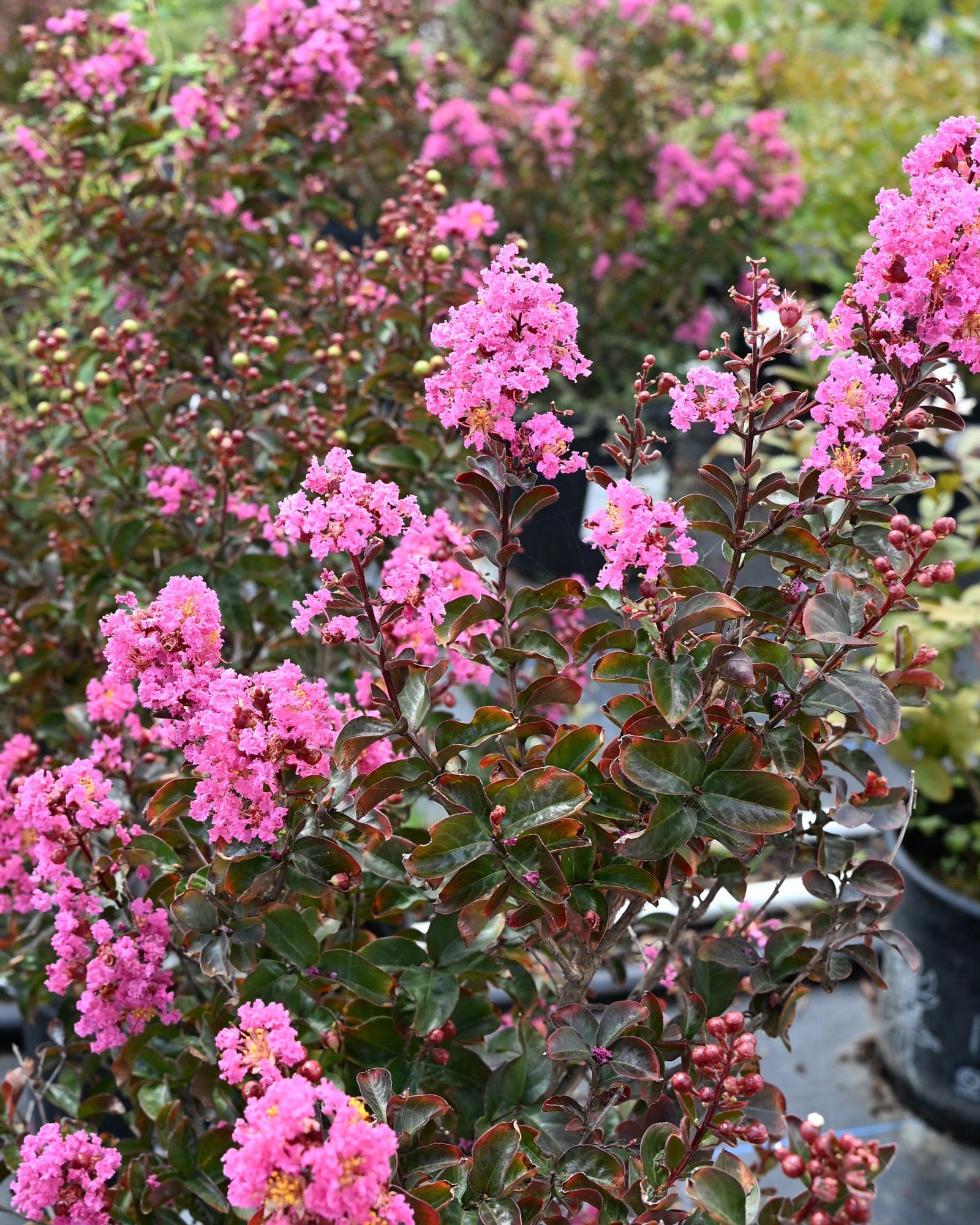
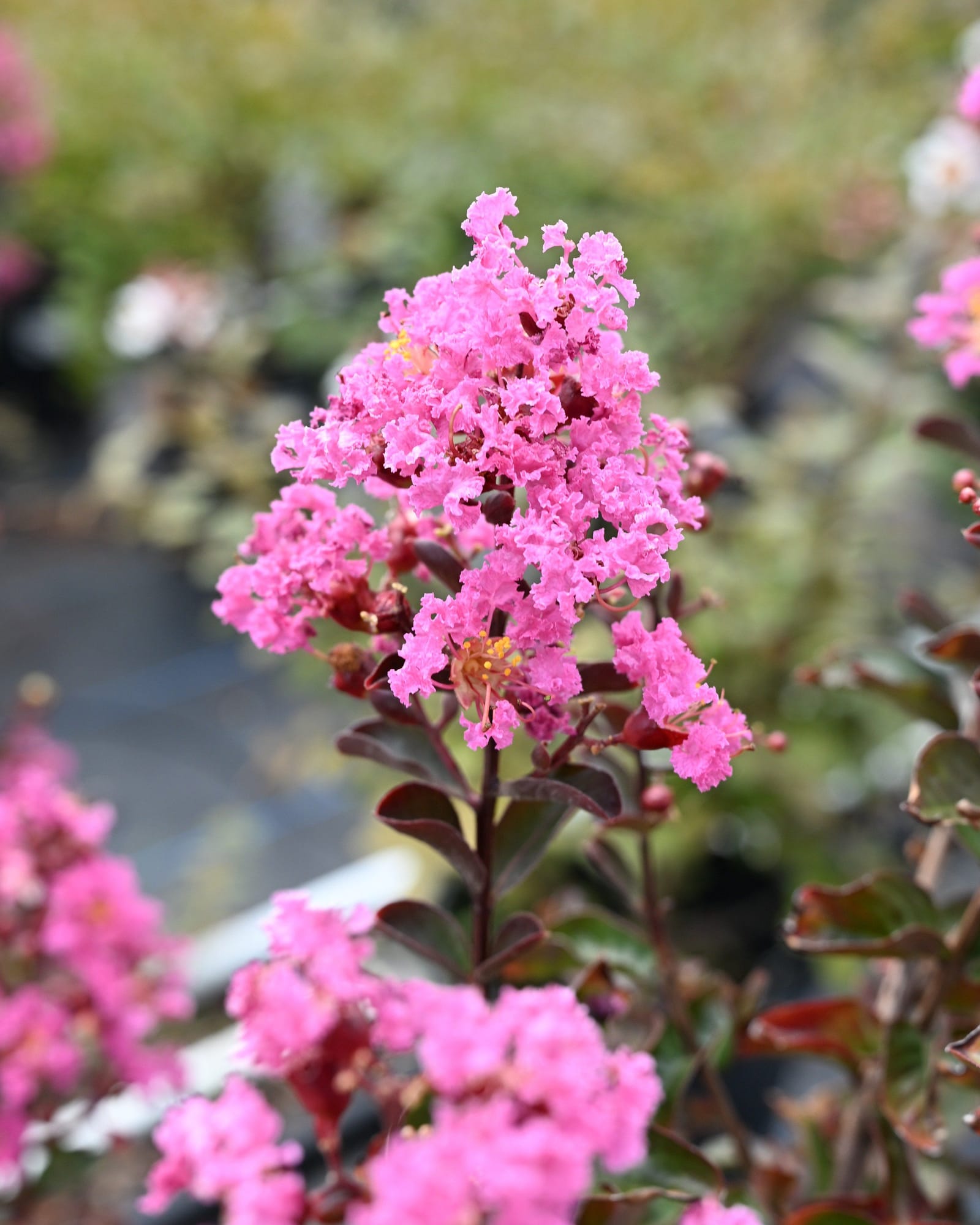
Dark Roast Crape Myrtle
Maturity: 3' H x 3' W
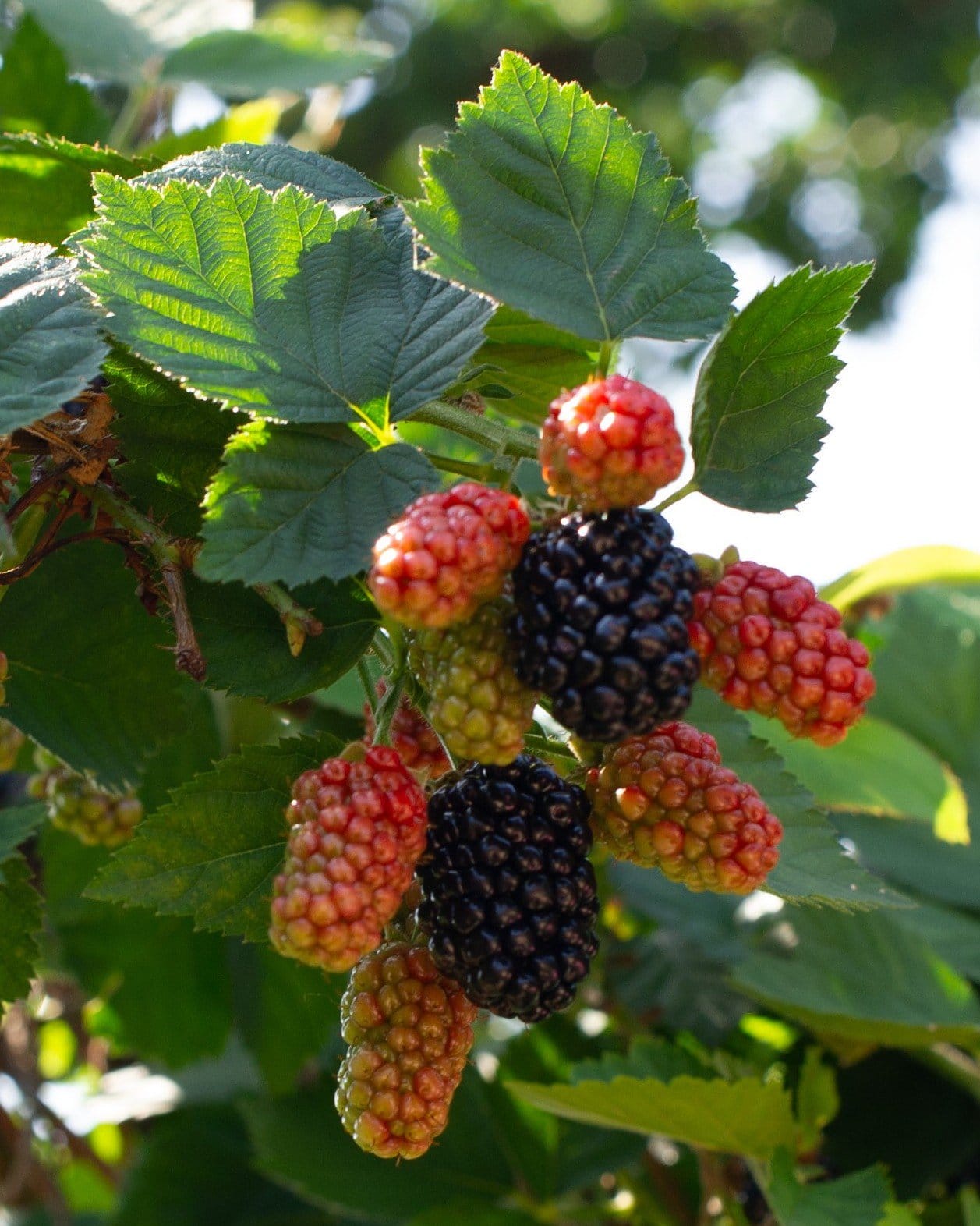
Kiowa Blackberry
Maturity: 4' H x 3' W
Compare Similar Plants
Harvester Peach This plant | ||
|---|---|---|
| Scientific Name | Prunus persica ‘Harvester’ | Prunus persica 'Bonanza' |
| Size at Maturity | 12' H x 10' W | 5' H x 5' W |
| Leaf Retention | Deciduous | Deciduous |
| Fall Color | Yellow | Yellow |
| Flower Color | Pink | Pink |
| Bloom Times | Spring | Spring |
| Sizes Available | 5 gal | 10 gal |


Our 1-Year Planting Guarantee
We take pride in our plants and installation services. If any plants or trees installed by Treeland fail to thrive within the first year, we'll provide a replacement credit in accordance with our guarantee program.
Learn More About Our Guarantee