
 Popular
Danica Althea Tree Form
Hibiscus syriacus ‘Danica’Local DFW Delivery Only
Product Details
Danica Althea Tree Form
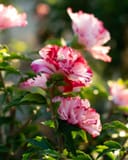
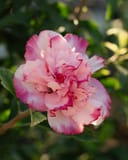
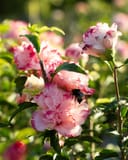
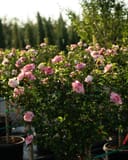
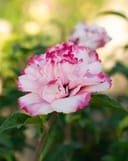
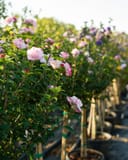
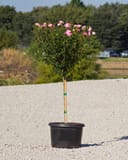
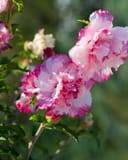
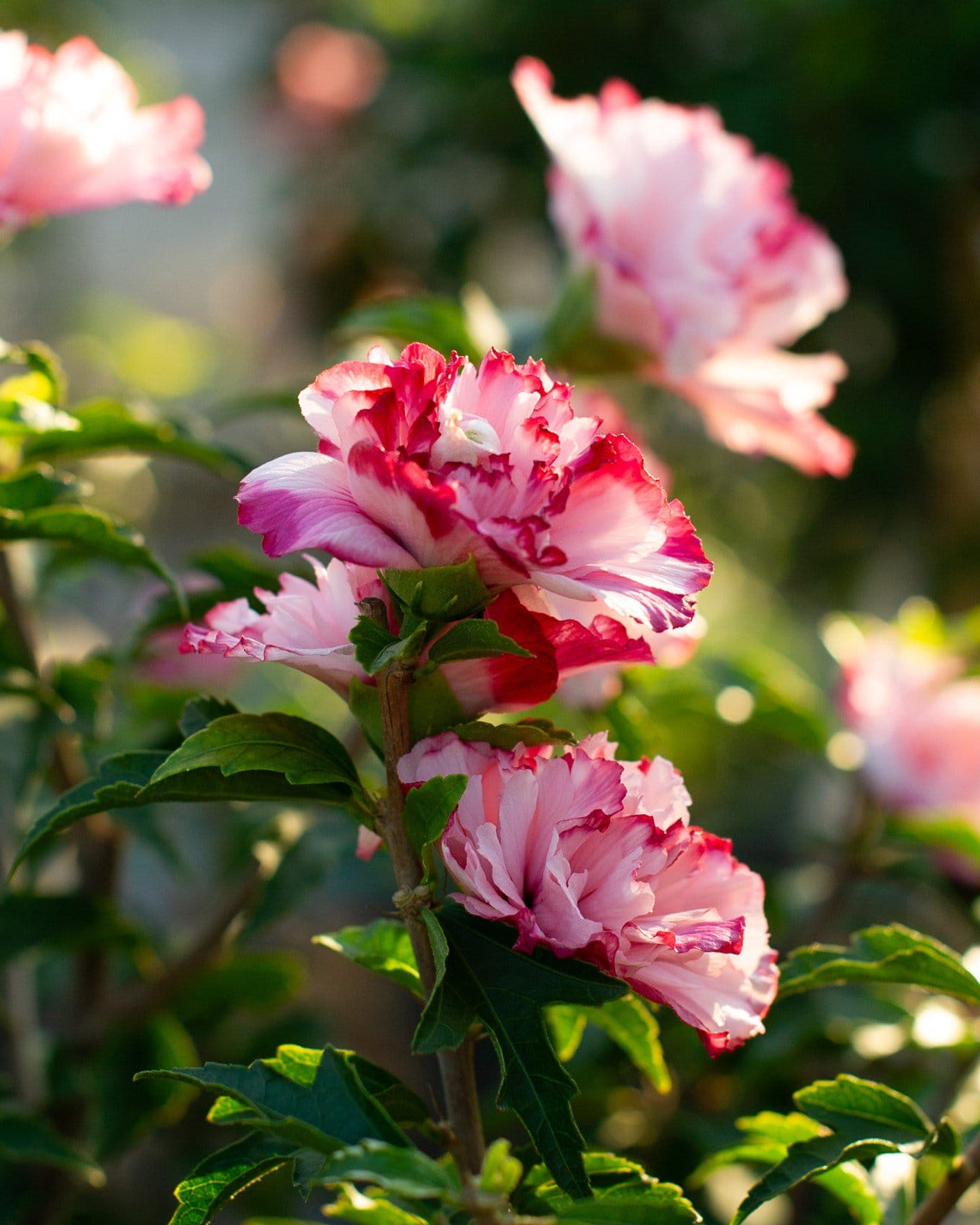
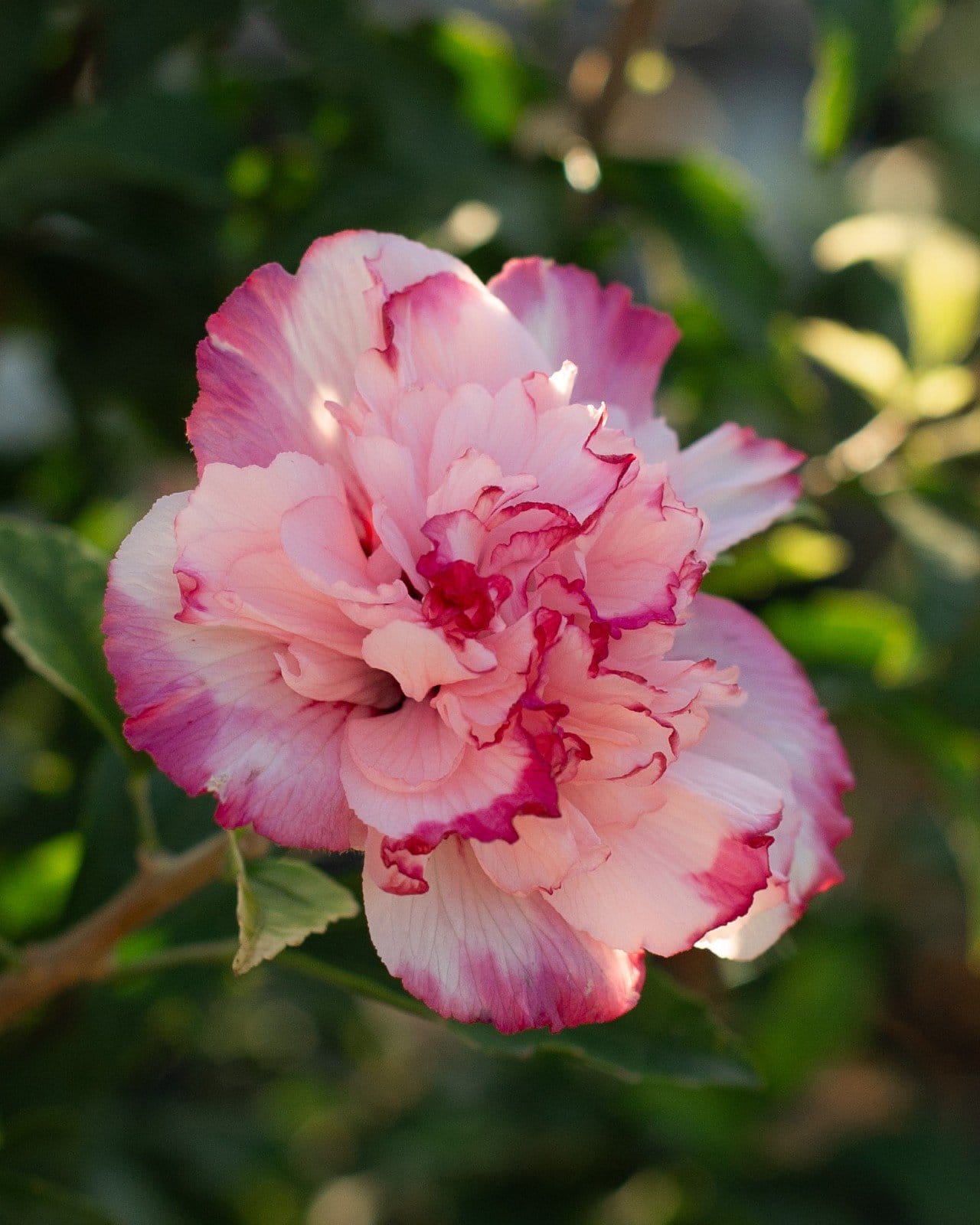
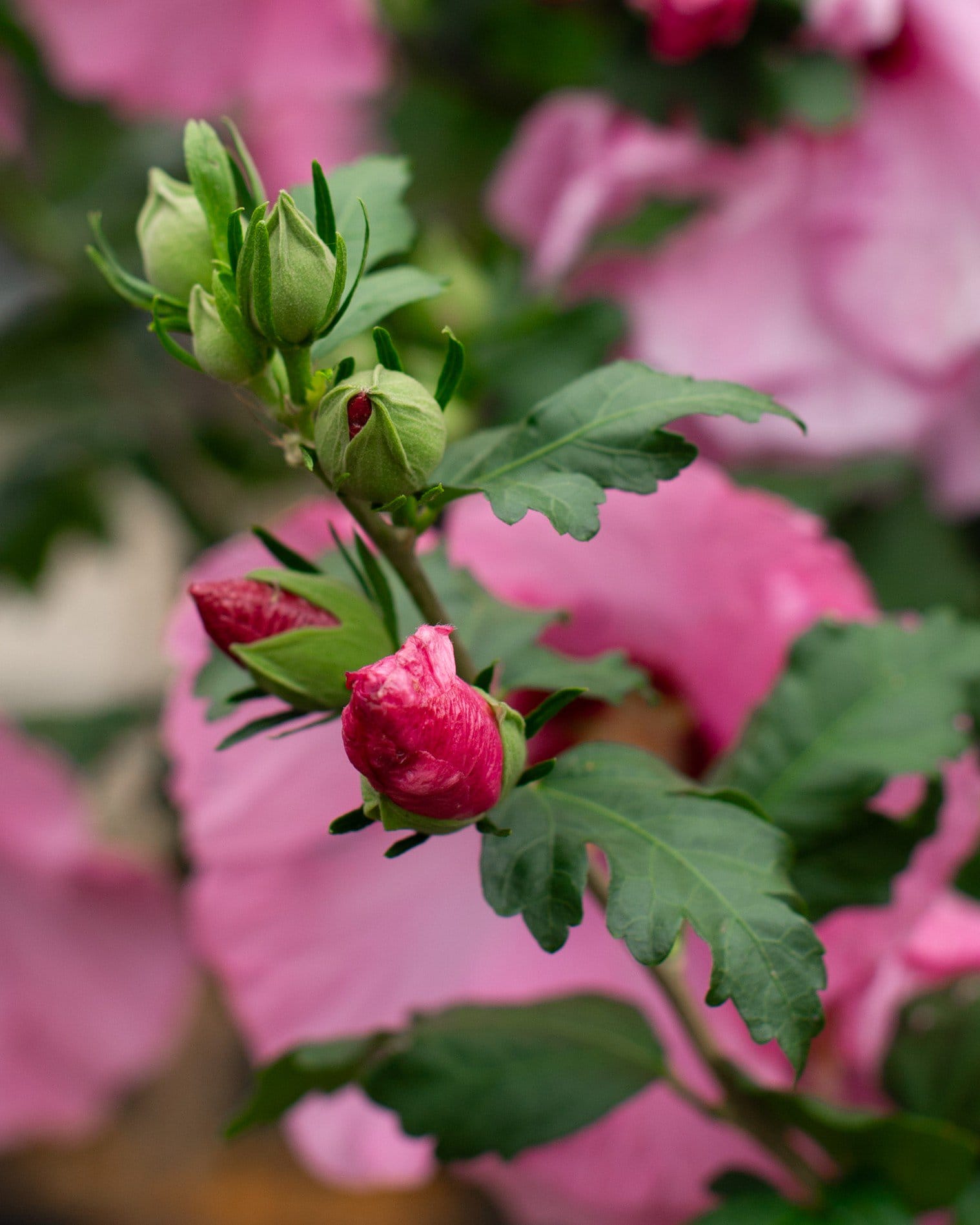
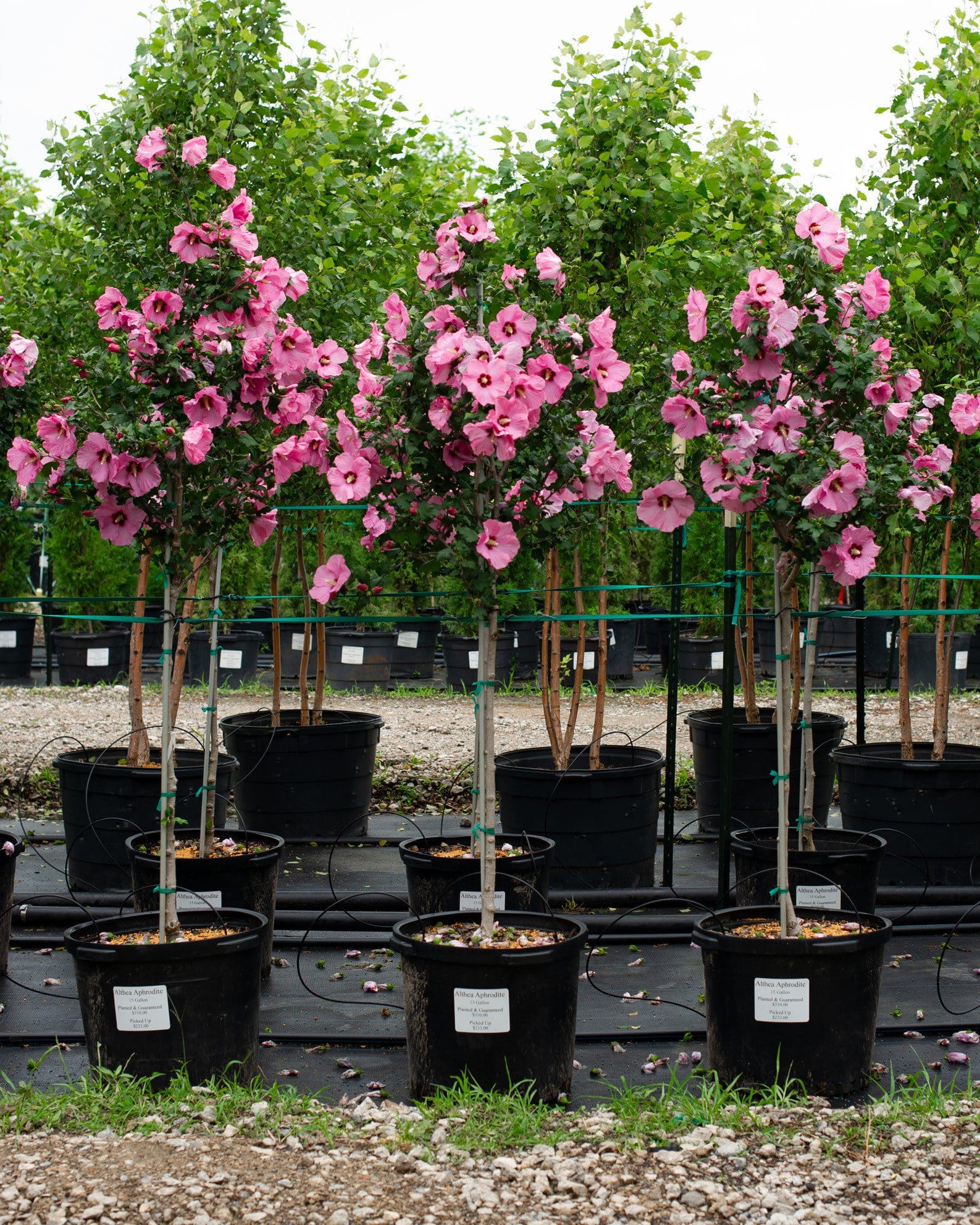
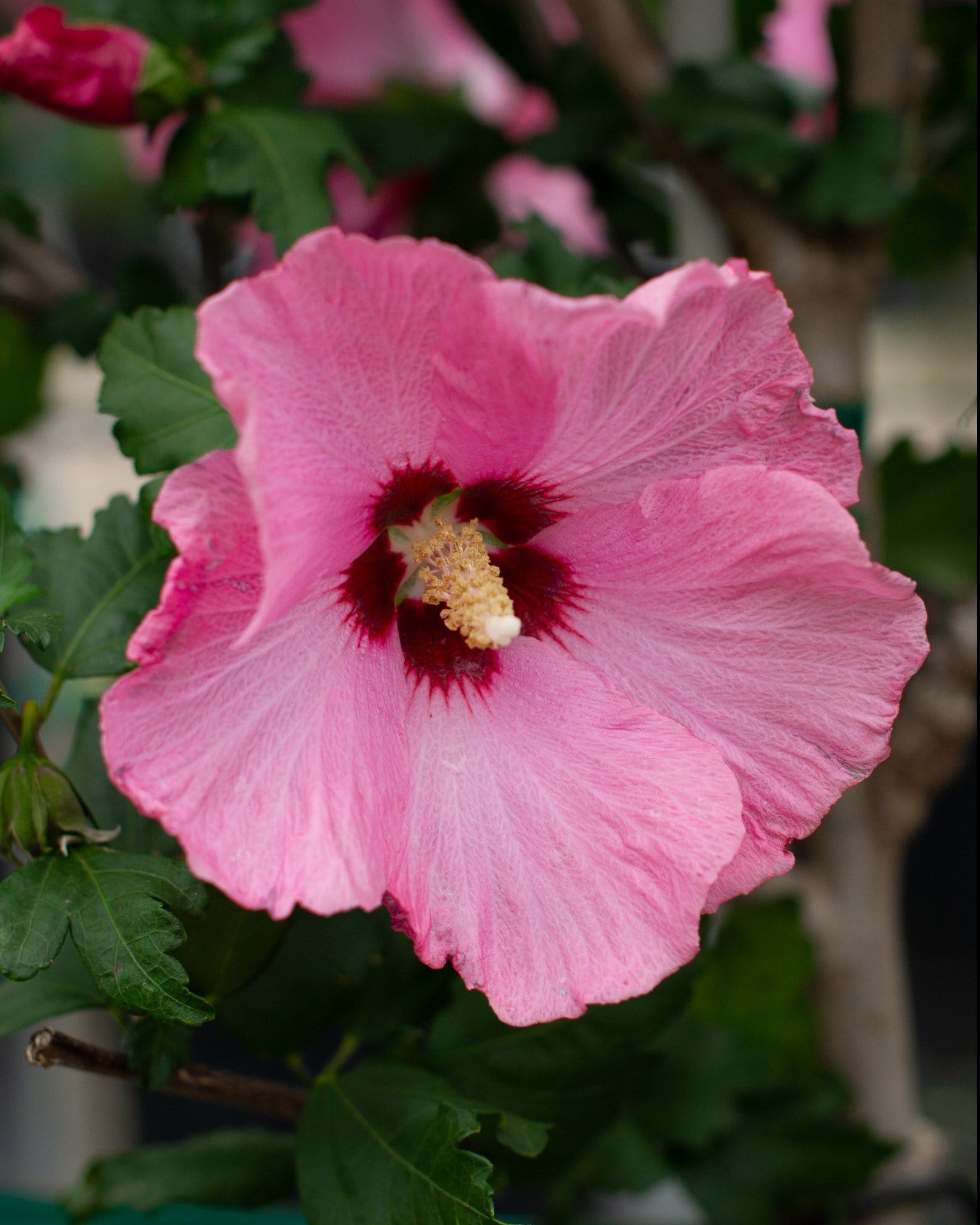
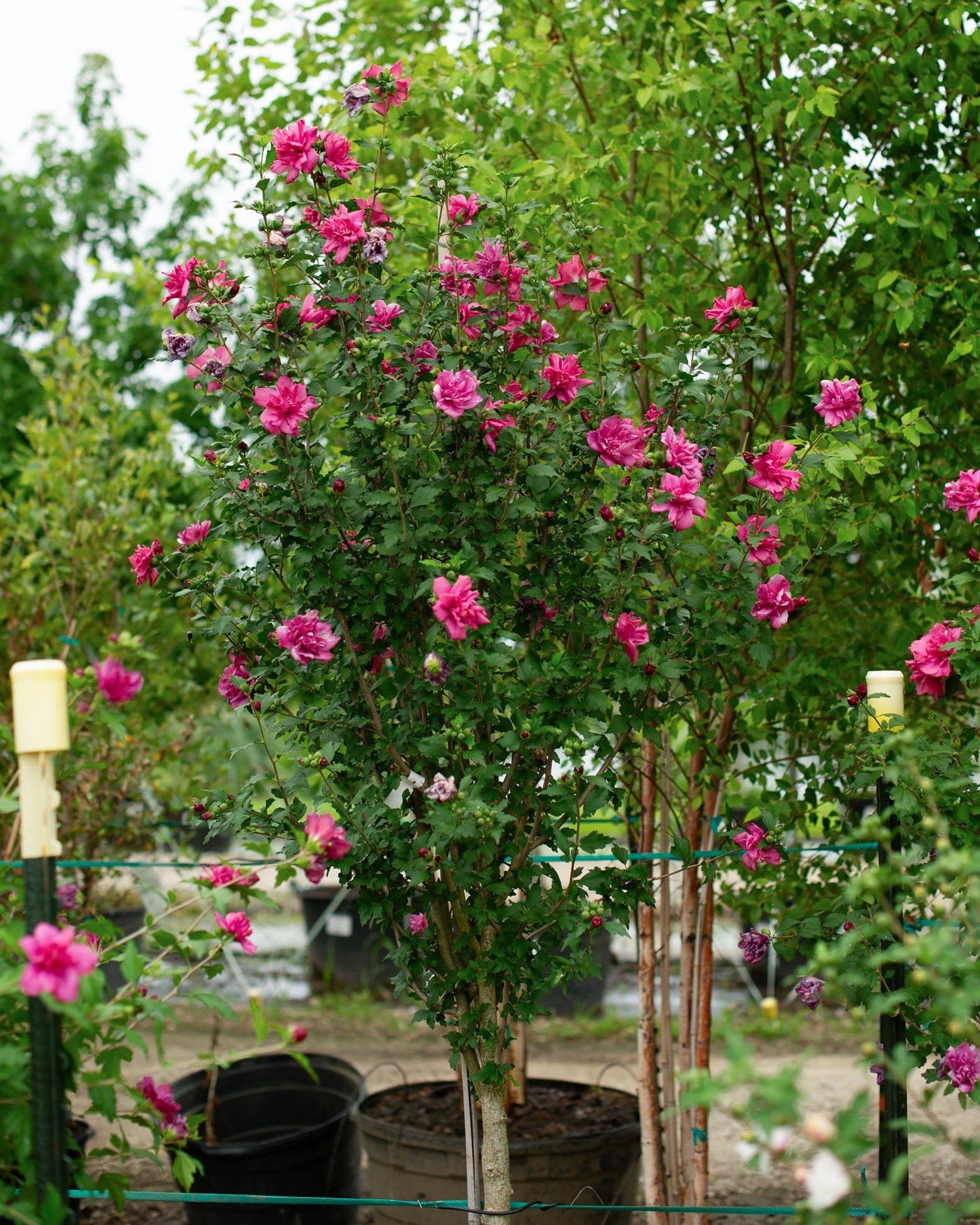
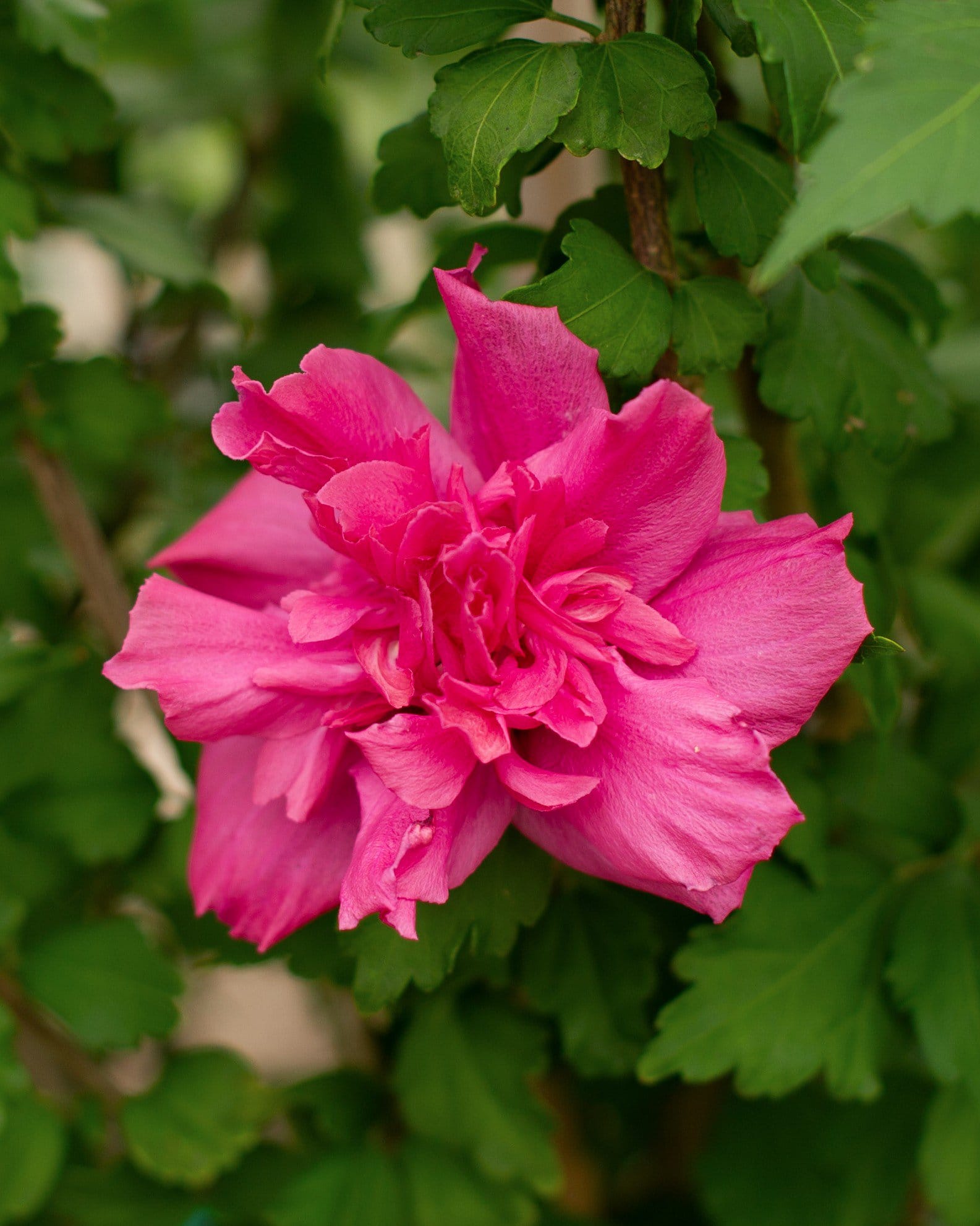
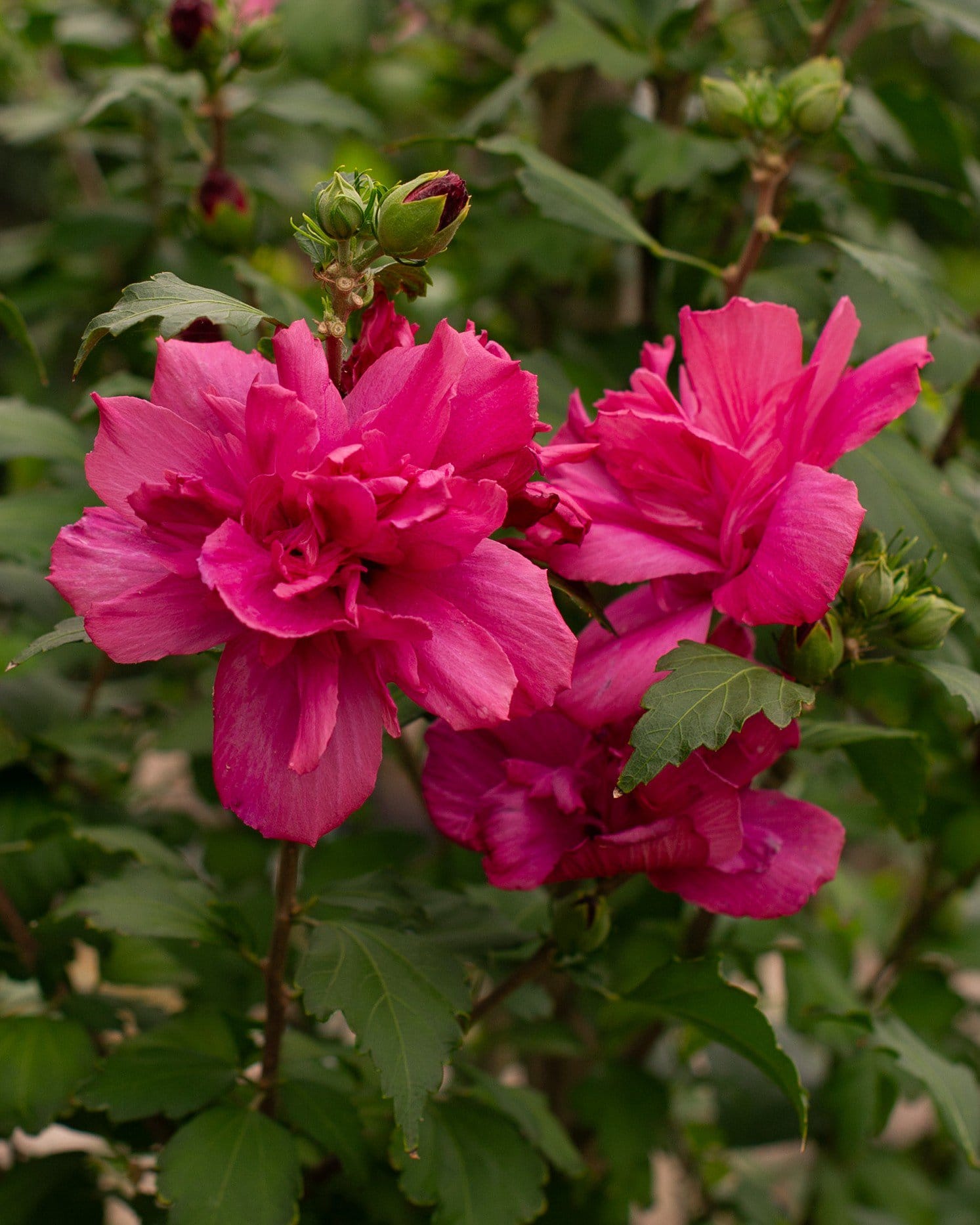
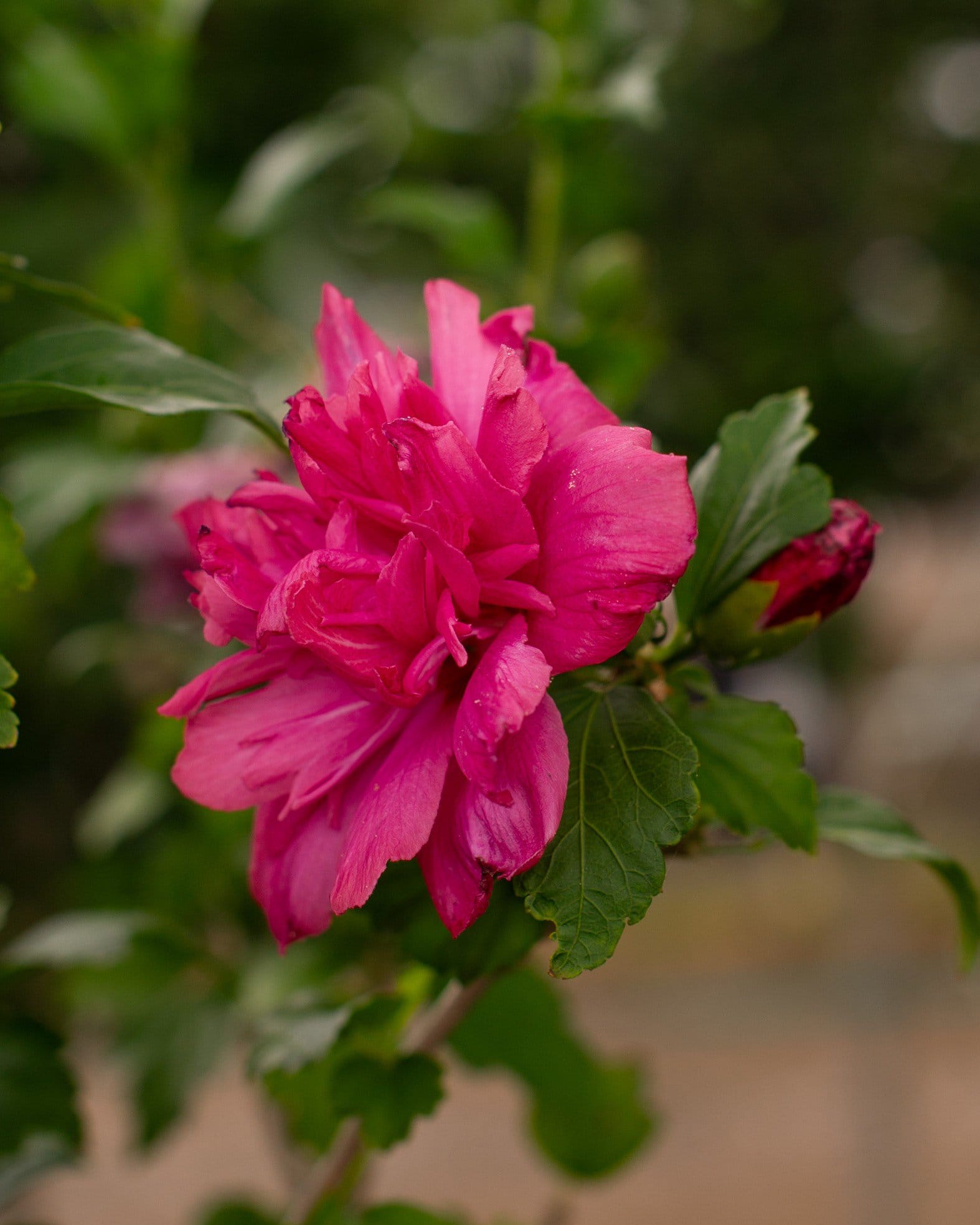
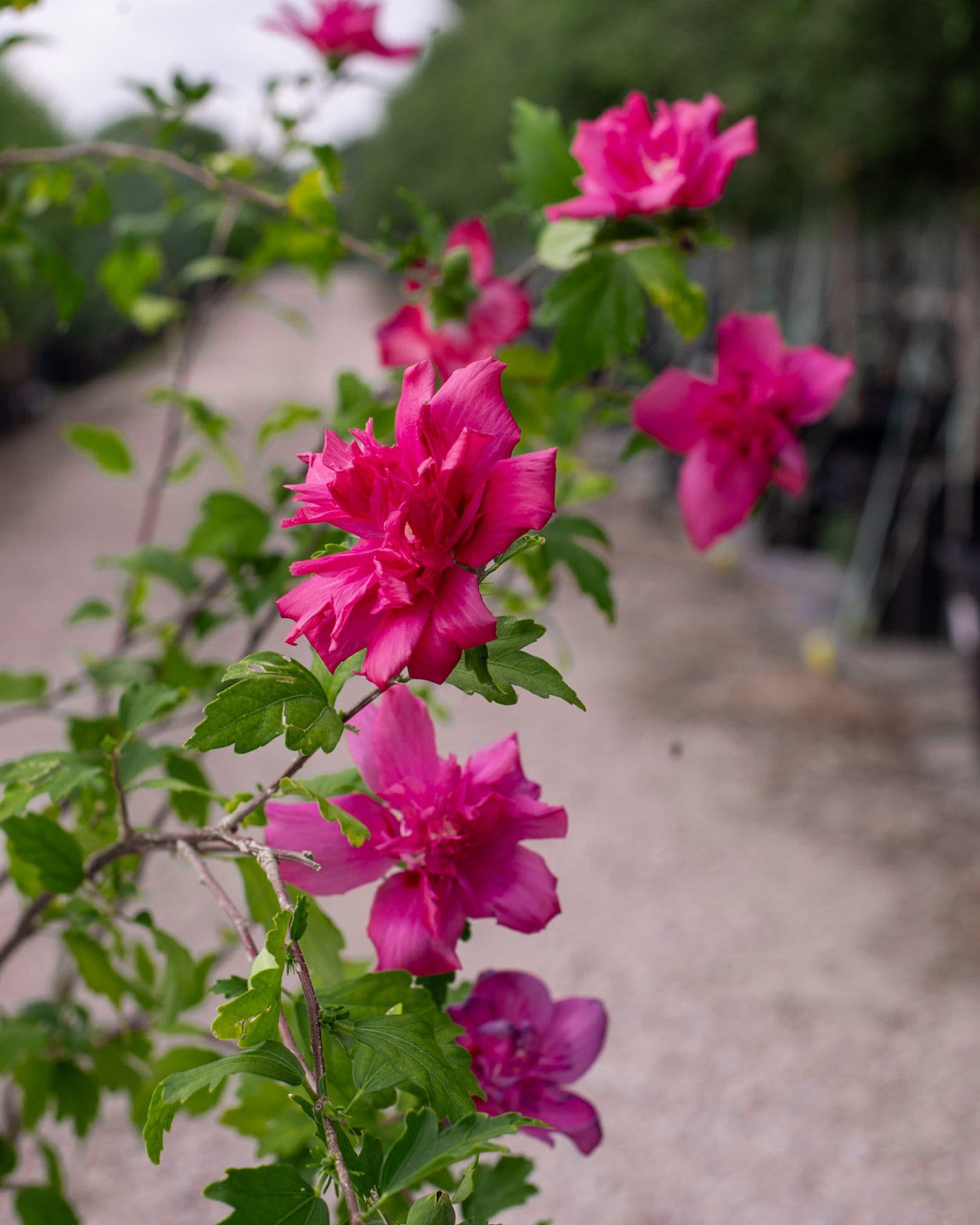
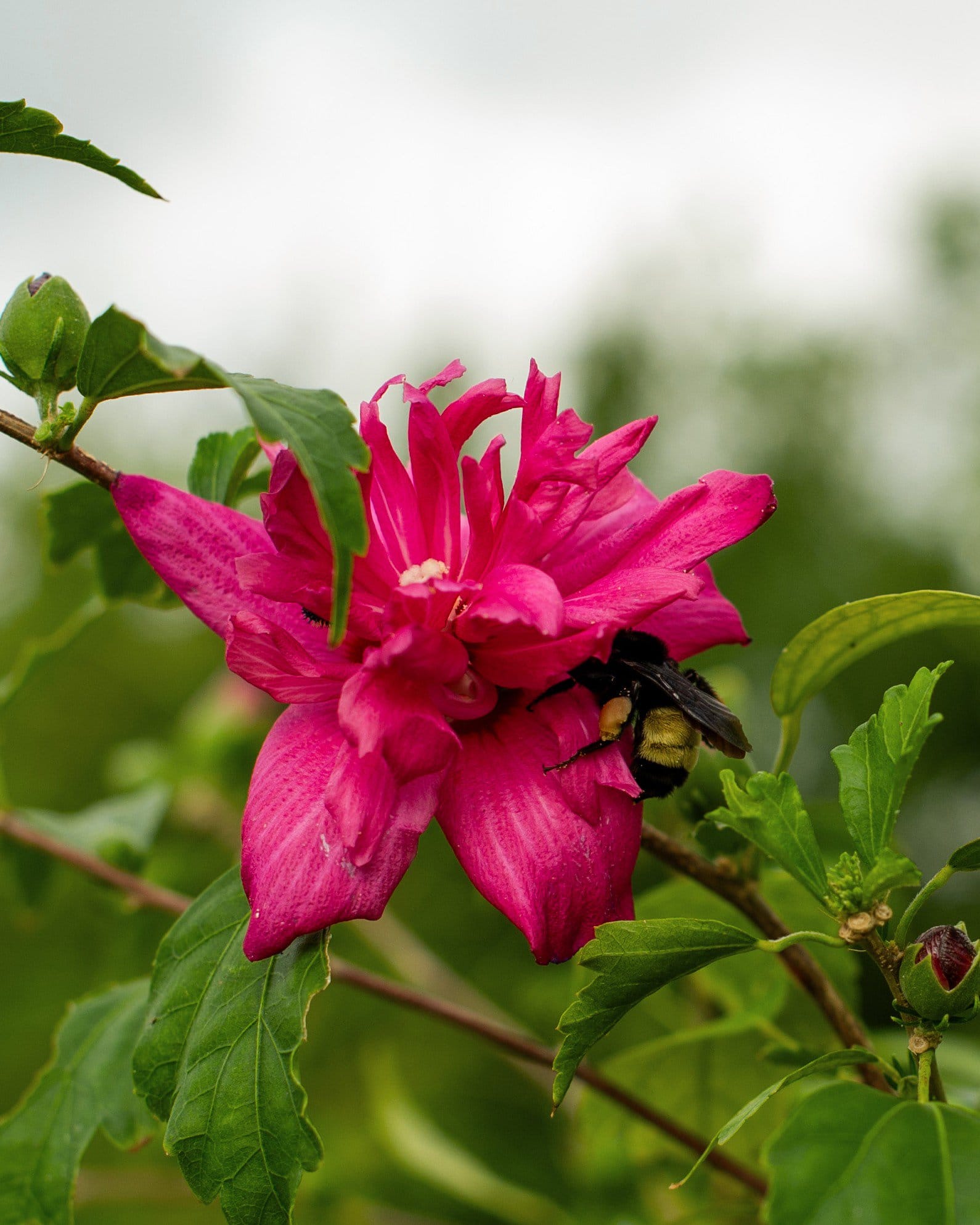
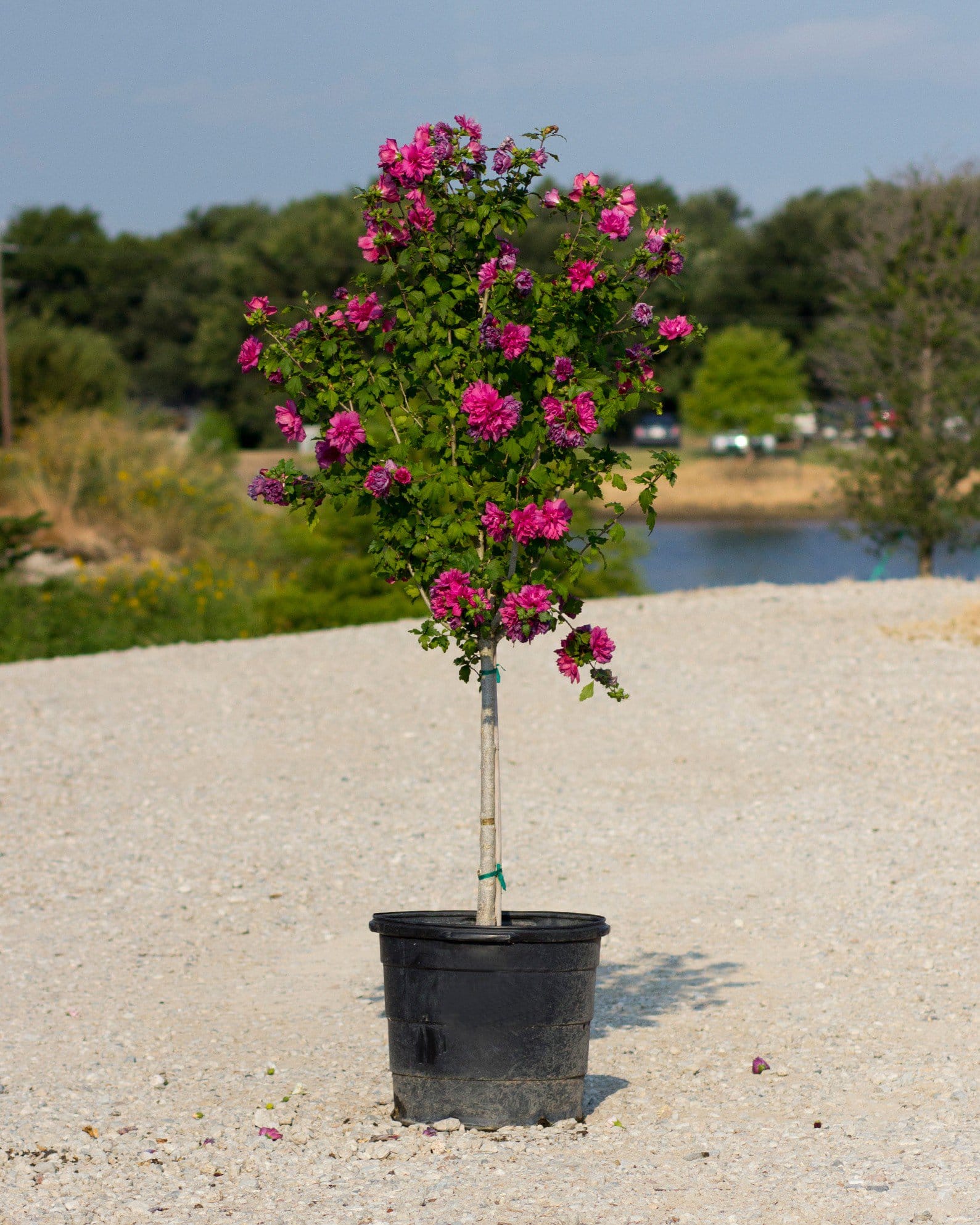
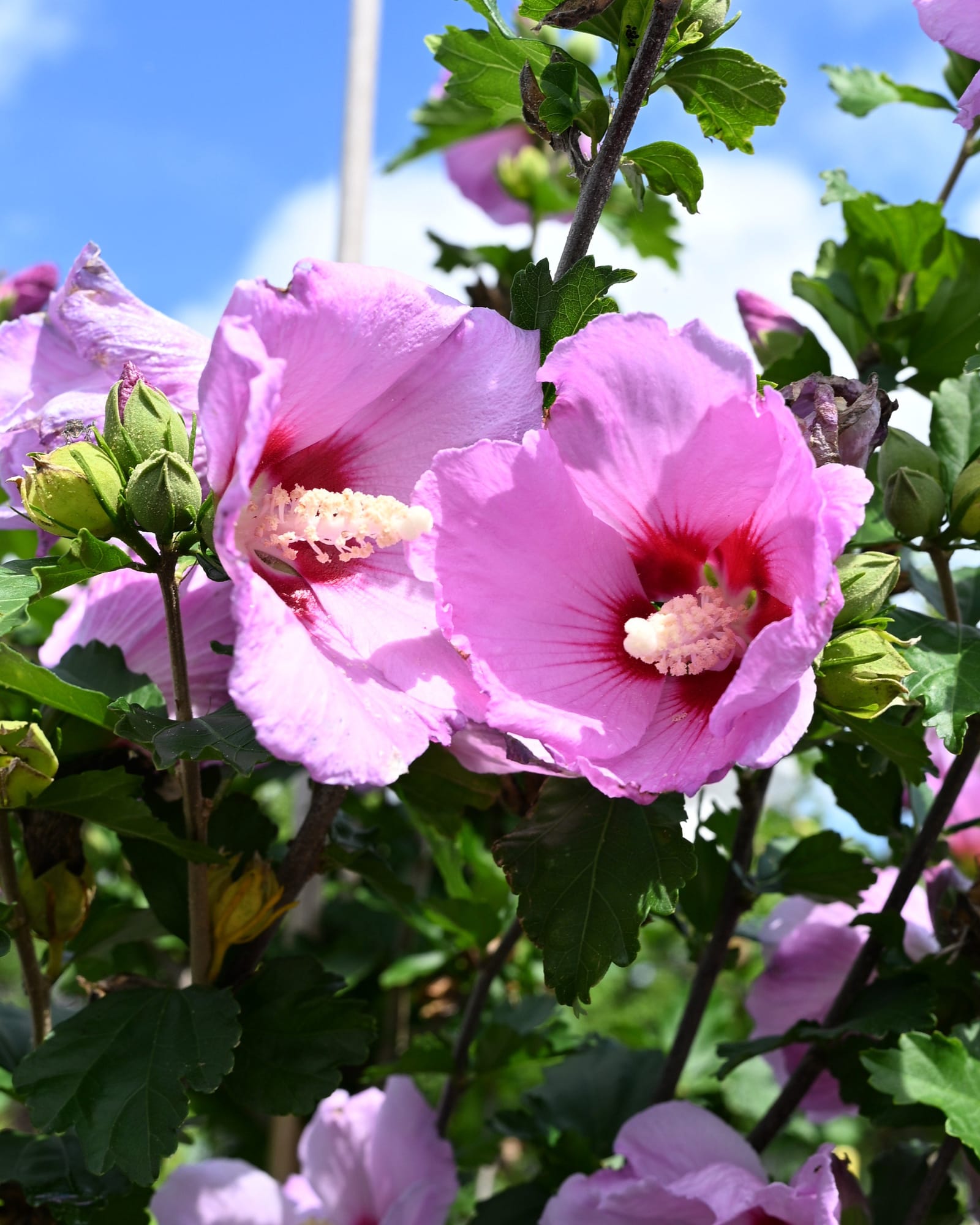
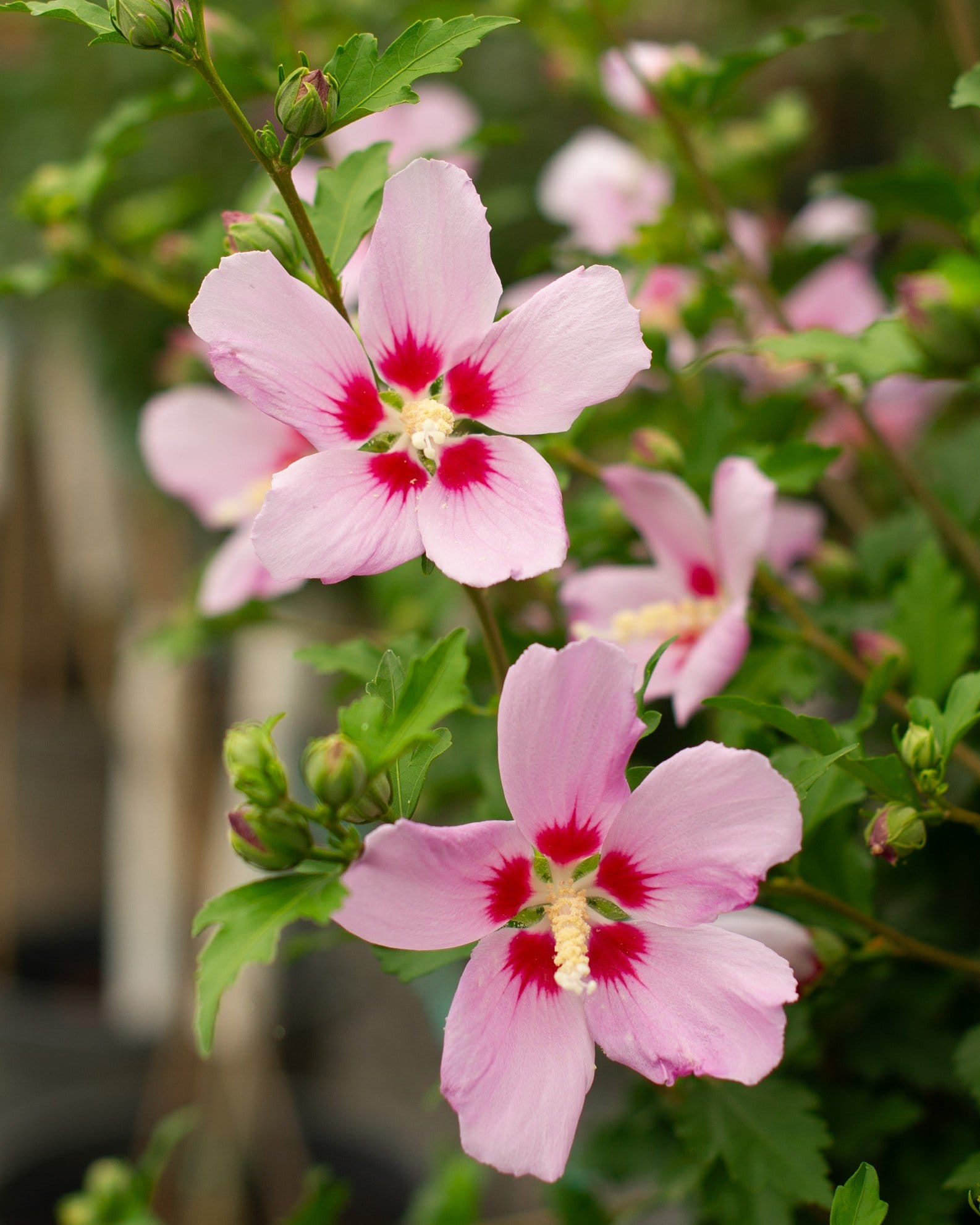
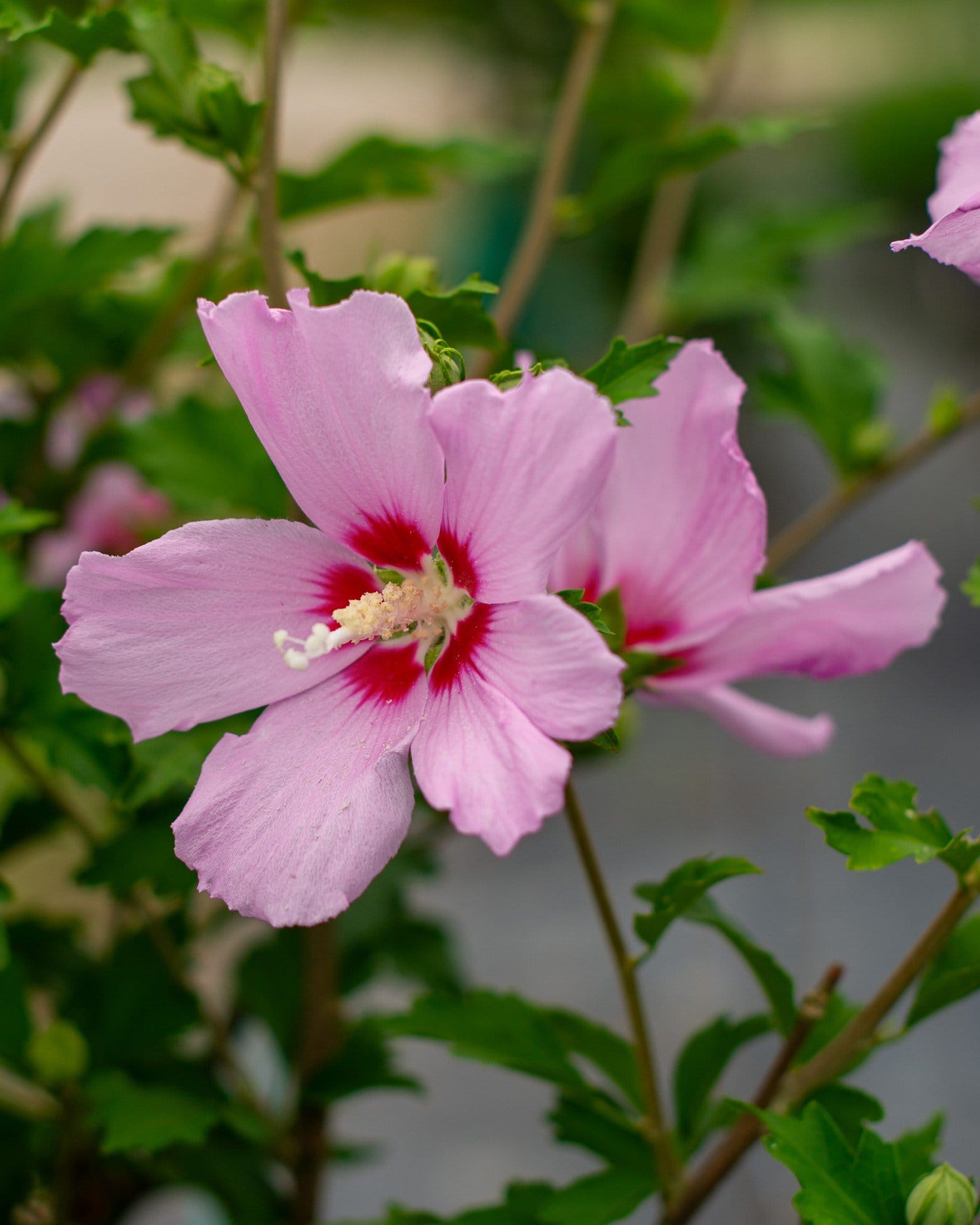
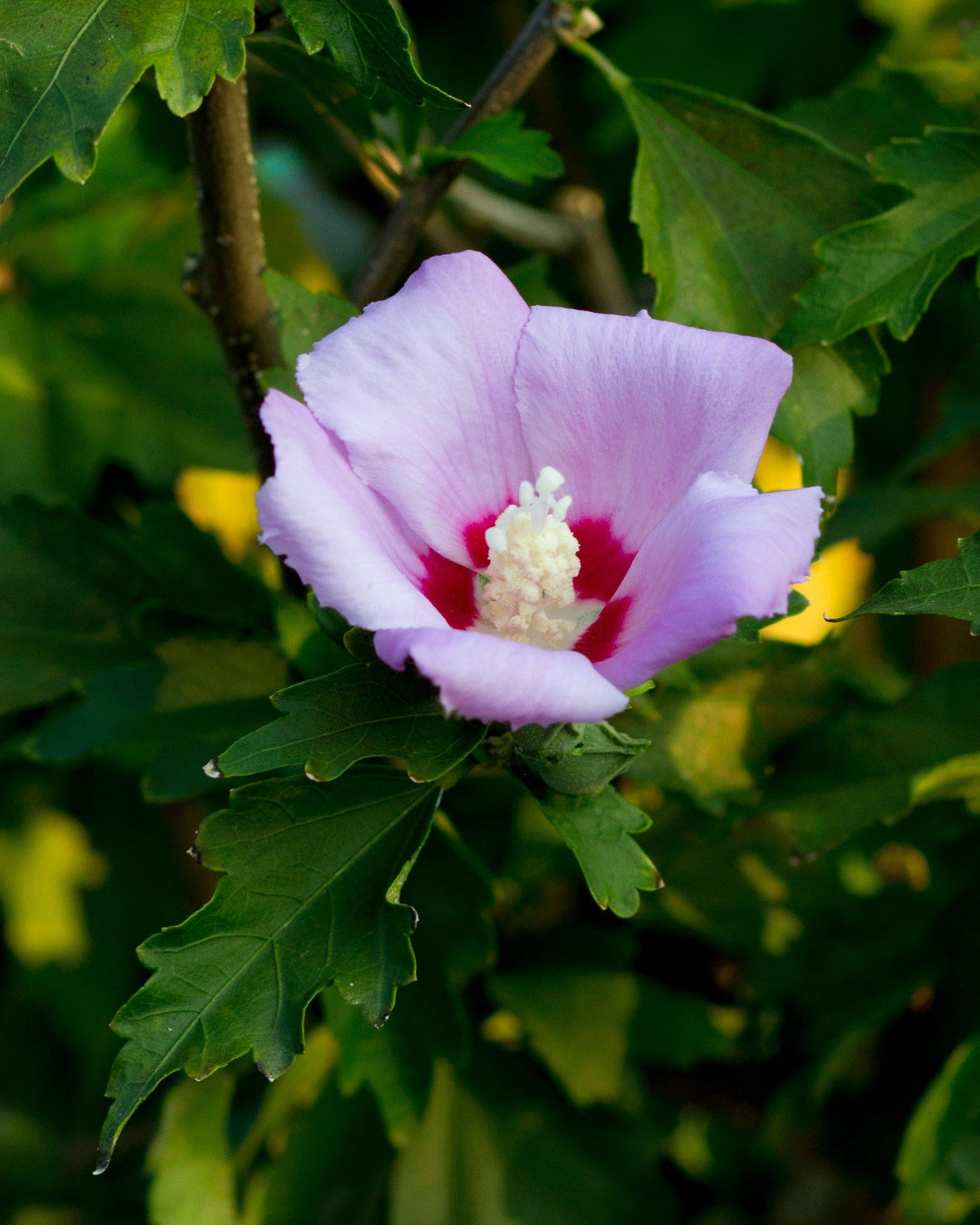
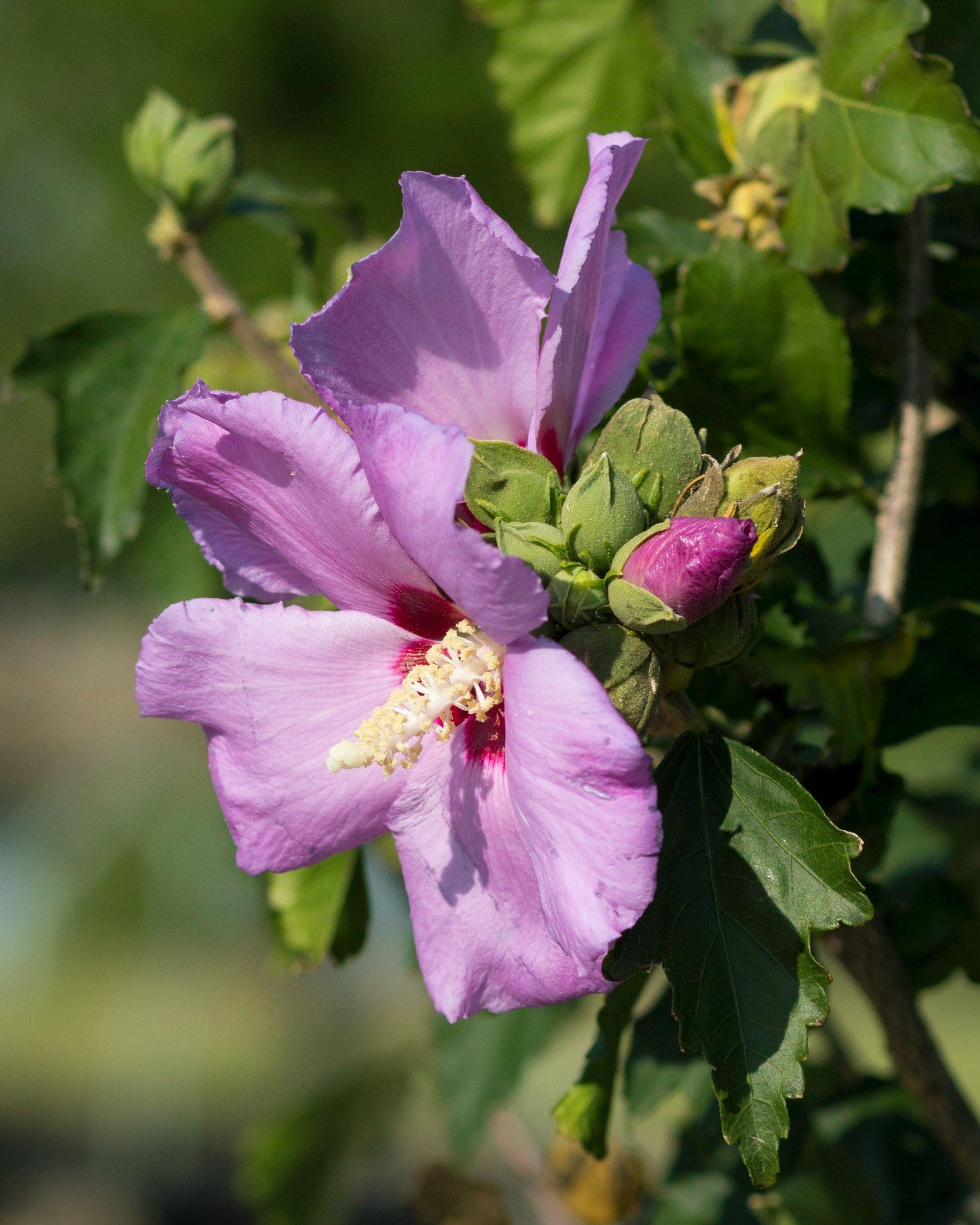
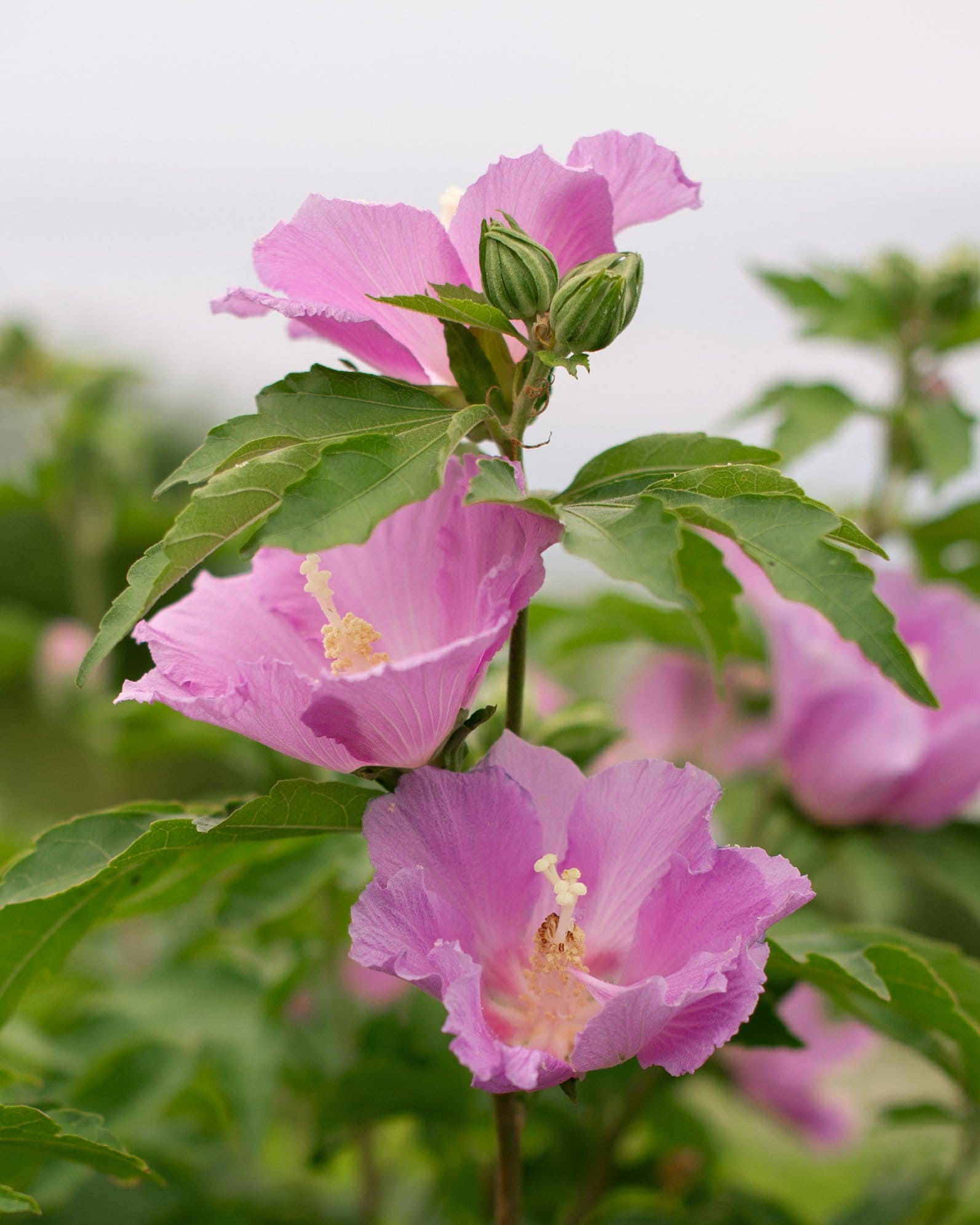
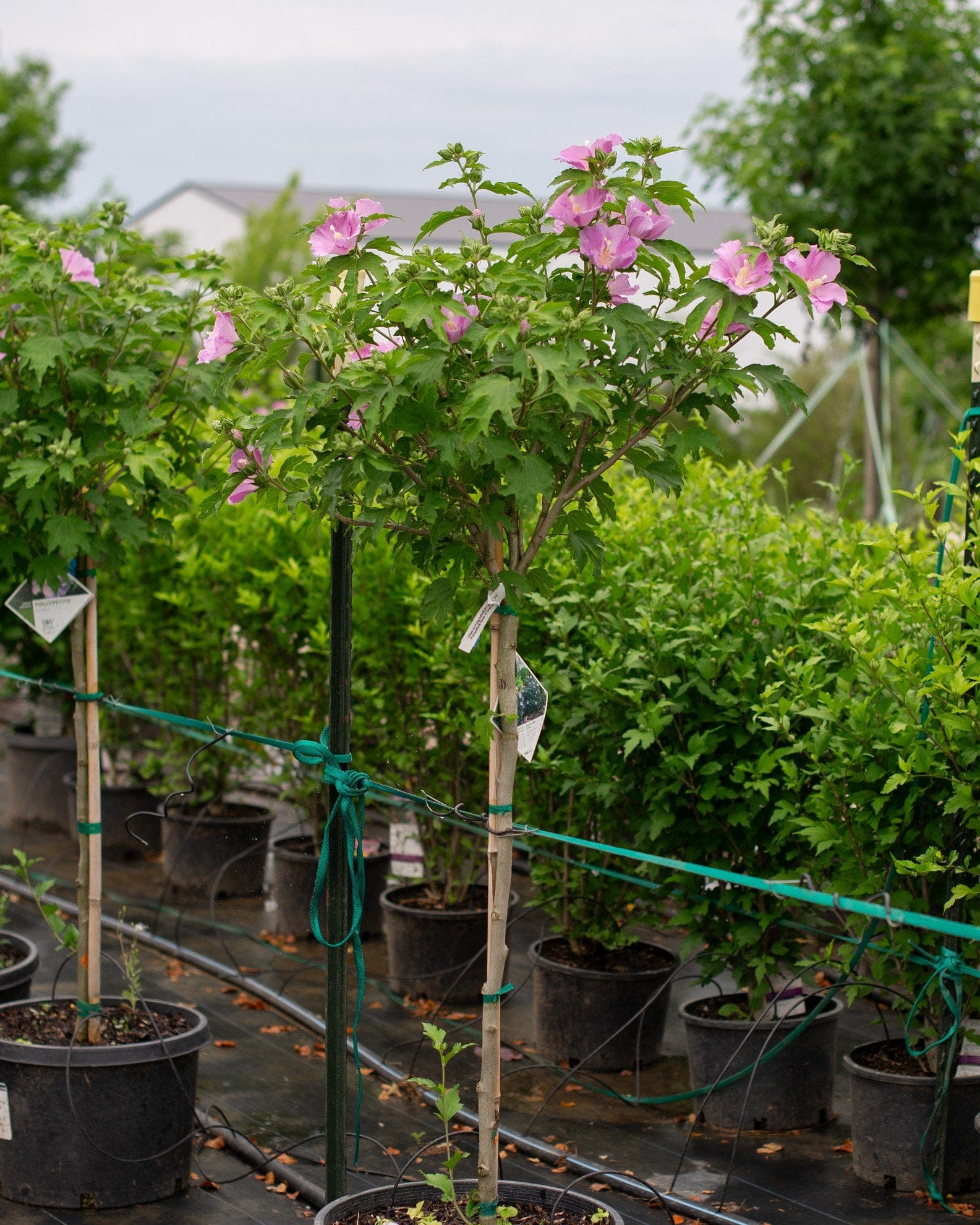
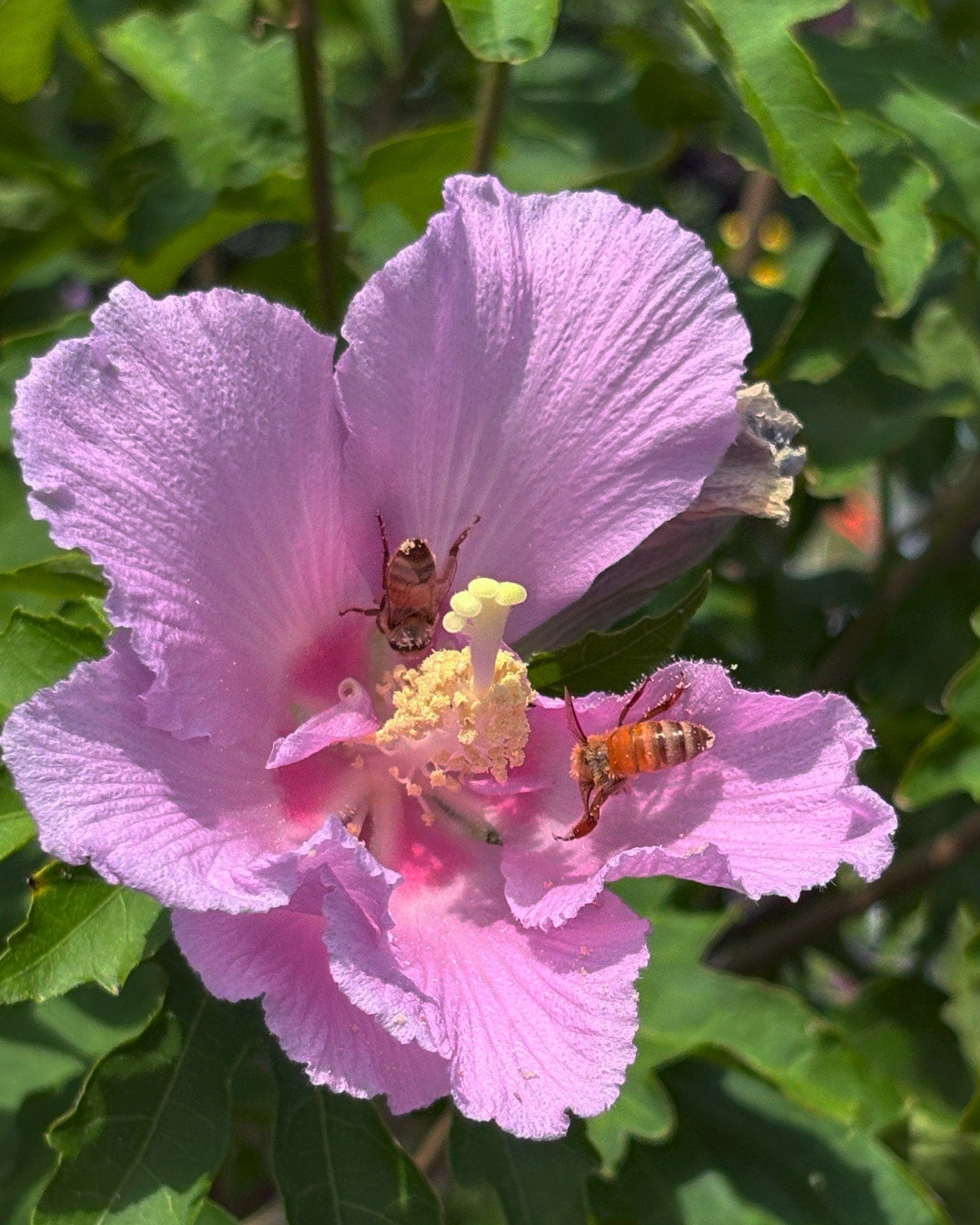
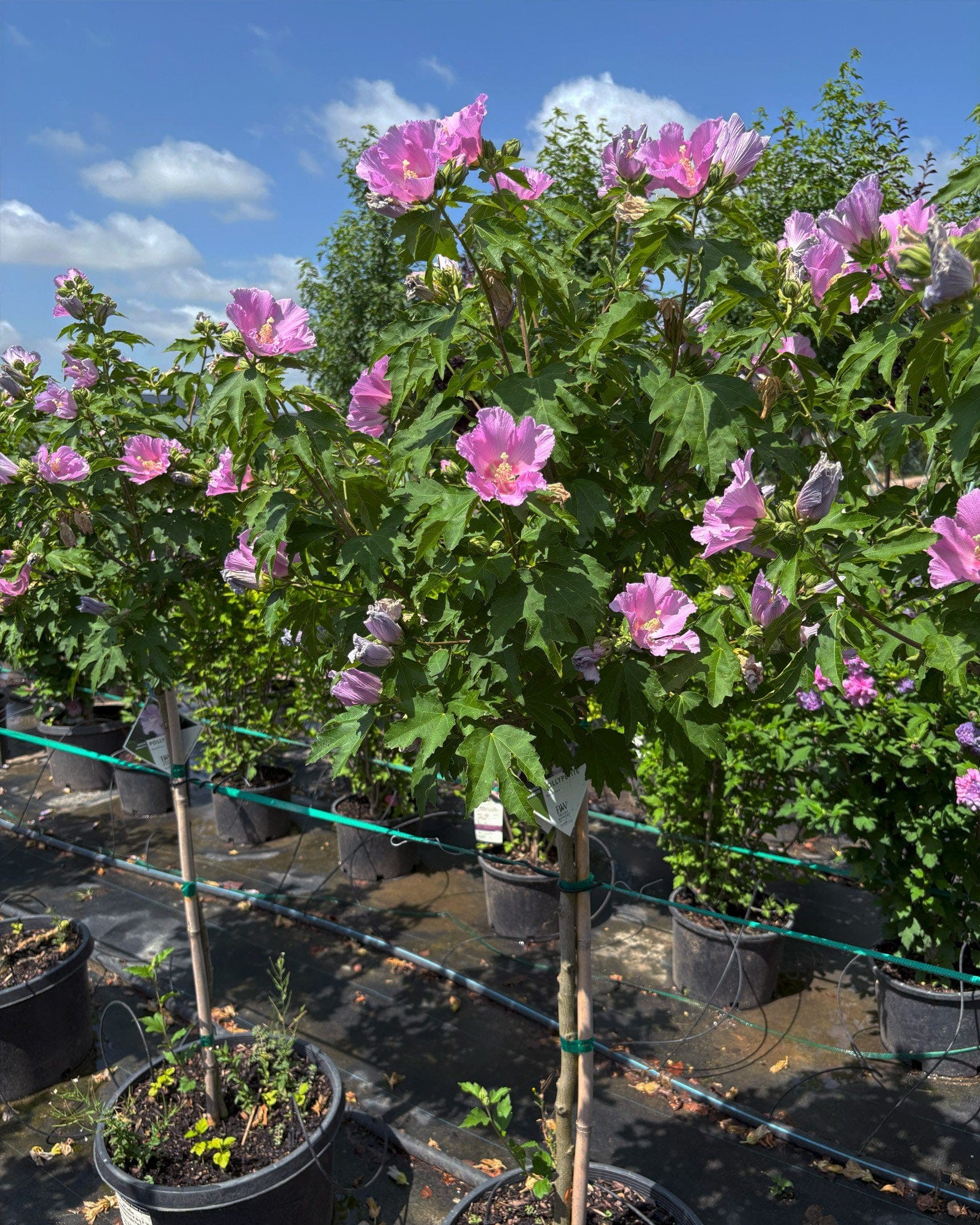
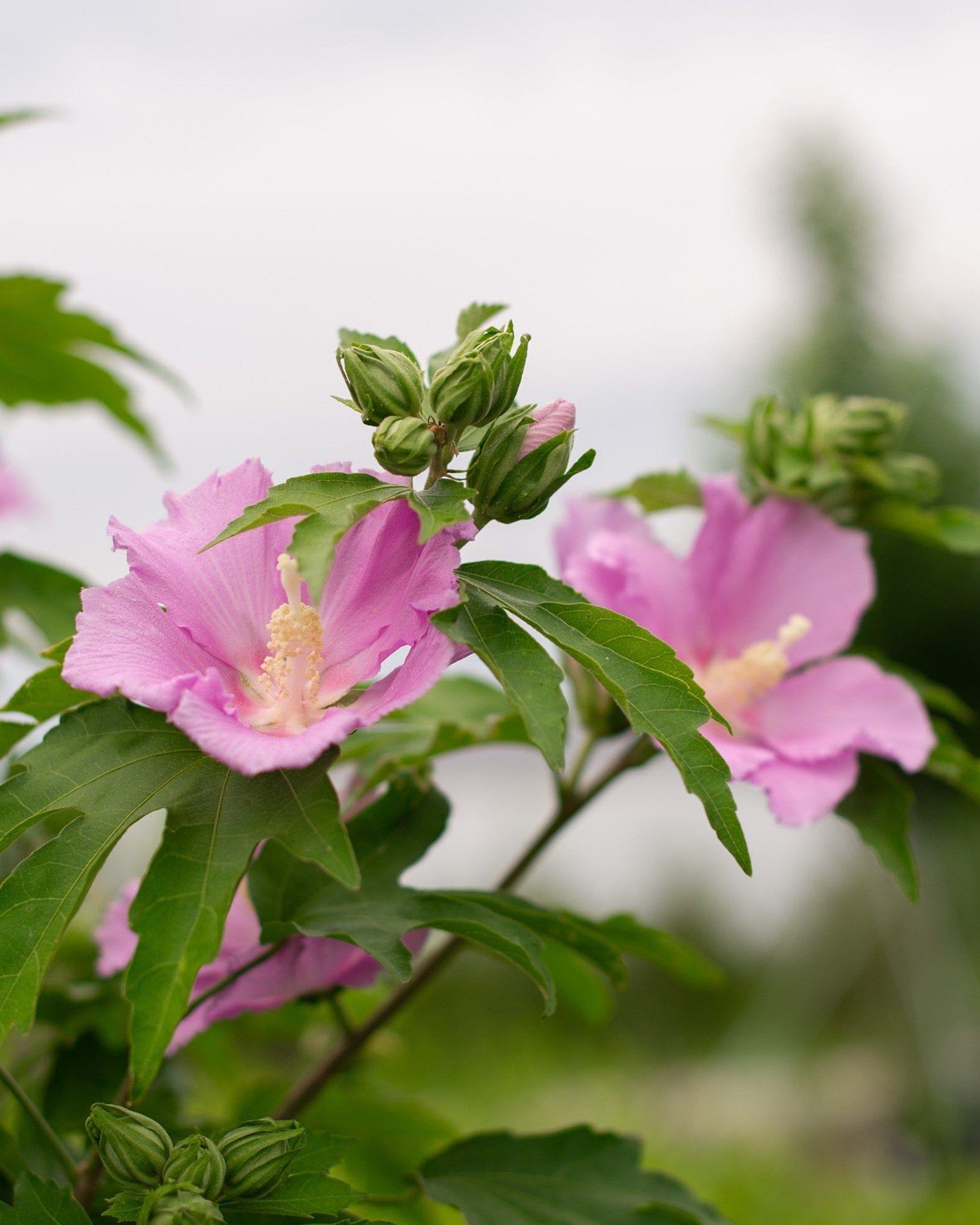
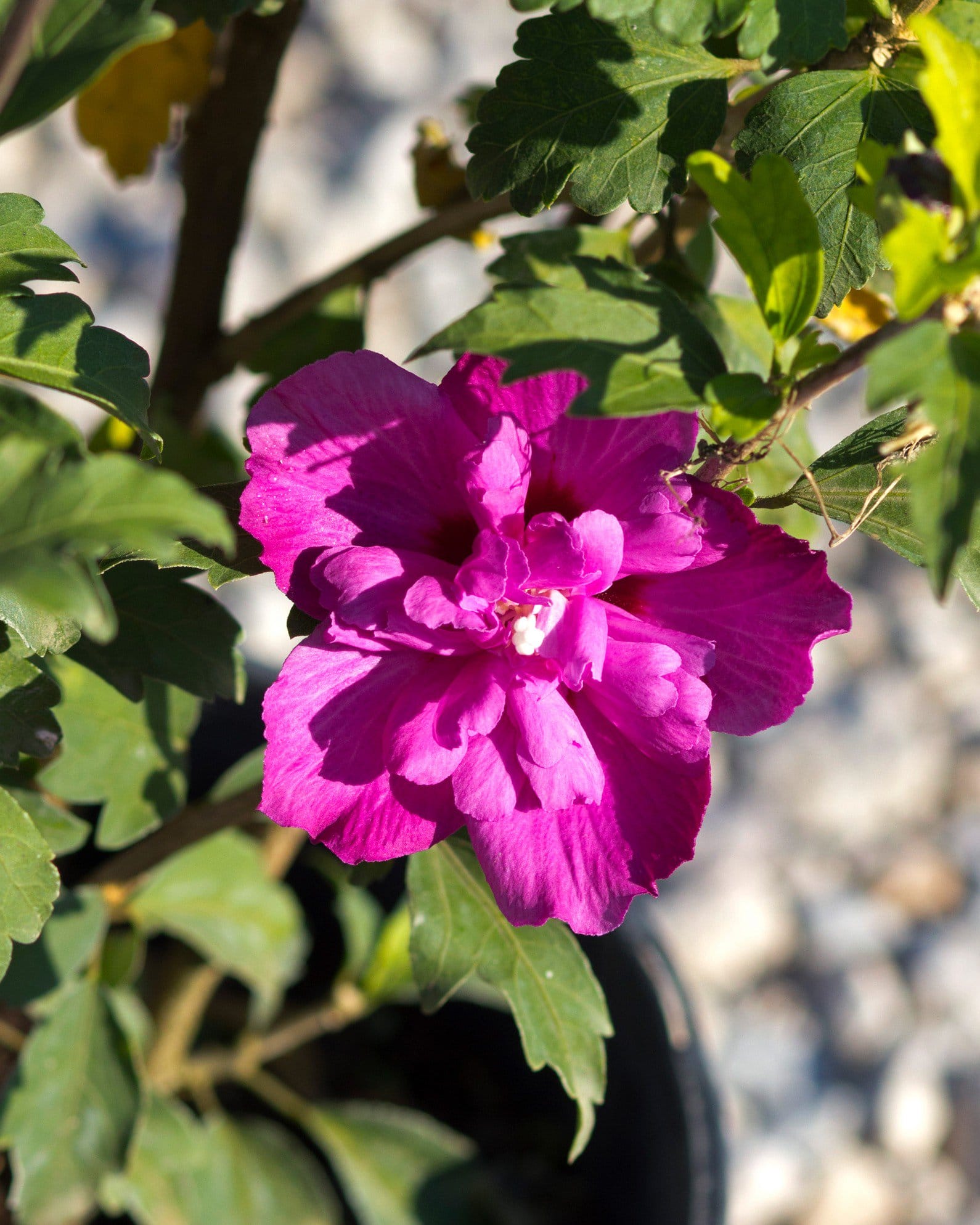
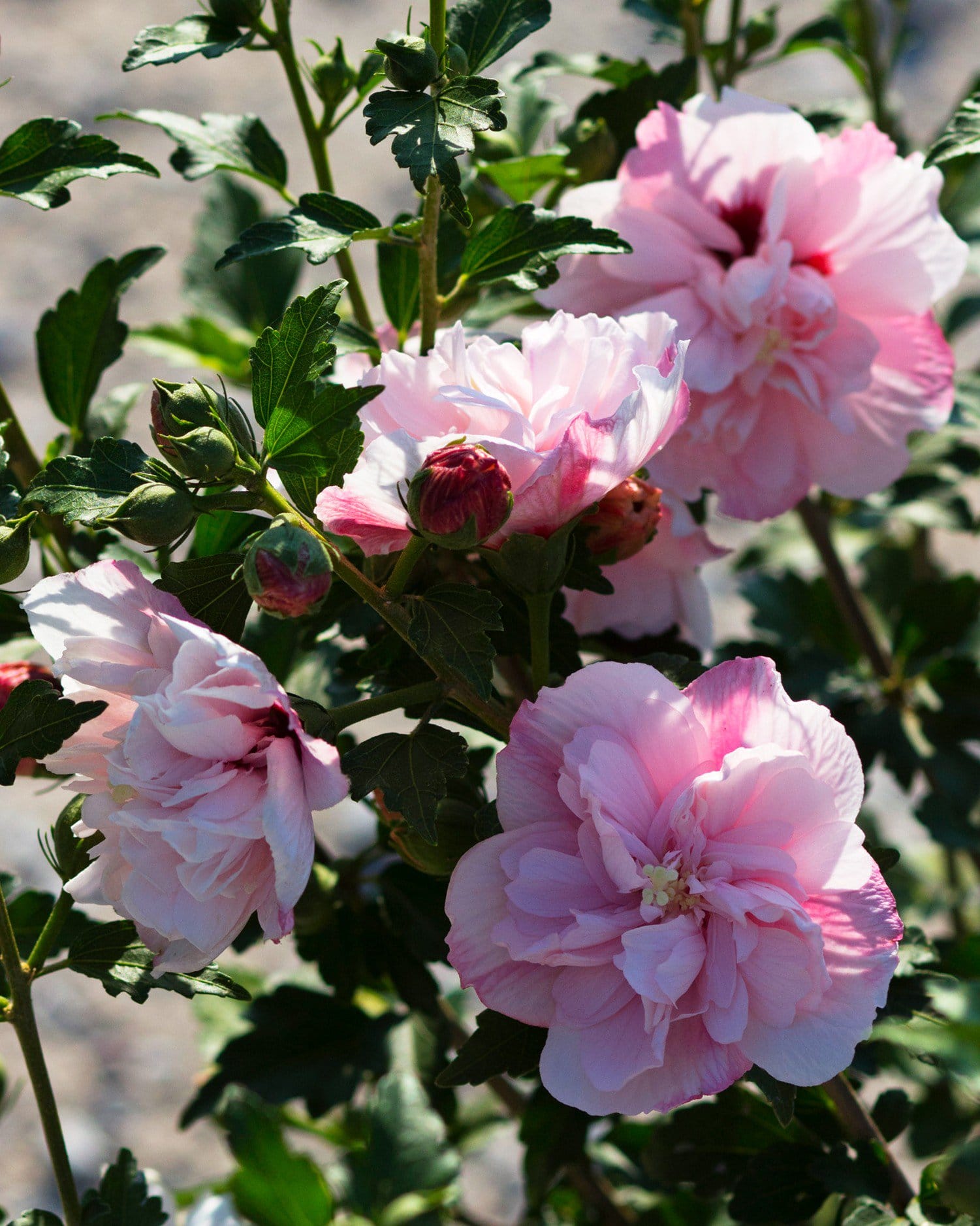
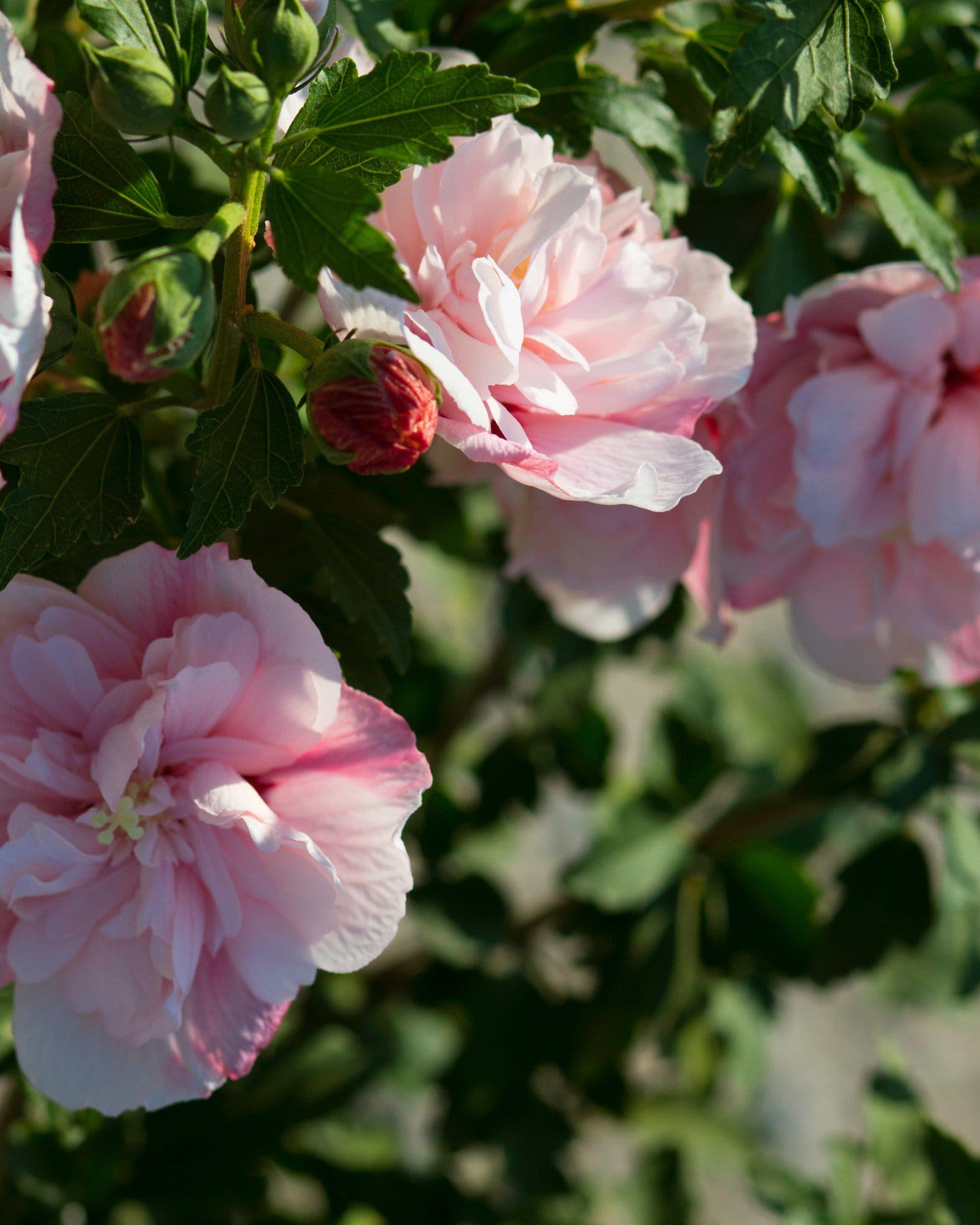
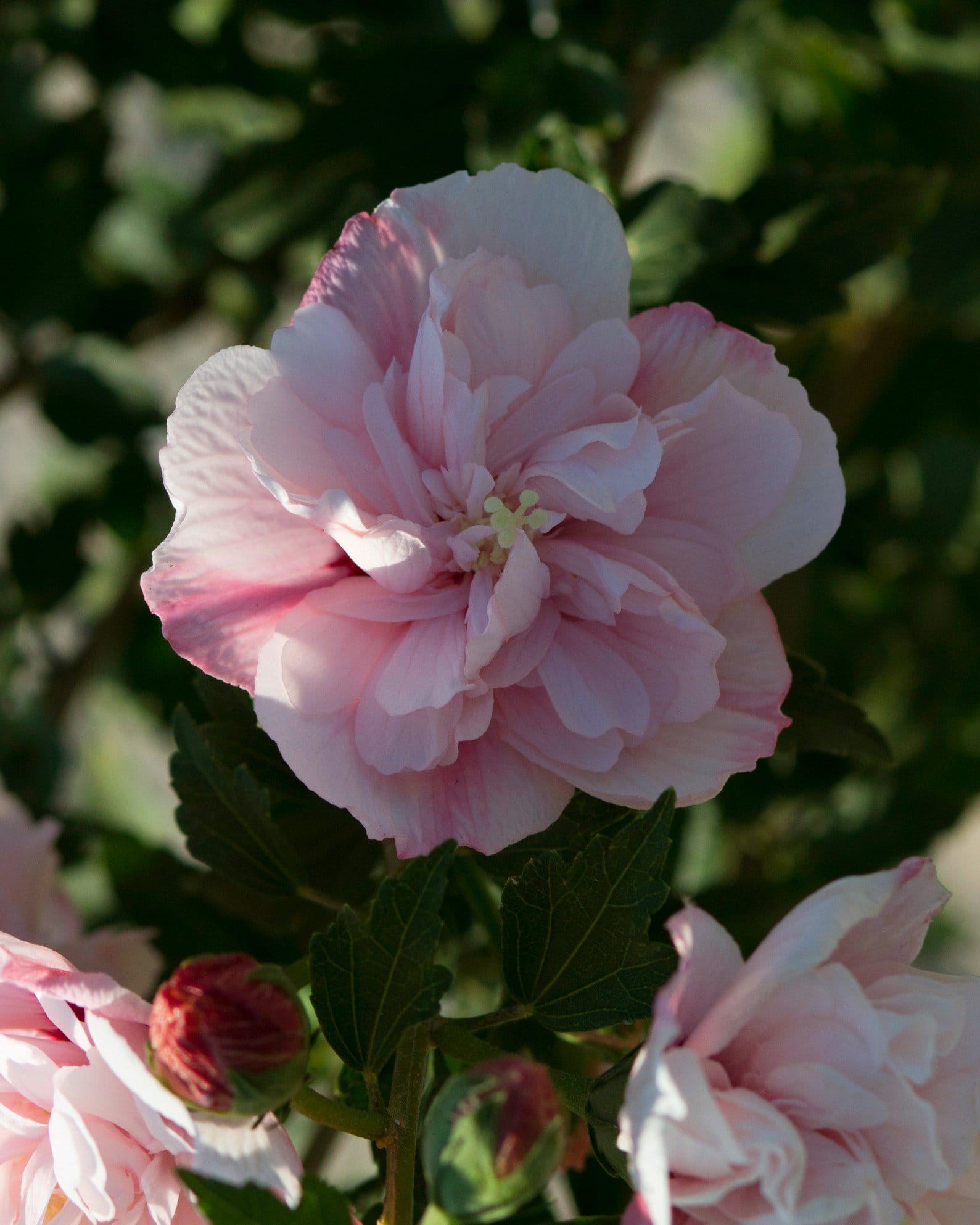
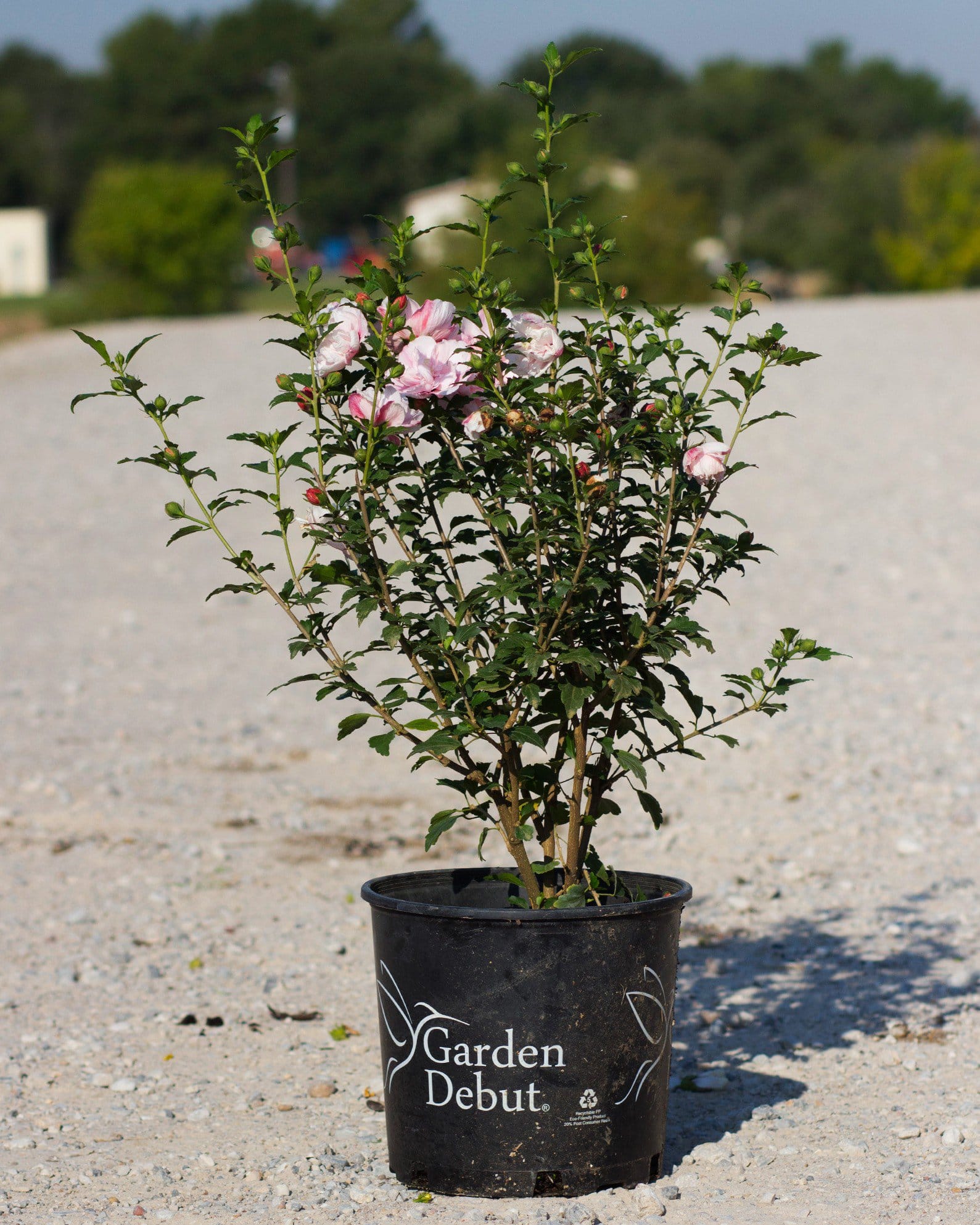
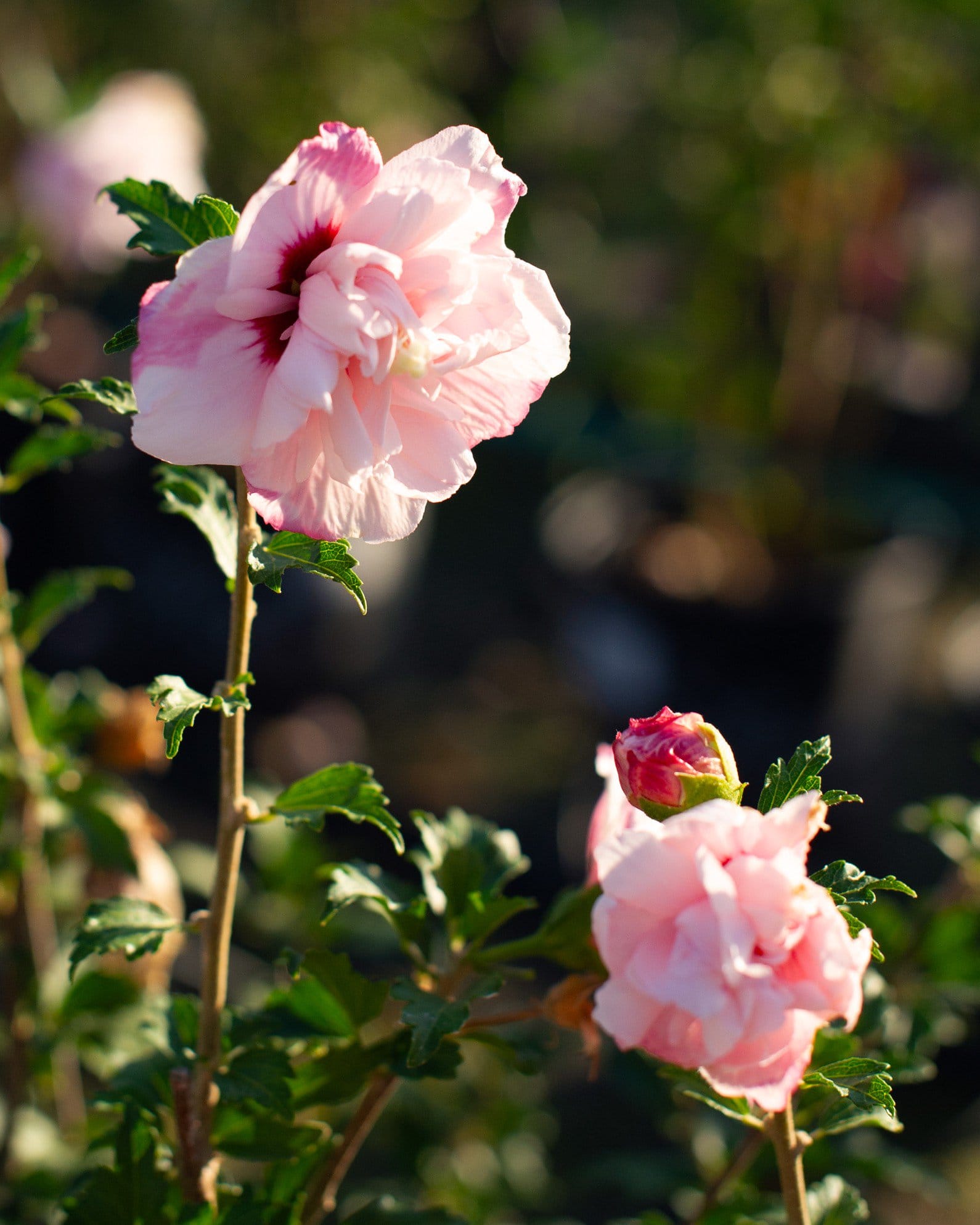
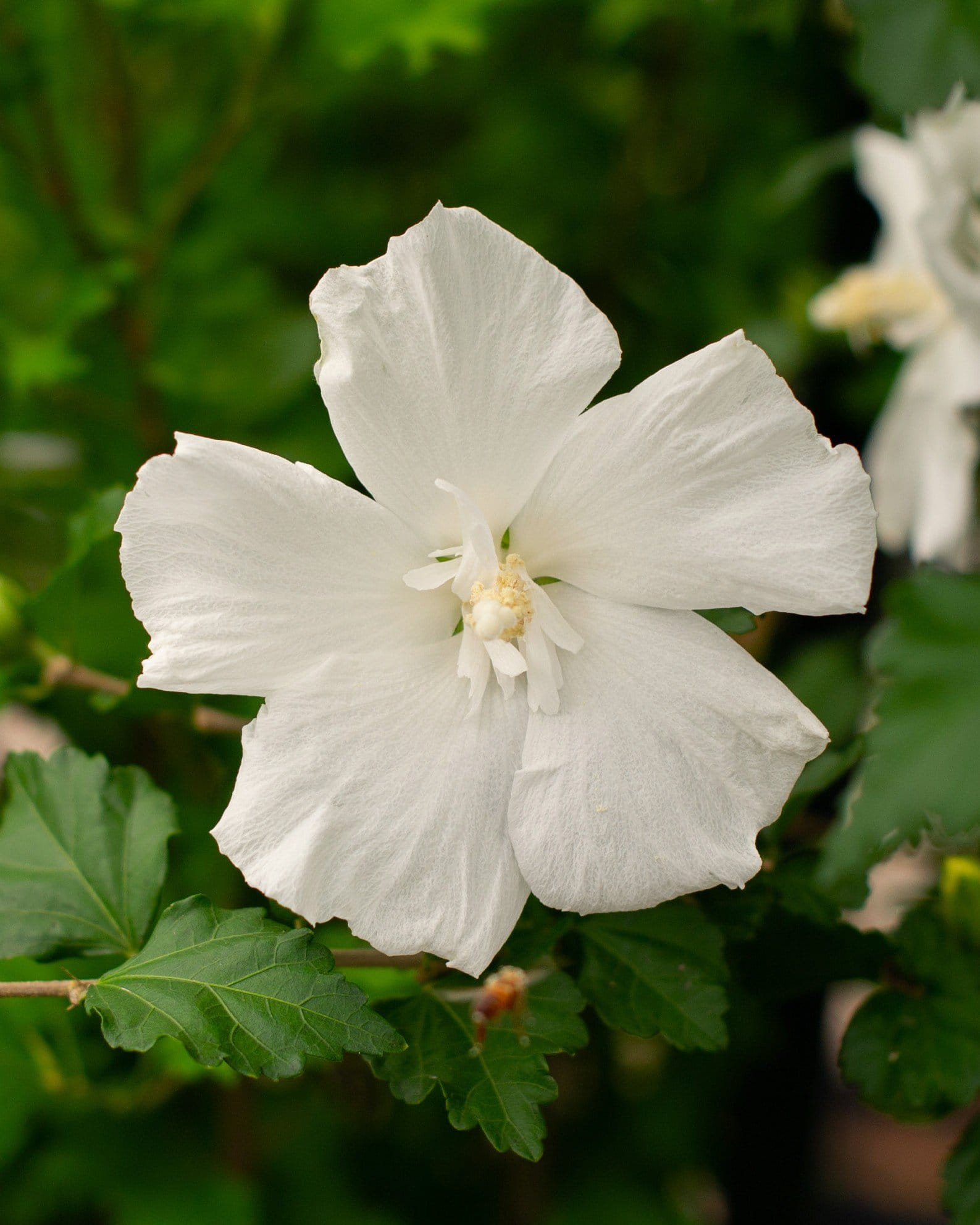
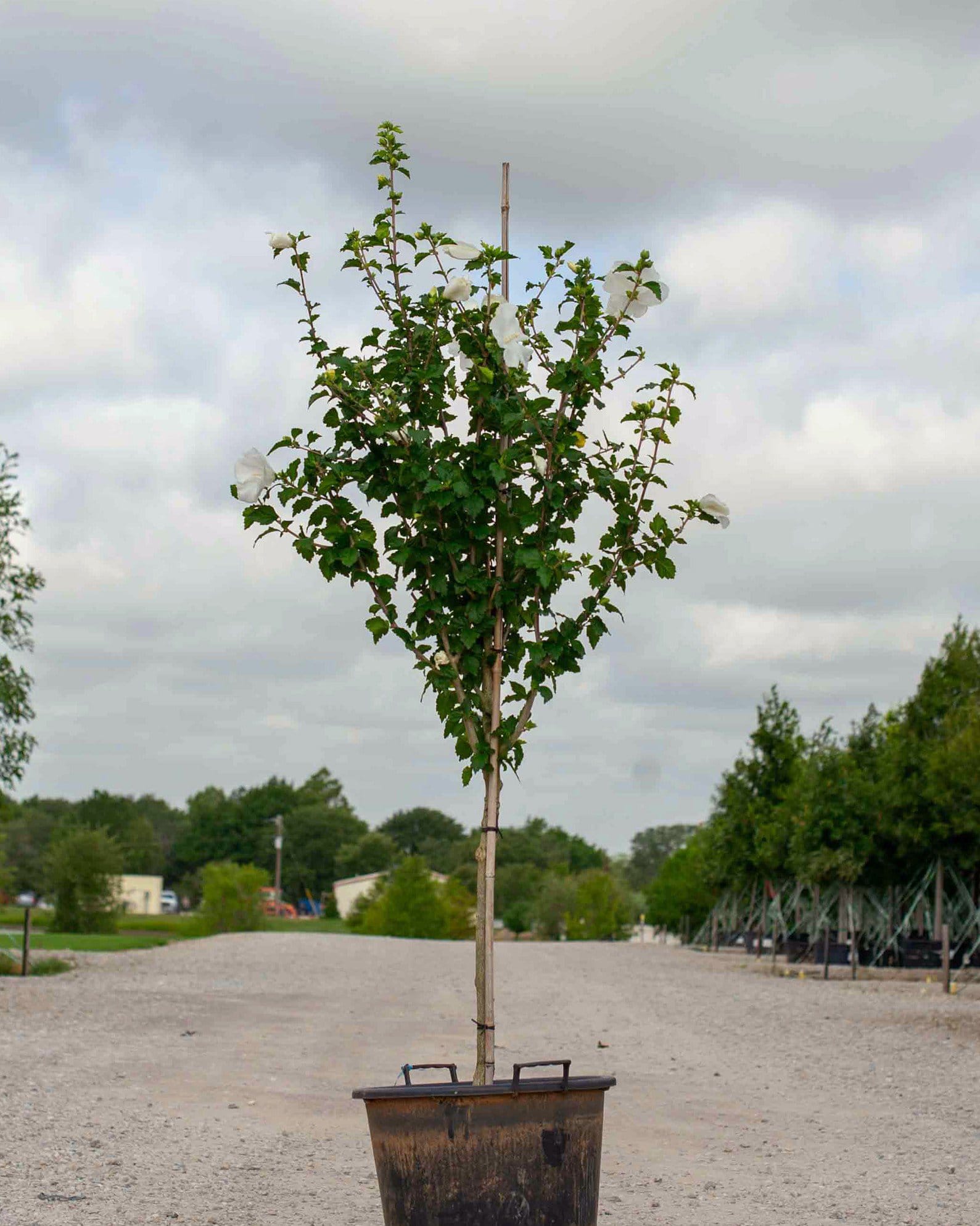
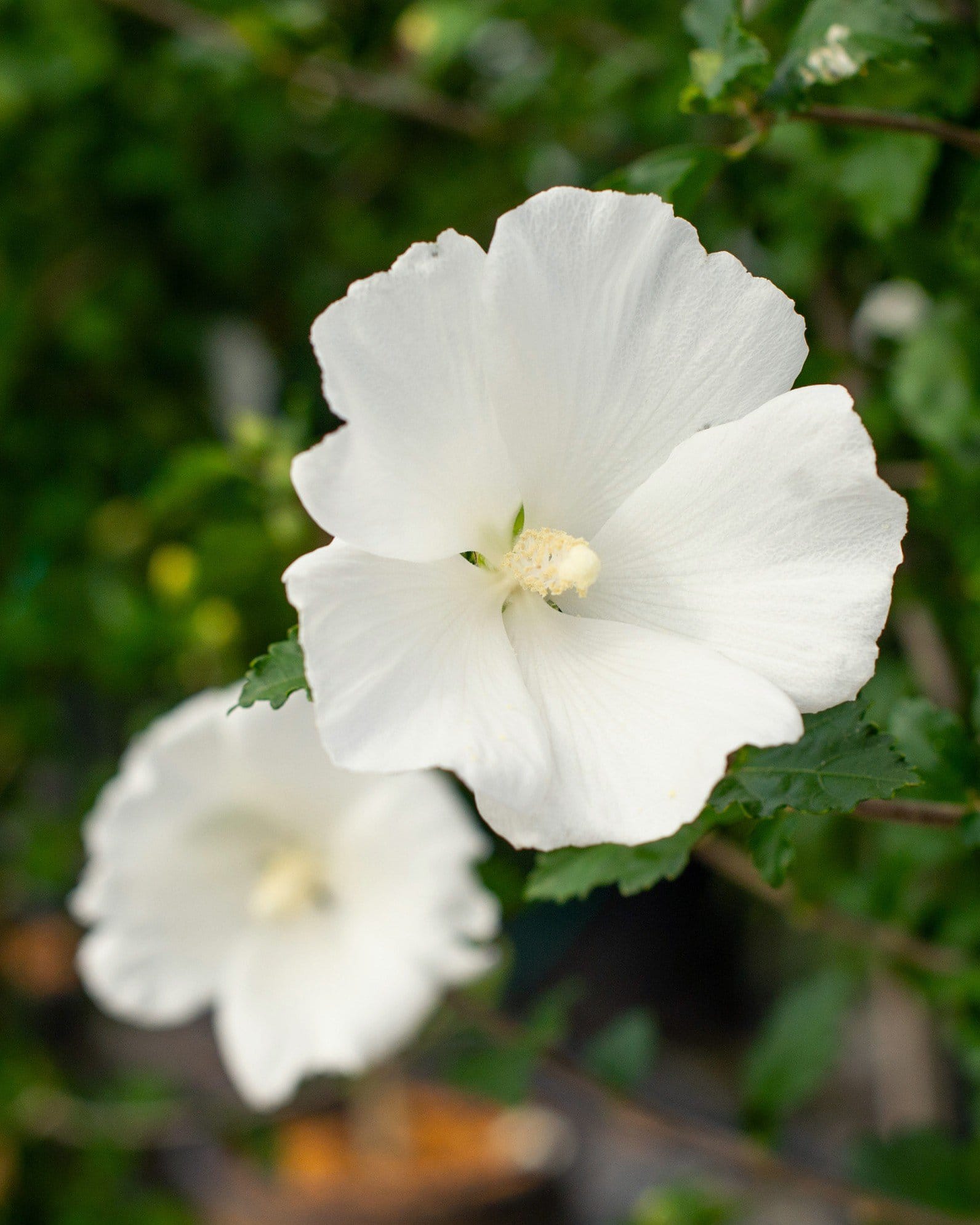
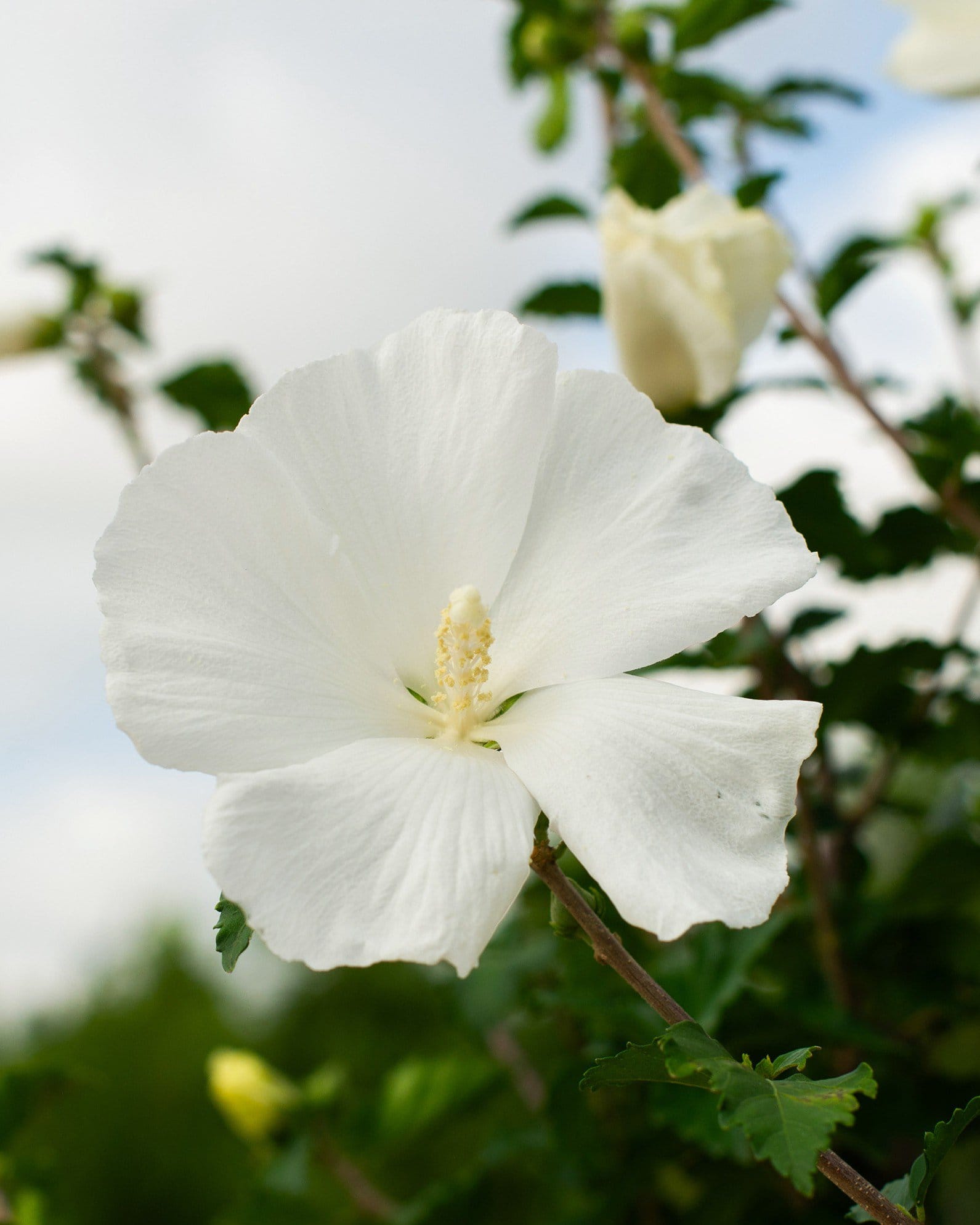
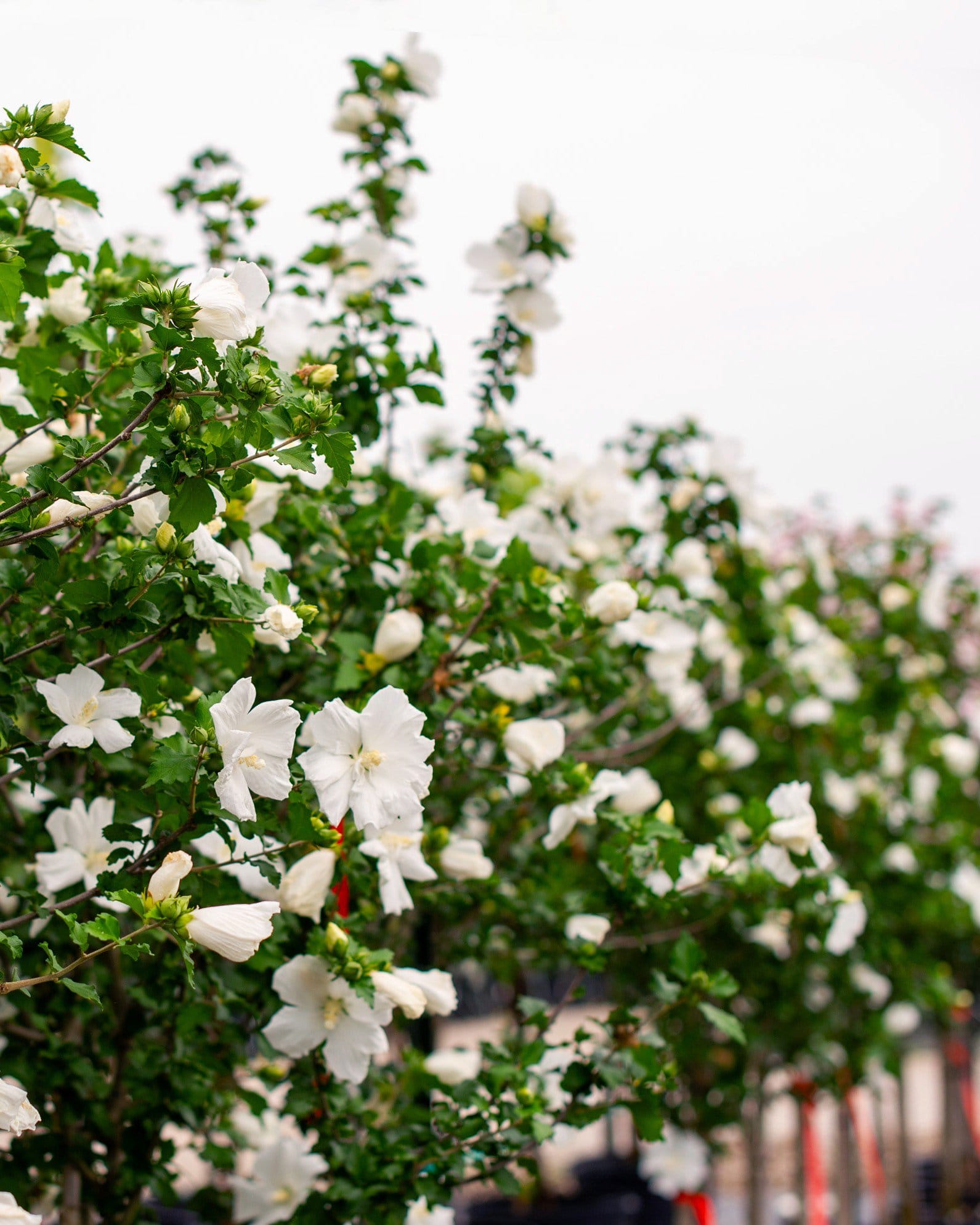
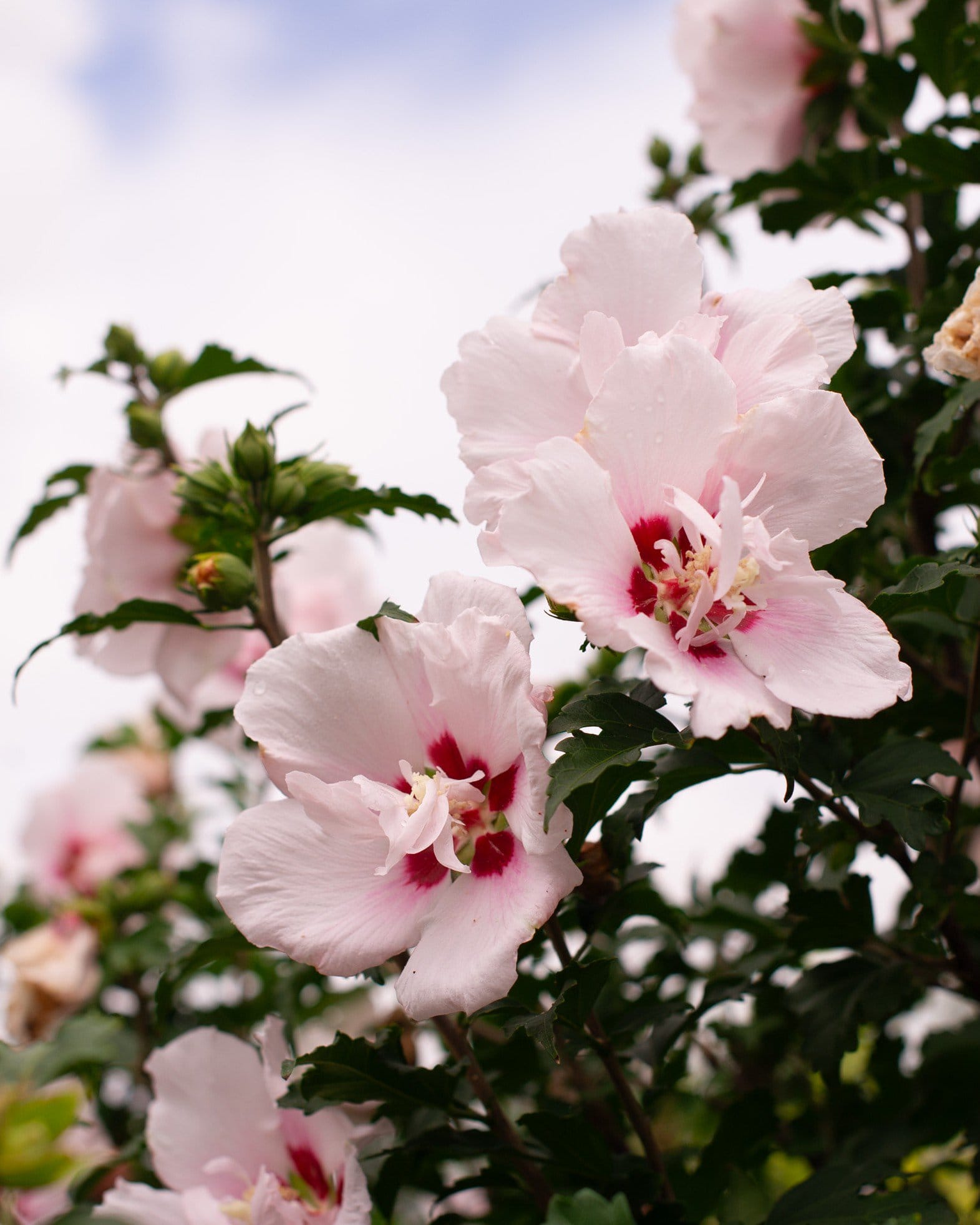
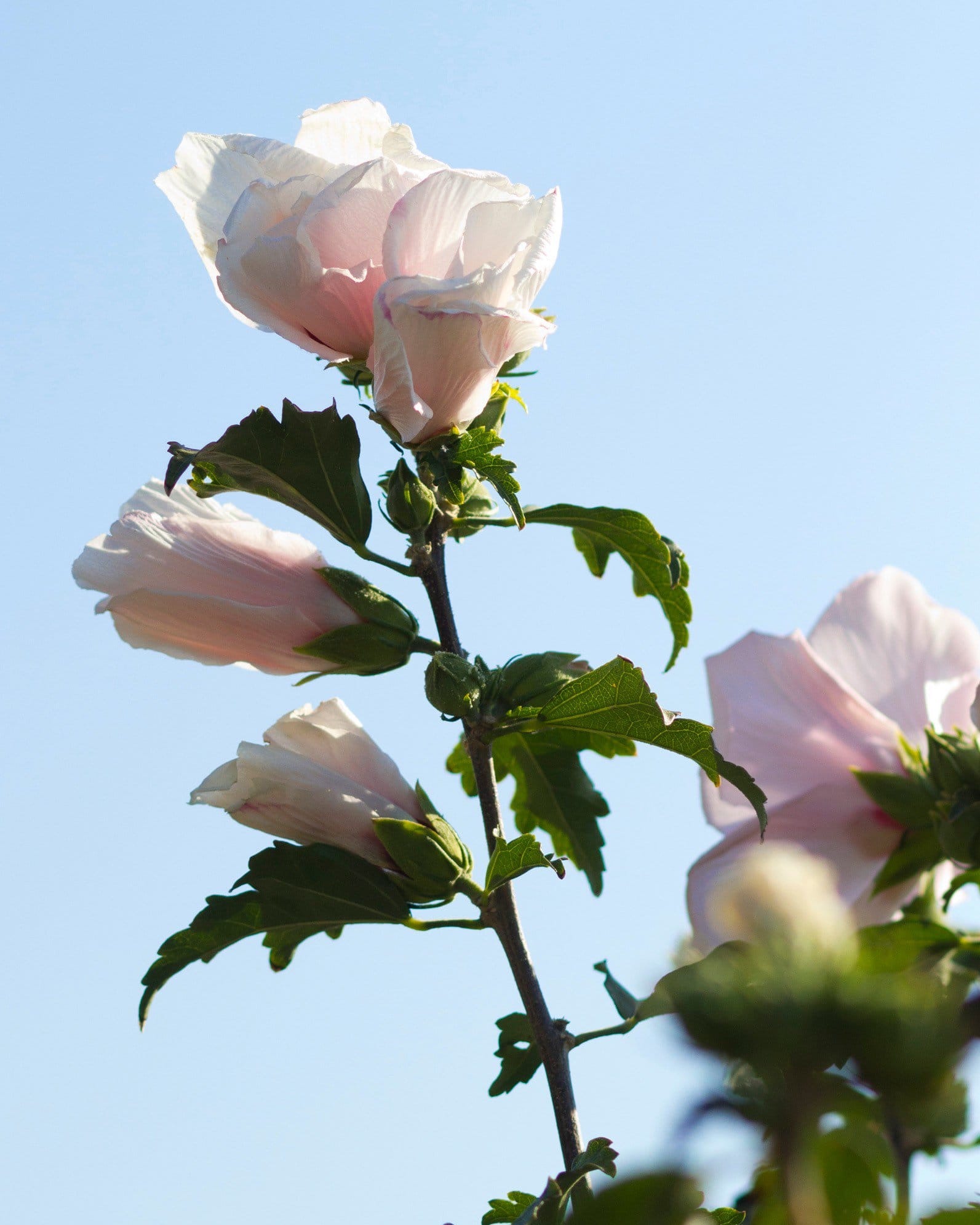
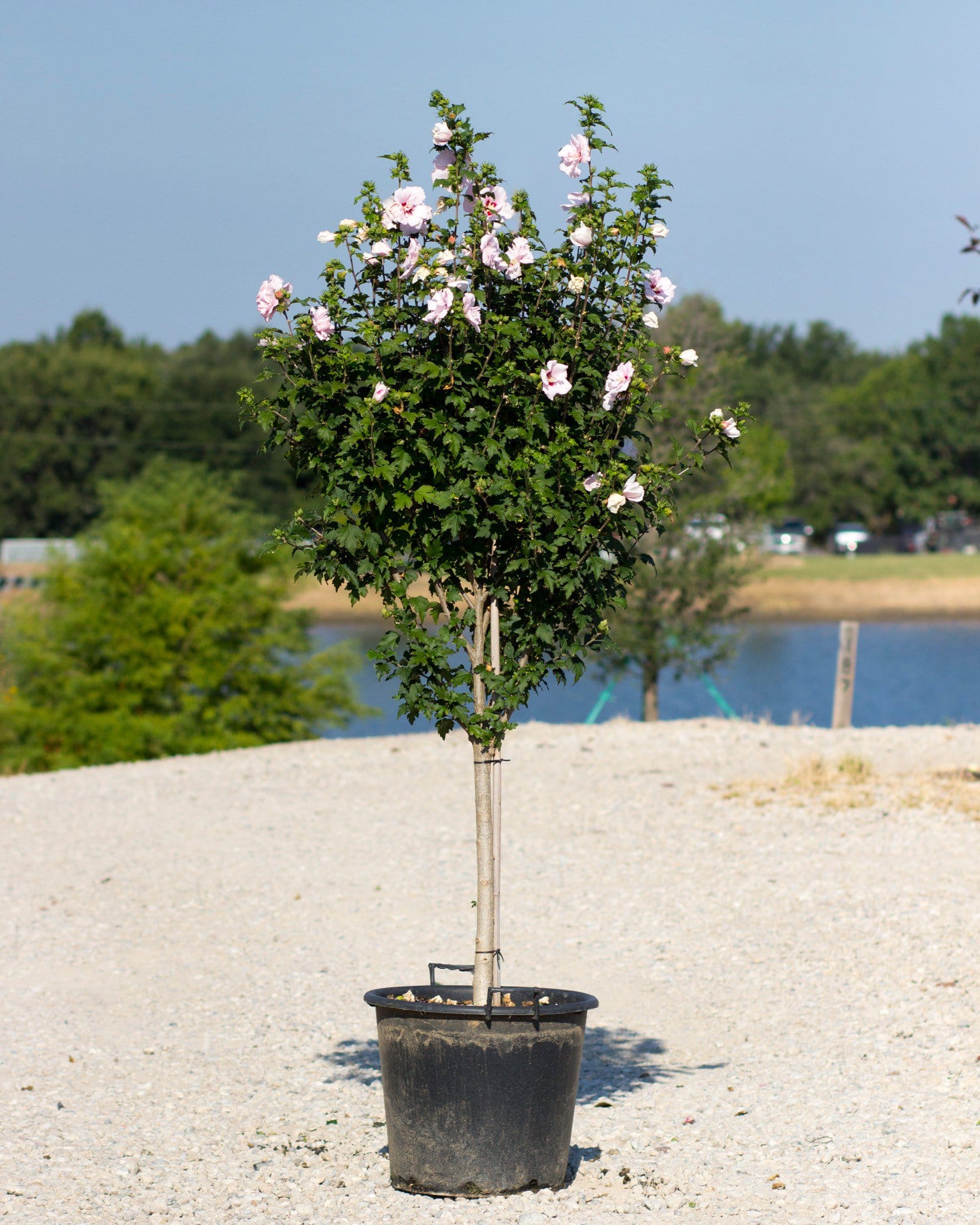
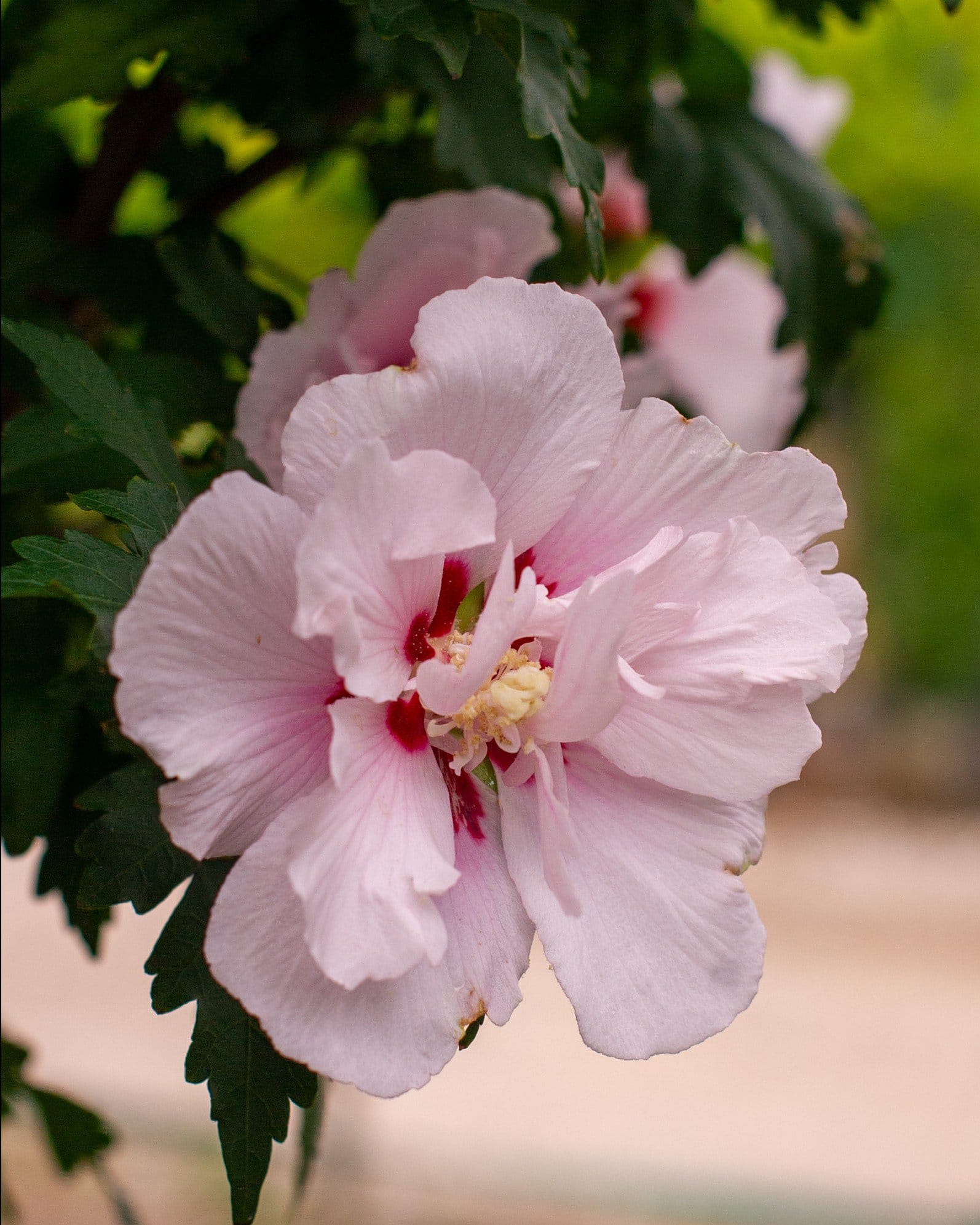
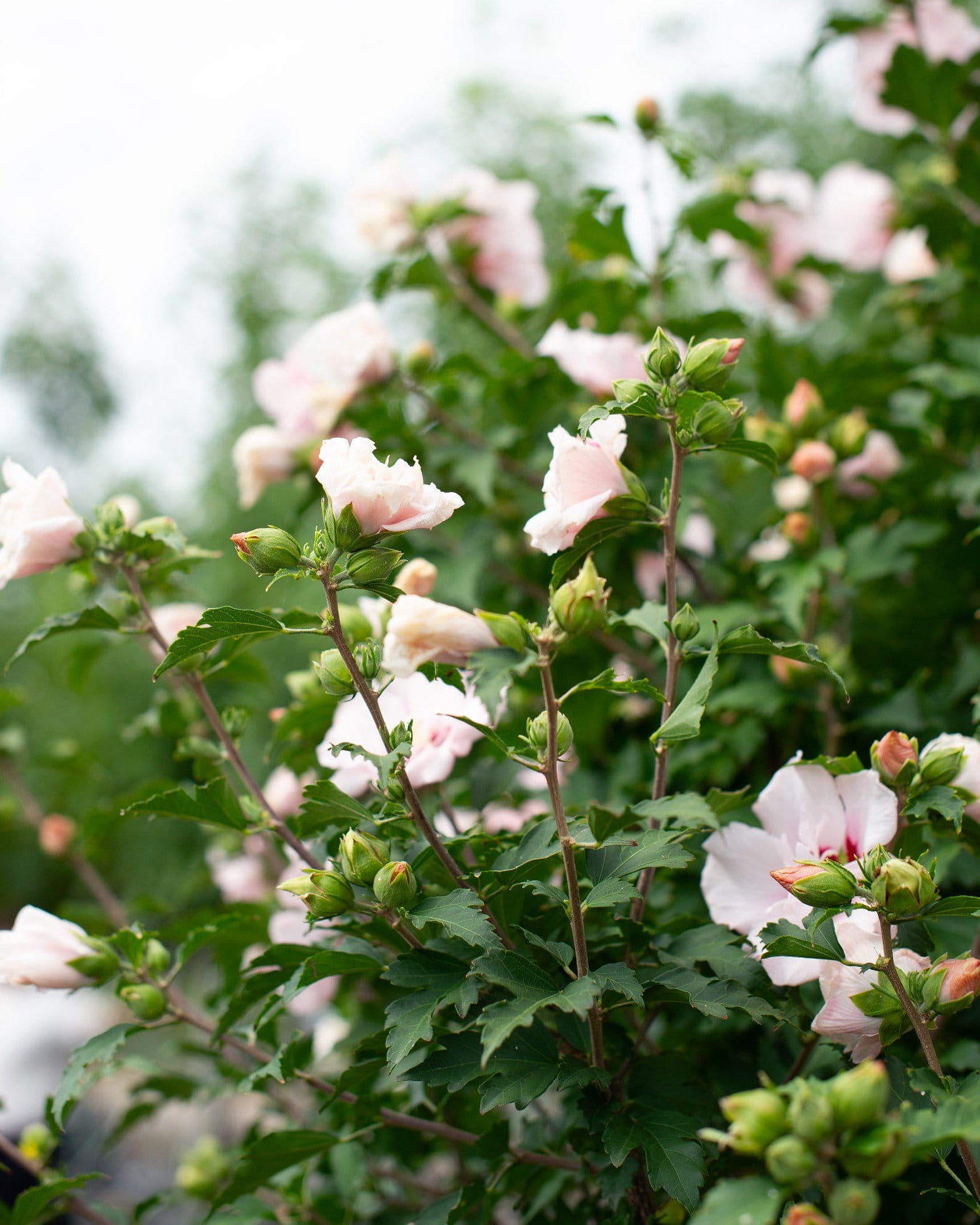
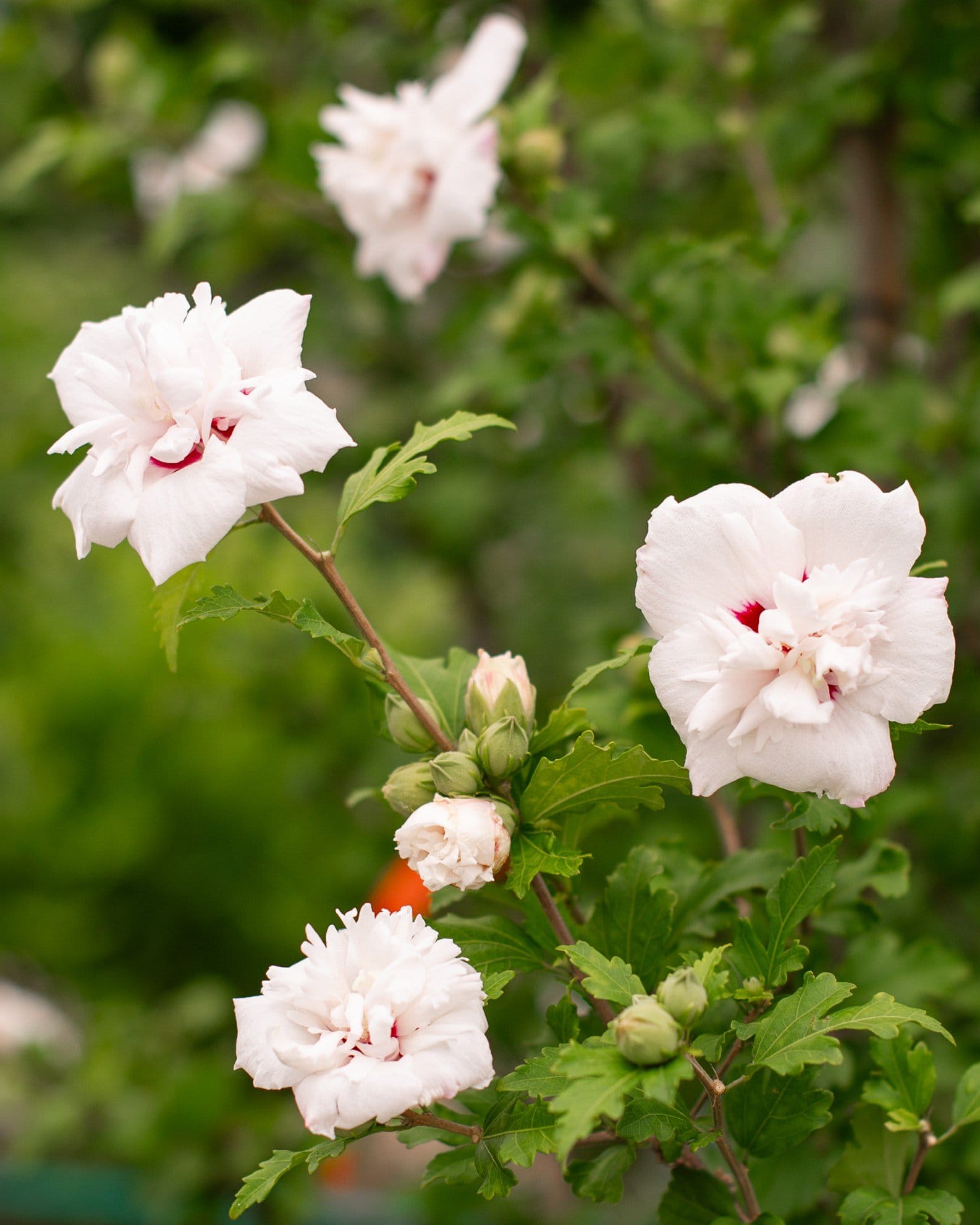
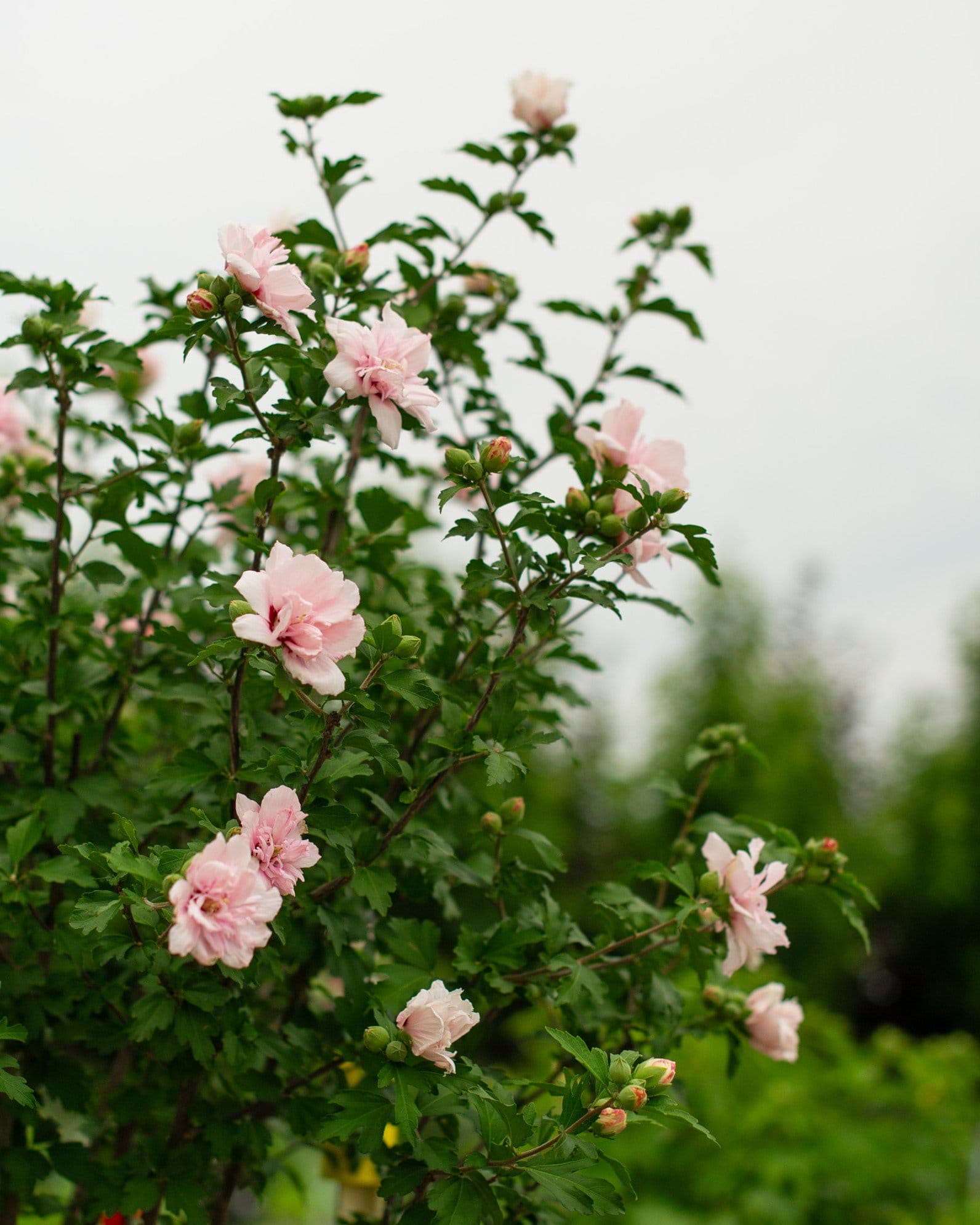
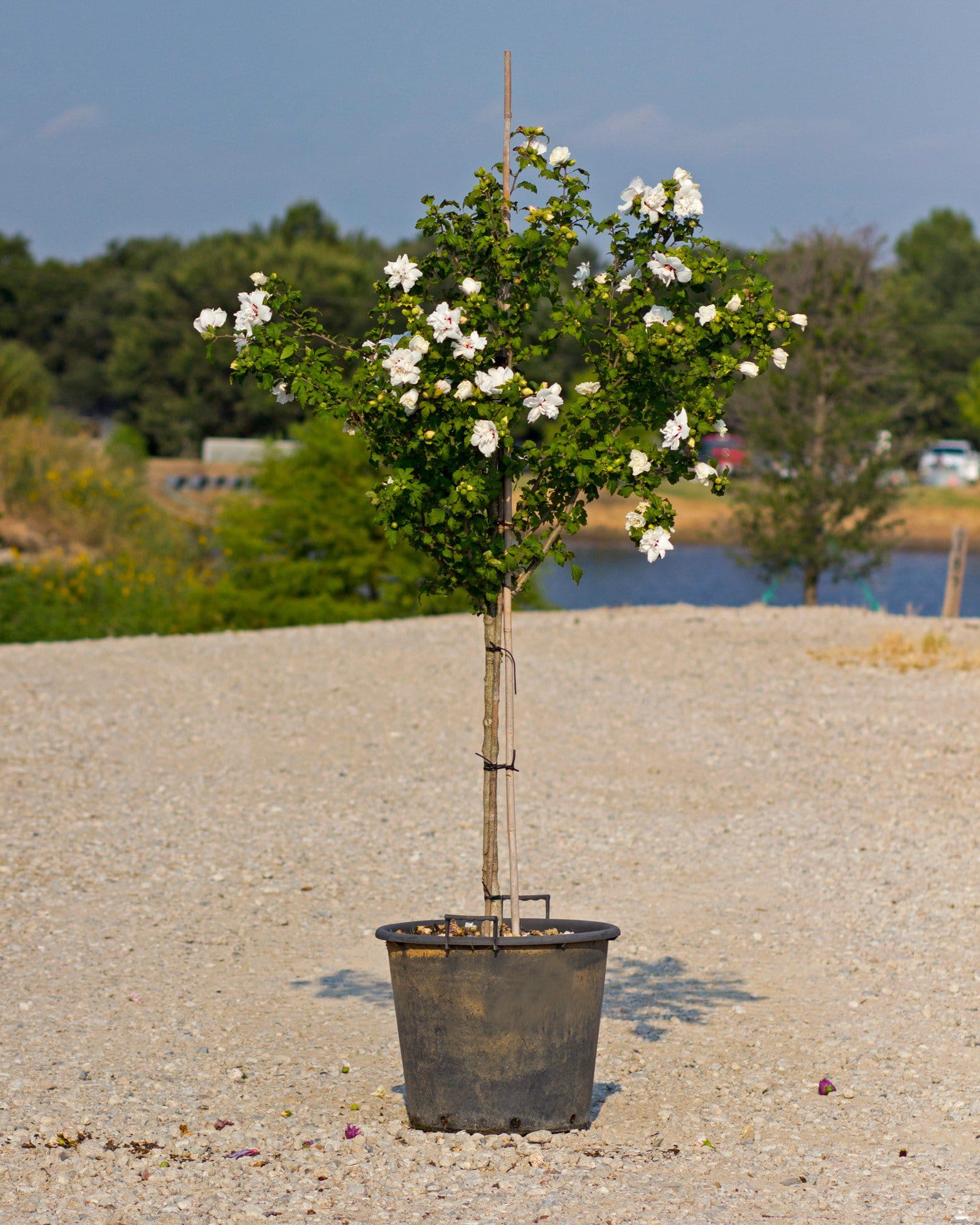
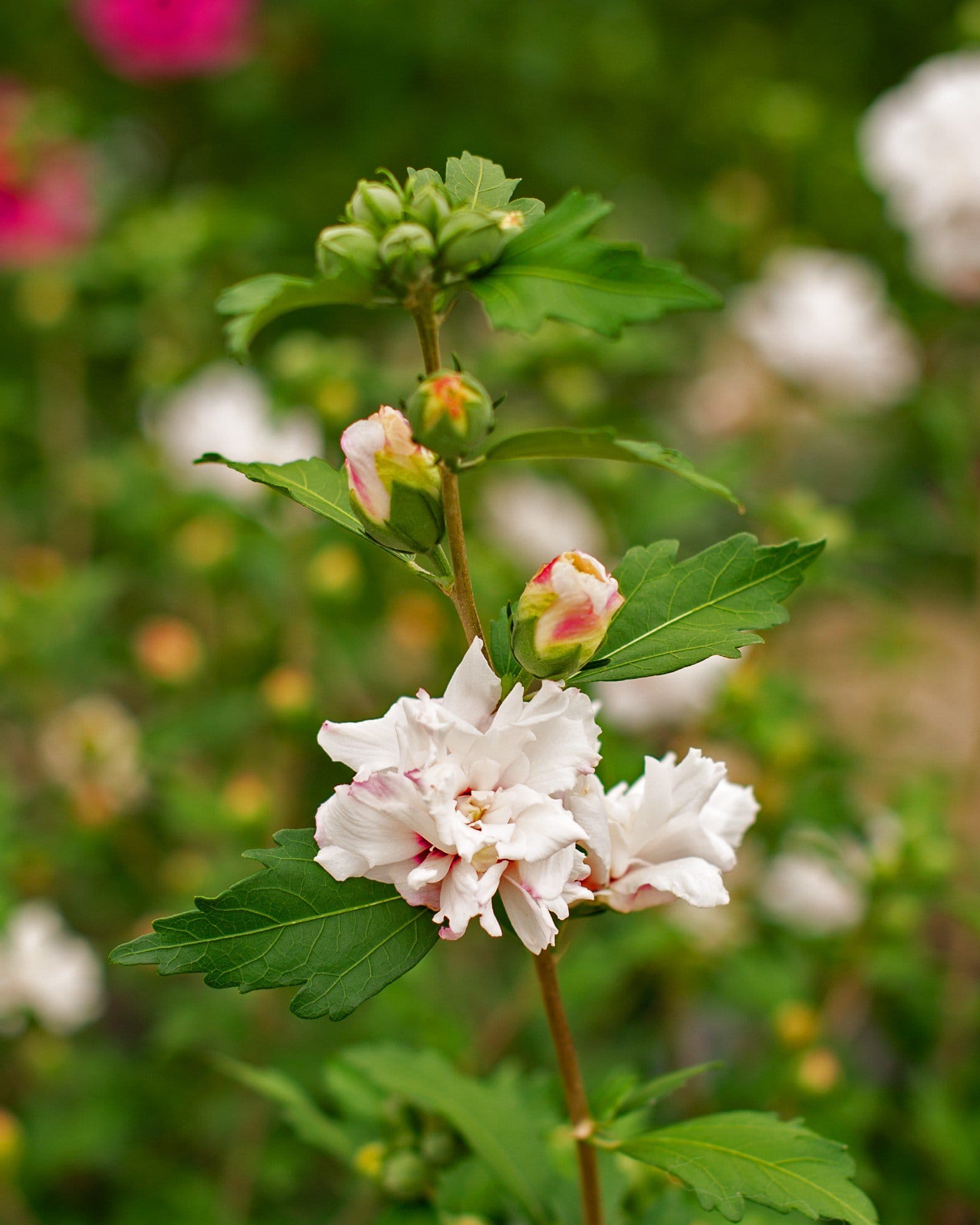
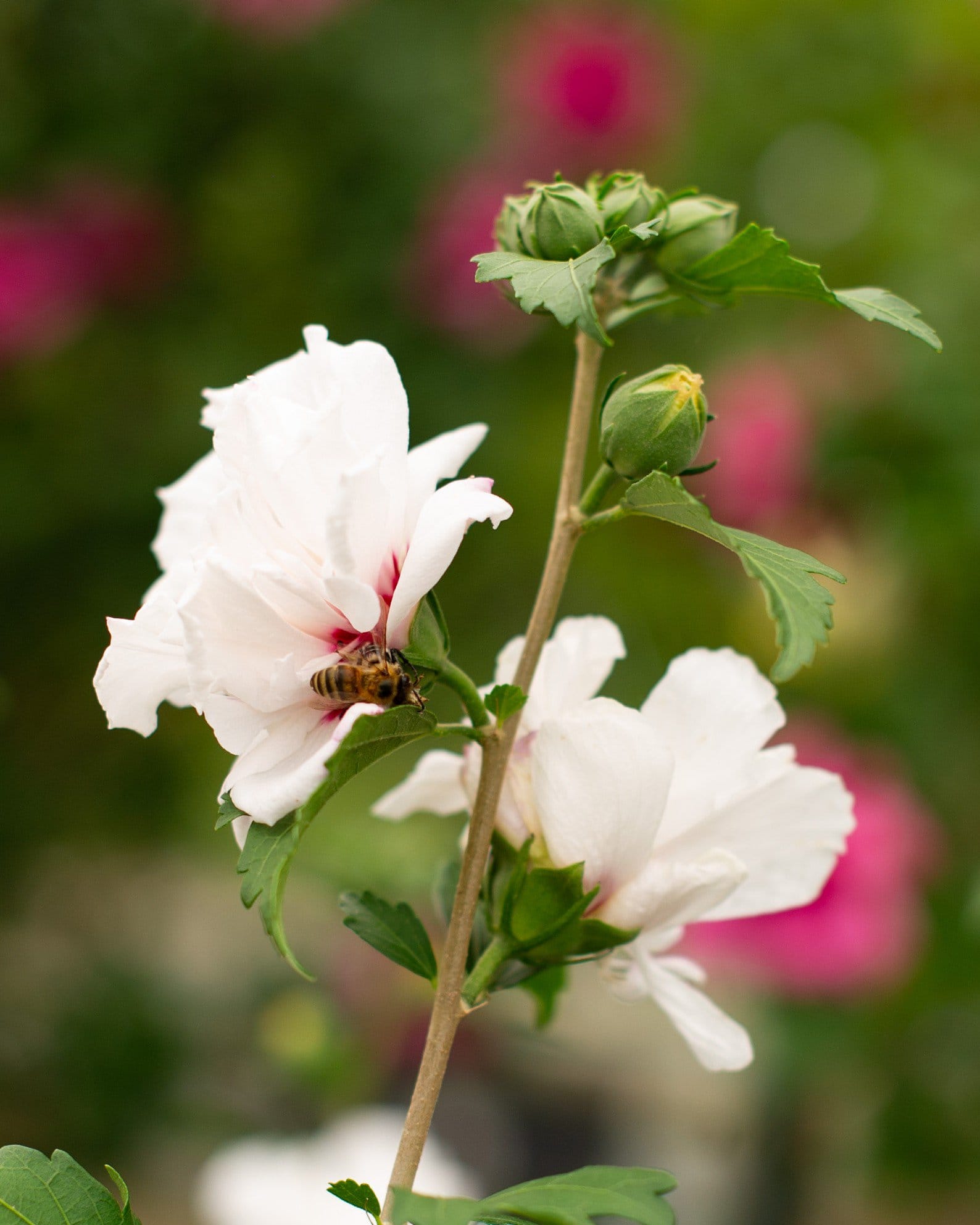
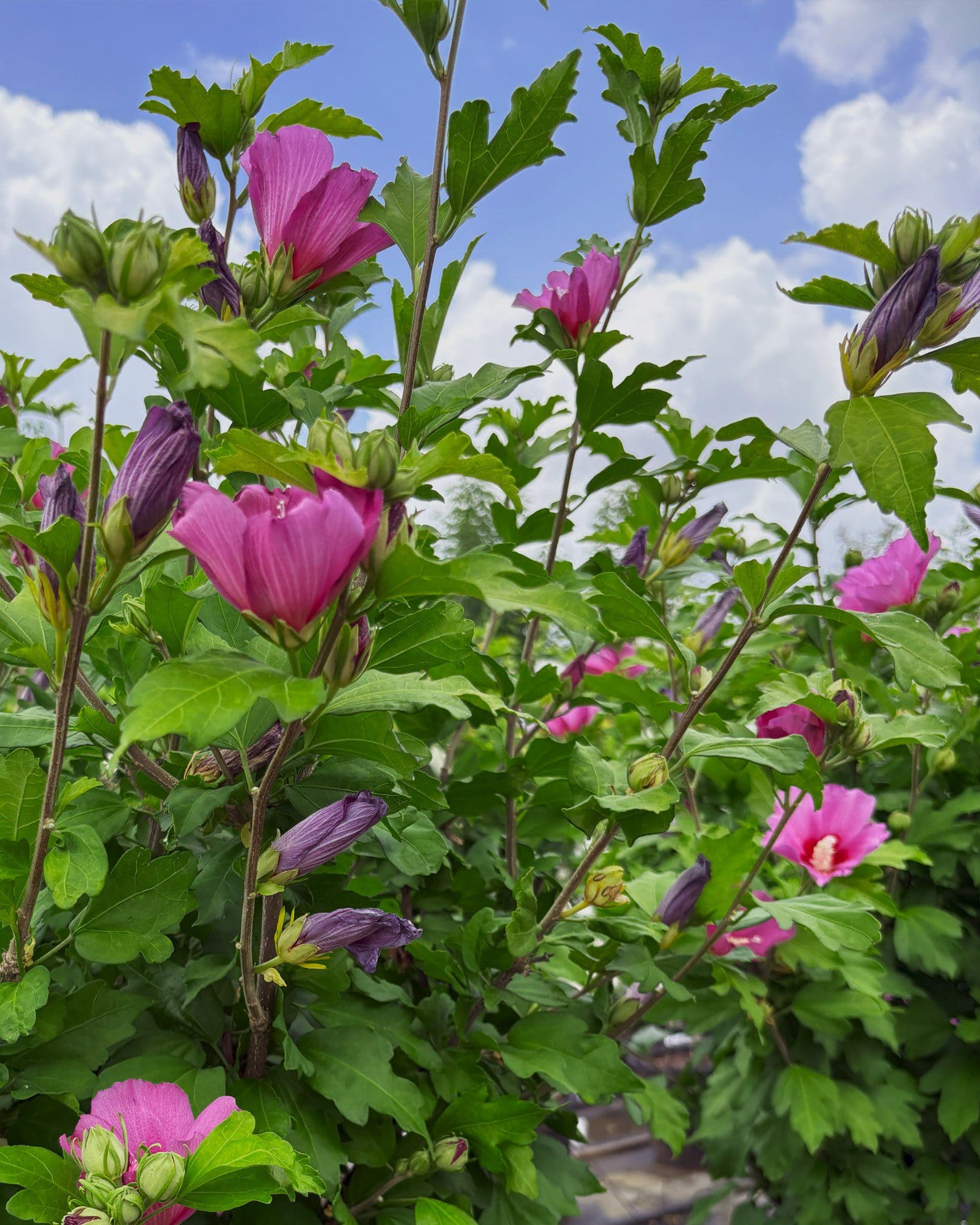
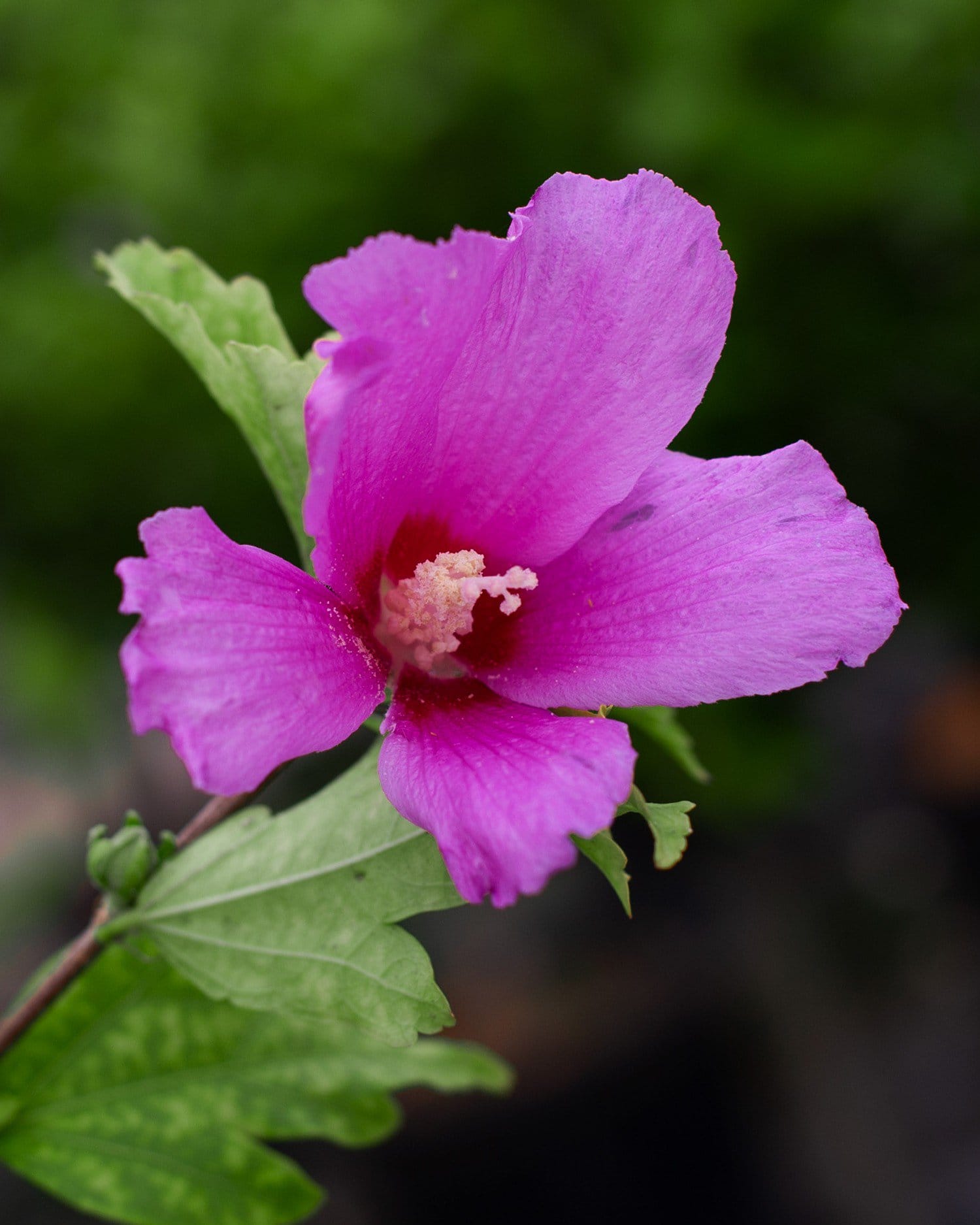
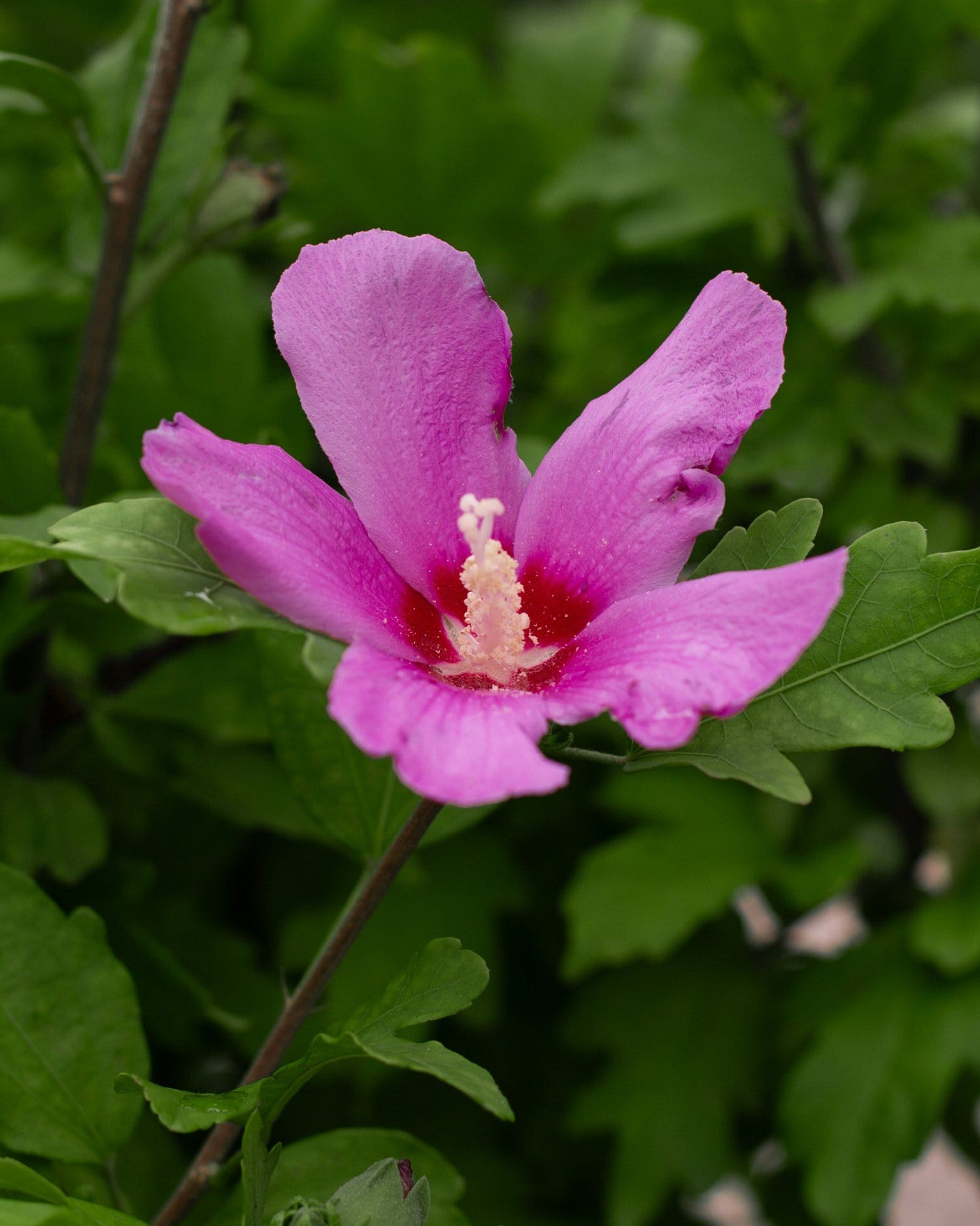
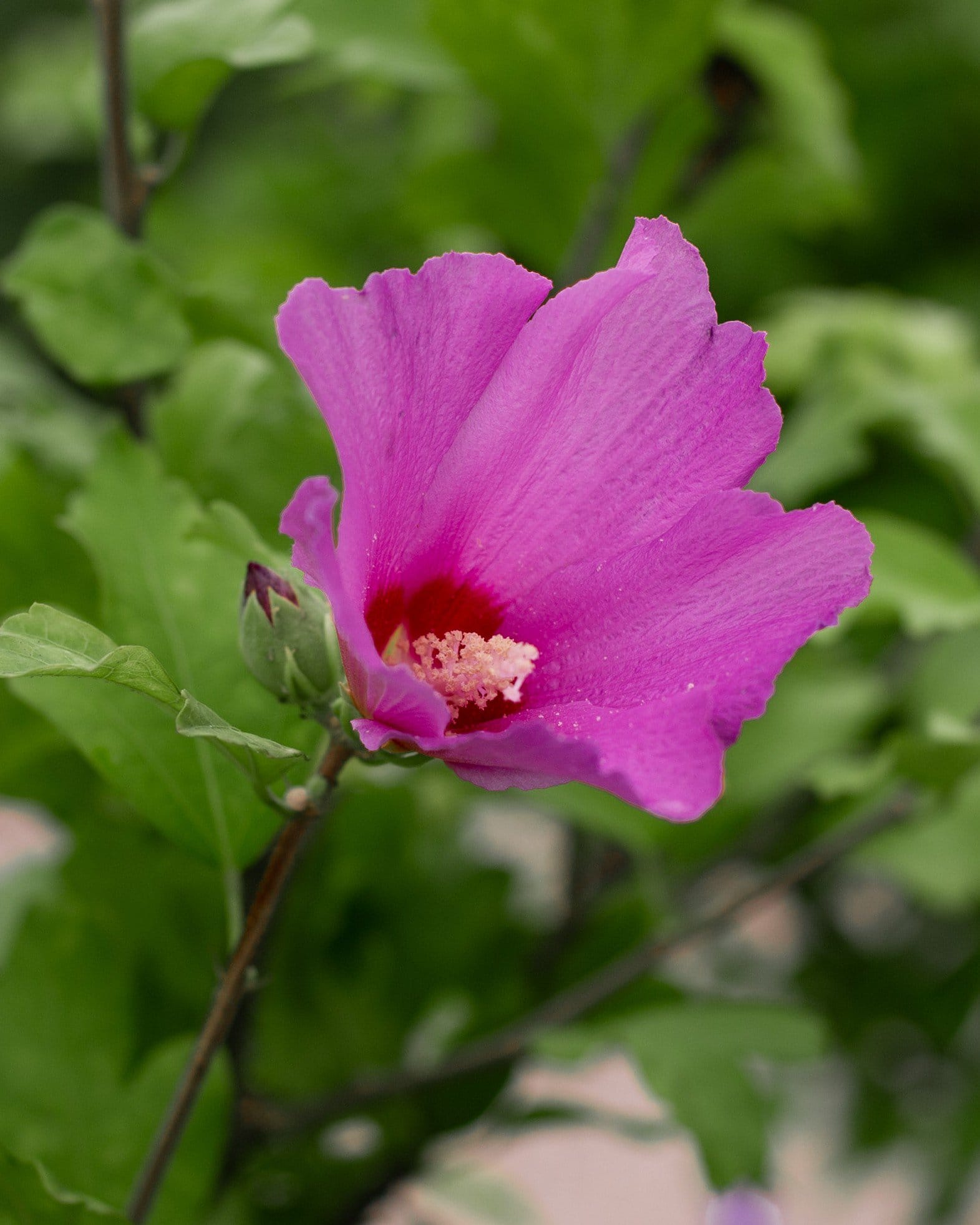
Hibiscus syriacus ‘Danica’Danica Althea Tree Form adds a graceful, upright accent to compact landscapes with its refined shape and delicate flowering display. Growing to about 8 feet tall and 5 feet wide, it offers an elegant canopy that bursts into light pink and pink blooms from spring through summer, creating a soft, romantic presence in the landscape. As temperatures cool, its green leaves transition to a gentle yellow, extending visual appeal well into autumn. This versatile tree form makes a beautiful focal point near entryways, along pathways, or in mixed borders, providing color and texture without overwhelming limited space.
- Deciduous flowering tree
- Moderate growth rate
- Pink blooms from spring through summer
- Green foliage turns yellow in fall
- Excellent for patios, borders, or small bed accents
Hardy in USDA zones 5-9, Danica Althea Tree Form thrives in full sun. Plant in well-drained soil. Its compact size, long blooming season, and soft fall color make it a delightful choice for North Texas.
Maintenance
Danica Althea Tree Form is a stunning, low-maintenance plant, and once established, a few good habits will help it prosper year after year:
- Watering: Water deeply and regularly during the first one to two growing seasons to help roots establish. Once mature, the Danica Althea is moderately drought-tolerant but performs best with consistent moisture during dry periods. Water at the base to keep foliage dry and reduce the risk of fungal issues.
- Pruning: Prune in late winter or early spring before new growth begins. Remove any dead, crossing, or damaged branches to maintain structure and encourage vigorous new shoots. Since this hibiscus blooms on new wood, annual pruning enhances flower production and keeps the canopy dense and well-shaped. Avoid heavy pruning into old wood, which can delay flowering.
- Fertilizing: Feed in early spring with a balanced, slow-release fertilizer to support healthy growth and prolific blooming. A mid-summer feeding may be added for enhanced flower production. Avoid high-nitrogen fertilizers, which promote leaf growth at the expense of flowers.
- Mulching: Apply a 2-3 inch layer of organic mulch around the root zone to conserve moisture and suppress weeds. Keep mulch a few inches away from the trunk to prevent rot and insect problems. Renew mulch yearly in spring for best results.
- Winter Care: Danica Althea can withstand winter cold once established. In colder regions, apply extra mulch around the base to insulate roots. Pruning late in the season should be avoided, as tender new growth may not harden before frost.
Common Issues and How to Take Care of Them
- Aphids: Small insects may cluster on new growth, causing leaf curling or sticky residue. Treat with insecticidal soap or spray with water to remove infestations.
- Japanese Beetles: These pests may chew on leaves or flowers. Handpick beetles or use traps placed away from the plant to reduce damage.
- Leaf Spot: Fungal leaf spots may occur during humid weather. Improve airflow, water at the base, and remove affected foliage promptly.
- Root Rot: Overwatering or poor drainage can lead to root decay. Ensure soil drains freely and avoid standing water around the root zone.
With minimal care and occasional pruning, Danica Althea Tree Form remains a showpiece of beauty and color from midsummer through fall, providing an elegant, manageable tree that thrives in a variety of settings.
It has a moderate growth rate, typically adding 12-18 inches per year. Regular pruning maintains a compact, well-balanced shape.
Spring or early fall is ideal, giving roots time to establish before the extremes of summer or winter. Early planting ensures better growth and a full canopy in the first season.
Water once or twice per week during the first growing season, adjusting frequency during hot or dry spells. Once established, the tree requires less frequent watering but benefits from occasional deep soaks during extended droughts.
Yes, once mature, it handles dry conditions well. However, consistent watering during the blooming season enhances flower size, color, and longevity.
Absolutely. Its compact size and tree form make it ideal for large decorative containers. Use well-draining soil, water regularly, and protect the root ball from freezing in cold climates.
With good care, Danica Althea can live 20-30 years or longer, maintaining its structure and flowering consistency. Proper pruning, fertilization, and pest management contribute to its longevity.
While not completely deer-proof, it is generally avoided by deer. In high-pressure areas, use repellents or companion planting to deter browsing.
Yes, it adapts well to urban environments, tolerating air pollution, compacted soils, and heat. It’s an excellent choice for city gardens, patios, or street plantings.
Yes, its upright form and showy blooms make it perfect as a specimen tree or centerpiece in mixed borders. It also pairs beautifully with ornamental grasses or compact evergreens for contrast.
Yes, its compact and upright shape makes it suitable for formal garden designs, symmetrical borders, or paired plantings.
Special Features
You might also like
Aphrodite Althea Tree Form
Maturity: 8' H x 6' W
Blueberry Smoothie Althea Tree Form
Maturity: 8' H x 4' W
Blue Angel Althea
Maturity: 8' H x 6' W
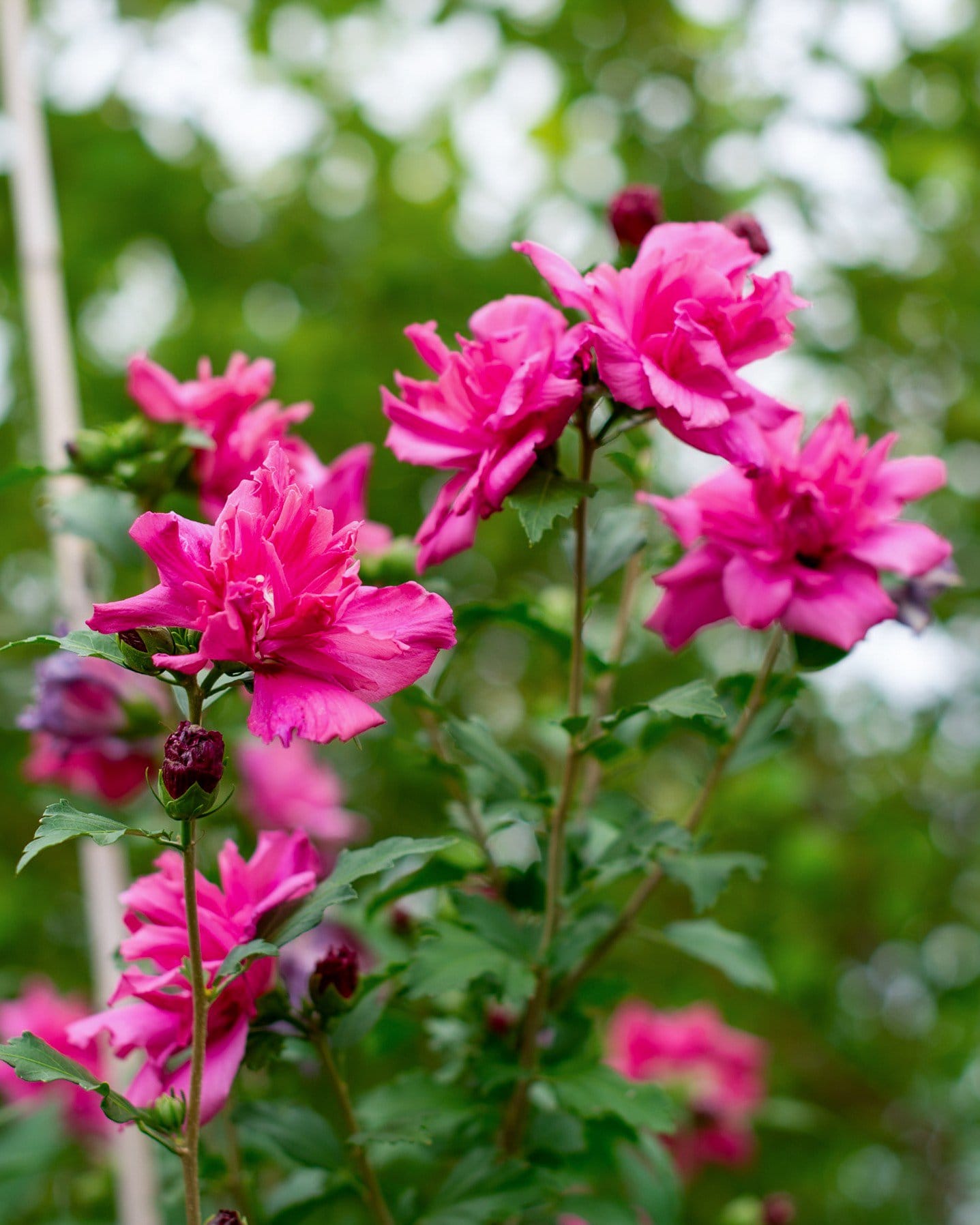
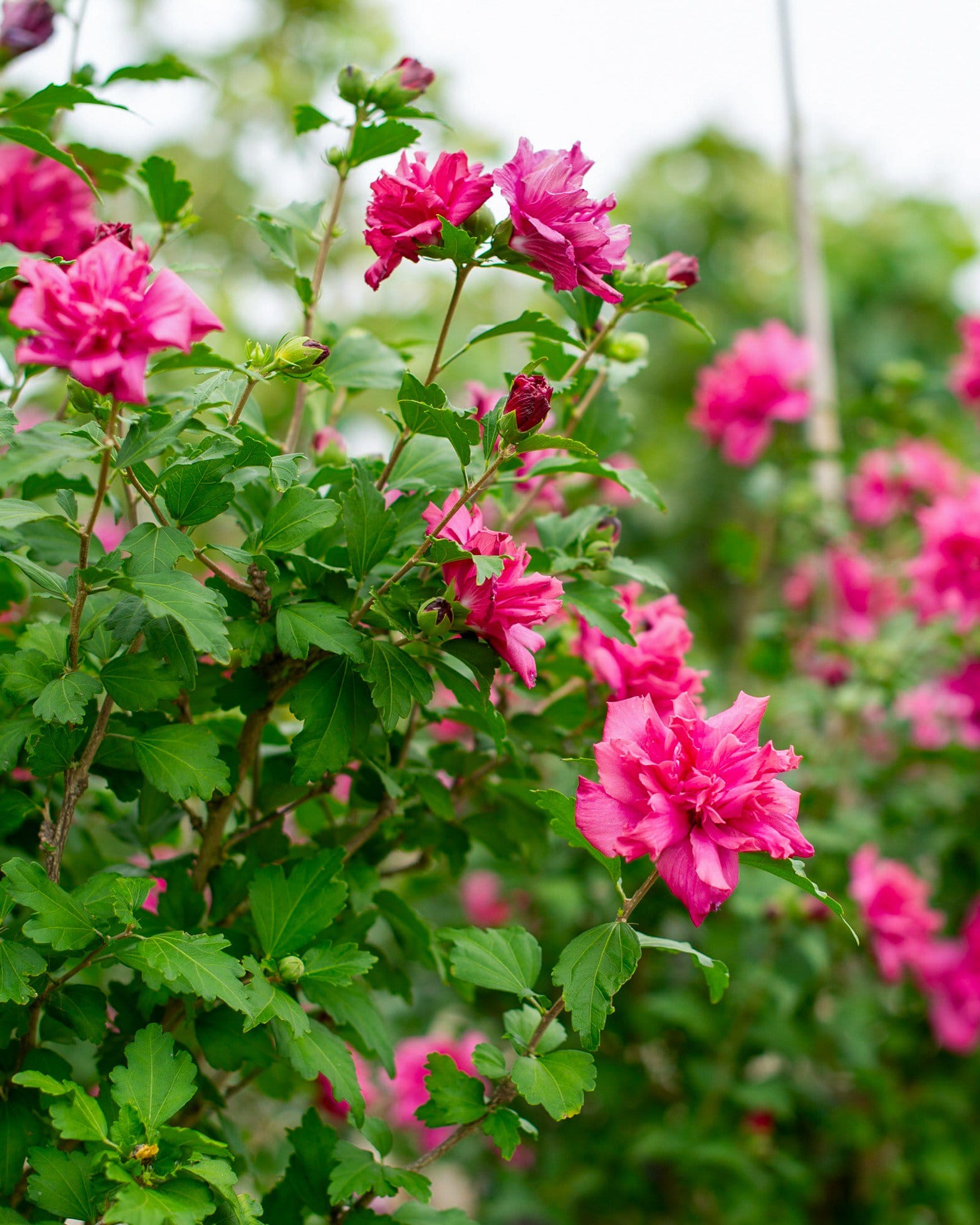
Double Red Althea Tree Form
Maturity: 8' H x 5' W
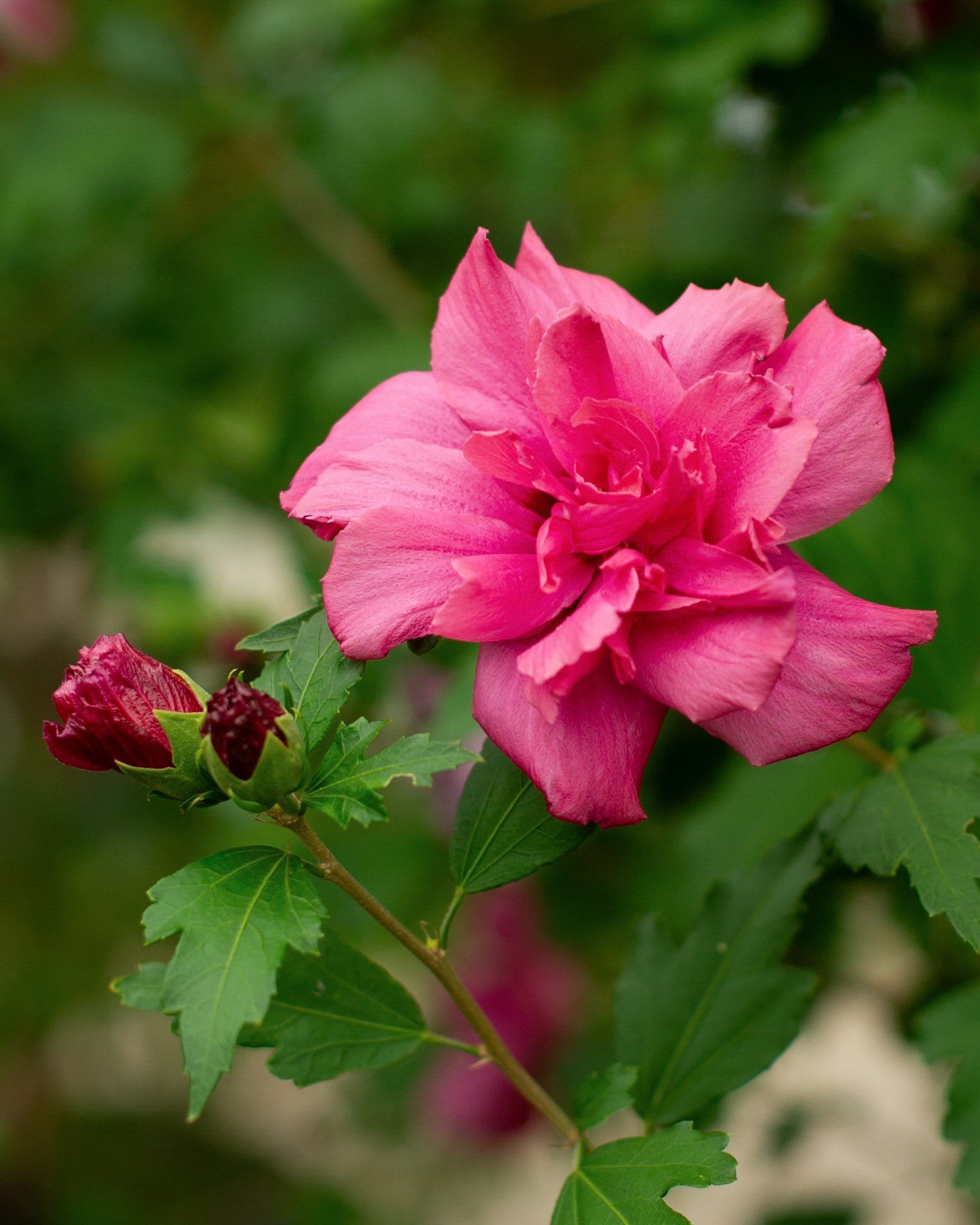
Lucy Althea Tree Form
Maturity: 8' H x 5' W
Minerva Althea Tree Form
Maturity: 8' H x 5' W
Pollypetite Althea Tree Form
Maturity: 8' H x 5' W
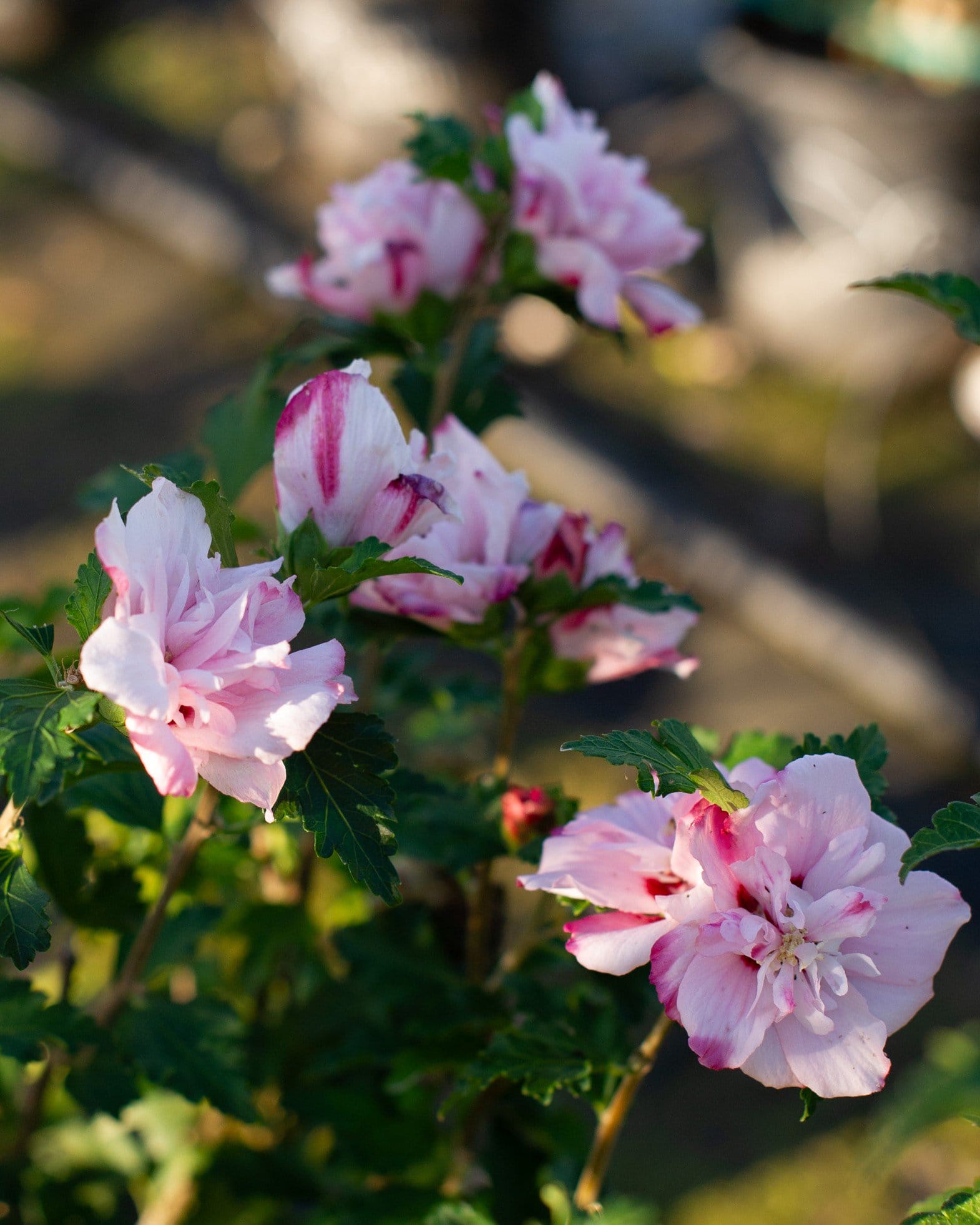
Smoothie Fusion Althea
Maturity: 8' H x 6' W
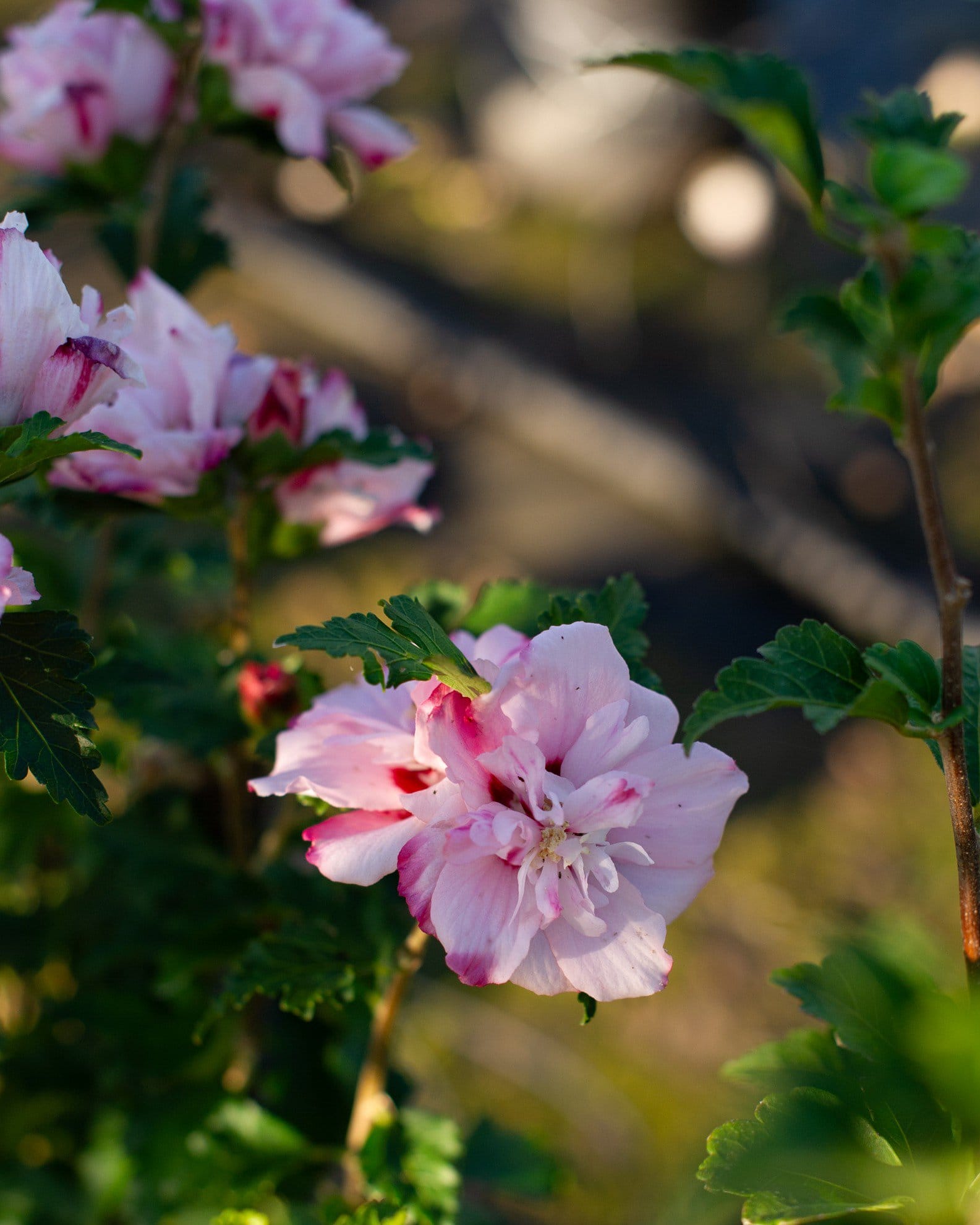
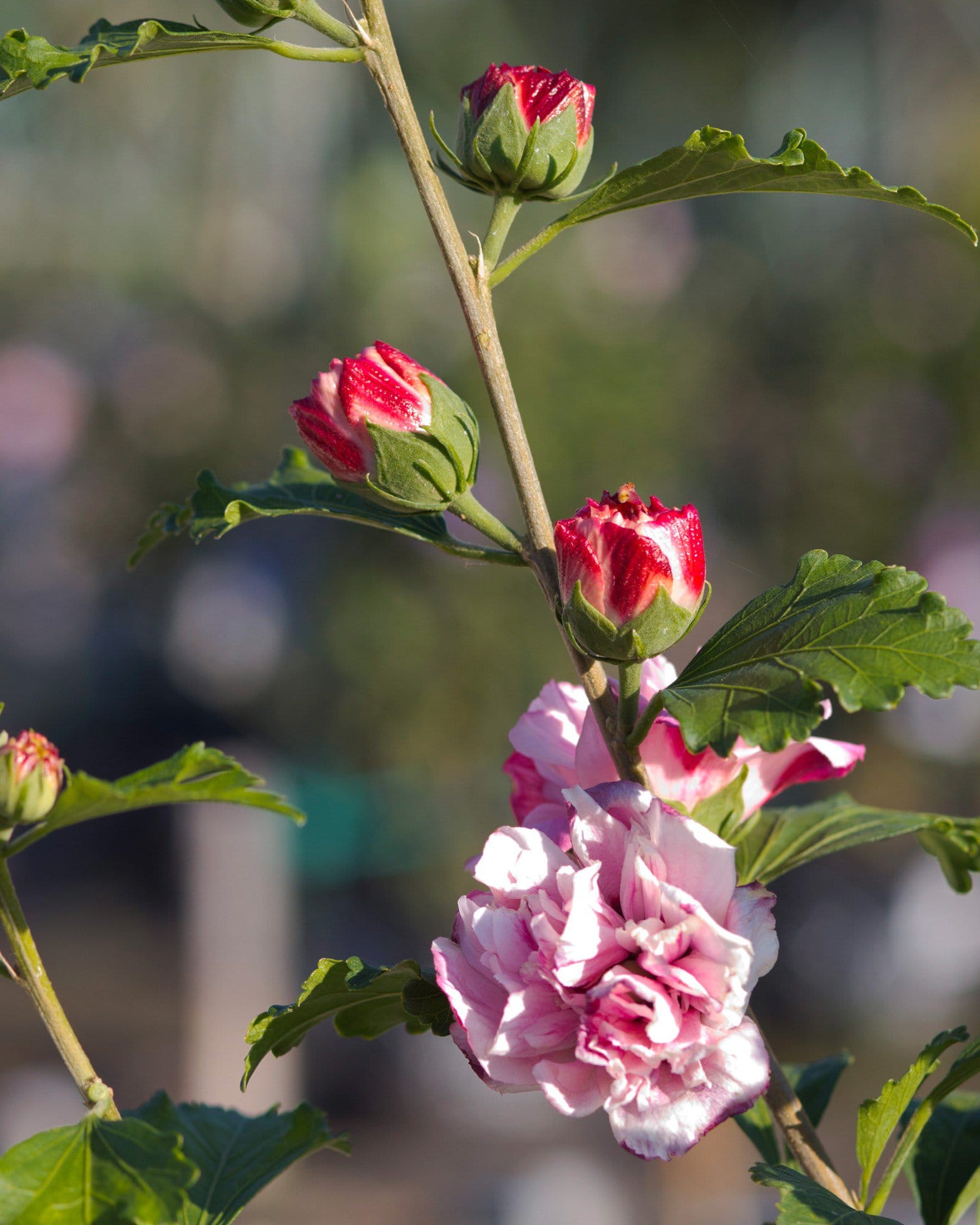
Strawberry Smoothie Althea
Maturity: 8' H x 6' W
Diana Althea Tree Form
Maturity: 8' H x 5' W
Lady Stanley Althea Tree Form
Maturity: 8' H x 5' W
Morning Star Althea Tree Form
Maturity: 8' H x 5' W
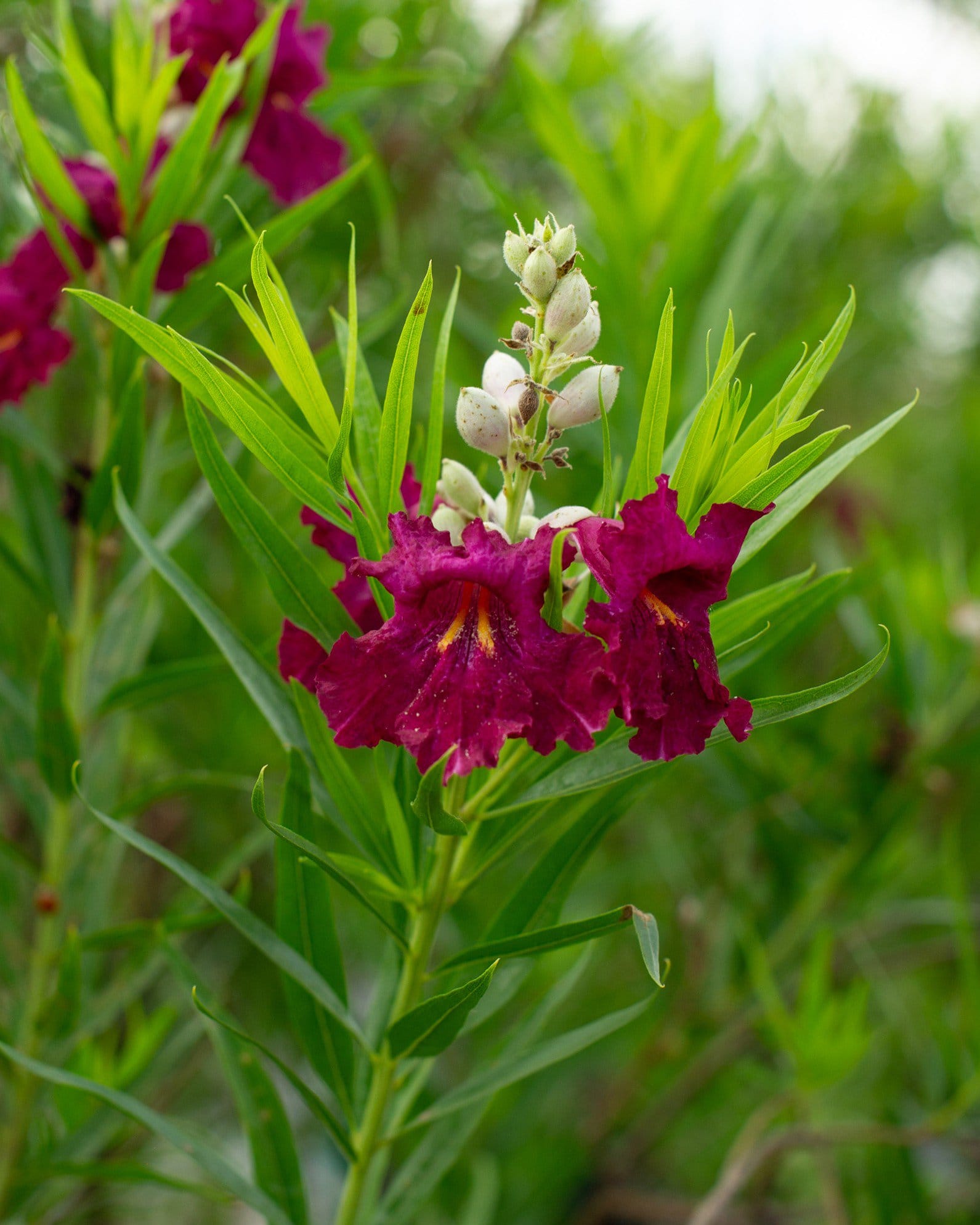
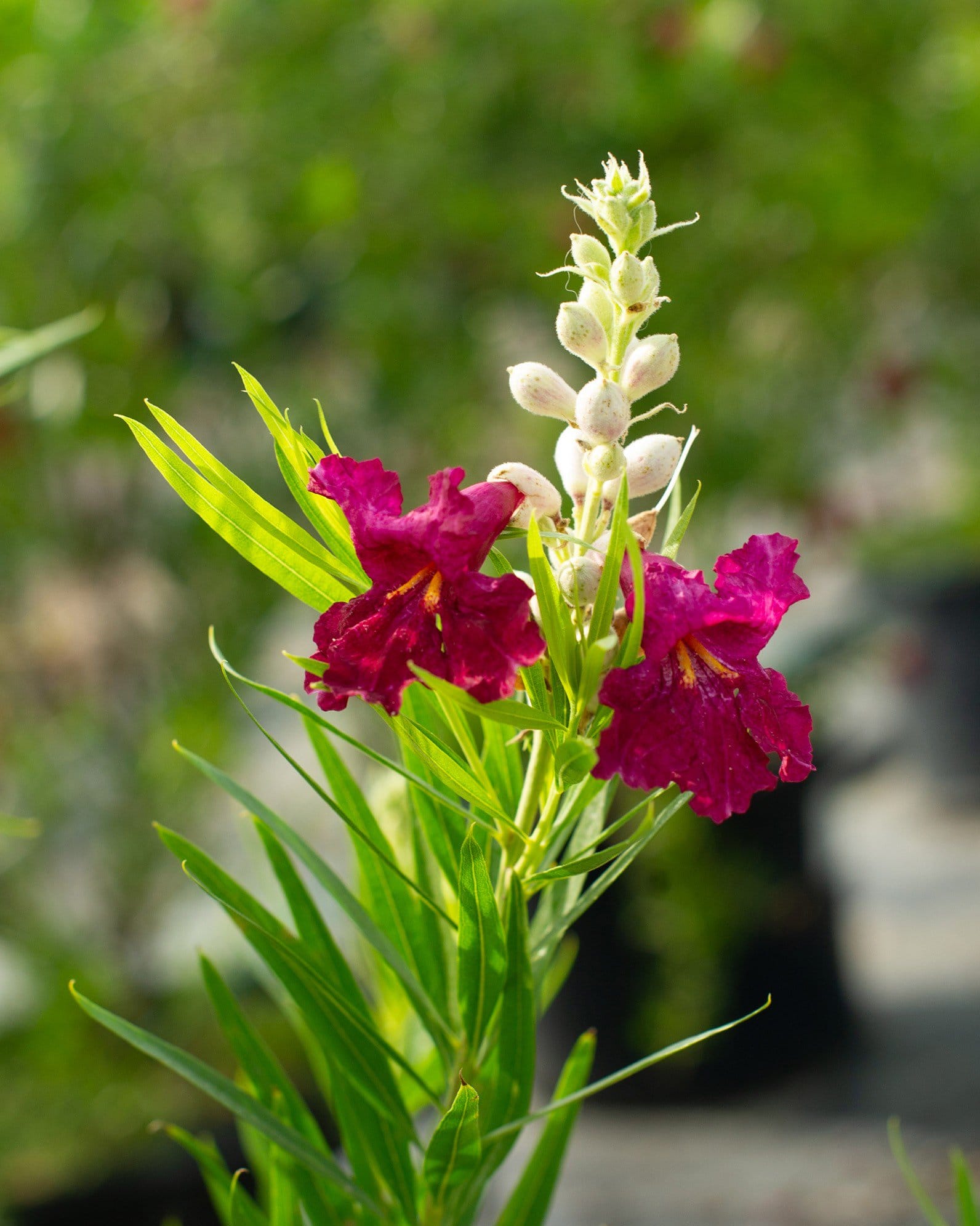
Sweet Bubba Desert Willow
Maturity: 15' H x 15' W
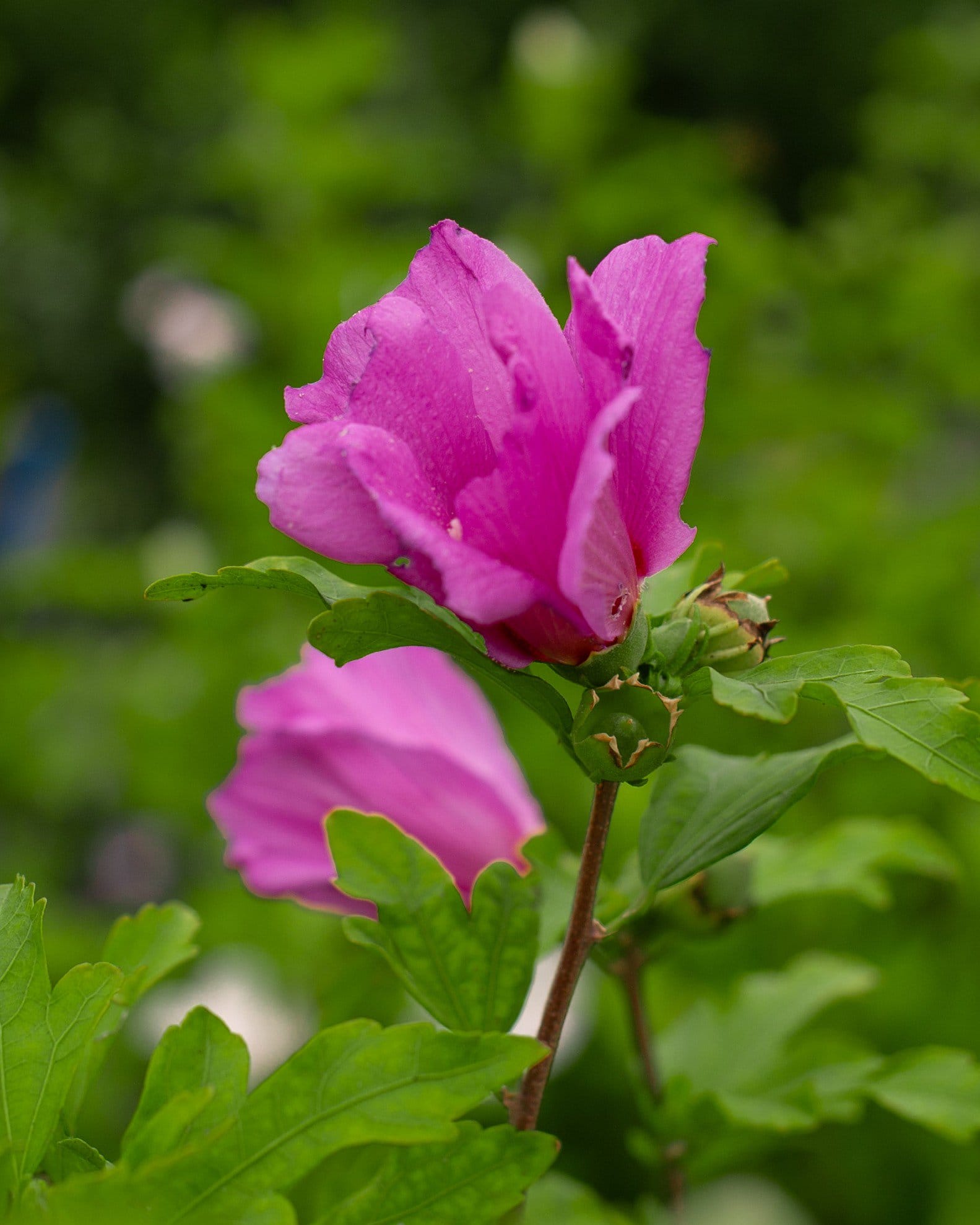
Violet Satin Althea Tree Form
Maturity: 8' H x 5' W
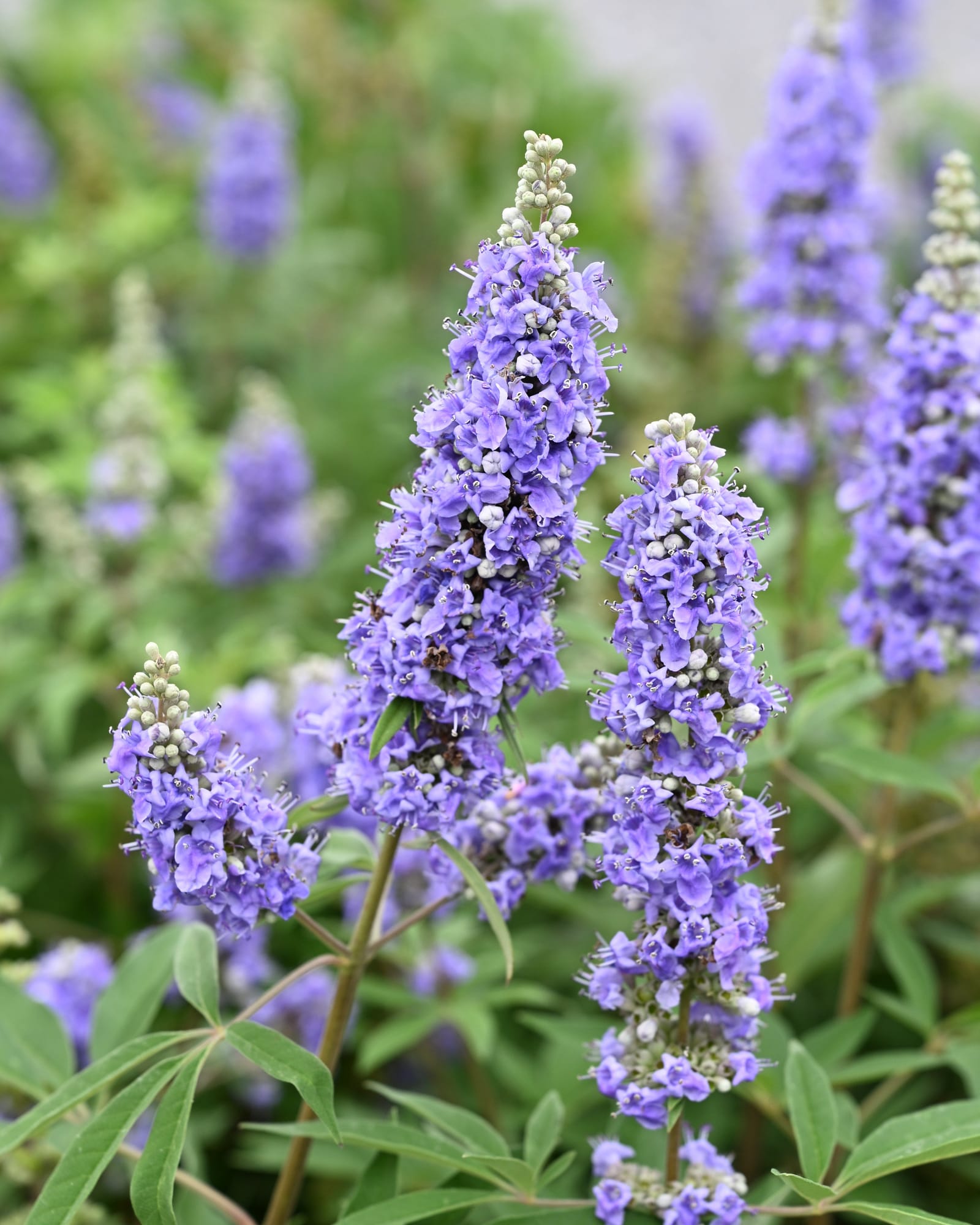
Vitex Shoal Creek
Maturity: 14' H x 14' W
Compare Similar Plants
Danica Althea Tree Form This plant | ||
|---|---|---|
| Scientific Name | Hibiscus syriacus ‘Danica’ | Hibiscus syriacus ‘Aphrodite’ |
| Size at Maturity | 8' H x 5' W | 8' H x 6' W |
| Leaf Retention | Deciduous | Deciduous |
| Fall Color | Yellow | Yellow |
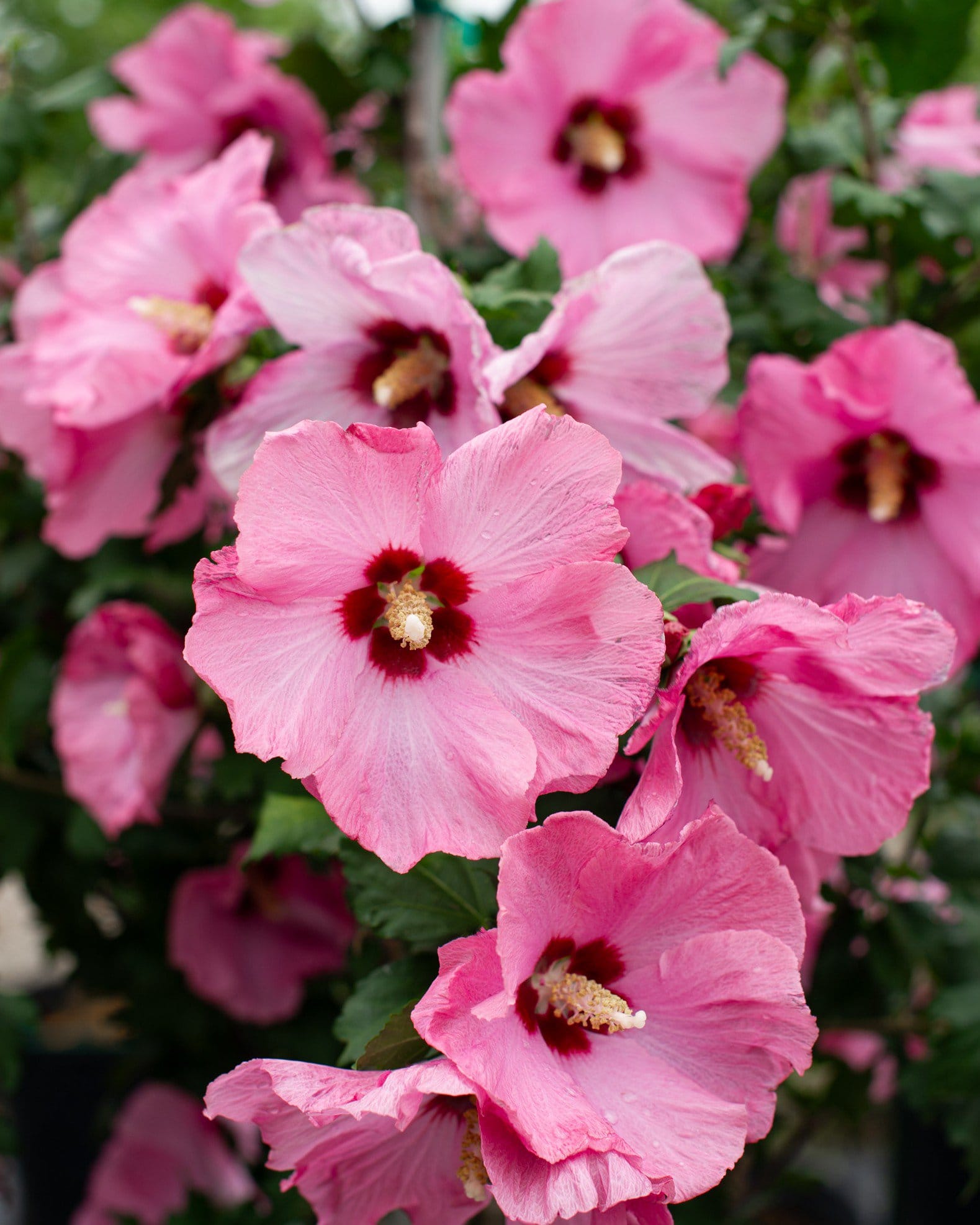
| Flower Color | Pink | Pink & Red |
| Bloom Times | Spring & Summer | Spring & Summer |
| Sizes Available | 10 gal | 30 gal |


Our 1-Year Planting Guarantee
We take pride in our plants and installation services. If any plants or trees installed by Treeland fail to thrive within the first year, we'll provide a replacement credit in accordance with our guarantee program.
Learn More About Our Guarantee