
Anna Apple
Malus domestica ‘Anna’Local DFW Delivery Only
Product Details
Anna Apple
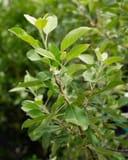
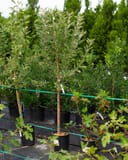
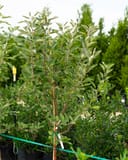
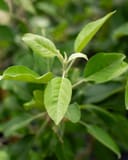
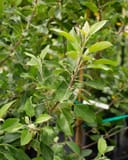
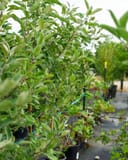
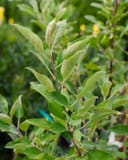
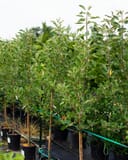
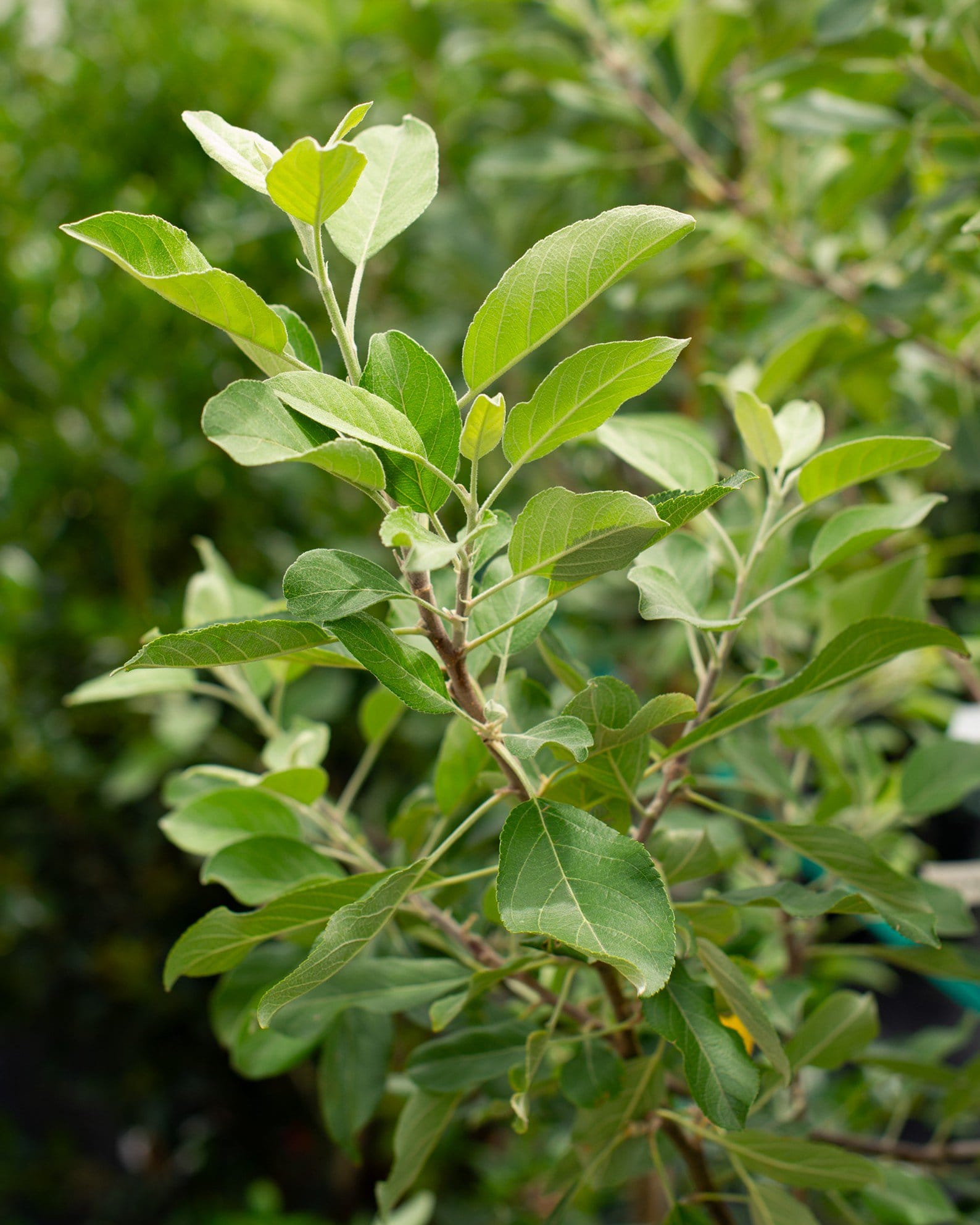
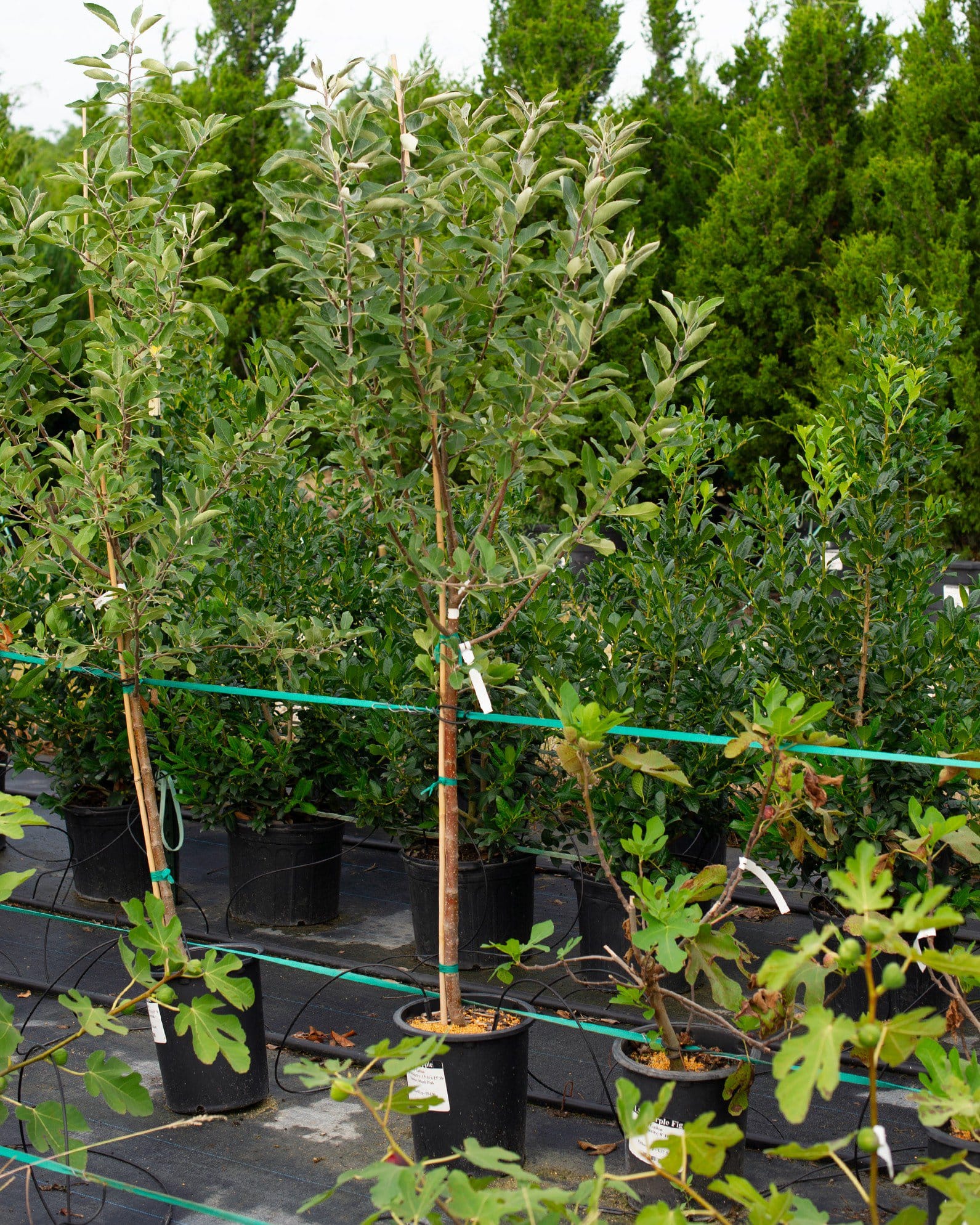
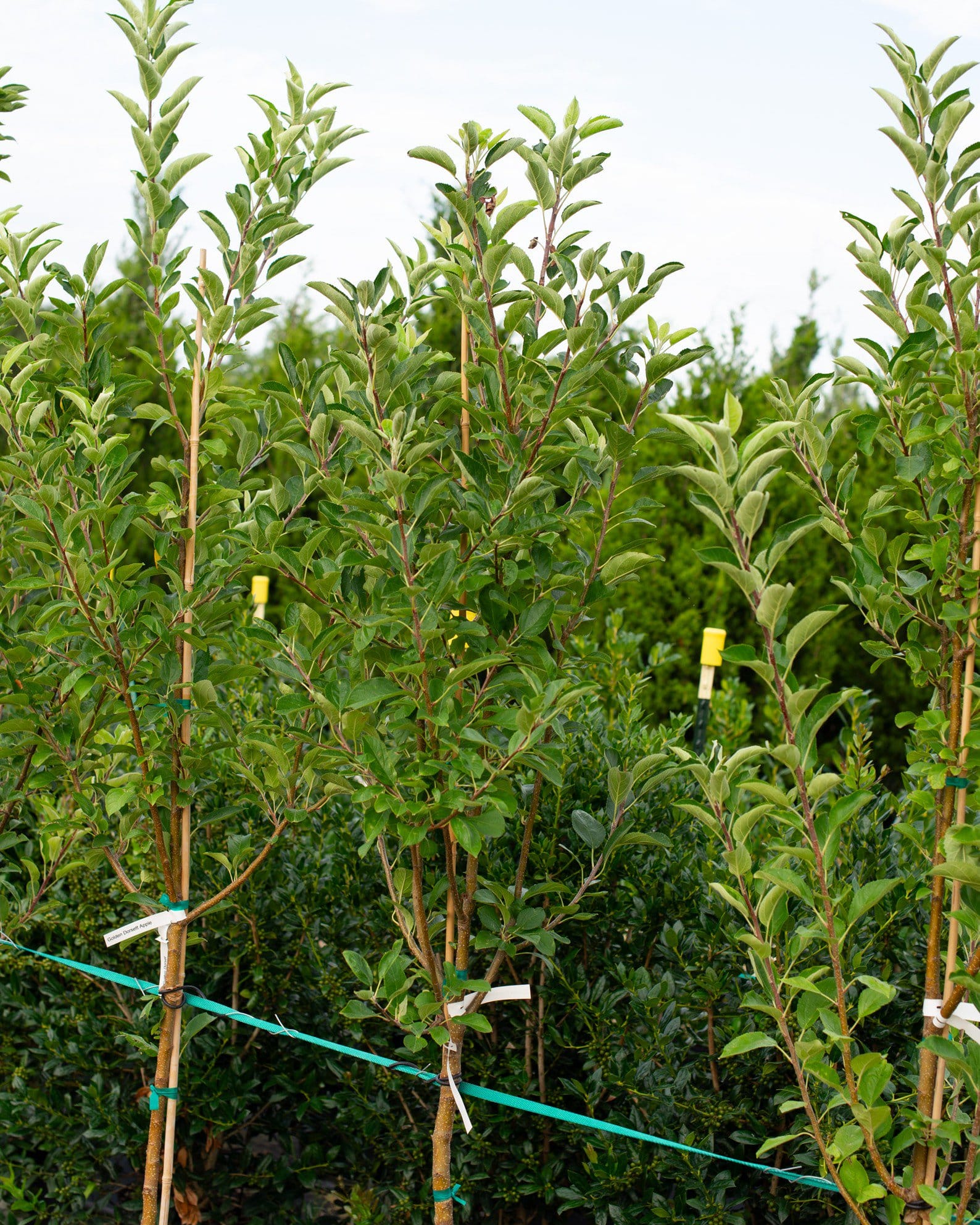
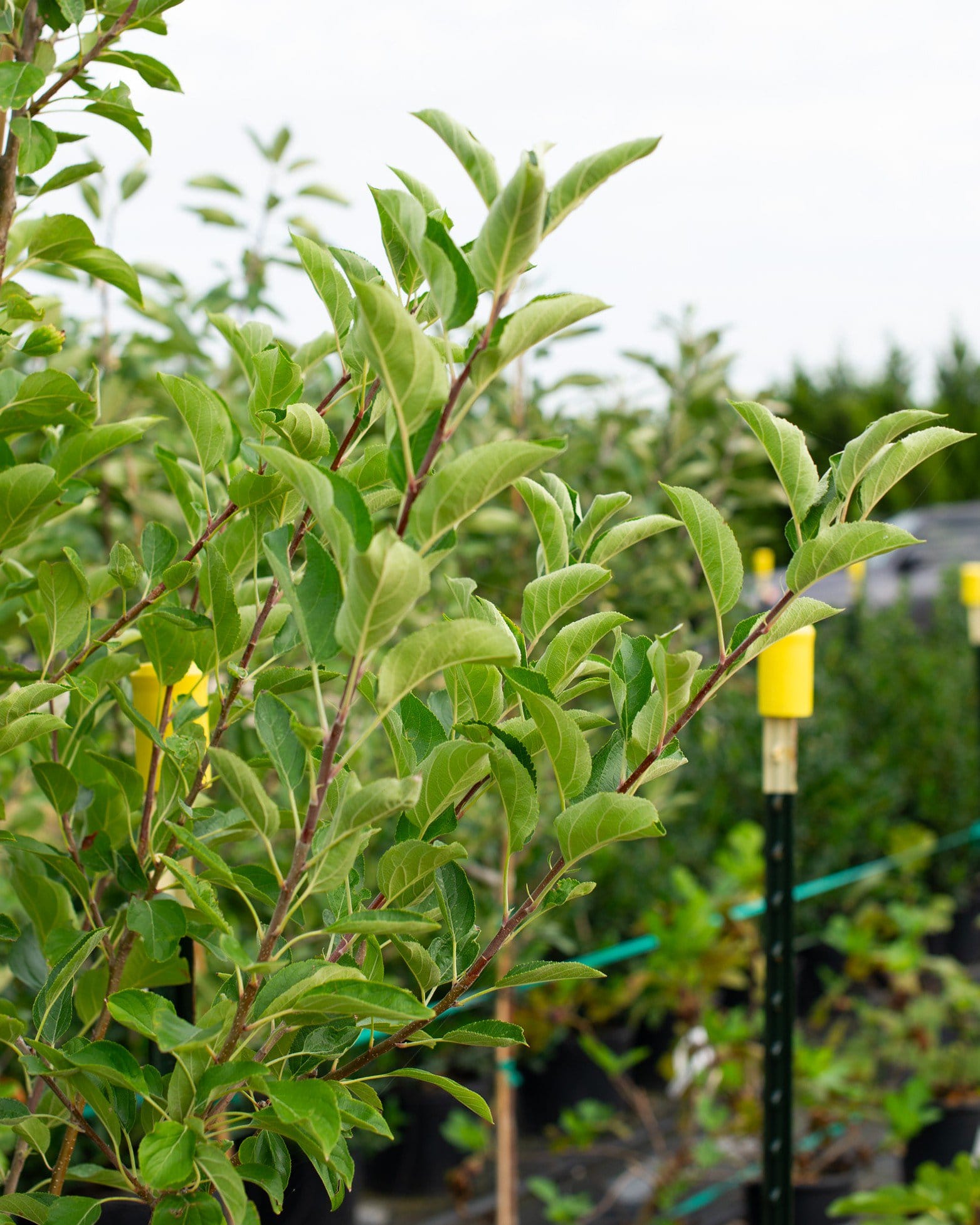
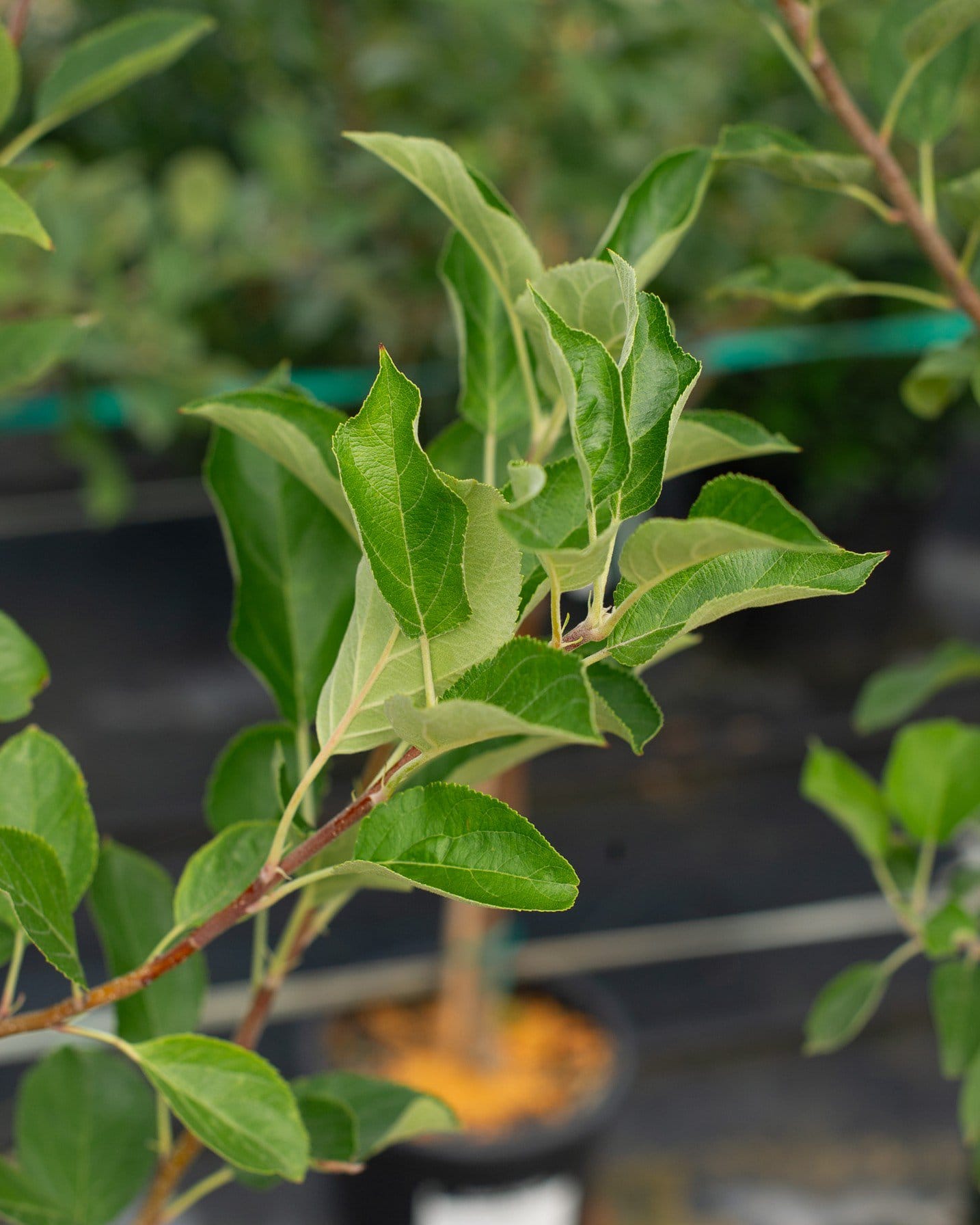
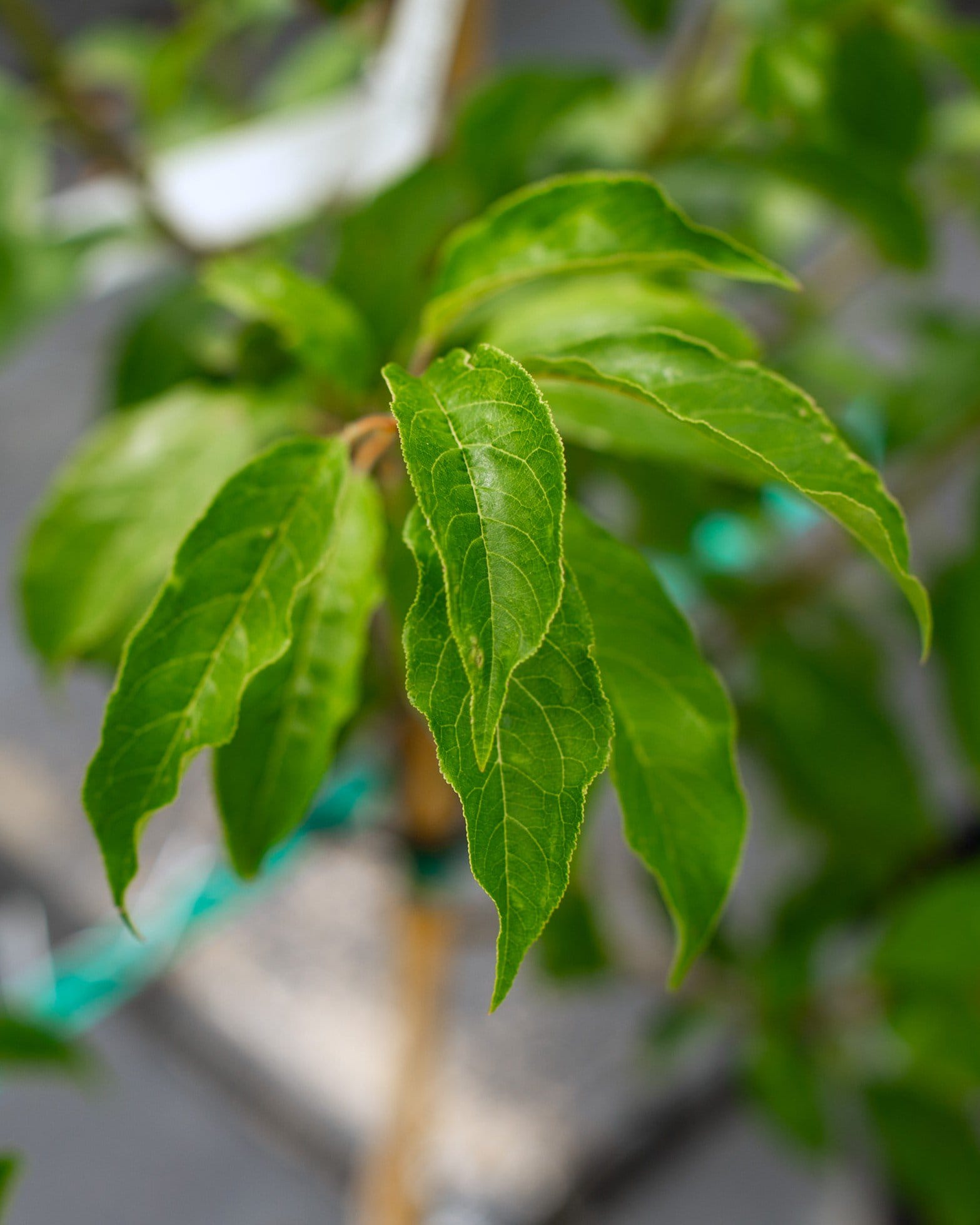
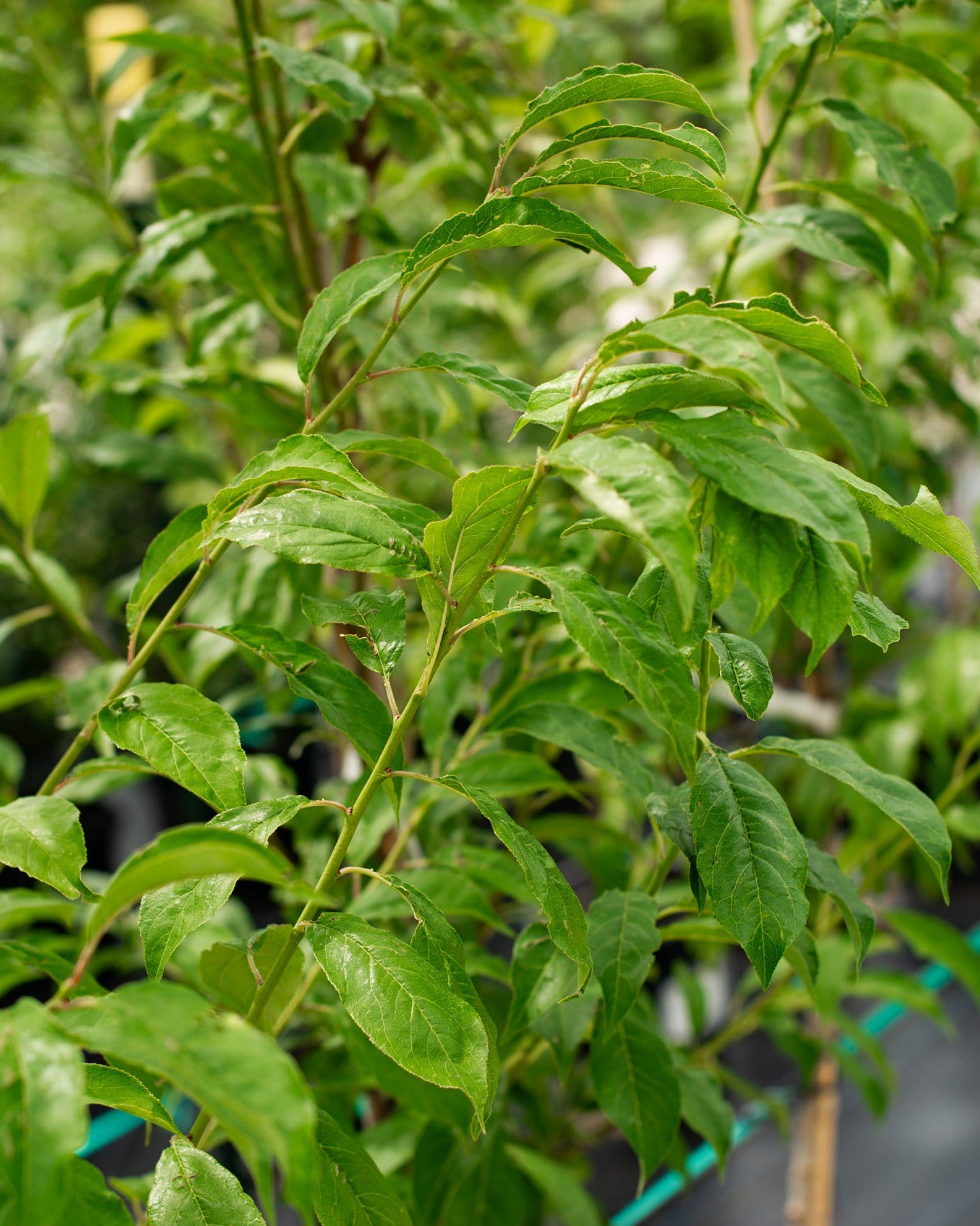
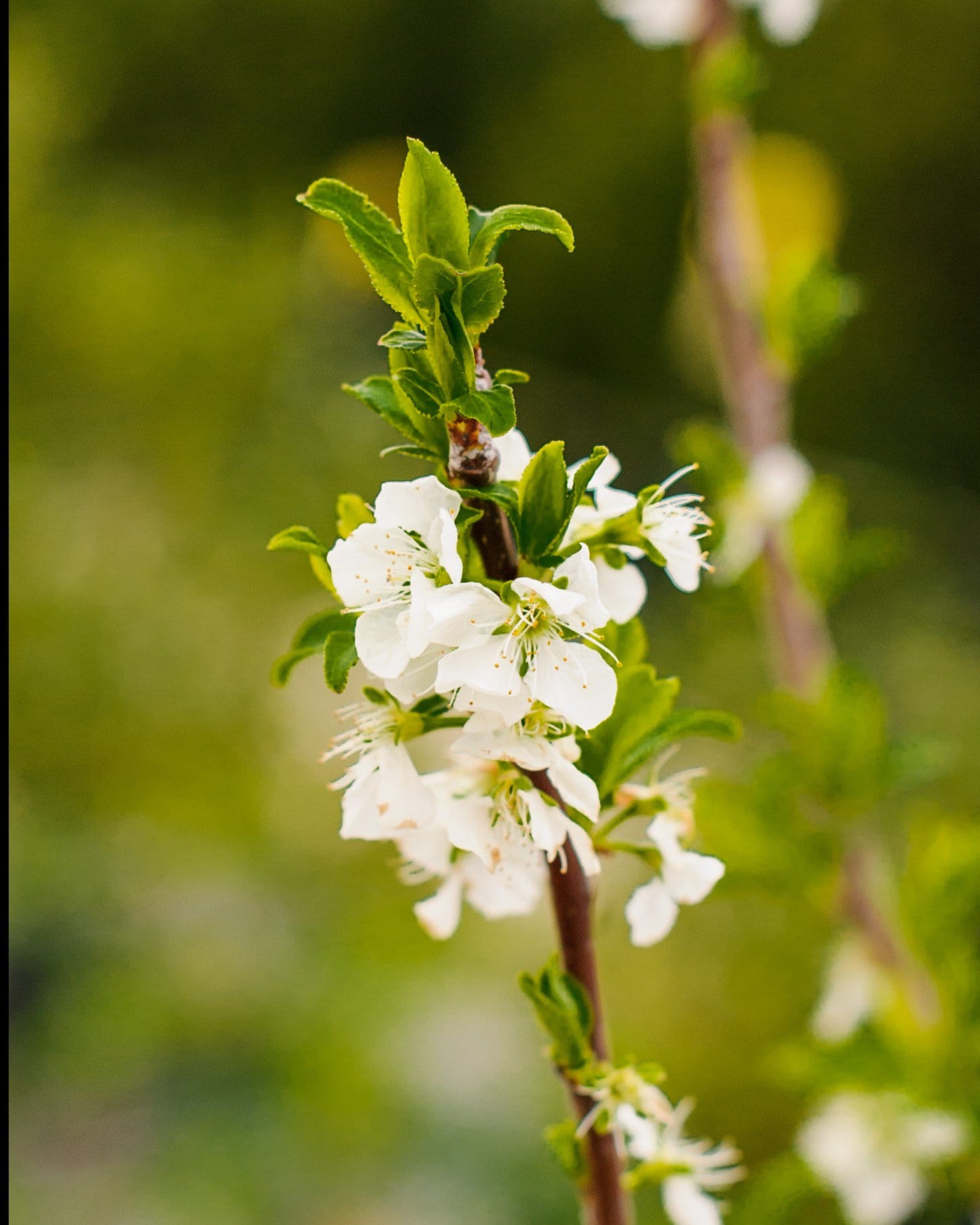
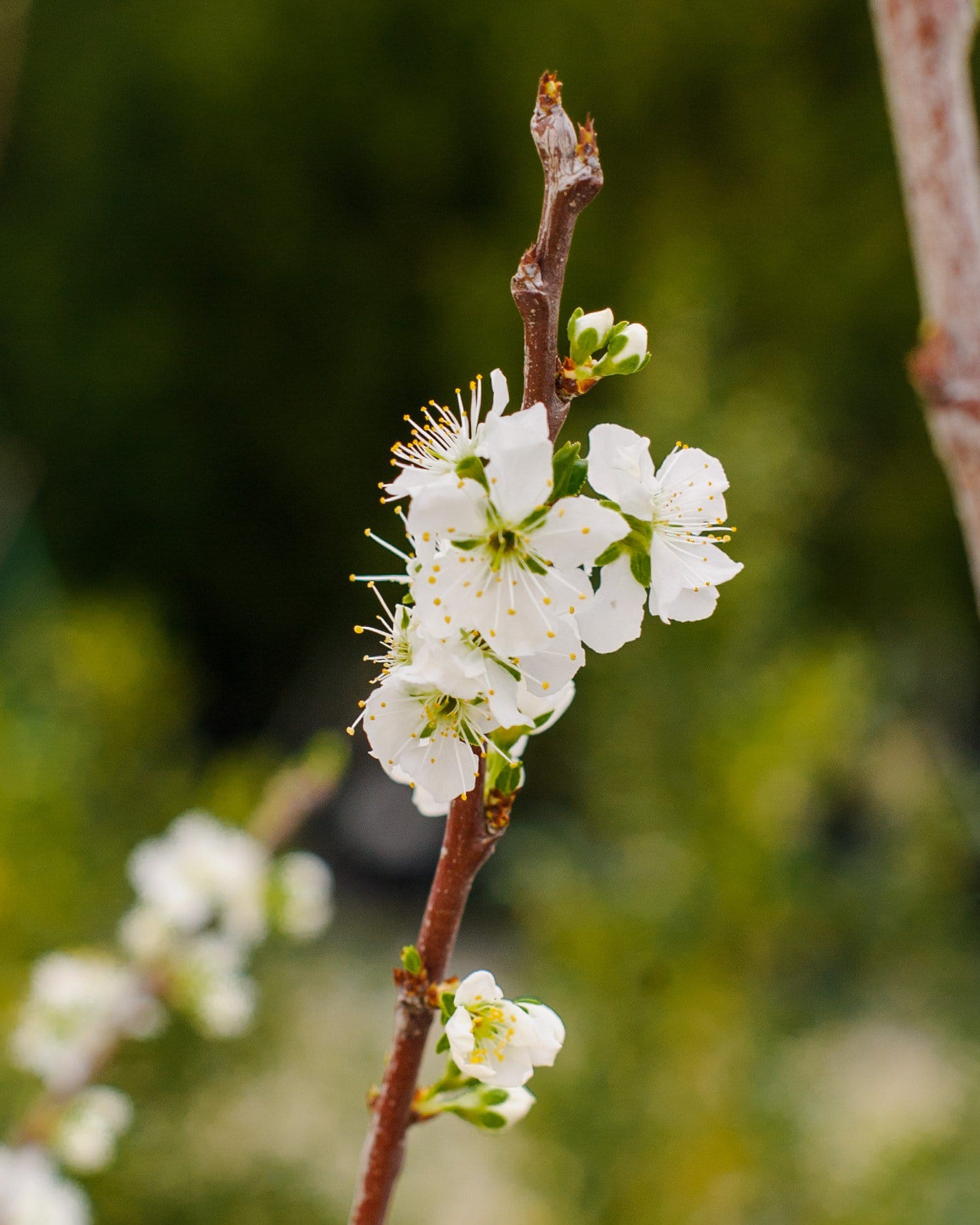
Malus domestica ‘Anna’The Anna Apple tree is a sight to behold in all seasons. This deciduous fruit tree grows up to 15 feet tall and wide at full maturity. It’s prized for more than just delicious fruit - the Anna Apple tree produces blush pink flowers in spring and golden yellow leaves in fall. This means the space you plant it in will always look stunning.
- Deciduous tree
- Moderate growth rate
- Pink flowers in spring, brilliant yellow leaves in fall
- Bears green-yellow apples with a red blush
- Very cold-hardy
This apple tree variety loves full sun, so choose a spot accordingly when planting. Aside from being beautiful, it's also winter-friendly - thriving in zones 5 - 9. This makes it perfect for Northern Texas! Ideally, the Anna Apple tree should be planted in rich soil. Since this tree can yield a bountiful harvest, keep an eye on it to prevent overbearing damage. To maintain shape and size, trim the dead wood as needed.
Anna Apple needs only a bit of maintenance to grow beautifully. Here’s everything it needs to thrive:
- Watering: Water deeply and regularly during the first growing season to establish strong roots. Once mature, water deeply every 7-10 days during dry weather. Consistent watering during bloom and fruit set promotes healthy apples and reduces stress-related drop. Avoid waterlogging; apple roots prefer moist but well-drained soil.
- Pruning: Prune annually in late winter while the tree is dormant. Remove crossing, damaged, or inward-growing branches to maintain an open canopy with good air circulation. Summer pruning can help shape young trees and control size.
- Fertilizing: Feed in early spring with a balanced, slow-release fruit tree fertilizer or organic compost. Repeat lightly after harvest if needed. Avoid excessive nitrogen, which can cause lush foliage but fewer fruits.
- Mulching: Apply a 2-3 inch layer of mulch around the base to retain moisture, regulate soil temperature, and suppress weeds. Keep mulch 3-4 inches away from the trunk to prevent rot and pest issues. Refresh annually.
- Winter Care: Anna Apple is semi-deciduous in warm climates and fully deciduous in cooler ones. It requires minimal winter protection, though young trees benefit from mulch around the root zone.
Though Anna Apple is naturally vigorous and reliable, a few common fruit tree challenges may arise during the season:
- Apple Scab: A fungal disease that causes olive-brown spots on leaves and fruit. Rake and discard fallen leaves, prune for better airflow, and apply a sulfur-based fungicide during wet springs.
- Fire Blight: A bacterial infection that blackens shoots and gives them a scorched look. Prune out affected branches 8-12 inches below visible damage, sterilizing tools between cuts. Avoid heavy nitrogen fertilization, which promotes tender new growth.
- Powdery Mildew: White coating on new shoots or leaves in humid weather. Improve air circulation and apply horticultural oil or sulfur spray early in the season if needed.
- Aphids: Small green or black insects that cluster on tender new shoots. Rinse off with a firm spray of water or treat with insecticidal soap. Encourage ladybugs and lacewings for natural control.
- Codling Moth: Larvae that burrow into fruit, leaving brown trails. Use pheromone traps early in the season and remove affected apples promptly to prevent reinfestation.
- Cedar Apple Rust: Bright orange leaf spots caused by nearby junipers. Remove nearby juniper hosts if possible, or apply fungicide at bud break in spring.
With proper care, it can thrive for 20-30 years or longer. Annual pruning and balanced feeding help maintain long-term productivity.
It’s a moderately fast grower, typically producing its first apples within 2-3 years of planting and reaching full maturity in about 5 years.
Yes. While it’s partially self-fertile, it performs best when planted near another low-chill variety like ‘Dorsett Golden’ or ‘Ein Shemer.’
Approximately 200-300 hours below 45°F - making it ideal for warm or mild winter climates where traditional apples won’t fruit well.
No. Deer love apple foliage and fruit, so fencing or repellents may be needed in open areas.
Yes - dwarf or semi-dwarf trees can be grown in large containers (at least 25 gallons). Ensure excellent drainage and prune annually to maintain size.
It can be started indoors but requires full sun and pollination outdoors to set fruit properly.
Yes. Prune out old or dead wood in late winter and feed in spring with a balanced fertilizer. Over a few seasons, it will respond with healthier foliage and improved yields.
Yes, it’s known for reliable annual production when properly pruned and watered, unlike some biennial-bearing varieties.
Its ability to produce crisp, sweet apples in warm climates sets it apart. Few apple varieties perform so well in the South and coastal areas, combining excellent flavor, early harvest, and strong disease resistance - a true favorite for home orchards and Southern growers alike.
Special Features
You might also like
Golden Dorsett Apple
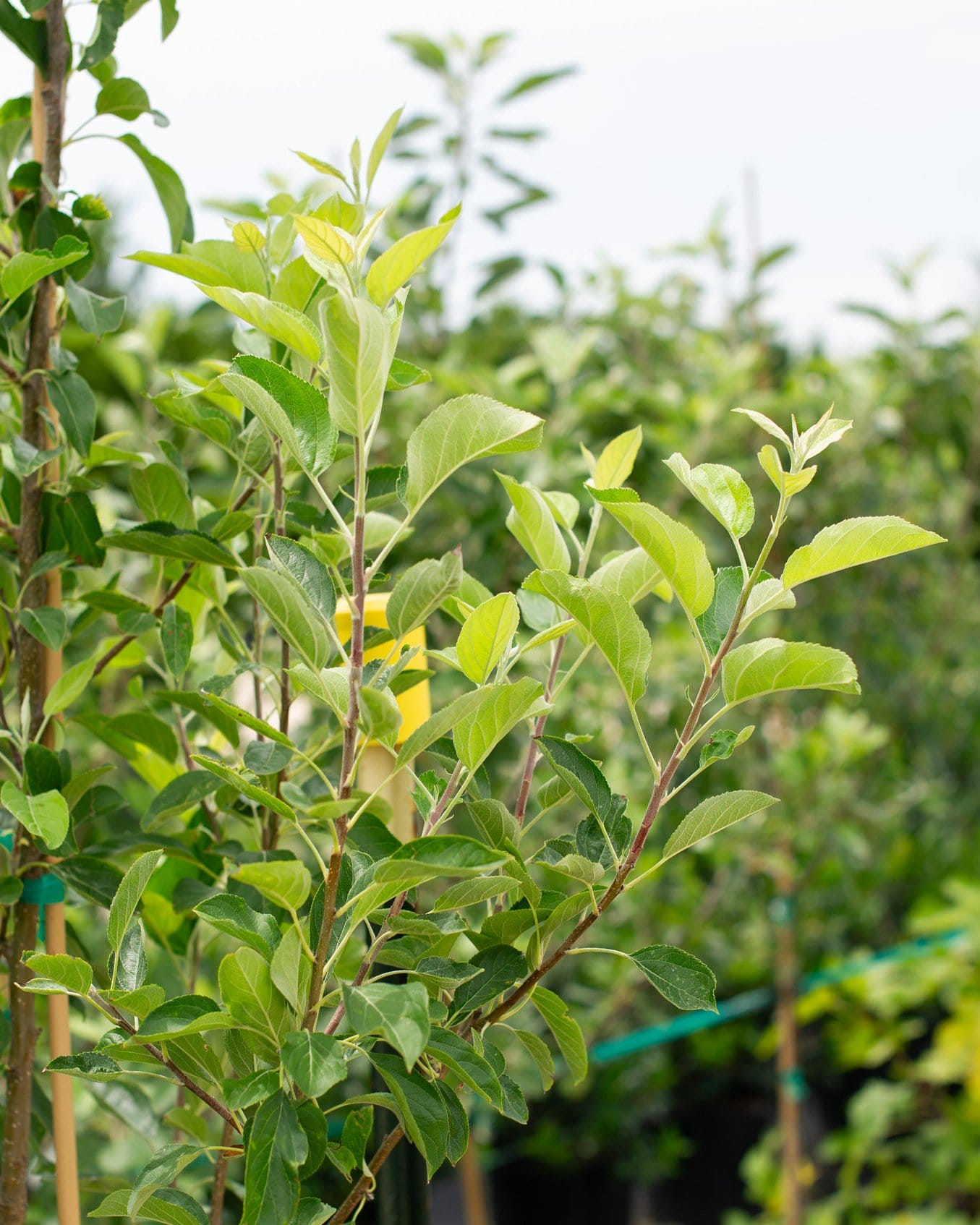
Maturity: 15' H x 15' W
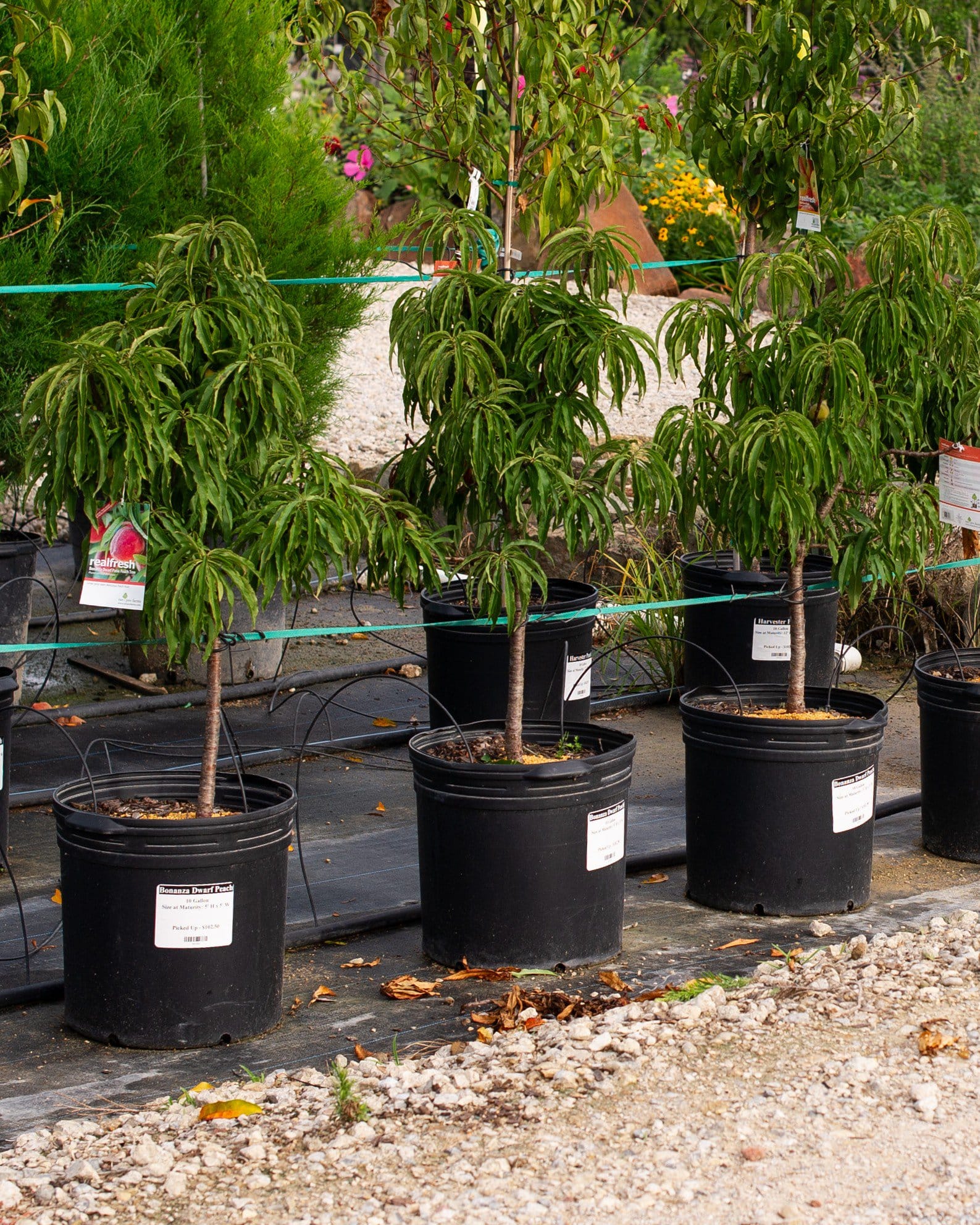
Bonanza Dwarf Peach
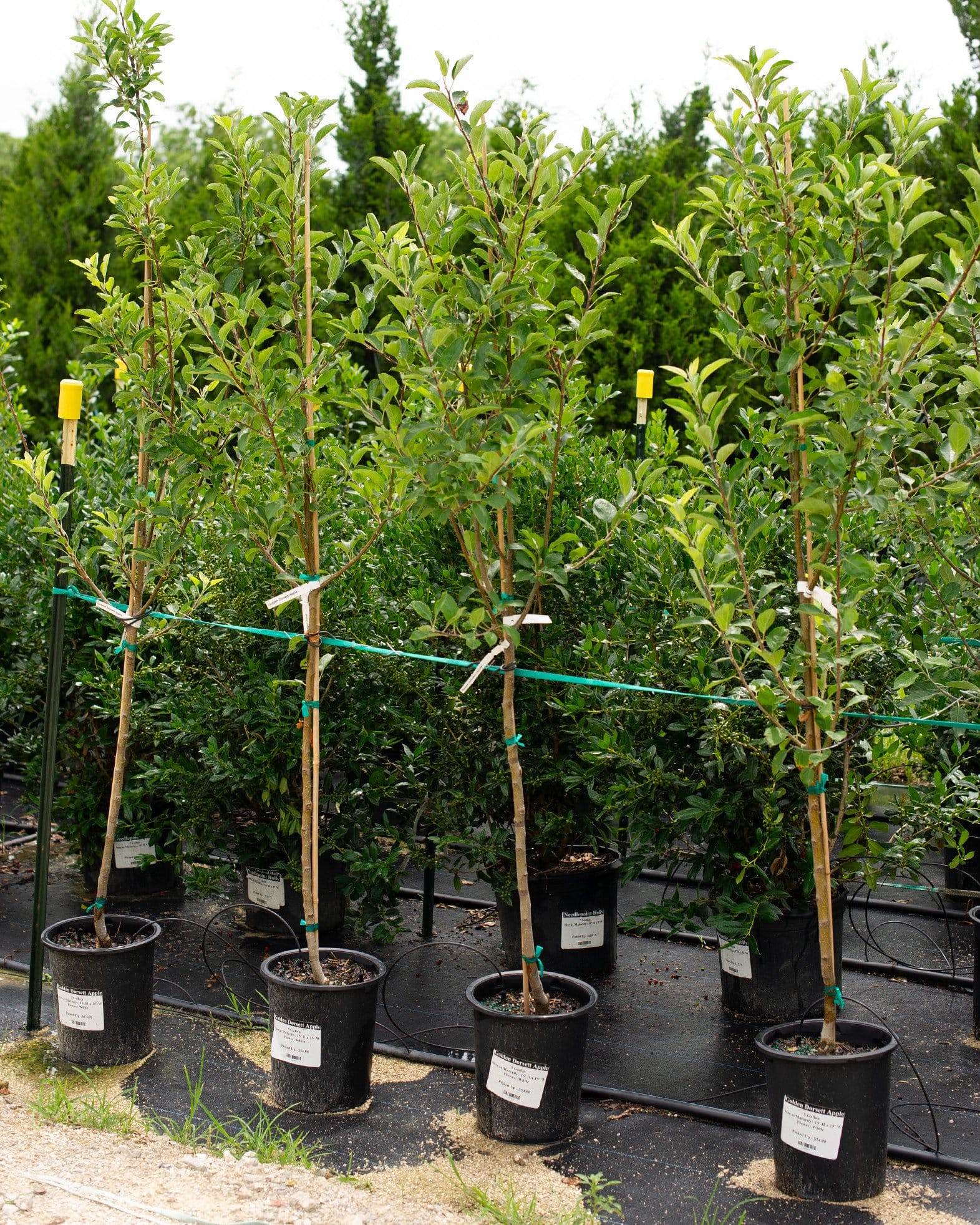
Maturity: 5' H x 5' W
Hale Haven Peach
Maturity: 12' H x 12' W
Harvester Peach
Maturity: 12' H x 10' W
Arapaho Blackberry
Maturity: 4' H x 3' W
Blenheim Apricot
Maturity: 15' H x 15' W
Granny Smith Apple
Maturity: 15' H x 15' W
Kiowa Blackberry
Maturity: 4' H x 3' W
Methley Plum
Maturity: 10' H x 10' W
Santa Rosa Plum
Maturity: 15' H x 15' W
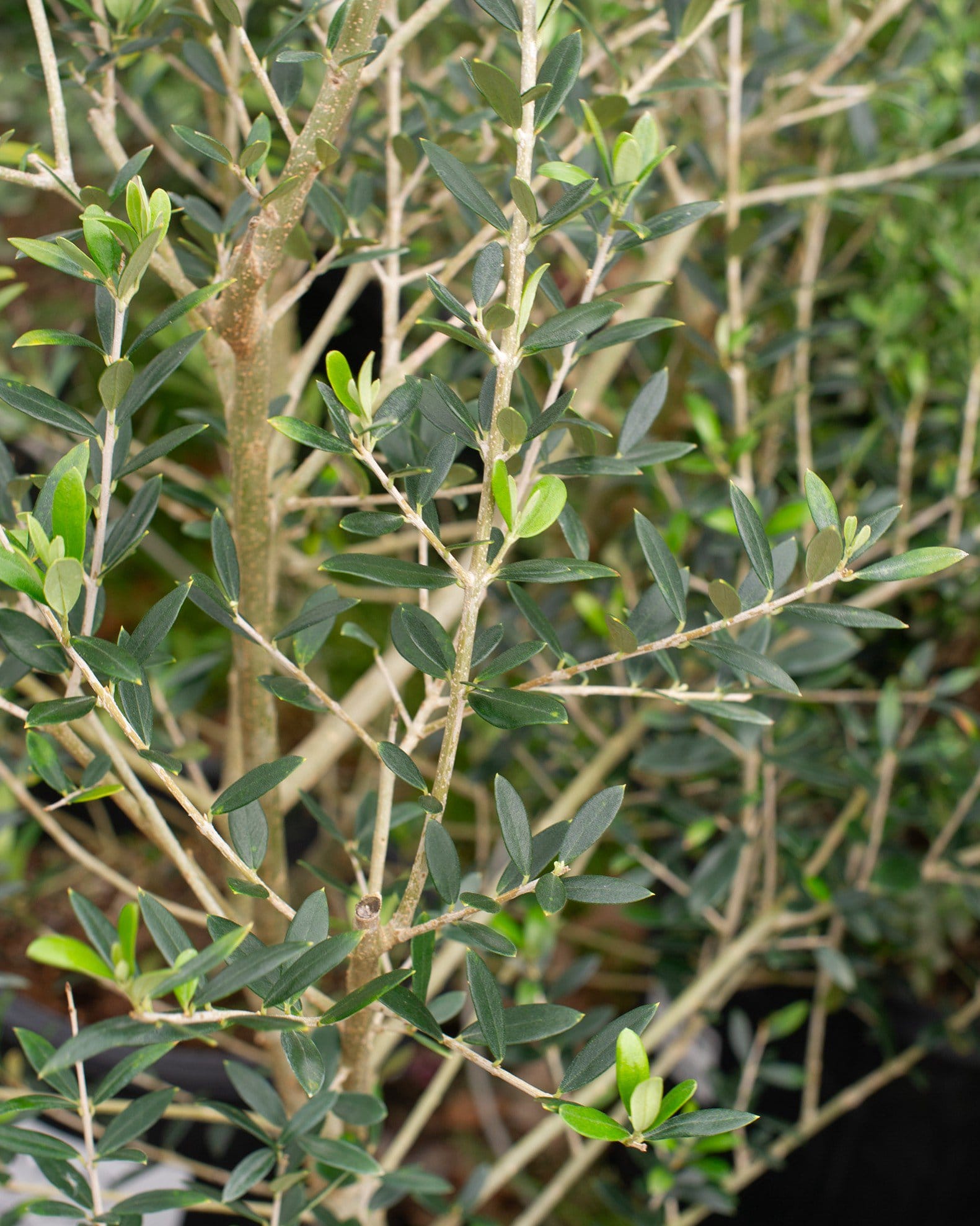
Arbequina Olive
Maturity: 15' H x 15' W
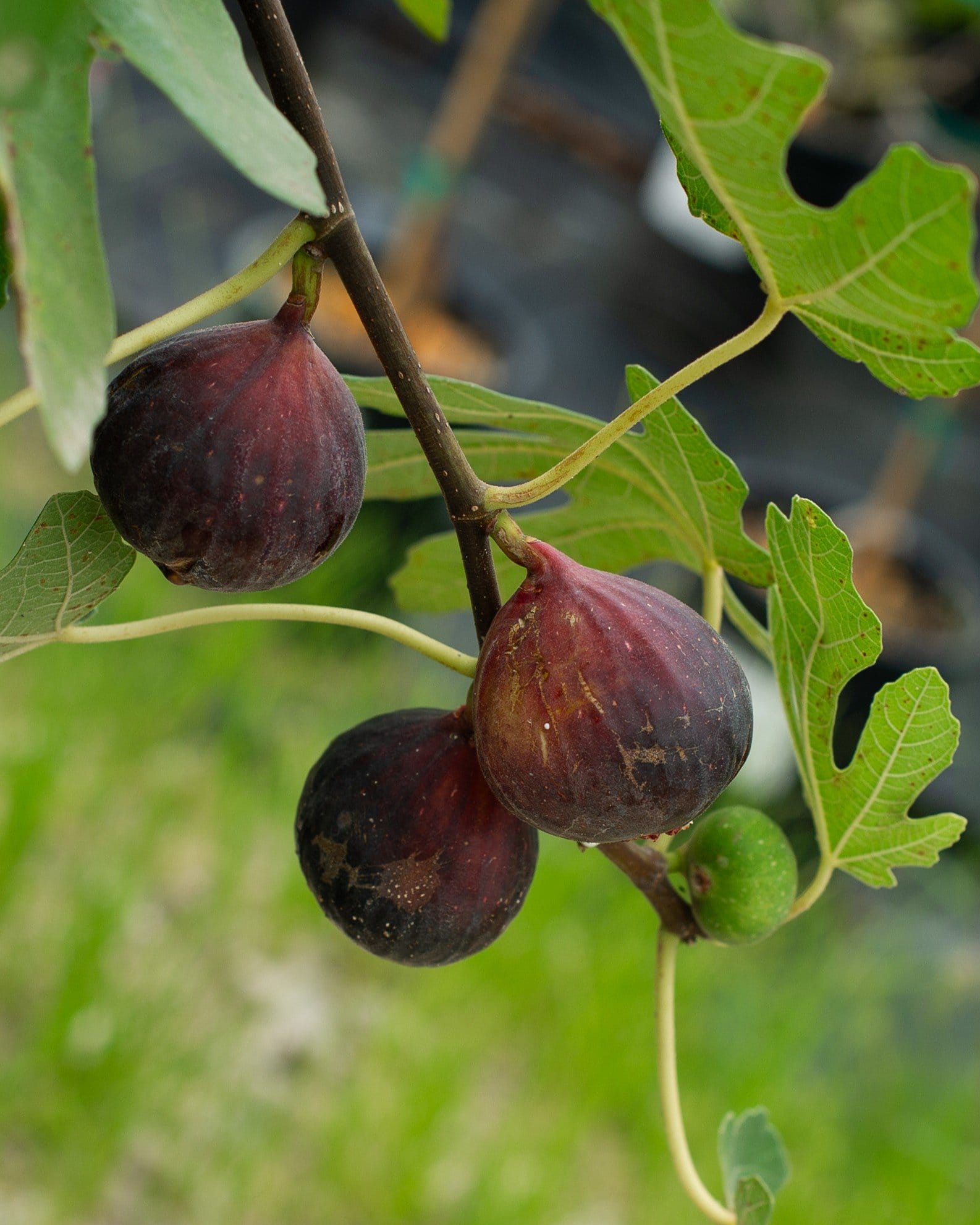
Celeste Fig
Maturity: 8' H x 8' W
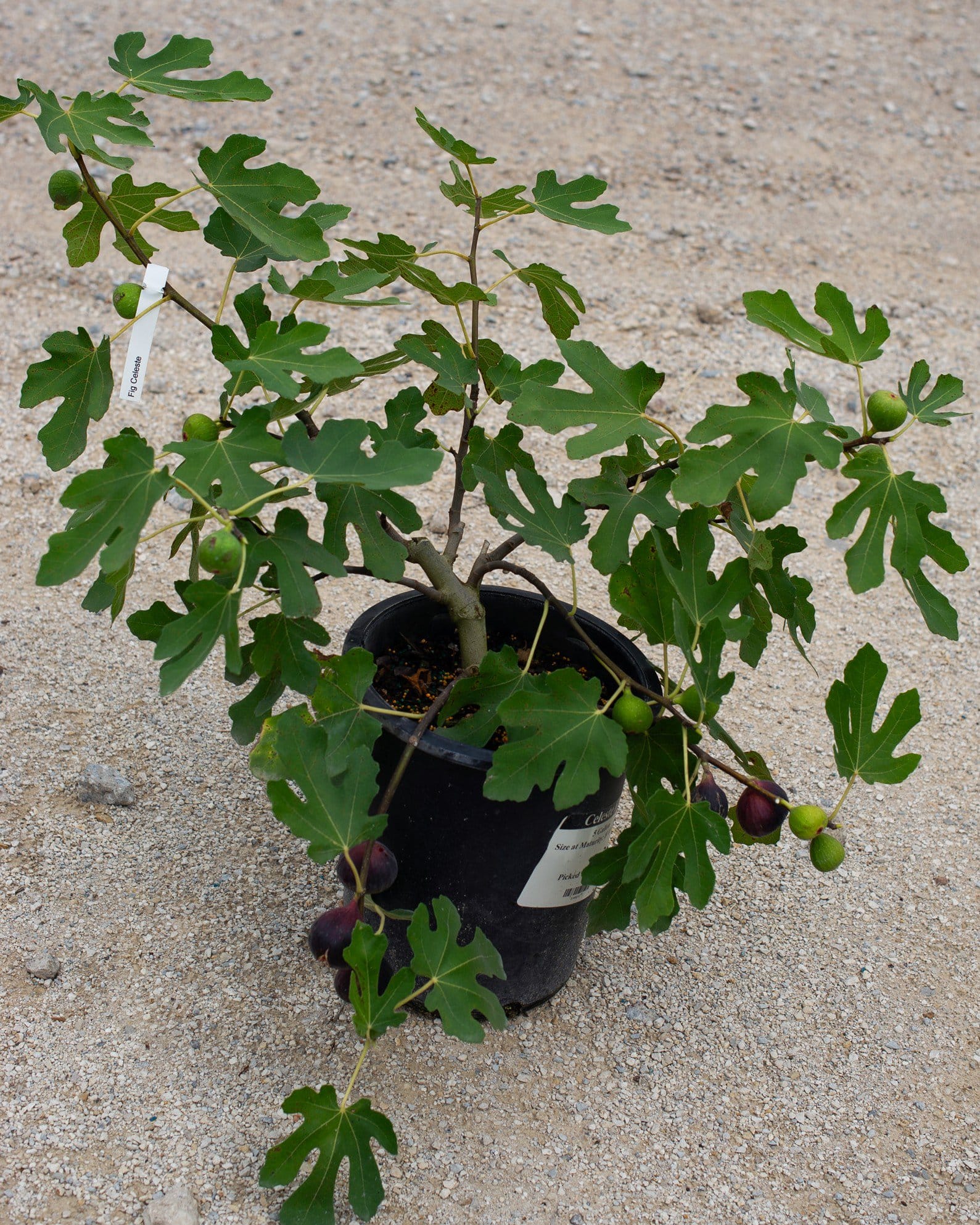
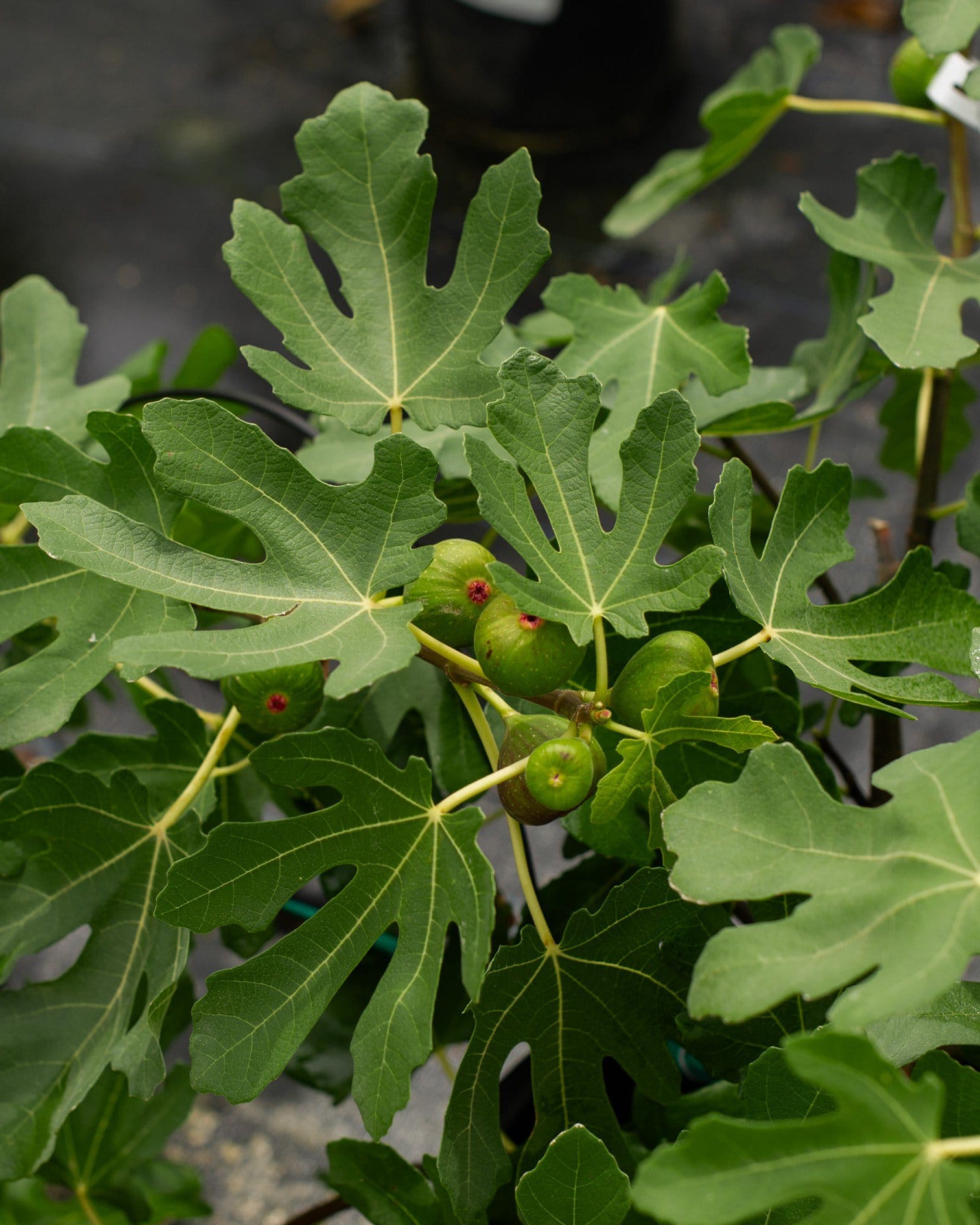
Improved Meyer Lemon
Maturity: 6' H x 8' W
LSU Purple Fig
Maturity: 8' H x 8' W
Texas Pink Pomegranate
Maturity: 10' H x 8' W
Compare Similar Plants
Anna Apple This plant | ||
|---|---|---|
| Scientific Name | Malus domestica ‘Anna’ | Malus domestica ‘Dorsett Golden’ |
| Size at Maturity | 15' H x 15' W | 15' H x 15' W |
| Leaf Retention | Deciduous | Deciduous |
| Fall Color | Yellow | Yellow |
| Flower Color | Pink | White |
| Bloom Times | Spring | Spring |
| Sizes Available | 5 gal | 5 gal |


Our 1-Year Planting Guarantee
We take pride in our plants and installation services. If any plants or trees installed by Treeland fail to thrive within the first year, we'll provide a replacement credit in accordance with our guarantee program.
Learn More About Our Guarantee