
 Popular
Local DFW Delivery Only
Product Details
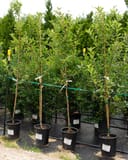
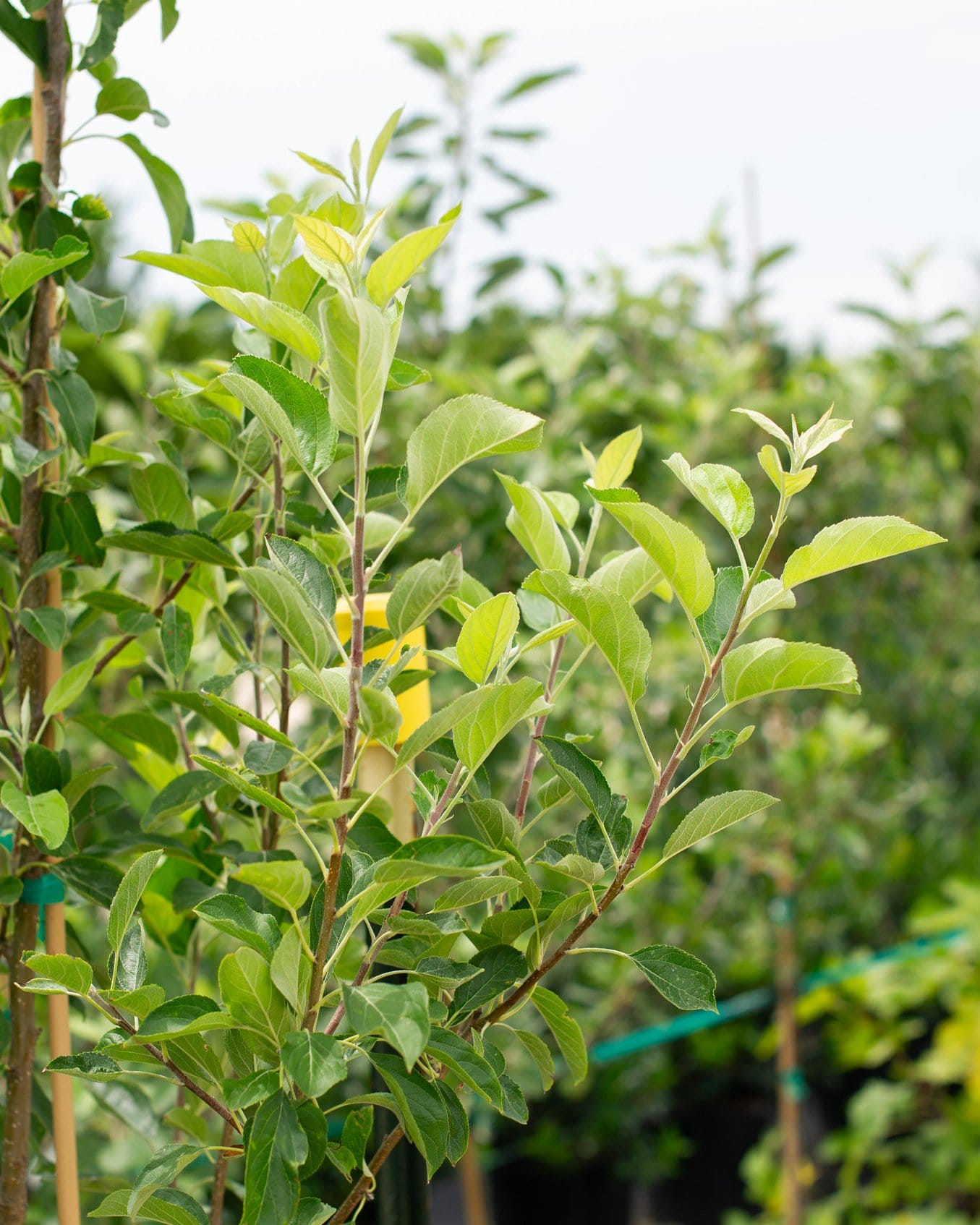
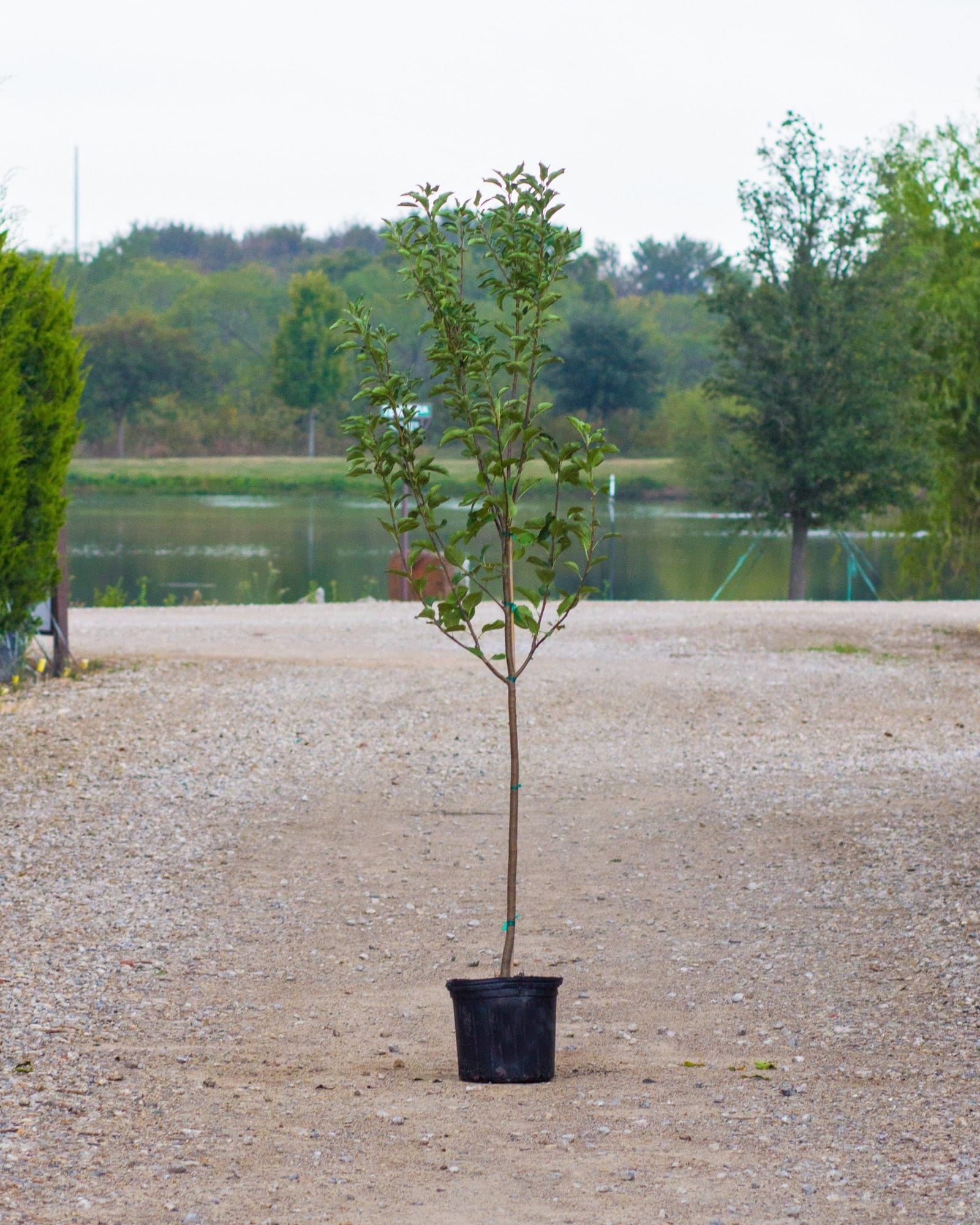
Golden Dorsett Apple
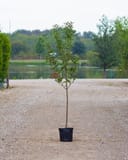
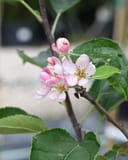
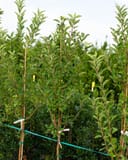
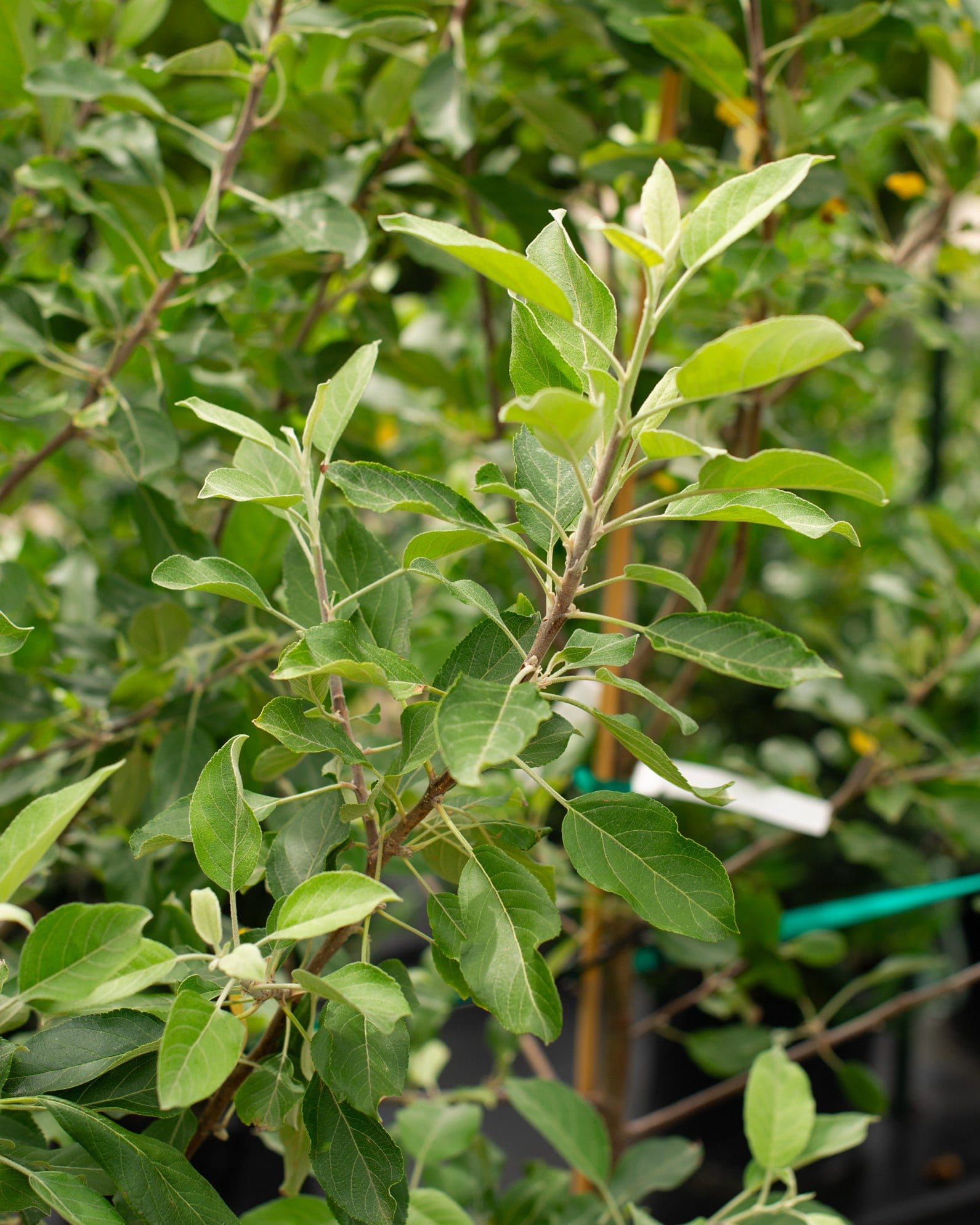
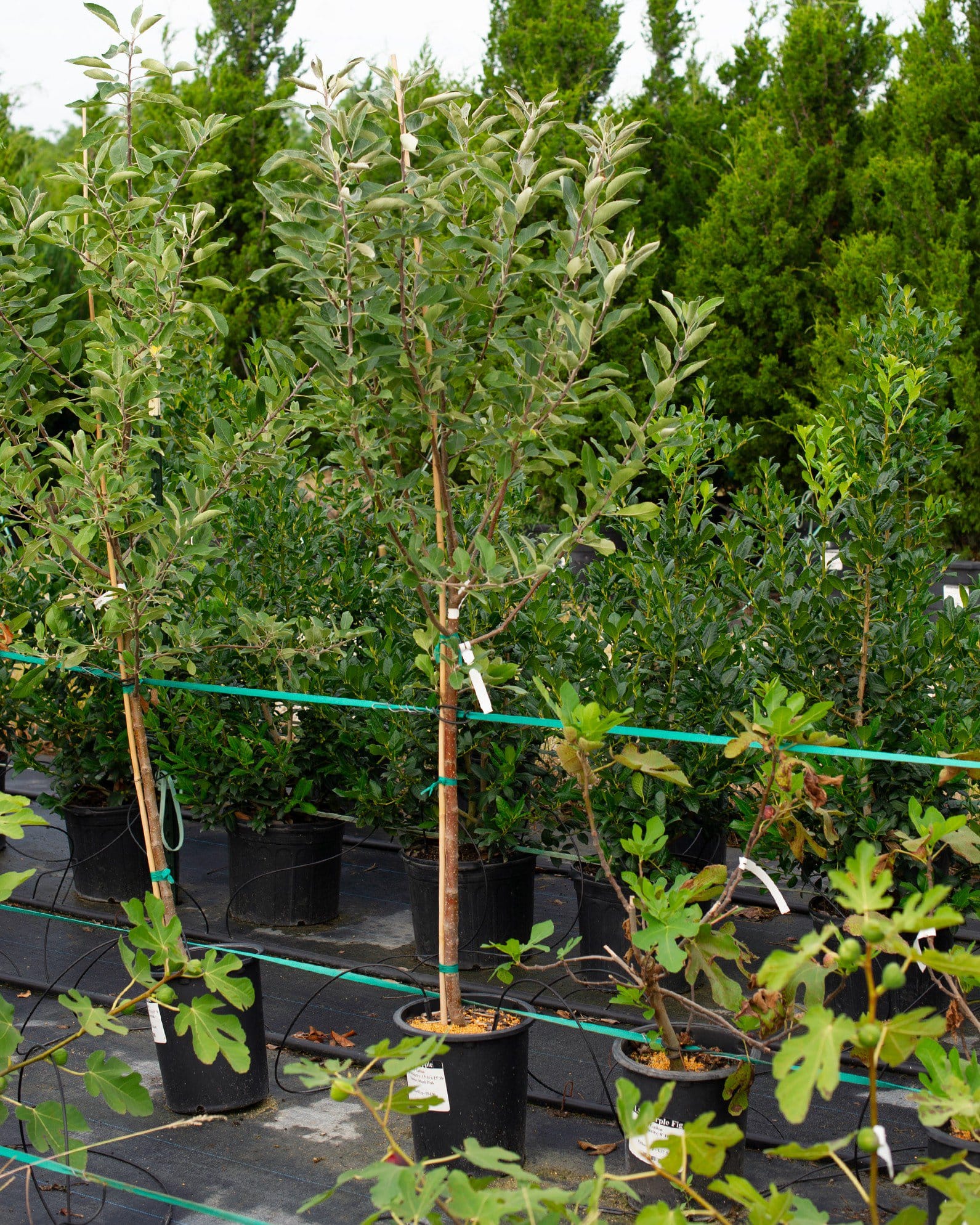
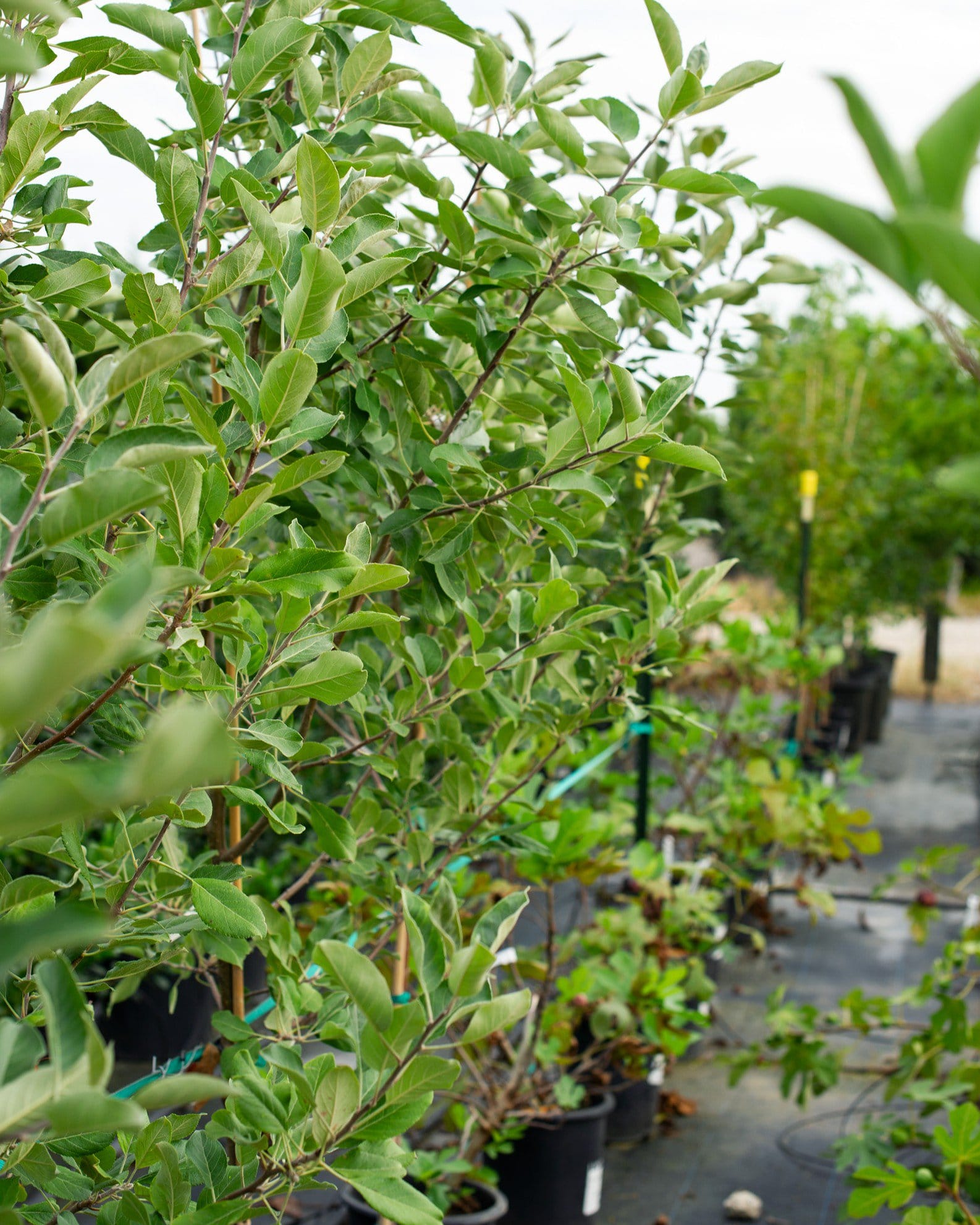
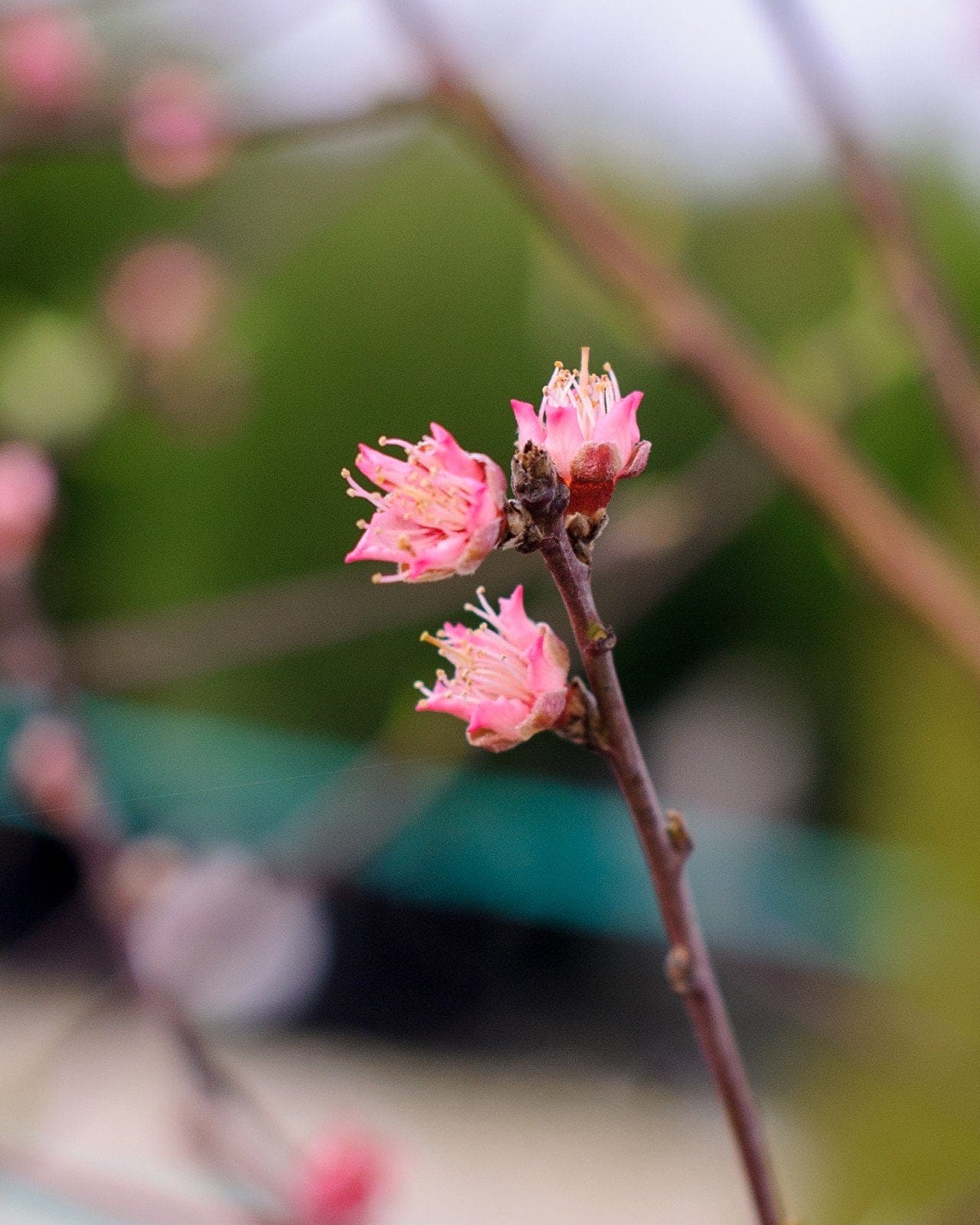
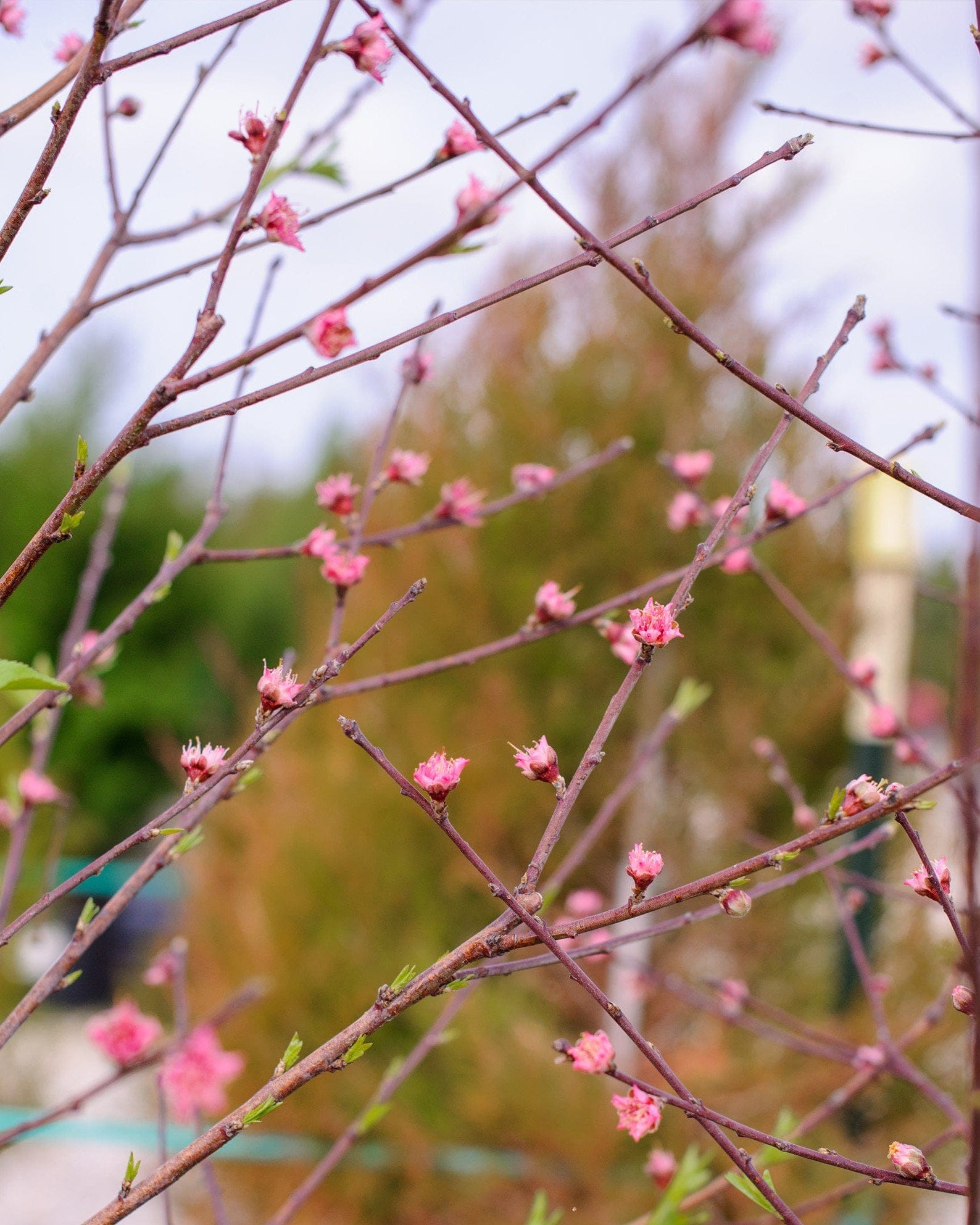
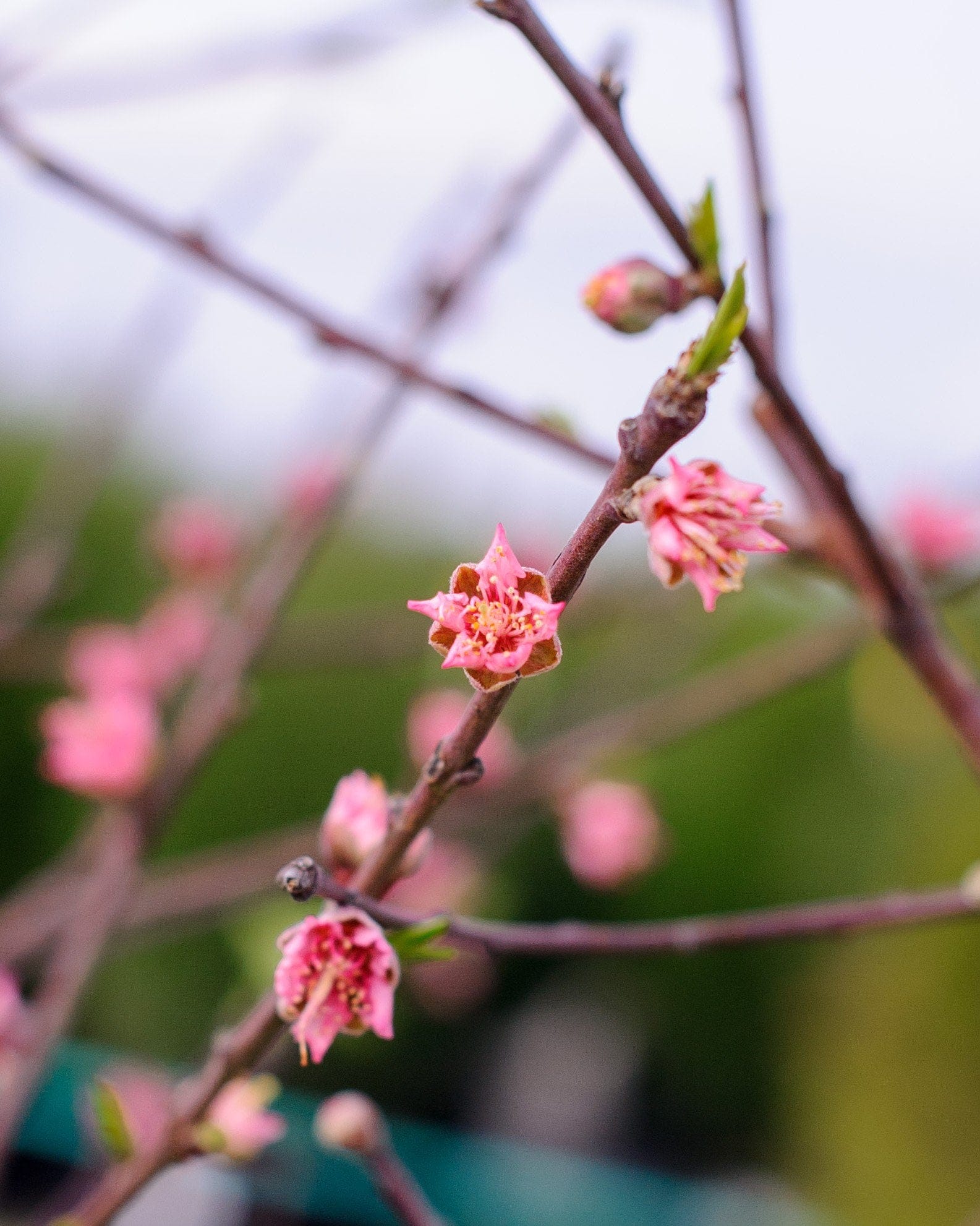
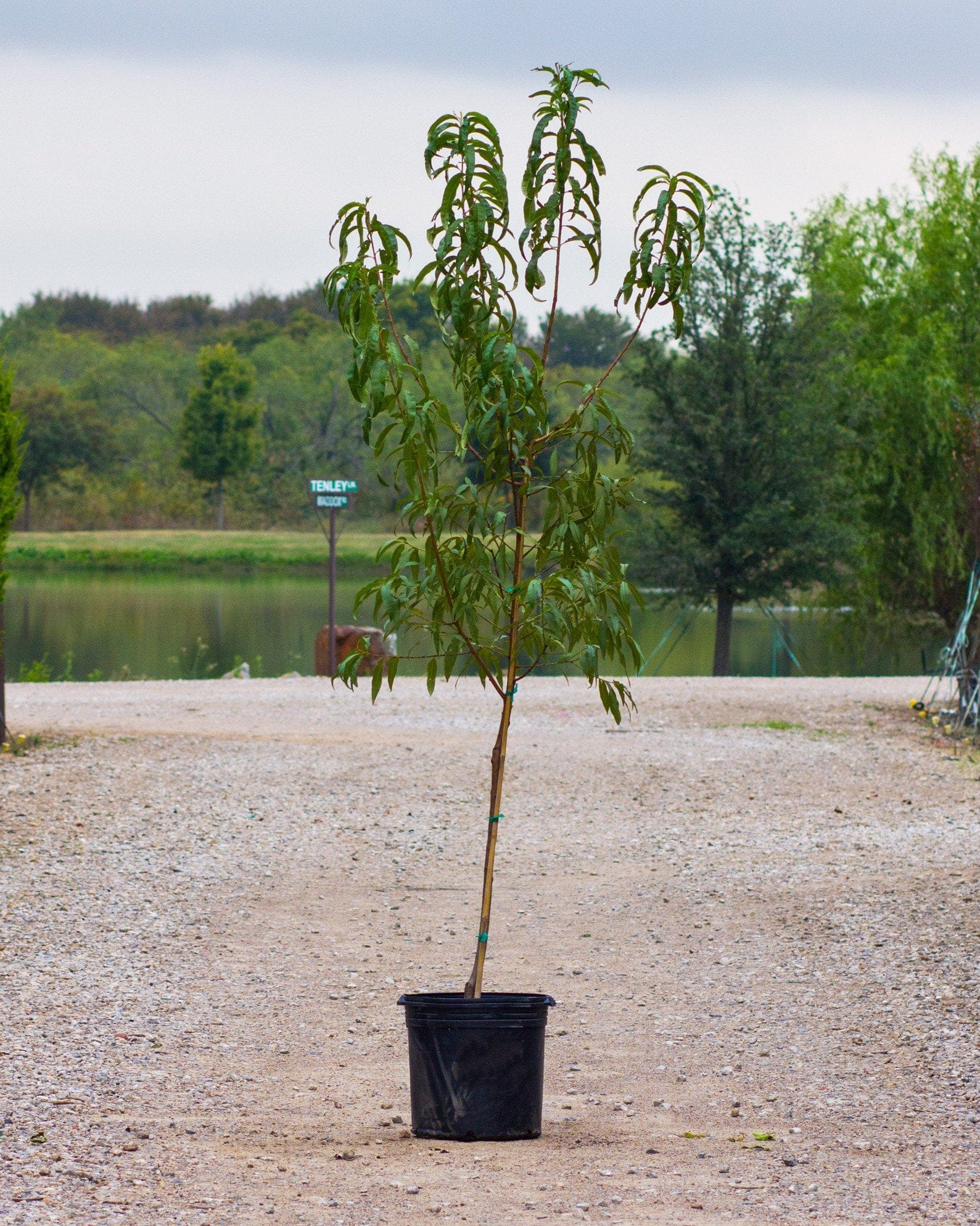
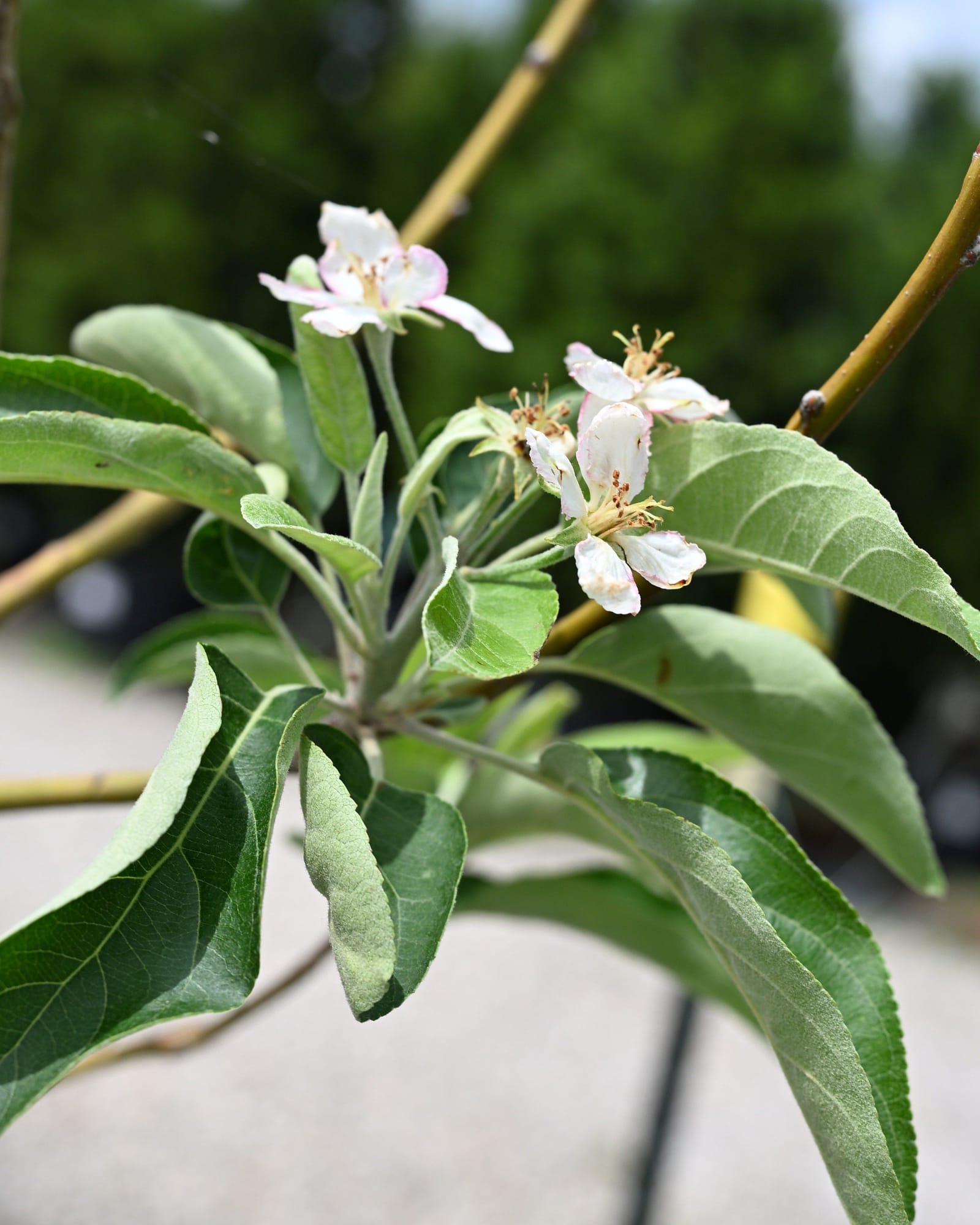
Malus domestica ‘Dorsett Golden’Golden Dorsett Apple is a perfect choice for a tree that will not only look beautiful but bear sweet fruit, too. This hardy, deciduous tree grows up to 15 feet in height and the same size in width at maturity. It blooms in spring, and its white flowers are a sight to behold. The flowers emerge from pink-colored buds, appearing in clusters, offering a wonderful decorative element to your orchard.
- Deciduous tree
- Delightful white flowers in spring
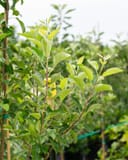
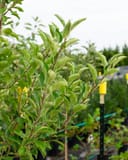
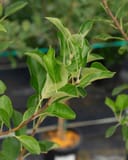
- Glossy green foliage that turns golden in fall
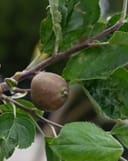
- Bears crisp, yellow apples with a pink blush
- Moderate growth rate
Golden Dorsett Apple thrives in full sun, making it a great choice for your North Texas orchard. It fares well in slightly acidic, well-drained soil. Thin the tree by removing excess fruit in springtime, as it encourages larger apples and prevents the branches from breaking under the weight of too many apples.
Maintenance
The Golden Dorsett Apple thrives in regions with mild winters, making it an excellent choice for southern gardeners seeking reliable fruit production. Here are some key guidelines to keep in mind:
- Watering: Water deeply and consistently during the first two years after planting to encourage deep root development. Once established, water weekly during dry periods, especially when the tree is flowering or fruiting. Avoid letting the soil become waterlogged, as apple roots require oxygen for healthy growth.
- Pruning: Prune annually during late winter or early spring while the tree is dormant. Remove any dead, damaged, or crossing branches, and open up the canopy to allow better airflow and sunlight penetration. Pruning also helps manage size and encourages strong, fruit-bearing limbs.
- Fertilizing: Feed in early spring with a balanced, slow-release fertilizer or one formulated specifically for fruit trees. A light feeding again in early summer may boost fruit production. Avoid over-fertilizing, as this can lead to excessive leafy growth and fewer fruits.
- Mulching: Apply a 2-3 inch layer of organic mulch around the base of the tree to conserve moisture, regulate soil temperature, and suppress weeds. Keep the mulch several inches away from the trunk to prevent moisture buildup and rot.
- Pollination: Although Golden Dorsett is partially self-fertile, it produces the best yields when cross-pollinated with another early-blooming apple variety such as ‘Anna’ or ‘Ein Shemer.’ Planting these nearby increases pollination and overall fruit set.
Common Issues and How to Address Them
- Apple Scab: A fungal disease that causes dark, scabby lesions on leaves and fruit. Improve air circulation through pruning, and apply a fungicide if necessary during the growing season.
- Powdery Mildew: Appears as a white, powdery coating on leaves and shoots. Prune affected parts and use fungicidal sprays as needed.
- Fire Blight: A bacterial infection that causes blackened, wilted shoots resembling burned wood. Remove infected branches promptly and disinfect pruning tools between cuts.
- Aphids: Small insects that suck sap from new growth, causing curling leaves. Treat with insecticidal soap or horticultural oil.
- Fruit Drop: Excessive fruit drop may occur due to poor pollination, overwatering, or nutrient imbalance. Ensuring consistent watering and balanced fertilization can help reduce this issue.
With attentive watering, proper pruning, and good pest management, Golden Dorsett Apple trees will reward you with abundant harvests and years of beauty in the landscape.
It grows moderately fast, typically adding 12-24 inches of growth per year under ideal conditions.
Plant in early spring or late fall when the weather is cool, allowing roots to establish before the stress of summer heat. In warm climates, fall planting is especially effective for quick establishment.
Golden Dorsett can produce some fruit on its own but performs best when planted with a compatible pollinator like the ‘Anna’ apple. This ensures a better fruit set and larger harvests.
Water weekly during the growing season, especially in hot or dry periods. Deep watering encourages strong root development and reduces stress during fruiting. Once mature, it can tolerate brief dry spells but should not be allowed to dry out completely.
Yes. It was specifically developed for warm regions, making it ideal for the southern United States and similar climates.
Golden Dorsett Apple typically fruits within 2-3 years of planting. In mild climates, it often produces two crops per year, with a main harvest in early summer and a possible lighter one in late fall.
Yes. Dwarf or semi-dwarf varieties can be successfully grown in large containers.
With proper care, Golden Dorsett Apple trees can live 15-25 years or more. Regular pruning, fertilizing, and pest management extend their productive lifespan.
The apples are ready when they turn a golden-yellow color, feel firm, and easily come off the branch with a gentle twist. Taste testing is often the best indicator of ripeness.
Yes, it tolerates humidity better than many traditional apple varieties, making it a great choice for southern or coastal regions.
Special Features
You might also like
Anna Apple
Maturity: 15' H x 15' W
Harvester Peach
Maturity: 12' H x 10' W
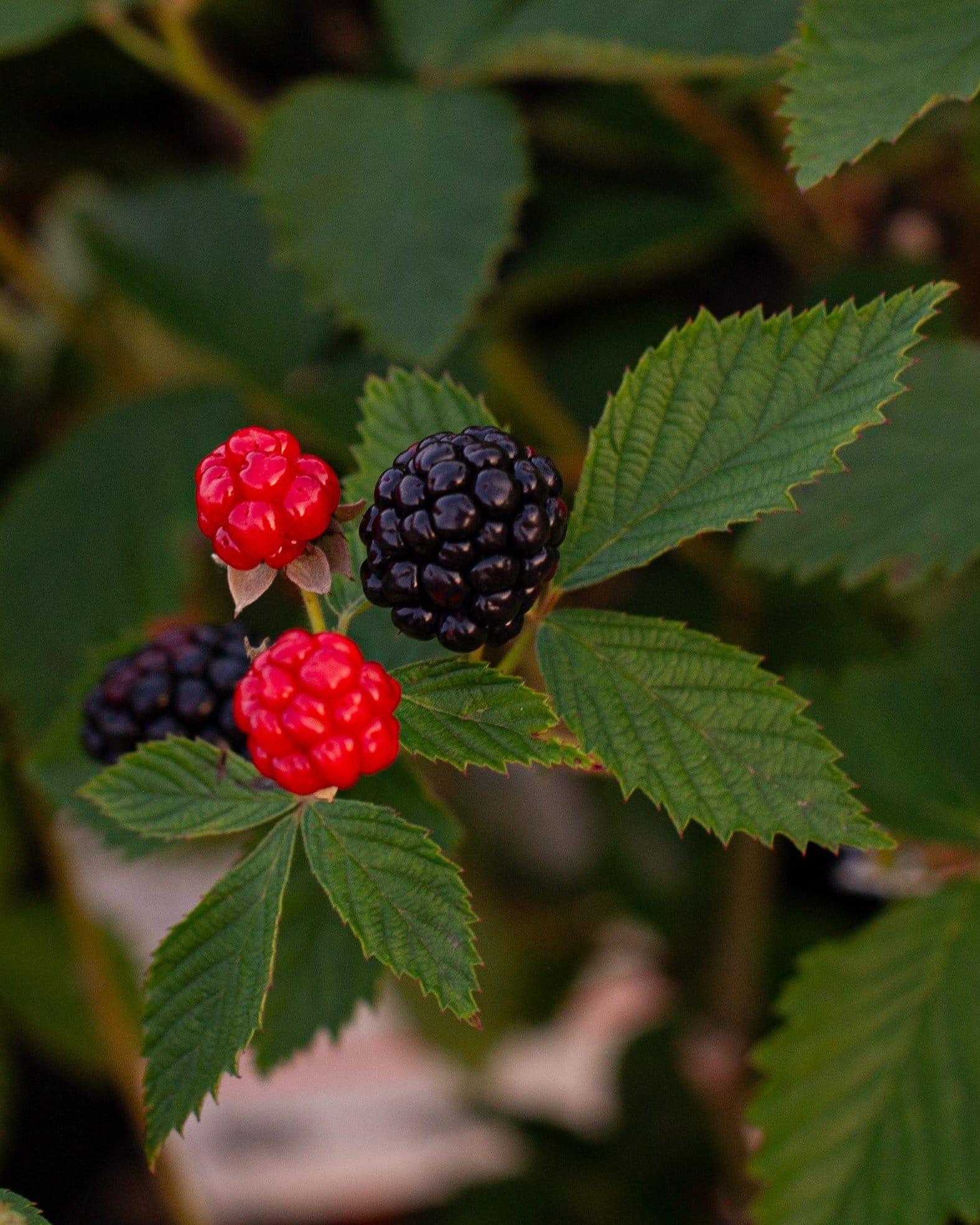
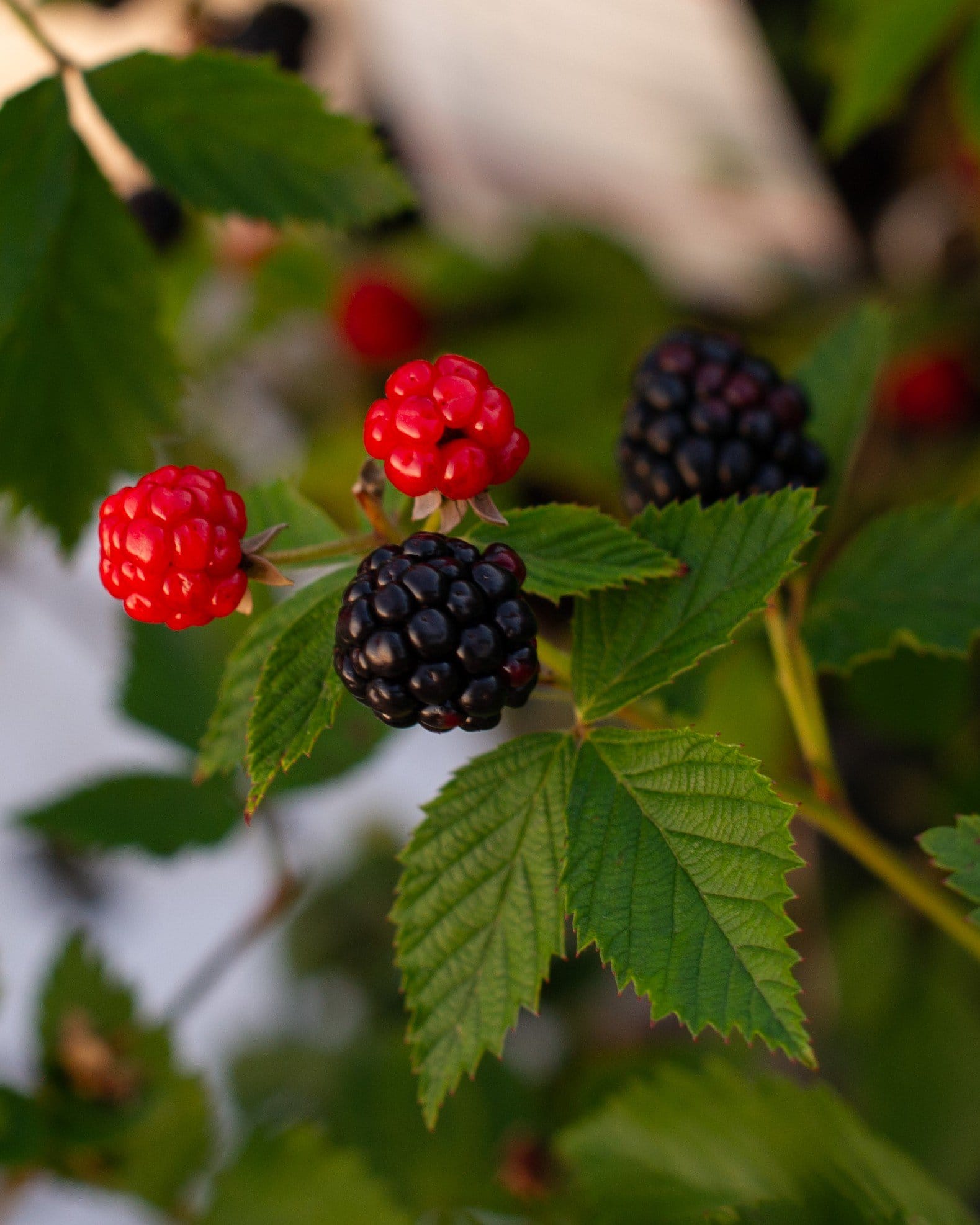
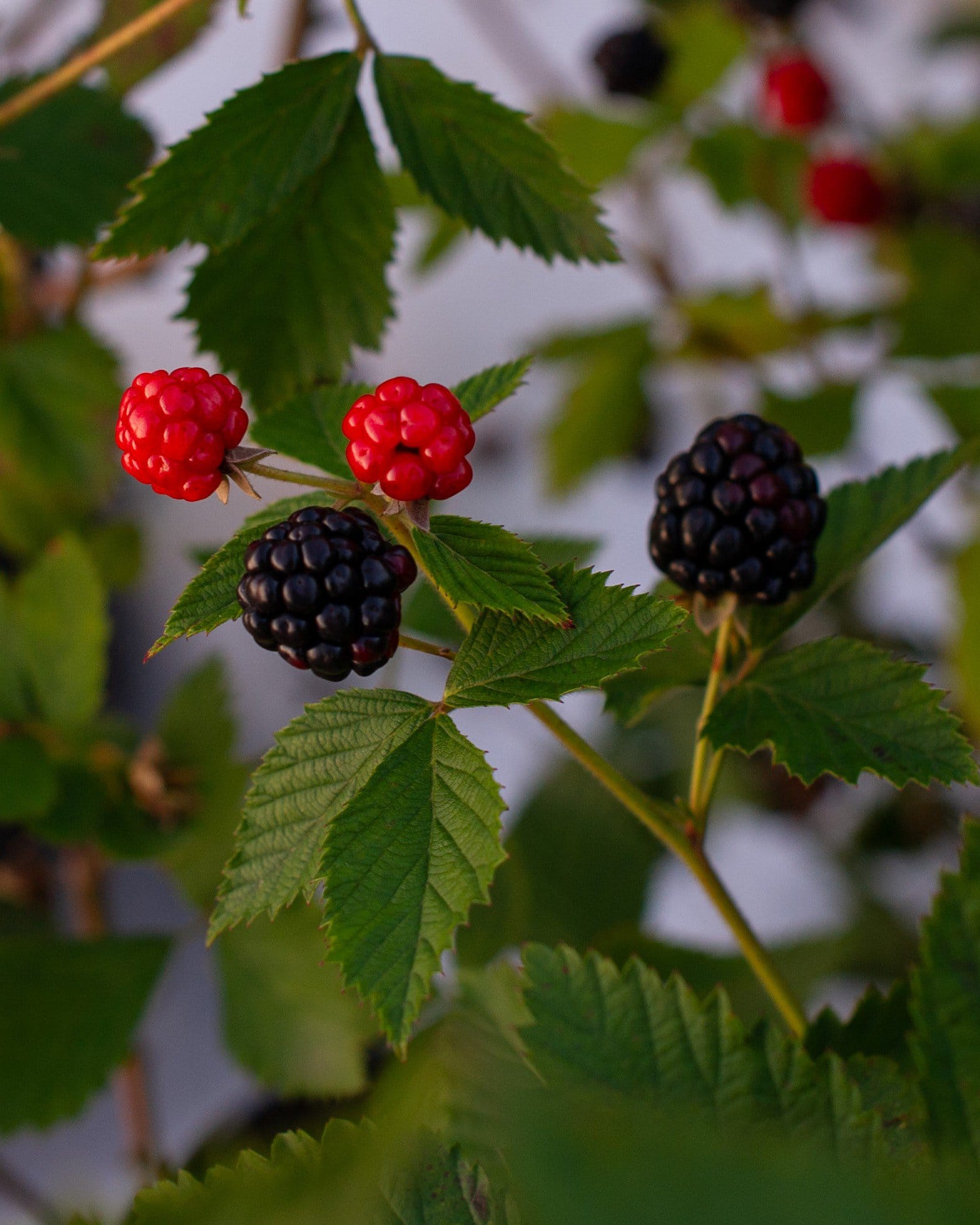
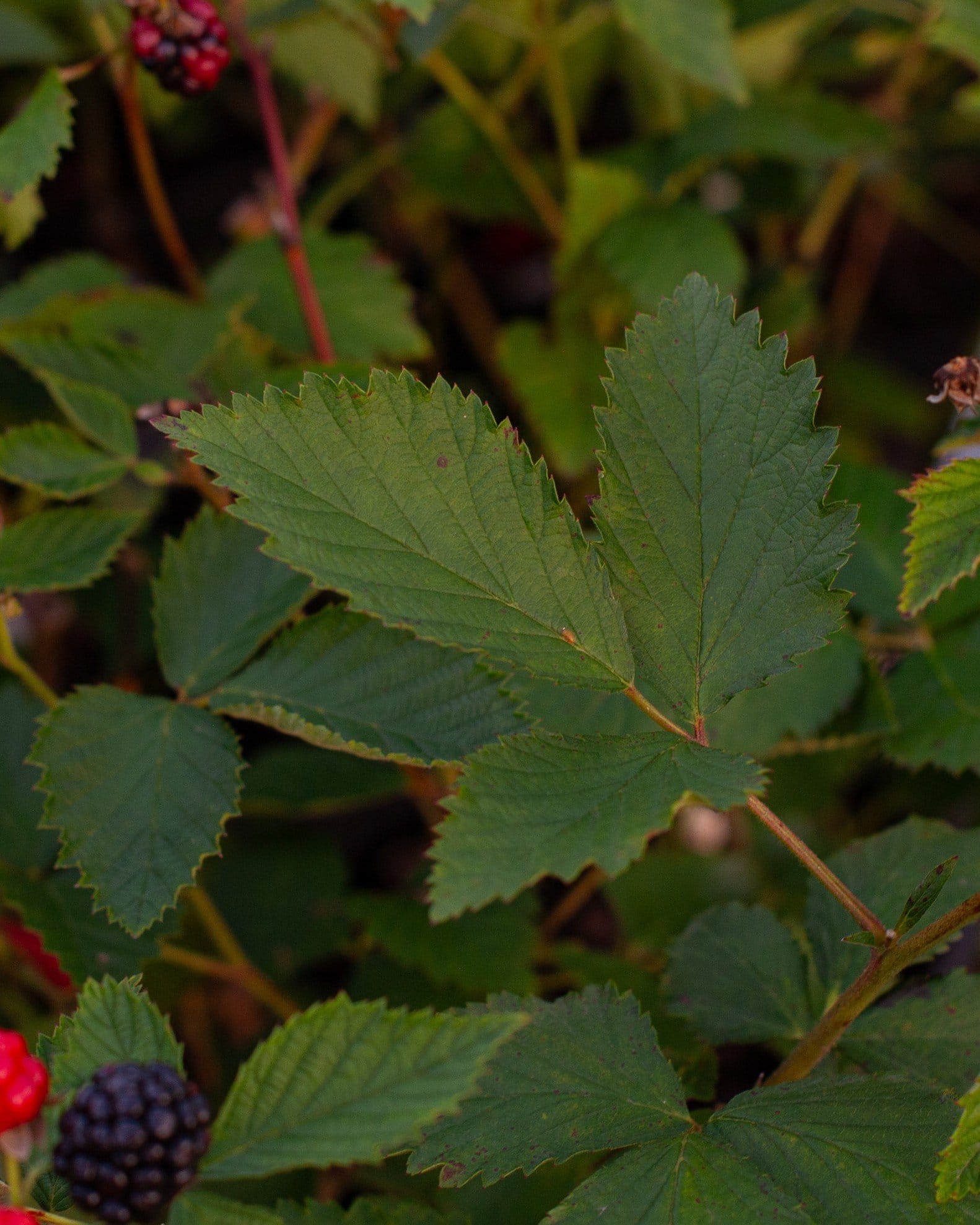
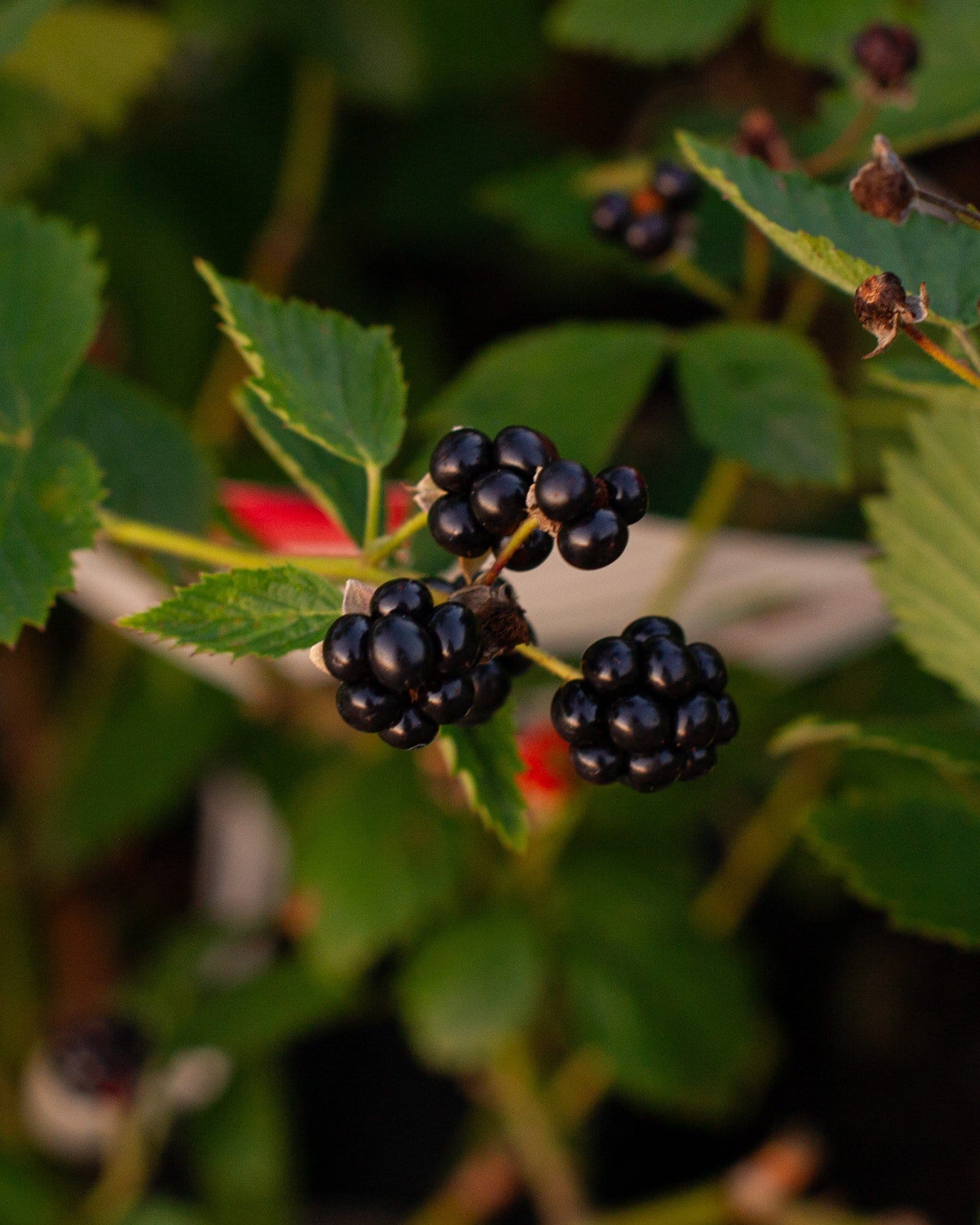
Arapaho Blackberry
Maturity: 4' H x 3' W
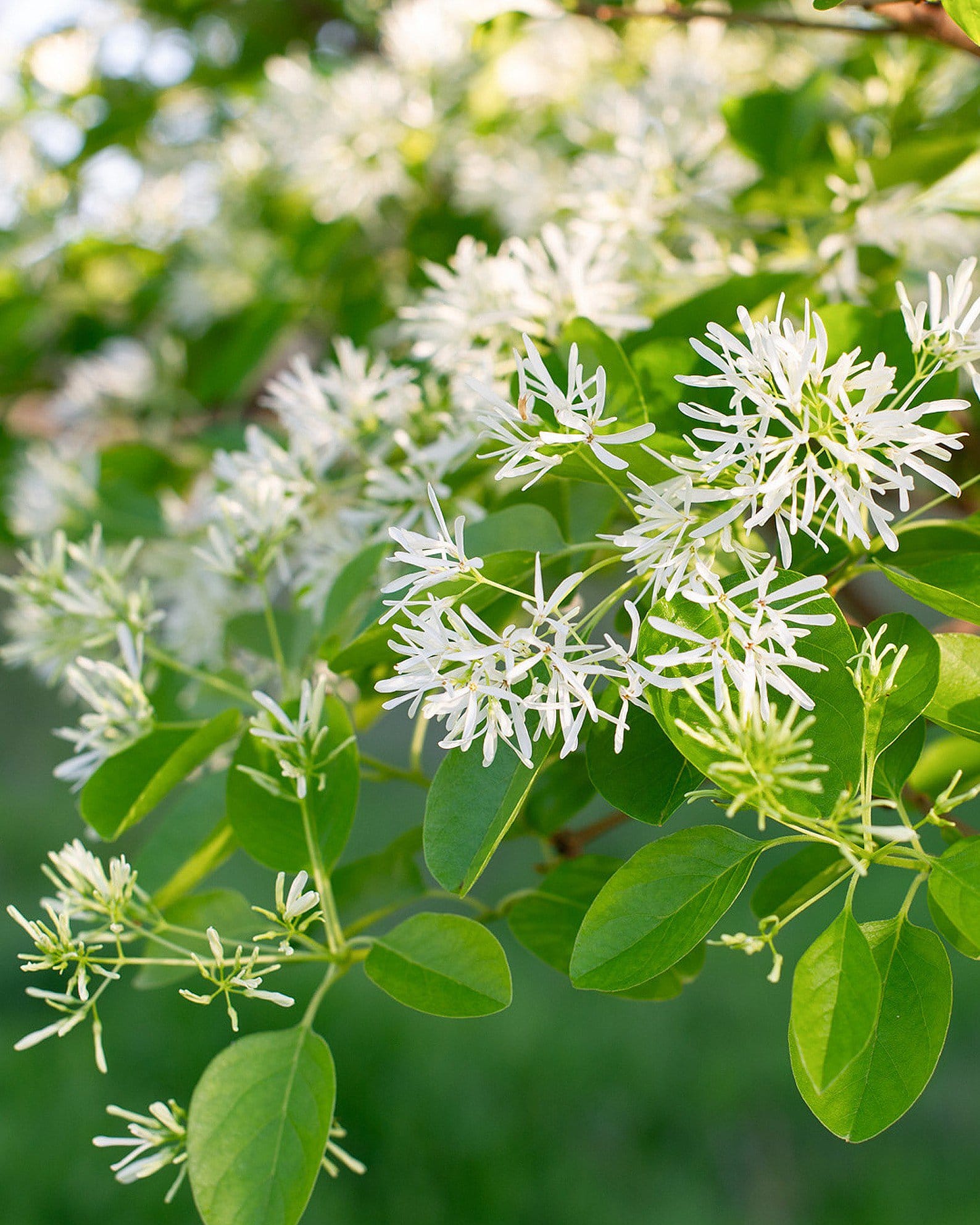
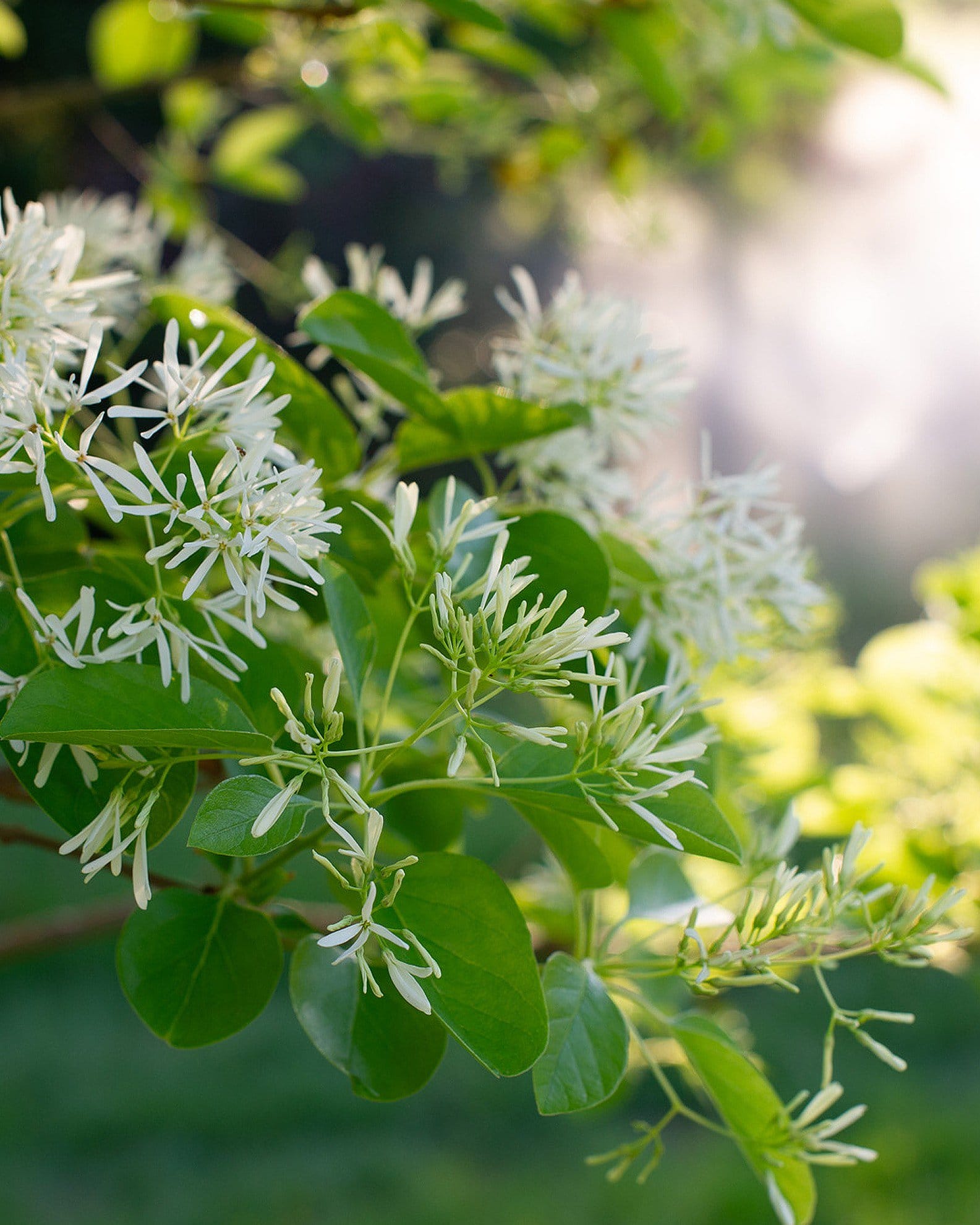
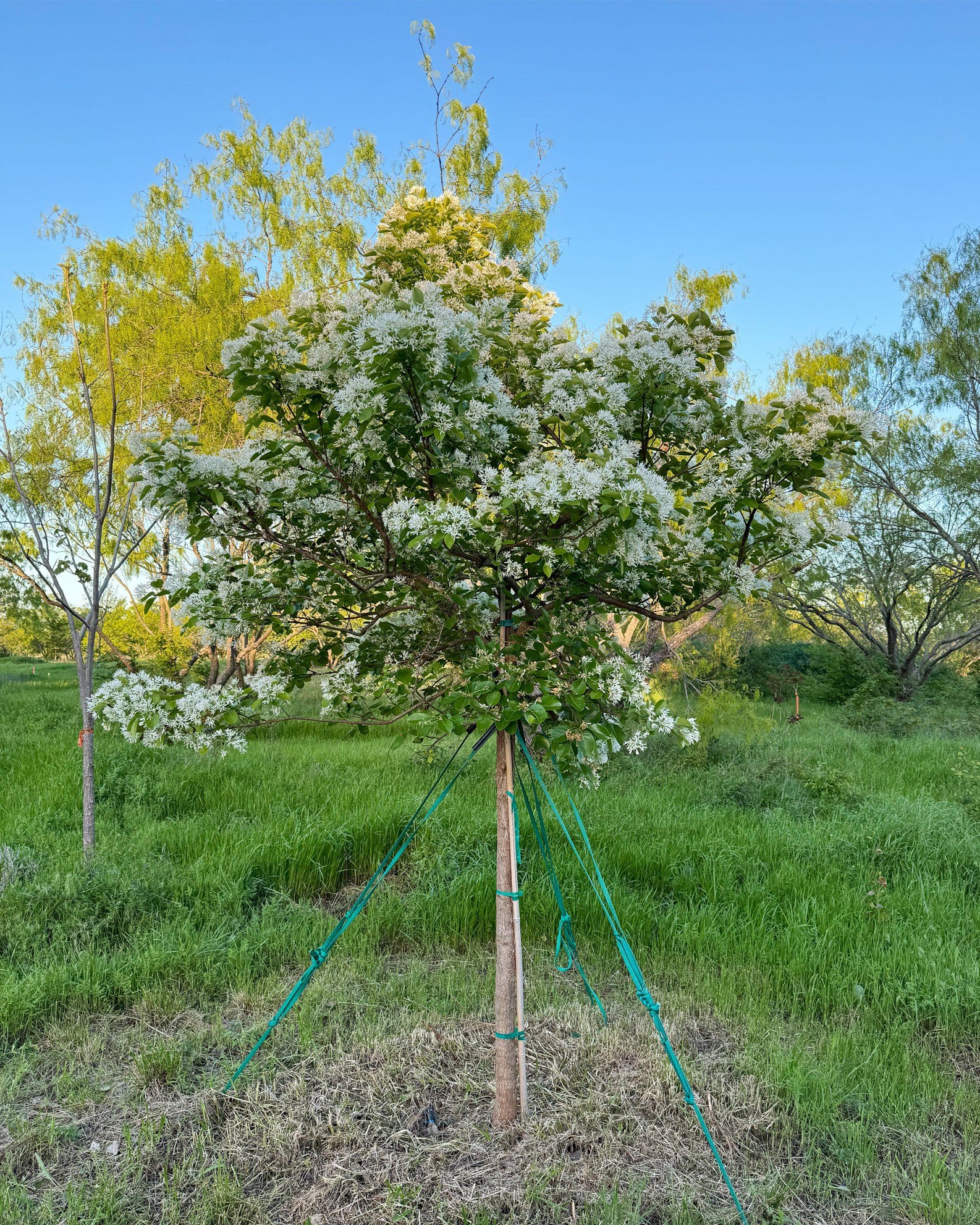
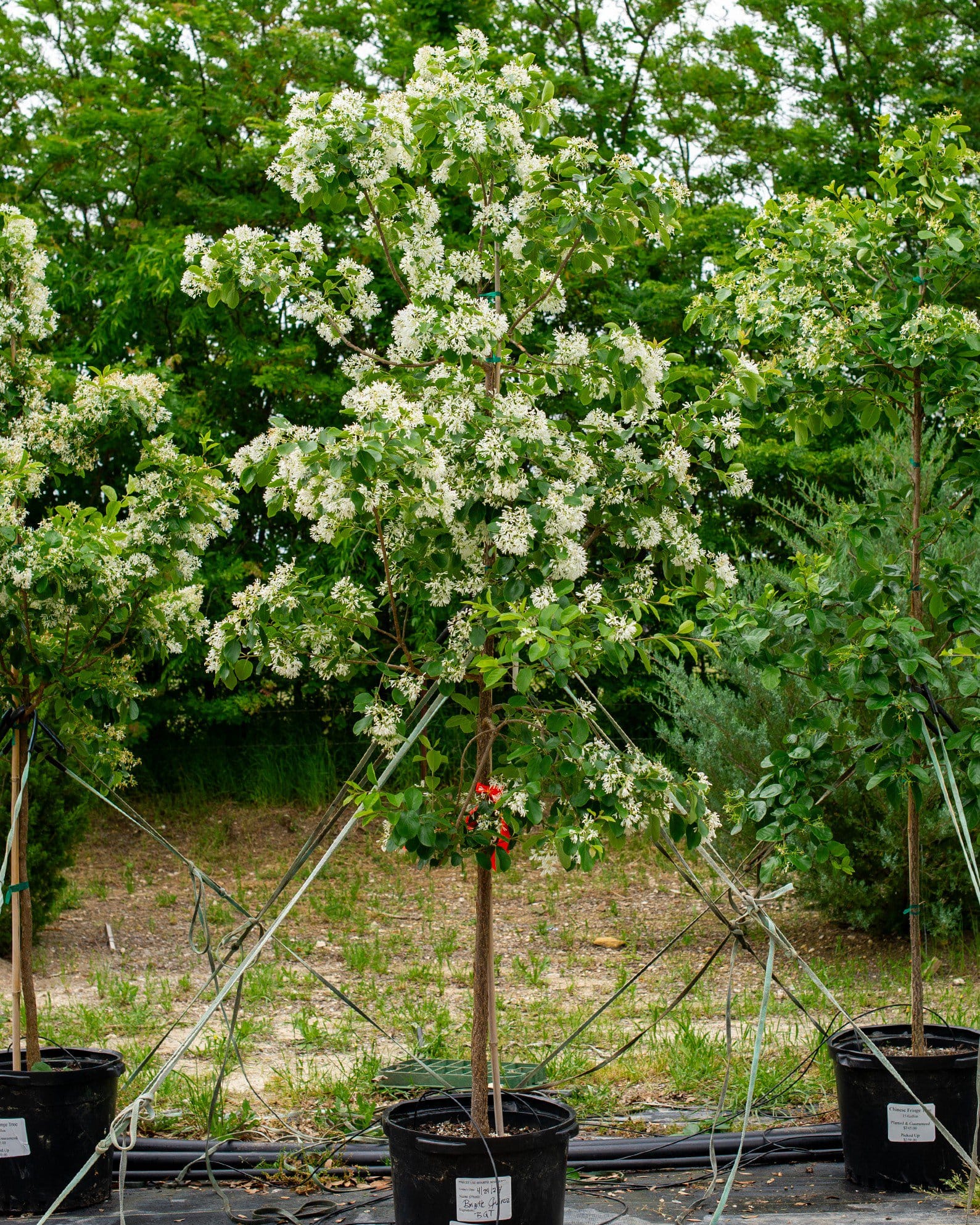
Chinese Fringe Tree
Maturity: 20' H x 15' W
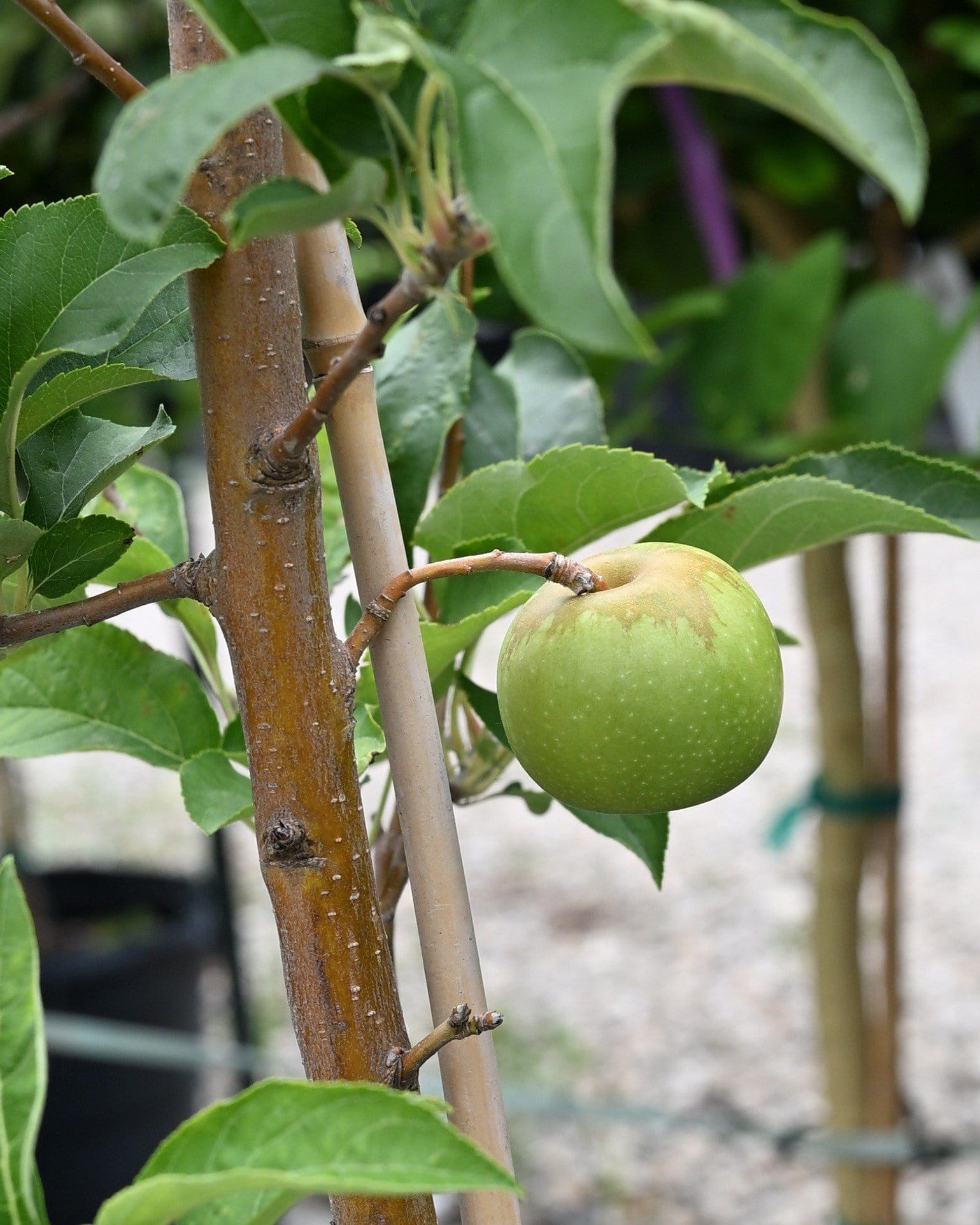
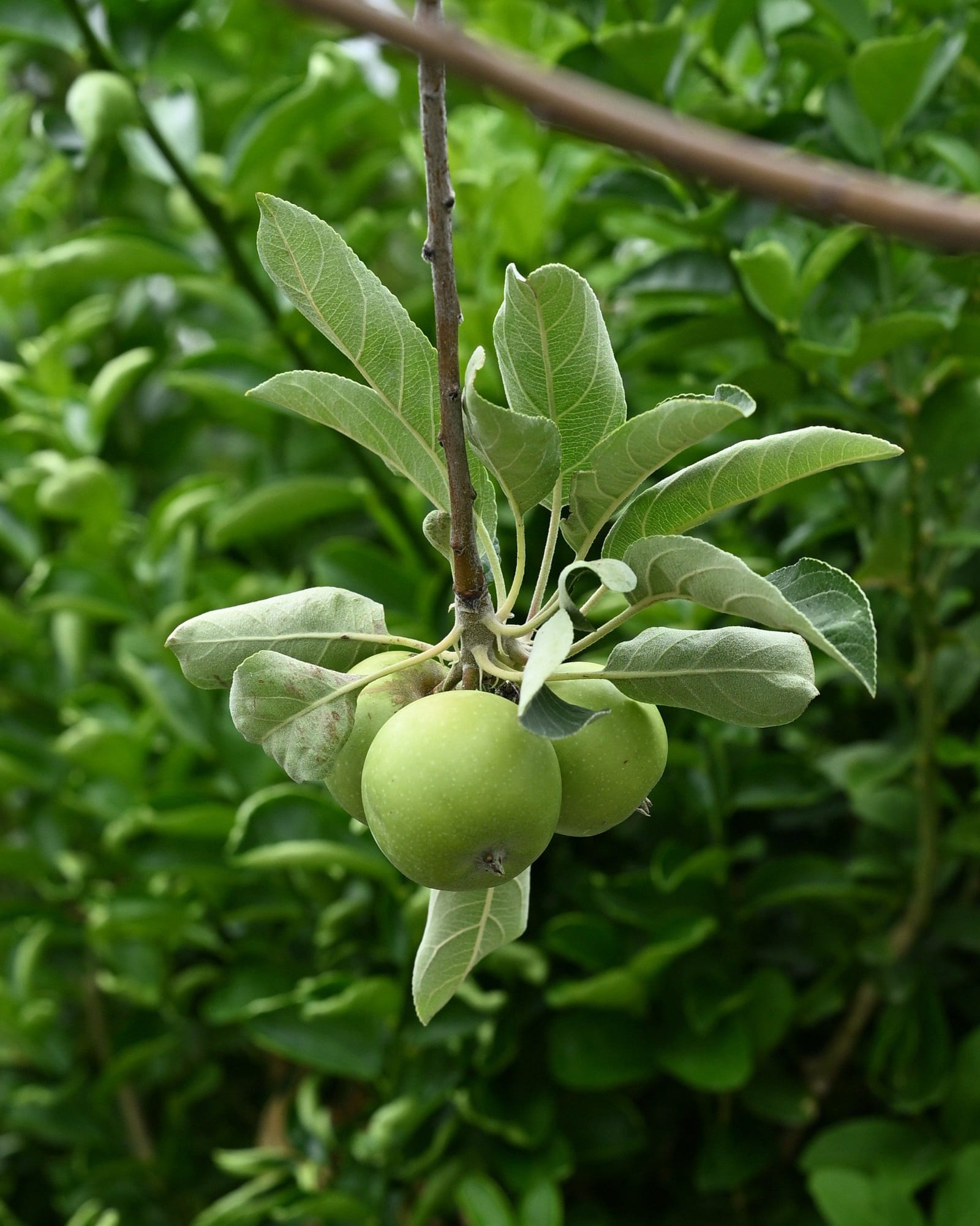
Granny Smith Apple
Maturity: 15' H x 15' W
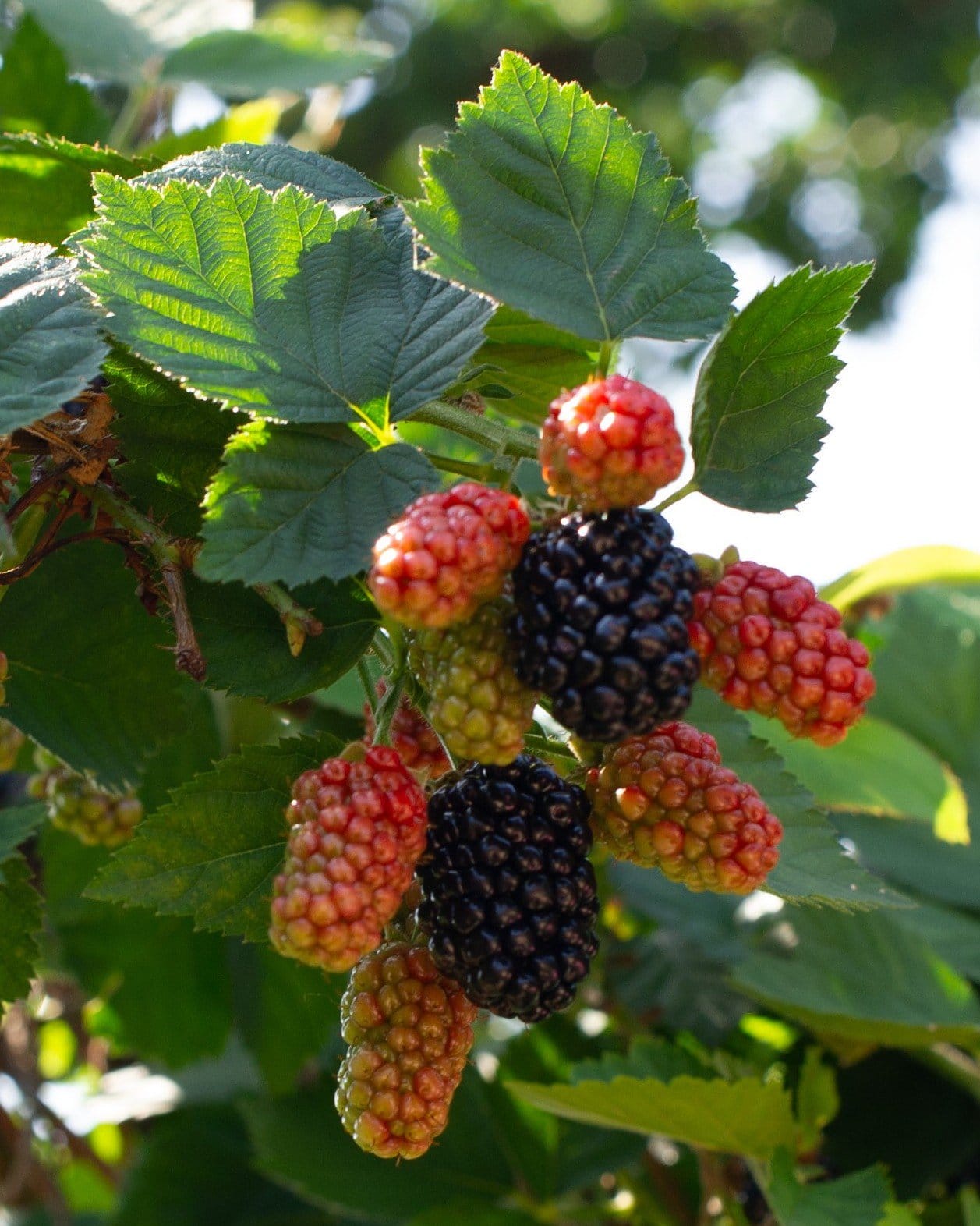
Kiowa Blackberry
Maturity: 4' H x 3' W
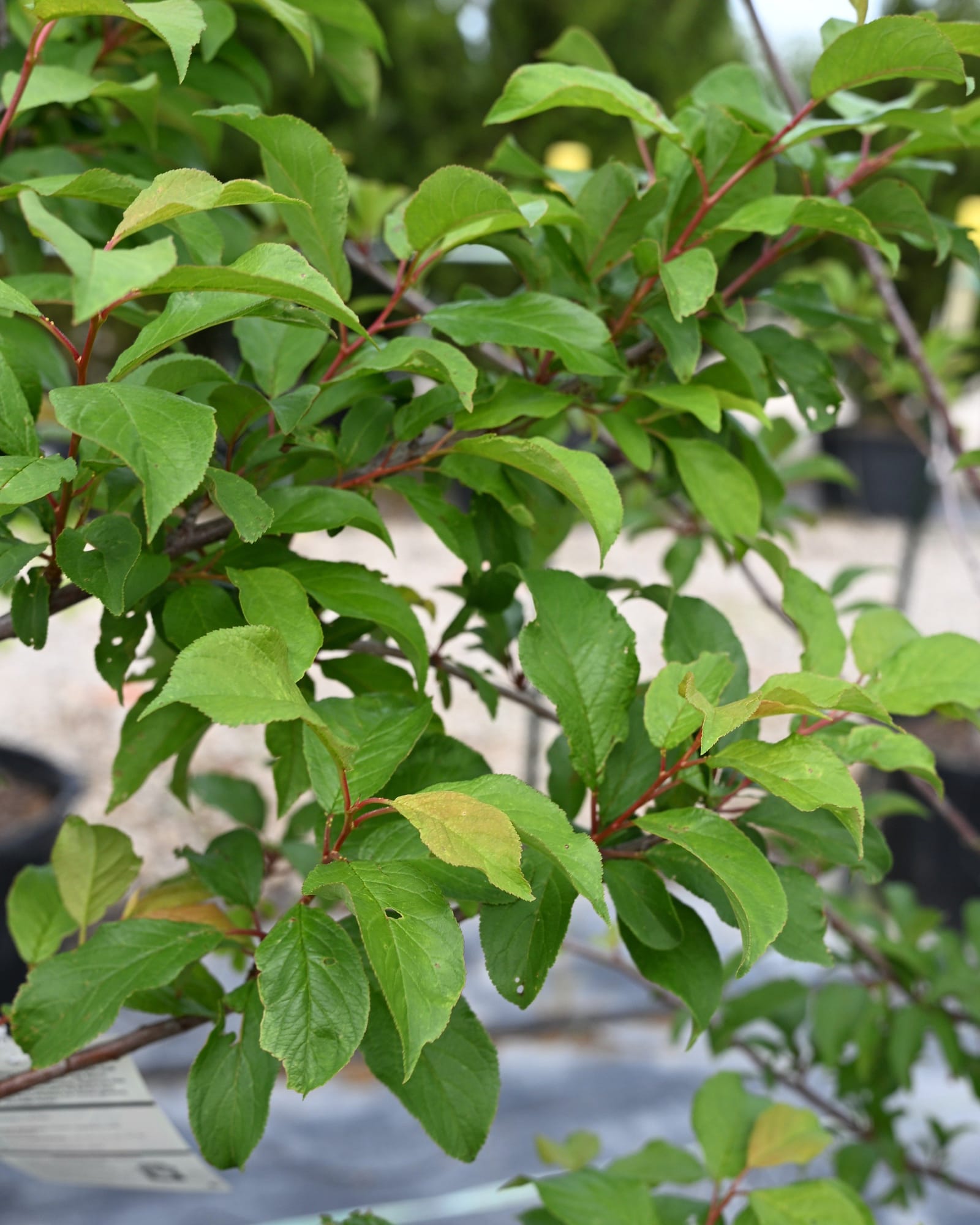
Methley Plum
Maturity: 10' H x 10' W
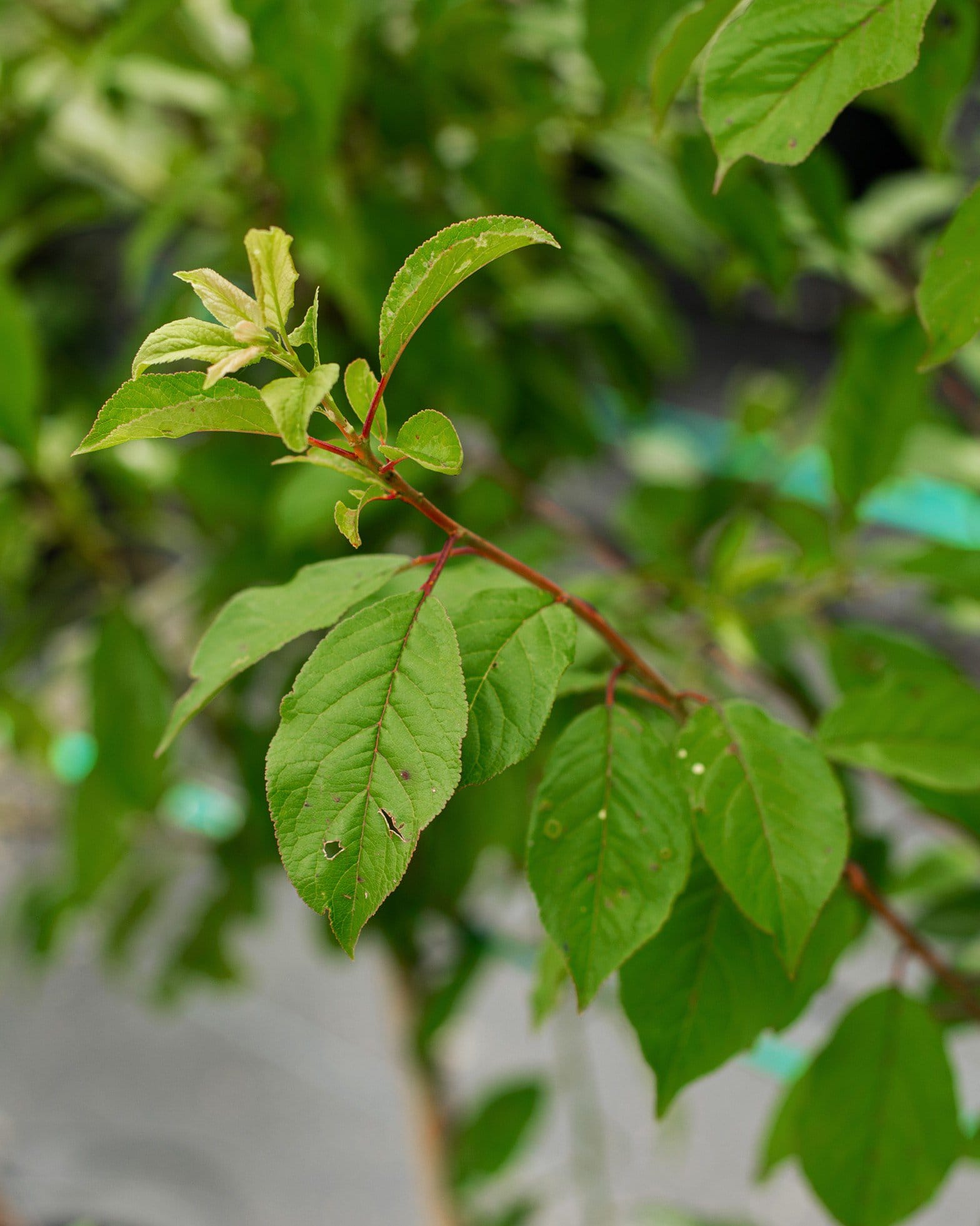
Santa Rosa Plum
Maturity: 15' H x 15' W
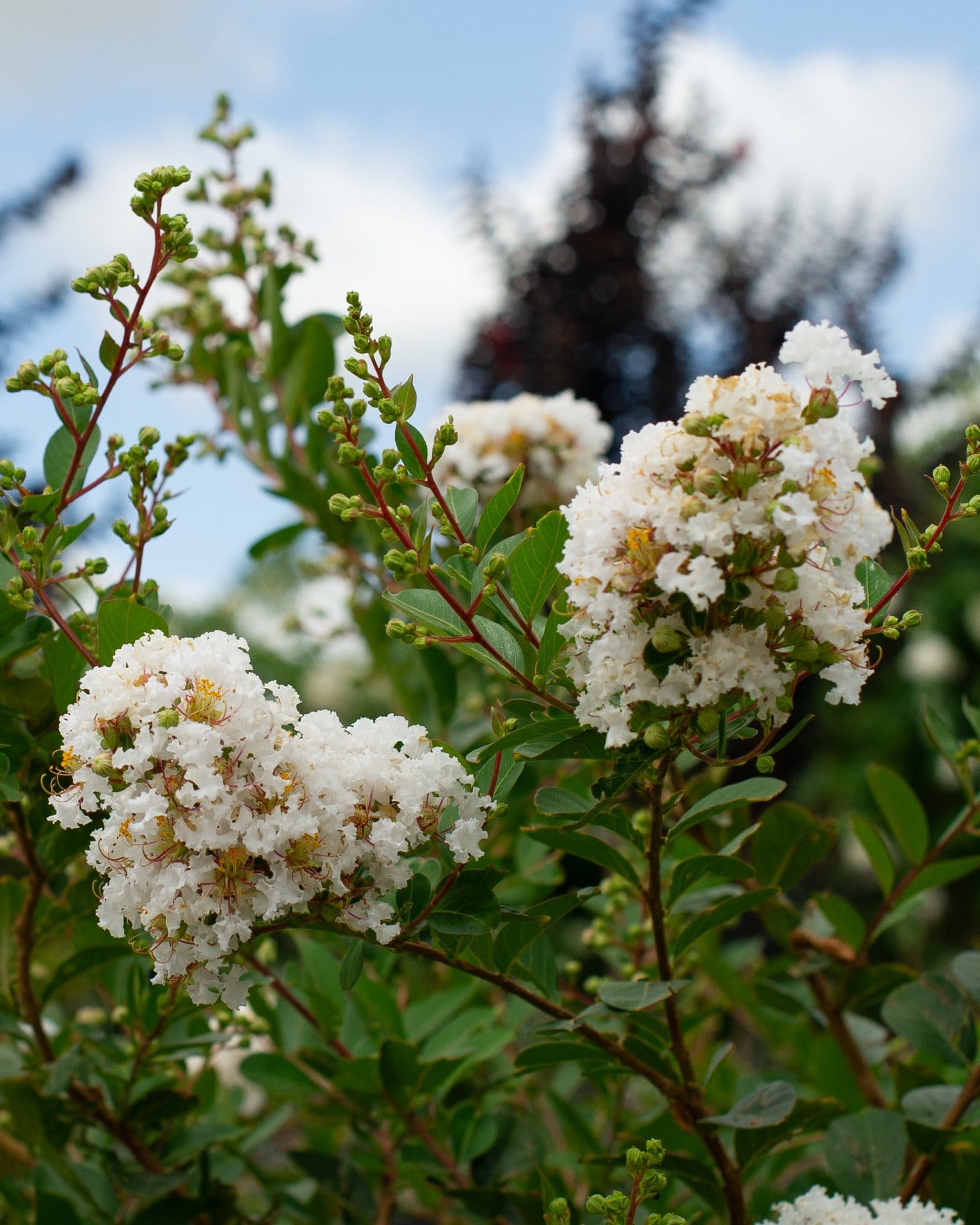
Acoma Crape Myrtle
Maturity: 7' H x 6' W
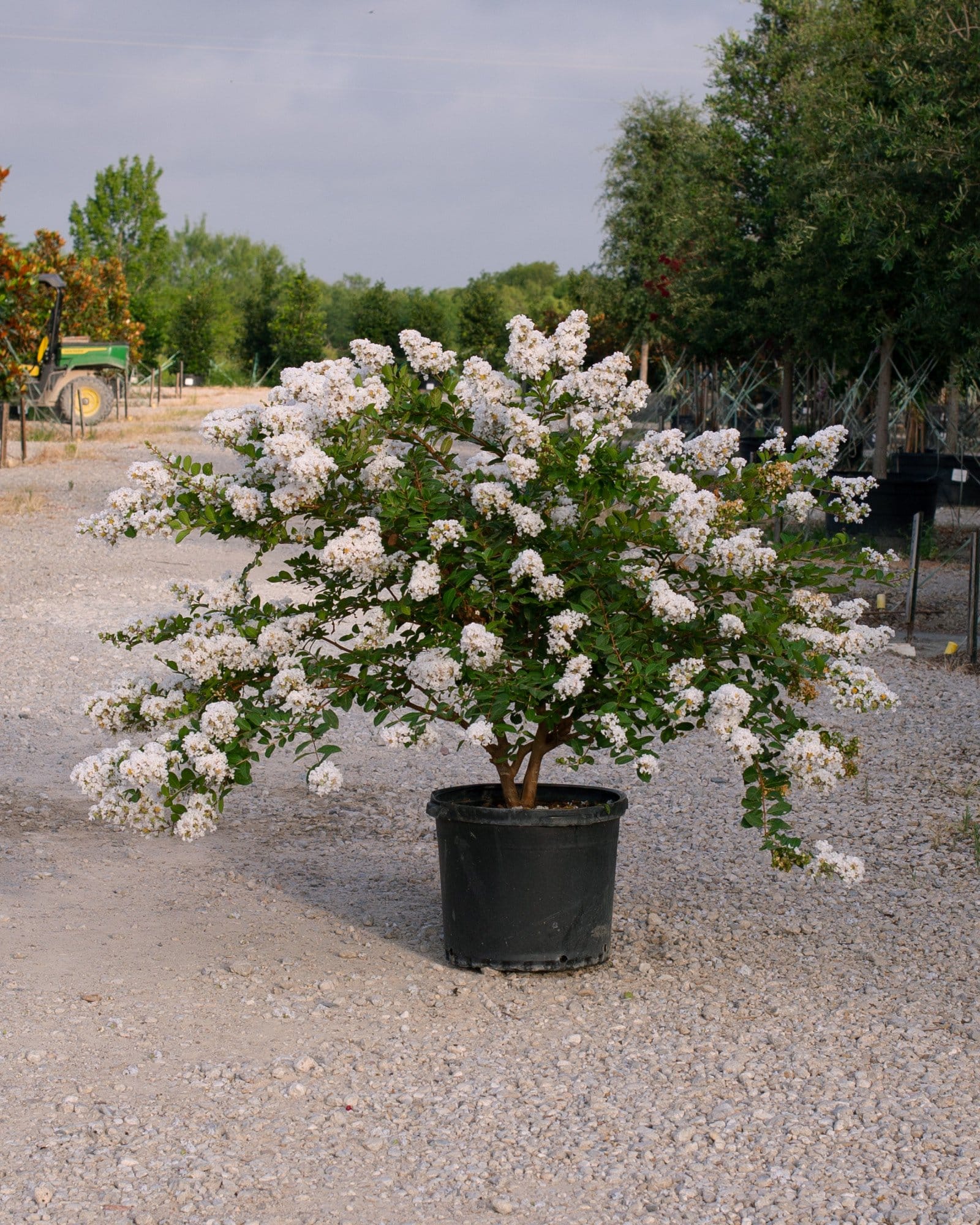
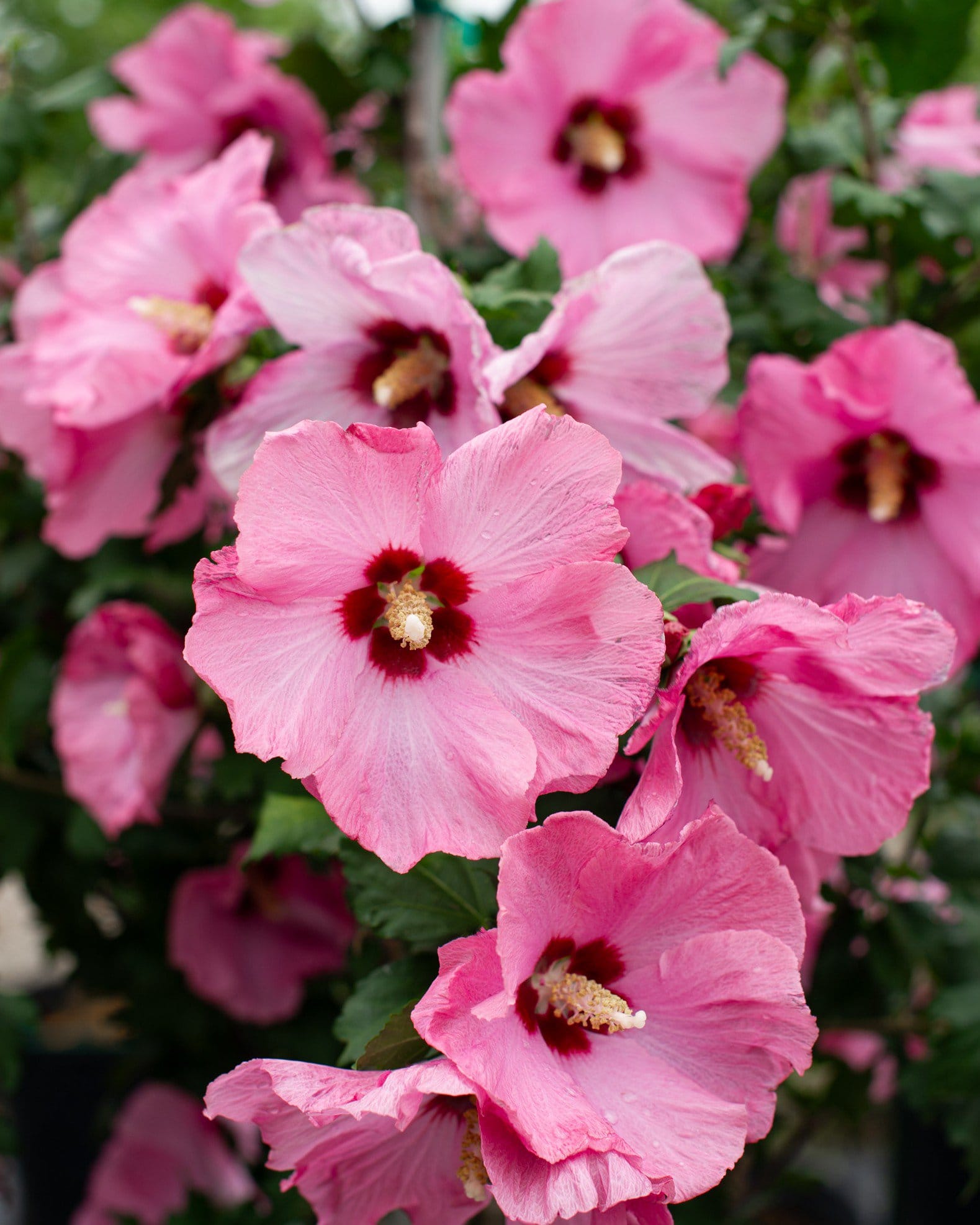
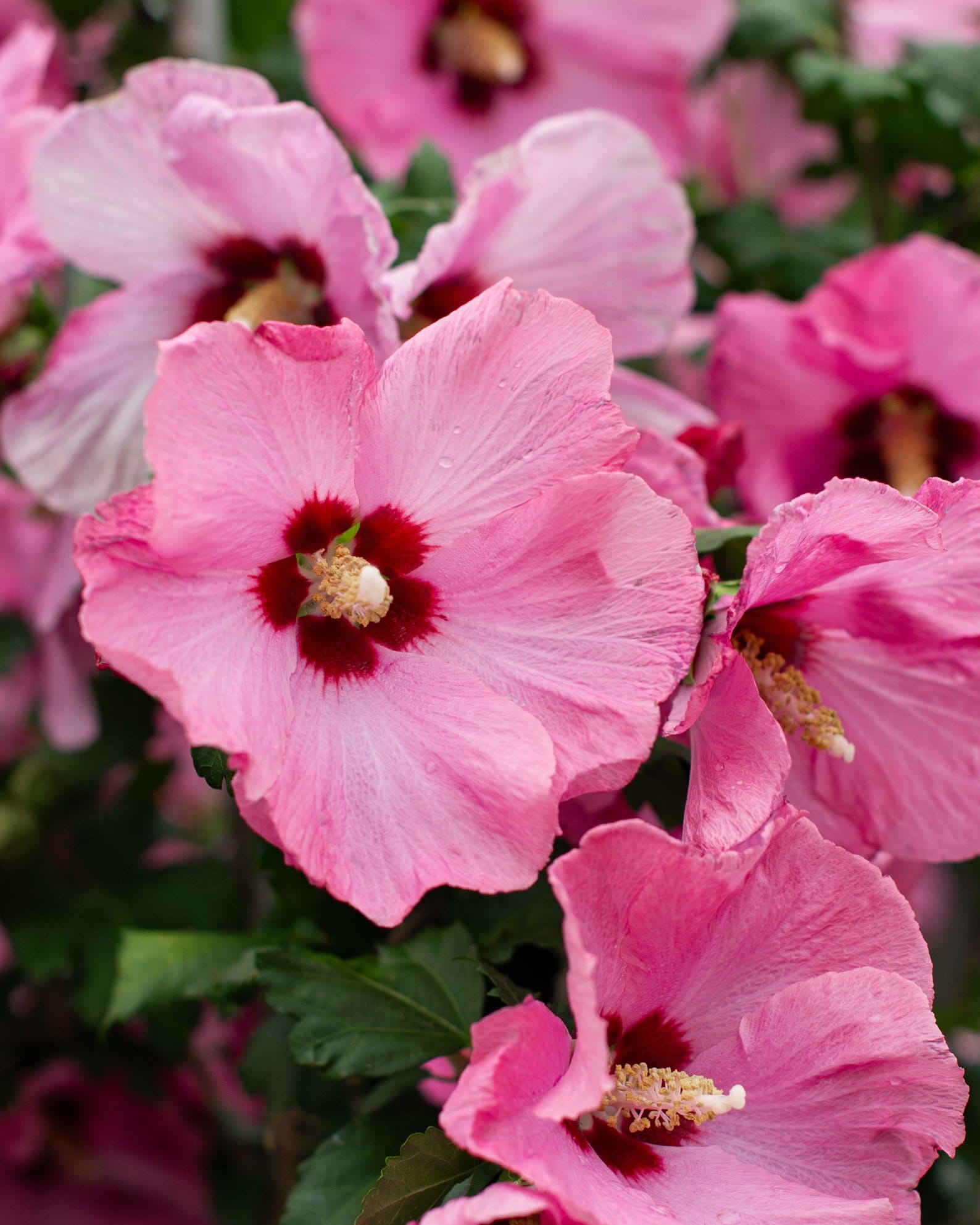
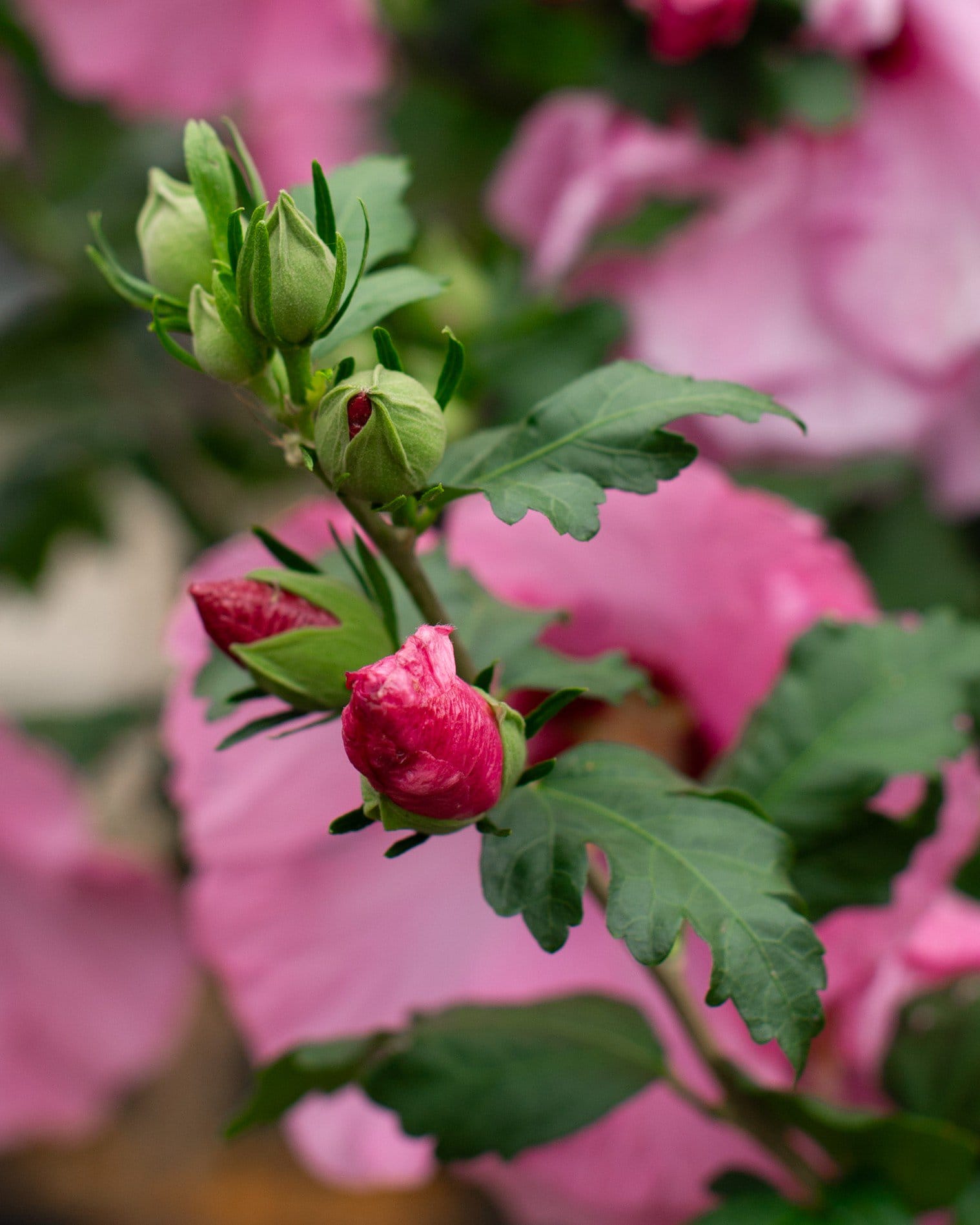
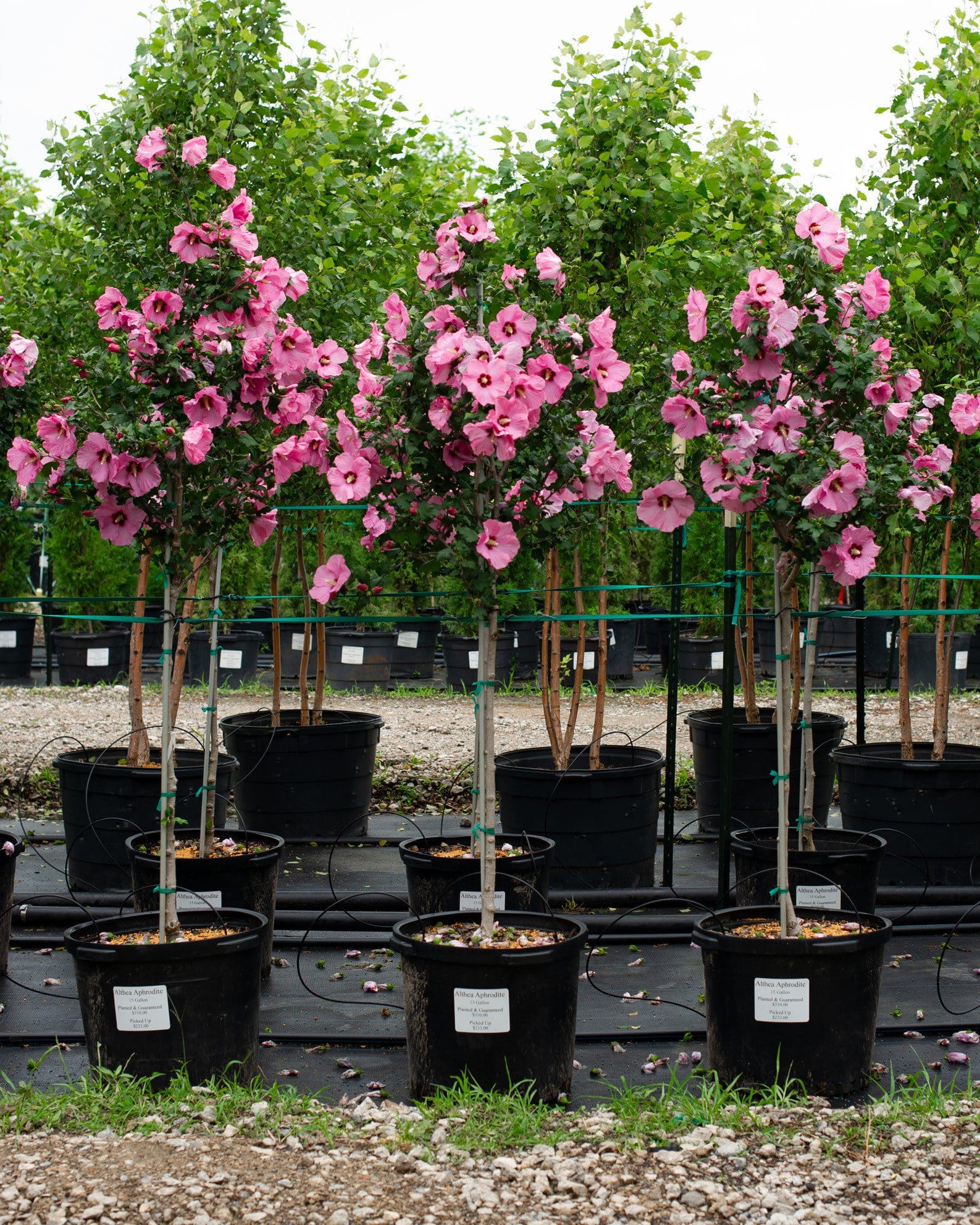
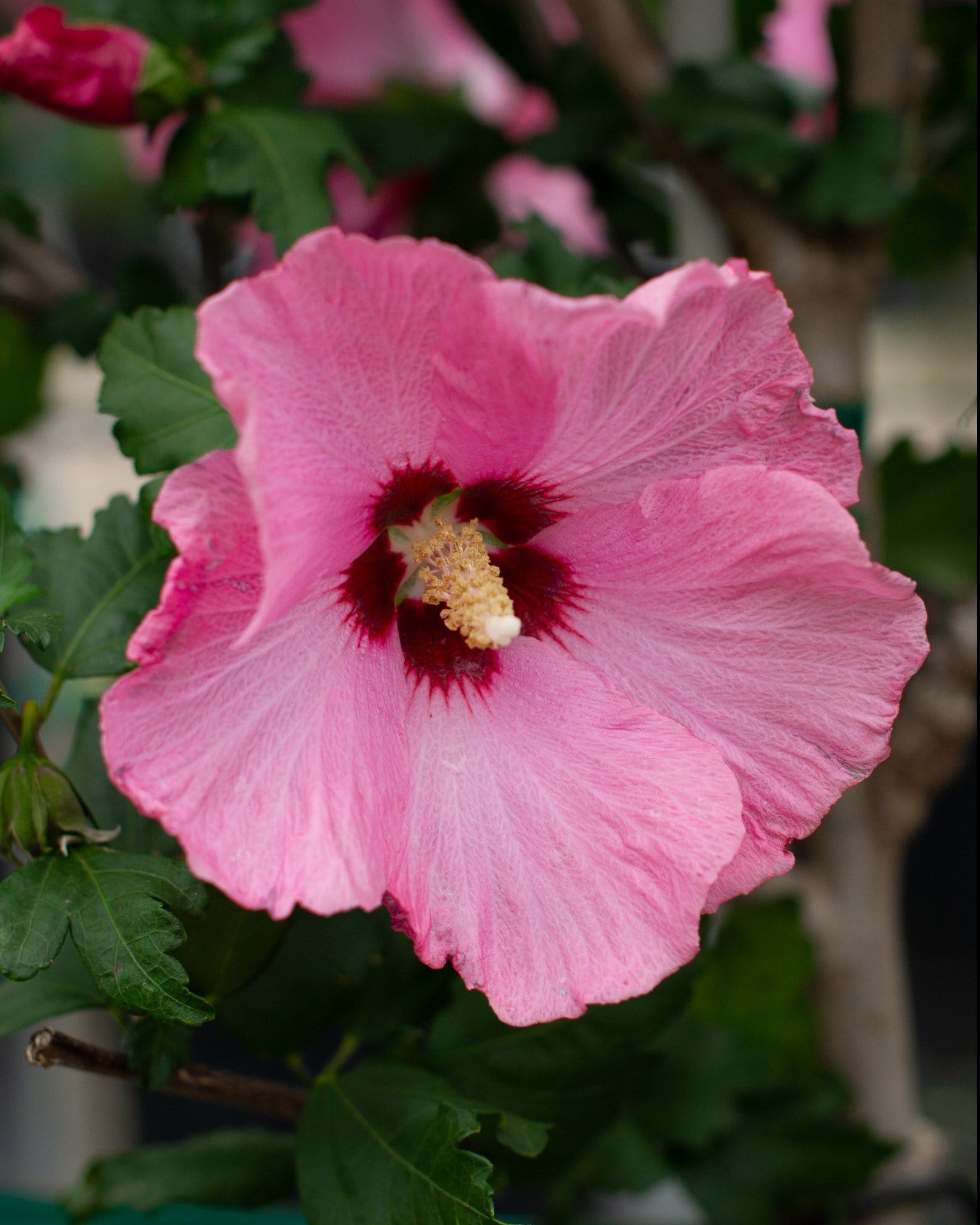
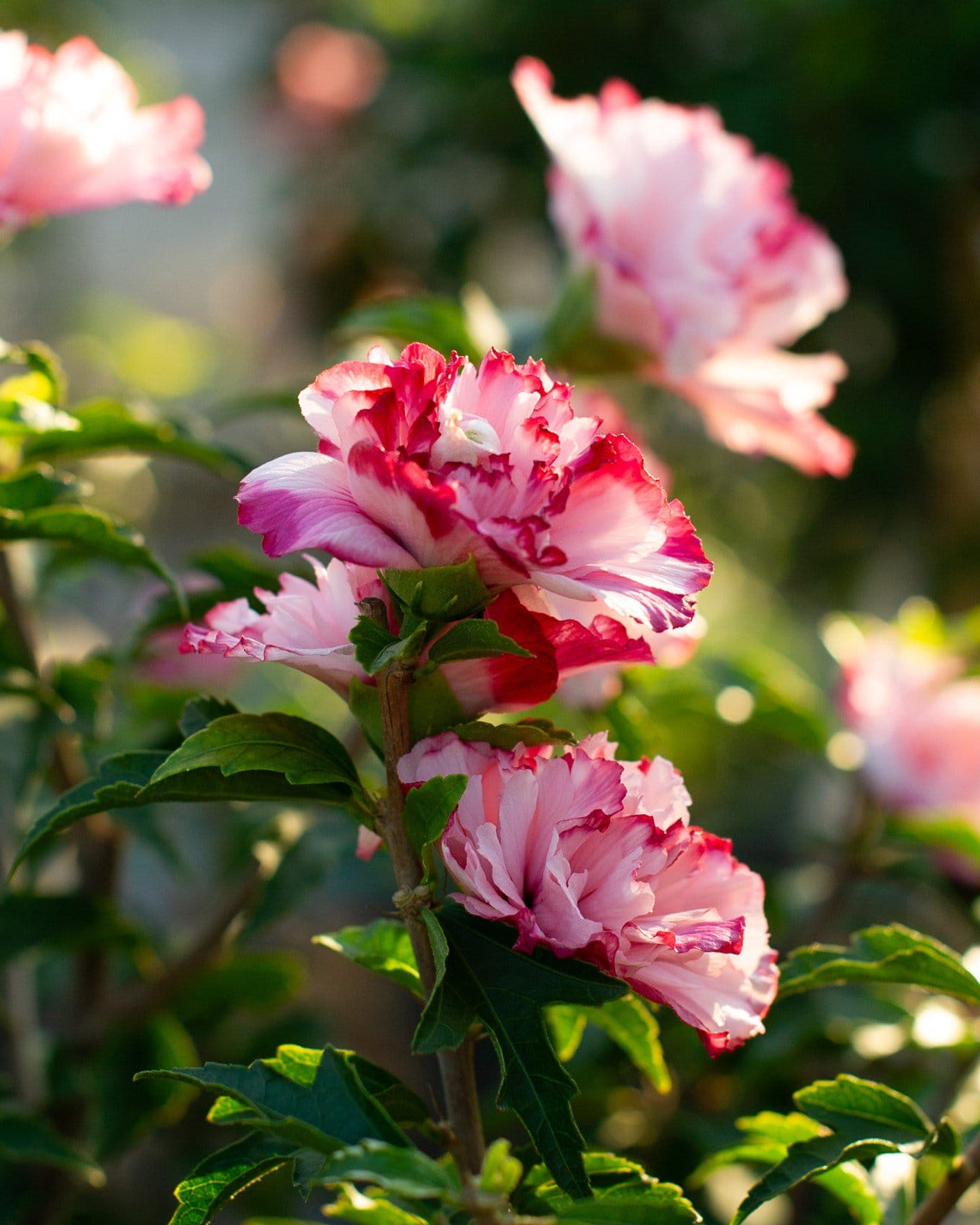
Aphrodite Althea Tree Form
Maturity: 8' H x 6' W
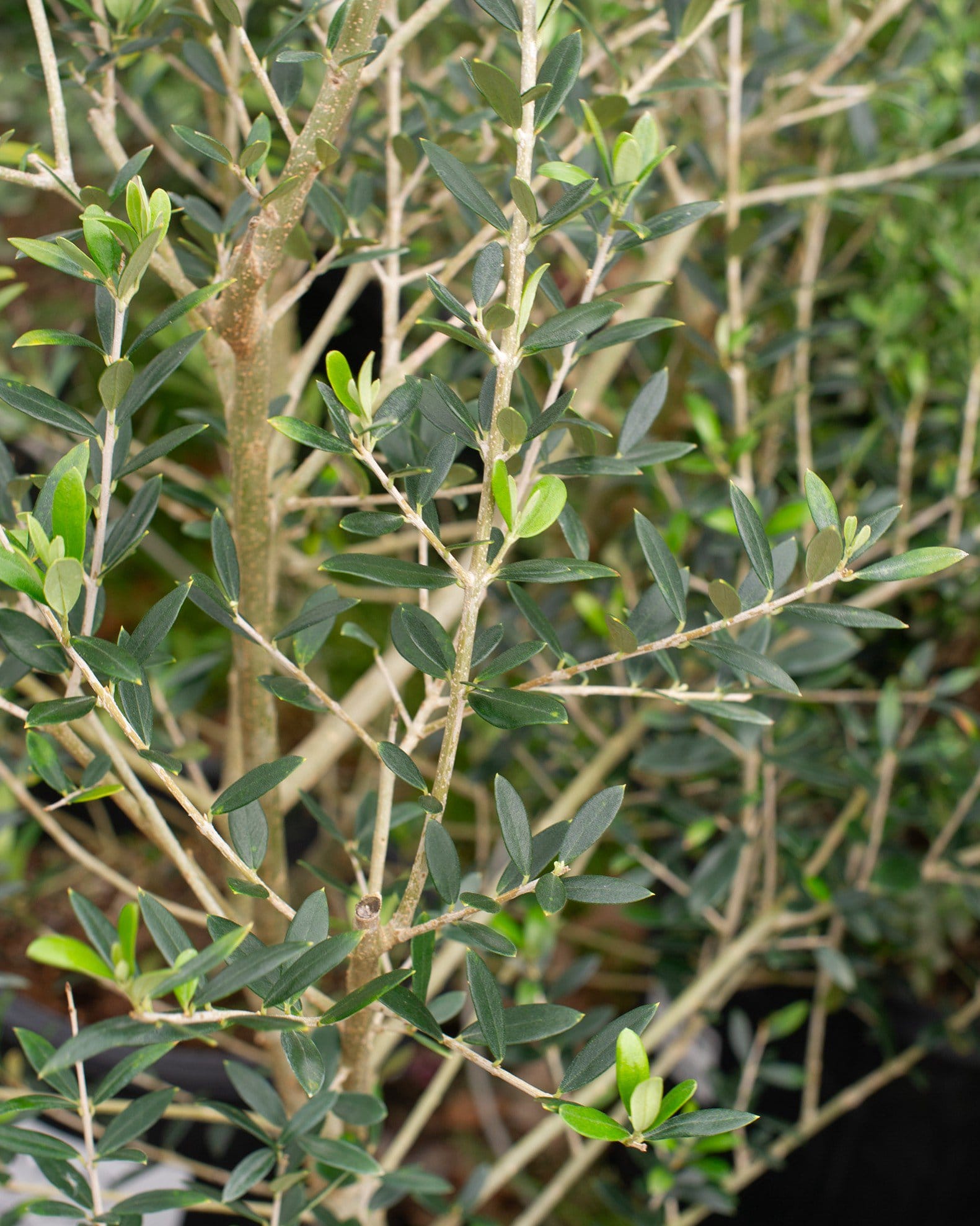
Arbequina Olive
Maturity: 15' H x 15' W
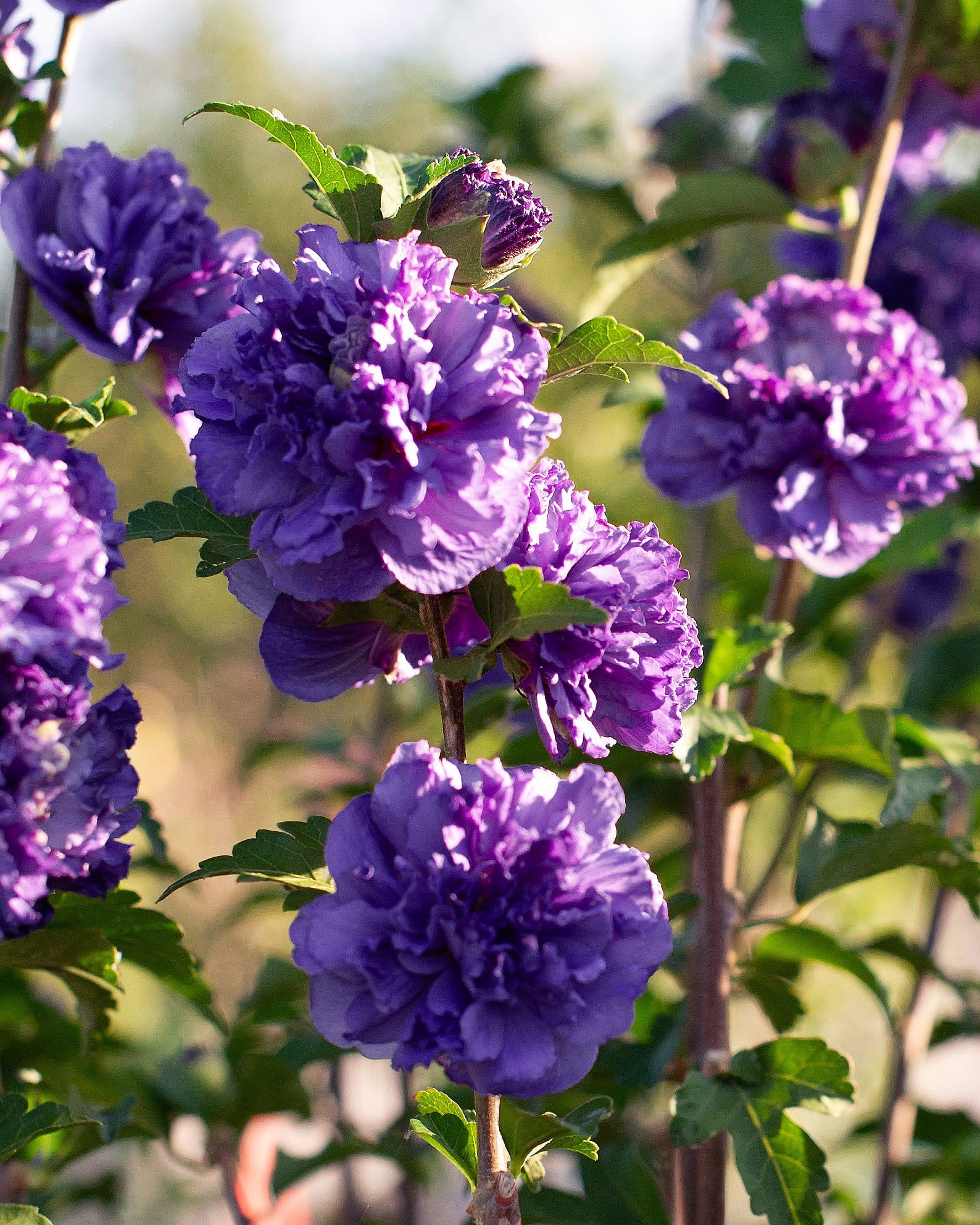
Blueberry Smoothie Althea Tree Form
Maturity: 8' H x 4' W
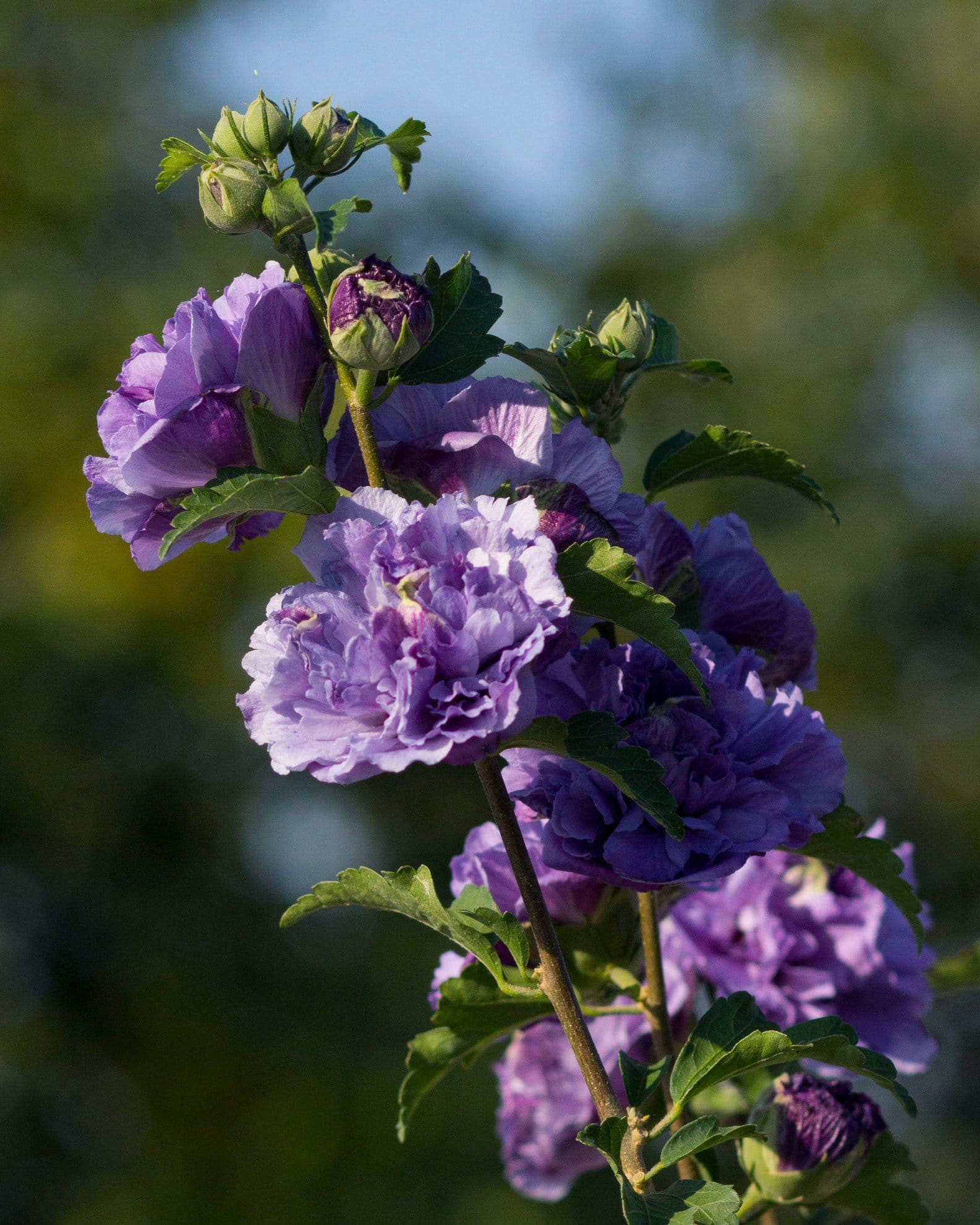
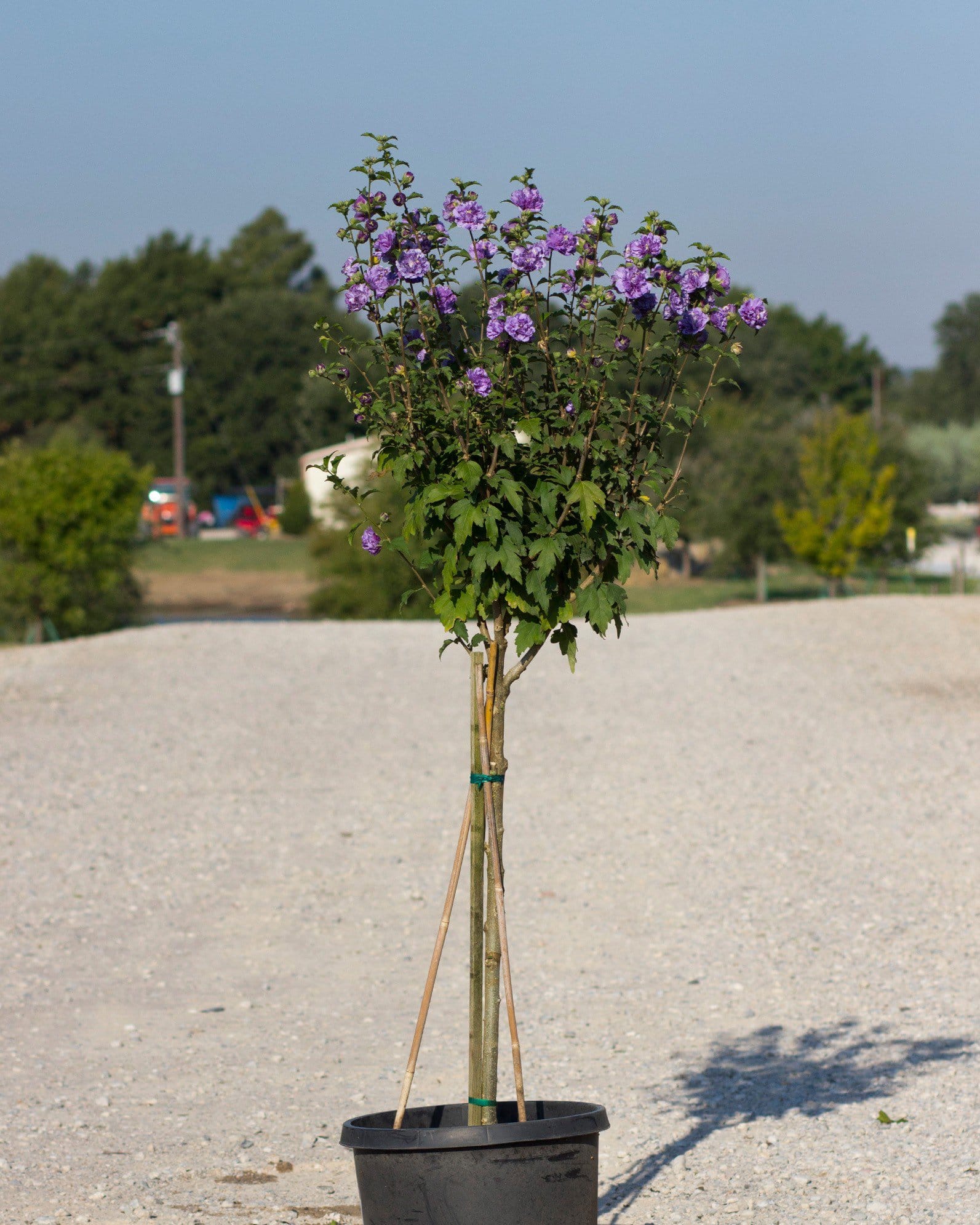
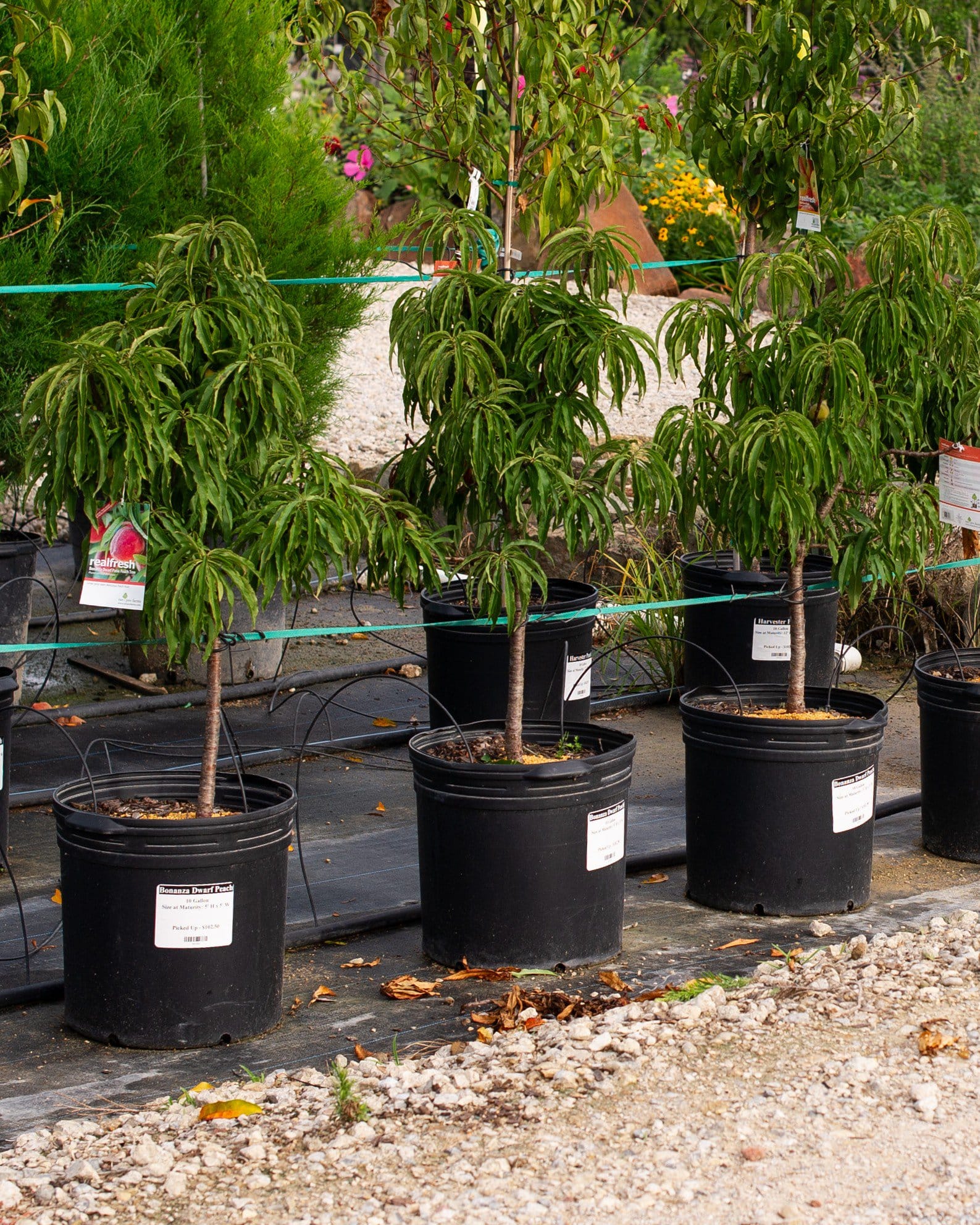
Bonanza Dwarf Peach
Maturity: 5' H x 5' W
Danica Althea Tree Form
Maturity: 8' H x 5' W
French Vanilla Crape Myrtle
Maturity: 2' H x 2' W
Compare Similar Plants
Golden Dorsett Apple This plant | ||
|---|---|---|
| Scientific Name | Malus domestica ‘Dorsett Golden’ | Malus domestica ‘Anna’ |
| Size at Maturity | 15' H x 15' W | 15' H x 15' W |
| Leaf Retention | Deciduous | Deciduous |
| Fall Color | Yellow | Yellow |
| Flower Color | White | Pink |
| Bloom Times | Spring | Spring |
| Sizes Available | 5 gal | 5 gal |

Our 1-Year Planting Guarantee
We take pride in our plants and installation services. If any plants or trees installed by Treeland fail to thrive within the first year, we'll provide a replacement credit in accordance with our guarantee program.
Learn More About Our Guarantee