
 Popular
Cherry Blast Loropetalum
Loropetalum chinense var. rubrum 'Cherry Blast'Local DFW Delivery Only
Product Details
Cherry Blast Loropetalum
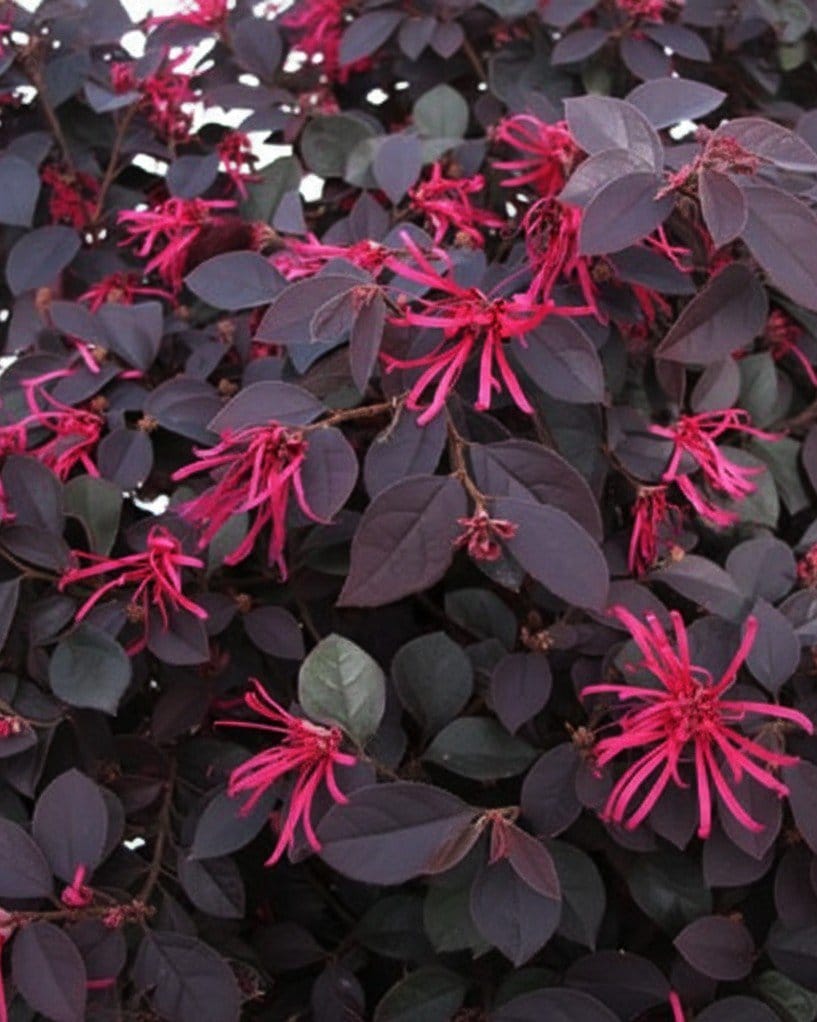
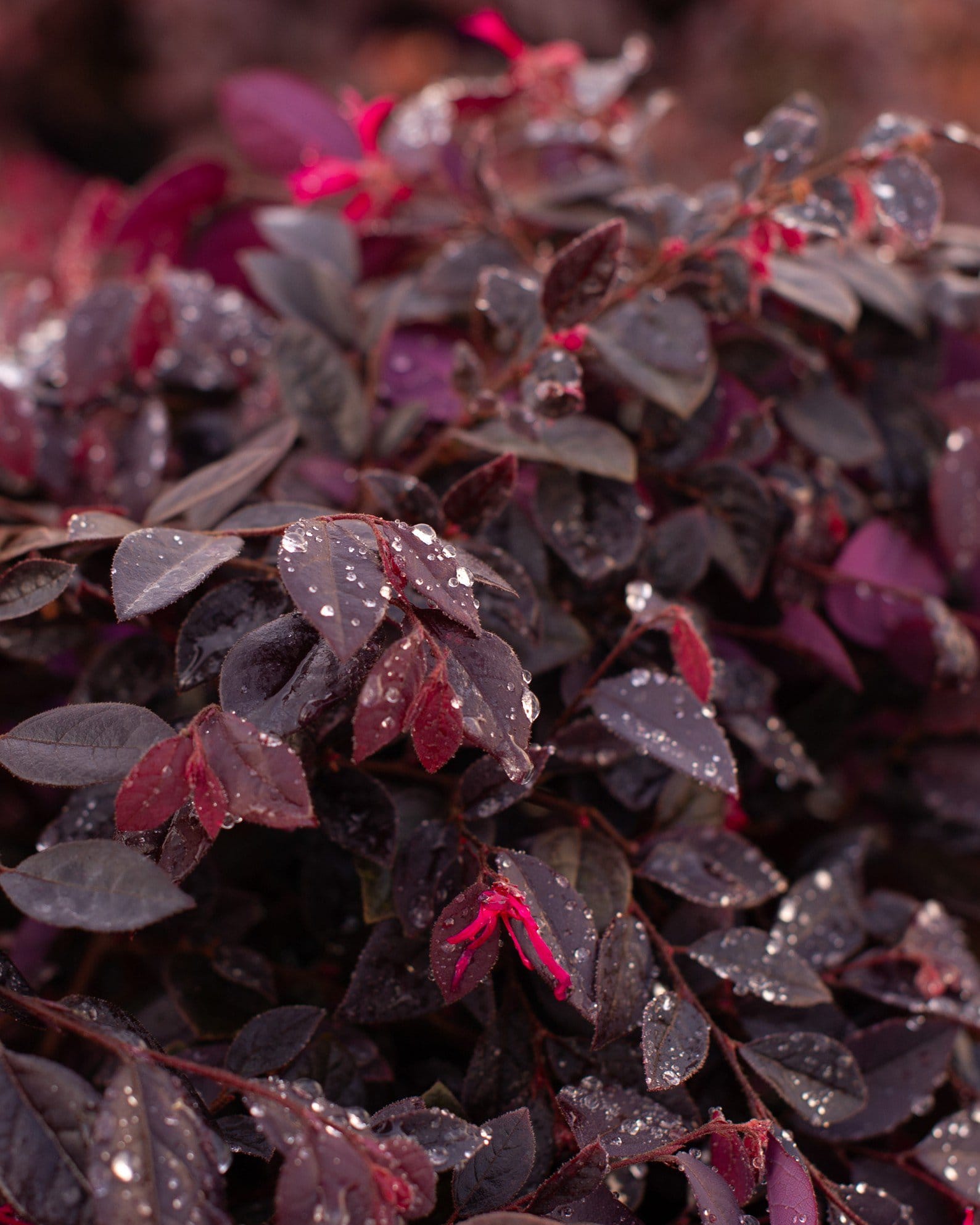
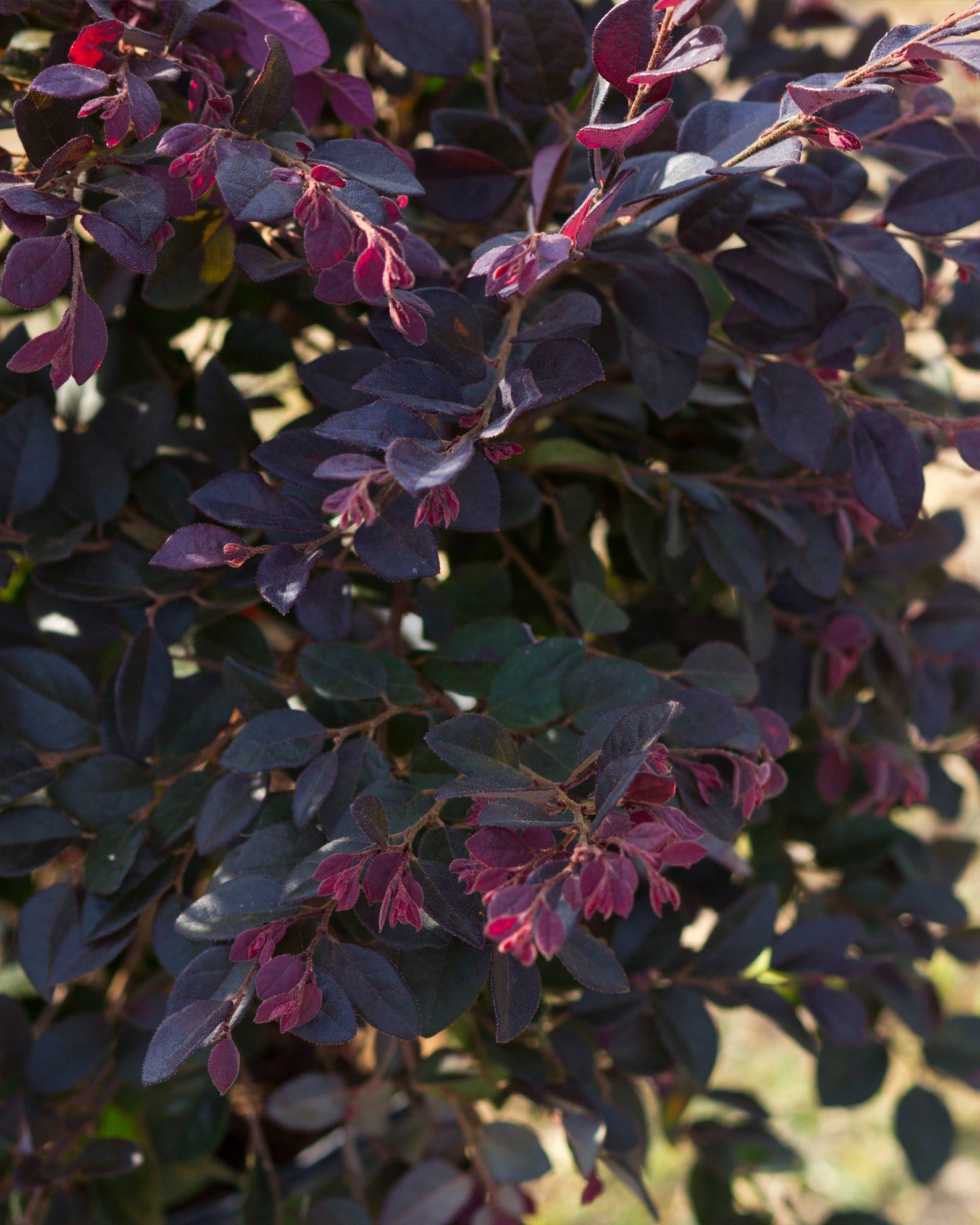
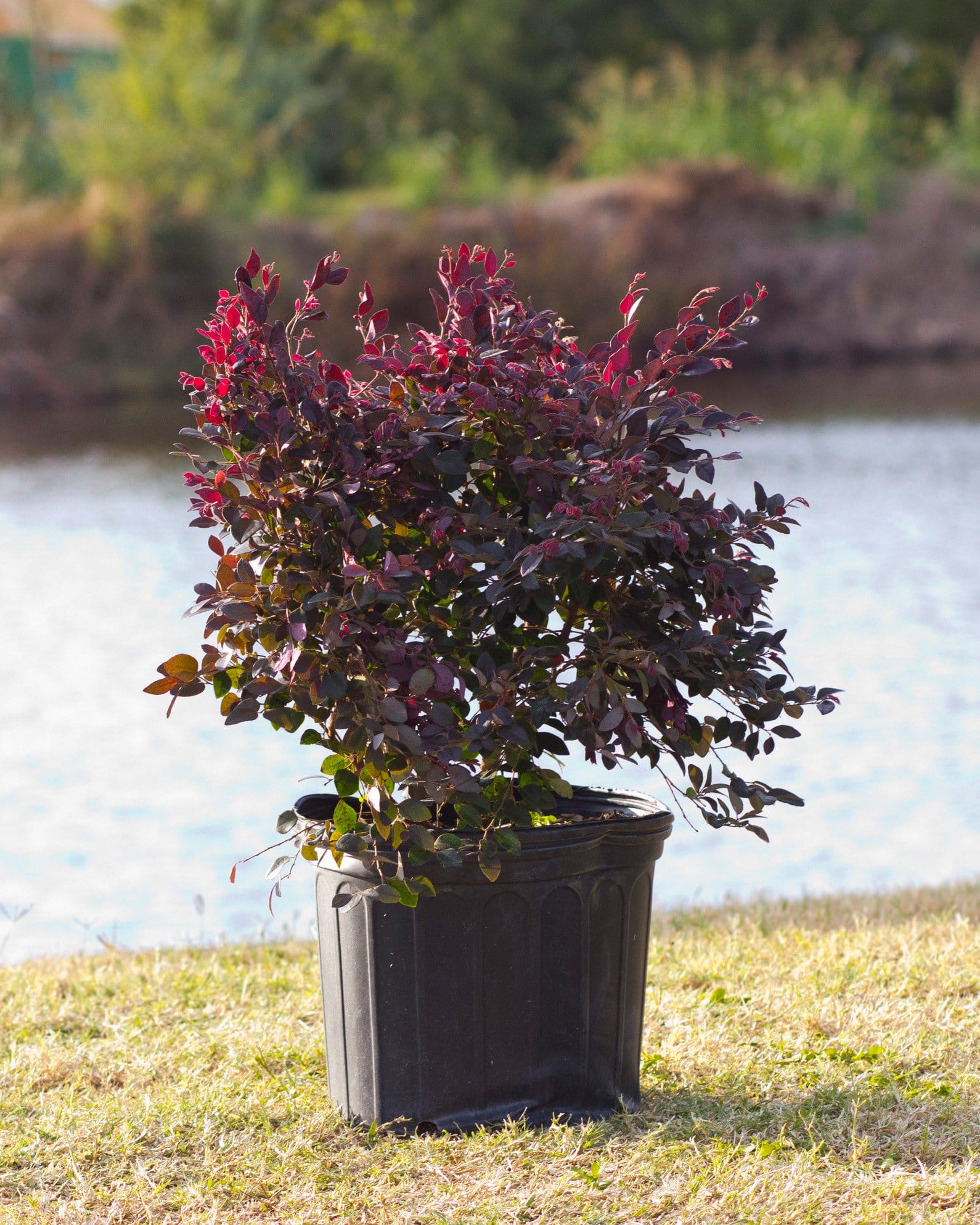
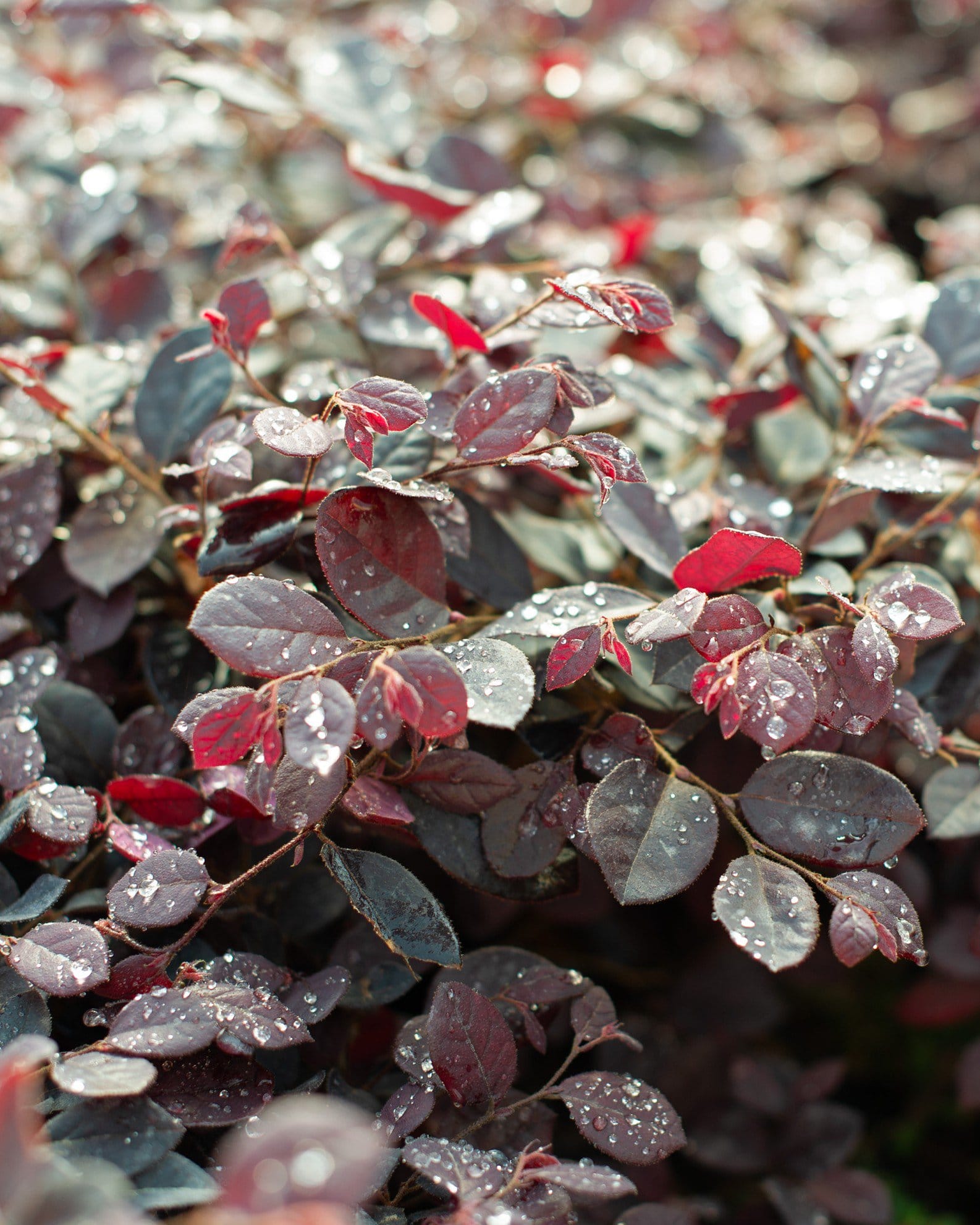
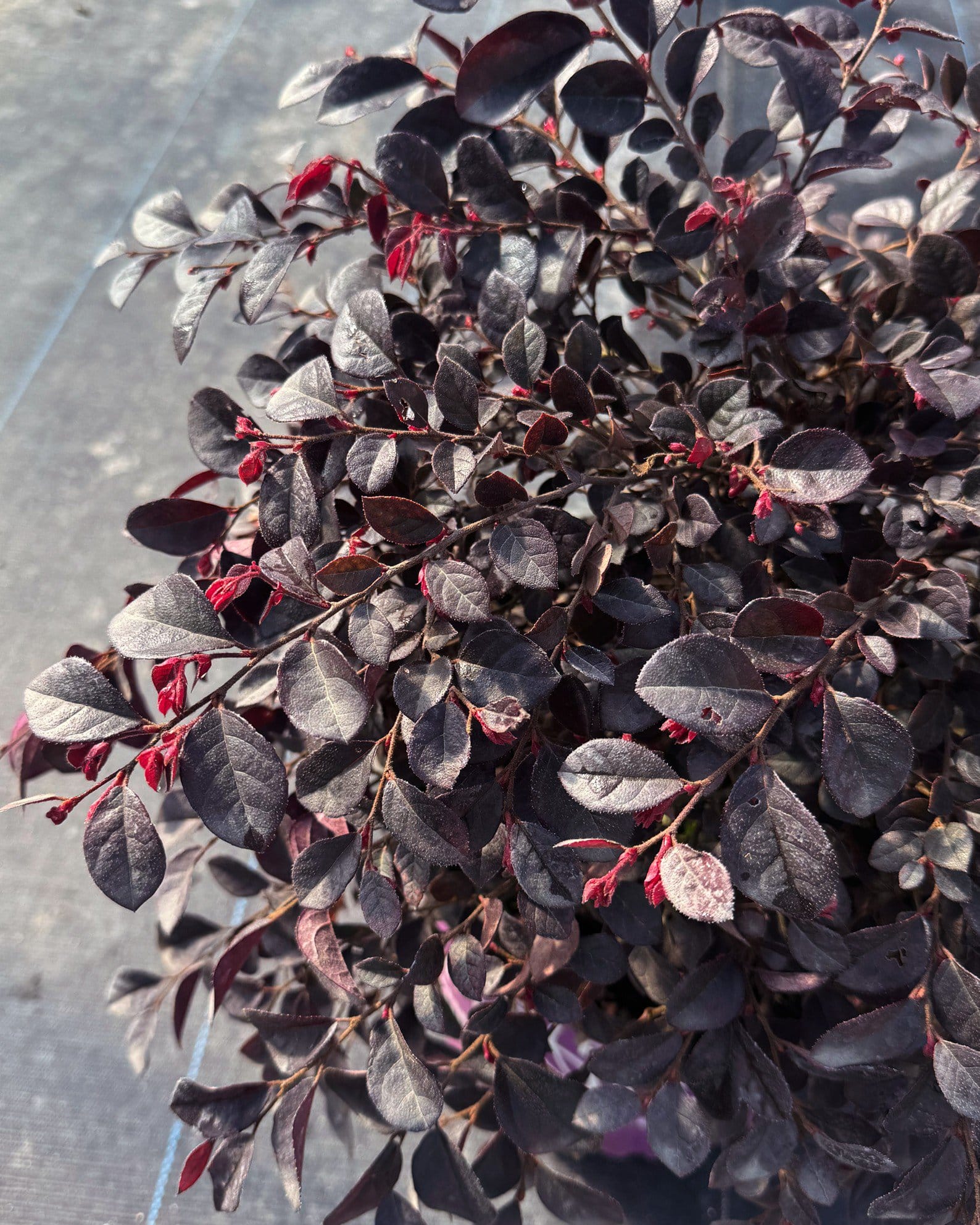
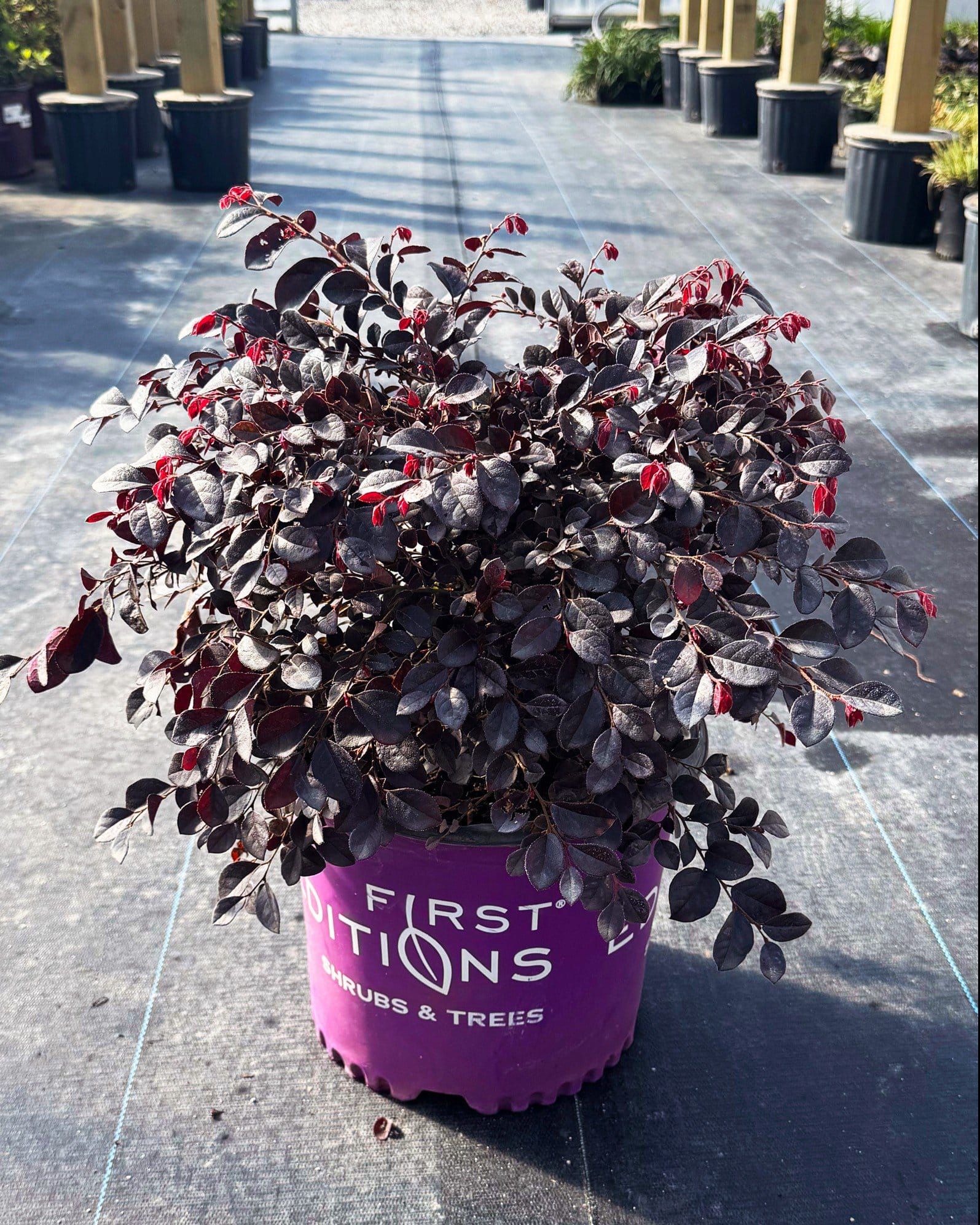
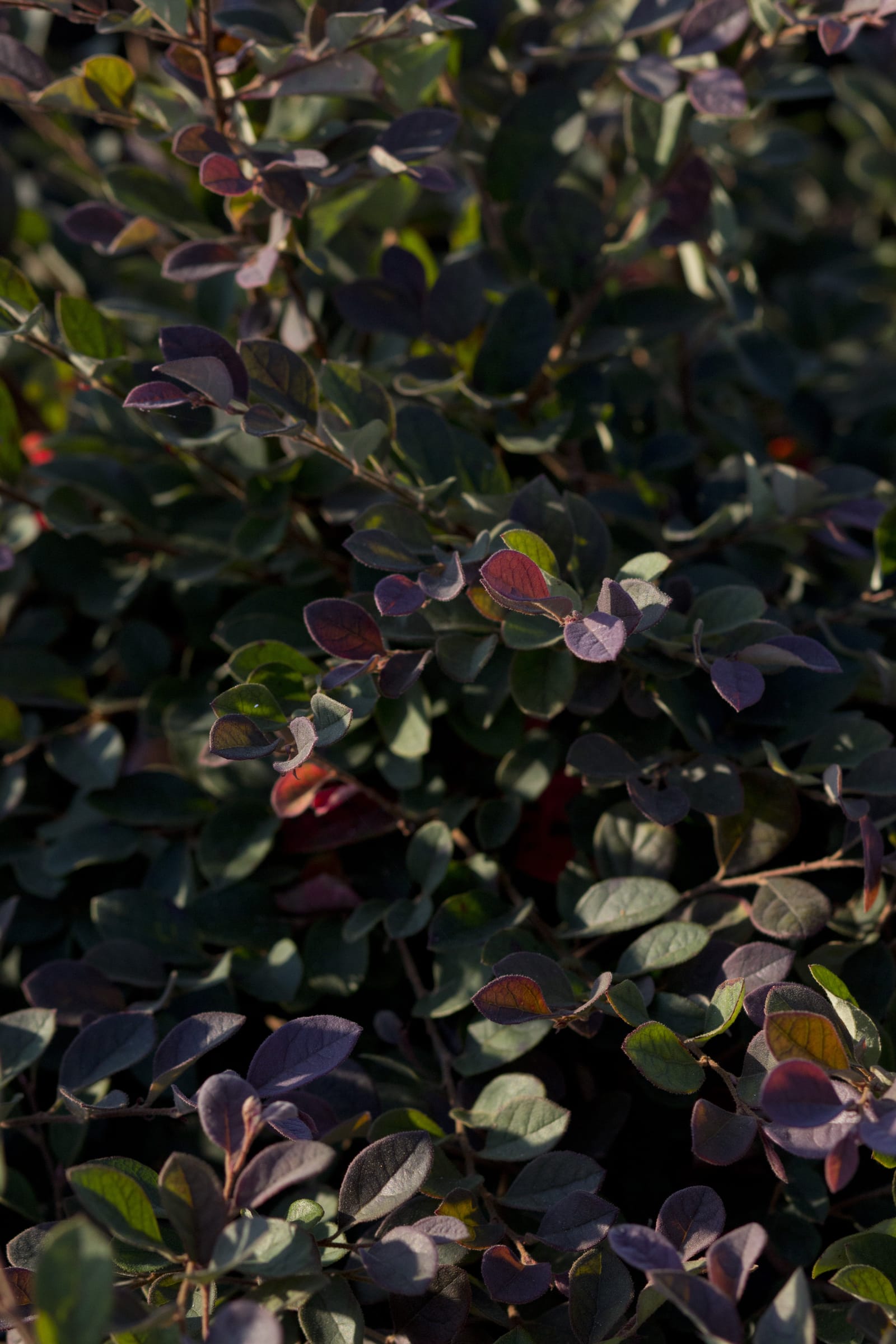
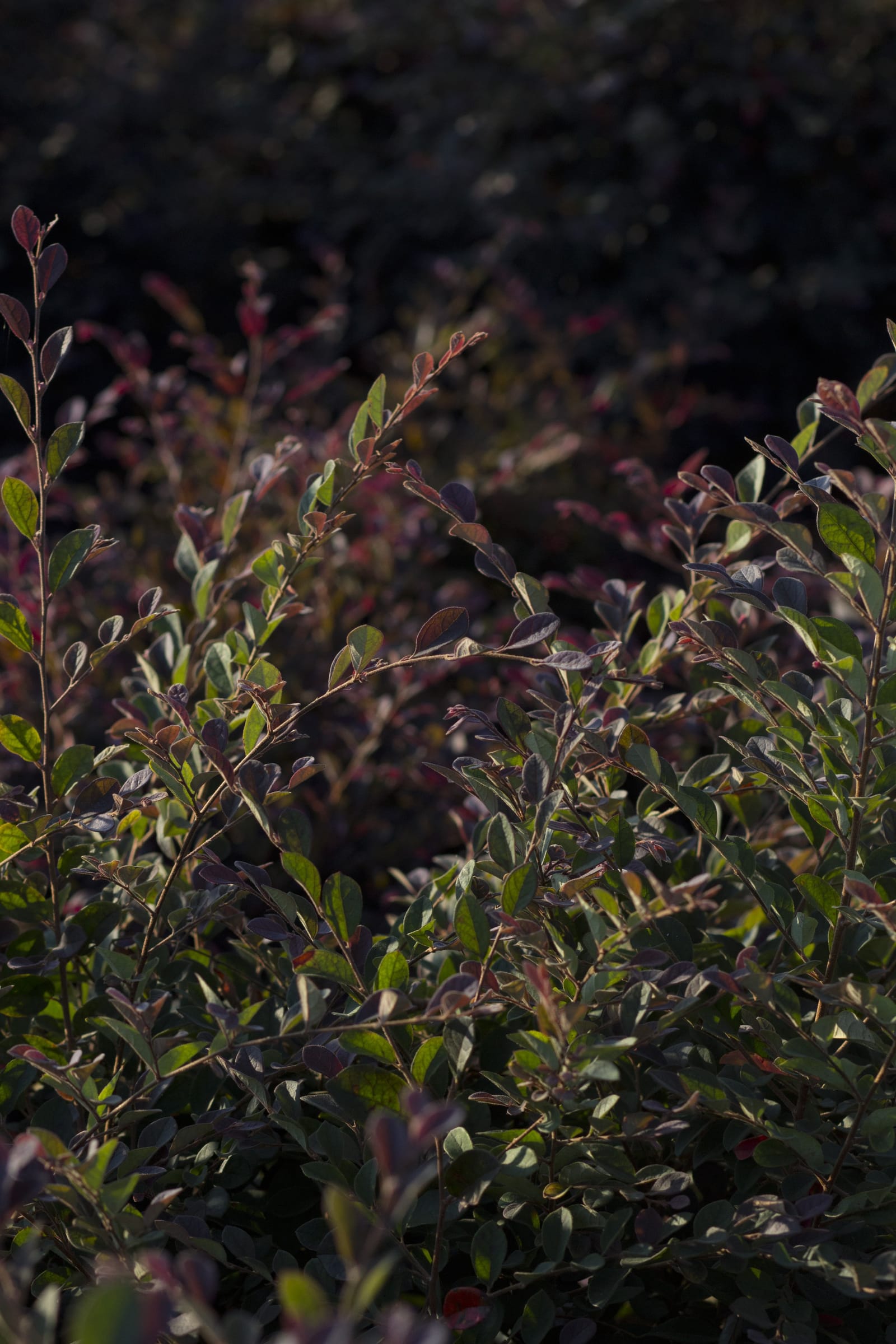
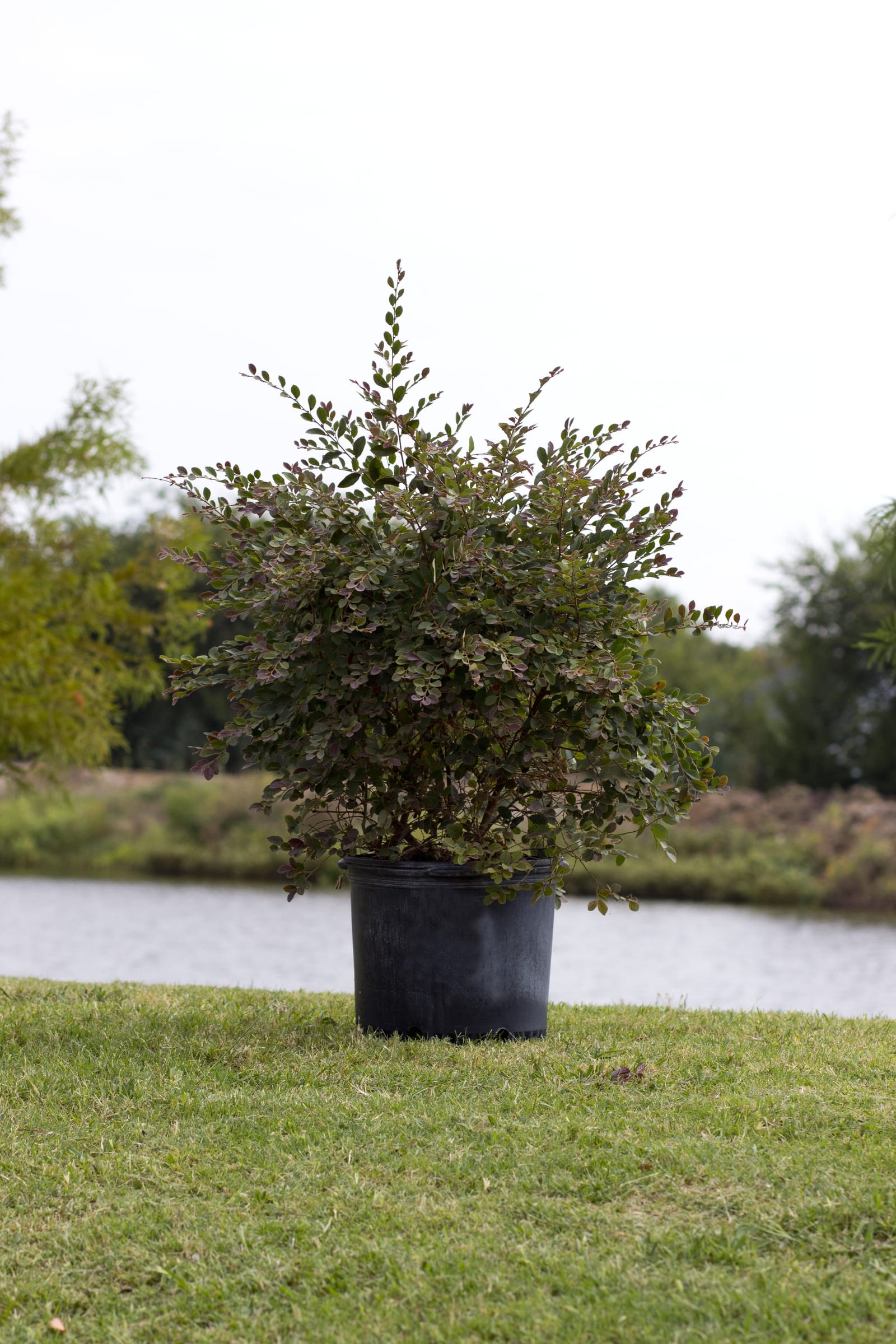
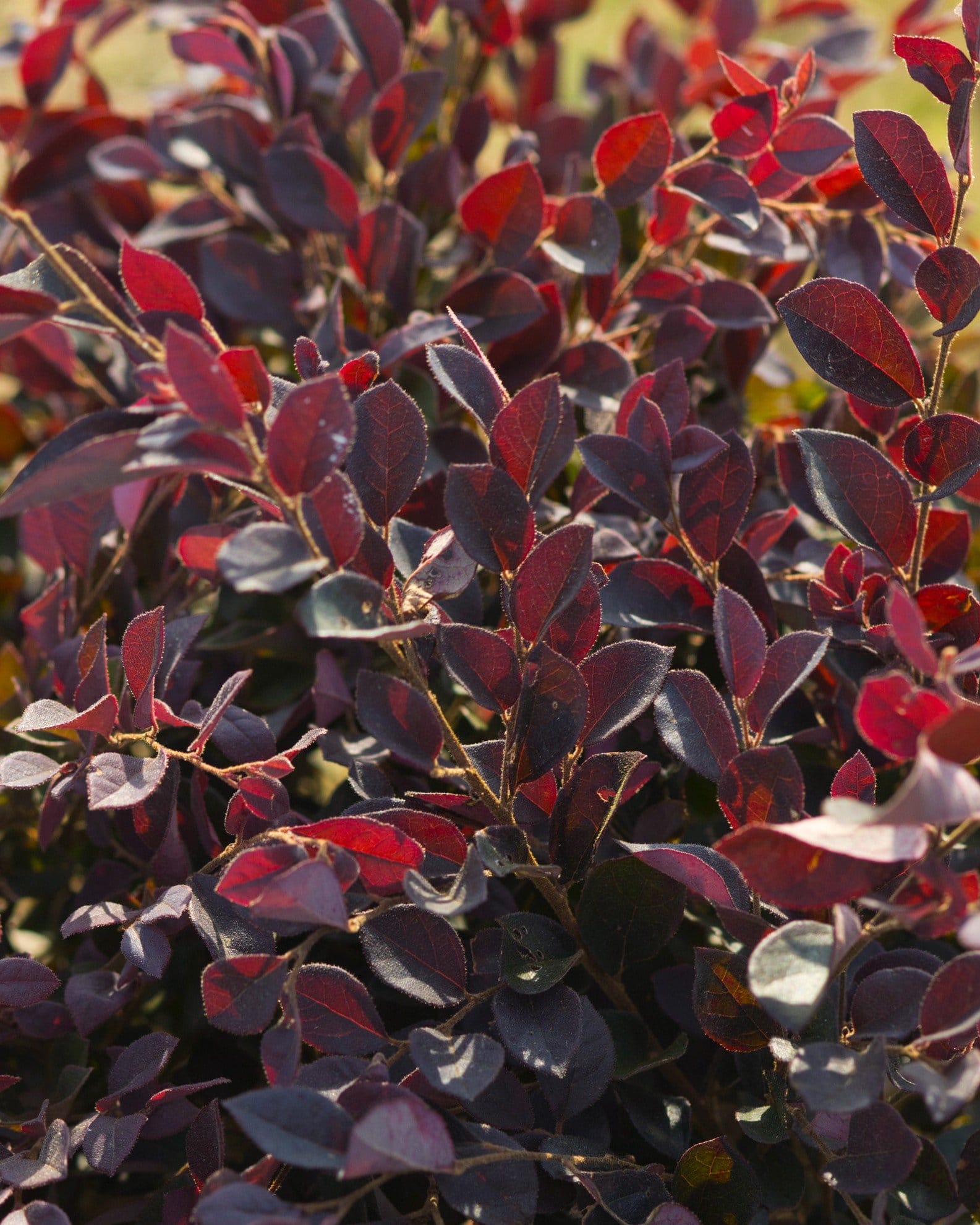
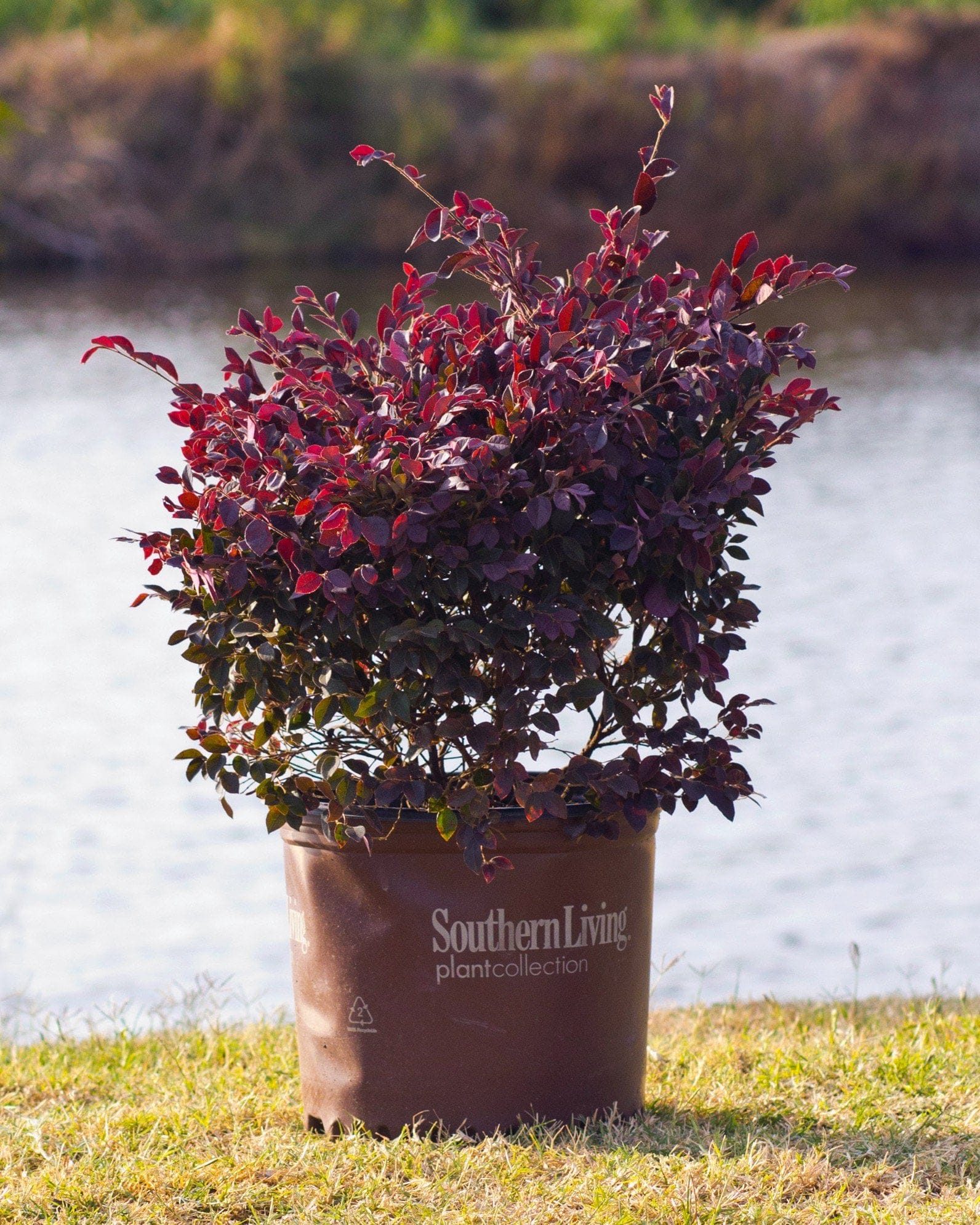
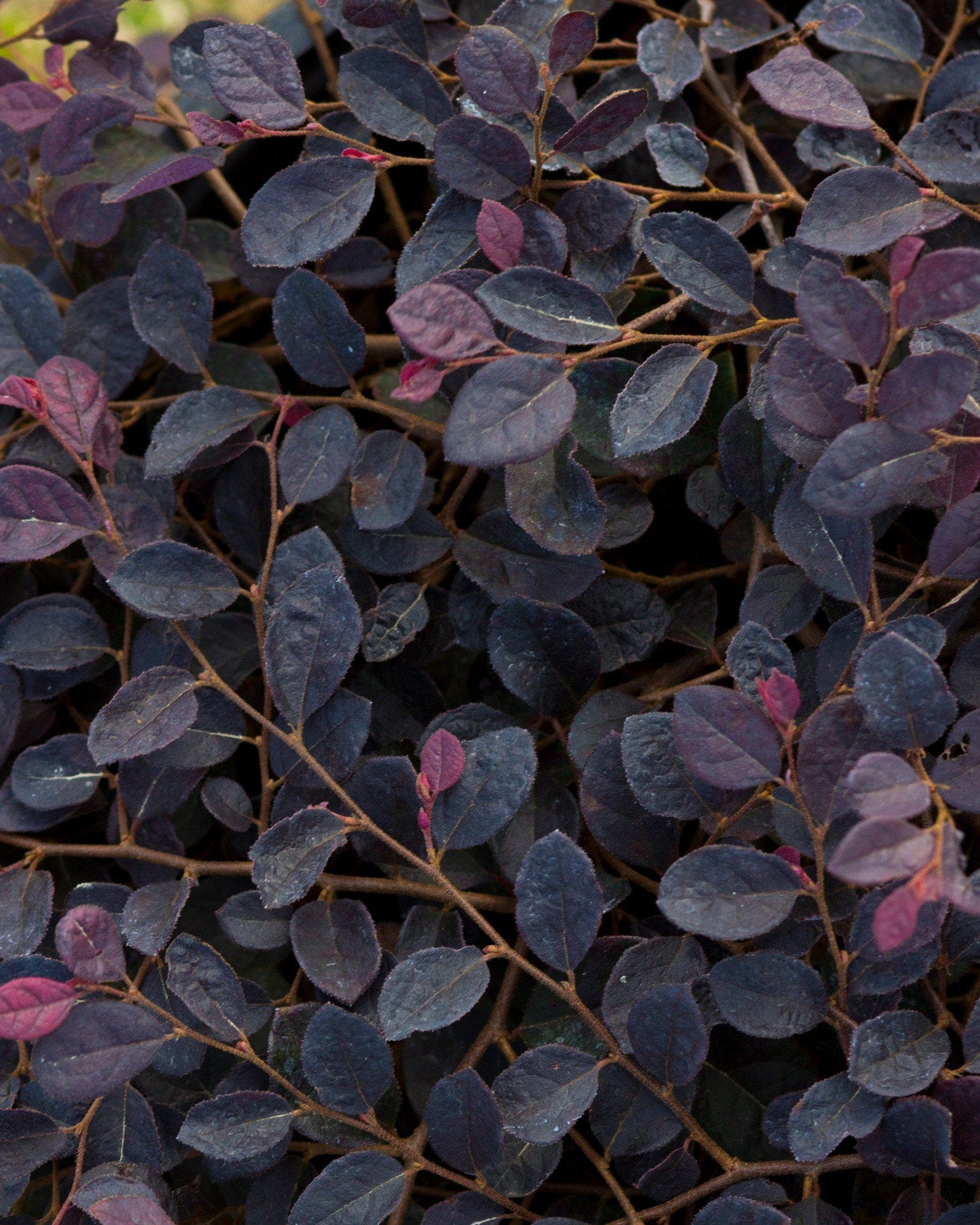
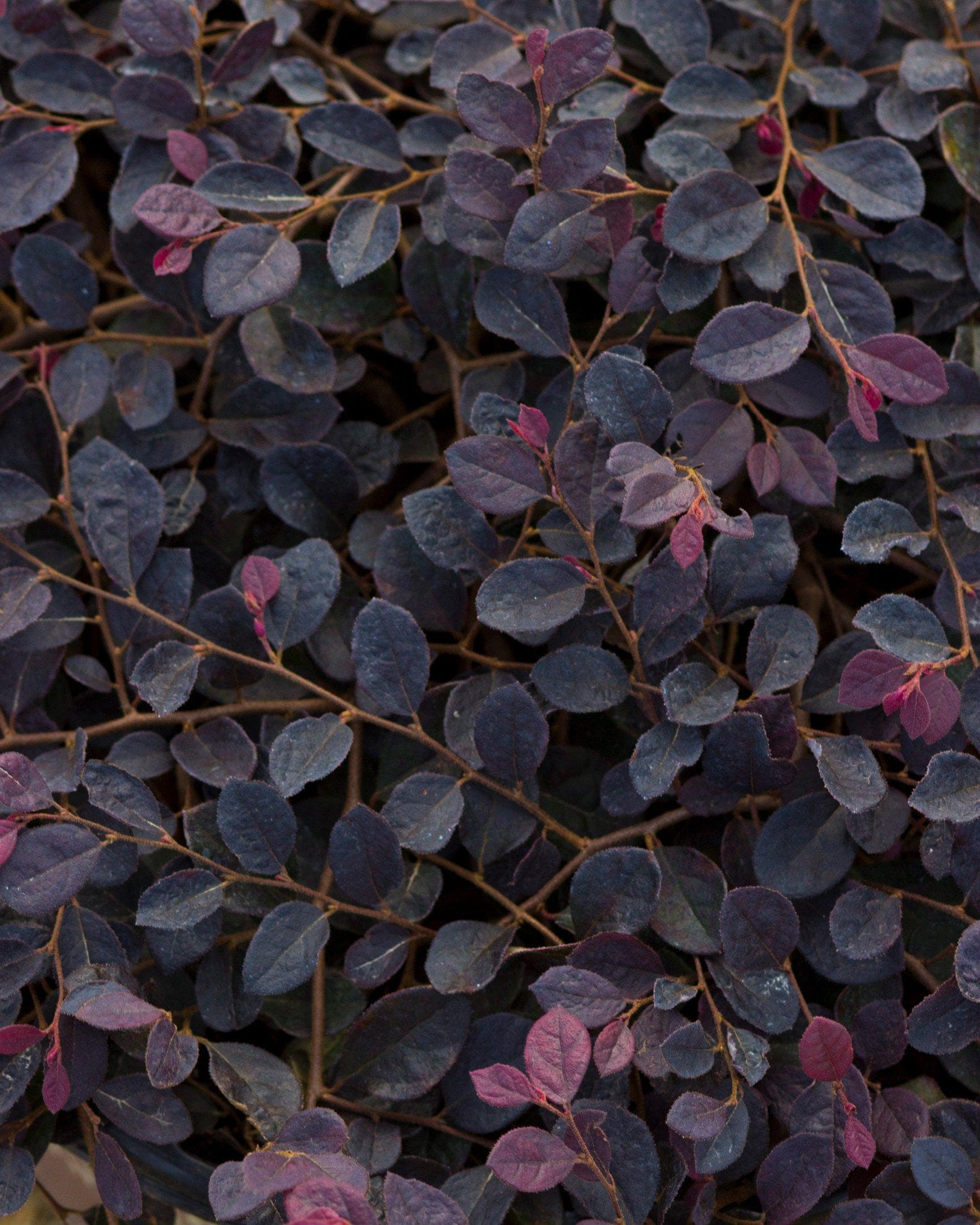
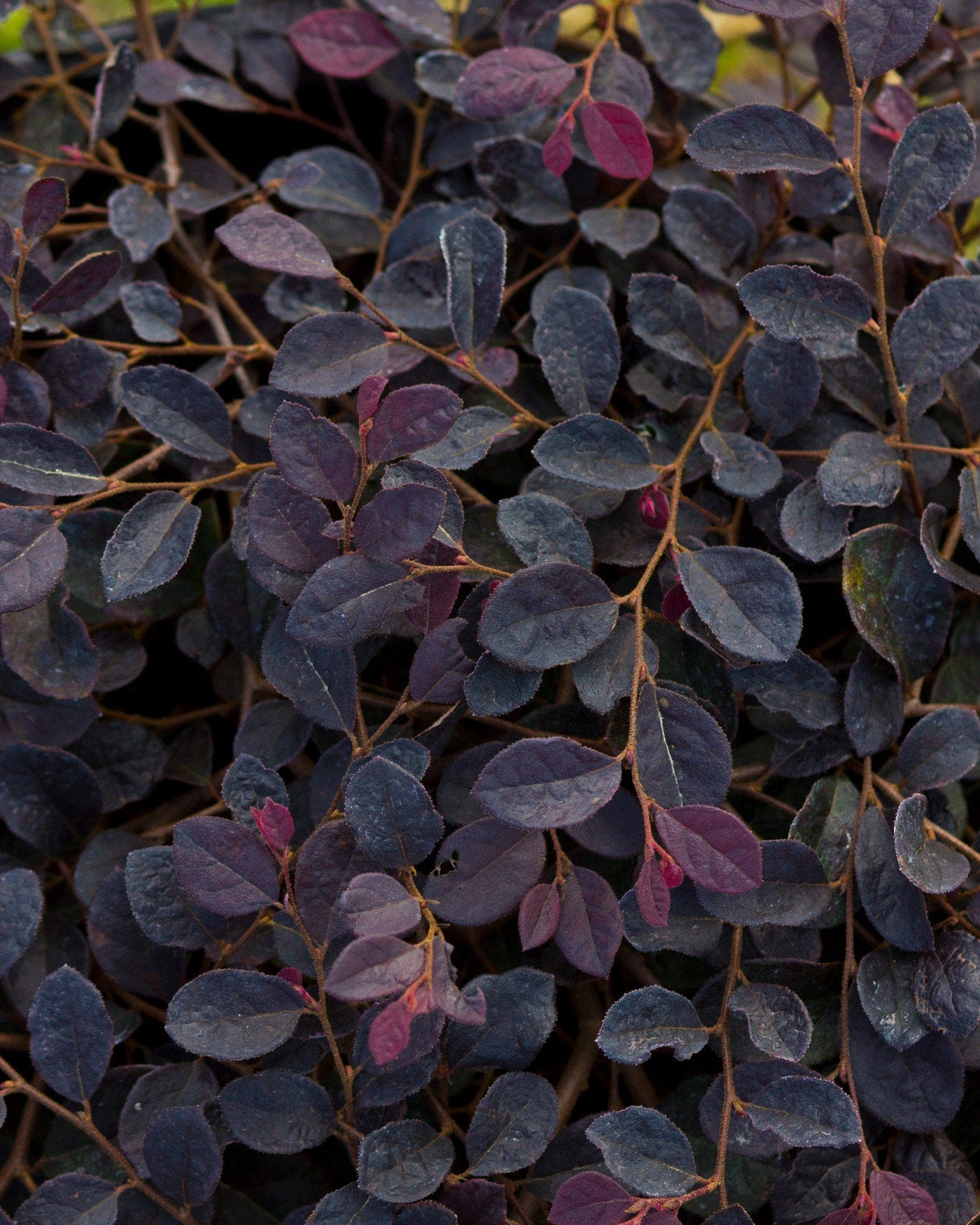
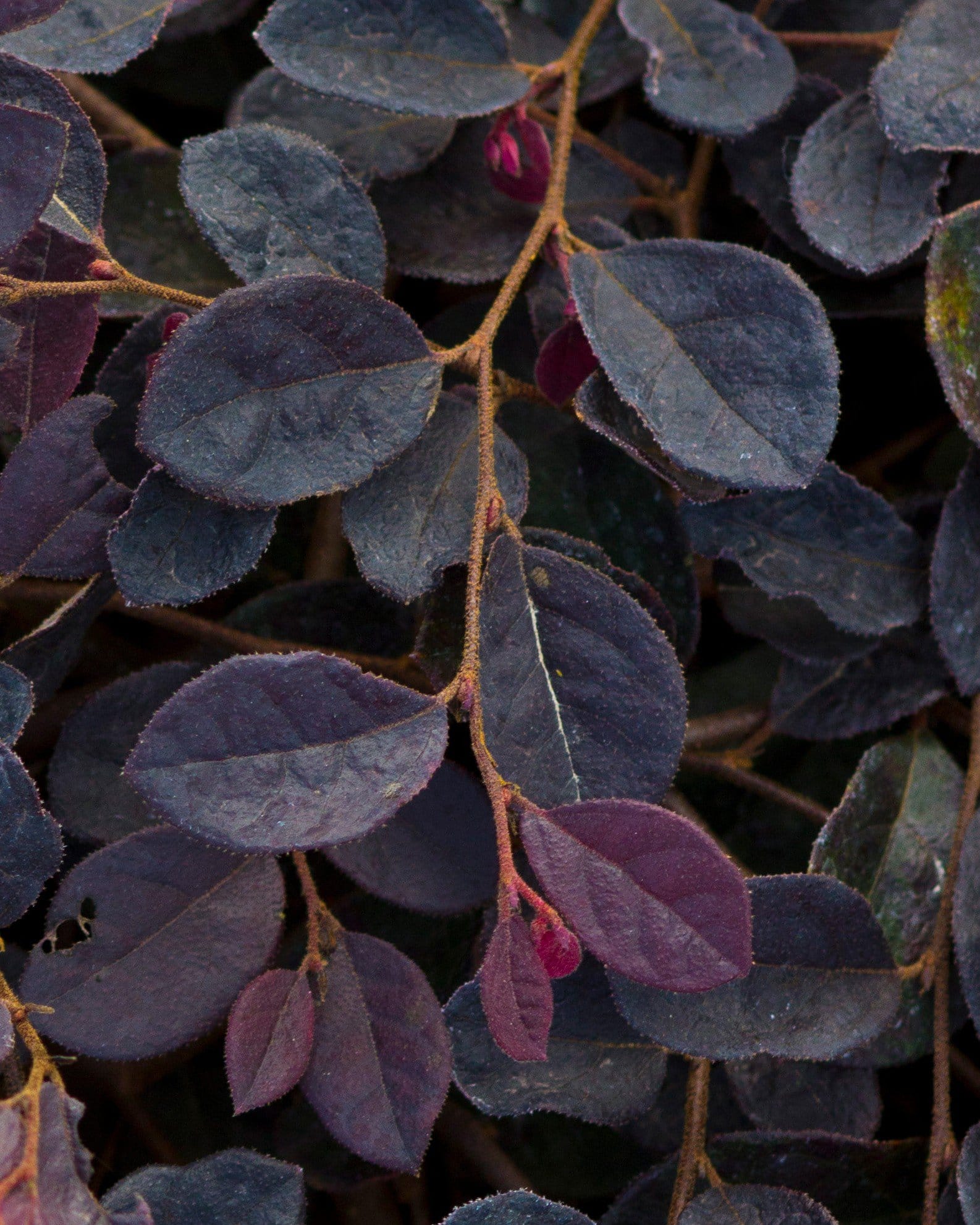
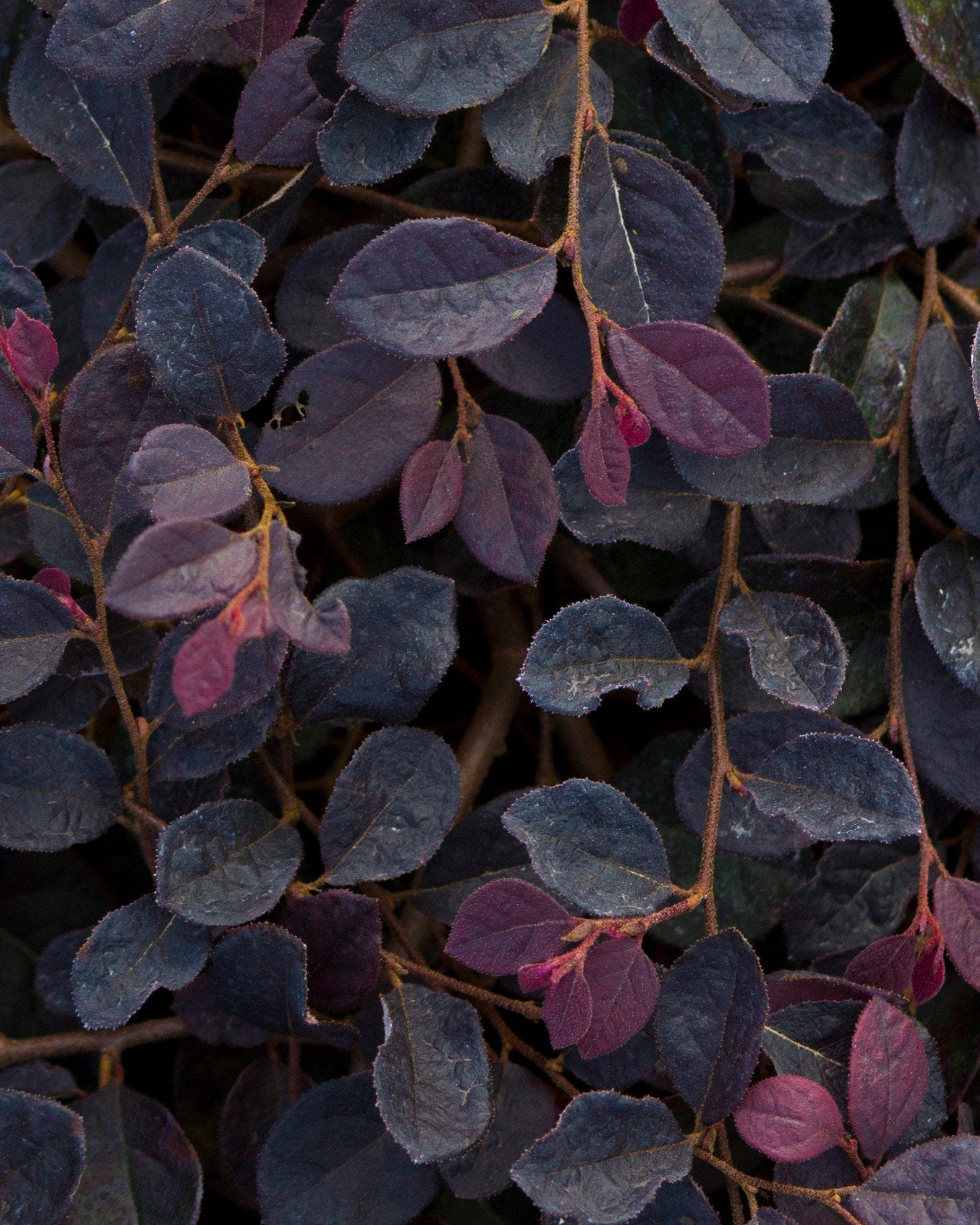
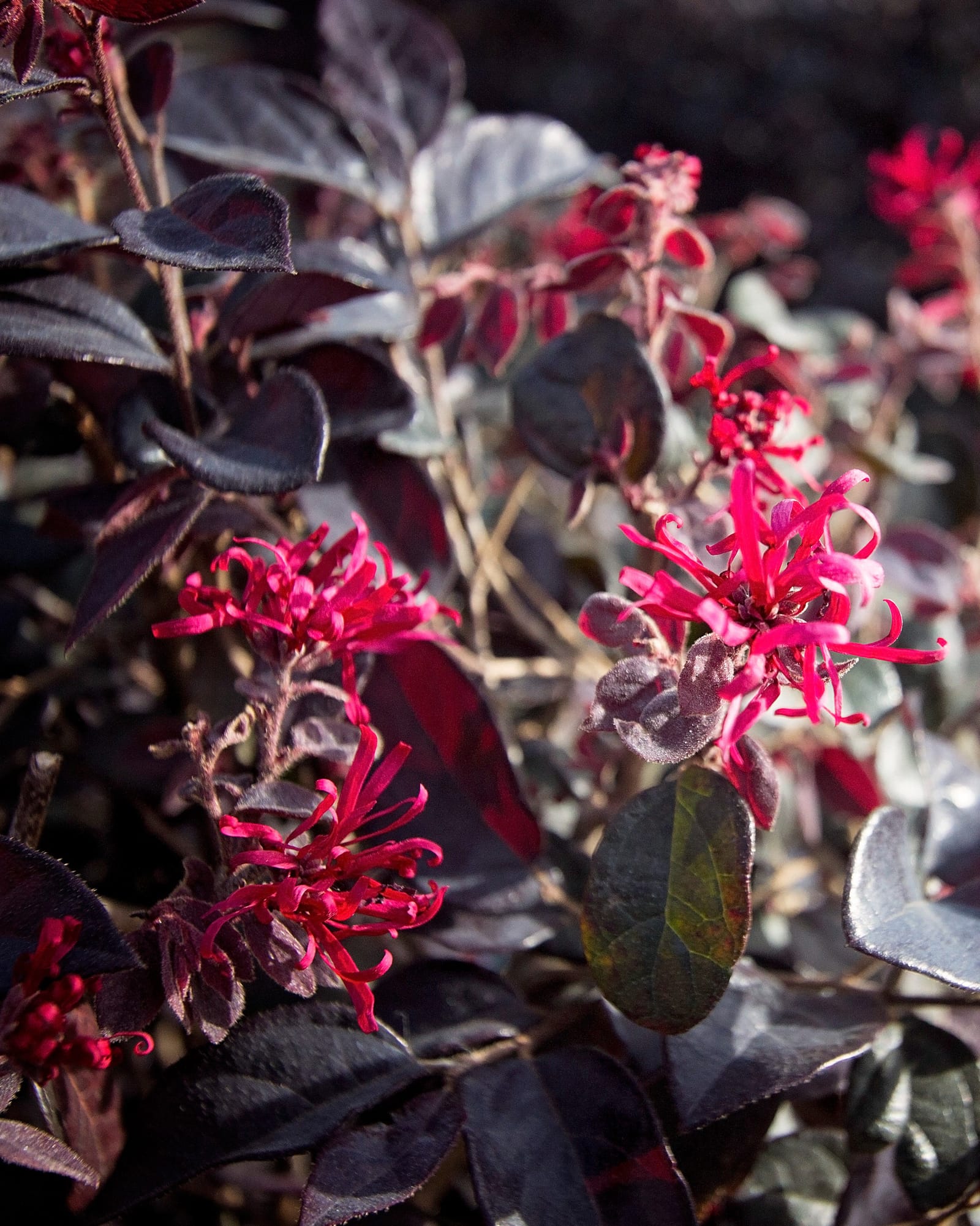
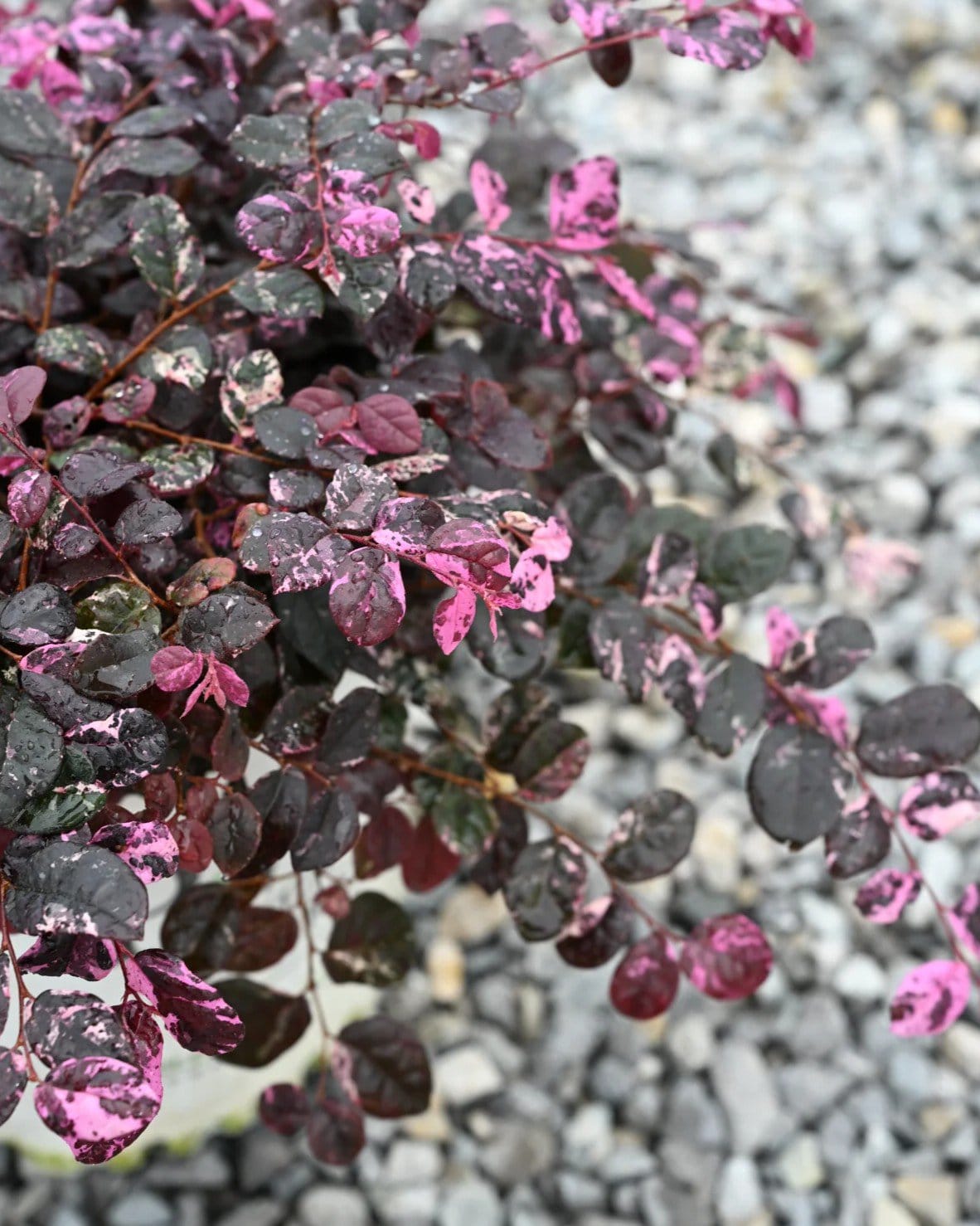
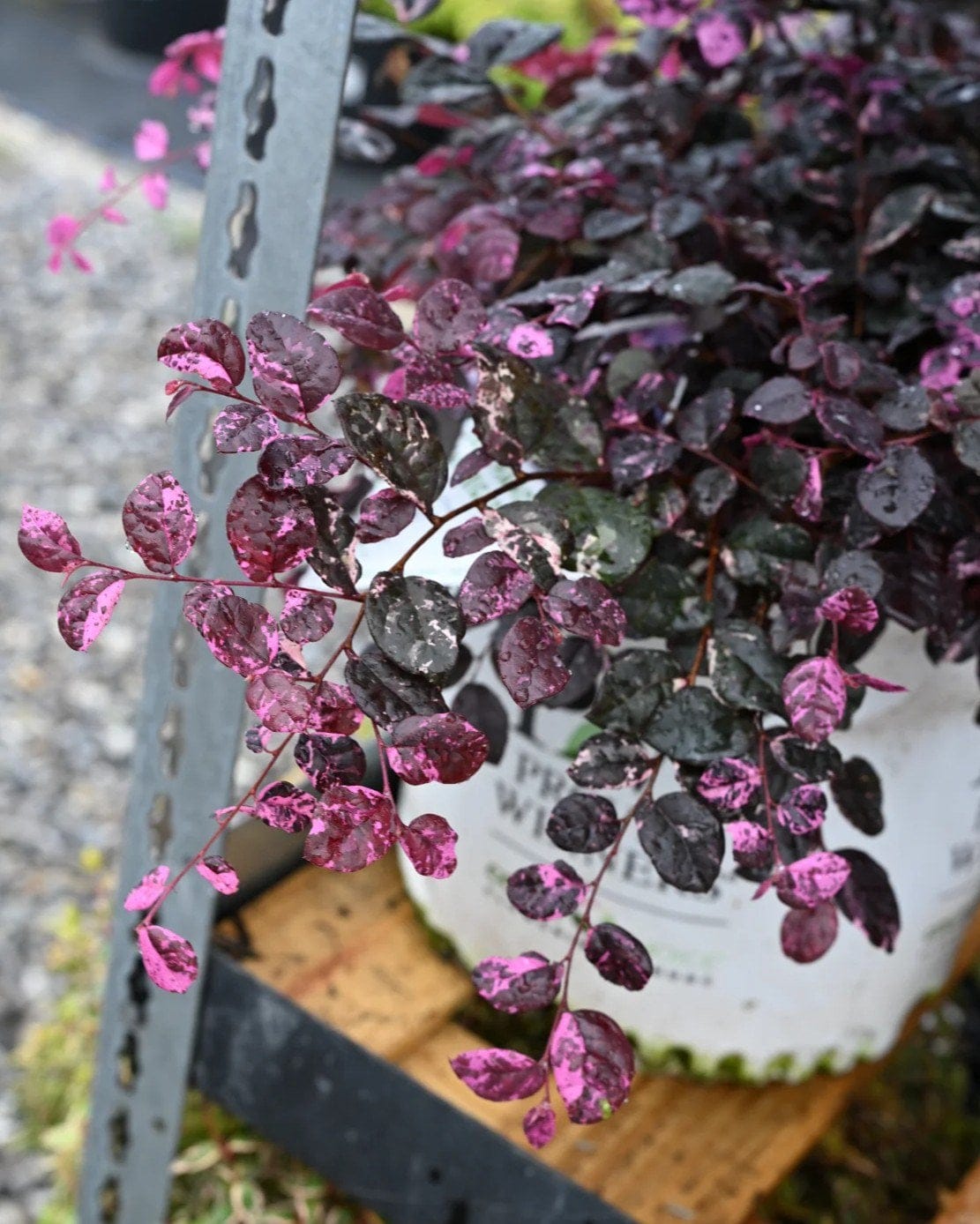
Loropetalum chinense var. rubrum 'Cherry Blast'Cherry Blast Loropetalum brings bold color and striking contrast to any landscape. Its deep purple leaves provide year-round interest, while the bright pink flowers add a cheerful burst of color each spring. Growing up to 6 feet tall and wide at maturity, this versatile shrub is well-suited for borders, foundation plantings, or as a dramatic standalone feature. Its naturally dense and rounded habit ensures it stays tidy without much effort, making it a dependable favorite.
- An evergreen shrub
- Dense, rounded growth habit
- Showy pink flowers blooming in spring
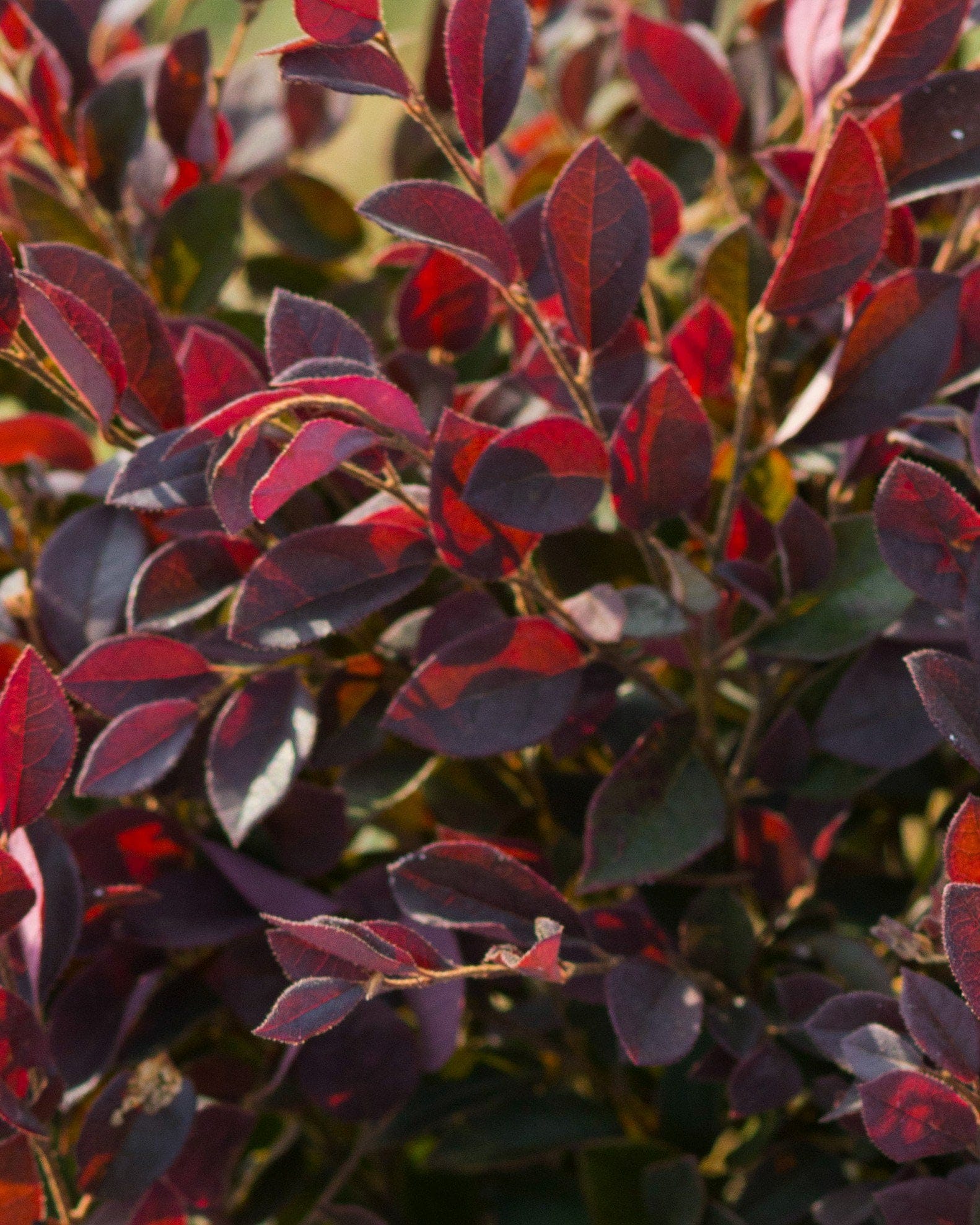
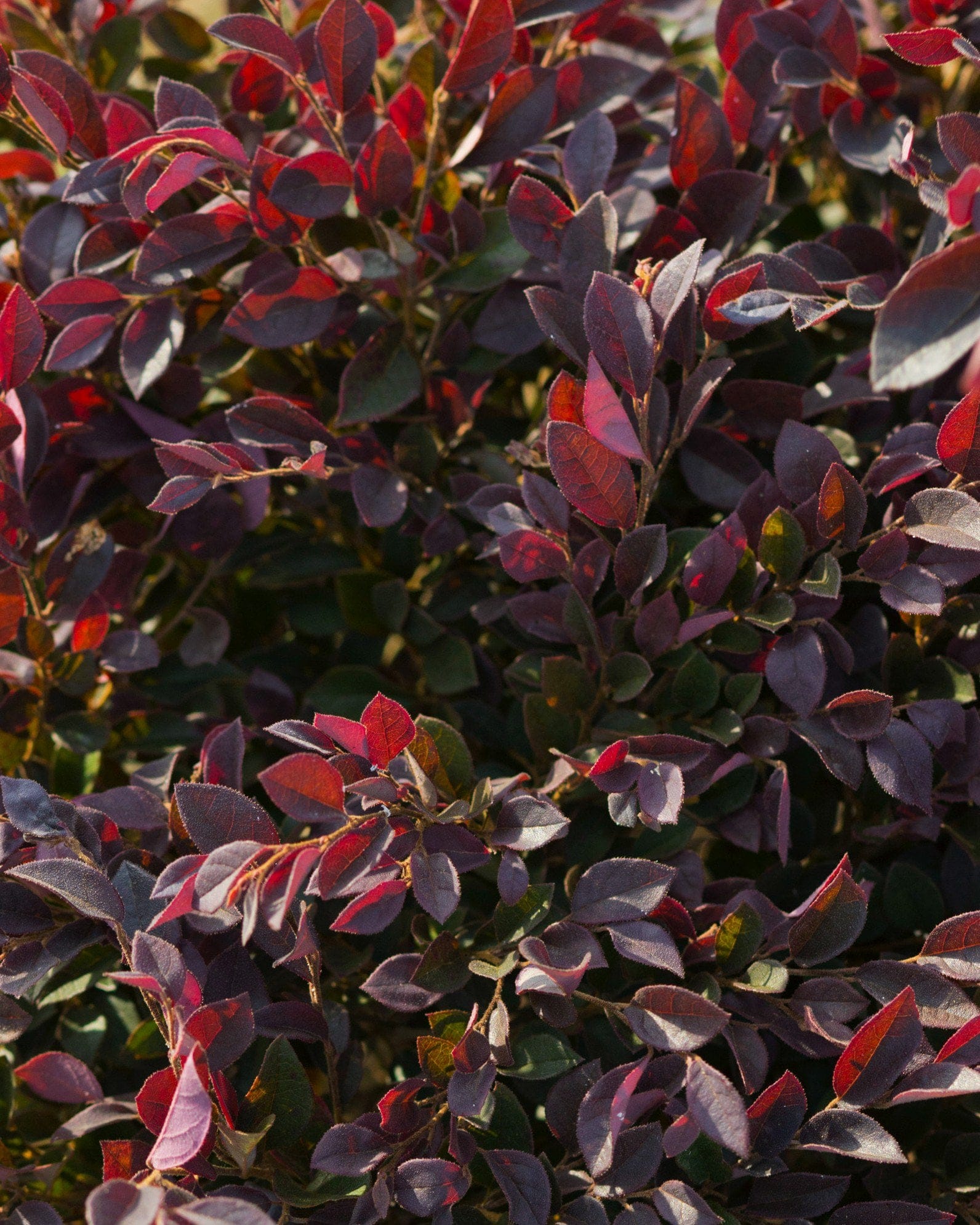
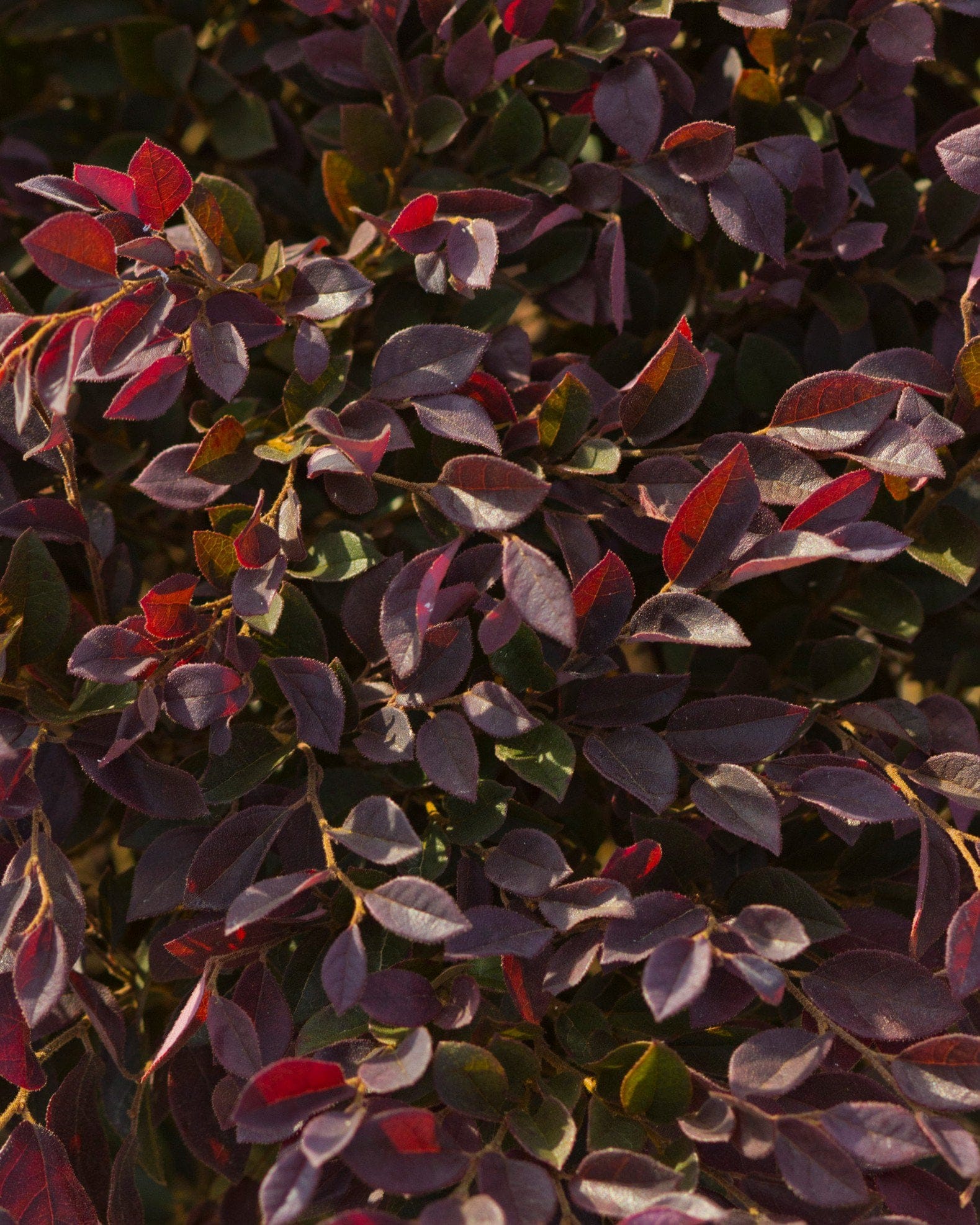
- Bold purple foliage for year-round interest
- Great for borders, accents, and mass plantings
Hardy in zones 7-9, Cherry Blast Loropetalum fits right into your North Texas landscape. It thrives in full sun to partial shade and prefers well-drained soil, bringing color and texture with minimal care.Loropetalum chinense var. rubrum 'Cherry Blast'
Once established, Cherry Blast Loropetalum is impressively hardy and thrives with just a few simple maintenance steps:
- Watering: Water regularly during the first growing season to help roots take hold. Once mature, Cherry Blast is moderately drought-tolerant, but it performs best with deep watering every 7-10 days during dry or hot periods. Always let the top few inches of soil dry out between waterings to prevent root issues.
- Pruning: Prune lightly right after flowering in spring to maintain the desired shape and size. Avoid heavy pruning in late summer or fall, as it can reduce next season’s blooms. Remove any dead or crossing branches to improve airflow and showcase its natural, rounded form.
- Fertilizing: Apply a balanced, slow-release fertilizer formulated for acid-loving plants (like azaleas or camellias) in early spring. A second, lighter feeding in midsummer can support continuous color. Avoid over-fertilizing, as this can encourage excessive green leaf growth at the expense of blooms.
- Mulching: Spread a 2-3 inch layer of pine straw, bark, or composted mulch around the base to retain soil moisture and regulate temperature. Keep mulch at least 4-6 inches away from the crown to prevent stem rot.
Common Issues and How to Take Care of Them
Cherry Blast Loropetalum is generally hardy and pest-resistant, but a few issues may arise, especially in humid climates or poorly drained soils:
- Root rot: Caused by overwatering or heavy soils that stay soggy. Plant in well-drained soil and water only when necessary.
- Aphids: Tiny sap-sucking insects that gather on tender stems and leaves. A strong spray of water or insecticidal soap usually clears them up.
- Spider mites: Often appear in hot, dry conditions, causing stippled or faded leaves. Increase humidity, spray with water, or use horticultural oil if needed.
- Leaf spot: A fungal or bacterial infection that causes dark spots or yellowing. Prune away affected areas and ensure proper spacing for airflow.
- Chlorosis (yellowing leaves): Typically from alkaline soil or poor drainage. Use an acid-based fertilizer and check that the soil pH is between 4.5 and 6.5.
- Bacterial gall: Causes branch dieback and can even lead to plant death. While there is no actual cure, fungicides may prevent its spread, and pruning of affected branches is needed.
Regular watering, well-draining soil, and yearly pruning are usually all that’s needed to prevent most problems.
It grows at a moderate rate, typically adding 6-12 inches per year, and reaches its mature size in 3-5 years.
Plant in early spring or fall, when temperatures are mild. This gives roots time to establish before the heat of summer or winter cold.
Once a year, right after its main bloom flush in spring is enough. Avoid heavy shearing or late-season pruning.
No, it’s evergreen in most climates, keeping its dark purple foliage year-round. In very cold areas, it may briefly drop leaves but quickly regrow them.
Go for low-growing perennials and annuals, as well as shrubs with contrasting foliage color and texture.
Yes, Loropetalum species are generally unappealing to deer, making them great for rural or open landscapes.
Absolutely! It thrives in large pots or decorative planters, provided the container drains well. Use a quality acidic potting mix and water consistently.
Feed once in early spring and again lightly in midsummer. Use a fertilizer formulated for acid-loving plants for best results.
This can happen due to low light, high pH soil, or too much nitrogen fertilizer. Move it to a sunnier spot and switch to an acid-loving plant feed to restore the rich red tones.
Full sun exposure, proper pruning, and acidic soil are key. A spring feeding and consistent moisture during the growing season will also boost color intensity.
Special Features
You might also like
Cerise Charm Loropetalum
Maturity: 3' H x 3' W
Purple Diamond Loropetalum
Maturity: 4' H x 4' W
Crimson Fire Loropetalum
Maturity: 4' H x 4' W
Plum Delight Loropetalum
Maturity: 4' H x 4' W
Purple Daydream Loropetalum
Maturity: 2' H x 3' W
Purple Pixie Loropetalum Weeping
Maturity: 1' H x 4' W
Red Chocolate Loropetalum
Maturity: 5' H x 4' W
Rose of Autumn Camellia
Maturity: 8' H x 5' W
Encore Azalea Autumn Carnation
Maturity: 4.5' H x 4' W
Kaleidoscope Abelia
Maturity: 2' H x 3' W
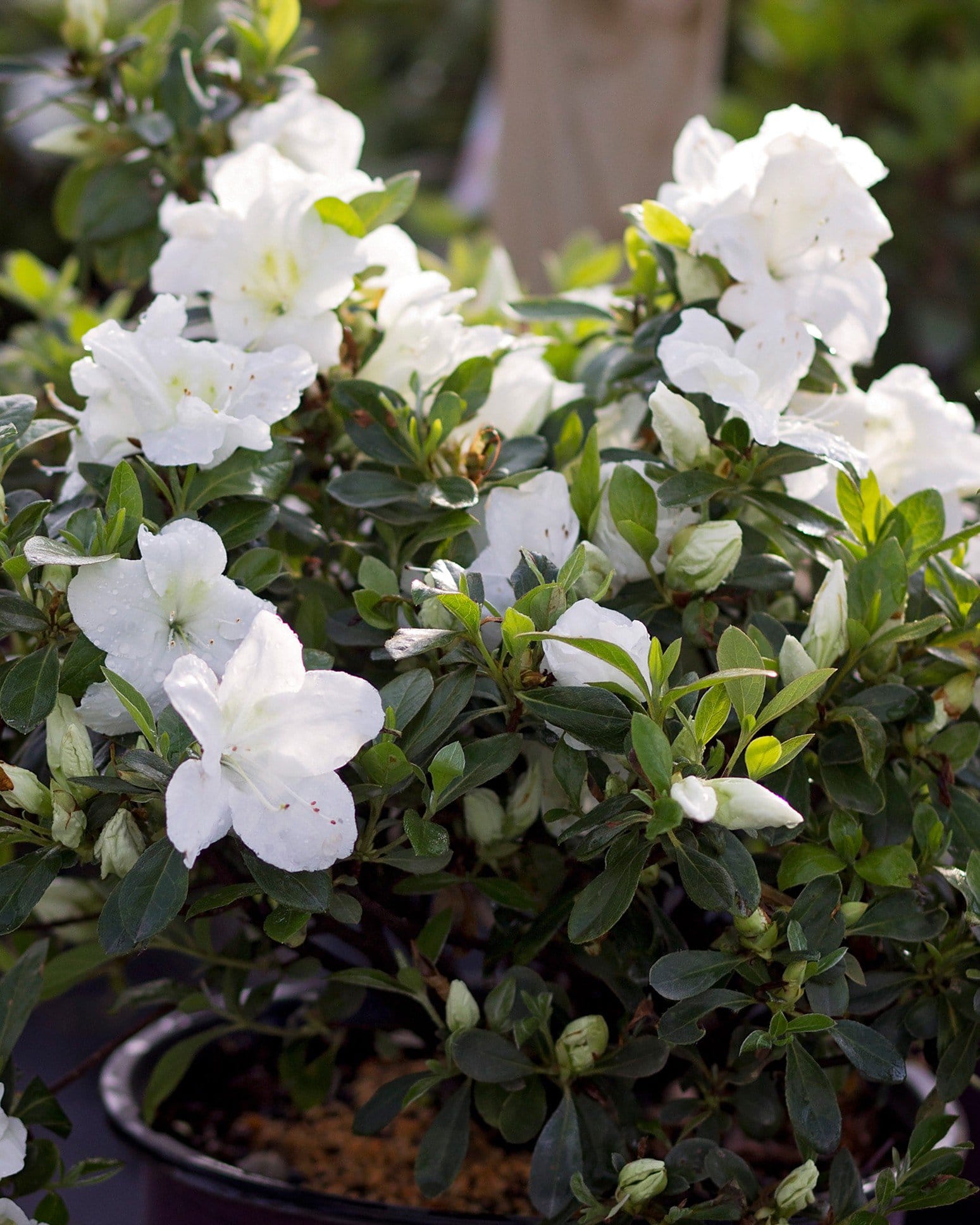
Encore Azalea Autumn Angel
Maturity: 2' H x 2' W
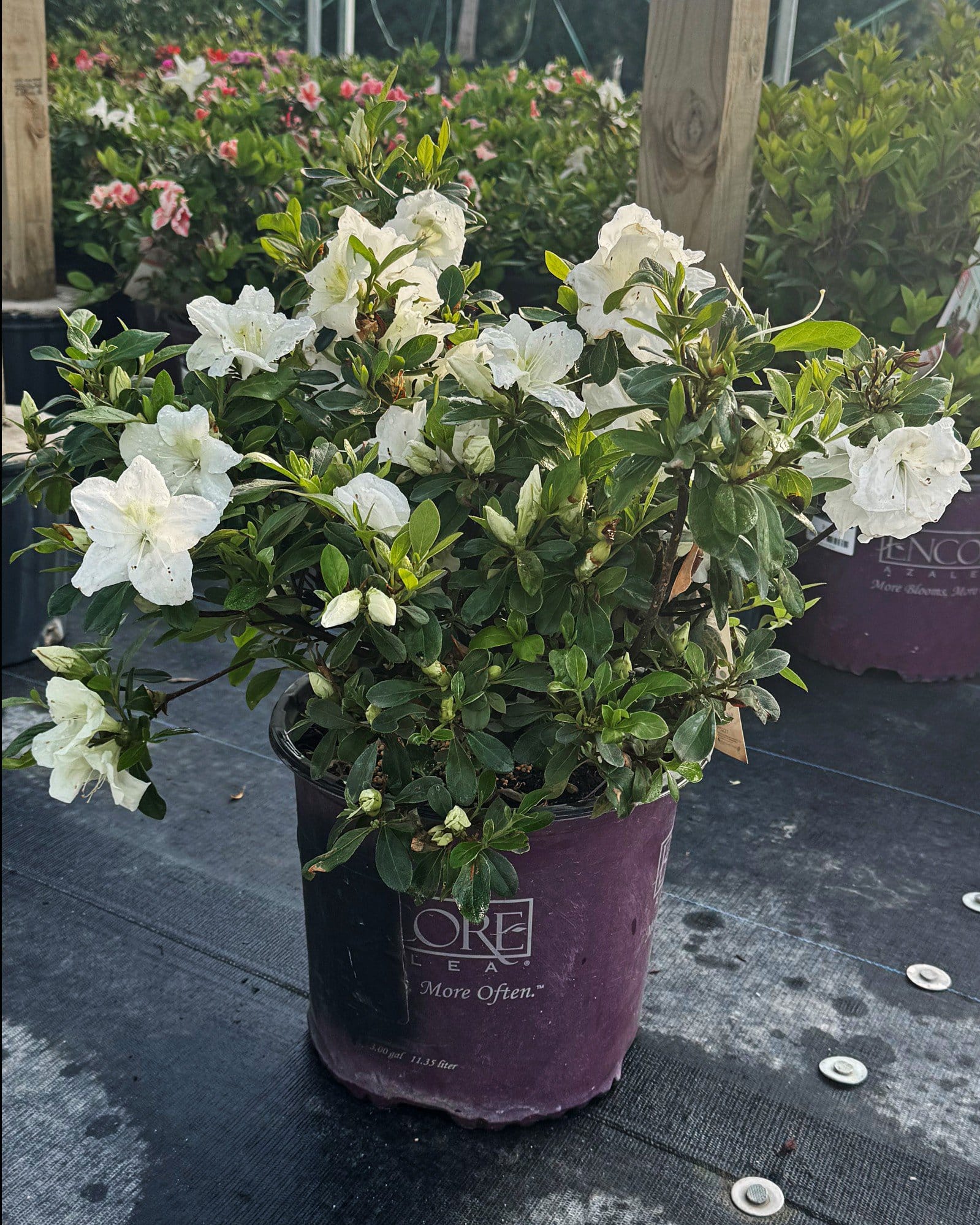
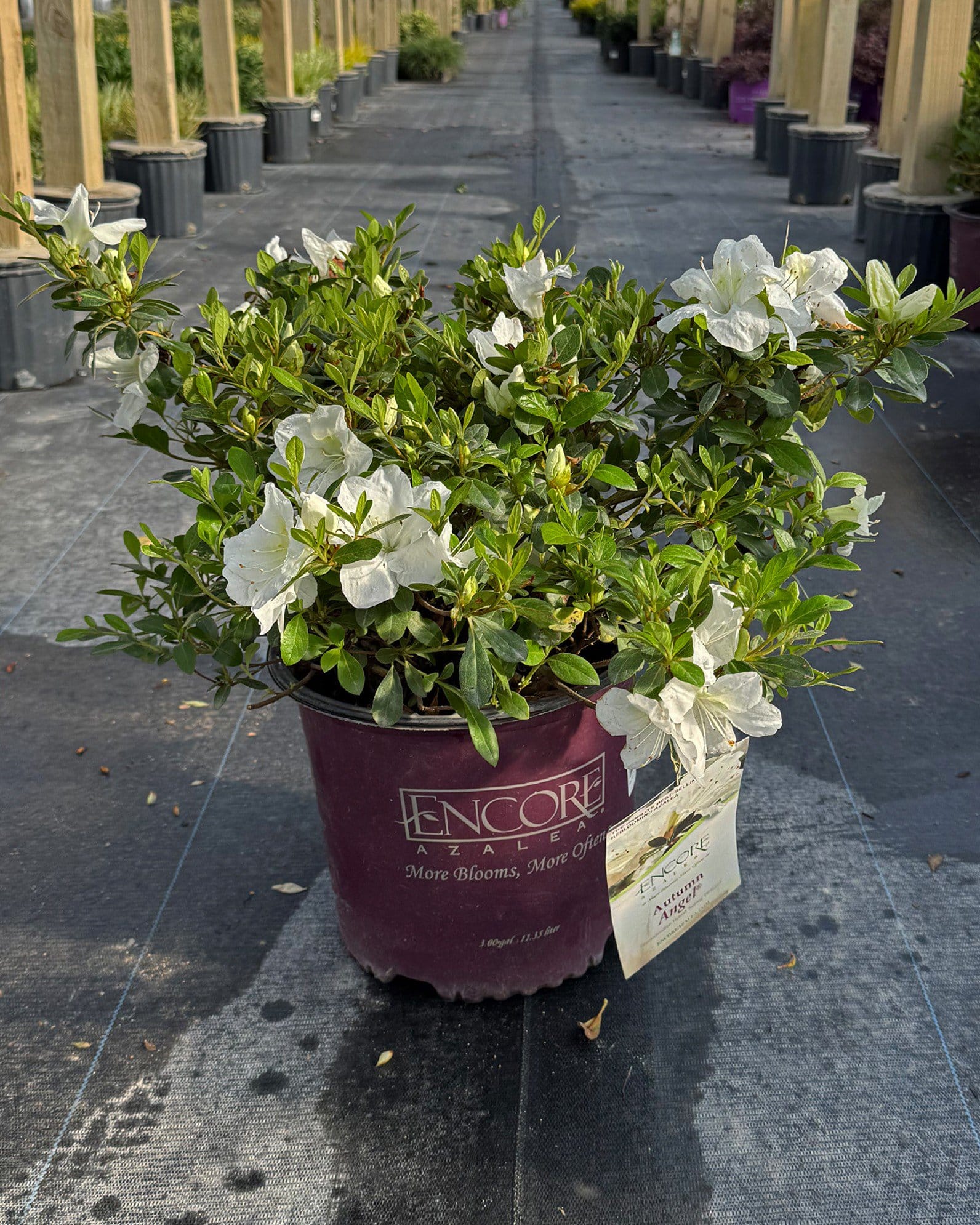
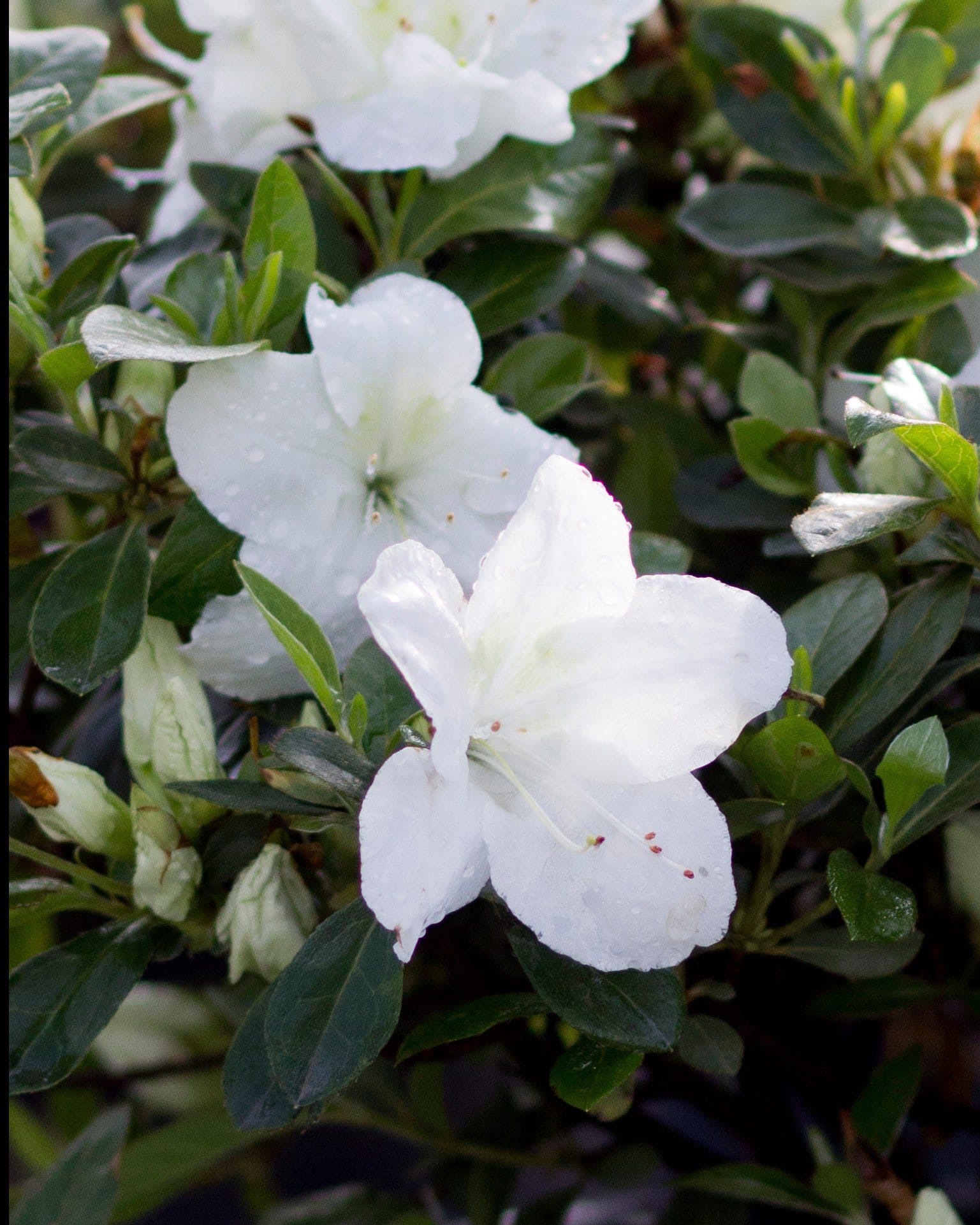
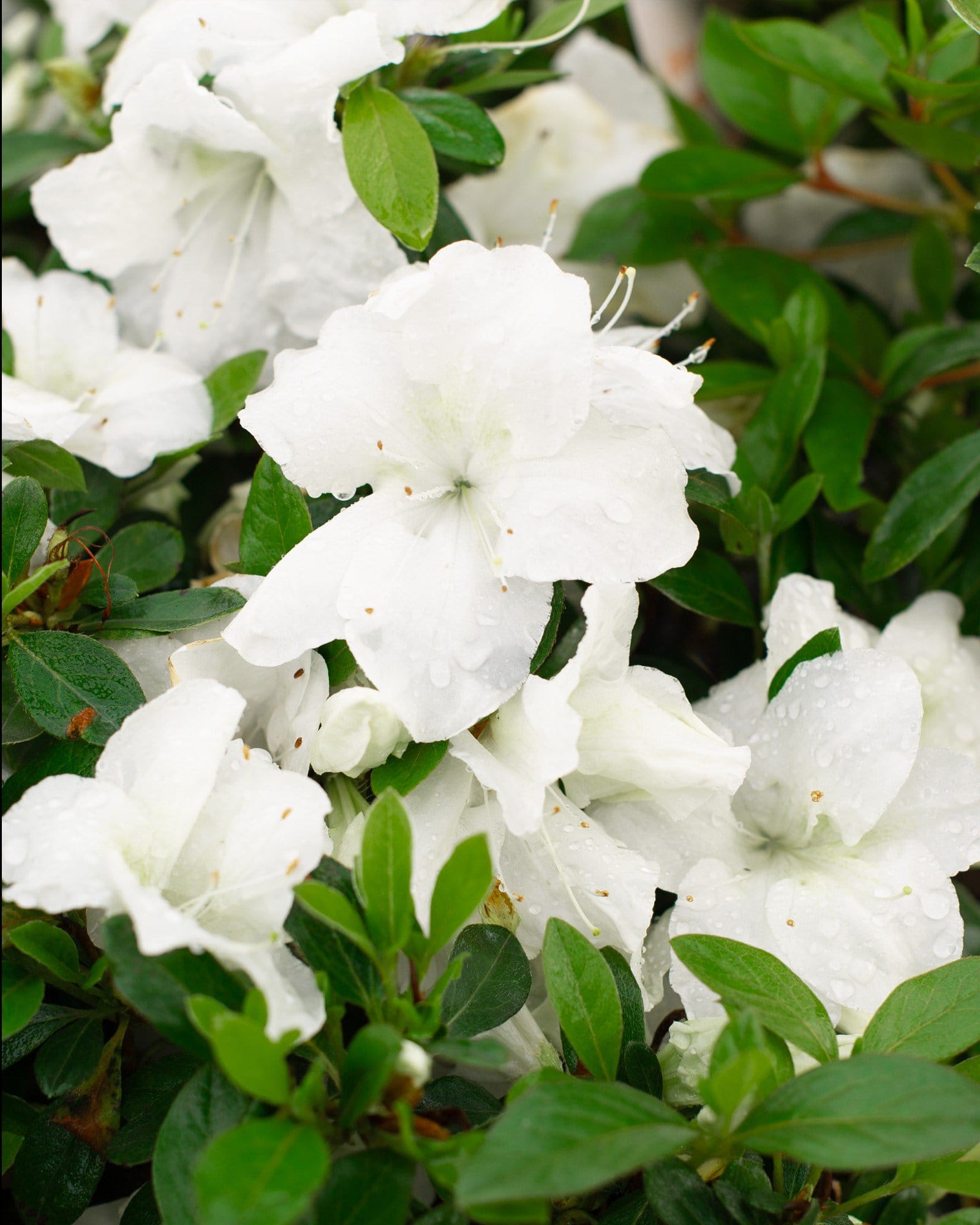
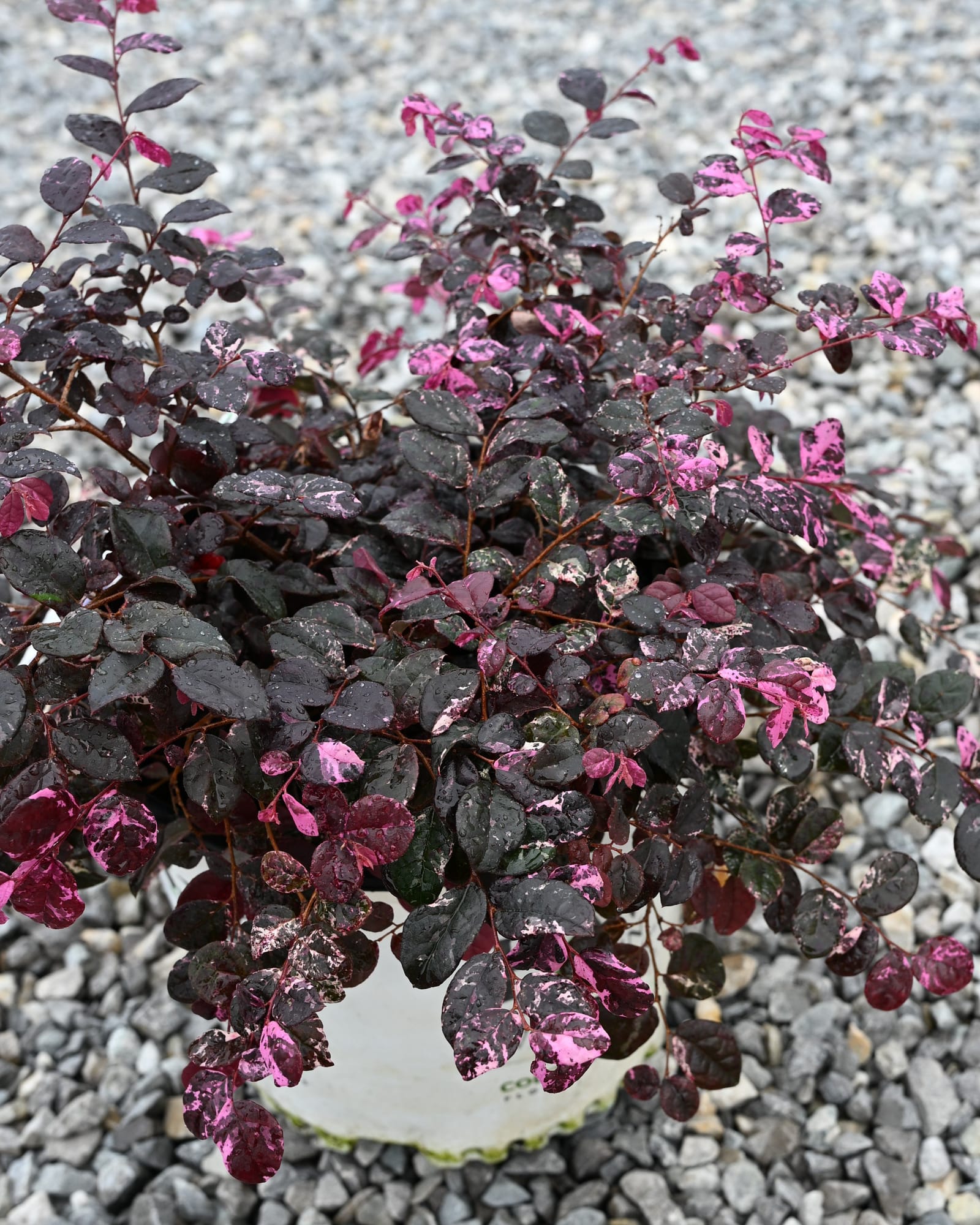
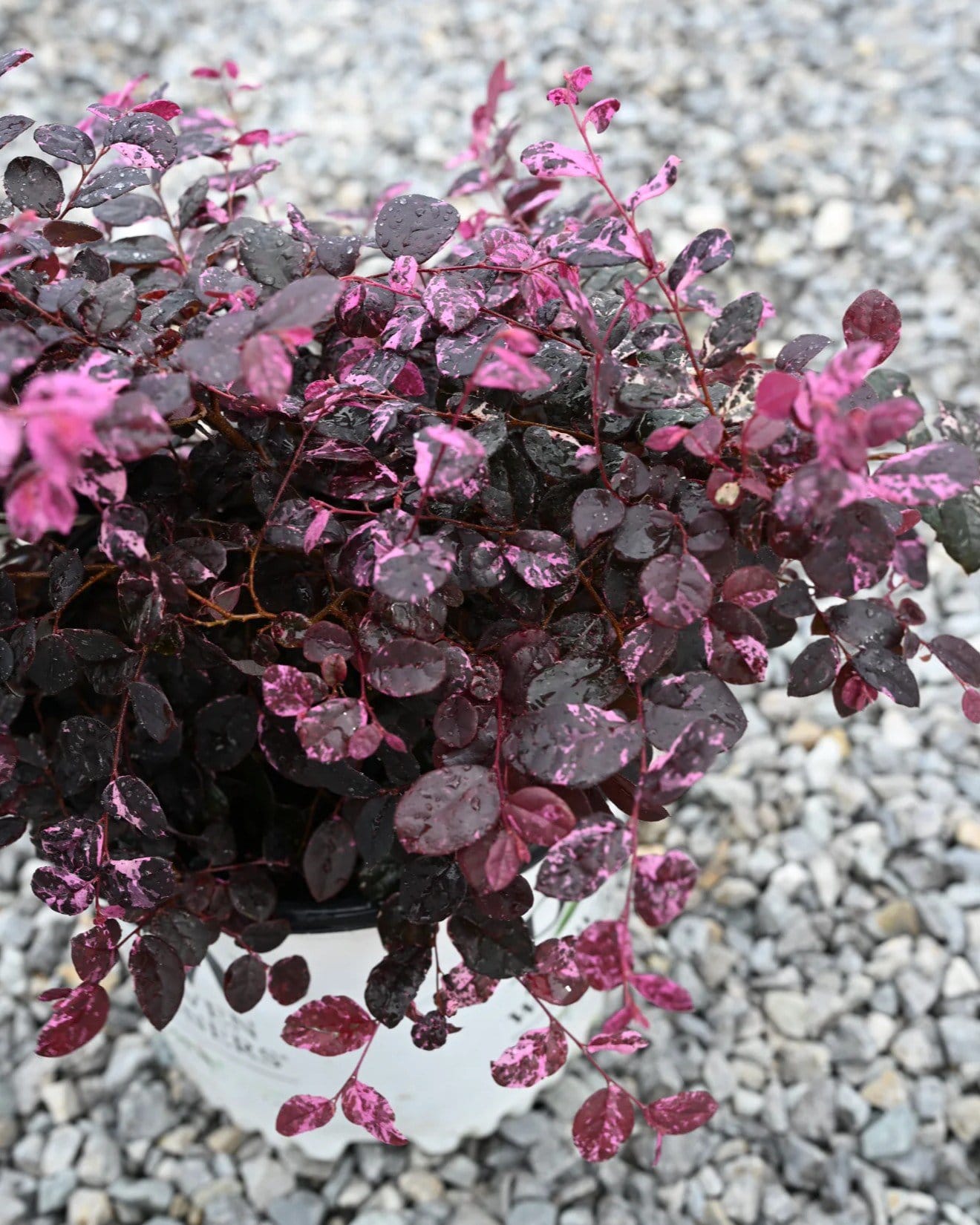
Jazz Hands Variegated Loropetalum
Maturity: 4' H x 4' W
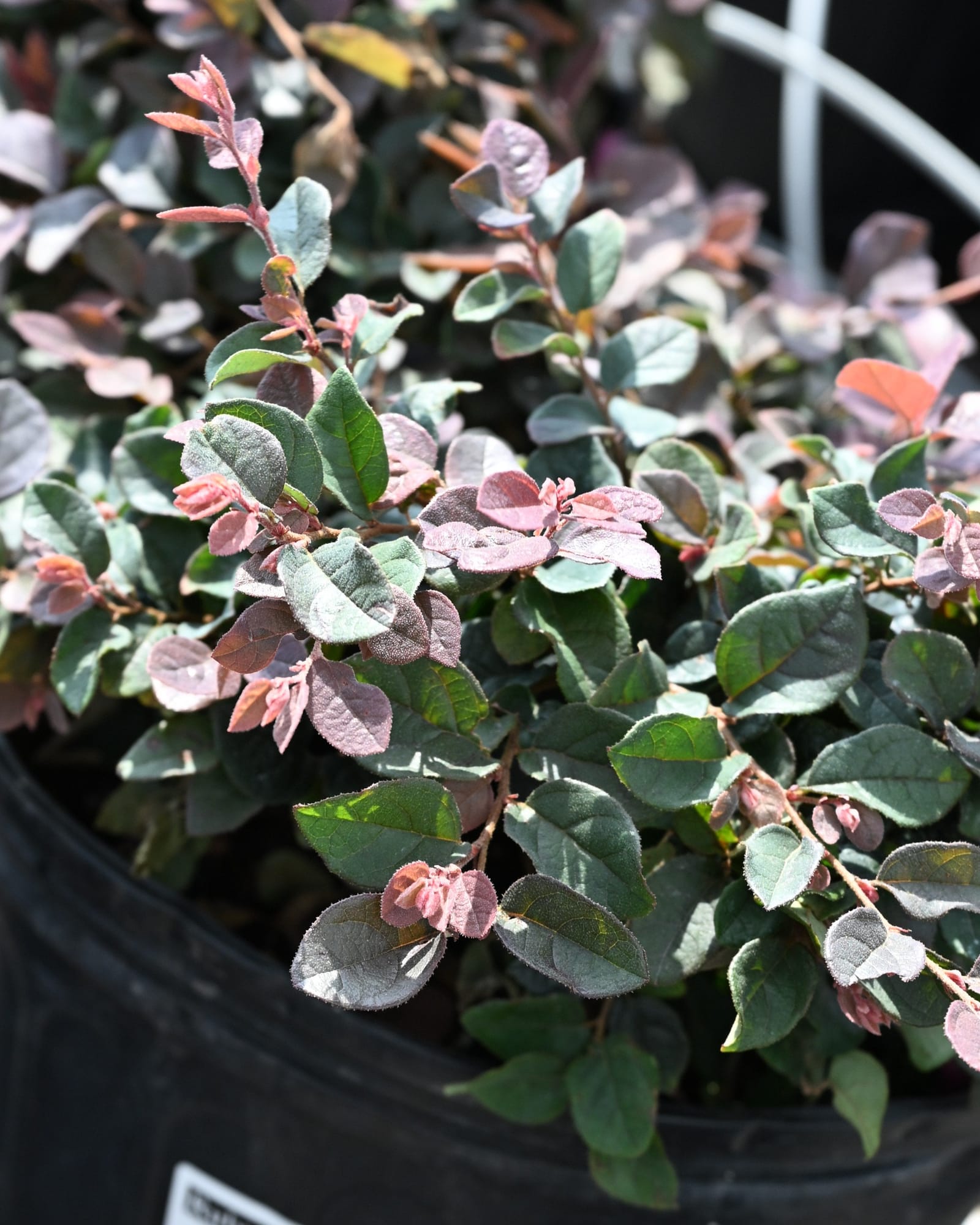
Ruby Loropetalum
Maturity: 5' H x 5' W
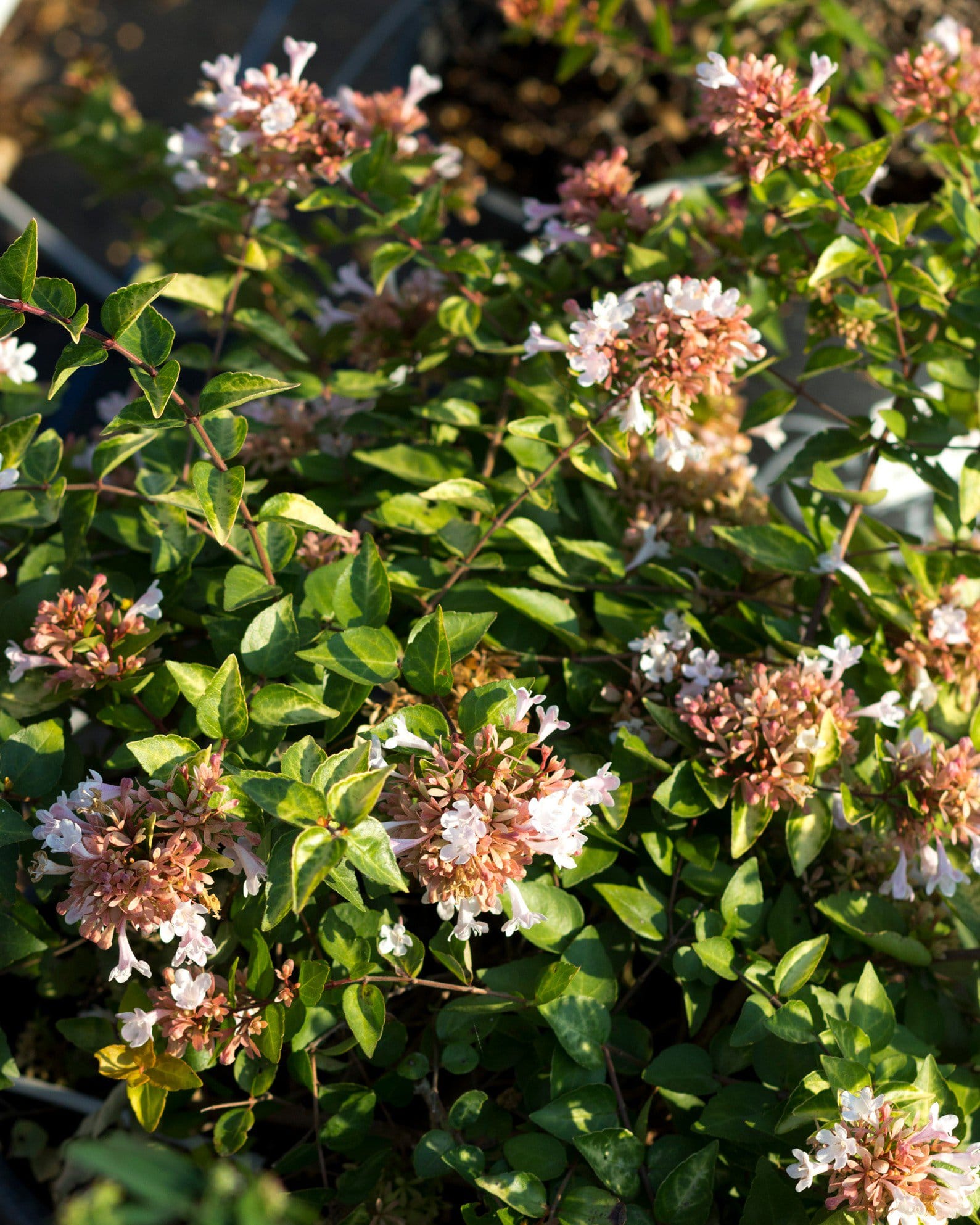
Canyon Creek Abelia
Maturity: 3' H x 3' W
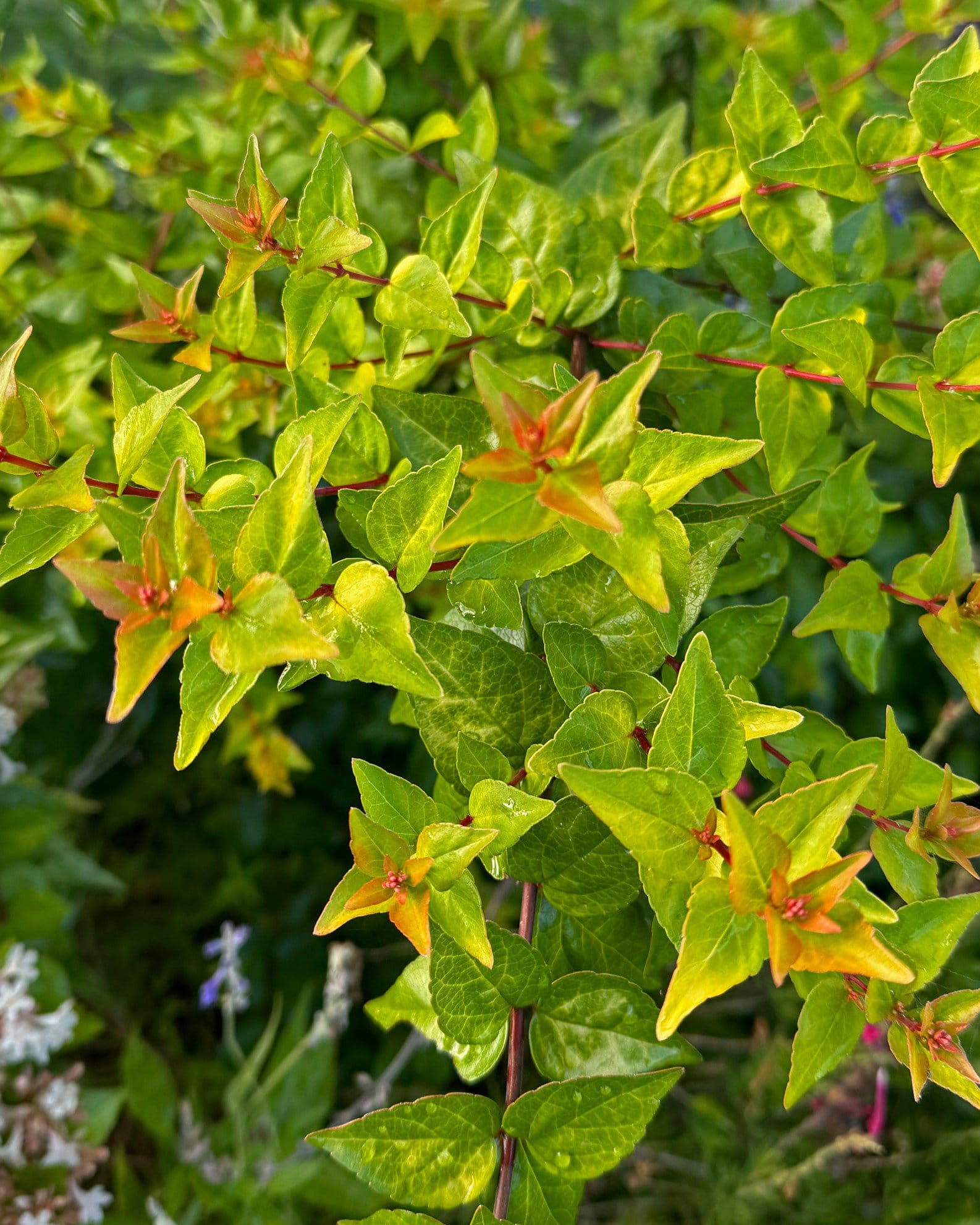
Curly Leaf Ligustrum
Maturity: 8' H x 6' W
Compare Similar Plants
Cherry Blast Loropetalum This plant | ||
|---|---|---|
| Scientific Name | Loropetalum chinense var. rubrum 'Cherry Blast' | Loropetalum chinense 'Kurobijin' |
| Size at Maturity | 6' H x 6' W | 3' H x 3' W |
| Leaf Retention | Evergreen | Evergreen |
| Flower Color | Pink | Pink |
| Bloom Times | Spring | Spring |
| Sizes Available | 3 gal | 3, 7 gal |


Our 1-Year Planting Guarantee
We take pride in our plants and installation services. If any plants or trees installed by Treeland fail to thrive within the first year, we'll provide a replacement credit in accordance with our guarantee program.
Learn More About Our Guarantee