
 Popular
Cerise Charm Loropetalum
Loropetalum chinense 'Kurobijin'Local DFW Delivery Only
Product Details
Cerise Charm Loropetalum
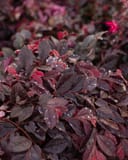
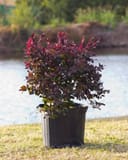
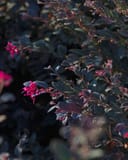
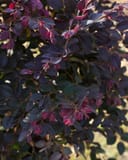
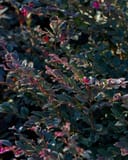
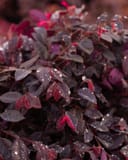
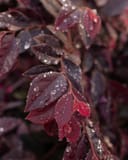
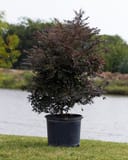
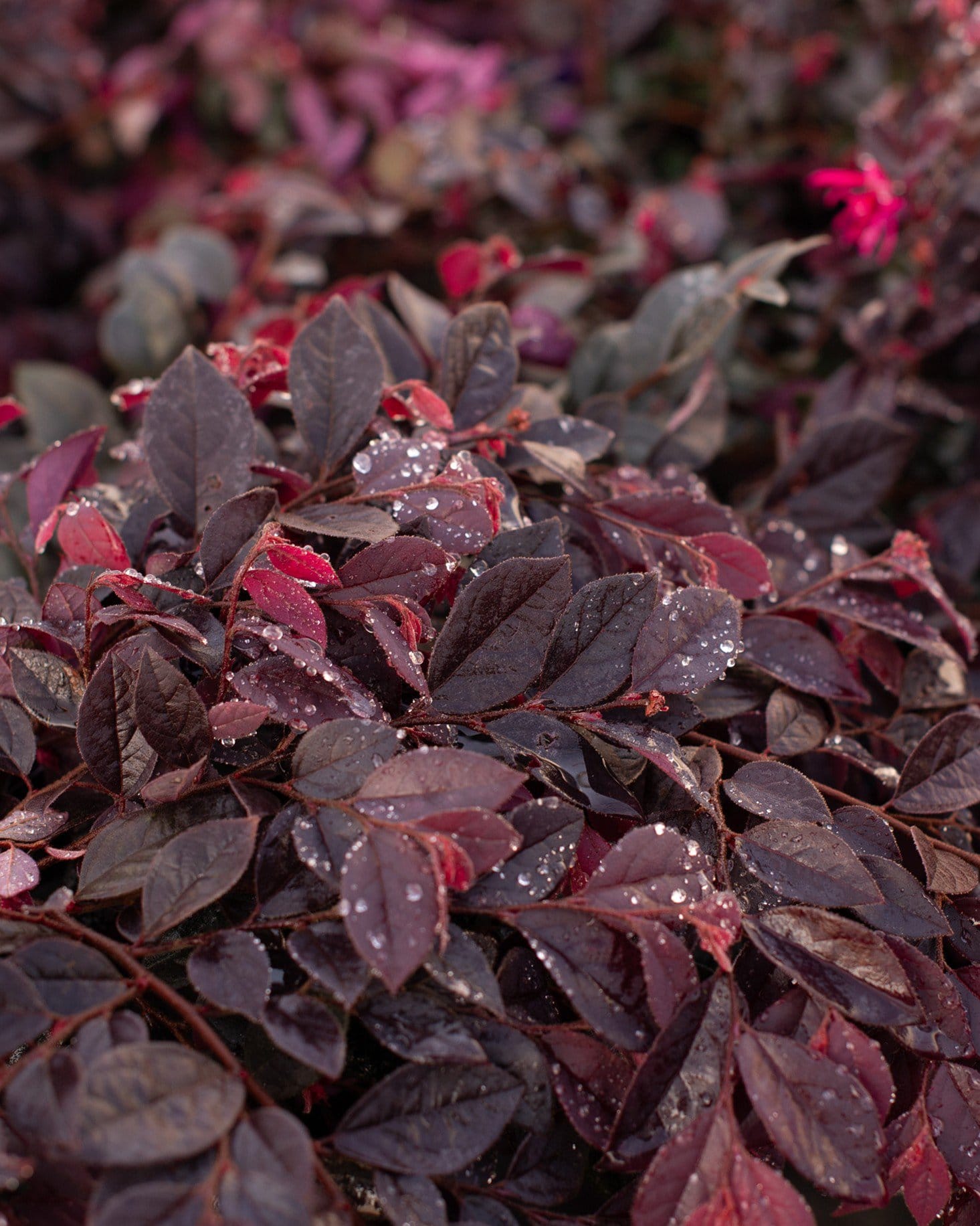
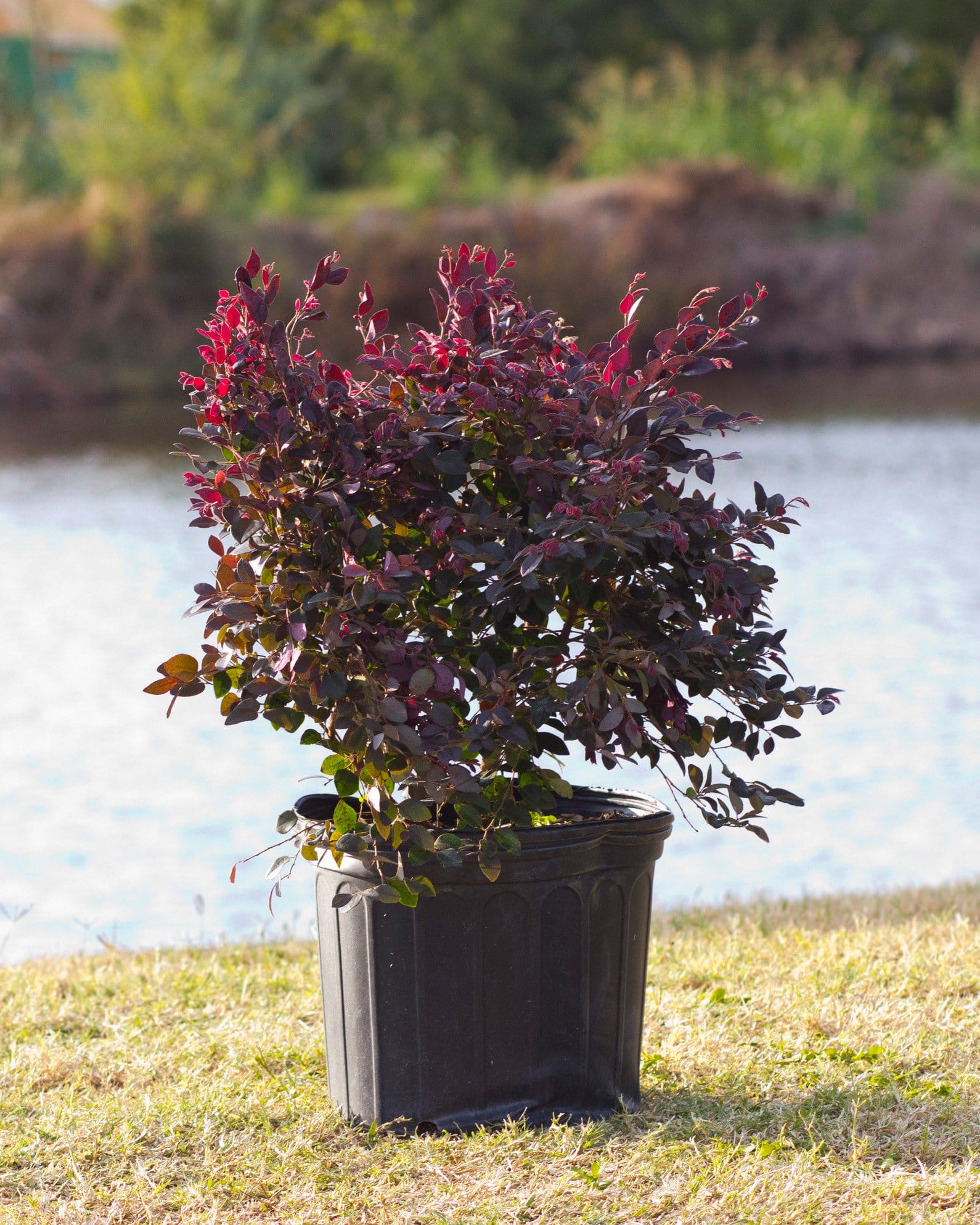
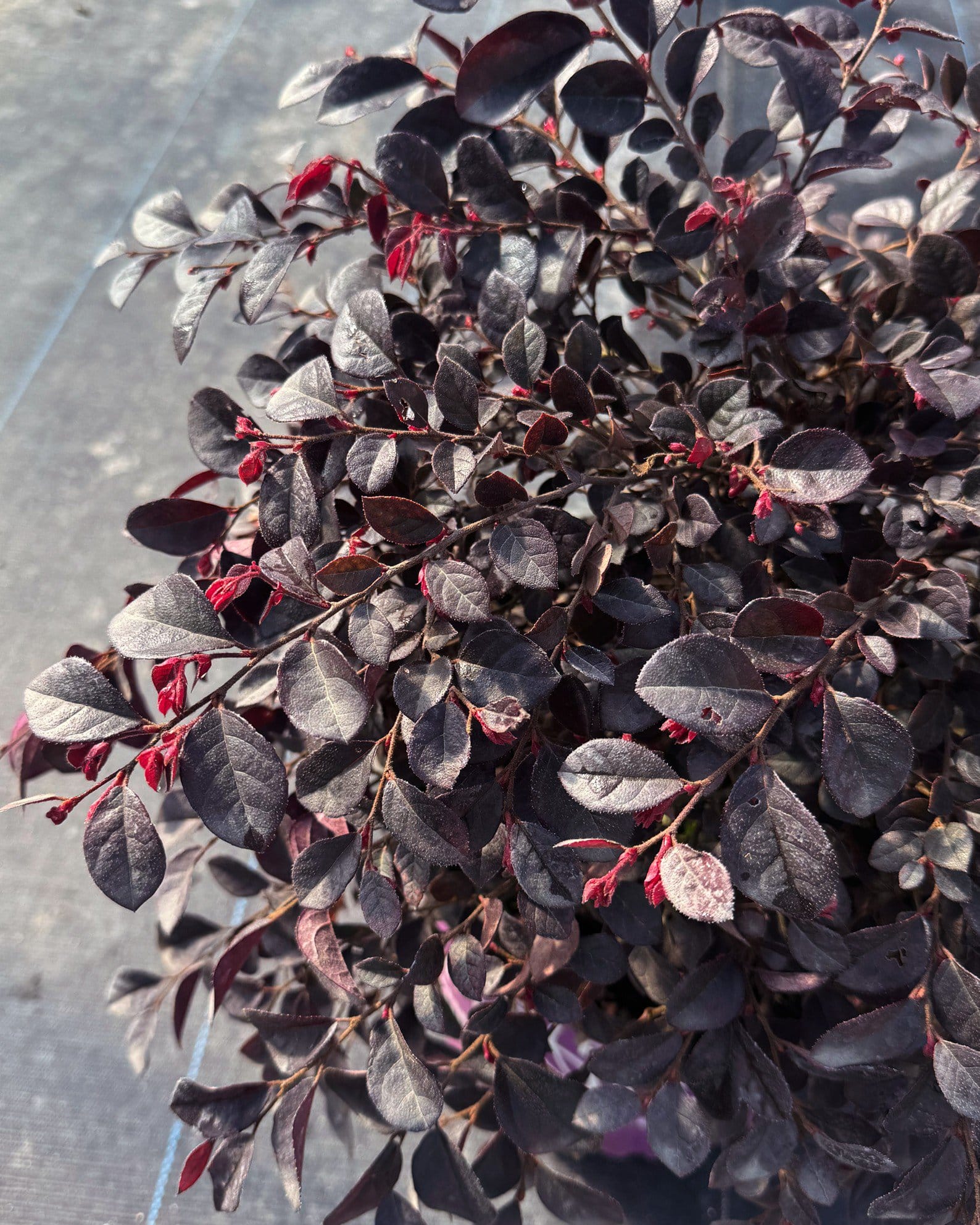
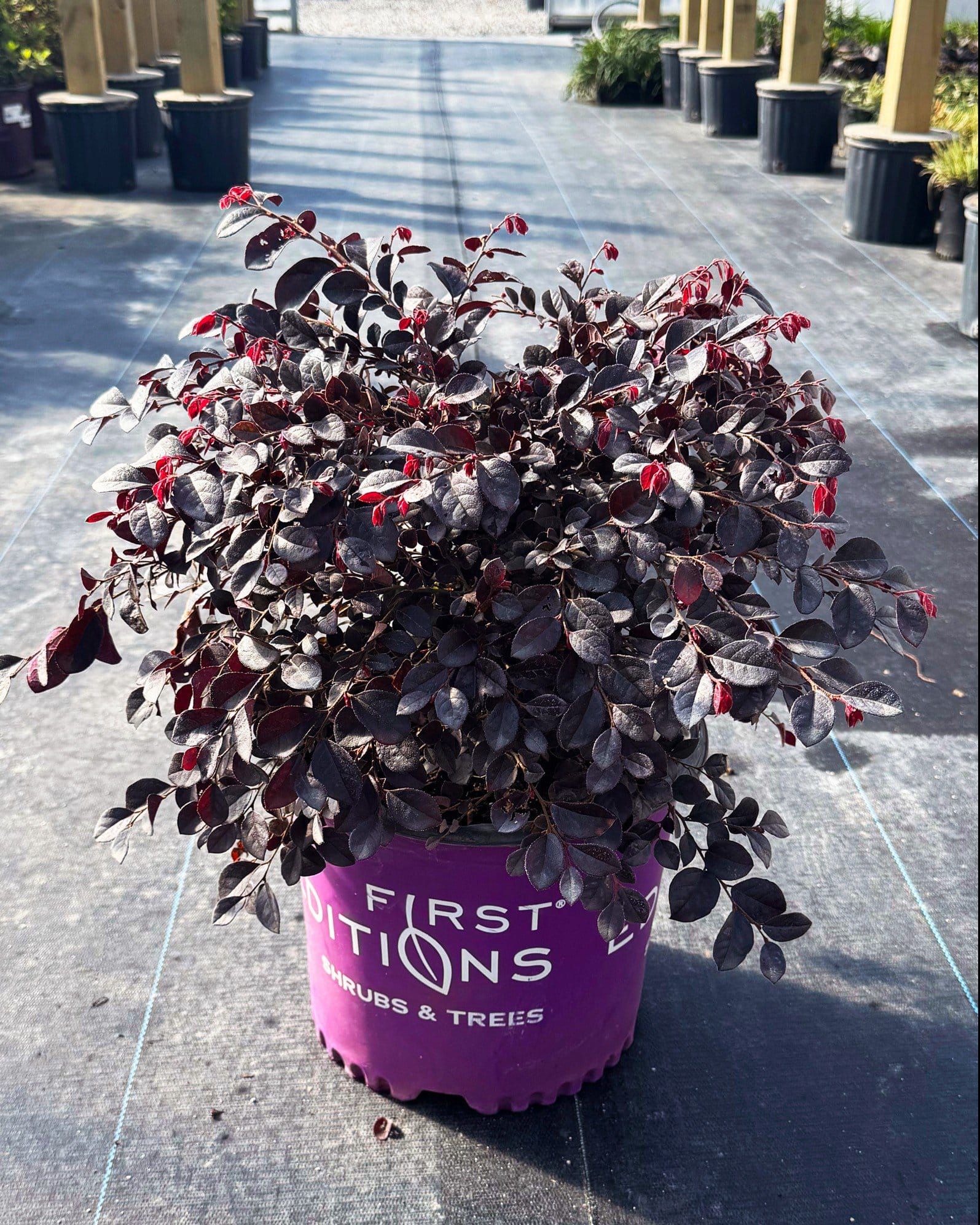
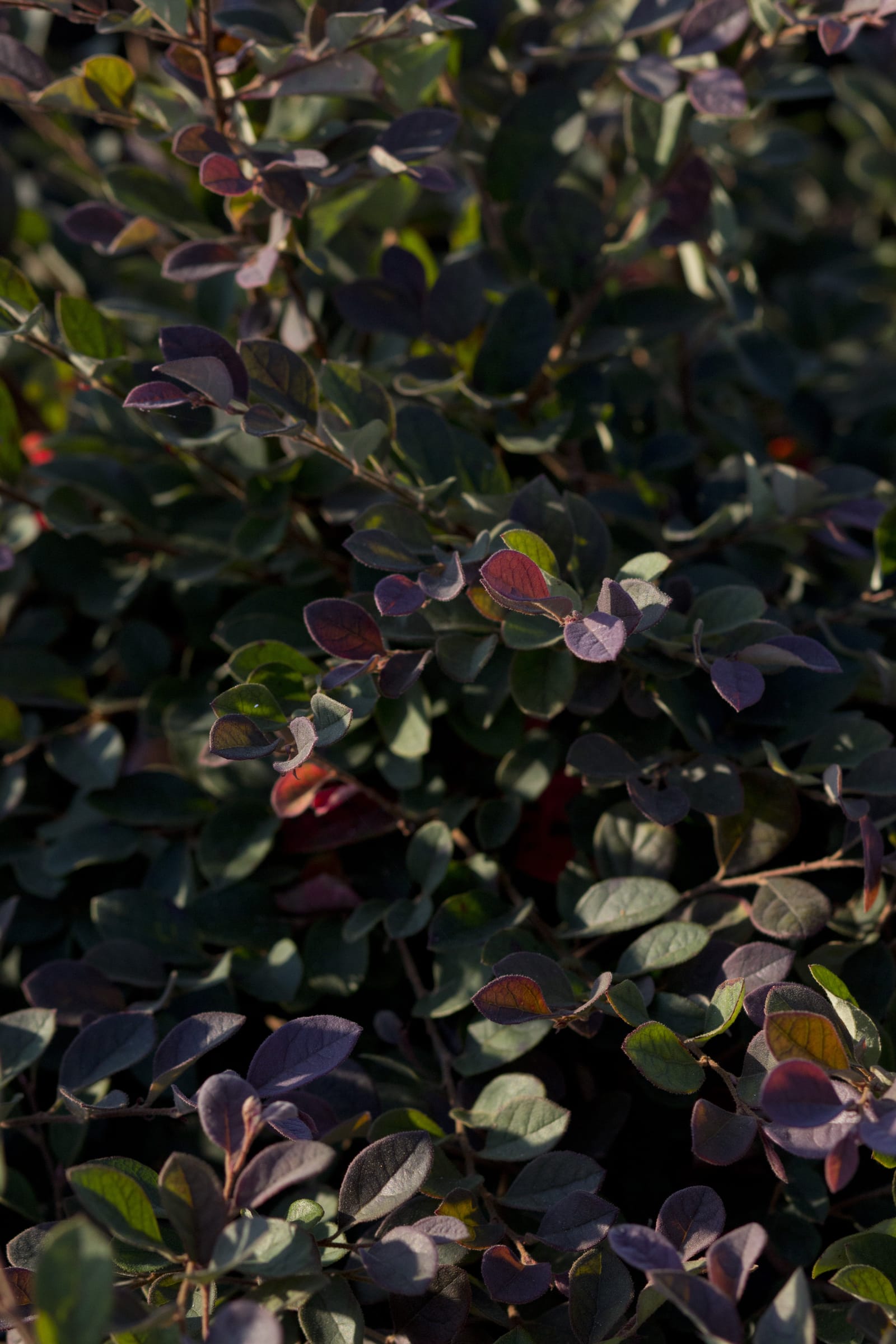
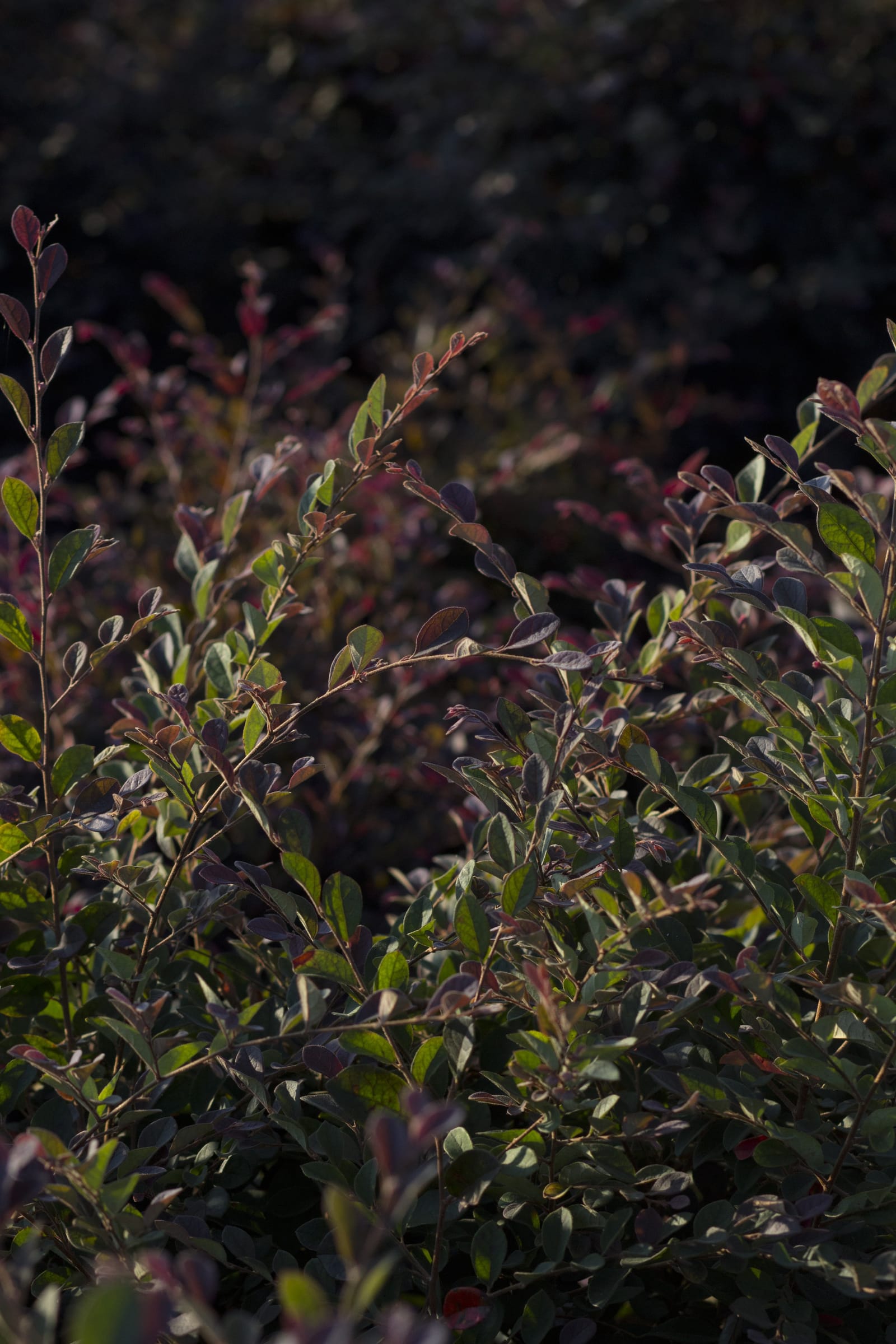
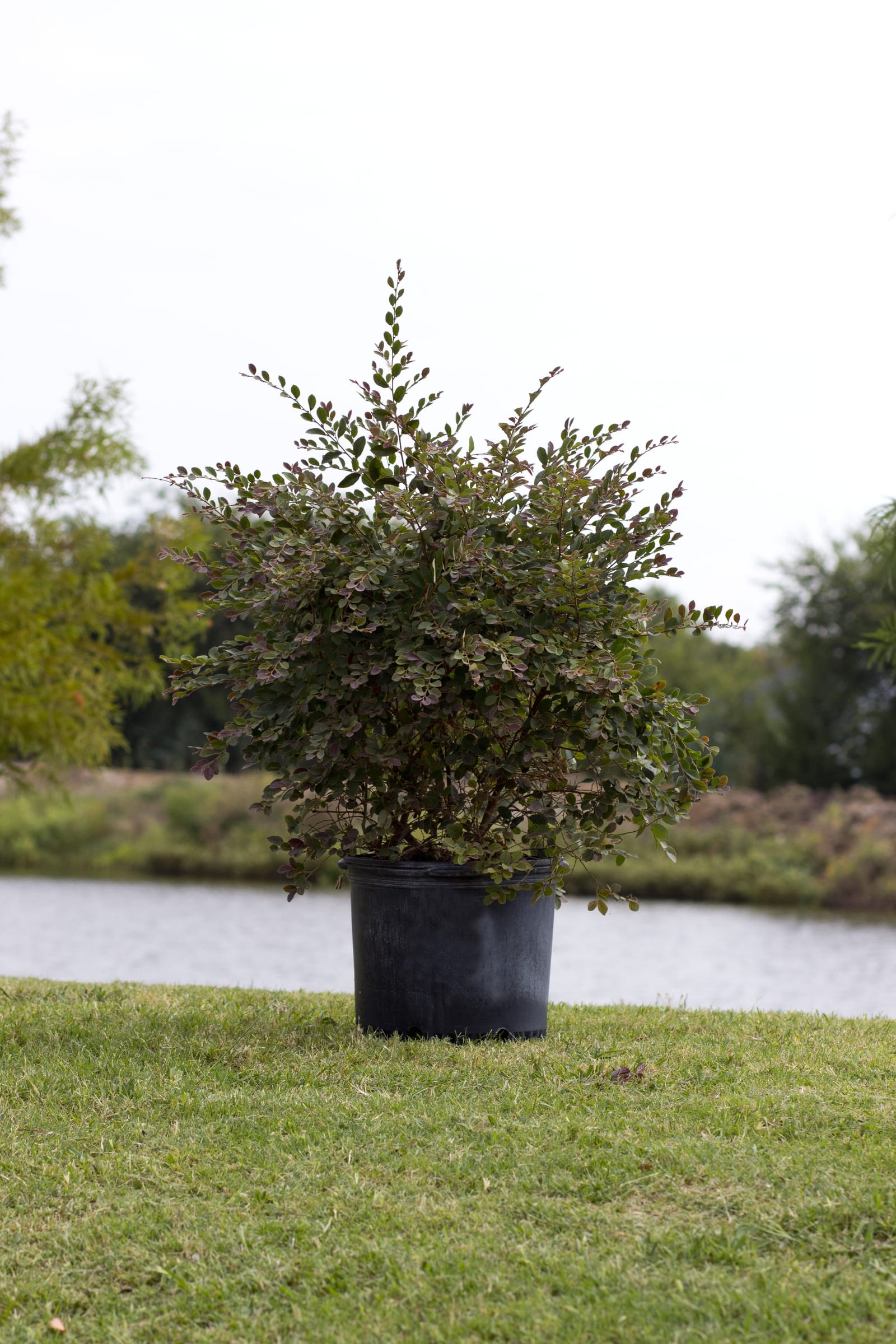
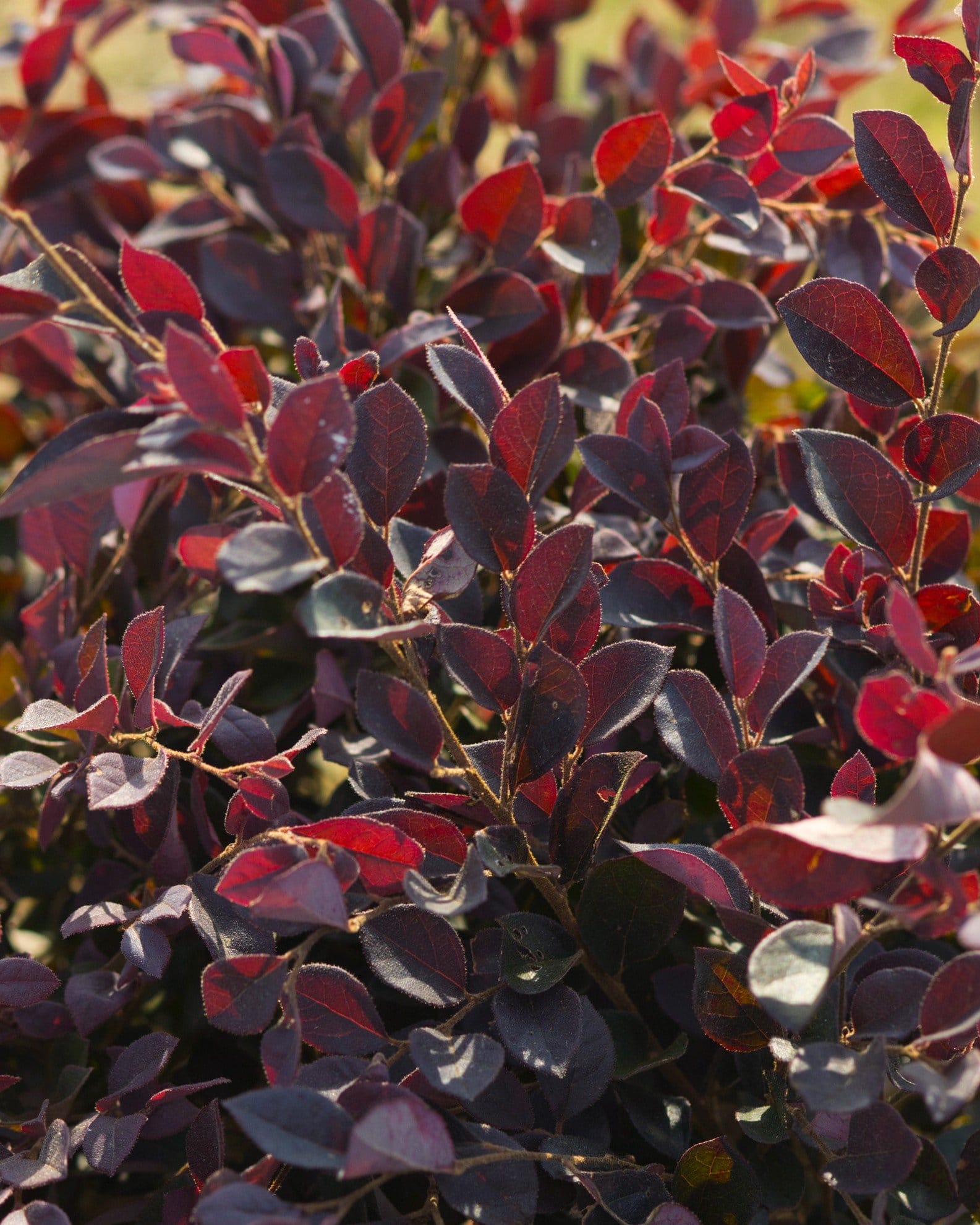
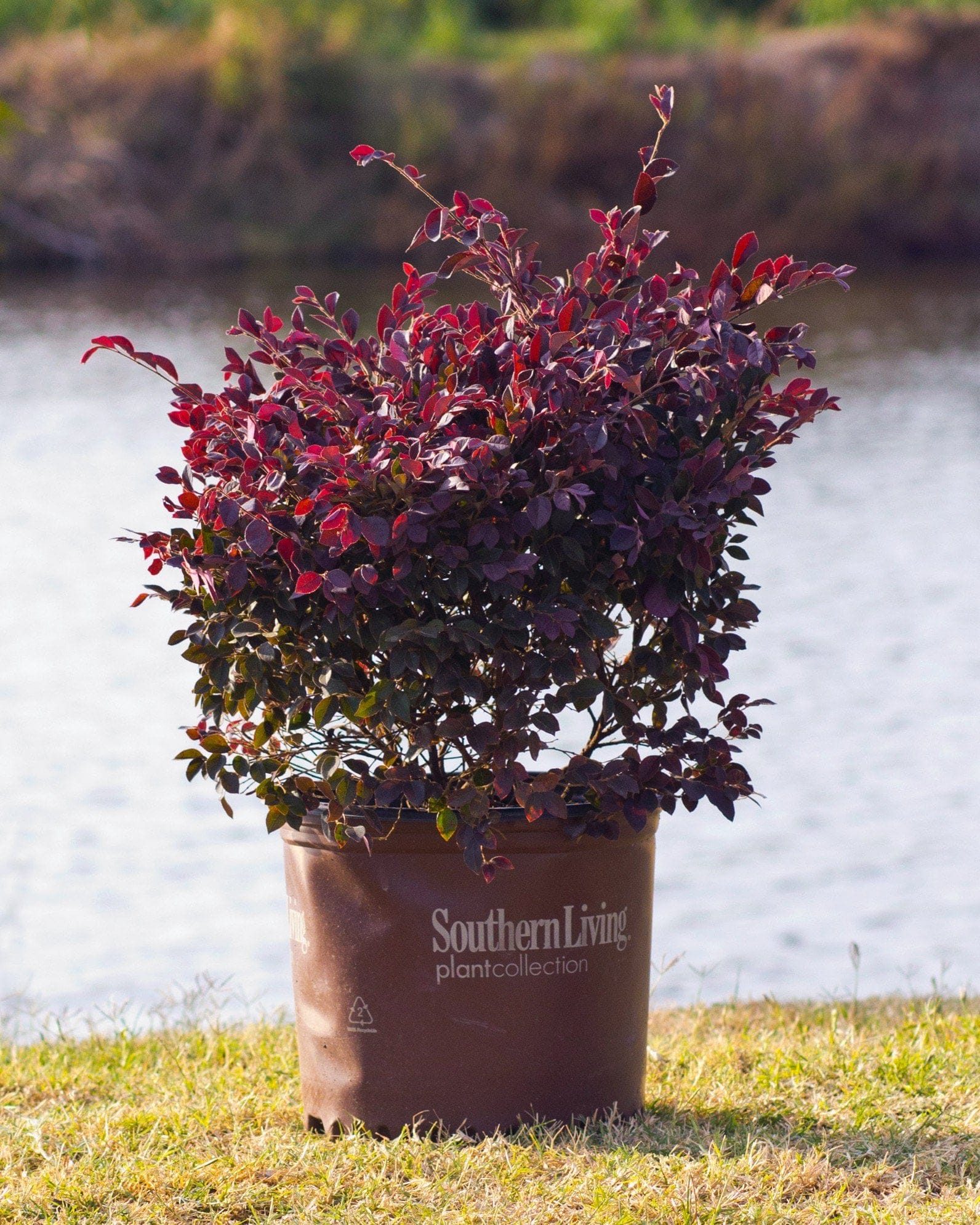
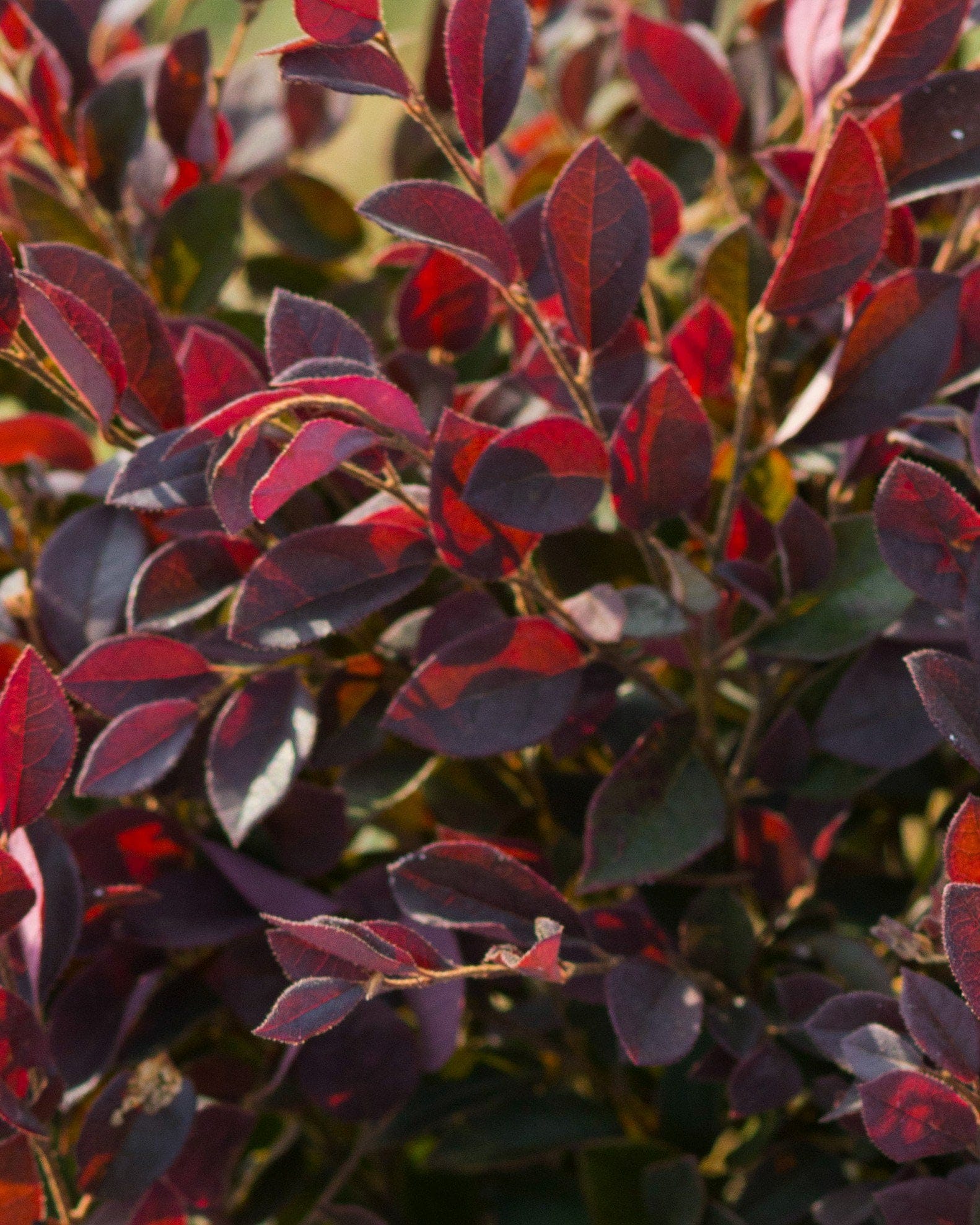
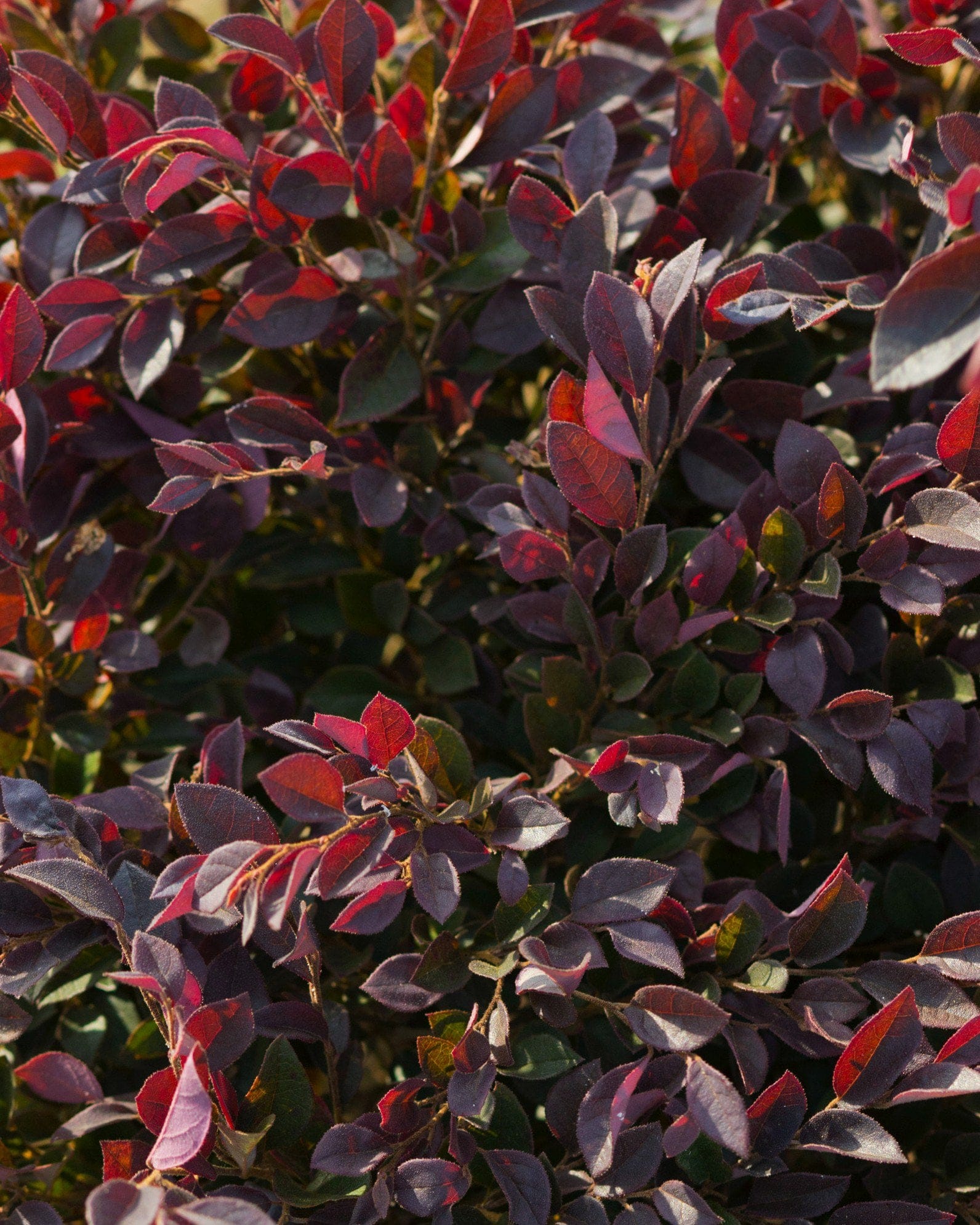
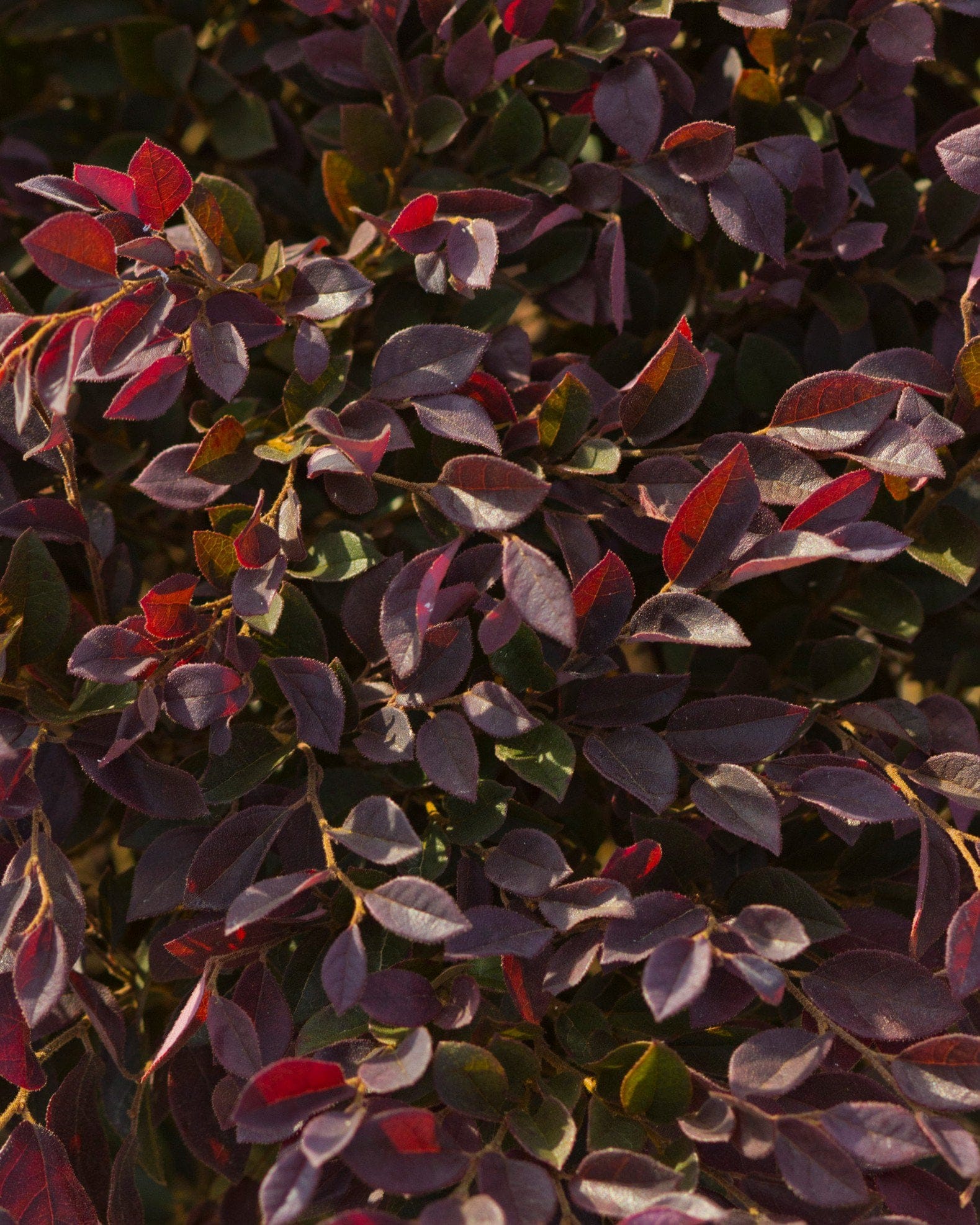
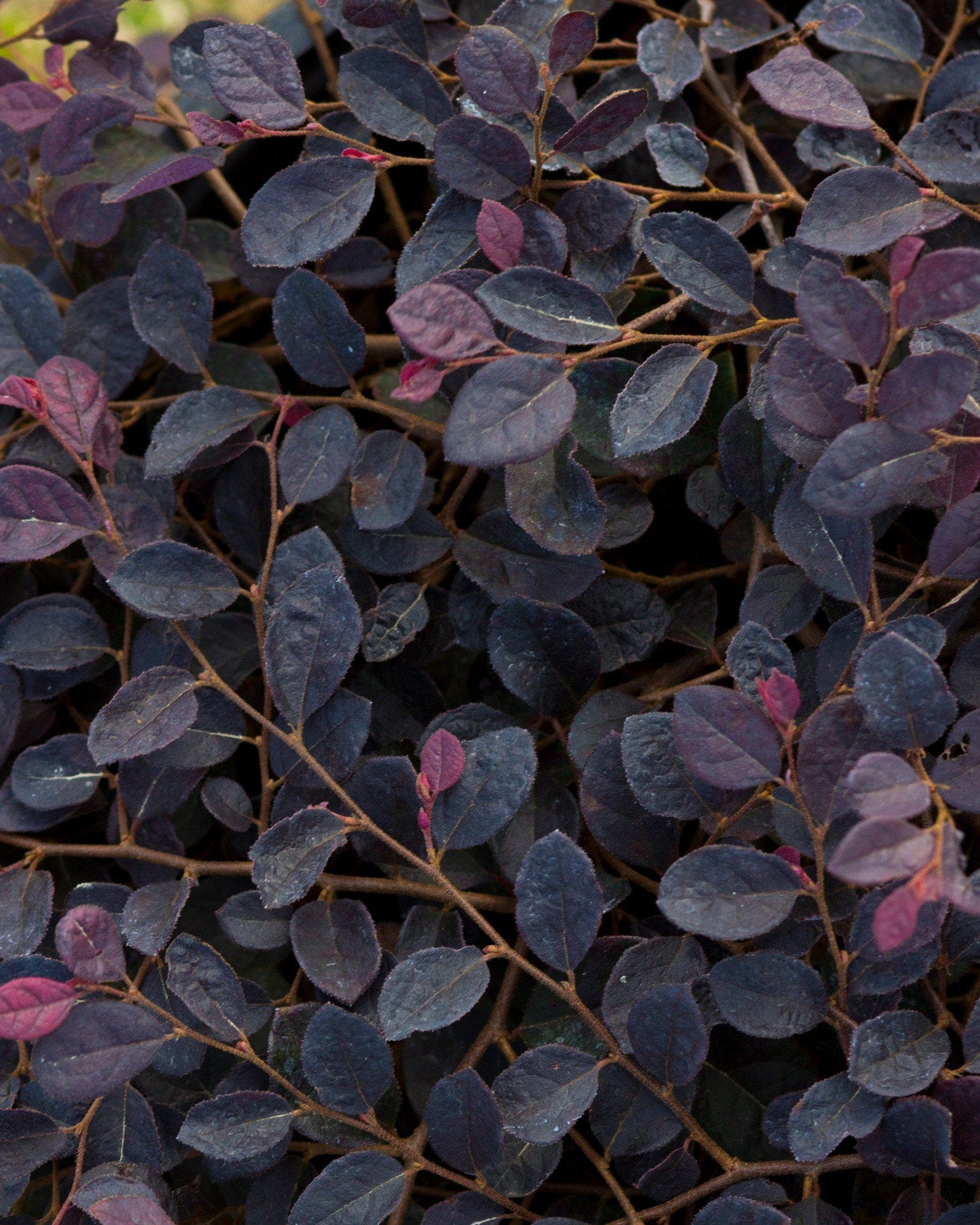
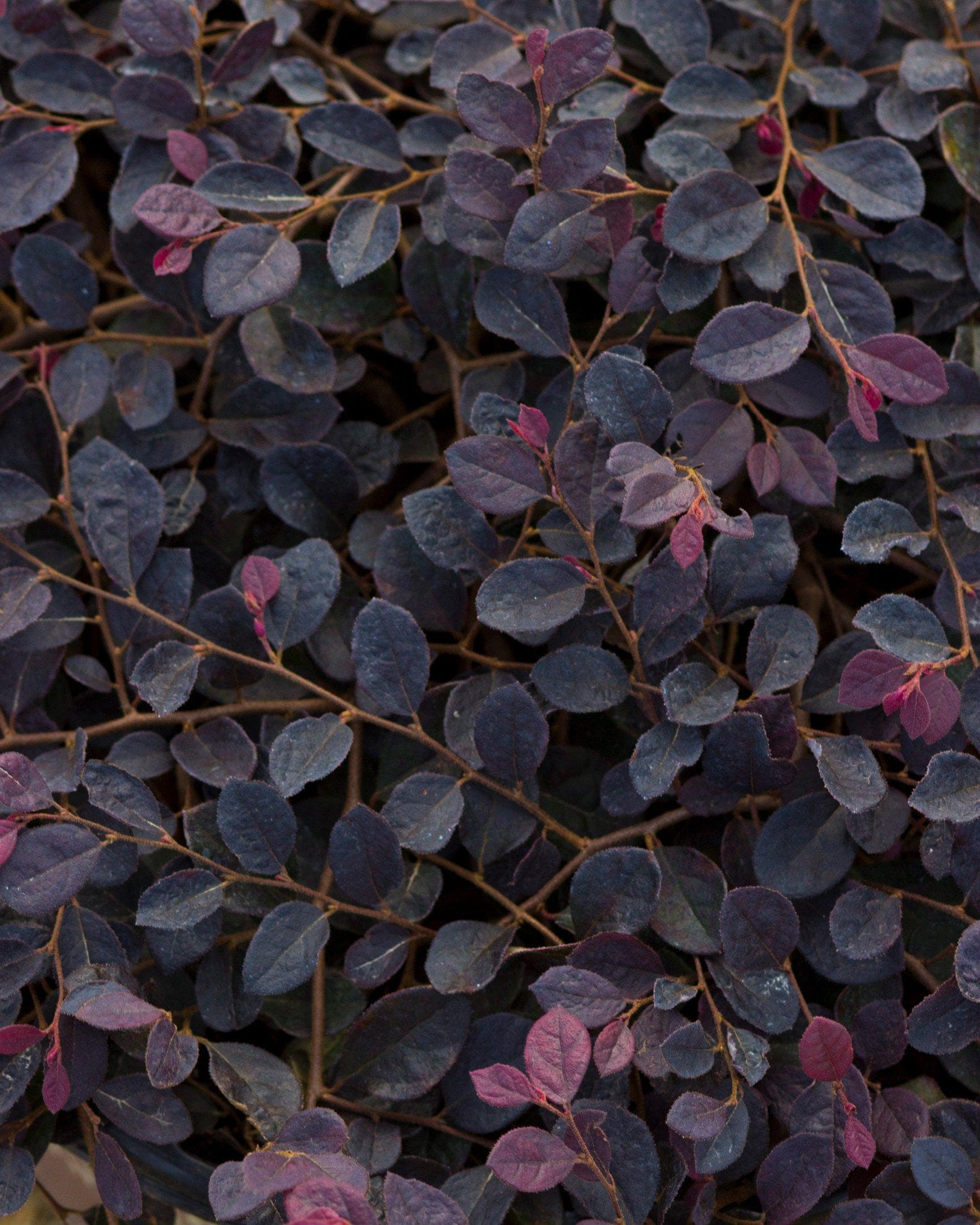
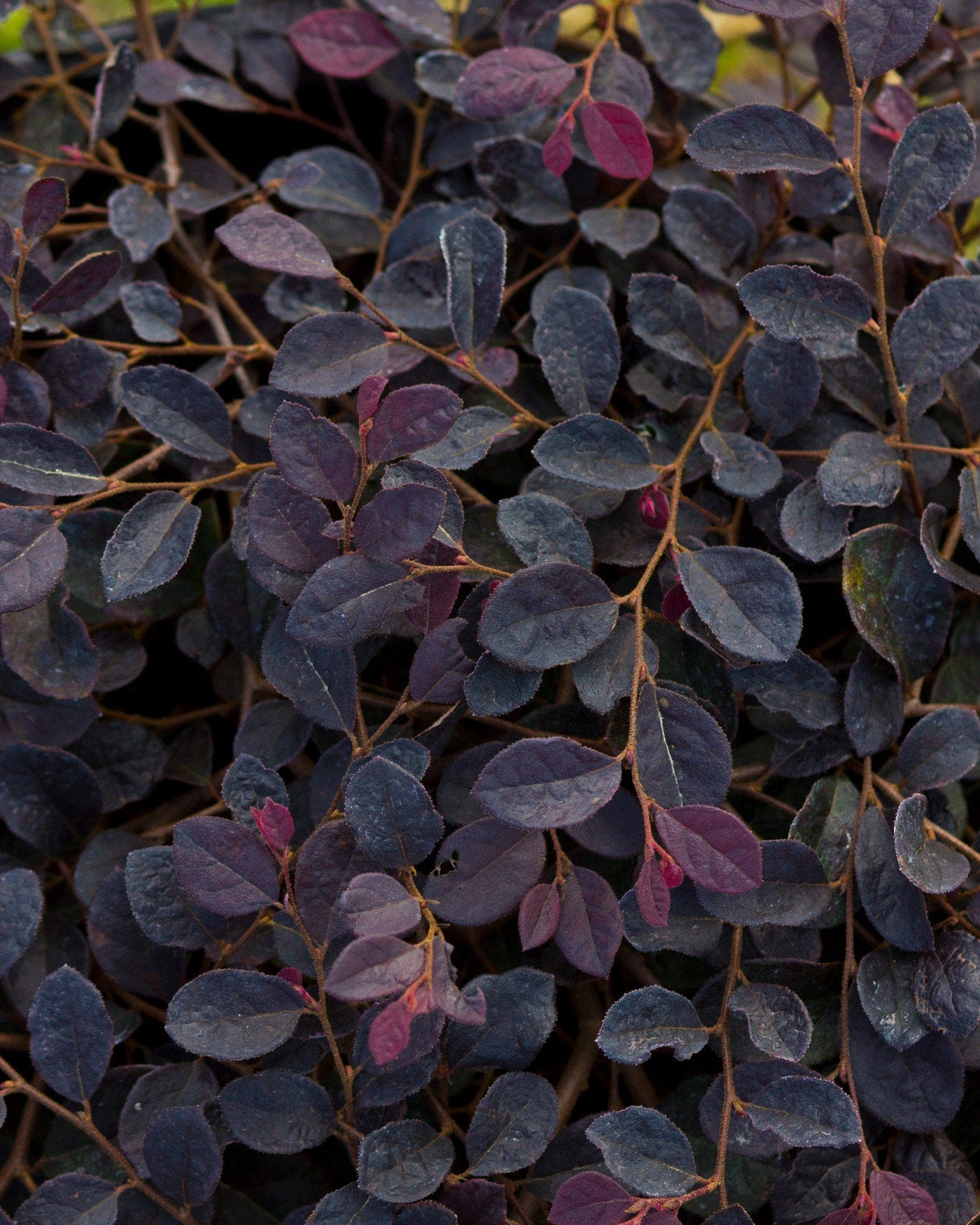
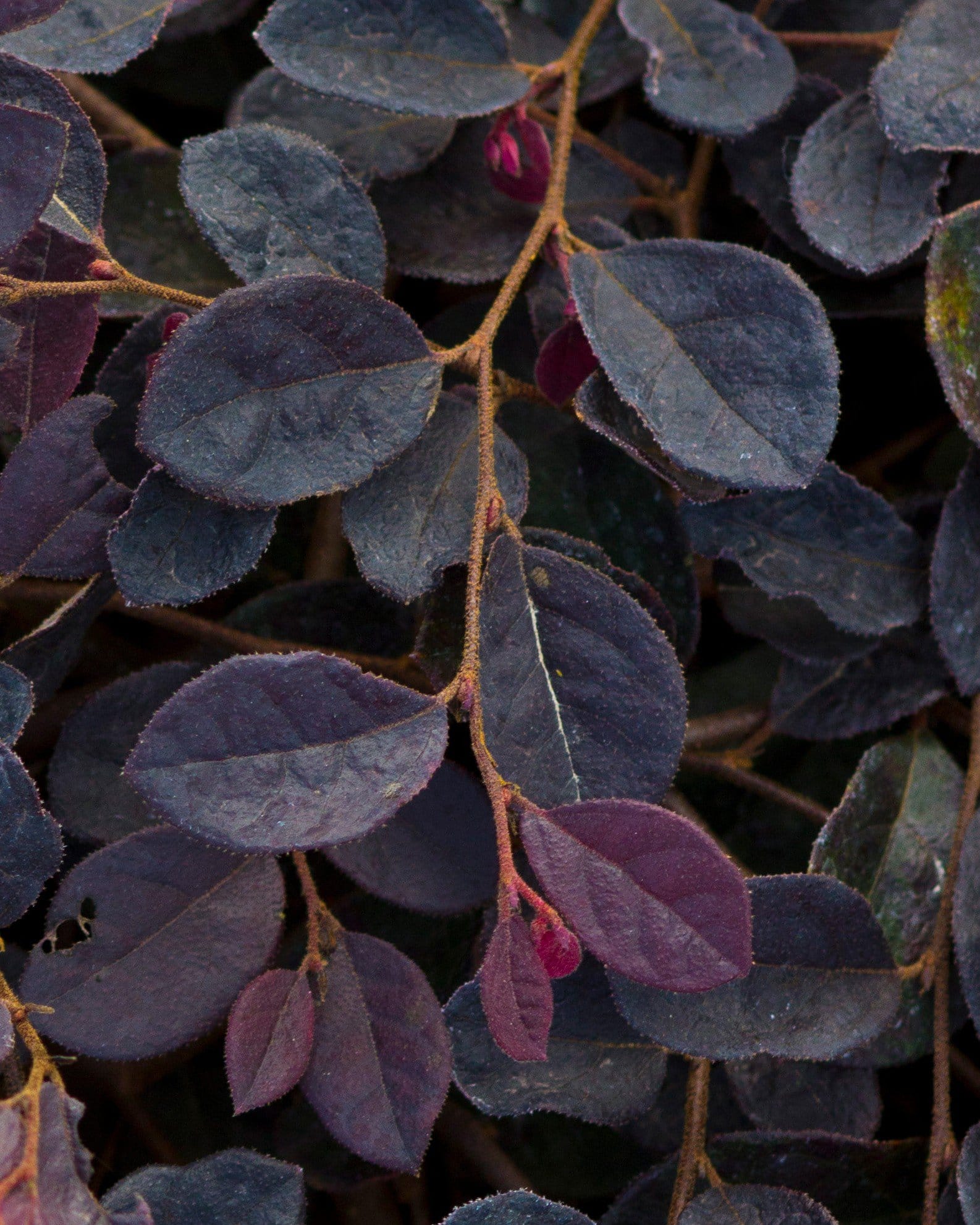
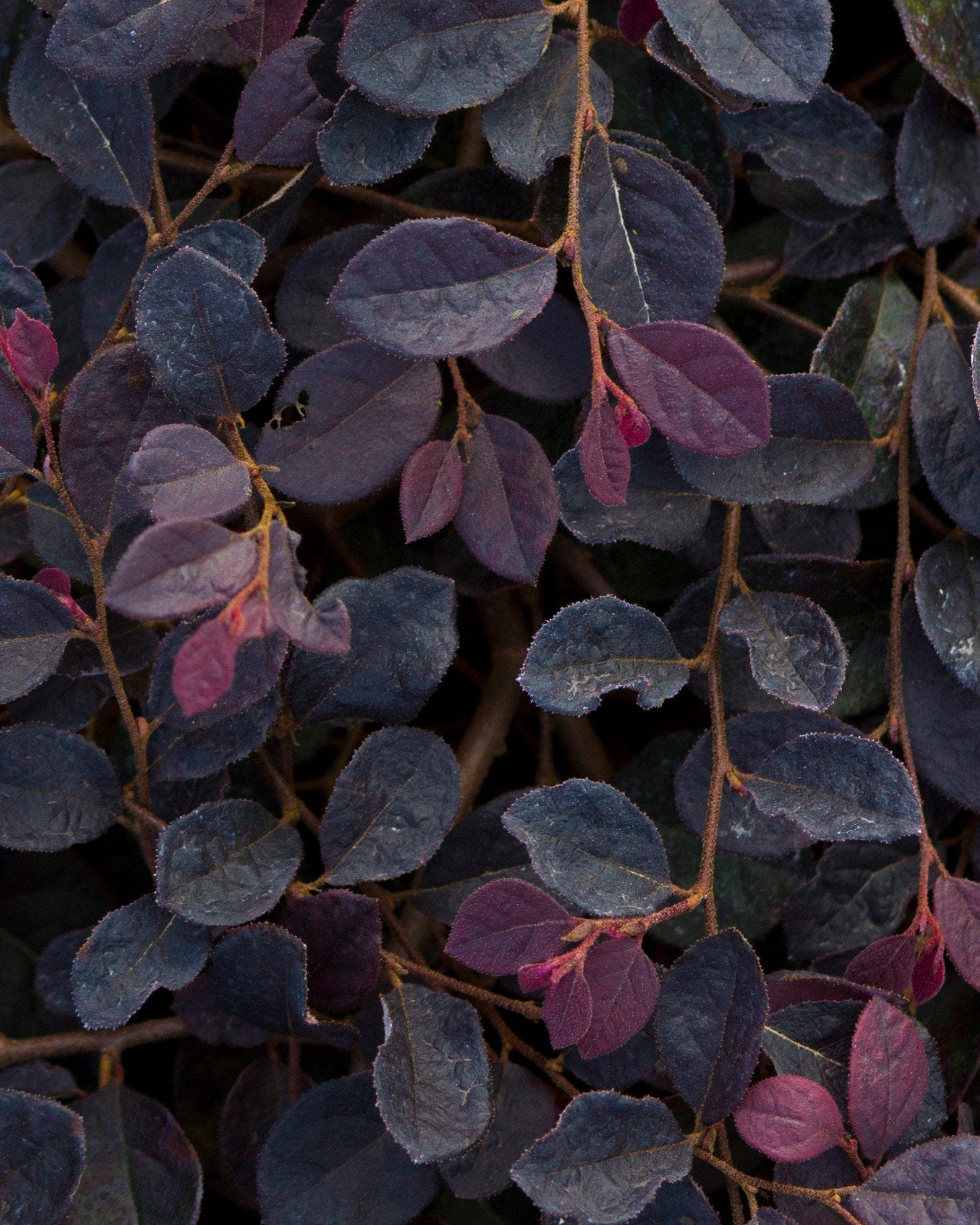
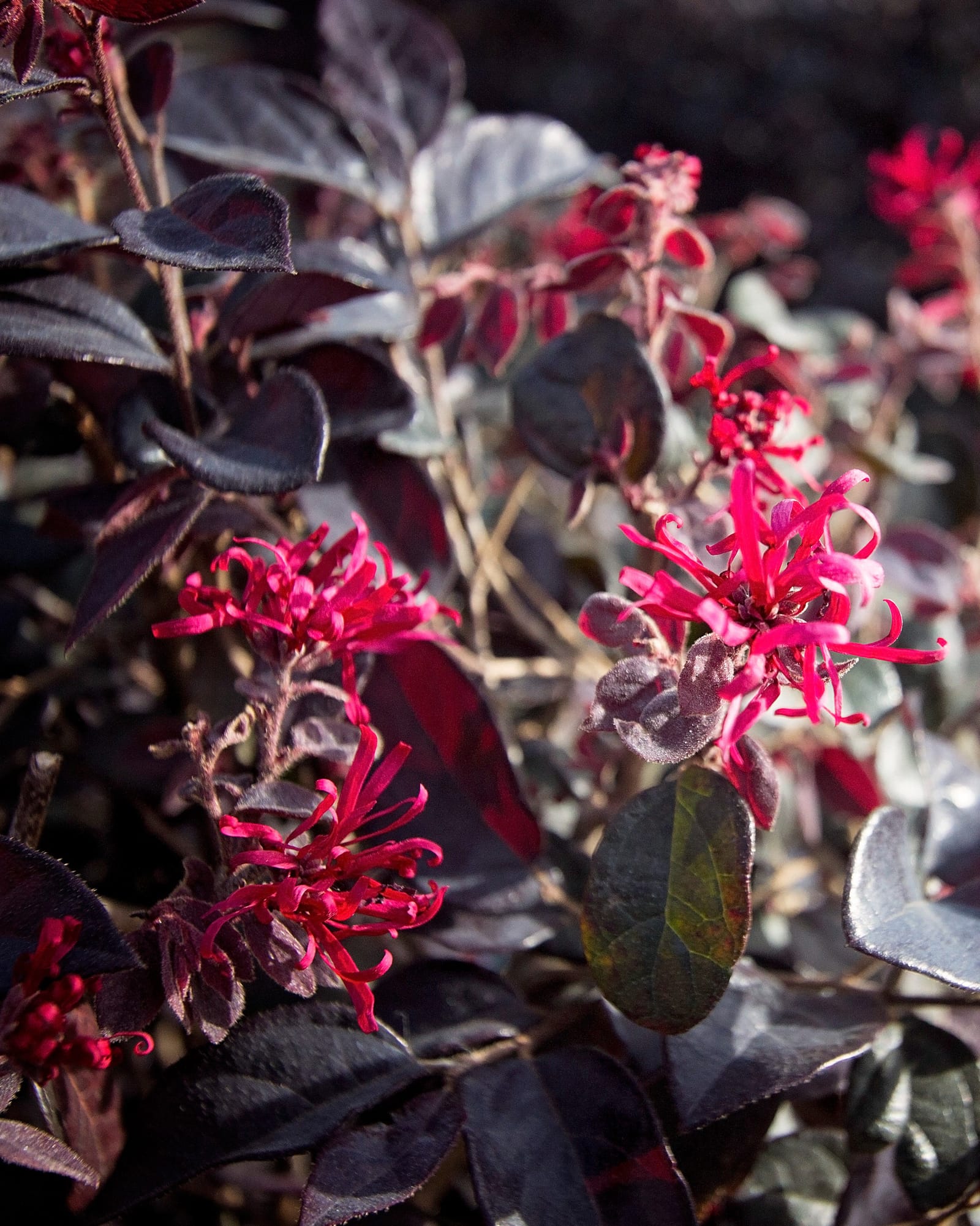
Loropetalum chinense 'Kurobijin'Cerise Charm Loropetalum is a compact selection with intense color contrast and eye-catching blooms. This evergreen forms a tidy mound up to 3 feet tall and wide, covered in deep purple leaves that stay colorful year-round. In early spring, it produces bright magenta pink fringe flowers that stand out vividly against the dark foliage. Its neat, rounded shape makes it ideal for border plantings, low hedges, or accent use in residential beds. It also works well in containers for patios and entrances.
- An evergreen shrub
- Deep purple leaves
- Stunning pink blooms
- Rounded growth habit
- Suitable for foundation plantings, mixed borders, and containers
Cerise Charm Loropetalum grows best in full sun to part shade with well-drained soil. Hardy in USDA zones 7-11 tolerant to heat and humidity, it's an excellent color-forward evergreen for North Texas beds or container use.
Cerise Charm Loropetalum is a low-maintenance shrub that thrives with minimal effort, but attention to a few key care points ensures vibrant foliage and abundant blooms:
- Watering: Water regularly during the first growing season to help roots establish. Once mature, Cerise Charm is moderately drought-tolerant, but deep watering during extended dry periods encourages strong growth and vibrant flowers. Avoid overwatering, as soggy soil can cause root rot.
- Pruning: Light pruning after flowering helps maintain a dense, rounded form and encourages new growth. Remove dead branches to improve airflow within the canopy. Avoid heavy pruning late in the season, as new growth may not have the time to harden before winter.
- Fertilizing: Apply a balanced slow-release fertilizer in early spring before new growth starts. This promotes lush foliage and abundant spring blooms. Mature plants typically require minimal fertilization, though a mid-summer application can be used if soil fertility is low. Avoid excessive nitrogen, which can reduce flowering.
- Mulching: Spread a layer of organic mulch, such as pine bark or compost, around the base to conserve moisture, suppress weeds, and regulate soil temperature. Keep mulch approximately 6 inches away from the crown to prevent rot.
- Spacing: For hedges or grouped plantings, space shrubs 3-4 feet apart for a continuous look, or 4-6 feet apart to allow individual shape development. Proper spacing promotes airflow and reduces disease risk.
Common Issues and How to Take Care of Them
Cerise Charm Loropetalum is generally resilient, but there are some issues that can occur.
- Aphids: These small sap-feeding insects cluster on new growth and potentially distort leaves. Treat with a strong water spray, insecticidal soap, or introduce natural predators like ladybugs.
- Loropetalum scale: Appears as small, raised bumps on stems or leaves. Wipe affected areas with a cotton swab dipped in rubbing alcohol or use horticultural oil to manage infestations.
- Leaf spot: Fungal infections causing brown or black spots on leaves. Remove affected foliage and improve air circulation between plants. Avoid overhead watering to limit fungal spread.
- Root rot: Caused by poorly draining soil or excessive watering. Always plant in well-drained soil and allow the top layer to dry between waterings.
- Powdery mildew: White powdery coating on leaves, especially in humid conditions. Prune to increase airflow, water at the base, and remove infected foliage promptly.
Regular maintenance, proper spacing, and monitoring for pests and diseases will keep Cerise Charm Loropetalum thriving.
It is a moderate grower, typically adding 0.5-1 feet per year. Full size is usually reached in 3-5 years, depending on growing conditions.
Lightly prune after the main flowering period in spring. Structural pruning can also be done in late winter or early spring before new growth begins.
Yes, once established, it can handle moderate dry periods, but deep watering during extreme heat ensures optimal foliage color and flower production.
Absolutely. Large containers with well-draining soil work well, though container plants may require more frequent watering than those planted in the ground.
With proper care, it can live 15-20 years or more, especially when pruned lightly and planted in suitable conditions. However, keep in mind that this depends on the conditions, and it's not a guarantee.
Yes, Cerise Charm is versatile. Plant in groups for dense hedges or as a standalone specimen for a bold splash of color.
Overwatering, poor drainage, or nutrient imbalance can lead to yellow leaves. Ensure proper watering, amend soil if necessary, and apply balanced fertilizer if needed.
For dense hedges, space 3-4 feet apart. For individual specimen plantings, leave 4-6 feet between plants to allow room for mature growth.
Yes, it is considered winter hardy. However, plant it in a protected location away from strong winds and provide root mulch for extra protection against low temperatures.
Yes, it is deer-resistant.
Special Features
You might also like
Cherry Blast Loropetalum
Maturity: 6' H x 6' W
Purple Diamond Loropetalum
Maturity: 4' H x 4' W
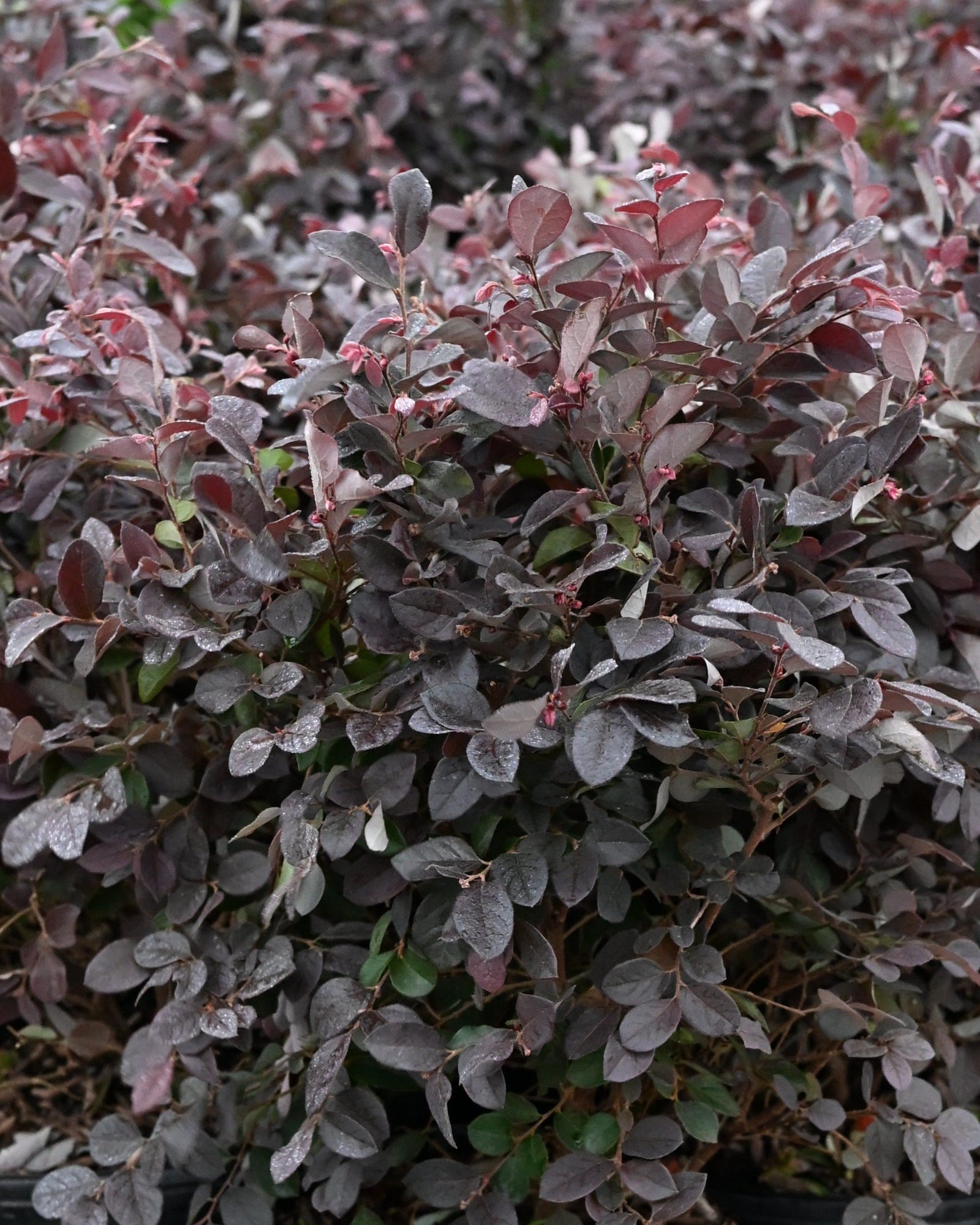
Crimson Fire Loropetalum
Maturity: 4' H x 4' W
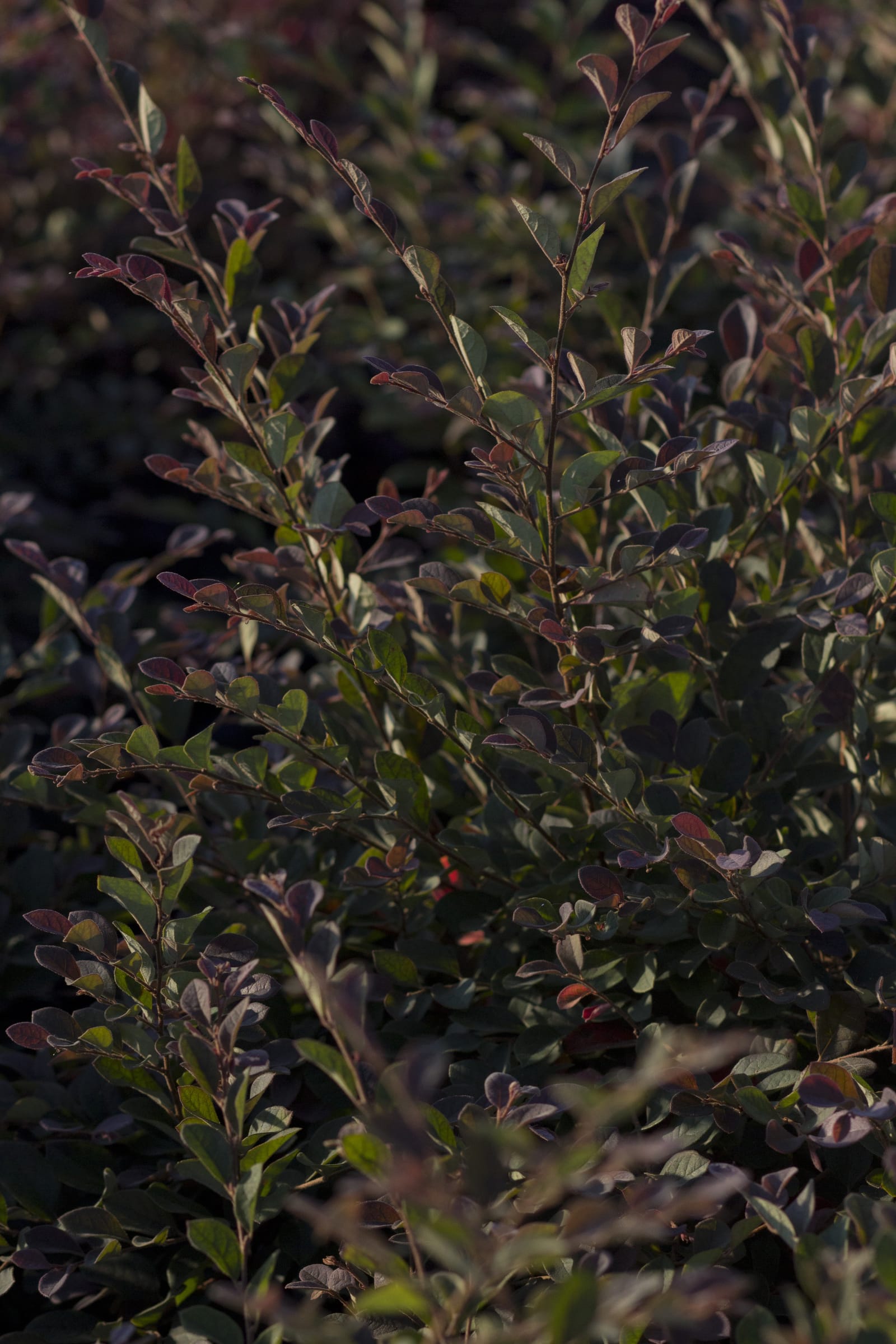
Plum Delight Loropetalum
Maturity: 4' H x 4' W
Purple Daydream Loropetalum
Maturity: 2' H x 3' W
Purple Pixie Loropetalum Weeping
Maturity: 1' H x 4' W
Red Chocolate Loropetalum
Maturity: 5' H x 4' W
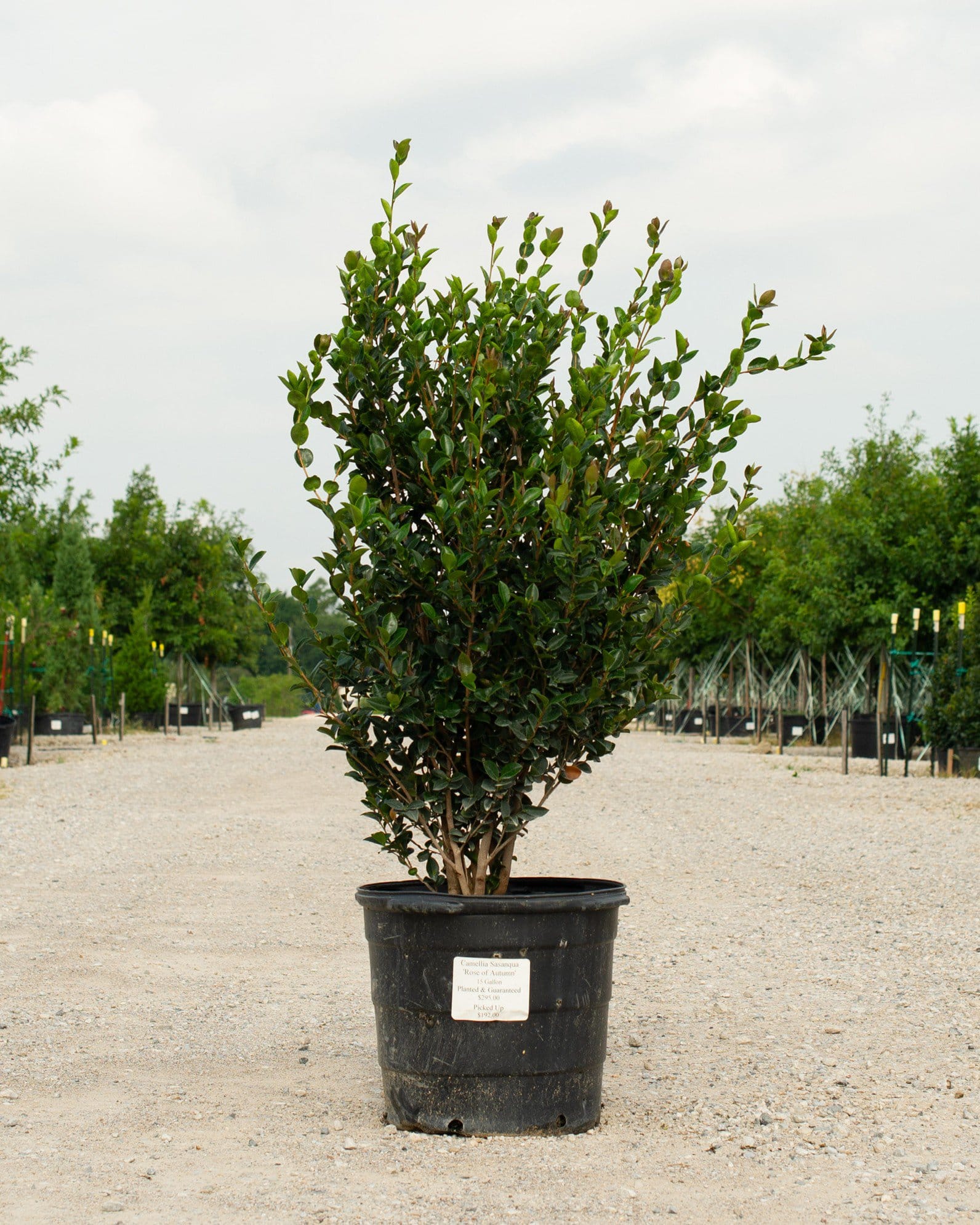
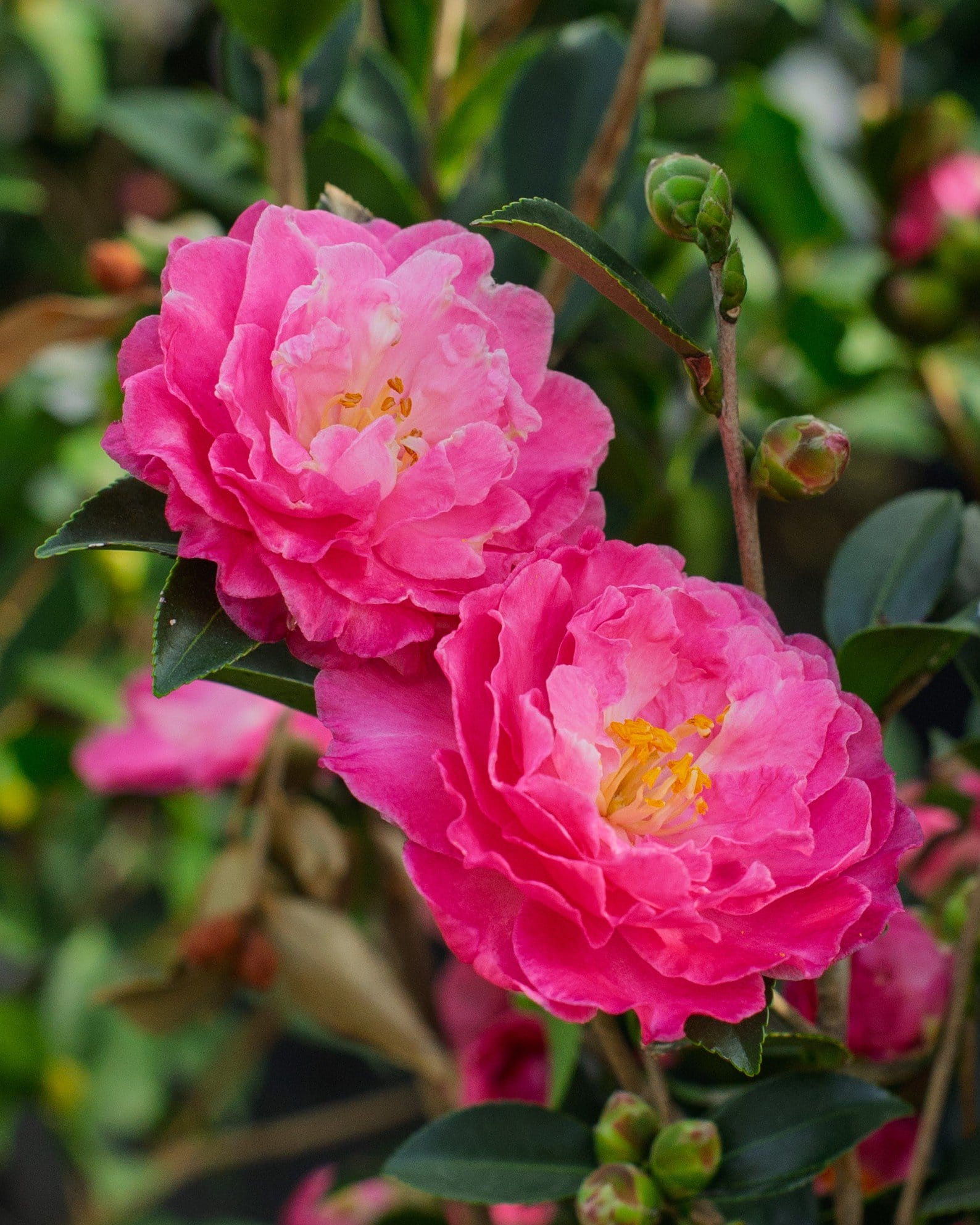
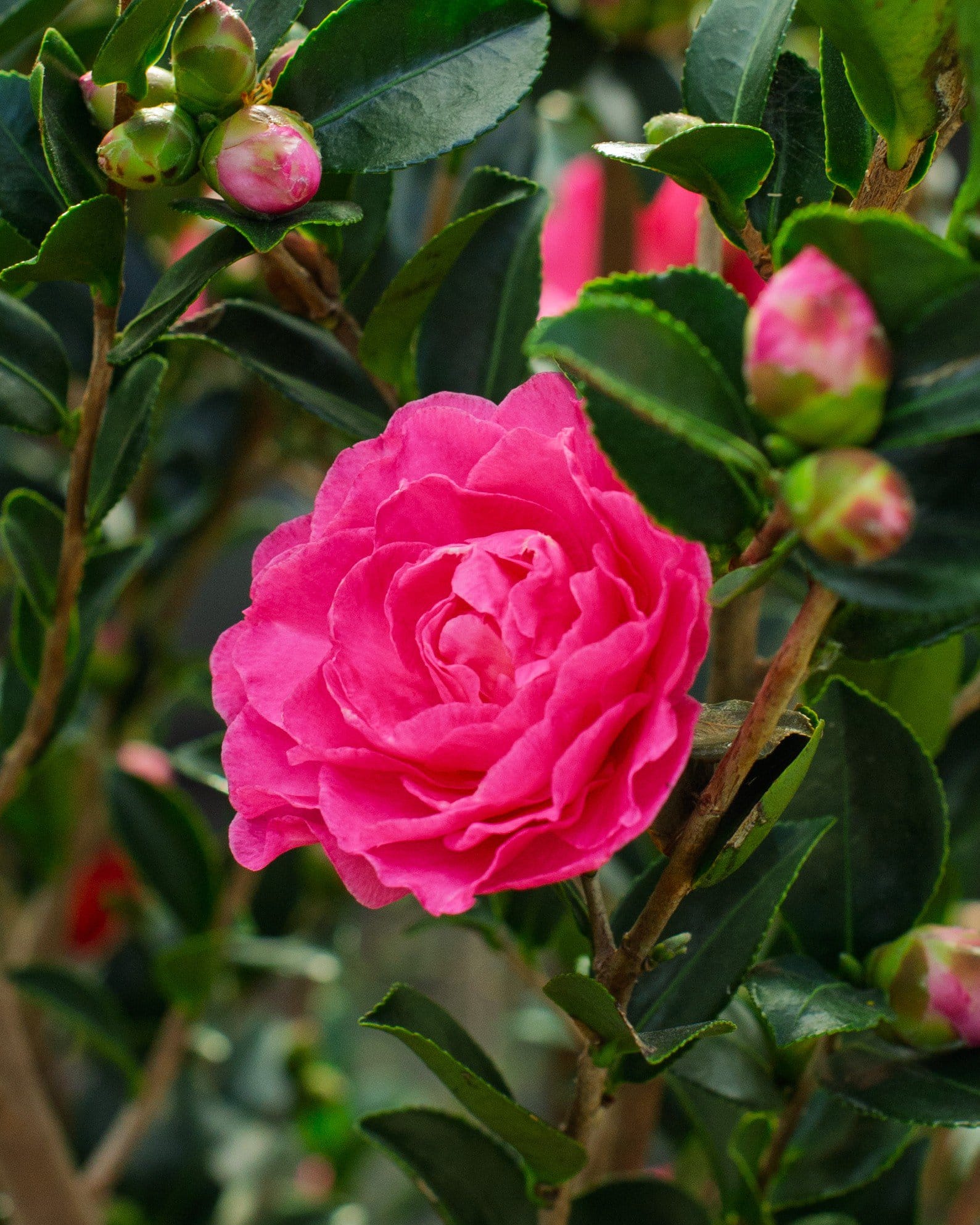
Rose of Autumn Camellia
Maturity: 8' H x 5' W
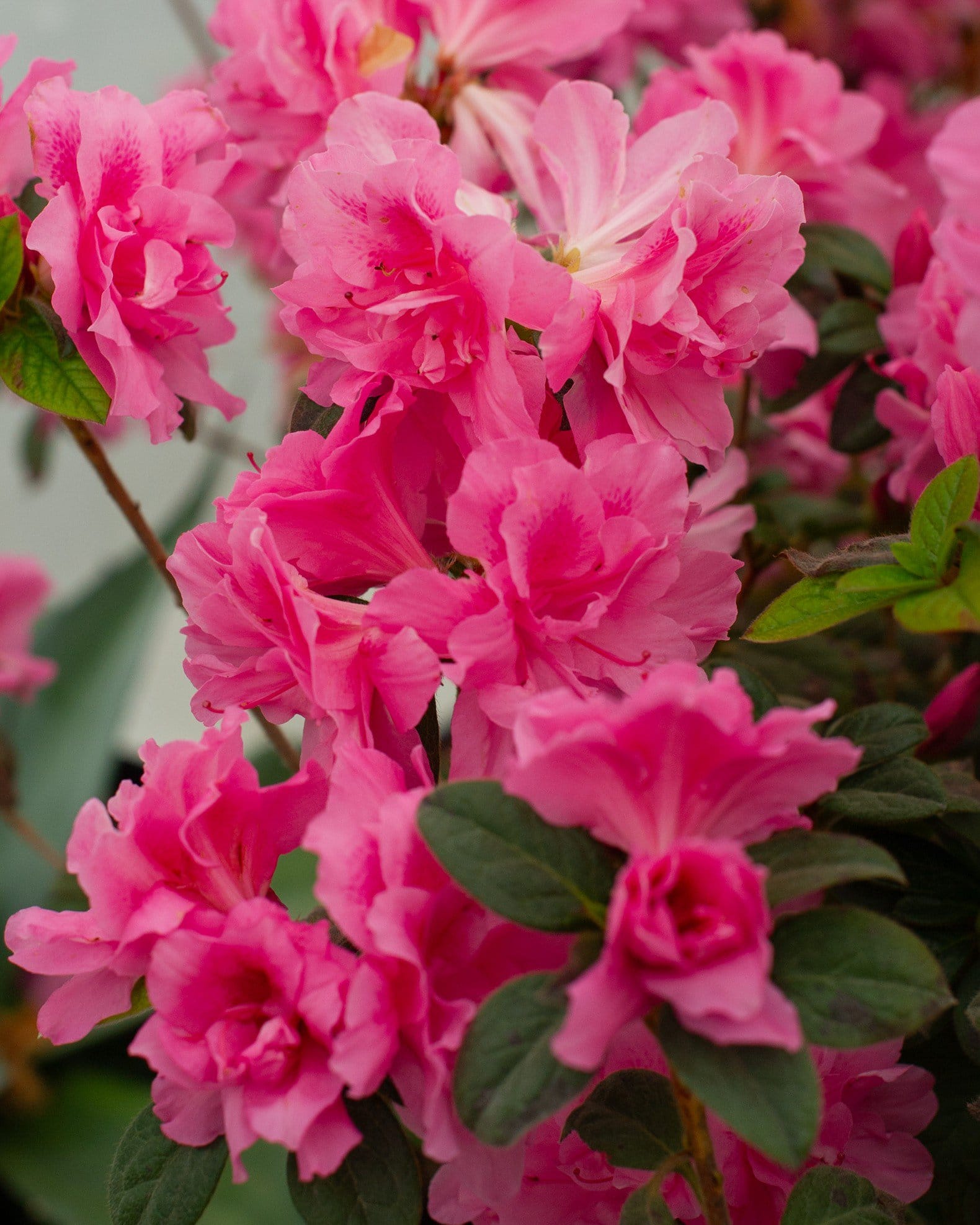
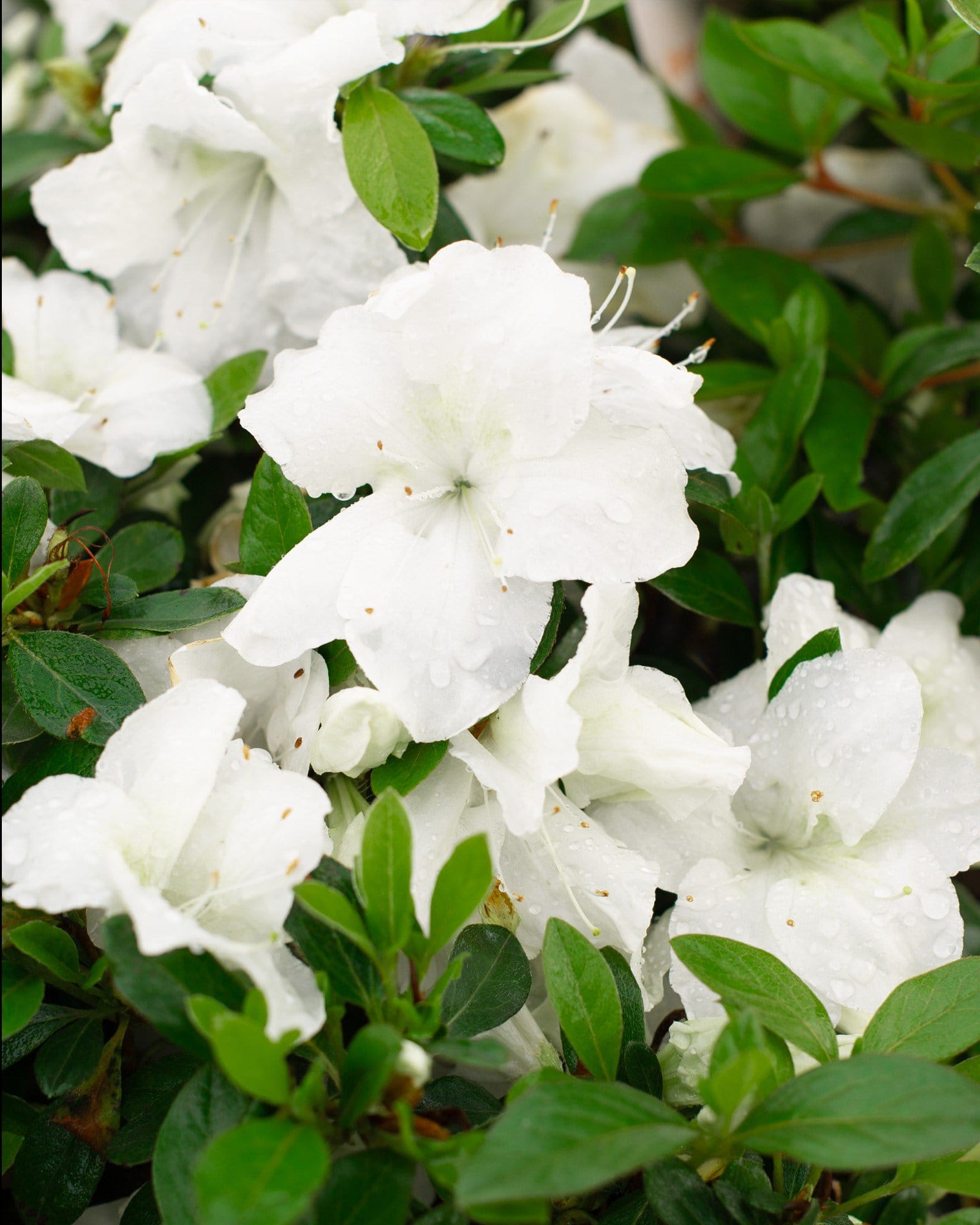
Encore Azalea Autumn Carnation
Maturity: 4.5' H x 4' W
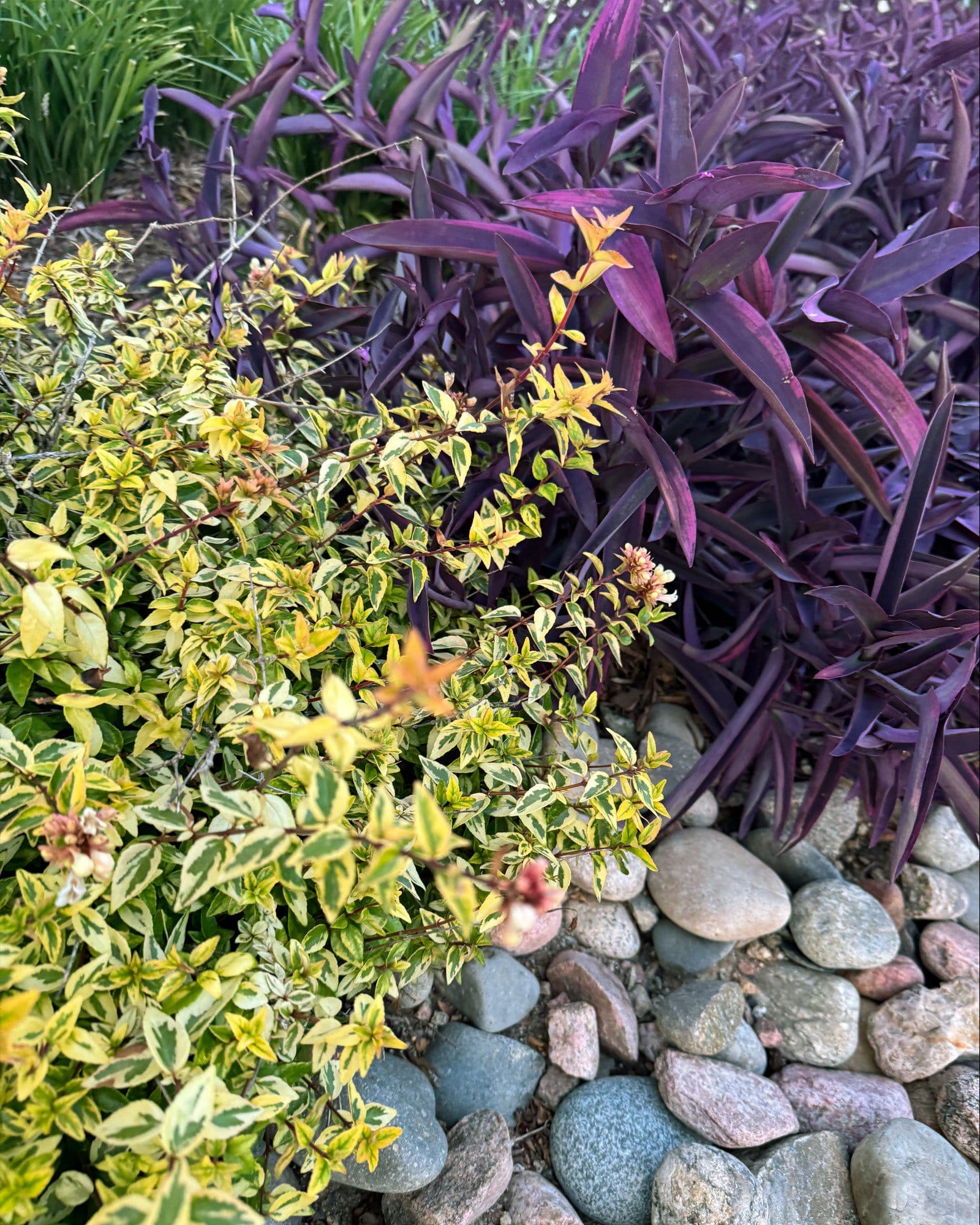
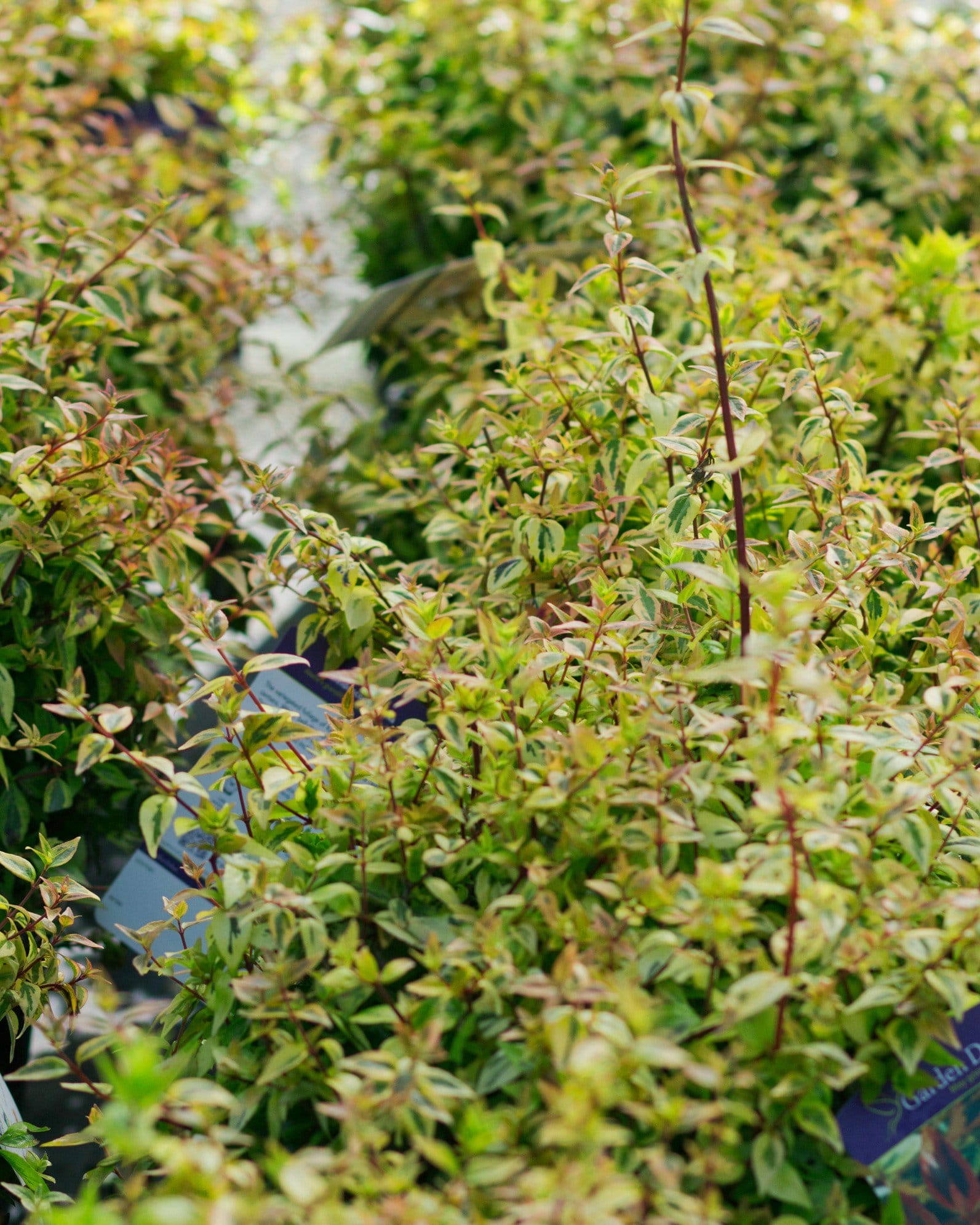
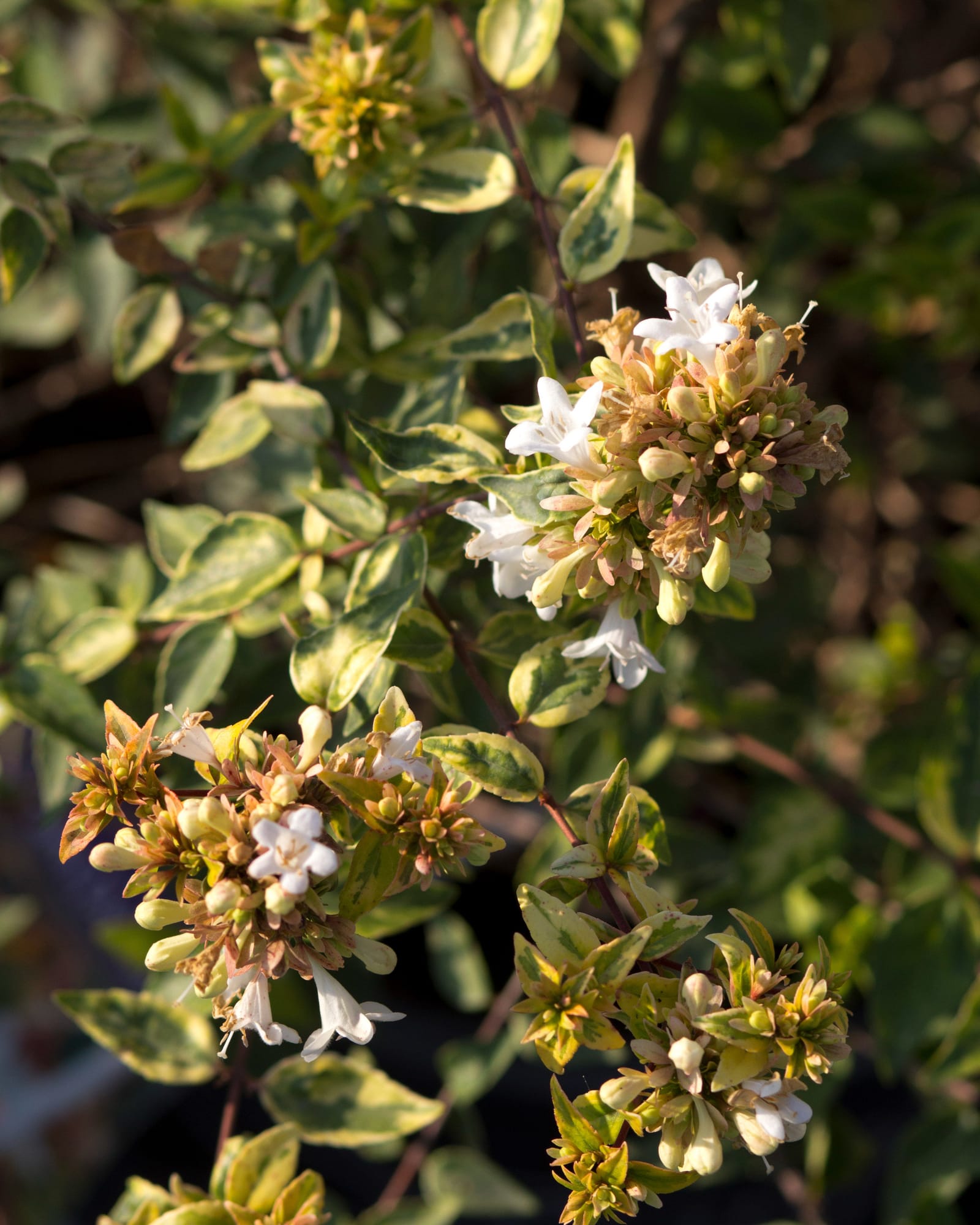
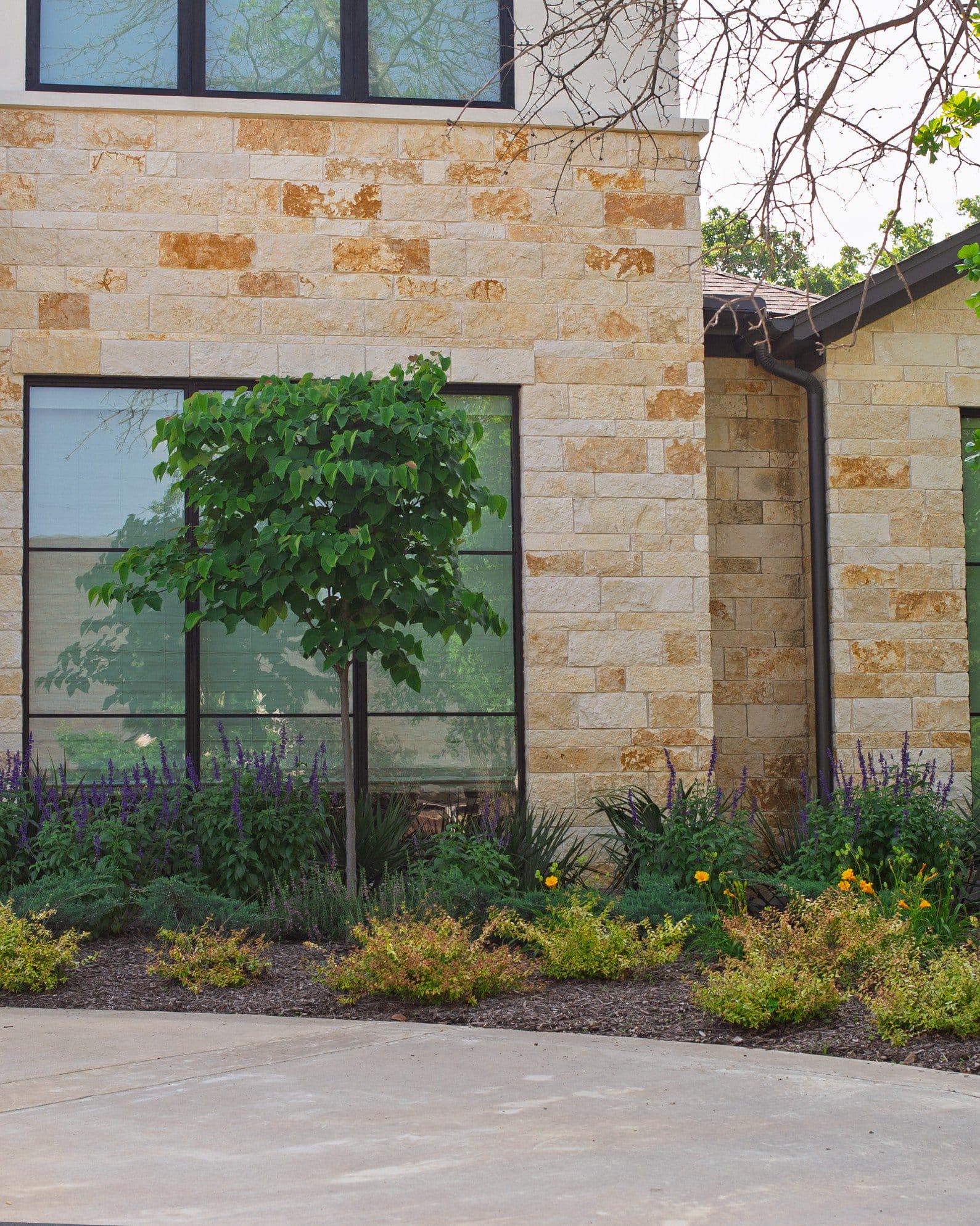
Kaleidoscope Abelia
Maturity: 2' H x 3' W
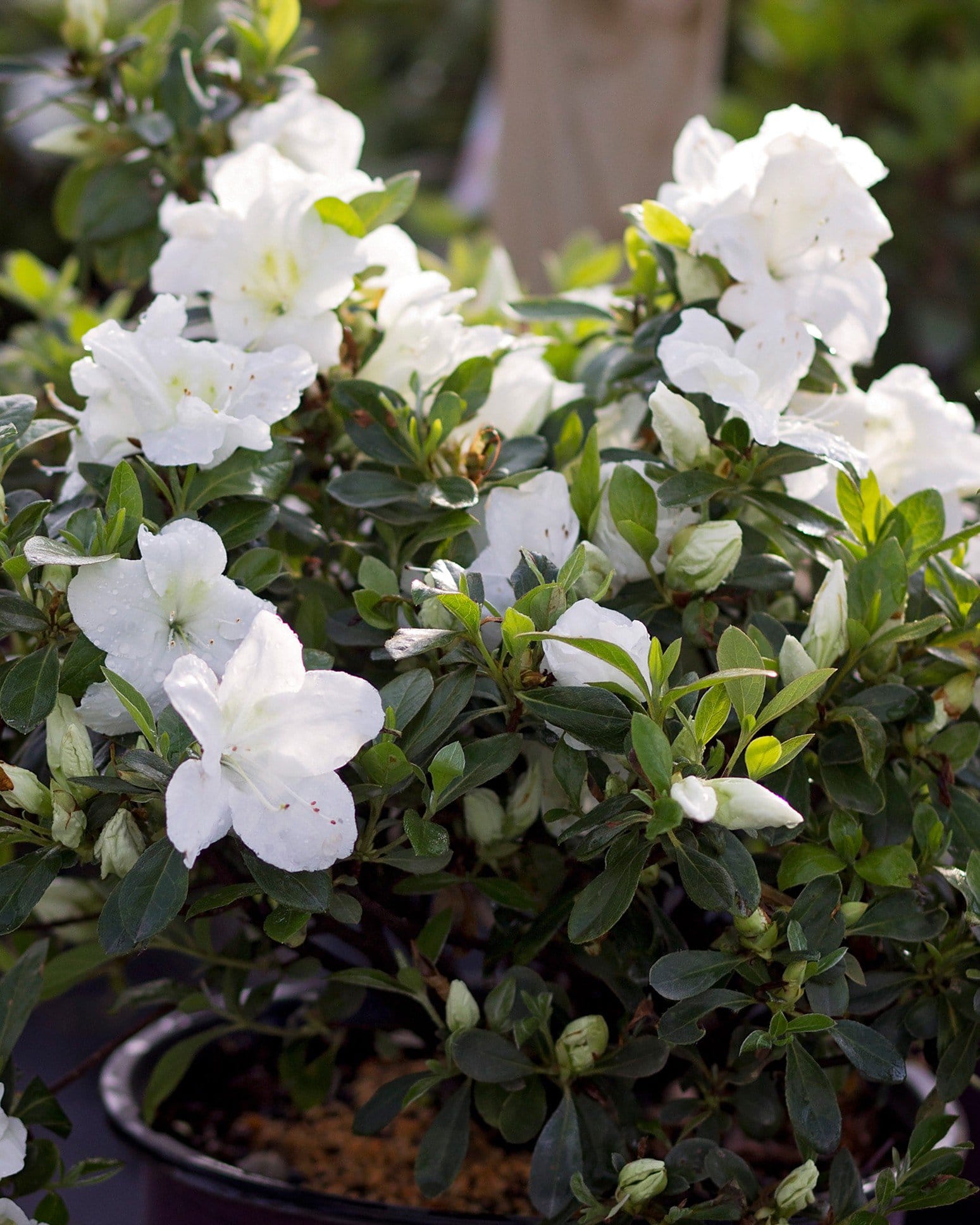
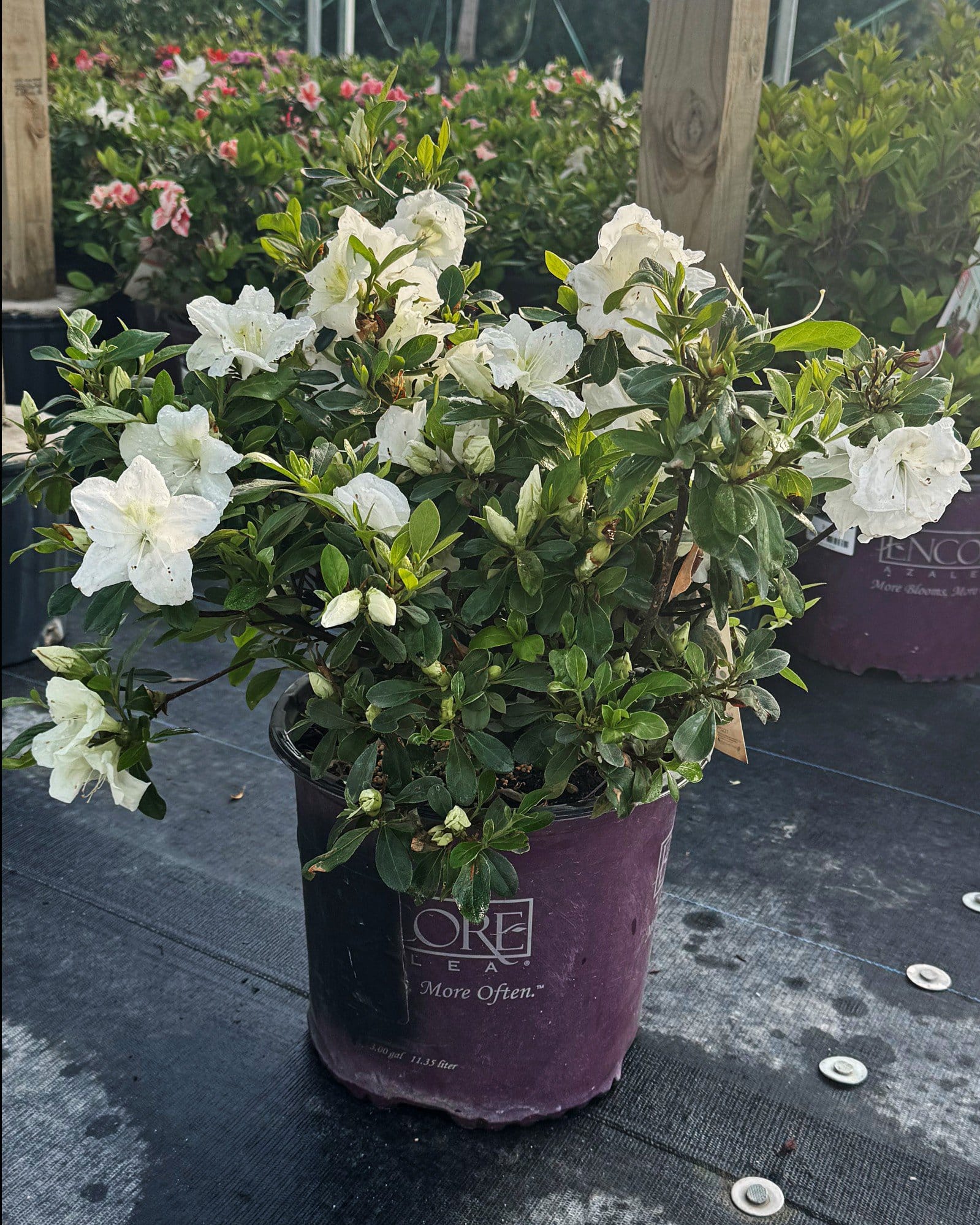
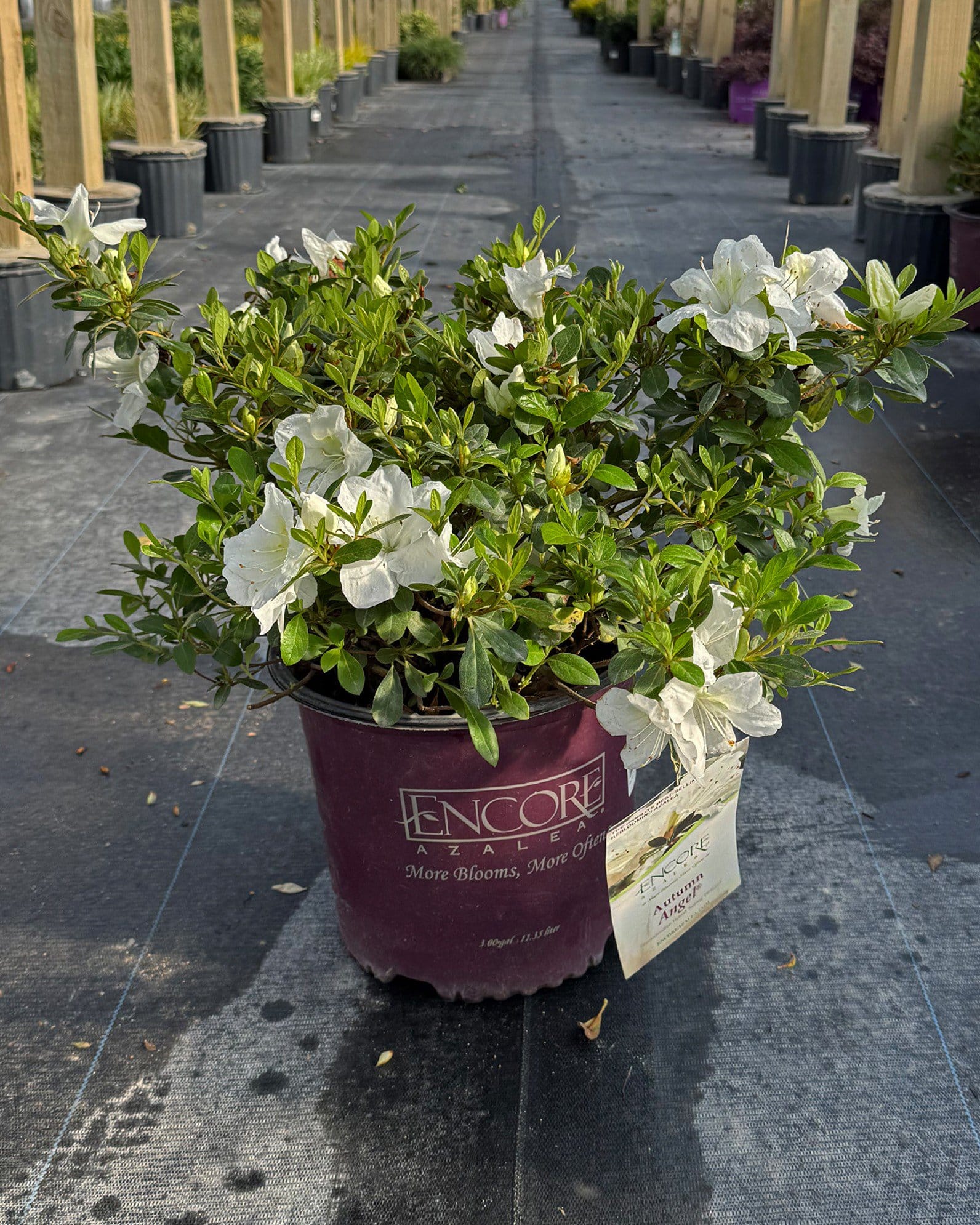
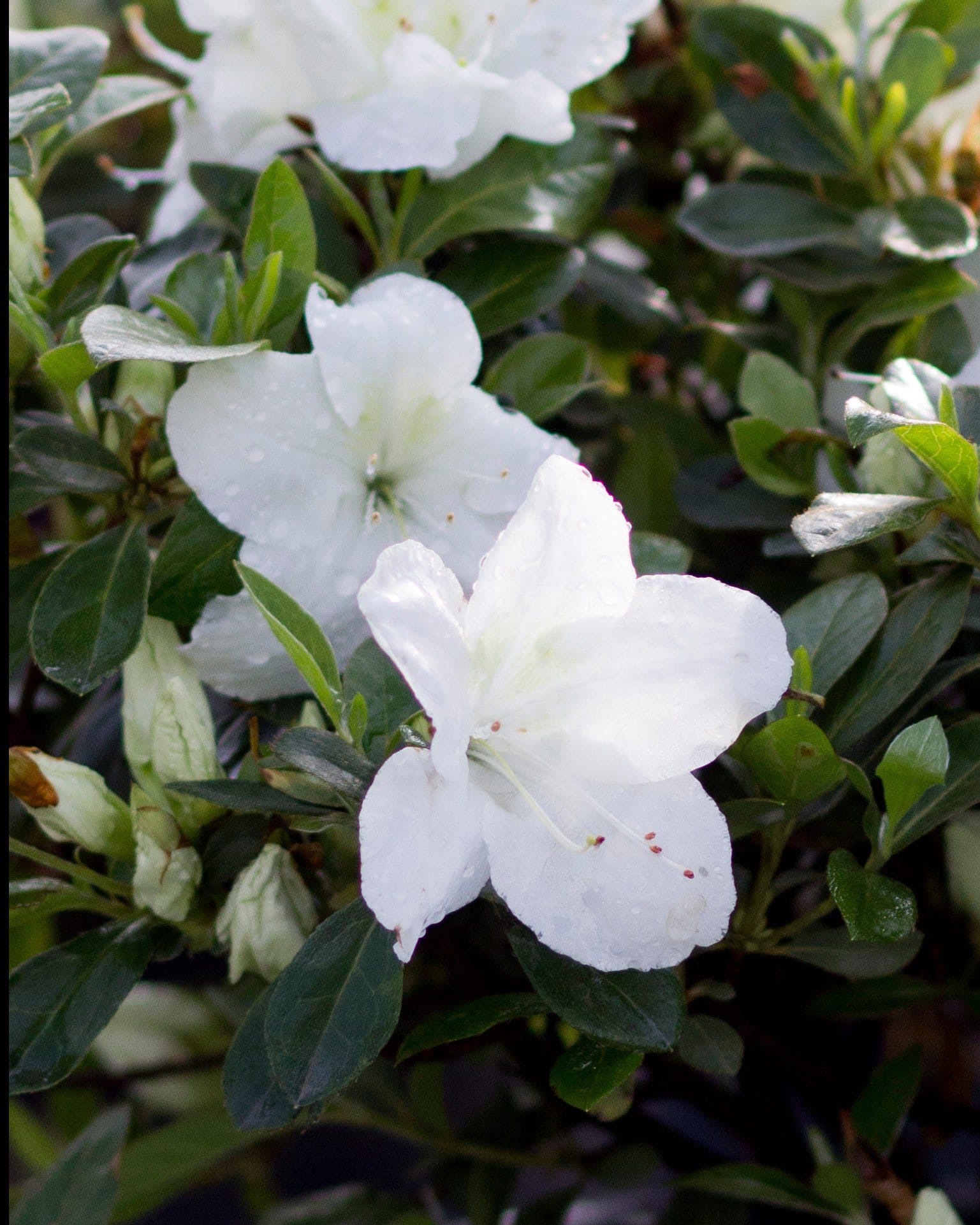
Encore Azalea Autumn Angel
Maturity: 2' H x 2' W
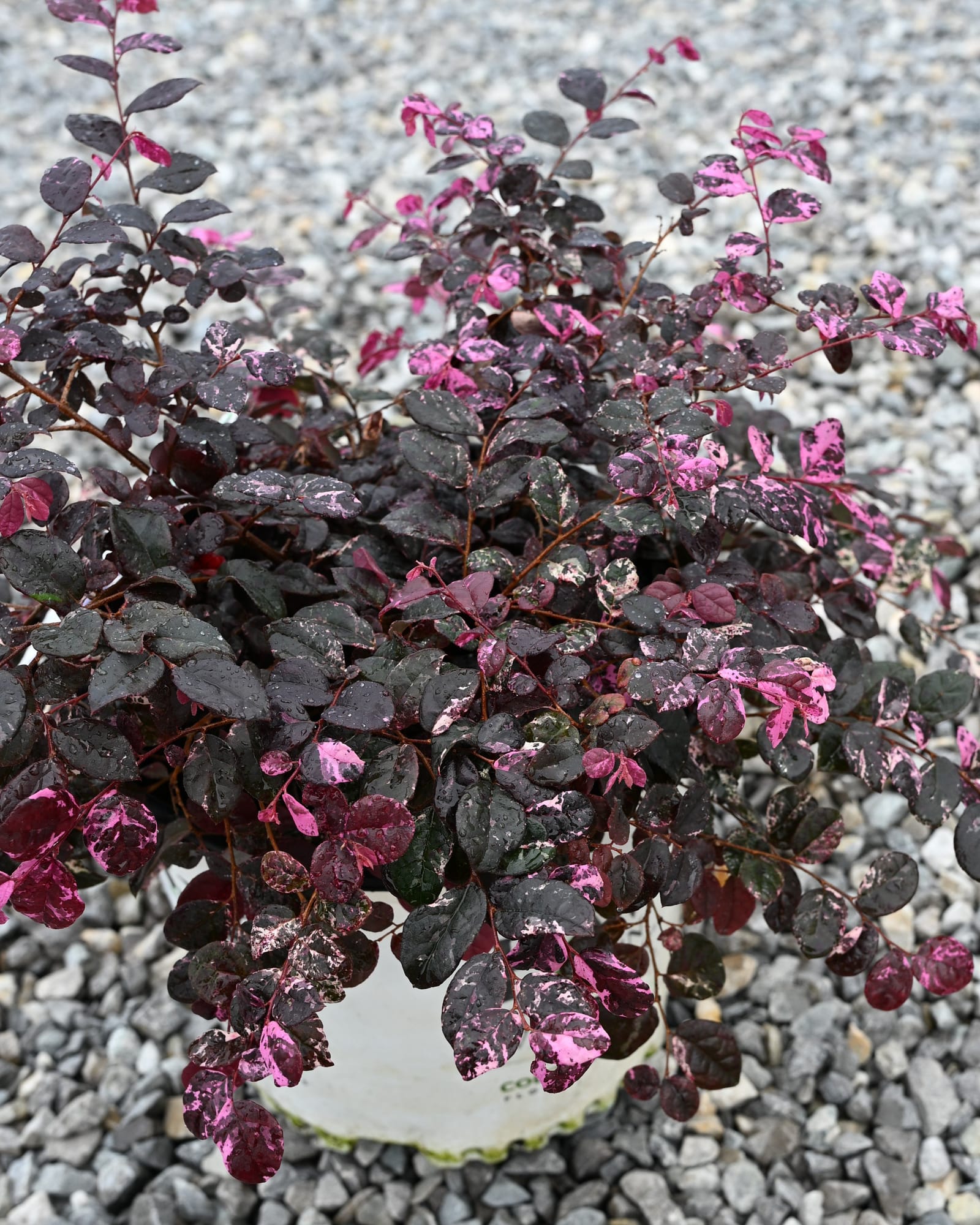
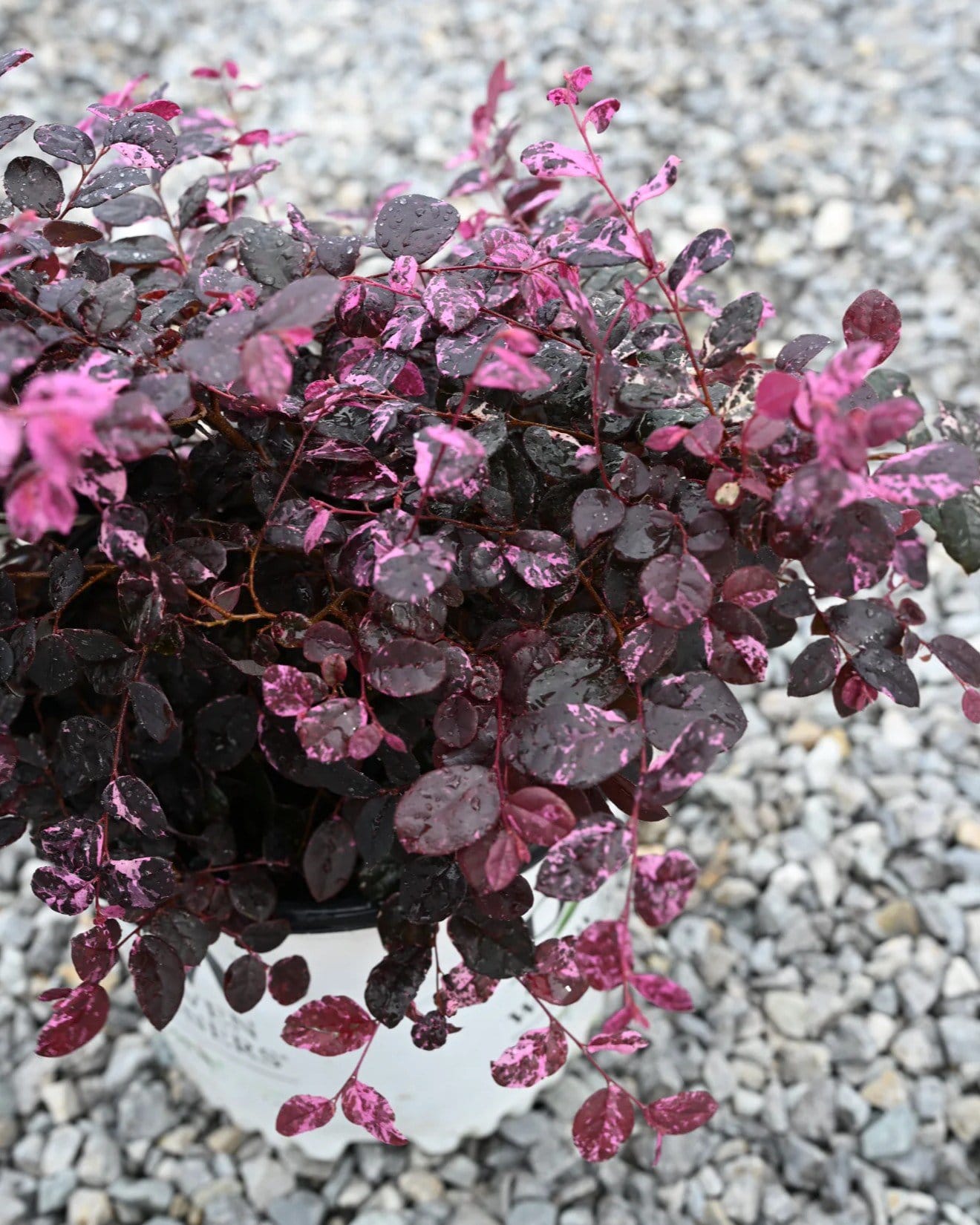
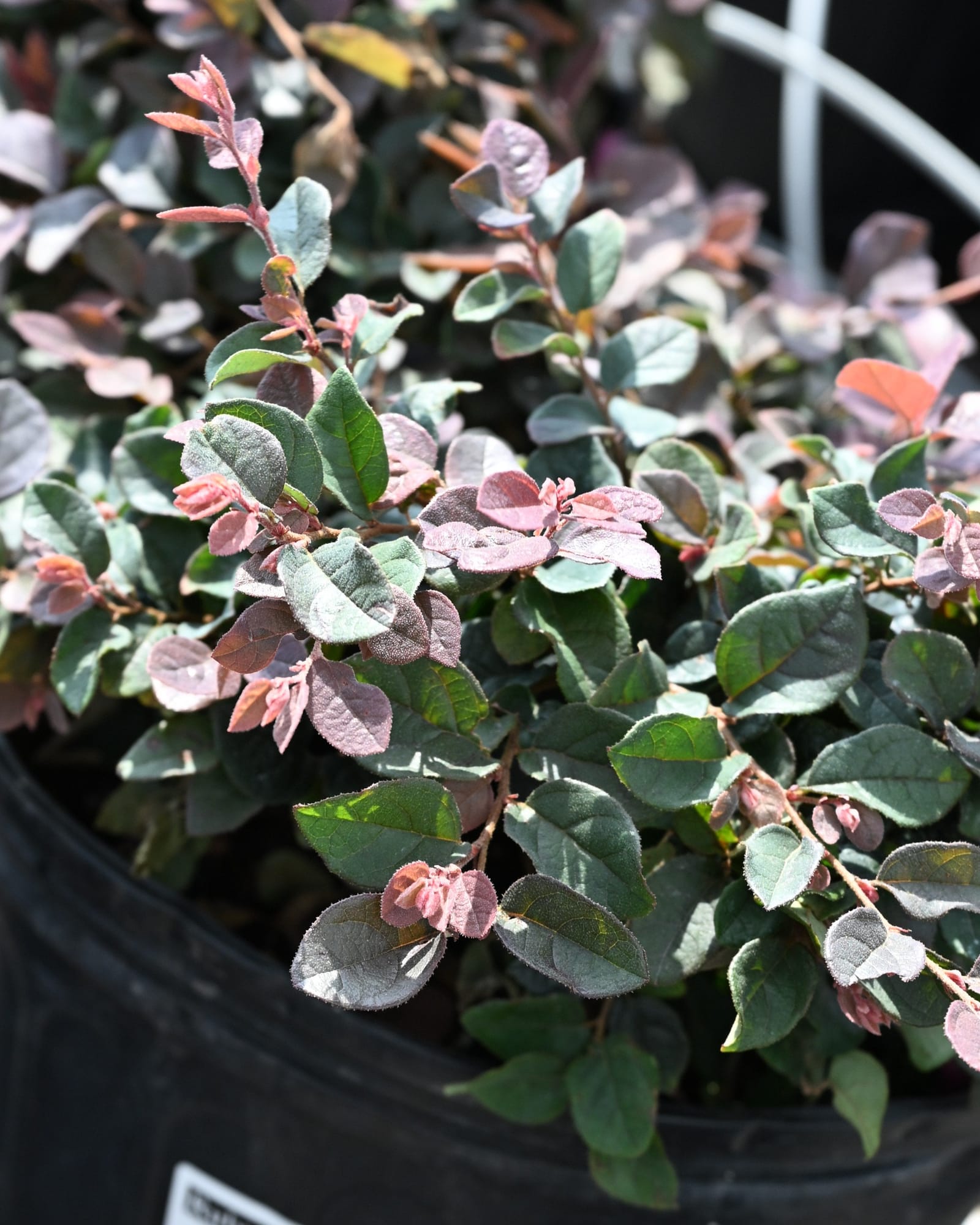
Jazz Hands Variegated Loropetalum
Maturity: 4' H x 4' W
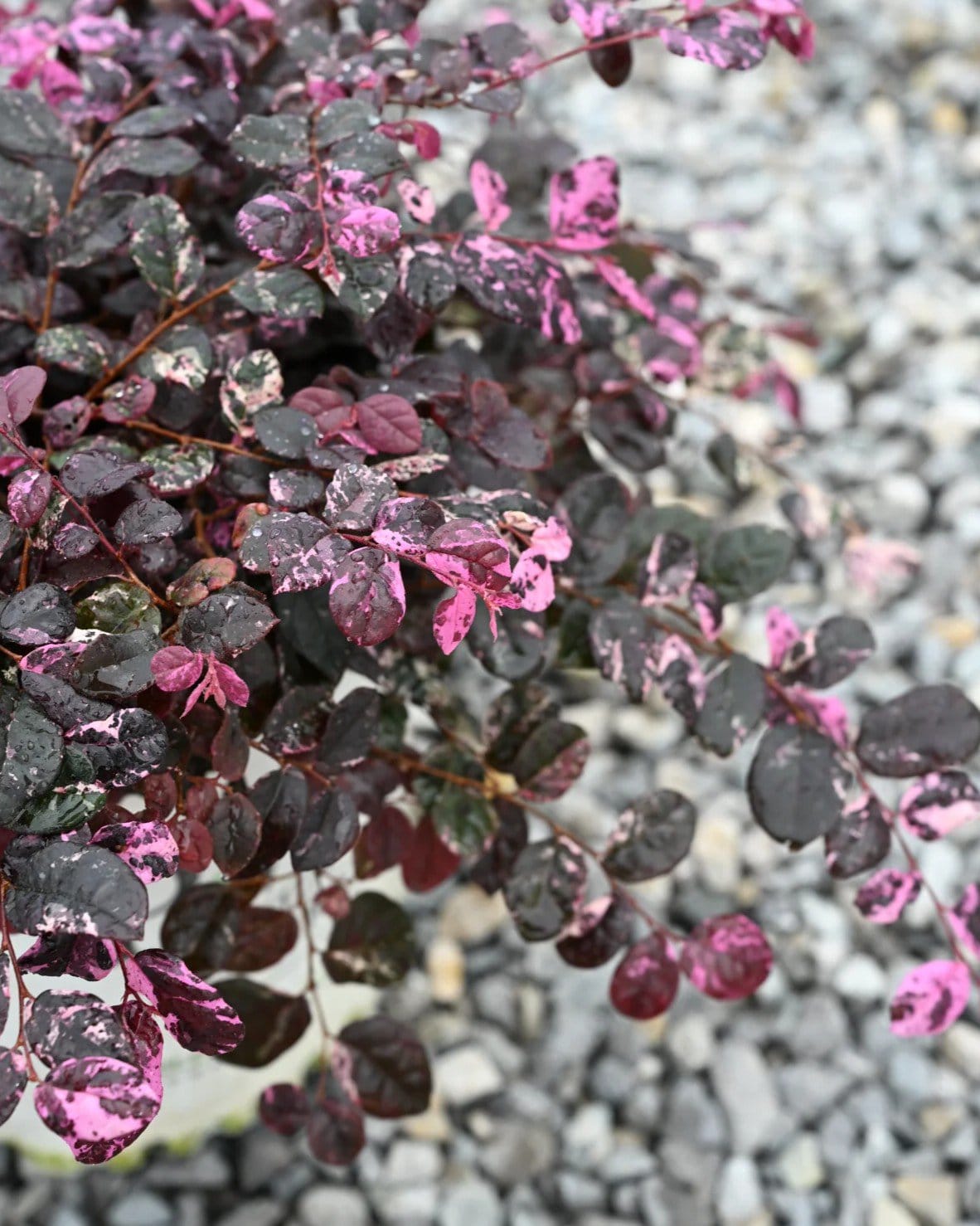
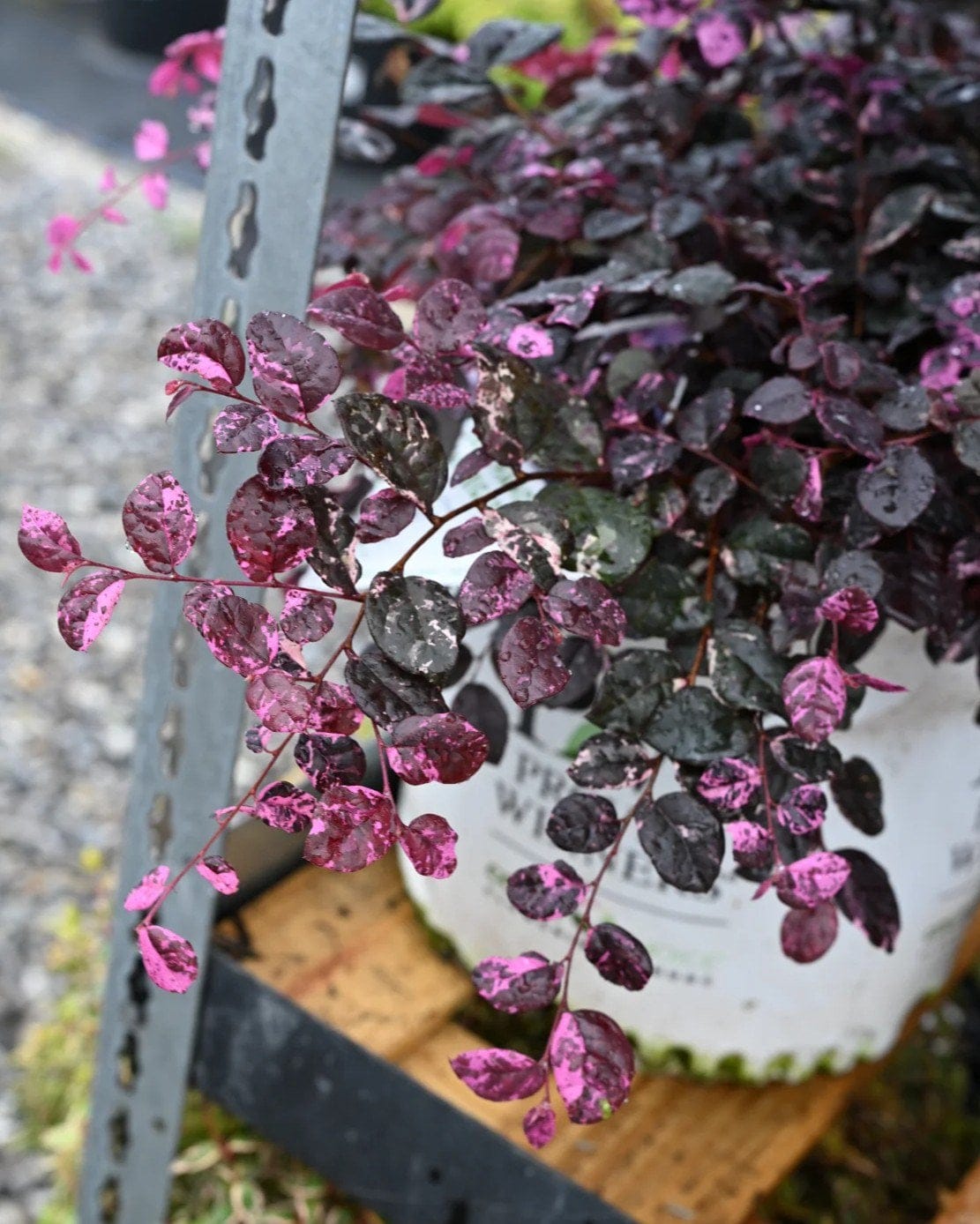
Ruby Loropetalum
Maturity: 5' H x 5' W
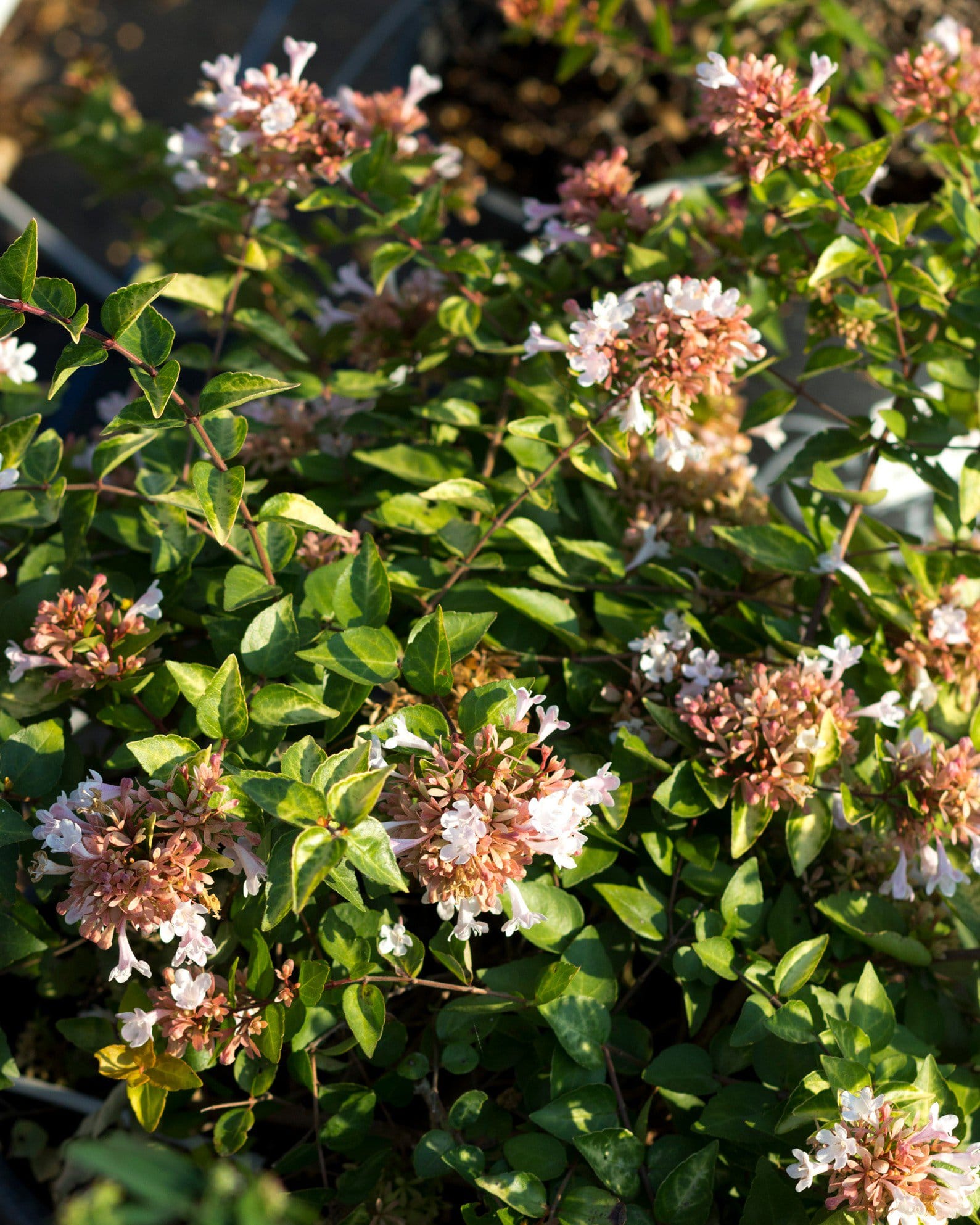
Canyon Creek Abelia
Maturity: 3' H x 3' W
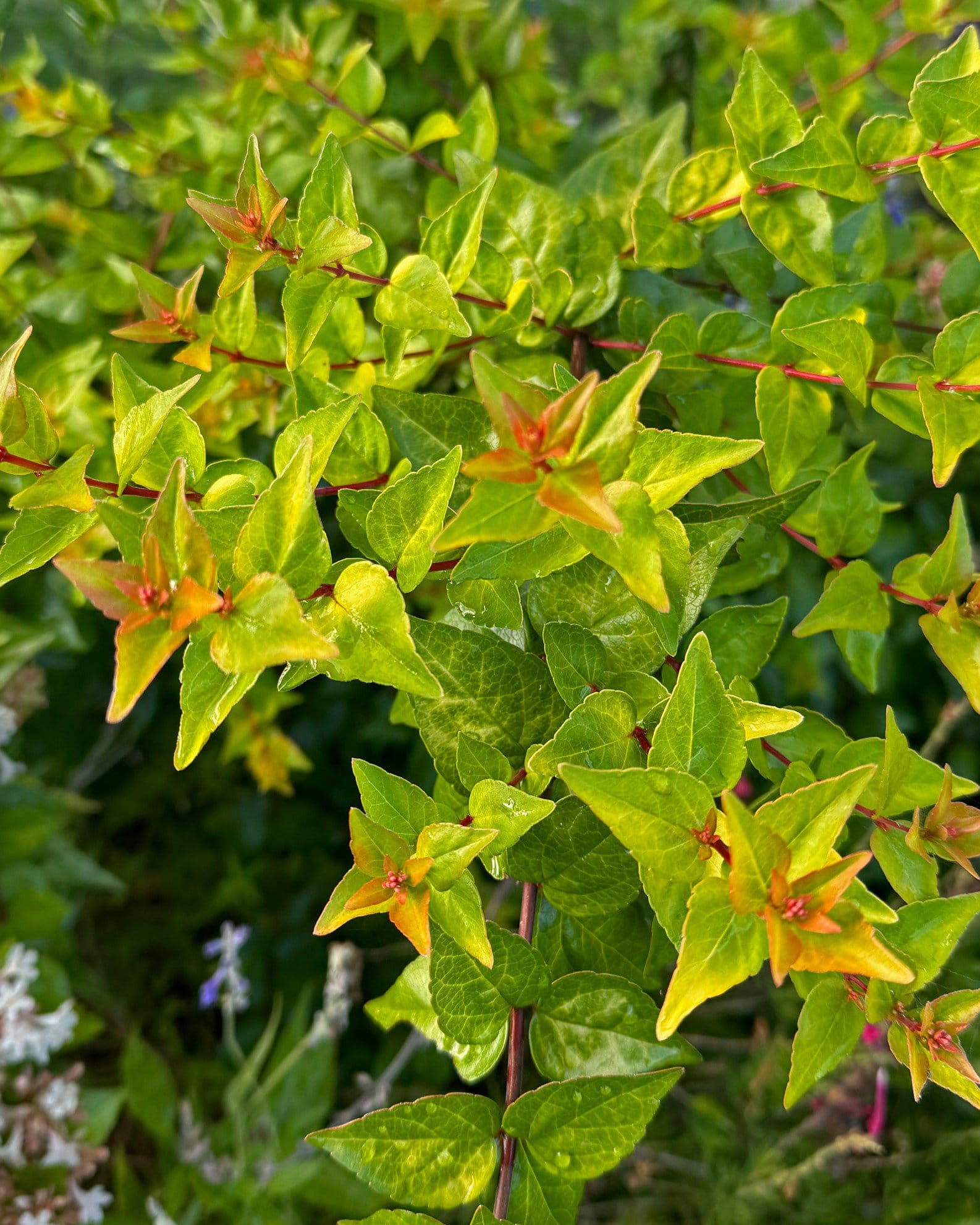
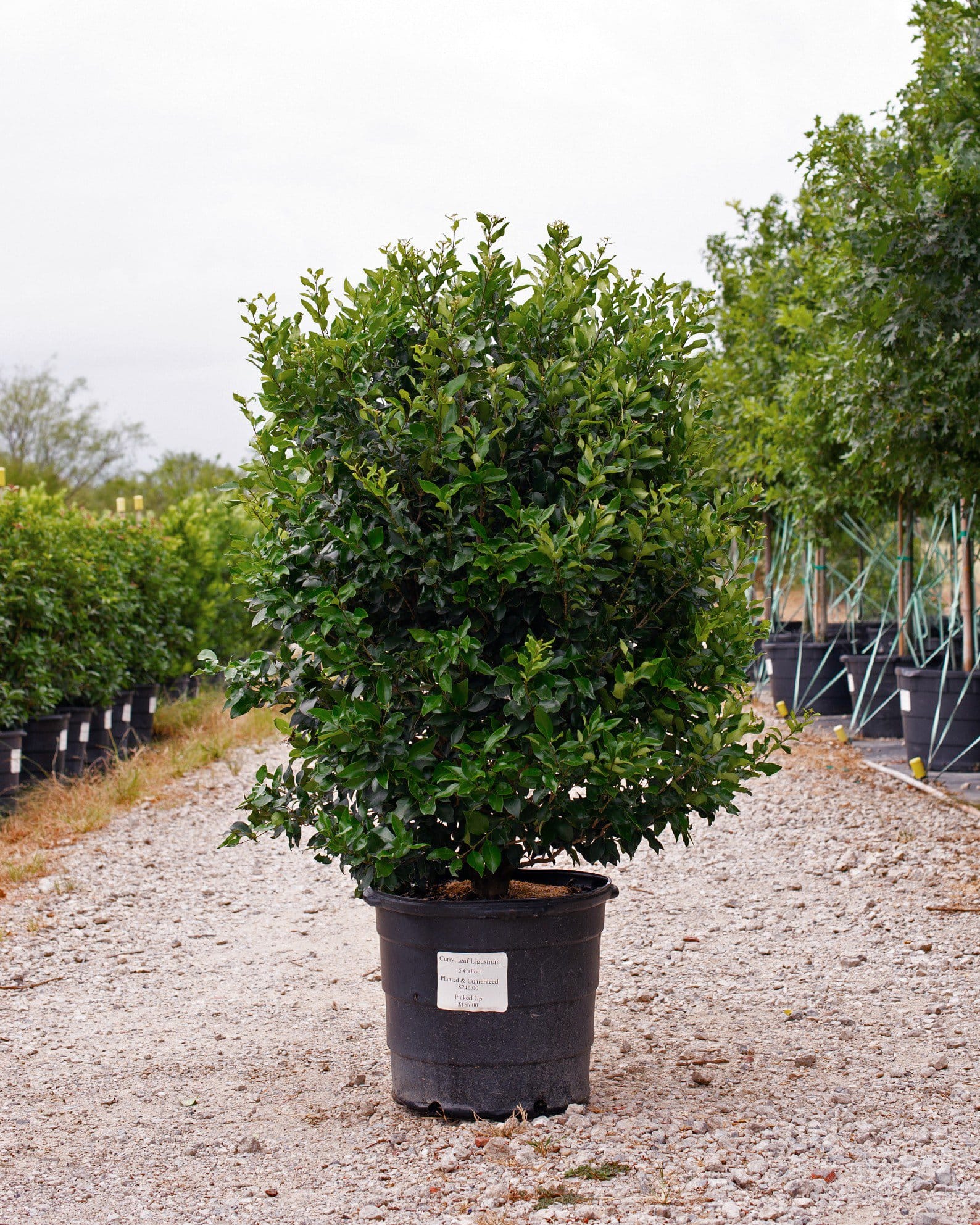
Curly Leaf Ligustrum
Maturity: 8' H x 6' W
Compare Similar Plants
Cerise Charm Loropetalum This plant | ||
|---|---|---|
| Scientific Name | Loropetalum chinense 'Kurobijin' | Loropetalum chinense var. rubrum 'Cherry Blast' |
| Size at Maturity | 3' H x 3' W | 6' H x 6' W |
| Leaf Retention | Evergreen | Evergreen |
| Flower Color | Pink | Pink |
| Bloom Times | Spring | Spring |
| Sizes Available | 3, 7 gal | 3 gal |


Our 1-Year Planting Guarantee
We take pride in our plants and installation services. If any plants or trees installed by Treeland fail to thrive within the first year, we'll provide a replacement credit in accordance with our guarantee program.
Learn More About Our Guarantee