
 Popular
Allee Elm
Ulmus parvifolia 'Emer ll'Local DFW Delivery Only
Product Details
Allee Elm
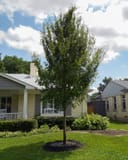
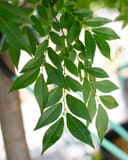
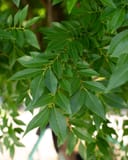
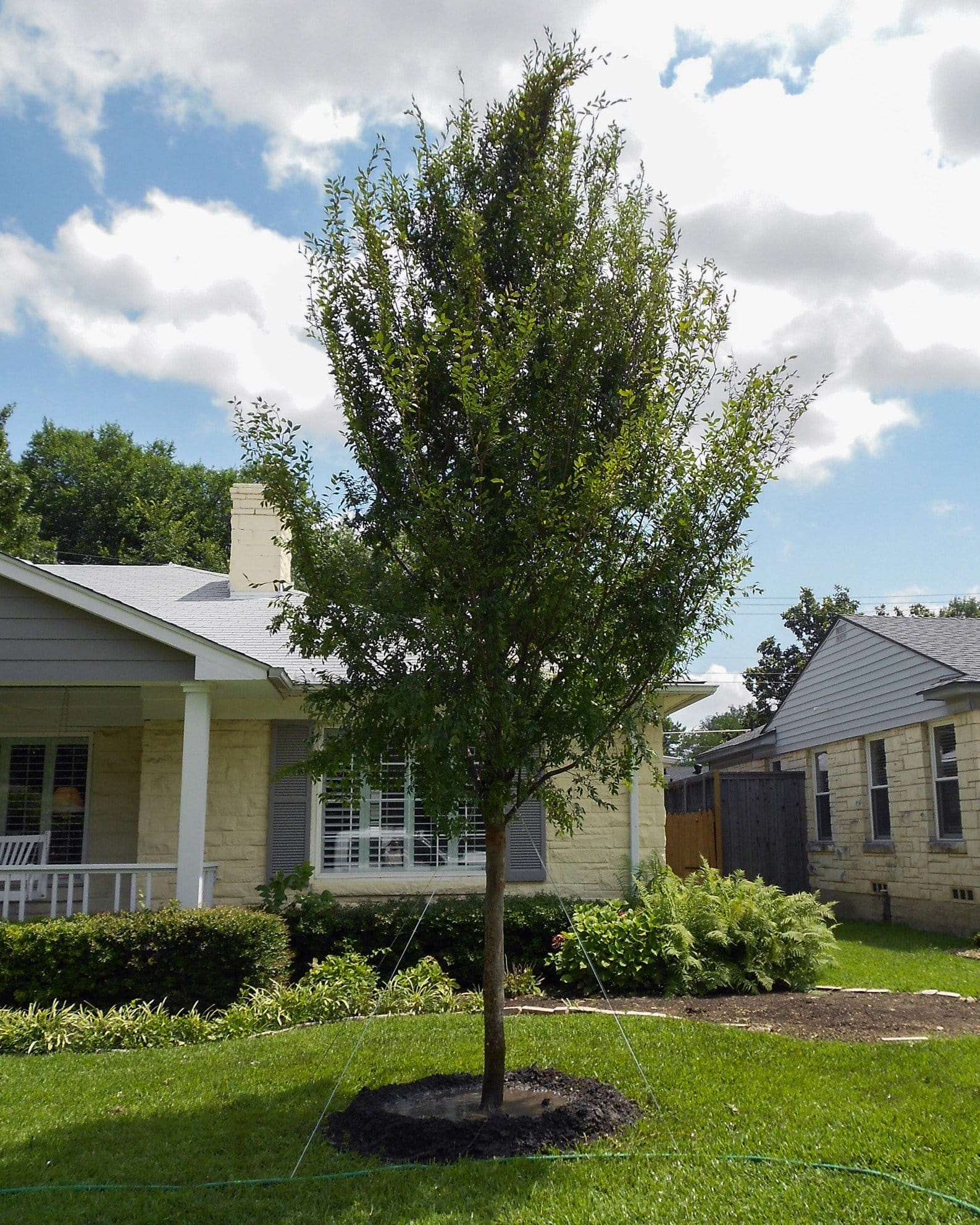
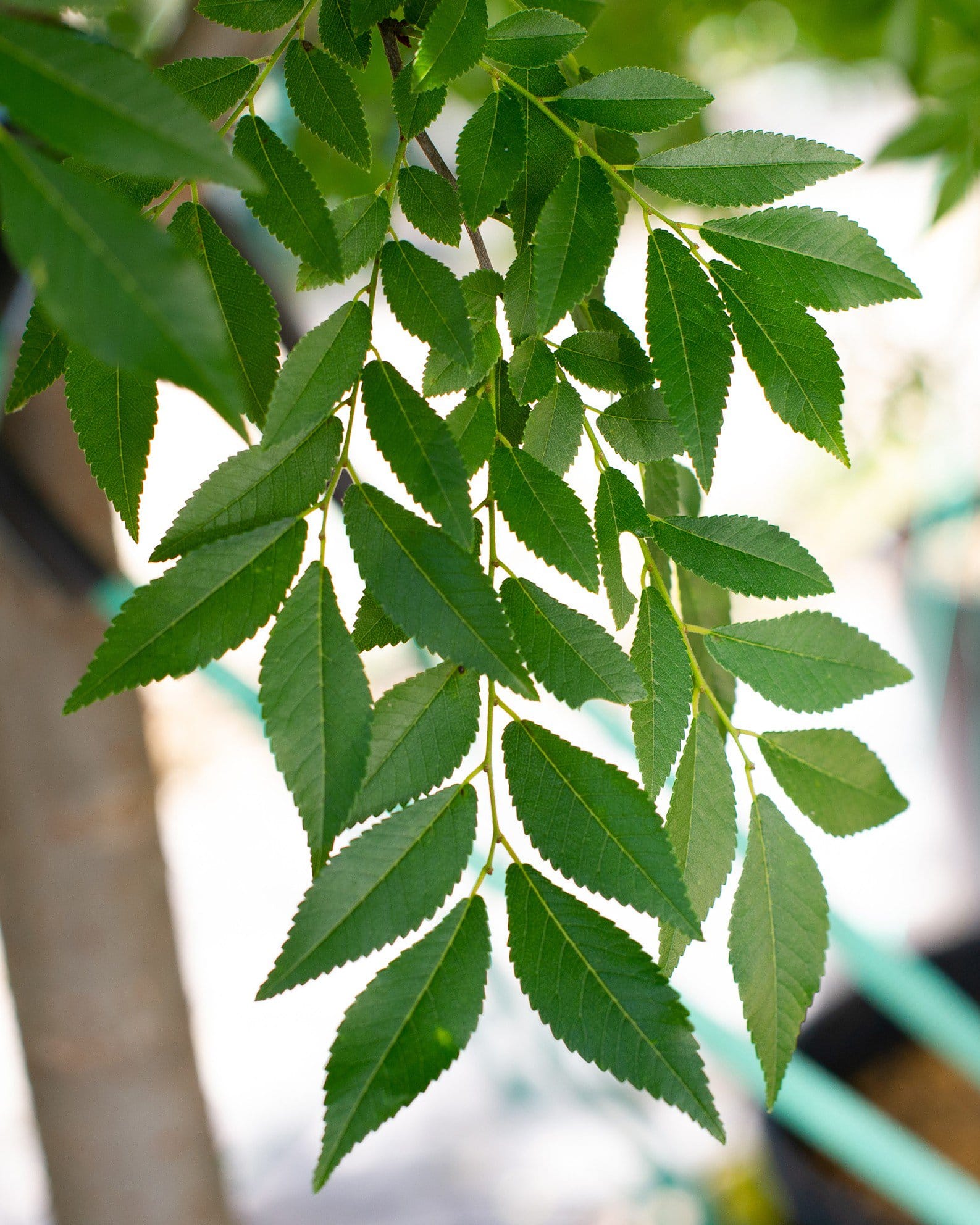
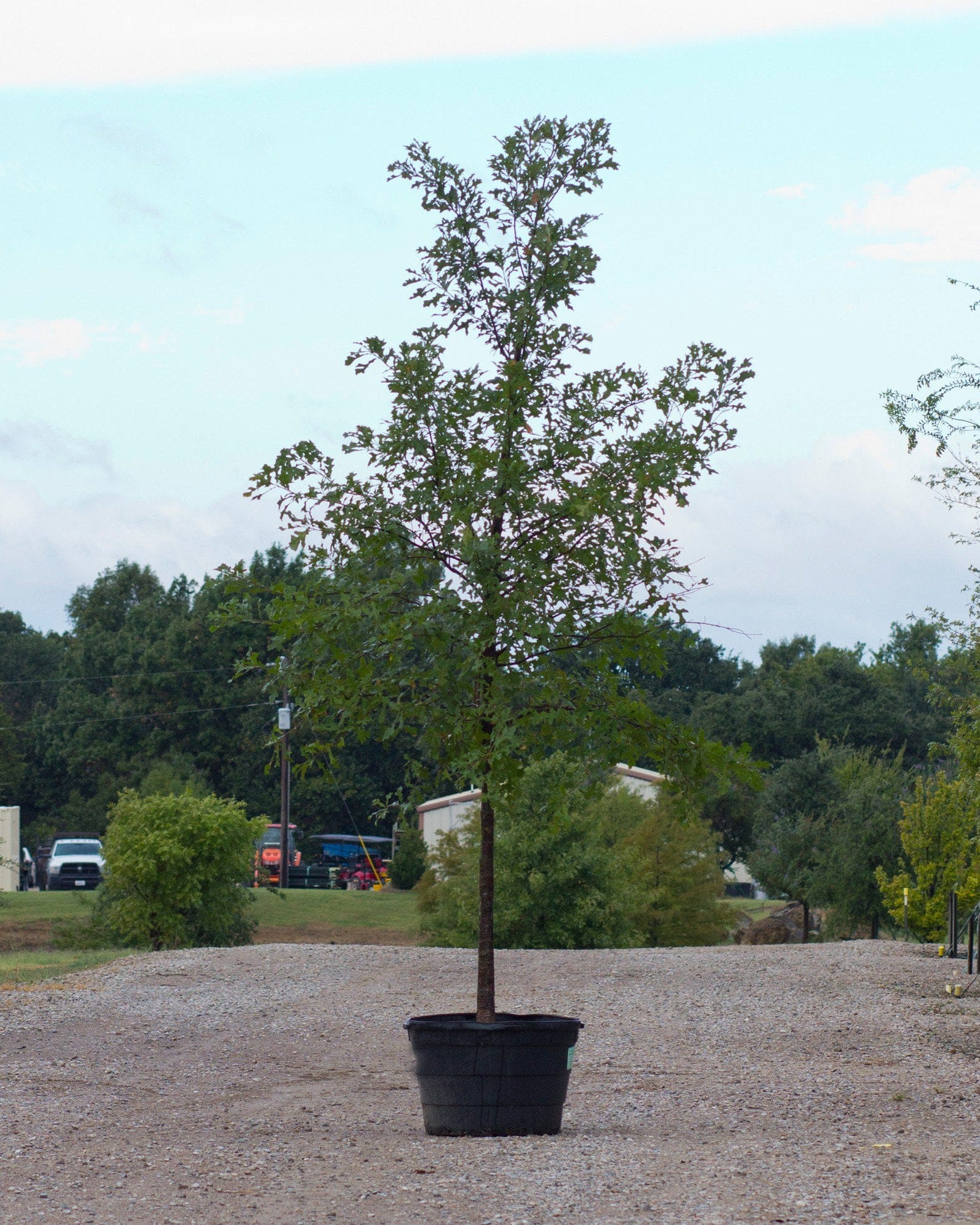
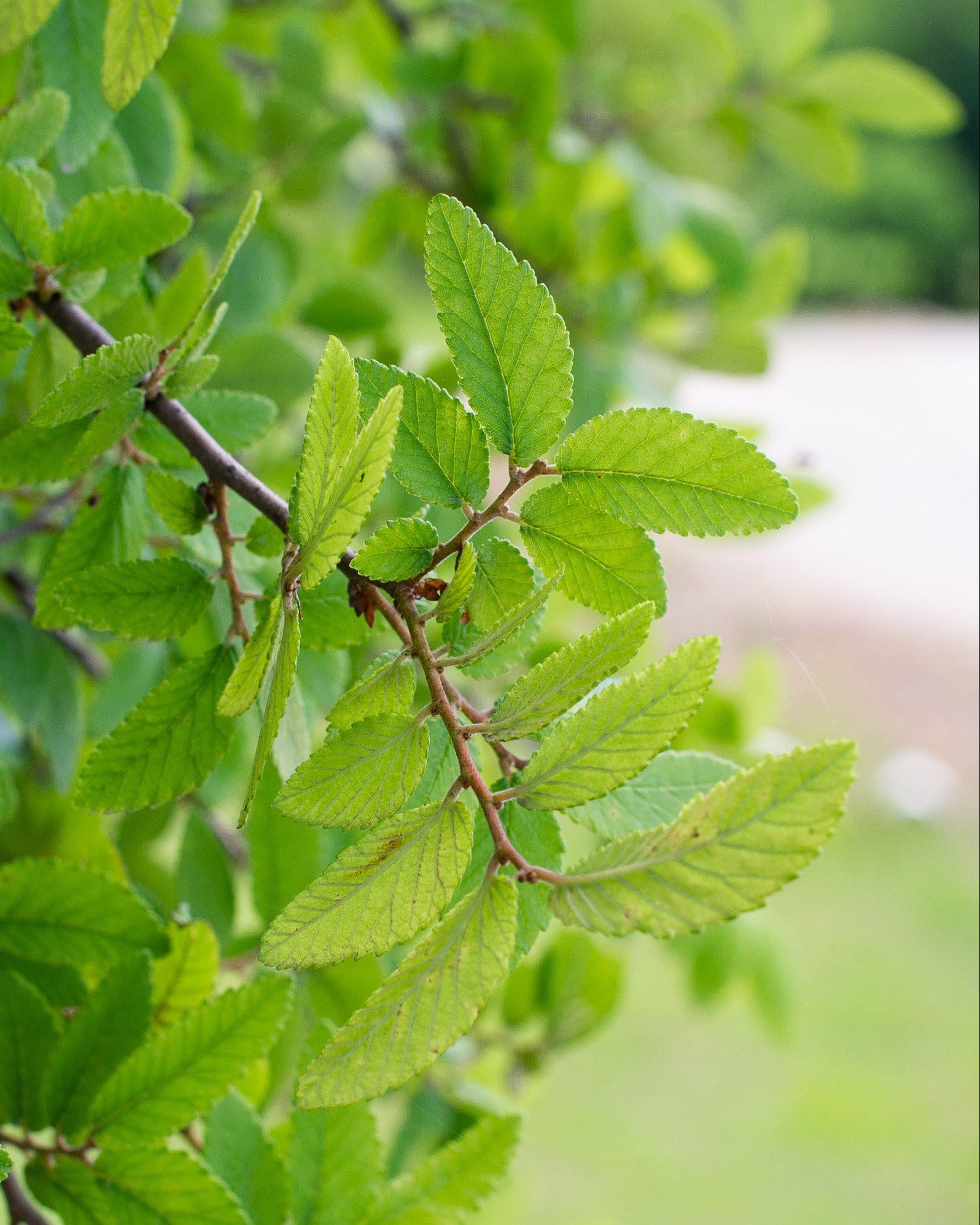
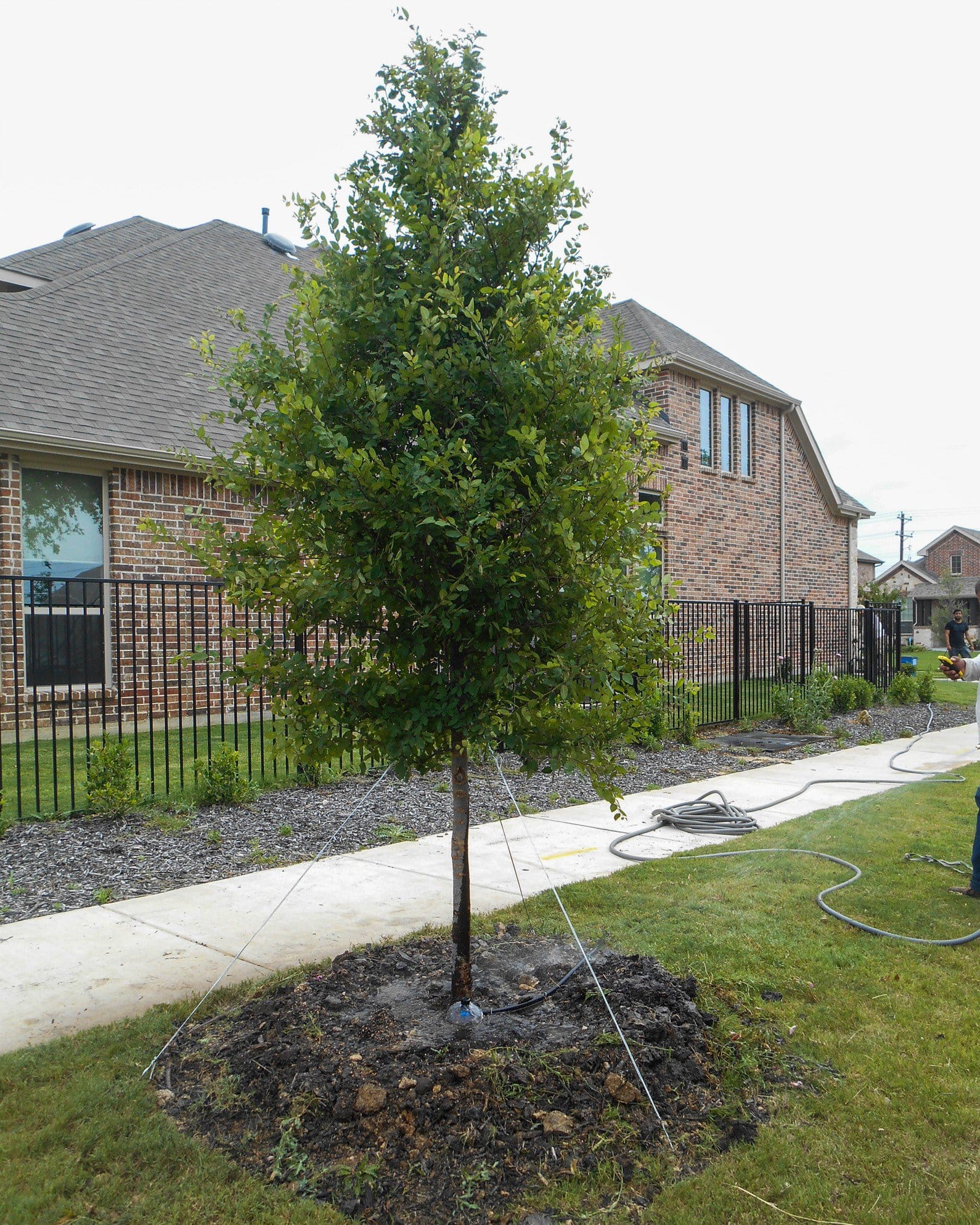
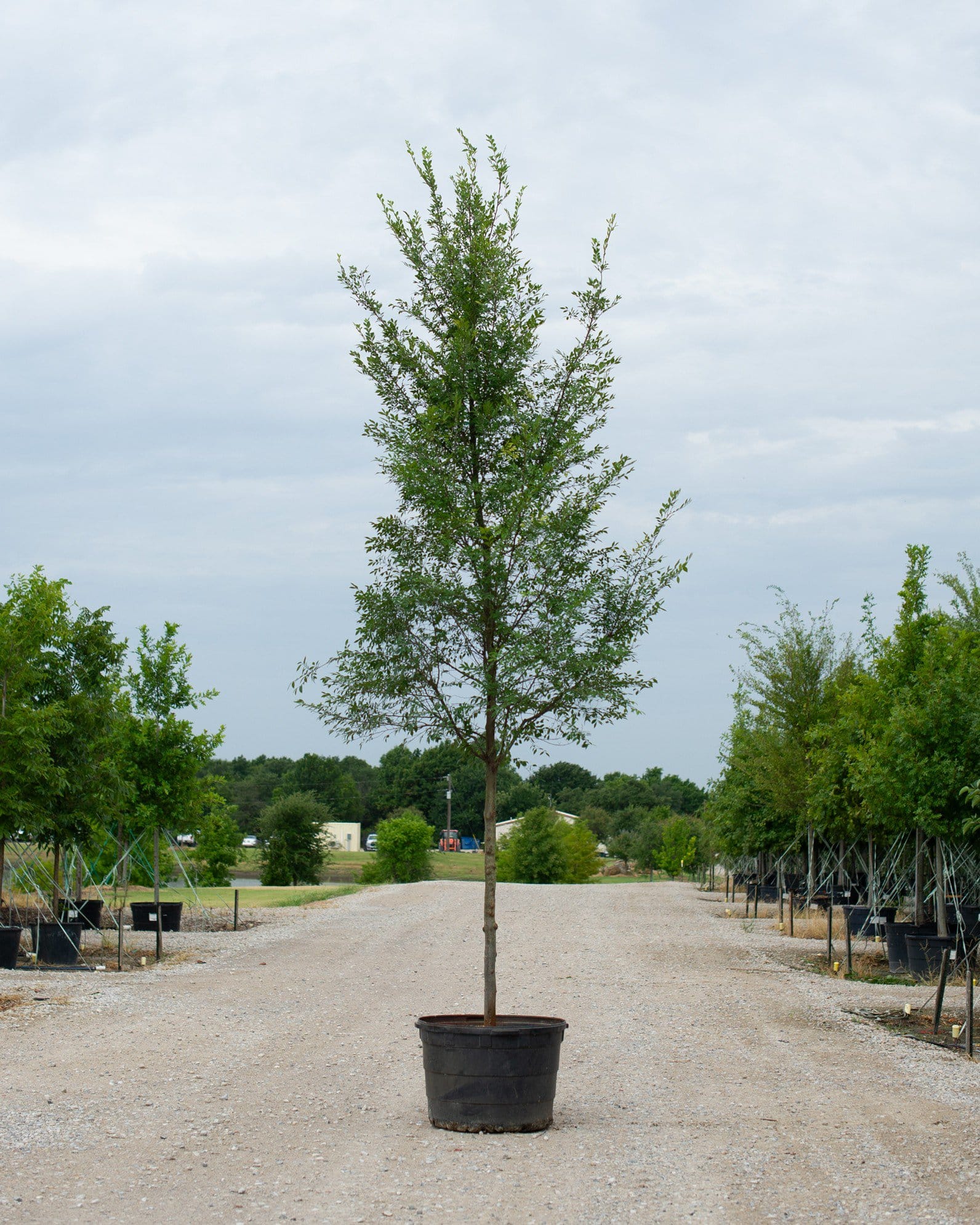
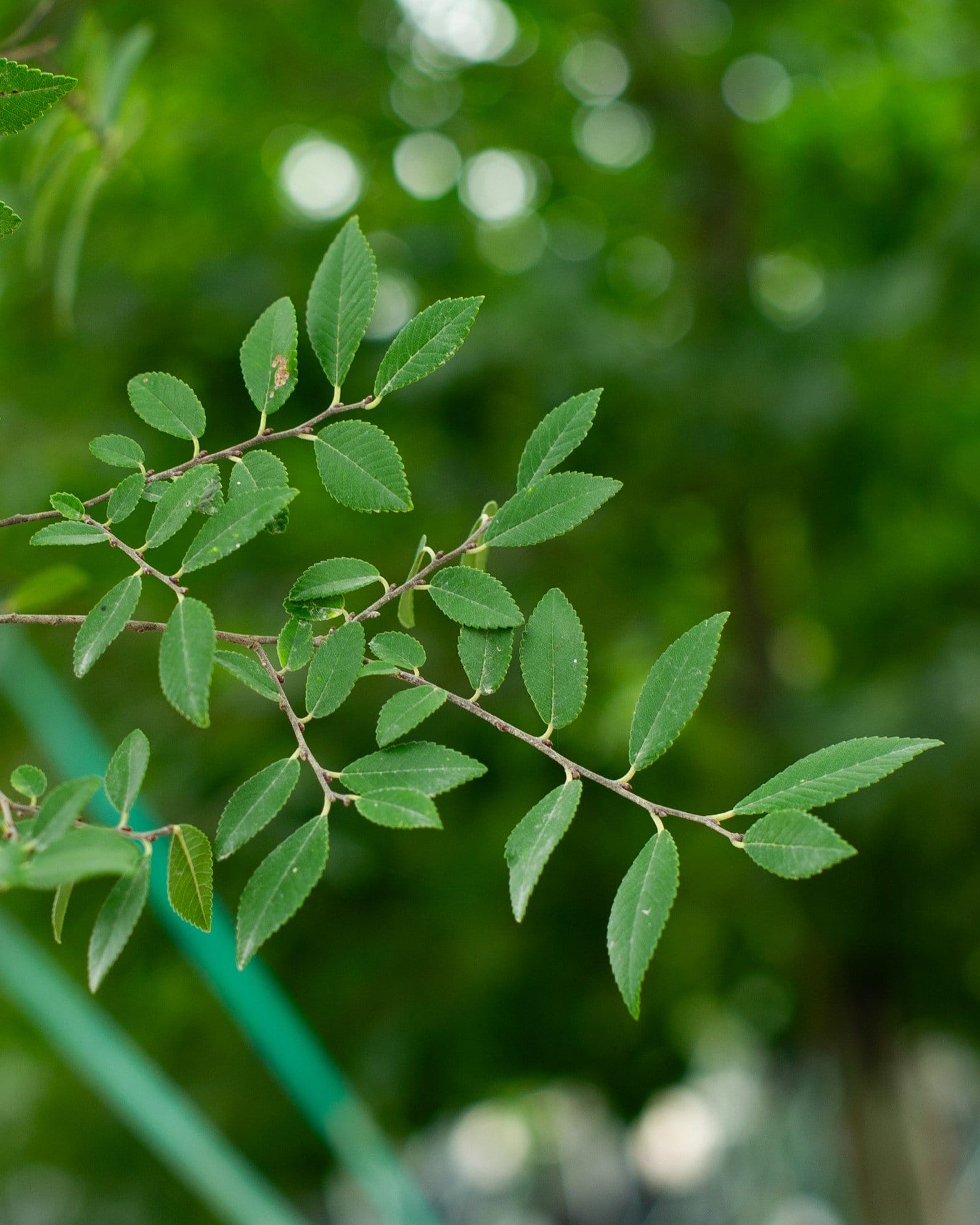
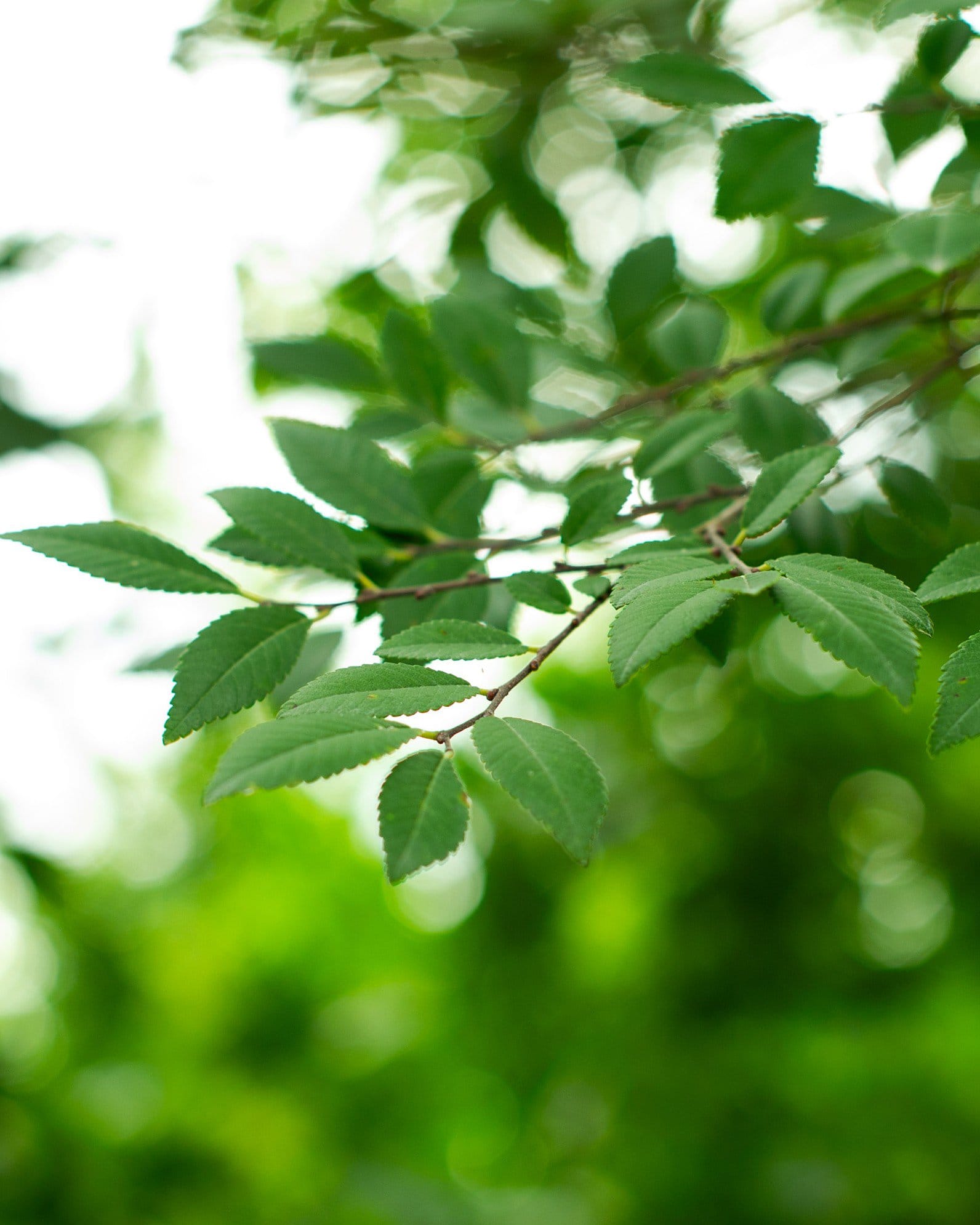
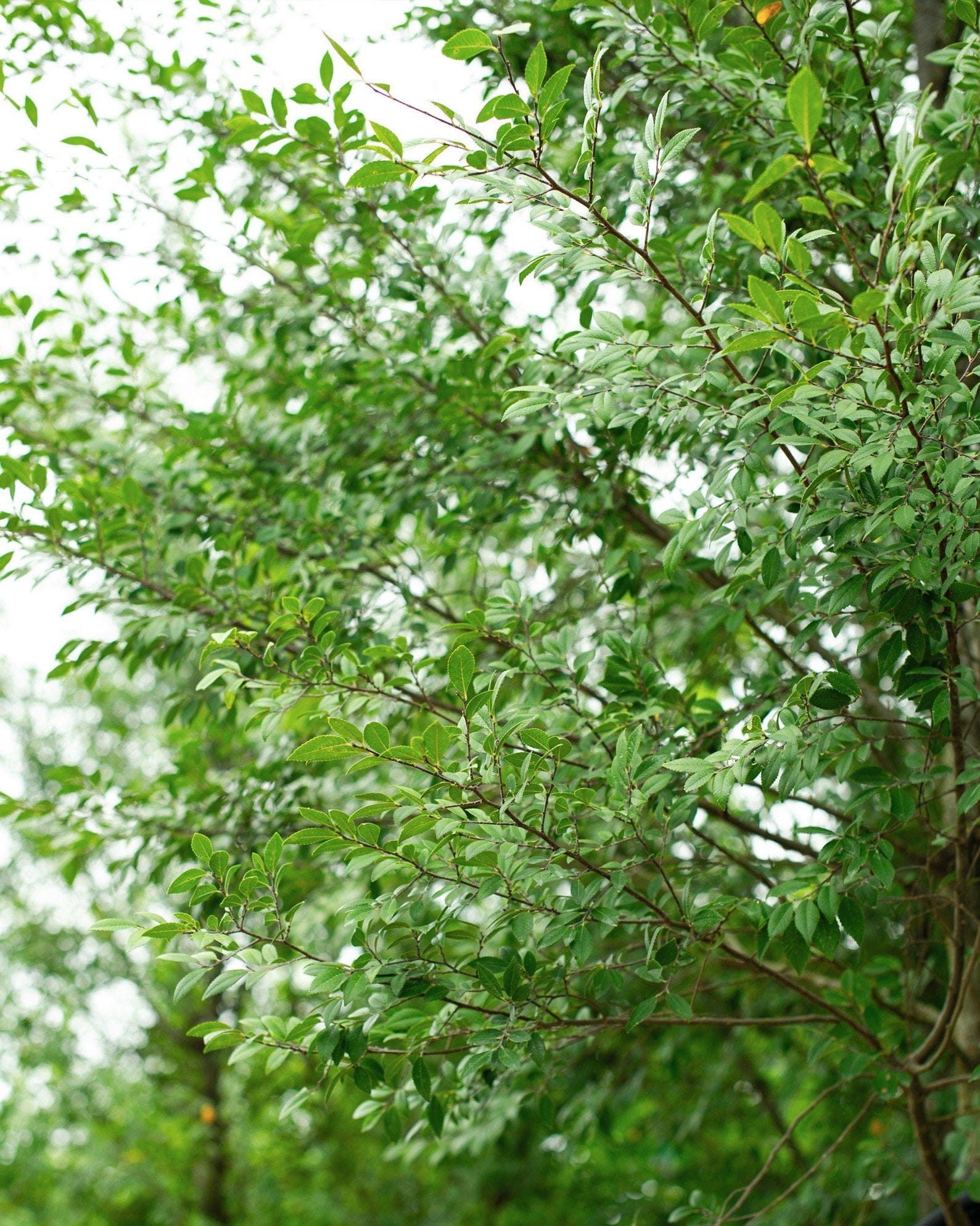
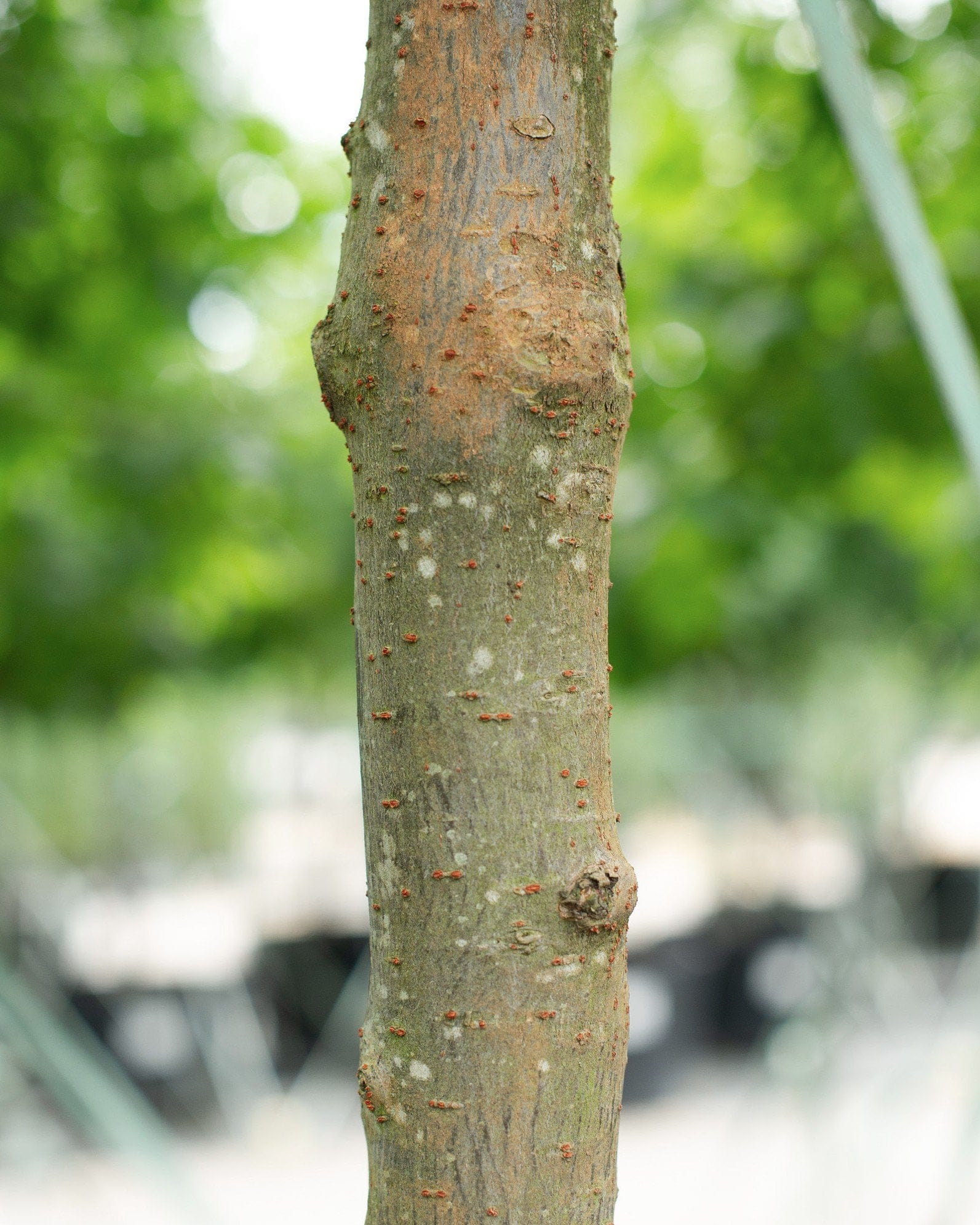
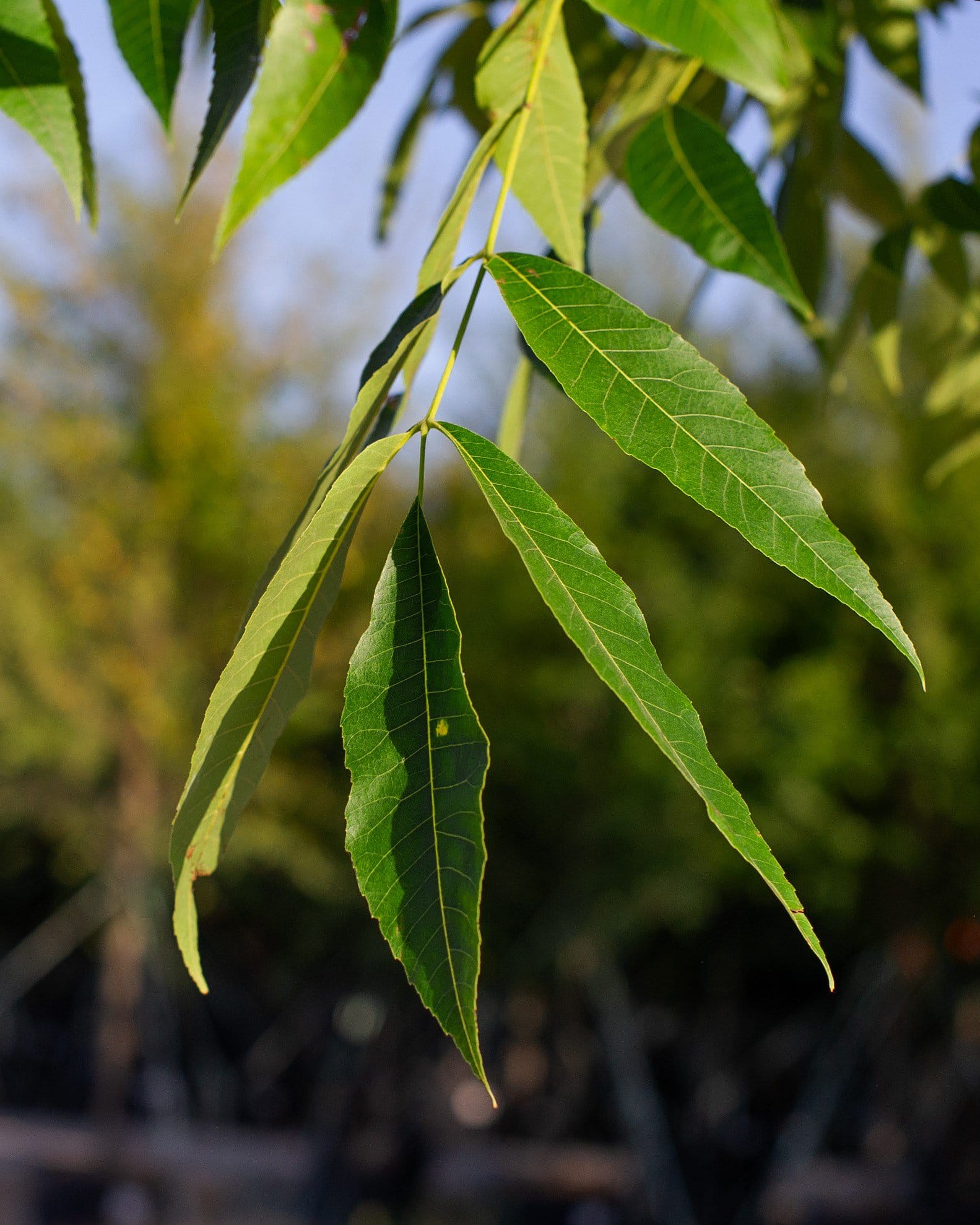
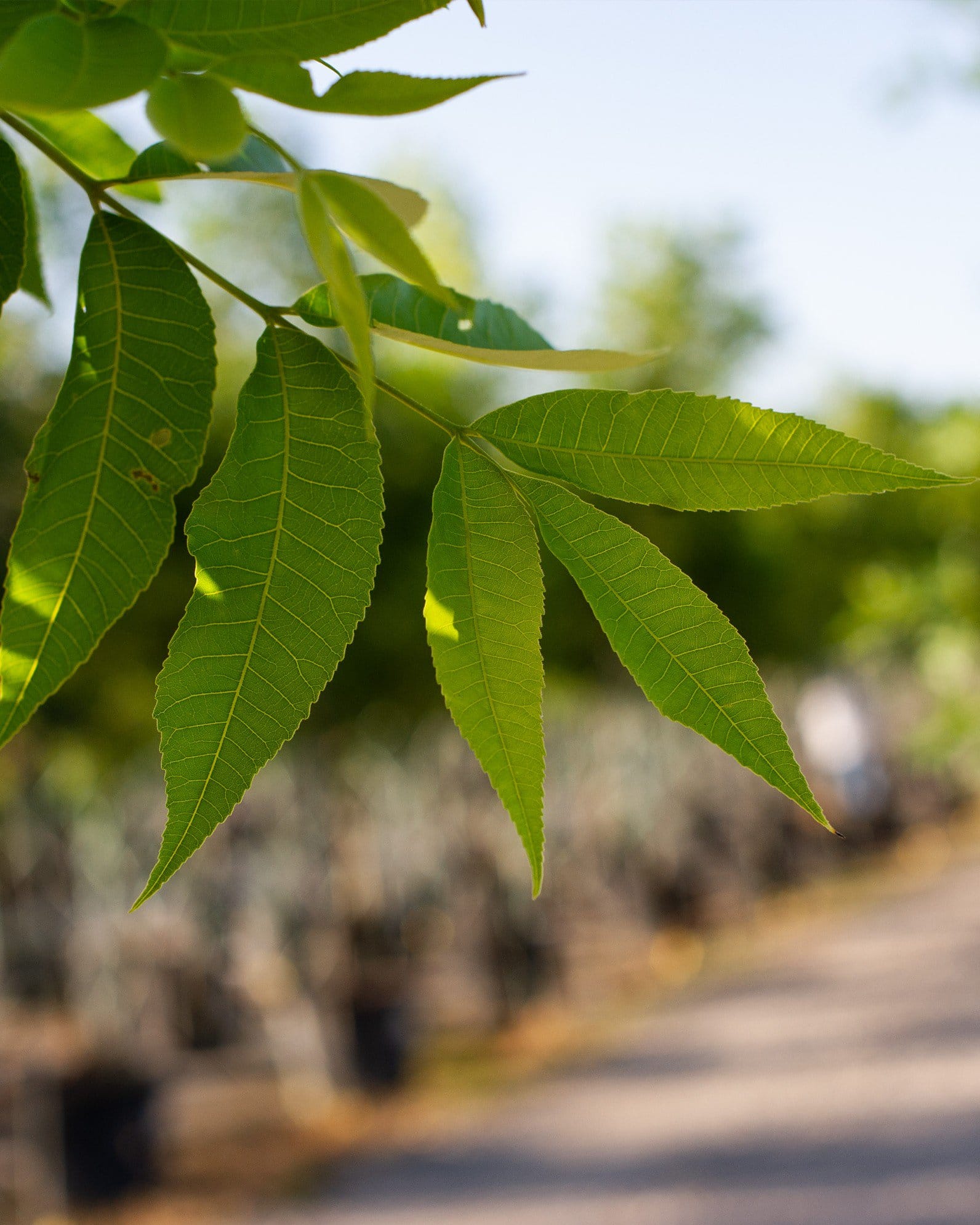
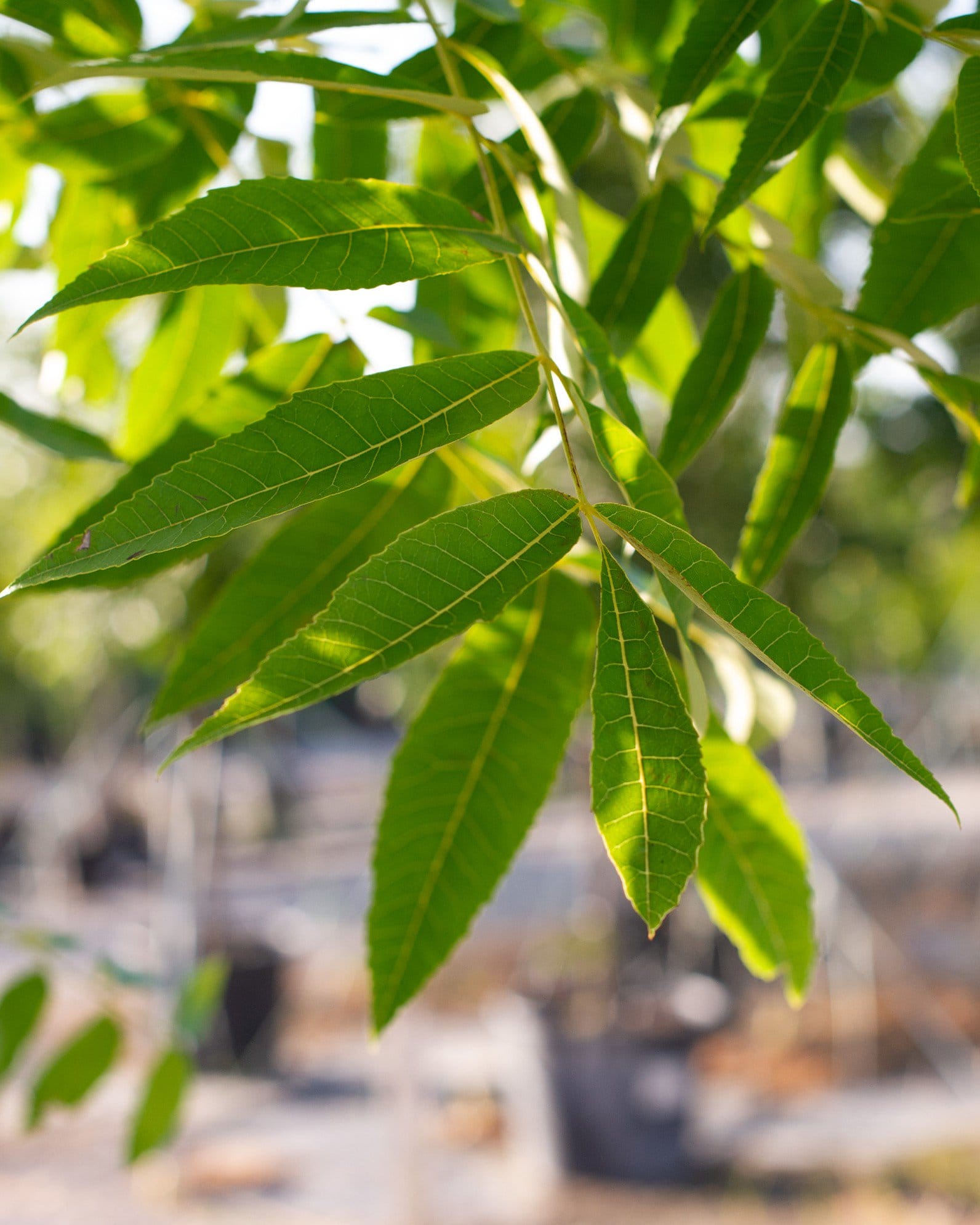
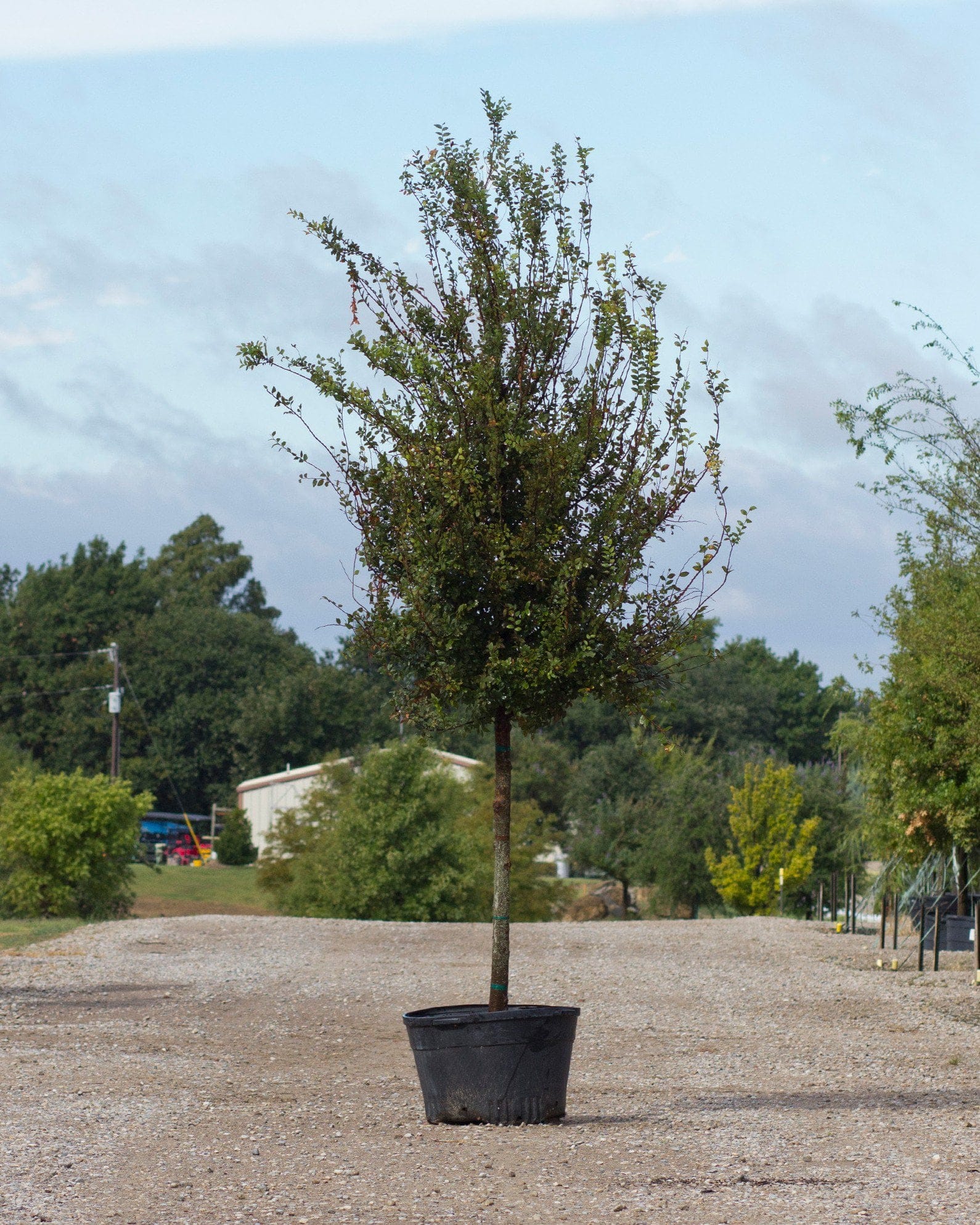
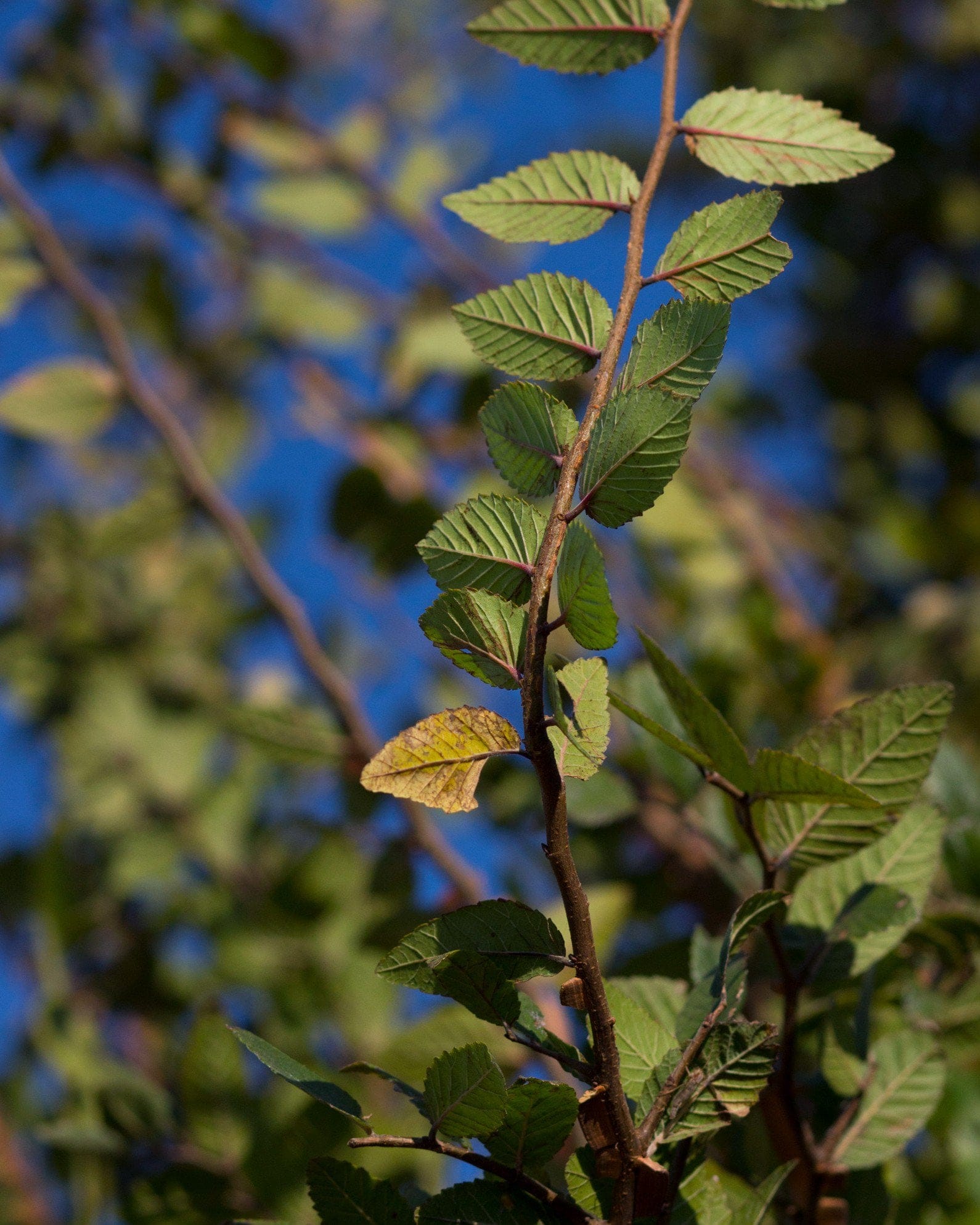
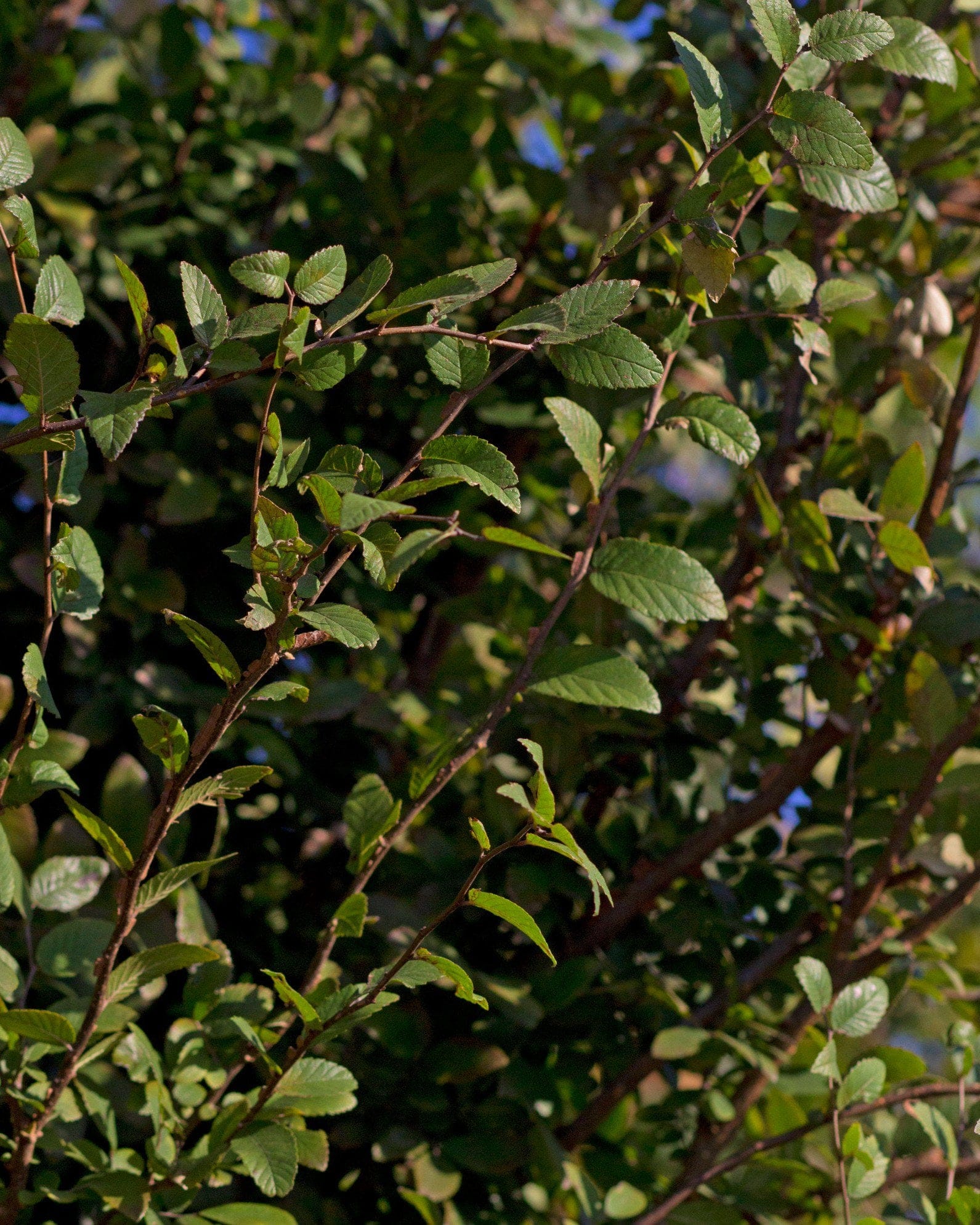
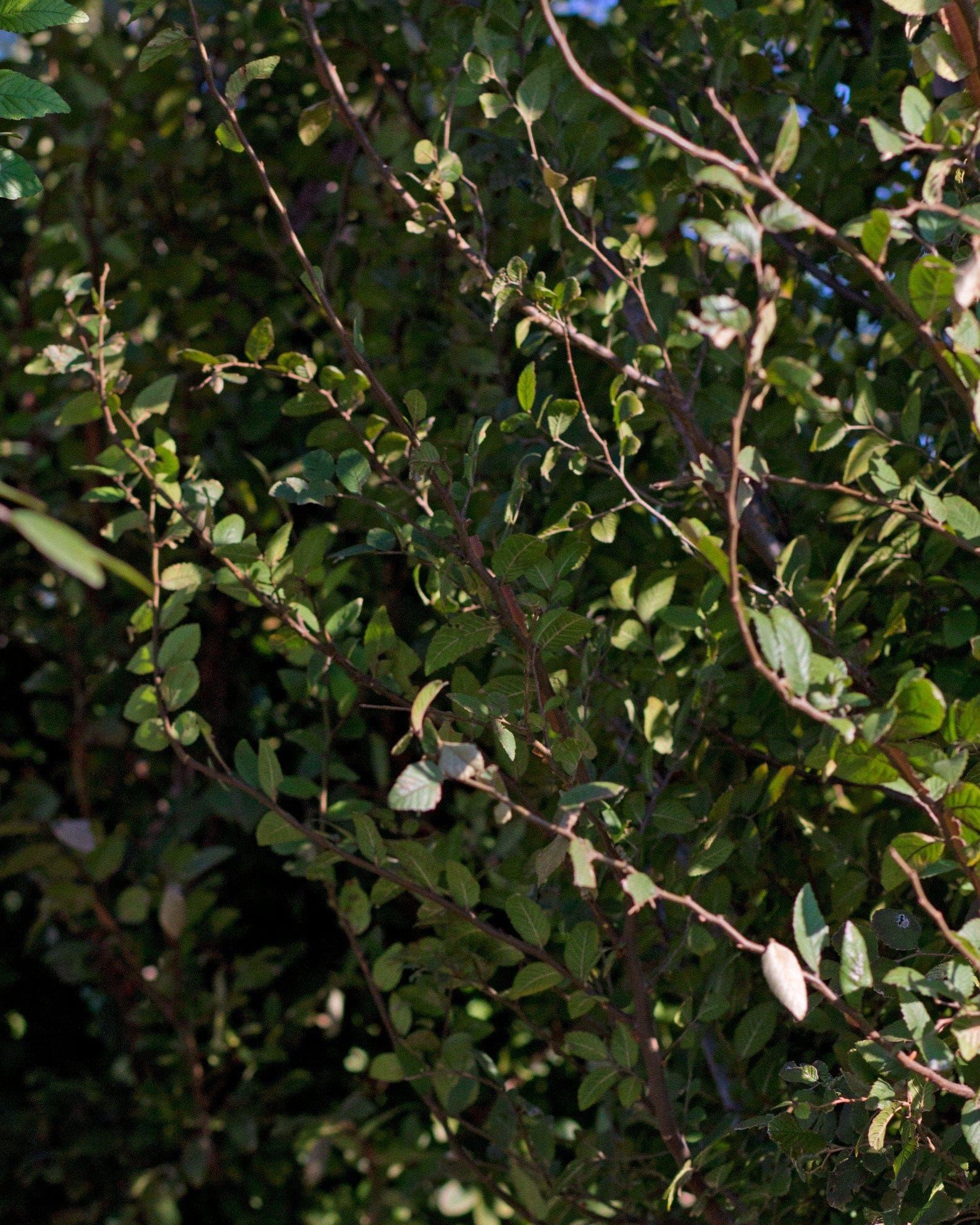
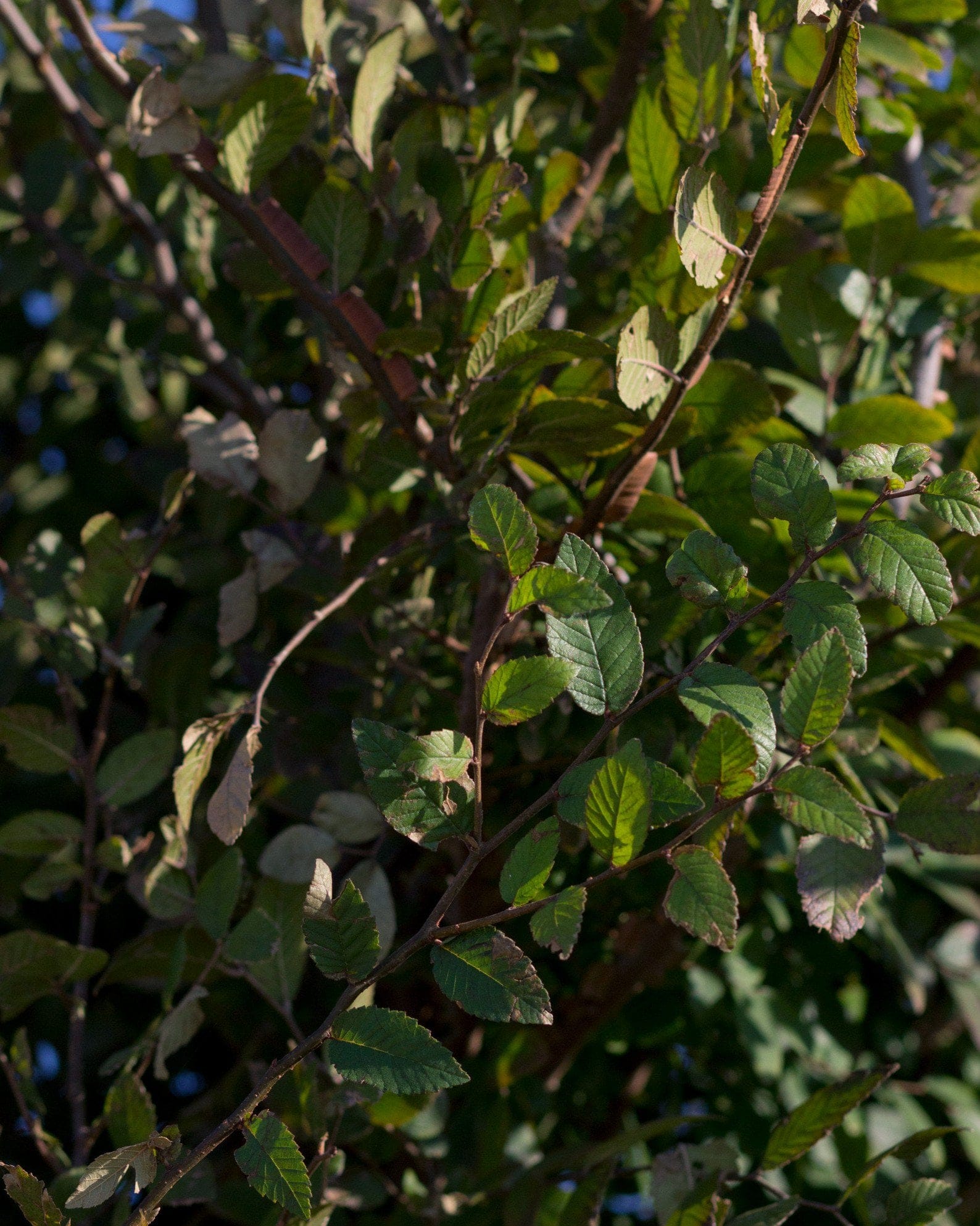
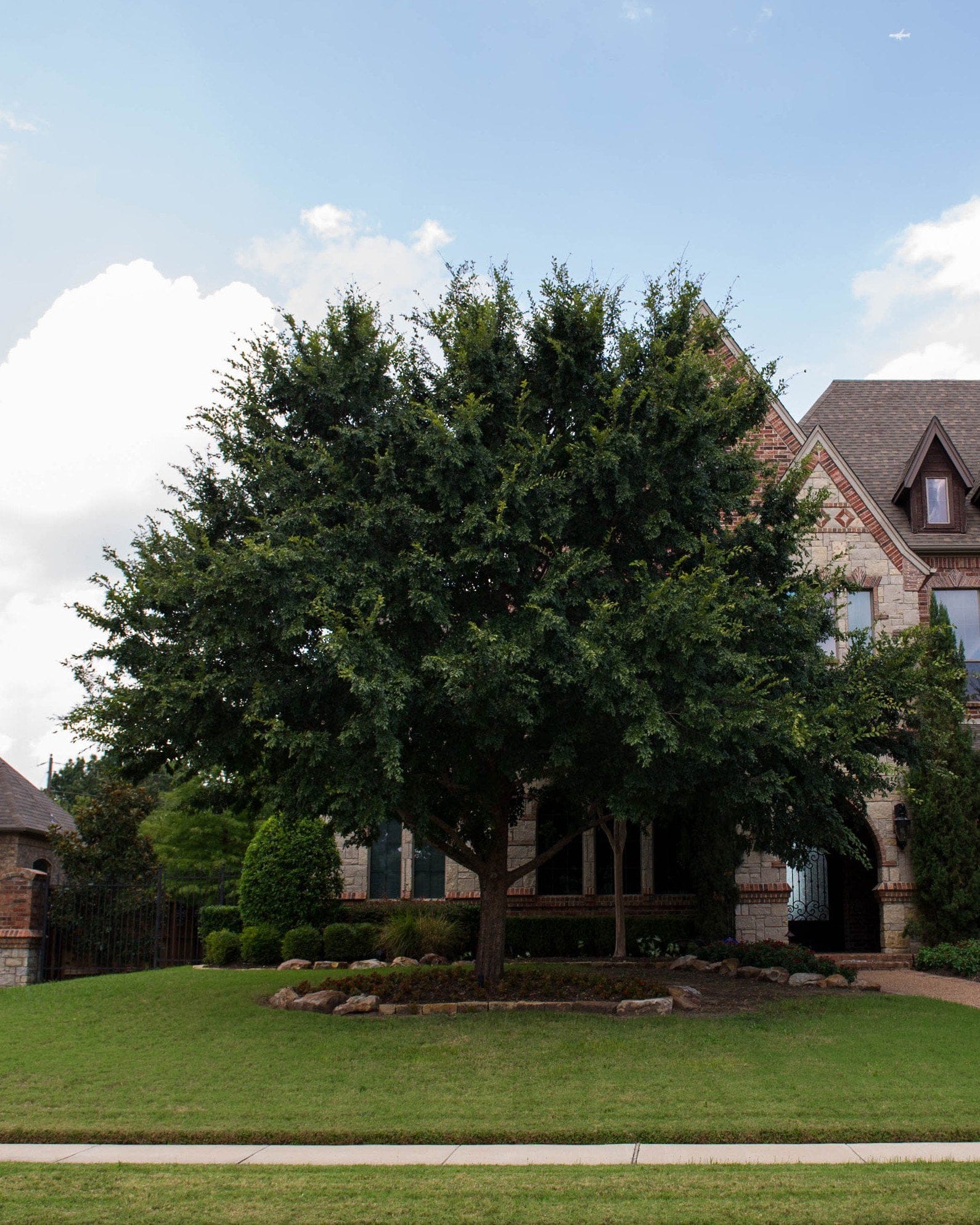
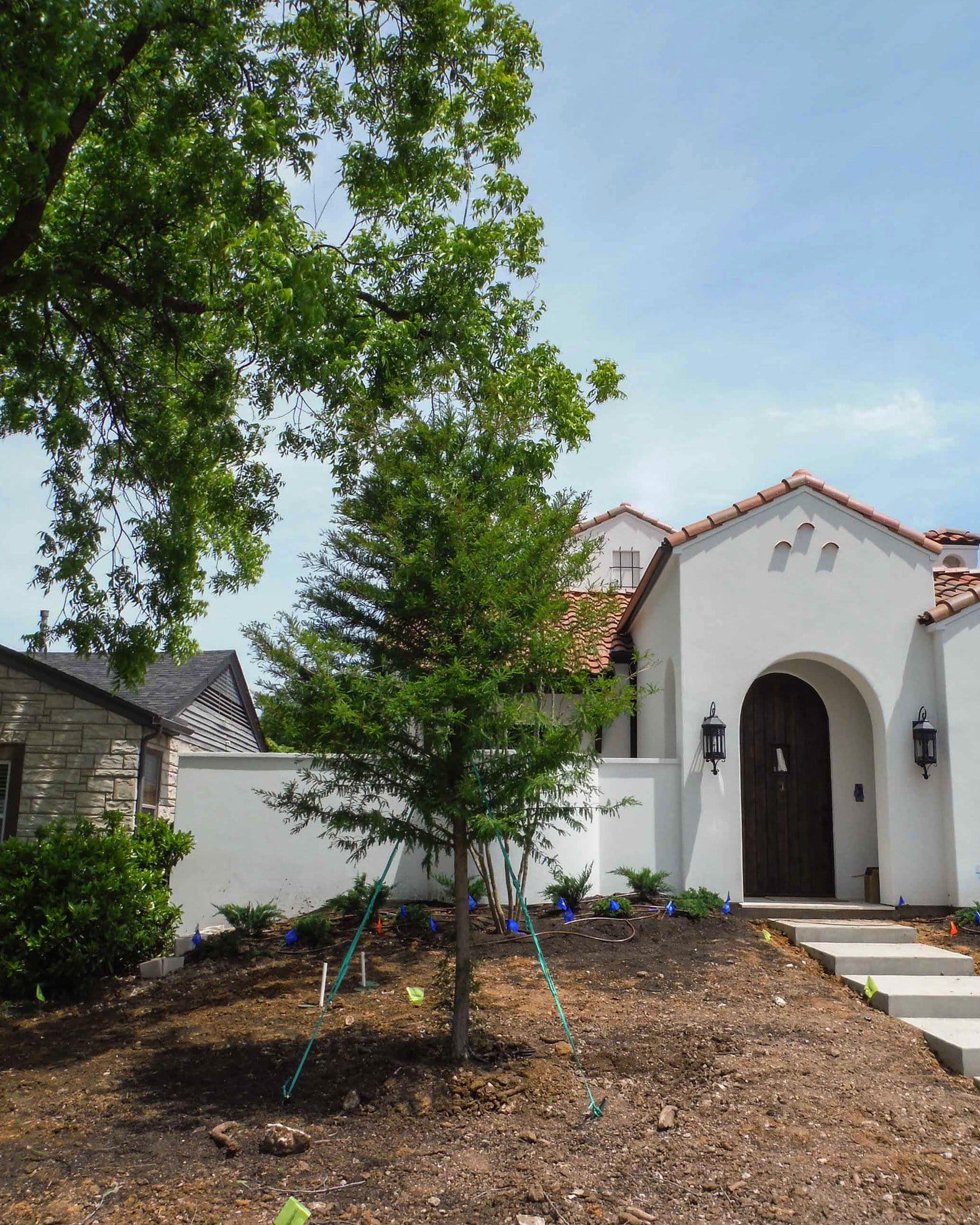
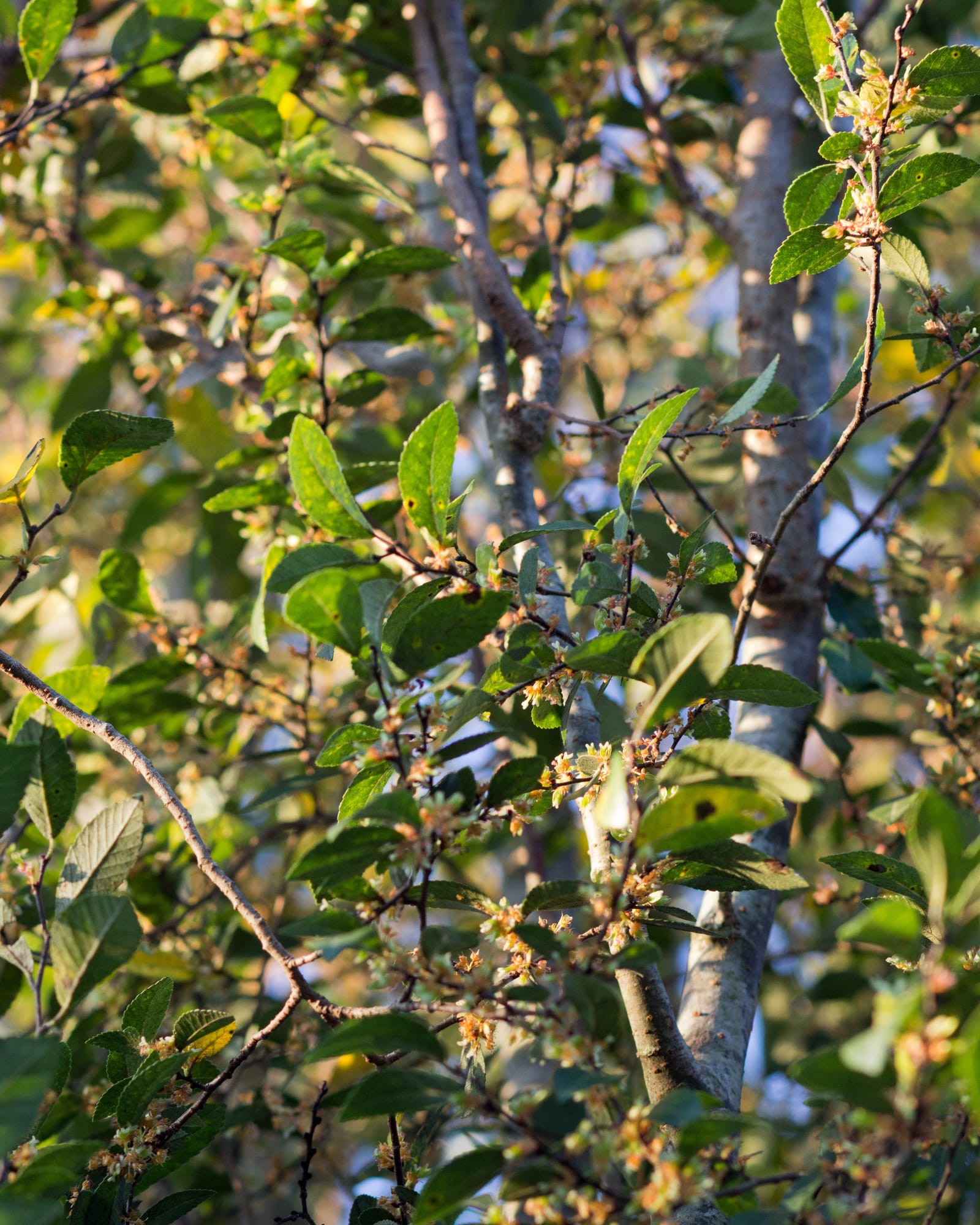
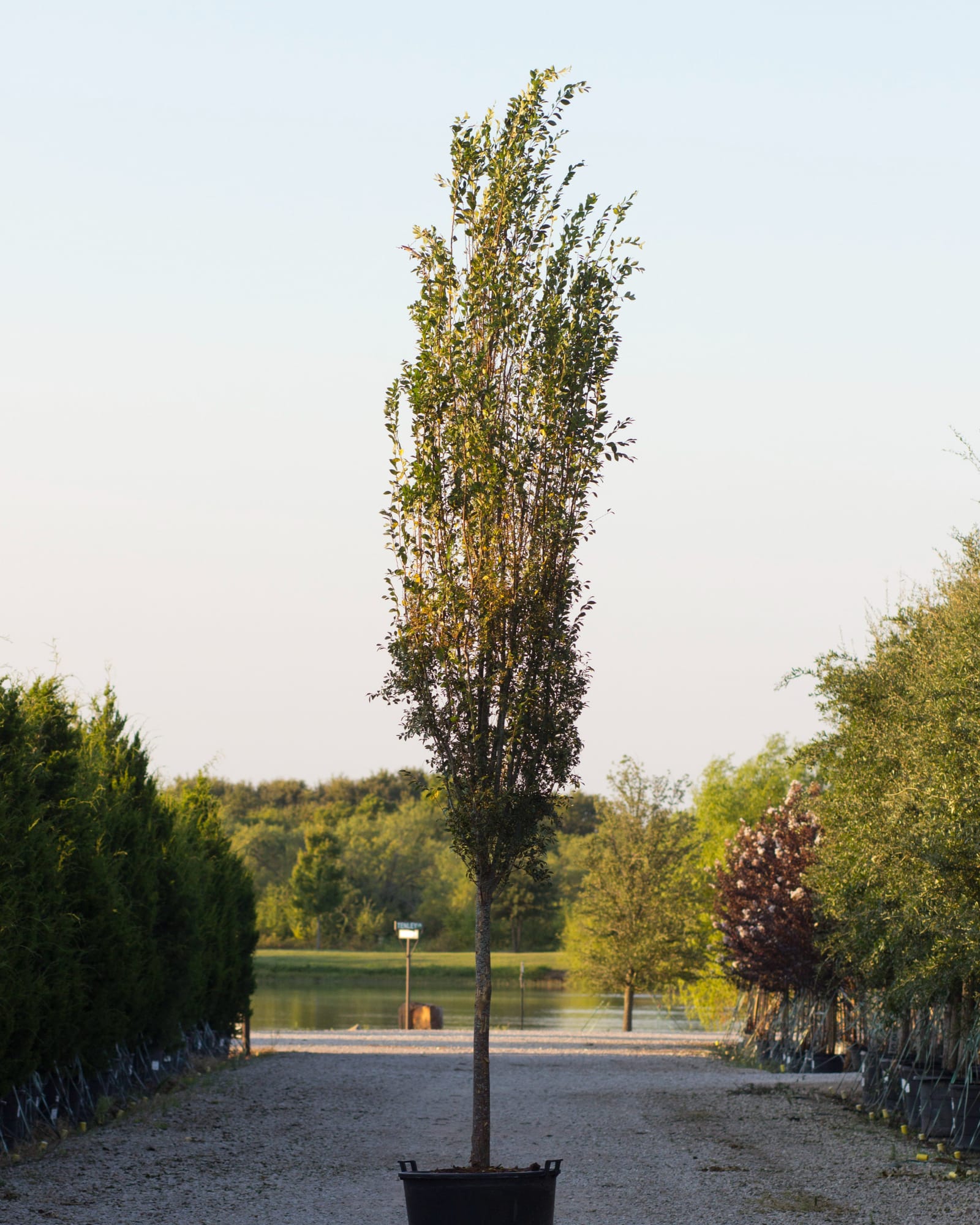
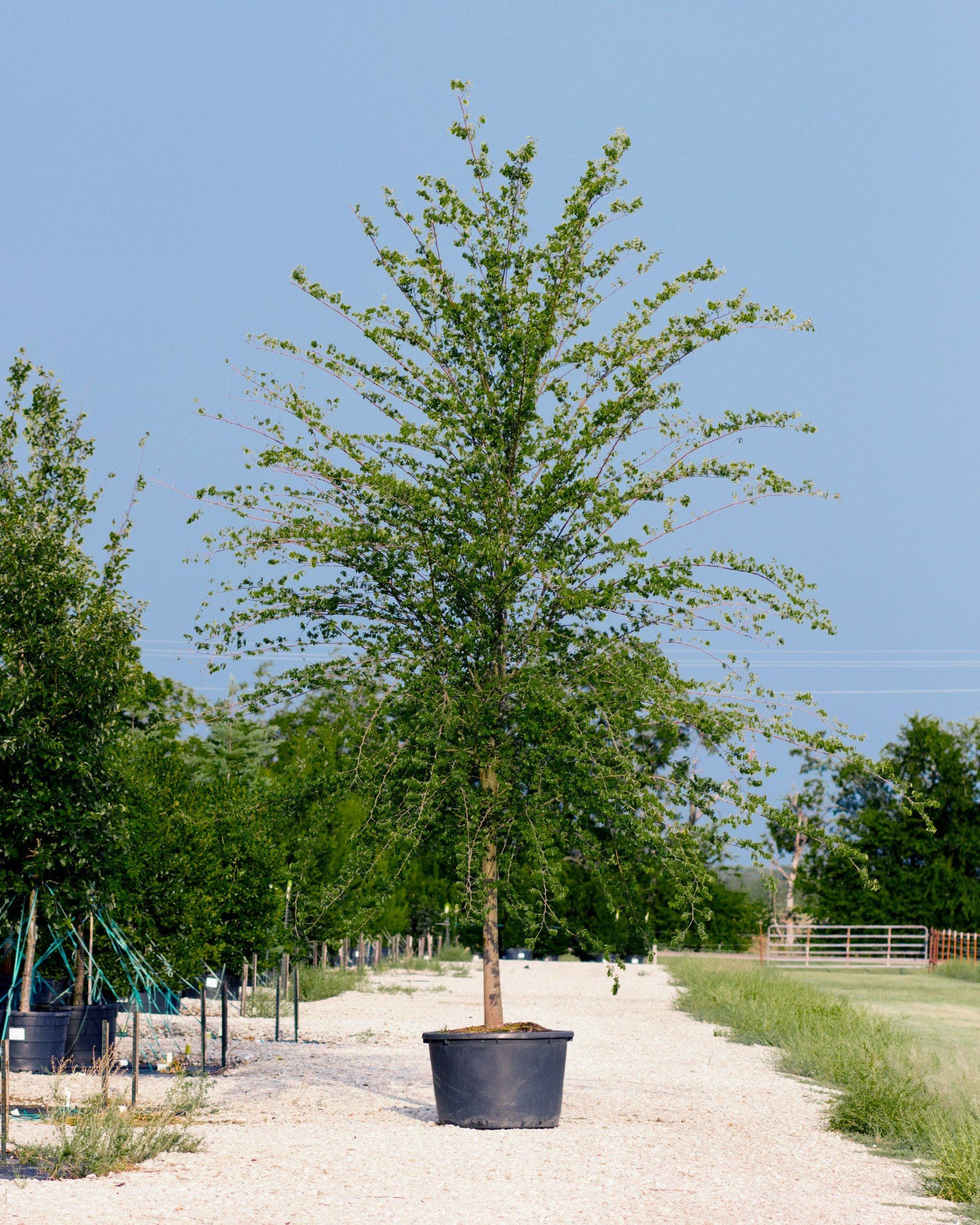
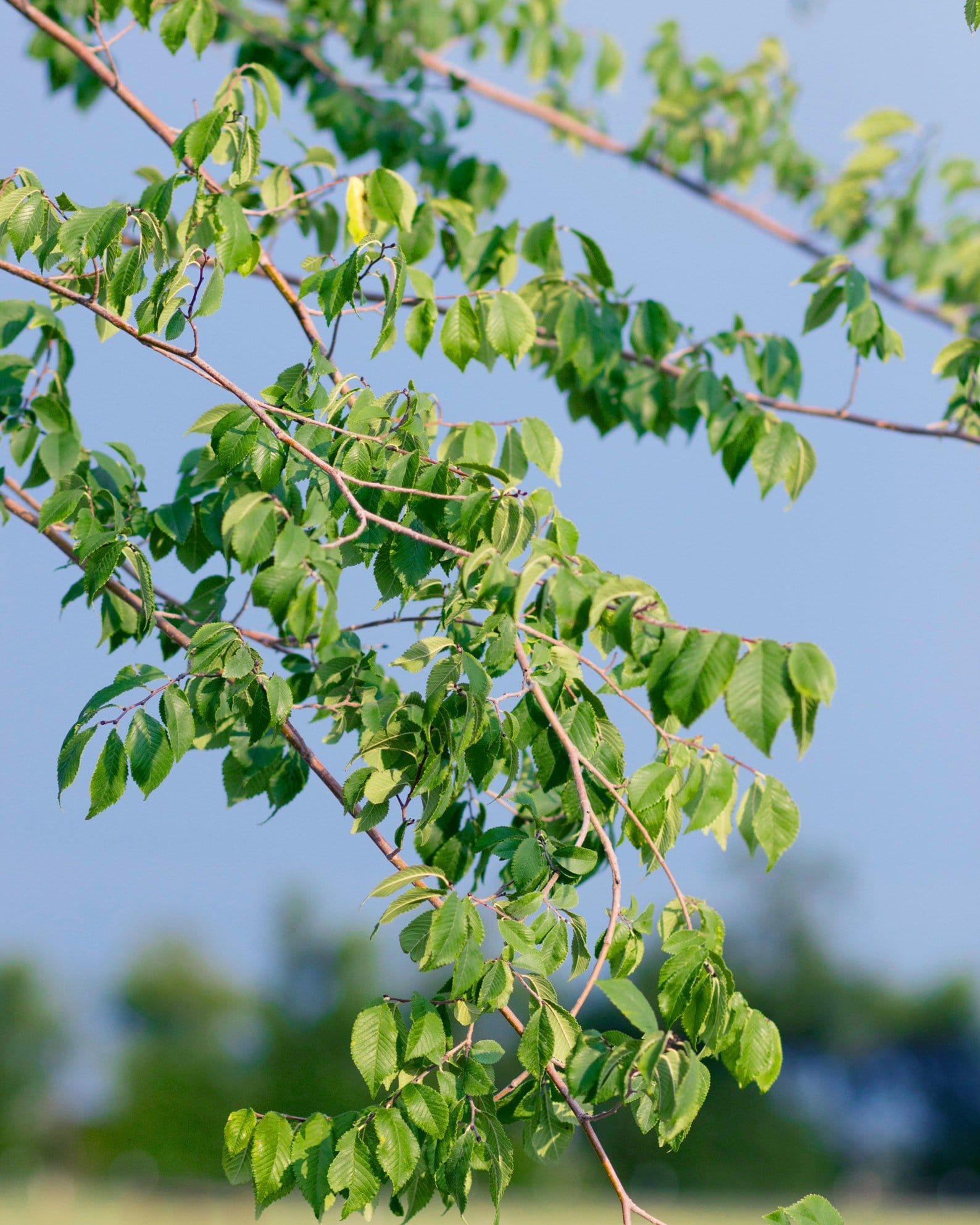
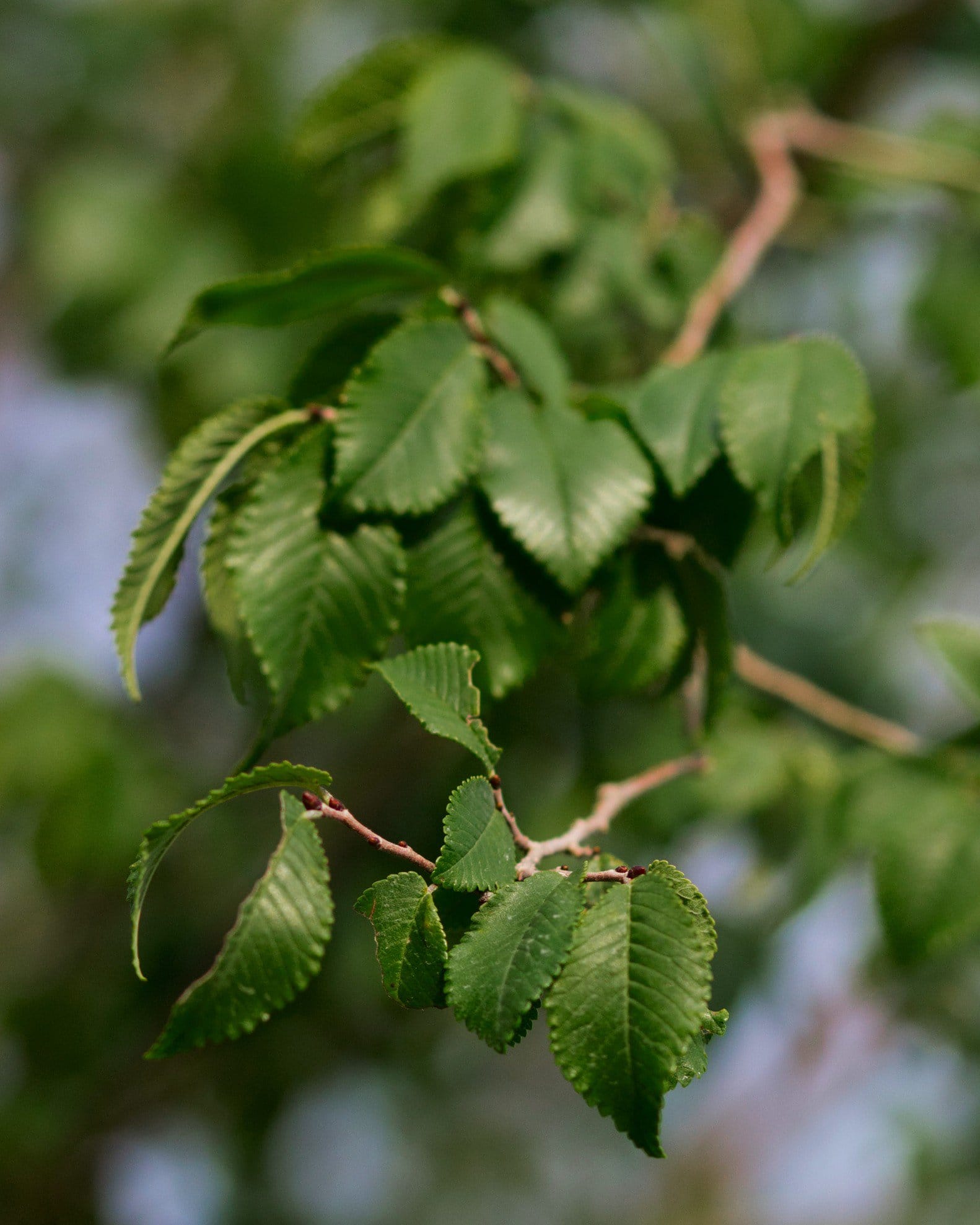
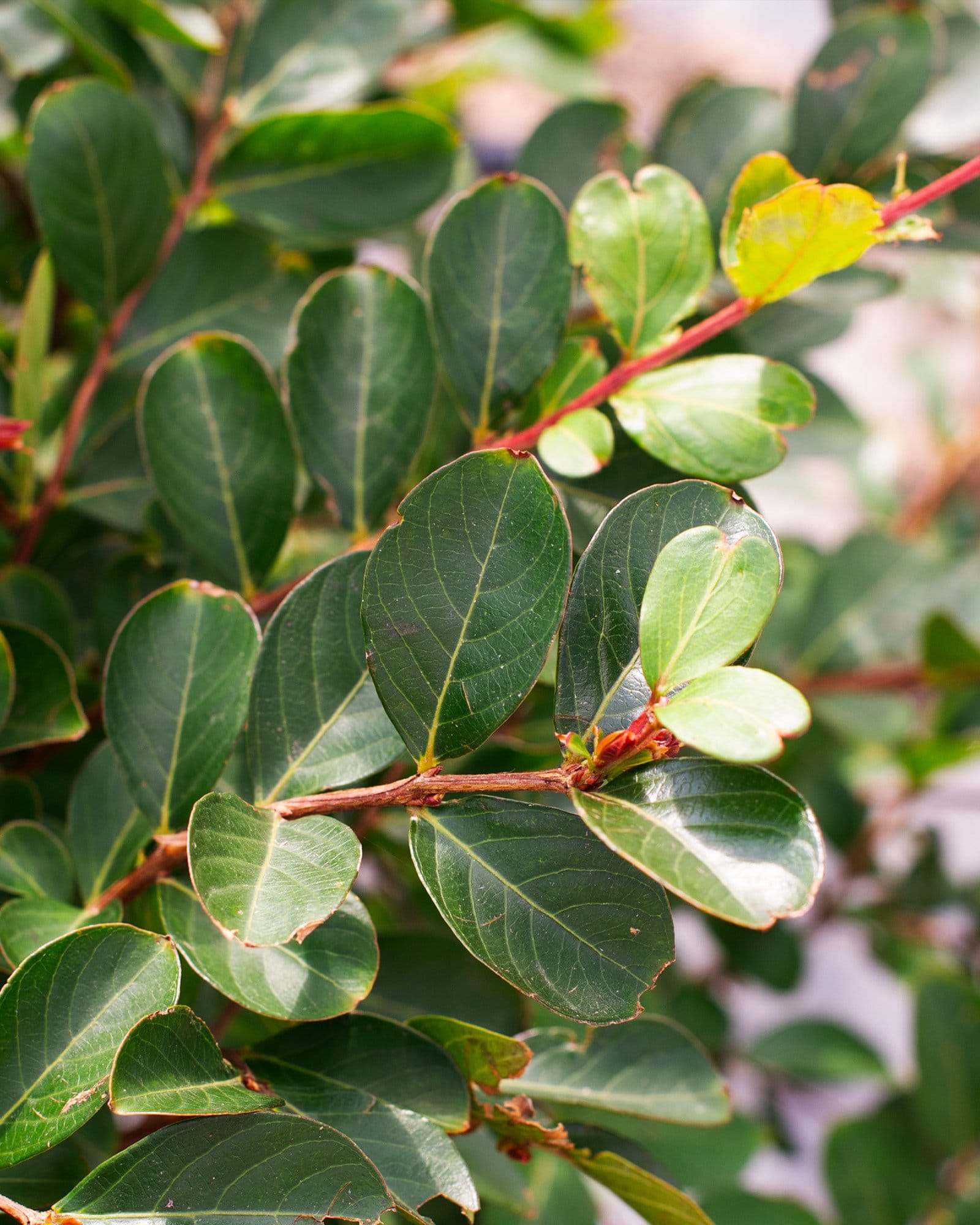
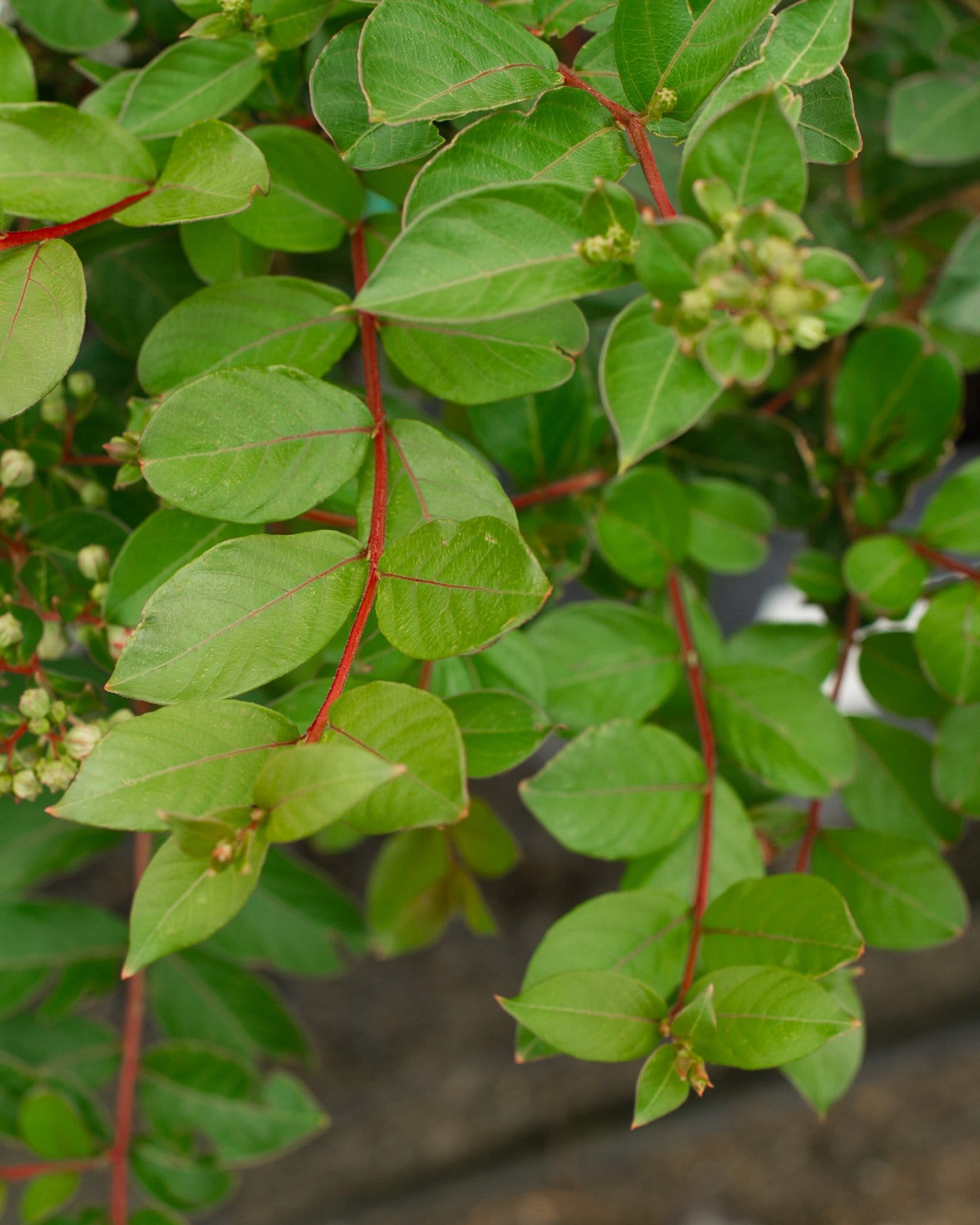
Ulmus parvifolia 'Emer ll'Allee Elm is a majestic deciduous tree known for its upright, vase-like form and dense, glossy green foliage. It grows rapidly to reach heights of 60 feet, with a spread of 45 feet across, providing ample shade. Its arching branches create an elegant canopy perfect for streets, parks, or large yards.
- Deciduous tree
- Fast growth rate with vase-shaped habit
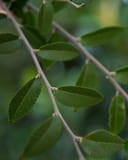
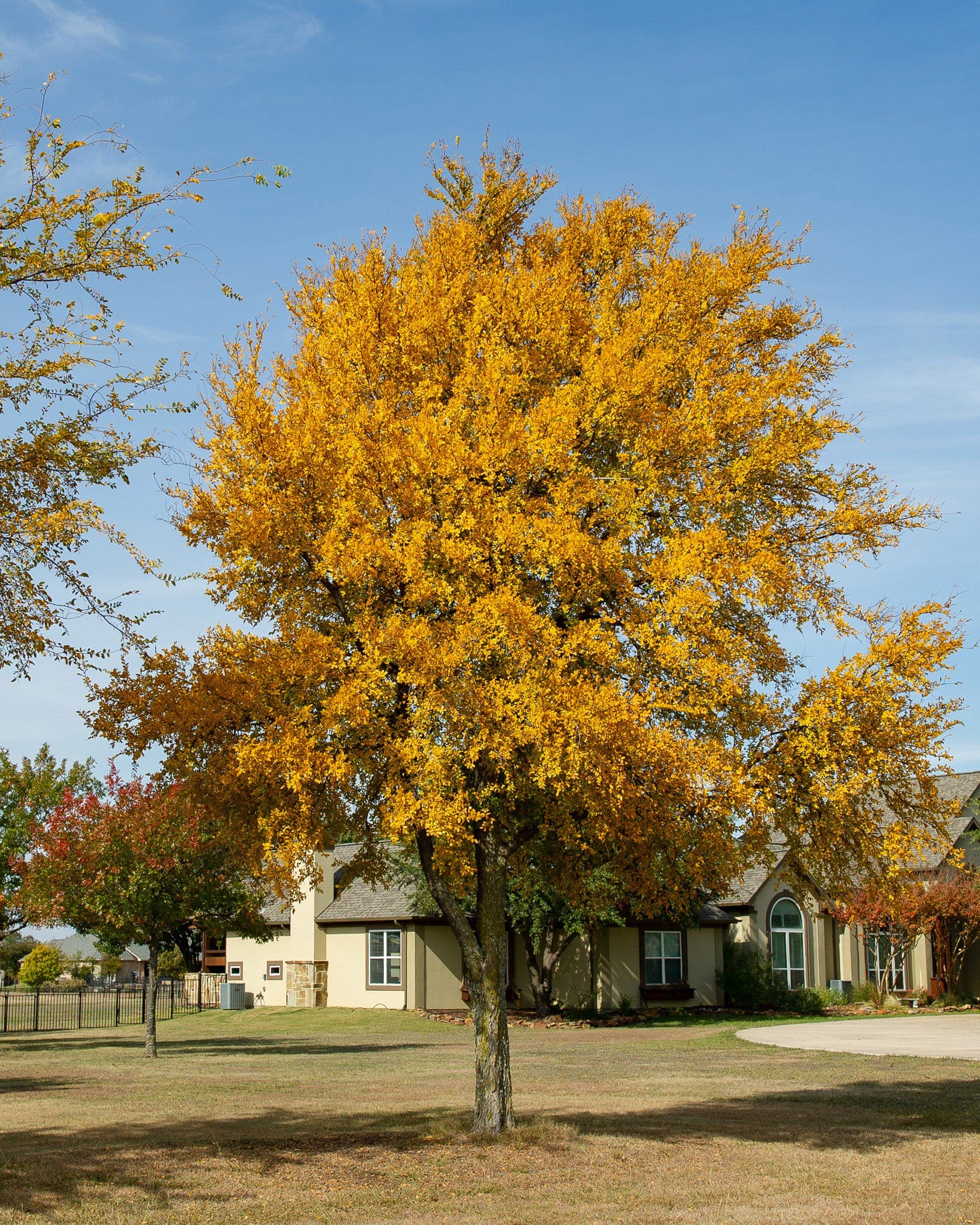
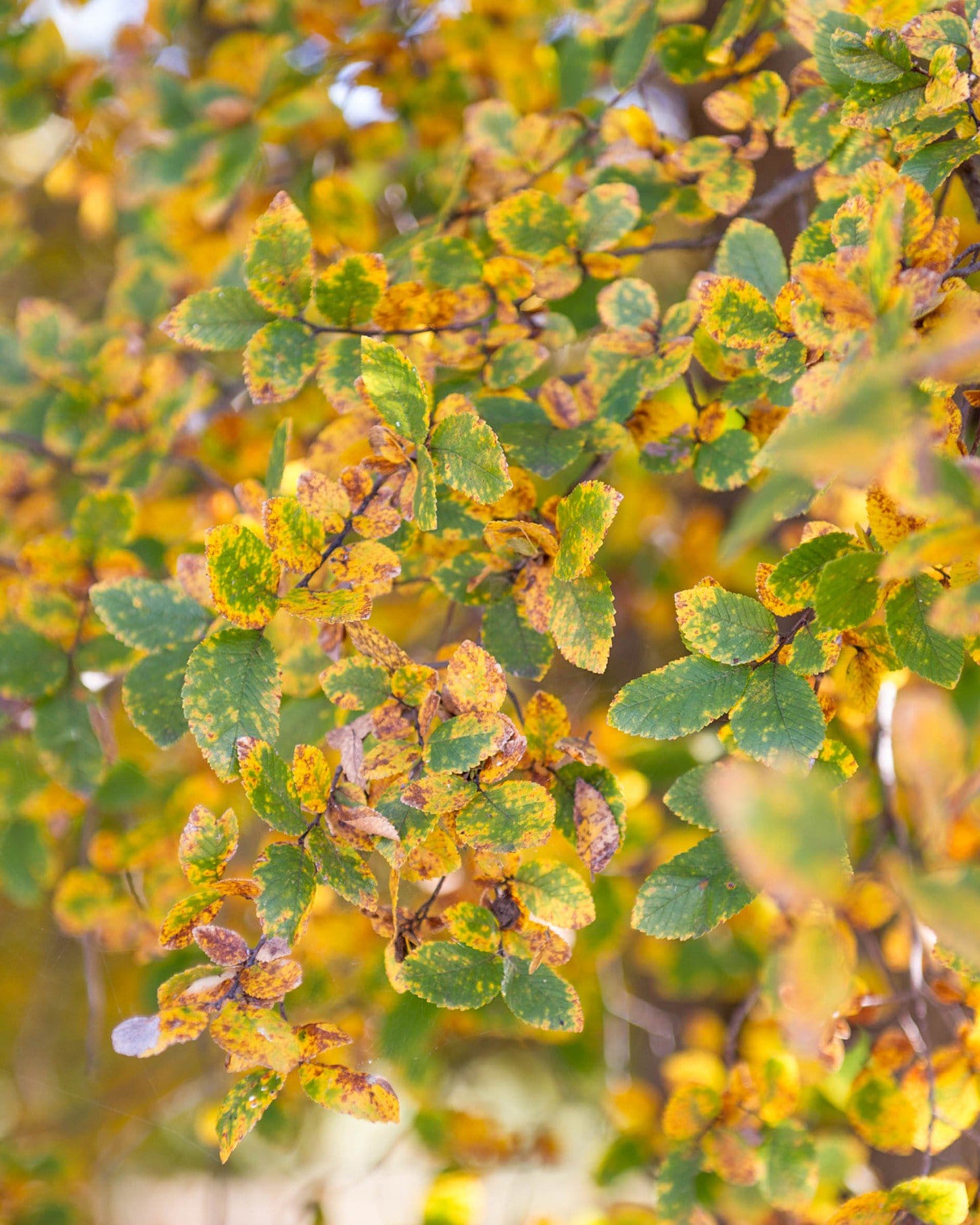
- Glossy green leaves that turn yellow in fall
- Hardy and adaptable
- Ideal for shade, streets, and parks
Allee Elm thrives best in full sun and adapts to a variety of soil types, including clay and sandy soils. It tolerates urban conditions and moderate drought once established, making it perfect for Texas landscapes needing a stately, shade-providing tree. Regular watering during establishment will ensure strong growth. Hardy in USDA zones 5 through 9, ideal for North Texas especially.
Allee Elm don't need much to grow beautifully. Here are the key maintenance elements to keep in mind:
- Watering: Keep soil evenly moist during the first couple of years to help establish strong roots. Once mature, Allee Elm is highly tolerant of drought, though occasional deep watering during prolonged dry periods keeps it vigorous.
- Pruning: Prune in late winter or early spring before new growth starts. Remove crossing branches, suckers at the base, or any dead or diseased wood. This helps maintain its vase-shaped form and healthy canopy with lots of airflow.
- Fertilizing: Fertilization isn’t always necessary, but a balanced slow-release fertilizer applied in early spring can support growth in nutrient-poor soils.
- Mulching: Spread a 2-3 inch layer of mulch around the base to help retain moisture and suppress weeds, but keep it around 6 inches away from the trunk to prevent rot.
- Staking: Young trees may benefit from staking to encourage upright growth during their first few seasons.
Common Issues and How to Take Care of Them
Allee Elm is incredibly resistant, especially to the Dutch elm disease and elm leaf beetle, but it’s not 100% immune. However, here are pests and diseases you’re more likely to encounter:
- Leafminers: Tiny bugs that cause damage to foliage by chewing through them.
- Borers: Insects that tunnel throughout the wood, weakening it and disturbing the flow of nutrients.
- Aphids: Sap-feeding insects can lead to sticky honeydew and sooty mold.
- Root rot: More likely in poorly drained soil. Ensure planting sites have good drainage.
- Phloem Necrosis (Elm Yellows): Disease caused by bacterium microorganisms that starve the tree.
- Verticillium Wilt: Fungal disease that results in wilting and yellowing of the foliage.
Maintaining tree vigor with proper watering, spacing, and pruning is the best defense against pests and disease. Also, don't forget about organic insecticides and fungicides for disease management. Some pests, like aphids, can also be dislodged by a strong water spray.
Look for signs like wilting or yellowing foliage, stunted growth, poor colors, or structural issues are main signs that something's not right with your elm.
In ideal conditions, the fast-growing Allee Elm will add nearly 2-3 feet per year to its height. This means it will reach absolute maturity in 40-50 years time.
Elms, in general, shouldn't be pruned or trimmed from April to September because their wound smell attracts Elm Bark Beetles. These insects carry a fungus that can down a large elm in one season.
Early spring or late fall, when conditions are cooler and allow roots to establish before the summer heat.
Yes, it’s highly tolerant of pollution, compacted soil, and restricted root zones, making it excellent for city planting.
It’s drought-tolerant but will benefit from deep watering during extended dry periods, especially in hot climates.
With proper care, it can live 70 years or more, offering long-lasting shade.
Yes, Allee Elm are resistant to Dutch elm disease. This resistance is due to a natural co-evolution between the tree and the pathogen in its native range, and it makes it a popular alternative to susceptible American Elms.
Yes, thanks to its upright growth and spreading canopy that can be pruned for clearance. Its roots aren’t invasive and don’t spread just below the surface, so Allee Elm won’t cause damage. However, this tree still needs lots of space to grow beautifully.
Focus on developing a strong central leader and balanced branch structure. Remove lower limbs gradually as the tree matures to create clearance underneath.
Special Features
You might also like
Cedar Elm
Maturity: 50' H x 35' W
Bosque Elm
Maturity: 60' H x 45' W
Caddo Pecan
Maturity: 60' H x 40' W
Cedar Elm Pioneer
Maturity: 50' H x 30' W
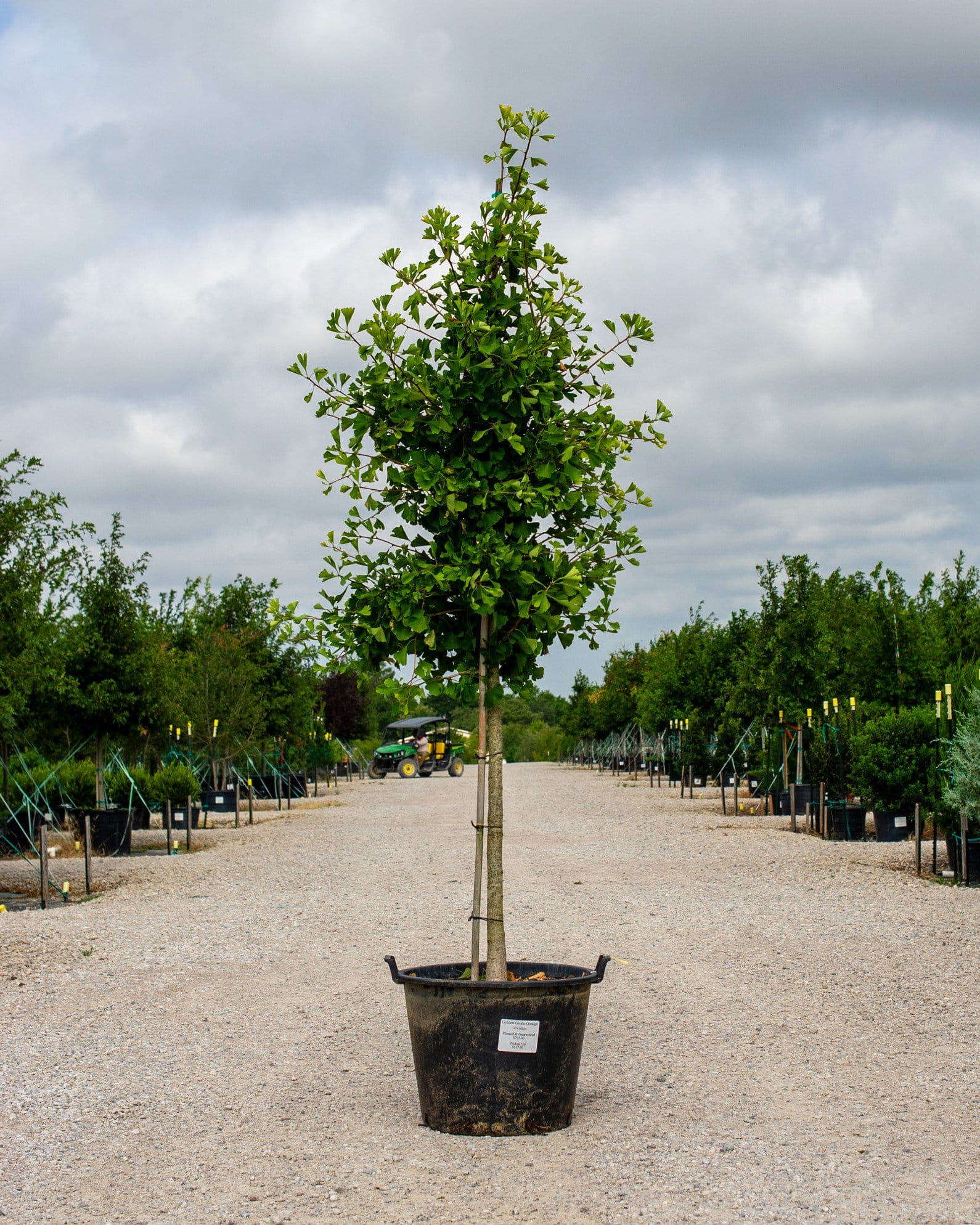
Golden Globe Ginkgo
Maturity: 40' H x 30' W
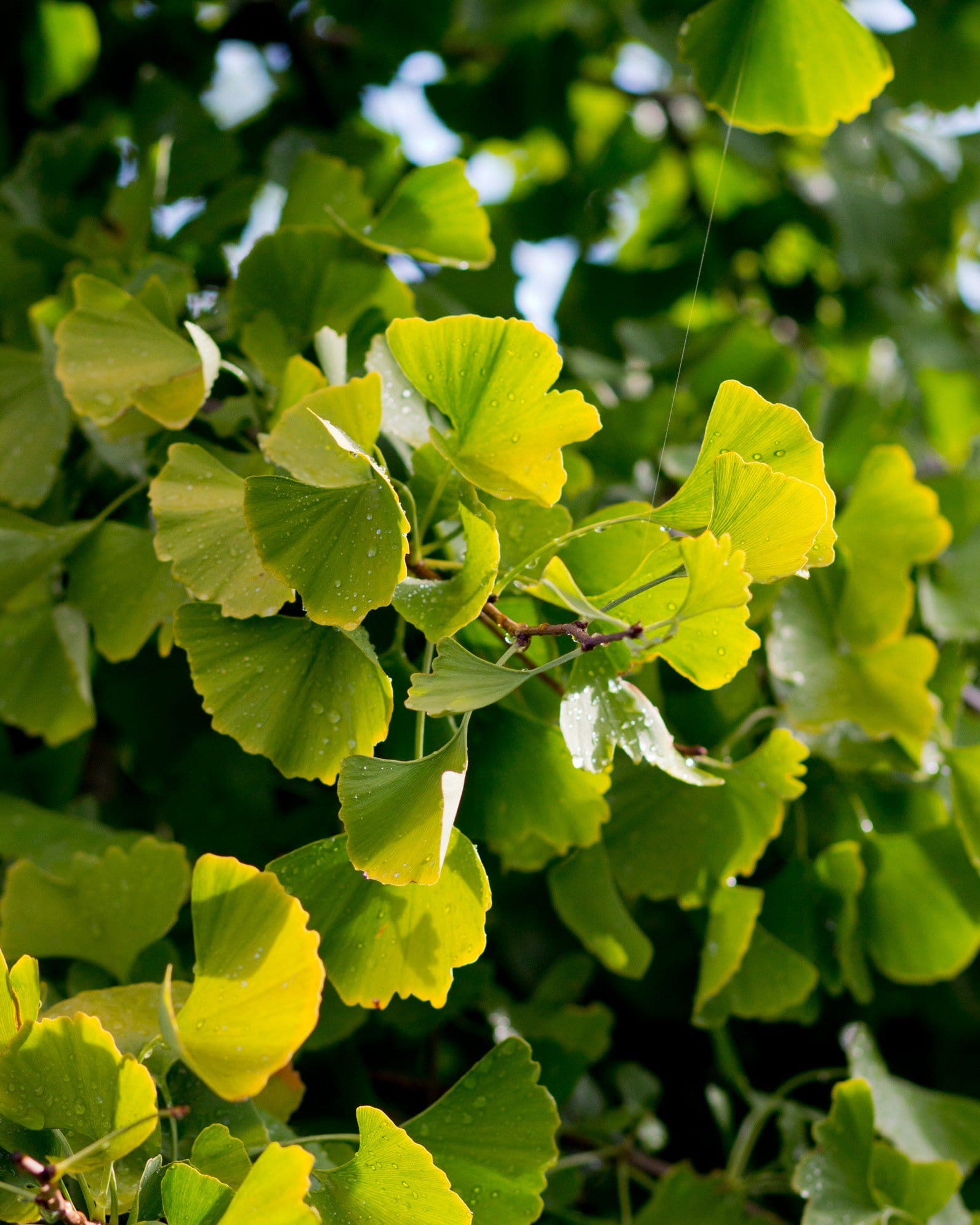
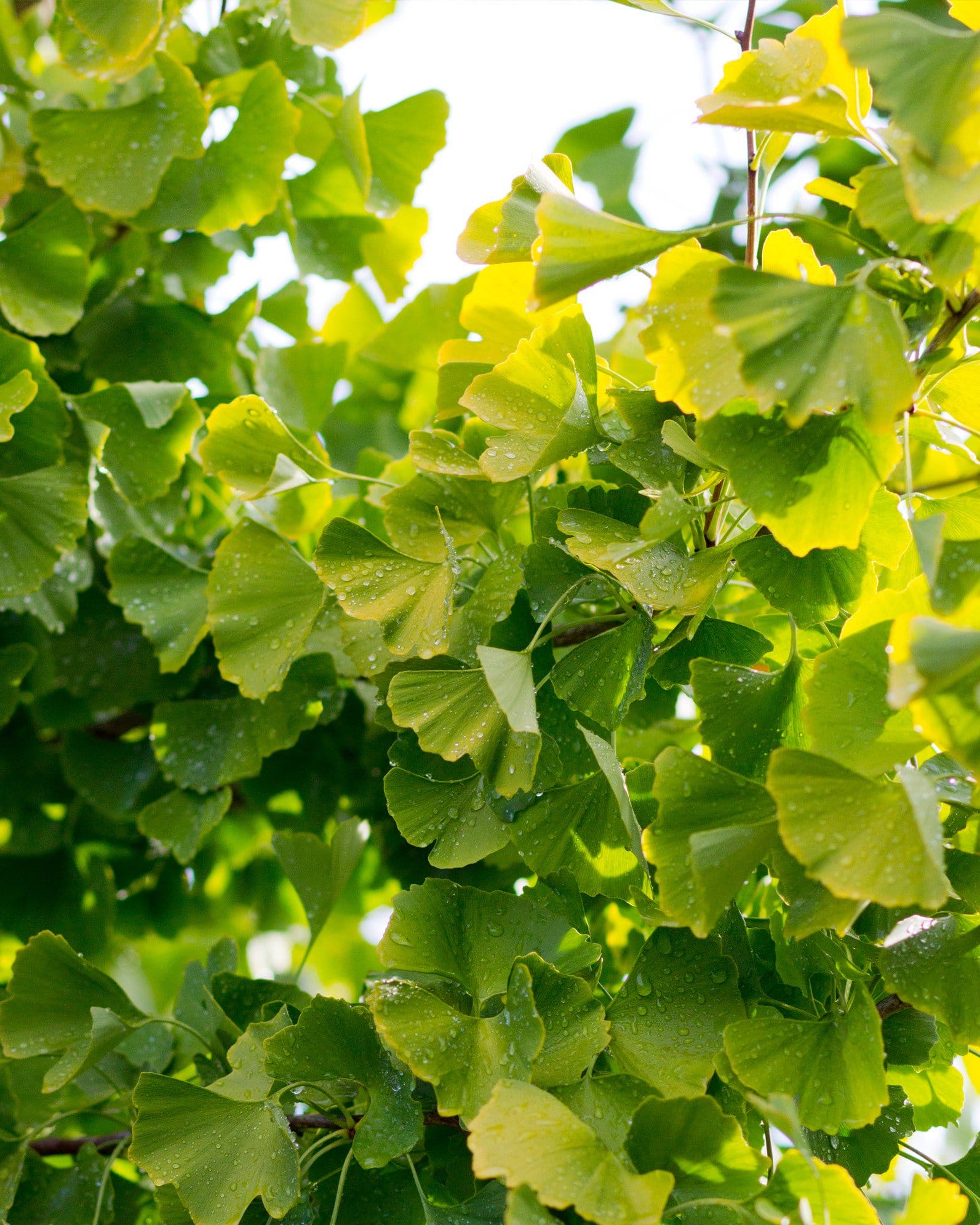
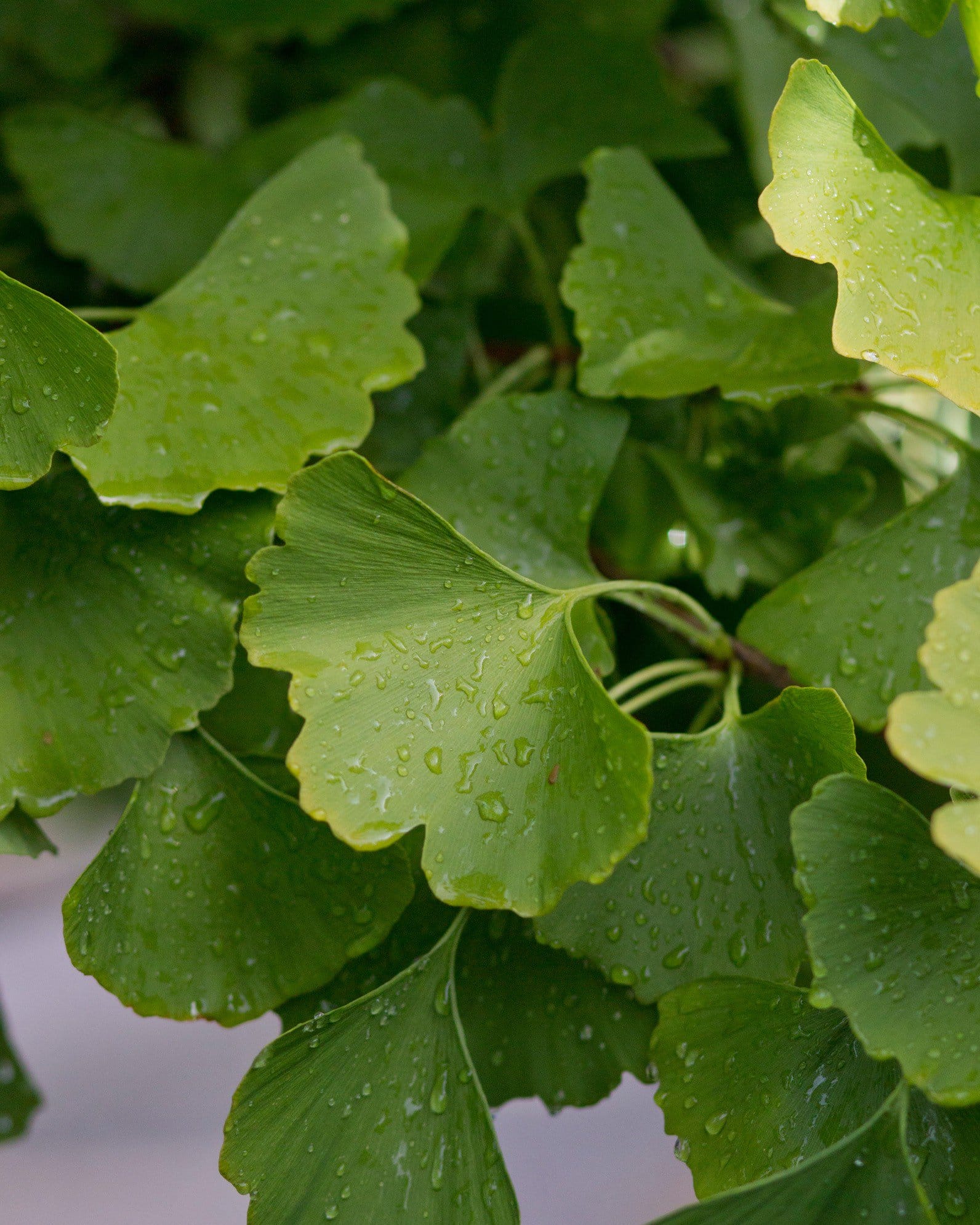
Lacebark Elm
Maturity: 45' H x 40' W
Natchez Crape Myrtle Single Trunk
Maturity: 25' H x 20' W
Princeton Elm
Maturity: 60' H x 40' W
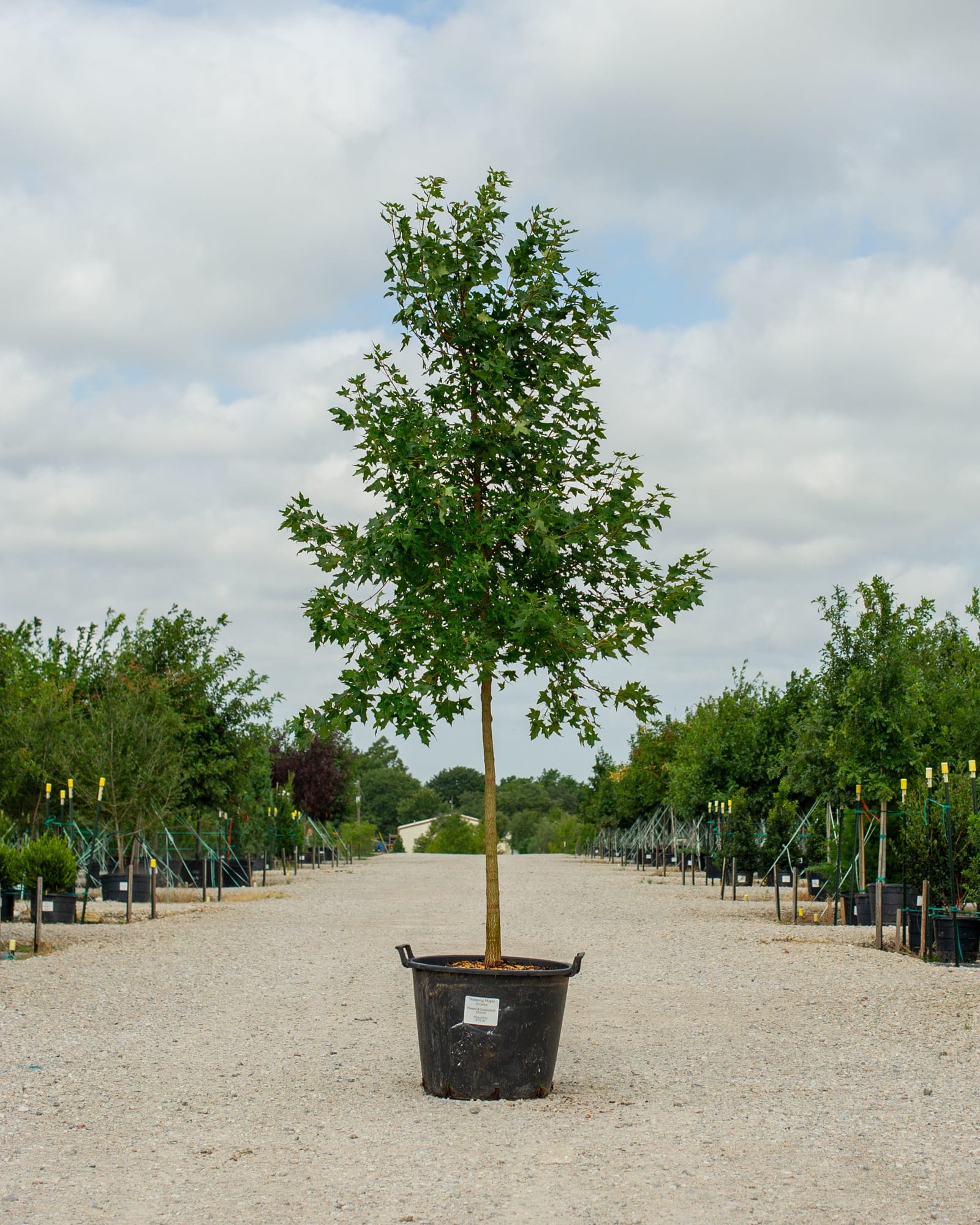
Shantung Maple
Maturity: 25' H x 20' W
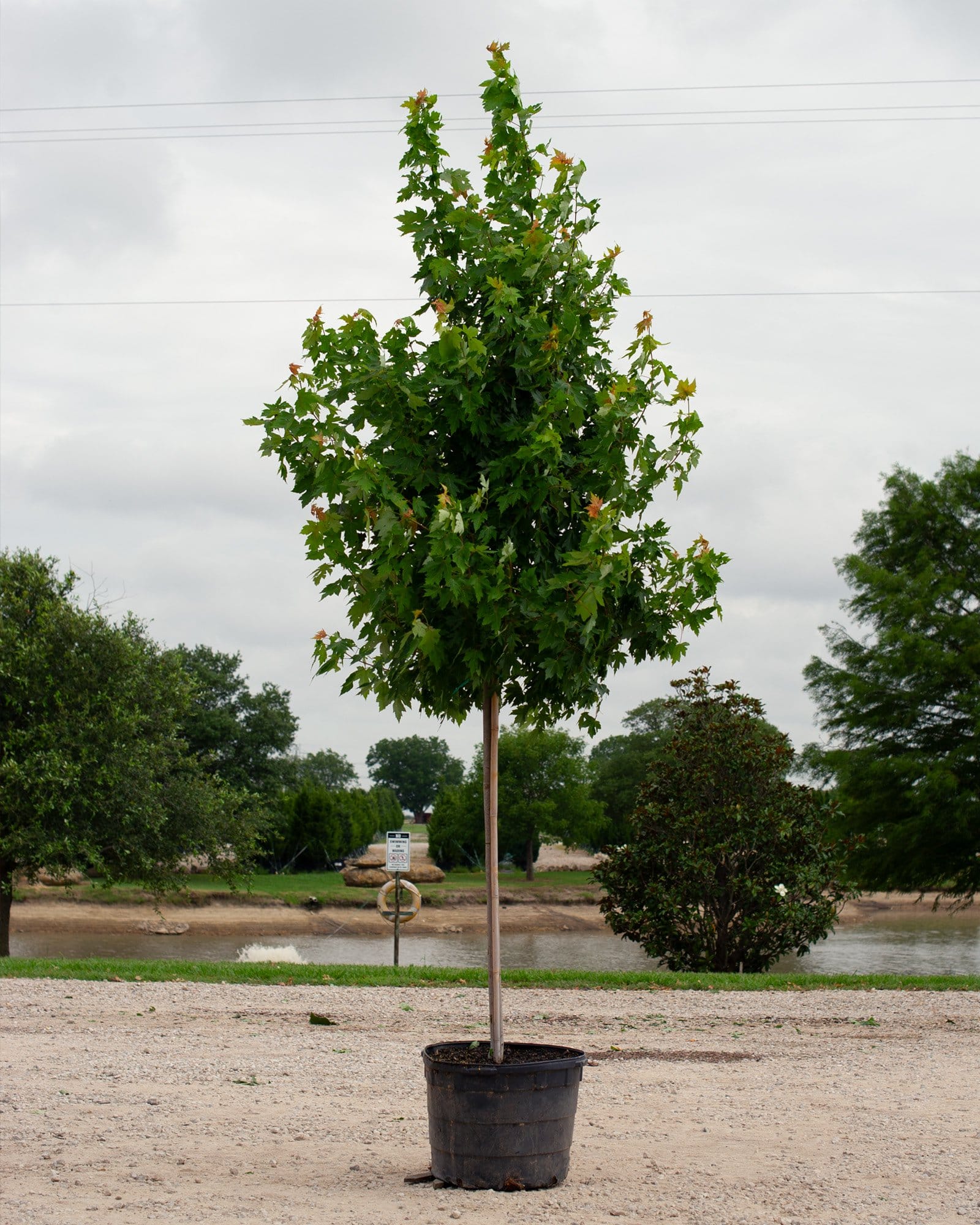
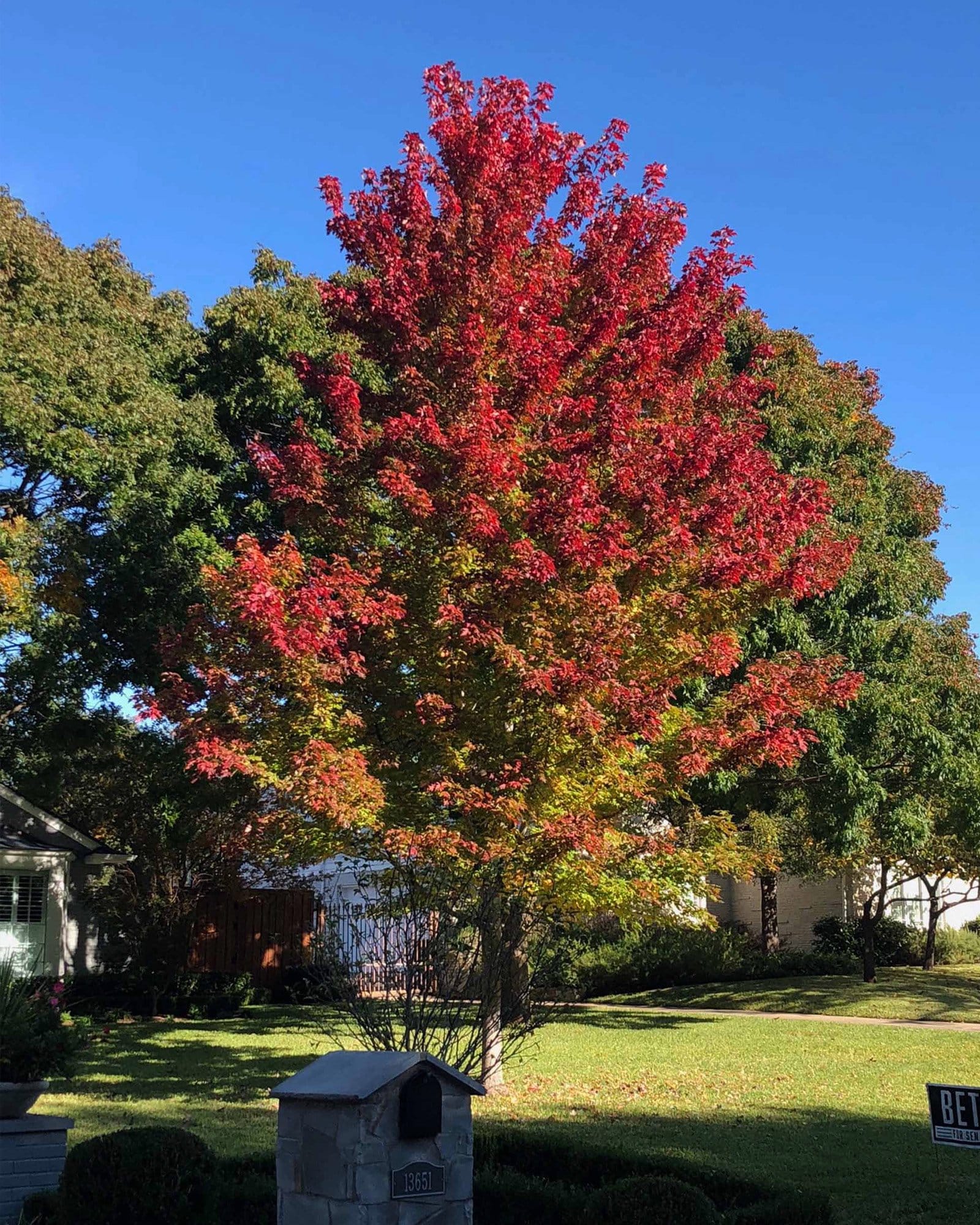
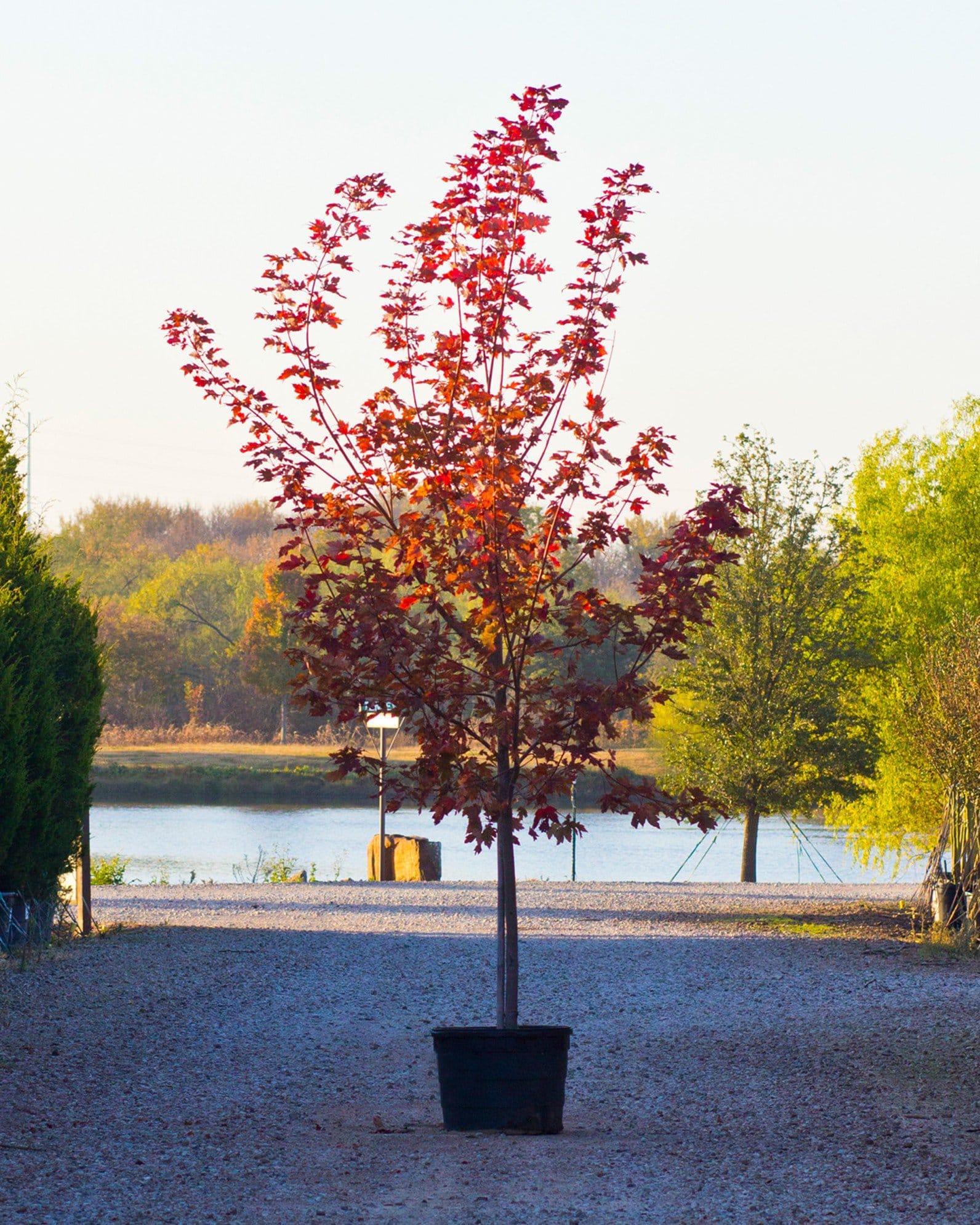
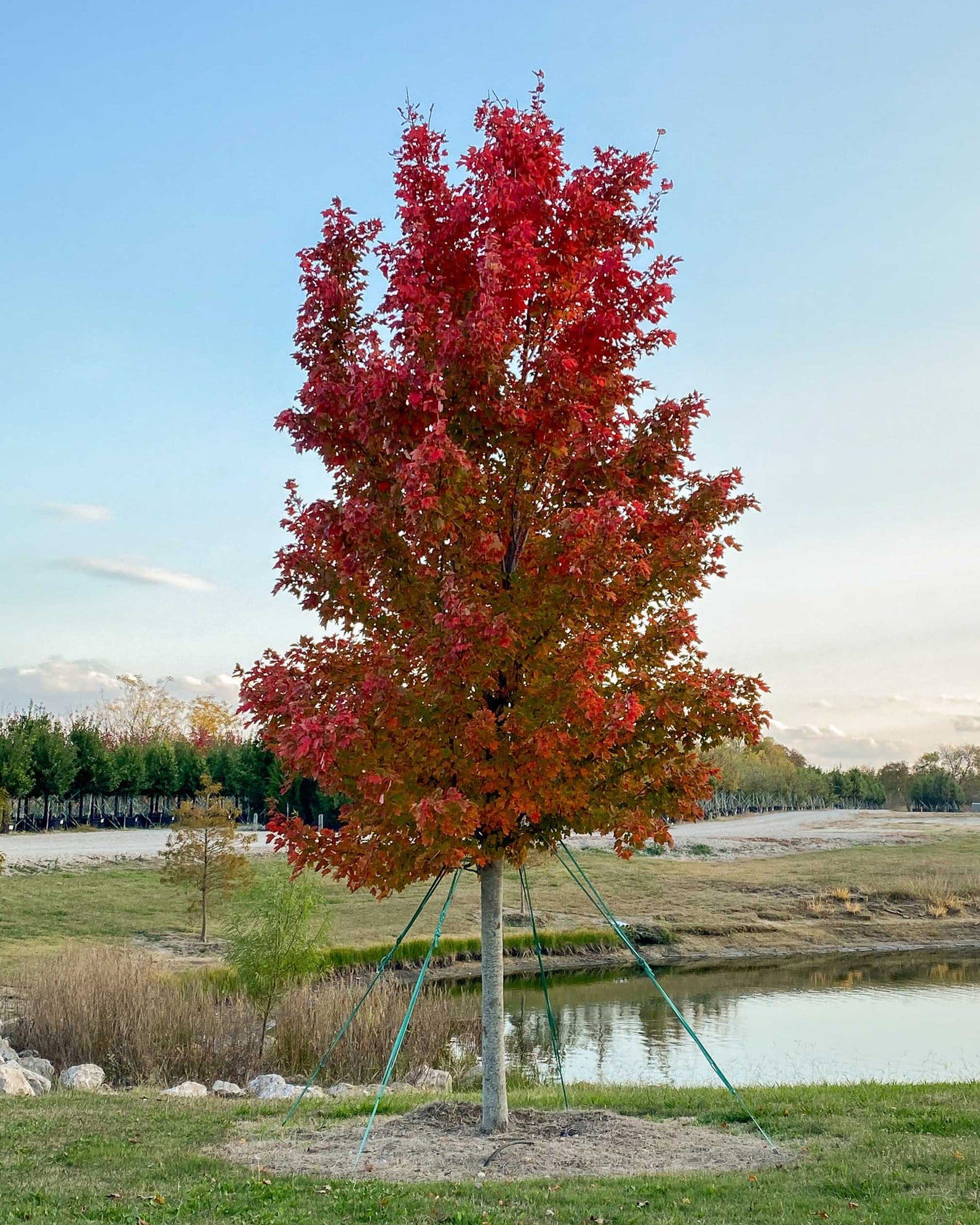
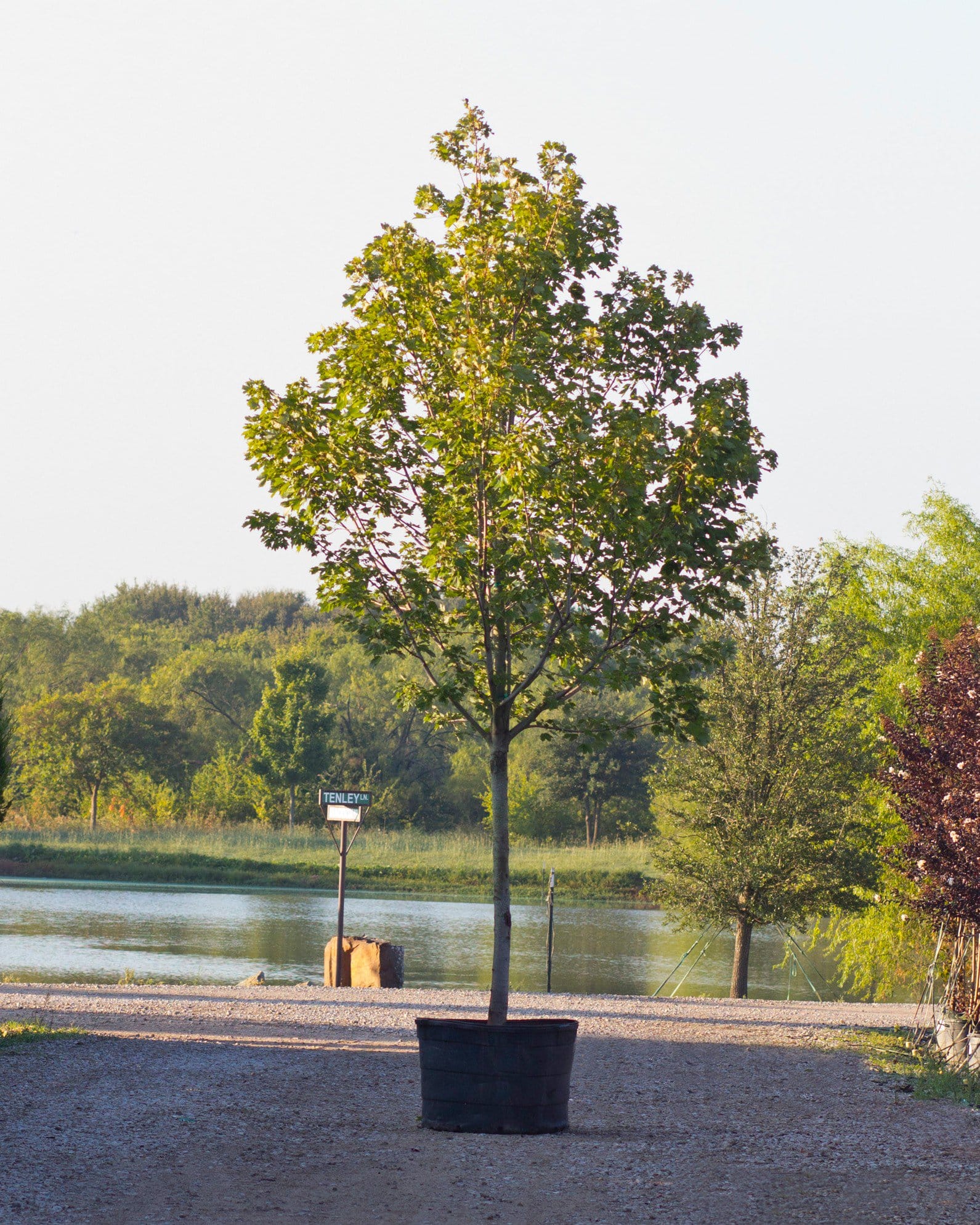
Autumn Blaze Maple
Maturity: 45' H x 35' W
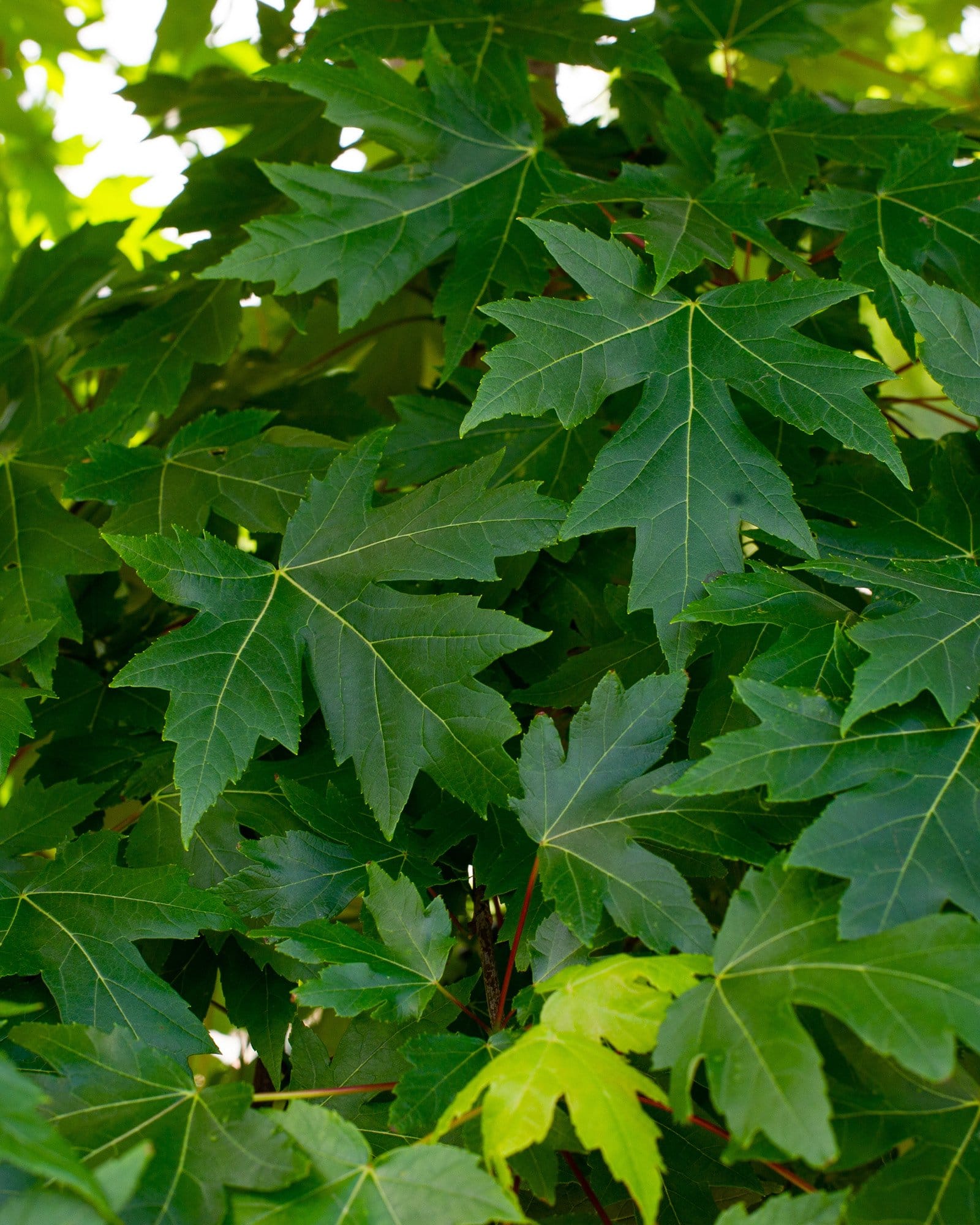
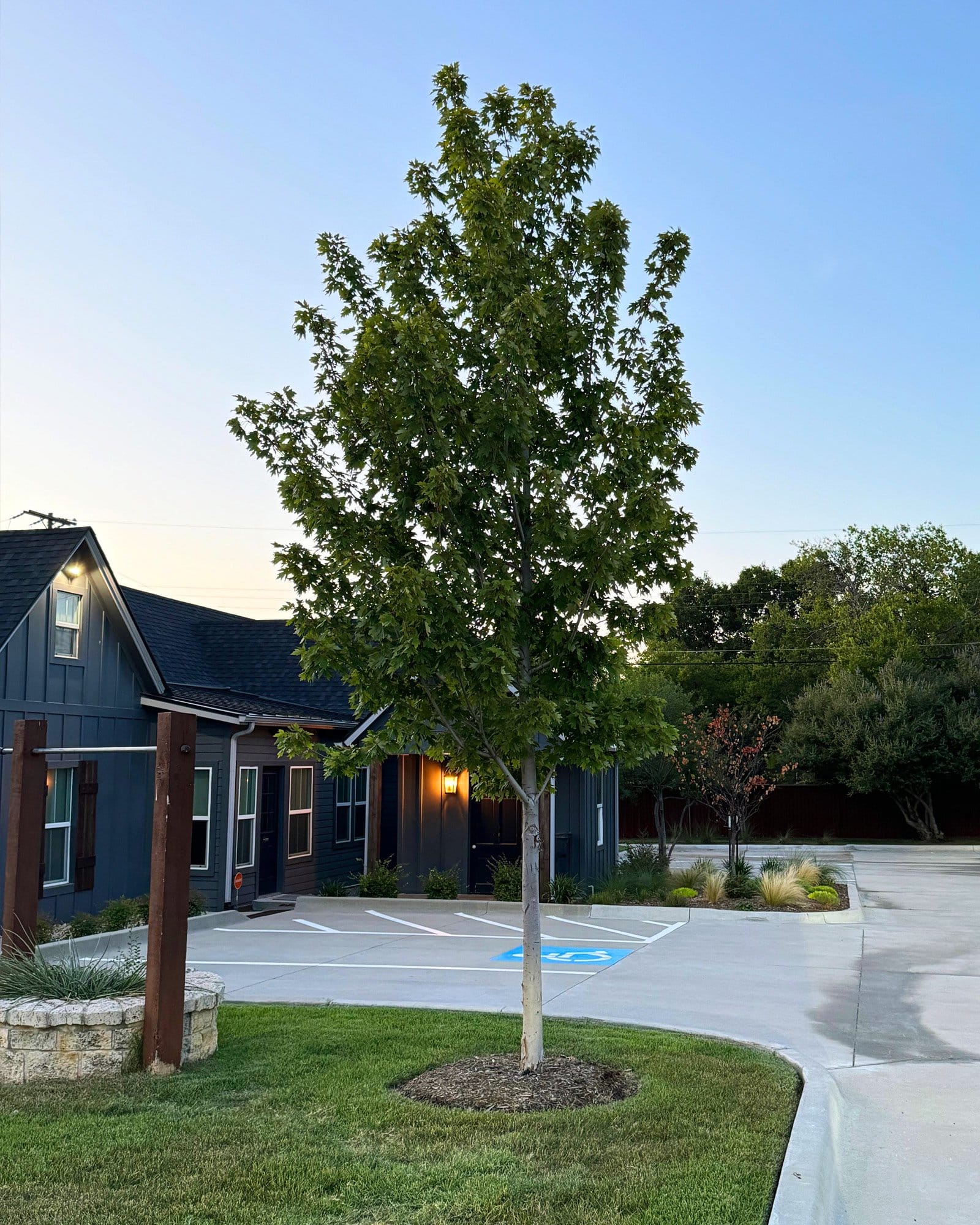
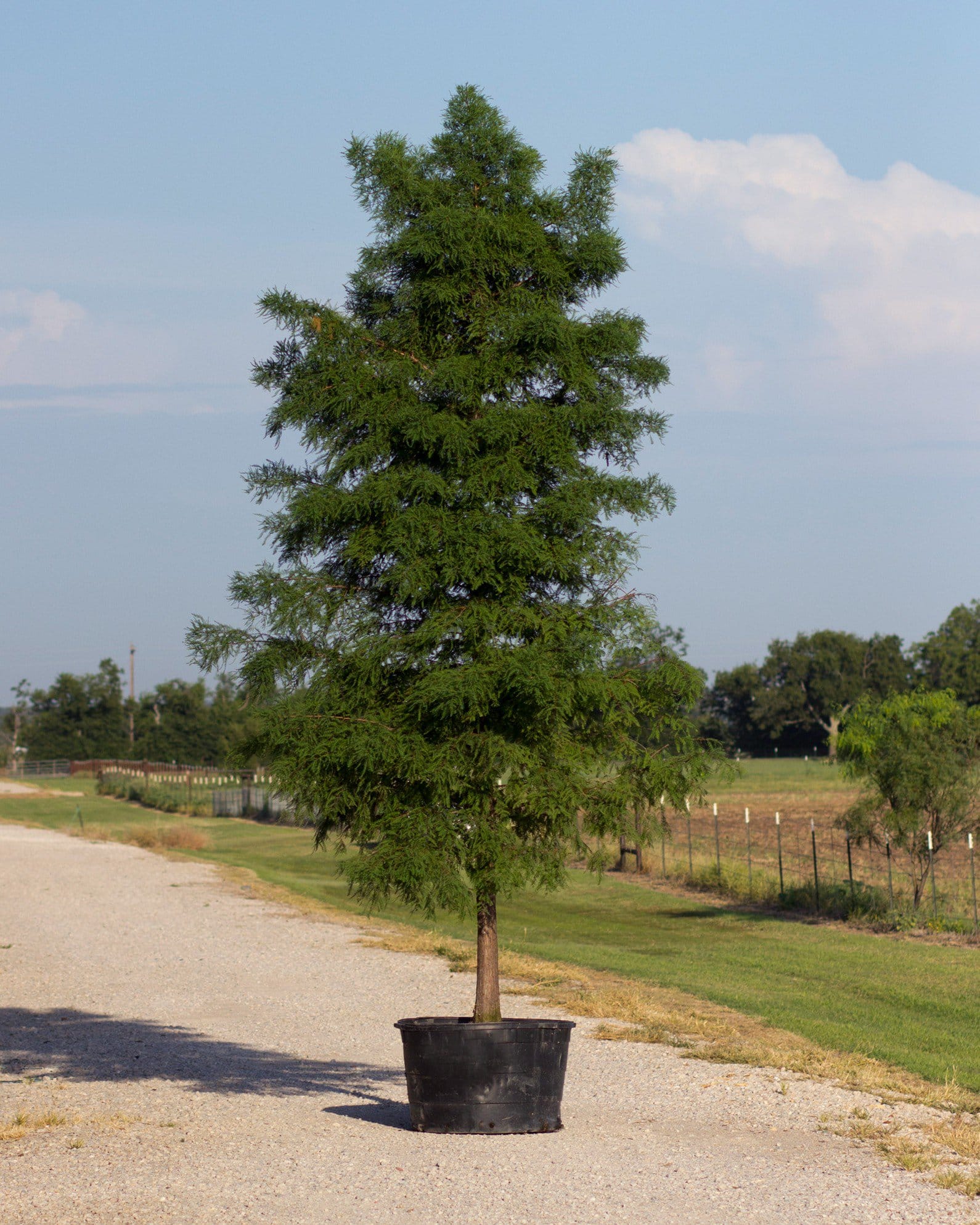
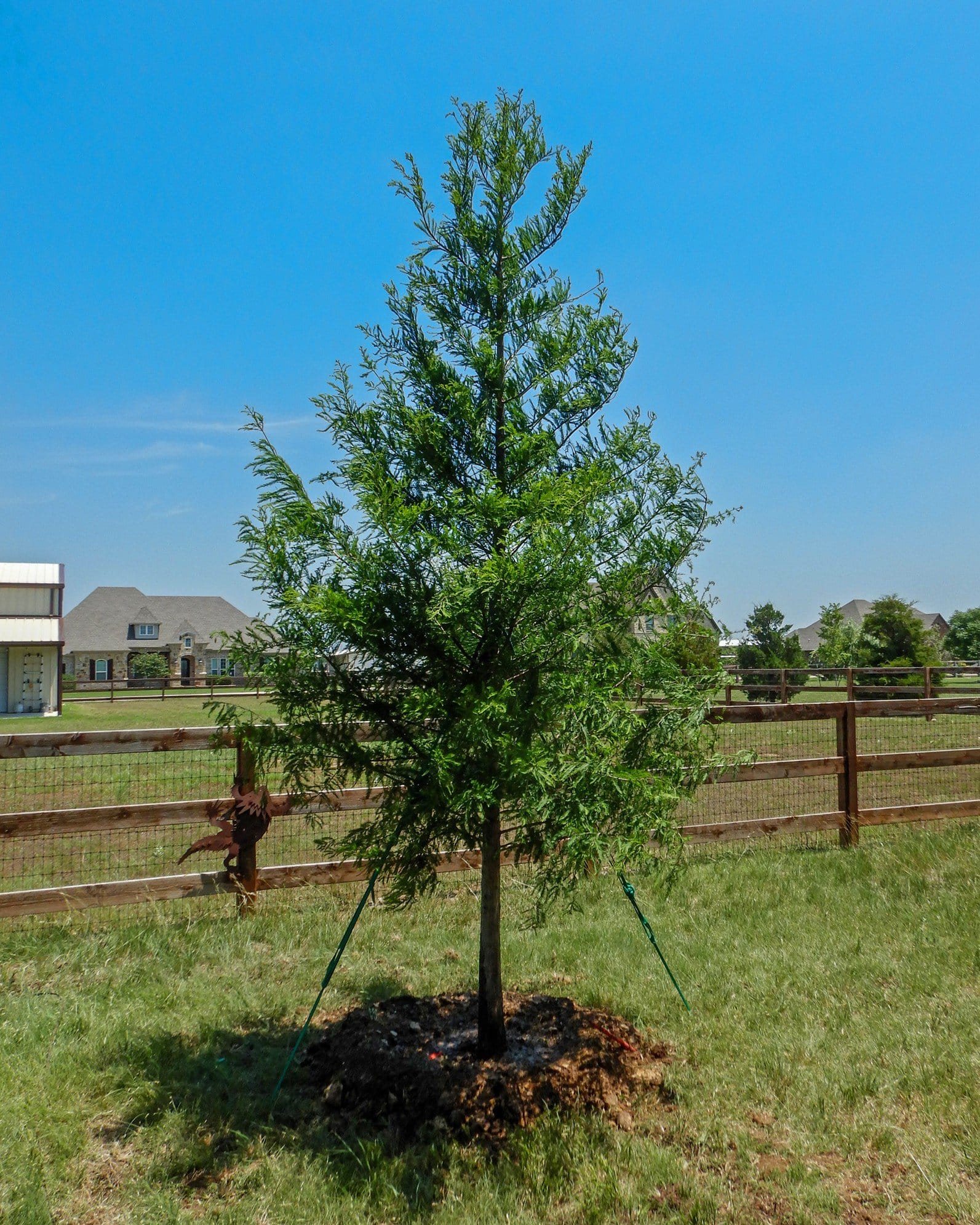
Bald Cypress
Maturity: 60' H x 40' W
Everclear Elm
Maturity: 40' H x 25' W
Frontier Elm
Maturity: 40' H x 30' W
October Glory Maple
Maturity: 45' H x 35' W
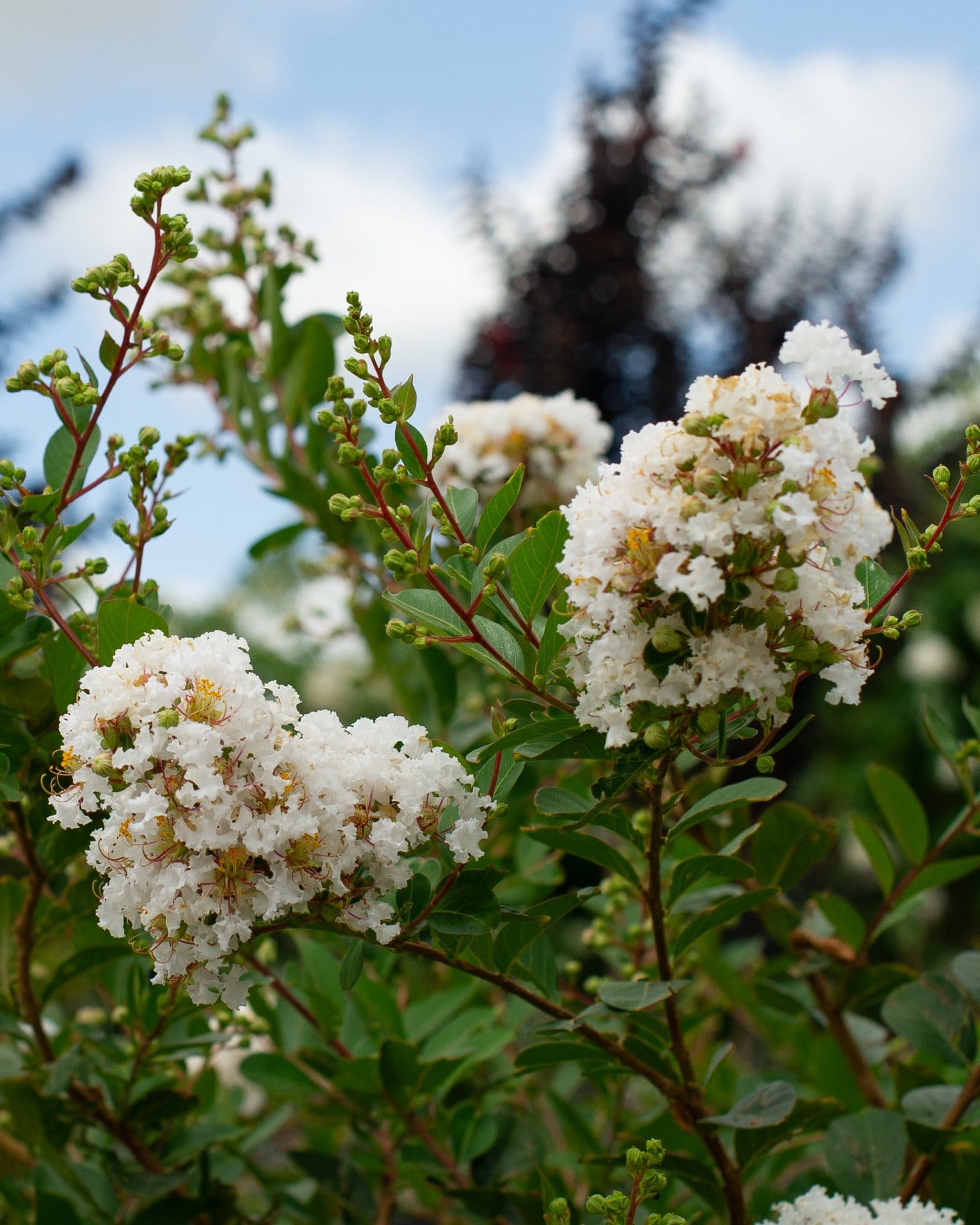
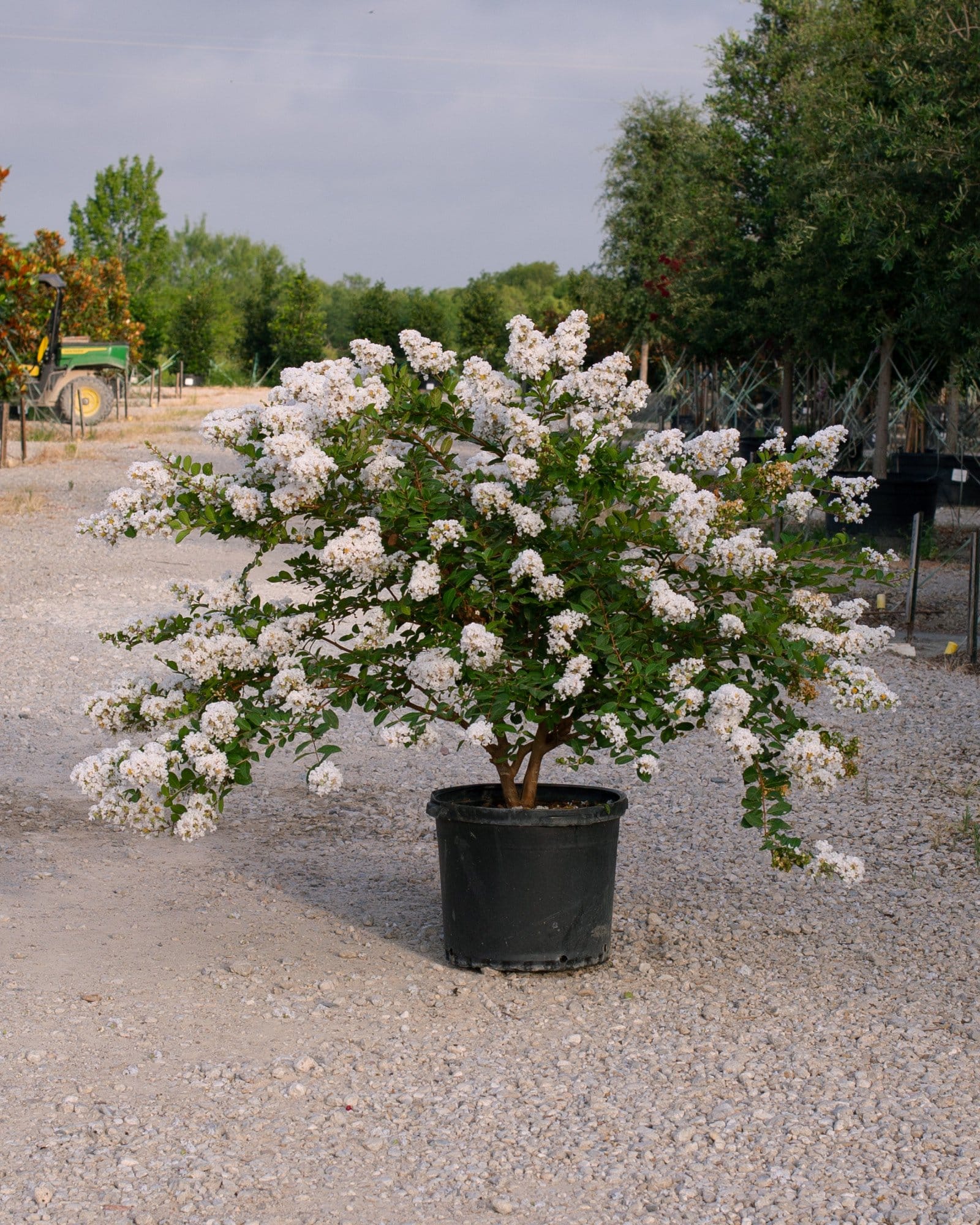
Acoma Crape Myrtle
Maturity: 7' H x 6' W
Compare Similar Plants
Allee Elm This plant | ||
|---|---|---|
| Scientific Name | Ulmus parvifolia 'Emer ll' | Ulmus crassifolia |
| Size at Maturity | 60' H x 45' W | 50' H x 35' W |
| Leaf Retention | Deciduous | Deciduous |
| Fall Color | Yellow | Yellow |
| Sizes Available | 15, 30, 45, 65, 95 gal | 15, 30, 45, 65, 95 gal |

Our 1-Year Planting Guarantee
We take pride in our plants and installation services. If any plants or trees installed by Treeland fail to thrive within the first year, we'll provide a replacement credit in accordance with our guarantee program.
Learn More About Our Guarantee