
 Texas Native
Cheyenne Pecan
Carya illinoinensis 'Cheyenne'Local DFW Delivery Only
Product Details
Cheyenne Pecan
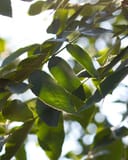
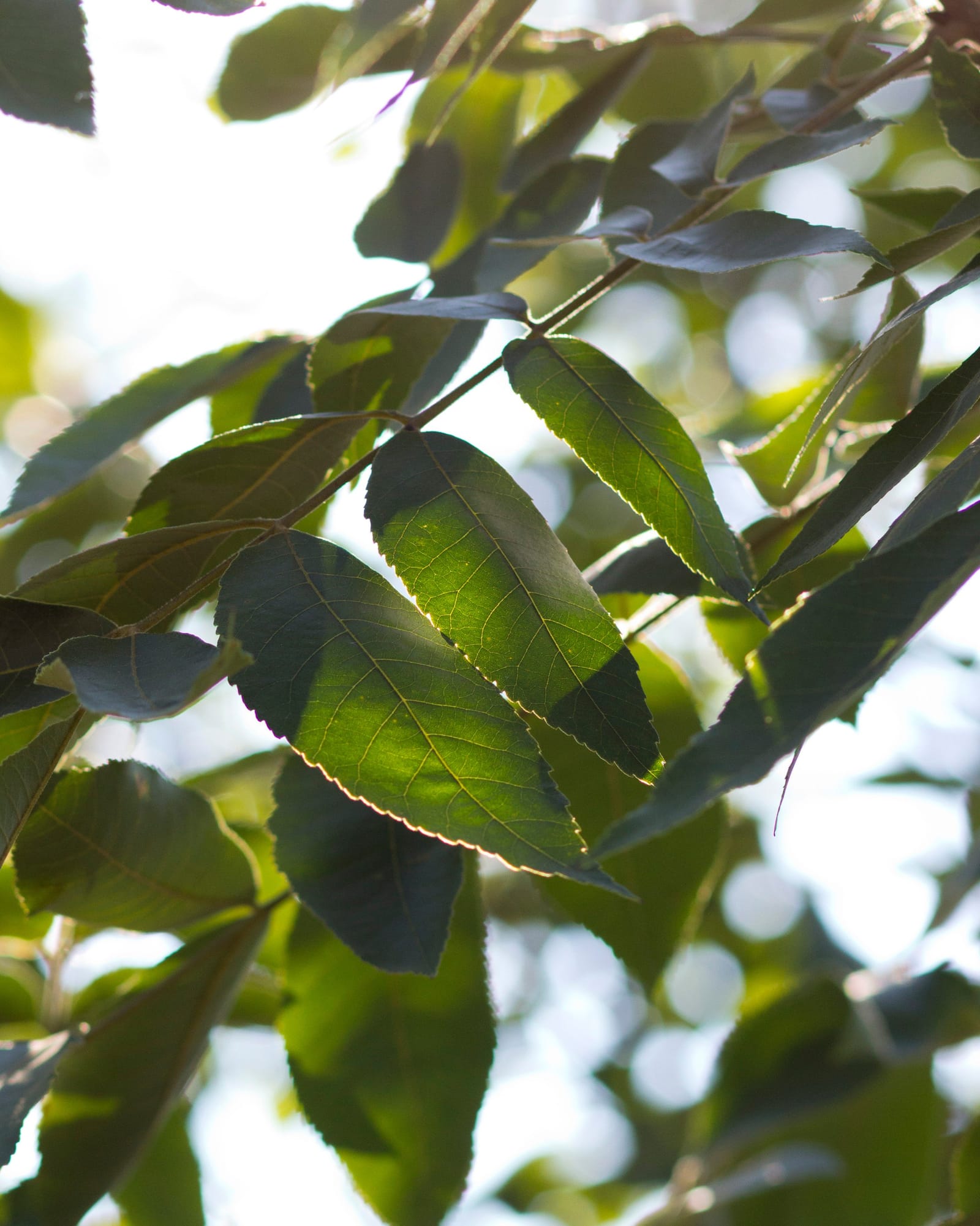
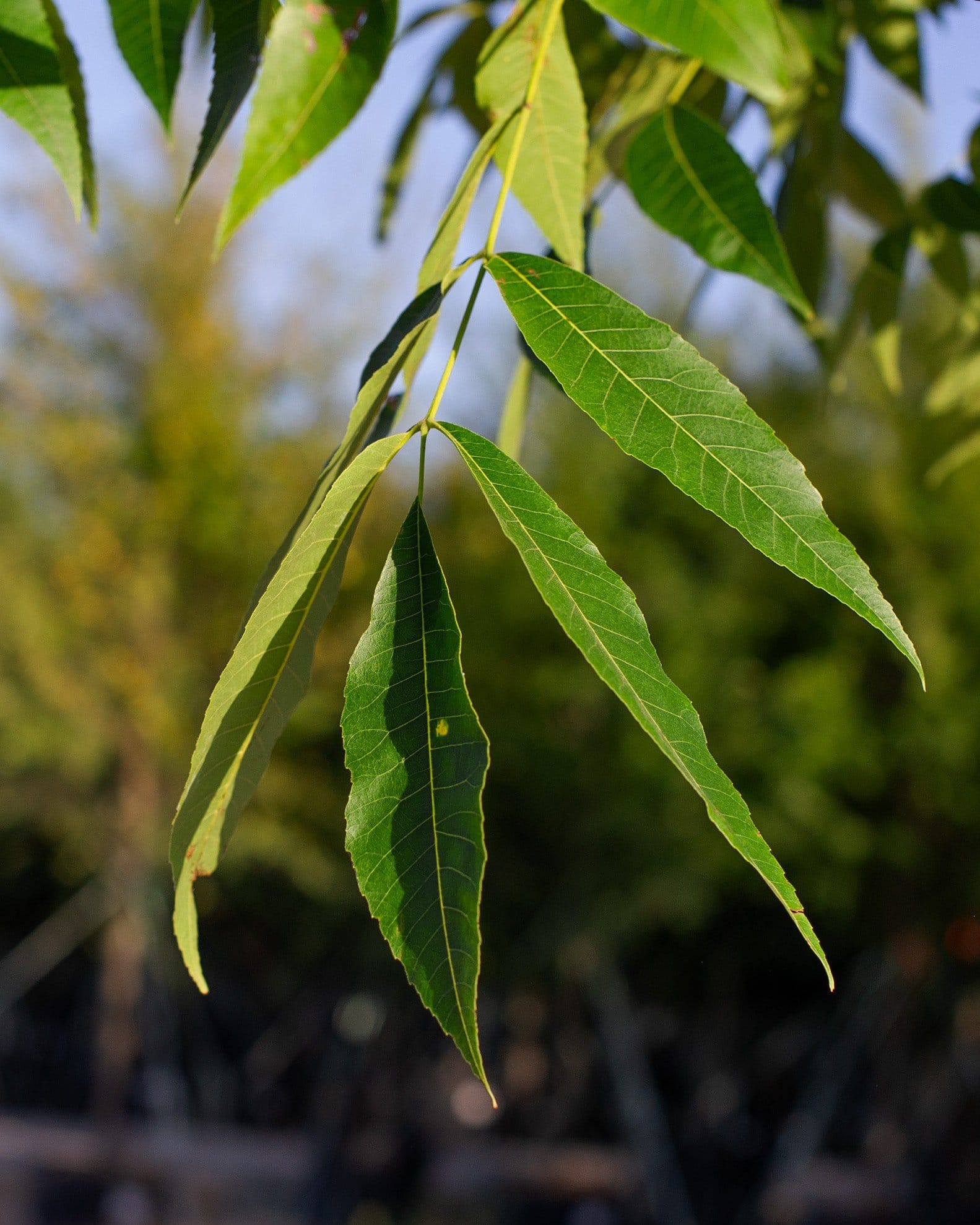
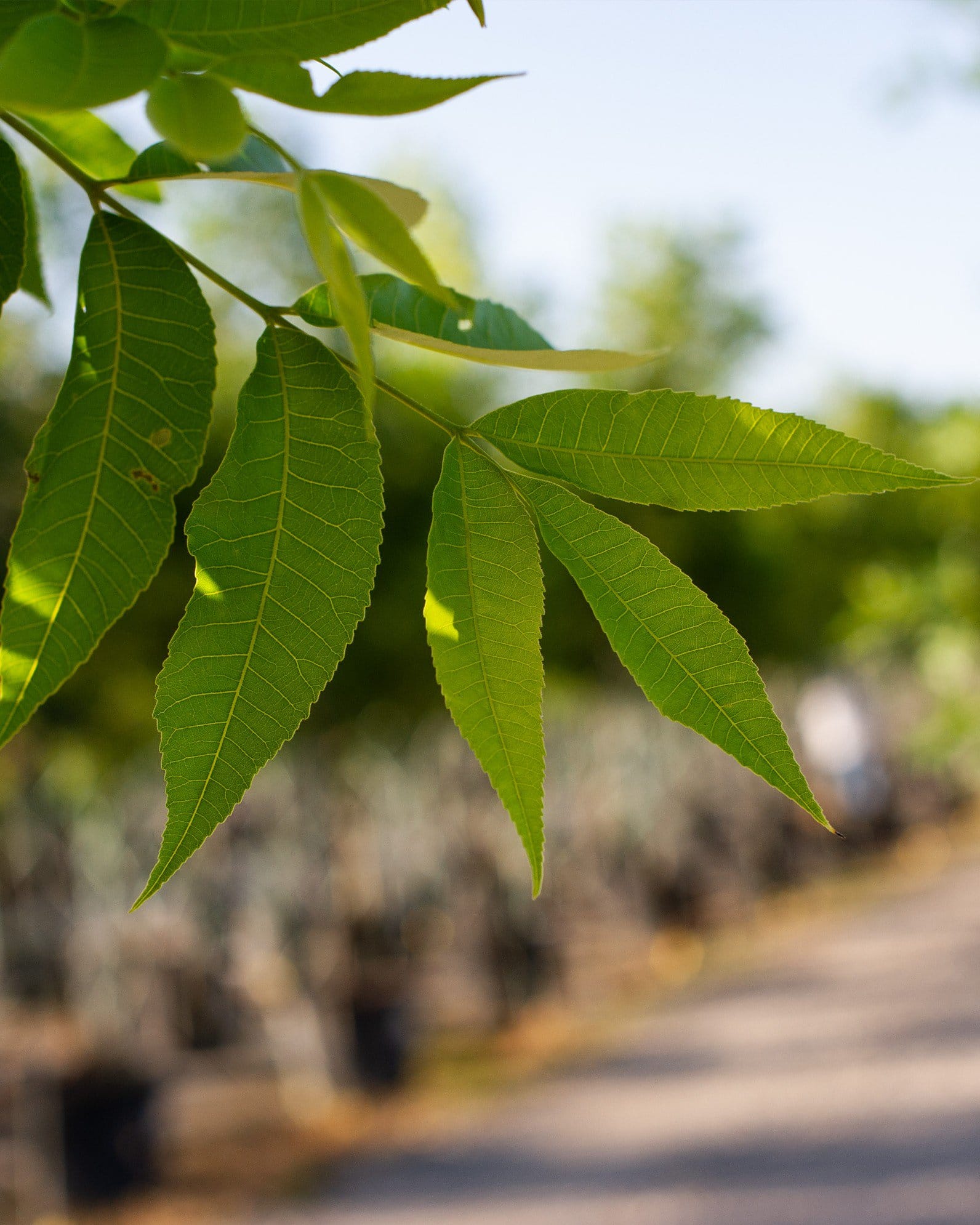
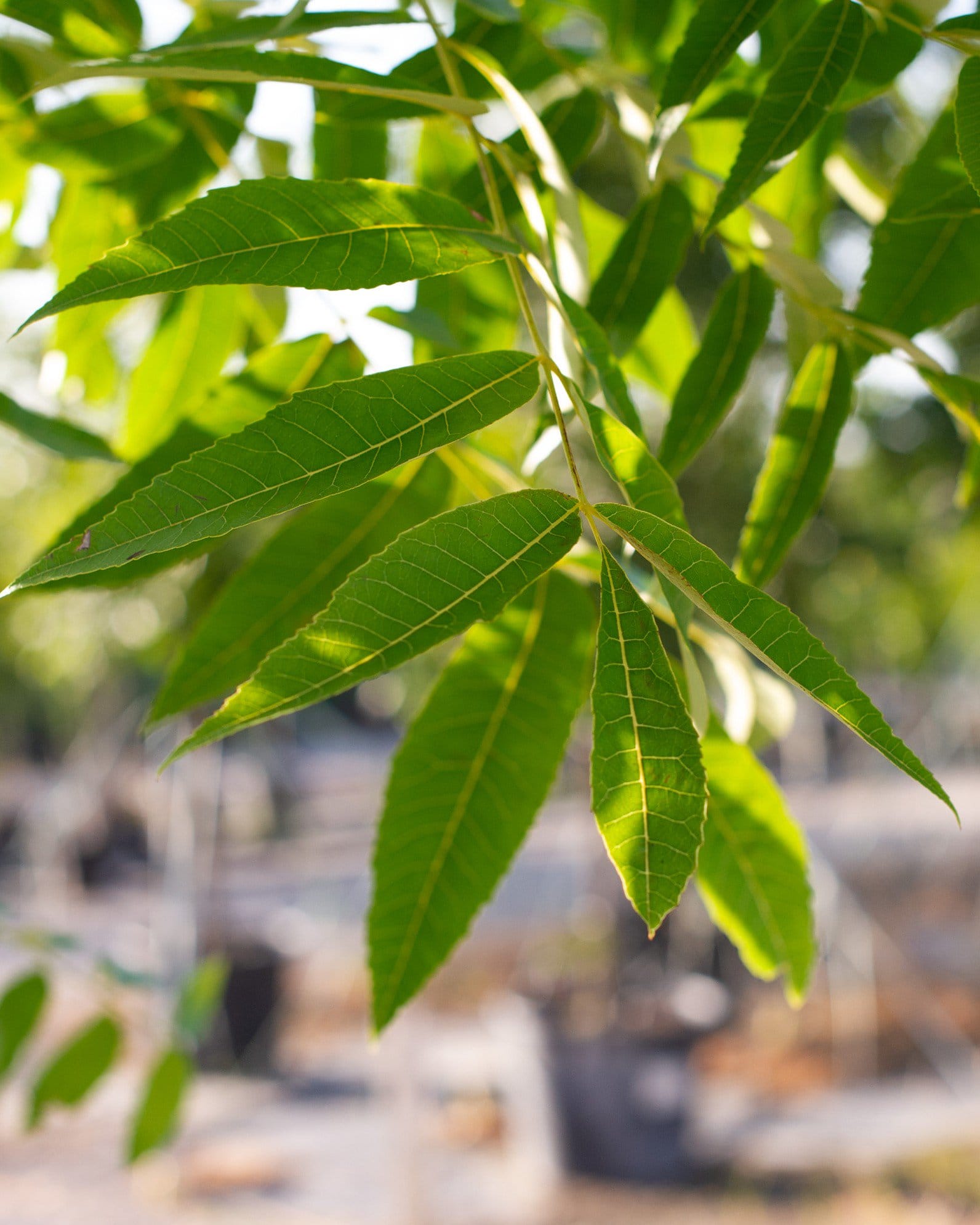
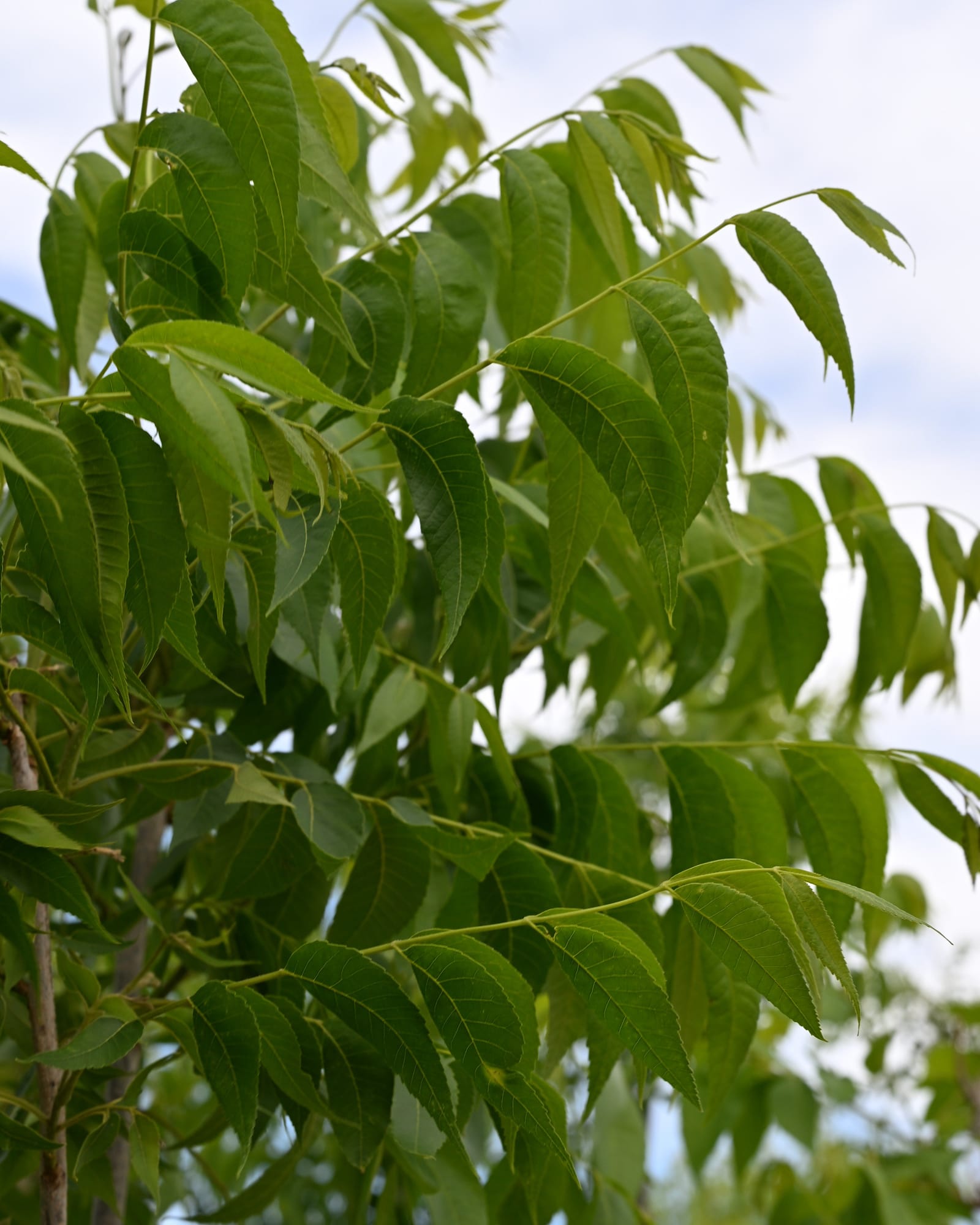
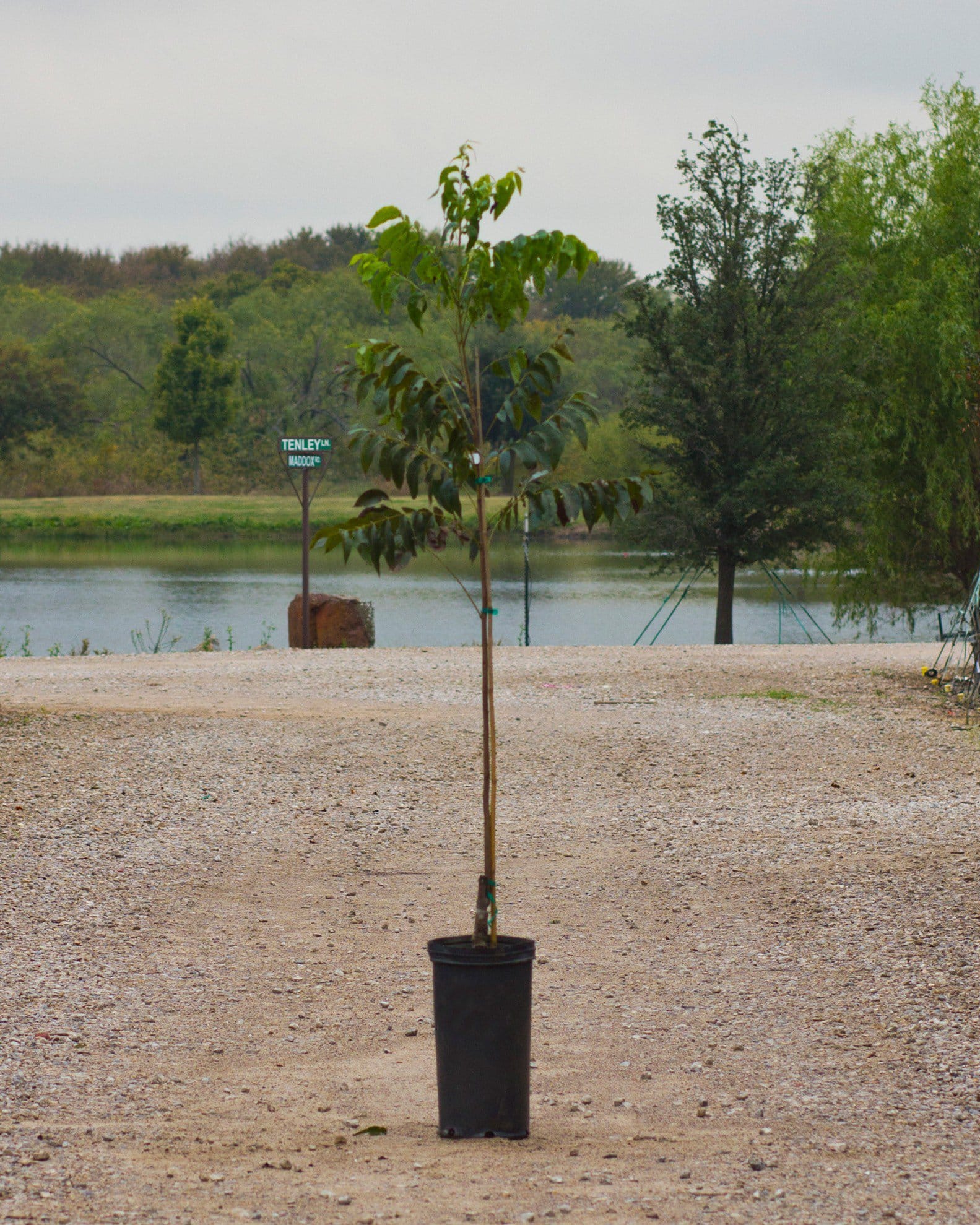
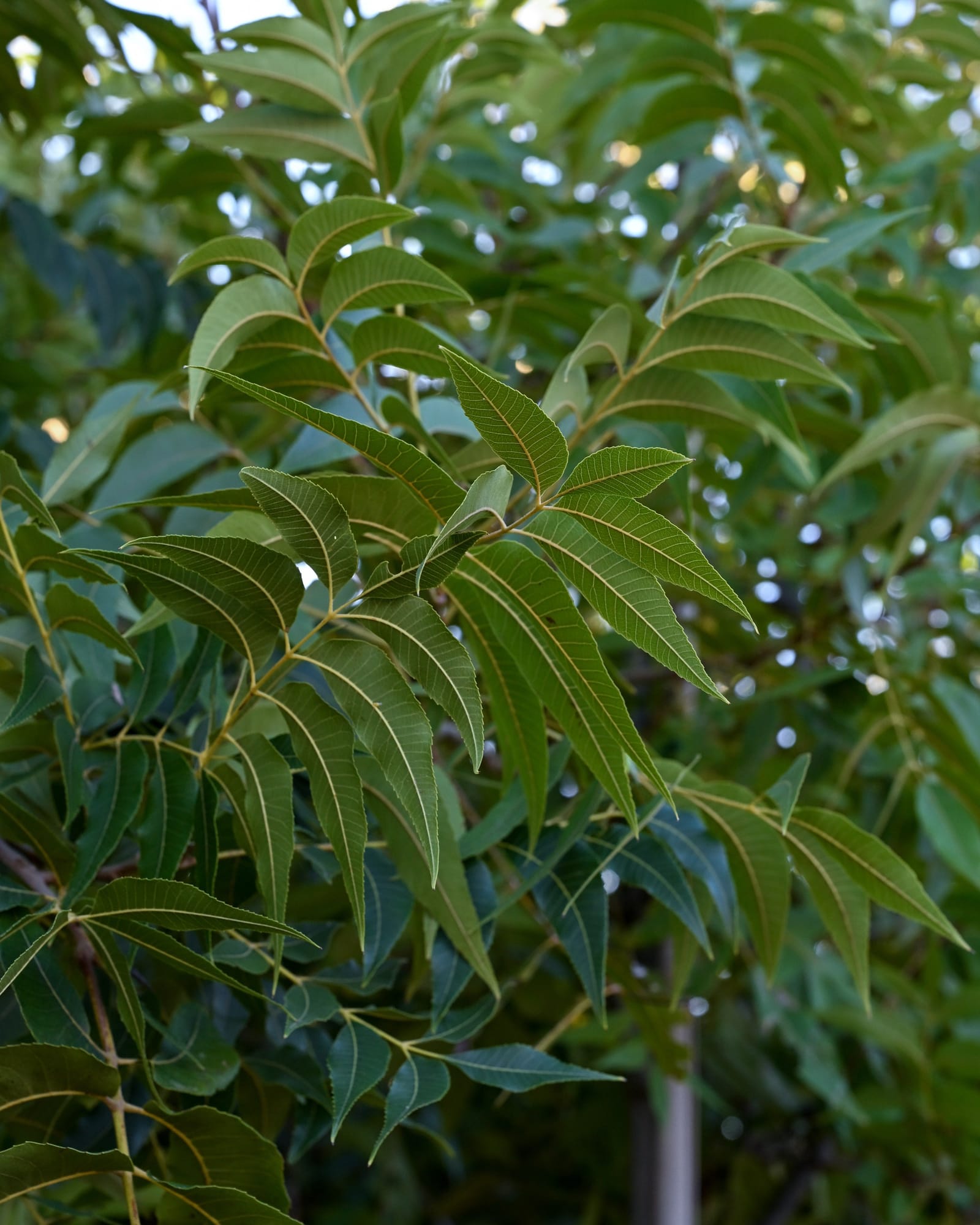
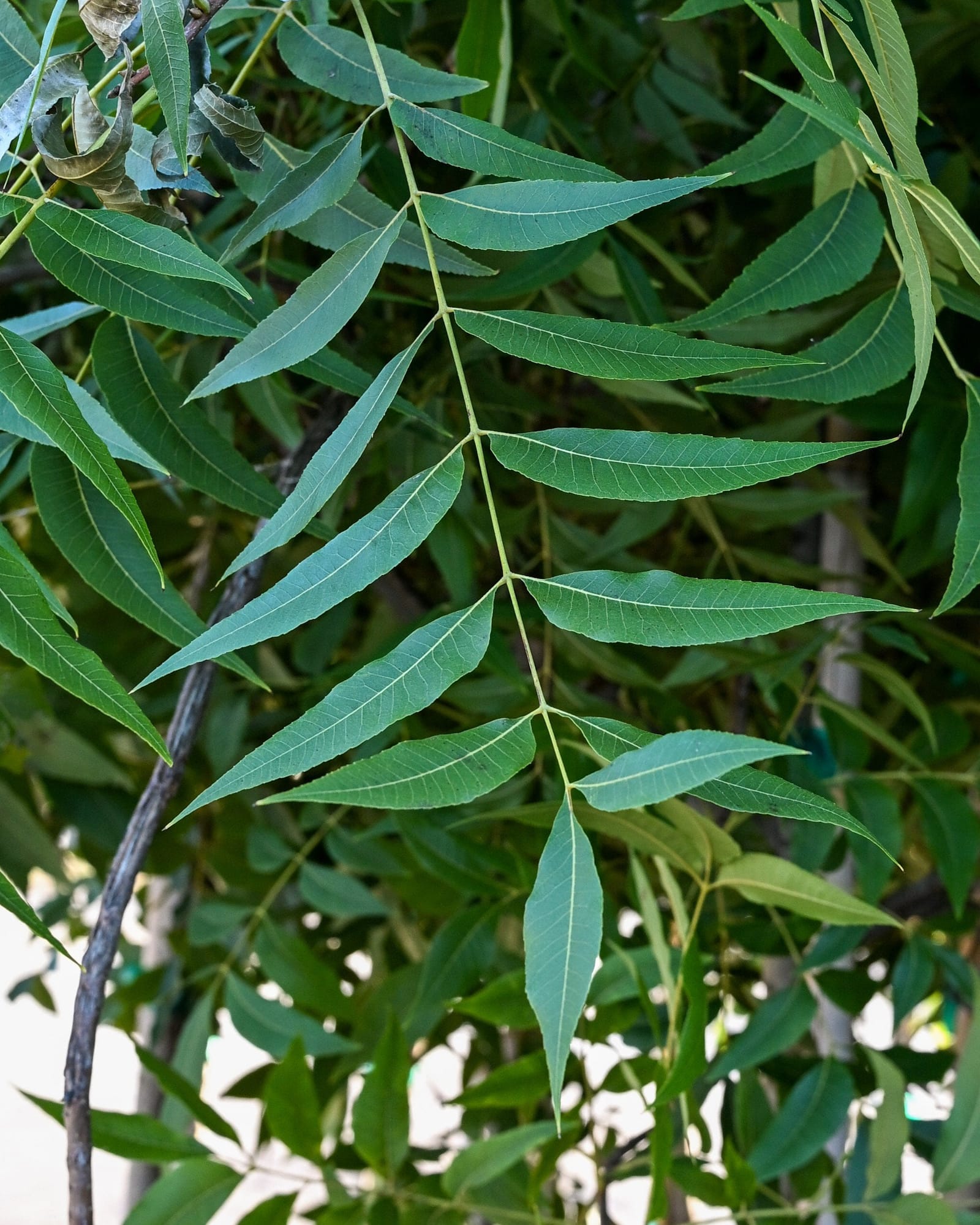
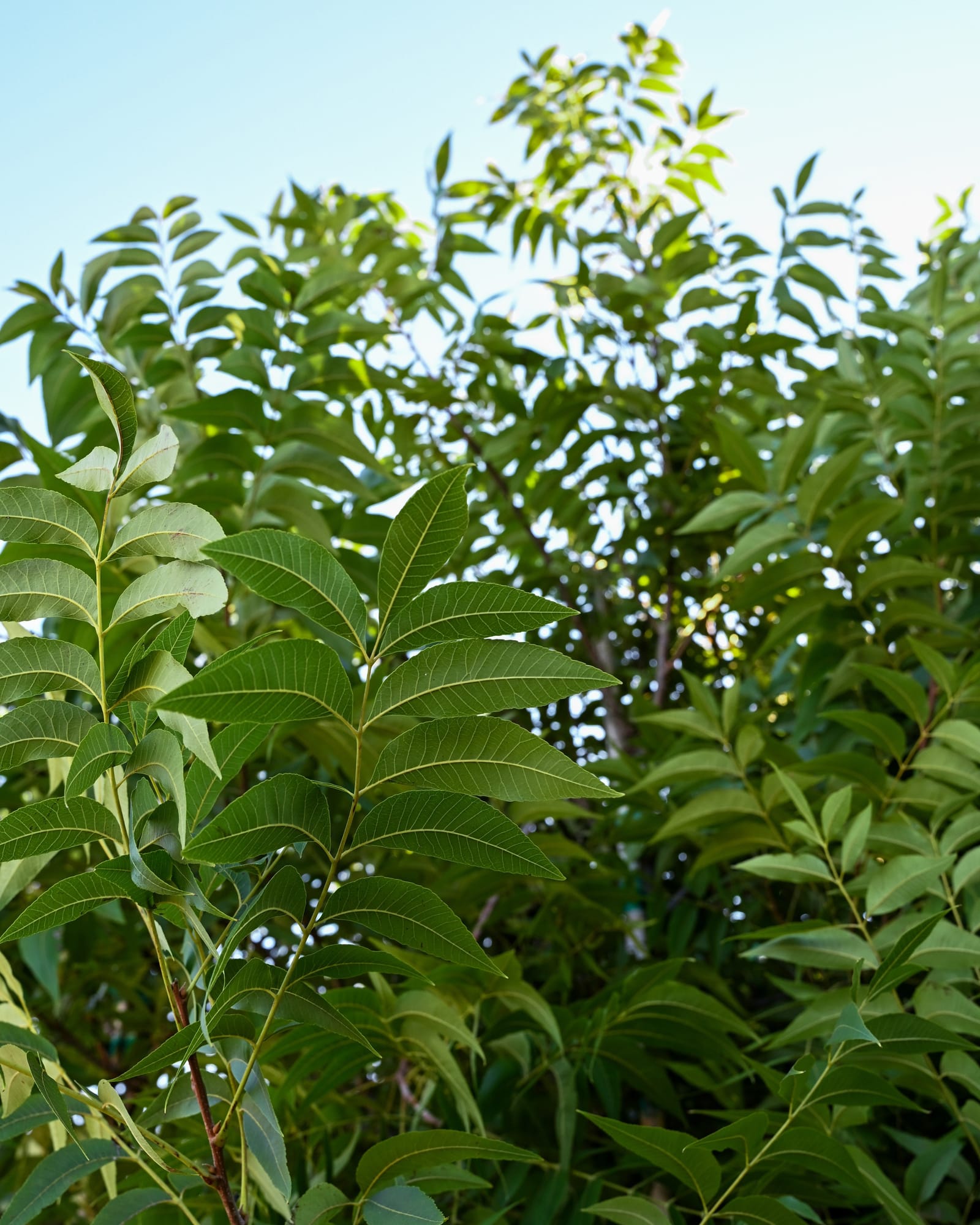
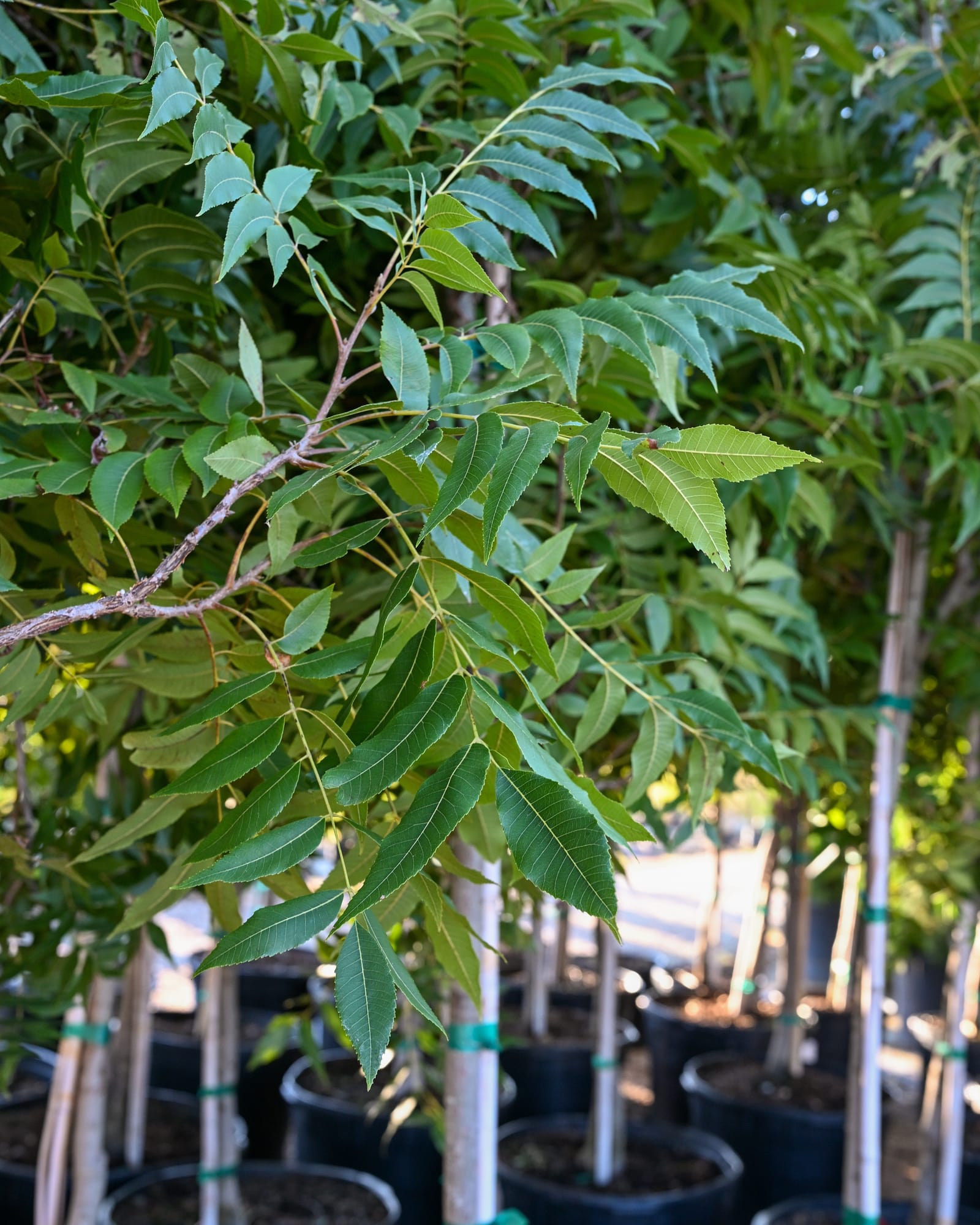
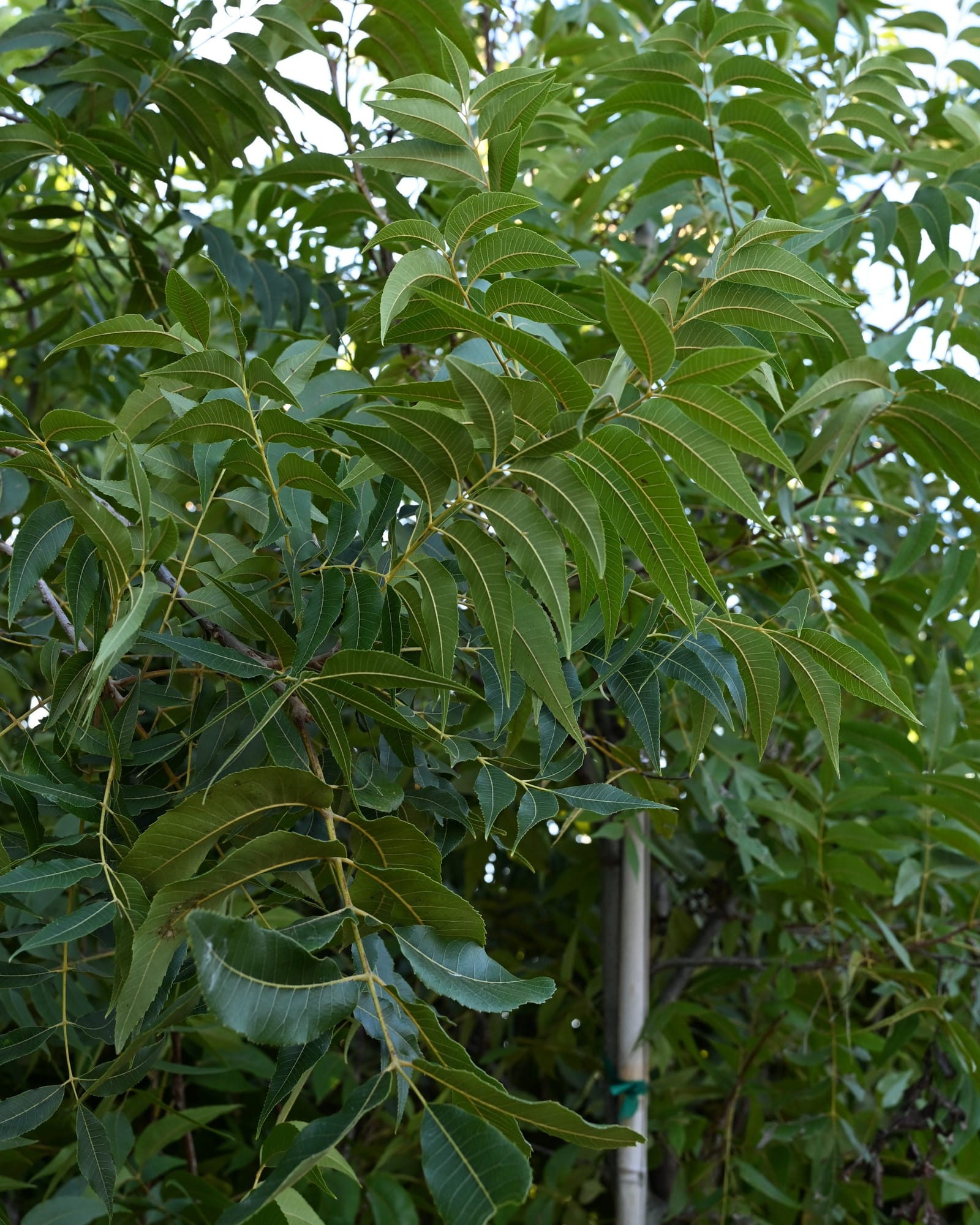
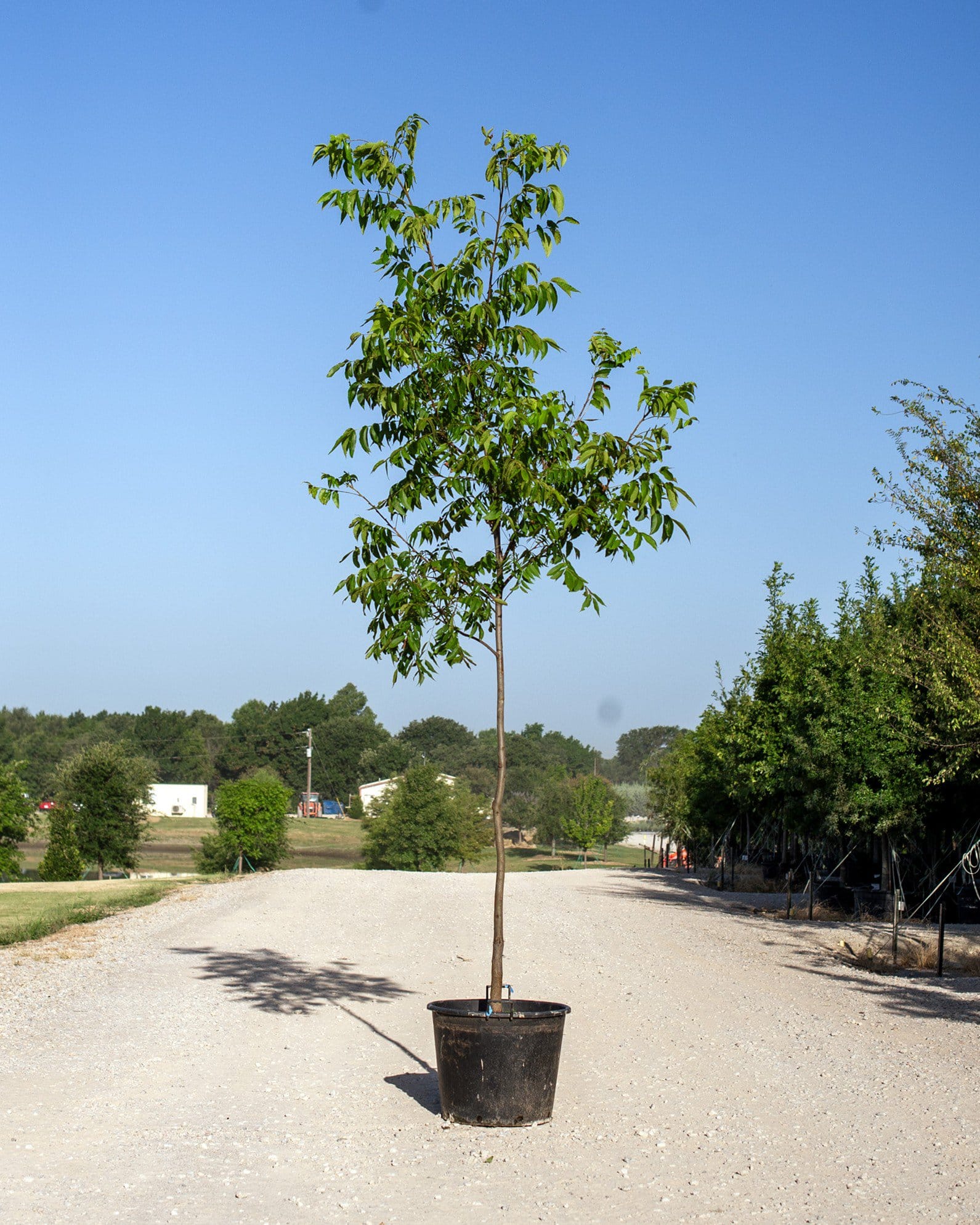
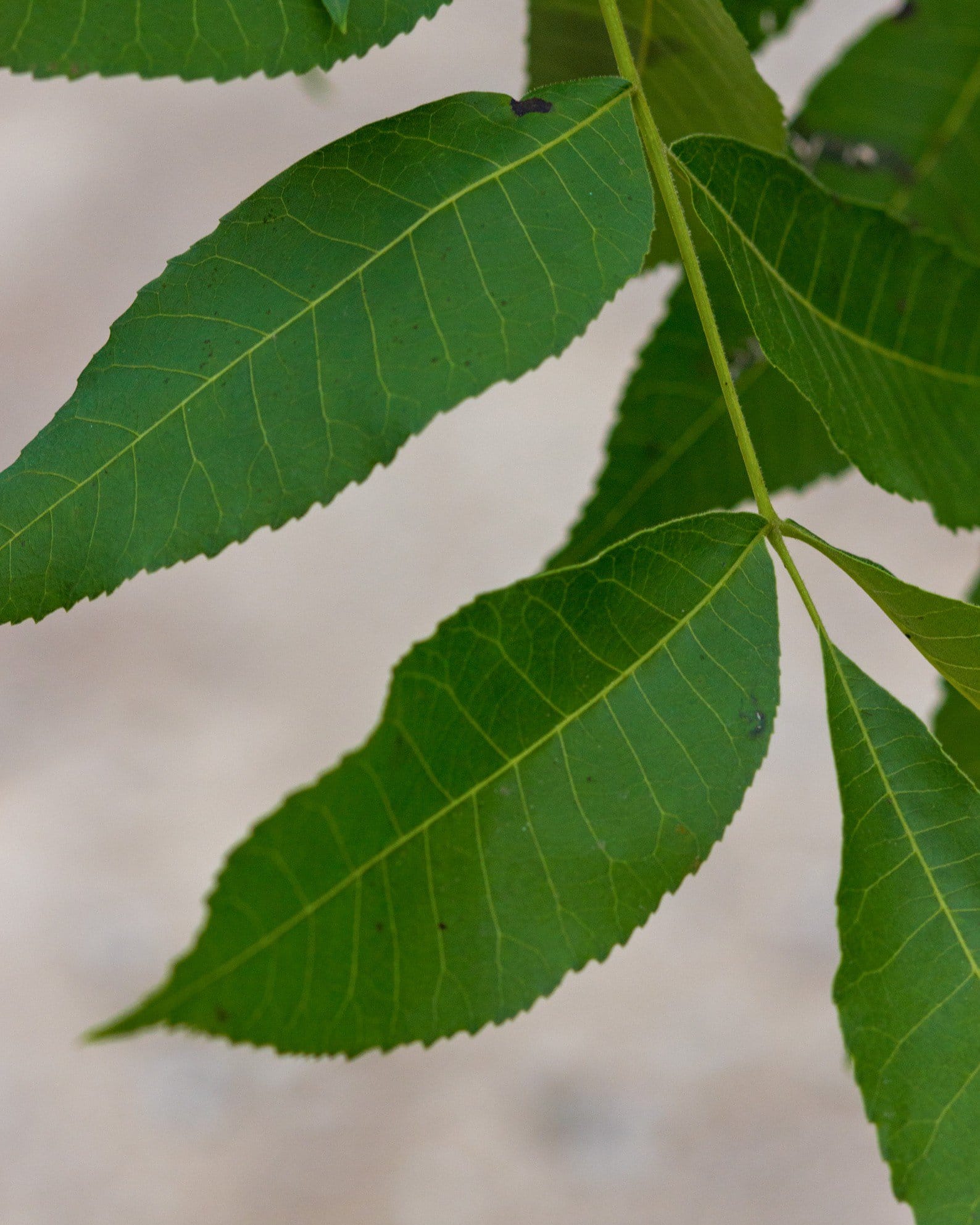
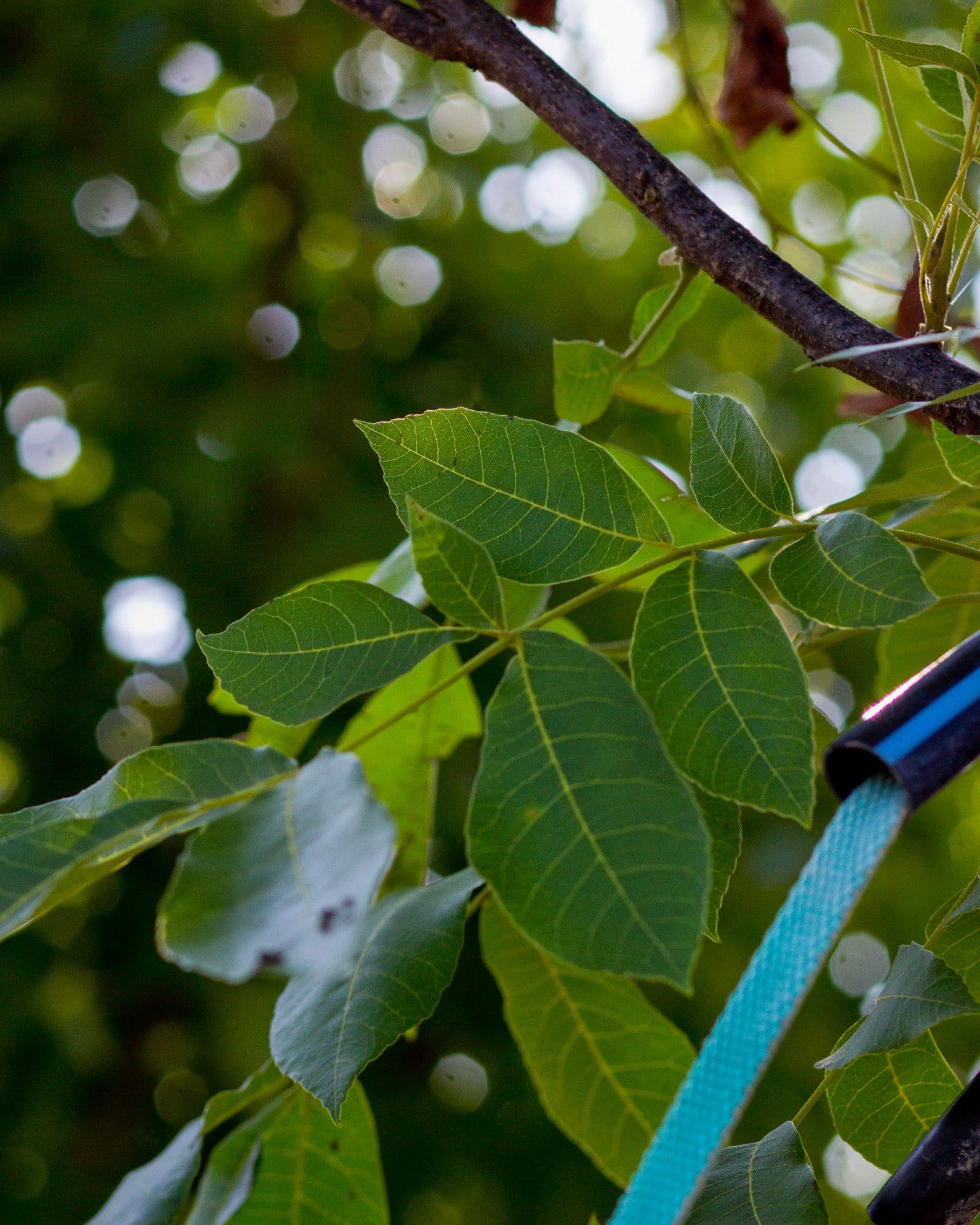
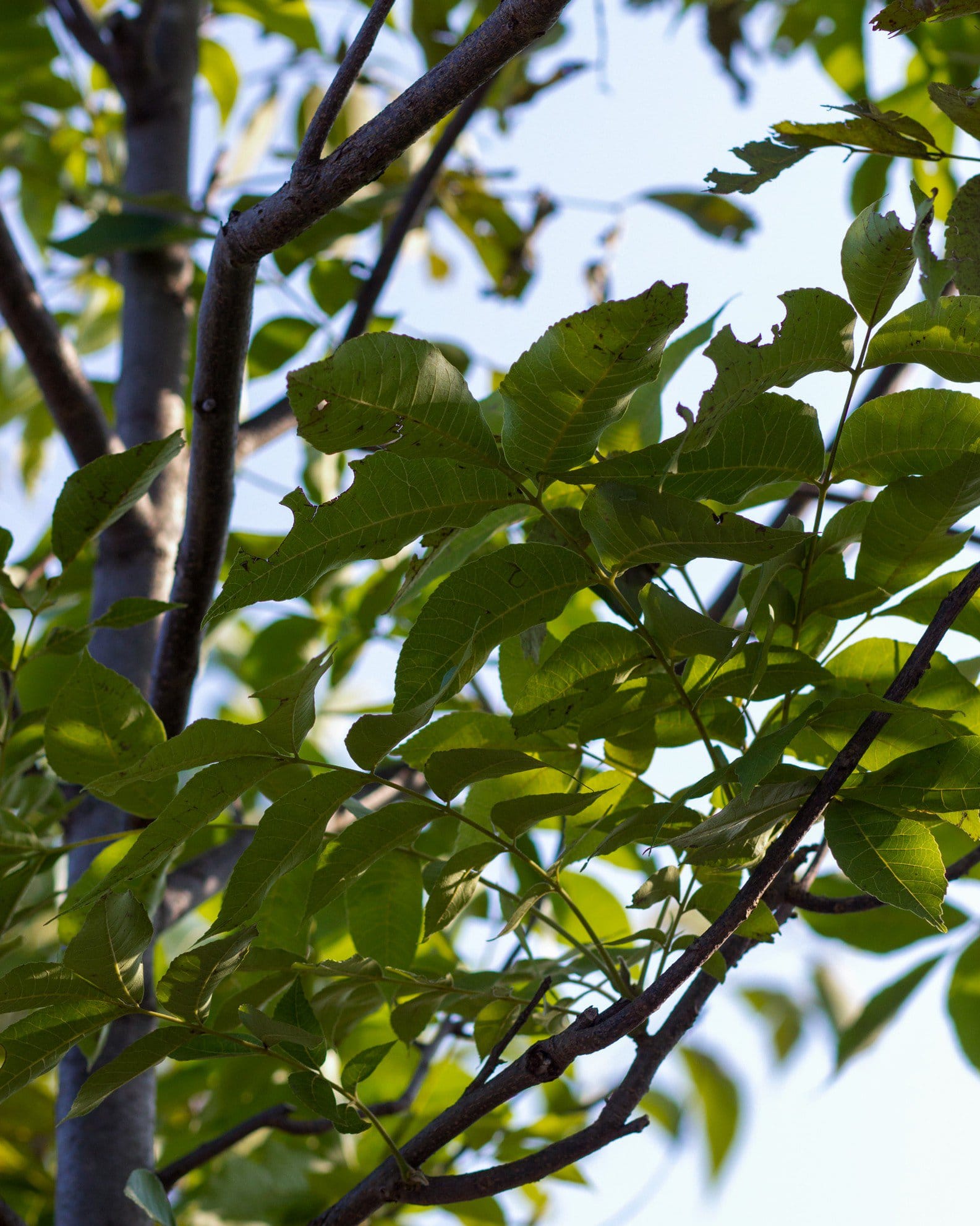
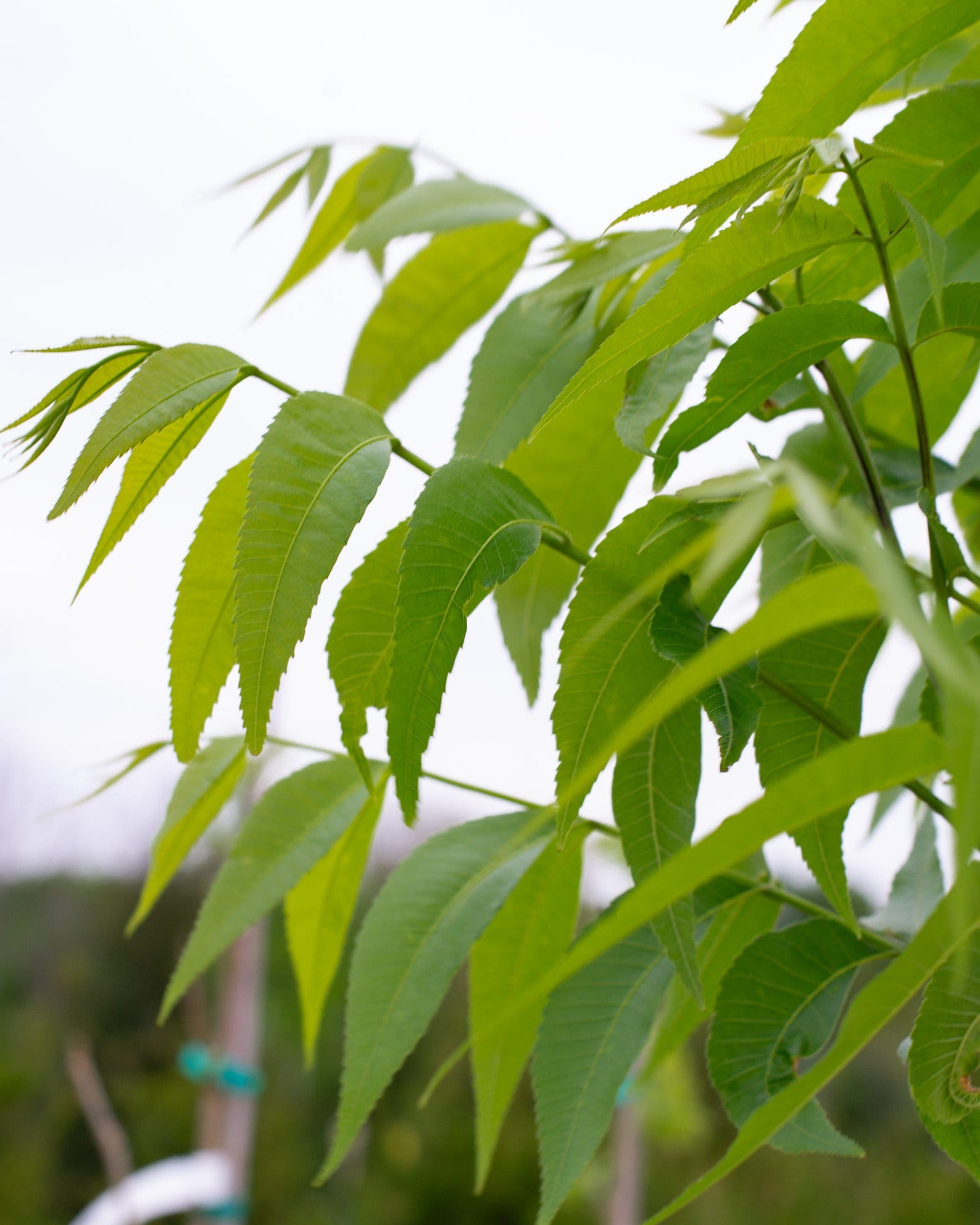
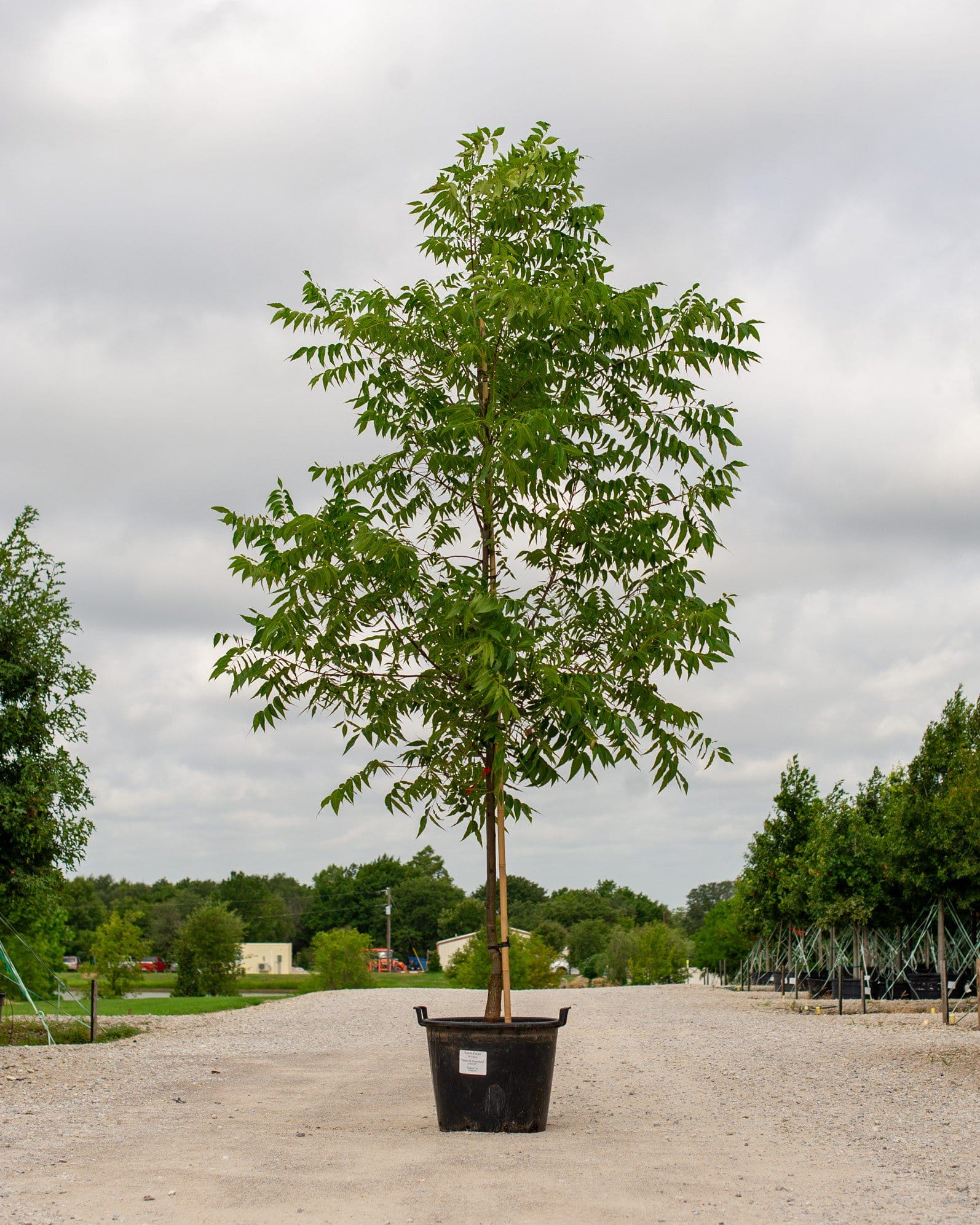
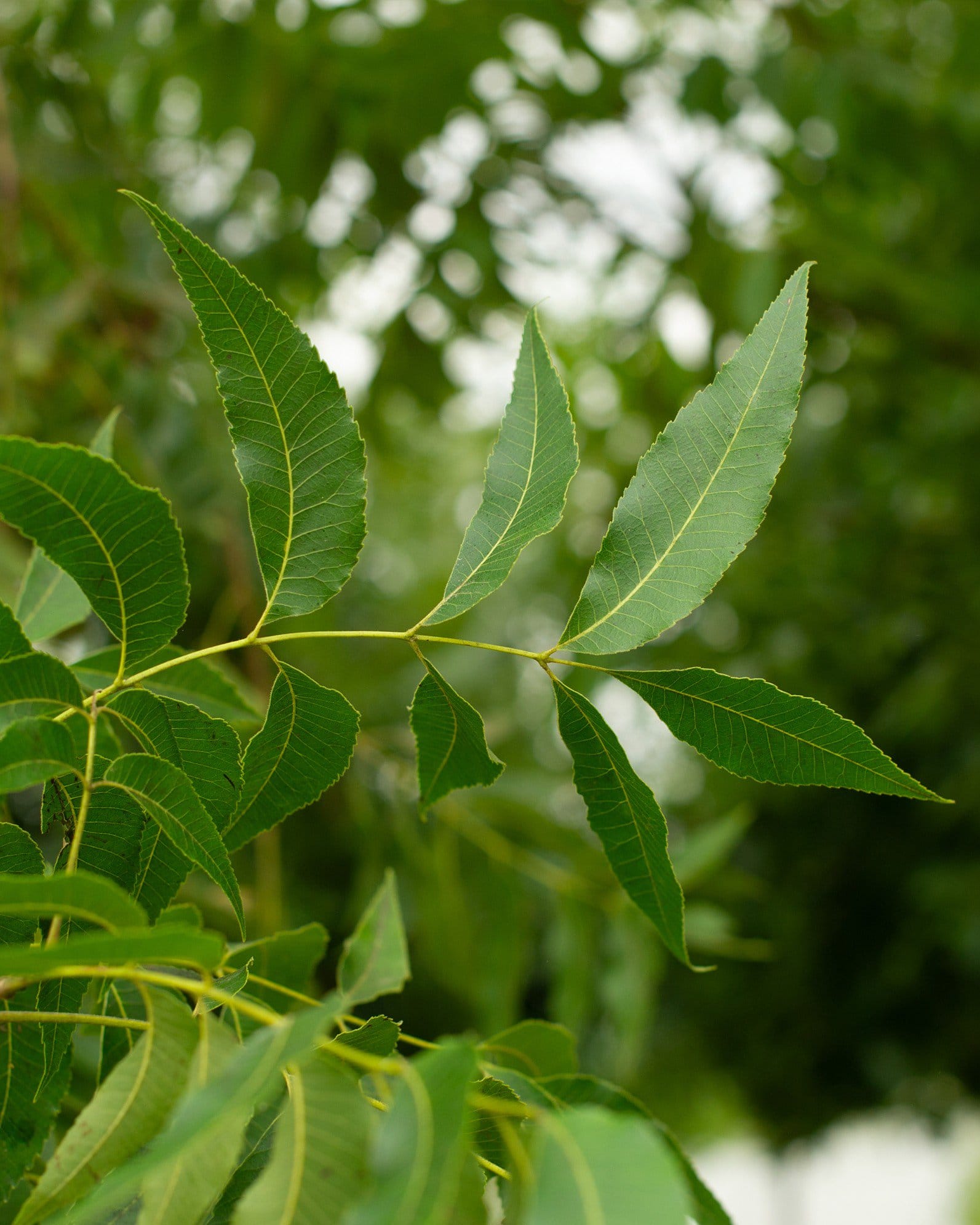
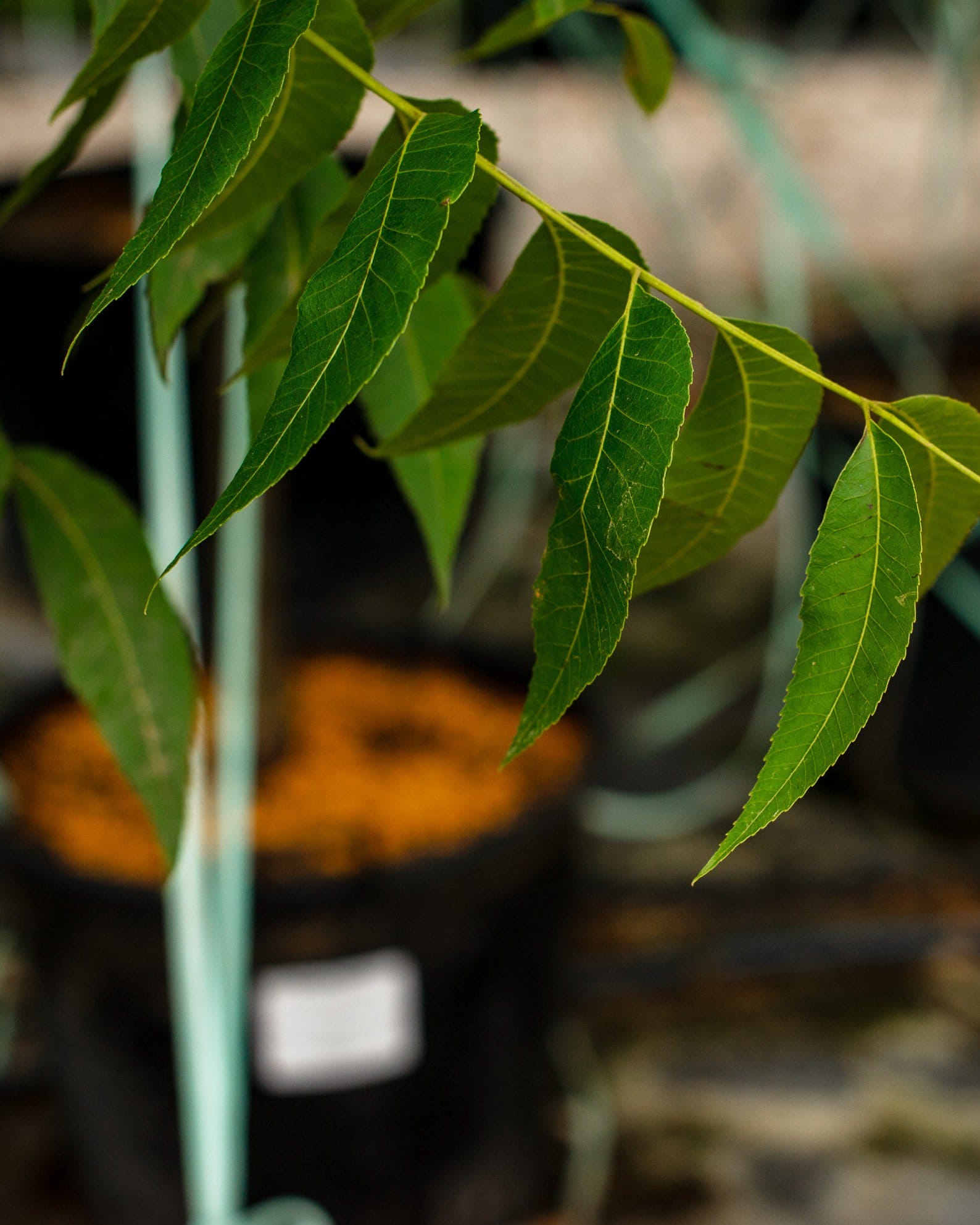
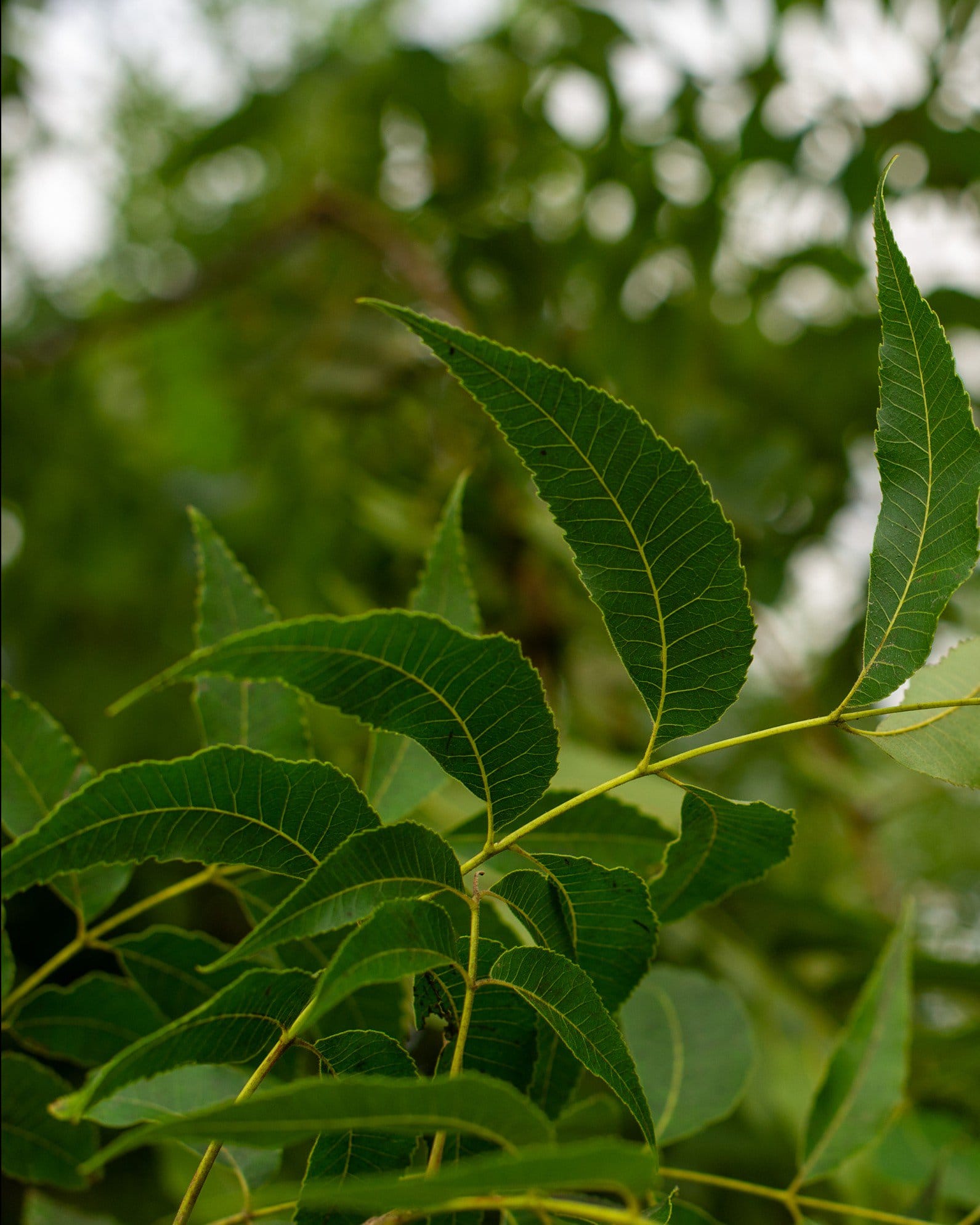
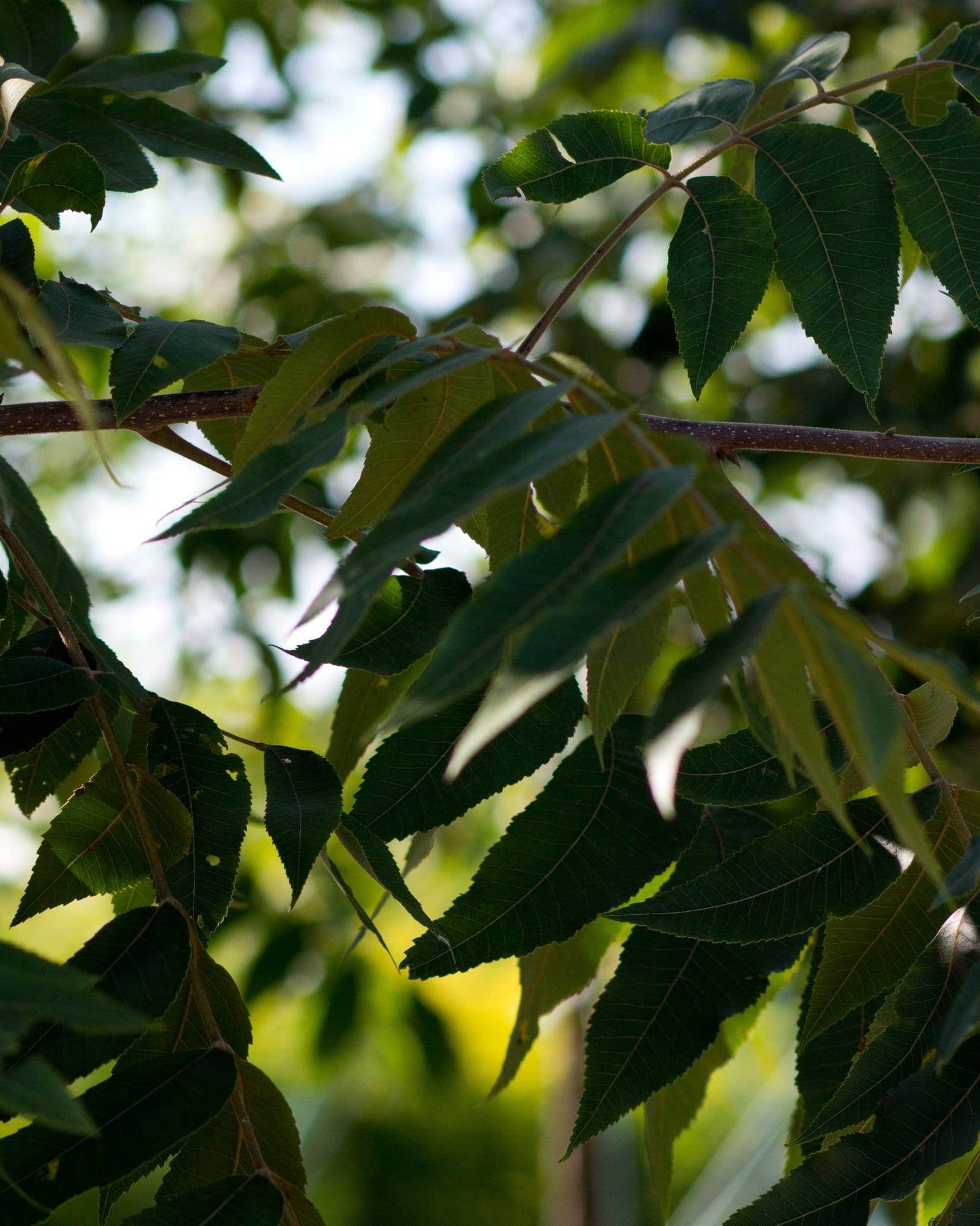
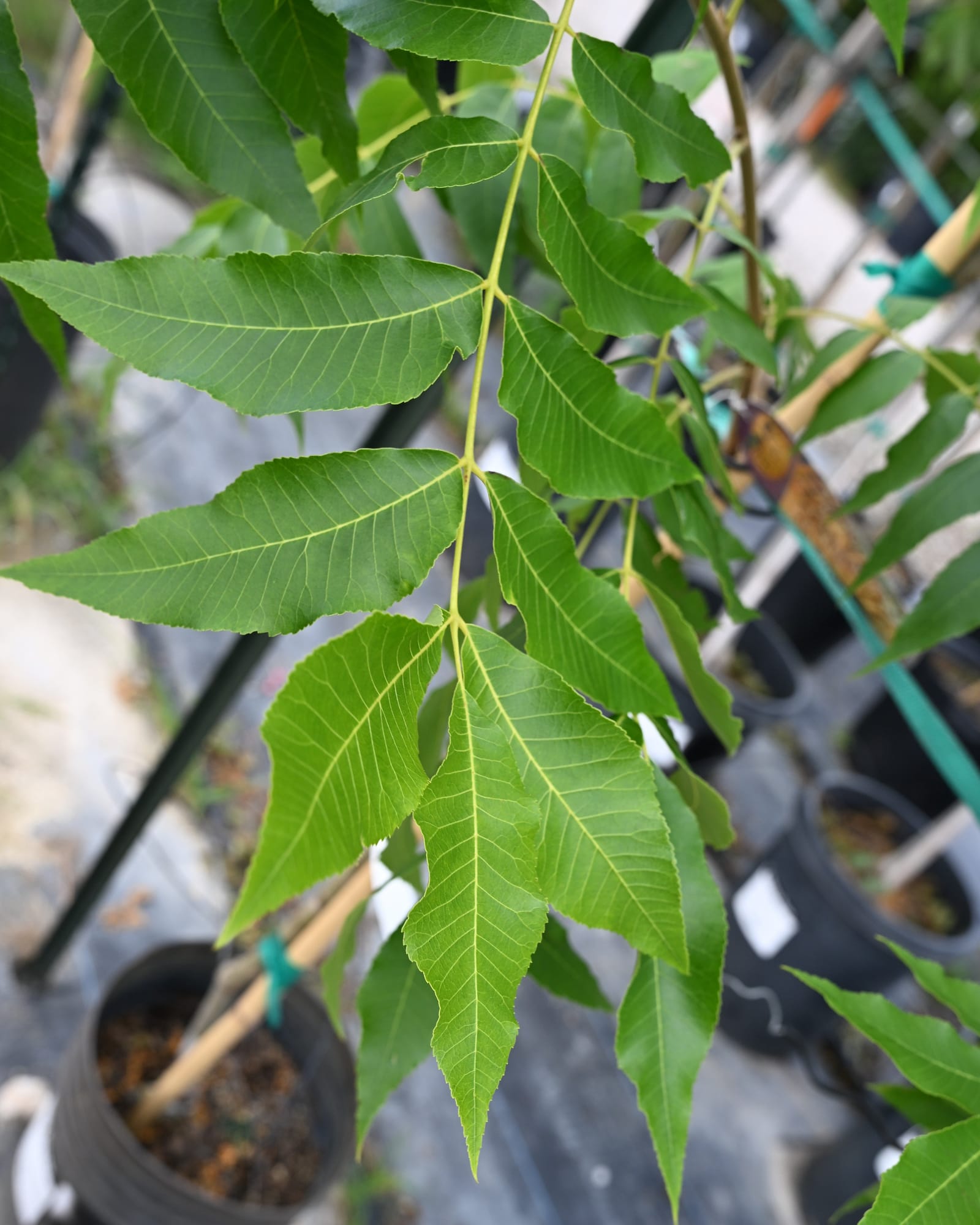
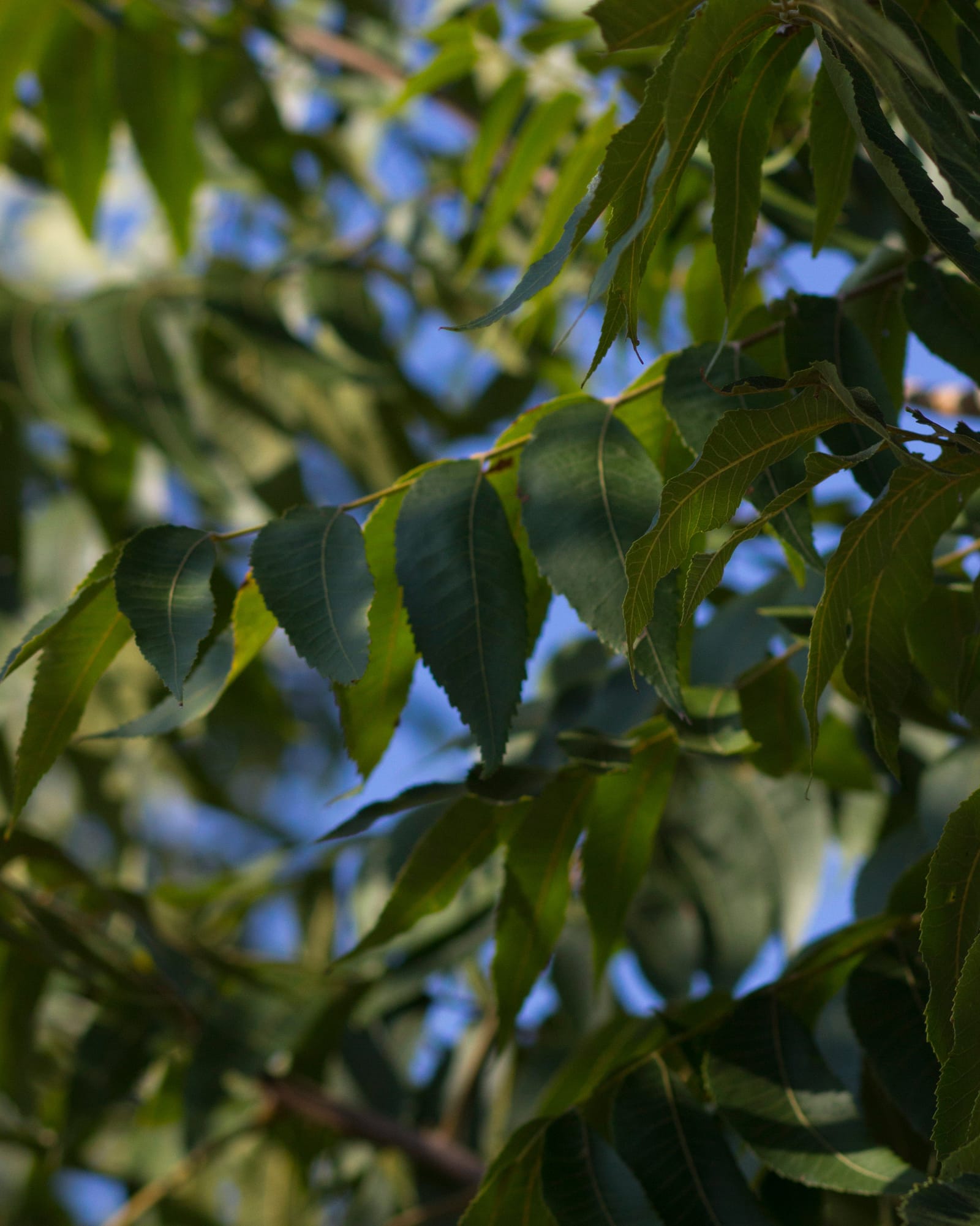
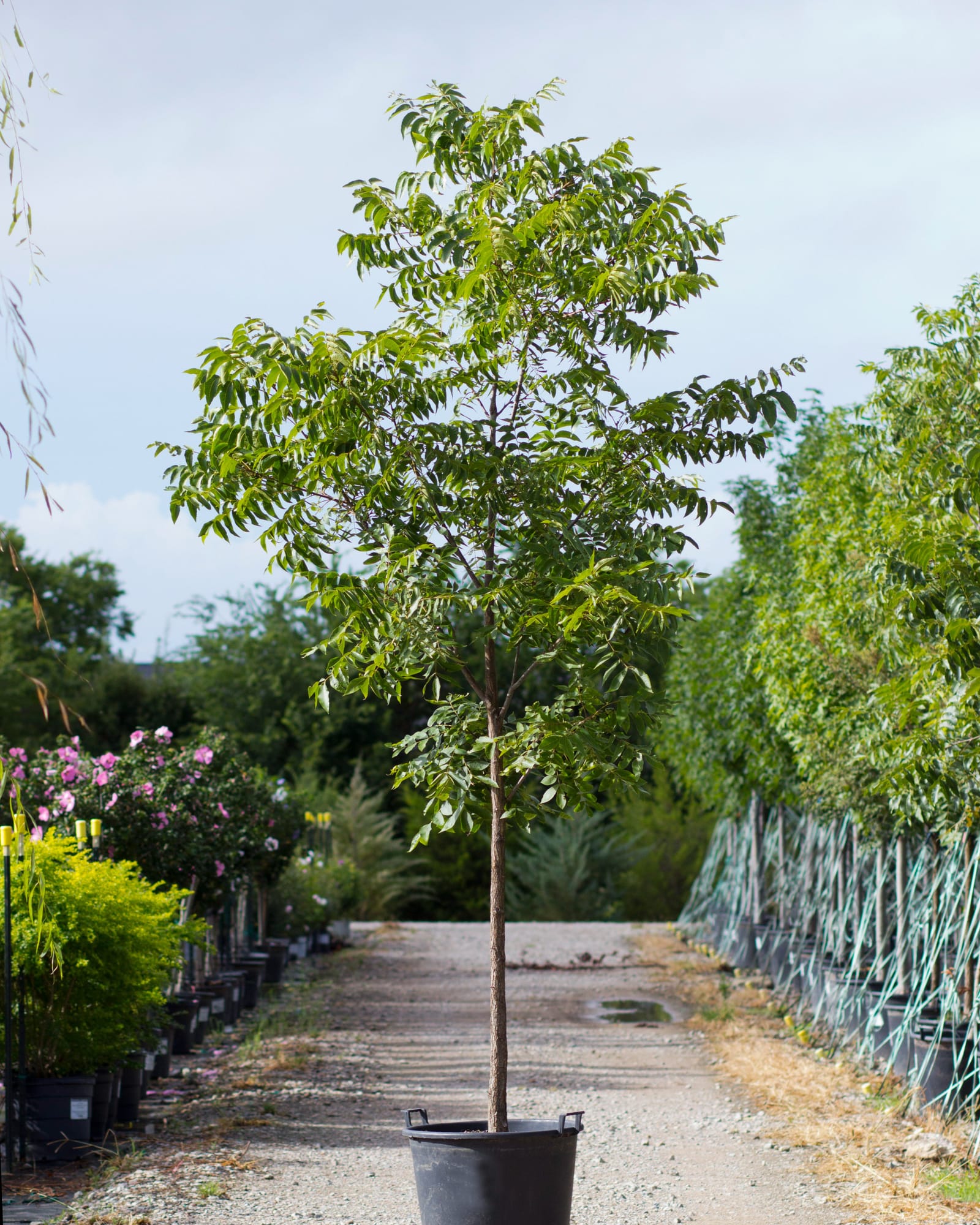
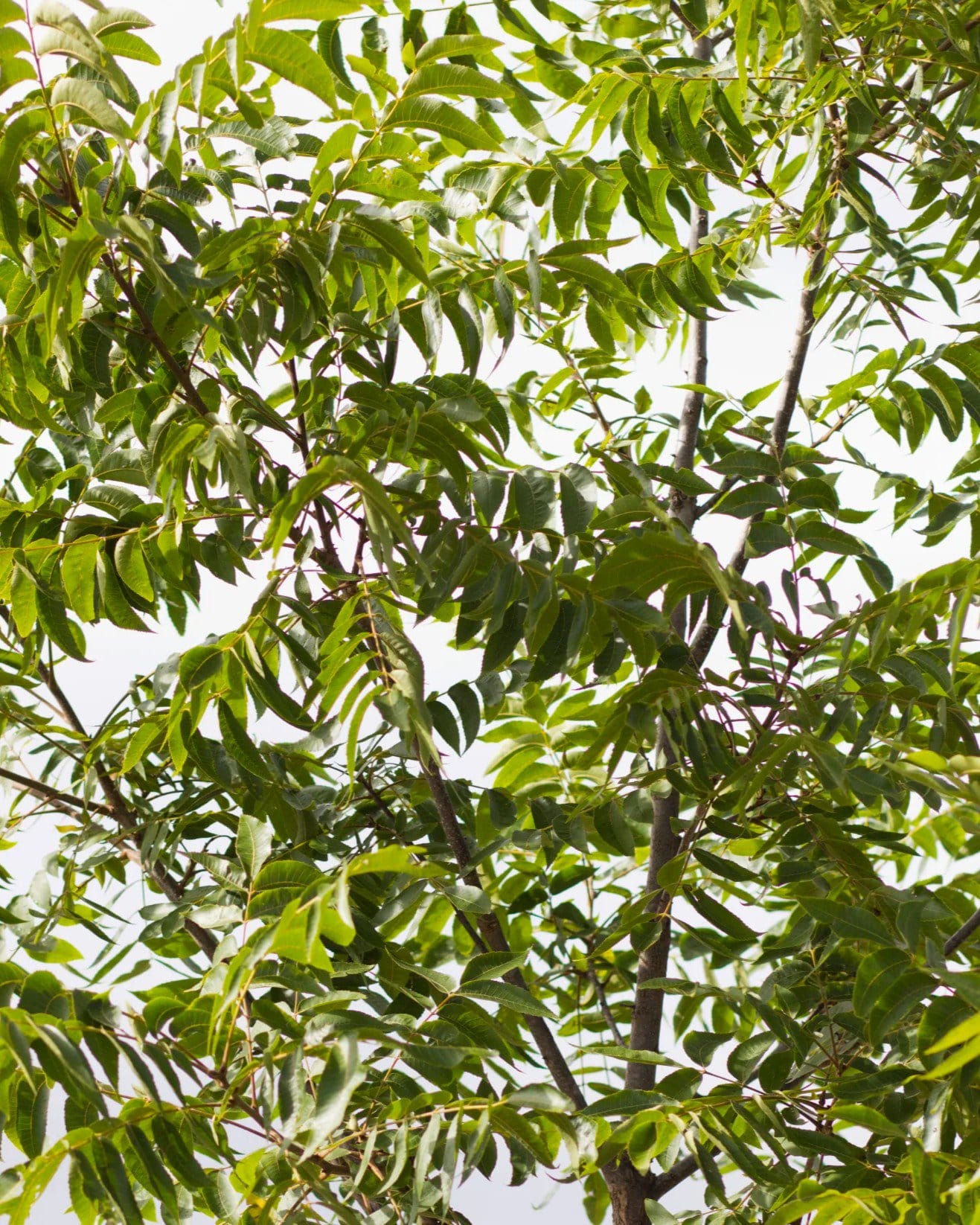
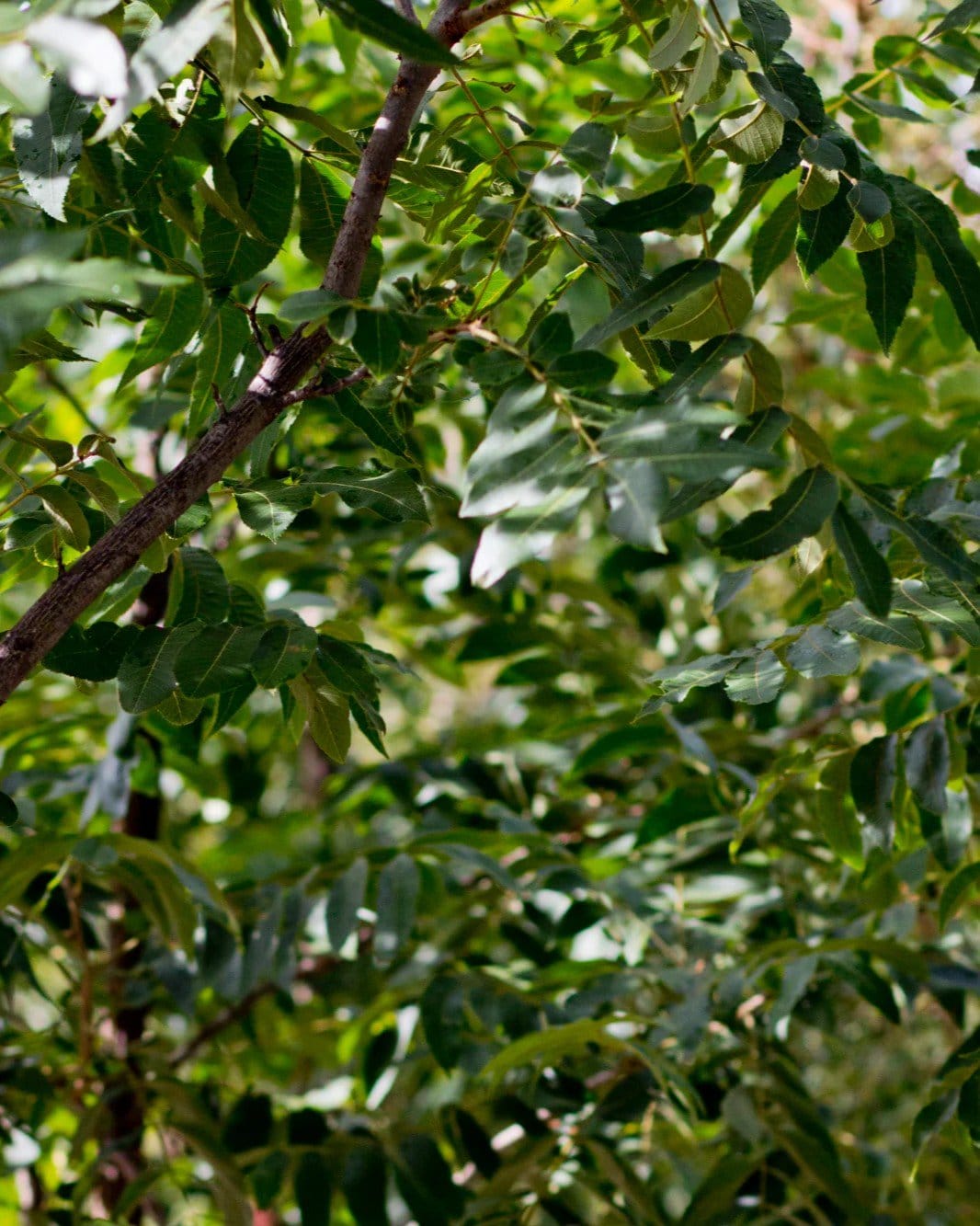
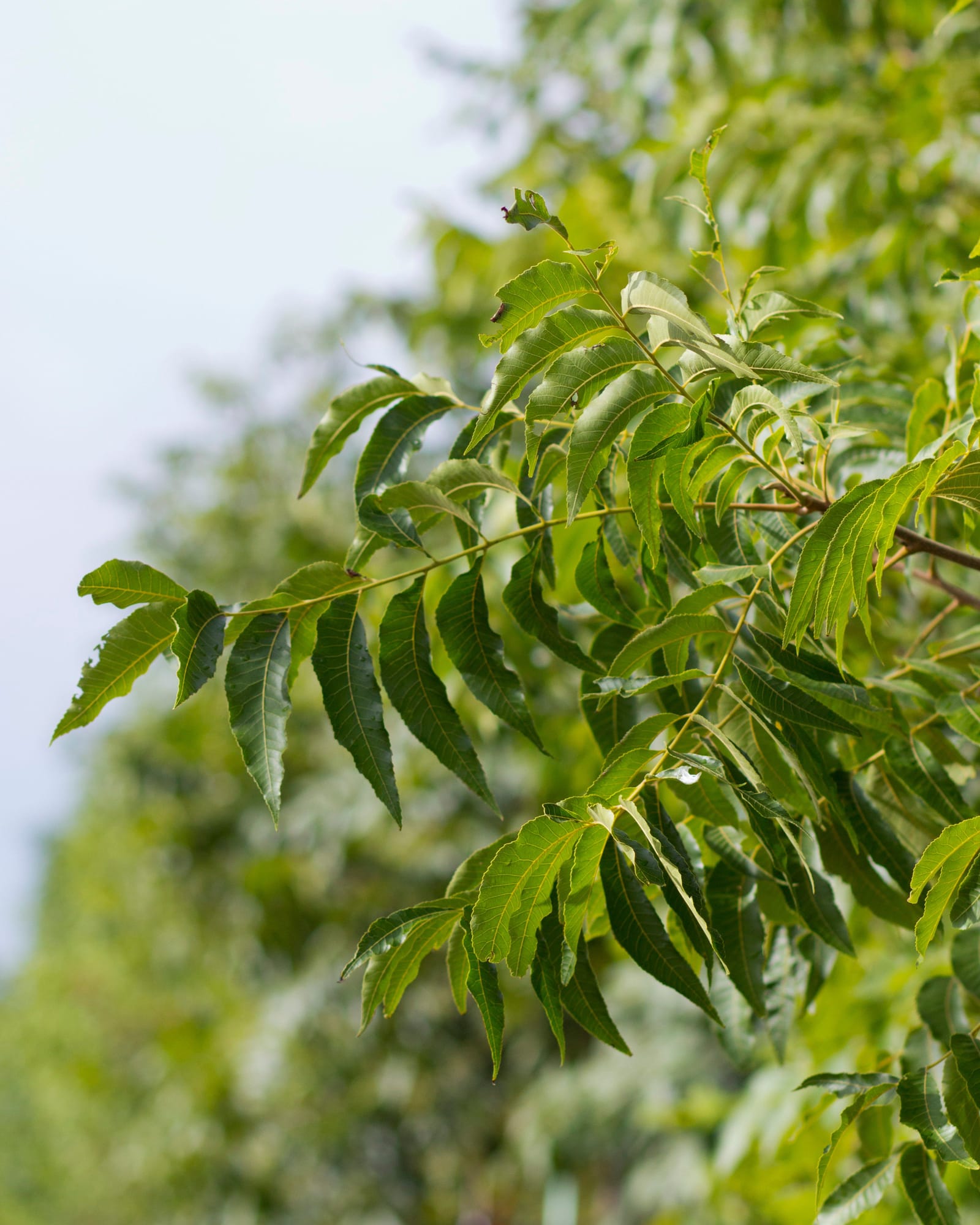
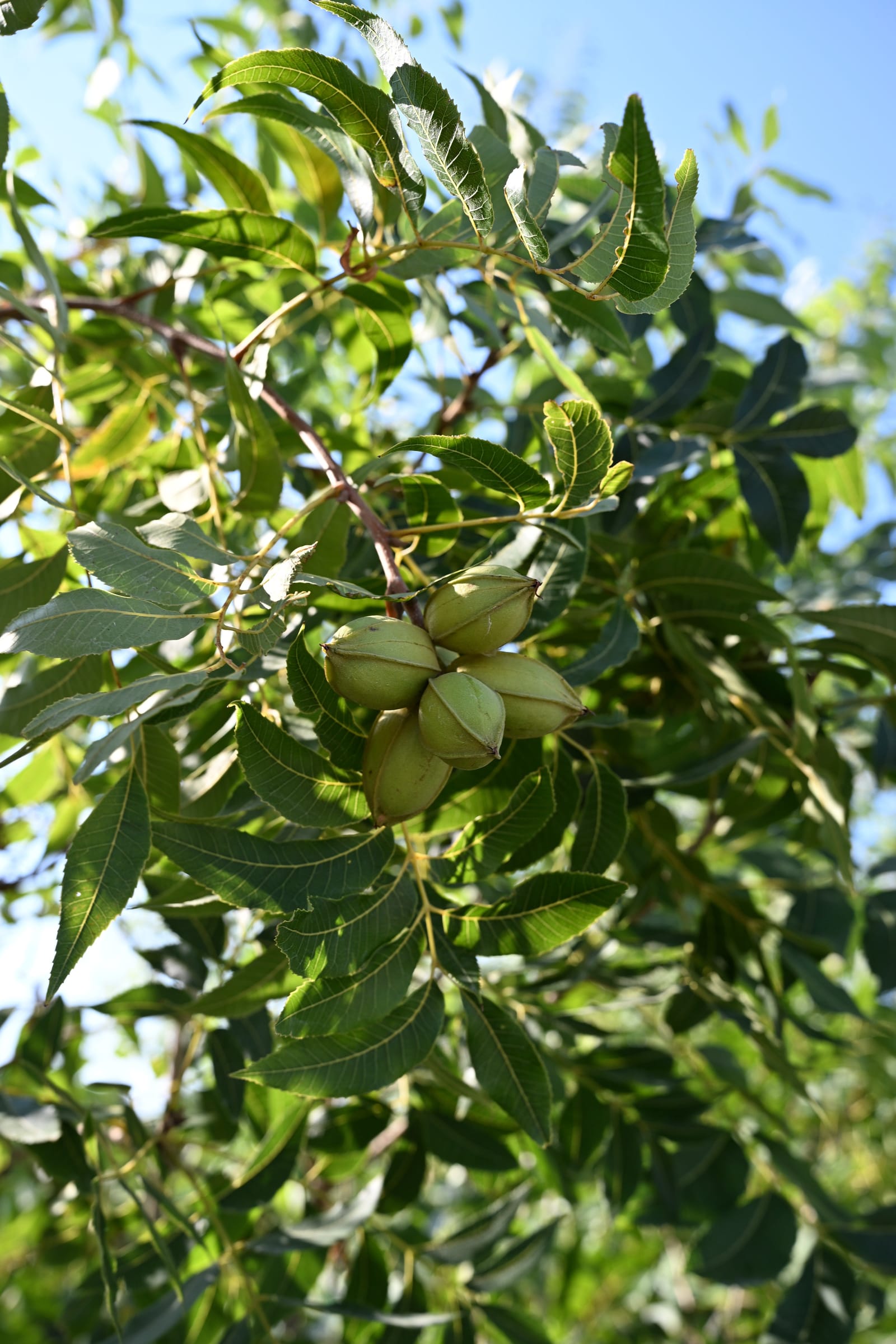
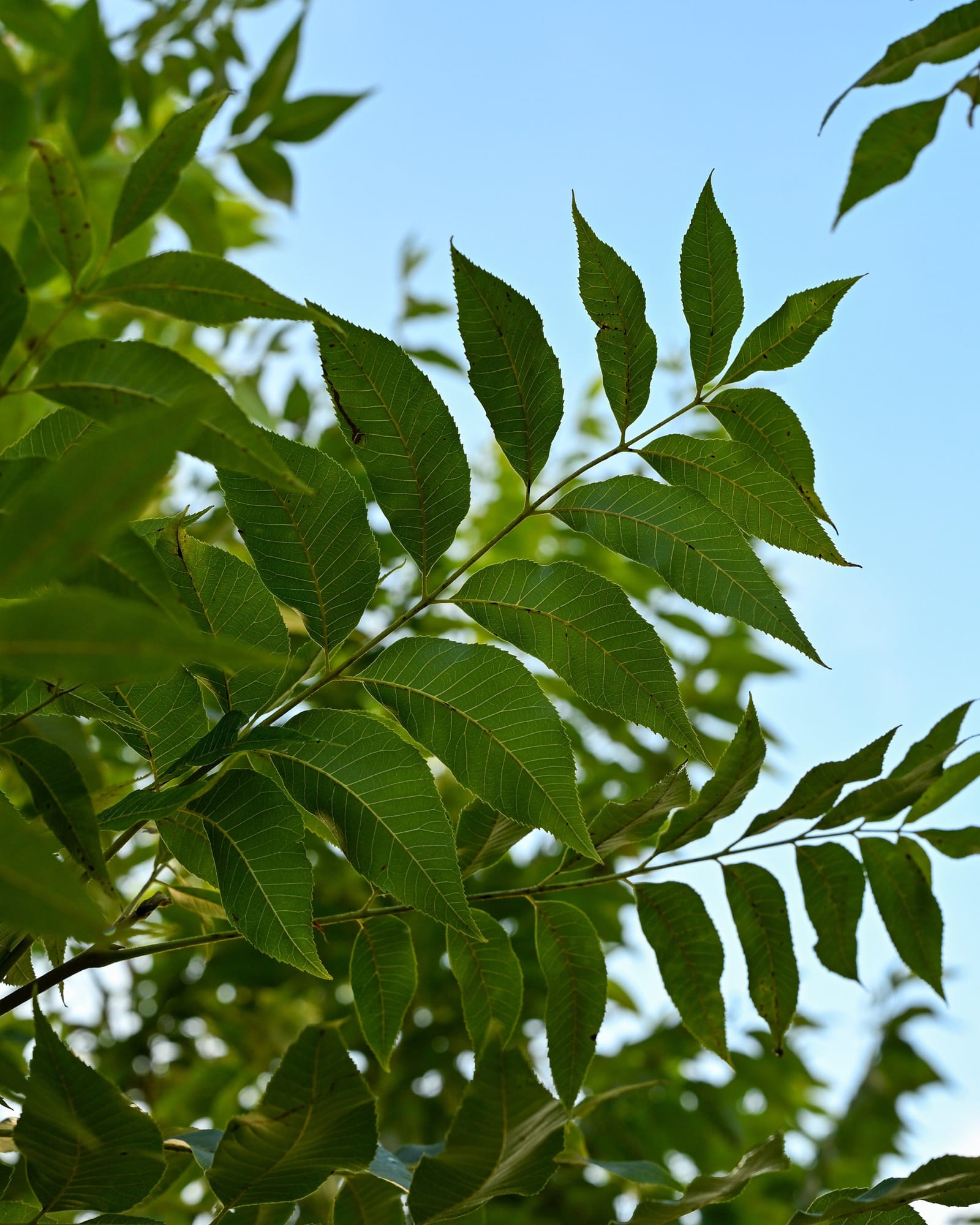
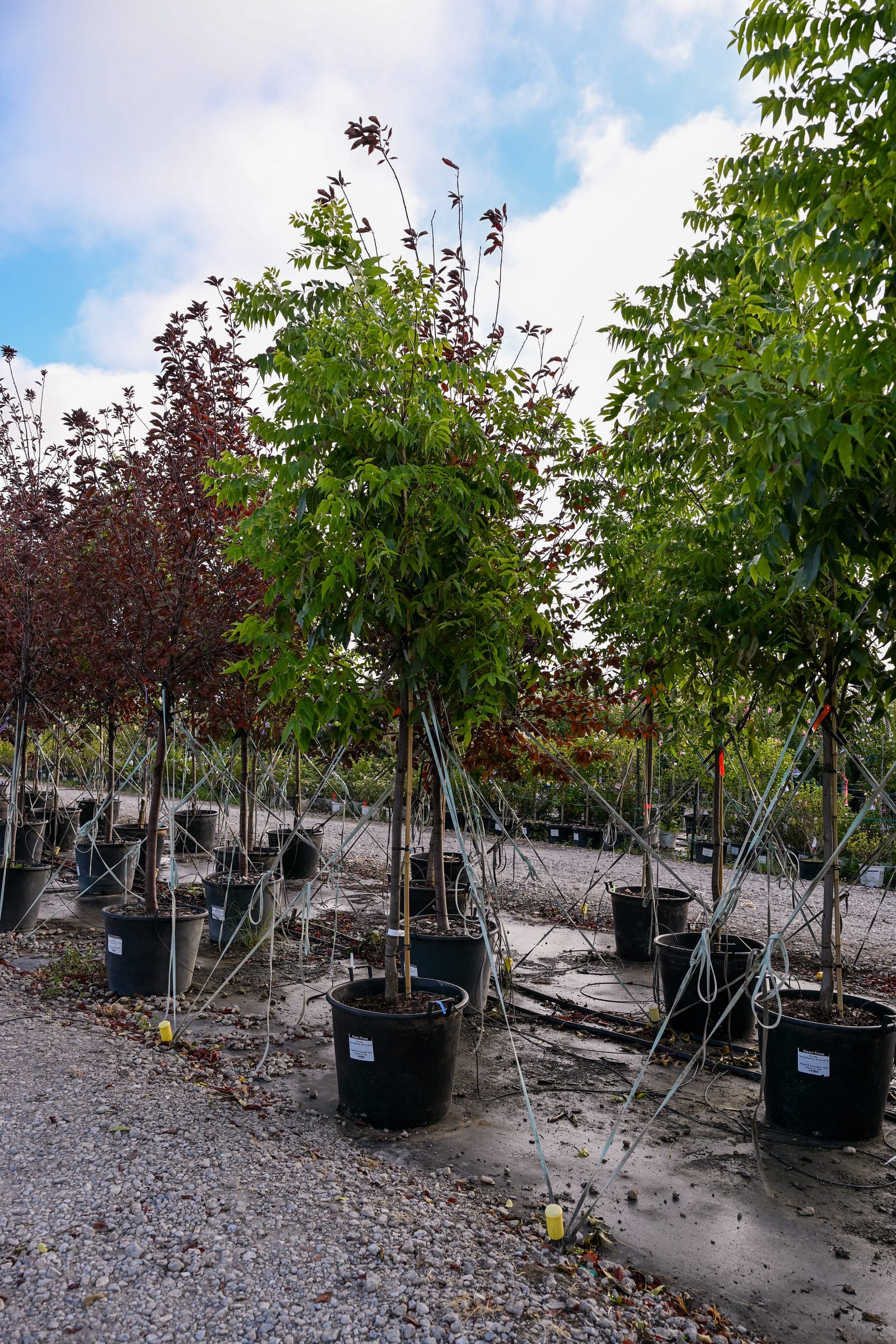
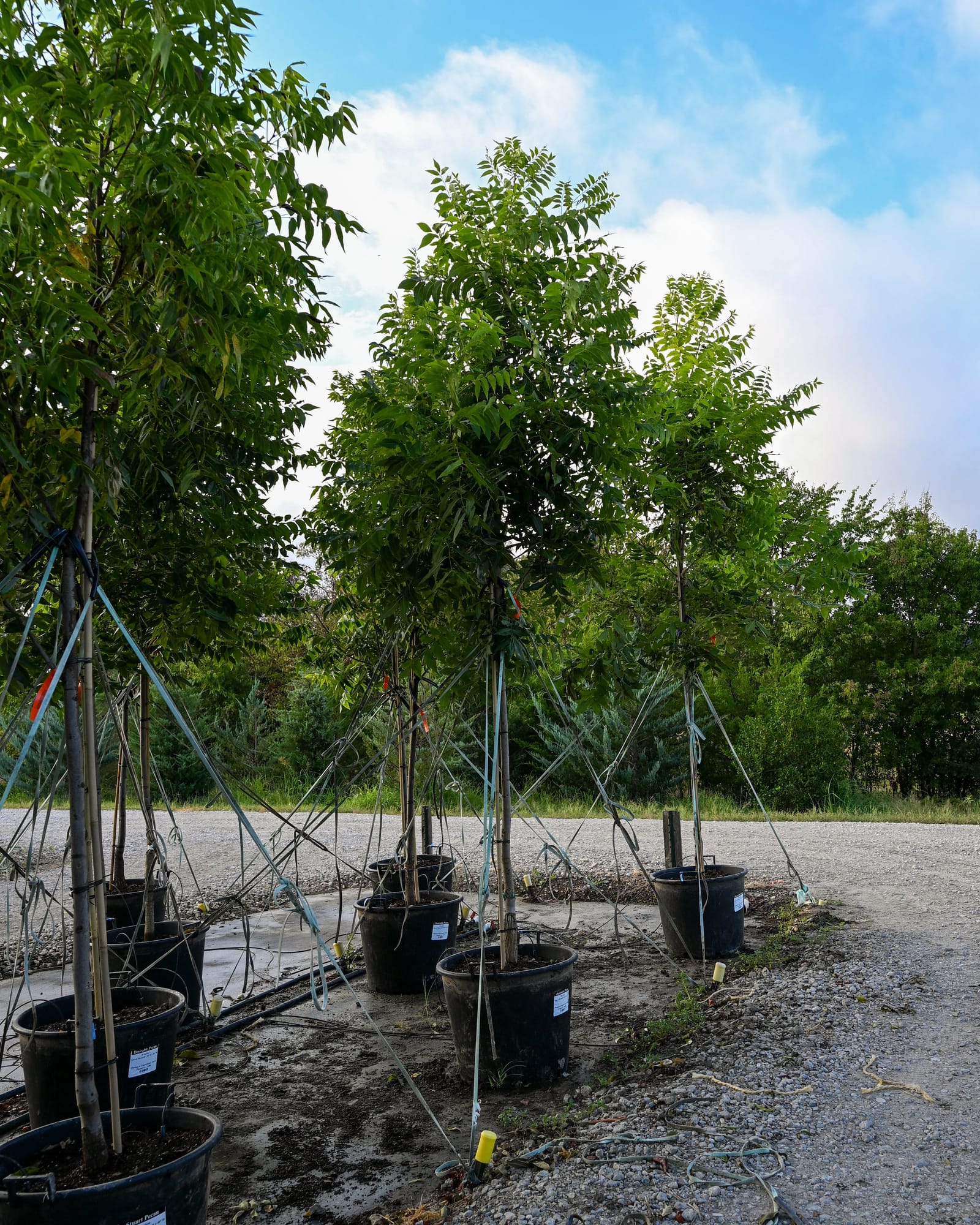
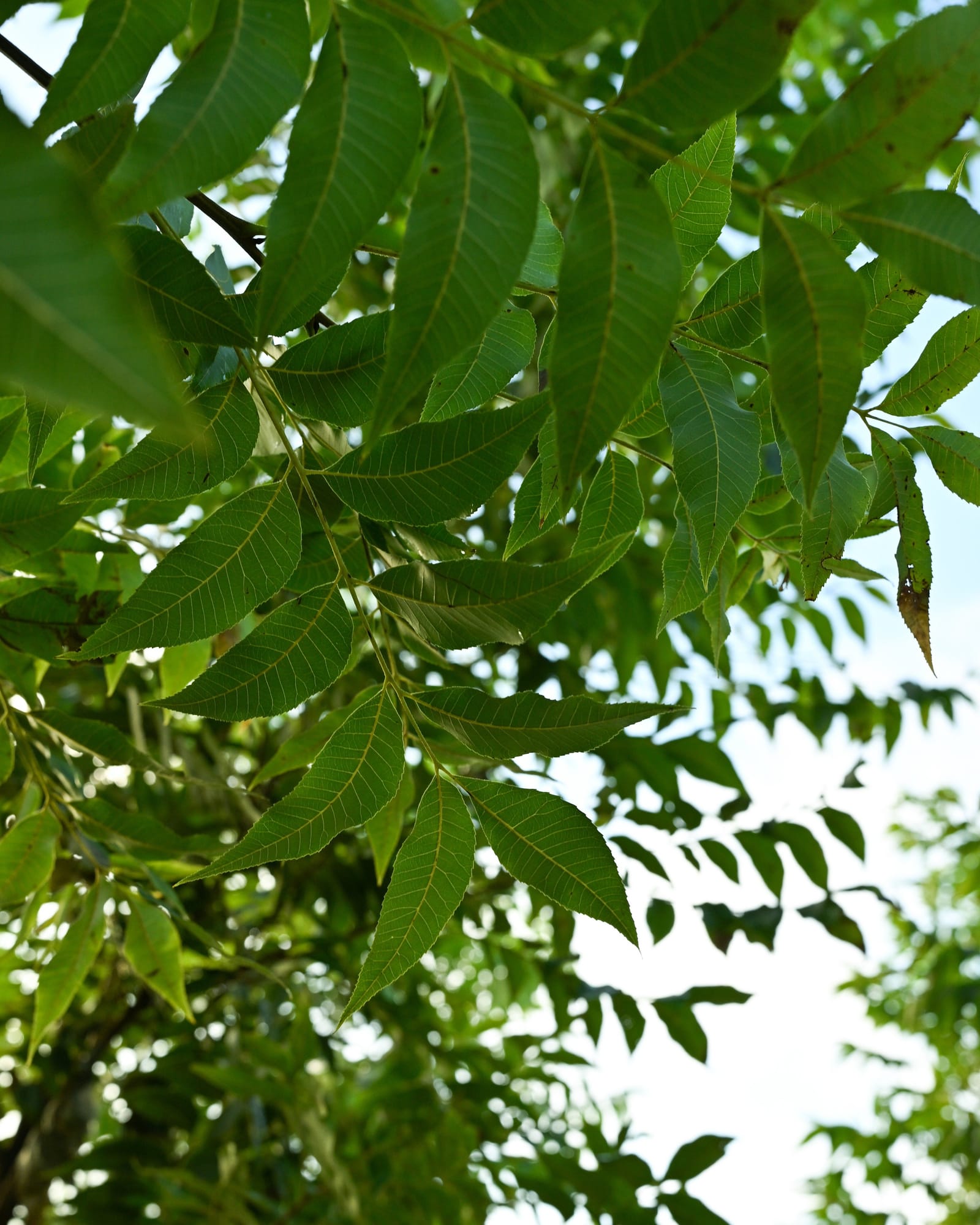
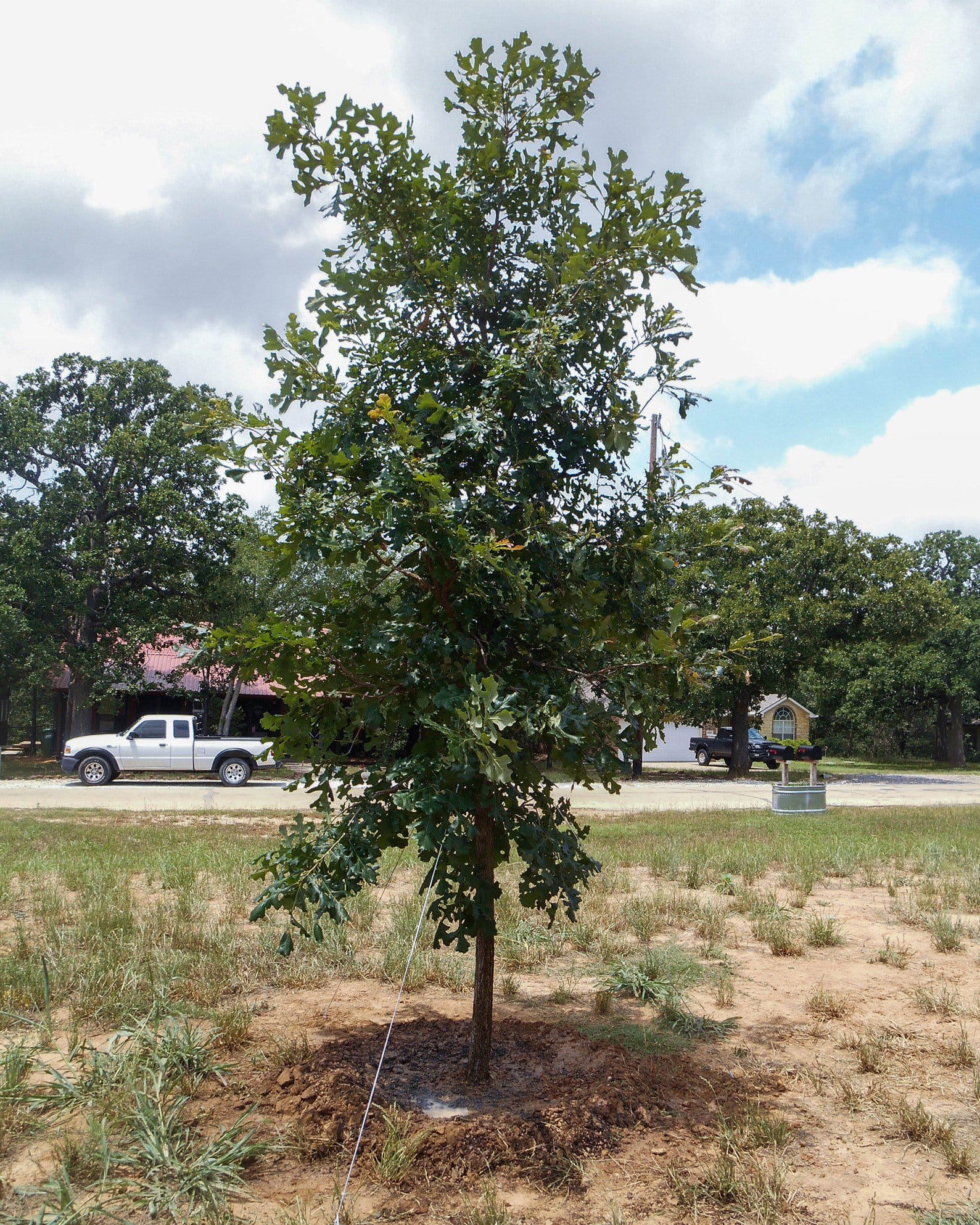
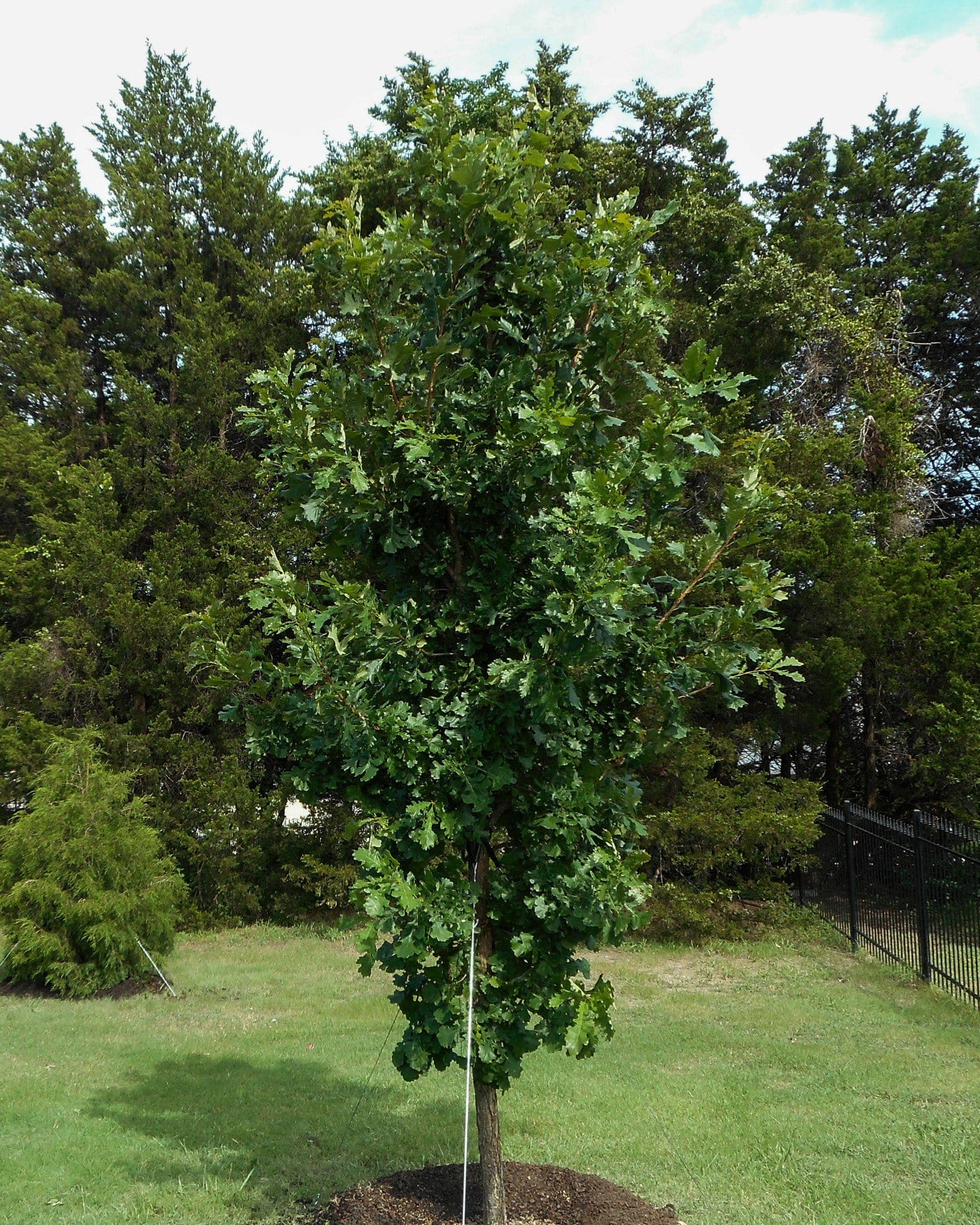
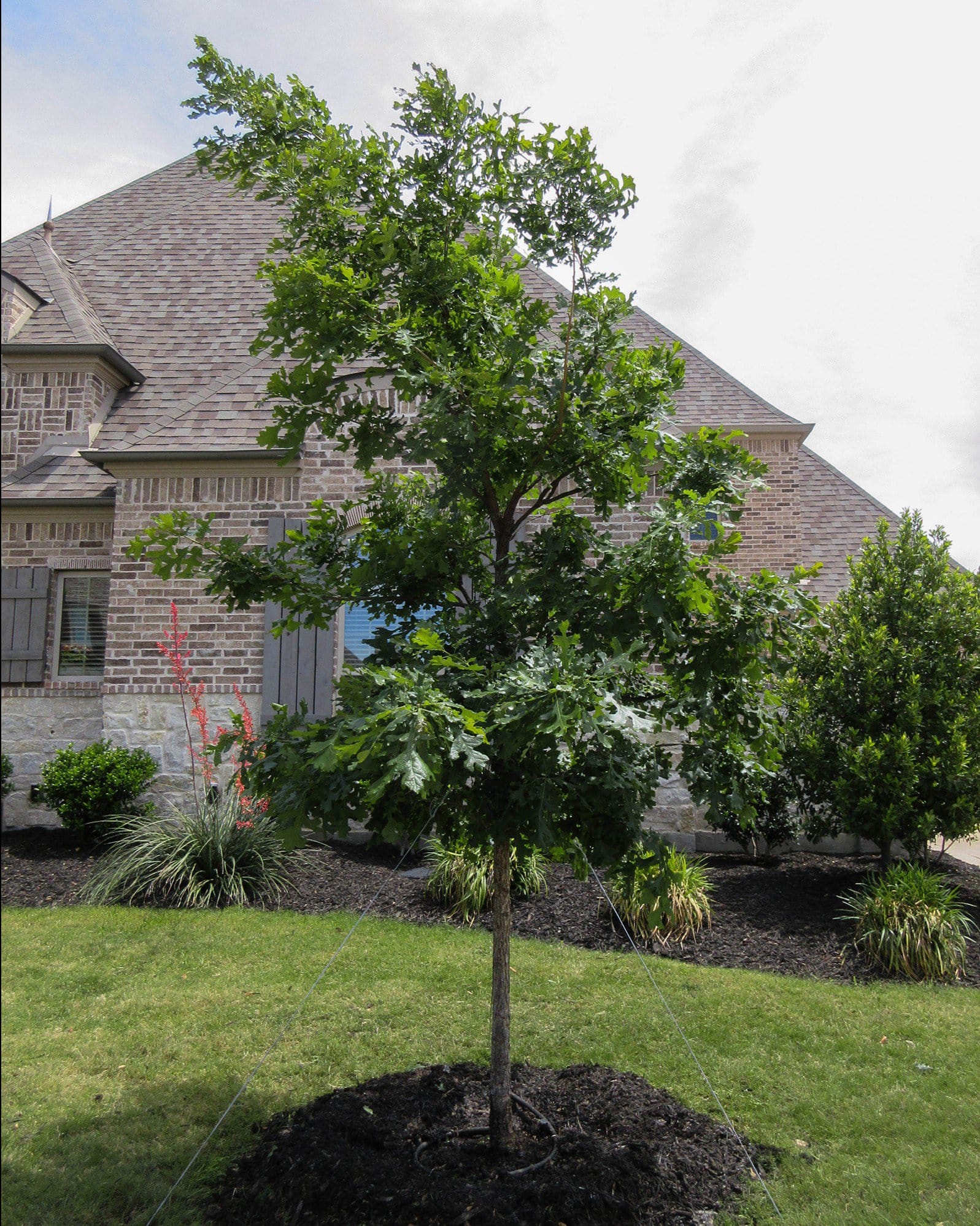
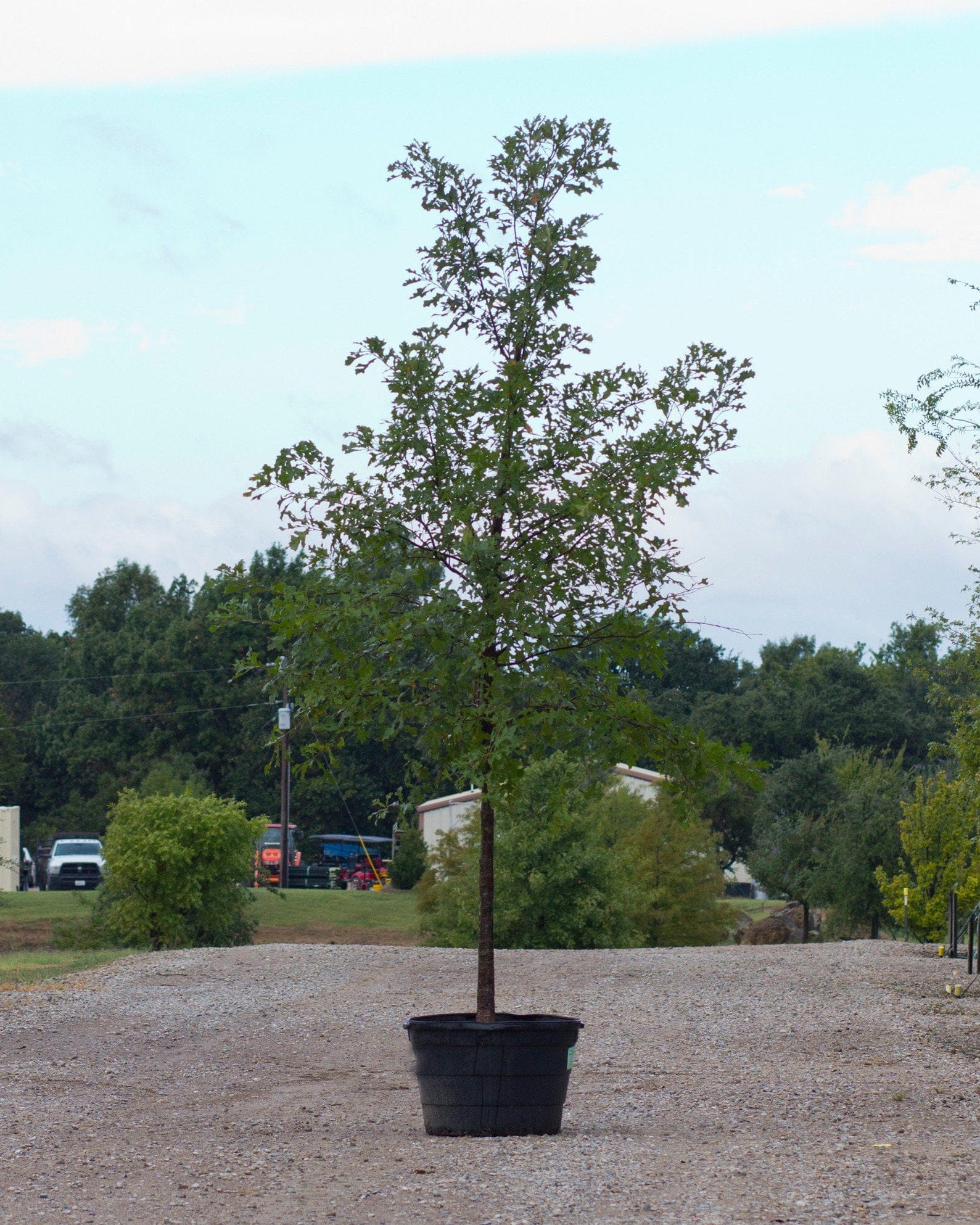
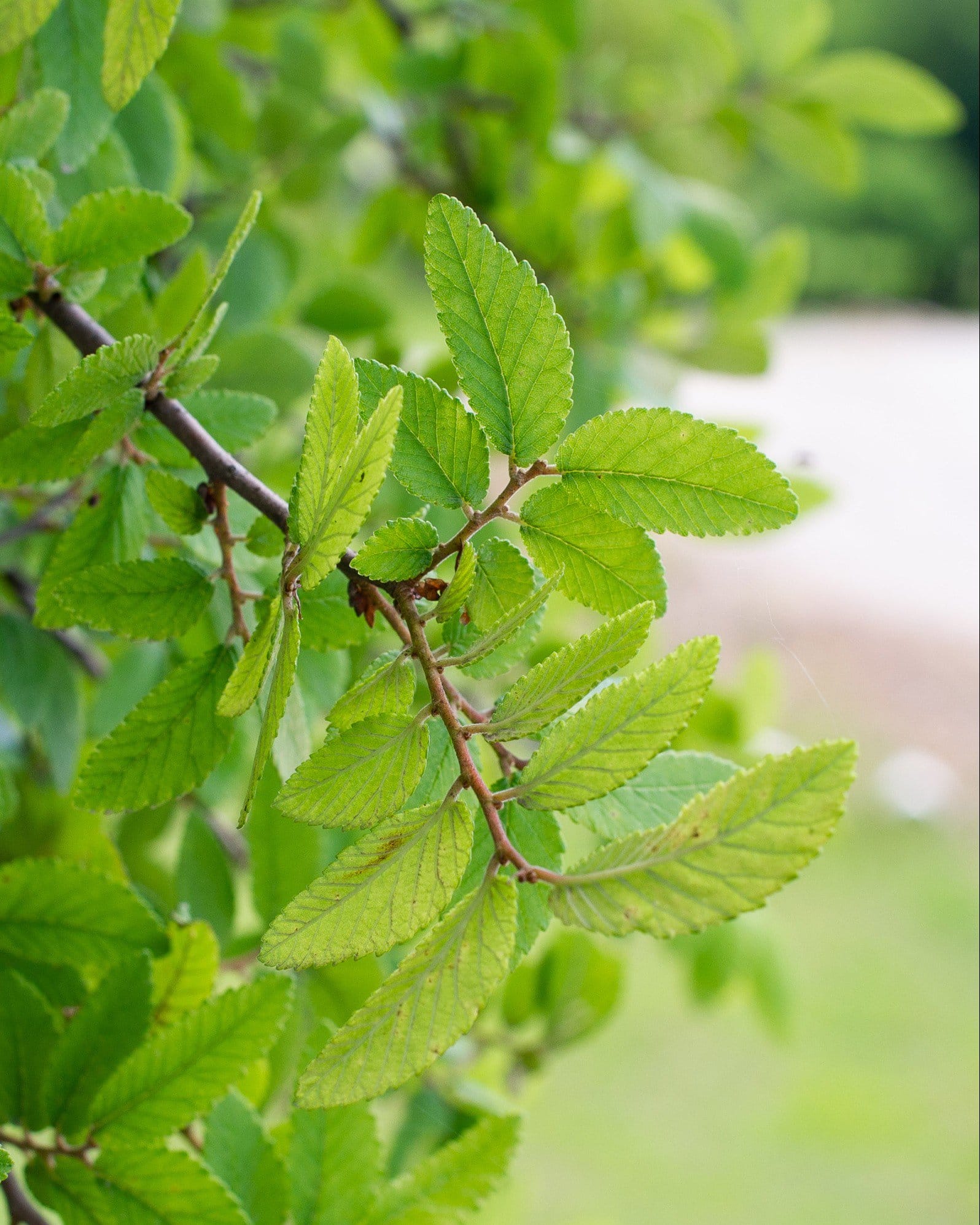
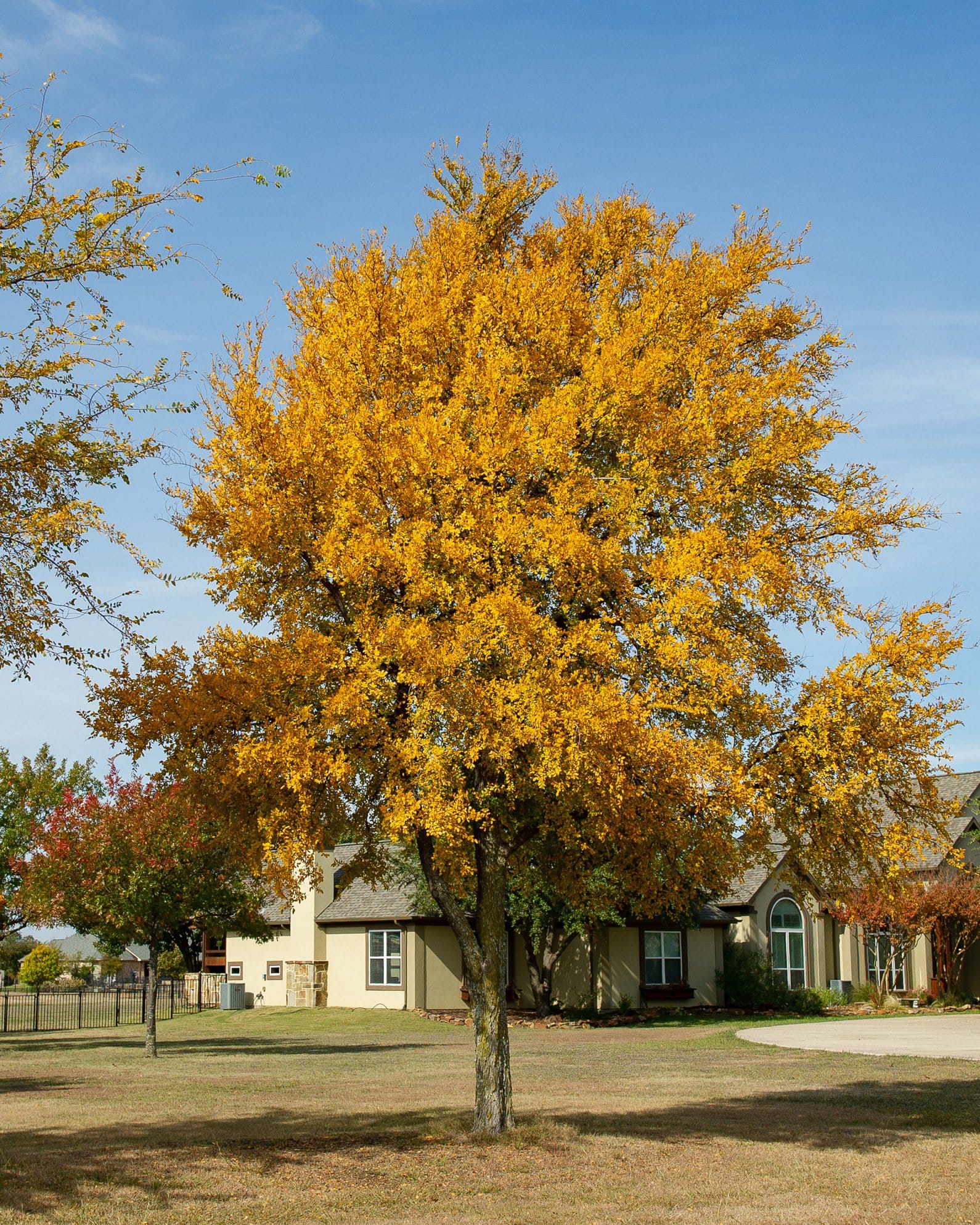
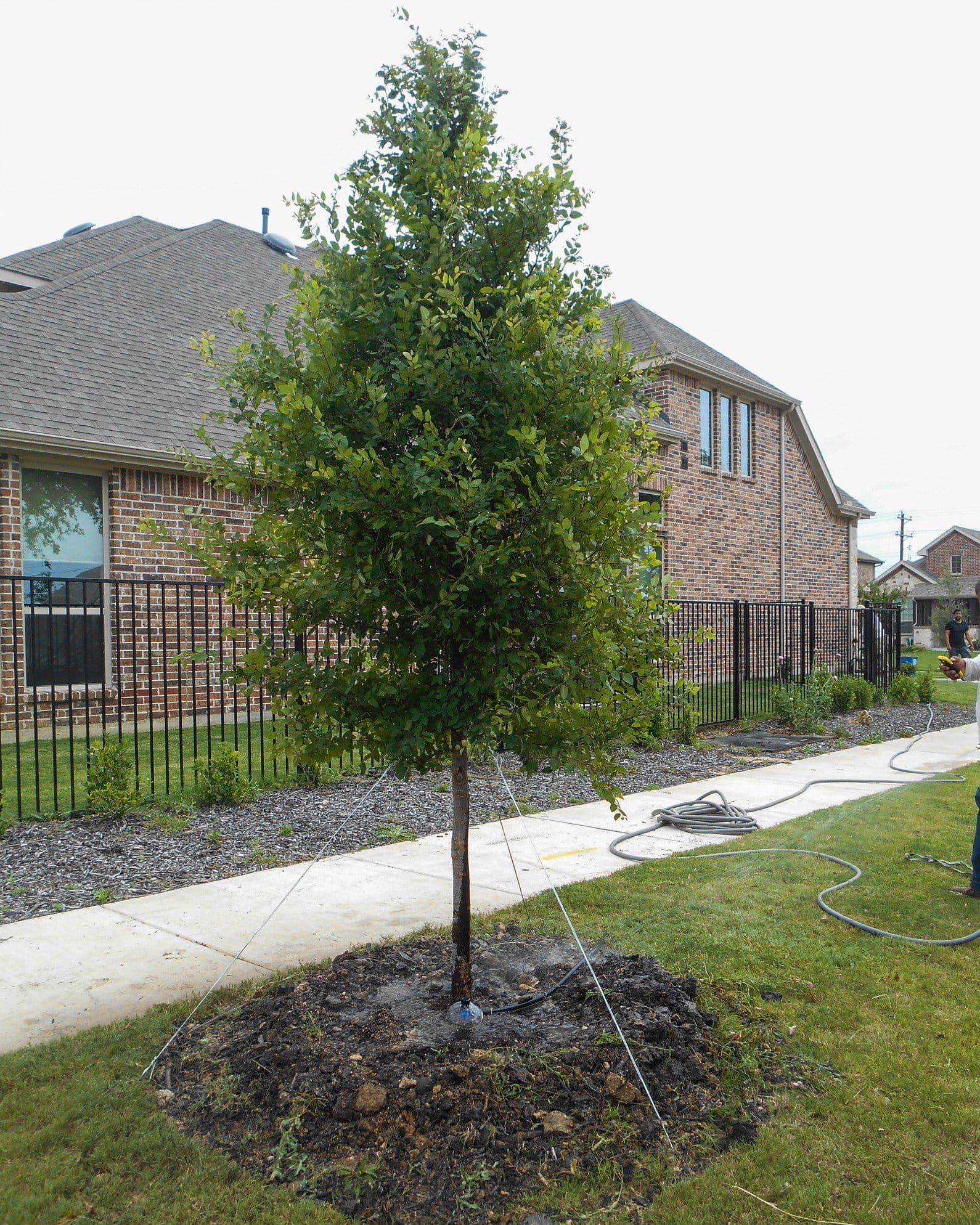
Carya illinoinensis 'Cheyenne'Cheyenne Pecan is a vigorous, medium-sized pecan tree prized for its consistent nut production and handsome appearance. It produces medium to large, high-quality nuts with excellent flavor and thin shells that are easy to crack. The tree’s strong, upright growth and spreading canopy provide both shade and visual appeal, making it a dual-purpose choice for landscapes and orchards alike. Reaching 50 to 70 feet tall and 40 to 50 feet wide at maturity, Cheyenne Pecan performs best in well-drained soil and full sun, offering both beauty and productivity in Texas conditions. The Cheyenne Pecan is a Type 1 pollinator, meaning its male flowers (catkins) shed pollen before its female flowers are receptive. To produce nuts, Cheyenne Pecans require a compatible Type 2 variety.
- Deciduous tree
- Produces medium to large, high-quality nuts
- Upright growth with broad, spreading canopy
- Great for shade or orchard use
- Adaptable and dependable producer
Cheyenne Pecan thrives in full sun and well-drained soil. Hardy in USDA zones 6 through 9, it provides dependable nut harvests, stately form, and long-term value, making it an exceptional addition to Texas landscapes and home orchards.
Cheyenne Pecan is a productive pecan variety valued for its early bearing, attractive kernels, and reliable performance in warm climates. Here’s all you need to know about its maintenance:
- Watering: Water deeply and regularly during the first growing season to help establish a strong root system. Once established, Cheyenne Pecan prefers consistent moisture throughout the growing season and needs additional deep watering during drought or extended periods of summer heat.
- Pruning: Prune young trees in late winter to develop a strong central structure and remove competing or weak branches. As the tree matures, remove dead, damaged, or crossing limbs to maintain good airflow through the canopy.
- Fertilizing: Feed in early spring with a balanced fertilizer formulated for nut trees, particularly when soil nutrients are limited. Pecans have significant nutrient needs as they develop large canopies and heavy crops.
- Mulching: Apply a 2-3 inch layer of organic mulch around the root zone to conserve moisture, regulate soil temperature, and reduce competition from weeds. Keep mulch away from the trunk to prevent moisture buildup and bark problems. A broad mulched area is especially helpful while young trees are becoming established.
- Winter Care: Cheyenne Pecan is hardy to approximately -20°F and generally requires little winter protection once established. Young trees benefit from protection against severe temperature fluctuations and drying winds.
Cheyenne Pecan is generally productive and has good resistance to pecan scab, but several issues can affect its performance:
- Aphids: Cheyenne can be susceptible to aphid infestations, which may distort new growth and weaken foliage. Monitor new shoots regularly and use insecticidal soap or another appropriate treatment if populations become heavy.
- Zinc Deficiency: Small leaves, shortened shoots, and poor growth may indicate inadequate zinc. Maintain proper soil nutrition and provide zinc when deficiency is confirmed.
- Alternate Bearing: Heavy crops may sometimes be followed by lighter production the following year. Consistent watering, adequate nutrition, and proper crop management can help maintain more balanced production.
- Root Problems: Poor drainage or prolonged soil saturation can weaken roots. Plant in well-drained soil and avoid excessive irrigation.
- Poor Nut Set: Cheyenne benefits from cross-pollination with a compatible pecan variety. Planting another cultivar nearby can improve pollination and overall nut production.
With proper care, pecan trees can live for many decades and become long-term landscape and nut-producing trees. Good soil, irrigation, and structural pruning help support longevity.
Cheyenne grows at a moderate rate and is known for producing nuts relatively early compared with many pecan varieties. Mature trees can reach approximately 60-80 feet tall and wide when given adequate growing space.
Yes. It produces medium-sized pecans with attractive, light-colored kernels and good flavor, making it a valuable choice for both home landscapes and orchard-style plantings.
For the best nut production, yes. Cheyenne is a Type I pecan, meaning its pollen is released before its female flowers become receptive.
Yes, provided there is plenty of room for its mature size and extensive root system. It is best suited to large yards, open landscapes, and orchard-style plantings.
Very well when provided with adequate moisture. It is adapted to warm pecan-growing regions and performs best in full sun with consistent irrigation during hot, dry periods.
It has some tolerance once established but performs best with regular moisture. Extended drought can reduce tree vigor and nut production, so deep irrigation is important during prolonged dry periods.
Young trees benefit from structural pruning to establish strong branching. Mature trees mainly require occasional removal of dead, damaged, or crossing branches rather than heavy annual pruning.
Absolutely. Its early bearing, productive nature, and quality kernels make it well suited to orchard plantings. Including a compatible pollinating cultivar nearby can help maximize the crop.
Its combination of early bearing, attractive high-quality kernels, good disease resistance, and reliable performance in warm climates makes Cheyenne an appealing choice for large landscapes and home orchards.
Special Features
You might also like
Caddo Pecan
Maturity: 60' H x 40' W
Choctaw Pecan
Maturity: 60' H x 40' W
Creek Pecan
Maturity: 60' H x 40' W
Desirable Pecan
Maturity: 60' H x 40' W
Elliot Pecan
Maturity: 60' H x 40' W
Kanza Pecan
Maturity: 60' H x 40' W
Kiowa Pecan
Maturity: 60' H x 40' W
Lakota Pecan
Maturity: 60' H x 40' W
Mohawk Pecan
Maturity: 60' H x 40' W
Native Pecan
Maturity: 60' H x 40' W
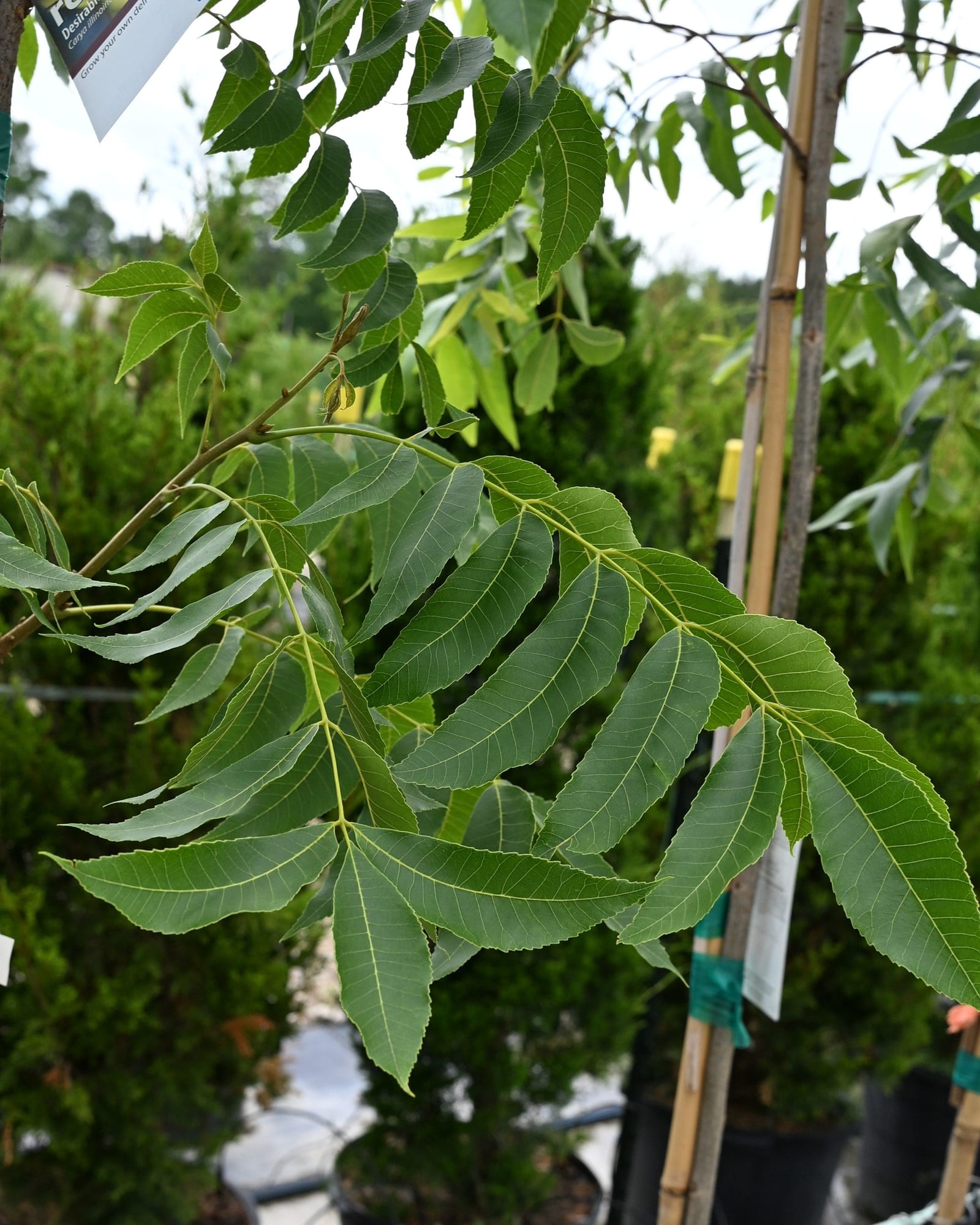
Oconee Pecan
Maturity: 60' H x 40' W
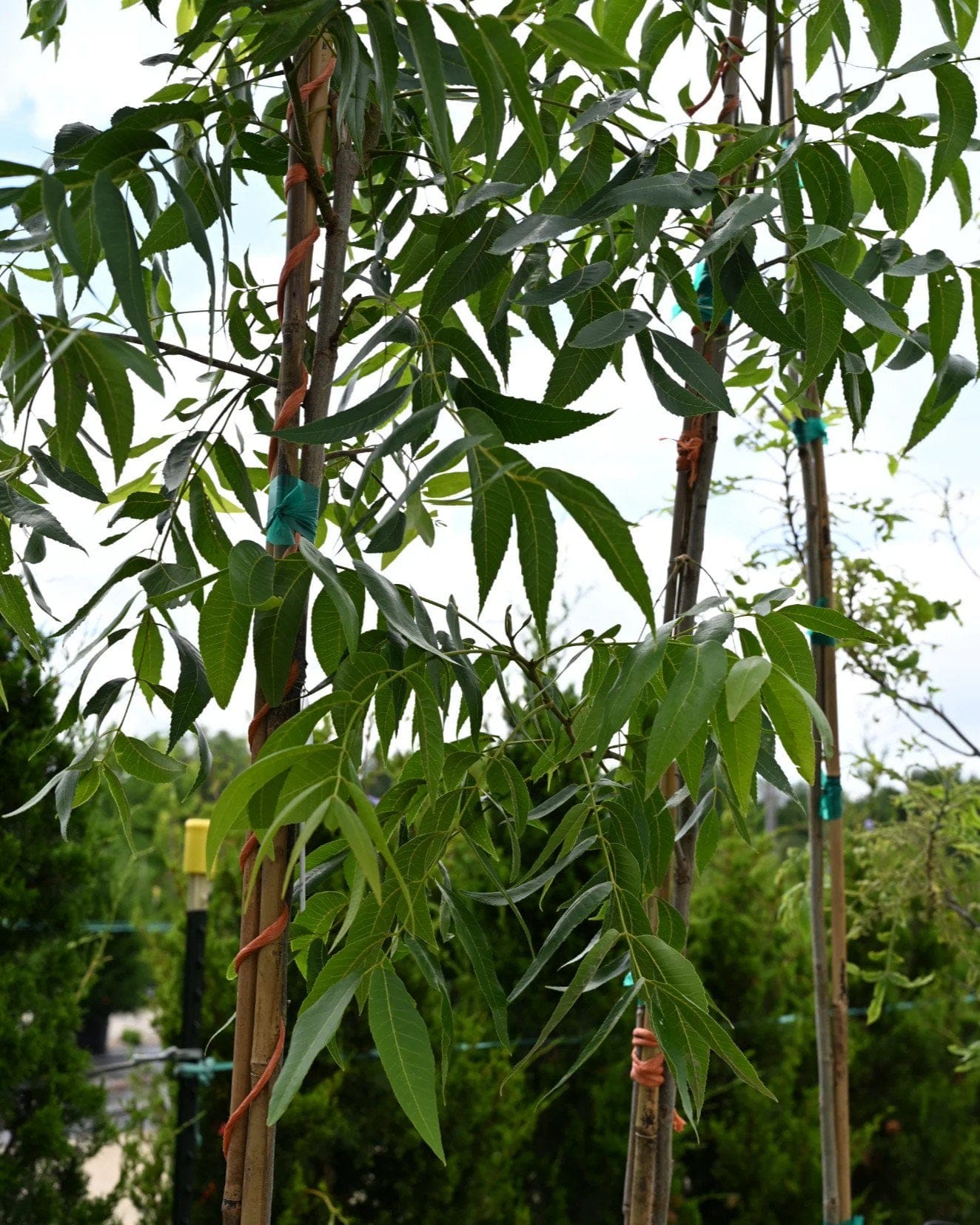
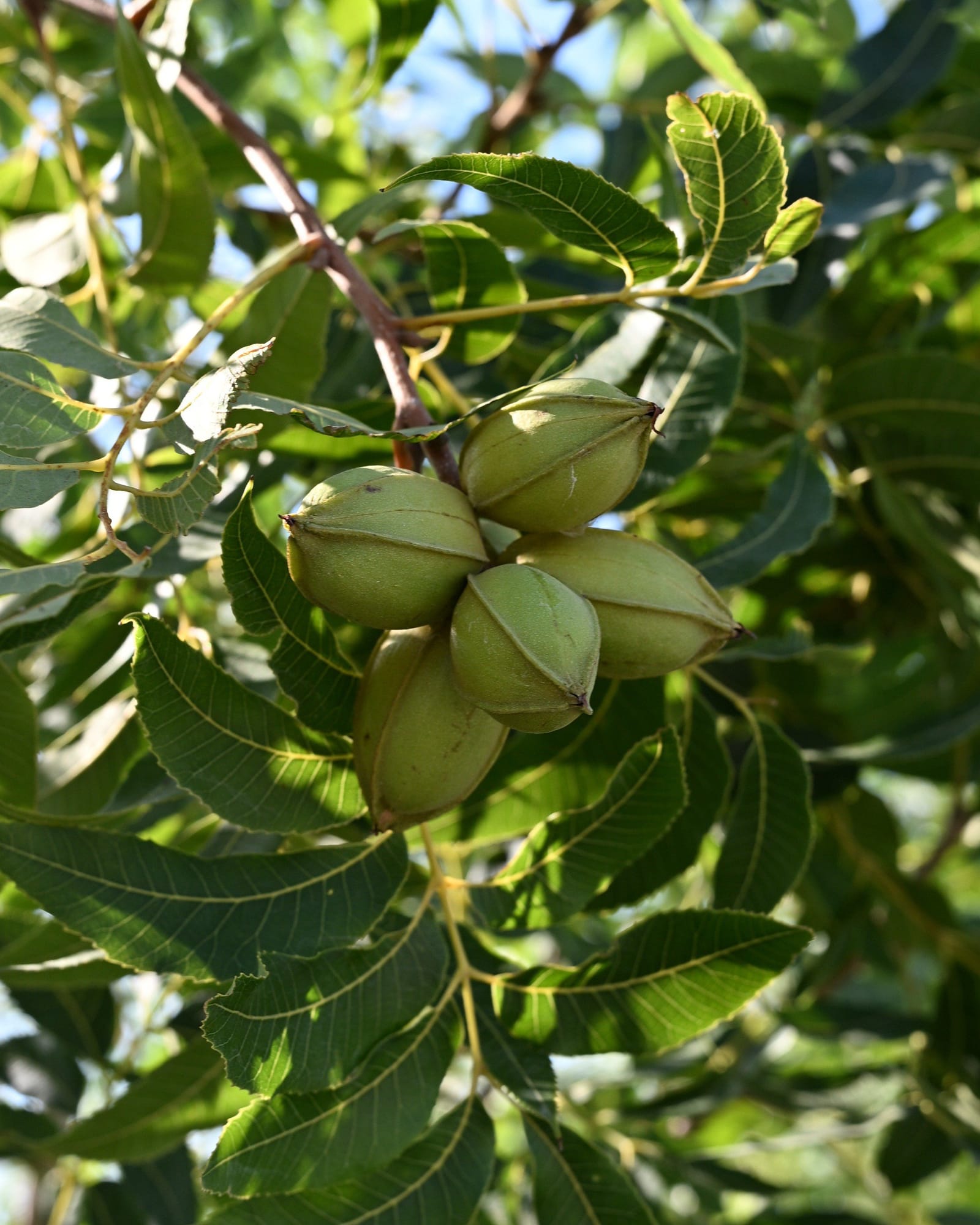
Pawnee Pecan
Maturity: 60' H x 40' W
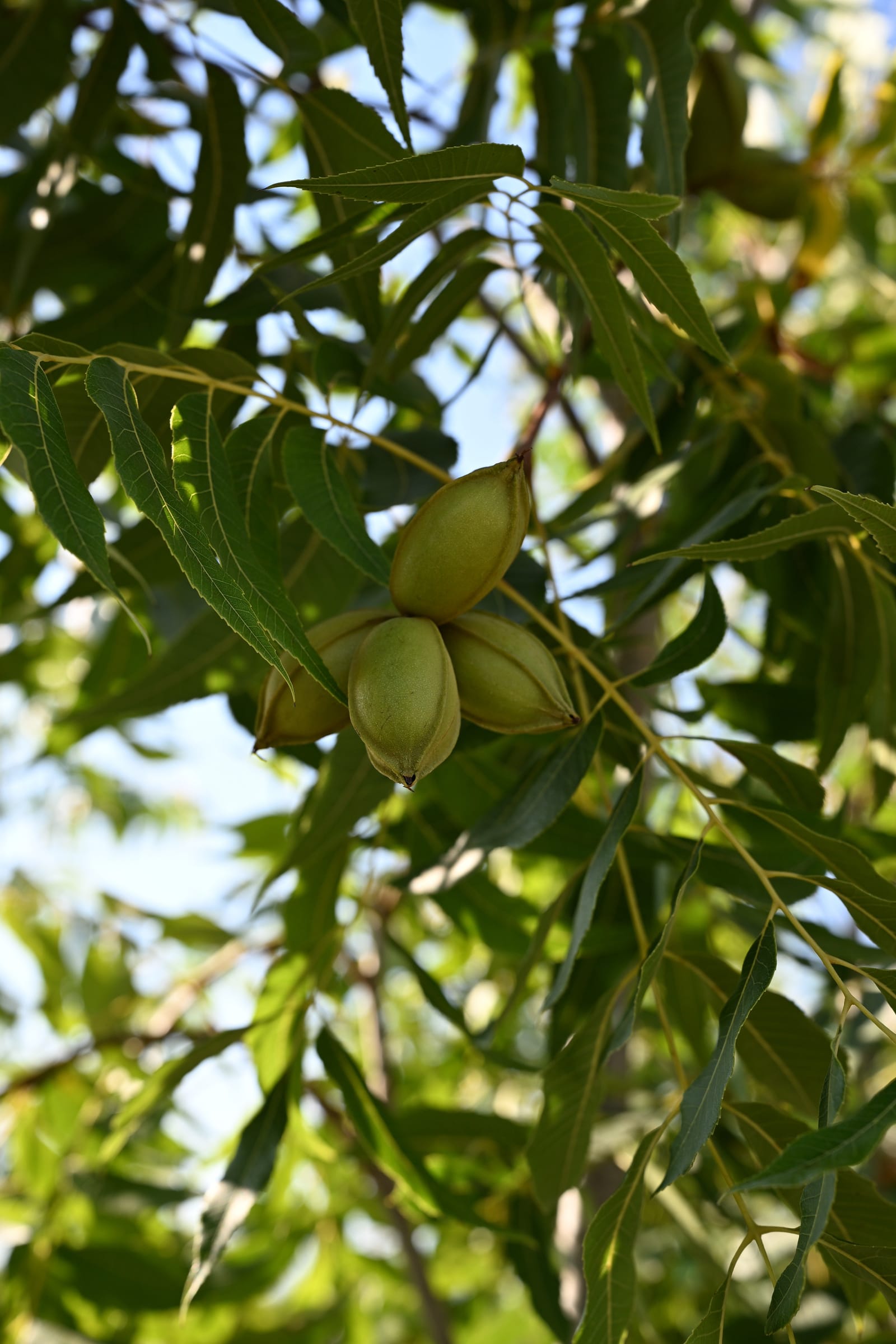
Stuart Pecan
Maturity: 60' H x 40' W
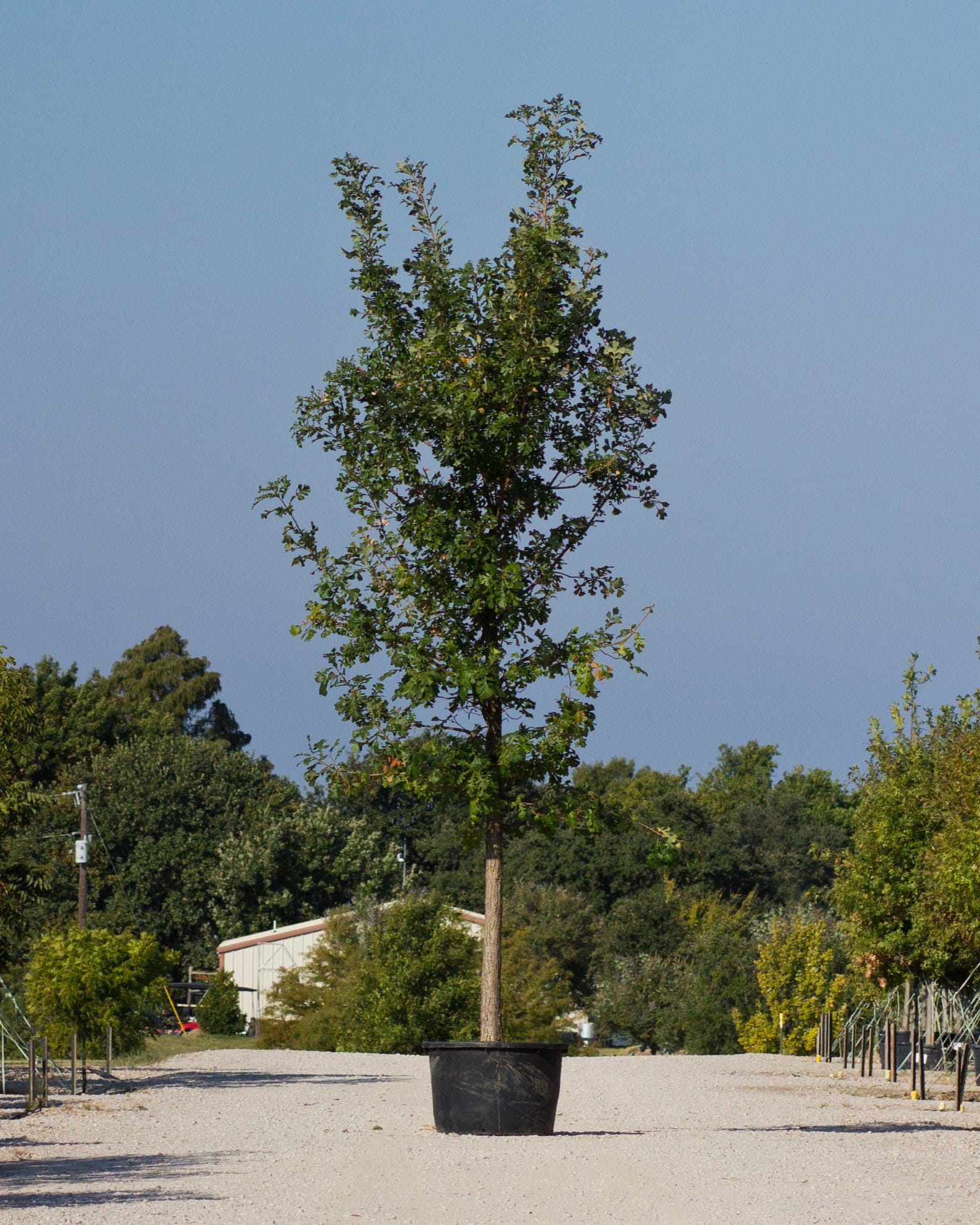
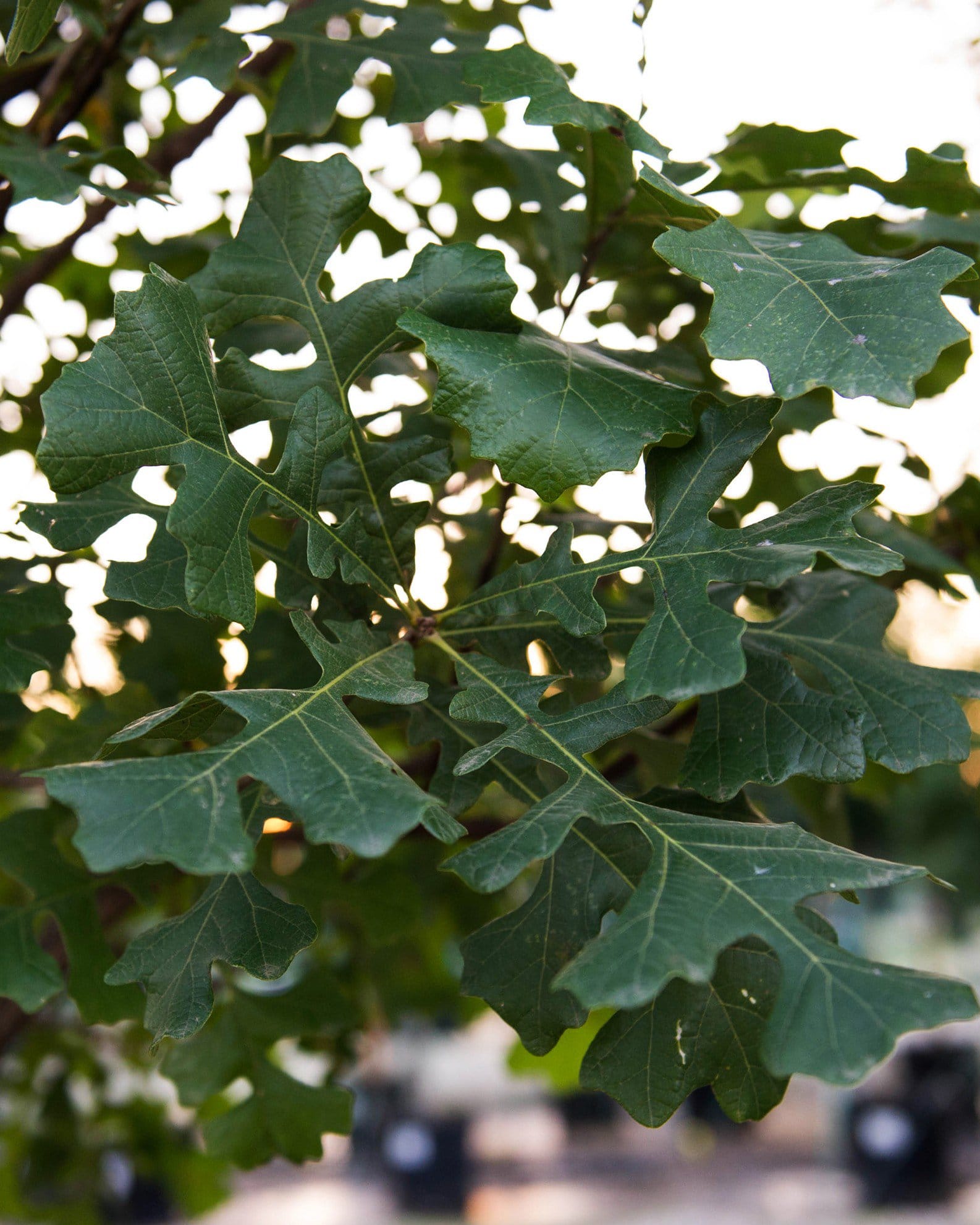
Bur Oak
Maturity: 60' H x 50' W
Cedar Elm
Maturity: 50' H x 35' W
Compare Similar Plants
Cheyenne Pecan This plant | ||
|---|---|---|
| Scientific Name | Carya illinoinensis 'Cheyenne' | Carya illinoinensis ‘Caddo’ |
| Size at Maturity | 60' H x 40' W | 60' H x 40' W |
| Leaf Retention | Deciduous | Deciduous |
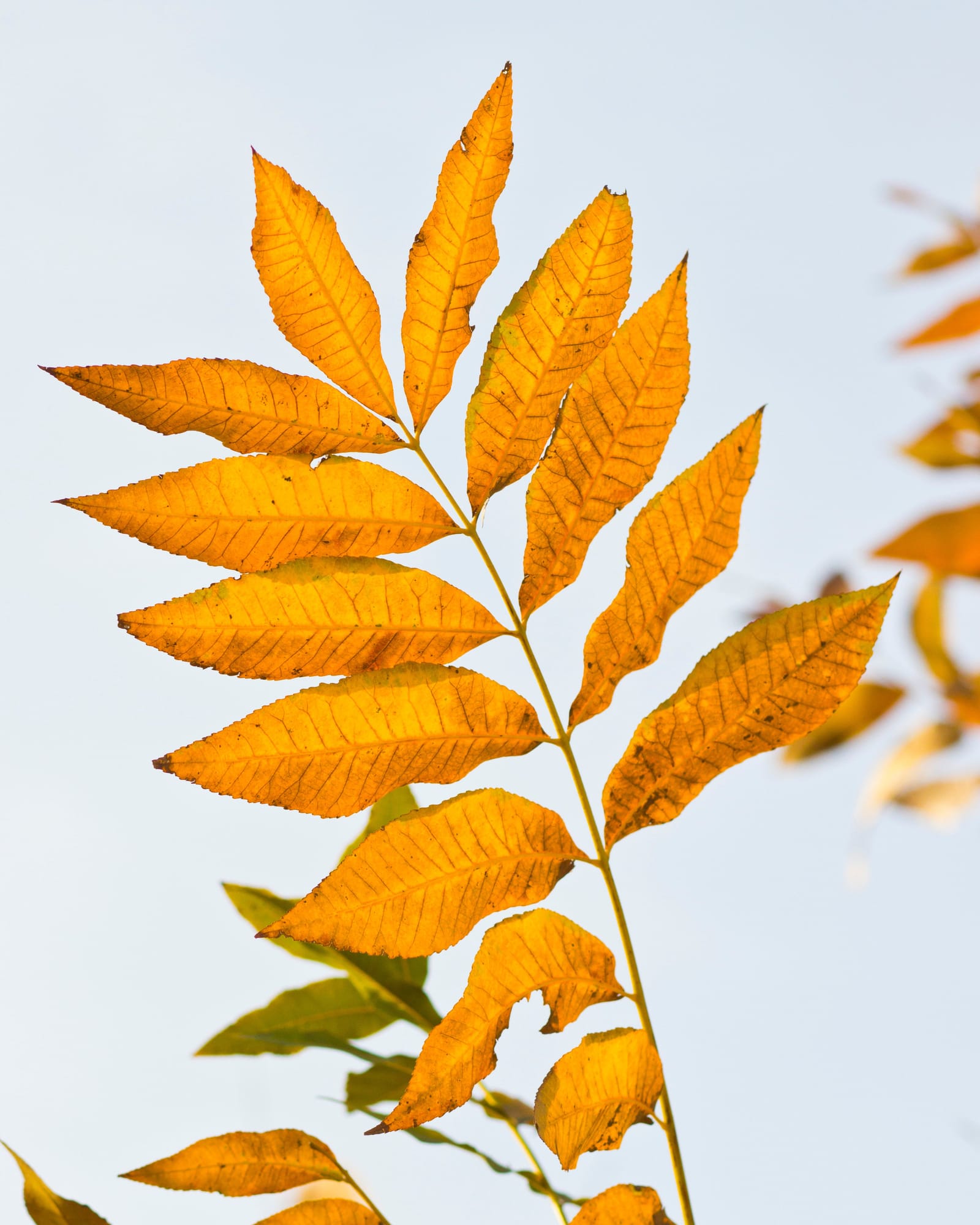
| Fall Color | Yellow | Yellow |
| Sizes Available | 7 gal | 6, 15 gal |


Our 1-Year Planting Guarantee
We take pride in our plants and installation services. If any plants or trees installed by Treeland fail to thrive within the first year, we'll provide a replacement credit in accordance with our guarantee program.
Learn More About Our Guarantee