
 Texas Native
Choctaw Pecan
Carya illinoinensis 'Choctaw'Local DFW Delivery Only
Product Details
Choctaw Pecan
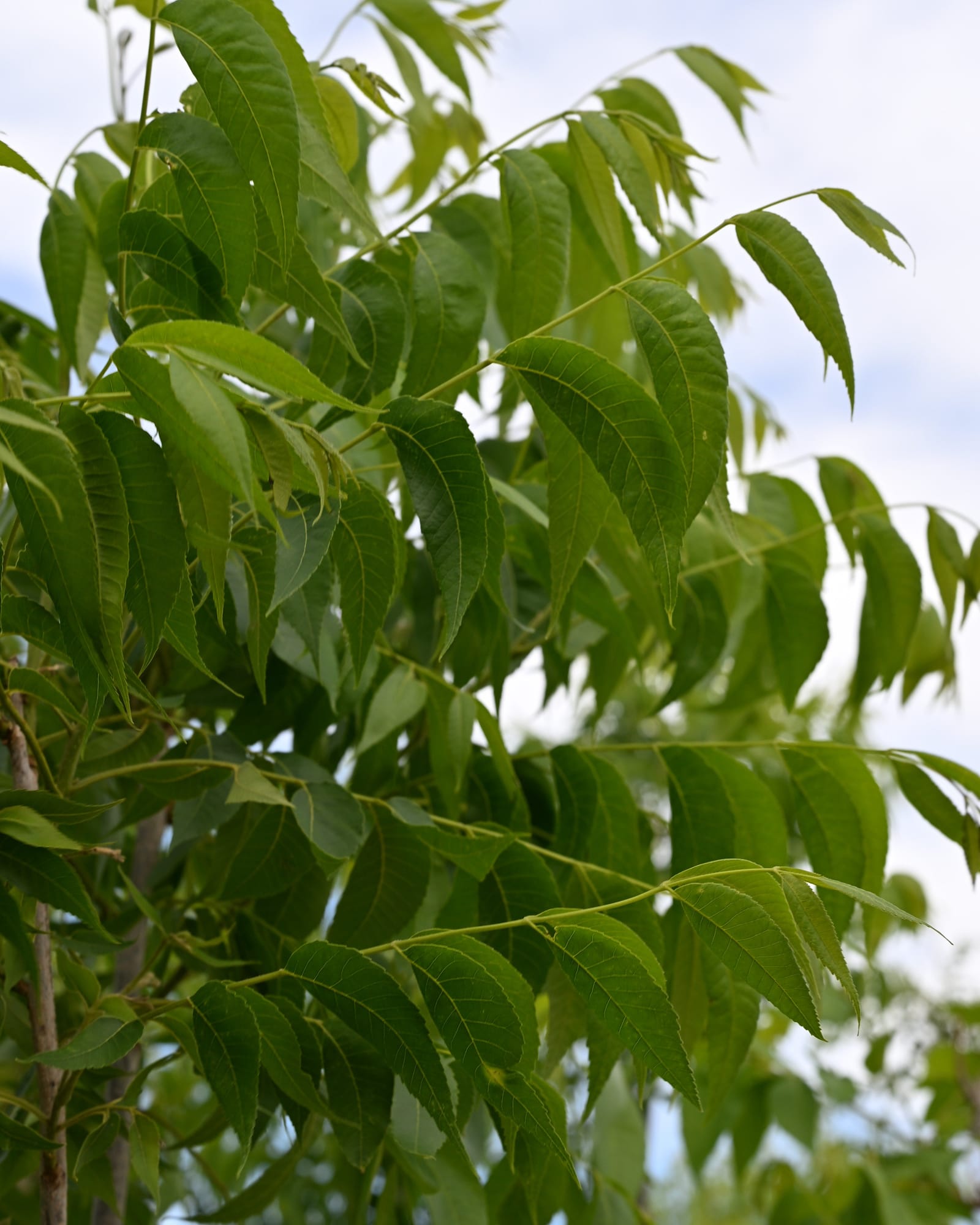
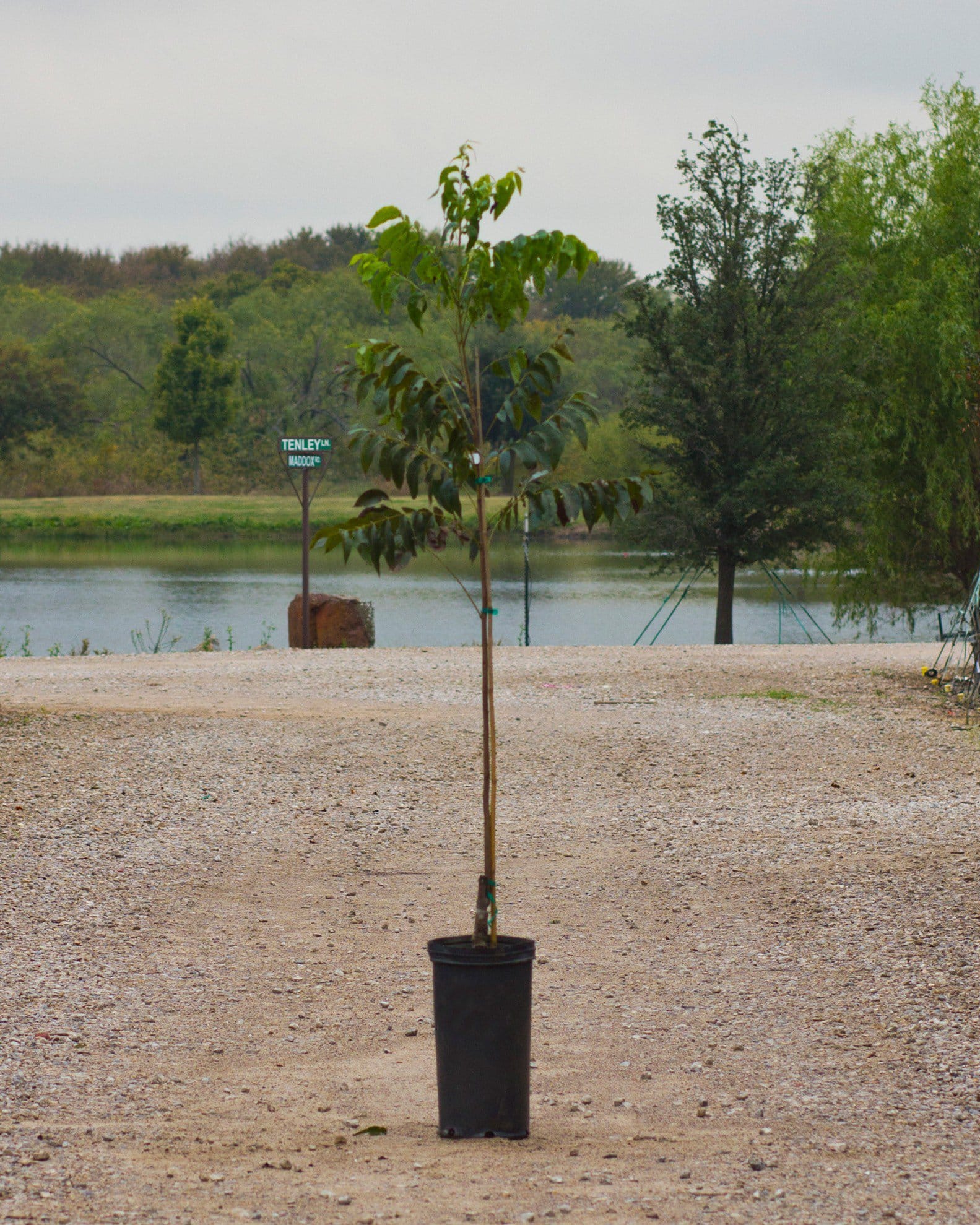
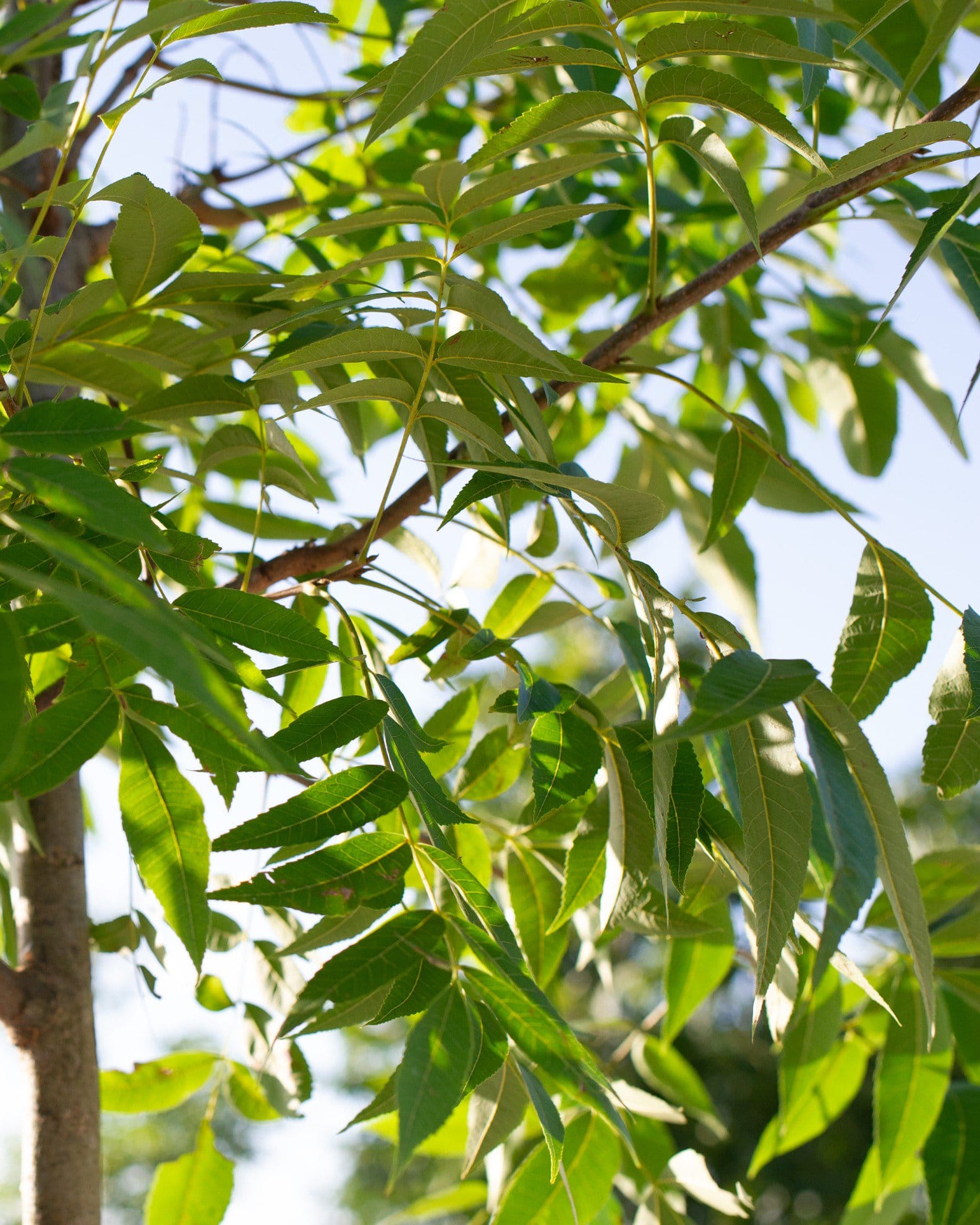
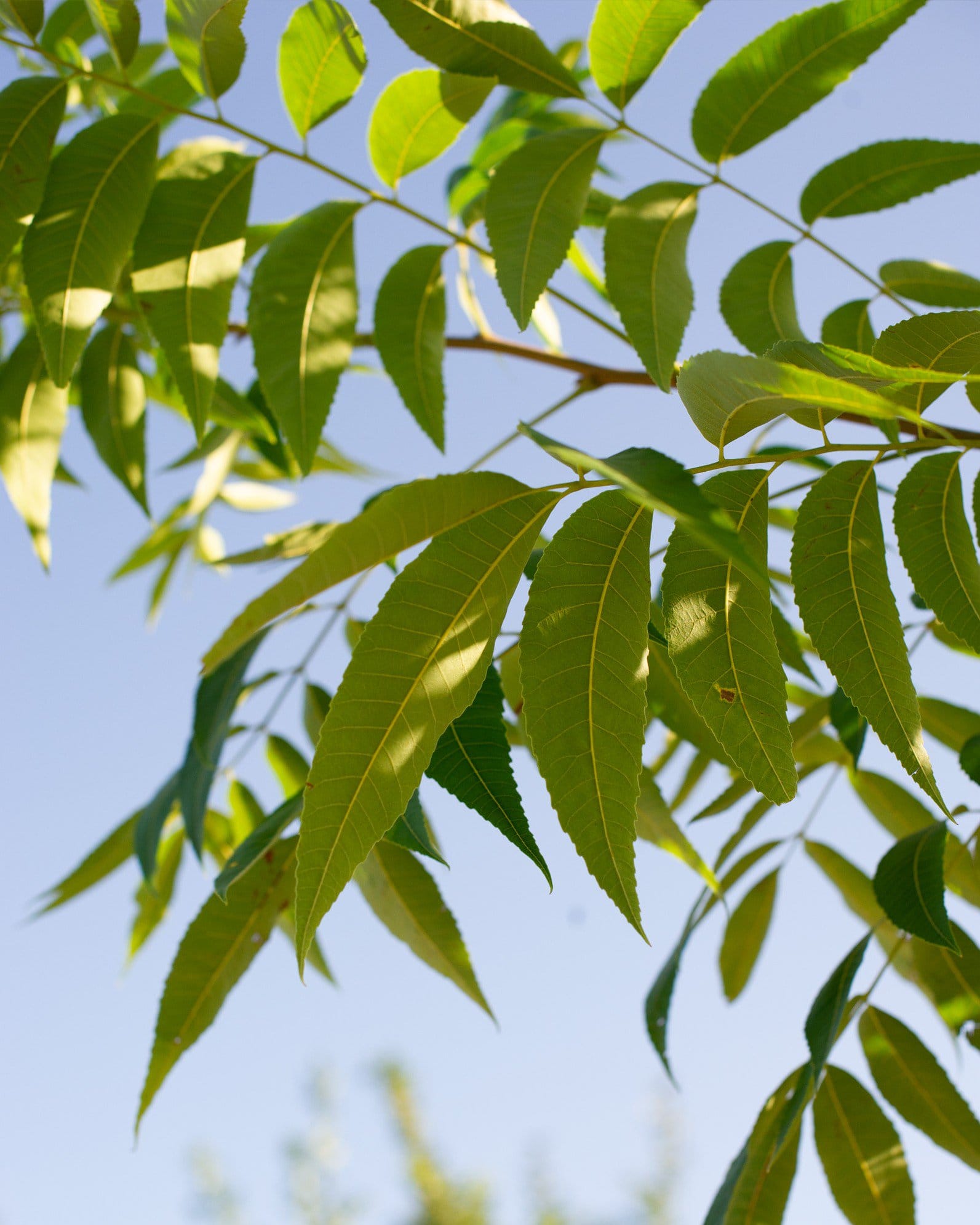
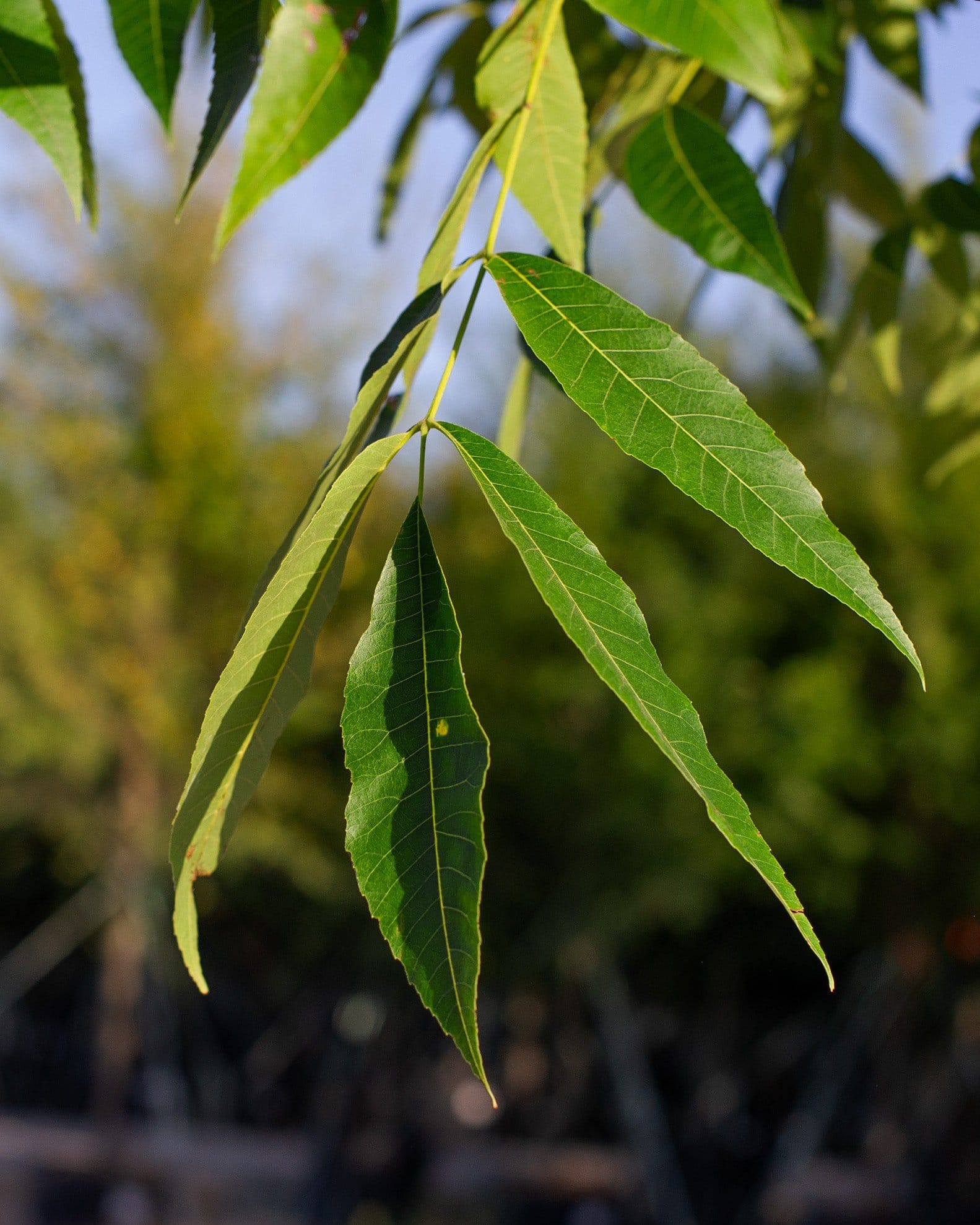
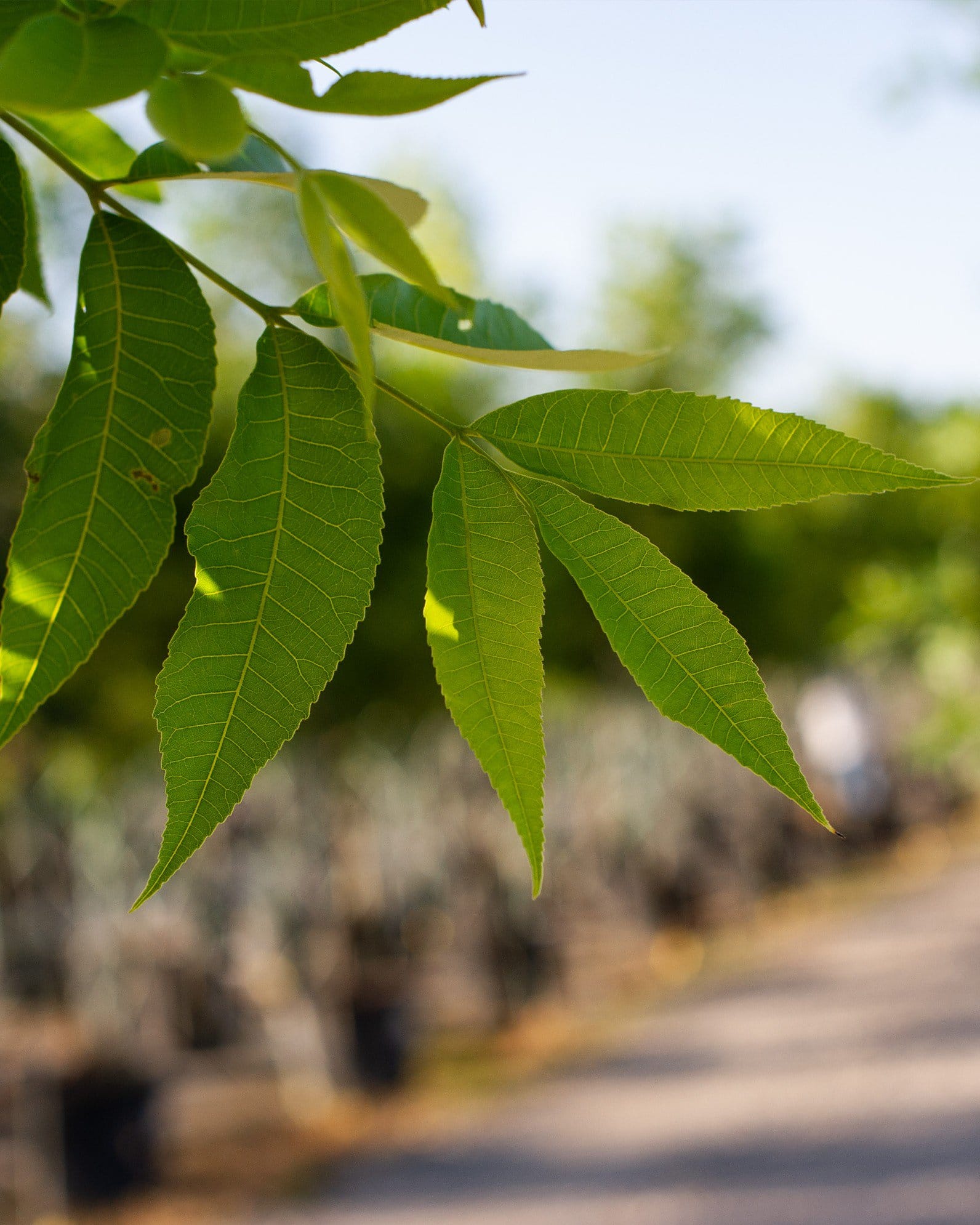
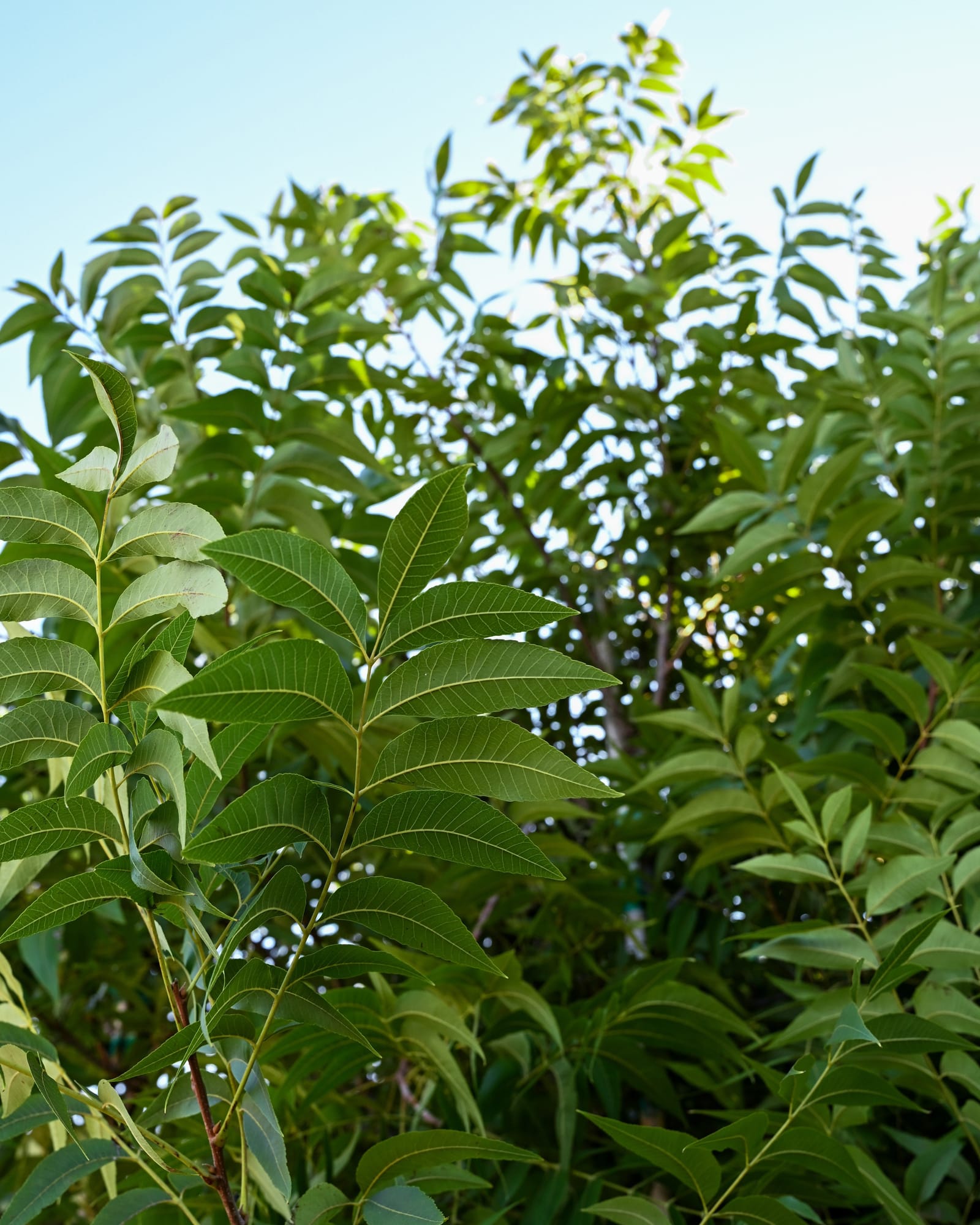
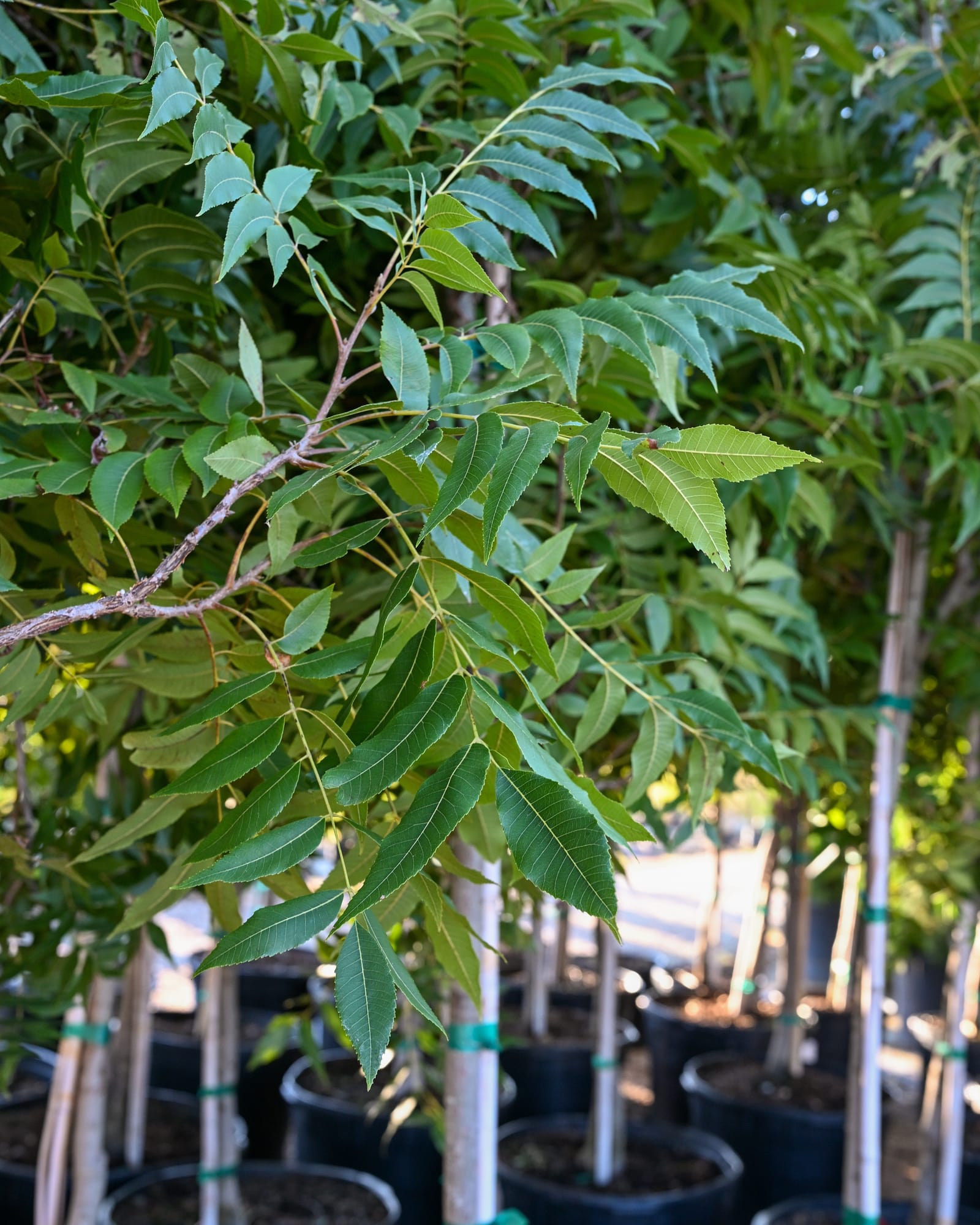
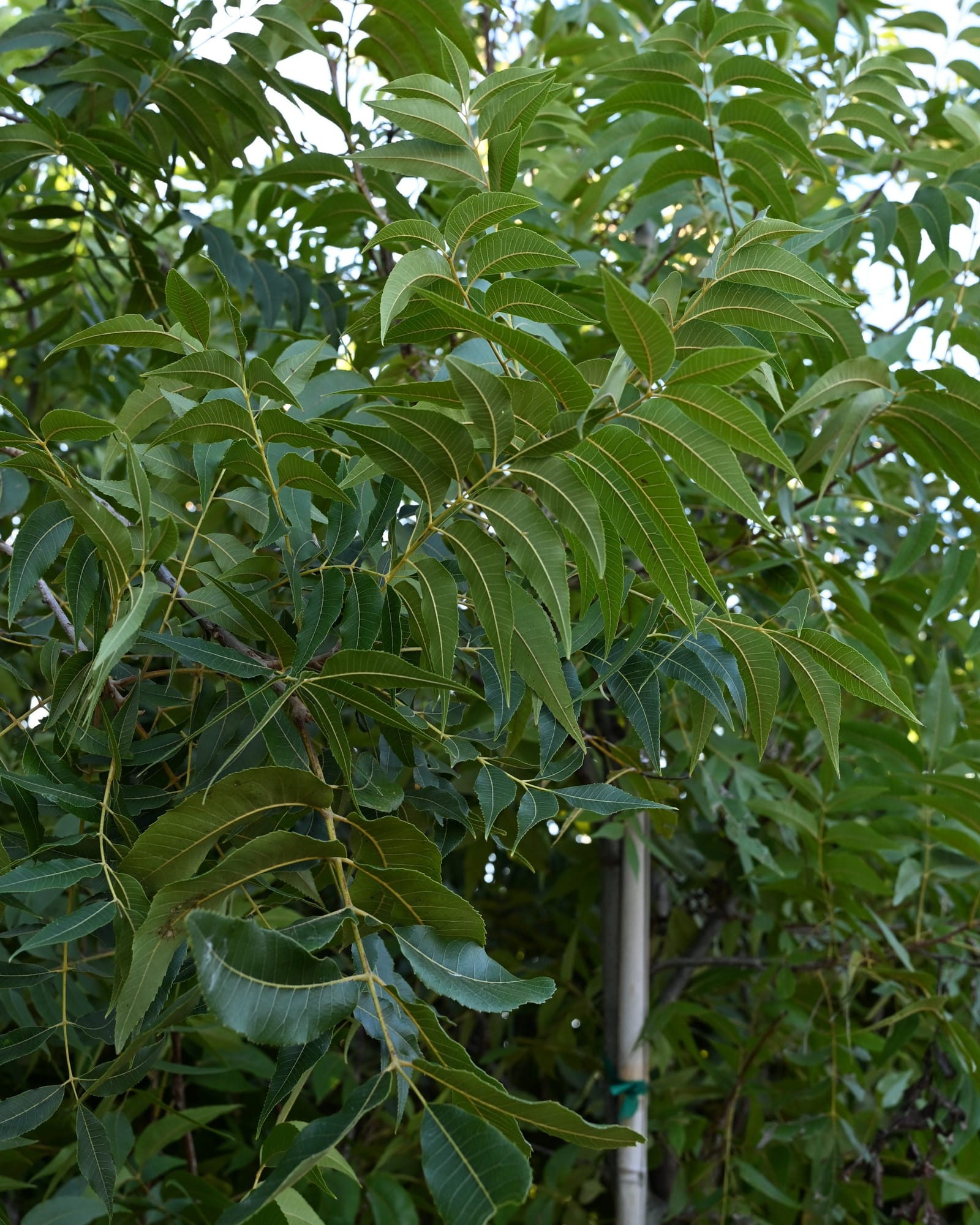
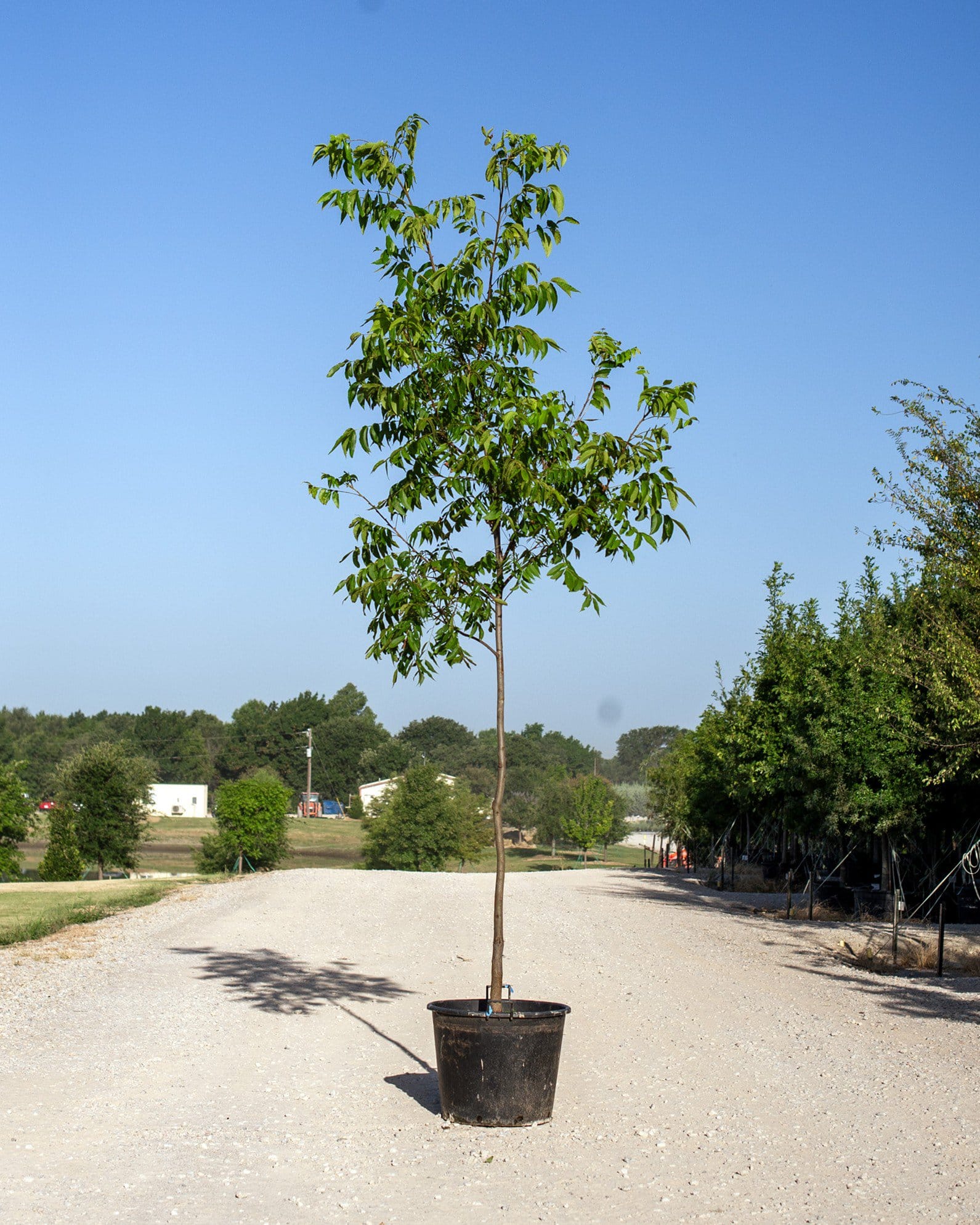
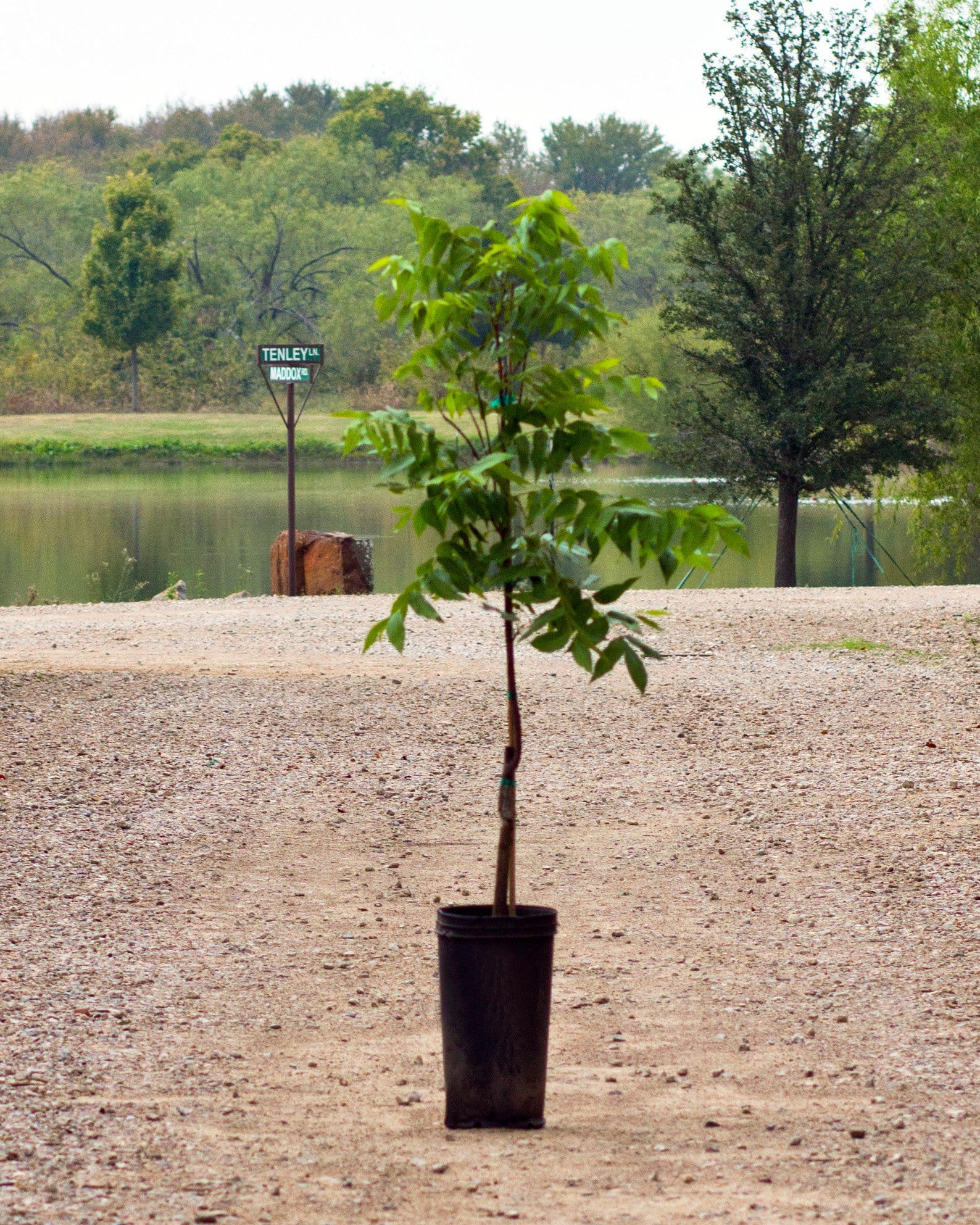
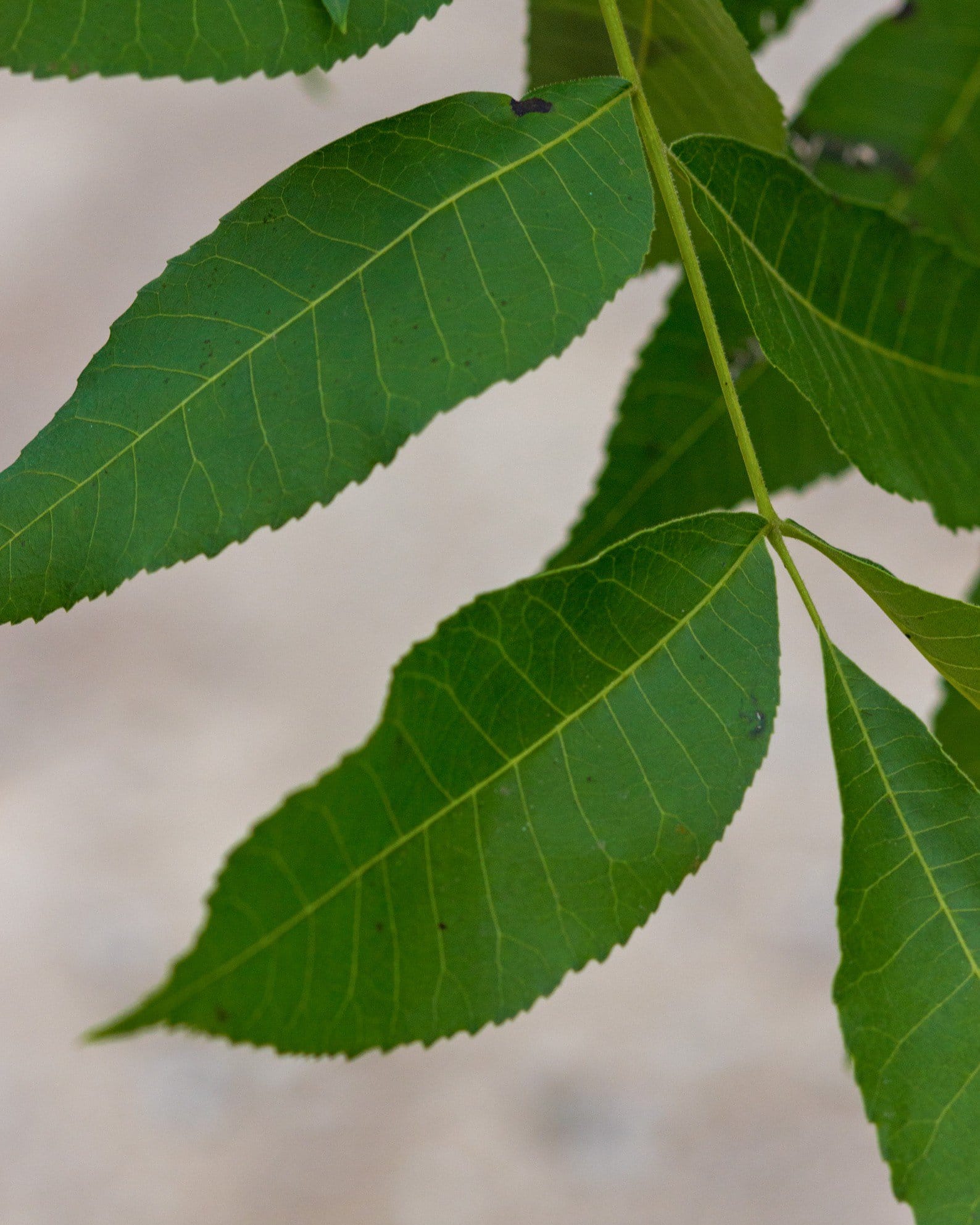
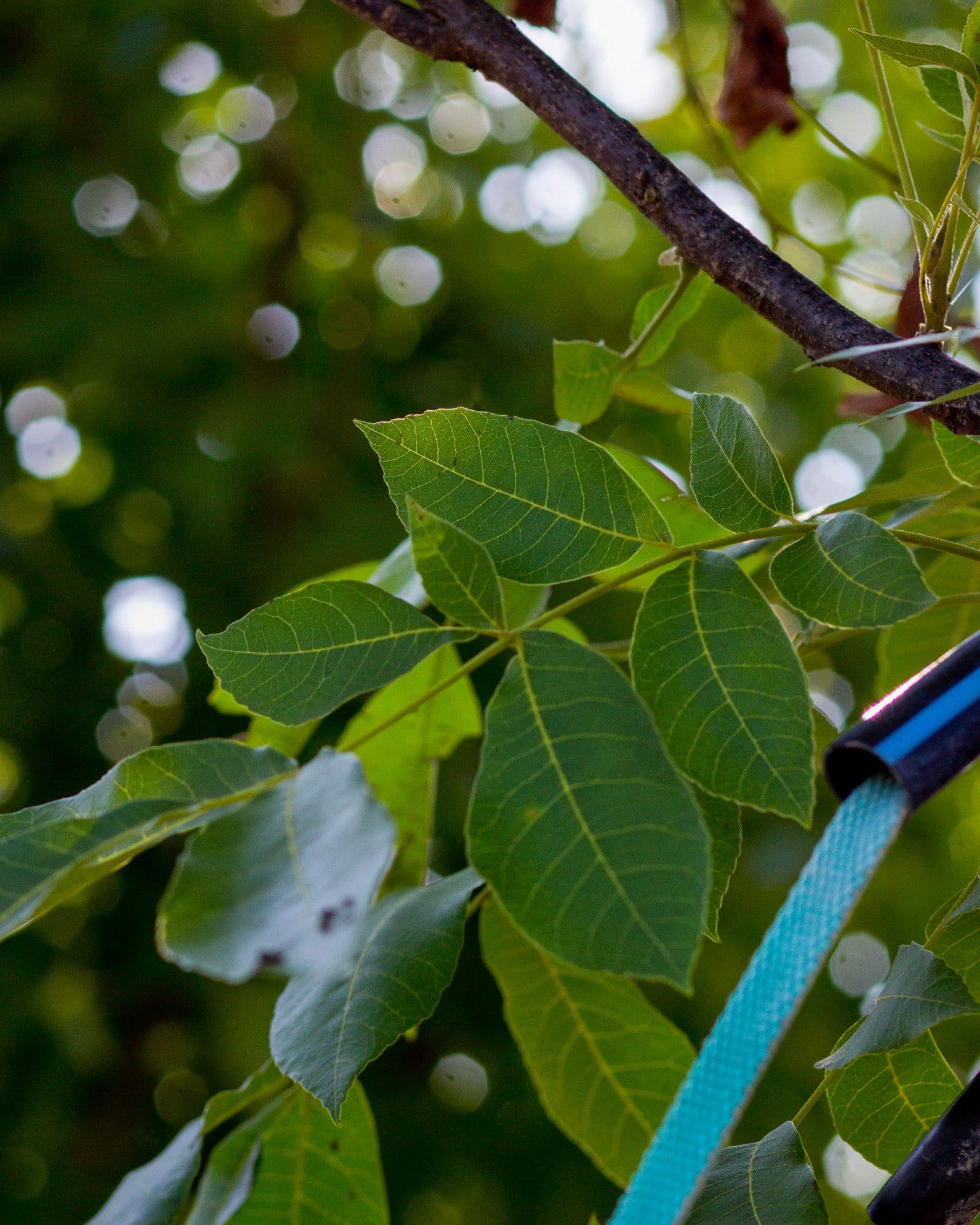
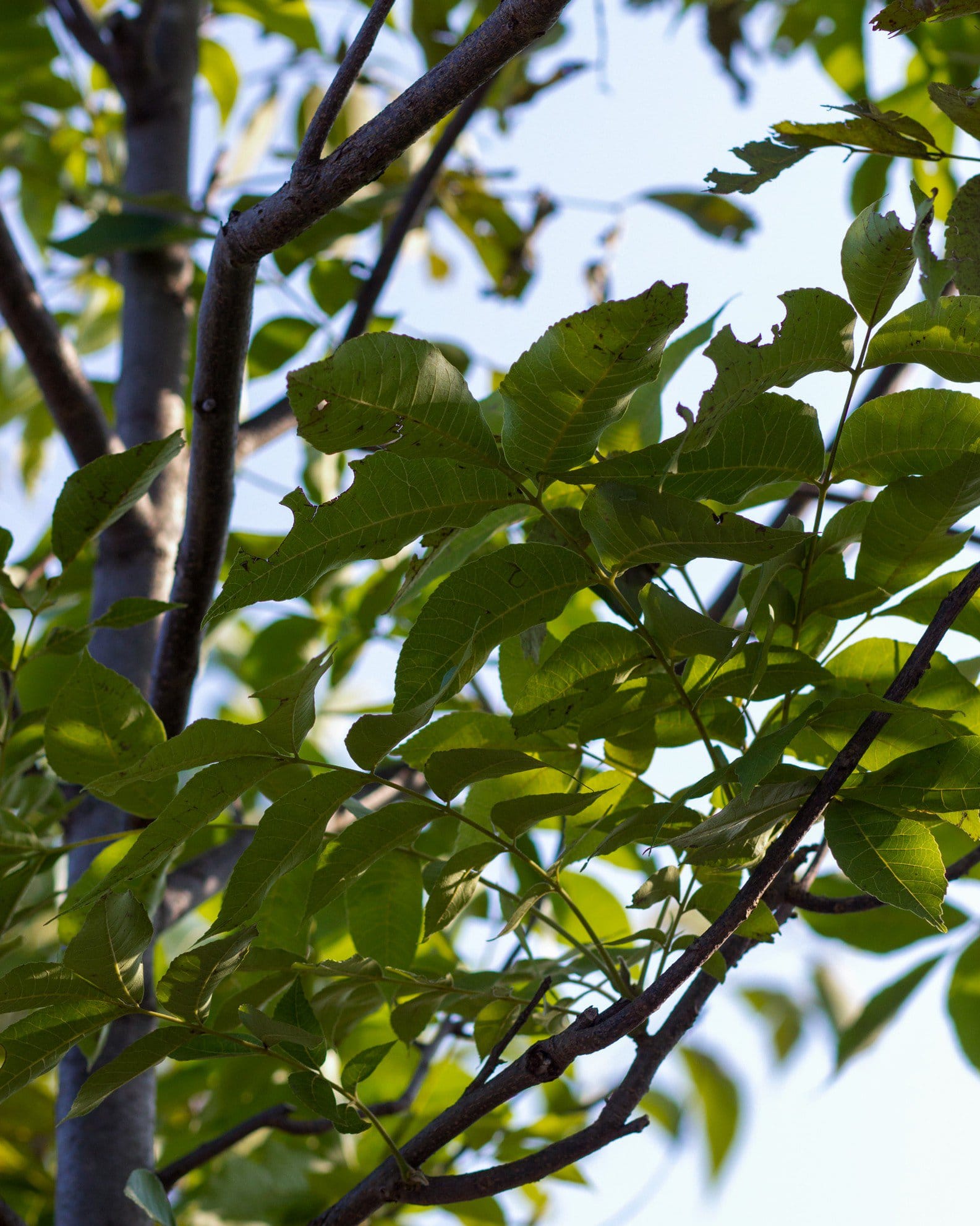
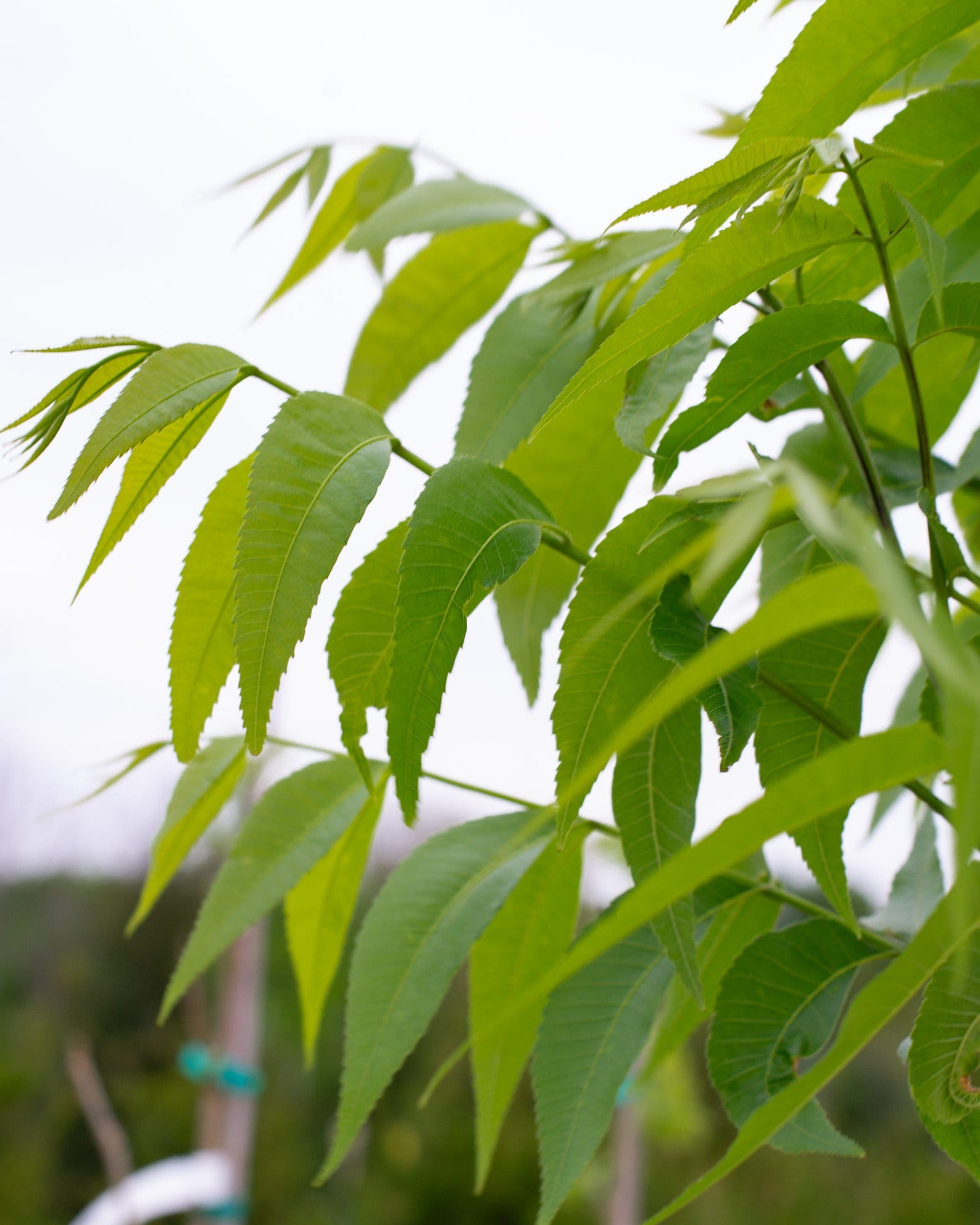
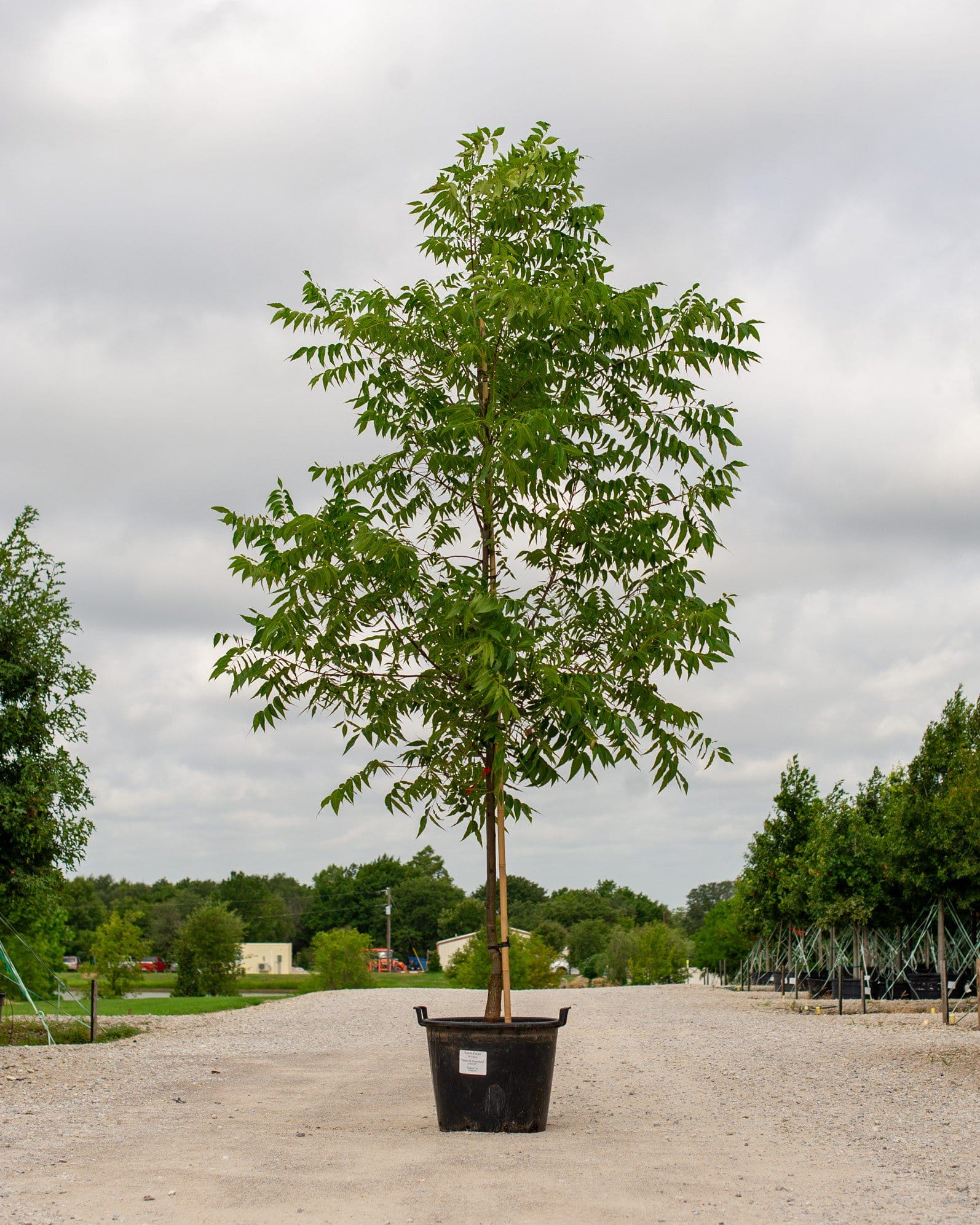
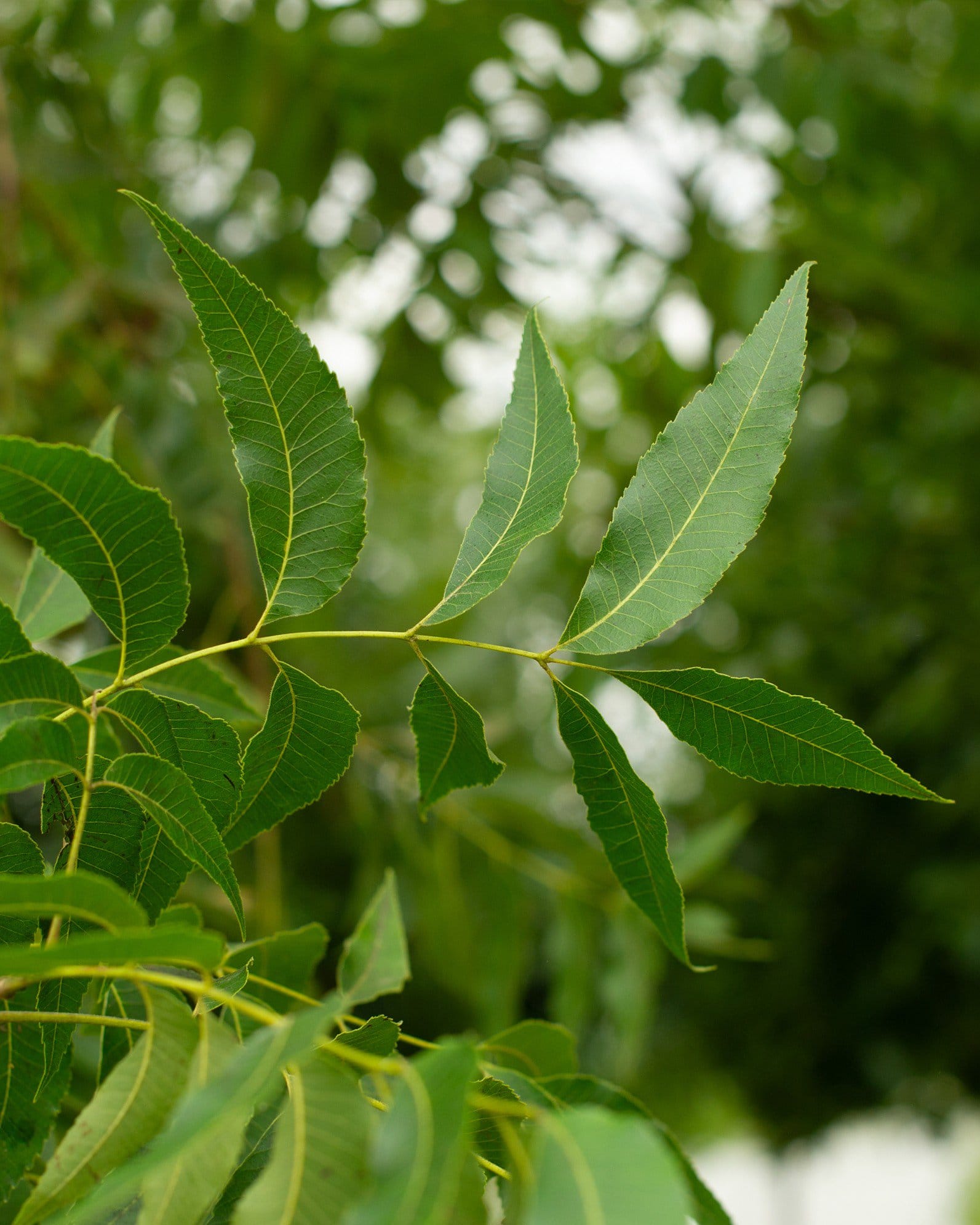
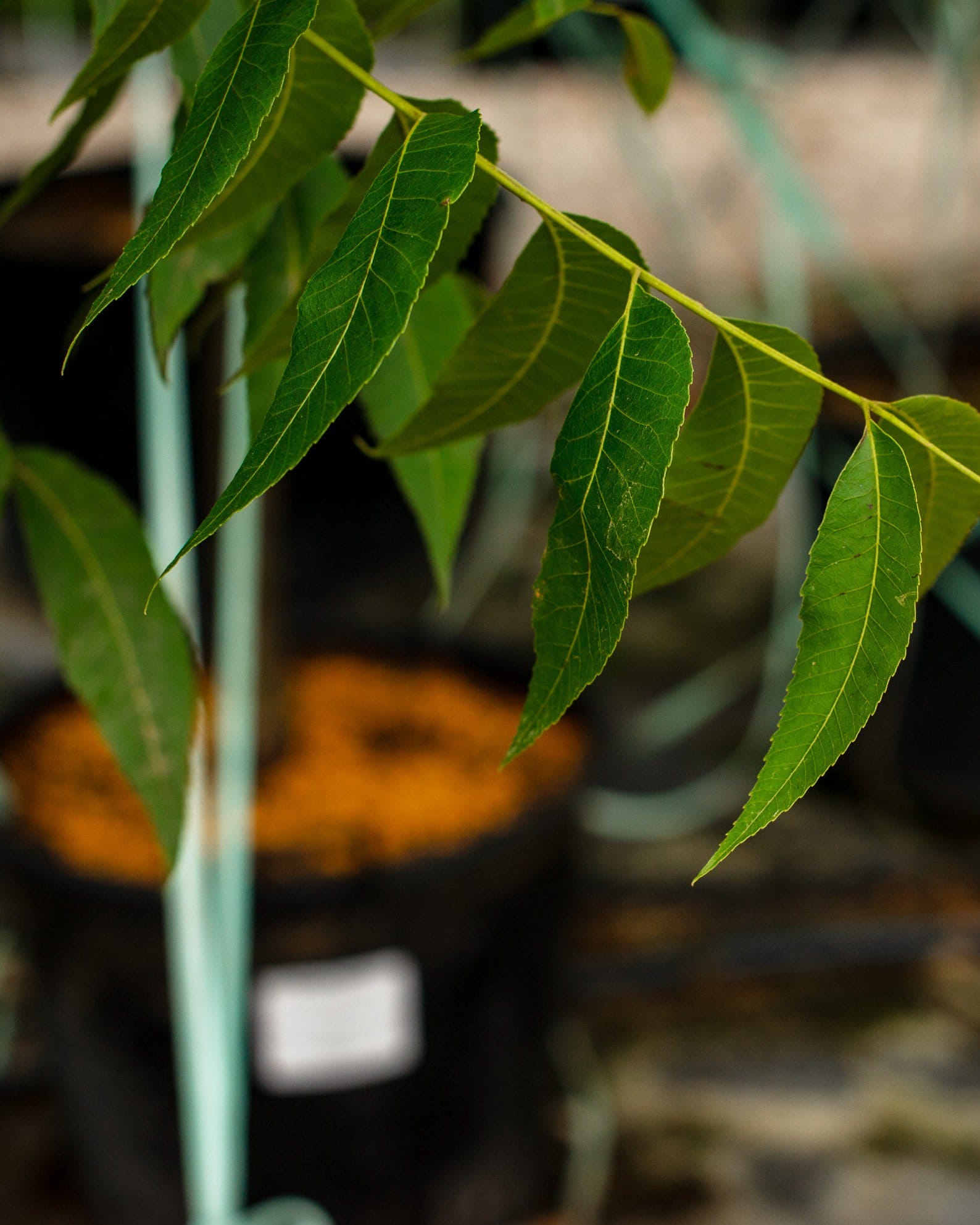
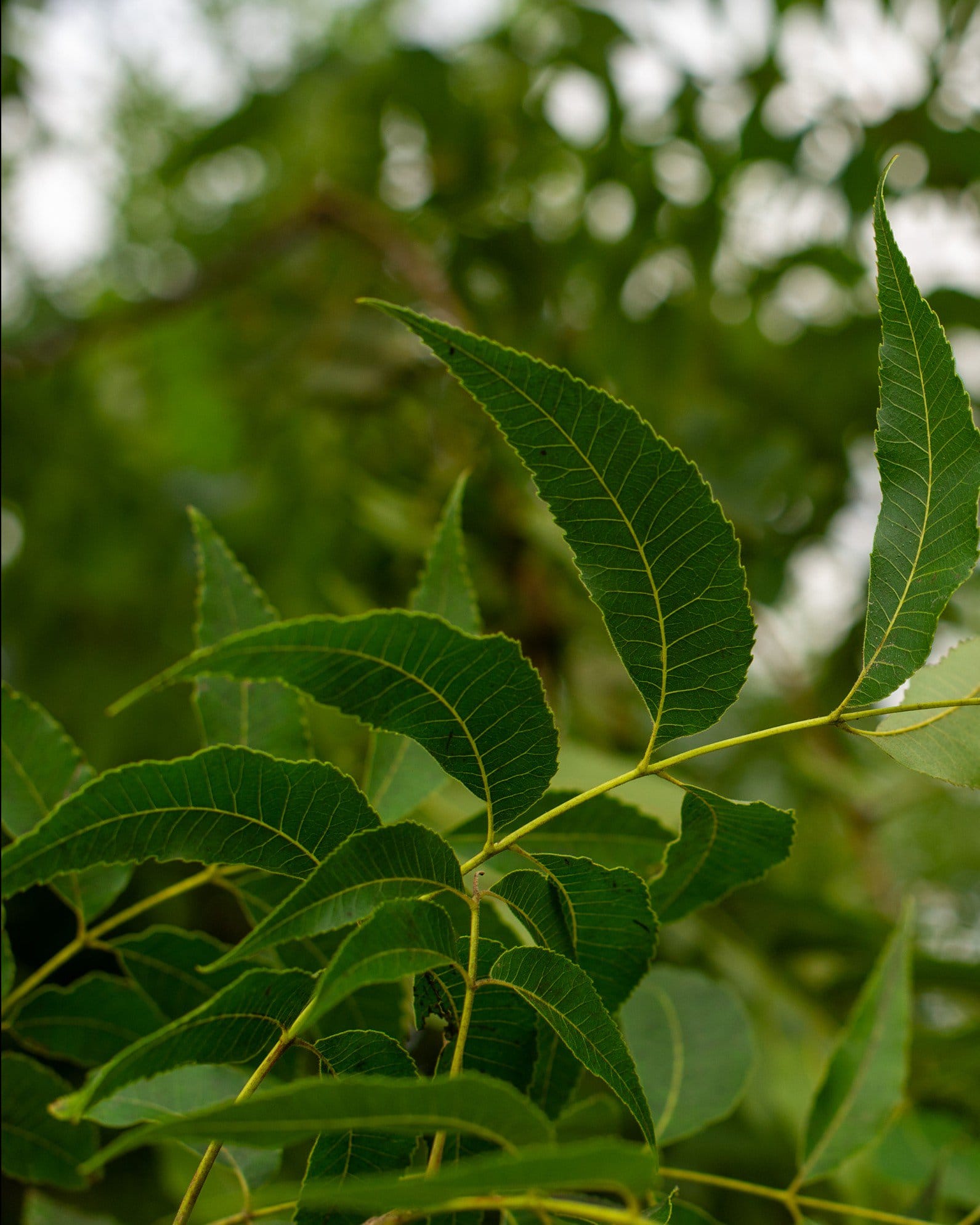
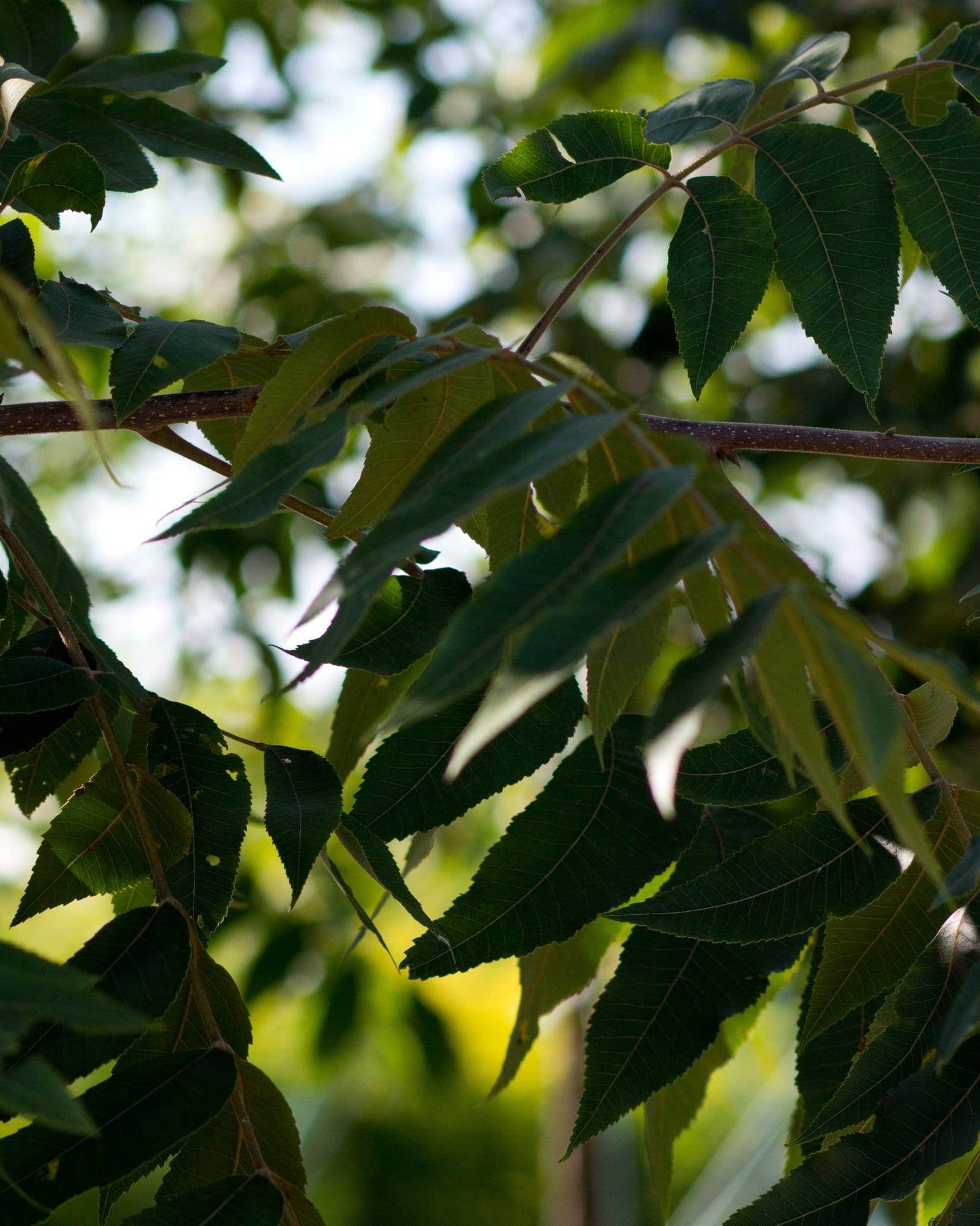
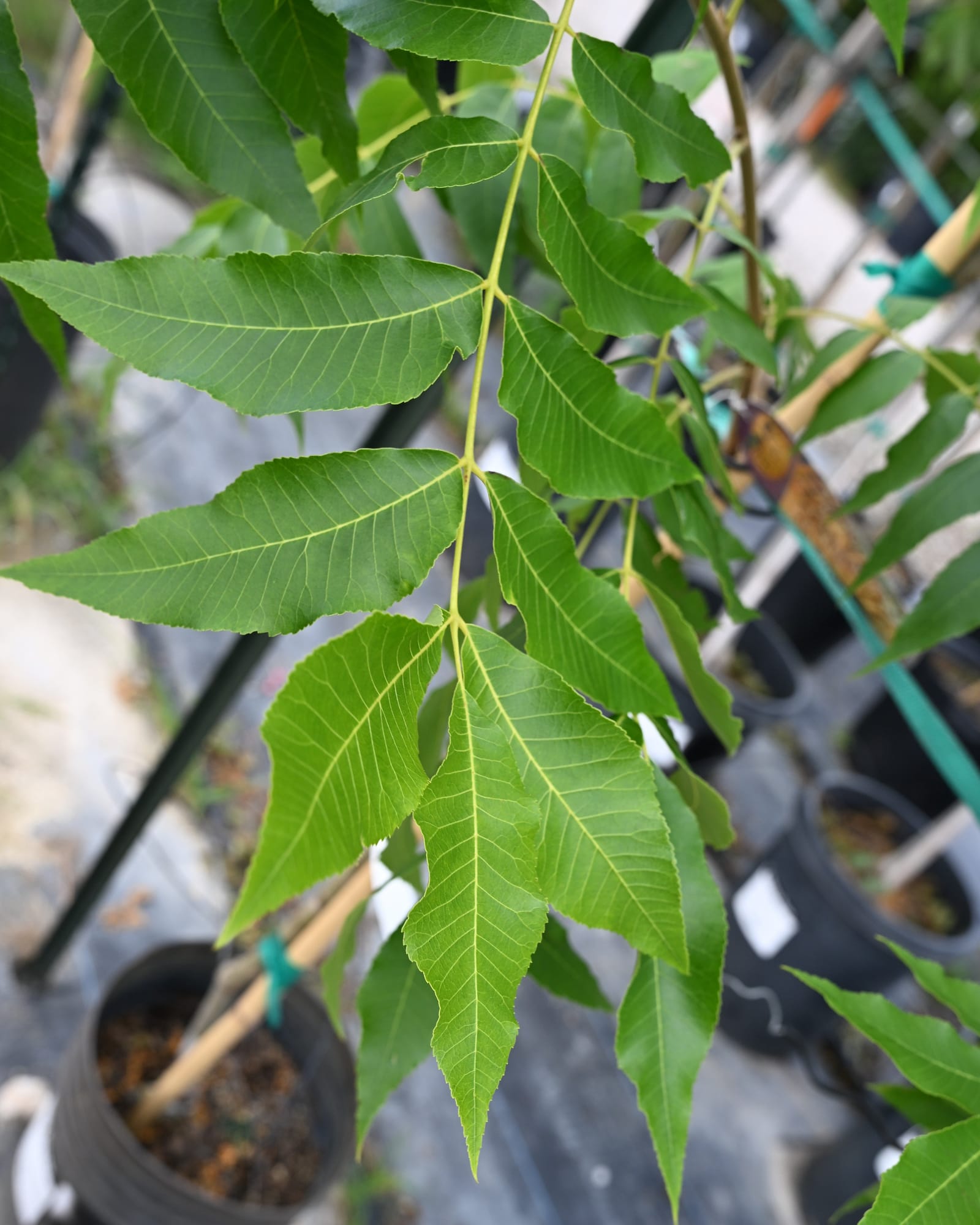
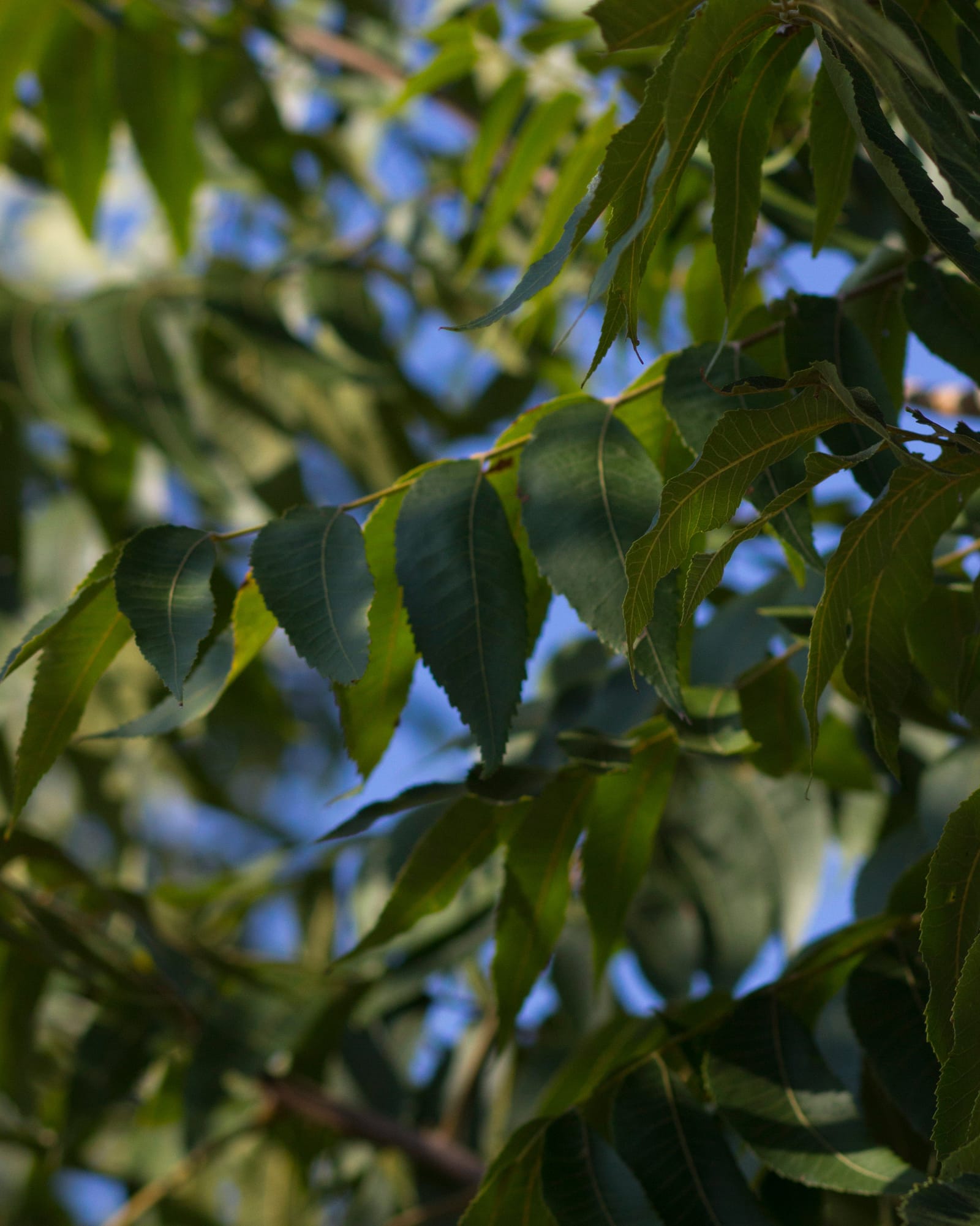
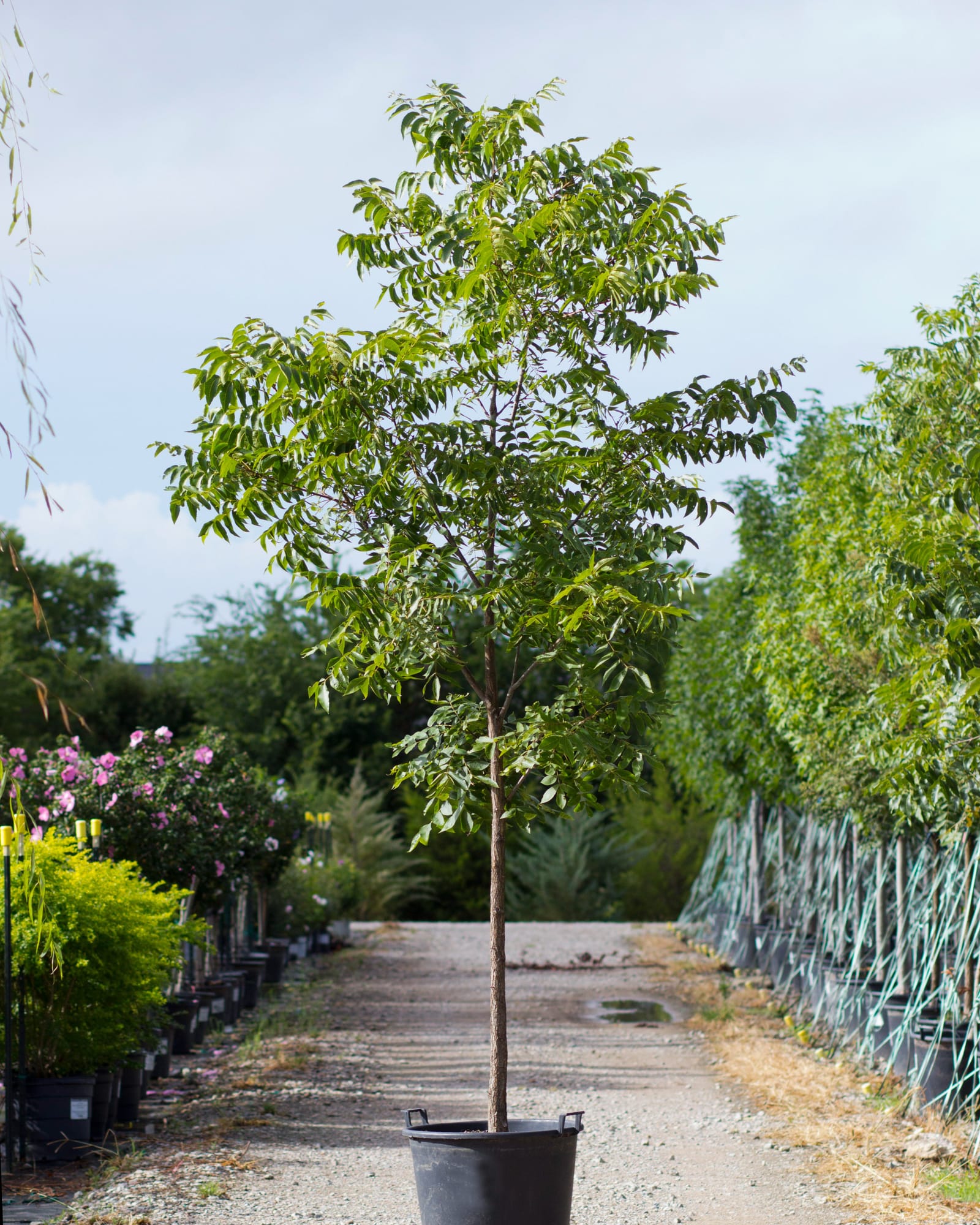
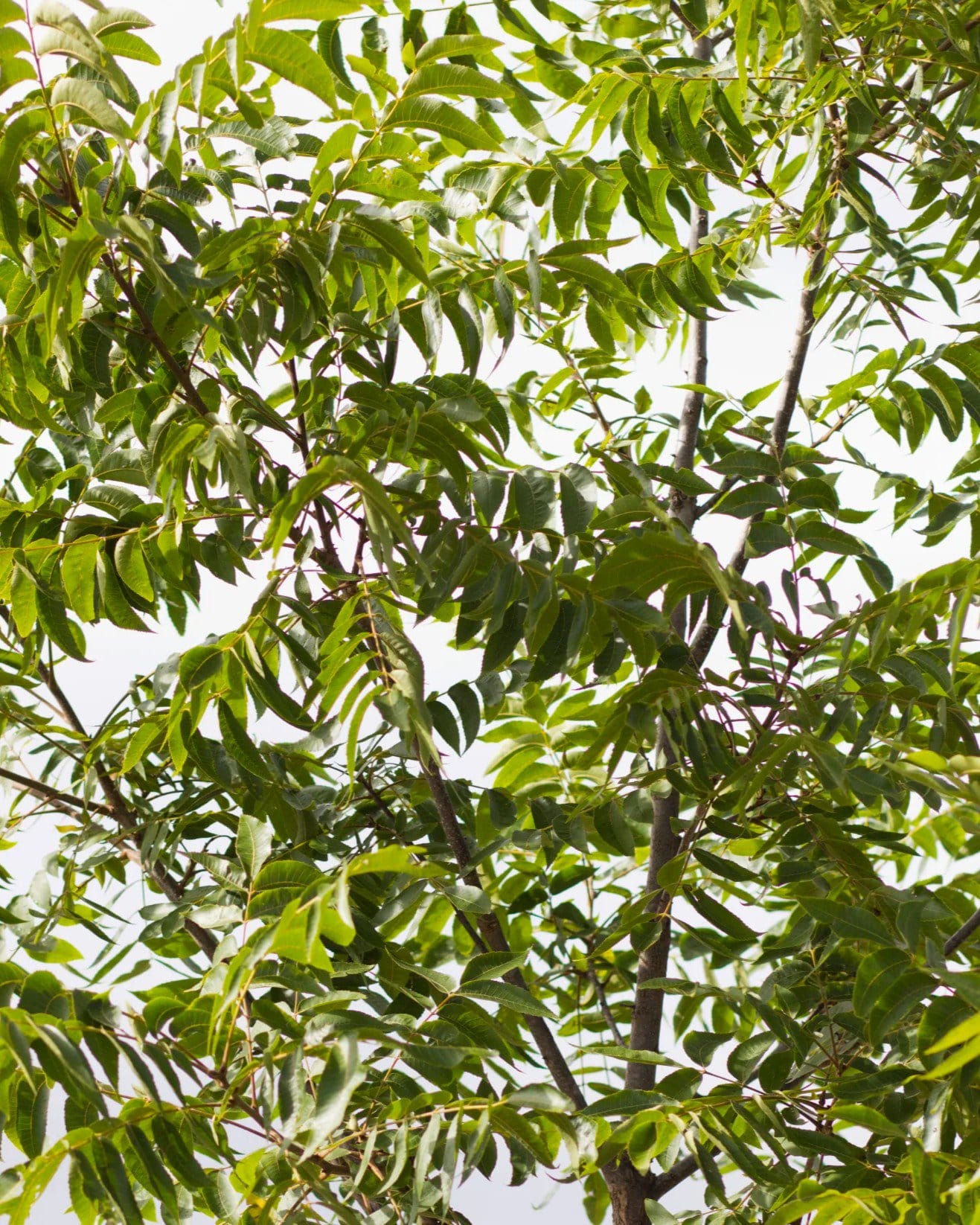
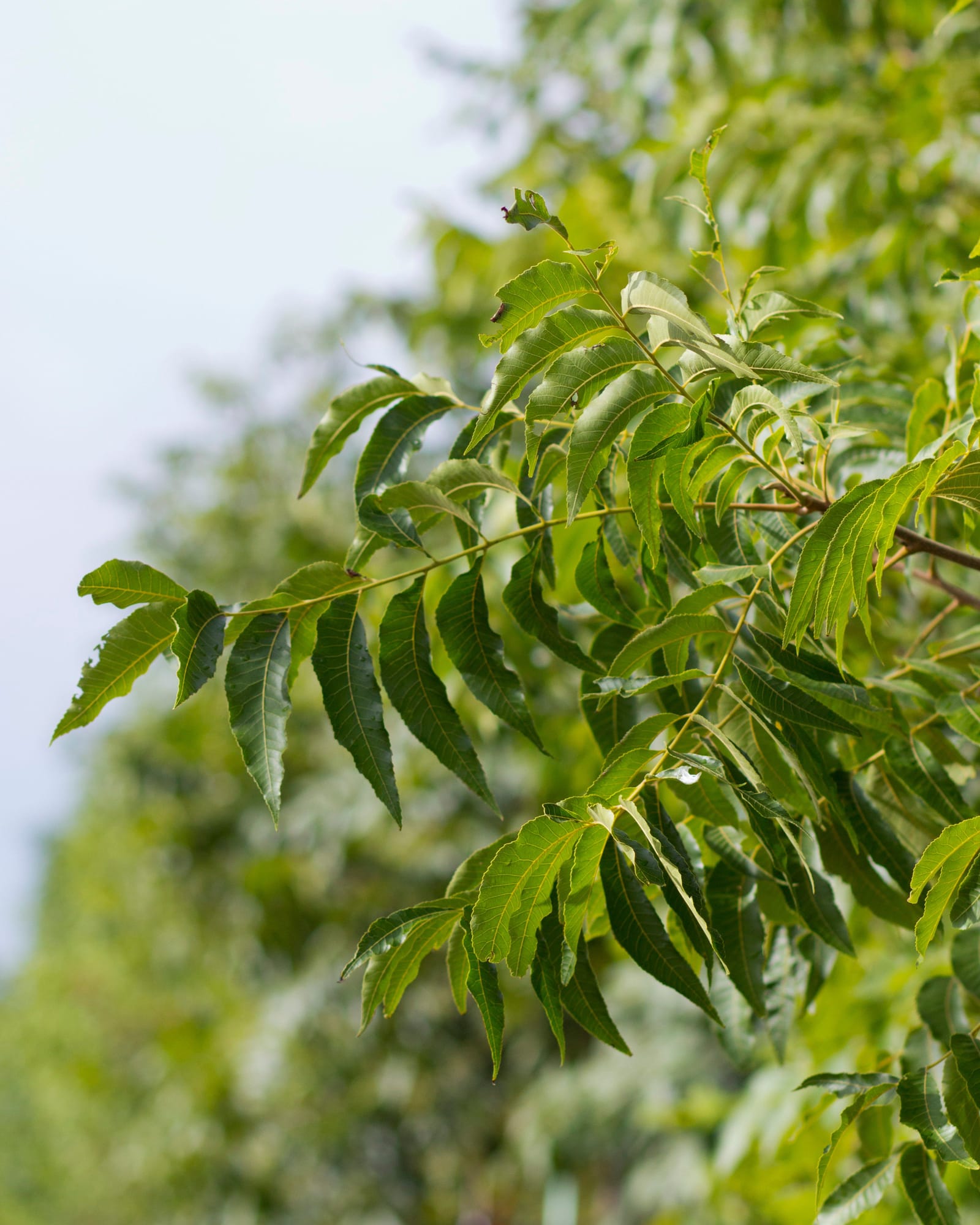
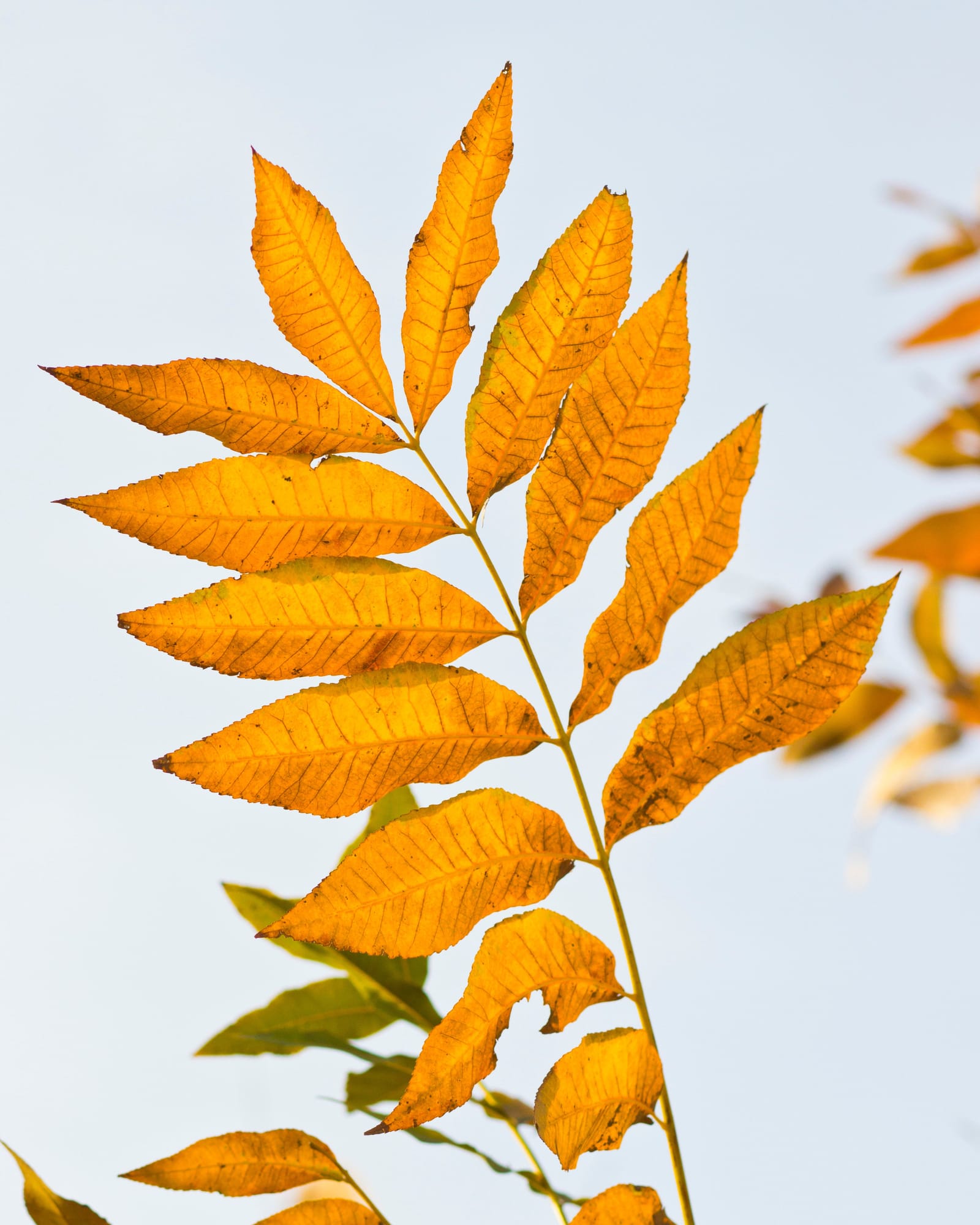
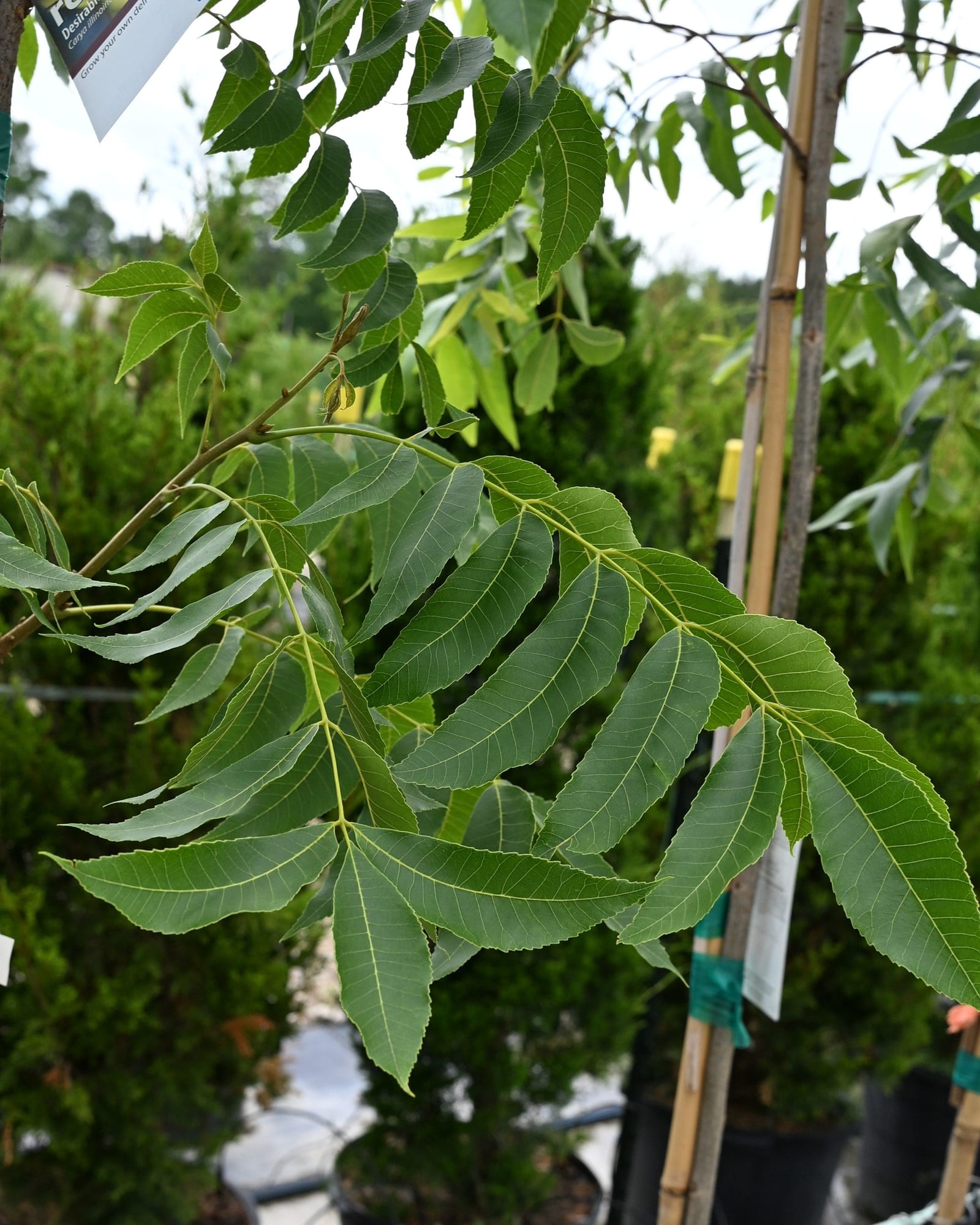
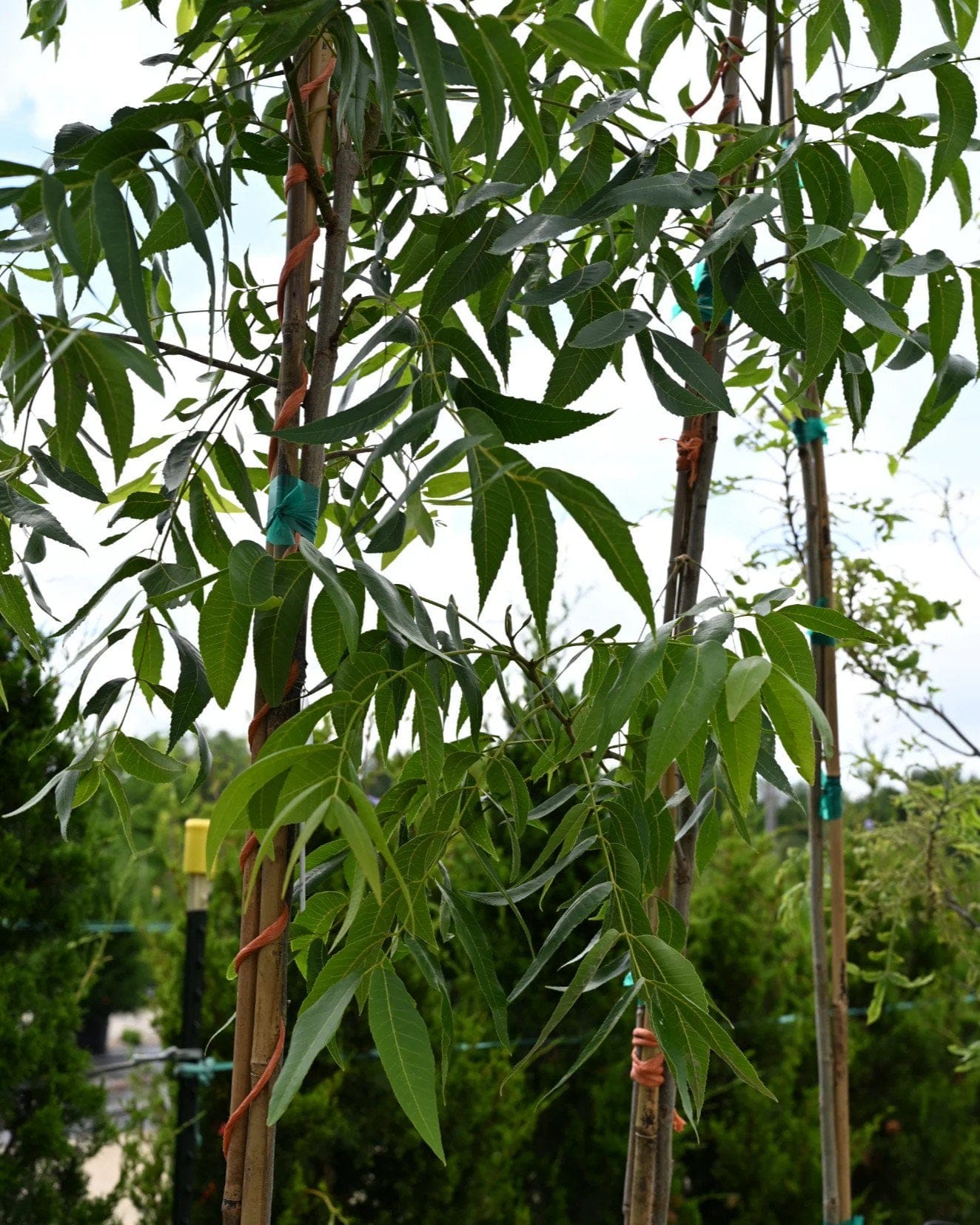
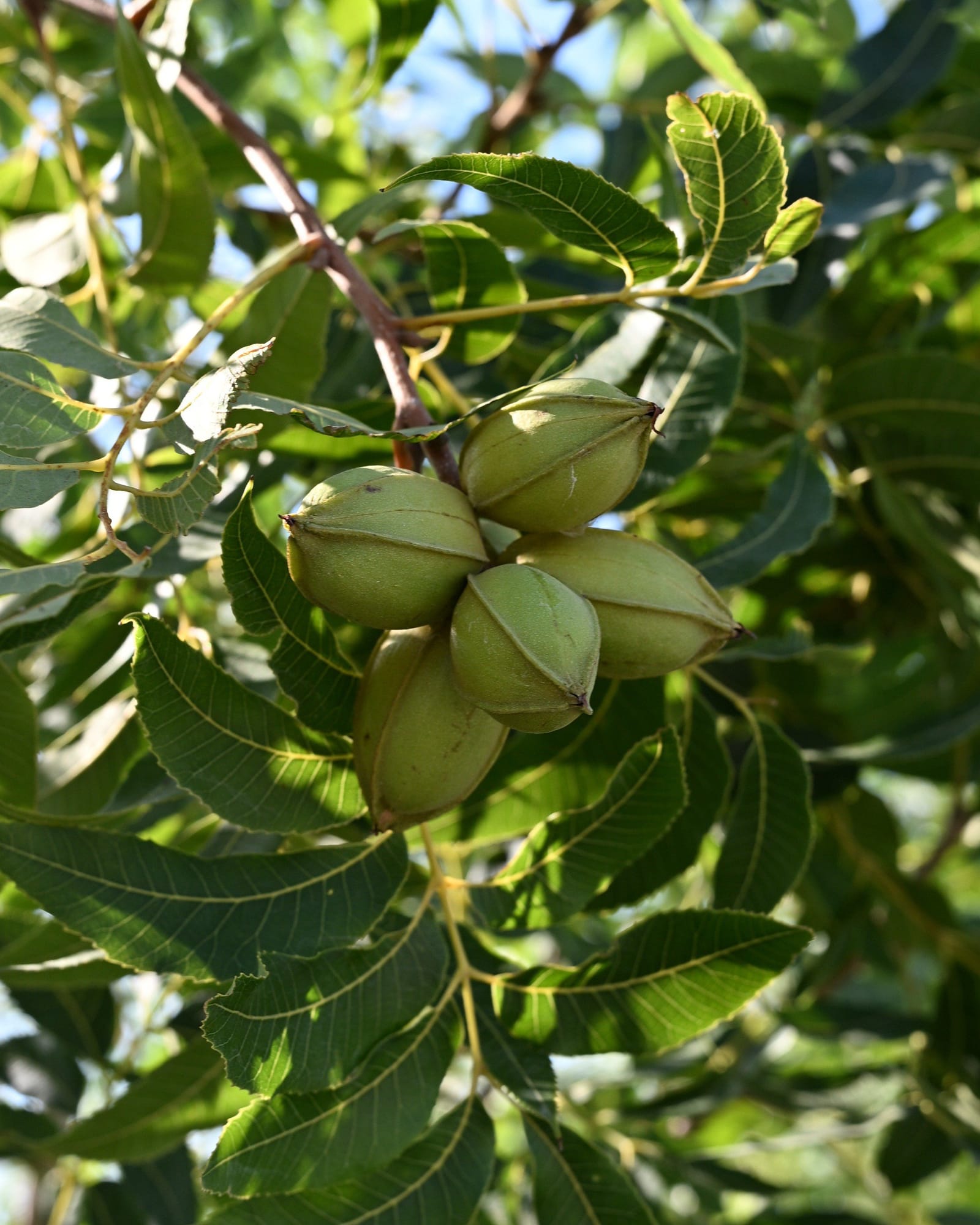
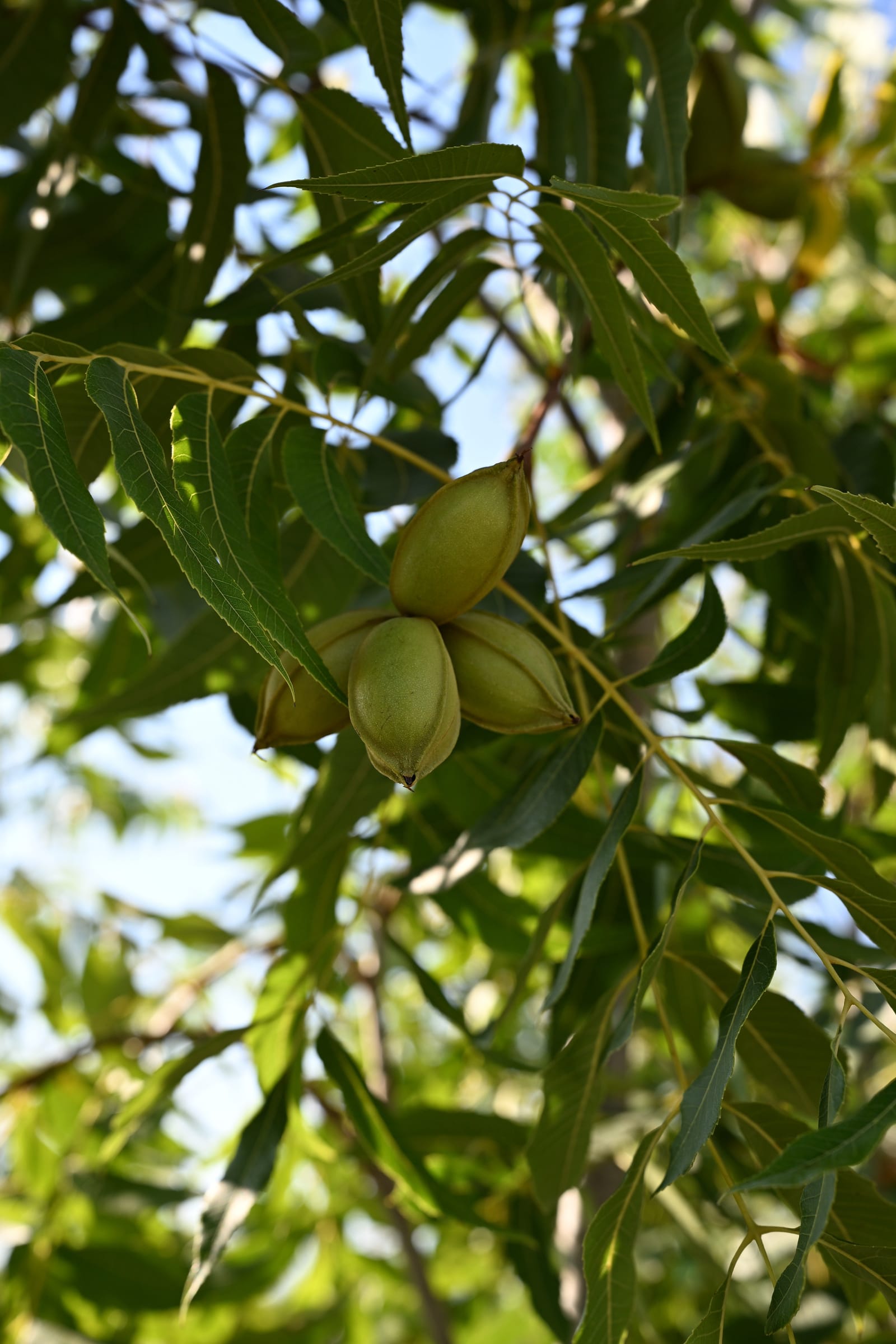
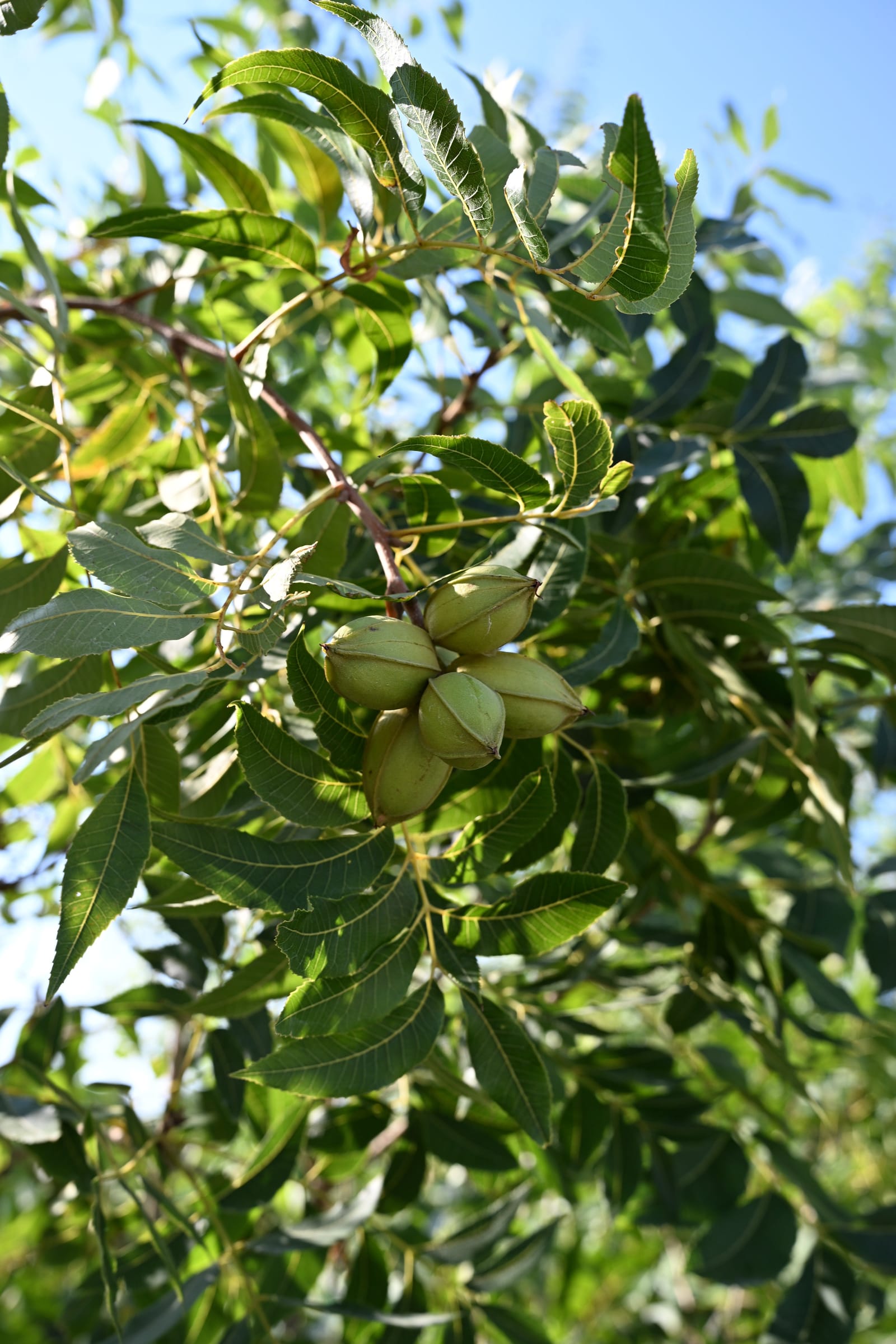
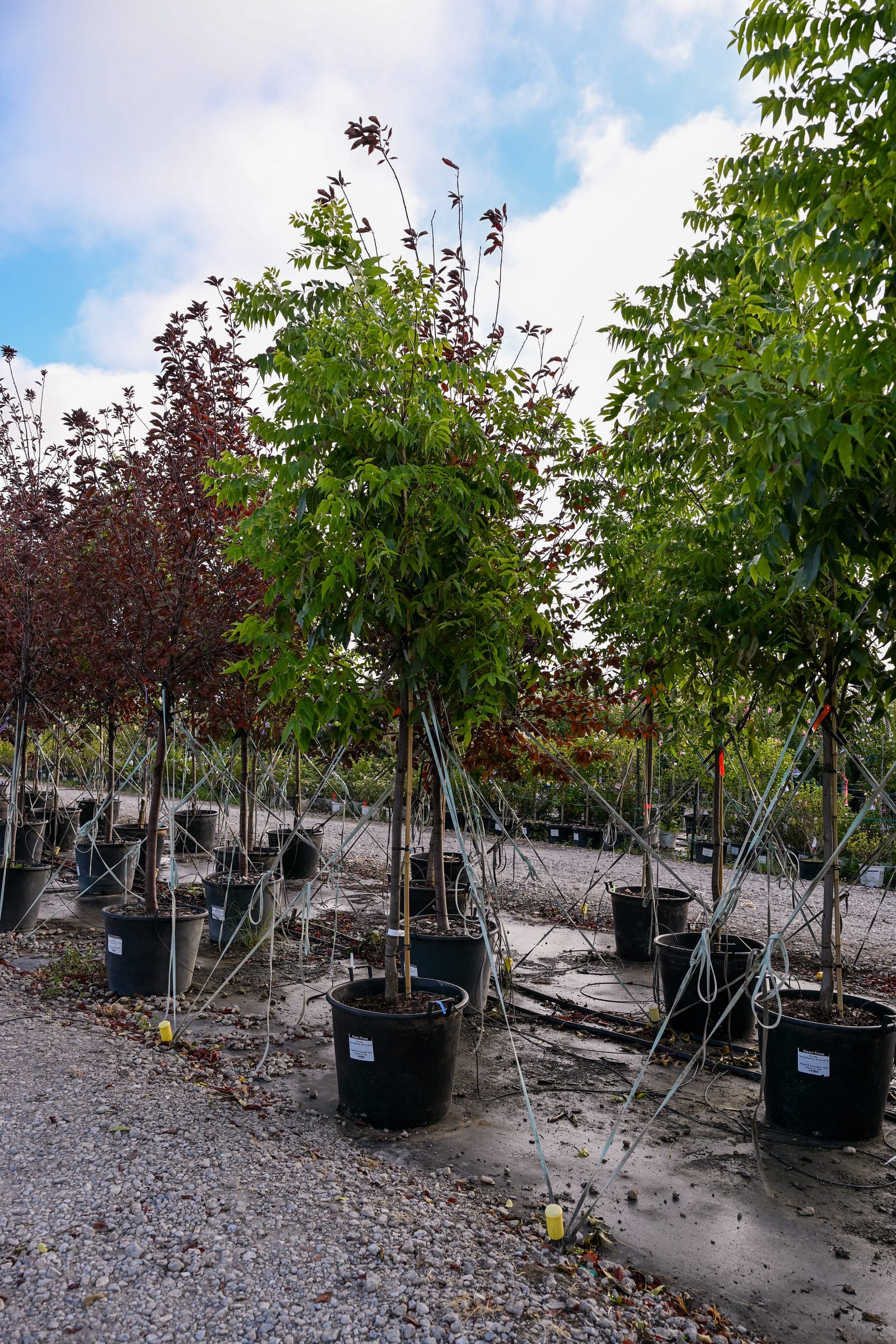
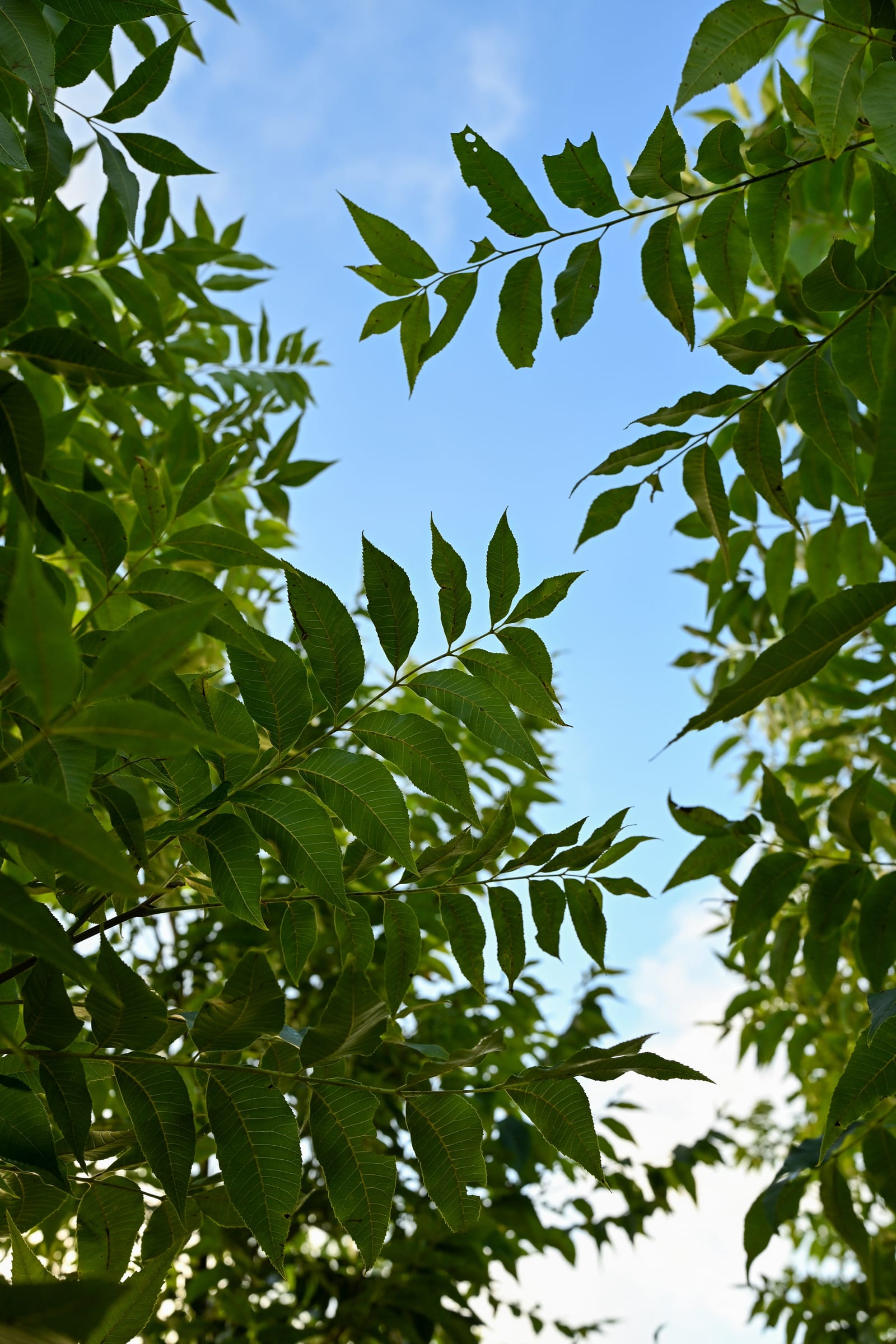
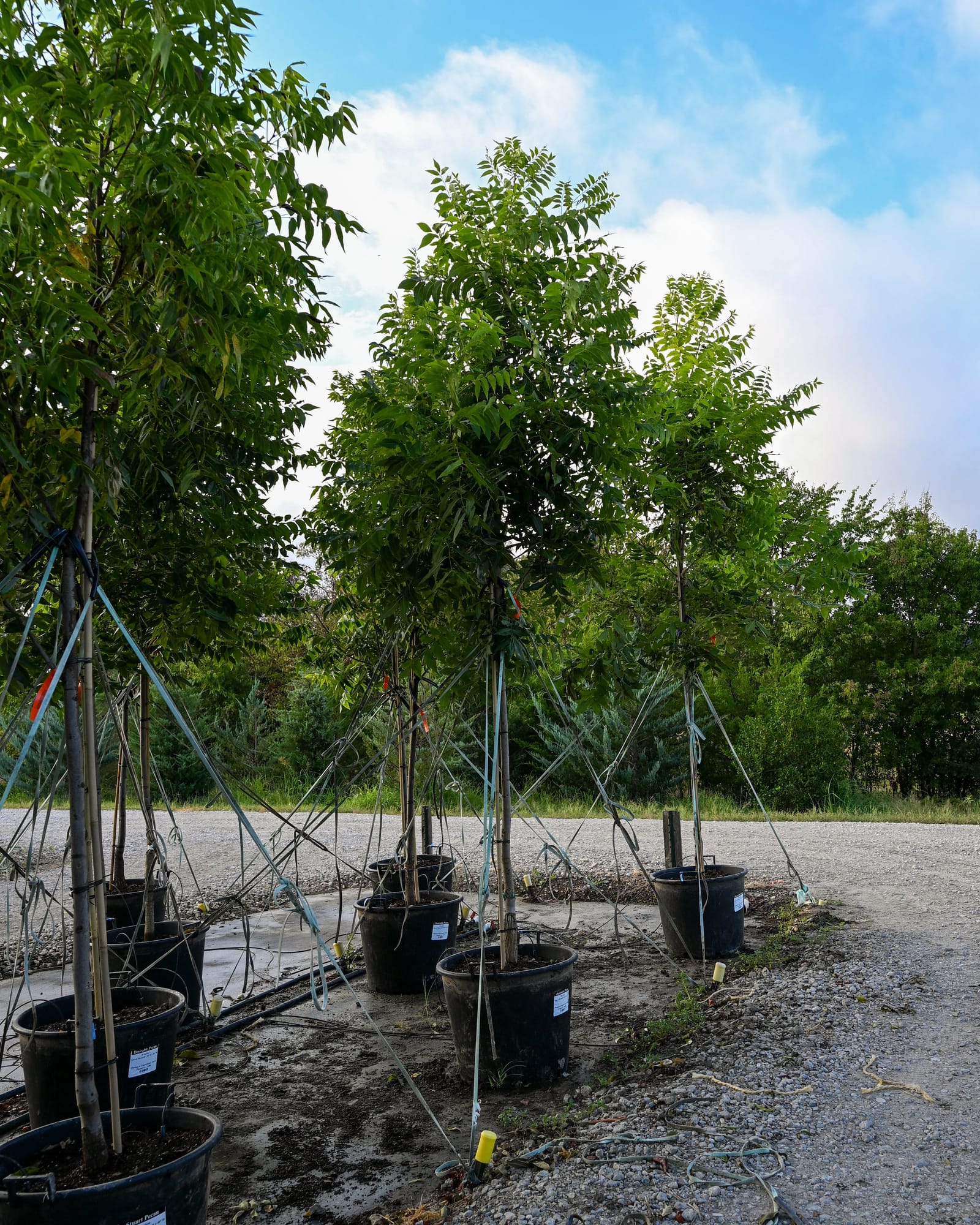
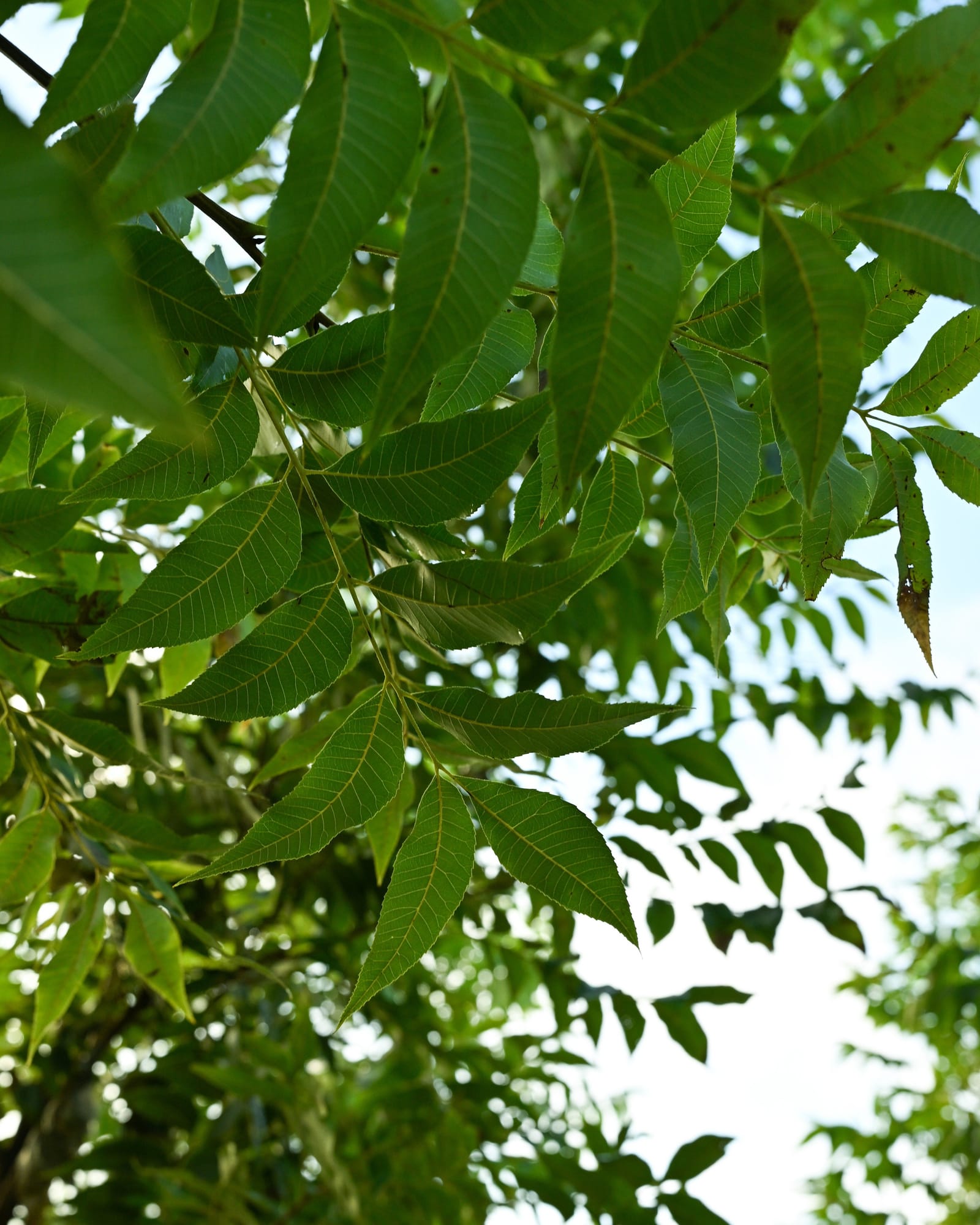
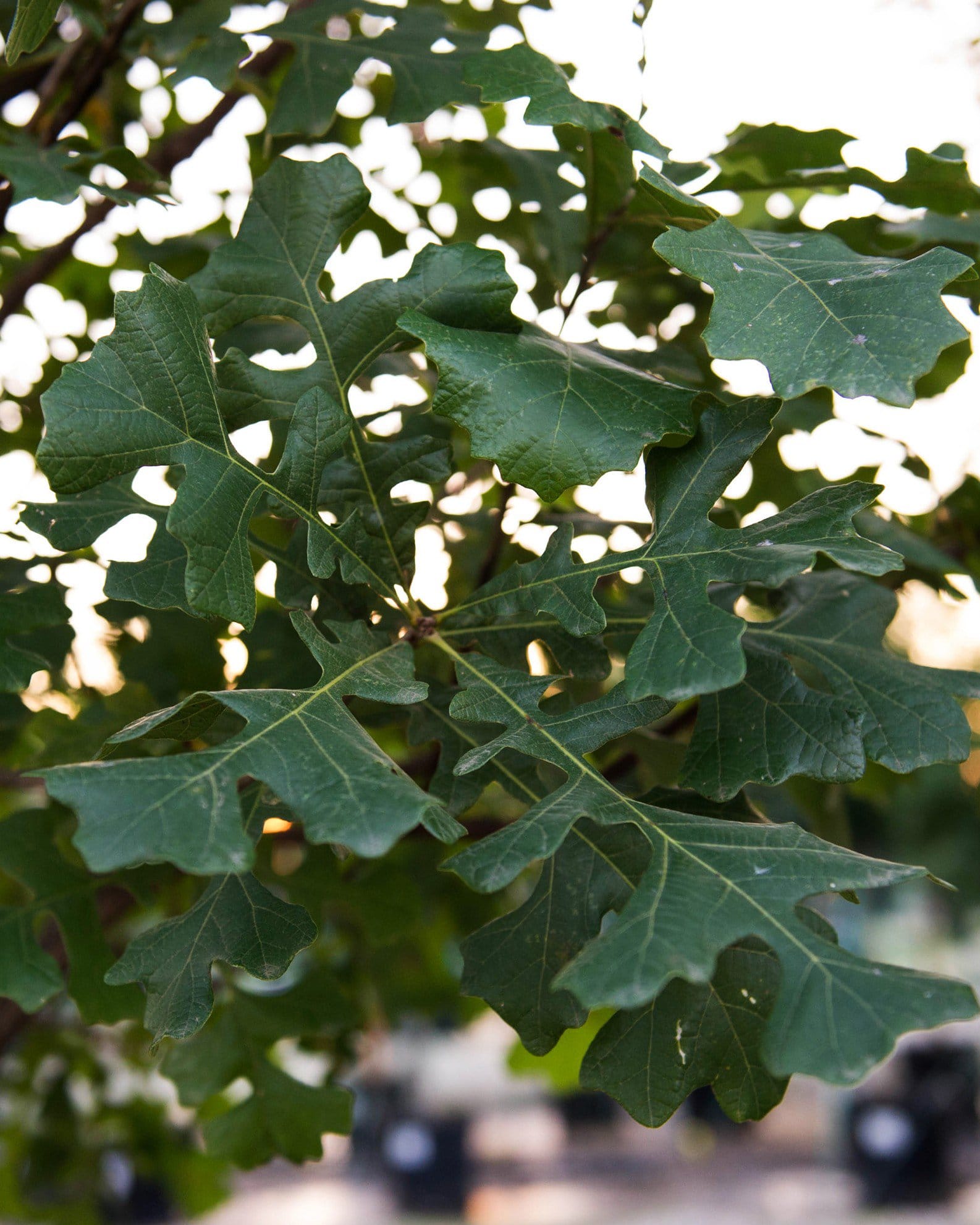
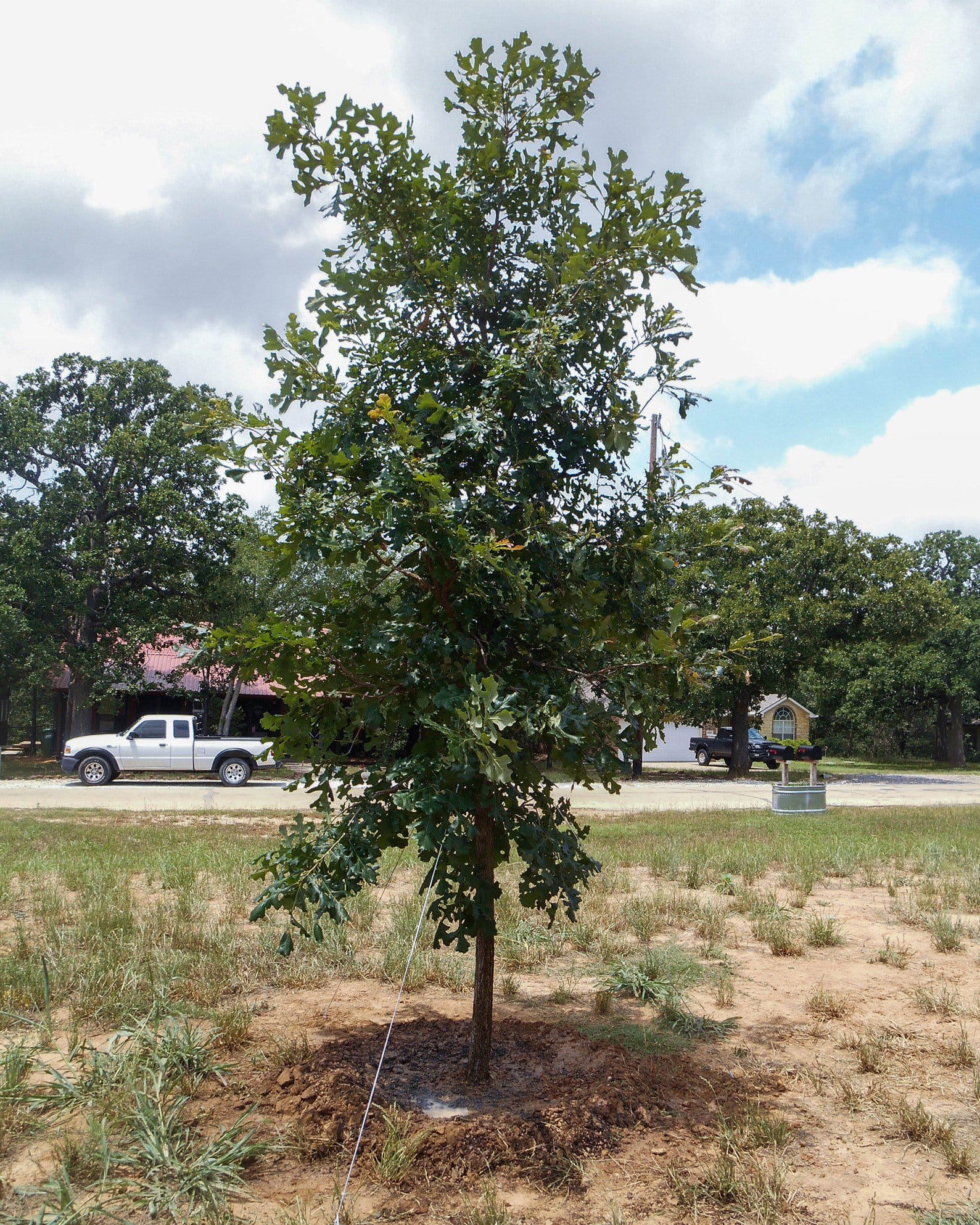
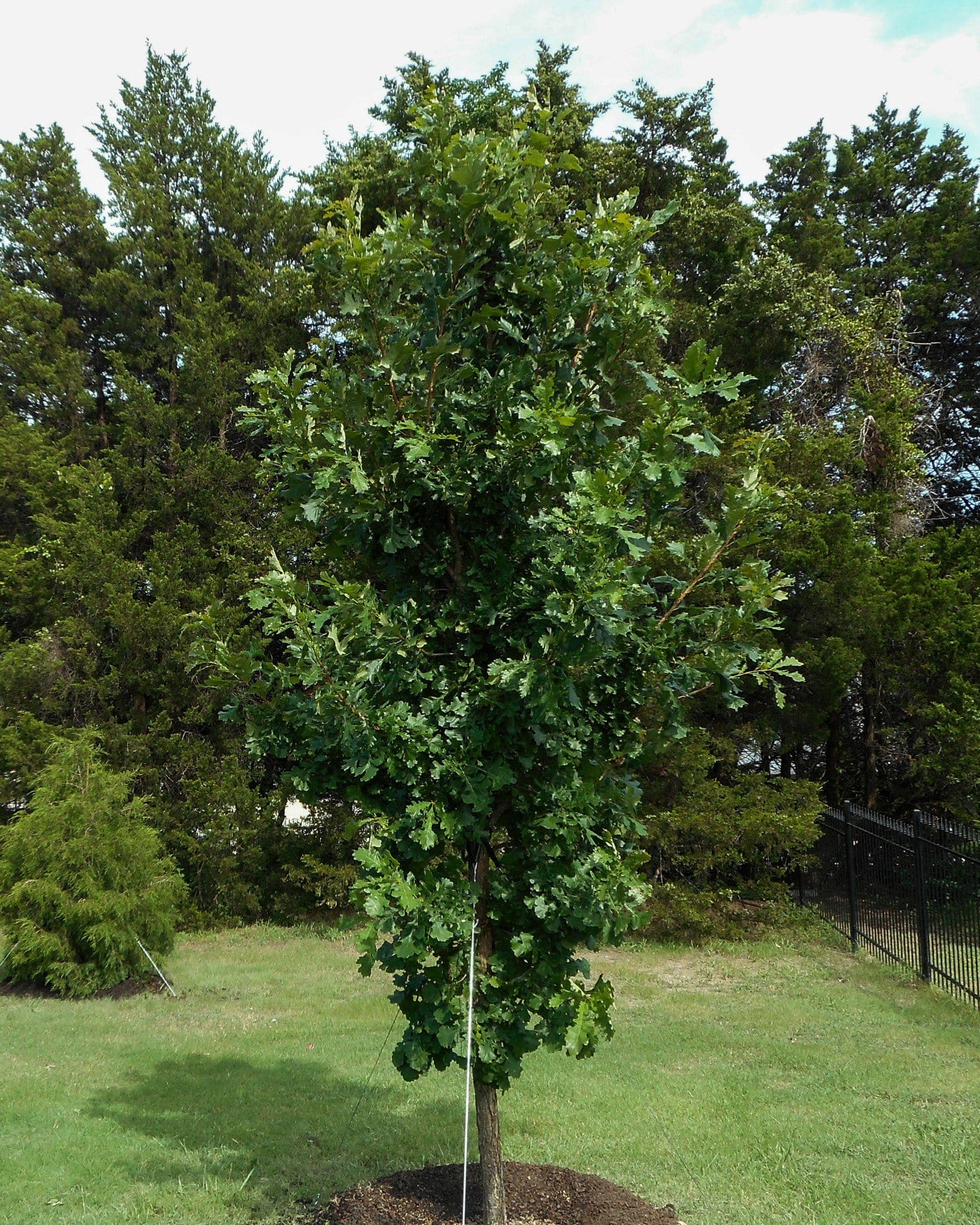
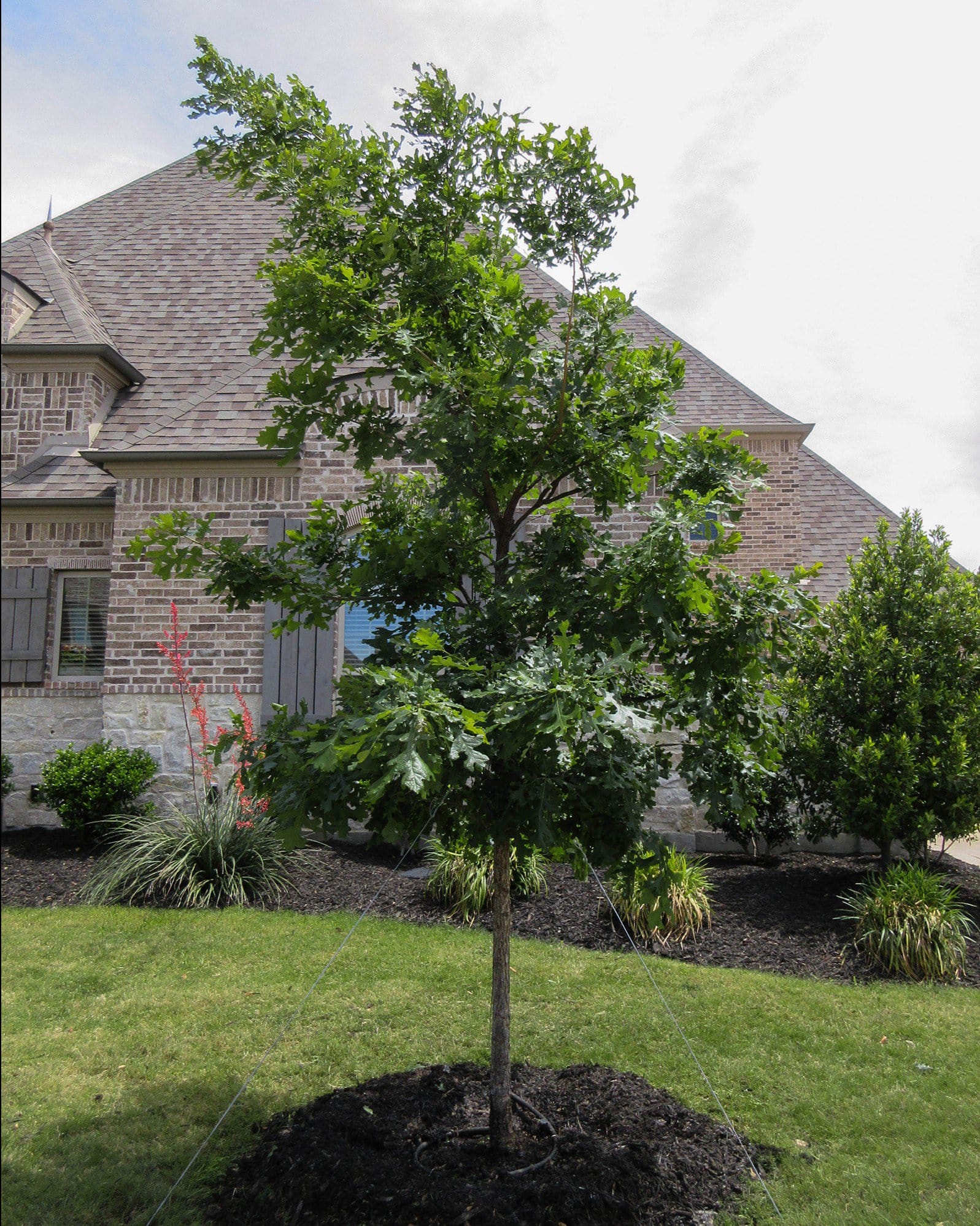
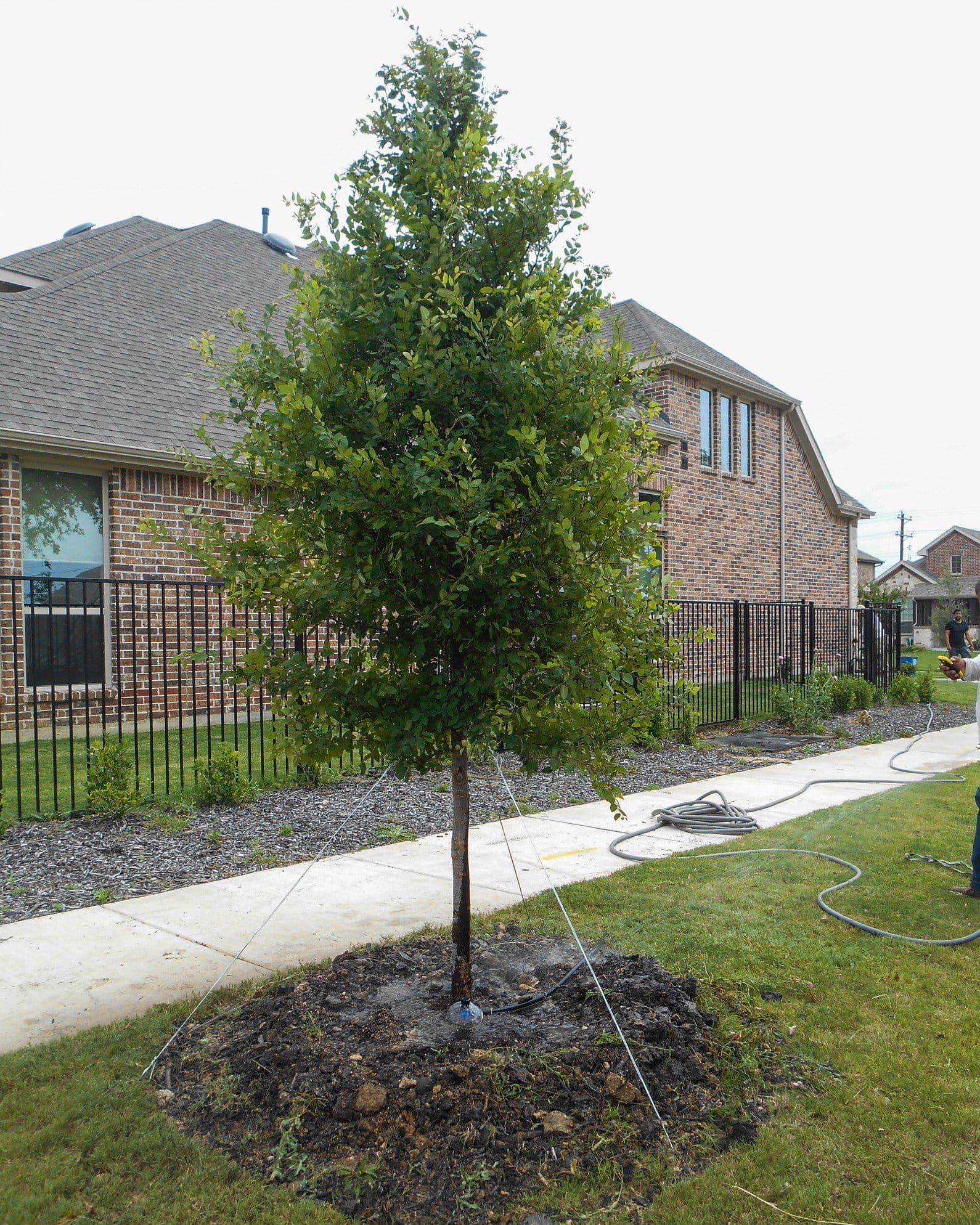
Carya illinoinensis 'Choctaw'Choctaw Pecan is a vigorous, large-growing pecan tree valued for its outstanding nut quality and productivity. It produces large, thin-shelled pecans with excellent flavor, making it a favorite among growers and homeowners alike. The tree’s broad, spreading canopy and strong branches provide generous shade while adding beauty and structure to open landscapes. Reaching 60 to 80 feet tall and 40 to 50 feet wide at maturity, Choctaw Pecan performs best in full sun and well-drained soil, thriving in Texas’ warm climate and fertile soils. The Choctaw Pecan is a Type 2 pollinator, meaning it requires a Type 1 pollinator to produce nuts.
- Deciduous tree
- Produces large, thin-shelled, flavorful pecans
- Broad, spreading canopy provides ample shade
- Fast-growing and productive
- Excellent for orchards or large landscapes
Choctaw Pecan thrives in full sun and well-drained soil. Hardy in USDA zones 6 through 9, it combines beauty, shade, and exceptional nut production-making it a top-performing pecan variety for Texas landscapes and home orchards.
Choctaw Pecan is a vigorous, productive tree valued for its attractive canopy and abundant crops of high-quality nuts. Here’s all you need to help it thrive:
- Watering: Water deeply and regularly during the first growing season to encourage strong root development. Once established, Choctaw Pecan performs best with consistent moisture, especially during hot, dry summers and while nuts are developing. Avoid prolonged drought stress and constantly saturated soil.
- Pruning: Prune in late winter while the tree is dormant to develop a strong structure and remove dead, damaged, or crossing branches. Young trees benefit from early structural pruning to establish good branch spacing. As the canopy matures, remove crowded growth to improve airflow and sunlight penetration.
- Fertilizing: Feed in early spring with a balanced fertilizer formulated for nut trees. Pecan trees have substantial nutrient needs, particularly for nitrogen and zinc. Regular feeding supports healthy foliage, vigorous growth, and reliable nut production. Avoid excessive nitrogen, which can encourage leafy growth over fruiting.
- Mulching: Apply a 2-3 inch layer of organic mulch around the root zone to conserve moisture, regulate soil temperature, and reduce weed competition. Keep mulch several inches away from the trunk to prevent excessive moisture buildup and pest problems. Refresh annually as needed.
- Winter Care: Choctaw Pecan is deciduous and naturally loses its leaves in winter. Young trees may benefit from additional protection during unusually cold weather. Keep the root zone mulched and avoid excessive winter watering. Mature trees generally handle normal winter conditions well.
Choctaw Pecan is generally vigorous, though several common issues may appear during stressful weather or poor growing conditions:
- Pecan Scab: Dark spots may develop on leaves and developing nuts during warm, humid, or rainy periods. Maintain good airflow, remove fallen debris, and use appropriate fungicide treatments when needed.
- Aphids: Small insects may cluster on tender growth and leaves, sometimes leaving sticky residue. Rinse foliage with water or use insecticidal soap for heavier infestations.
- Pecan Weevils: These pests can damage developing nuts and create holes in mature shells. Remove fallen nuts promptly and use appropriate pest management when necessary.
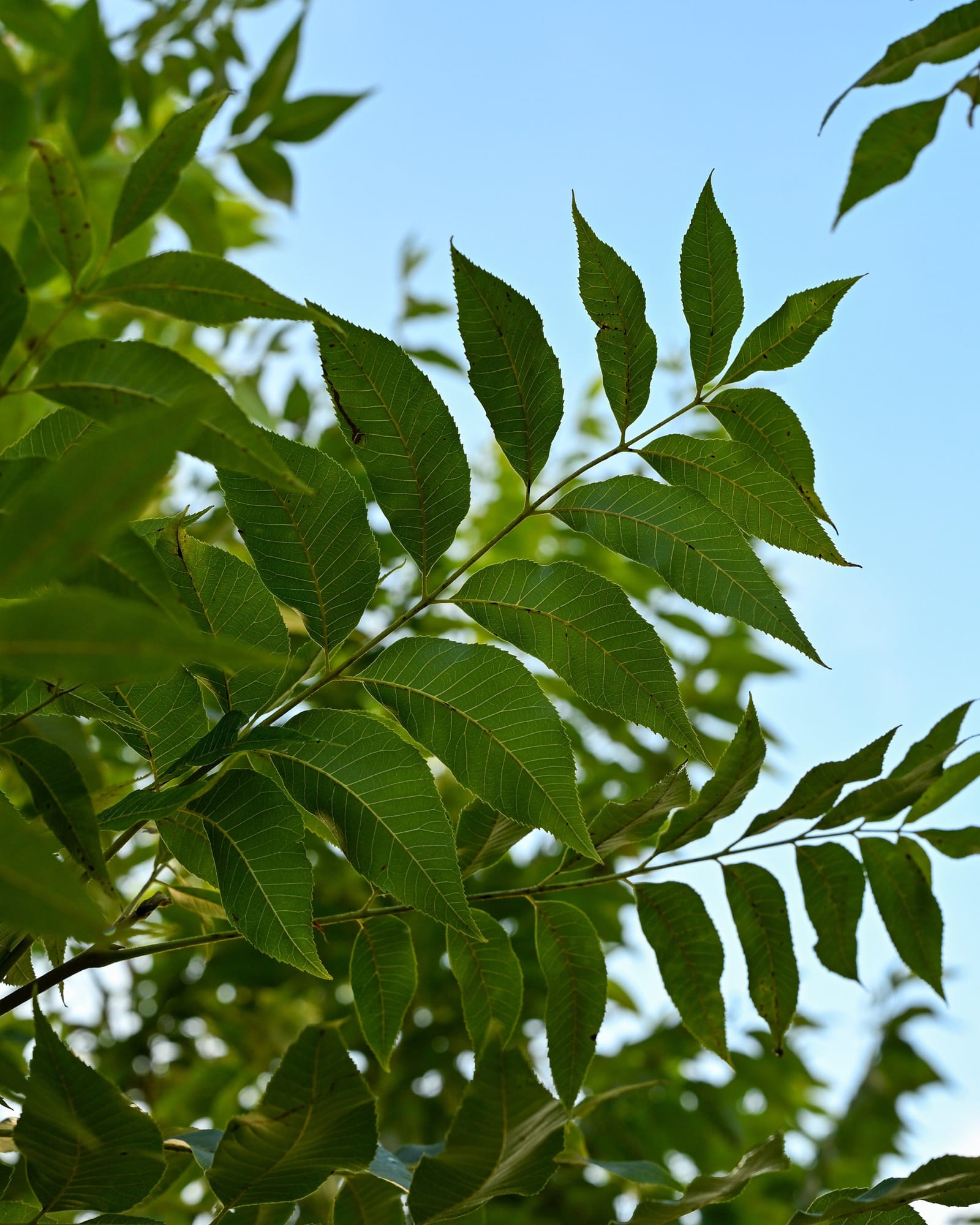
- Zinc Deficiency: Small, narrow leaves and weak new growth may indicate insufficient zinc. Apply a pecan-appropriate zinc supplement according to plant and soil needs.
- Root Problems: Poor drainage or prolonged overwatering can weaken roots and cause decline. Plant in well-draining soil and avoid standing water around the root zone.
With proper care, Choctaw Pecan can live for many decades and remain productive for generations. Its longevity makes it an excellent long-term landscape tree.
It is a vigorous-growing pecan that can add significant growth each season with adequate moisture, sunlight, and nutrition. Full maturity takes several years as the canopy and root system develop.
Yes. Chowtaw Pecan produces edible pecans with excellent flavor and nut quality. Proper pollination and good growing conditions support reliable crops.
Yes. Planting a compatible pecan cultivar nearby generally improves pollination and nut production. Cultivars with complementary flowering periods are ideal.
Full sun is best. Provide at least 6-8 hours of direct sunlight each day to encourage vigorous growth, a healthy canopy, and strong nut production.
Once established, it can tolerate short dry periods, but it performs best with consistent moisture. Extended drought can reduce growth and nut production.
No. Pecan trees develop large root systems and eventually become substantial landscape trees, making them best suited to planting directly in the ground.
Absolutely. Its broad canopy, vigorous growth, and productive nature make it excellent for spacious properties, orchards, large yards, and open landscapes. Allow plenty of room for maturity.
Yes. Pecans attract squirrels, birds, and other wildlife. Fallen nuts can provide seasonal food, although protection may be needed when maximizing the harvest.
Its combination of vigorous growth, attractive canopy structure, and valuable nut production makes it a dependable choice for large landscapes. With proper care, it can provide shade and rewarding harvests for many years.
Special Features
You might also like
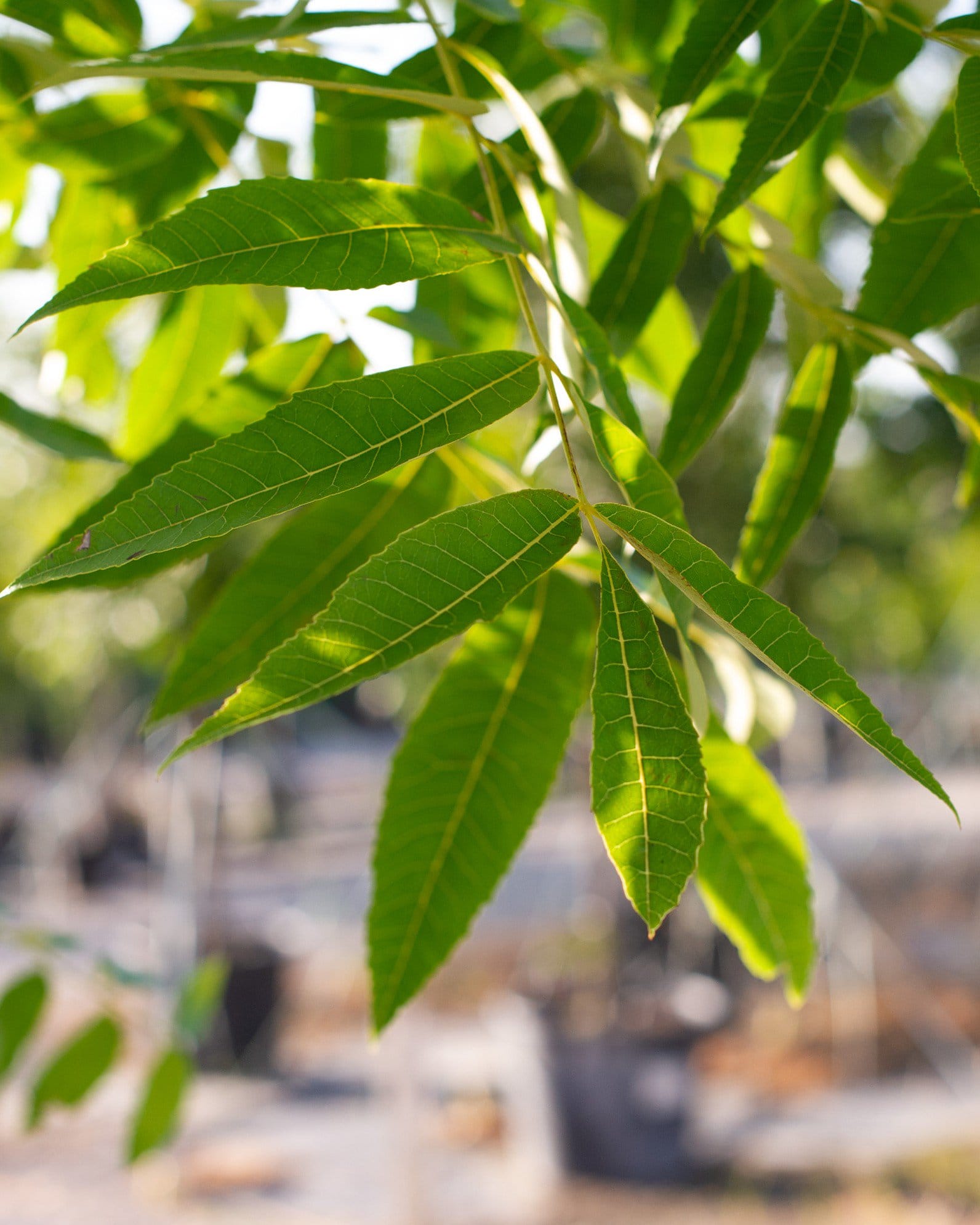
Caddo Pecan
Maturity: 60' H x 40' W
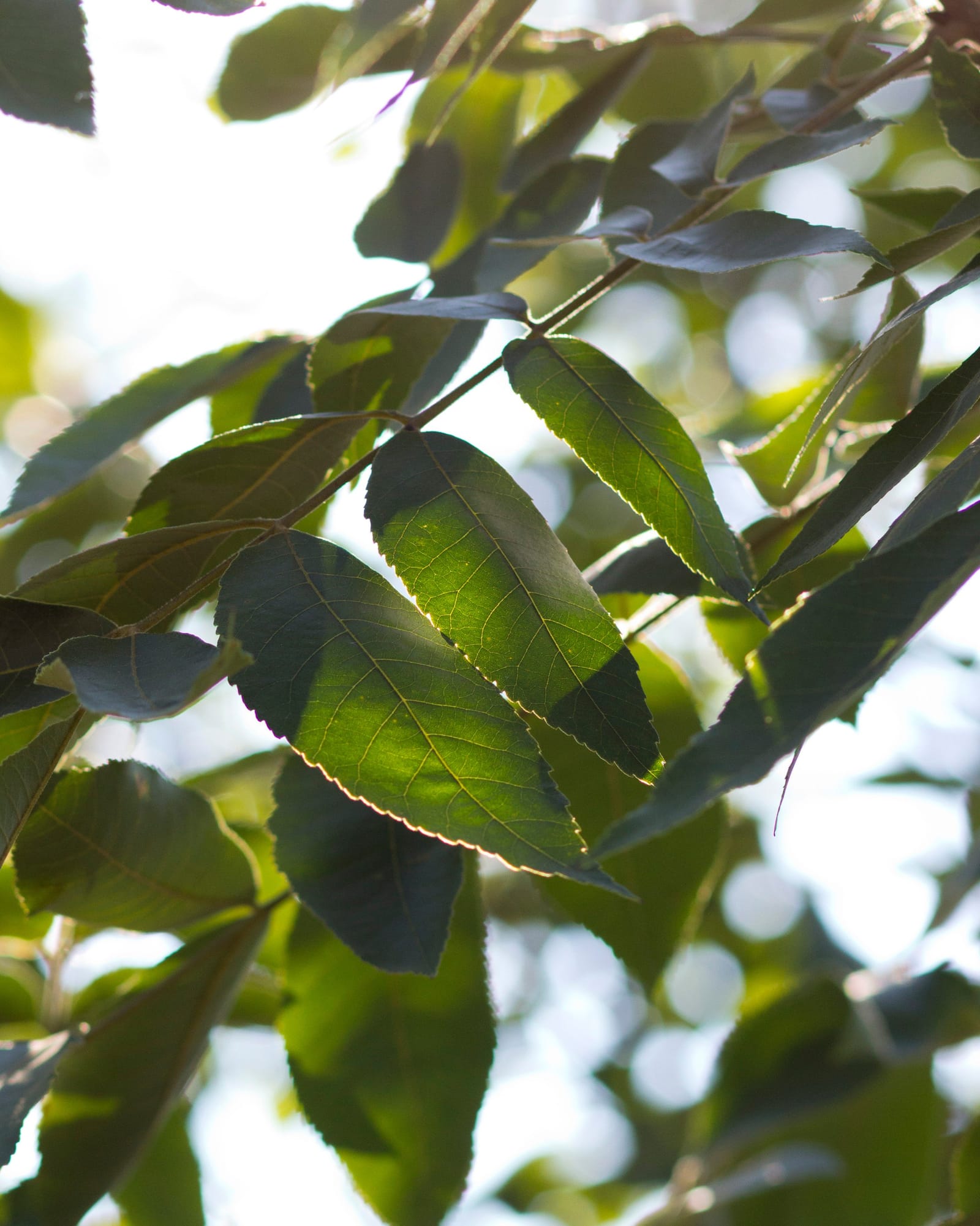
Cheyenne Pecan
Maturity: 60' H x 40' W
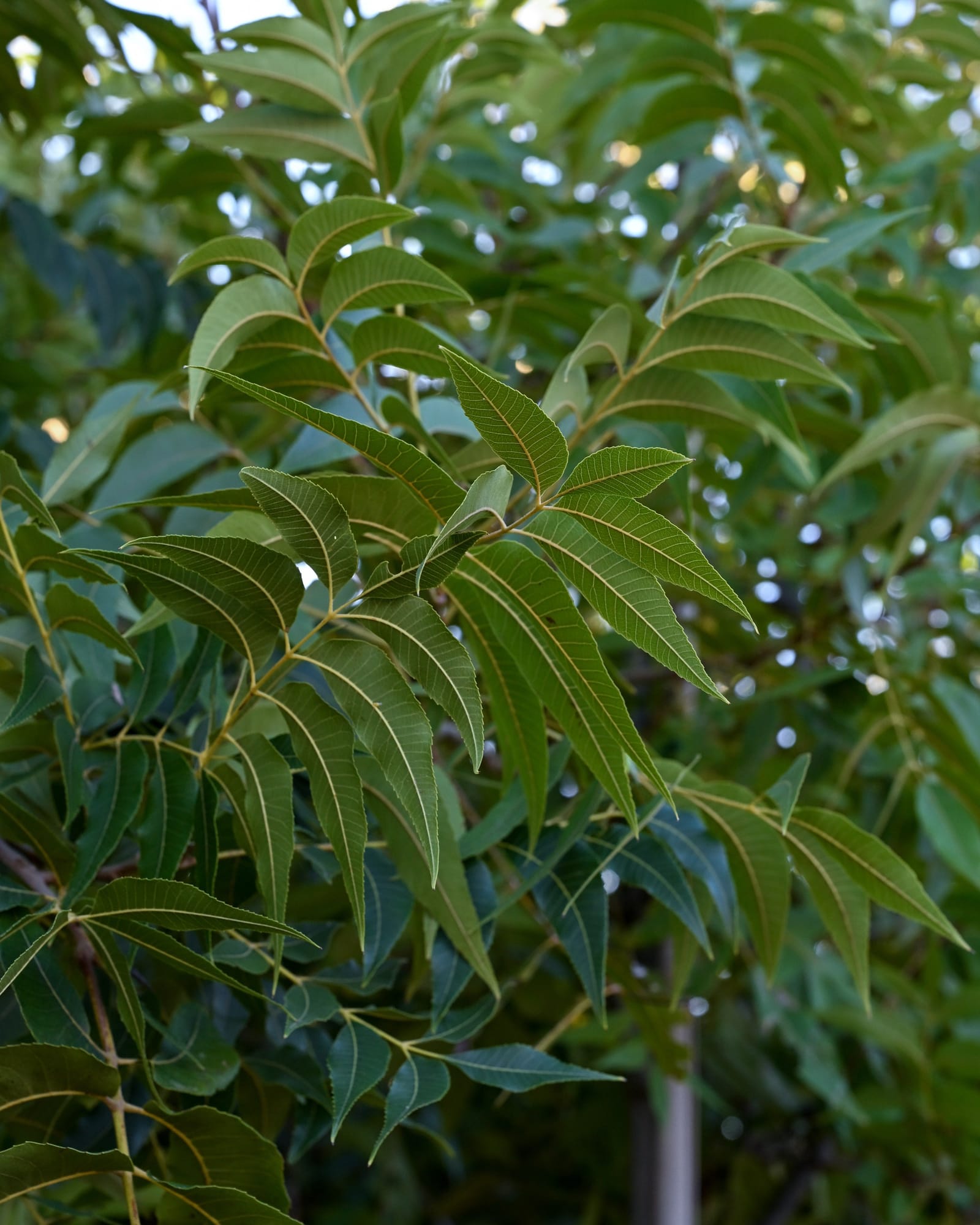
Creek Pecan
Maturity: 60' H x 40' W
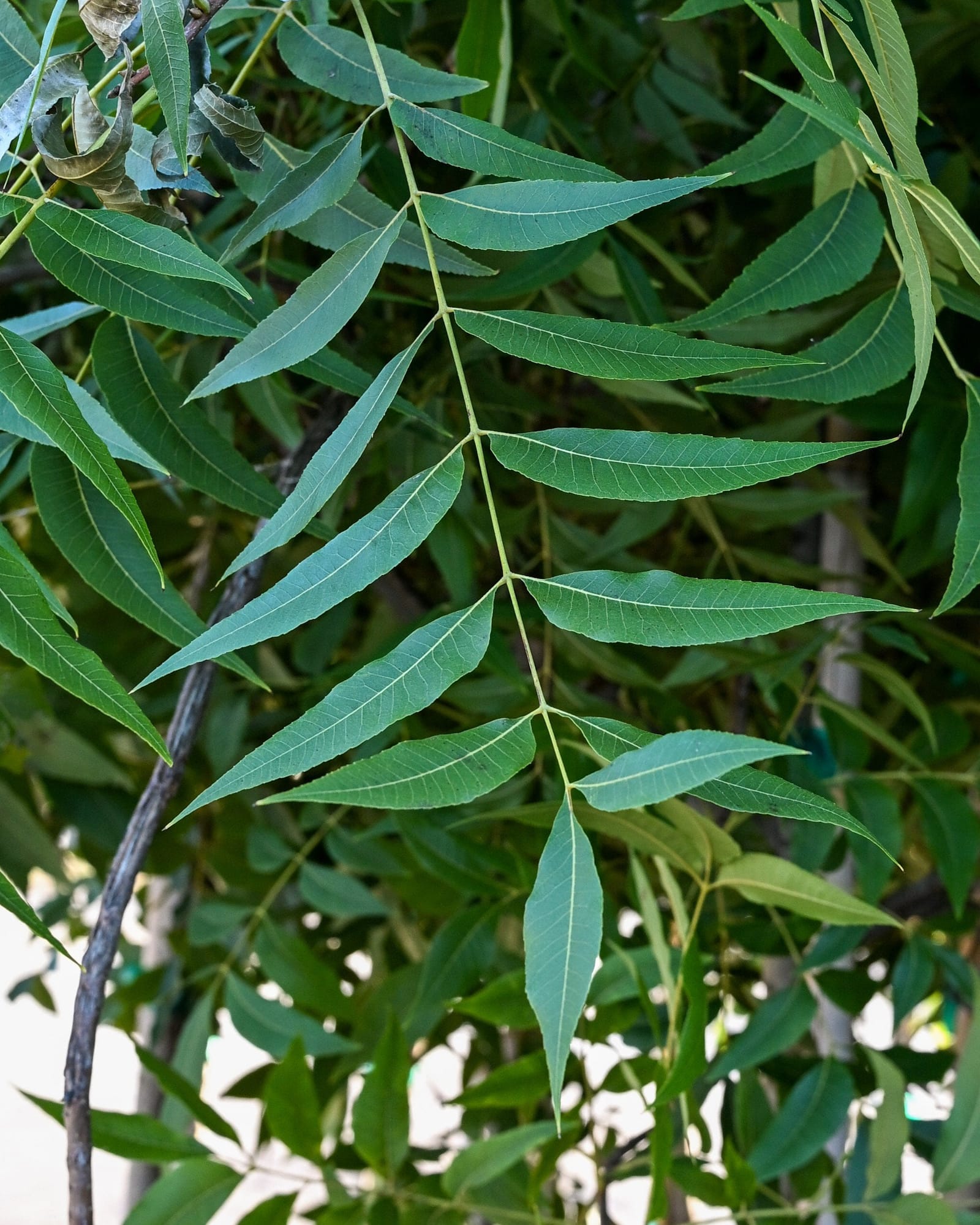
Desirable Pecan
Maturity: 60' H x 40' W
Elliot Pecan
Maturity: 60' H x 40' W
Kanza Pecan
Maturity: 60' H x 40' W
Kiowa Pecan
Maturity: 60' H x 40' W
Lakota Pecan
Maturity: 60' H x 40' W
Mohawk Pecan
Maturity: 60' H x 40' W
Native Pecan
Maturity: 60' H x 40' W
Oconee Pecan
Maturity: 60' H x 40' W
Pawnee Pecan
Maturity: 60' H x 40' W
Stuart Pecan
Maturity: 60' H x 40' W
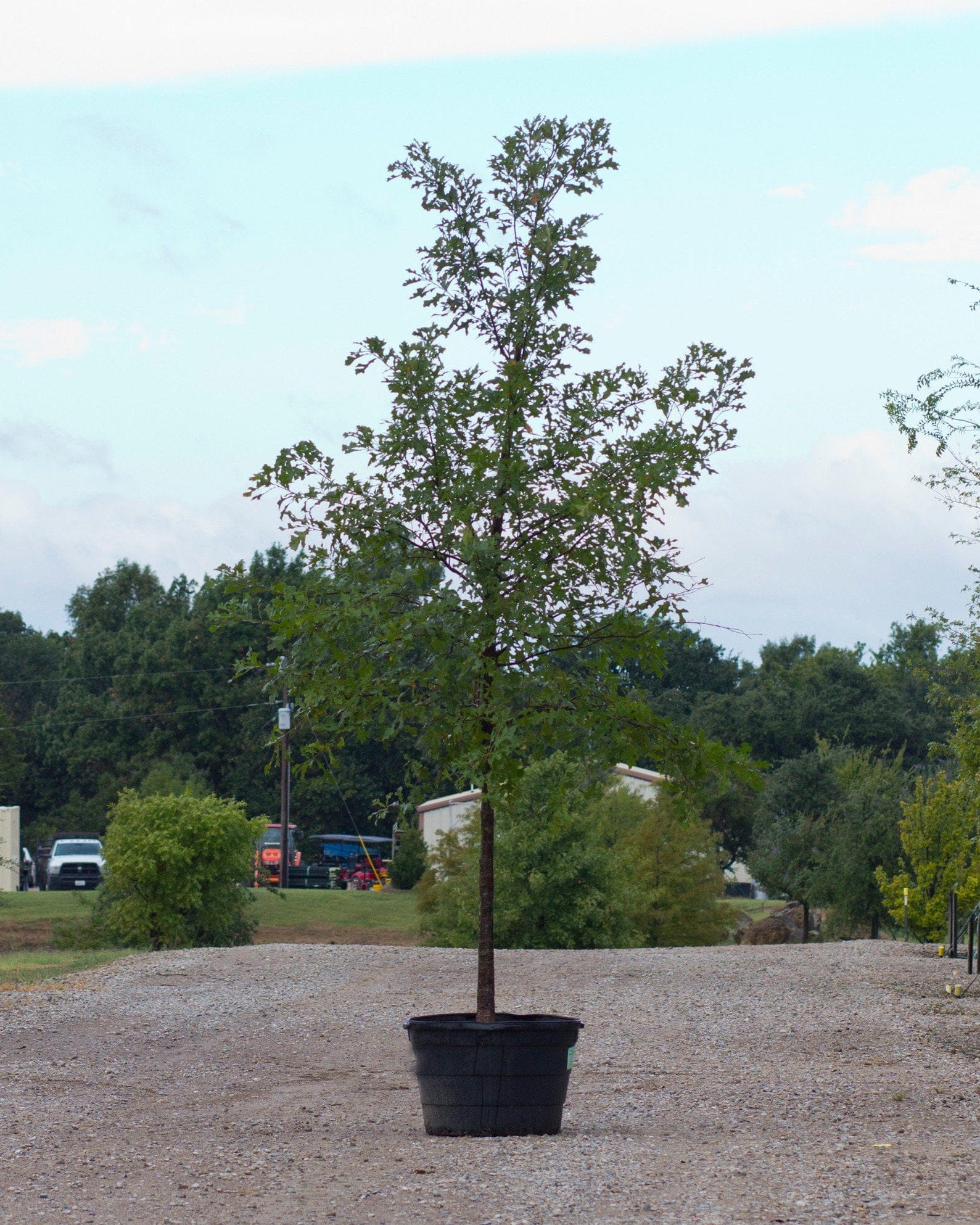
Bur Oak
Maturity: 60' H x 50' W
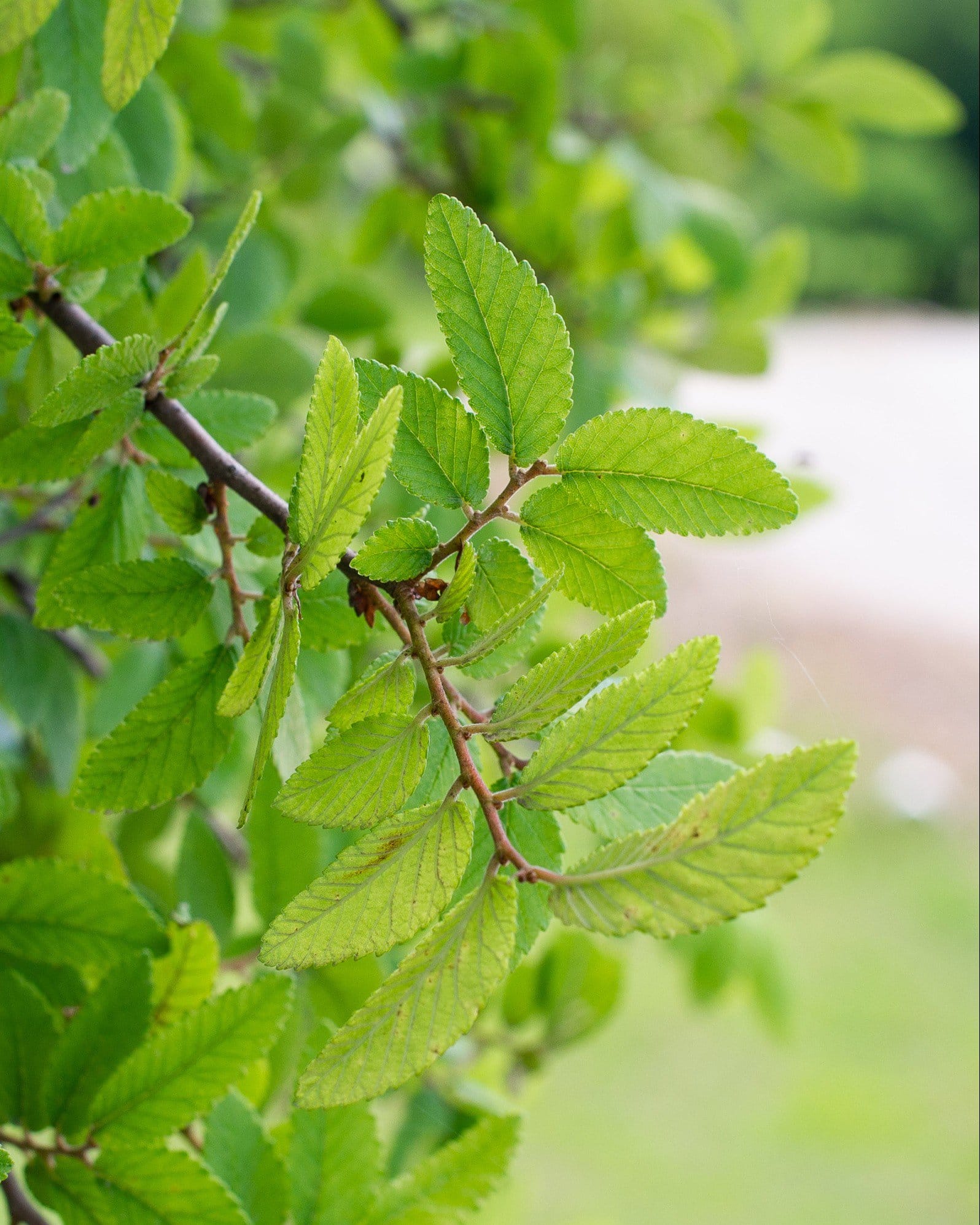
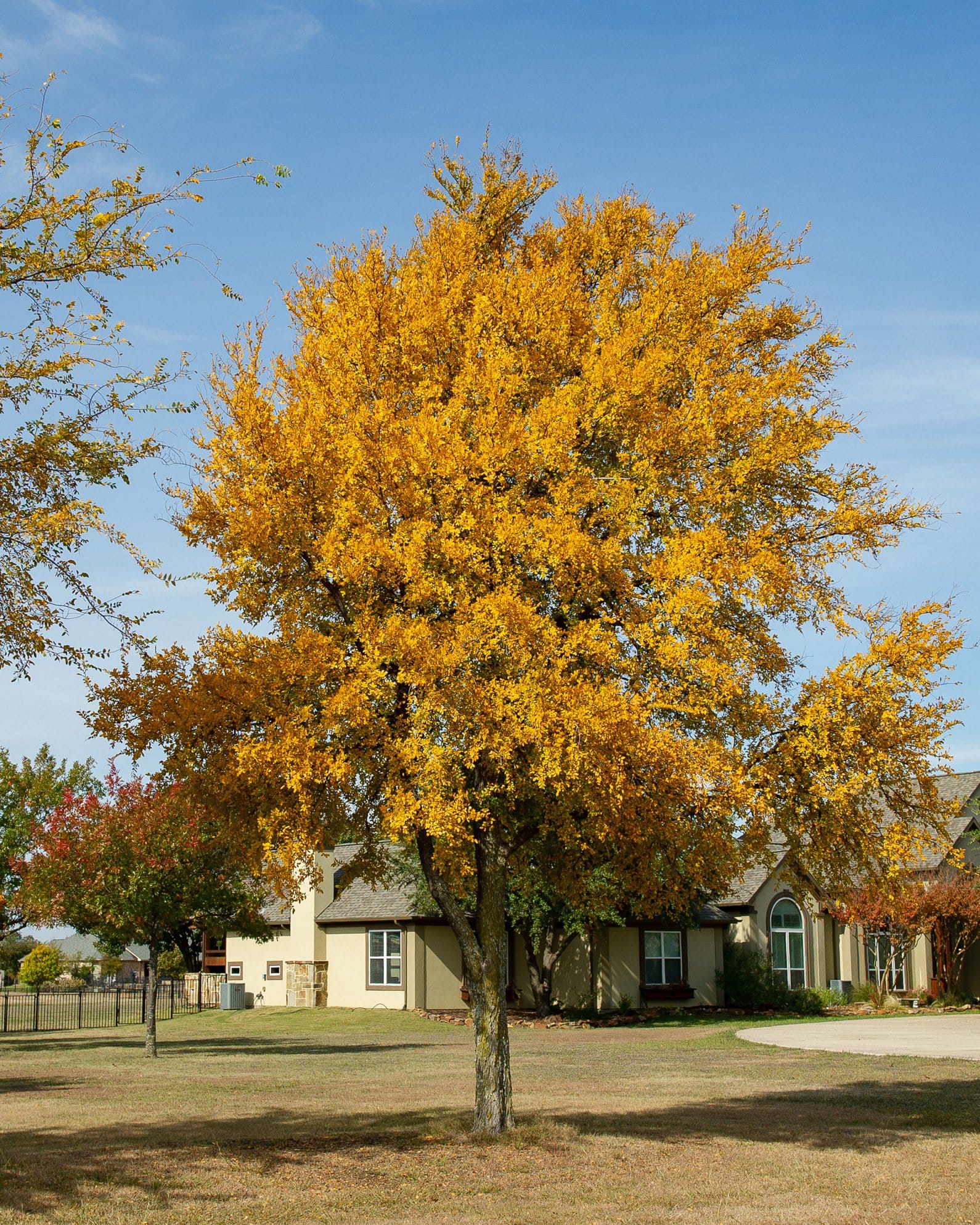
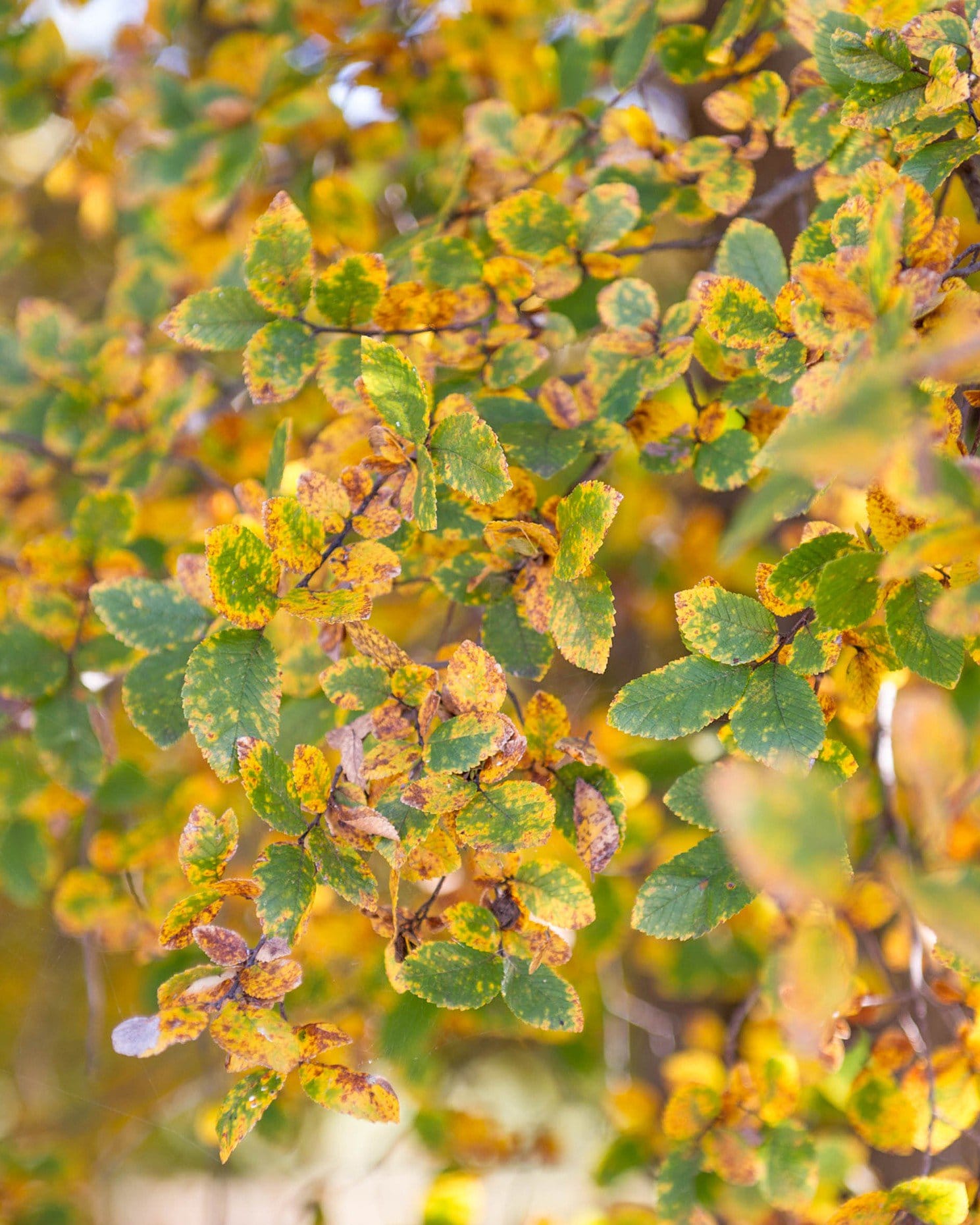
Cedar Elm
Maturity: 50' H x 35' W
Compare Similar Plants
Choctaw Pecan This plant | ||
|---|---|---|
| Scientific Name | Carya illinoinensis 'Choctaw' | Carya illinoinensis ‘Caddo’ |
| Size at Maturity | 60' H x 40' W | 60' H x 40' W |
| Leaf Retention | Deciduous | Deciduous |
| Fall Color | Yellow | Yellow |
| Sizes Available | 7 gal | 6, 15 gal |


Our 1-Year Planting Guarantee
We take pride in our plants and installation services. If any plants or trees installed by Treeland fail to thrive within the first year, we'll provide a replacement credit in accordance with our guarantee program.
Learn More About Our Guarantee