
Tropical Sunrise Daylily
Hemerocallis ‘Tropical Sunrise’Product Details
Tropical Sunrise Daylily
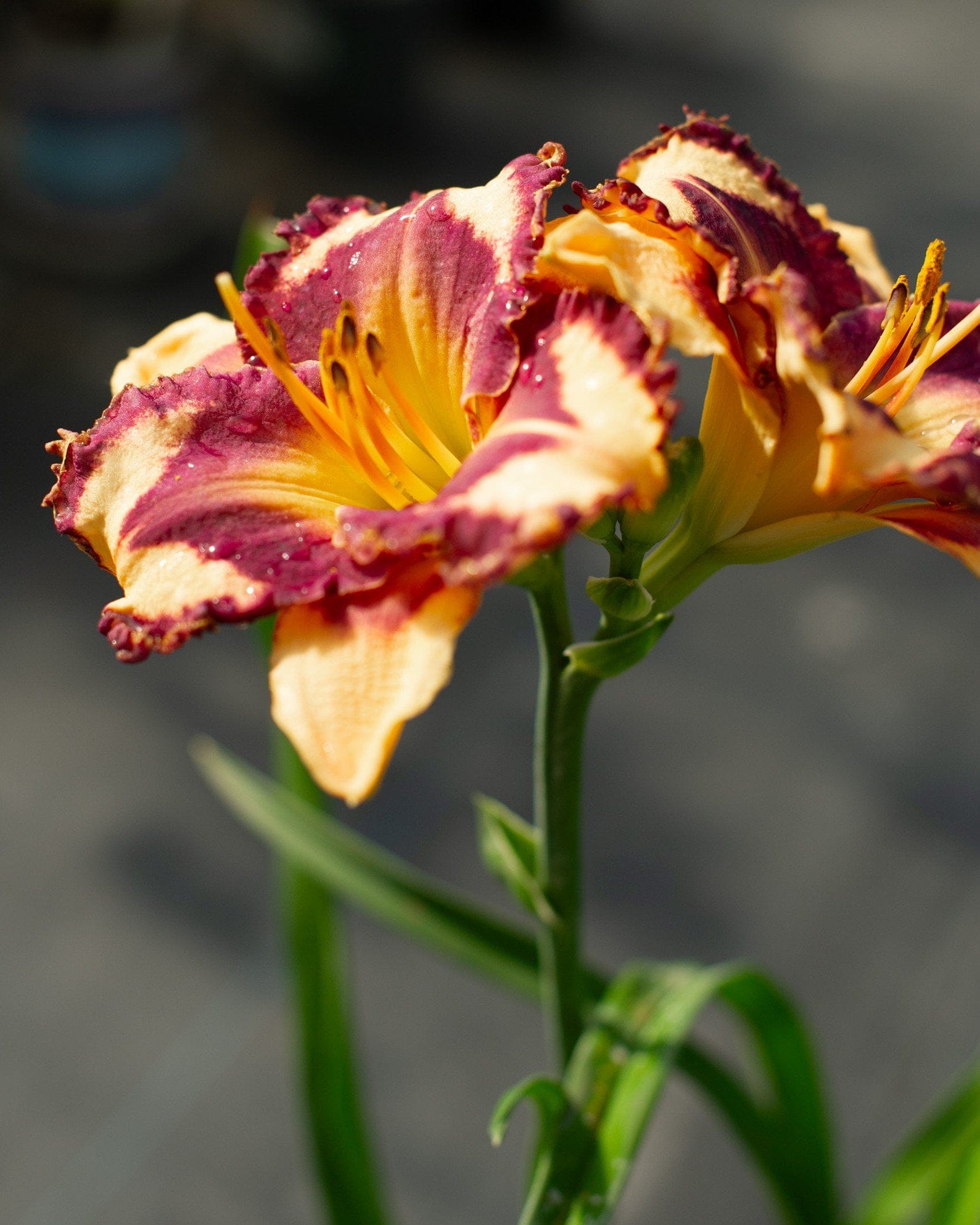
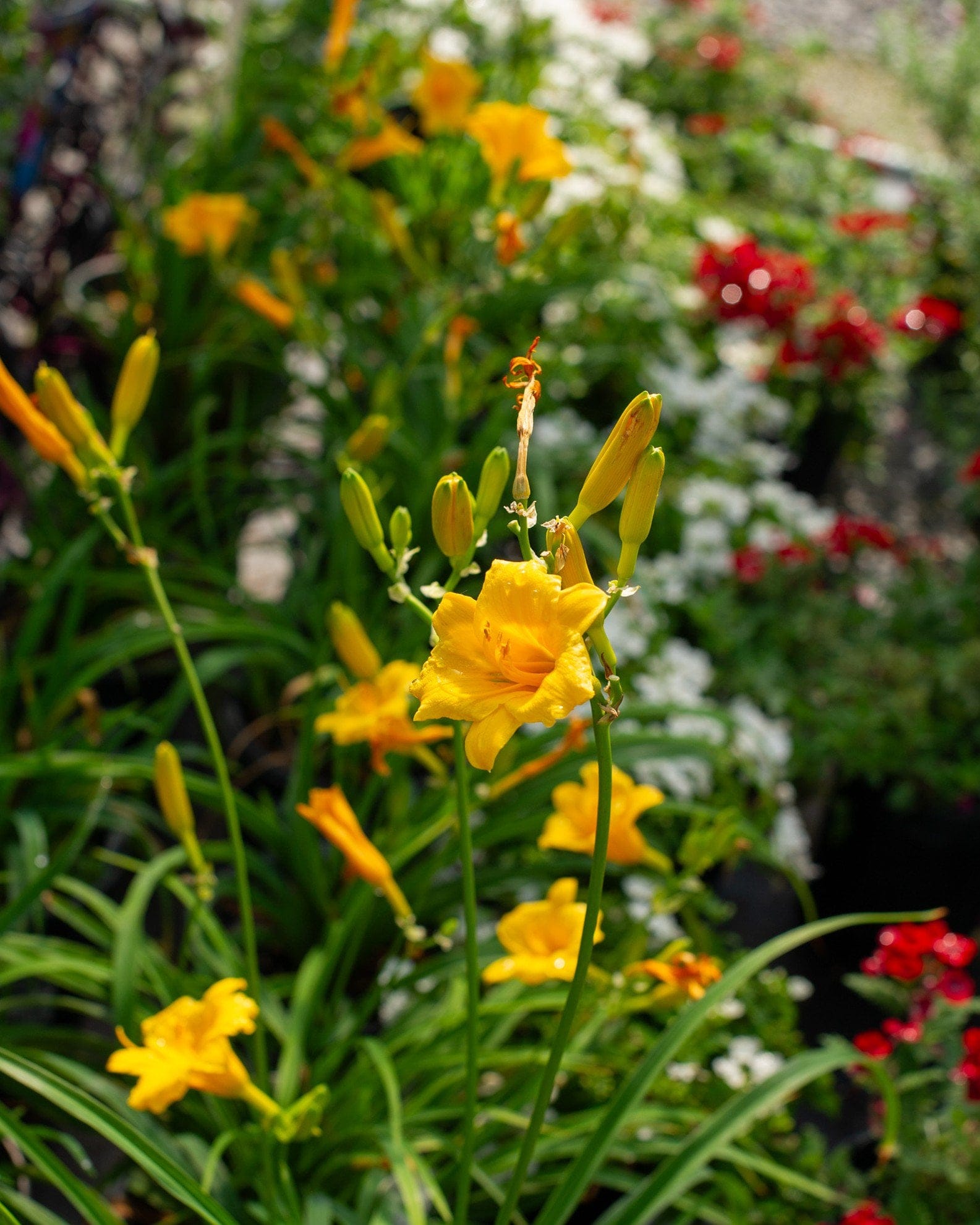
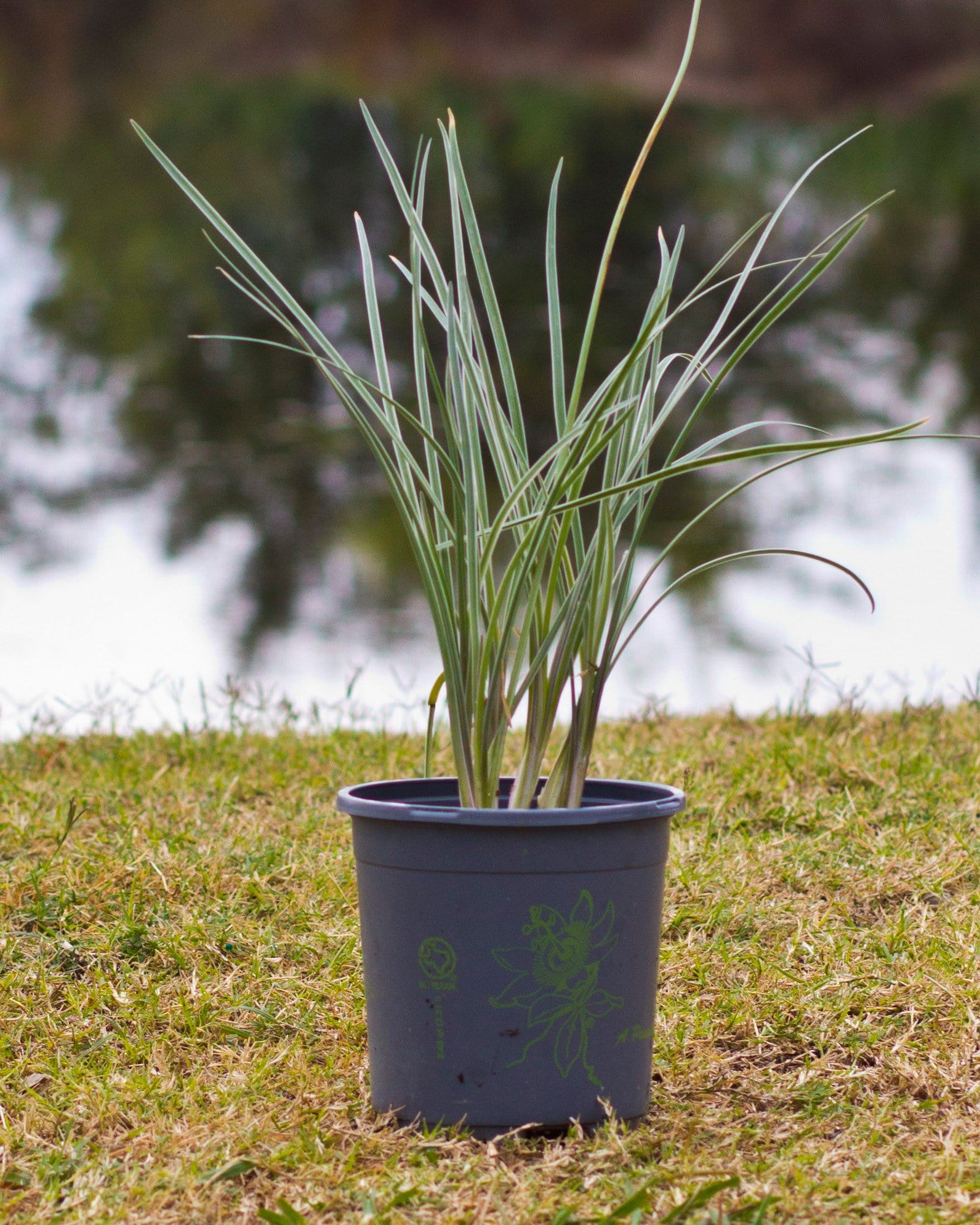
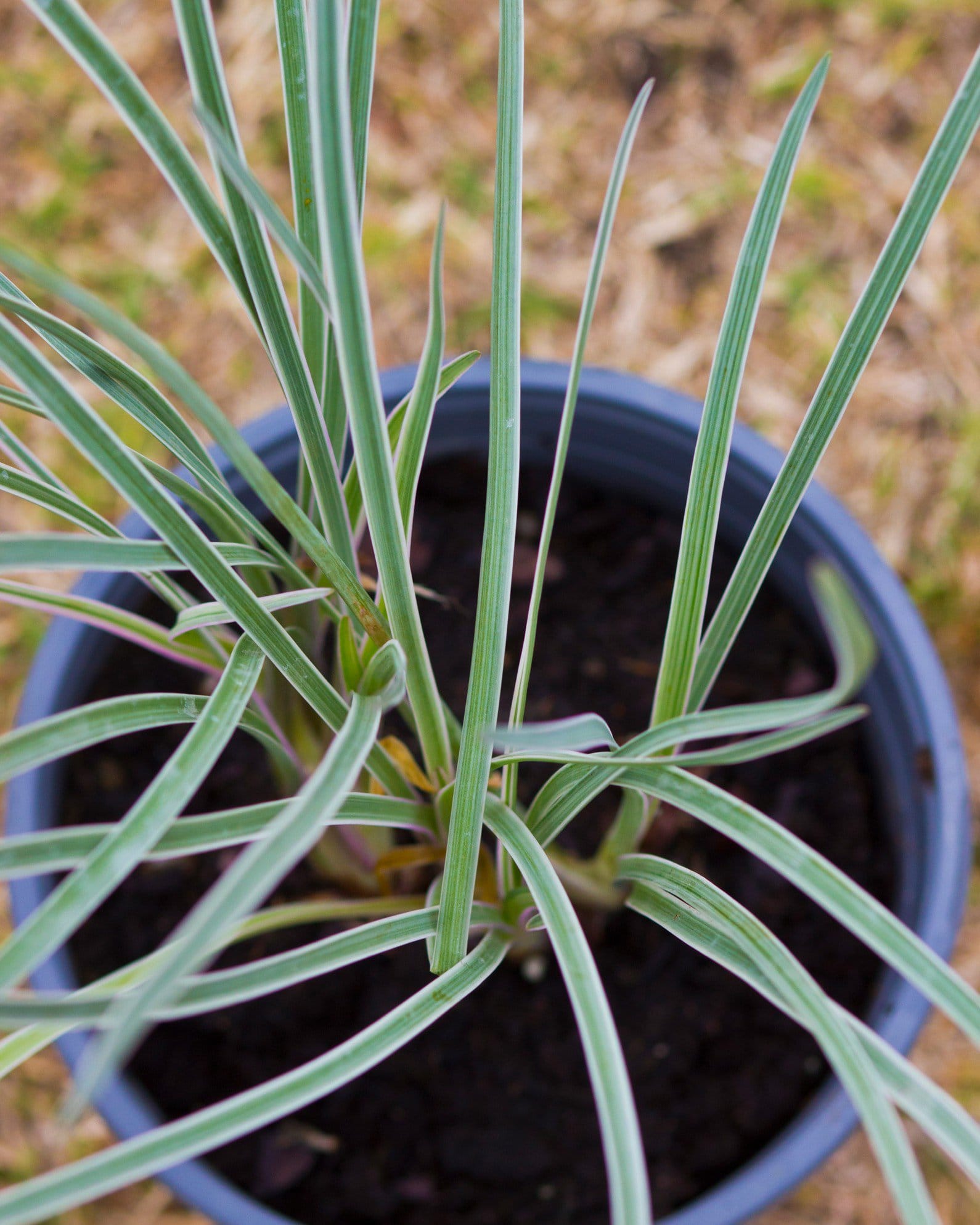
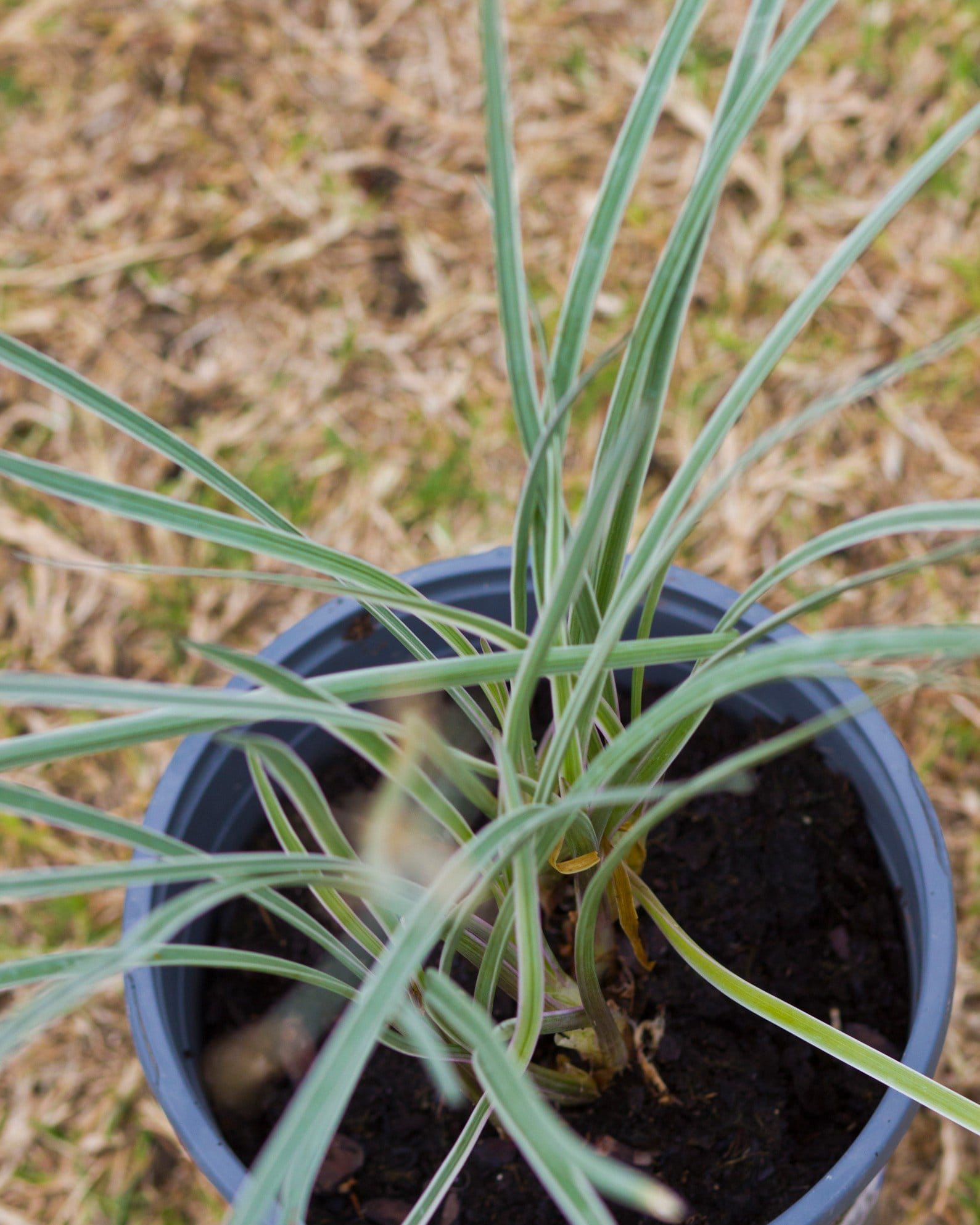
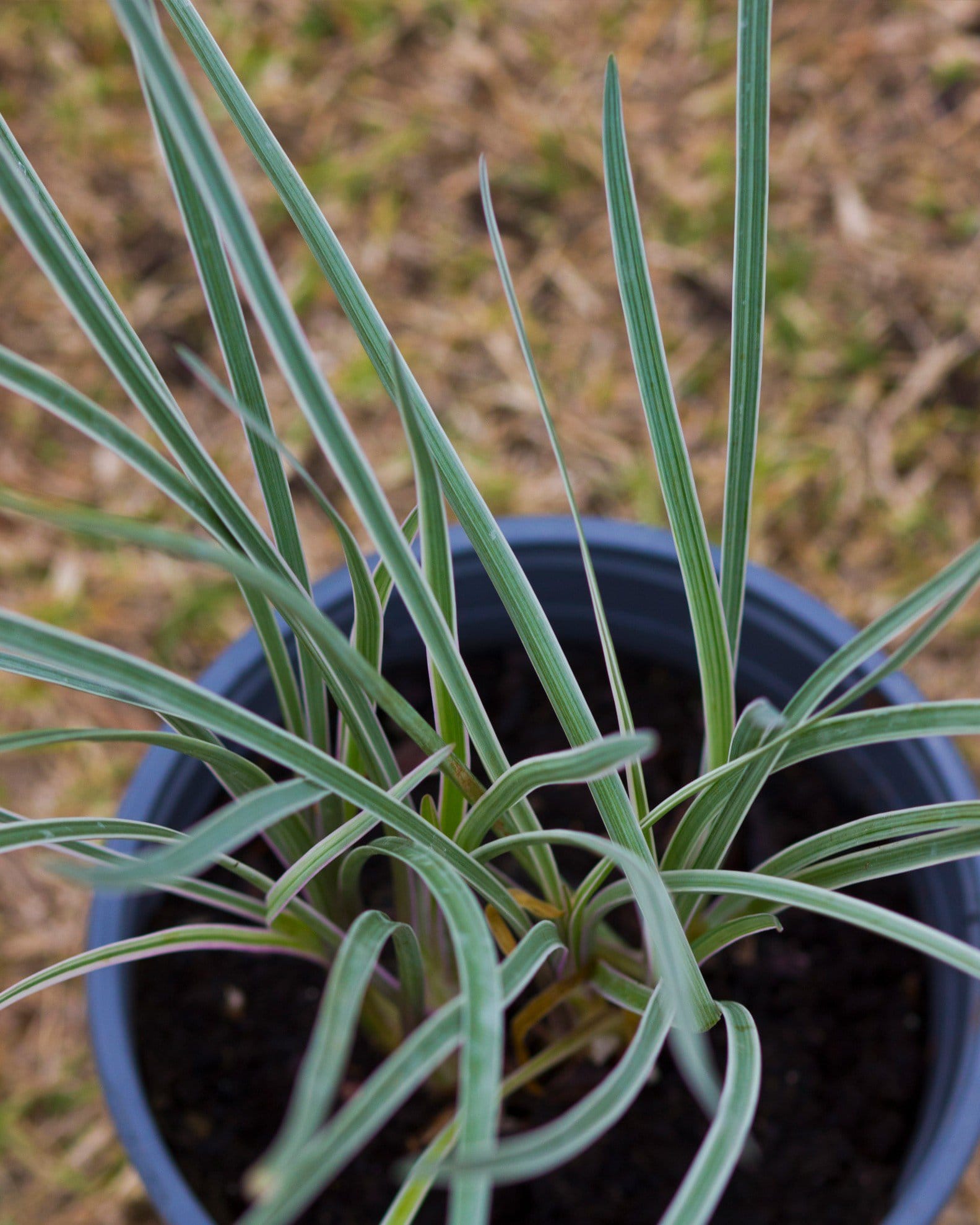
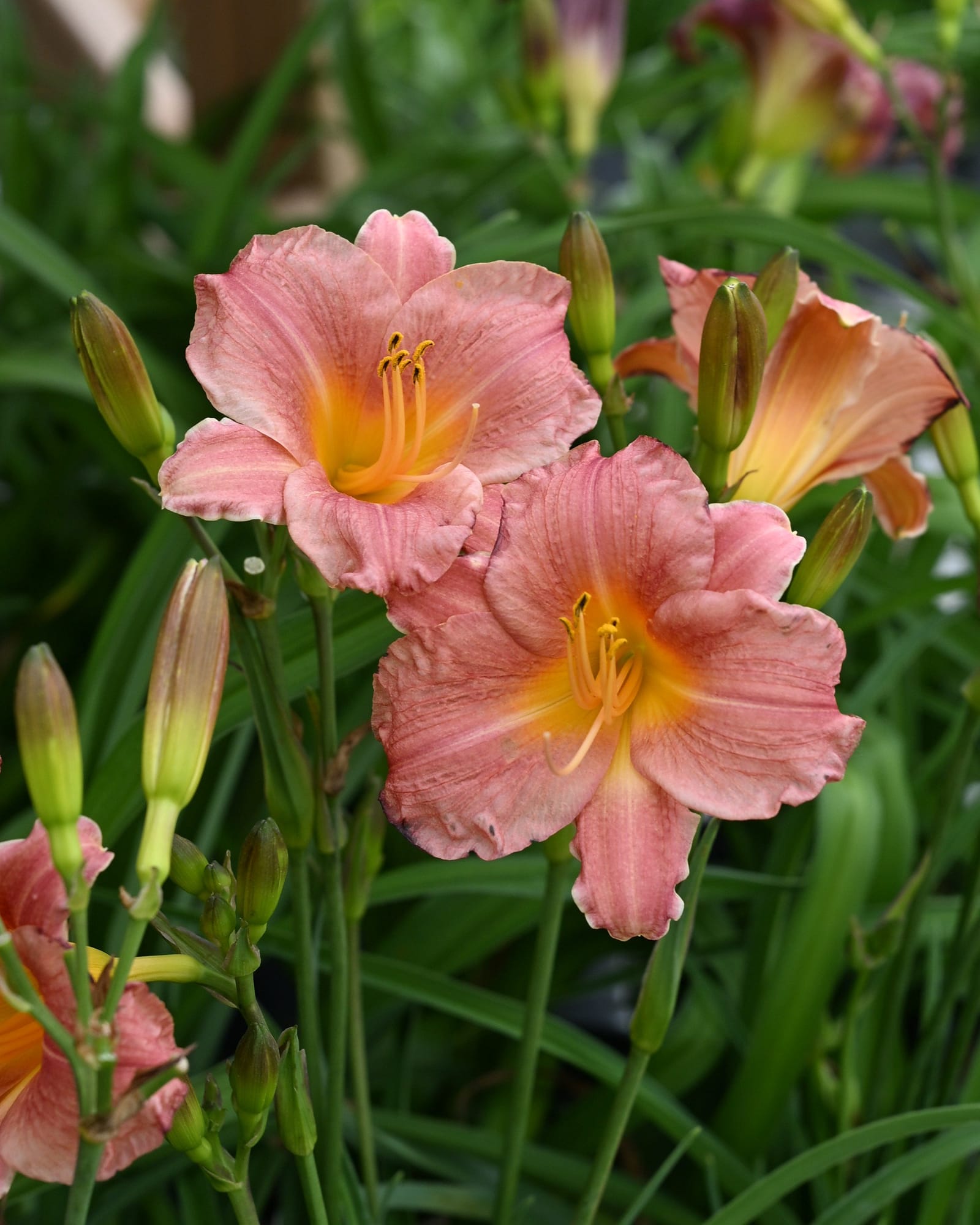
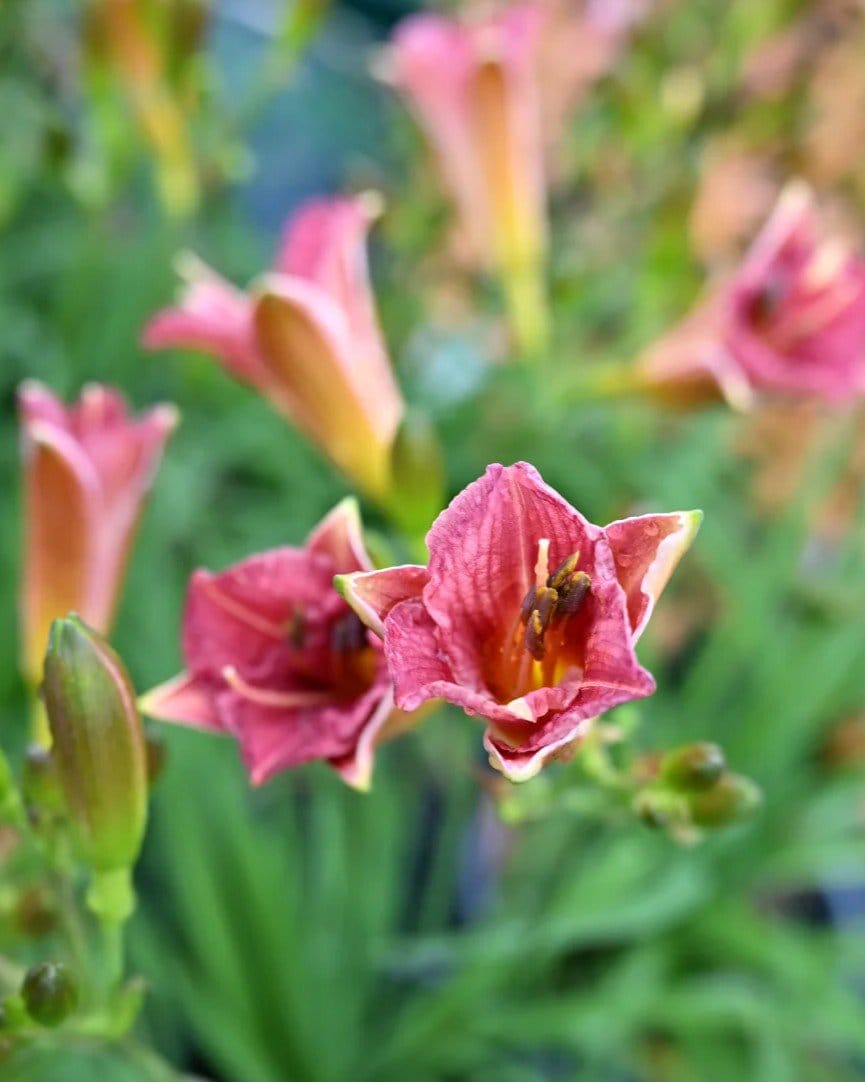
Hemerocallis ‘Tropical Sunrise’Tropical Sunrise Daylily is a stunning addition to any border, edge, or container. It showcases eye-catching, pale orange flowers that bloom in summer. The foliage is very attractive, its slender, grass-like leaves arching from the base of the plant. This versatile perennial reaches 1.5 feet in height and the same size in width at maturity. It reaches maturity within 2–3 years of planting.
- A herbaceous perennial
- Moderate growth rate
- Mounding, trailing growth habit
- Pale orange flowers against rich green foliage
- Suitable for various types of landscape use
Hardy in zones 4-9, this charming perennial will fit right into your North Texas landscape. Plant it in full sun, but provide some shade during the afternoon so that the sun doesn't scorch its leaves. Tropical Sunrise Daylily requires well-drained soil and will benefit from regular fertilization.
Compact yet bold, Tropical Sunrise Daylily is the perfect choice for gardeners who want lasting color and low effort. This is all it takes for it to thrive:
- Watering: Water regularly during the first growing season to promote strong root development. Once established, Tropical Sunrise is drought-tolerant but blooms best with deep, consistent watering during prolonged dry spells. Avoid soggy soil or standing water.
- Pruning: Deadhead spent blooms daily to maintain continuous flowering and prevent seed formation. After each bloom cycle, cut back flower scapes to the base to encourage another round of buds. Trim old foliage to the ground in late fall or early spring for a clean, rejuvenated start each year.
- Fertilizing: Feed in early spring with a slow-release, balanced fertilizer or a layer of compost to promote lush foliage and strong bloom production. A light midsummer feeding after the first flush of flowers keeps reblooming vigorous. Avoid excessive nitrogen.
- Mulching: Apply a 2-3 inch layer of organic mulch such as bark chips or shredded leaves to help retain soil moisture and regulate temperature. Keep mulch slightly away from the crown to prevent rot and encourage air circulation.
- Winter Care: Tropical Sunrise Daylily is hardy and resilient, bouncing back easily after cold winters. Once frost kills back foliage, cut it down to a few inches and add a thin layer of mulch after the ground freezes.
‘Tropical Sunrise’ is remarkably resilient, though a few occasional pests or fungal issues may appear in damp or crowded conditions:
- Aphids: Small insects cluster around buds and stems, leaving sticky residue behind. Rinse them off with a firm spray of water or apply insecticidal soap as needed.
- Spider Mites: Fine webbing and dull leaf surfaces appear during extended dry spells. Increase humidity and rinse leaves periodically to keep populations down.
- Daylily Rust: Orange pustules appear on the undersides of leaves in humid weather. Remove infected foliage and apply a rust-specific fungicide to prevent spread.
- Slugs and Snails: Chewed foliage or shiny slime trails appear after rain. Set traps or apply copper barriers to keep them away.
- Botrytis Blight: Gray mold may appear on flowers during cool, damp weather. Prune infected blooms and improve airflow between plants.
This variety, like most daylilies, can thrive for decades when well cared for. With occasional division and seasonal cleanup, it remains a bright, enduring presence in the garden.
It establishes quickly and begins blooming within its first year. By the second or third season, it forms a full, colorful mound that reblooms reliably throughout summer.
Absolutely - bees, butterflies, and hummingbirds are all drawn to its warm tropical colors. It’s a natural choice for pollinator-friendly plantings and vibrant borders.
Yes, it carries a light, sweet scent that enhances its tropical charm. The fragrance is most noticeable in the early morning when flowers first open.
Yes - its compact size and continuous blooms make it perfect for decorative pots and patio planters. Use a well-draining mix and water regularly in hot weather.
Mostly - deer may occasionally nibble buds but typically leave mature foliage alone. It’s a safe choice for lightly browsed gardens.
Yes - reblooming is one of its key strengths. Cutting back spent scapes and feeding lightly after the first bloom flush encourages multiple flowering cycles.
Definitely. Its glowing colors and uniform height create stunning visual impact in both large drifts and mixed perennial borders.
Divide every 3-4 years in early spring or fall to maintain vigor and prevent overcrowding. Replant divisions promptly and water well to help them establish.
Its tropical coral-and-gold coloration, strong reblooming habit, and resilience in both heat and humidity make it truly standout. Tropical Sunrise brings a touch of exotic elegance to any garden - bold, sunny, and unfailingly dependable.
Special Features
You might also like
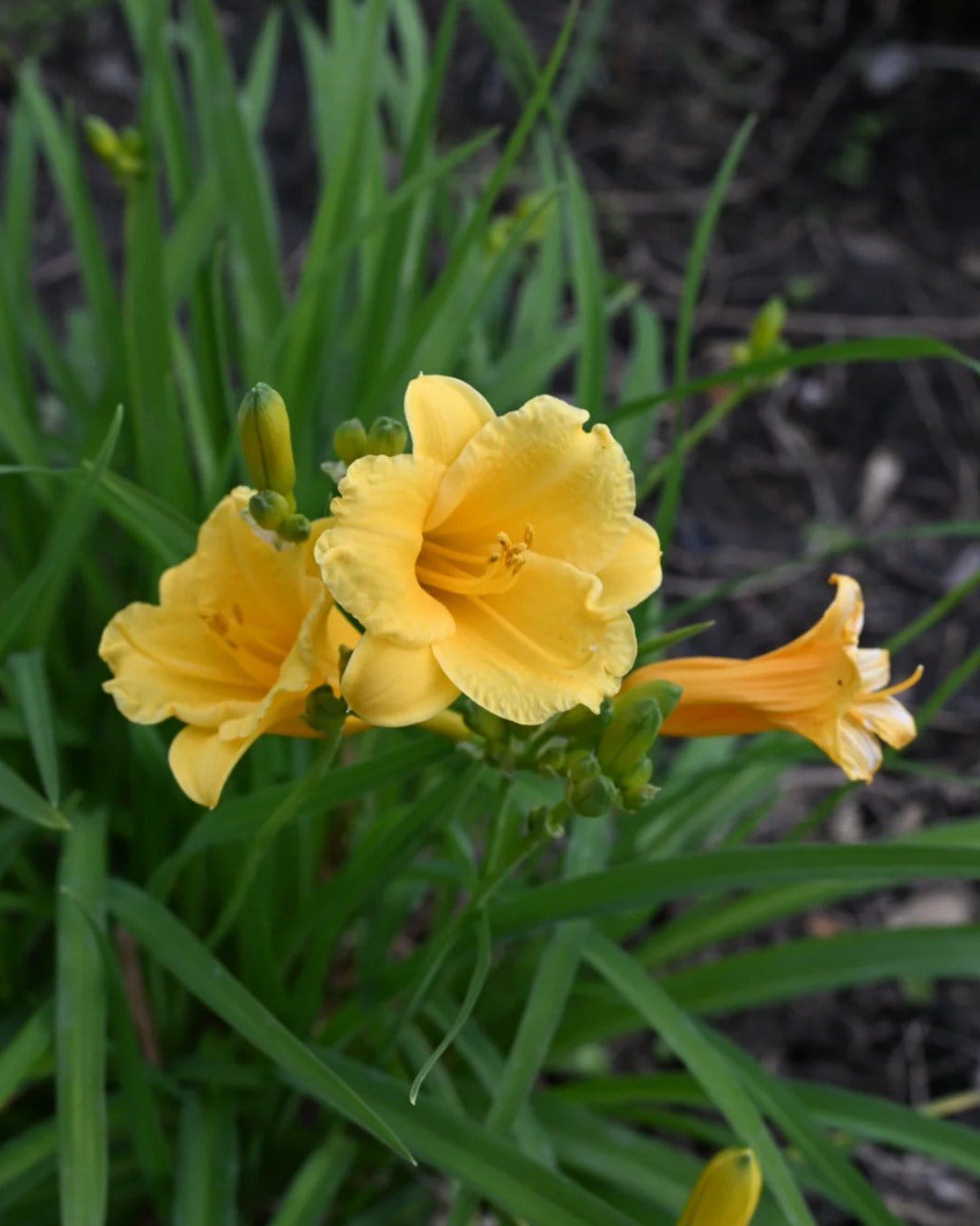
Stella D'Oro Daylily
Maturity: 1.5' H x 1.5' W
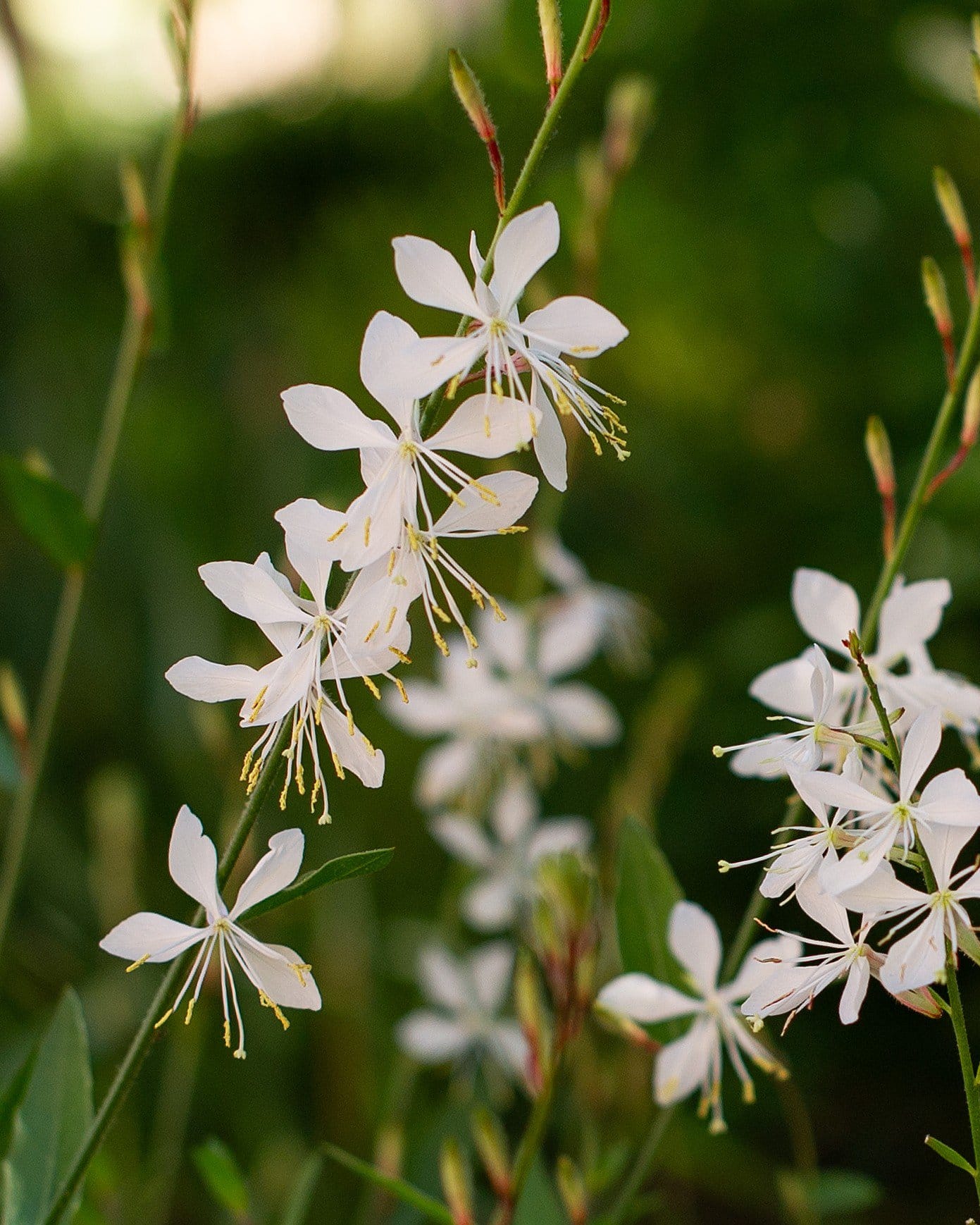
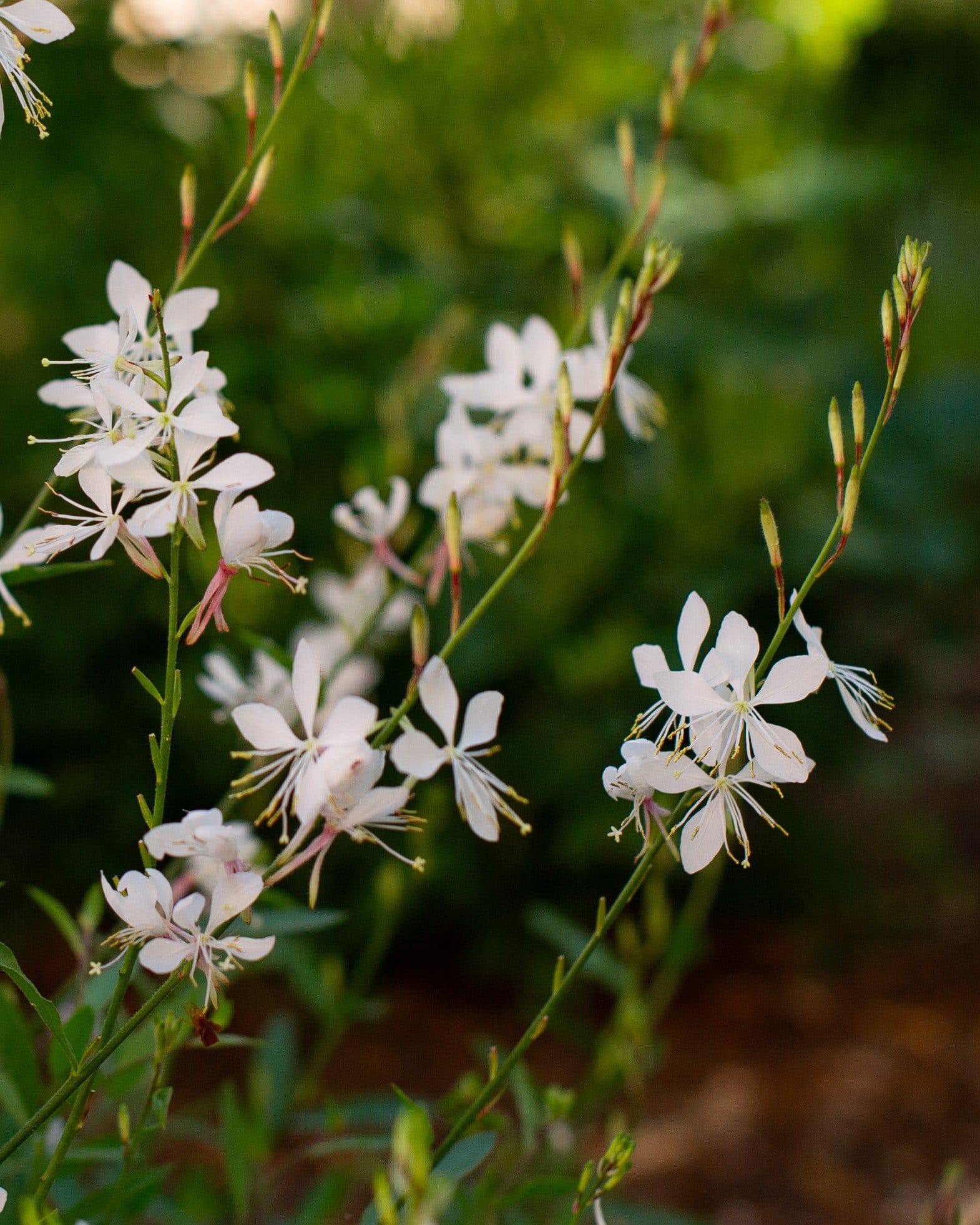
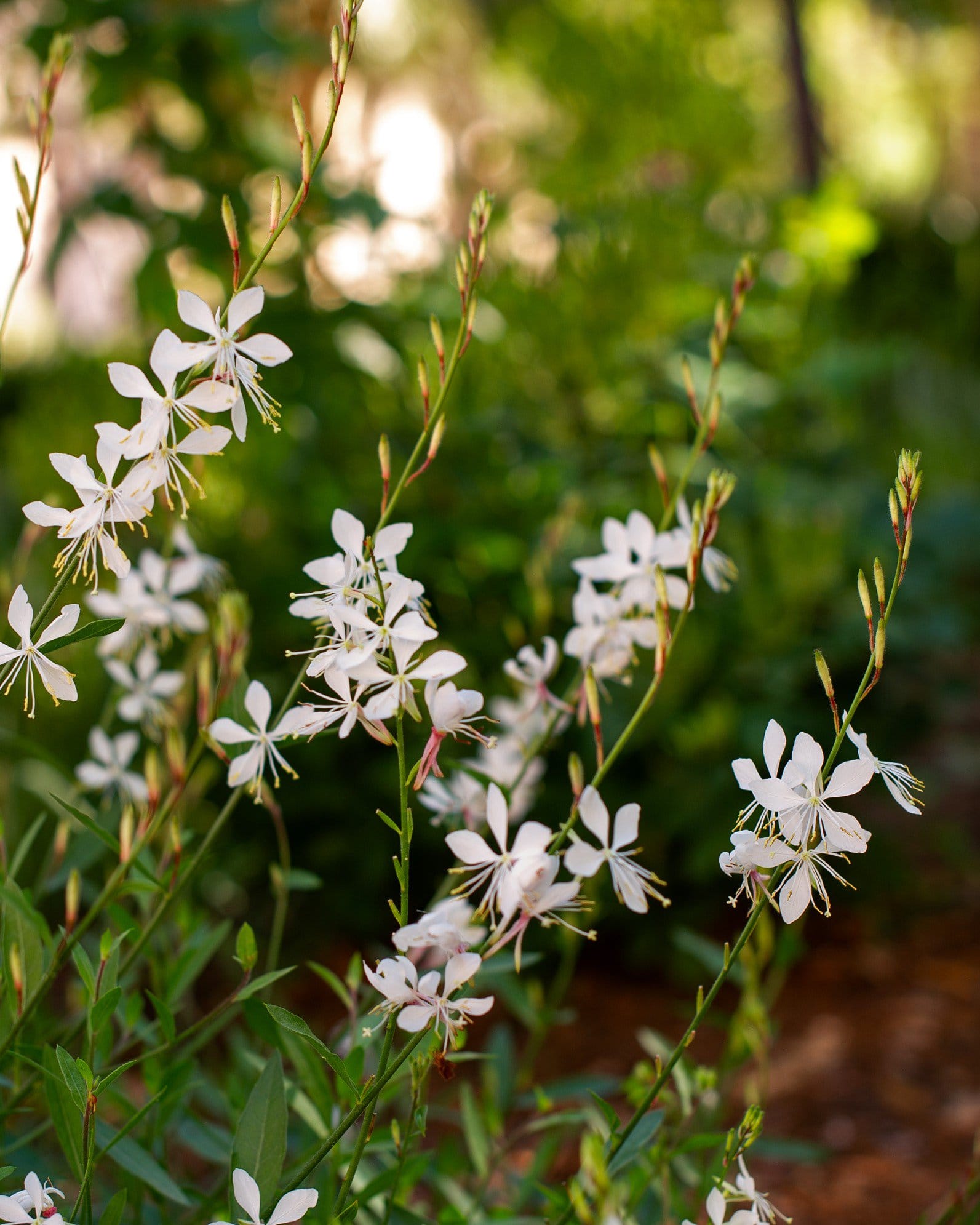
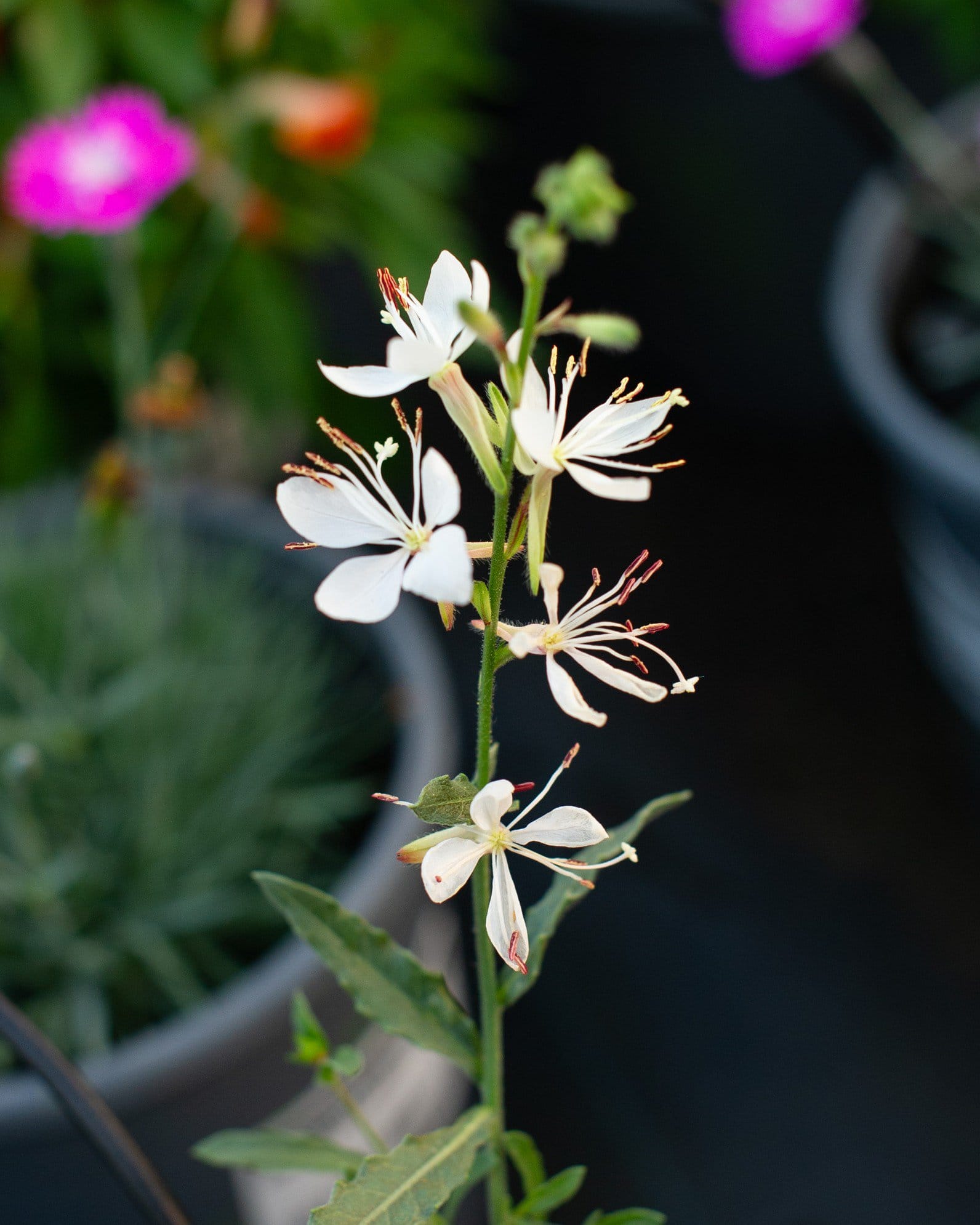
Belleza White Gaura
Maturity: 1' H x 1.5' W
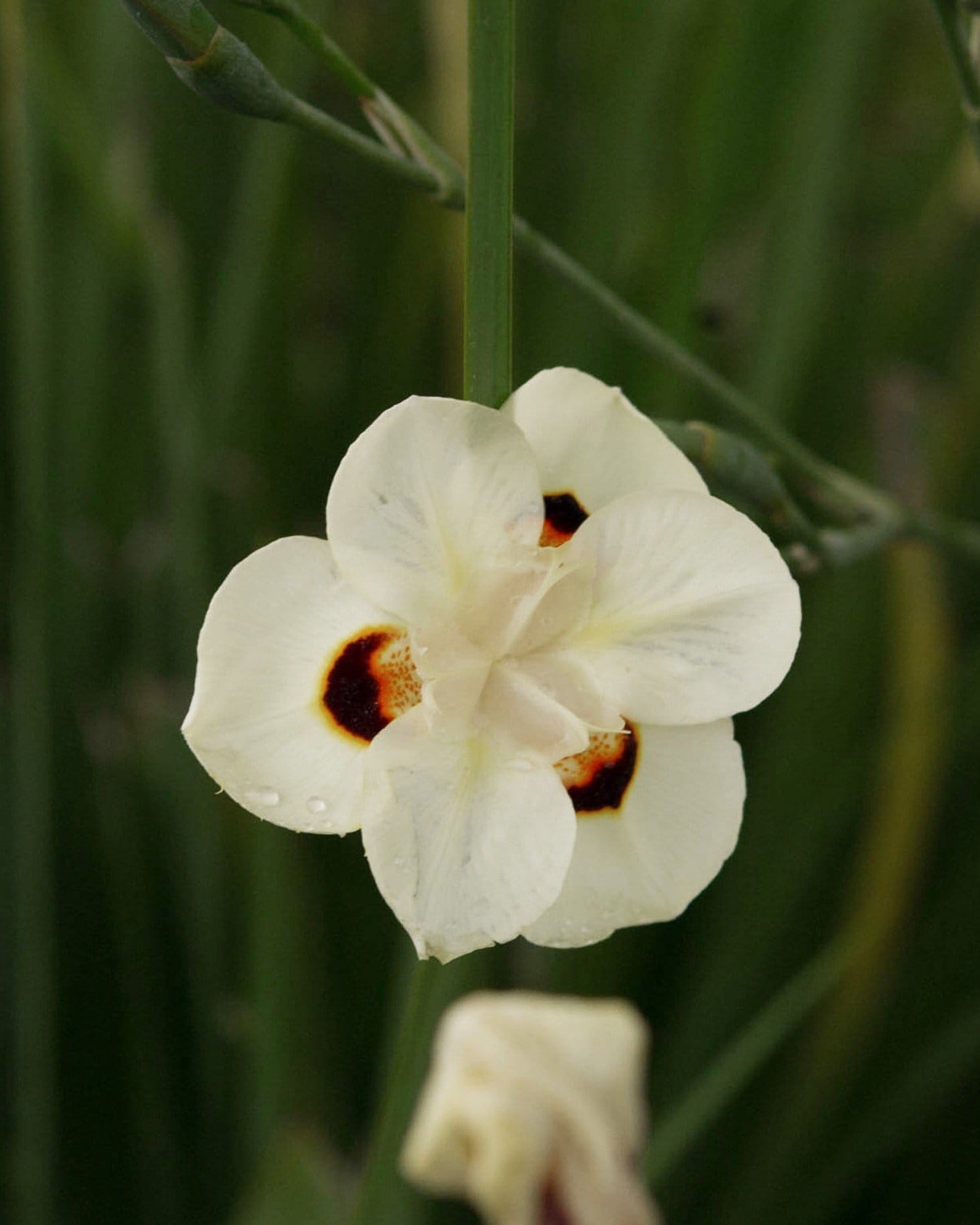
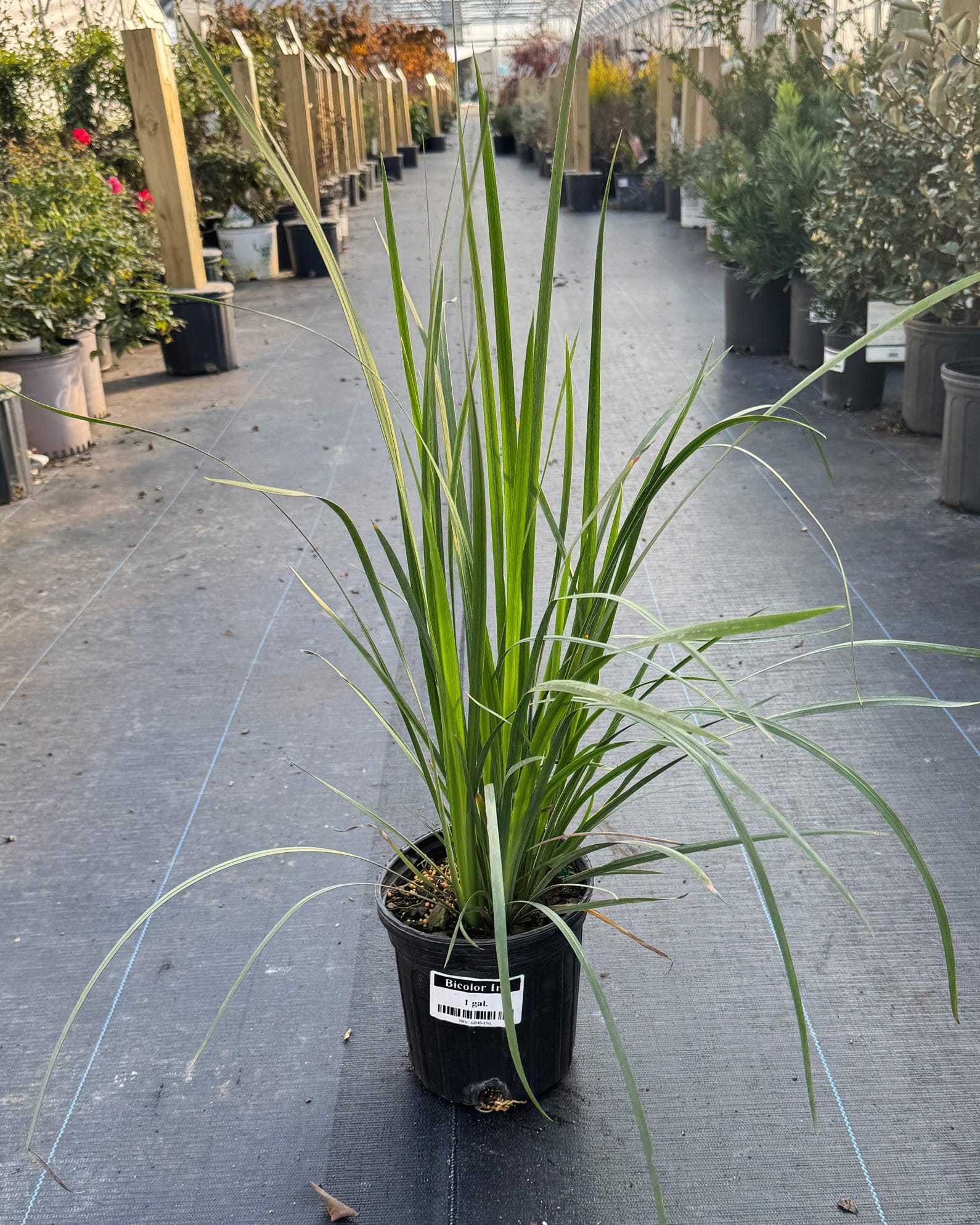
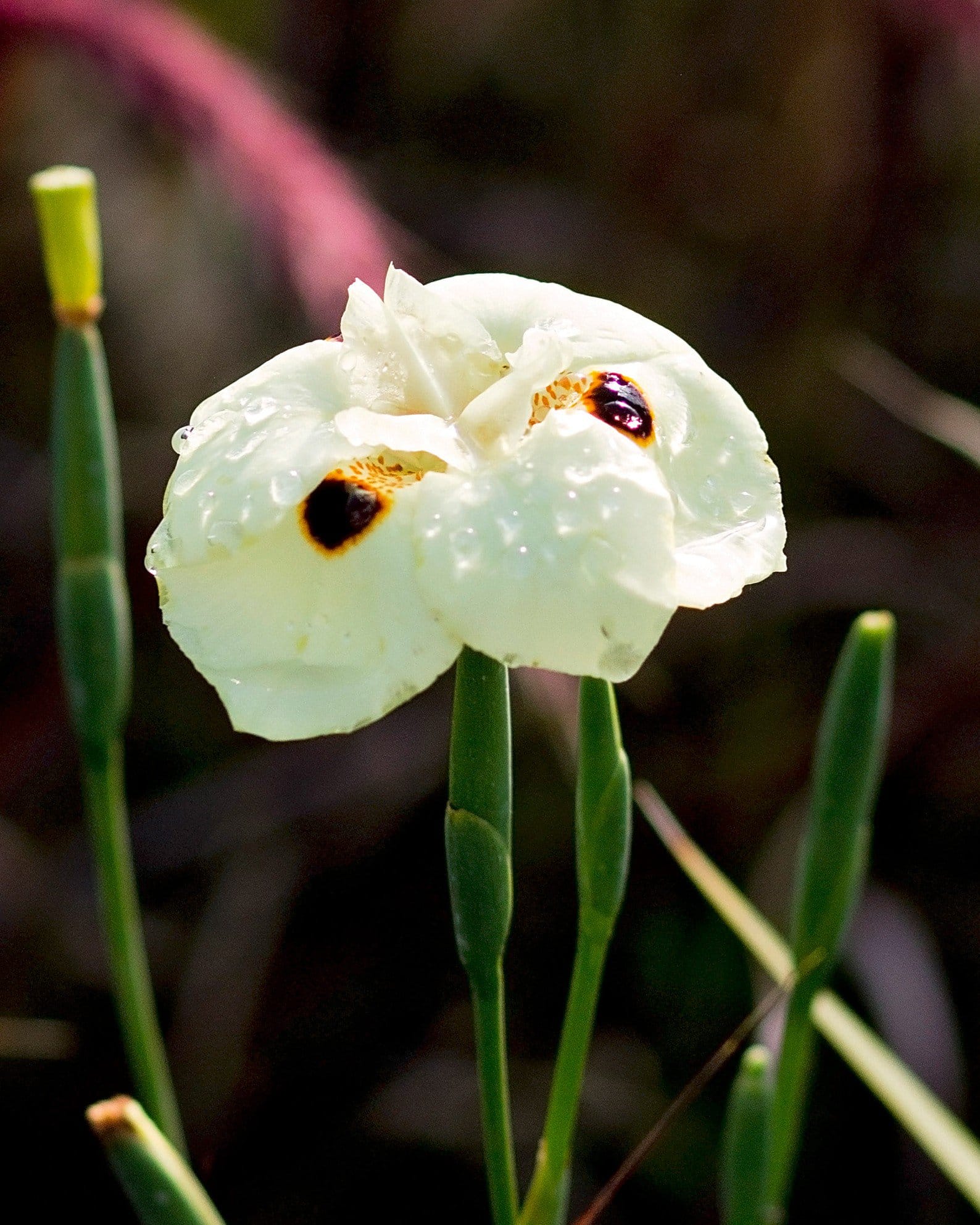
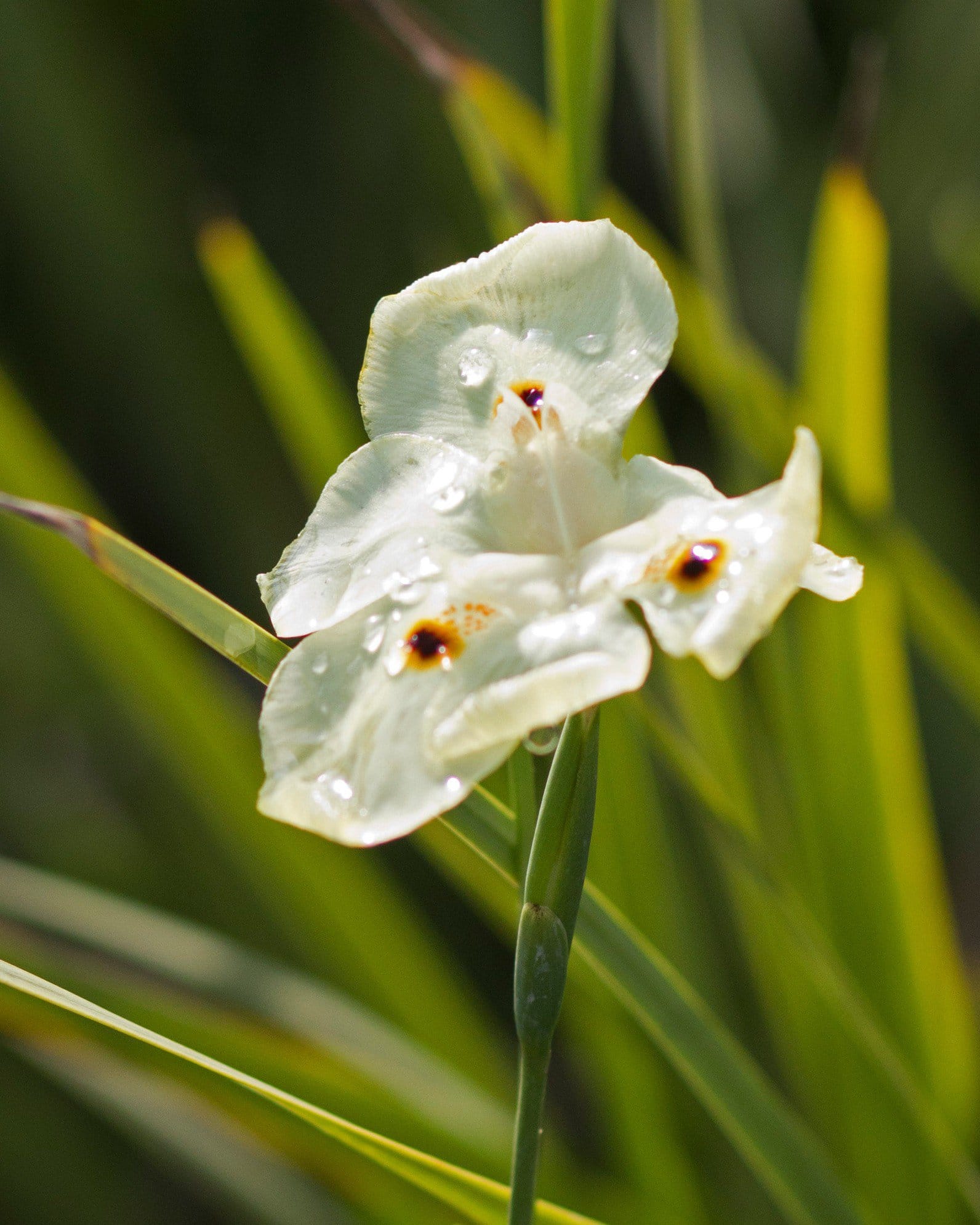
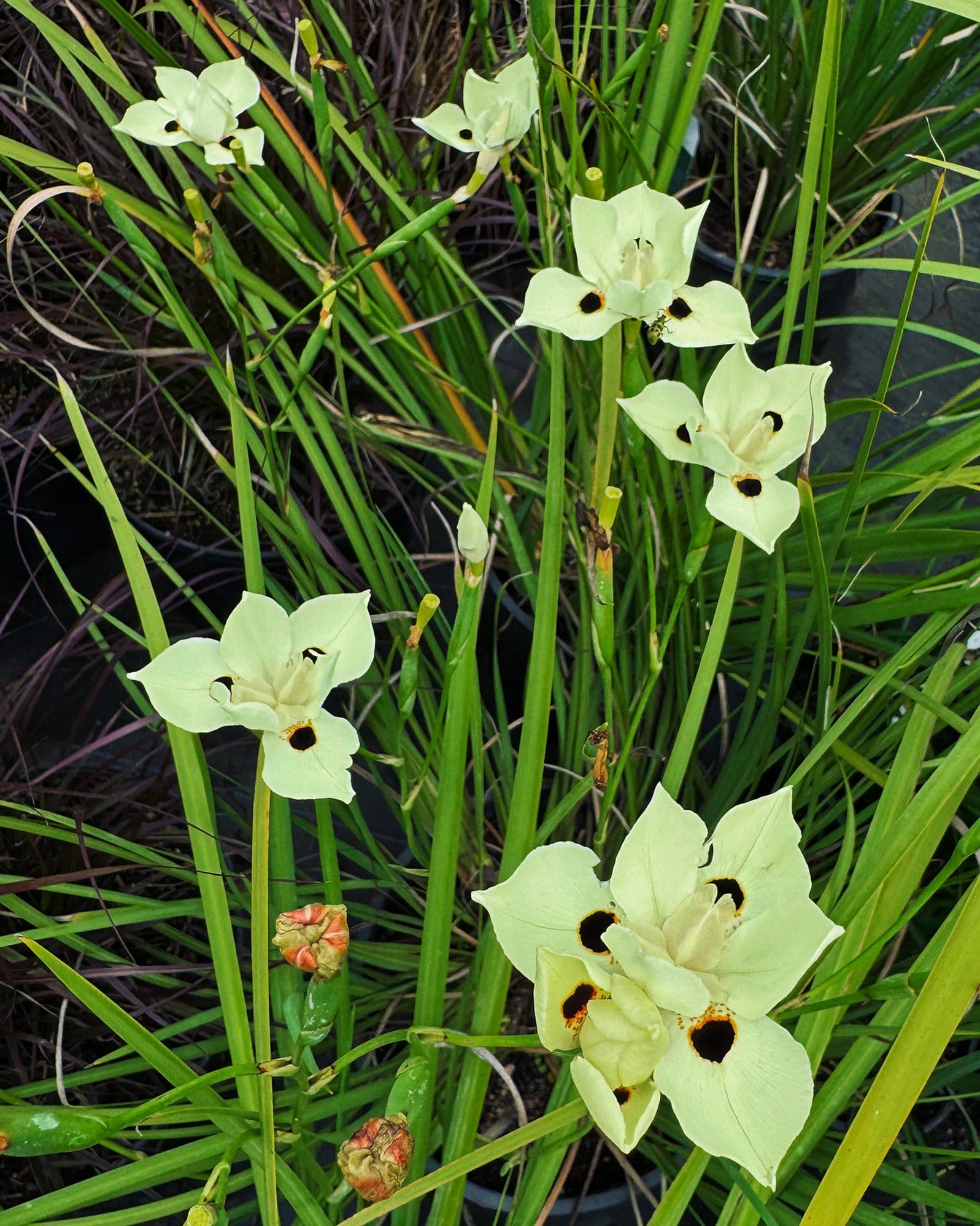
Bicolor Iris
Maturity: 2' H x 2' W
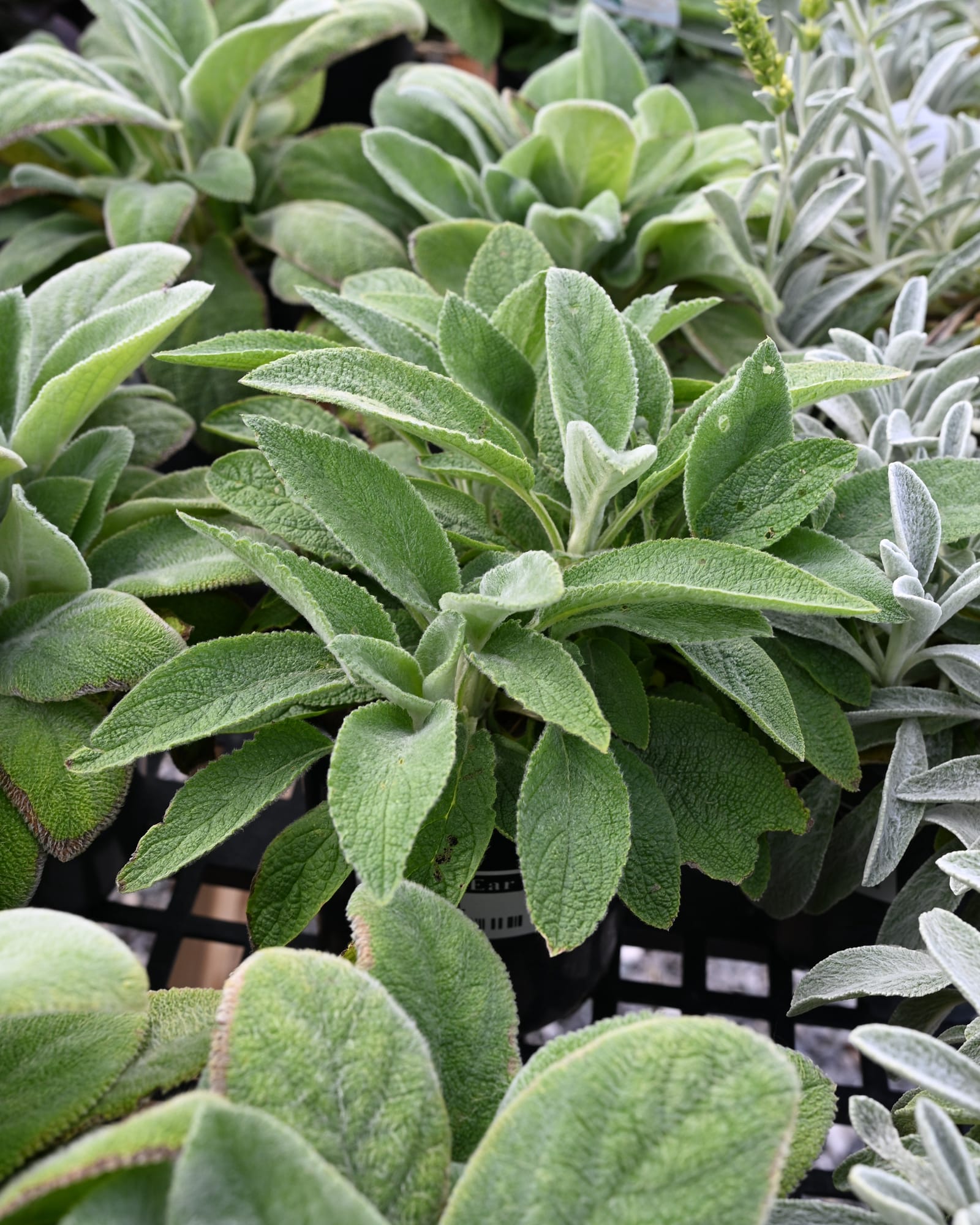
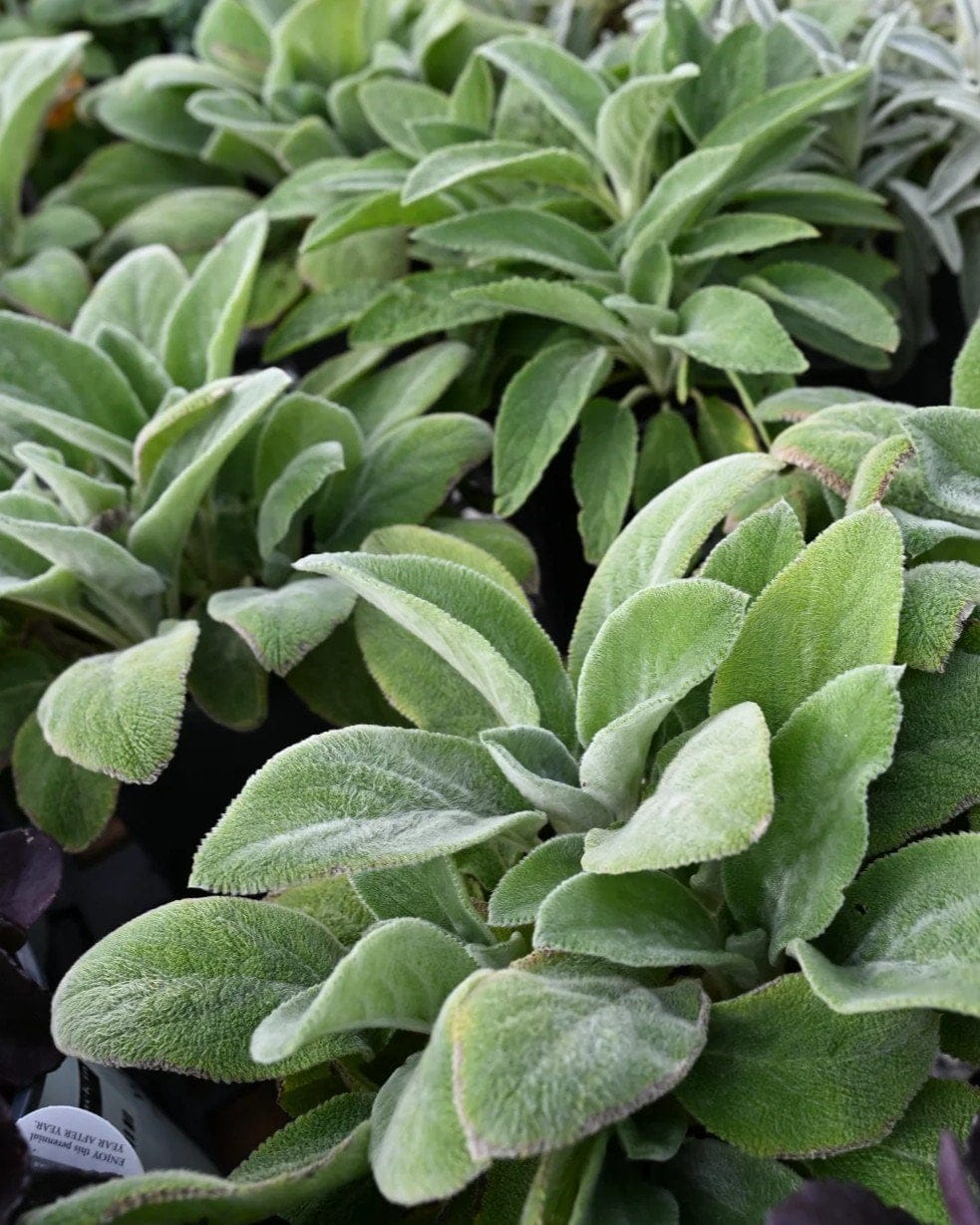
Lamb's Ear
Maturity: 1' H x 1.5' W
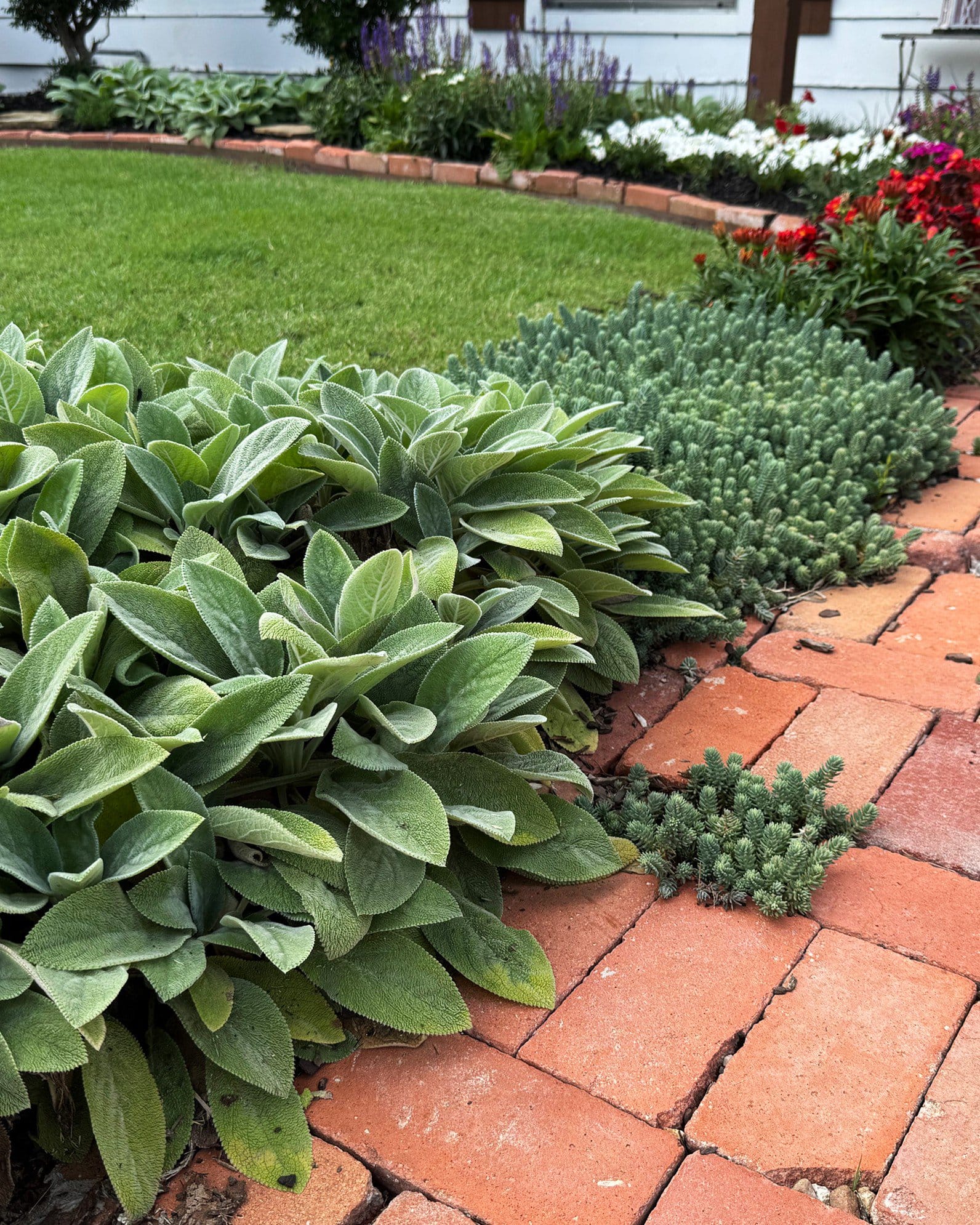
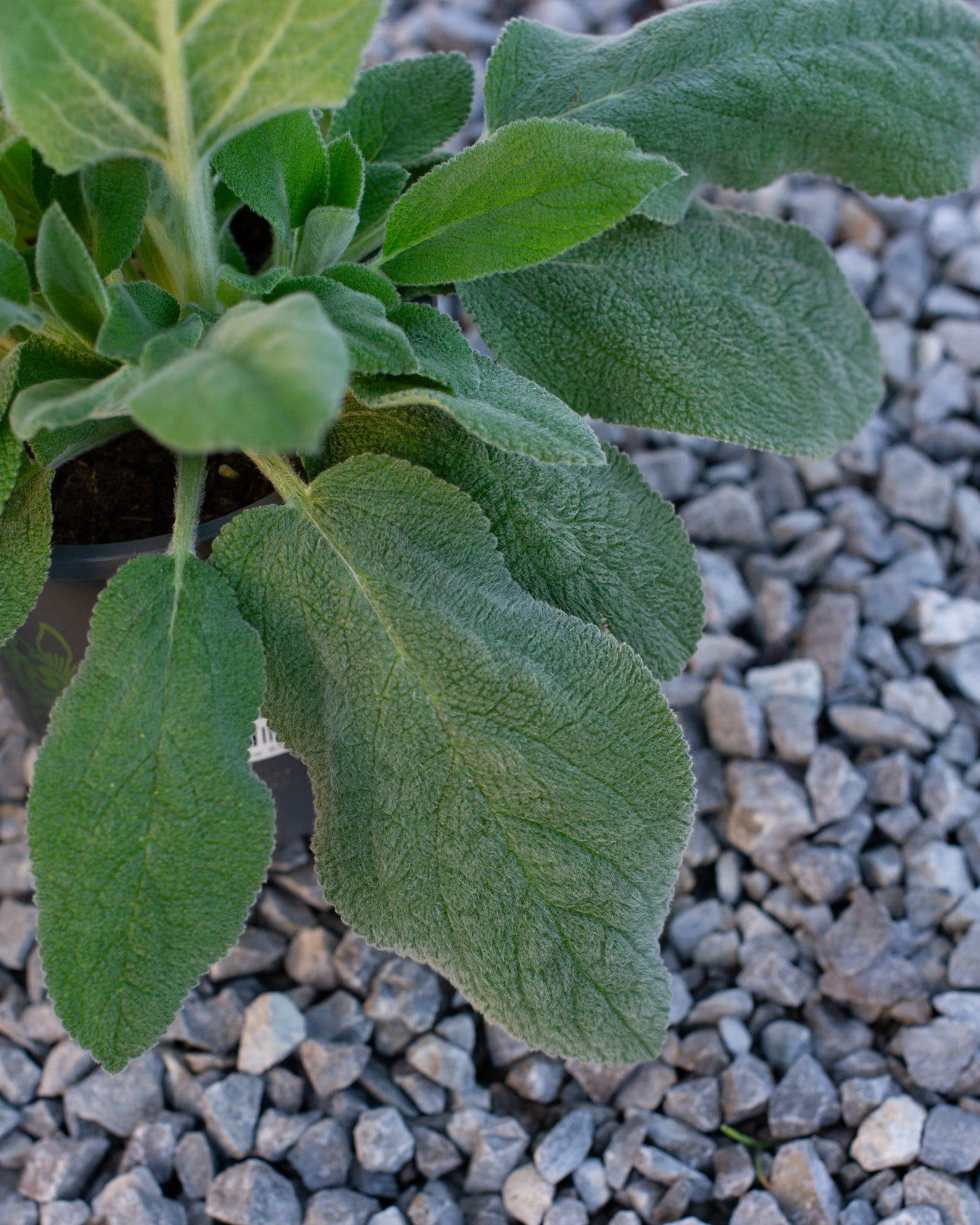
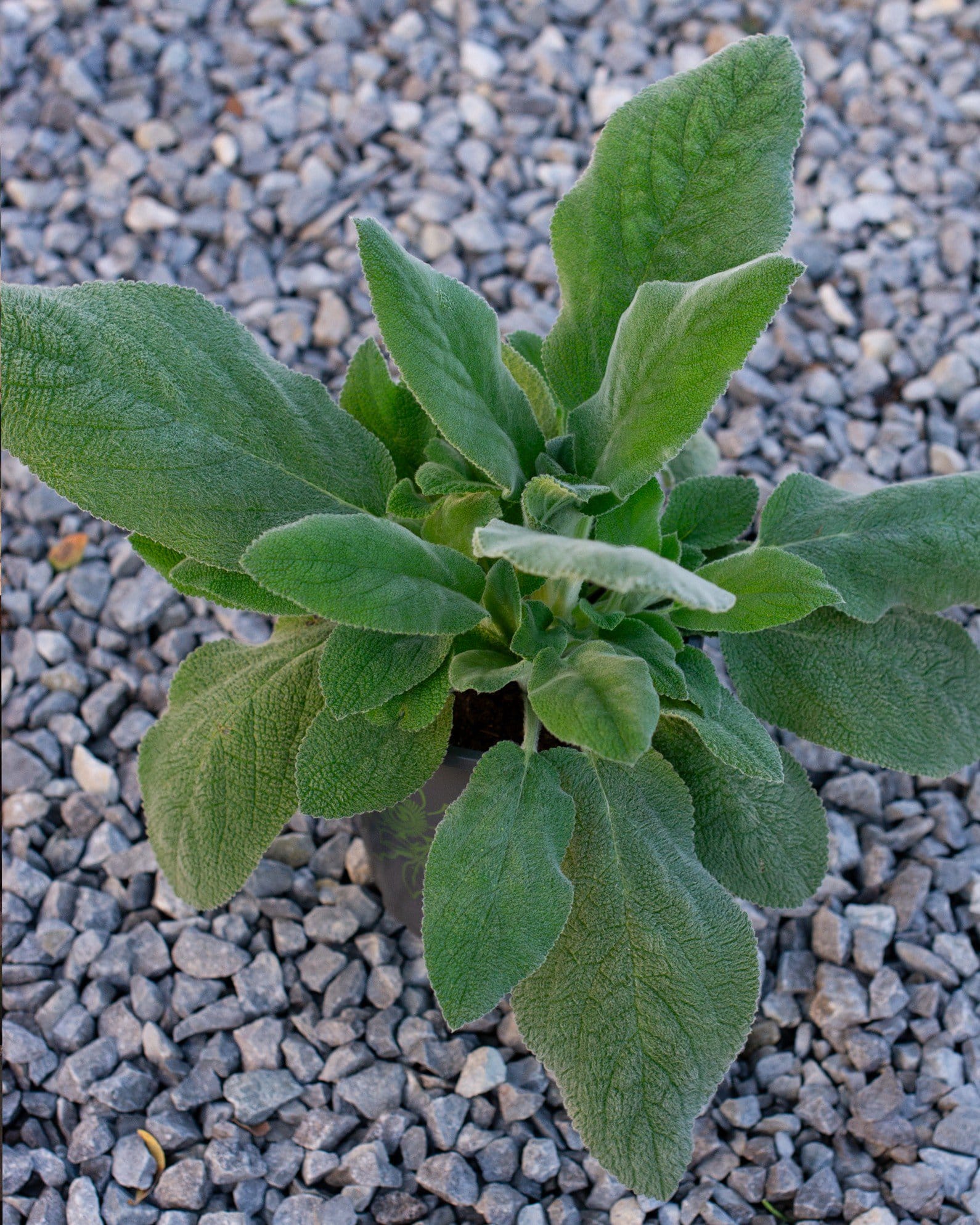
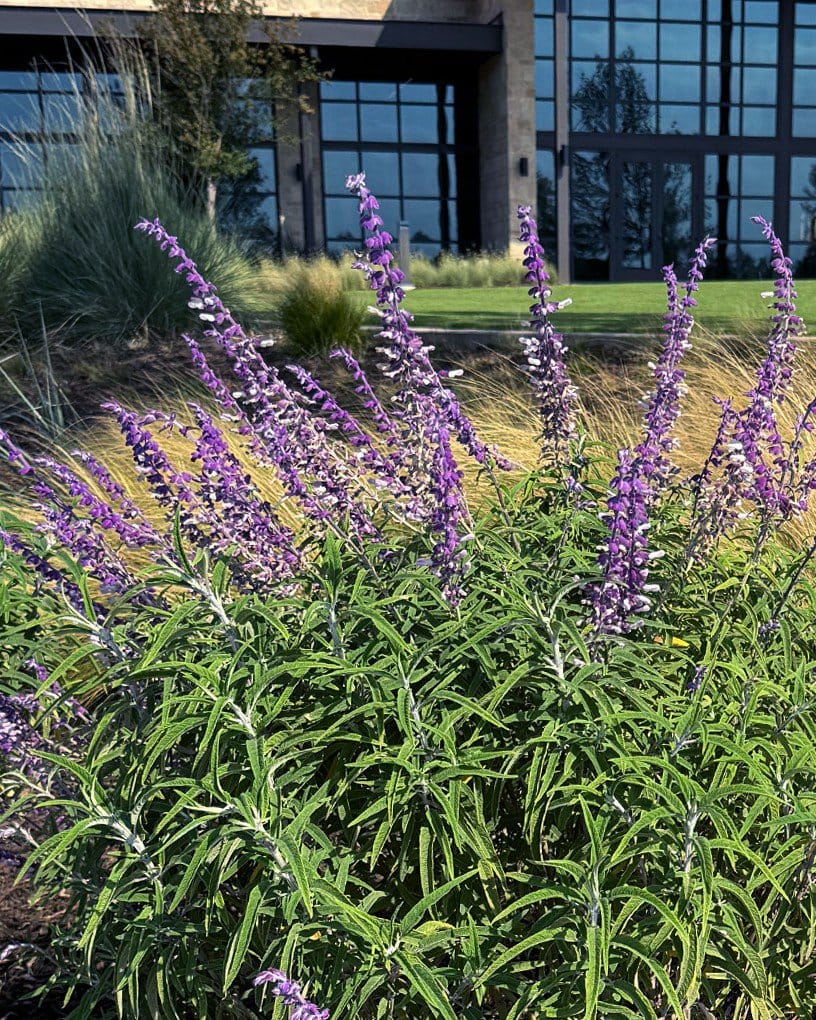
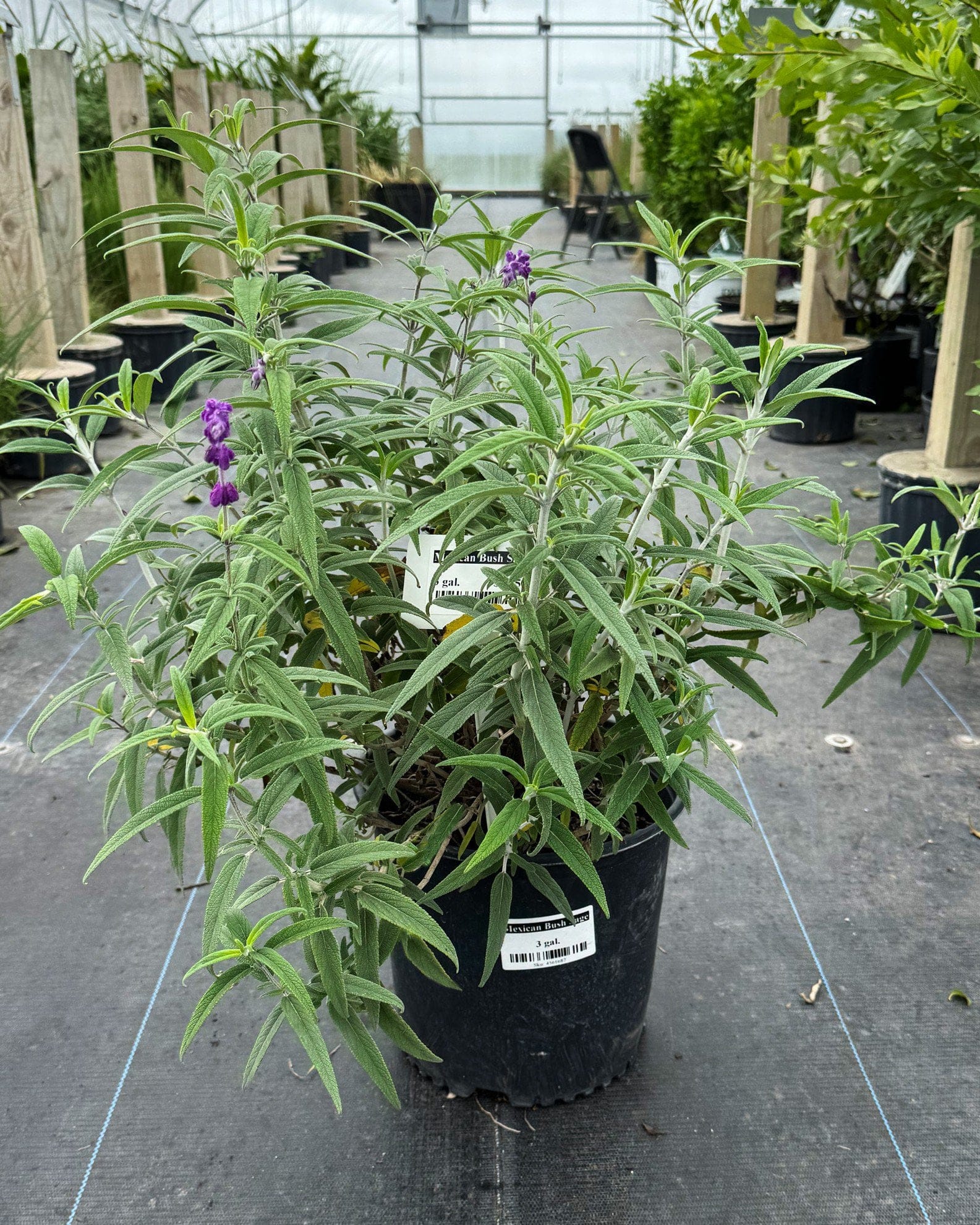
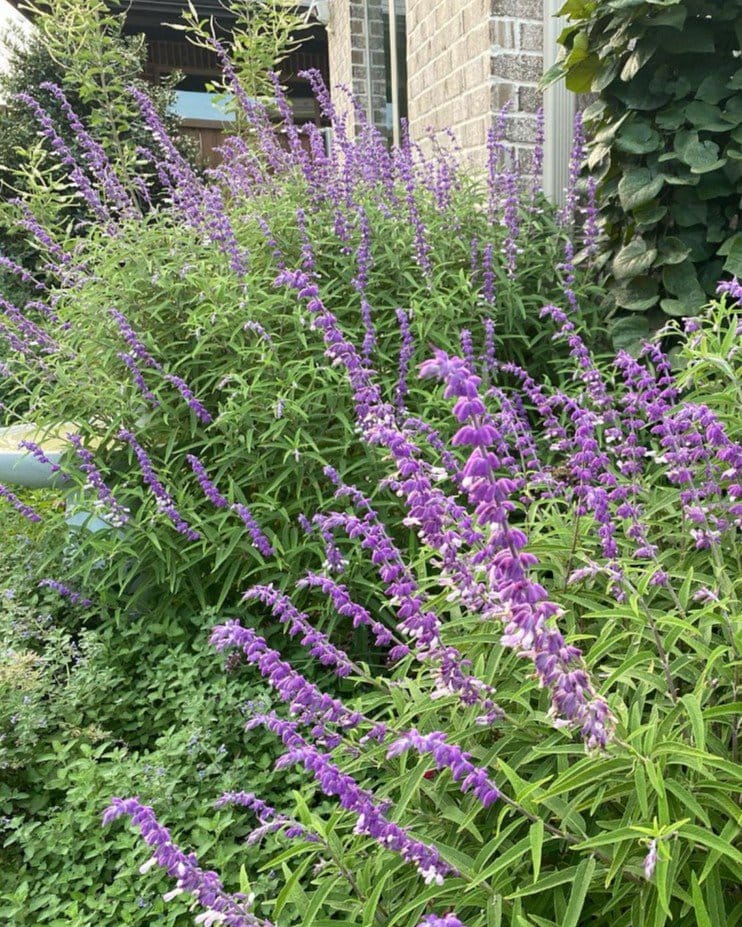
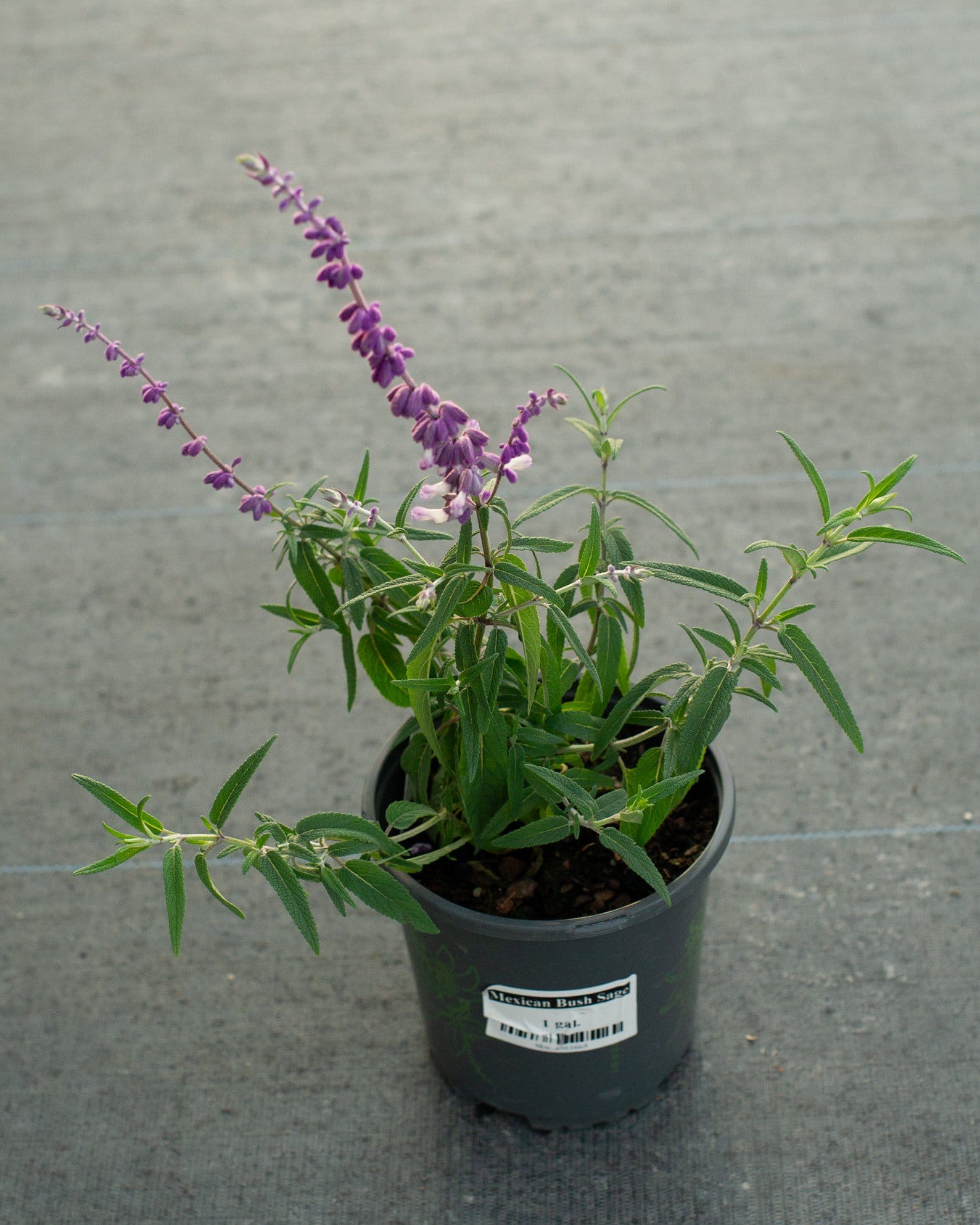
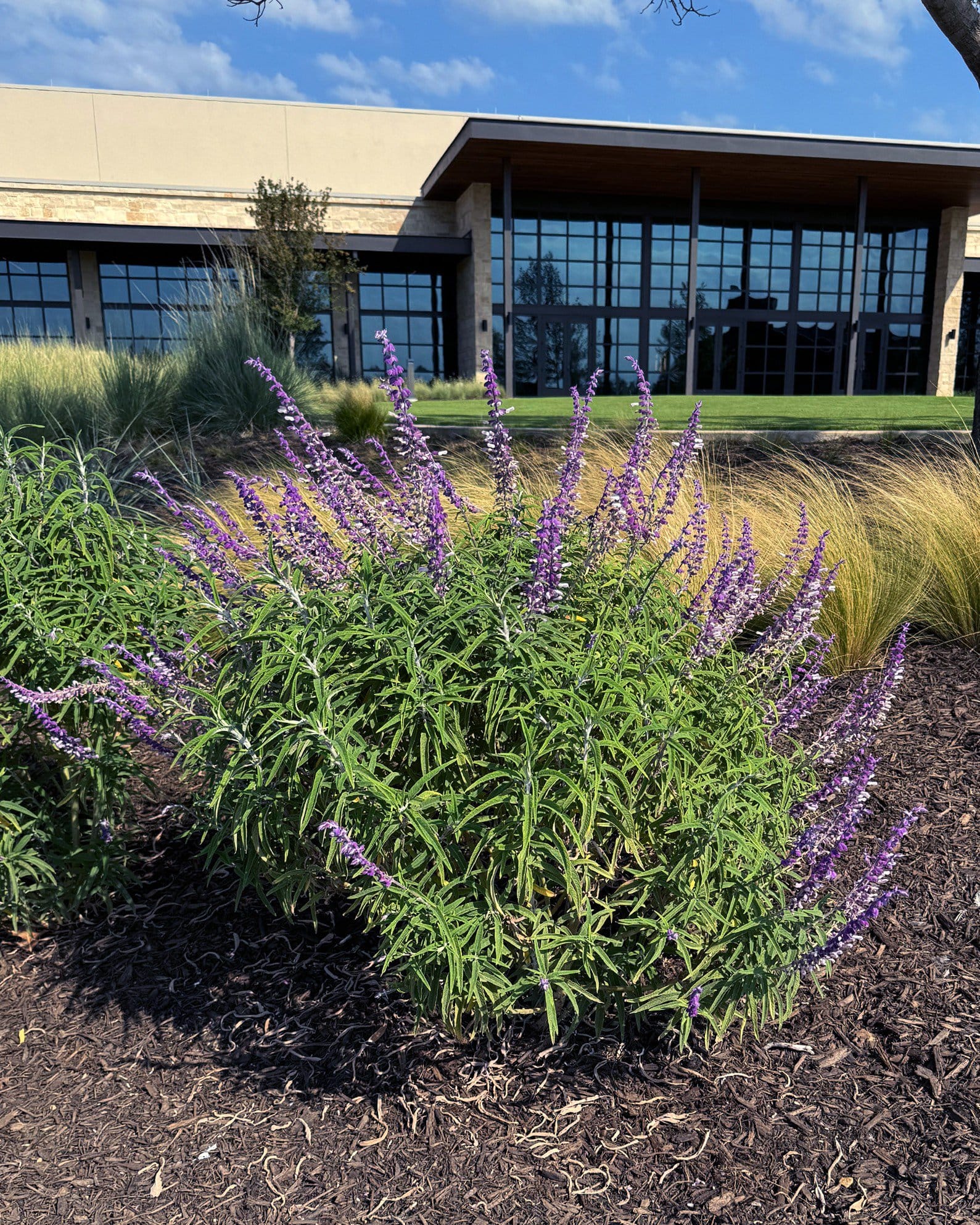
Mexican Bush Sage
Maturity: 3' H x 3' W
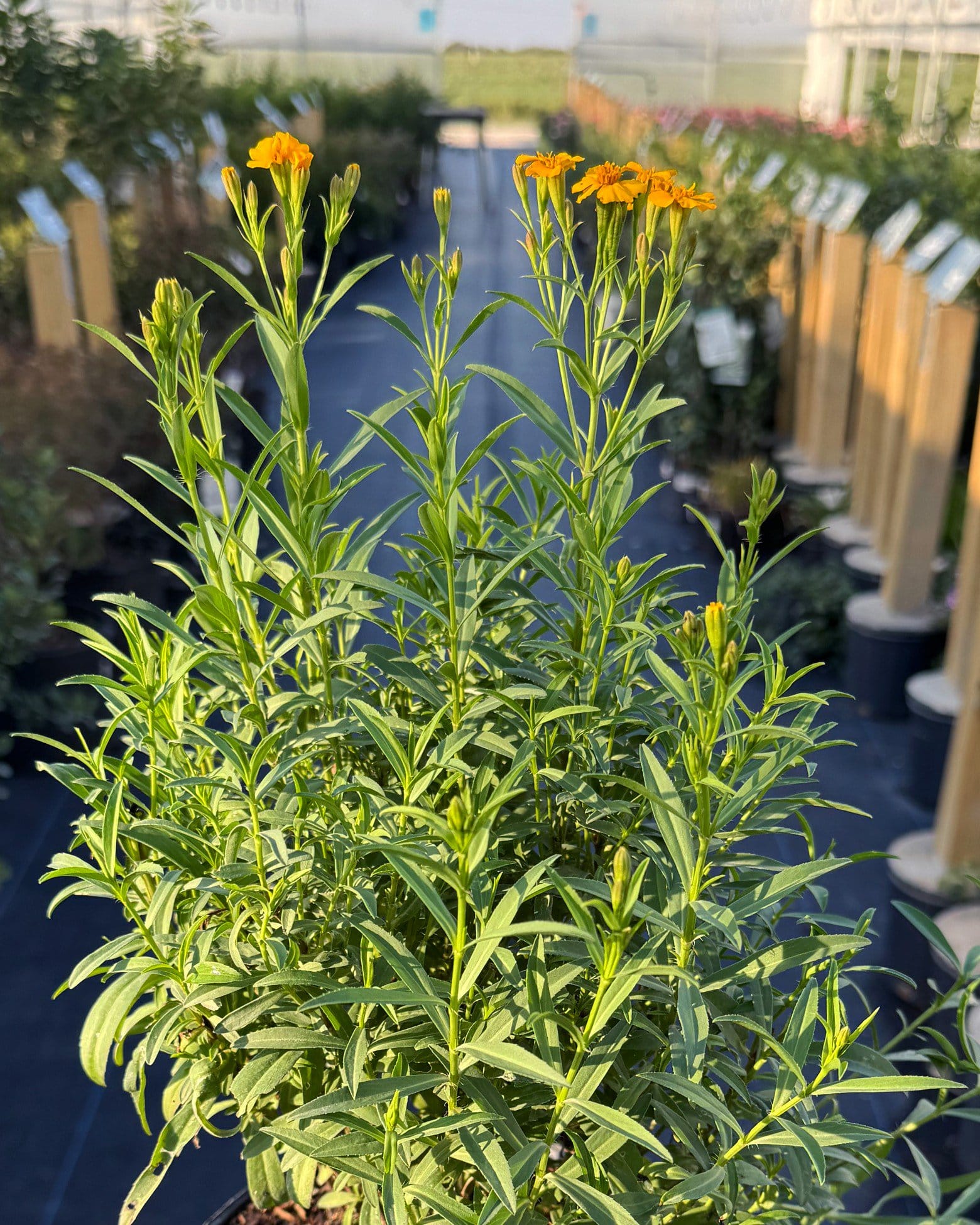
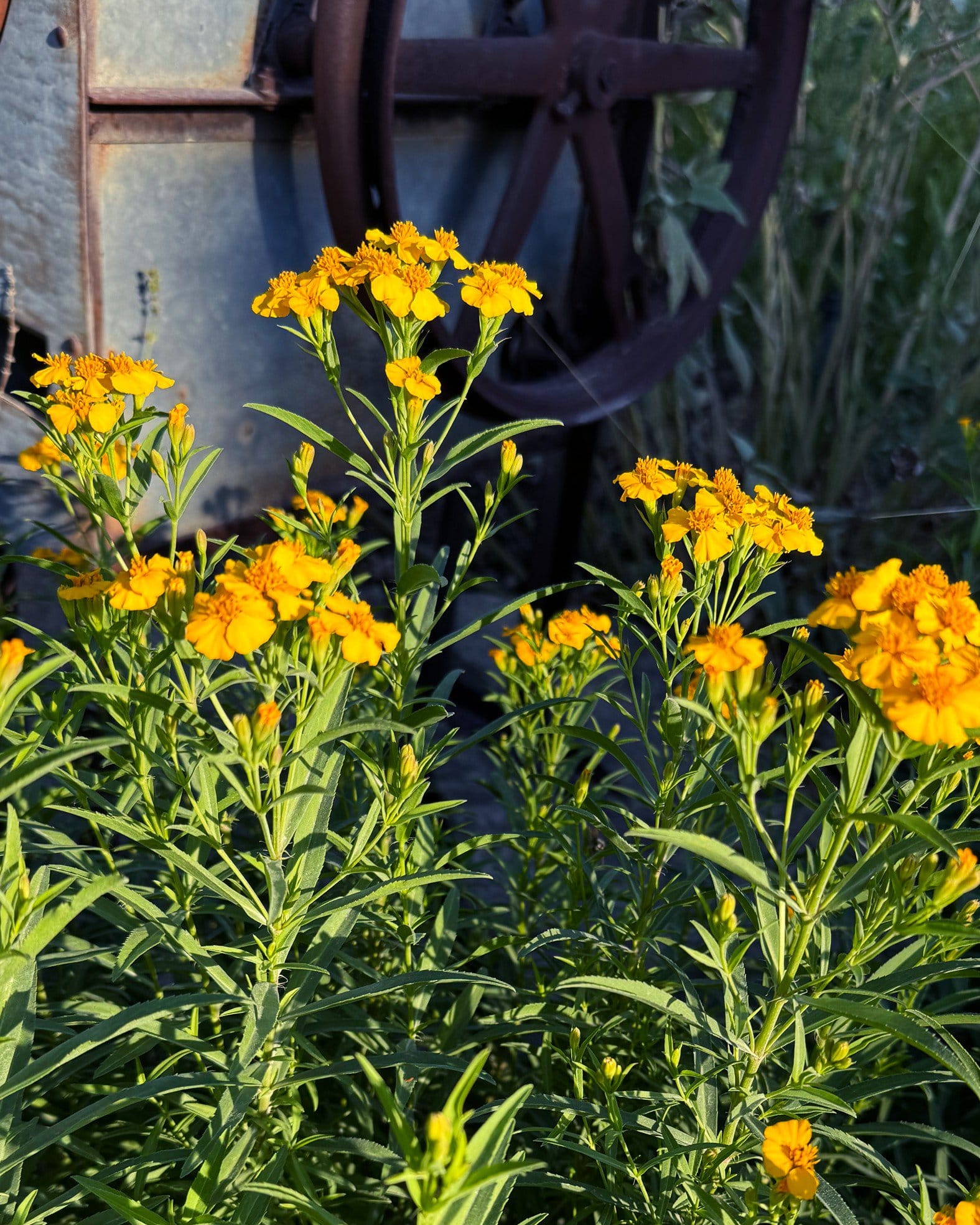
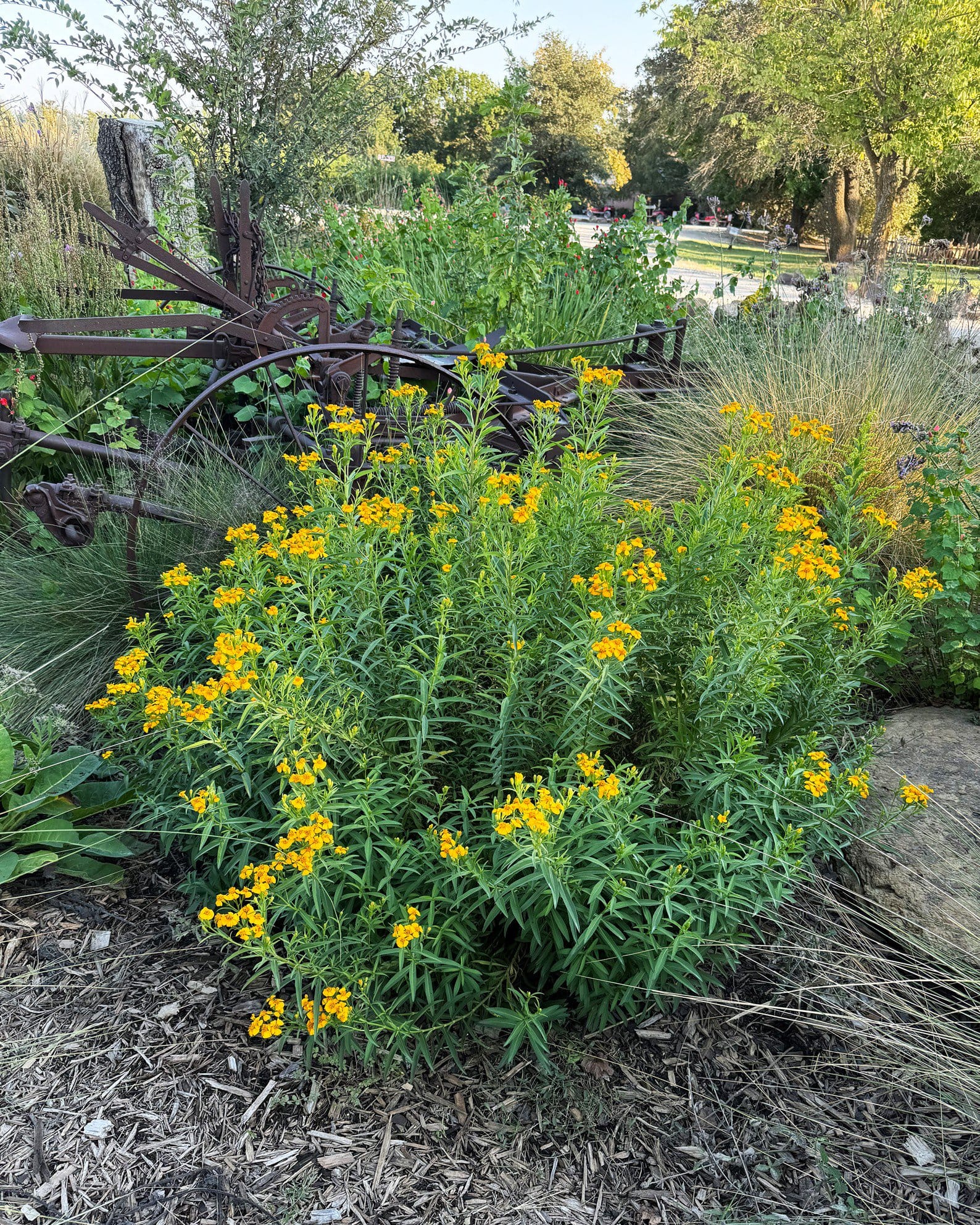
Mexican Mint Marigold
Maturity: 1' H x 1' W
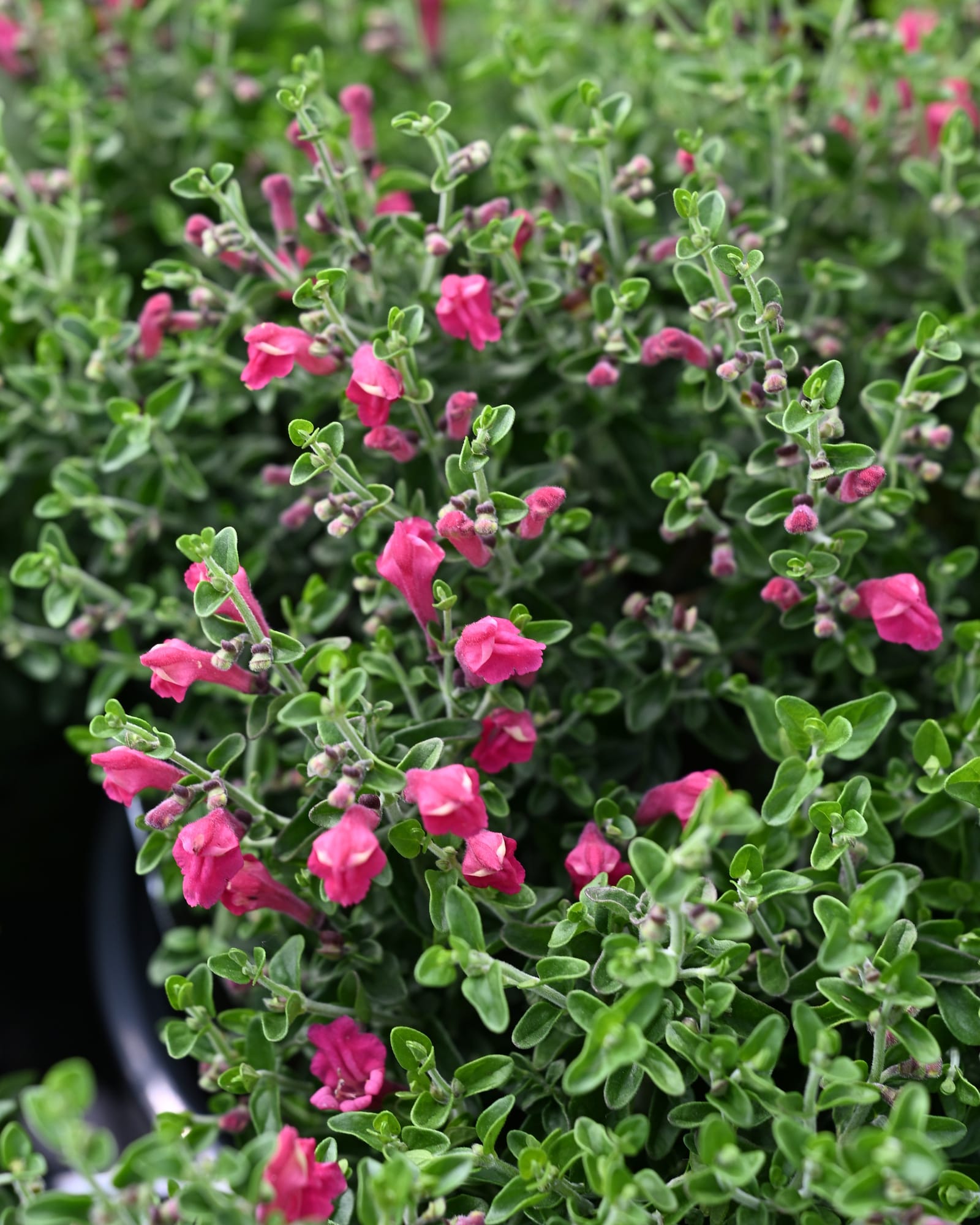
Pink Skullcap
Maturity: 1' H x 2' W
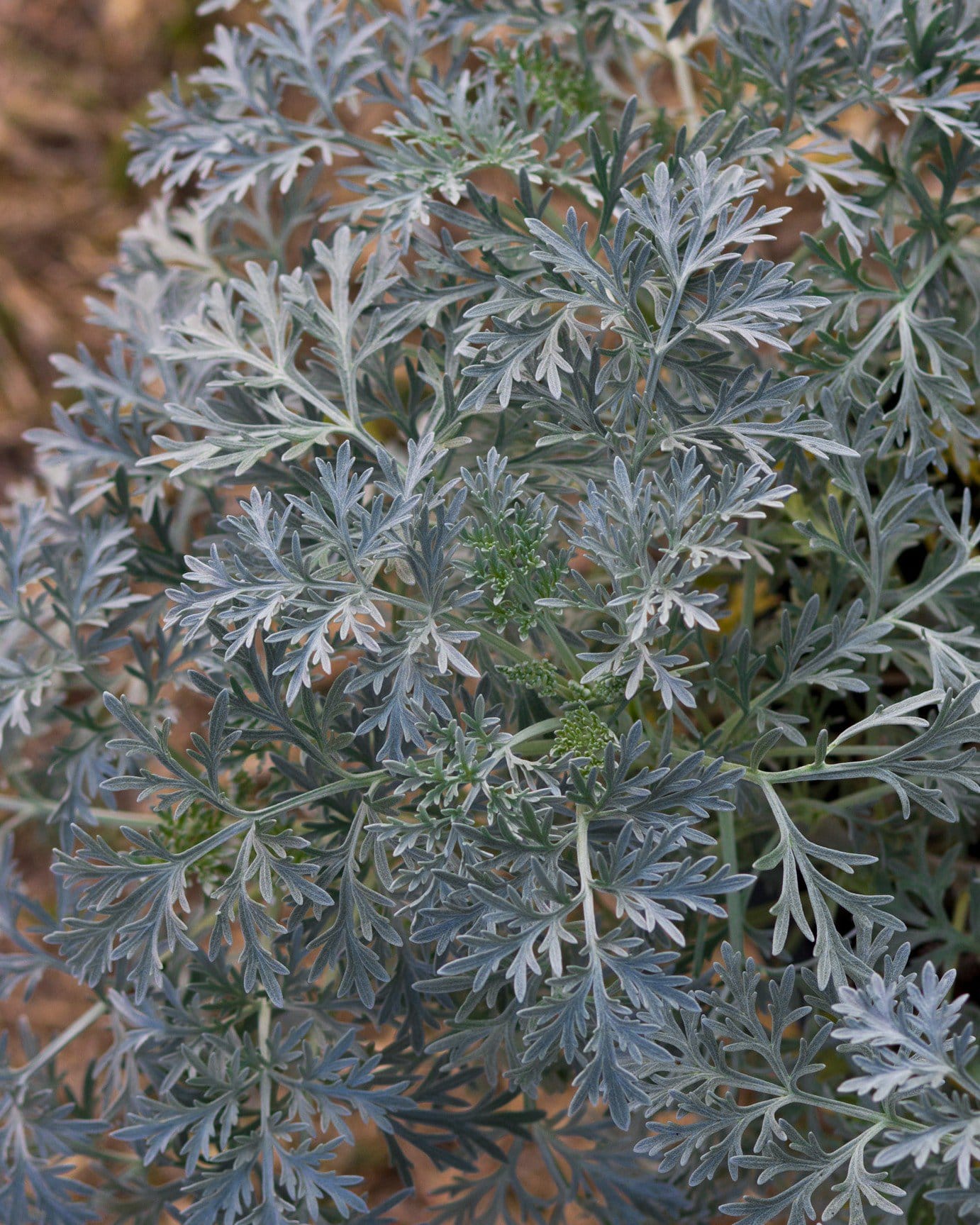
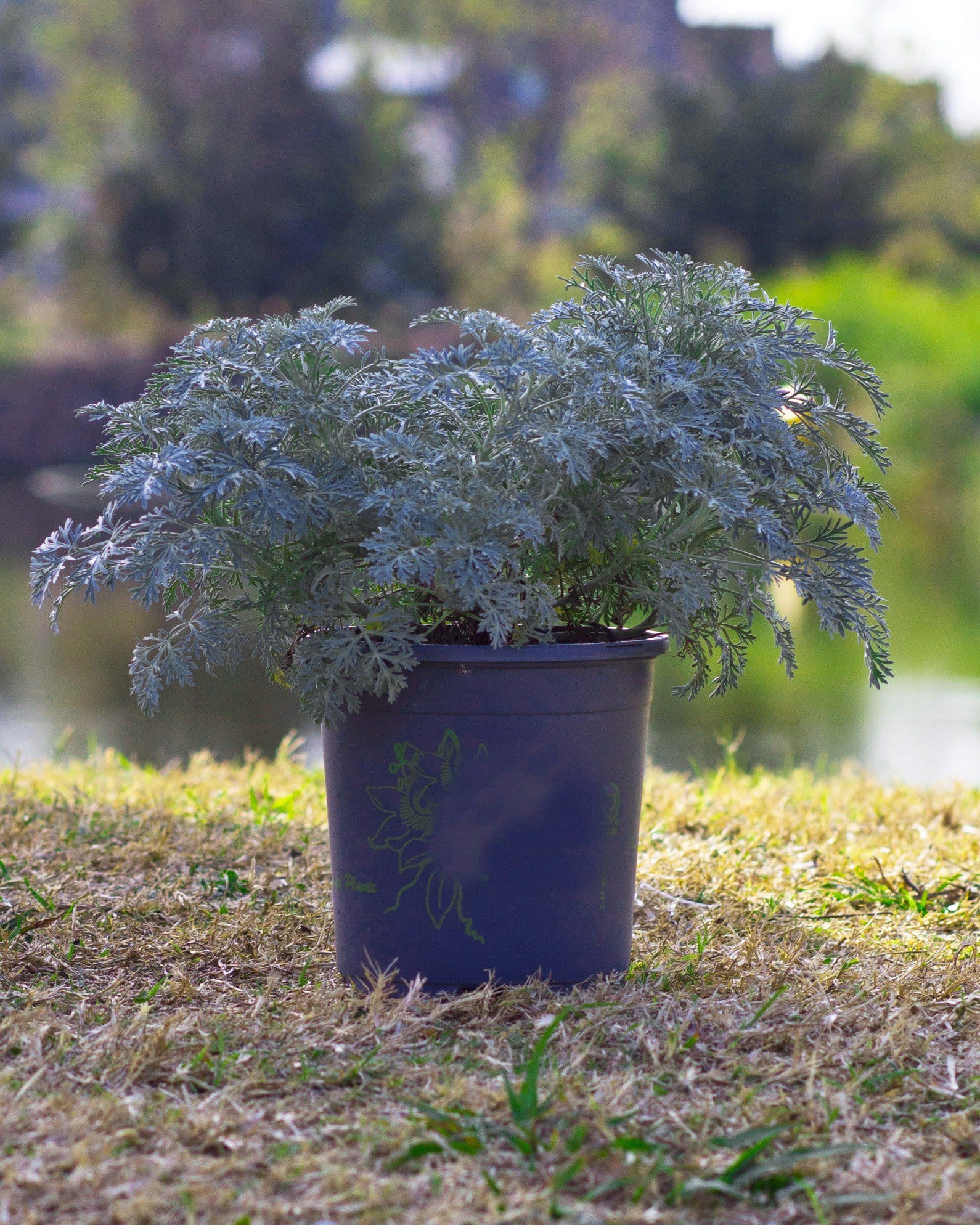
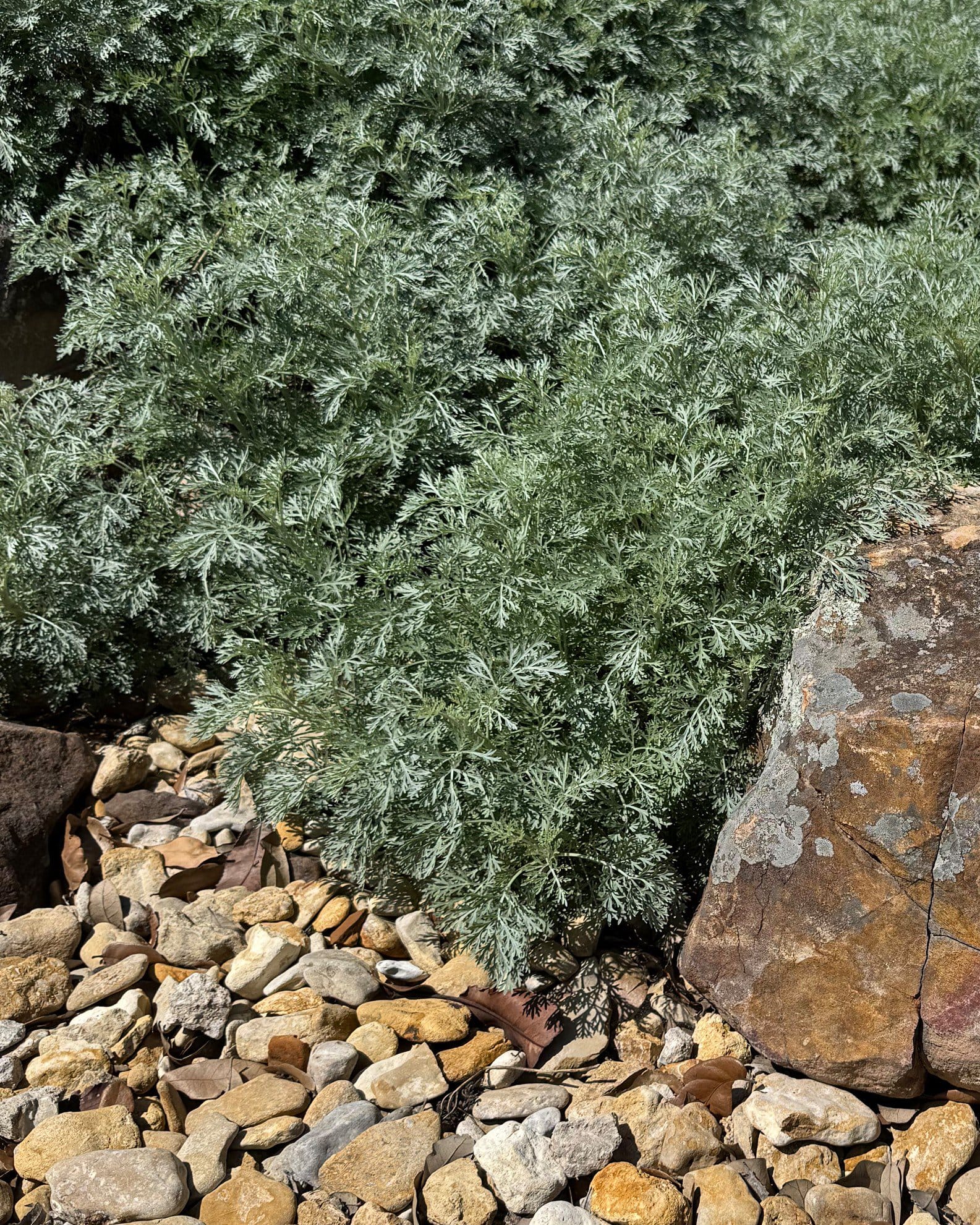
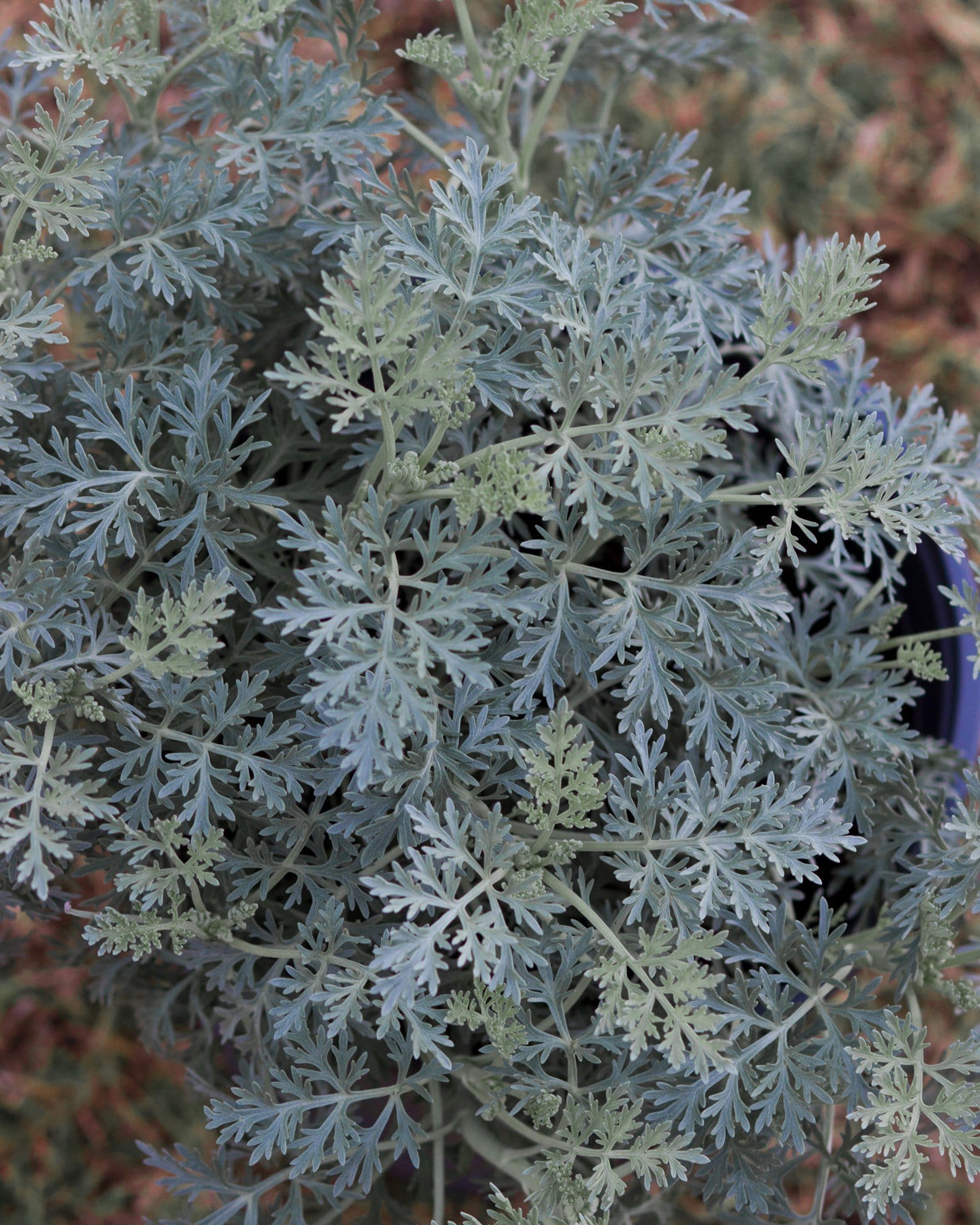
Powis Castle Artemisia
Maturity: 2' H x 3' W
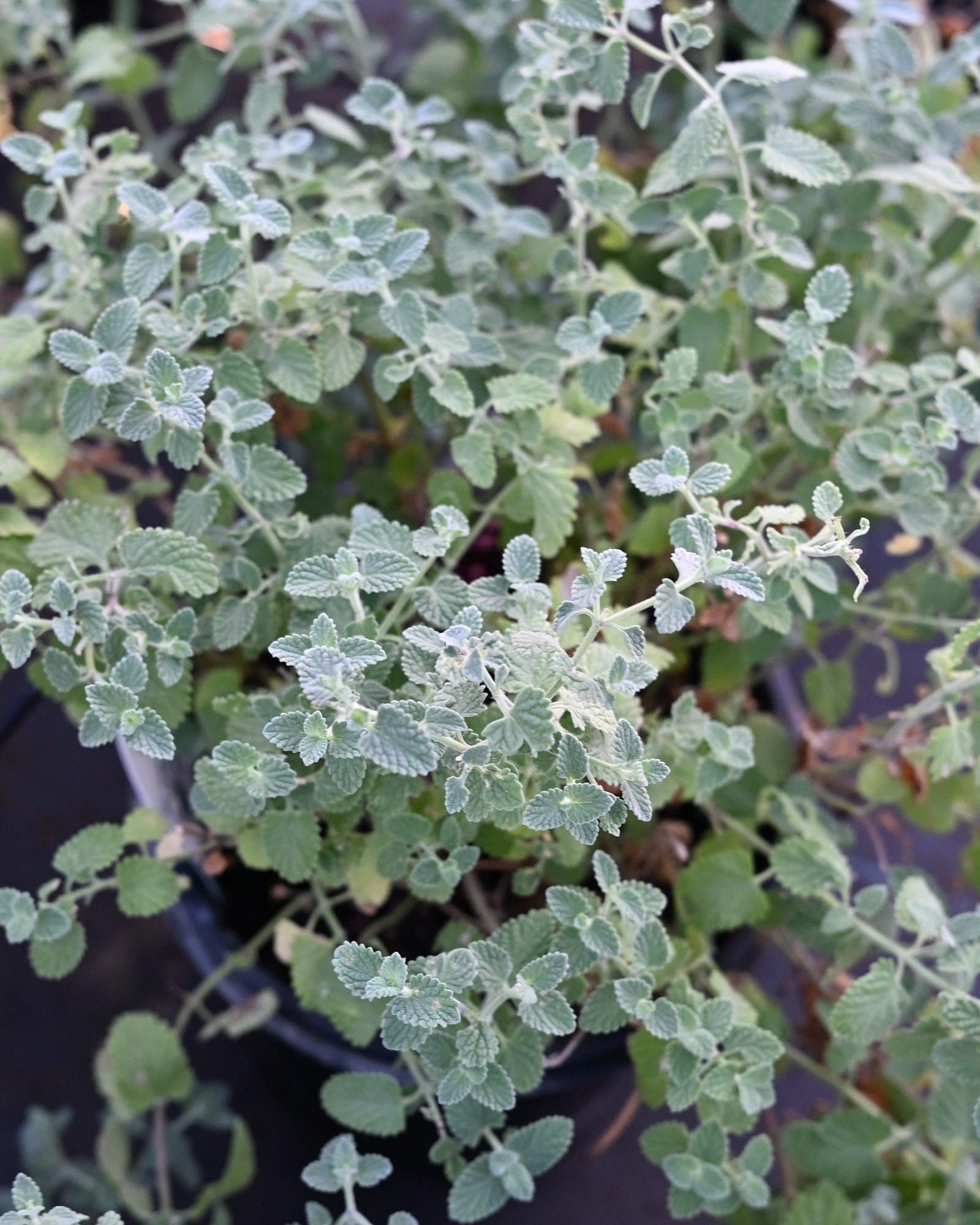
Six Hills Giant Catmint
Maturity: 2' H x 3' W
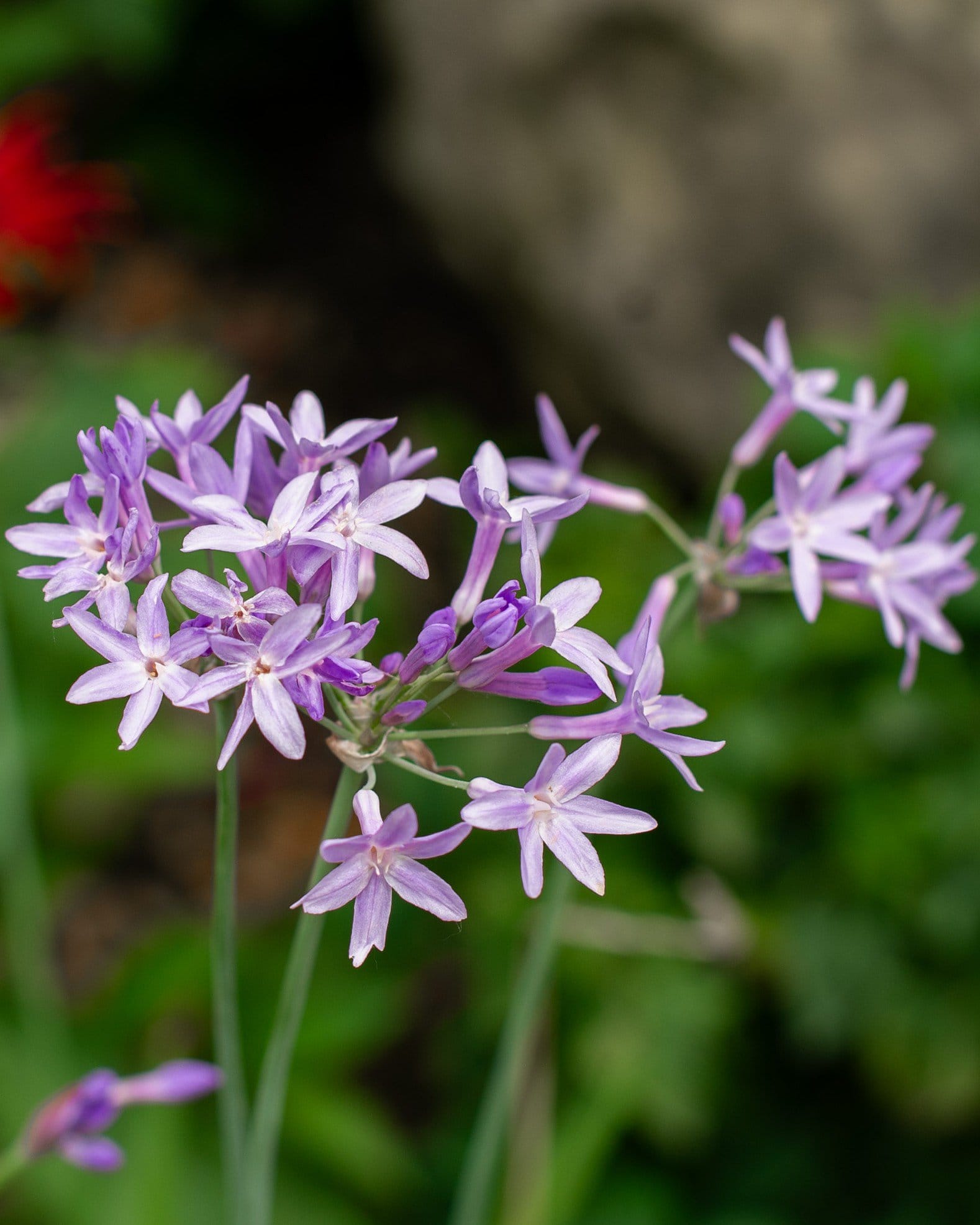
Society Garlic
Maturity: 1' H x 1' W
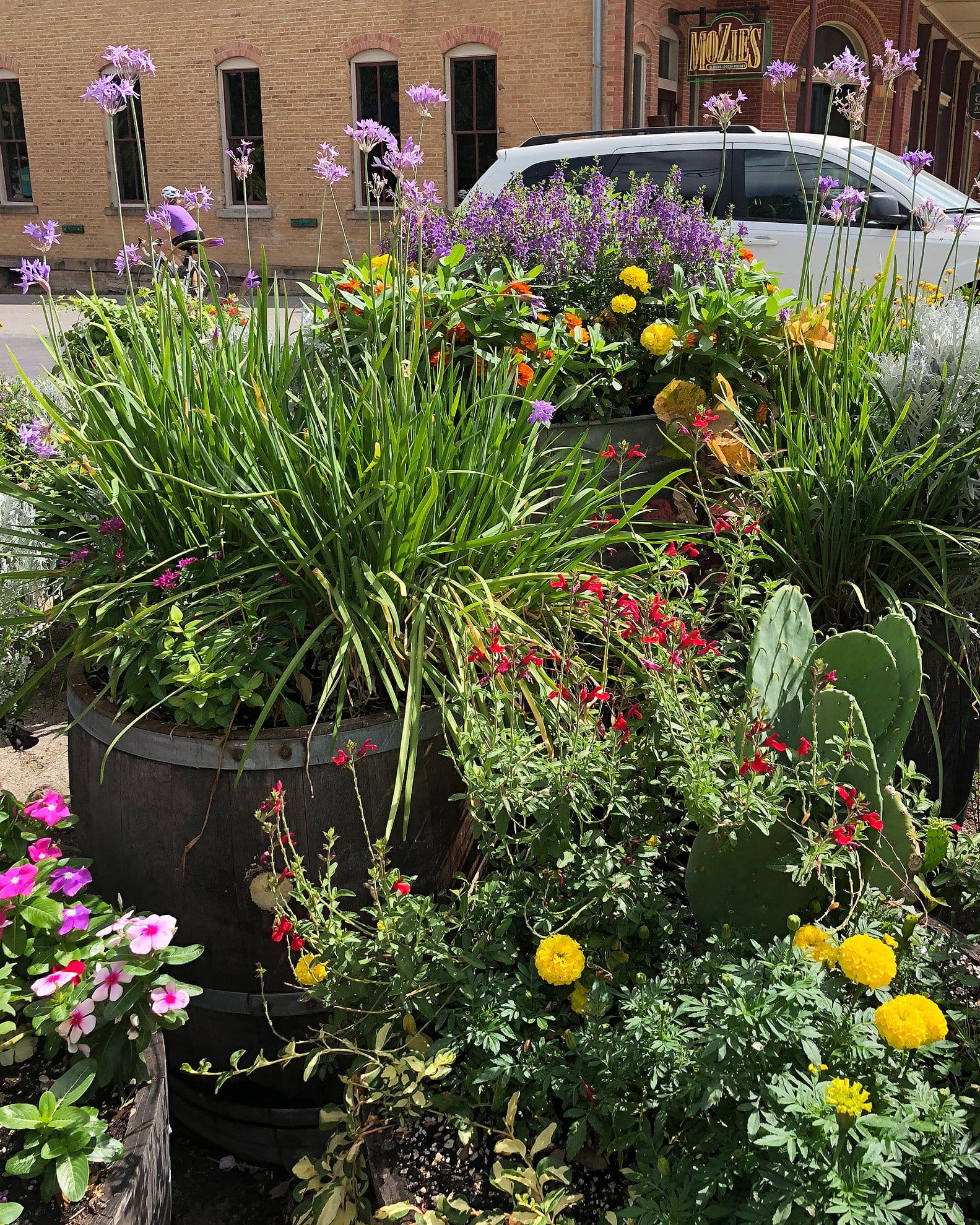
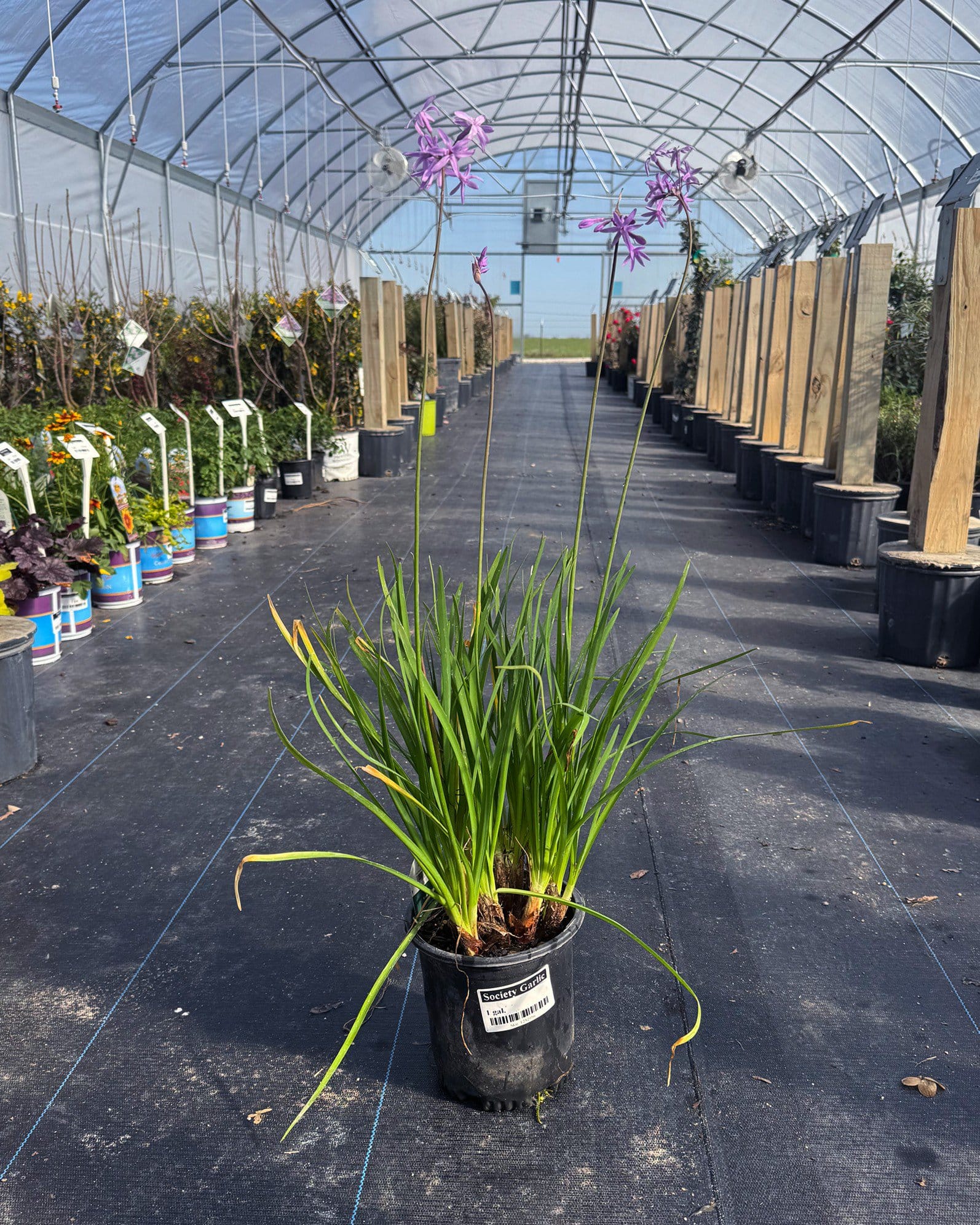
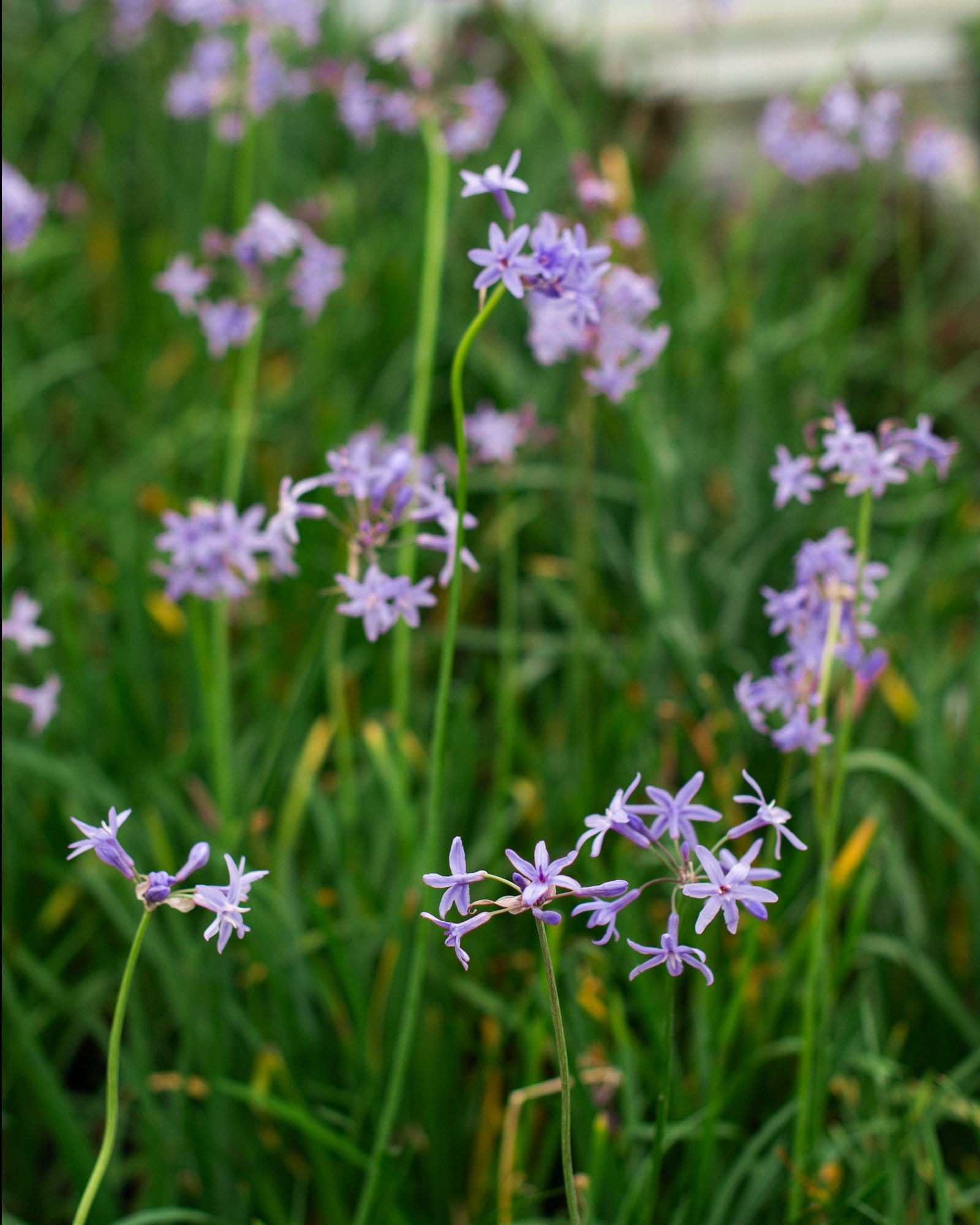
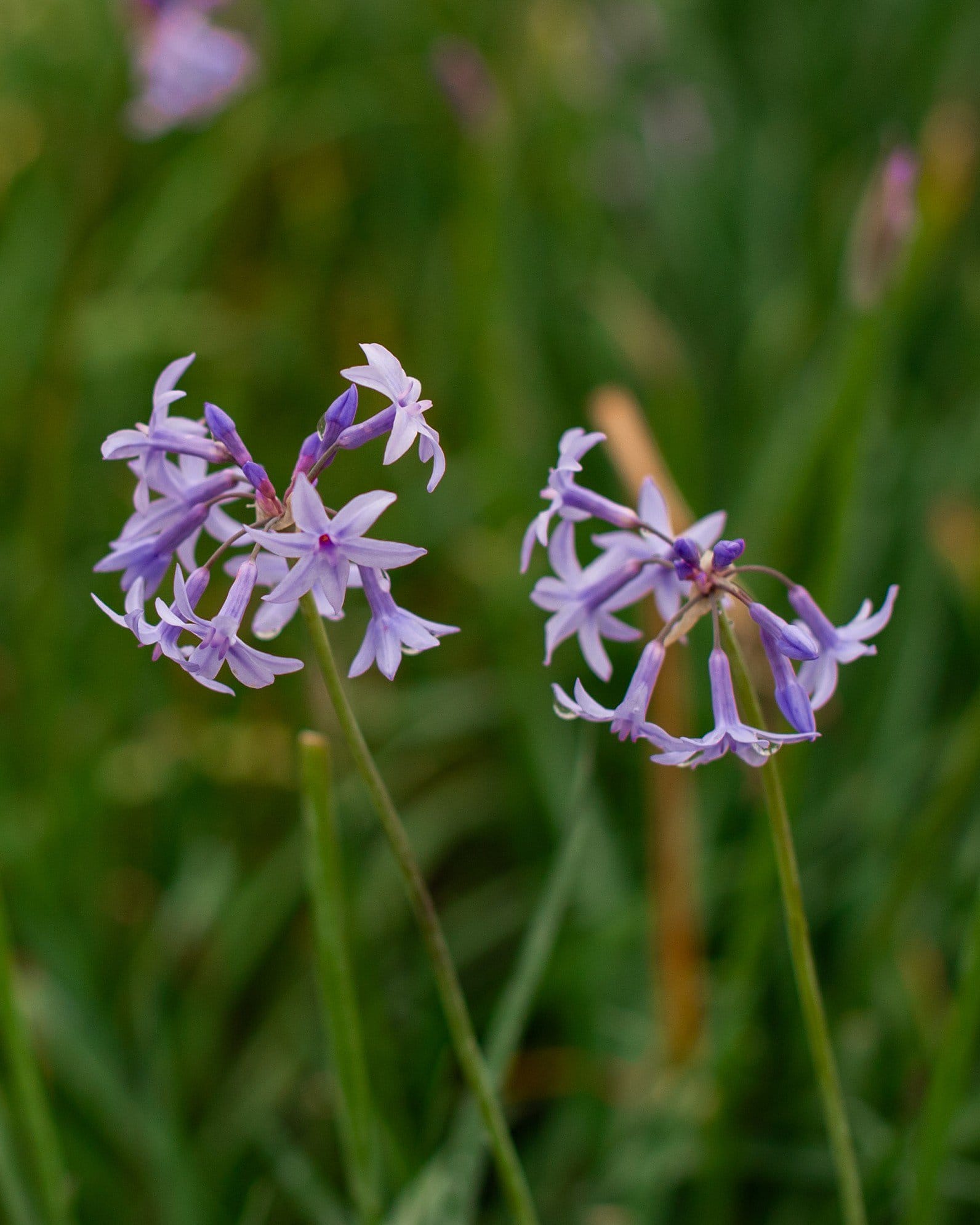
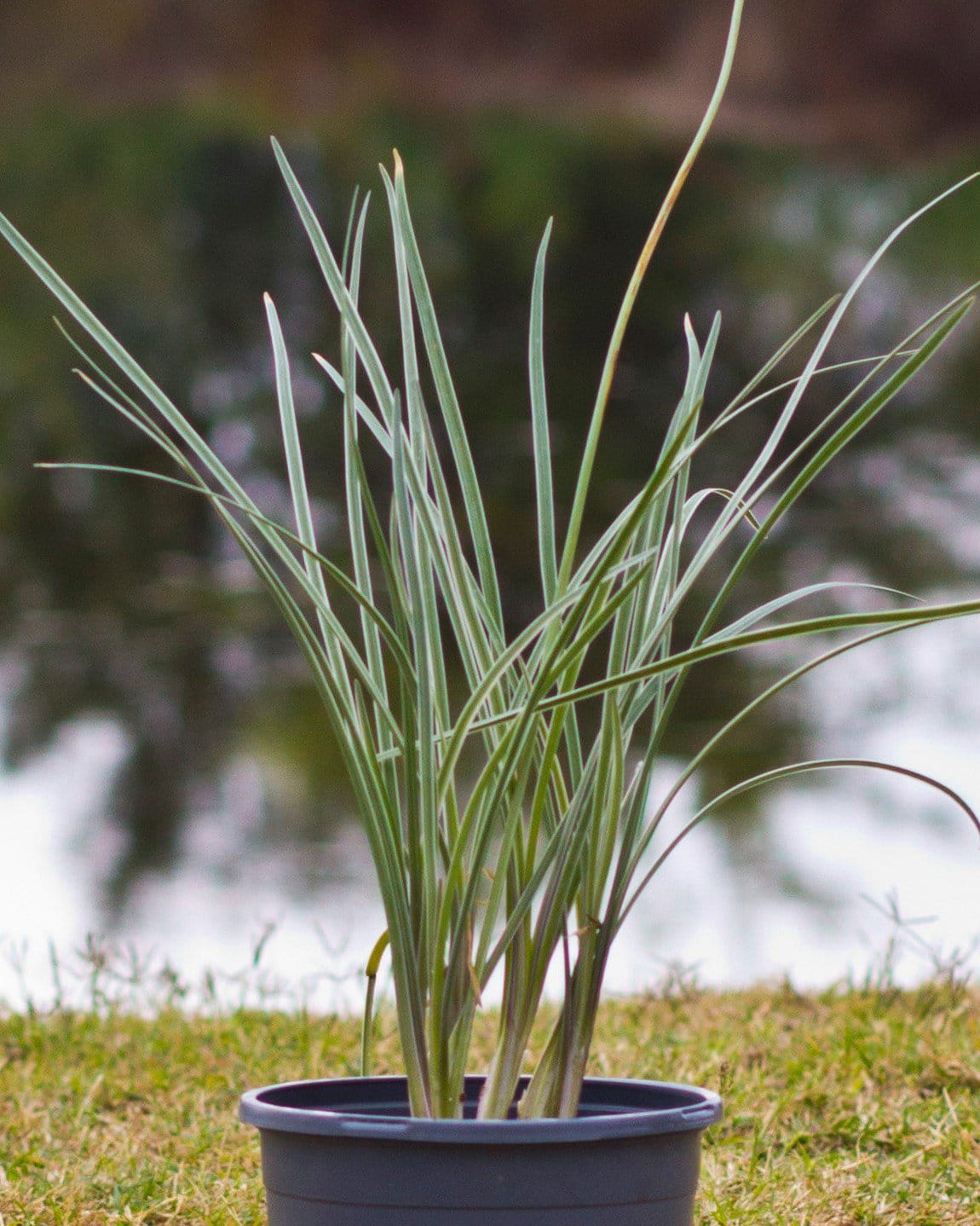
Society Garlic Silver Lace
Maturity: 1' H x 1' W
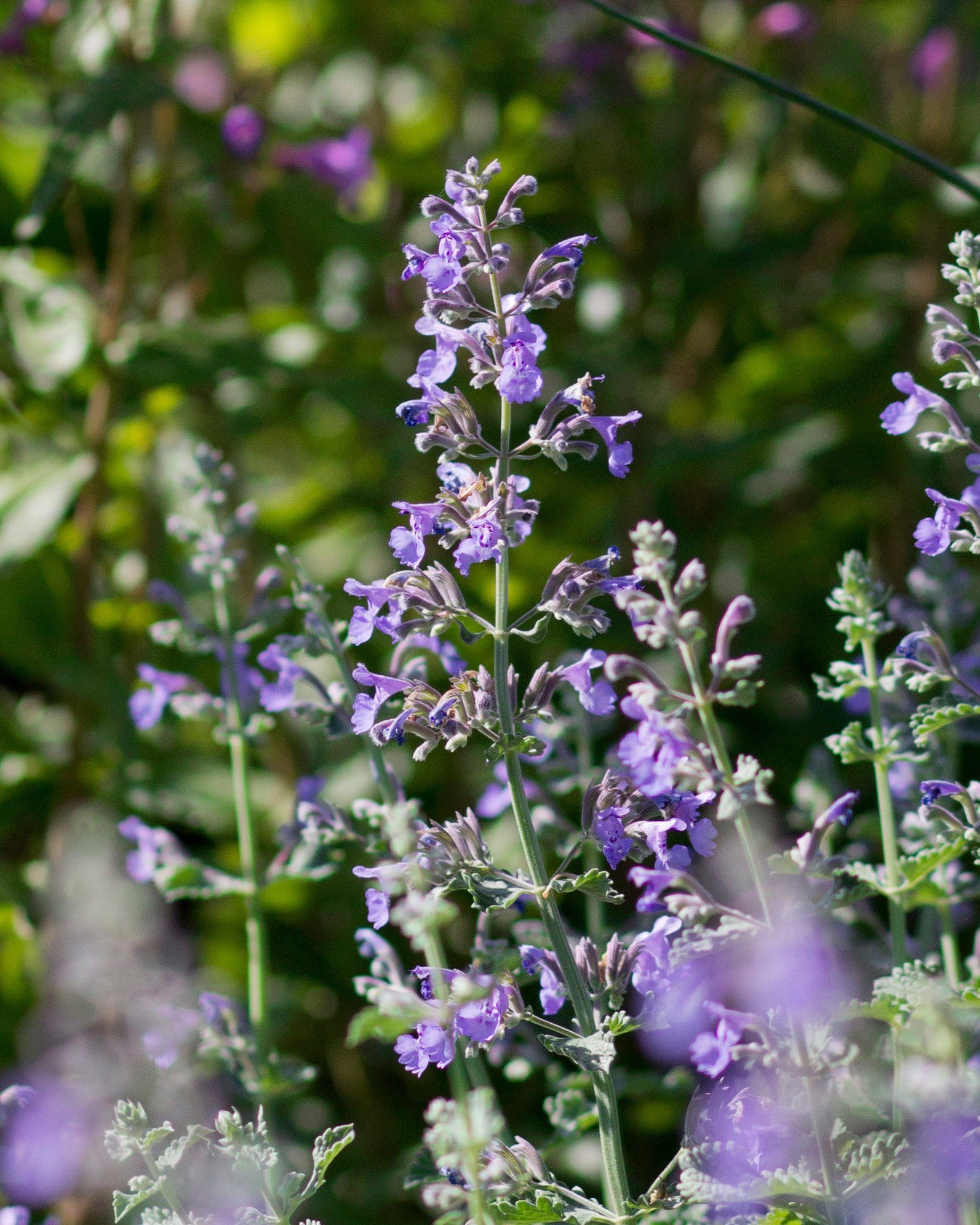
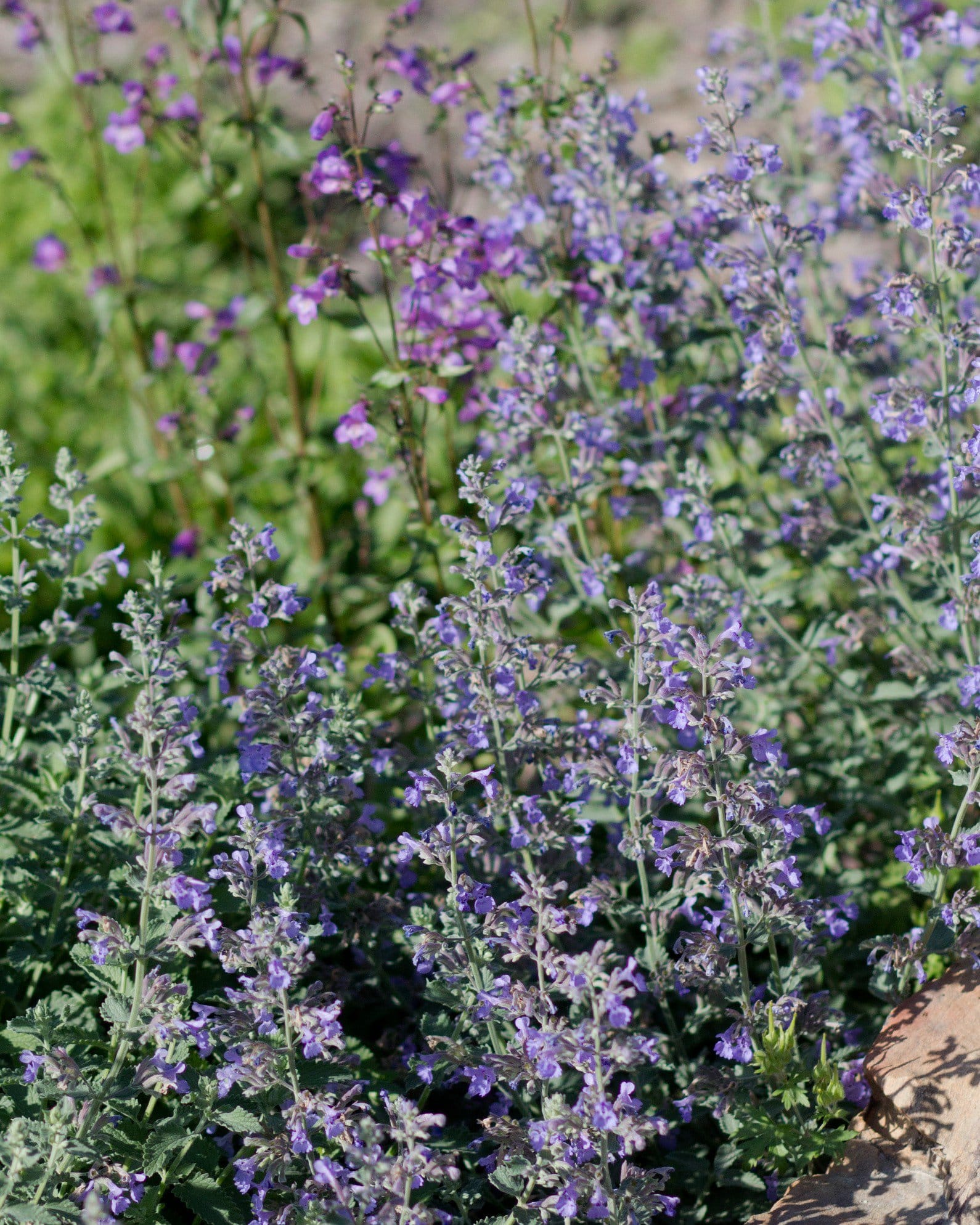
Walker's Low Catmint
Maturity: 2' H x 3' W
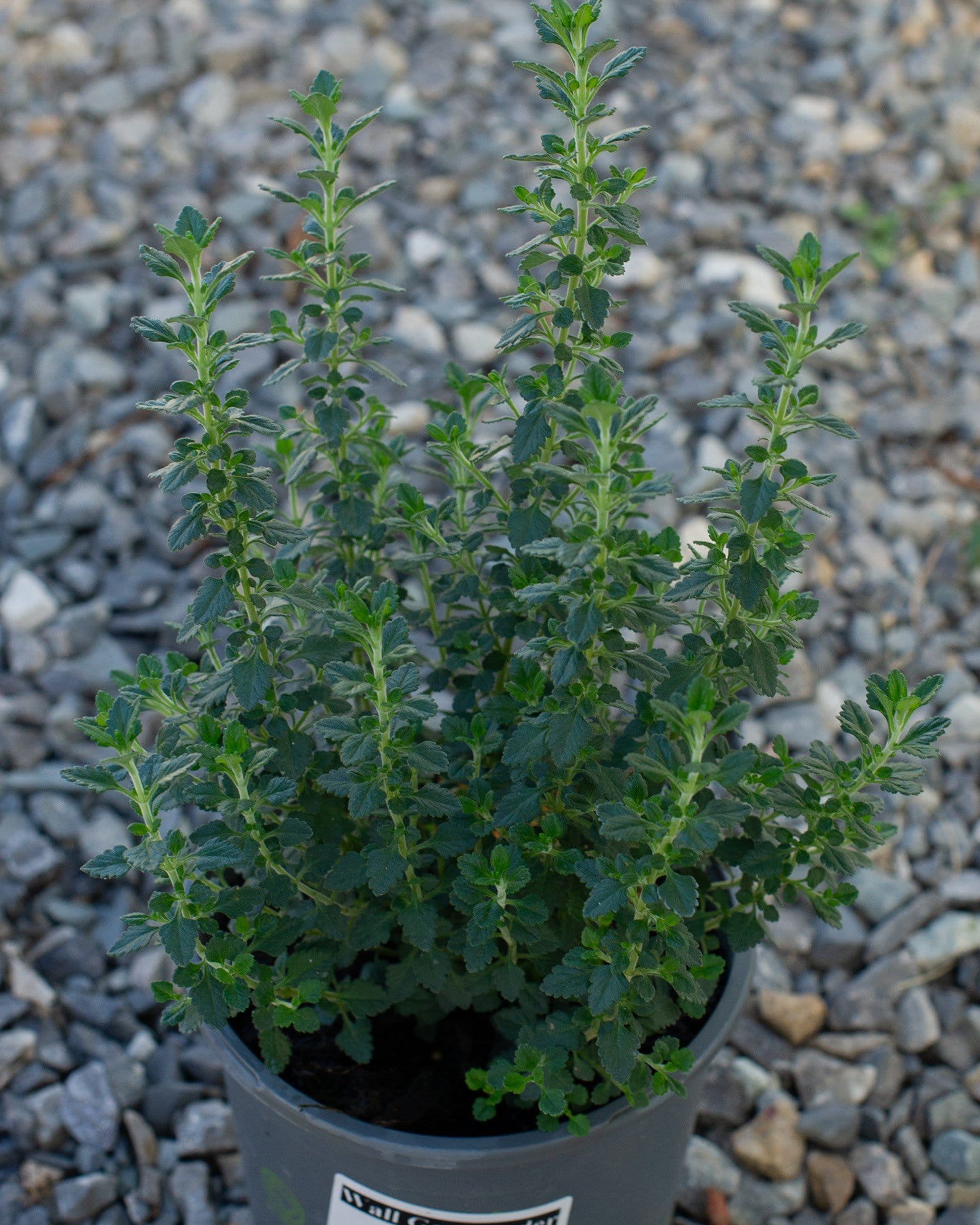
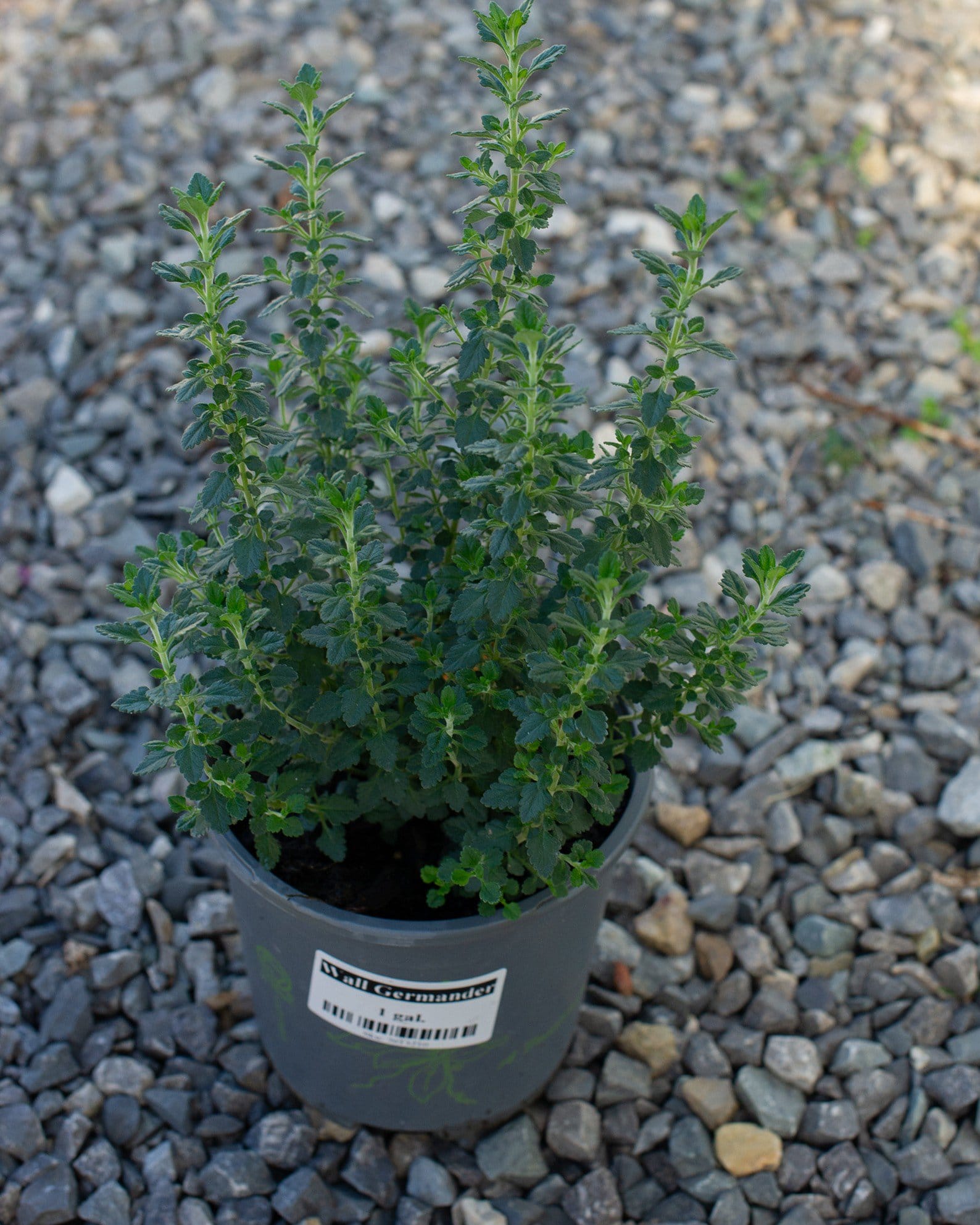
Wall Germander
Maturity: 1' H x 1' W
Endlesslily Coral Daylily
Maturity: 2' H x 1.5' W
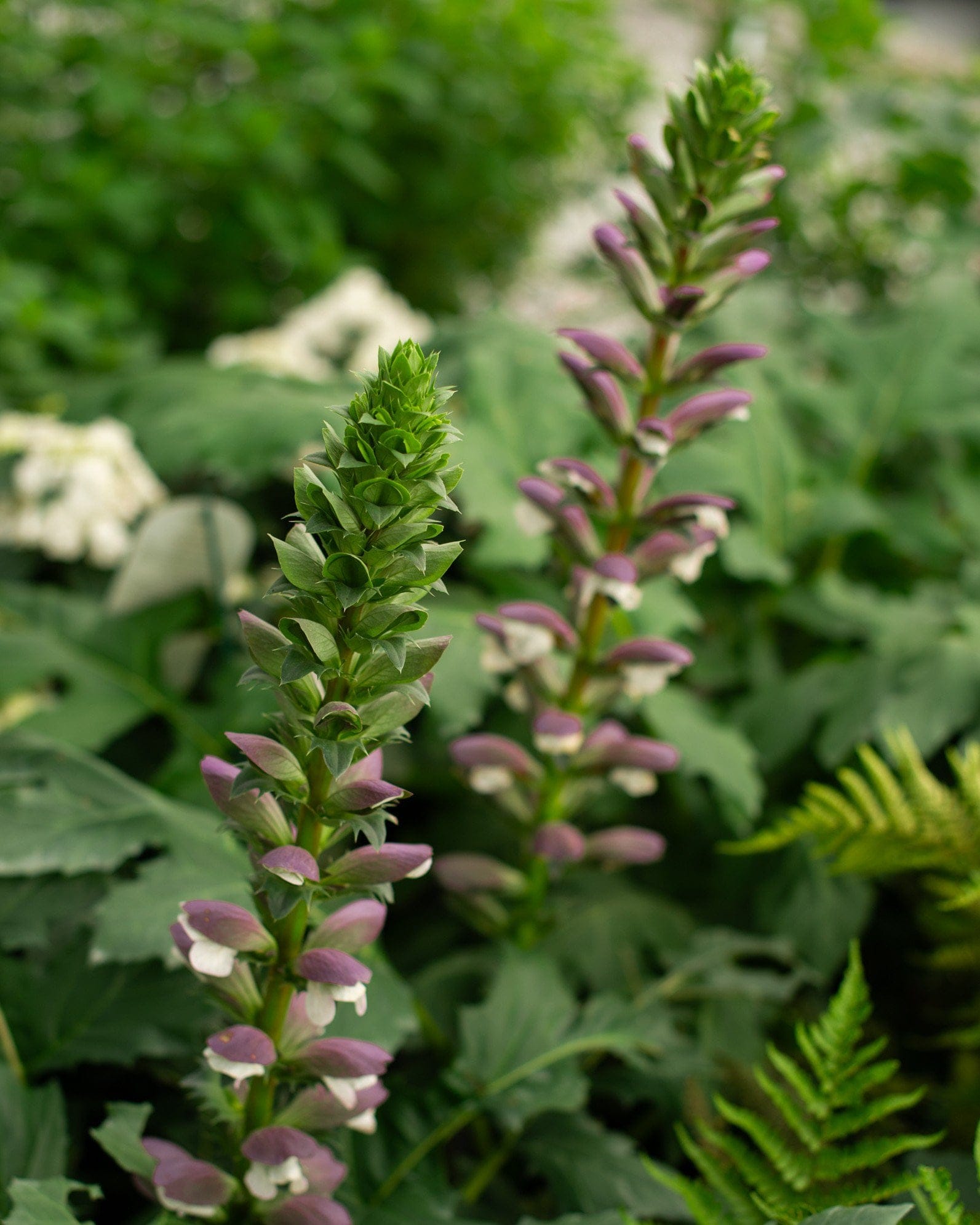
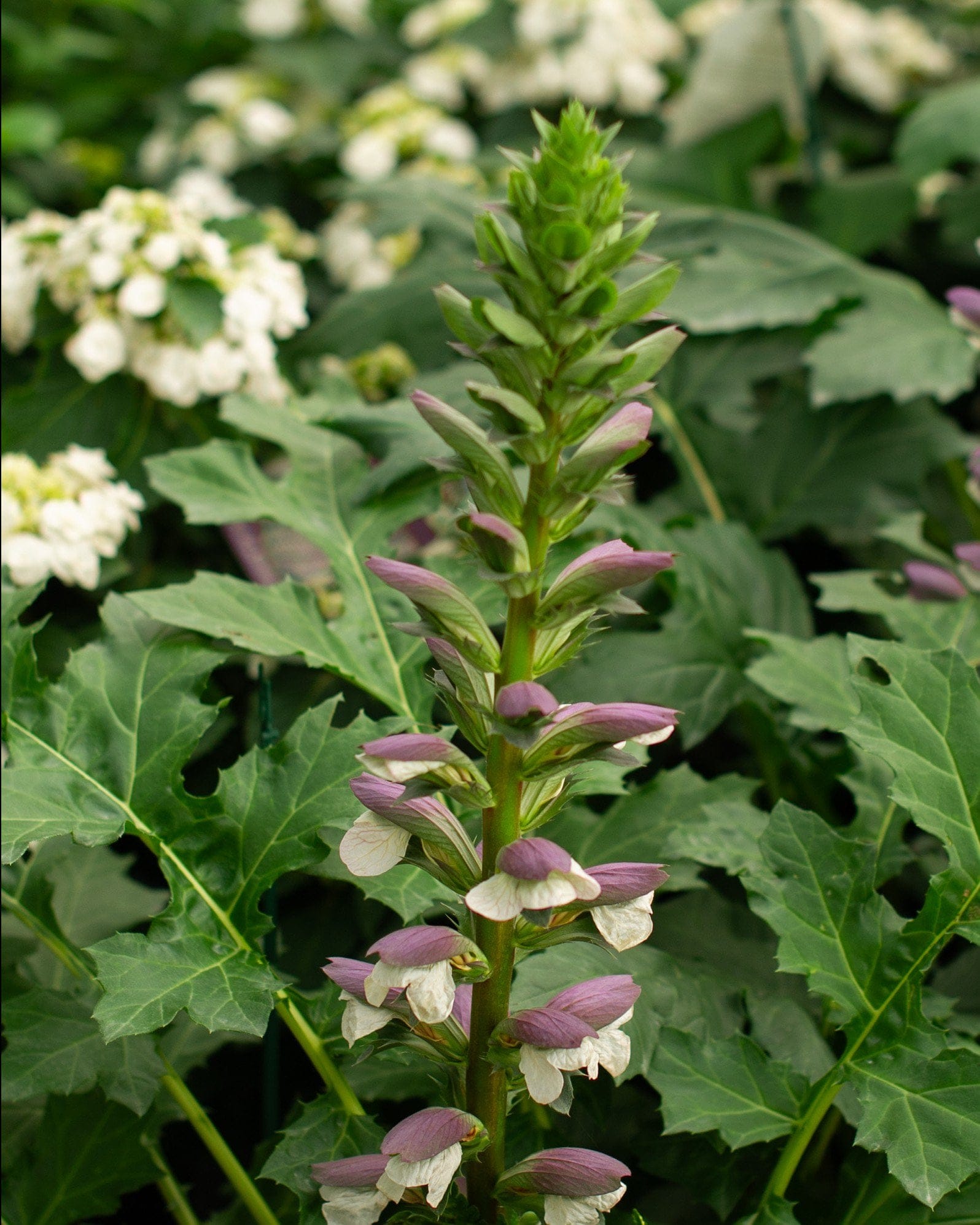
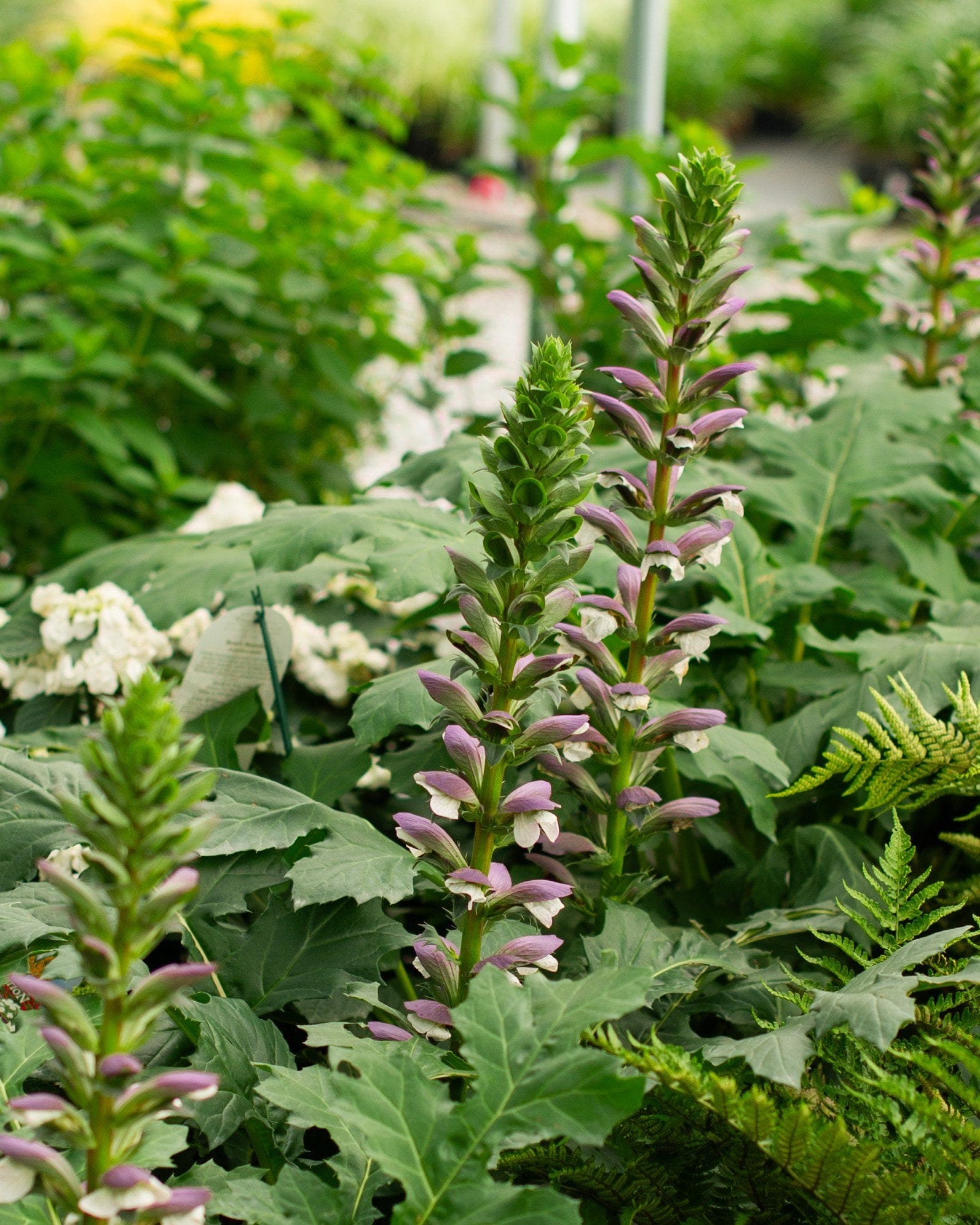
Bear's Breeches Acanthus
Maturity: 4' H x 3' W
Compare Similar Plants
Tropical Sunrise Daylily This plant | ||
|---|---|---|
| Scientific Name | Hemerocallis ‘Tropical Sunrise’ | Hemerocallis ‘Stella de Oro’ |
| Size at Maturity | 1.5' H x 1.5' W | 1.5' H x 1.5' W |
| Leaf Retention | Herbaceous | Herbaceous |
| Flower Color | Orange | Yellow |
| Bloom Times | Summer | Summer |
| Sizes Available | — | 1 gal |


Our 1-Year Planting Guarantee
We take pride in our plants and installation services. If any plants or trees installed by Treeland fail to thrive within the first year, we'll provide a replacement credit in accordance with our guarantee program.
Learn More About Our Guarantee