
 Popular
Local DFW Delivery Only
Product Details
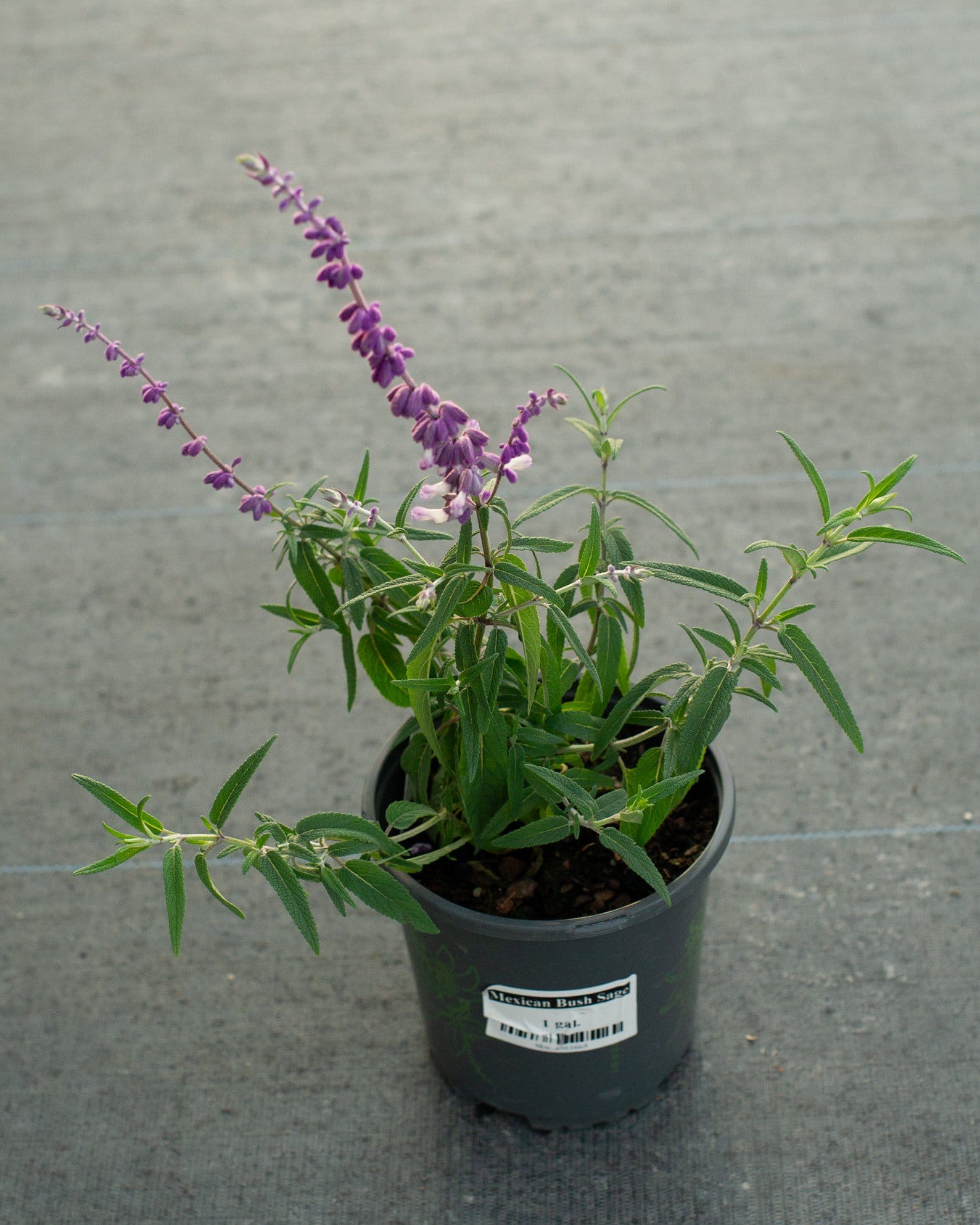
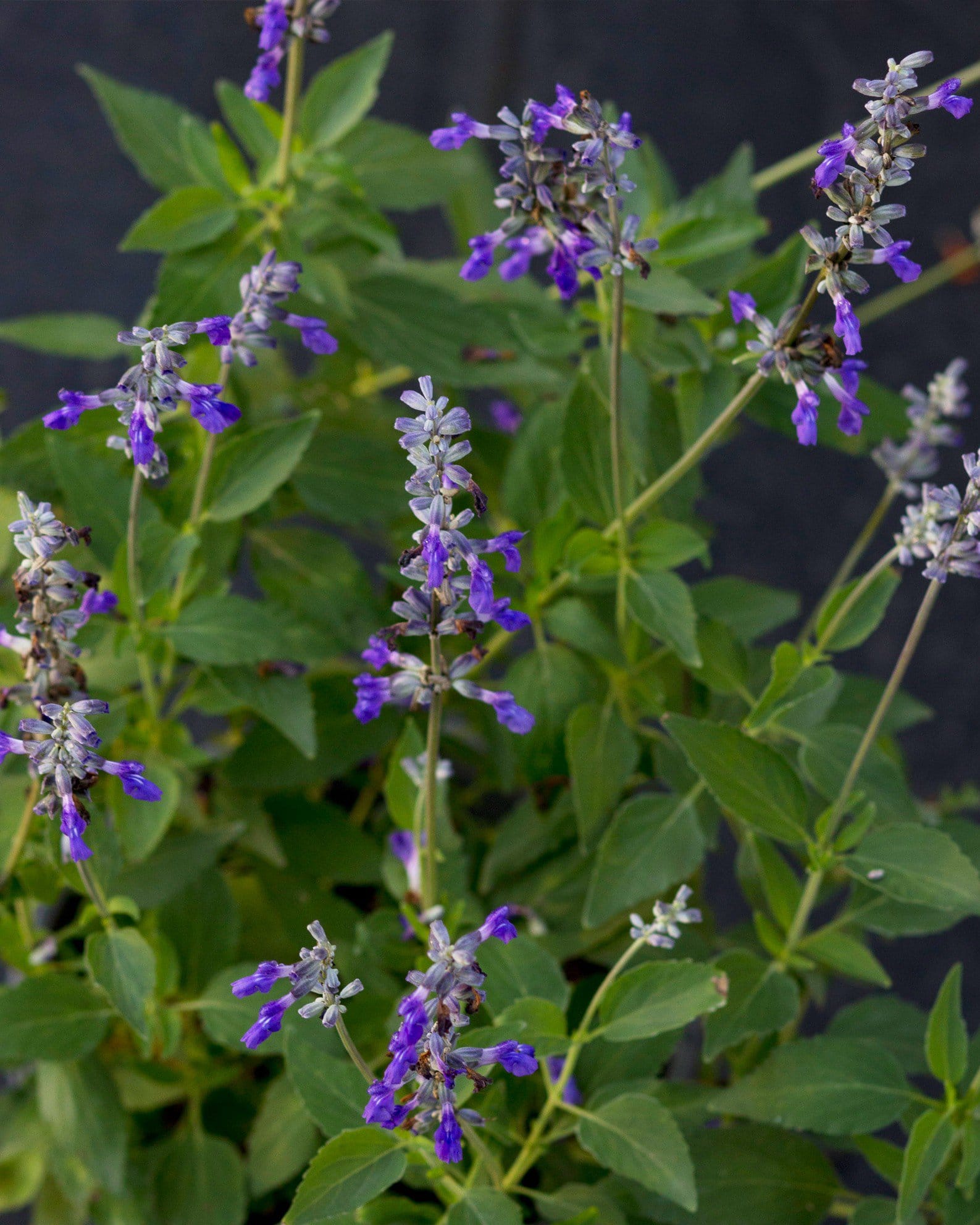
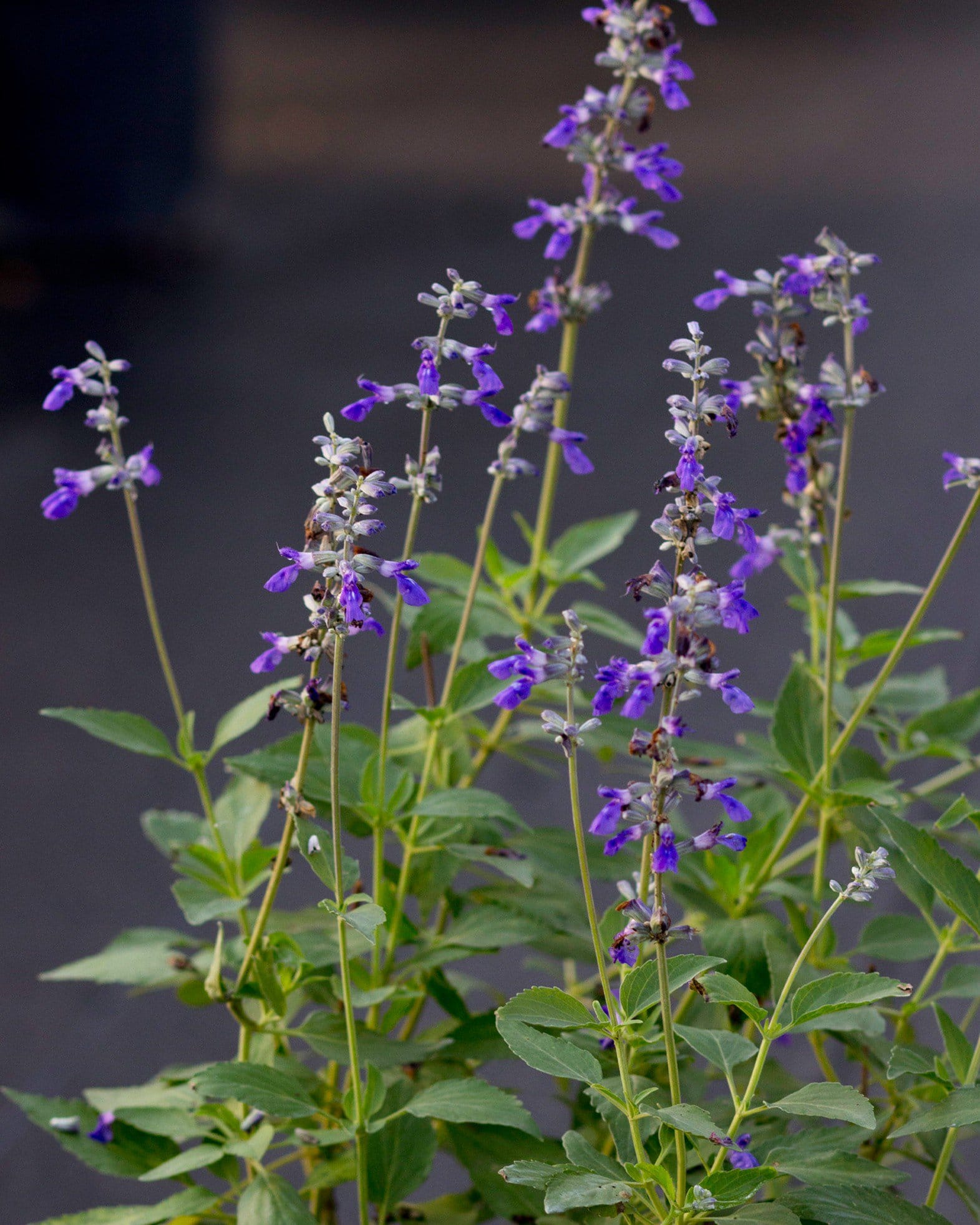
Mexican Bush Sage
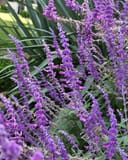
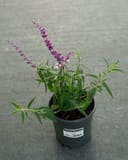
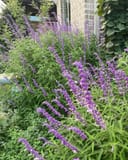
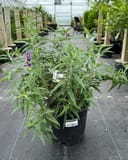
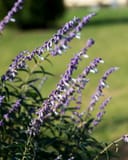
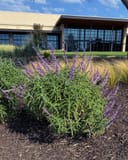
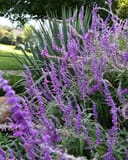
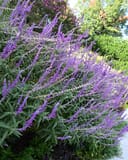
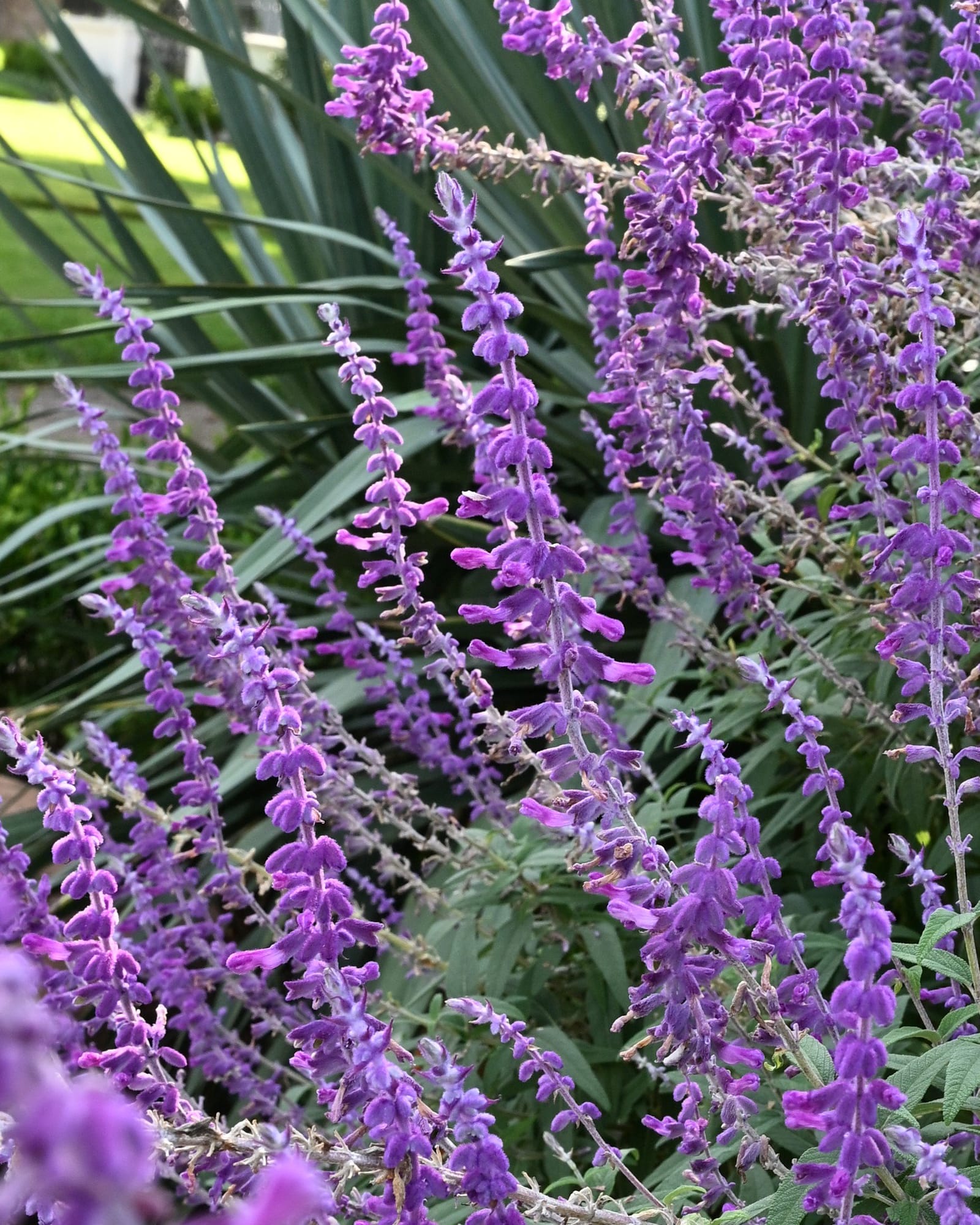
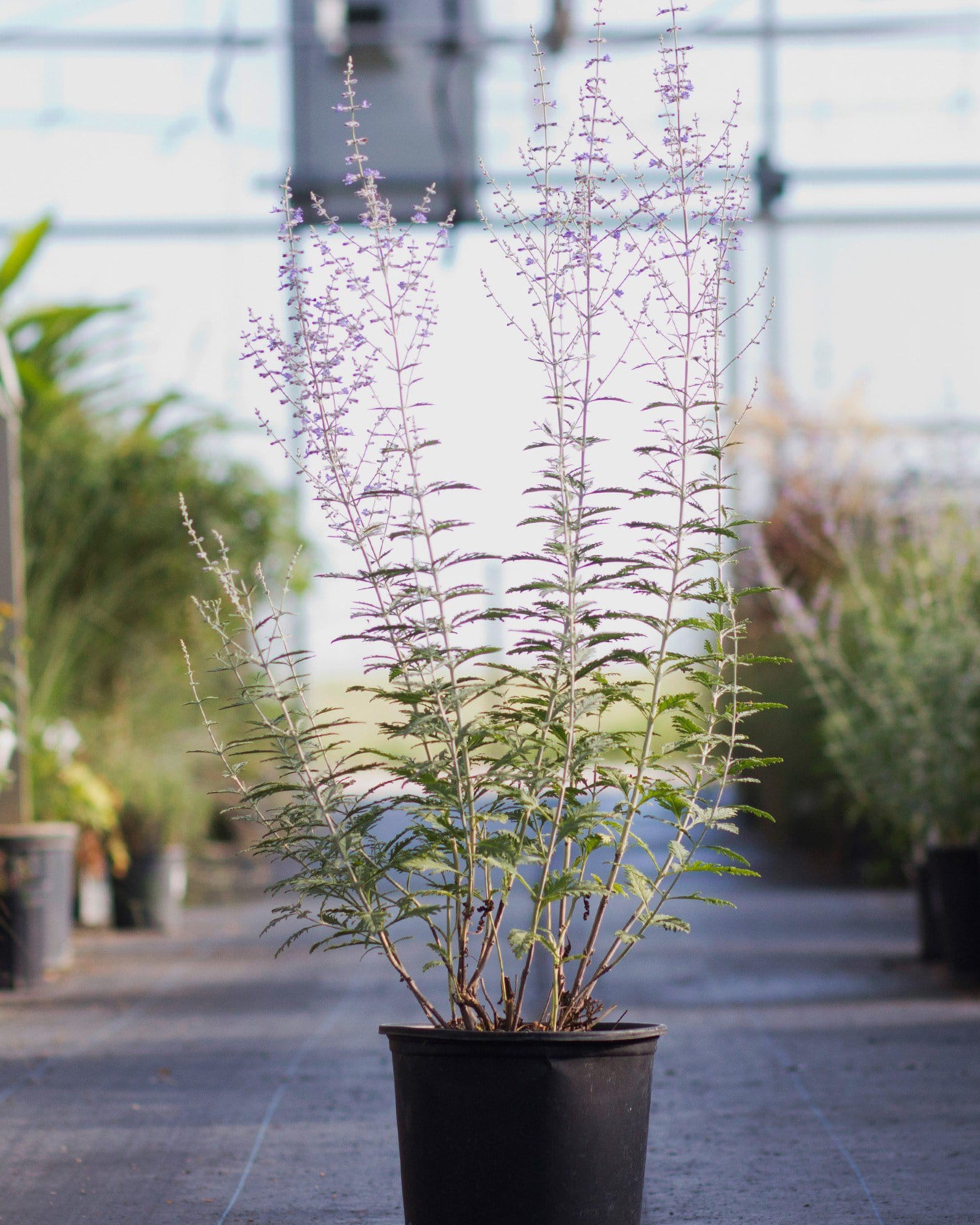
Salvia leucanthaMexican Bush Sage produces showy spikes of velvety purple flowers from summer through fall. Its long, arching stems and soft, gray-green foliage create a full, airy presence in the landscape. This late-season bloomer adds vertical texture and vivid color when many other perennials are fading. A popular shrub with a pleasant fragrance that attracts pollinators and hummingbirds.
- A herbaceous perennial
- Velvety purple and white flower spikes
- Arching growth habit
- Blooms late summer through fall
- Excellent for seasonal beds and mixed borders
Mexican Bush Sage prefers full sun and loose, well-drained soil. It is hardy in USDA zones 8–10 and grows well in most areas of Texas, including North Texas, where it often returns each spring. Cut back hard in early spring to promote dense new growth and a more uniform flowering display later in the season.
Maintenance
Once established, Mexican Bush Sage is incredibly easy to maintain, making it a favorite for low-maintenance landscapes. Here’s what it needs:
- Watering: Water regularly during the first growing season to help roots establish. Once mature, Mexican Bush Sage thrives with deep watering every 10-14 days, depending on rainfall. Allow the soil to dry slightly between waterings to avoid root rot.
- Pruning: Cut back the plant to about 6-8 inches in late winter or early spring before new growth emerges. This encourages a full, compact shape and stronger flowering stems. Light trimming after the first bloom cycle can also stimulate a second flush of flowers later in the season.
- Fertilizing: Mexican Bush Sage isn’t a heavy feeder. A single application of balanced, slow-release fertilizer in spring is usually sufficient. Avoid excessive fertilizing - it can produce lush foliage at the expense of flowers.
- Mulching: Apply a 2-inch layer of organic mulch around the base for moisture retention and weed reduction. Keep mulch a few inches from the crown to prevent stem rot and refresh it annually for best results.
- Winter care: In mild climates, the plant may remain evergreen. In colder regions, foliage dies back after frost - simply prune it to the ground, and it will regrow from the base once temperatures warm. A layer of mulch over the root zone provides added winter protection.
Common Issues and How to Take Care of Them
Mexican Bush Sage is an overall resilient plant, but it’s not completely immune to the following pests and diseases:
- Root Rot: Often caused by overly wet soil or poor drainage. Water only when the top few inches of soil are dry and ensure good airflow around the base.
- Powdery Mildew: Appears as a white film on leaves in humid conditions. Improve air circulation and avoid wetting foliage when watering.
- Aphids: Small insects that cluster on tender shoots and buds. Rinse them off with a strong jet of water or apply insecticidal soap if needed.
- Spider Mites: Microscopic pests that cause speckled or bronzed leaves. Regular misting or neem oil treatments can keep them under control.
- Flopping Stems: Can occur when plants become too tall or heavy with blooms. Cut back lightly mid-season to encourage stronger, bushier regrowth.
- Sparse Blooming: Usually a result of too much fertilizer or insufficient trimming. Pruning after flowering and cutting back old stems will help refresh the plant.
Spring or early fall are ideal planting times, giving roots a chance to establish before temperature extremes. Planting during these mild seasons ensures better growth and flowering in the first year.
Water deeply every week or two during the growing season, depending on weather. Once established, it’s very drought-tolerant and only needs occasional watering during long dry spells.
Typically blooms from late summer through fall, producing tall spires of velvety flowers. The blooms attract hummingbirds, butterflies, and bees right up to the first frost.
Once in early spring is usually enough. Too much fertilizer will give you more leaves than flowers, so go easy.
Extremely. Once mature, it handles dry spells with ease and thrives in areas with hot, dry summers.
Yes, the roots typically survive light frost, even if the top dies back. In colder regions, mulch the base heavily to protect it until spring.
Absolutely - it’s a magnet for hummingbirds, butterflies, and bees. The long bloom season provides a steady nectar source well into fall.
Yes, it grows beautifully in large pots with good drainage. Container-grown plants may need more frequent watering than those in the ground.
It thrives in warm climates and even loves reflected heat from walls or patios. Just be sure it has enough airflow to prevent mildew in humid regions.
Yes, deer tend to avoid its fuzzy, aromatic leaves. This makes it a great choice for wildlife-heavy areas where other plants may get nibbled.
Special Features
You might also like
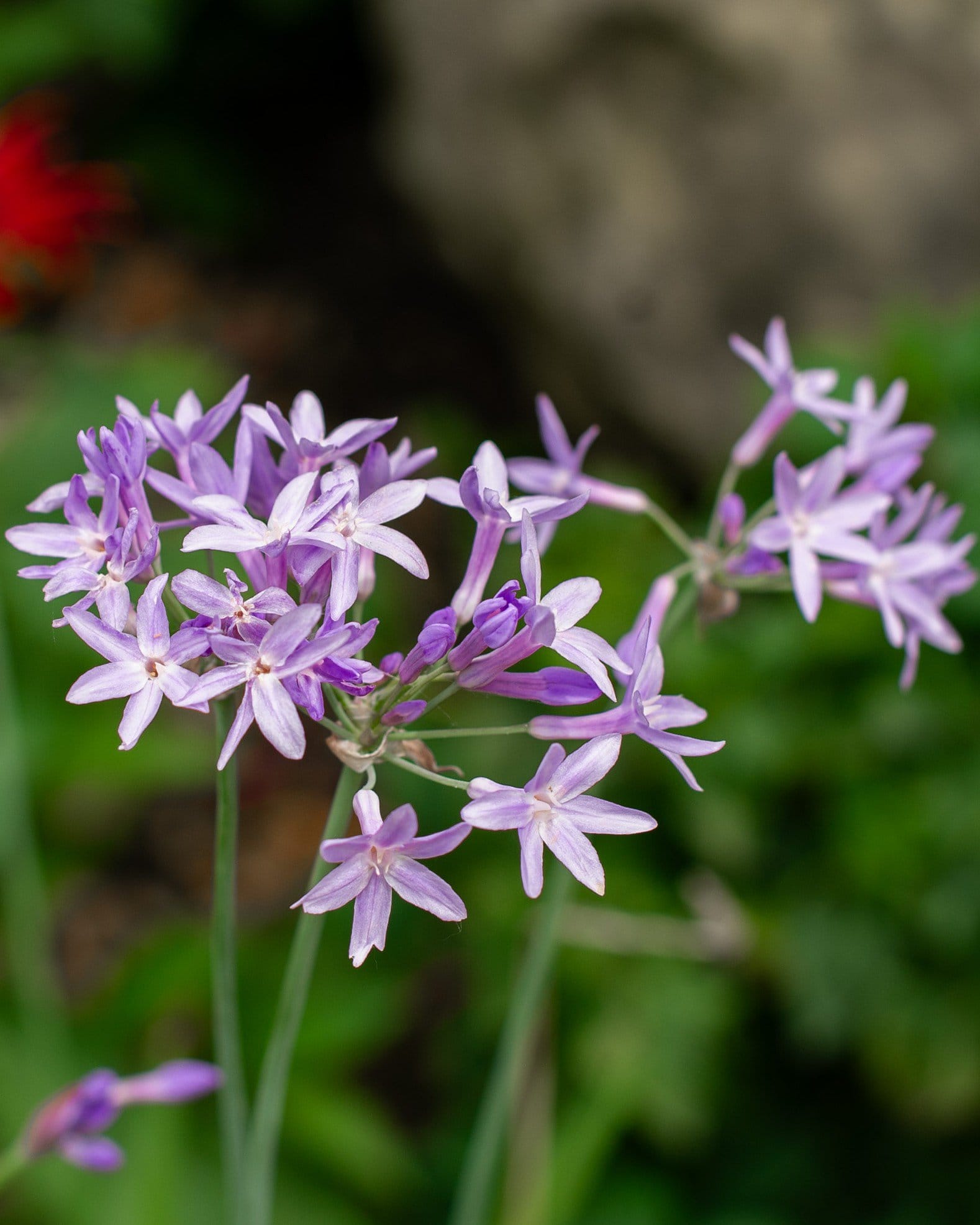
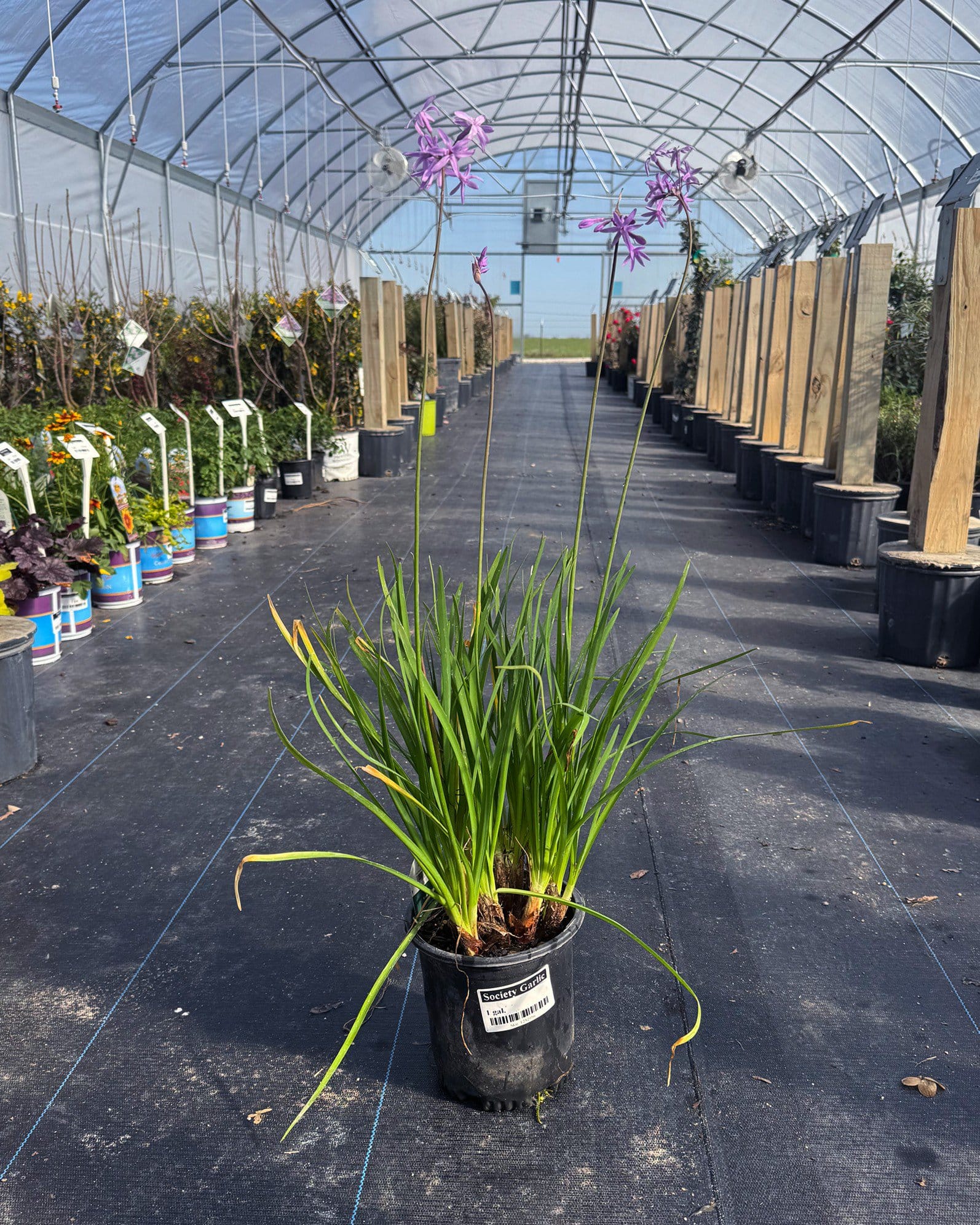
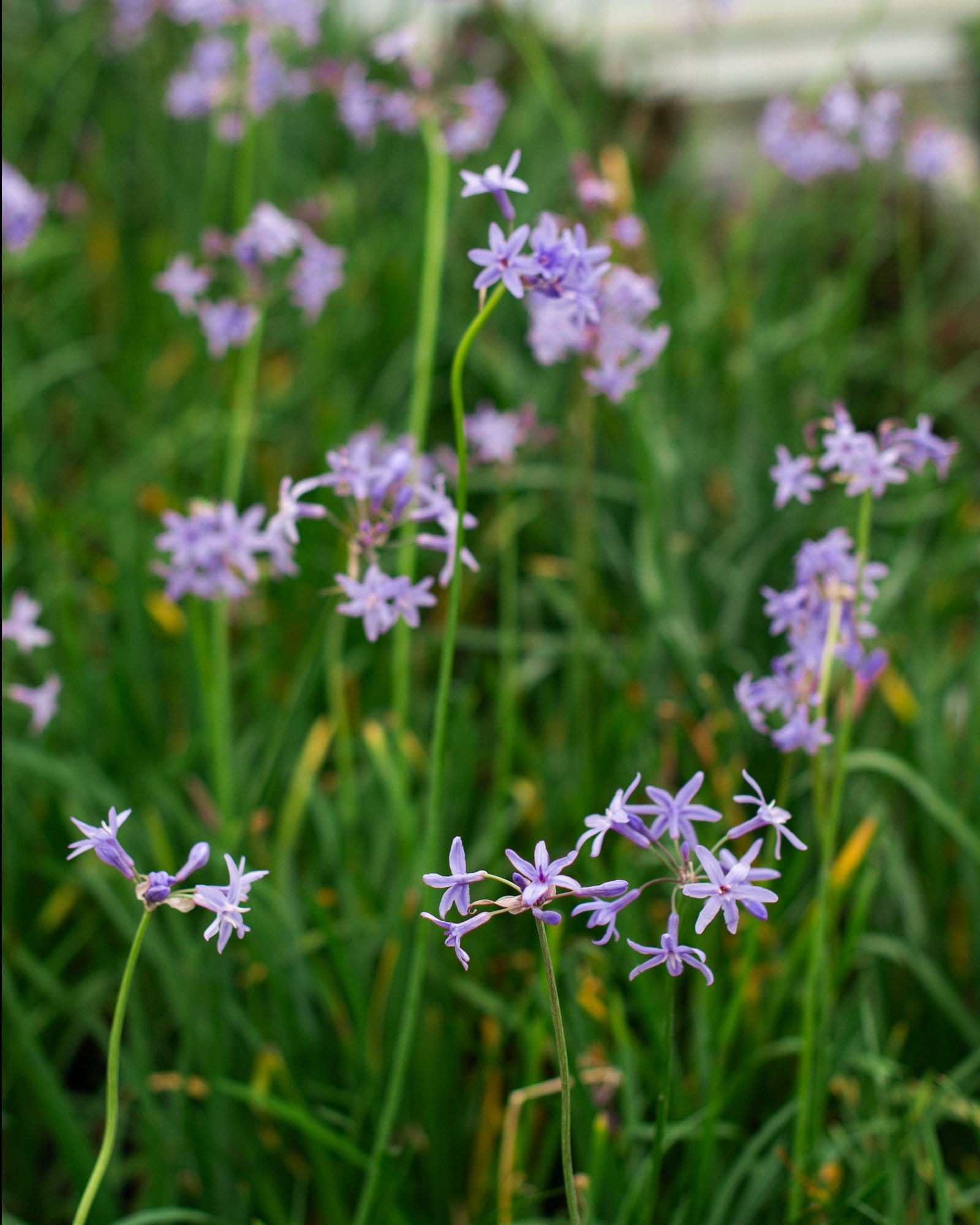
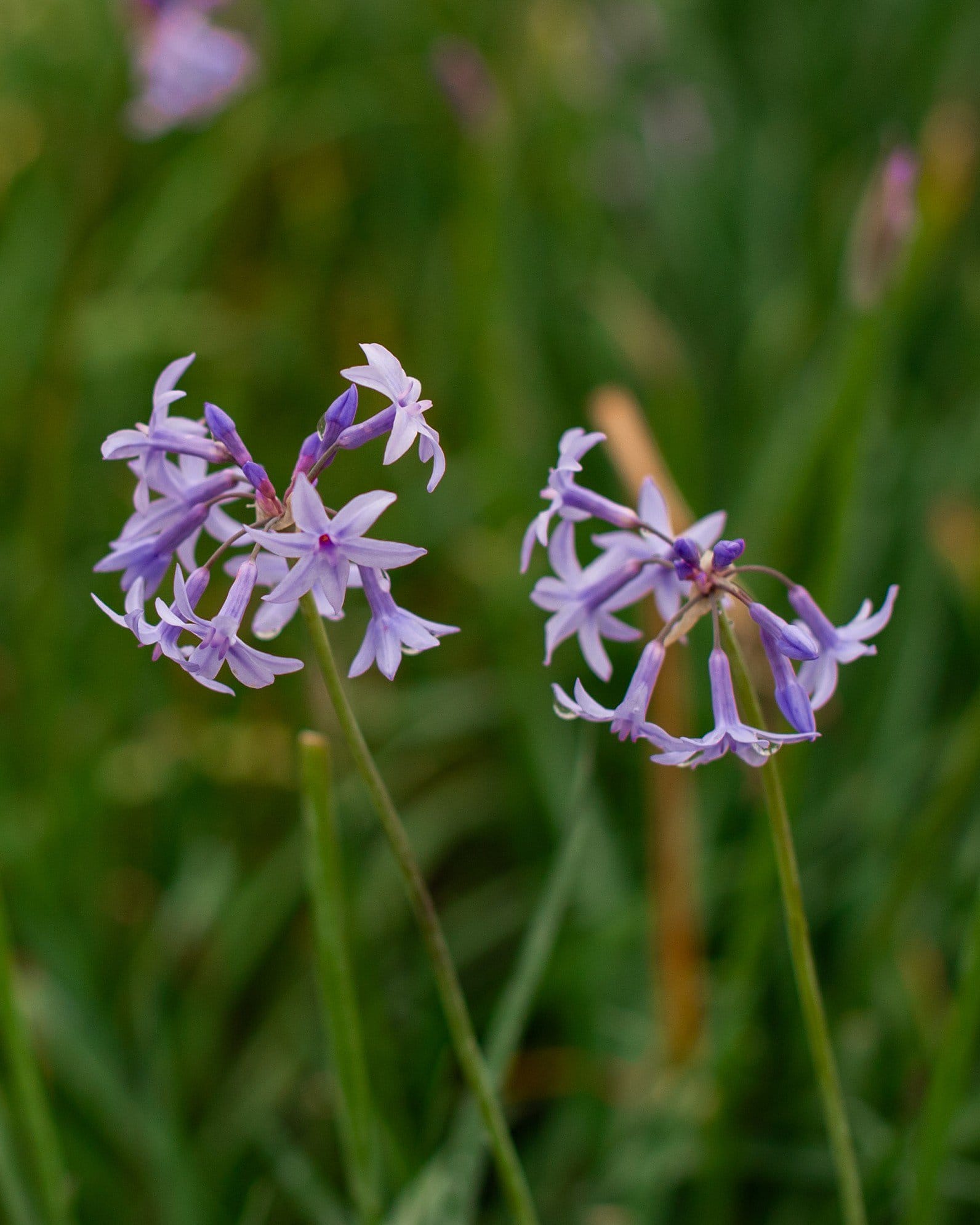
Society Garlic
Maturity: 1' H x 1' W
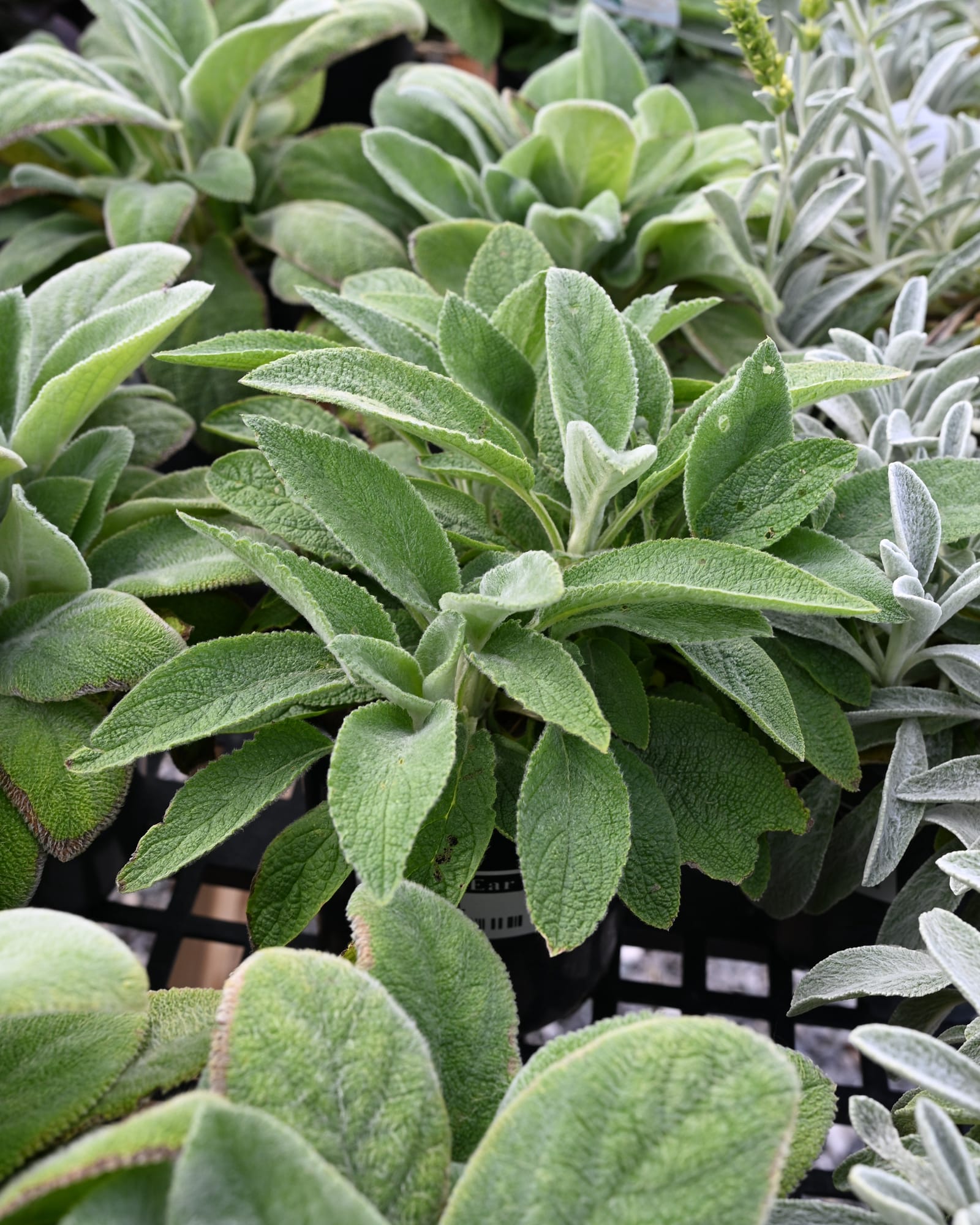
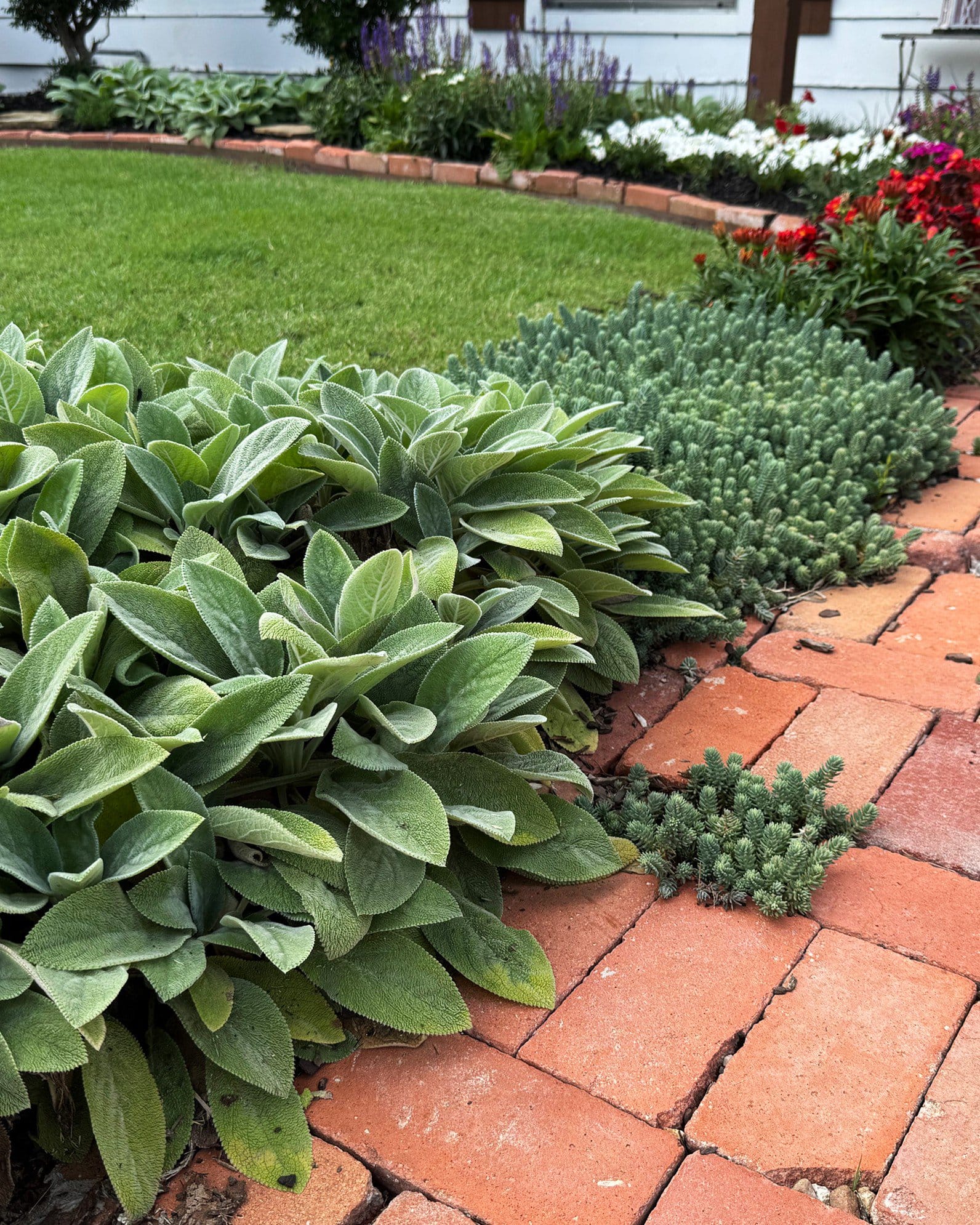
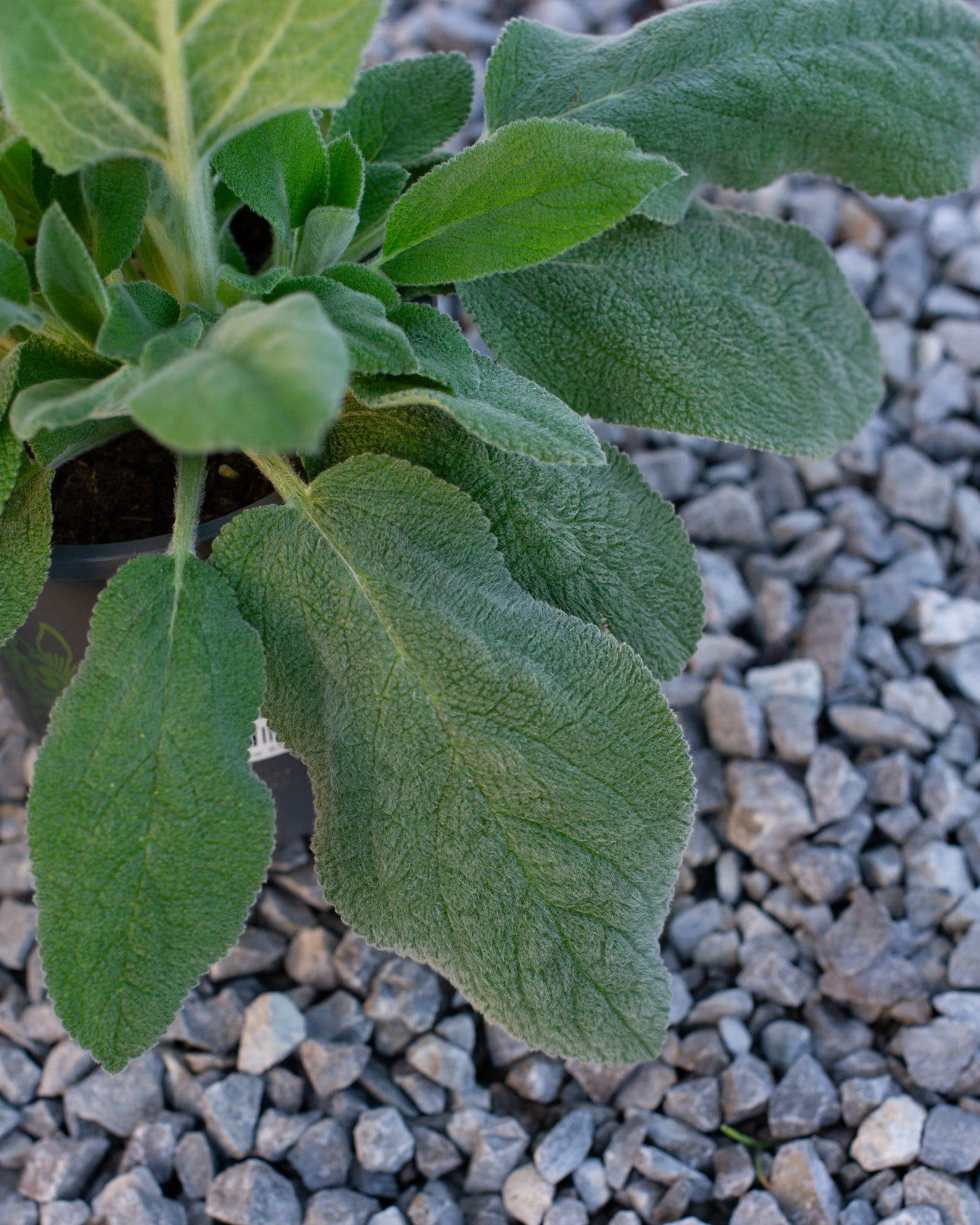
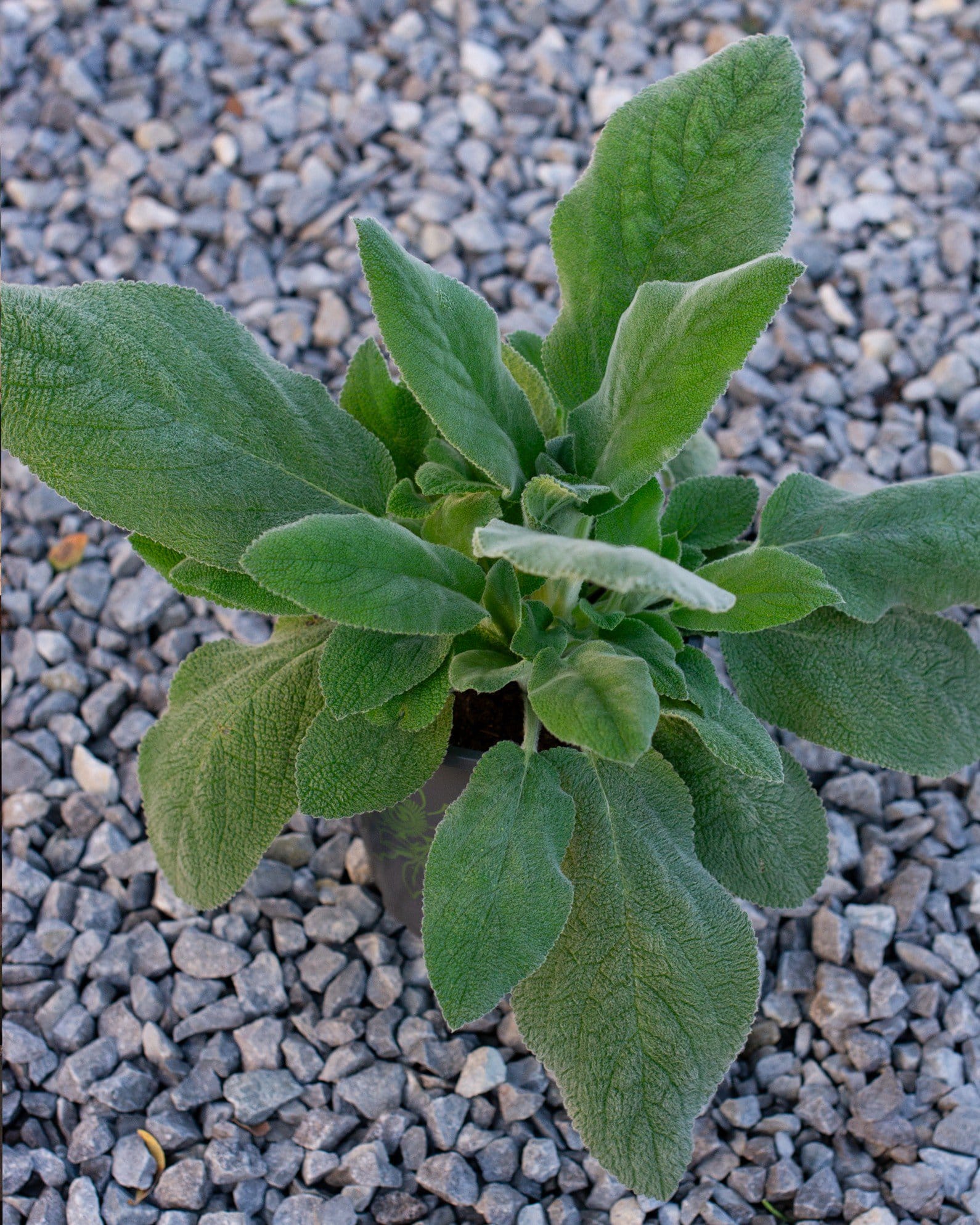
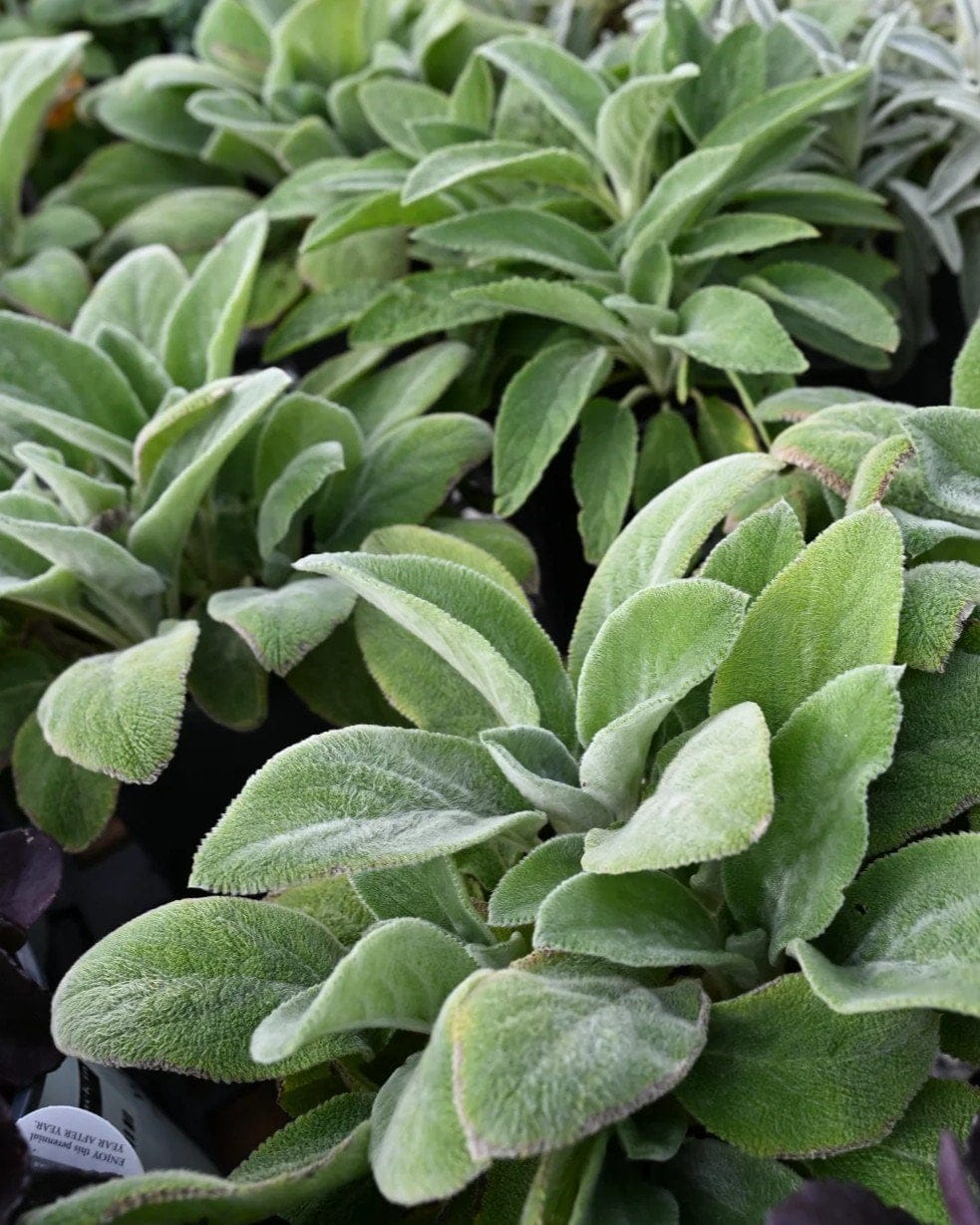
Lamb's Ear
Maturity: 1' H x 1.5' W
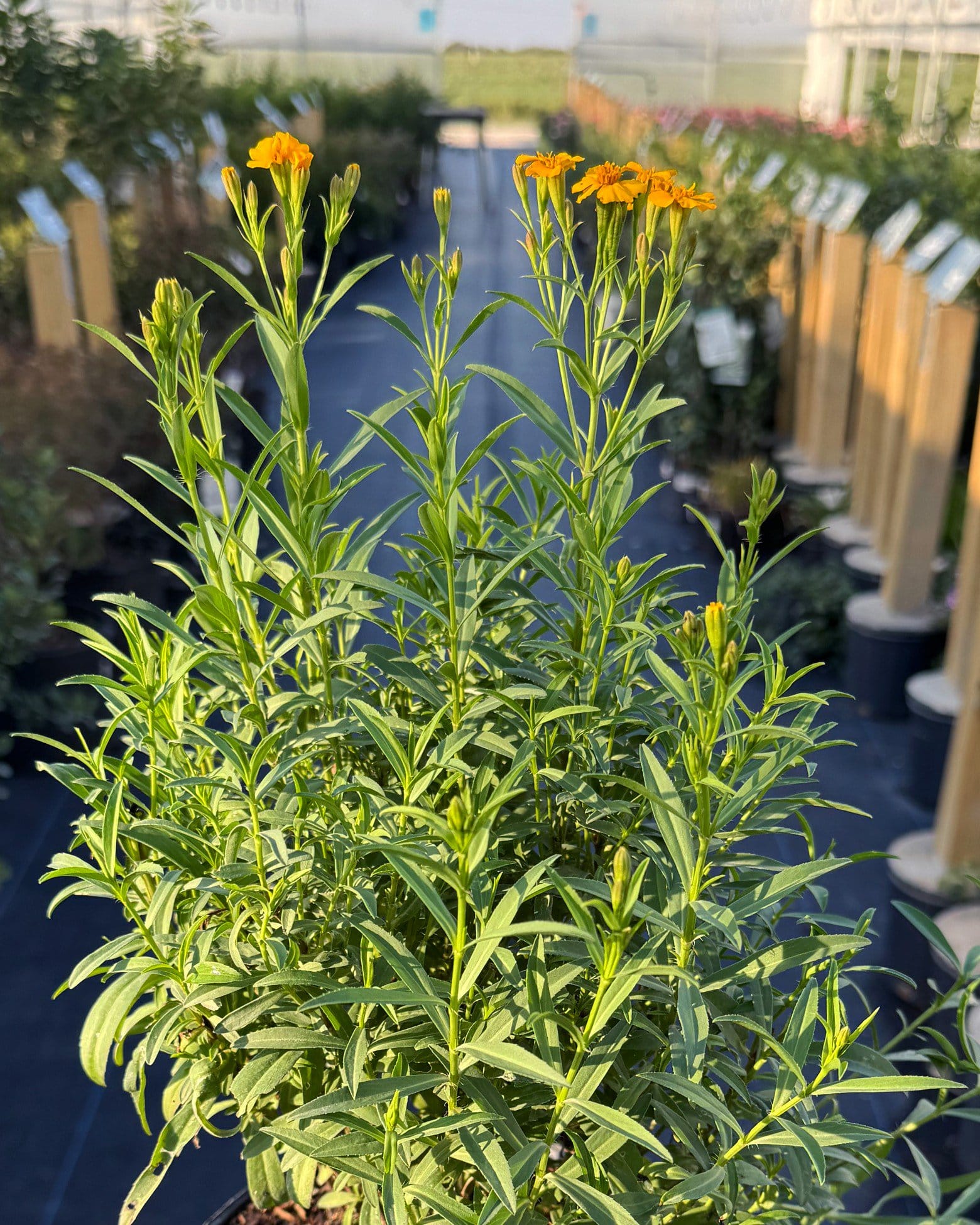
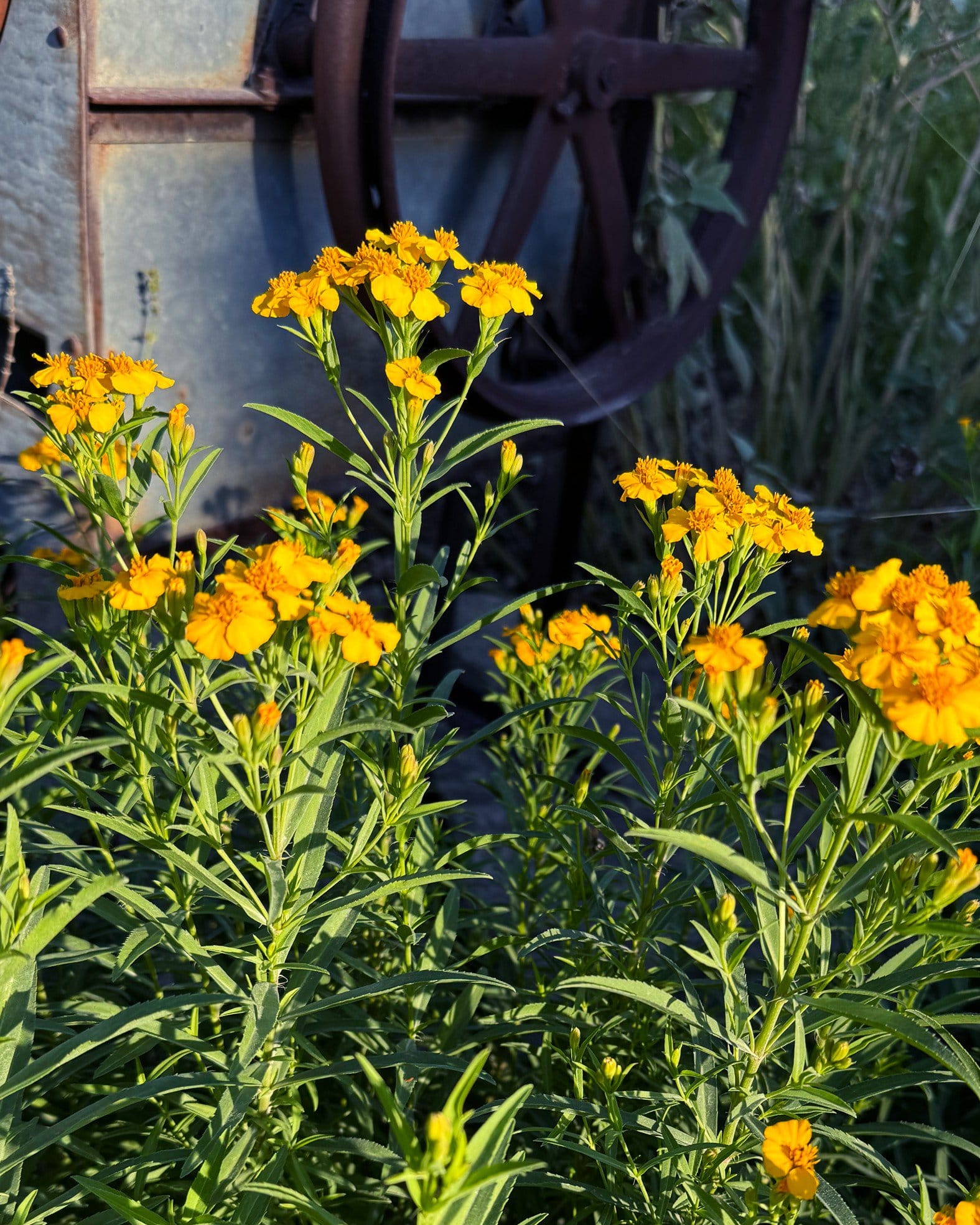
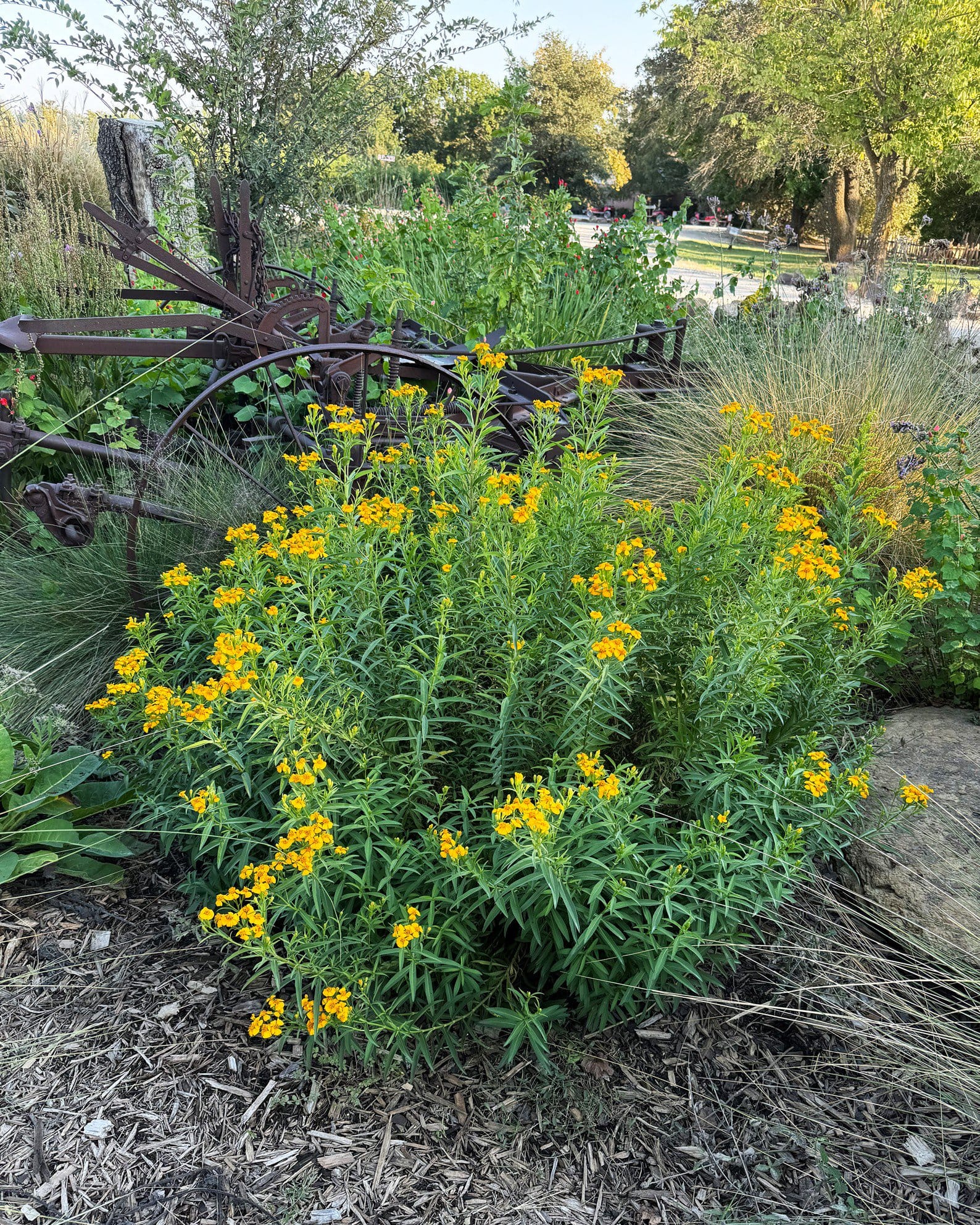
Mexican Mint Marigold
Maturity: 1' H x 1' W
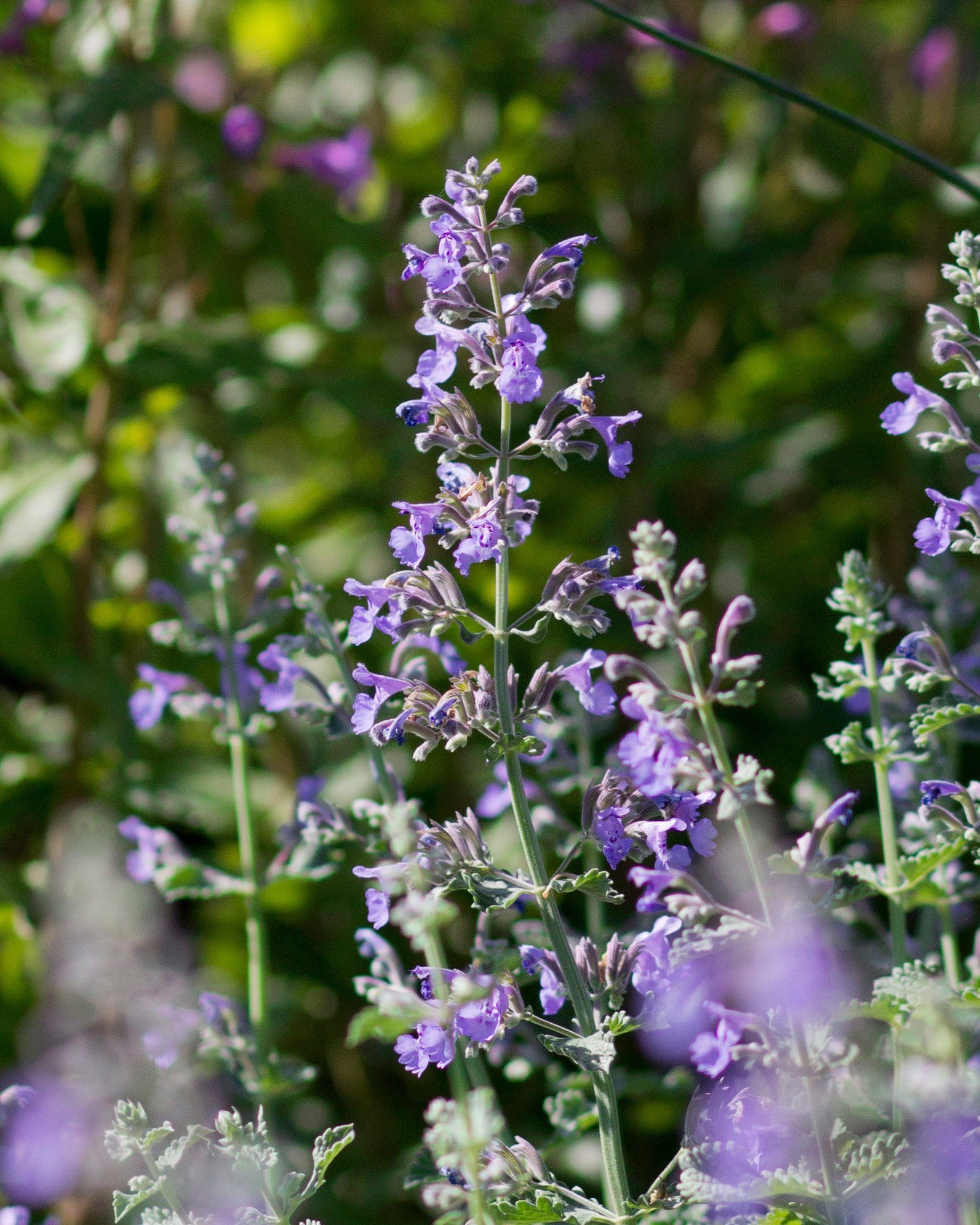
Walker's Low Catmint
Maturity: 2' H x 3' W
Henry Duelberg Salvia
Maturity: 3' H x 3' W
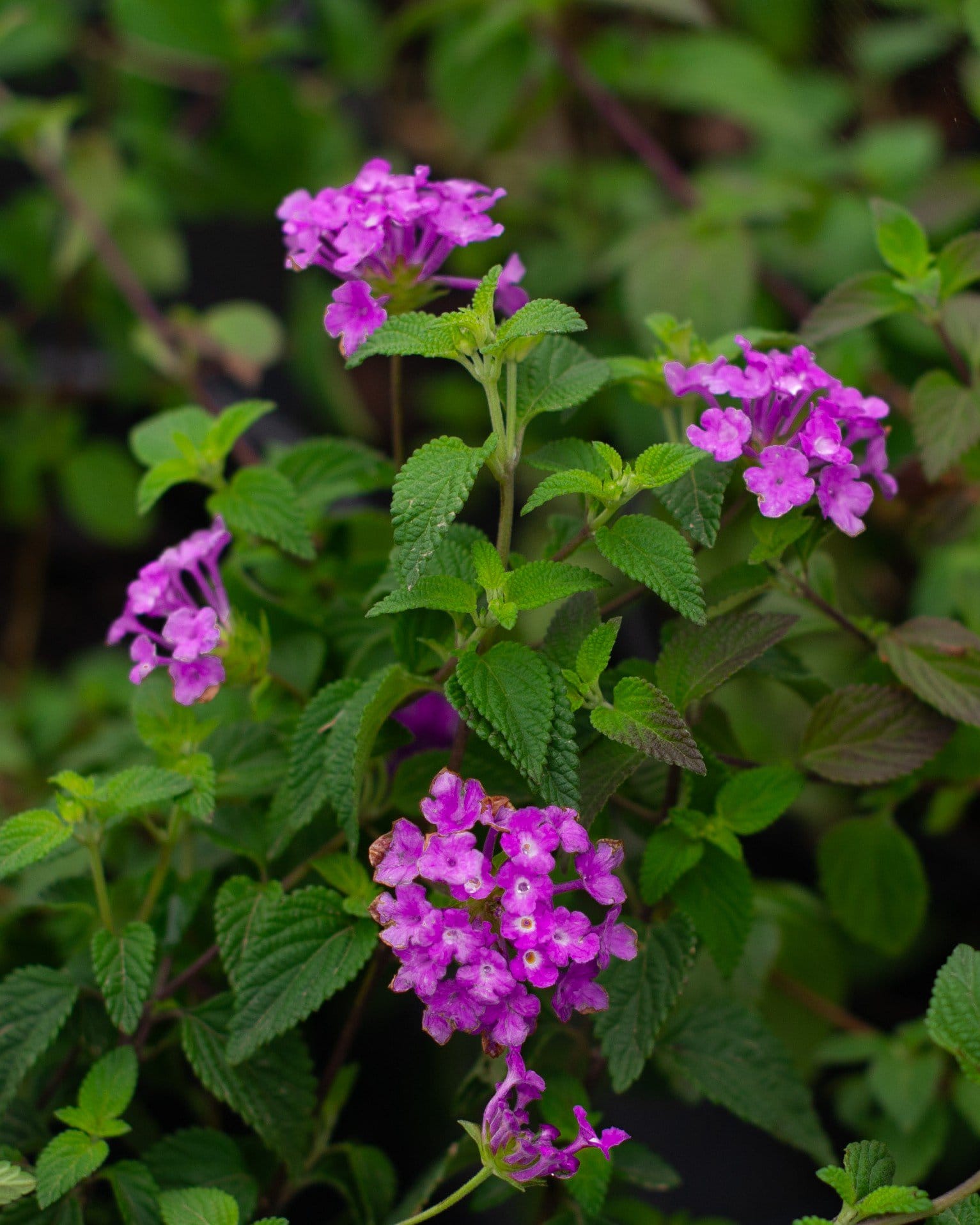
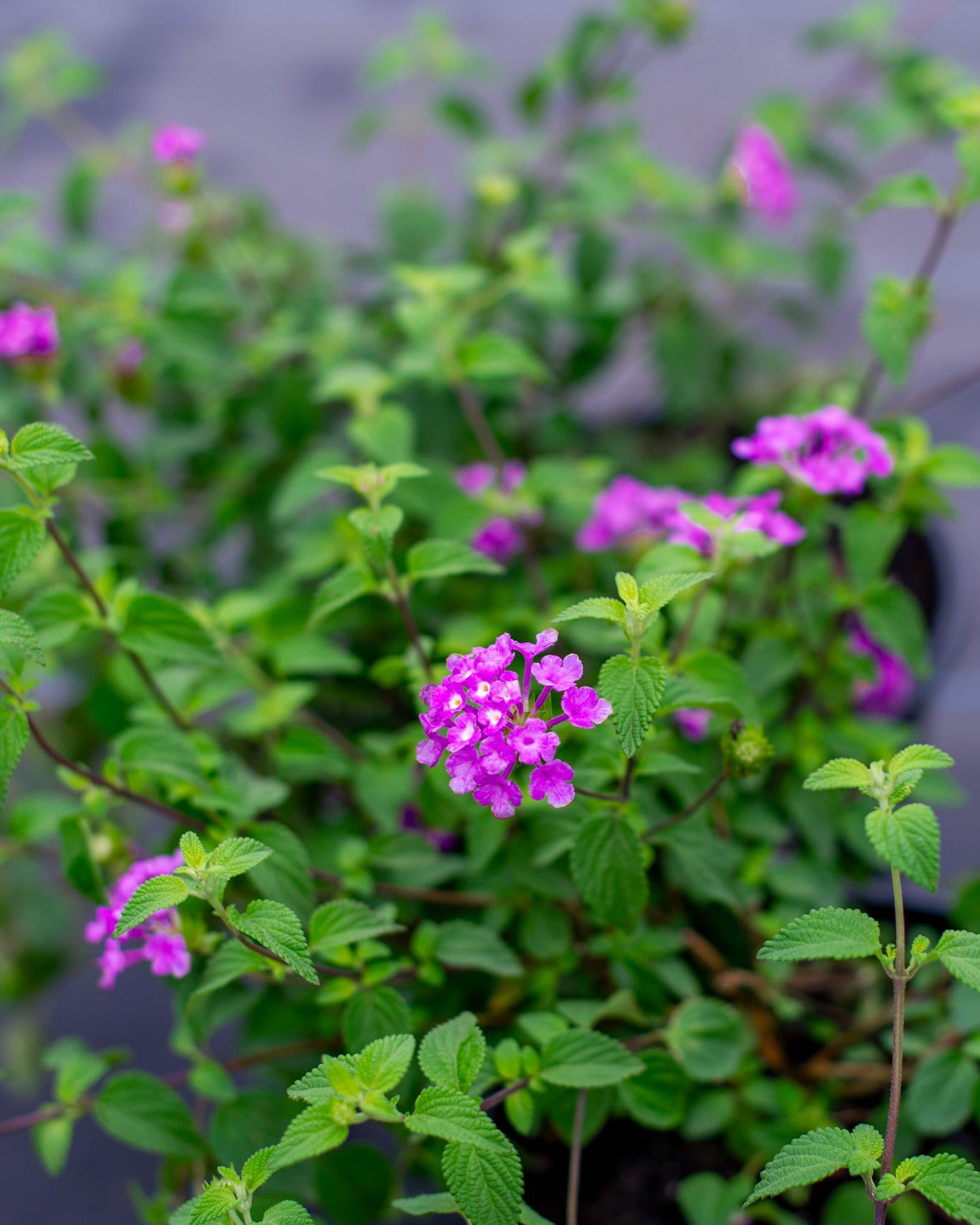
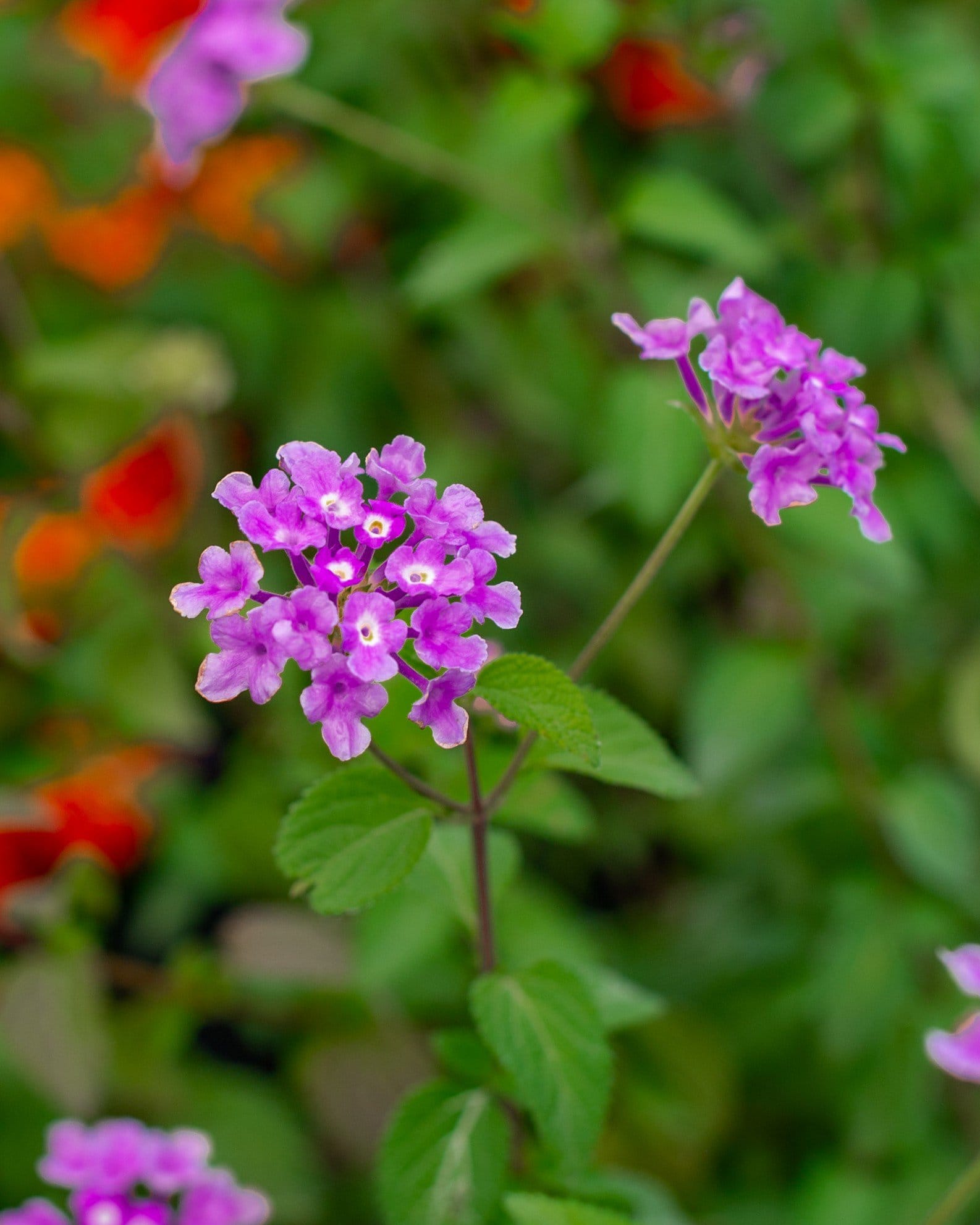
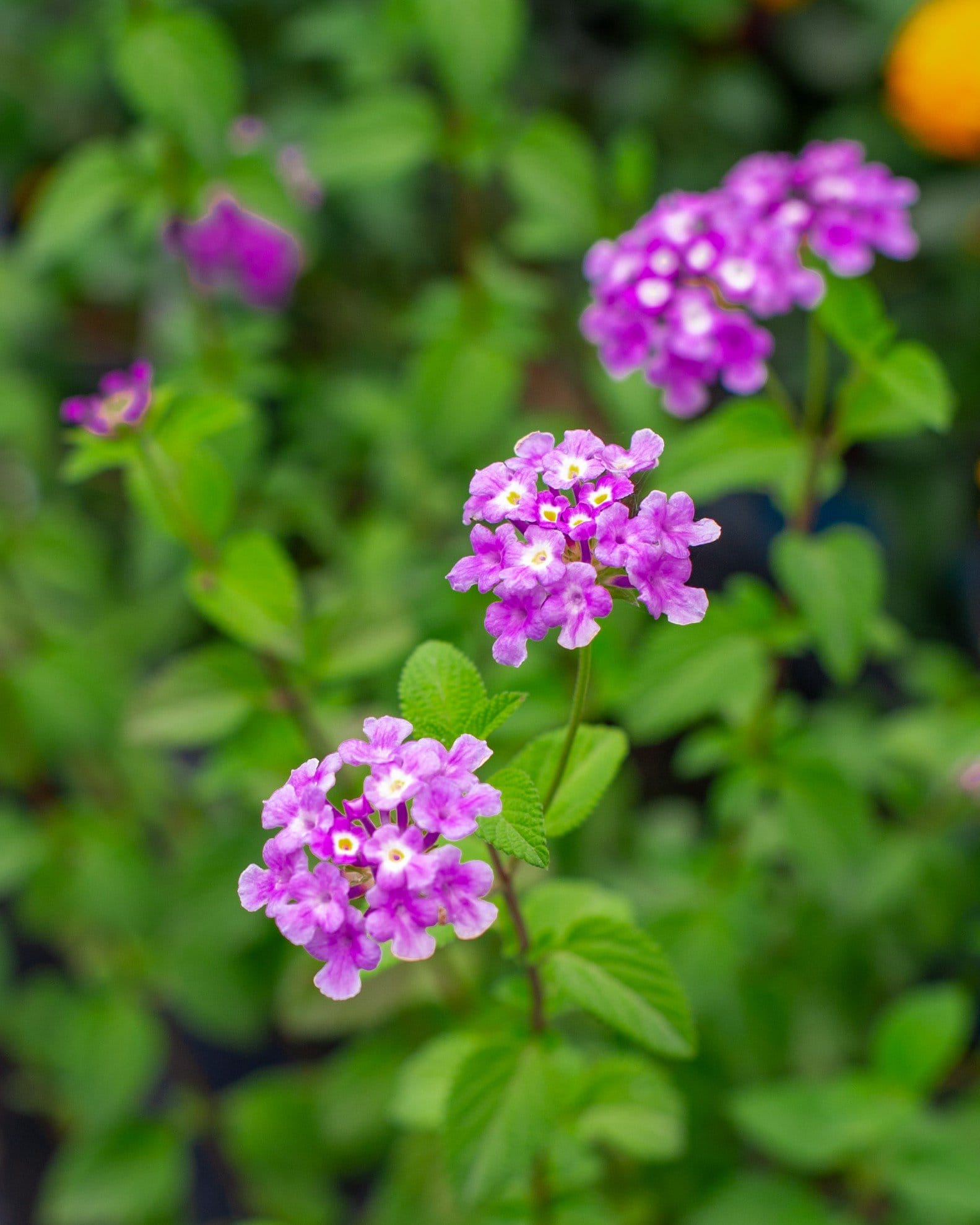
Purple Trailing Lantana
Maturity: 1' H x 4' W
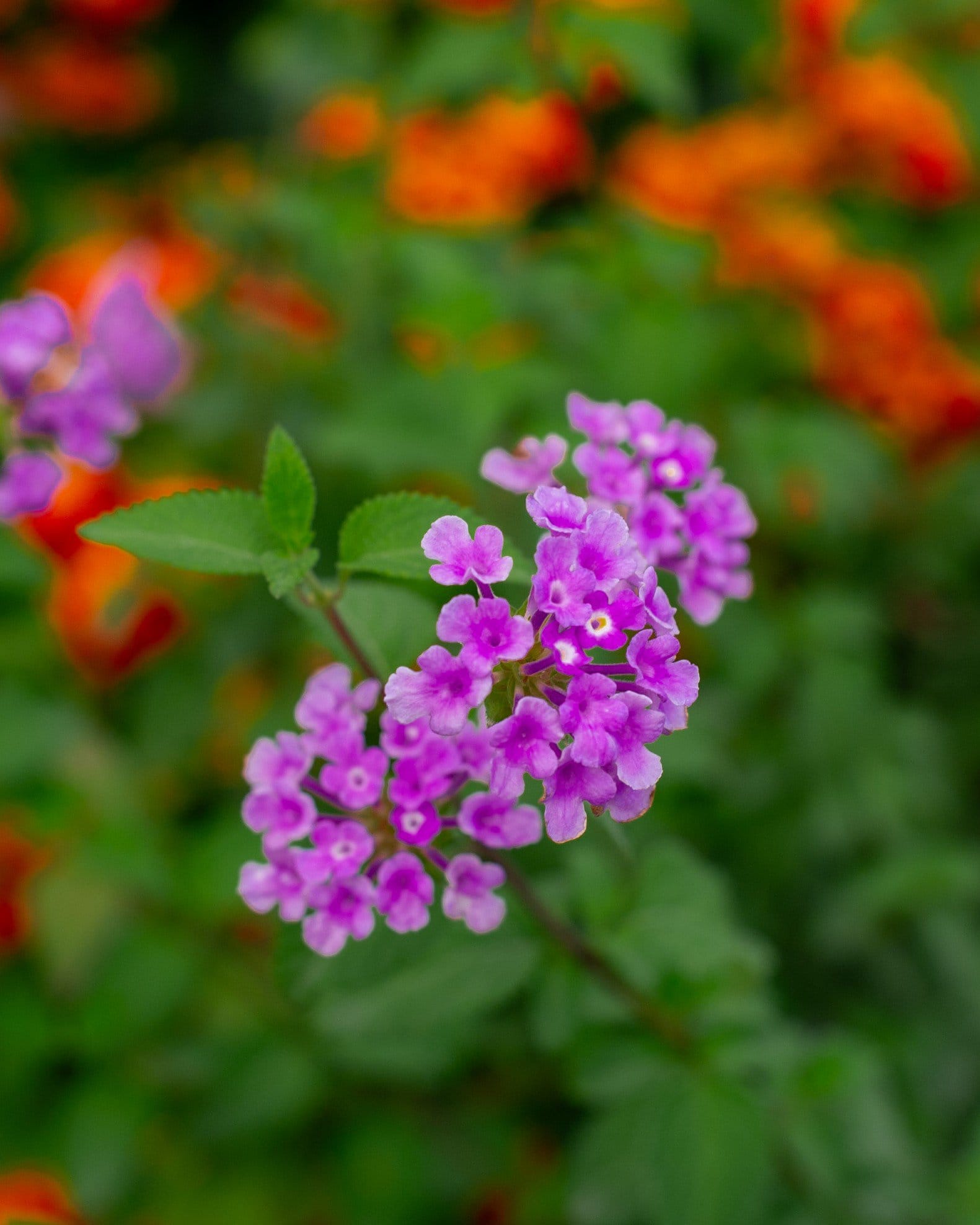
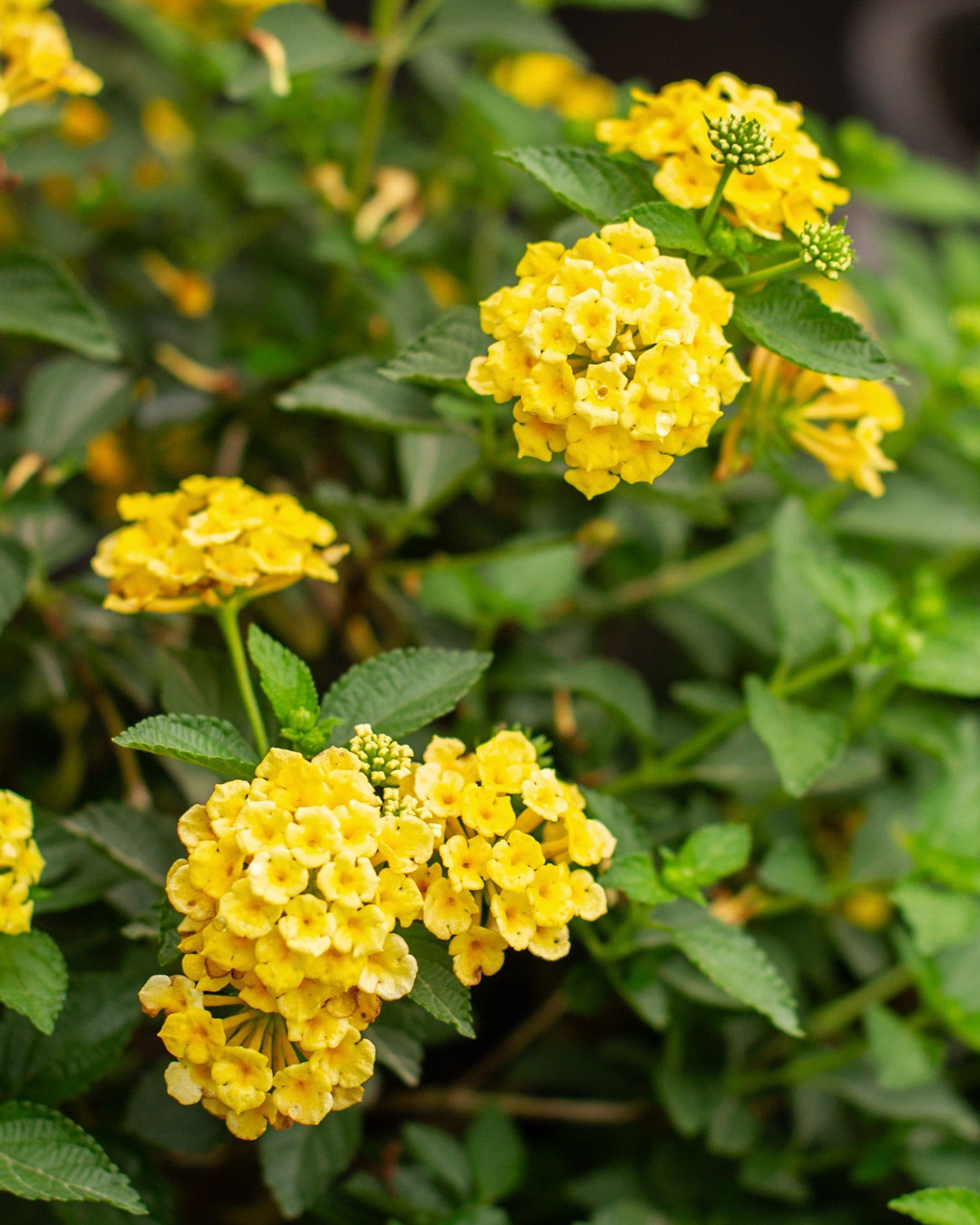
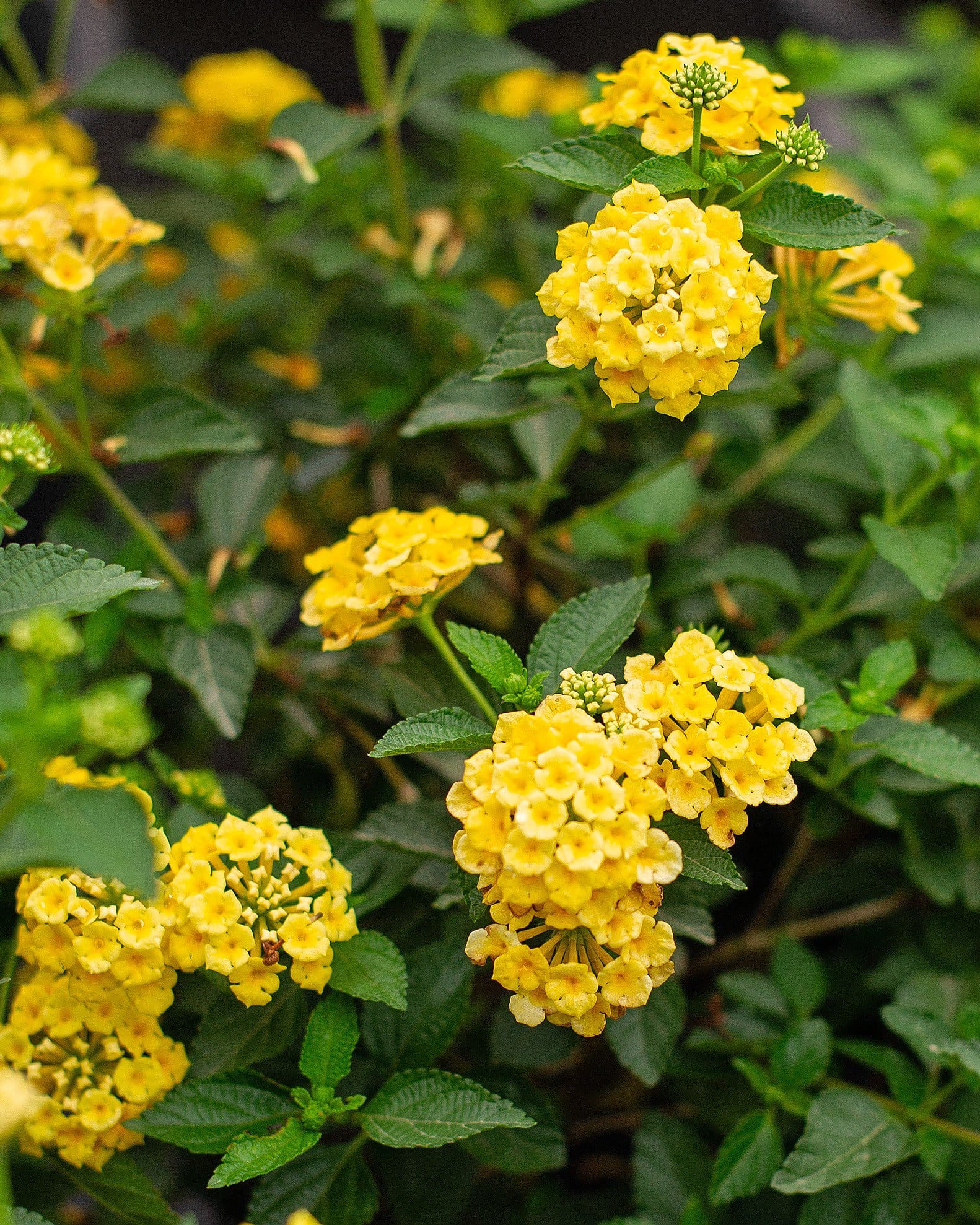
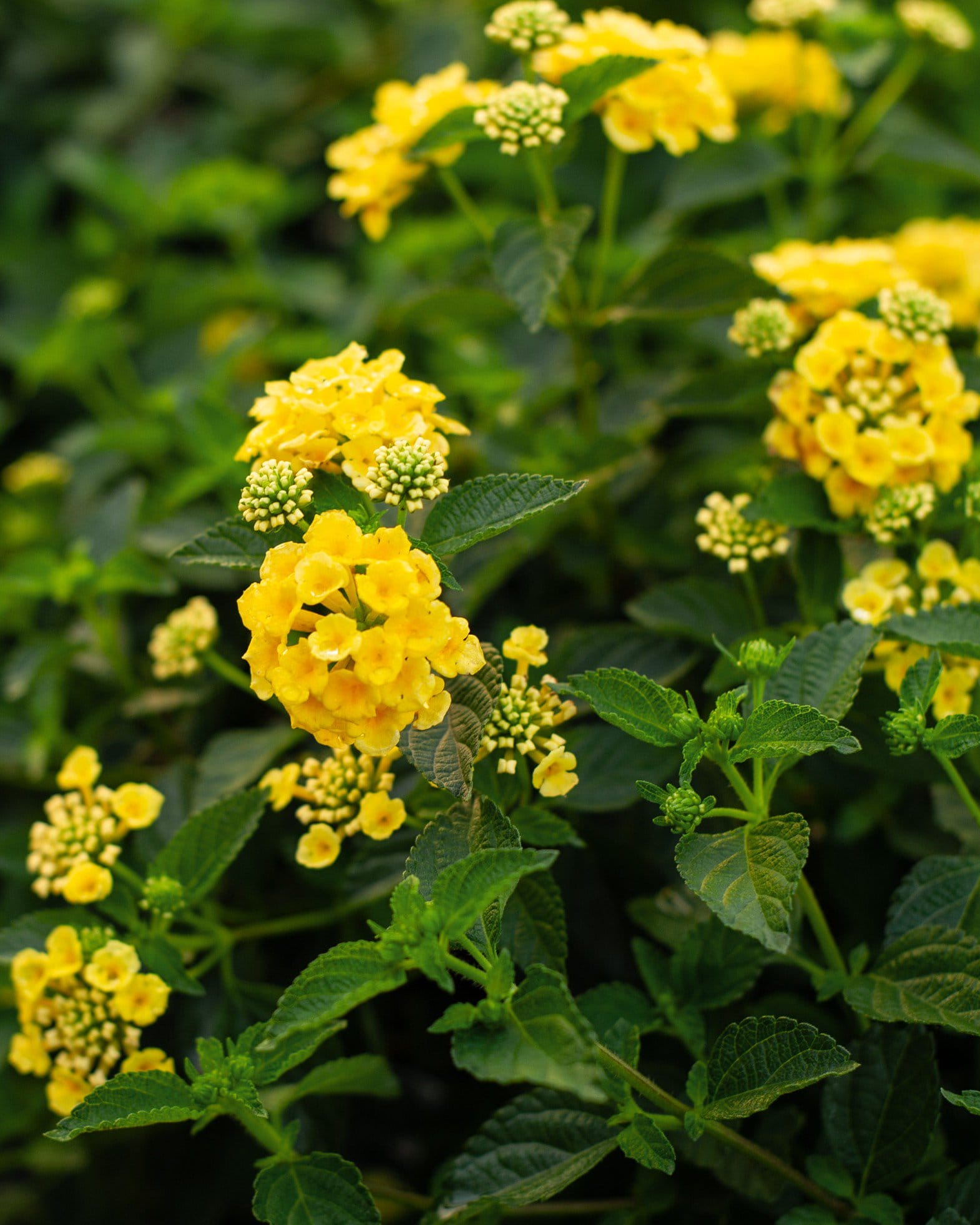
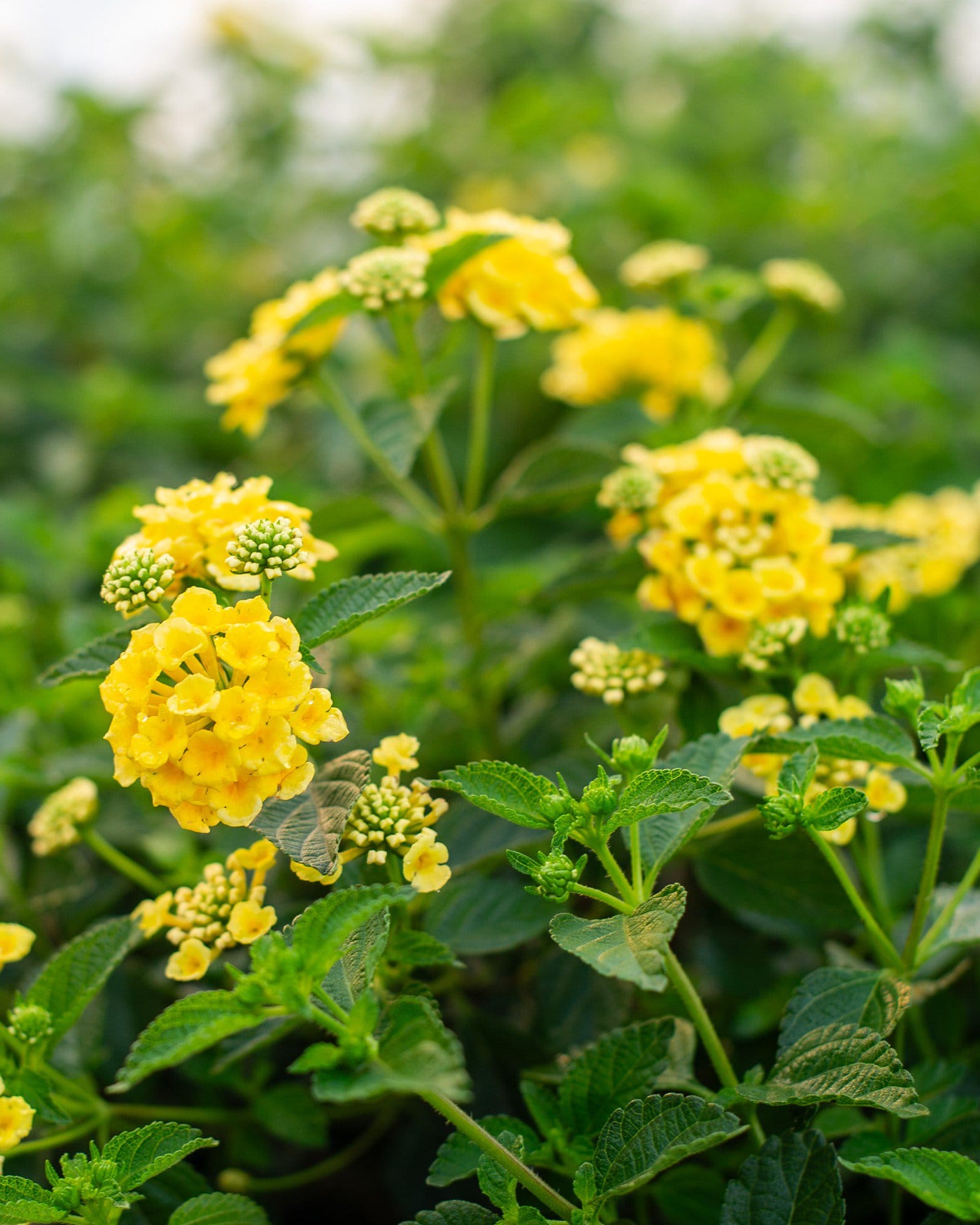
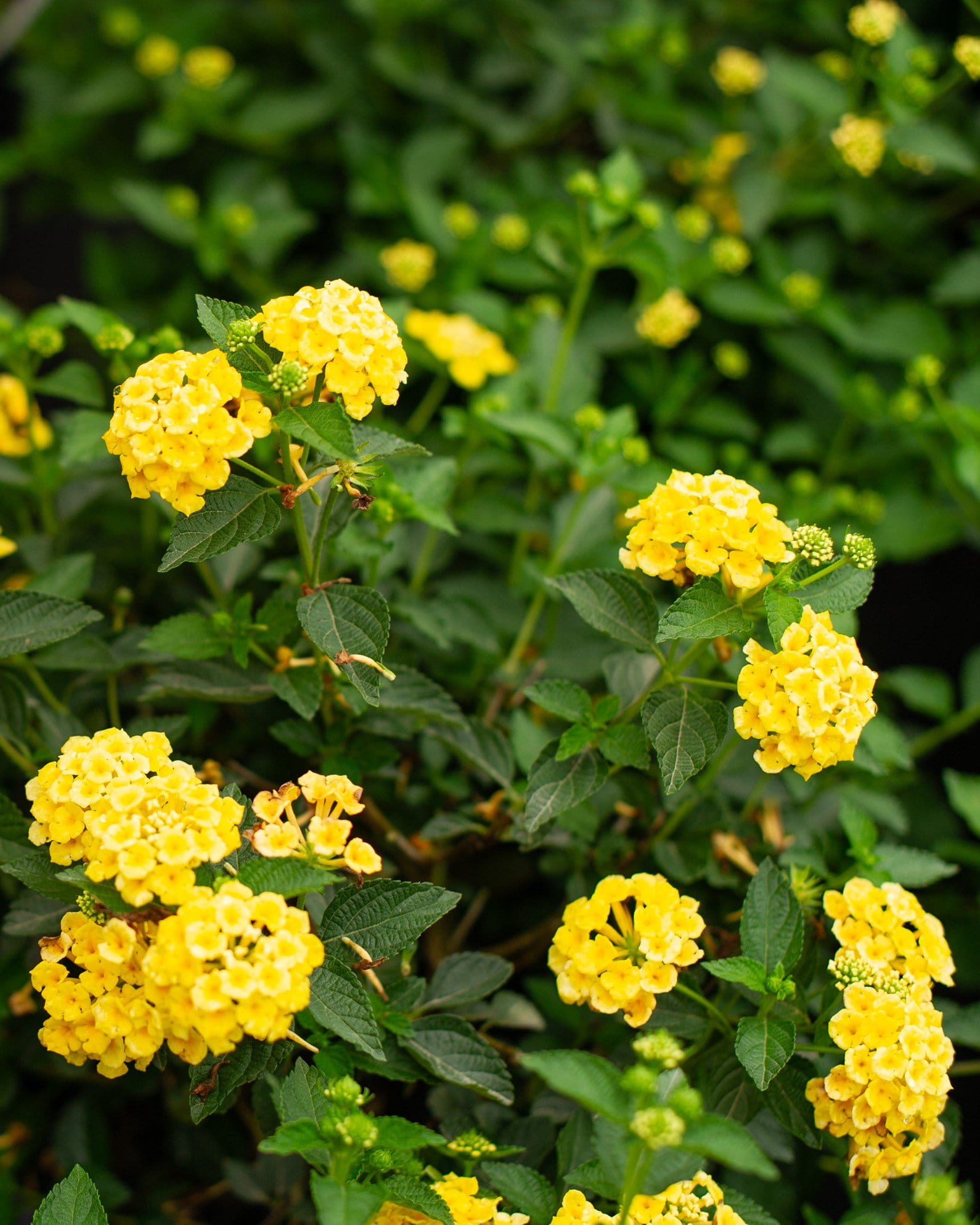
Chapel Hill Yellow Lantana
Maturity: 1.5' H x 2' W
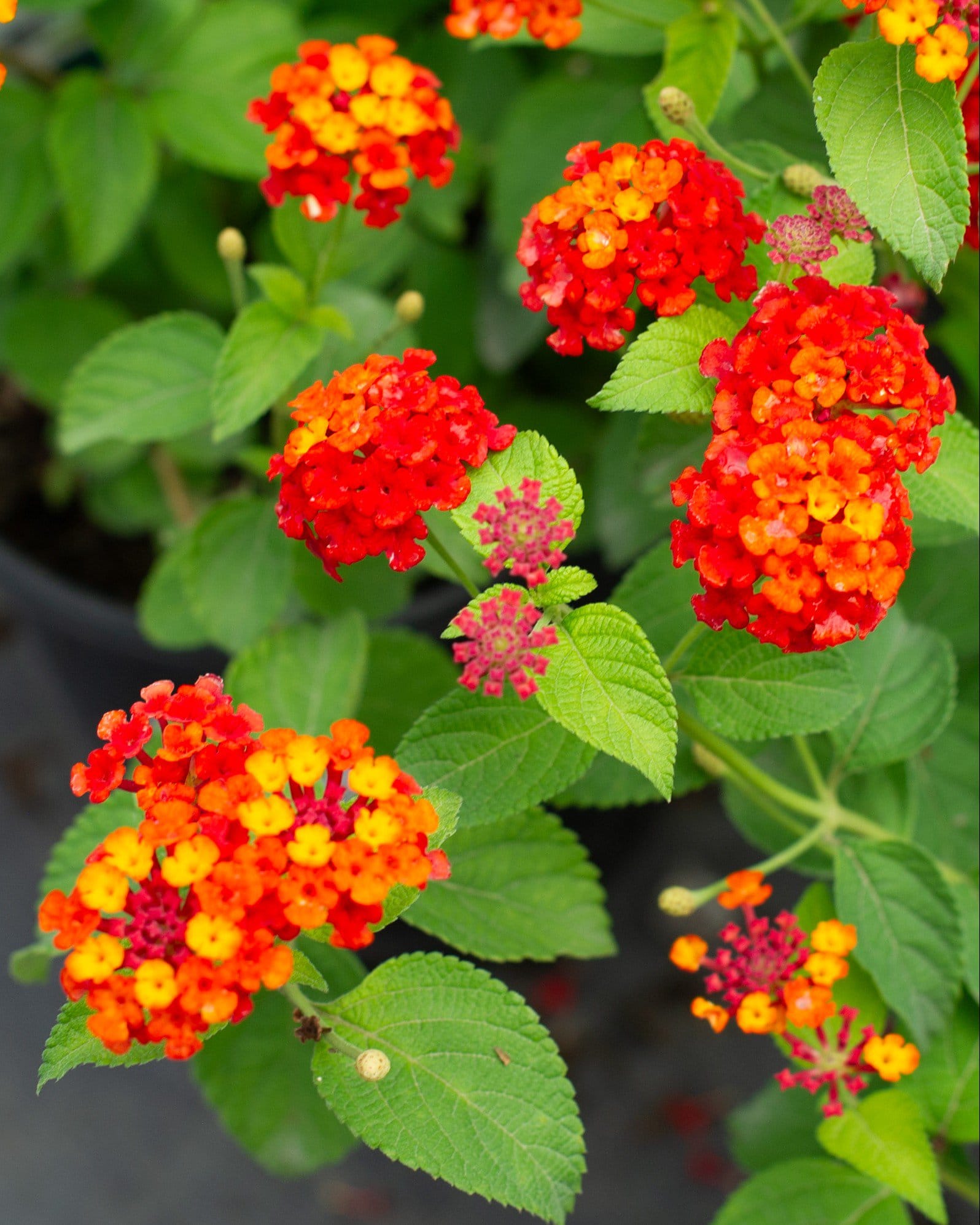
Dallas Red Lantana
Maturity: 3' H x 3' W
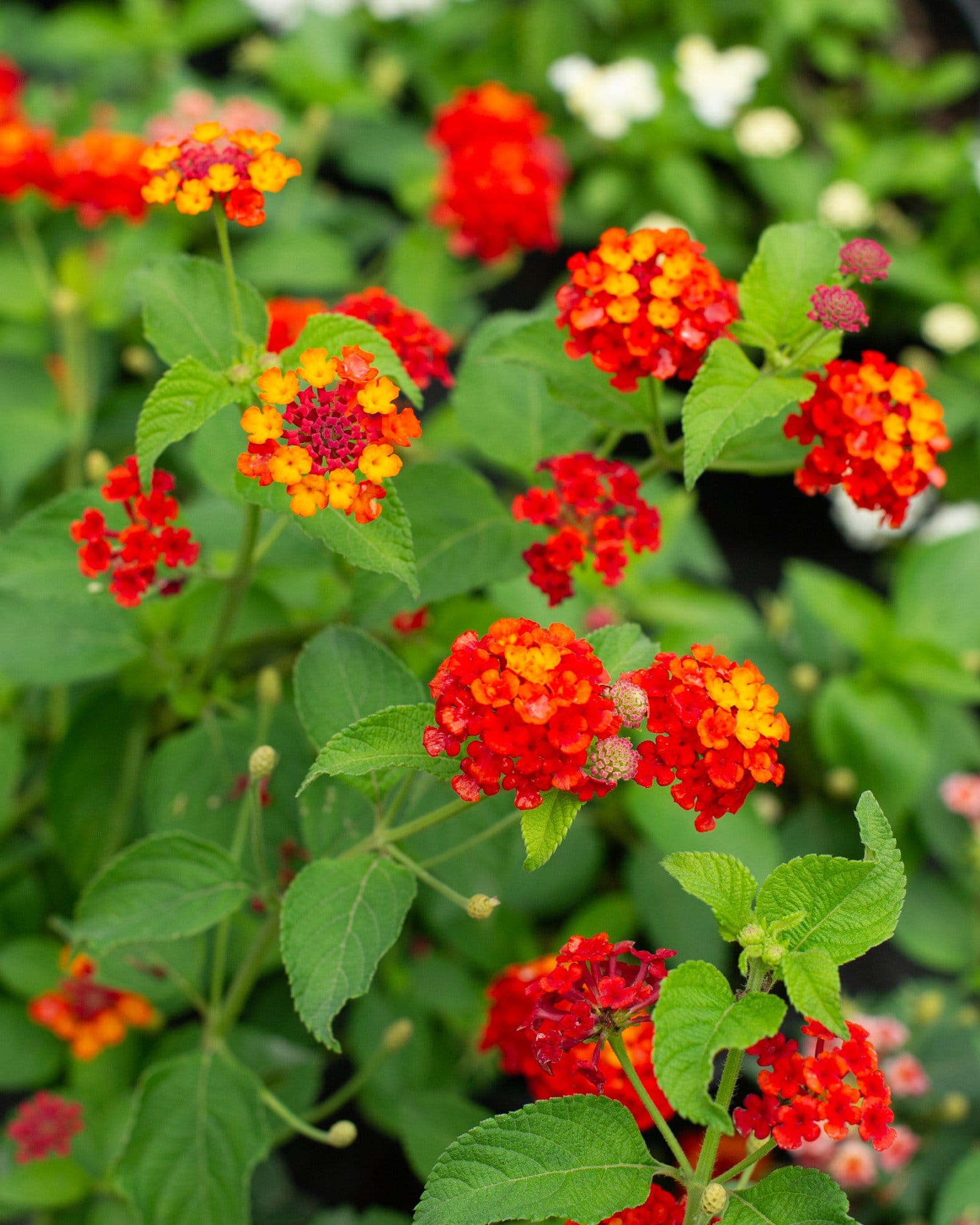
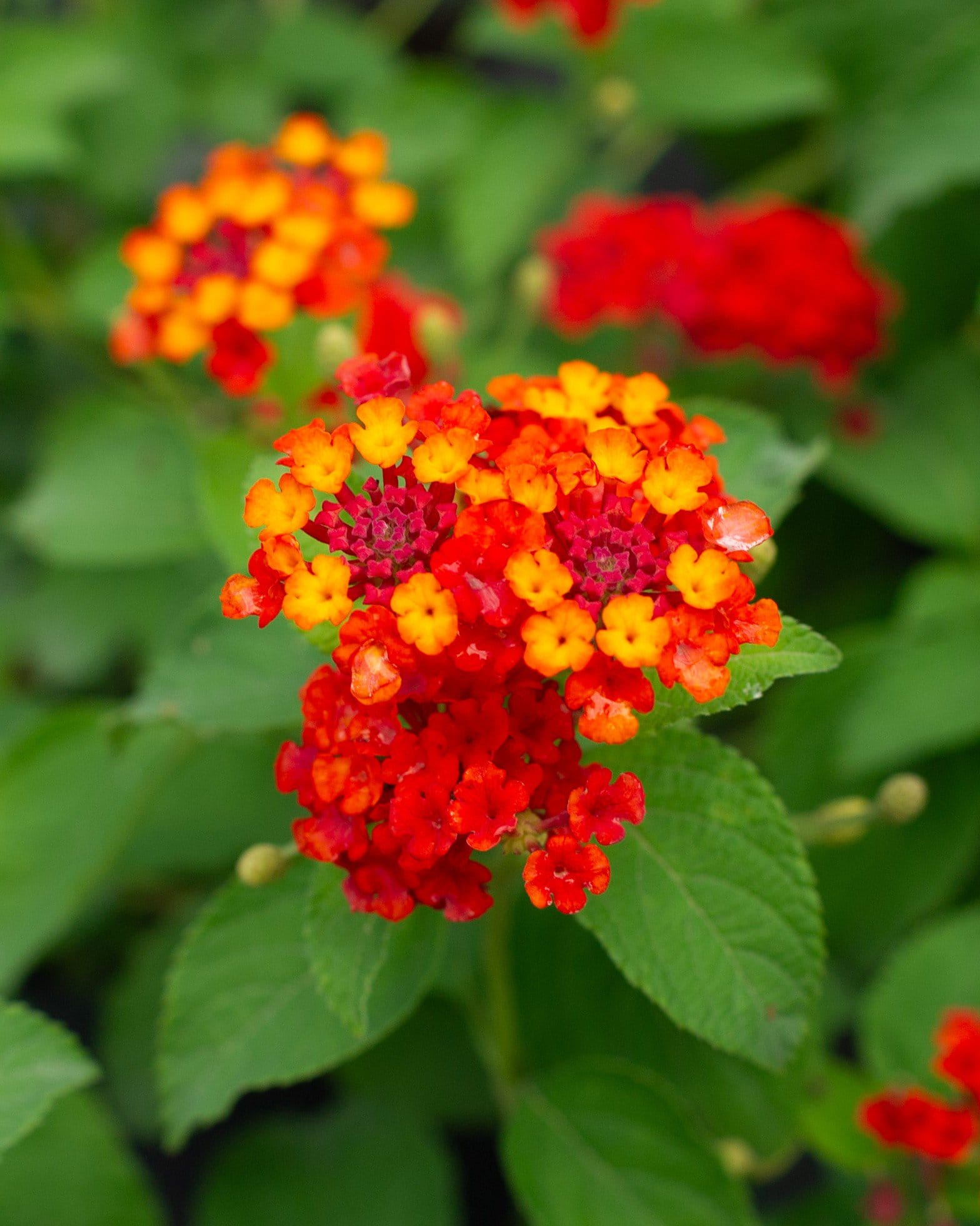

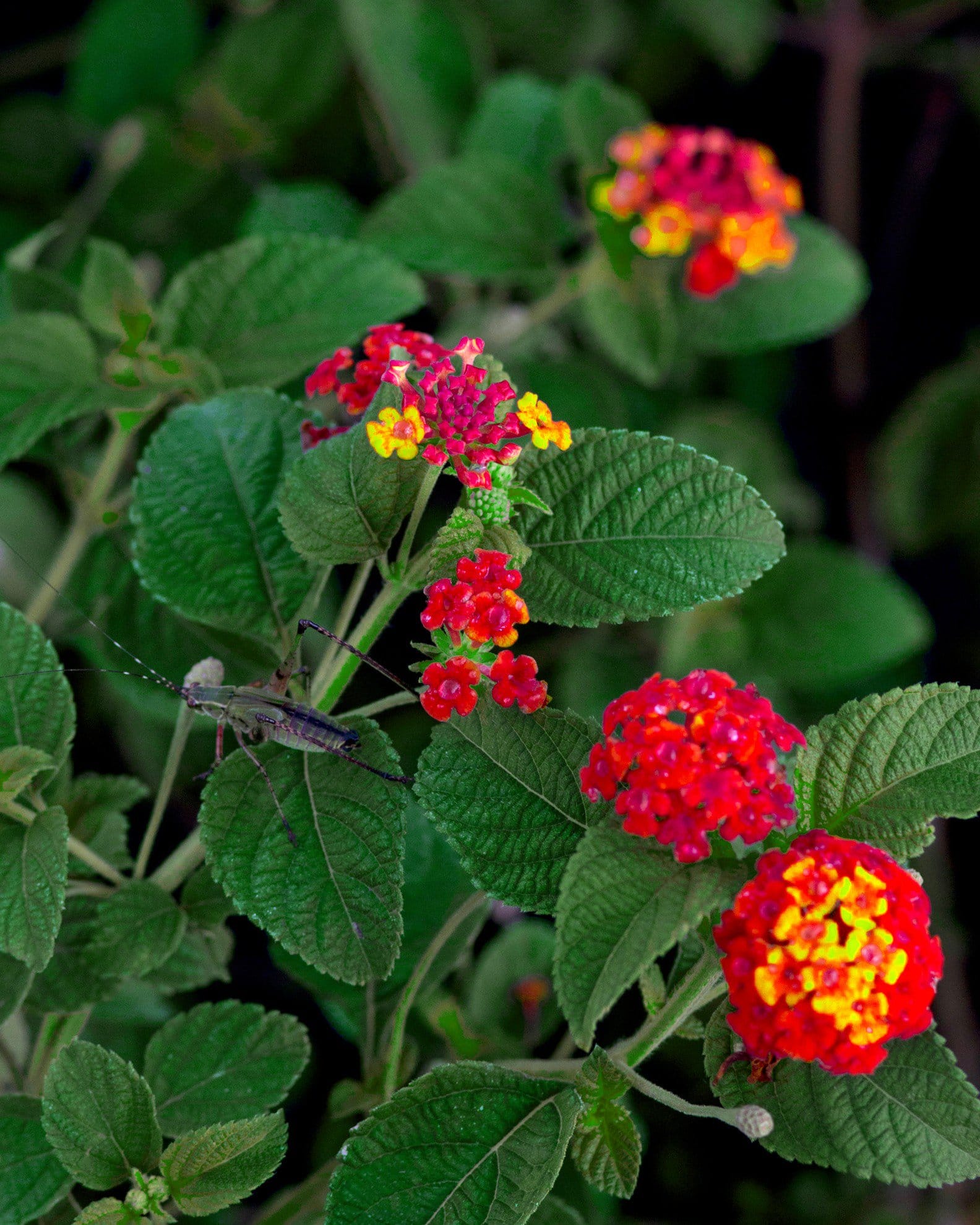
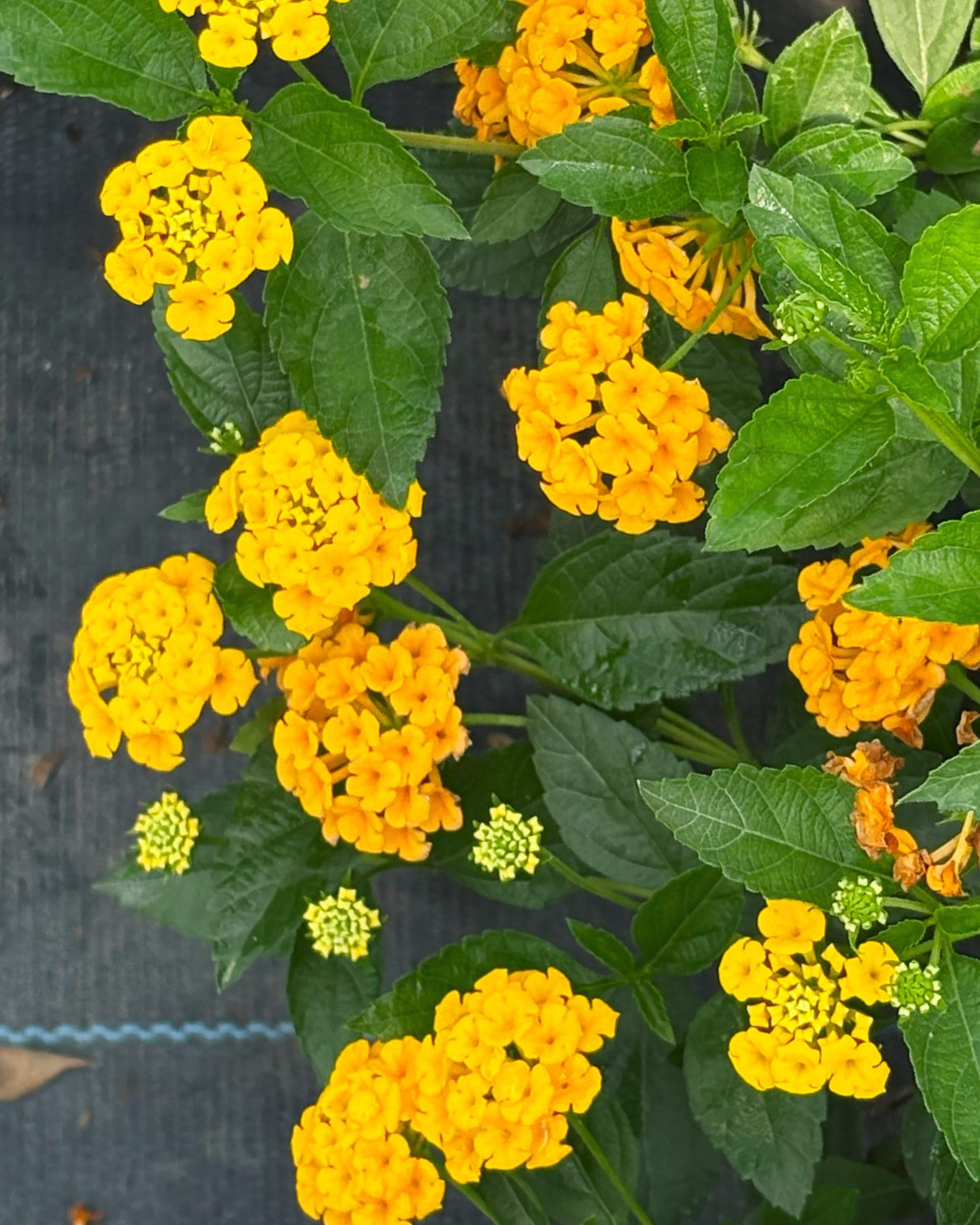
New Gold Lantana
Maturity: 1' H x 2' W
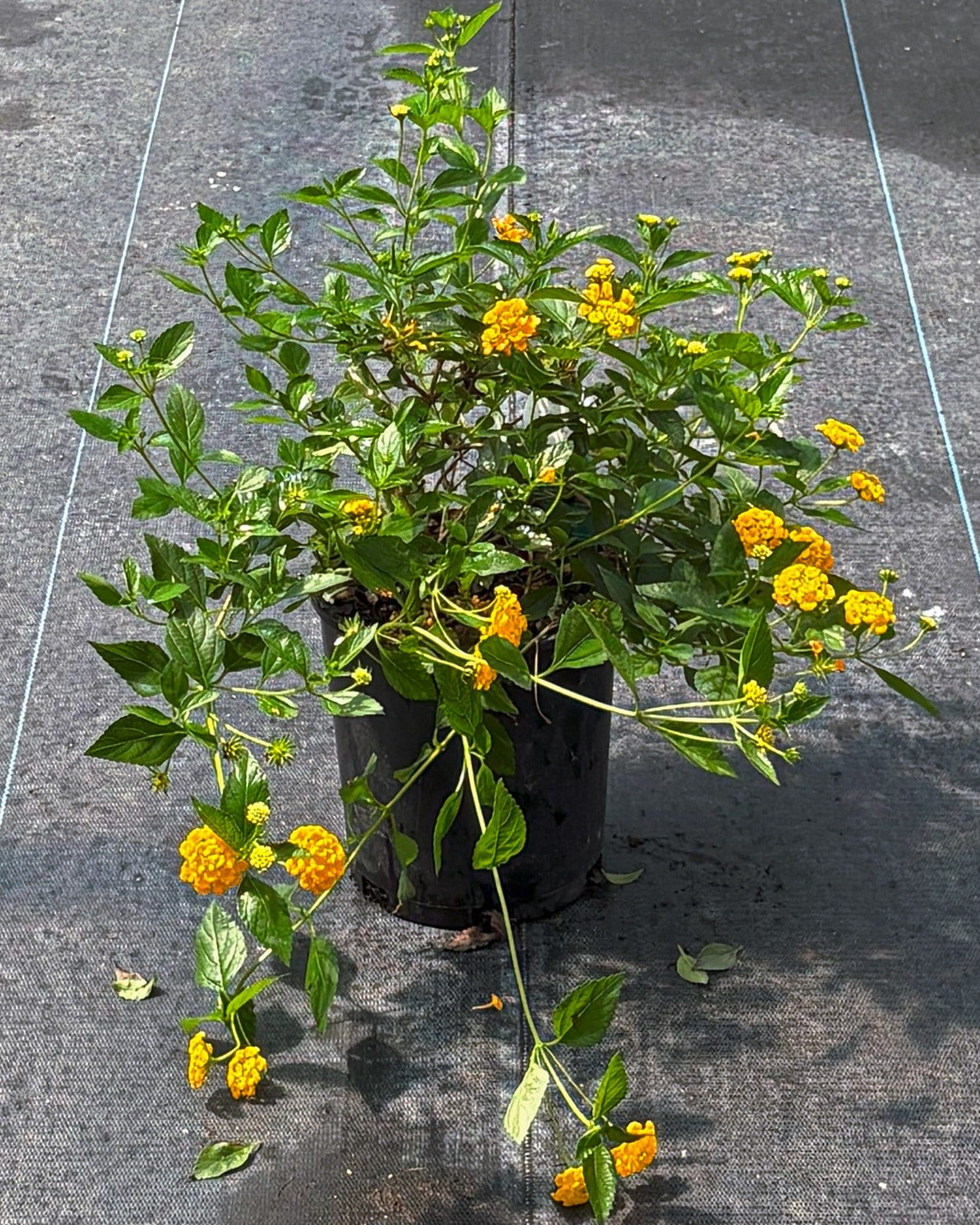
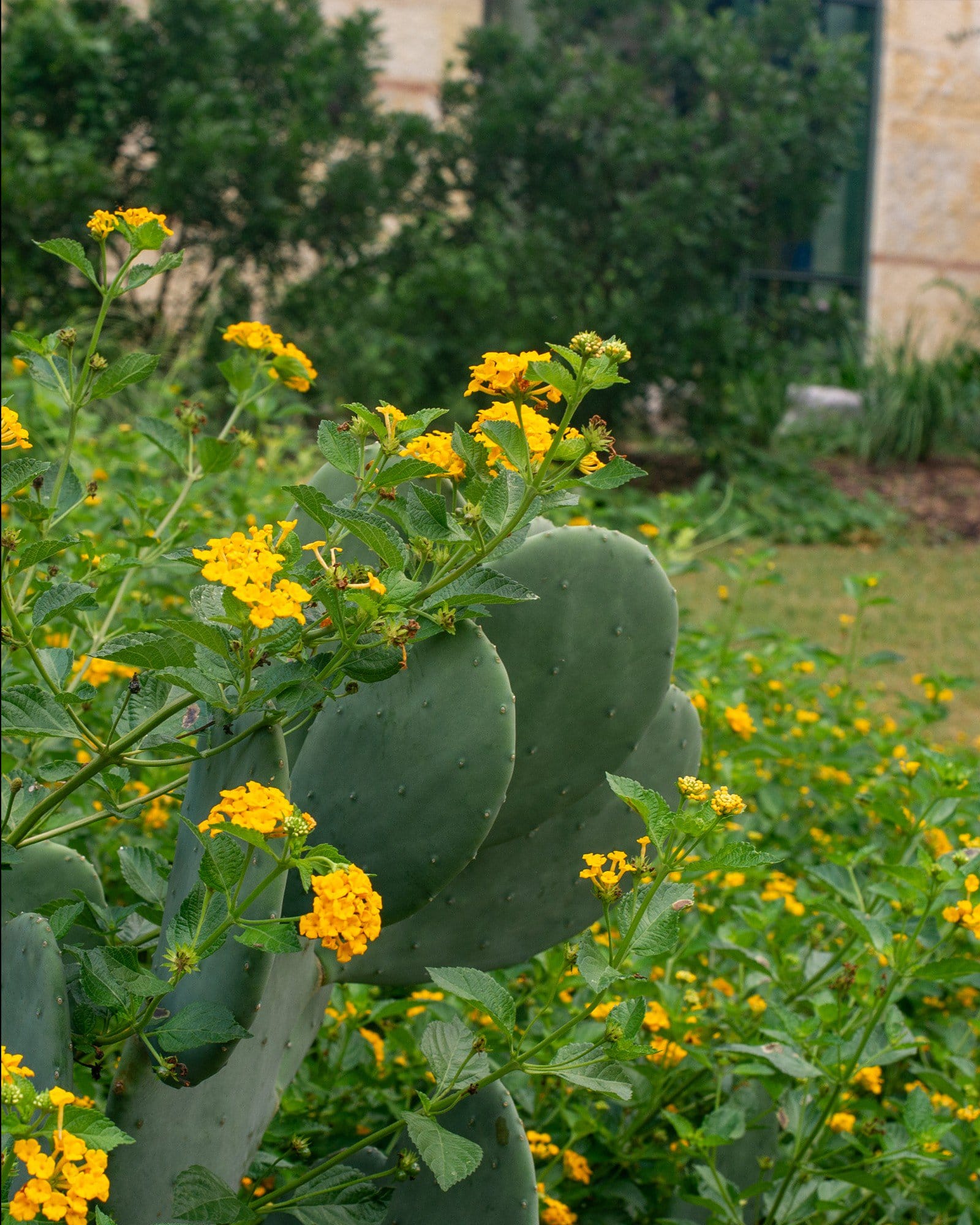
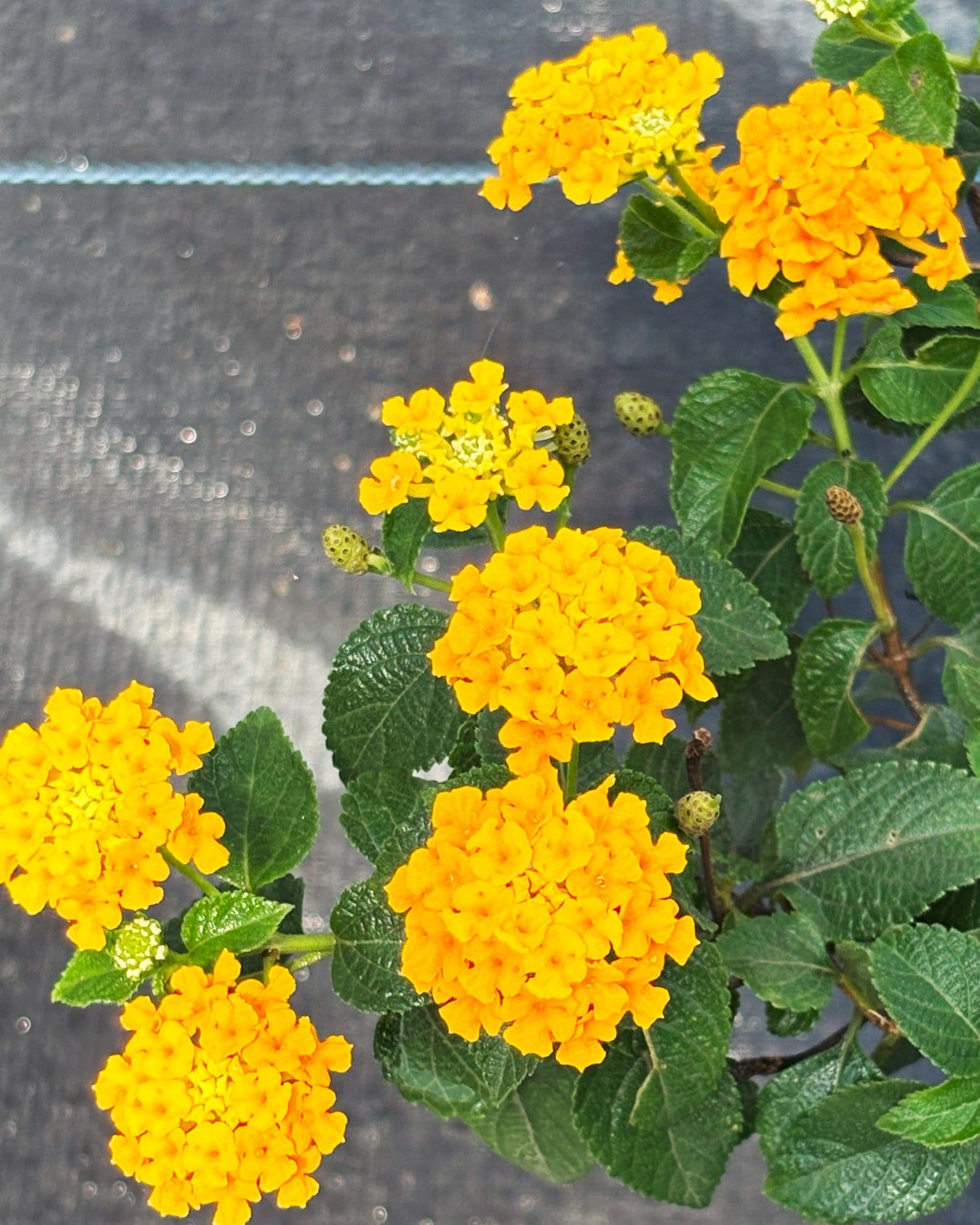
Russian Sage
Maturity: 3' H x 2' W

Society Garlic Silver Lace
Maturity: 1' H x 1' W
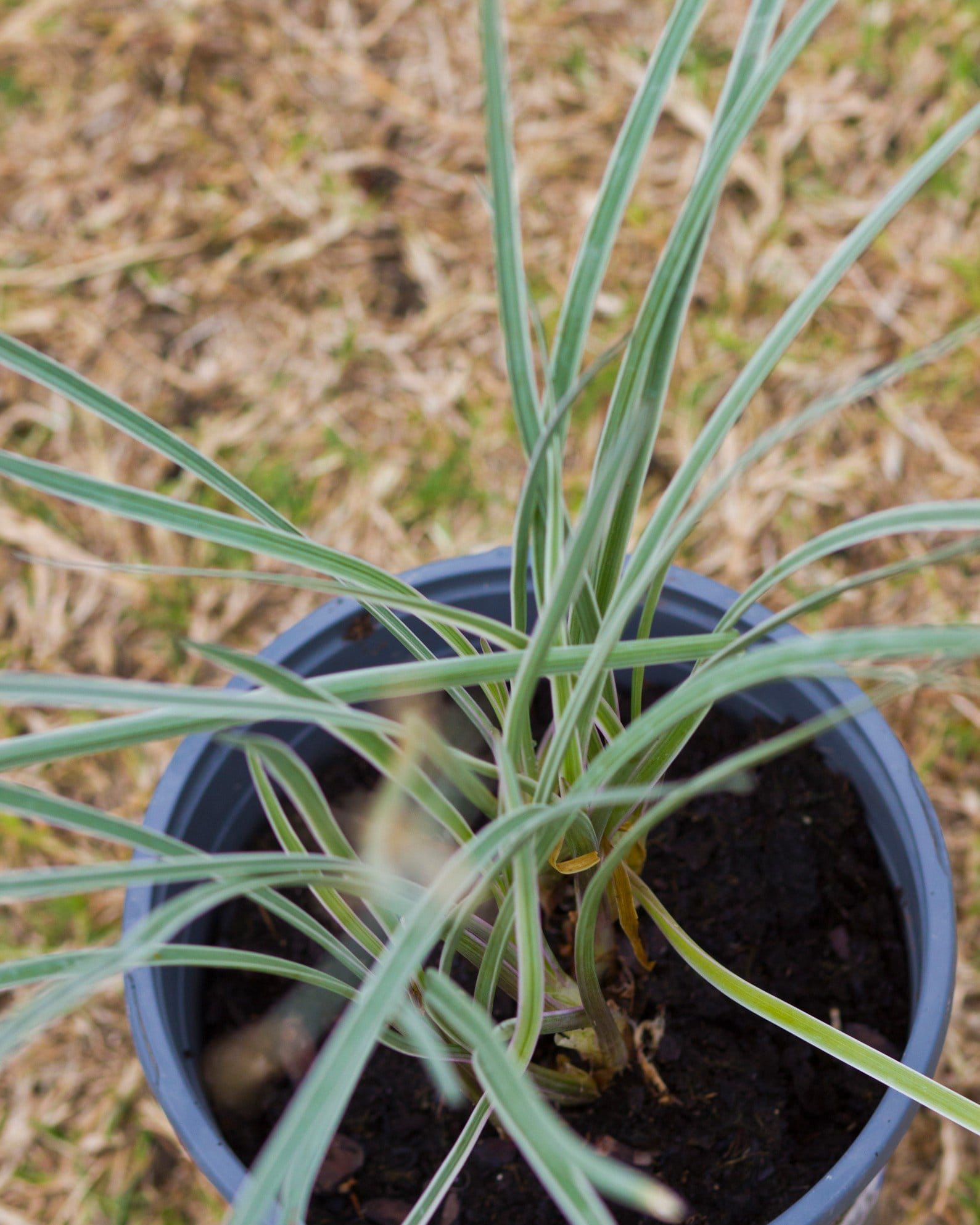
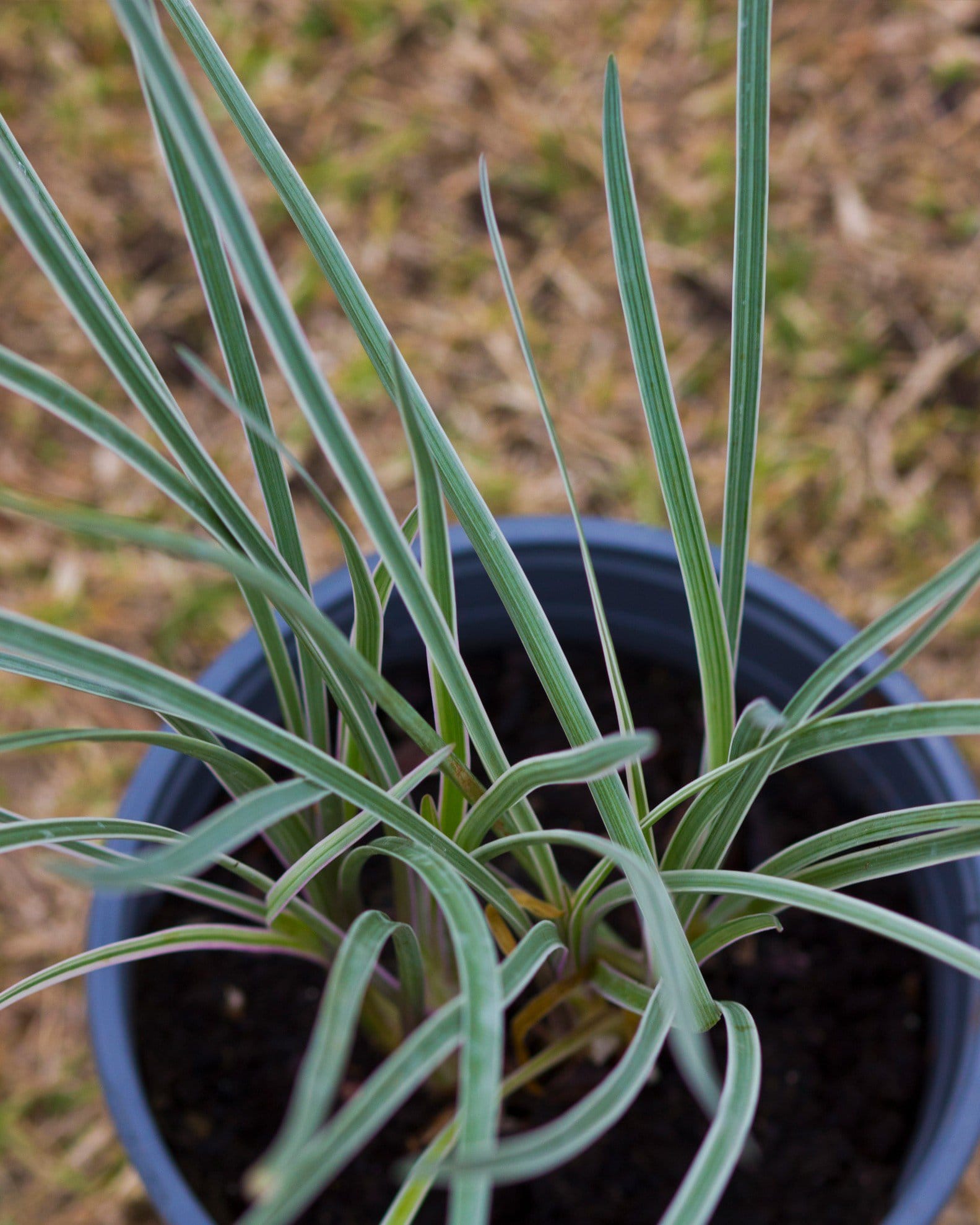
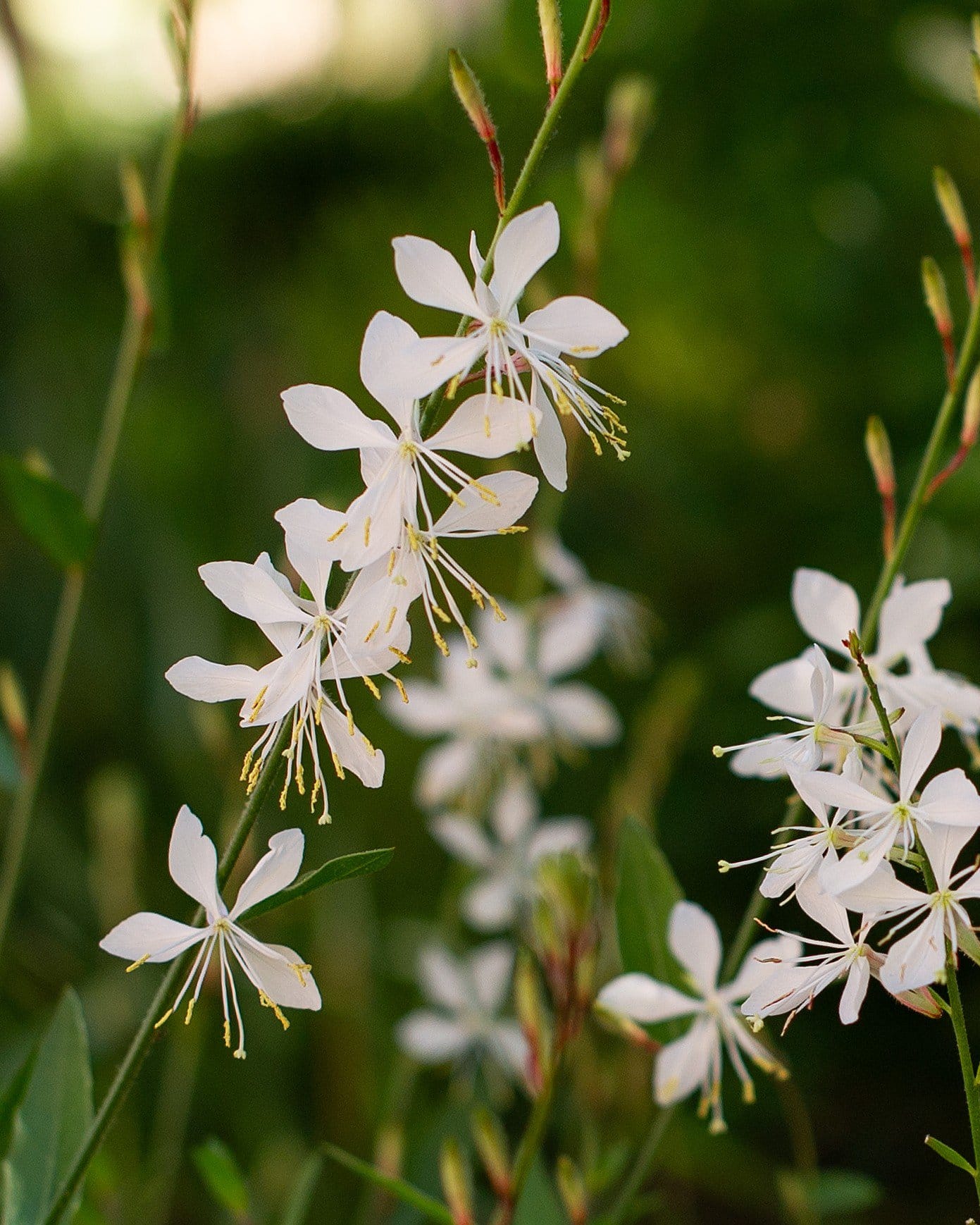
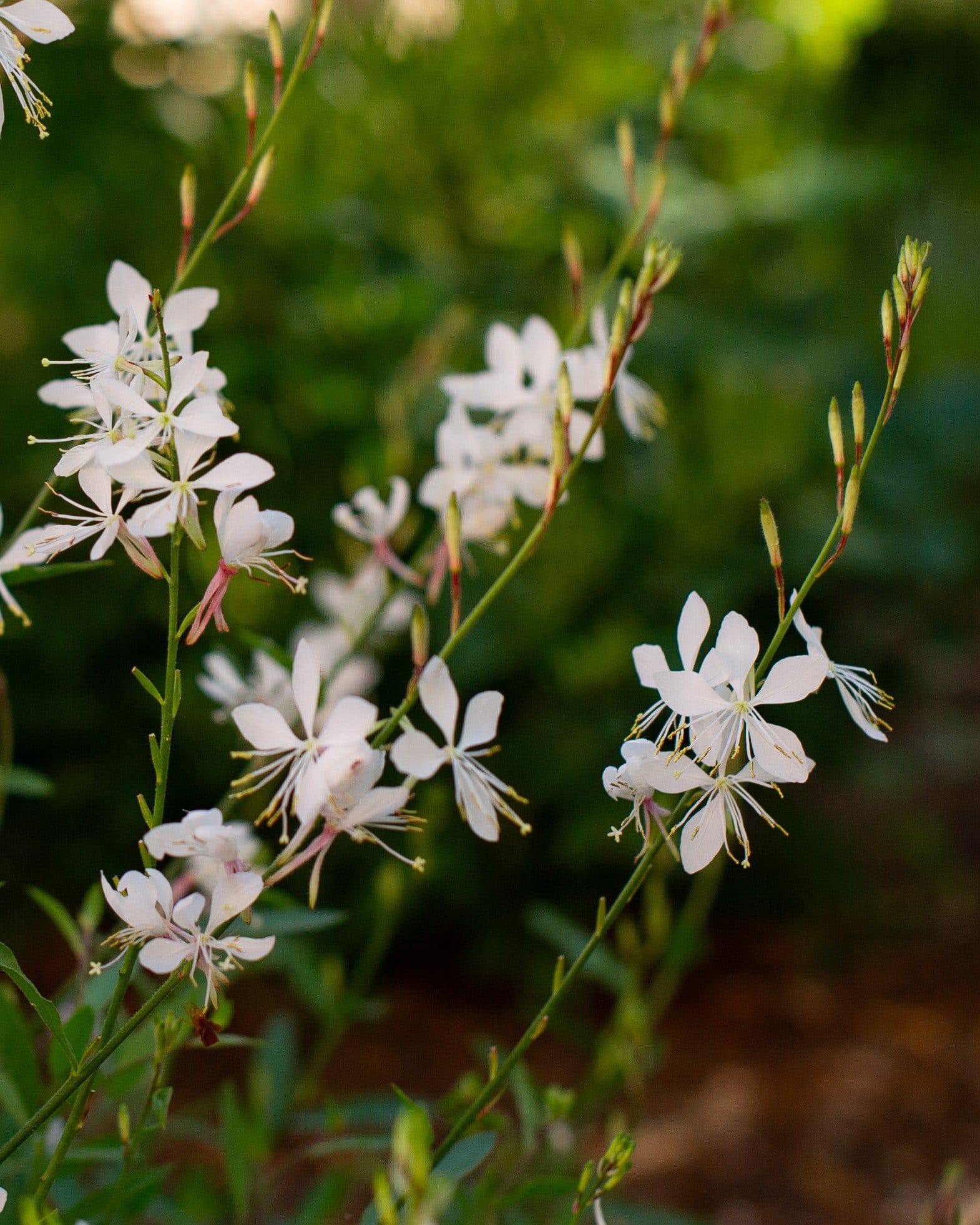
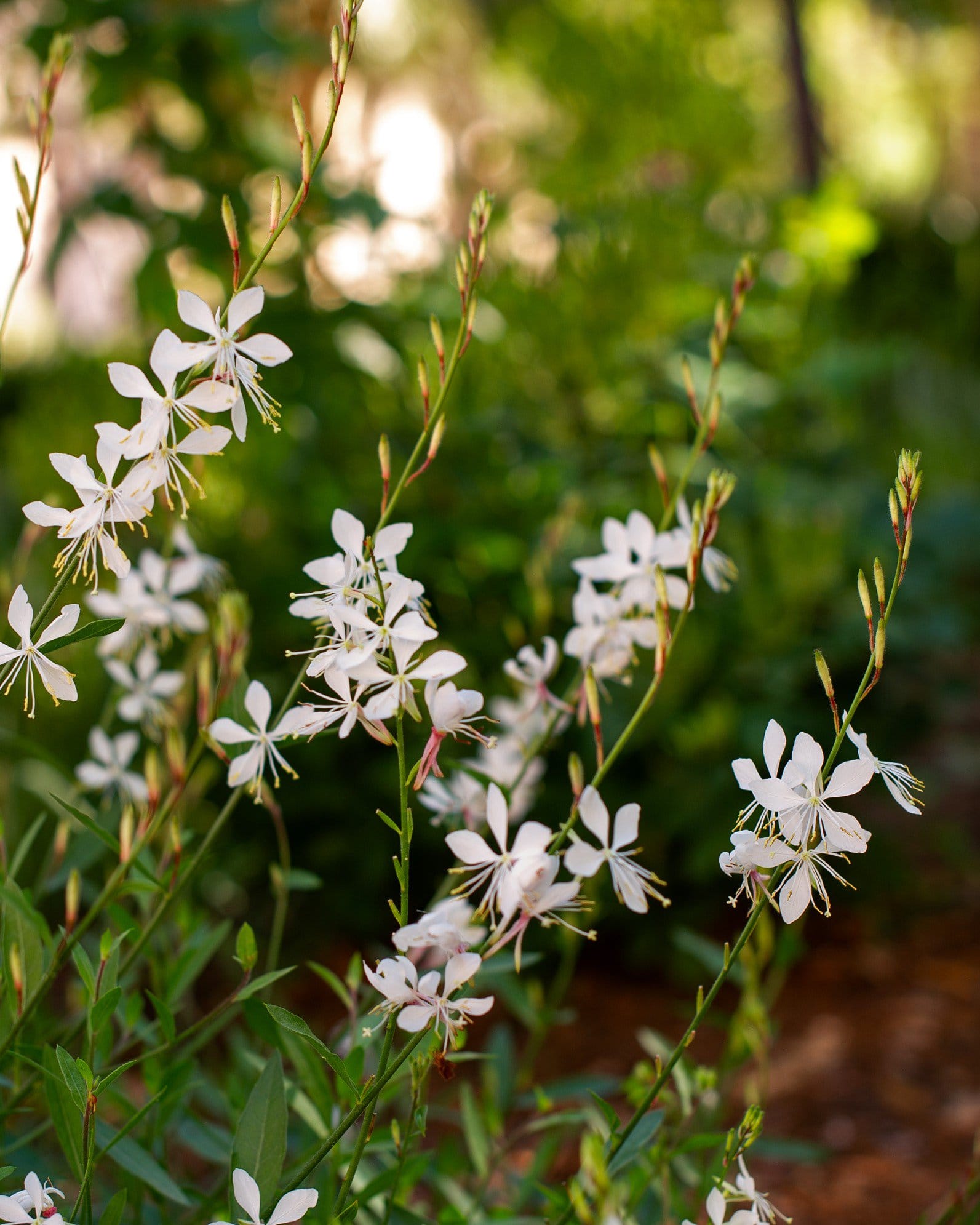
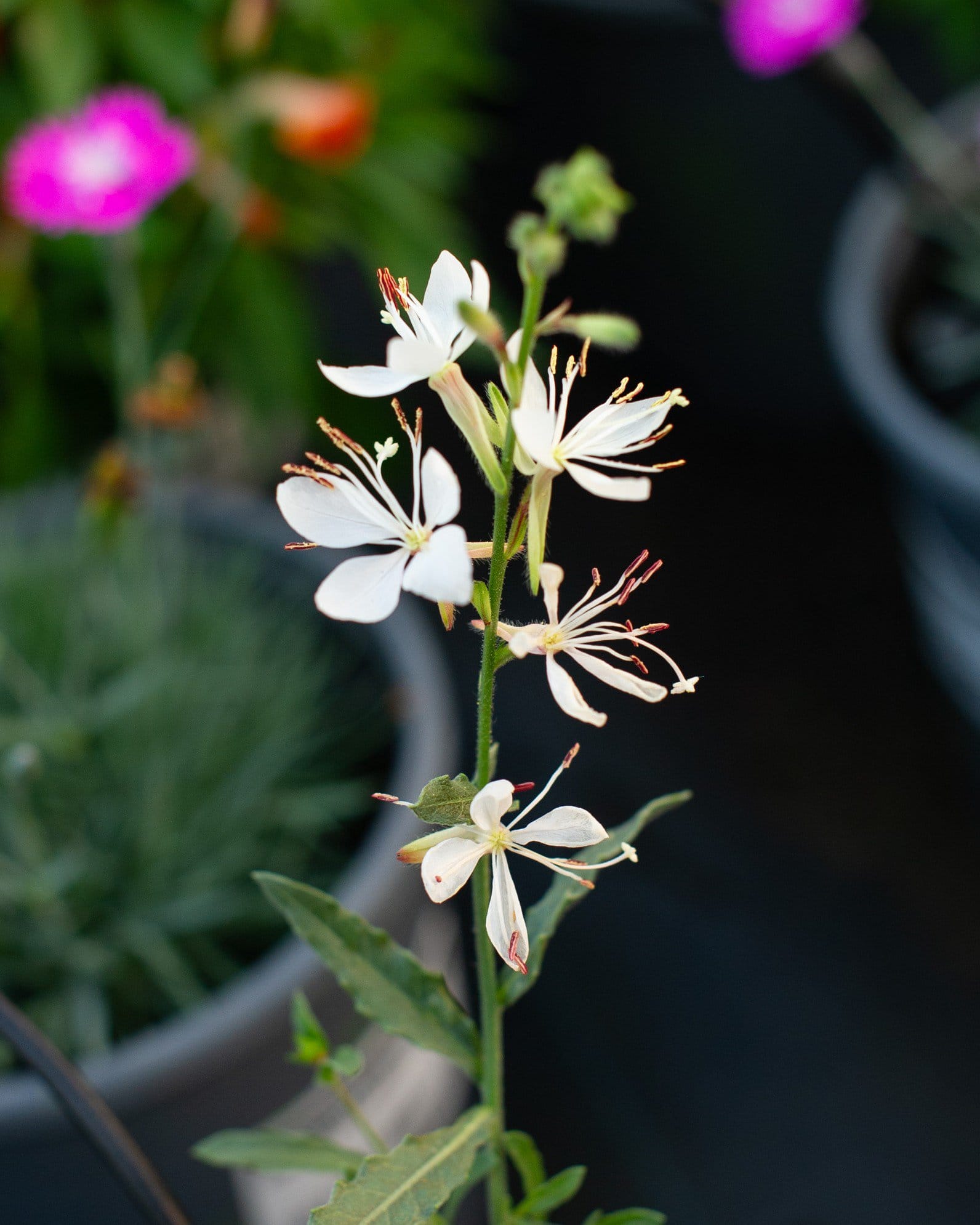
Belleza White Gaura
Maturity: 1' H x 1.5' W
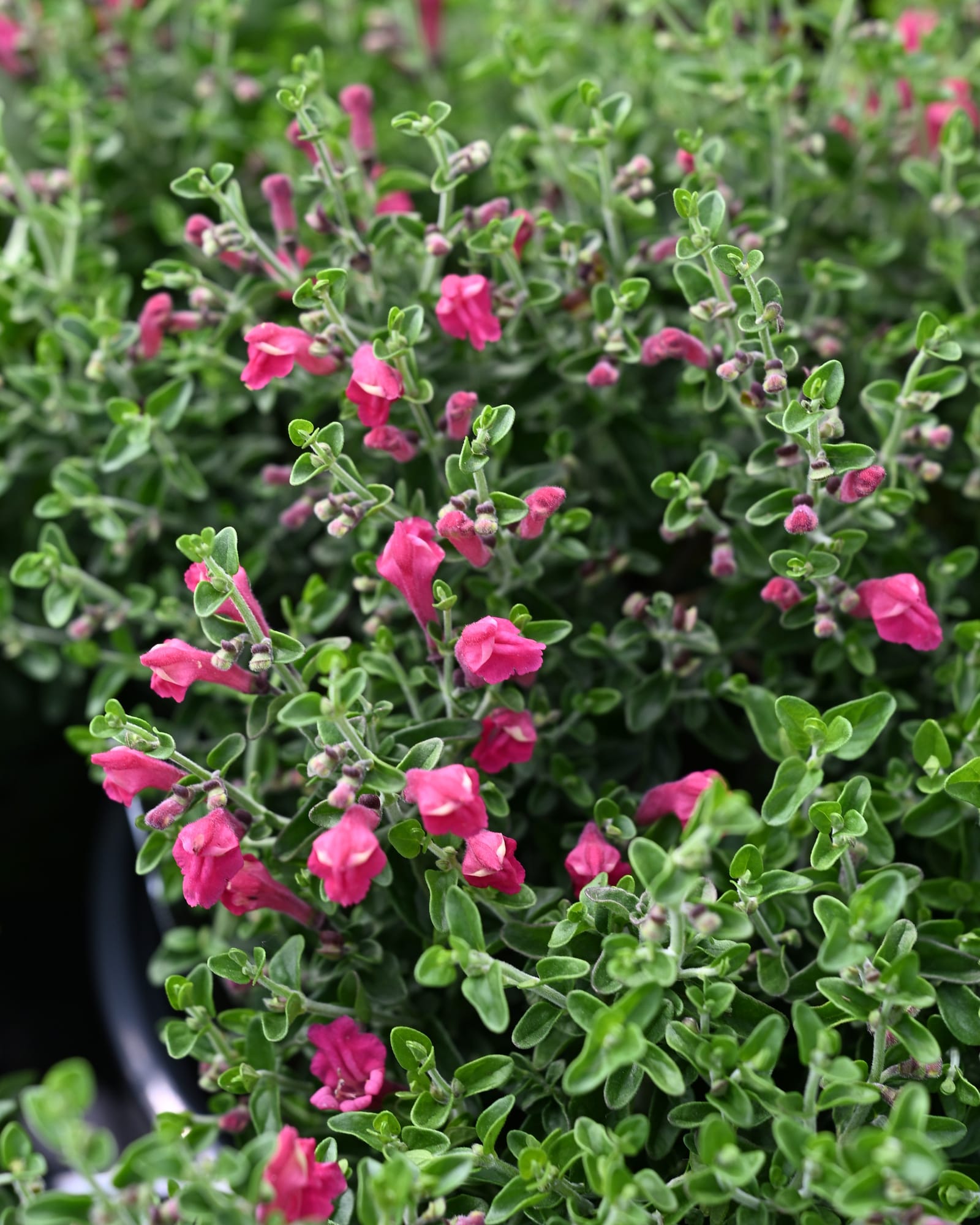
Pink Skullcap
Maturity: 1' H x 2' W
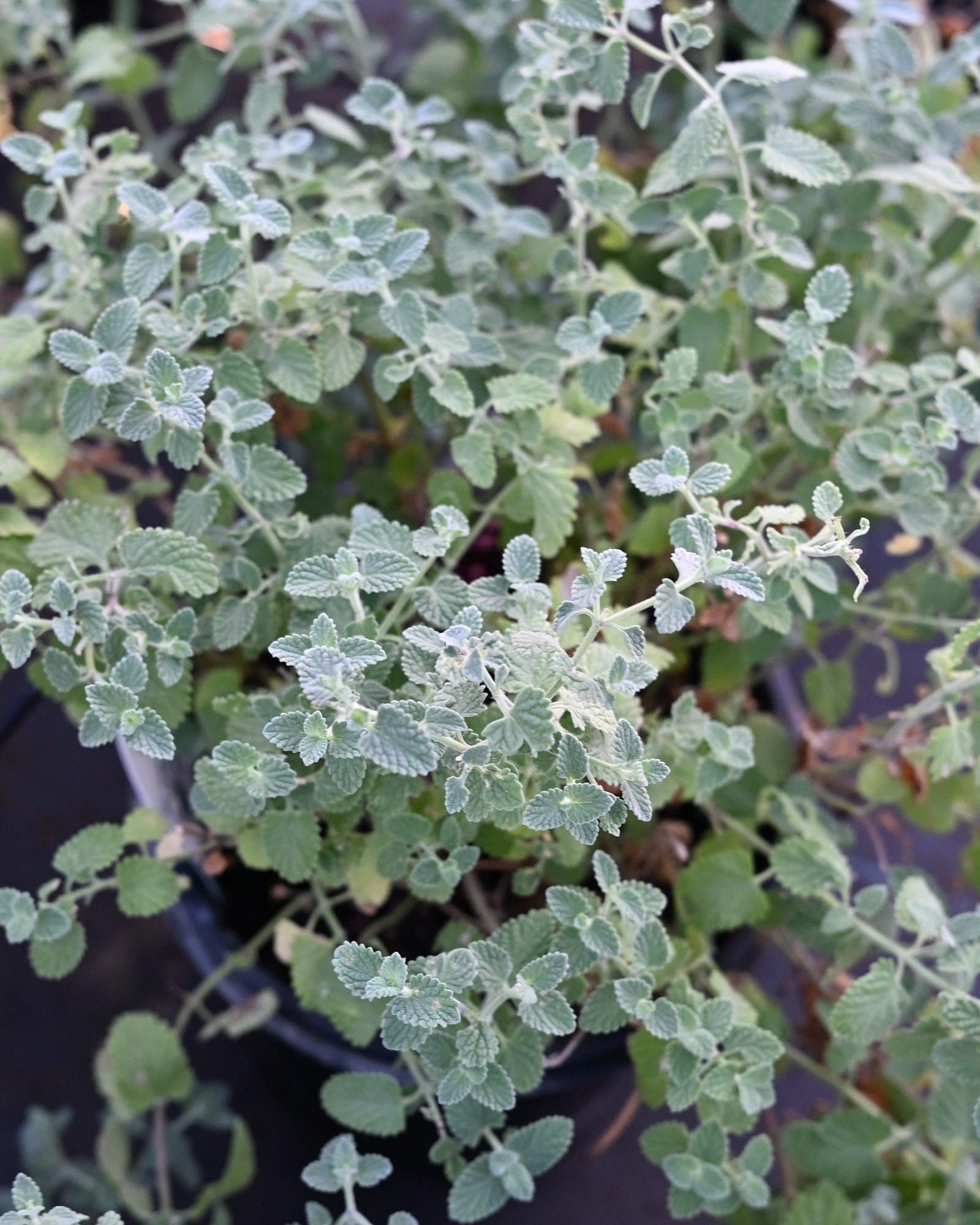
Six Hills Giant Catmint
Maturity: 2' H x 3' W
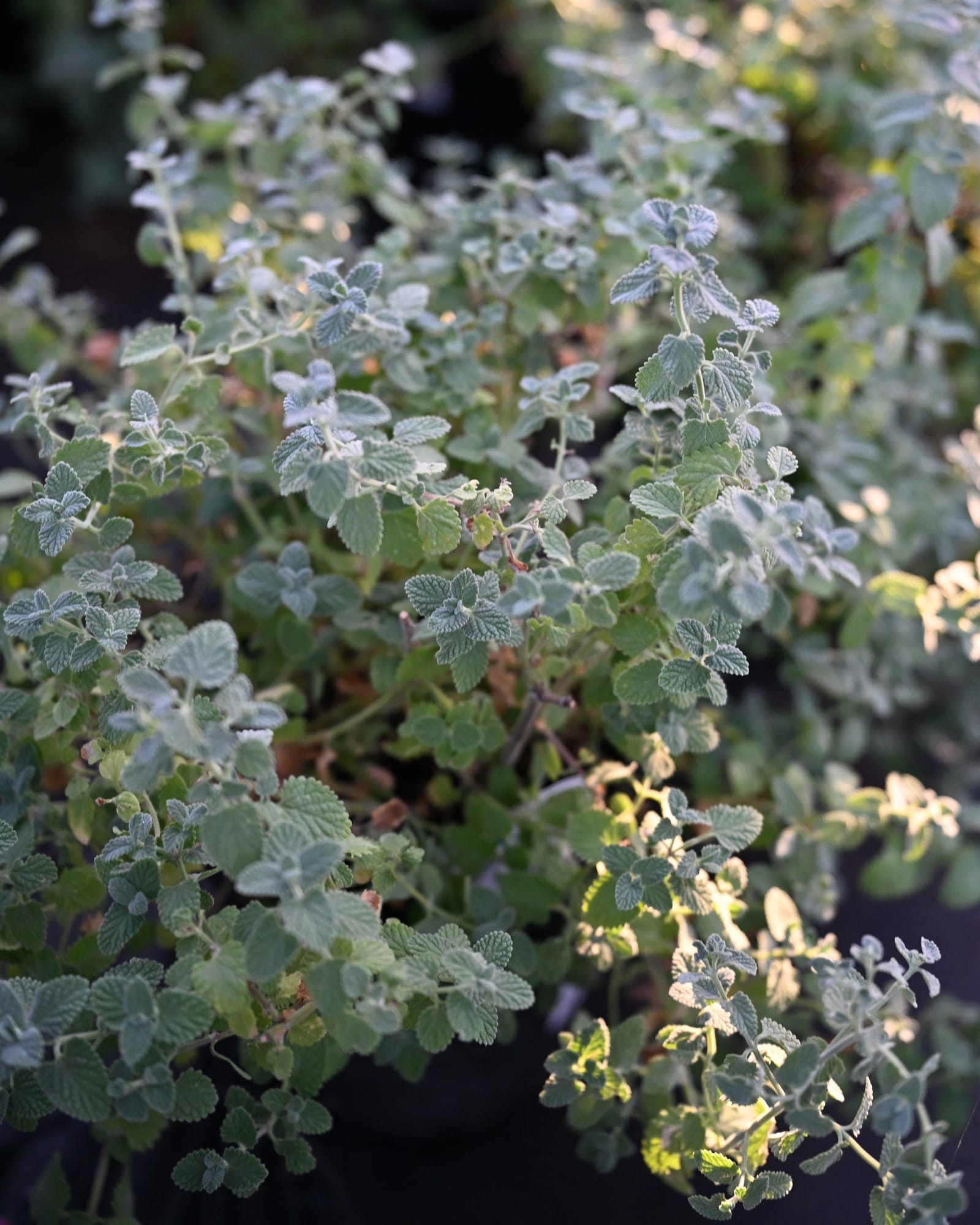
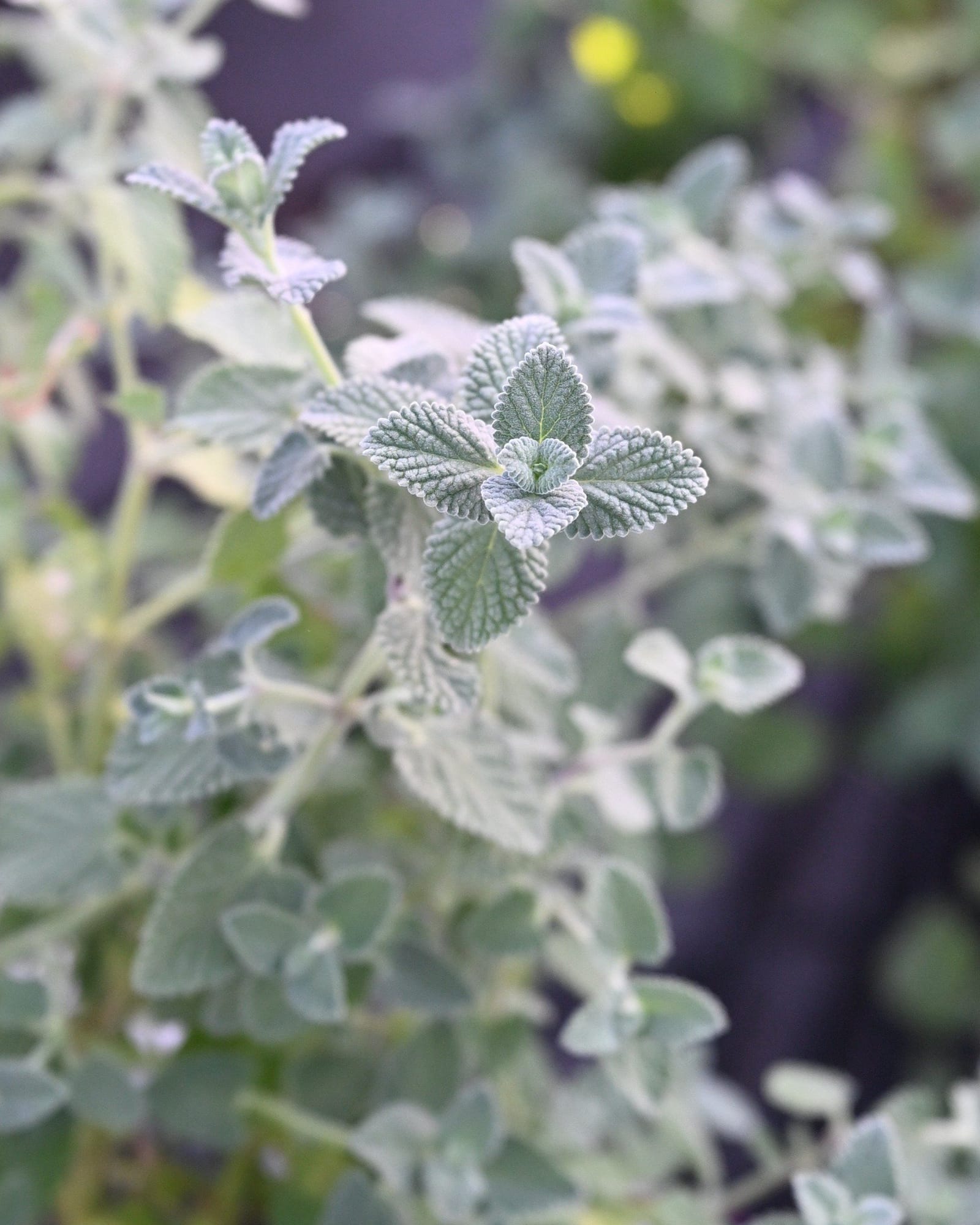
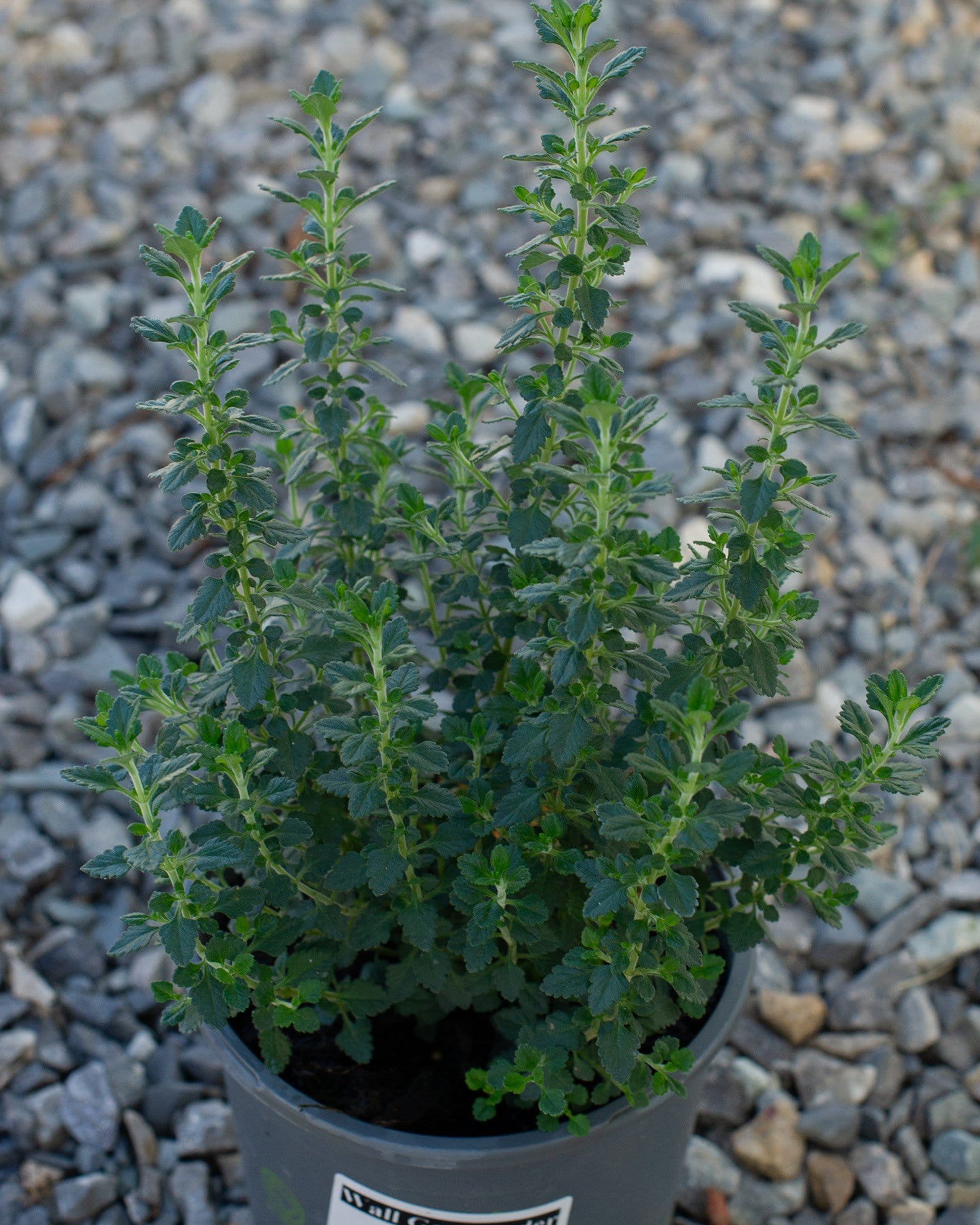
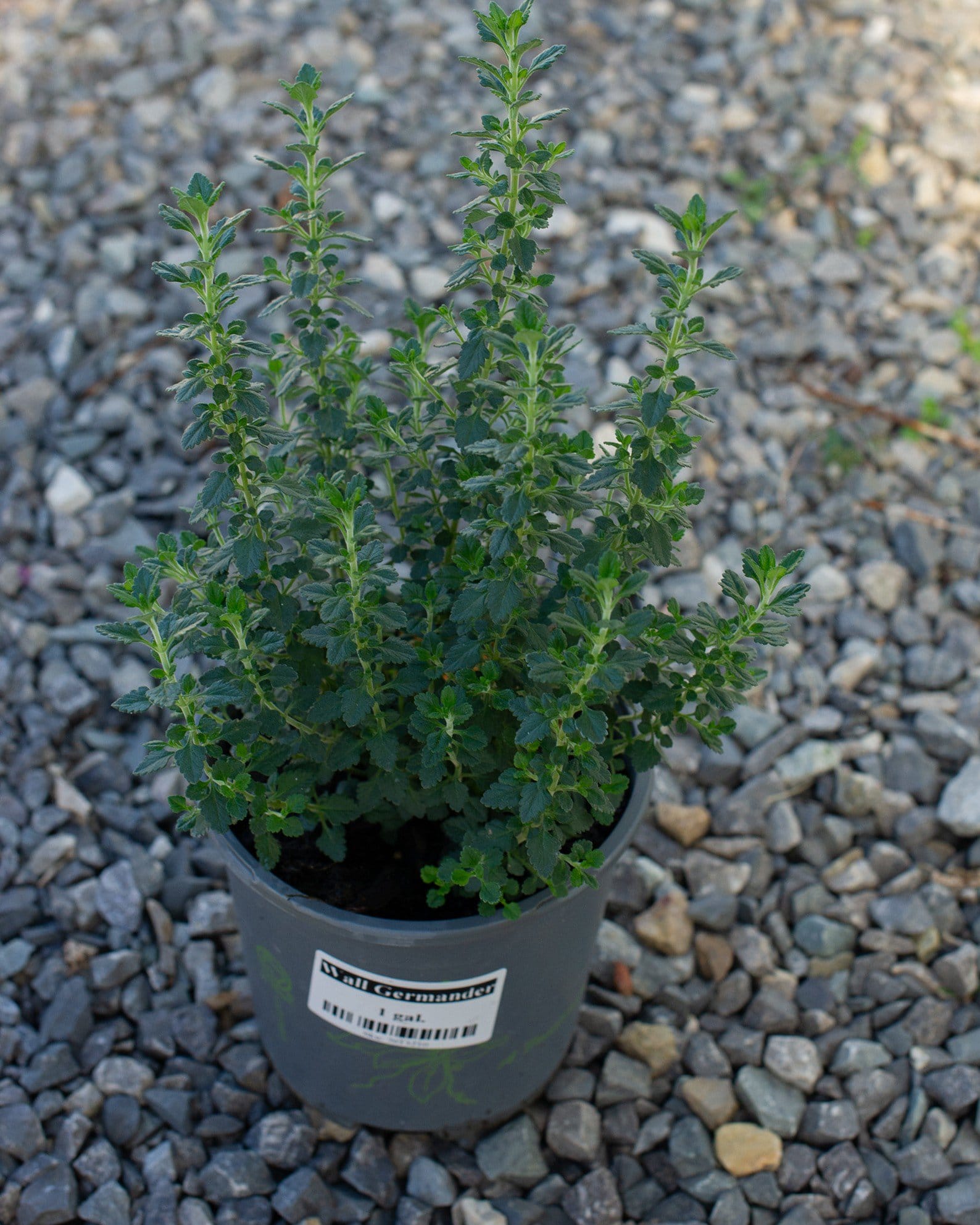
Wall Germander
Maturity: 1' H x 1' W
Compare Similar Plants
Mexican Bush Sage This plant | ||
|---|---|---|
| Scientific Name | Salvia leucantha | Tulbaghia violacea |
| Size at Maturity | 3' H x 3' W | 1' H x 1' W |
| Leaf Retention | Herbaceous | Herbaceous |
| Flower Color | Purple | Purple |
| Bloom Times | Summer & Fall | Summer & Fall |
| Sizes Available | 1 gal | 1 gal |


Our 1-Year Planting Guarantee
We take pride in our plants and installation services. If any plants or trees installed by Treeland fail to thrive within the first year, we'll provide a replacement credit in accordance with our guarantee program.
Learn More About Our Guarantee