

Bear's Breeches Acanthus
Acanthus mollisLocal DFW Delivery Only
Product Details
Bear's Breeches Acanthus
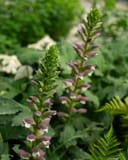
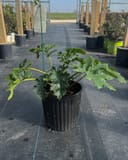
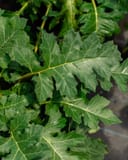
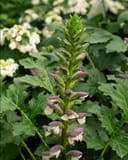
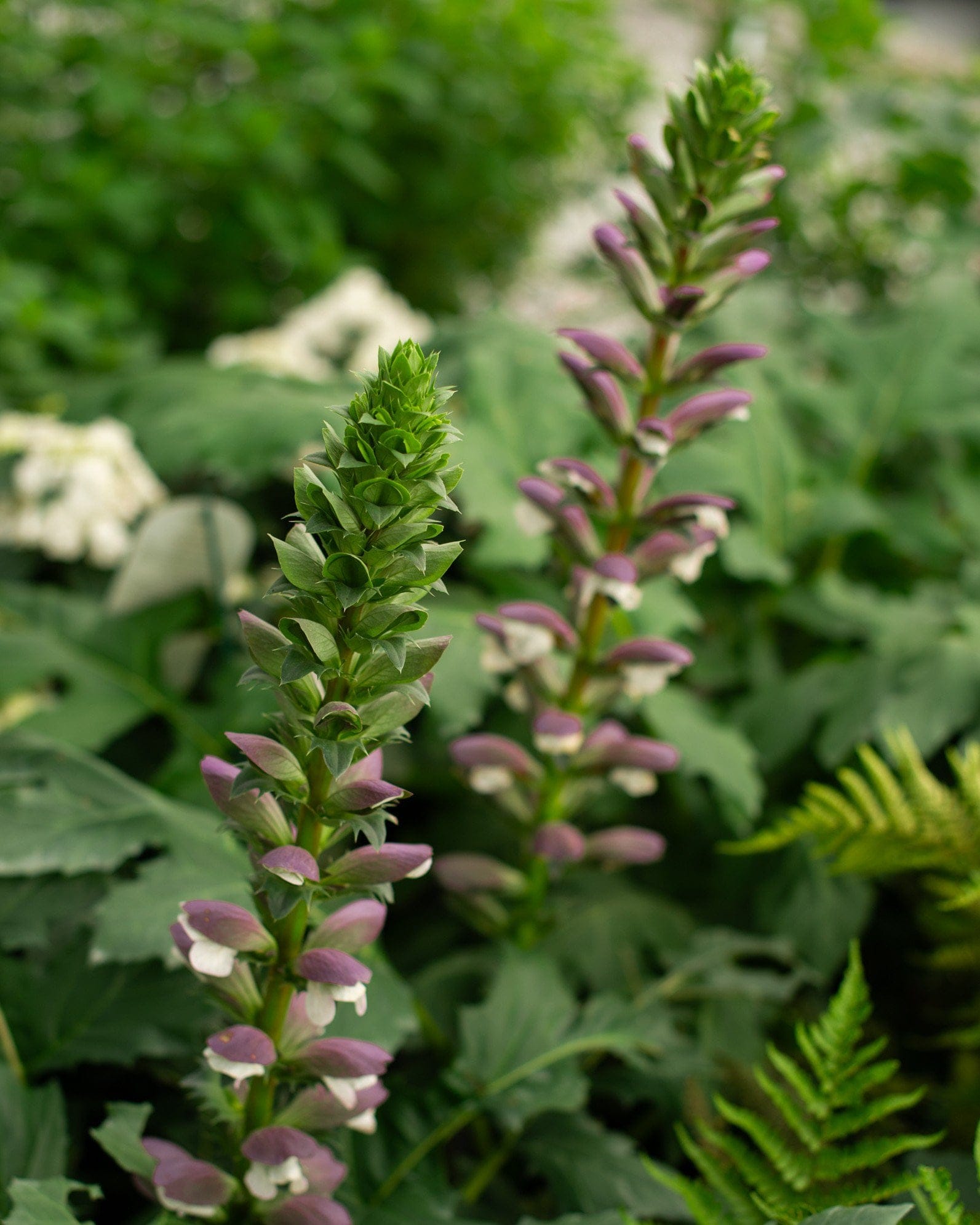
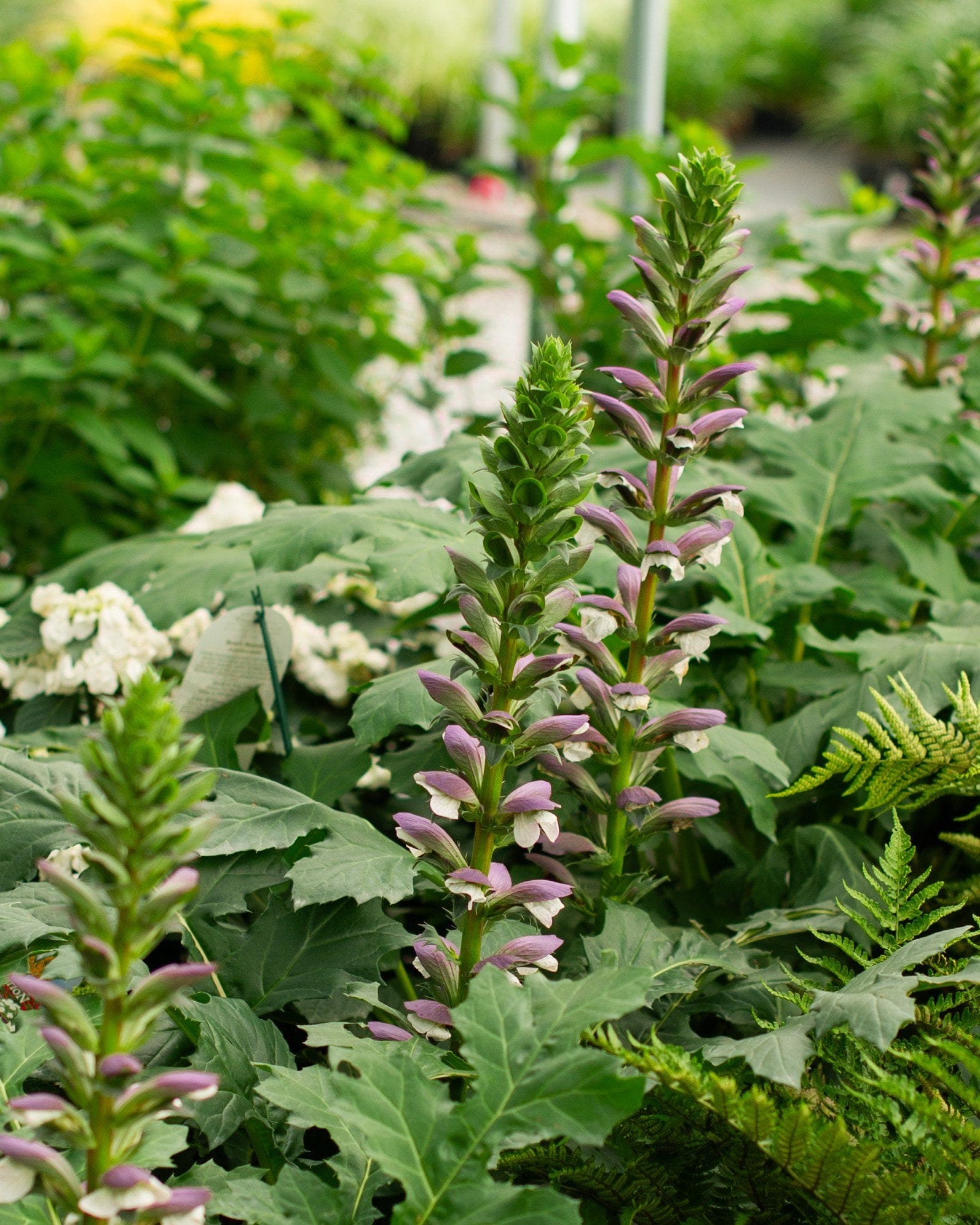
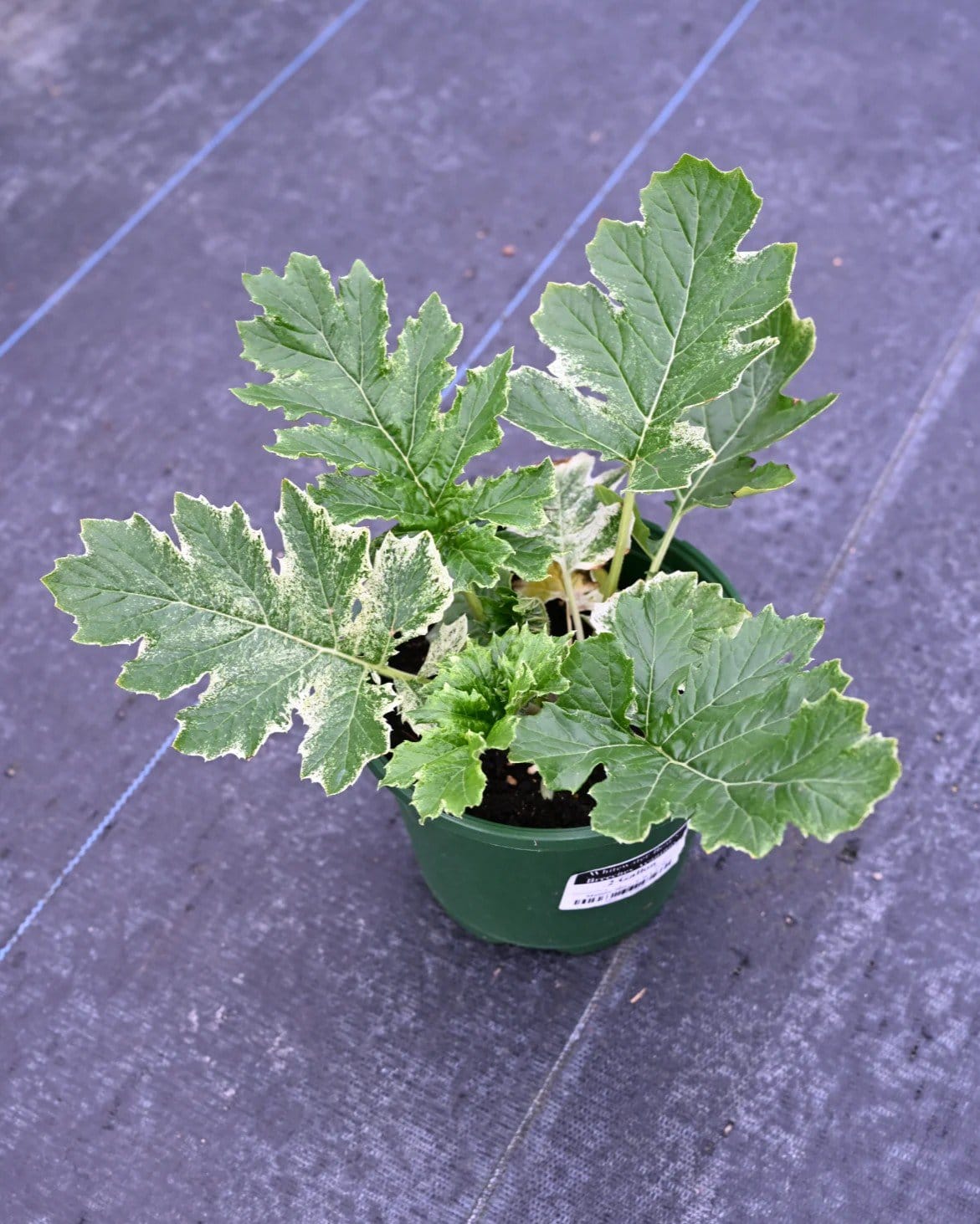
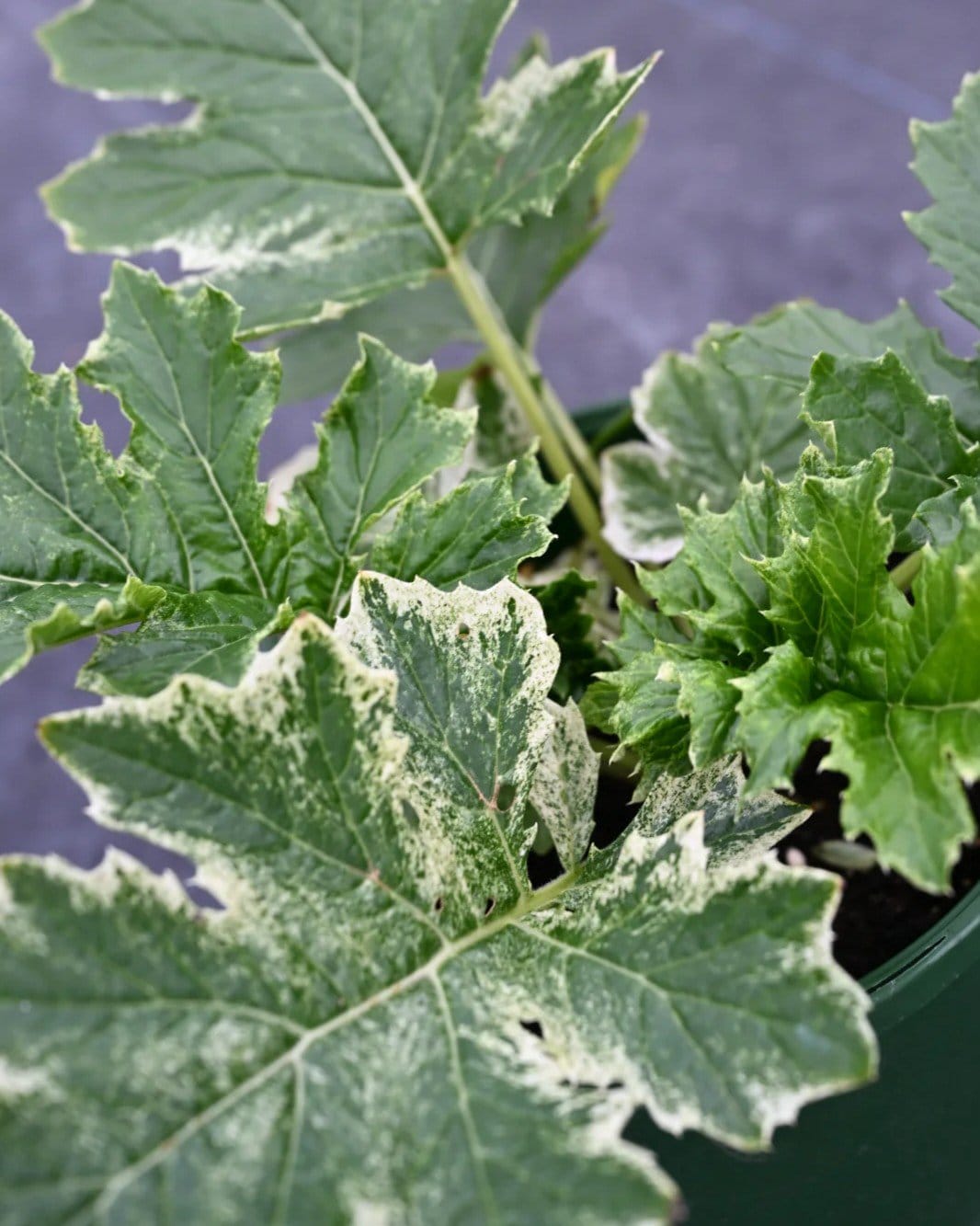
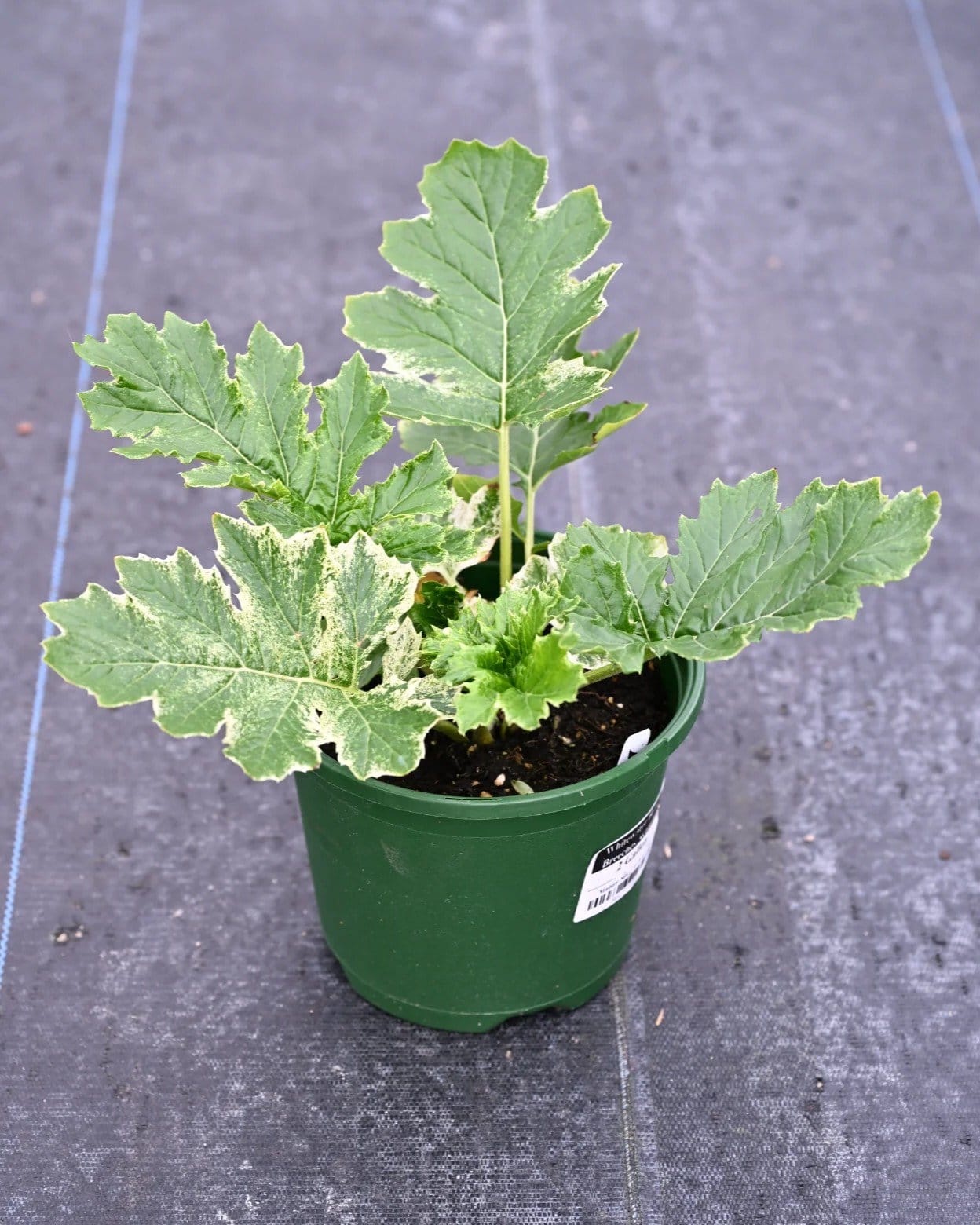
Acanthus mollisThe Bear's Breeches Acanthus is a herbaceous perennial loved for its unique look. It grows 4 feet in height and 3 feet across. This flowering plant features dark green foliage, composed of large, ragged leaves. Plus, the Bear's Breeches Acanthus produces clusters of downturned white flowers that grow along tall stalks. It's great as an accent in mixed plantings or scattered along borders.
- A herbaceous perennial
- Fast growth rate
- Large emerald leaves and clusters of white flowers
- Blooms in summer through fall
- Quite hardy
The Bear's Breeches Acanthus loves full sun, but it will grow well in partial shade as well. When planting, freely choose a spot with average soil, as long as it drains well. This hardy plant feels right at home in zones 7 through 11, making it a great choice for arid Texas weather. To maintain its beauty and shape, trim old leaves and spent flower stalks as necessary.
Bear's Breeches Acanthus graces your landscape with years of beauty with very little care. Here’s all it needs:
- Watering: Water regularly during the first growing season to help roots establish deeply. Once mature, Bear’s Breeches tolerates moderate drought but performs best with consistent moisture during the active growing season. Avoid soggy soil to prevent root issues.
- Pruning: Cut back spent flower stalks after blooming to tidy the plant and encourage continued foliage growth. In late autumn or early winter, trim back all top growth to near ground level after frost blackens the leaves. New shoots will reemerge in spring.
- Fertilizing: Feed in early spring with a balanced, slow-release fertilizer or compost to support strong leaf and flower development. Avoid overfertilization, which can lead to floppy growth and reduced flowering.
- Mulching: Apply a 2-3 inch layer of organic mulch around the base to retain soil moisture and regulate temperature. Keep mulch a few inches away from the crown to prevent rot. Refresh annually to suppress weeds and enrich the soil.
- Winter Care: In mild climates, Bear’s Breeches remains semi-evergreen; in colder regions, it dies back and regrows from the roots each spring.
Bear’s Breeches is resilient and reliable but can experience a few occasional issues:
- Powdery Mildew: A white, powdery fungus that appears on leaves in humid conditions. Improve airflow, avoid overhead watering, and remove affected foliage to prevent spread.
- Snails and Slugs: Common in damp, shaded gardens, they chew holes in the large leaves. Hand-pick at night or use organic slug bait to control them.
- Crown Rot: Caused by poor drainage or excess moisture around the base. Plant in well-drained soil and avoid overwatering.
- Rust: Manifests as orange pustules on the undersides of leaves. Remove and discard infected foliage and apply a copper-based fungicide if needed.
- Aphids: Small sap-sucking insects that can cluster on flower spikes. Spray with water or insecticidal soap to keep them under control.
With proper care, it can thrive for 10-20 years or longer, returning reliably each season from its hardy roots. Established clumps often become more dramatic with age, producing taller flower spikes and denser foliage.
It grows at a moderate rate, typically reaching full maturity within 2-3 years. Once established, it spreads slowly through underground rhizomes, forming an impressive clump over time.
Yes, but large, deep pots are required to accommodate its strong roots. Use a well-draining potting mix and water regularly during warm months for best results.
Yes - its tall flower spikes attract bees, butterflies, and even hummingbirds. The blossoms provide nectar through summer and add a stately vertical accent to mixed borders.
Yes - the coarse, slightly prickly leaves are unappealing to most browsing animals. It’s a good choice for gardens in deer-prone areas.
Yes. It tolerates salt spray and windy exposures very well, making it suitable for coastal Mediterranean-style gardens.
Yes - divide clumps every 3-5 years in spring or autumn. Dig up part of the root mass, replant divisions immediately, and water well to establish.
Not typically, but it can slowly expand by underground roots in ideal conditions. Occasional division keeps growth contained and manageable.
Exceptionally well. Its sculptural foliage and tall bloom spikes make it a striking choice for courtyards, entryways, and classical garden designs.
Its combination of architectural foliage, towering floral spikes, and historical pedigree set it apart. Bear’s Breeches inspired the ornate acanthus leaf motif found in Corinthian columns, giving it a legacy of beauty that spans thousands of years.
Special Features
You might also like
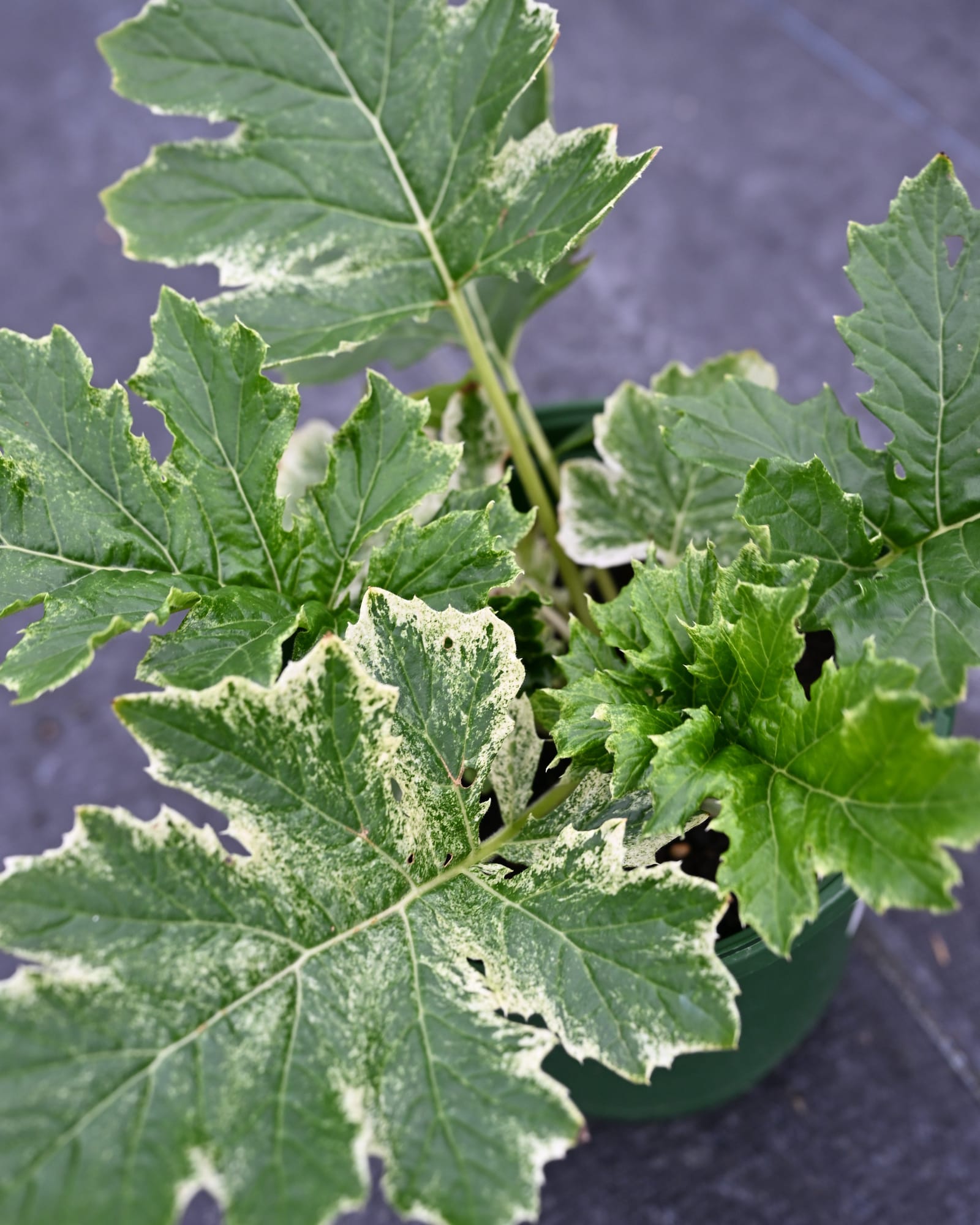
Whitewater Bear's Breeches Acanthus
Maturity: 4' H x 3' W
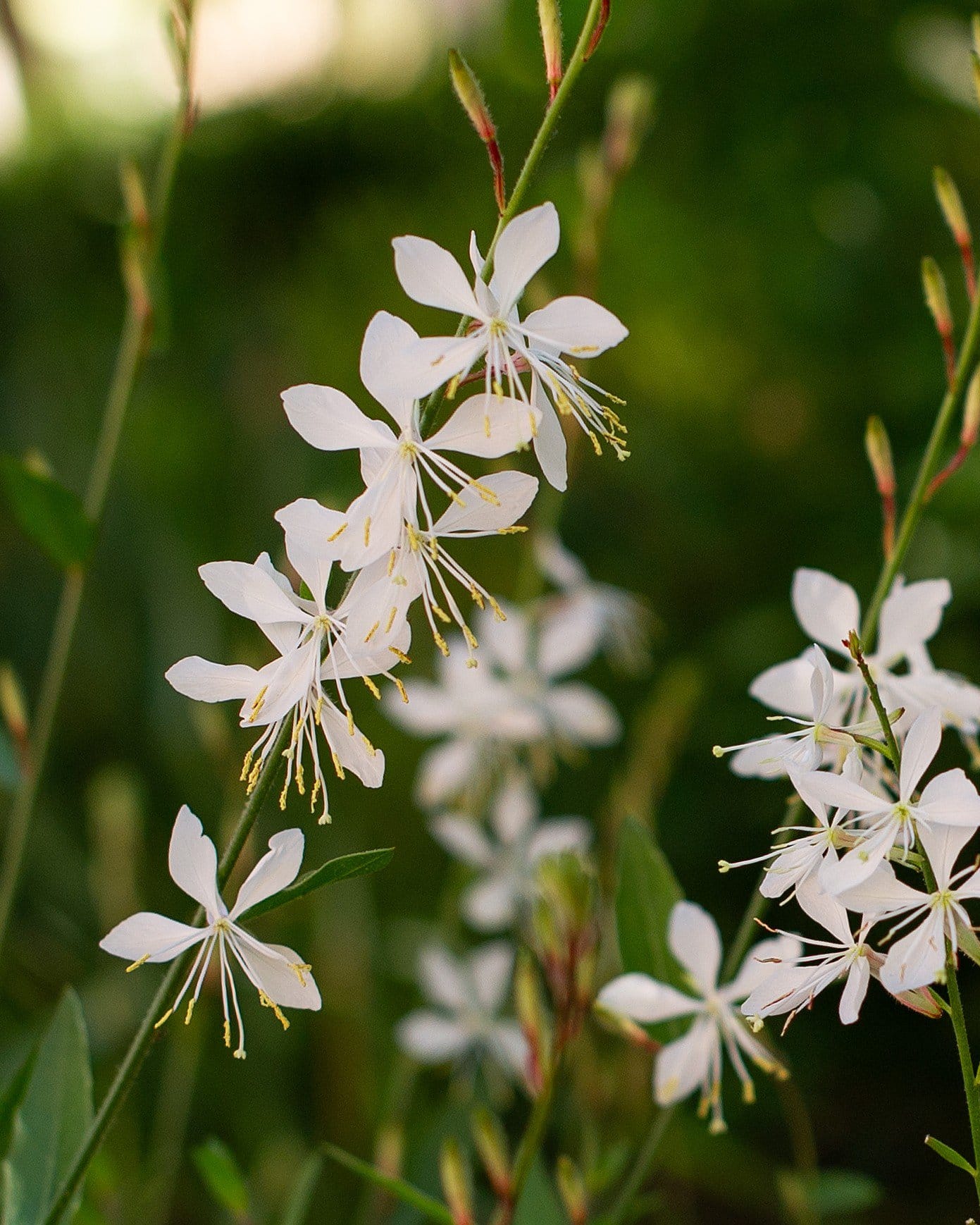
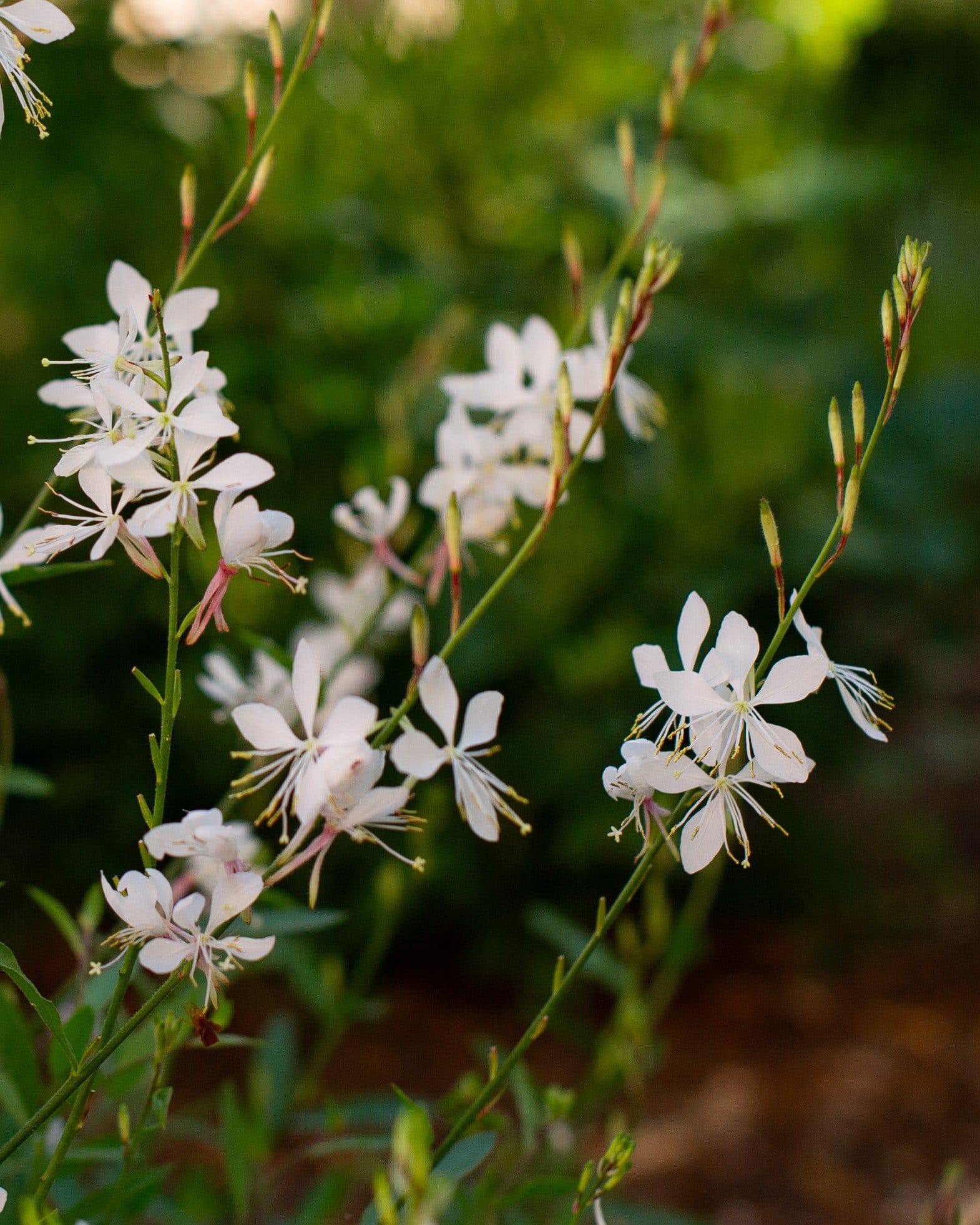
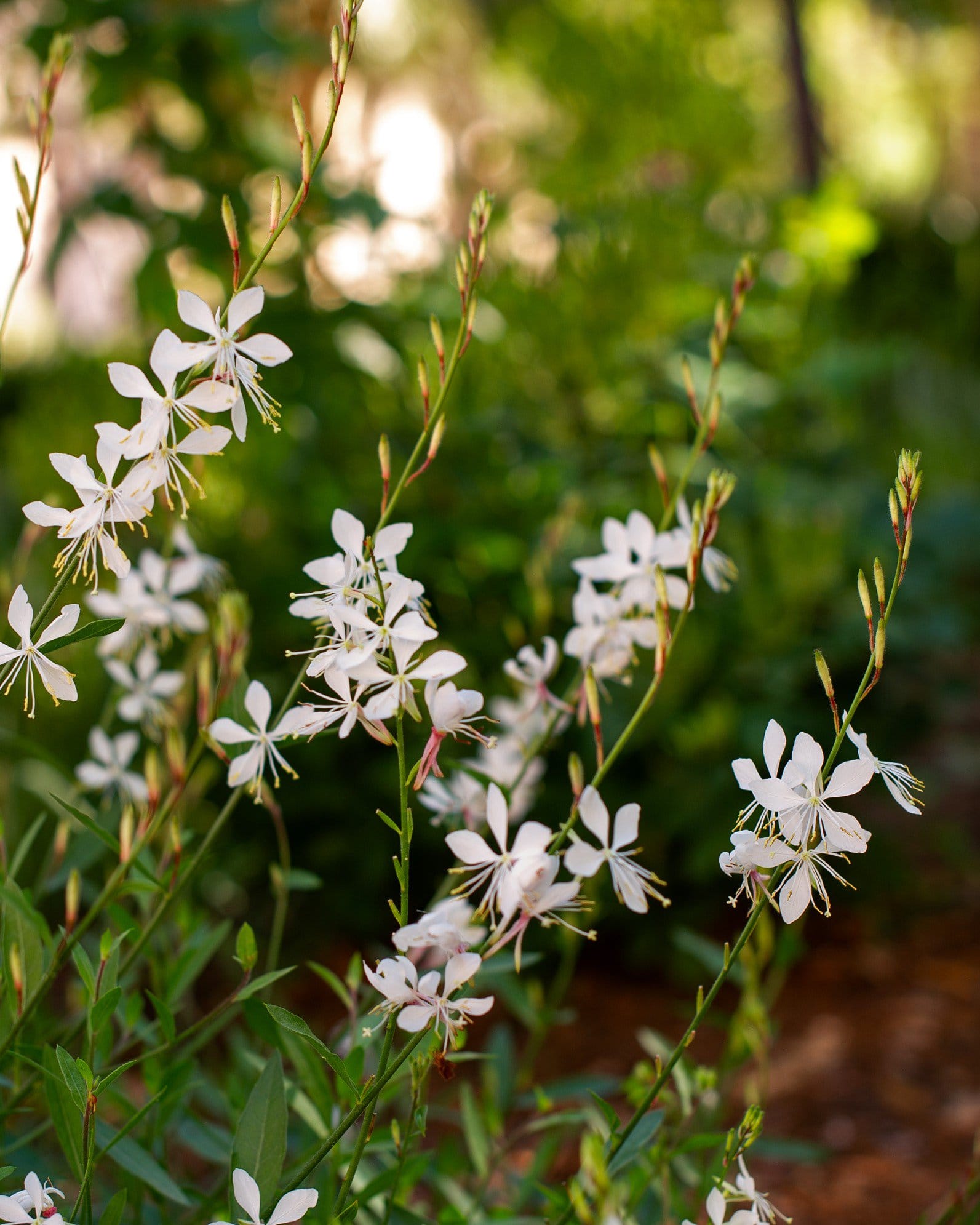
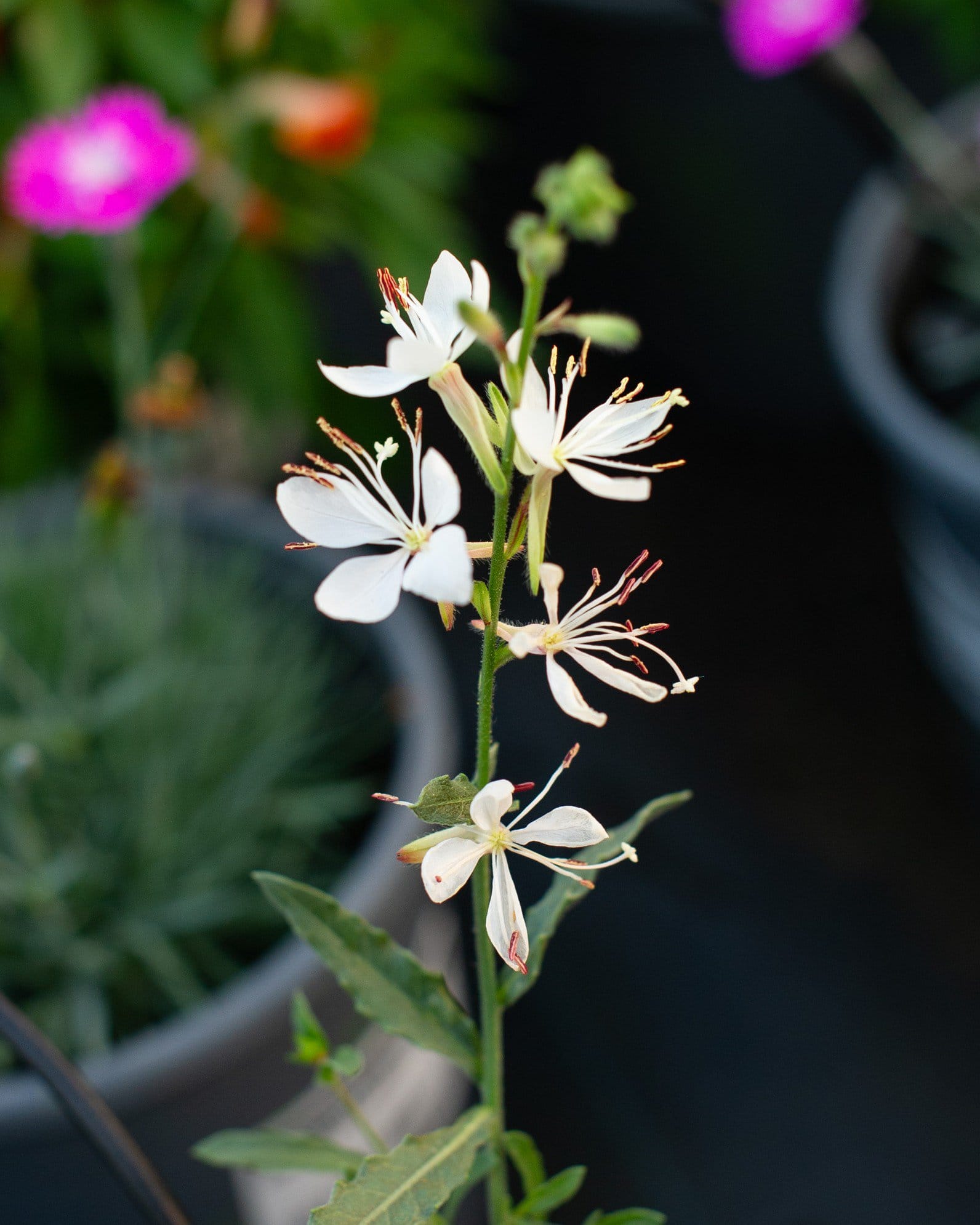
Belleza White Gaura
Maturity: 1' H x 1.5' W
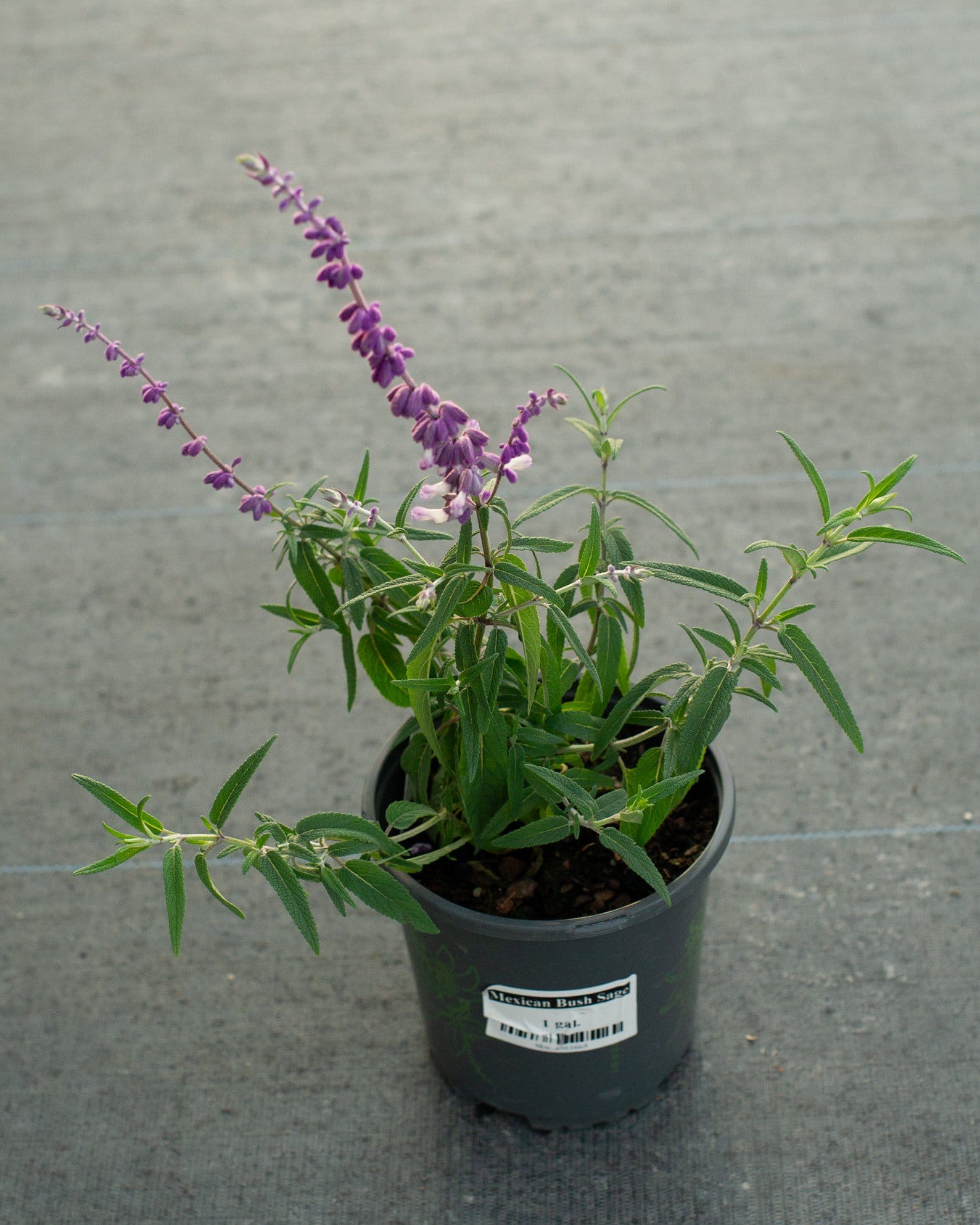
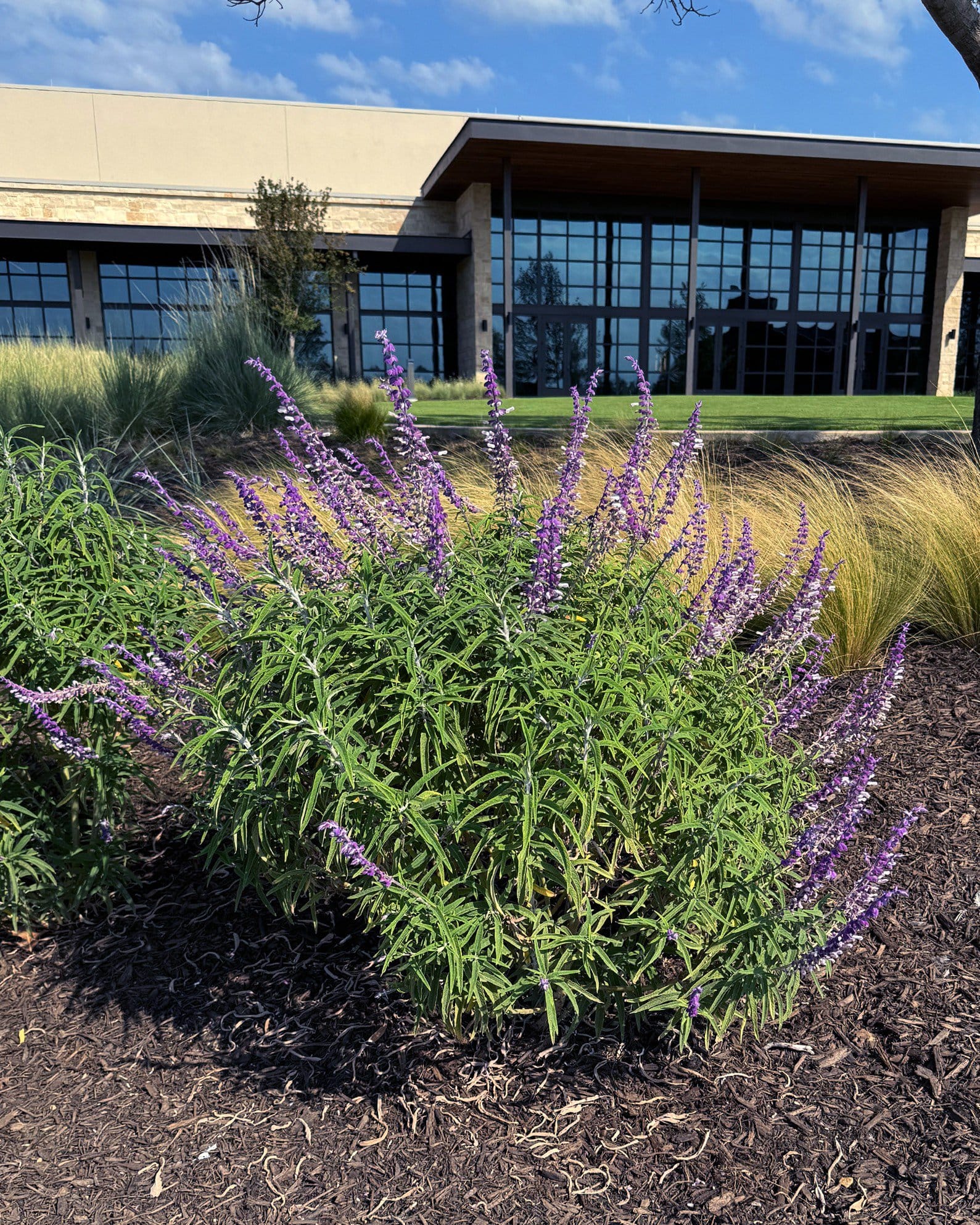
Mexican Bush Sage
Maturity: 3' H x 3' W
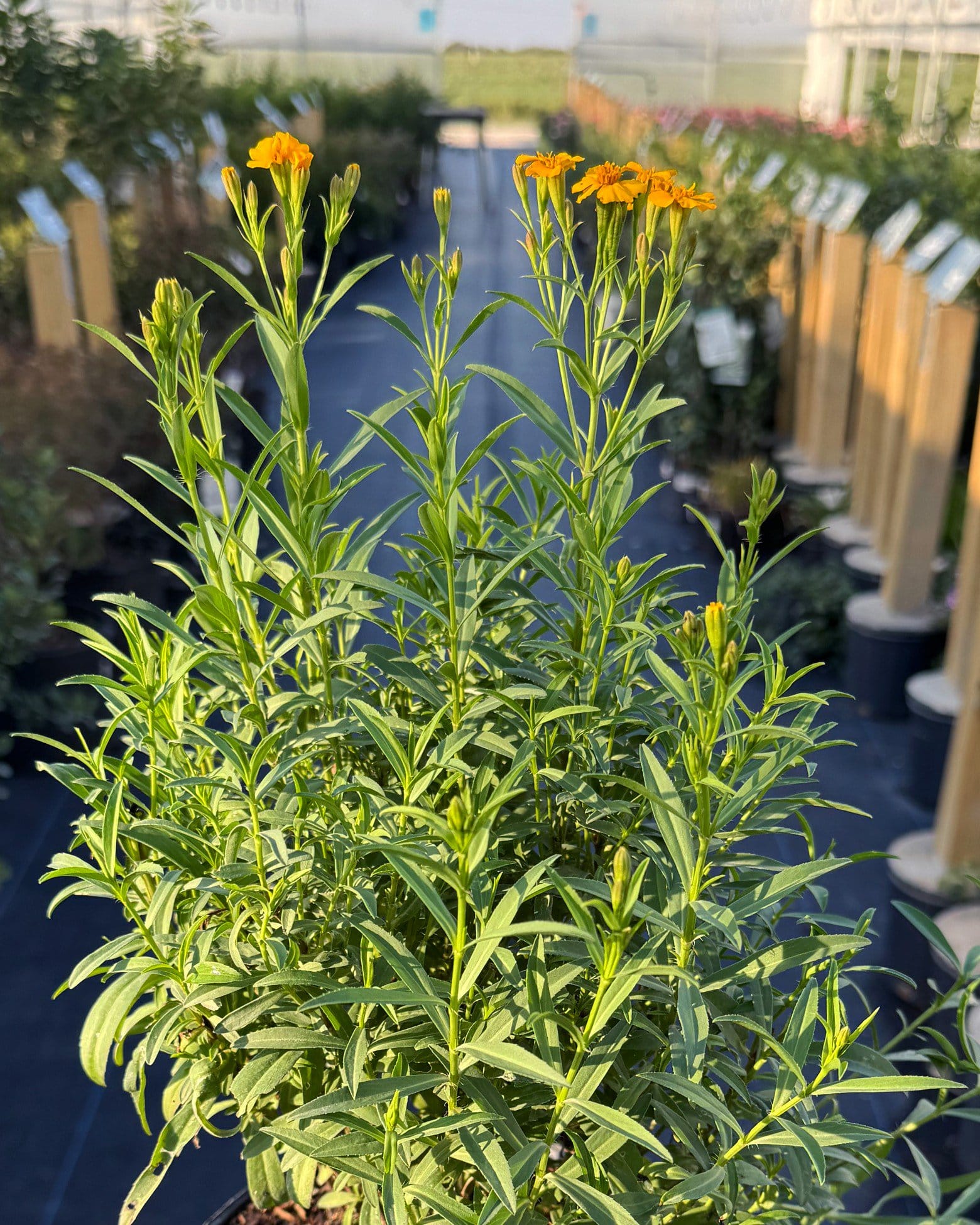
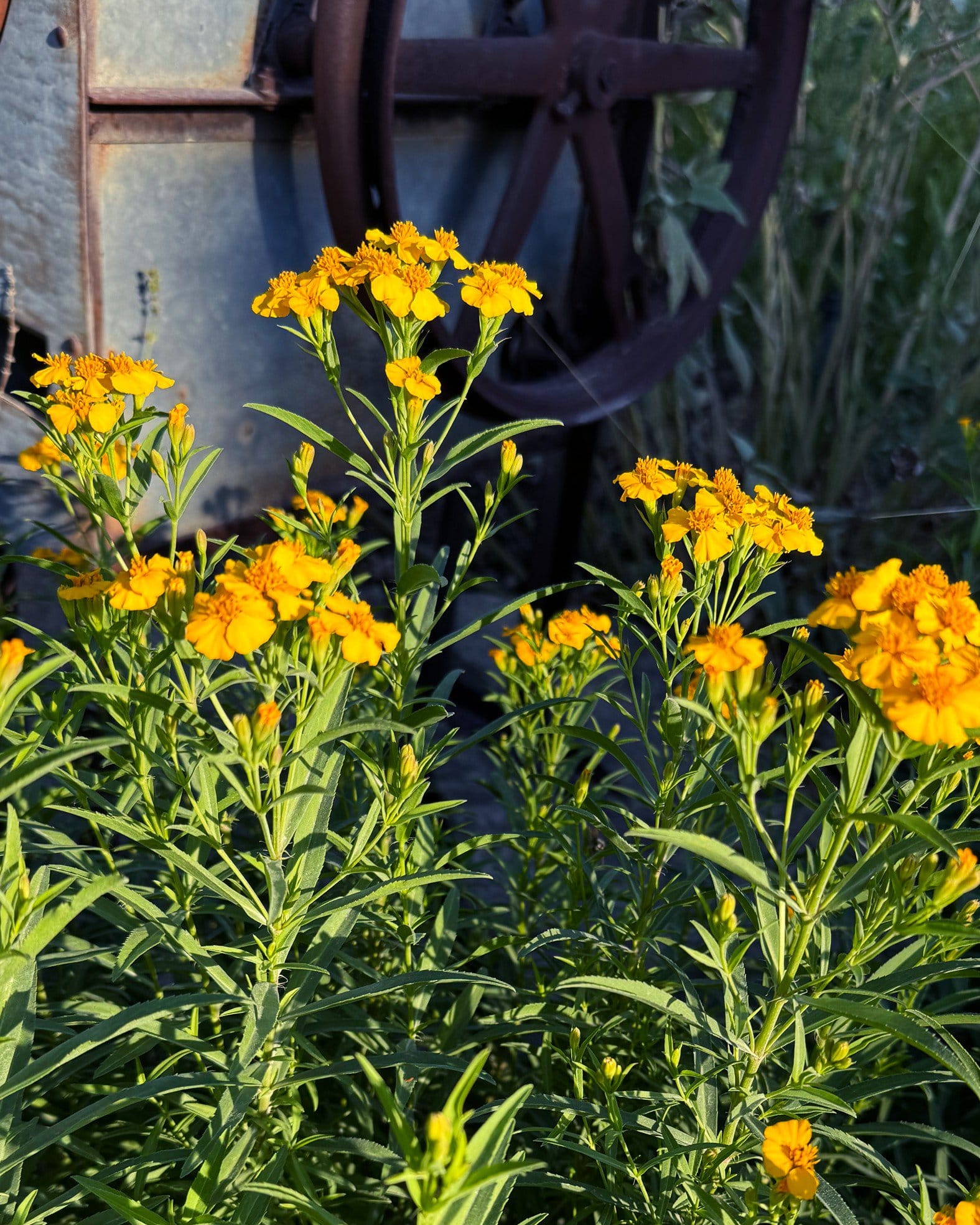
Mexican Mint Marigold
Maturity: 1' H x 1' W
Pink Skullcap
Maturity: 1' H x 2' W
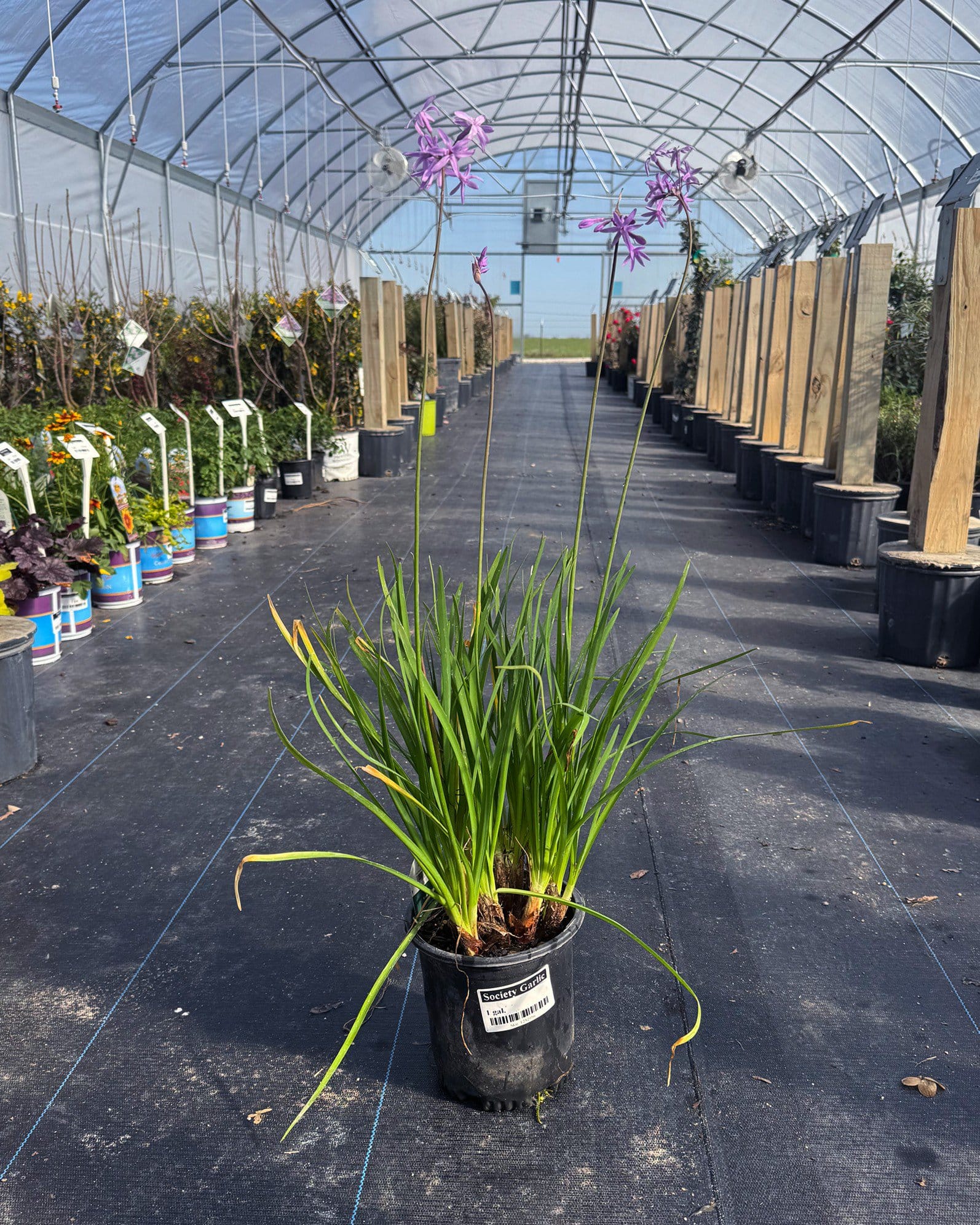
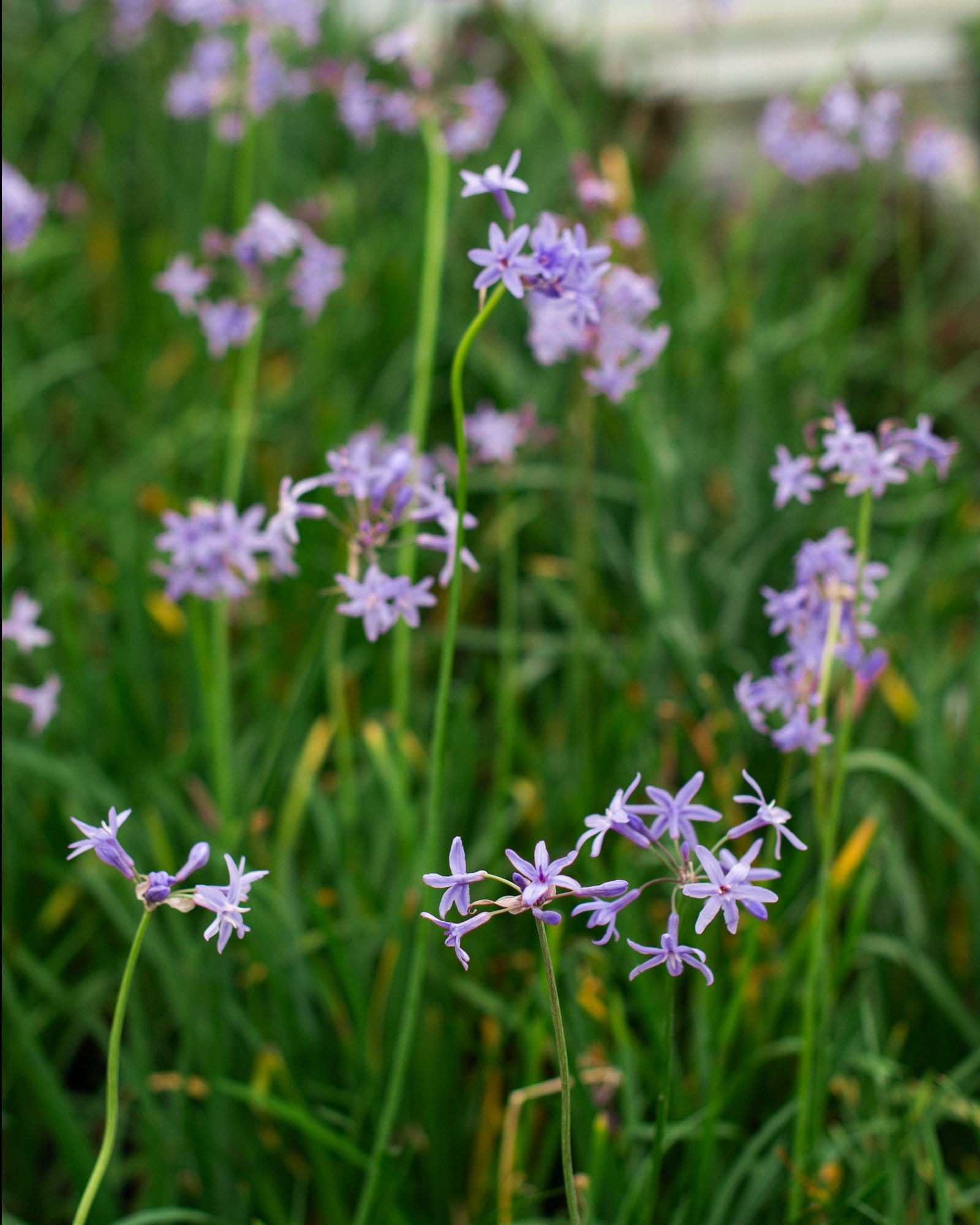
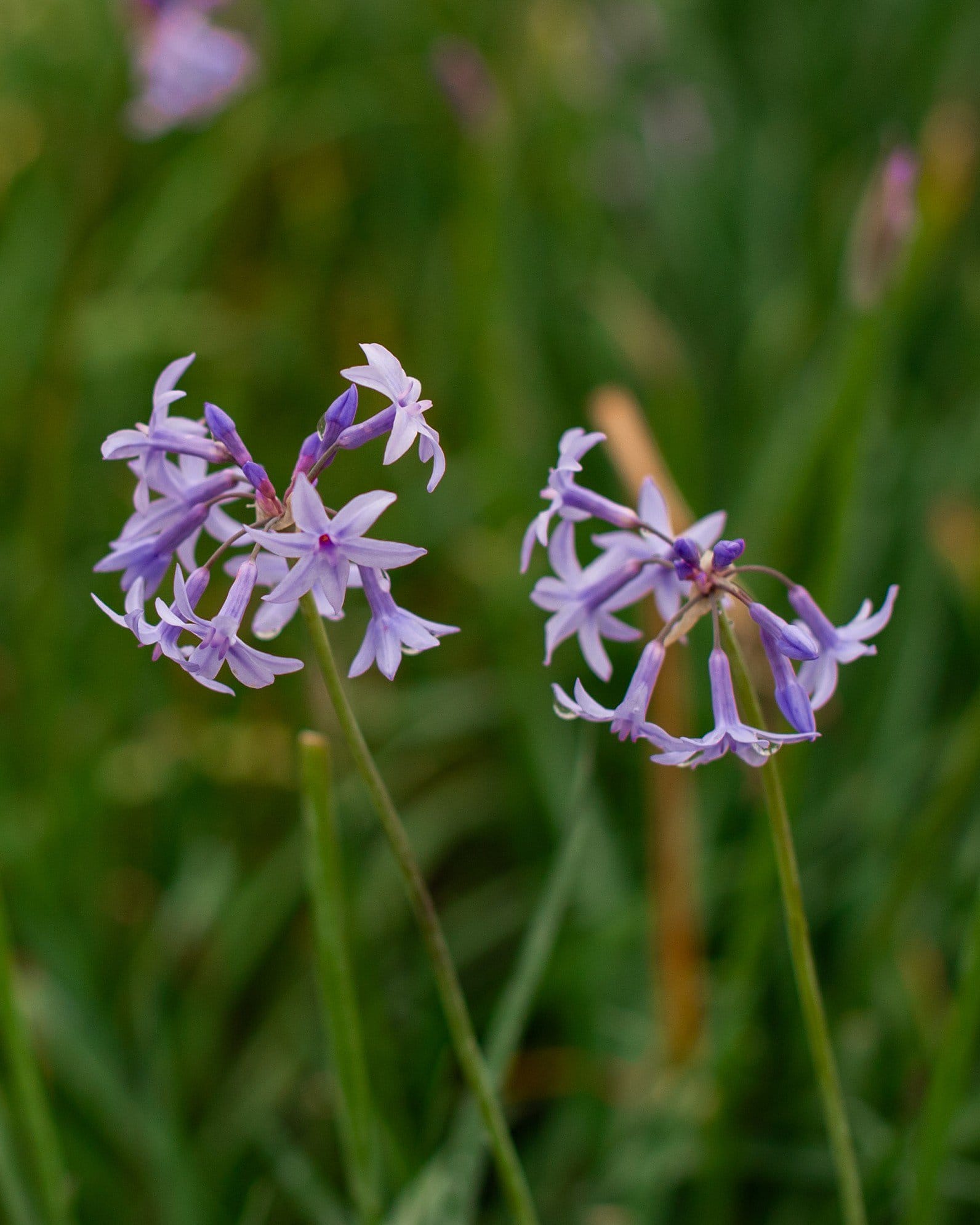
Society Garlic
Maturity: 1' H x 1' W
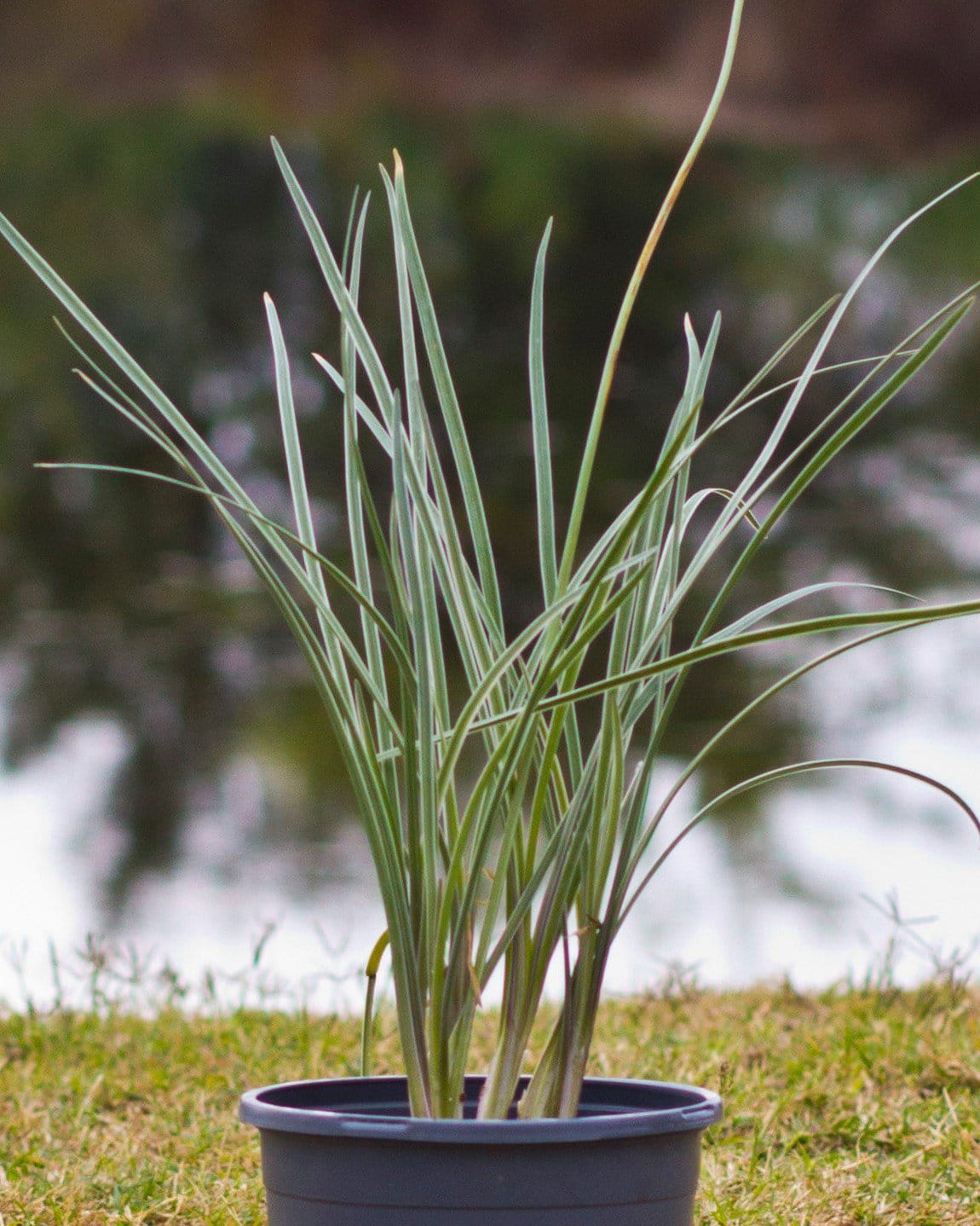
Society Garlic Silver Lace
Maturity: 1' H x 1' W
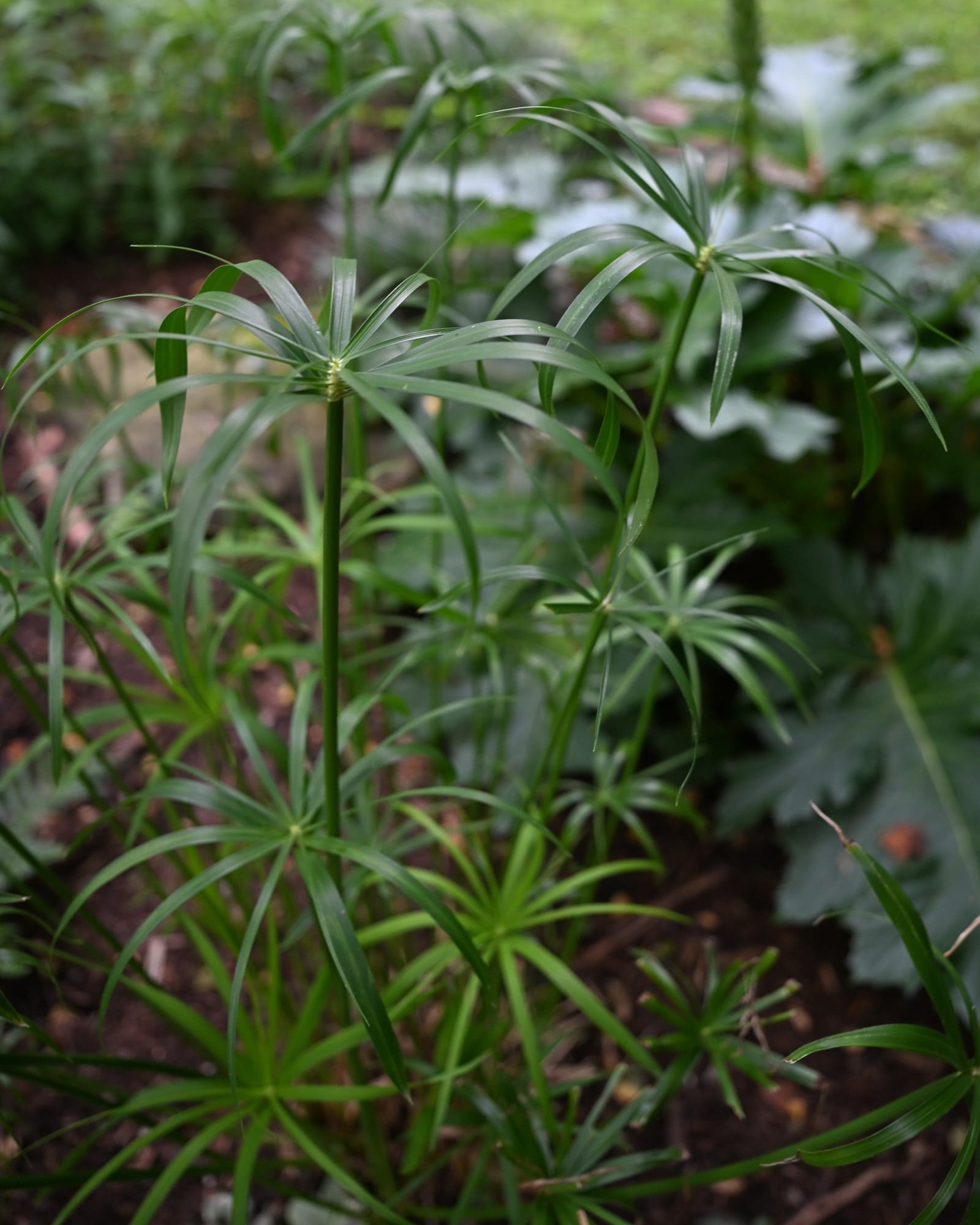
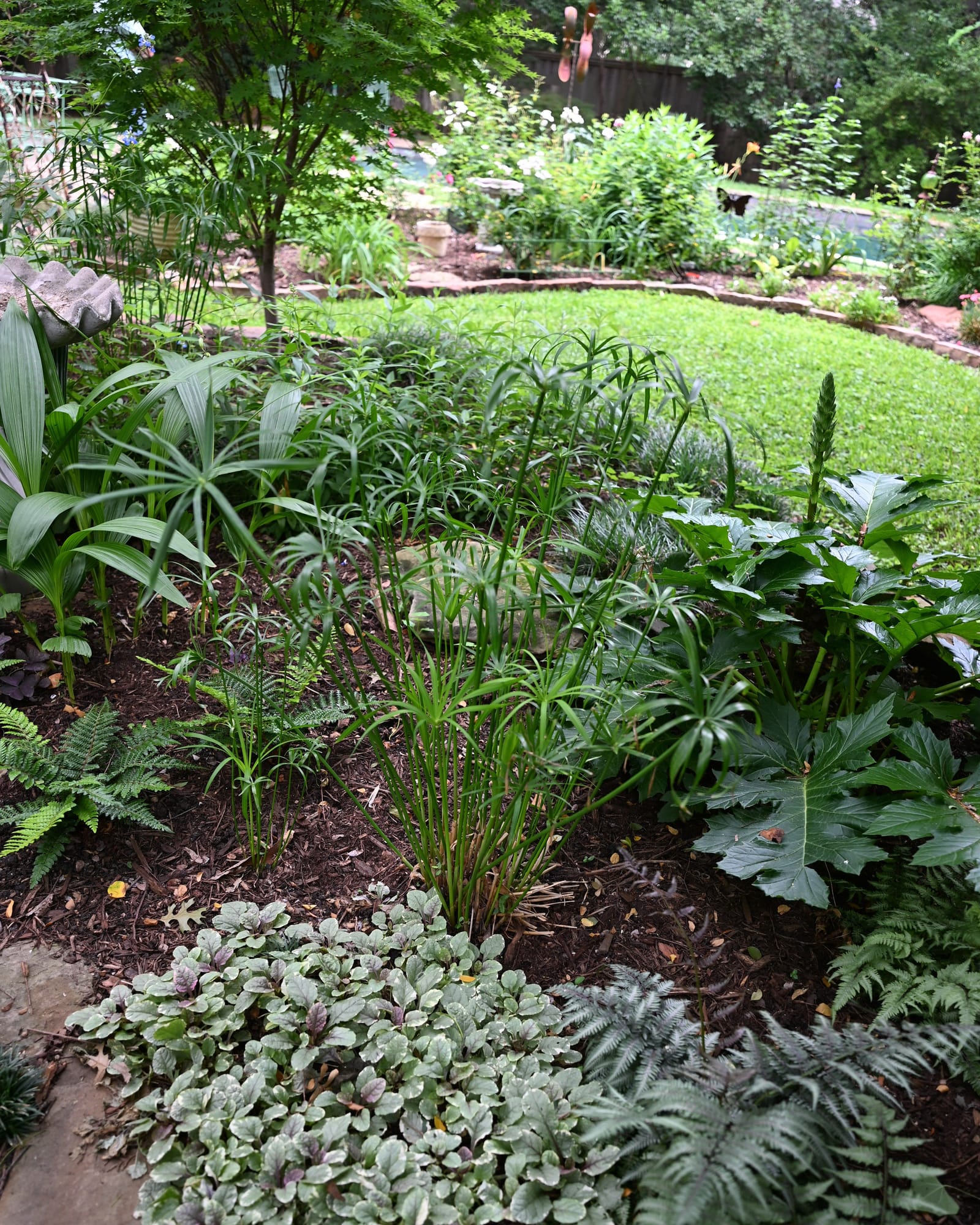
Umbrella Plant
Maturity: 2' H x 2' W
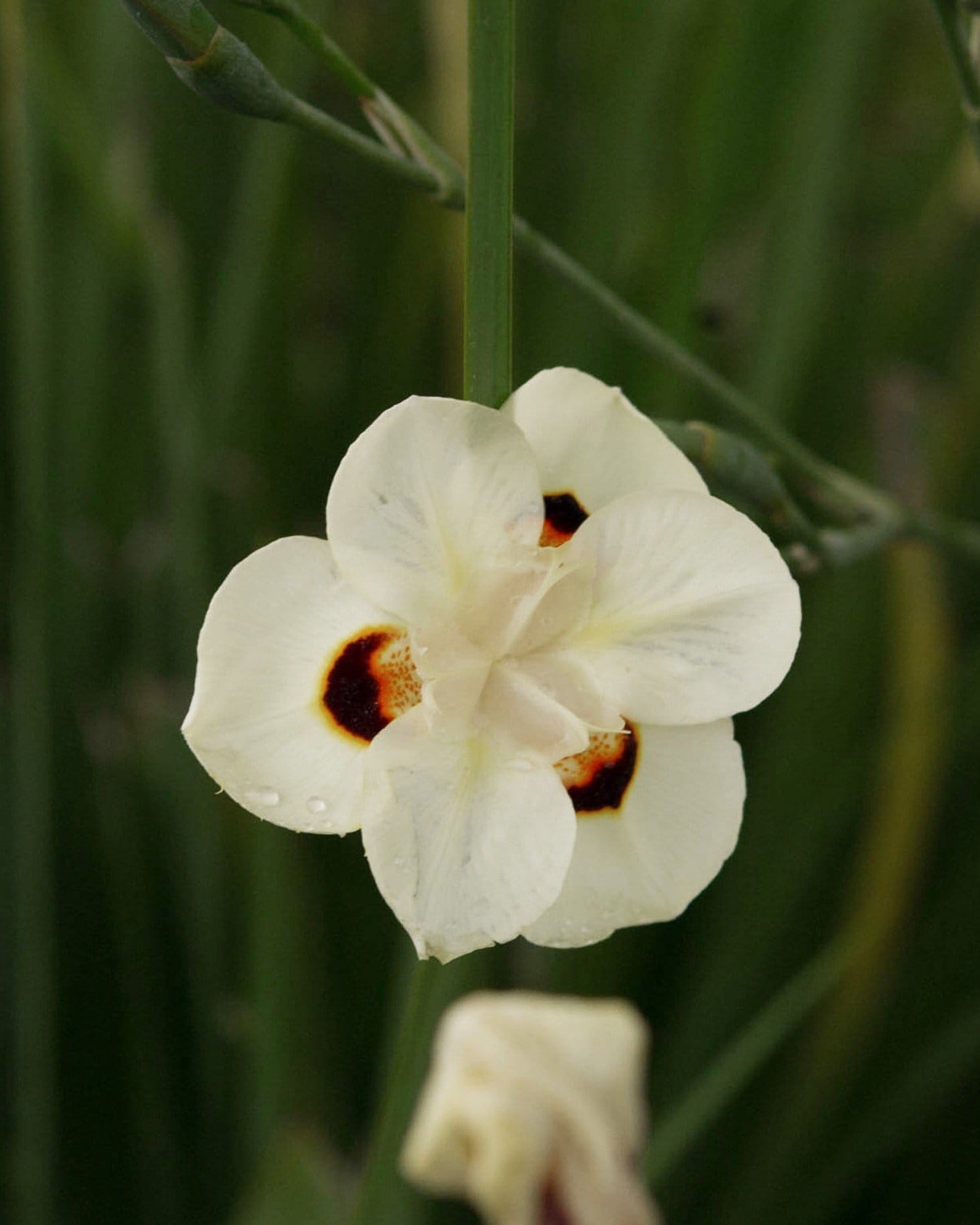
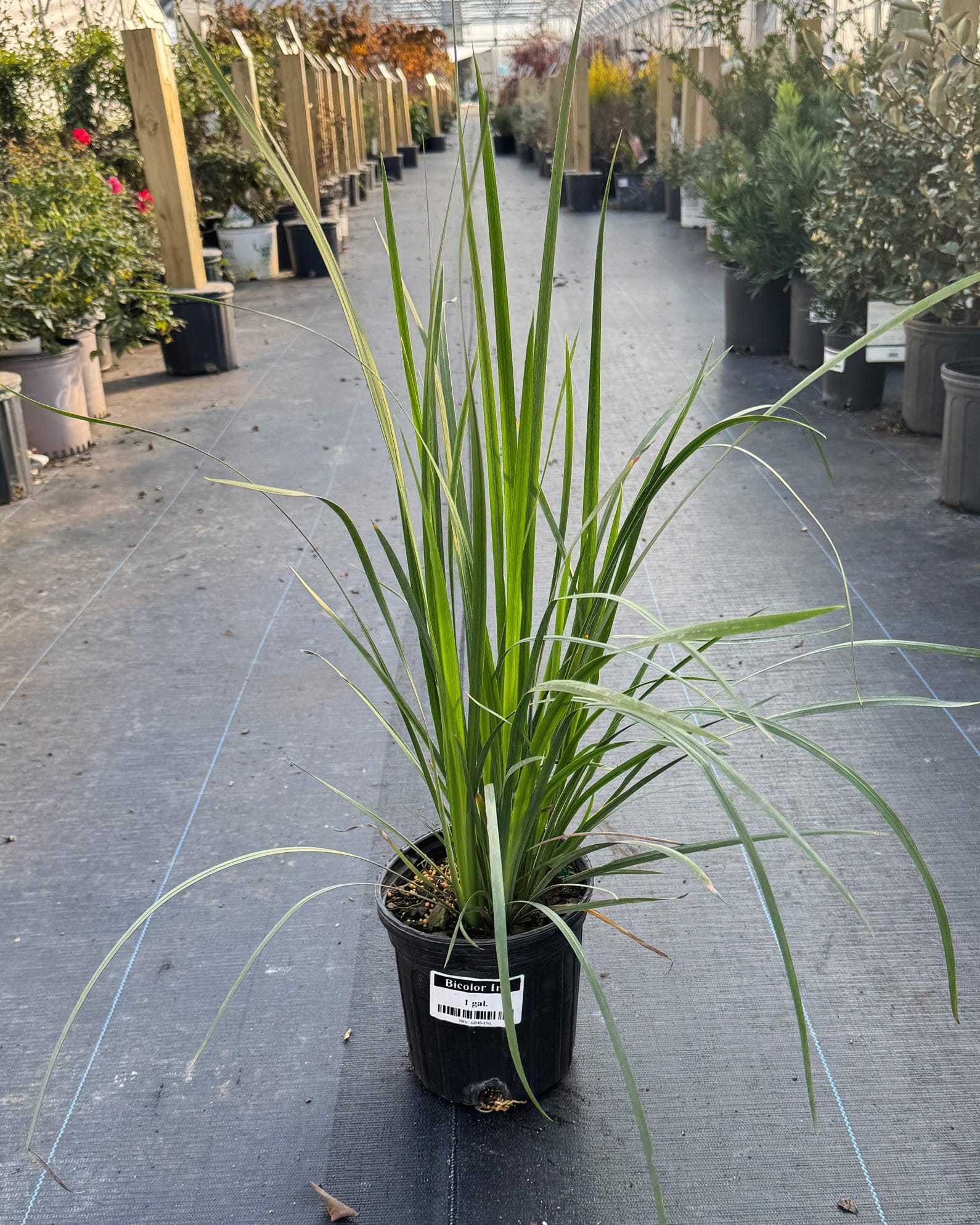
Bicolor Iris
Maturity: 2' H x 2' W
Lamb's Ear
Maturity: 1' H x 1.5' W
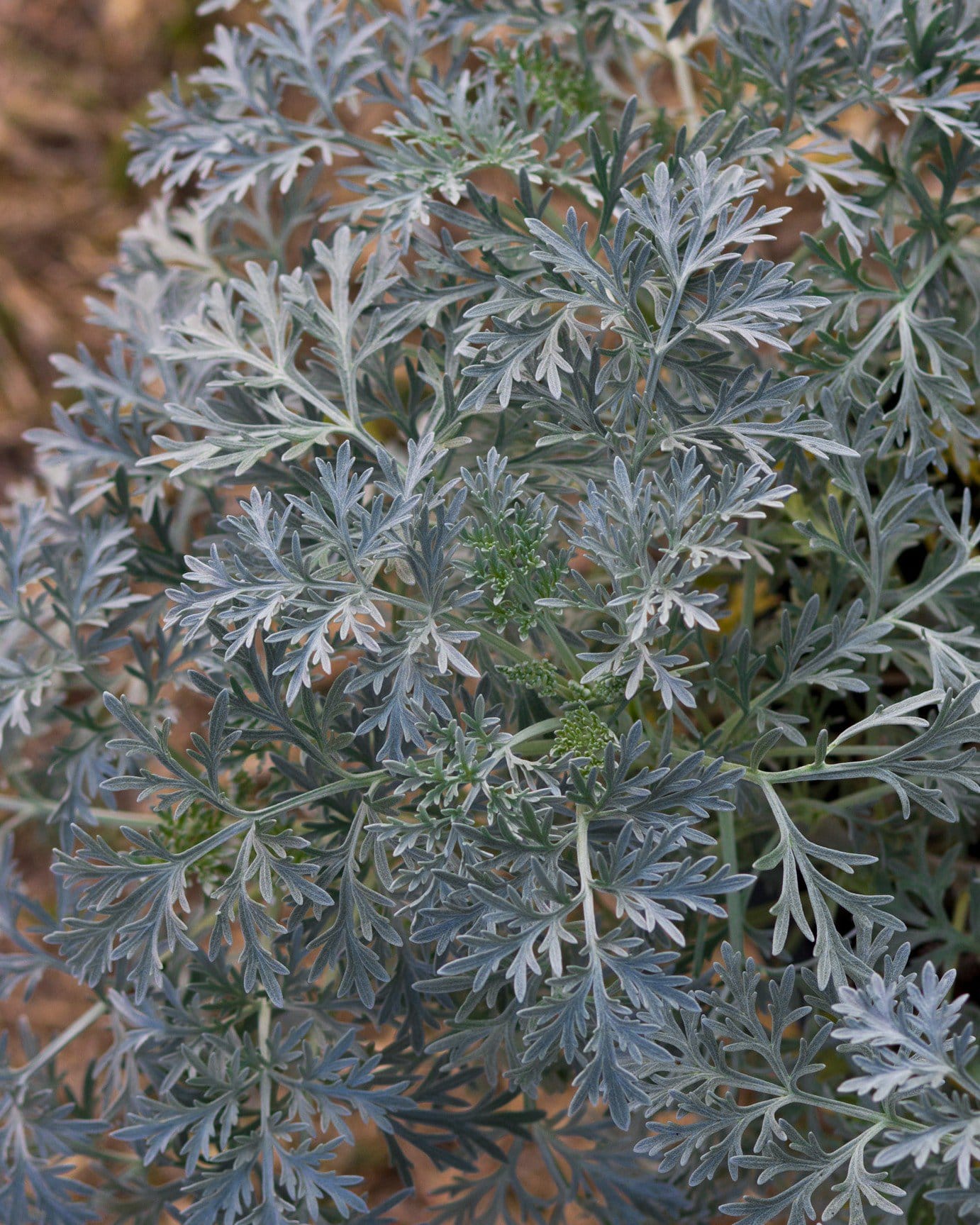
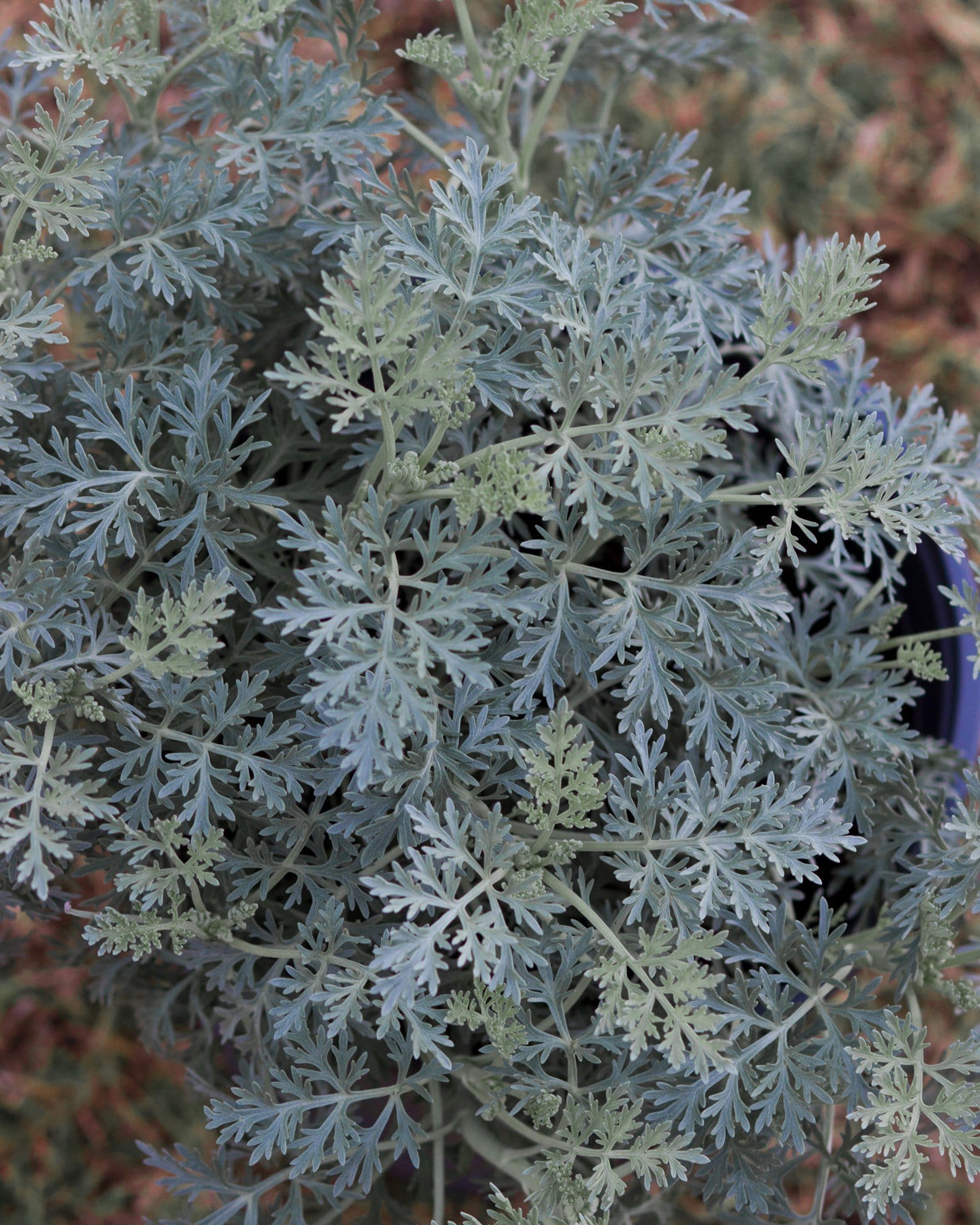
Powis Castle Artemisia
Maturity: 2' H x 3' W
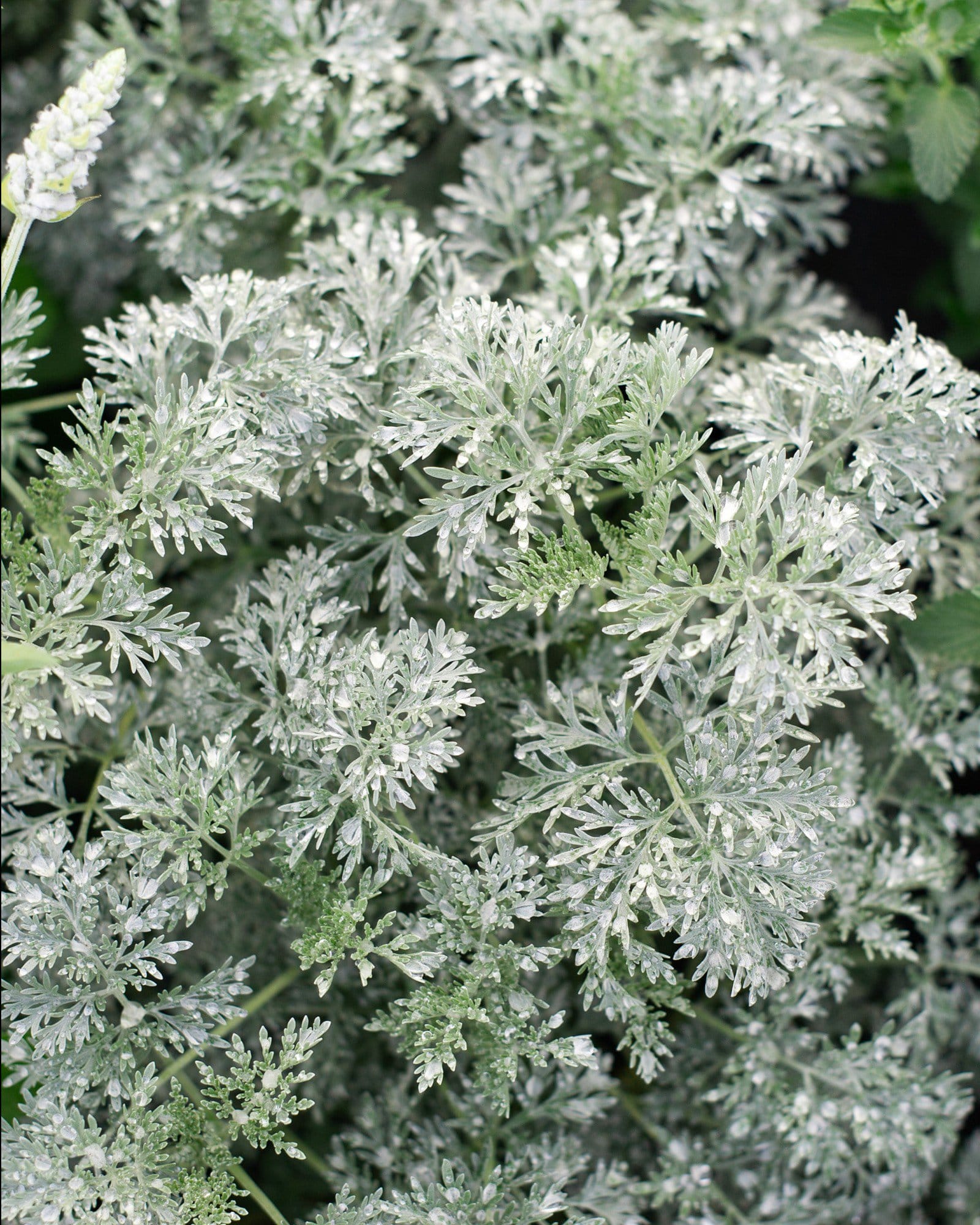
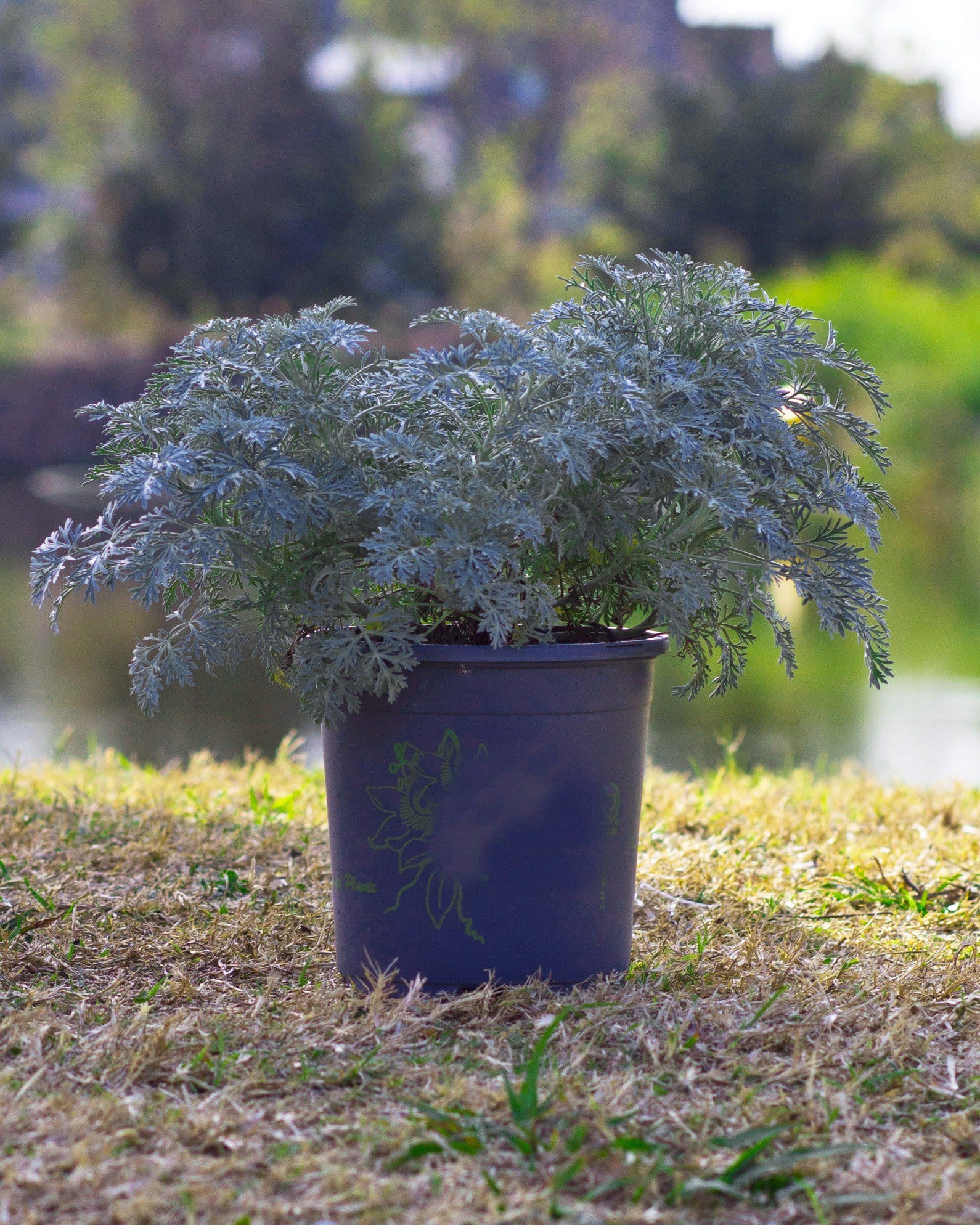
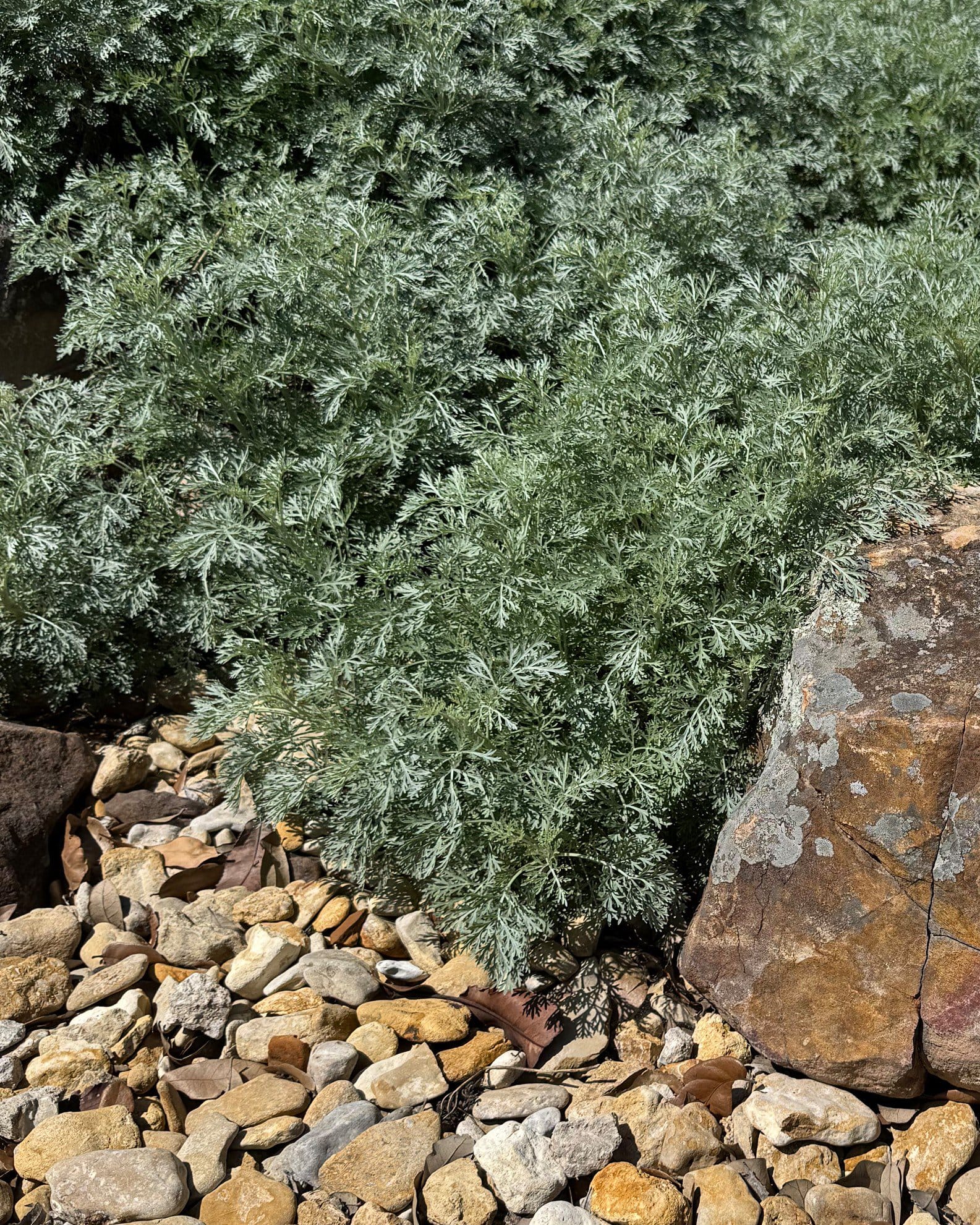
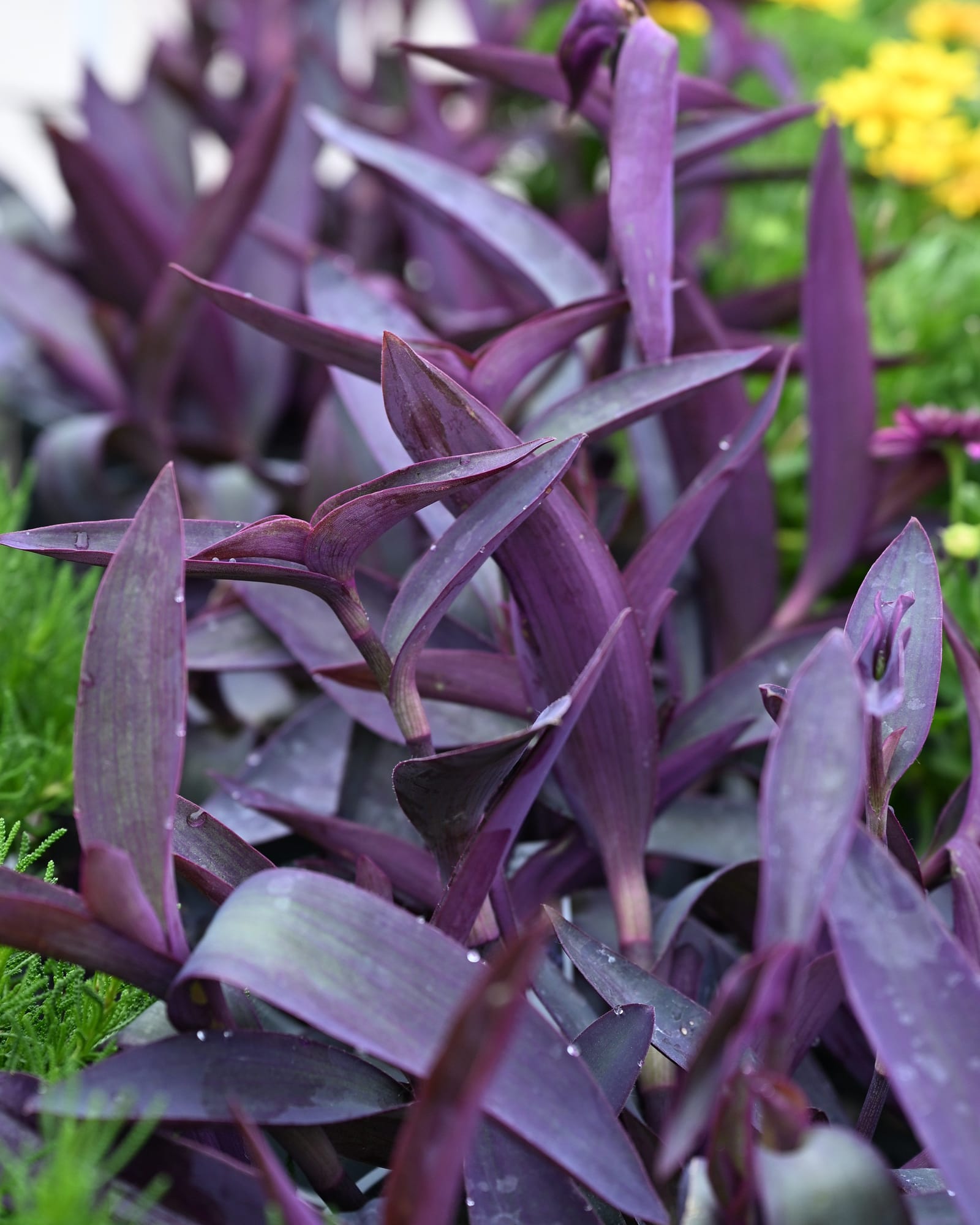
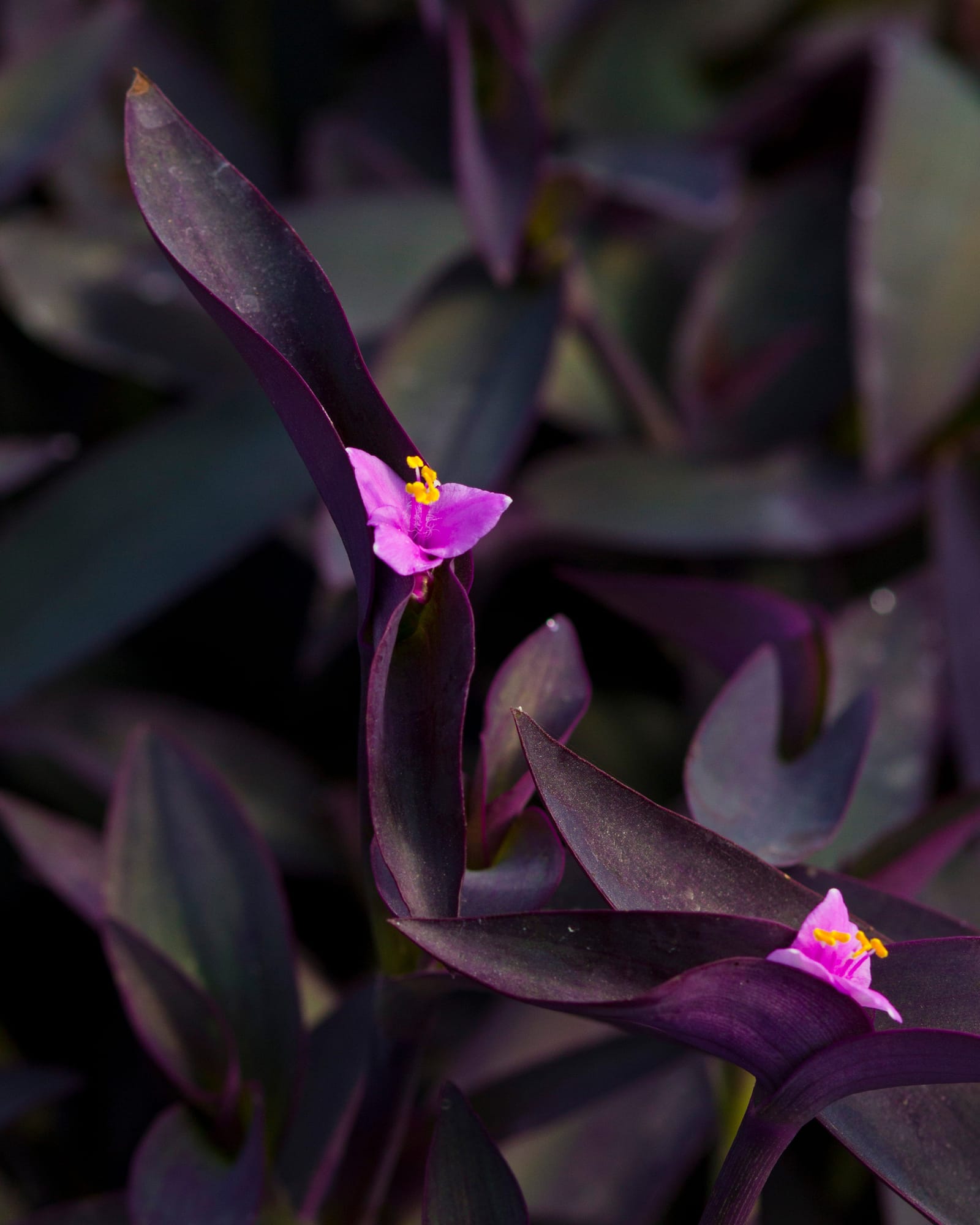
Purple Heart
Maturity: 1' H x 1' W
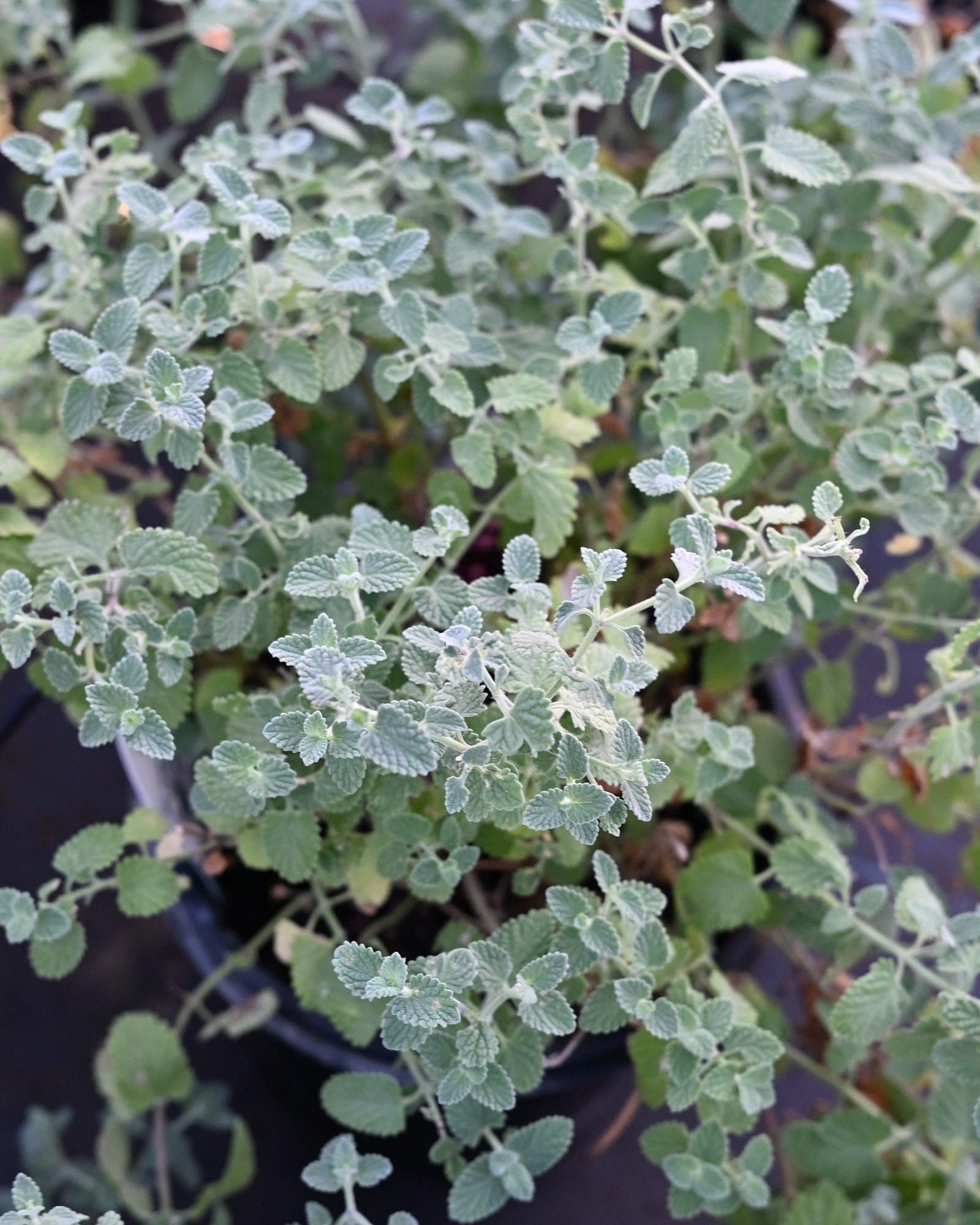
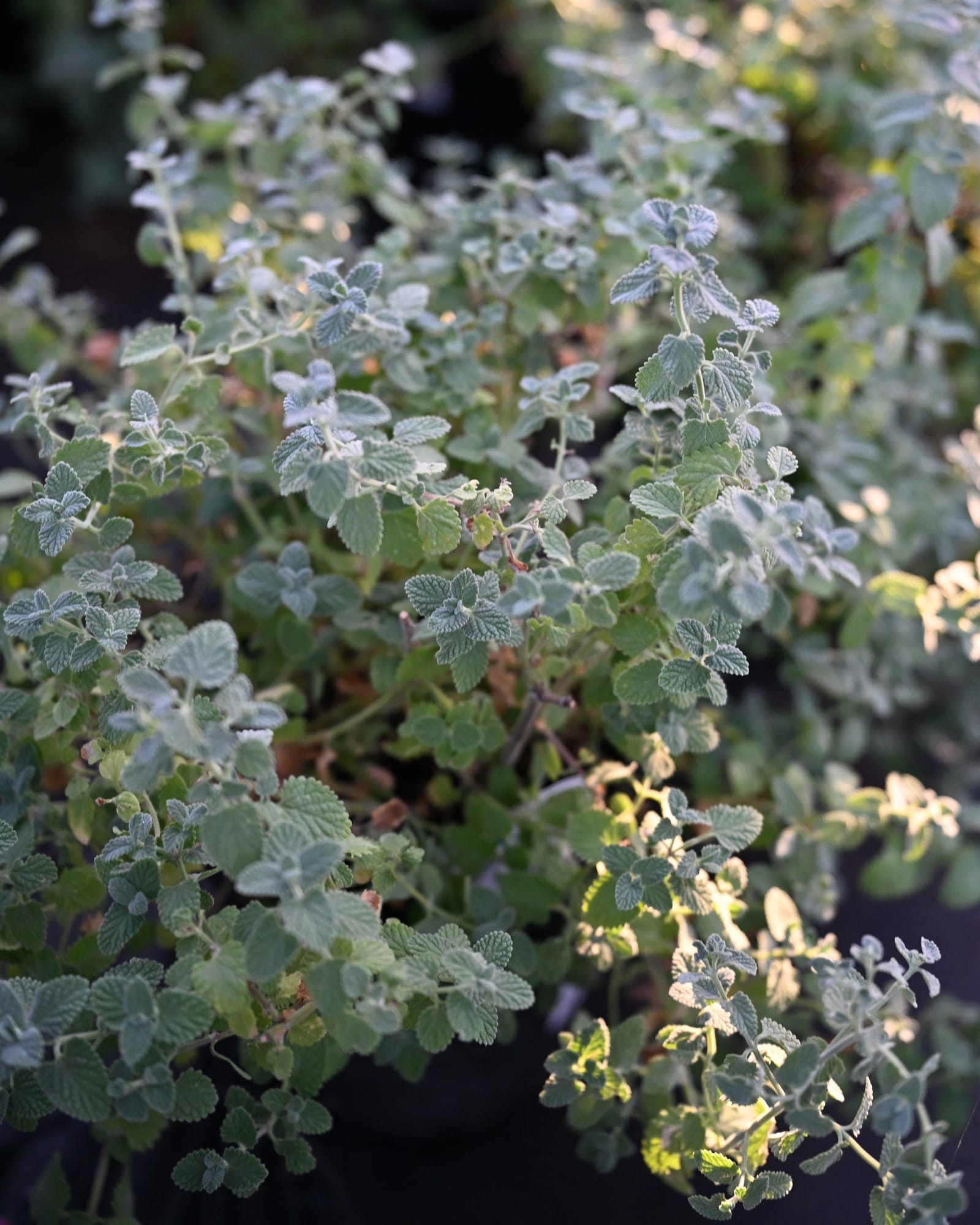
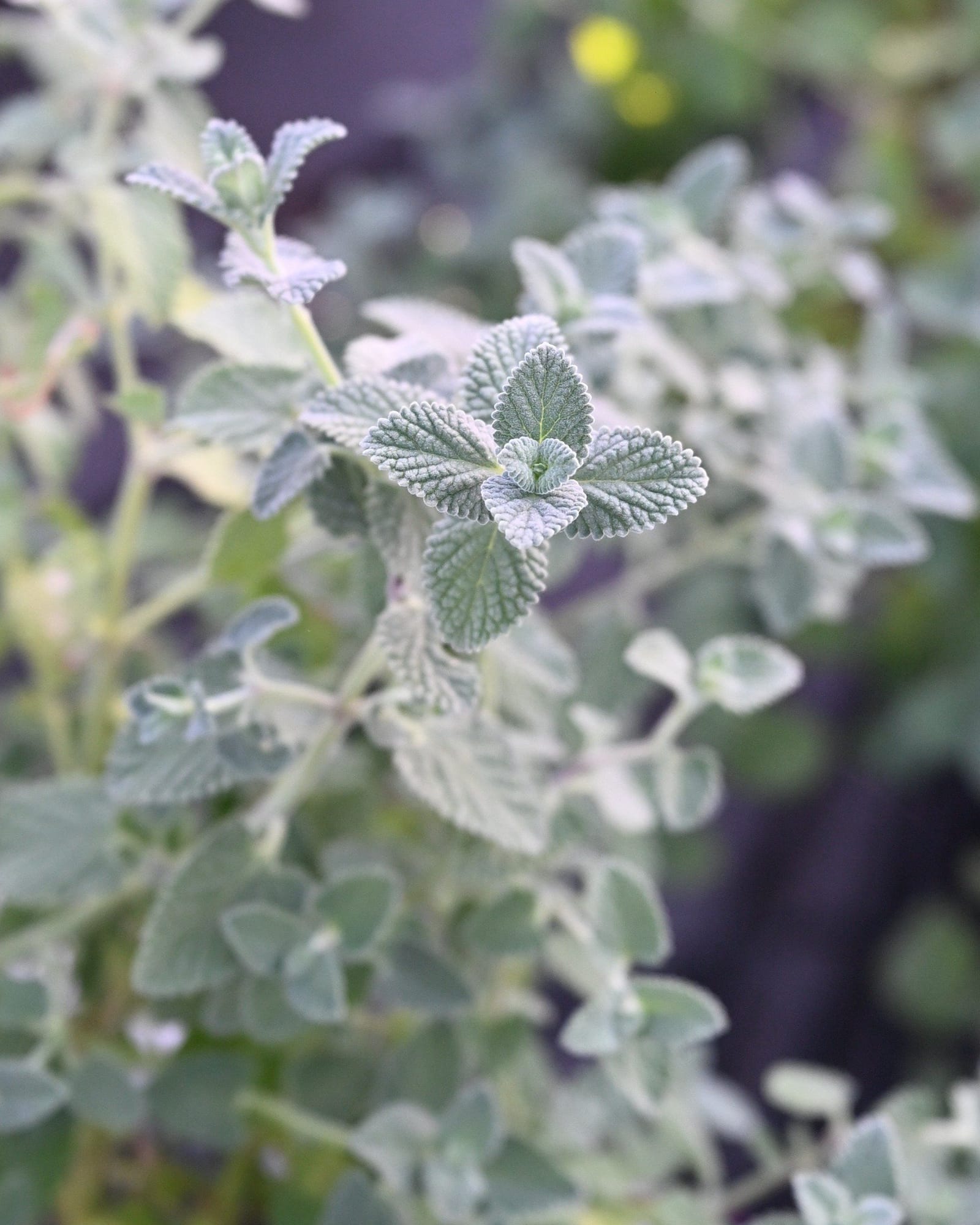
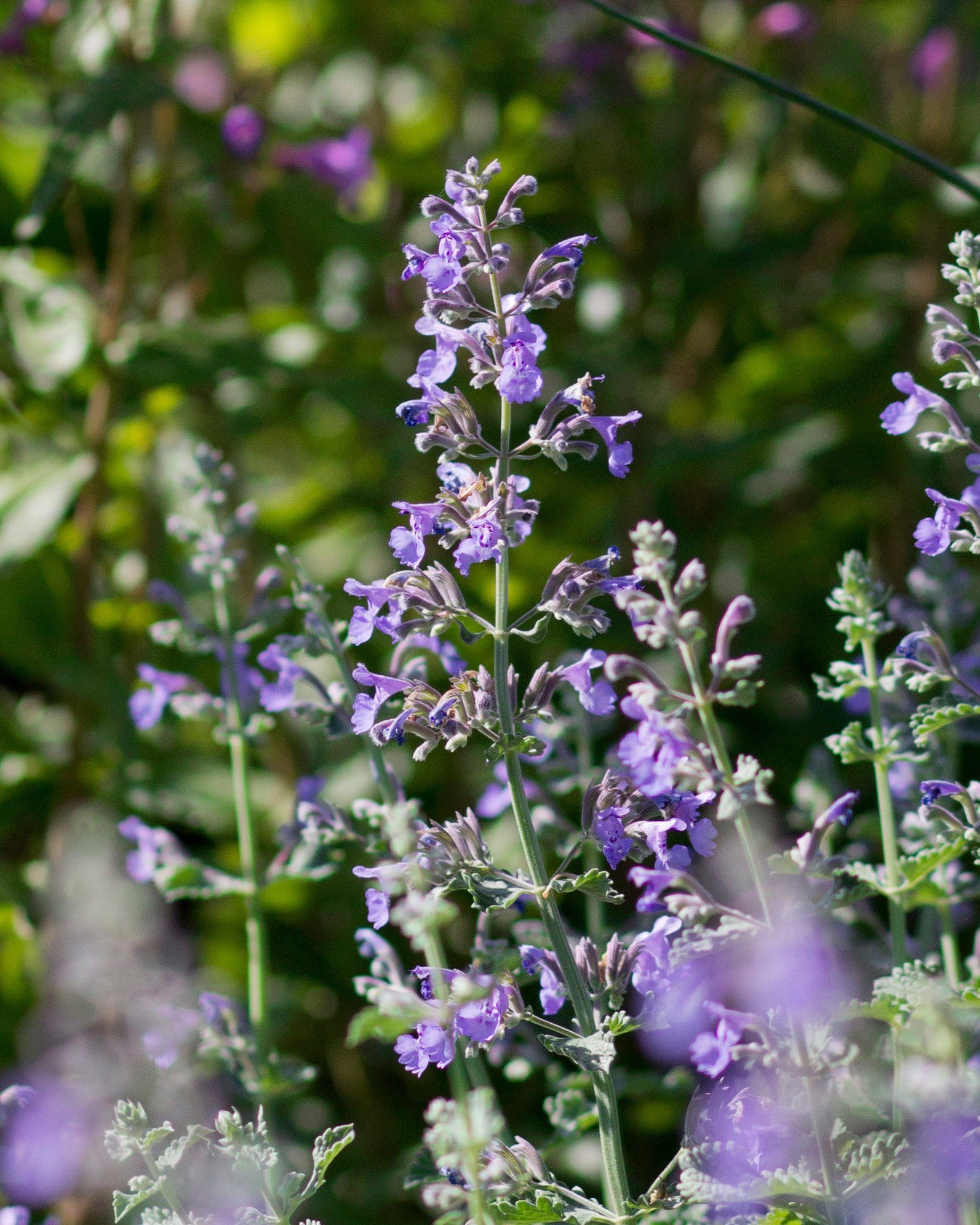
Six Hills Giant Catmint
Maturity: 2' H x 3' W
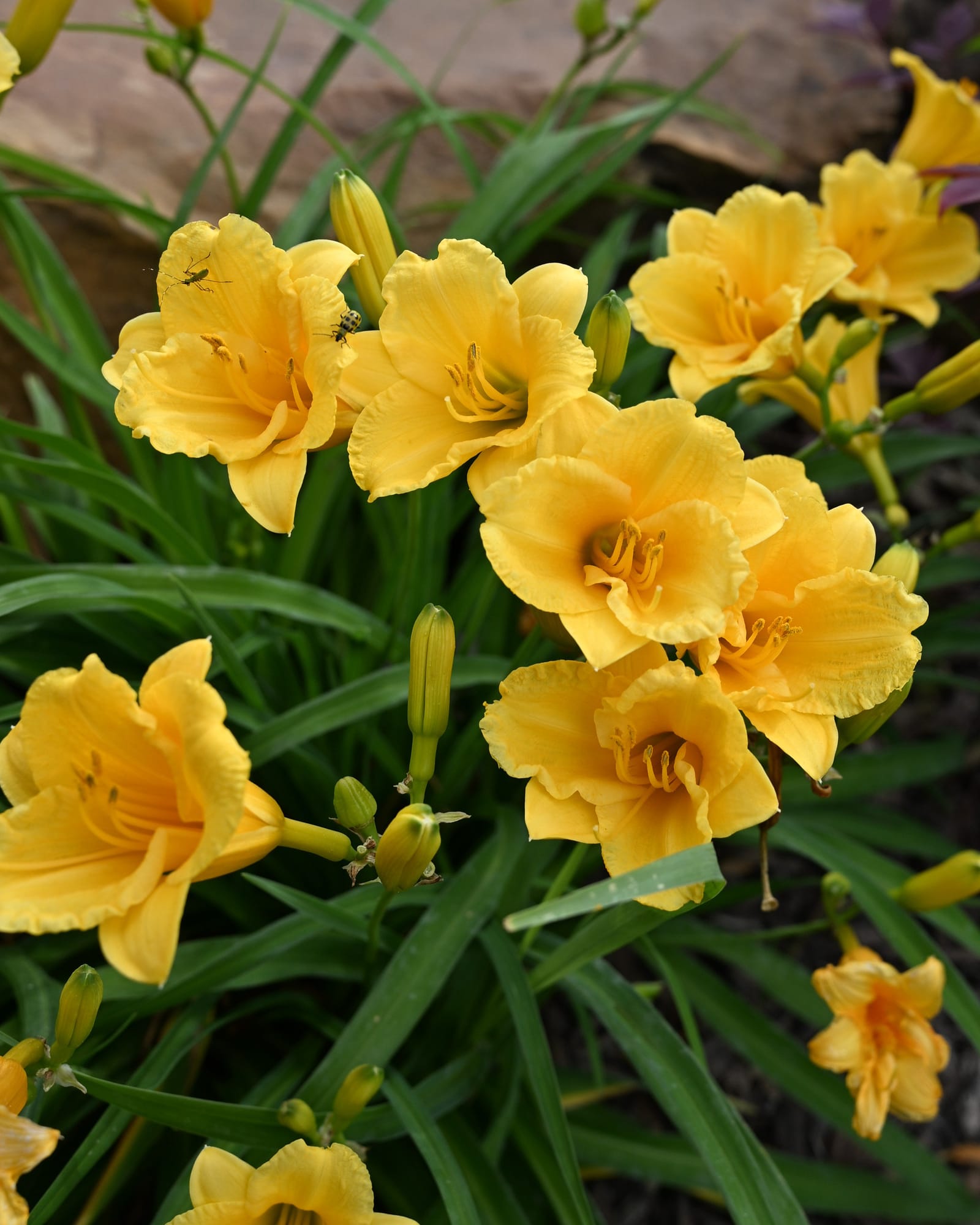
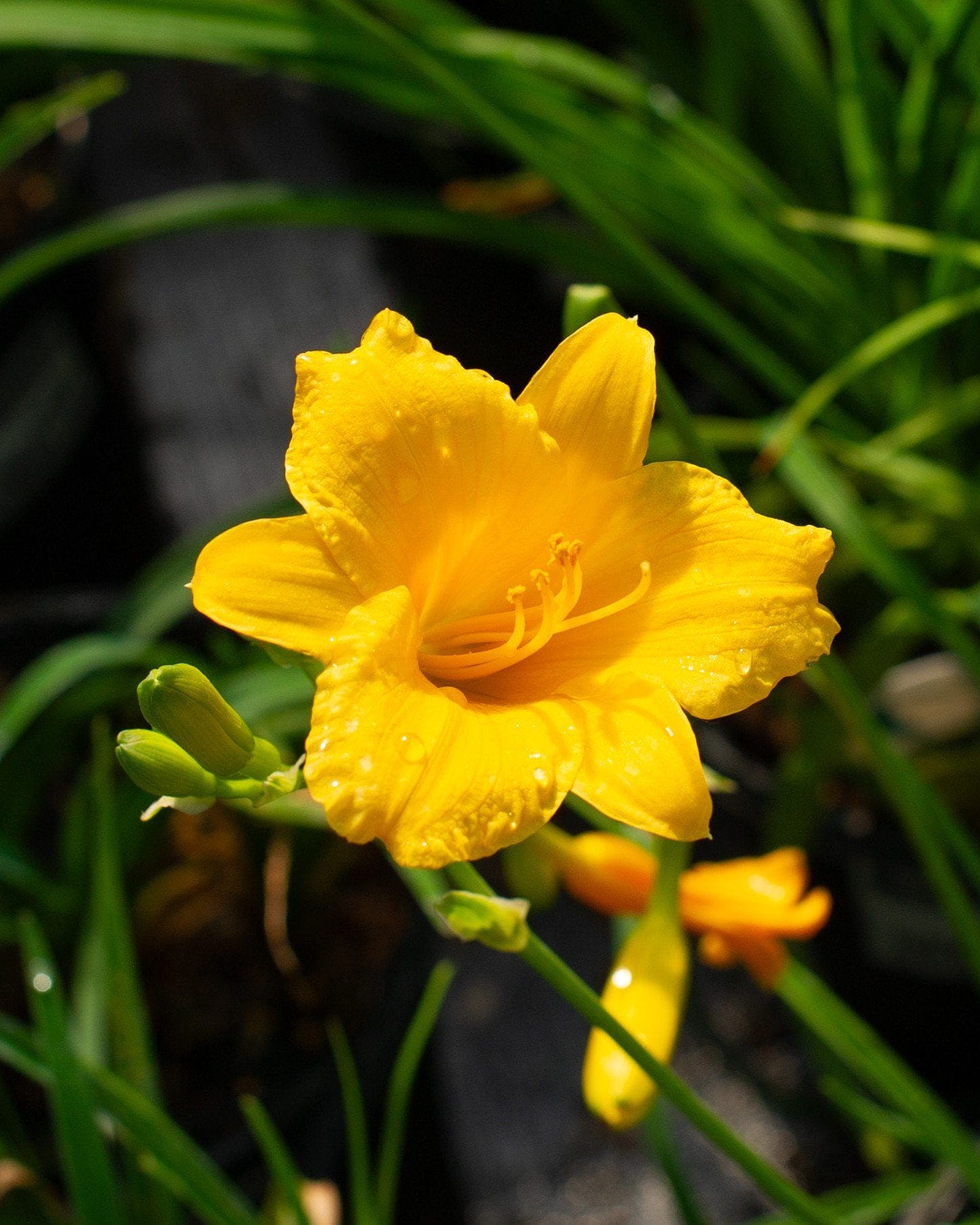
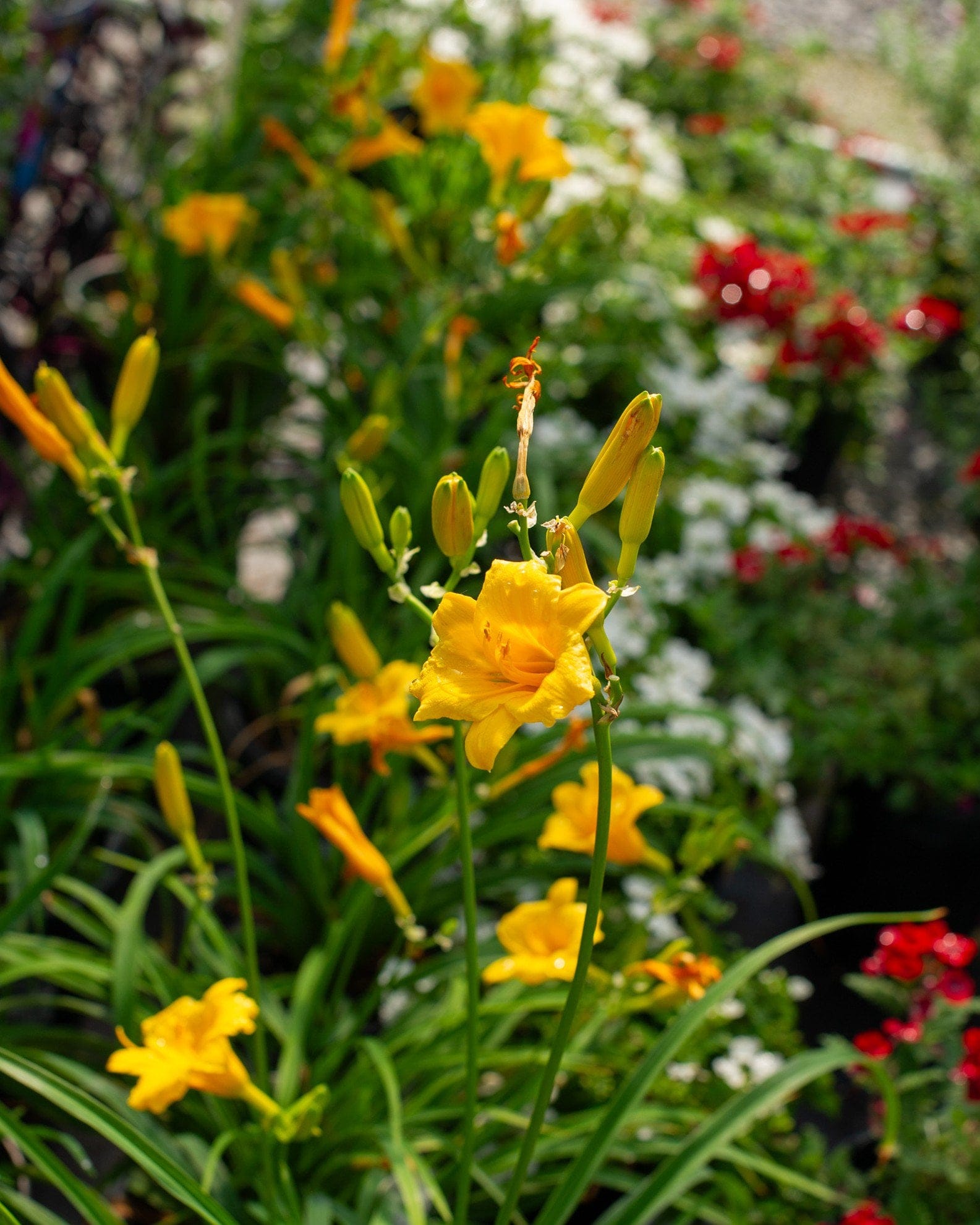
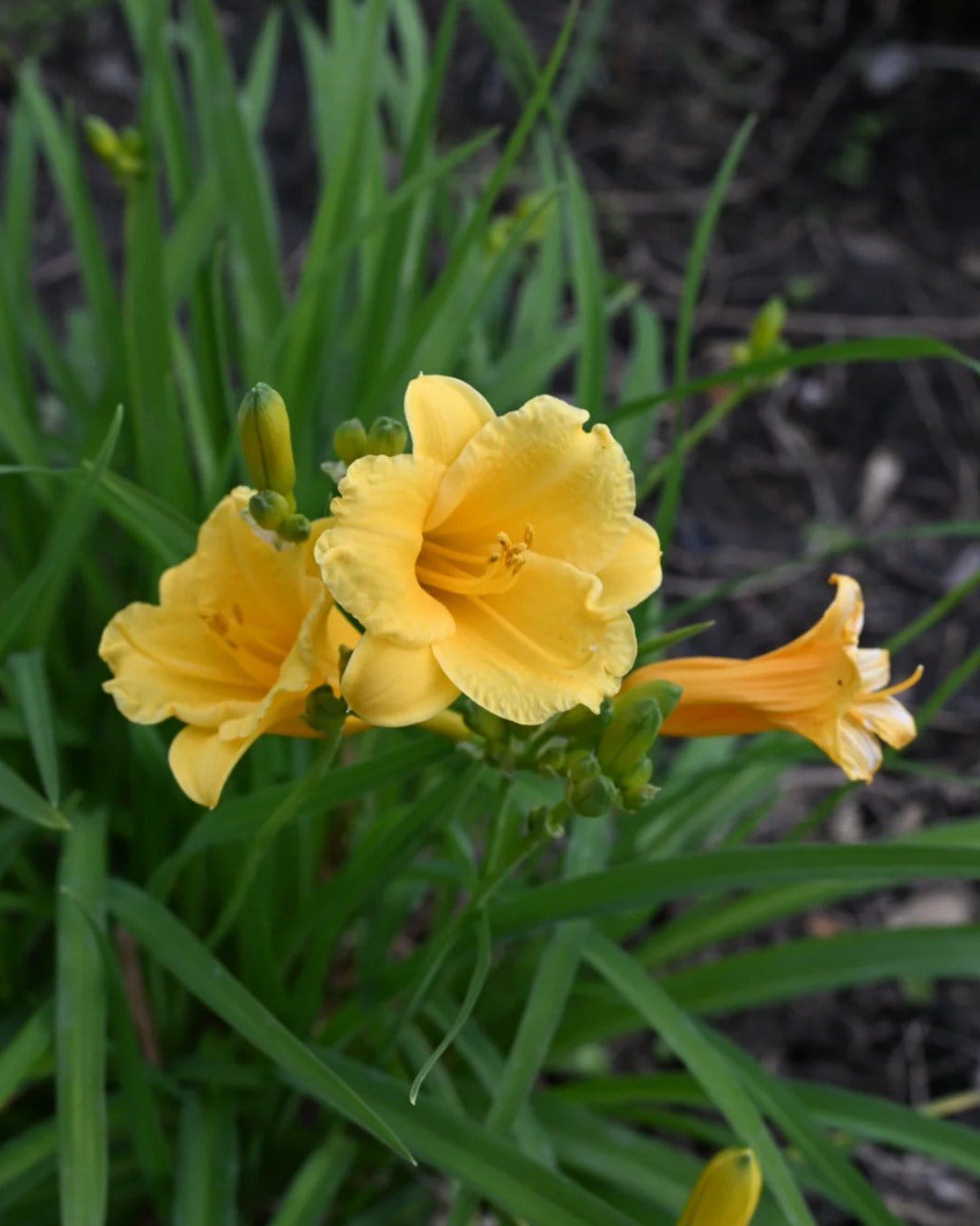
Stella D'Oro Daylily
Maturity: 1.5' H x 1.5' W
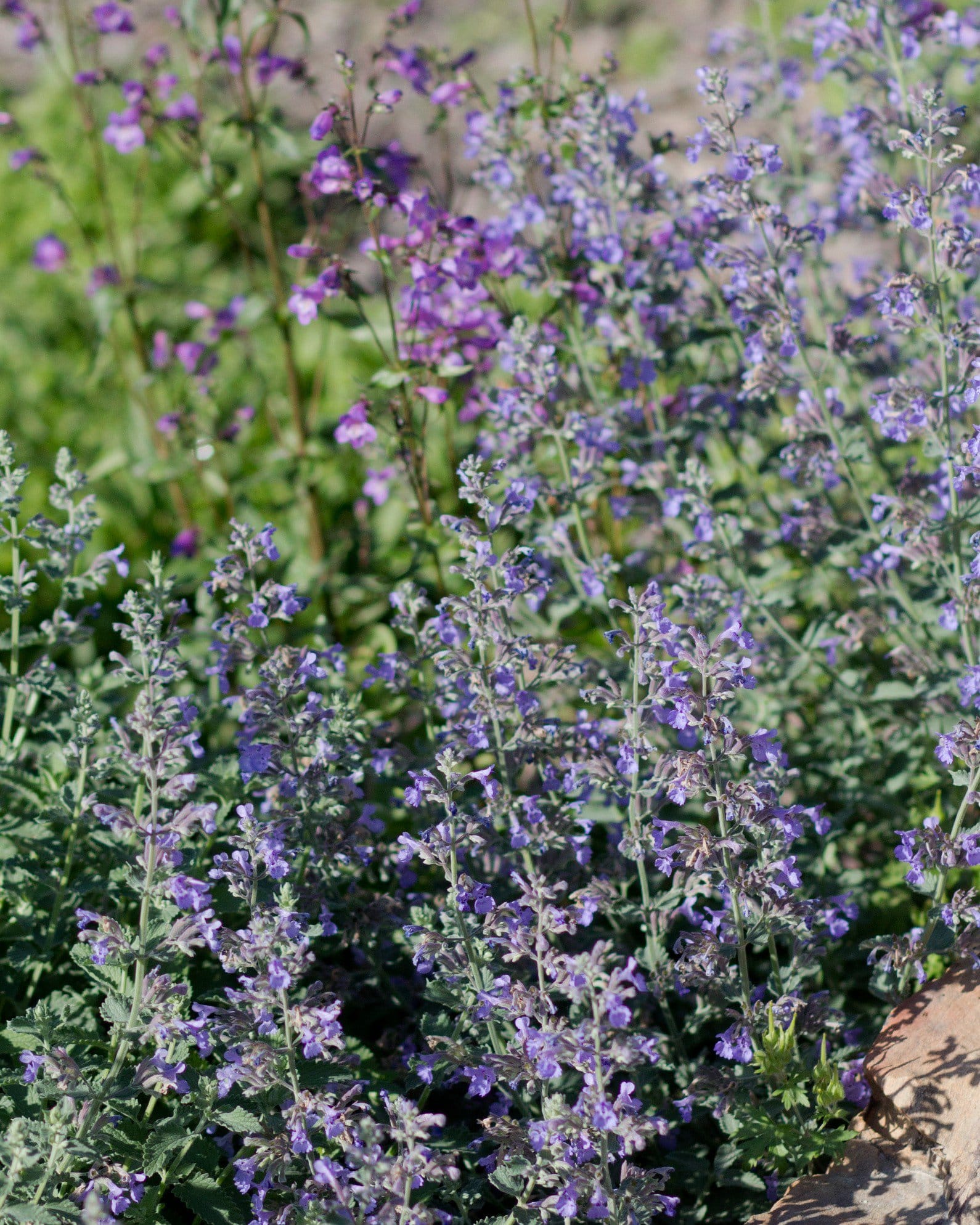
Walker's Low Catmint
Maturity: 2' H x 3' W
Compare Similar Plants
Bear's Breeches Acanthus This plant | ||
|---|---|---|
| Scientific Name | Acanthus mollis | Acanthus mollis 'Whitewater' |
| Size at Maturity | 4' H x 3' W | 4' H x 3' W |
| Leaf Retention | Herbaceous | Herbaceous |
| Flower Color | White | White |
| Bloom Times | Summer & Fall | Summer & Fall |
| Sizes Available | 1 gal | 2 gal |


Our 1-Year Planting Guarantee
We take pride in our plants and installation services. If any plants or trees installed by Treeland fail to thrive within the first year, we'll provide a replacement credit in accordance with our guarantee program.
Learn More About Our Guarantee