
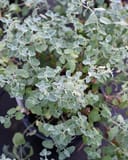
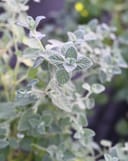
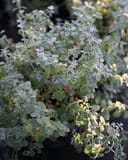
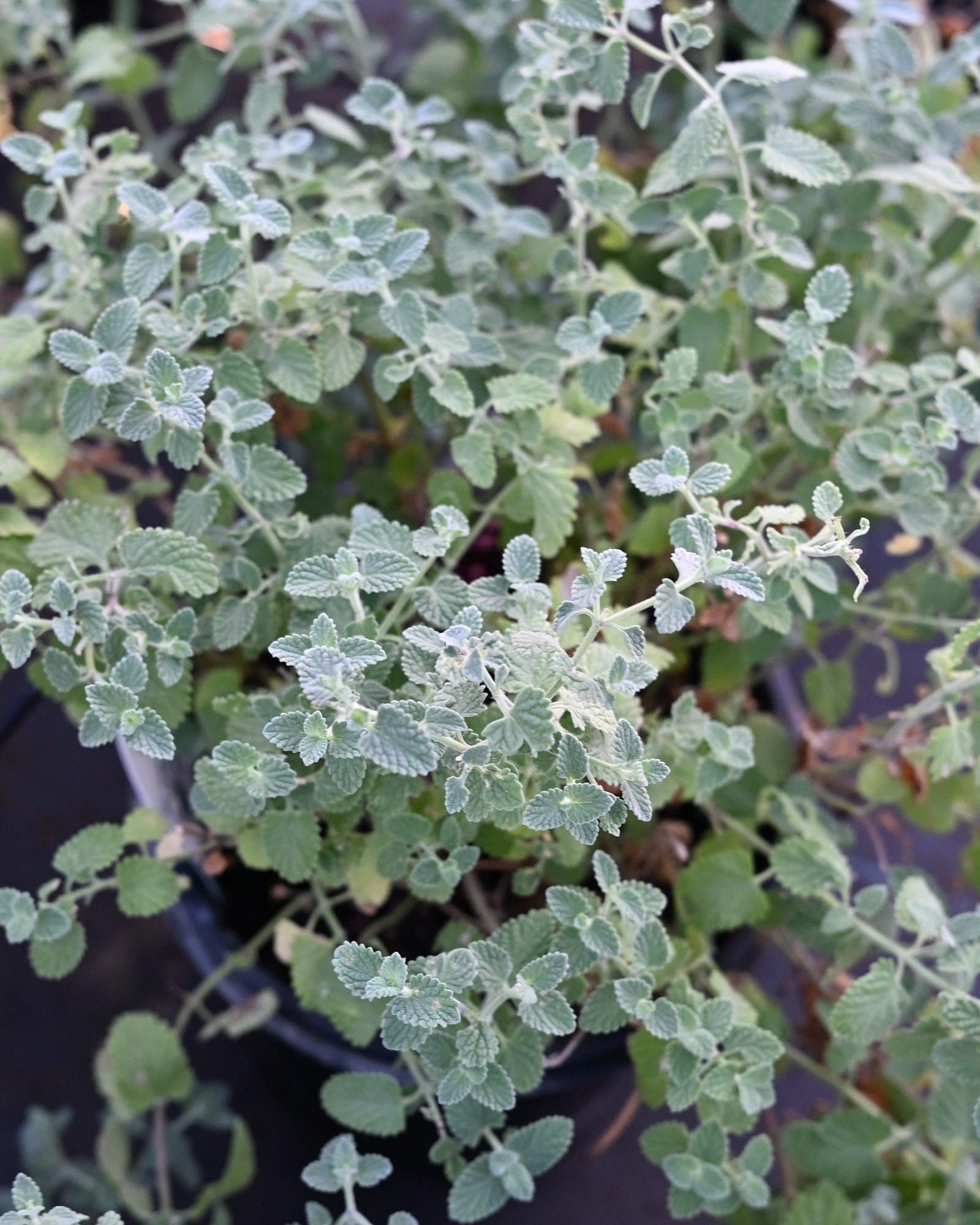
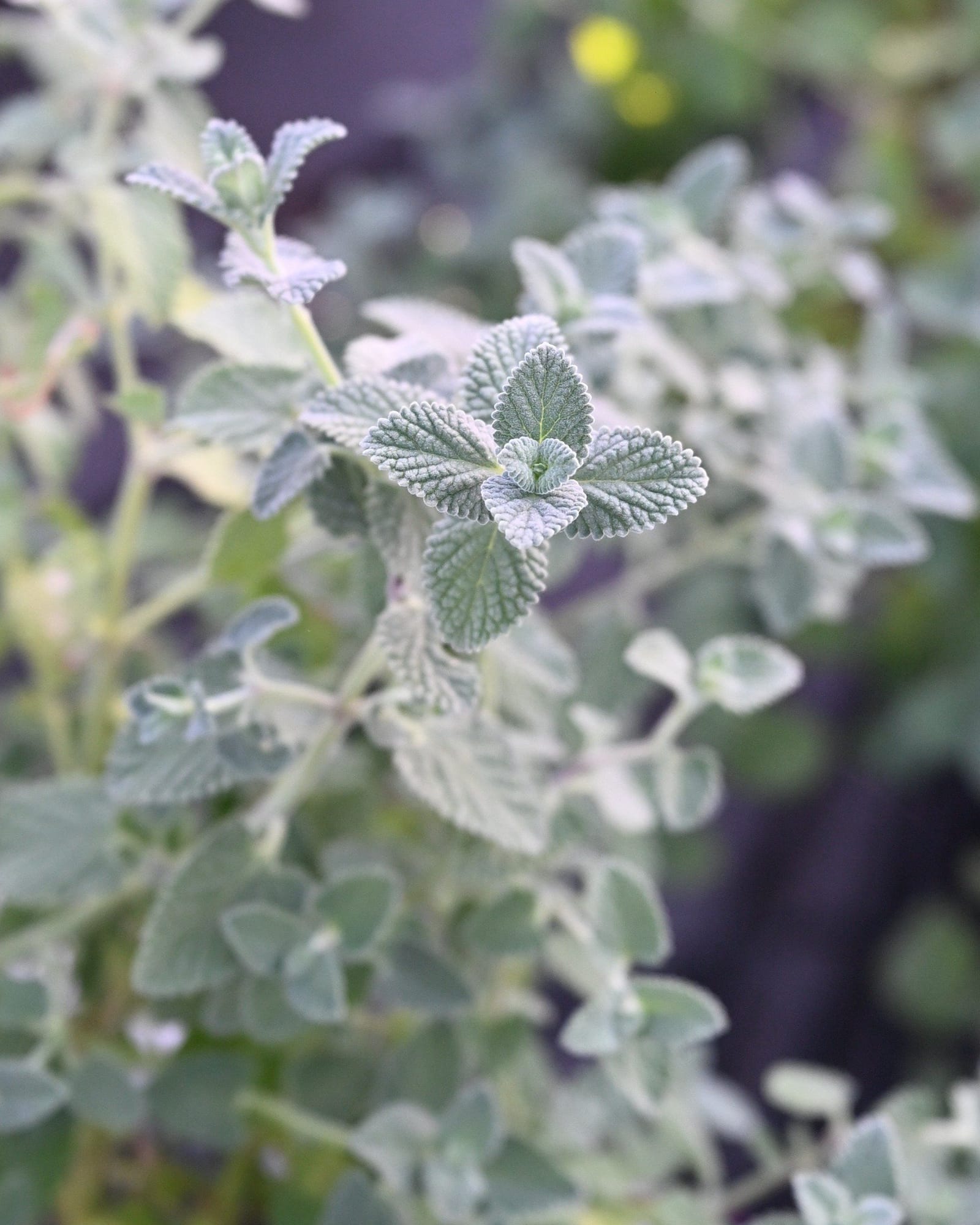
Six Hills Giant Catmint
Nepeta 'Six Hills Giant'Local DFW Delivery Only
Product Details
Six Hills Giant Catmint
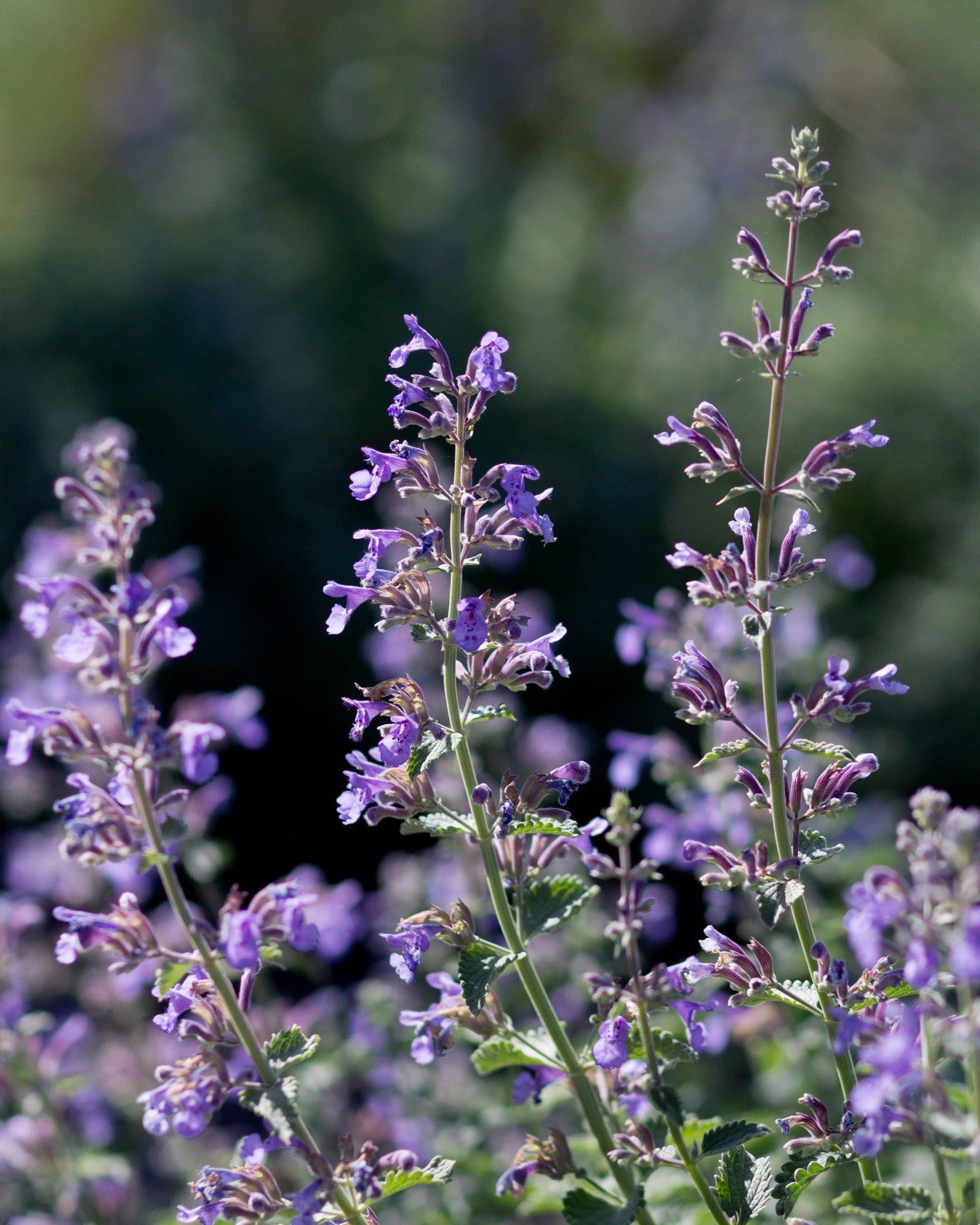
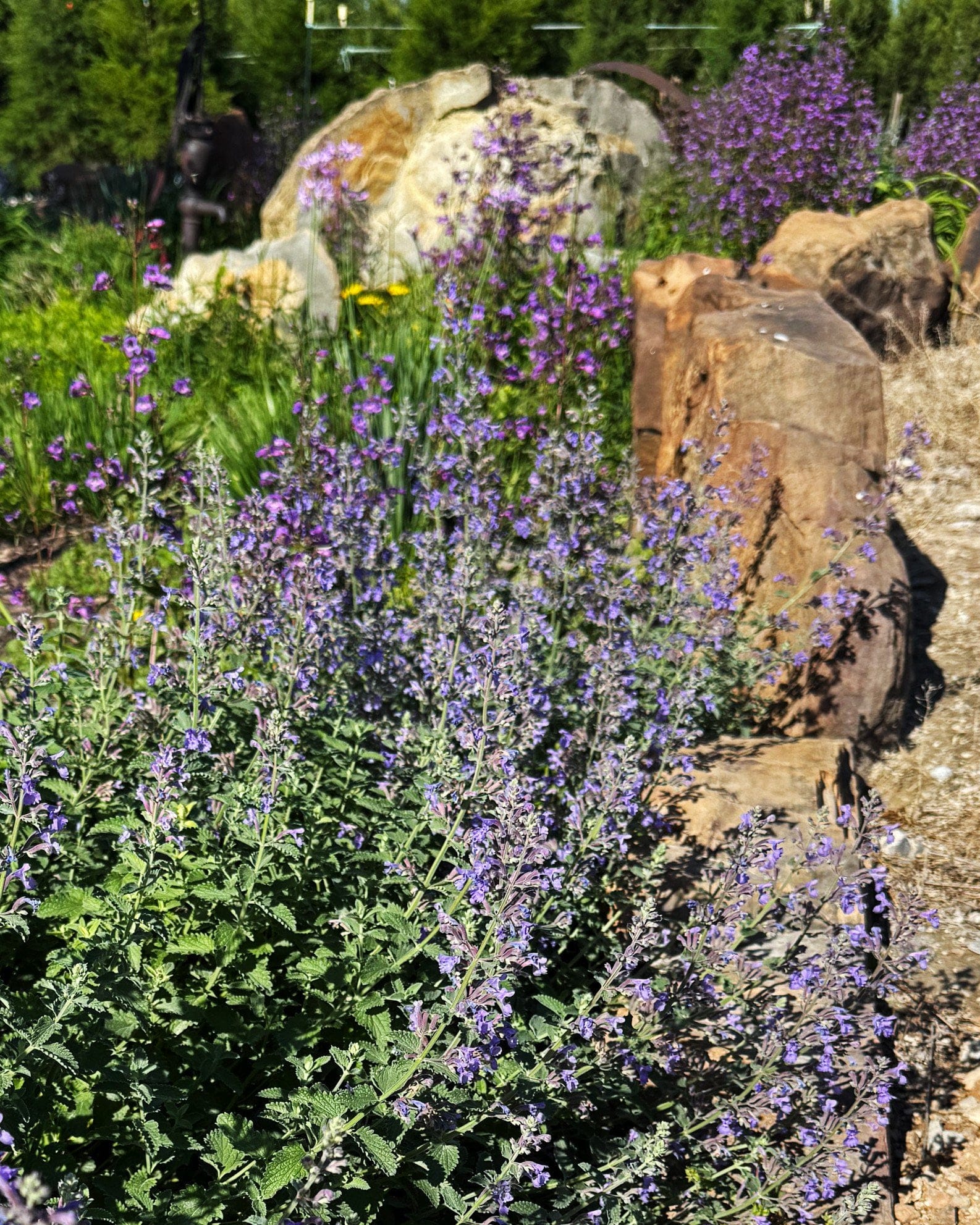
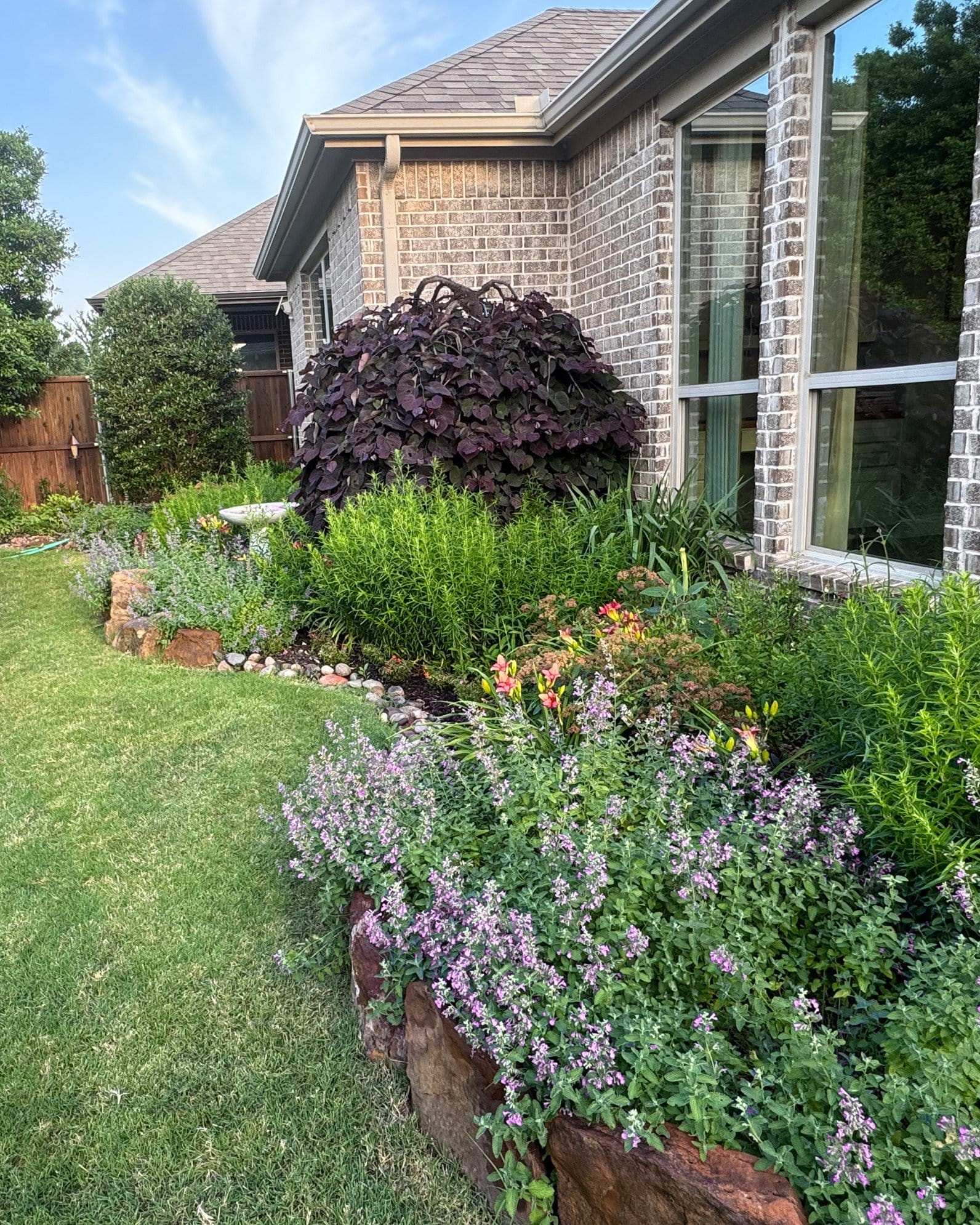
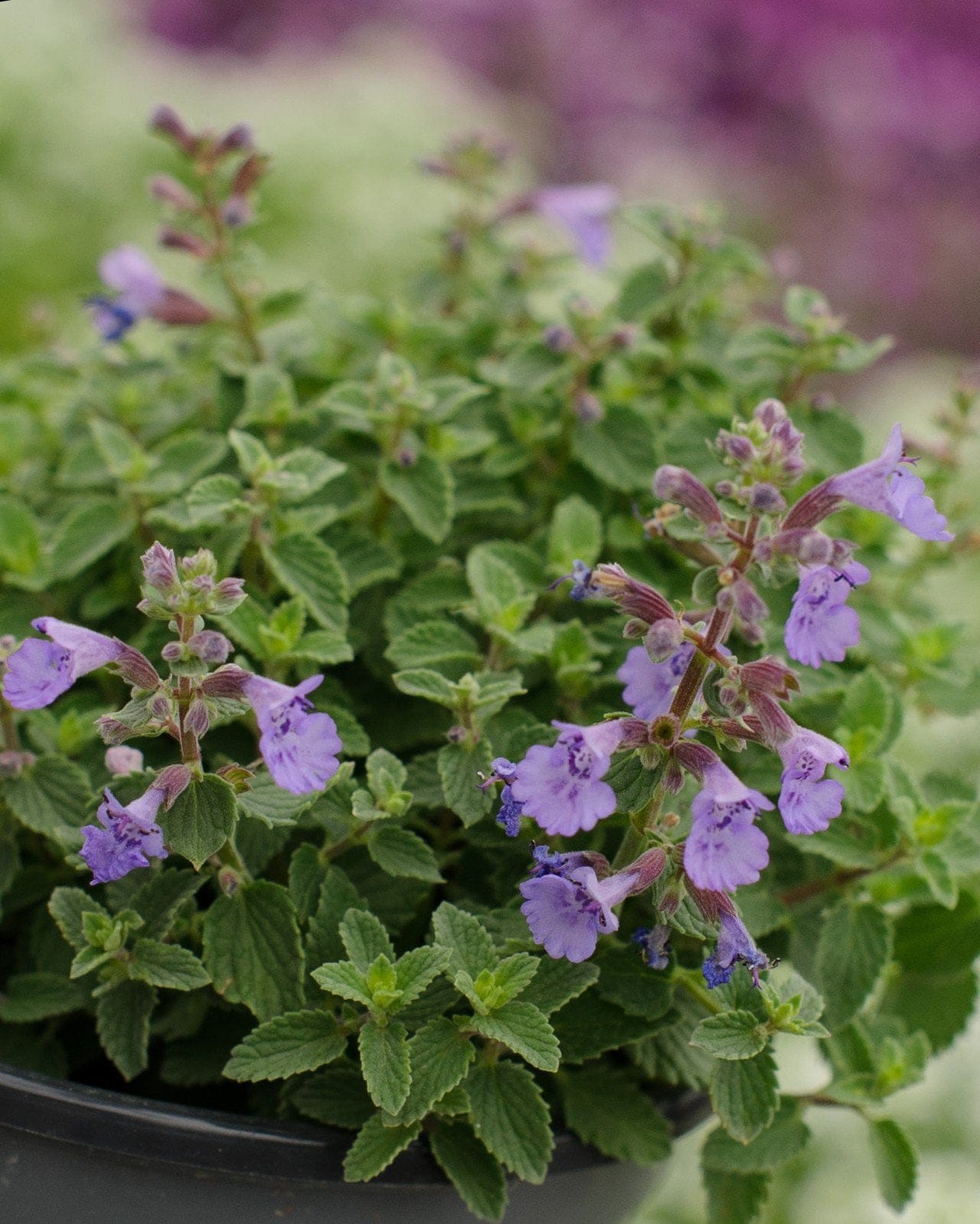
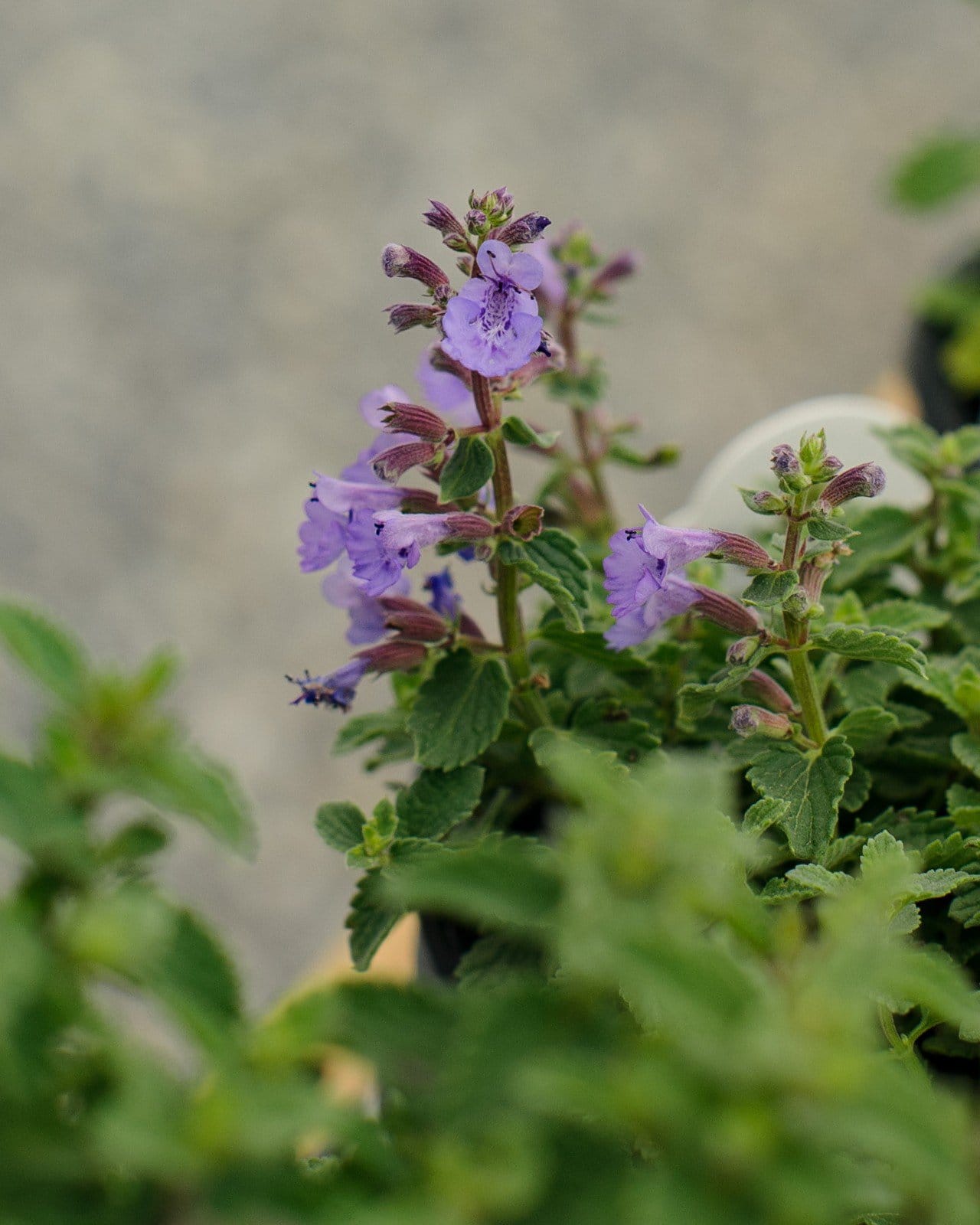
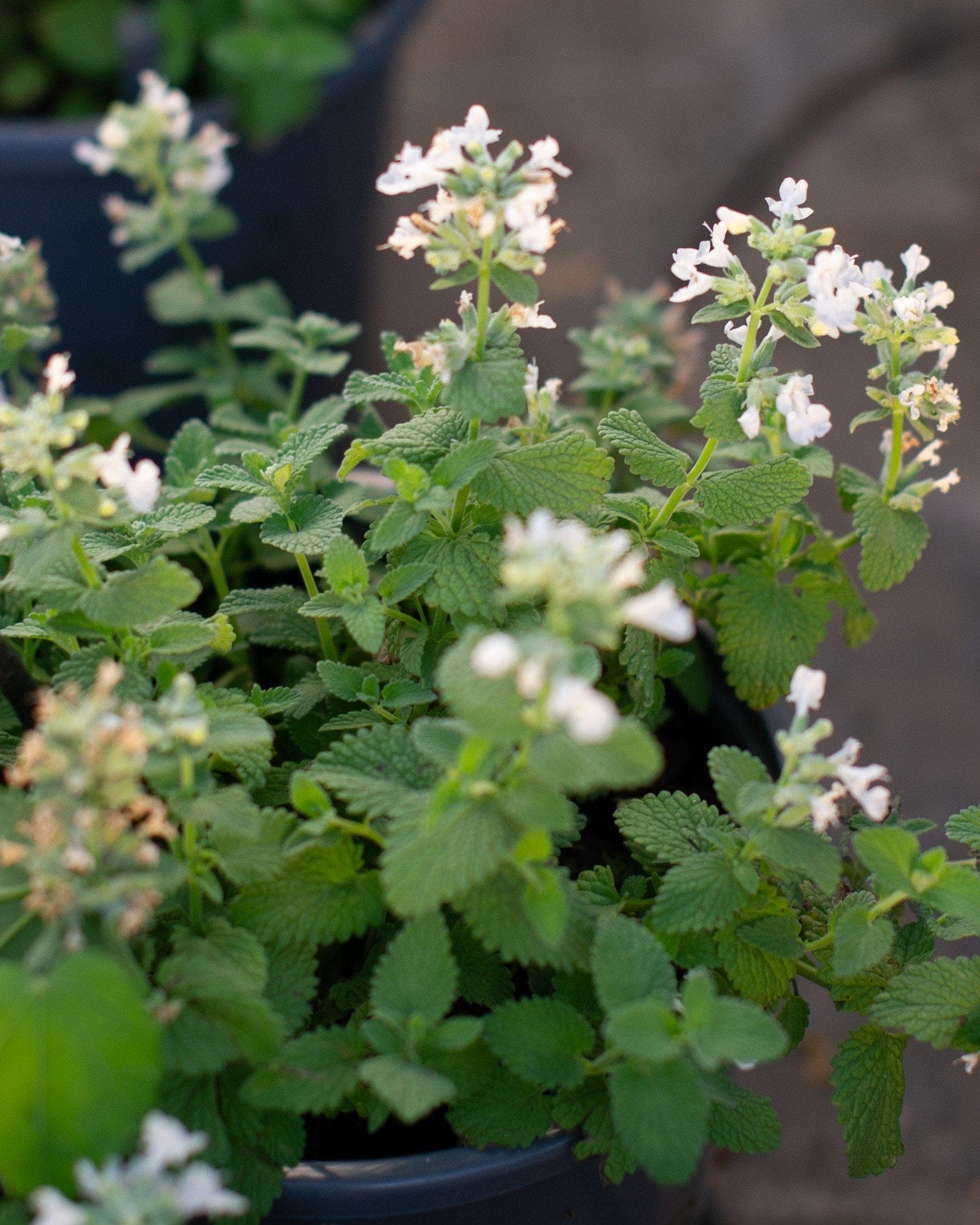
Nepeta 'Six Hills Giant'If you're looking to add a touch of color and fragrance to your landscape but are not yet sure where, then this plant is a perfect choice for you. It will fit into any part of your landscape as it's excellent for various uses from borders, edges, and containers to flower beds. It reaches up to 2 feet in height and 3 feet in width at maturity. It usually reaches maturity approximately 2-5 years after planting. The foliage is aromatic, in shades of grey-green. The flowers bloom in spring, and they look lovely against the cool tones of the foliage. They are small and purple, held in clusters on upright stems.
- Herbaceous perennial
- Clumping growth habit
- Fast growth rate
- Highly versatile
- Fragrant foliage against purple flowers
Hardy in zones 3-8, this plant will fare well in the North Texas climate. Prefers full sun, but doesn't mind partial shade. Plant it in well-drained soil.
Six Hills Giant Catmint is exceptionally low-maintenance, thriving with little more than sunshine and space to grow:
- Watering: Water regularly during the first growing season to help roots establish deeply. Once established, Six Hills Giant thrives with minimal watering, needing only an occasional deep soak during extended drought. Avoid soggy soil to prevent root rot.
- Pruning: After the first heavy flush of blooms, shear the plant back by about one-third to encourage a second wave of flowering and maintain a neat, rounded shape. In late fall or early spring, cut back spent stems to a few inches above ground level to refresh growth.
- Fertilizing: Feed lightly in spring with a balanced, slow-release fertilizer or a small amount of compost. Avoid overfertilization - catmints bloom best in lean soils.
- Mulching: Apply a 1-2 inch layer of mulch or gravel around the base to retain moisture and suppress weeds. Keep mulch slightly away from the crown to prevent fungal buildup.
- Winter Care: Six Hills Giant Catmint is reliably hardy through winter. After frost, prune stems close to the ground and, in colder regions, add a thin layer of mulch for root protection. Remove the mulch early in spring once new growth begins.
Six Hills Giant Catmint is tough and mostly trouble-free, but a few manageable issues can pop up in less than ideal conditions:
- Crown Rot: A fungal issue that causes the plant base to blacken and soften, often accompanied by leaf wilt. Prevent it by planting in well-drained soil and watering only when the surface has dried.
- Powdery Mildew: Appears as a gray-white dusting on leaves during humid or stagnant conditions. Improve airflow by thinning surrounding plants and avoid overhead watering to keep foliage dry.
- Rust: Displays as rusty-orange speckles under leaves that can spread in humid weather. Prune off affected growth and apply a copper-based fungicide if recurrence is frequent.
- Aphids: Small green or black insects that cluster on new growth, leaving sticky residue and distorted stems. Wash them away with a firm spray of water or treat with insecticidal soap.
- Spider Mites: Tiny pests that cause stippling or fine webbing, particularly in hot, dry weather. Rinse foliage periodically and use horticultural oil or neem spray to prevent infestations.
With proper care, it can thrive for a decade or more, expanding slowly into a graceful, billowing mound that improves with age. Dividing it every few years helps renew vigor and ensures it continues blooming abundantly season after season.
It grows quickly, reaching full size within its first year and often flowering profusely in its second. Its loose, arching habit develops naturally, giving it a mature, romantic look even when young.
Yes - its fragrant, nectar-rich blooms are a magnet for bees, butterflies, and hummingbirds. When in full flower, it hums softly with activity and becomes a centerpiece for any pollinator-friendly garden.
Completely. The aromatic oils in its leaves naturally repel deer and rabbits, allowing it to thrive undisturbed in rural or wildlife-heavy areas.
Yes - though it’s naturally sprawling, it grows beautifully in large, deep containers where its arching form can spill gracefully over the edges. Choose a well-draining mix and water only when the soil begins to dry.
Absolutely - its foliage releases a refreshing herbal scent reminiscent of mint and sage. The fragrance deepens in the heat of the day, creating a calming, sensory presence in the garden.
Exceptionally well - it was bred for hot, dry climates and continues to bloom even in summer heat. Deep, infrequent watering keeps it looking lush while maintaining its drought tolerance.
Yes - cutting it back after the first bloom encourages a flush of new foliage and a second, lighter bloom in late summer. Consistent deadheading keeps the plant vibrant through the entire growing season.
Yes - its flexible stems bend gracefully in the wind without breaking. It’s a natural fit for breezy cottage gardens or open meadow plantings.
Divide clumps in spring or early fall, or root stem cuttings in damp sand. Both methods establish easily and result in new, blooming plants within a single season.
Special Features
You might also like
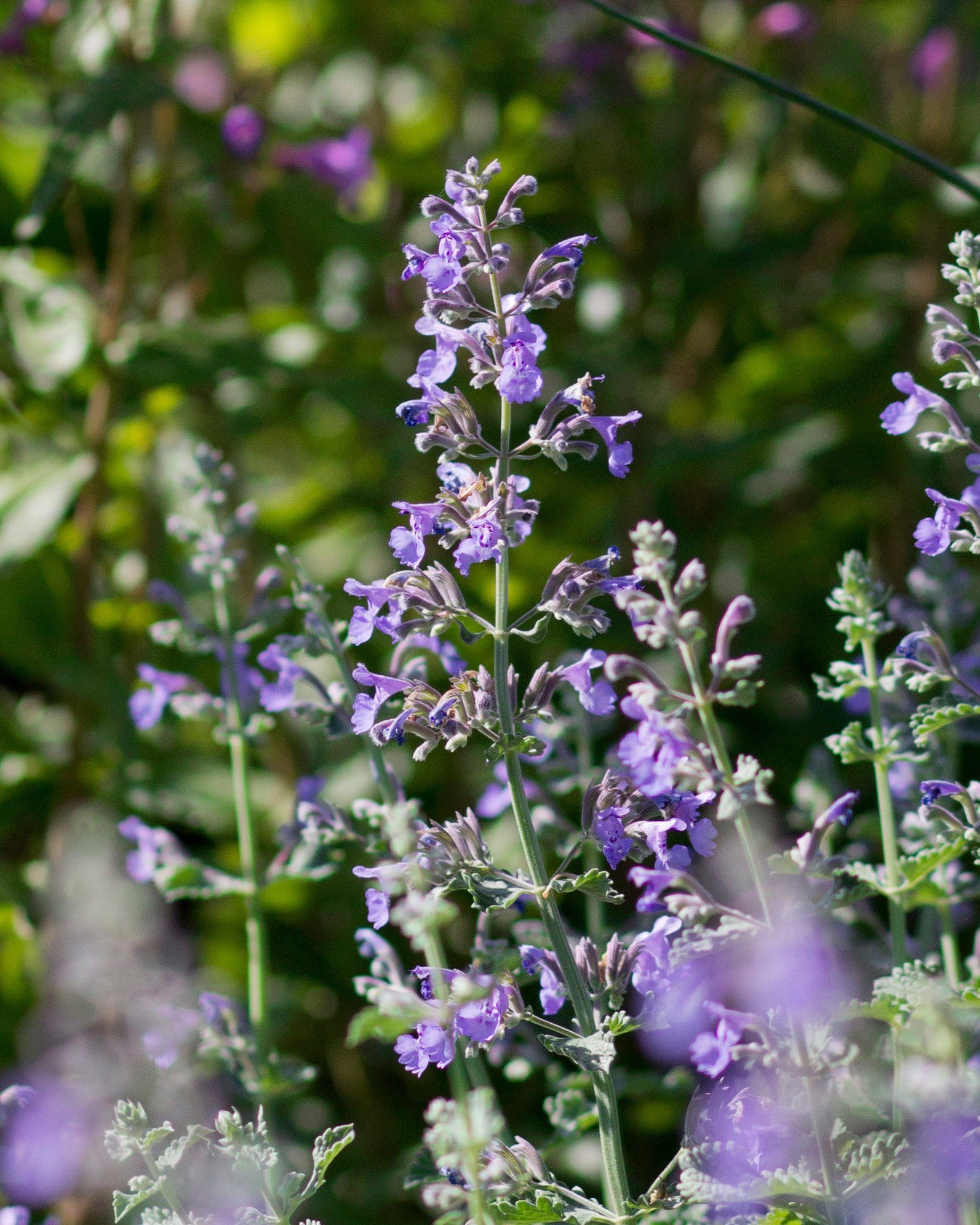
Walker's Low Catmint
Maturity: 2' H x 3' W
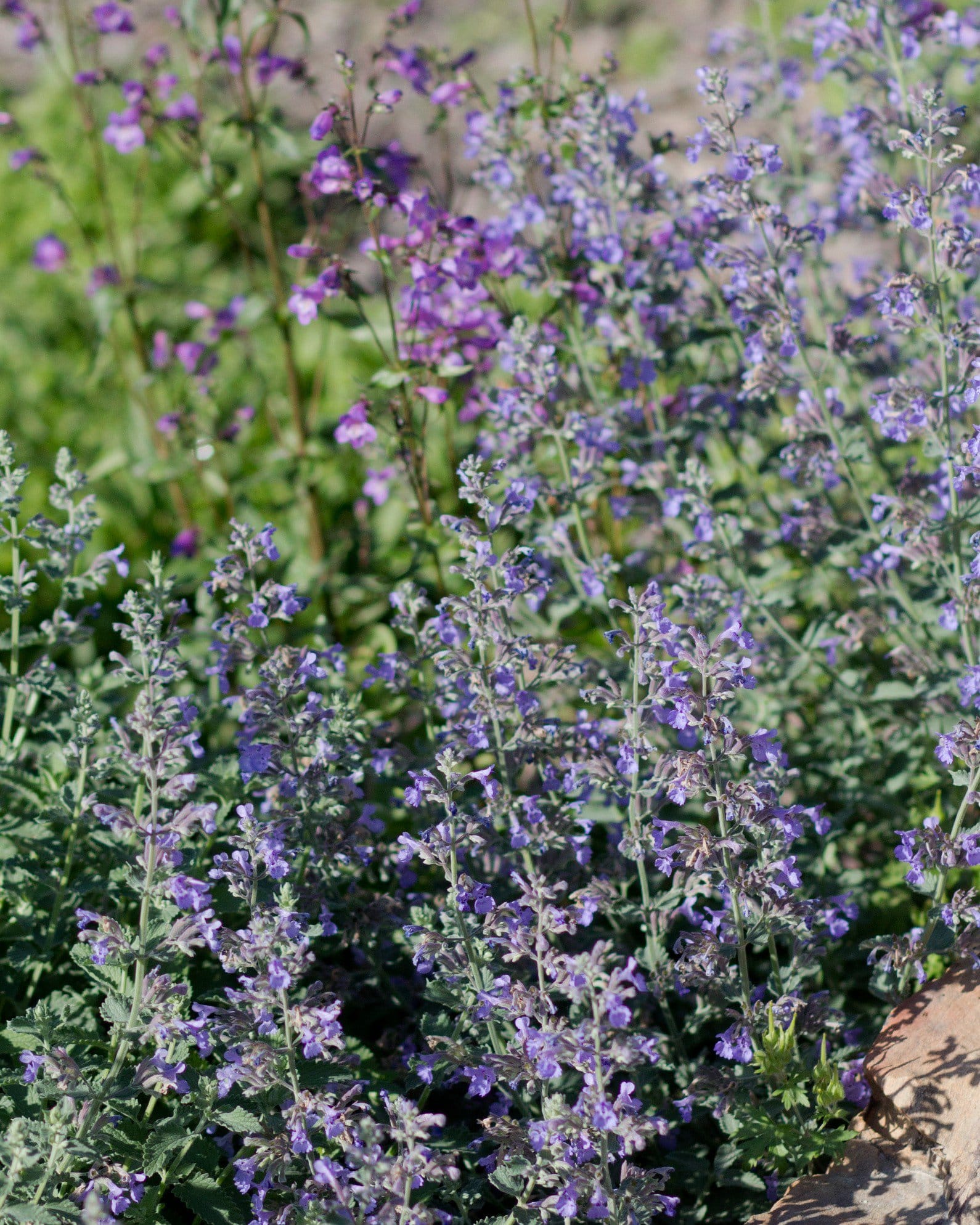
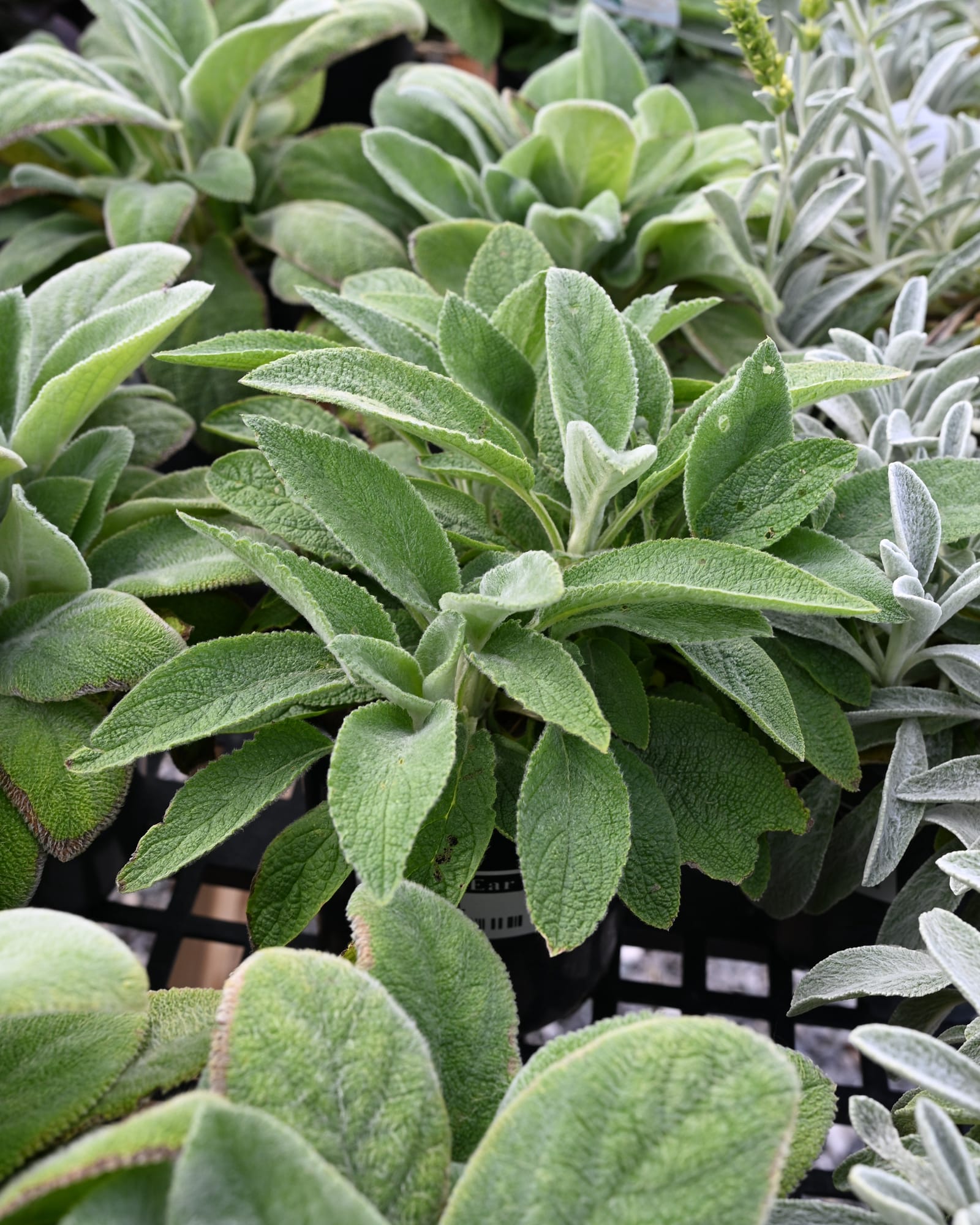
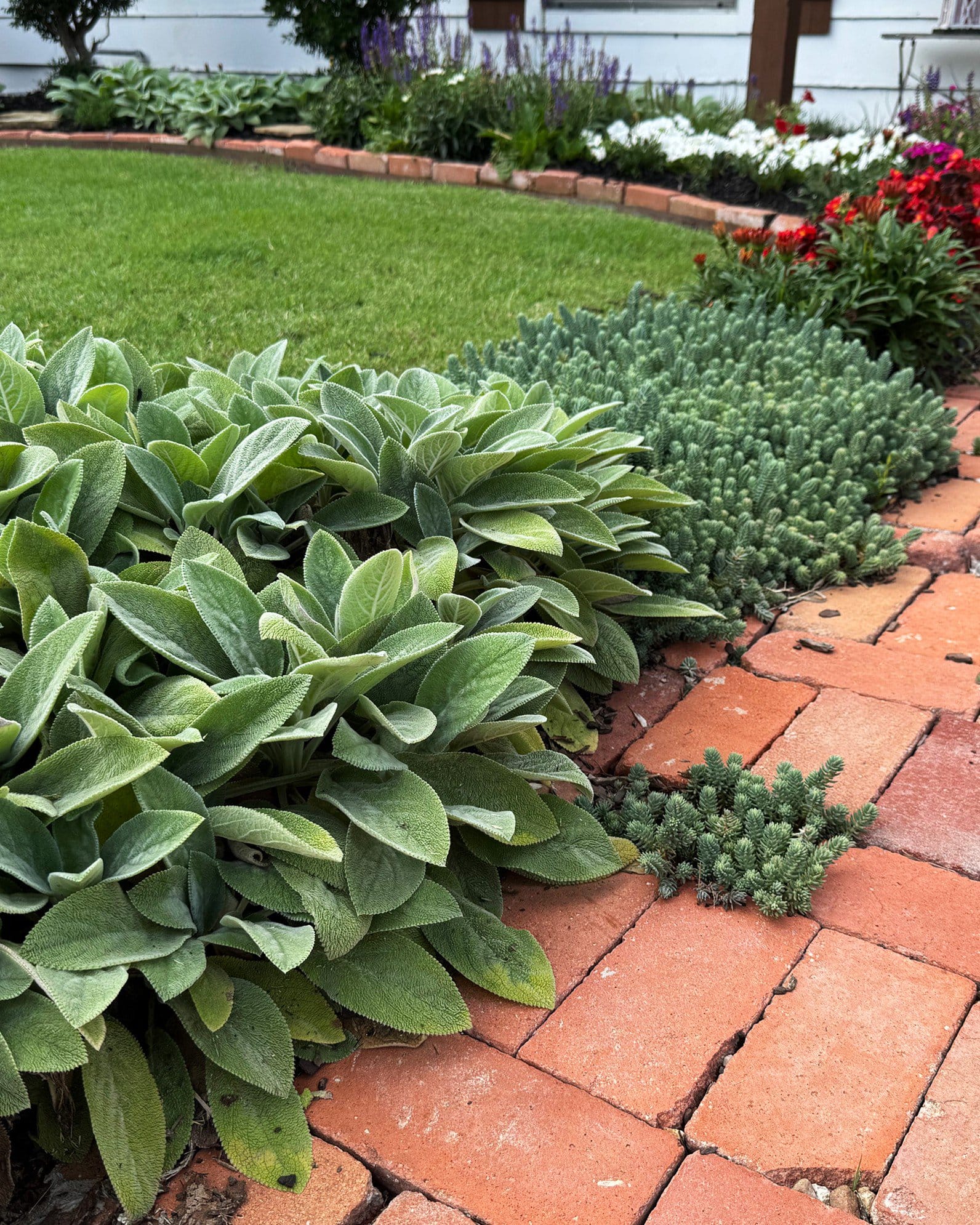
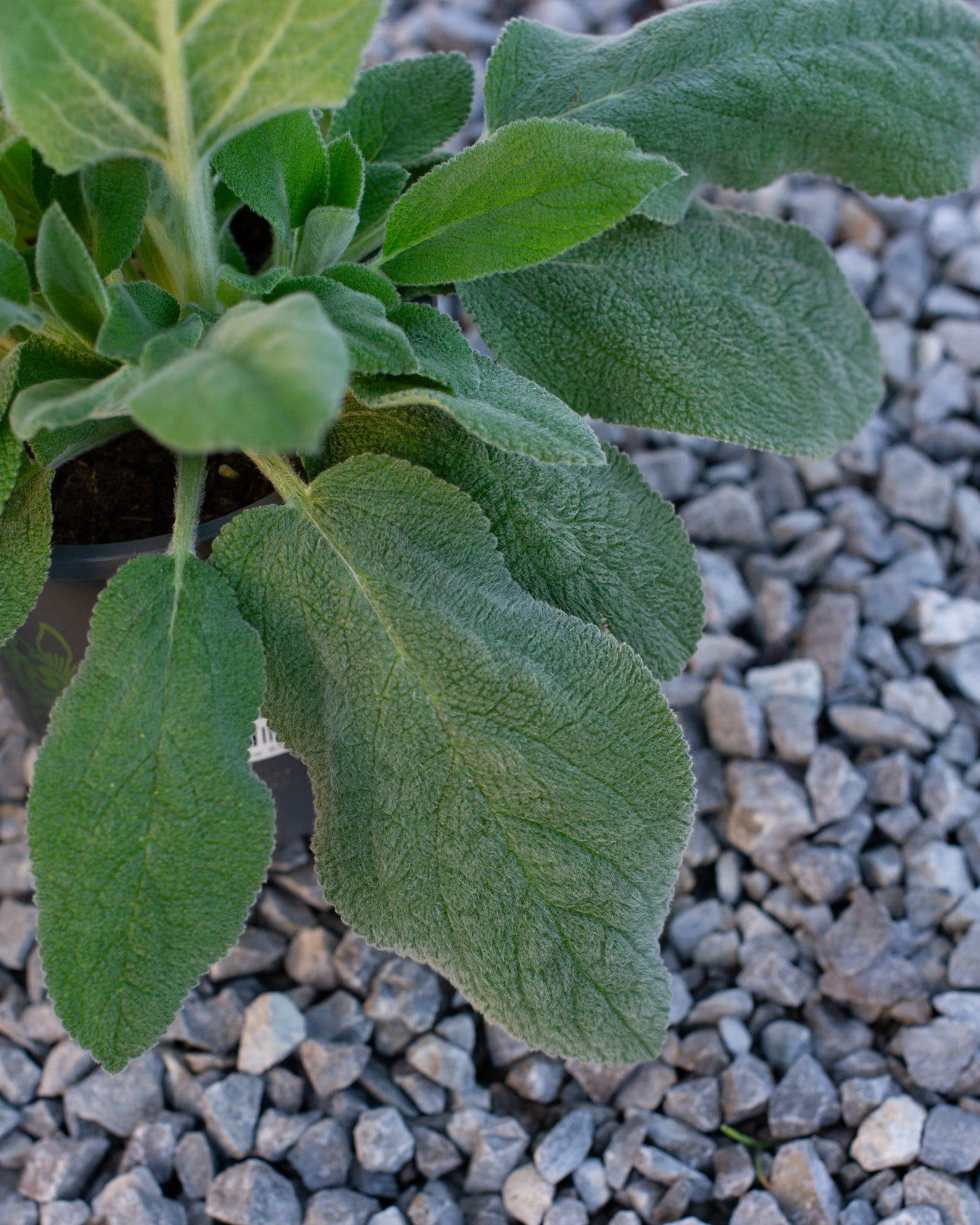
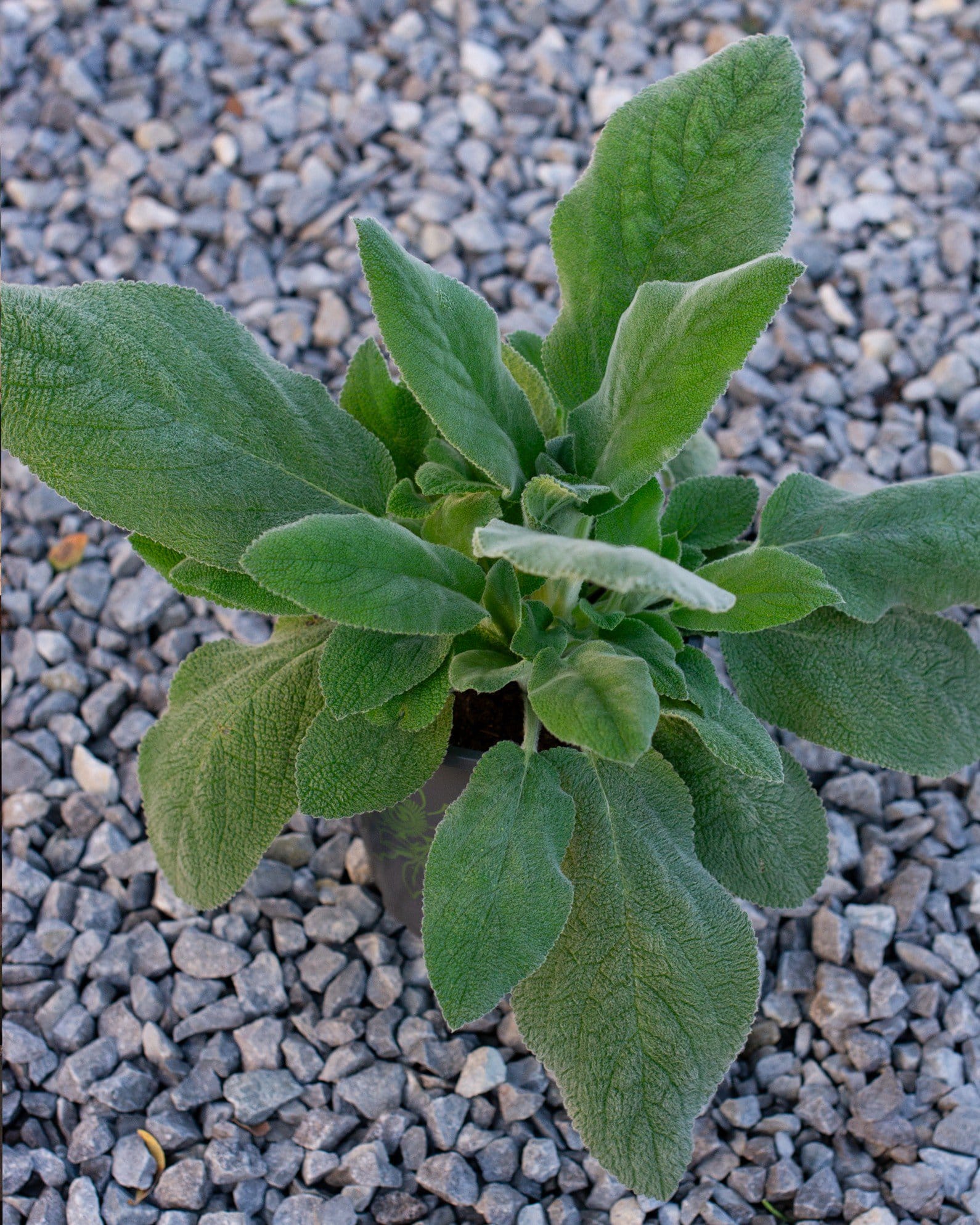
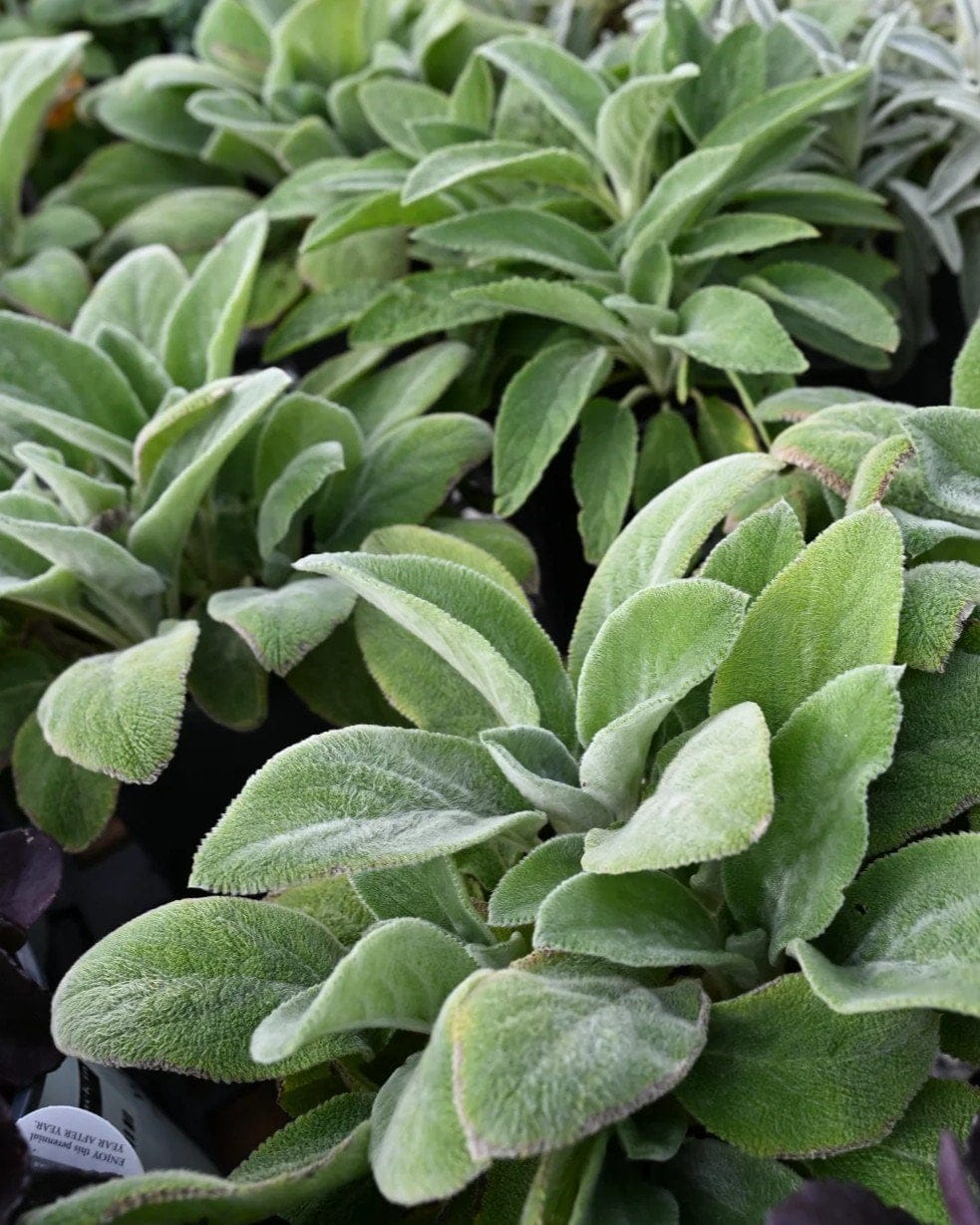
Lamb's Ear
Maturity: 1' H x 1.5' W
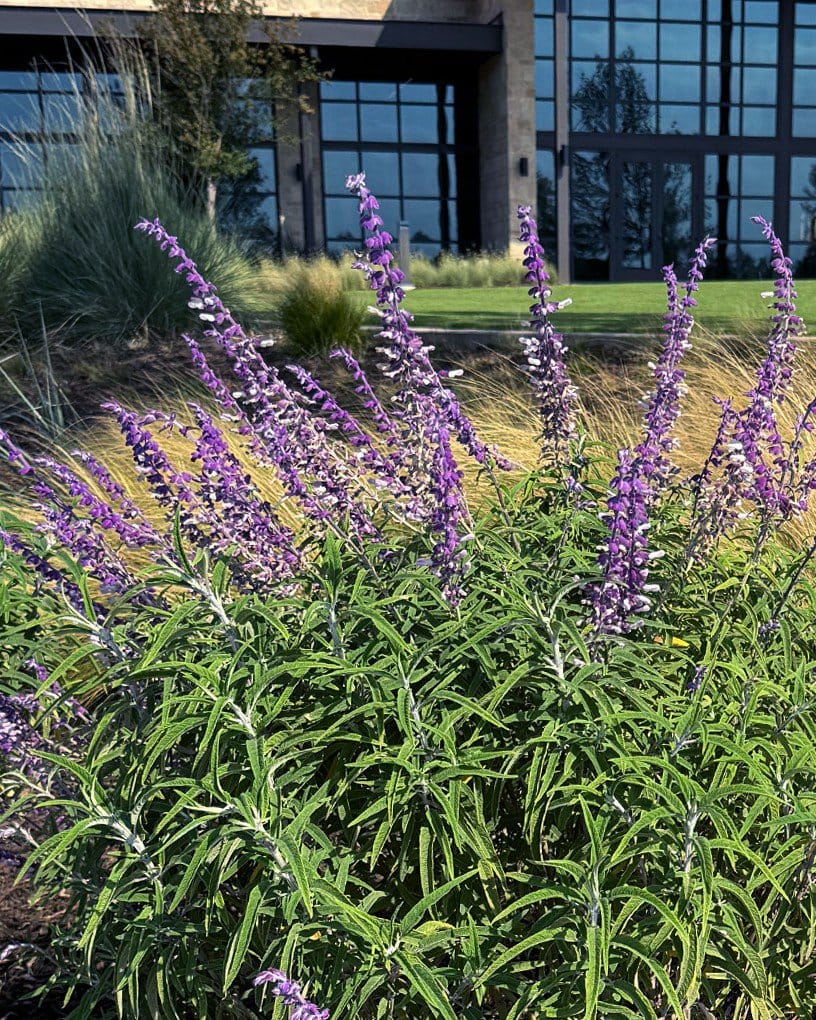
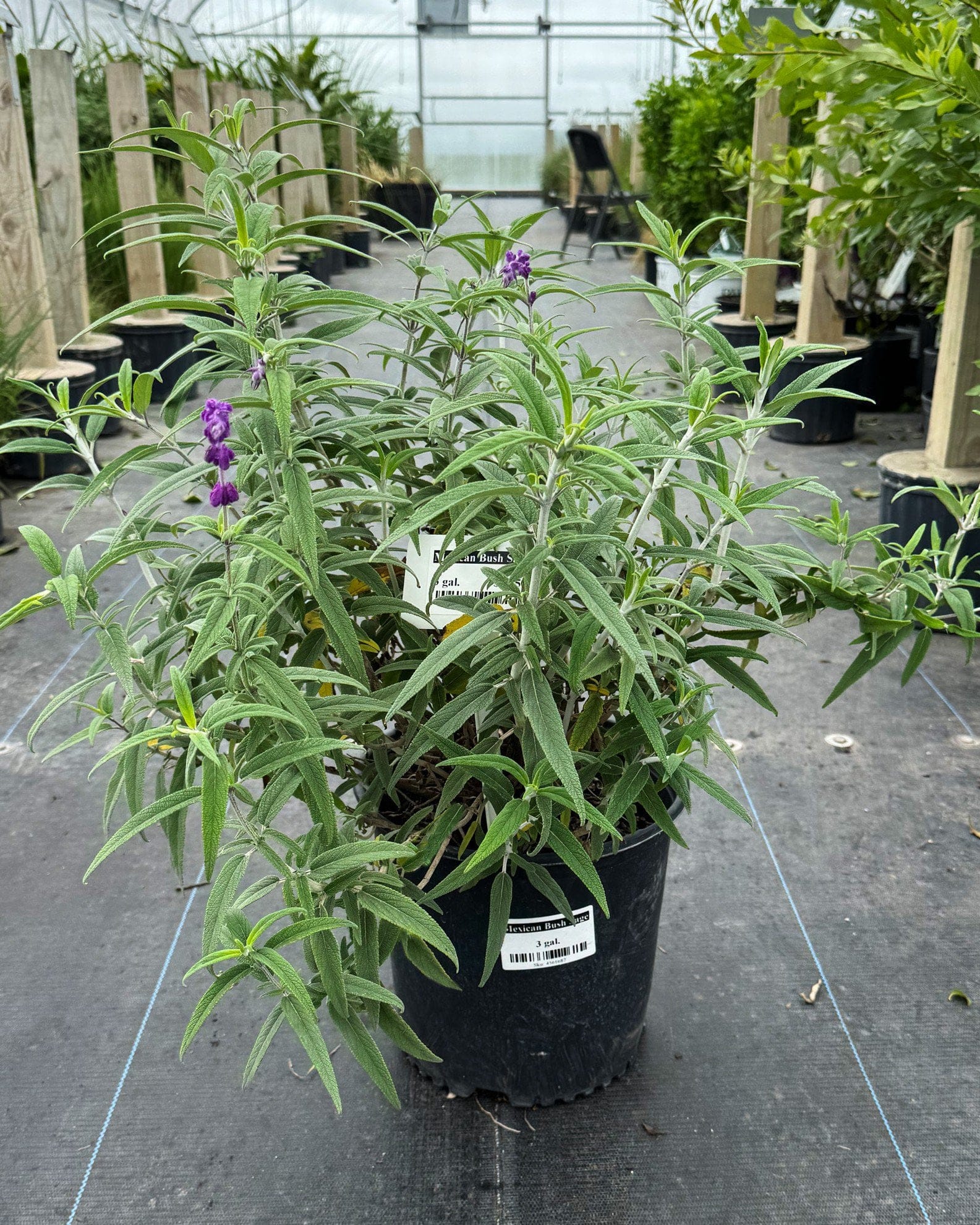
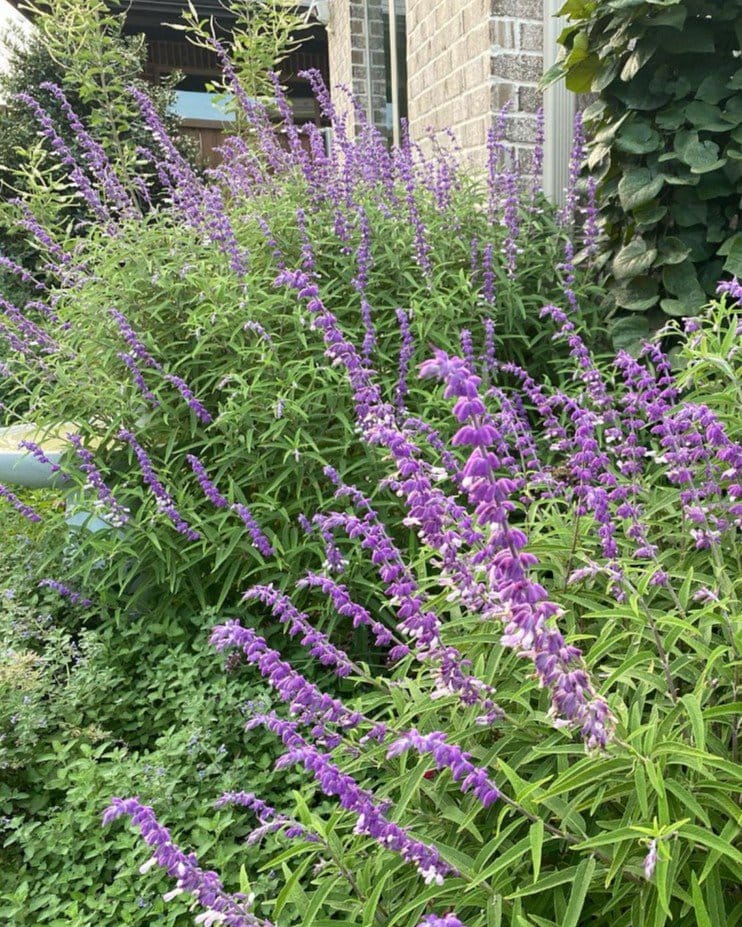
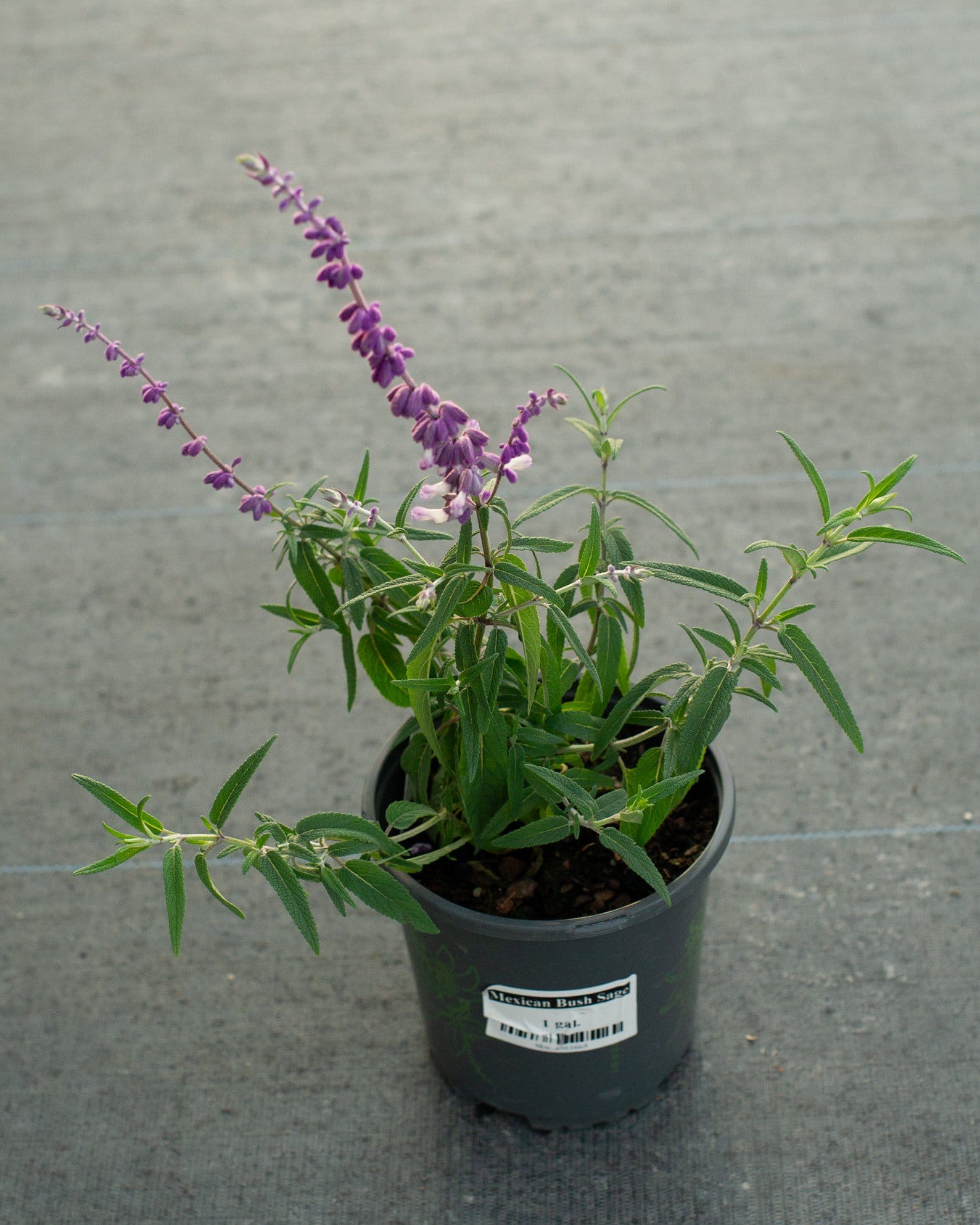
Mexican Bush Sage
Maturity: 3' H x 3' W
Society Garlic
Maturity: 1' H x 1' W
Society Garlic Silver Lace
Maturity: 1' H x 1' W
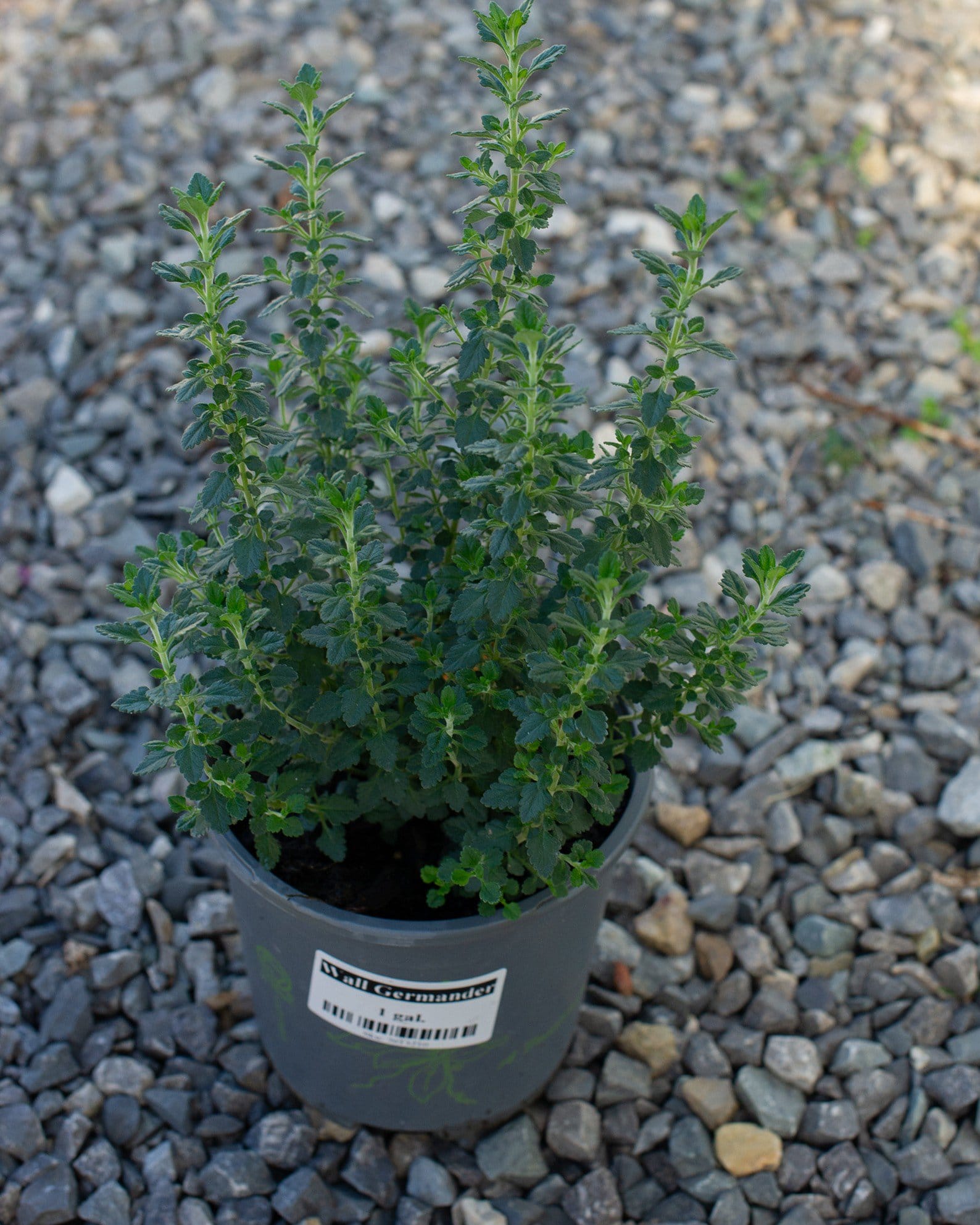
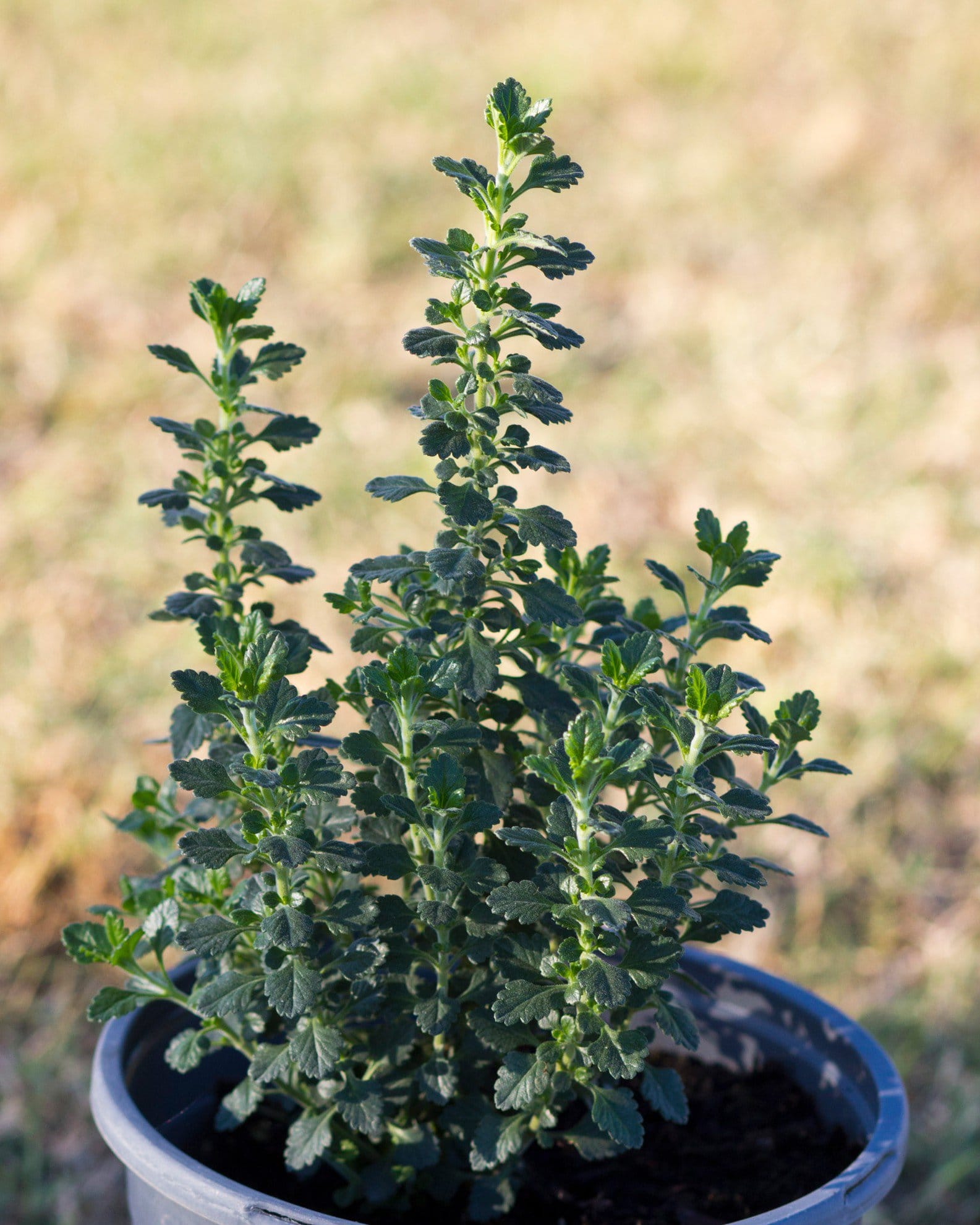
Wall Germander
Maturity: 1' H x 1' W
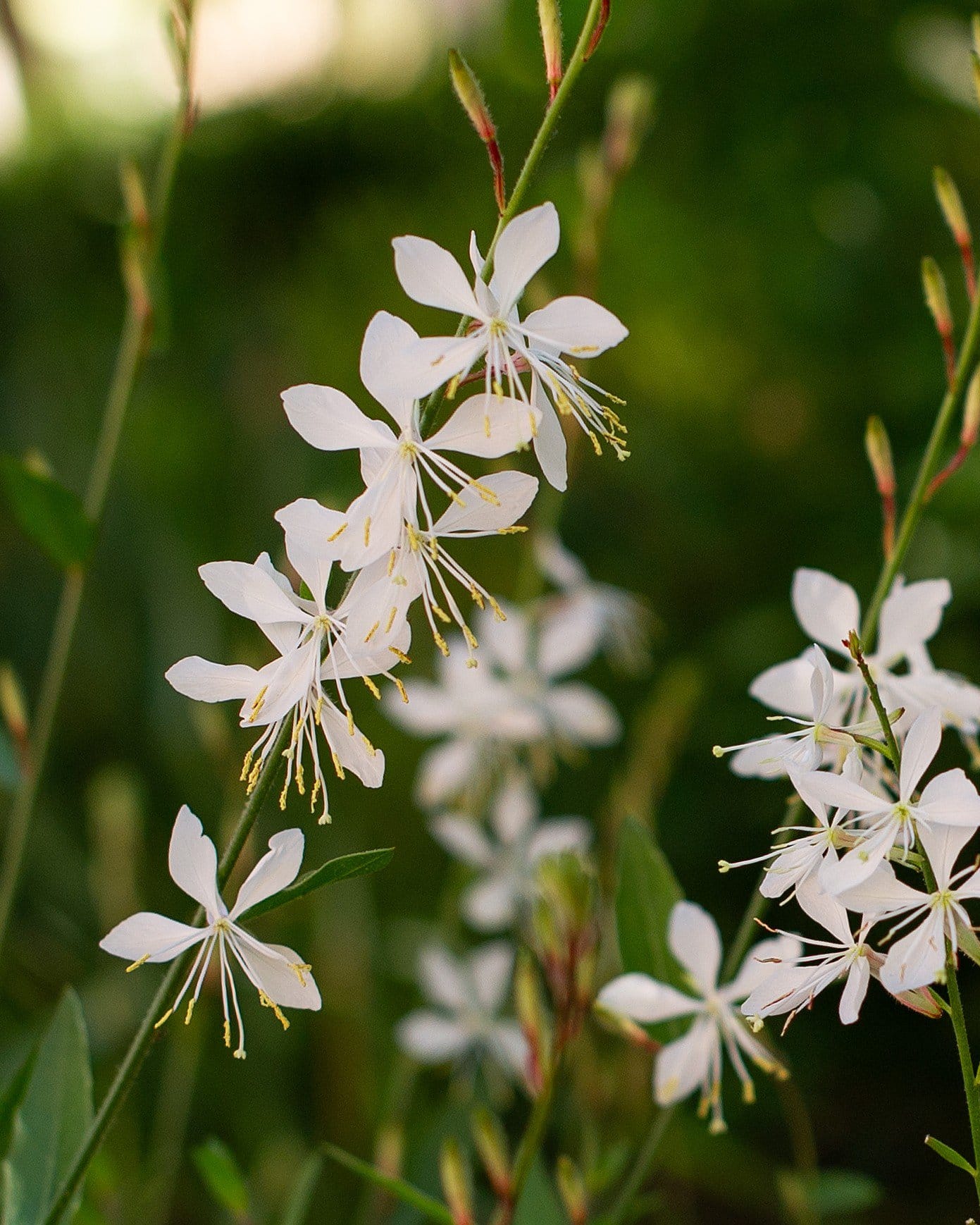
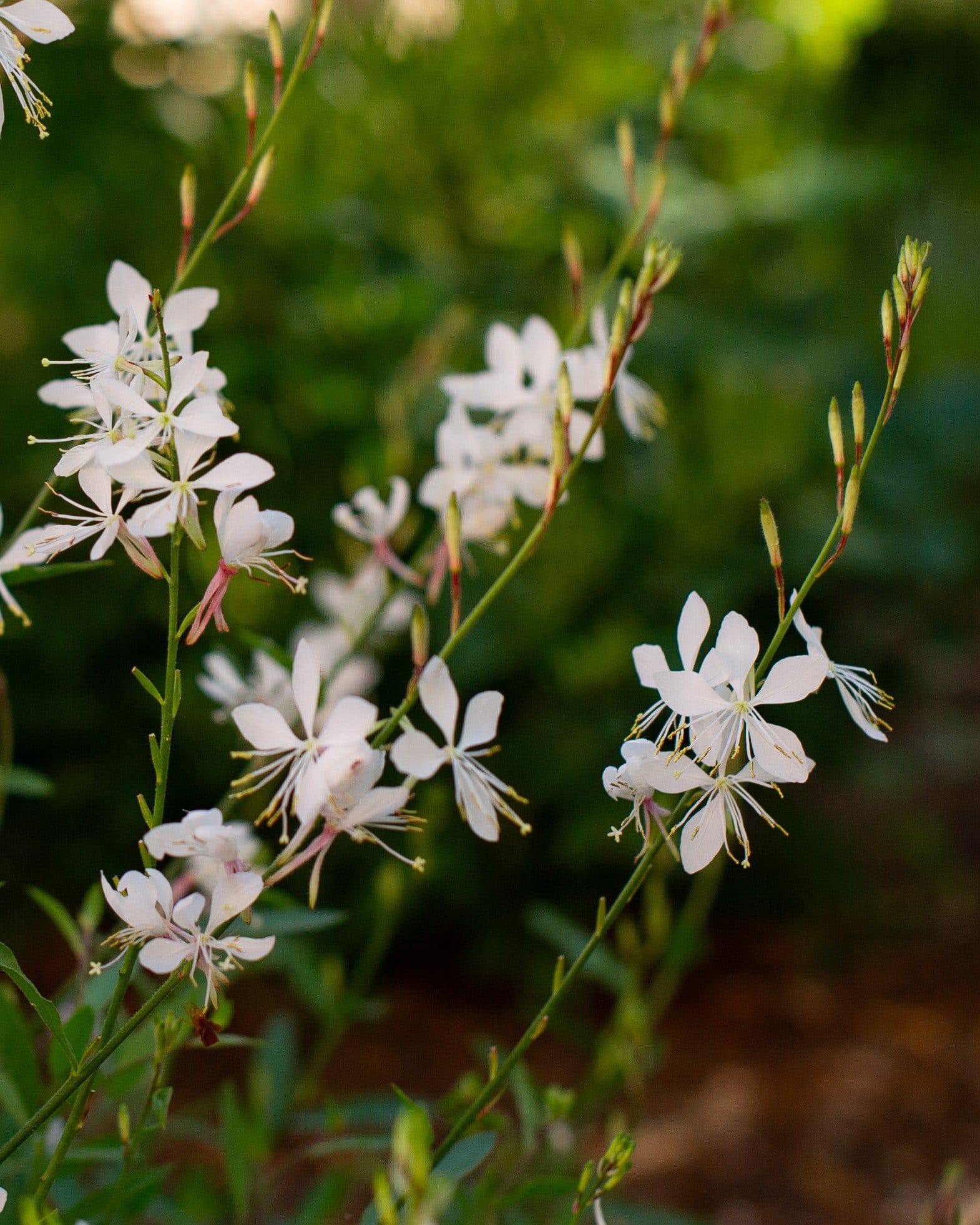
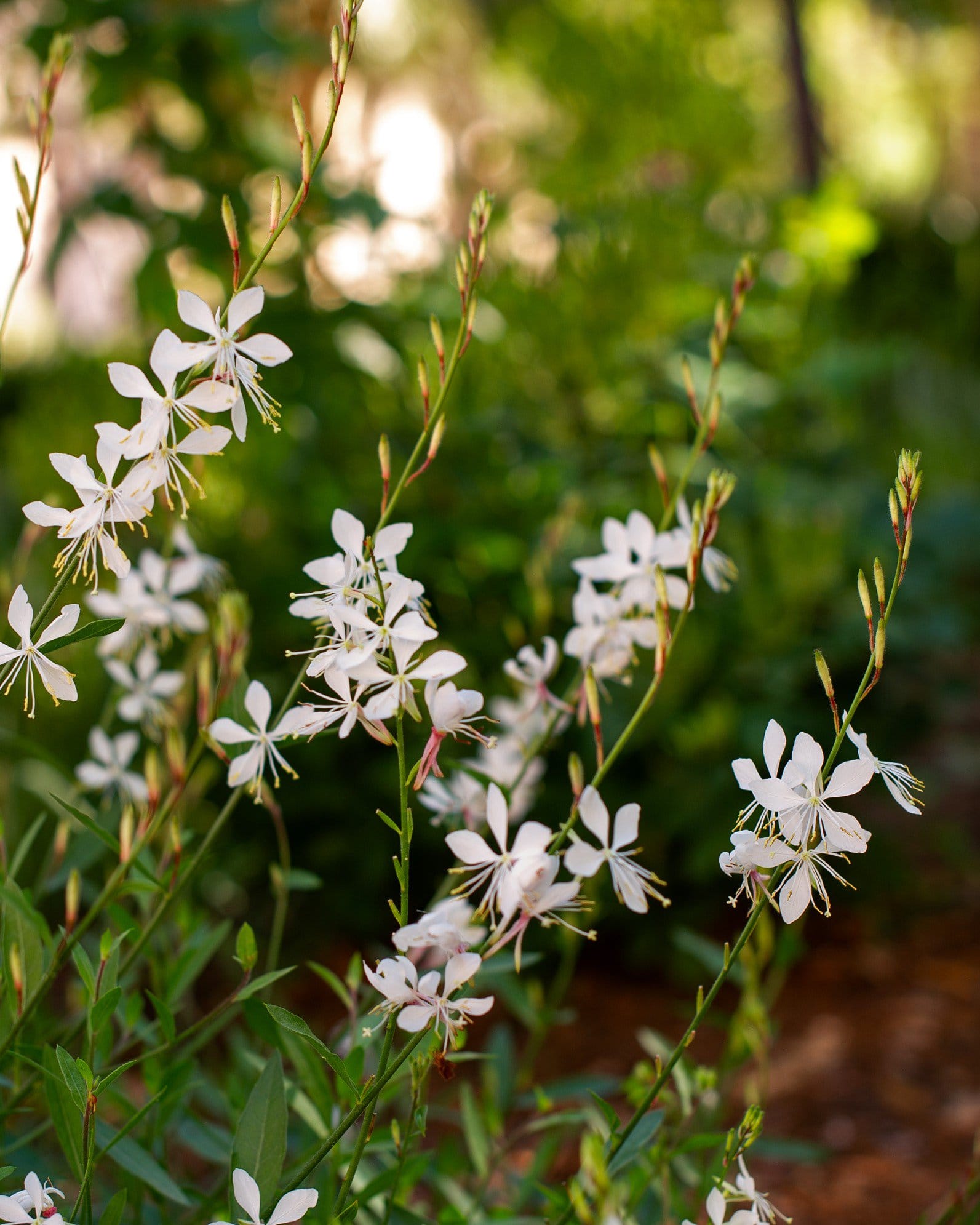
Belleza White Gaura
Maturity: 1' H x 1.5' W
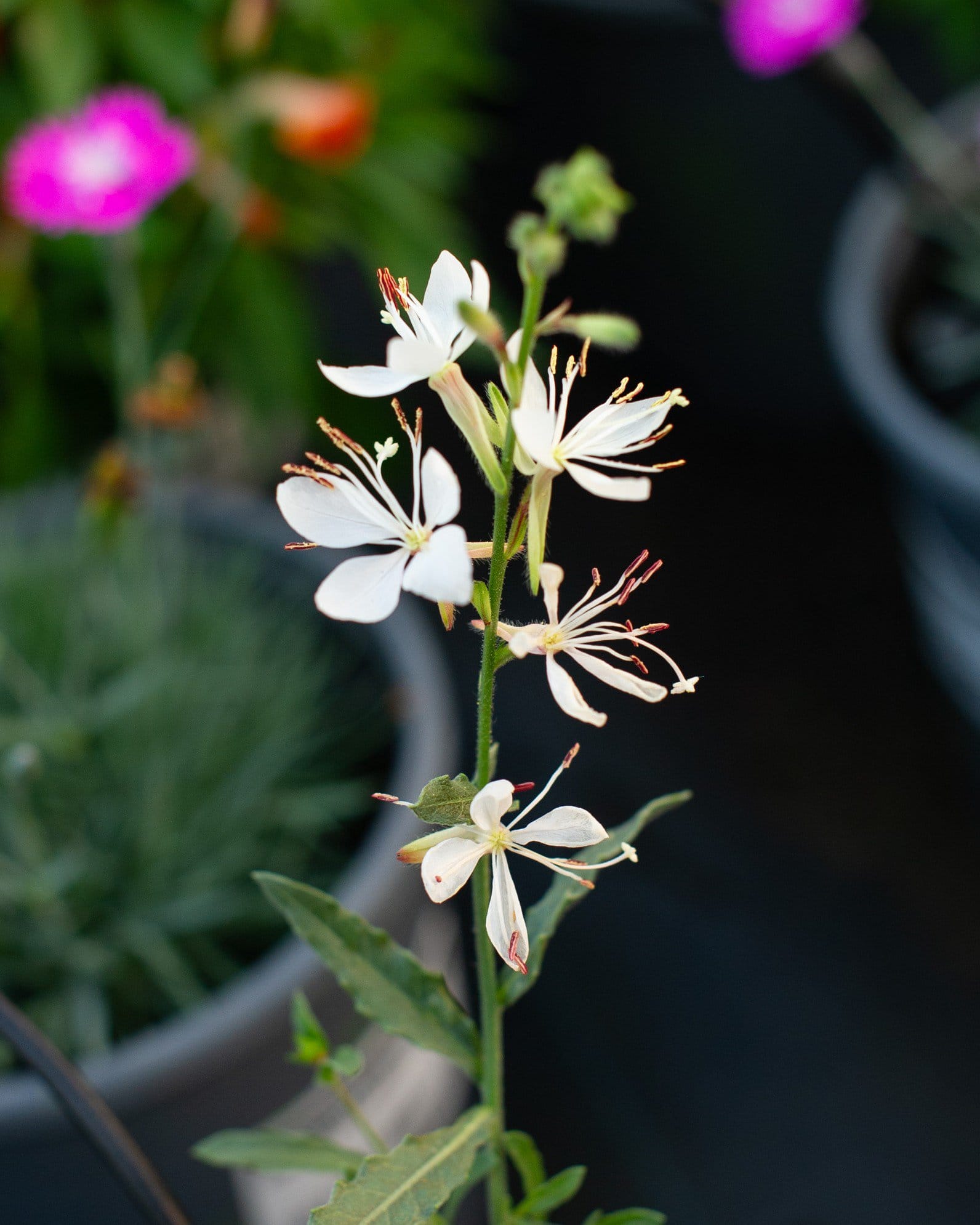
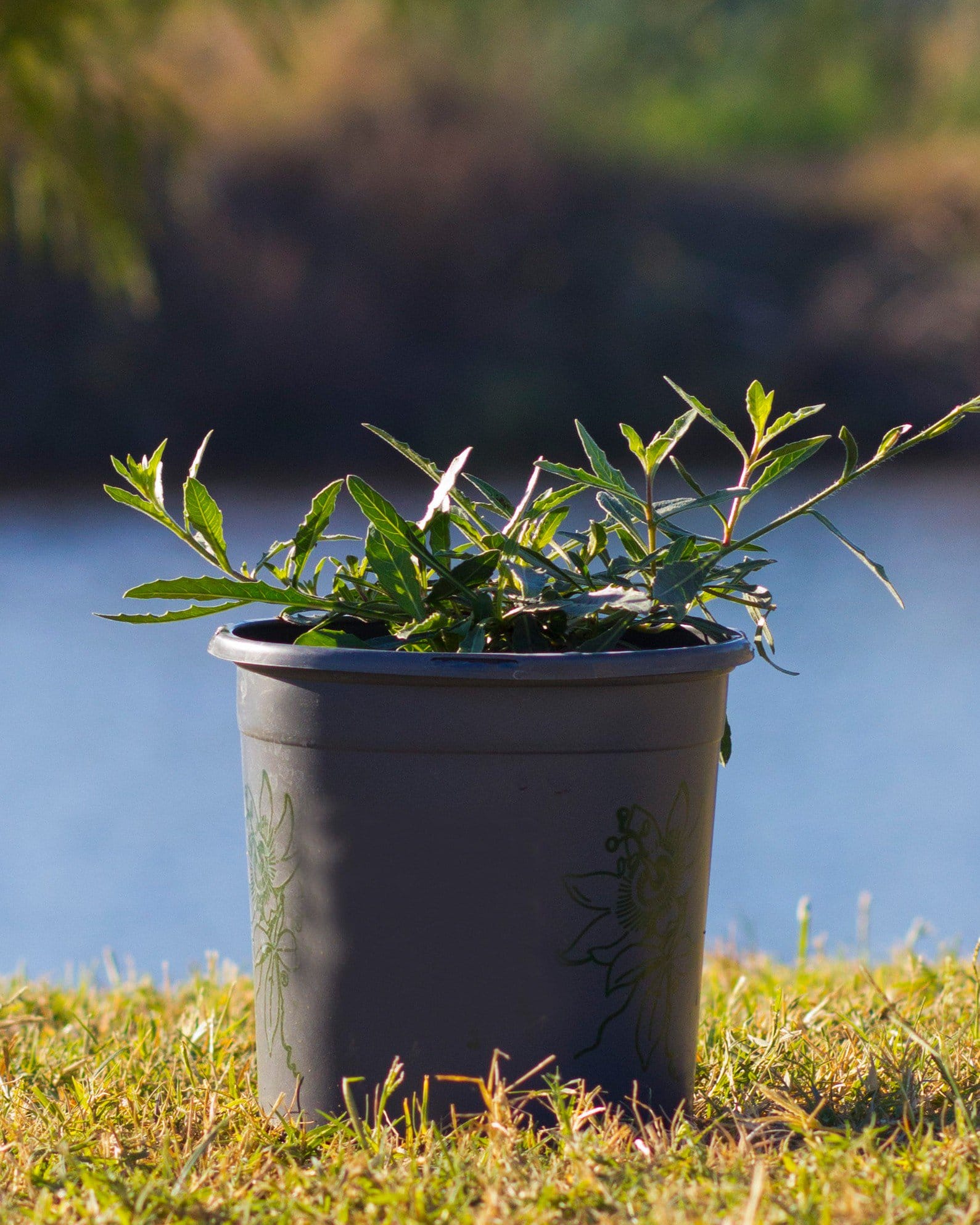
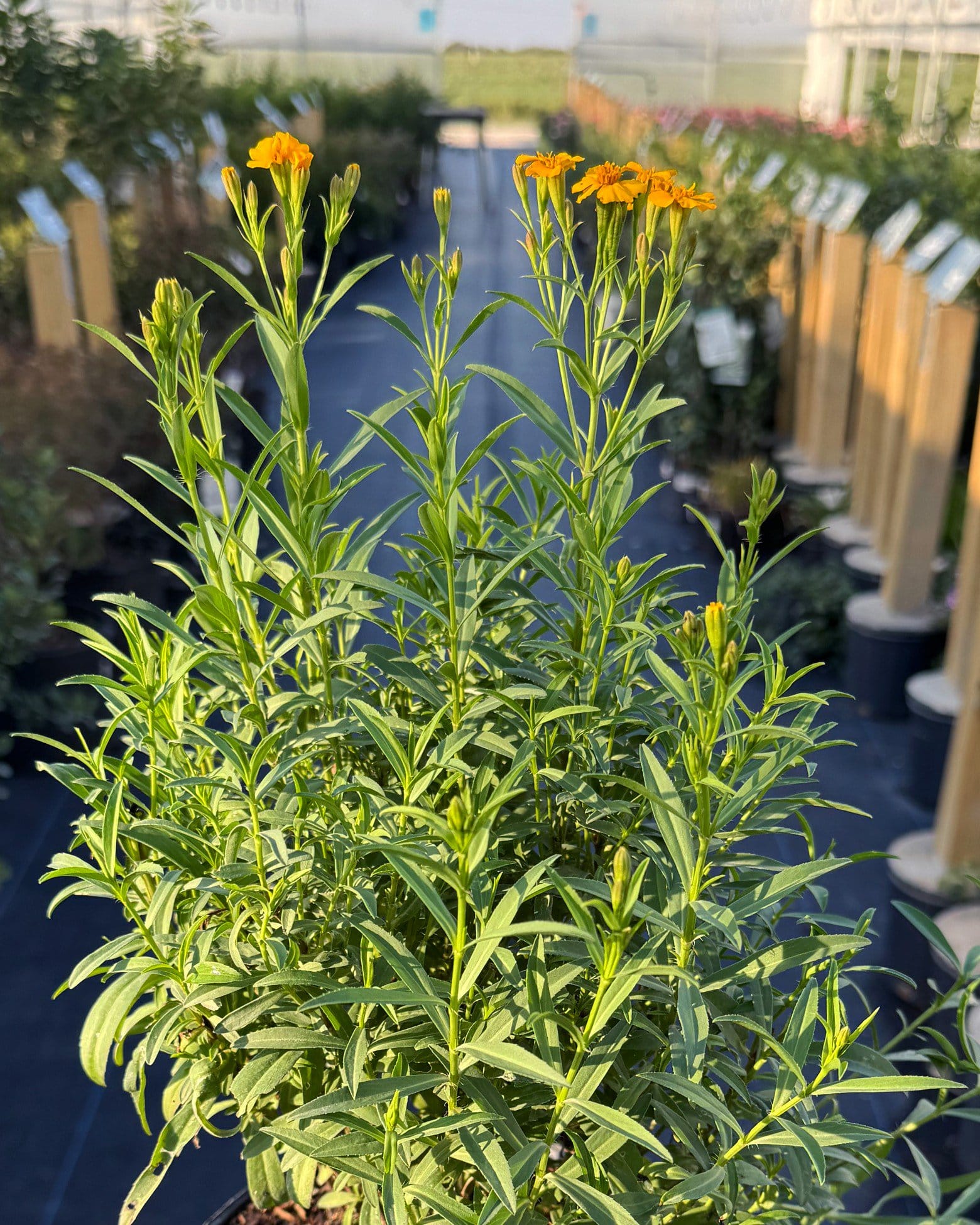
Mexican Mint Marigold
Maturity: 1' H x 1' W
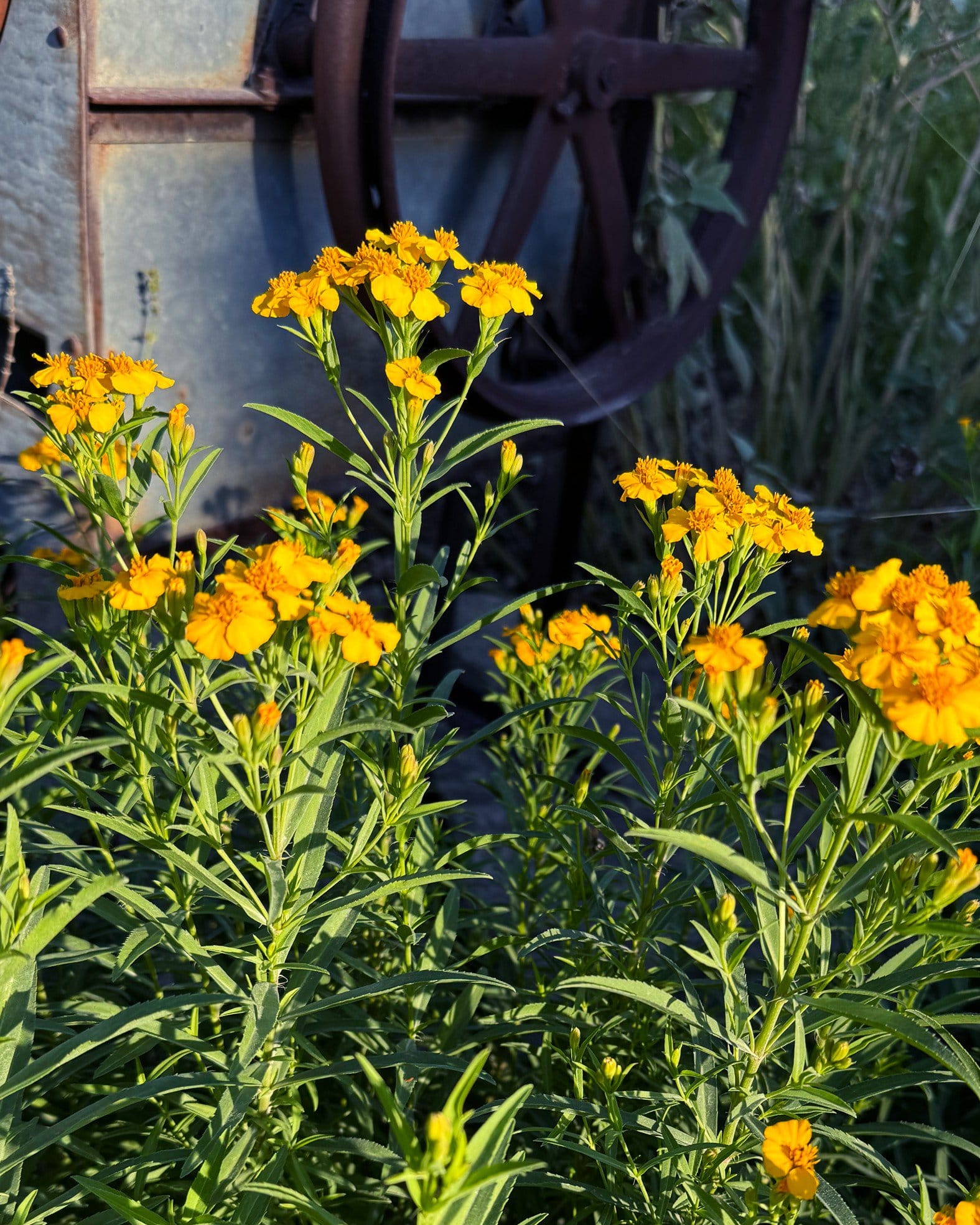
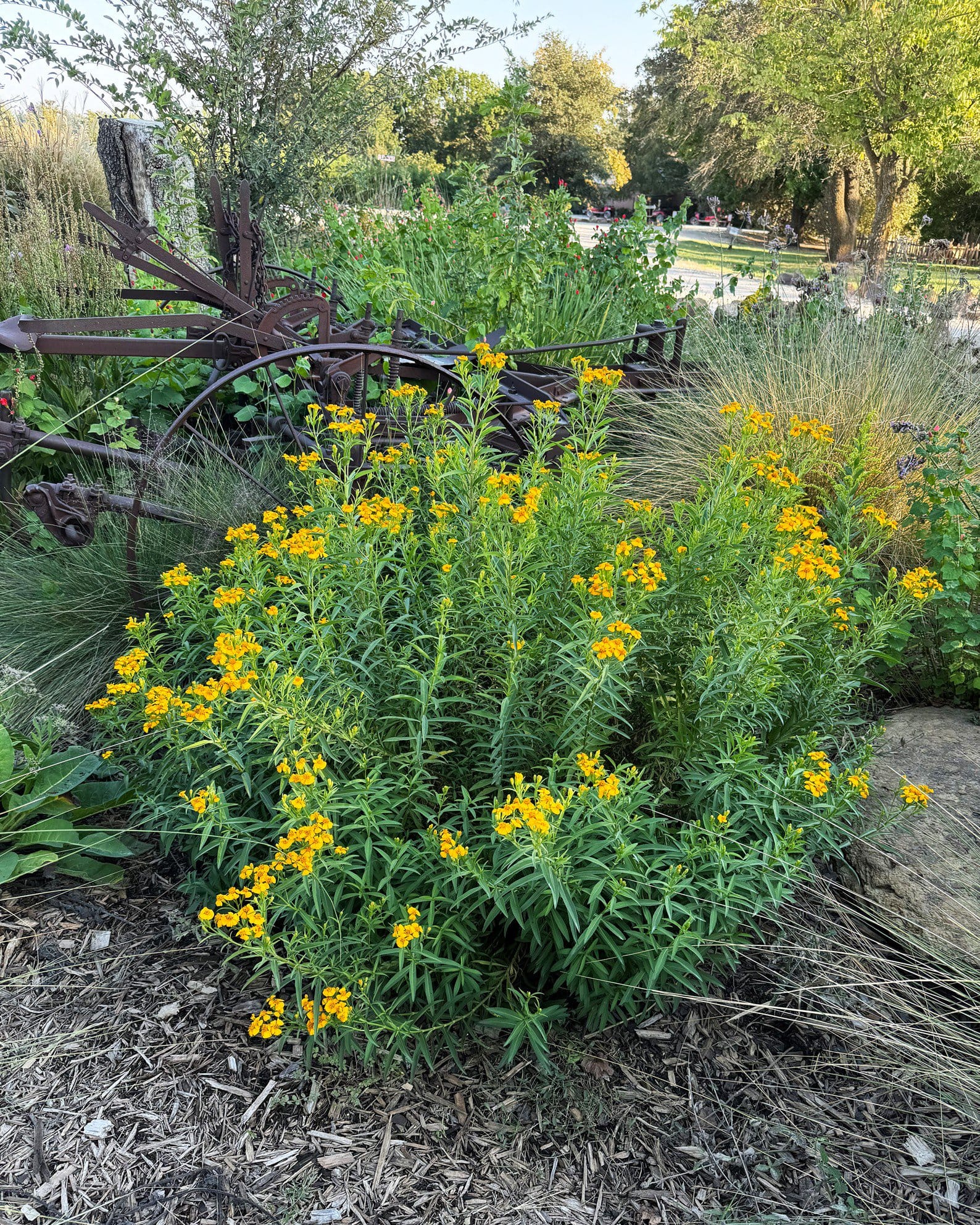
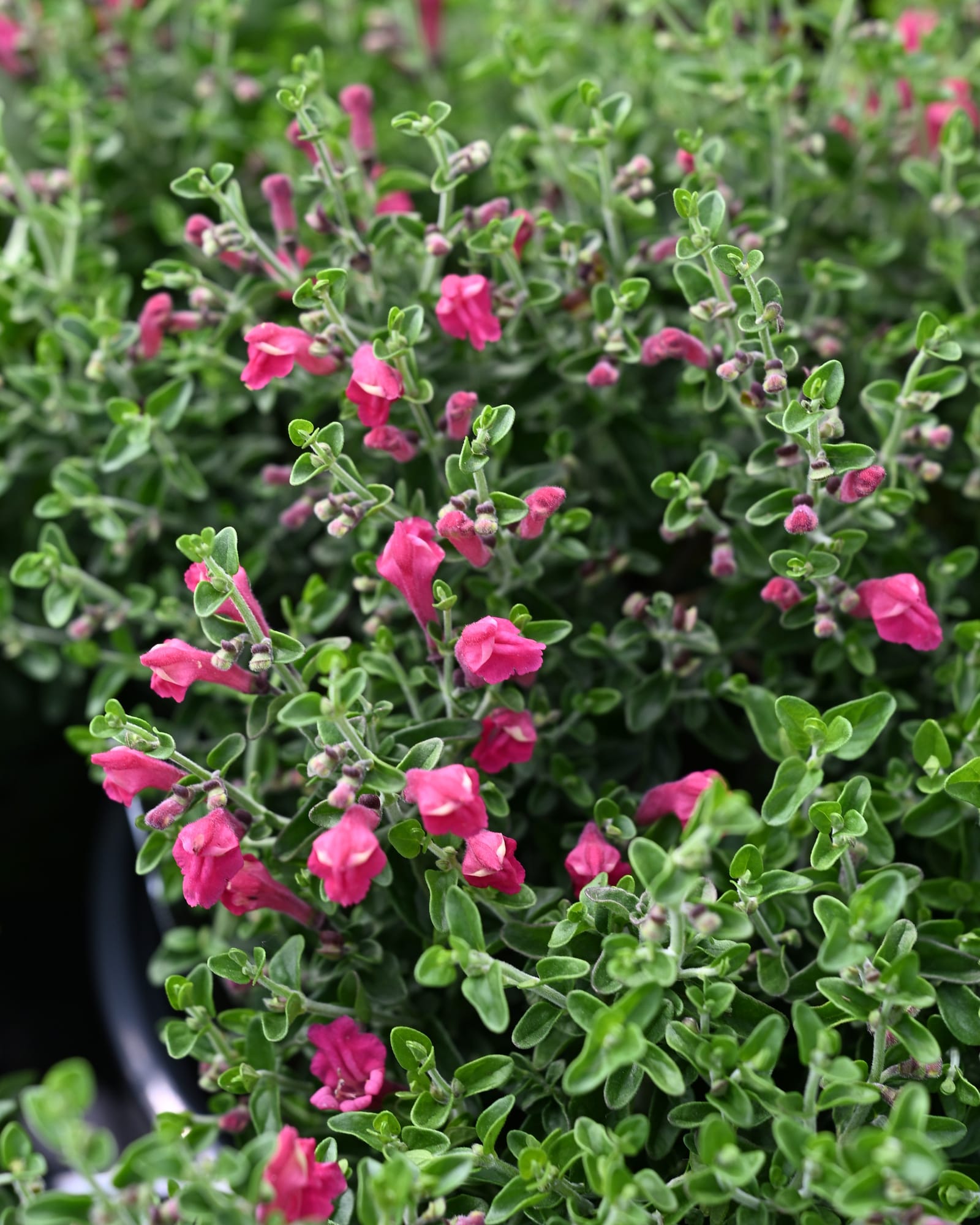
Pink Skullcap
Maturity: 1' H x 2' W
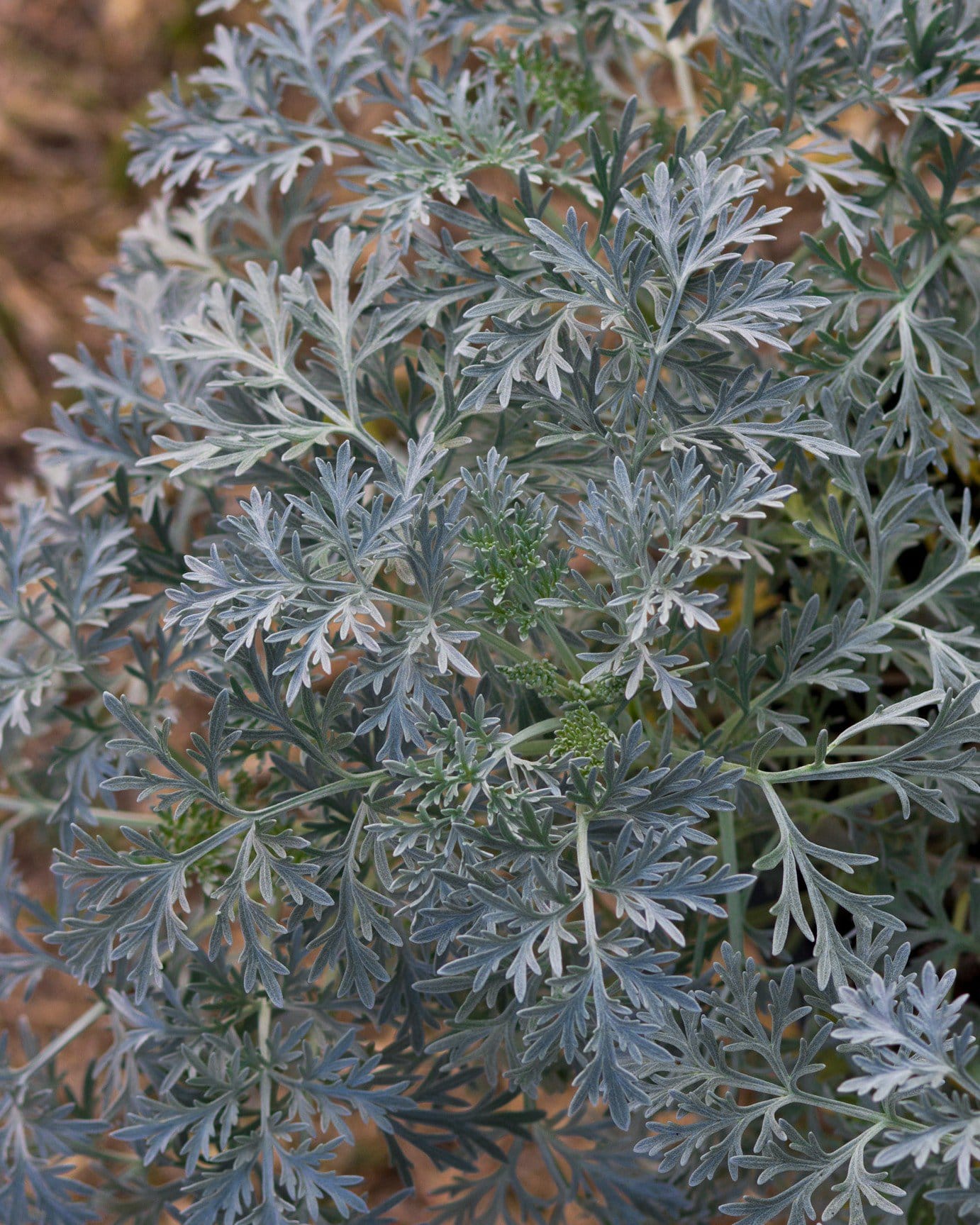
Powis Castle Artemisia
Maturity: 2' H x 3' W
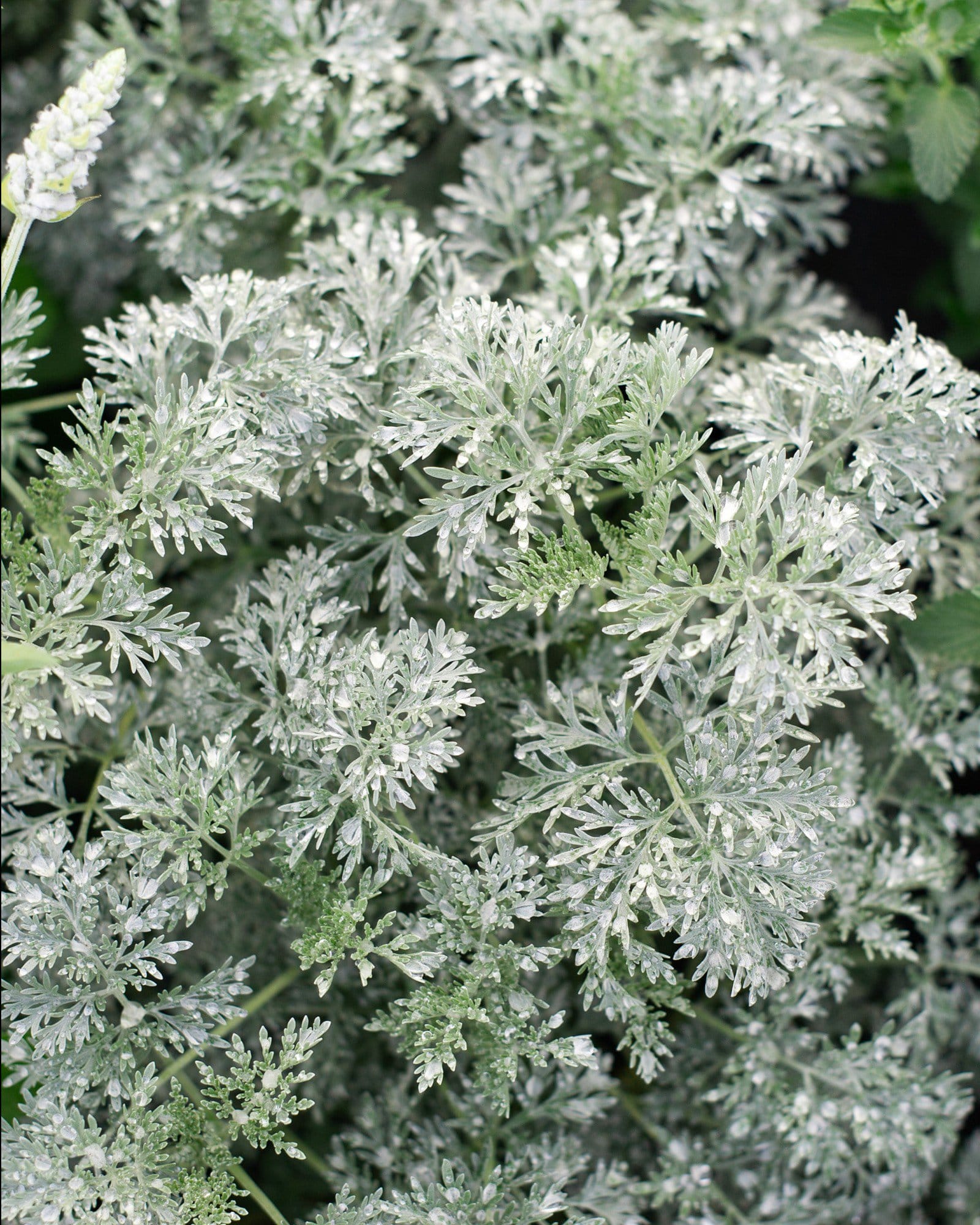
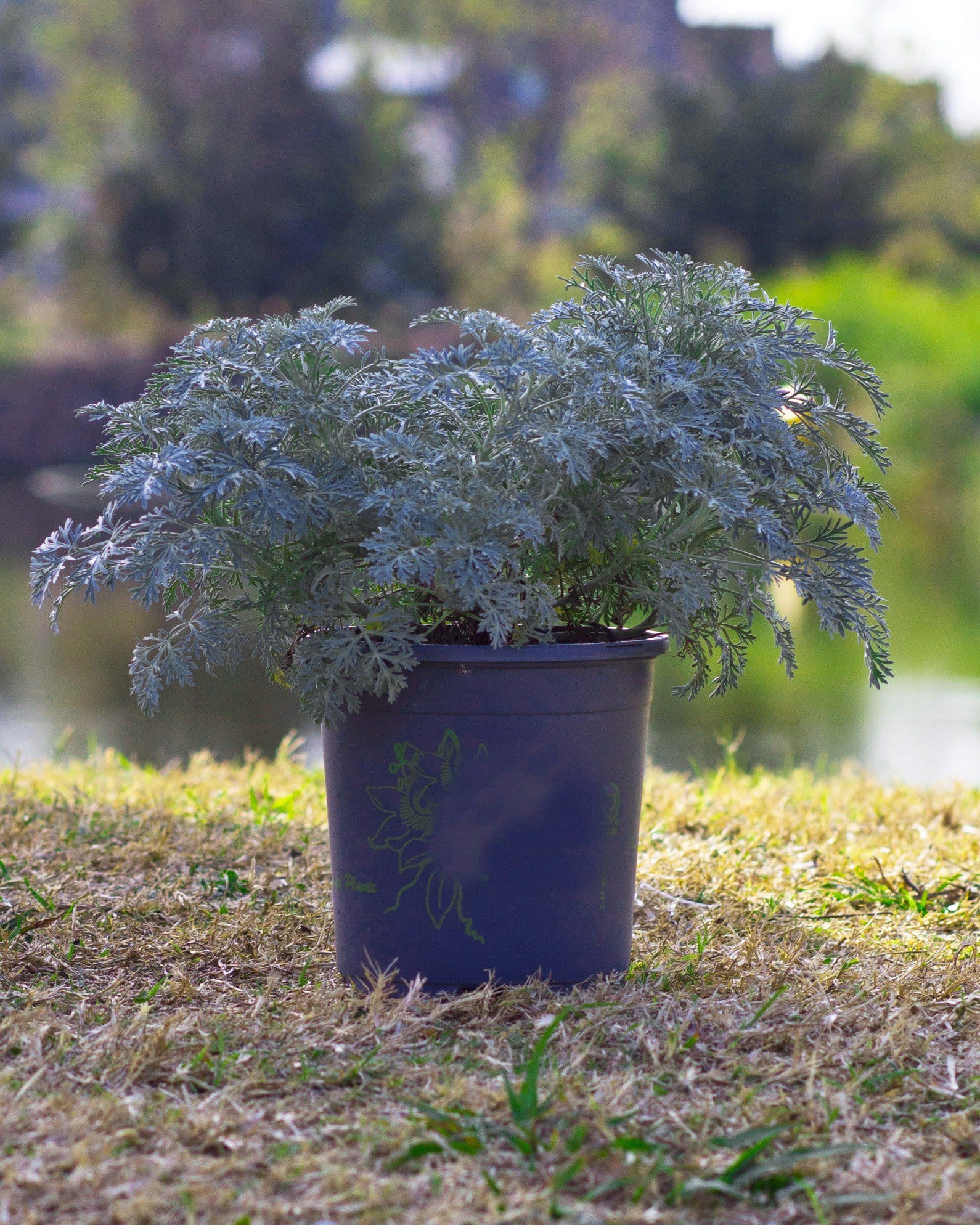
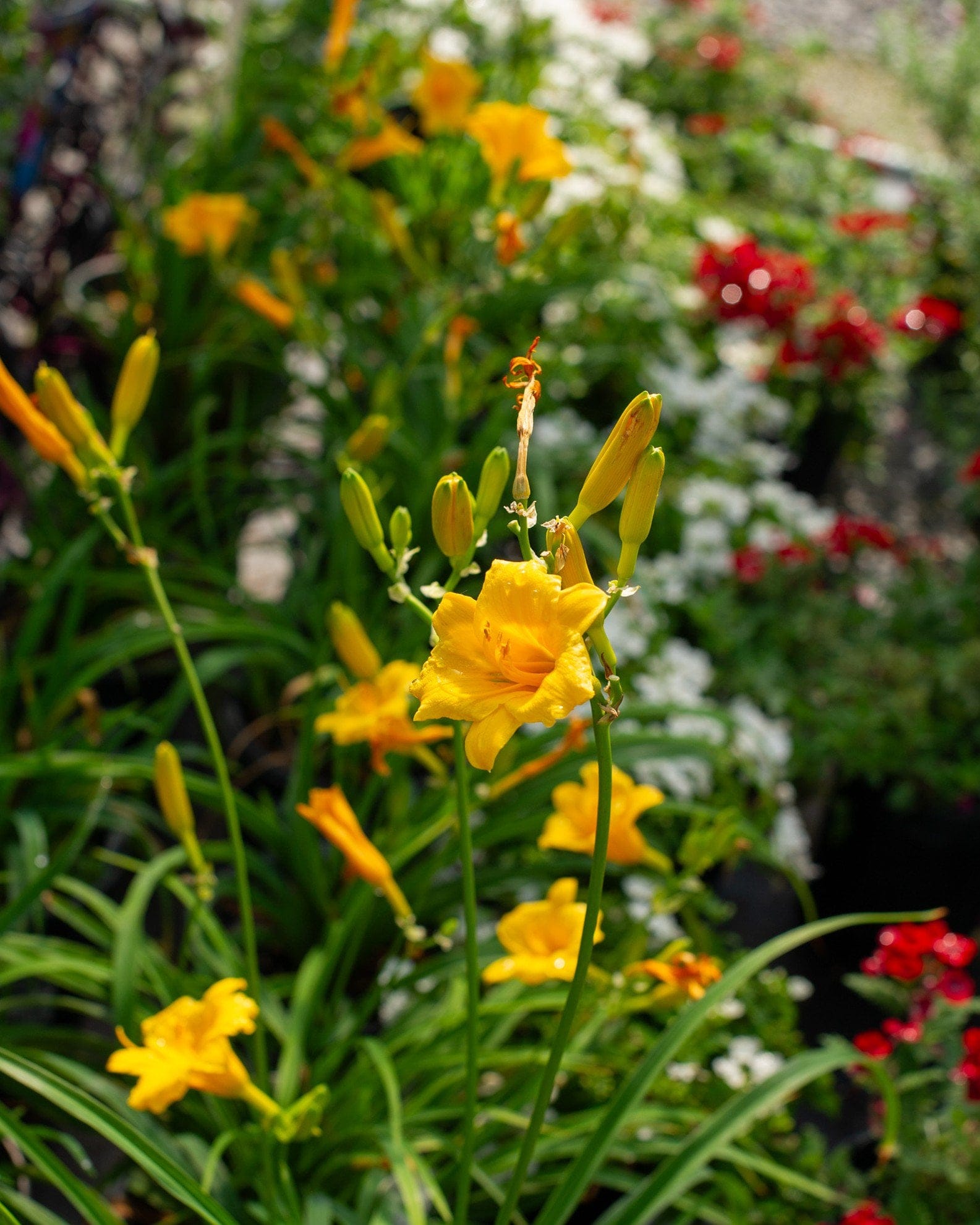
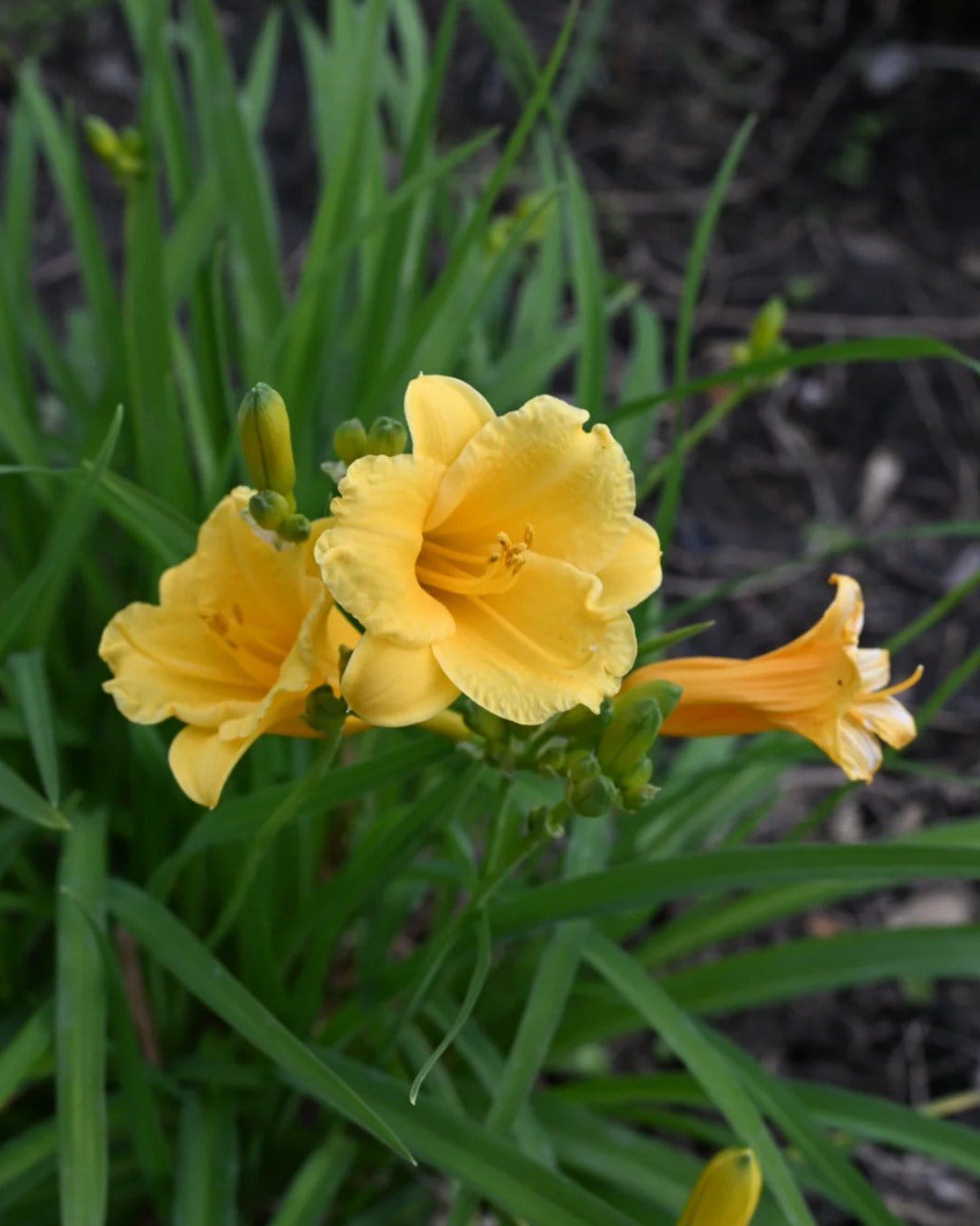
Stella D'Oro Daylily
Maturity: 1.5' H x 1.5' W
Cat's Pajamas Catmint
Maturity: 1' H x 1.5' W

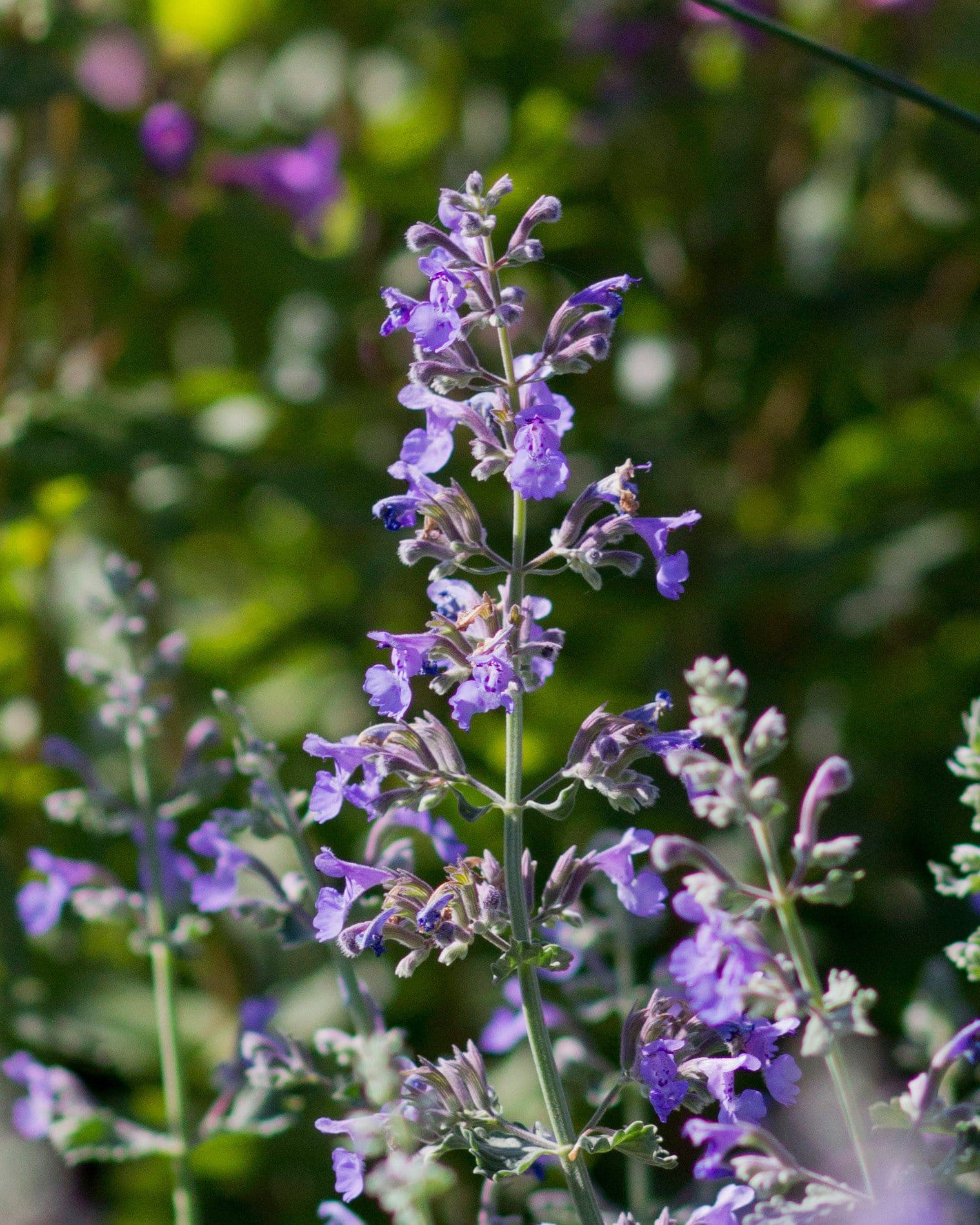
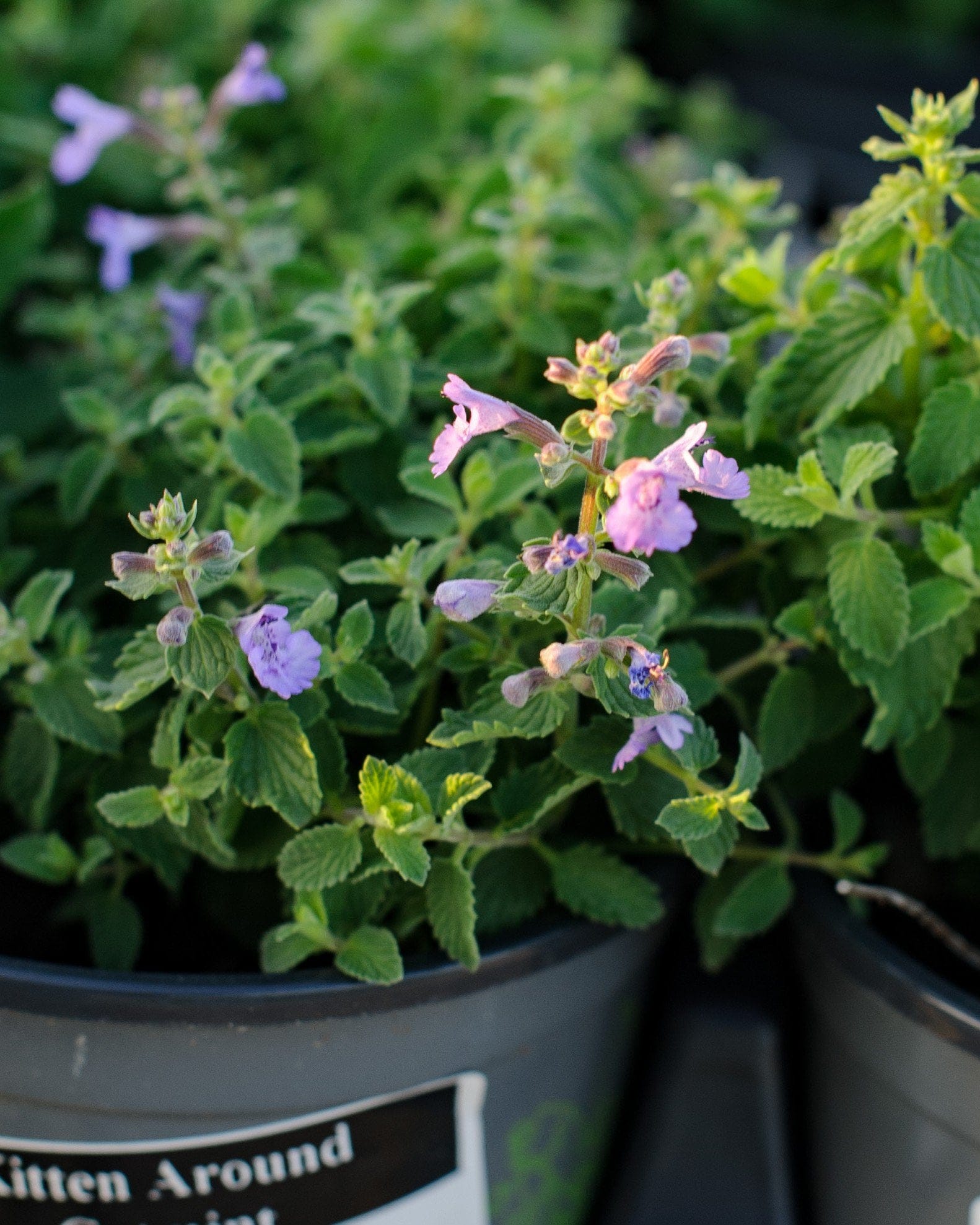
Kitten Around Catmint
Maturity: 1' H x 1.5' W
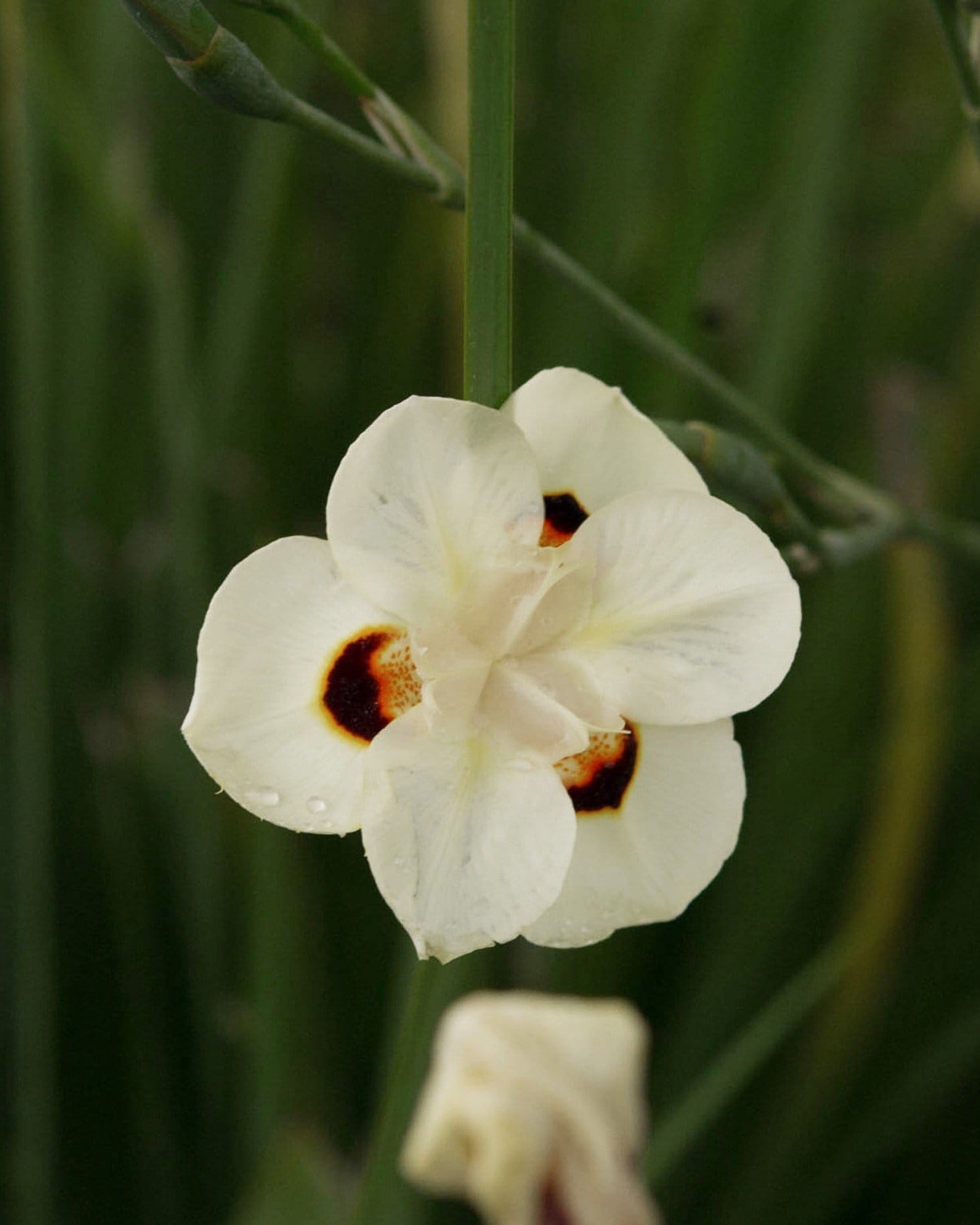
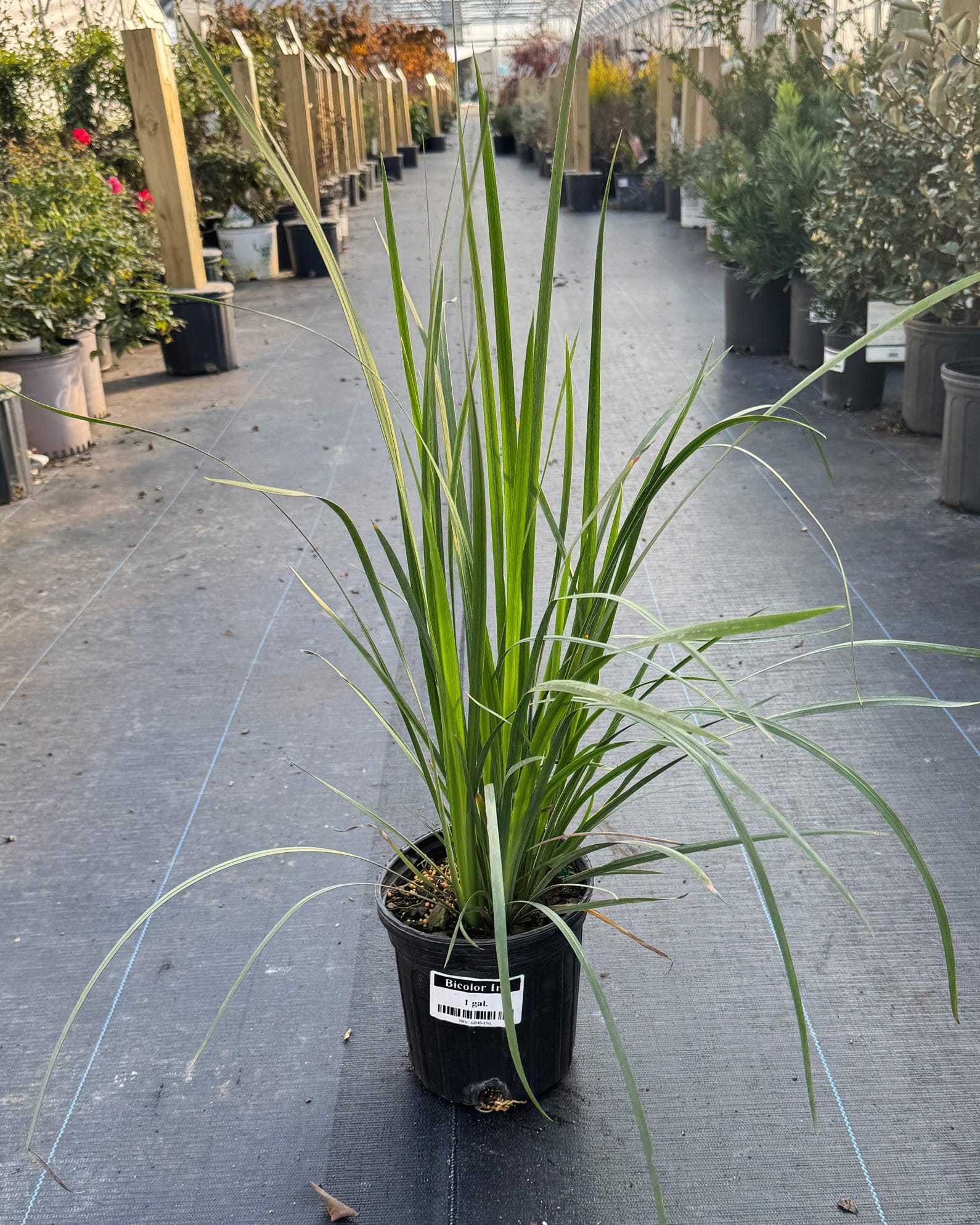
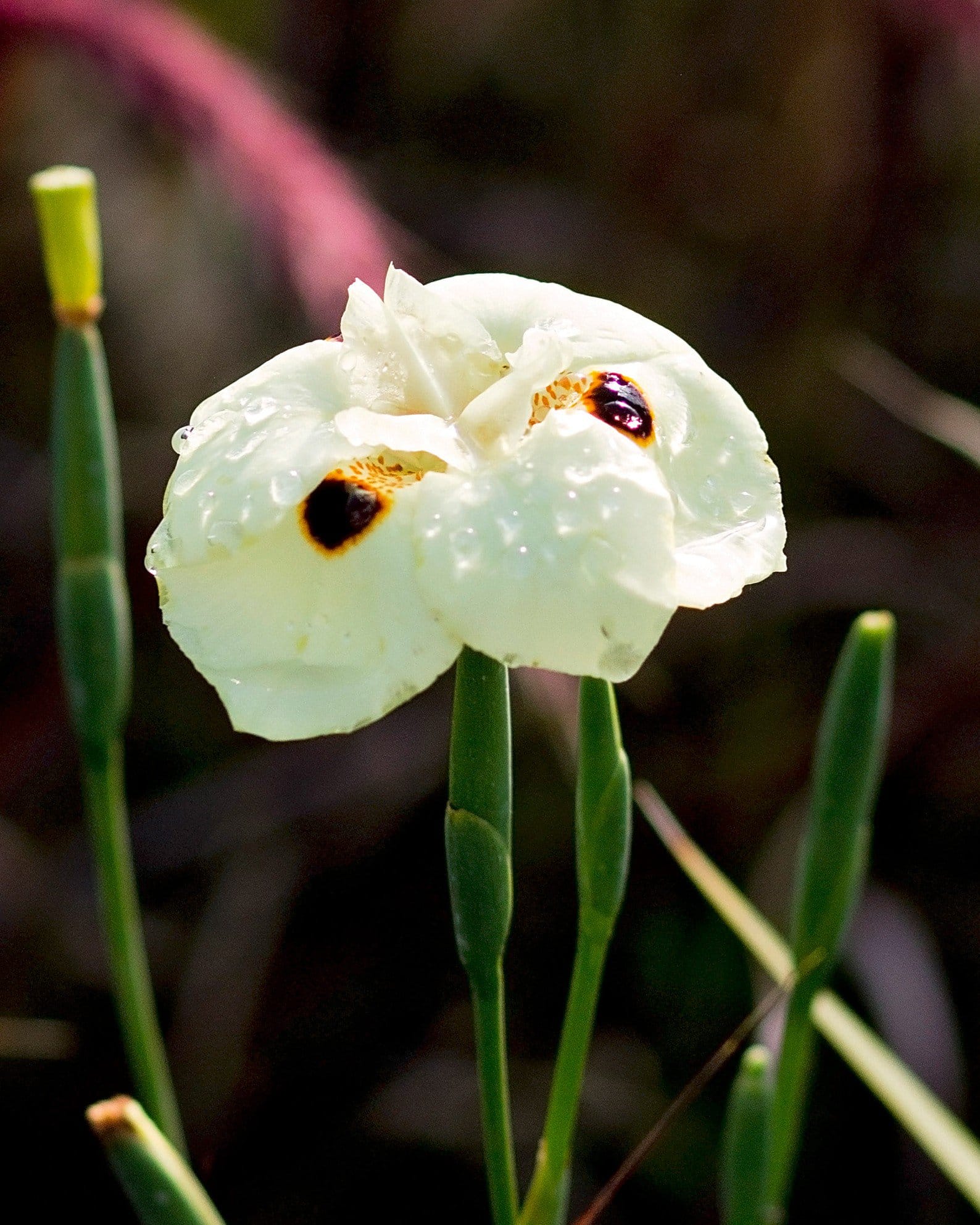
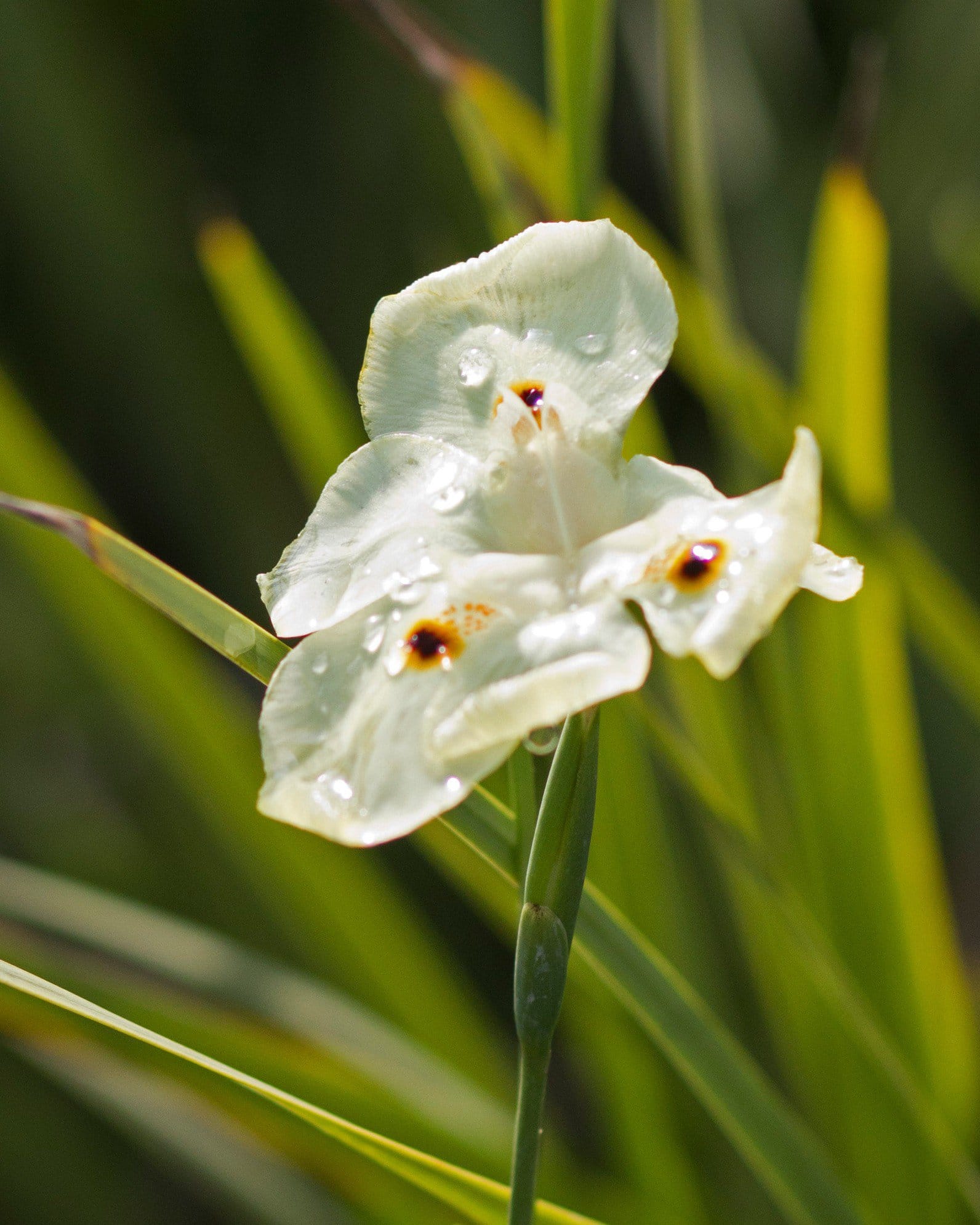
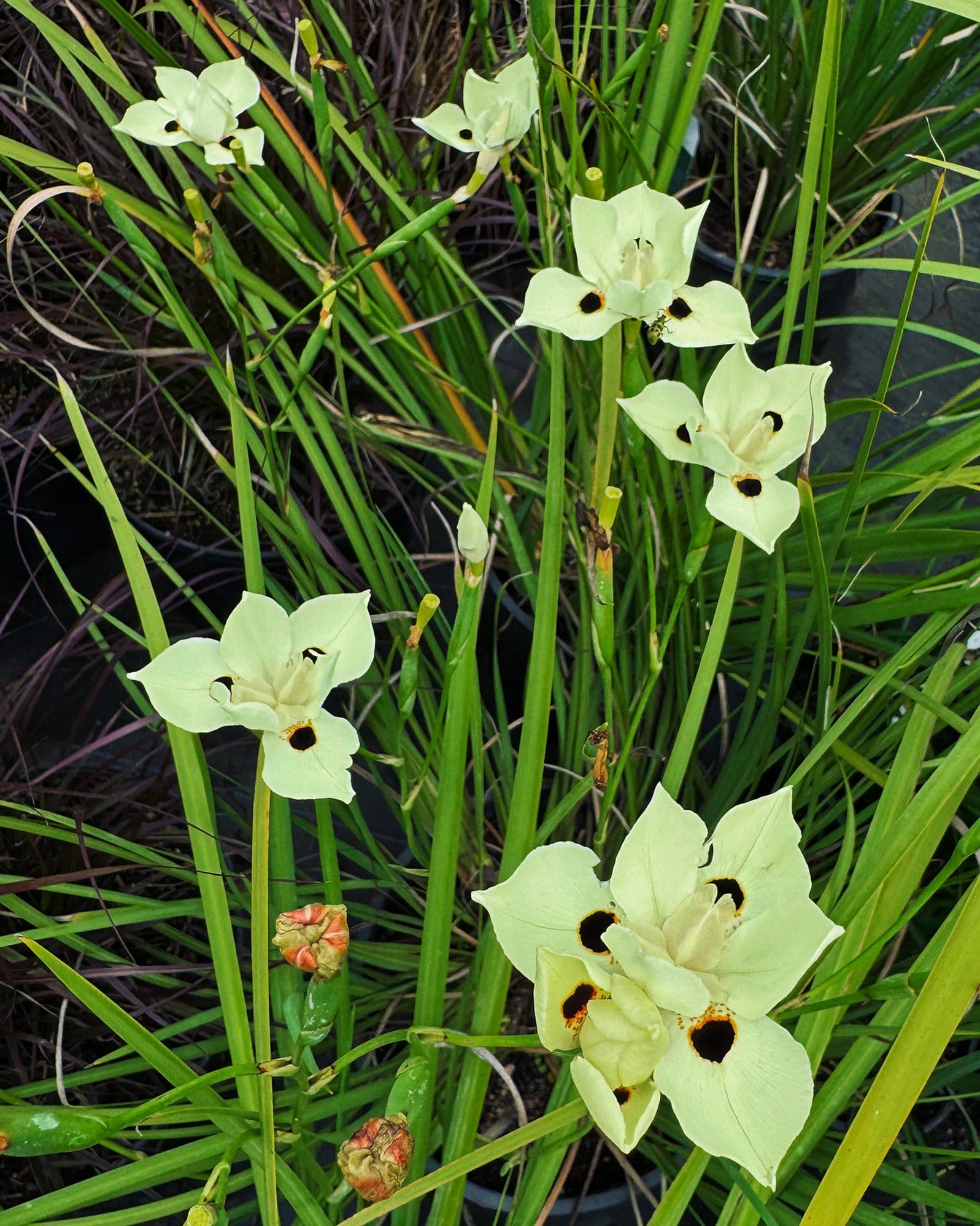
Bicolor Iris
Maturity: 2' H x 2' W
Serene Frost Catmint
Maturity: 1.25' H x 1.25' W
Compare Similar Plants
Six Hills Giant Catmint This plant | ||
|---|---|---|
| Scientific Name | Nepeta 'Six Hills Giant' | Nepeta x faassenii 'Walker's Low' |
| Size at Maturity | 2' H x 3' W | 2' H x 3' W |
| Leaf Retention | Herbaceous | Herbaceous |
| Flower Color | Purple | Purple |
| Bloom Times | Summer | Summer |
| Sizes Available | 1 gal | 1 gal |


Our 1-Year Planting Guarantee
We take pride in our plants and installation services. If any plants or trees installed by Treeland fail to thrive within the first year, we'll provide a replacement credit in accordance with our guarantee program.
Learn More About Our Guarantee