

 Popular
Local DFW Delivery Only
Product Details
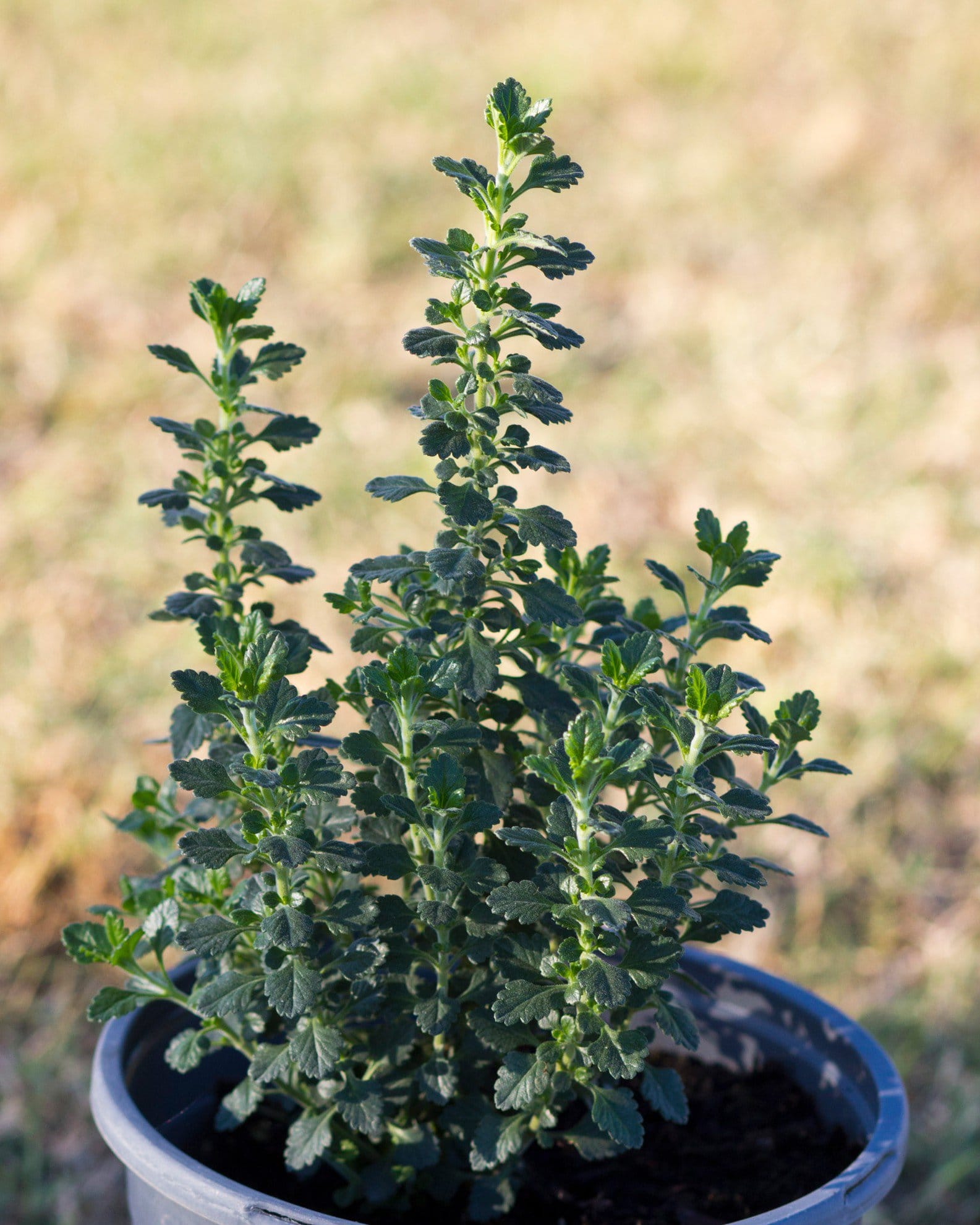
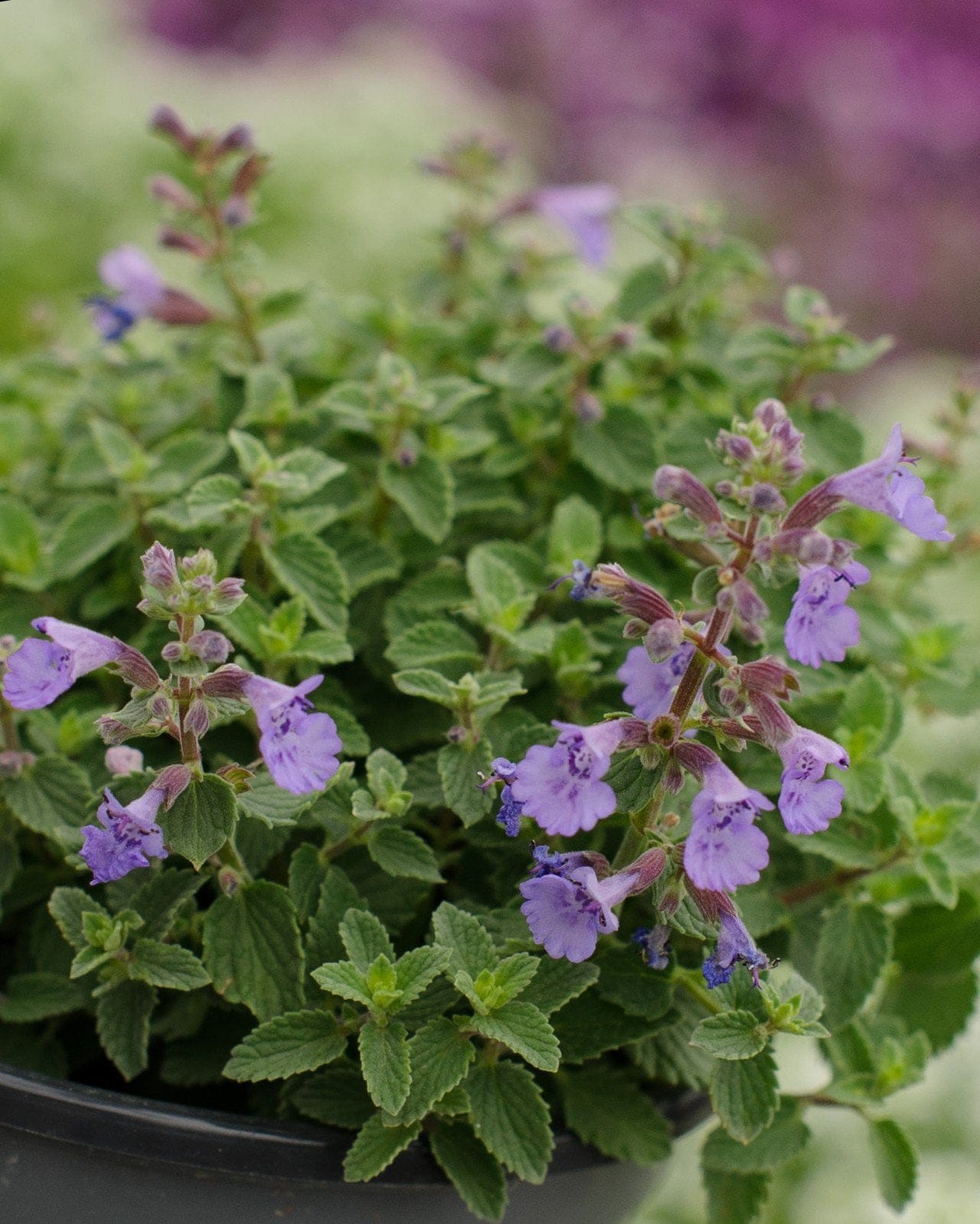
Walker's Low Catmint
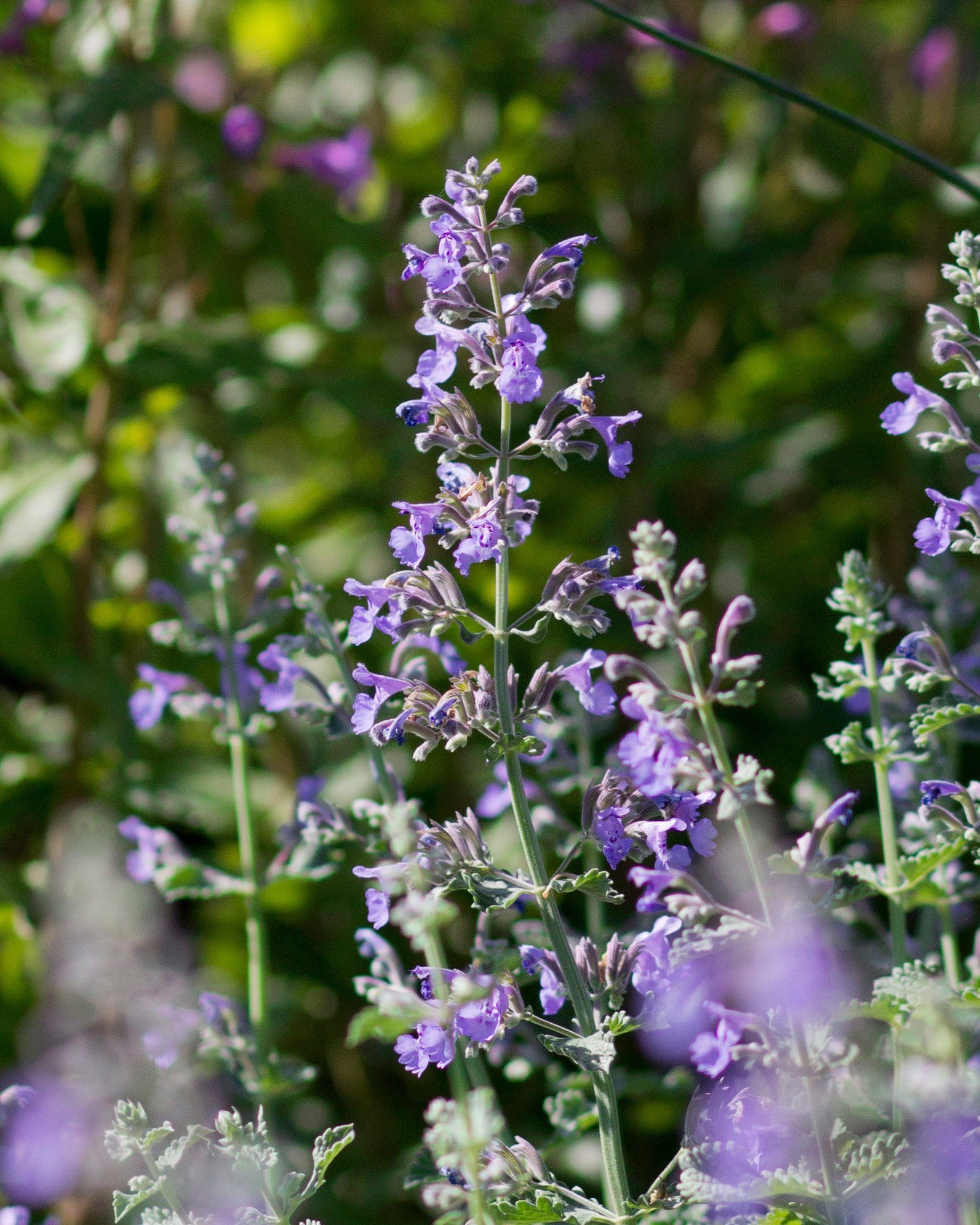
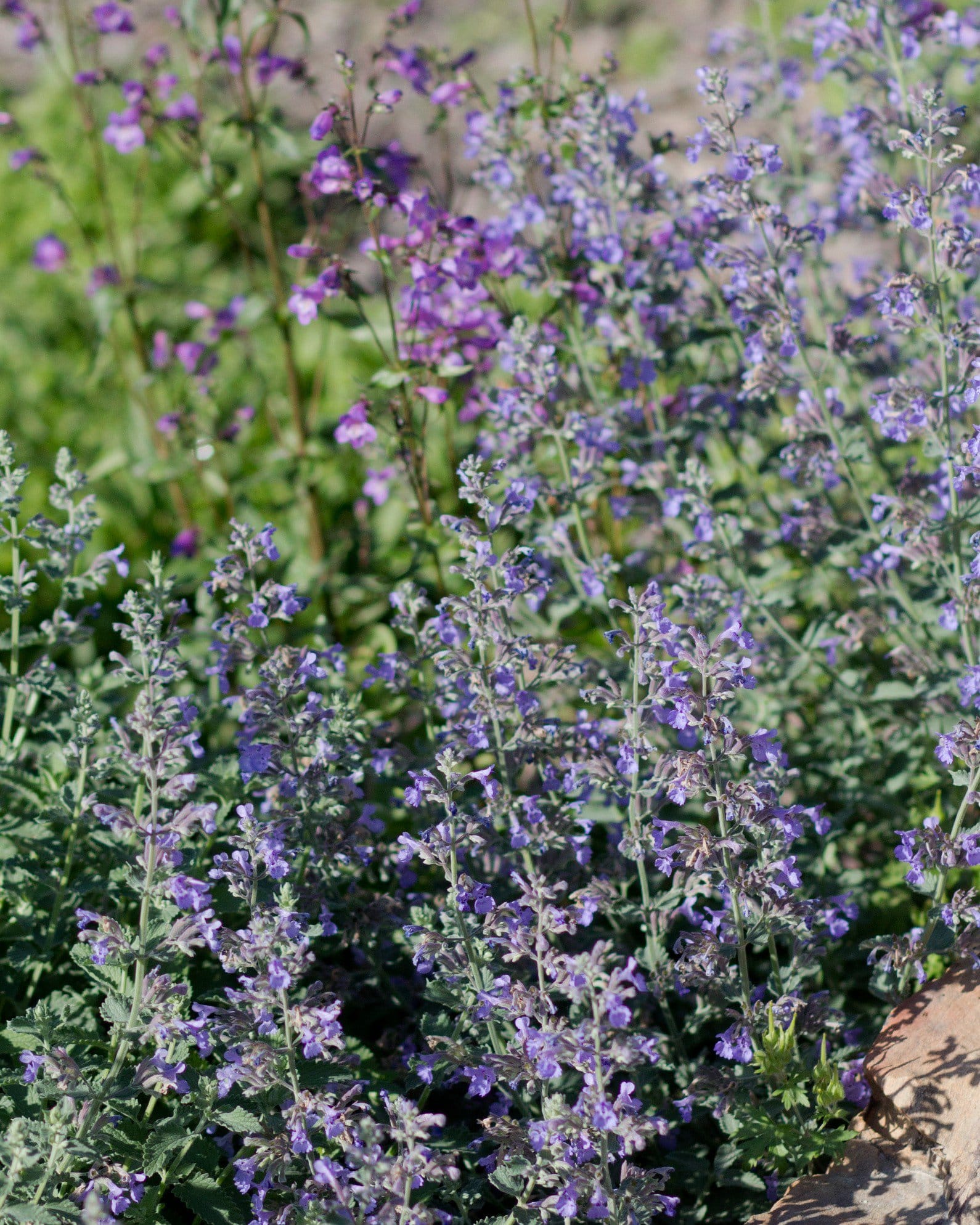
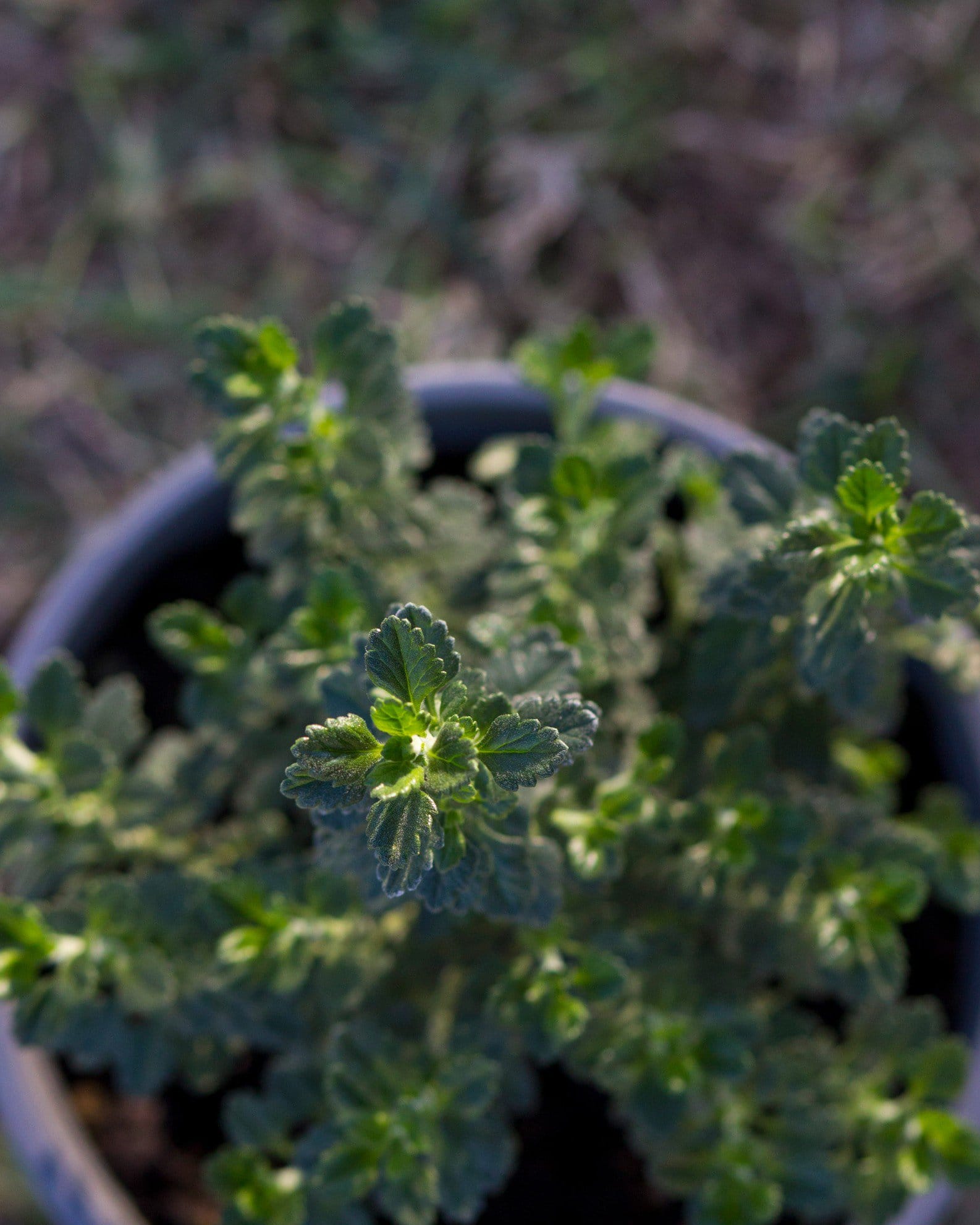
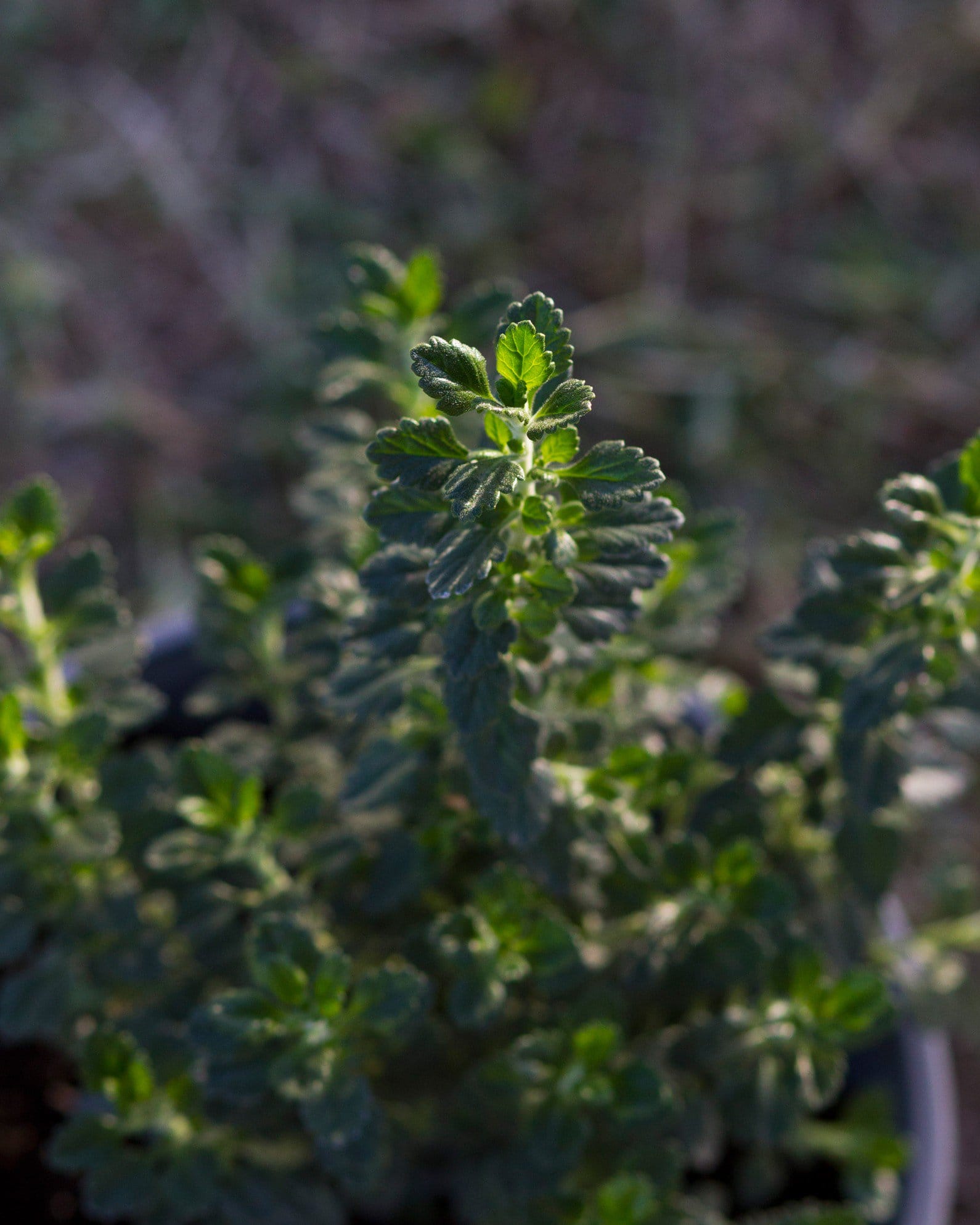
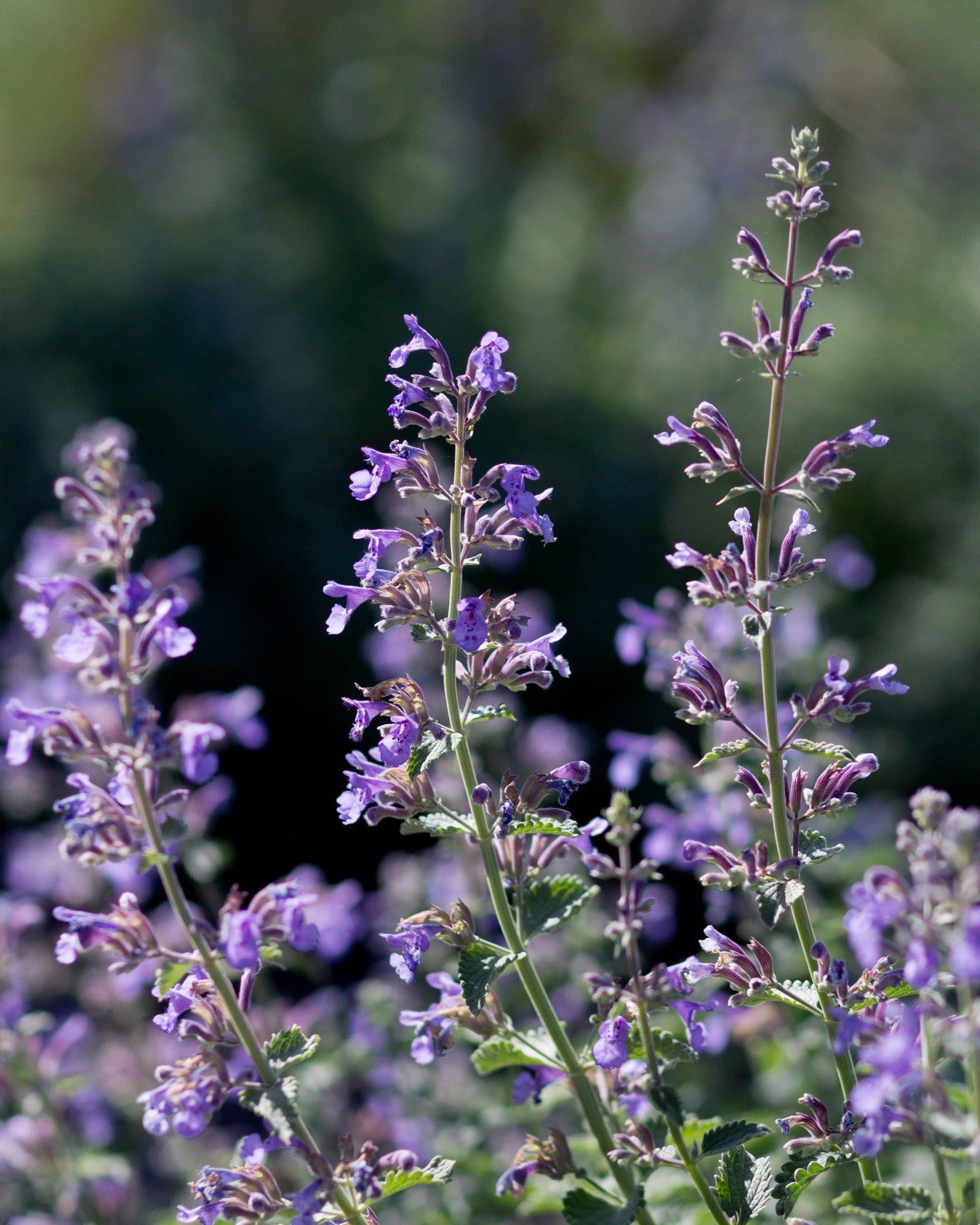
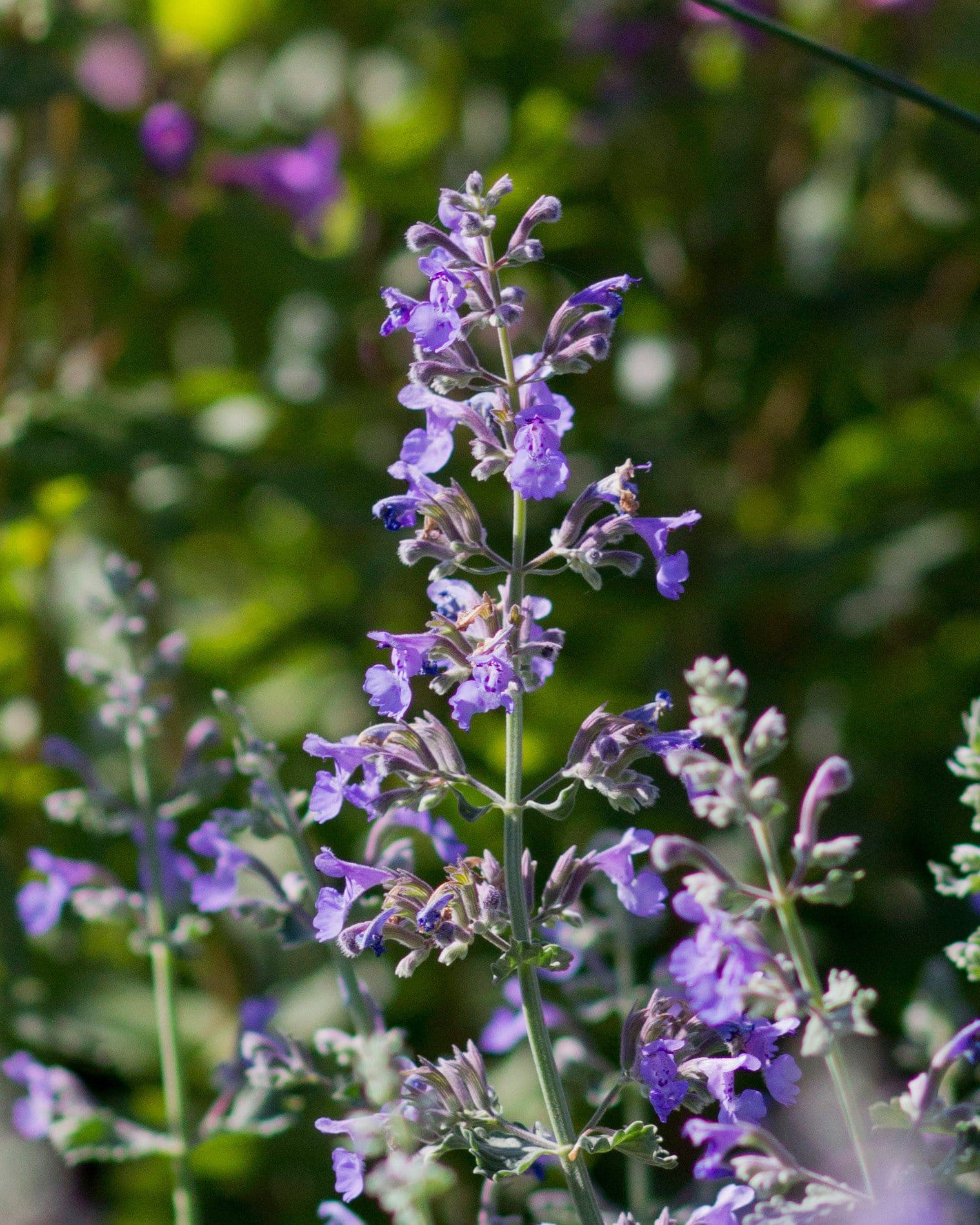
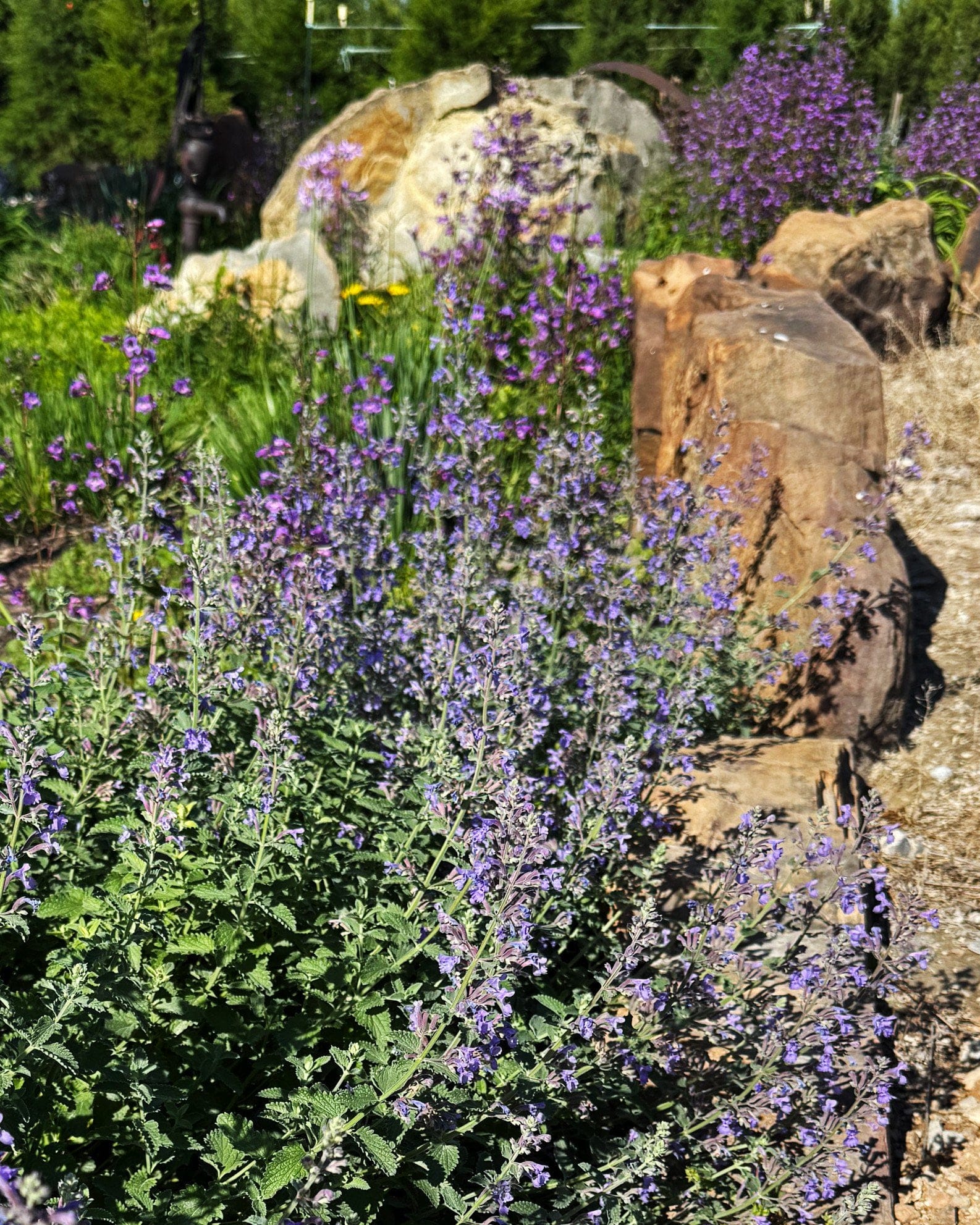
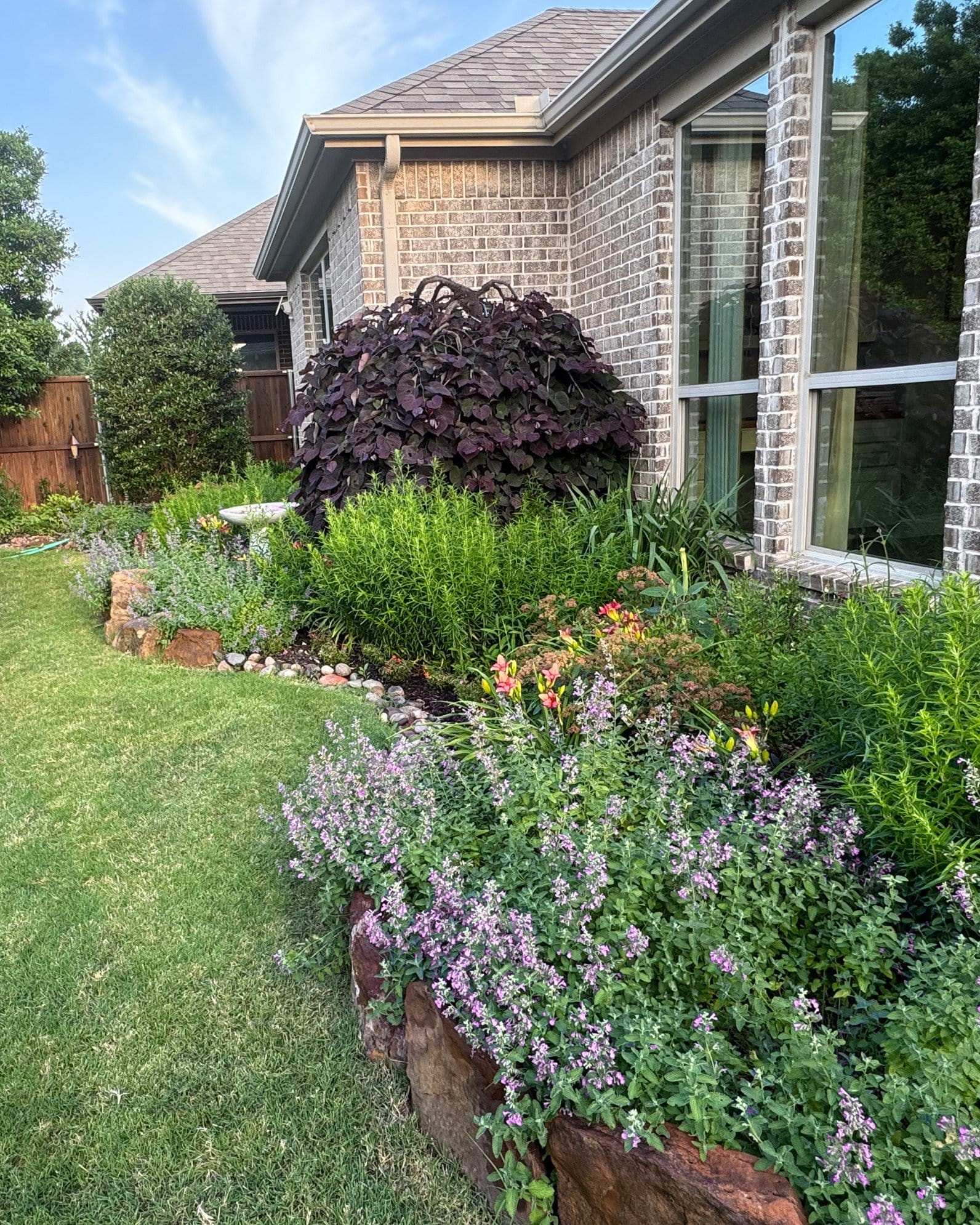
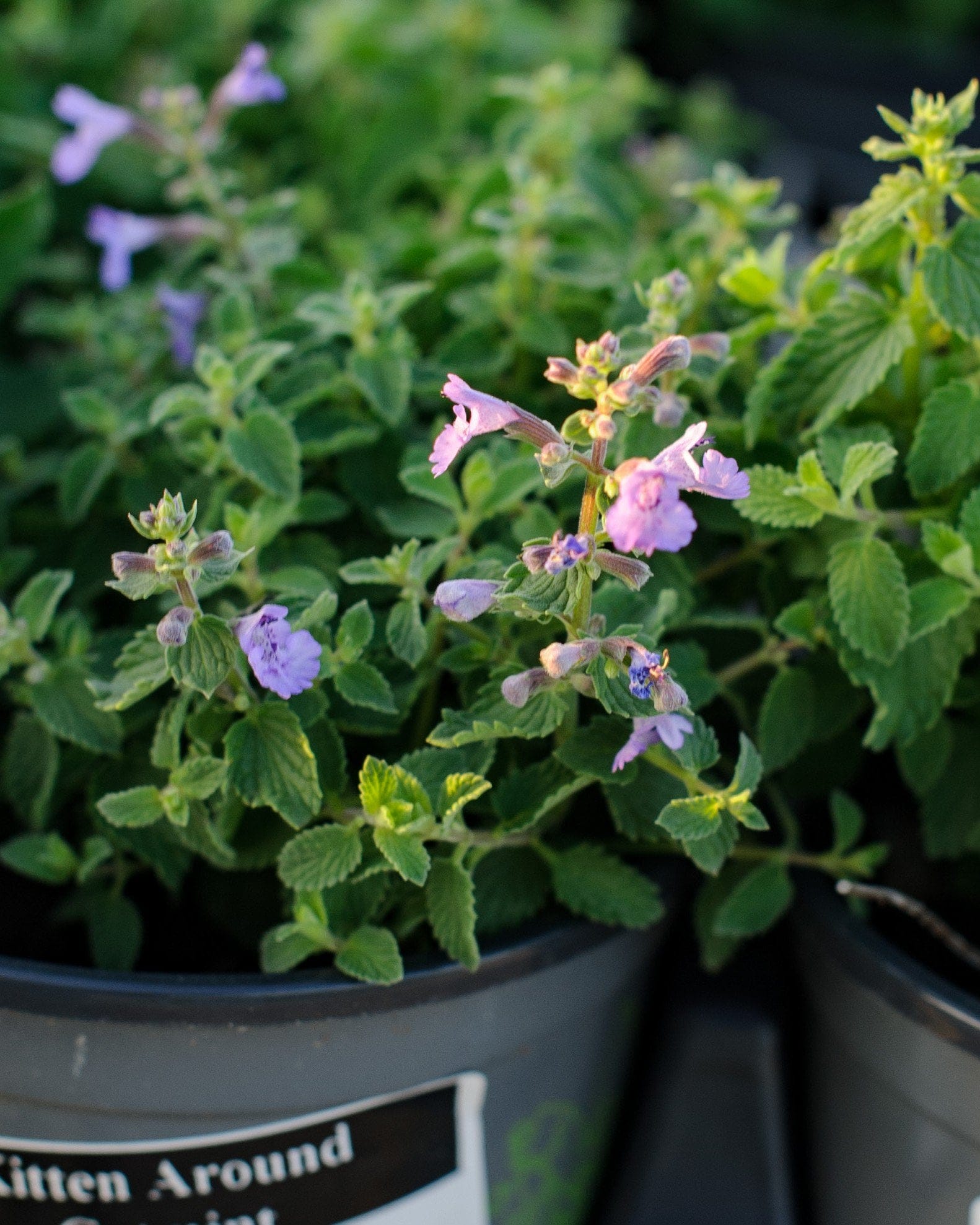
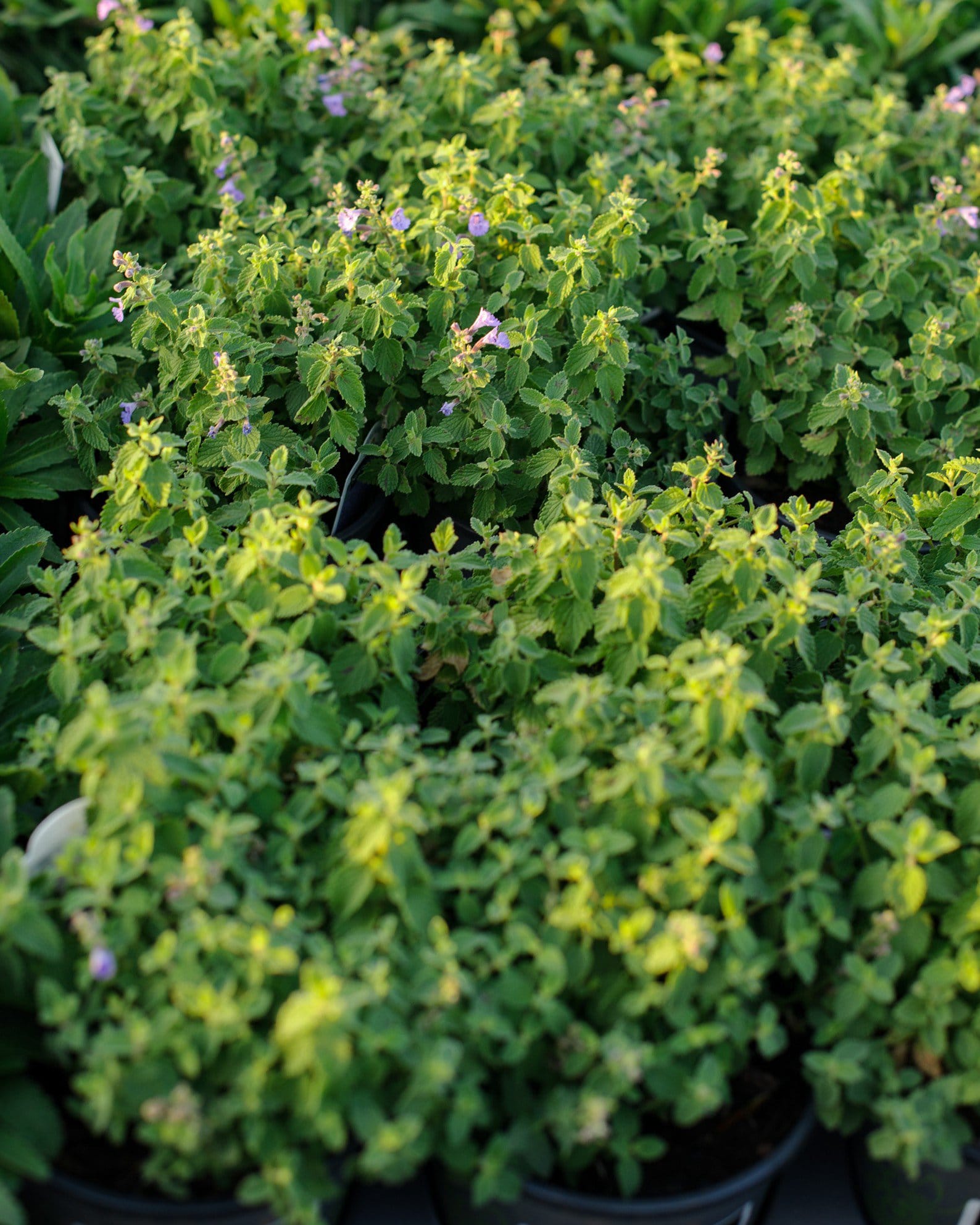
Nepeta x faassenii 'Walker's Low'Walker's Low Catmint is a versatile perennial, great for borders and containers. Its dense, spreading habit makes it an excellent groundcover, too. It reaches up to 2 feet in height and 3 feet in width at maturity. It reaches maturity approximately 1-2 years after planting. It boasts attractive grey-green foliage that emits a pleasant fragrance. The cool shade of the foliage creates a wonderful contrast against stunning purple flowers that bloom in summer and add a splash of color wherever they're planted.
- Herbaceous perennial
- Fast growth rate
- Suitable for borders, containers or as a groundcover
- Aromatic grey-green foliage
- Delightful purple flowers
Walker's Low Catmint is a tough, drought-tolerant plant. Hardy in zones 4-9, it will fare well in the North Texas climate. Prefers full sun, but doesn't mind partial shade. Plant it in well-drained soil.
Maintenance
Walker’s Low Catmint is loved for its incredibly easy-going nature, requiring very little to grow well. Here’s all it needs:
- Watering: Water regularly during the first growing season to establish deep roots. Once mature, Walker’s Low is highly drought-tolerant, thriving on minimal supplemental water. Deep, infrequent watering encourages stronger roots and better flower performance. Avoid overwatering.
- Pruning: Deadhead spent flower spikes regularly to extend the bloom season. After the first major flush of blooms in early summer, shear the plant back by about one-third to promote fresh foliage and a second wave of flowers that lasts until fall. In late fall or early spring, cut old stems down to just above the base to make way for new growth.
- Fertilizing: Walker’s Low thrives in lean or moderately fertile soil. Overfertilizing can lead to floppy growth, so be careful. Apply a light layer of compost or a small dose of balanced, slow-release fertilizer in spring for a gentle boost.
- Mulching: Add a light 2-inch layer of mulch or fine gravel around the base to retain soil moisture and discourage weeds. Avoid piling mulch against the crown to prevent rot. In hotter climates, gravel mulch enhances drainage and reflects light, keeping foliage healthy.
- Winter care: Hardy and dependable, Walker’s Low survives cold winters with ease. After frost, cut back spent stems to tidy up the plant. New shoots reappear vigorously each spring, often larger and more floriferous than before.
Common Issues and How to Take Care of Them
Walker’s Low Catmint is resilient and pest-free, but a few manageable issues can occasionally appear:
- Root Rot: The most common problem, caused by overwatering or compacted soil. Ensure excellent drainage and avoid wet conditions.
- Powdery Mildew: Rare, but may occur in shaded or humid areas. Improve airflow, water early in the day, and prune after blooming to rejuvenate foliage.
- Floppy Growth: Can result from overfertilizing or insufficient sunlight. Full sun and lean soil keep growth dense and compact.
- Aphids: Occasionally gather on tender stems. Rinse with water or use insecticidal soap for quick control.
- Leaf Scorch: May appear during extreme drought. Provide deep, occasional watering to refresh the roots.
- Weakened Flowering: Typically due to aging clumps. Divide plants every 3-4 years in spring or fall to rejuvenate and restore heavy blooming.
It’s a long-lived perennial that thrives for a decade or more with simple maintenance. Mature clumps only need division every few years to stay vigorous and full of blooms.
It grows quickly, forming a dense mound within its first season. By year two, it reaches full size and blooms profusely from late spring into fall.
Yes - bees, butterflies, and hummingbirds love its nectar-rich blooms. It’s one of the best pollinator plants for sunny borders and cottage gardens.
Completely. Its aromatic foliage naturally repels deer and rabbits, making it perfect for wildlife-prone landscapes.
Exceptionally well. It thrives in full sun, tolerates extended dry periods, and even performs well in rocky or sandy soil.
Yes - it’s excellent for containers, especially when combined with roses or ornamental grasses. Choose a pot with good drainage and water only when the top few inches of soil are dry.
Yes. It’s heat-tolerant, low-maintenance, and clean-looking, making it a favorite for street plantings, medians, and city gardens.
Yes. Shear back by half after the first bloom flush to encourage fresh growth and new flowers. Every 3-4 years, divide the clump to restore vigor.
Extremely - both foliage and flowers release a fresh, herbal scent that intensifies in the sun and gently perfumes surrounding areas.
Its exceptional bloom duration, tidy form, and graceful movement set it apart. Unlike older catmint varieties, Walker’s Low stays compact and resists flopping while blooming longer - delivering color, fragrance, and pollinator activity from early summer to frost with minimal care.
Special Features
You might also like
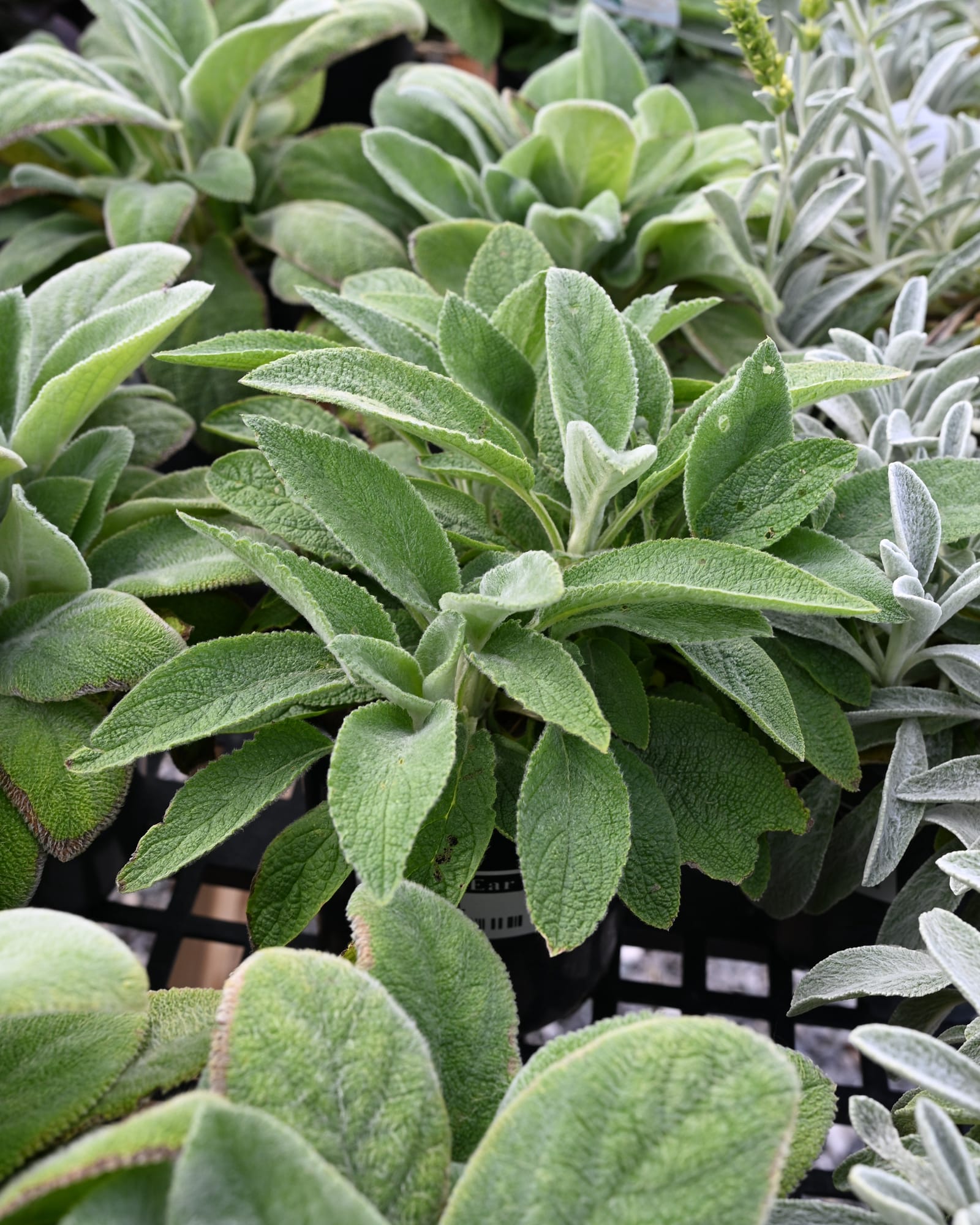
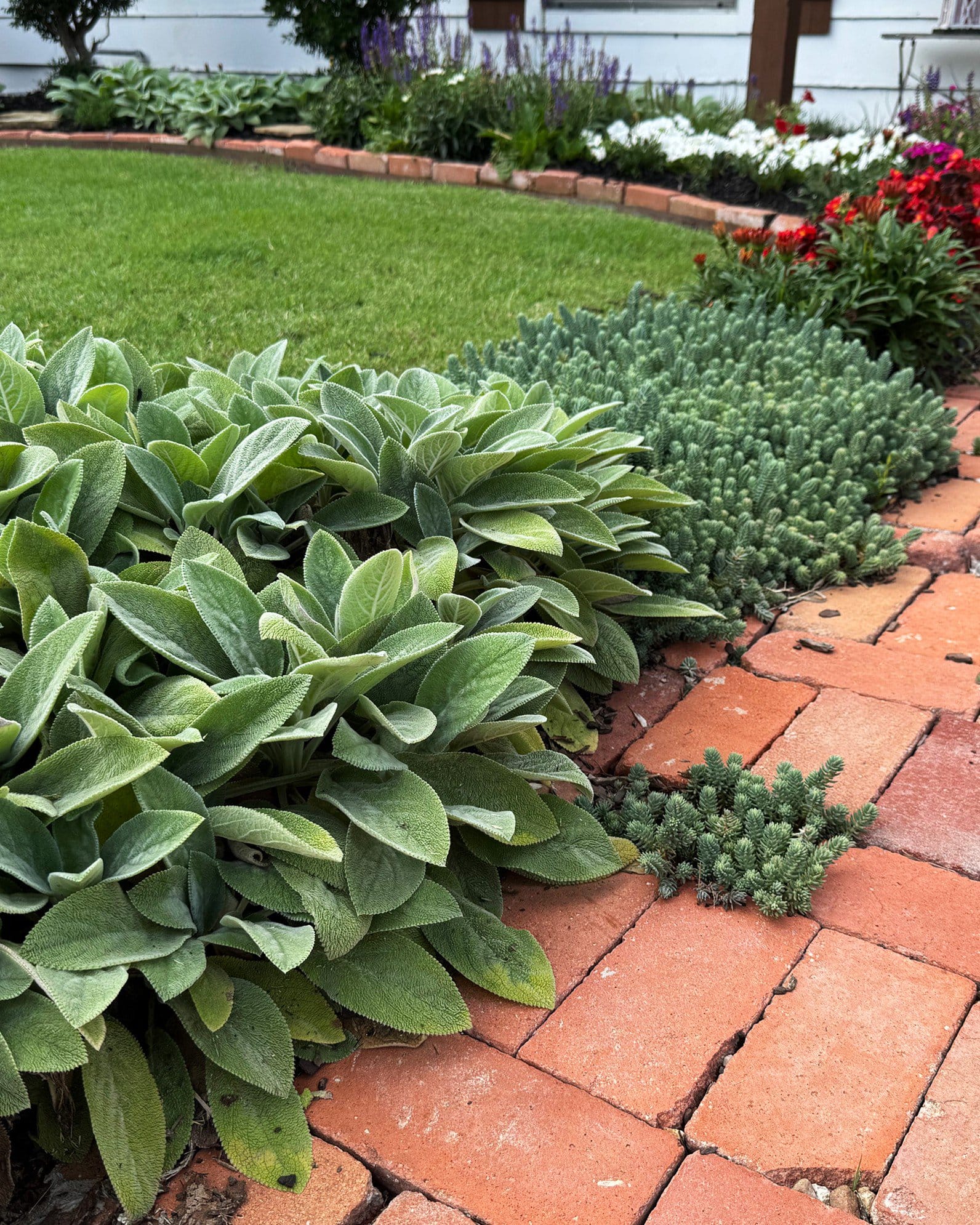
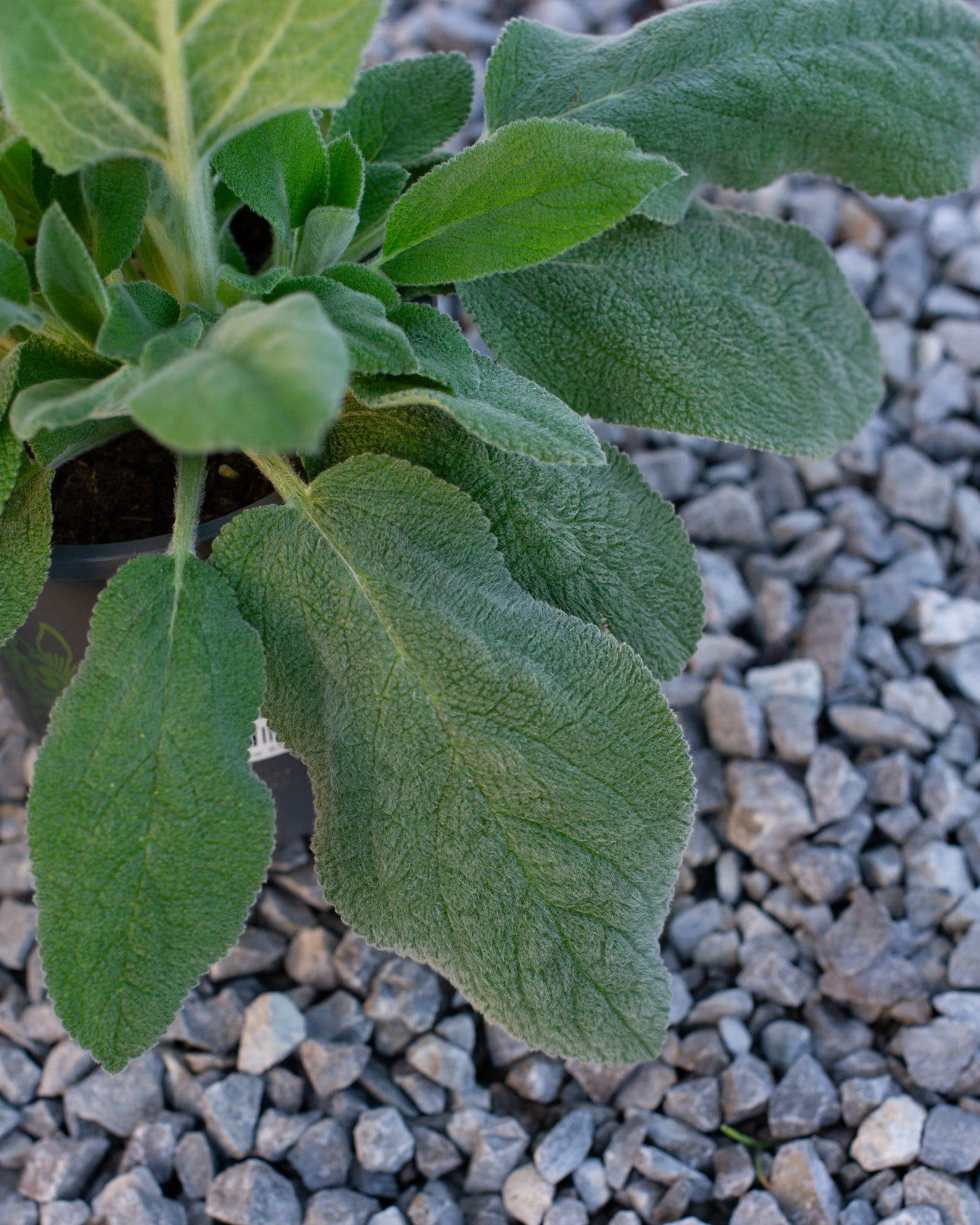
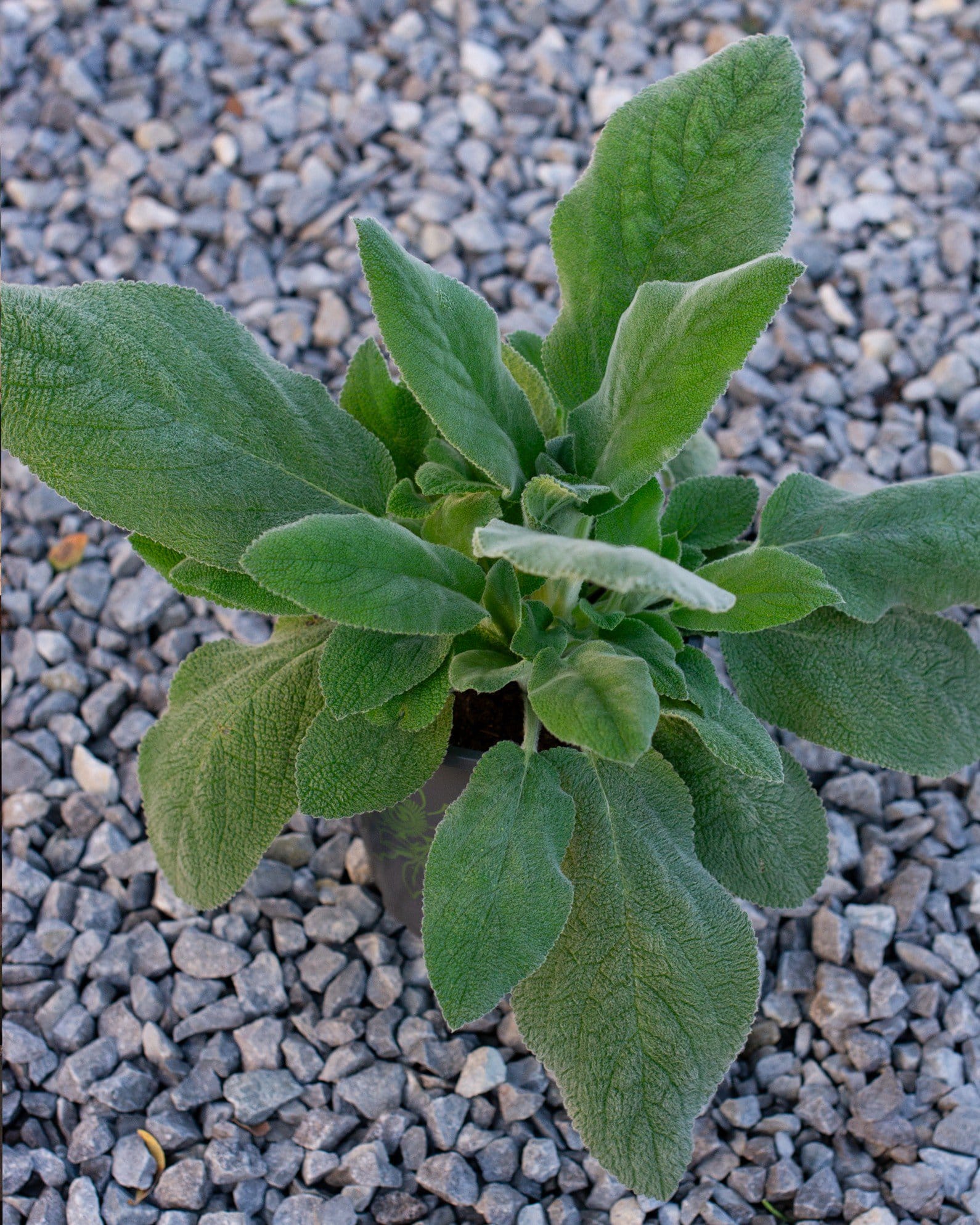
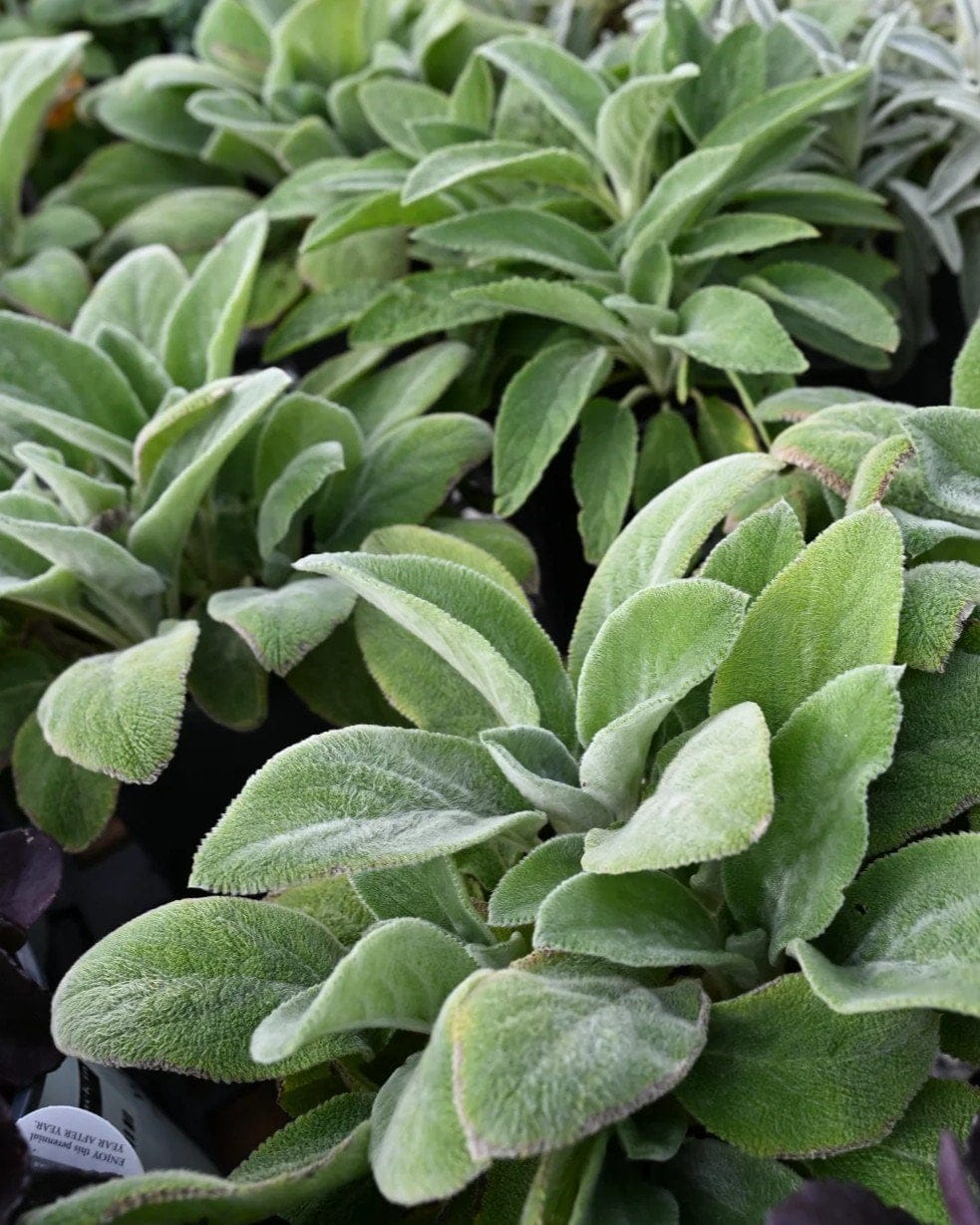
Lamb's Ear
Maturity: 1' H x 1.5' W
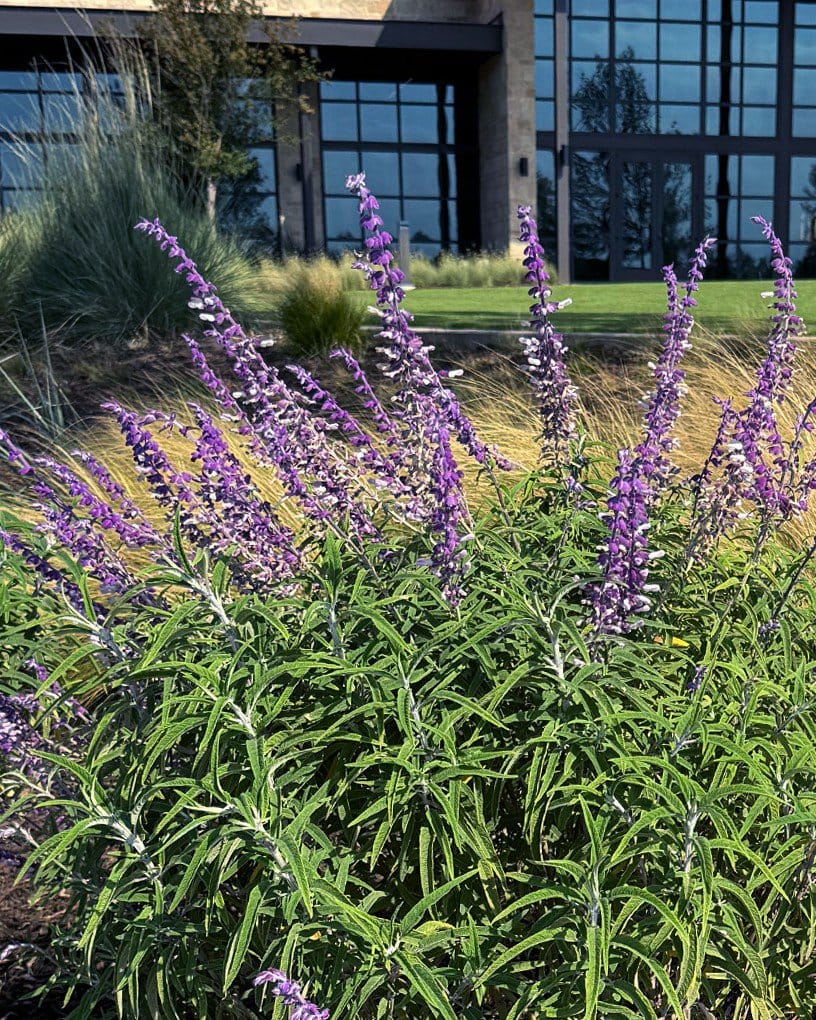
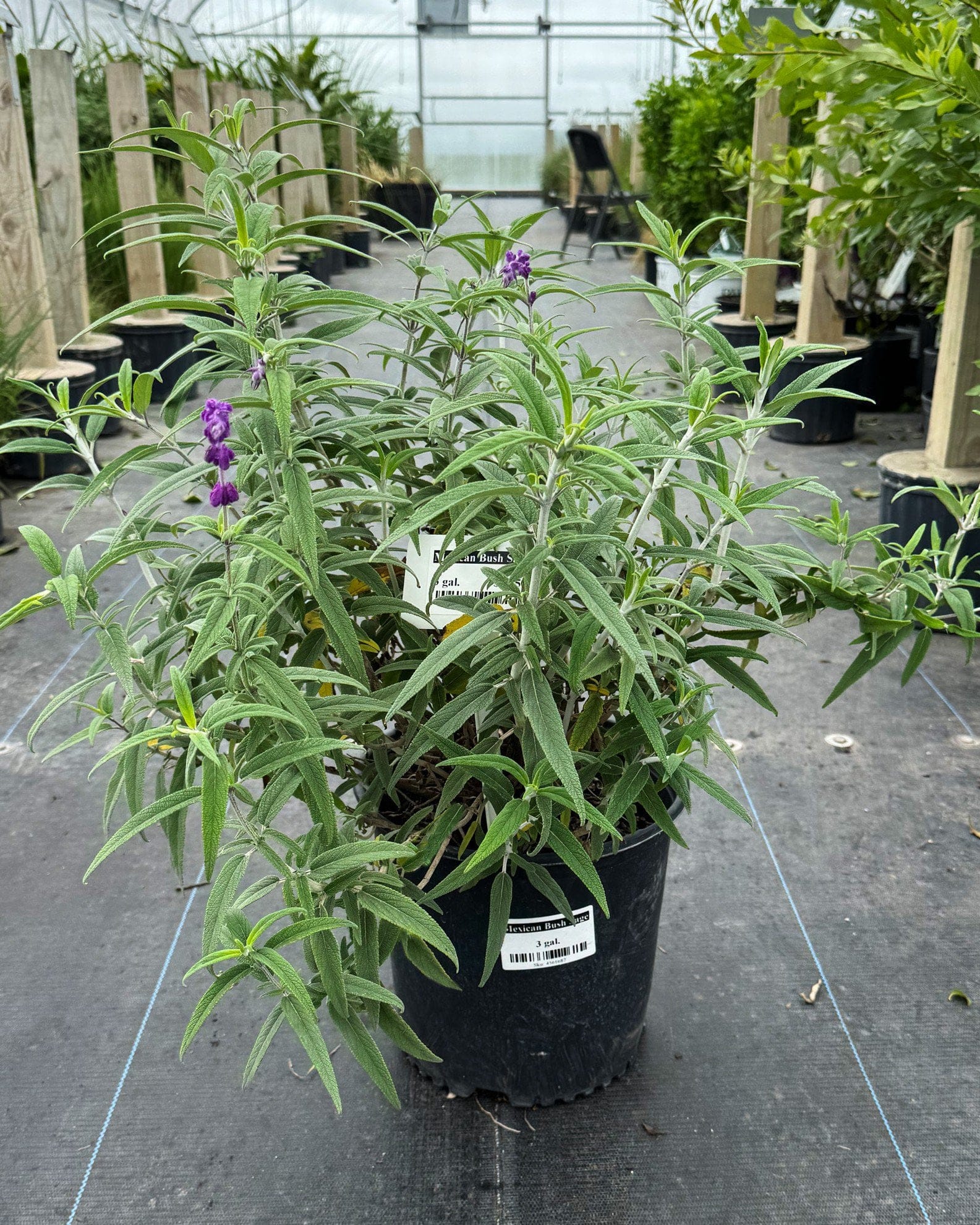
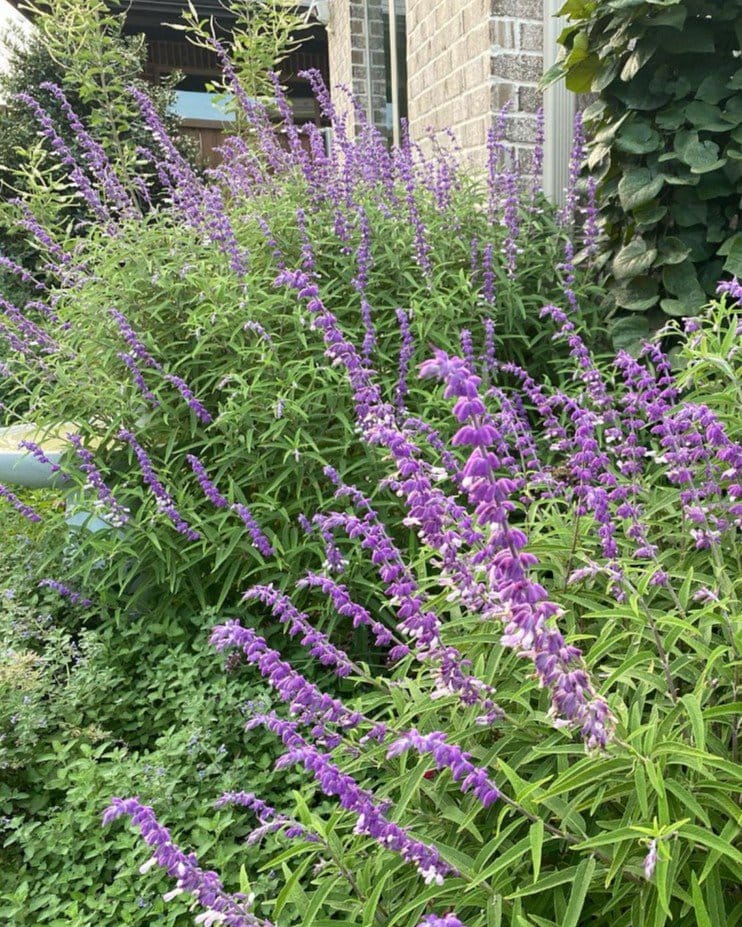
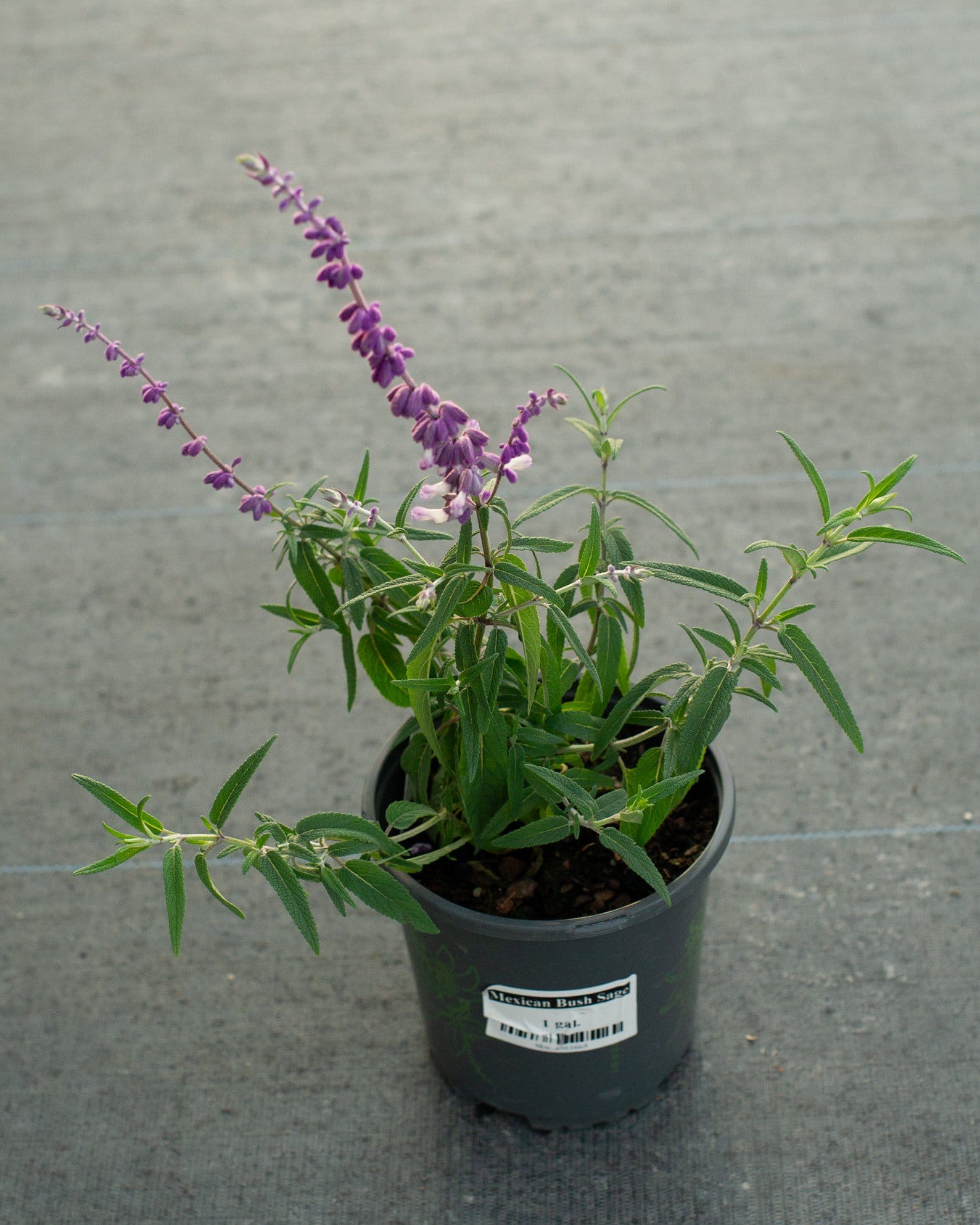
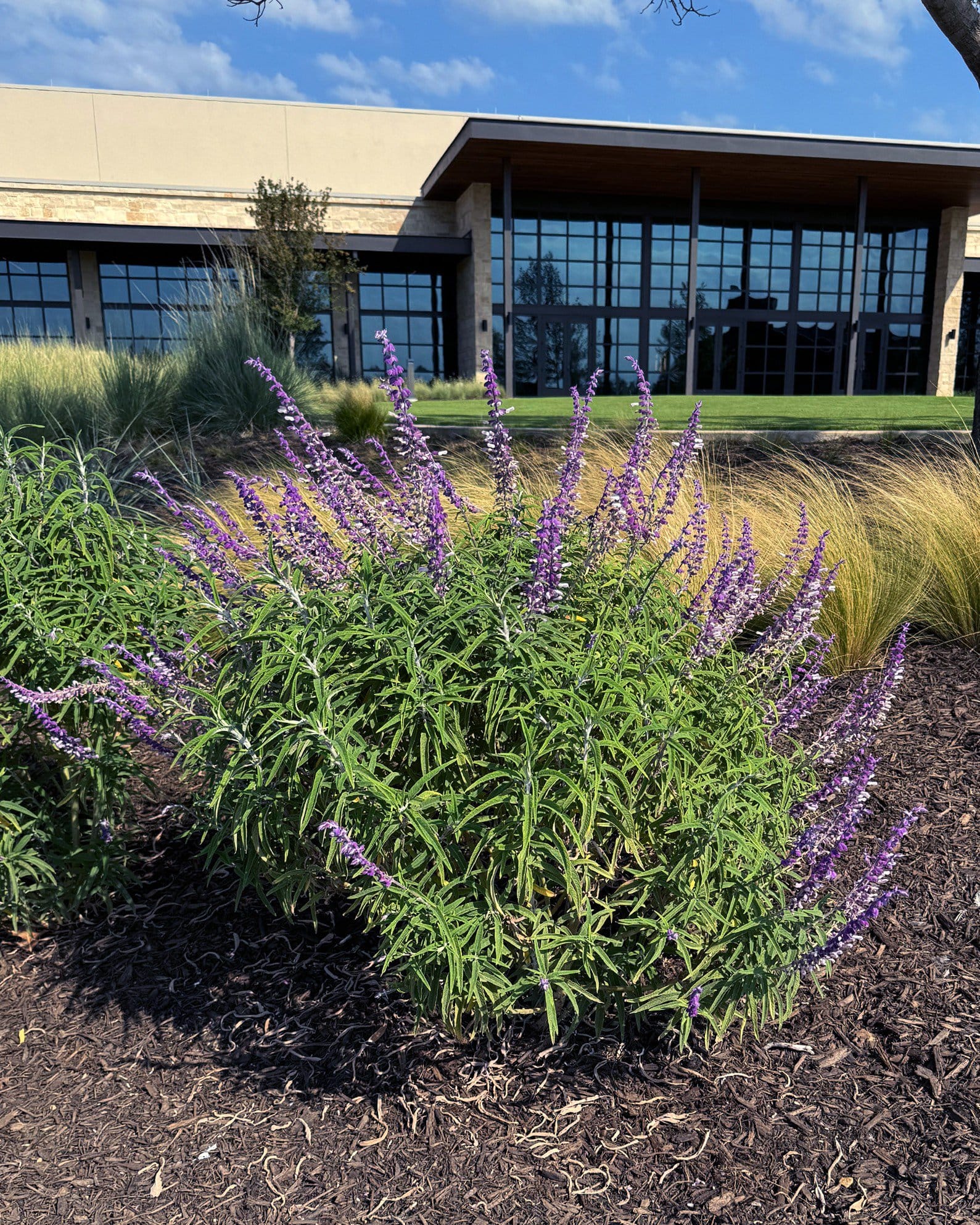
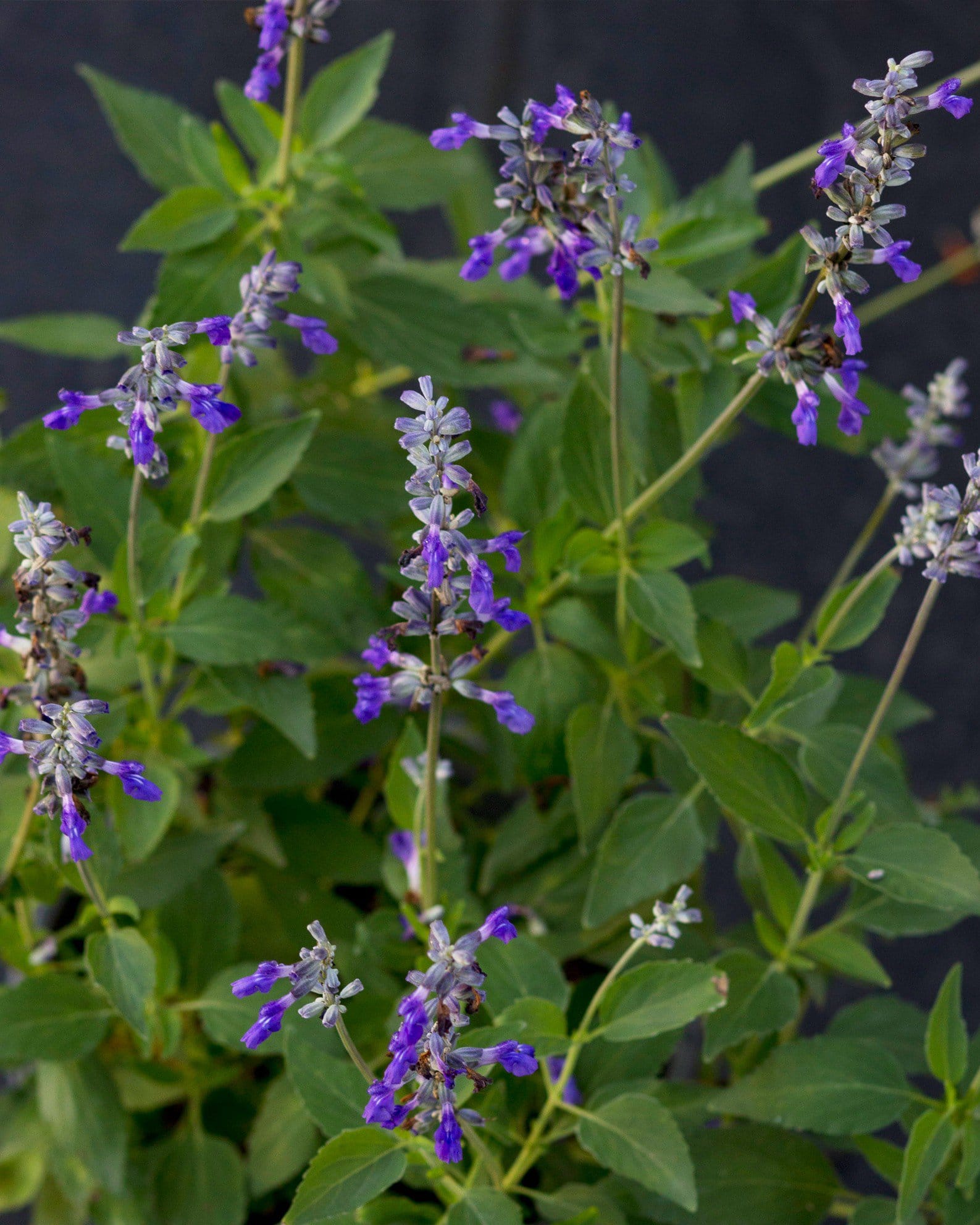
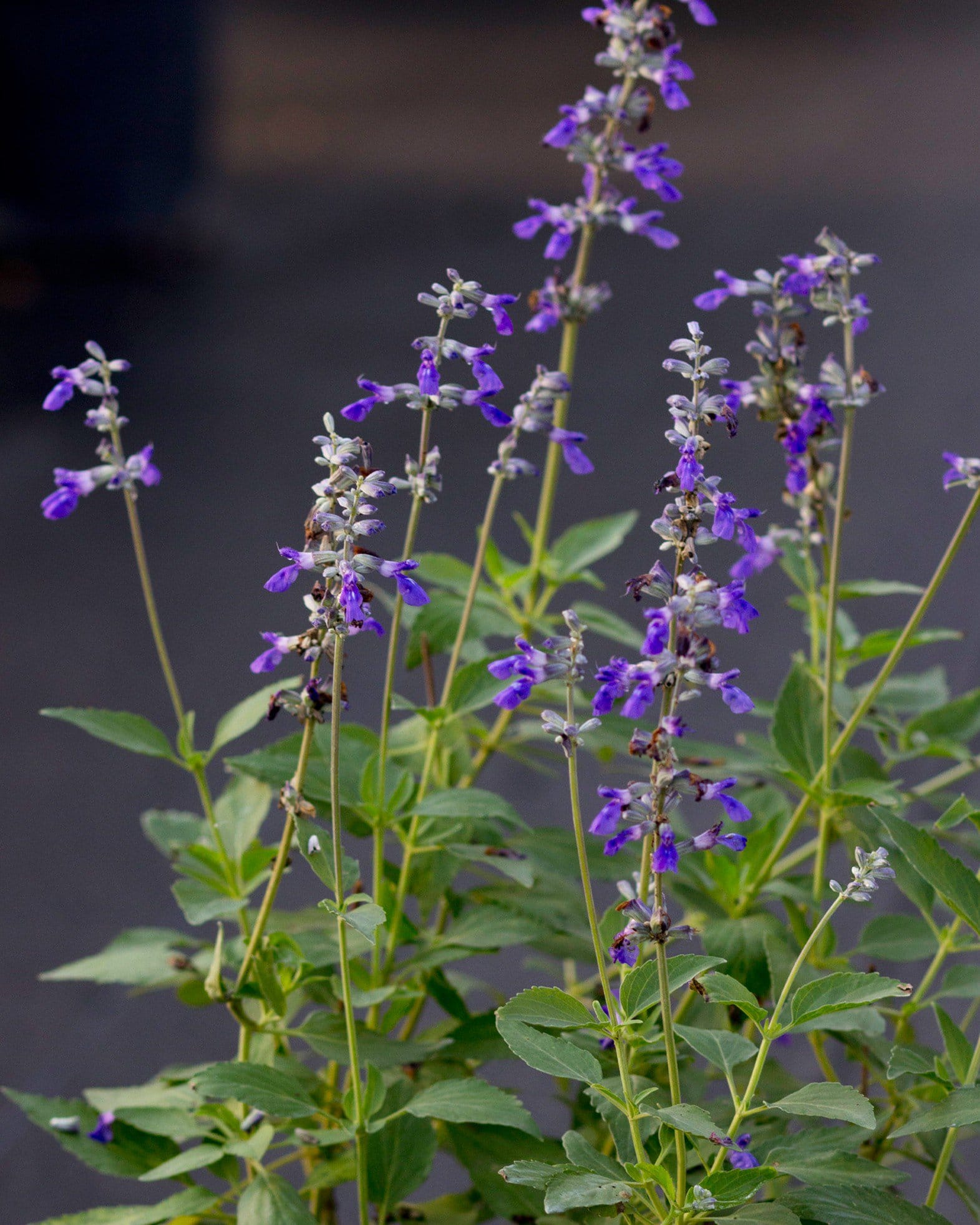
Mexican Bush Sage
Maturity: 3' H x 3' W
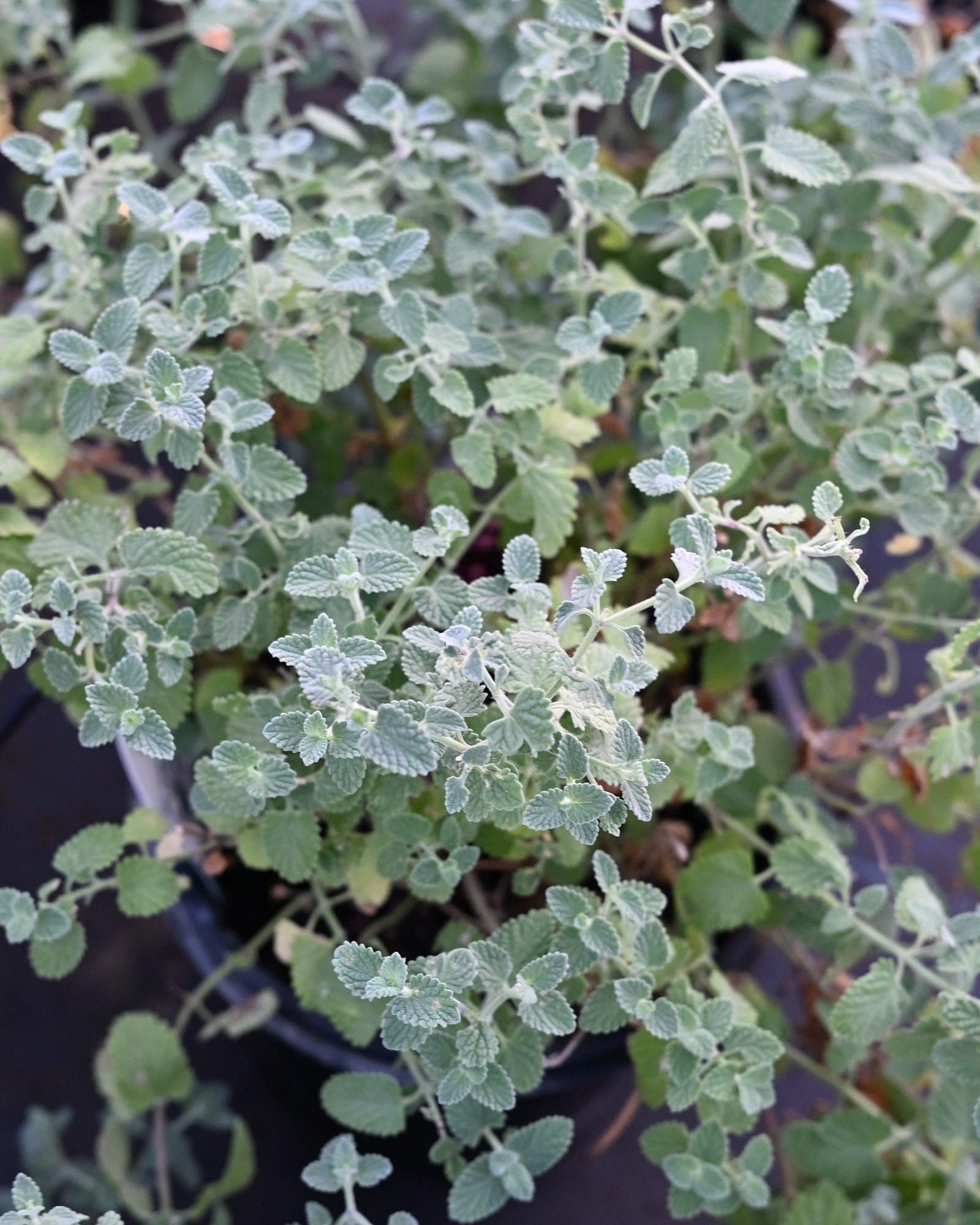
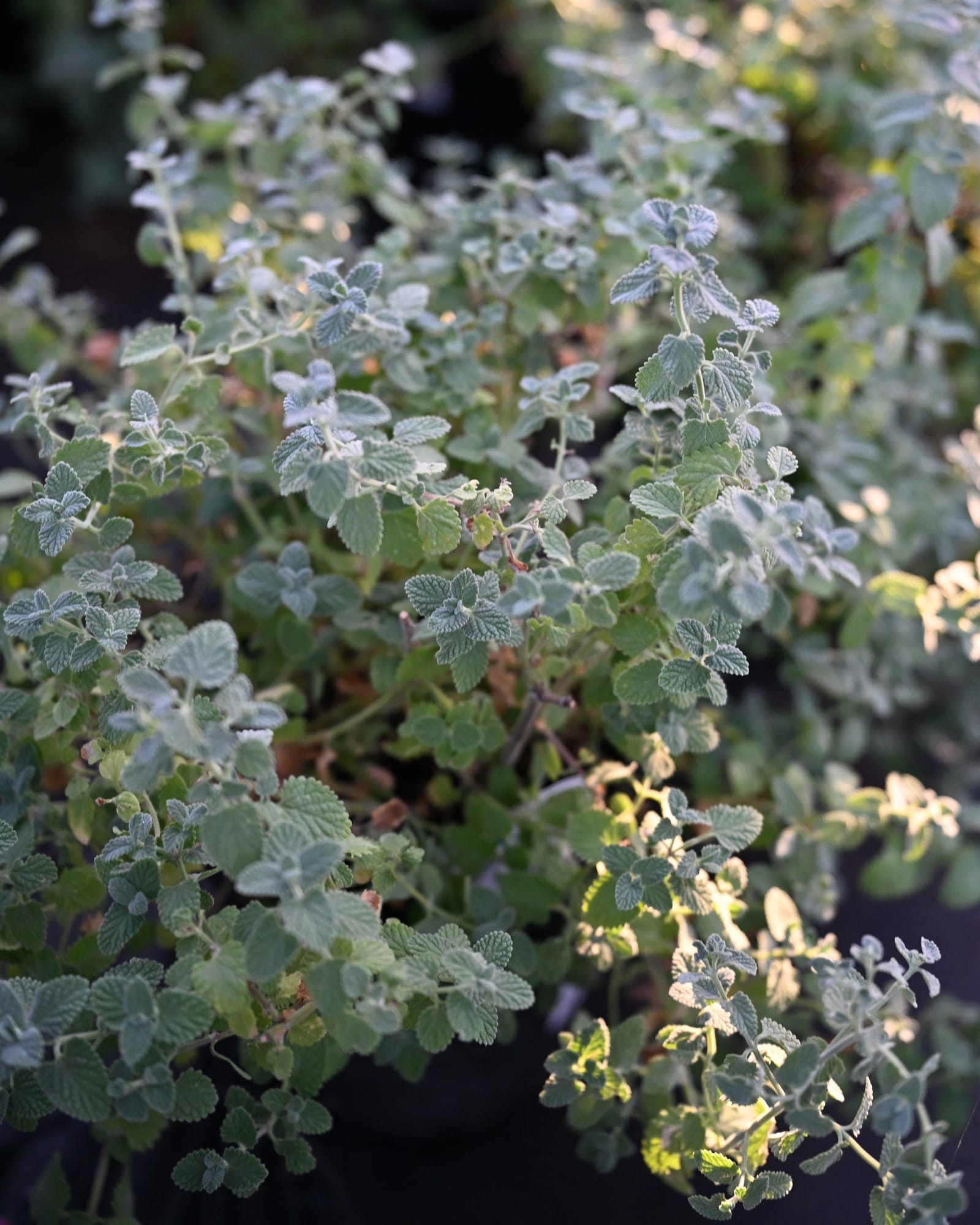
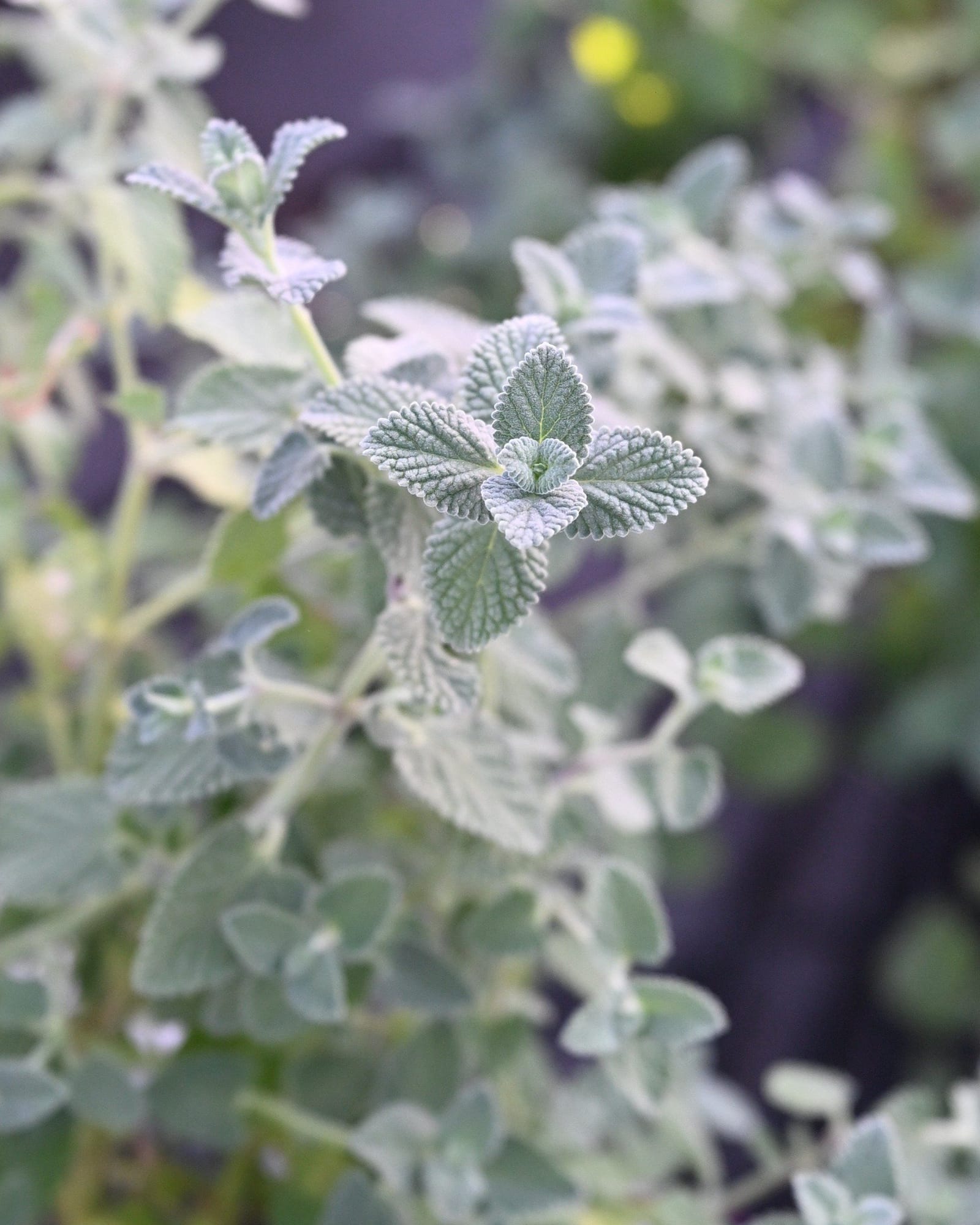
Six Hills Giant Catmint
Maturity: 2' H x 3' W
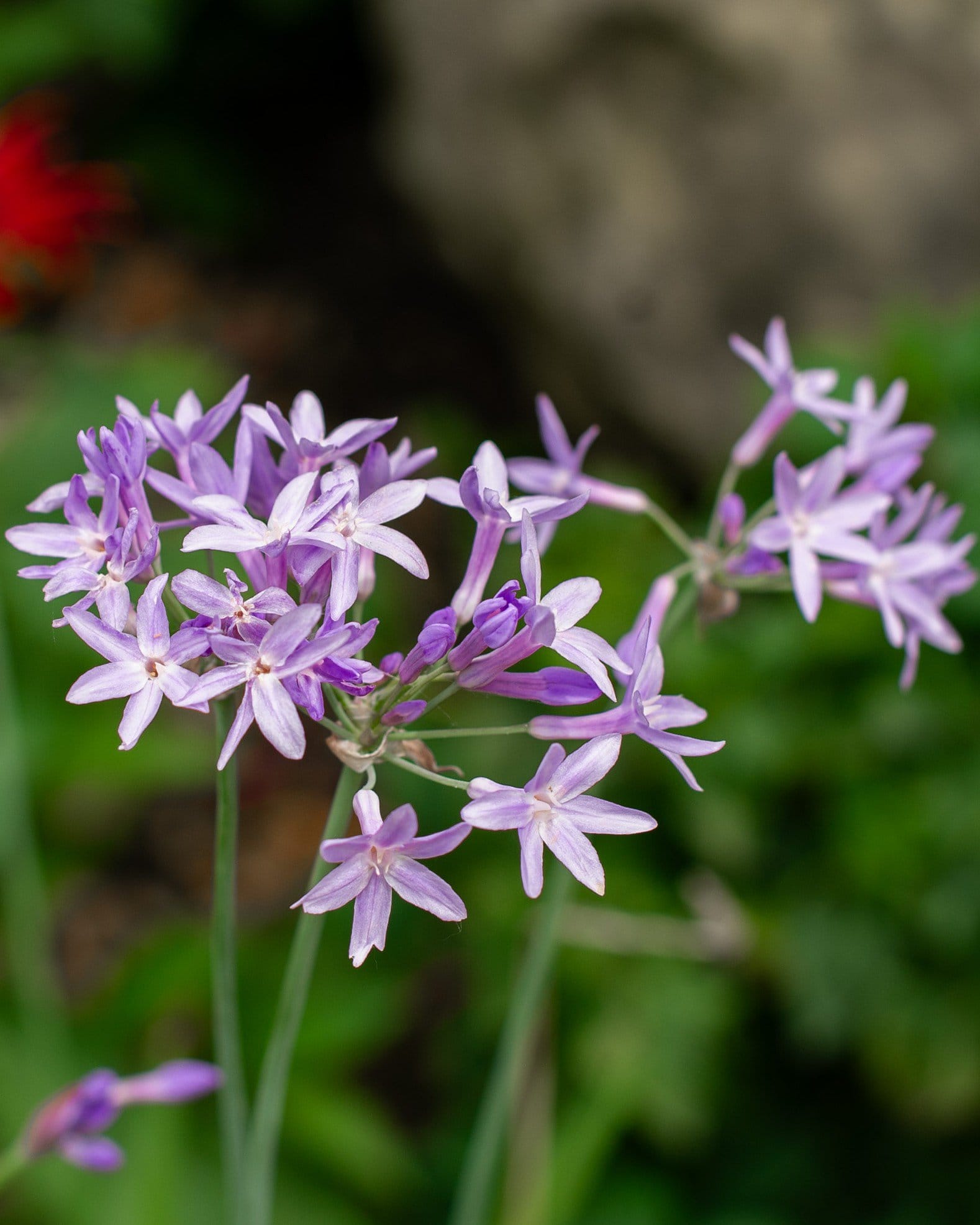
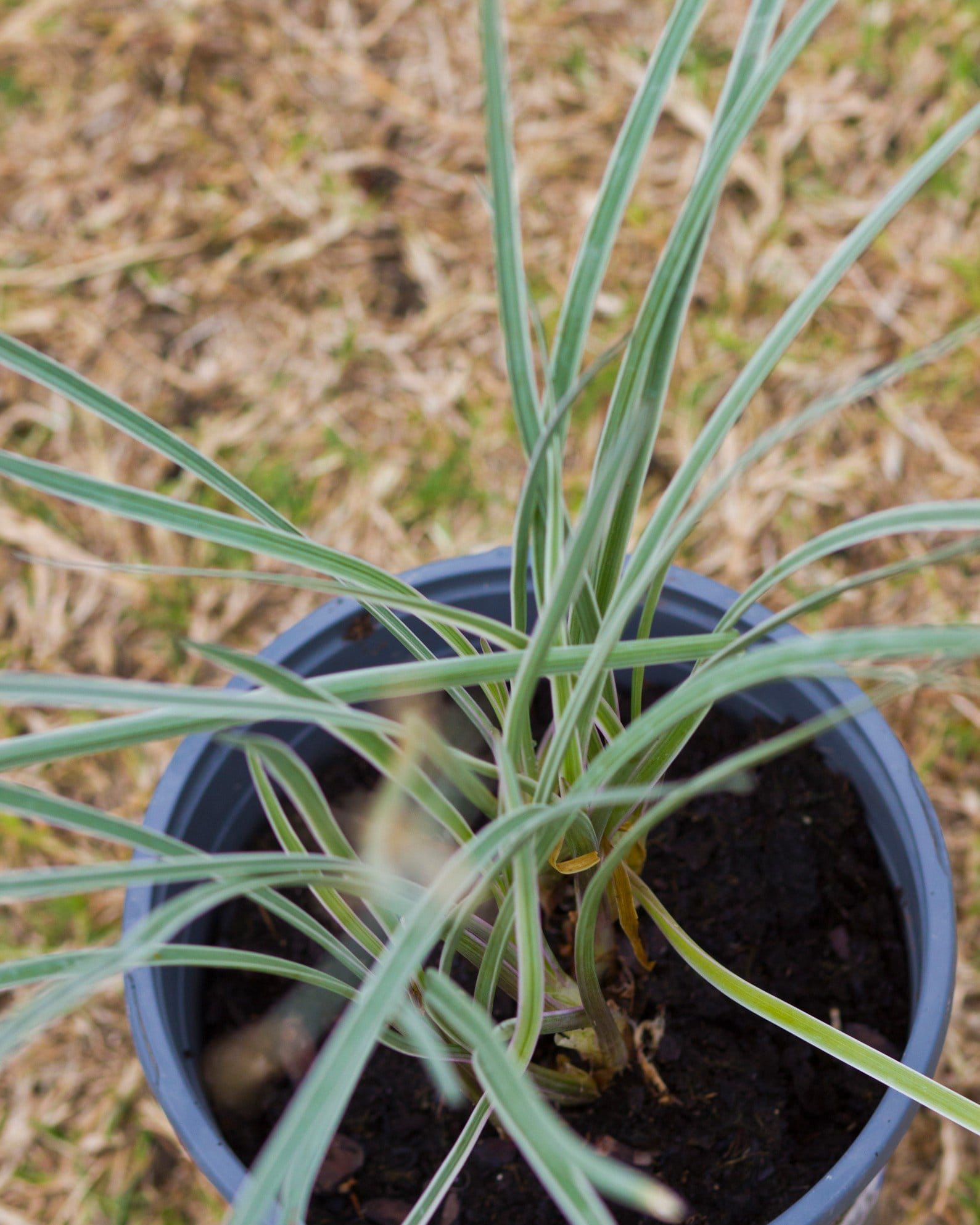
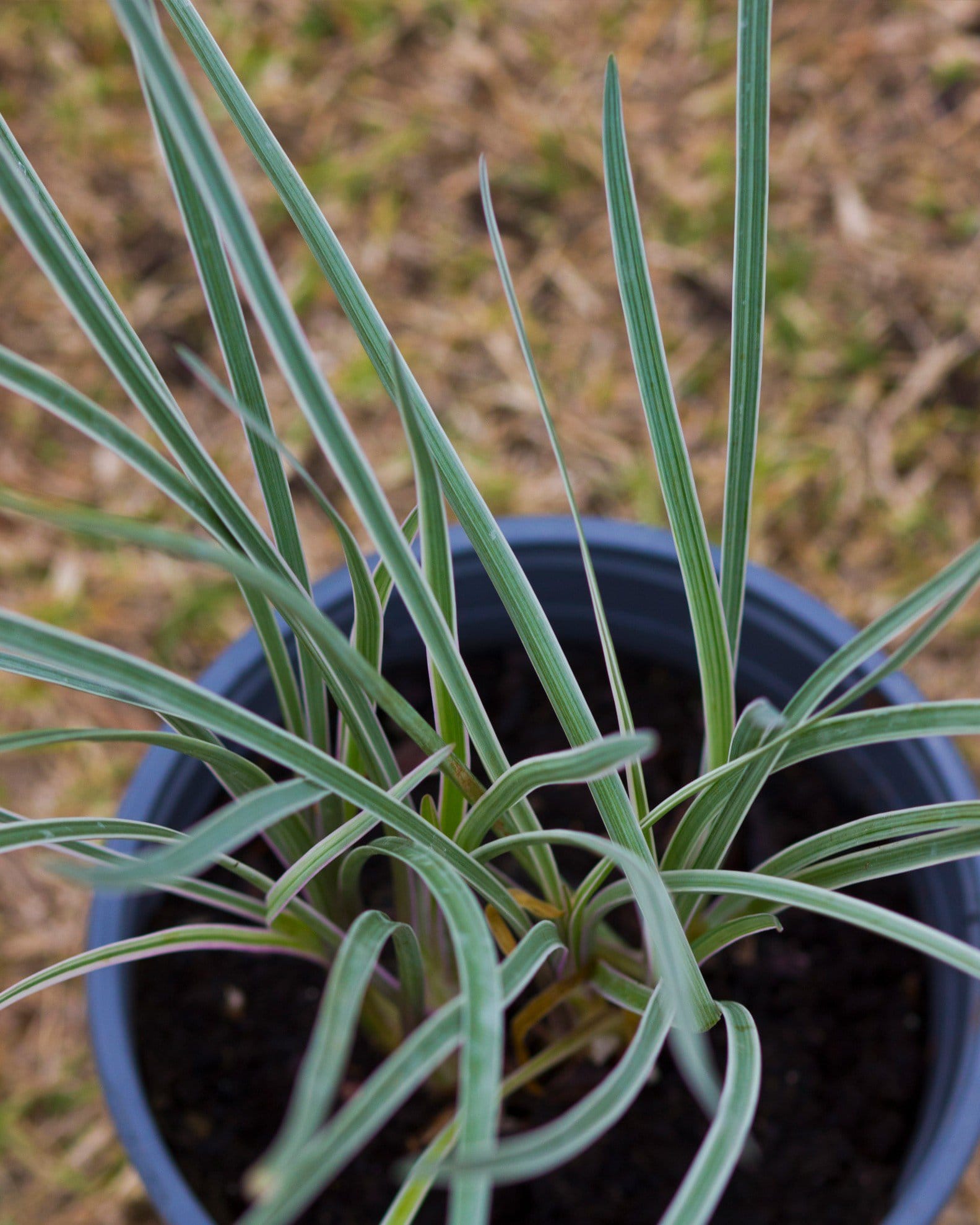
Society Garlic
Maturity: 1' H x 1' W
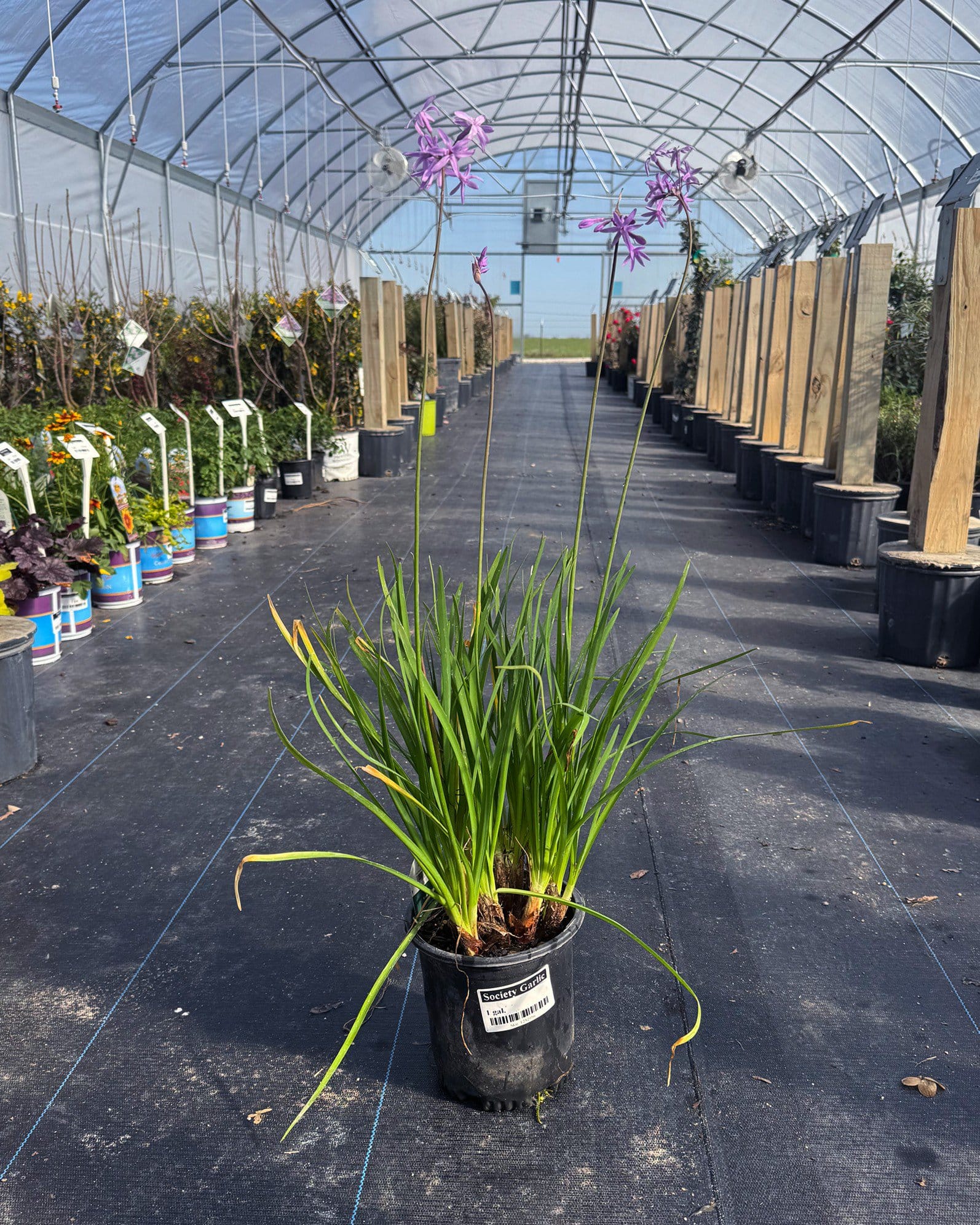
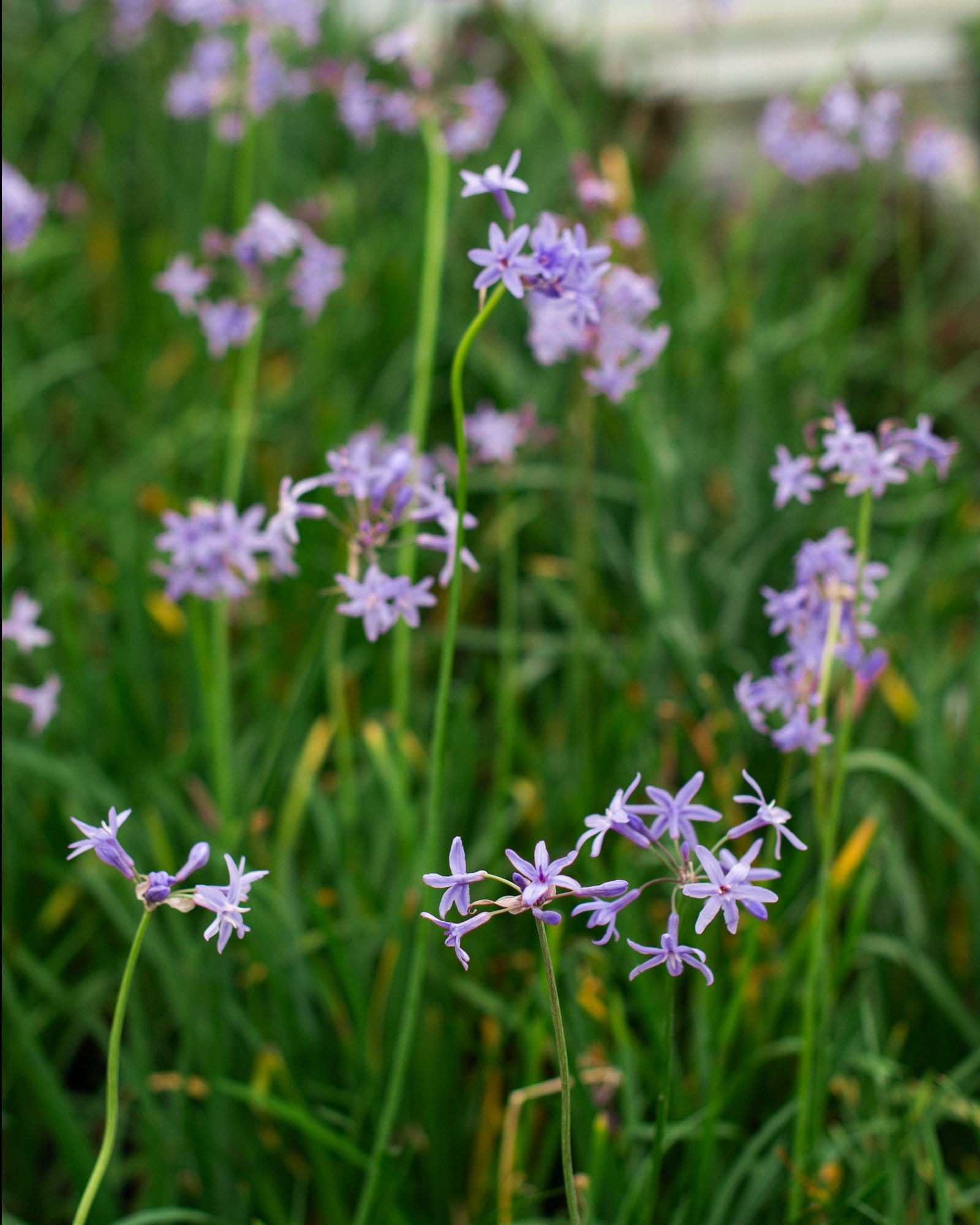
Society Garlic Silver Lace
Maturity: 1' H x 1' W
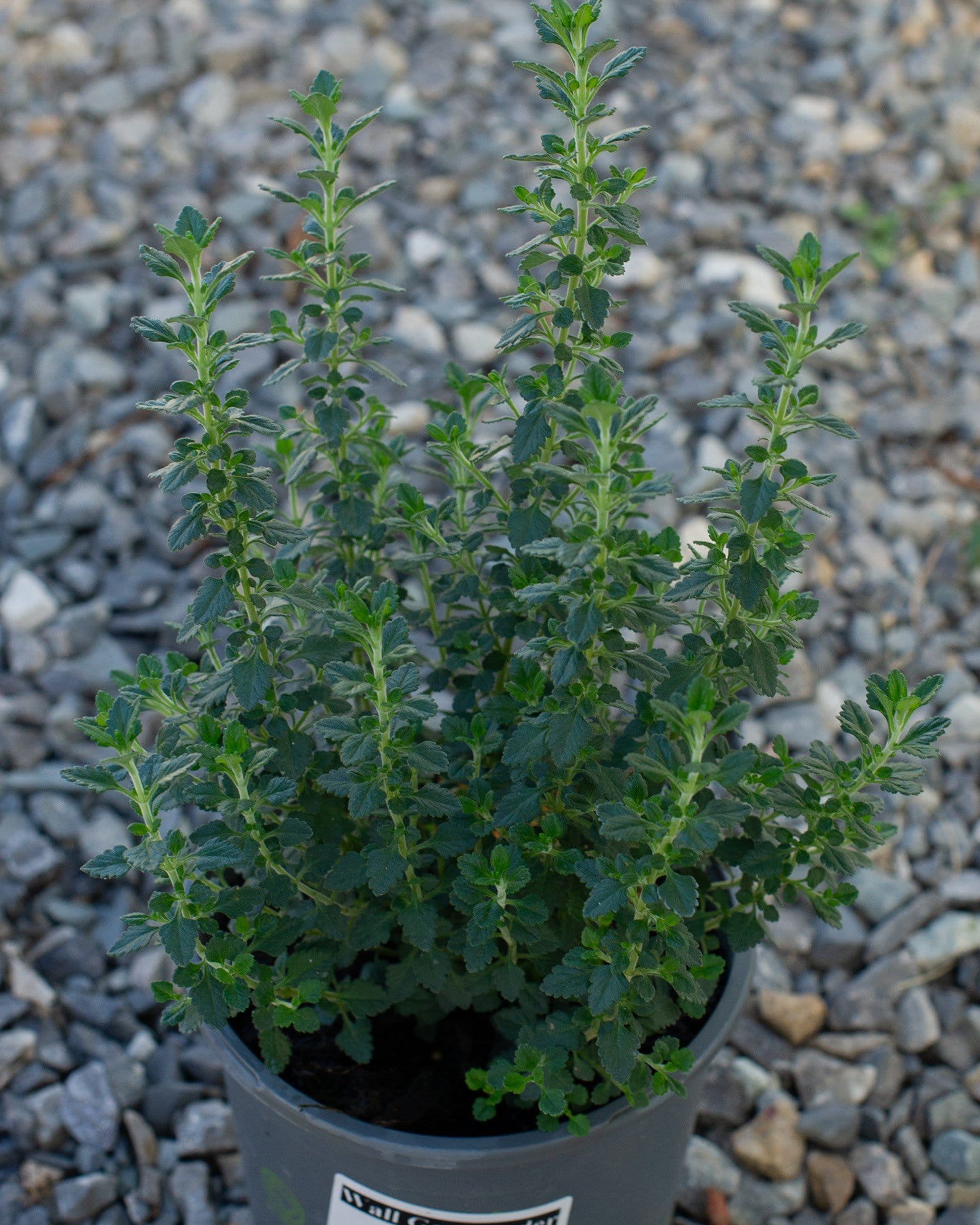
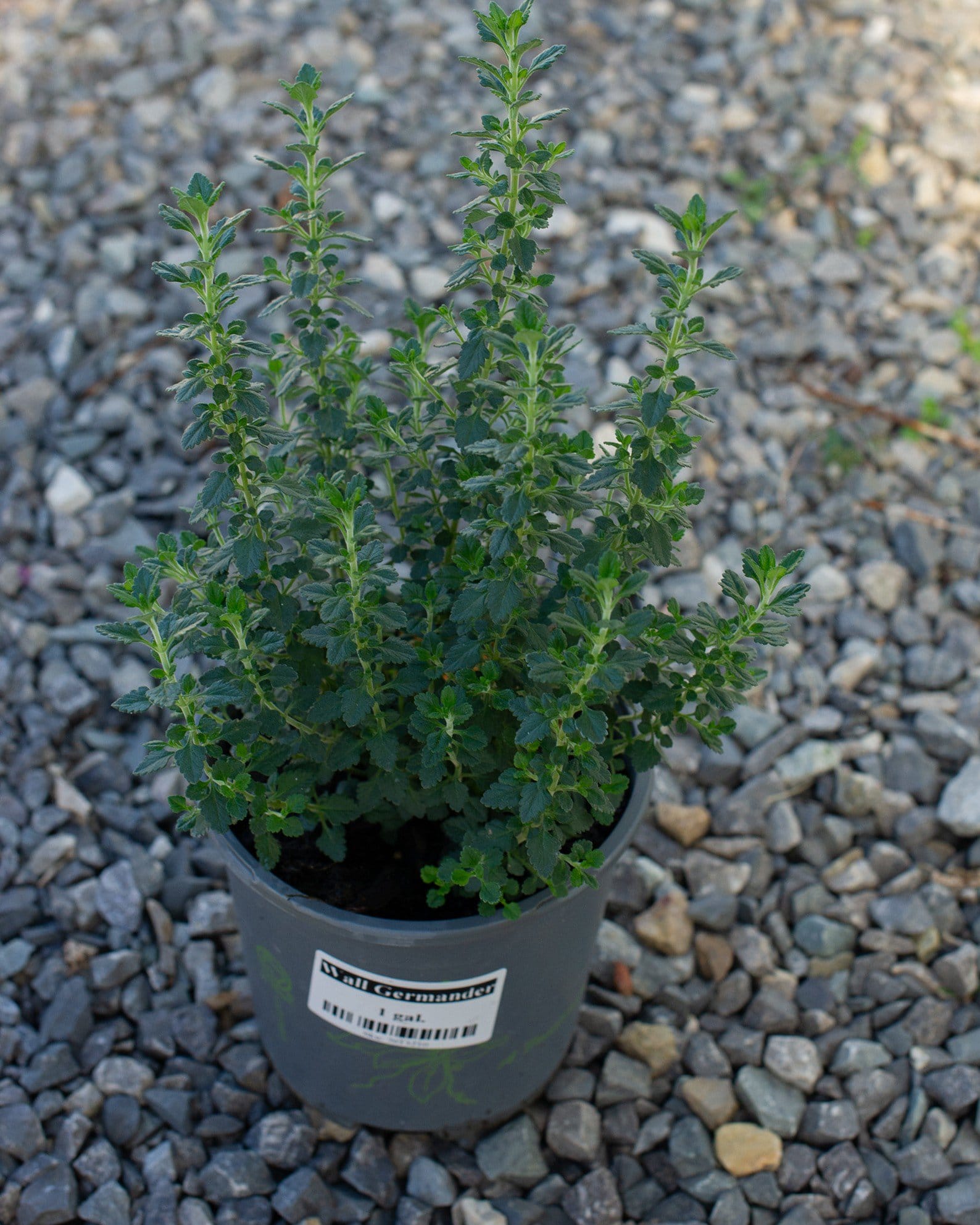
Wall Germander
Maturity: 1' H x 1' W
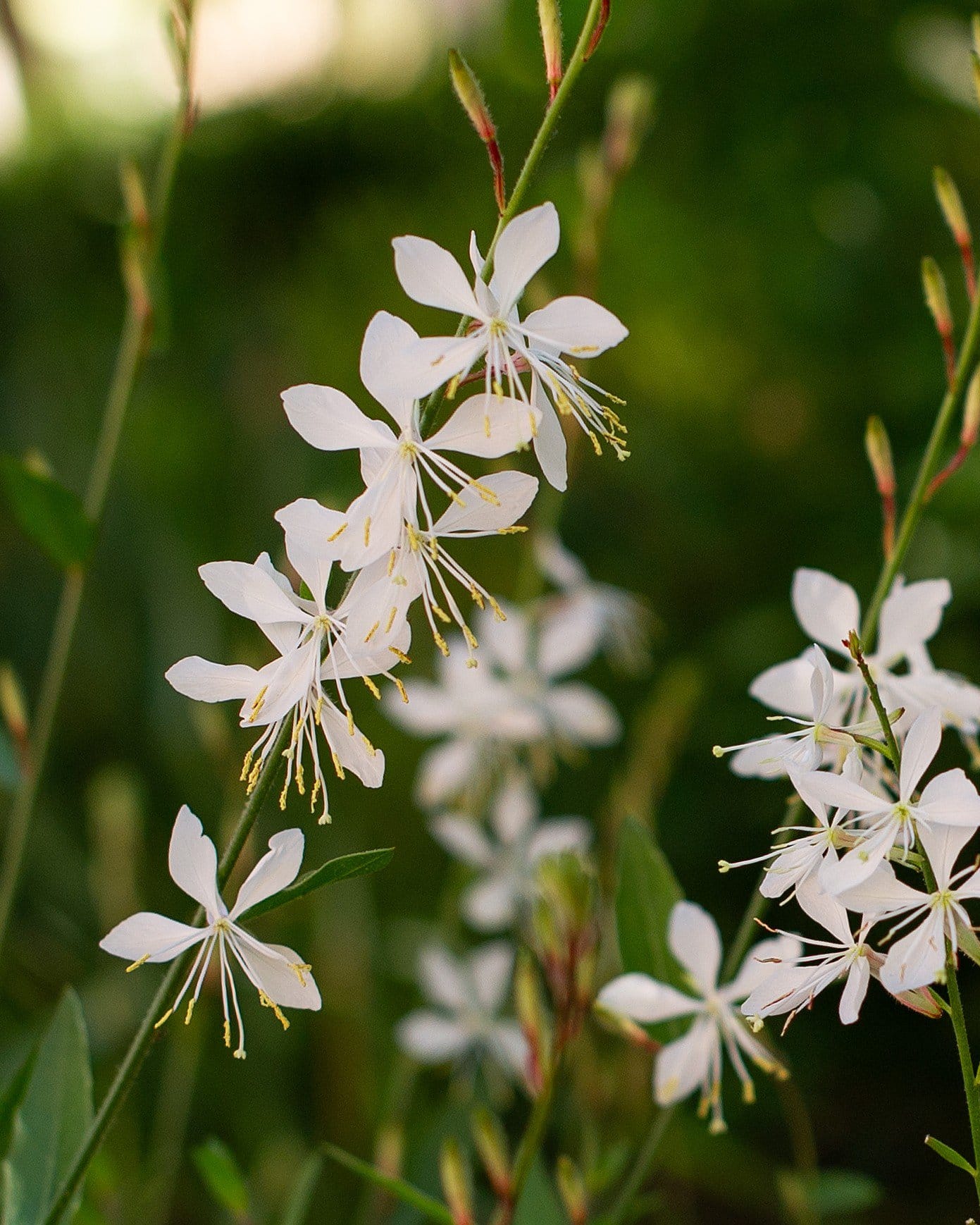
Belleza White Gaura
Maturity: 1' H x 1.5' W
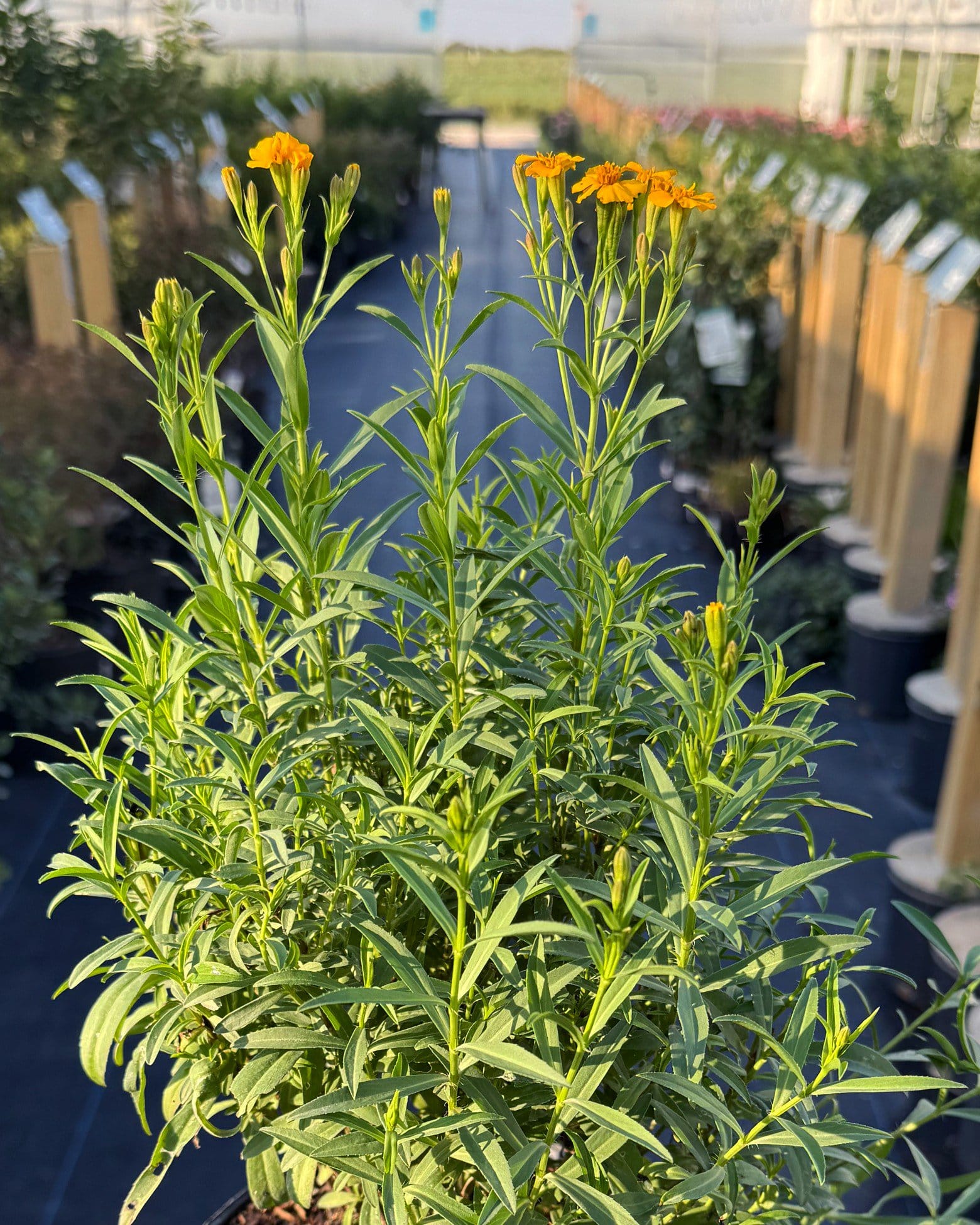
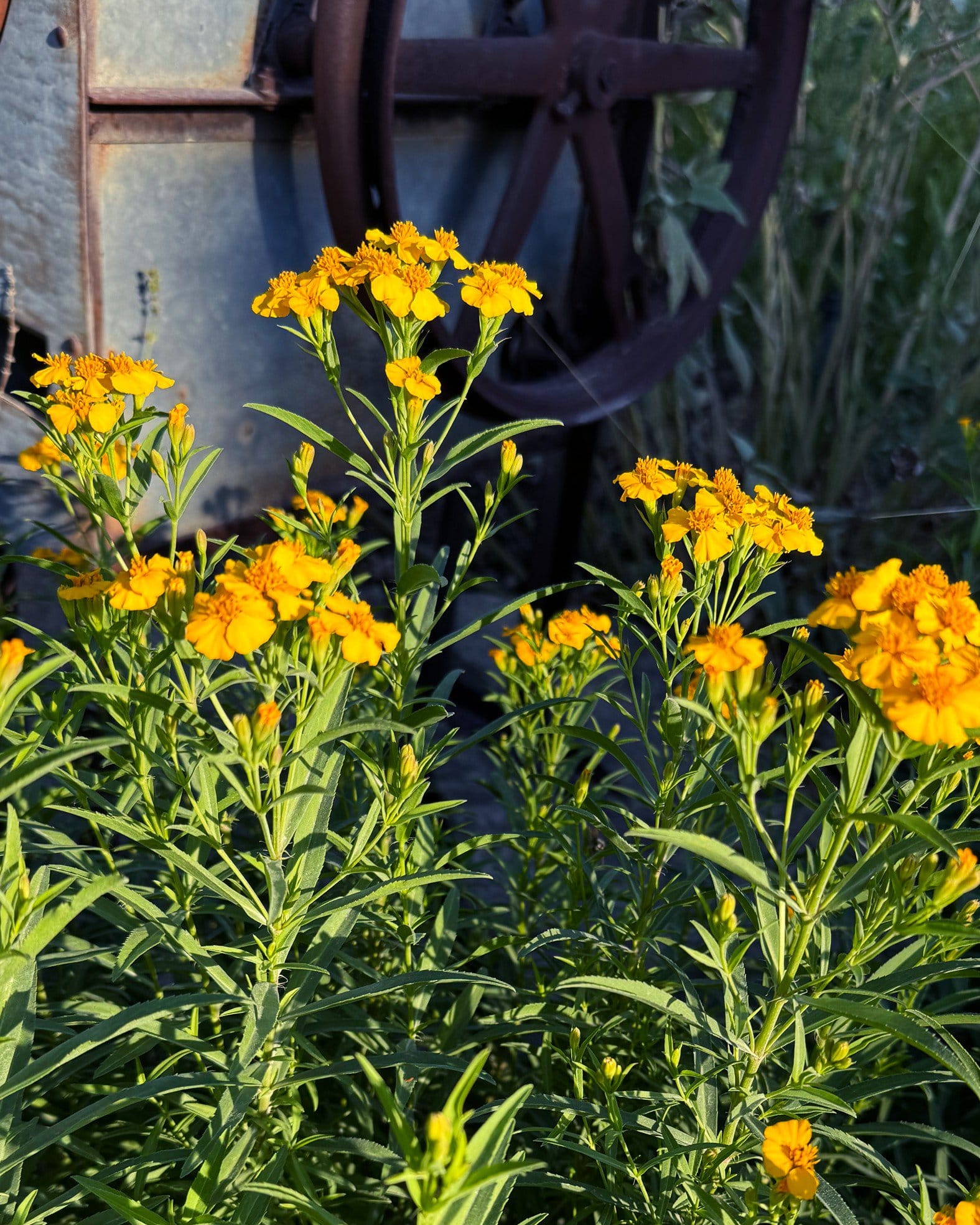
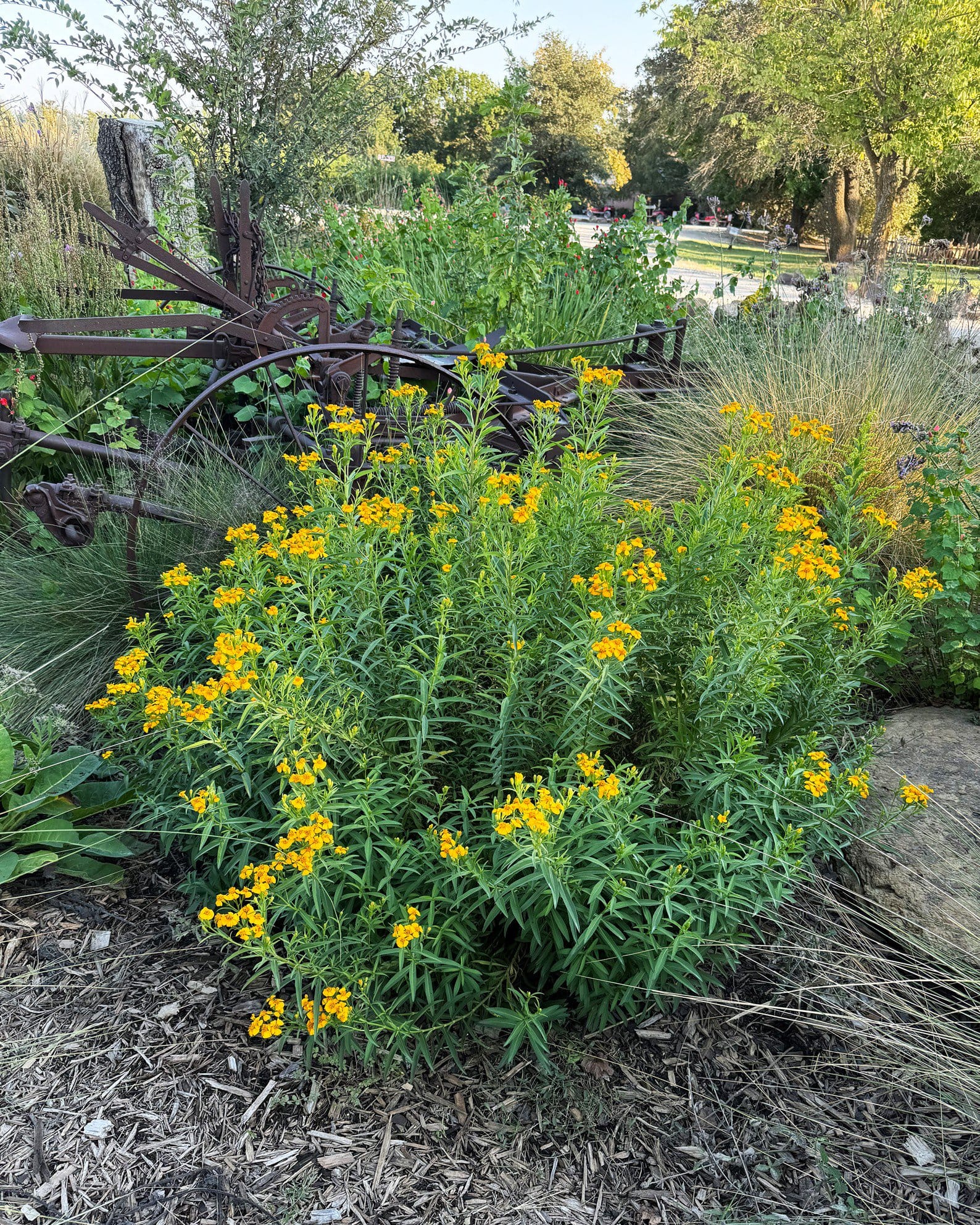
Mexican Mint Marigold
Maturity: 1' H x 1' W
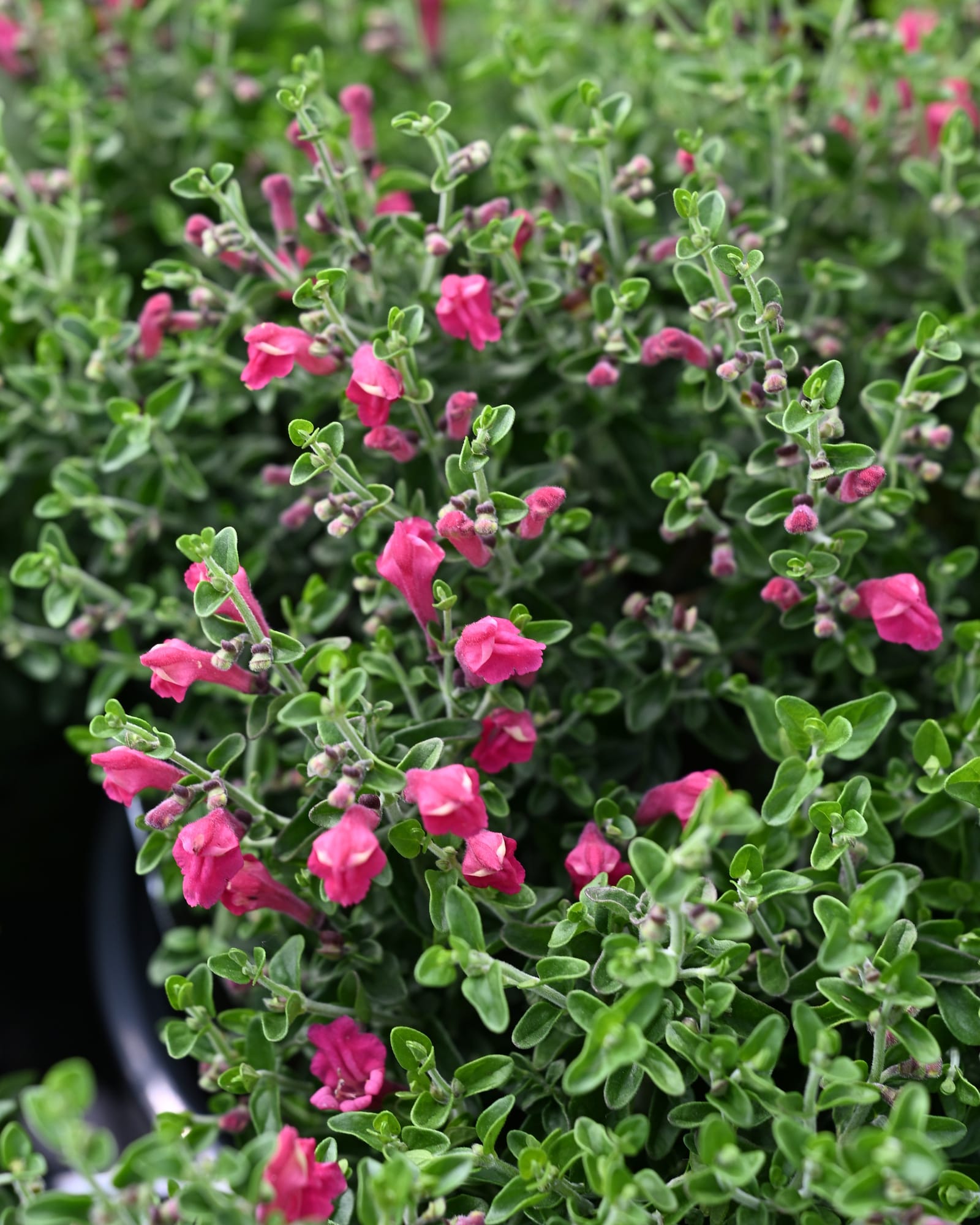
Pink Skullcap
Maturity: 1' H x 2' W
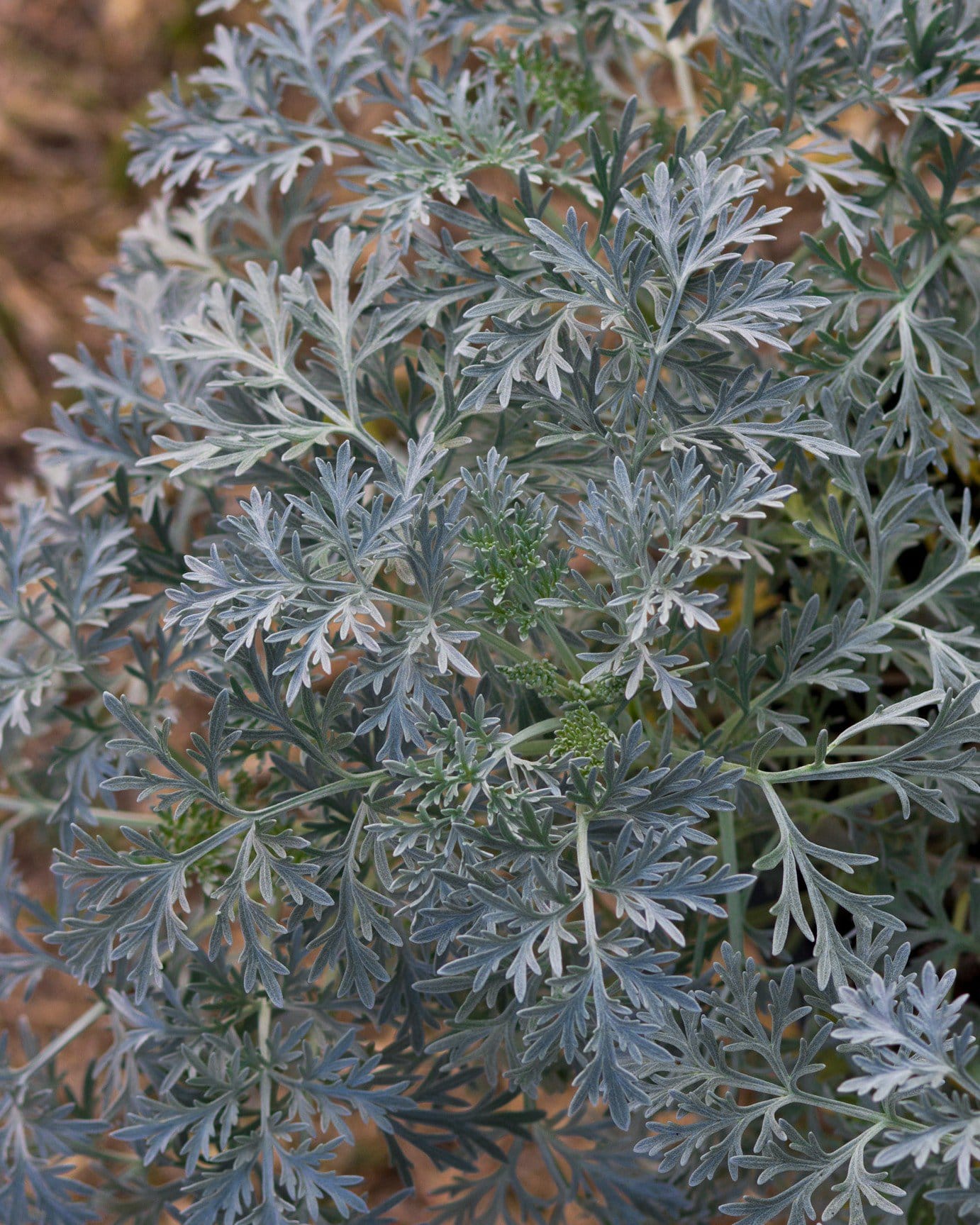
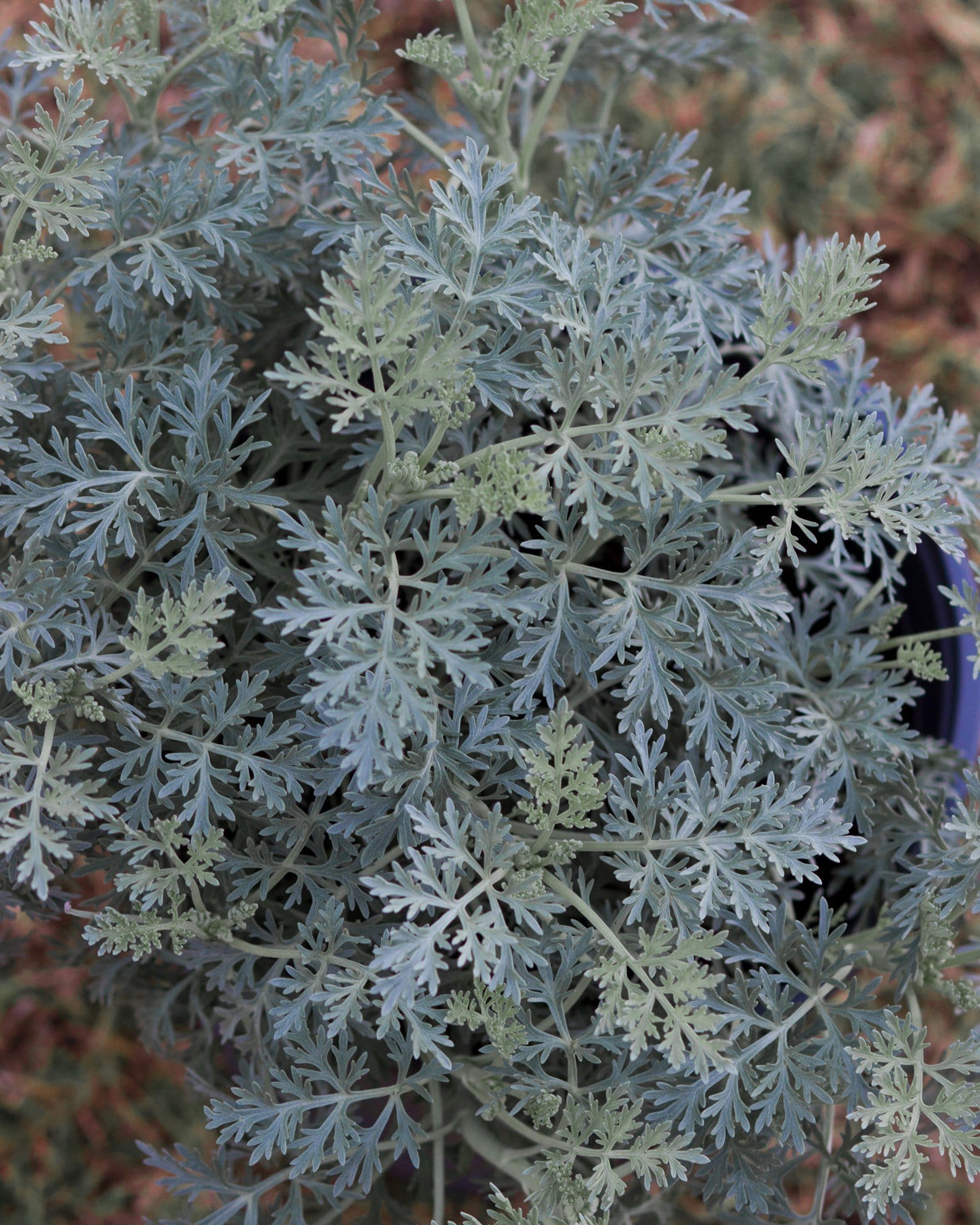
Powis Castle Artemisia
Maturity: 2' H x 3' W
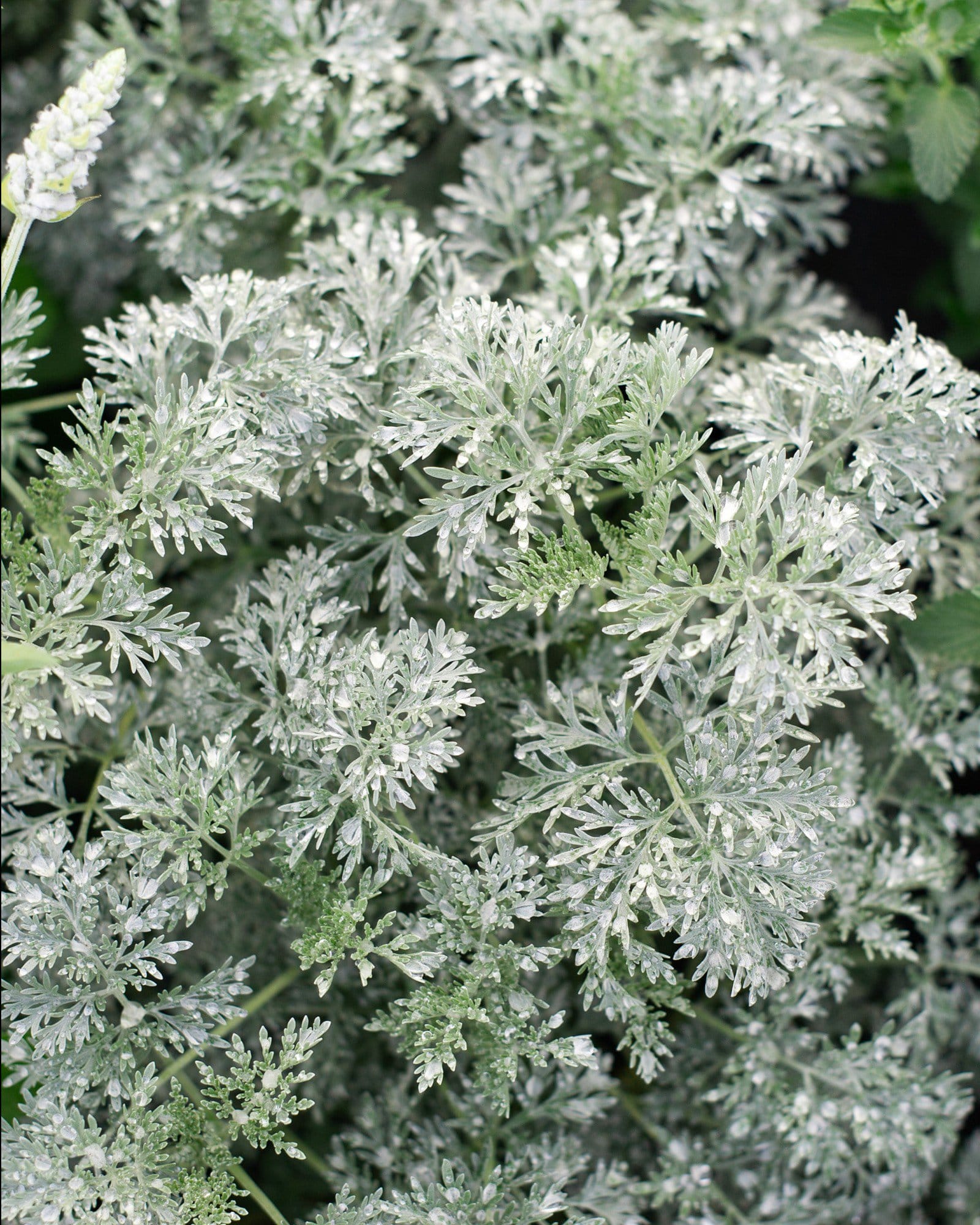
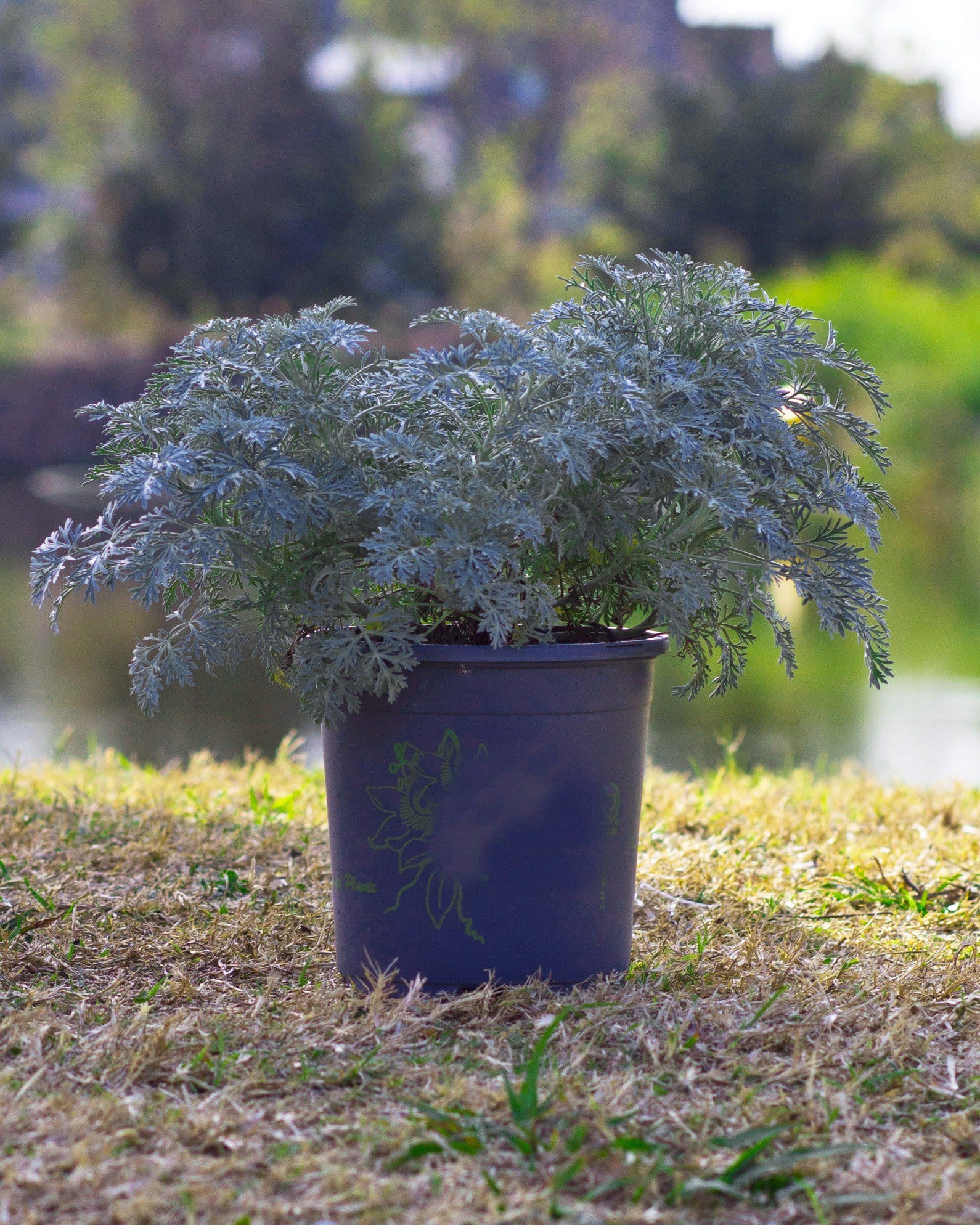
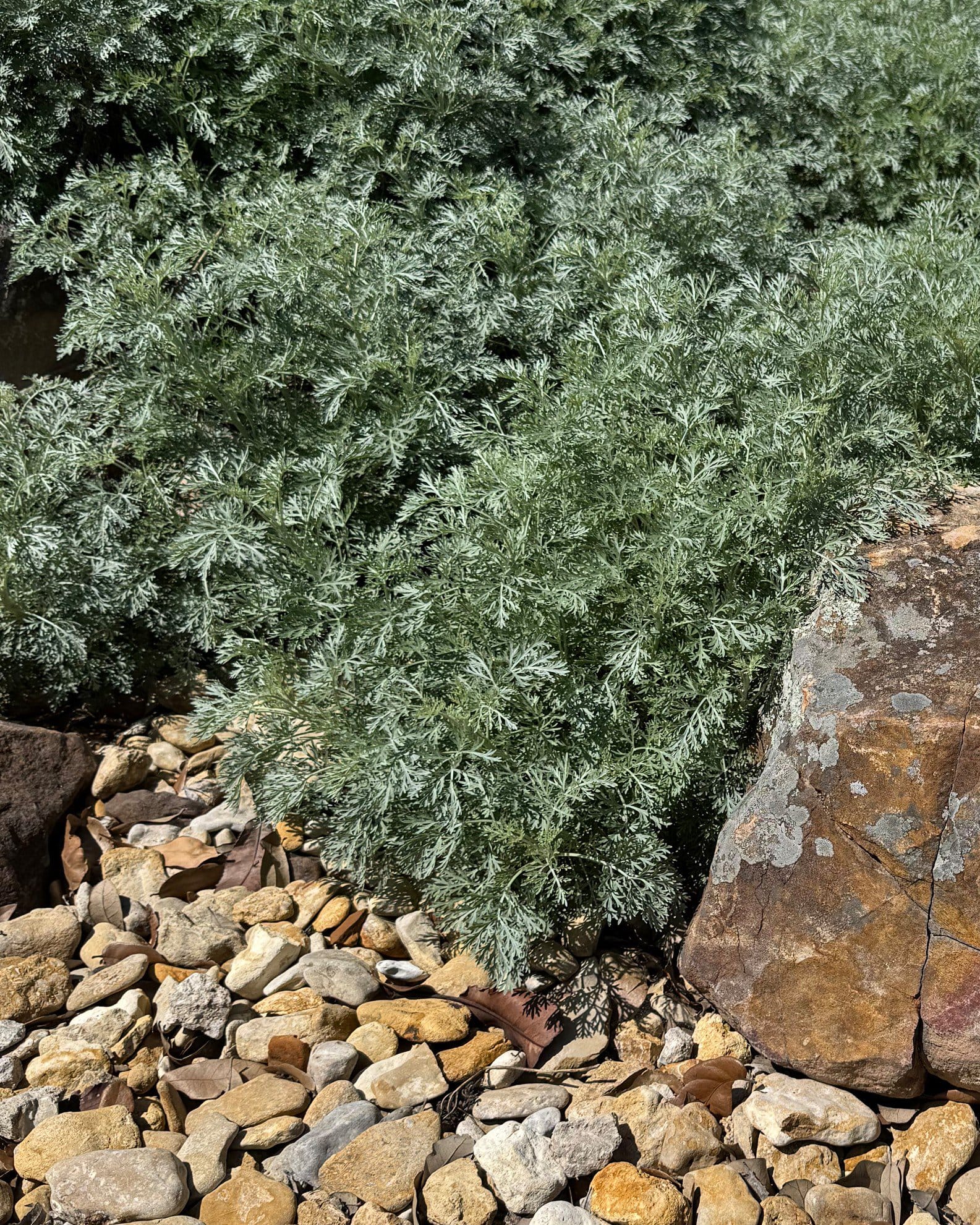
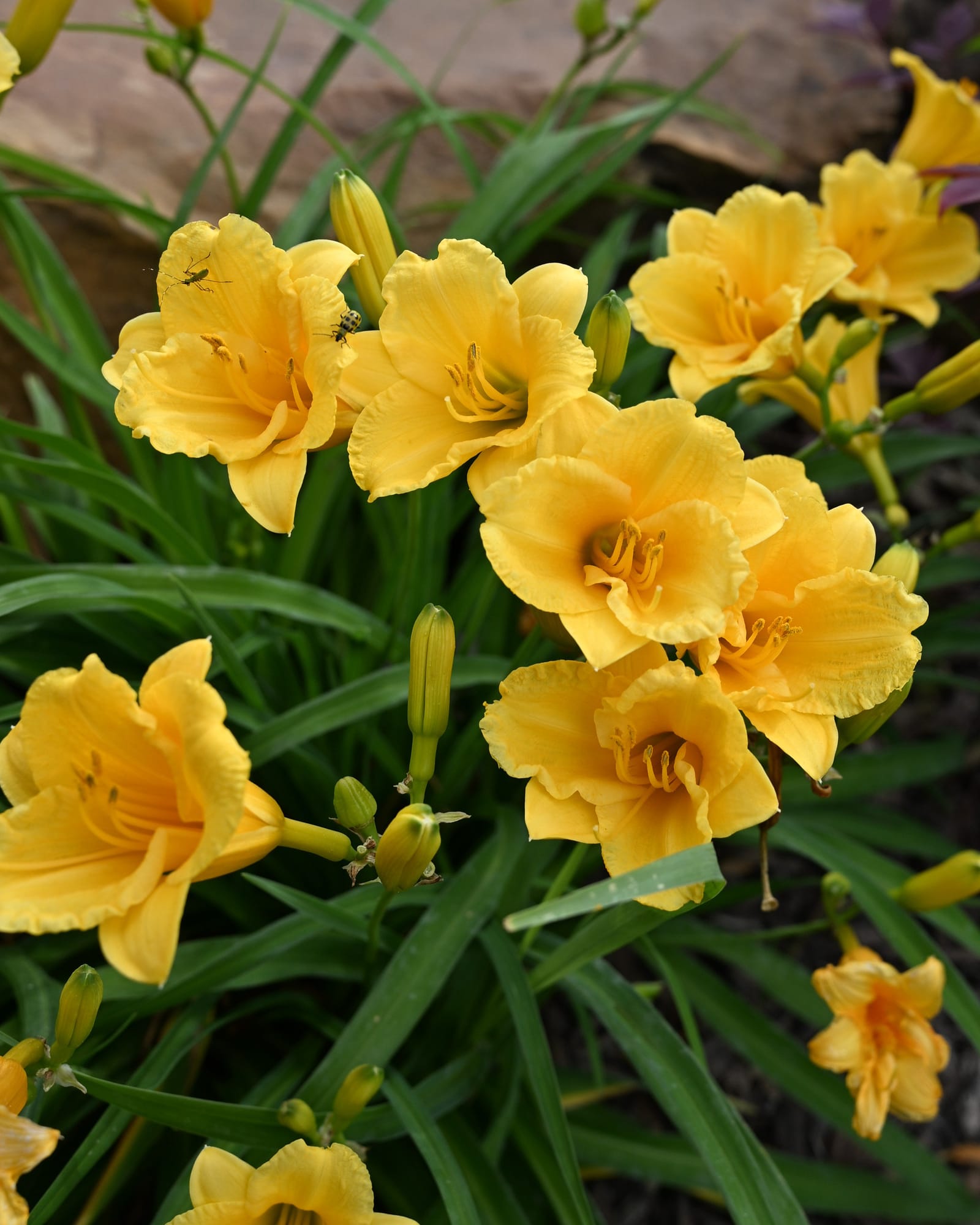
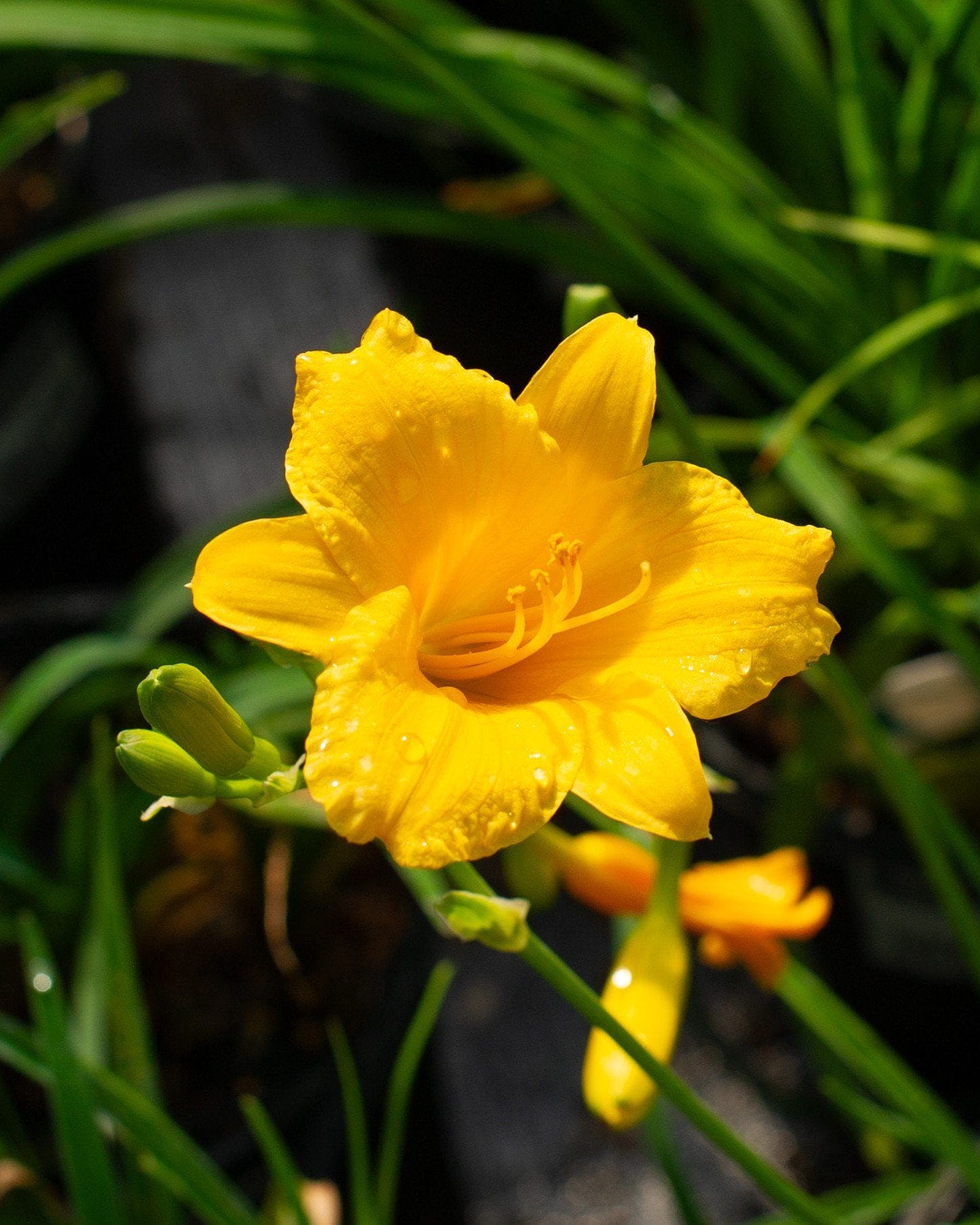
Stella D'Oro Daylily
Maturity: 1.5' H x 1.5' W
Cat's Pajamas Catmint
Maturity: 1' H x 1.5' W

Henry Duelberg Salvia
Maturity: 3' H x 3' W
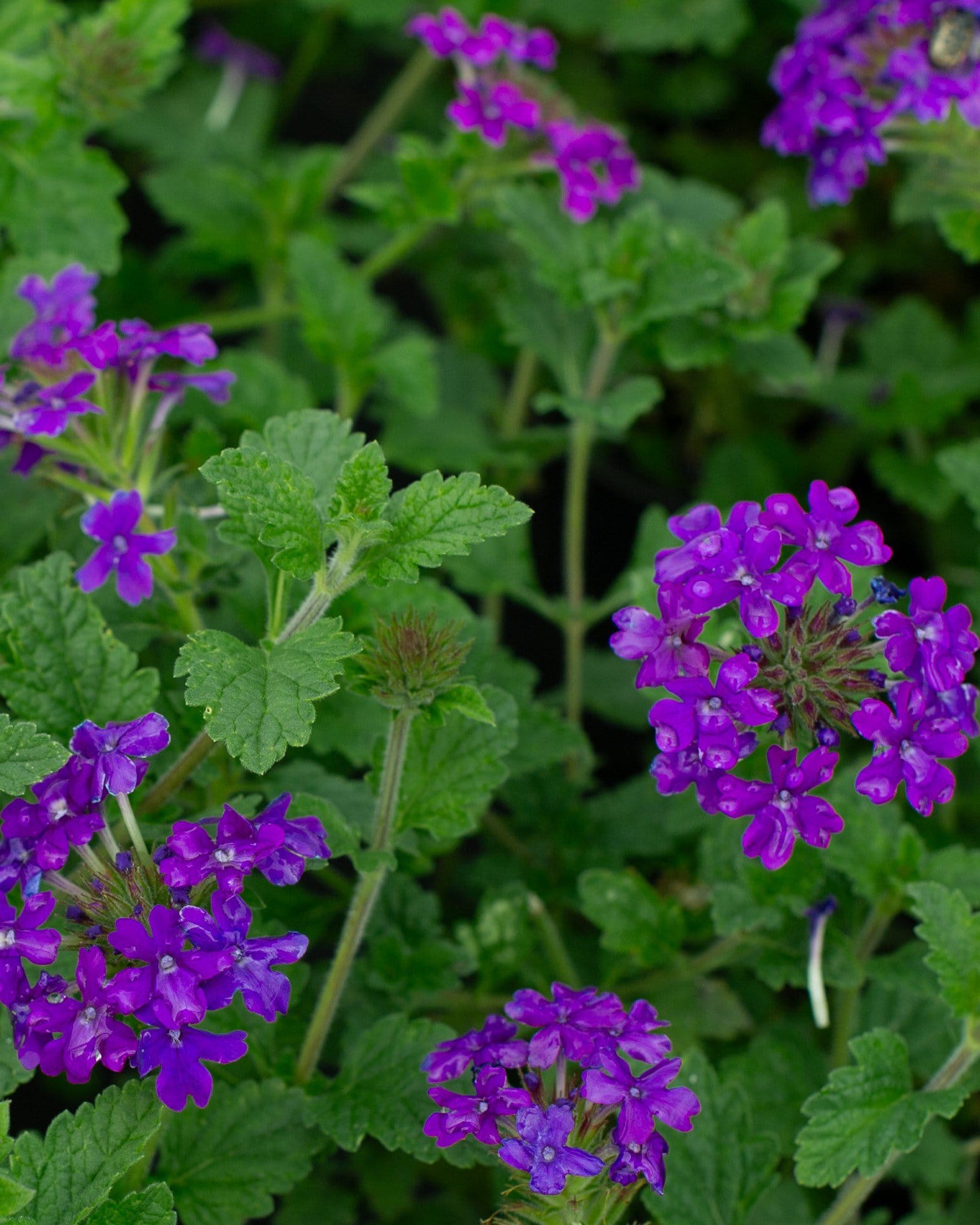
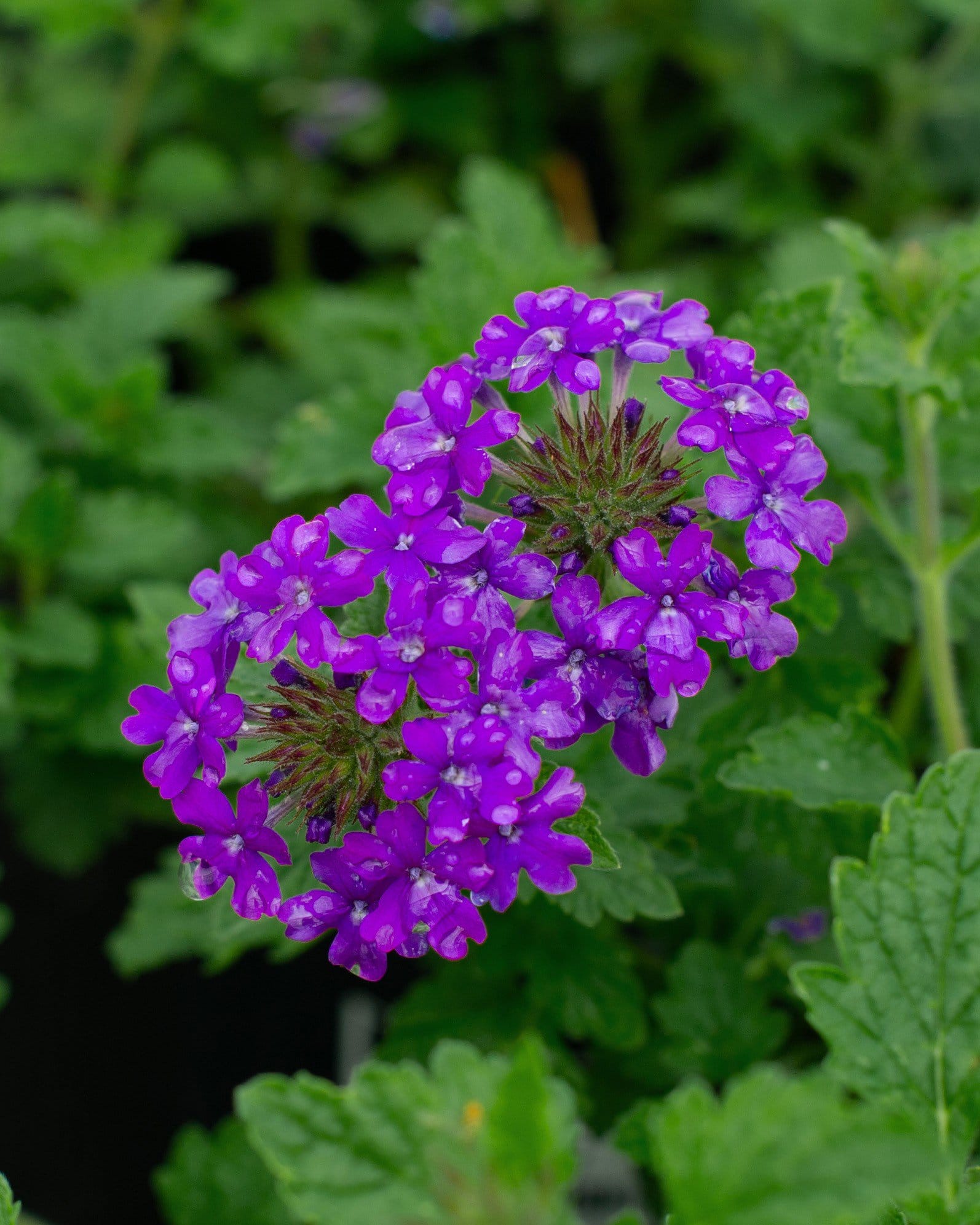
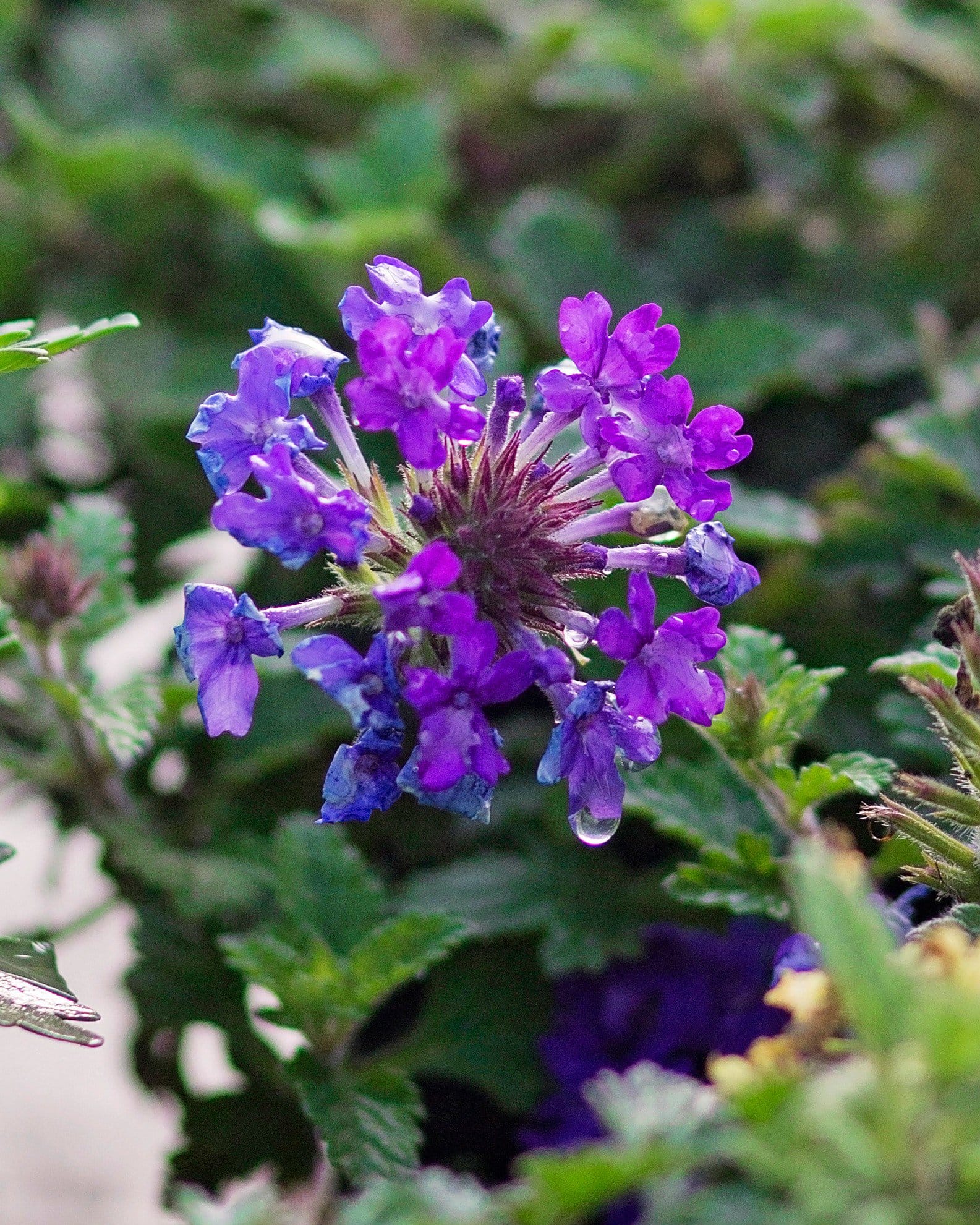
Homestead Purple Verbena
Maturity: 1' H x 2' W
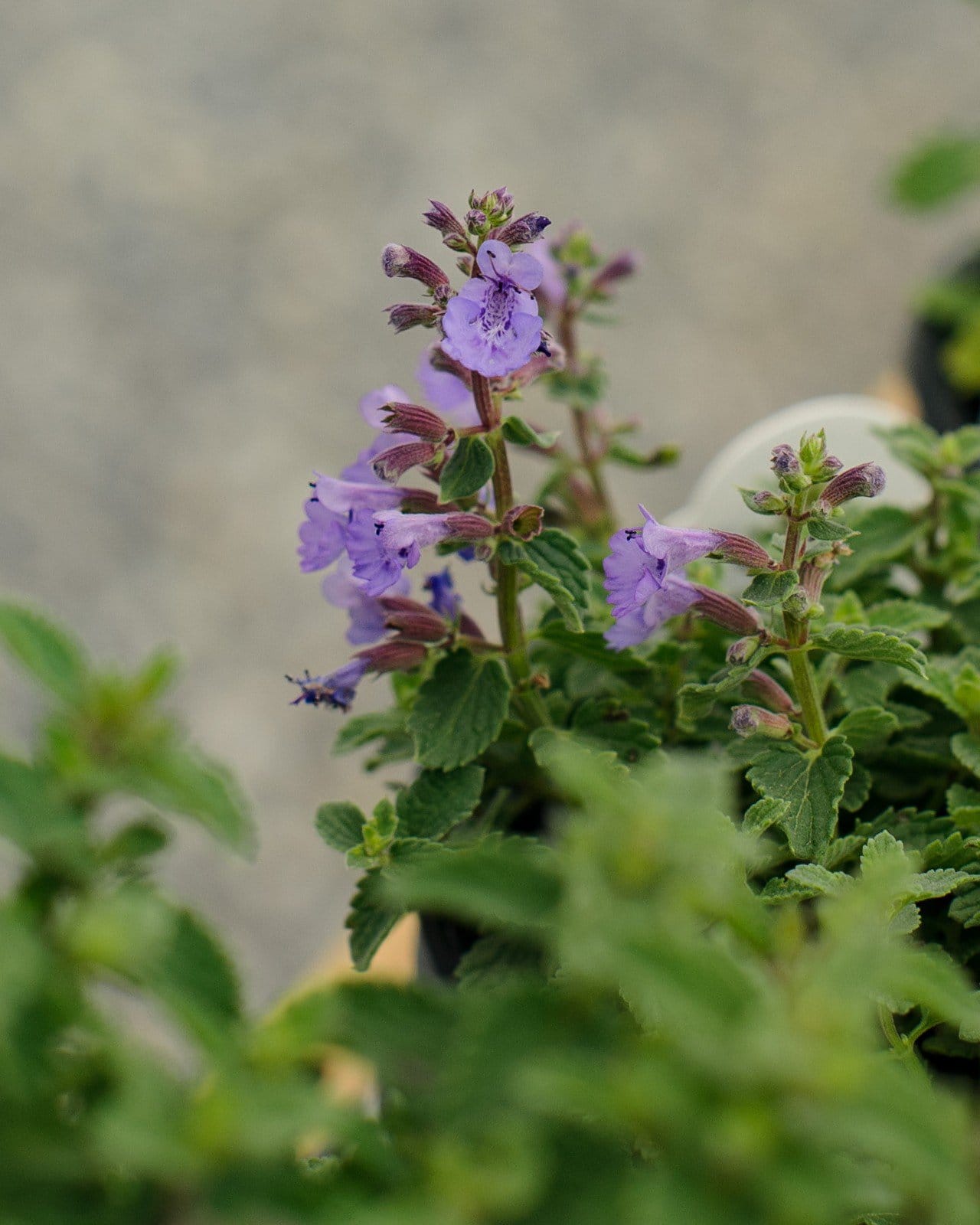
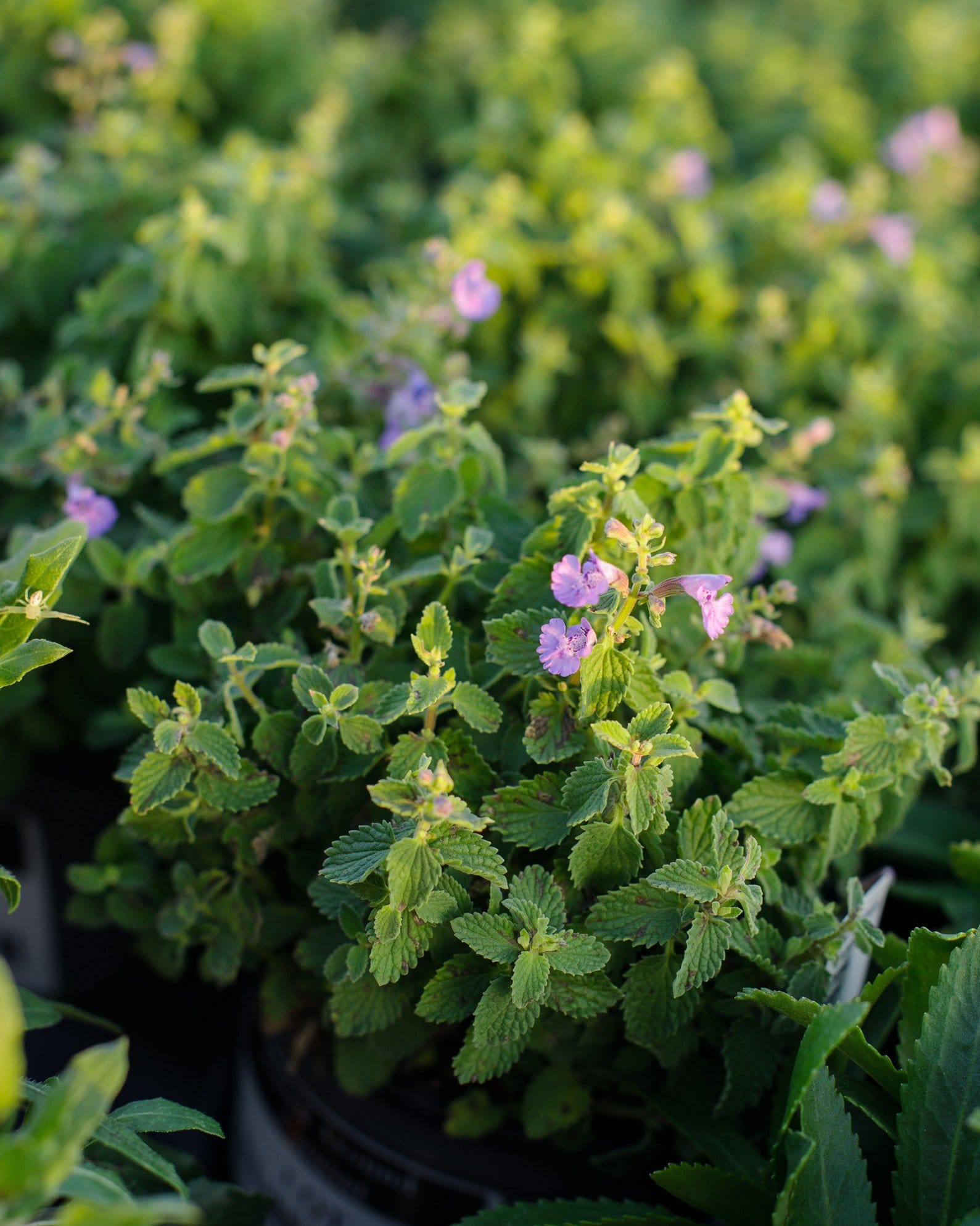
Kitten Around Catmint
Maturity: 1' H x 1.5' W
Compare Similar Plants
Walker's Low Catmint This plant | ||
|---|---|---|
| Scientific Name | Nepeta x faassenii 'Walker's Low' | Stachys byzantina |
| Size at Maturity | 2' H x 3' W | 1' H x 1.5' W |
| Leaf Retention | Herbaceous | Herbaceous |
| Flower Color | Purple | Purple |
| Bloom Times | Summer | Summer |
| Sizes Available | 1 gal | 1 gal |


Our 1-Year Planting Guarantee
We take pride in our plants and installation services. If any plants or trees installed by Treeland fail to thrive within the first year, we'll provide a replacement credit in accordance with our guarantee program.
Learn More About Our Guarantee