
 Popular
Lamb's Ear
Stachys byzantinaLocal DFW Delivery Only
Product Details
Lamb's Ear
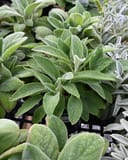
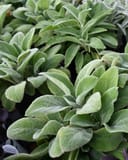
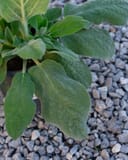
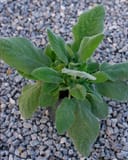
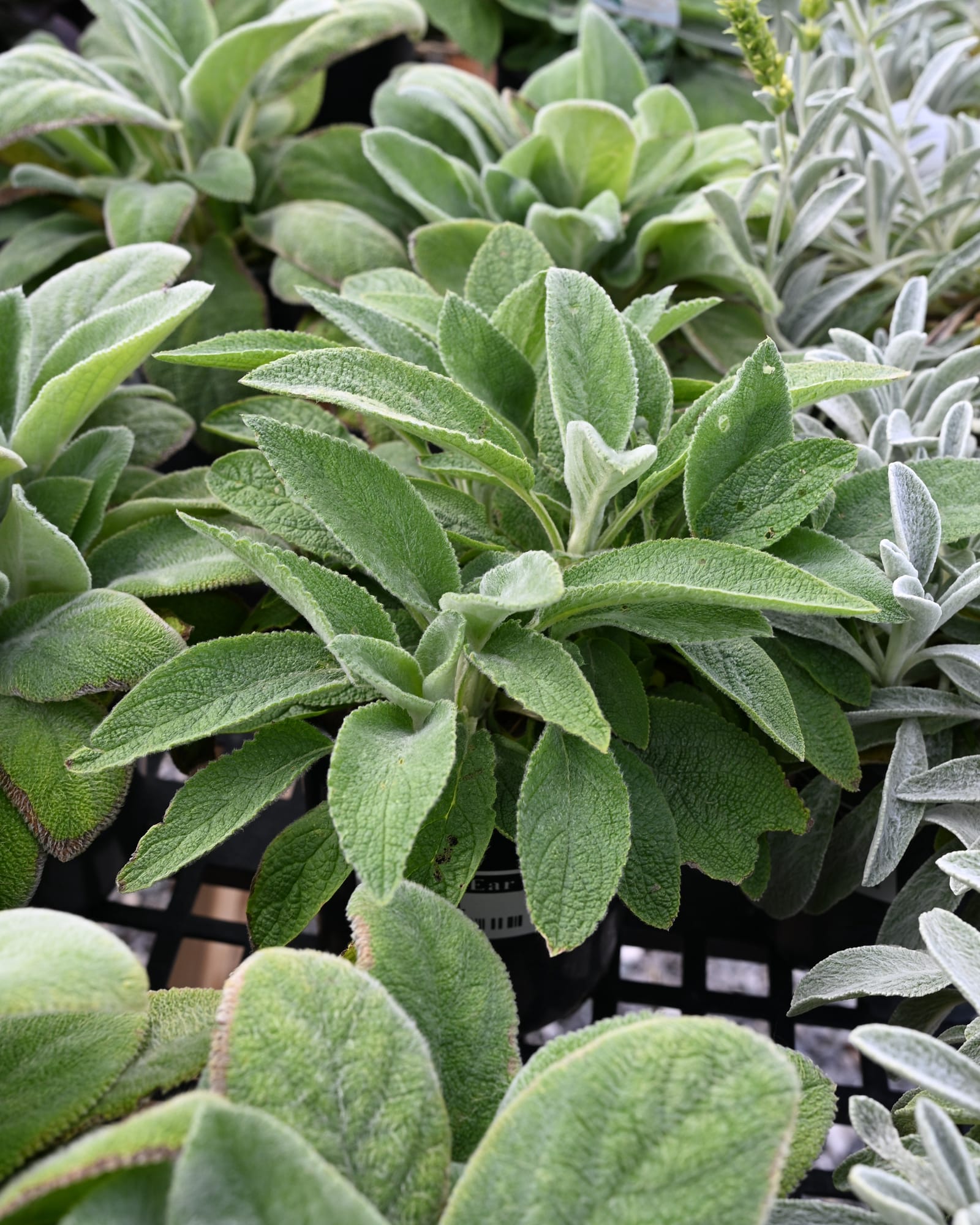
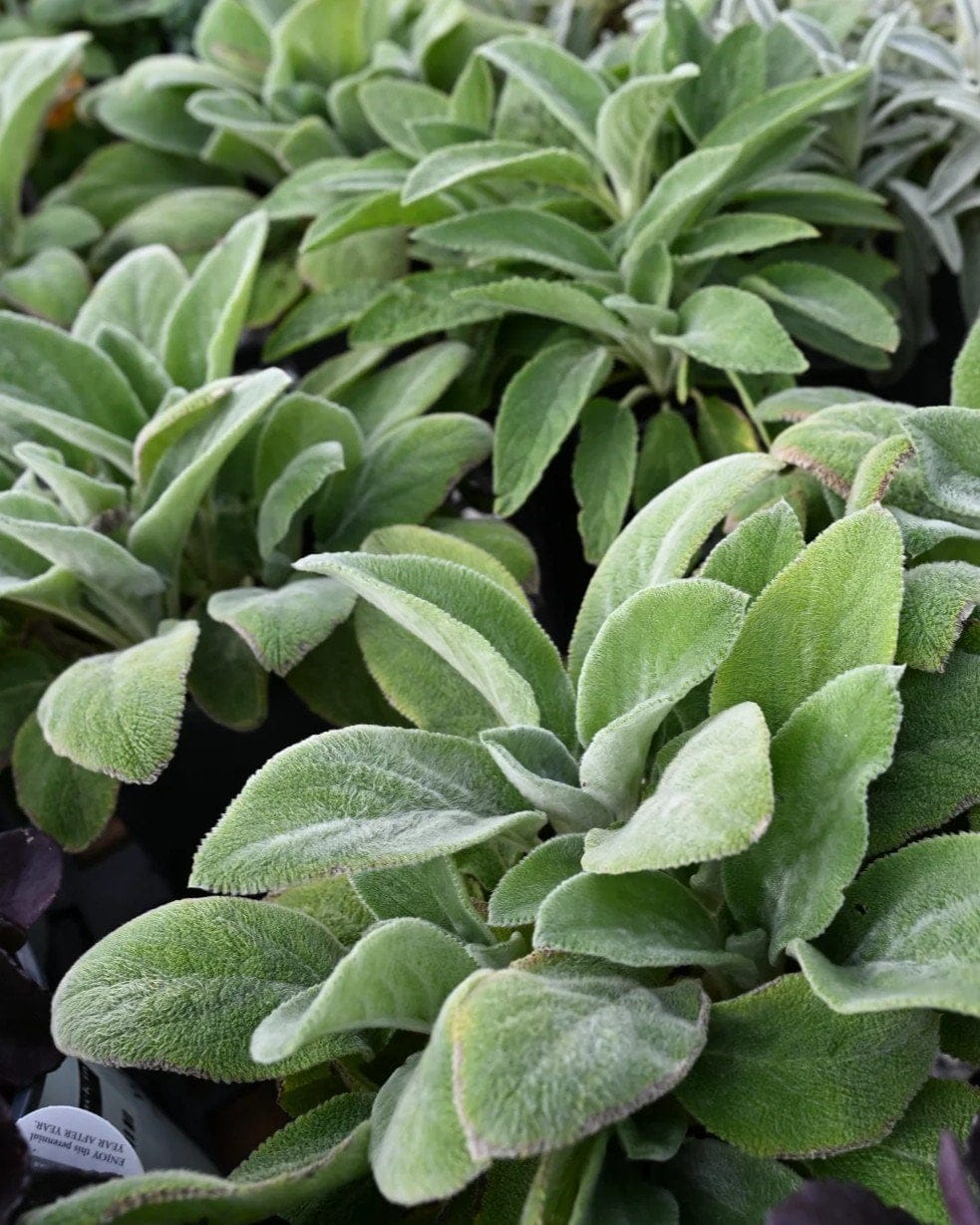
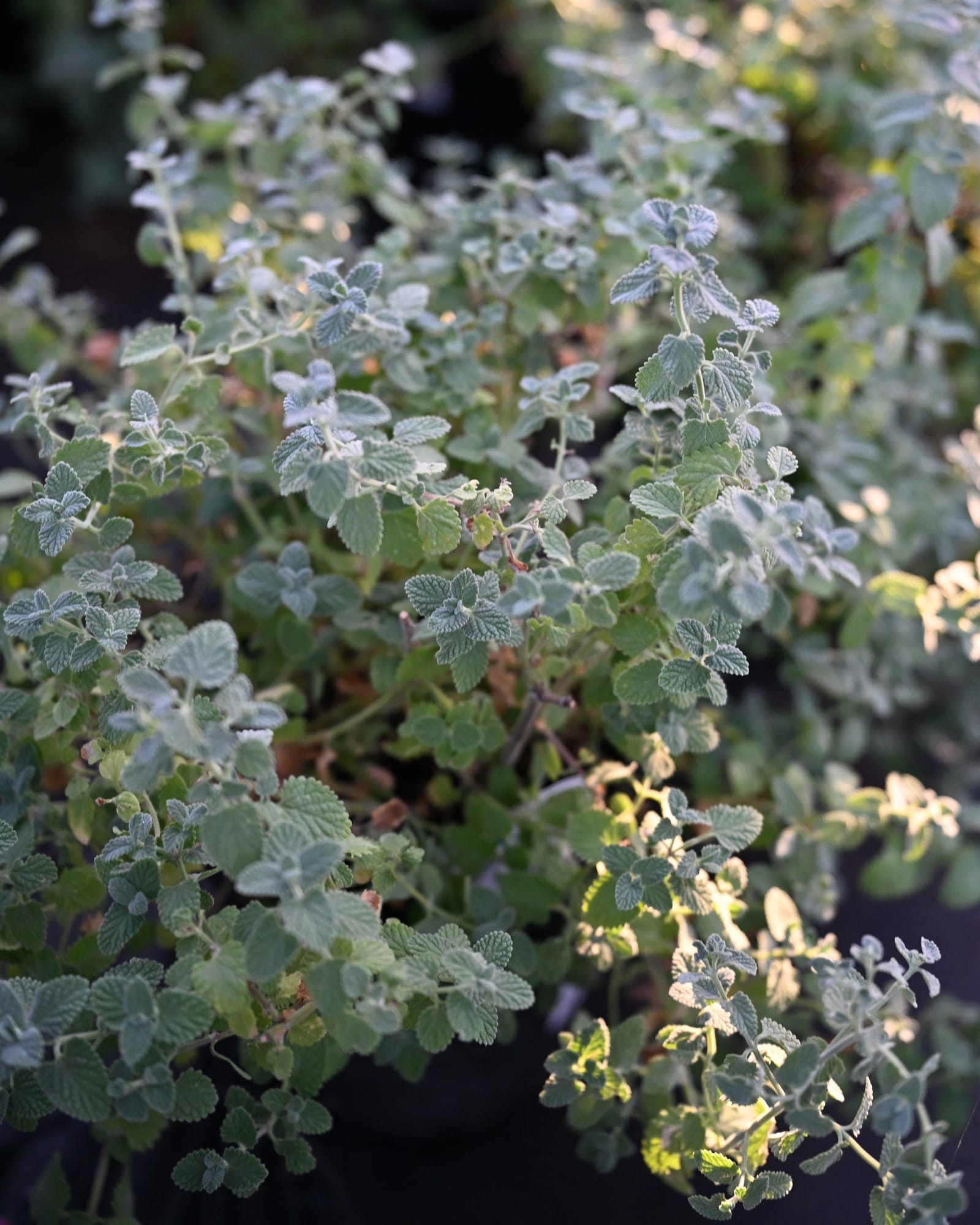
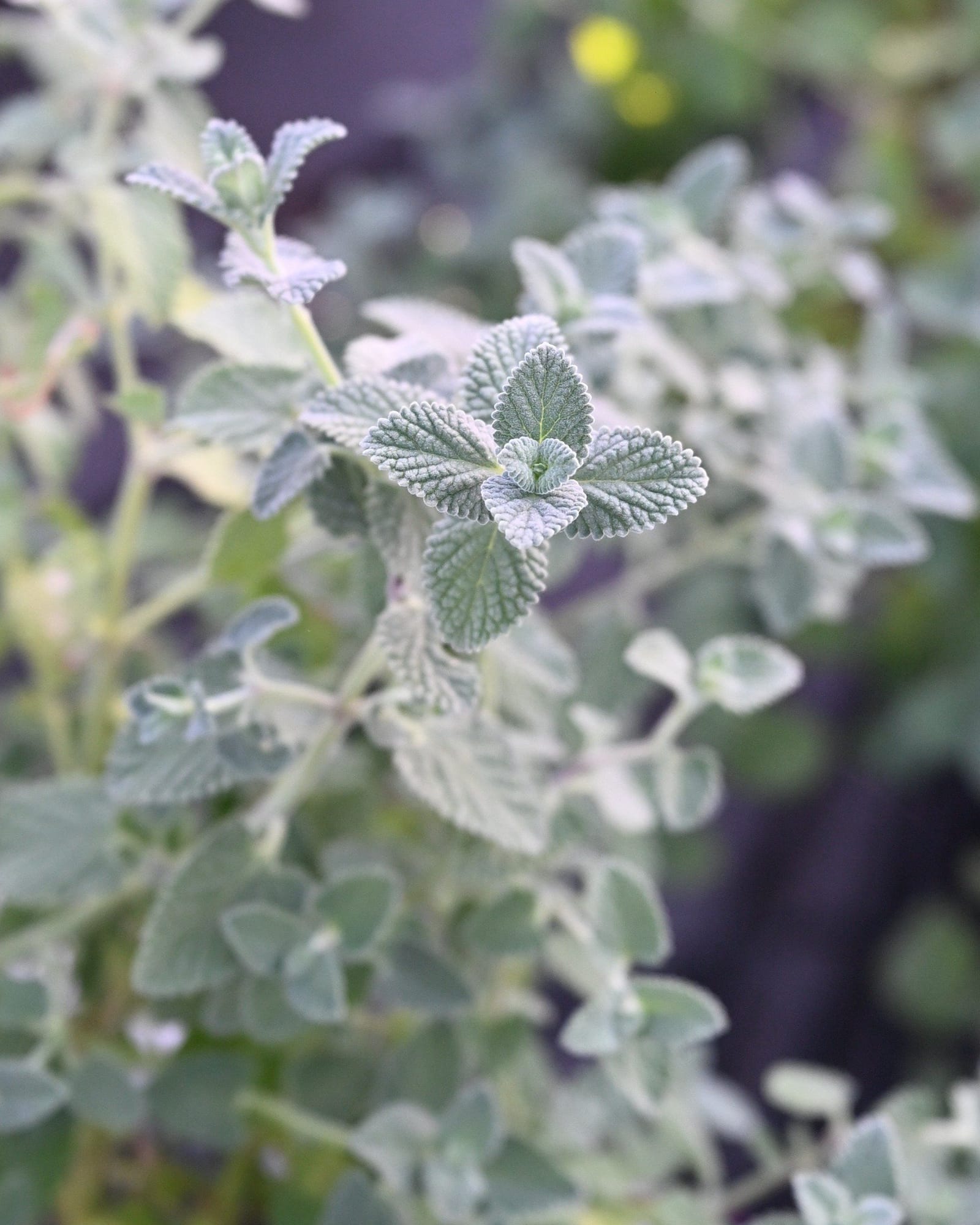
Stachys byzantinaLamb’s Ear is a classic foliage perennial known for its velvety, silvery-gray leaves that bring softness and contrast to the landscape. The thick, woolly foliage forms a spreading mat that stays low and neat, making it perfect for edging or filling in between taller plants. From late spring into early summer, short flower spikes may appear, holding small lavender-pink blooms above the foliage. Mature plants typically reach up to 12 inches in height, with a spread of up to 1.5 feet. The cool-toned leaves reflect sunlight and blend well with both bold and subtle plant combinations.
- Silvery, velvety foliage for texture
- Forms low, spreading mounds
- Occasional lavender blooms in early summer
- Grows up to 12 inches tall and 18 inches wide
- Ideal for edging sunny flower beds
Well-suited for North Texas conditions, Lamb’s Ear thrives in full sun and dry, well-drained soil. To maintain a tidy appearance, remove spent flower stalks and trim back any damaged leaves . A dependable, fast-growing, ground-level accent for both flower beds and containers.
Maintenance
Lamb’s Ear is a popular choice for many Texas beds, and that’s because it’s quite low-maintenance once established. Here’s what you’ll need to do to help it grow beautifully:
- Watering: Water regularly during the first growing season to help roots establish. Once established, Lamb’s Ear is highly drought-tolerant and requires only occasional watering.
- Soil: Lamb’s Ear prefers well-draining, moderately fertile soil. Sandy or loamy soils are ideal. It dislikes heavy clay or poorly drained areas where moisture can accumulate around the roots. Slightly alkaline to neutral soil pH (6.0-7.5) supports optimal growth and foliage color.
- Pruning: Trim spent flower stalks and remove any damaged or discolored leaves to keep the plant looking fresh. After flowering, a light shearing can rejuvenate the foliage and encourage compact growth. Divide clumps every 2-3 years in spring to prevent overcrowding and maintain vigor.
- Fertilizing: Lamb’s Ear requires minimal fertilization. An application of balanced, slow-release fertilizer in spring can support healthy growth, but is often unnecessary in average garden soil. Over-fertilizing may result in lush, floppy leaves that are more susceptible to rot.
- Mulching: Mulching isn’t typically needed for Lamb’s Ear, as it prefers dry conditions. If desired, apply a thin layer of gravel or small stones around the base to help with drainage and weed suppression. Avoid organic mulches that retain moisture.
- Winter Care: Lamb’s Ear is cold-hardy and typically evergreen in mild climates. In colder zones, it may die back in winter and return in spring.
Common Issues and How to Take Care of Them
- Leaf Rot: Occurs when the foliage stays wet for long periods. Ensure good air circulation, avoid overhead watering, and plant in well-draining soil.
- Powdery Mildew: White, powdery fungal growth may appear in humid or crowded conditions. Improve air circulation and remove affected leaves promptly.
- Crown Rot: Caused by overly wet soil. Avoid excessive watering and improve drainage around the crown.
- Slug Damage: Slugs may feed on the soft leaves. Use natural deterrents like crushed eggshells, diatomaceous earth, or slug traps if needed.
With its soft, silvery texture and easy care, Lamb’s Ear brings lasting beauty to garden beds, borders, and rock gardens while providing excellent contrast to green or colorful plantings.
It has a moderate growth rate, spreading steadily through rhizomes to form a dense mat of soft, silvery leaves. In ideal conditions, it can fill in a planting area within one or two growing seasons.
Spring or early fall is ideal, allowing roots to establish before extreme temperatures. Planting during these seasons ensures quicker establishment and stronger plants.
Water deeply during establishment, then reduce frequency once the plant is mature. Overwatering can cause root or crown rot, so it’s best to let the soil dry out between waterings.
Yes, once established, Lamb’s Ear is highly drought-tolerant and thrives in dry, sunny conditions. Excess moisture is more harmful than drought stress.
Absolutely. Its spreading habit and soft, dense foliage make it an excellent groundcover for sunny slopes, borders, and pathways. It’s especially effective at suppressing weeds once established.
Yes, the fuzzy, textured leaves deter deer and rabbits, making it a great choice for wildlife-resistant plantings.
Yes, Lamb’s Ear performs well in pots with excellent drainage. It pairs beautifully with other drought-tolerant plants like lavender, sedum, and ornamental grasses.
Individual clumps can thrive for several years, but dividing every few years rejuvenates growth and prevents the center from dying out.
It prefers dry climates but can adapt to humid conditions if provided with excellent drainage and airflow. Avoid overcrowding and excess moisture to prevent fungal issues.
Yes, Lamb’s Ear is ideal for planting between stones or along paths, where its soft foliage creates a lush, inviting edge. However, it’s best to avoid high-traffic areas since the leaves can bruise easily when stepped on.
Special Features
You might also like
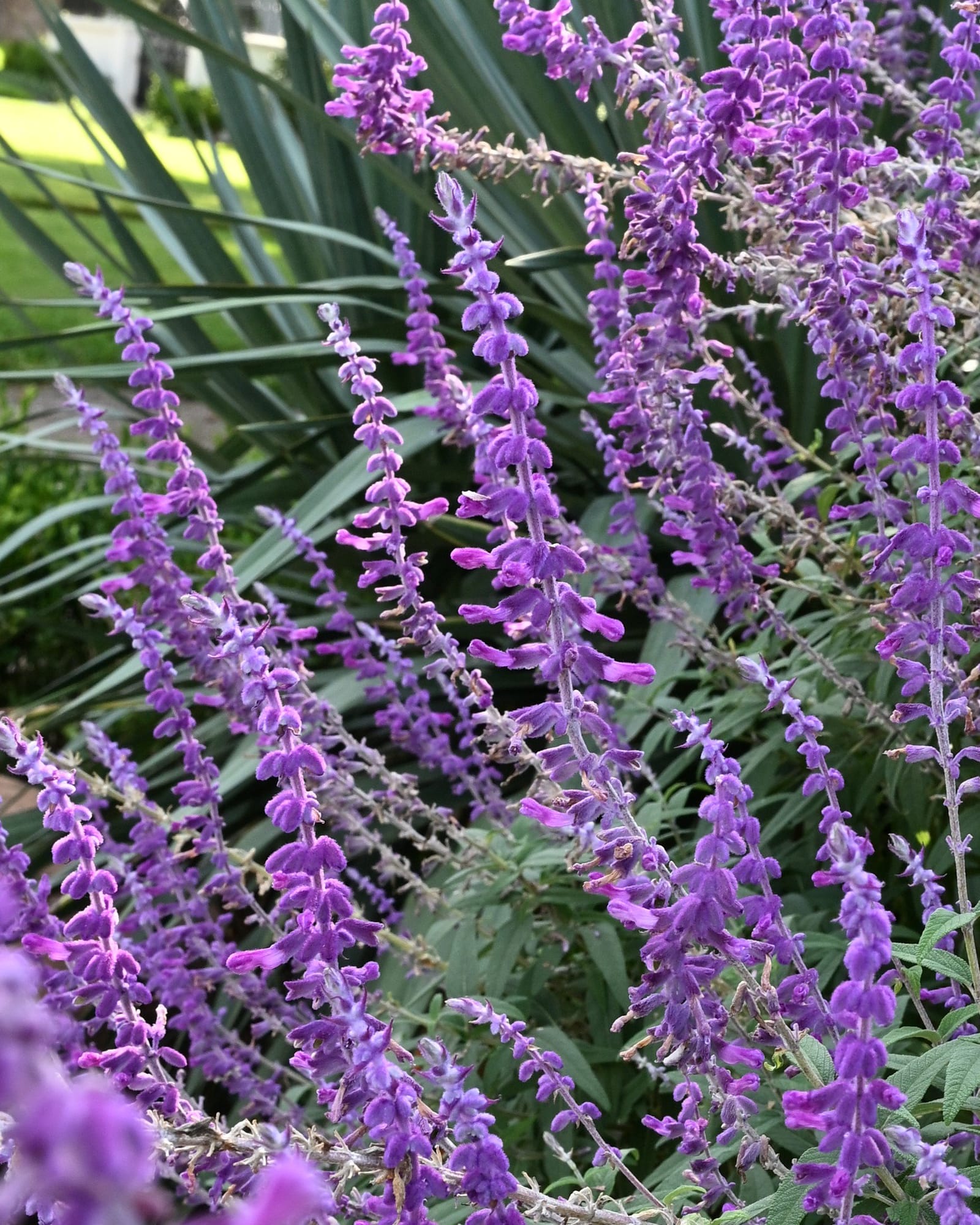
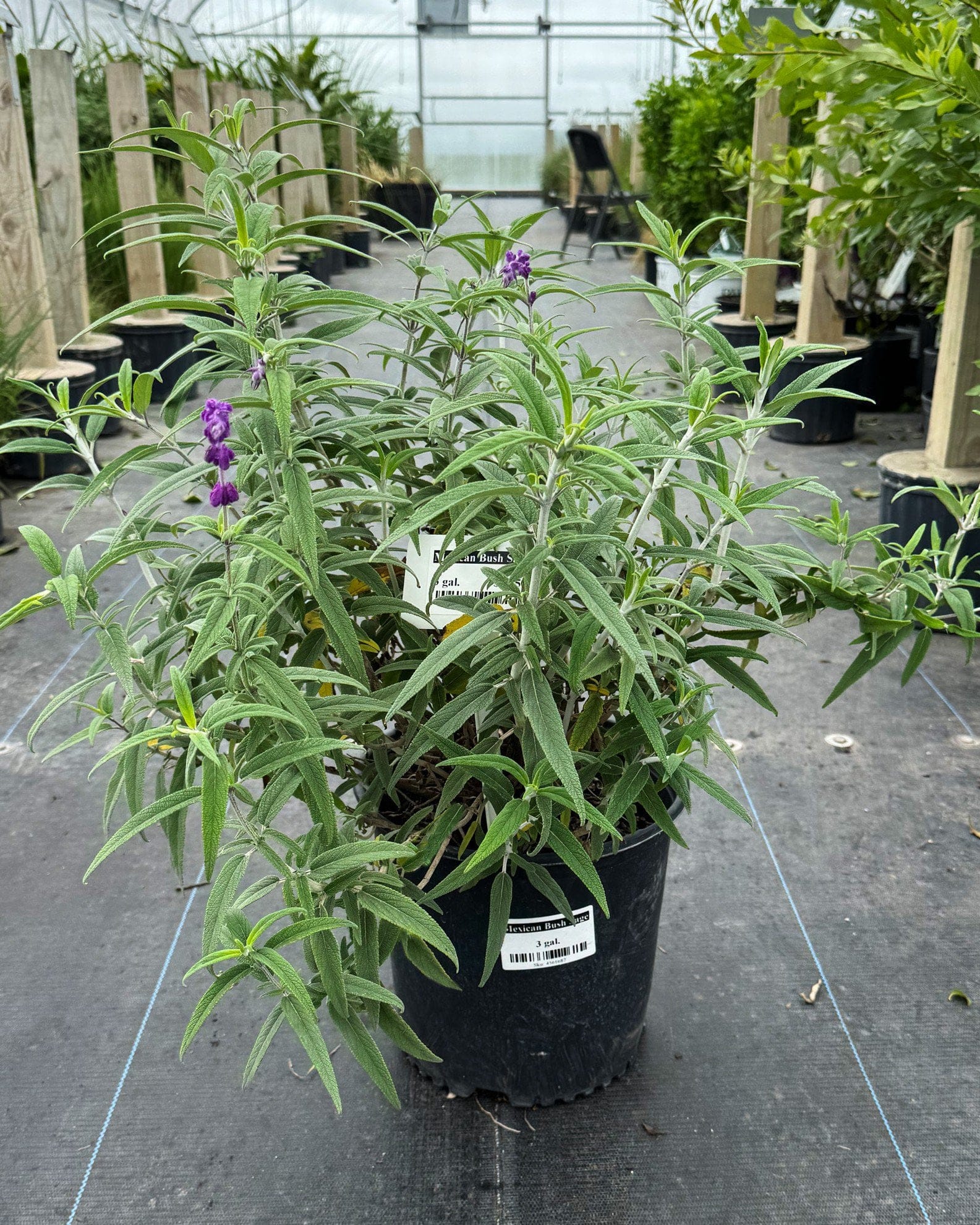
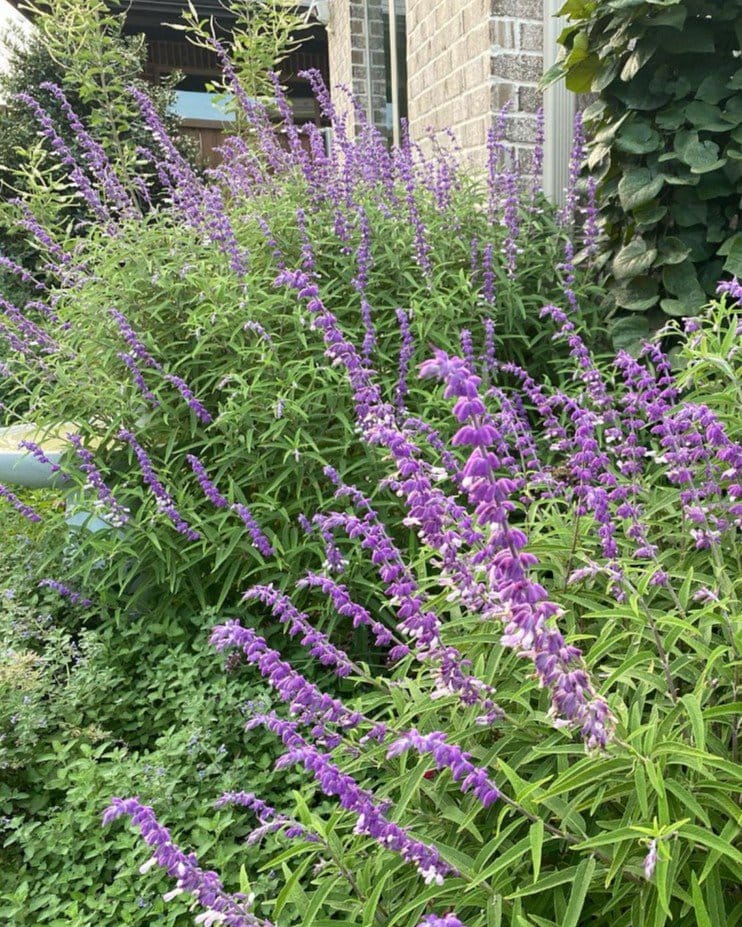
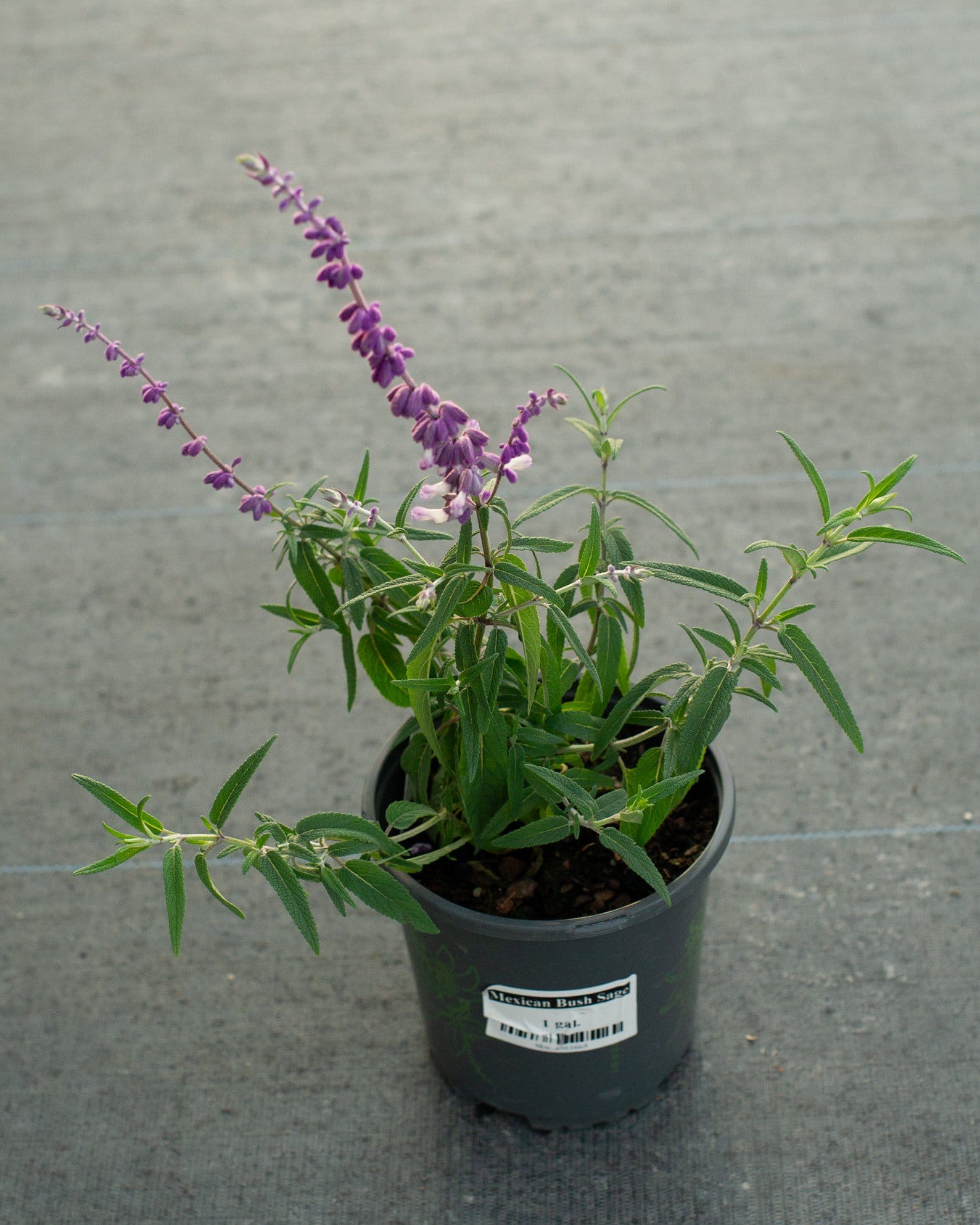
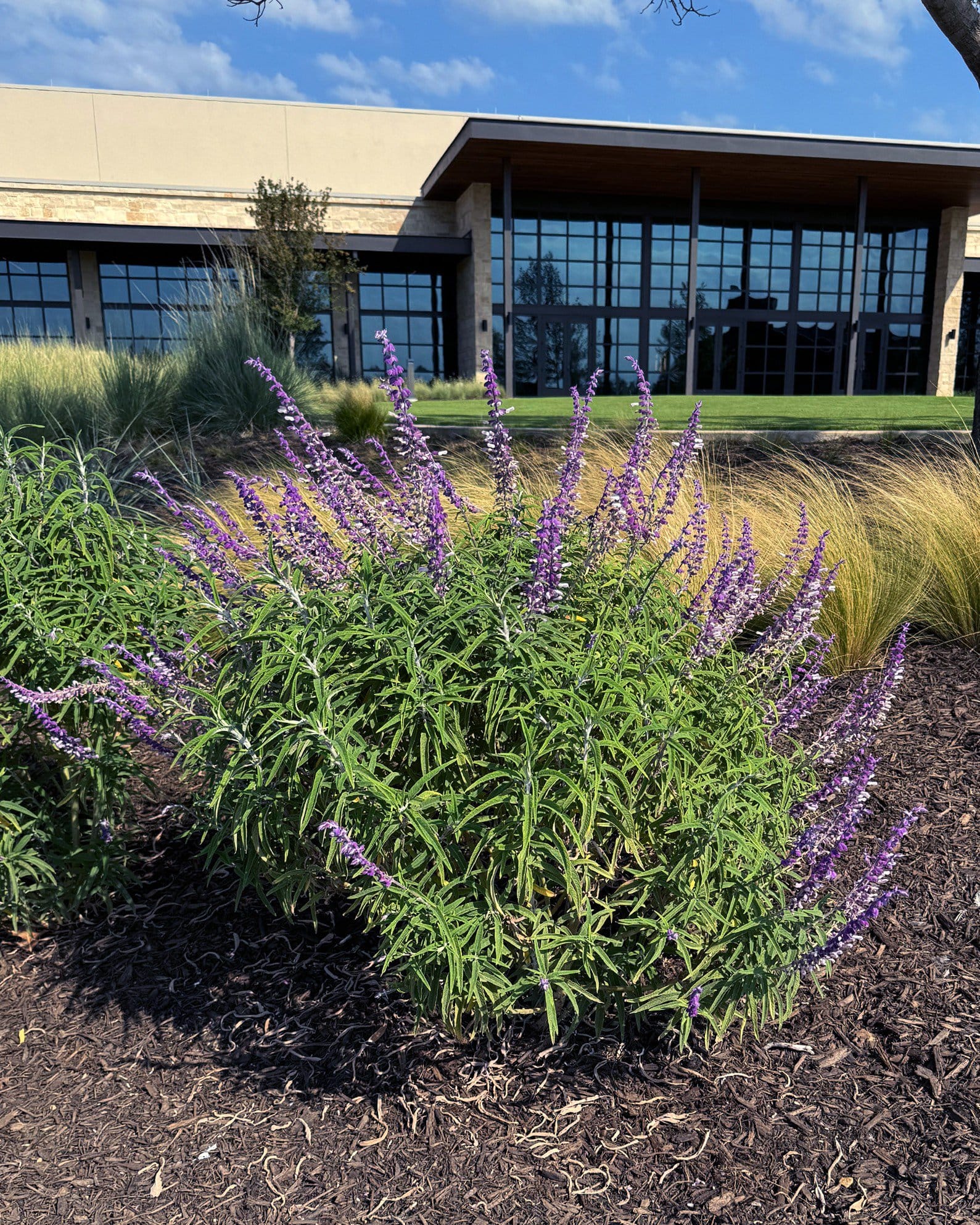
Mexican Bush Sage
Maturity: 3' H x 3' W
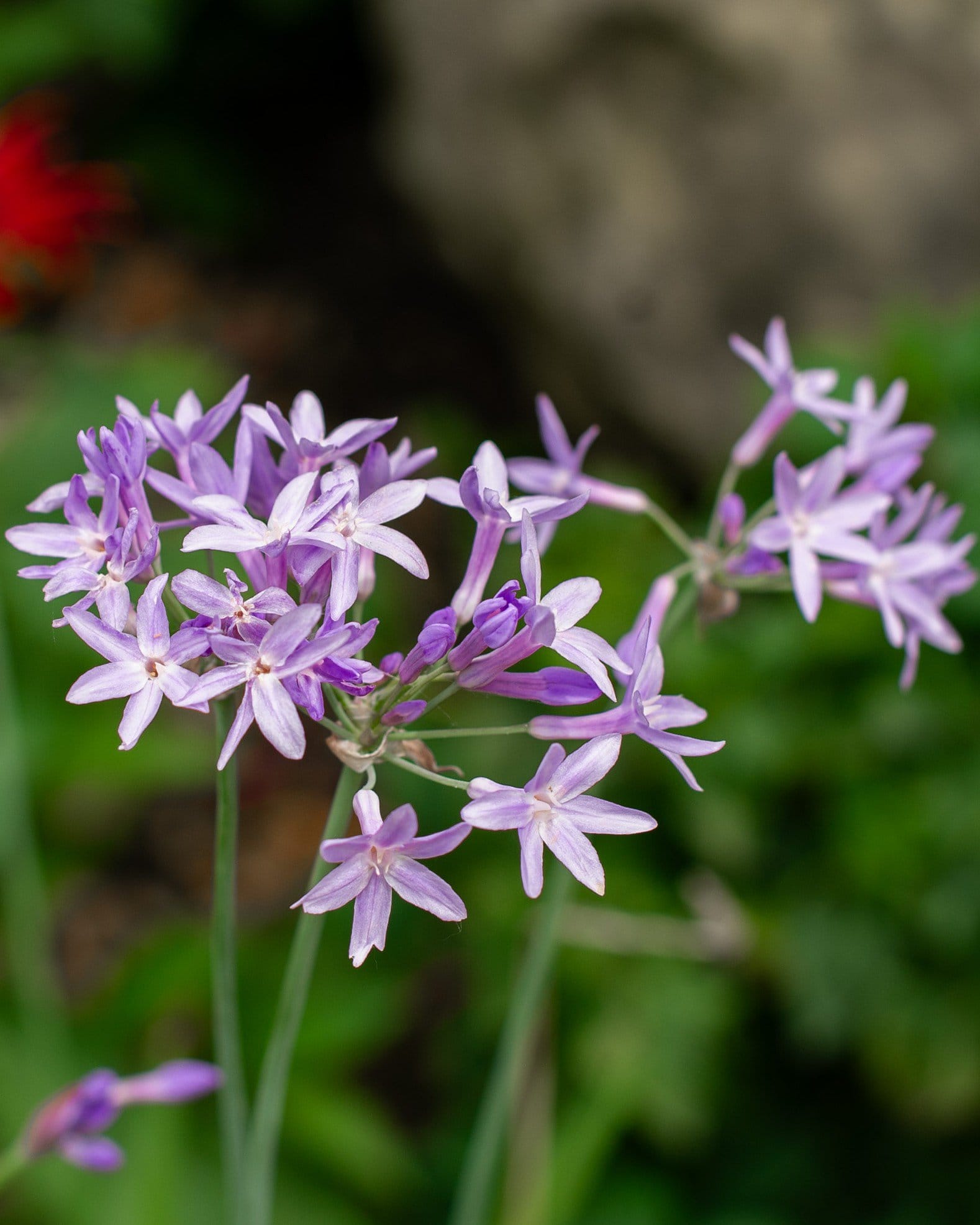
Society Garlic
Maturity: 1' H x 1' W
Walker's Low Catmint
Maturity: 2' H x 3' W
Six Hills Giant Catmint
Maturity: 2' H x 3' W
Society Garlic Silver Lace
Maturity: 1' H x 1' W
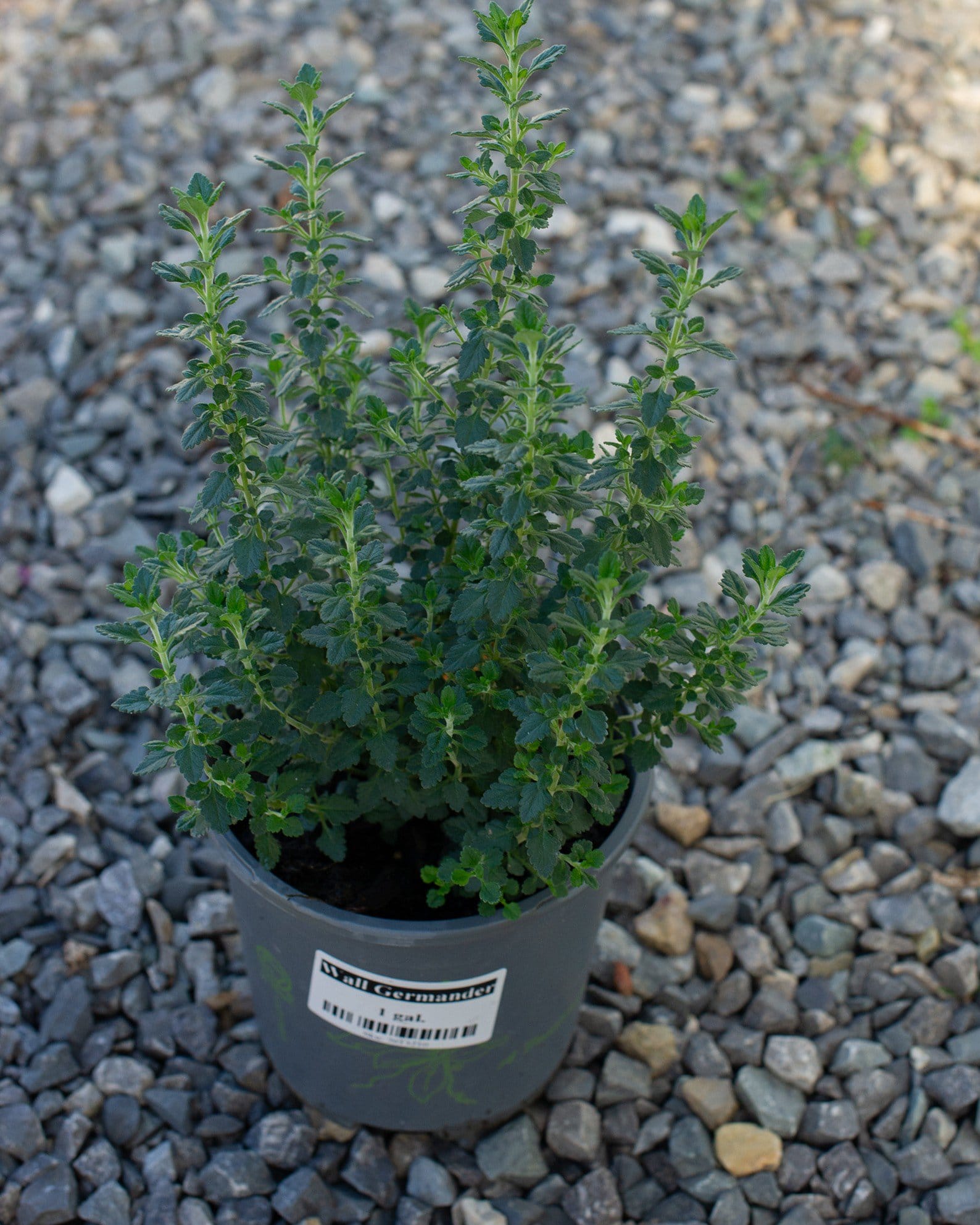
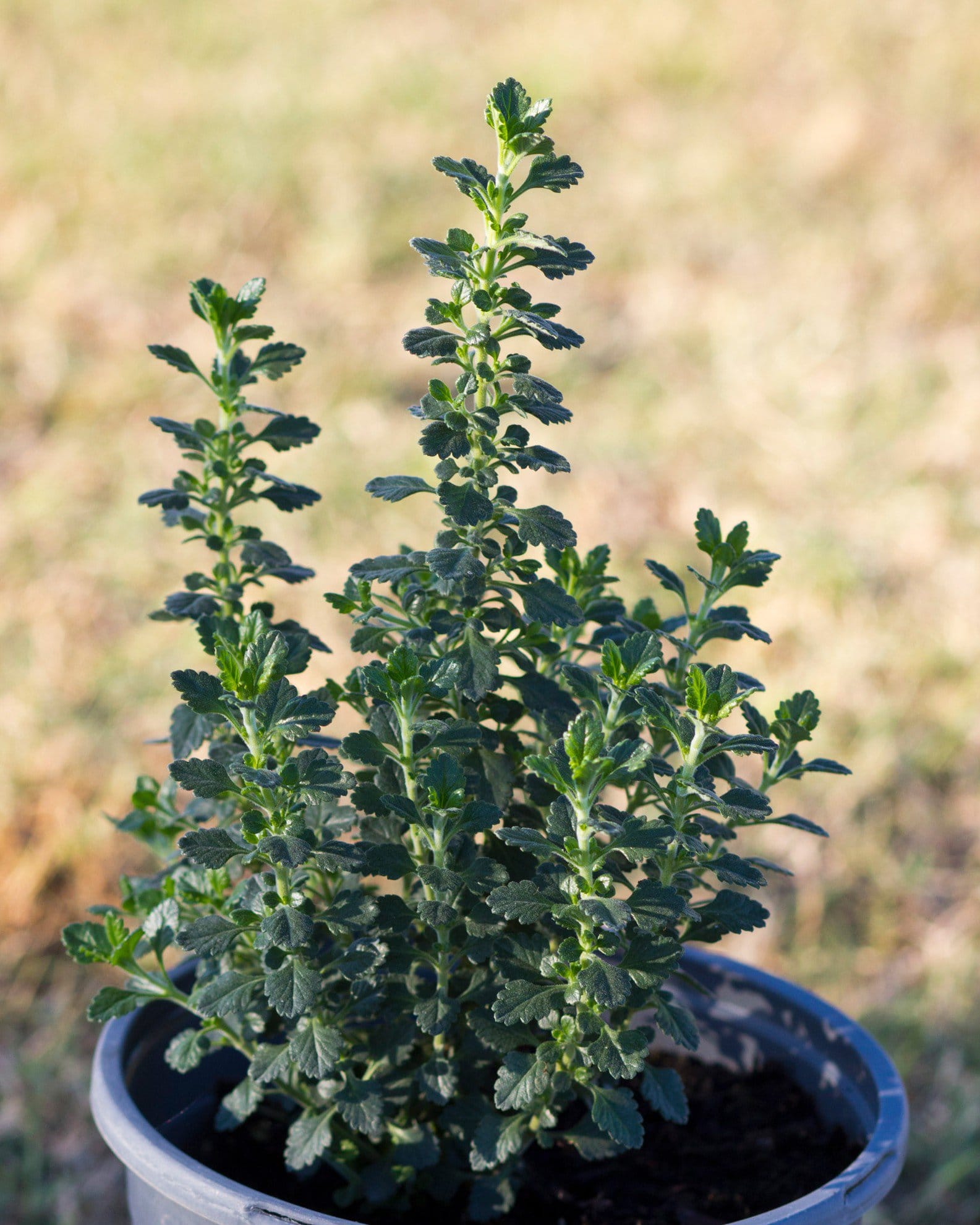
Wall Germander
Maturity: 1' H x 1' W
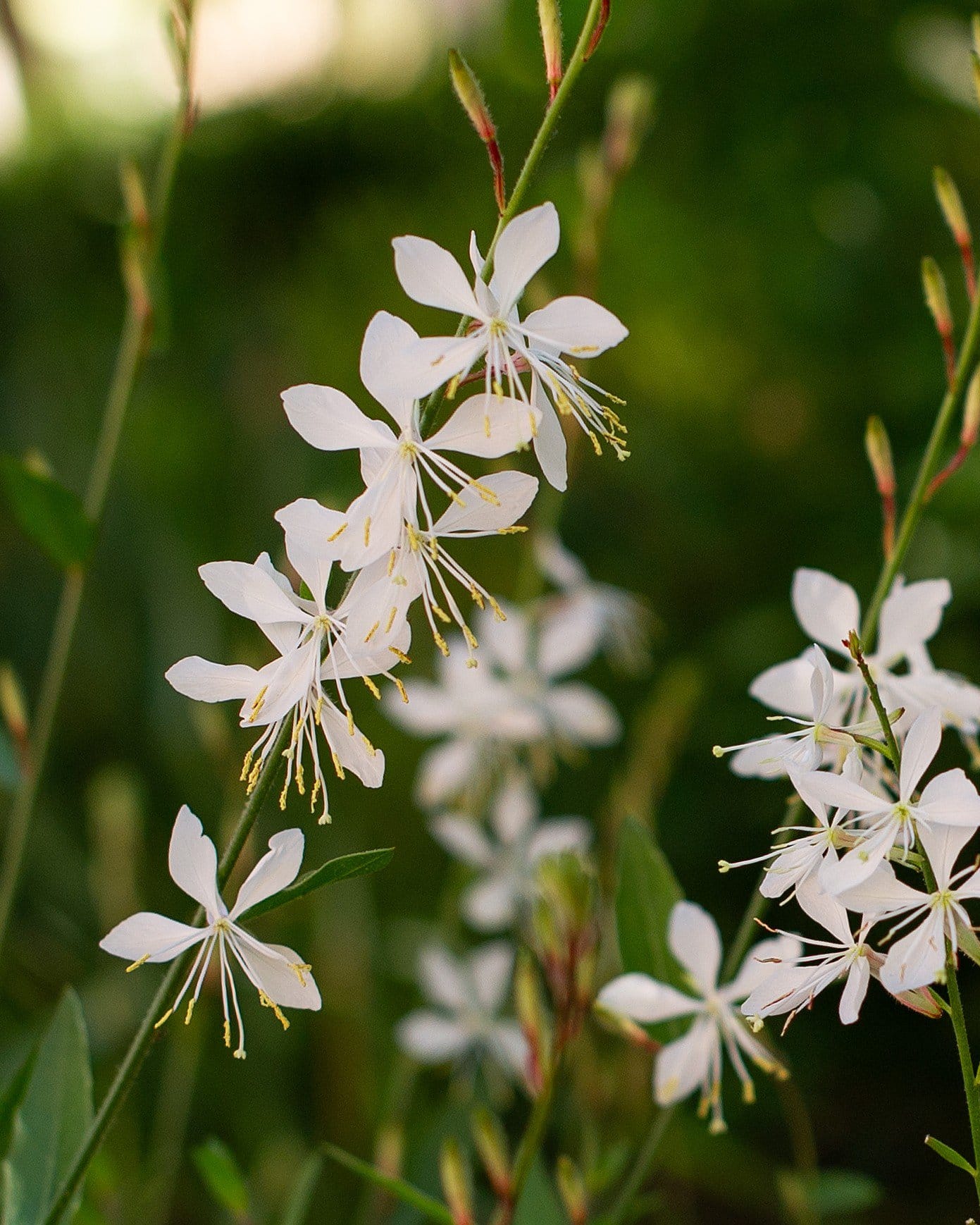
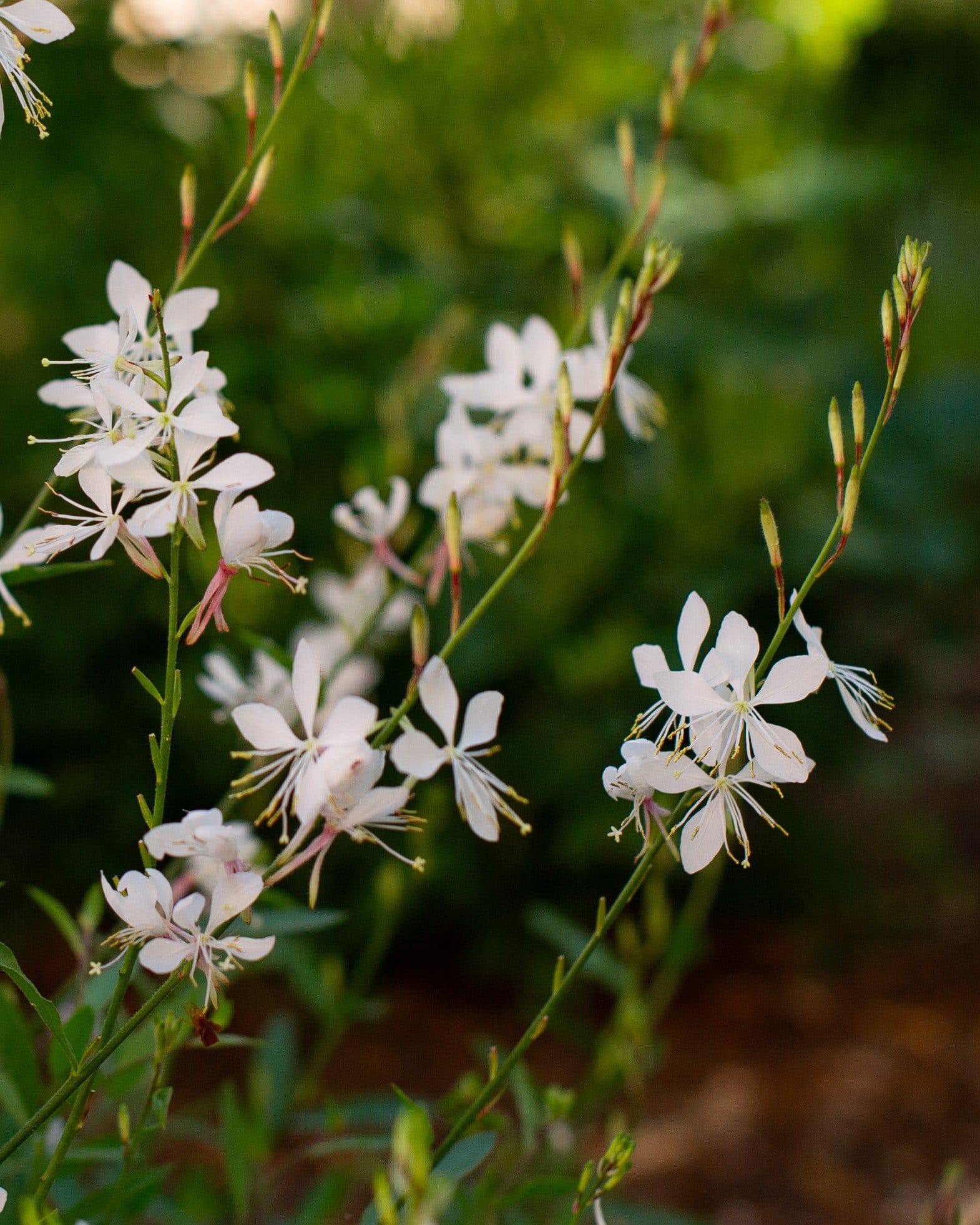
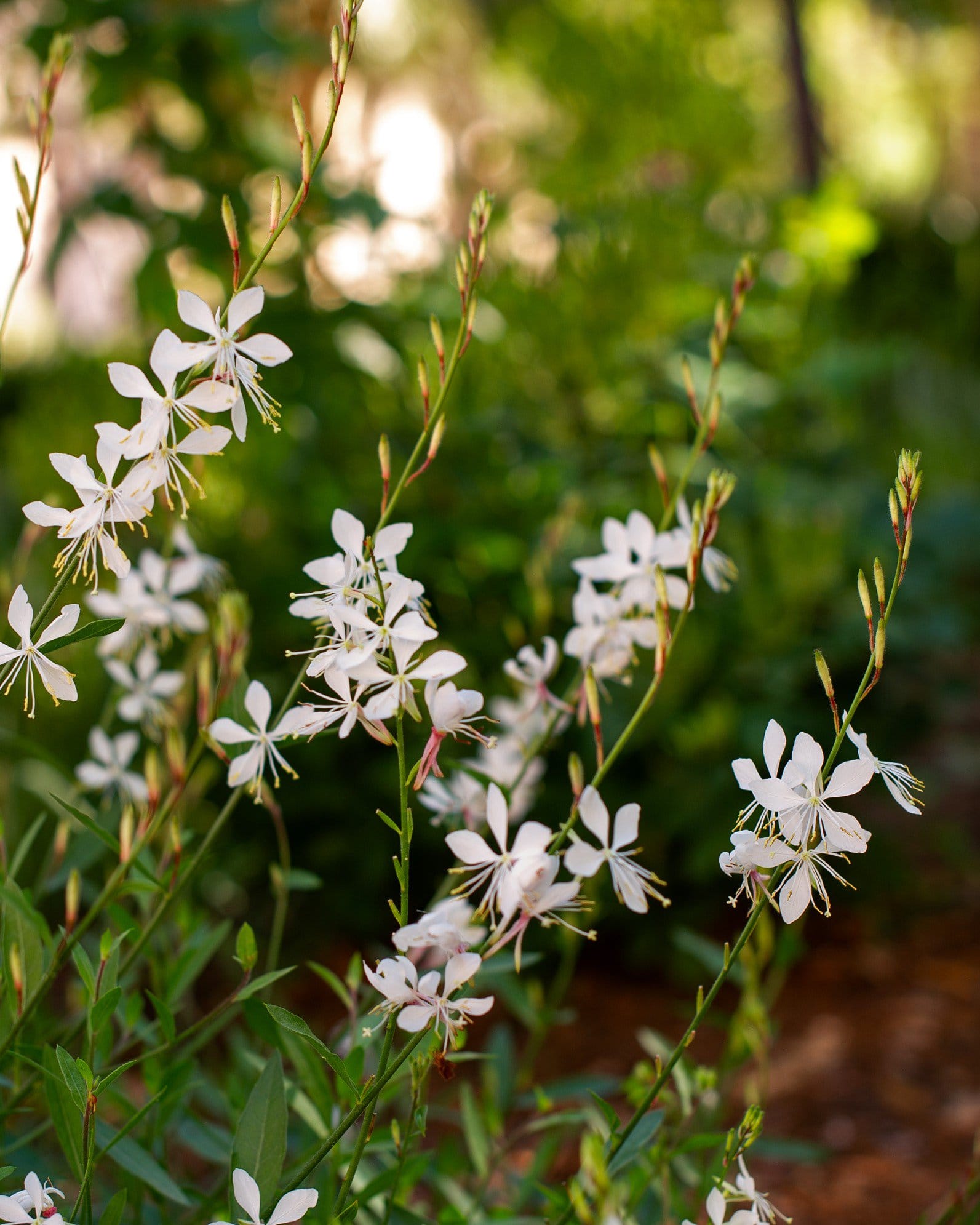
Belleza White Gaura
Maturity: 1' H x 1.5' W
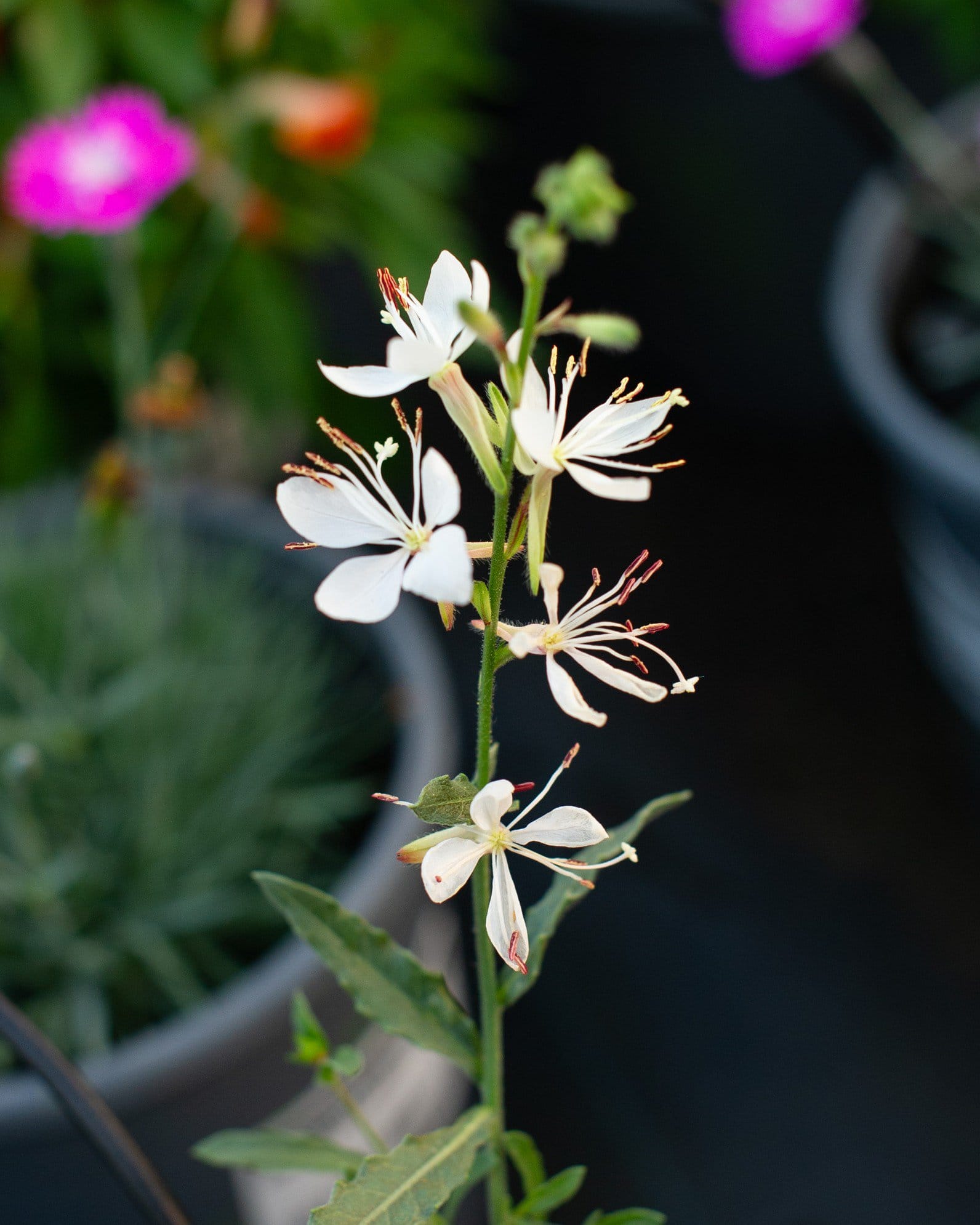
Mexican Mint Marigold
Maturity: 1' H x 1' W
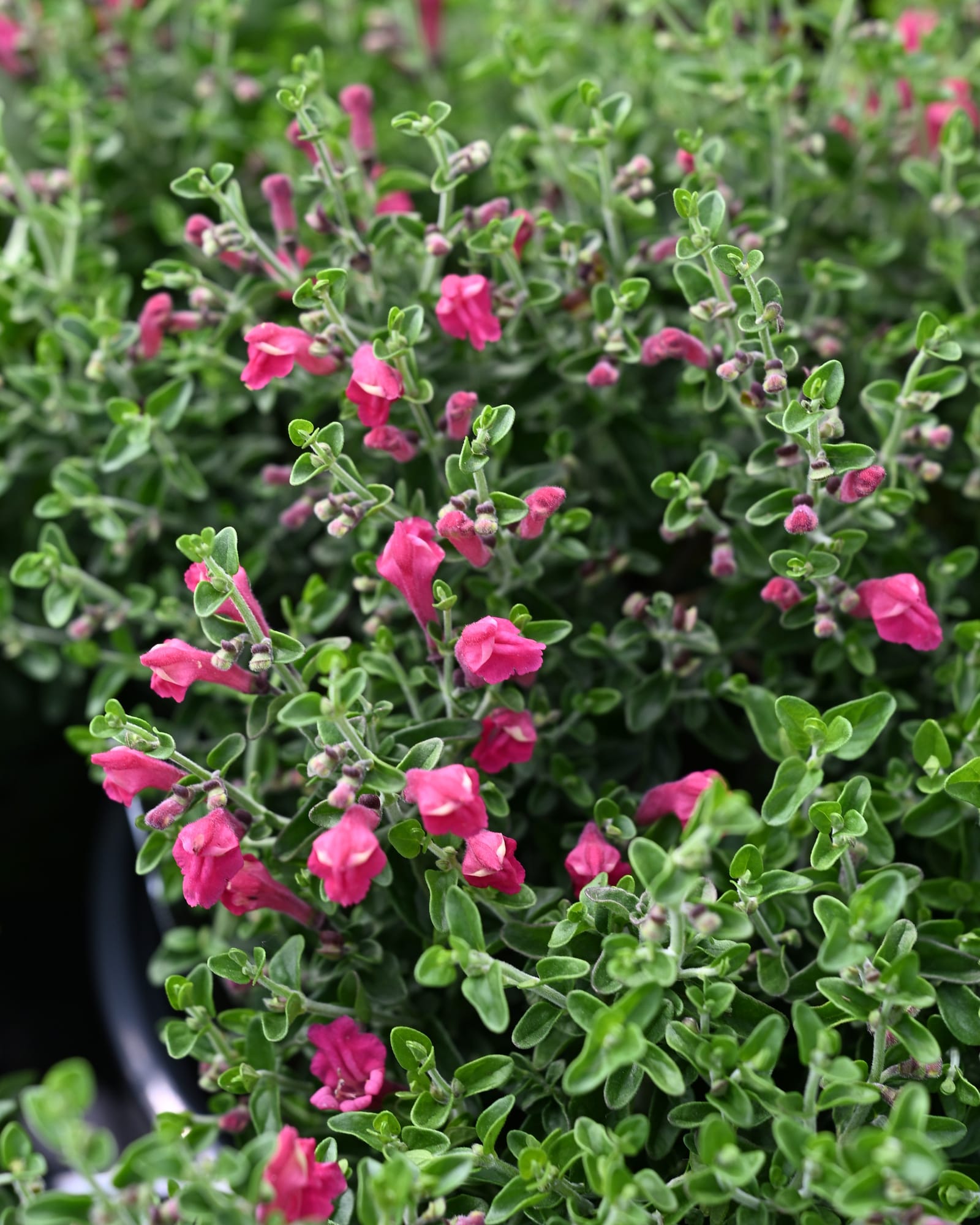
Pink Skullcap
Maturity: 1' H x 2' W
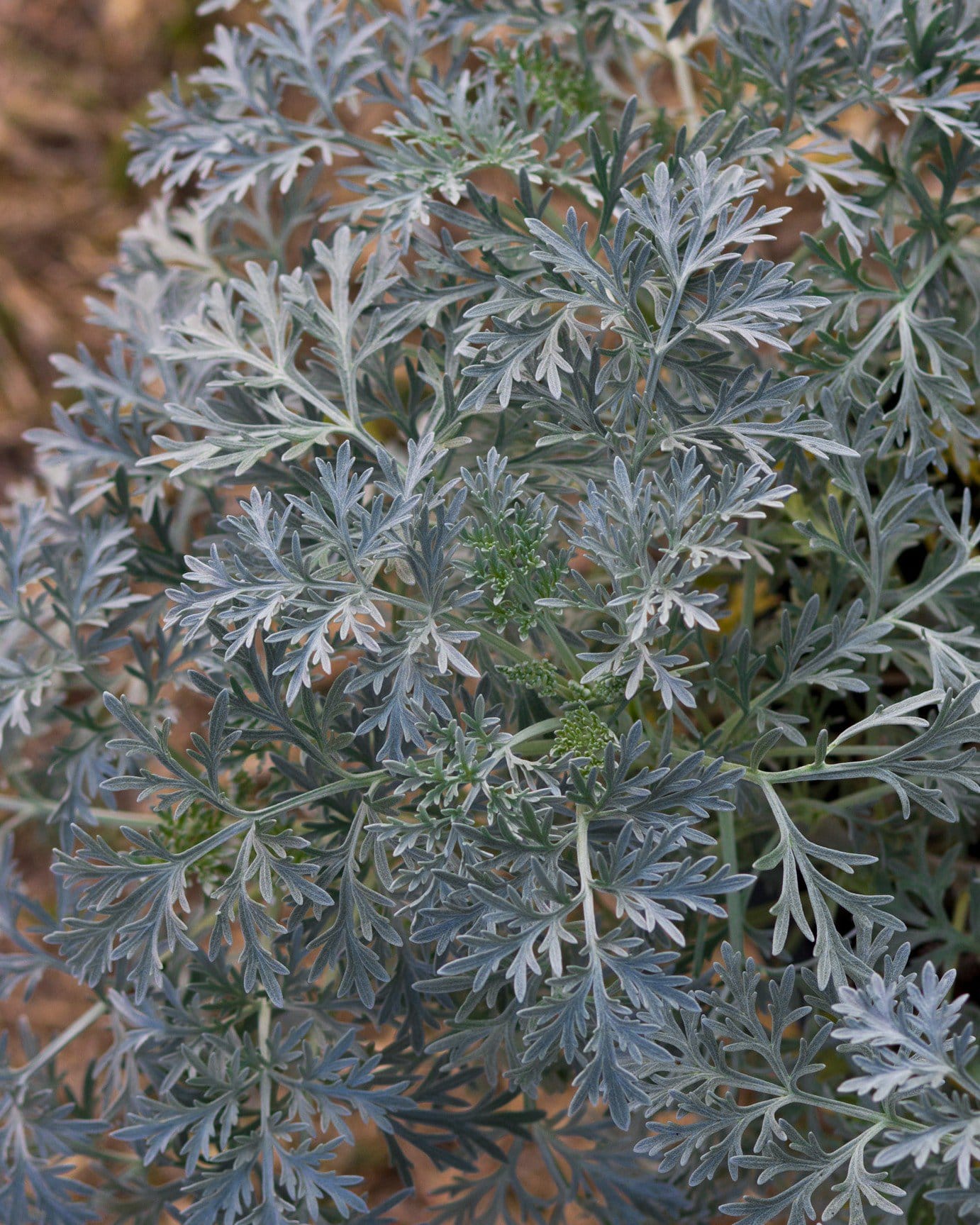
Powis Castle Artemisia
Maturity: 2' H x 3' W
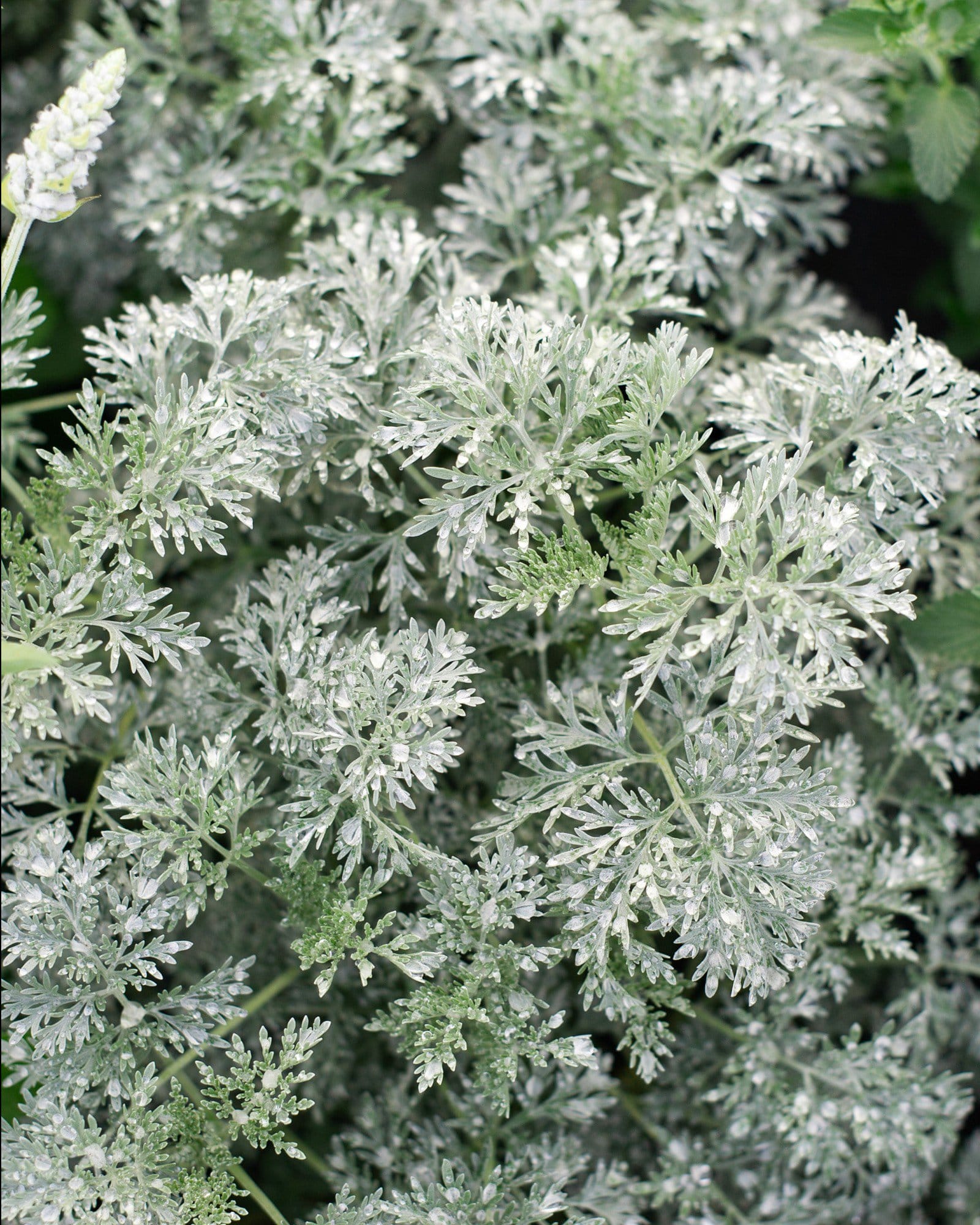
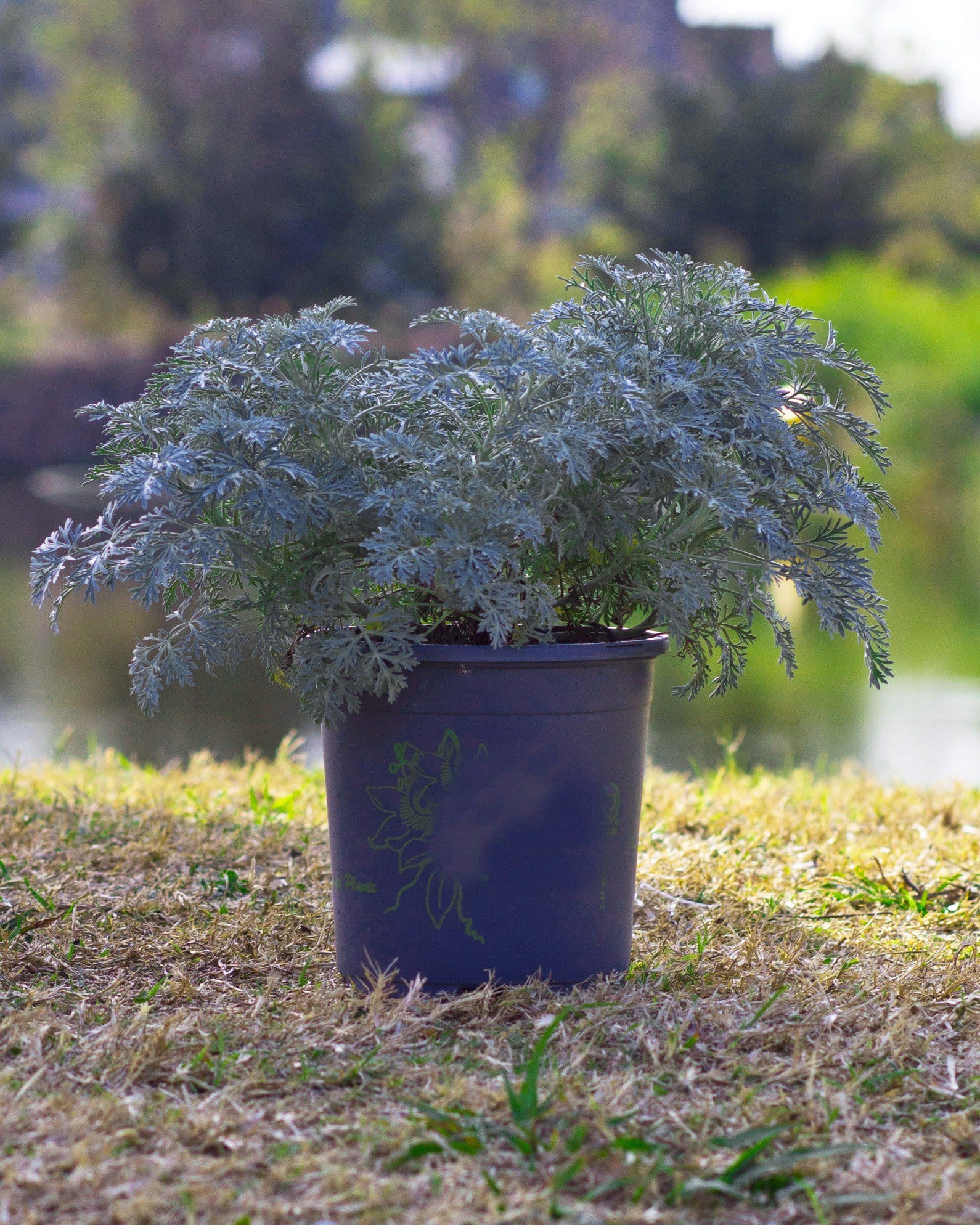
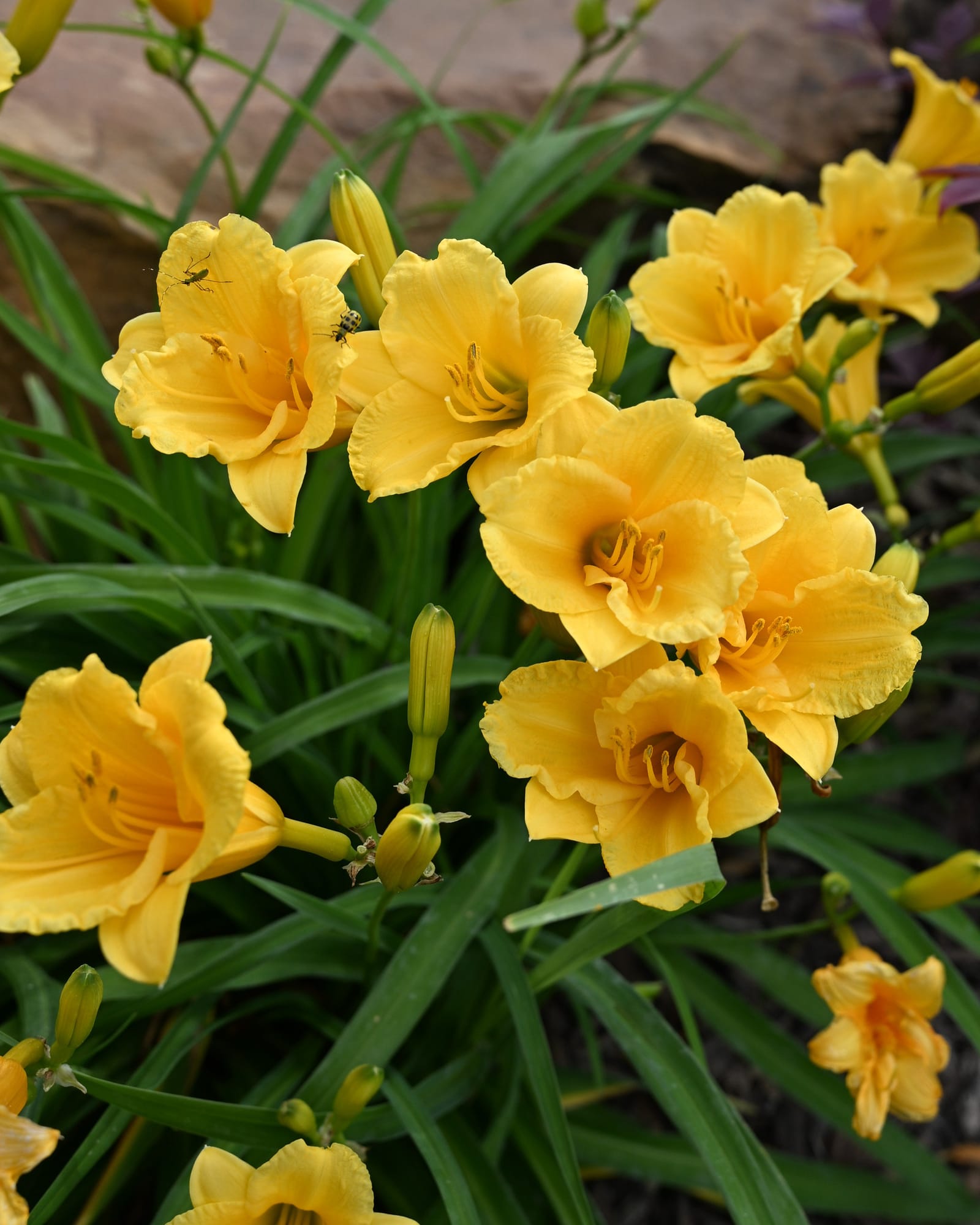
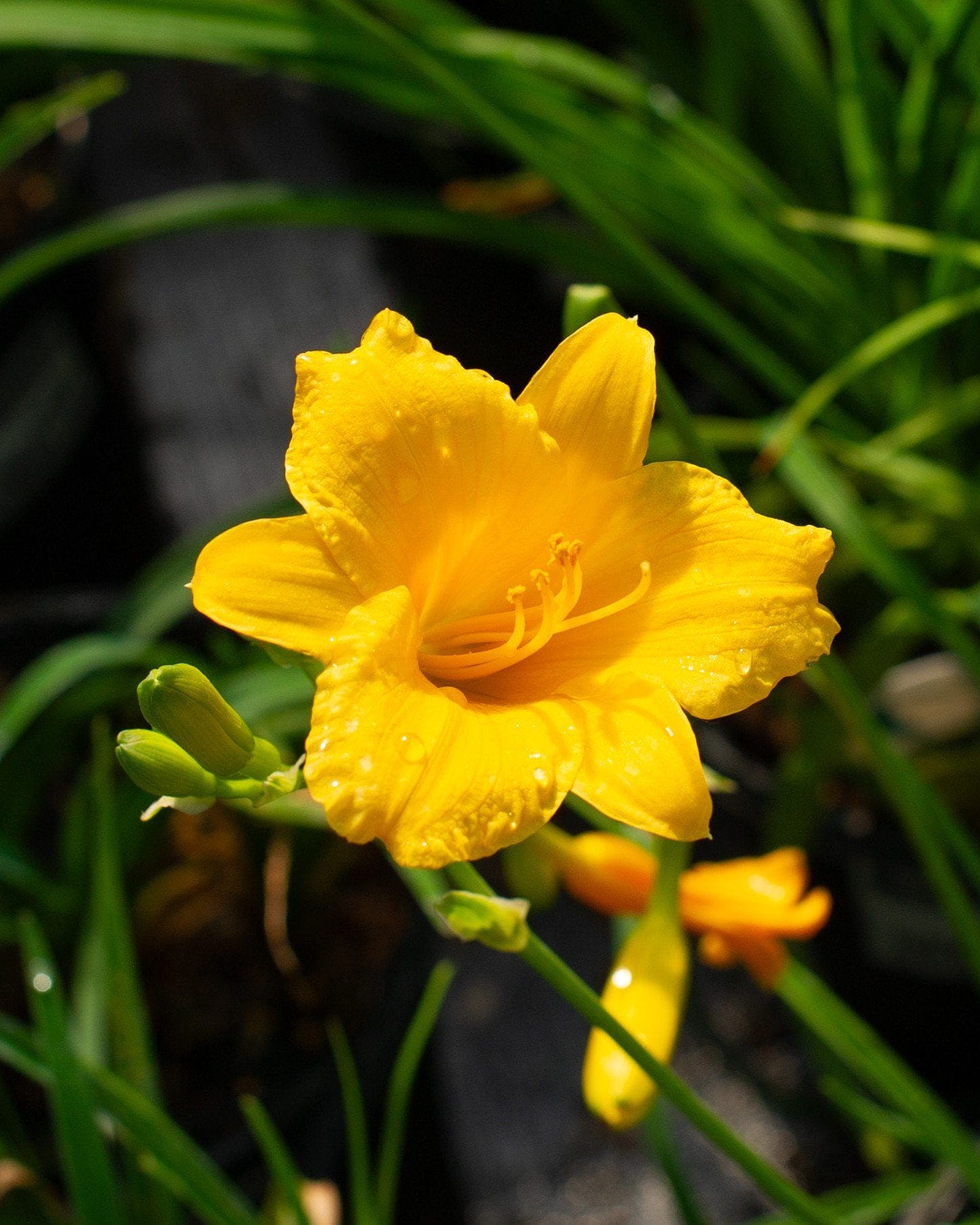
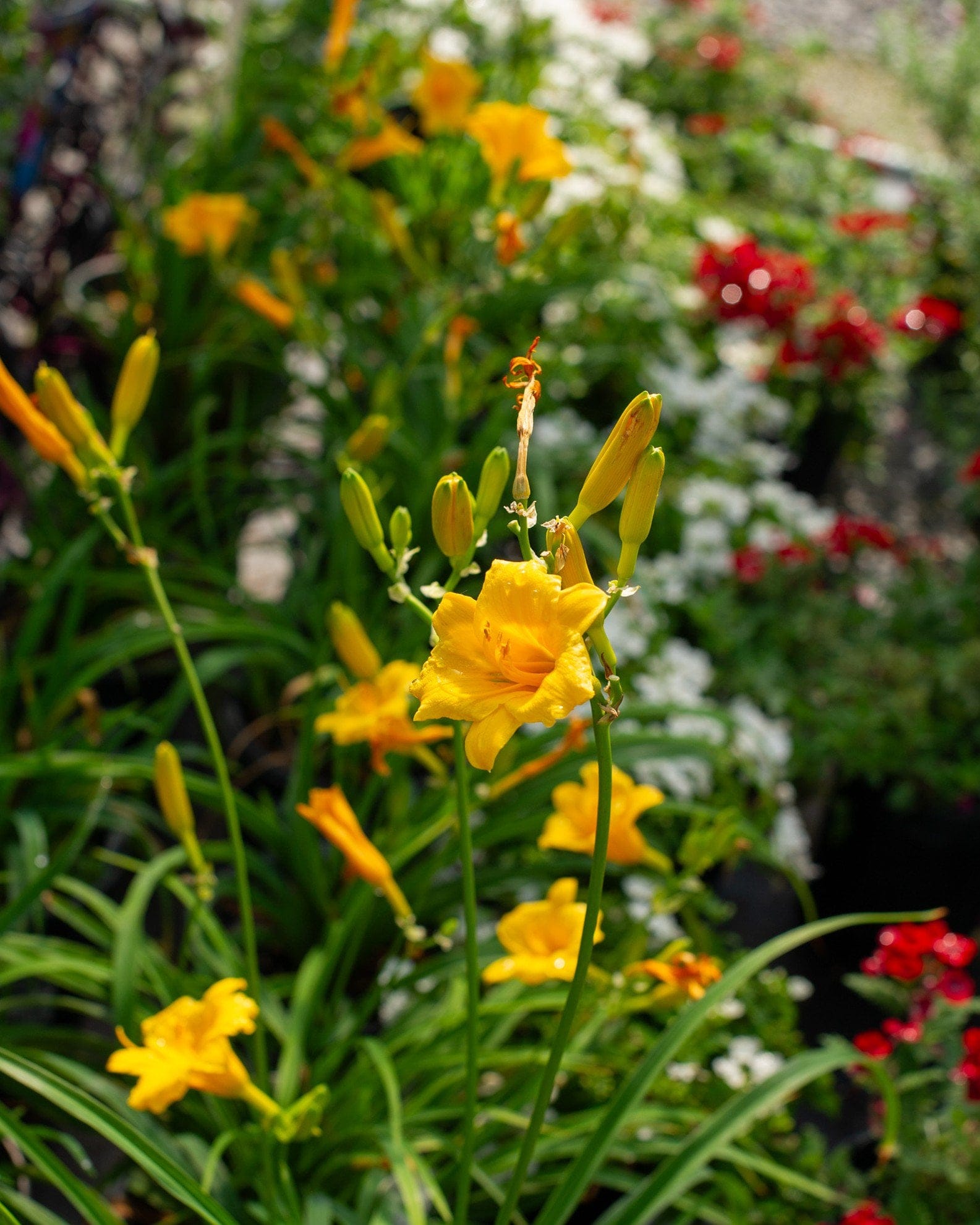
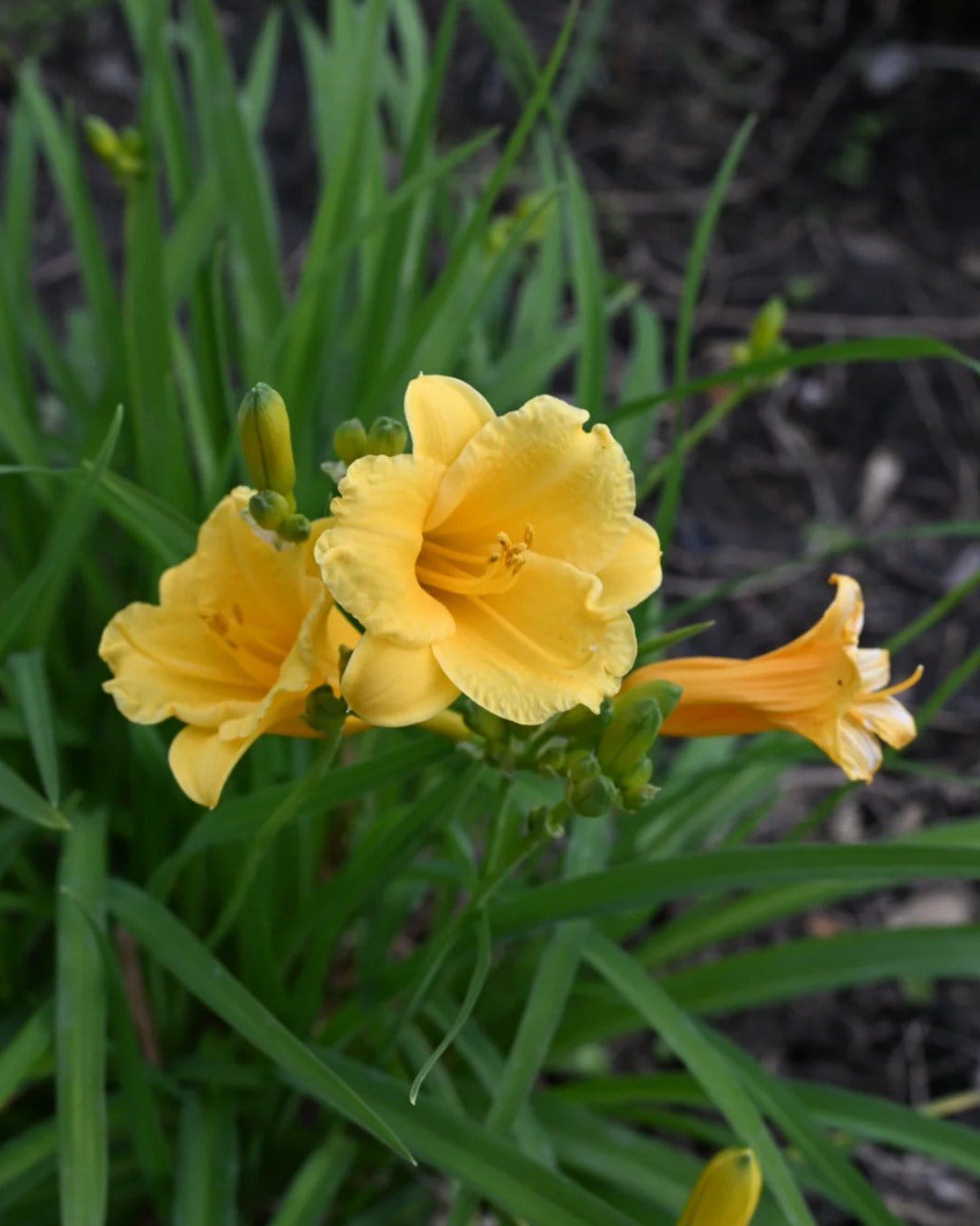
Stella D'Oro Daylily
Maturity: 1.5' H x 1.5' W
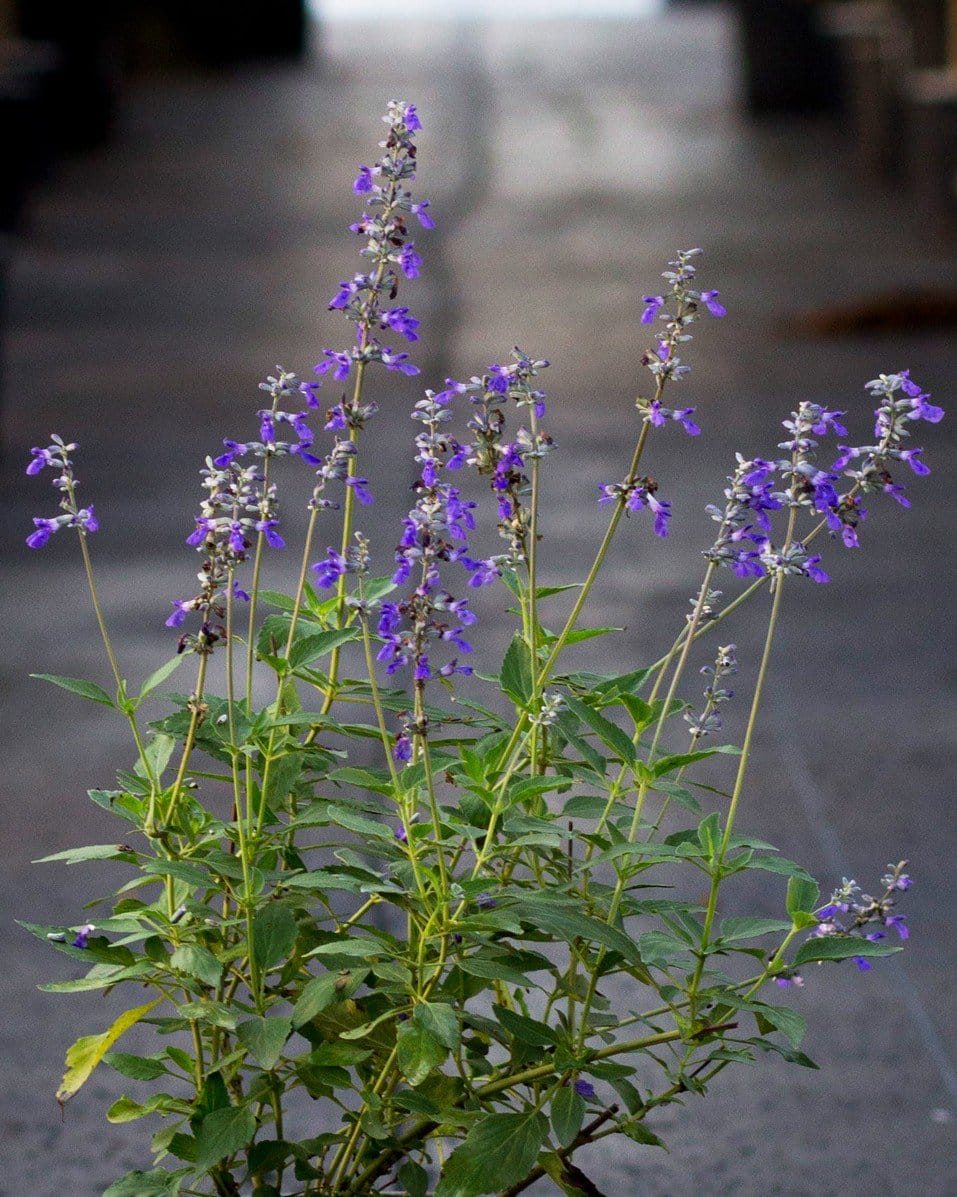
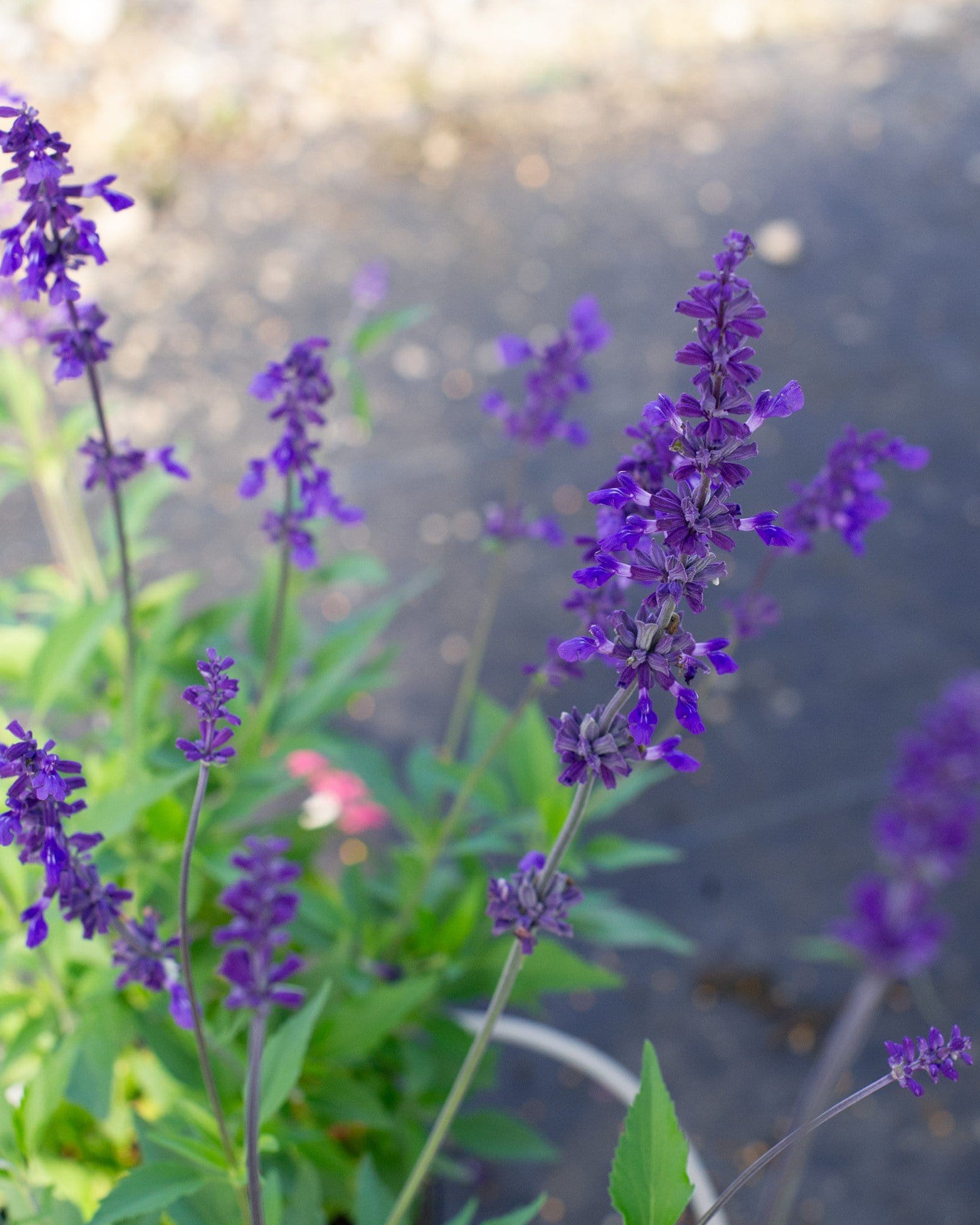
Henry Duelberg Salvia
Maturity: 3' H x 3' W
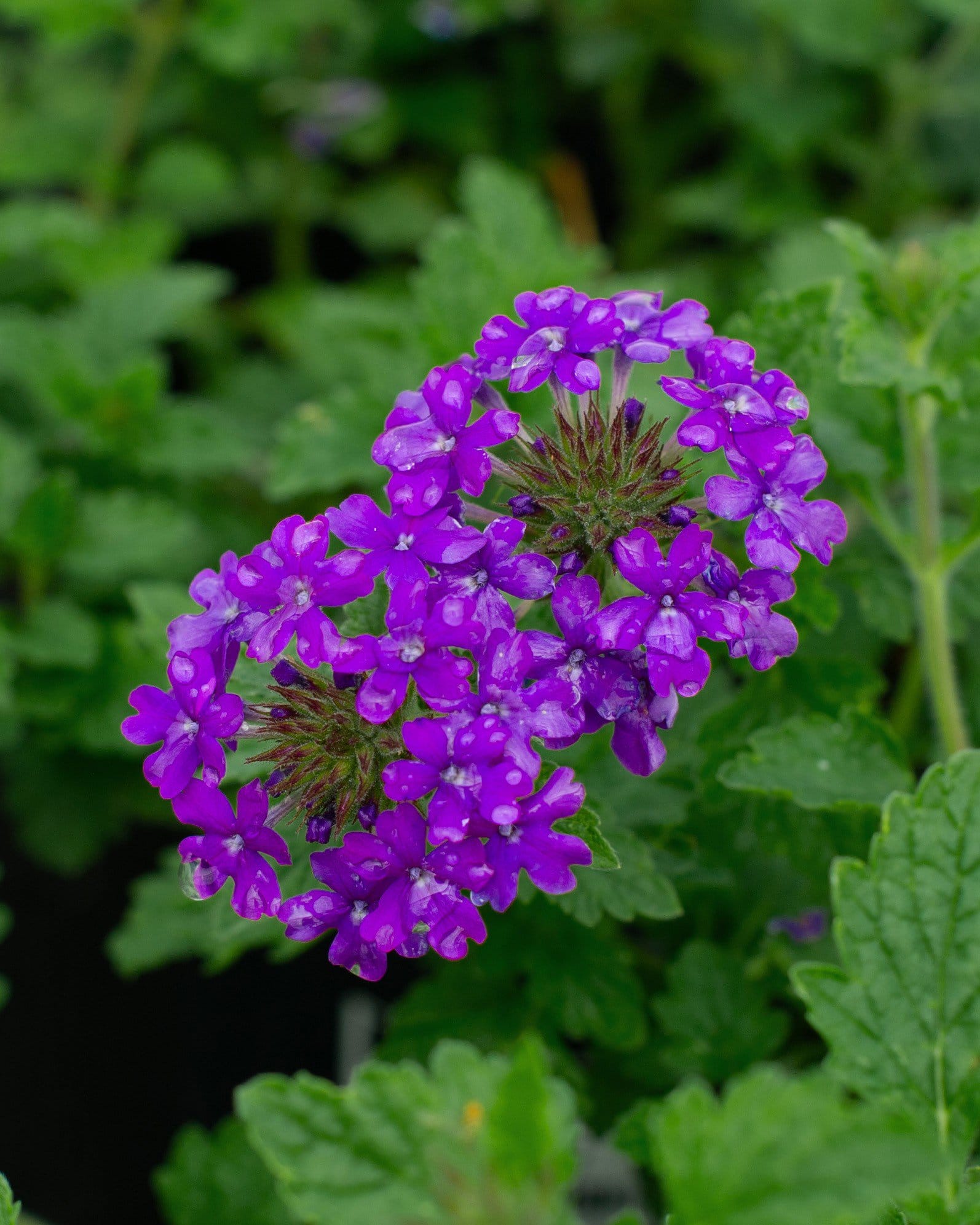
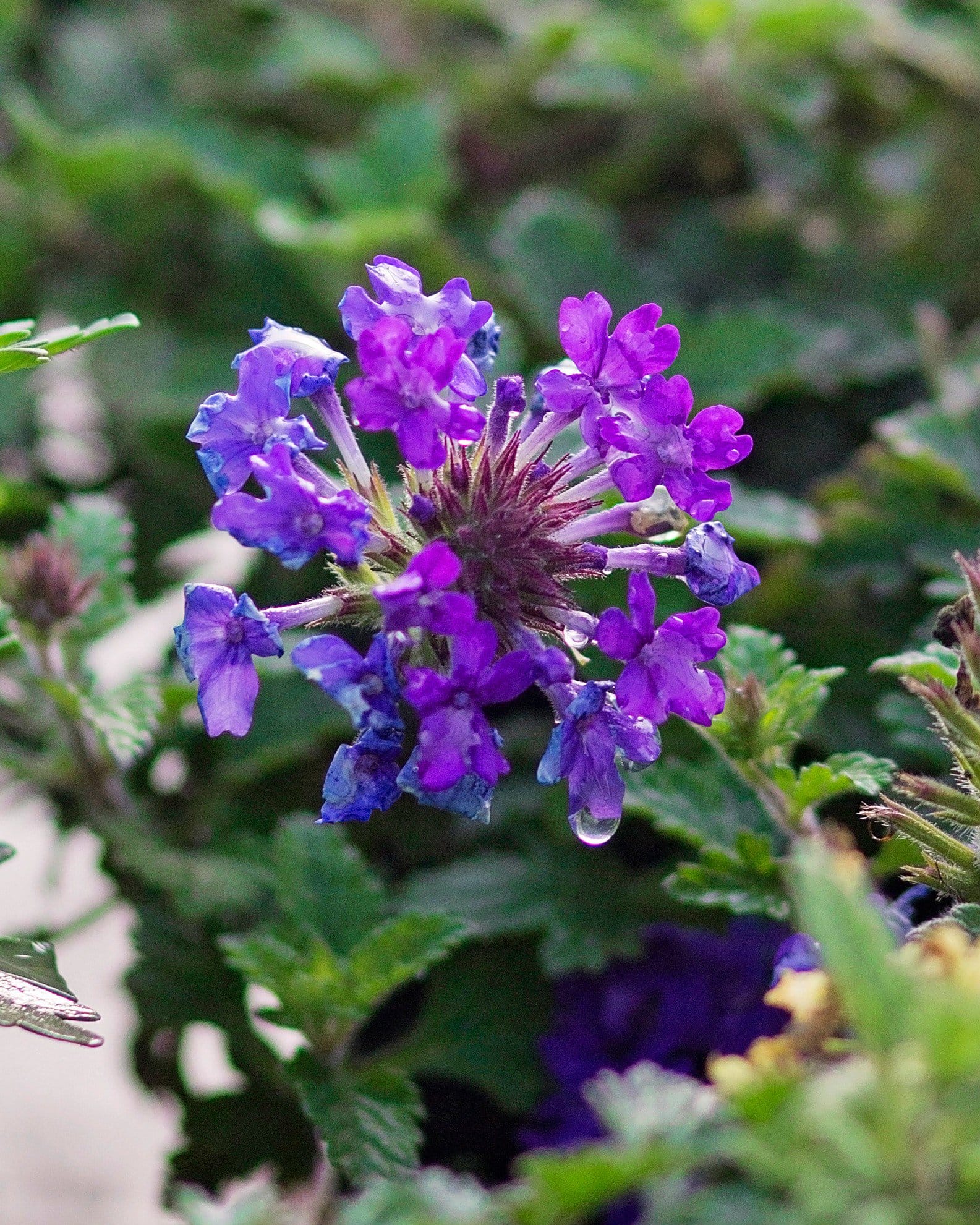
Homestead Purple Verbena
Maturity: 1' H x 2' W
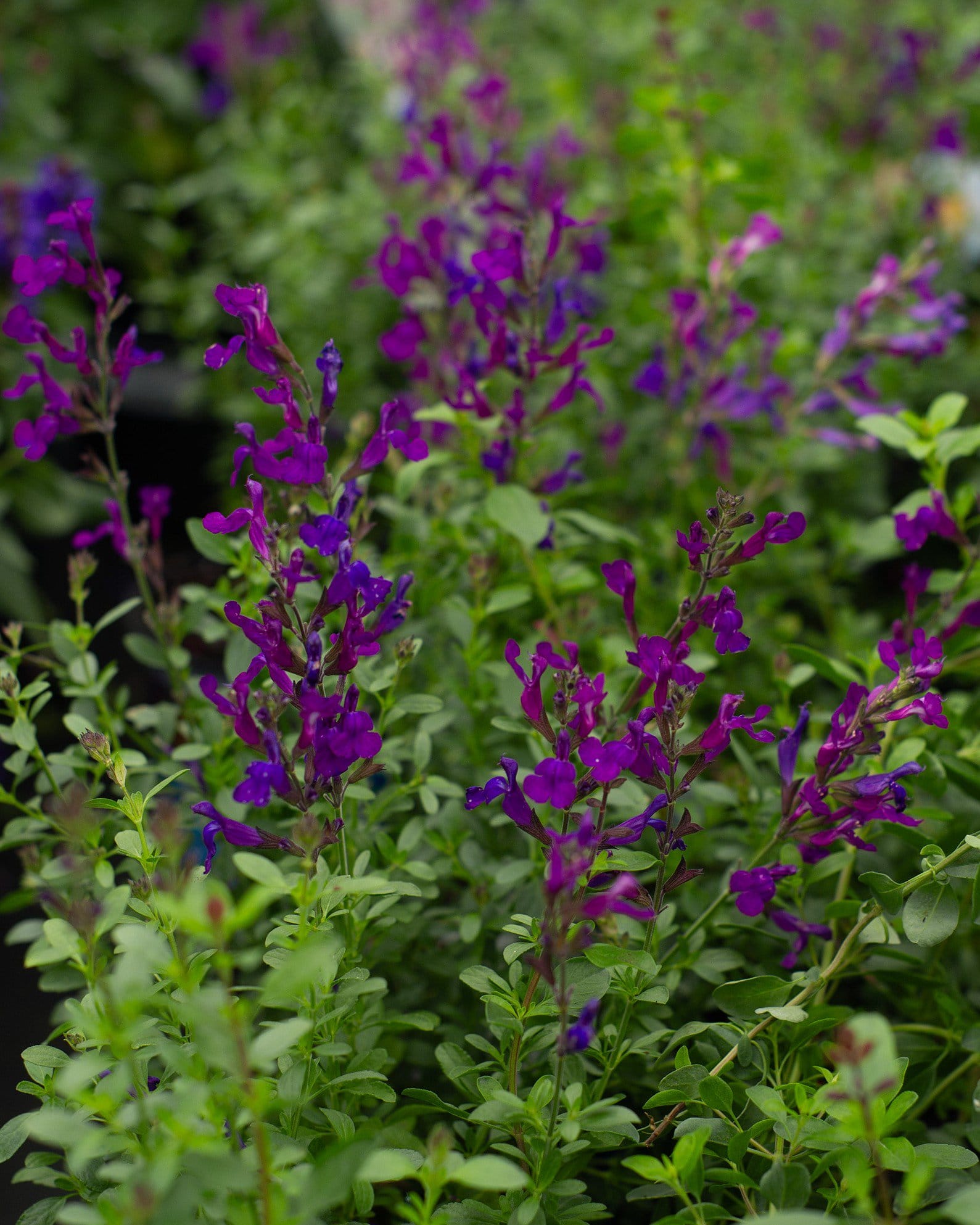
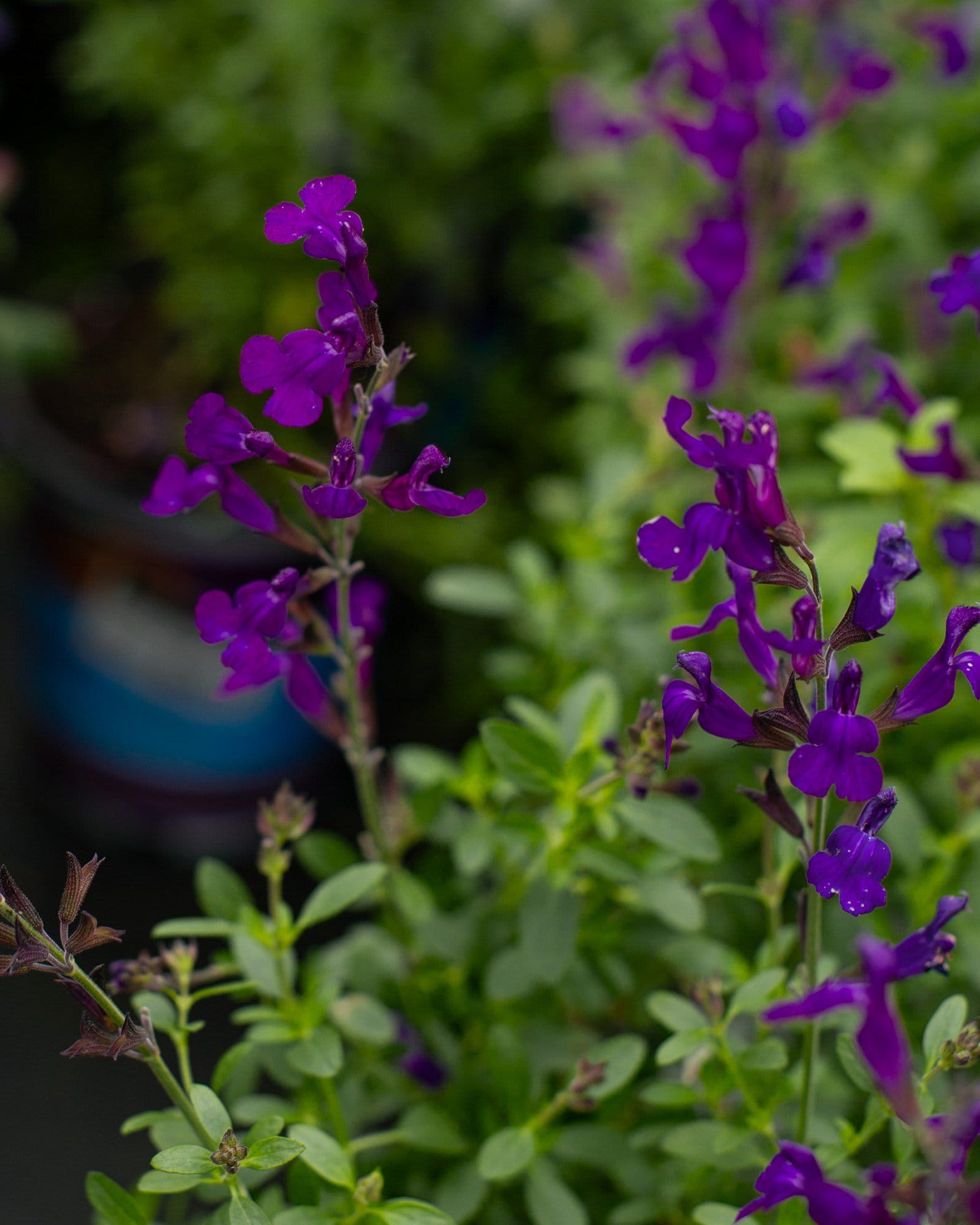
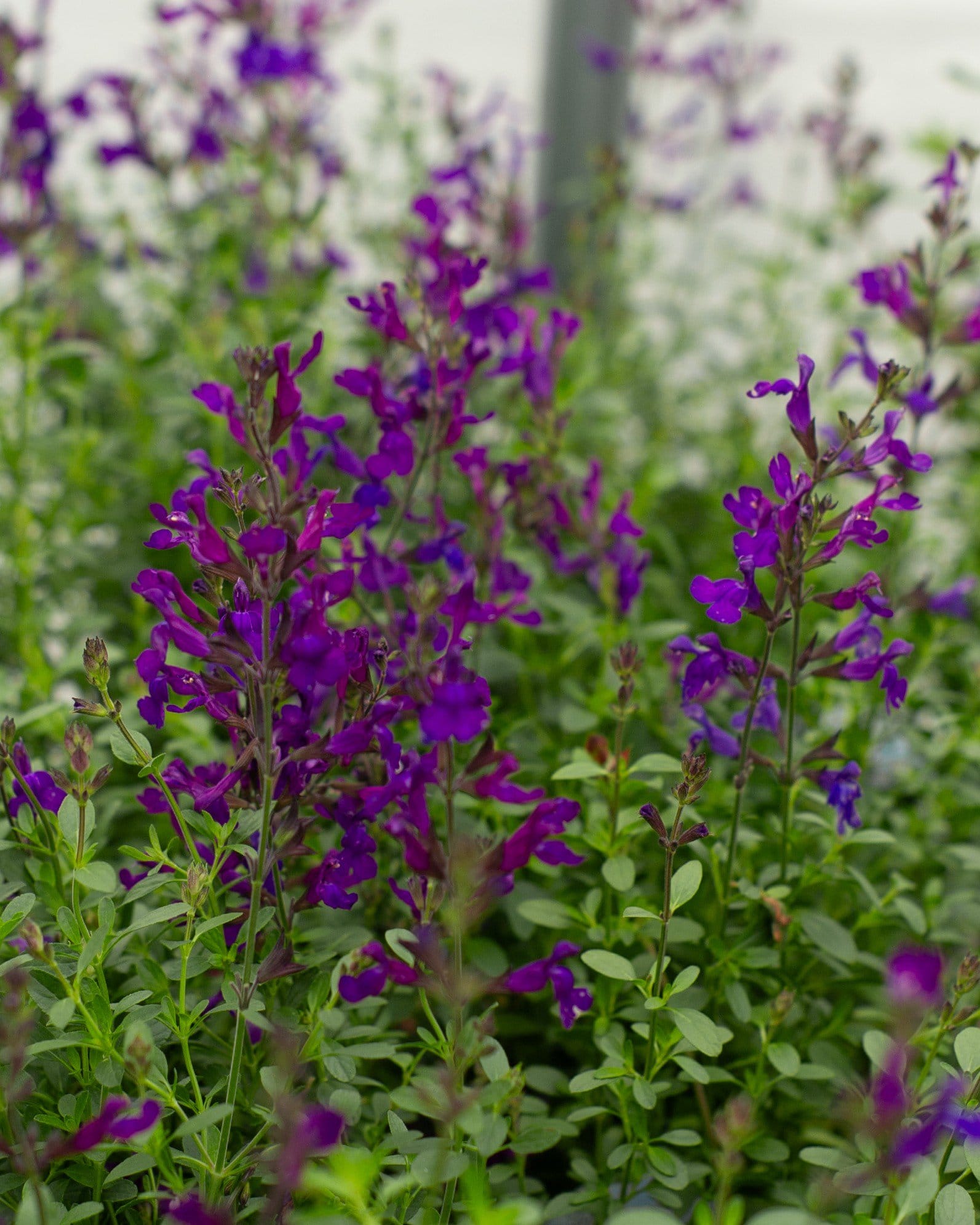
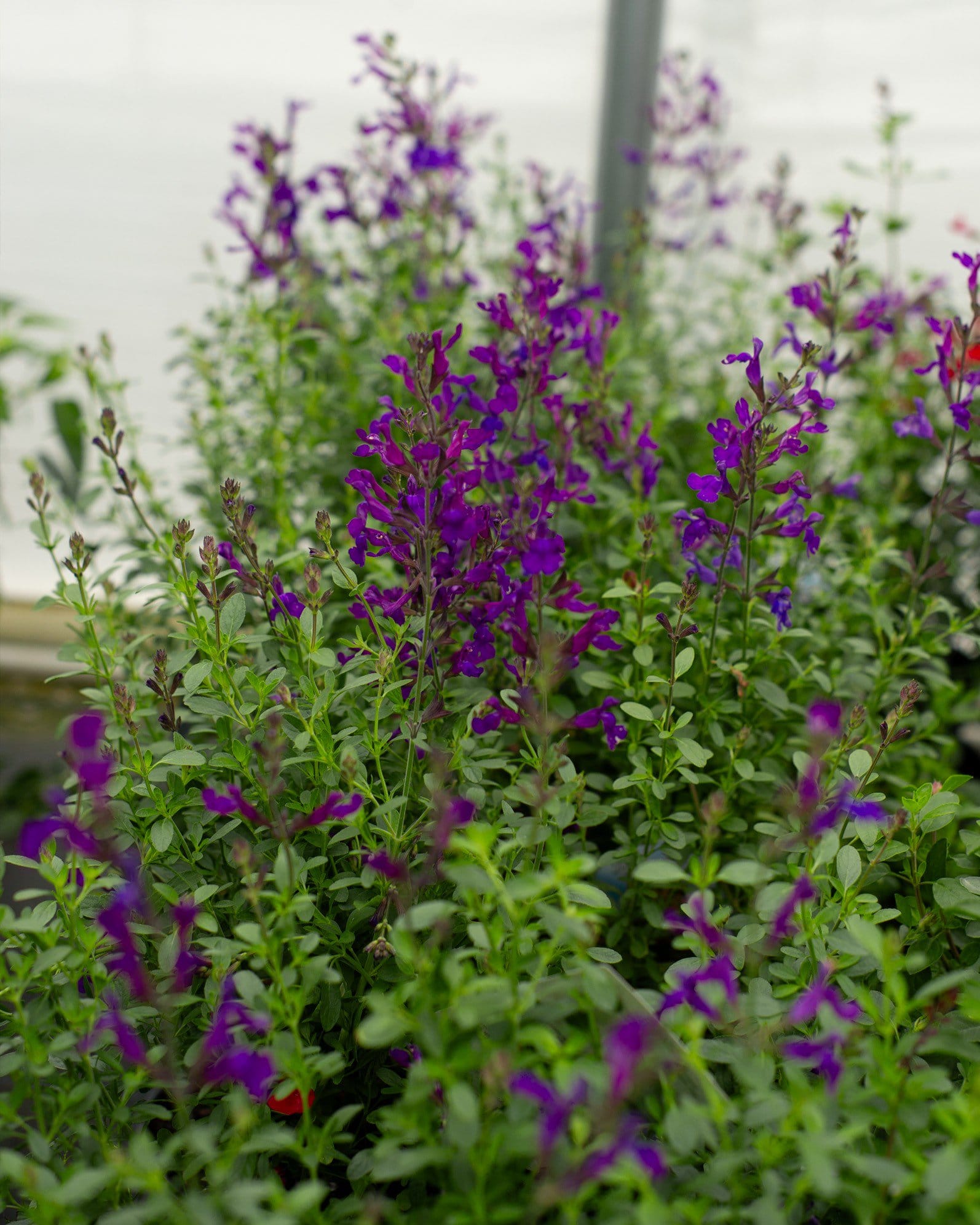
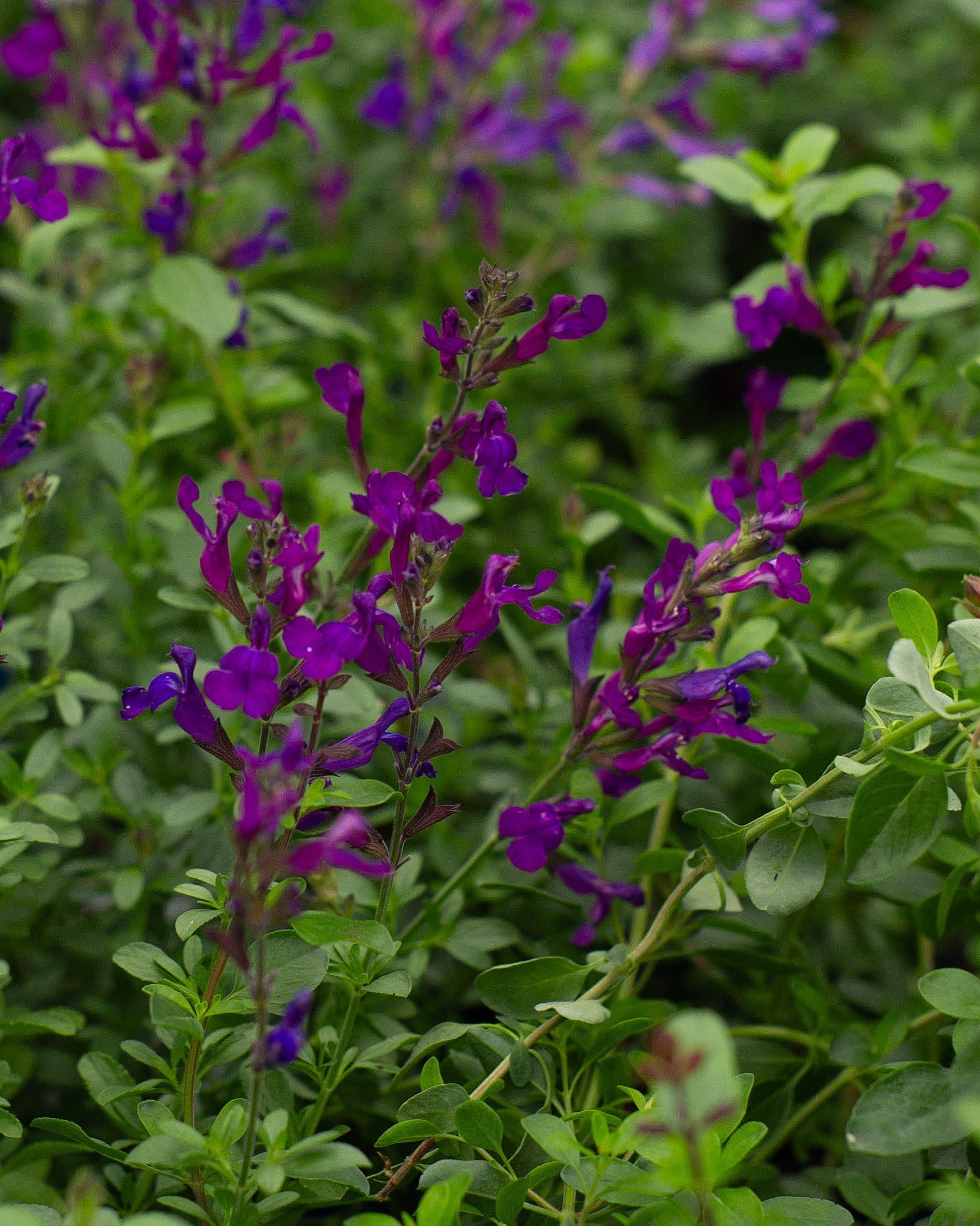
Mirage Deep Purple Salvia Greggii
Maturity: 1' H x 1' W
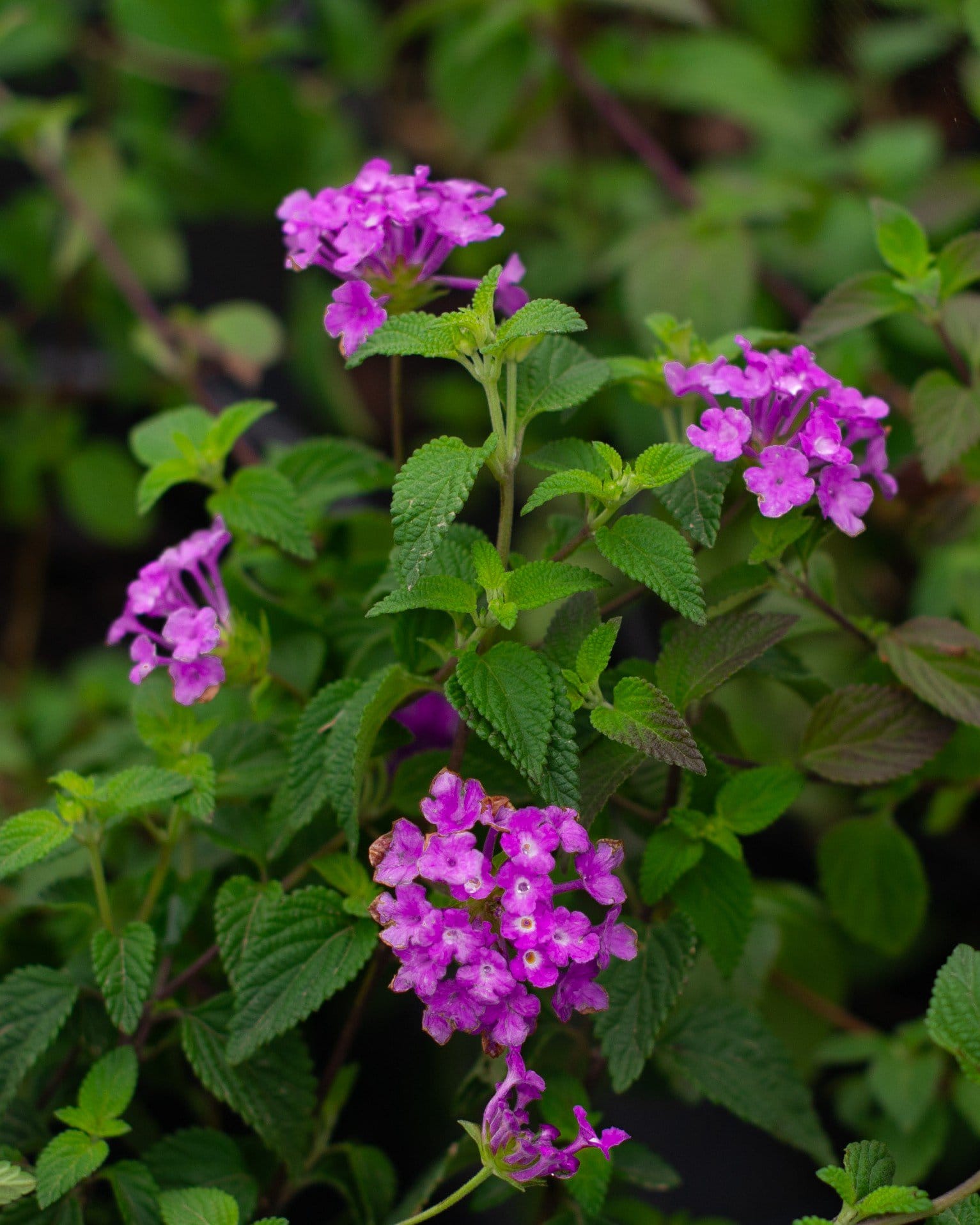
Purple Trailing Lantana
Maturity: 1' H x 4' W
Compare Similar Plants
Lamb's Ear This plant | ||
|---|---|---|
| Scientific Name | Stachys byzantina | Salvia leucantha |
| Size at Maturity | 1' H x 1.5' W | 3' H x 3' W |
| Leaf Retention | Herbaceous | Herbaceous |
| Flower Color | Purple | Purple |
| Bloom Times | Summer | Summer & Fall |
| Sizes Available | 1 gal | 1 gal |


Our 1-Year Planting Guarantee
We take pride in our plants and installation services. If any plants or trees installed by Treeland fail to thrive within the first year, we'll provide a replacement credit in accordance with our guarantee program.
Learn More About Our Guarantee