
 Texas Native
Texas Redbud
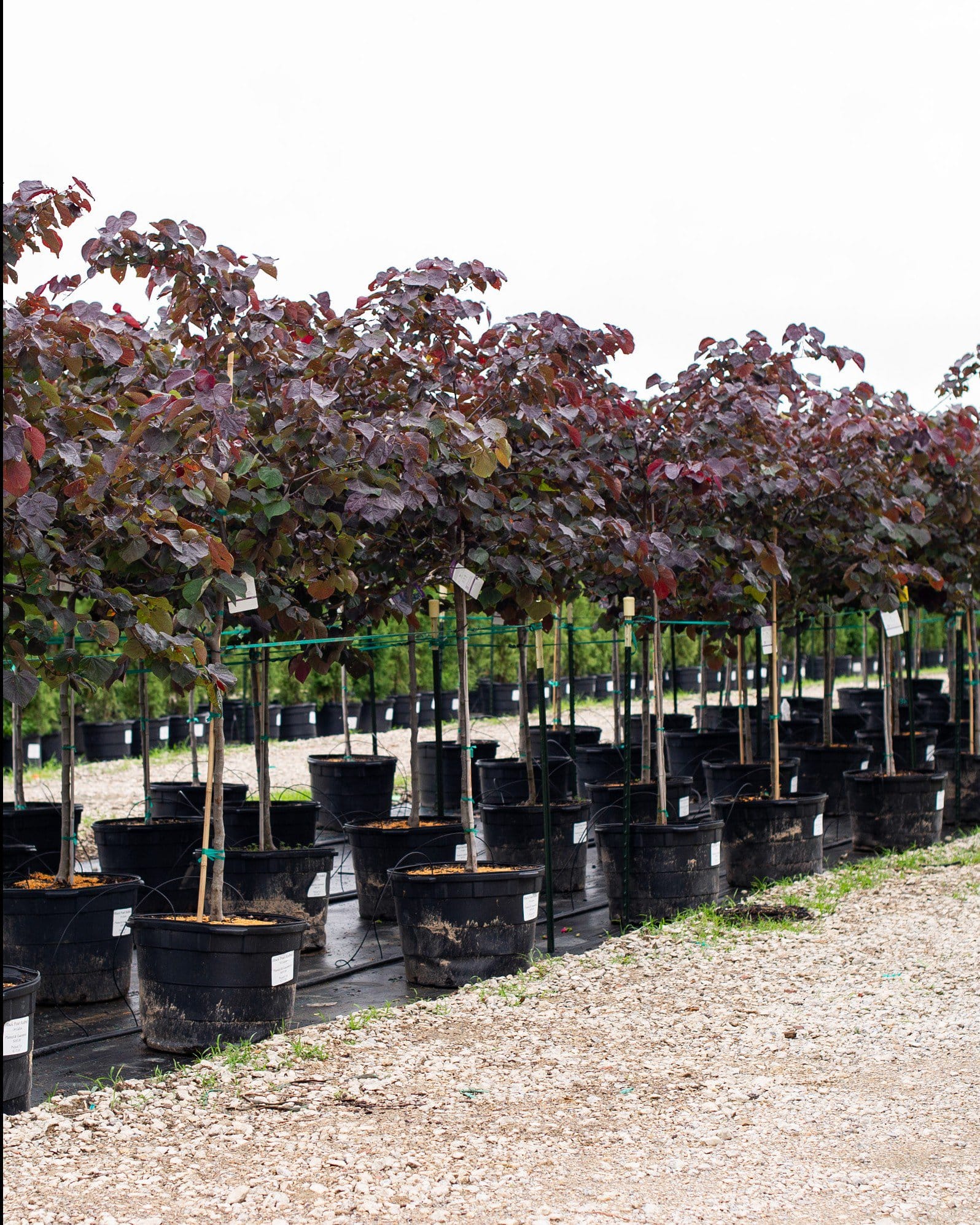
Cercis canadensis var. texensisLocal DFW Delivery Only
Product Details
Texas Redbud
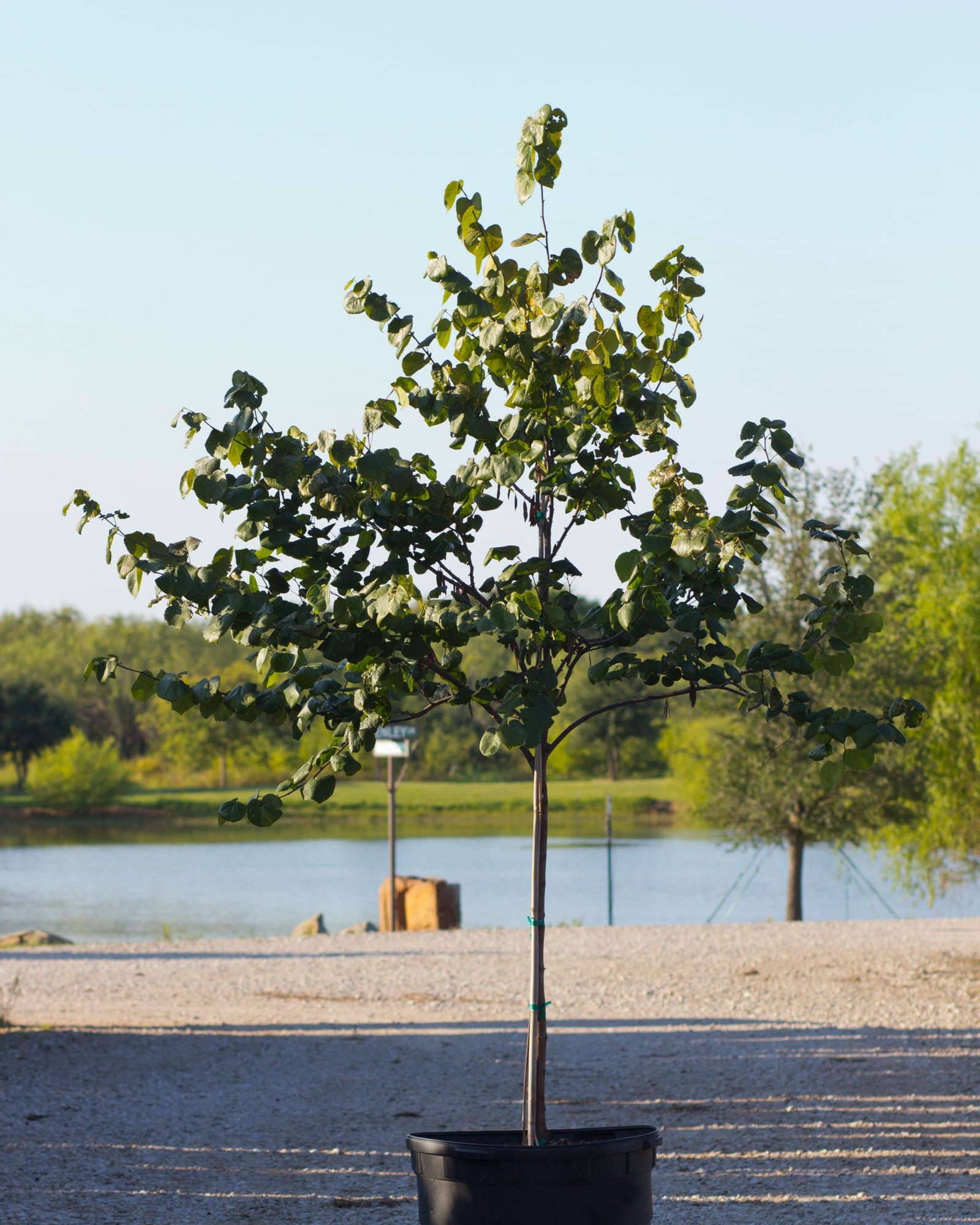
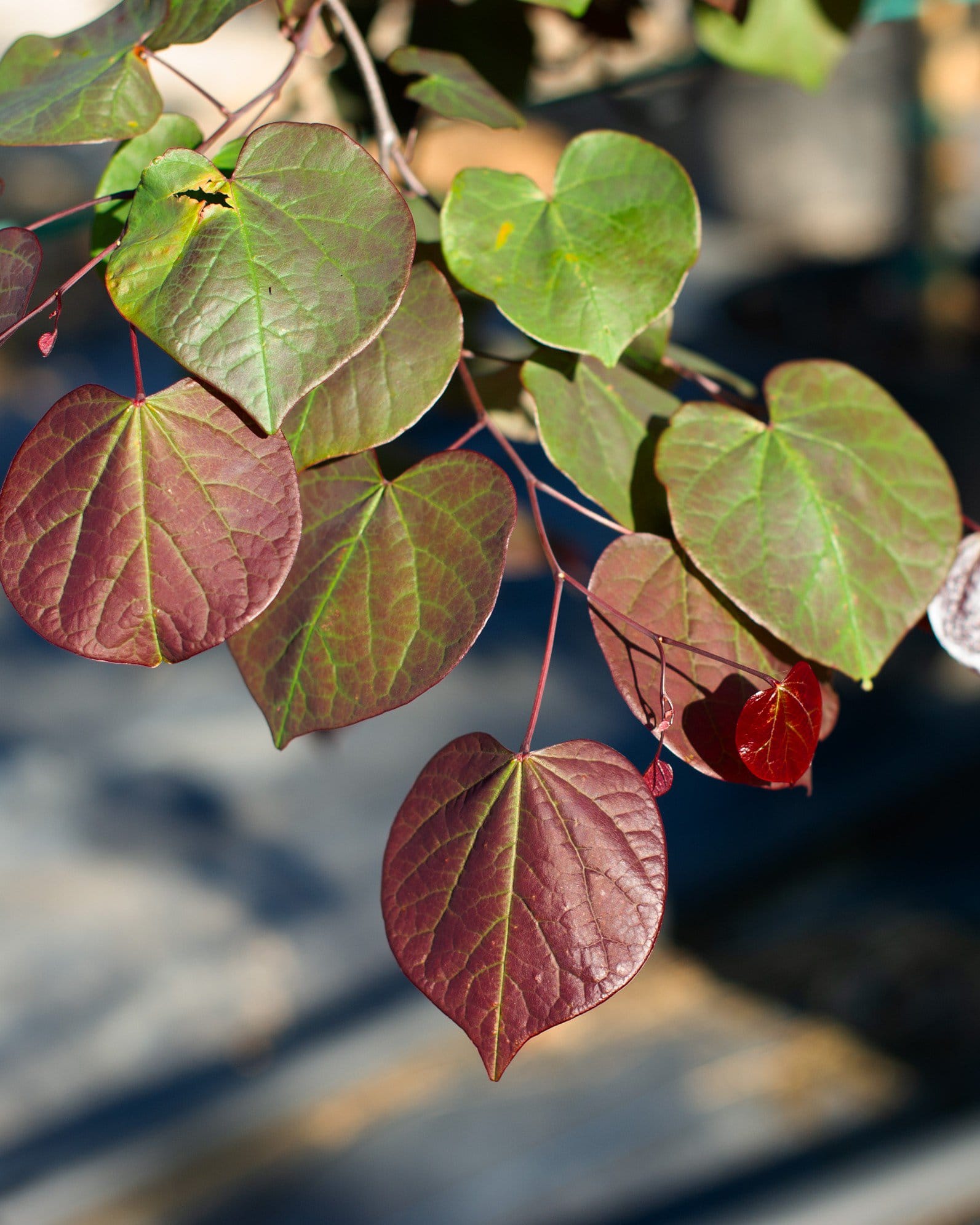
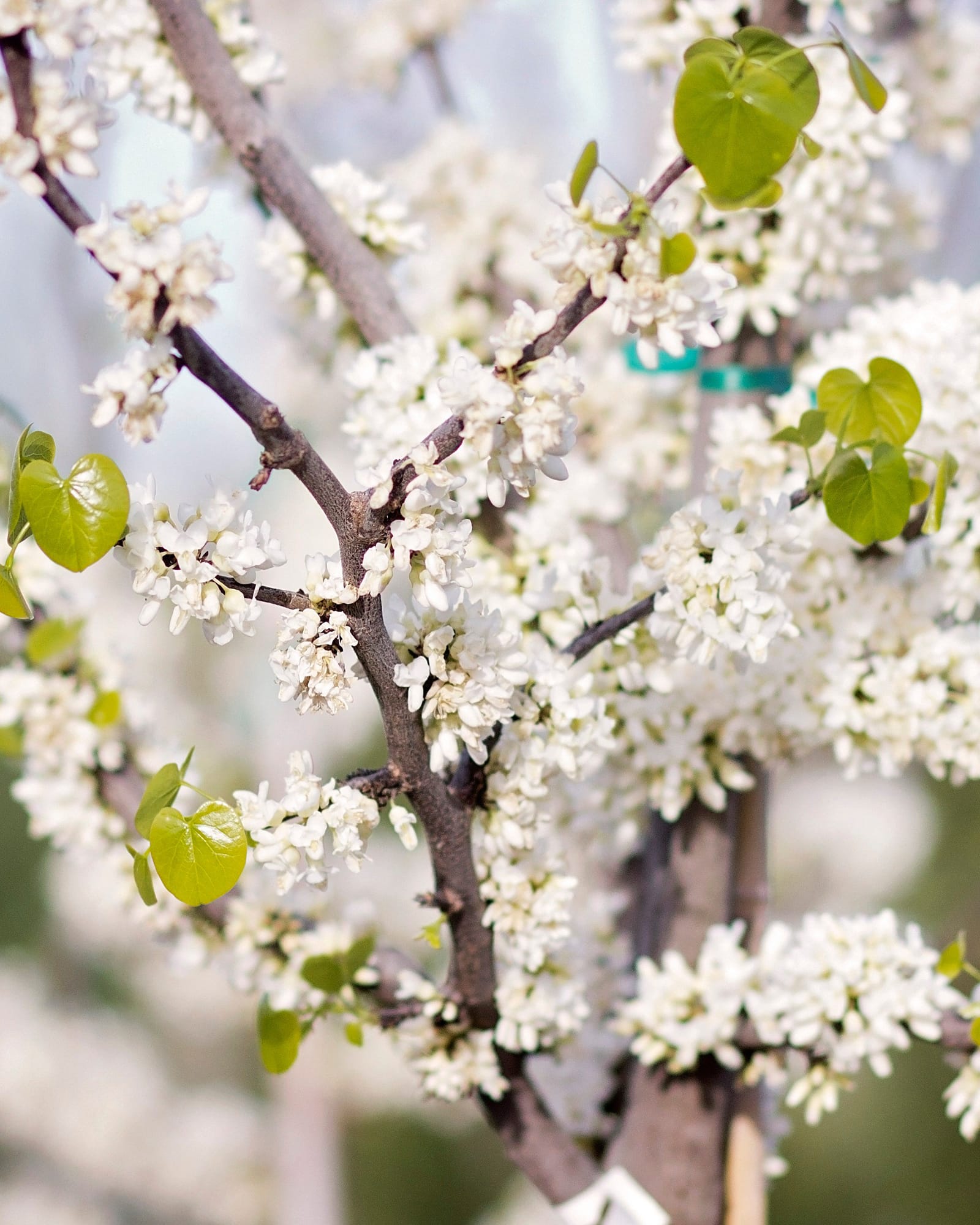
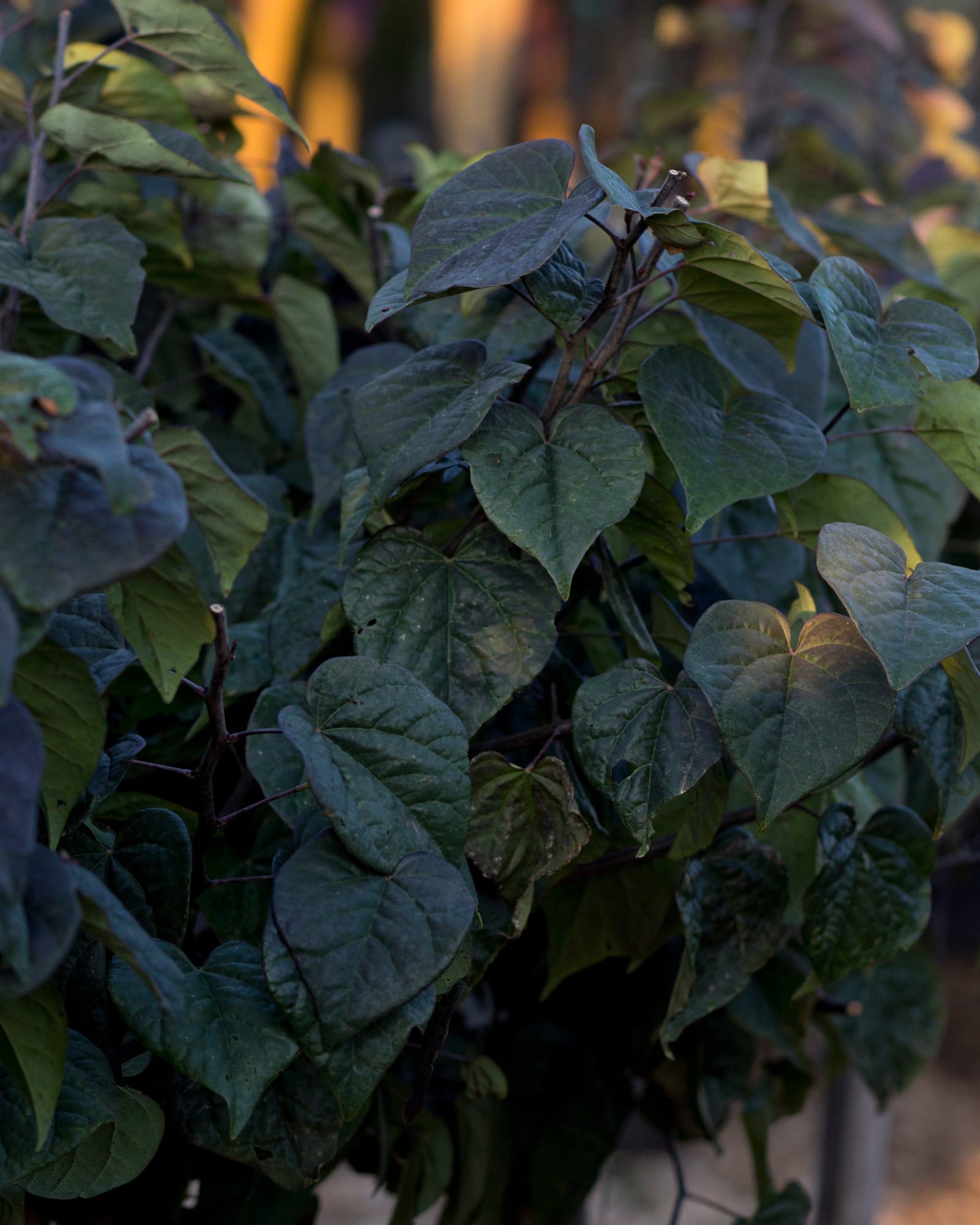
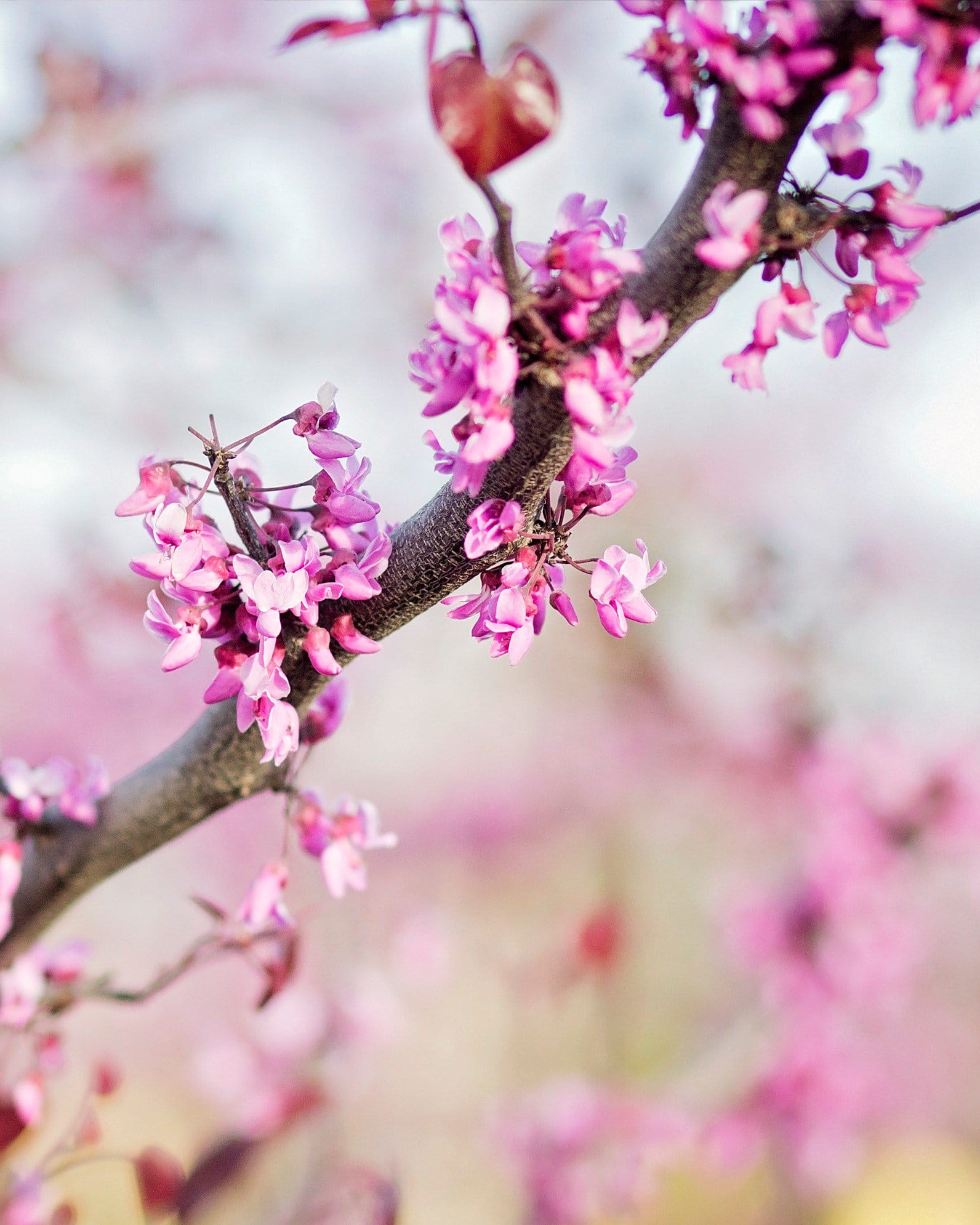
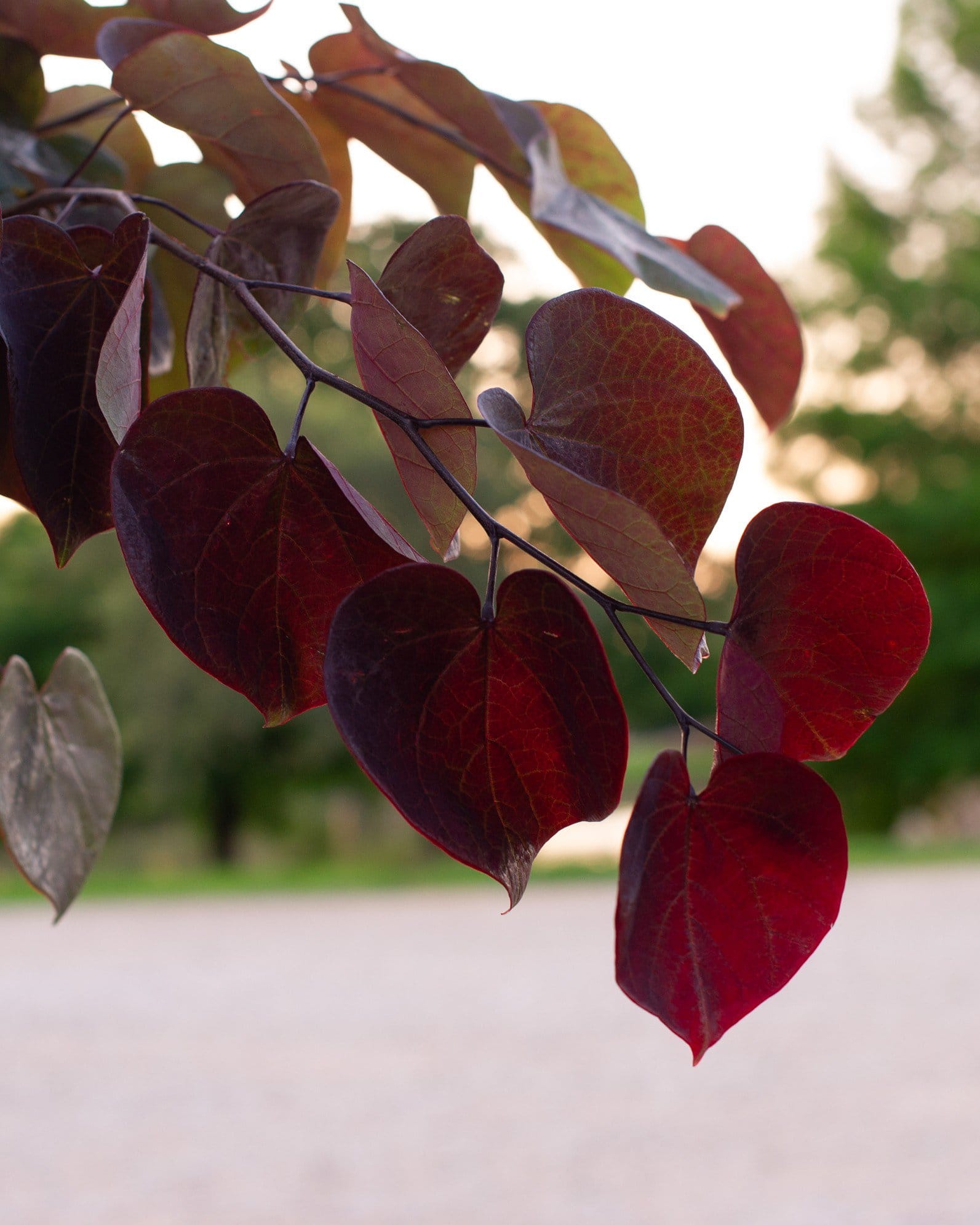
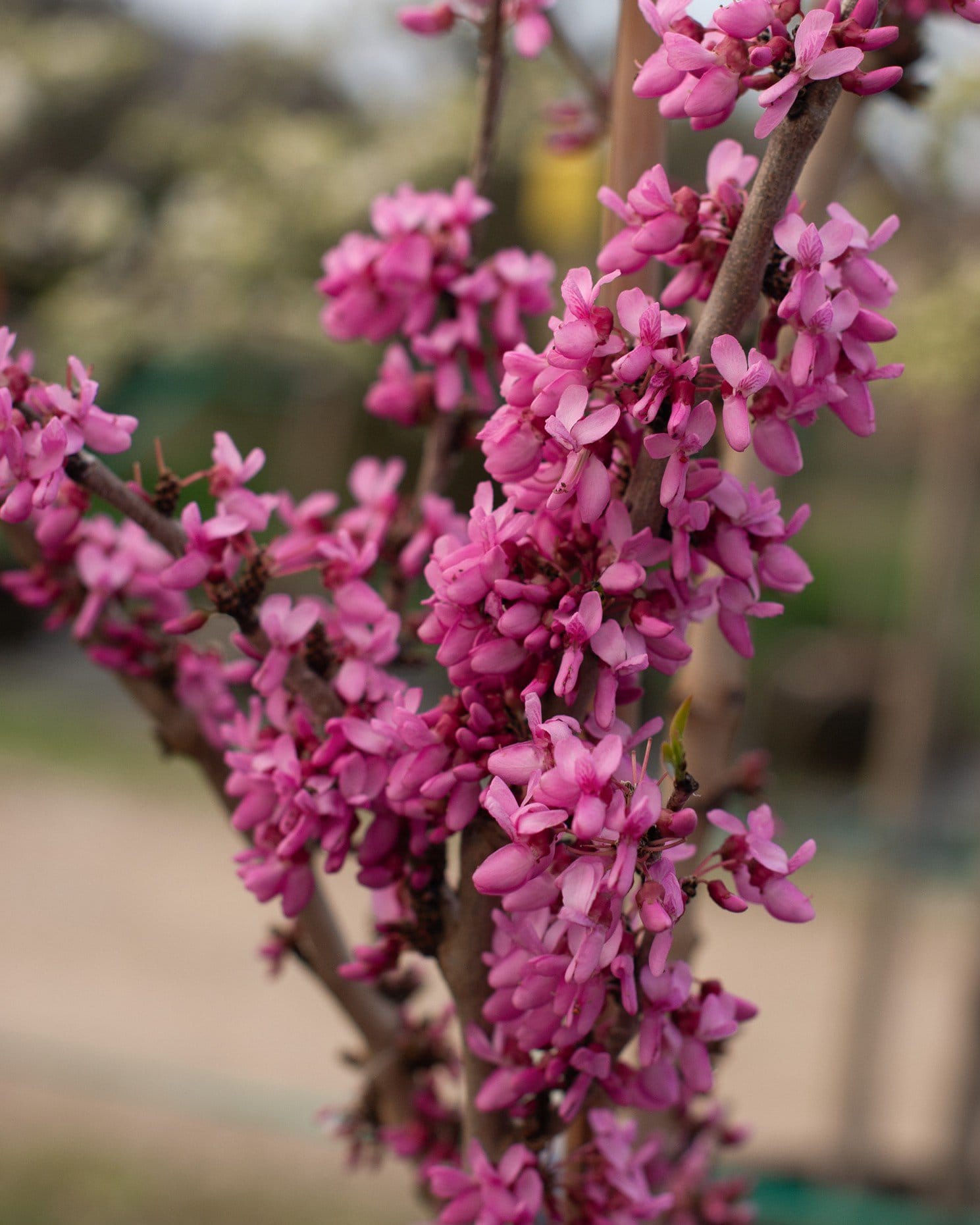
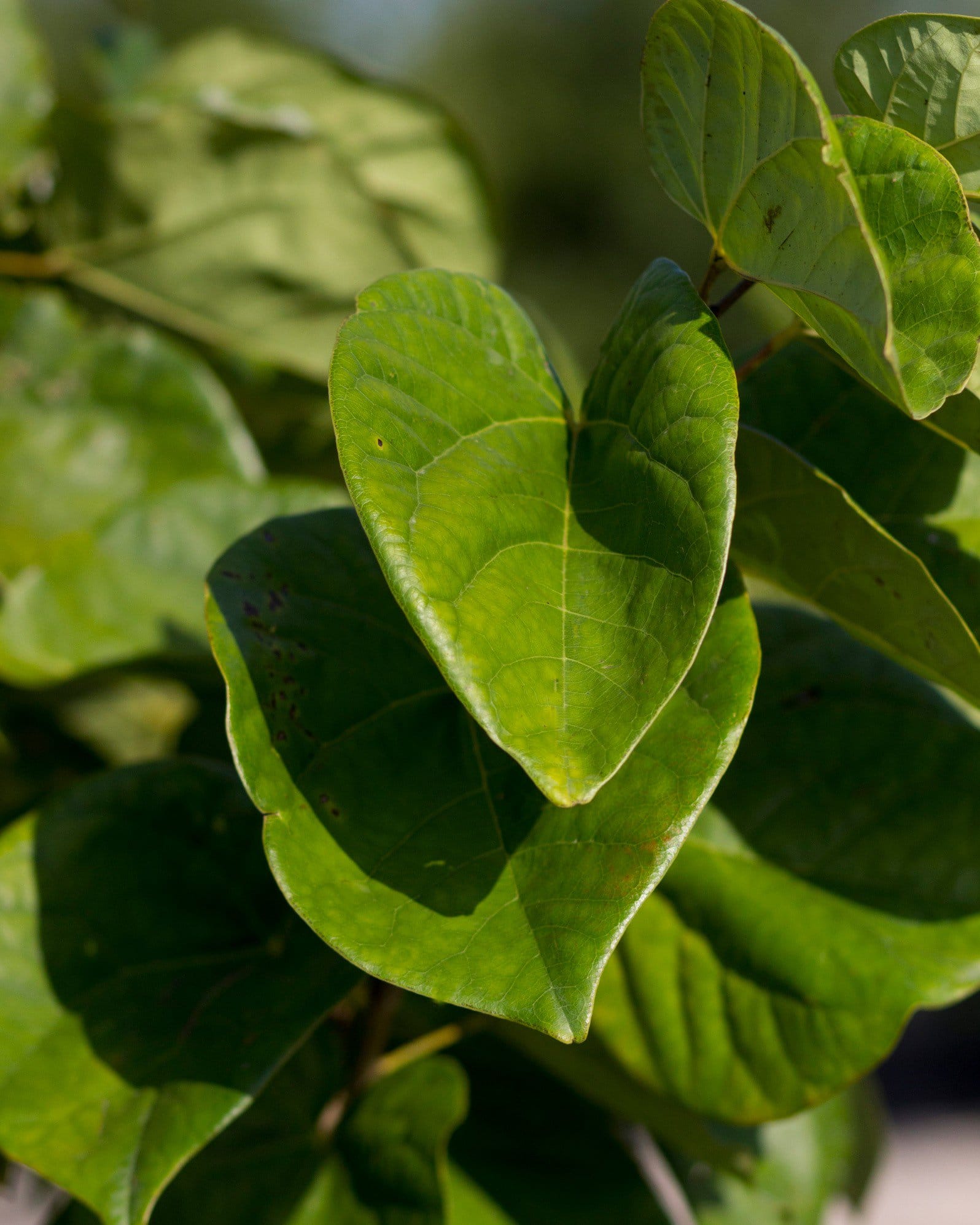
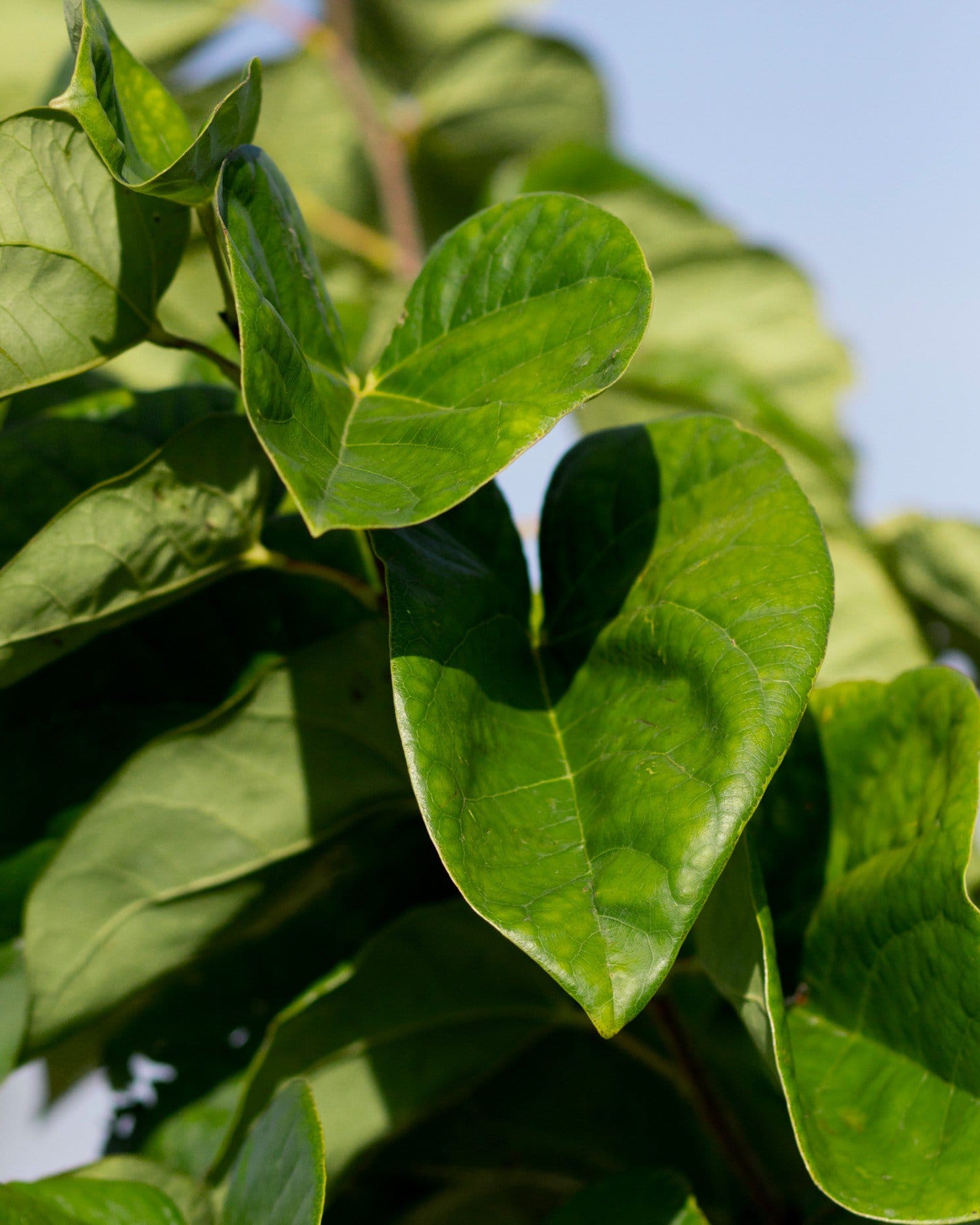
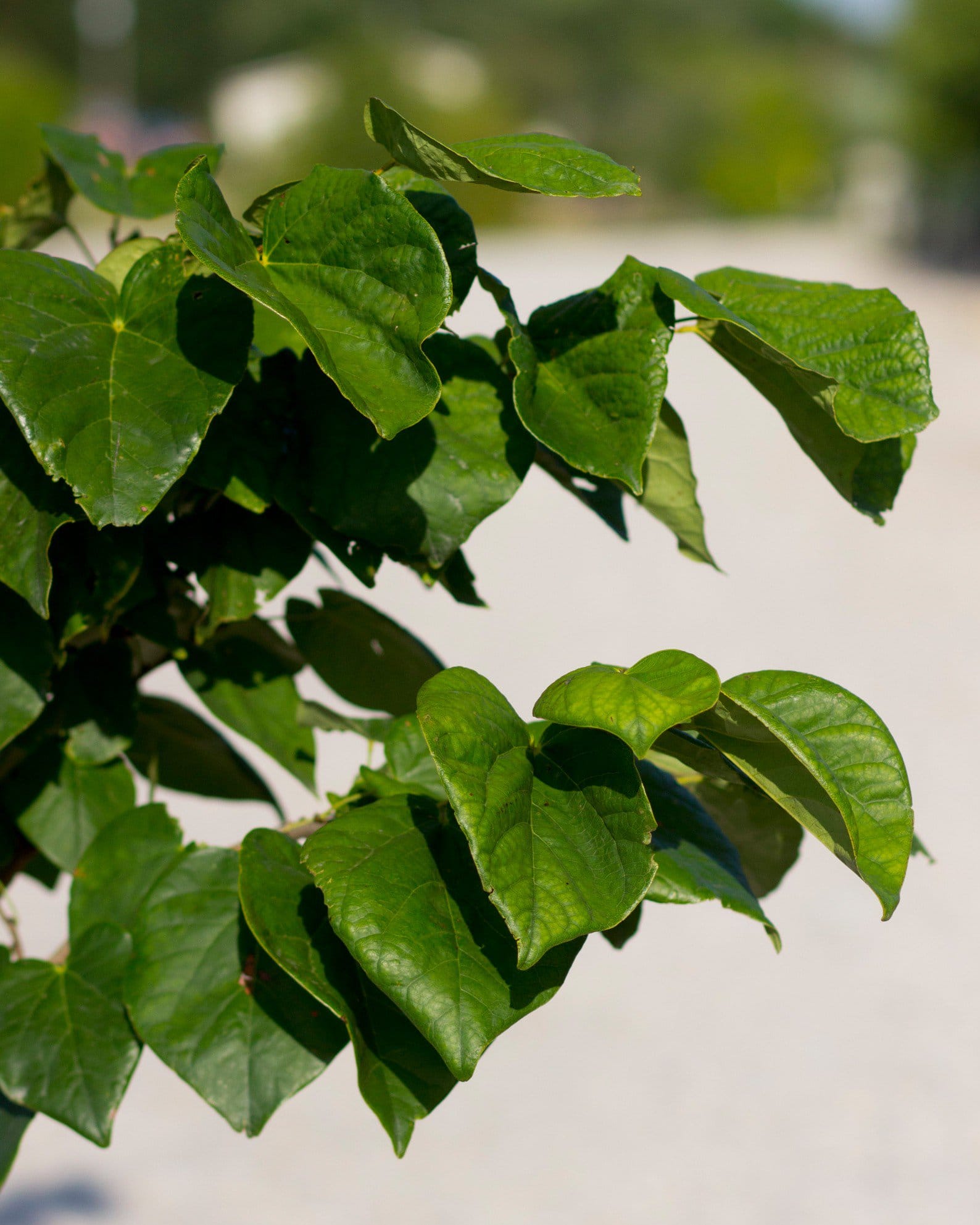
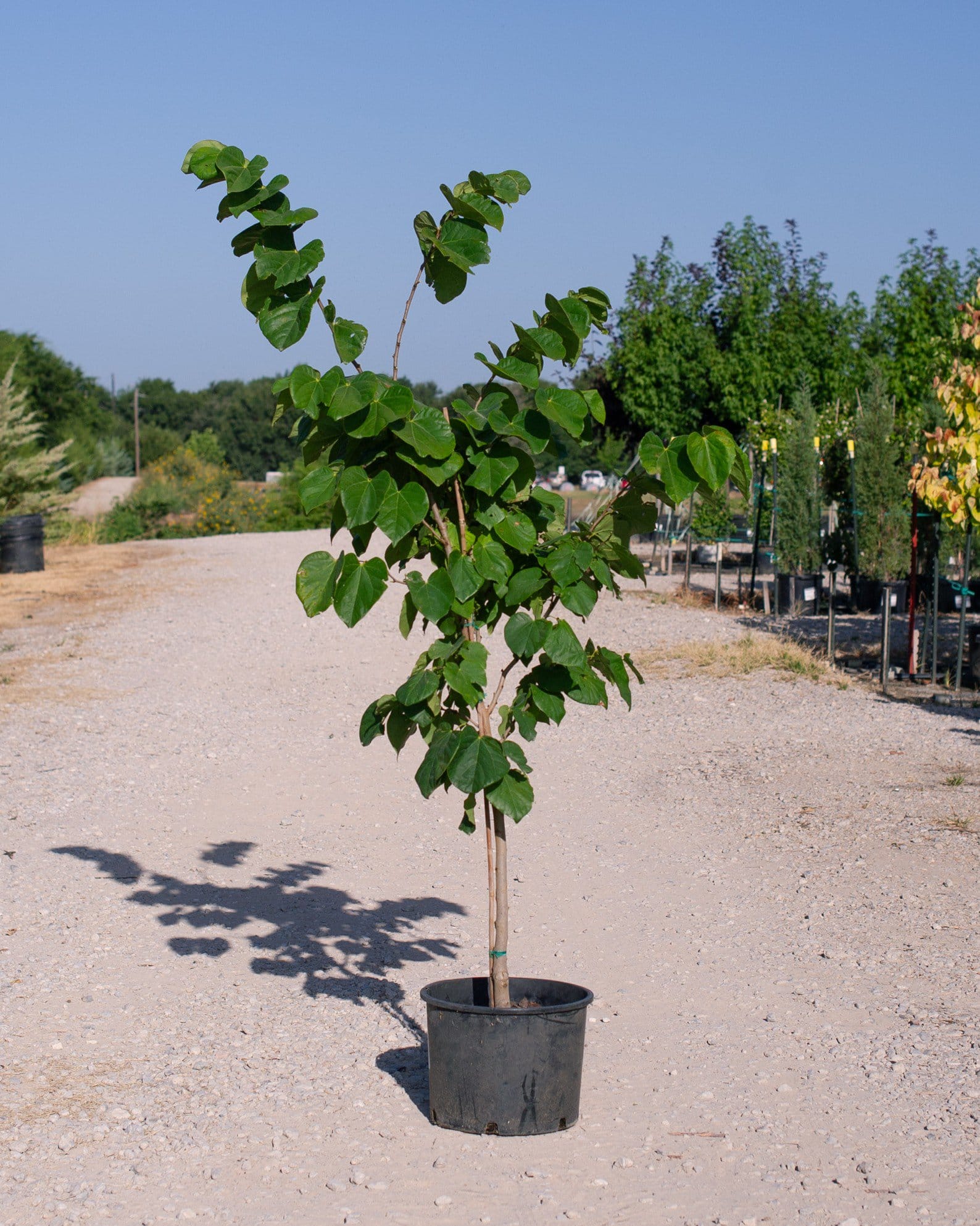
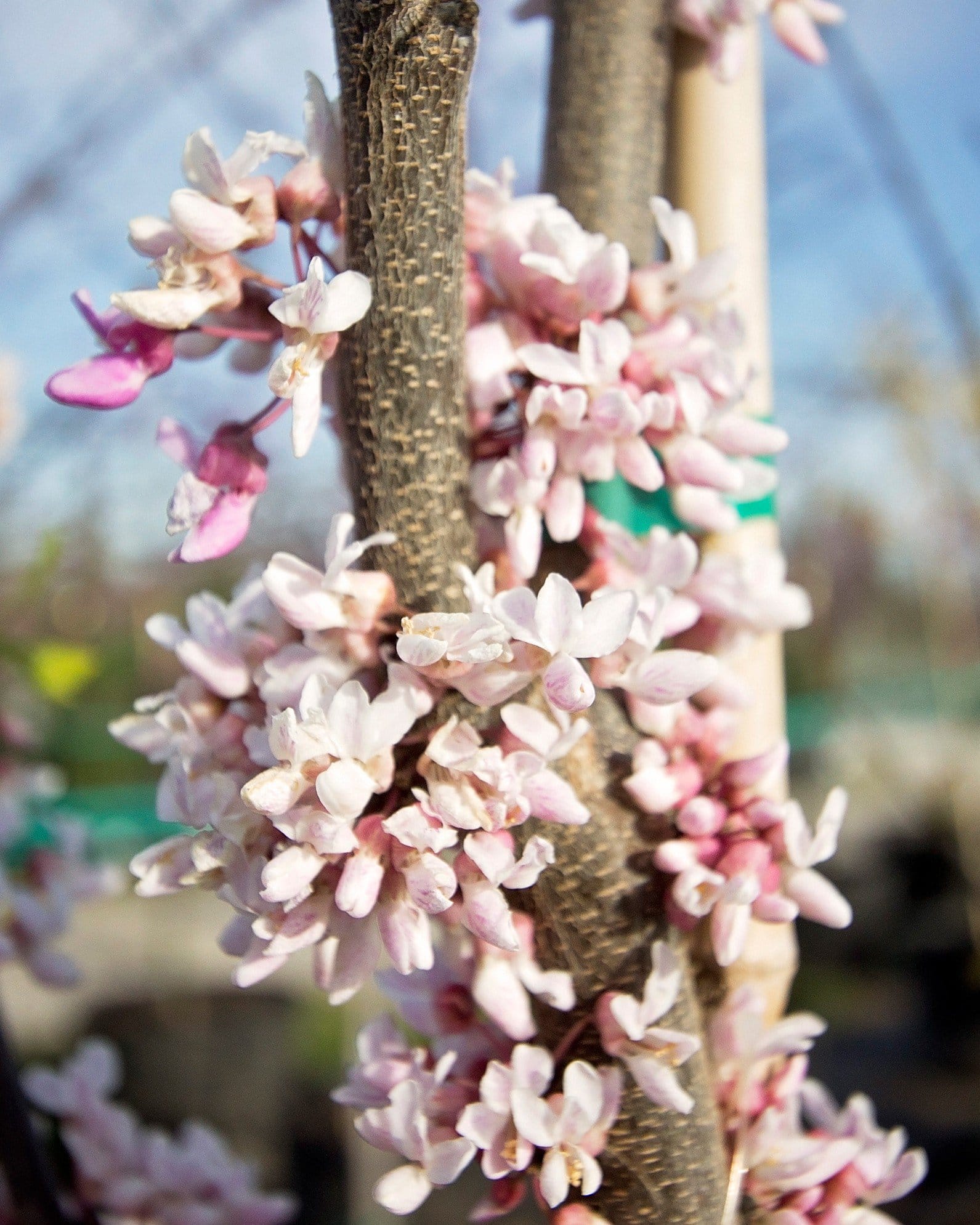
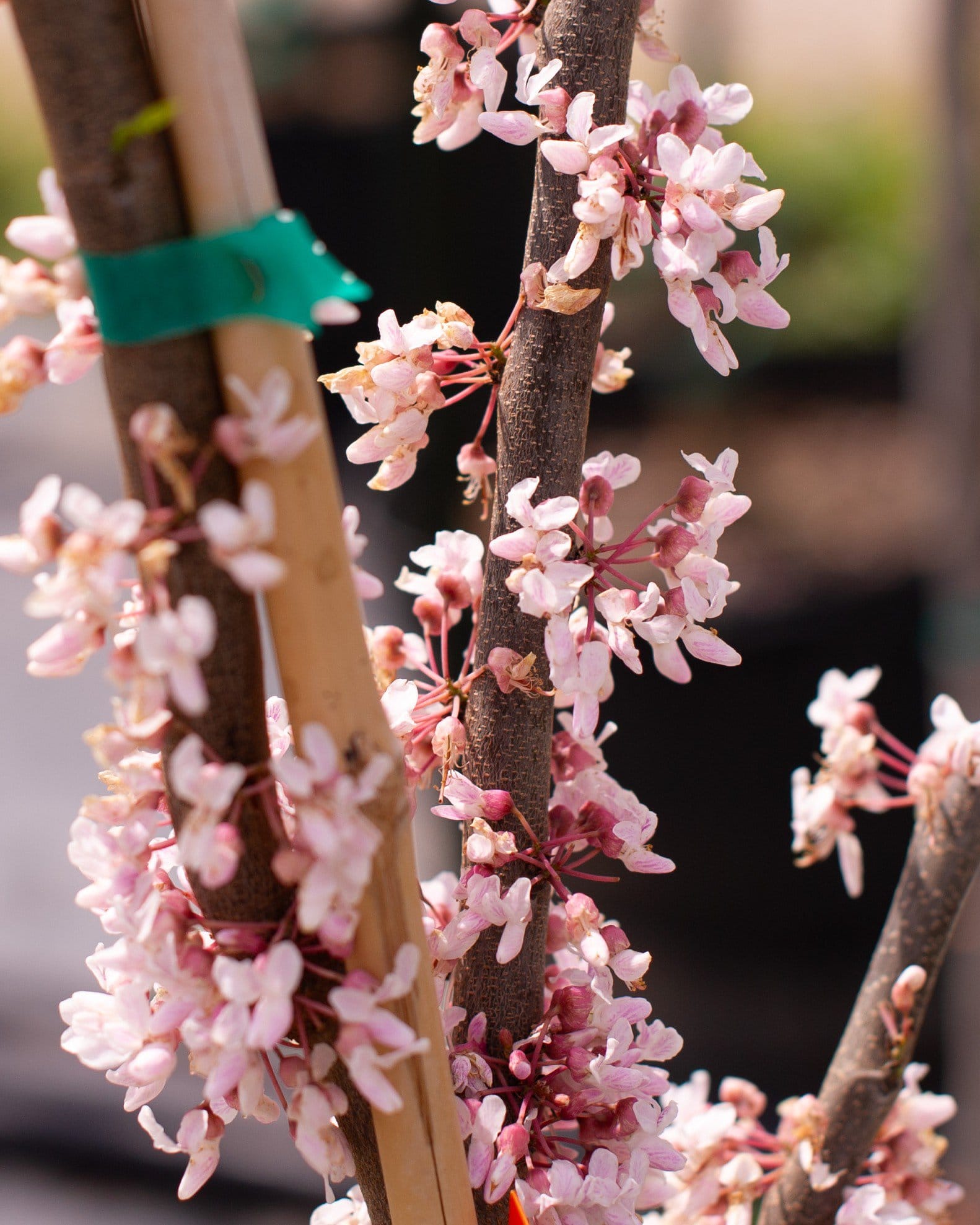
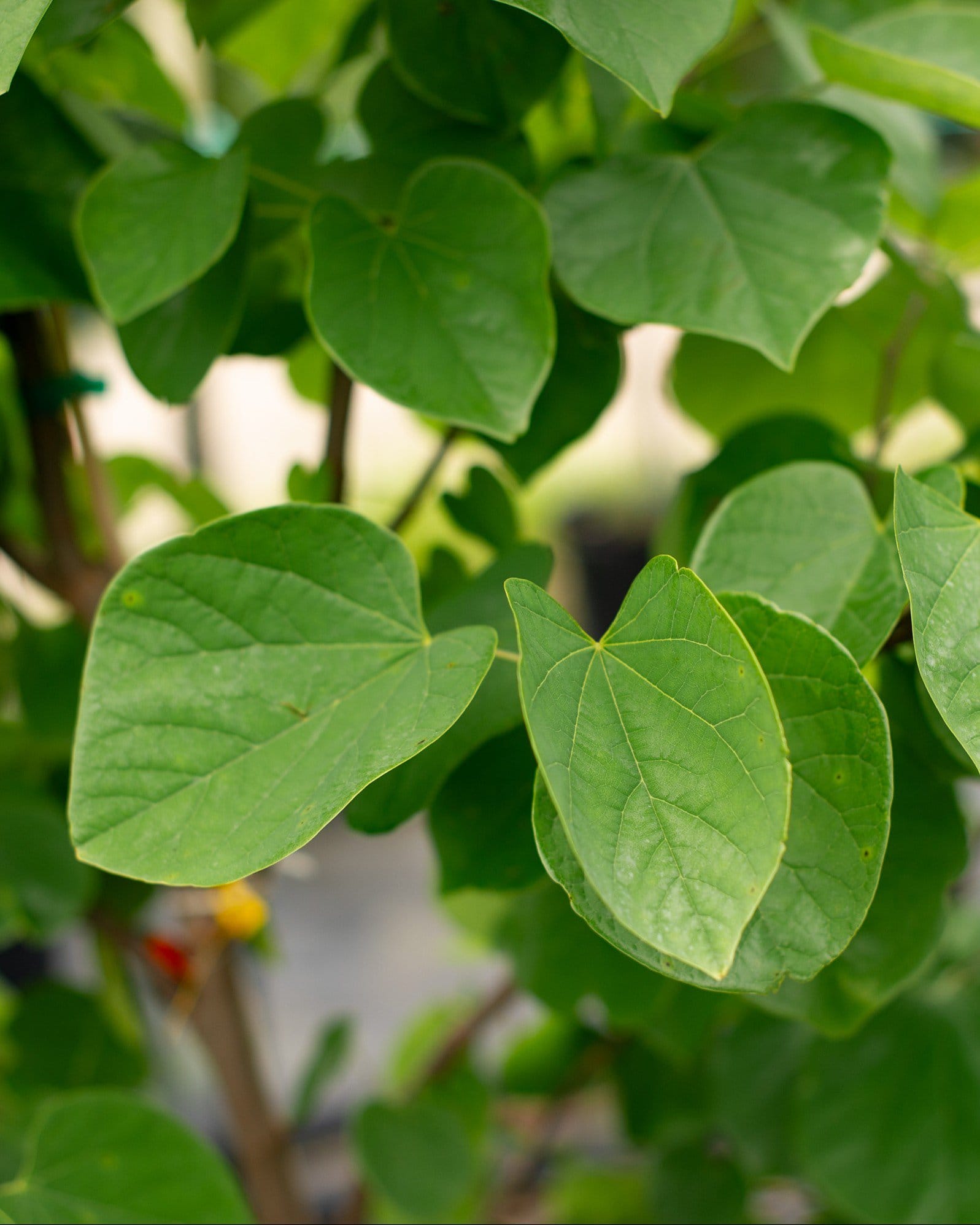
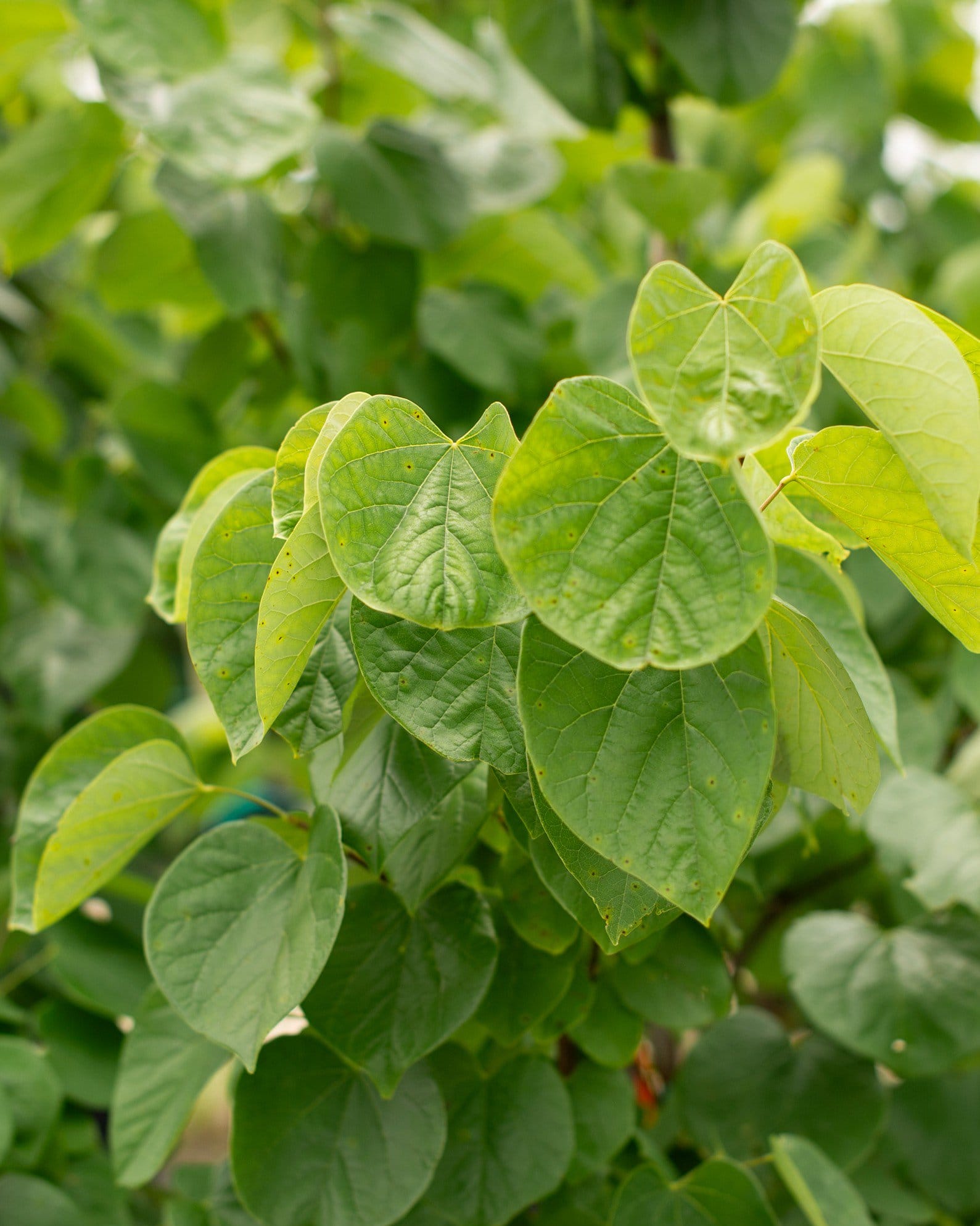
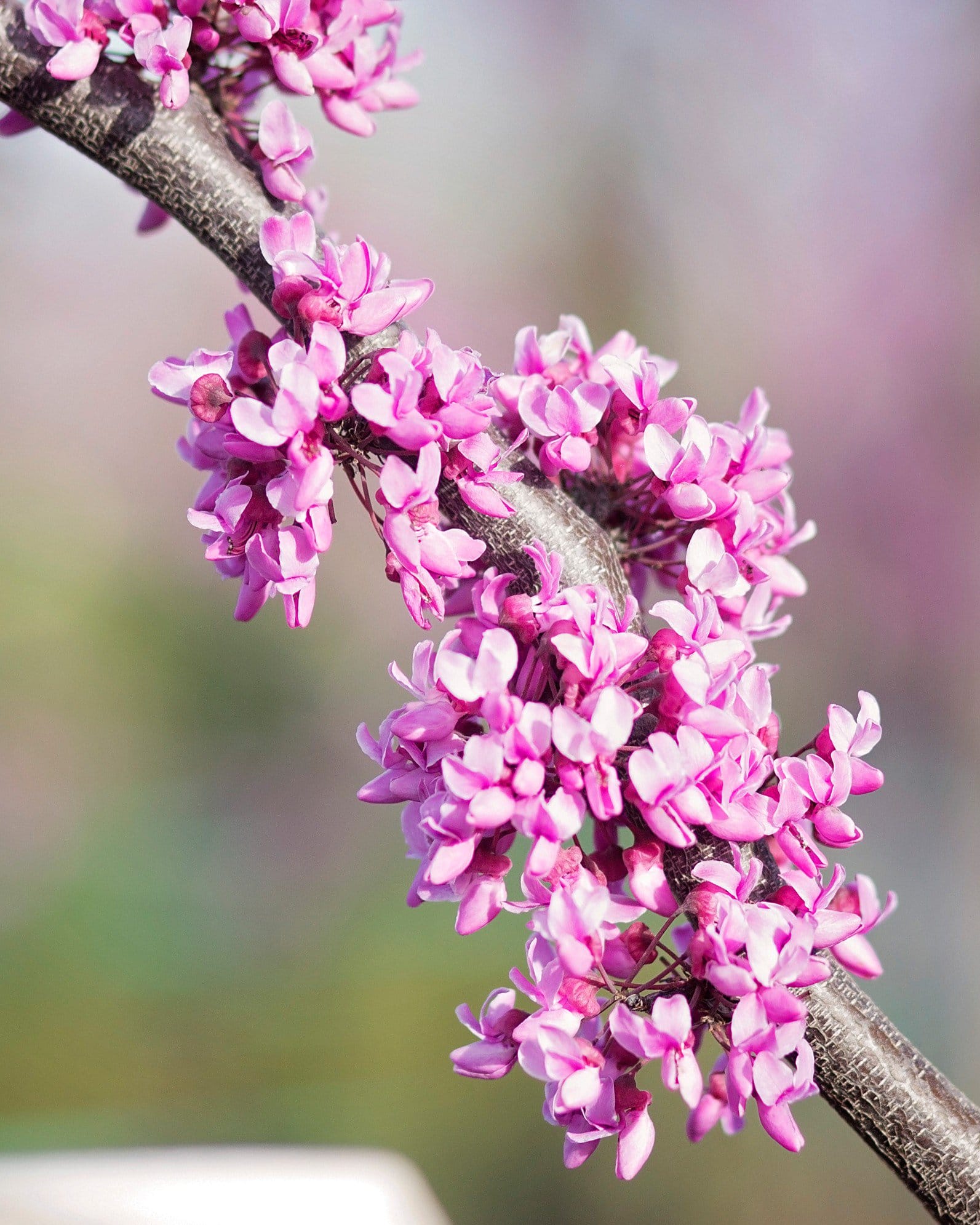
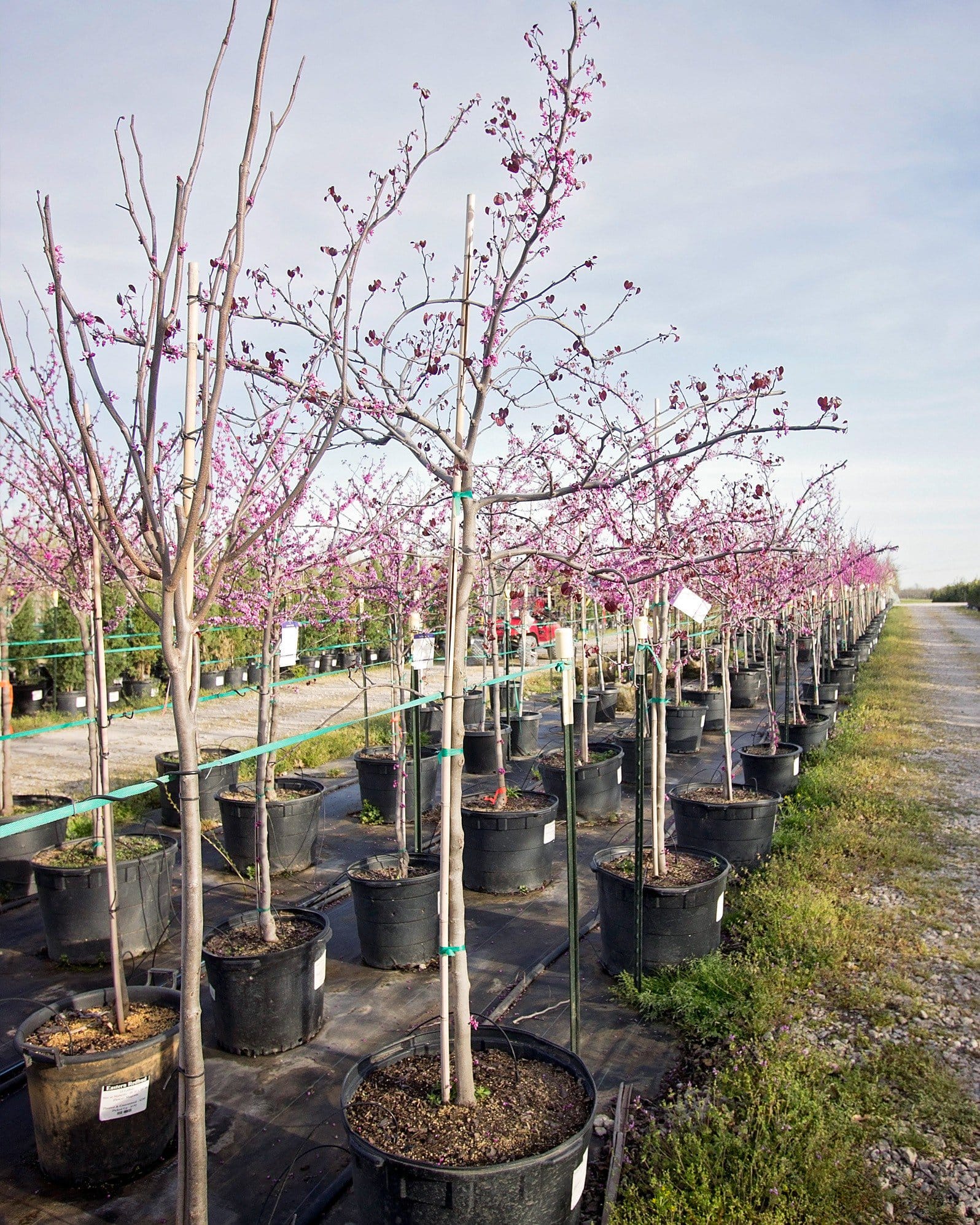
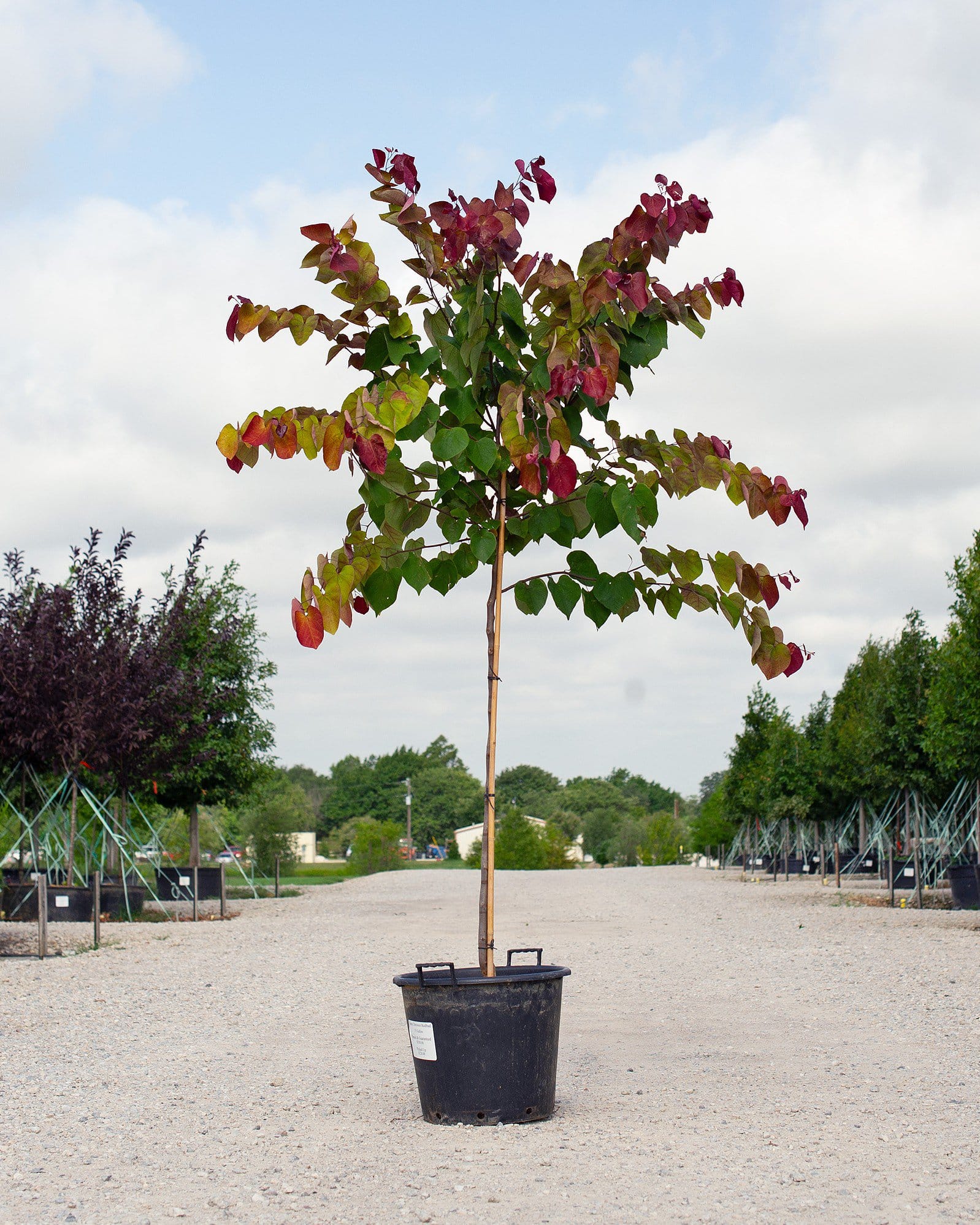
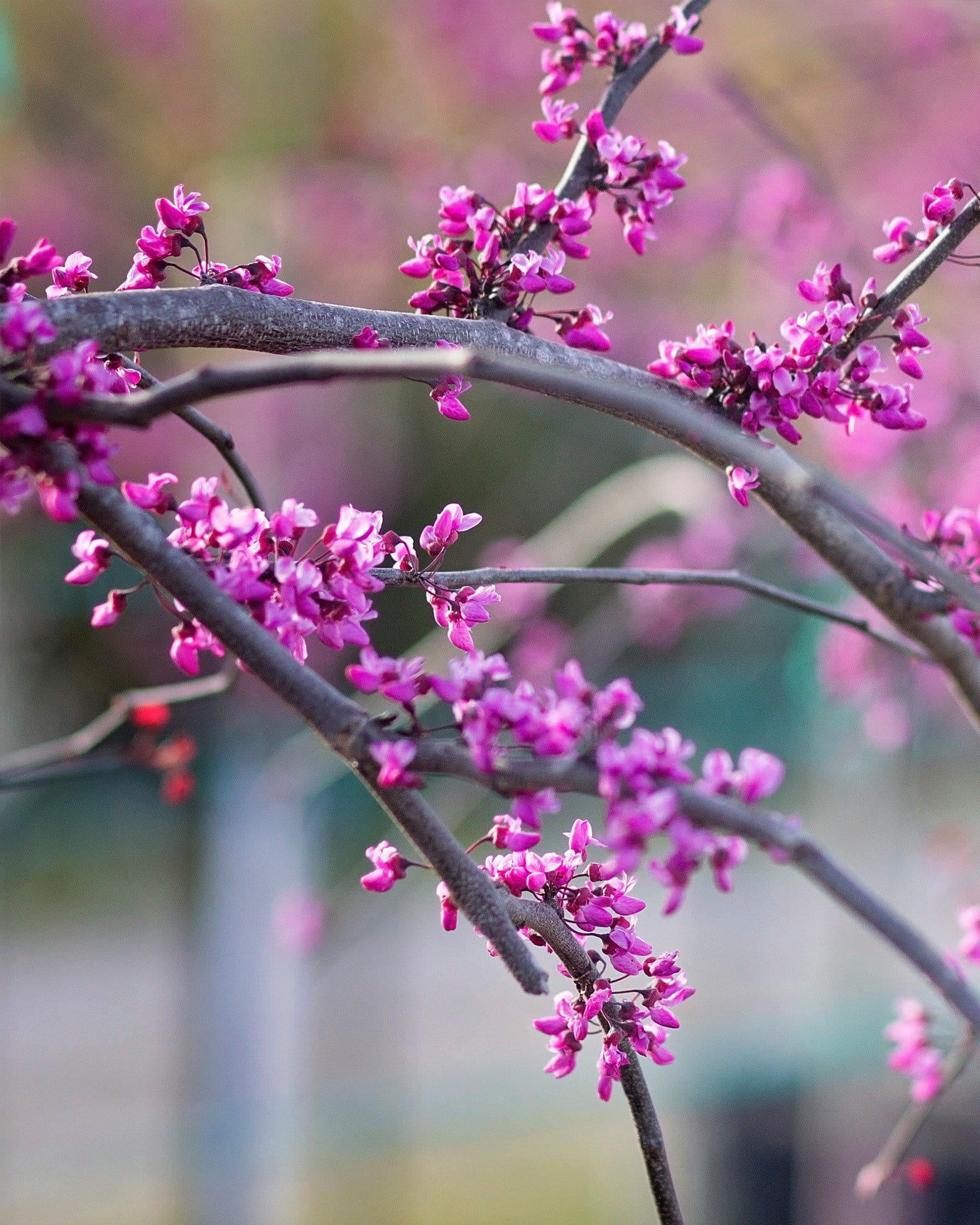
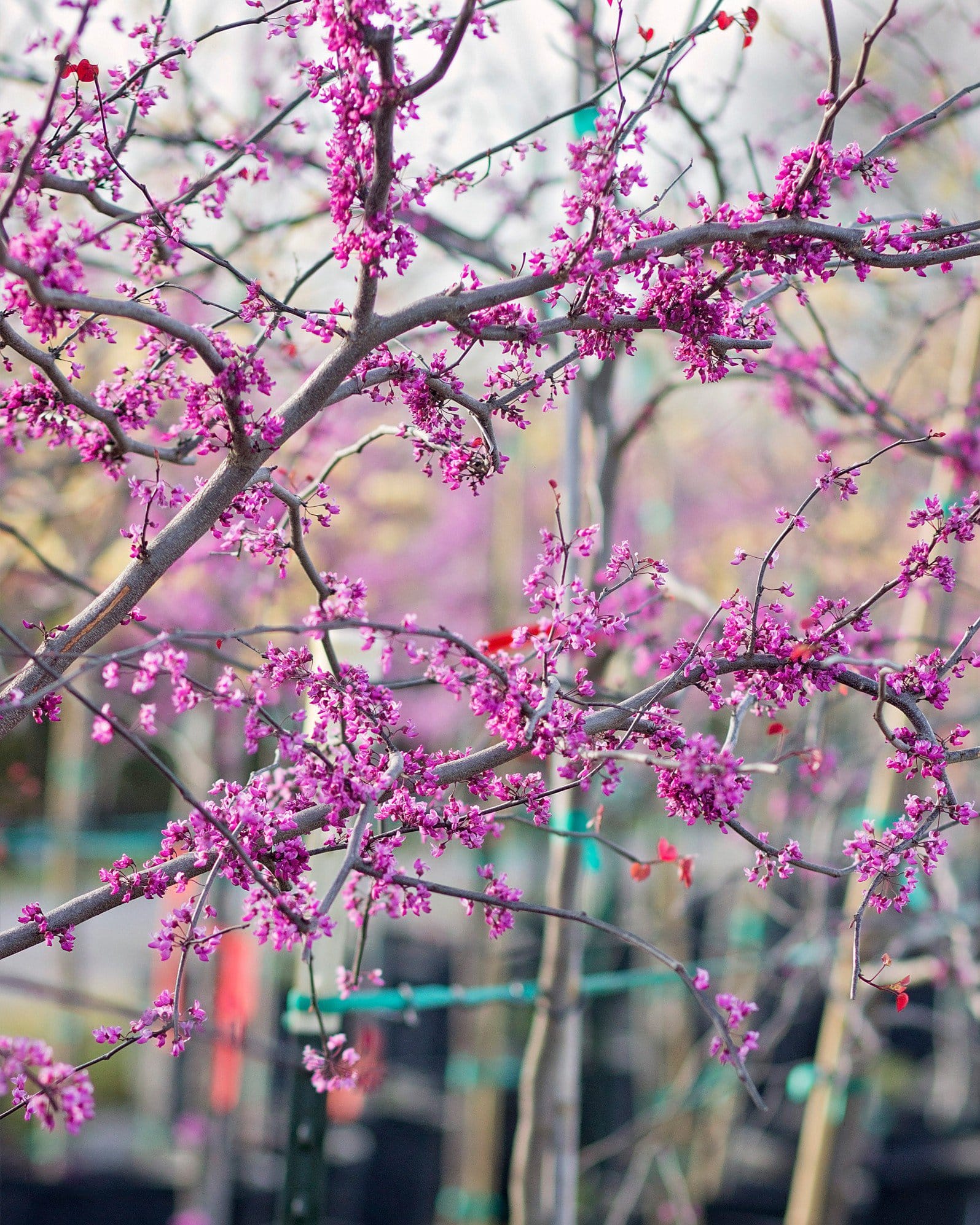
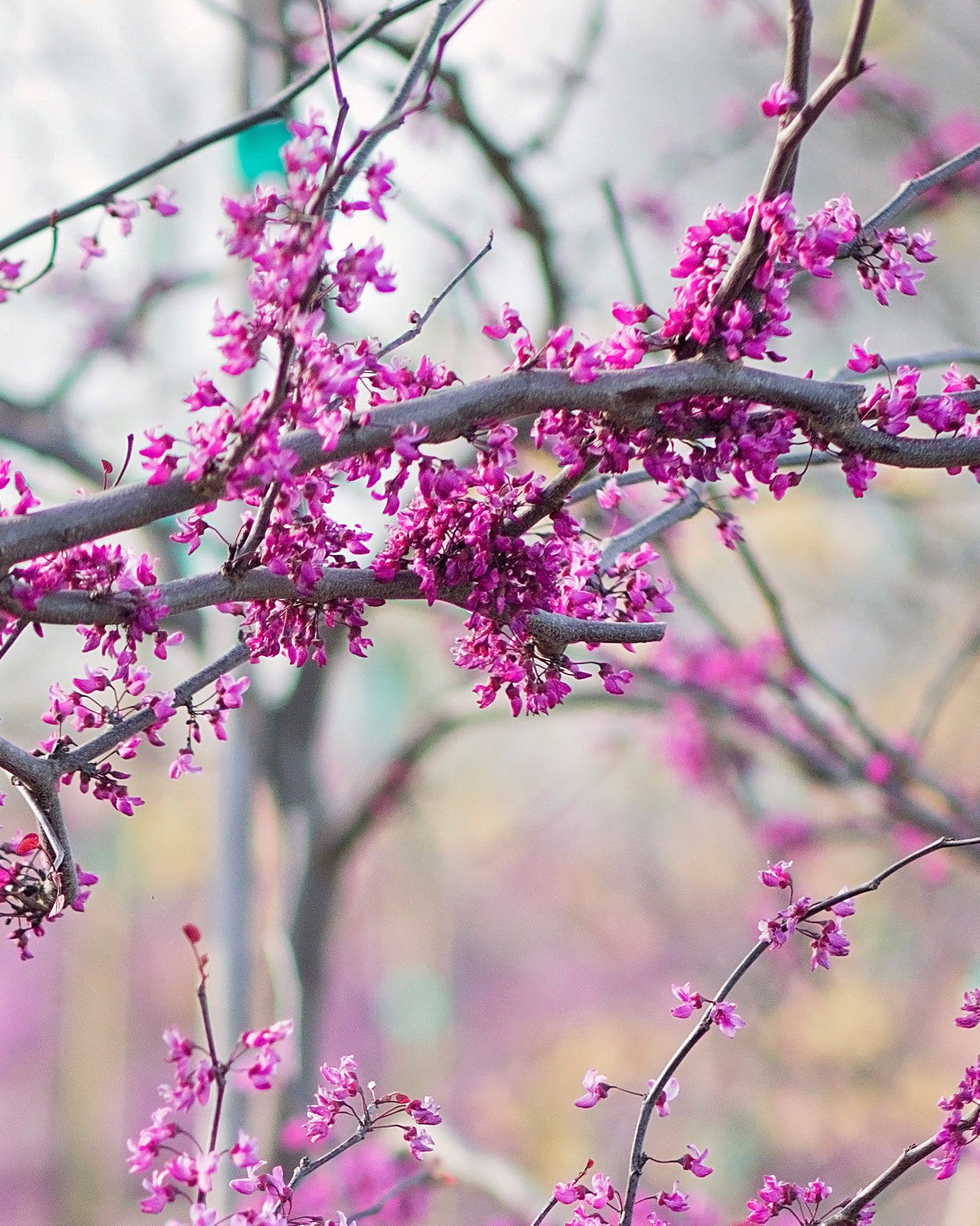
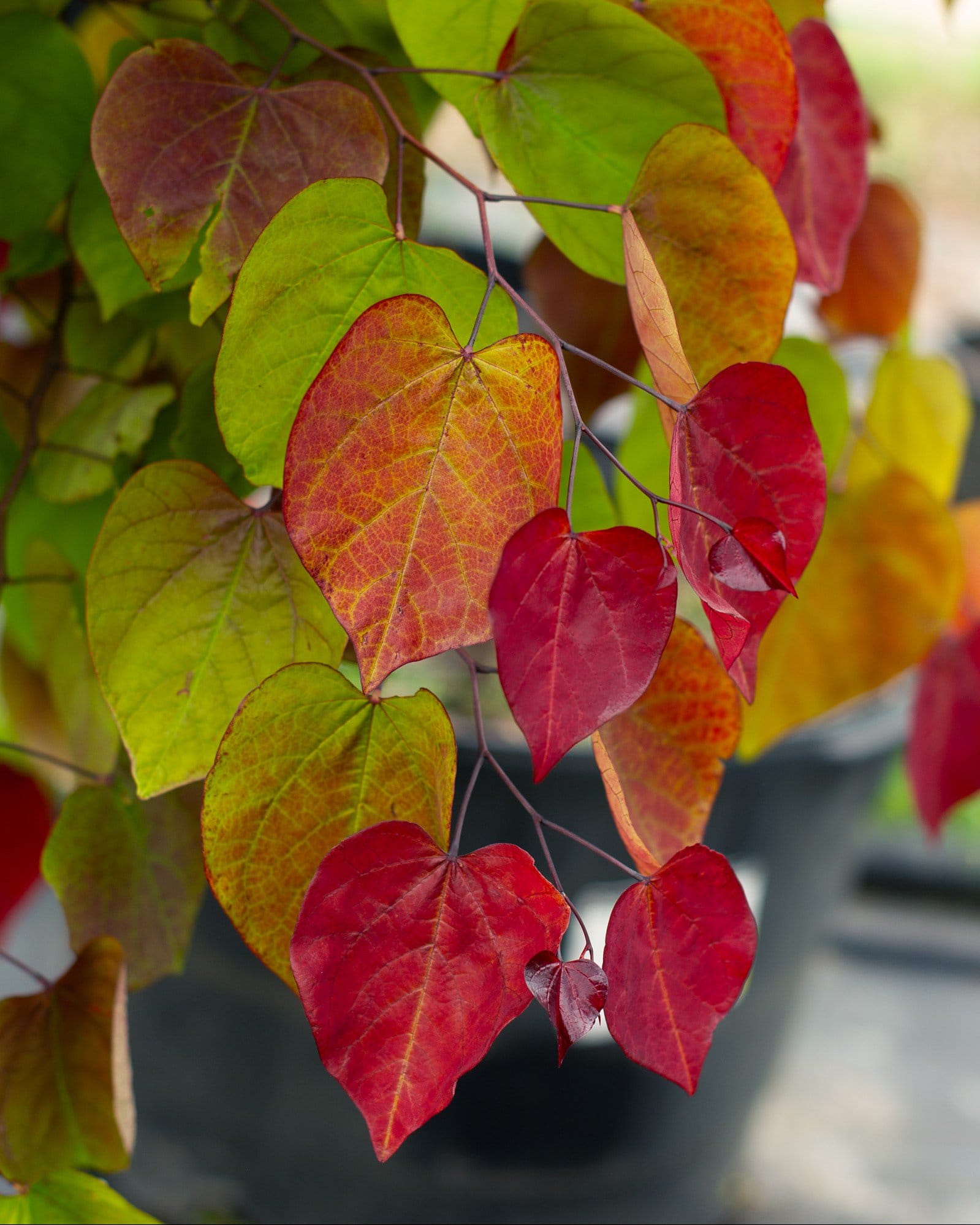
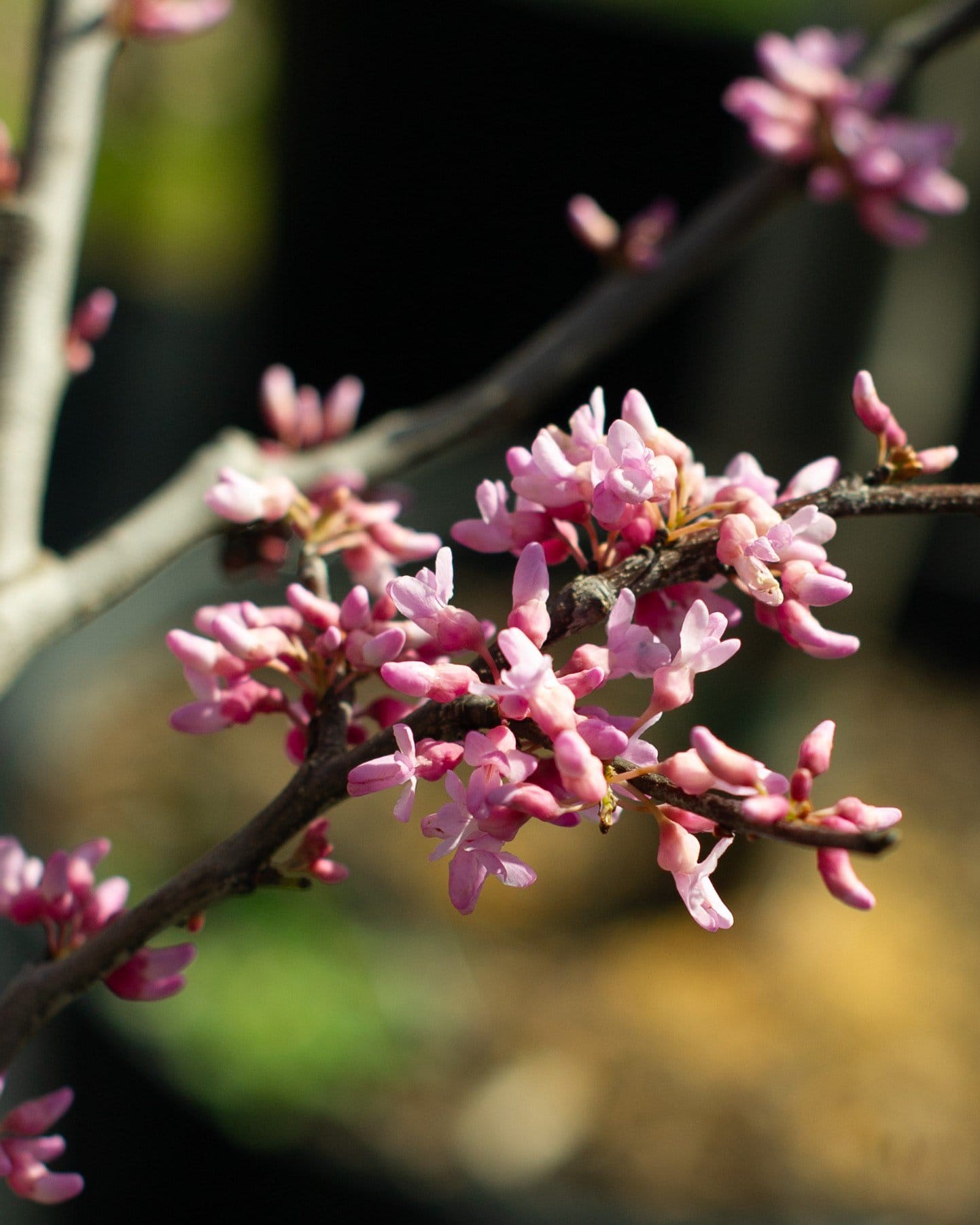
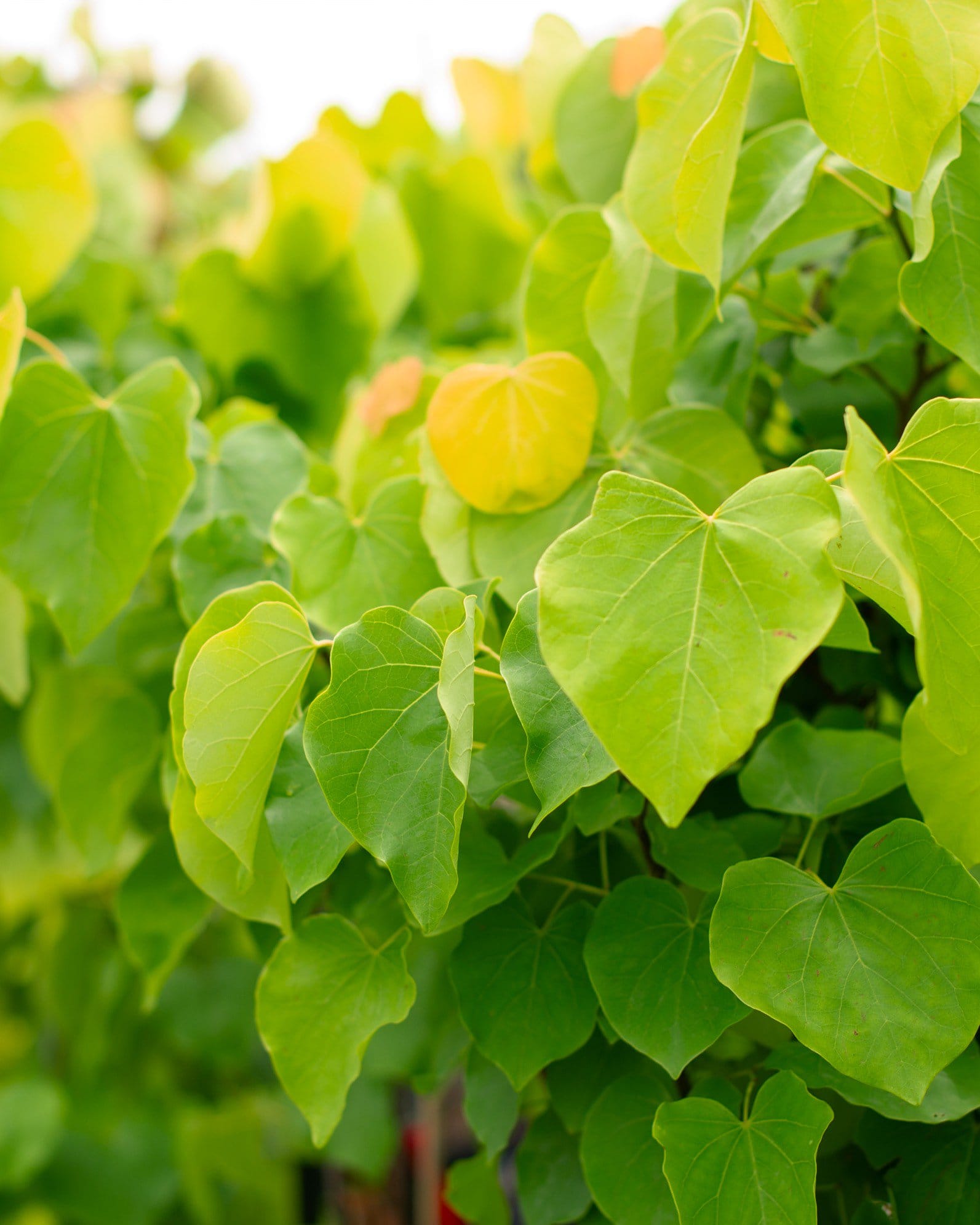
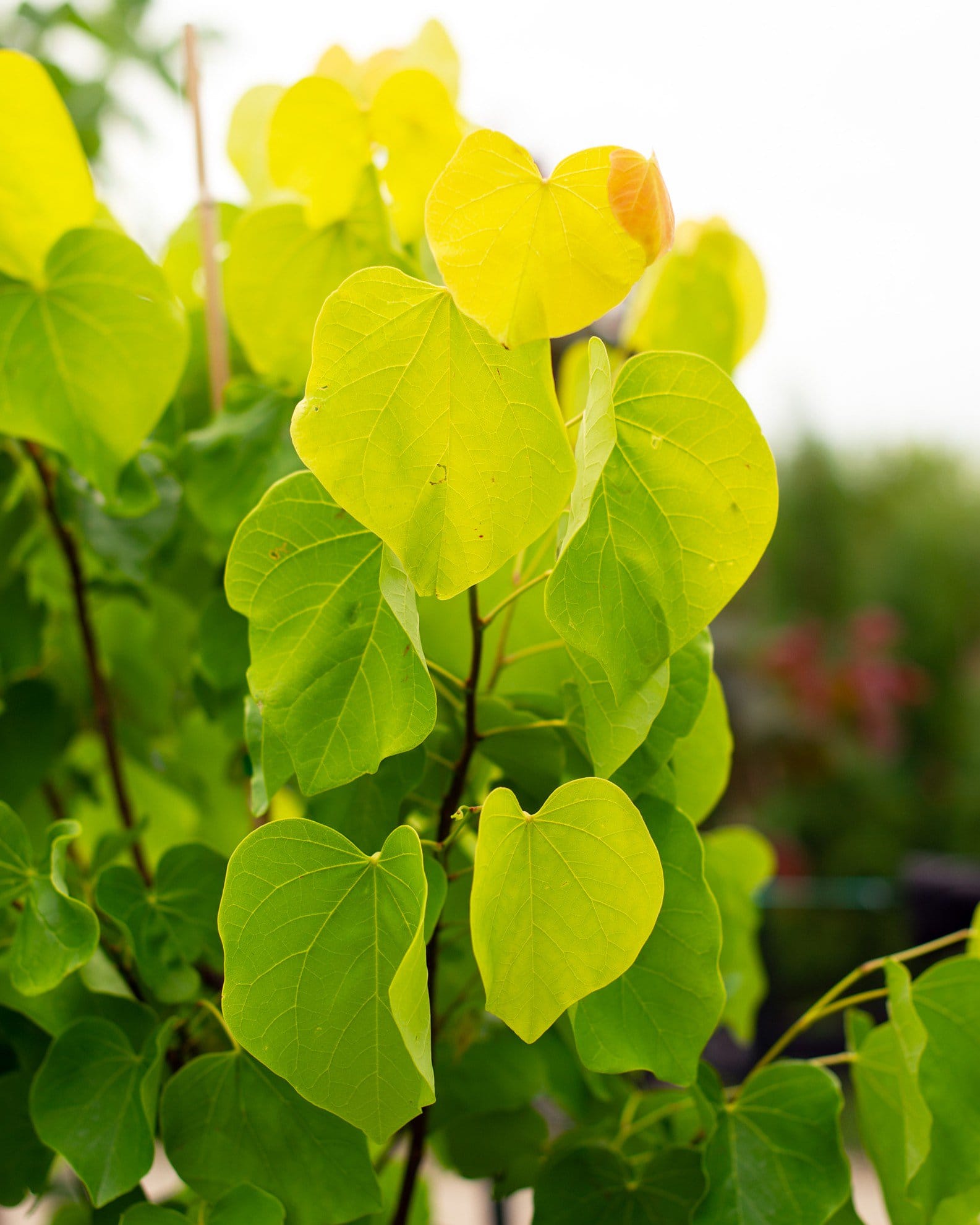
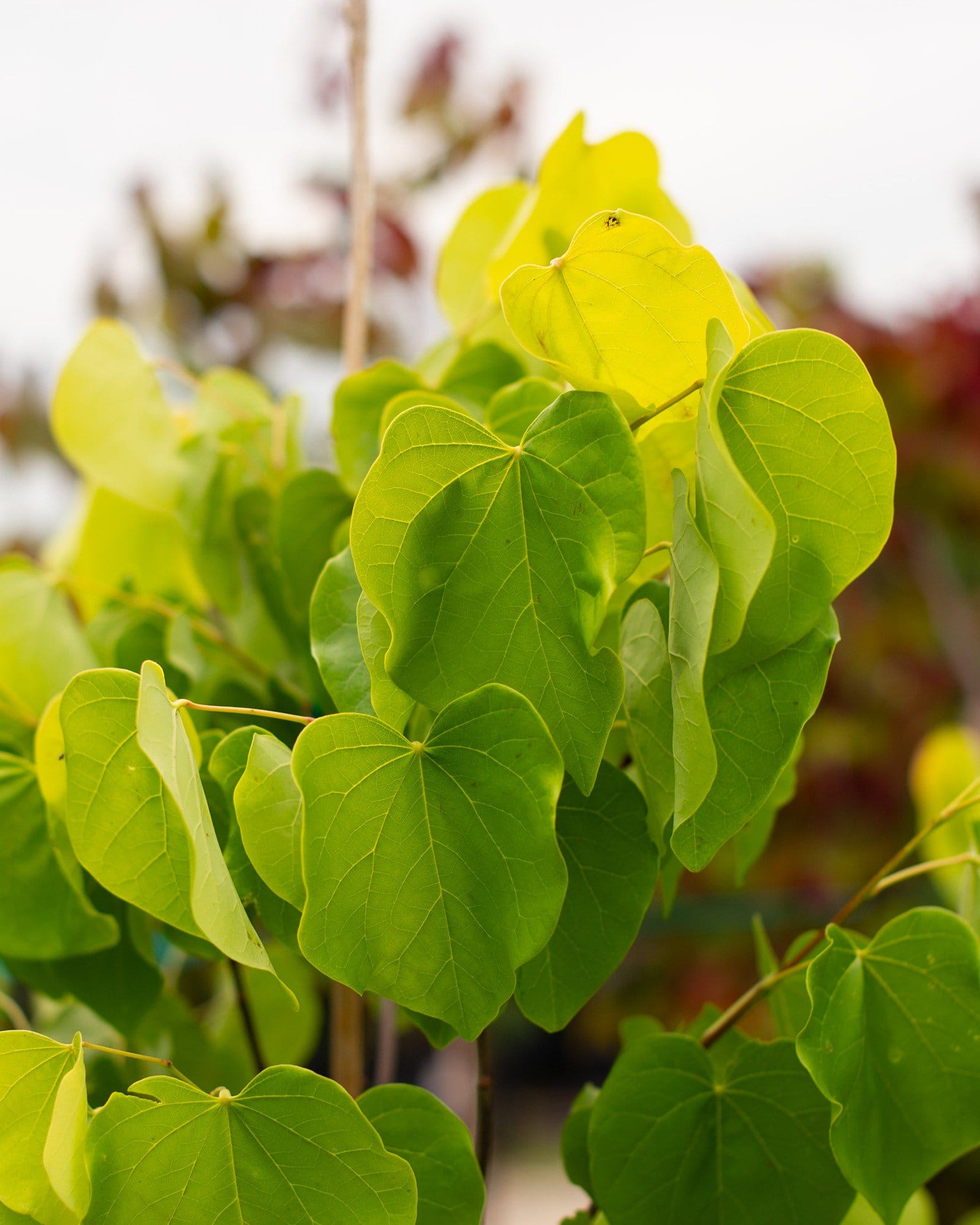
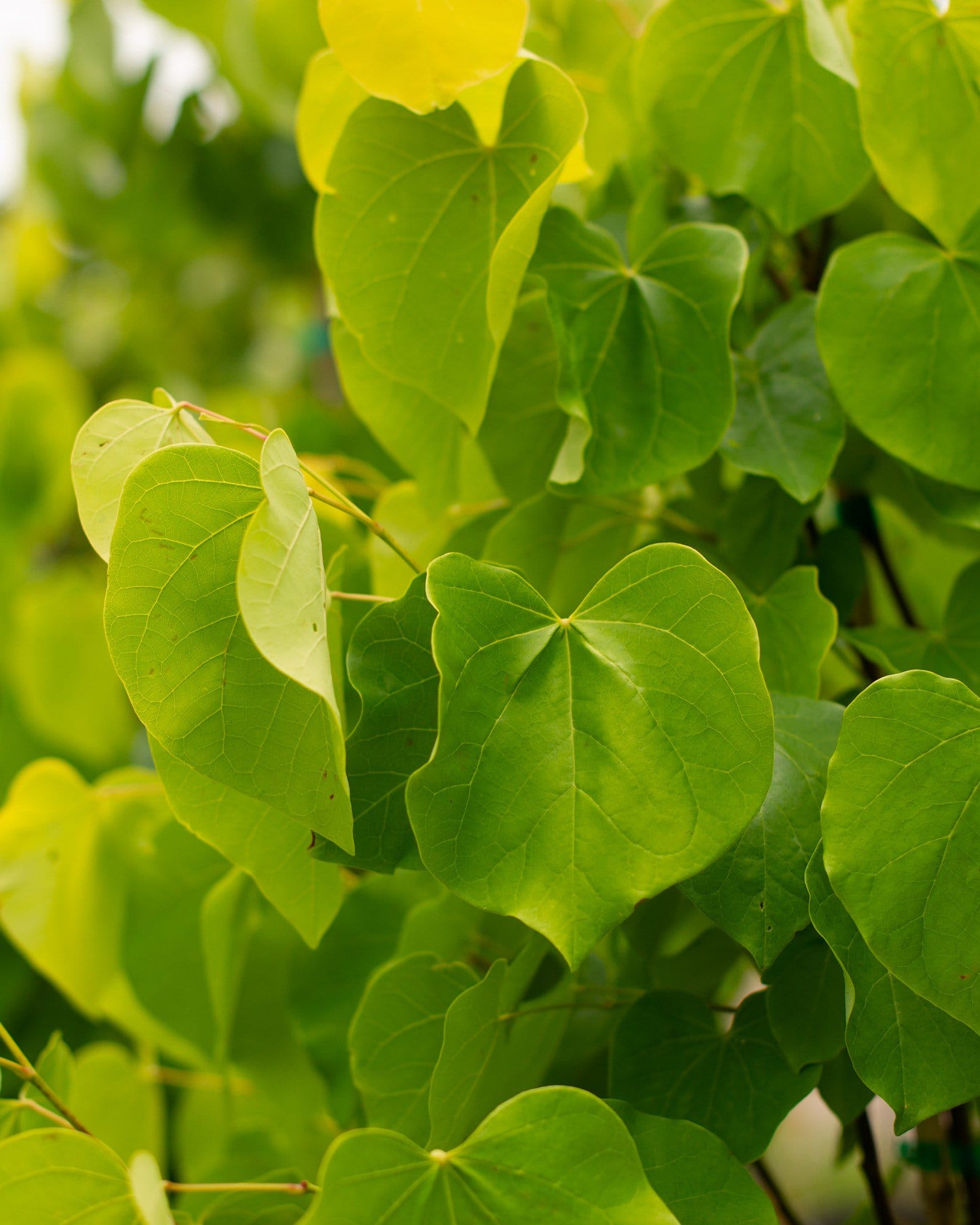
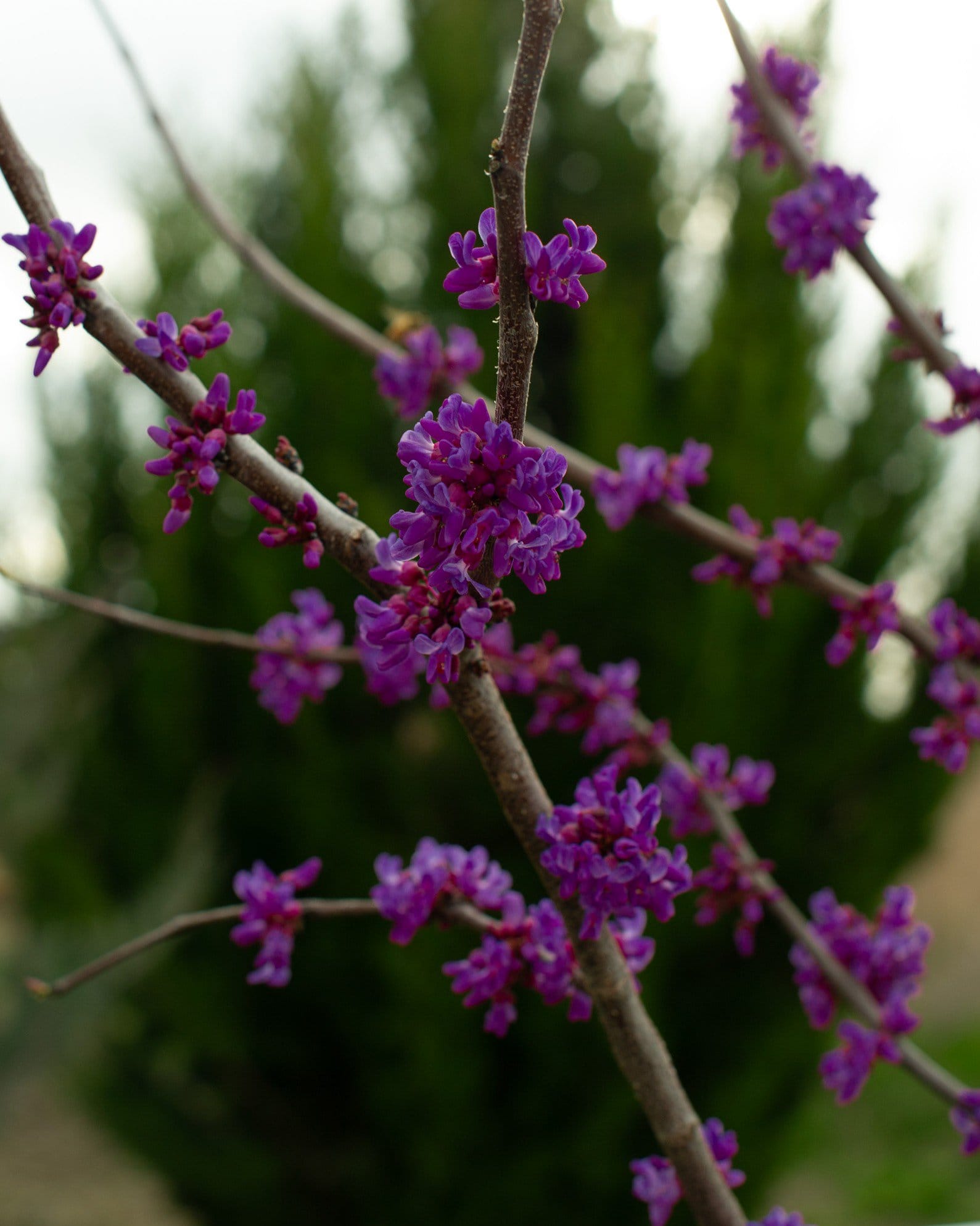
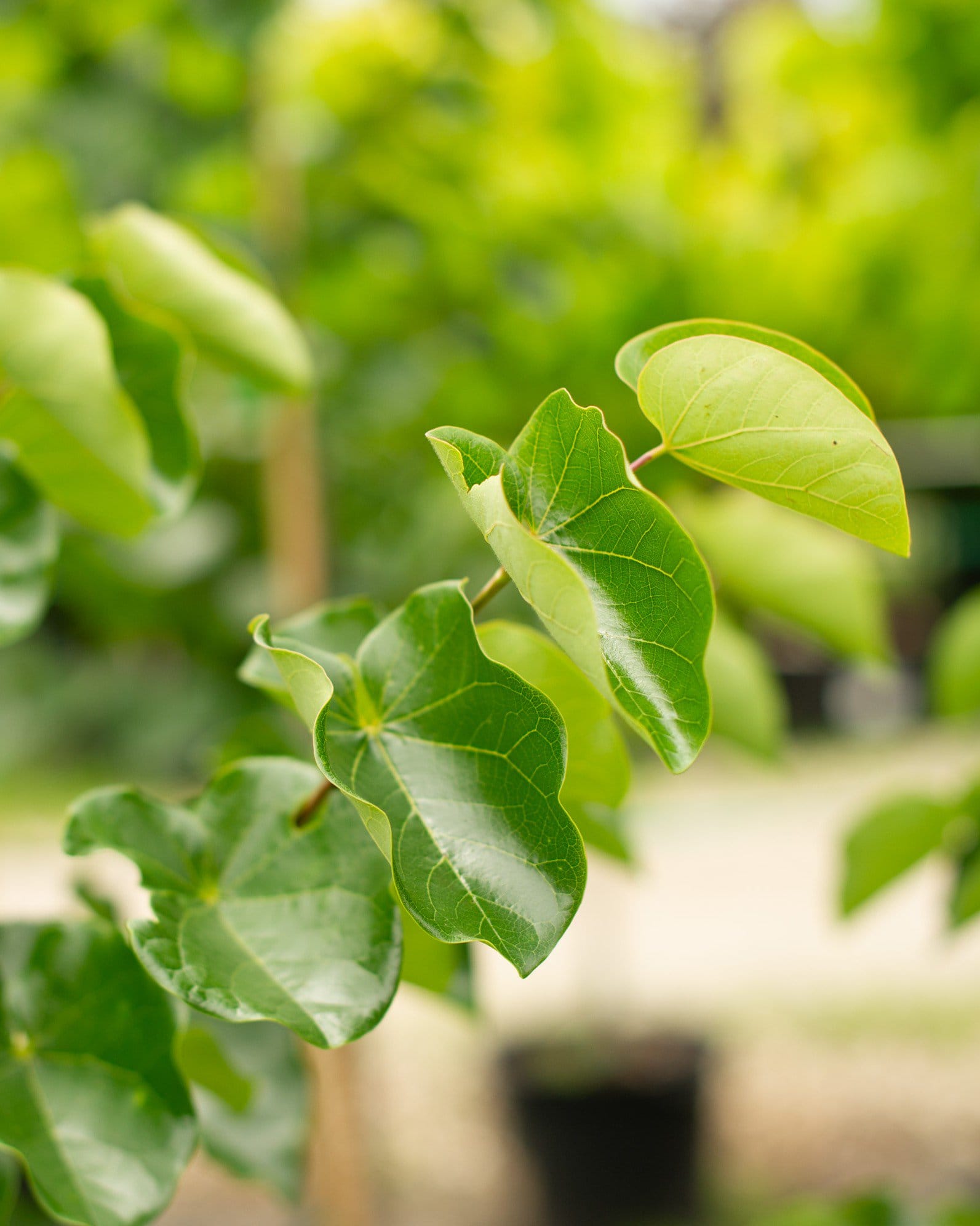
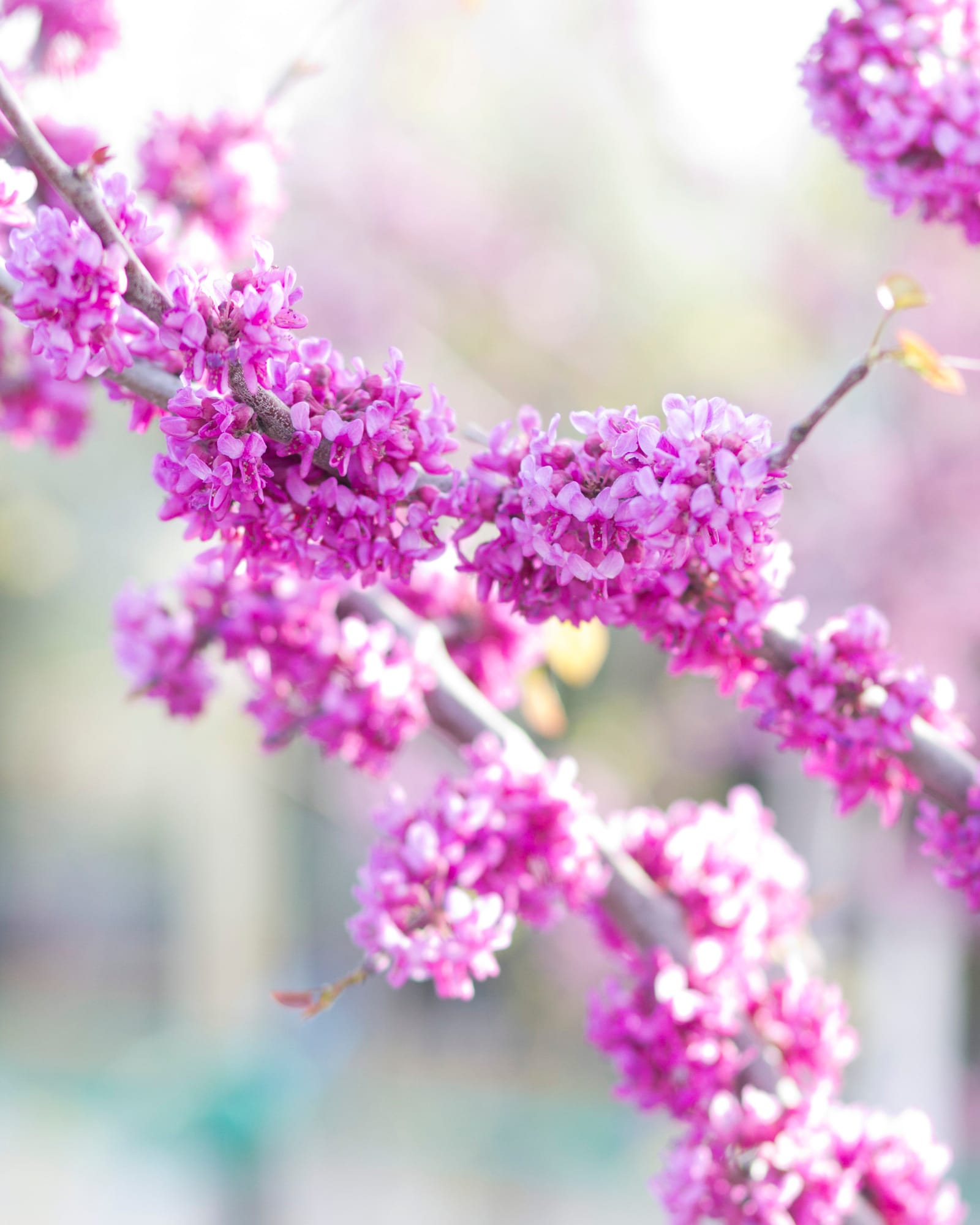
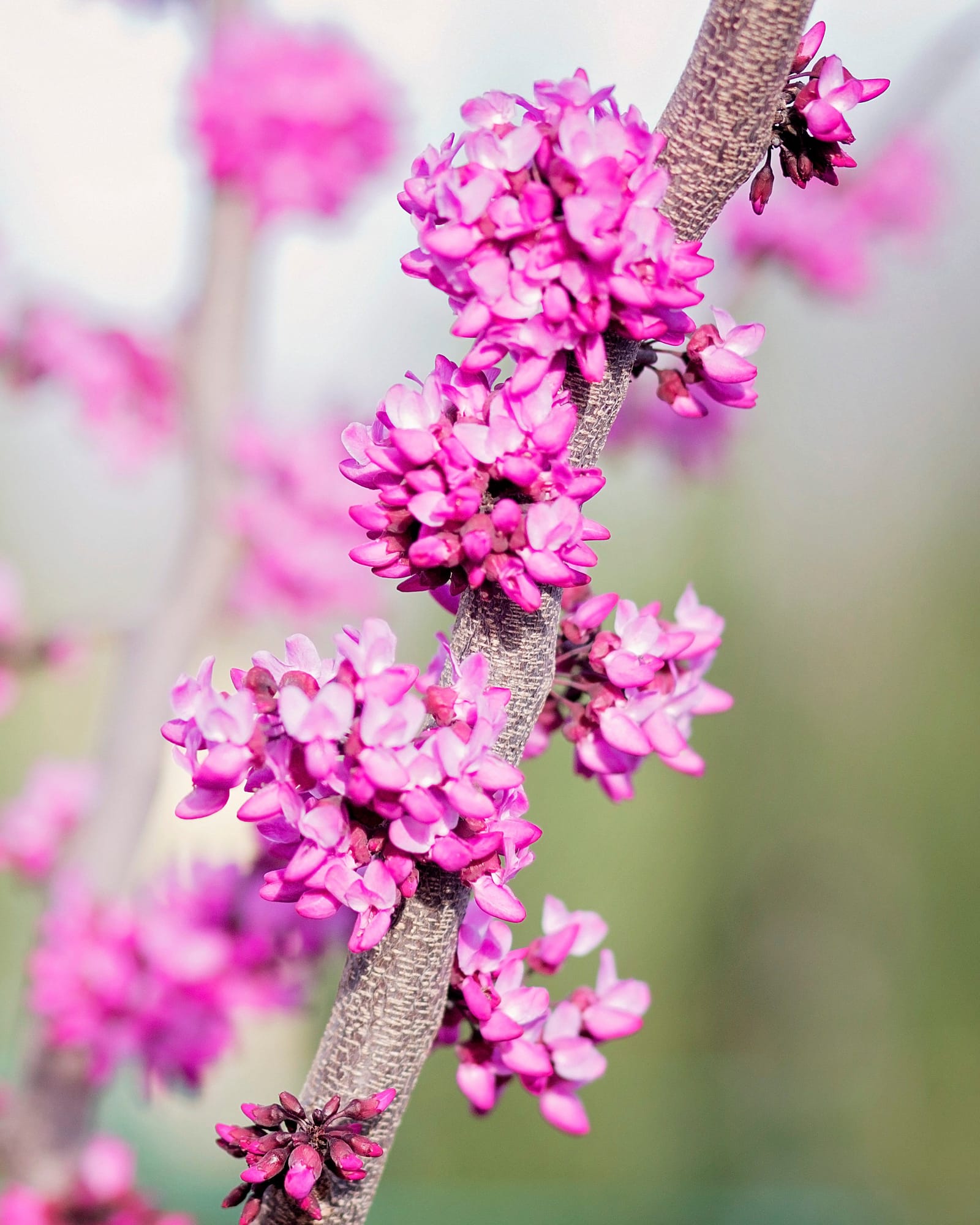
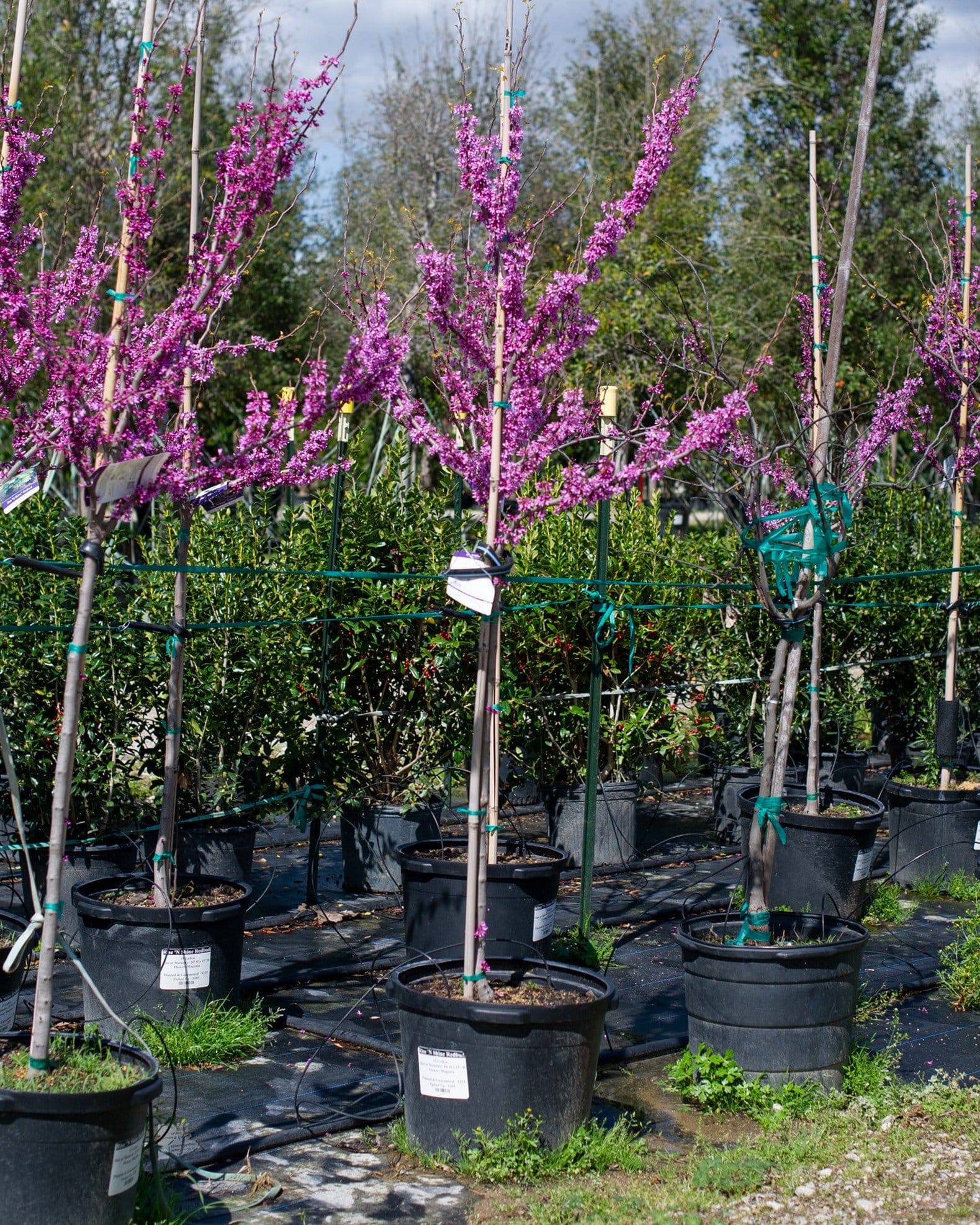
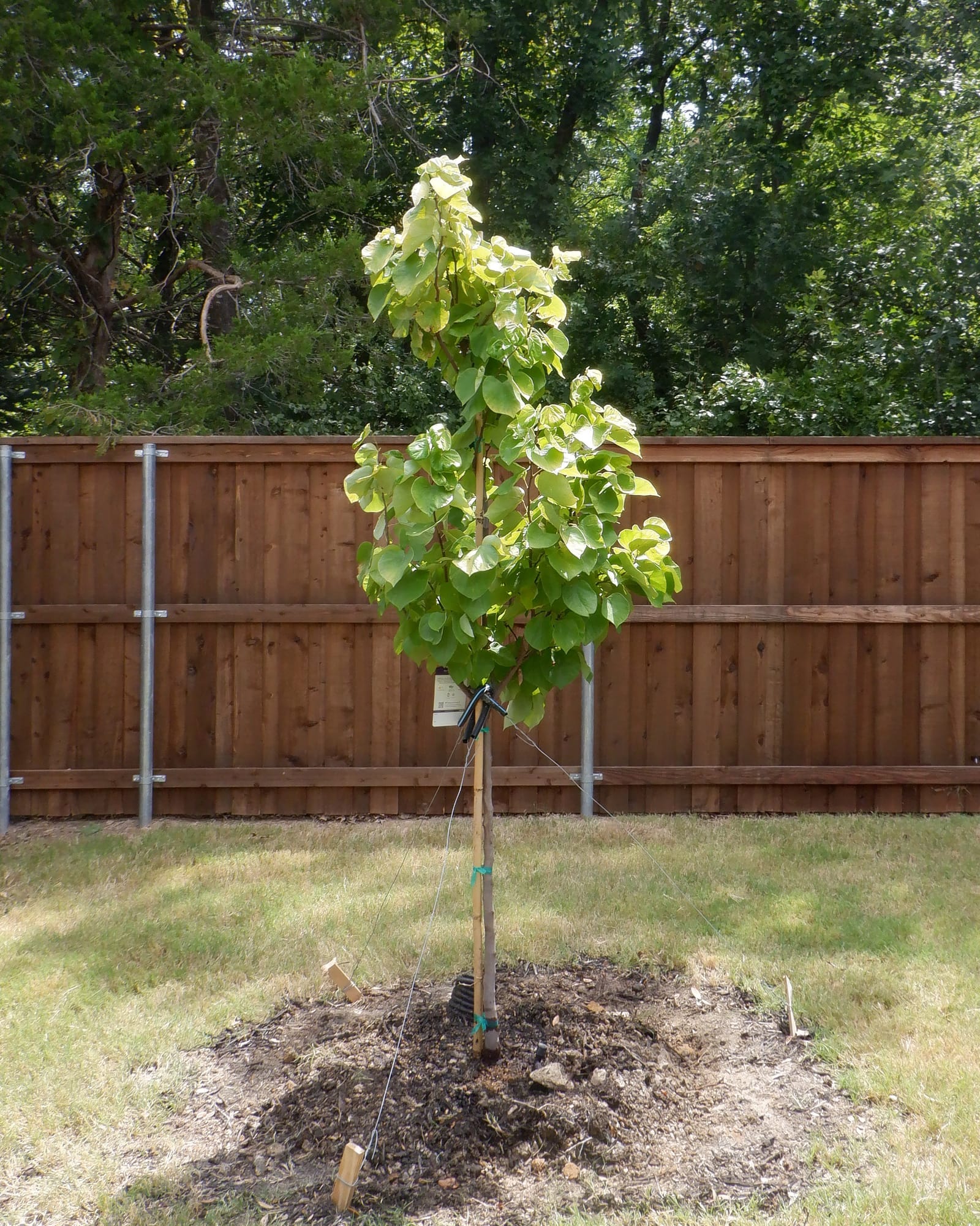
Cercis canadensis var. texensisTexas Redbud is a rugged yet beautiful native tree, specially adapted to thrive in the hot, dry conditions of the Lone Star State. In early spring, its branches are covered in bold magenta-pink flowers that announce the season in full color. Glossy, heart-shaped leaves emerge afterward, shifting from reddish to dark green and finishing with warm golden tones in the fall. More compact and durable than its Eastern cousin, this variety grows 30 feet in height and 20 feet in width, making it ideal for native landscapes and water-wise beds.
- Deciduous tree
- Moderate growth rate
- Magenta-pink spring blooms
- Glossy, heart-shaped leaves with seasonal color
- Native and drought-tolerant
Plant Texas Redbud in full sun to partial shade with well-drained soil. Hardy in USDA zones 6 through 9, it's a tough, beautiful choice for adding color, texture, and native charm to North Texas beds.
Texas Redbud thrives with minimal fuss once established, offering durable performance even in demanding environments. Here’s everything it needs to grow well:
- Watering: Provide deep, consistent watering during the first several years to help develop a strong, drought-resilient root system. Mature Texas Redbuds are notably tolerant of dry periods, though balanced moisture supports fuller blooming and healthier foliage.
- Pruning: Prune in late winter to remove crossing, damaged, or low-hanging branches and to maintain a clean, open framework. Because this variety naturally forms a rounded, compact canopy, only light shaping is typically needed.
- Fertilizing: Apply a slow-release, balanced fertilizer in early spring to encourage vigorous new growth and a strong floral display. Incorporating compost into surrounding soil enhances long-term structure and root health.
- Mulching: Maintain a 2-3 inch mulch layer around the tree’s base to conserve moisture and steady soil temperature. Keep mulch slightly away from the trunk to prevent bark problems, and refresh the layer annually.
- Winter Care: Texas Redbud is well adapted to the southern and central U.S. and typically withstands winter conditions with ease. Young trees benefit from protection from drying winds during their first season. Remove any minor winter dieback in late winter.
Texas Redbud is tough and resilient, though a few manageable issues may appear under stress:
- Leaf Spot: Brown or irregular patches may develop during humid or rainy weather. Improving airflow and removing fallen debris helps prevent recurrence.
- Canker: Sunken or darkened bark areas indicate canker infection. Prune out affected branches promptly and reduce environmental stress to support recovery.
- Verticillium Wilt: Sudden wilting or branch dieback may occur in soils containing this fungus. Removing affected limbs and enhancing soil drainage may help limit further decline.
- Aphids: Curled young leaves or sticky residue indicate aphid activity. A firm water spray or insecticidal soap restores clean, healthy growth.
- Scale Insects: Waxy bumps or sticky honeydew on stems signal scale presence. Seasonal horticultural oil applications help suppress populations.
- Leaf Scorch: Crispy margins may appear during drought or intense heat. Mulching and steady moisture help reduce future scorch episodes.
The Redbud (Cercis) species is best understood by classifying its forms into native varieties and cultivars. The common species, Cercis canadensis, includes three distinct native varieties adapted to different climates:
- Eastern Redbud (Cercis canadensis var. canadensis)
- Texas Redbud (Cercis canadensis var. texensis)
- Mexican Redbud (Cercis canadensis var. mexicana)
The primary difference between the Eastern Redbud (Cercis canadensis var. canadensis) and the Texas Redbud (Cercis canadensis var. texensis) stems from their native environments, resulting in distinct adaptations. The Eastern Redbud is a smaller tree, typically reaching 15-20 feet in height, and is native to the moist, acidic soils and cooler climates of the eastern U.S. Its leaves are generally large, dull, and thin, and it requires consistent moisture. In contrast, the Texas Redbud is larger, usually maturing around 20-30 feet tall, which evolved on the dry, calcareous (alkaline) limestone soils of central Texas and Oklahoma. Its leaves are the key distinguishing feature, being thicker, smaller, rounder, and noticeably glossy with a leathery texture, which helps reduce water loss and makes it significantly more drought-tolerant and heat-resistant than its eastern cousin. While both offer beautiful pink-purple flowers in spring, the Texas variety is the superior choice for landscaping in hotter, drier regions with alkaline soils.
The difference between the Texas Redbud (Cercis canadensis var. texensis) and the Oklahoma Redbud (Cercis canadensis var. texensis 'Oklahoma') is that the Oklahoma Redbud is a cultivar of Texas Redbud. Both share the key traits of the Texas variety, such as a larger stature than the Eastern Redbud, excellent drought and heat tolerance, and the signature glossy, thick, and leathery leaves that are adapted to alkaline, well-drained soils. However, the Oklahoma Redbud was specifically discovered and selected in the Arbuckle Mountains of Oklahoma for its enhanced ornamental qualities. These improvements include a more consistently rounded, and dense growth habit, making it ideal for larger gardens; darker, richer wine-red to magenta flowers that are more striking than the general Texas Redbud population; and exceptionally glossy, dark green foliage that gives the tree a refined, polished look throughout the growing season. In essence, the Texas Redbud is the naturally occurring variety, while the Oklahoma Redbud is the commercially preferred selection that accentuates the best features of that variety.
Texas Redbud often lives 25-40 years, especially when planted in well-drained soil. With steady seasonal maintenance, many specimens remain exceptional focal points for decades.
It grows at a moderate rate of about 1-2 feet per year. Most trees develop their full flowering form and branching structure within 5-7 years.
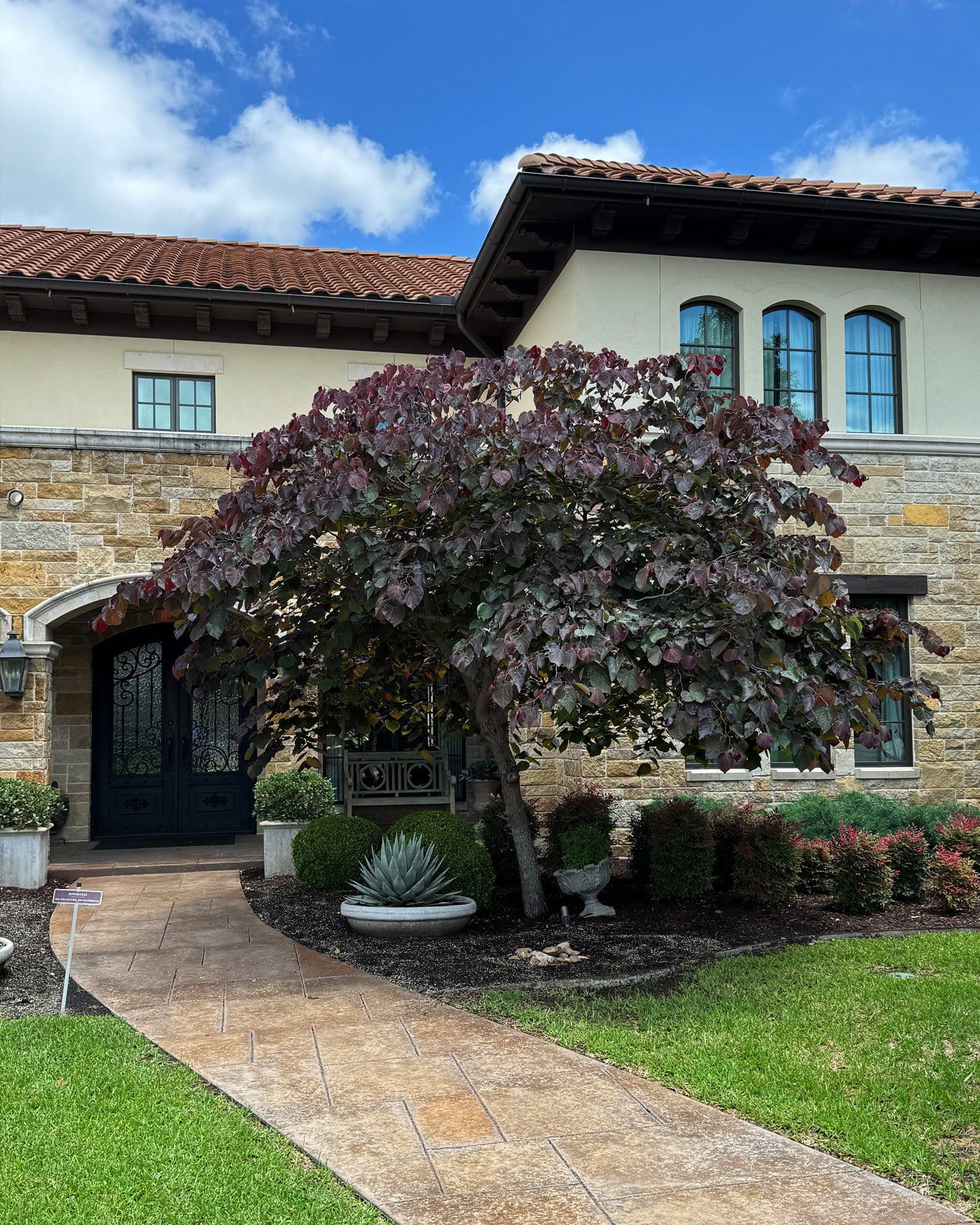
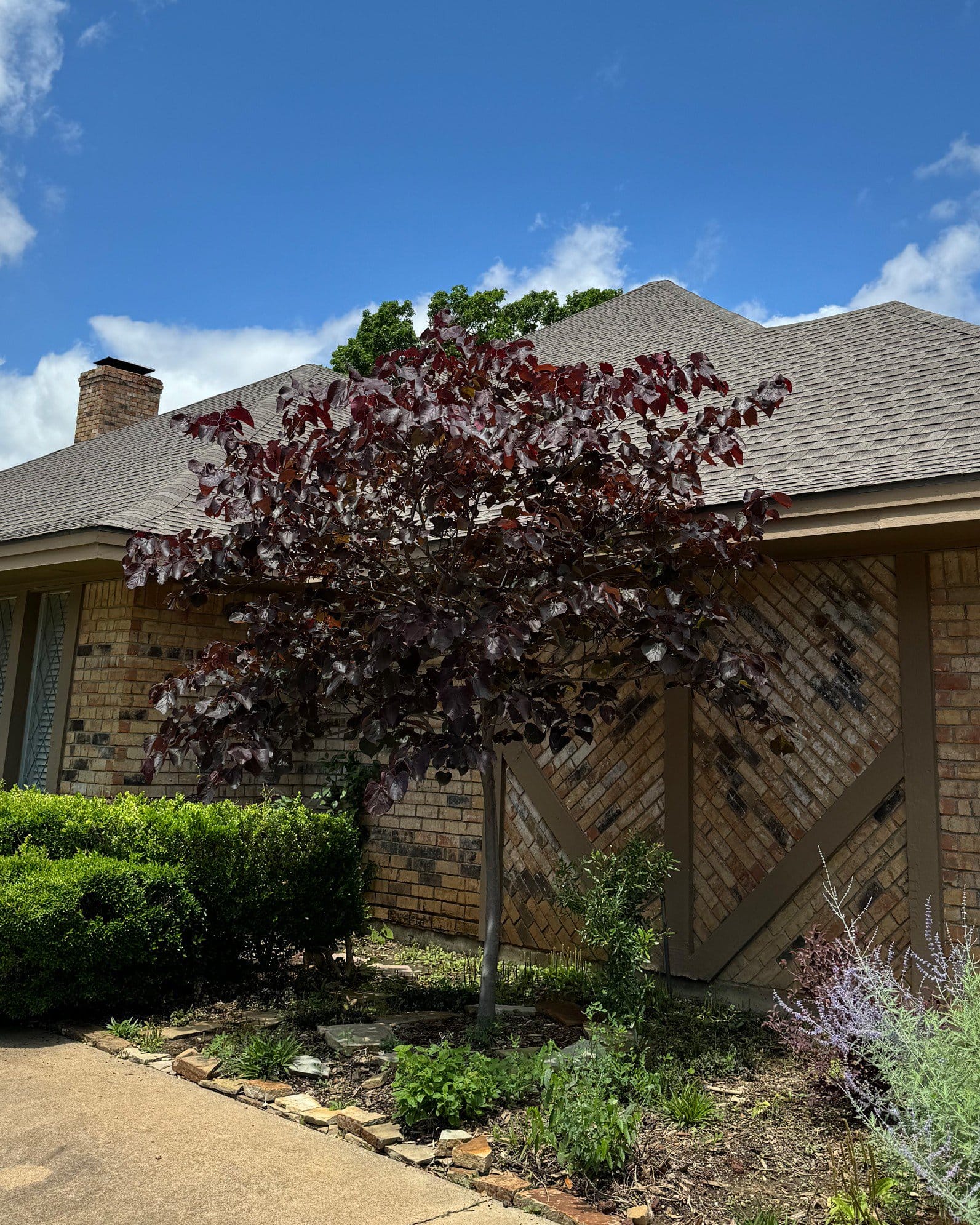
Texas Redbud fits beautifully into native, xeric, modern, and woodland-style plantings. Its compact size and glossy foliage make it ideal for courtyards, front yards, and naturalistic designs.
Evergreen hollies, ornamental grasses, salvias, agaves, lantanas, and native perennials complement its bright spring blooms and dark, glossy leaves. These pairings create layered interest throughout the year.
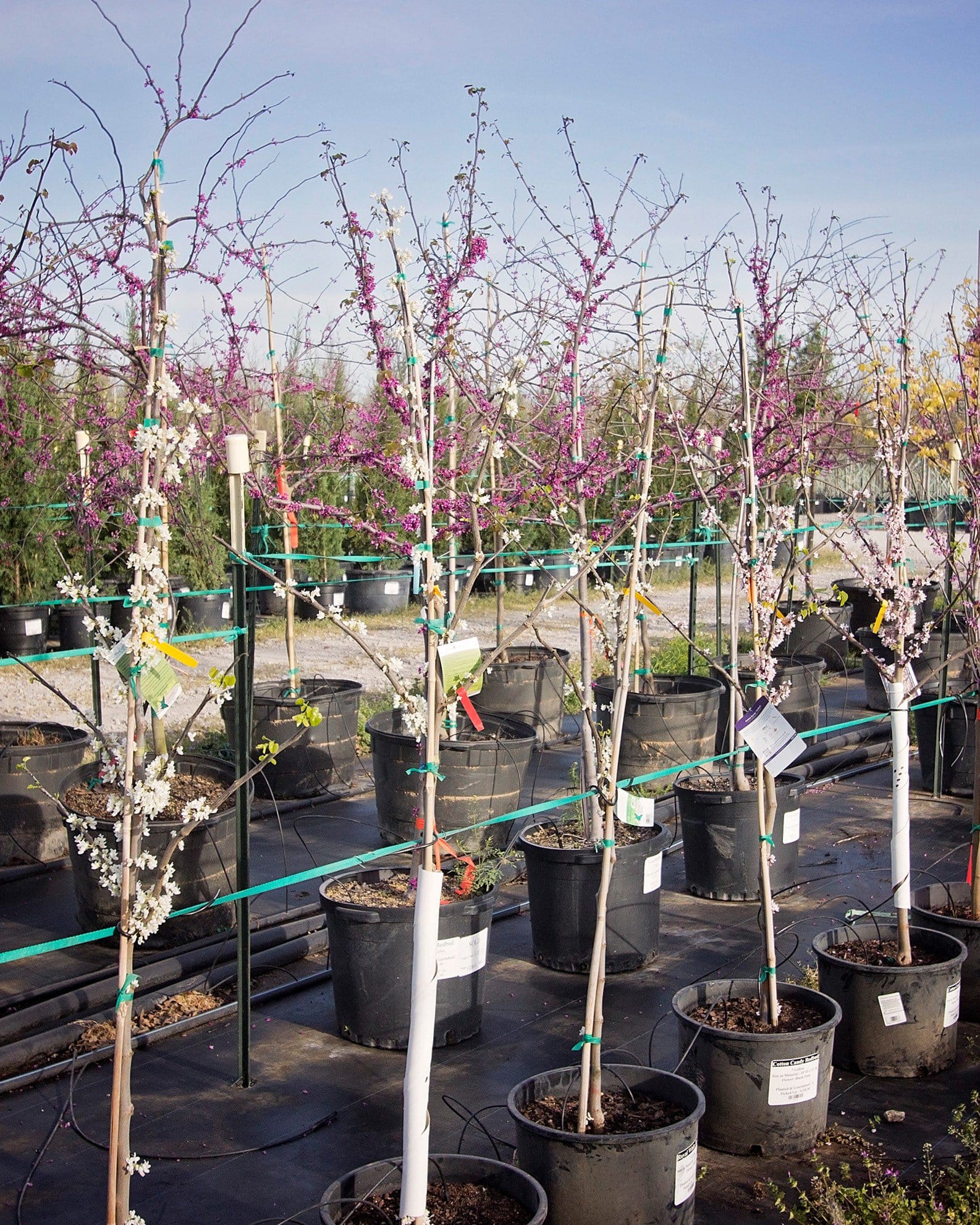
Yes - young plants adapt well to large containers and make attractive patio or entry accents. For best long-term health, transplanting into the ground is recommended once root growth increases.
Young trees transplant well when moved in late winter or early spring. Proper watering afterward helps them reestablish quickly and smoothly.
It excels as a specimen tree but also performs beautifully in loose groupings and naturalized drifts. In mass plantings, the spring bloom creates a striking, unified display.
Its glossy, thick leaves, improved drought tolerance, and more compact branching structure make it exceptionally well suited to southwestern climates. These features give it a distinctive character and long-lasting landscape value.
Special Features
You might also like
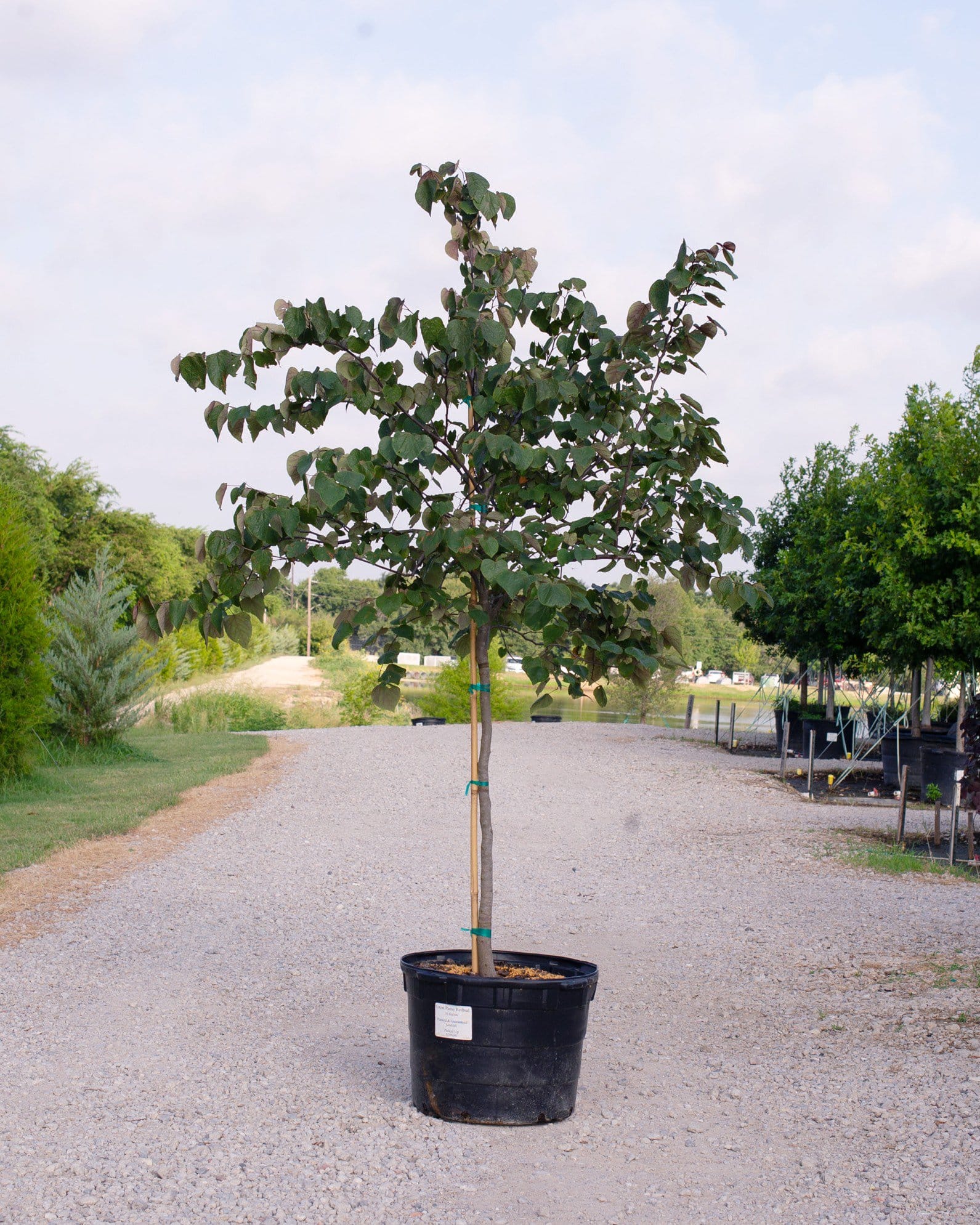
Forest Pansy Redbud
Maturity: 20' H x 20' W
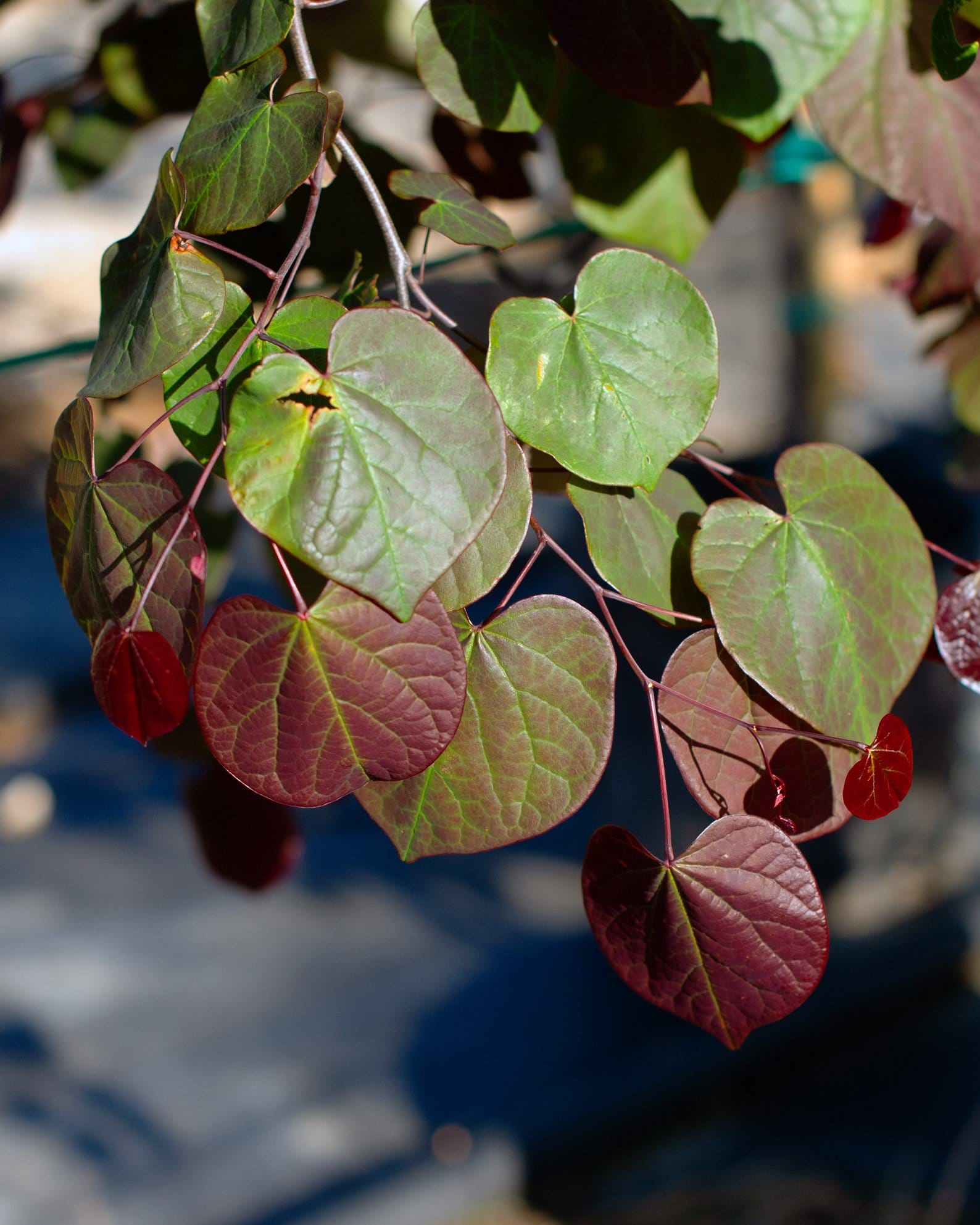
Texas White Redbud
Maturity: 20' H x 15' W
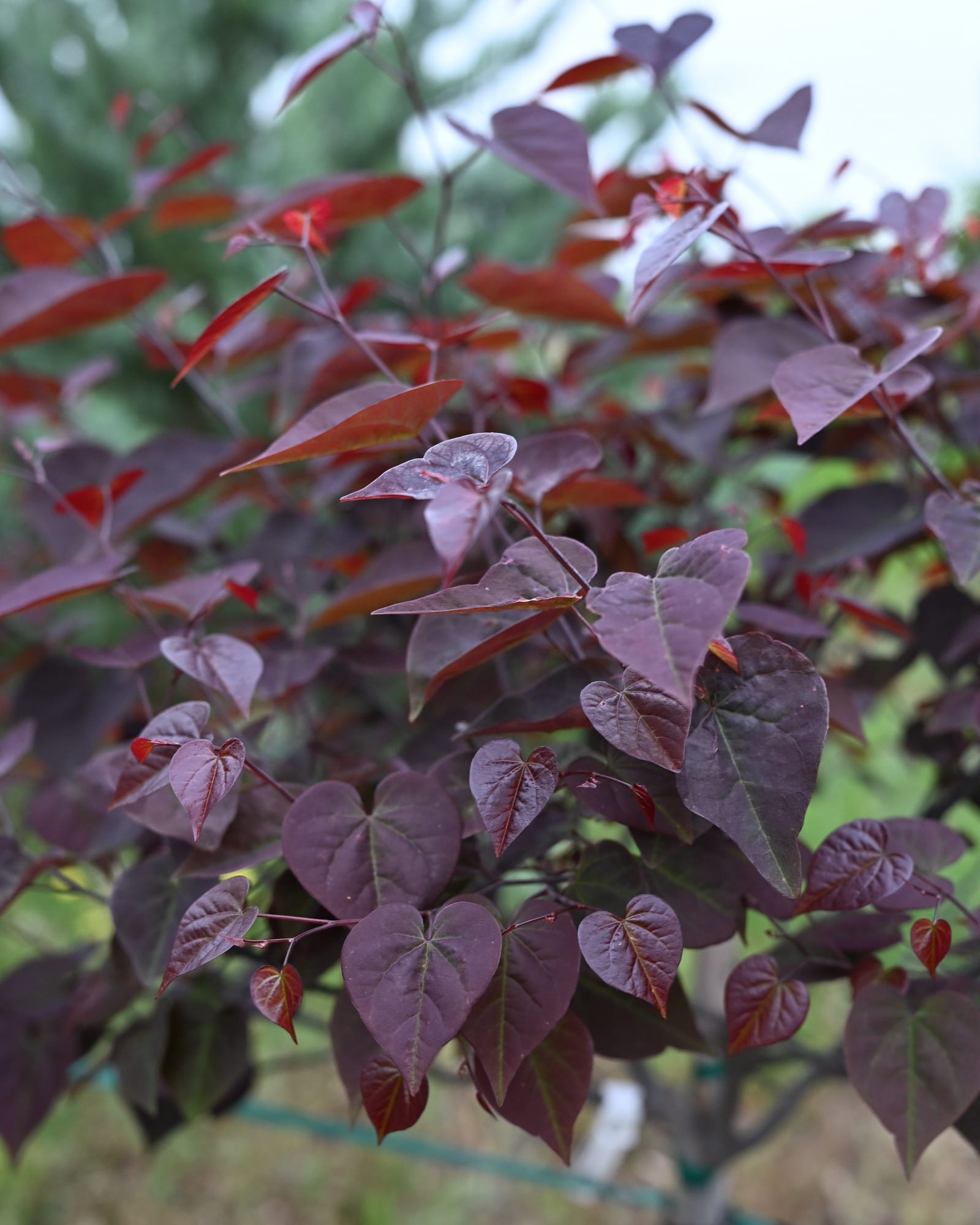
Amethyst Redbud
Maturity: 8' H x 8' W
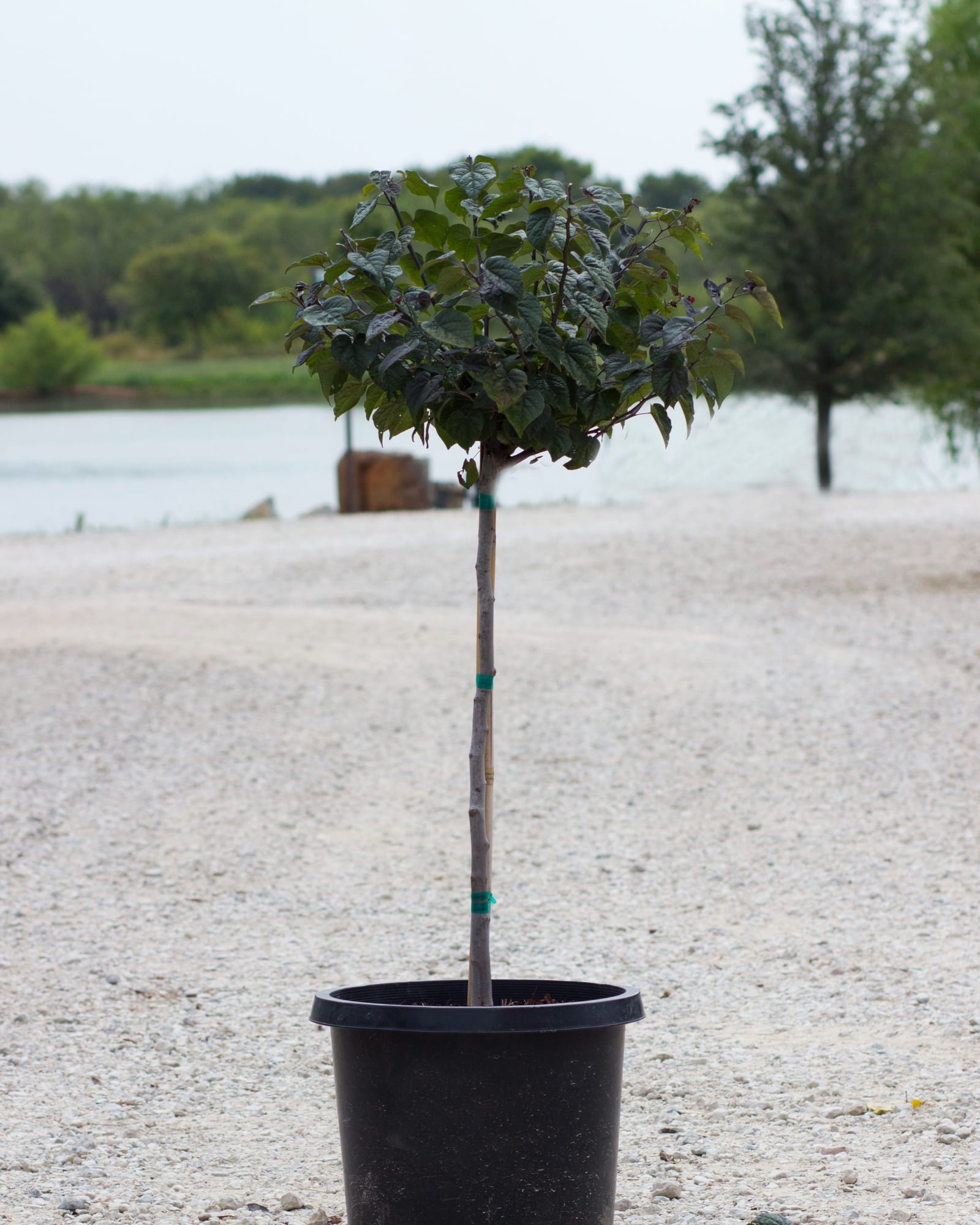
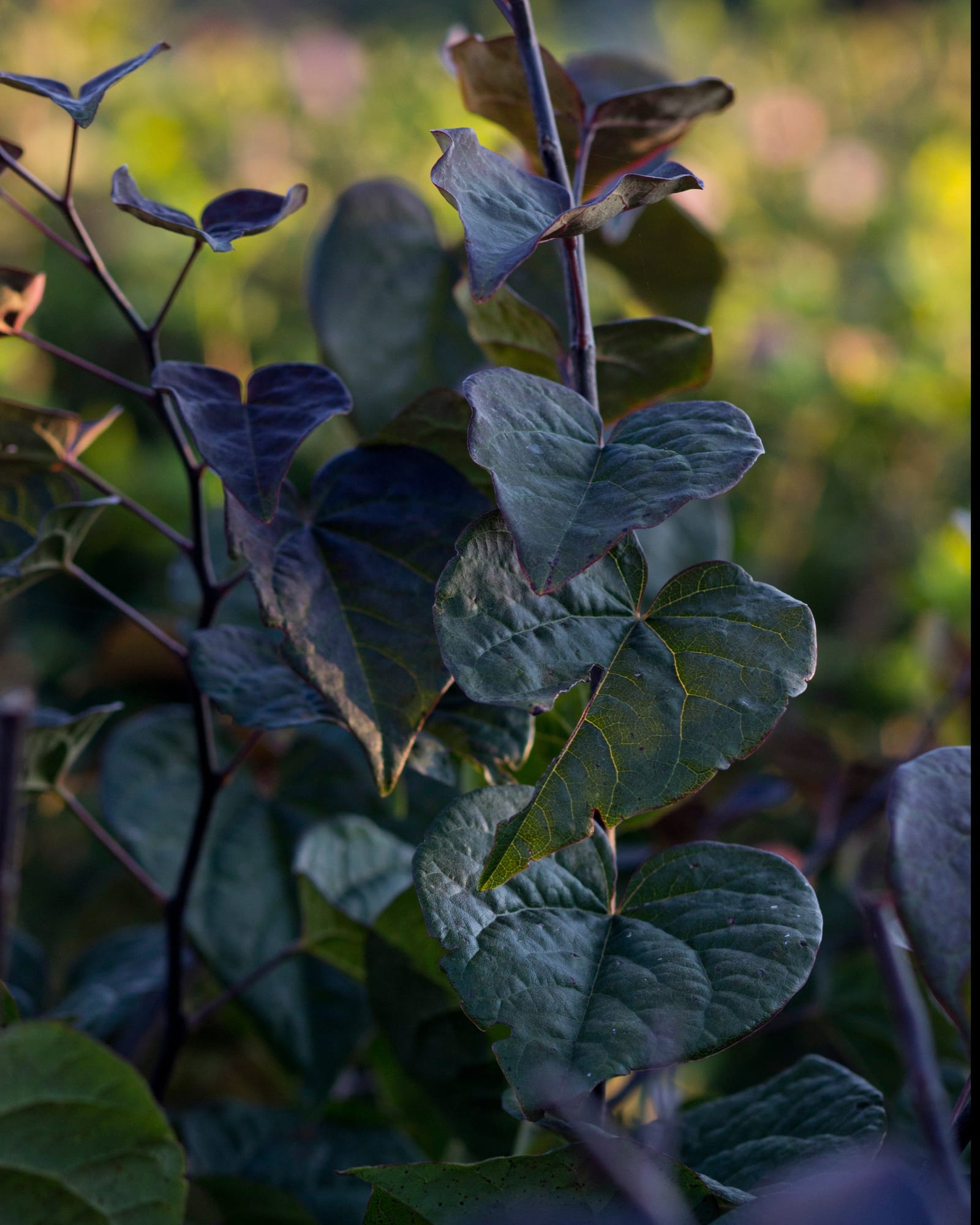
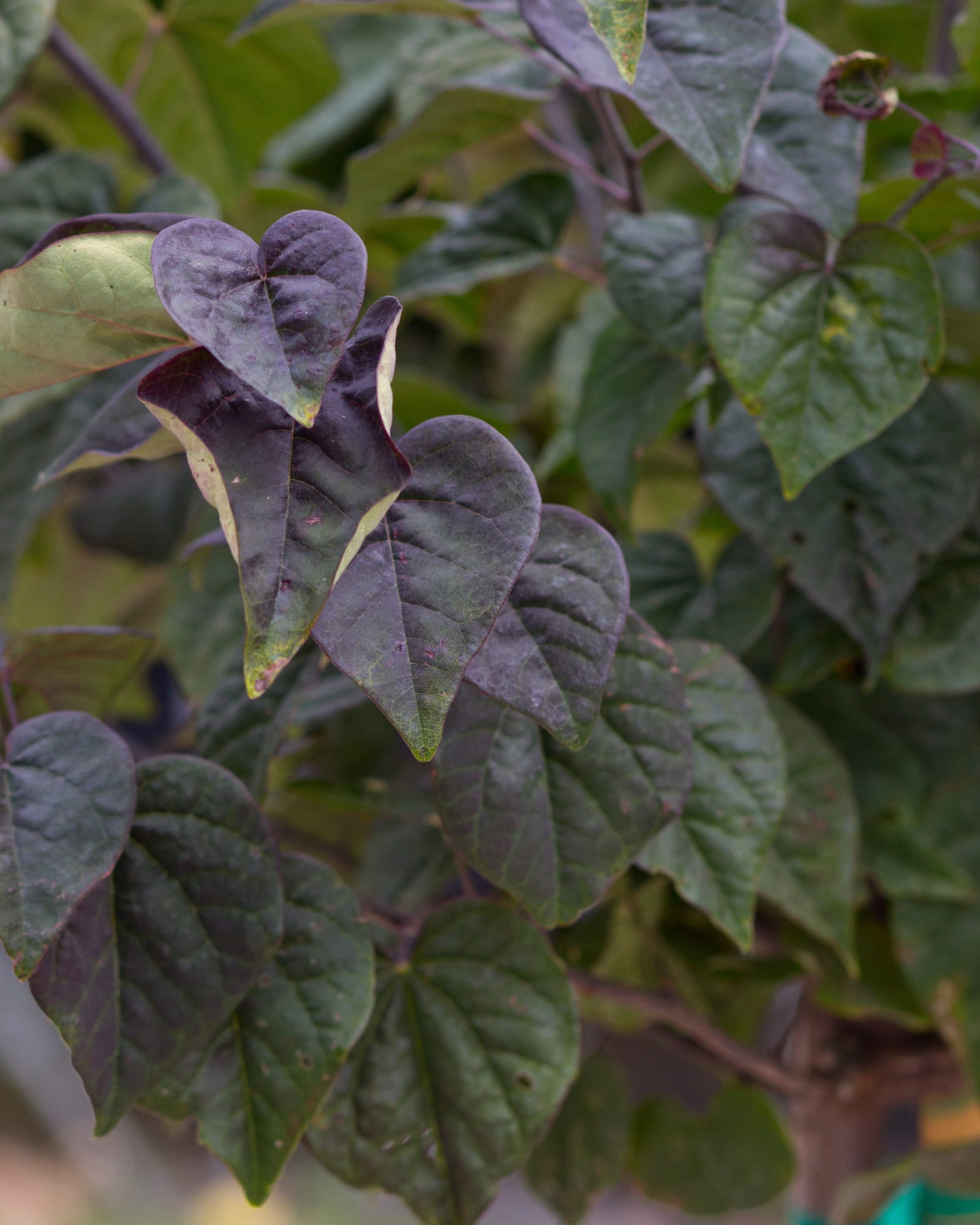
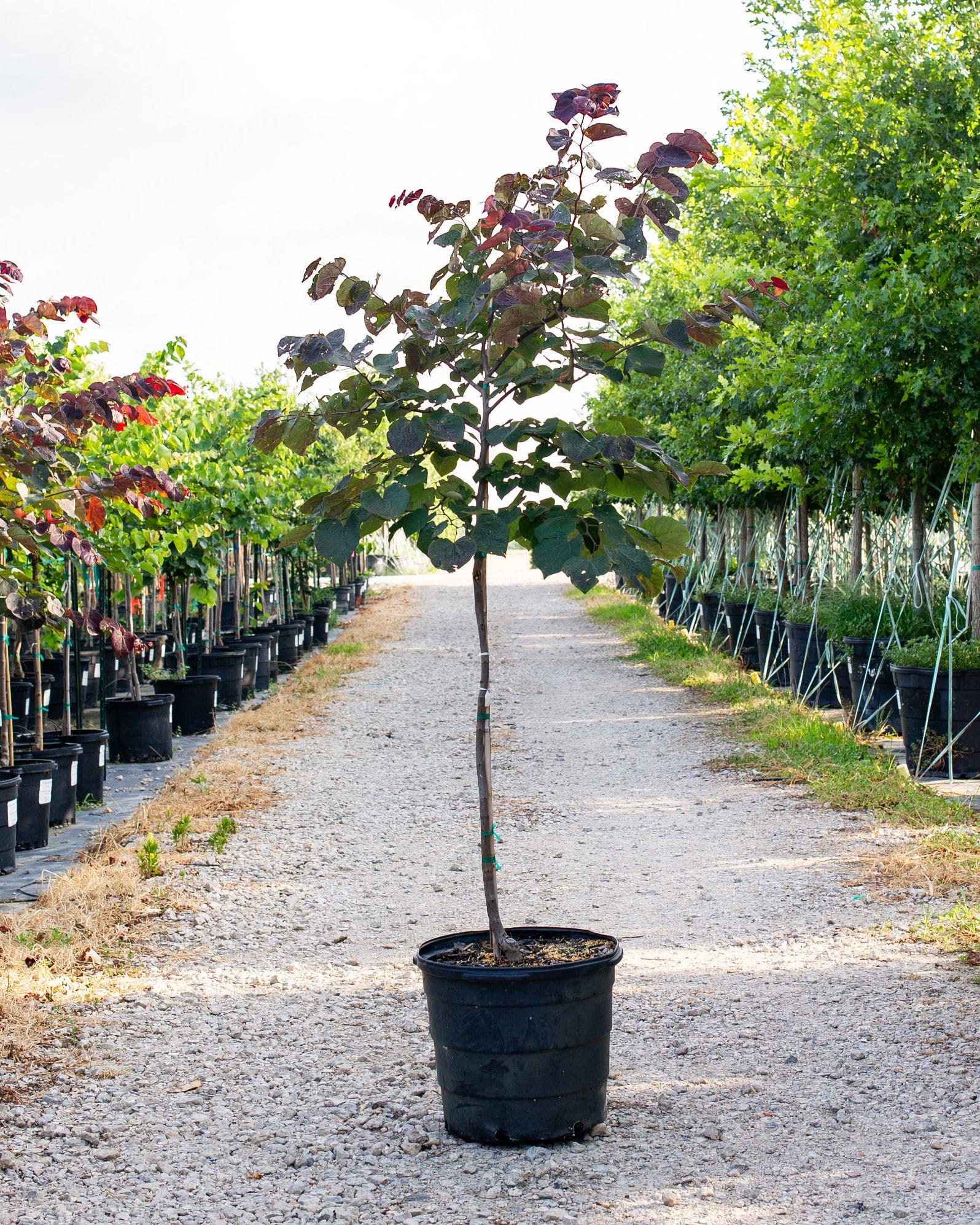
Black Pearl Redbud
Maturity: 20' H x 20' W
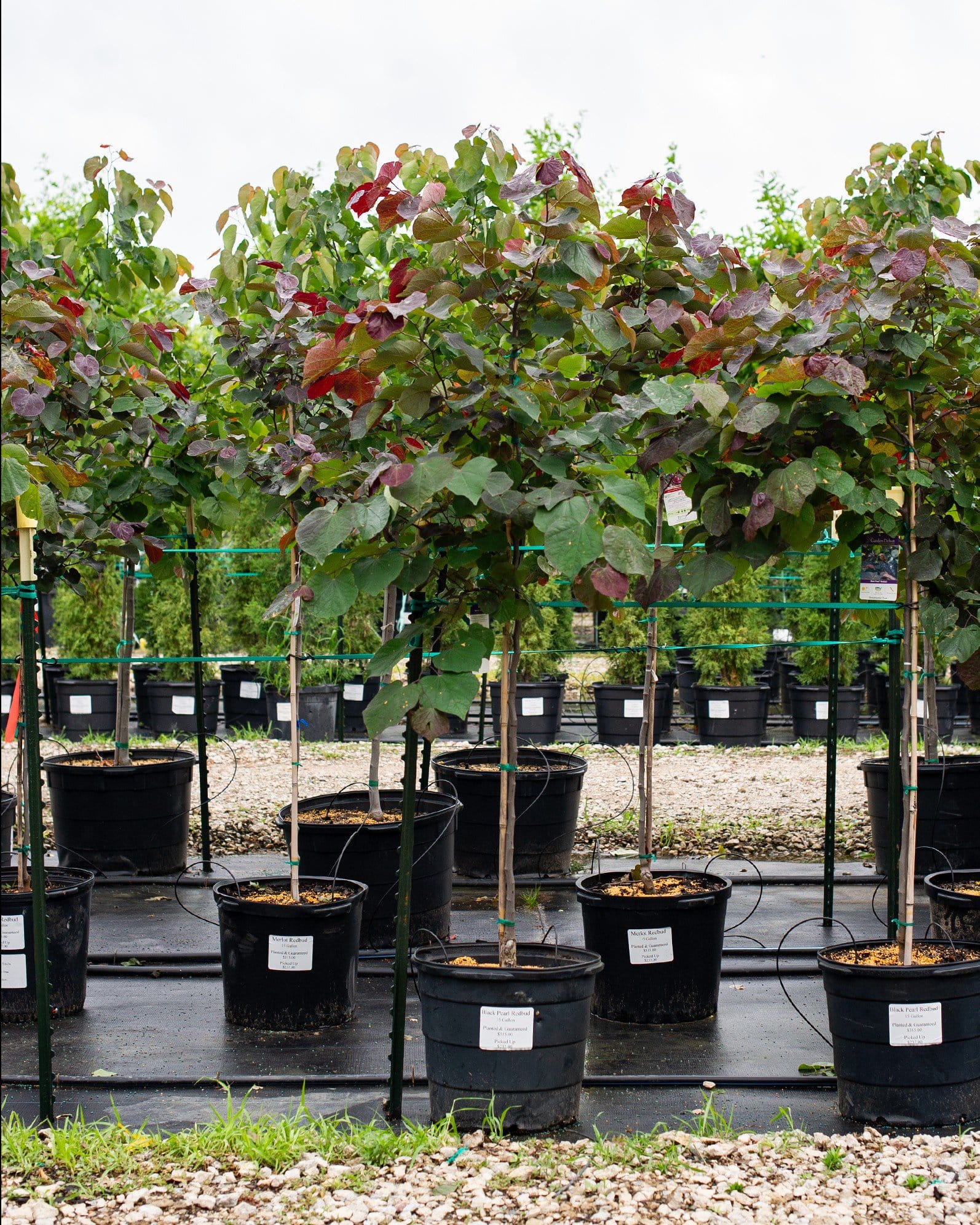
Bubble Gum Redbud
Maturity: 15' H x 12' W
Cotton Candy Redbud
Maturity: 20' H x 15' W
Eastern Redbud
Maturity: 20' H x 20' W
Flame Thrower Redbud
Maturity: 15' H x 15' W
Gilded Hearts Redbud
Maturity: 15' H x 15' W
Luscious Lavender Redbud
Maturity: 15' H x 15' W
Merlot Redbud
Maturity: 15' H x 15' W
Oklahoma Sparkler Redbud
Maturity: 15' H x 15' W
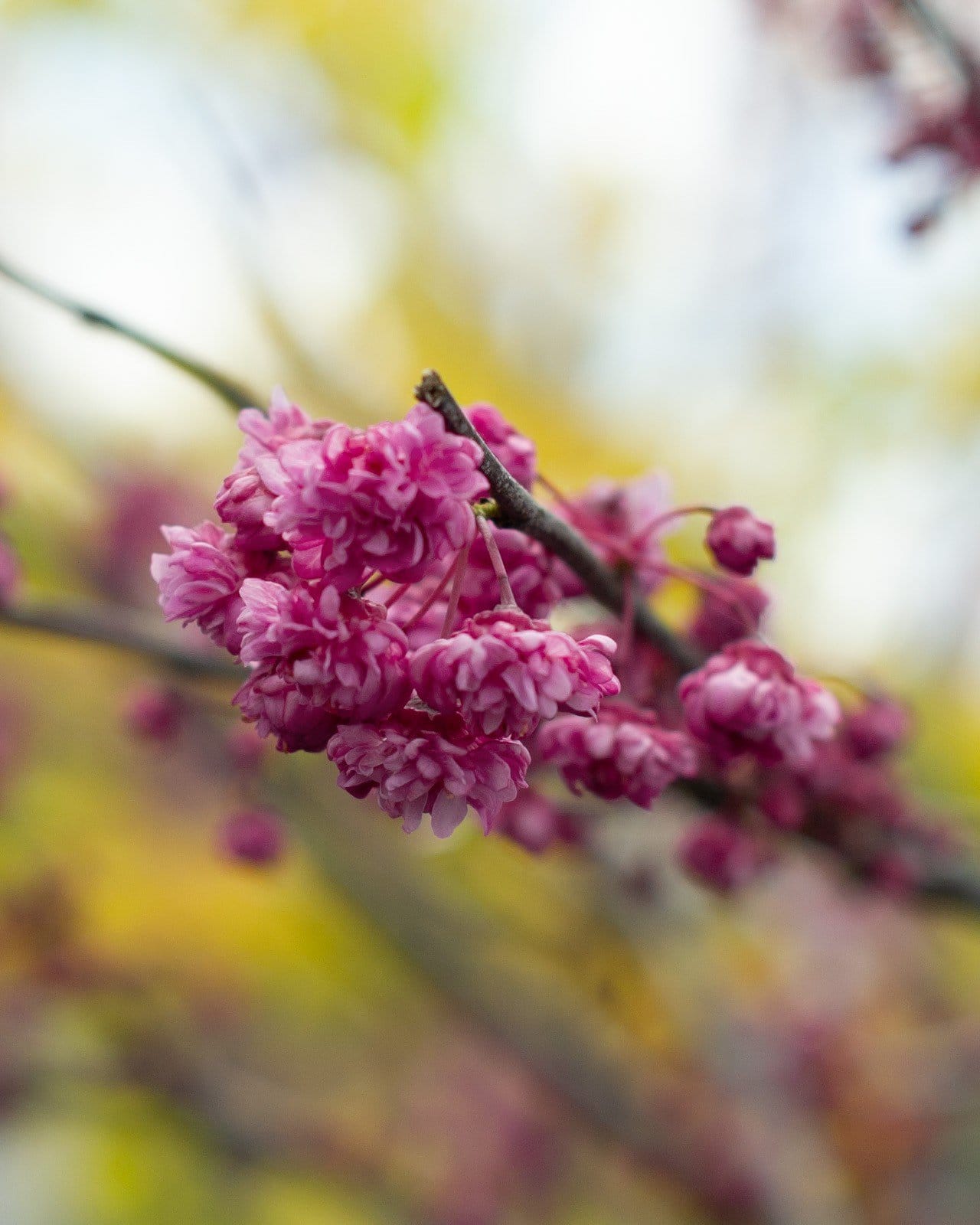
Pink Pom Poms Redbud
Maturity: 15' H x 15' W
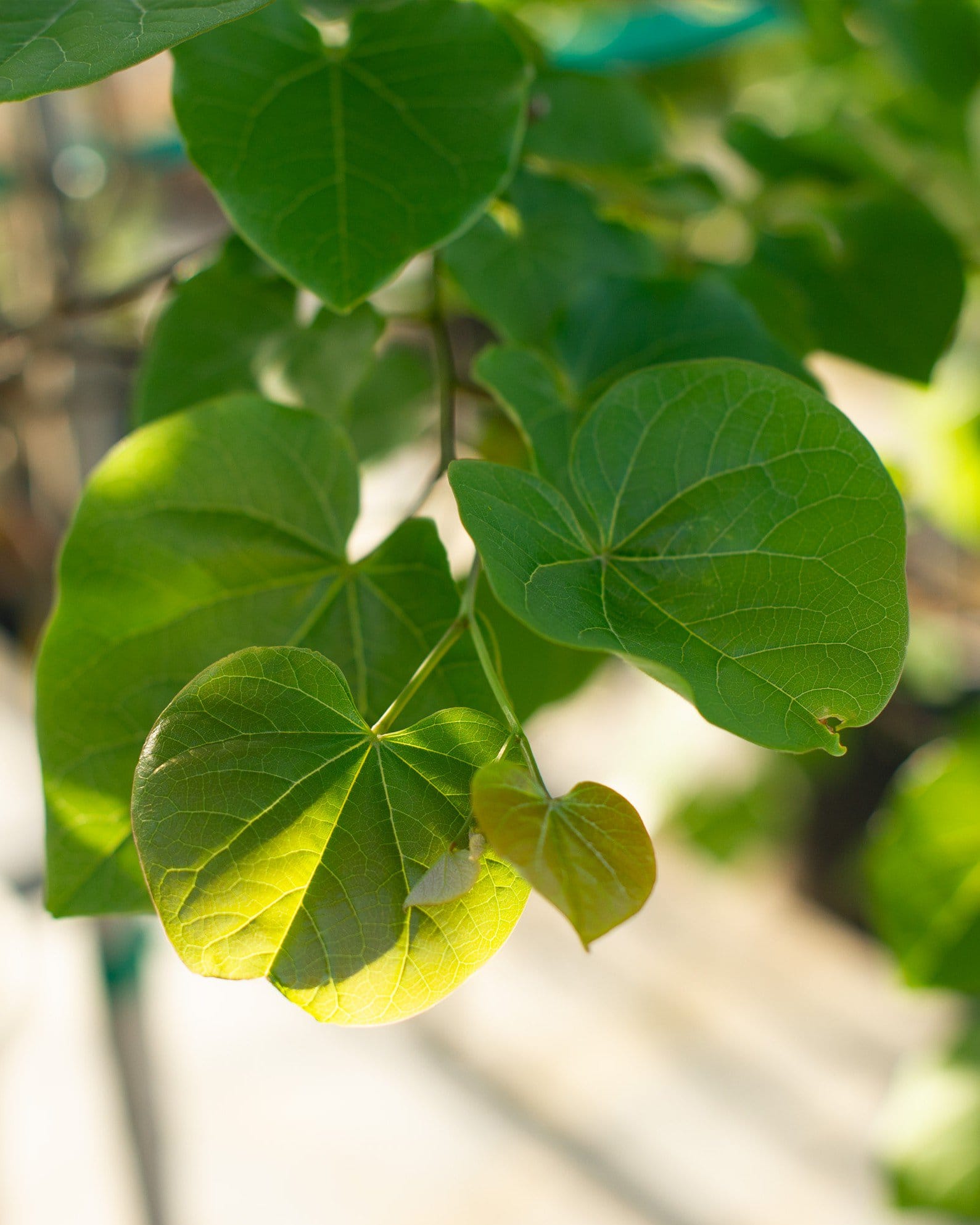
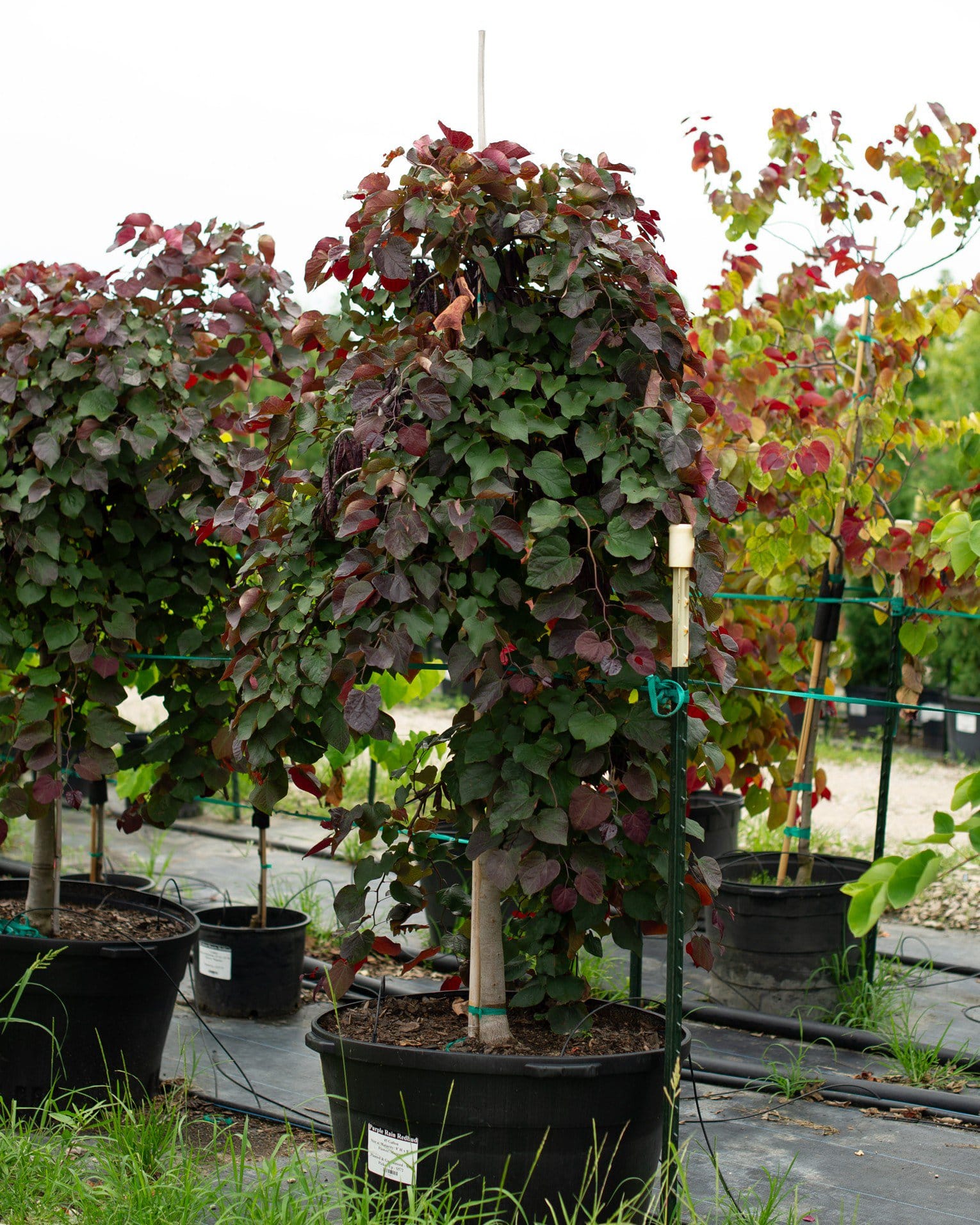
Purple Rain Weeping Redbud
Maturity: 8' H x 8' W
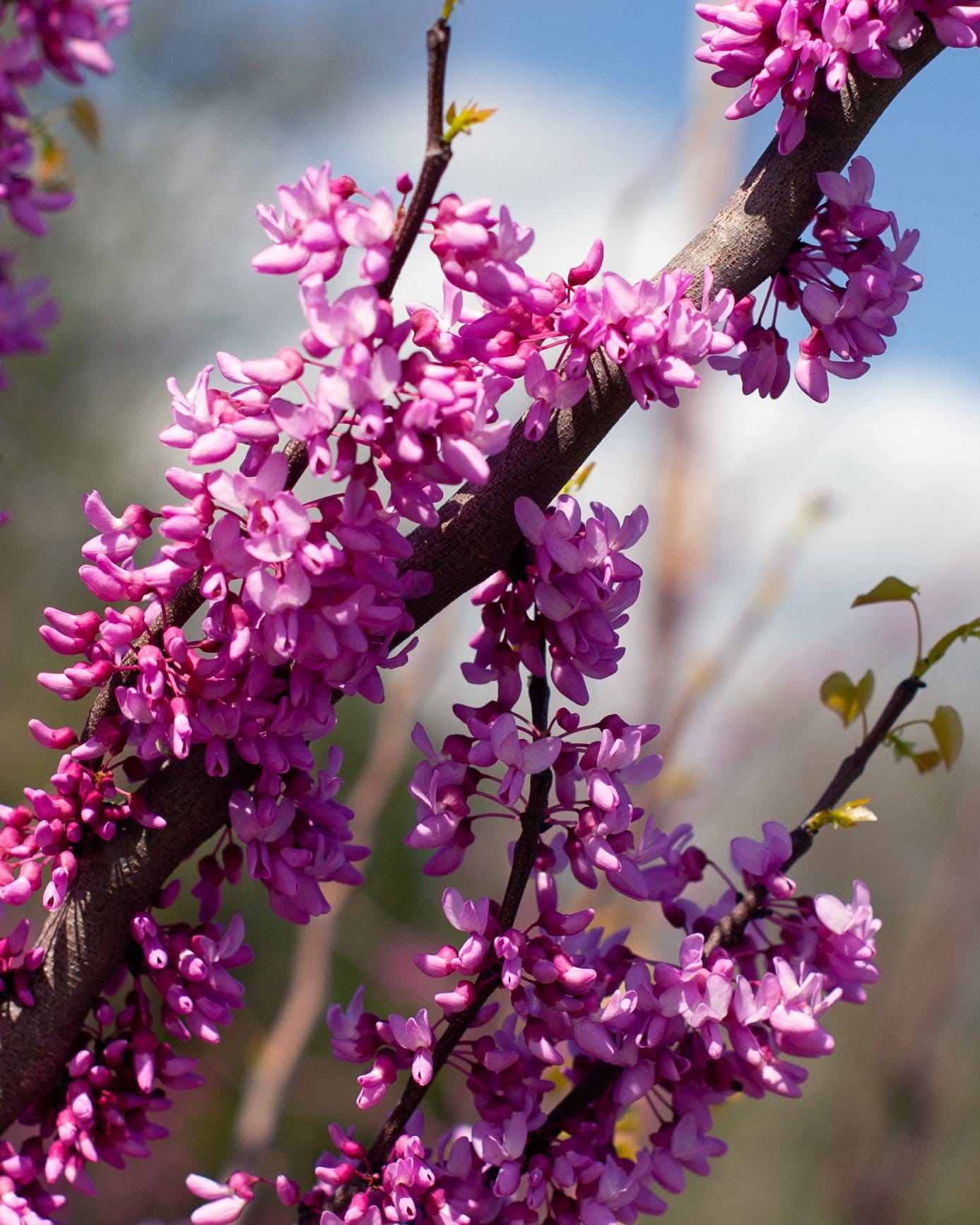
Rise 'N Shine Redbud
Maturity: 20' H x 15' W
Compare Similar Plants
Texas Redbud This plant | ||
|---|---|---|
| Scientific Name | Cercis canadensis var. texensis | Cercis canadensis ‘Forest Pansy’ |
| Size at Maturity | 30' H x 20' W | 20' H x 20' W |
| Leaf Retention | Deciduous | Deciduous |
| Fall Color | Yellow | Orange & Red |
| Flower Color | Pink | Pink |
| Bloom Times | Spring | Spring |
| Sizes Available | 15, 30, 45, 65 gal | 7, 15, 45 gal |


Our 1-Year Planting Guarantee
We take pride in our plants and installation services. If any plants or trees installed by Treeland fail to thrive within the first year, we'll provide a replacement credit in accordance with our guarantee program.
Learn More About Our Guarantee