
 Texas Native
Luscious Lavender Redbud
Cercis canadensis 'Luclavzam'Local DFW Delivery Only
Product Details
Luscious Lavender Redbud
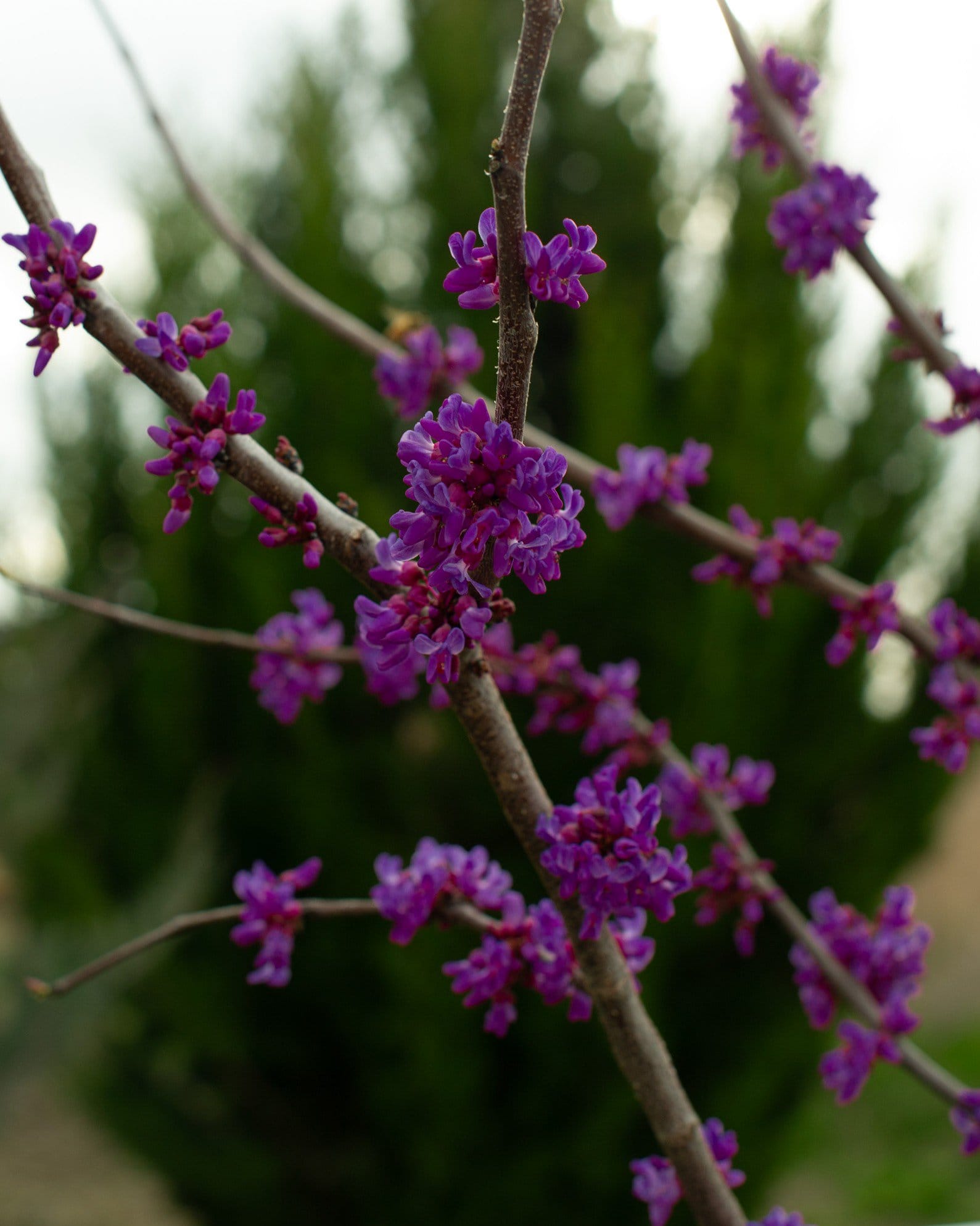
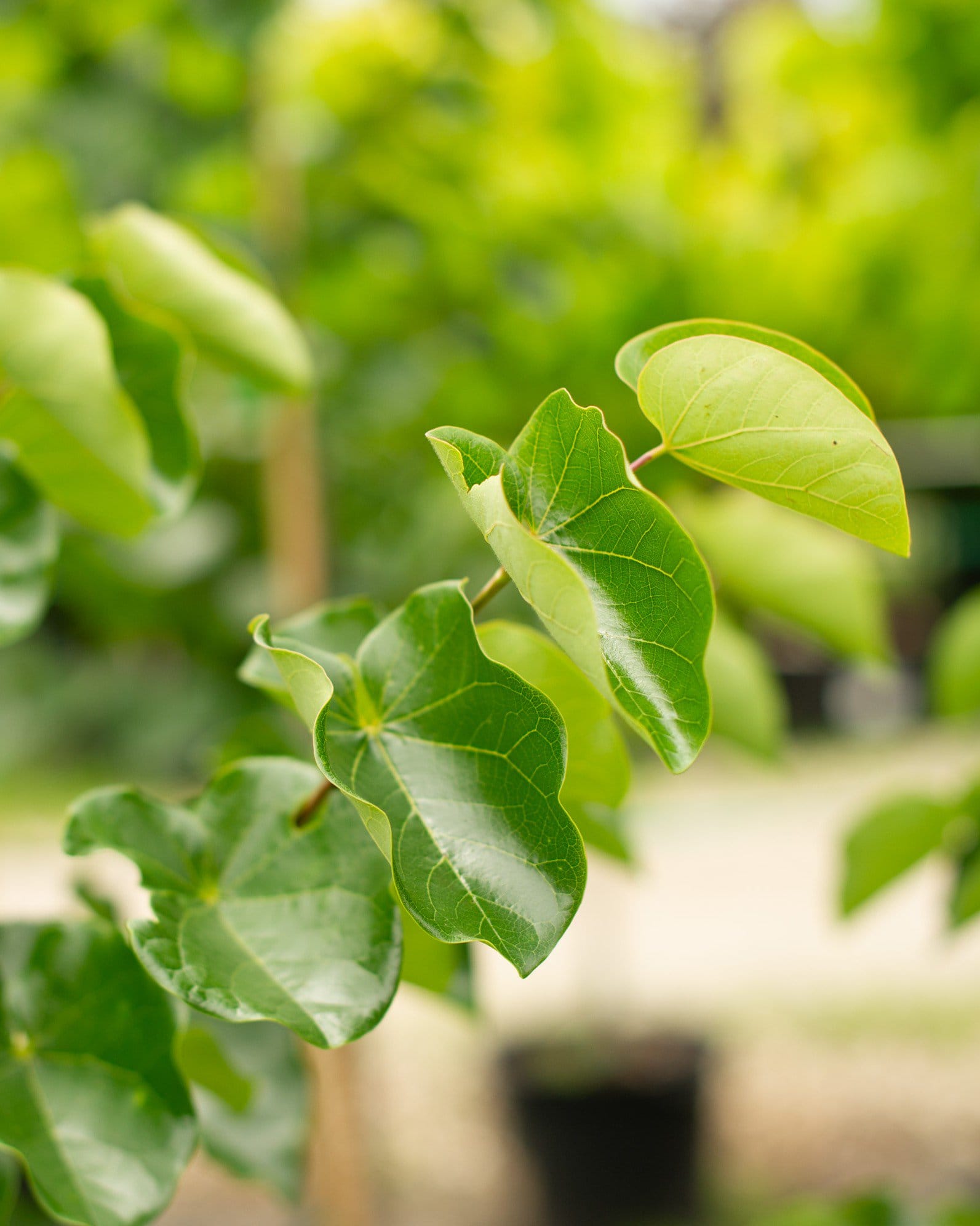
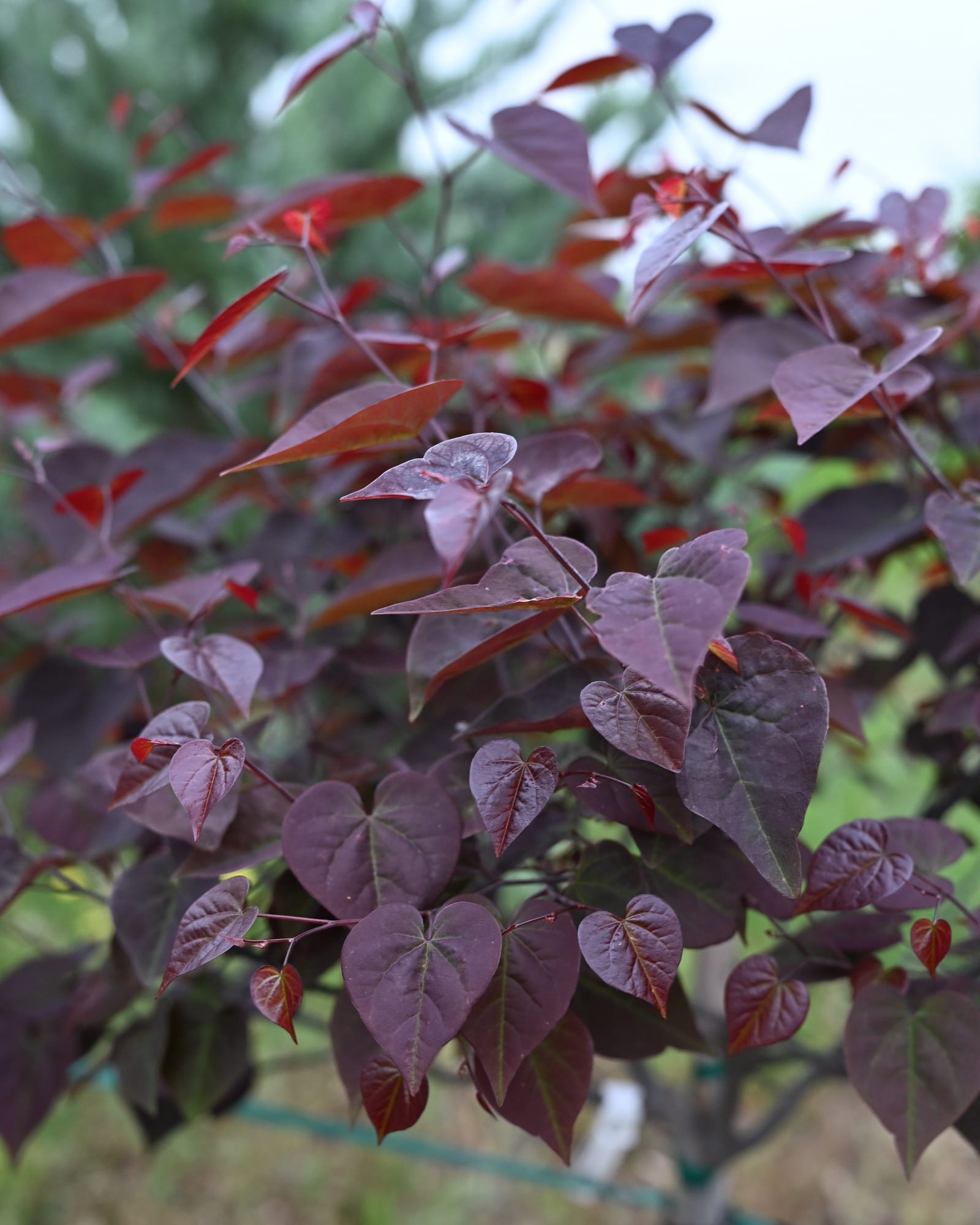
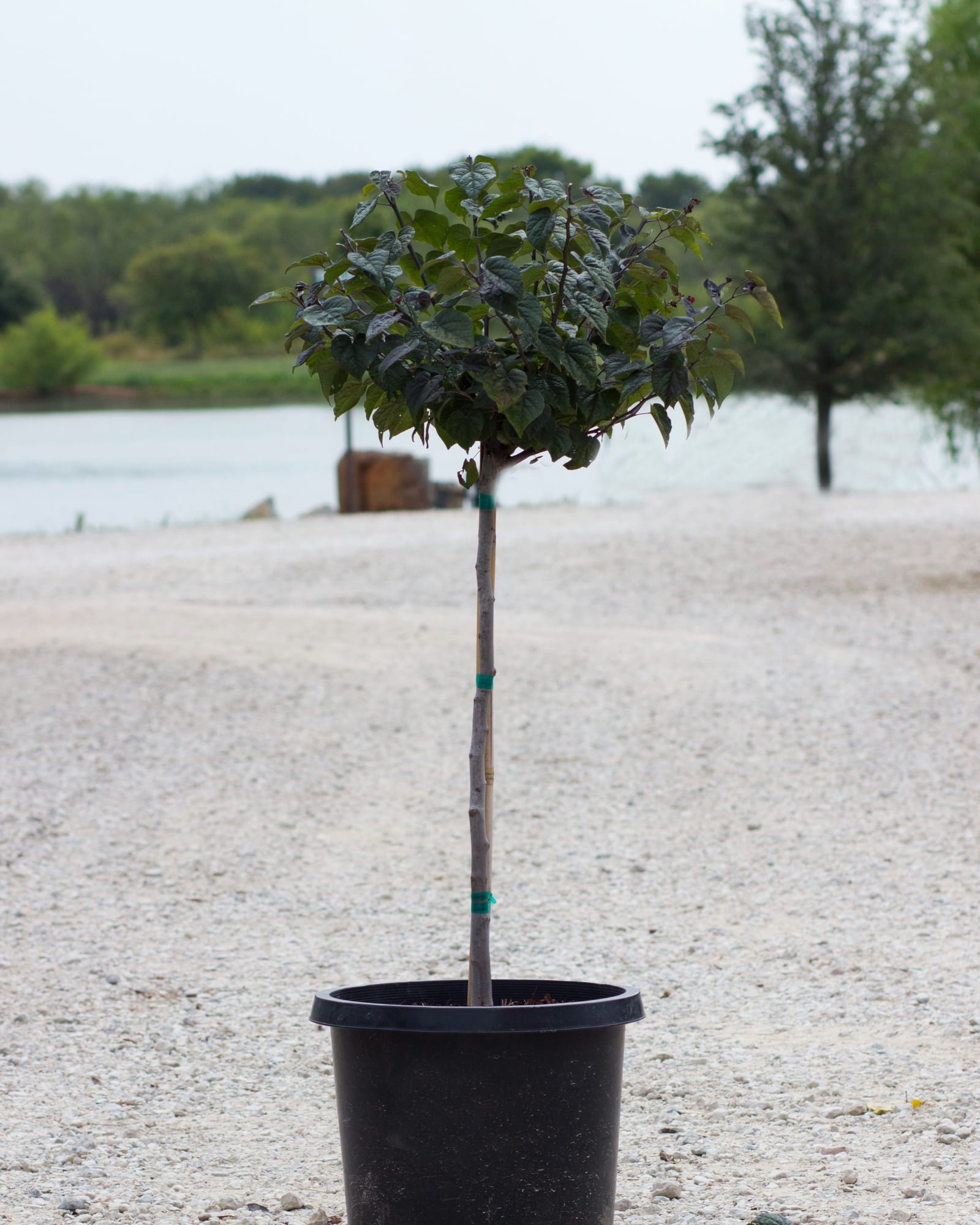
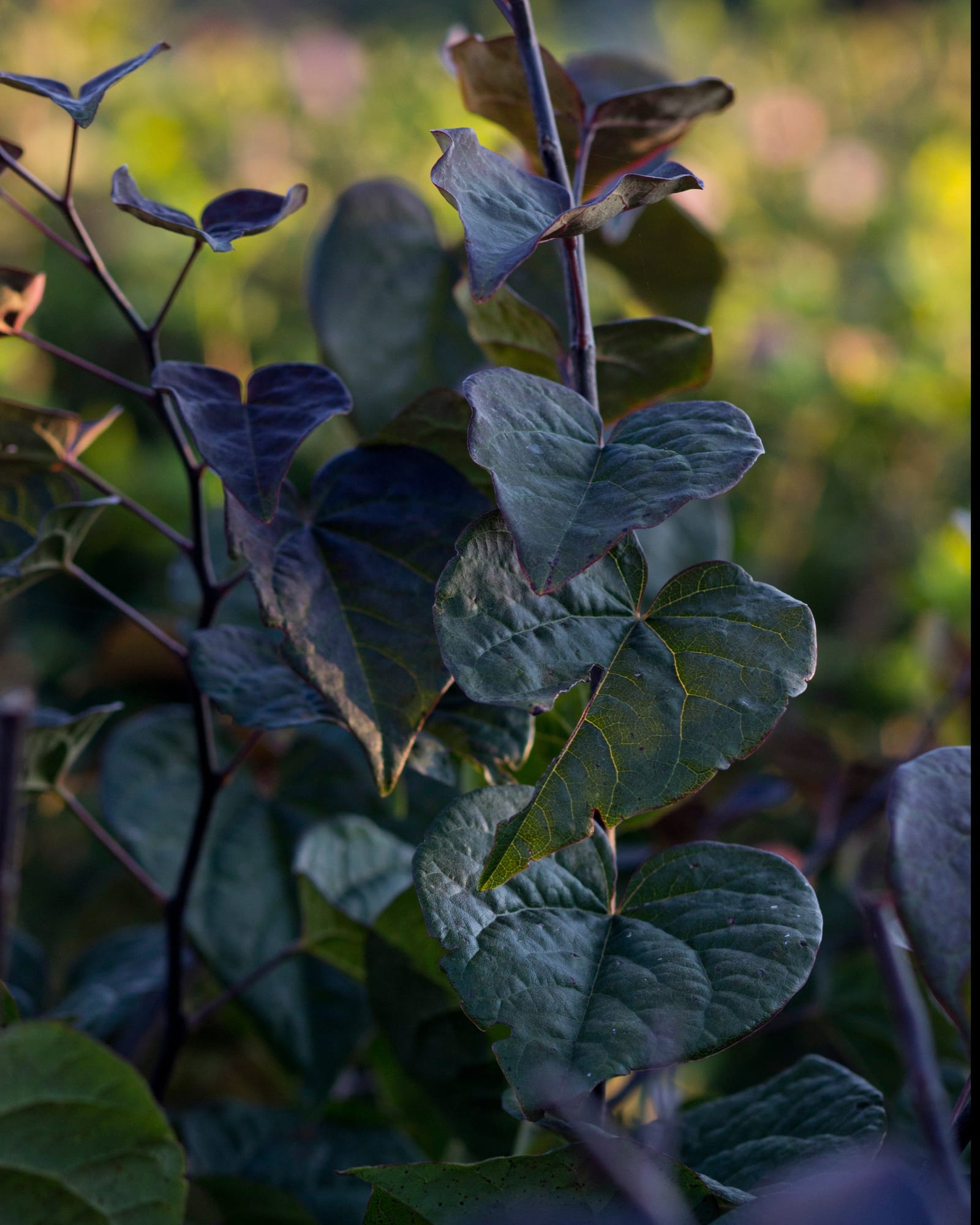
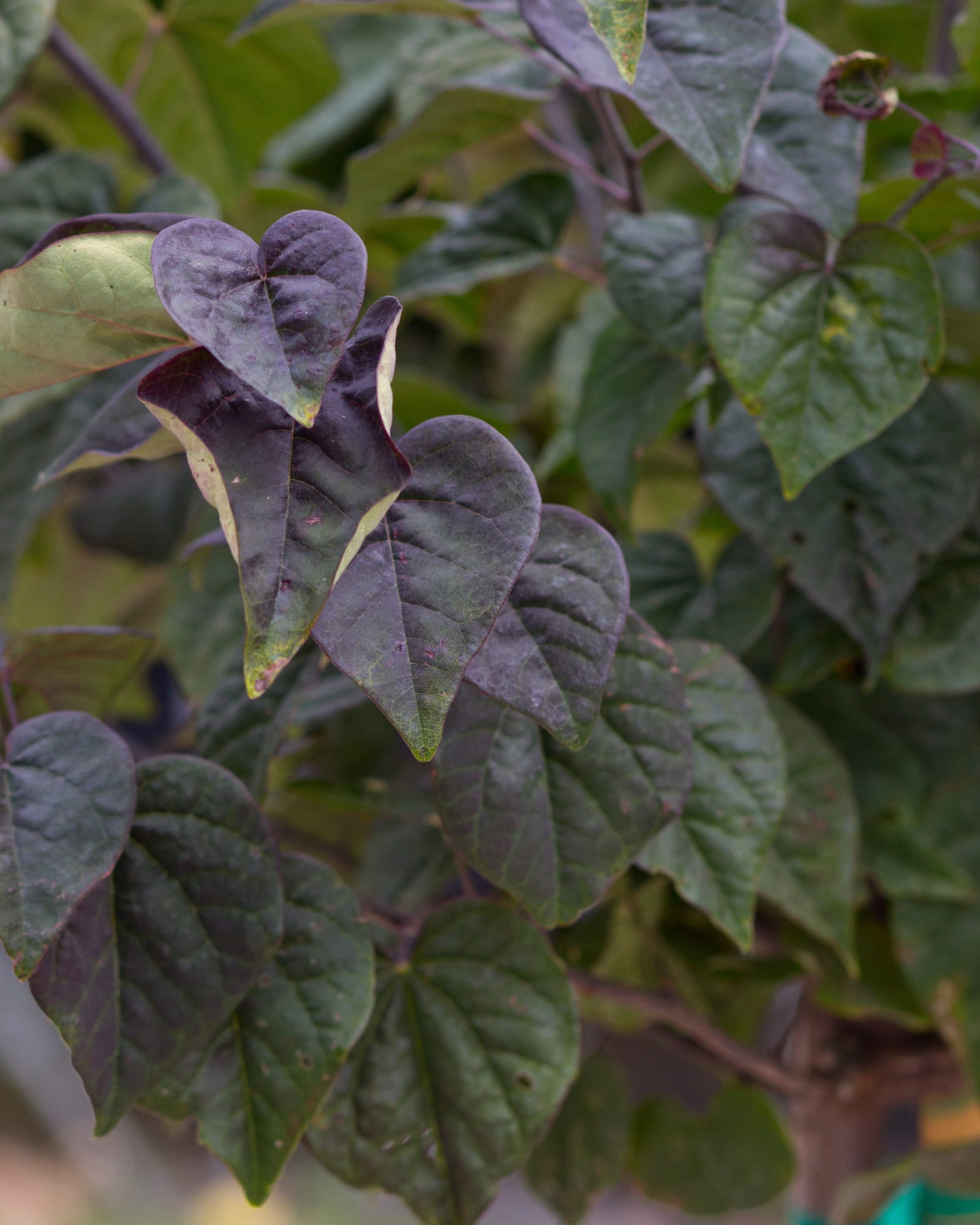
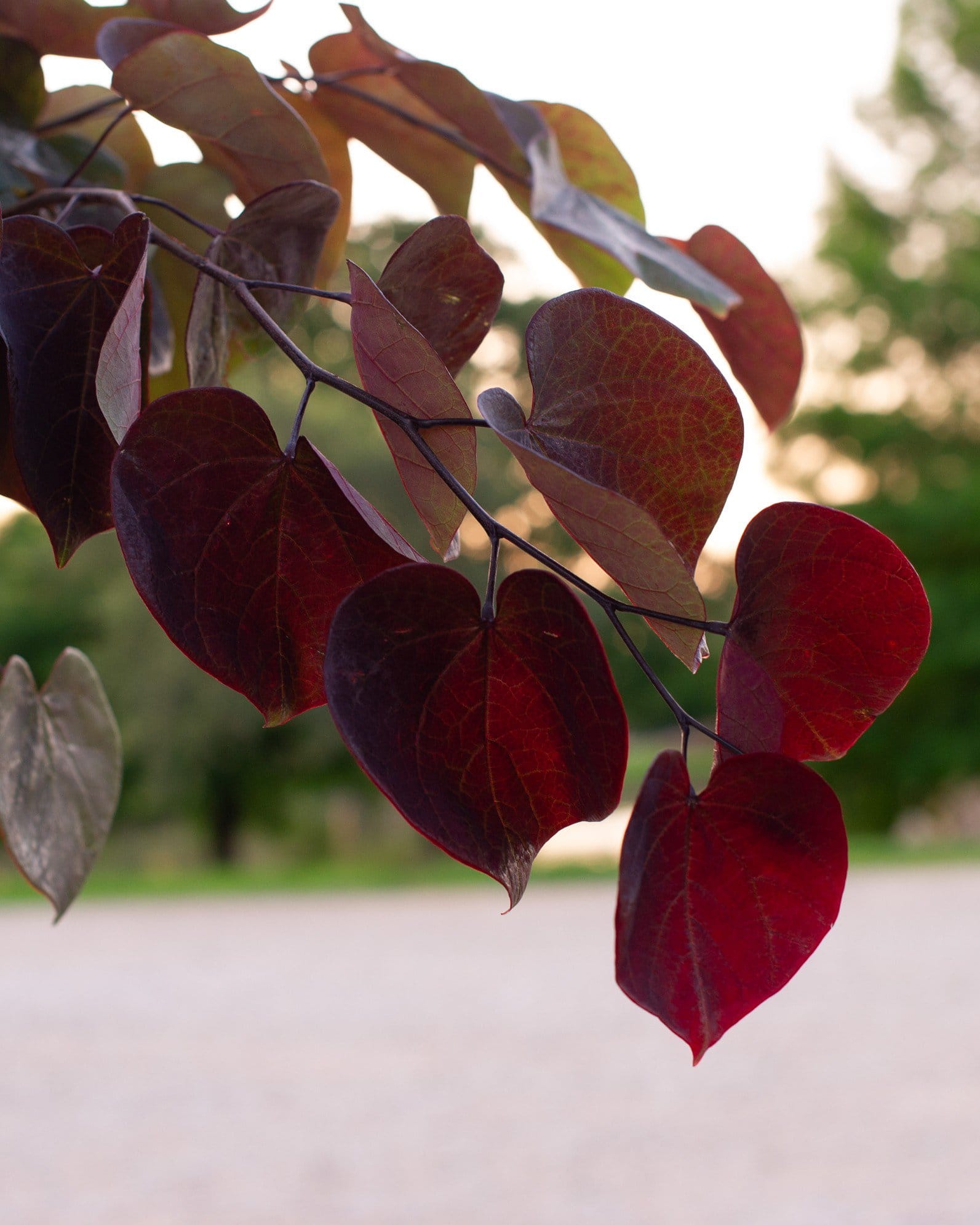
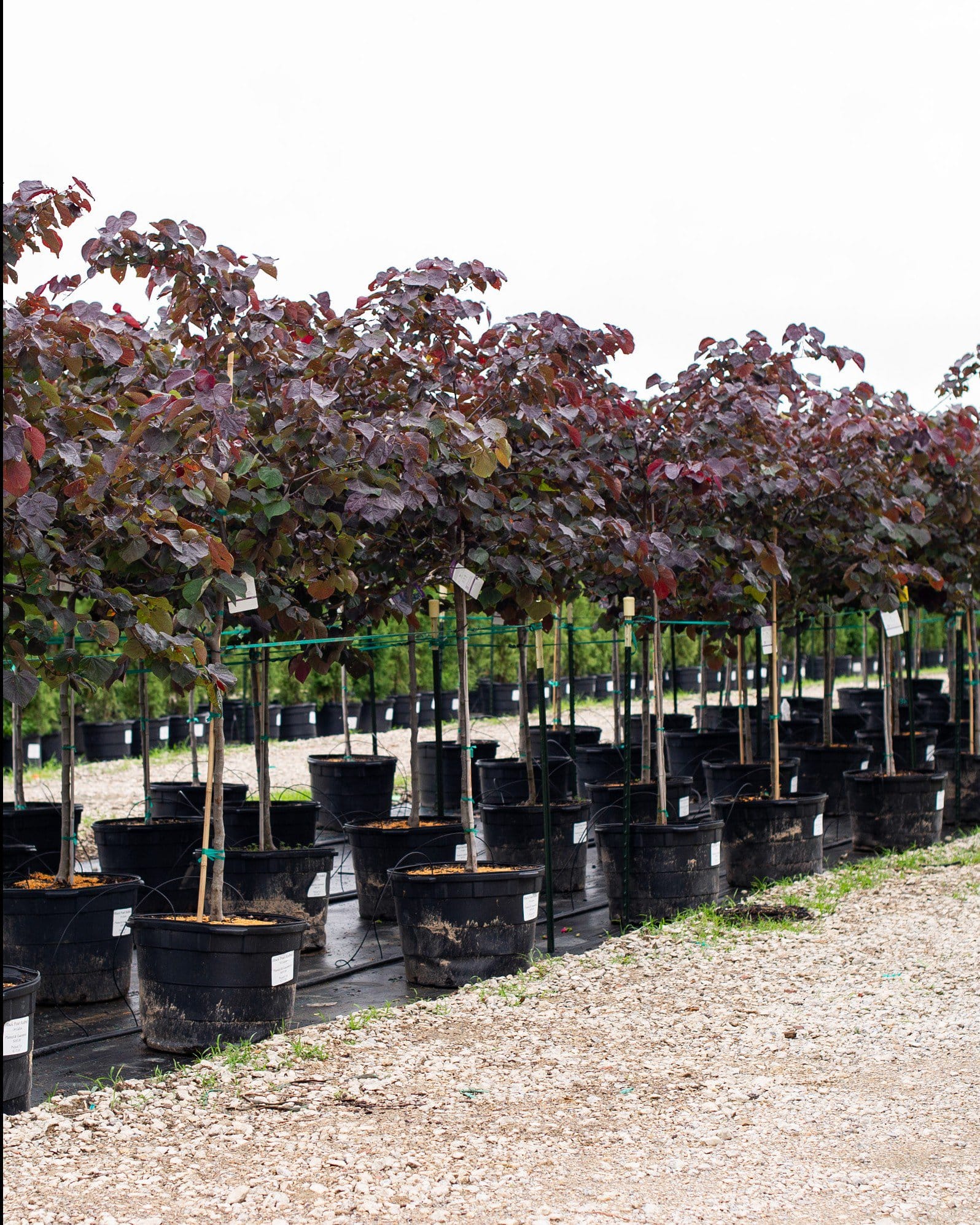
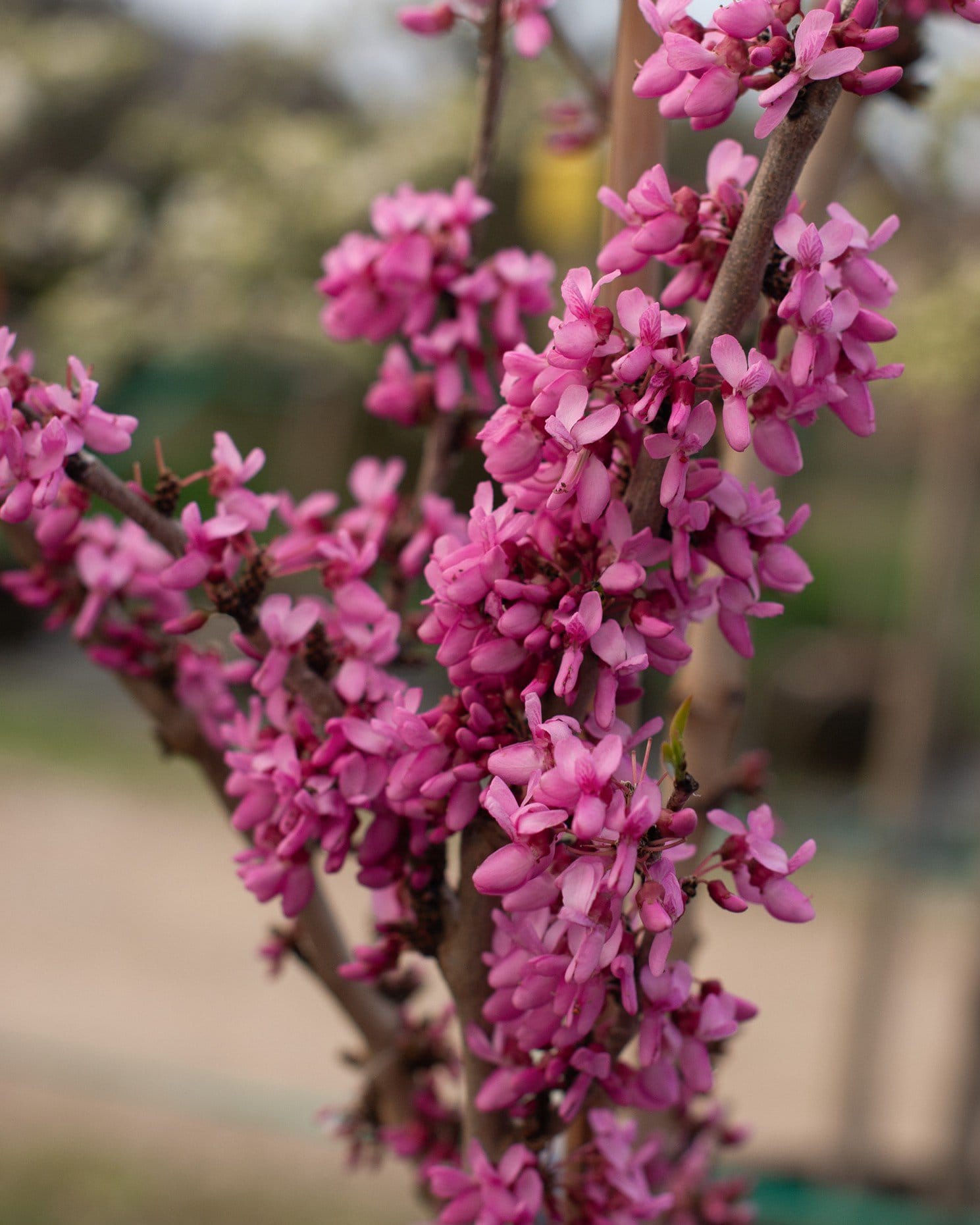
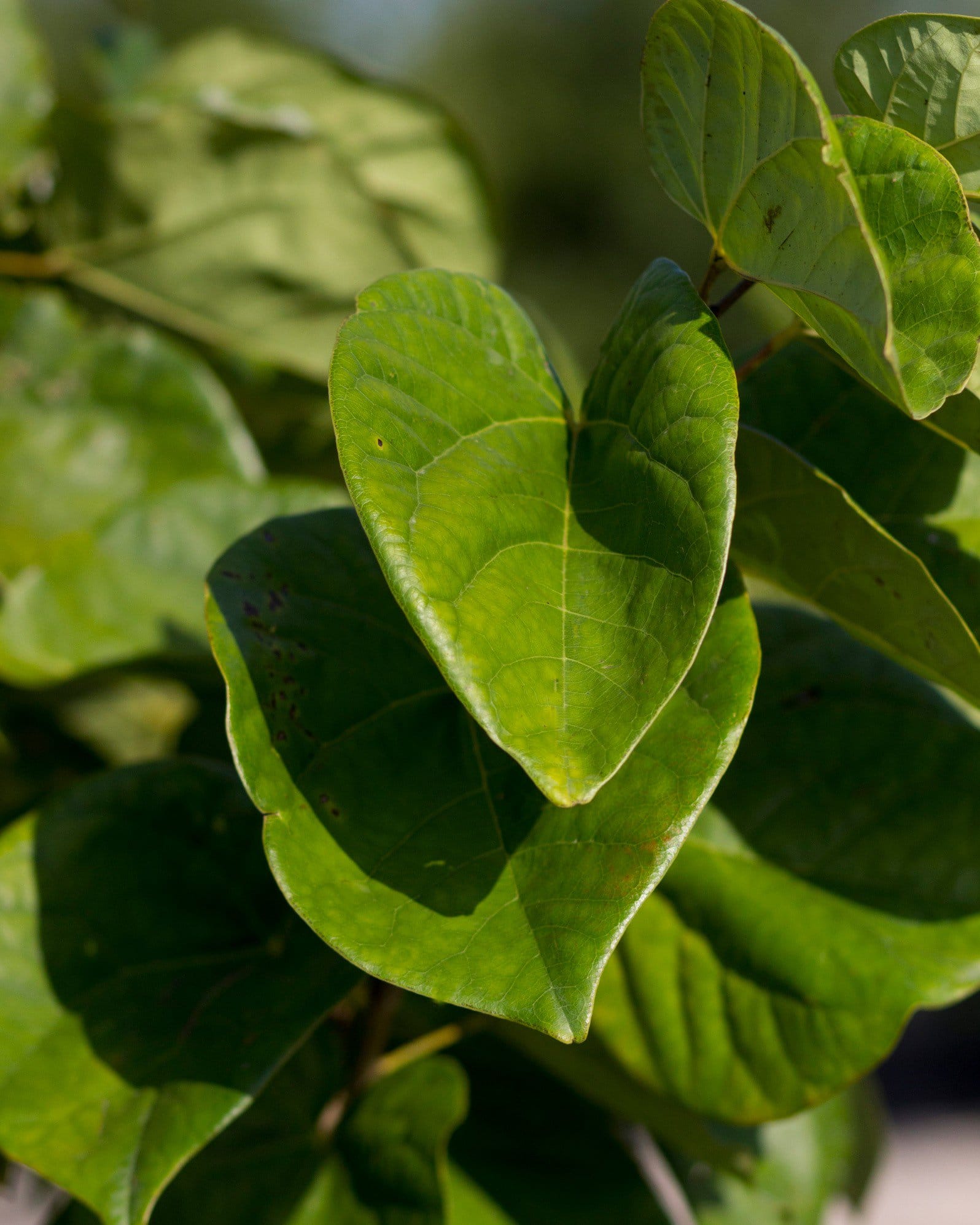
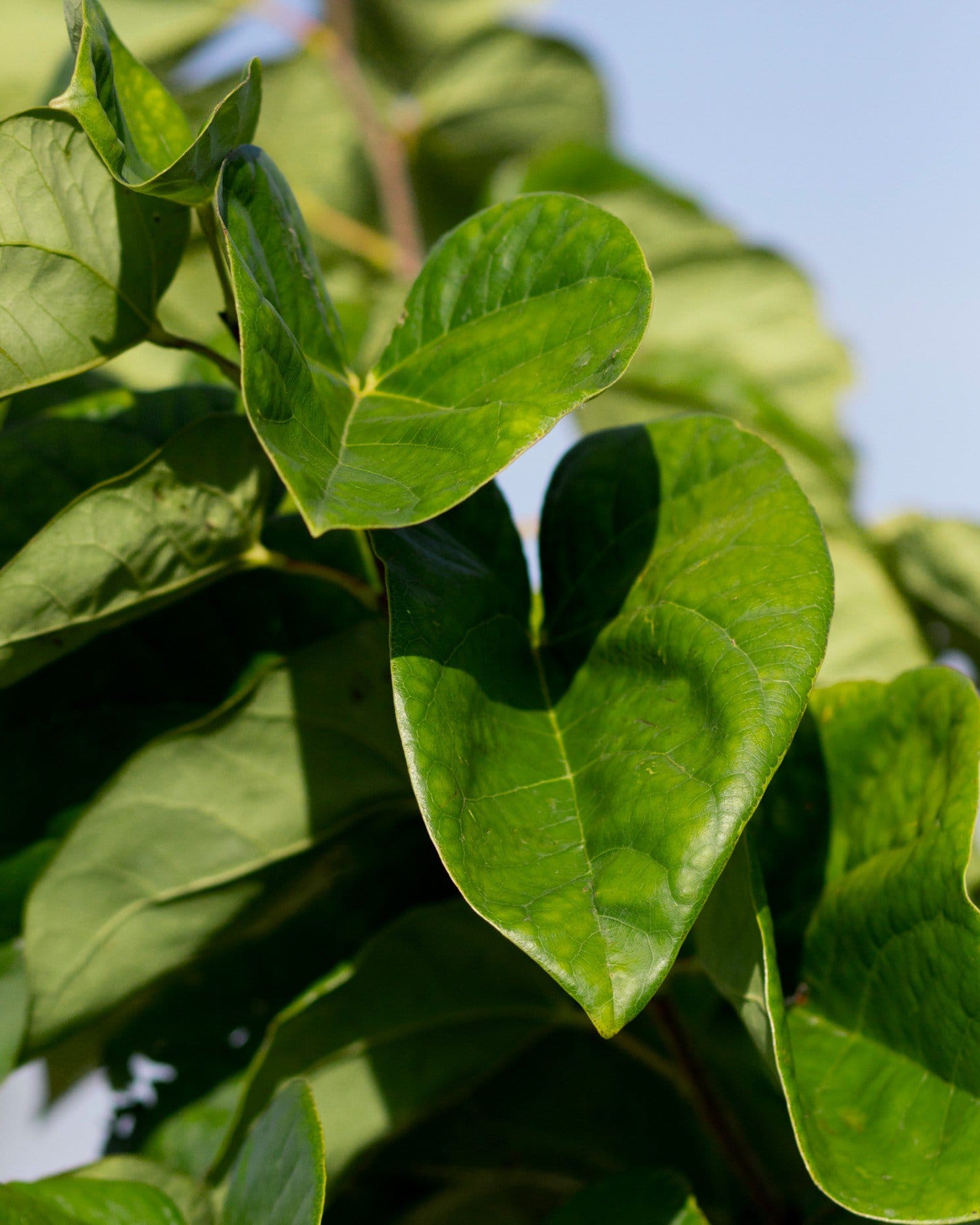
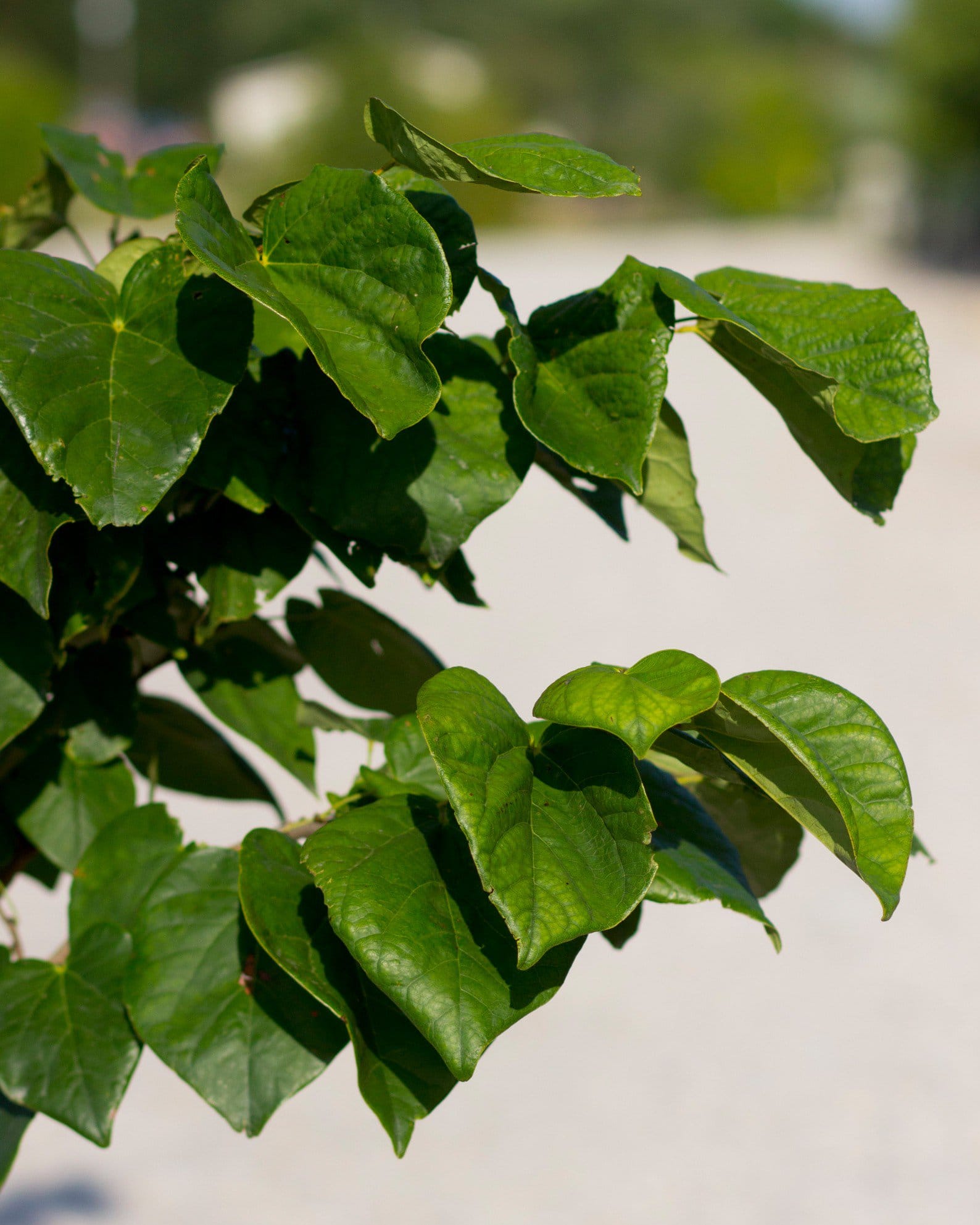
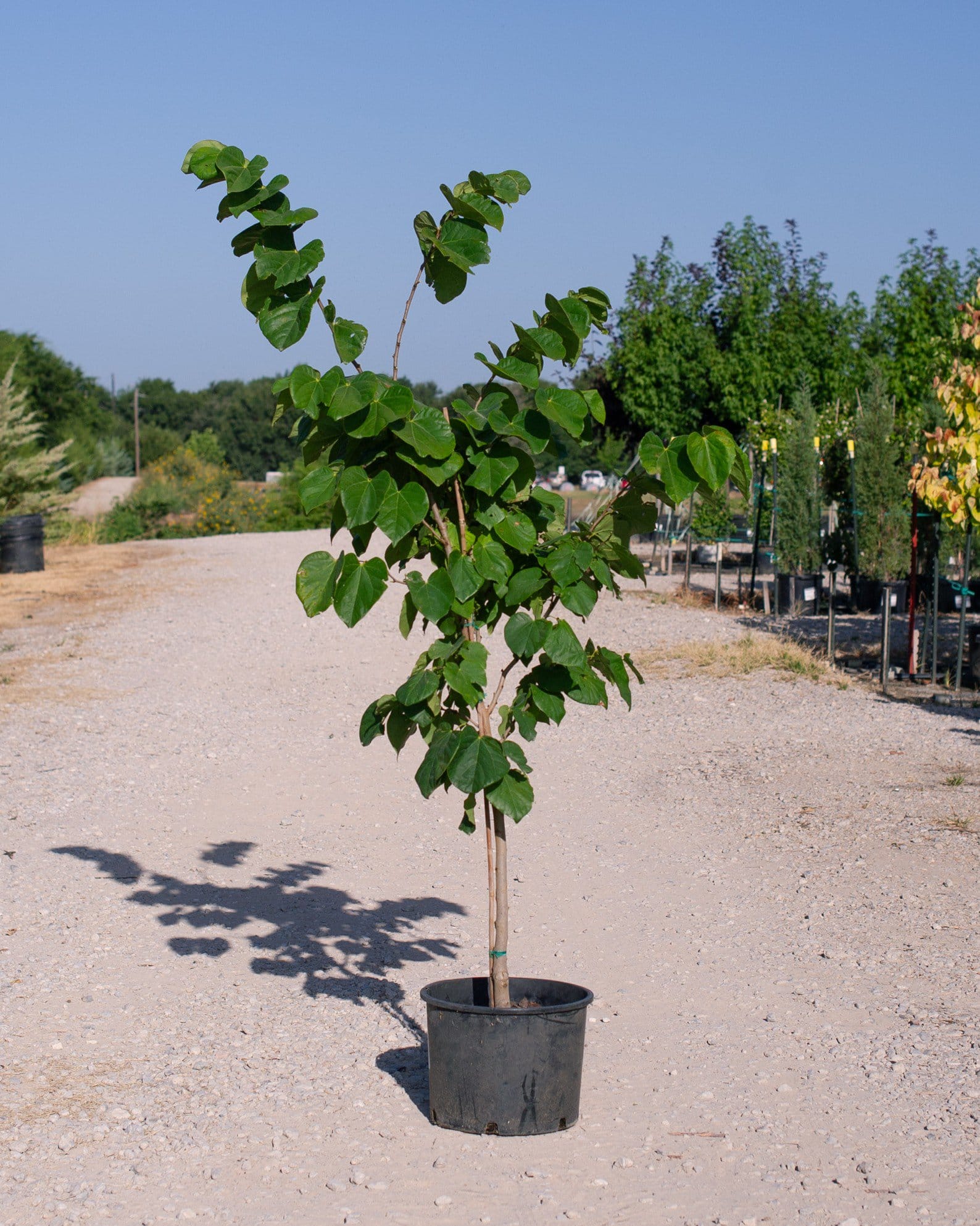
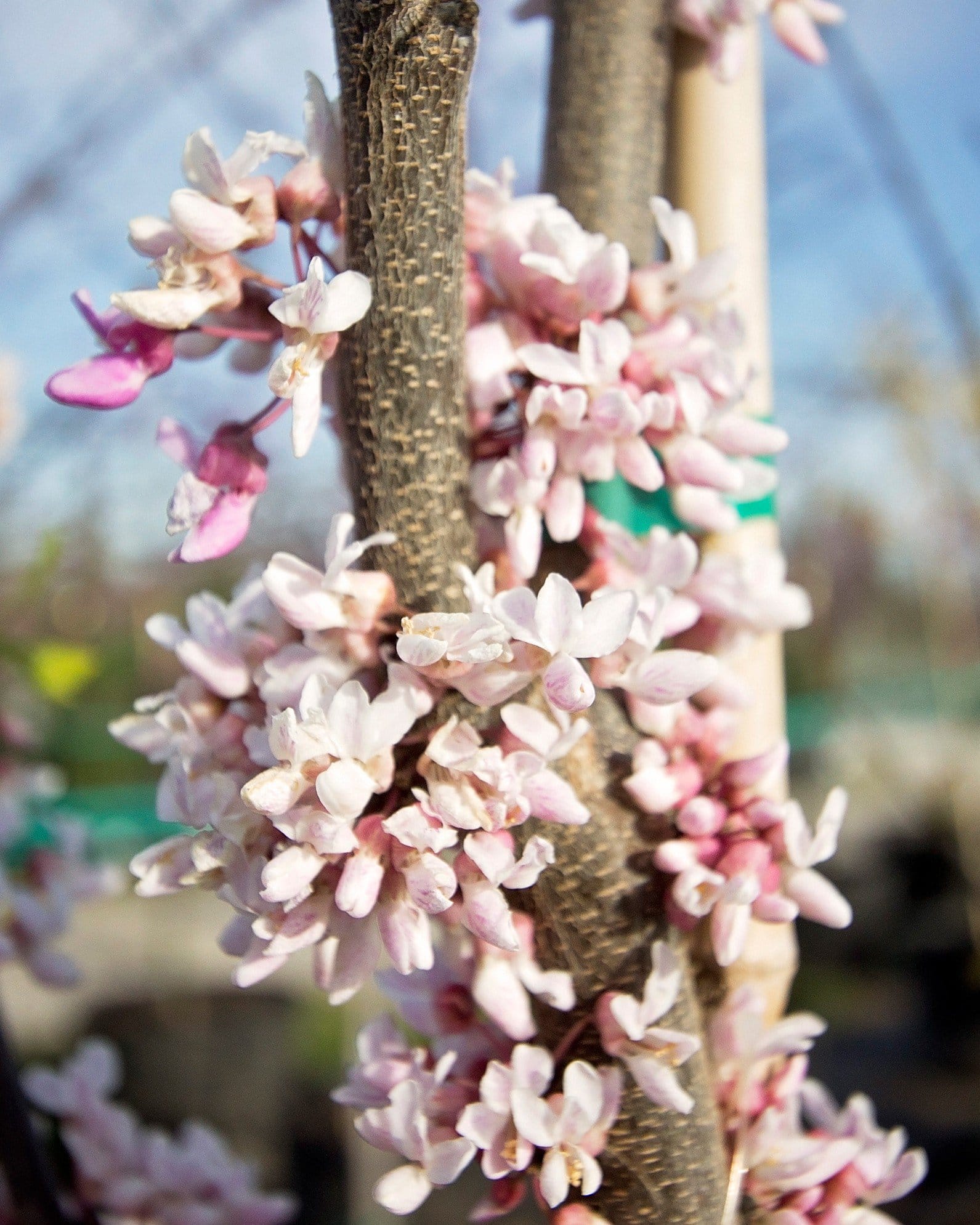
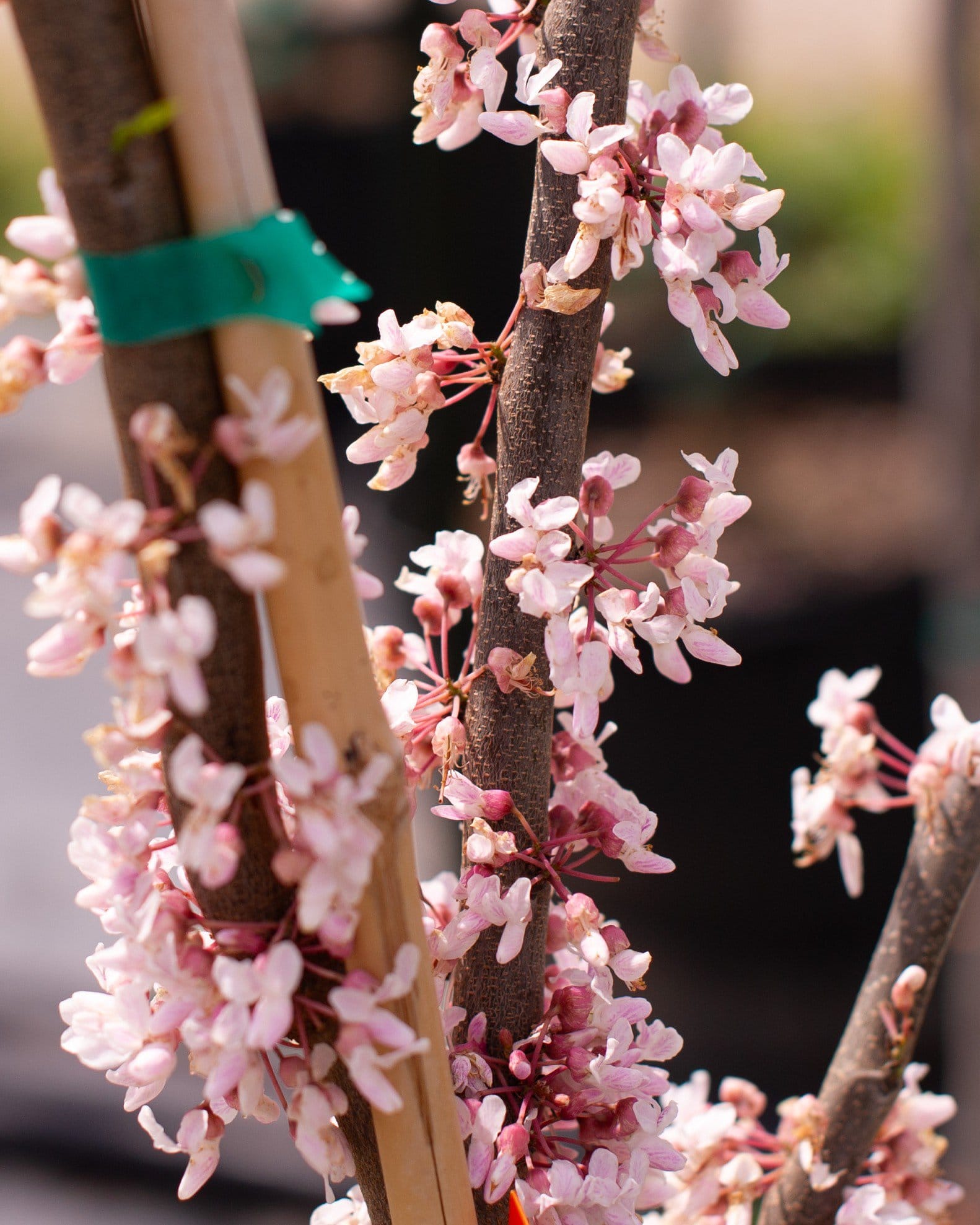
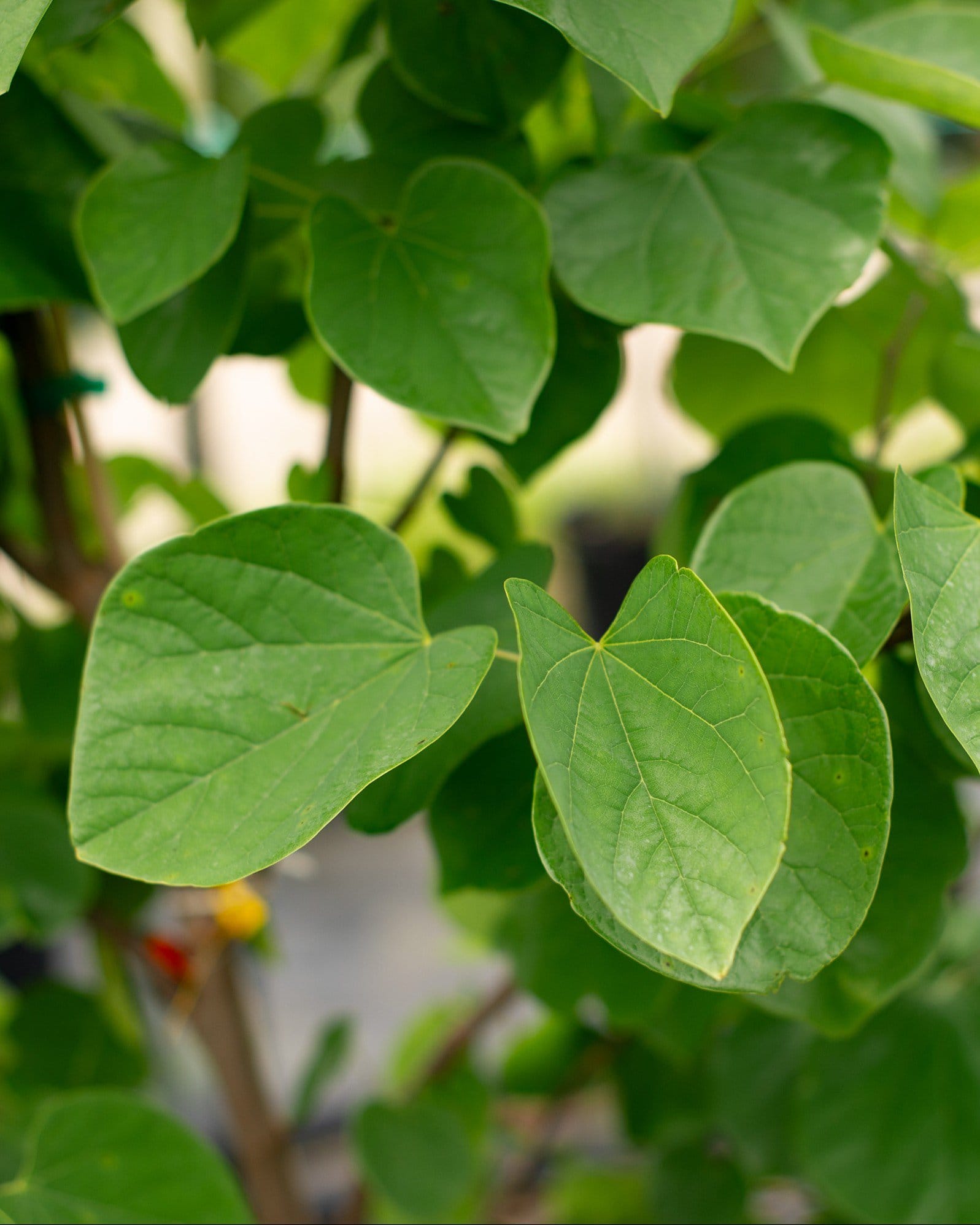
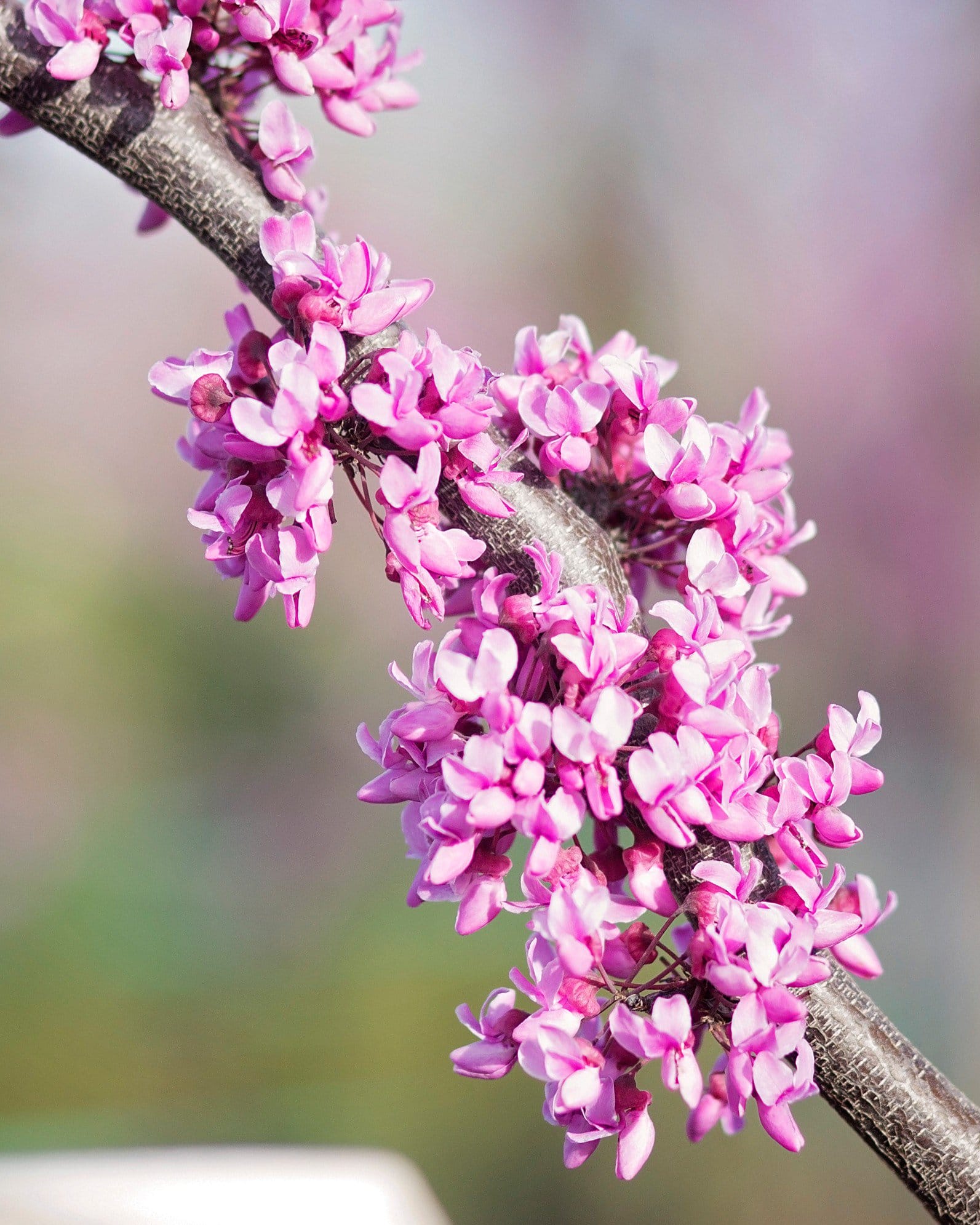
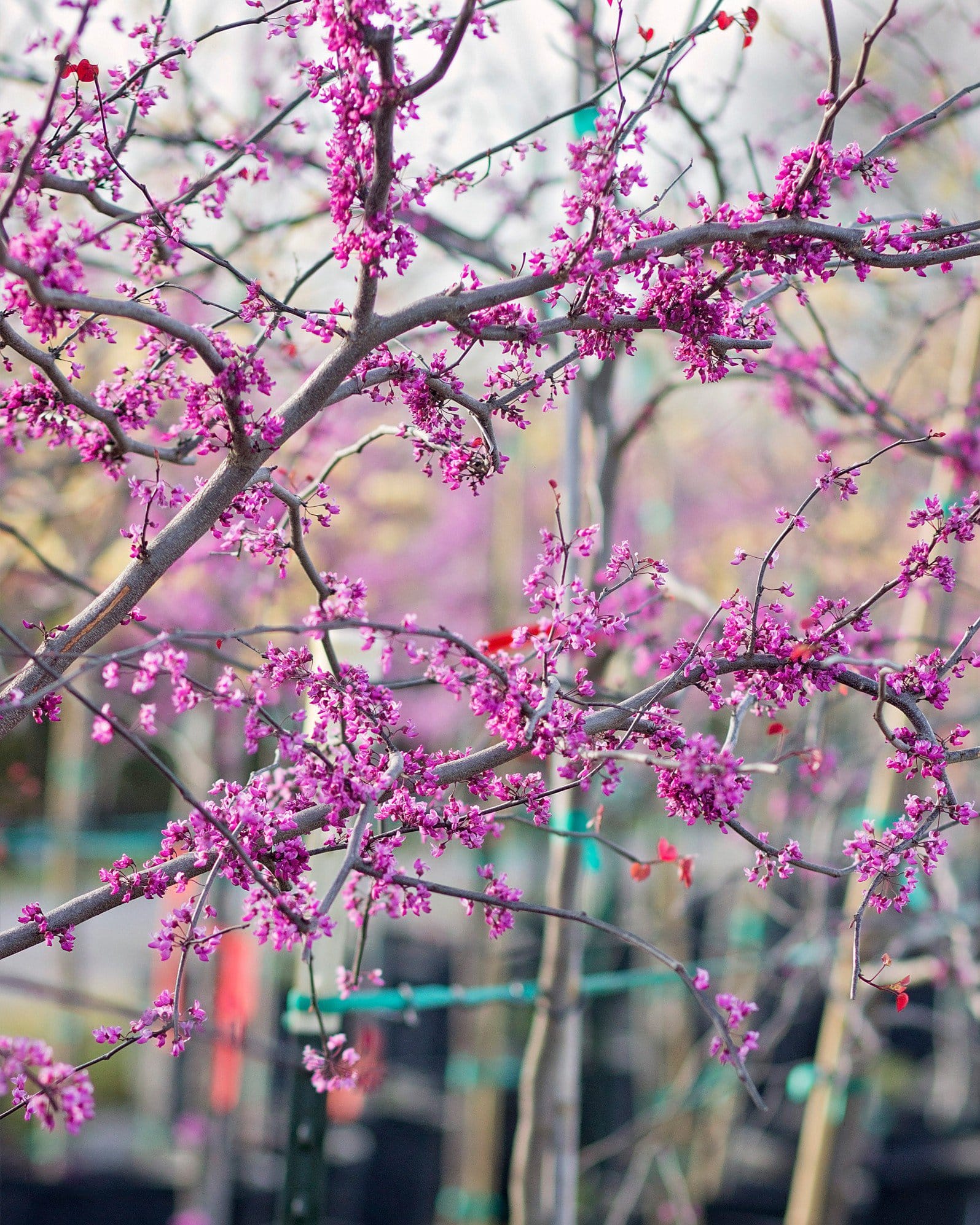
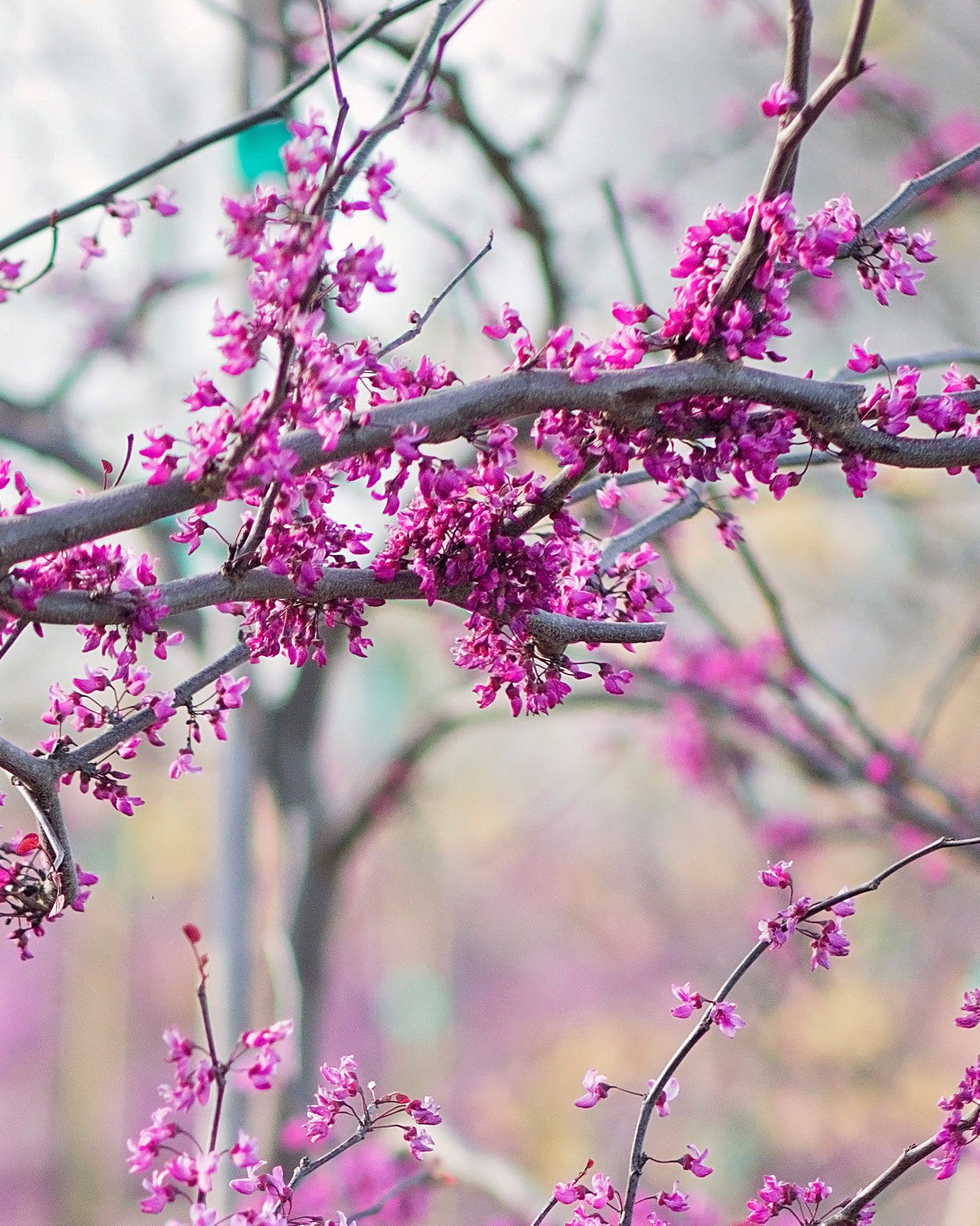
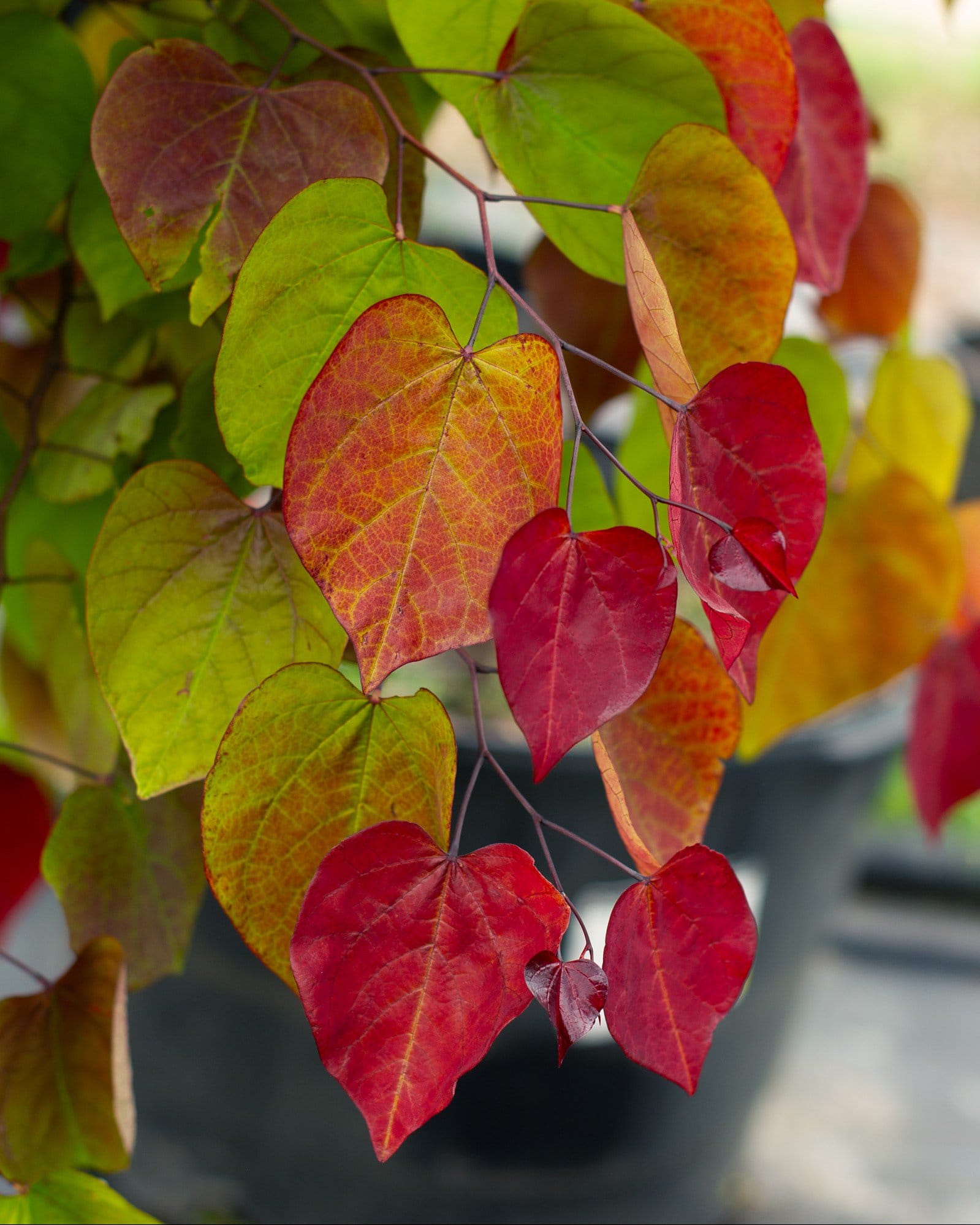
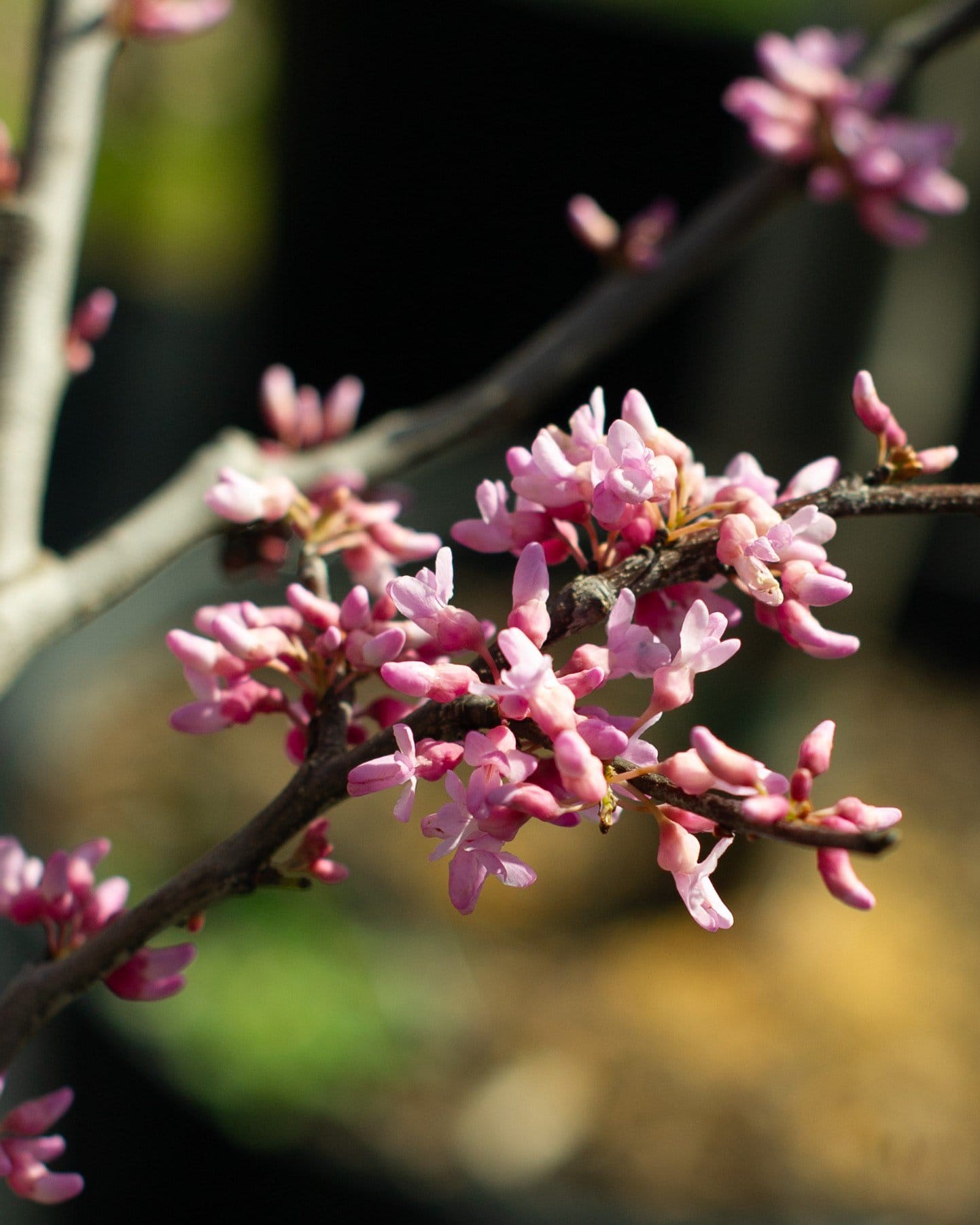
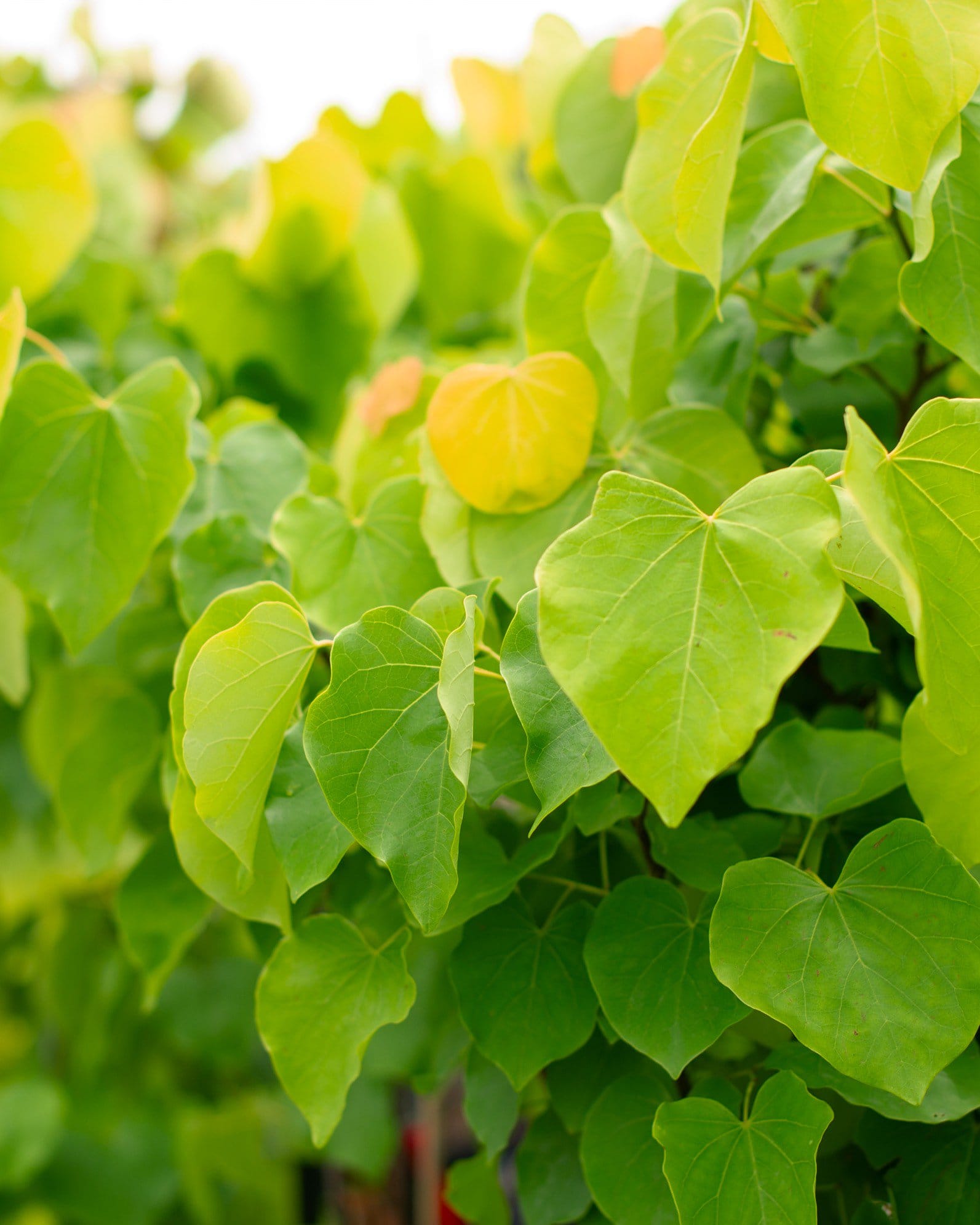
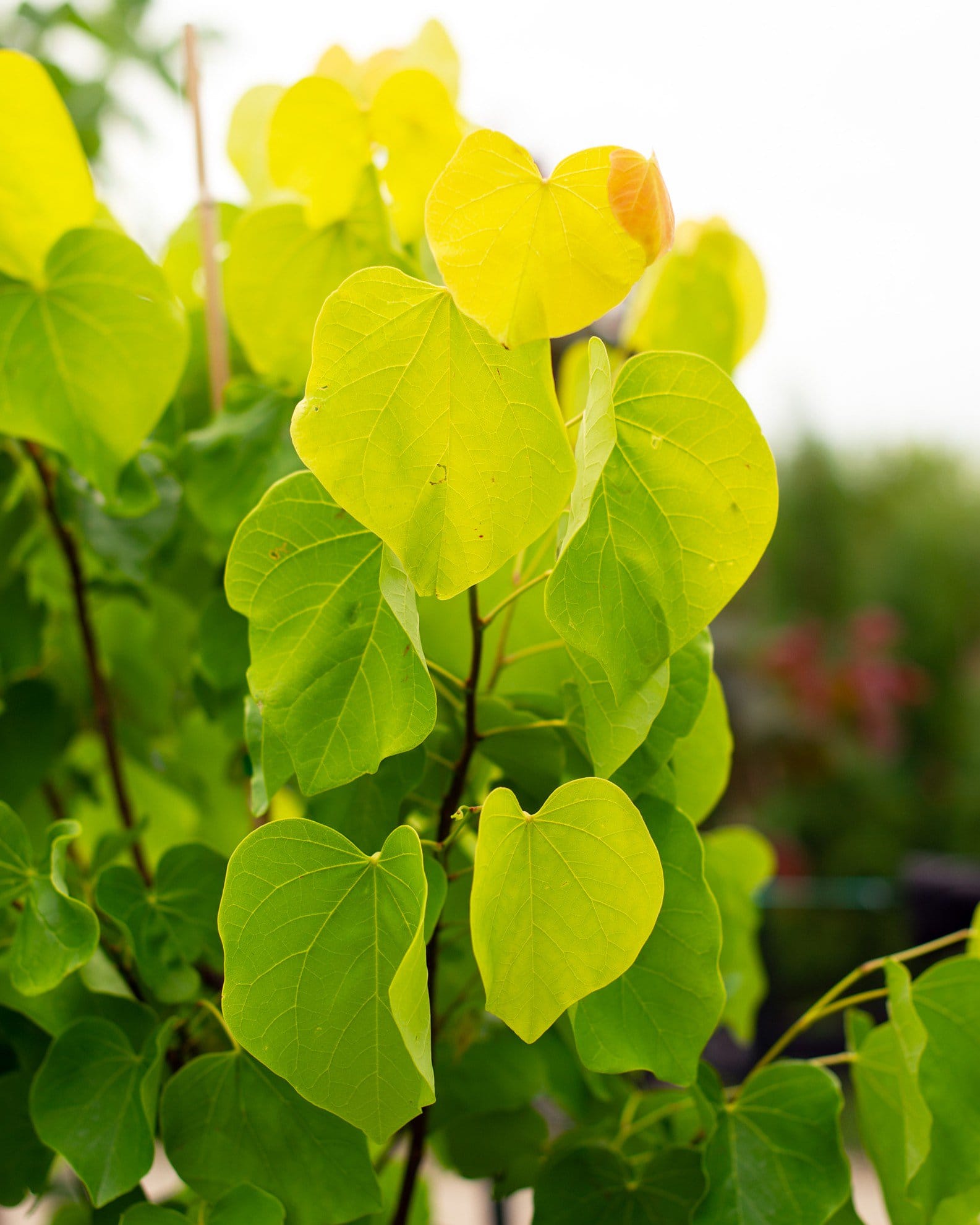
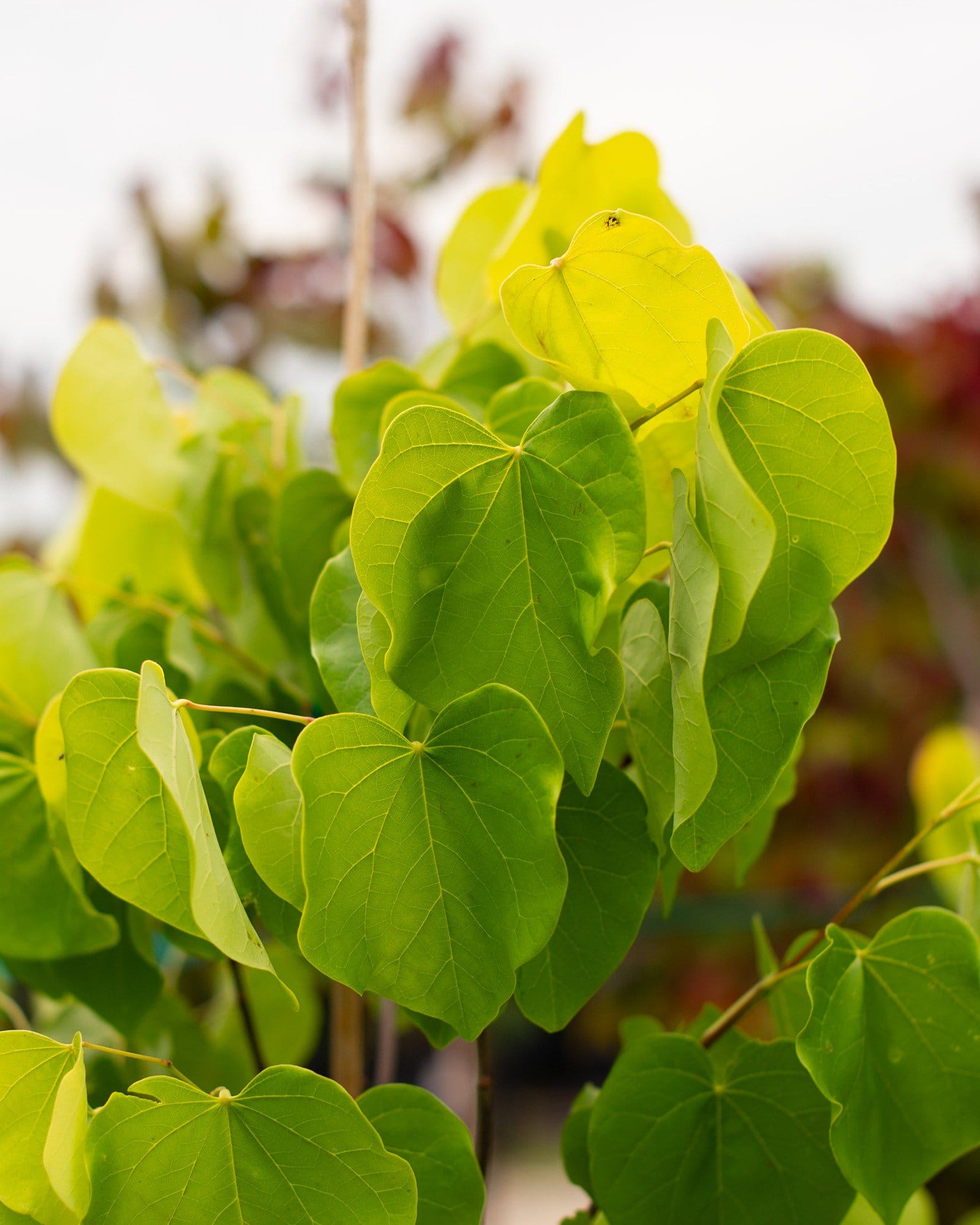
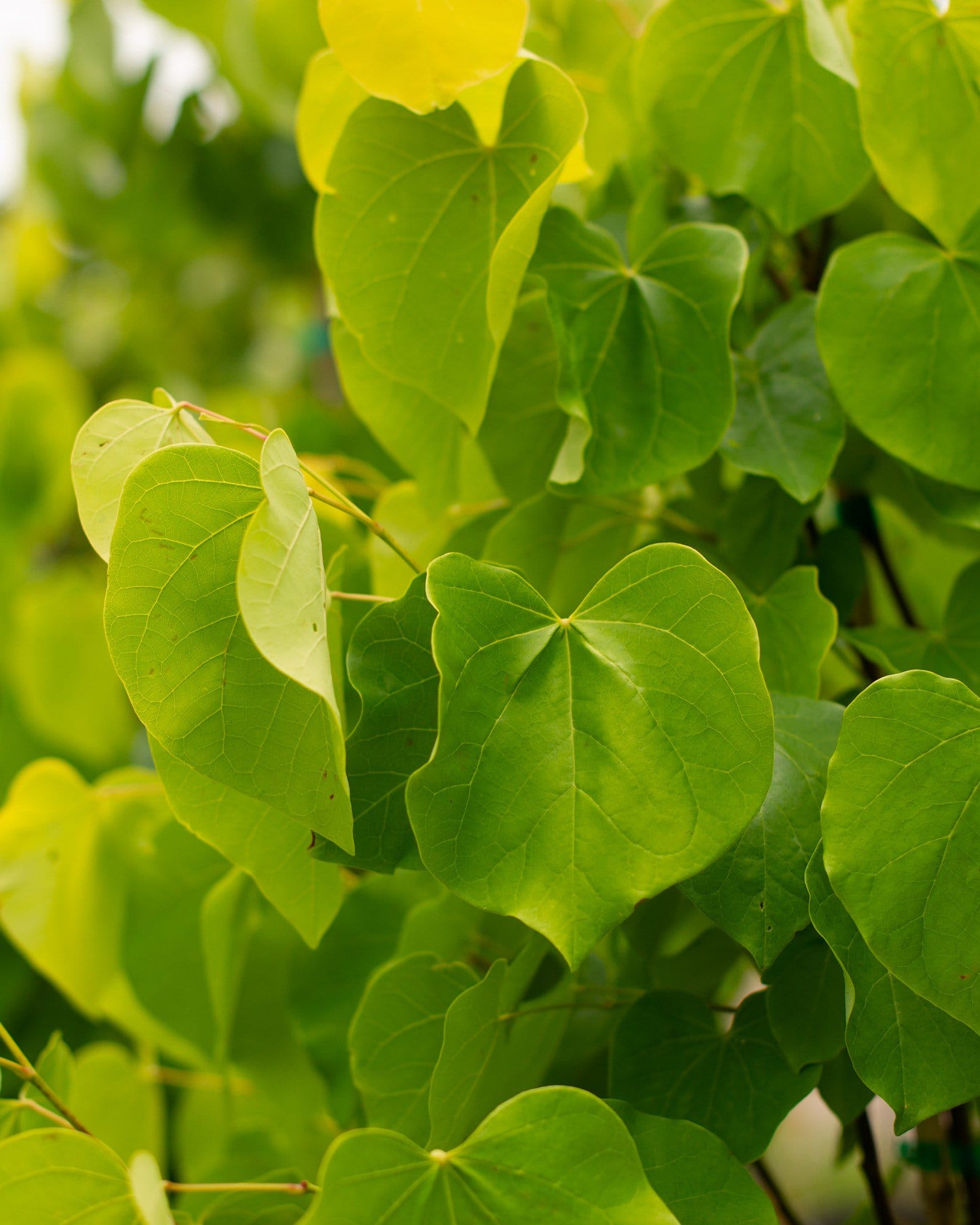
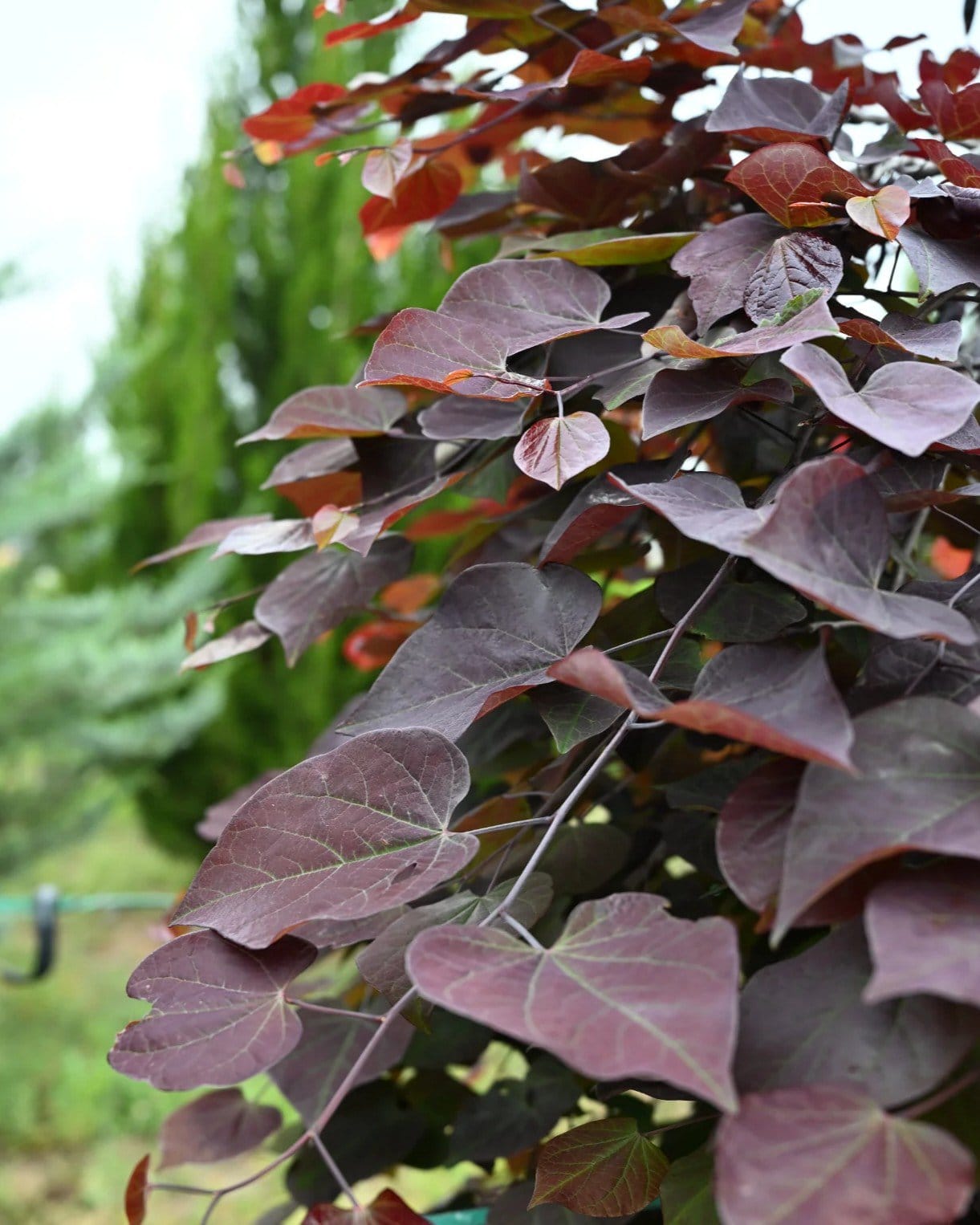
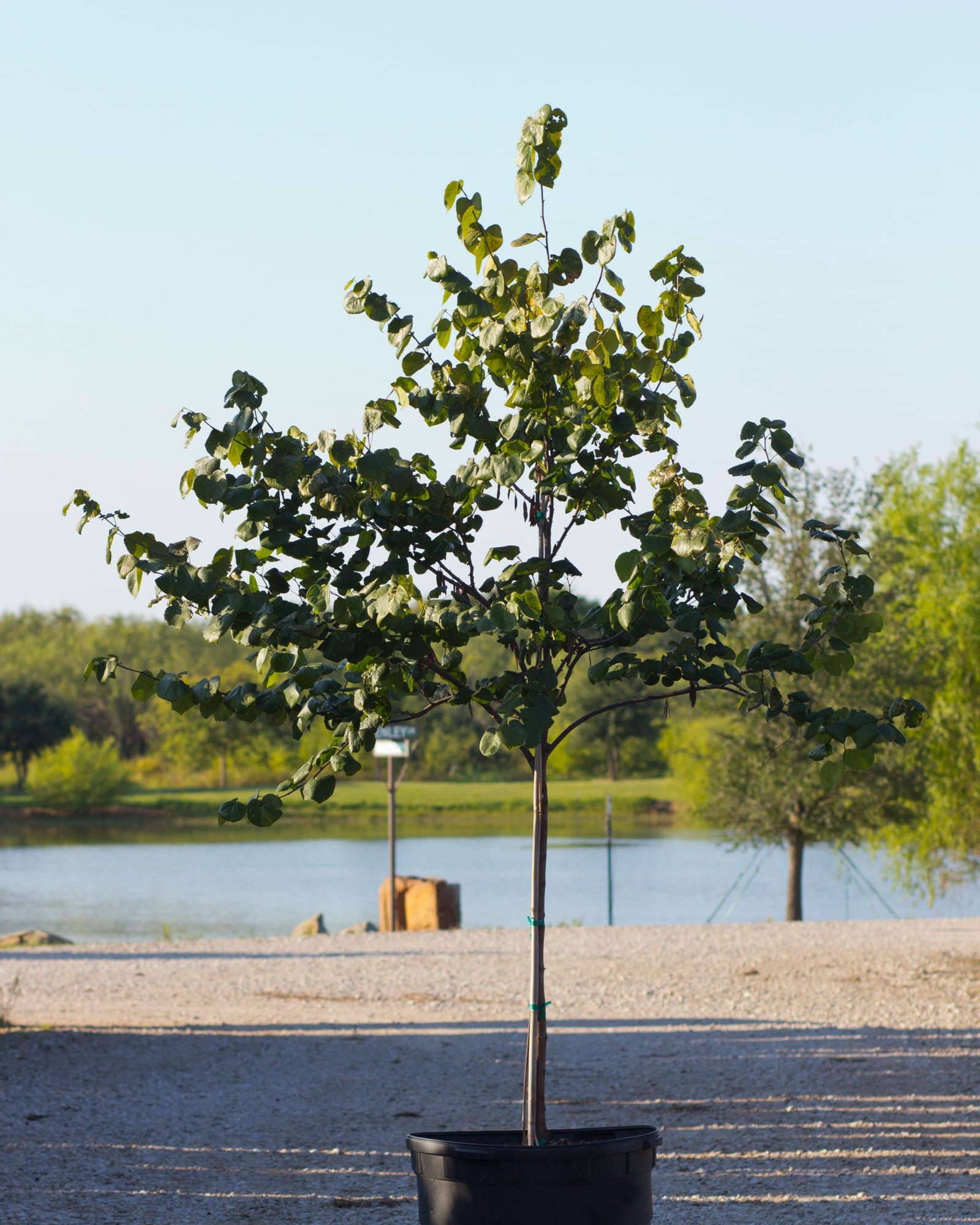
Cercis canadensis 'Luclavzam'Luscious Lavender Redbud enchants with soft, lavender-pink blooms that cover the branches in early spring, signaling the start of the gardening season with gentle color and fragrance. Its heart-shaped leaves emerge fresh green, creating a light, airy canopy that brings softness and texture to any landscape. Growing 15 feet tall and wide, this redbud’s moderate growth and rounded form make it a versatile option for smaller yards, beds, or as a lovely specimen tree.
- Deciduous tree
- Moderate growth rate
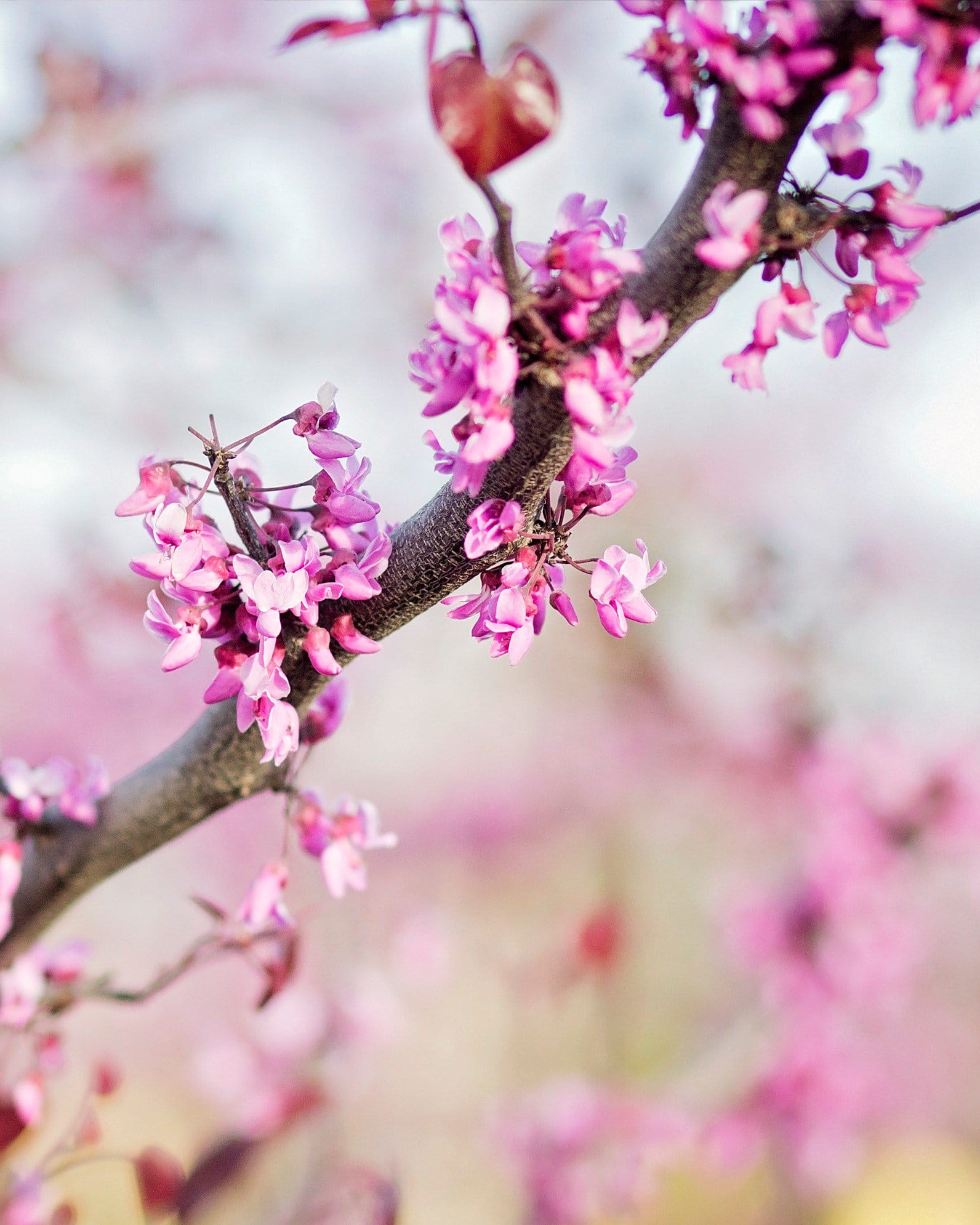
- Soft lavender-pink spring flowers
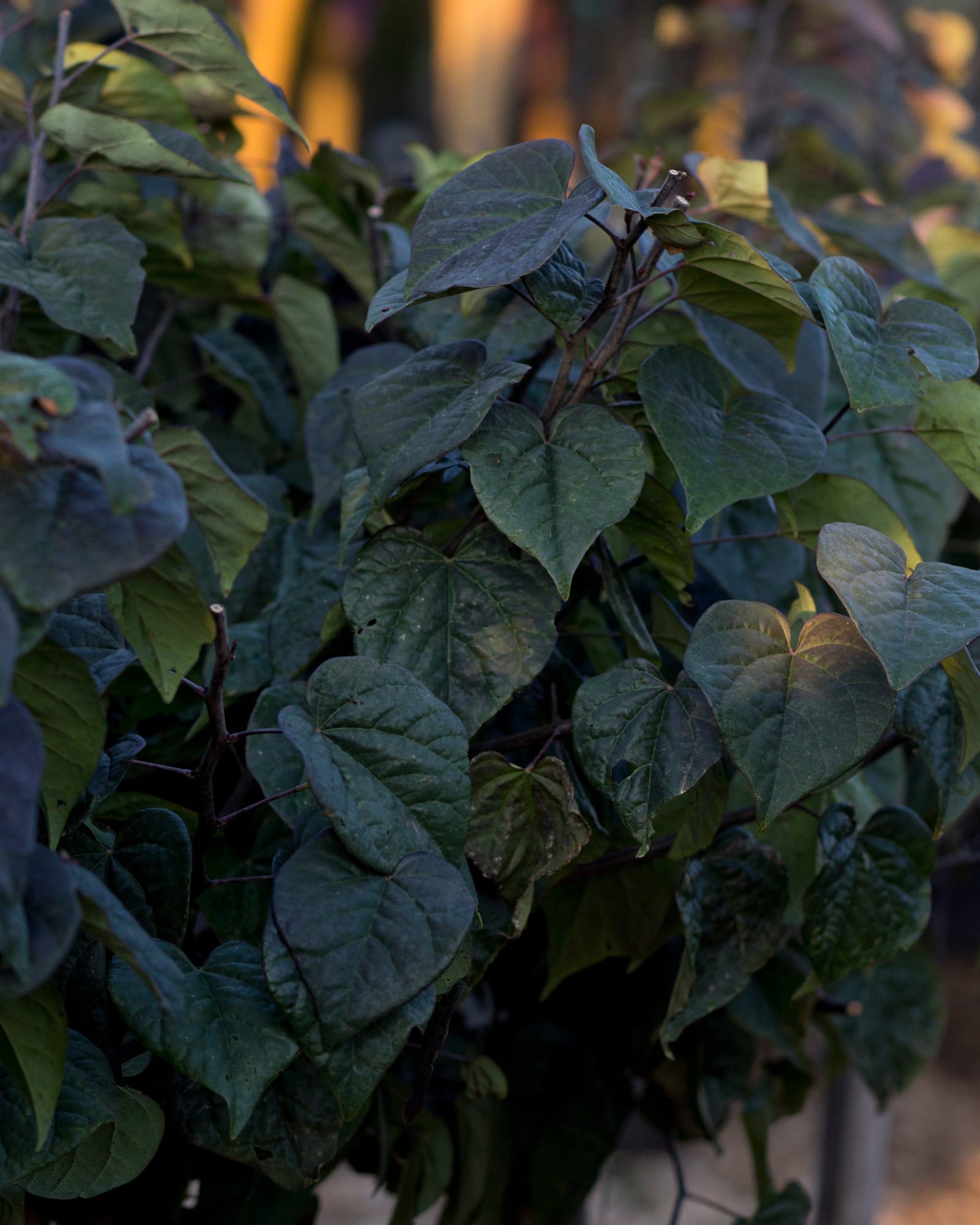
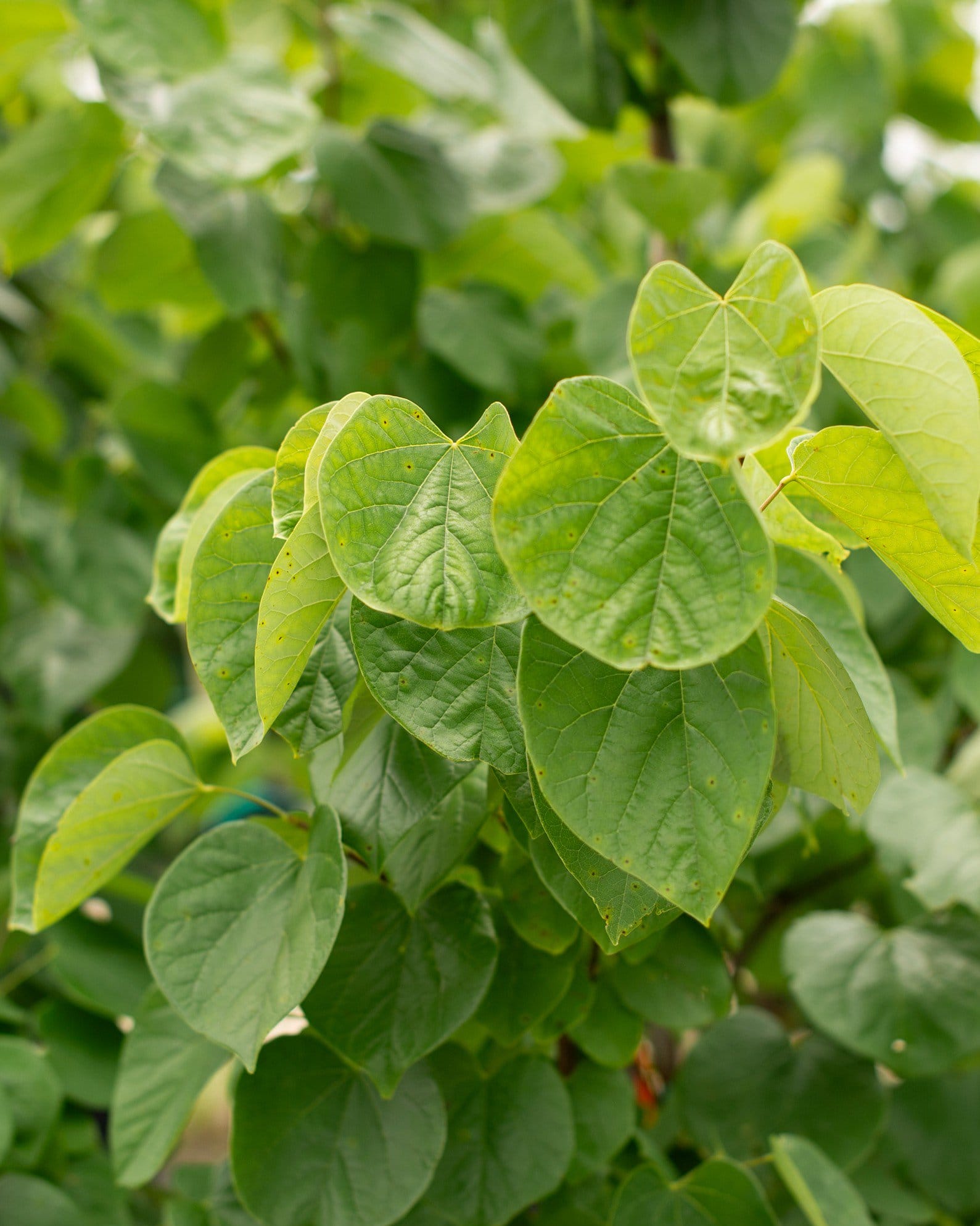
- Fresh green, heart-shaped foliage
- Rounded, manageable size perfect for small to medium landscapes
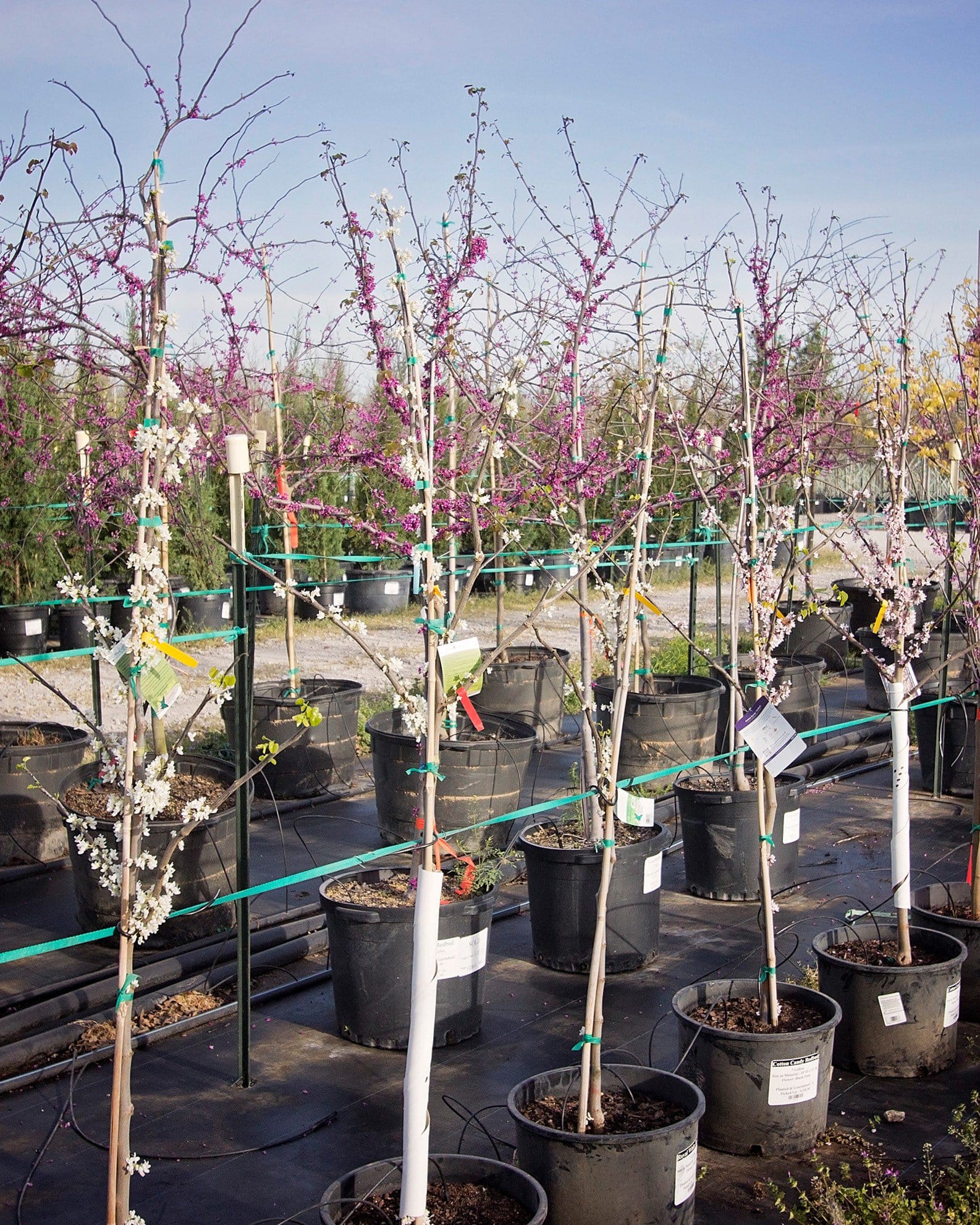
Luscious Lavender Redbud thrives in full sun to partial shade with well-drained soil. Hardy in USDA zones 5 through 8, it adds gentle charm and springtime delight to North Texas beds and beyond.
- Luscious Lavender Redbud brings richly colored foliage while remaining easy to maintain once established. Here’s everything it needs to grow beautifully:
- Watering: Provide deep, consistent watering during the first several years to ensure a strong, well-anchored root system. Once mature, Luscious Lavender tolerates moderate drought, though even soil moisture helps maintain leaf quality and bloom abundance.
- Pruning: Prune in late winter to remove crossing, damaged, or weak branches and to encourage an open, balanced canopy. This cultivar naturally forms an elegant rounded shape, so only light shaping is typically needed.
- Fertilizing: Apply a slow-release, balanced fertilizer in early spring to support vigorous growth and strong flowering. Compost or organic amendments enrich soil structure and help the tree maintain long-term vitality. Avoid excessive nitrogen, which may reduce bloom density.
- Mulching: Spread a 2-3 inch mulch layer around the base to retain moisture, insulate shallow roots, and stabilize soil temperature. Keep mulch slightly away from the trunk to prevent bark issues and refresh annually for best results.
- Winter Care: Luscious Lavender is cold-hardy once established, requiring little winter protection in most landscapes. Young trees may benefit from shelter from harsh wind their first season. Any minor winter dieback can be pruned in late winter.
Luscious Lavender Redbud is resilient, but a few mild issues may surface under stress:
Leaf Spot: Irregular brown blotches may appear during humid or rainy periods. Removing affected leaves and improving airflow helps reduce recurrence.
Canker: Darkened, sunken bark sections may signal canker development. Prune out damaged limbs promptly and reduce stress to support healing.
Verticillium Wilt: Sudden wilting or branch dieback can indicate this soilborne disease. Removing affected branches and improving soil conditions can help slow progression.
Aphids: Sticky residue or curling leaves point to aphid feeding. Rinsing foliage or applying insecticidal soap typically resolves the issue quickly.
Leaf Scorch: Browning along the leaf margins may occur during heatwaves or drought. Consistent watering and mulch help prevent repeat episodes.
Scale Insects: Small bumps or waxy spots along stems indicate scale activity. Horticultural oil applied at proper timing helps suppress populations.
Luscious Lavender typically lives 20-40 years under good growing conditions. With proper moisture, soil health, and pruning, many trees continue to look beautiful well into maturity.
It grows at a moderate rate of 1-2 feet per year. Most trees achieve their full canopy shape and bloom expression within 5-7 years.
Yes - its early blooms draw bees, butterflies, and other nectar-seeking insects. The tree becomes an important source of nourishment before many perennials emerge.
Its modest size and balanced branching make it an excellent choice for tight spaces. A single tree can completely transform a yard with its color and charm.
It can be grown in a large container during its juvenile years, especially for patios or decorative entry spaces. Ultimately, planting it in the ground ensures the strongest long-term health and flowering.
Deer may lightly browse tender new leaves, though the species is not a preferred target. Simple early protection is usually enough to prevent any issues.
Heucheras, Hydrangeas, Hostas, Ferns, Dogwoods, and ornamental grasses complement its pastel blooms and heart-shaped leaves. These partners create a rich, layered look throughout the year.
Yes - grouping several trees creates a dreamy wash of lavender color each spring. In informal clusters, the effect feels natural and woodland-inspired.
Young trees transplant well when moved in late winter or early spring. With proper watering afterward, they reestablish quickly and resume healthy growth.
Its uniquely soft bloom color and gentle pastel tones give it a romantic, ethereal quality not found in brighter pink varieties. Combined with its easy-going nature, it stands out as a deeply elegant ornamental tree.
Special Features
You might also like
Amethyst Redbud
Maturity: 8' H x 8' W
Black Pearl Redbud
Maturity: 20' H x 20' W
Bubble Gum Redbud
Maturity: 15' H x 12' W
Cotton Candy Redbud
Maturity: 20' H x 15' W
Eastern Redbud
Maturity: 20' H x 20' W
Flame Thrower Redbud
Maturity: 15' H x 15' W
Gilded Hearts Redbud
Maturity: 15' H x 15' W
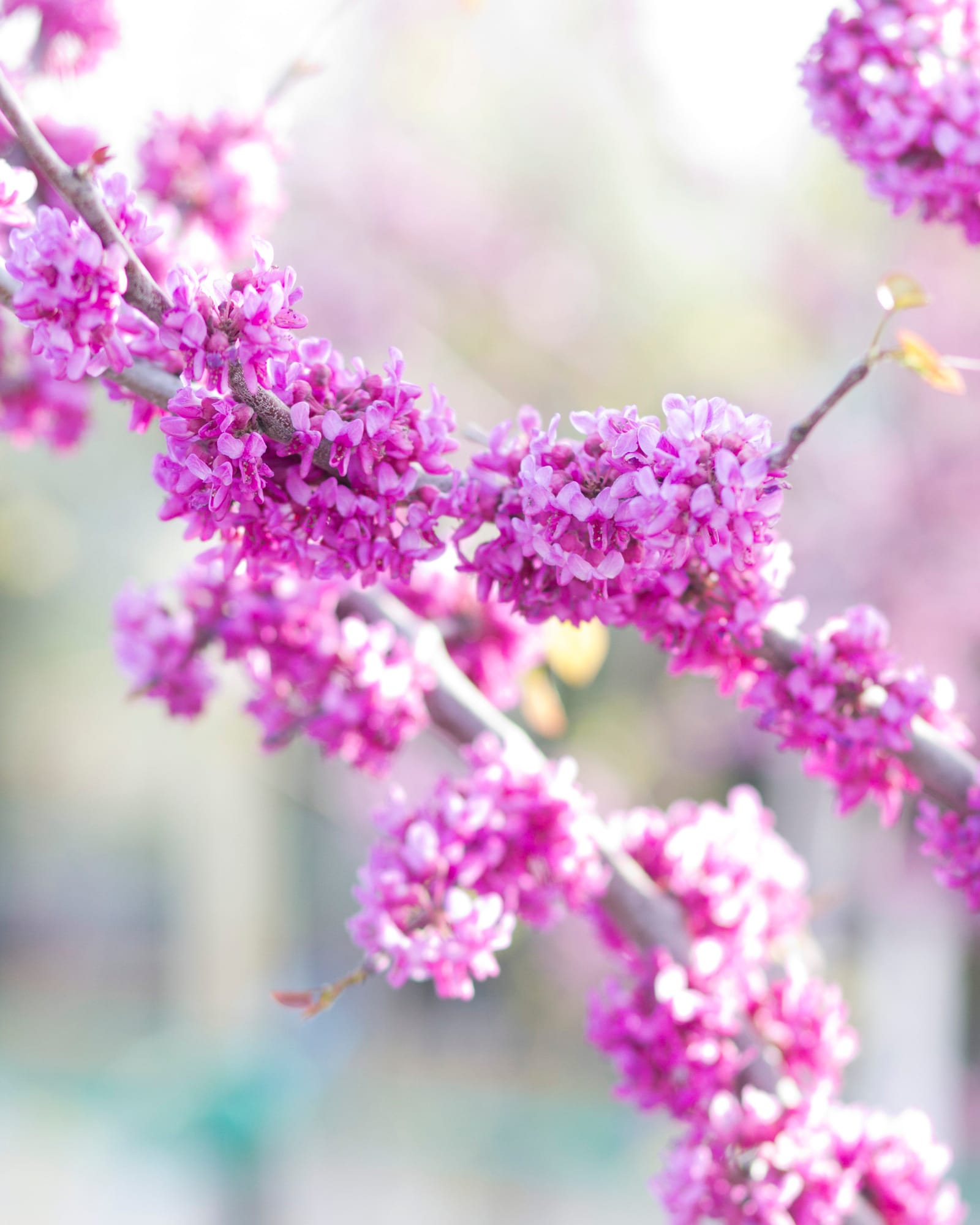
Merlot Redbud
Maturity: 15' H x 15' W
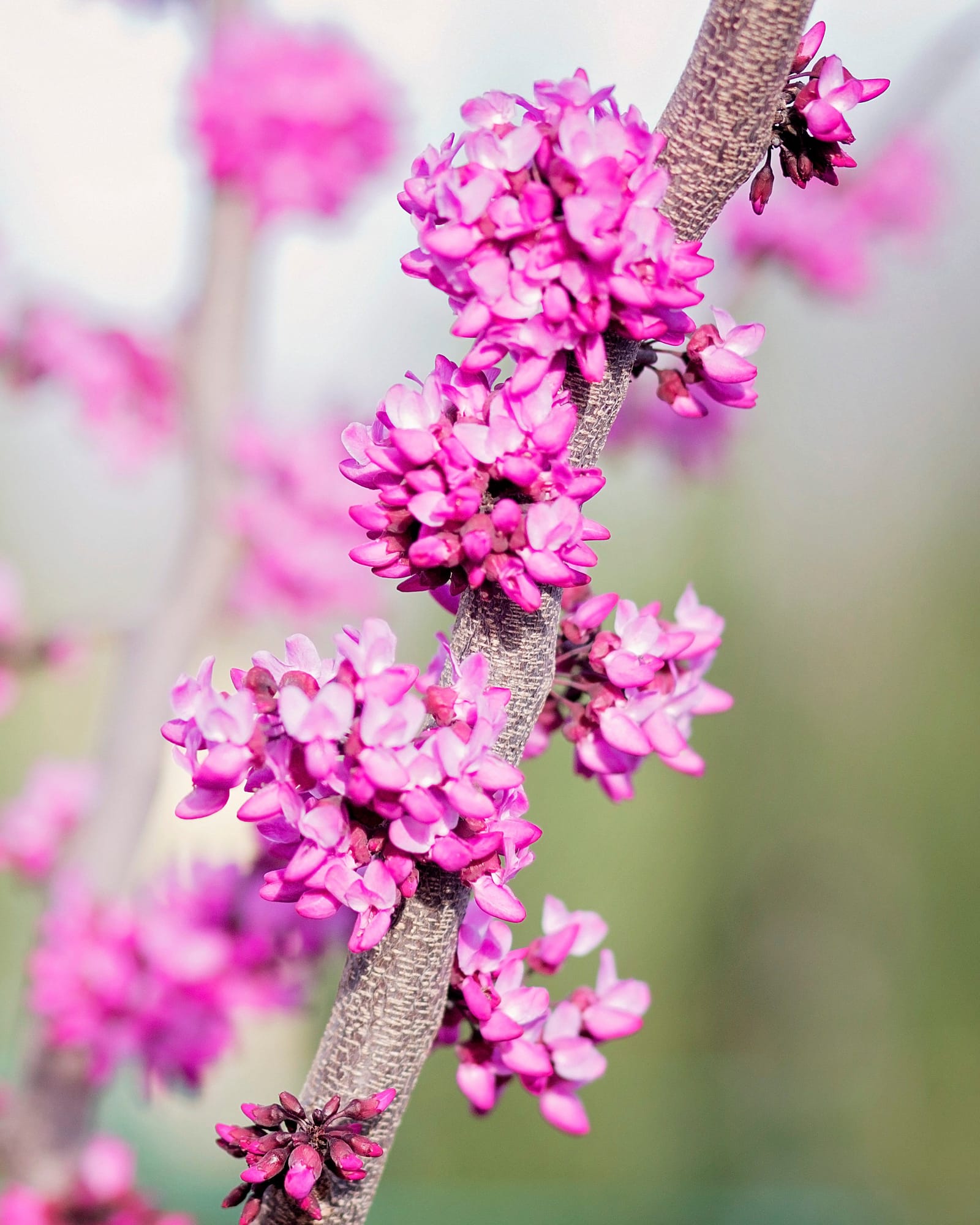
Oklahoma Sparkler Redbud
Maturity: 15' H x 15' W
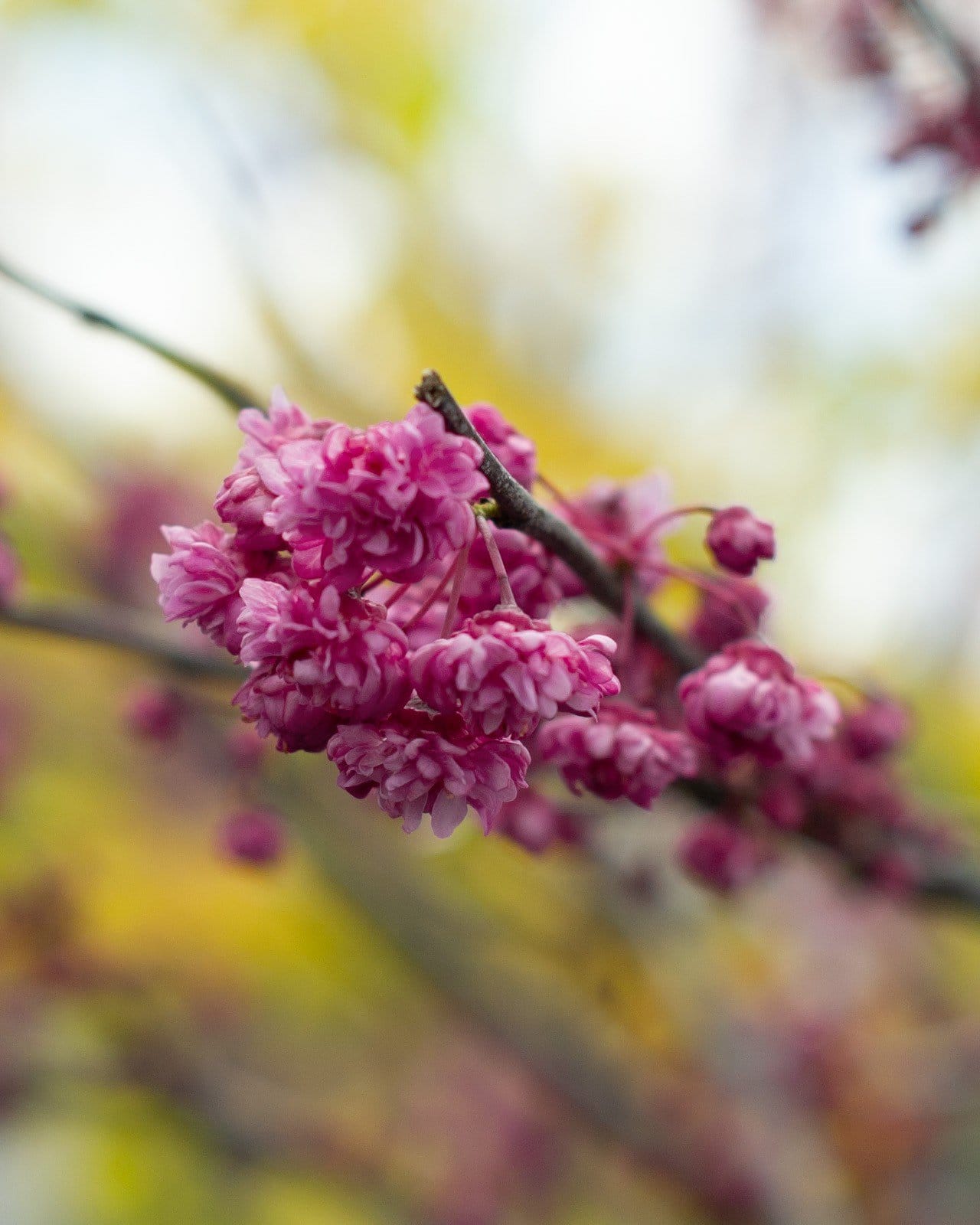
Pink Pom Poms Redbud
Maturity: 15' H x 15' W
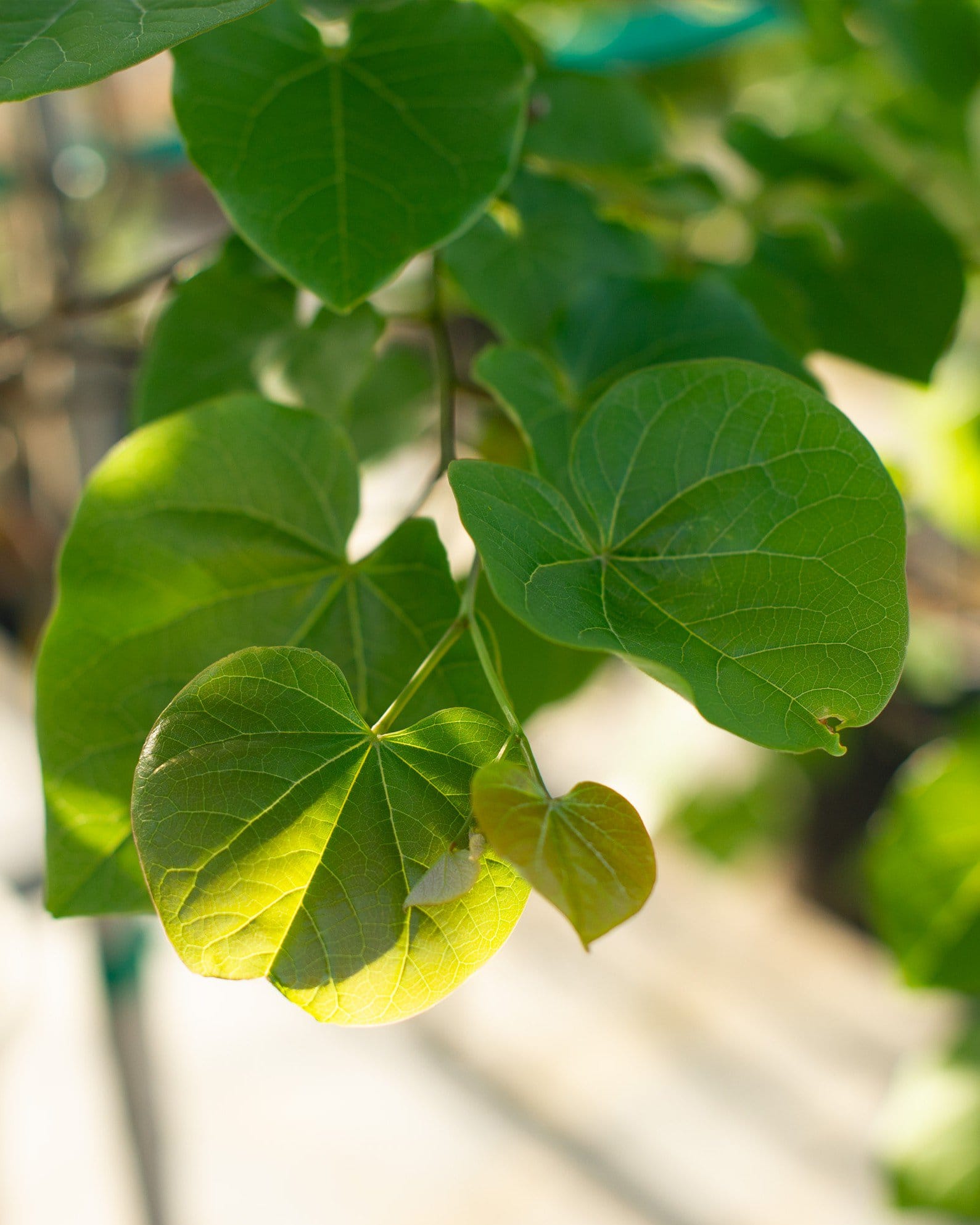
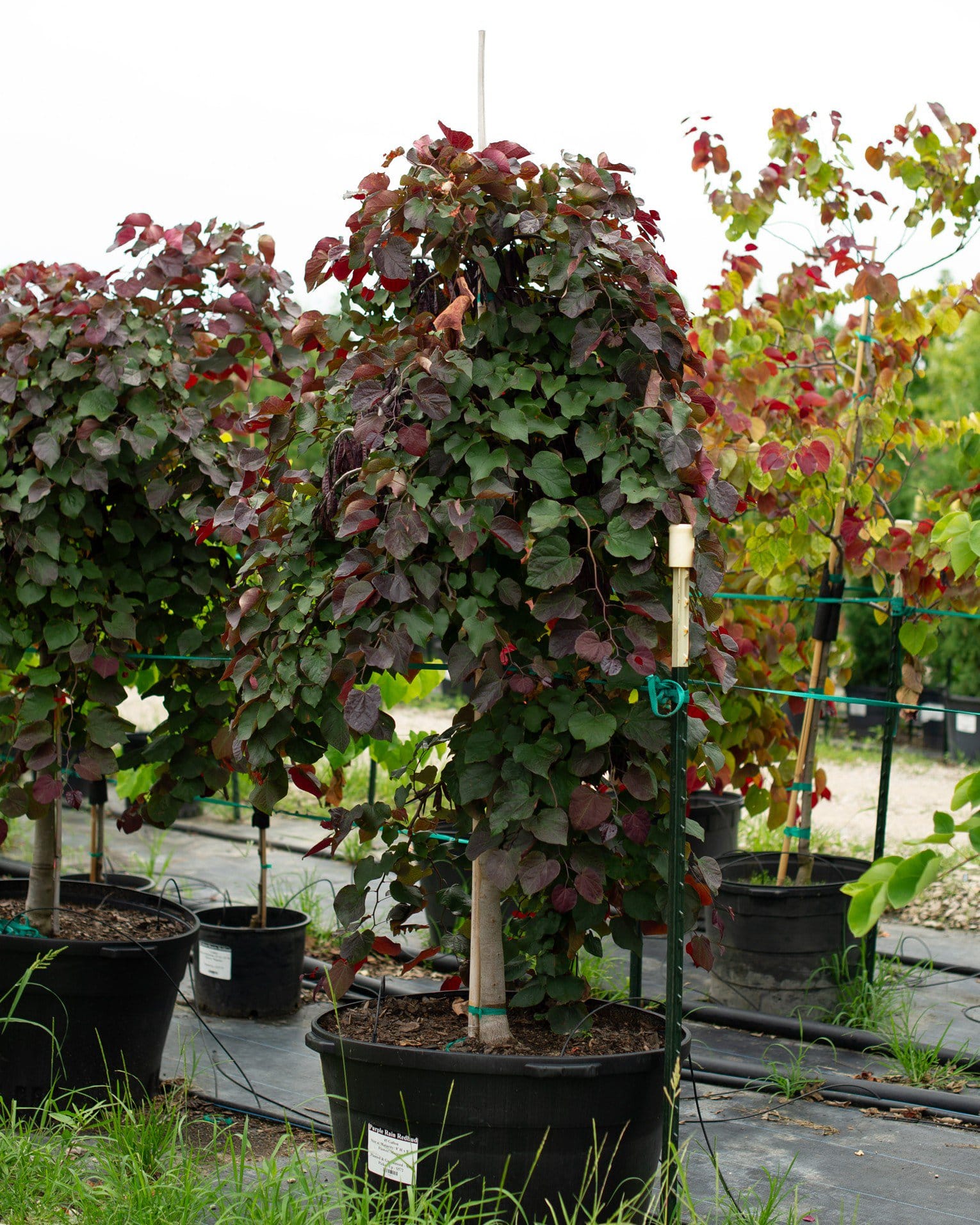
Purple Rain Weeping Redbud
Maturity: 8' H x 8' W
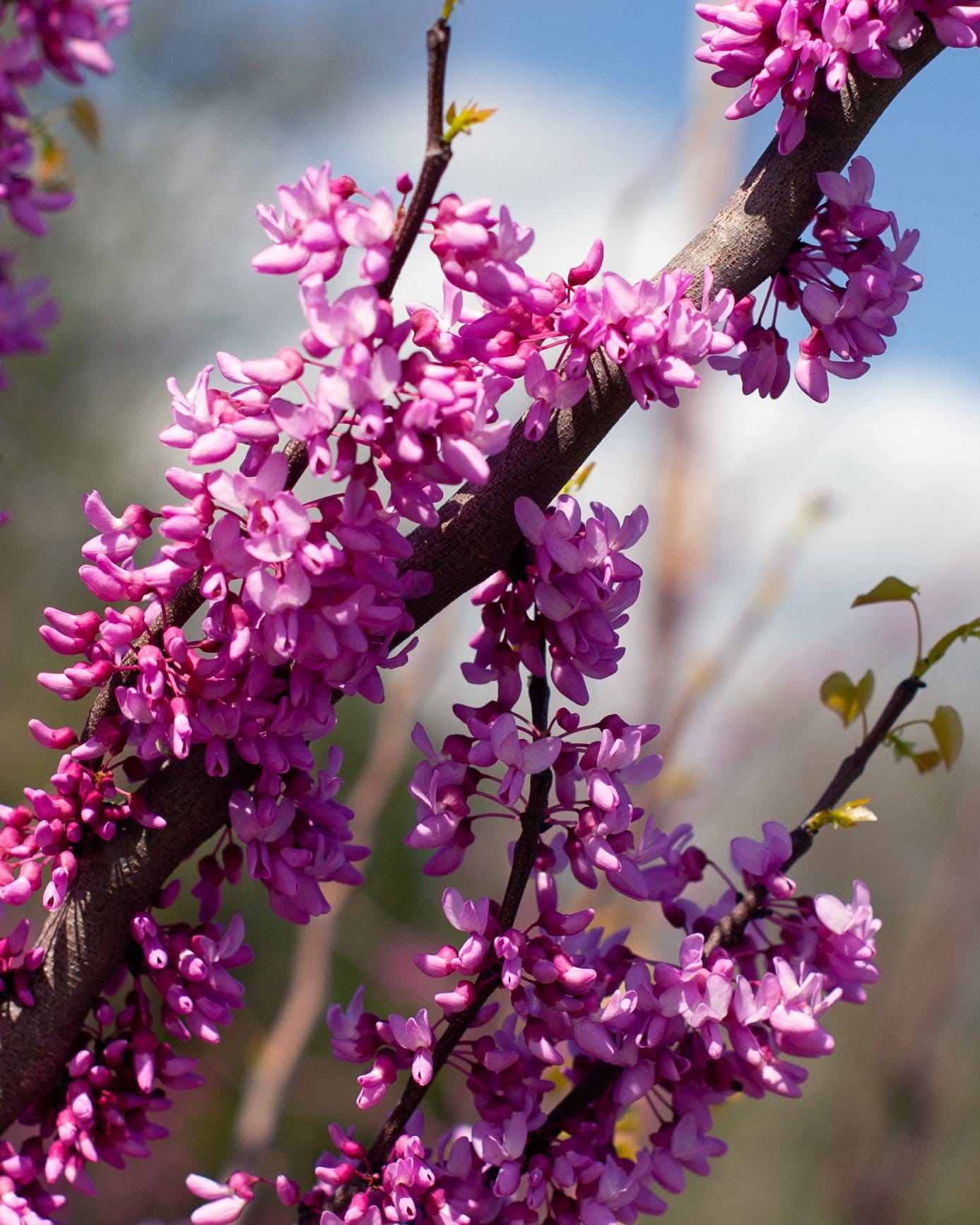
Rise 'N Shine Redbud
Maturity: 20' H x 15' W
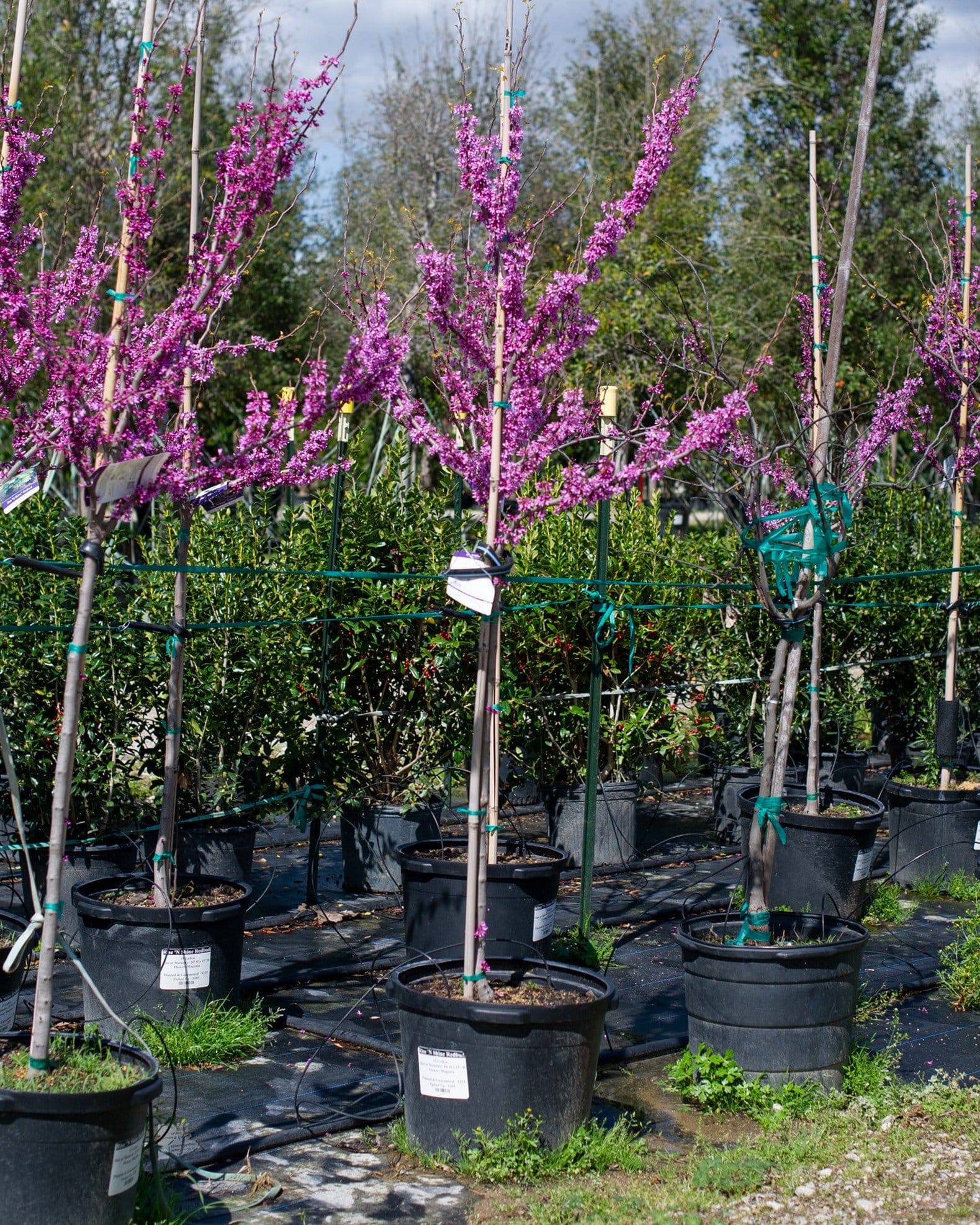
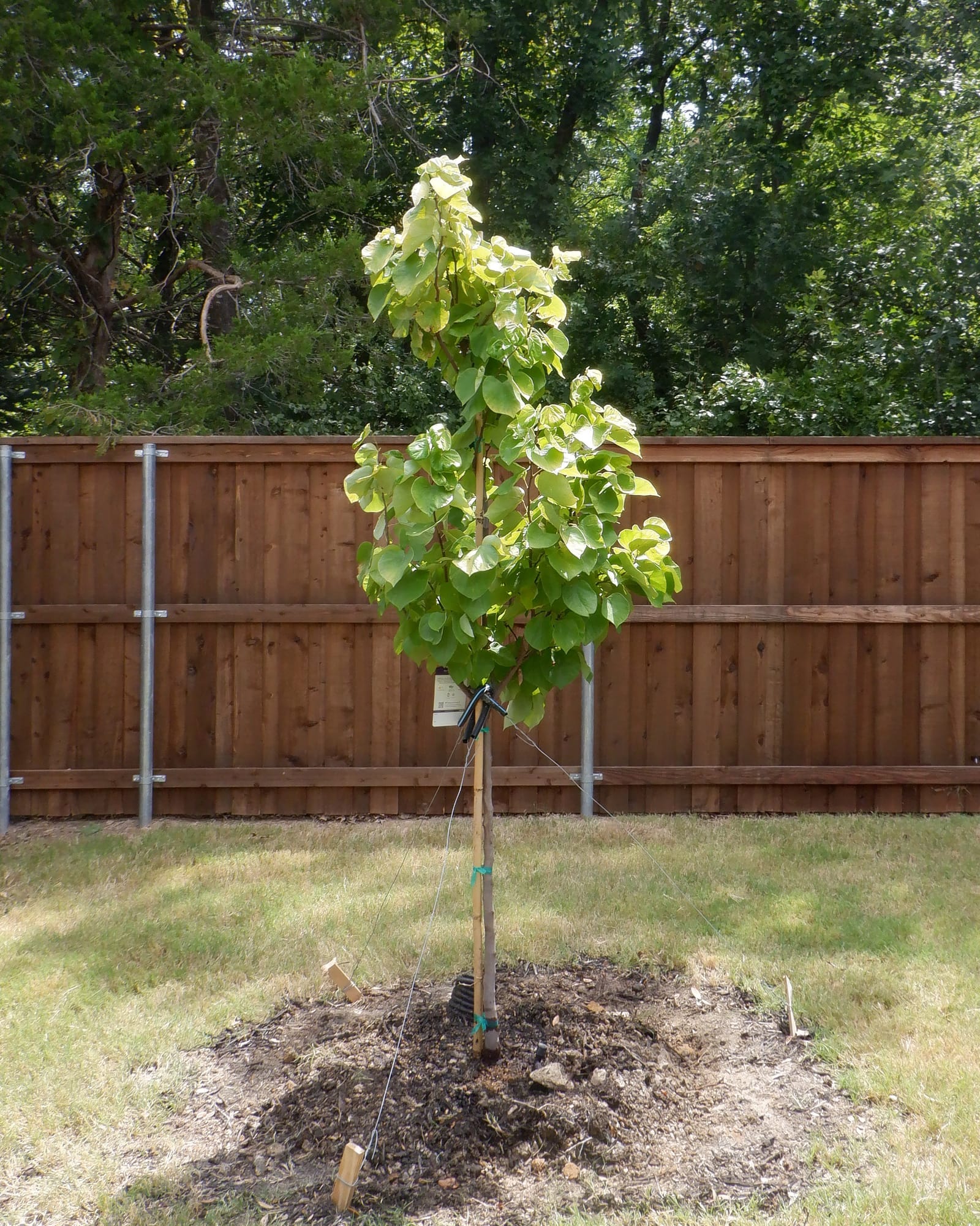
Rising Sun Redbud
Maturity: 15' H x 15' W
Ruby Falls Weeping Redbud
Maturity: 6' H x 10' W
Texas Redbud
Maturity: 30' H x 20' W
Compare Similar Plants
Luscious Lavender Redbud This plant | ||
|---|---|---|
| Scientific Name | Cercis canadensis 'Luclavzam' | Cercis canadensis 'NC2017-6' |
| Size at Maturity | 15' H x 15' W | 8' H x 8' W |
| Leaf Retention | Deciduous | Deciduous |
| Fall Color | Yellow | Yellow |
| Flower Color | Pink | Pink |
| Bloom Times | Spring | Spring |
| Sizes Available | 15 gal | 15 gal |


Our 1-Year Planting Guarantee
We take pride in our plants and installation services. If any plants or trees installed by Treeland fail to thrive within the first year, we'll provide a replacement credit in accordance with our guarantee program.
Learn More About Our Guarantee