
 Texas Native
Pink Pom Poms Redbud
Cercis canadensis 'Pink Pom Poms'Local DFW Delivery Only
Product Details
Pink Pom Poms Redbud
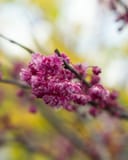
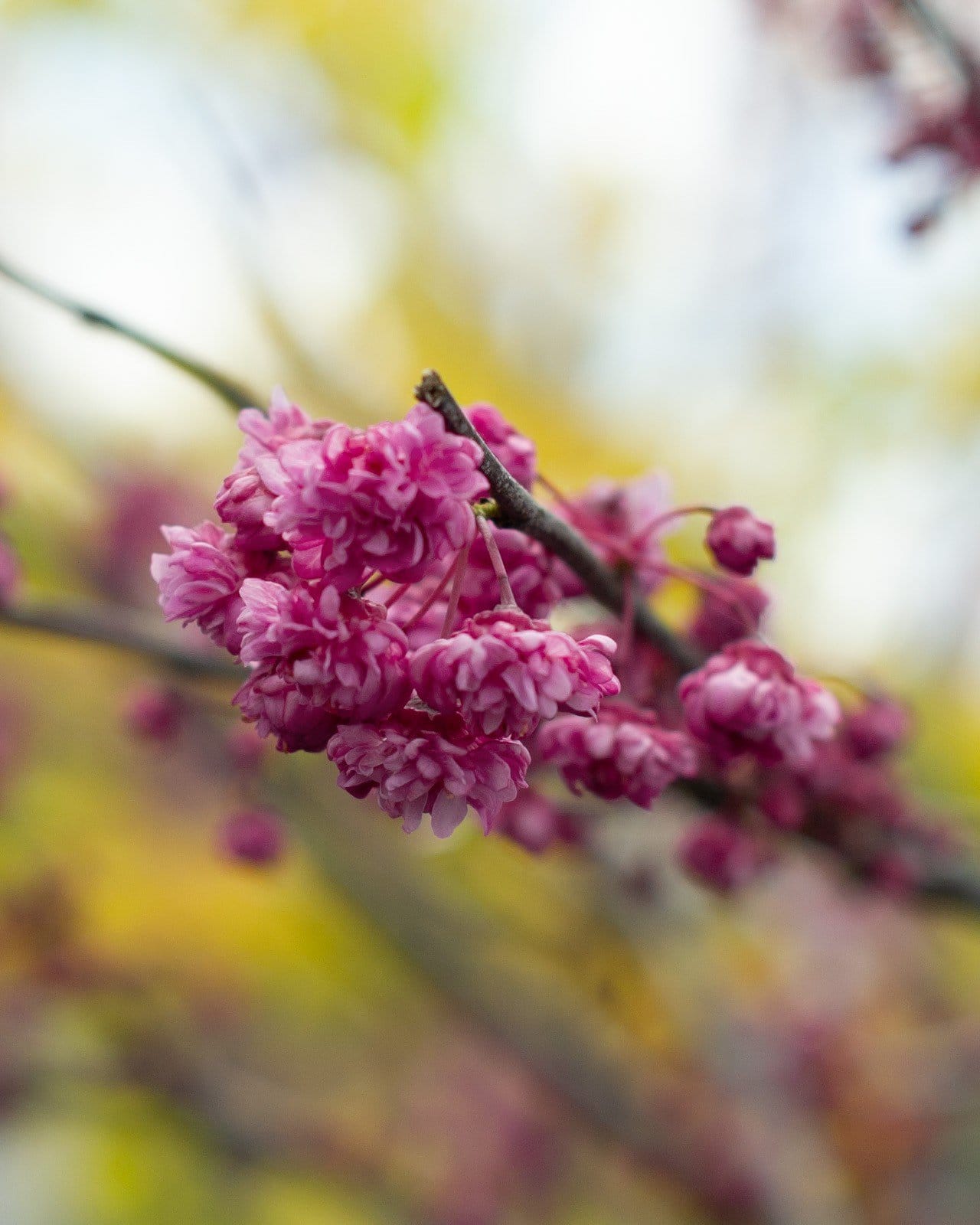
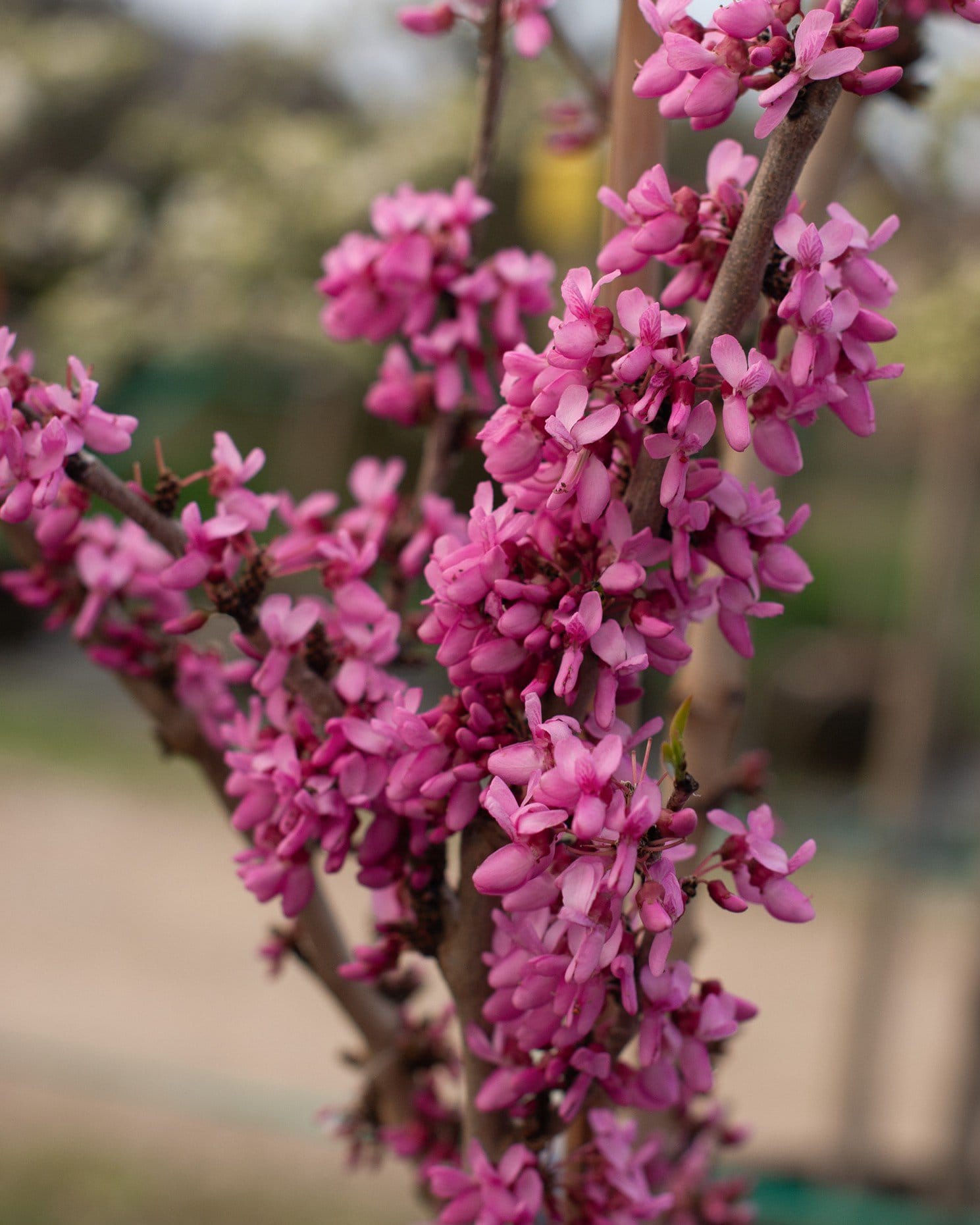
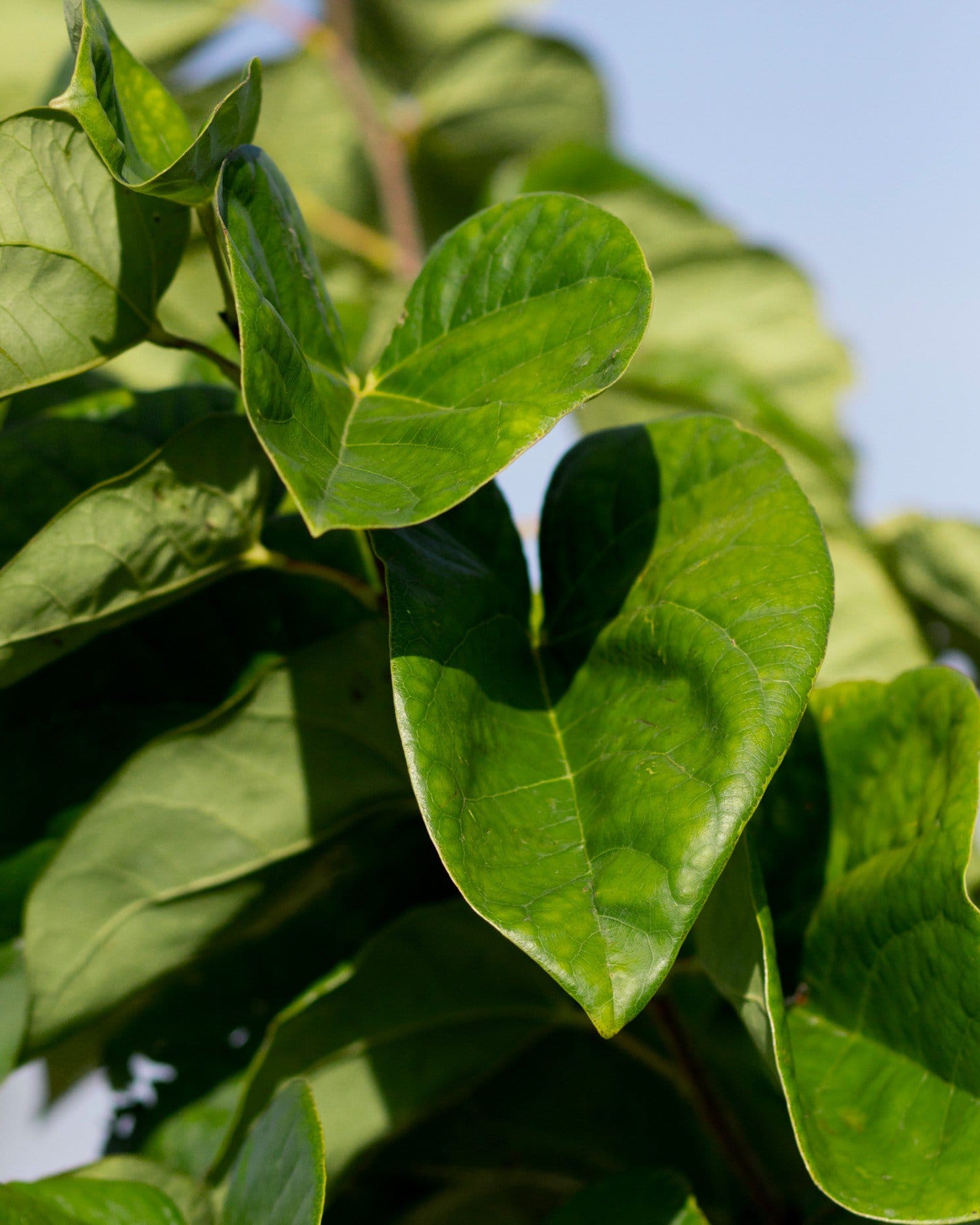
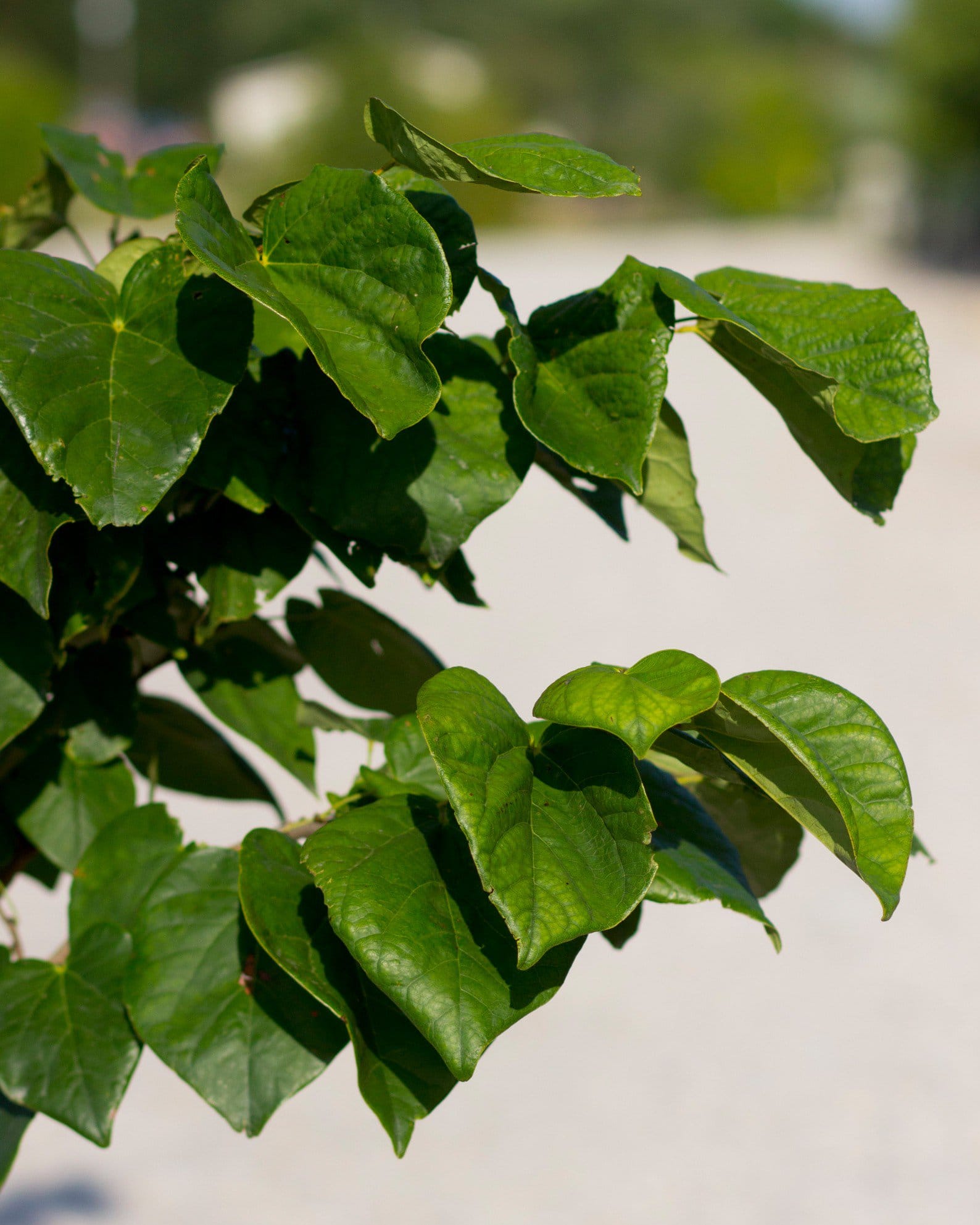
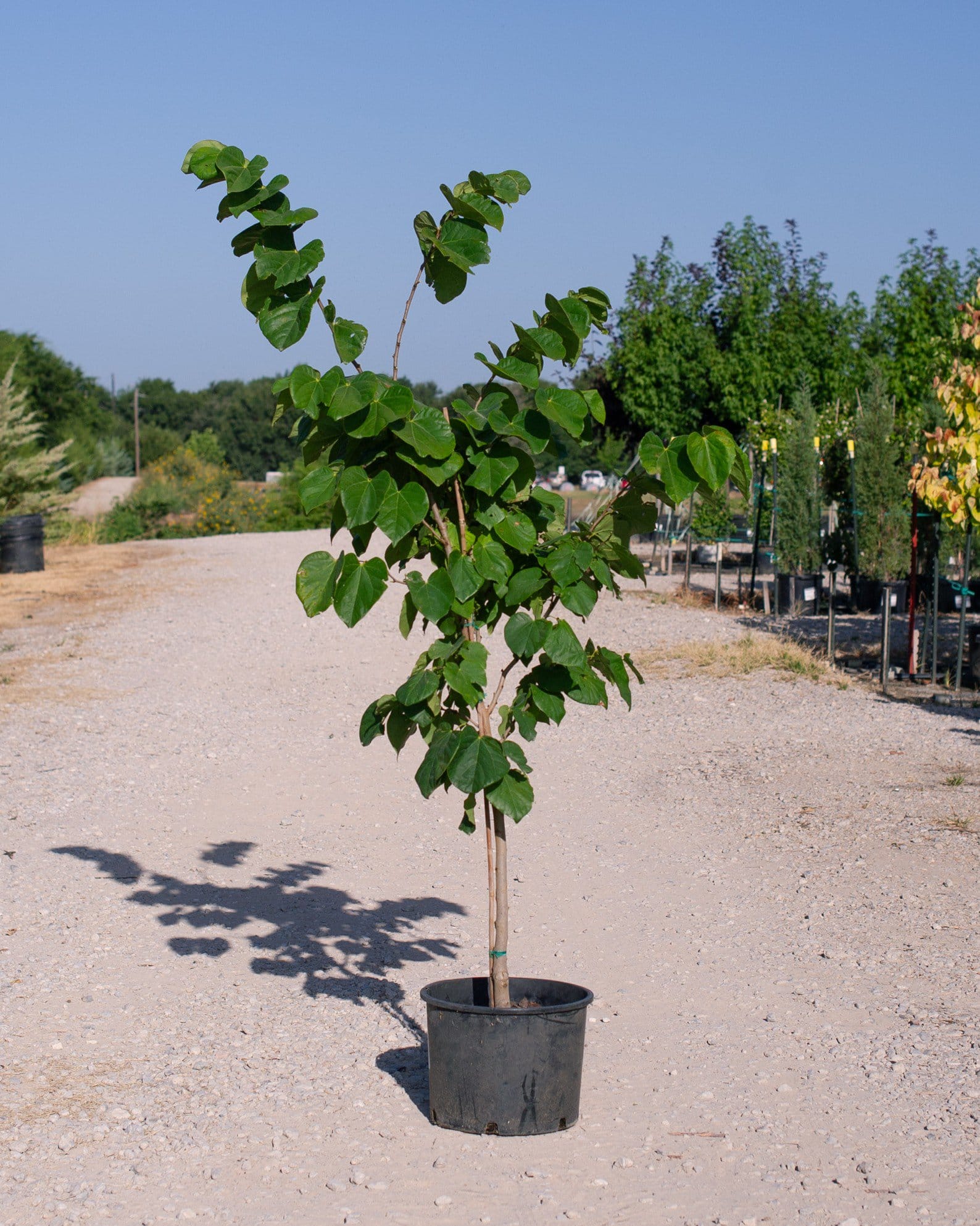
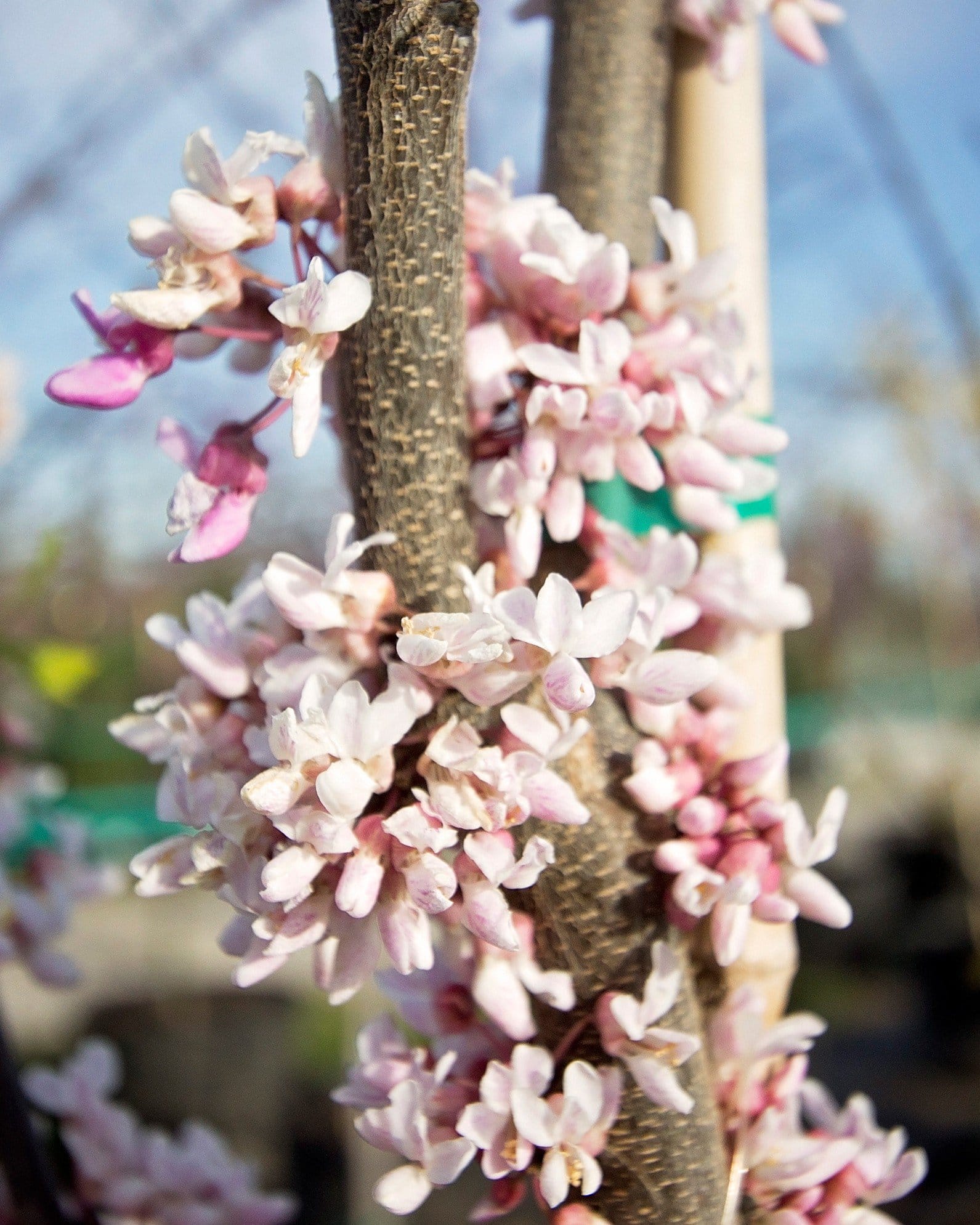
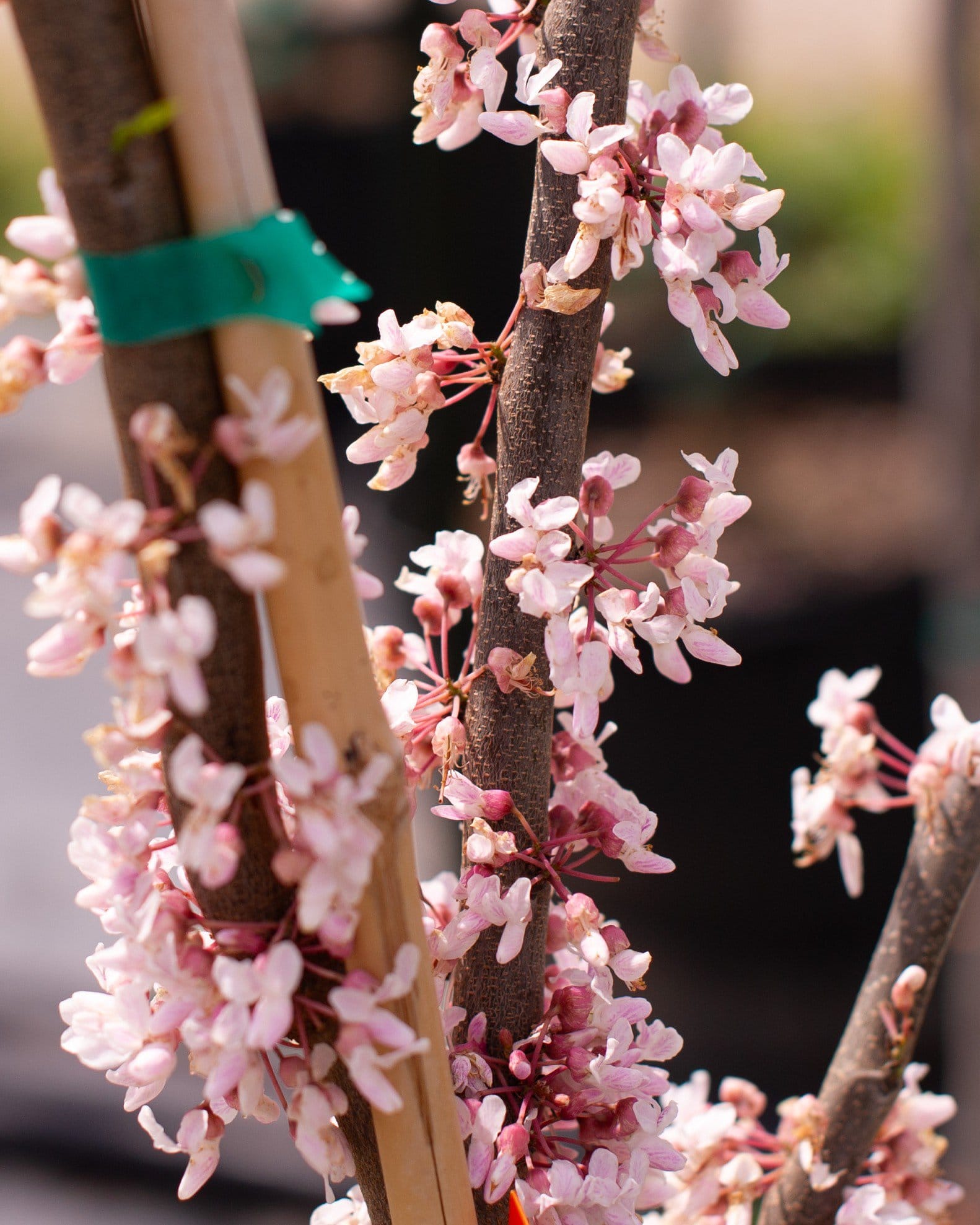
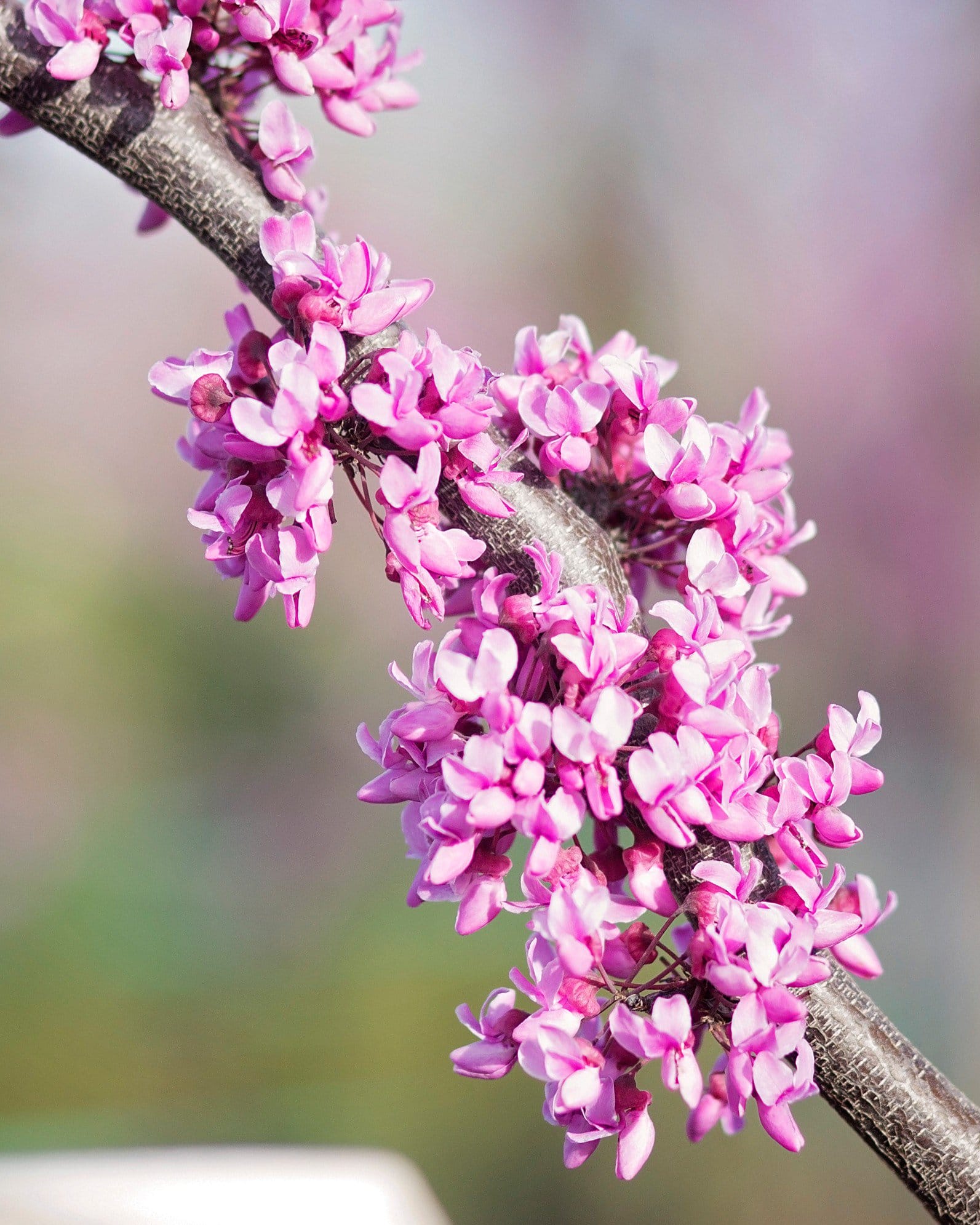
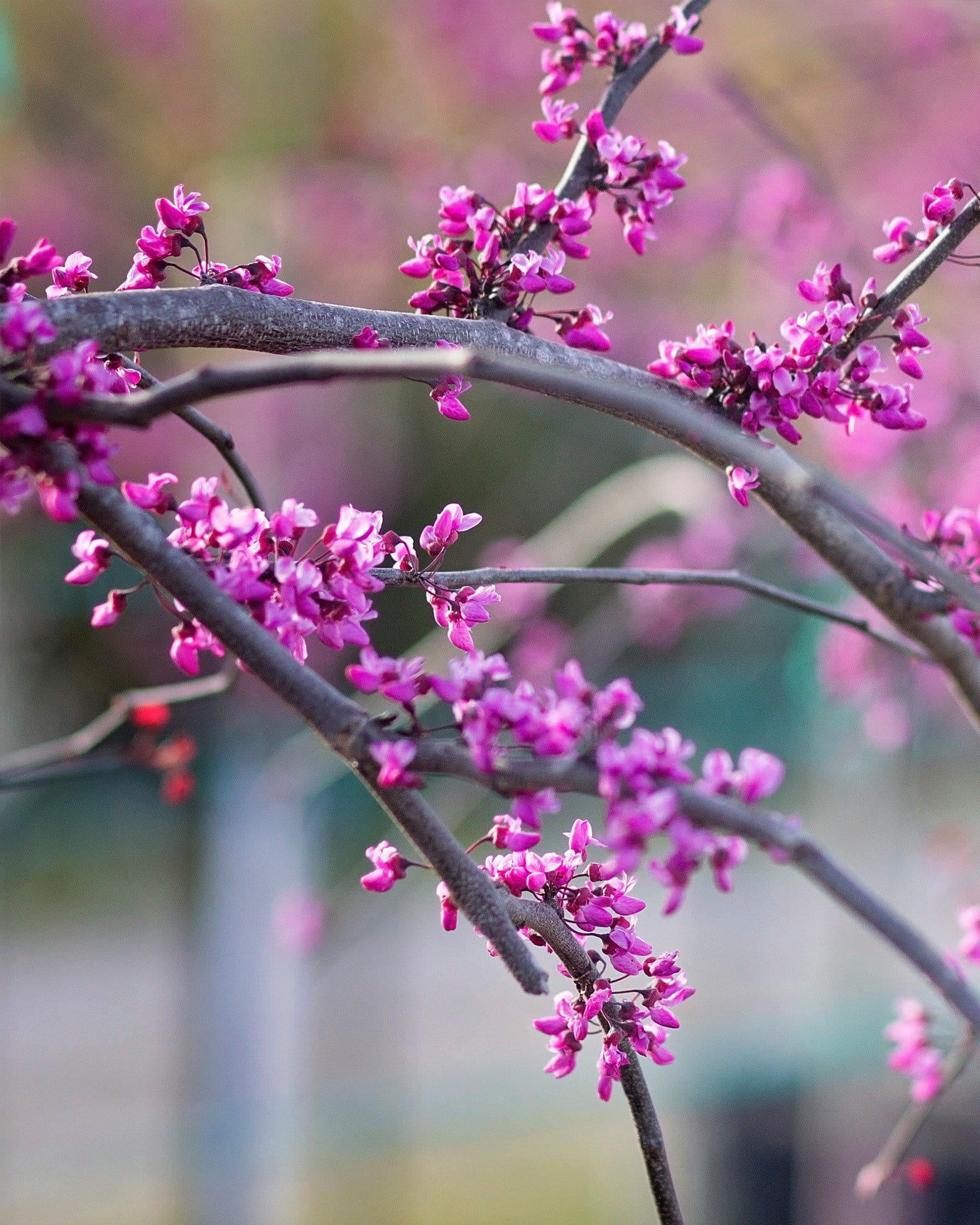
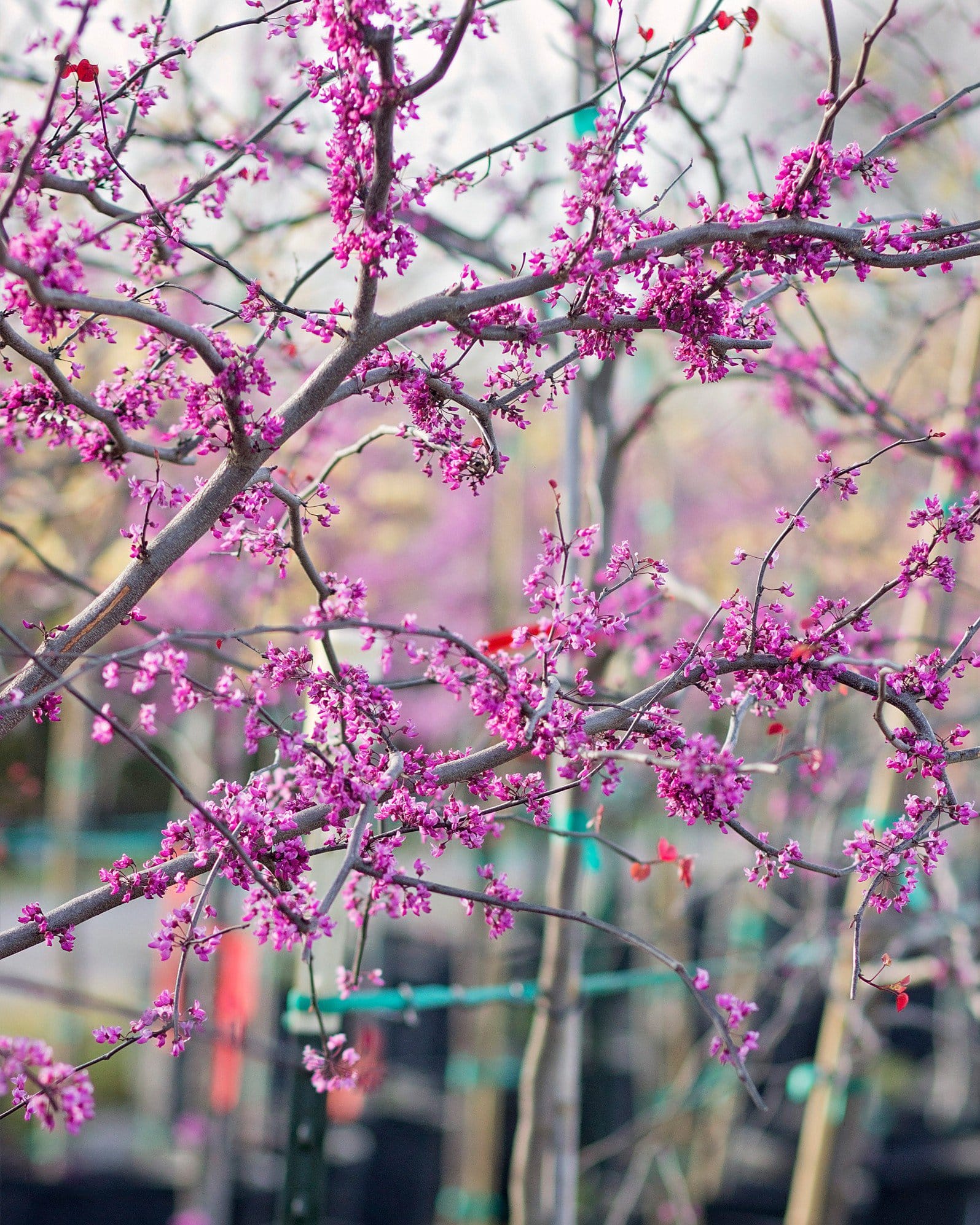
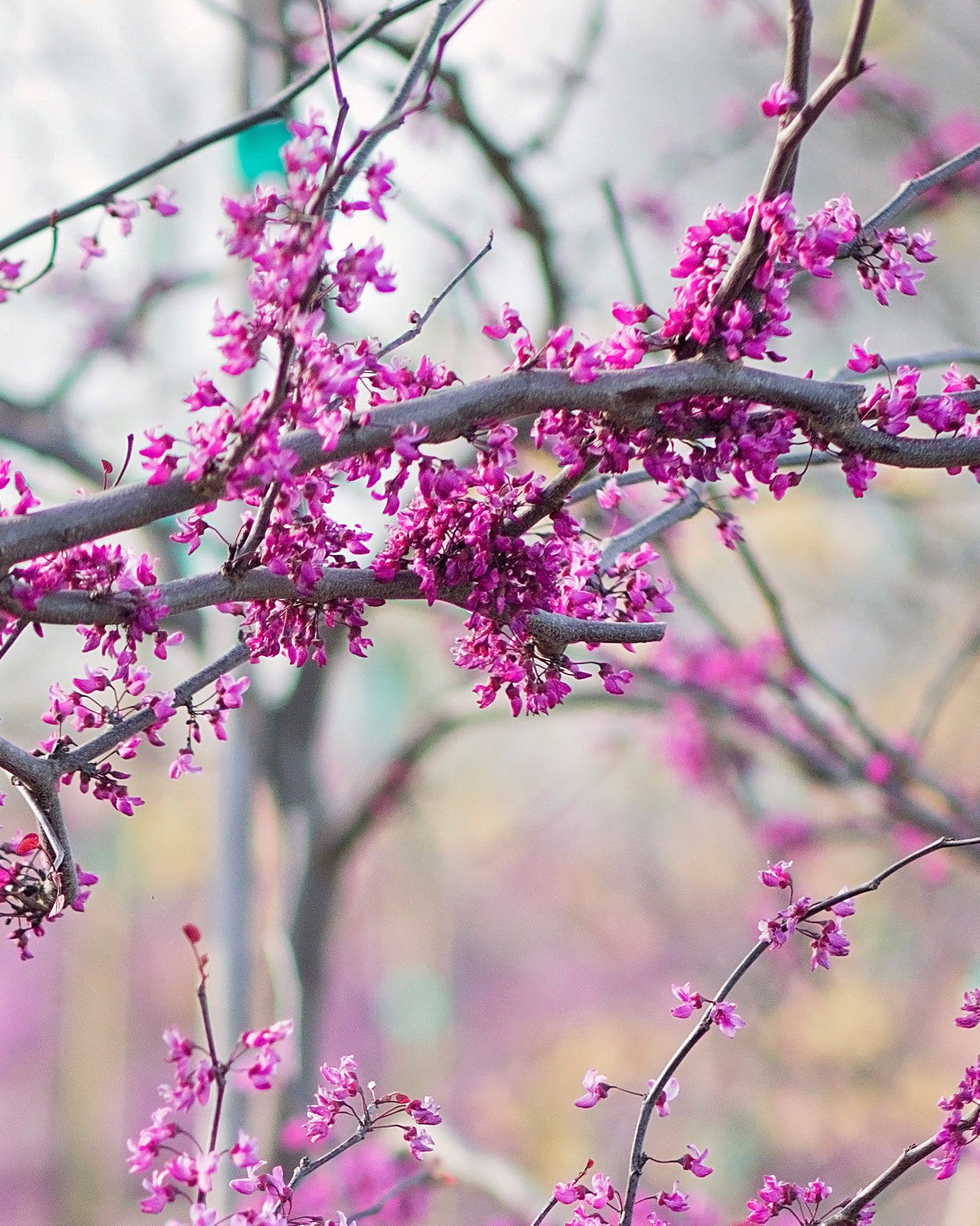
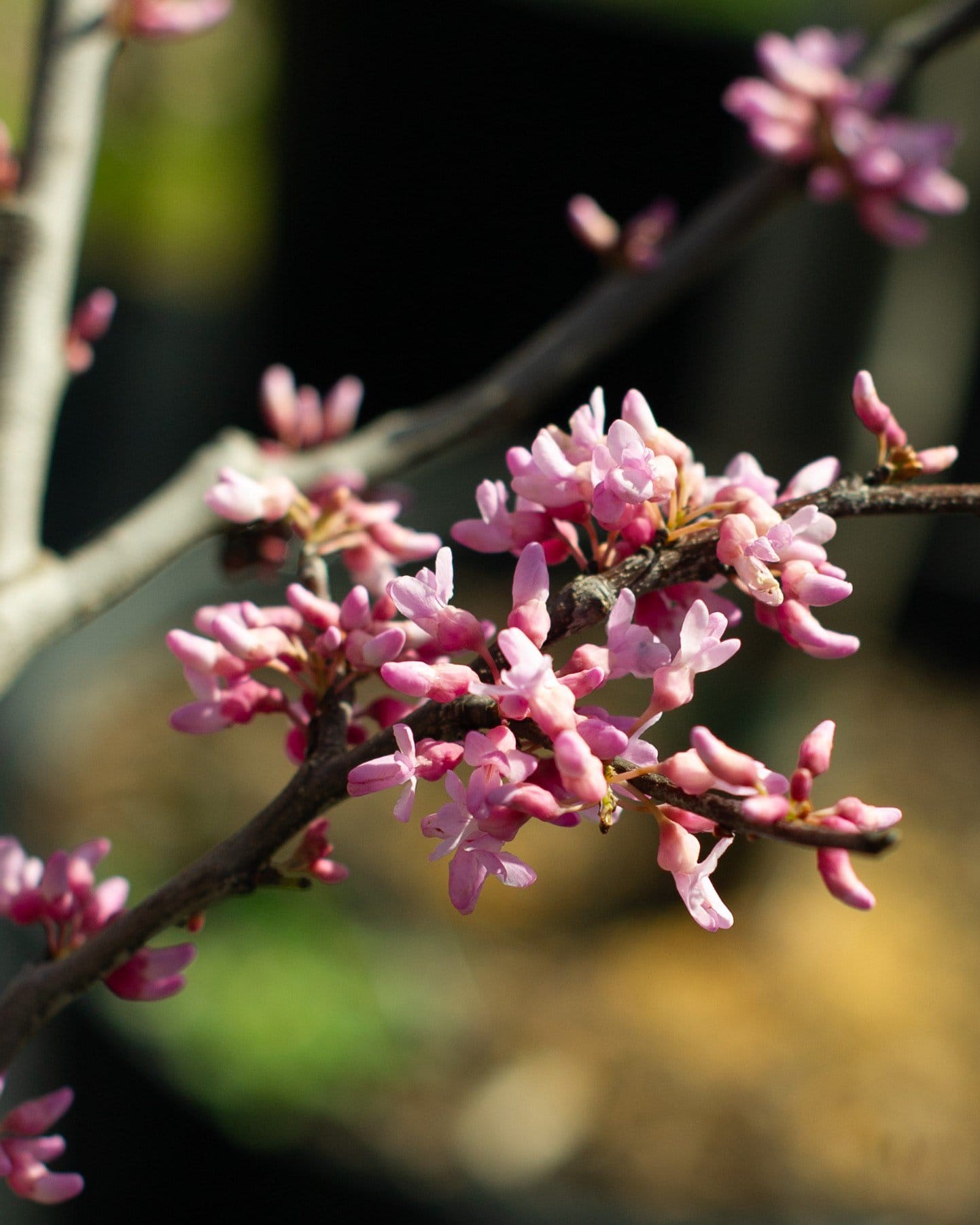
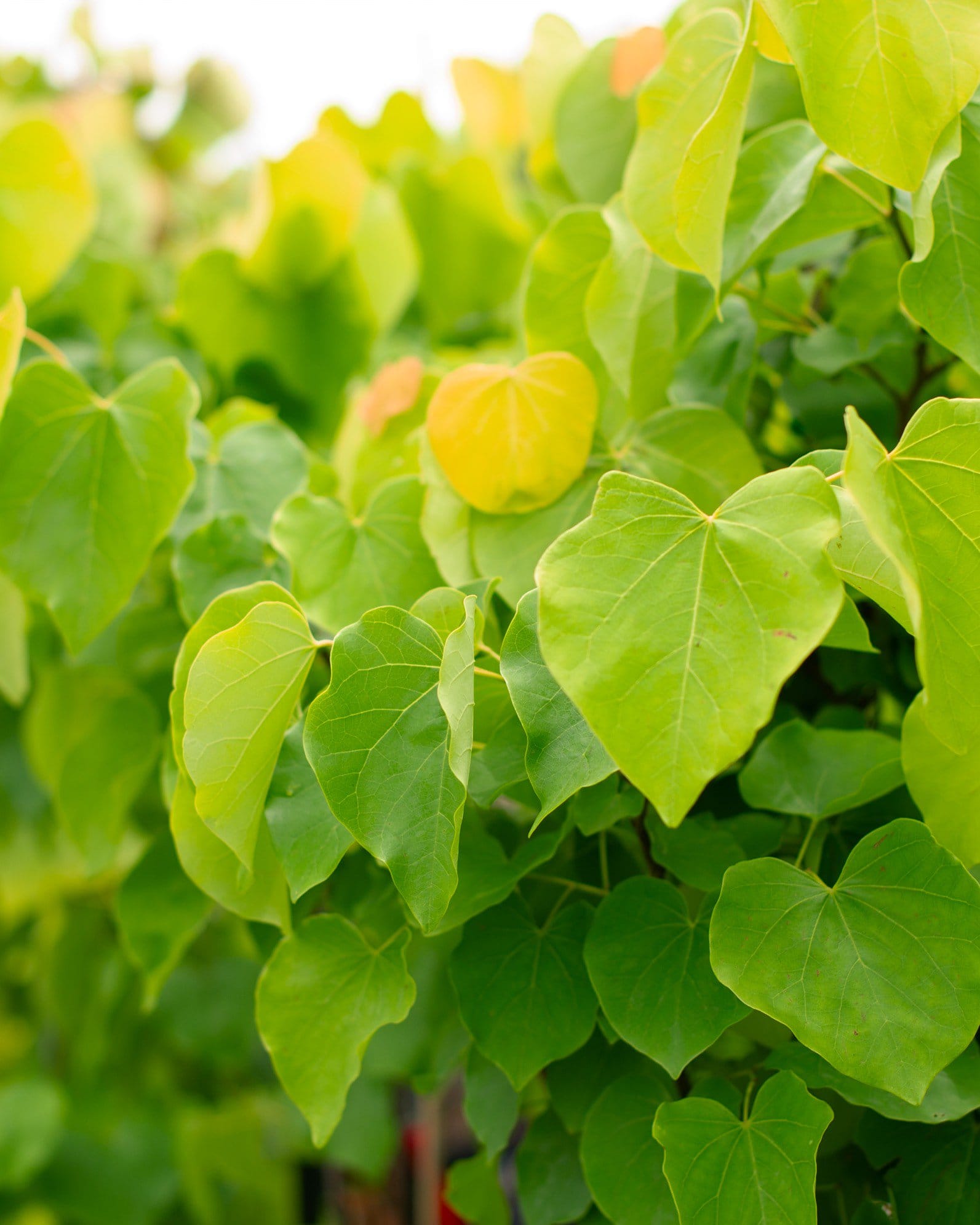
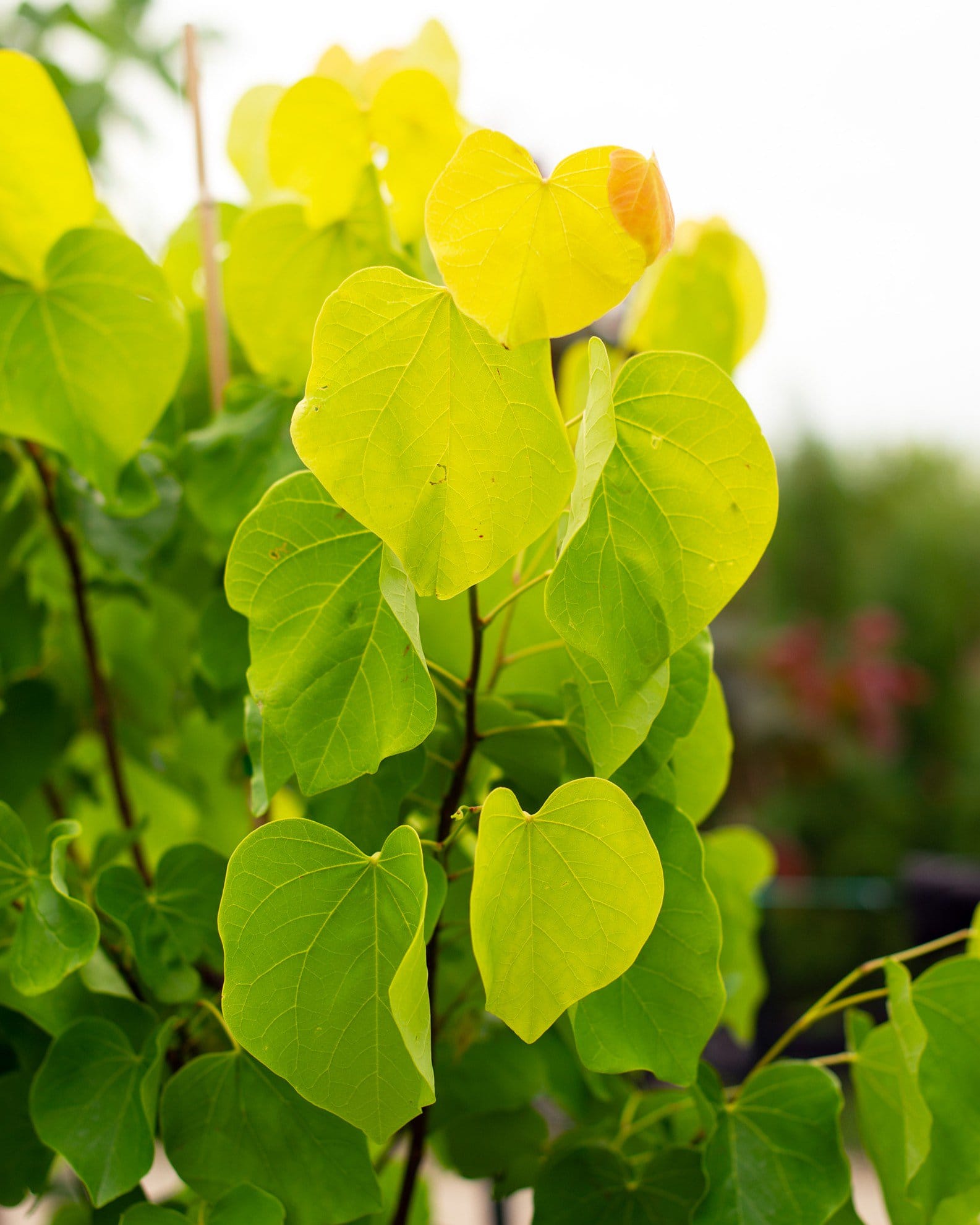
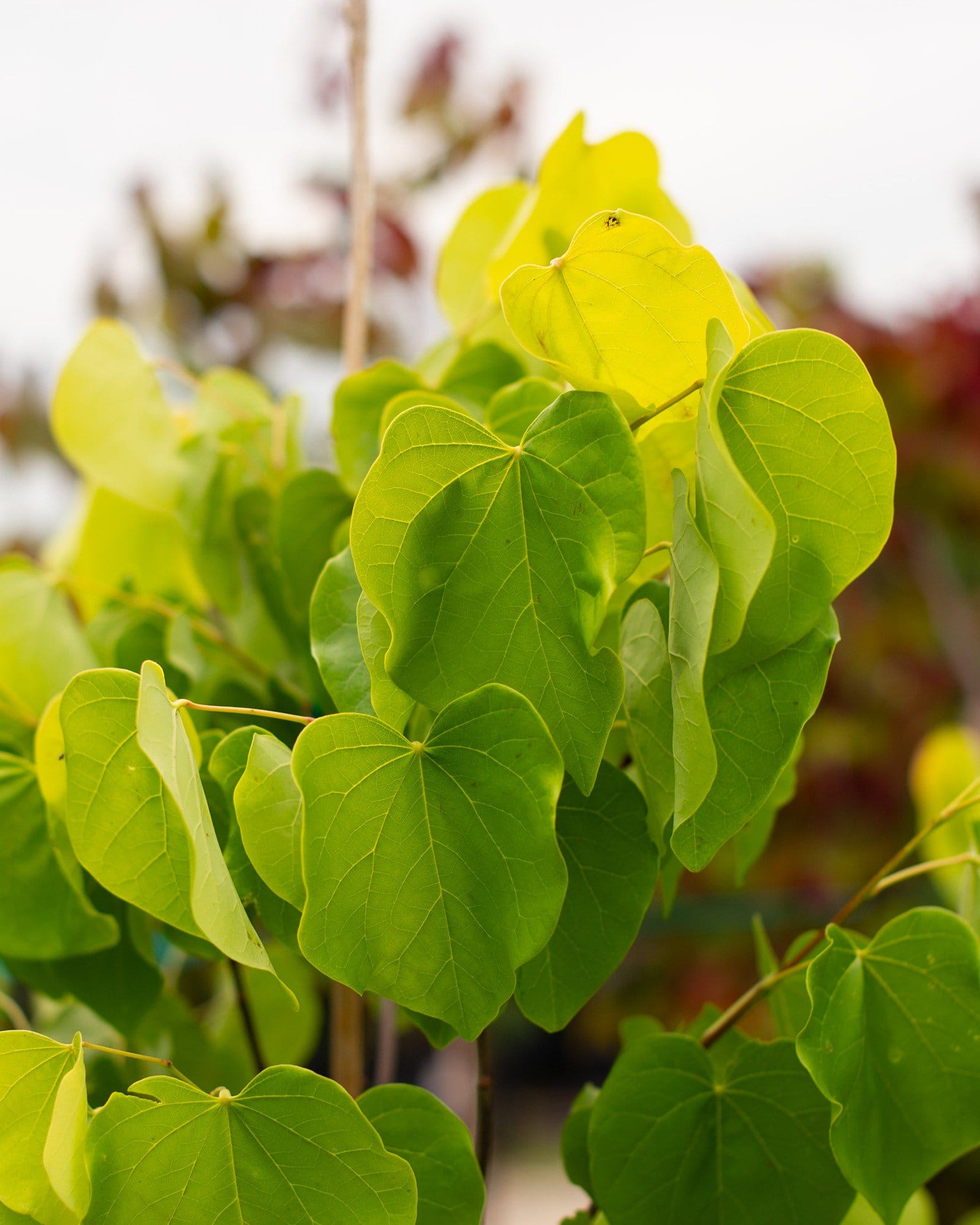
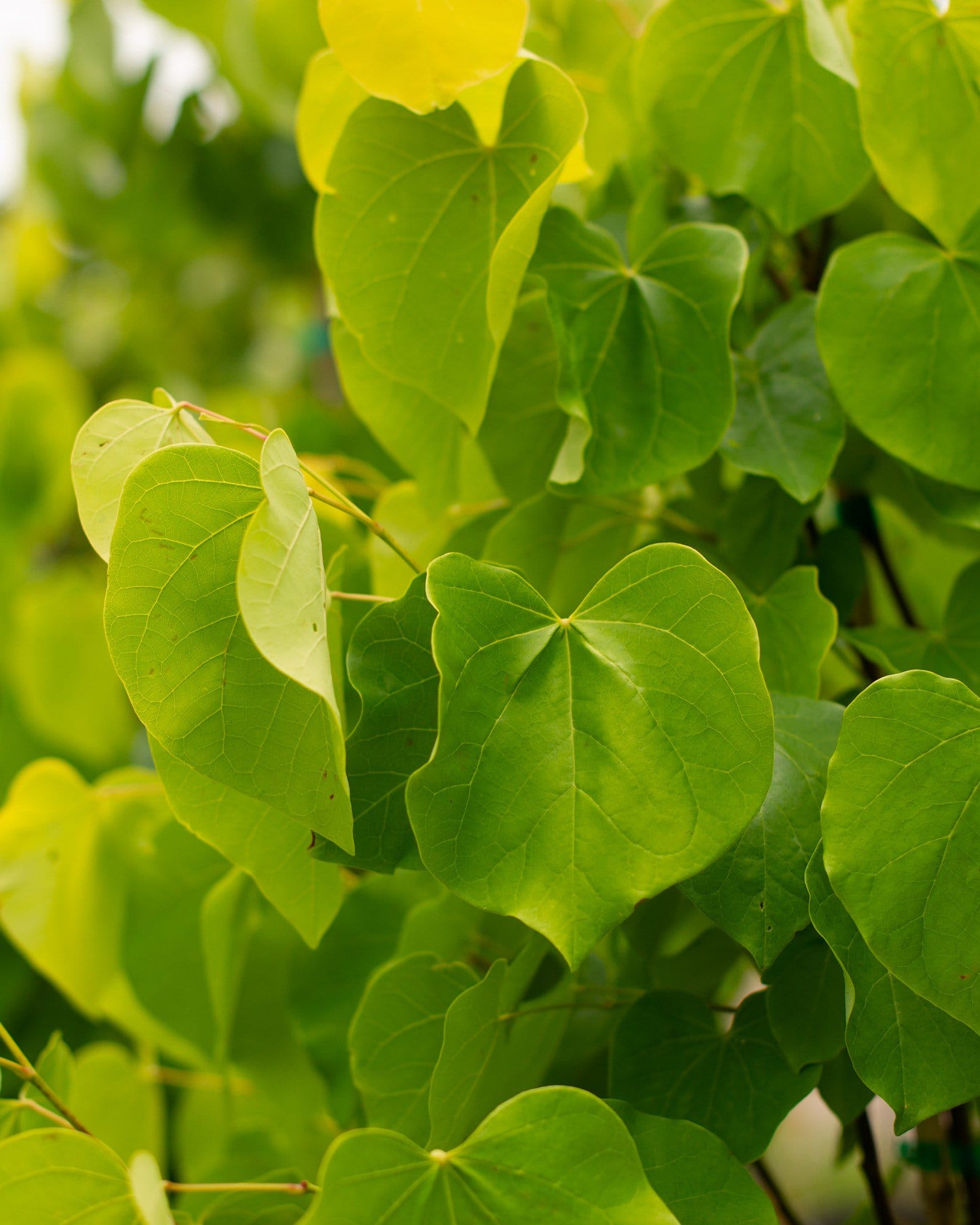
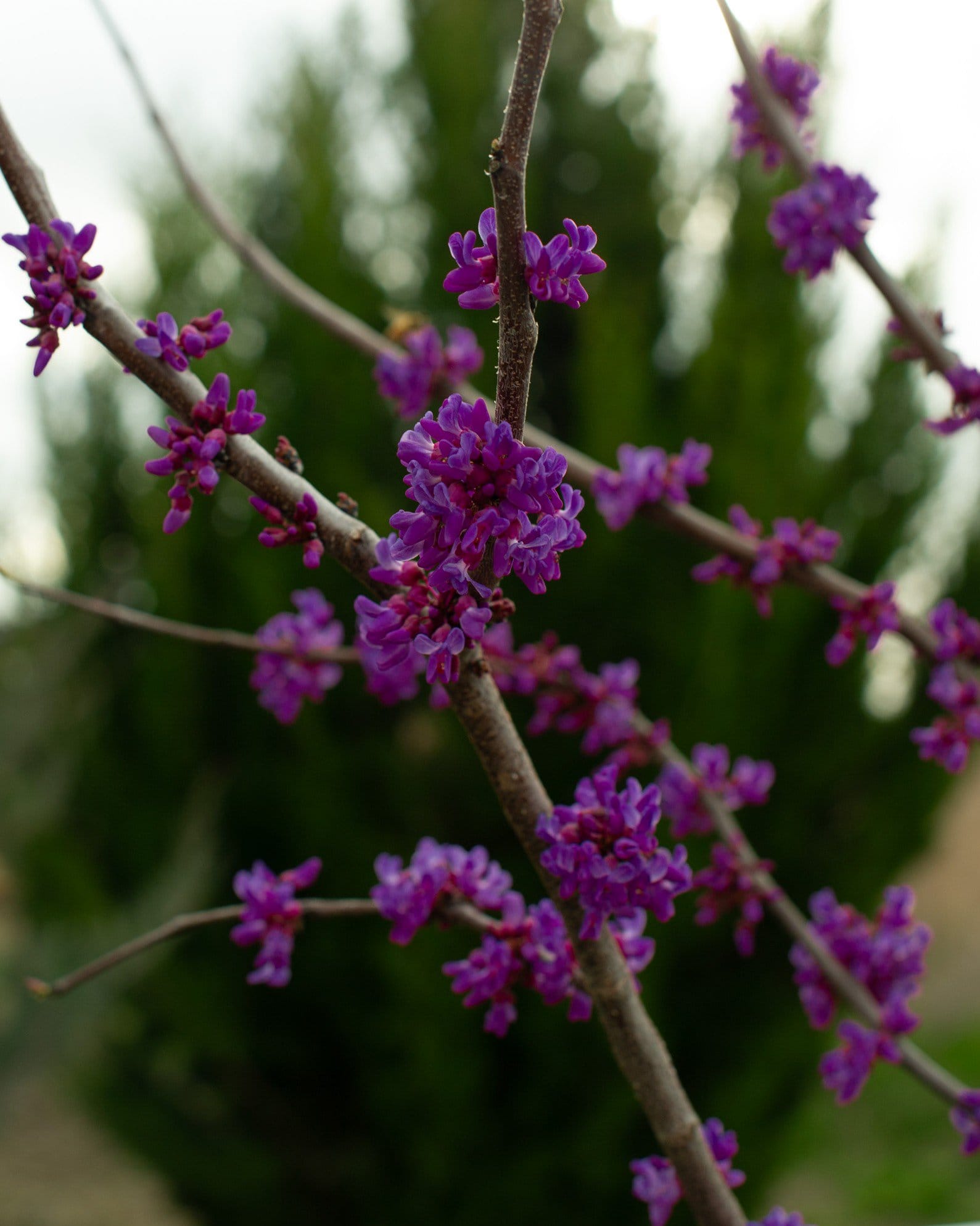
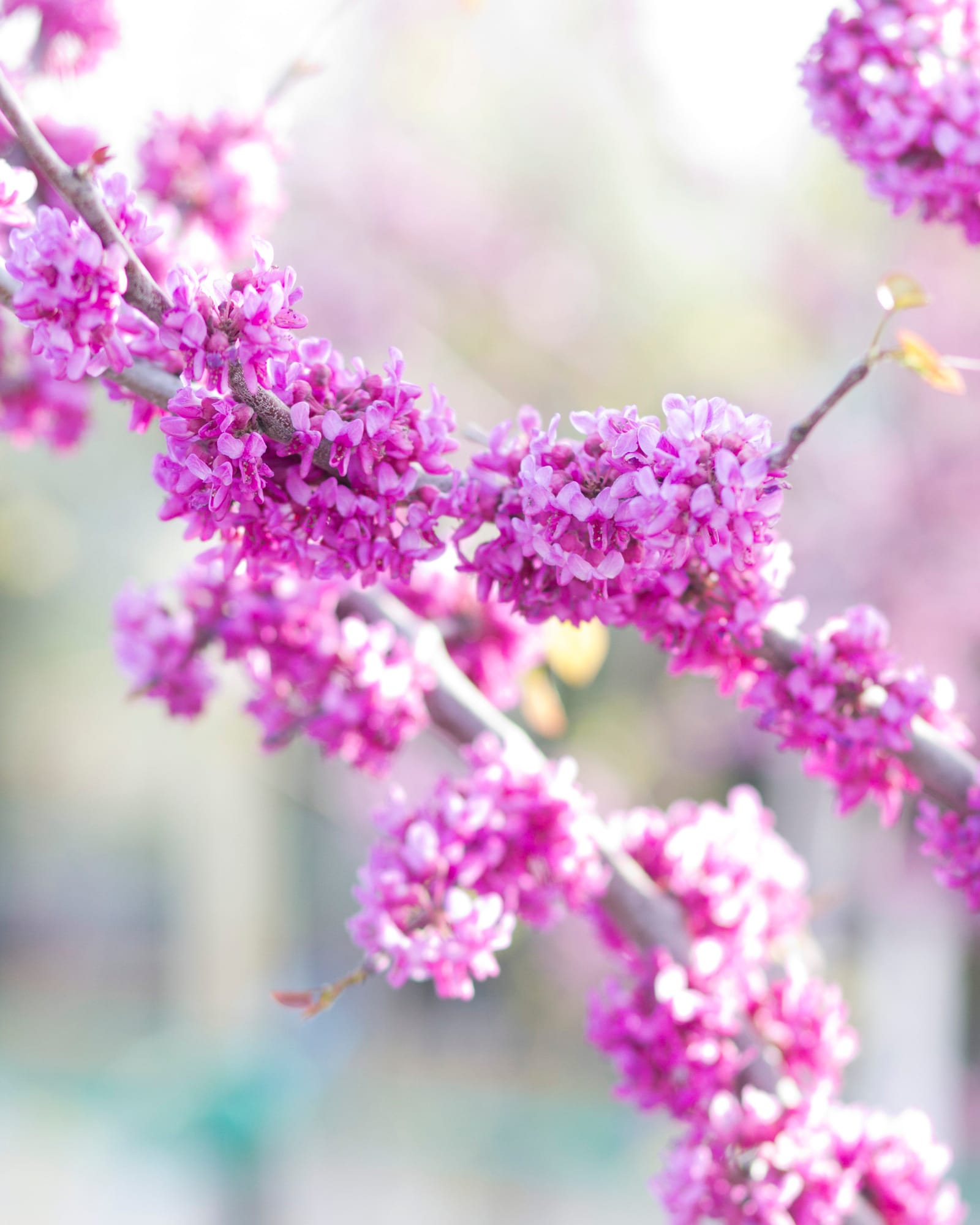
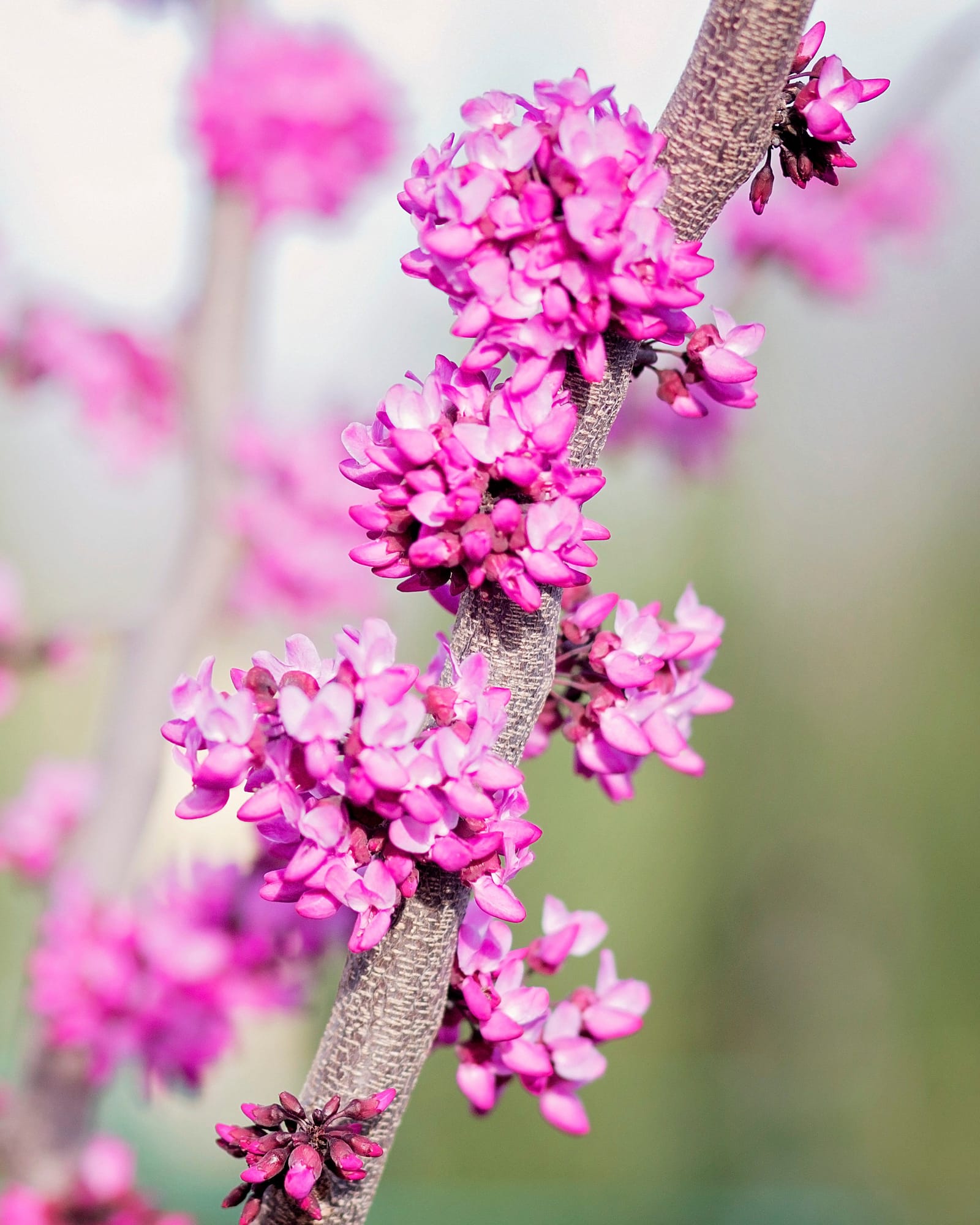
Cercis canadensis 'Pink Pom Poms'Pink Pom Poms Redbud is a charming small tree celebrated for its abundant, rounded clusters of vivid pink flowers that bloom in early spring. Reaching about 15 feet in height and width, this deciduous tree forms a neat, rounded canopy that adds vibrant color and texture to flower beds, borders, or smaller landscape spaces. The dense flower clusters create a “pom pom” effect, providing a playful and eye-catching display that signals the start of the growing season.
- Deciduous tree
- Moderate growth rate
- Bright pink pom pom-like flower clusters bloom in spring
- Perfect for small to medium flower beds and intimate landscapes
- Adds cheerful color and seasonal interest
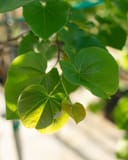
Pink Pom Poms Redbud thrives in full sun to partial shade and prefers well-drained soil. Its manageable size and stunning blooms make it a versatile and delightful choice for North Texas landscapes and similar climates. Hardy in USDA zones 4 through 9.
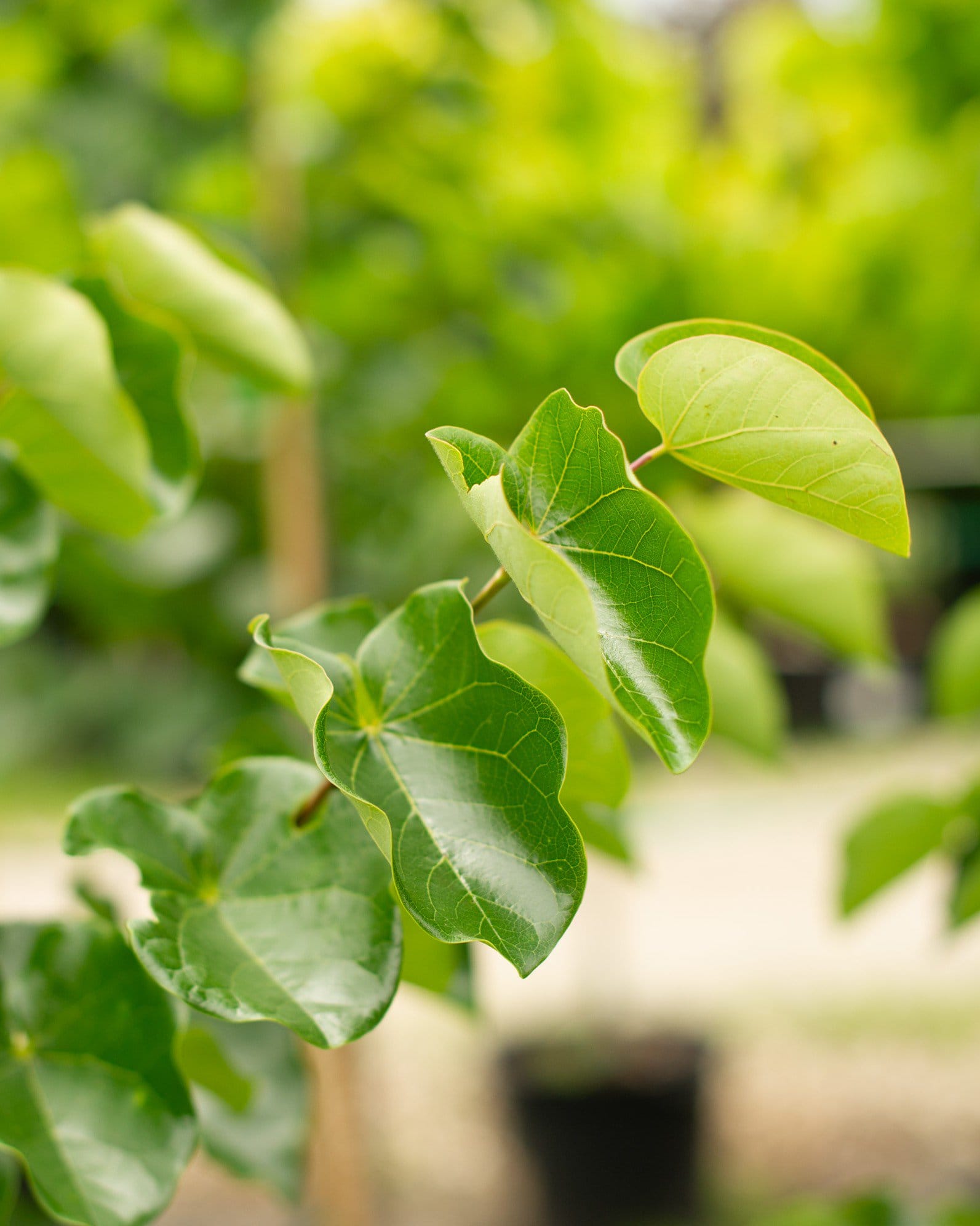
Pink Pom Poms Redbud delights with its fully double, rose-pink blossoms while remaining easy-going once established. Here’s everything it needs:
- Watering: Provide deep, consistent watering during the first several years to help the root system establish securely. Mature trees tolerate moderate drought, though steady moisture encourages fuller flowering and helps maintain rich foliage color.
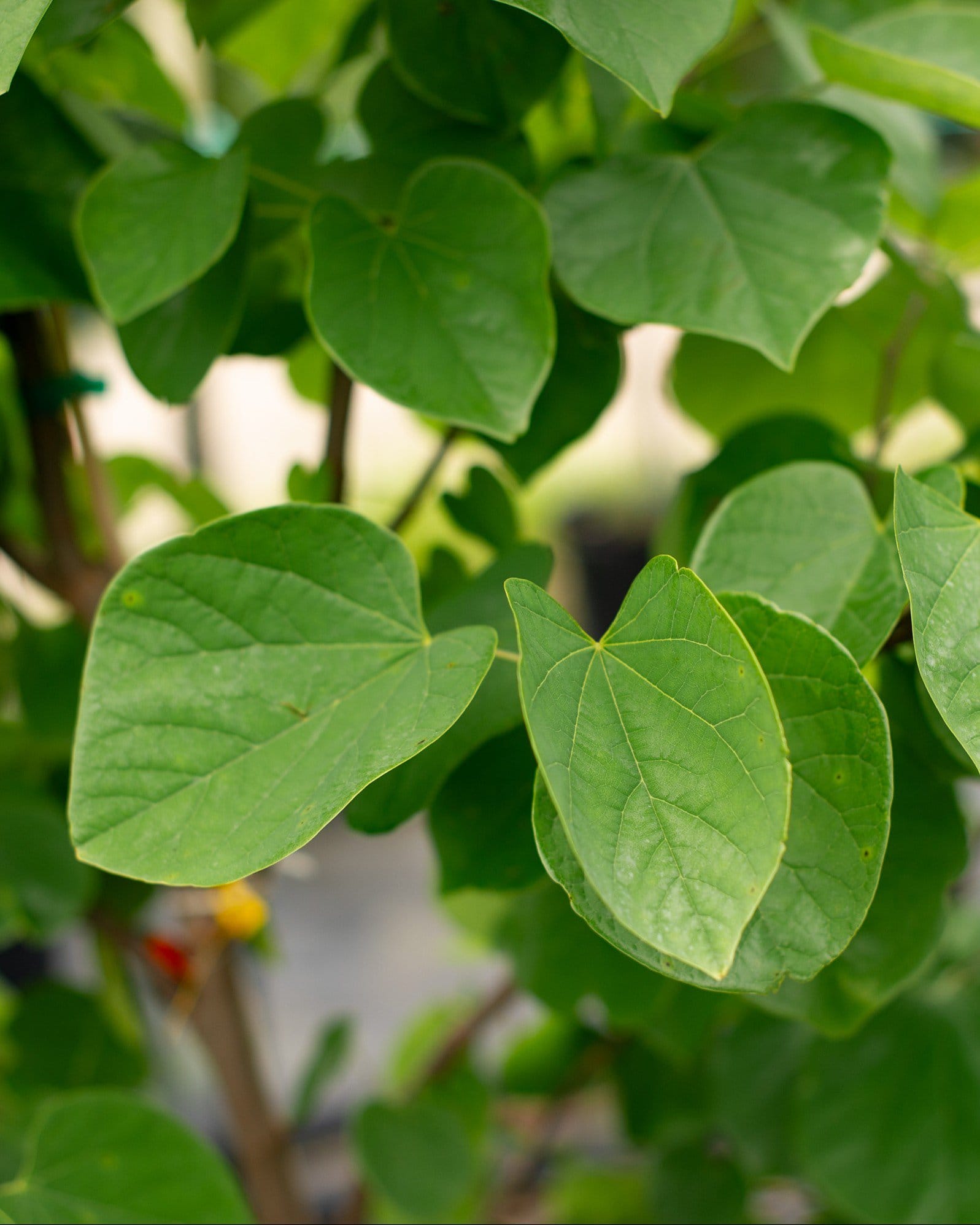
- Pruning: Prune in late winter to remove damaged, crossing, or congested branches and to promote a tidy, open framework. Because Pink Pom Poms naturally forms a rounded, ornamental shape, only light shaping is typically needed.
- Fertilizing: Apply a balanced, slow-release fertilizer in early spring to support vigorous growth and abundant flower production. Organic compost improves soil health and encourages long-term vitality. Avoid too much nitrogen - it can reduce bloom quantity.
- Mulching: Maintain a 2-3 inch mulch layer around the root zone to preserve moisture and protect shallow roots from heat stress. Keep mulch away from direct contact with the trunk and refresh annually for best results.
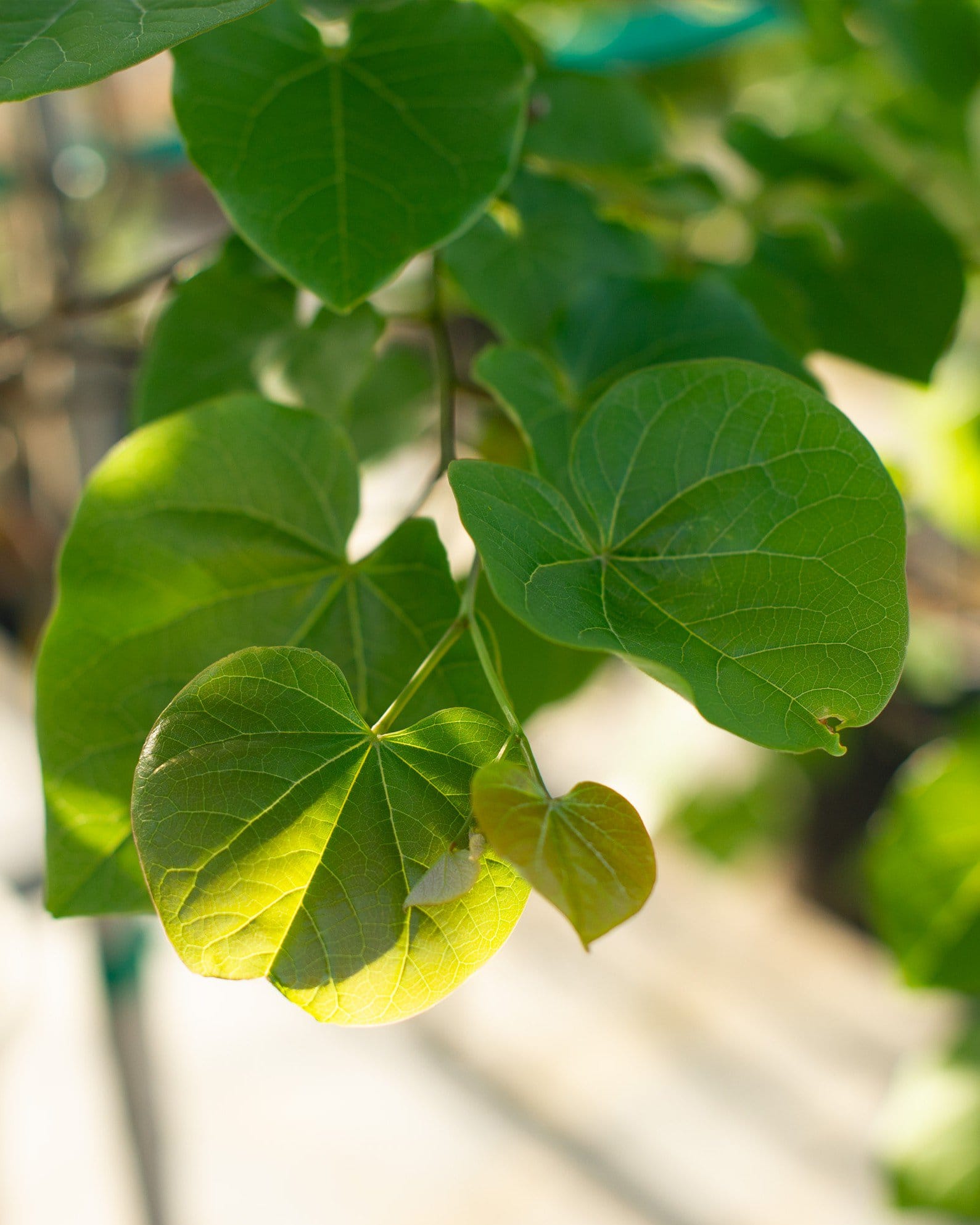
- Winter Care: Pink Pom Poms Redbud is winter-hardy once established and typically rebounds well after cold spells. Young trees benefit from protection from strong winds during their first winter. Any minor winter tip dieback can be pruned in late winter before new growth emerges.
Although generally resilient, Pink Pom Poms Redbud may show a few manageable issues under certain conditions:
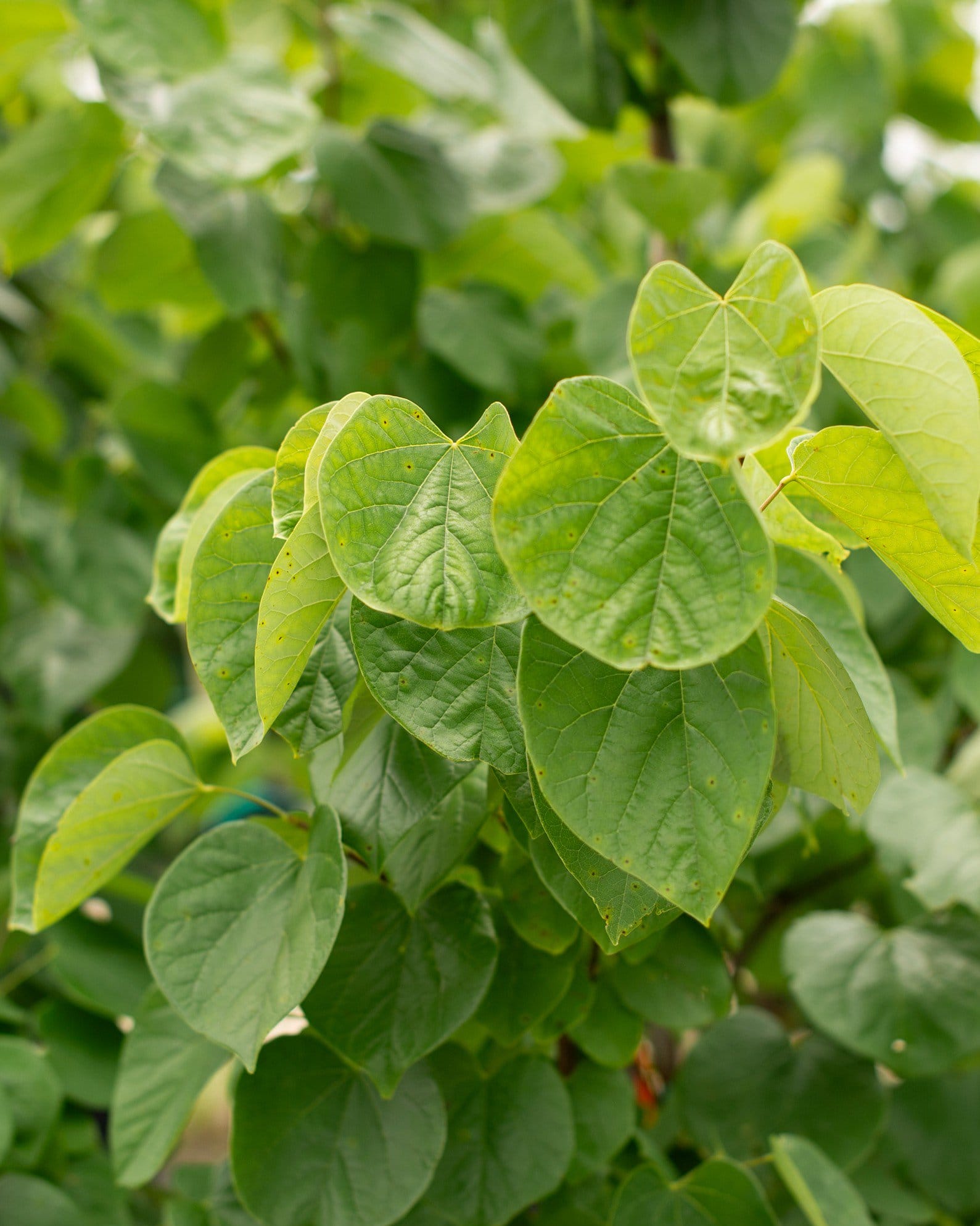
- Leaf Spot: Brown or irregular blotches may develop in humid or wet conditions. Removing infected debris and improving airflow helps minimize future outbreaks.
- Canker: Sunken, darkened sections on stems indicate canker infection. Pruning affected branches promptly and reducing environmental stress support recovery.
- Verticillium Wilt: Sudden wilting or dieback may signal this soilborne disease. Removing affected limbs and improving drainage can help slow progression.
- Aphids: Curled leaves or sticky honeydew suggest aphid activity. A firm water spray or insecticidal soap restores clean, healthy foliage.
- Leaf Scorch: Brown leaf edges during high heat or drought are common. Mulching and consistent watering help reduce recurrence.
- Scale Insects: Small bumps on stems accompanied by sticky residue indicate scale. Horticultural oil applications help break their life cycle.
Pink Pom Poms typically live 20-40 years with proper care. When grown in well-drained soil and watered consistently, many trees remain vibrant and full of blooms for decades.
It grows at a moderate rate of about 1-2 feet per year. Full flowering performance and a mature canopy usually develop within 5-7 years.
Yes - its profuse blooms appeal to bees and other early-season pollinators. Despite their double form, the flowers still provide nectar that supports local wildlife.
Its moderate size and refined structure make it perfect for compact landscapes, courtyards, and foundation plantings. It offers a big ornamental impact without overwhelming the space.
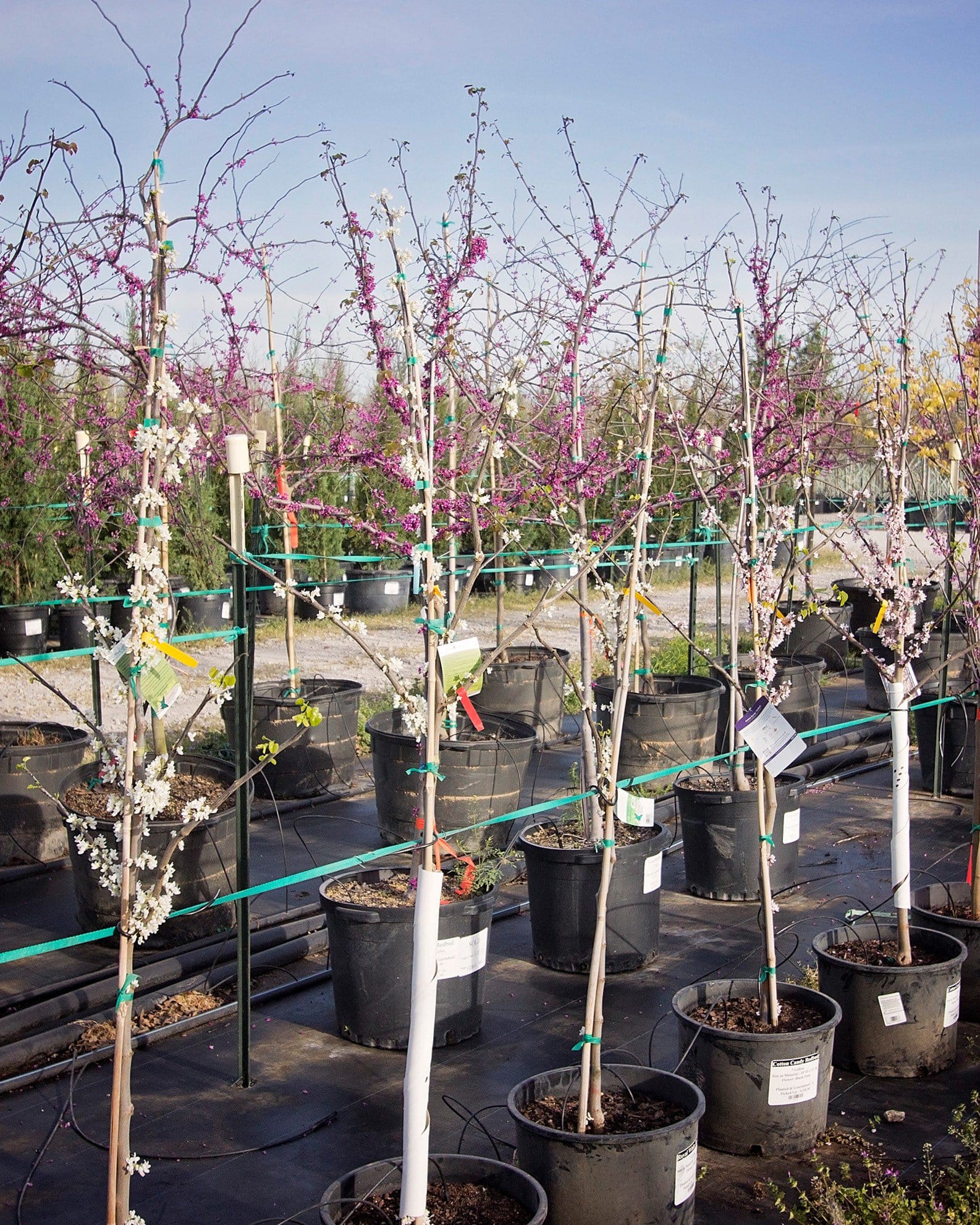
It can be grown in a large container during its early years, offering flexibility for patios or entry gardens. Long-term performance is best when planted in the ground.
Deer may lightly browse young foliage, but the species is not a preferred food source. Basic protection during establishment usually prevents problems.
Hydrangeas, Heucheras, Hostas, Azaleas, Ferns, and ornamental grasses complement its lush pink blooms and rounded form. These combinations create graceful, layered seasonal interest.
Absolutely - multiple trees planted together create a dramatic, romantic sweep of double pink blooms in spring. In groupings, they form a captivating centerpiece for cottage-style or formal landscapes.
Young trees transplant well when moved in late winter or early spring. With steady watering afterward, they typically reestablish quickly and resume vigorous growth.
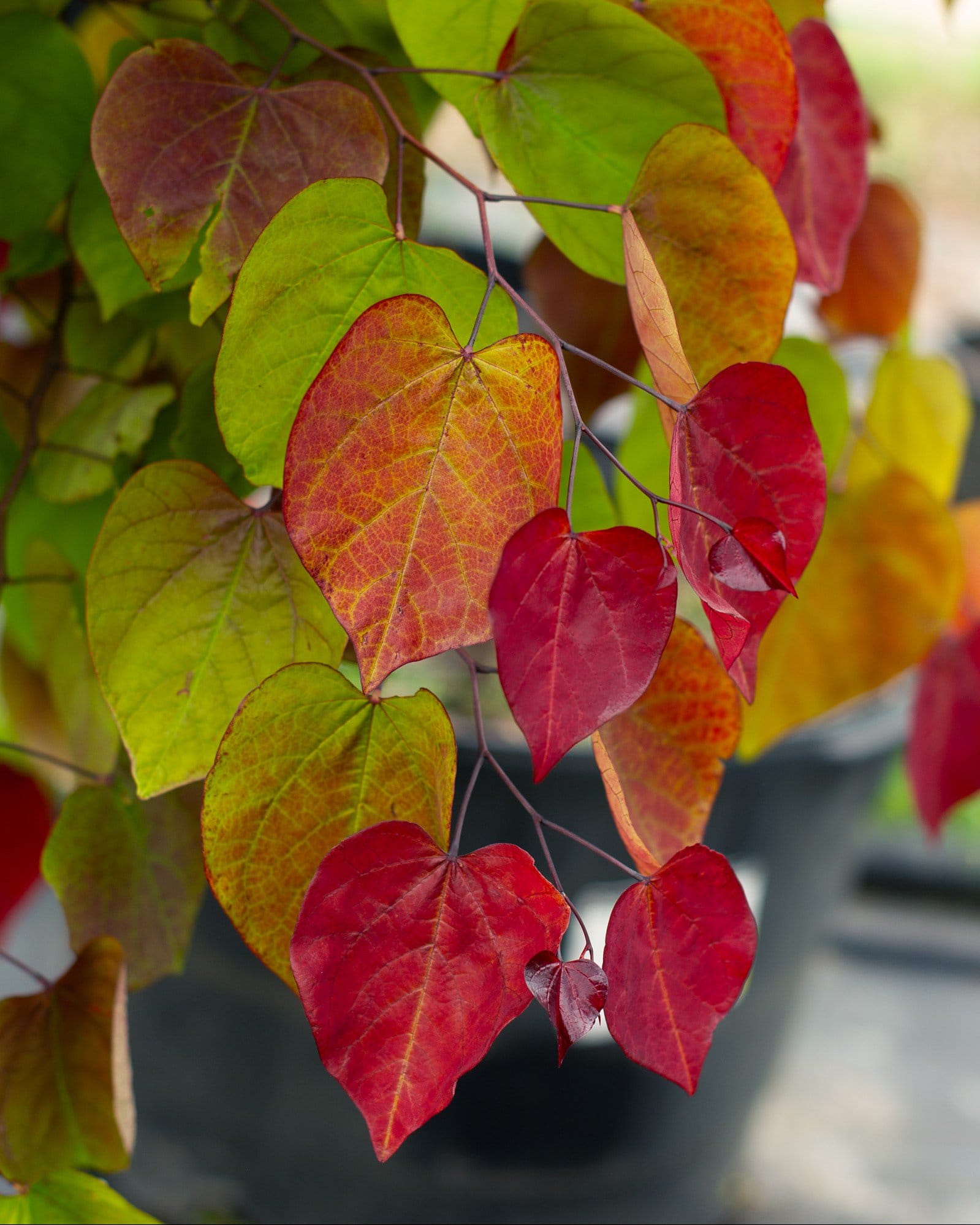
Its fully double flowers - rare in the genus - give it a lush, ornamental quality unmatched by most cultivars. Combined with its ease of care and soft, rounded canopy, it brings a unique touch of elegance to any landscape.
Special Features
You might also like
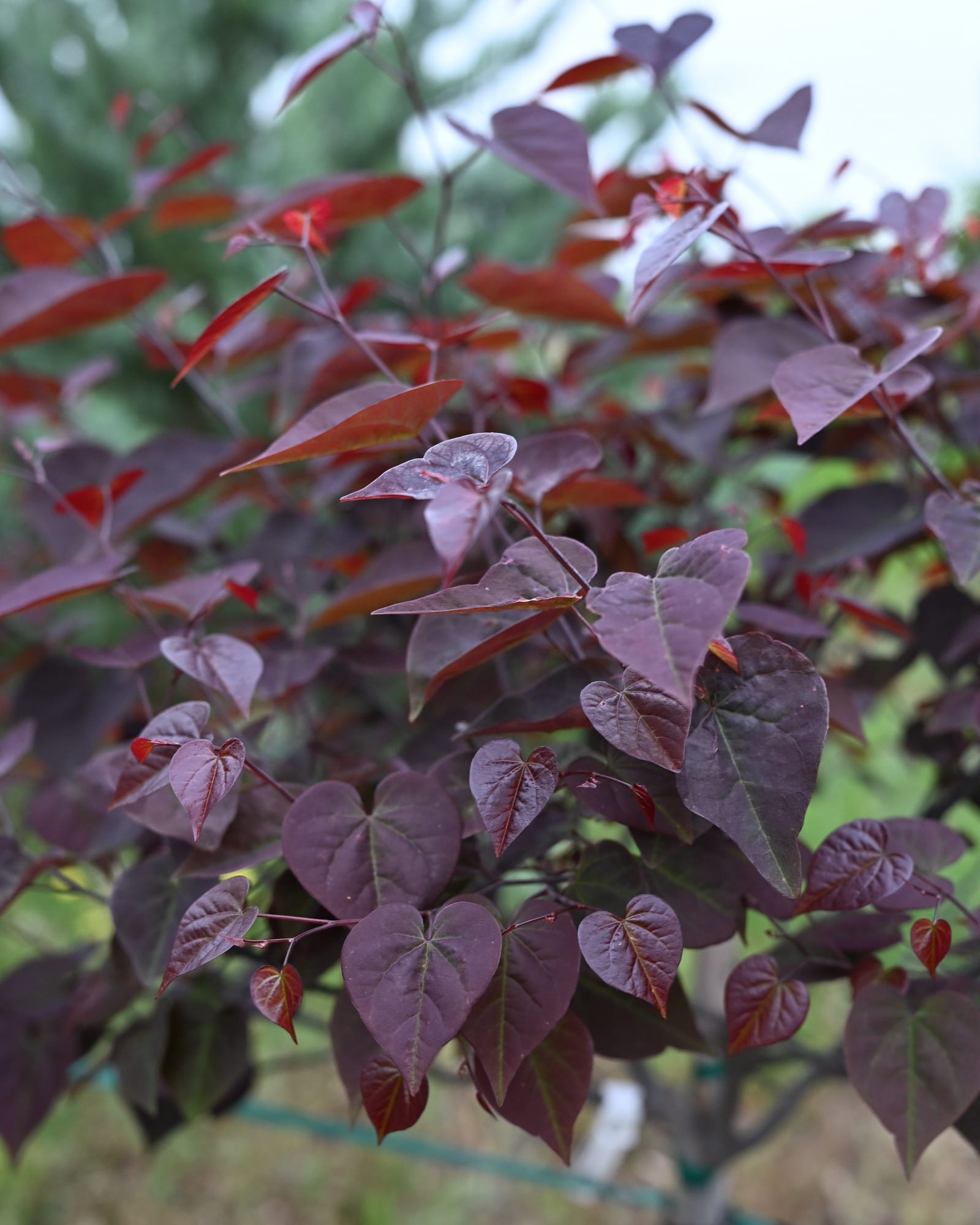
Amethyst Redbud
Maturity: 8' H x 8' W
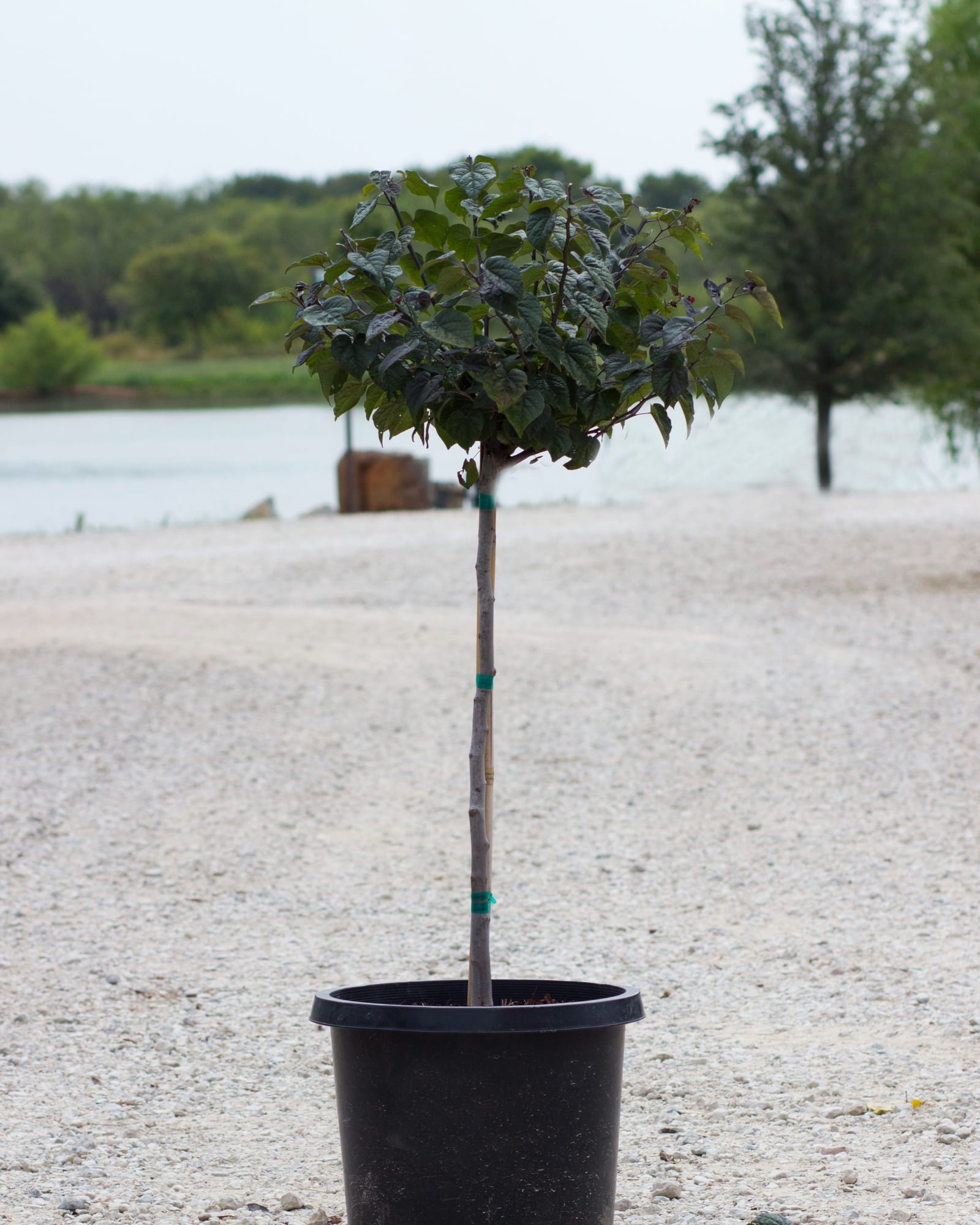
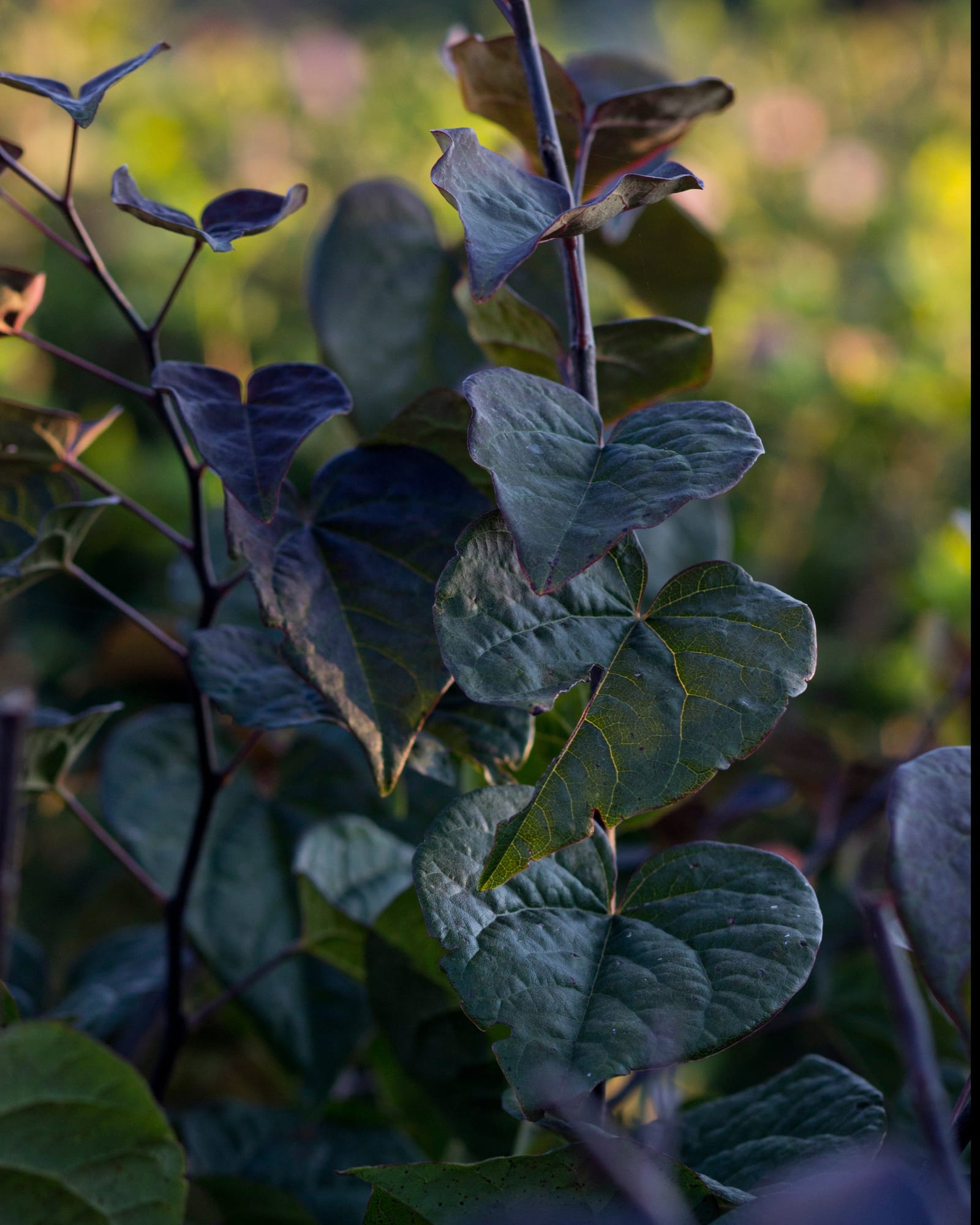
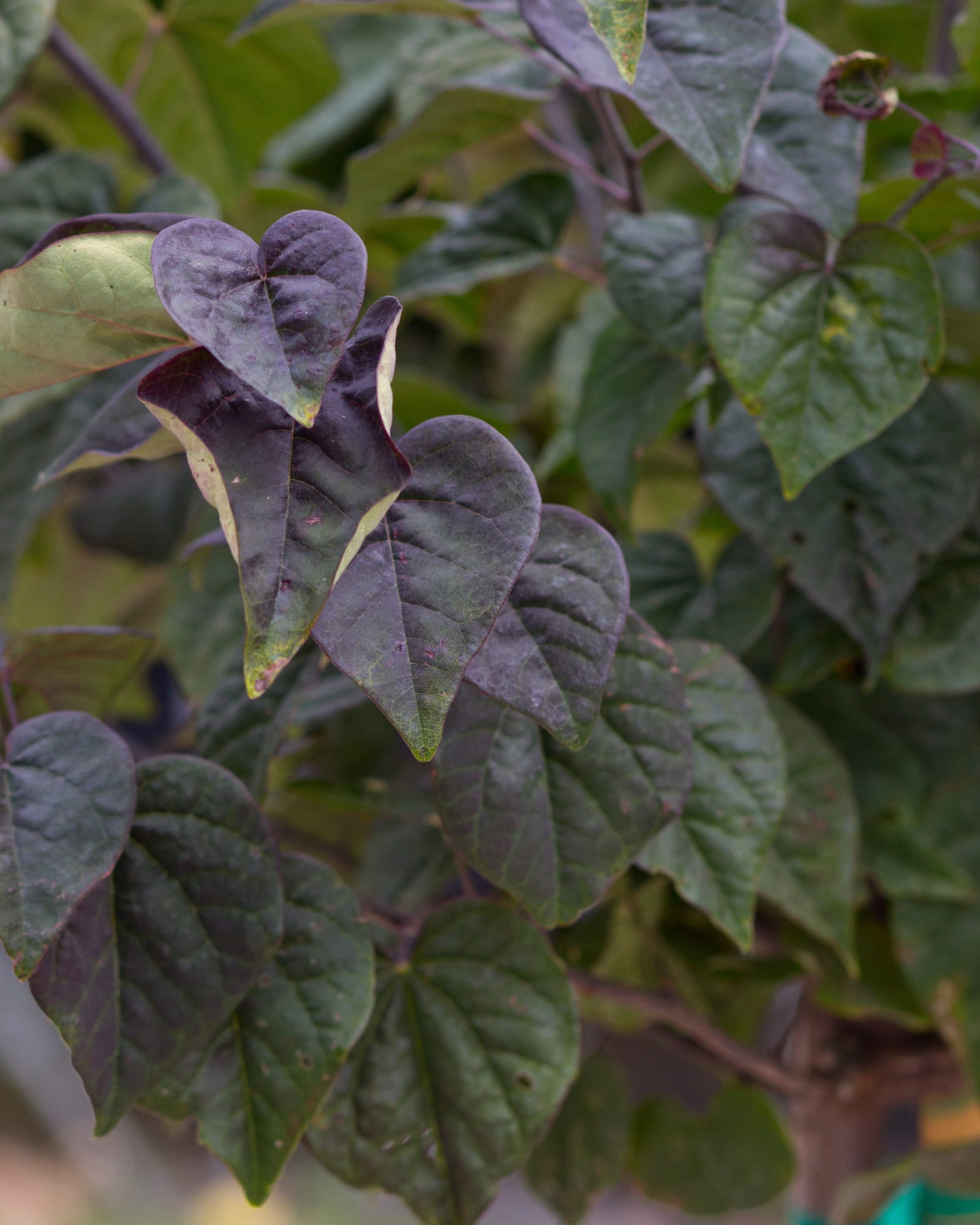
Black Pearl Redbud
Maturity: 20' H x 20' W
Bubble Gum Redbud
Maturity: 15' H x 12' W
Cotton Candy Redbud
Maturity: 20' H x 15' W
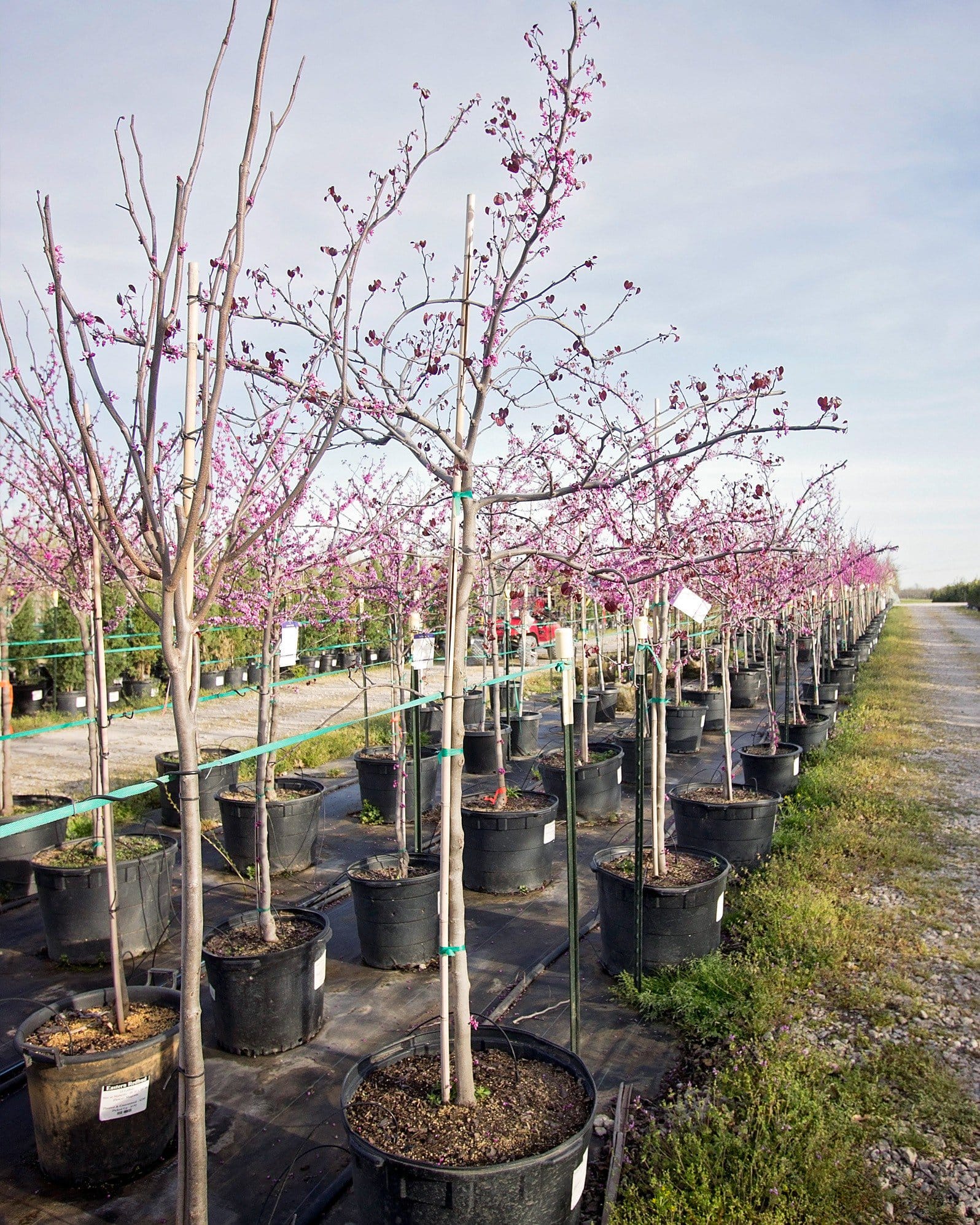
Eastern Redbud
Maturity: 20' H x 20' W
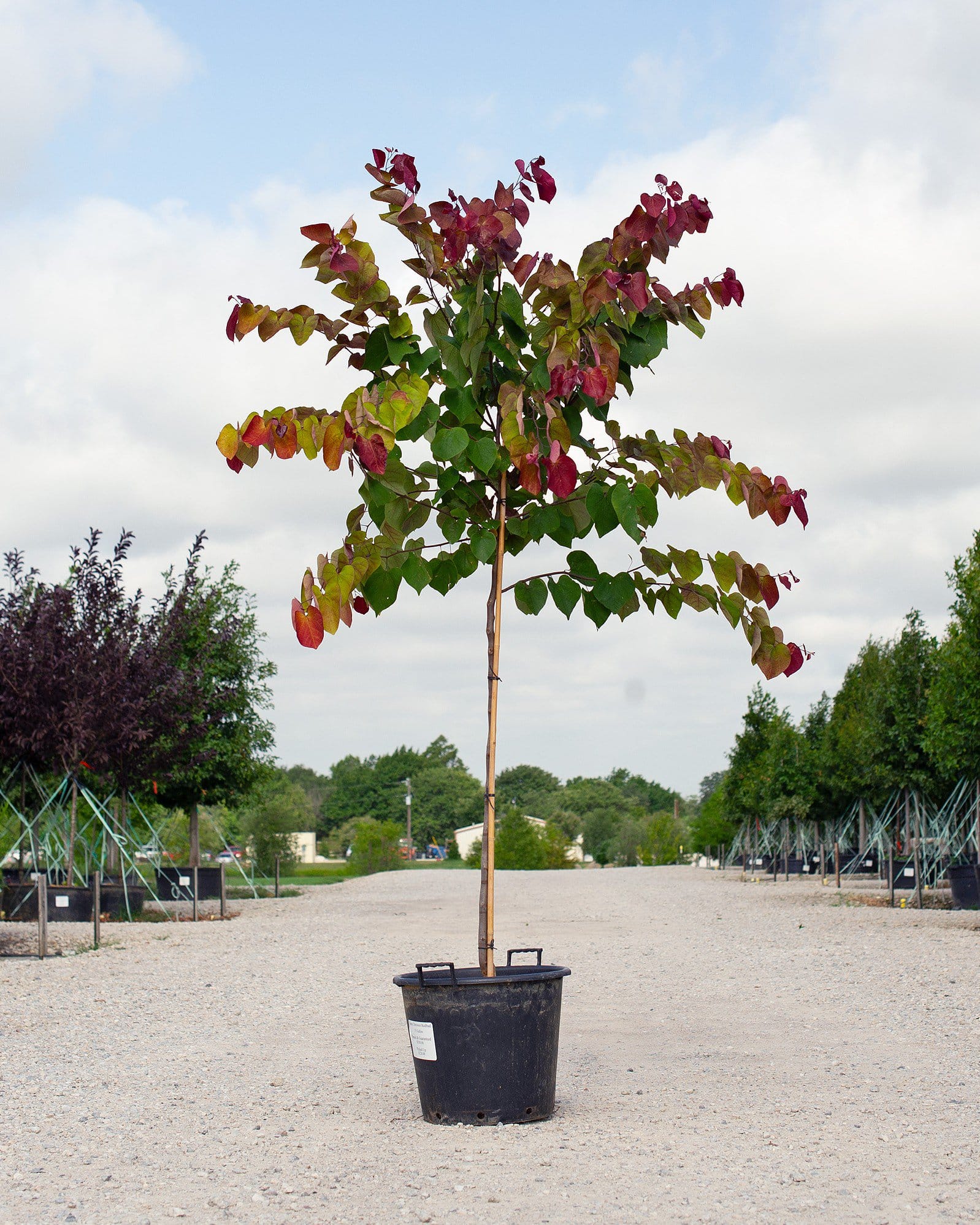
Flame Thrower Redbud
Maturity: 15' H x 15' W
Gilded Hearts Redbud
Maturity: 15' H x 15' W
Luscious Lavender Redbud
Maturity: 15' H x 15' W
Merlot Redbud
Maturity: 15' H x 15' W
Oklahoma Sparkler Redbud
Maturity: 15' H x 15' W
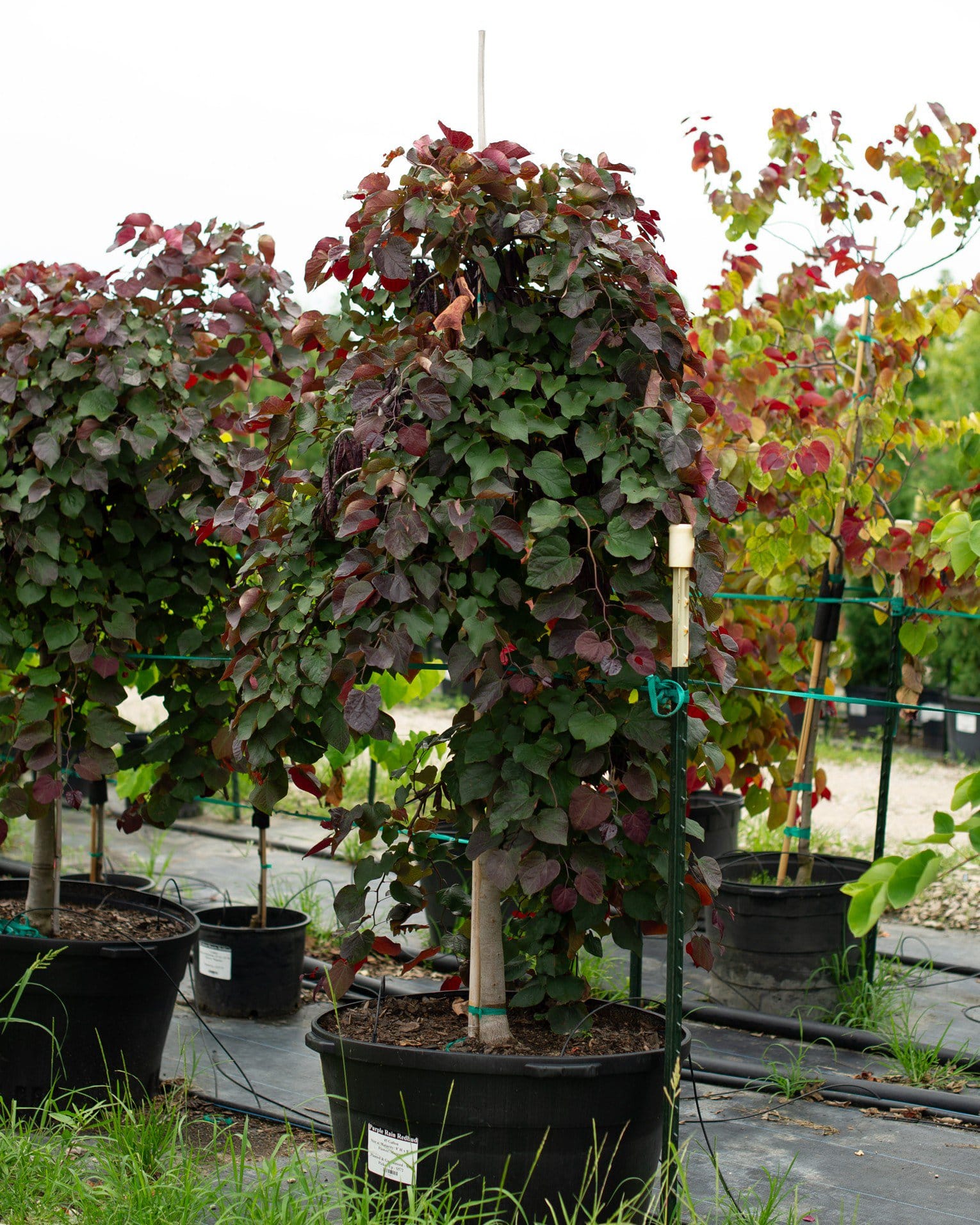
Purple Rain Weeping Redbud
Maturity: 8' H x 8' W
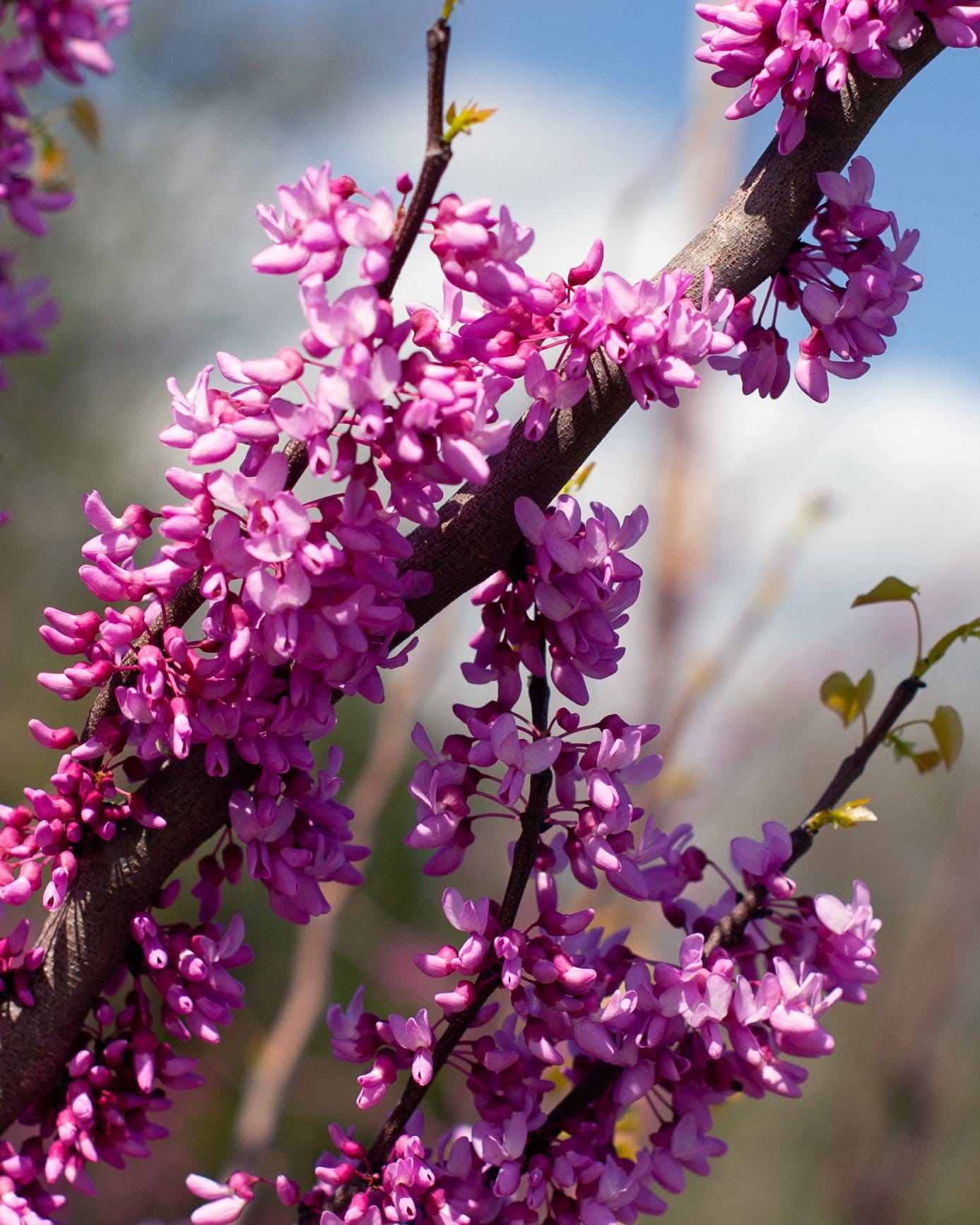
Rise 'N Shine Redbud
Maturity: 20' H x 15' W
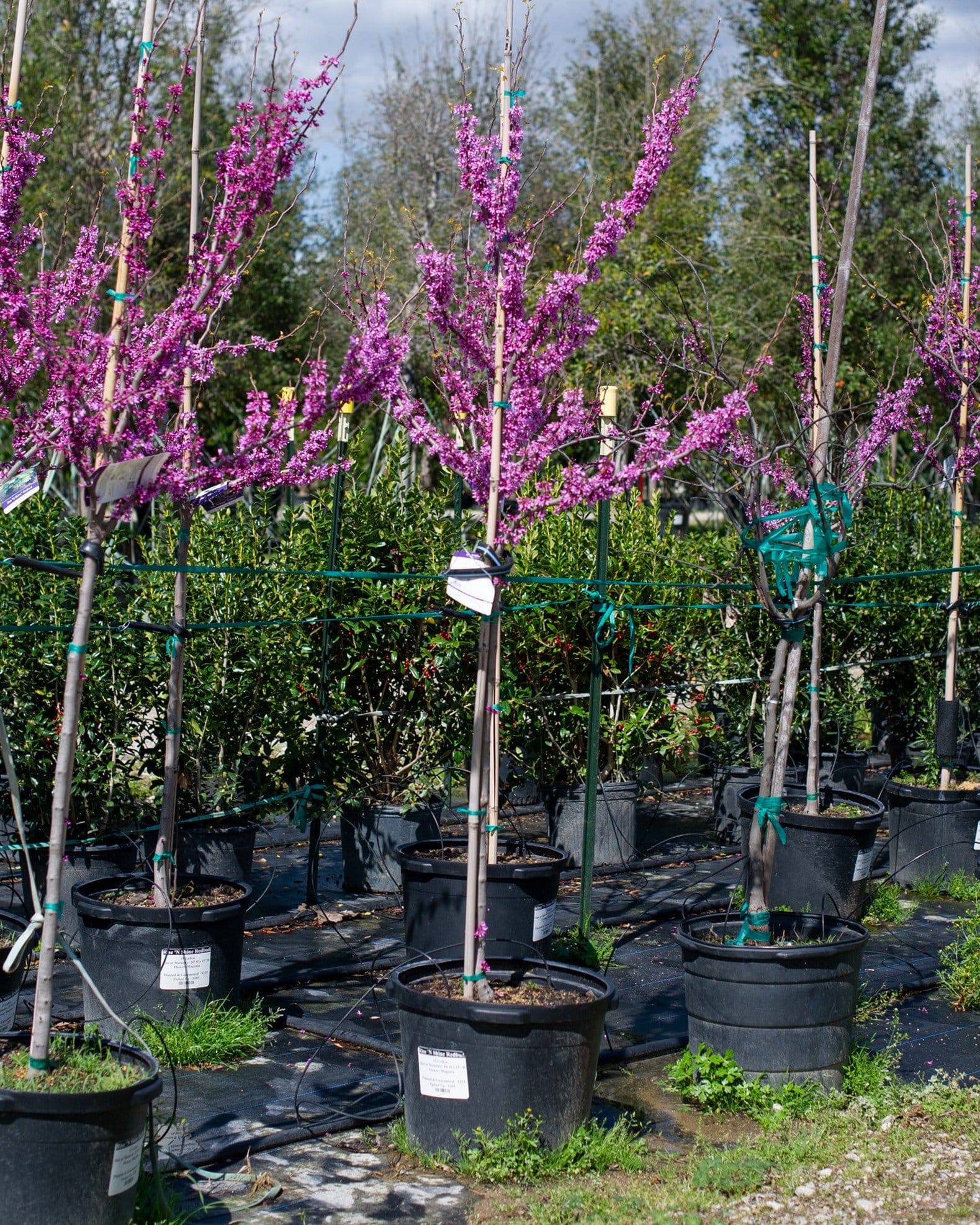
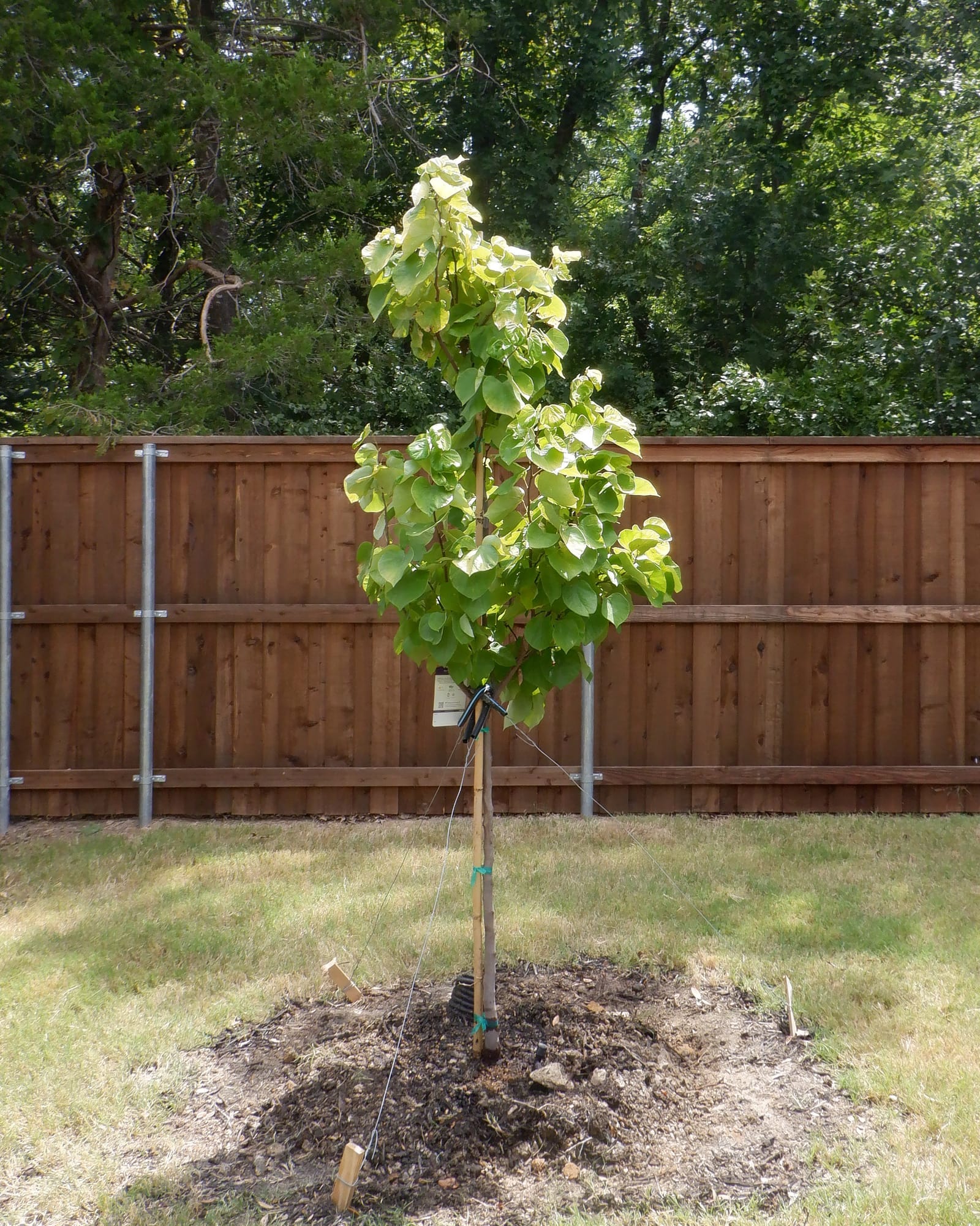
Rising Sun Redbud
Maturity: 15' H x 15' W
Ruby Falls Weeping Redbud
Maturity: 6' H x 10' W
Texas Redbud
Maturity: 30' H x 20' W
Compare Similar Plants
Pink Pom Poms Redbud This plant | ||
|---|---|---|
| Scientific Name | Cercis canadensis 'Pink Pom Poms' | Cercis canadensis 'NC2017-6' |
| Size at Maturity | 15' H x 15' W | 8' H x 8' W |
| Leaf Retention | Deciduous | Deciduous |
| Fall Color | Yellow | Yellow |
| Flower Color | Pink | Pink |
| Bloom Times | Spring | Spring |
| Sizes Available | 15 gal | 15 gal |


Our 1-Year Planting Guarantee
We take pride in our plants and installation services. If any plants or trees installed by Treeland fail to thrive within the first year, we'll provide a replacement credit in accordance with our guarantee program.
Learn More About Our Guarantee