
 Texas Native
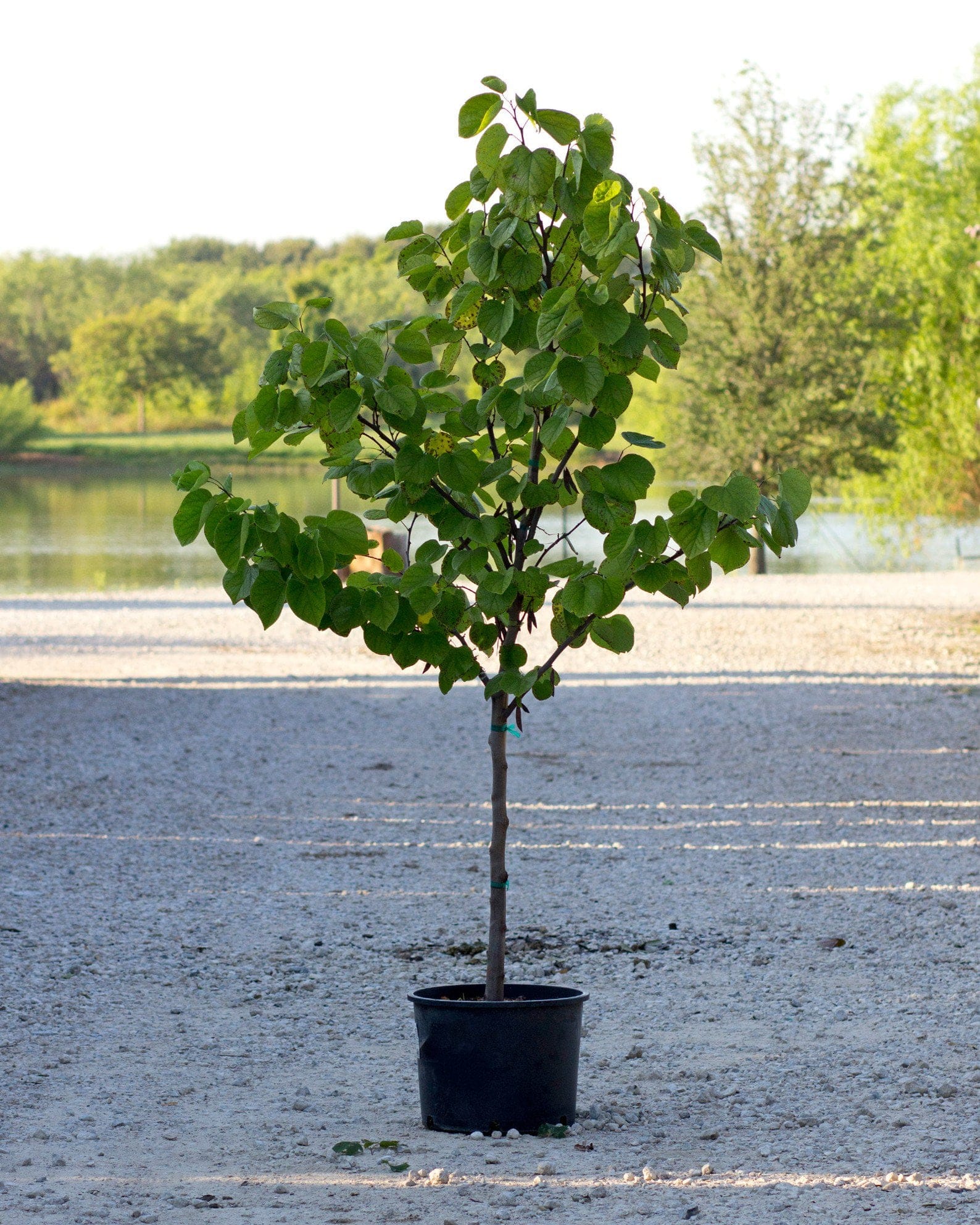
Cotton Candy Redbud
Cercis canadensis 'Sjo'Local DFW Delivery Only
Product Details
Cotton Candy Redbud
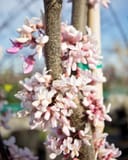
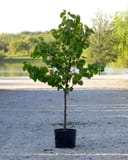
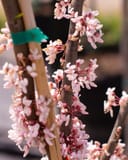
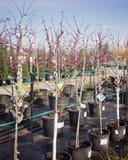
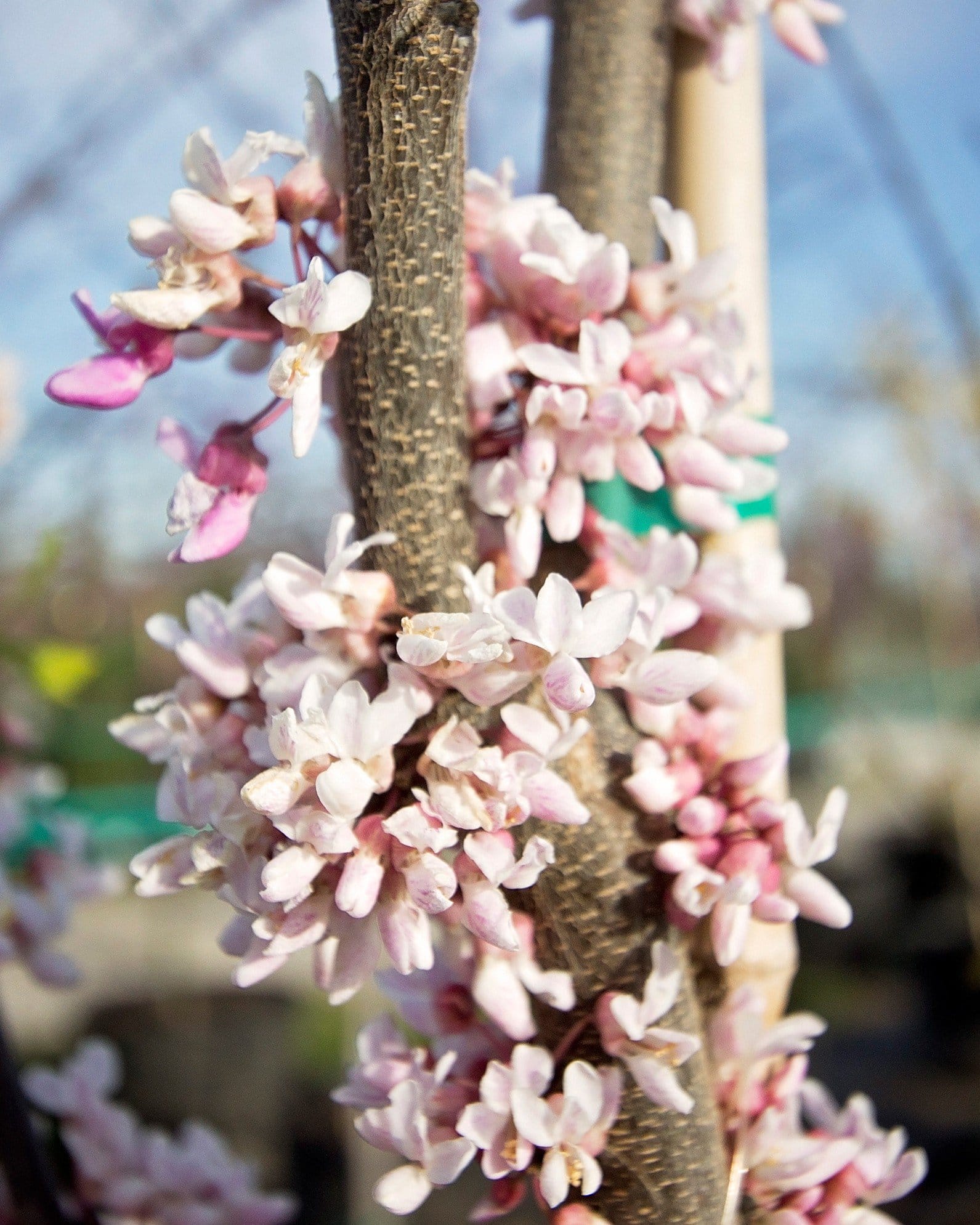
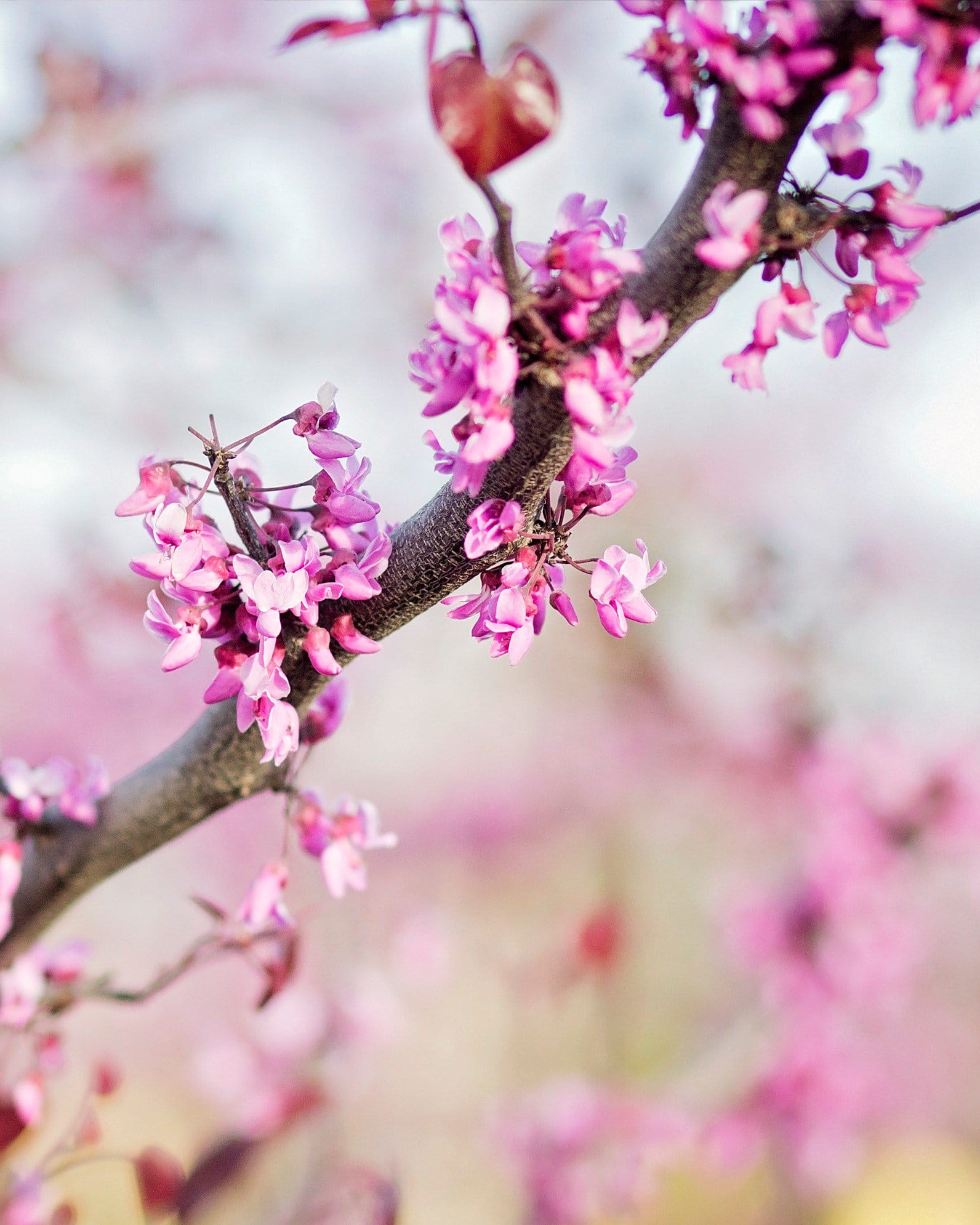
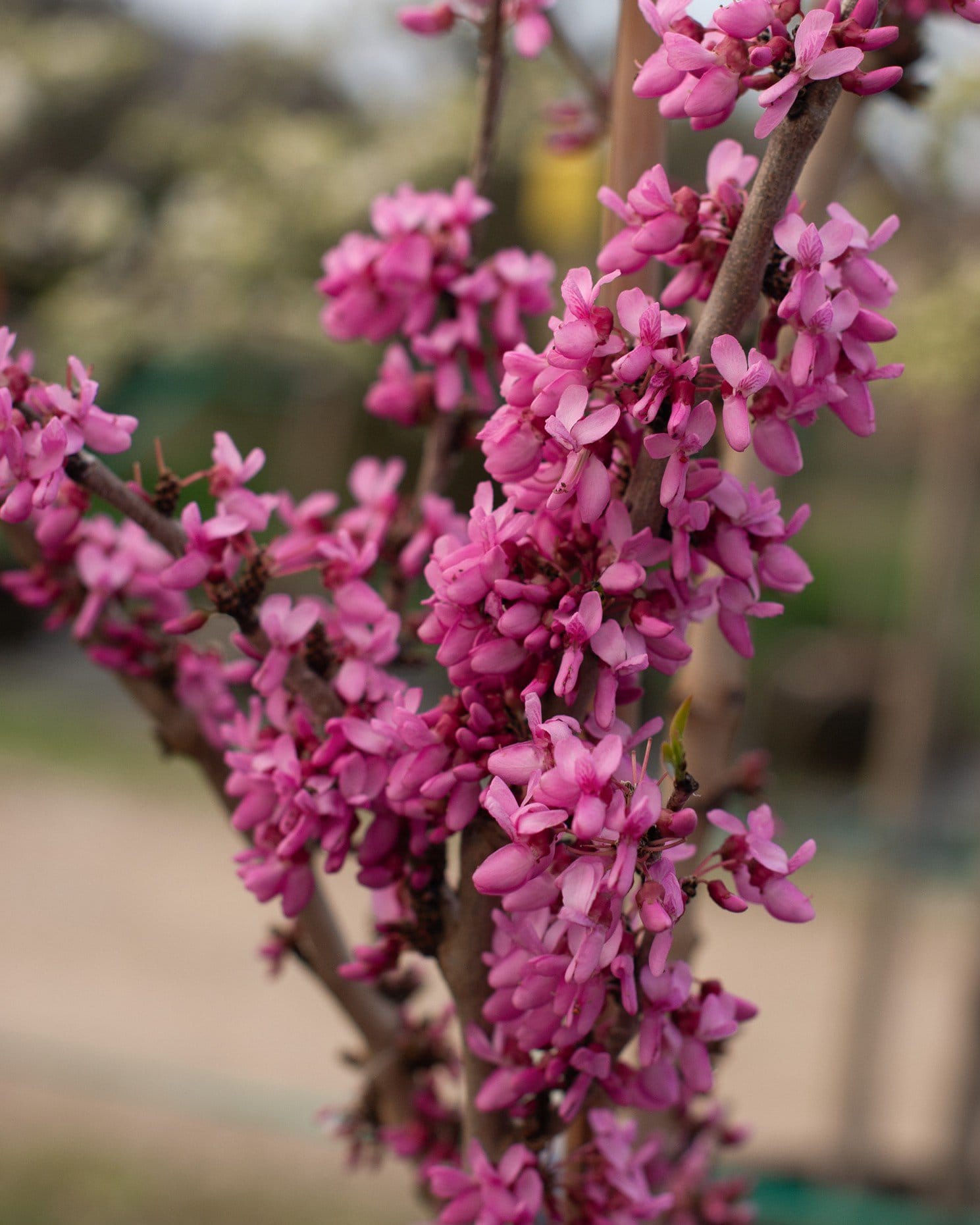
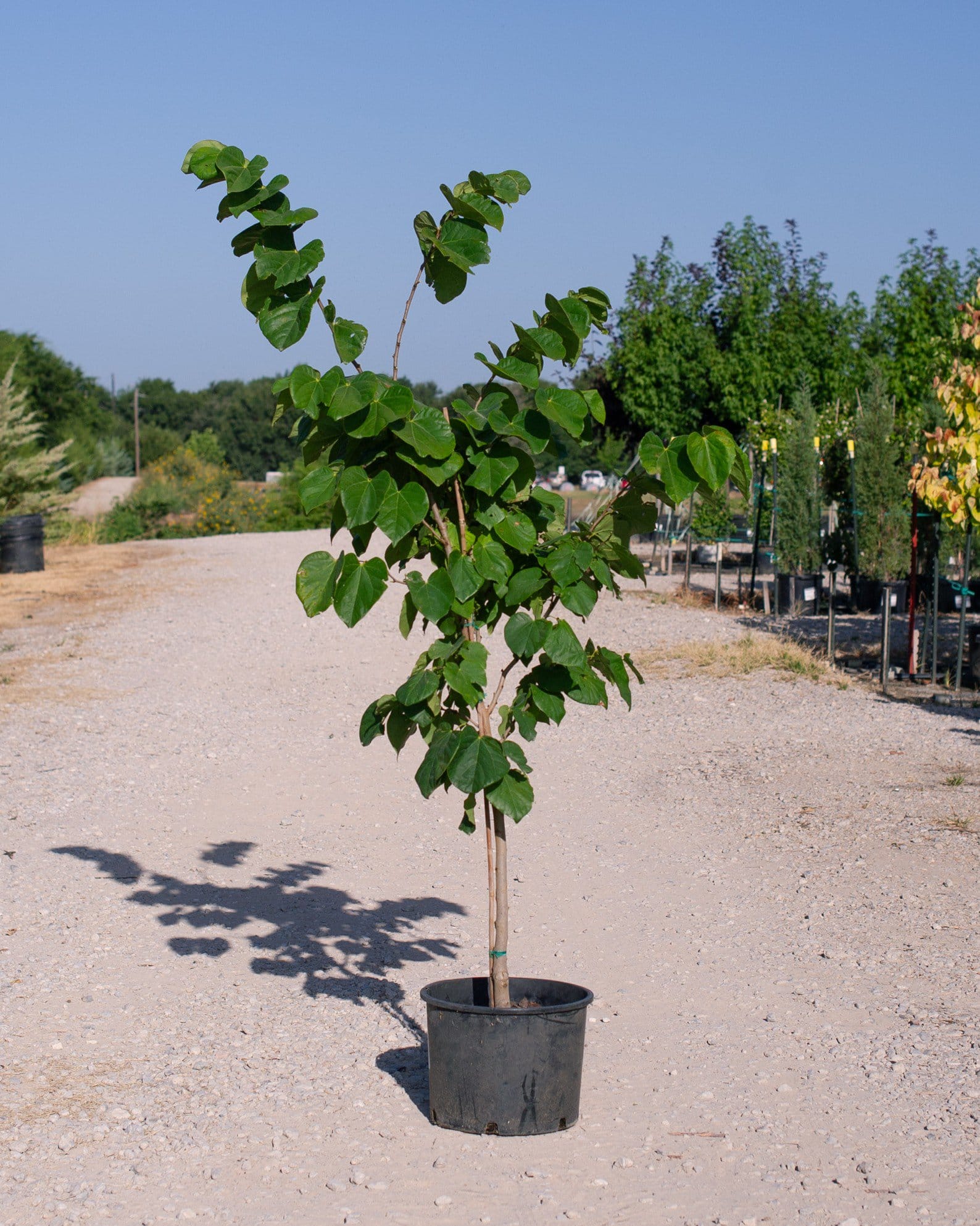
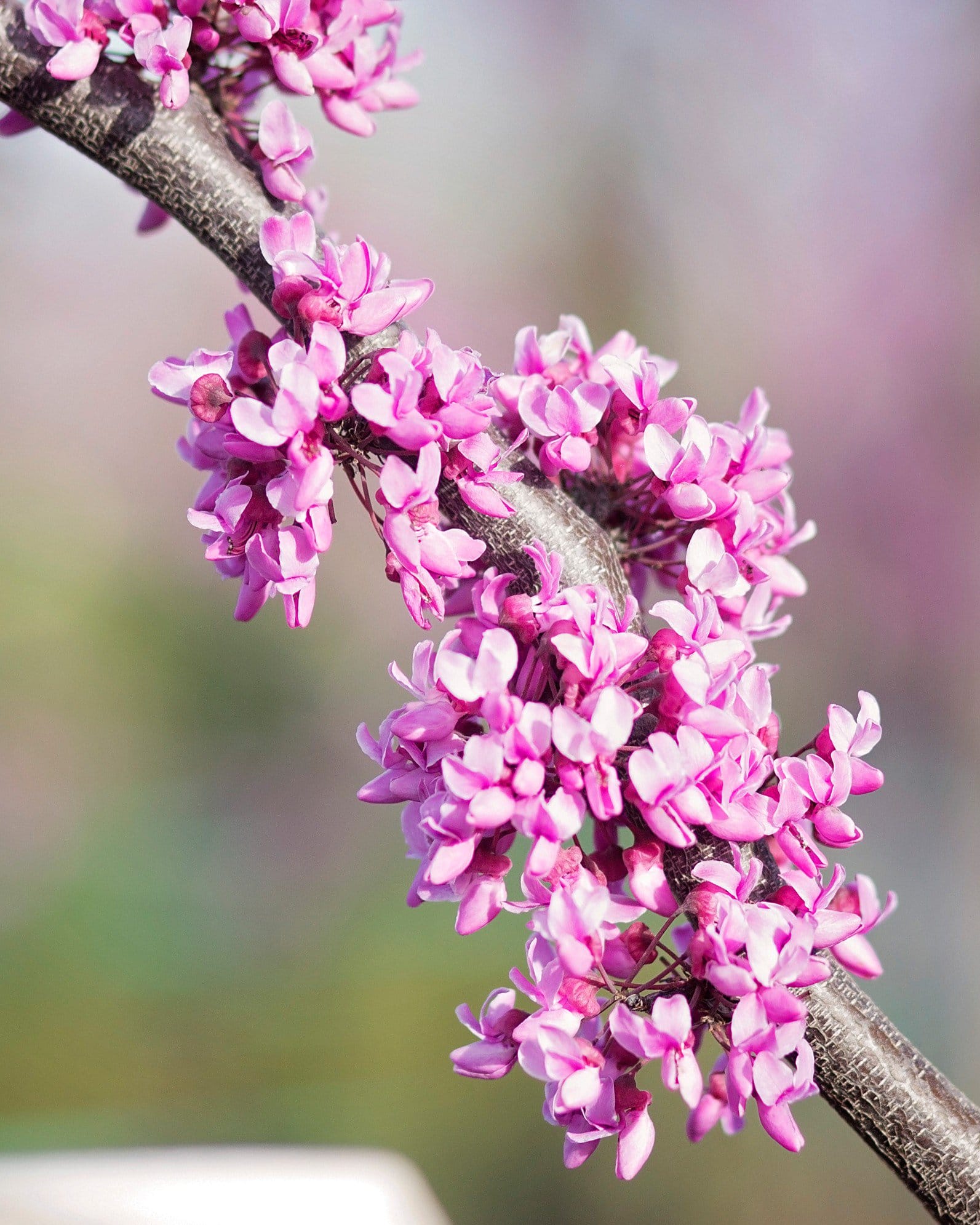
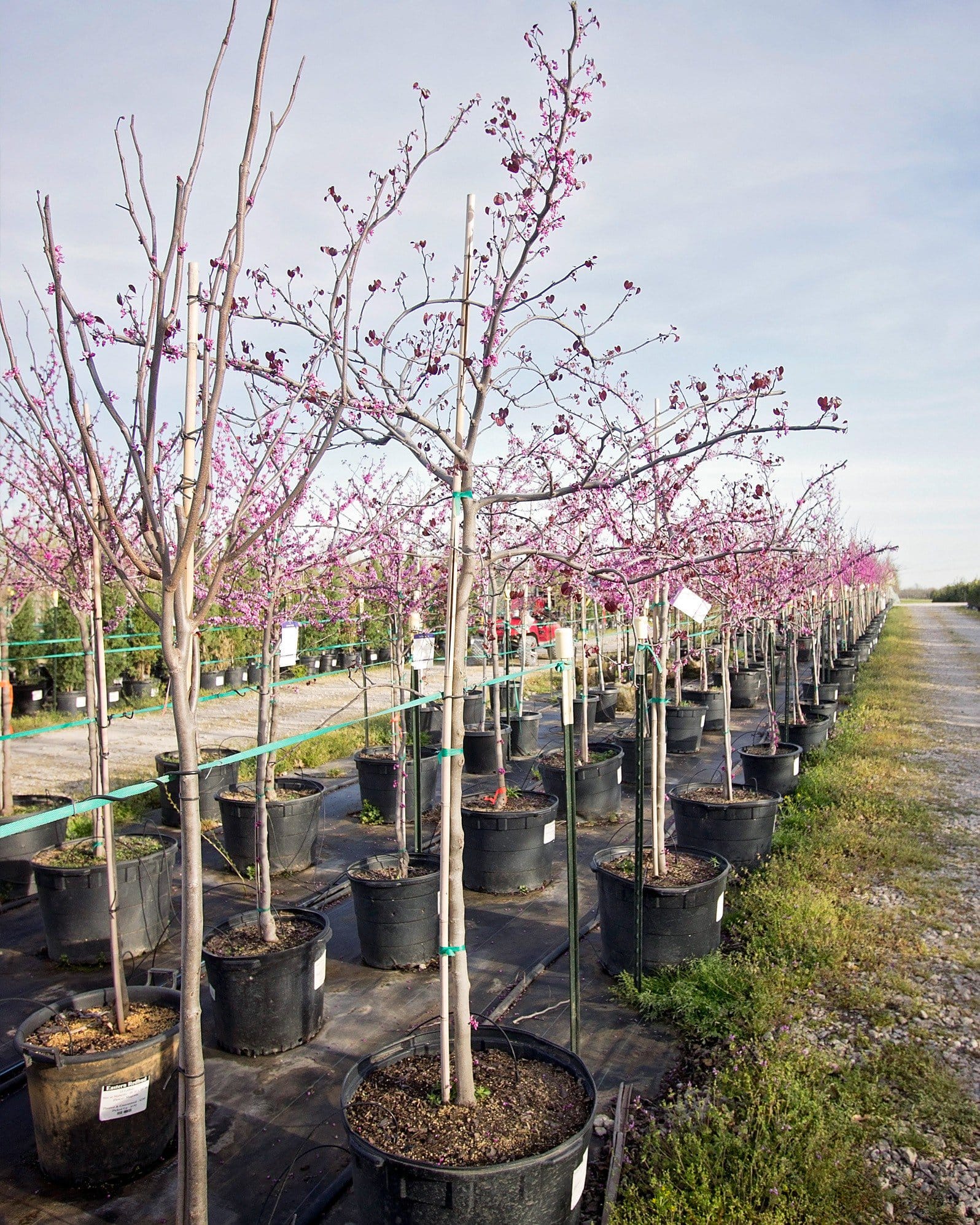
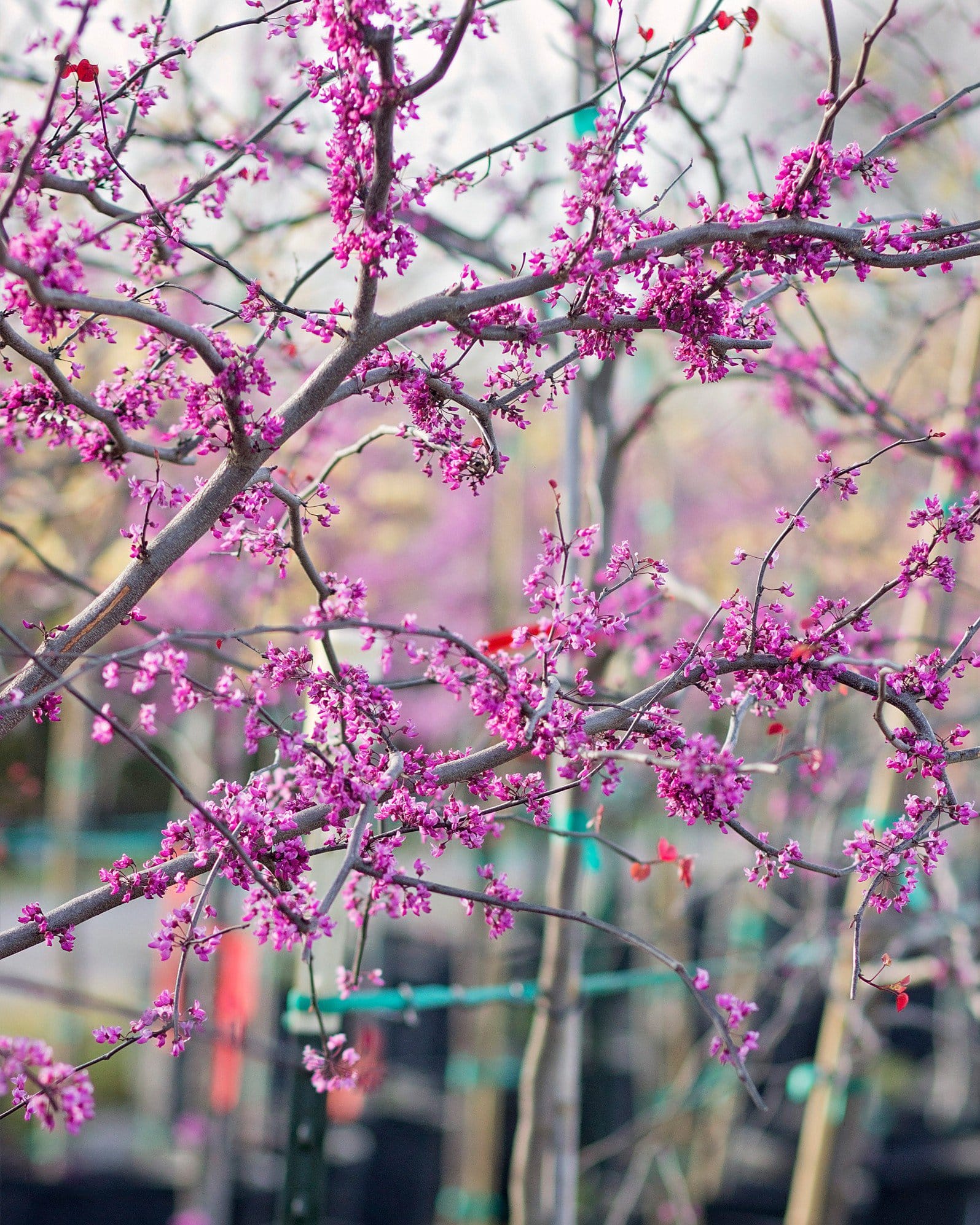
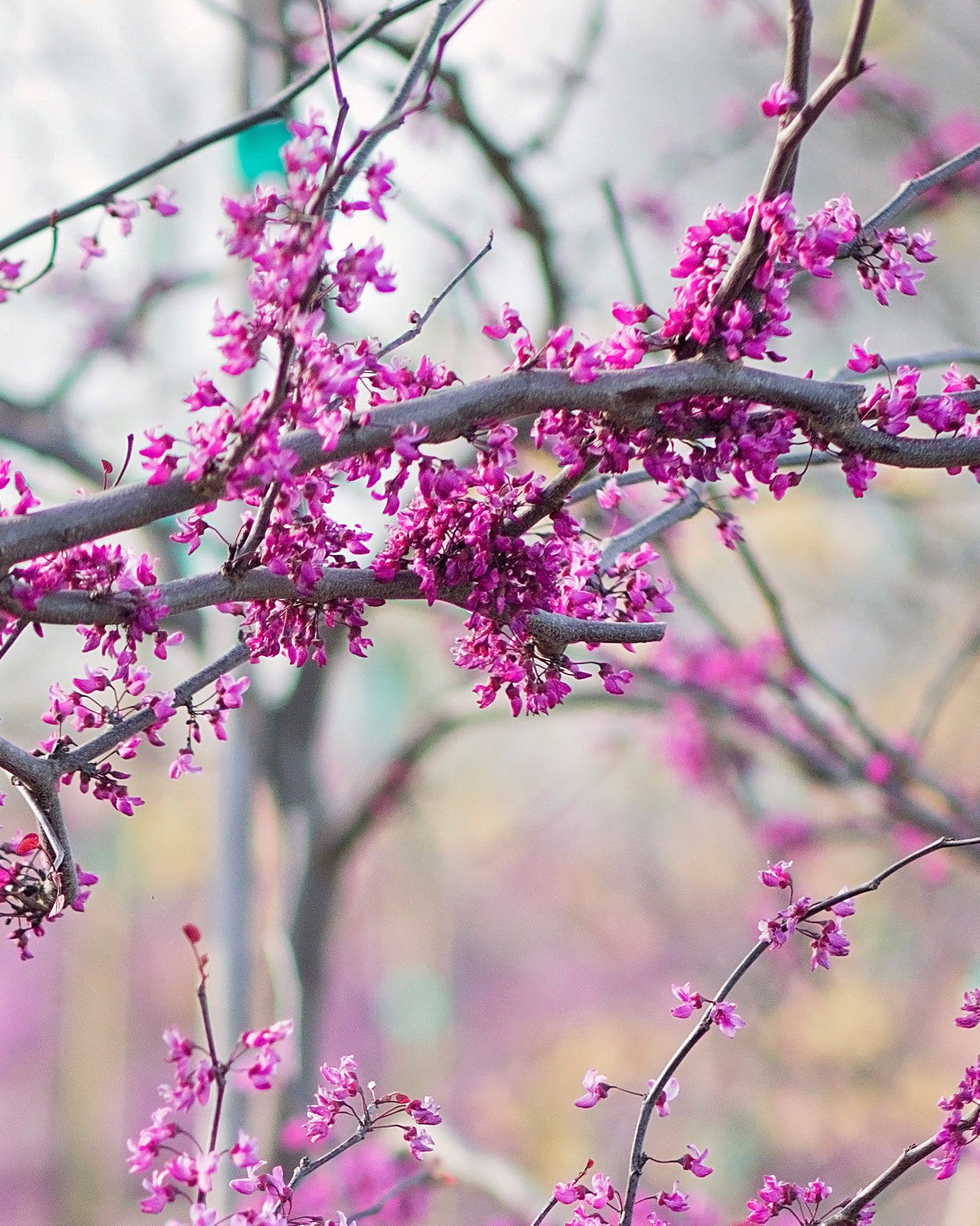
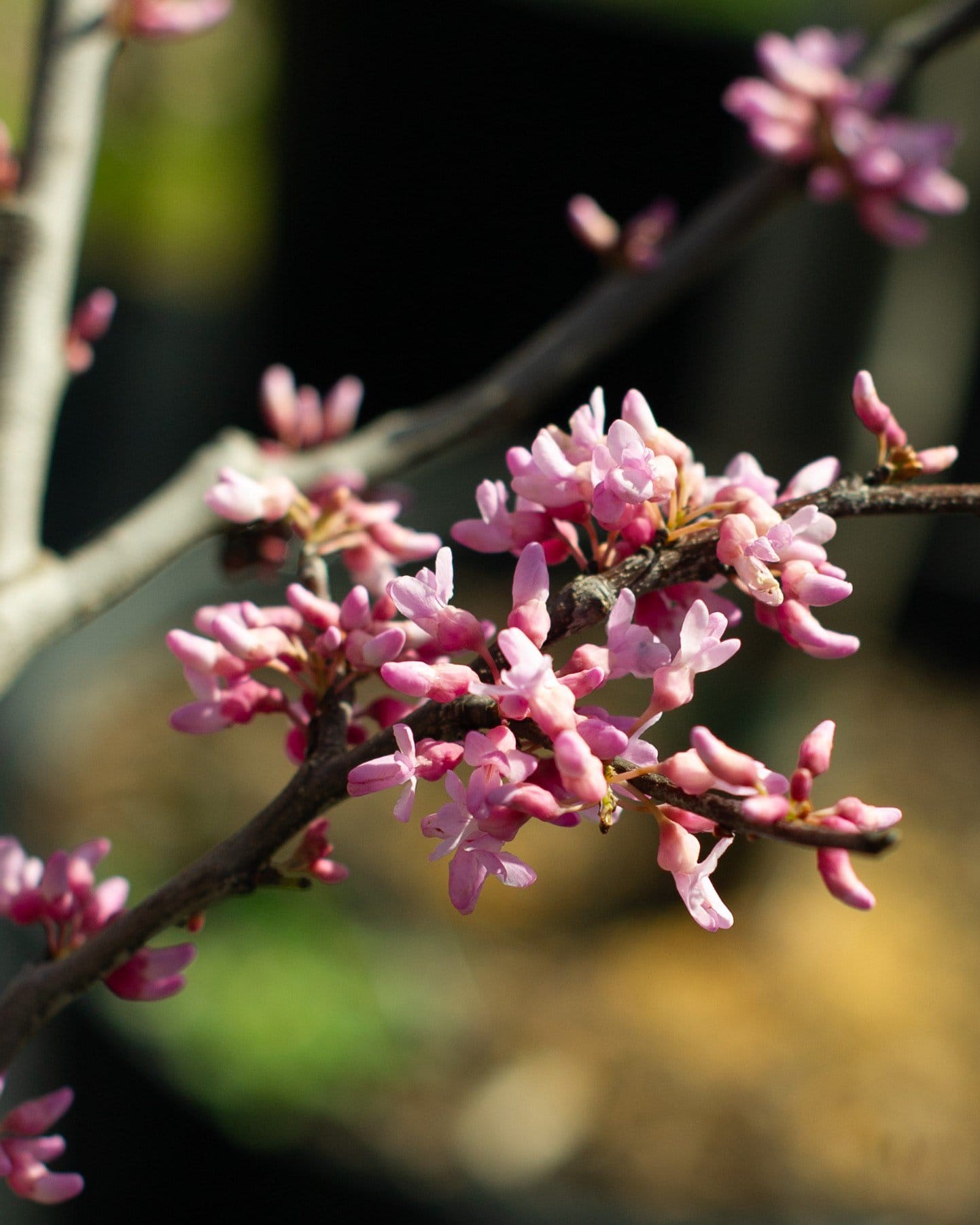
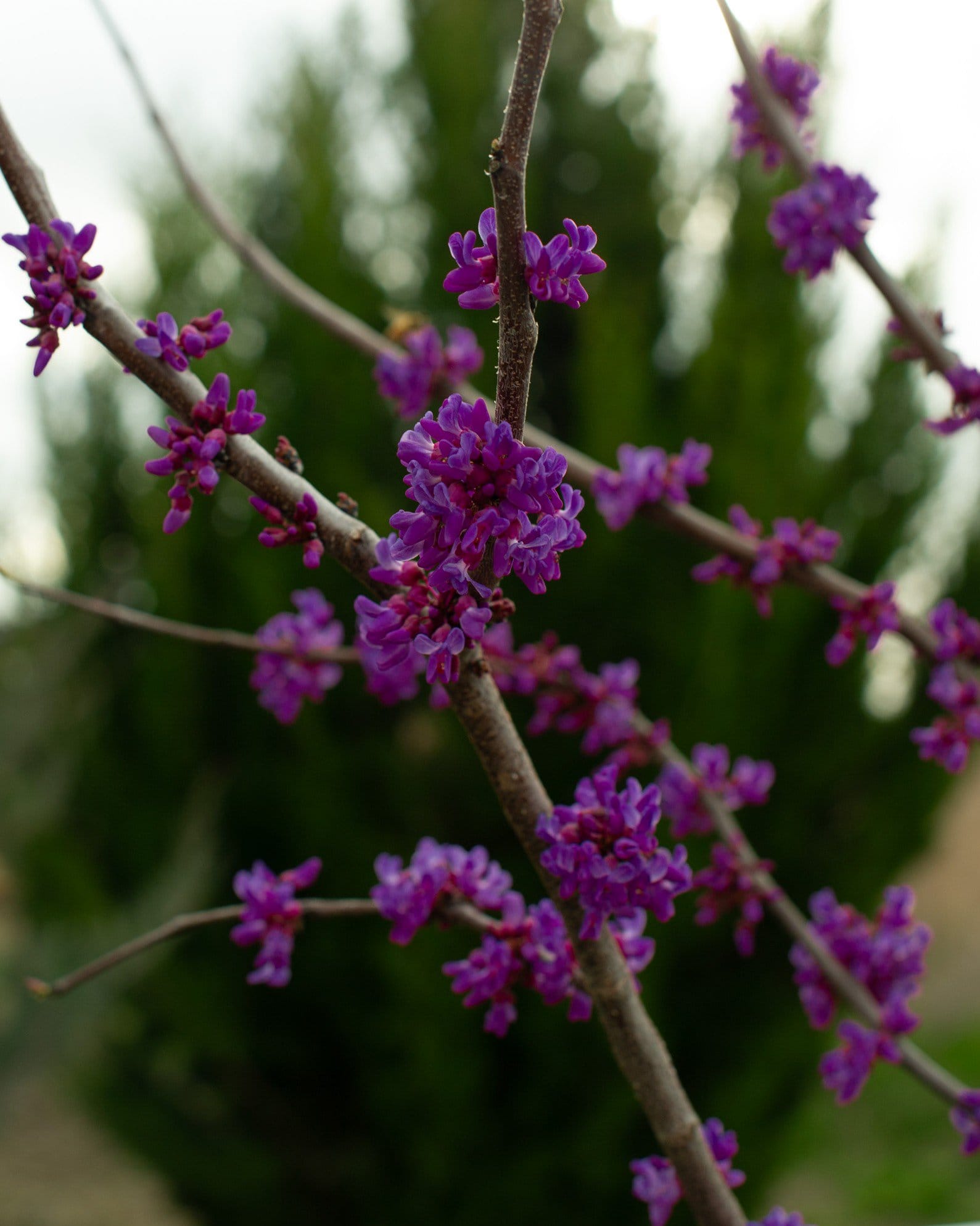
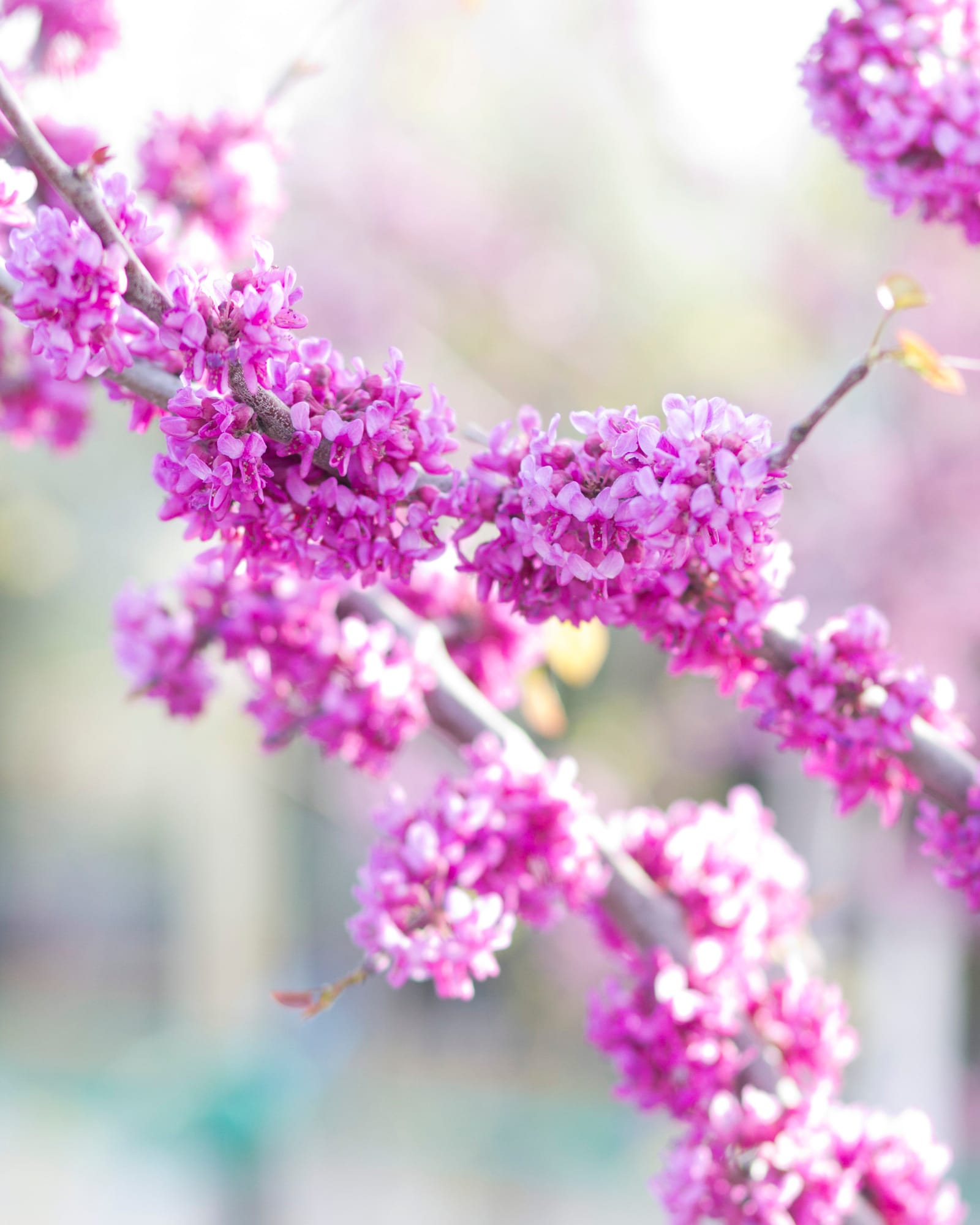
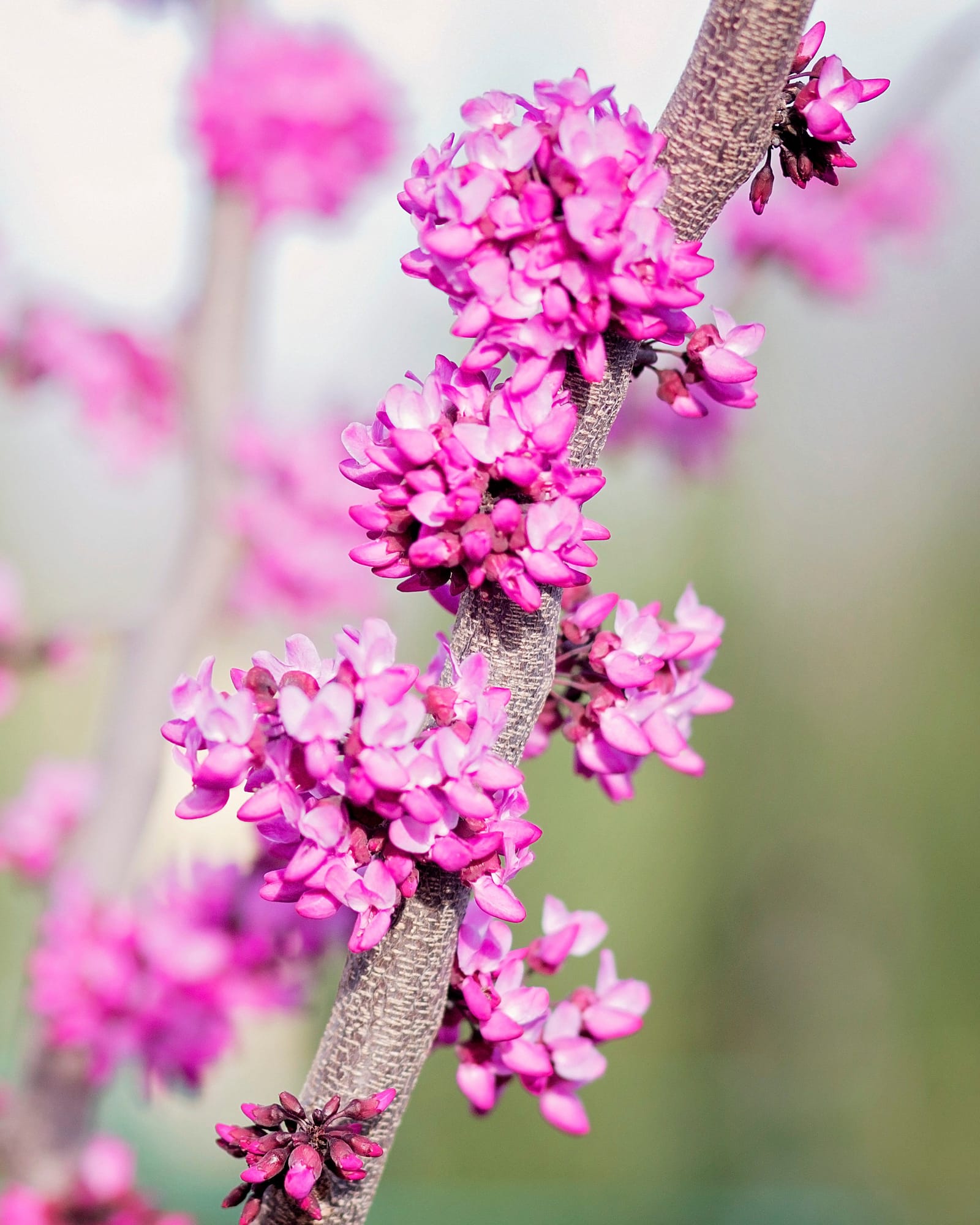
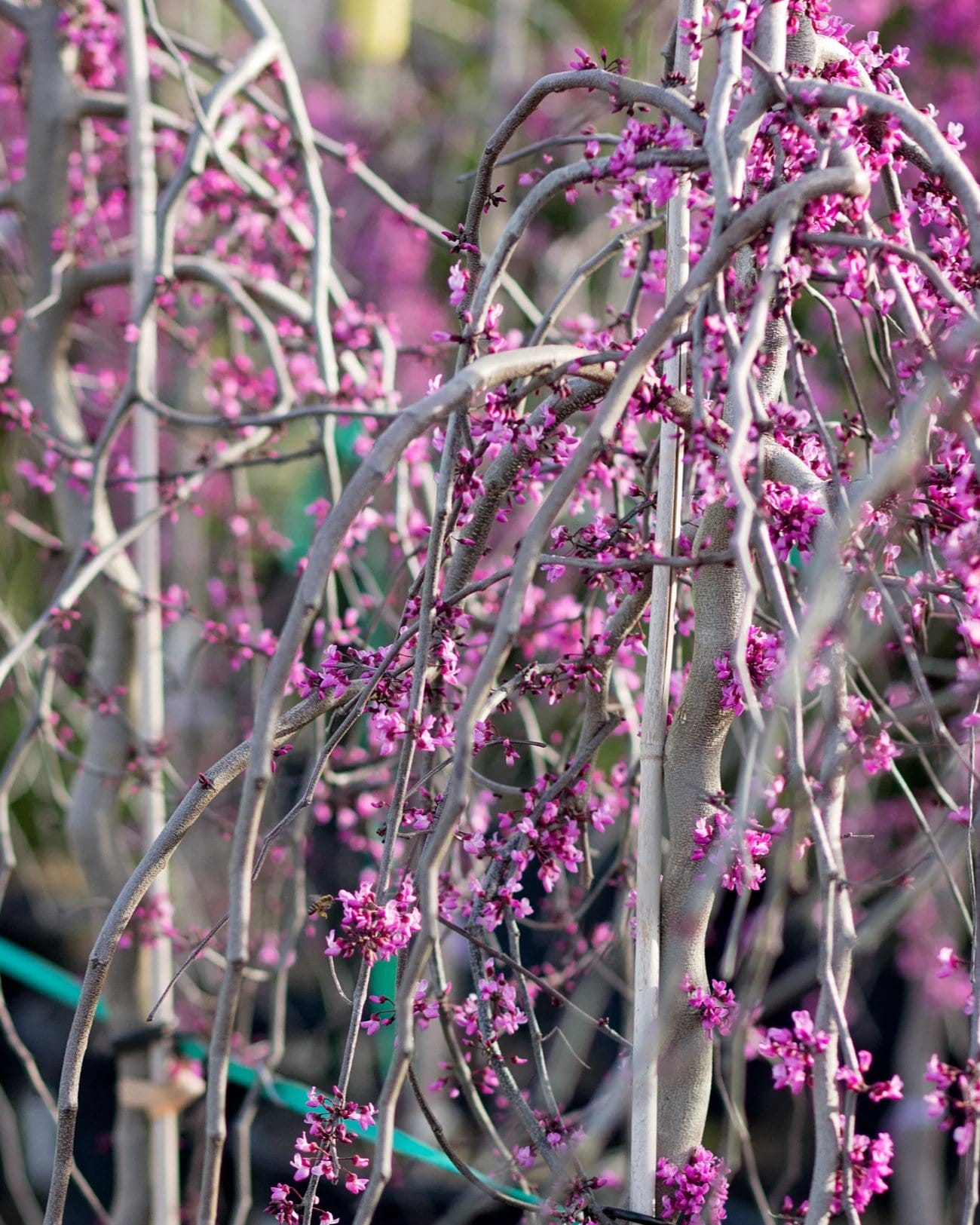
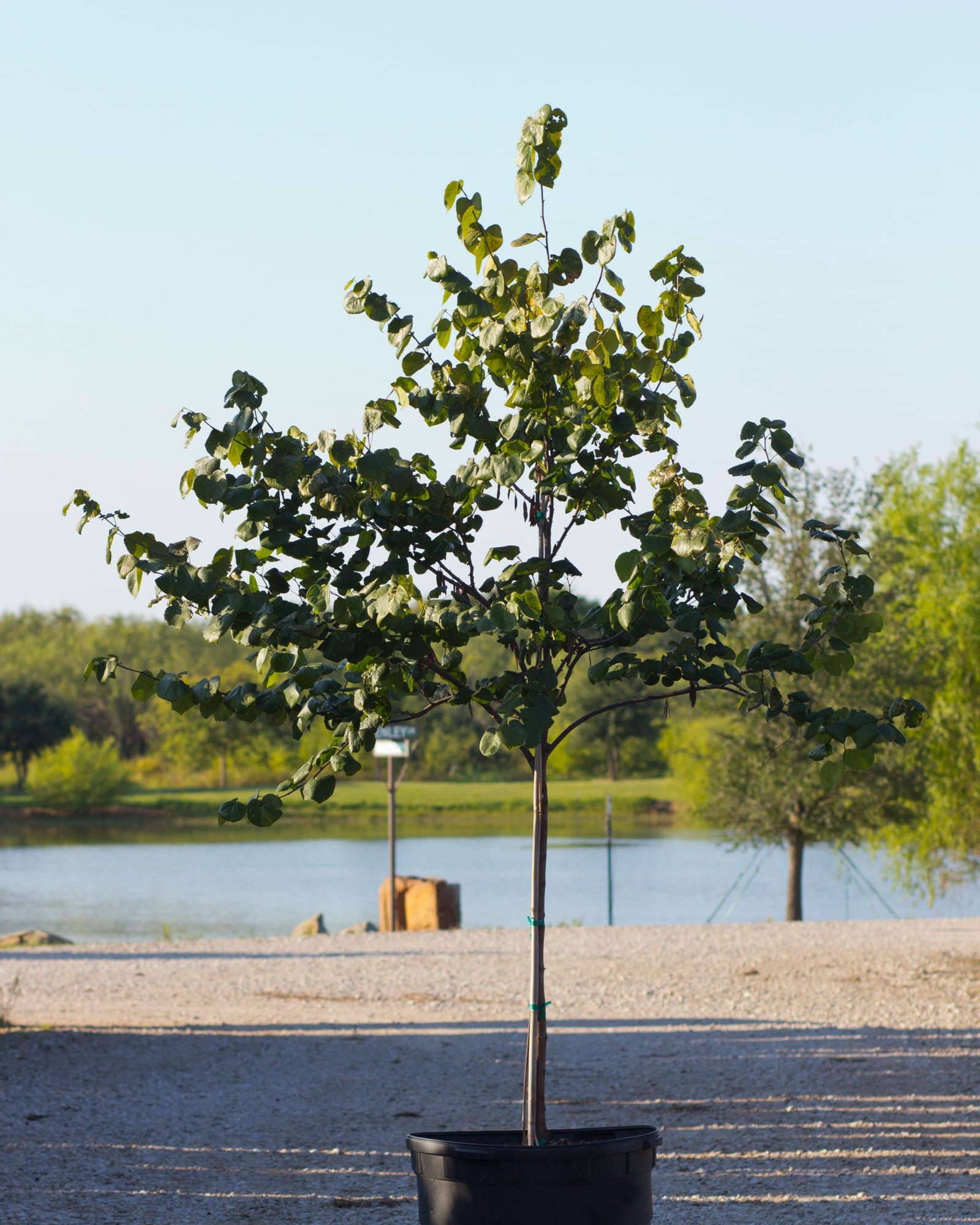
Cercis canadensis 'Sjo'The Cotton Candy Redbud is a charming ornamental tree that adds a touch of delicate beauty and early color to the landscape. Growing to approximately 20 feet tall and 15 feet wide, it forms a soft, spreading canopy ideal for flower beds, borders, or use as a striking standalone accent. In early spring, its branches burst with a profusion of soft pink blooms, creating a cotton candy-like effect that welcomes the season.
- Deciduous tree
- Moderate growth rate with a graceful, spreading shape
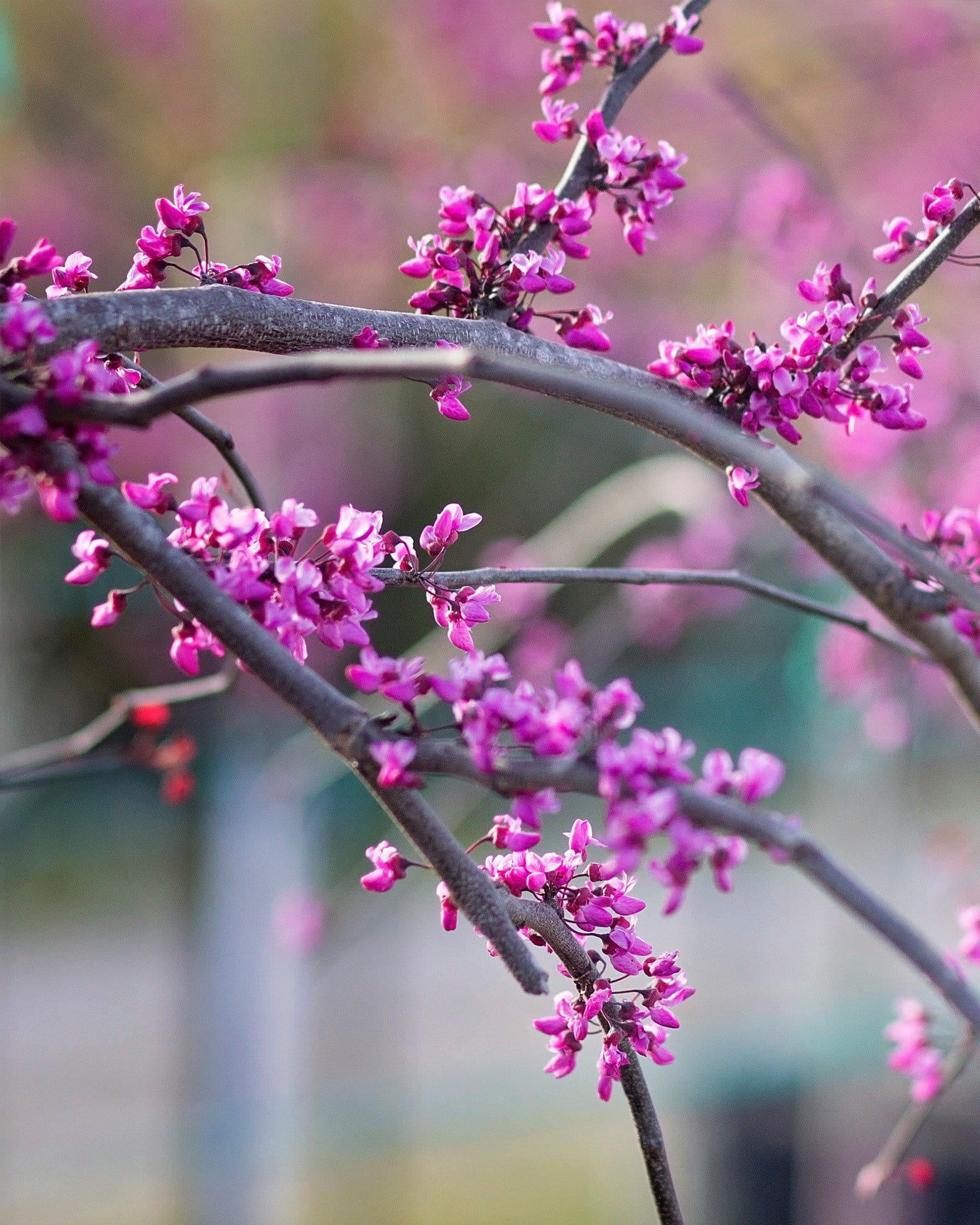
- Soft pink flowers bloom abundantly in spring
- Brings early-season beauty and vibrant color
- Perfect for medium-sized flower beds and borders
Cotton Candy Redbud does best in full sun to partial shade and thrives in well-drained soil. Its compact size, elegant form, and vivid spring display make it an excellent choice for North Texas and similar regions. Hardy in USDA zones 4 through 9.
Cotton Candy Redbud is quite low-maintenance once established, thriving on little maintenance throughout the seasons. Here’s all it need:
- Watering: Water deeply and regularly during the first several years to encourage a strong root system. Once established, Cotton Candy Redbud tolerates moderate drought, though consistent moisture ensures lush foliage and prolific blooming. Avoid chronically wet soil, which can lead to root issues.
- Pruning: Prune in late winter to remove crossing branches, storm damage, or inward growth. The tree naturally forms a lovely, rounded canopy, so structural pruning should remain light and careful. Avoid pruning right after bud formation, as blooms appear on old wood.
- Fertilizing: Apply a balanced, slow-release fertilizer in early spring to support healthy foliage and flower production. Incorporating compost improves soil quality and long-term resilience. Excess nitrogen should be avoided, as it can reduce flower density.
- Mulching: Maintain a 2-3 inch mulch layer to conserve moisture and protect shallow feeder roots. Keep mulch slightly away from the trunk to avoid bark decay. Refresh annually for optimal soil health.
- Winter Care: Cotton Candy Redbud is reliably cold-hardy once established. Young trees may benefit from wind protection during their first winter, especially in open landscapes. Remove any minor winter dieback in late winter.
Cotton Candy Redbud is generally low-maintenance, though a few manageable issues may arise in stressful conditions:
- Leaf Spot: Brown or irregular patches may form during humidity or prolonged rain. Improving airflow and removing fallen debris helps prevent future outbreaks.
- Canker: Sunken or discolored areas on branches indicate canker disease. Prune out affected limbs and reduce stress to support recovery.
- Verticillium Wilt: Sudden wilting or branch dieback may occur in contaminated soils. Removing affected branches and improving soil conditions may help the tree resist further decline.
- Aphids: Curling leaves or sticky honeydew suggest aphid feeding. A gentle water rinse or insecticidal soap restores healthy foliage.
- Leaf Scorch: Browning caused by heat or drought appears along leaf edges. Mulching and consistent moisture help prevent recurrence.
Cotton Candy Redbud typically lives 20-40 years with proper care. Good watering practices and a healthy planting site help maximize its lifespan.
It grows at a moderate pace, usually 1-2 feet per year. Blooming becomes fully expressive within 4-6 years as the canopy fills out.
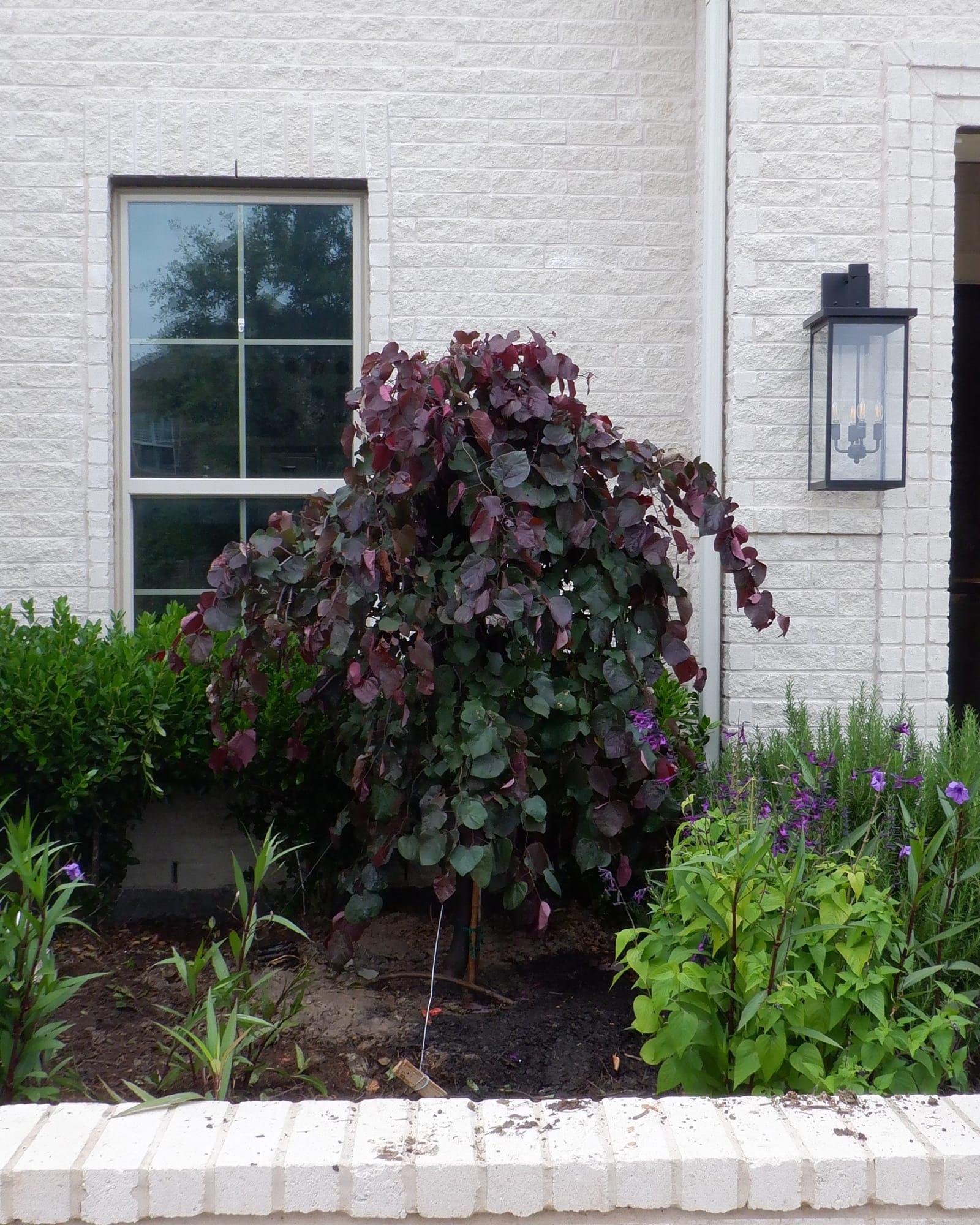
Its manageable size and rounded habit make it perfect for compact yards, cottage gardens, and decorative front-yard plantings. Even in a limited space, it delivers a significant ornamental impact.
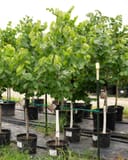
It can be kept in a large container during its youth, especially for patios or courtyards. Long-term health, however, is best achieved when planted in the ground.
It handles full sun well in most climates, though afternoon shade may help maintain leaf quality in particularly hot regions. Even moisture helps reduce stress during heatwaves.
Deer generally show limited interest in redbuds, though young growth may be sampled. Light protection during establishment ensures trouble-free growth.
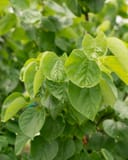
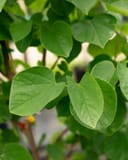
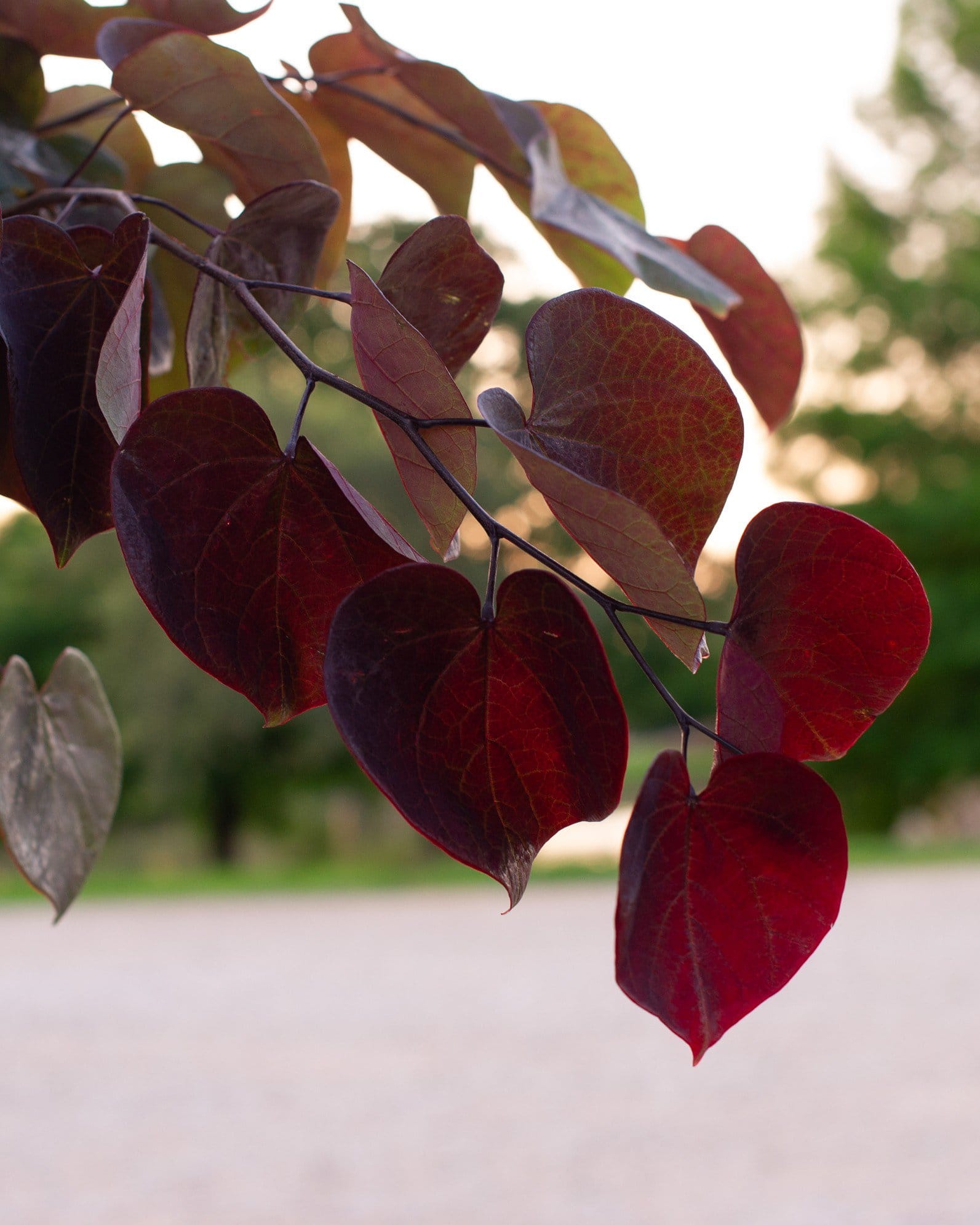
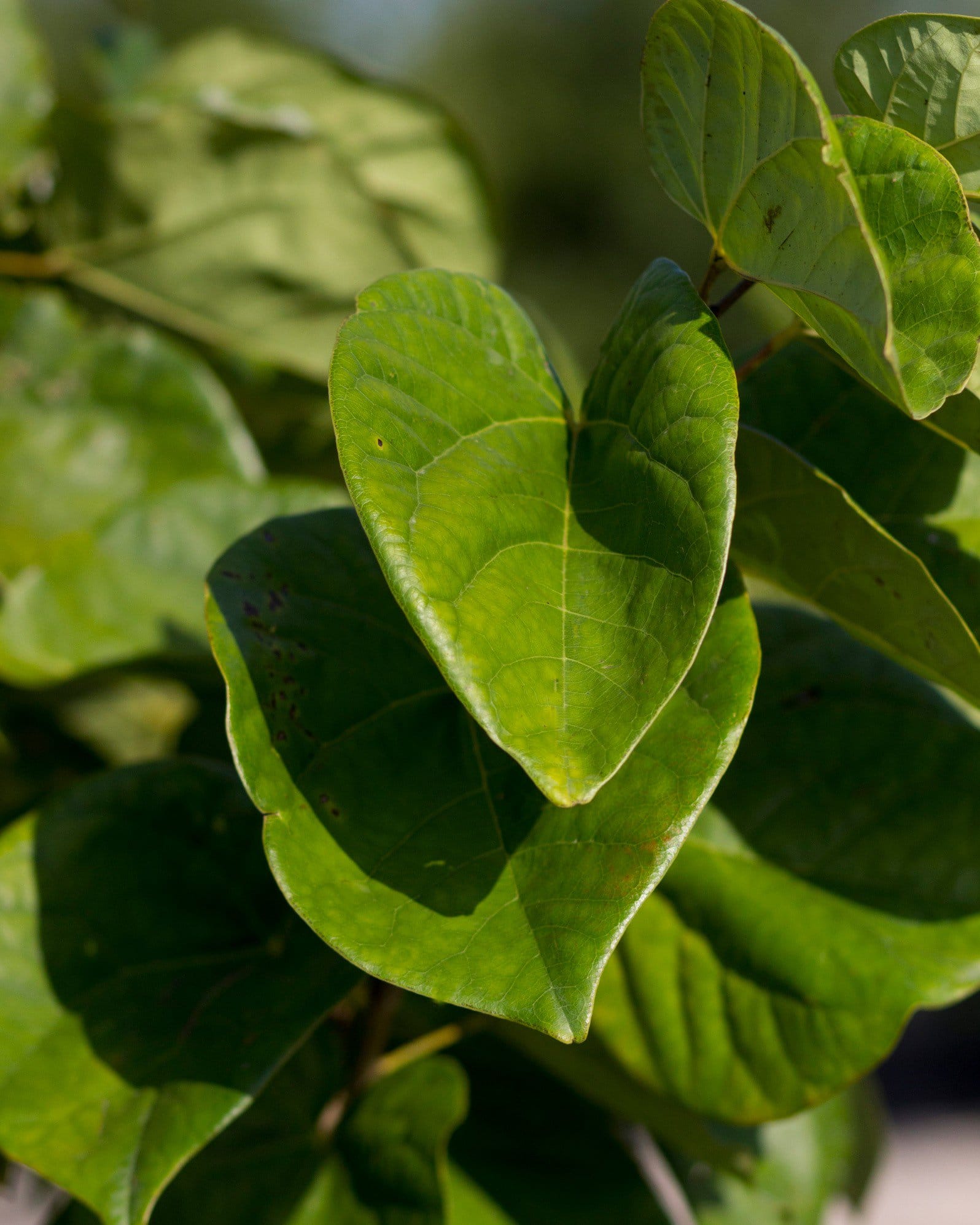
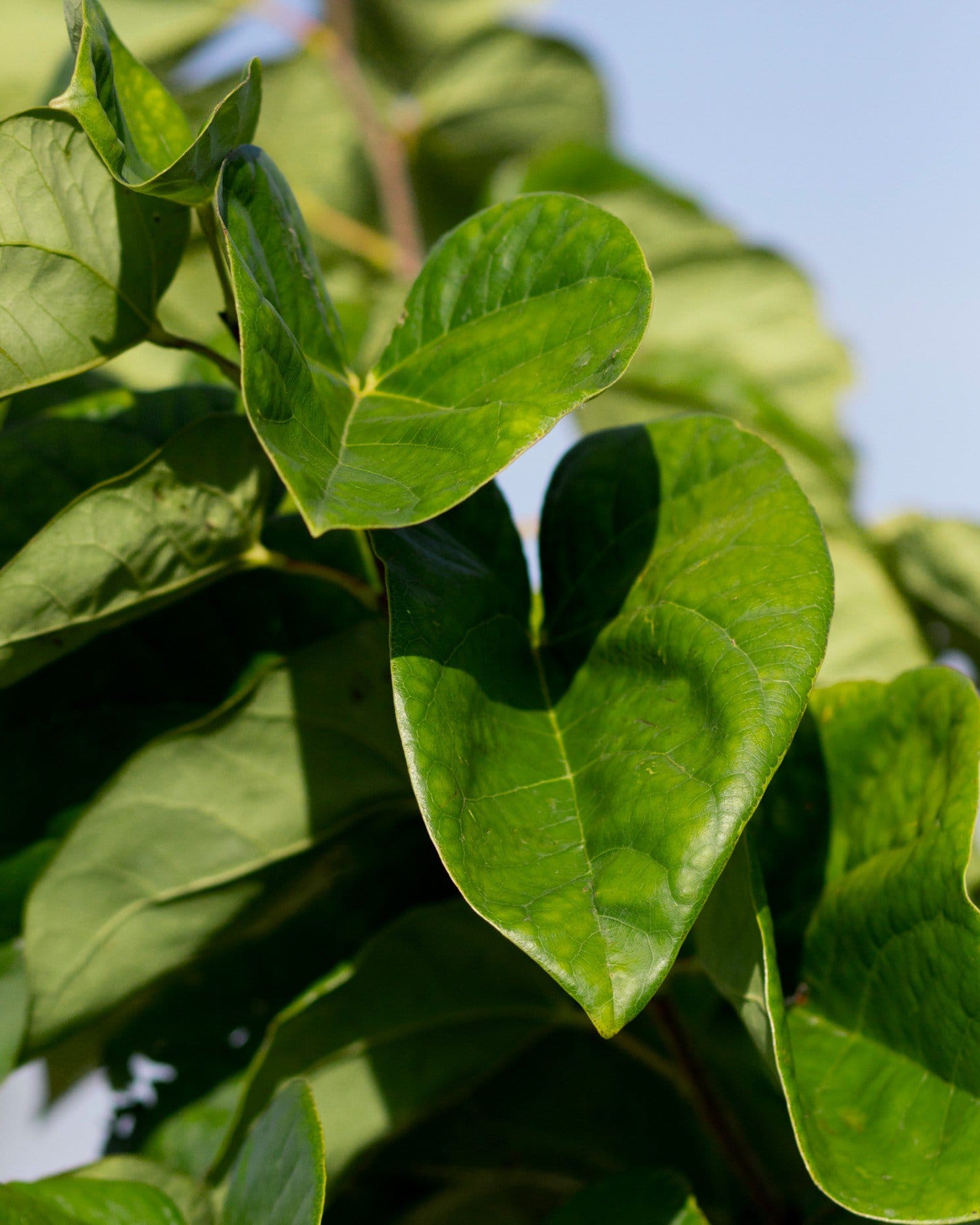
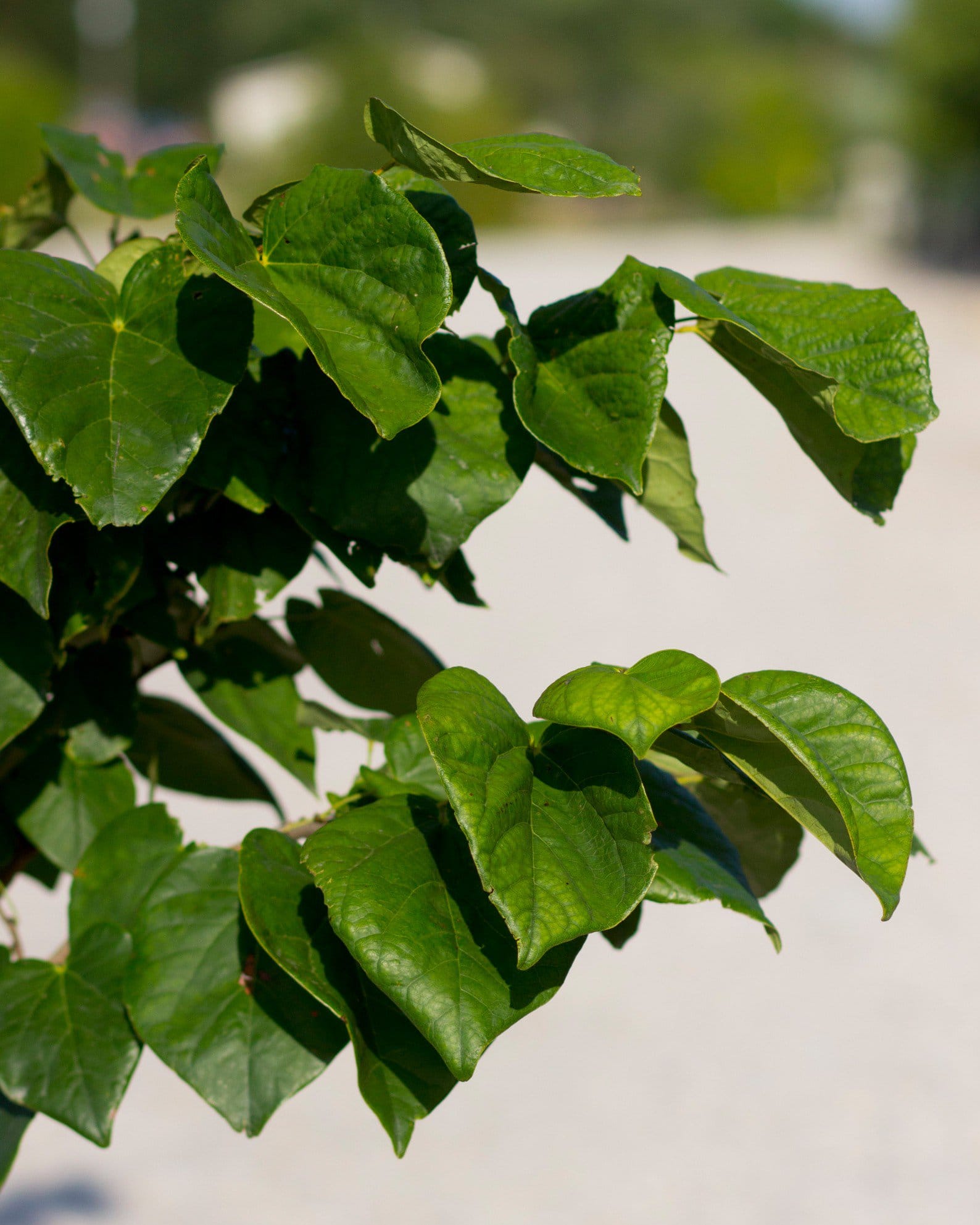
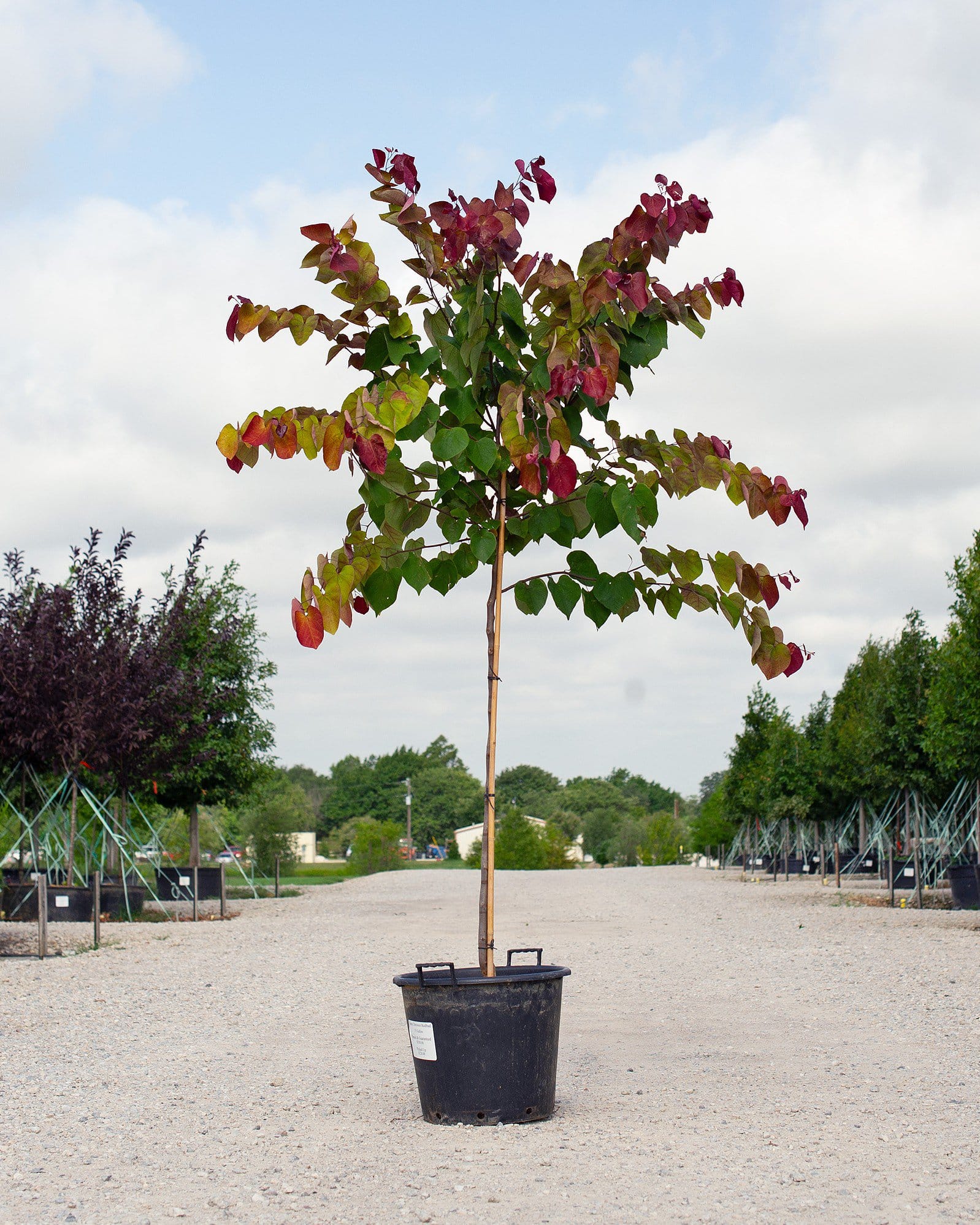
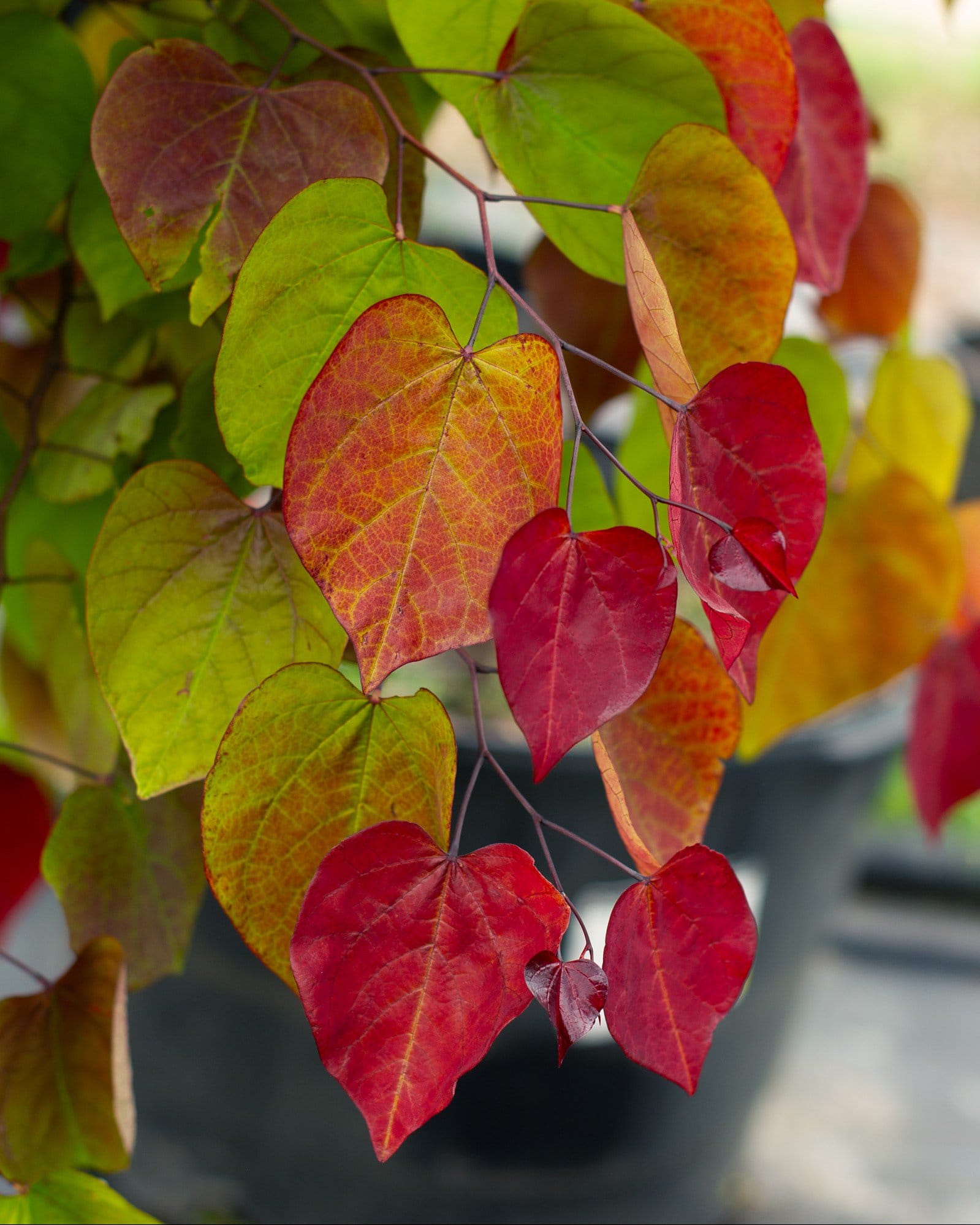
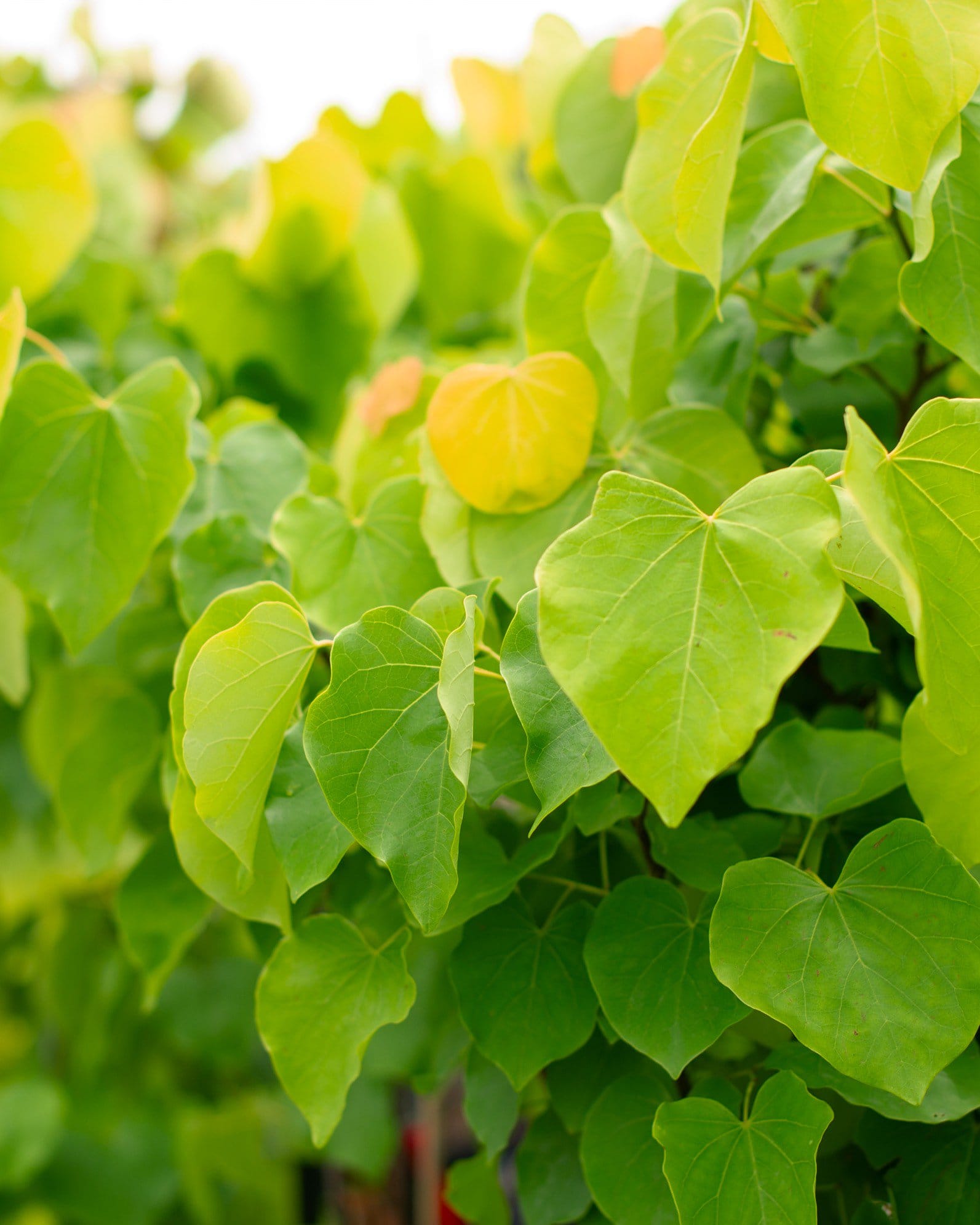
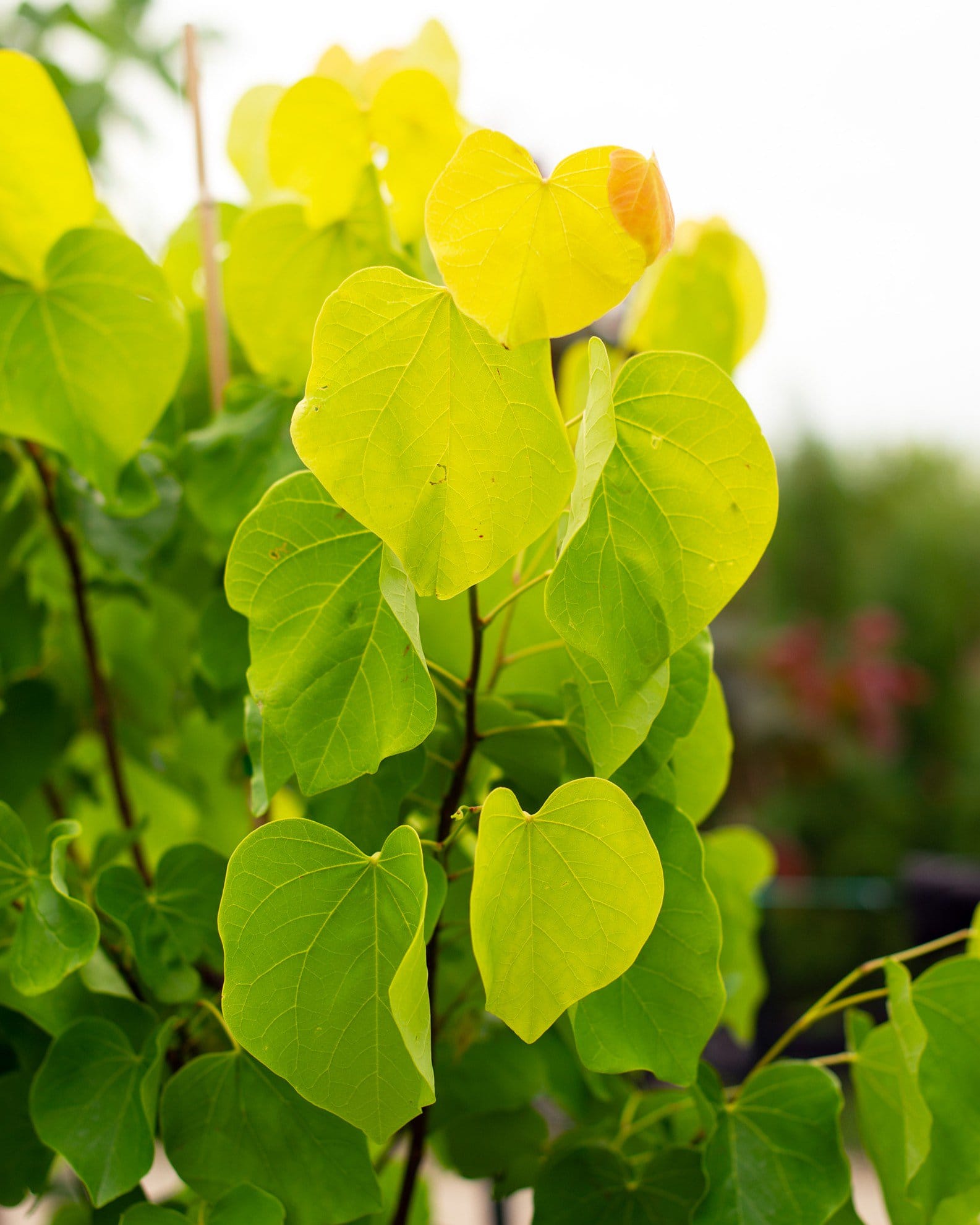
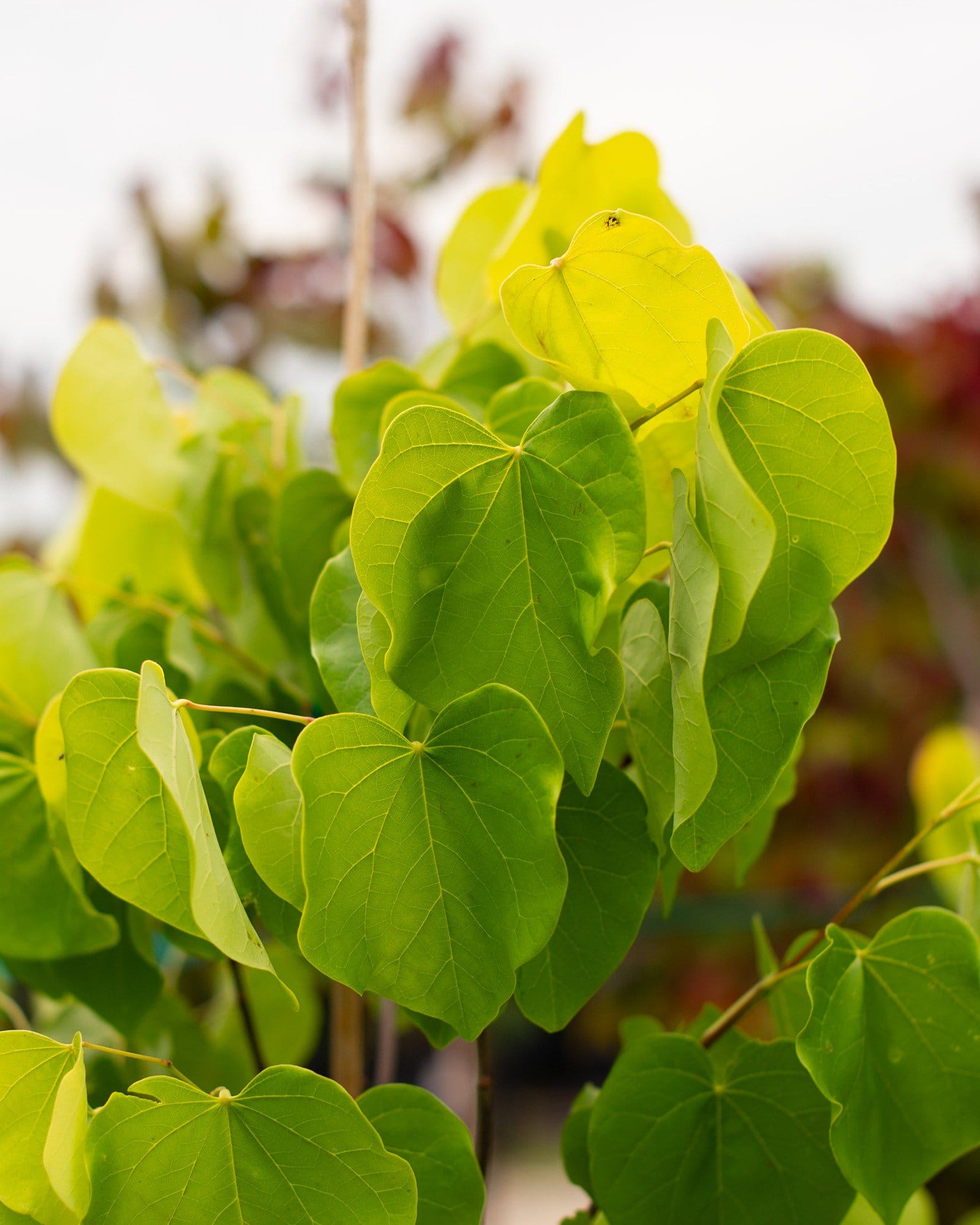
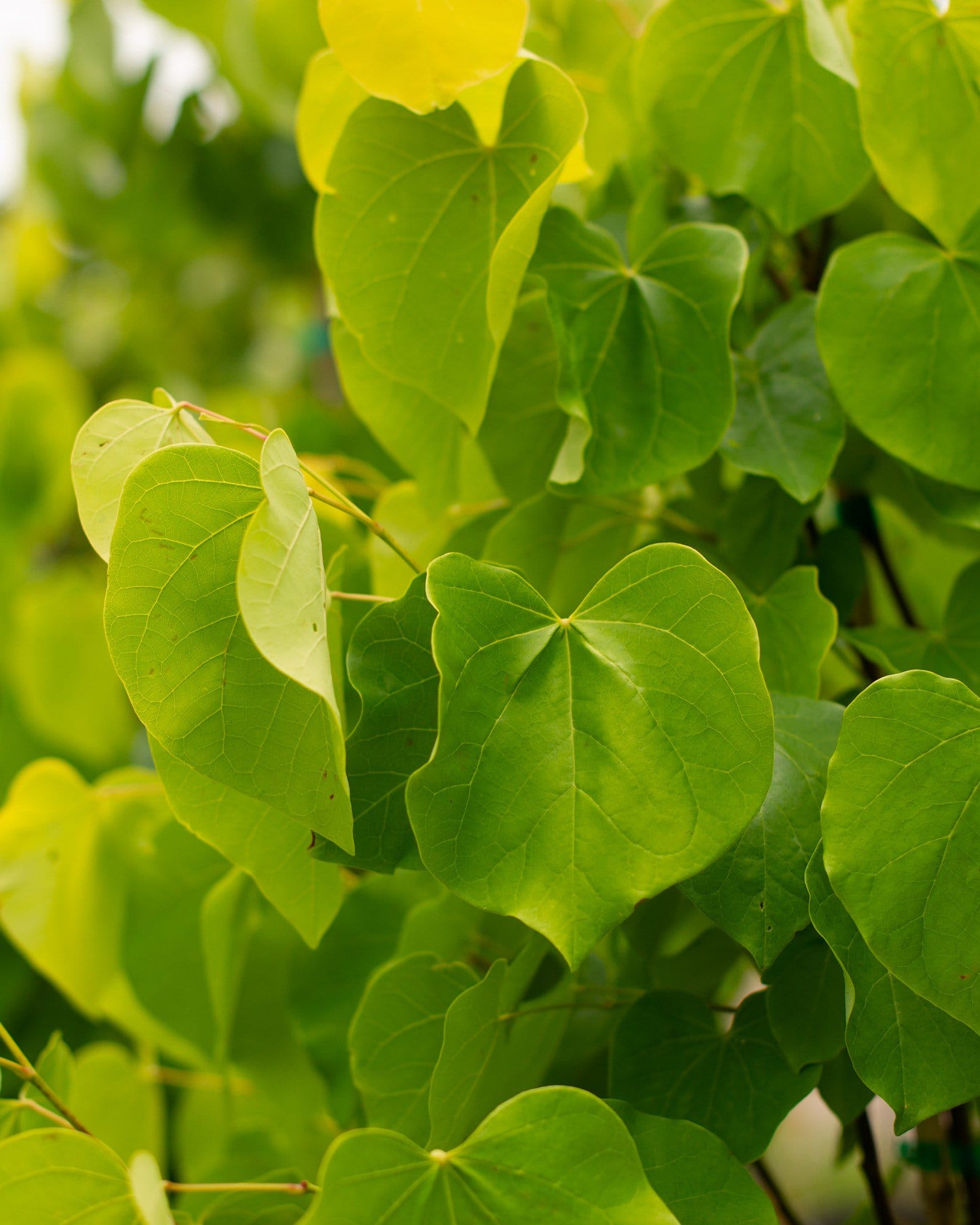
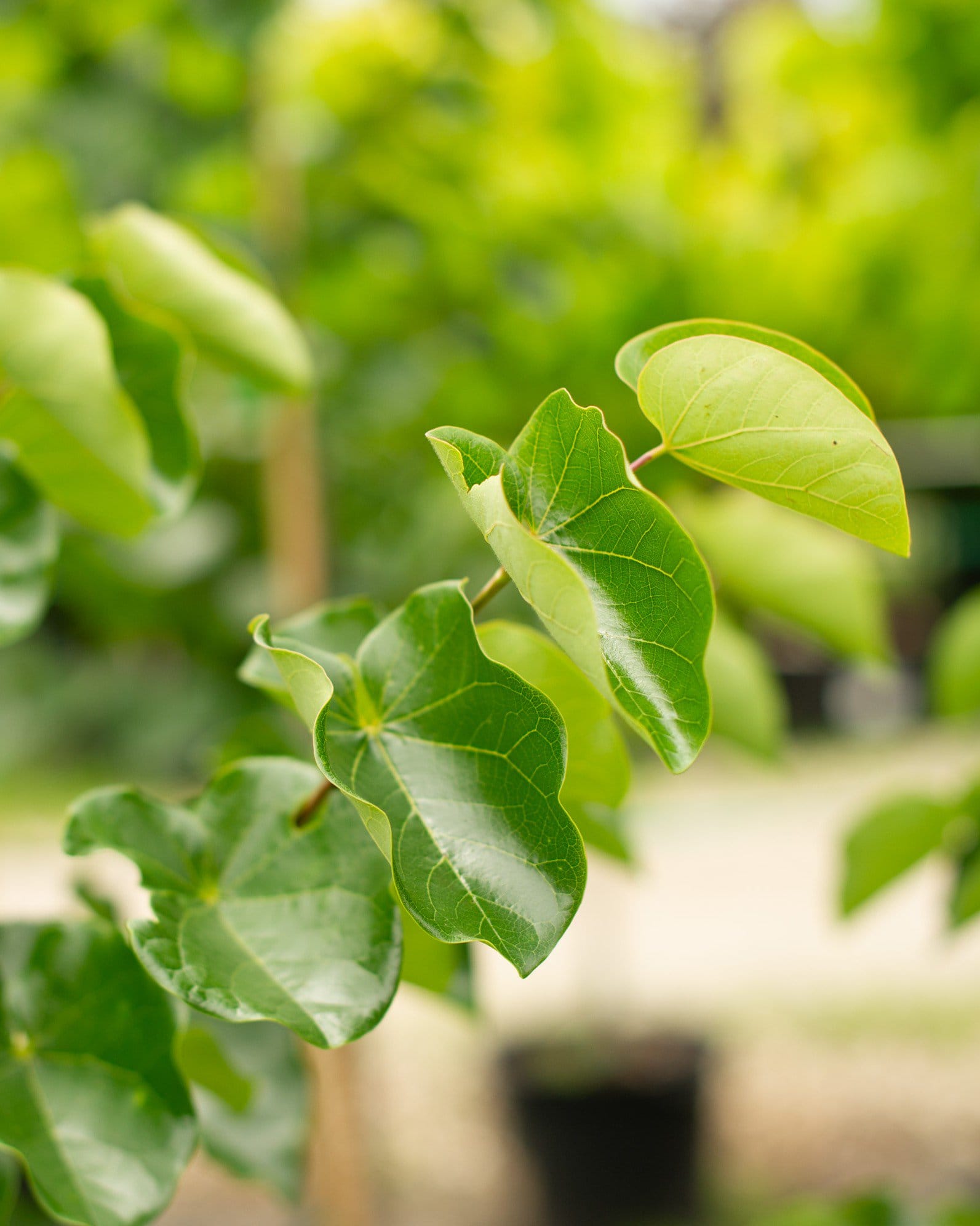
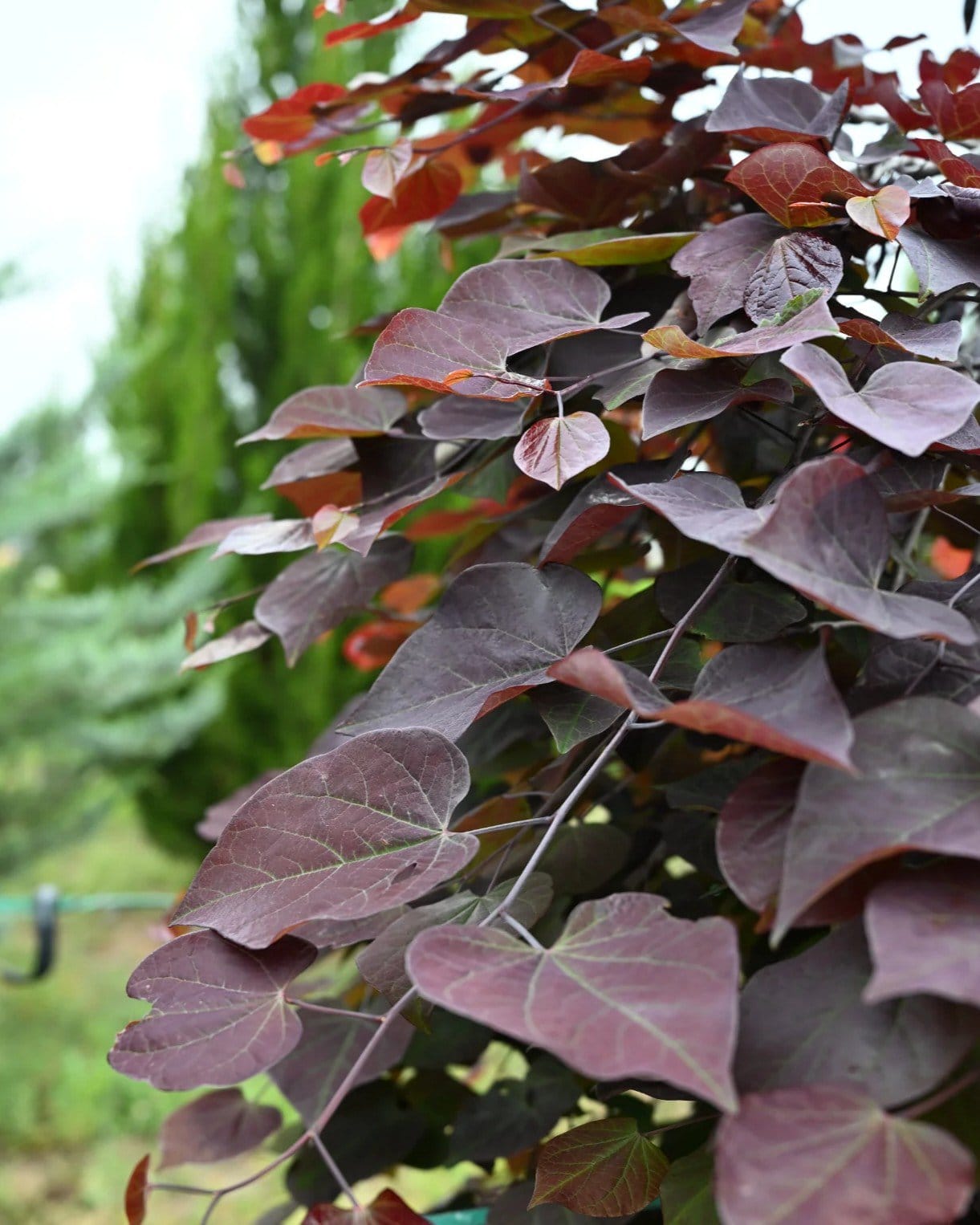
Hydrangeas, Heucheras, Hellebores, Ferns, Dogwoods, and spring bulbs complement its pastel blooms and heart-shaped leaves. These combinations create harmonious, layered seasonal displays.
Yes - grouping several together creates a striking early-spring bloom display with soft, romantic color. Mass plantings amplify its unique pastel character.
Young trees transplant well in late winter or early spring. With consistent watering, they reestablish quickly and resume vigorous growth.
Its pastel, almost ethereal bloom color gives it a softness and delicacy rare among redbud cultivars. Combined with its tidy form and multi-season appeal, it stands out as a uniquely charming ornamental tree.
Special Features
You might also like
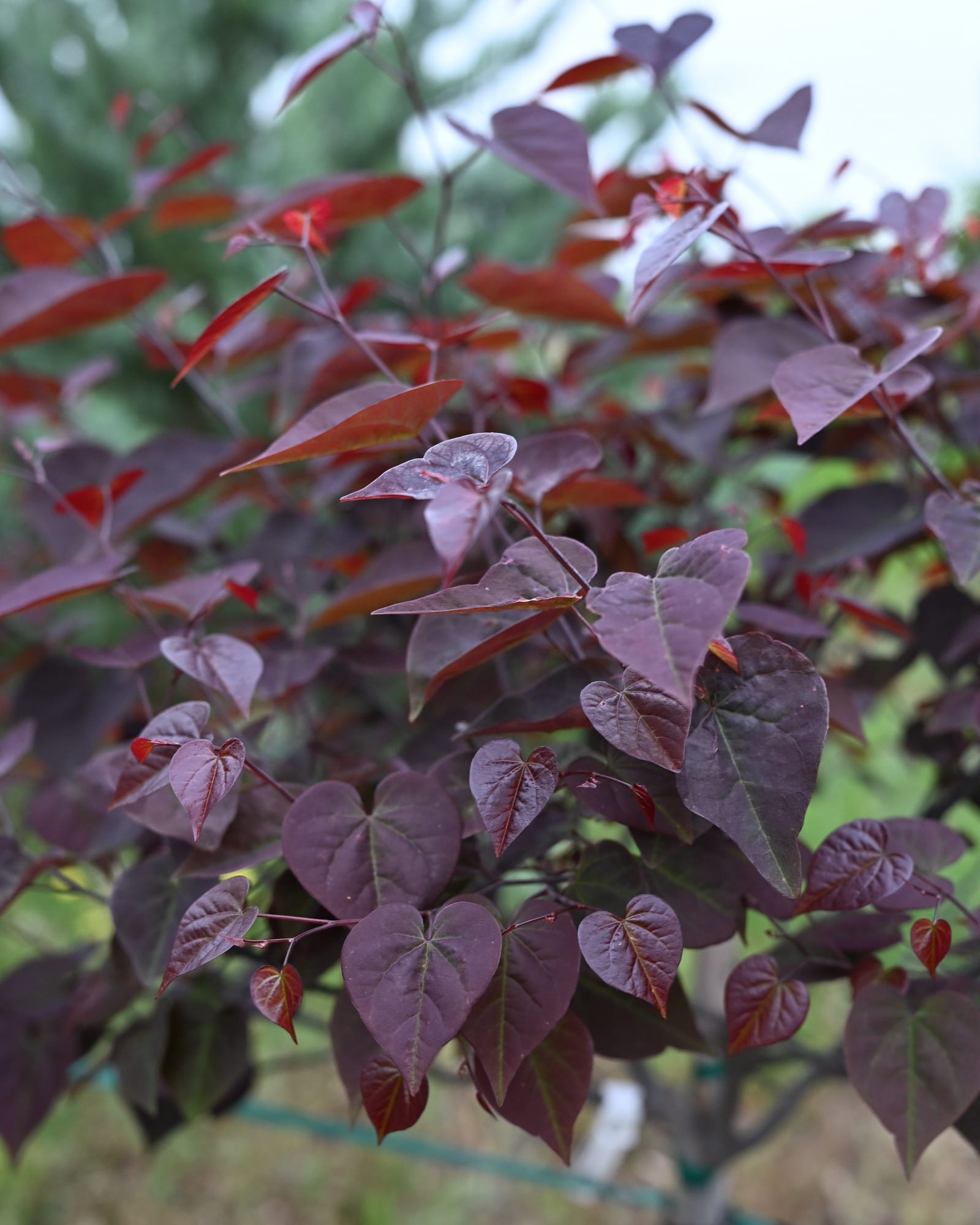
Amethyst Redbud
Maturity: 8' H x 8' W
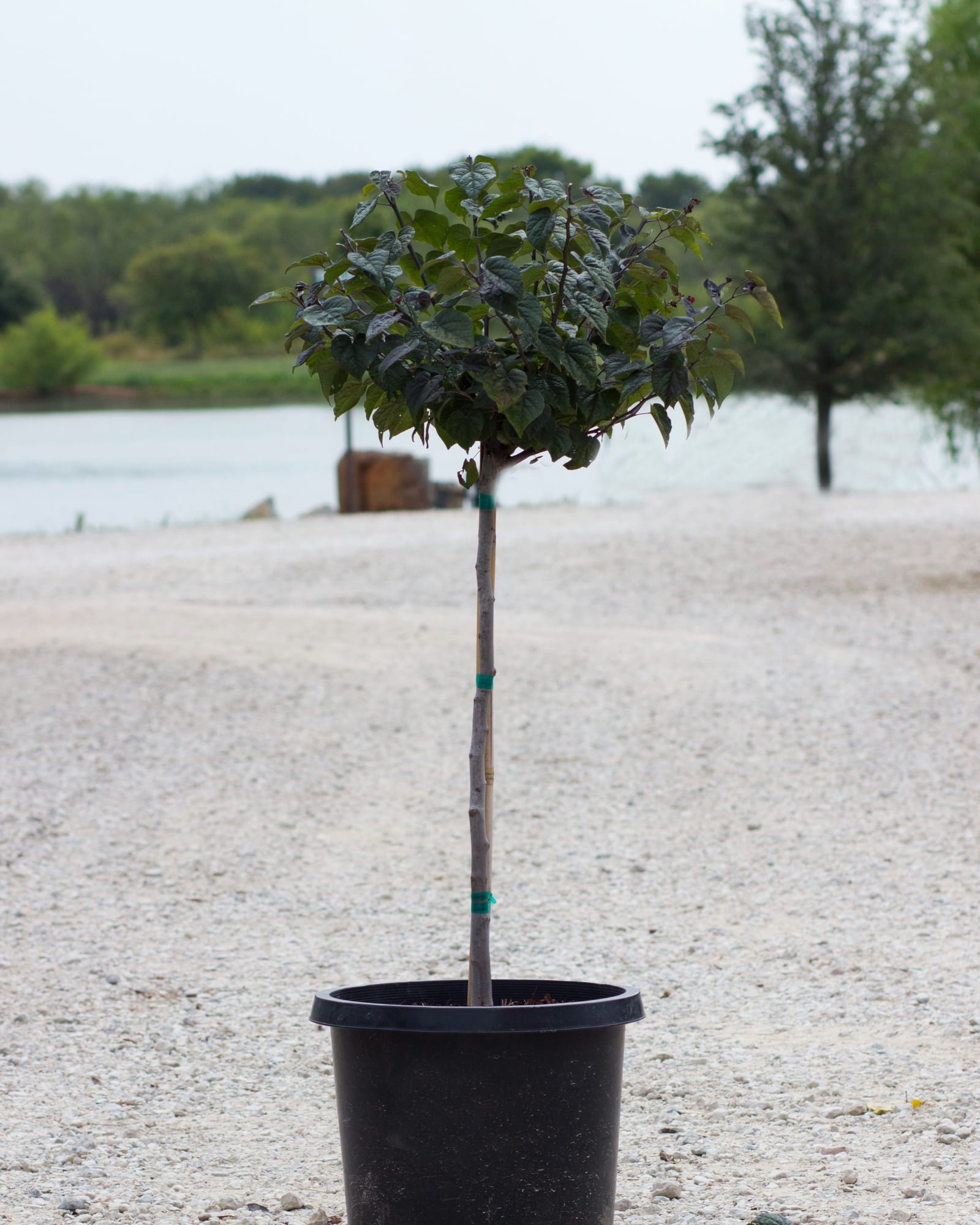
Black Pearl Redbud
Maturity: 20' H x 20' W
Bubble Gum Redbud
Maturity: 15' H x 12' W
Eastern Redbud
Maturity: 20' H x 20' W
Flame Thrower Redbud
Maturity: 15' H x 15' W
Gilded Hearts Redbud
Maturity: 15' H x 15' W
Luscious Lavender Redbud
Maturity: 15' H x 15' W
Merlot Redbud
Maturity: 15' H x 15' W
Oklahoma Sparkler Redbud
Maturity: 15' H x 15' W
Pink Pom Poms Redbud
Maturity: 15' H x 15' W
Purple Rain Weeping Redbud
Maturity: 8' H x 8' W
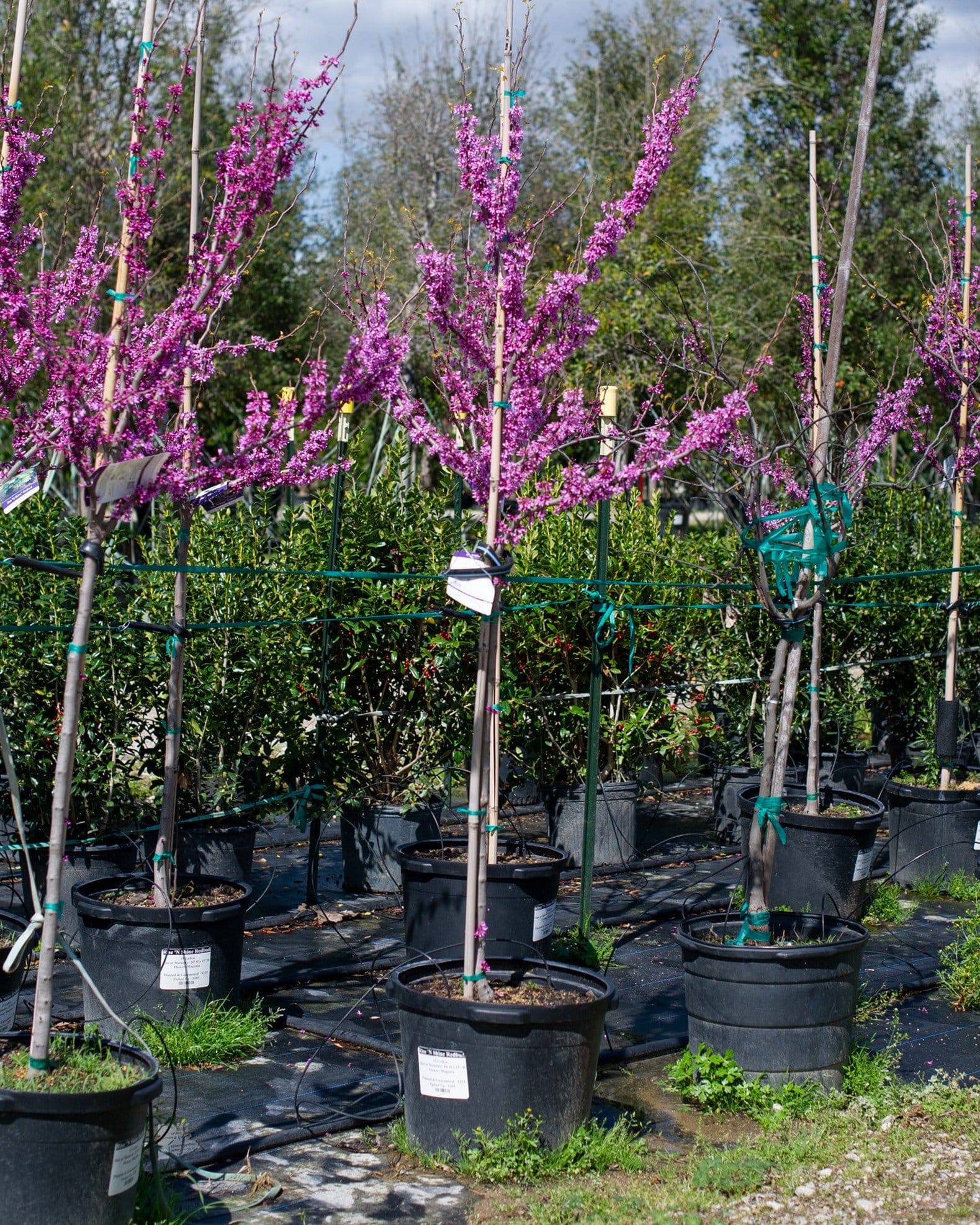
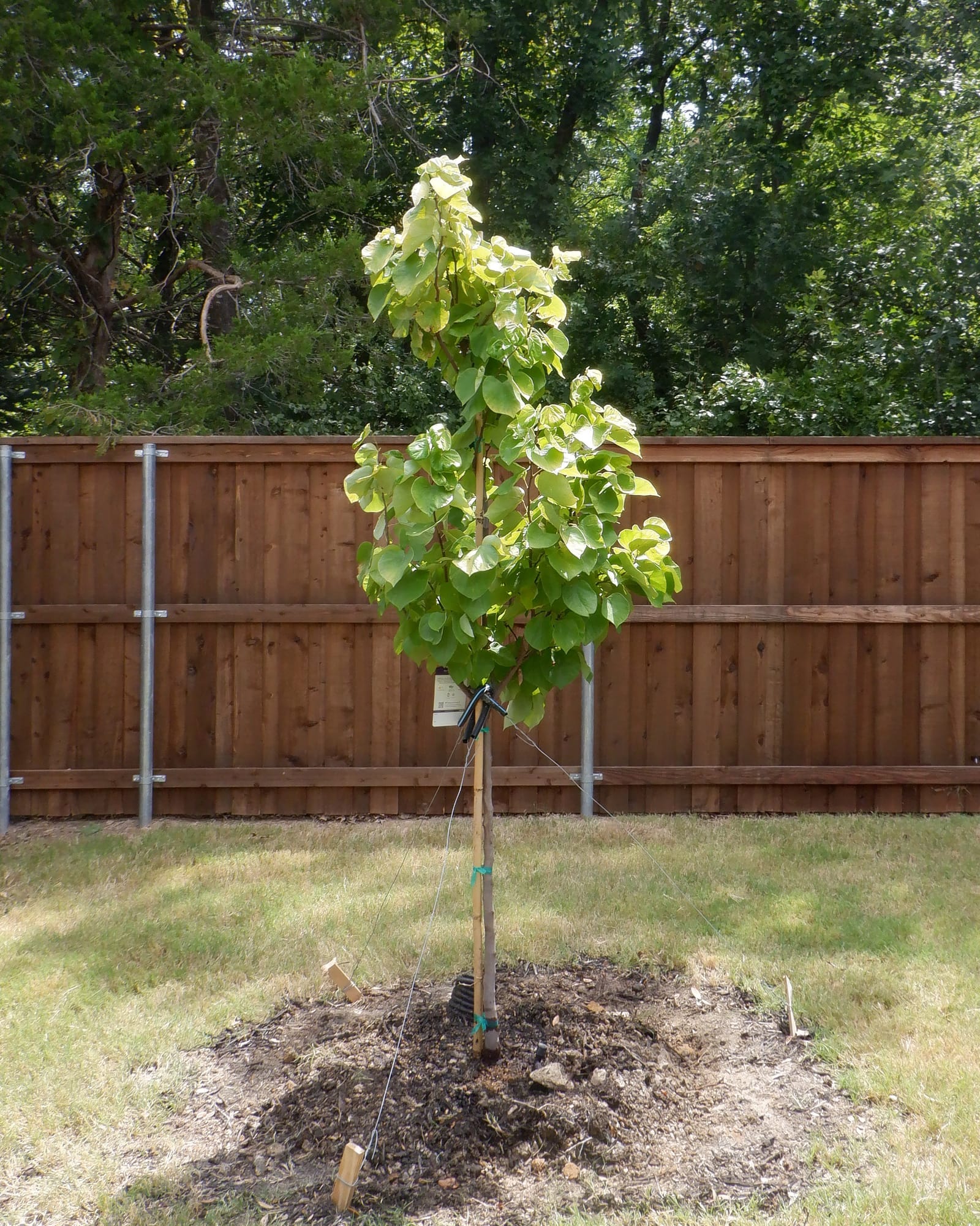
Rise 'N Shine Redbud
Maturity: 20' H x 15' W
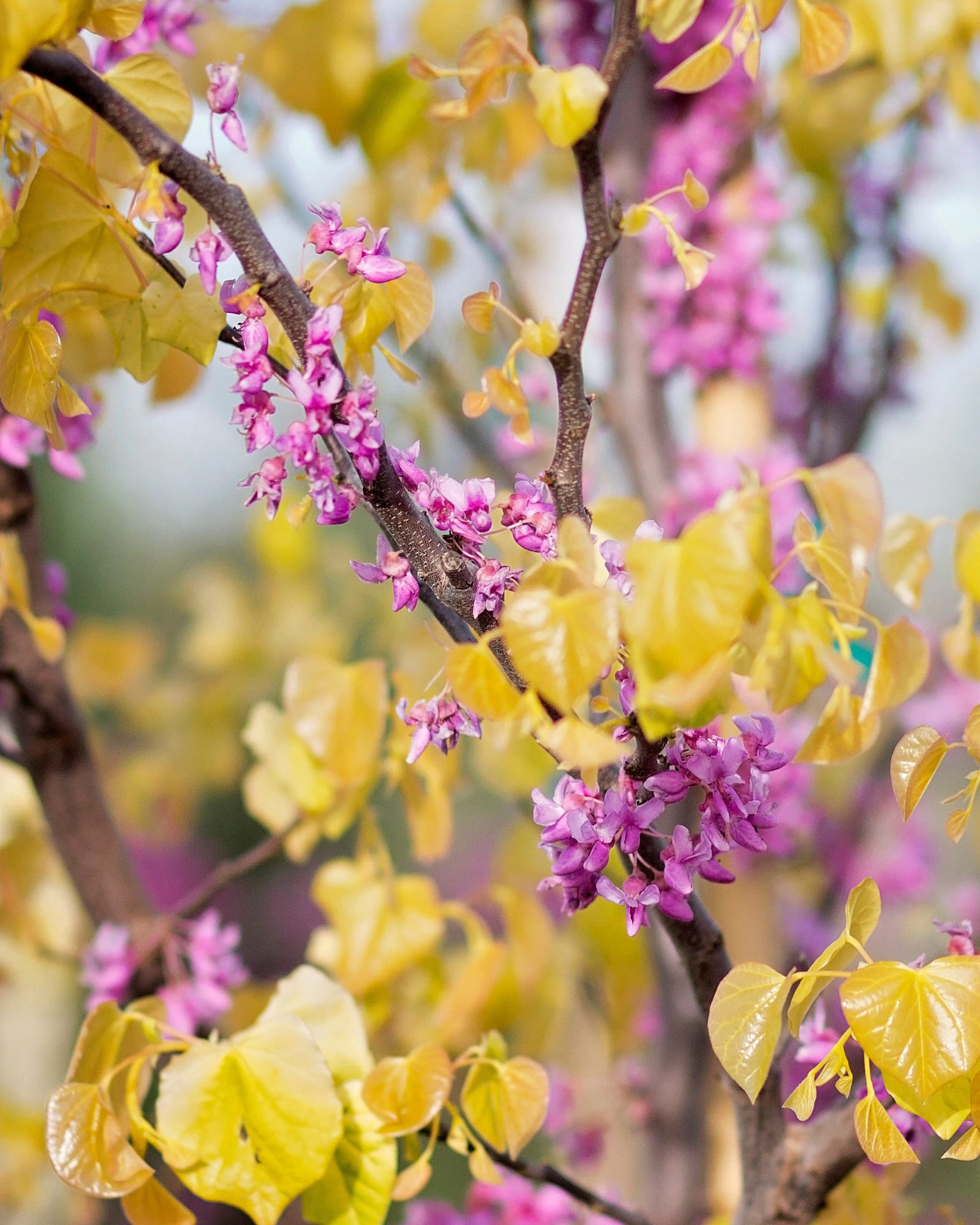
Rising Sun Redbud
Maturity: 15' H x 15' W
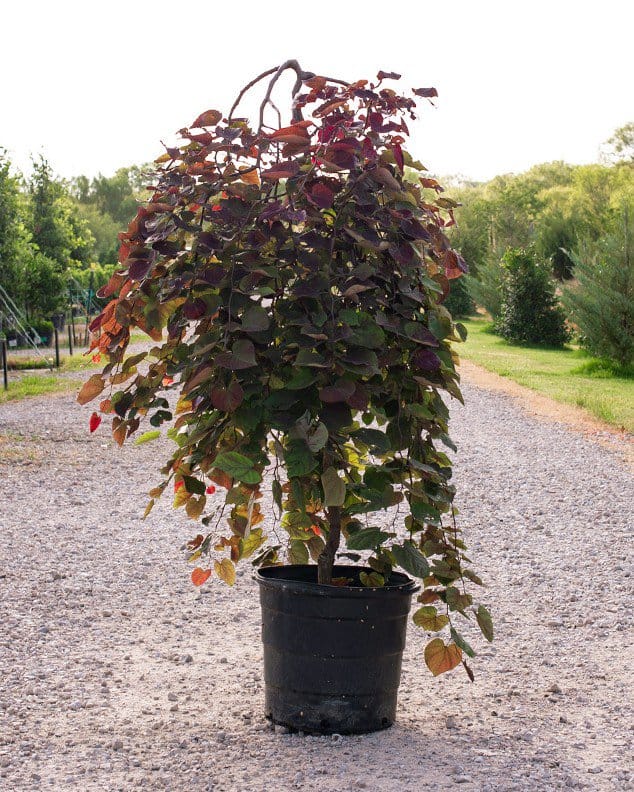
Ruby Falls Weeping Redbud
Maturity: 6' H x 10' W
Texas Redbud
Maturity: 30' H x 20' W
Compare Similar Plants
Cotton Candy Redbud This plant | ||
|---|---|---|
| Scientific Name | Cercis canadensis 'Sjo' | Cercis canadensis 'NC2017-6' |
| Size at Maturity | 20' H x 15' W | 8' H x 8' W |
| Leaf Retention | Deciduous | Deciduous |
| Fall Color | Yellow | Yellow |
| Flower Color | Pink | Pink |
| Bloom Times | Spring | Spring |
| Sizes Available | 7 gal | 15 gal |


Our 1-Year Planting Guarantee
We take pride in our plants and installation services. If any plants or trees installed by Treeland fail to thrive within the first year, we'll provide a replacement credit in accordance with our guarantee program.
Learn More About Our Guarantee