
 Texas Native
Purple Rain Weeping Redbud
Cercis canadensis 'Purple Rain'Local DFW Delivery Only
Product Details
Purple Rain Weeping Redbud
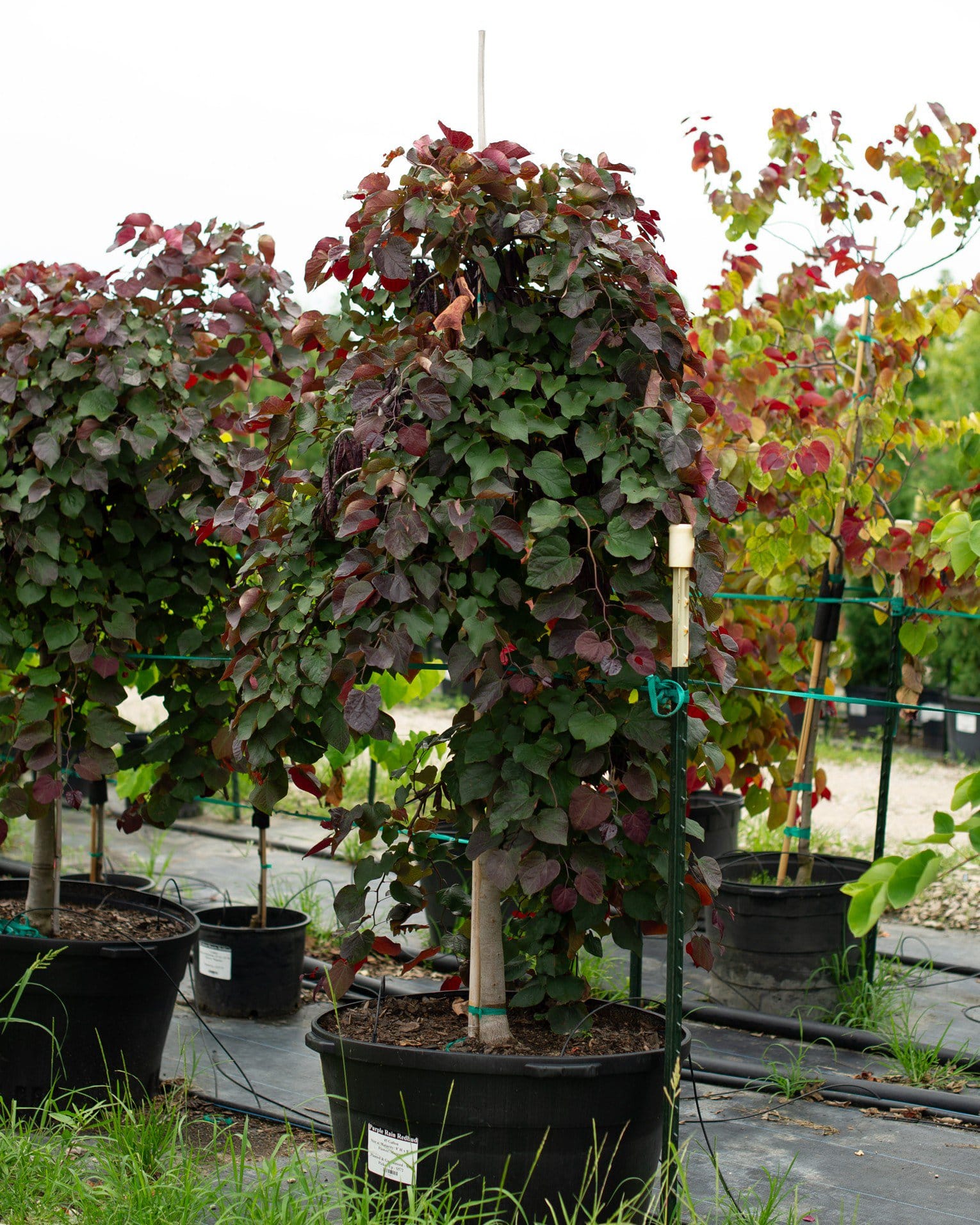
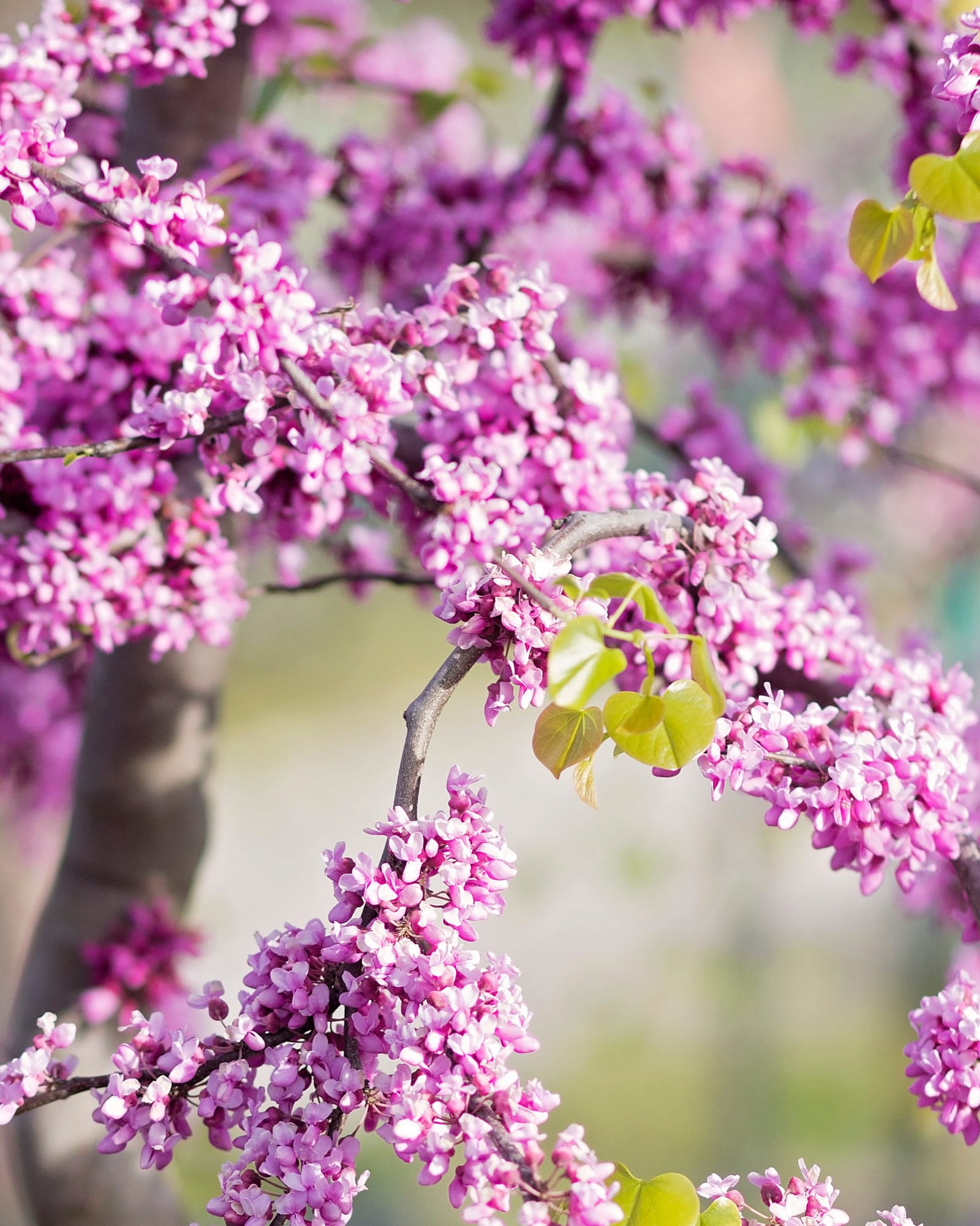
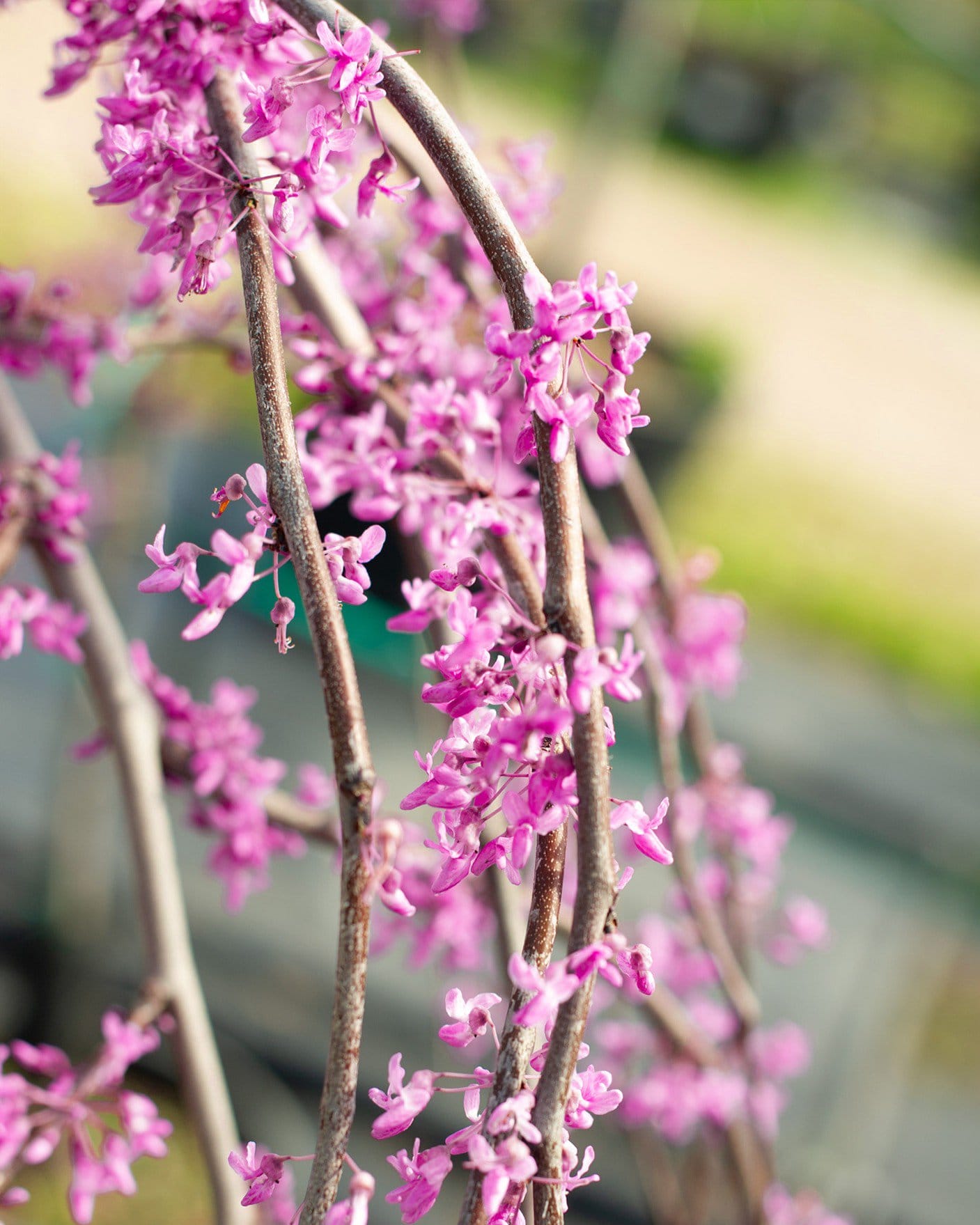
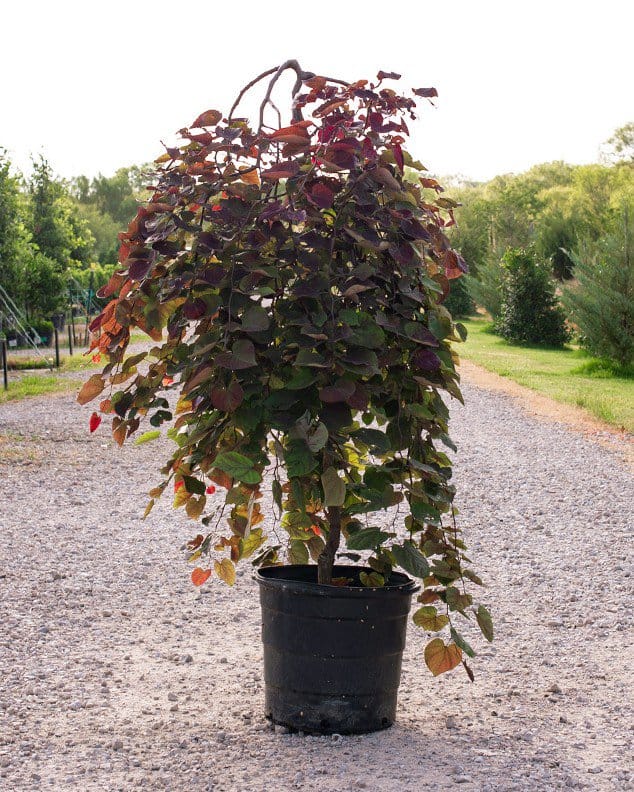
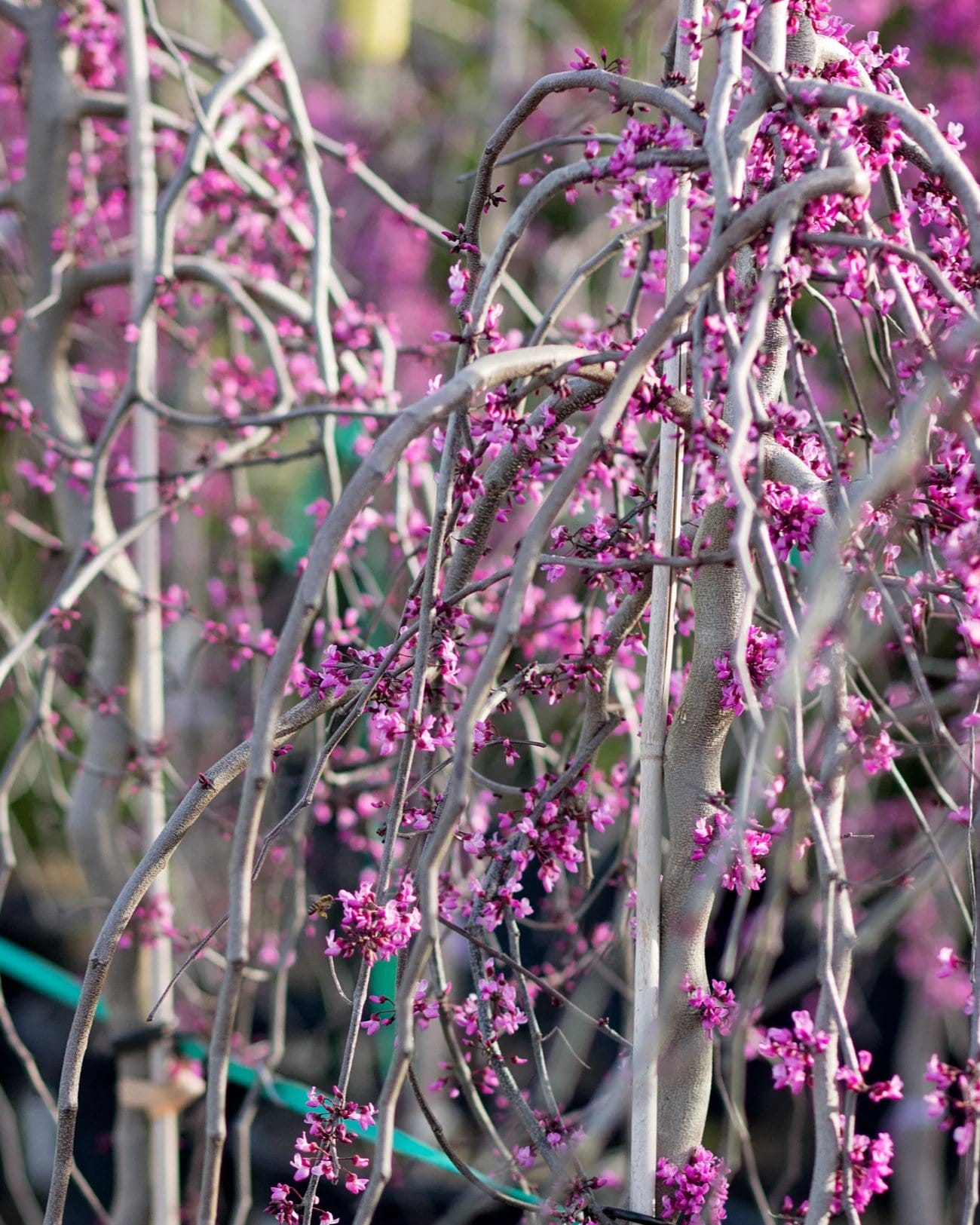
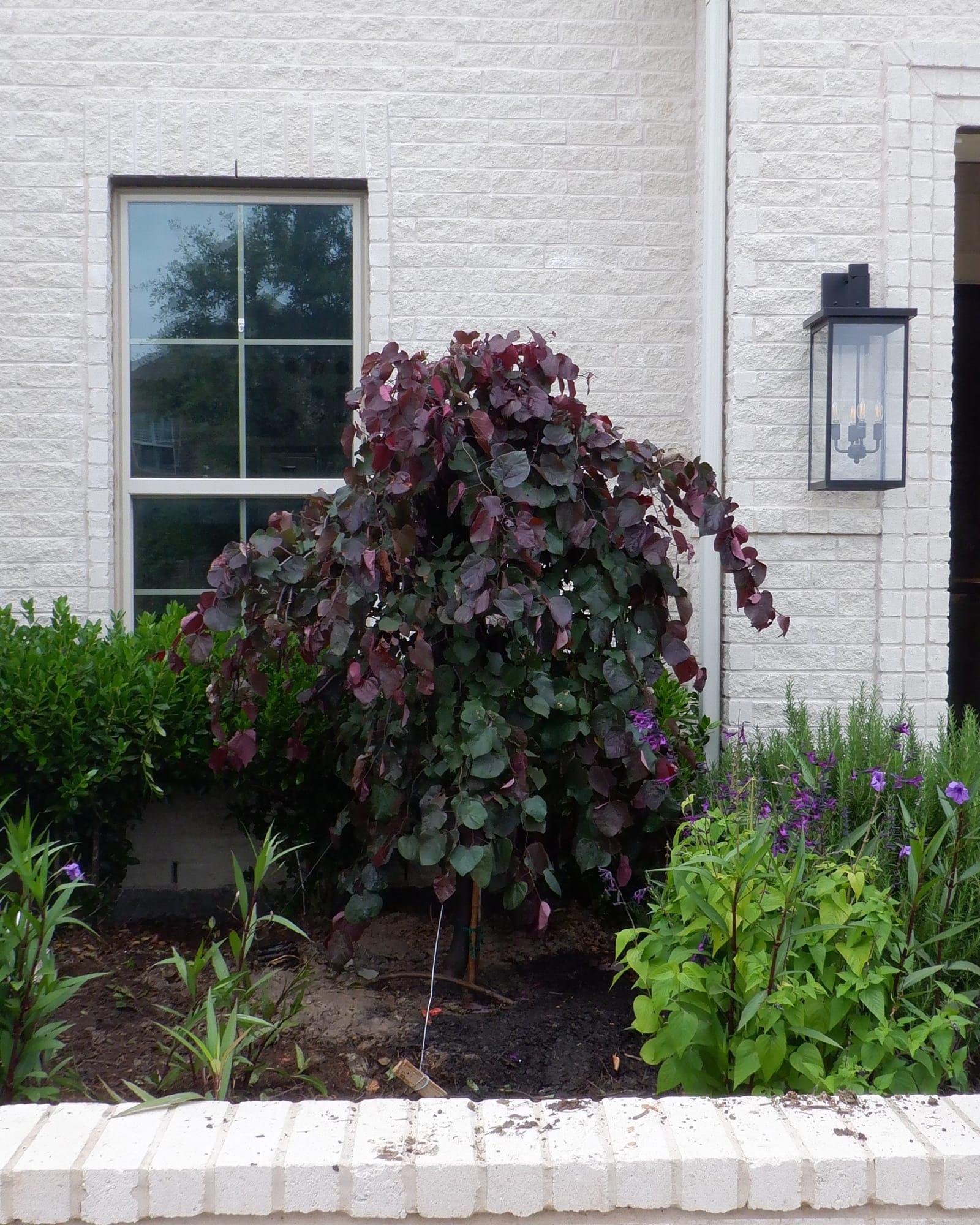
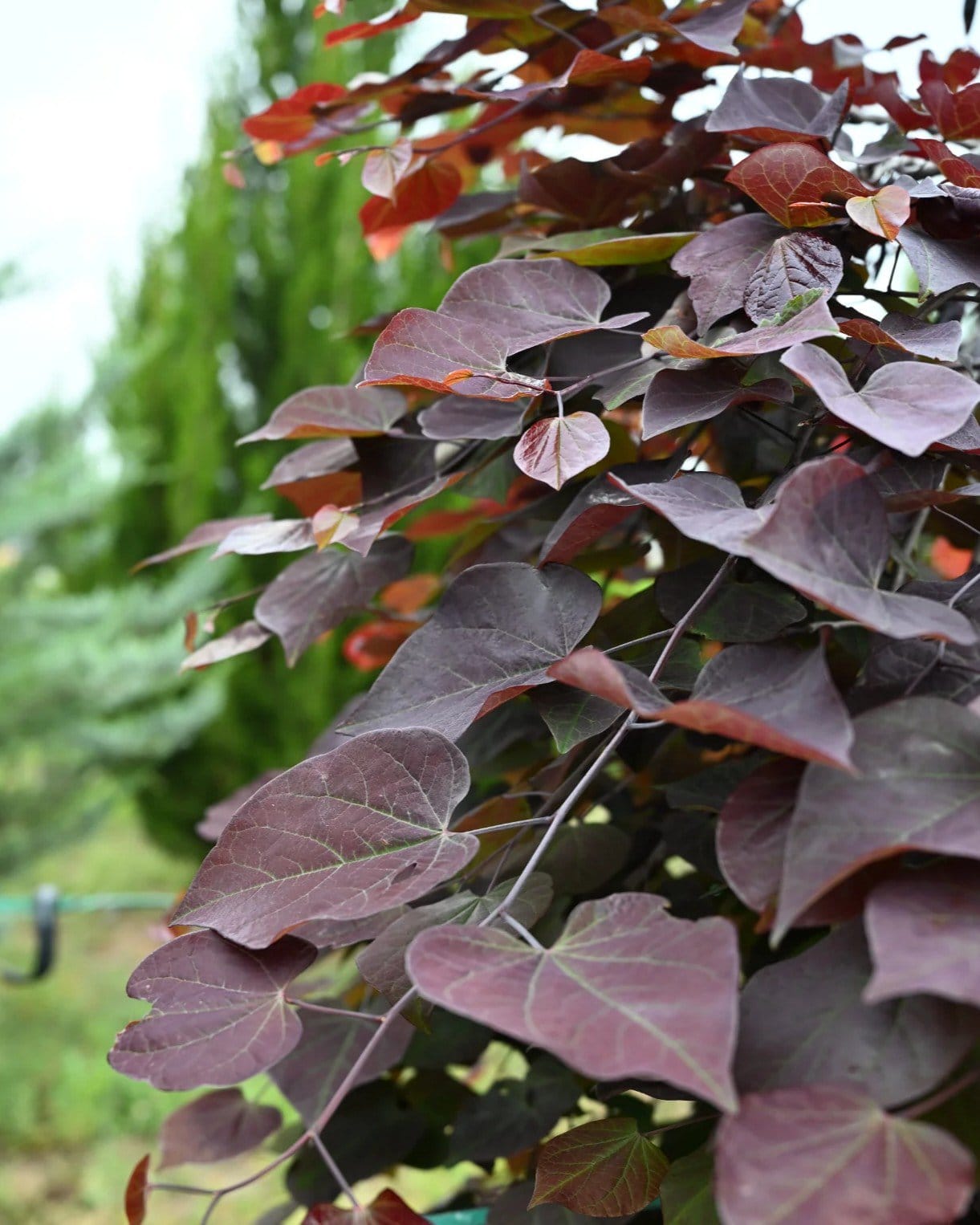
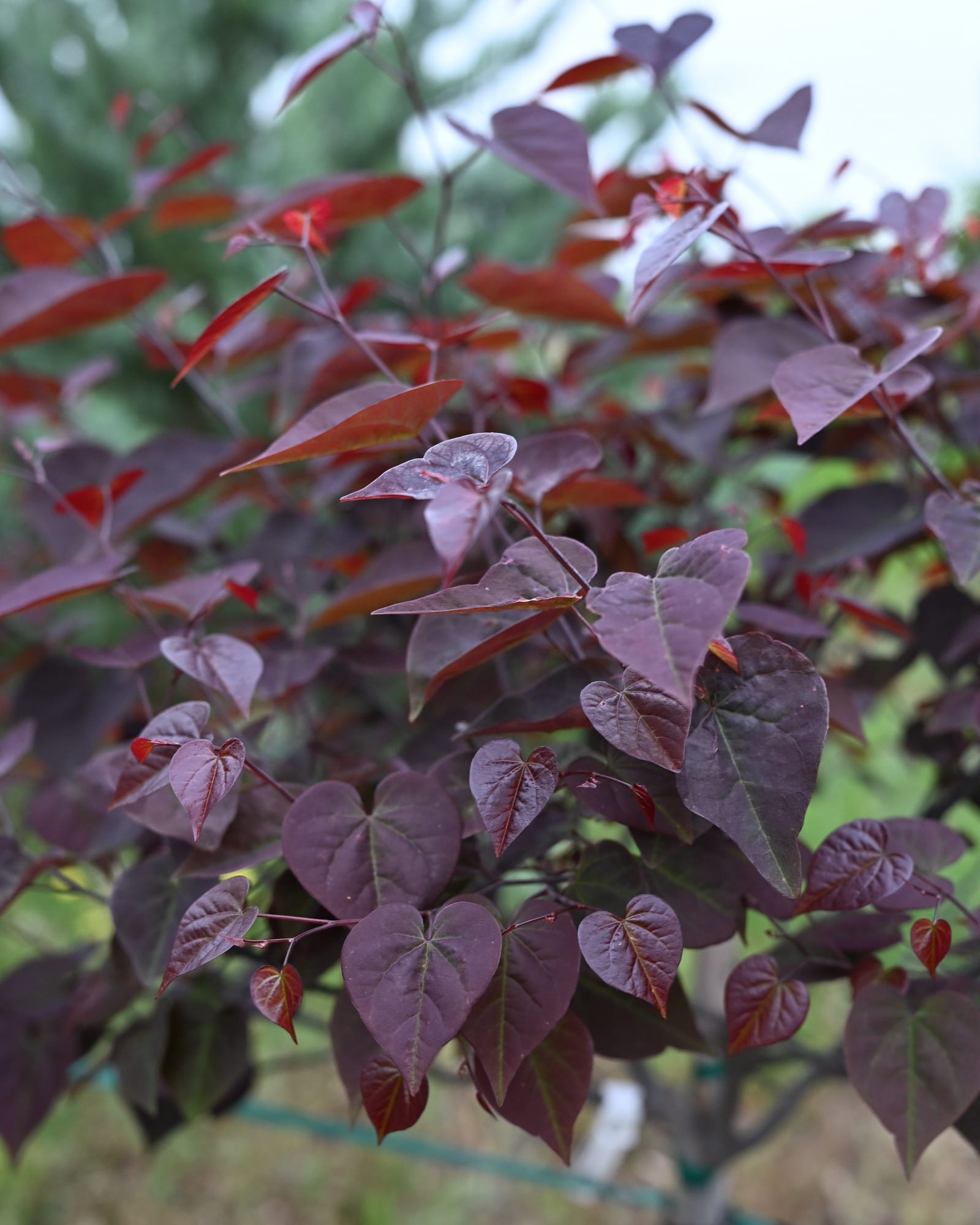
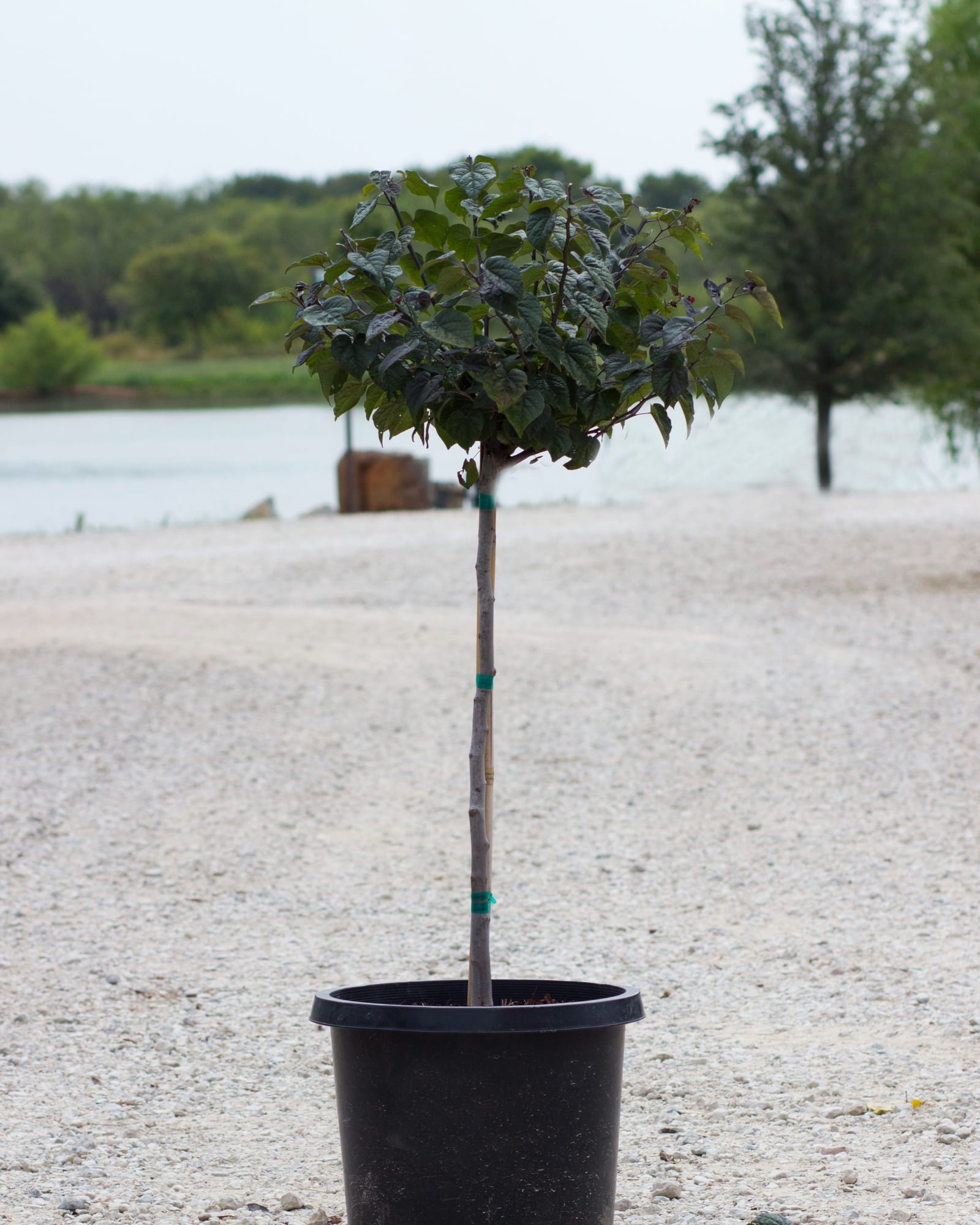
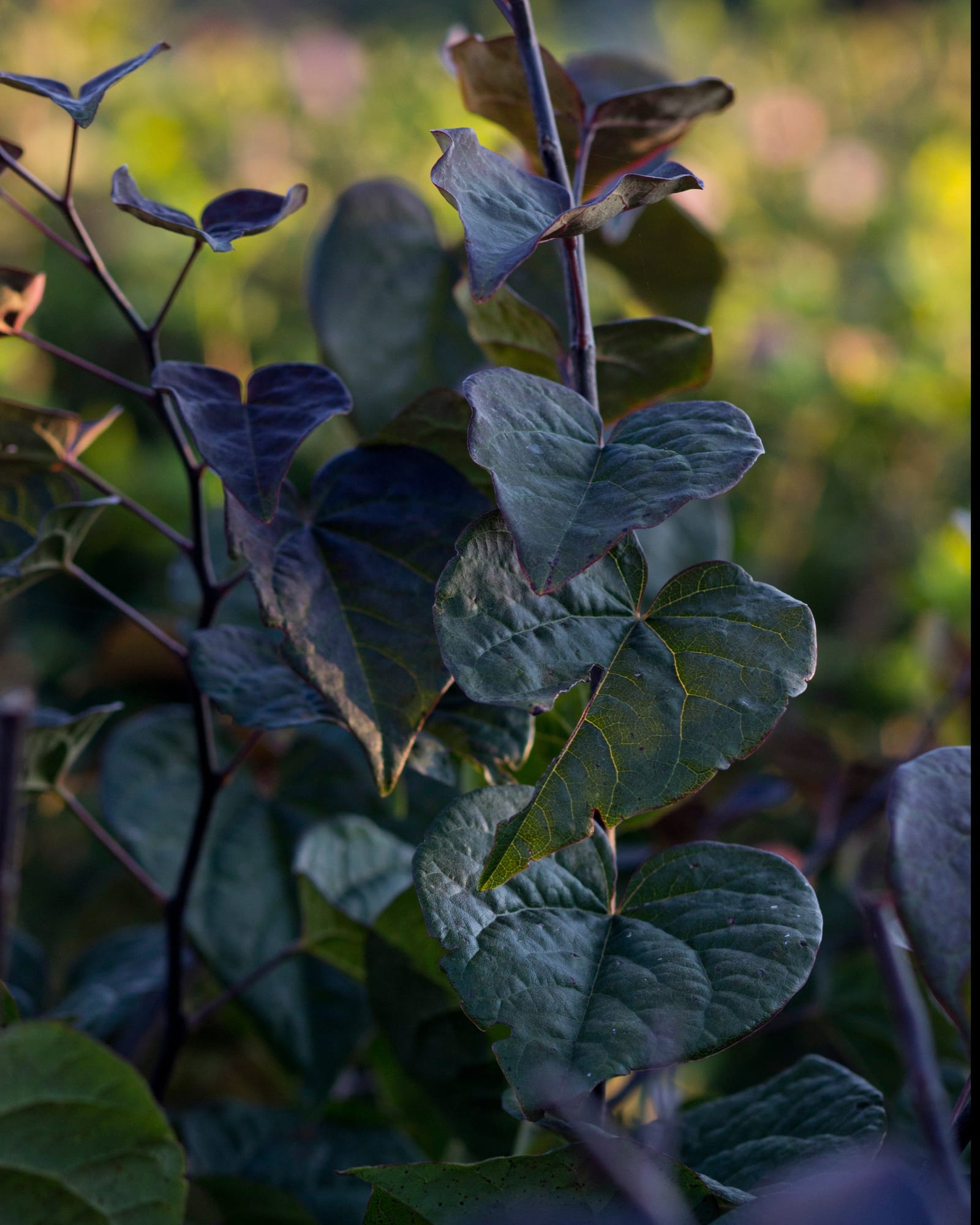
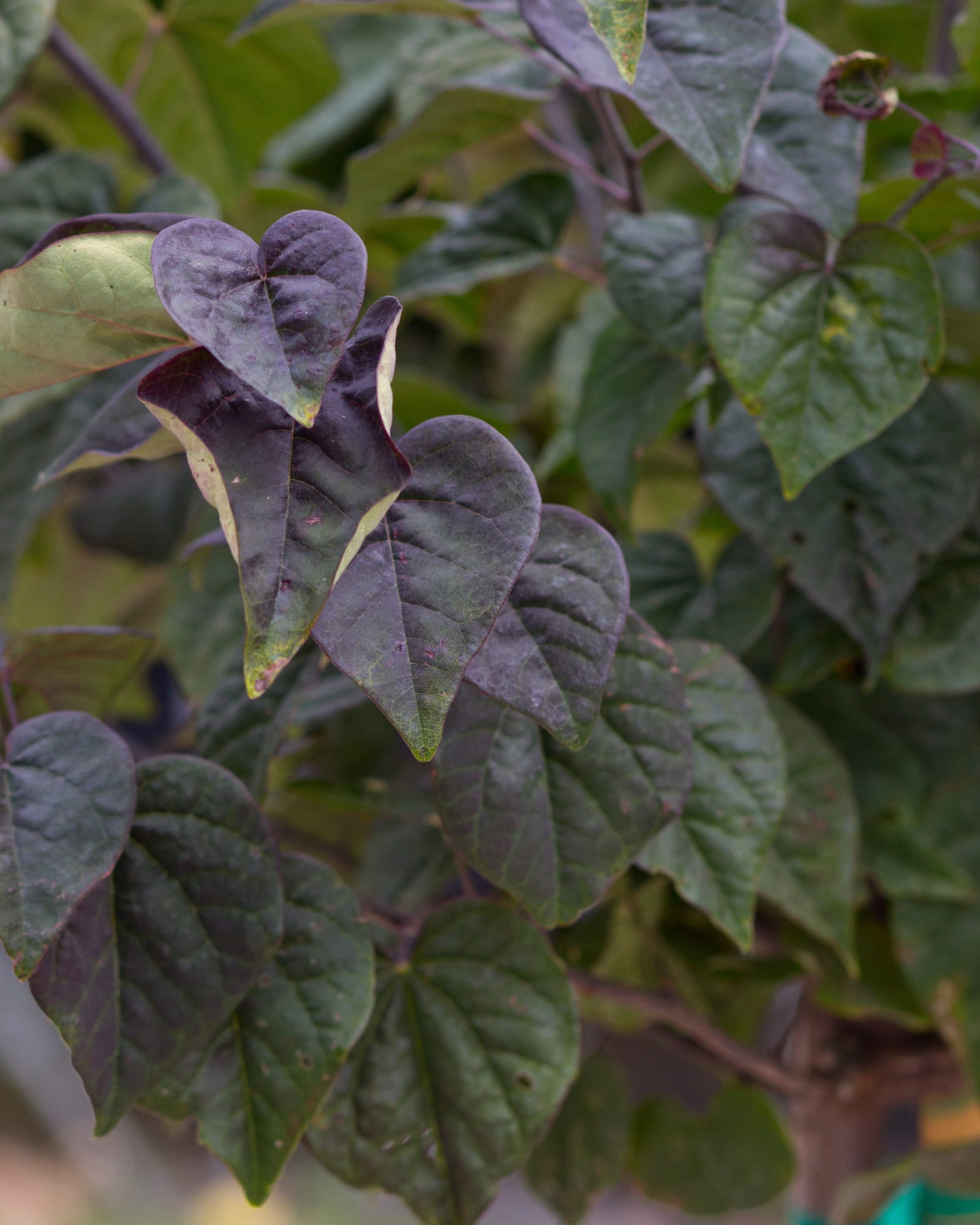
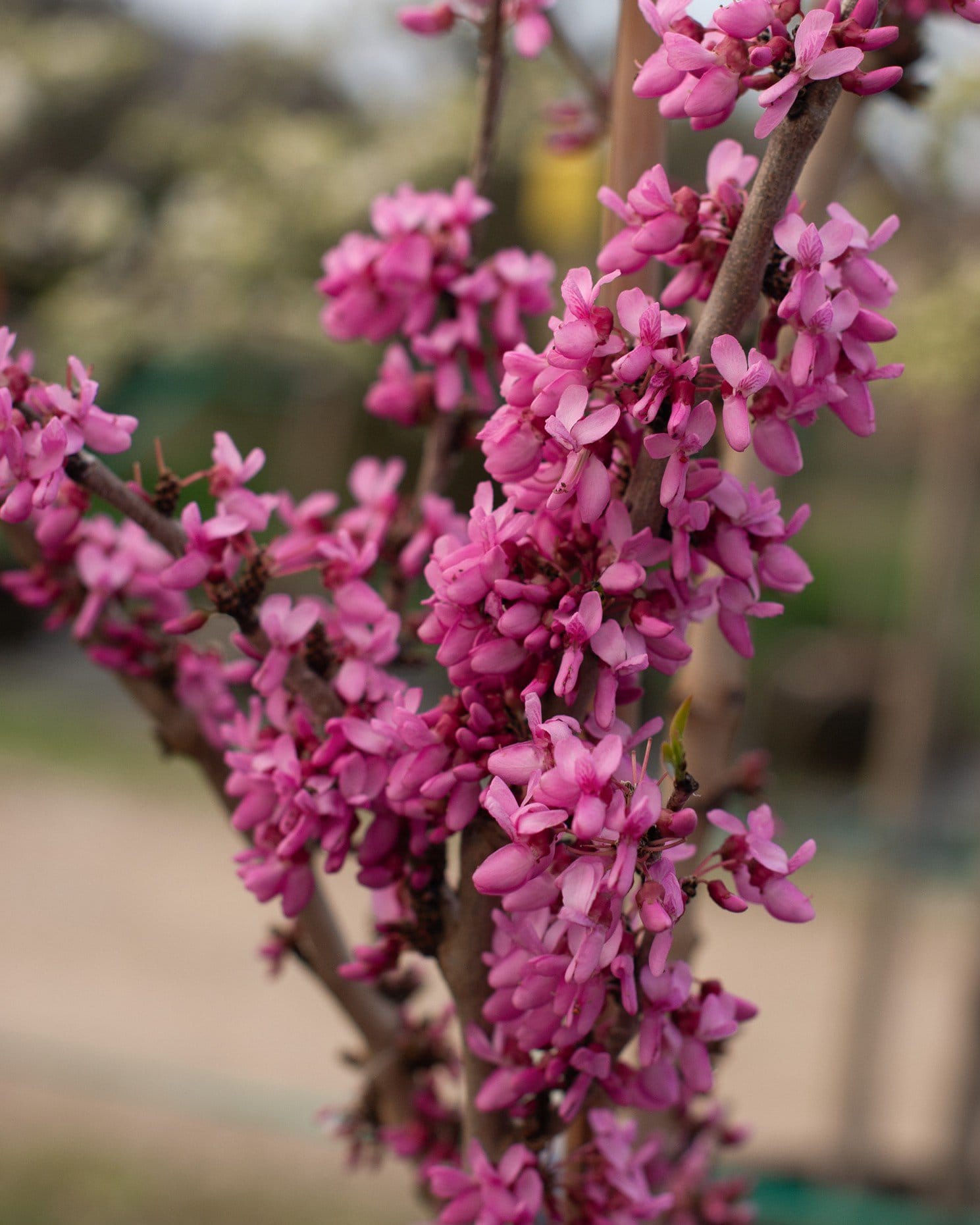
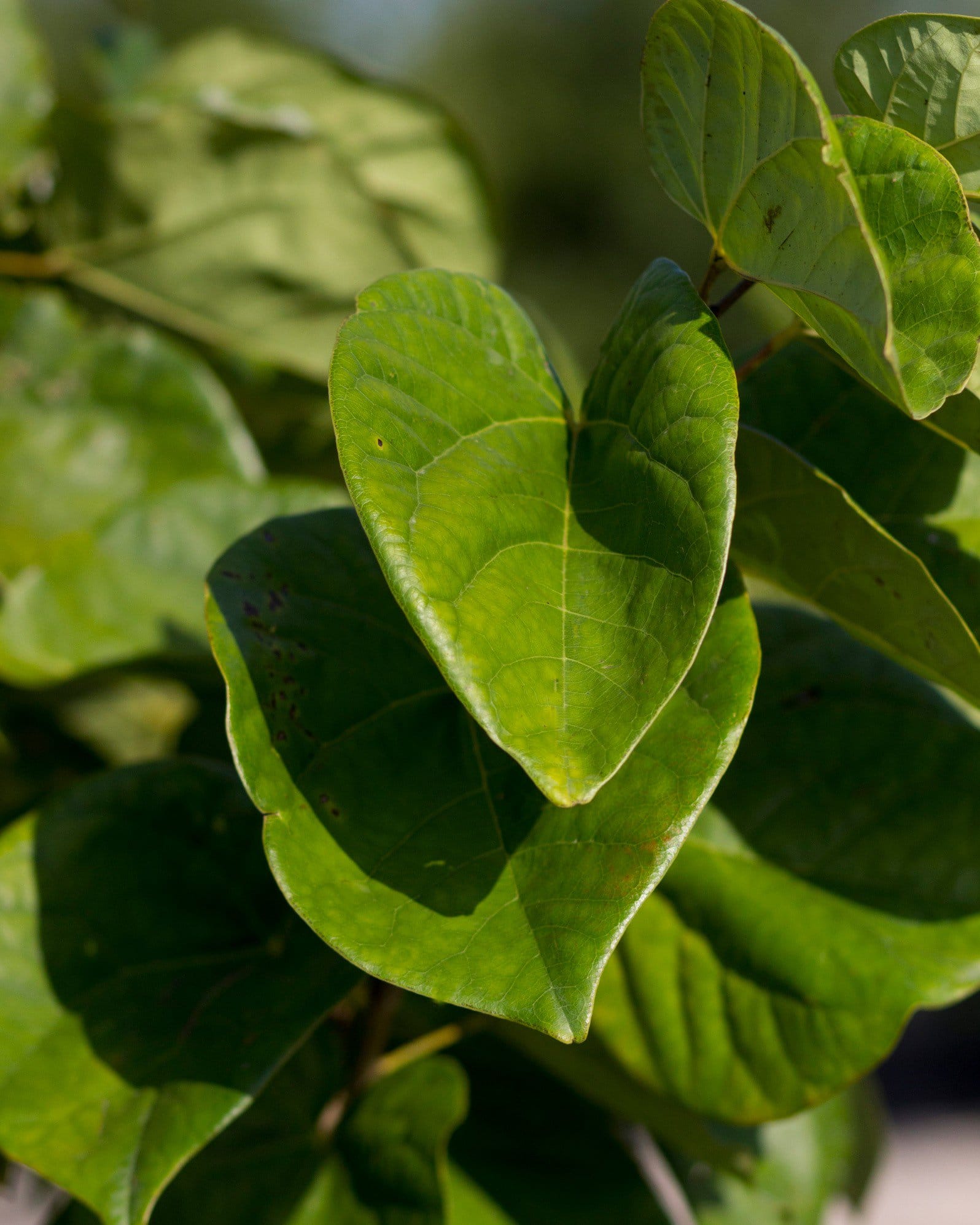
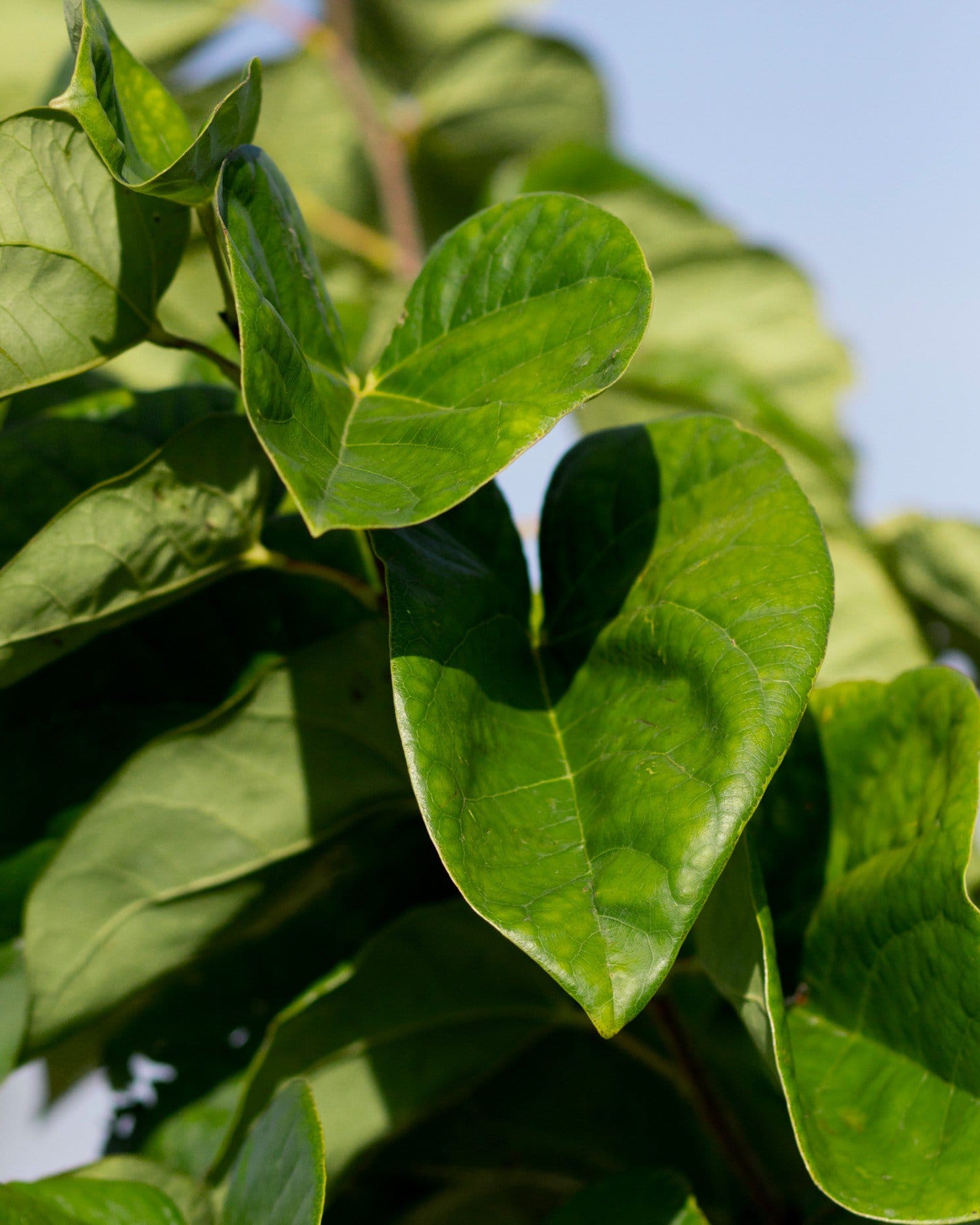
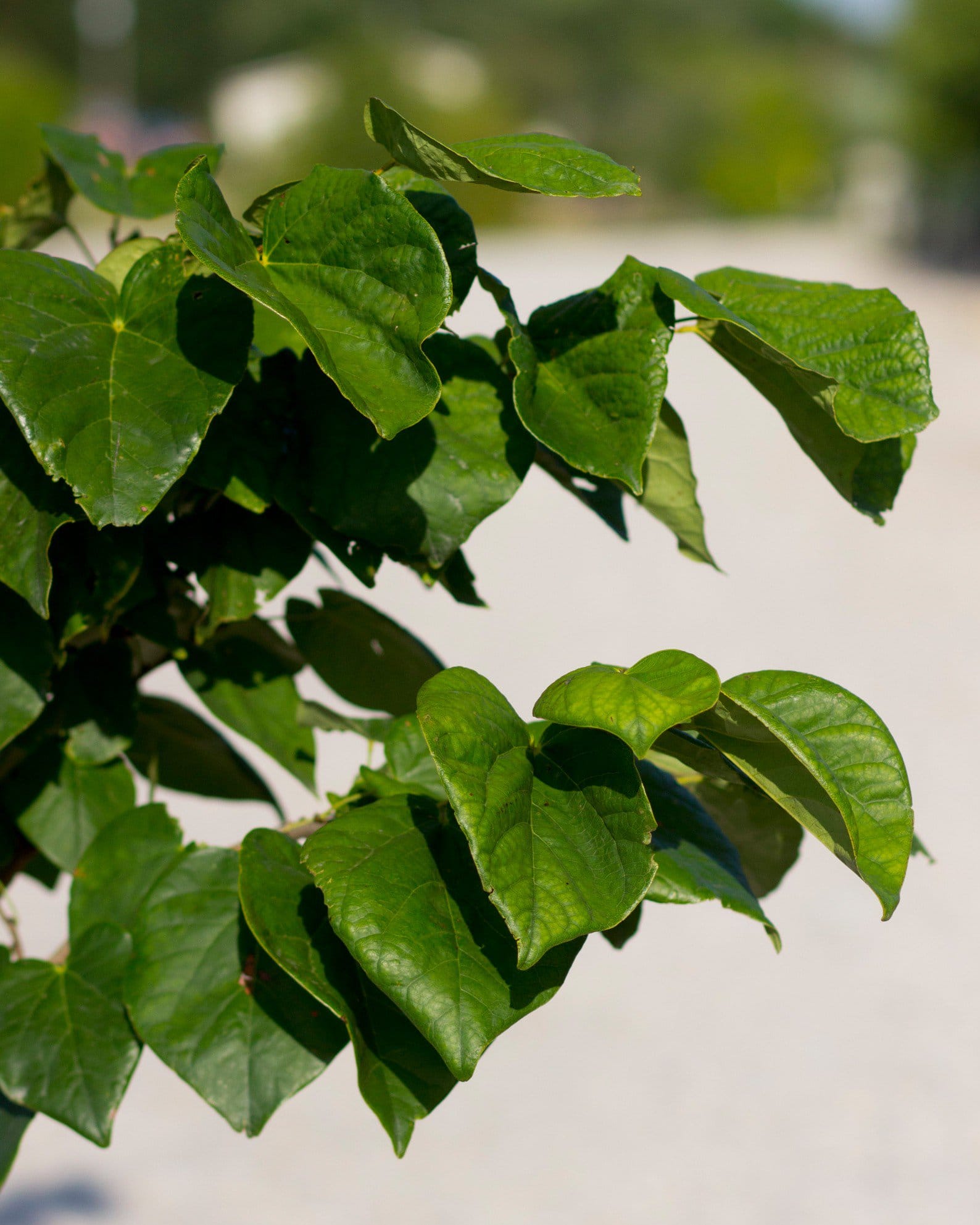
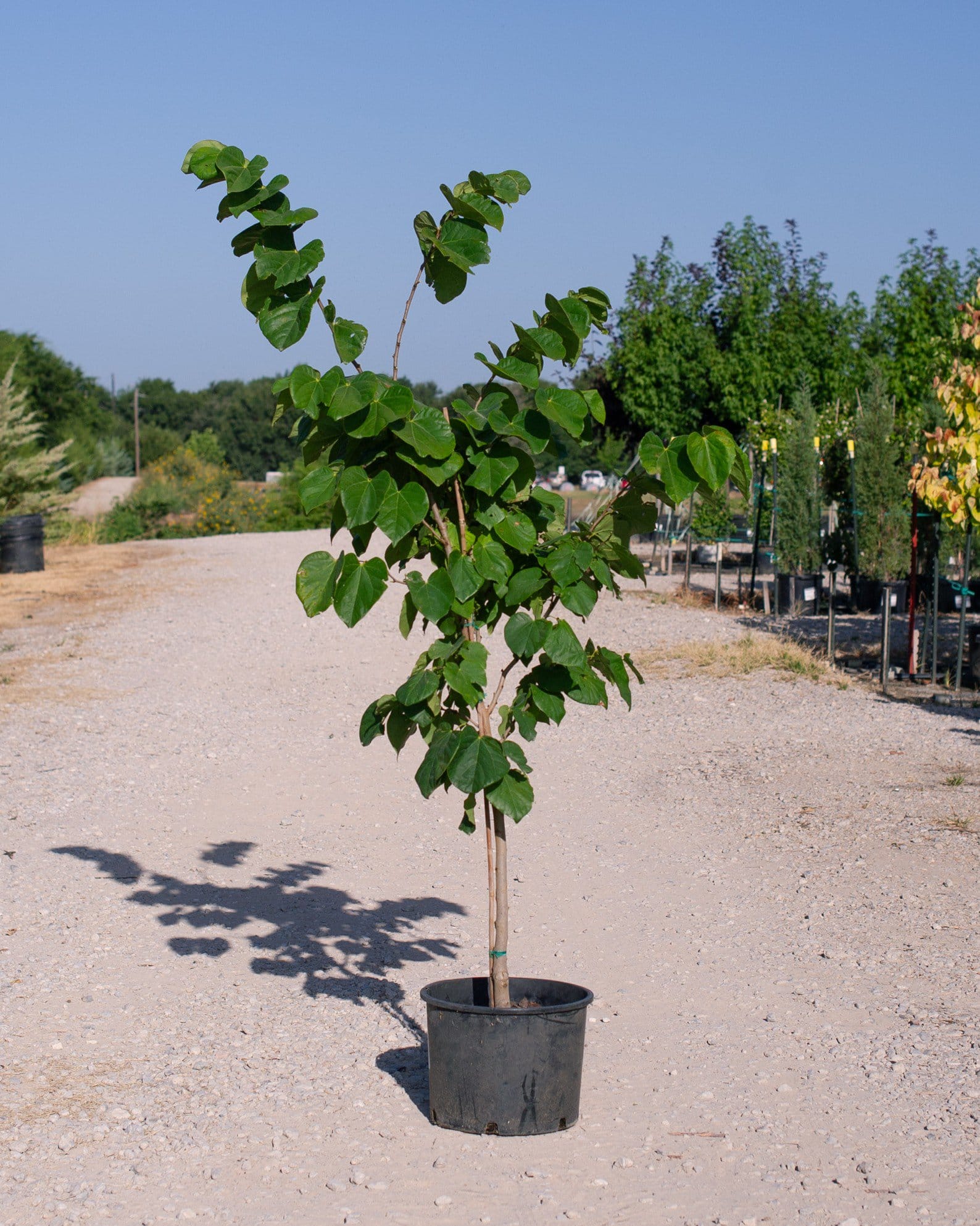
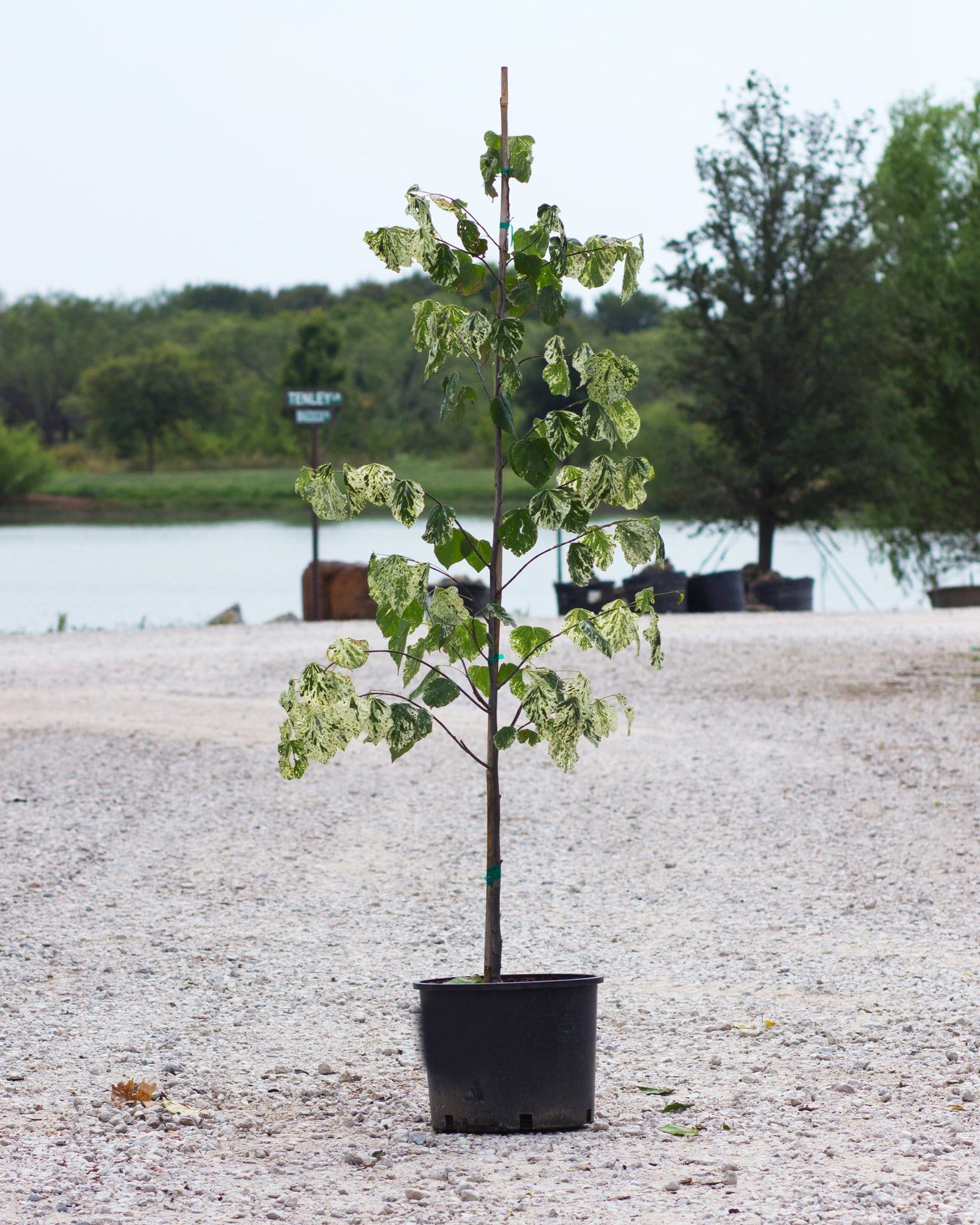
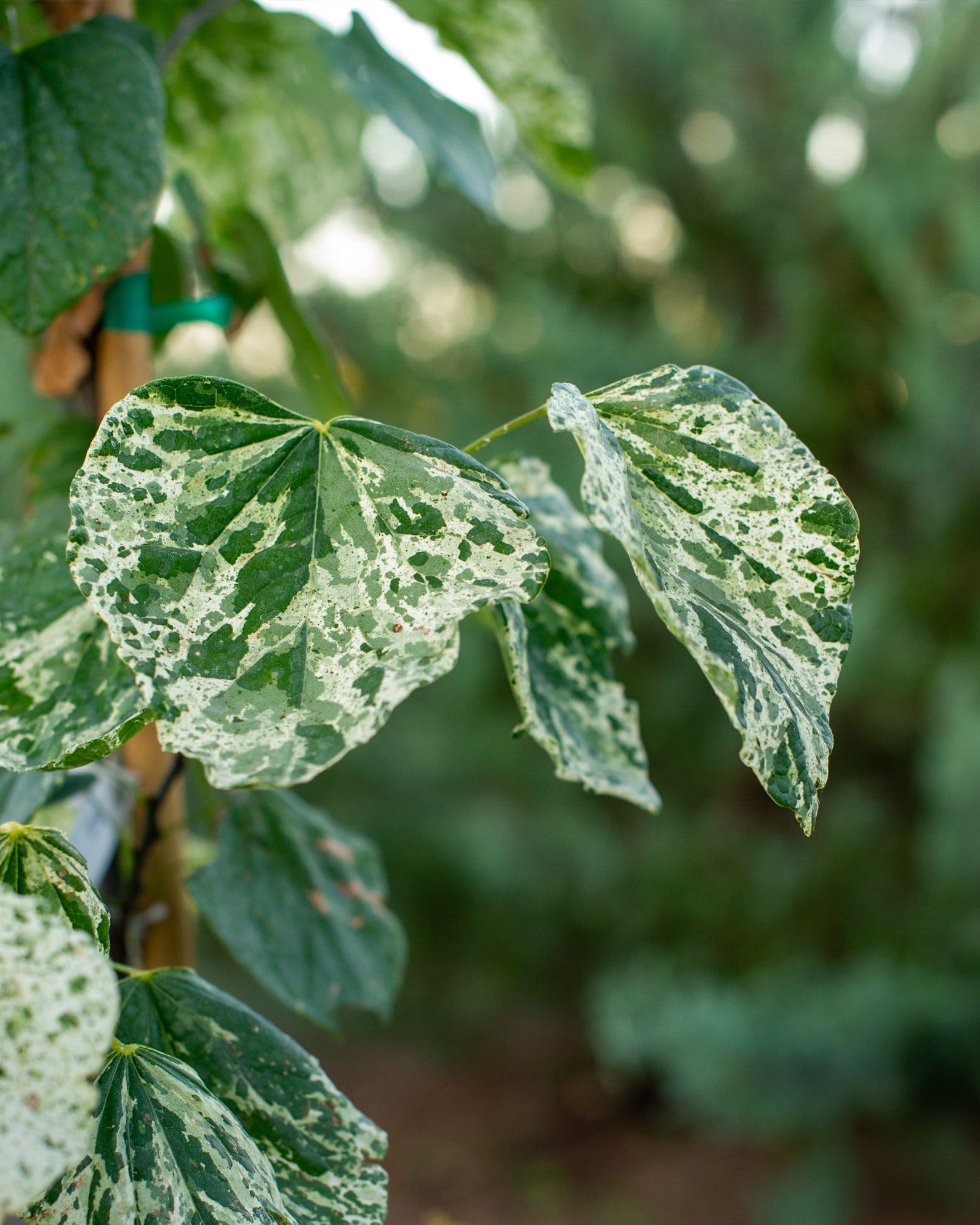
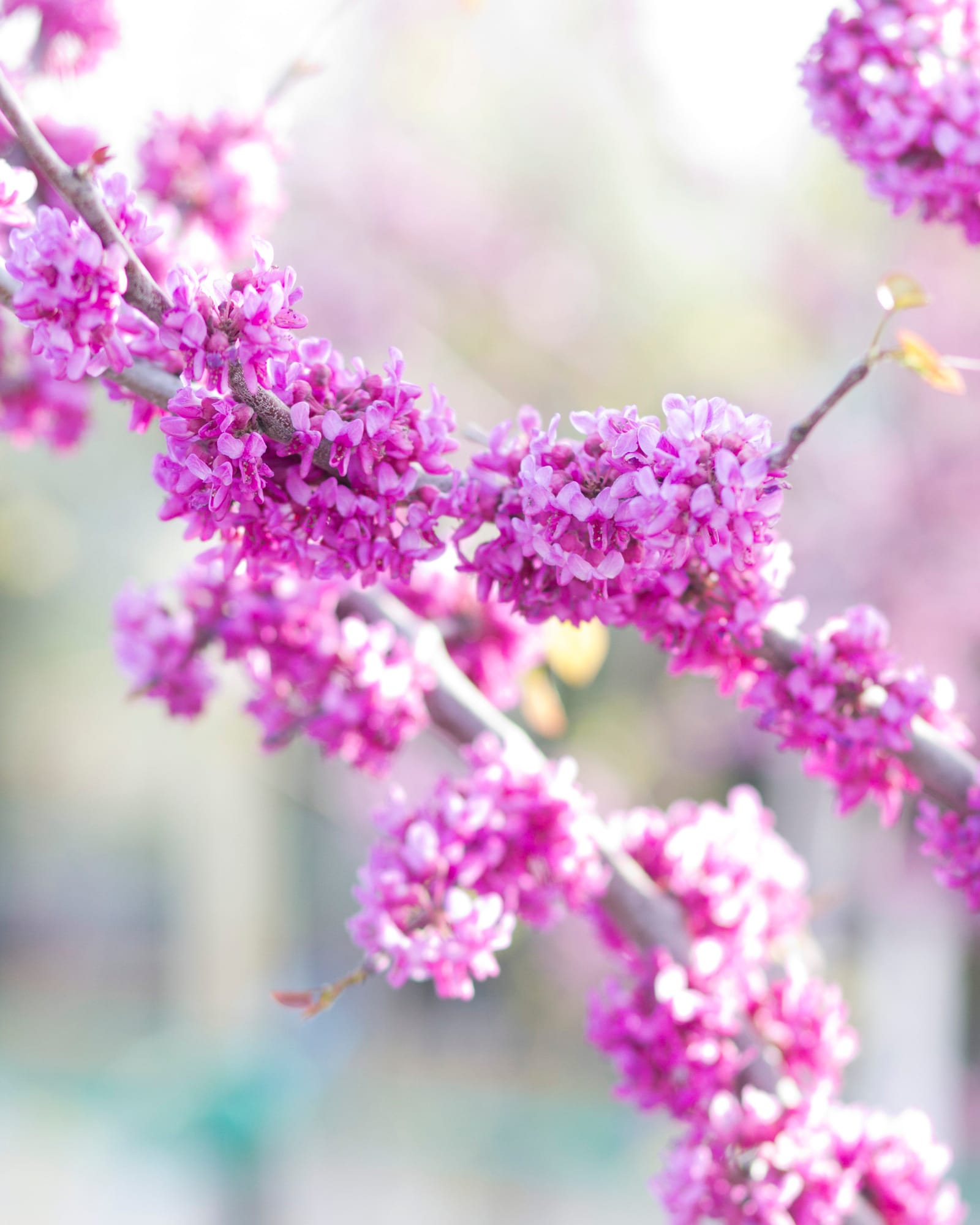
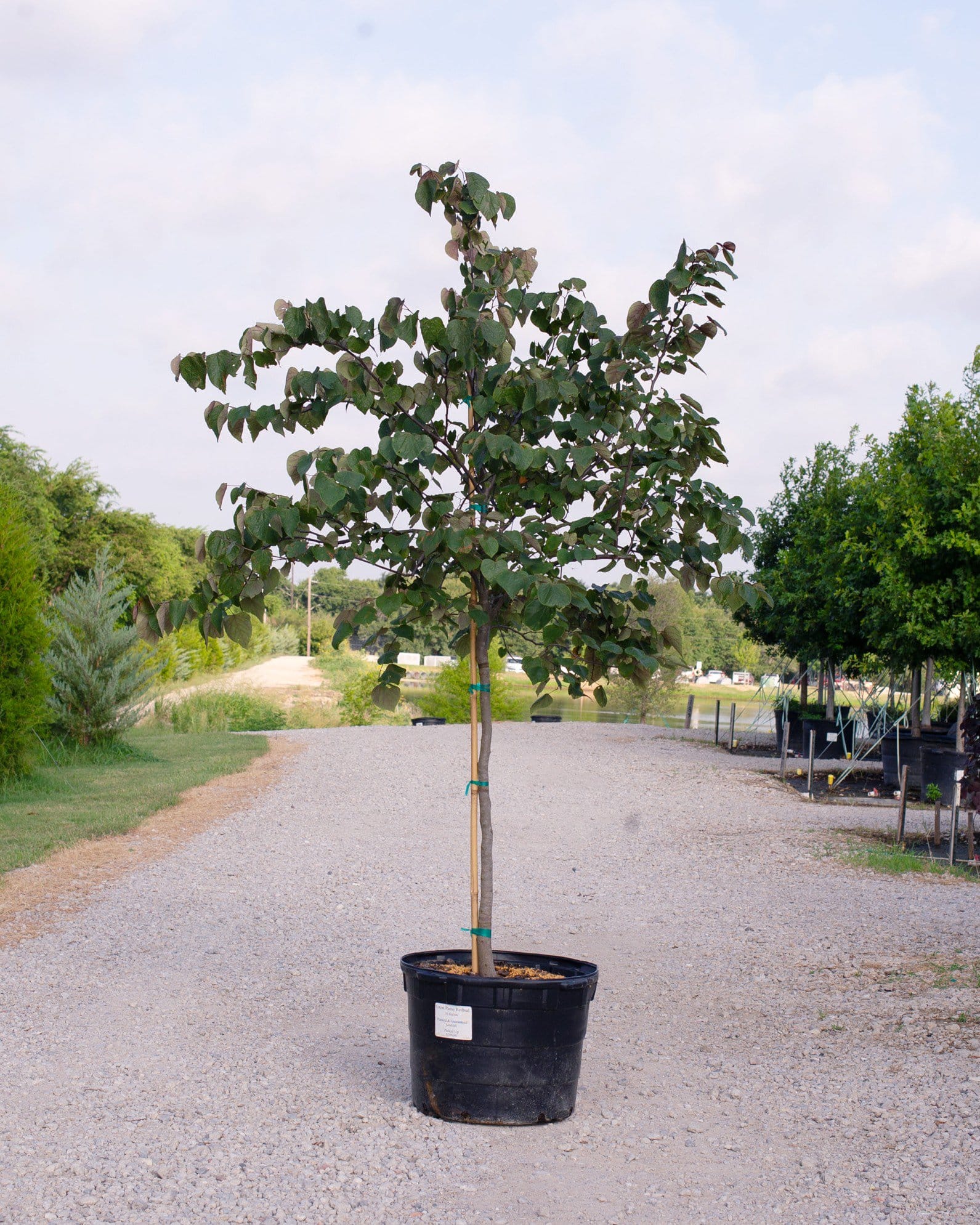
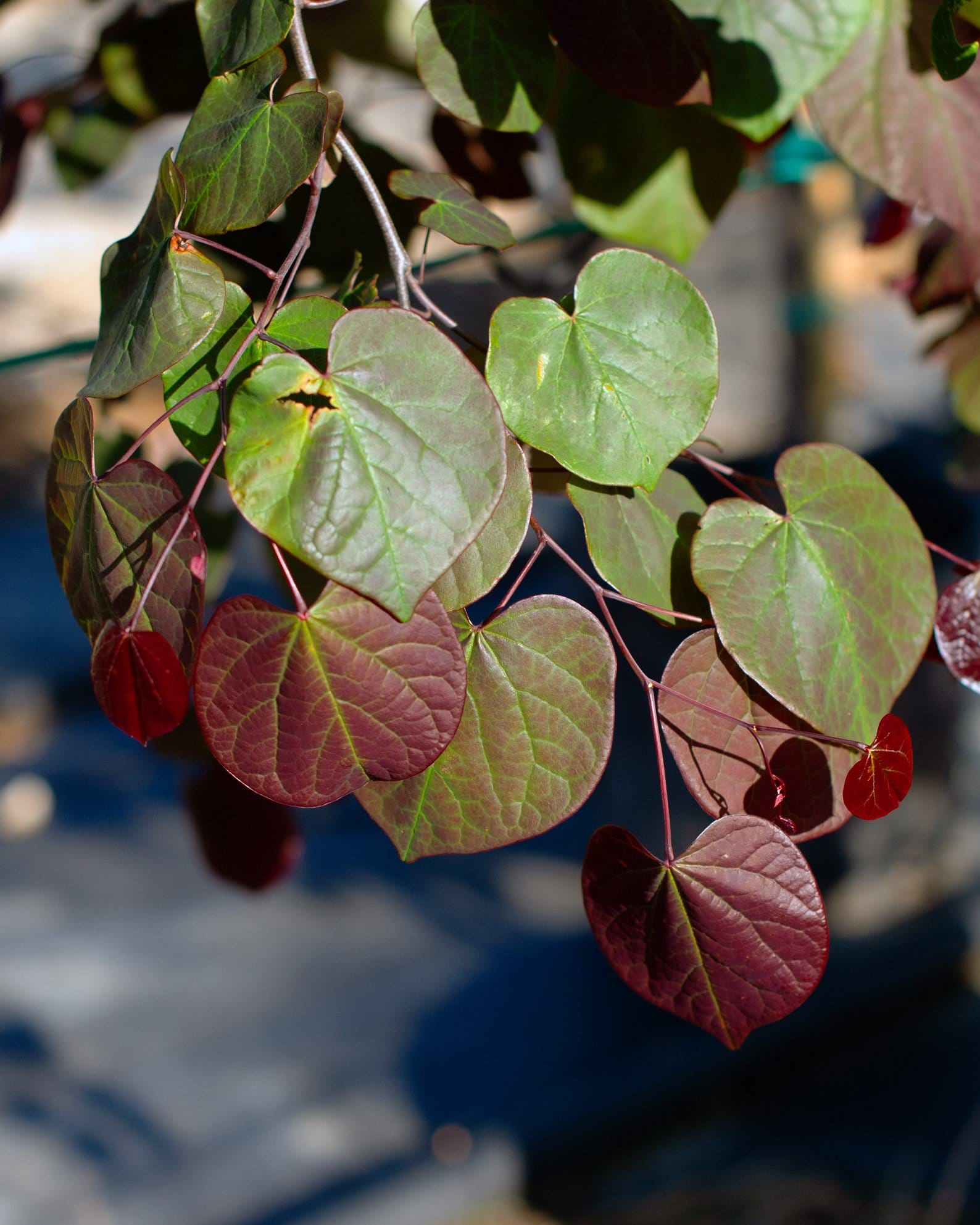
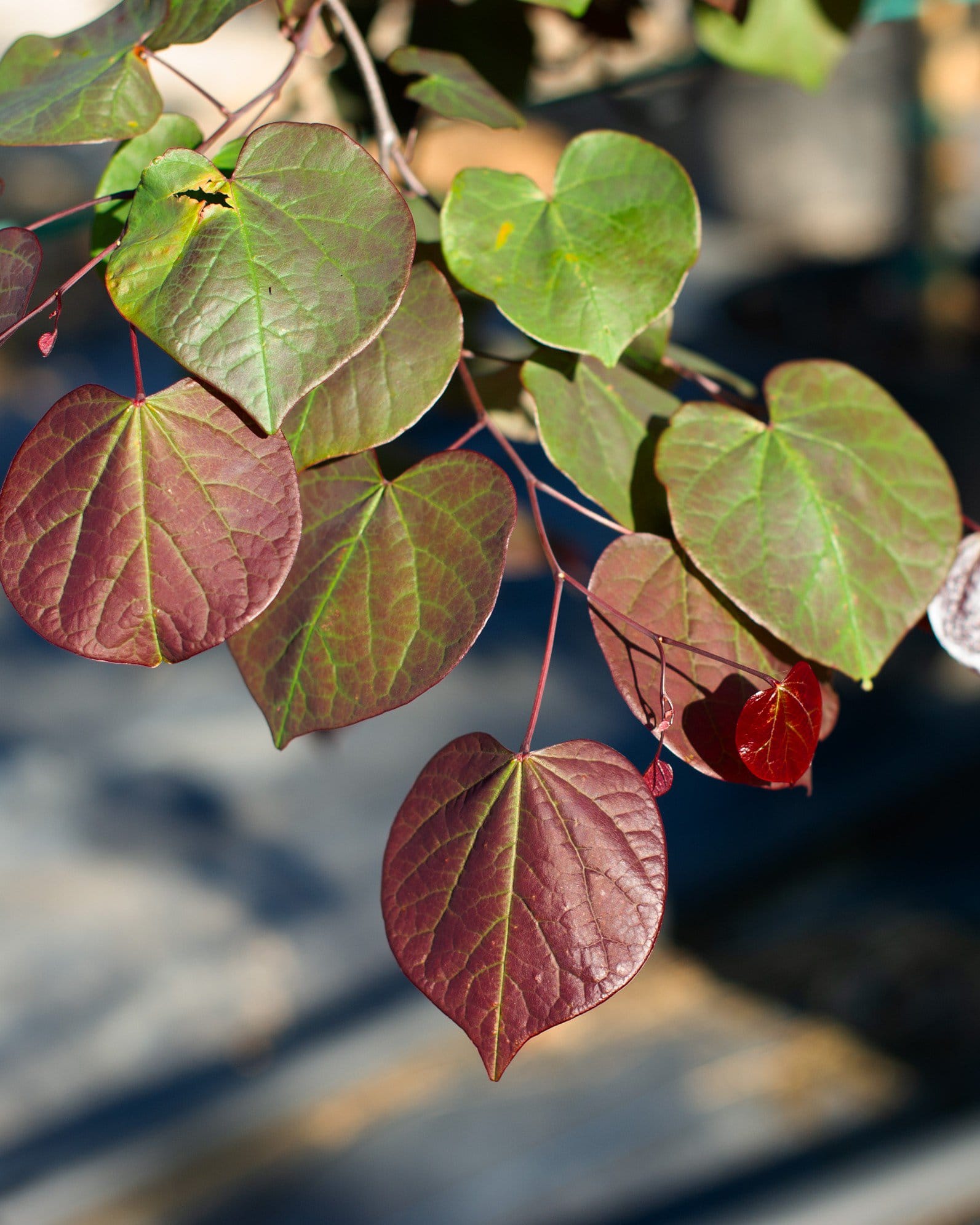
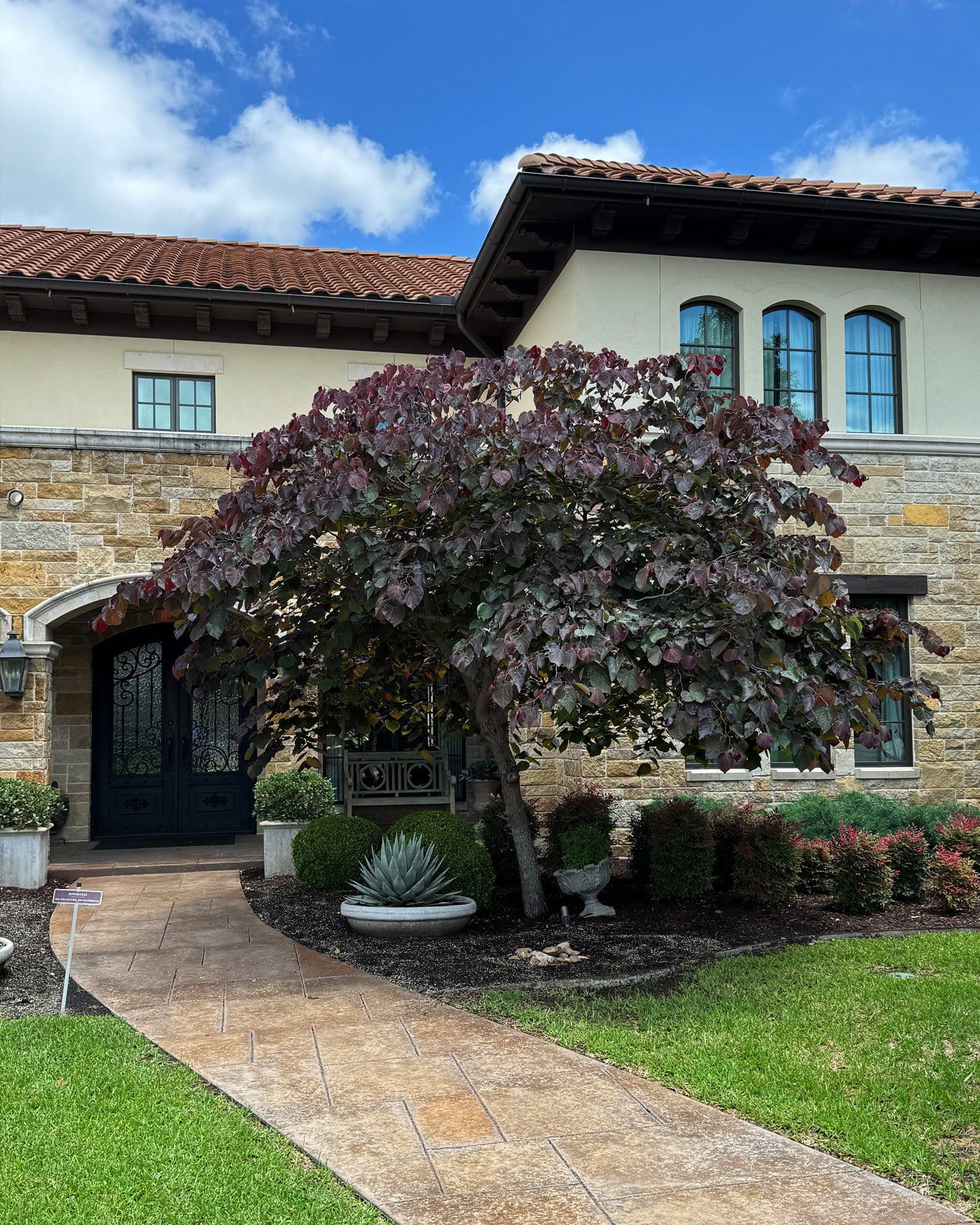
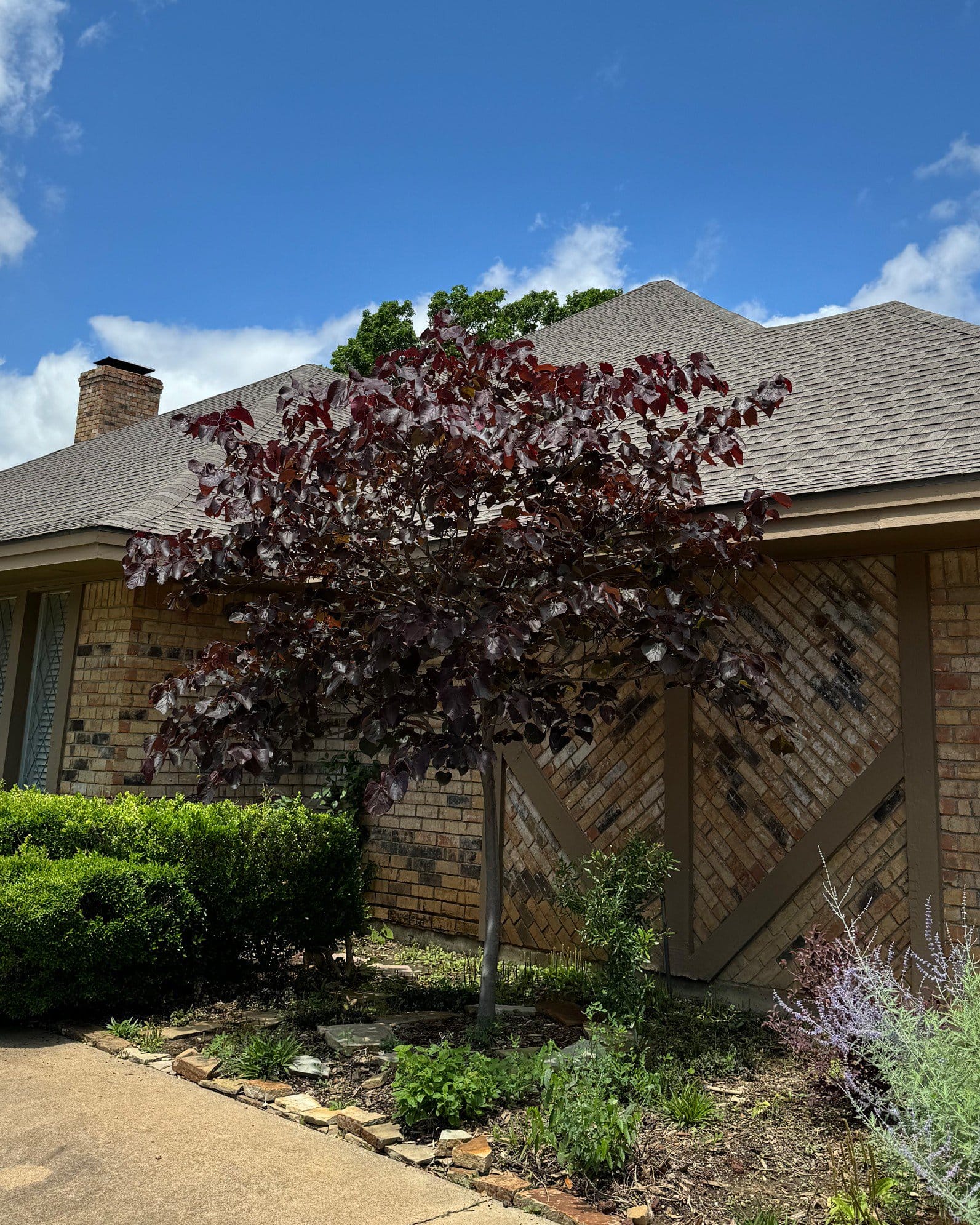
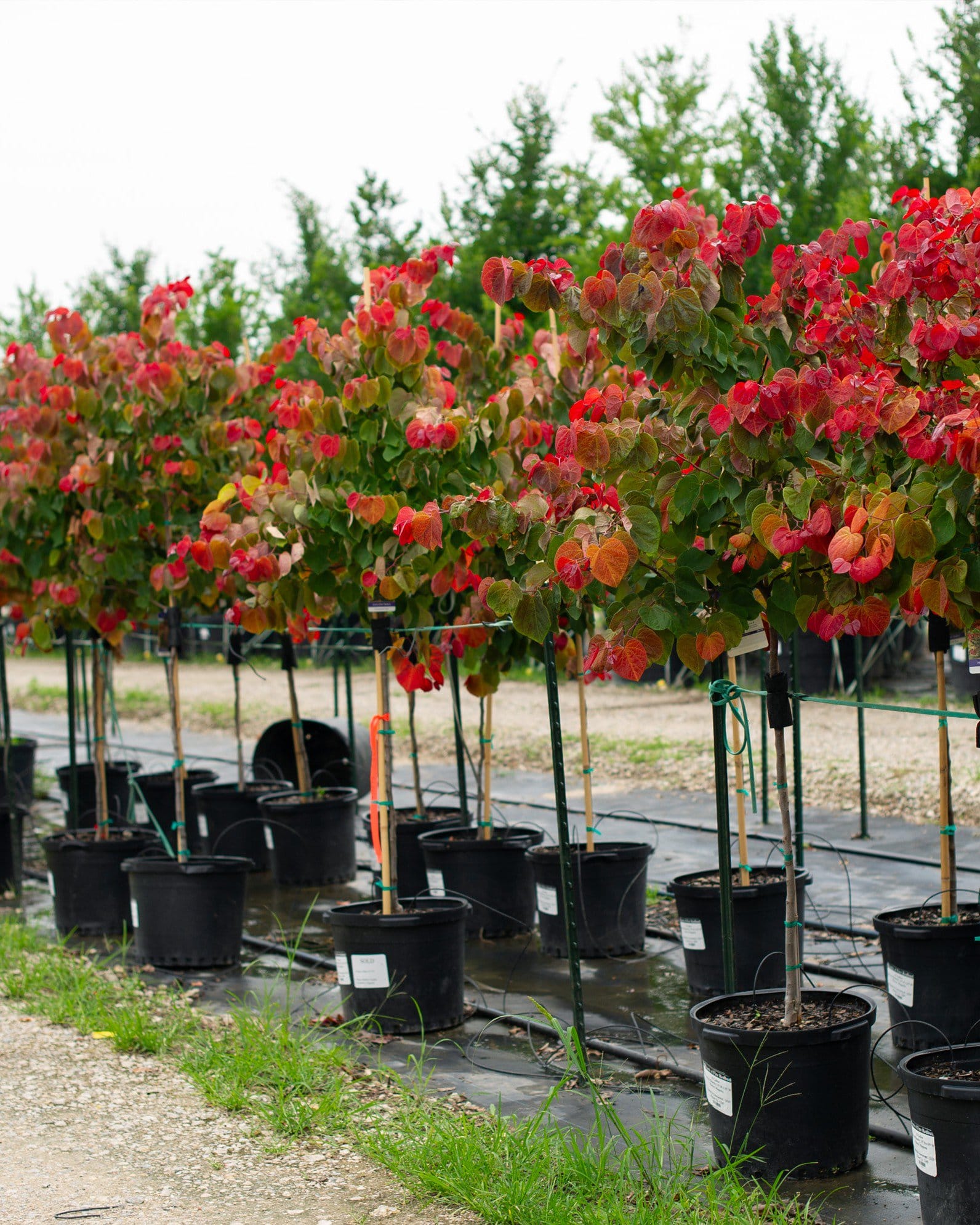
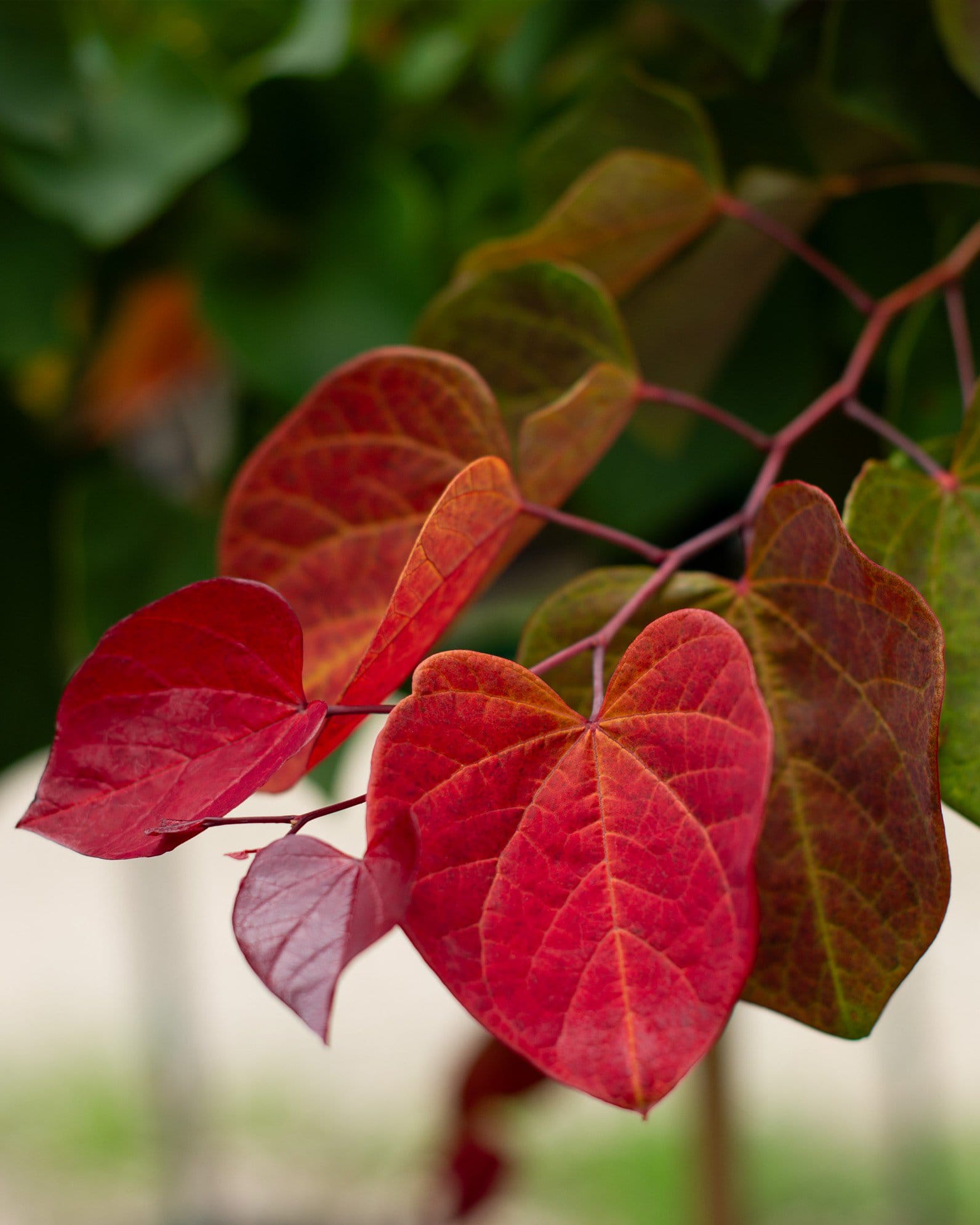
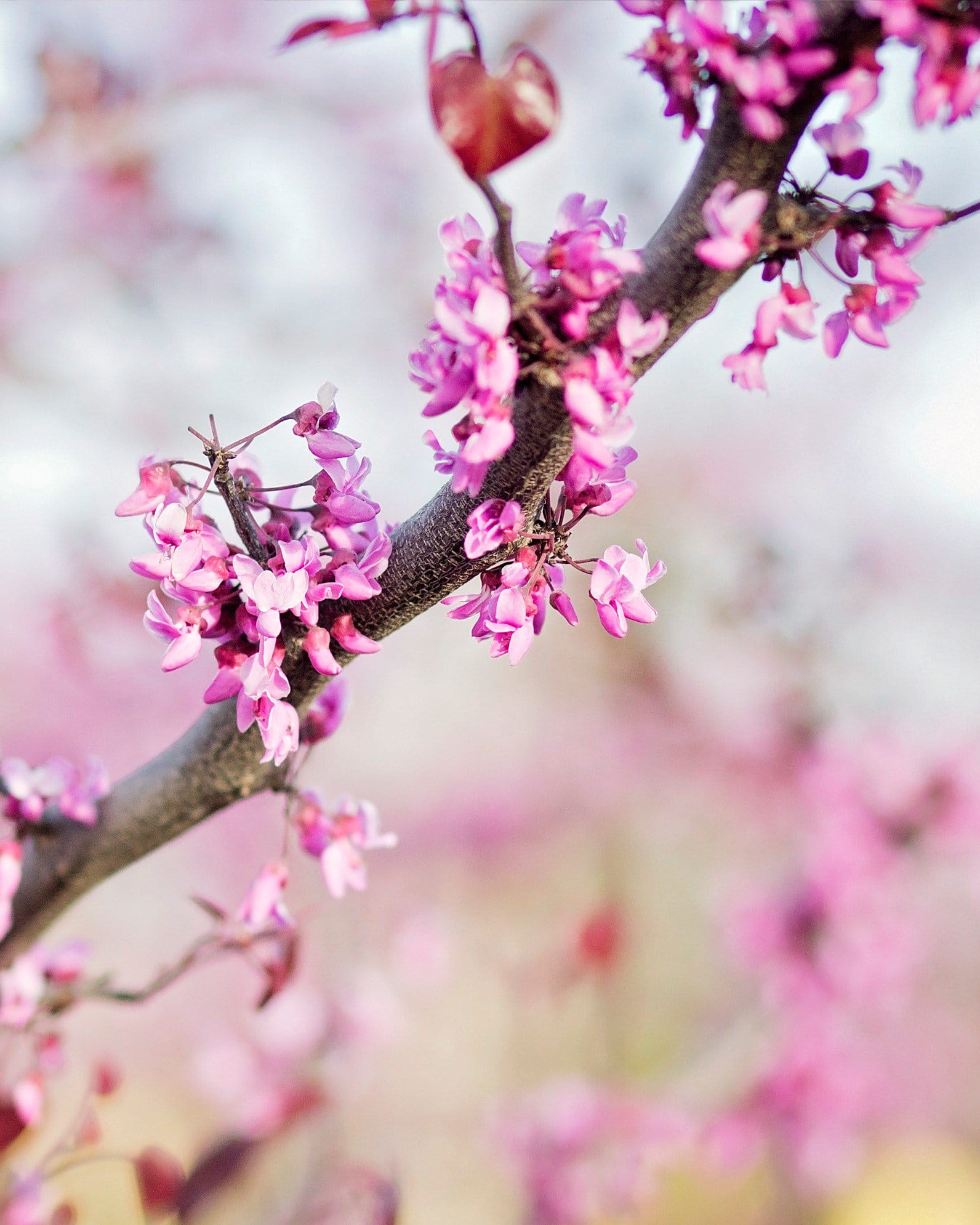
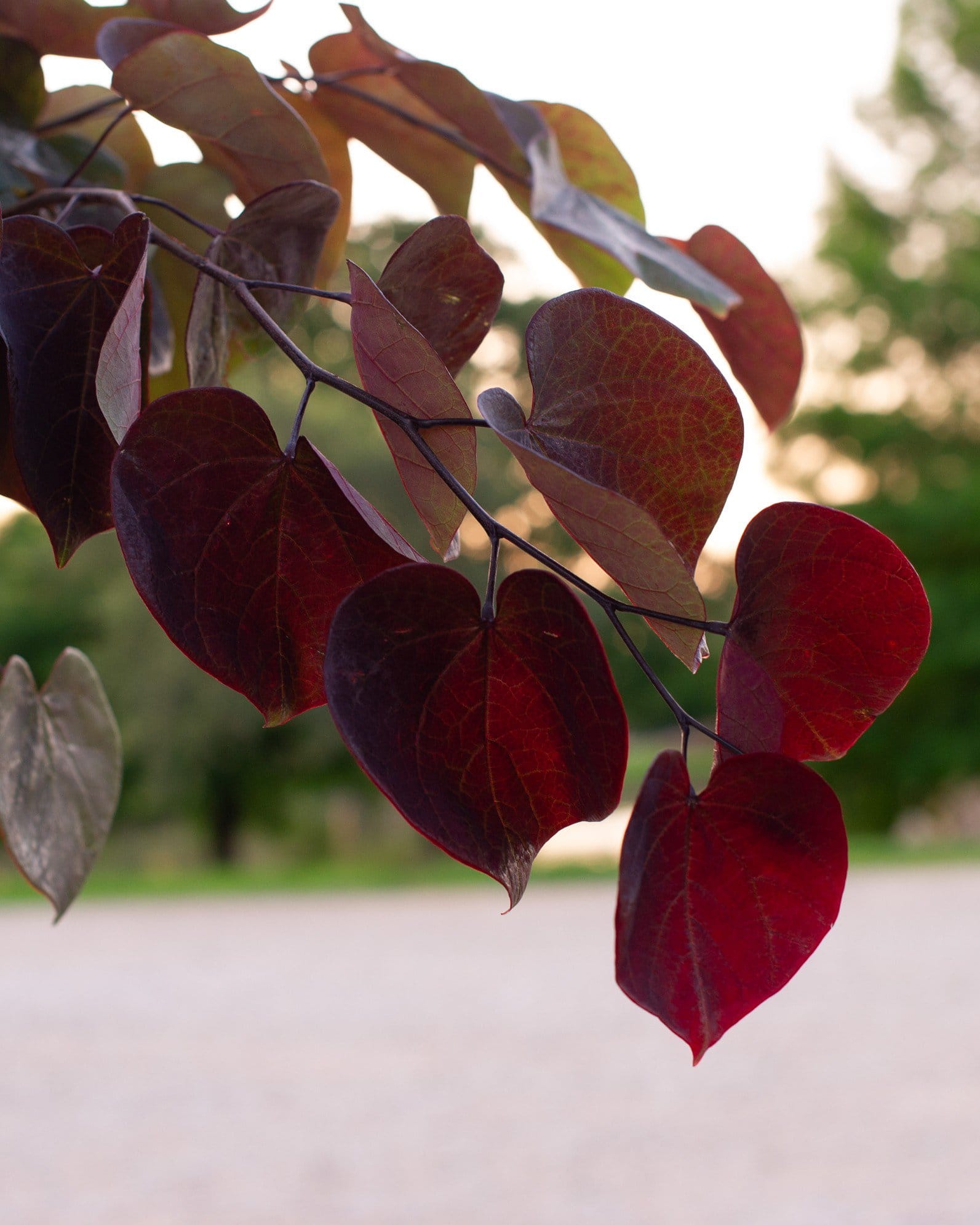
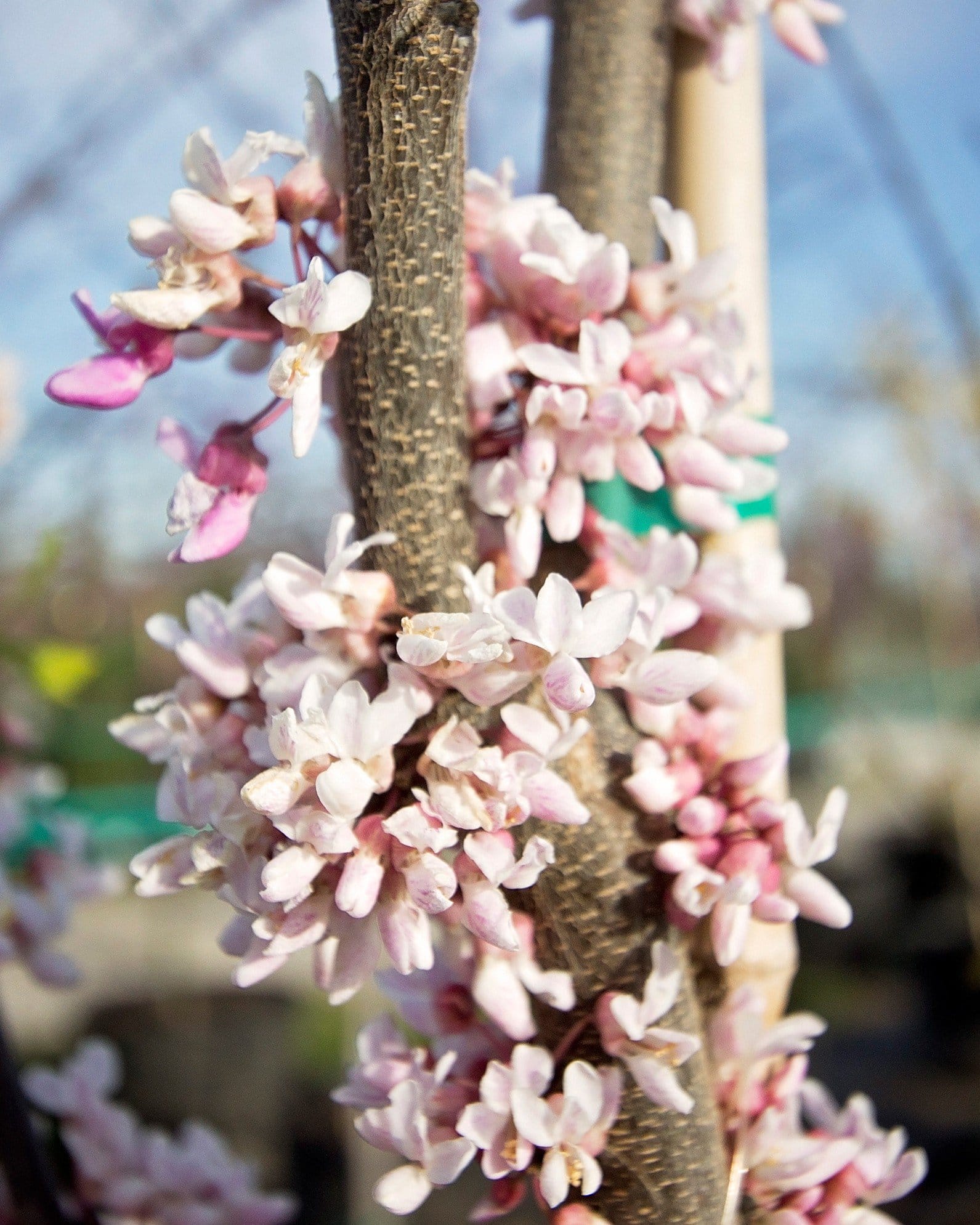
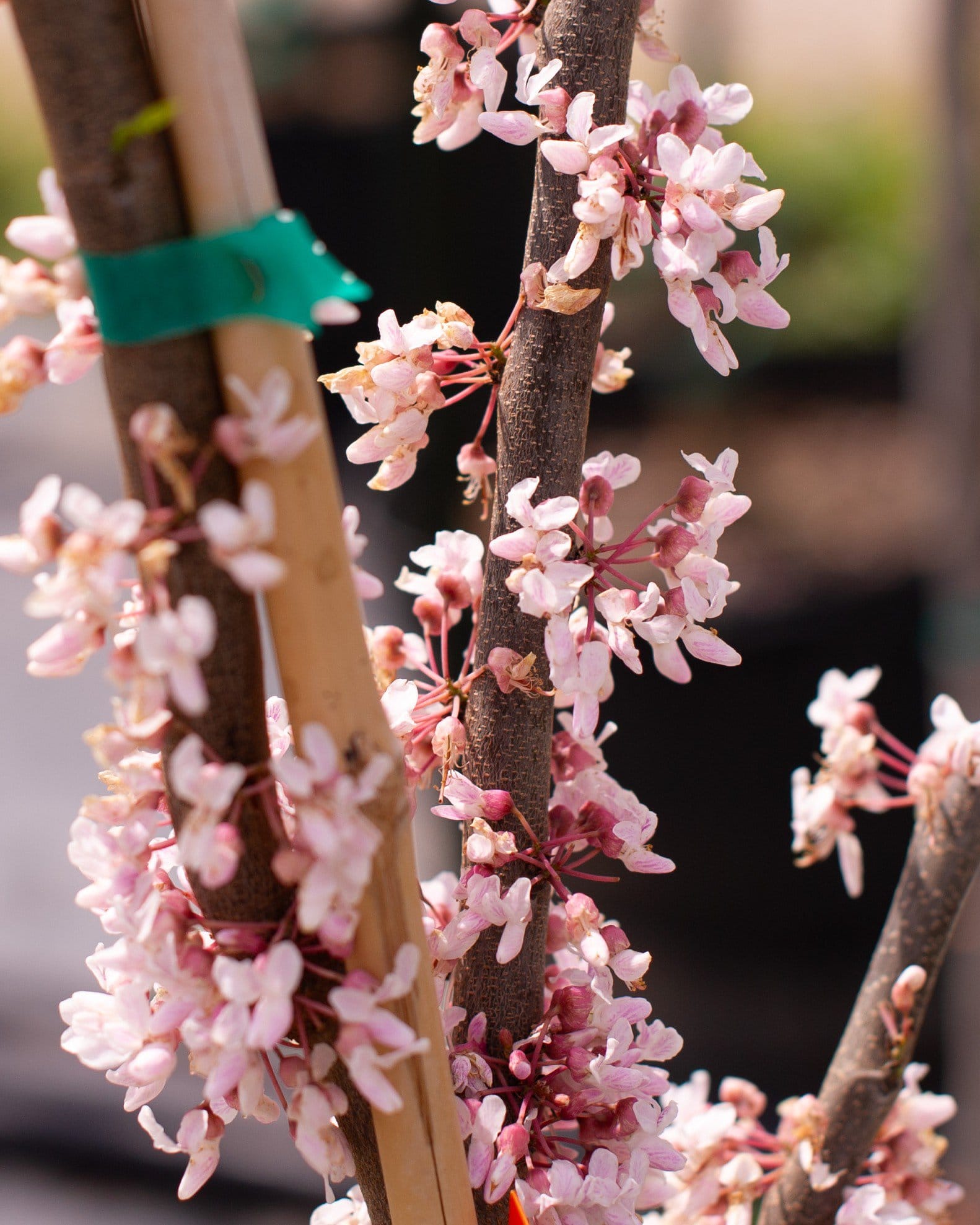
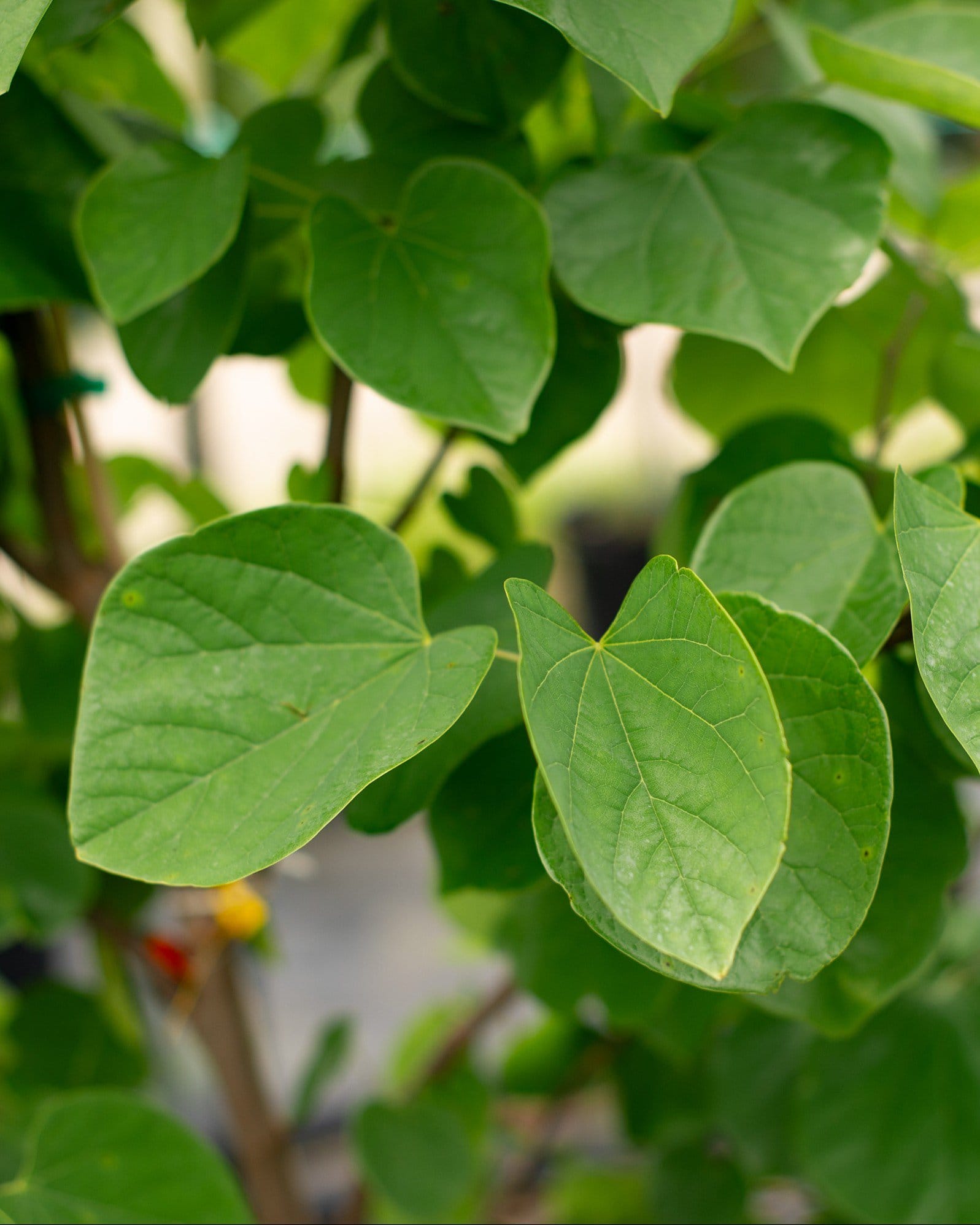
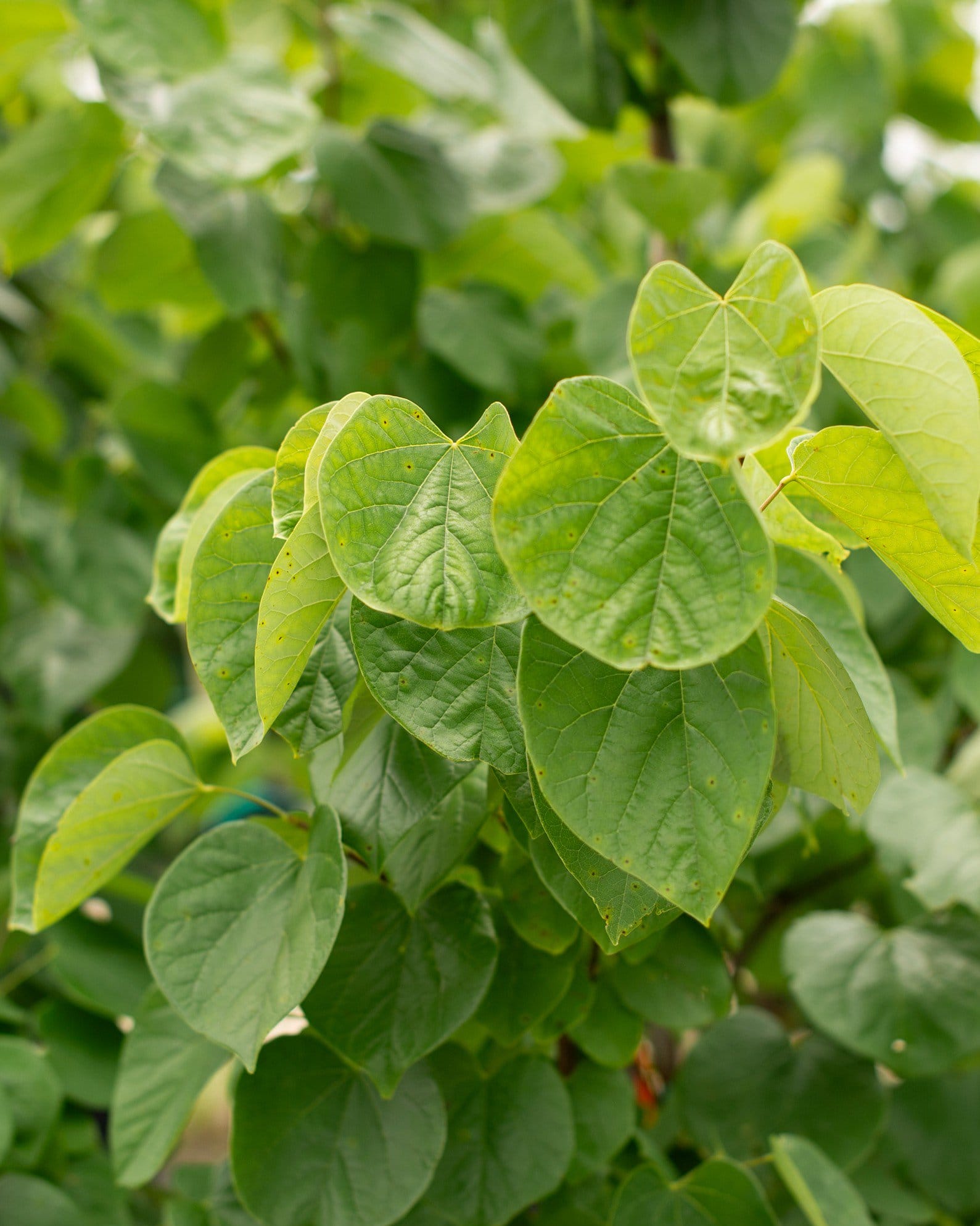
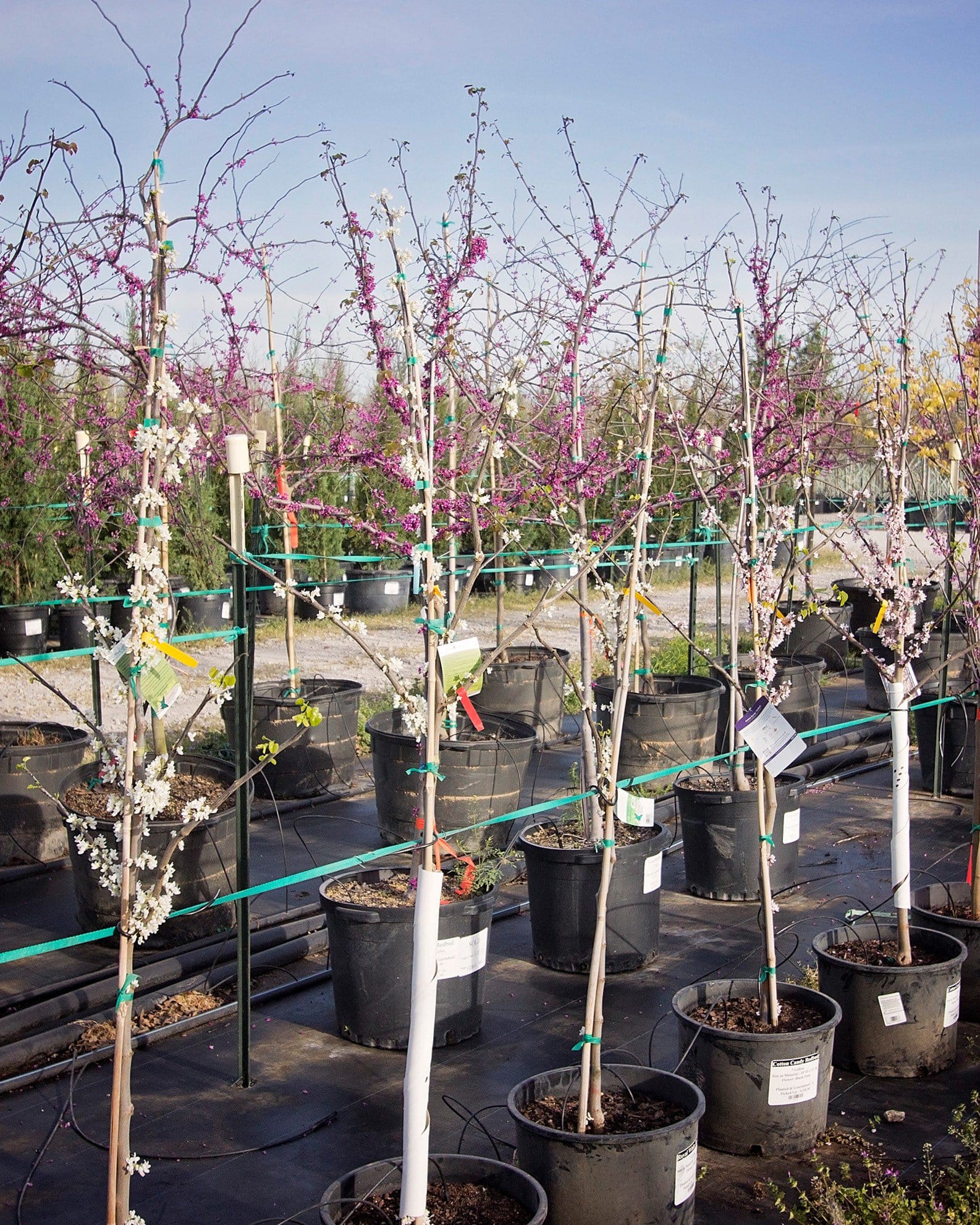
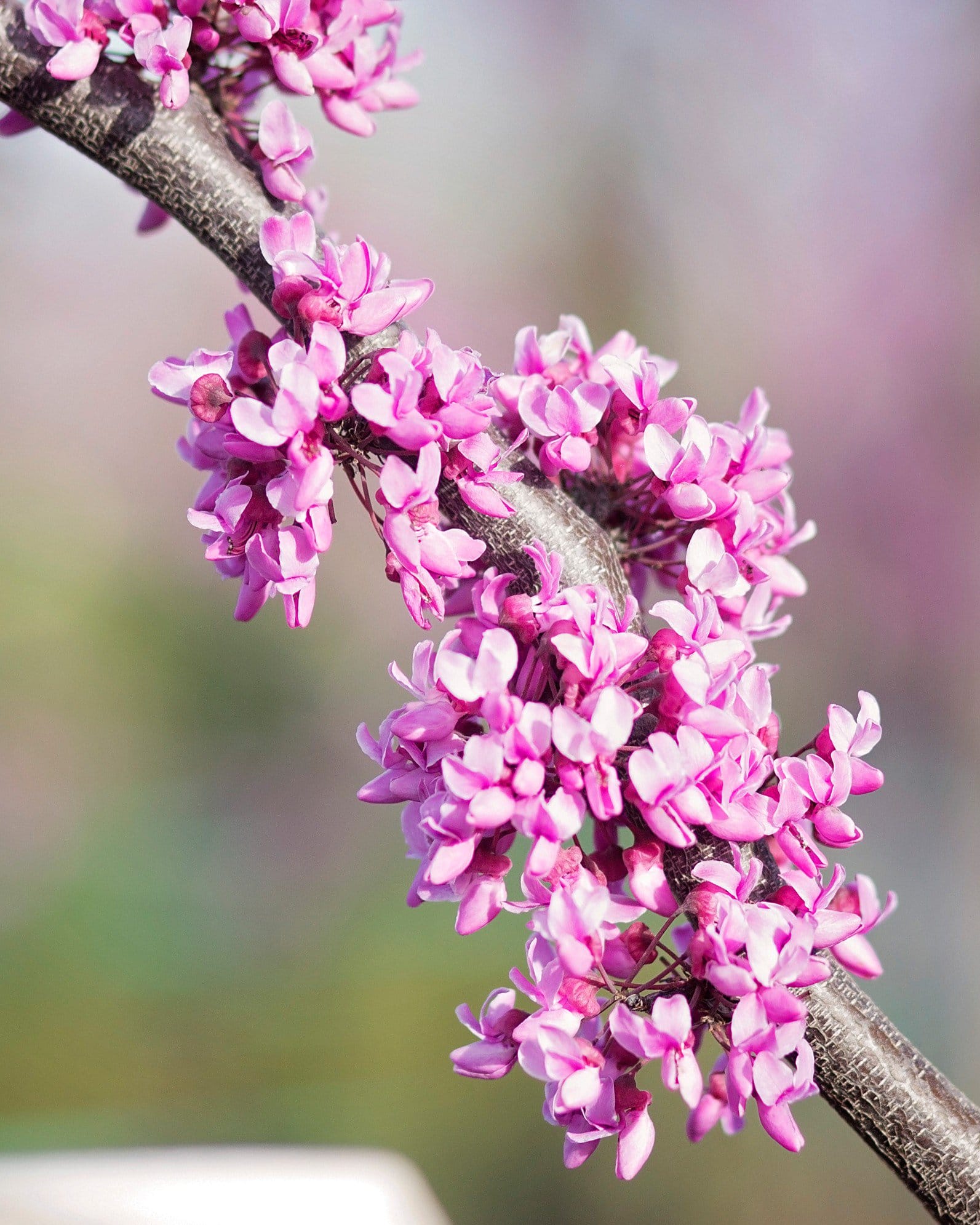
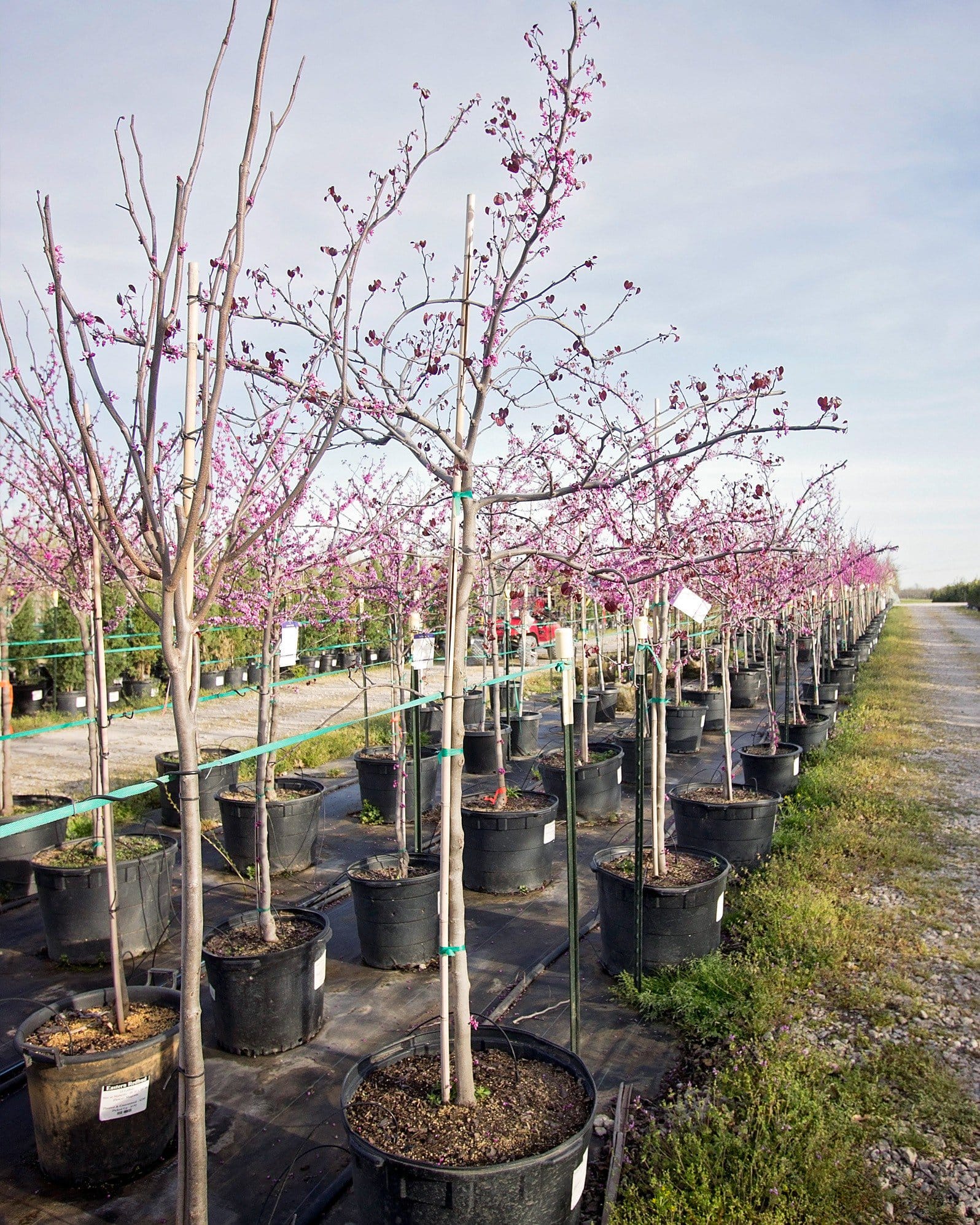
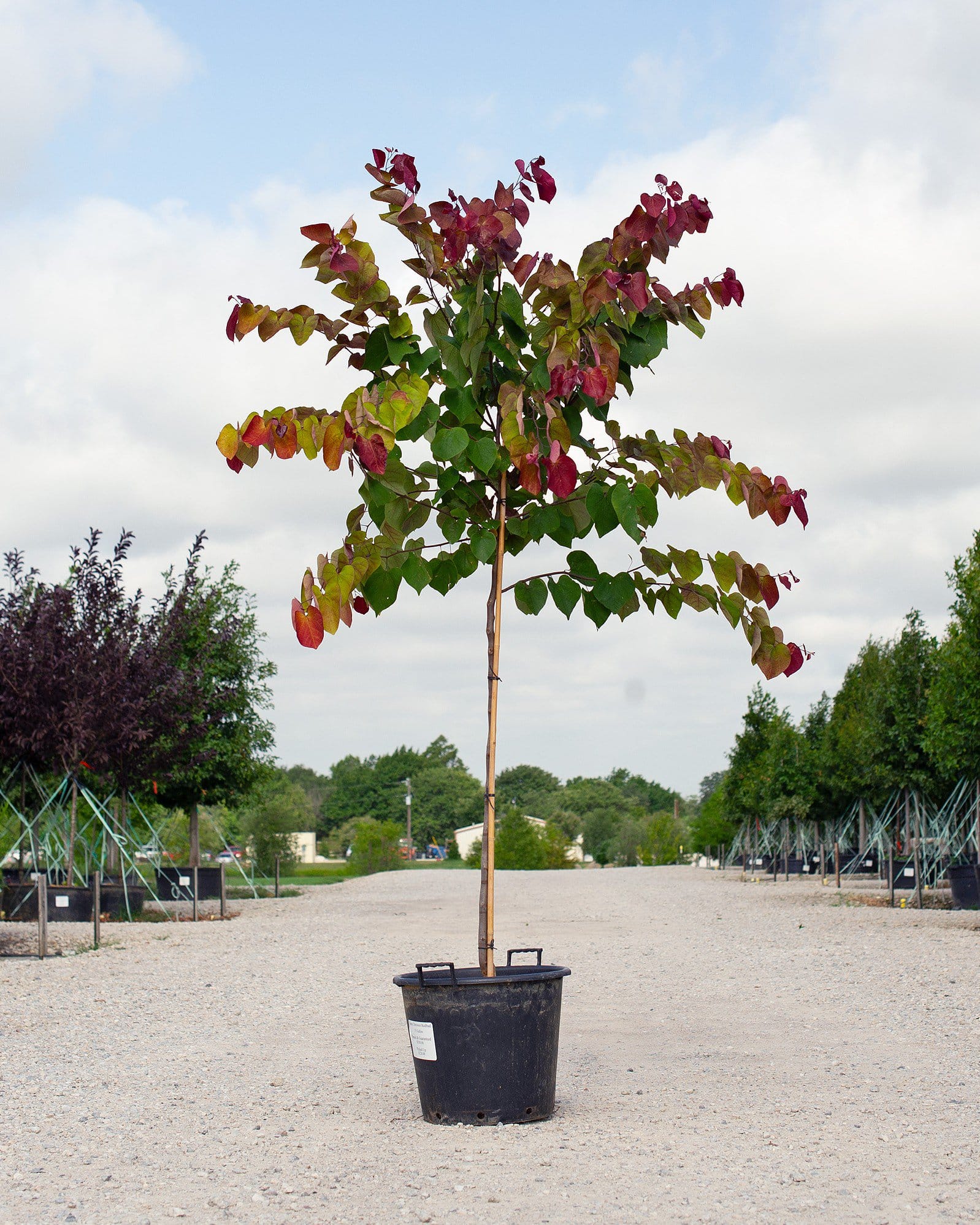
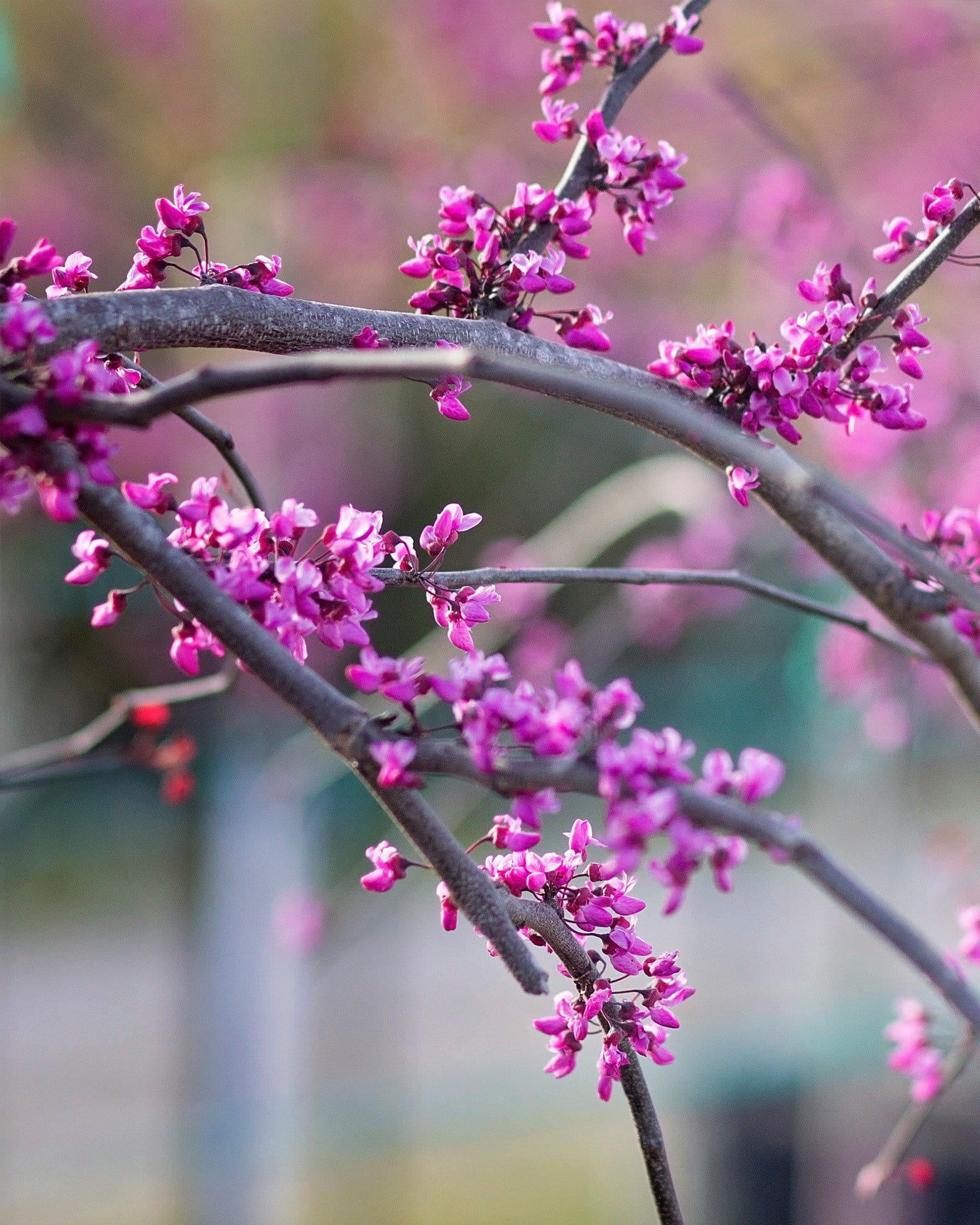
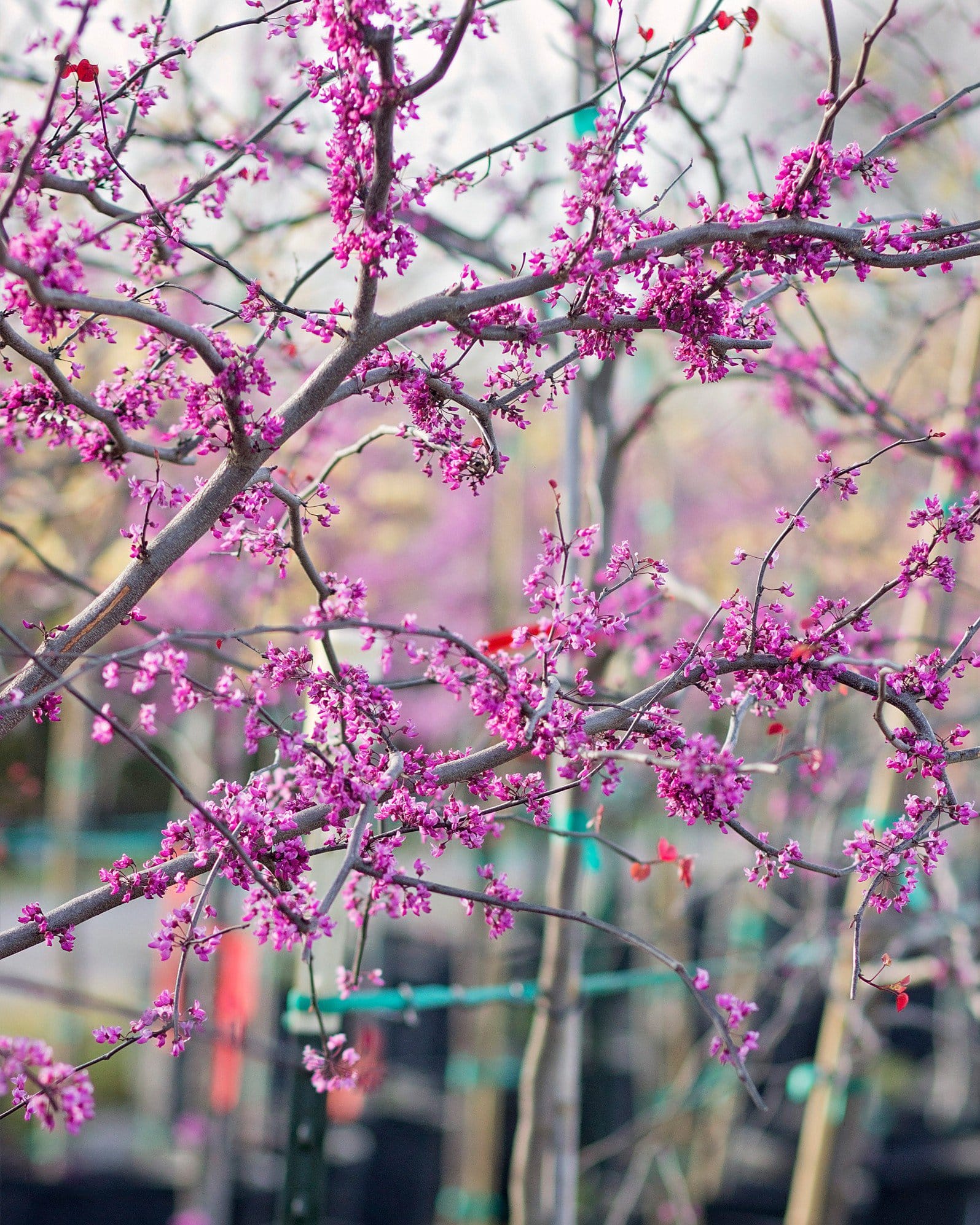
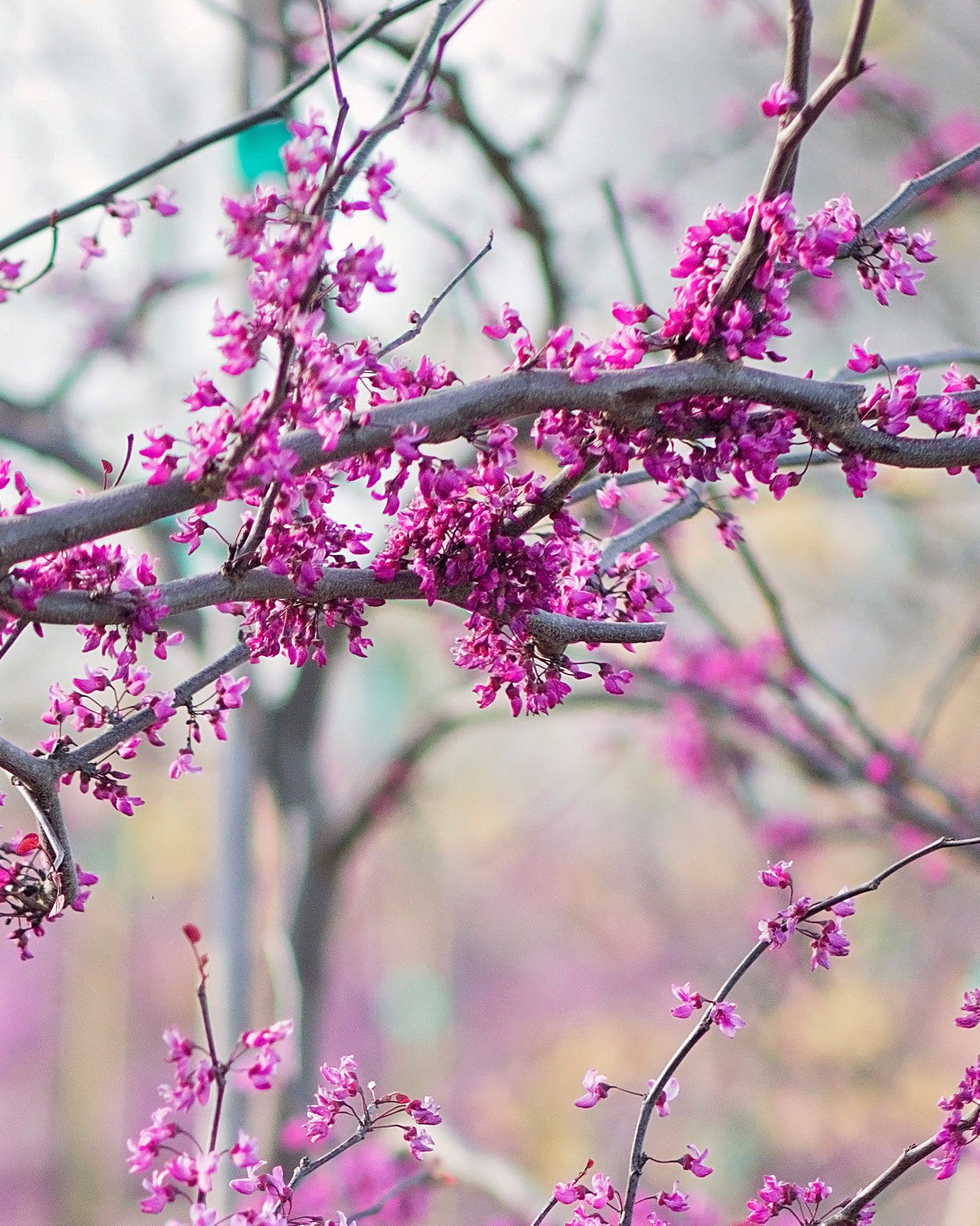
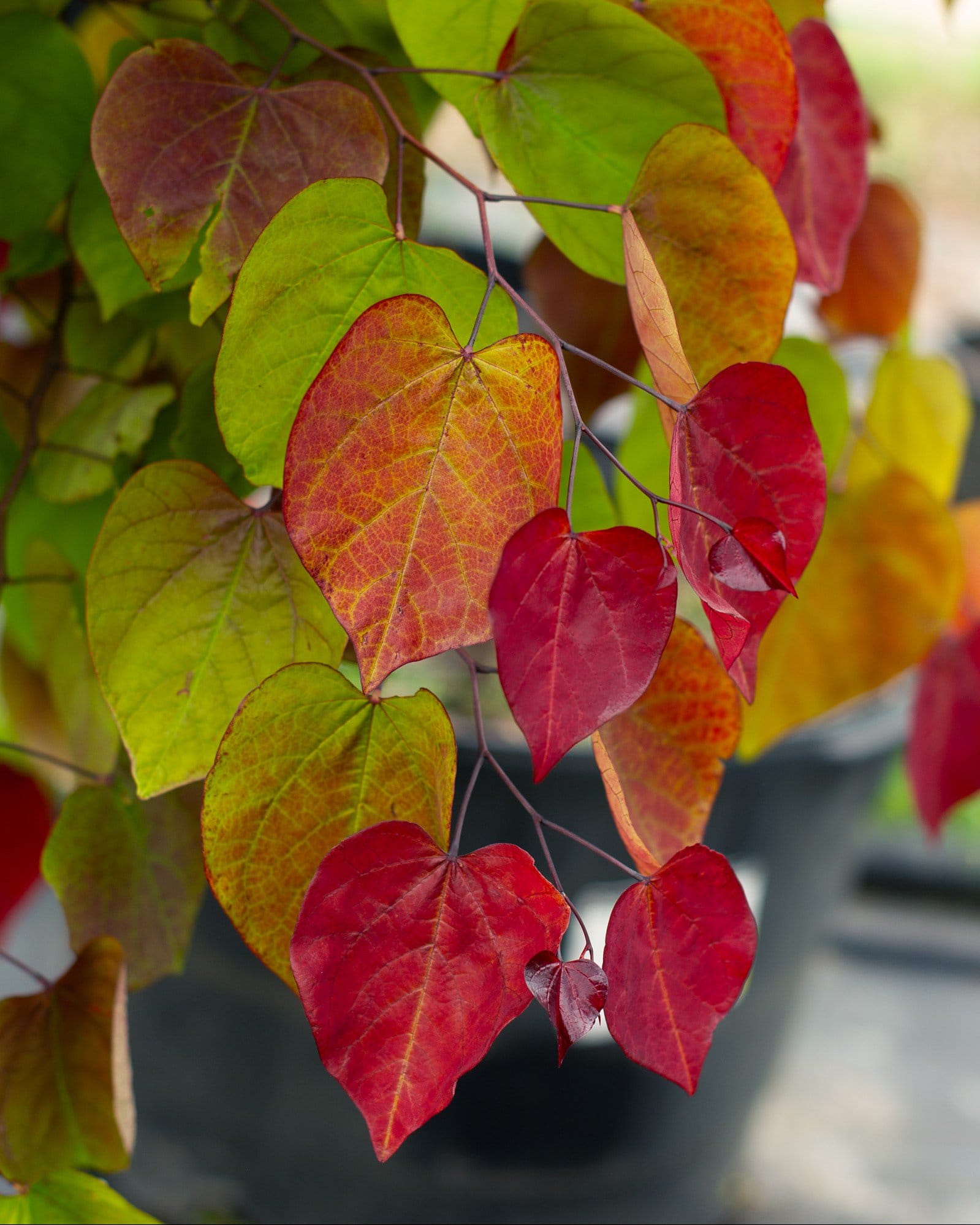
Cercis canadensis 'Purple Rain'The Purple Rain Weeping Redbud is a striking ornamental tree prized for its graceful weeping shape and deep purple leaves. Its arching branches create a soft, flowing silhouette that brings texture and movement to borders and flower beds. In early spring, the tree is adorned with vivid pink flowers, offering a vibrant contrast to its dark foliage.
- Deciduous tree
- Moderate growth rate
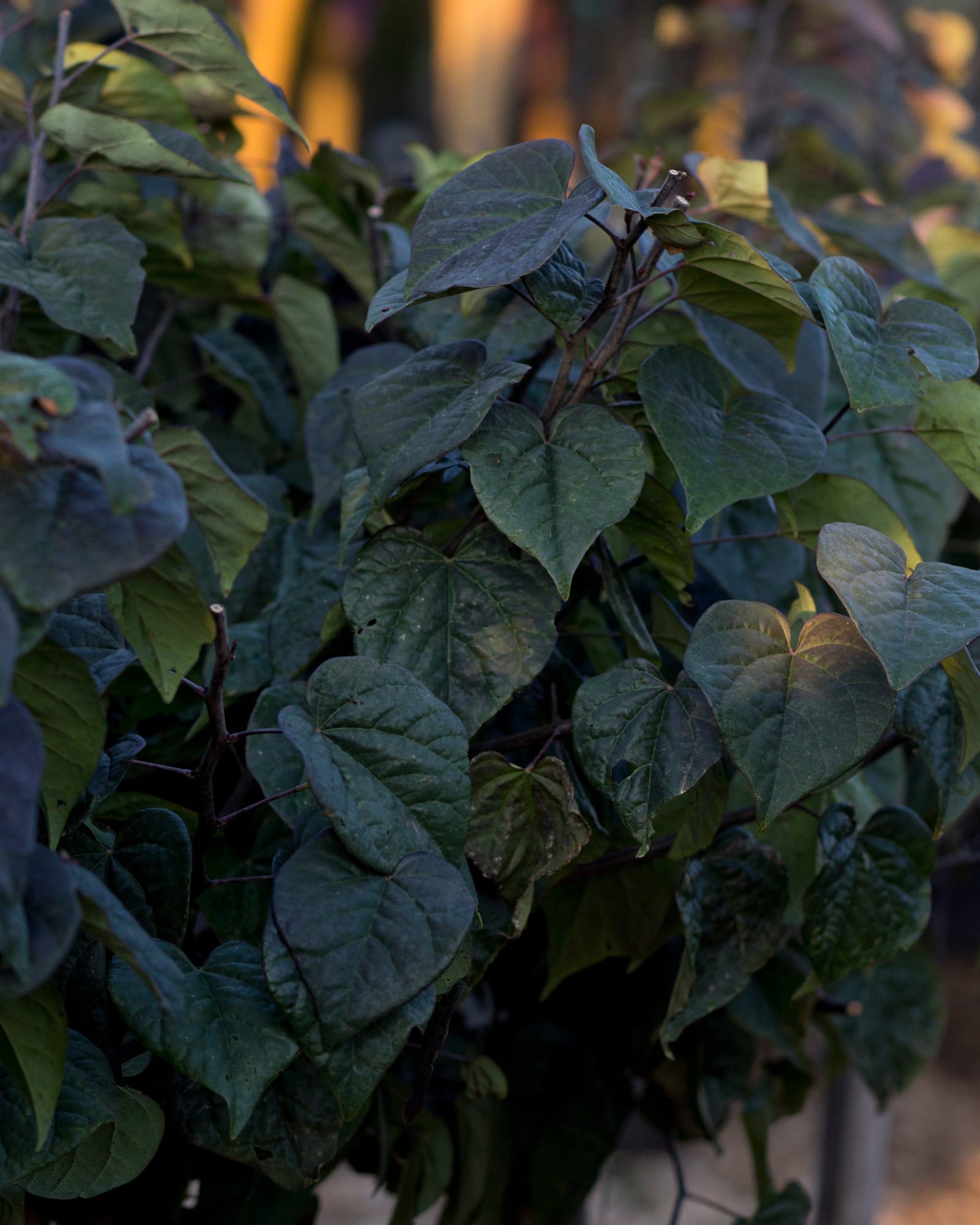
- Deep purple foliage offers year-round visual interest
- Bright pink spring flowers deliver seasonal color
- Perfect for patios, small landscapes, and focal planting
Purple Rain Weeping Redbud thrives in full sun to partial shade and prefers well-drained soil. Hardy in USDA zones 4 to 9, it’s an ideal pick for compact spaces that need a bold, elegant touch. It is especially well-suited to North Texas and similar climates.
Purple Rain Weeping Redbud enchants with richly hued foliage while remaining simple to care for once established. Here’s everything it needs to flourish:
- Watering: Provide deep, consistent watering during the first several years to build a strong, stable root system. Once mature, Purple Rain tolerates moderate drought, though even moisture keeps the foliage vibrant and the weeping habit full.
- Pruning: Prune in late winter to remove damaged or tangled branches and to refine the tree’s elegant, cascading structure. Only minimal shaping is needed, as its natural form creates a gracefully layered silhouette.
- Fertilizing: Apply a balanced, slow-release fertilizer in early spring to support lush foliage and reliable flowering. Incorporating compost or organic amendments improves soil health and long-term vigor. Avoid too much nitrogen, it may lessen bloom production.
- Mulching: Maintain a 2-3 inch mulch layer to conserve moisture, regulate soil temperature, and protect the tree’s shallow roots. Keep mulch pulled slightly away from the trunk to prevent bark issues and refresh annually for best results.
- Winter Care: Purple Rain is hardy once established, bouncing back well from typical winter conditions. Young trees may benefit from wind protection in their first season. Prune away any minor winter dieback in late winter before new growth begins.
Although resilient, Purple Rain Weeping Redbud may show a few manageable issues under stressful conditions:
- Leaf Spot: Brown or irregular blotches may appear during humid or rainy periods. Removing fallen leaves and improving airflow helps prevent recurrence.
- Canker: Sunken or darkened areas on branches indicate canker infection. Prune out affected limbs promptly and minimize plant stress to support recovery.
- Verticillium Wilt: Sudden wilting or dieback may occur in soils containing the fungus. Remove affected branches and improve drainage to help slow the disease’s progression.
- Aphids: Curling new leaves or sticky honeydew indicates aphid activity. A firm spray of water or insecticidal soap restores clean, healthy foliage.
- Leaf Scorch: Browning leaf edges during extreme heat or drought are common. Mulching and steady irrigation help prevent further scorch.
- Scale Insects: Small bumps or waxy spots on stems suggest scale presence. Seasonal horticultural oil applications effectively reduce populations.
Purple Rain typically lives 20-40 years under good conditions. Consistent moisture and well-drained soil help ensure long-lasting health and beauty.
It grows at a moderate pace of about 1-2 feet per year. Its full cascading shape usually develops within 5-7 years, creating a striking garden focal point.
Yes - its early spring blooms offer an important nectar source for bees and butterflies. This makes it a valuable contributor to pollinator-friendly landscapes.
Its narrow footprint and cascading habit make it ideal for courtyards, small yards, and decorative entry plantings. Even one specimen delivers strong architectural and seasonal interest.
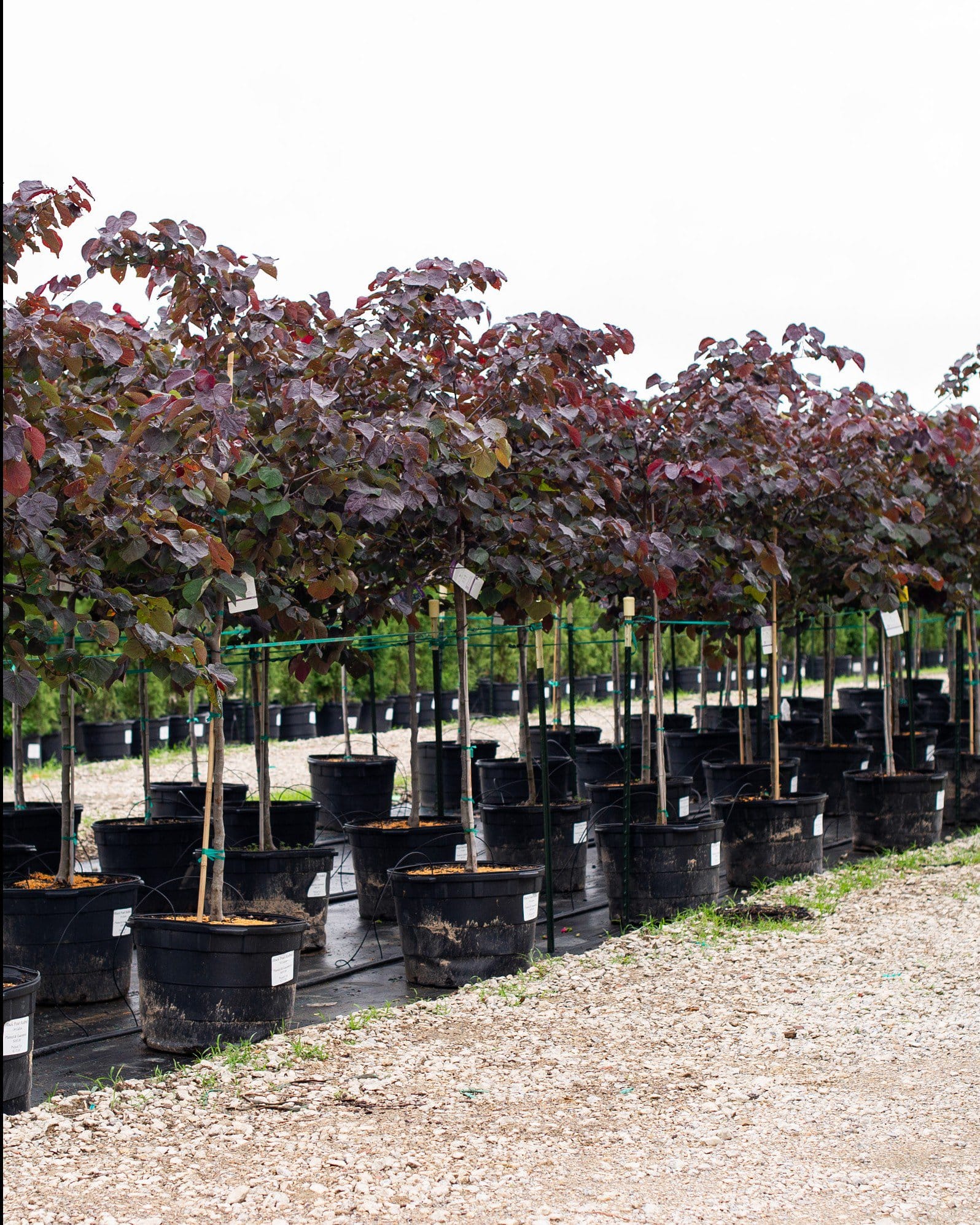
It can be container-grown in its younger years, making it a flexible option for patios or terraces. For long-term vigor, planting in the ground is recommended once the tree gains size.
Deer may occasionally sample tender new foliage, but the tree is not typically a preferred target. Simple early protection is usually all that’s needed.
Heucheras, Hostas, Ferns, Hydrangeas, Japanese Forest Grass, and Dogwoods complement both its color and graceful form. These pairings create a layered, sophisticated landscape composition.
Yes - multiple specimens create a flowing, elegant display reminiscent of a living sculpture garden. Groupings enhance the dramatic effect of the cascading branches.
Young trees transplant well when moved in late winter or early spring. With proper watering afterward, they reestablish quickly and regain their graceful form.
Its combination of rich purple foliage, strong cascading structure, and dependable performance gives it a uniquely dramatic presence. Few weeping cultivars offer this level of color intensity and architectural beauty.
Special Features
You might also like
Traveller Weeping Redbud
Maturity: 5' H x 10' W
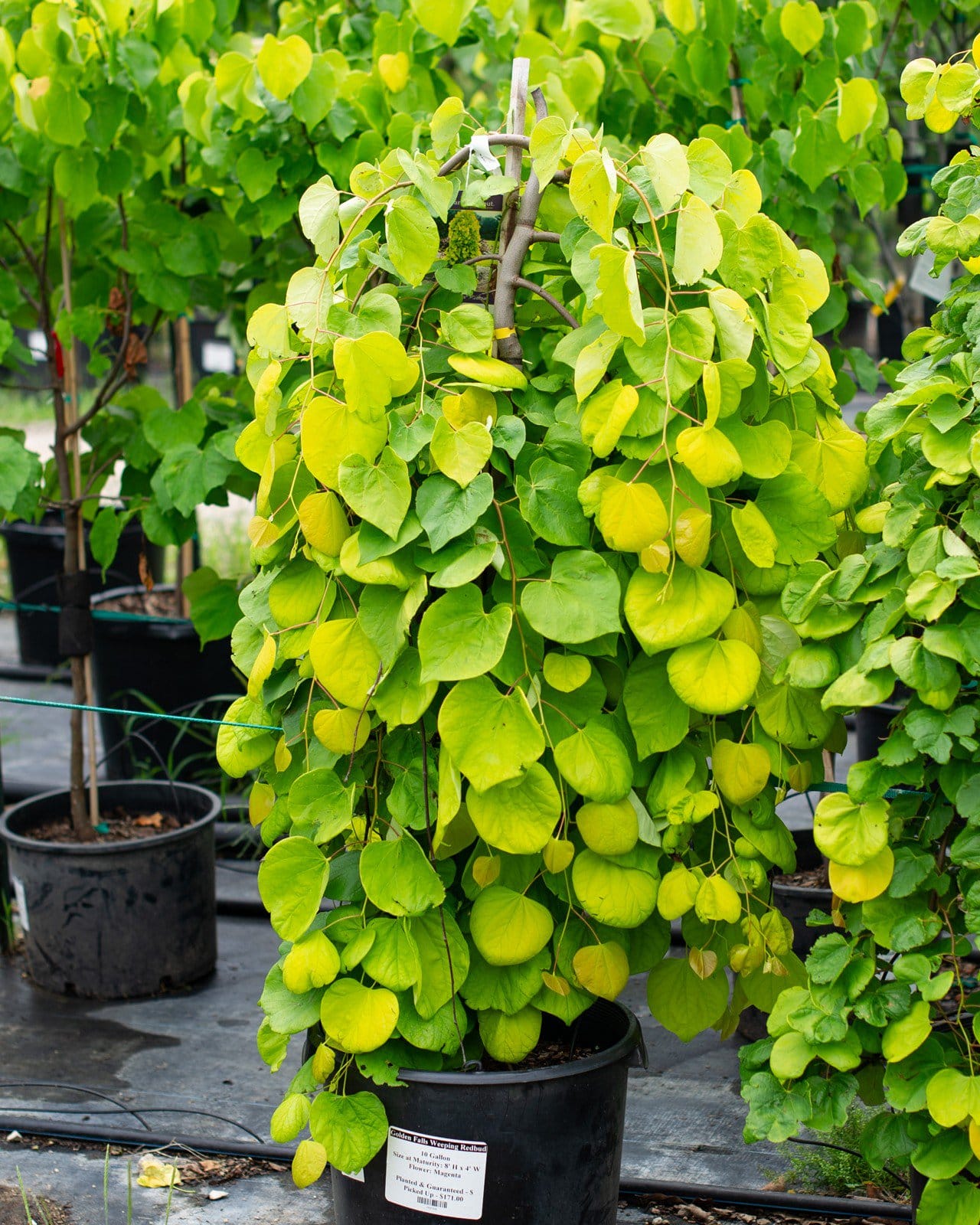
Golden Falls Weeping Redbud
Maturity: 8' H x 4' W
Ruby Falls Weeping Redbud
Maturity: 6' H x 10' W
Amethyst Redbud
Maturity: 8' H x 8' W
Bubble Gum Redbud
Maturity: 15' H x 12' W
Alley Cat Redbud
Maturity: 15' H x 15' W
Merlot Redbud
Maturity: 15' H x 15' W
White Pom Poms Redbud
Maturity: 15' H x 15' W
Forest Pansy Redbud
Maturity: 20' H x 20' W
Hearts A'Fire Redbud
Maturity: 15' H x 15' W
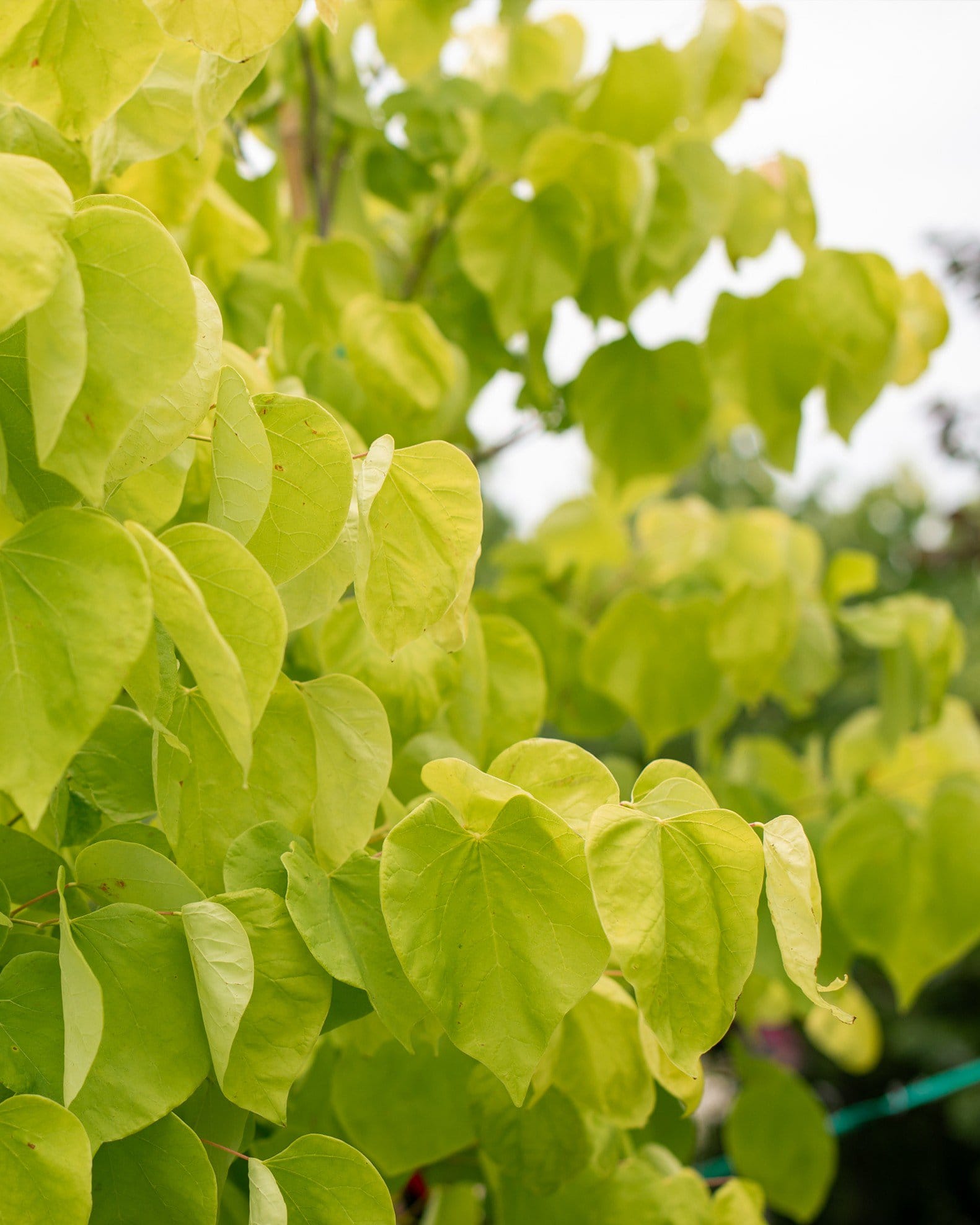
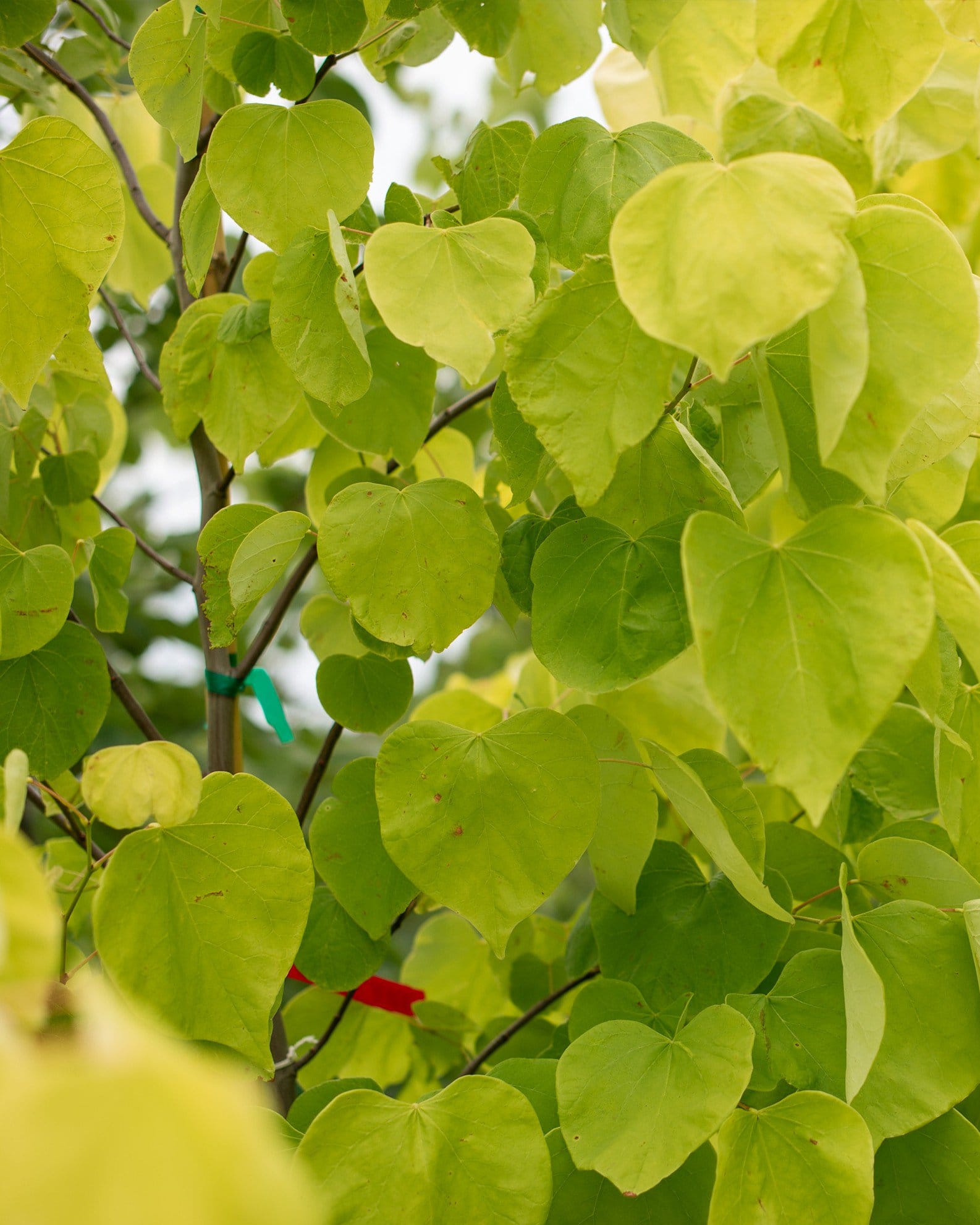
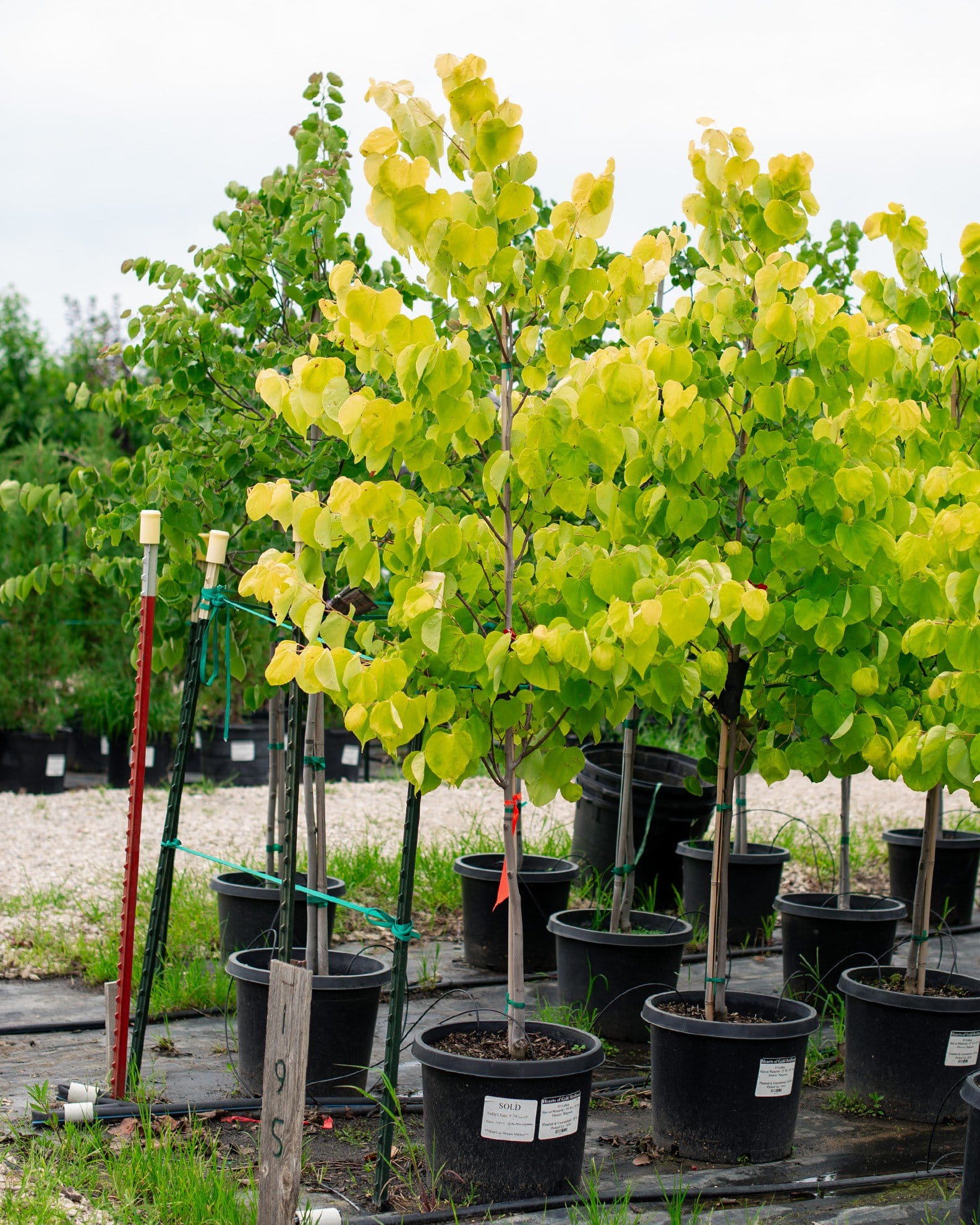
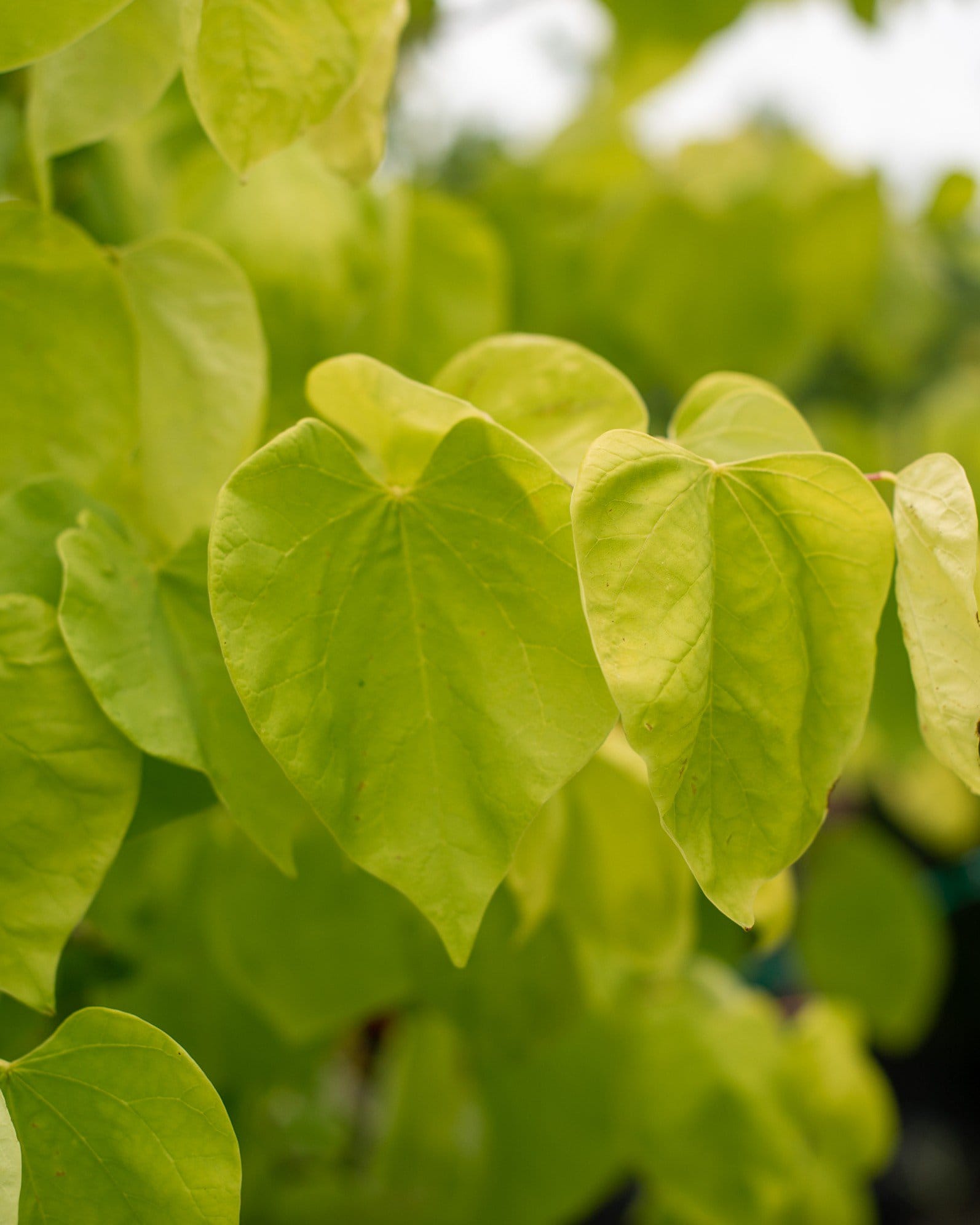
Hearts of Gold Redbud
Maturity: 15' H x 15' W
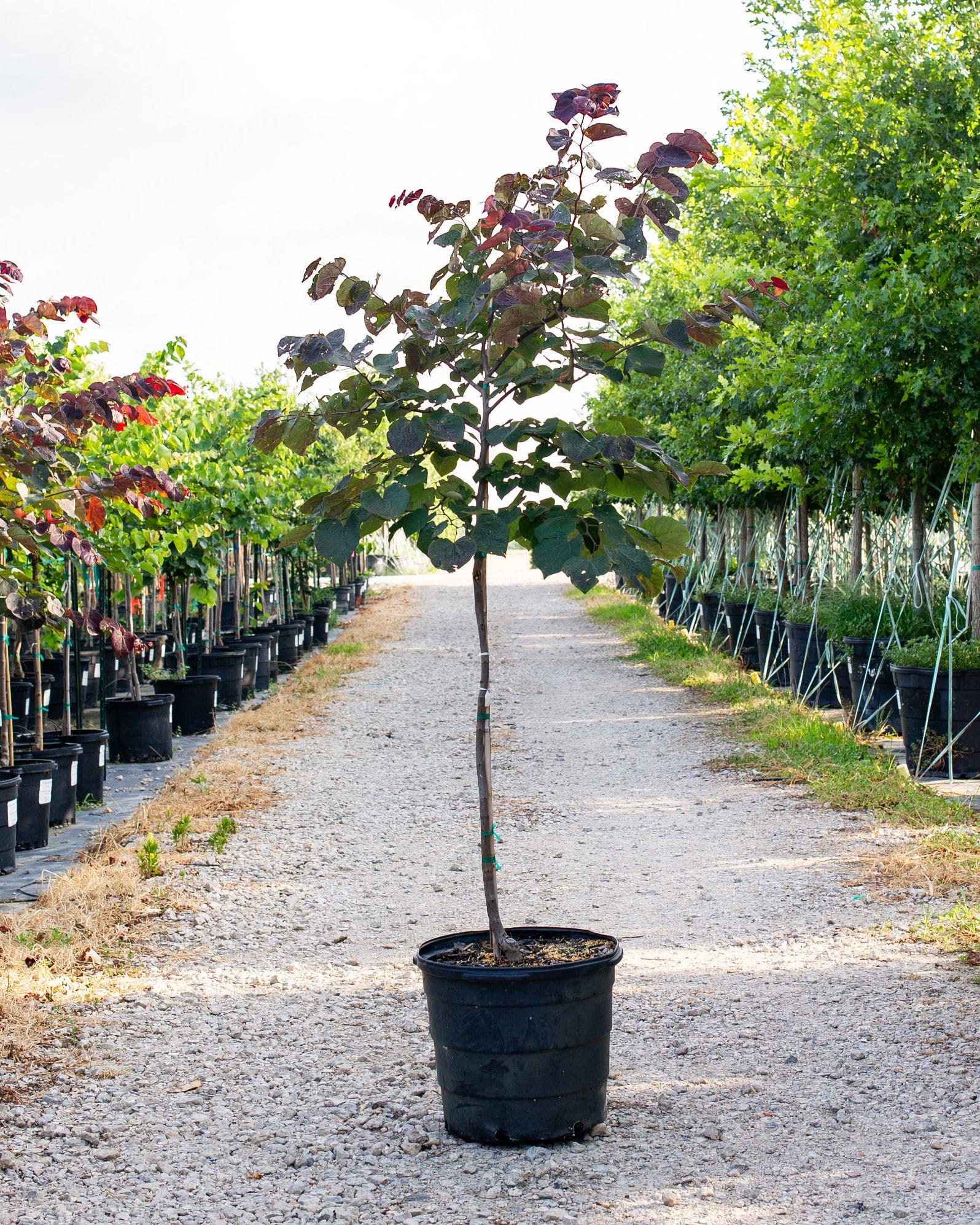
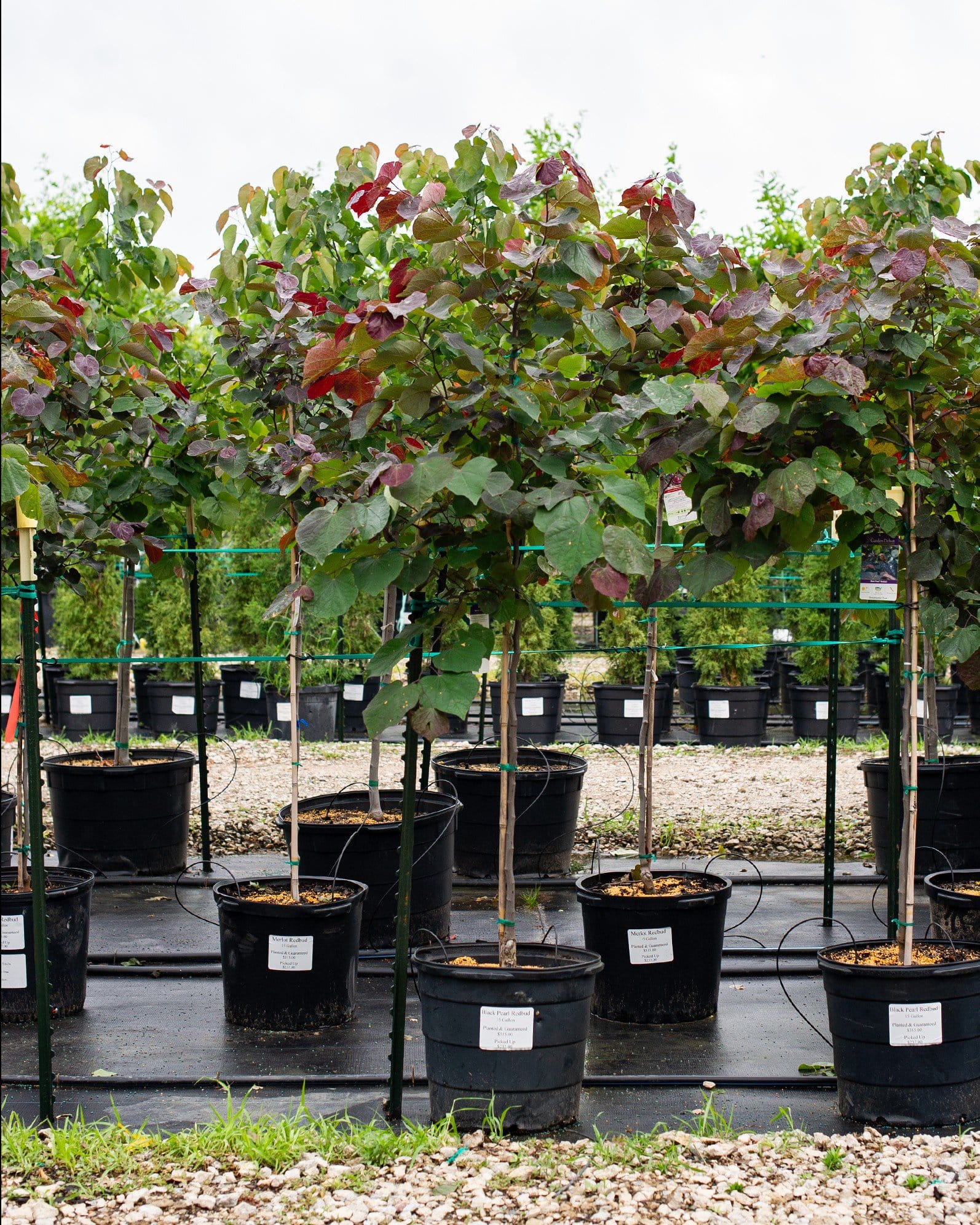
Black Pearl Redbud
Maturity: 20' H x 20' W
Cotton Candy Redbud
Maturity: 20' H x 15' W
Eastern Redbud
Maturity: 20' H x 20' W
Flame Thrower Redbud
Maturity: 15' H x 15' W
Compare Similar Plants
Purple Rain Weeping Redbud This plant | ||
|---|---|---|
| Scientific Name | Cercis canadensis 'Purple Rain' | Cercis canadensis var. texensis 'Traveller' |
| Size at Maturity | 8' H x 8' W | 5' H x 10' W |
| Leaf Retention | Deciduous | Deciduous |
| Fall Color | Yellow, Orange & Red | Orange, Red & Yellow |
| Flower Color | Pink | Pink |
| Bloom Times | Spring | Spring |
| Sizes Available | 45 gal | 7, 15, 45, 65 gal |


Our 1-Year Planting Guarantee
We take pride in our plants and installation services. If any plants or trees installed by Treeland fail to thrive within the first year, we'll provide a replacement credit in accordance with our guarantee program.
Learn More About Our Guarantee