
 Popular
 Texas Native
Black Pearl Redbud
Cercis canadensis 'JN16'Local DFW Delivery Only
Product Details
Black Pearl Redbud
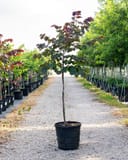
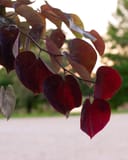
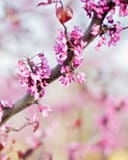
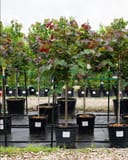
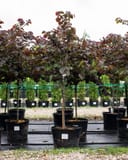
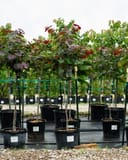
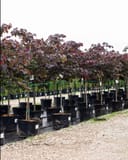
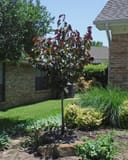
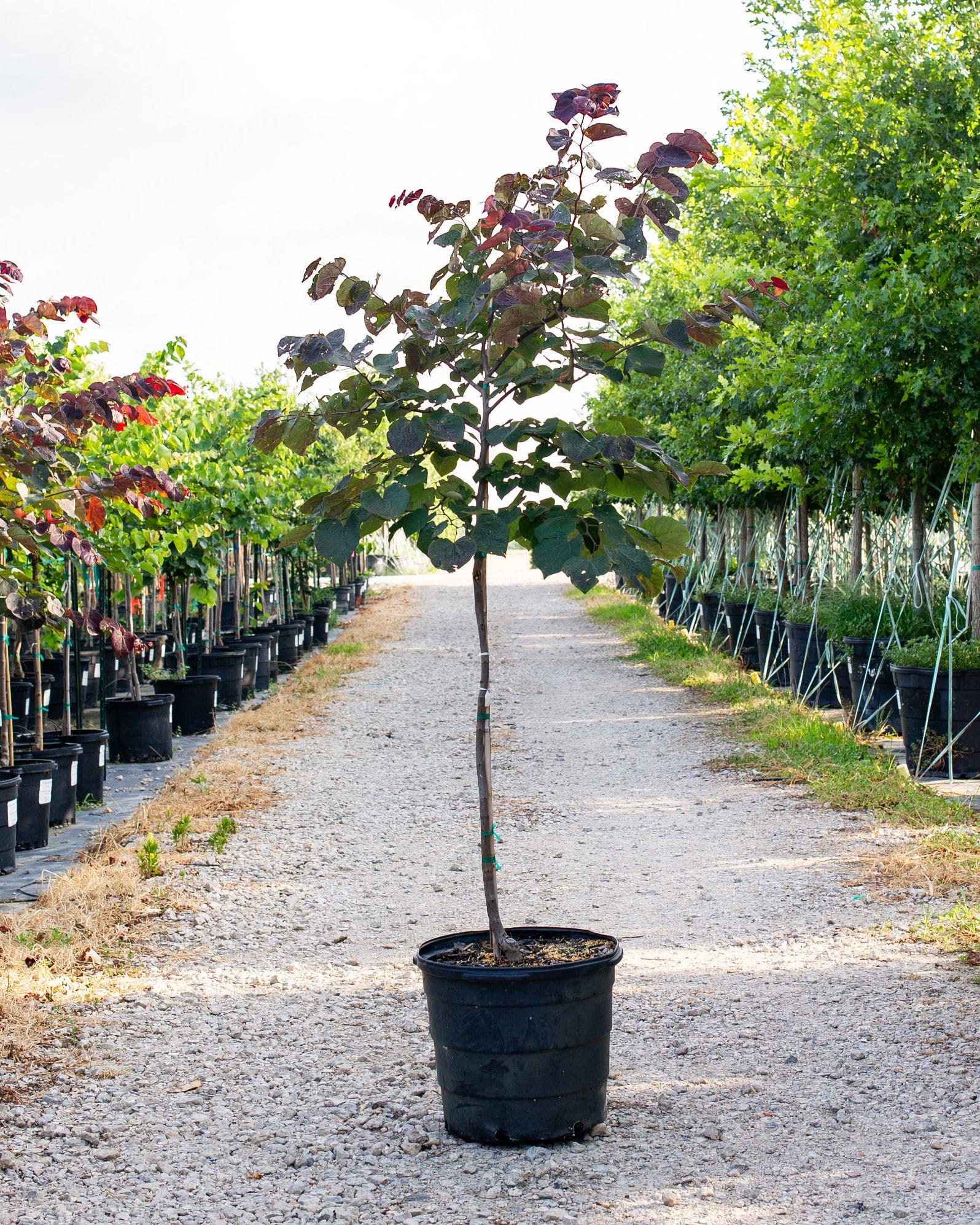
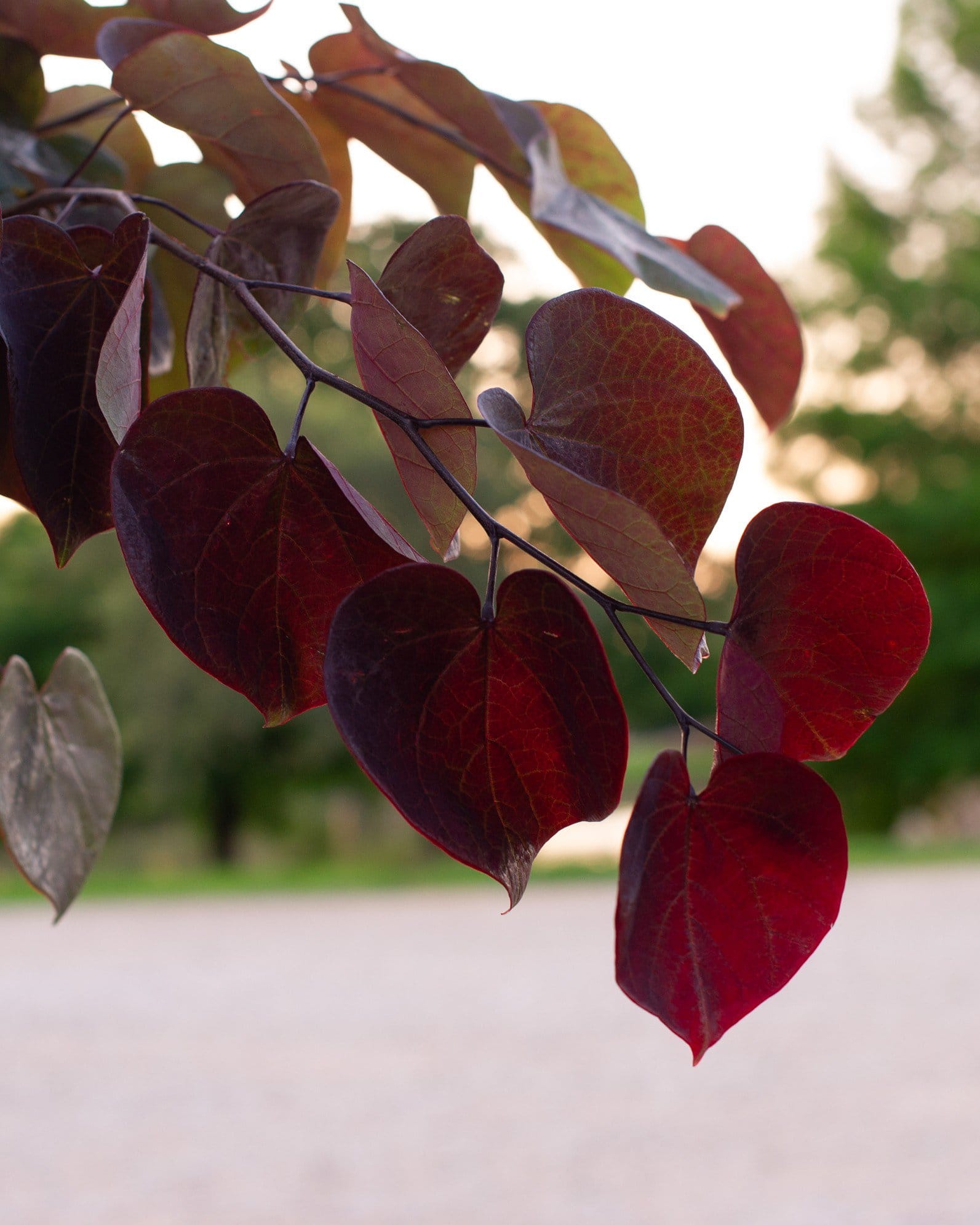
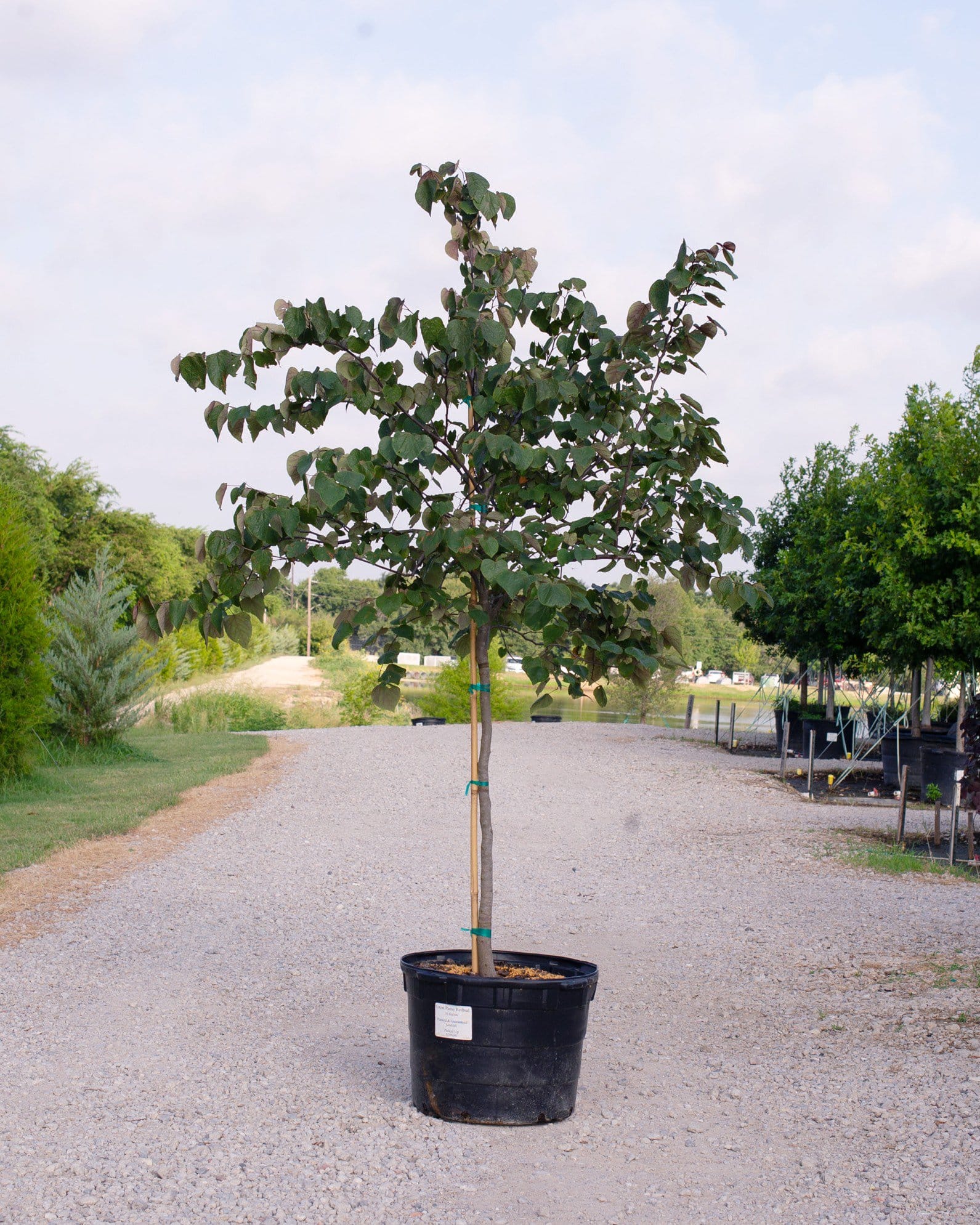
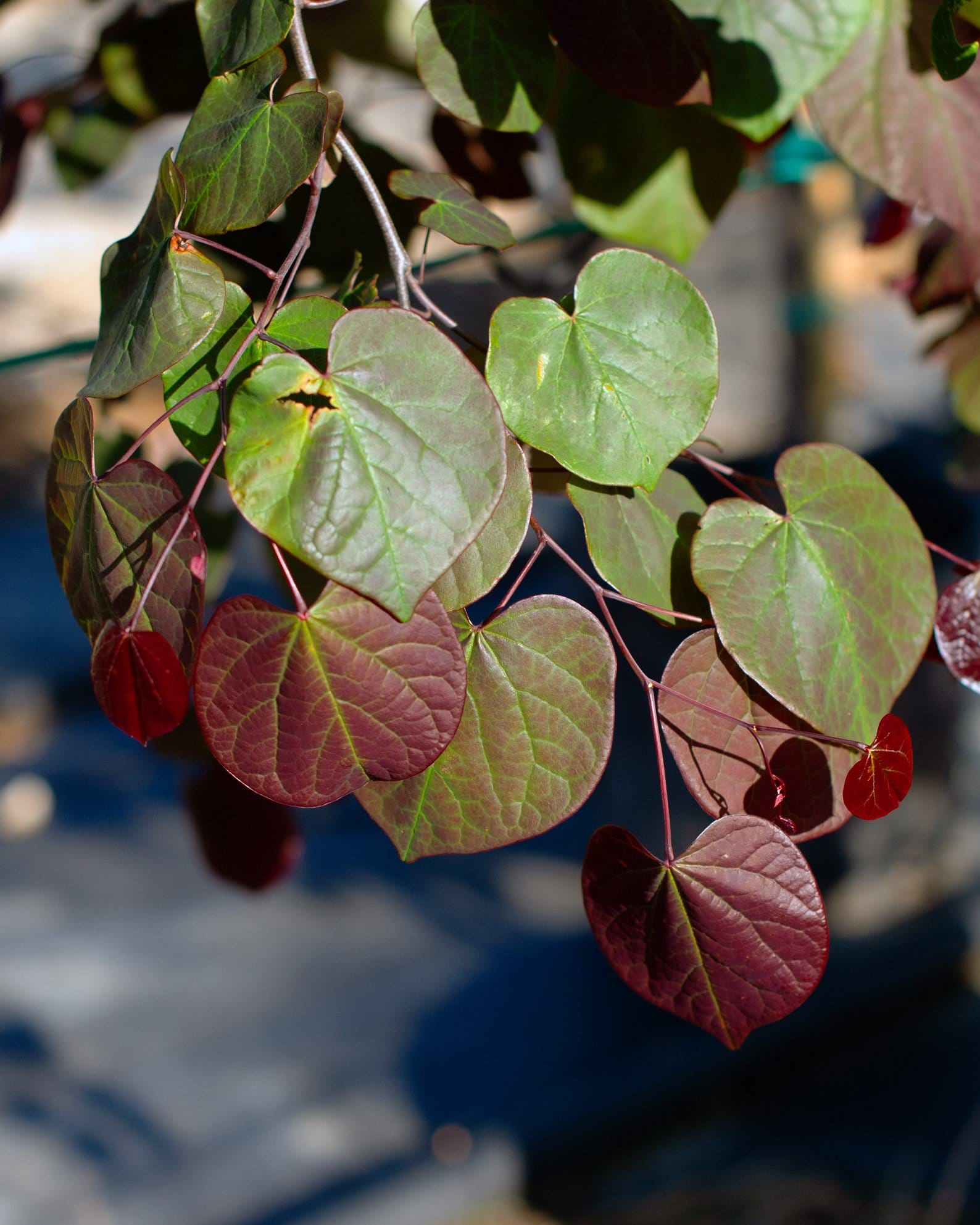
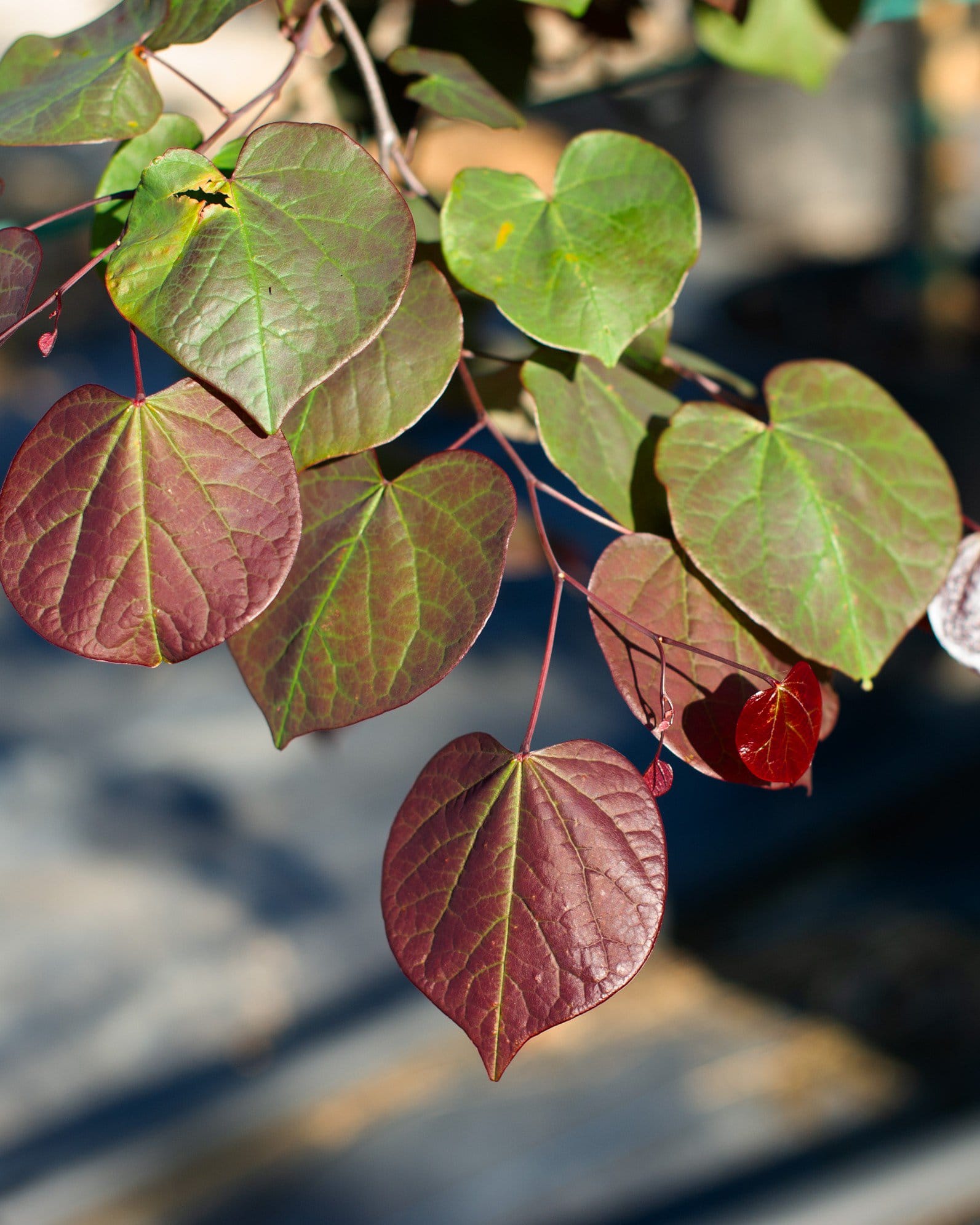
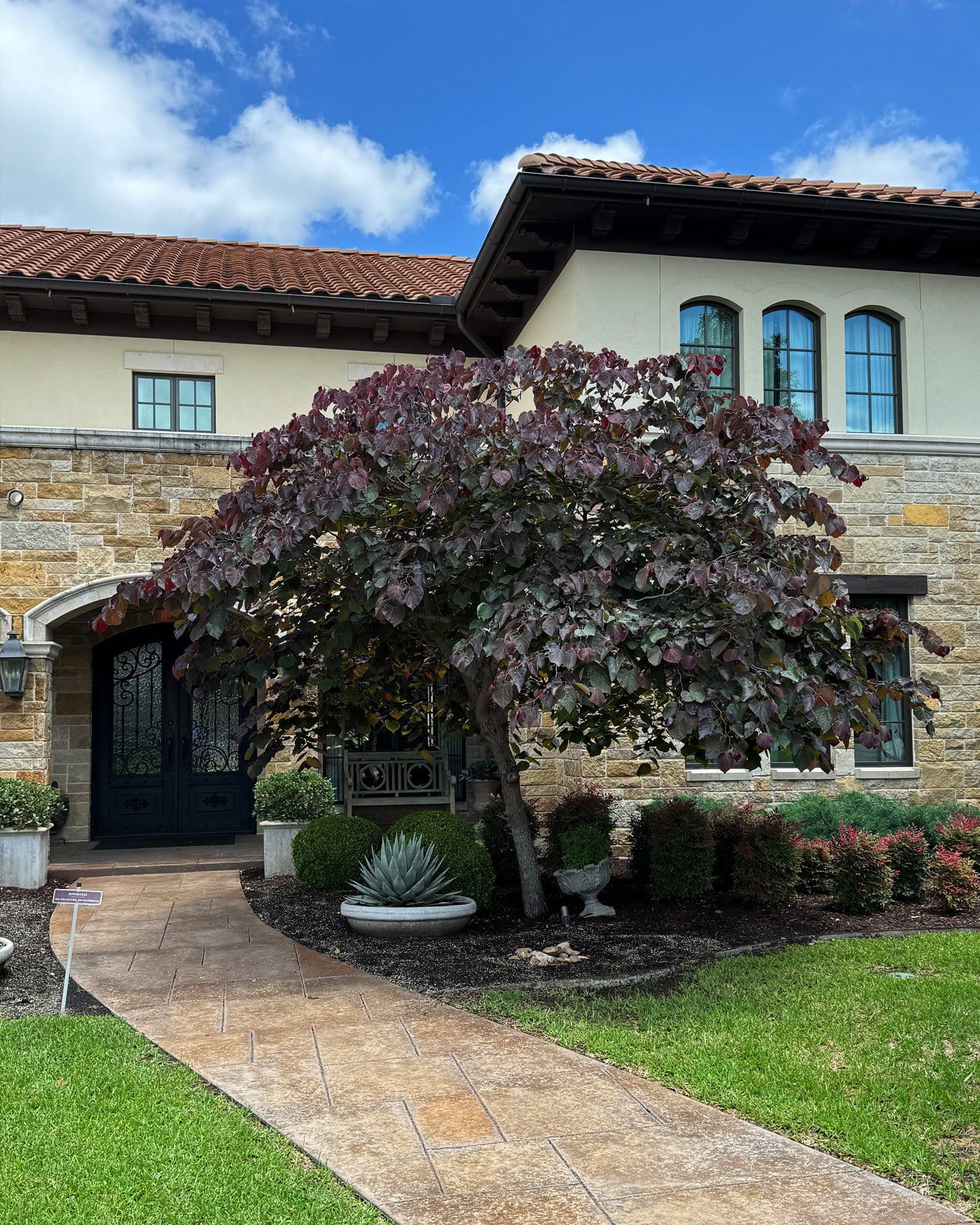
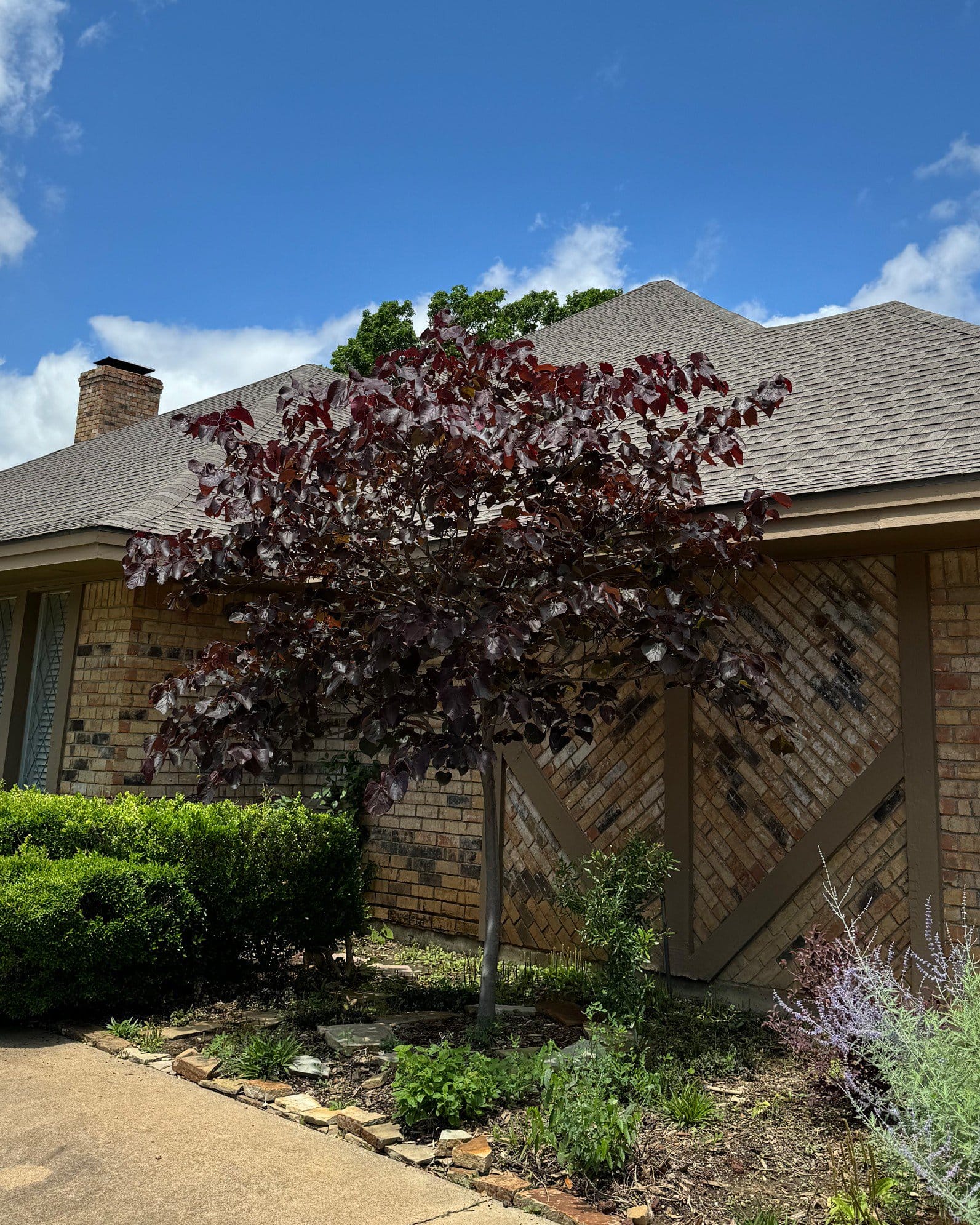
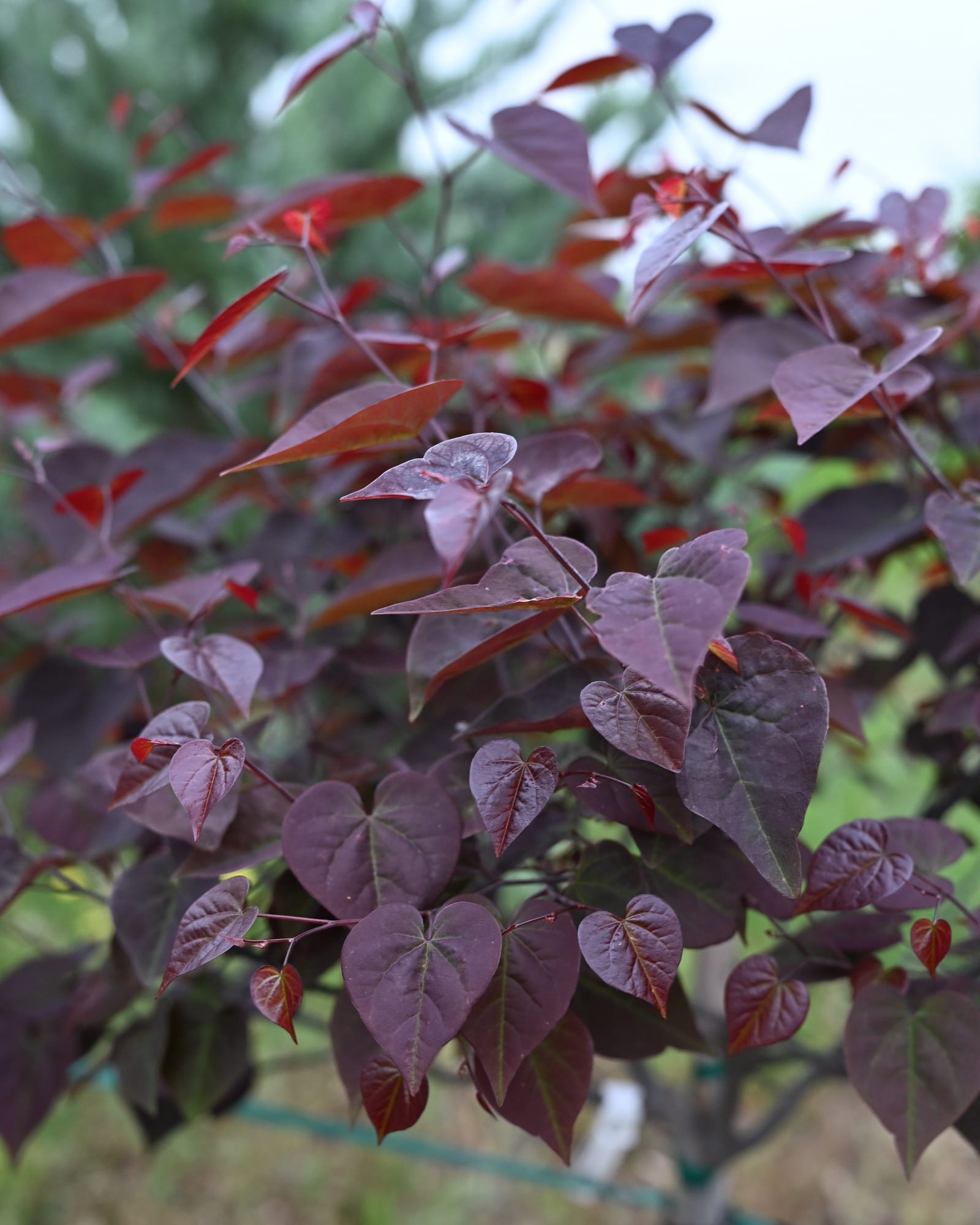
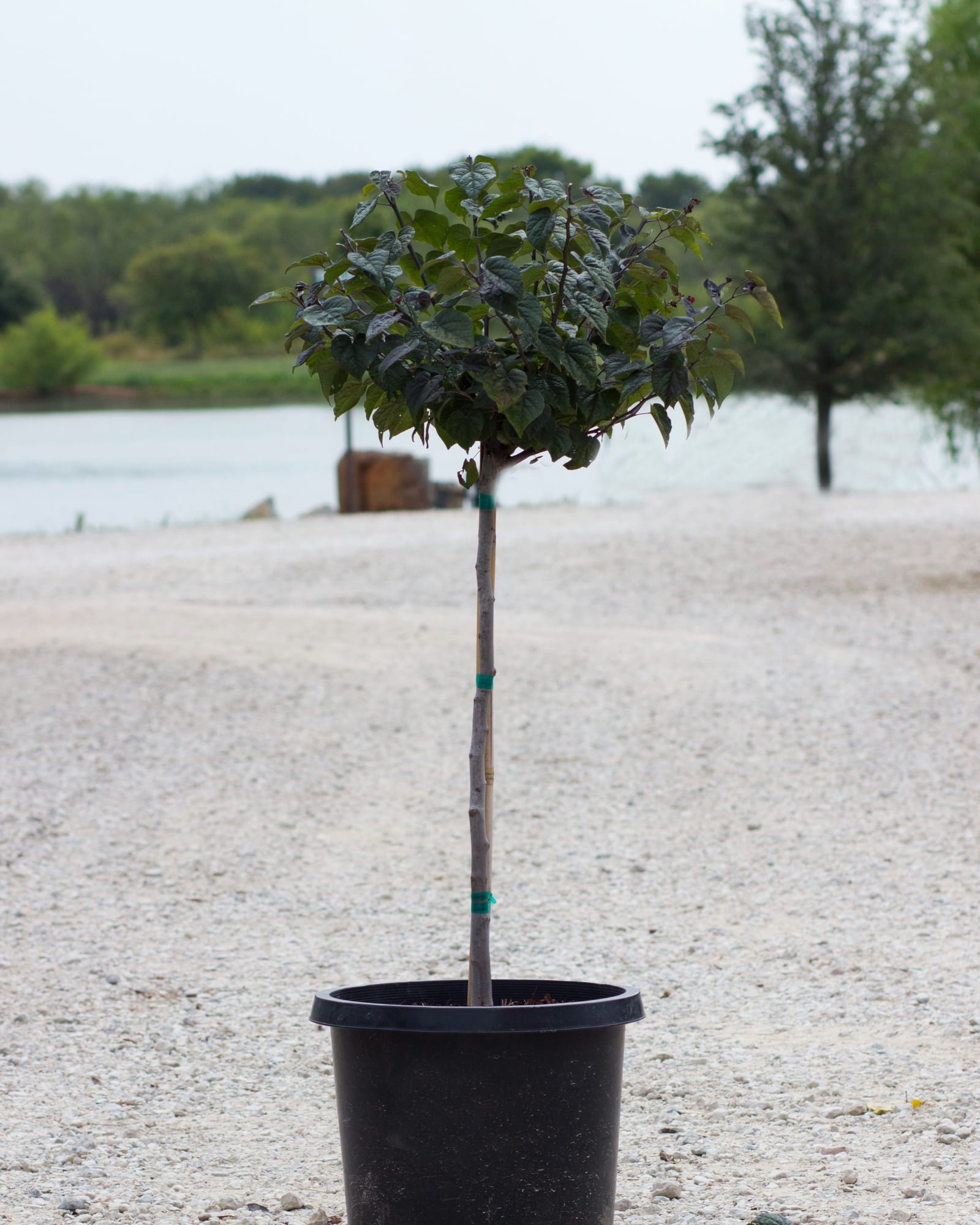
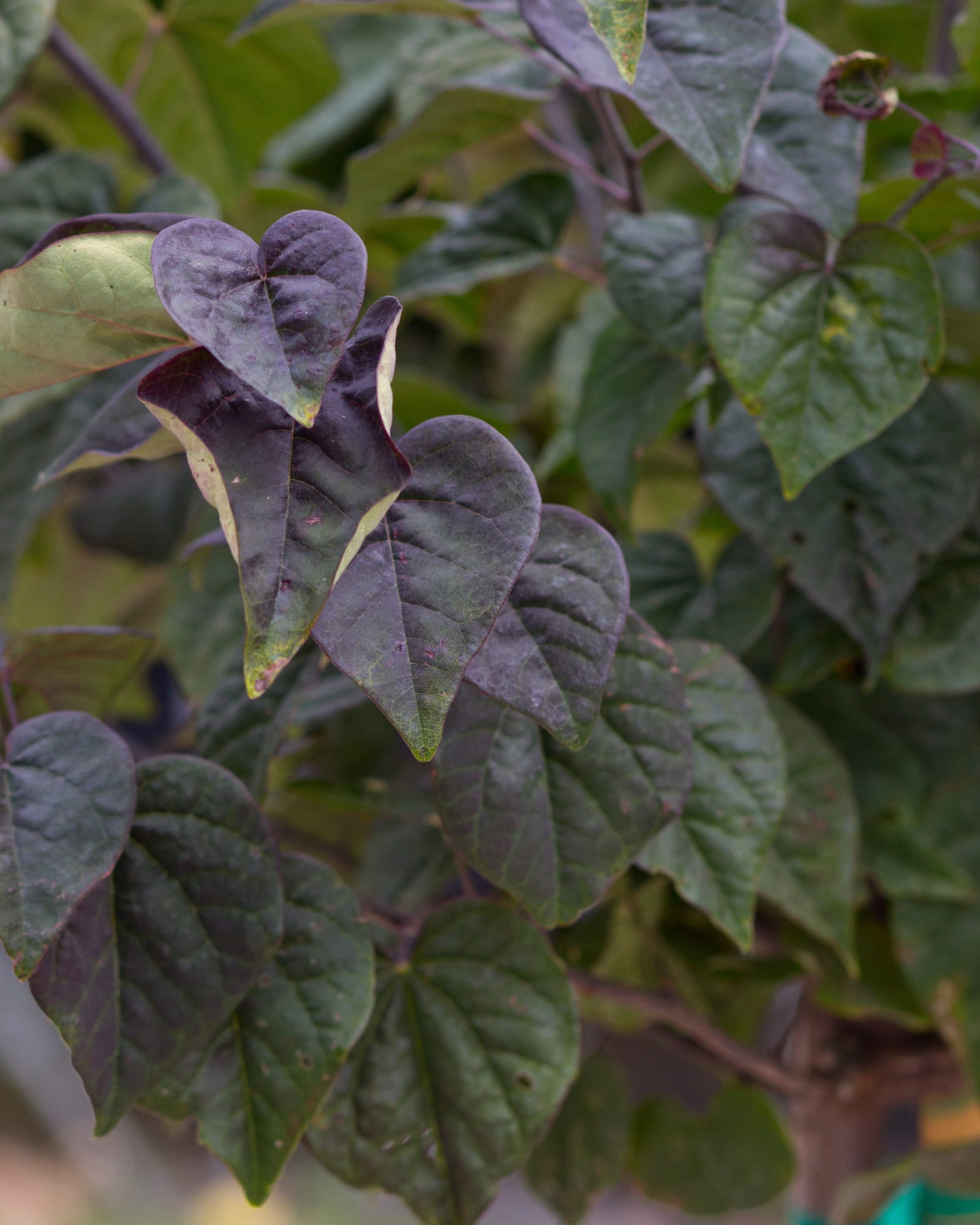
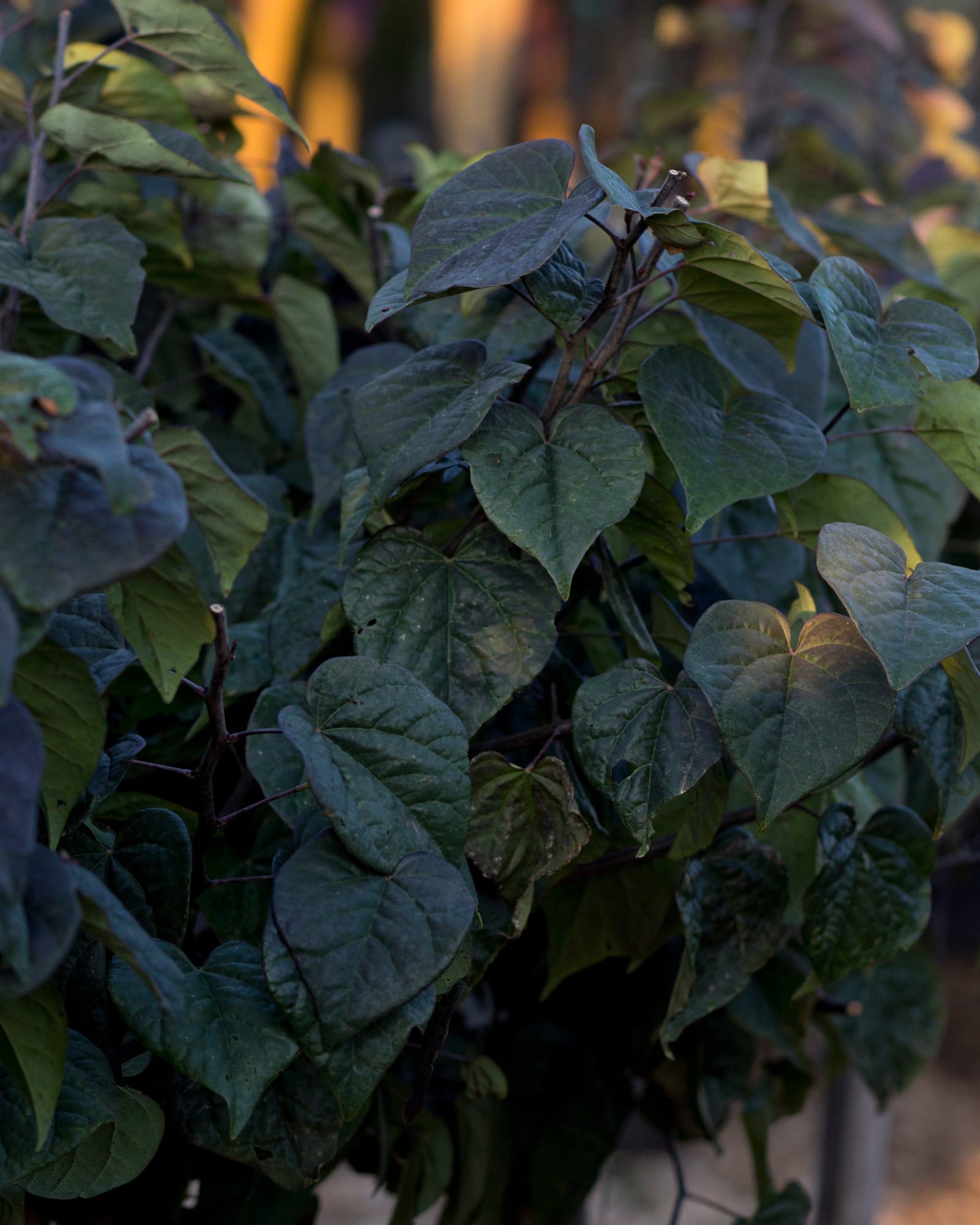
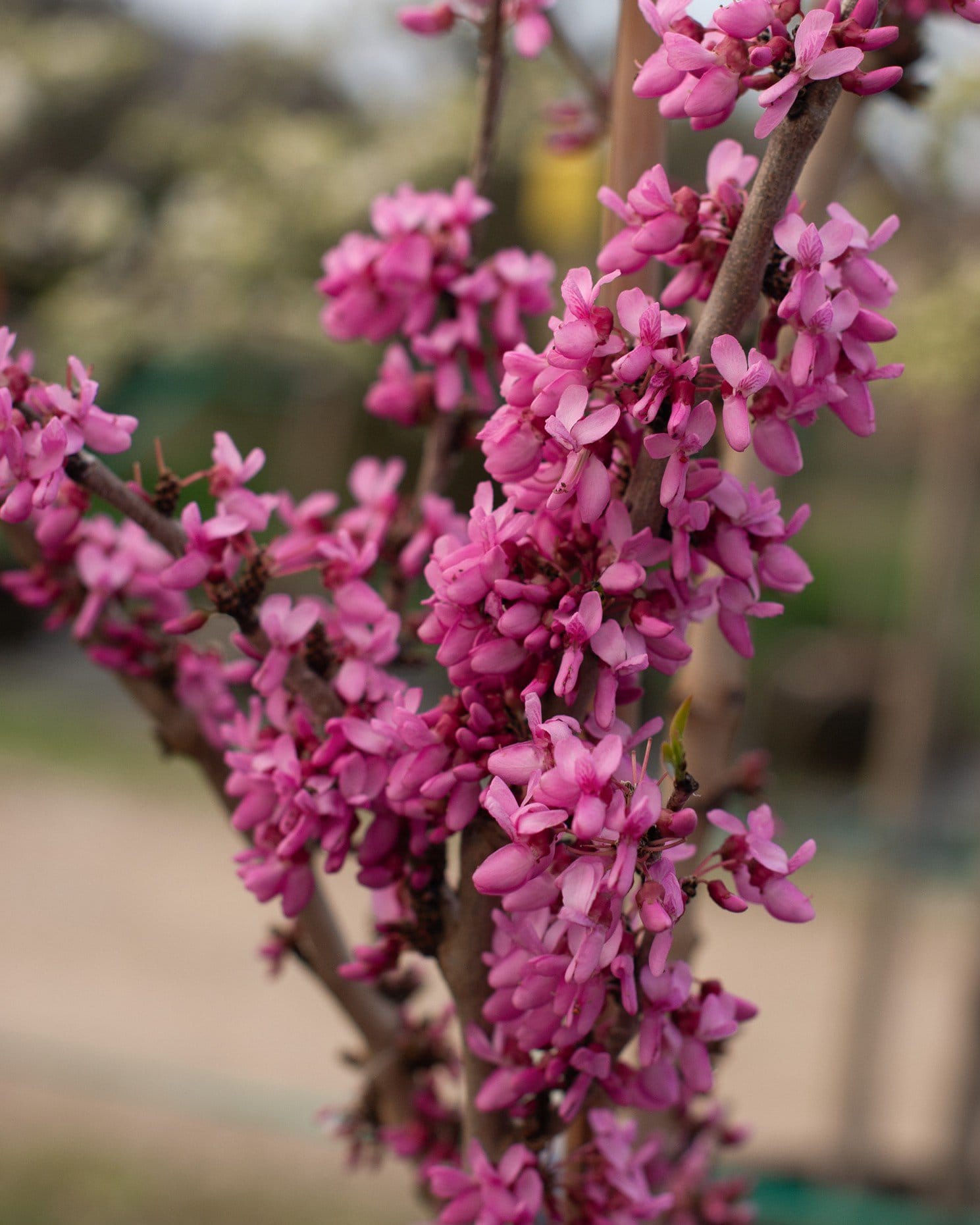
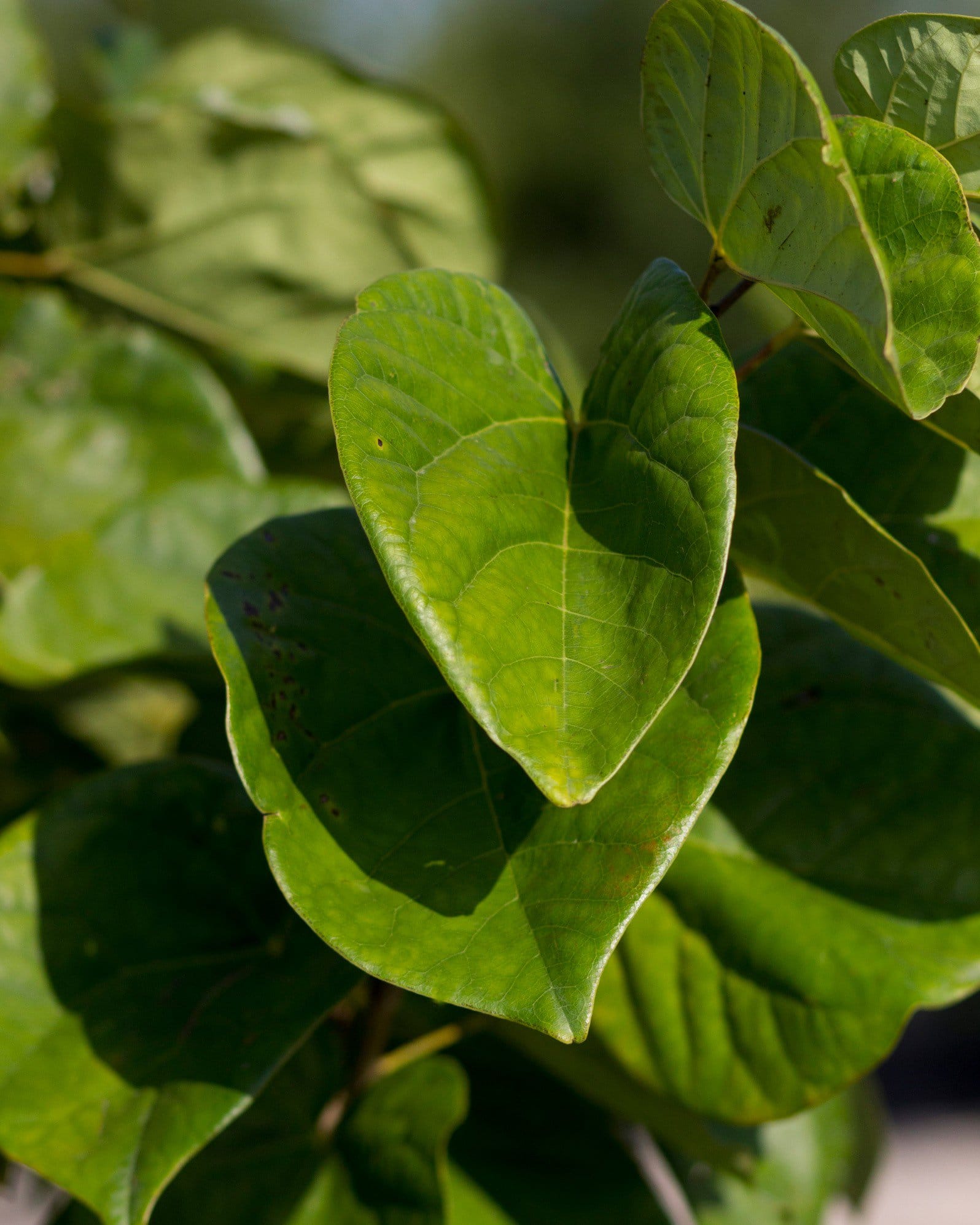
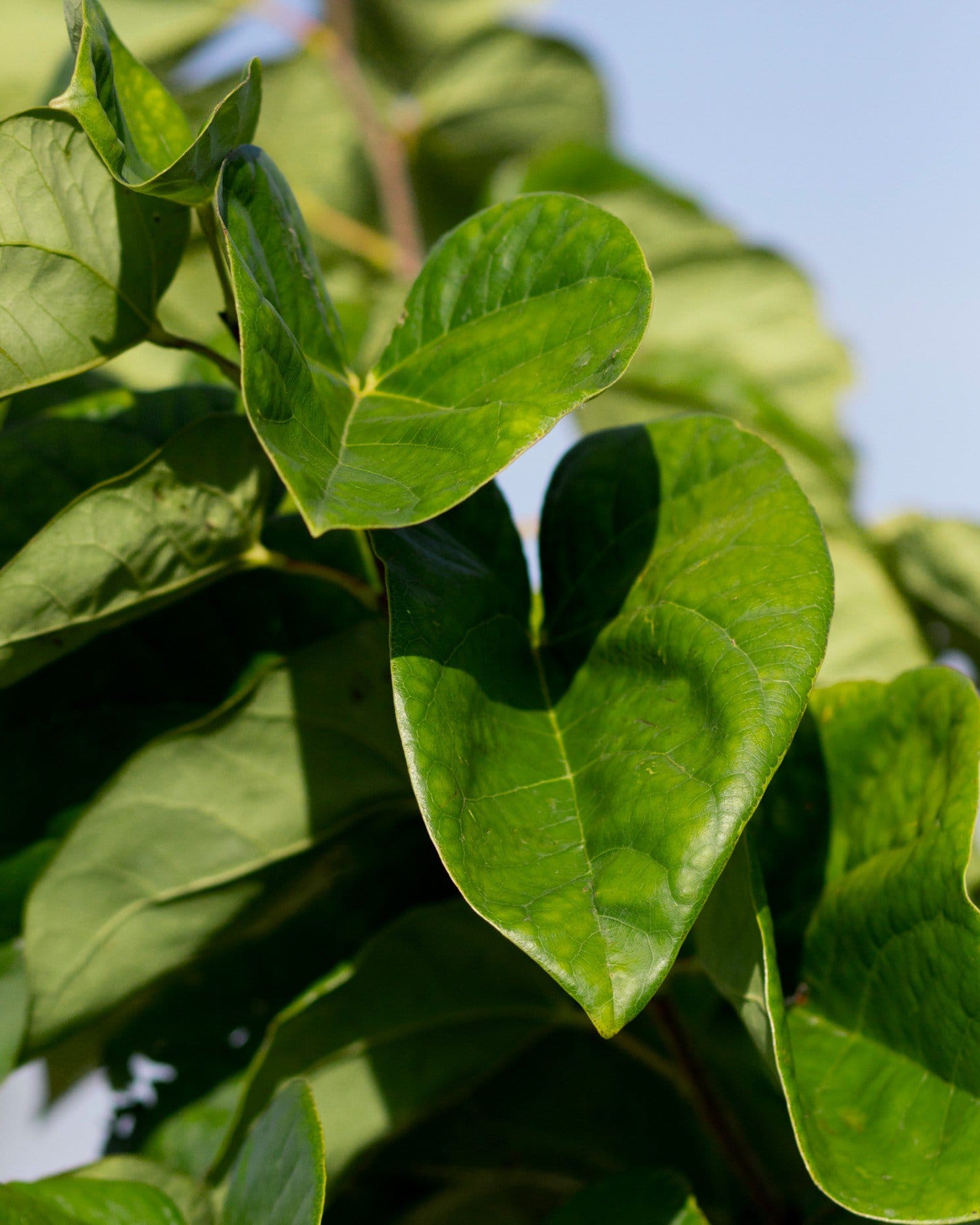
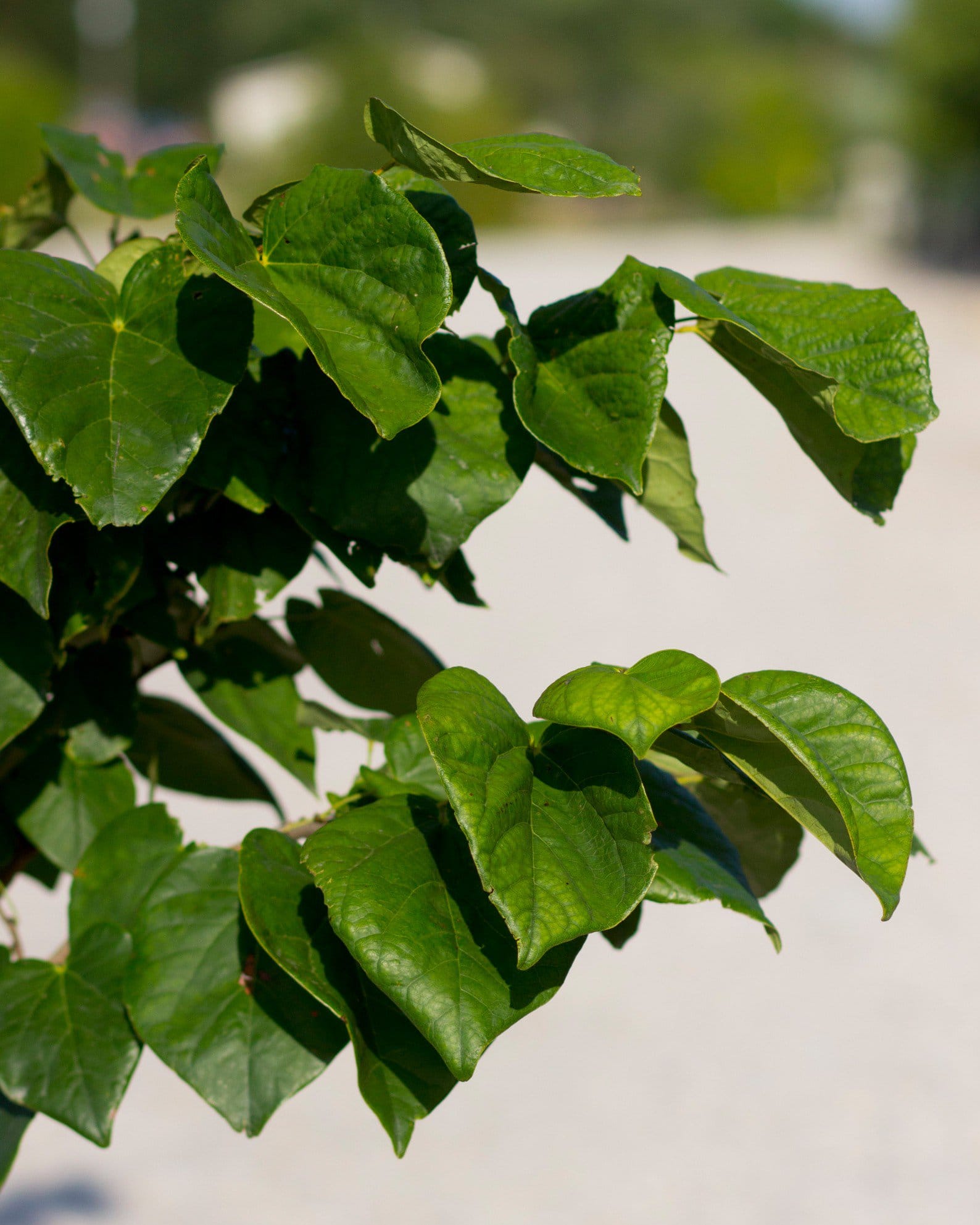
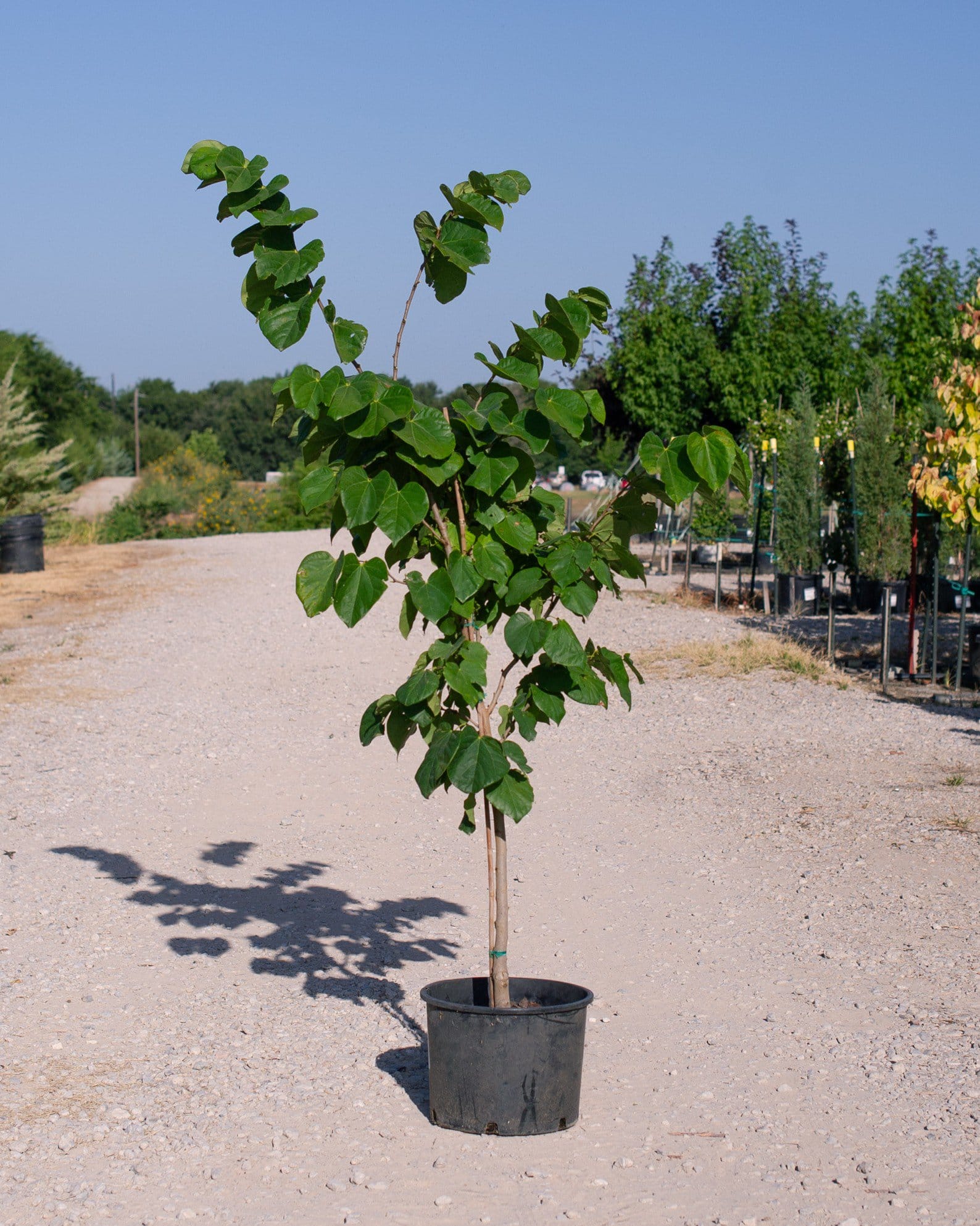
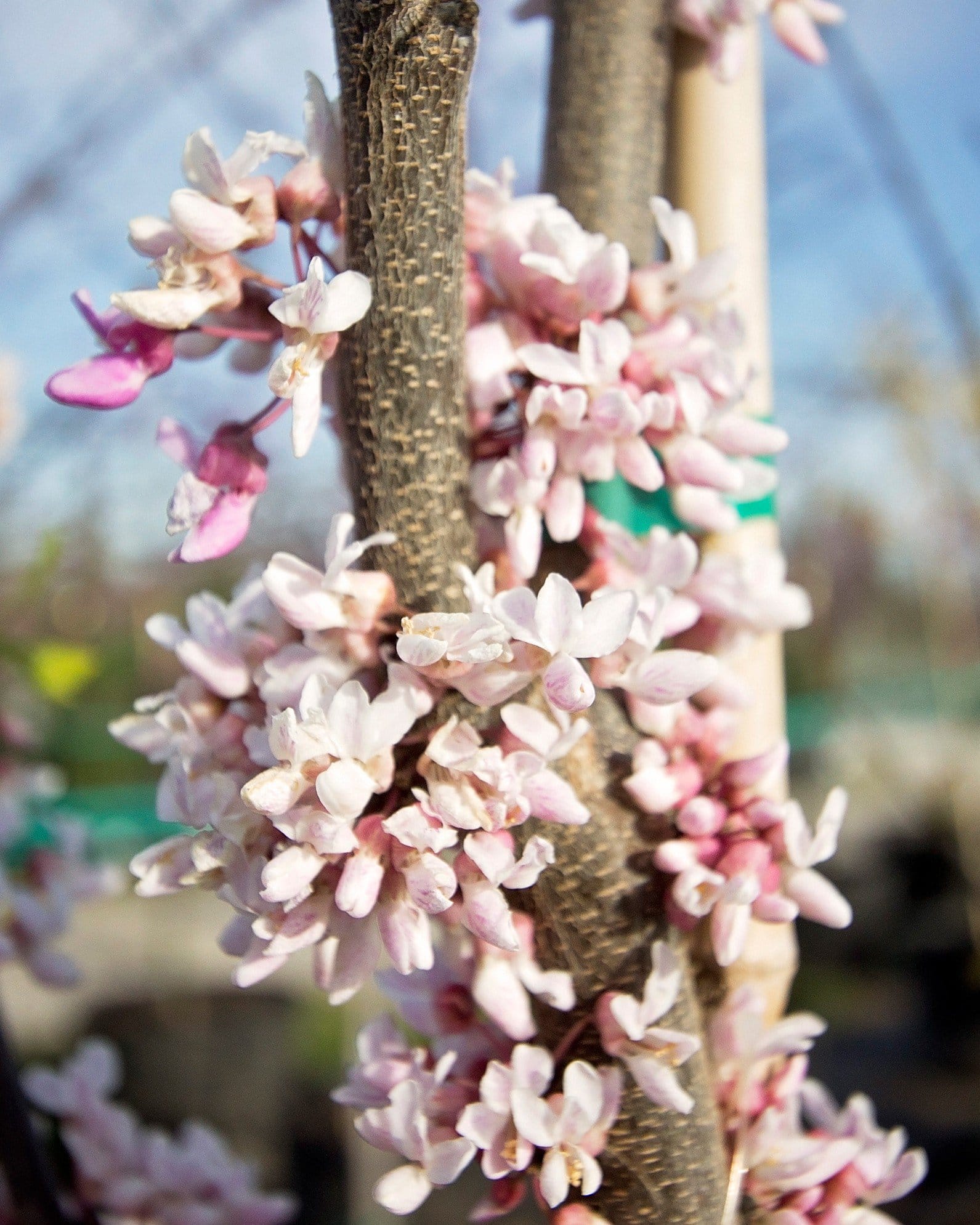
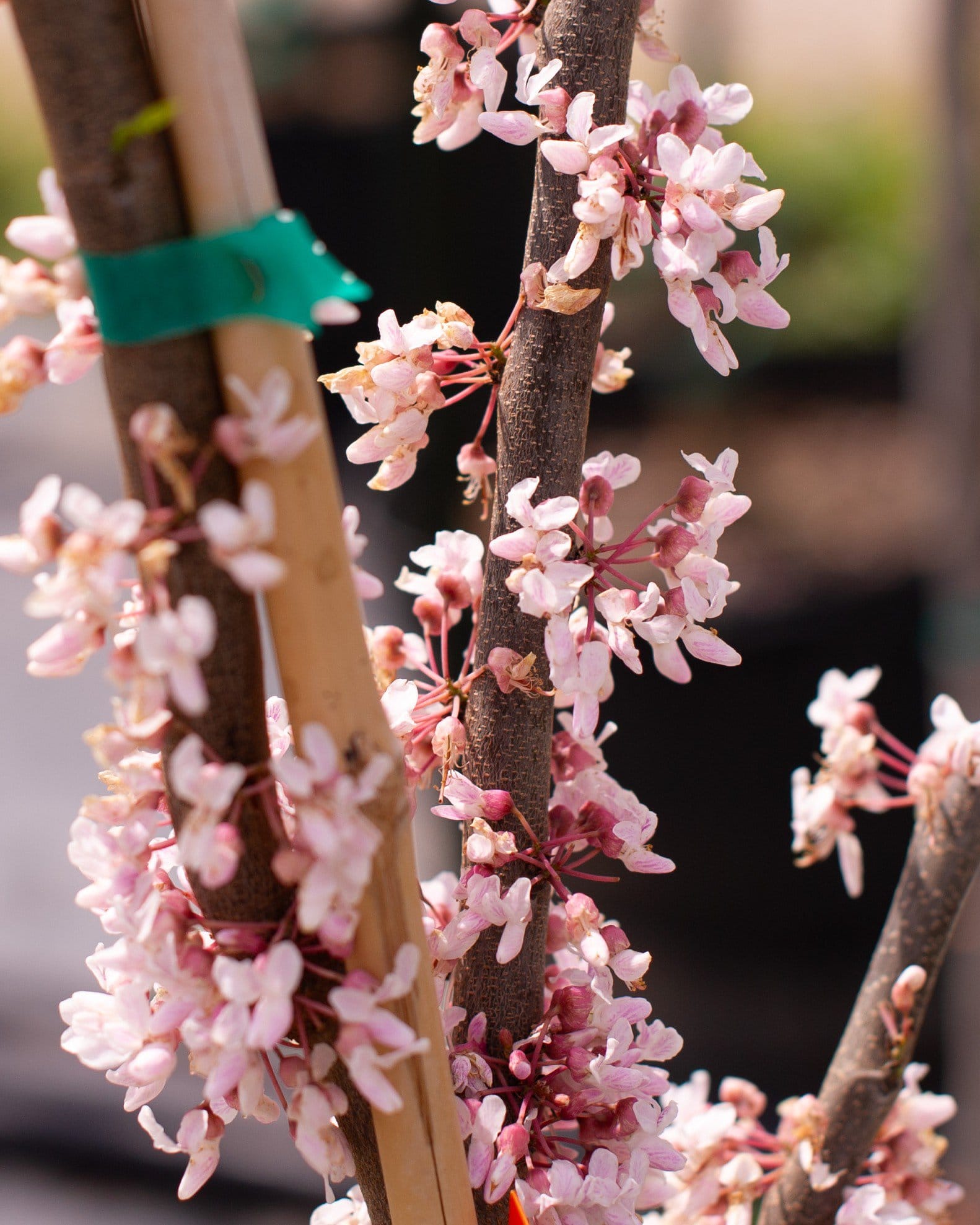
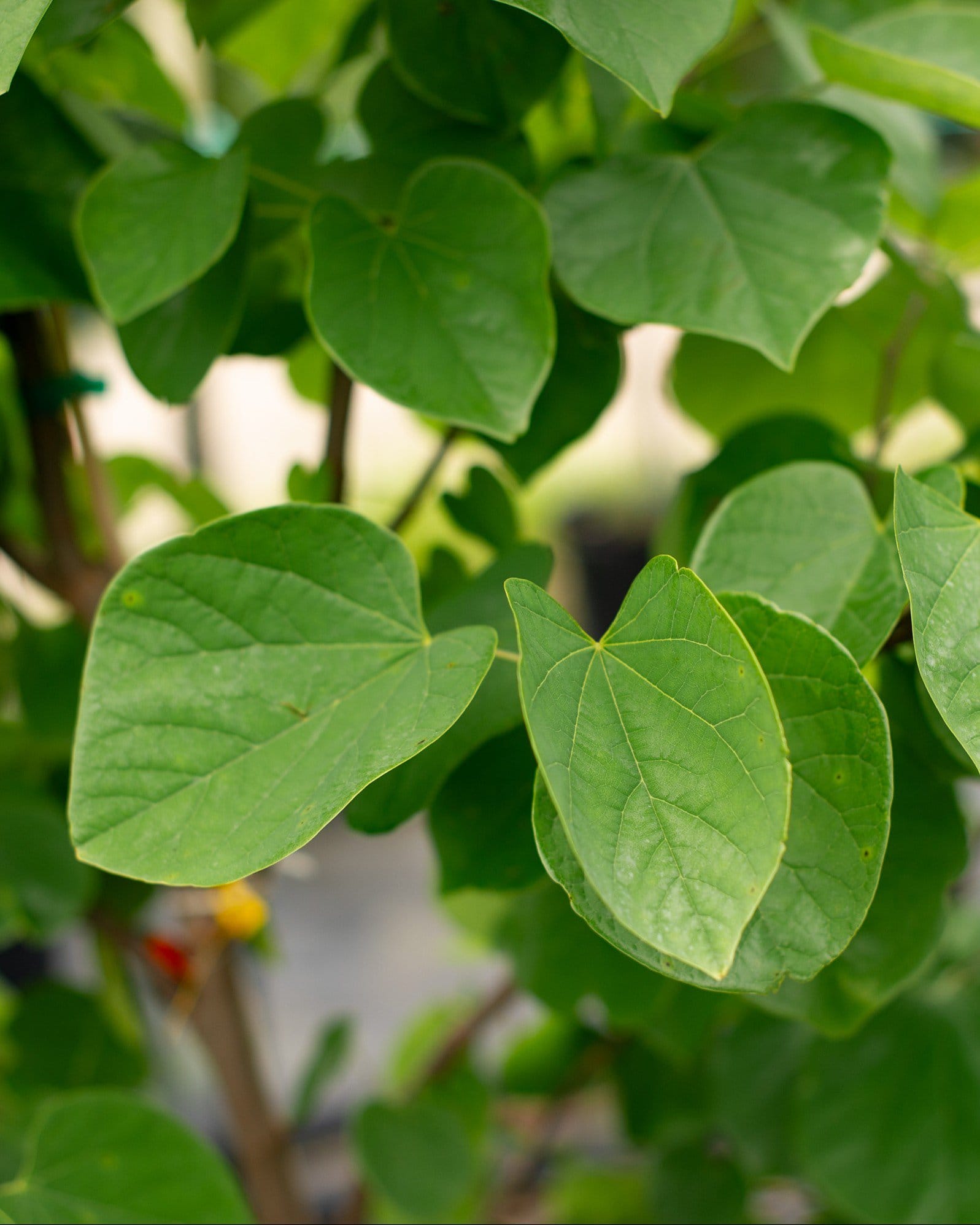
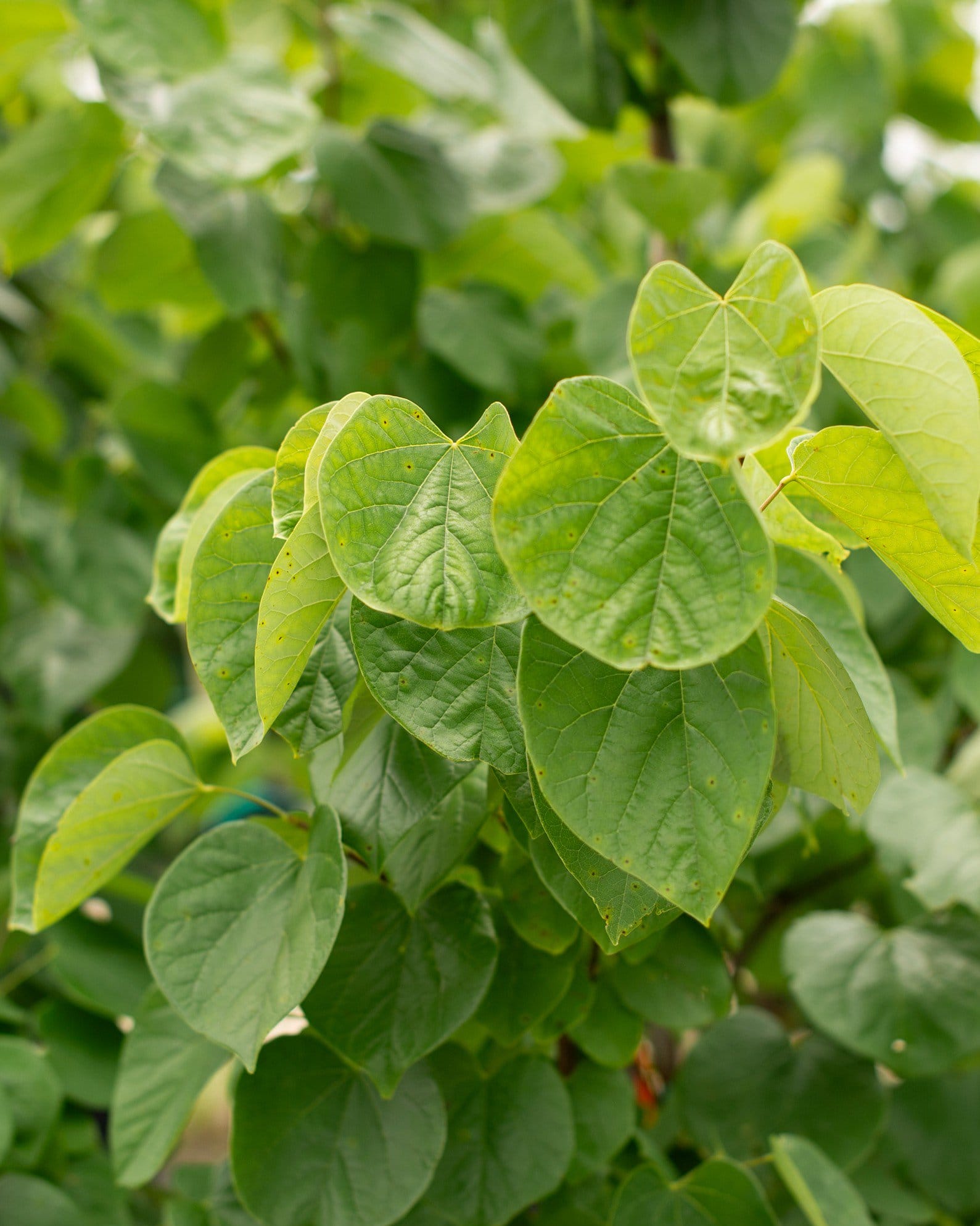
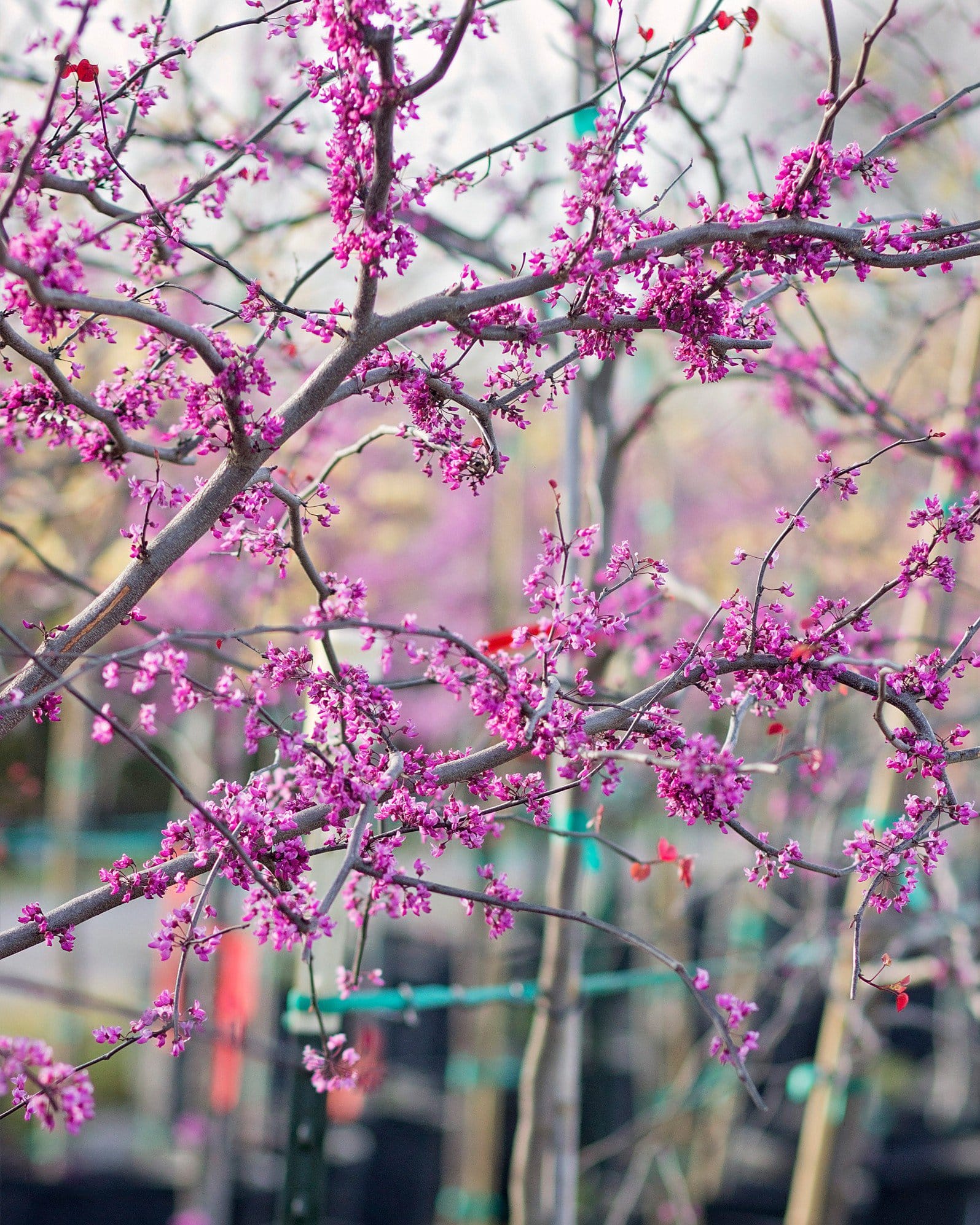
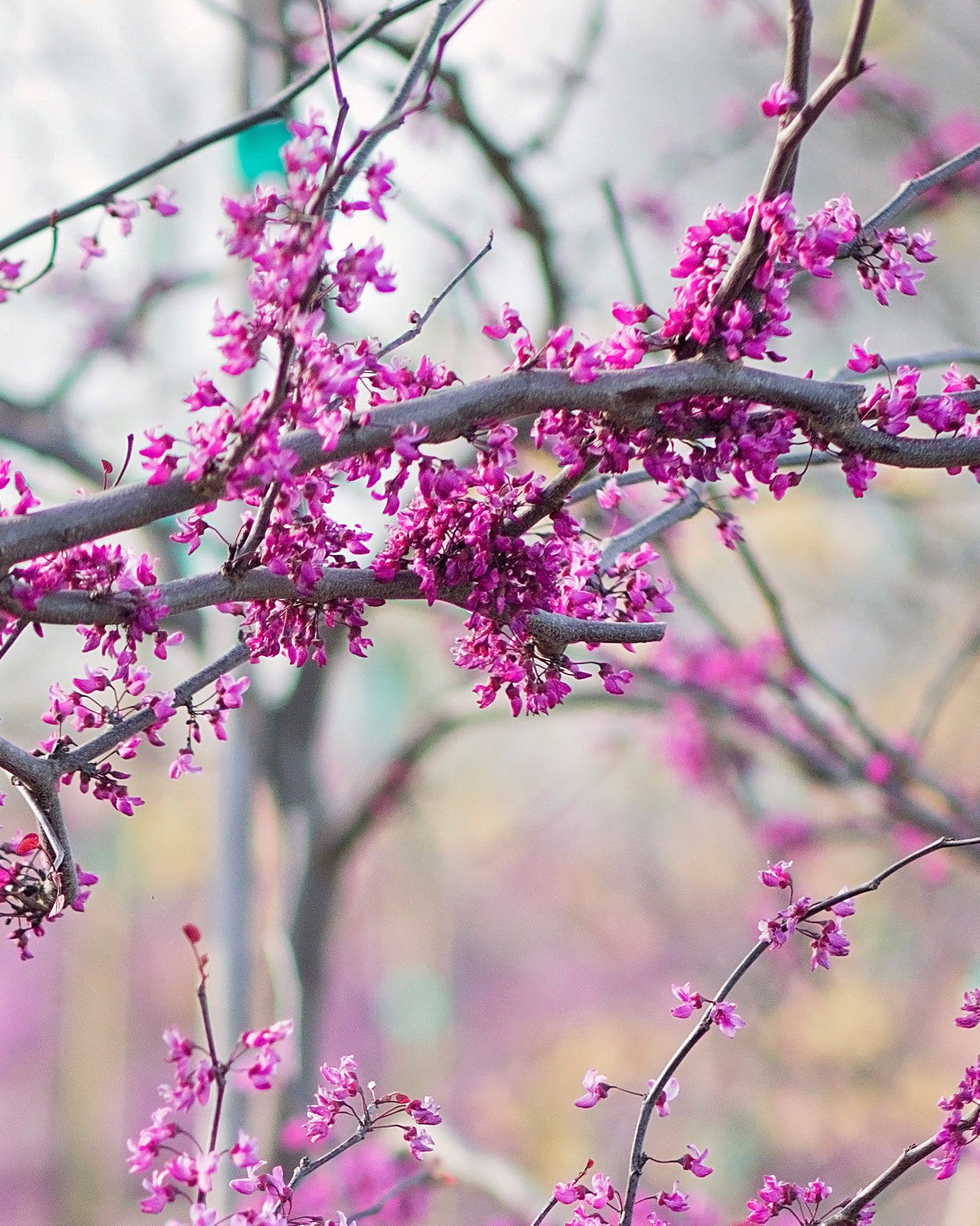
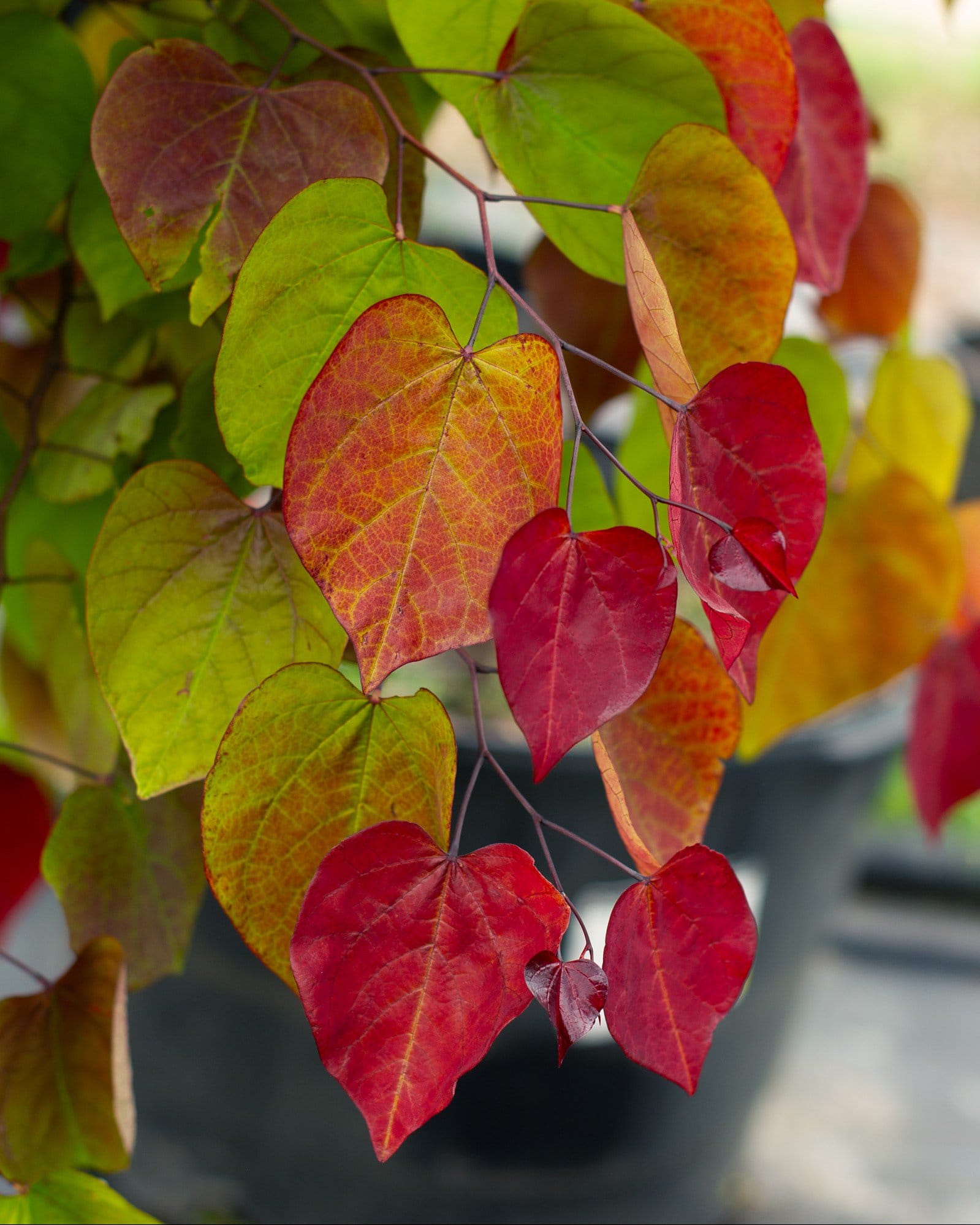
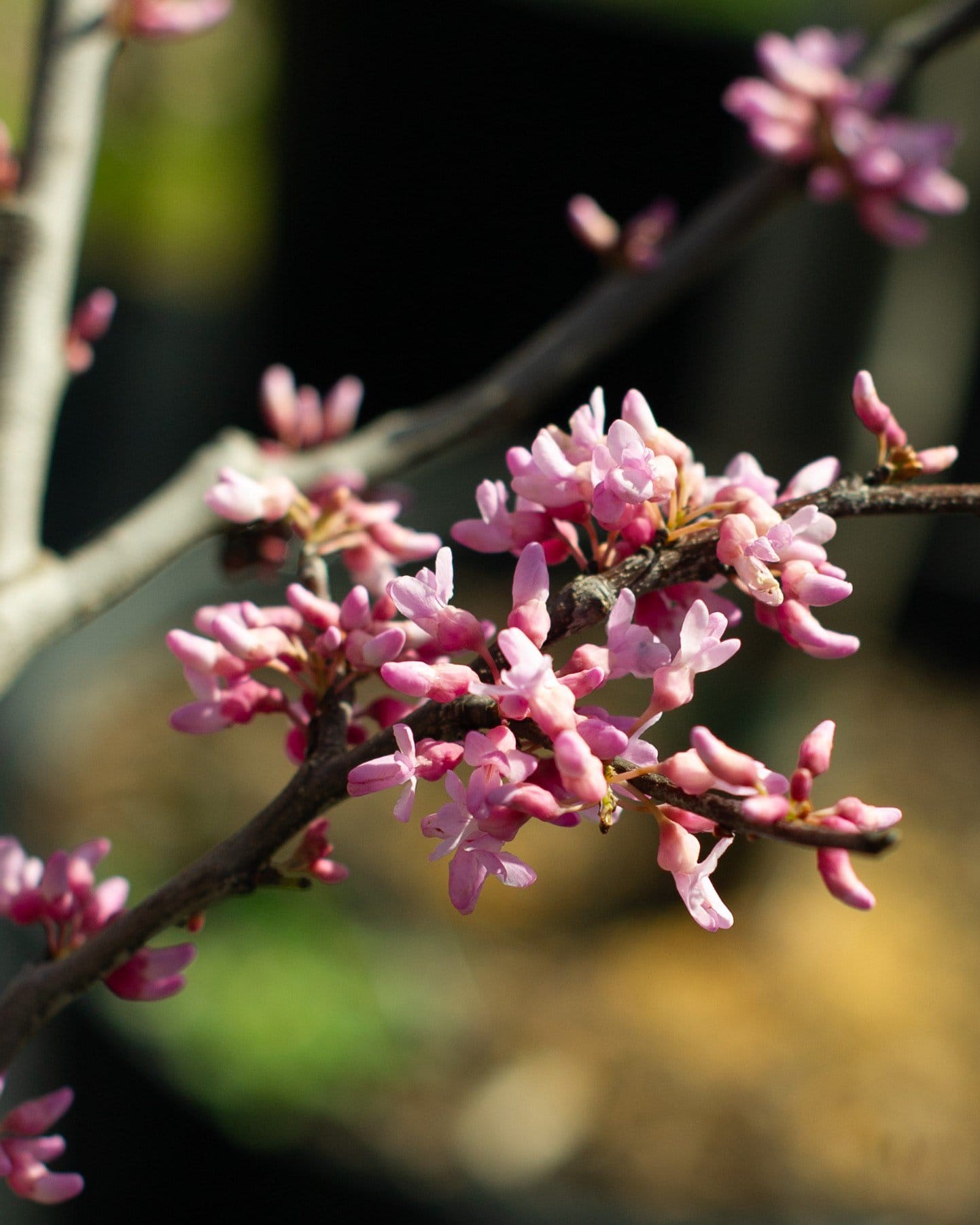
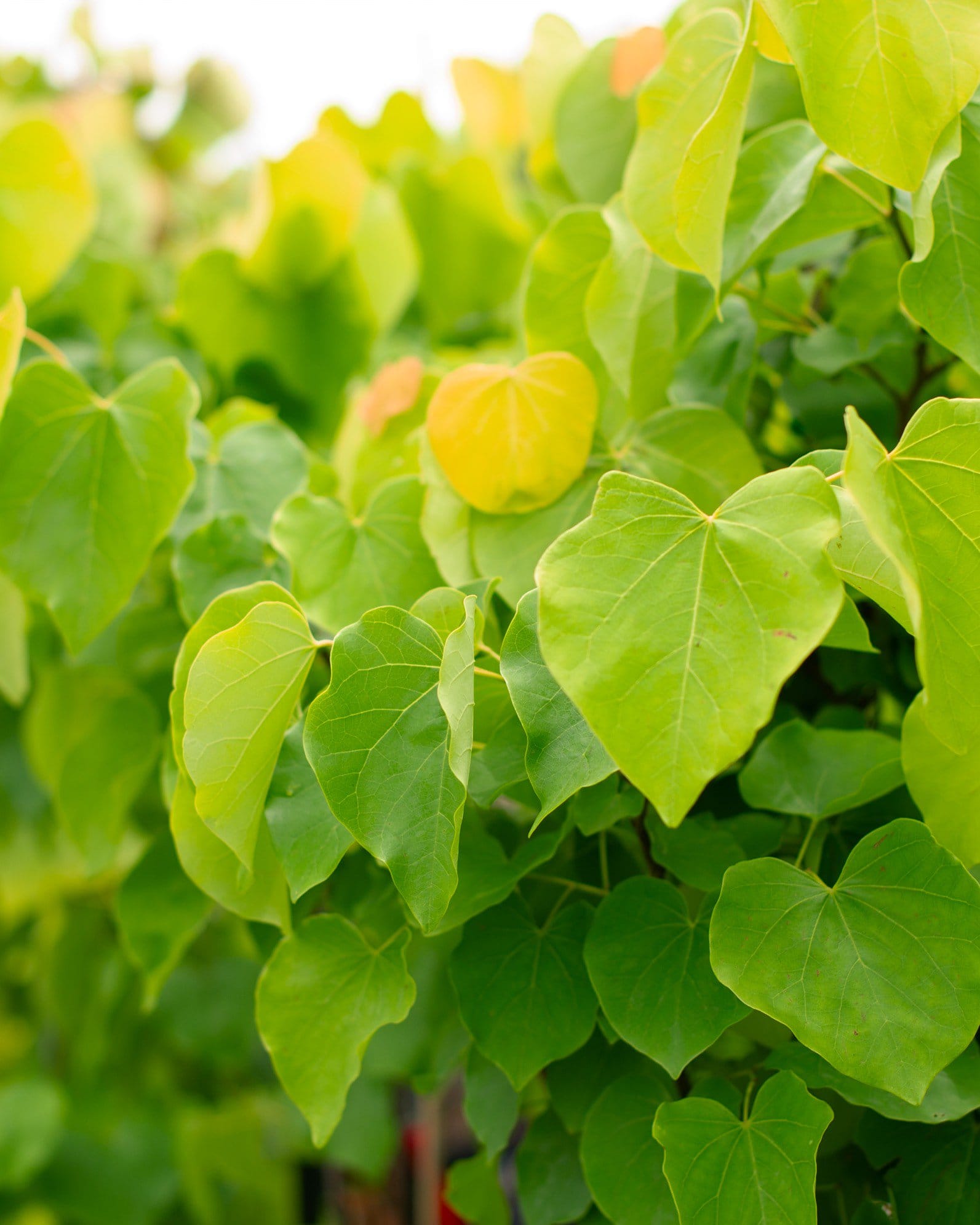
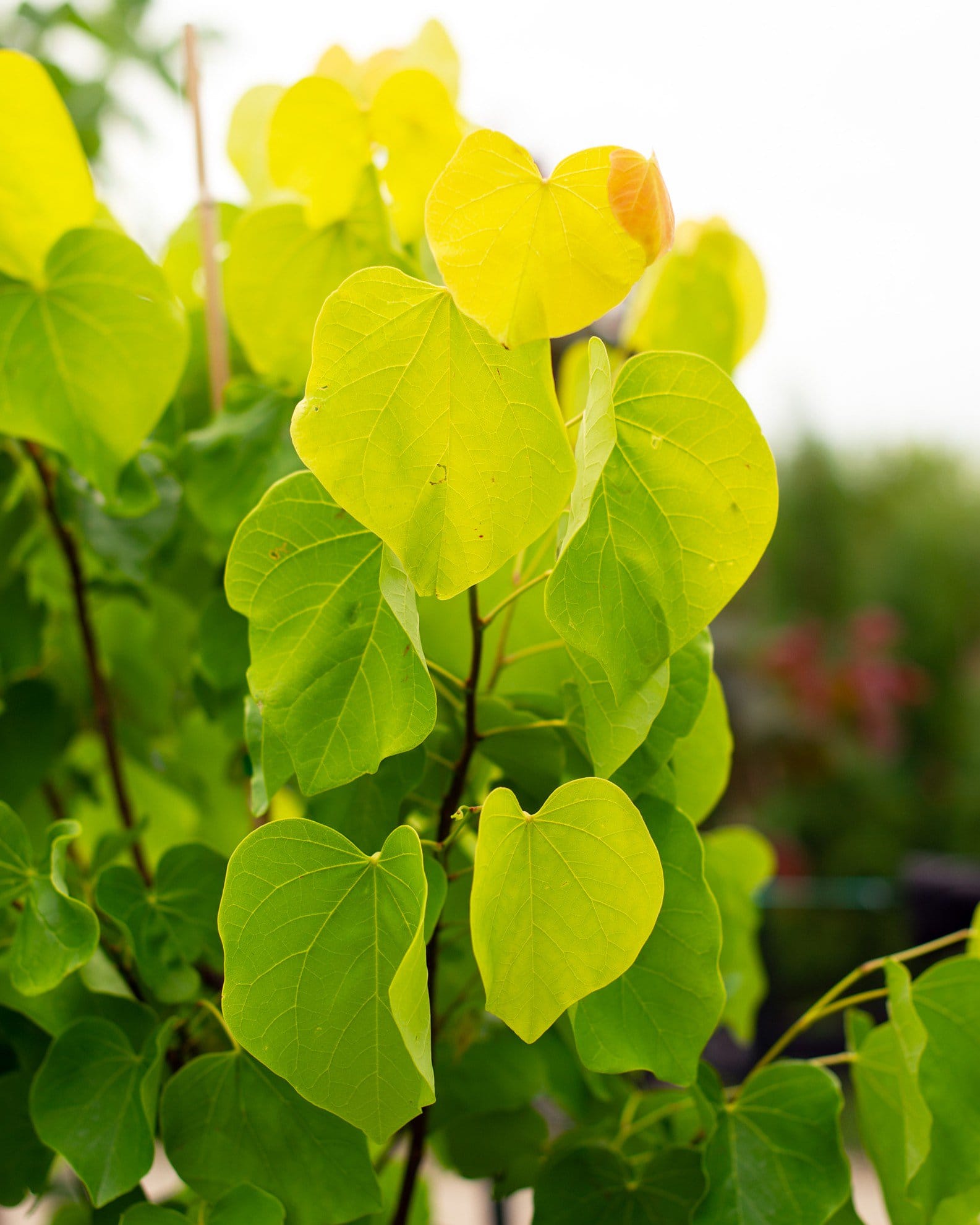
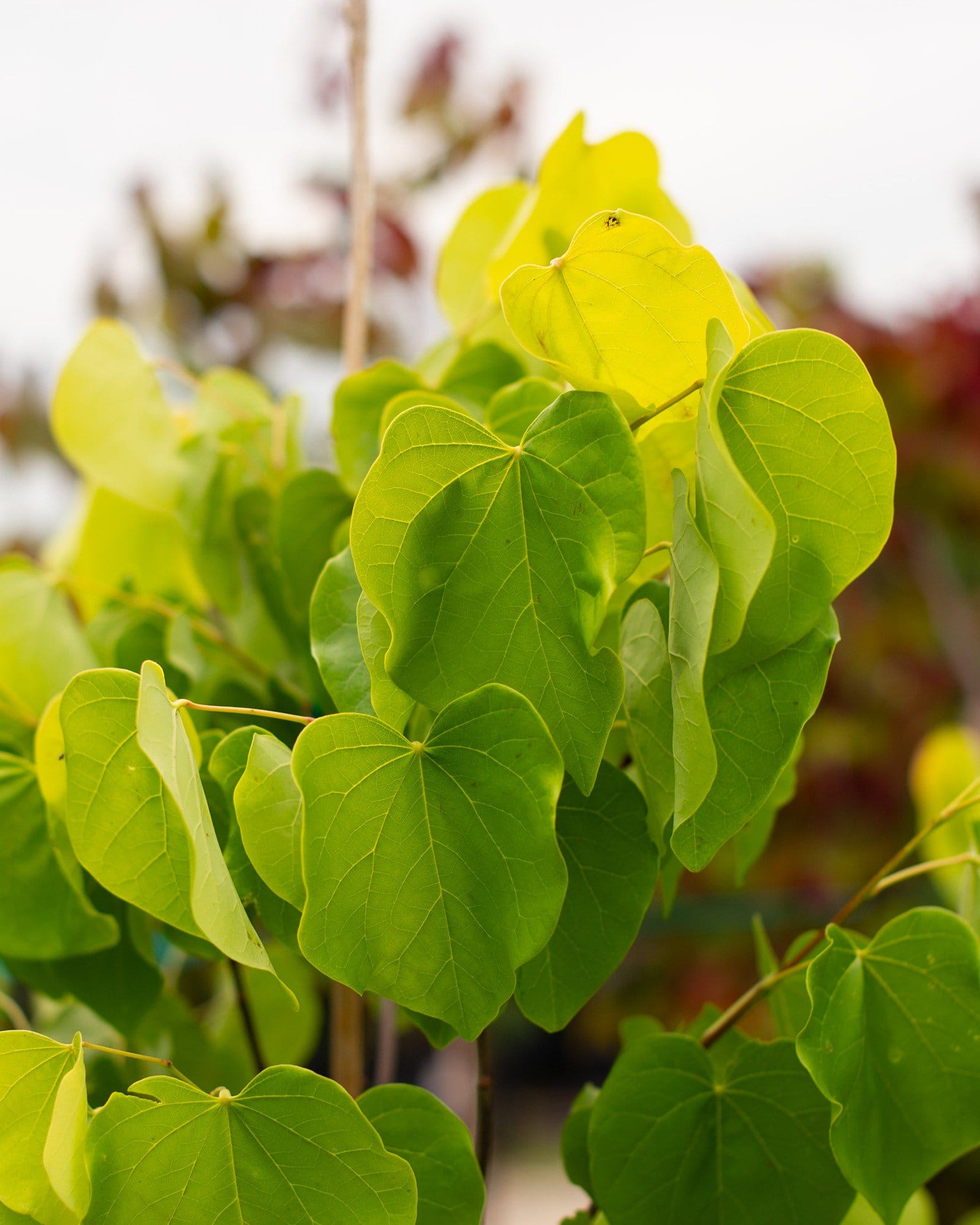
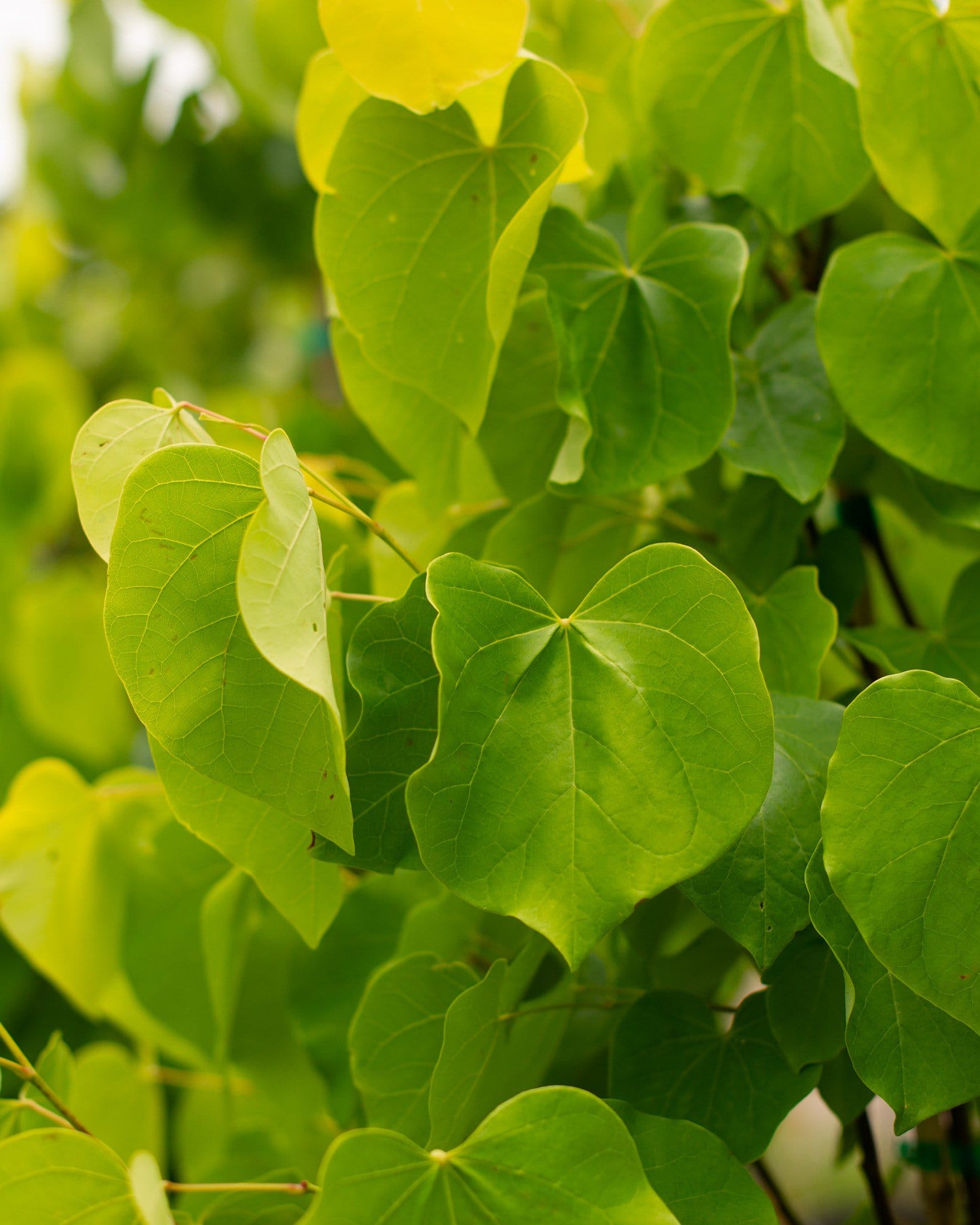
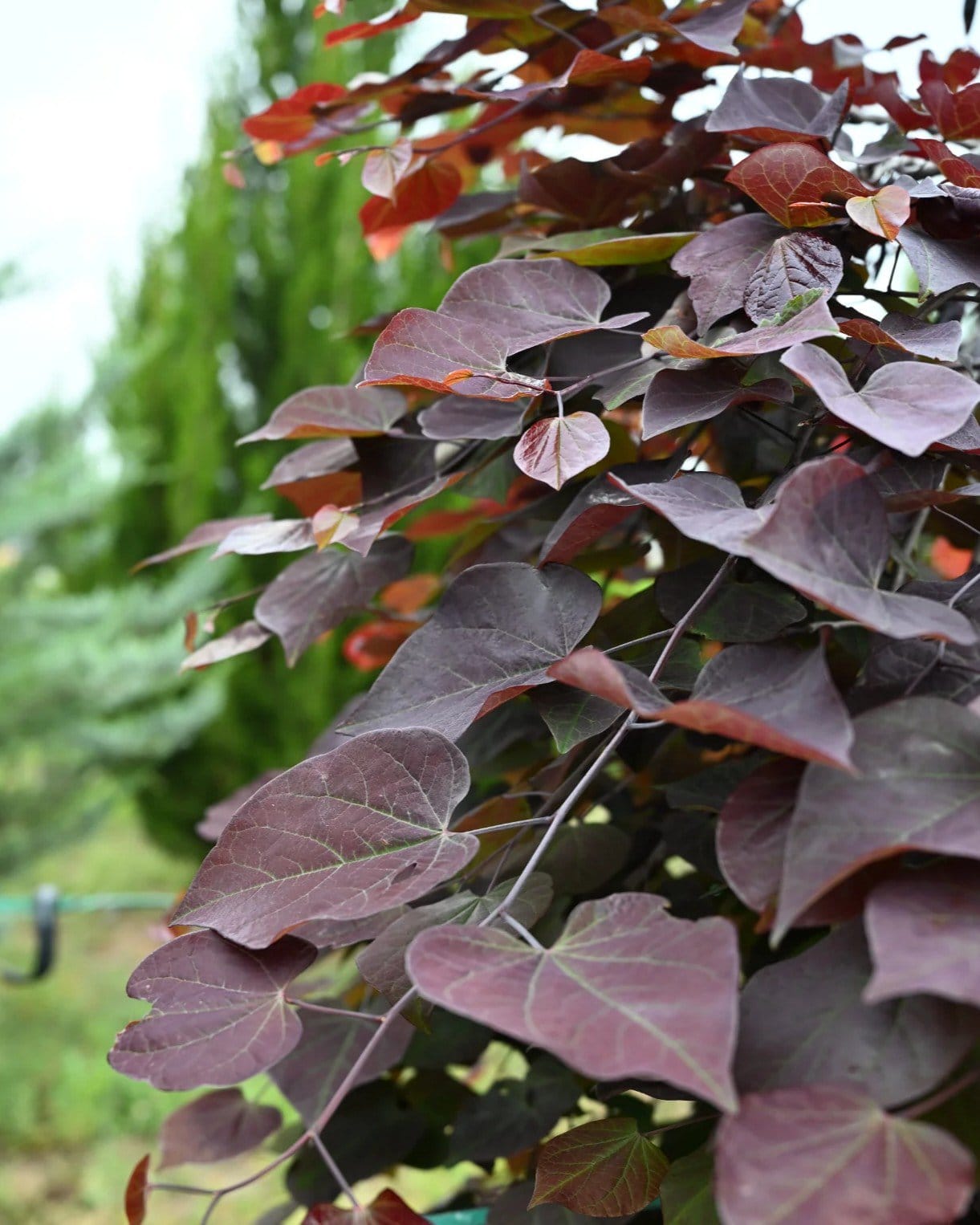
Cercis canadensis 'JN16'The Black Pearl Redbud delivers striking visual appeal throughout the year with its rich purple leaves and eye-catching spring blooms. This deciduous tree reaches about 20 feet in both height and width, forming a dense, rounded canopy that works well in borders, flower beds, or as a standout specimen. In early spring, it produces a burst of bright pink flowers that contrast with the dark leaves, creating a dramatic and colorful display.
- Deciduous tree
- Moderate growth rate
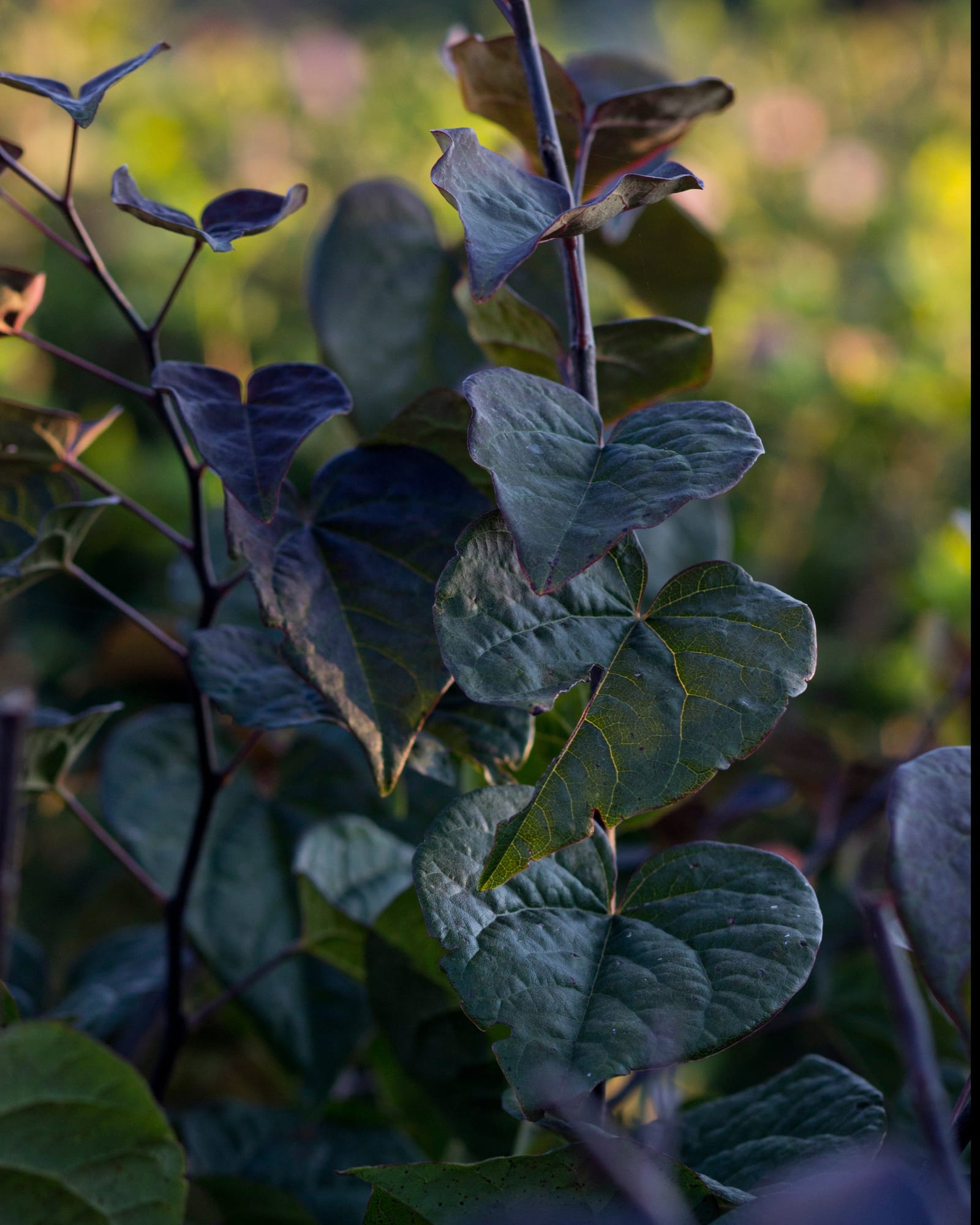
- Deep purple leaves
- Bright pink spring blooms
- Ideal for medium to large flower beds and as a landscape focal point
The Black Pearl Redbud thrives in full sun to partial shade with well-drained soil. It is an excellent addition to North Texas landscapes and similar regions. Hardy in USDA zones 5 through 9, it’s a gorgeous and versatile ornamental tree that adds year-round beauty to any setting.
While relatively low-maintenance, Black Pearl Redbud grows healthy, strong, and visually striking with proper care, so here are some tips.
- Watering: Water regularly during the first year to help the roots establish deeply. Deep watering is preferred to frequent shallow watering, which encourages stronger, more drought-tolerant roots. Once mature, Black Pearl Redbud is moderately drought-tolerant but will benefit from supplemental watering during prolonged dry spells, extreme heat, or periods of stress.
- Pruning: Prune in late winter or early spring before new growth emerges. Remove dead, crossing, or damaged branches to maintain a strong structure and encourage airflow throughout the canopy. Light pruning after flowering can help shape the tree, but heavy pruning should be avoided as it may reduce the following season’s blooms.
- Fertilizing: Apply a balanced, slow-release fertilizer in early spring to promote healthy growth, deep green foliage, and abundant blooms. Mature trees typically require fertilization once per year, while young trees may benefit from a second light feeding in mid-summer if soil fertility is low.
- Mulching: Apply a 2-3 inch layer of mulch in spring around the base to conserve moisture, moderate soil temperature, and suppress weeds. Keep mulch 6 inches away from the trunk to prevent rot or fungal issues. Replenish annually as it decomposes to maintain benefits.
Common Issues and How to Take Care of Them
Black Pearl Redbuds are generally resilient but can encounter occasional challenges:
- Canker and Branch Dieback: Fungal infections can cause branch dieback. Remove affected branches promptly and prune to promote airflow.
- Aphids and Scale: Sap-feeding insects can distort leaves and produce honeydew, which may attract sooty mold. Treat infestations early with insecticidal soap or horticultural oil.
- Verticillium Wilt: A soil-borne fungal disease that can cause wilting, yellowing, or branch dieback. Plant in well-drained soil and monitor for early signs. Prompt pruning of affected areas can sometimes contain the spread.
Water trees deeply and consistently, especially during establishment and dry periods, while ensuring proper spacing for airflow and removing fallen leaves to prevent fungal buildup. Regularly inspect for early signs of pests or disease.
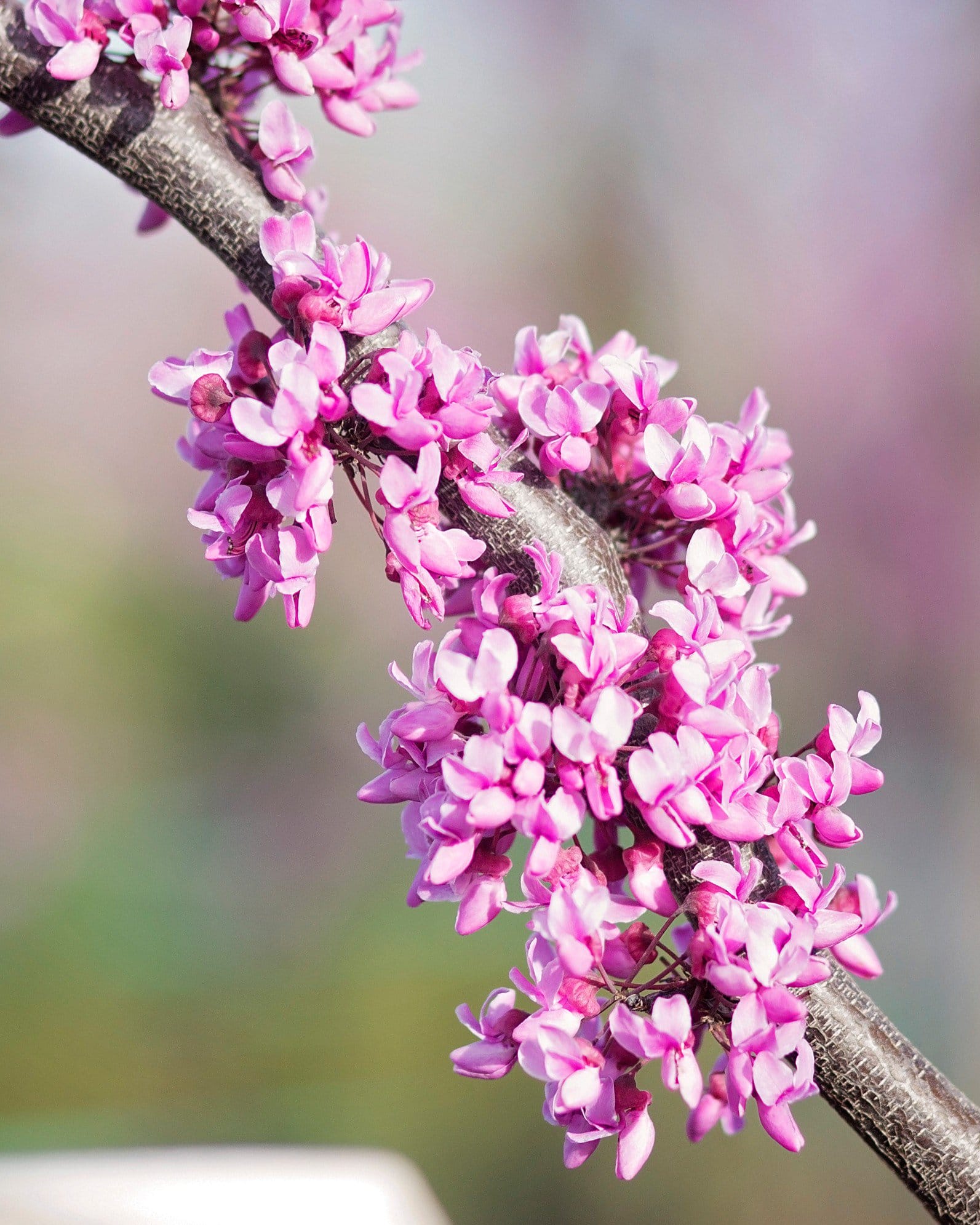
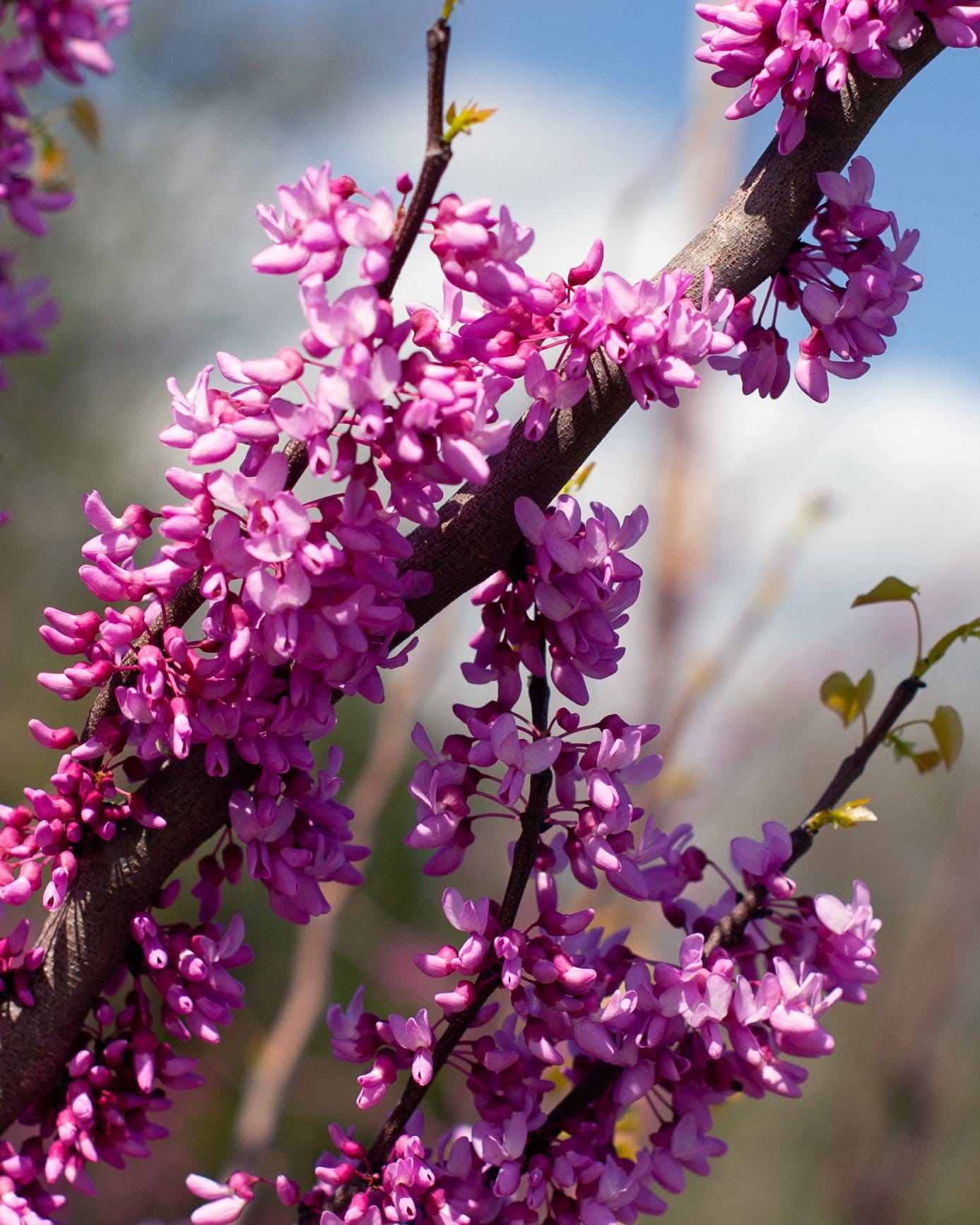
Produces vibrant pink flowers in early to mid-spring, often before the leaves fully emerge, creating a striking contrast with the dark foliage.
Yes, due to its manageable size, it's a great addition to your front yard.
Black Pearl Redbud has a moderate growth rate, so expect growth of 1-2 feet per year under optimal conditions.
Early spring or fall allows the tree to establish roots before extreme heat or cold.
During the first 2 years water daily when temps are about 95 degrees and every other day when temps are between 80-95 degrees. Once established, deep watering once a week during prolonged dry periods is sufficient.
Light pruning each year is recommended to remove dead or crossing branches and maintain shape. Heavy pruning is rarely necessary and should be done cautiously.
Generally hardy, but it may occasionally face aphids, scale, or fungal issues. Regular monitoring and proper care minimize risks.
Yes, it thrives in full sun to partial shade. Full sun encourages the deepest foliage color and strongest flowering.
Yes, it works beautifully as a standalone specimen or in small clusters for a striking landscape effect. Its unique dark foliage adds dramatic contrast to lighter-colored plants.
With proper care, it can live approximately 15-30 years, depending on soil conditions, water availability, and overall maintenance.
Special Features
You might also like
Merlot Redbud
Maturity: 15' H x 15' W
Rising Sun Redbud
Maturity: 15' H x 15' W
Forest Pansy Redbud
Maturity: 20' H x 20' W
Amethyst Redbud
Maturity: 8' H x 8' W
Bubble Gum Redbud
Maturity: 15' H x 12' W
Cotton Candy Redbud
Maturity: 20' H x 15' W
Eastern Redbud
Maturity: 20' H x 20' W
Flame Thrower Redbud
Maturity: 15' H x 15' W
Gilded Hearts Redbud
Maturity: 15' H x 15' W
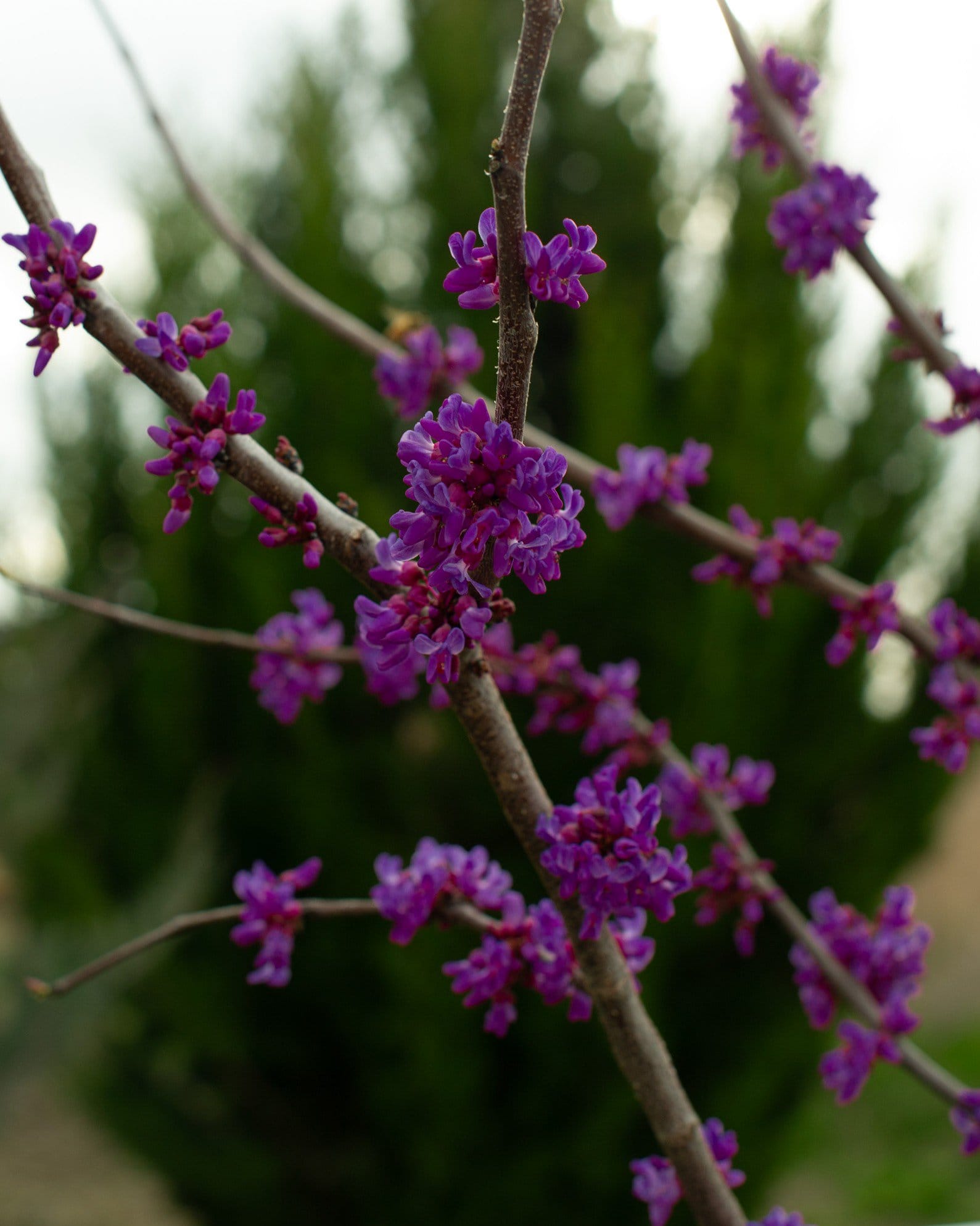
Luscious Lavender Redbud
Maturity: 15' H x 15' W
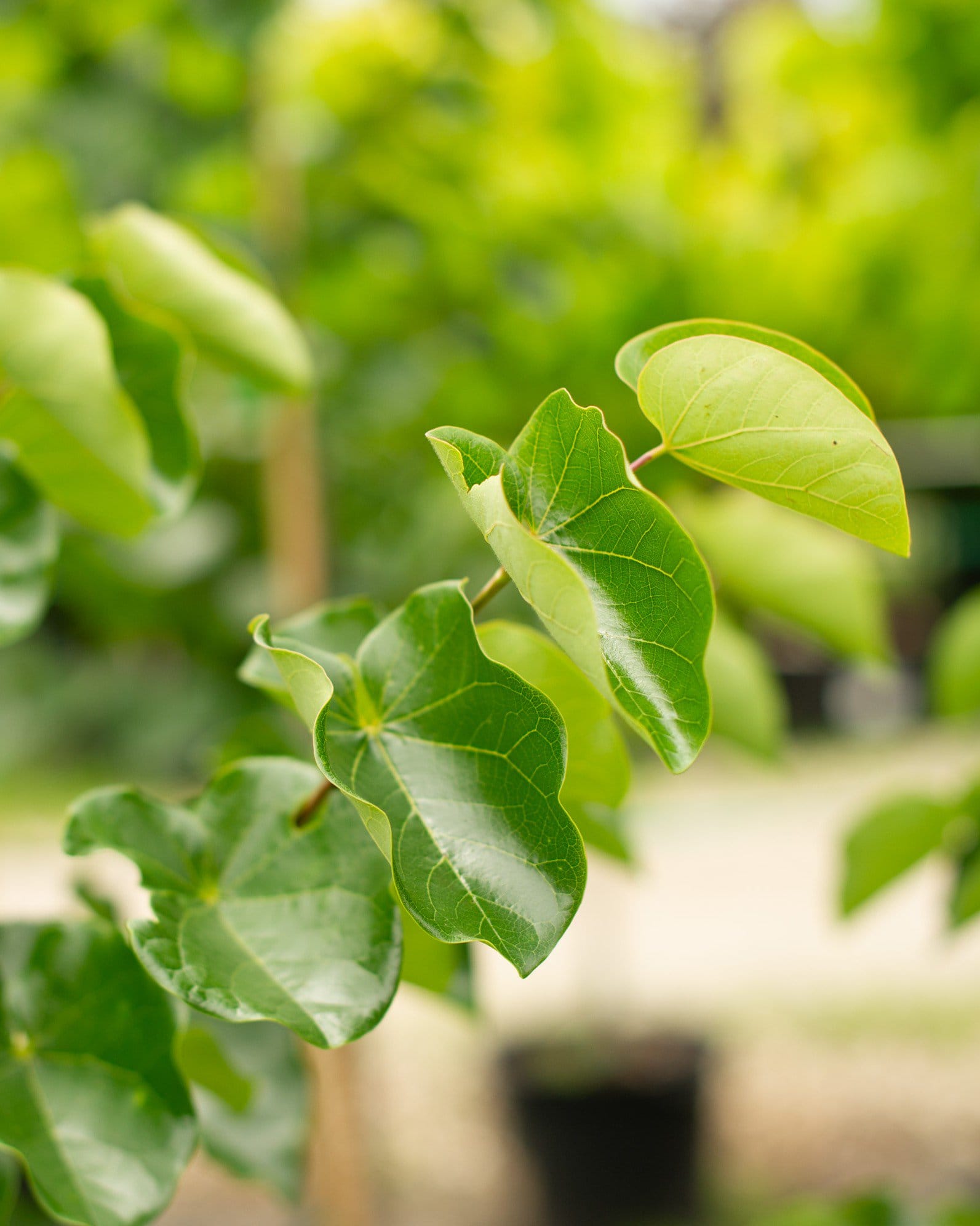
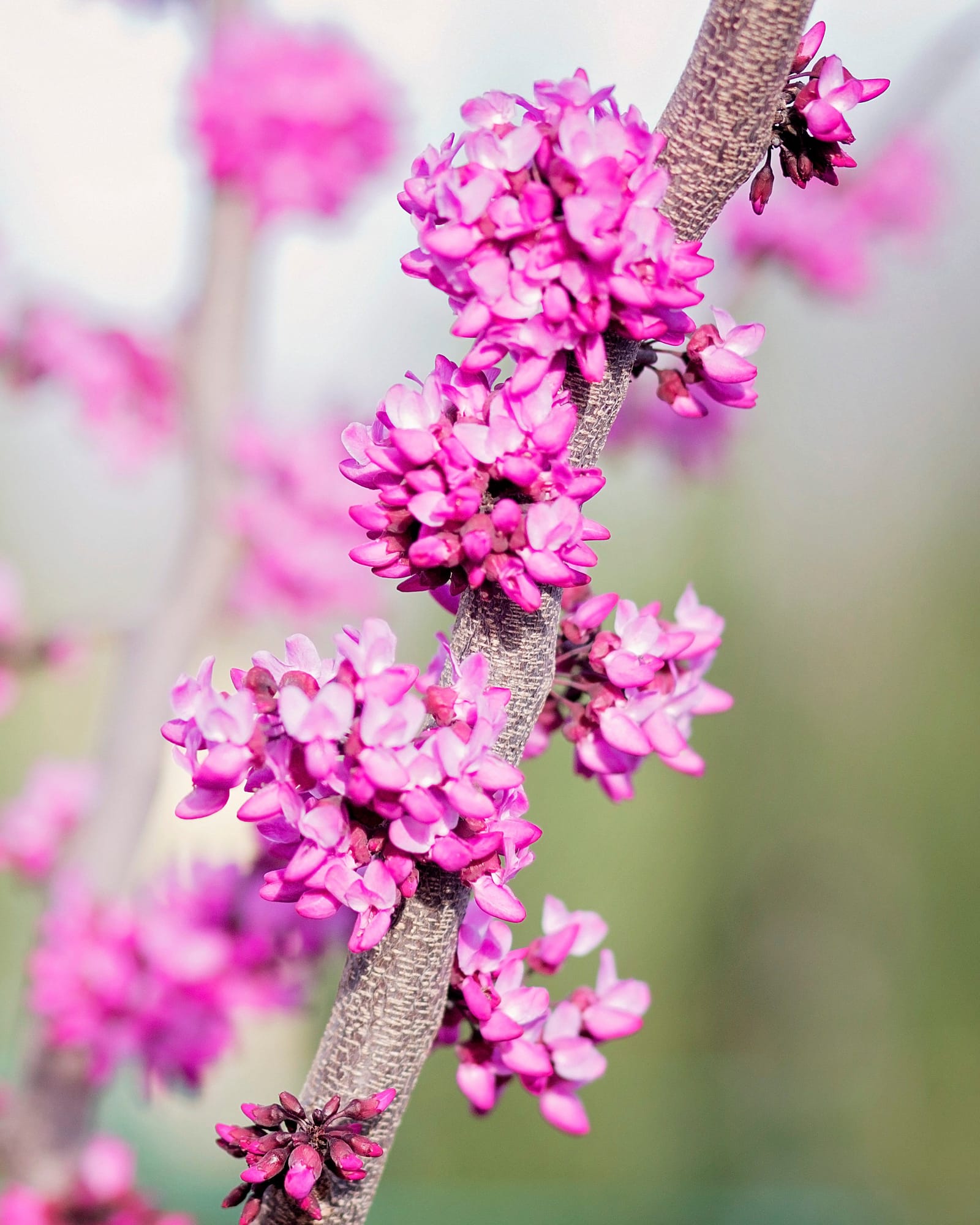
Oklahoma Sparkler Redbud
Maturity: 15' H x 15' W
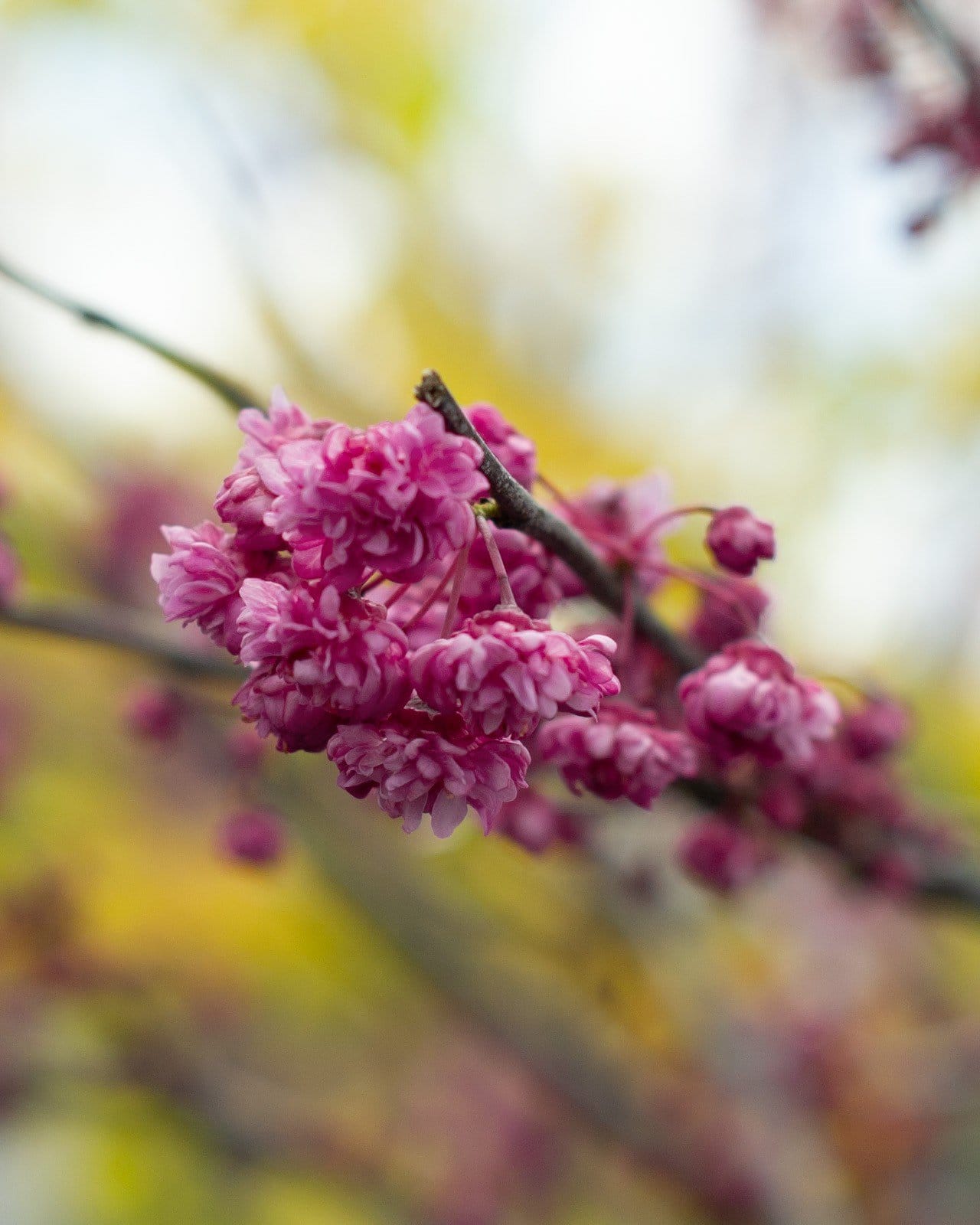
Pink Pom Poms Redbud
Maturity: 15' H x 15' W
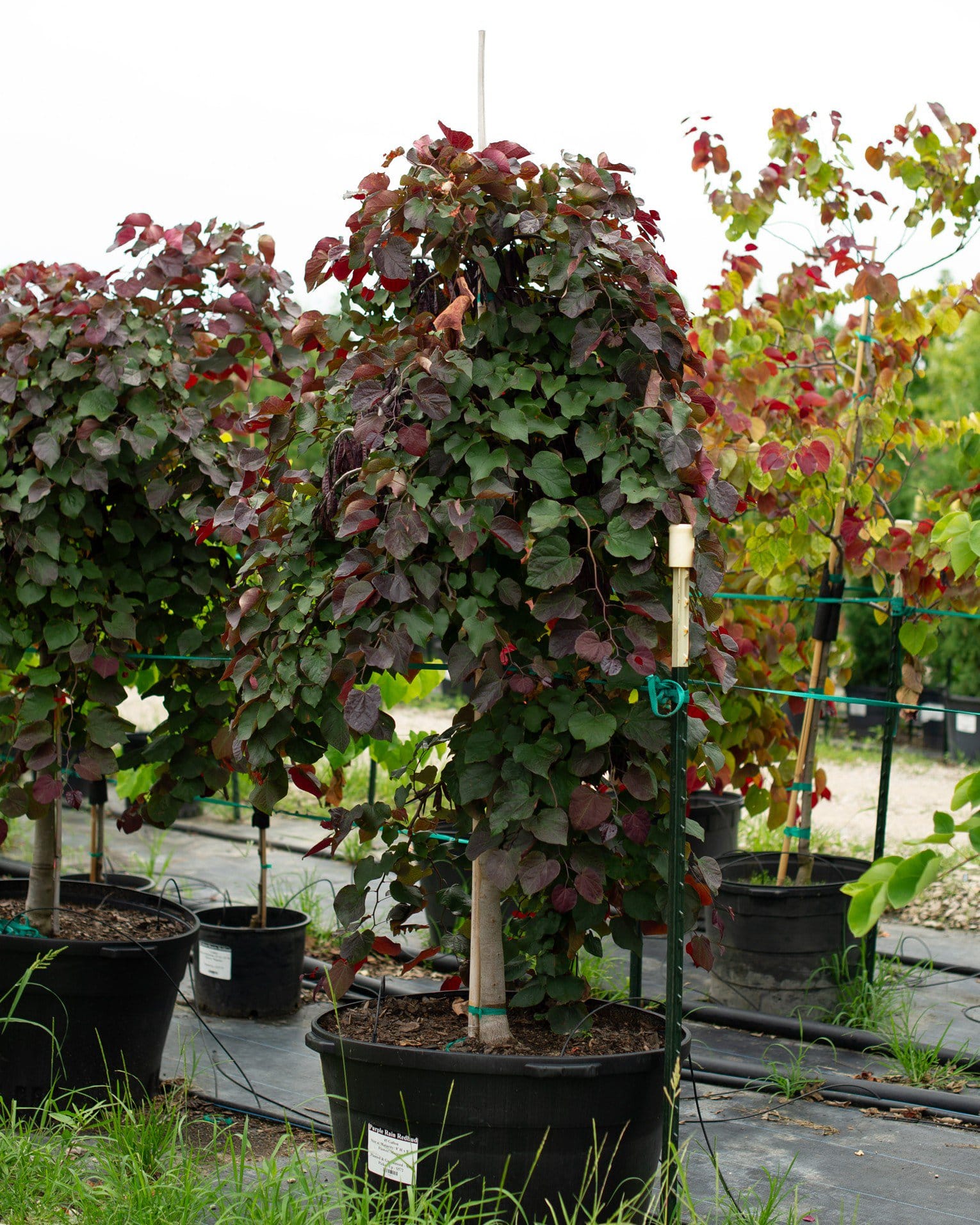
Purple Rain Weeping Redbud
Maturity: 8' H x 8' W
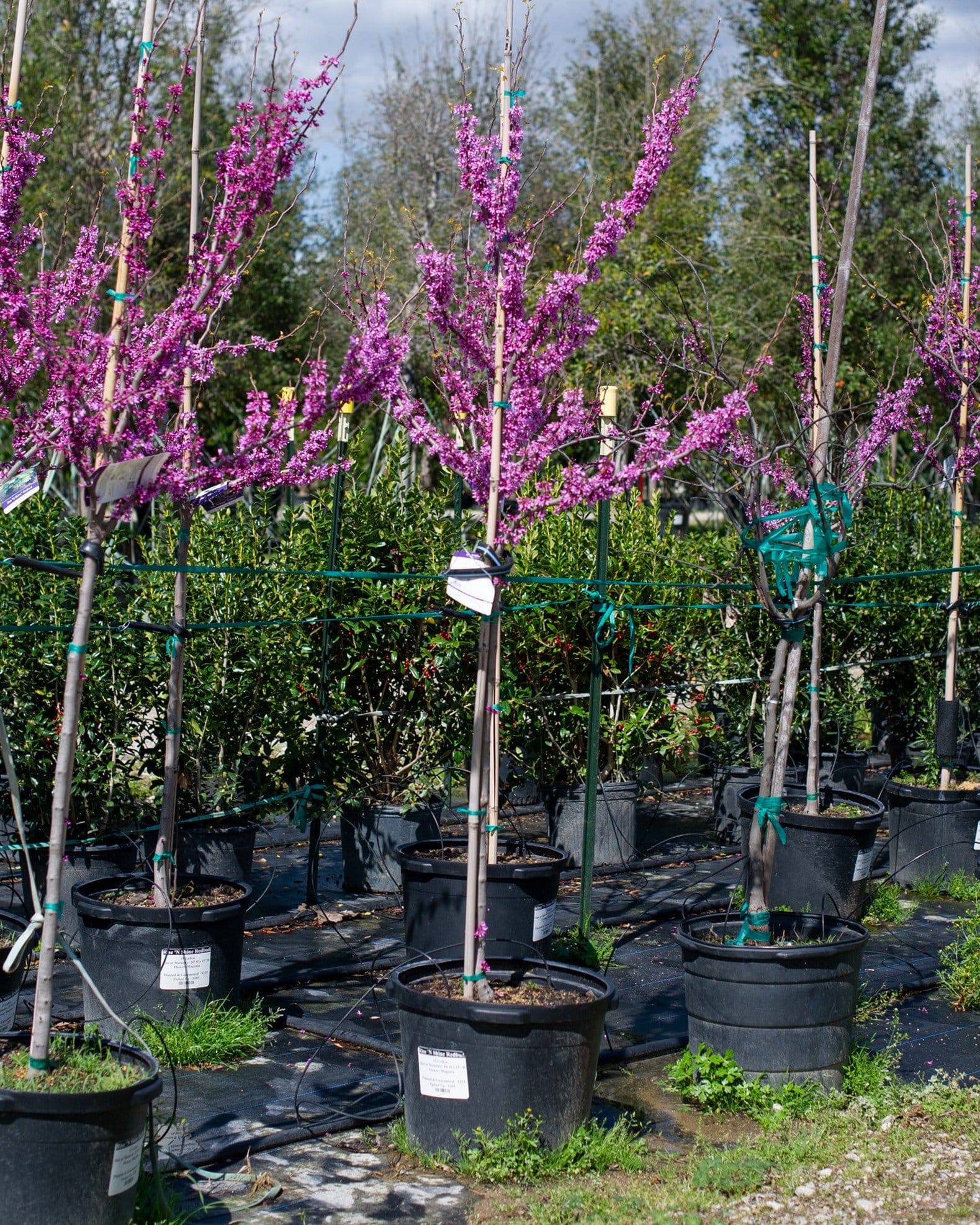
Rise 'N Shine Redbud
Maturity: 20' H x 15' W
Ruby Falls Weeping Redbud
Maturity: 6' H x 10' W
Compare Similar Plants
Black Pearl Redbud This plant | ||
|---|---|---|
| Scientific Name | Cercis canadensis 'JN16' | Cercis canadensis 'Merlot' |
| Size at Maturity | 20' H x 20' W | 15' H x 15' W |
| Leaf Retention | Deciduous | Deciduous |
| Fall Color | Yellow | Orange, Red & Yellow |
| Flower Color | Pink | Pink |
| Bloom Times | Spring | Spring |
| Sizes Available | 15, 30, 45 gal | 15, 30, 45, 65 gal |


Our 1-Year Planting Guarantee
We take pride in our plants and installation services. If any plants or trees installed by Treeland fail to thrive within the first year, we'll provide a replacement credit in accordance with our guarantee program.
Learn More About Our Guarantee