
 Texas Native
Eastern Redbud
Cercis canadensisLocal DFW Delivery Only
Product Details
Eastern Redbud
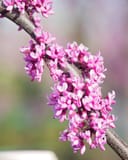
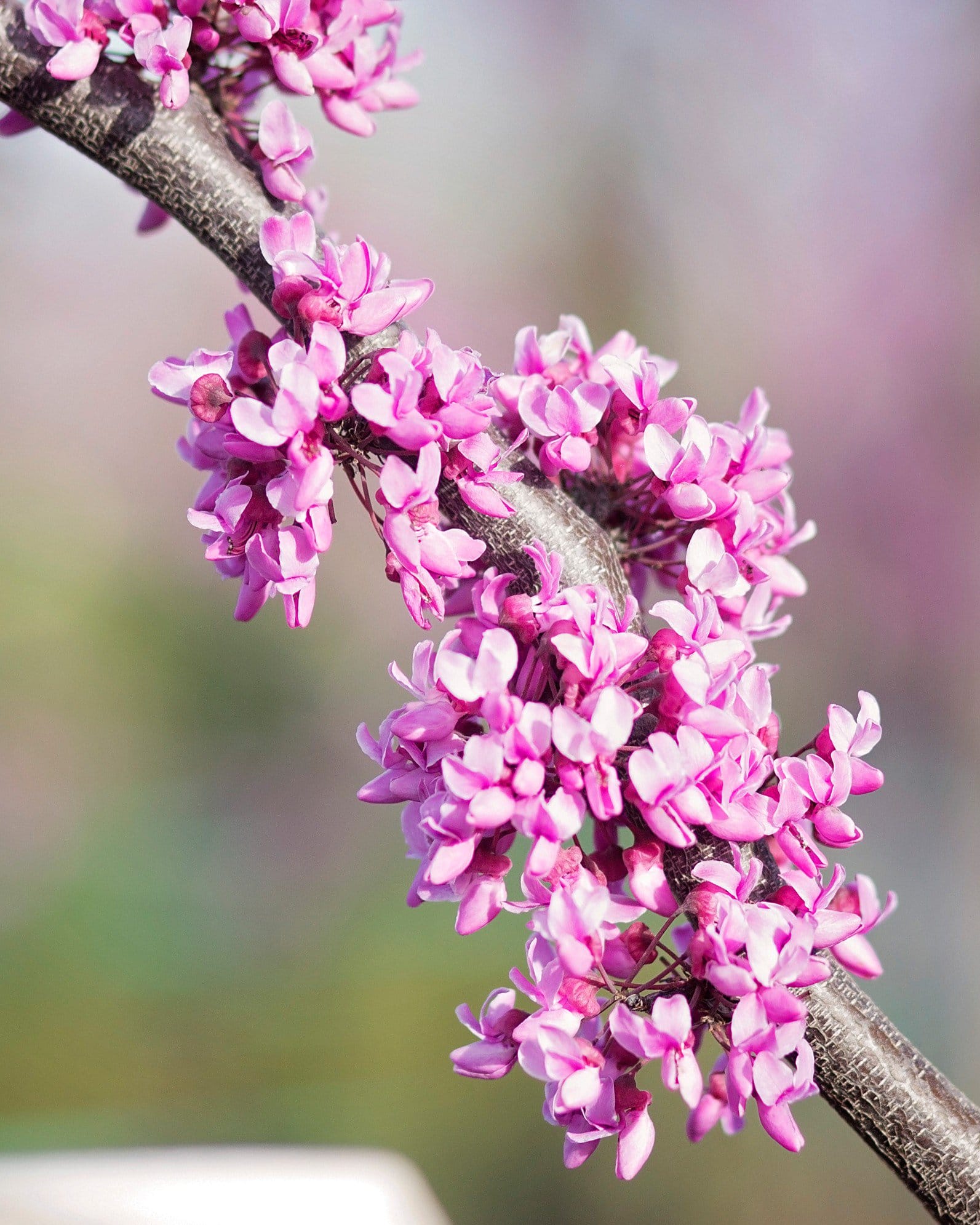
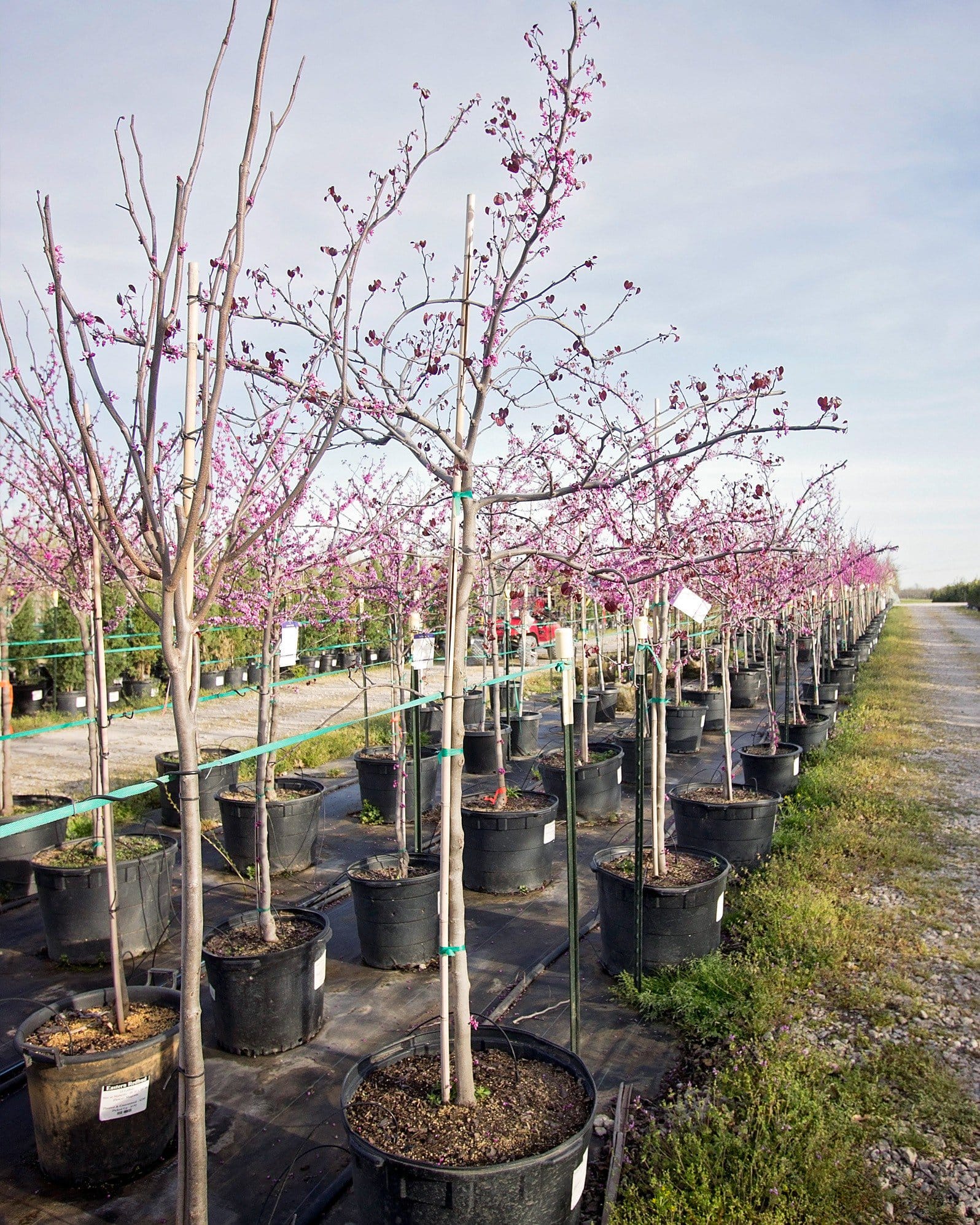
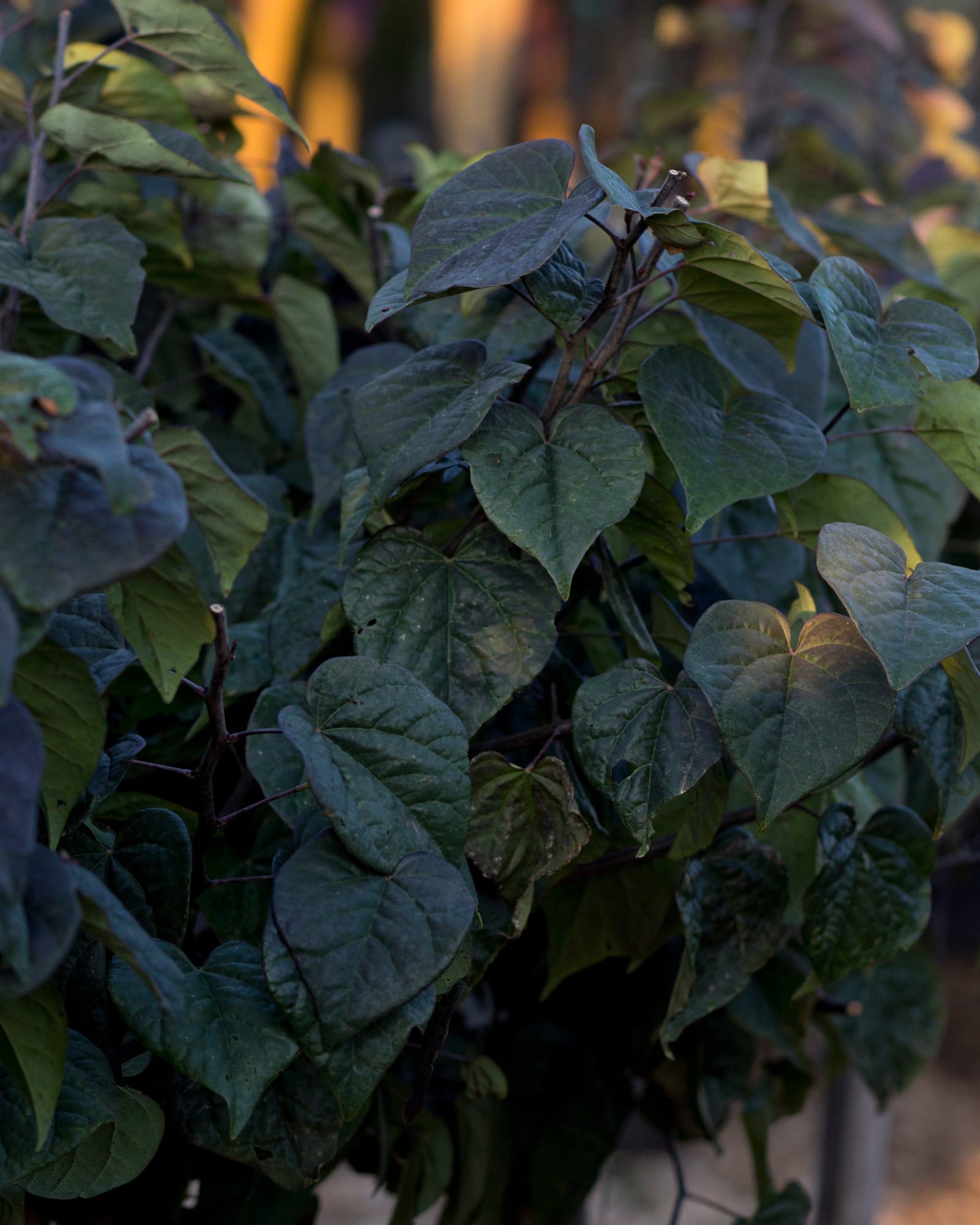
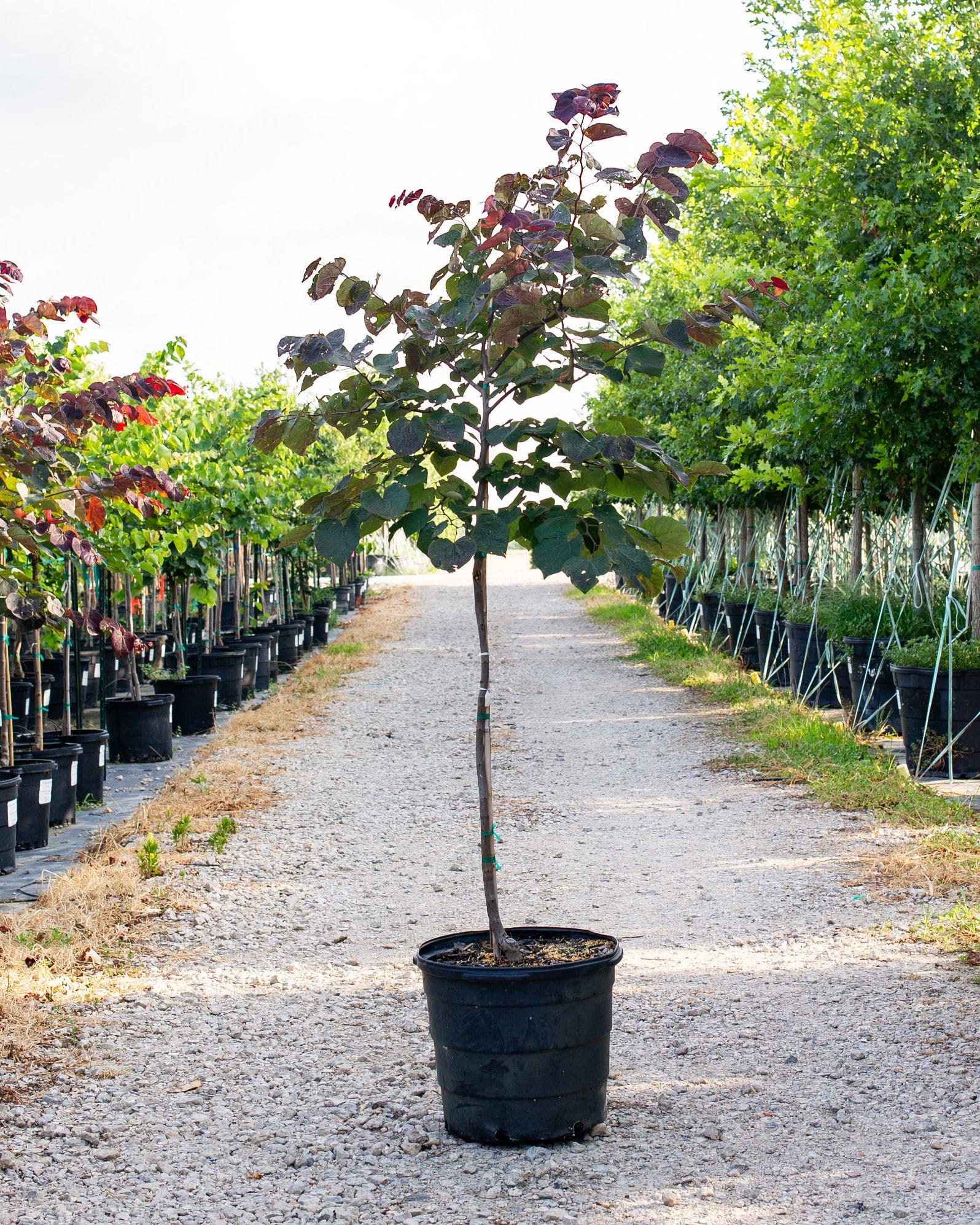
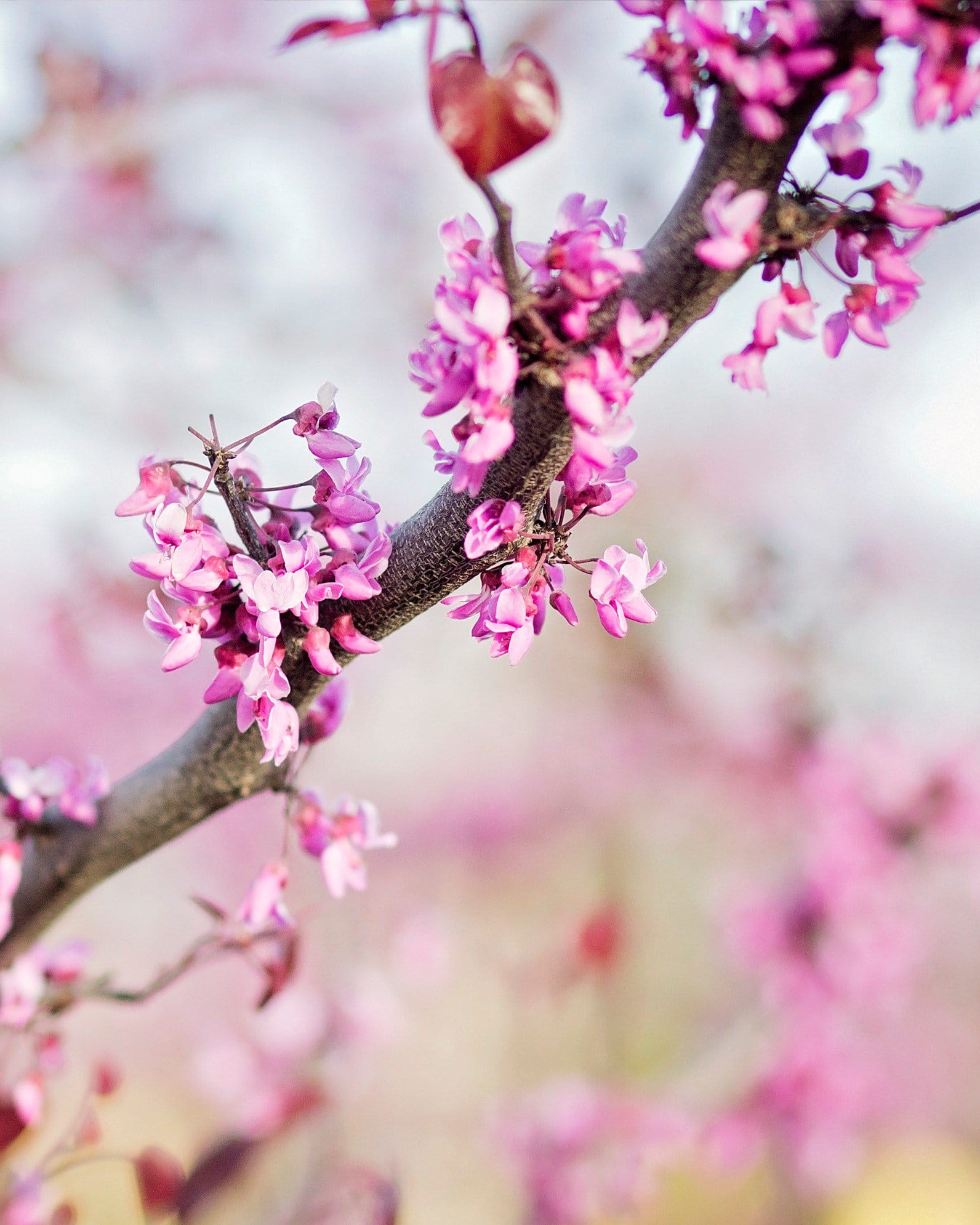
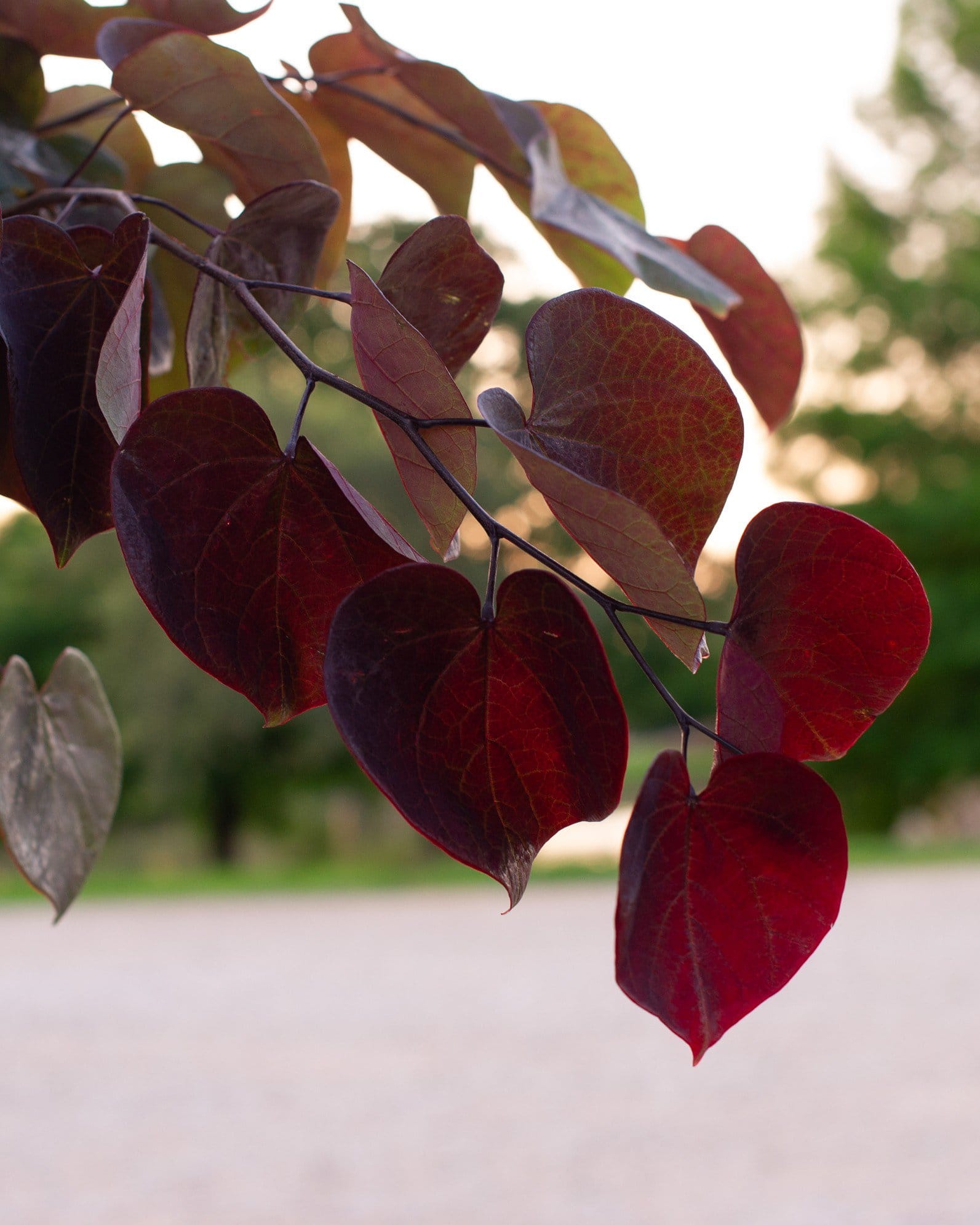
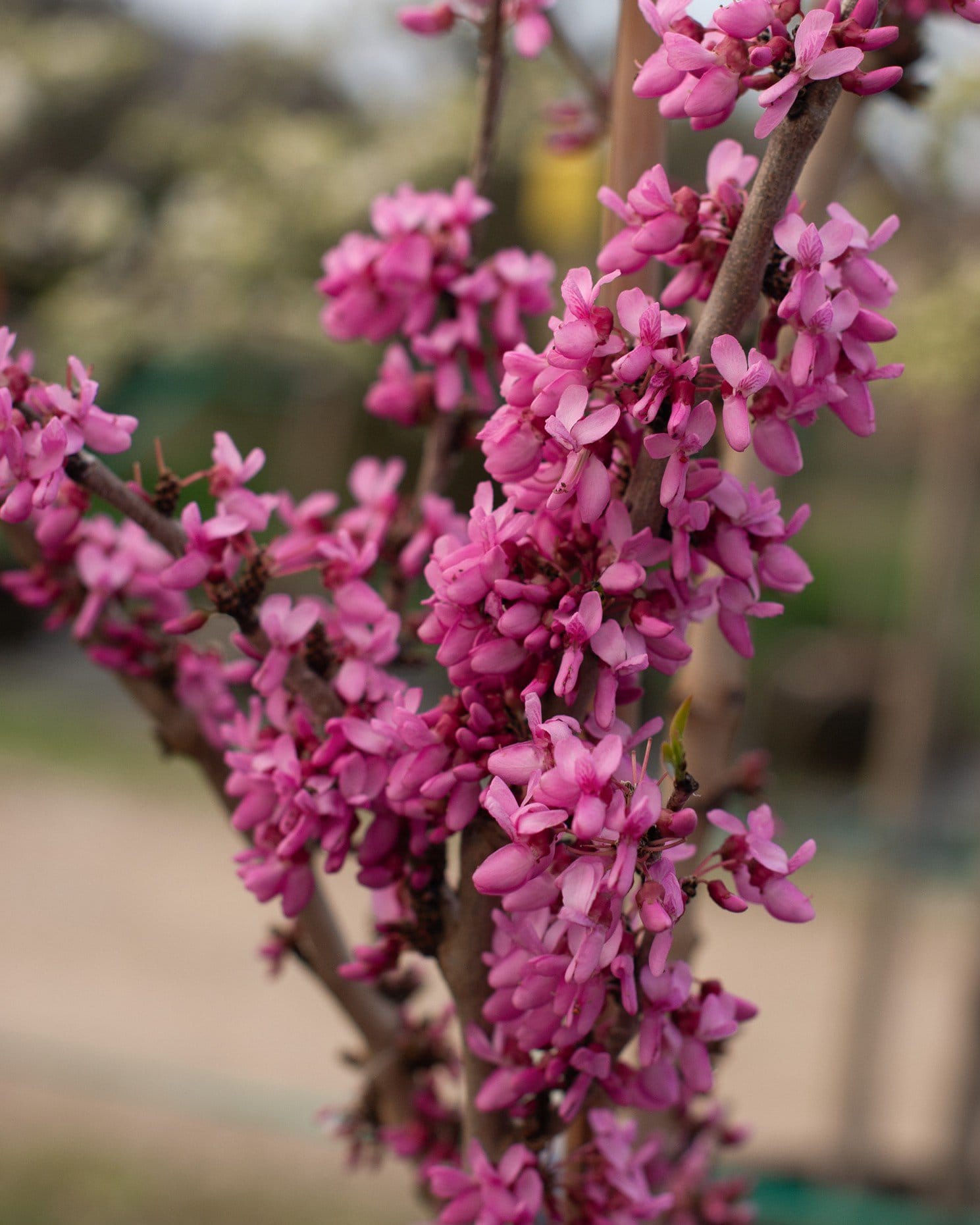
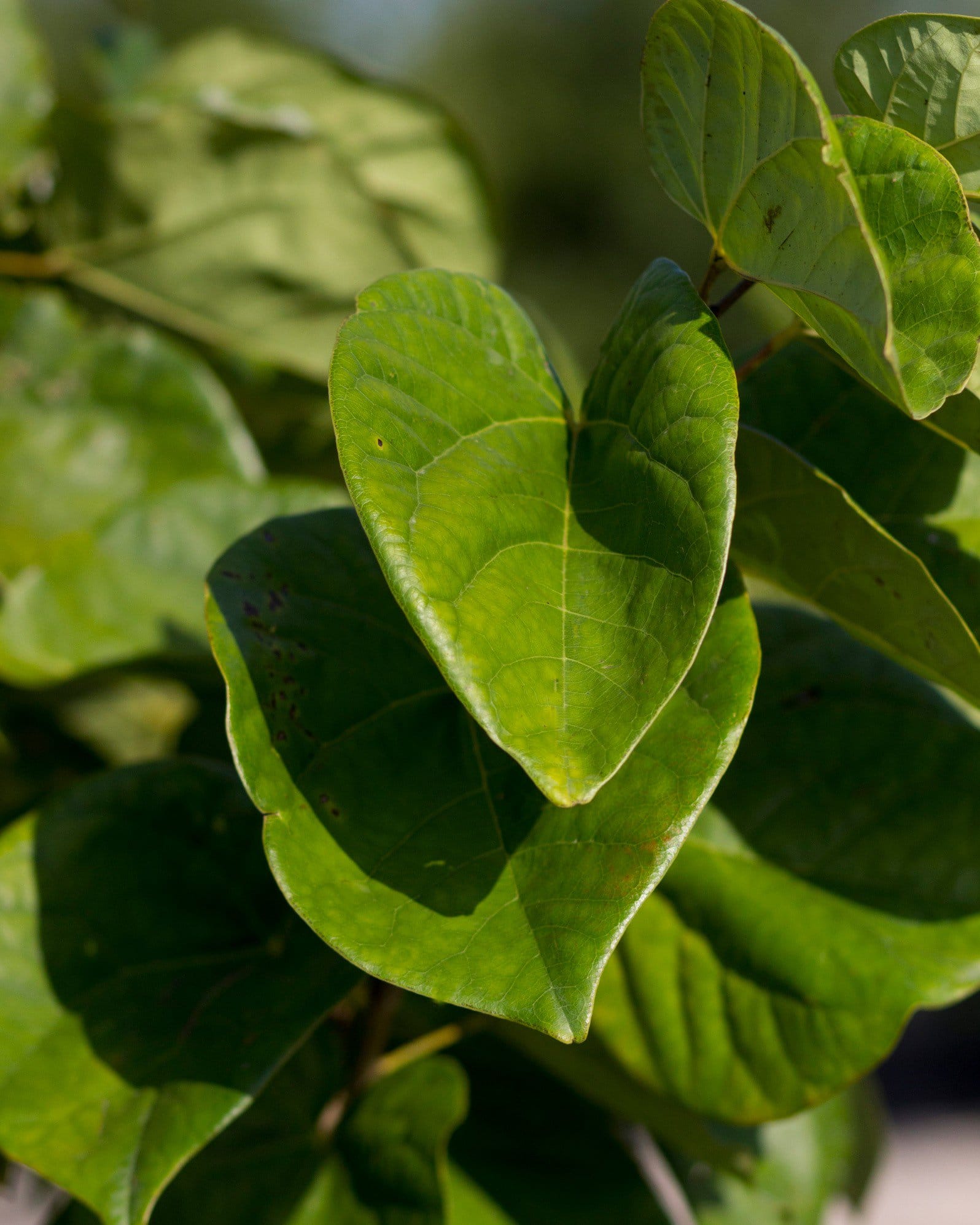
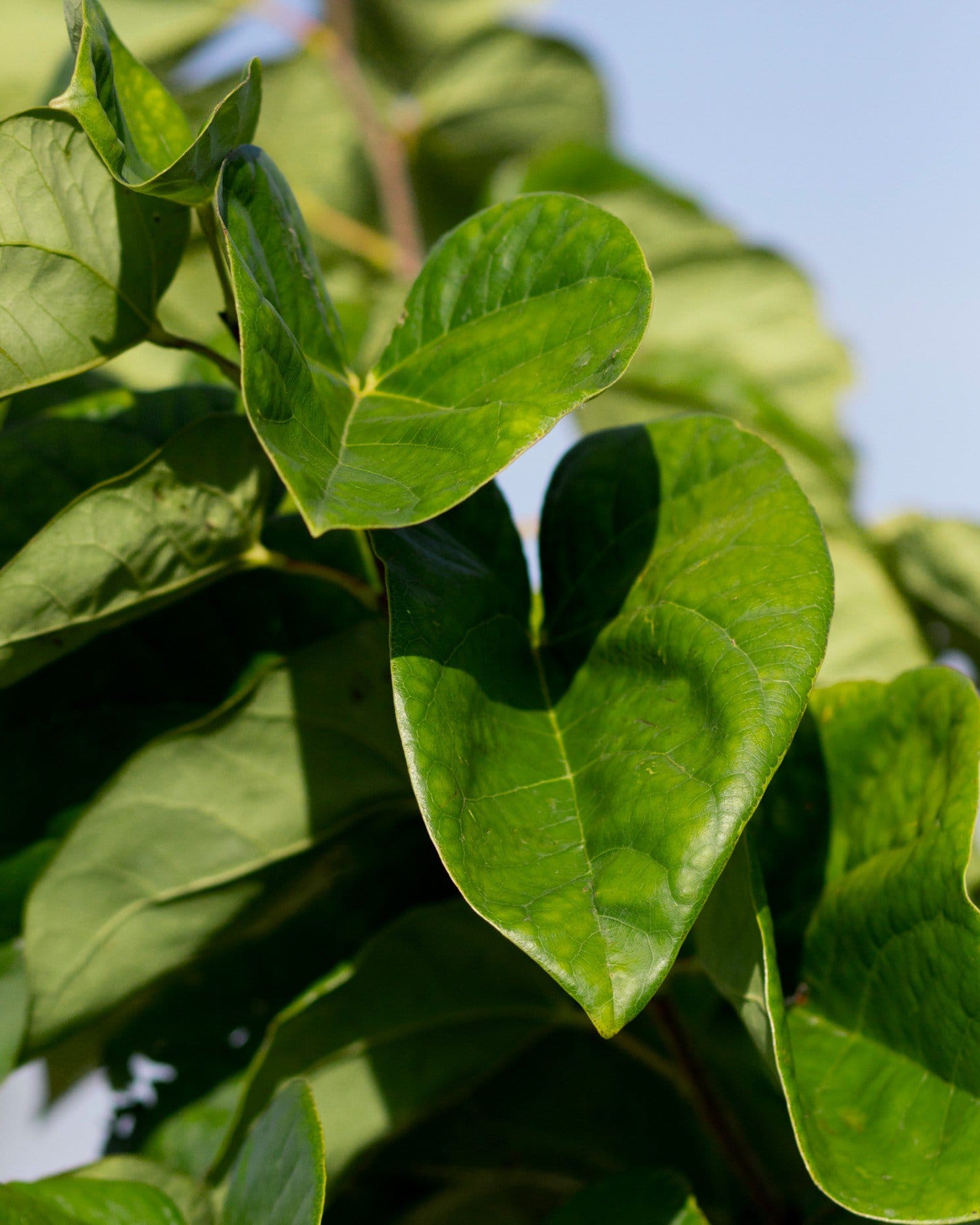
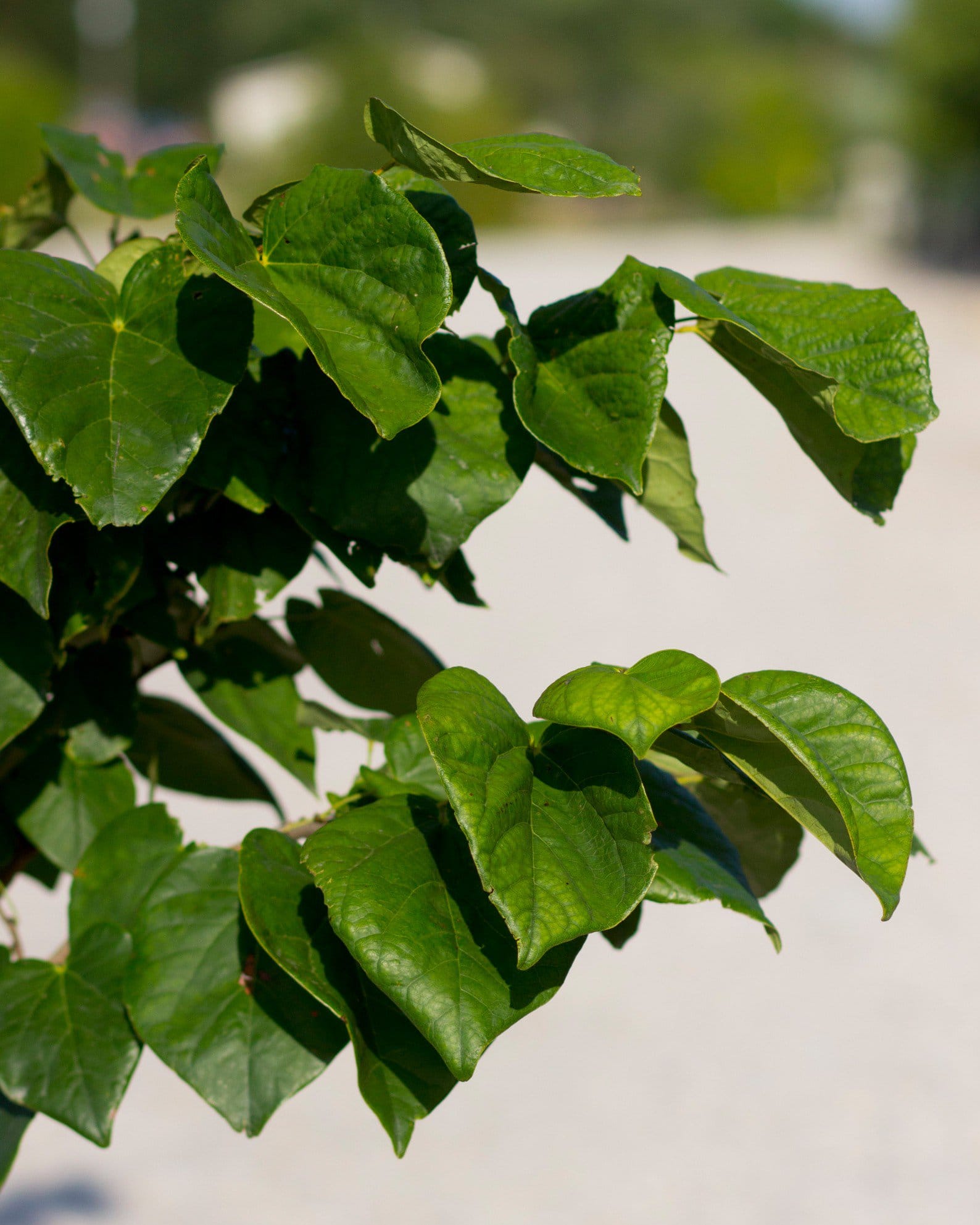
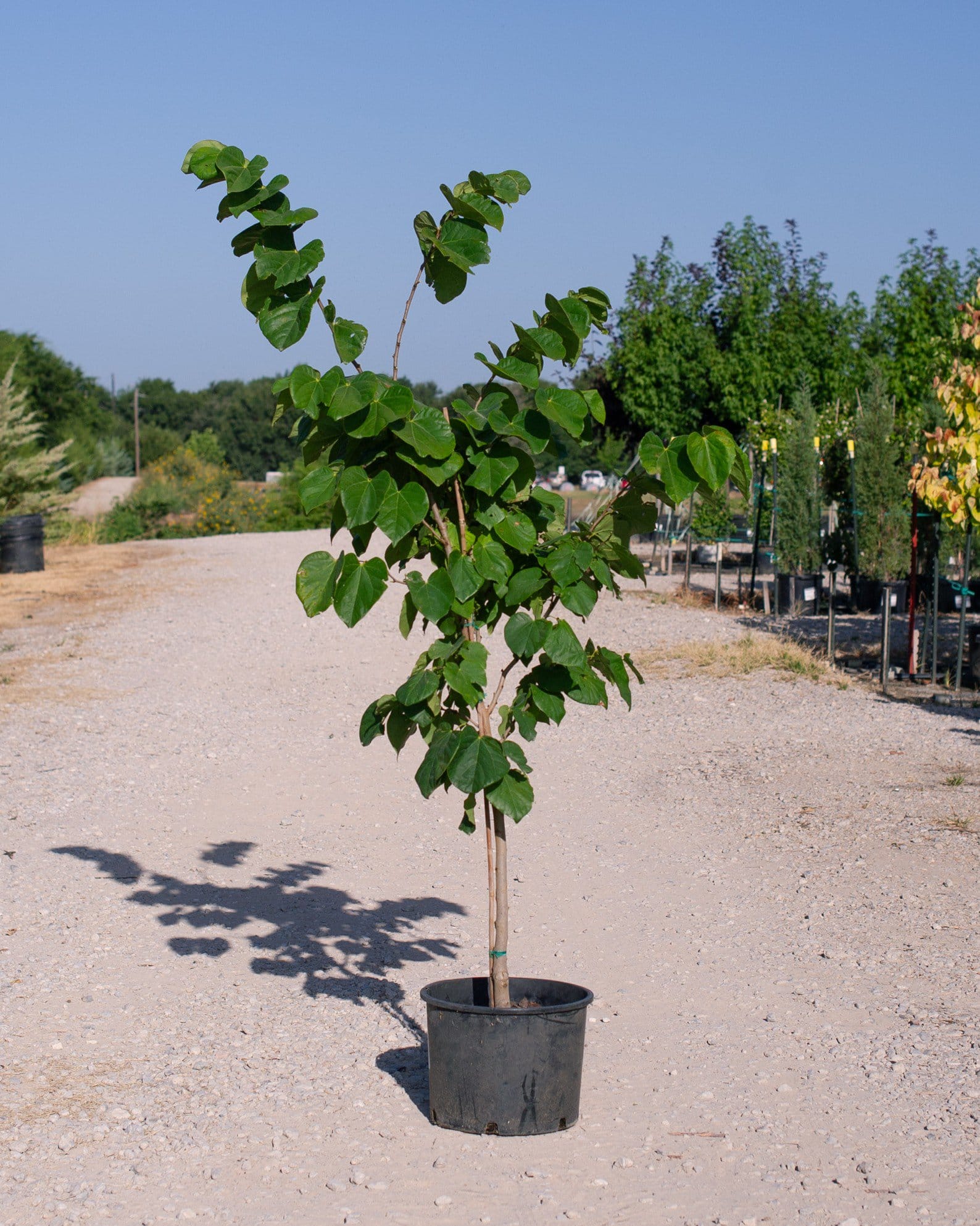
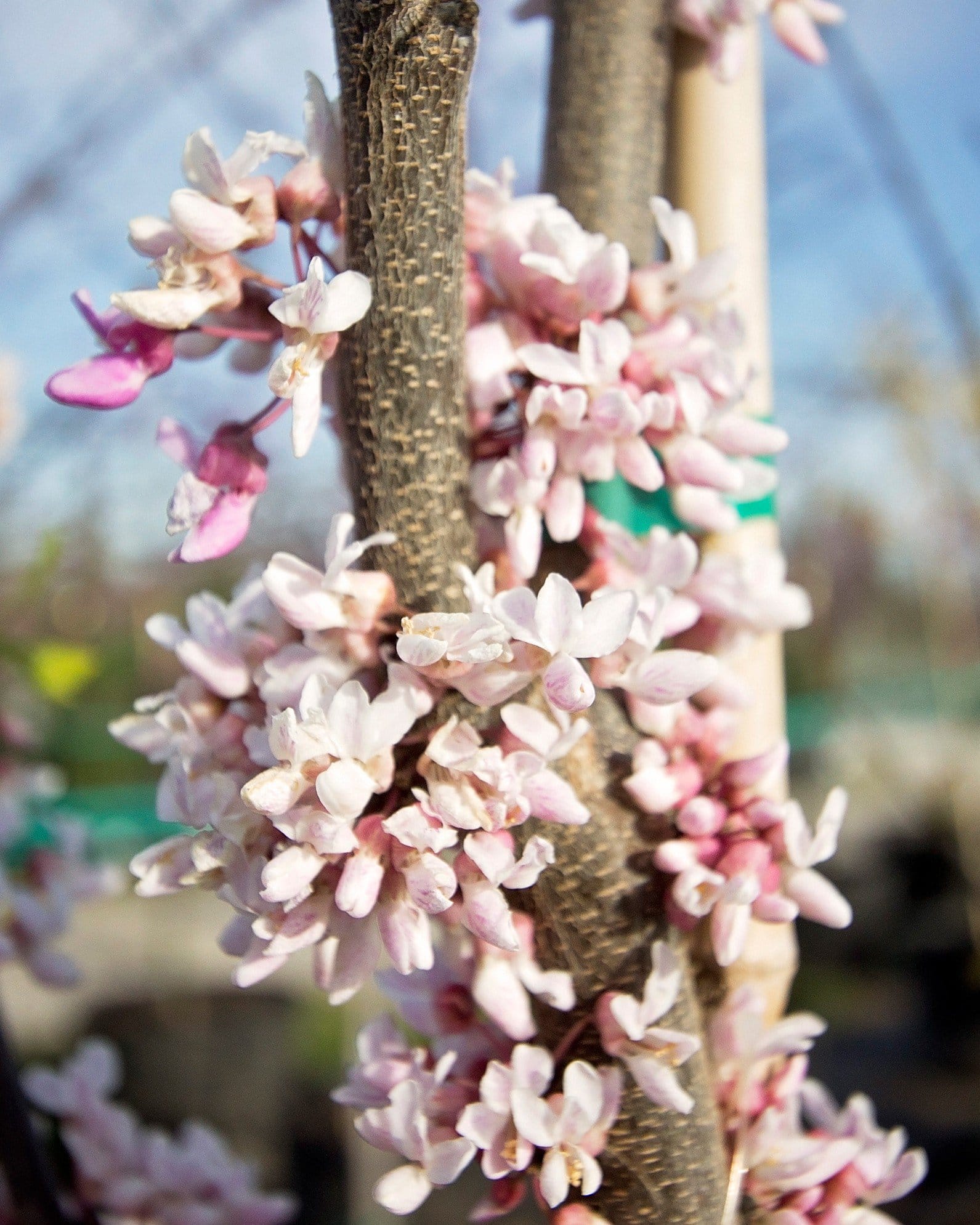
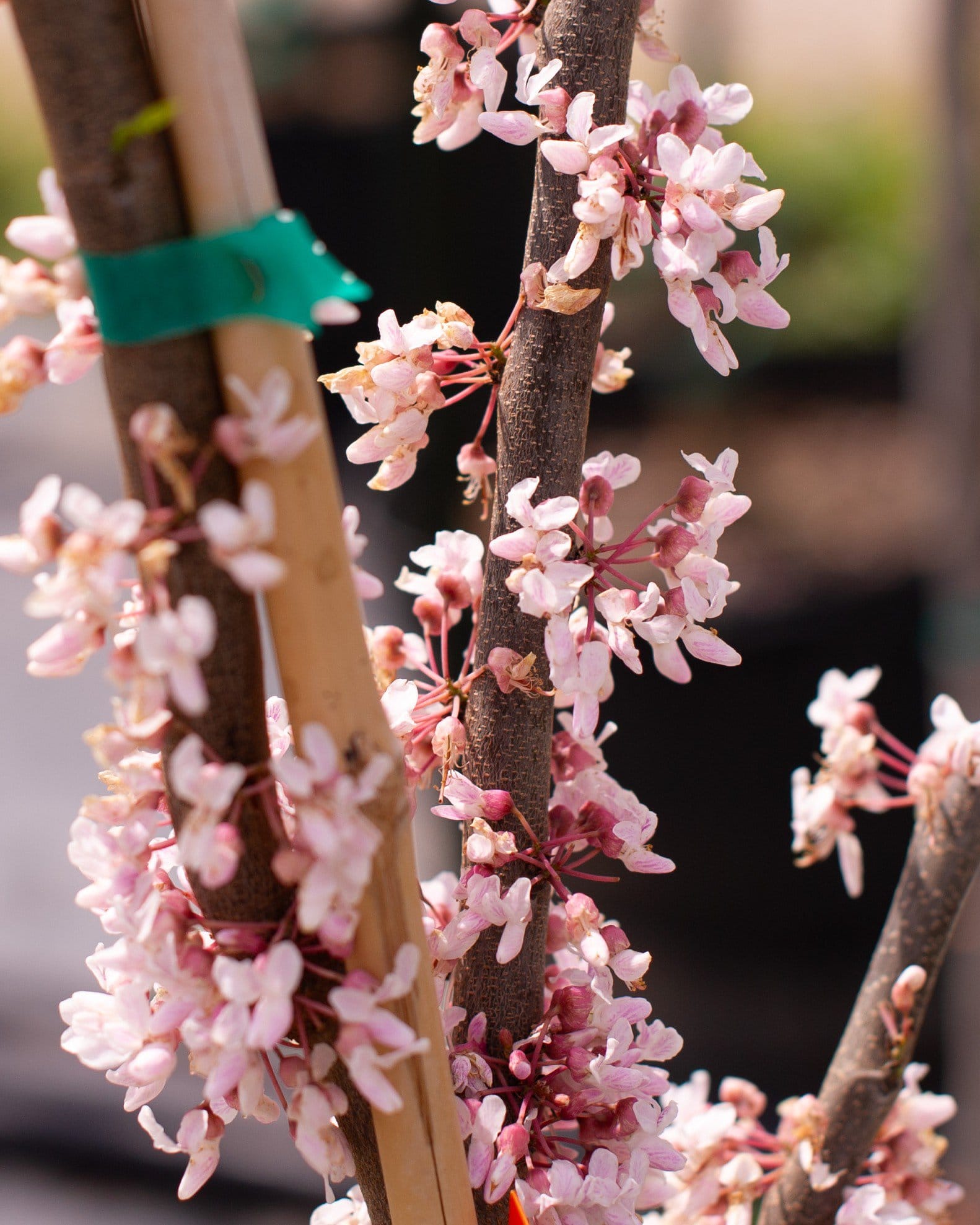
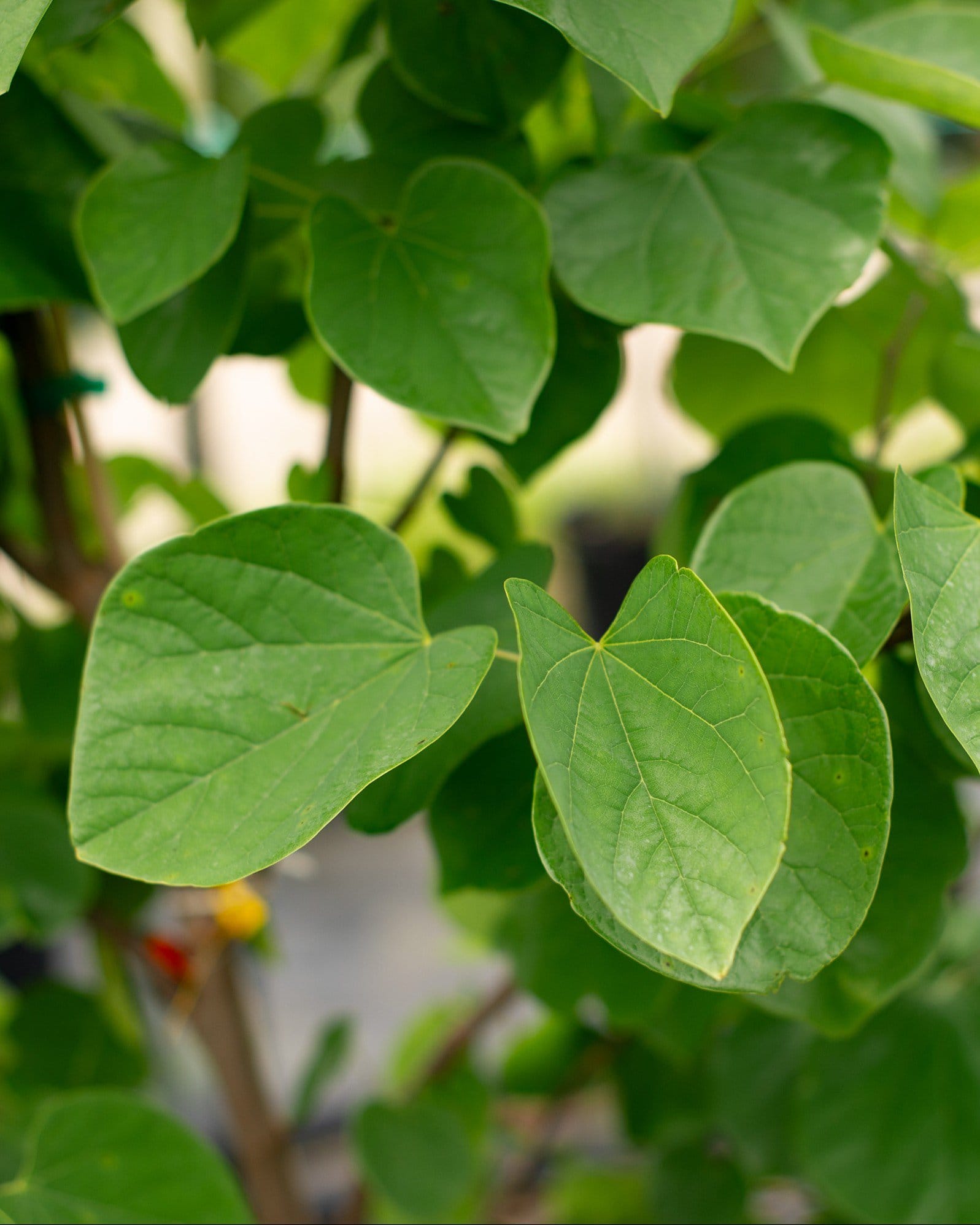
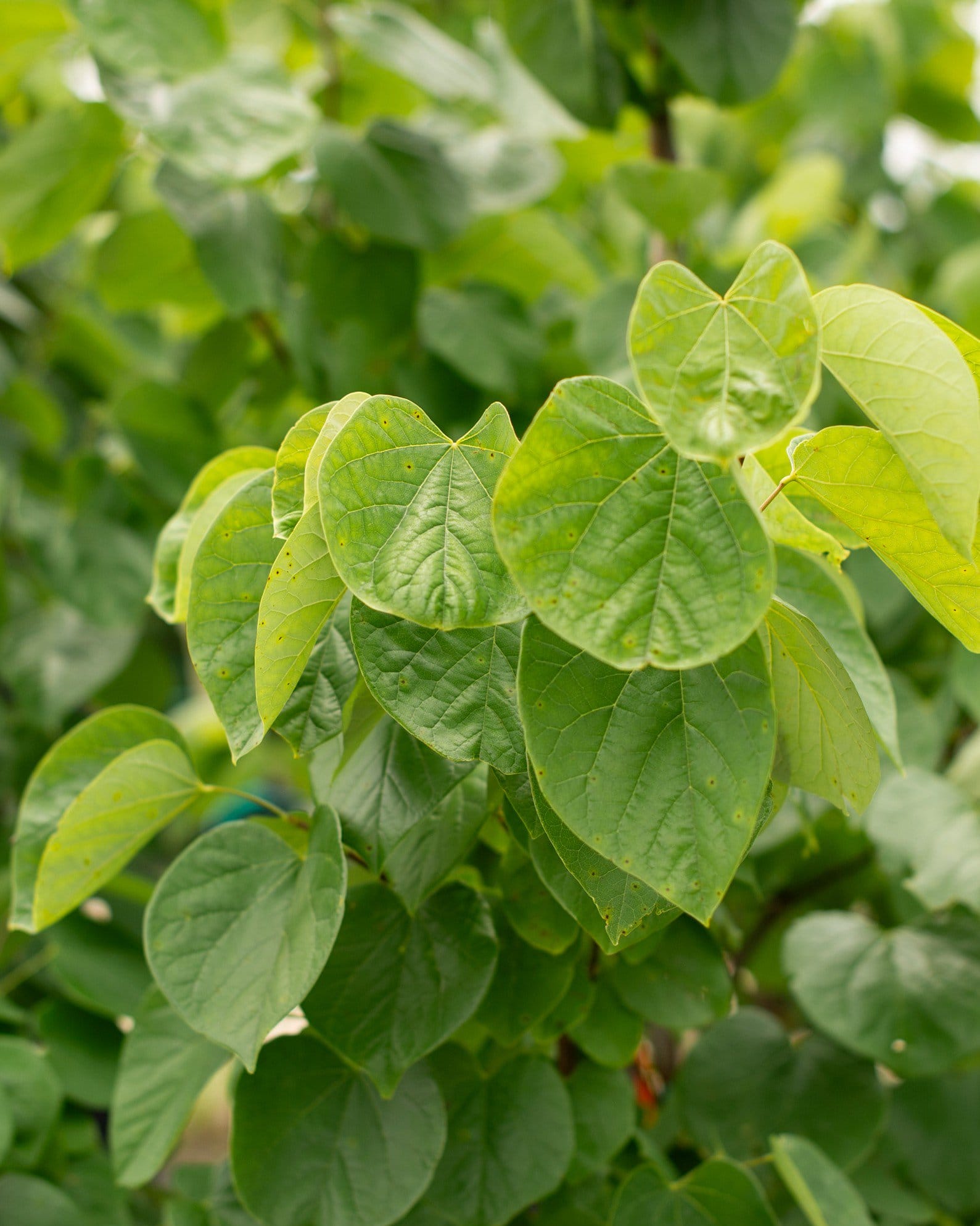
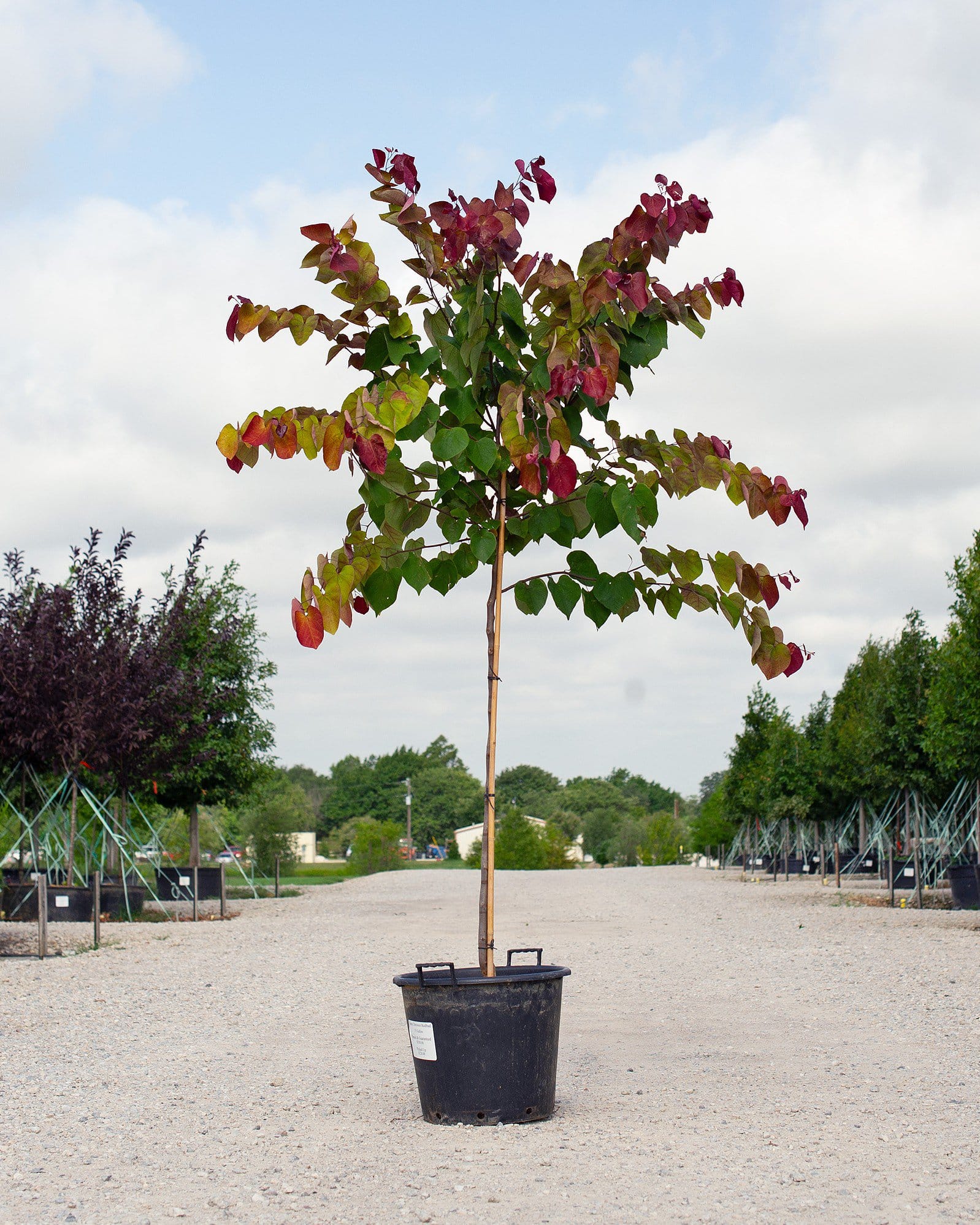
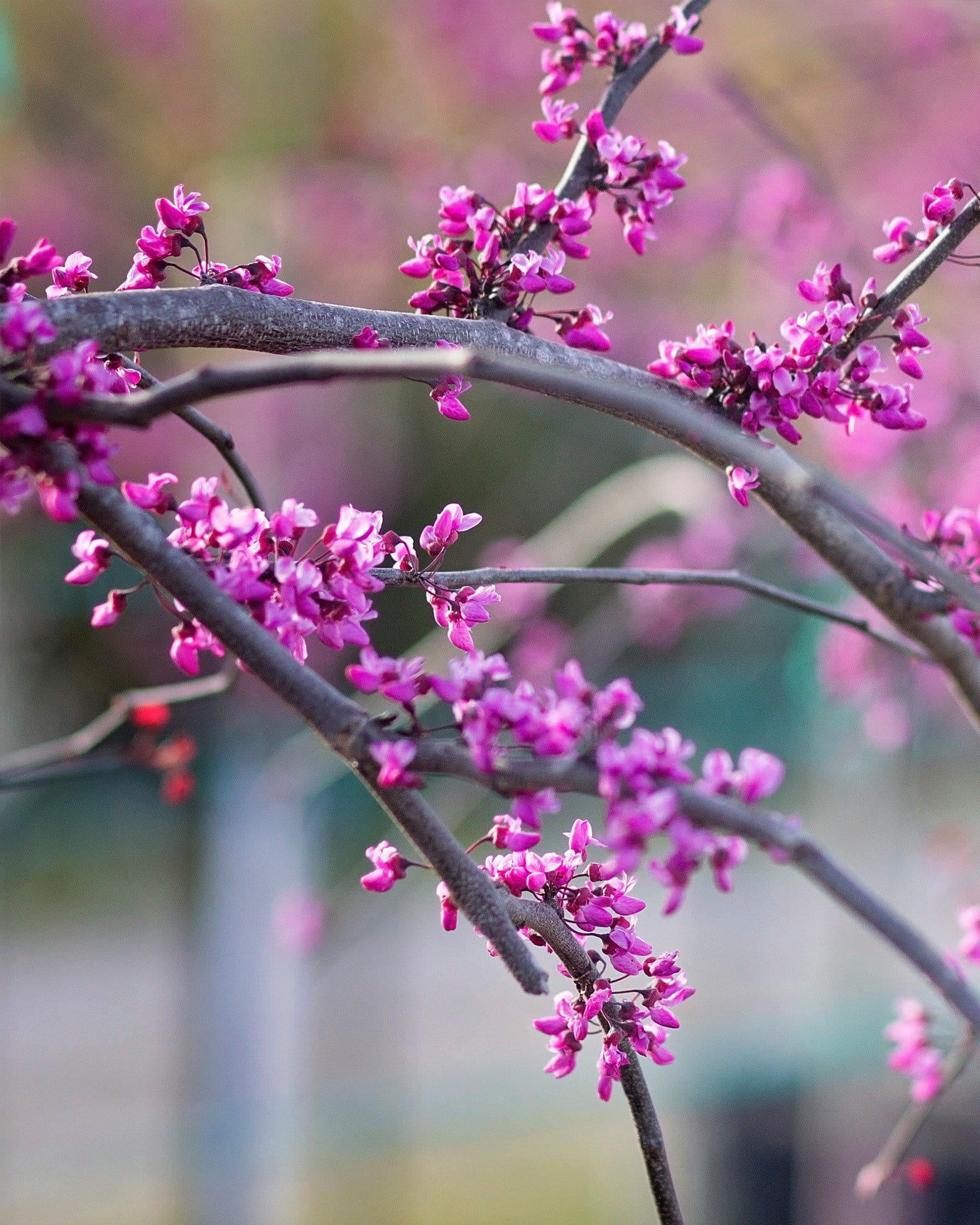
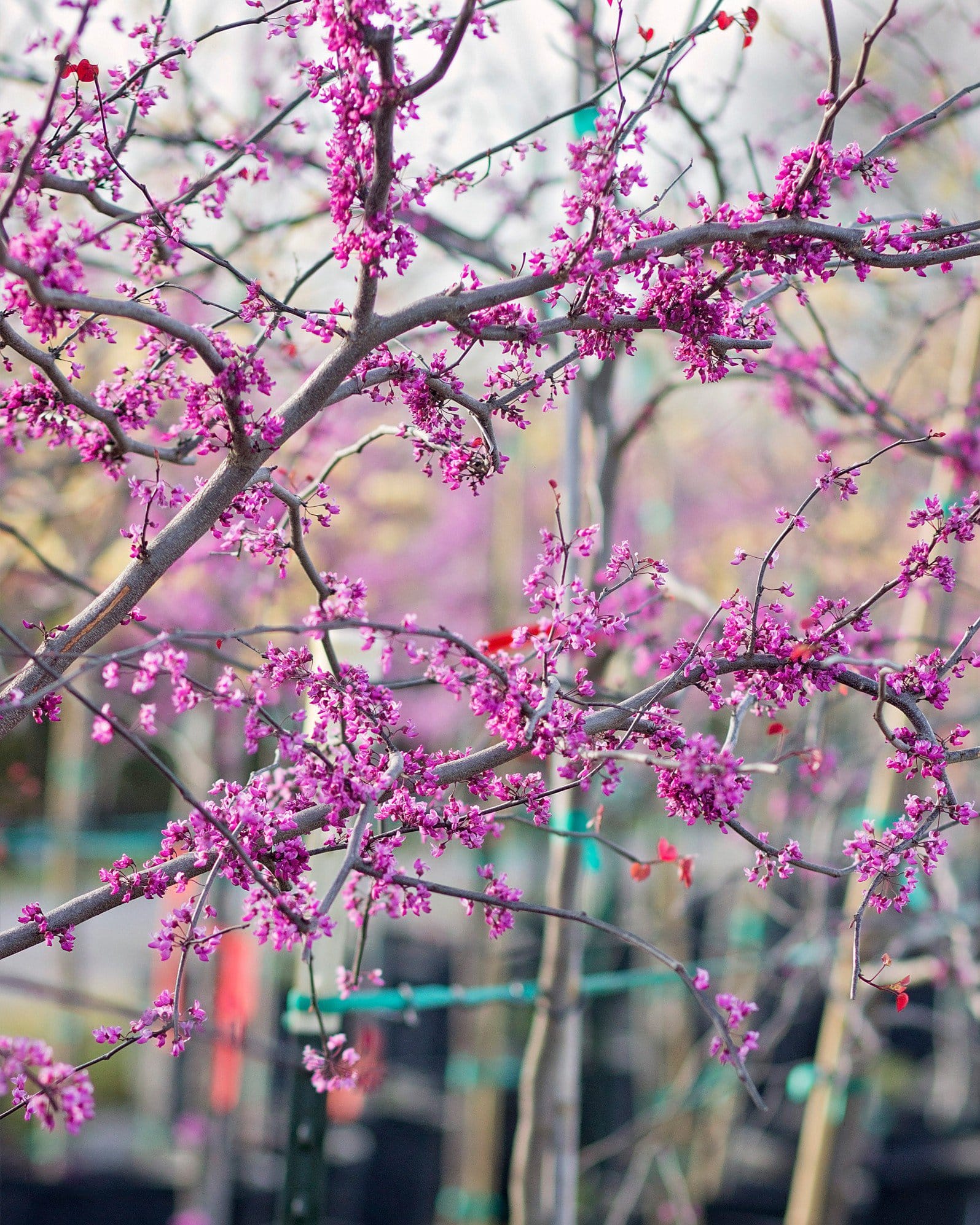
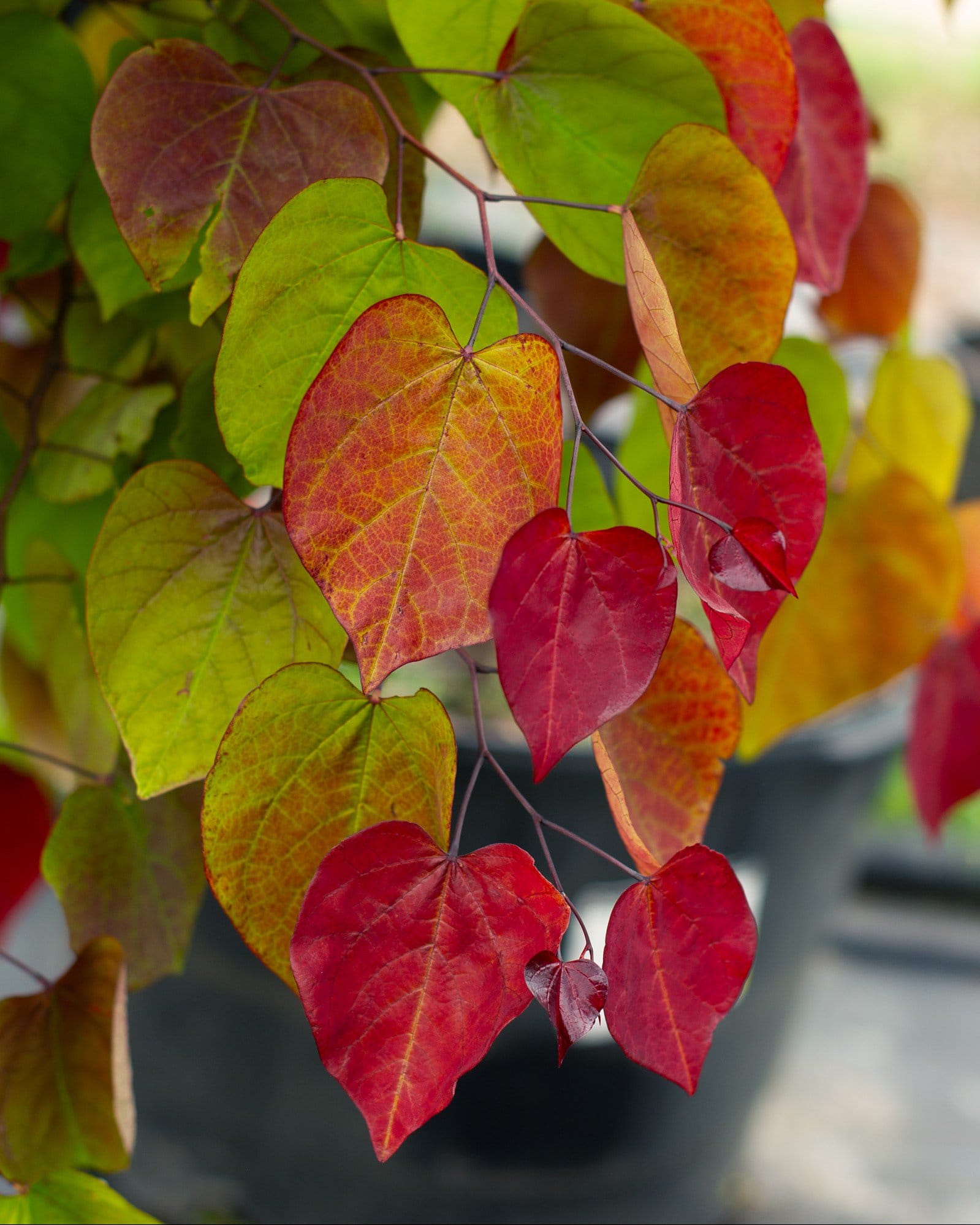
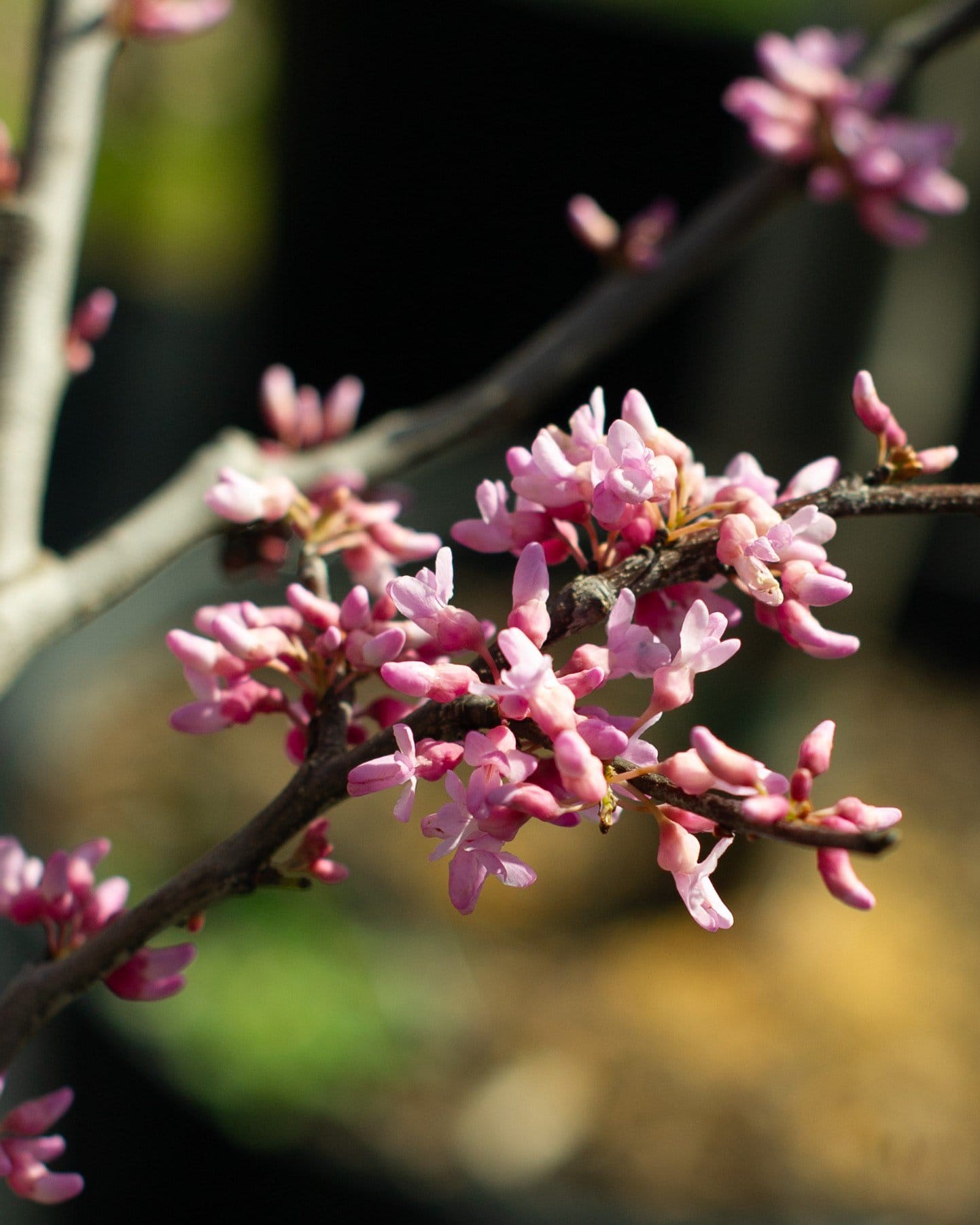
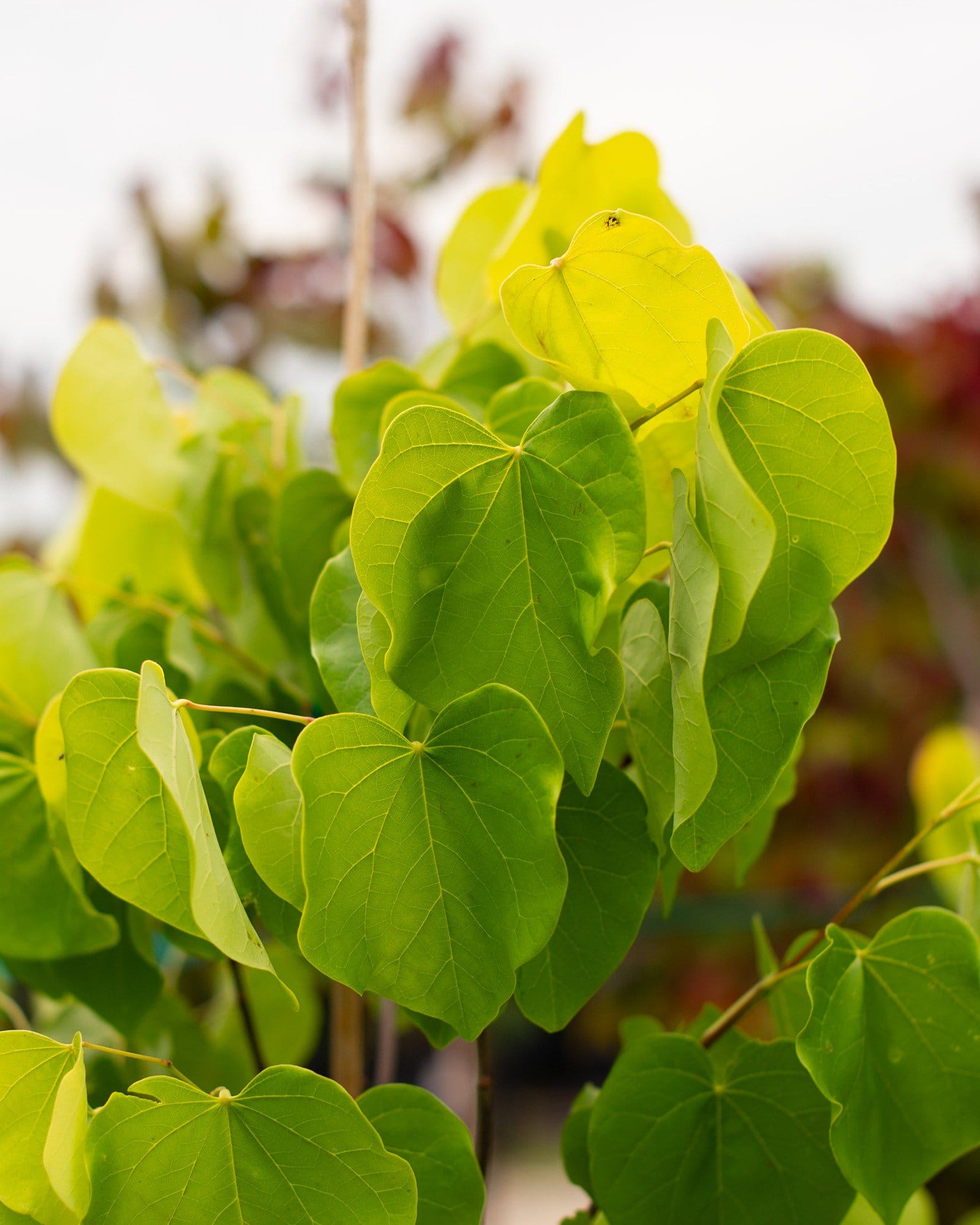
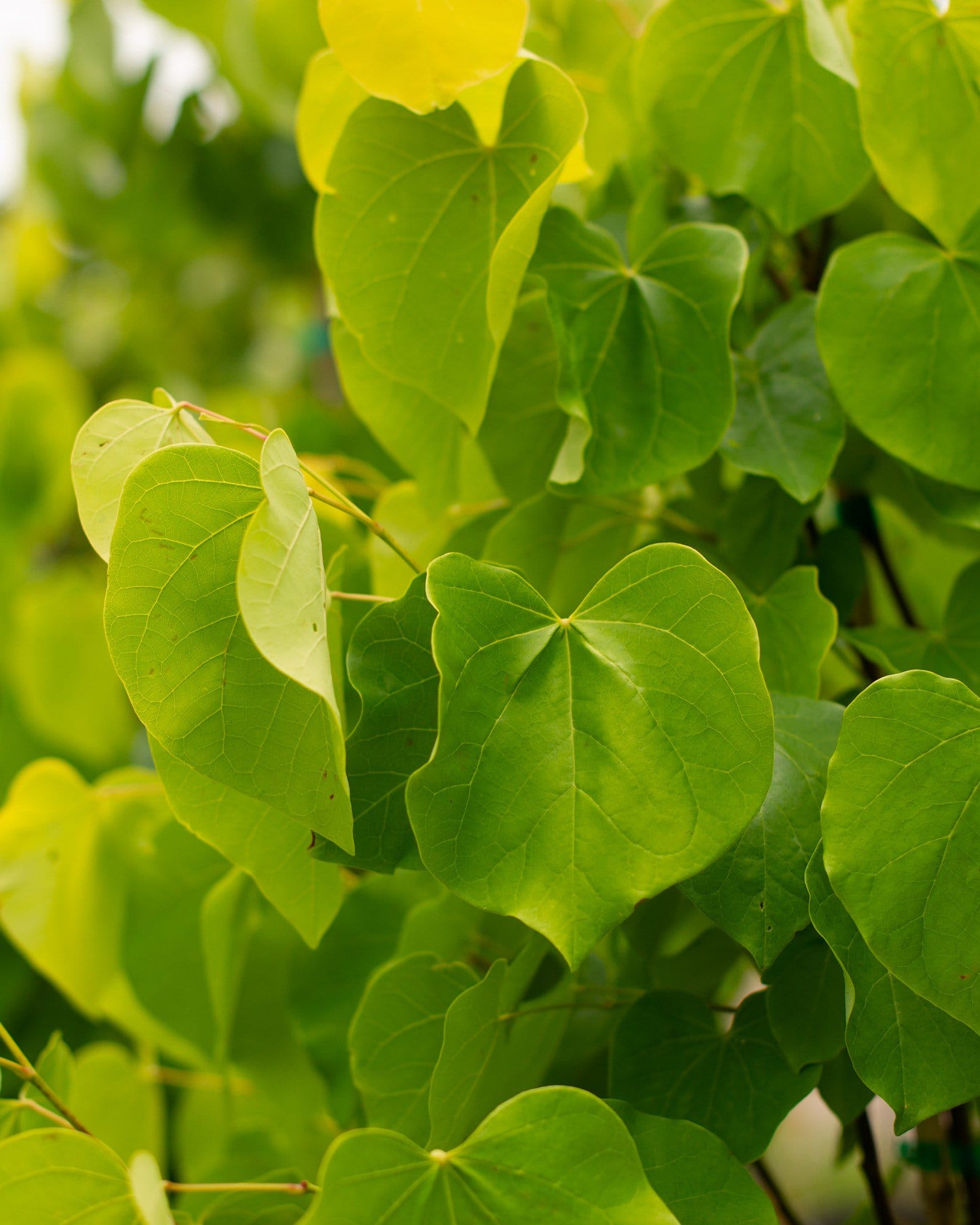
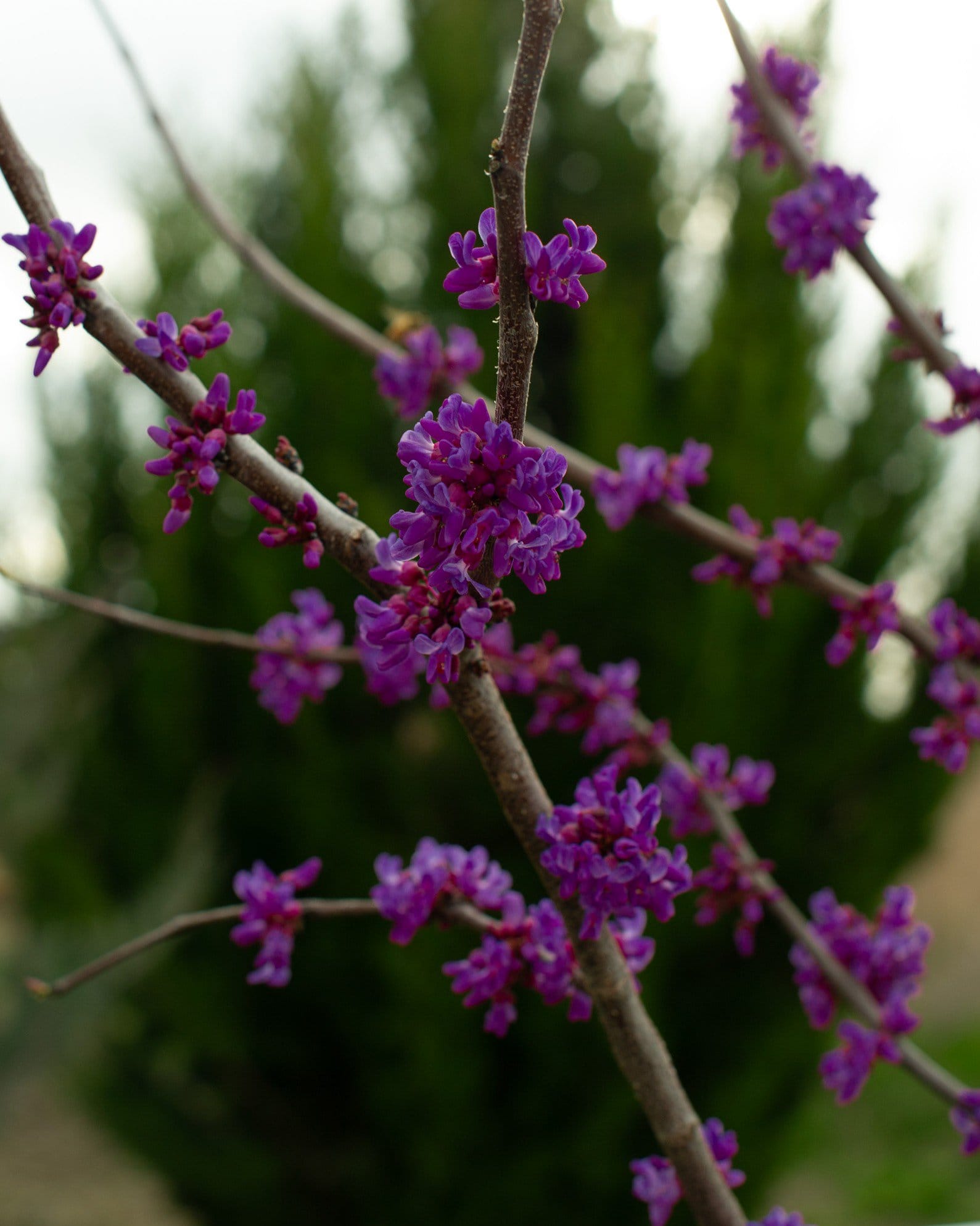
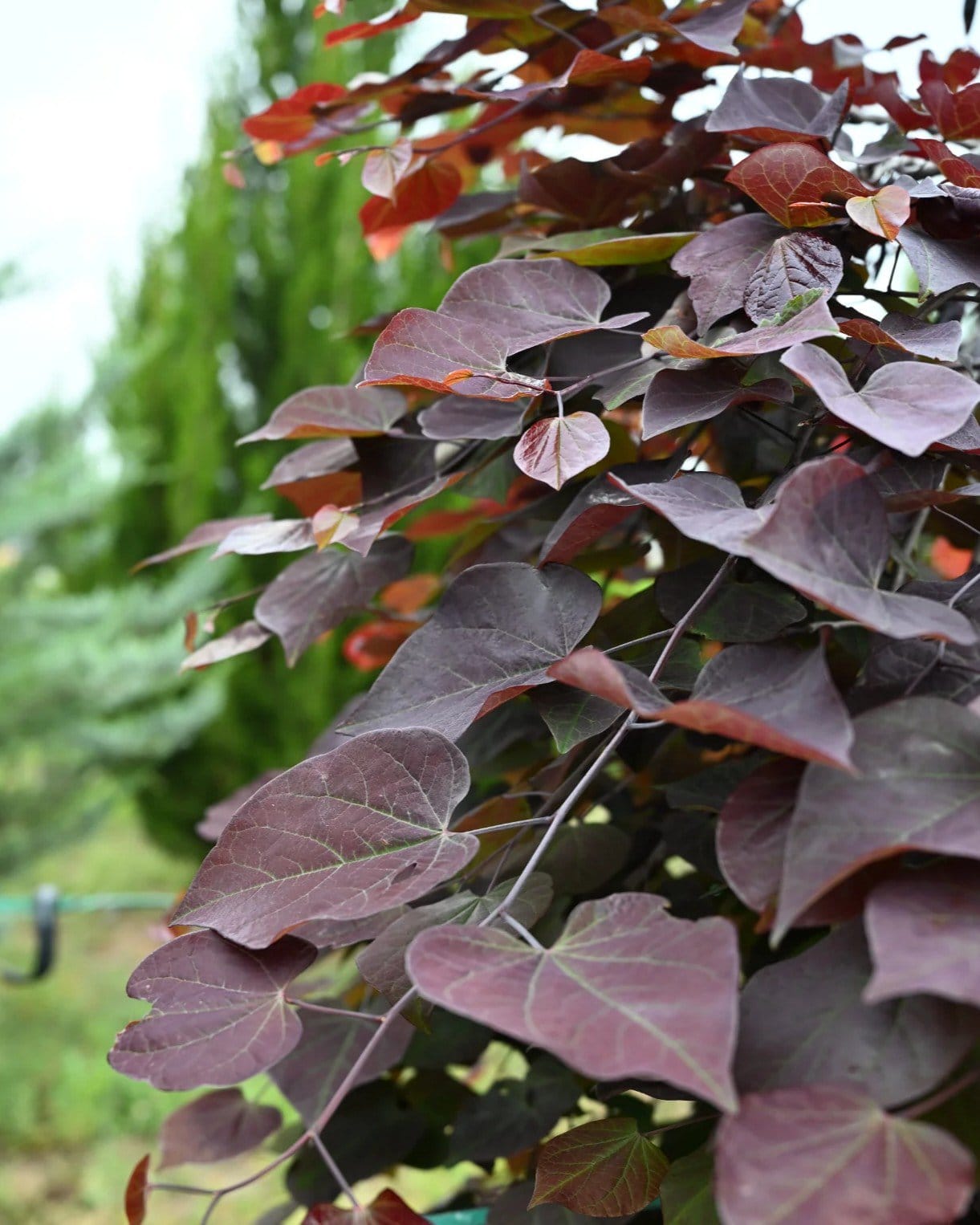
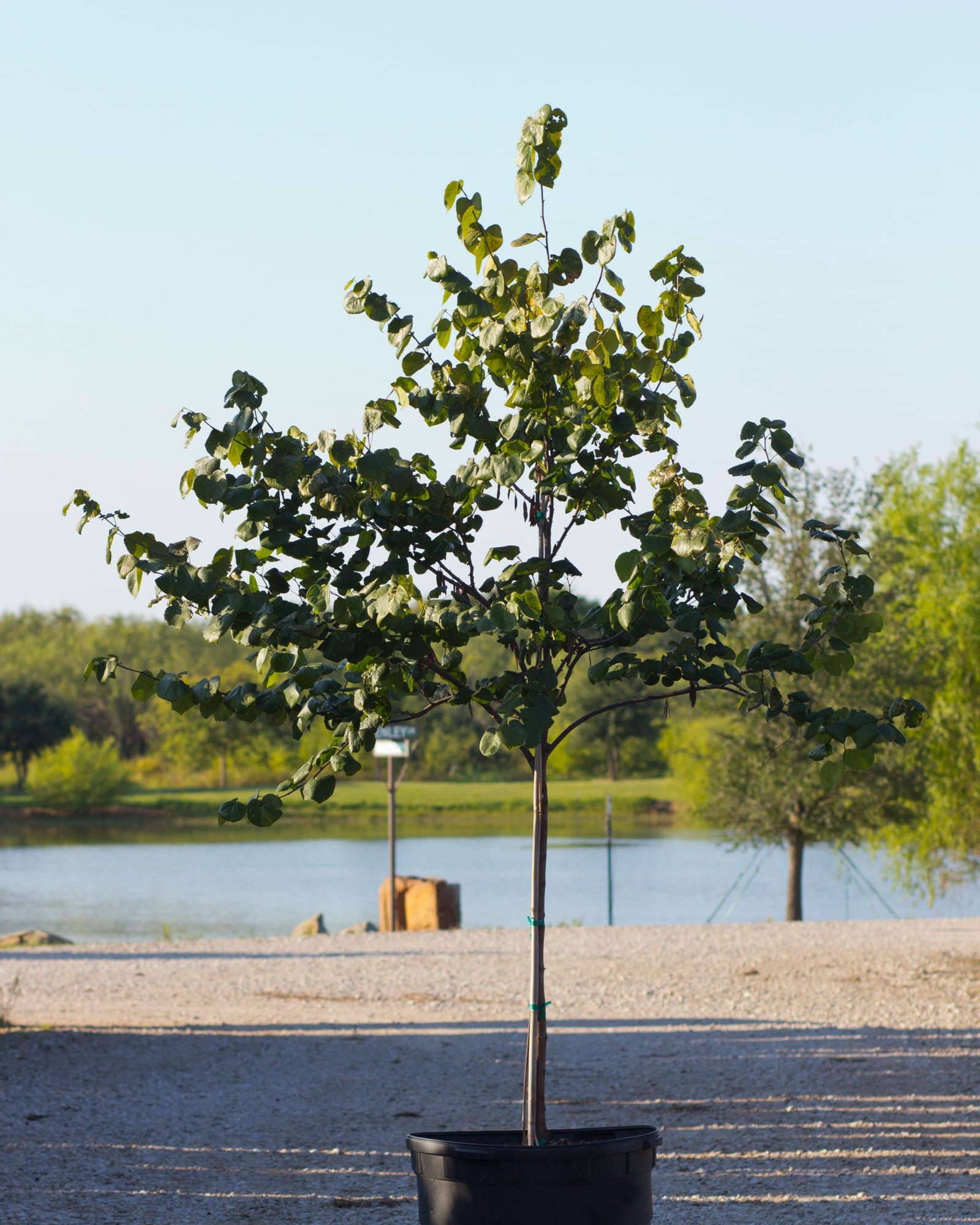
Cercis canadensisThe Eastern Redbud is a timeless favorite, often one of the first trees to signal spring’s arrival. Its branches burst into bloom with tiny, vivid pink flowers. This tree grows 20 feet in both height and width. Native to North America, this small deciduous tree is perfect for beds, front yards, or woodland edges. After blooming, it puts on another show with large, heart-shaped leaves that emerge reddish, mature to green, and finish in buttery yellows come fall.
- Deciduous tree
- Moderate to fast growth rate
- Iconic early-spring bloomer
- Heart-shaped foliage with seasonal interest
- Adaptable to a wide range of soil types
The Eastern Redbud’s charm is undeniable. Plant it in full to partial sun with well-drained soil. Hardy in USDA zones 4 through 9, it's a splendid choice for landscapes across North Texas and beyond.
Eastern Redbud is renowned for its easy going nature upon establishing, thriving on minimal care in landscapes across Texas. Here’s all it needs:
- Watering: Water deeply and consistently during the first several years to support root establishment. Once mature, Eastern Redbud tolerates moderate drought but thrives best when soil moisture remains even during hot periods. Avoid overwatering or poorly drained soils, which can stress the roots.
- Pruning: Prune in late winter to remove crossing branches, improve airflow, and maintain an open, balanced canopy. The tree naturally forms a lovely vase-shaped structure, so heavy pruning is rarely required. Avoid pruning directly after flowering to preserve next year’s buds.
- Fertilizing: A balanced, slow-release fertilizer in early spring helps support blooming and healthy foliage. Compost incorporated around the root zone enhances soil quality and long-term vigor. Avoid overfertilizing, as excessive nitrogen may reduce flowering.
- Mulching: Apply a 2-3 inch mulch layer around the base to protect shallow roots and retain moisture. Keep mulch pulled slightly away from the trunk to prevent bark problems. Refresh annually for best results.
- Winter Care: Eastern Redbud is cold-hardy across much of the U.S., though young trees may benefit from protection in especially exposed sites. Mature specimens typically require no special winter care. Remove any minor winter dieback in late winter.
Eastern Redbud is generally robust, though a few manageable issues may arise under stressful conditions:
- Leaf Spot: Brown or mottled blotches may appear during humid or rainy stretches. Removing fallen leaves and increasing airflow helps reduce recurrence.
- Canker: Sunken or darkened branch areas indicate canker disease. Prune affected limbs and reduce plant stress to support recovery.
- Verticillium Wilt: Sudden wilting or branch dieback may occur in soils containing the fungus. Removing affected branches and improving soil conditions may help limit the spread.
- Aphids: Curling leaves or sticky honeydew suggest aphids feeding on new growth. Rinsing foliage or applying insecticidal soap helps restore balance.
- Leaf Scorch: Browning leaf edges during heat or drought is common. Mulching and consistent watering help prevent future episodes.
The Redbud (Cercis) species is best understood by classifying its forms into native varieties and cultivars. The common species, Cercis canadensis, includes three distinct native varieties adapted to different climates:
- Eastern Redbud (Cercis canadensis var. canadensis)
- Texas Redbud (Cercis canadensis var. texensis)
- Mexican Redbud (Cercis canadensis var. mexicana)
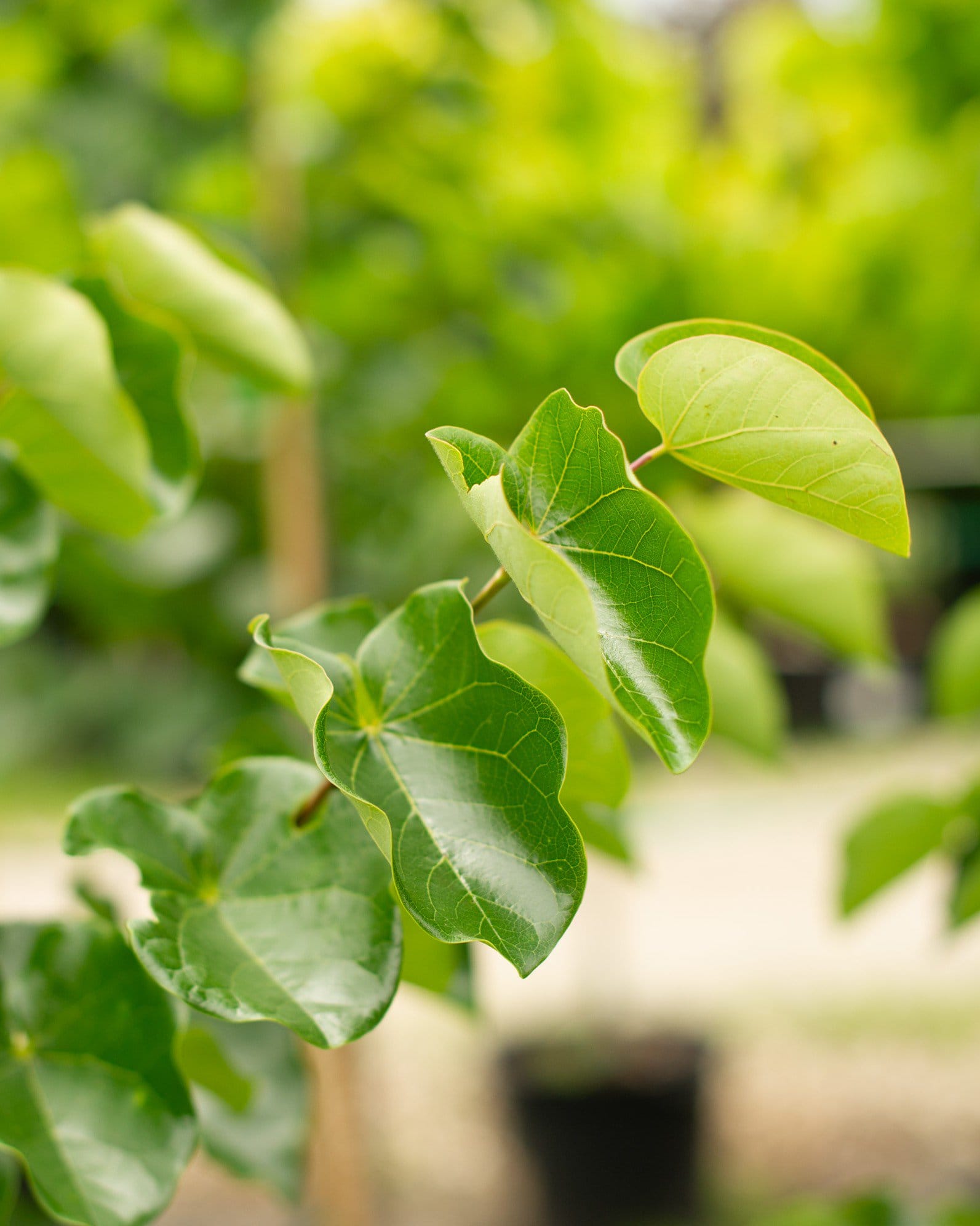
The primary difference between the Eastern Redbud (Cercis canadensis var. canadensis) and the Texas Redbud (Cercis canadensis var. texensis) stems from their native environments, resulting in distinct adaptations. The Eastern Redbud is a smaller tree, typically reaching 15-20 feet in height, and is native to the moist, acidic soils and cooler climates of the eastern U.S. Its leaves are generally large, dull, and thin, and it requires consistent moisture. In contrast, the Texas Redbud is larger, usually maturing around 20-30 feet tall, which evolved on the dry, calcareous (alkaline) limestone soils of central Texas and Oklahoma. Its leaves are the key distinguishing feature, being thicker, smaller, rounder, and noticeably glossy with a leathery texture, which helps reduce water loss and makes it significantly more drought-tolerant and heat-resistant than its eastern cousin. While both offer beautiful pink-purple flowers in spring, the Texas variety is the superior choice for landscaping in hotter, drier regions with alkaline soils.
Eastern Redbuds typically live 20-40 years when grown in healthy, well-drained soil. With good site selection and proper care, many thrive well beyond that range.
It grows at a moderate rate of 1-2 feet per year. Full bloom maturity often arrives within 4-6 years, creating a rich spring display.
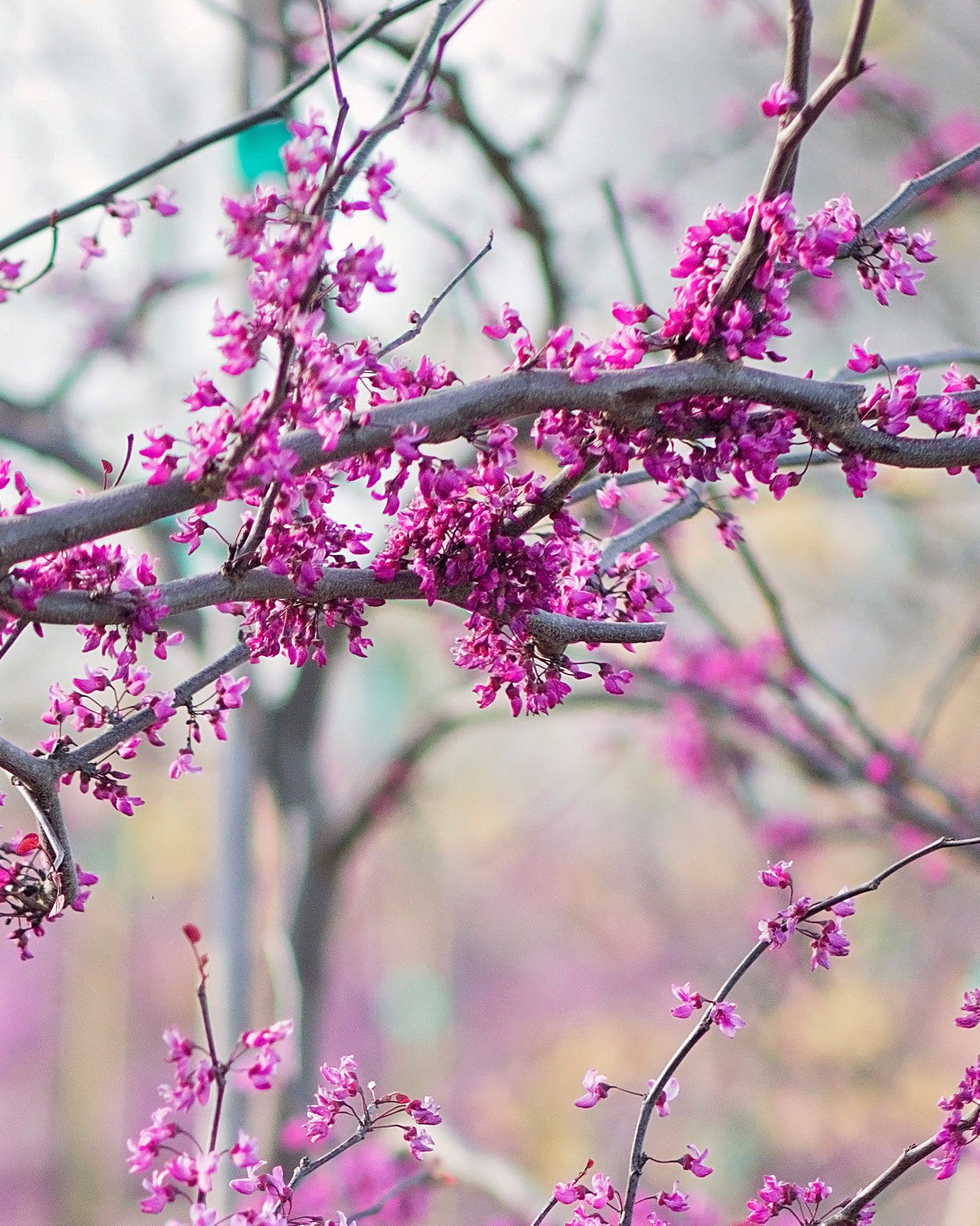
The flowers emerge along bare branches before any leaves appear, producing a striking, vivid outline in the landscape. Their magenta-pink clusters glow beautifully in morning and evening light.
Yes - its early-season flowers provide nectar for bees and butterflies, while birds appreciate its branching for shelter and nesting. The tree adds gentle ecological value throughout the year.
Its modest size and elegant form make it an excellent choice for tight or ornamental spaces. Even in smaller yards, it provides outstanding seasonal interest.
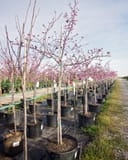
While young trees can be kept in large decorative containers, long-term success is best achieved in the ground. Planting it permanently allows roots to develop fully.
Ferns, Hellebores, Dogwoods, Hydrangeas, Hostas, and spring bulbs complement its heart-shaped leaves and brilliant blooms. These combinations create layered, seasonal charm.
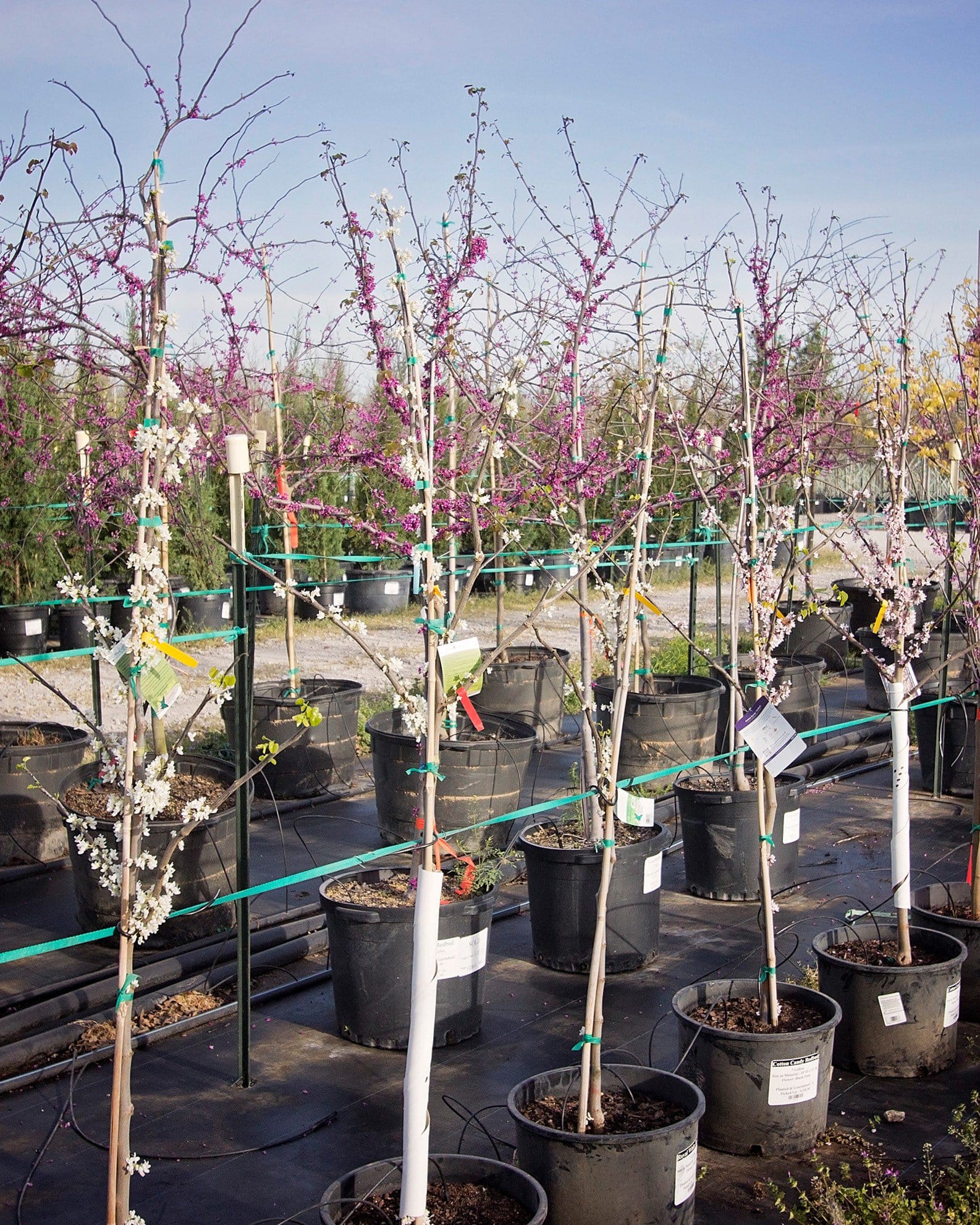
Absolutely - planting several together creates a breathtaking early-spring bloom display. Naturalized clusters highlight their woodland origins and add softness to the landscape.
Young specimens transplant well in late winter or early spring. With proper aftercare, they establish quickly and resume vigorous growth.
Special Features
You might also like
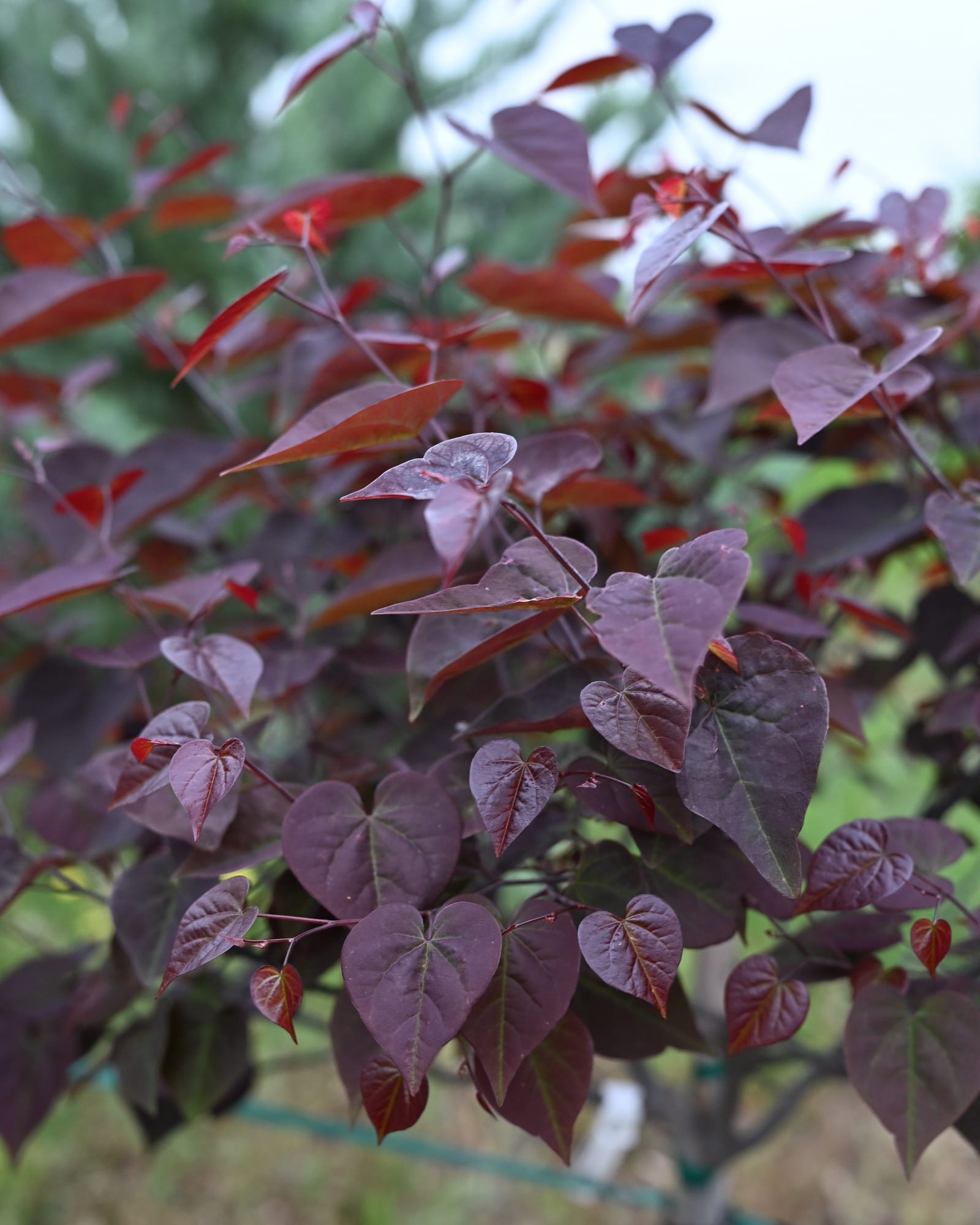
Amethyst Redbud
Maturity: 8' H x 8' W
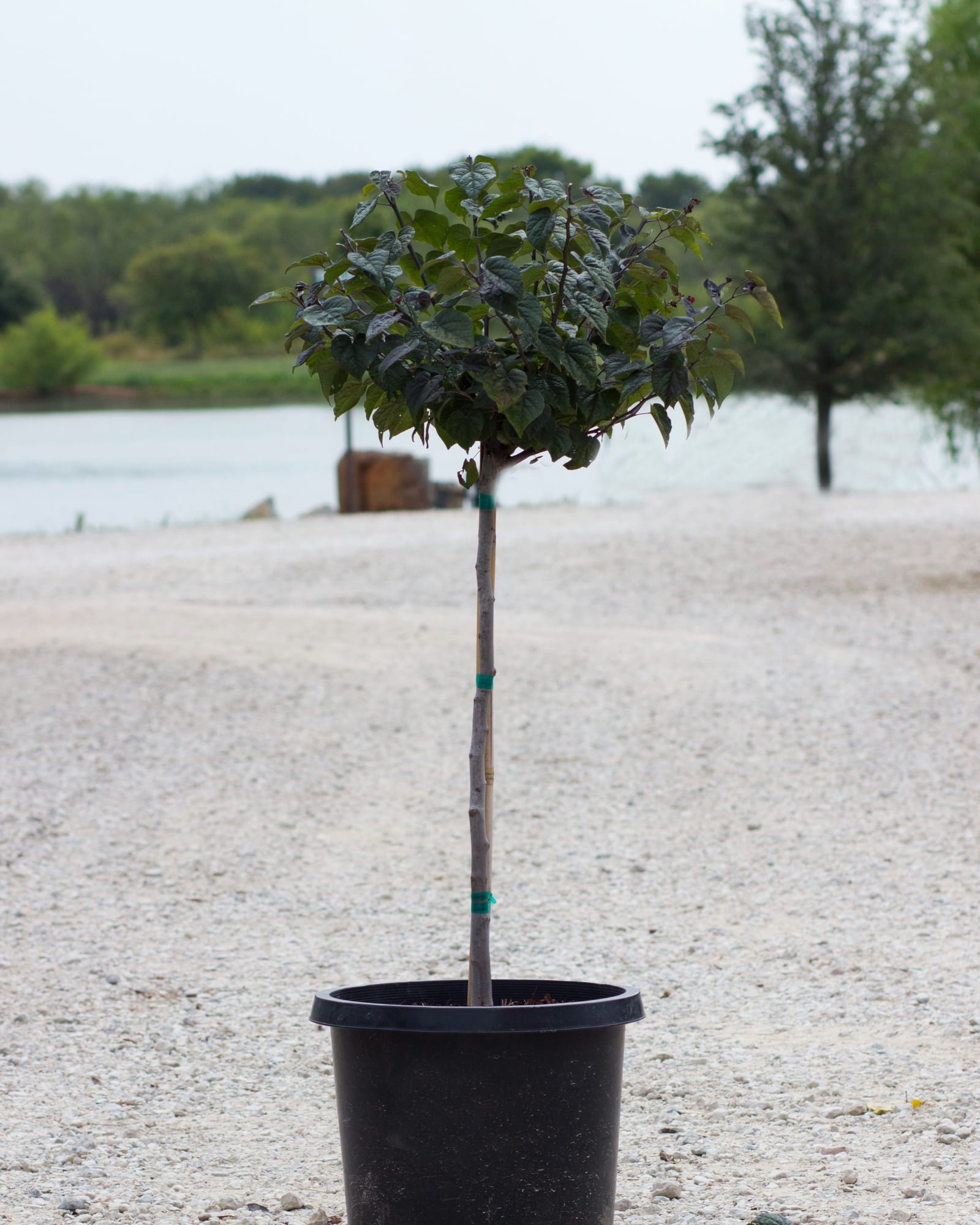
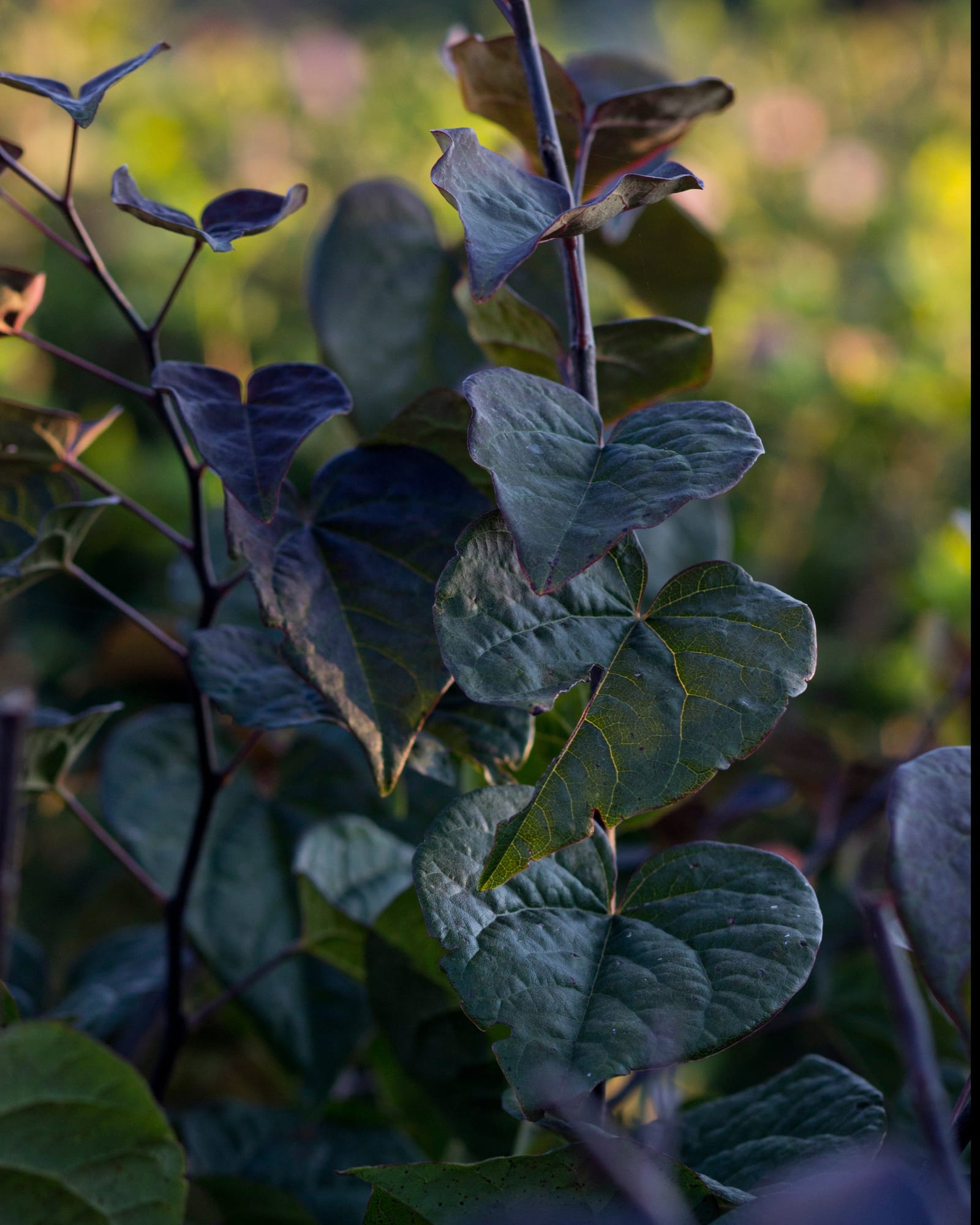
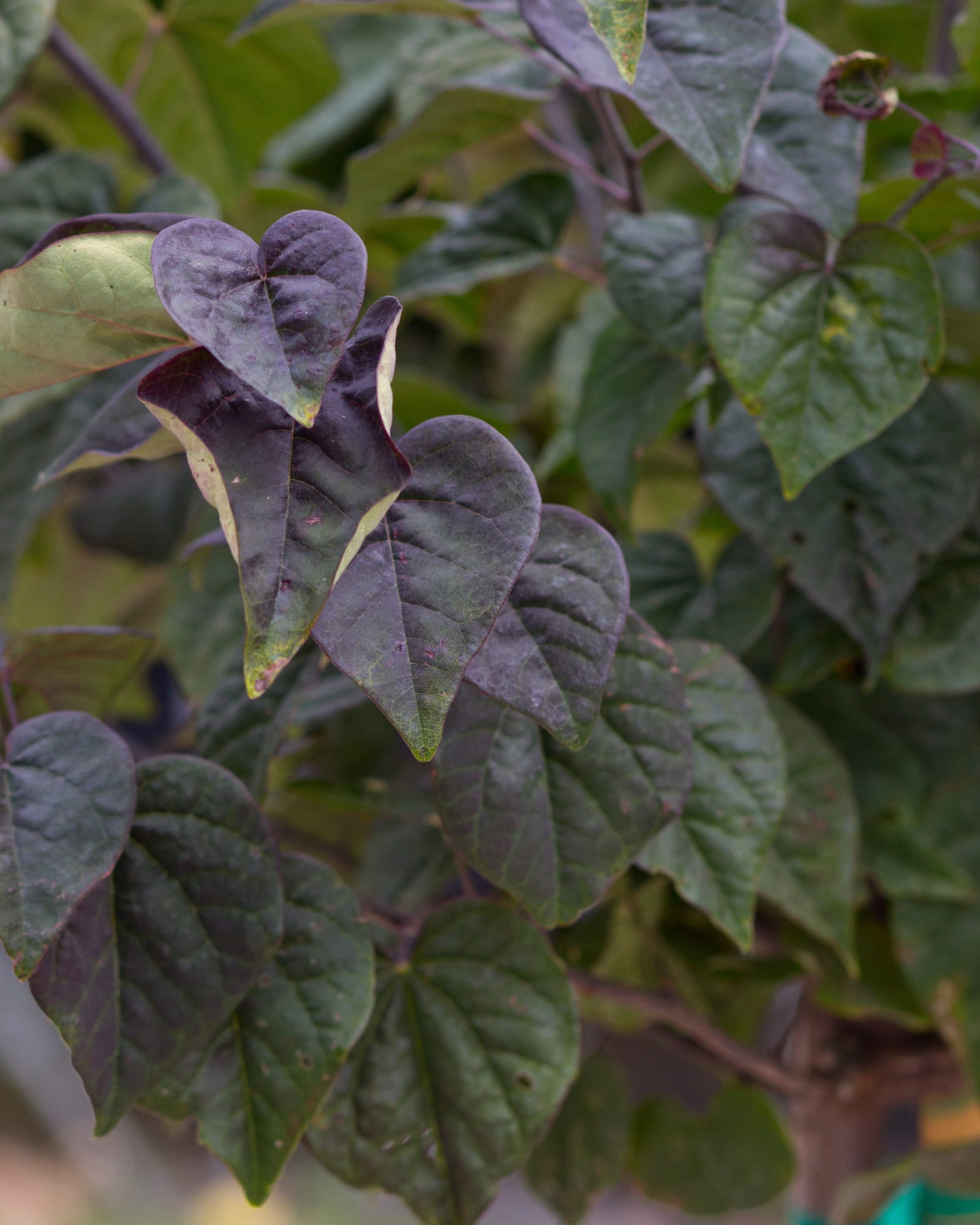
Black Pearl Redbud
Maturity: 20' H x 20' W
Bubble Gum Redbud
Maturity: 15' H x 12' W
Cotton Candy Redbud
Maturity: 20' H x 15' W
Flame Thrower Redbud
Maturity: 15' H x 15' W
Gilded Hearts Redbud
Maturity: 15' H x 15' W
Luscious Lavender Redbud
Maturity: 15' H x 15' W
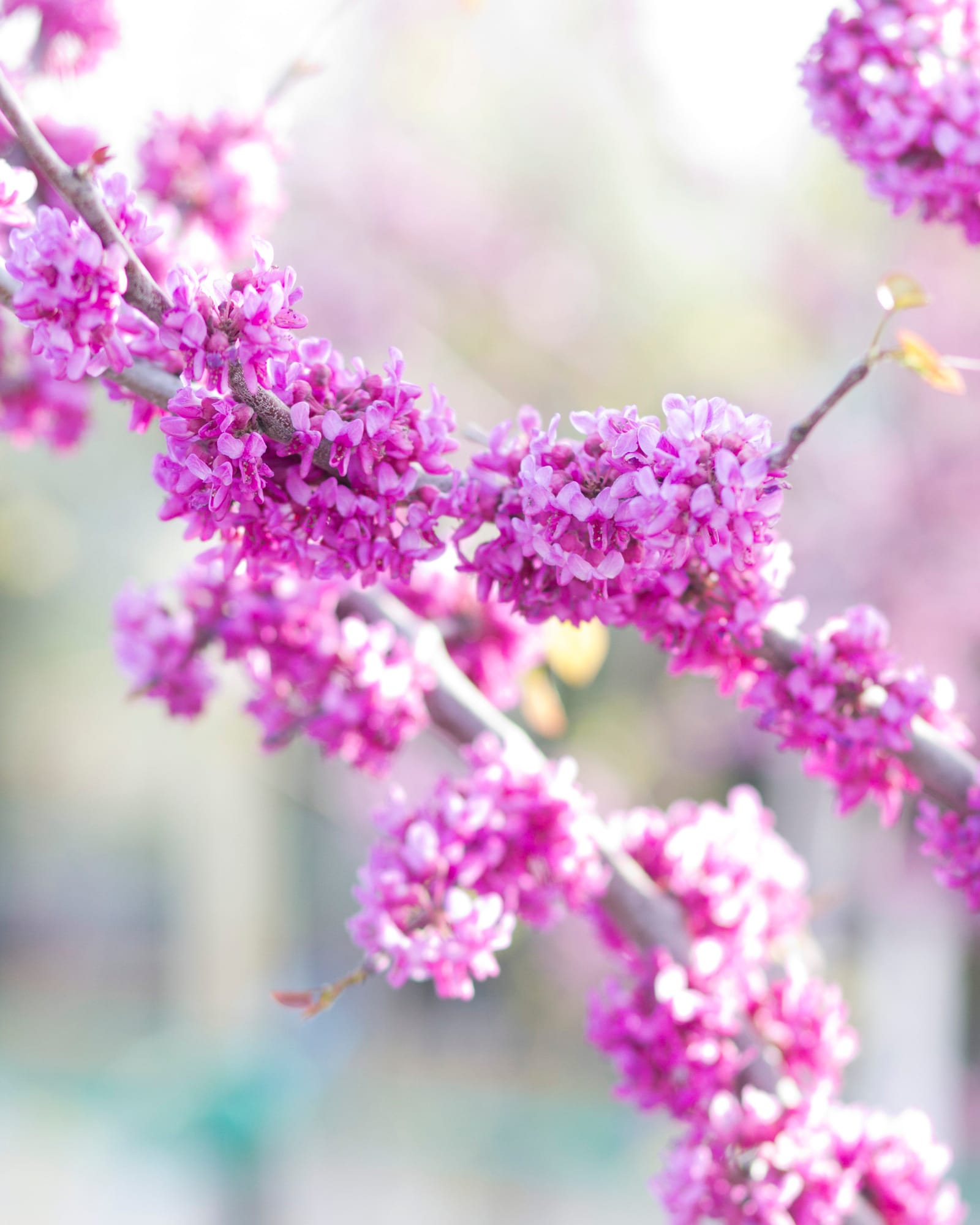
Merlot Redbud
Maturity: 15' H x 15' W
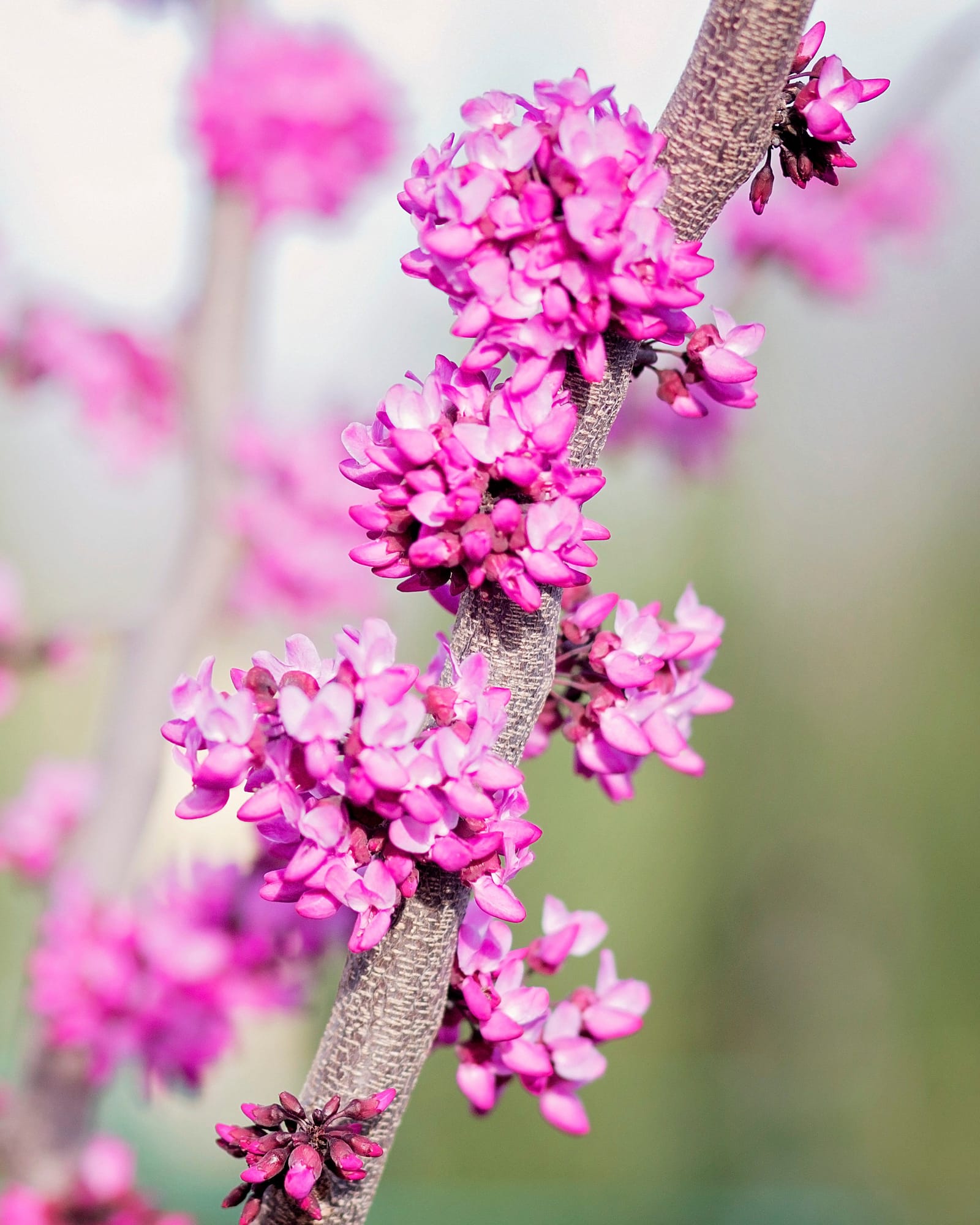
Oklahoma Sparkler Redbud
Maturity: 15' H x 15' W
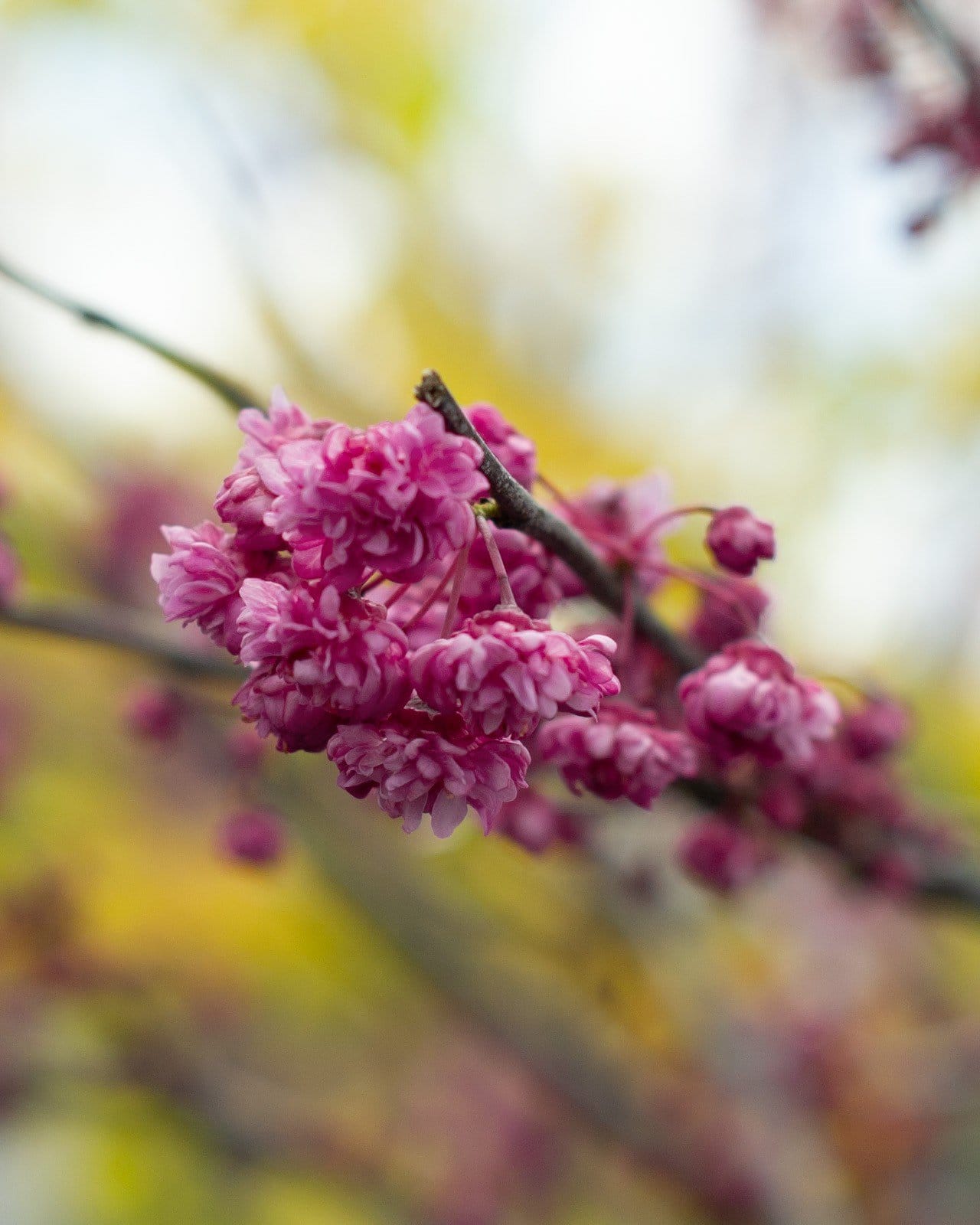
Pink Pom Poms Redbud
Maturity: 15' H x 15' W
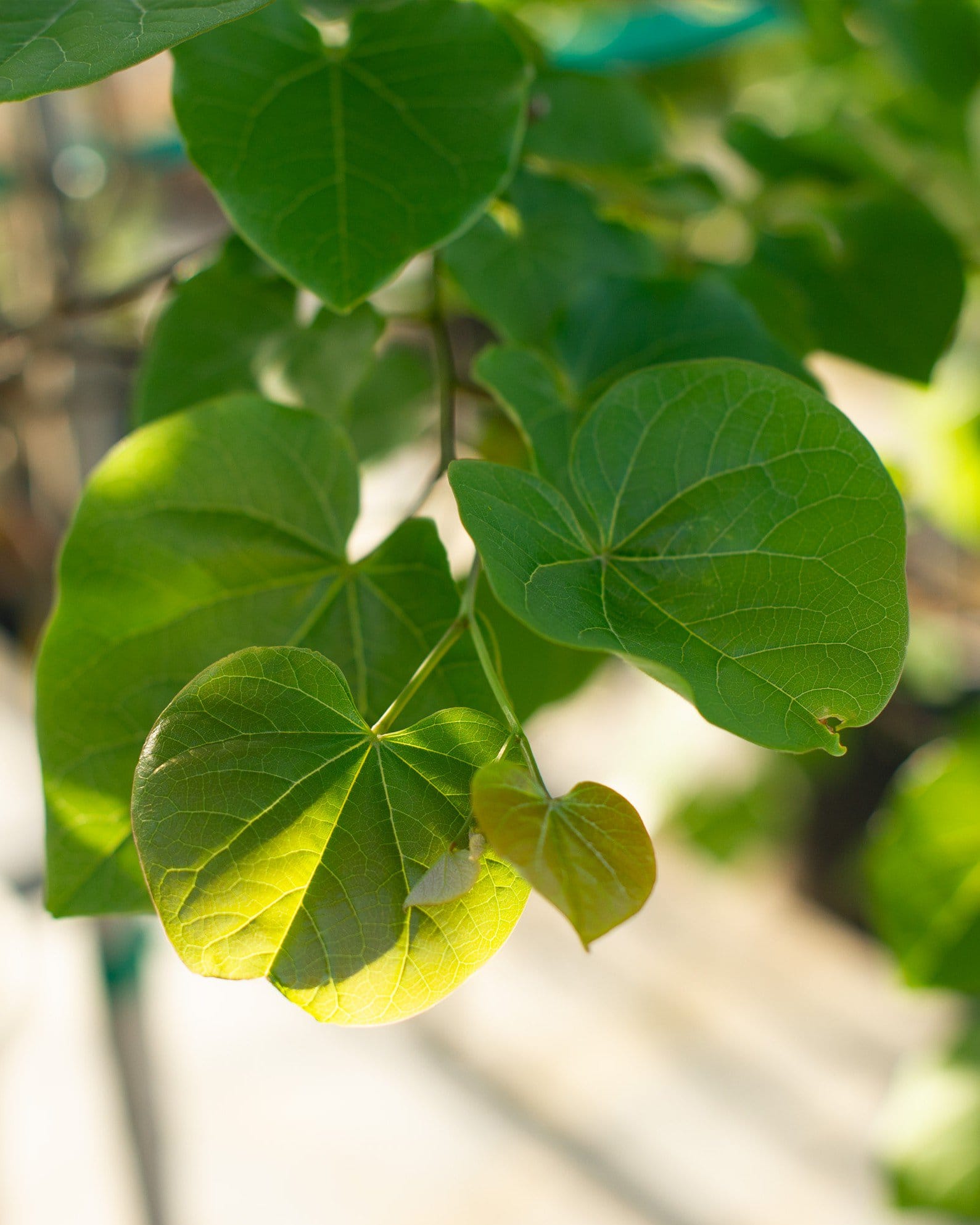
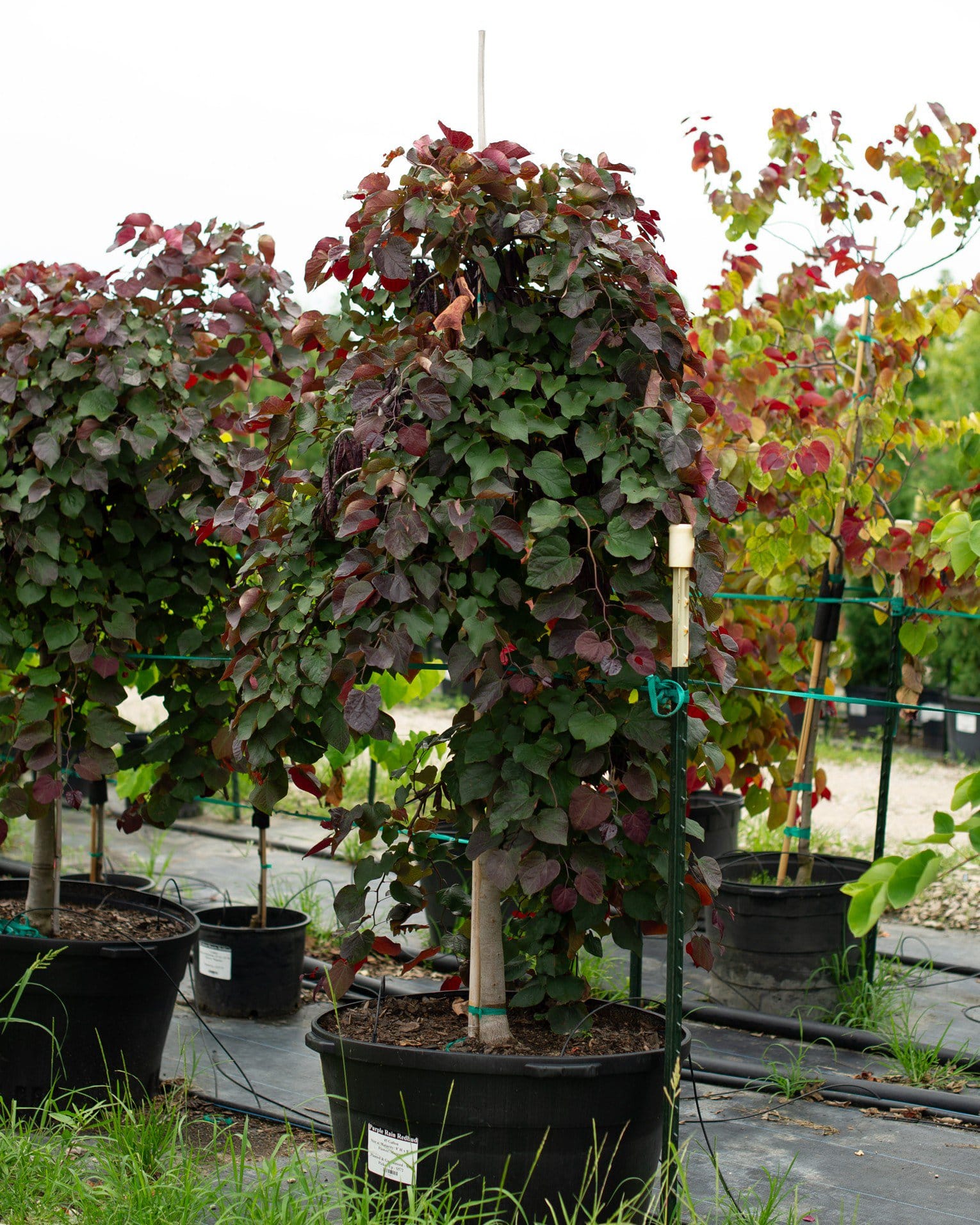
Purple Rain Weeping Redbud
Maturity: 8' H x 8' W
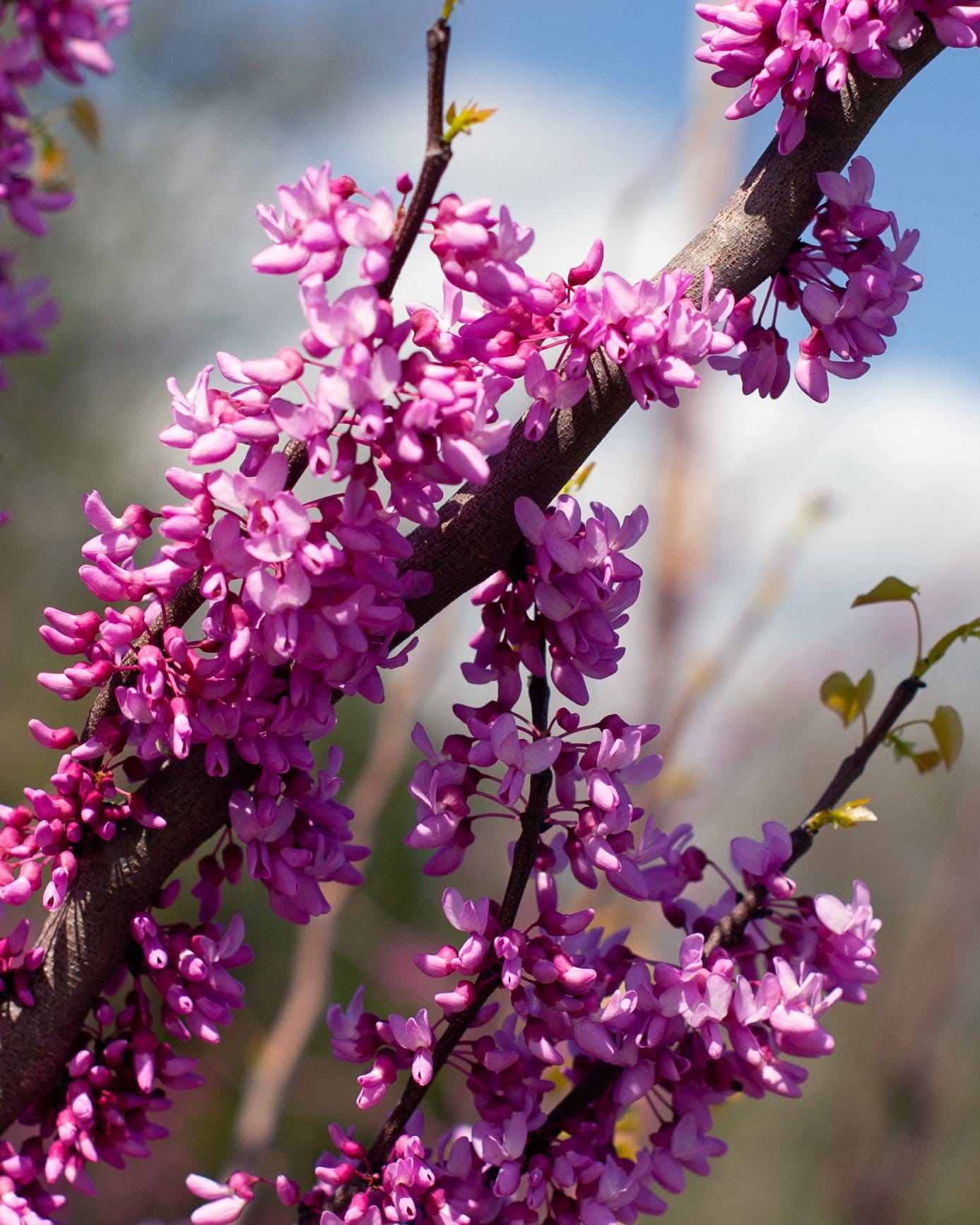
Rise 'N Shine Redbud
Maturity: 20' H x 15' W
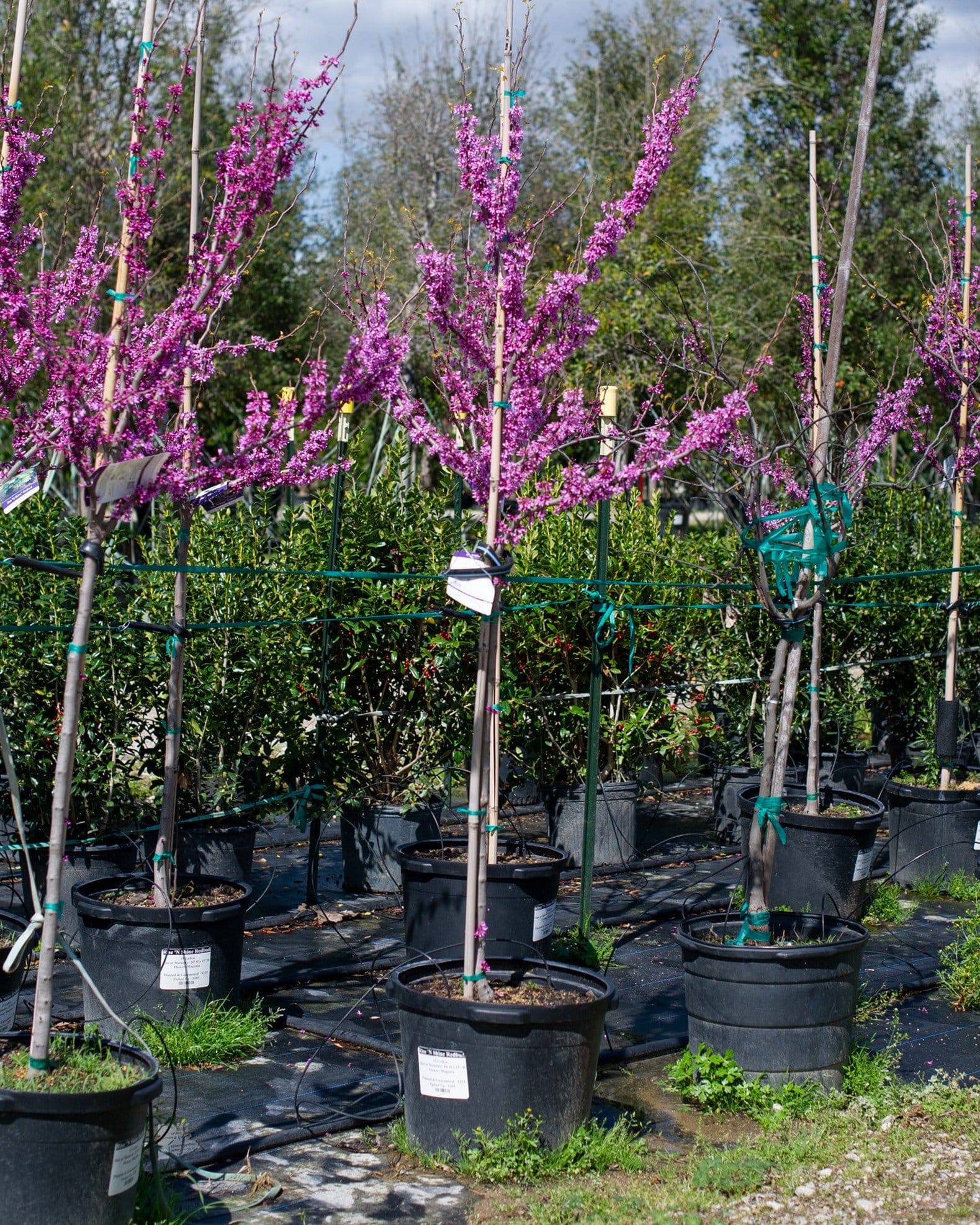
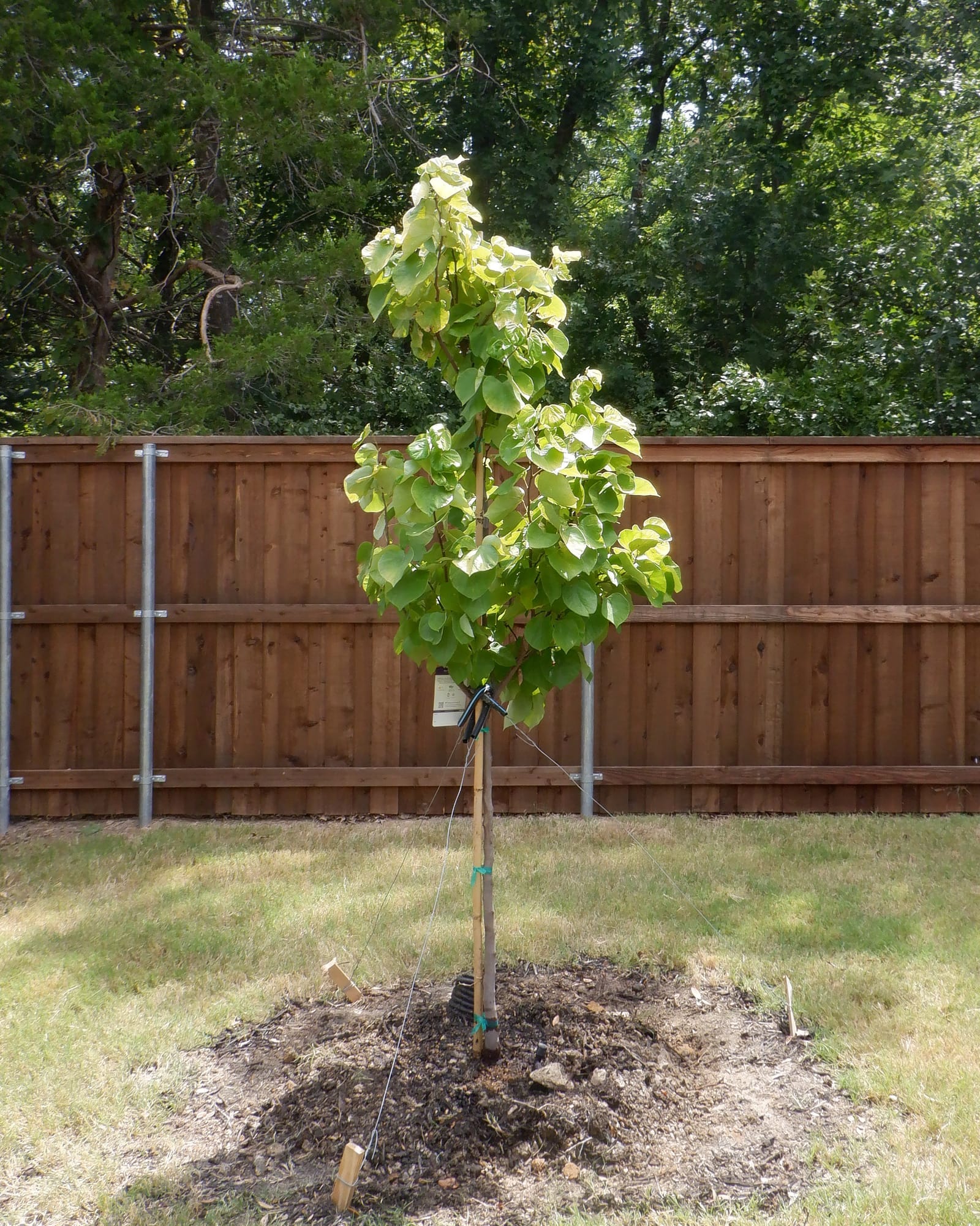
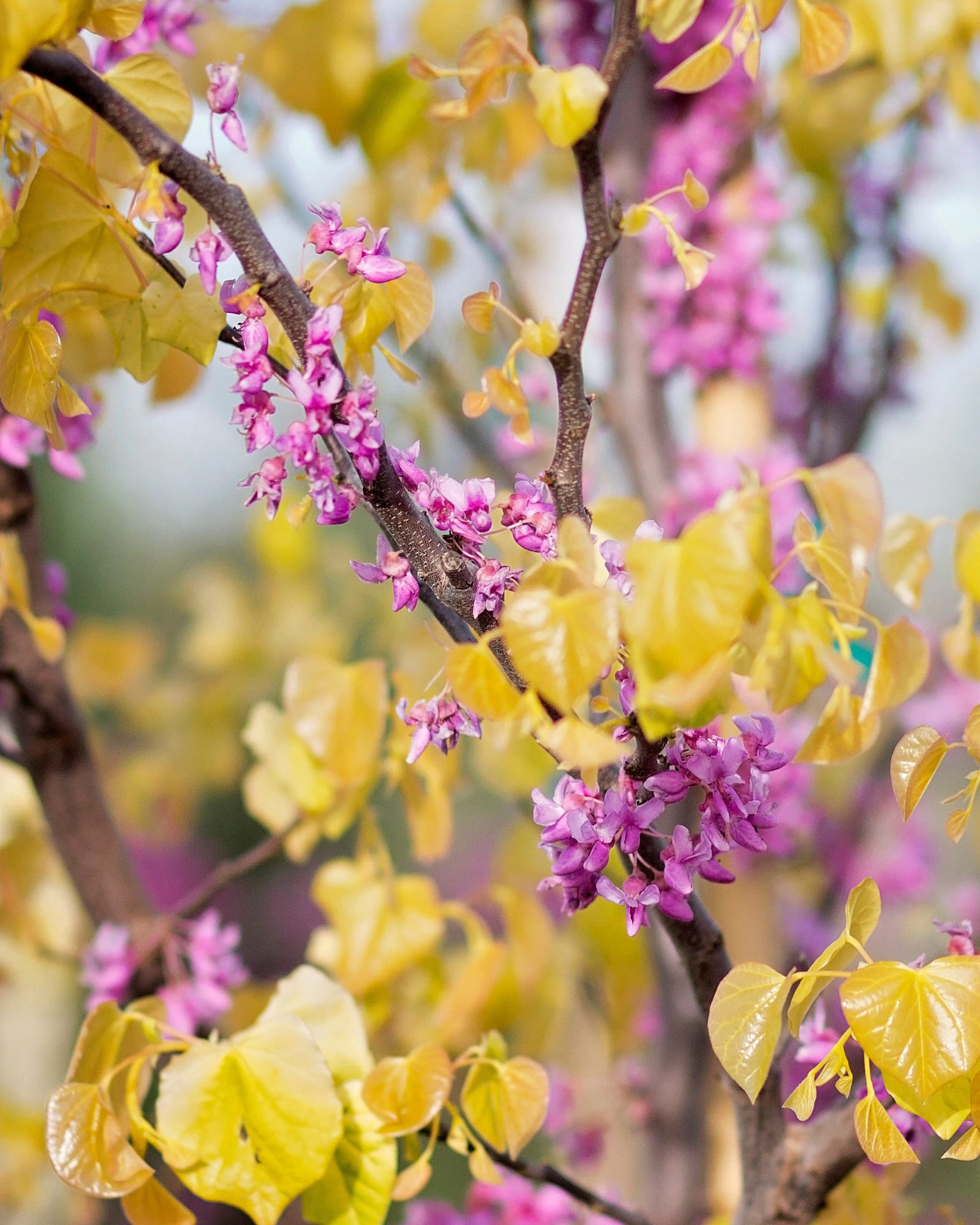
Rising Sun Redbud
Maturity: 15' H x 15' W
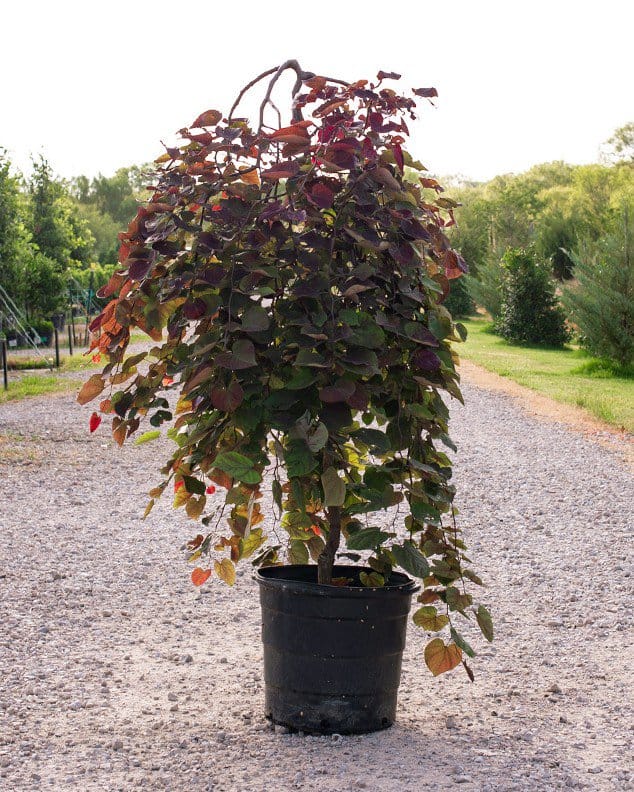
Ruby Falls Weeping Redbud
Maturity: 6' H x 10' W
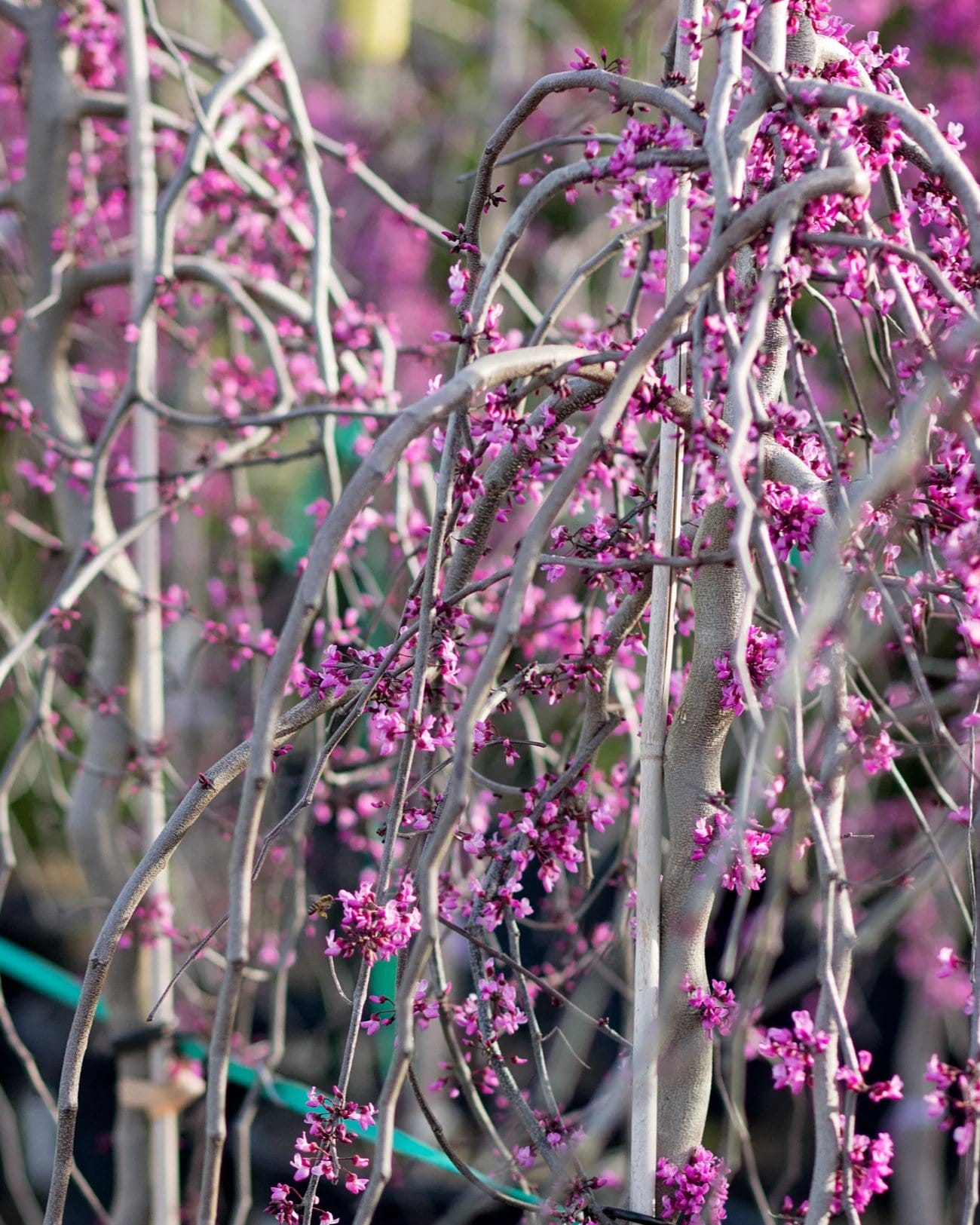
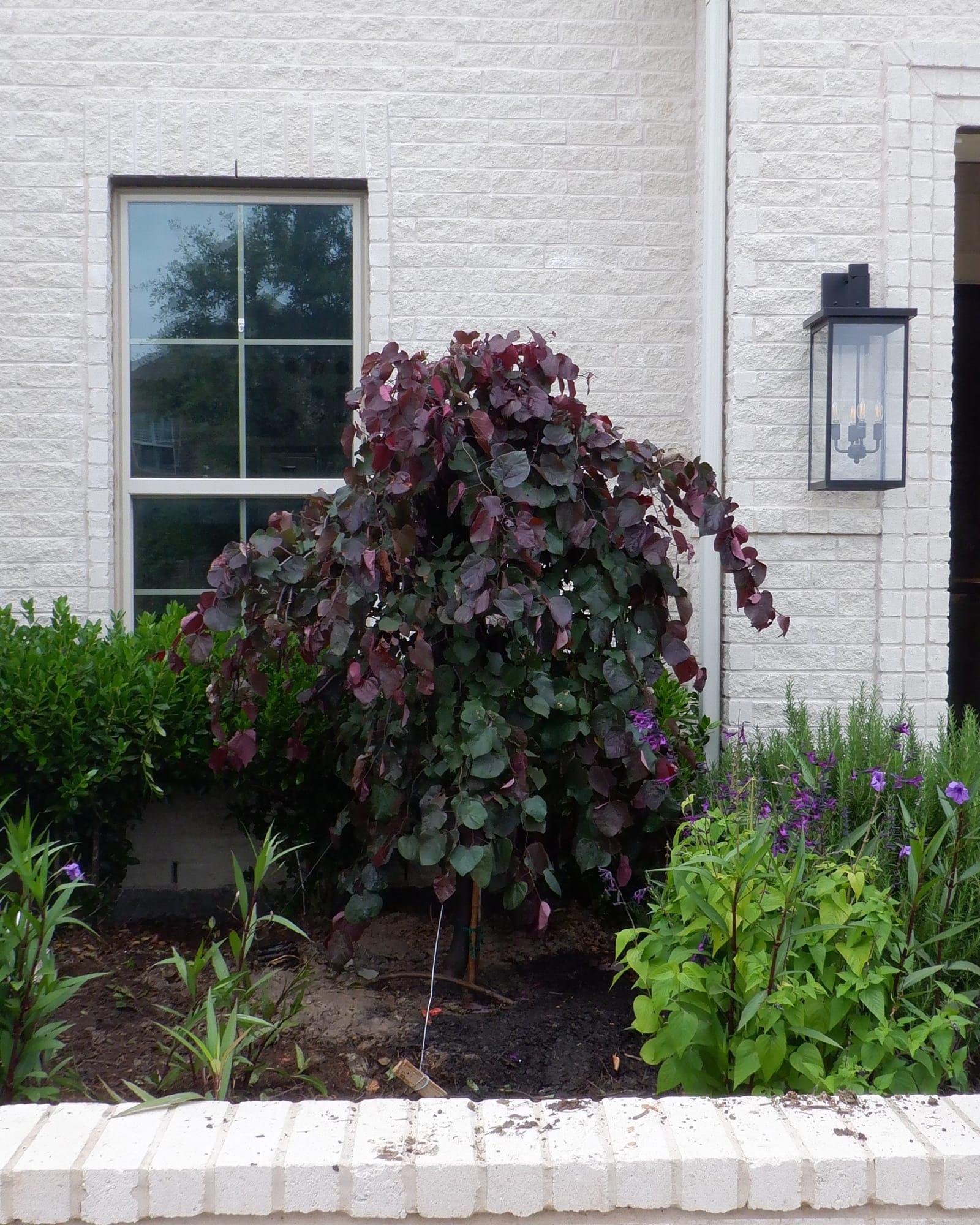
Texas Redbud
Maturity: 30' H x 20' W
Compare Similar Plants
Eastern Redbud This plant | ||
|---|---|---|
| Scientific Name | Cercis canadensis | Cercis canadensis 'NC2017-6' |
| Size at Maturity | 20' H x 20' W | 8' H x 8' W |
| Leaf Retention | Deciduous | Deciduous |
| Fall Color | Yellow | Yellow |
| Flower Color | Pink | Pink |
| Bloom Times | Spring | Spring |
| Sizes Available | 7, 15, 30, 45 gal | 15 gal |


Our 1-Year Planting Guarantee
We take pride in our plants and installation services. If any plants or trees installed by Treeland fail to thrive within the first year, we'll provide a replacement credit in accordance with our guarantee program.
Learn More About Our Guarantee