
 Texas Native
Gilded Hearts Redbud
Cercis canadensis var. texensis 'NC2014-10'Local DFW Delivery Only
Product Details
Gilded Hearts Redbud
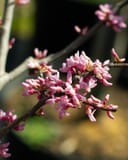
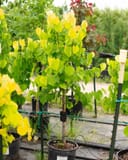
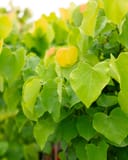
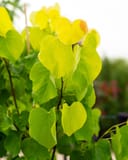
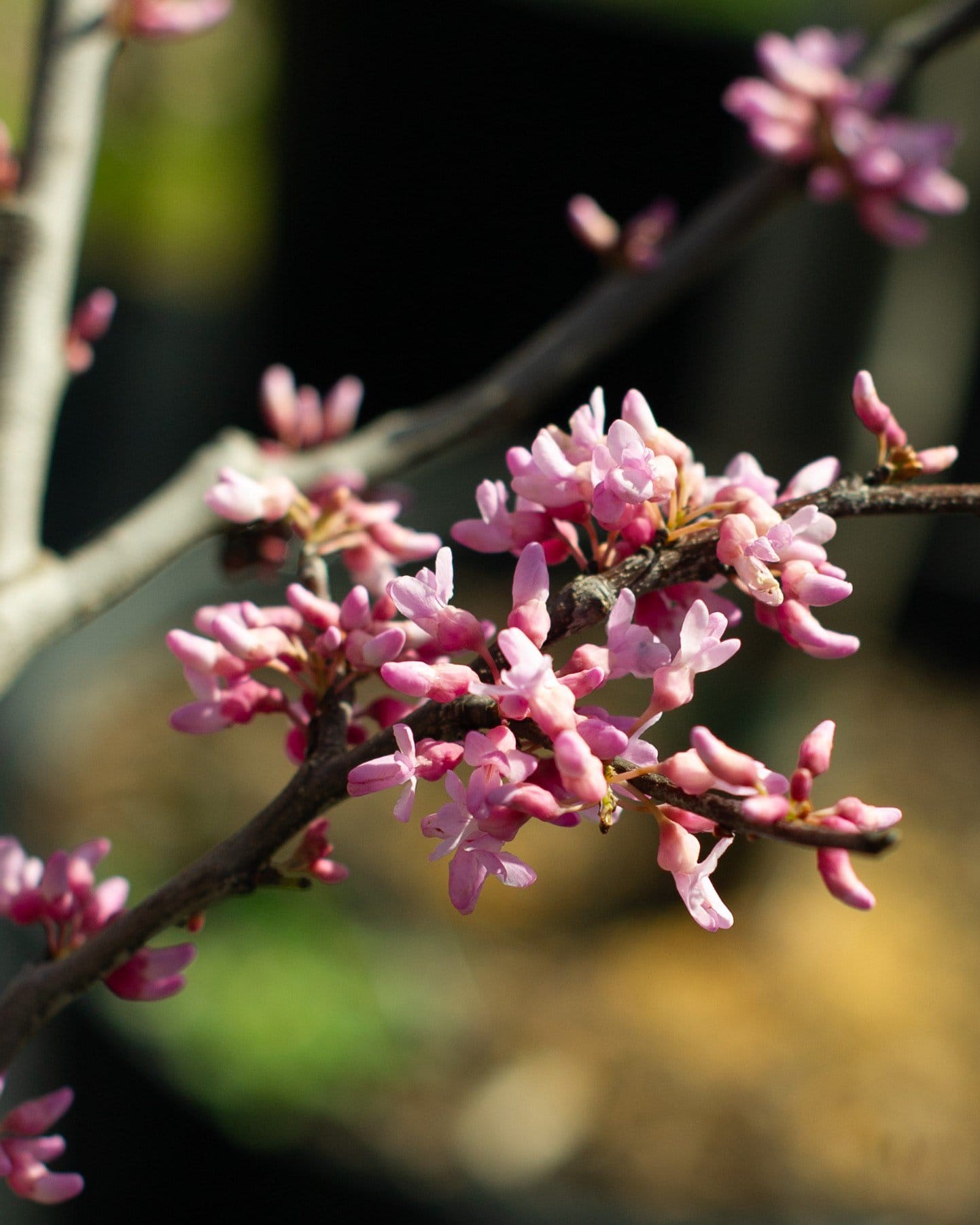
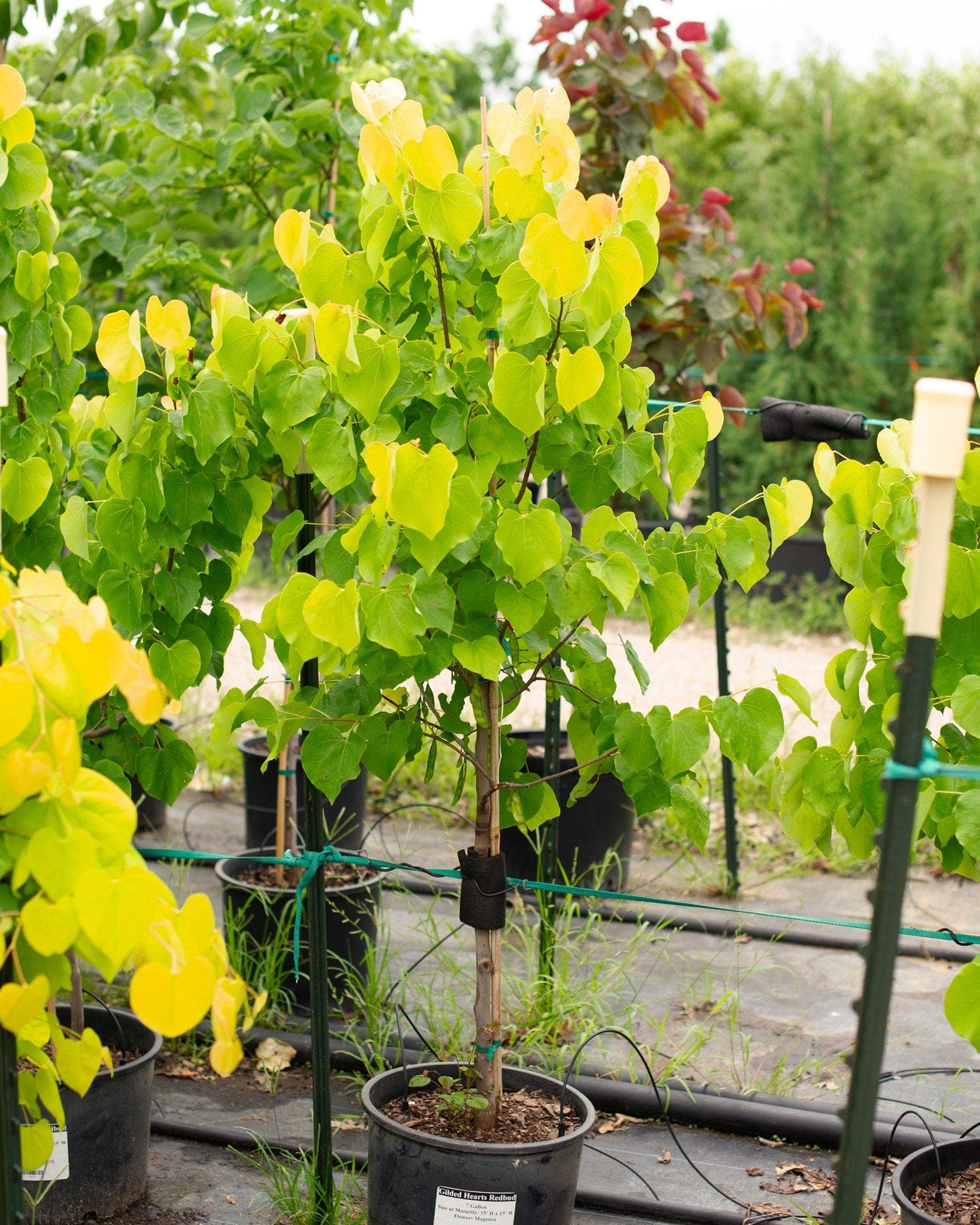
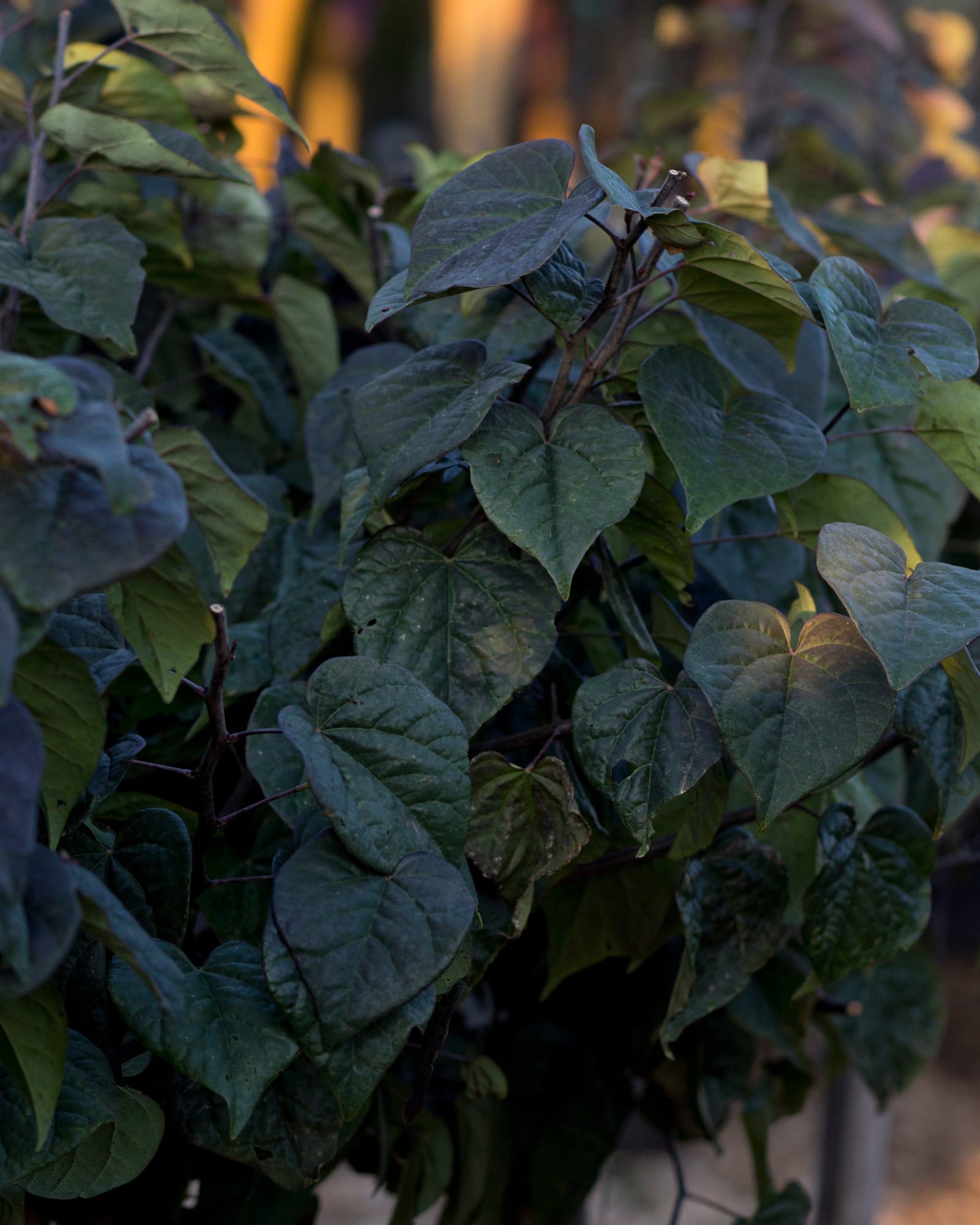
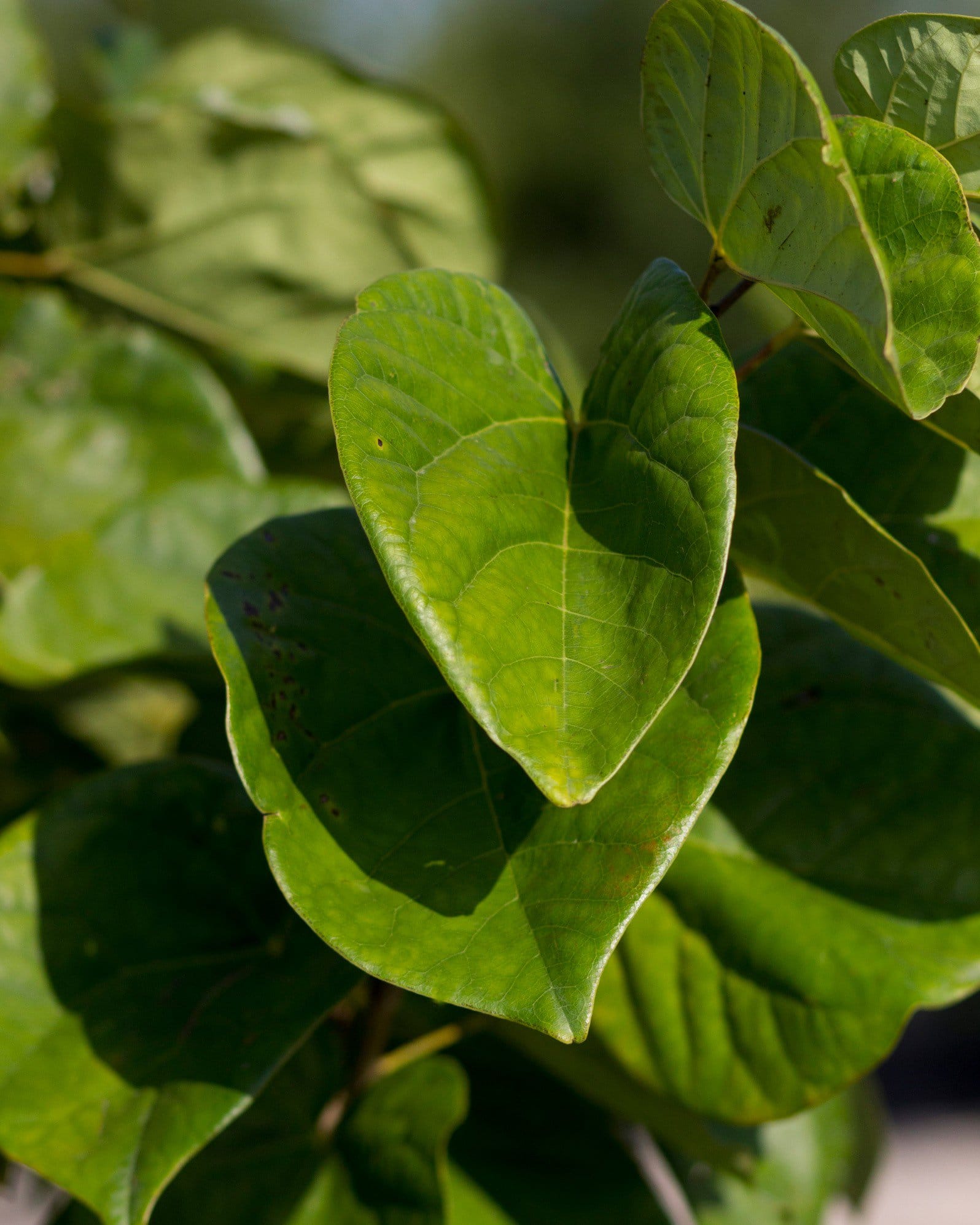
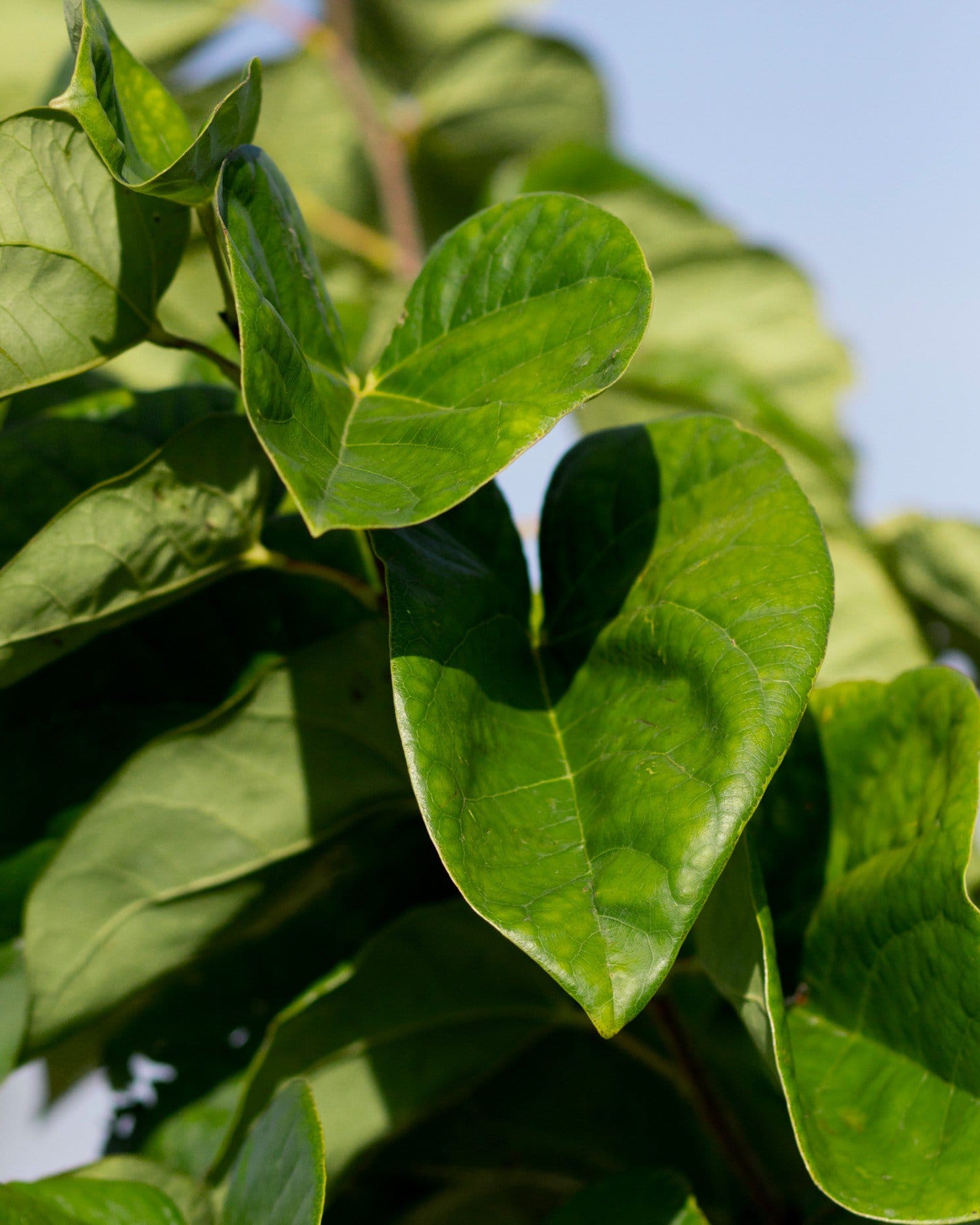
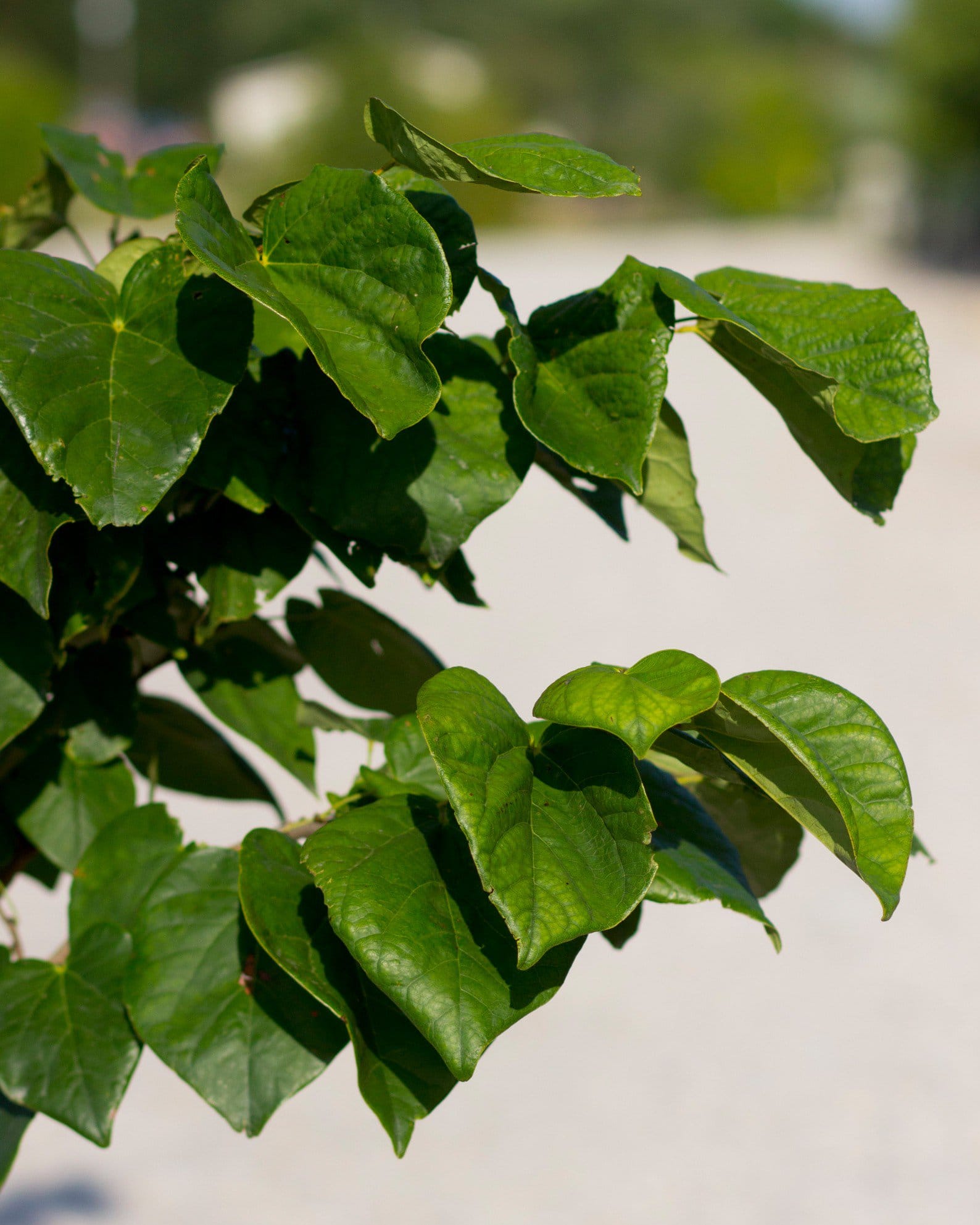
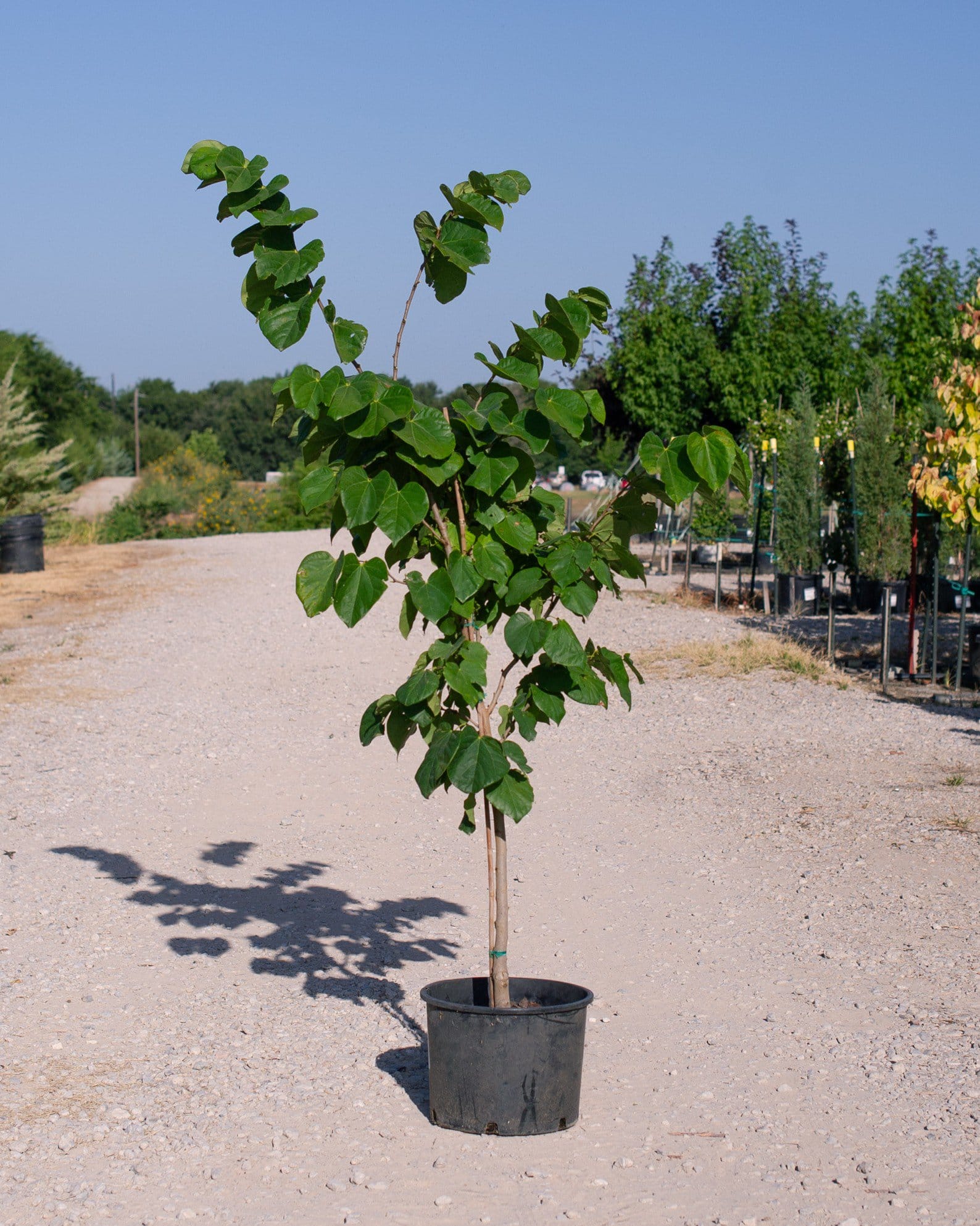
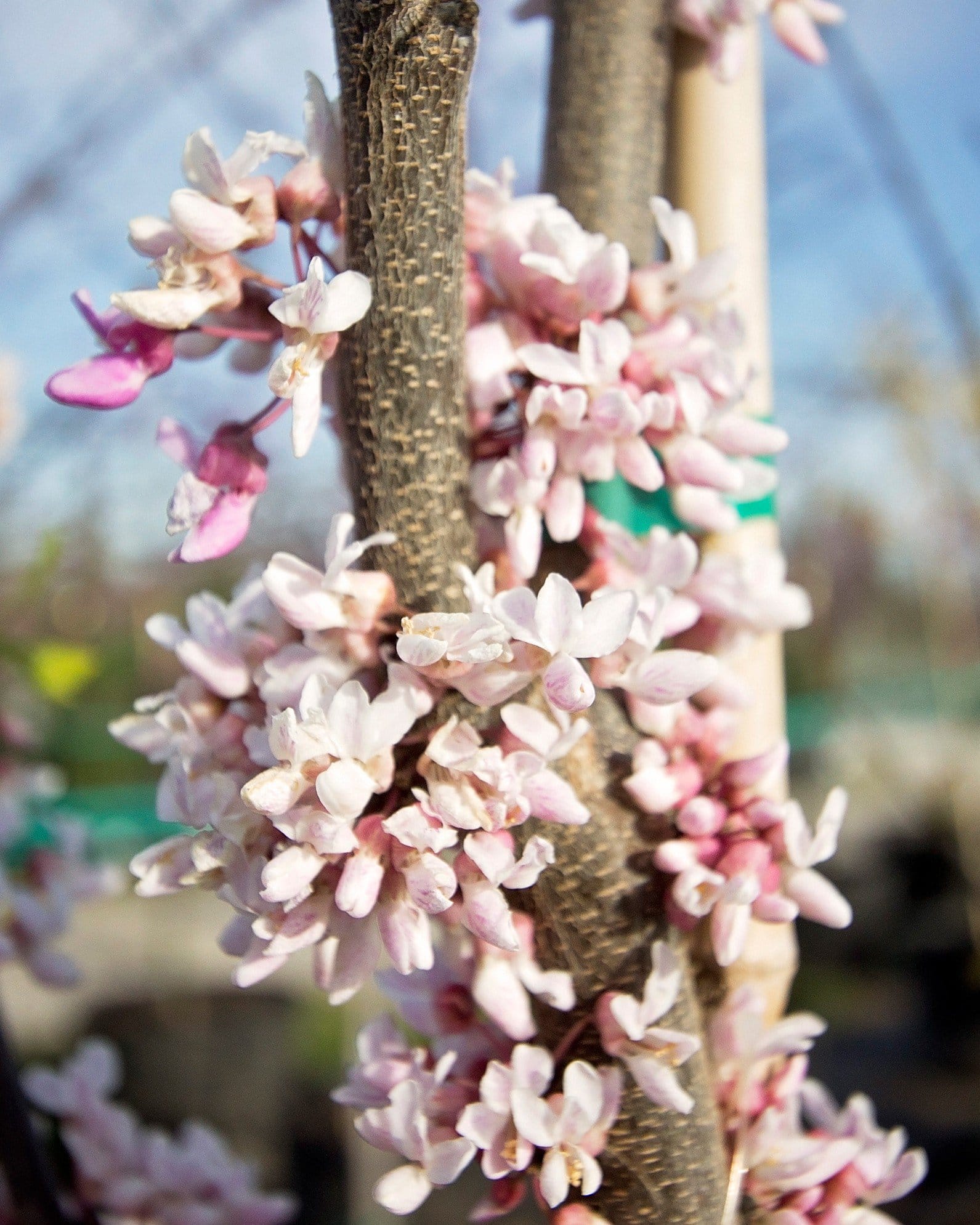
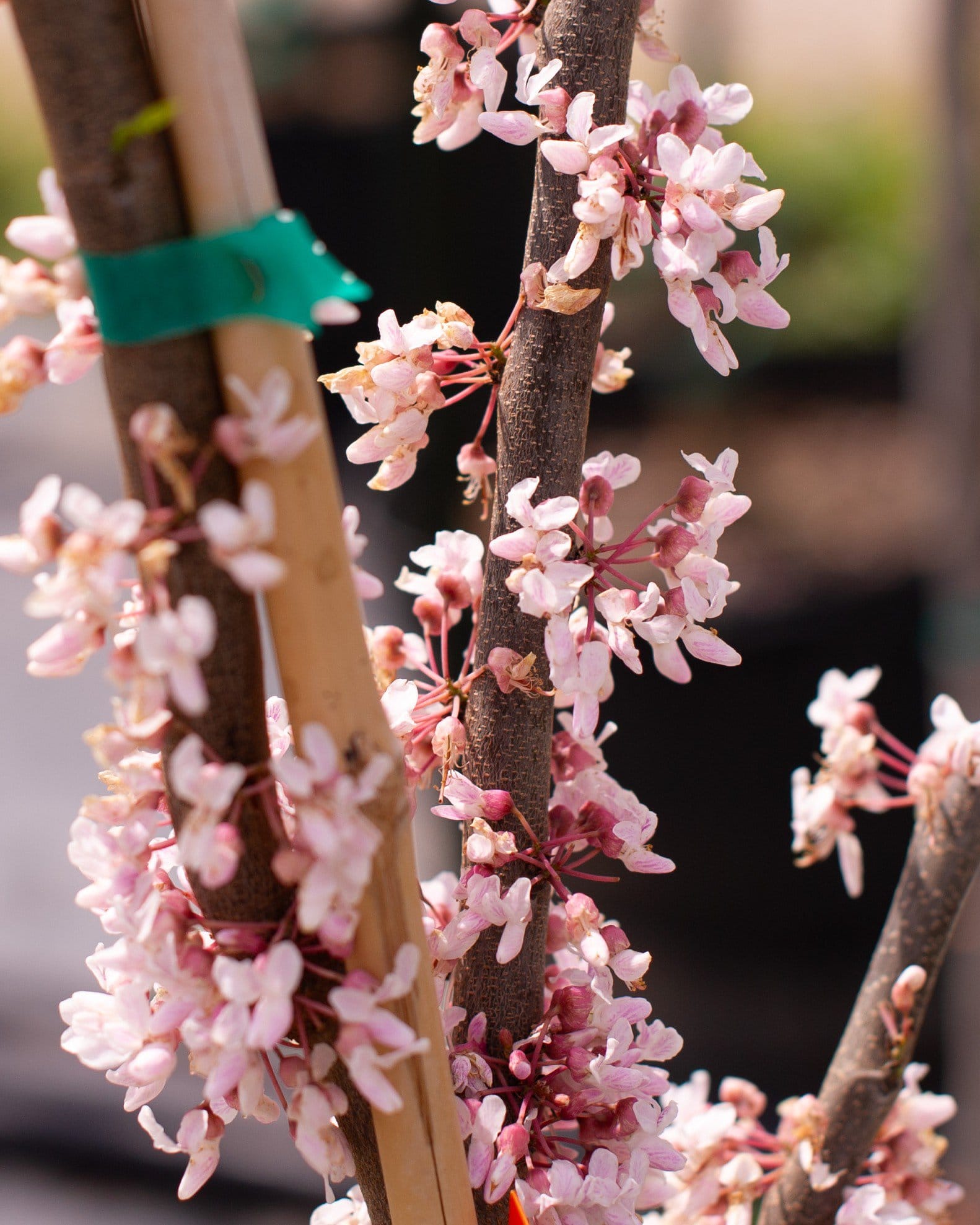
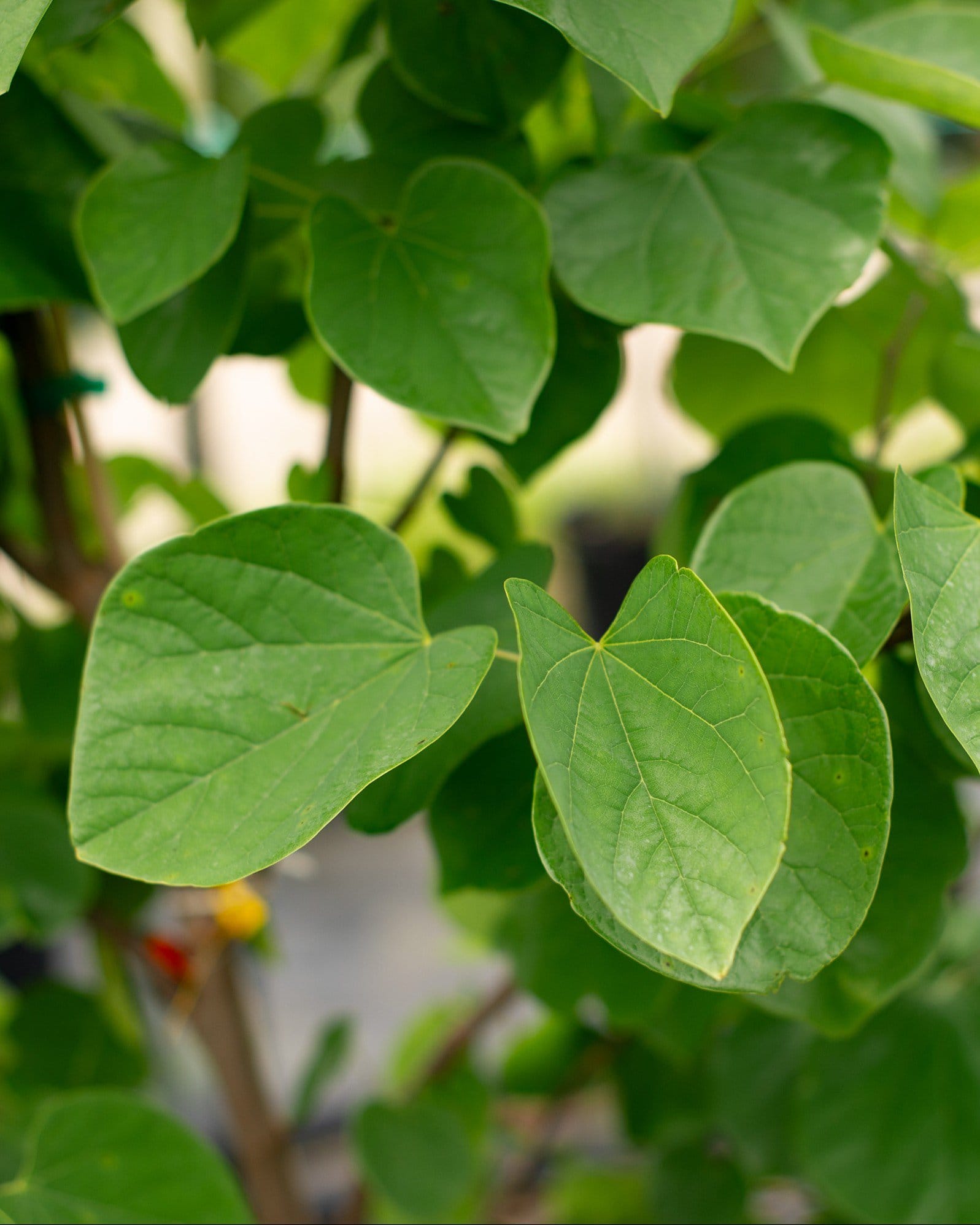
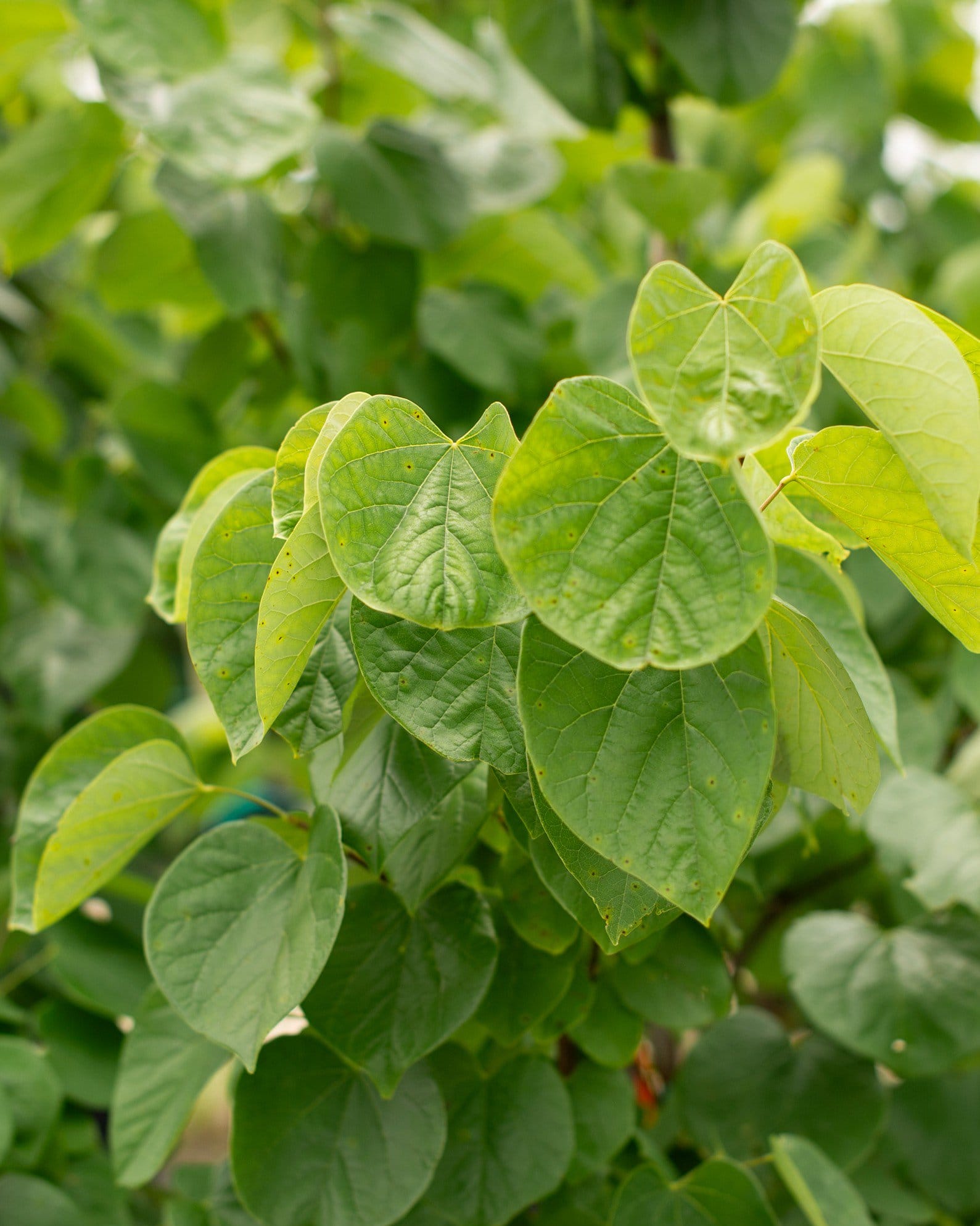
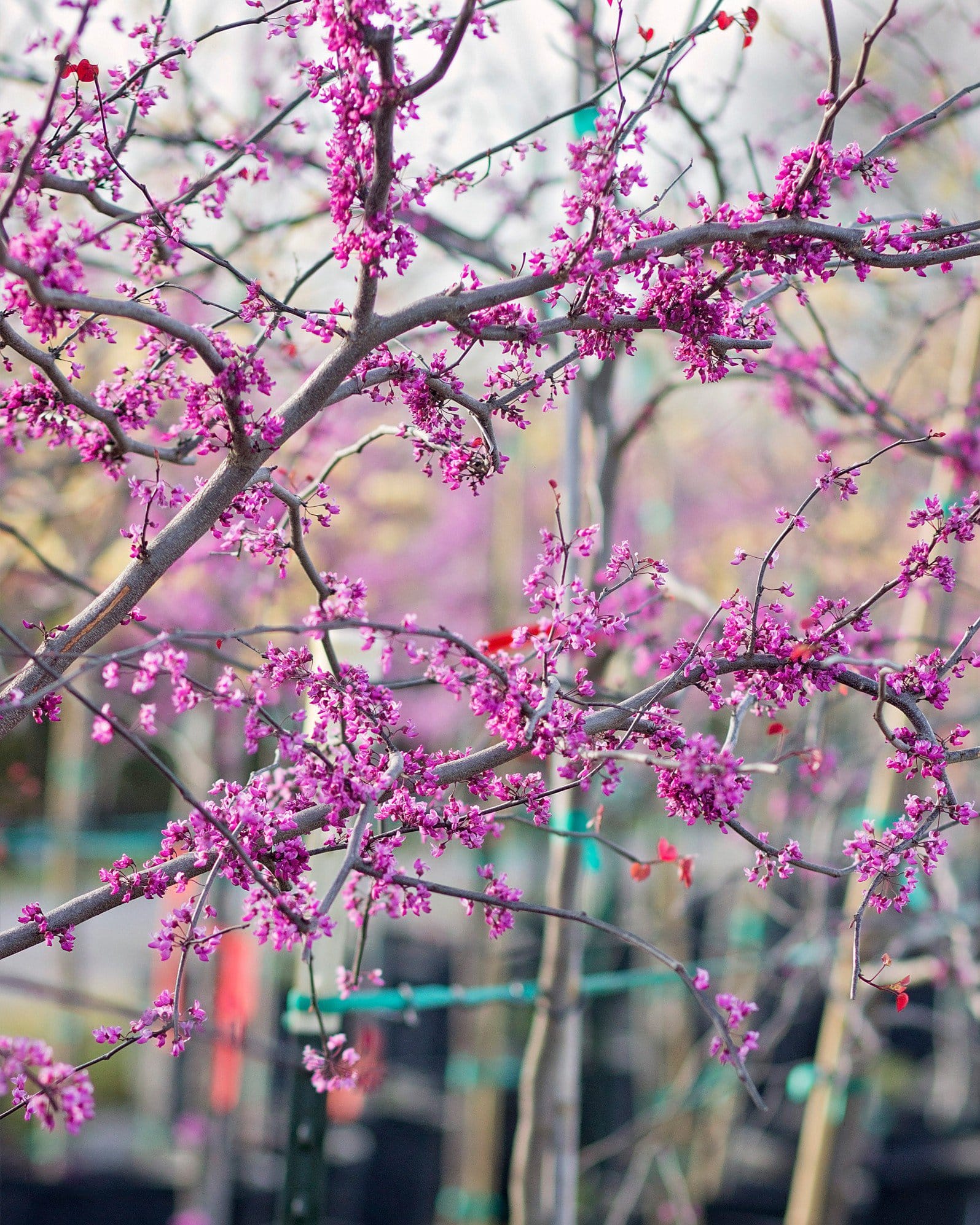
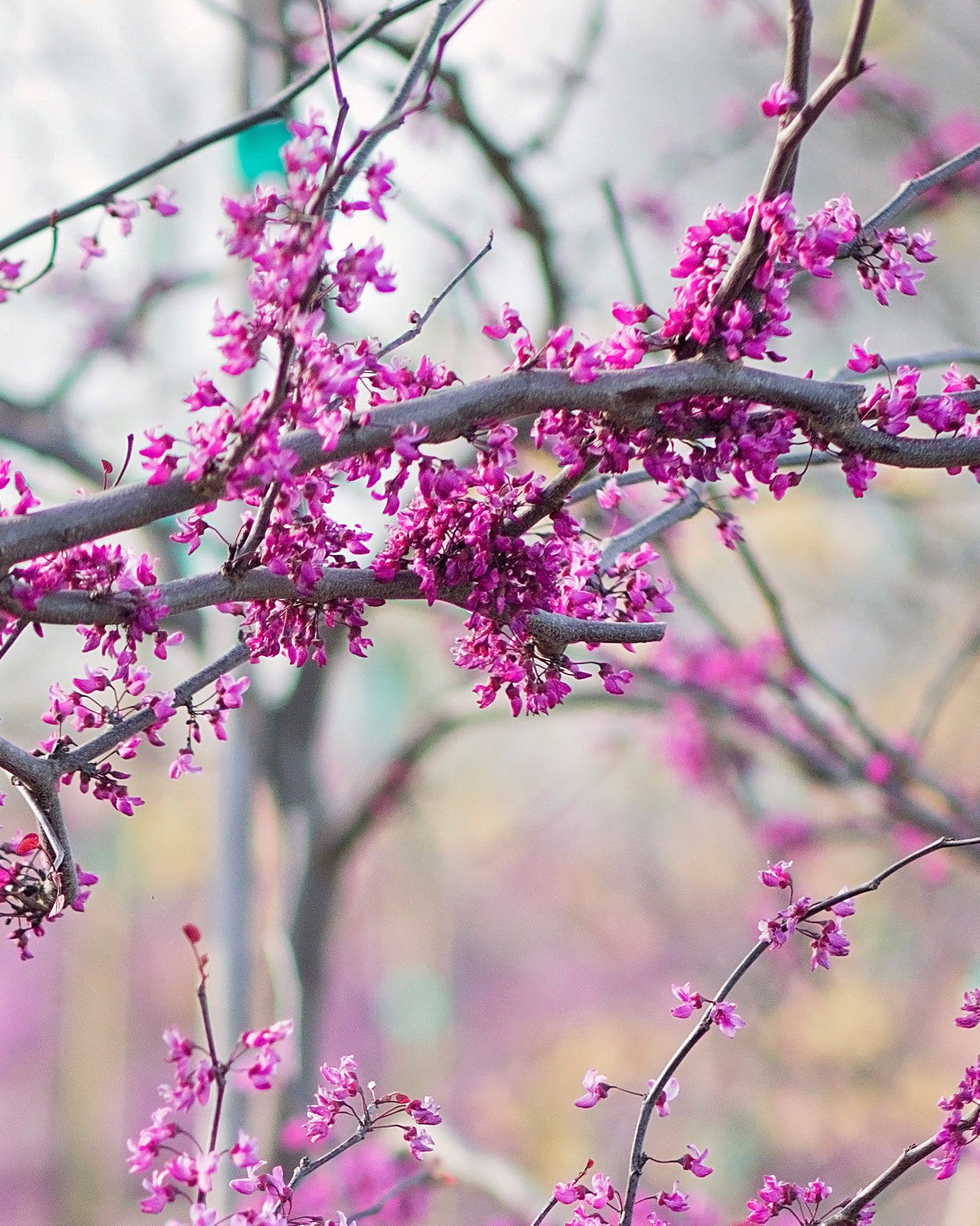
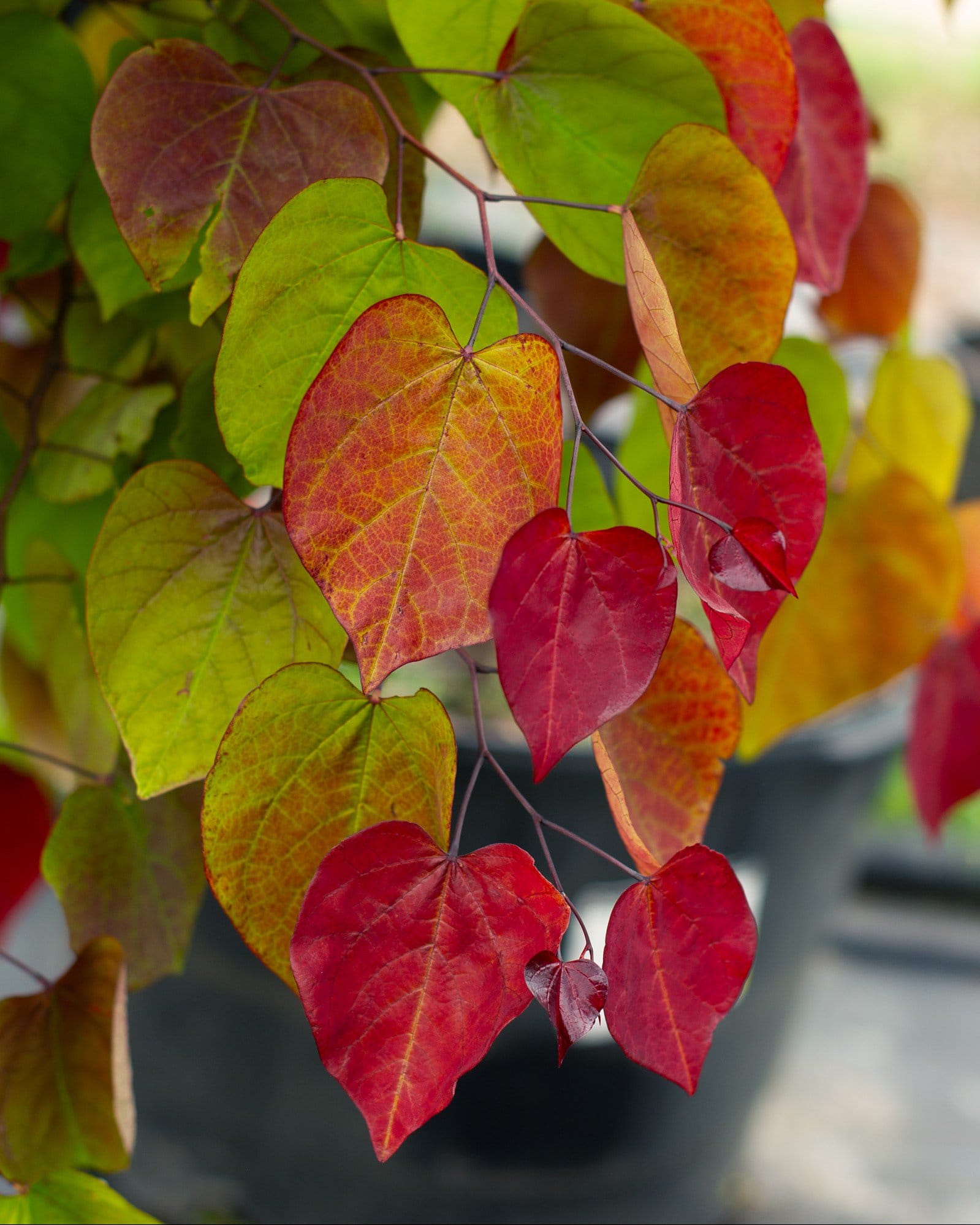
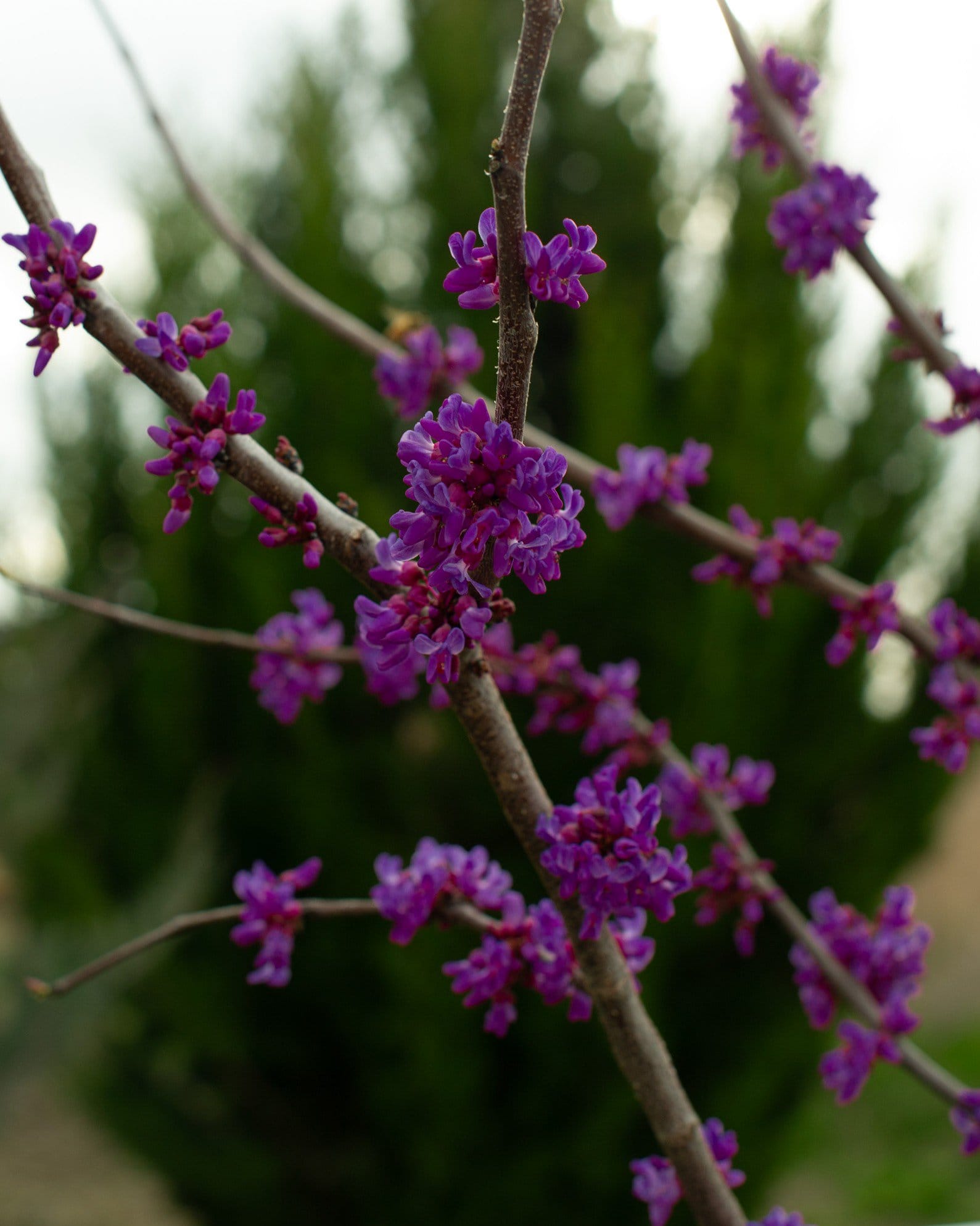
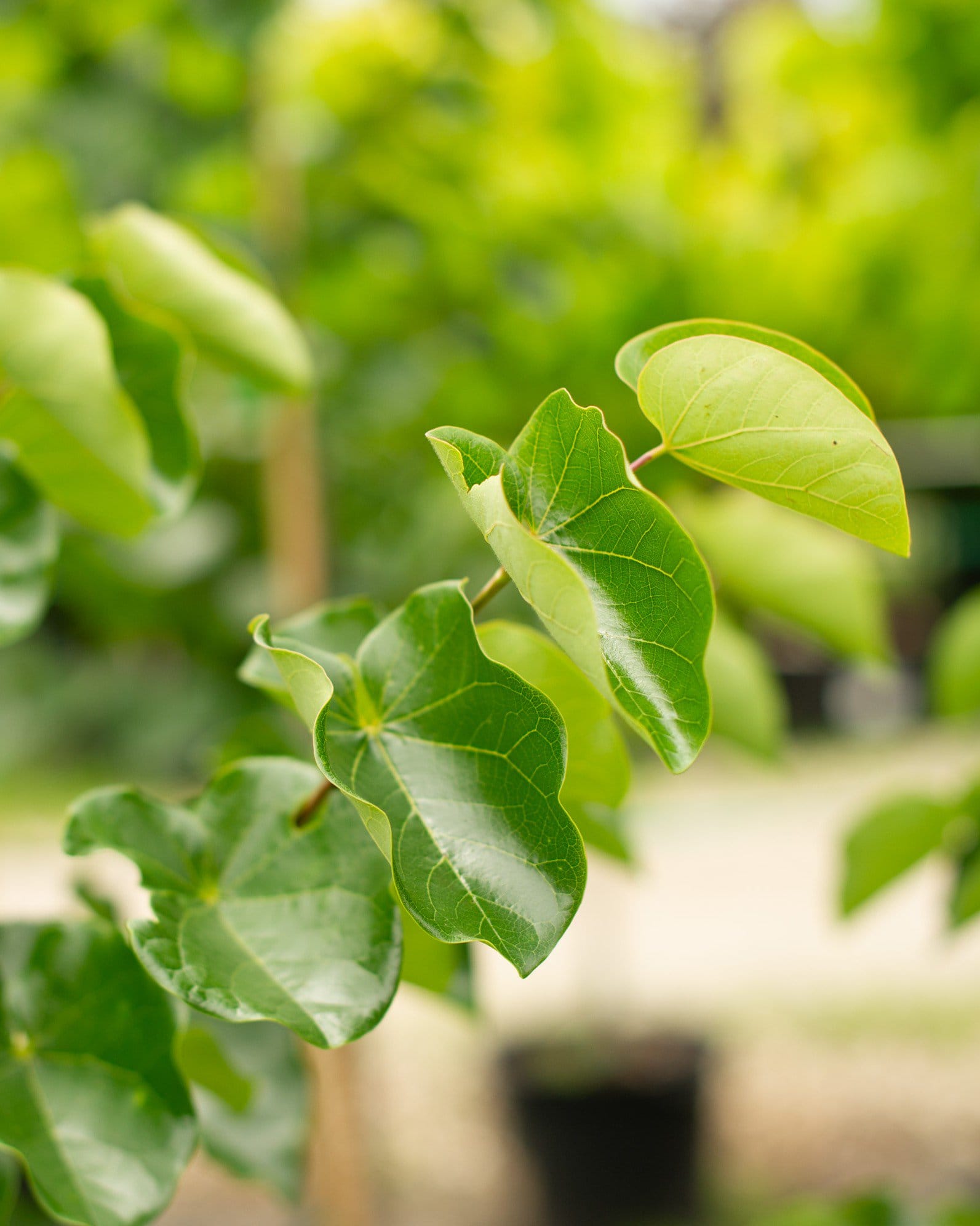
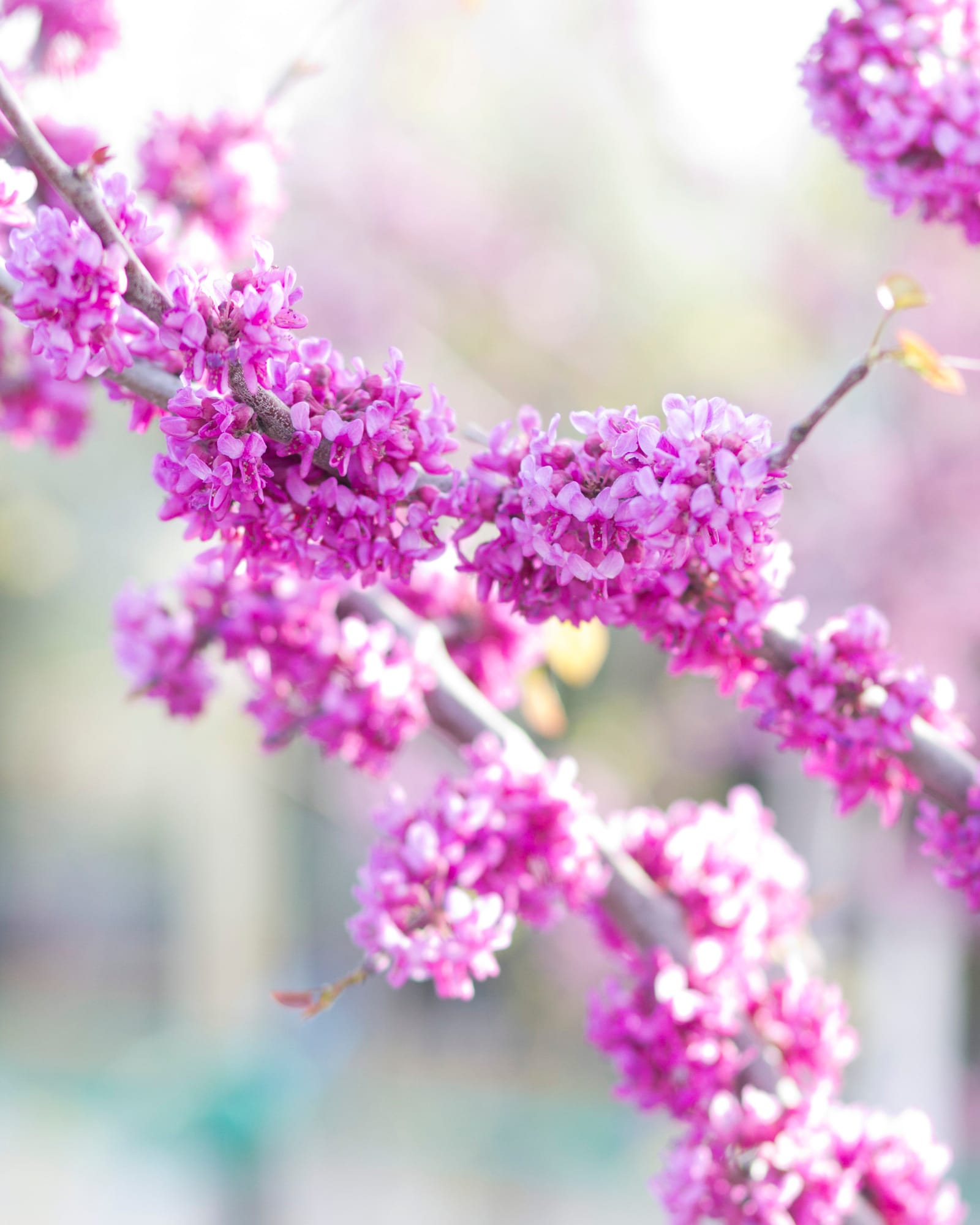
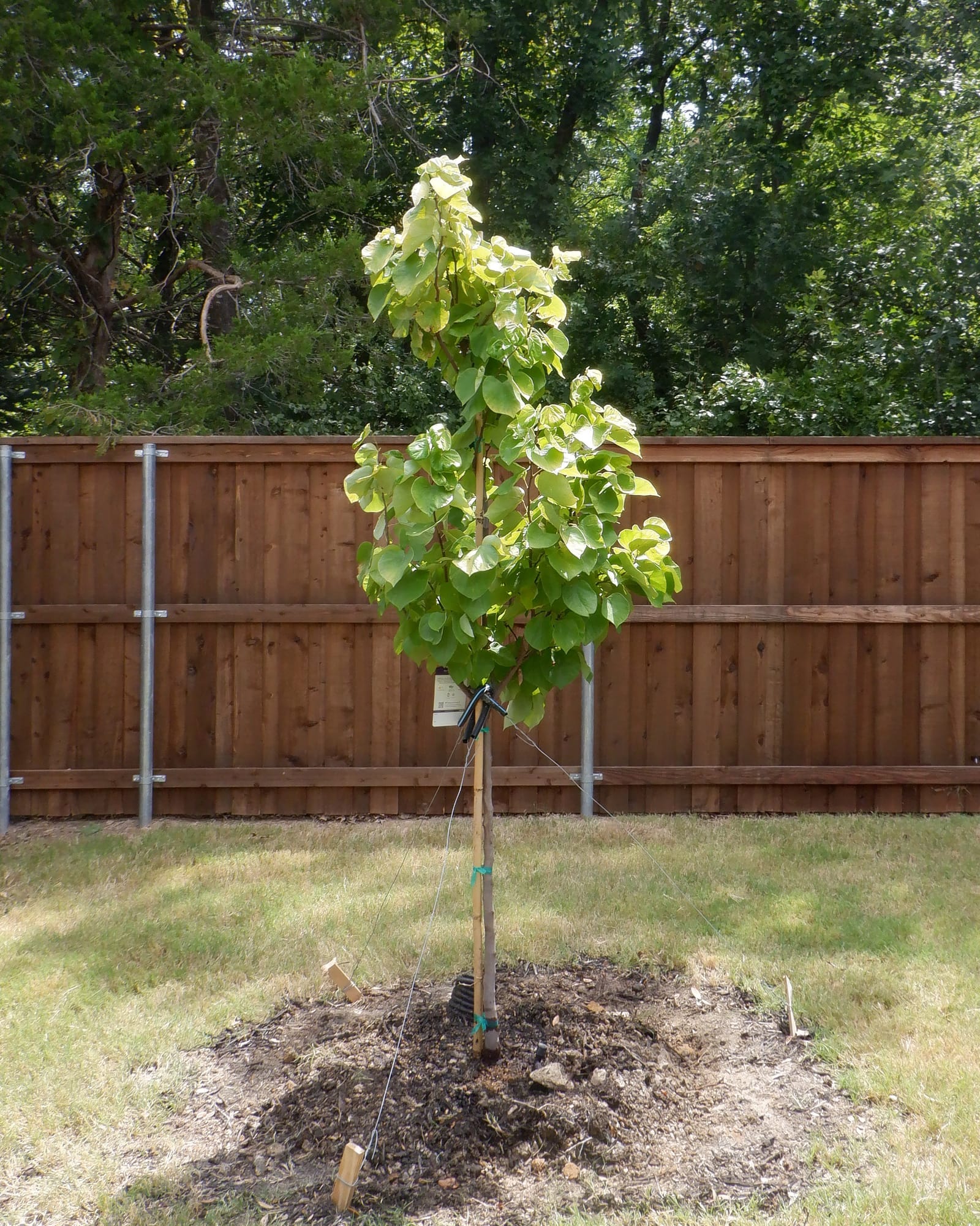
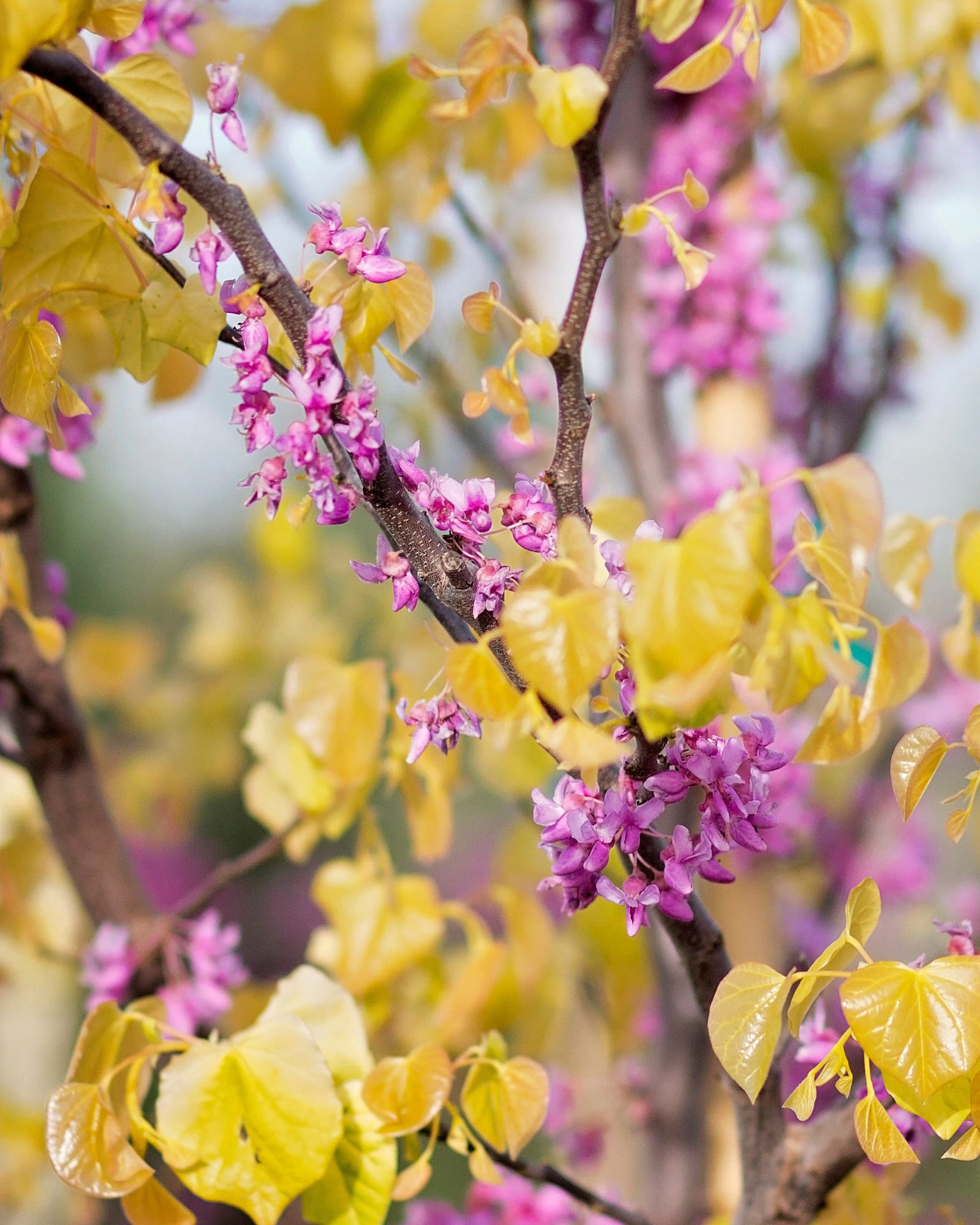
Cercis canadensis var. texensis 'NC2014-10'Gilded Hearts Redbud brings a golden glow to the bed like no other. This standout variety features brilliant chartreuse foliage that holds its color through the heat of summer, creating a luminous contrast against the tree’s soft, rosy-lavender spring flowers. Heart-shaped leaves emerge with a soft yellow hue and deepen into a vibrant golden green, lighting up shady corners and brightening any mixed bed. Reaching 15 feet in both height and width, this redbud has a naturally rounded shape and moderate growth rate, making it ideal for smaller yards, specimen plantings, or as a glowing focal point in layered landscapes.
- Deciduous tree
- Moderate growth rate
- Golden-chartreuse heart-shaped foliage
- Lavender-pink spring blooms attract pollinators
- Compact, rounded form perfect for urban beds or bright focal points
Plant Gilded Hearts in full sun to partial shade with well-drained soil. Hardy in USDA zones 5 through 9, it’s the perfect way to bring bold color and softness to North Texas beds, borders, and patios.
Gilded Hearts Redbud shines with glowing golden foliage while remaining surprisingly low-maintenance. Here’s how to help it thrive:
- Watering: Provide deep, consistent watering during the first several years to establish a strong foundation. Once mature, Gilded Hearts tolerates moderate drought but shows its best leaf color with steady, even moisture. Avoid soggy soil, as redbuds are sensitive to prolonged wetness.
- Pruning: Prune in late winter to remove crossing branches, improve airflow, and enhance the tree’s naturally rounded form. Heavy shaping is seldom needed due to its balanced growth habit. Avoid pruning after flower buds have formed to preserve spring blooming.
- Fertilizing: Apply a light, slow-release fertilizer in early spring to support healthy growth and vibrant foliage color. Compost or organic amendments improve soil health and long-term vigor. Too much nitrogen can reduce foliage brightness.
- Mulching: A 2-3 inch mulch layer helps conserve moisture and protect shallow roots from heat stress. Keep mulch a few inches away from the trunk to avoid bark issues. Refresh annually to maintain nutrient-rich soil.
- Winter Care: Gilded Hearts Redbud is cold-hardy once established. Young trees may benefit from wind protection during their first winter, especially in exposed landscapes. Any minor twig dieback should be pruned in late winter.
- Gilded Hearts Redbud is generally resilient, though a few manageable issues may arise:
- Leaf Spot: Brown or blotchy patches may appear during humid spells. Removing debris and improving air circulation helps reduce recurrence.
- Canker: Sunken or darkened bark areas indicate canker disease. Prune out affected limbs and reduce stress to support recovery.
- Verticillium Wilt: Sudden wilting or branch dieback suggests this soilborne fungus. Removing affected branches and improving soil conditions can help limit further decline.
- Aphids: Curling leaves or sticky honeydew indicate aphid feeding. Rinse foliage or apply insecticidal soap for quick relief.
These trees typically live 20-40 years with proper care. Good soil preparation and consistent moisture help maximize longevity.
It grows at a moderate rate of 1-2 feet per year. A full canopy and bloom display typically develops within 4-7 years.
Its moderate size and soft, rounded form make it ideal for compact spaces, courtyards, and front entries. Even a single specimen transforms the feel of a garden.
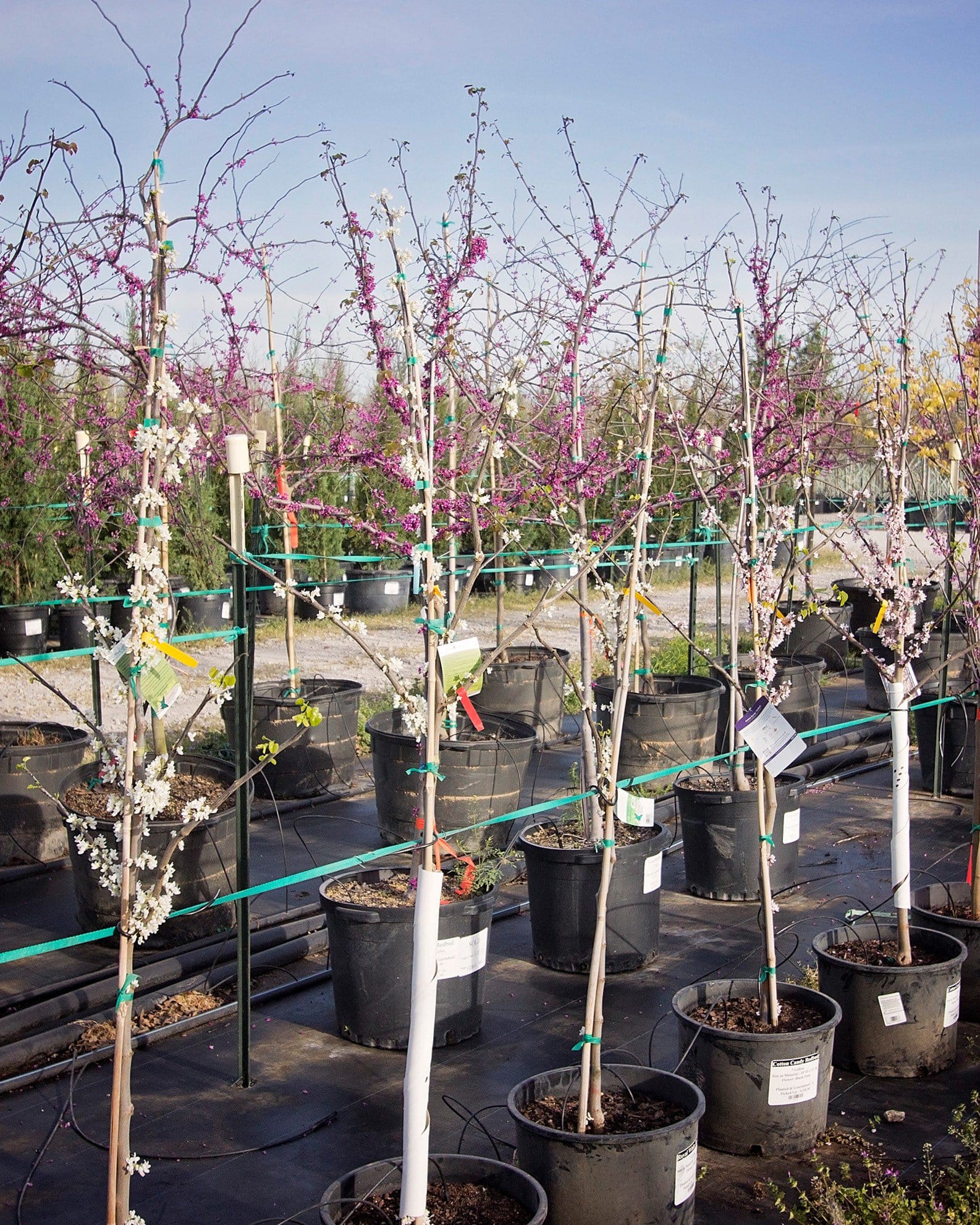
It can be grown in a large container during early years, especially in patio or terrace settings. Long-term health is best achieved when planted in the ground.
It performs well in full sun but may appreciate light afternoon shade in extremely hot climates to prevent leaf scorch. With consistent moisture, its leaf color stays bright and clean.
Deer occasionally sample young leaves but generally prefer other plants. Light protection during establishment usually prevents issues.
Purple Heucheras, deep-green Hostas, Hydrangeas, Ferns, Dogwoods, and ornamental grasses beautifully complement its golden canopy. These combinations create contrast and seasonal interest.
Yes - planting several together creates a luminous, golden display that brightens large beds or woodland edges. The effect is especially beautiful when combined with darker-foliaged plants.
Young trees transplant well when moved in late winter or early spring. After transplanting, consistent watering helps them reestablish quickly.
Its glowing golden foliage offers a unique twist on the iconic heart-shaped leaf form. Paired with spring blooms and compact structure, it stands out as a truly radiant ornamental tree.
Special Features
You might also like
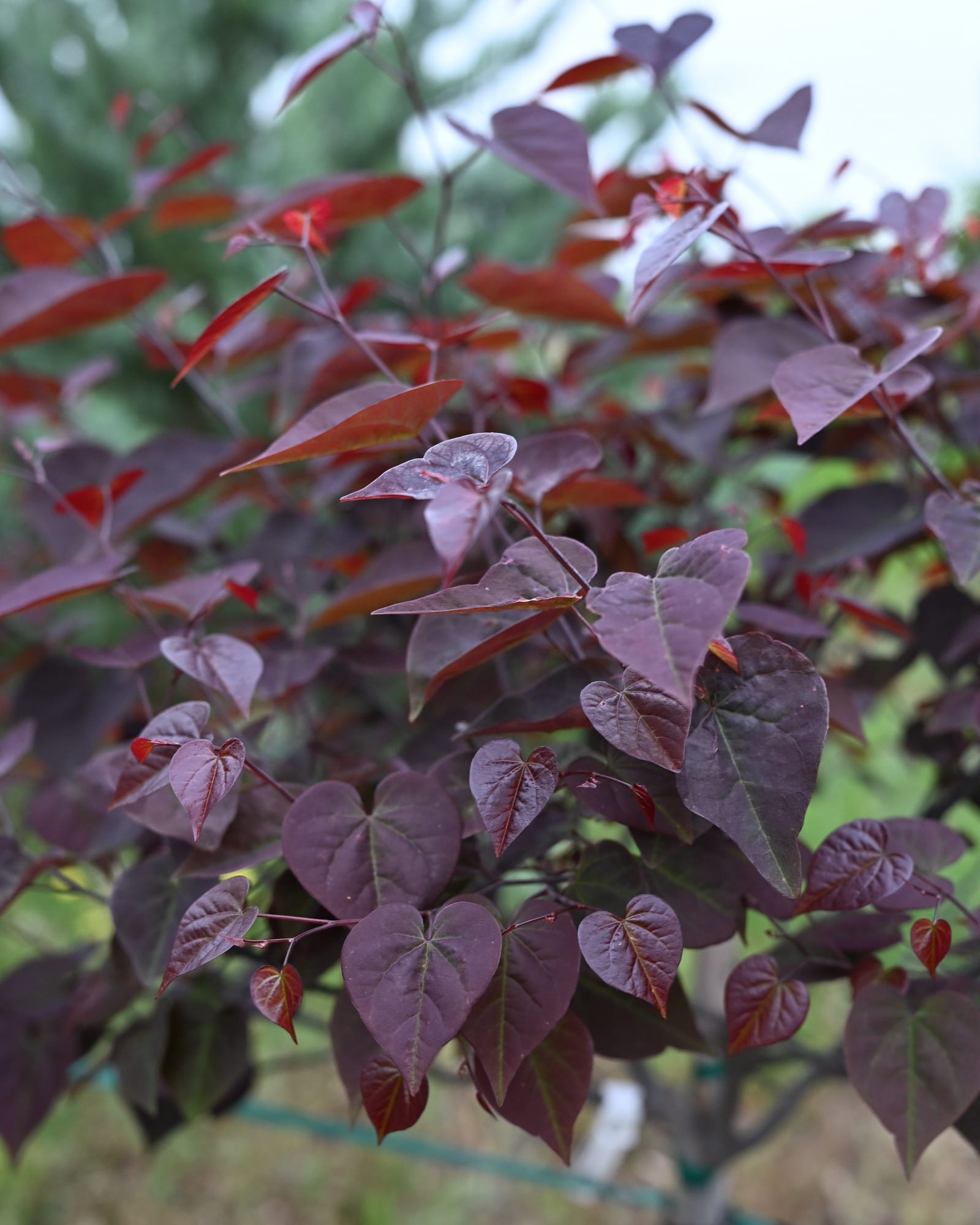
Amethyst Redbud
Maturity: 8' H x 8' W
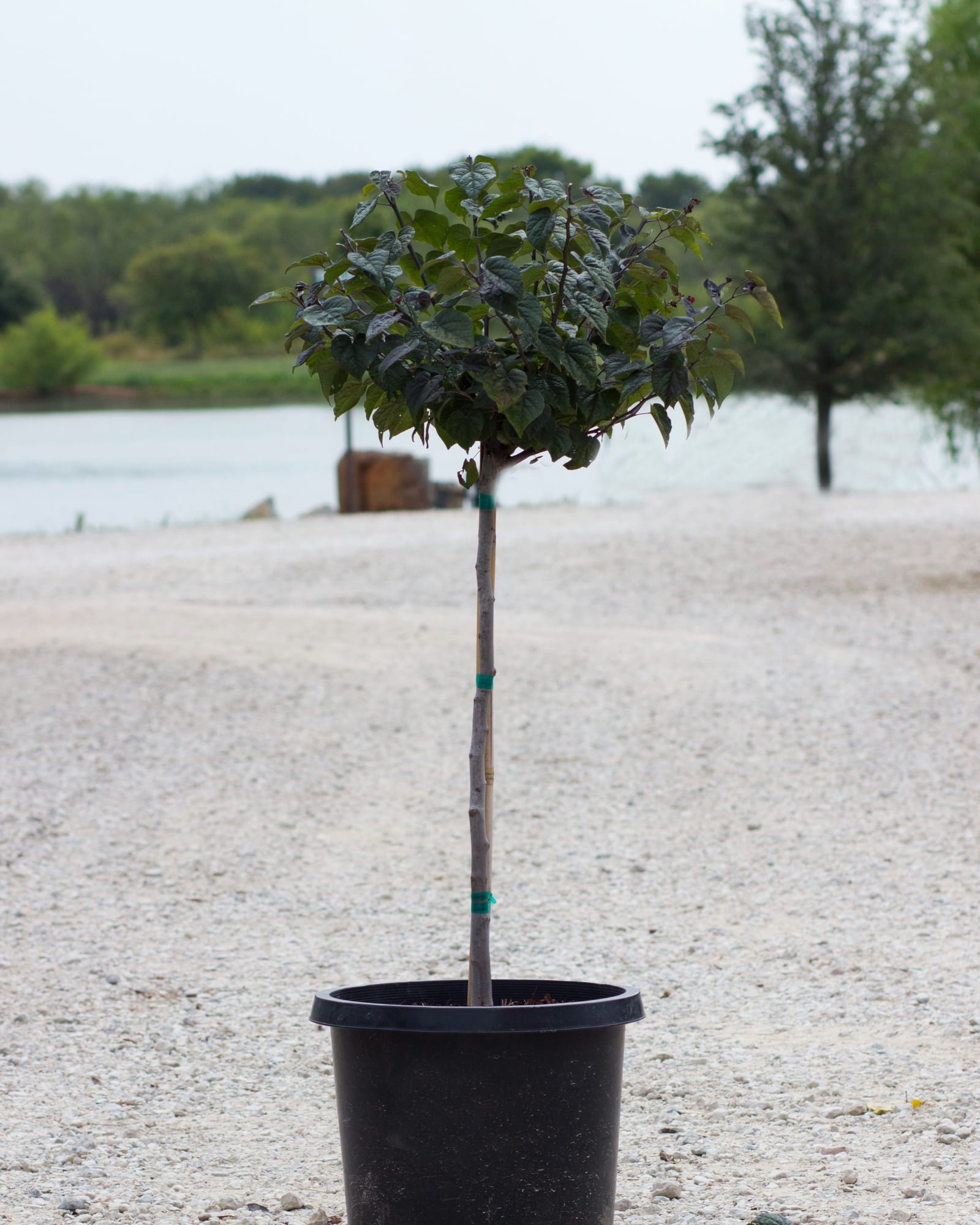
Black Pearl Redbud
Maturity: 20' H x 20' W
Bubble Gum Redbud
Maturity: 15' H x 12' W
Cotton Candy Redbud
Maturity: 20' H x 15' W
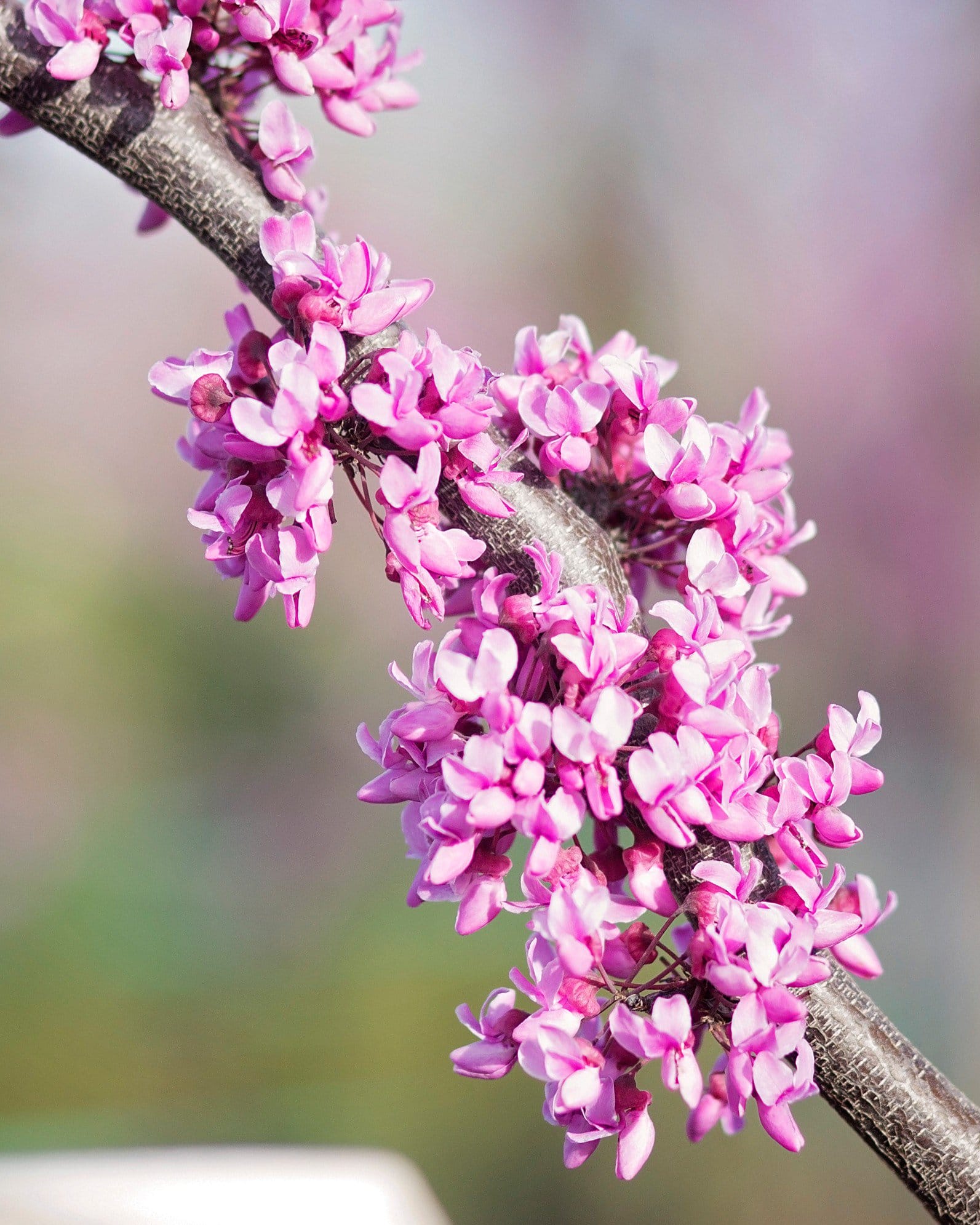
Eastern Redbud
Maturity: 20' H x 20' W
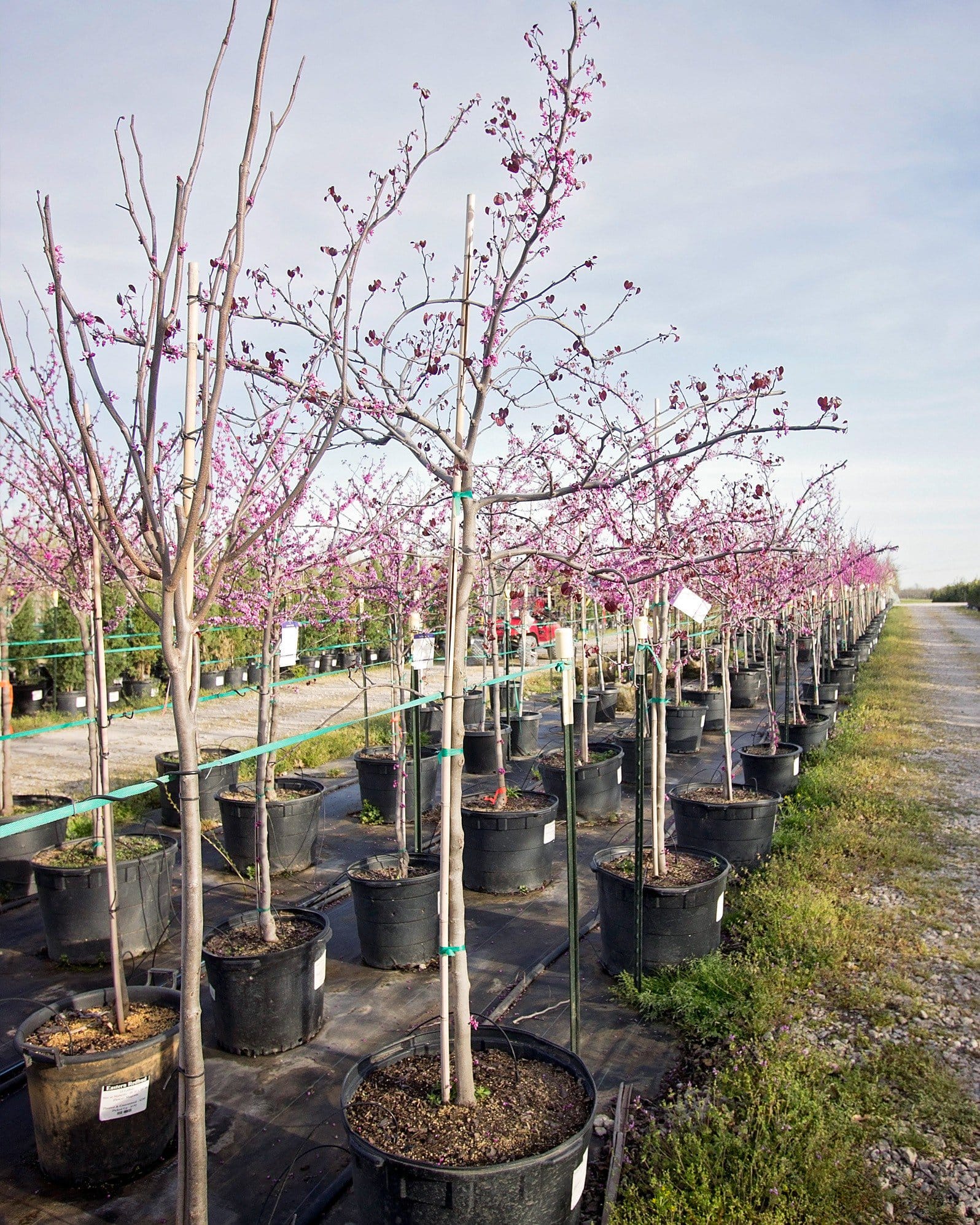
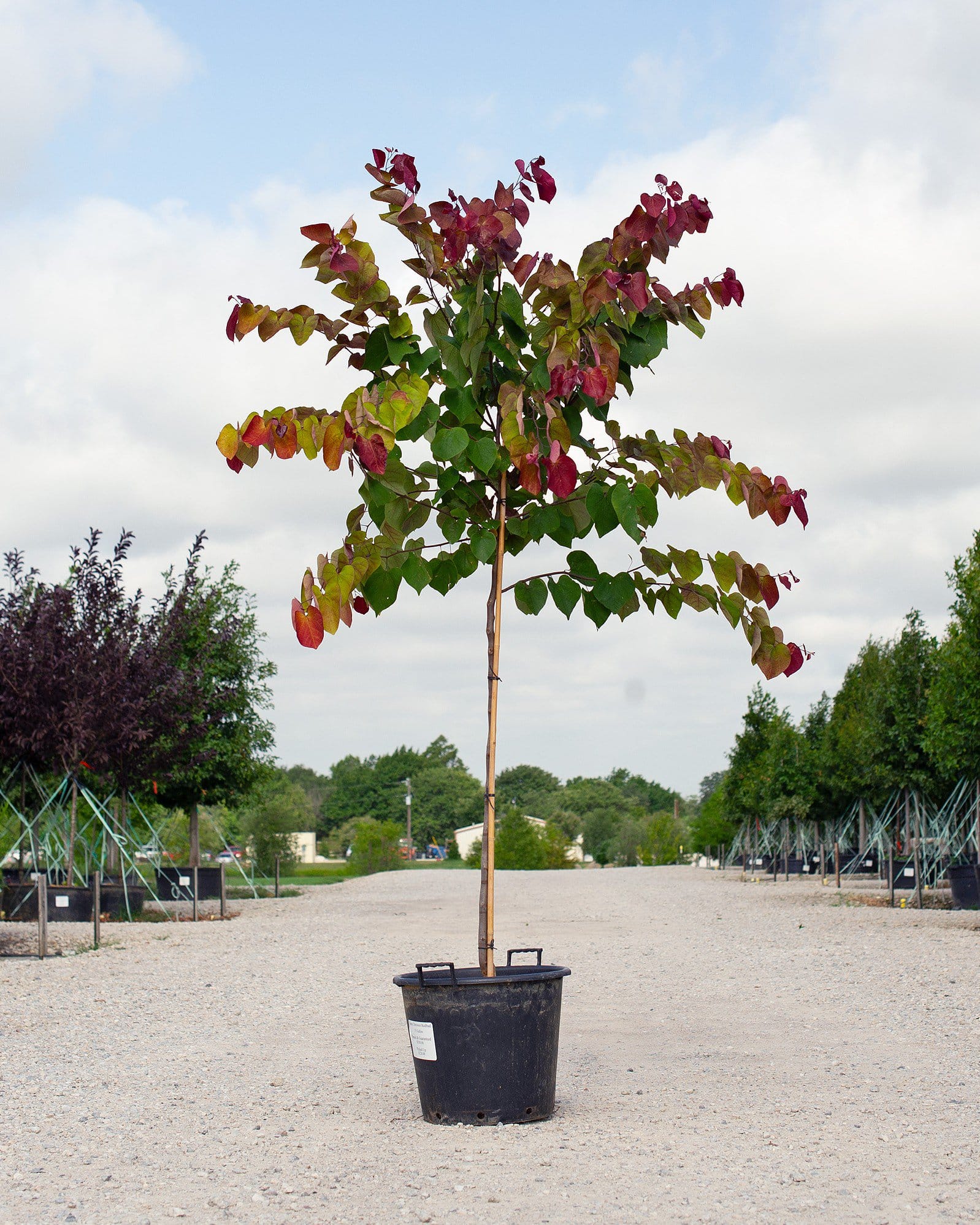
Flame Thrower Redbud
Maturity: 15' H x 15' W
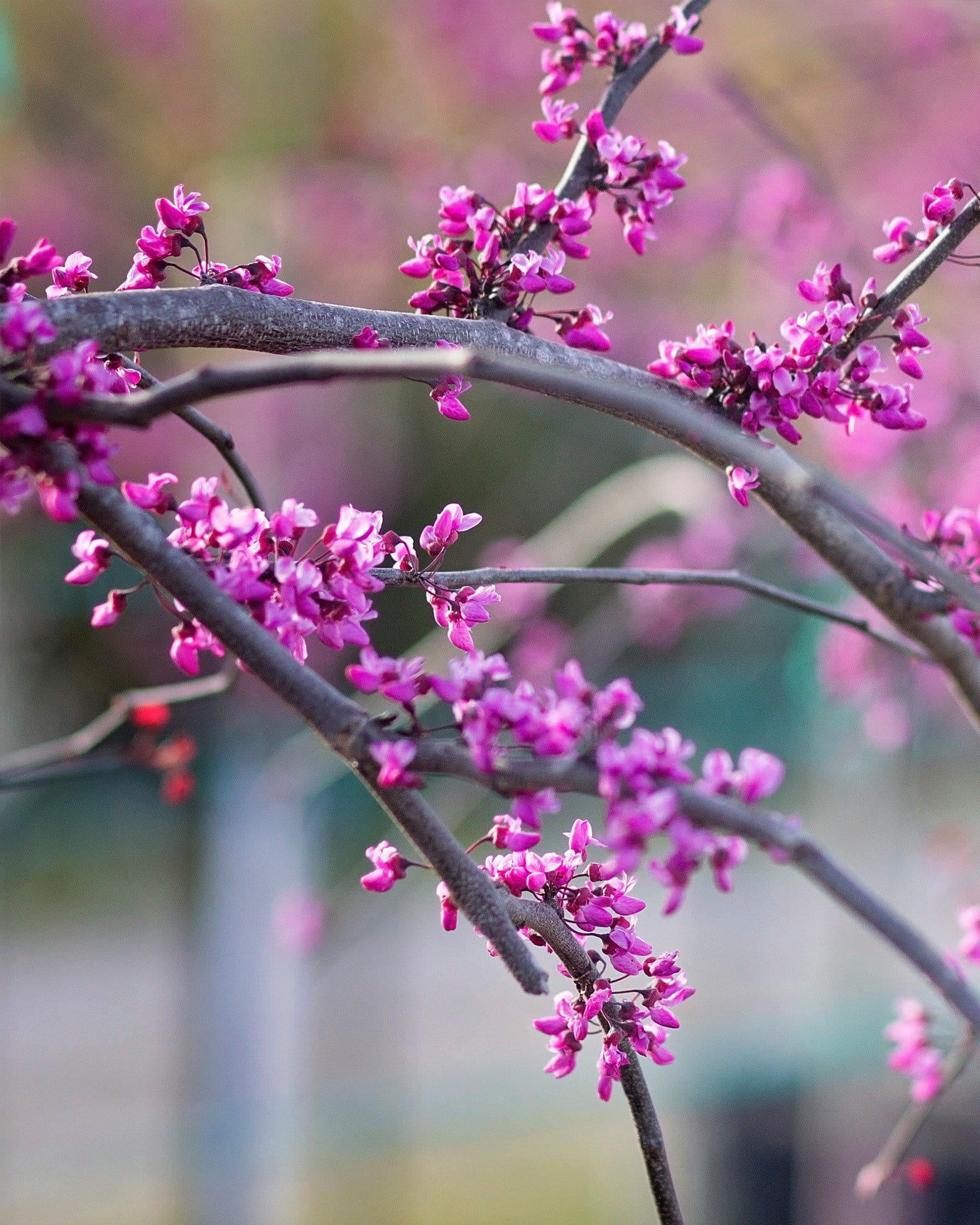
Luscious Lavender Redbud
Maturity: 15' H x 15' W
Merlot Redbud
Maturity: 15' H x 15' W
Oklahoma Sparkler Redbud
Maturity: 15' H x 15' W
Pink Pom Poms Redbud
Maturity: 15' H x 15' W
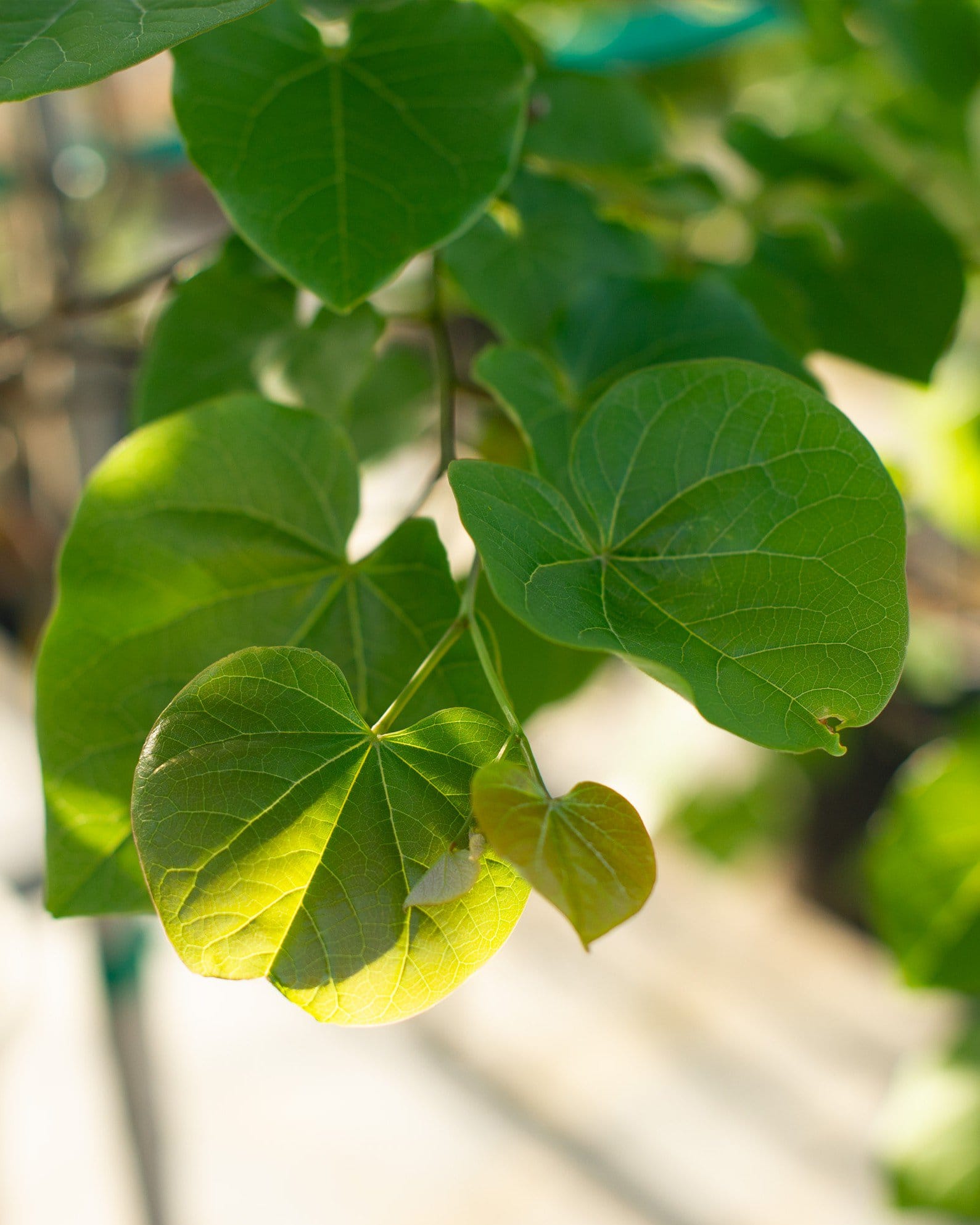
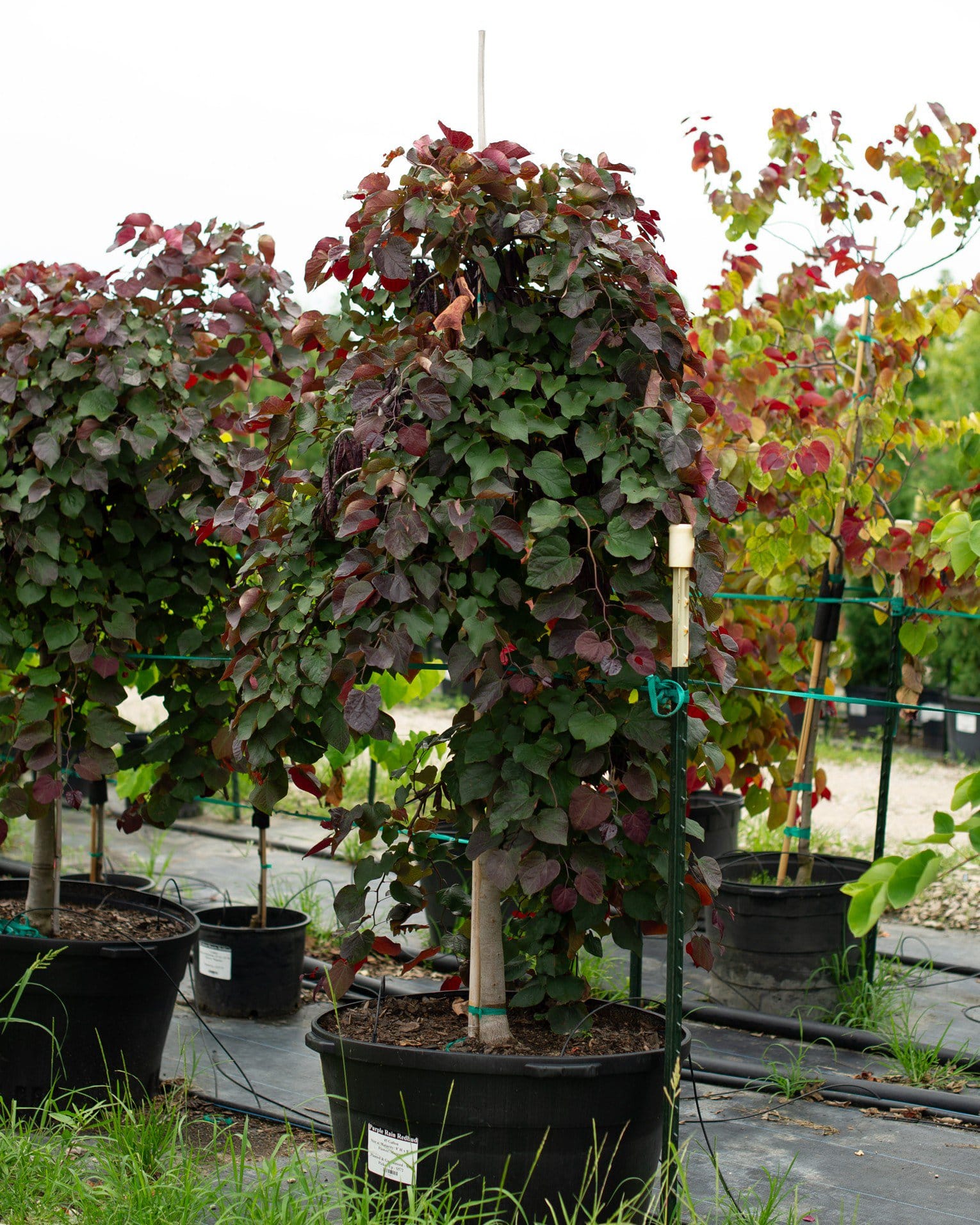
Purple Rain Weeping Redbud
Maturity: 8' H x 8' W
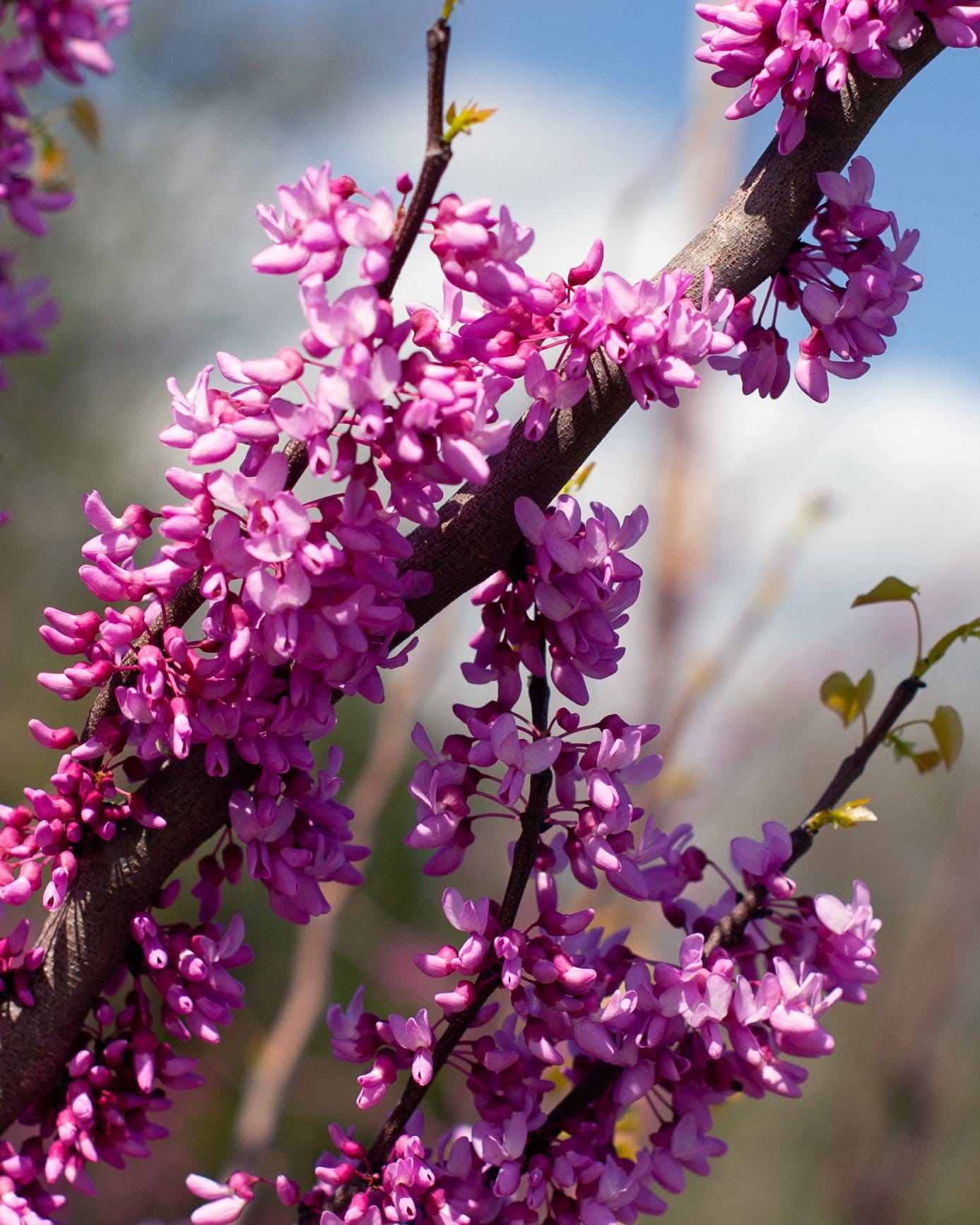
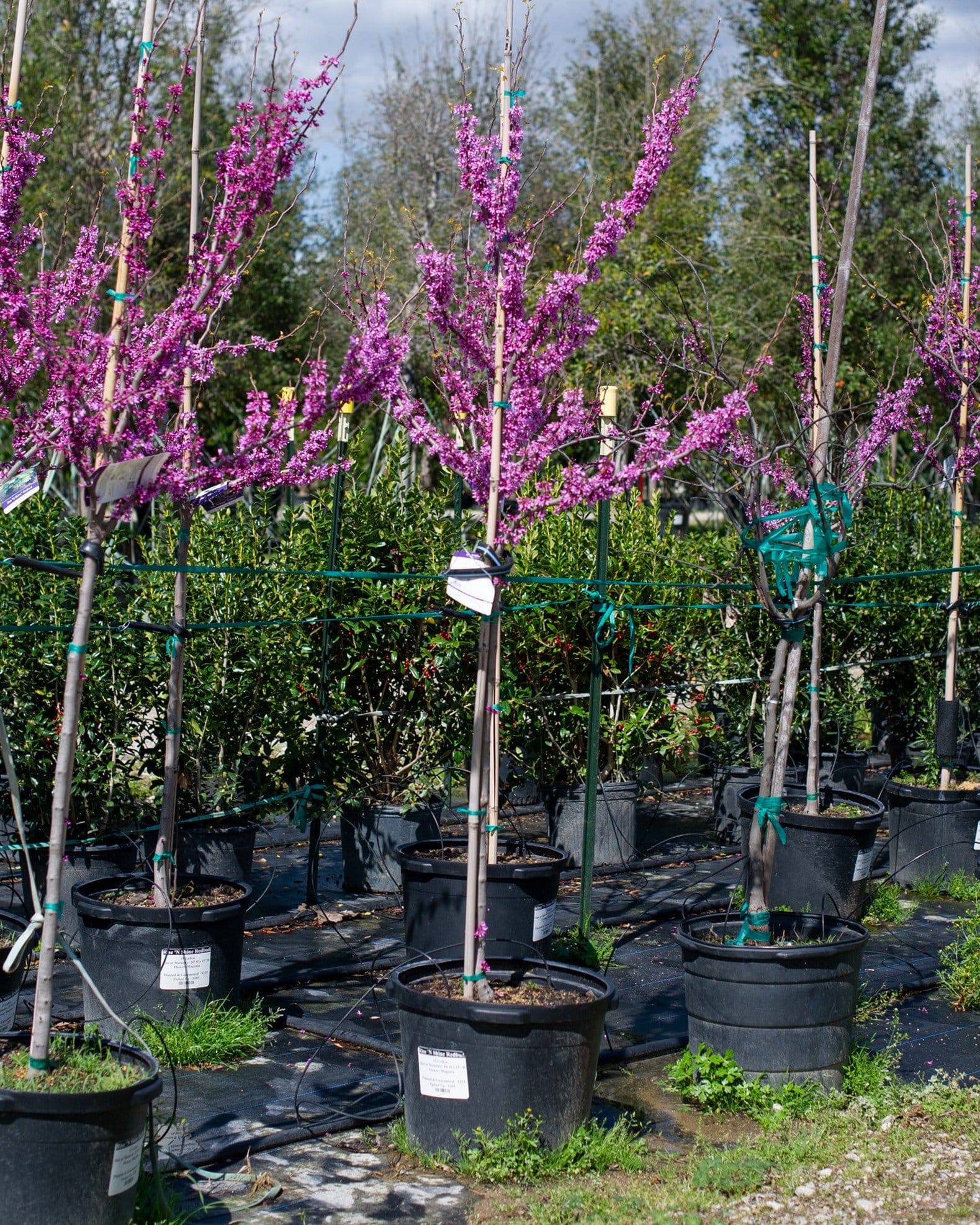
Rise 'N Shine Redbud
Maturity: 20' H x 15' W
Rising Sun Redbud
Maturity: 15' H x 15' W
Ruby Falls Weeping Redbud
Maturity: 6' H x 10' W
Texas Redbud
Maturity: 30' H x 20' W
Compare Similar Plants
Gilded Hearts Redbud This plant | ||
|---|---|---|
| Scientific Name | Cercis canadensis var. texensis 'NC2014-10' | Cercis canadensis 'NC2017-6' |
| Size at Maturity | 15' H x 15' W | 8' H x 8' W |
| Leaf Retention | Deciduous | Deciduous |
| Fall Color | Yellow | Yellow |
| Flower Color | Pink | Pink |
| Bloom Times | Spring | Spring |
| Sizes Available | 7 gal | 15 gal |


Our 1-Year Planting Guarantee
We take pride in our plants and installation services. If any plants or trees installed by Treeland fail to thrive within the first year, we'll provide a replacement credit in accordance with our guarantee program.
Learn More About Our Guarantee